



























Message our coordinator
Free online consultation · Reply within 15 minutes
Message us on TelegramMessage us on WhatsAppBy messaging us, you agree to our Privacy Policy





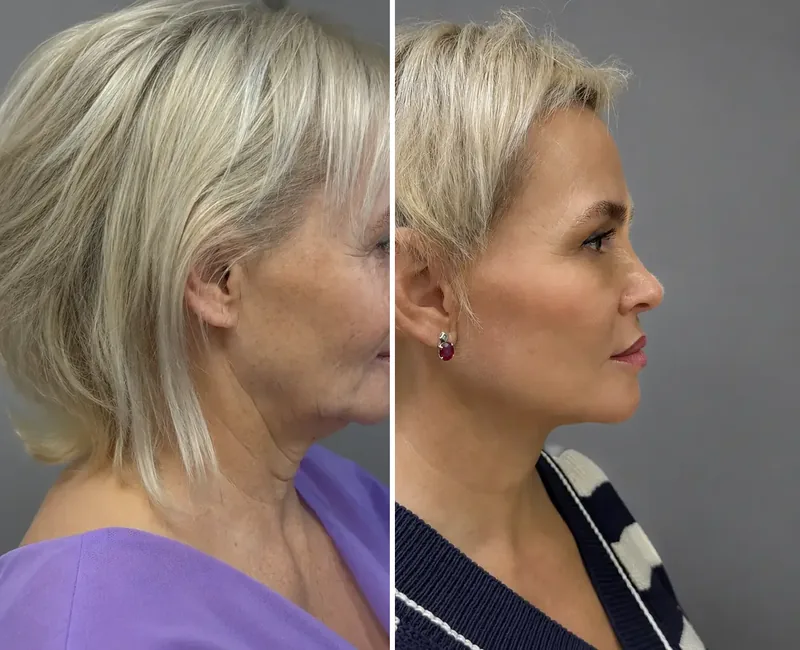

50 years
9 months
SMAS facelift
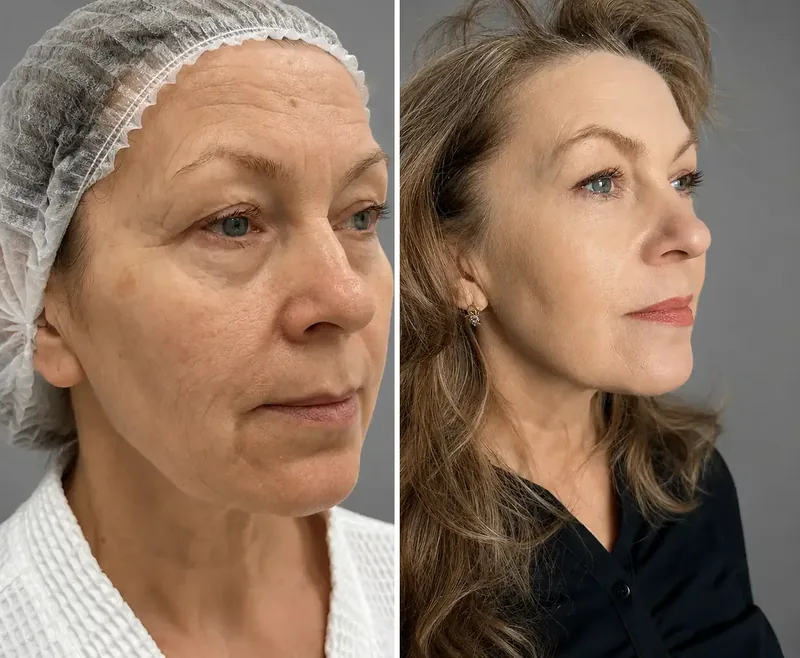
58 years
8 months
SMAS facelift
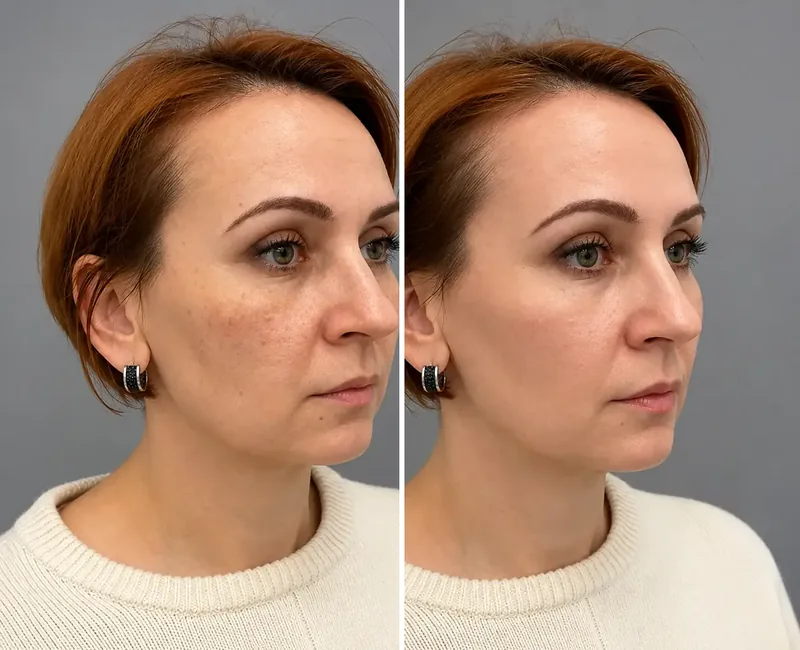
34 years
5 months
SMAS facelift
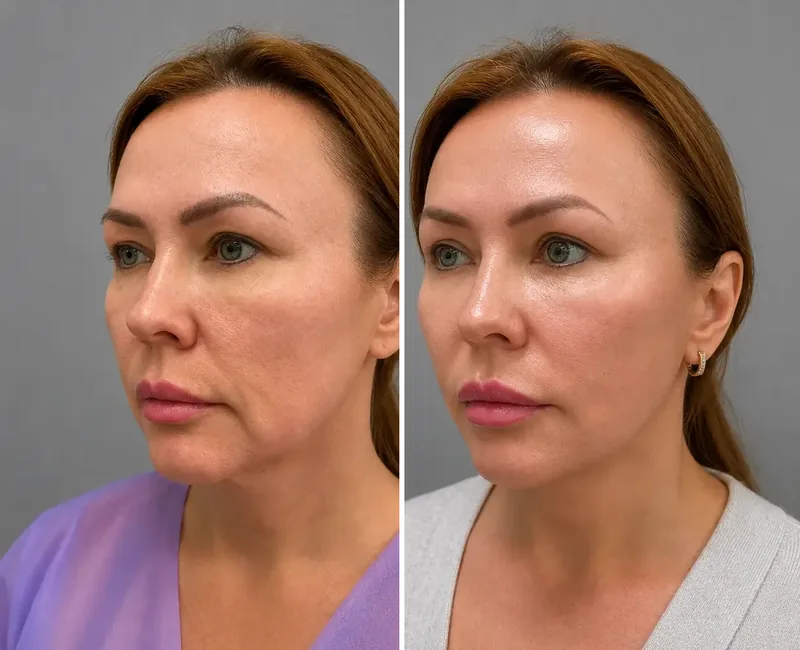
32 years
7 months
SMAS facelift
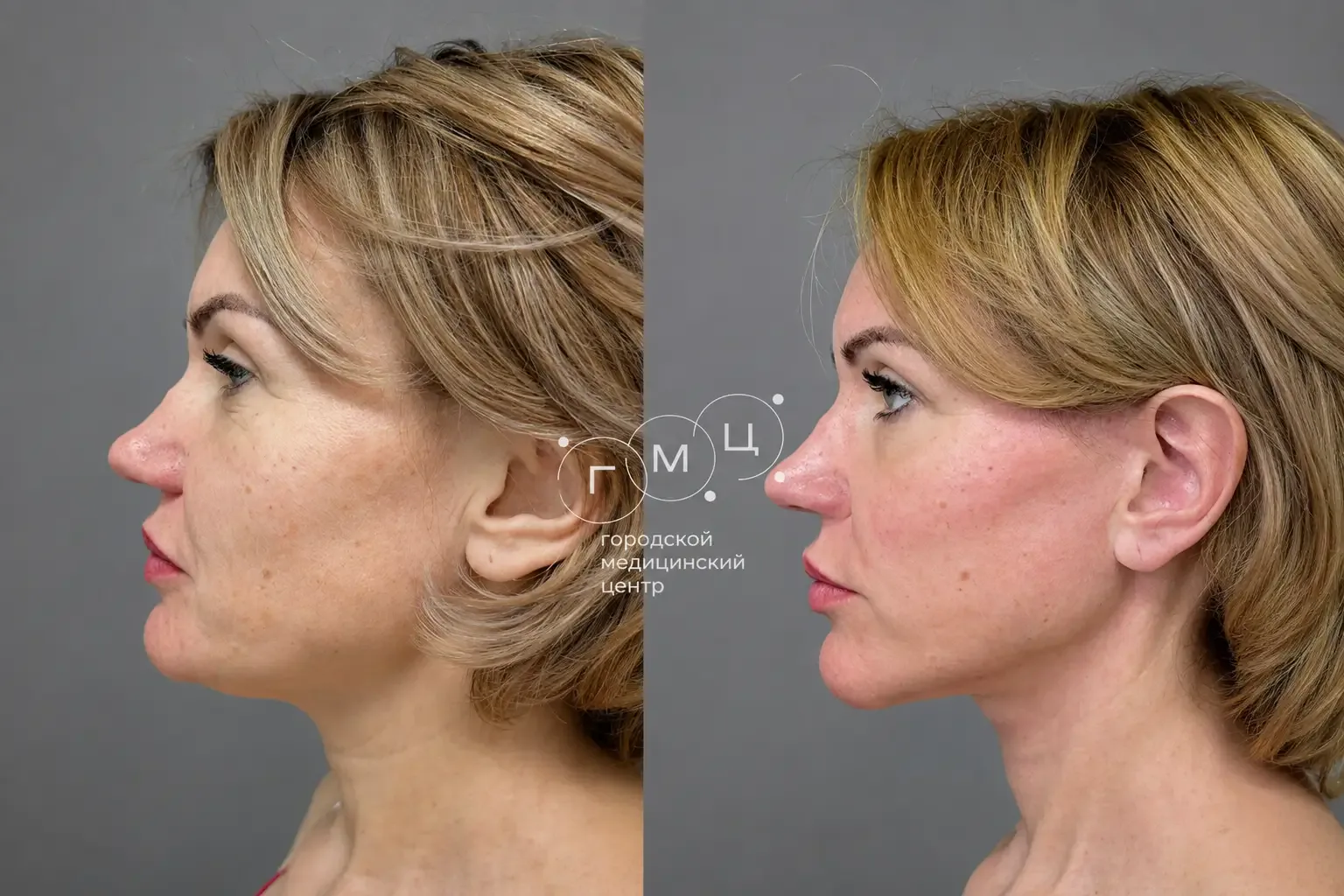
40 years
6 months
SMAS facelift
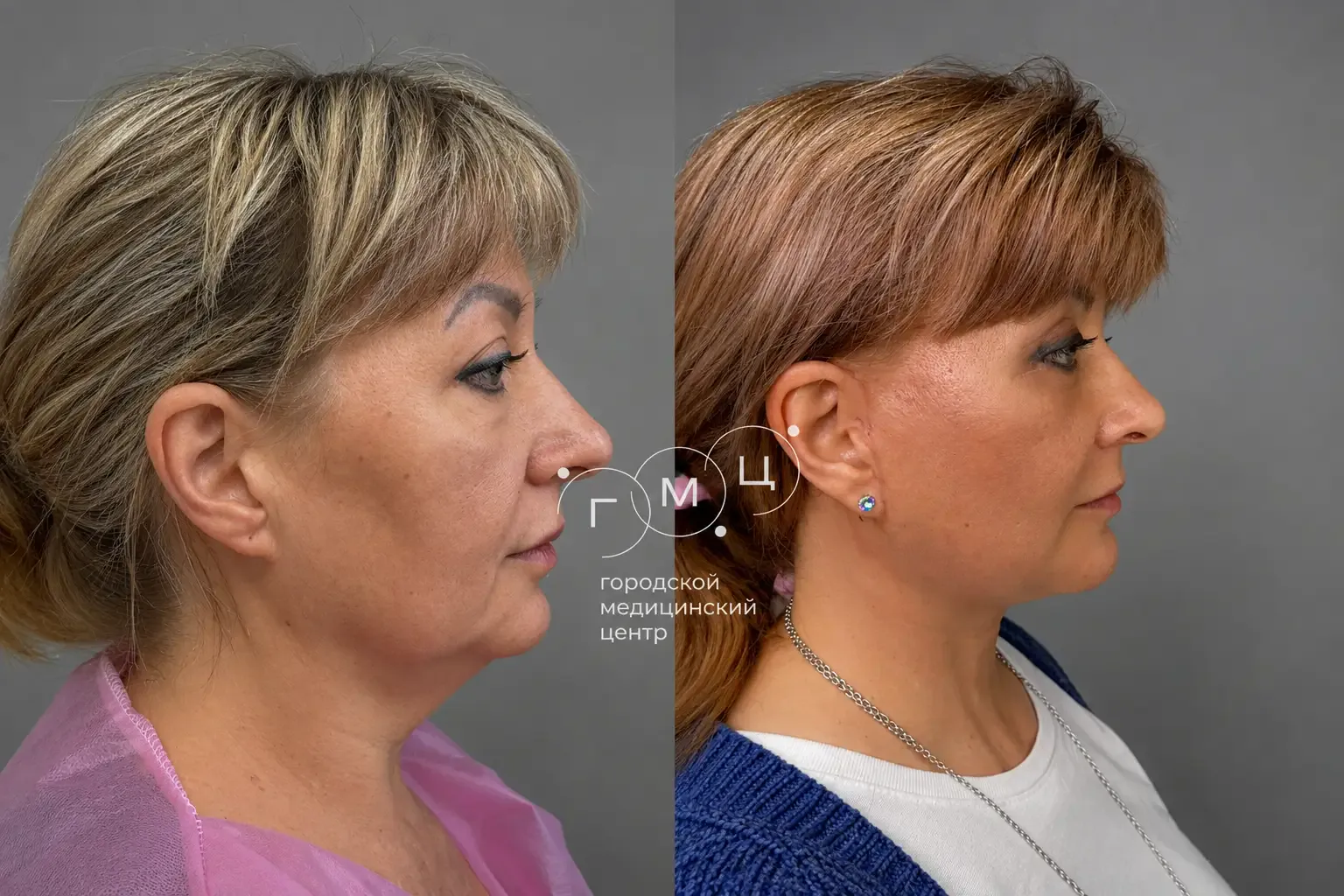
45 years
8 months
SMAS facelift
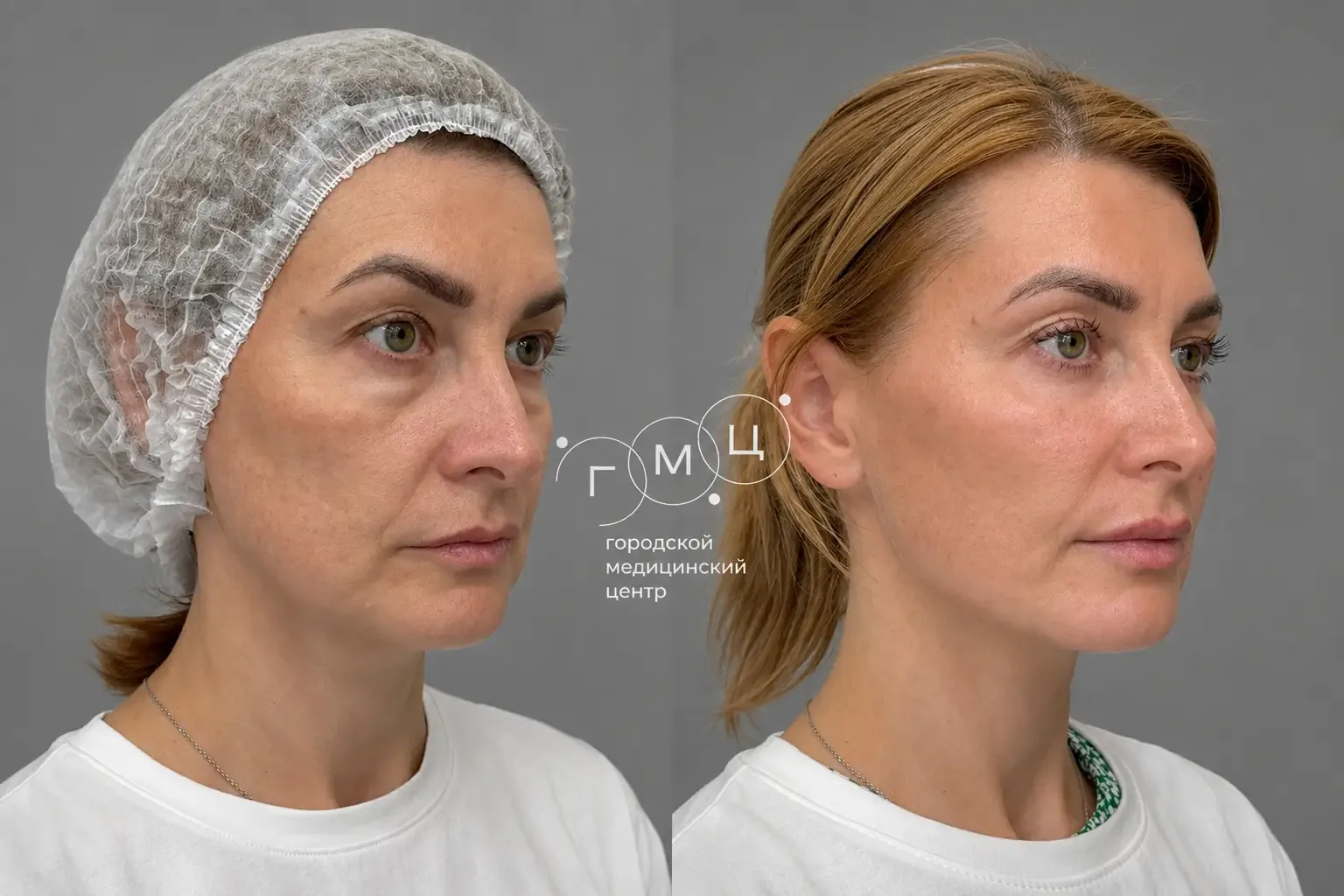
38 years
5 months
SMAS facelift
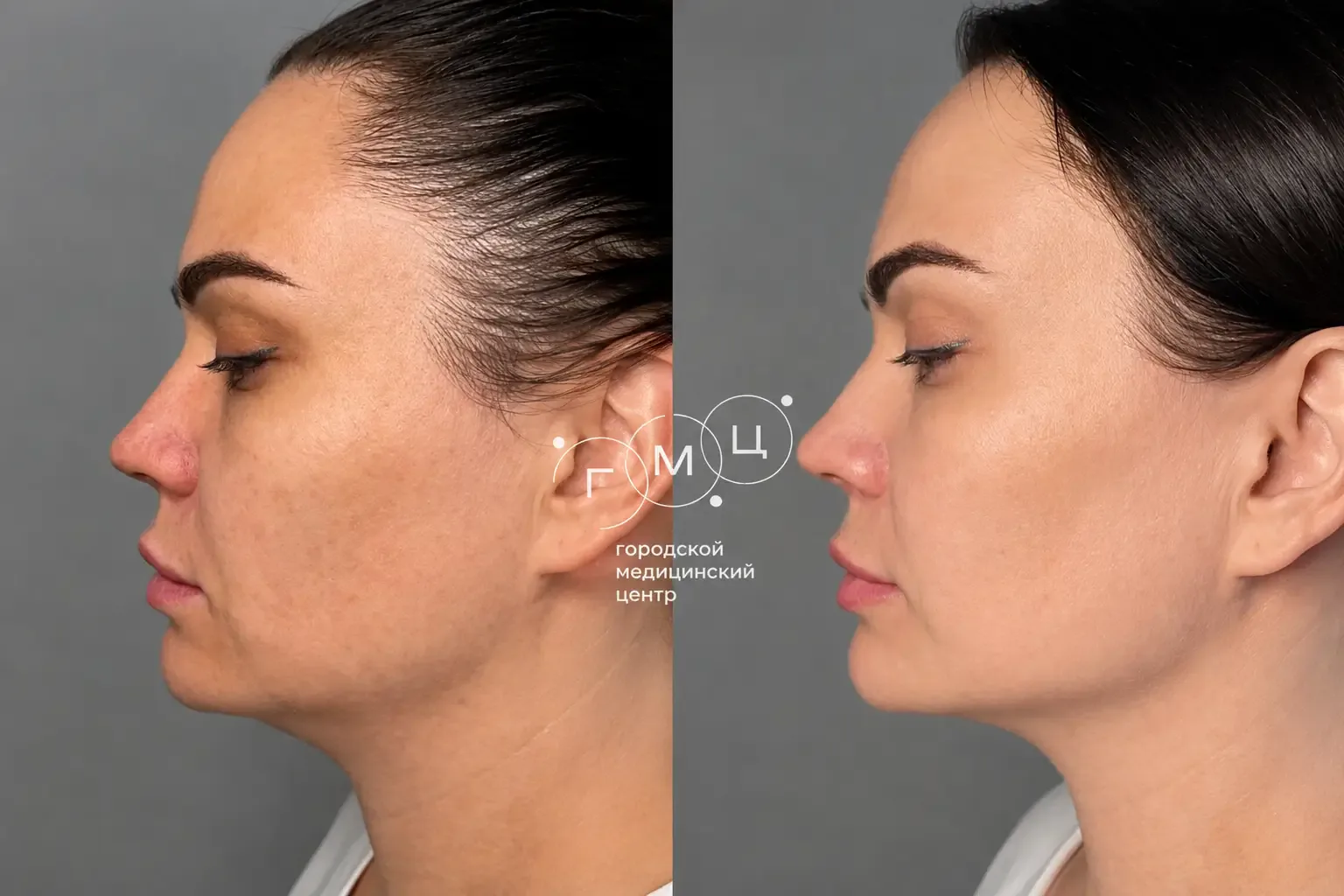
33 years
6 months
SMAS facelift
50 years
9 months
SMAS facelift
58 years
8 months
SMAS facelift
34 years
5 months
SMAS facelift
32 years
7 months
SMAS facelift
40 years
6 months
SMAS facelift
45 years
8 months
SMAS facelift
38 years
5 months
SMAS facelift
33 years
6 months
SMAS facelift
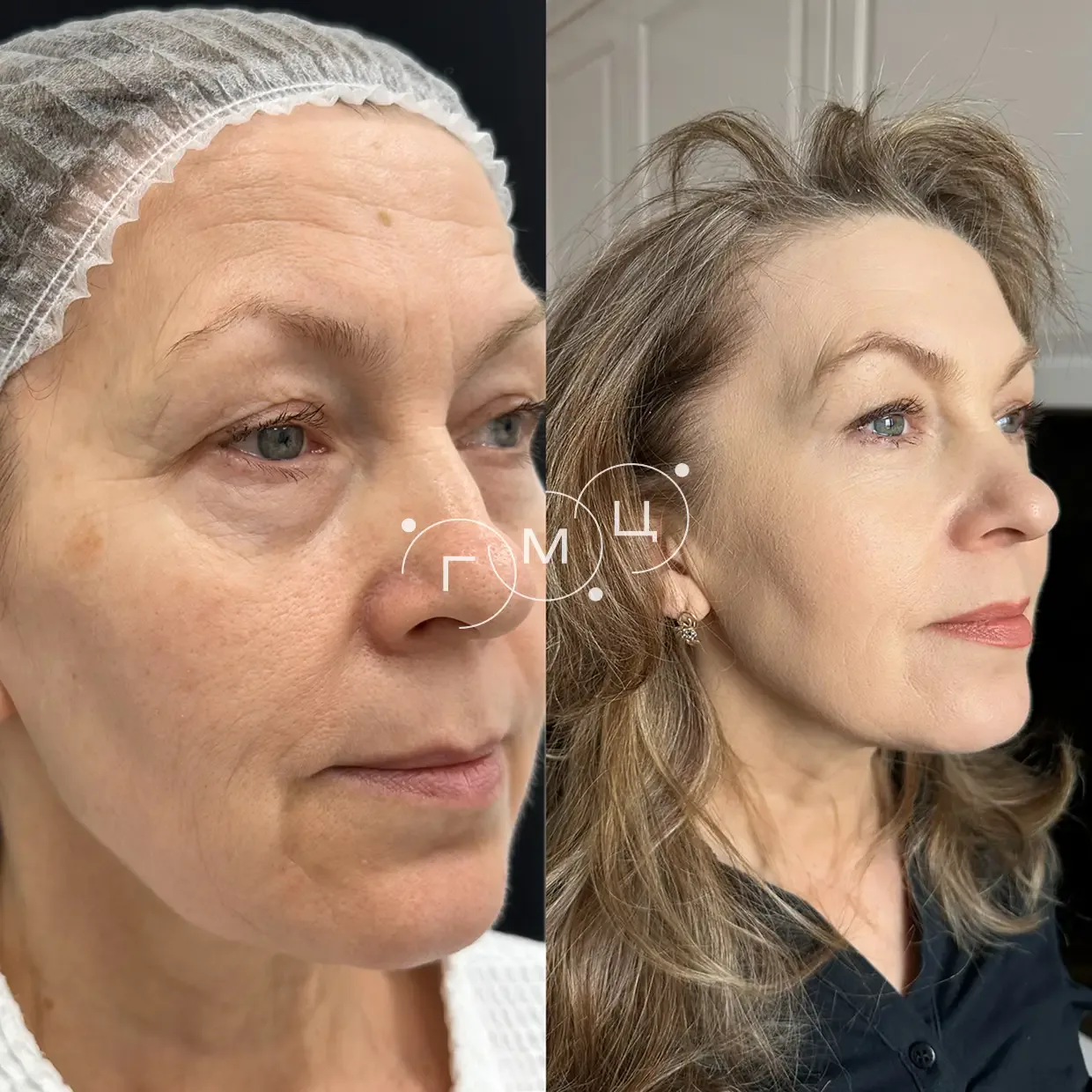

Marked sagging of the face and neck
A loss of jawline definition, jowls
A double chin with loose skin on the neck
Marionette lines and deep nasolabial folds
A heavy, tired look from drooping brows
A significant drop in skin firmness after 40
Wanting a long-term result (7–10 years)

Age under 30
Active, acute inflammation of the skin
Being pregnant or breastfeeding
A severe cardiovascular condition
Problems with blood clotting
Cancer
Decompensated diabetes
How a SMAS facelift works for Luxor residents
What is the difference between a standard and a SMAS facelift? A skin-only lift affects just the top layer and gives a short-lived effect. A SMAS facelift is deeper surgery: the surgeon lifts and secures the facial muscle and fascia layer, addressing weakened ligaments and descended muscles. For anyone researching a facelift in Luxor, that depth is what makes the outcome natural and long-lasting.
It starts with a free consultation: the surgeon examines you, assesses the type and degree of ageing and the areas to correct, explains the expected result and answers your questions. Then the scope of surgery is defined and one of four facelift types is chosen. For patients from Luxor, every stage is explained in advance, with no pushing and no pressure to decide on the spot.
A free consultation is the easiest way to get an exact figure. The surgeon assesses the degree of sagging and the zones to correct, recommends the type of lift and names the final price; a facelift starts from $2,400 (≈ EGP 130,000). Apply before the end of the year and the consultation is free. Patients from Luxor can use the form on the page or message us in any messenger.
Stories of well-known people
Well-known people who spoke openly about this operation, in their own words.
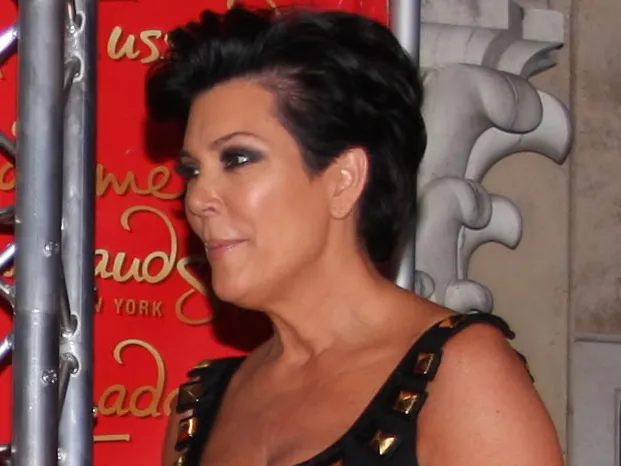 Kris Jenner’s facelift: “I love my facelift”Kris Jenner said she had a facelift about 15 years ago and a refresh before turning 70 — and that she loves it. How a SMAS facelift and recovery work.
 Did Vicki Gunvalson have a facelift? Yes, and she showed the result herselfVicki Gunvalson had a facelift in May 2018 after deciding fillers no longer looked like her. Her own words, how a facelift works and recovery.
 Keltie Knight’s facelift: why she decided to “just own it”Keltie Knight had a facelift in 2023 at 41 and chose to talk about it openly. What she said, how a SMAS facelift works and what recovery looks like.
 Did Linda de Mol have a neck lift? Yes, and she wrote about it herselfLinda de Mol wrote in LINDA. in 2025 that she had a neck lift. What she said, why she chose to be open, and how a face and neck lift works today.
 Linse Kessler and her facelifts: what she said herselfDanish reality star Linse Kessler has said openly that she has had several facelifts. Her words, how a modern facelift works and what recovery involves.
 Did Alice Bendová have a facelift? Yes, and she explained why herselfAlice Bendová confirmed a deep plane facelift in September 2026. Her words, how a facelift works, who it suits and what recovery looks like.
Facelift Questions From Patients in Luxor
Luxor's city population was estimated at 289,618 in 2024 by Egypt's Central Agency for Public Mobilization and Statistics, and among them are people starting to notice sagging in the face and neck that creams and non-surgical treatments cannot fix, looking for a result that lasts years rather than weeks.
Most patients from Luxor start with a clear description of the areas that bother them, plus daylight photos from several angles, sent to coordinators on Telegram or Telegram who are available around the clock, so they get an honest first opinion before anything else.
Skin-Only Lift or Deep SMAS Lift
A standard, skin-only lift works on the surface alone, while a SMAS facelift reaches the muscle layer directly beneath the skin, repositioning it for a more natural, longer-lasting result. A SMAS facelift is performed under general, inhalation anaesthesia, so the patient feels no pain during the operation.
A facelift can be combined with other procedures in the same session, such as eyelid surgery, rhinoplasty, or double-chin liposuction, and the surgeon decides on the right combined scope at the consultation based on each patient's case.
A Quiet First Week Under Luxor's Heat
In the first seven to ten days after surgery, rest, a compression bandage and limited activity are the basics, alongside the ordinary tightness and discomfort that medication the doctor prescribes helps manage. Swelling and bruising fade within two to four weeks, and overall recovery is complete in about two months.
Among the driest and hottest cities anywhere, Luxor's daytime highs routinely pass 40C in summer, with a recorded peak of 50C in May 1991, while winter nights drop to around 7-8C; wearing a compression bandage through that first week is far less comfortable in that kind of heat than through a mild winter night, which is why some patients from Luxor prefer scheduling the procedure away from the hottest summer months.
The first clear changes in shape usually appear after three to four weeks as swelling eases, while the face settles into its final look after three to six months, and the effect of a surgical lift lasts seven to ten years.
Follow-Up Through the Whole First Year
The operating surgeon stays in touch with the patient for the entire first year after a facelift, with scheduled check-ins to review recovery and answer questions about daily activity.
A city with as long a history as Luxor, built on the site of ancient Thebes, capital of Pharaonic Egypt during the New Kingdom, and counted among the oldest continuously inhabited cities on earth, has plenty of older residents asking about a facelift as an option suited to someone who wants a result that lasts for years, not a treatment that needs repeating annually.
Checking a Surgeon Through the Medical Syndicate
The Egyptian Medical Syndicate (ems.org.eg), founded in 1940 and counting more than 230,000 registered physicians, works with the Ministry of Health and Population to grant doctors their licence to practise, so checking a surgeon's registration and specialty through it is a reasonable step before a procedure of this scale.
It also helps for a patient from Luxor to ask specifically why a surgeon recommends a skin-only lift or a SMAS lift for their own case, rather than accepting one generic answer repeated to everyone.
Non-Surgical Options First, and Who a Facelift Really Suits
Not every change in the face with age needs a surgical procedure; in the earlier stages of sagging, a surgeon may discuss non-surgical options first, leaving a surgical facelift for cases where the skin and tissue have sagged to a degree those options cannot adequately correct.
General skin health, including smoking and years of sun exposure habits, affects both the result of a facelift and how quickly the surgical incision heals afterward, which is why a surgeon asks about a patient's lifestyle before surgery, not just about the face itself.
Facial bone structure differs from person to person, and that determines which part of the face needs more lift than another; a good facelift does not treat every face the same way but is built around each patient's own structure.
Someone combining a facelift with another procedure in the same session needs slightly longer overall recovery than a single procedure alone, a detail the surgeon discusses clearly when planning a combined scope.
It helps for a patient from Luxor to ask the surgeon directly whether their case genuinely needs a surgical facelift or whether a less invasive option could achieve an acceptable result first, rather than assuming surgery is the only available choice.
How the Surgeon Decides the Right Depth of Lift
The surgeon decides how deep a lift each patient needs based on where the sagging actually sits: mid-cheek sagging is handled differently from jawline or neck sagging, and some patients need a deeper lift in one area and a lighter touch in another part of the same face rather than one uniform depth applied everywhere.
Fabric, Sleep and Small Household Details: Facelift Recovery Days in a Luxor Home
Get your clothes ready before surgery day: shirts that button at the front and loose-collared galabeyas instead of anything pulled over the head, because any tug across the ears and jawline in the first two weeks disturbs the incision areas. Wide cotton scarves suit better than a tightly wrapped shemagh, and sunglasses with light arms should rest on the nose rather than press on the temples. Winter nights in Luxor drop to around seven or eight degrees, so a light shawl for an evening out is kinder than direct heat blown at a healing face.
Treat your bed as part of the treatment: head and neck positioned the way the team directs, extra pillows keeping pressure off both sides, no sleeping on the face at all in the early weeks, and an alarm if you move a lot in your sleep. Through the first seven to ten days, movement inside the house stays calm: nothing lifted above shoulder height, no long bends, ask someone to fetch whatever sits on the lowest shelf, and turn your neck slowly when someone calls your name.
The house itself wants small adjustments: a fan or air conditioning that never blows straight into your face, a small mirror through the first weeks instead of the large one that magnifies every bruise, and kohl and scented creams set aside until the team says otherwise. Receive family by phone call in the first week. Every question about washing hair, changing the dressing or the first outing finds a Telegram or Telegram coordinator answering at any hour; the small details are what make these days comfortable.
Is a facelift painful?
A SMAS facelift is performed under general, inhalation anaesthesia, so there is no pain during the operation; the ordinary tightness of the first few days is managed with medication the doctor prescribes.
When do results show, and how long do they last?
The first clear changes appear after three to four weeks, the final look settles after three to six months, and the effect of a surgical SMAS lift lasts seven to ten years.
Does recovery take long?
The first seven to ten days need rest, a compression bandage and limited activity; swelling and bruising fade within two to four weeks, and full recovery takes about two months.
Does Luxor's heat make the first week harder?
It makes the compression bandage less comfortable, especially with daytime summer highs often above 40C; many patients prefer scheduling the procedure for the cooler months instead.
What is the difference between a skin-only lift and a SMAS lift?
A skin-only lift works on the surface alone; a SMAS lift reaches the muscle layer beneath the skin, giving a more natural, longer-lasting result.
Can a facelift be combined with other procedures?
Yes, it can be combined with eyelid surgery, rhinoplasty or double-chin liposuction in the same session, as the surgeon decides at the consultation.
How long does the surgeon follow up afterward?
The operating surgeon stays in touch with the patient for the entire first year through scheduled check-ins.
How can a patient from Luxor verify a surgeon's licence?
Through the Egyptian Medical Syndicate (ems.org.eg), which works with the Ministry of Health to license doctors; ask for the registration number.
Can the first evaluation happen without an in-person visit?
Yes, through a clear description and daylight photos from several angles sent to coordinators on Telegram or Telegram, available around the clock.
Does every facial change with age need surgery?
No, in earlier stages non-surgical options may be enough, leaving a surgical facelift for cases where sagging no longer responds adequately to those options.
Does smoking affect the facelift result?
Yes, general skin health, including smoking and years of sun exposure, affects both the result and how quickly the surgical incision heals.
Is a facelift built the same way for every patient?
No, facial bone structure differs from person to person, and a good facelift is built around each patient's own structure rather than one standard approach.
Does recovery take longer with an additional procedure?
Yes, combining a facelift with another procedure needs slightly longer overall recovery than a single procedure alone.
Is there a less invasive option before surgery?
In some earlier cases, yes, and the surgeon discusses that directly rather than assuming surgery is the only option.
Who actually needs a surgical facelift?
Someone whose skin and tissue have sagged to a degree that no longer responds adequately to non-surgical options, which a direct exam with the surgeon determines.
Does a facelift need to be repeated after years?
The surgical effect lasts seven to ten years, after which the face continues its natural ageing, and some patients discuss further options with the surgeon at that point.
Is a facelift suitable for sensitive skin?
Yes, but the surgeon reviews how the skin reacts to sun and products beforehand, to adjust aftercare instructions to each patient's case.
When can I wash my hair myself after a facelift?
That timing belongs to the team, decided by the state of your incisions rather than a general date that fits everyone. Until then, stick to whatever the written instructions allow and let someone wash your hair over a slanted basin that saves you a long bend; any doubt about the details reaches the coordinators at any hour.
How should I sequence my first outing after the operation?
Make the first one deliberately small: a short errand at a mild hour, under a loose covering that presses nothing, with no kohl and no new products on the face. Swelling and bruising fade over two to four weeks, so move gently from the short errand to a full day, and ask the team about any activity before your first real turn toward the sun.
Facelift in Luxor: price and what is included
Prices are in US dollars; the amount in brackets is an approximate conversion to EGP at the rate of 02.10.2026. The final price is fixed in your contract.
- Faceliftfrom $2,400 (≈ EGP 130,000)
How much does a facelift in Luxor cost?
Prices start from $2,400 (≈ EGP 130,000). The surgeon sets the final price at the free consultation, and it is fixed in the contract, with no hidden extras.
What is included in the price?
A one-to-one consultation, the medical team, anaesthesia, inpatient care with meals, 24/7 monitoring and twelve months of follow-up by the surgeon.
How do I get my exact price?
Message us on WhatsApp or Telegram using the buttons below. A coordinator will answer your questions and book a free consultation where the doctor names the exact price.
By messaging us, you agree to our Privacy Policy