


























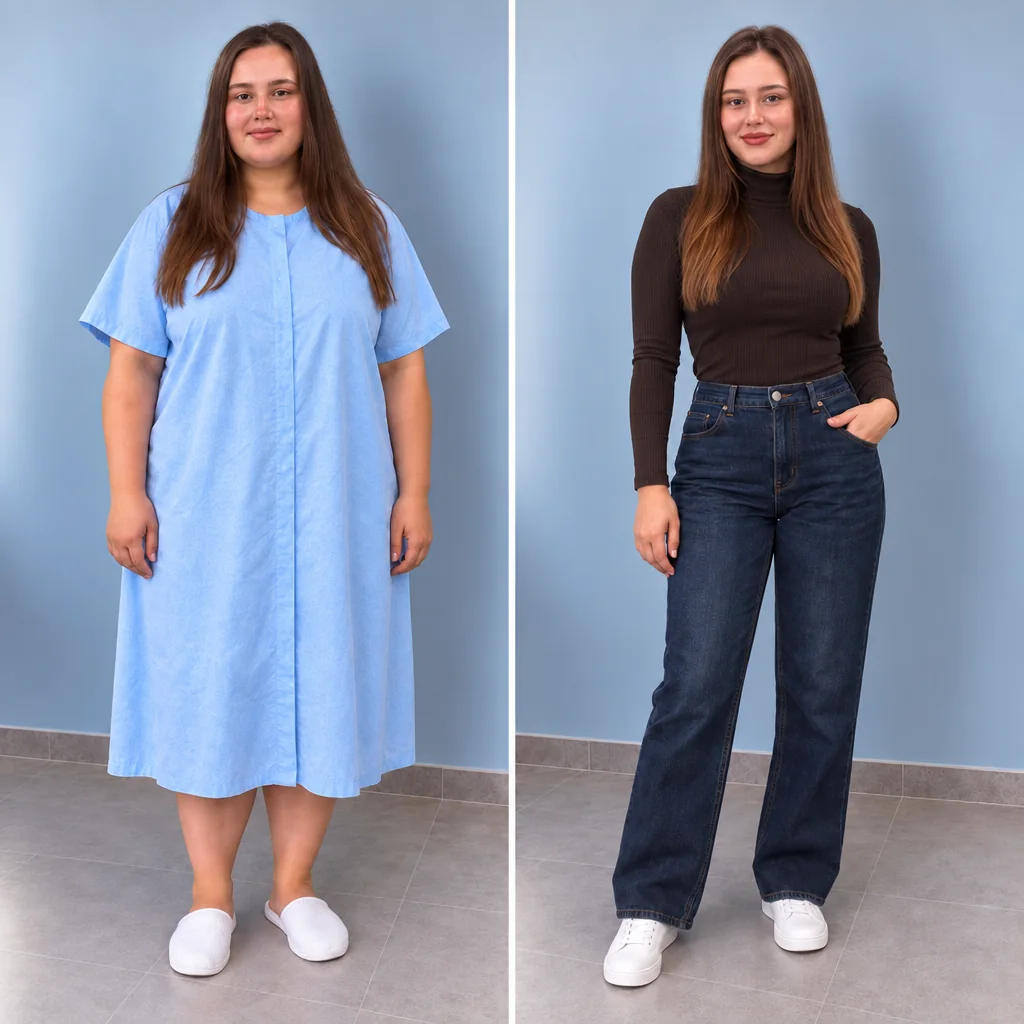
 beforeafter
Irina, 26
Bariatric surgery
Bariatric surgery
$3,600
$4,800 · First consultation — Free
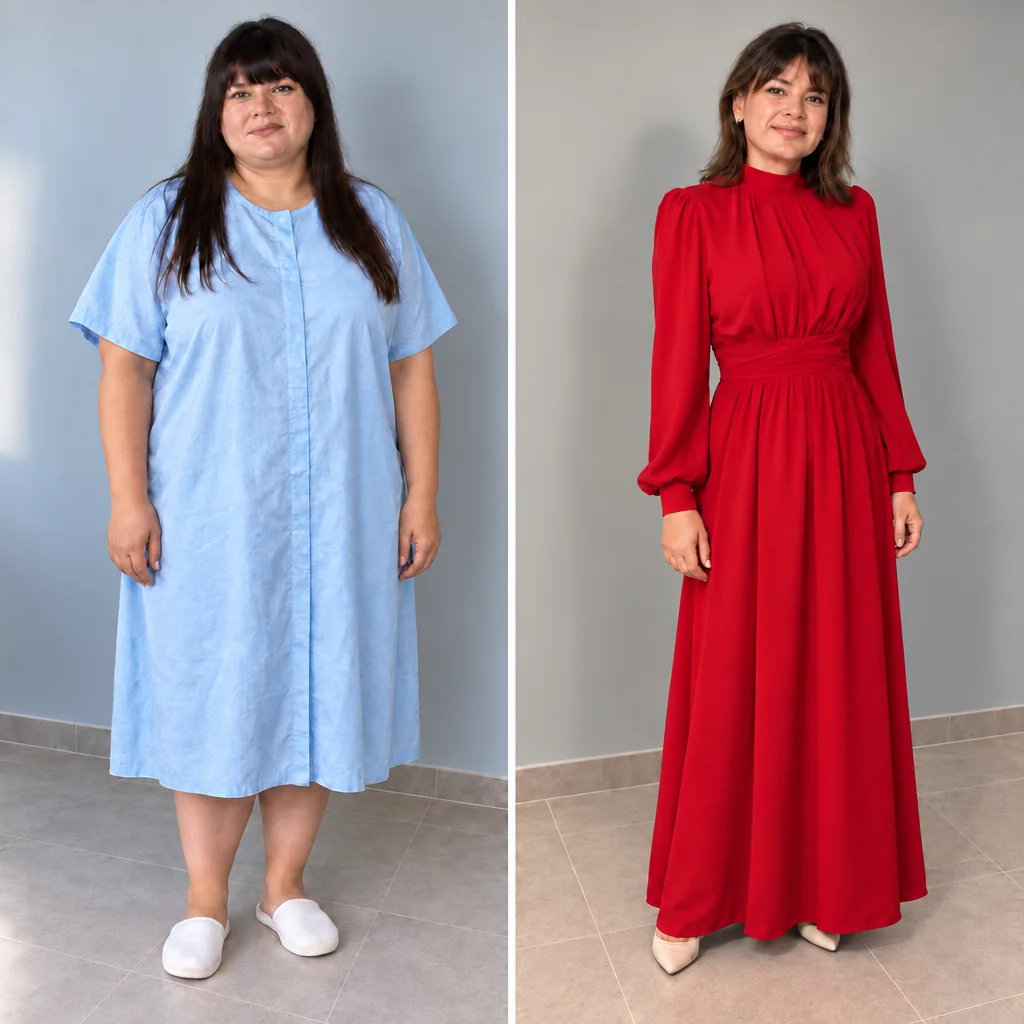 before
after
before
after
Message our coordinator
Free online consultation · Reply within 15 minutes
Message us on TelegramMessage us on WhatsAppBy messaging us, you agree to our Privacy Policy
Results
These are real patients treated at the clinic.
beforeafterBariatric surgery
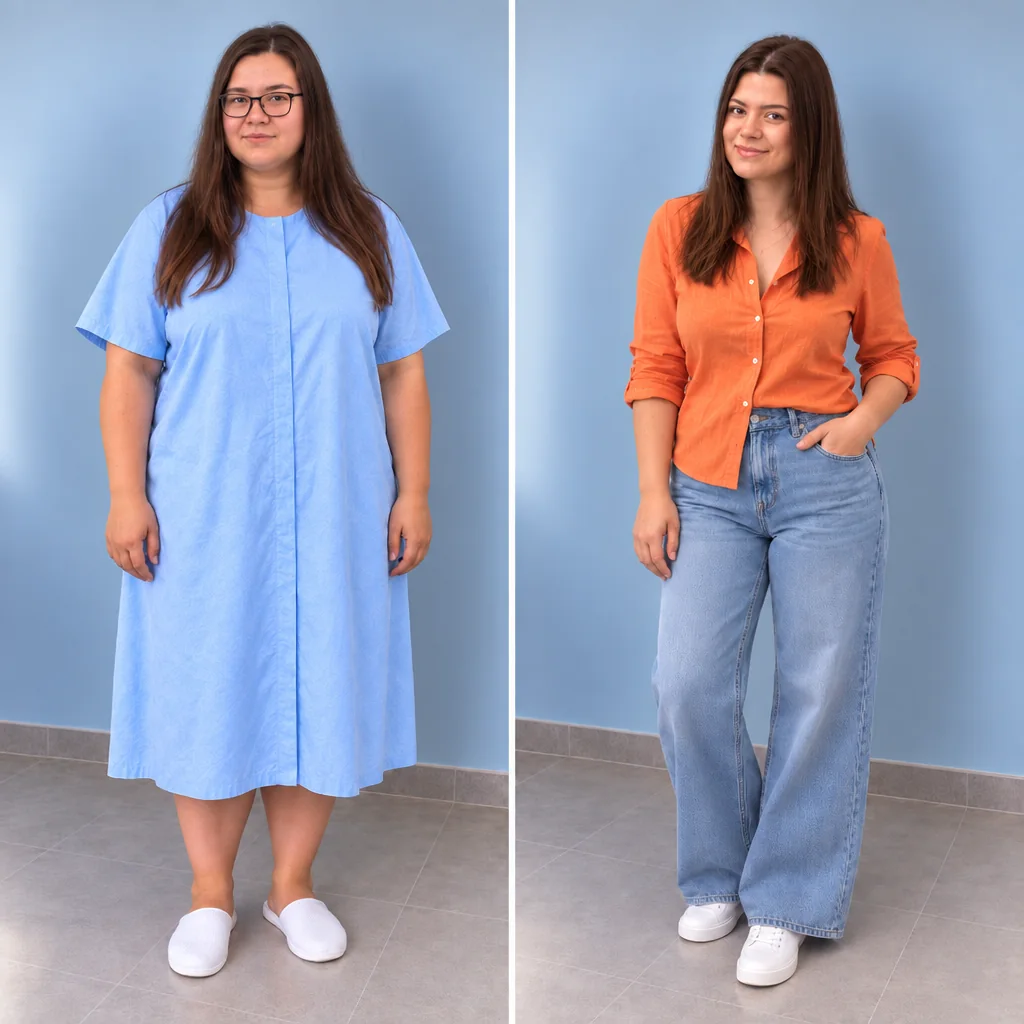 beforeafter
Bariatric surgery
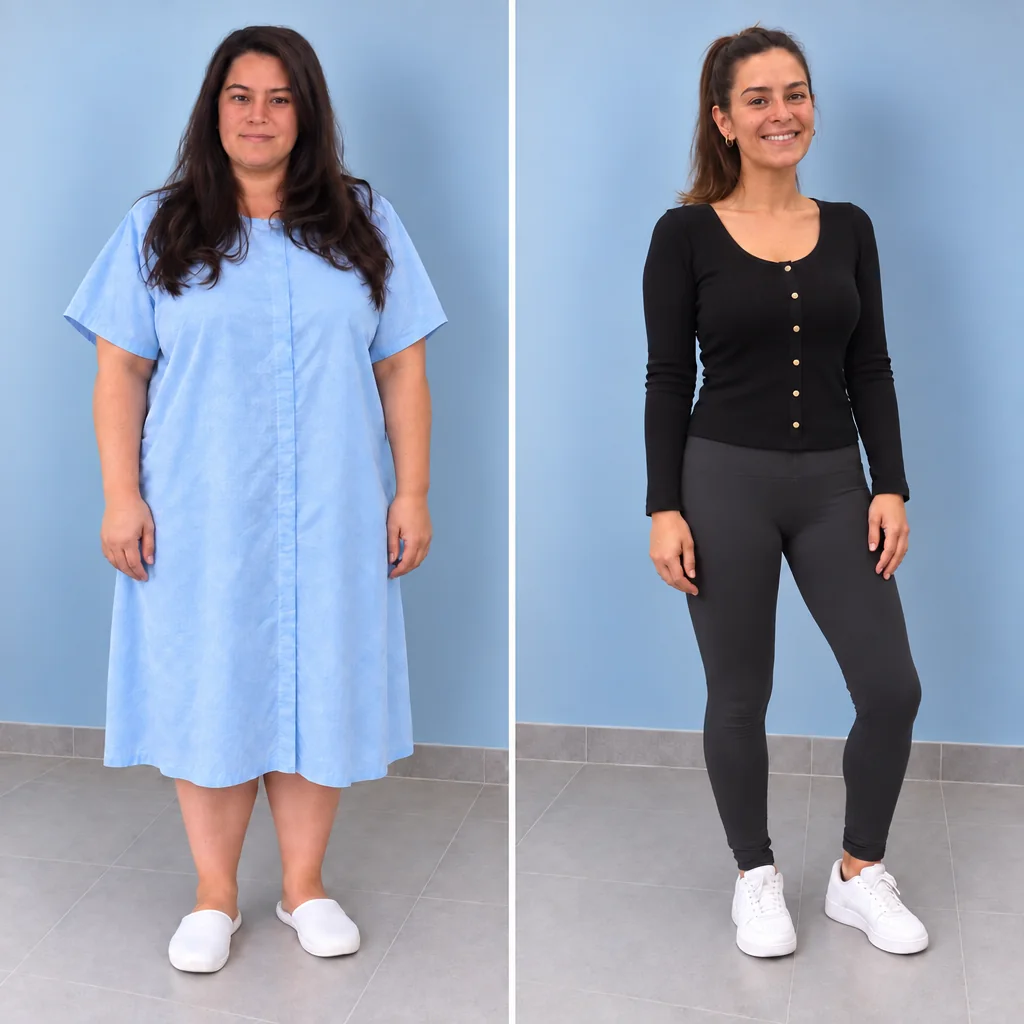 beforeafter
Bariatric surgery
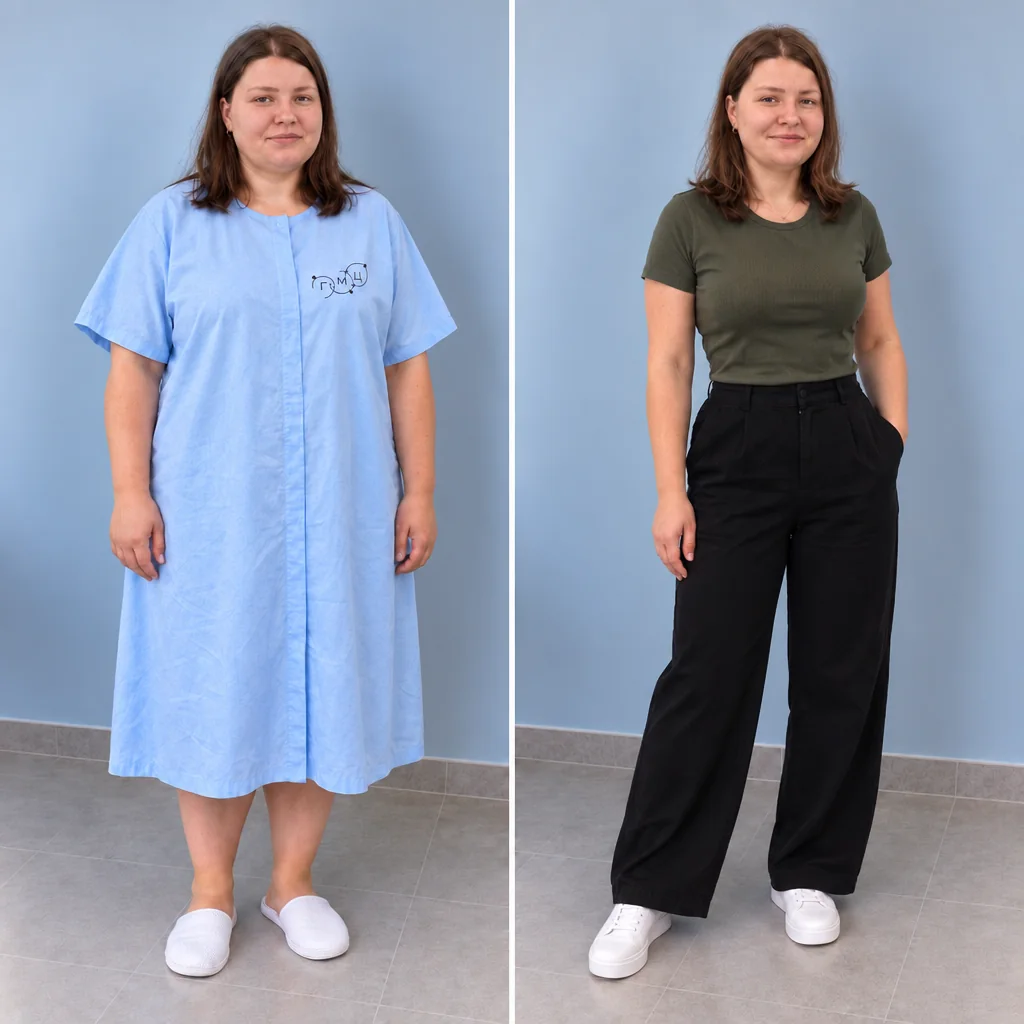 beforeafter
Bariatric surgery
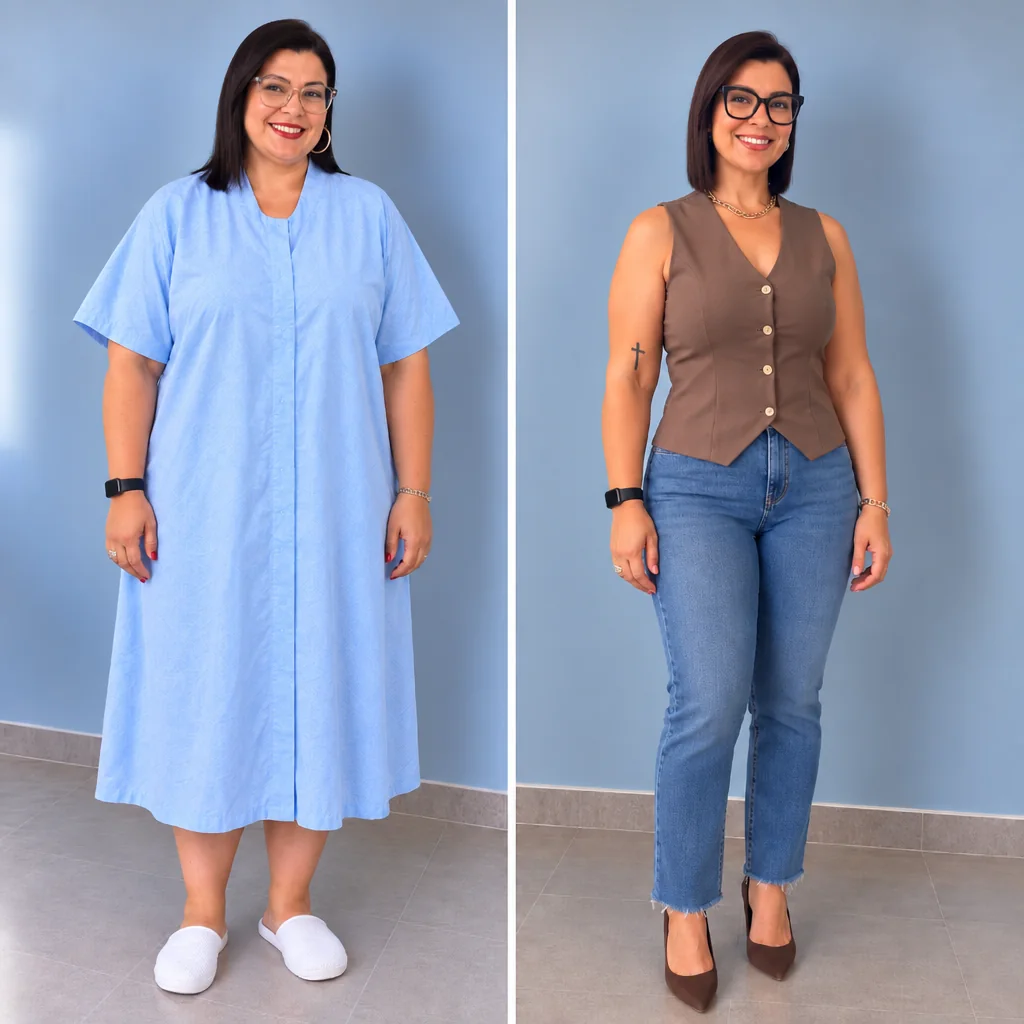 beforeafter
Bariatric surgery
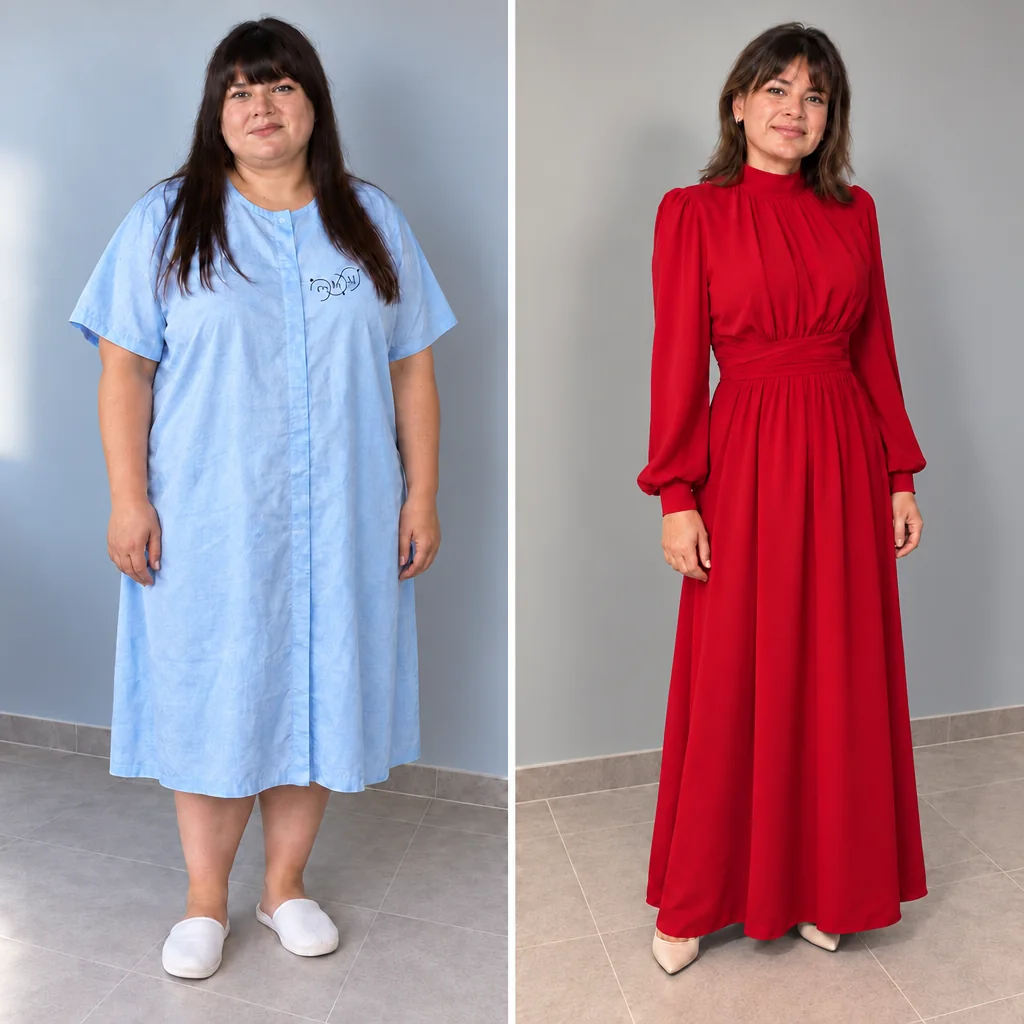 beforeafter
Bariatric surgery
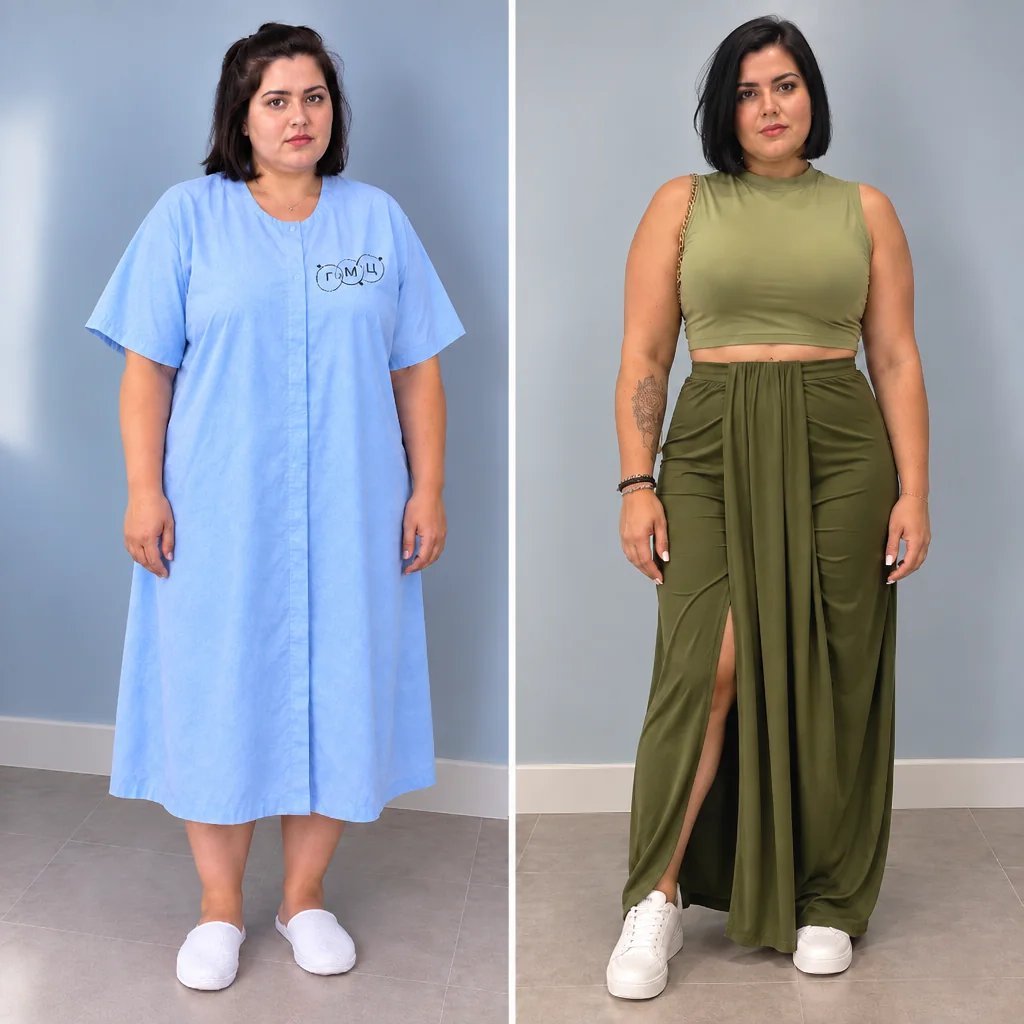 beforeafter
Bariatric surgery
 beforeafter
Bariatric surgery
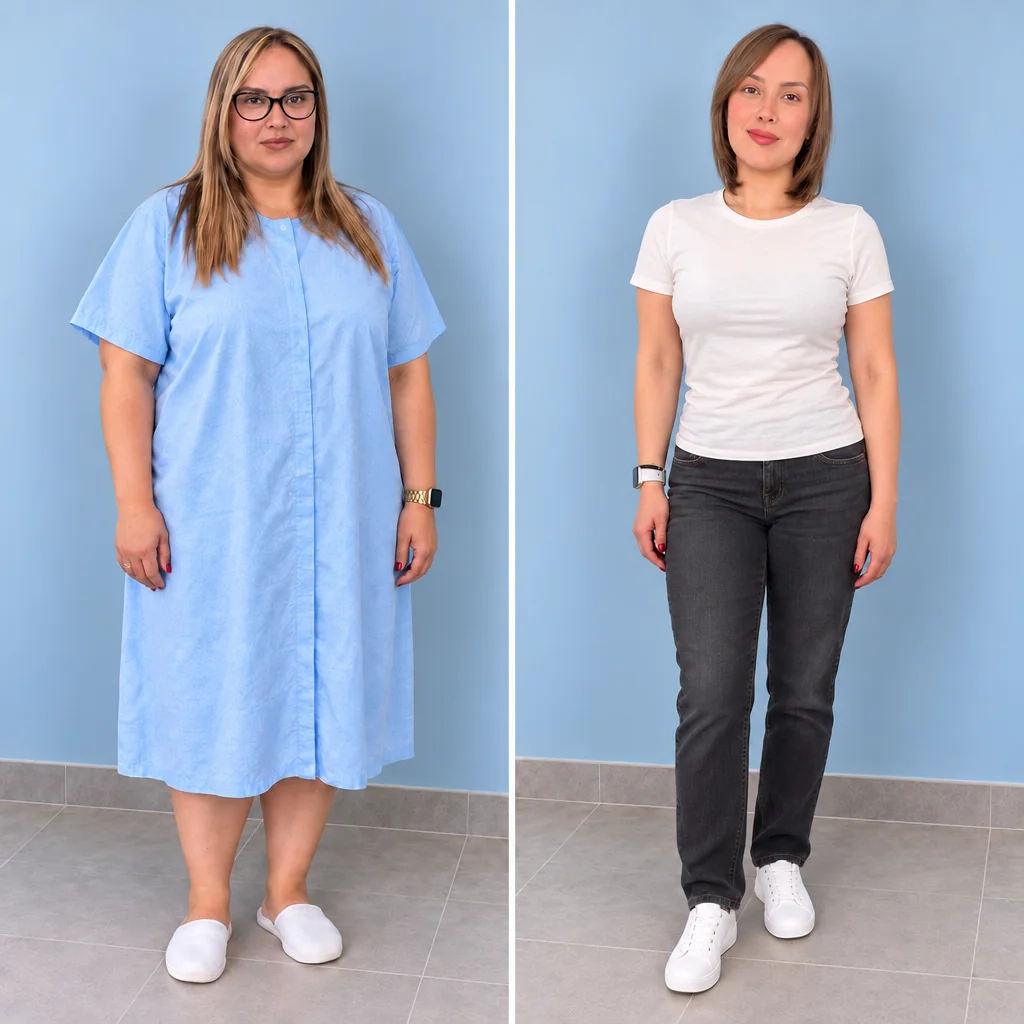 beforeafter
Bariatric surgery
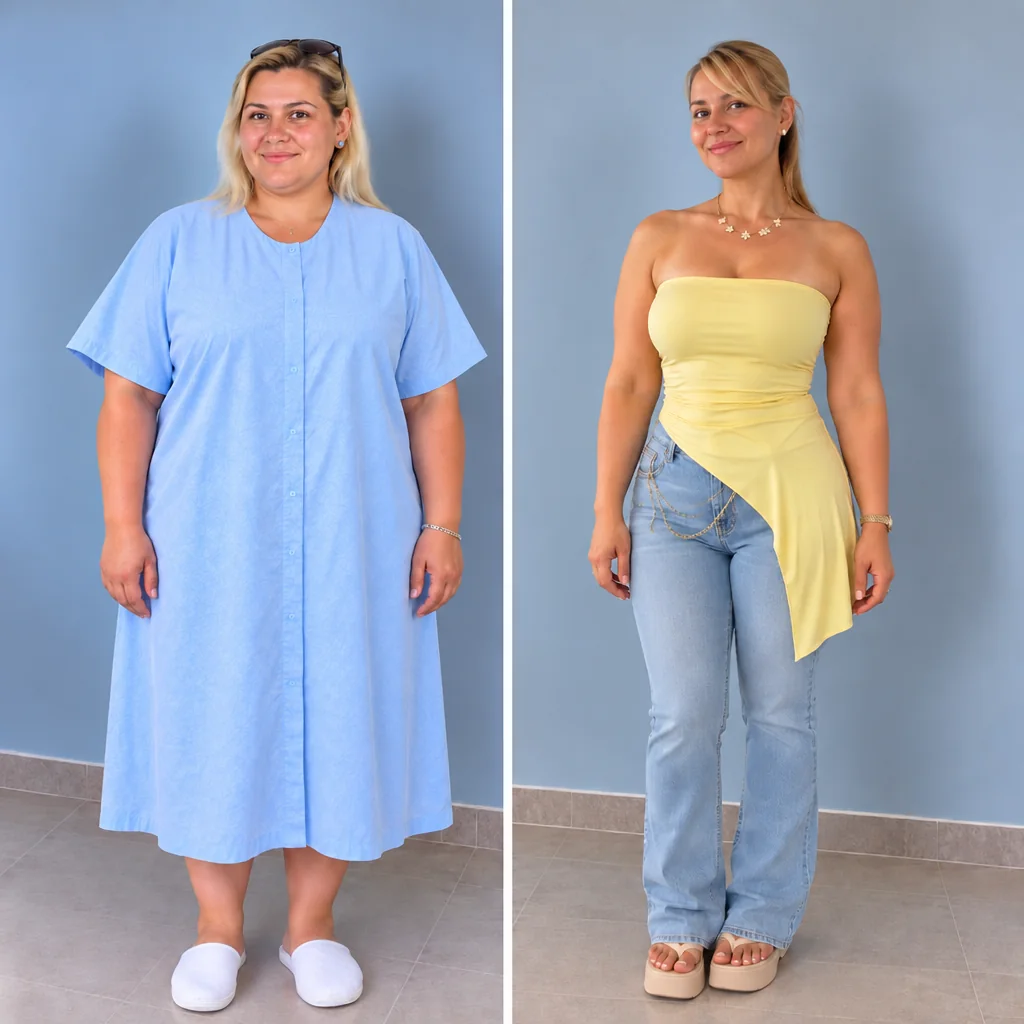 beforeafter
Bariatric surgery
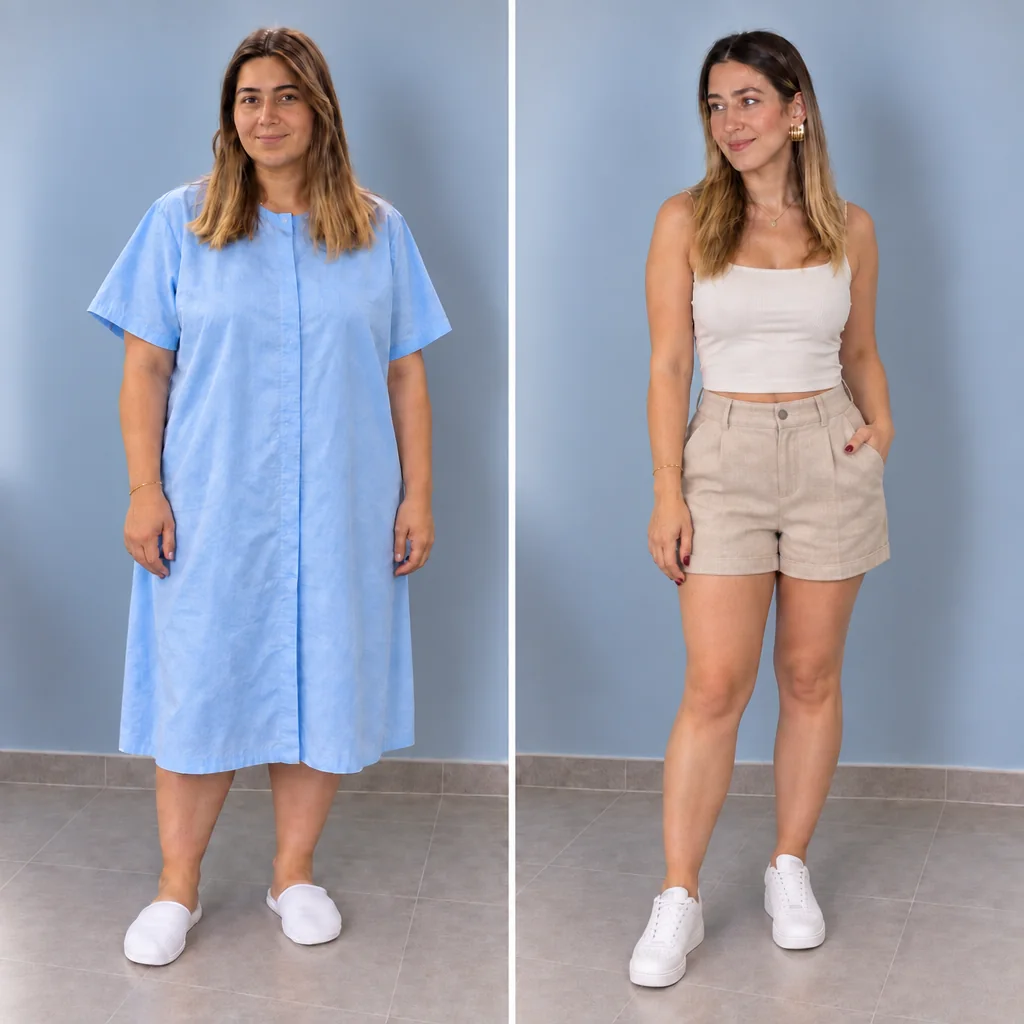 beforeafter
Bariatric surgery
Comparison
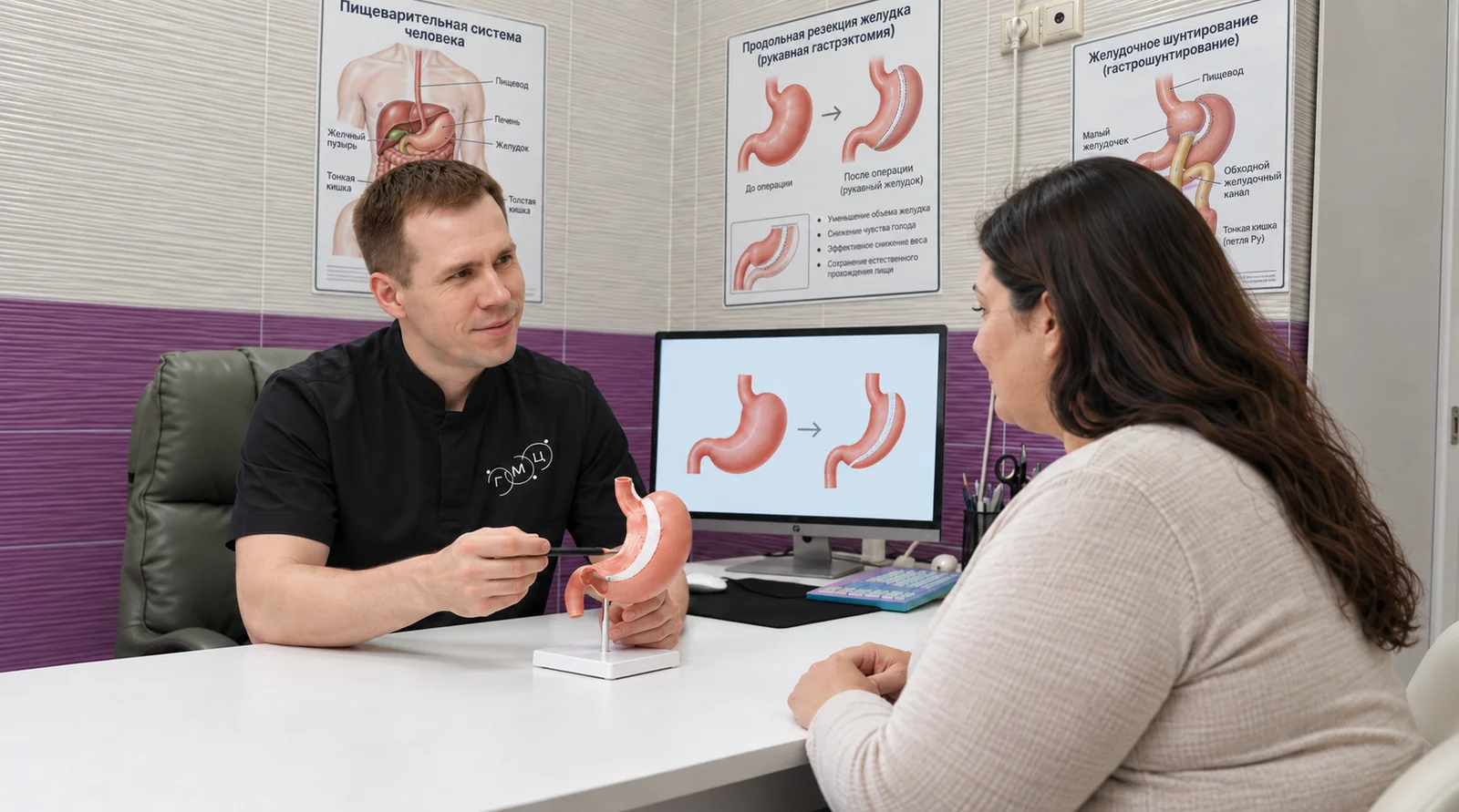
Our surgeons perform two key operations — sleeve gastrectomy and gastric bypass. A side-by-side look at how, why and when each is used helps you choose with confidence.
Reduction of stomach volume
Discounted price
$3,600 $4,800
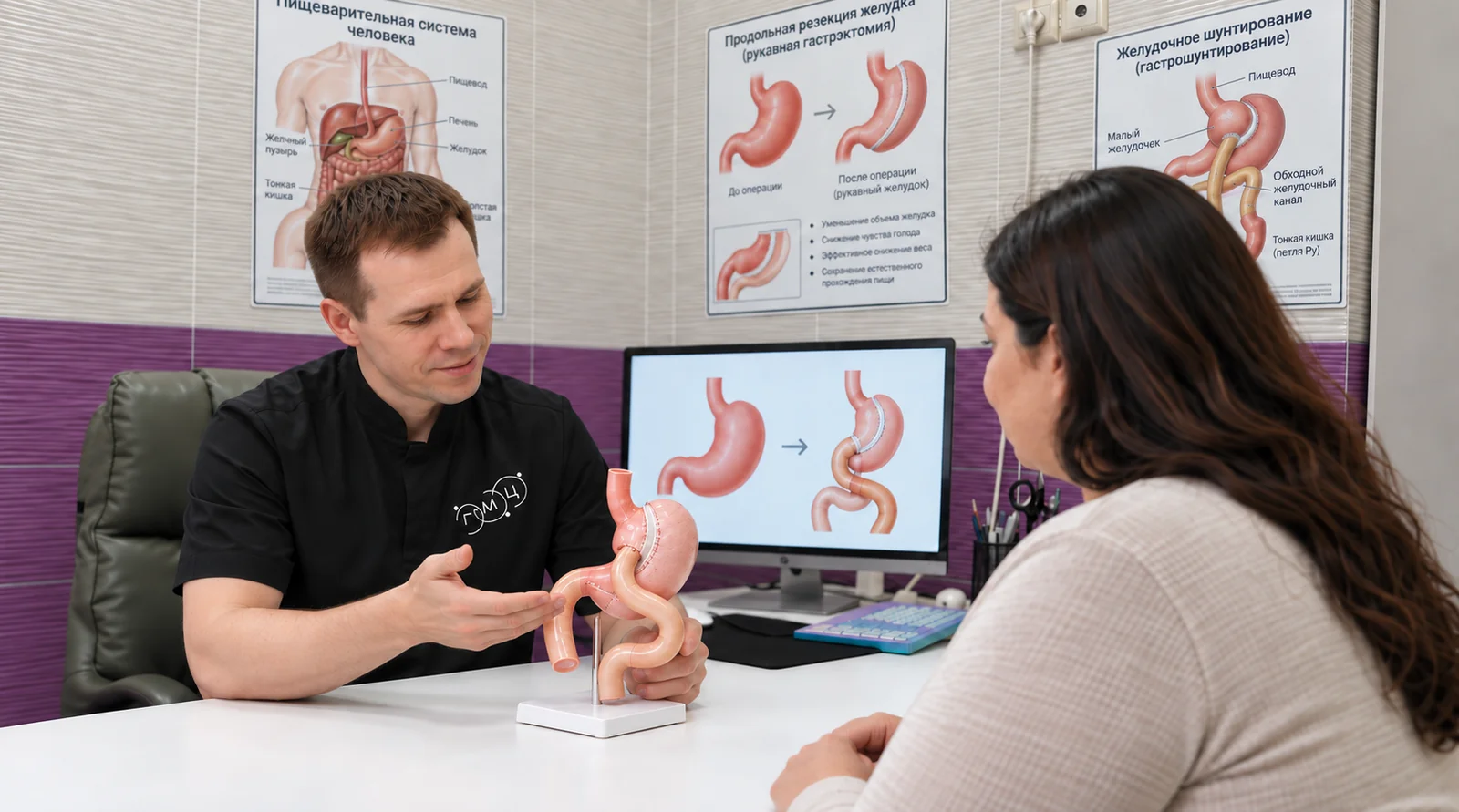
Less stomach volume and a changed route for food
Discounted price
$4,000 $5,200
All benefits and recovery periods listed are averages per method, for guidance only. The extent of surgery and recovery vary with your anatomy and individual traits and are confirmed by the surgeon at the consultation.
Book a consultationAbout the clinic
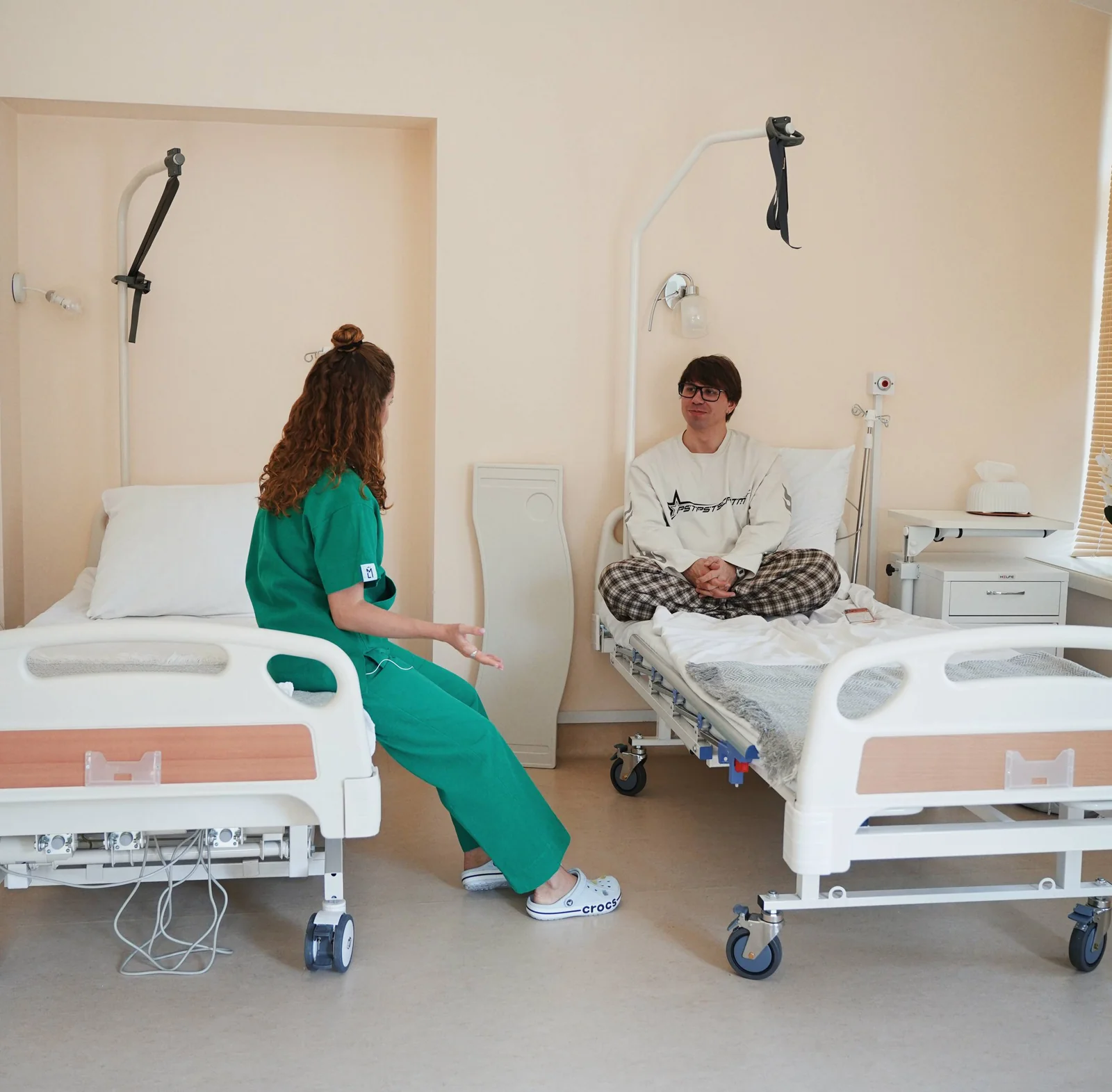
Modern technology, cosy rooms and personal attention for every patient

You get answers to your questions and a consultation slot that fits your schedule
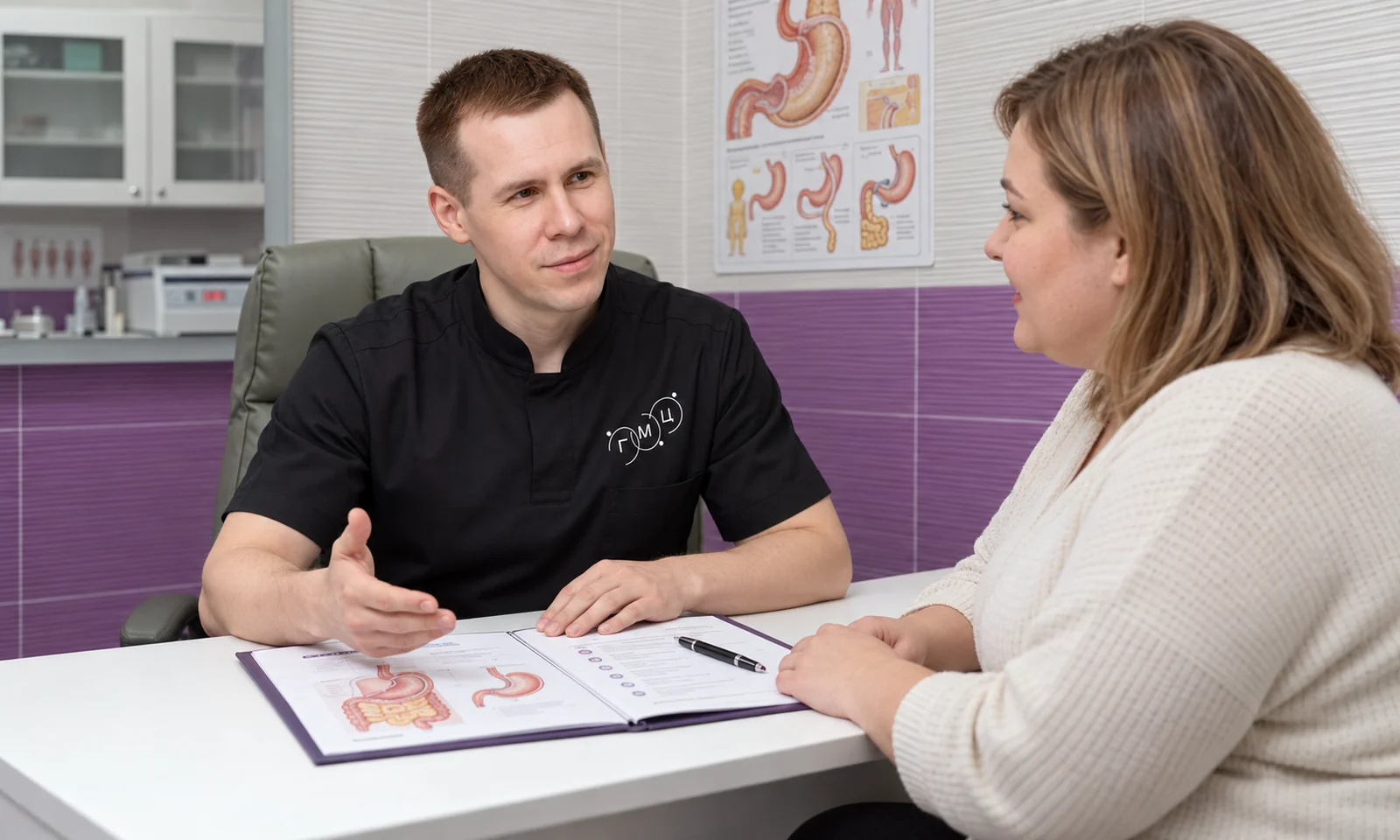
Get a consultationYou and the surgeon decide on surgery together, after a consultation and check-up.
Unsure which column describes you?
Write to us on Telegram and our coordinator will tell you whether bariatric surgery is suitable. Your surgeon consultation is free and carries no commitment to surgery.
Find out if it suits me
Prices
The price is stated at the consultation as soon as your plan is ready and then fixed in the contract.
Discounted price
Reduction of stomach volume
$3,600$4,800
Discounted price
Rerouting food and losing weight

$4,000$5,200
Free
Your treatment plan follows the surgeon's examination

Free
the cost of the operation is named
and recorded in the contract
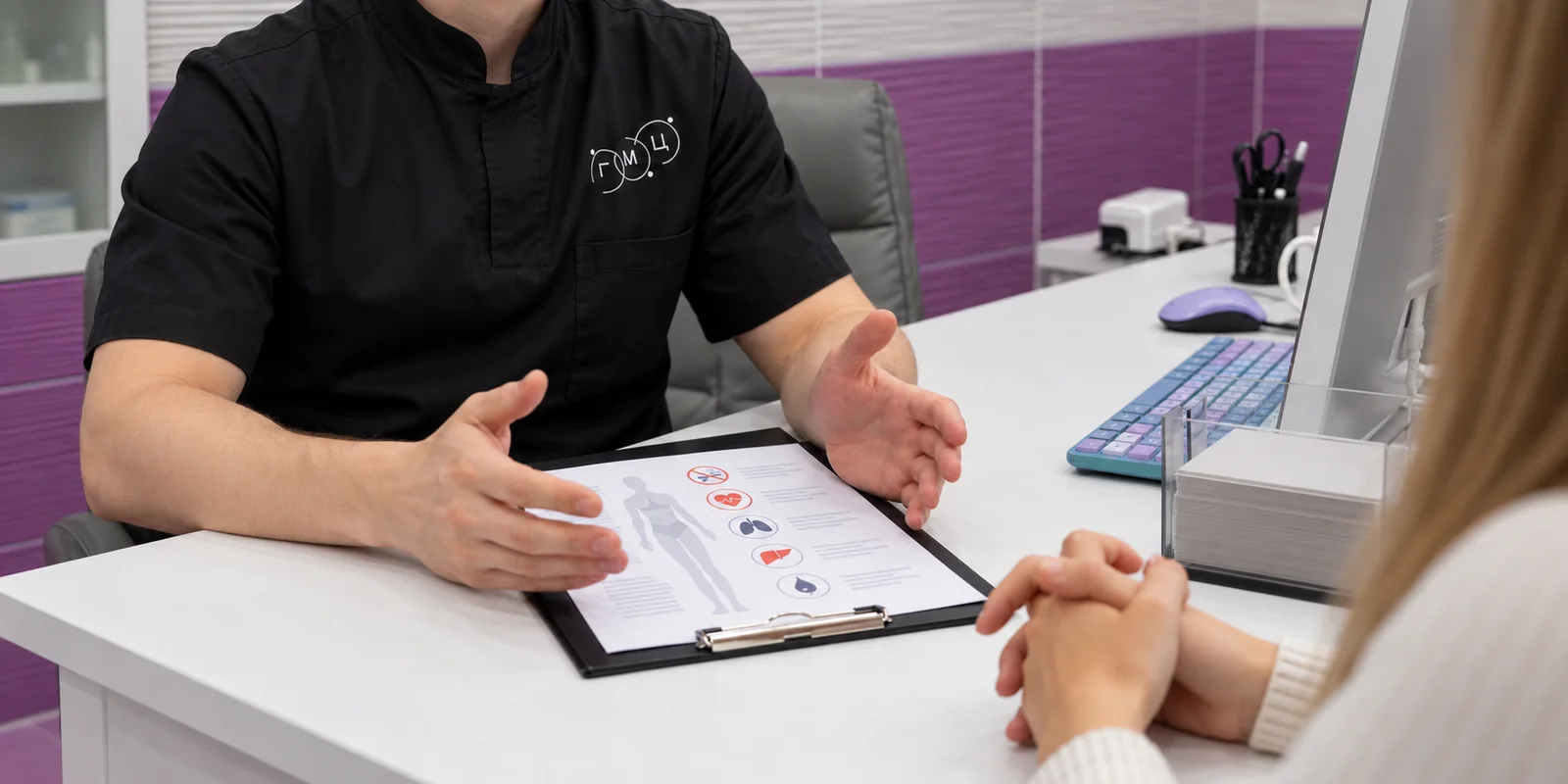
The doctor evaluates your health, talks through your goals and selects the right bariatric surgery method. The cost is named at the consultation and set in the contract.
Message our coordinator
Free online consultation · Reply within 15 minutes
Message us on TelegramMessage us on WhatsAppBy messaging us, you agree to our Privacy Policy

price
One package — from preparation to 12 months of support. No extra charges.From preparation for surgery
to support for 12 months.
How it goes
A jointly agreed treatment plan, monitoring in hospital and support over a year.
 1
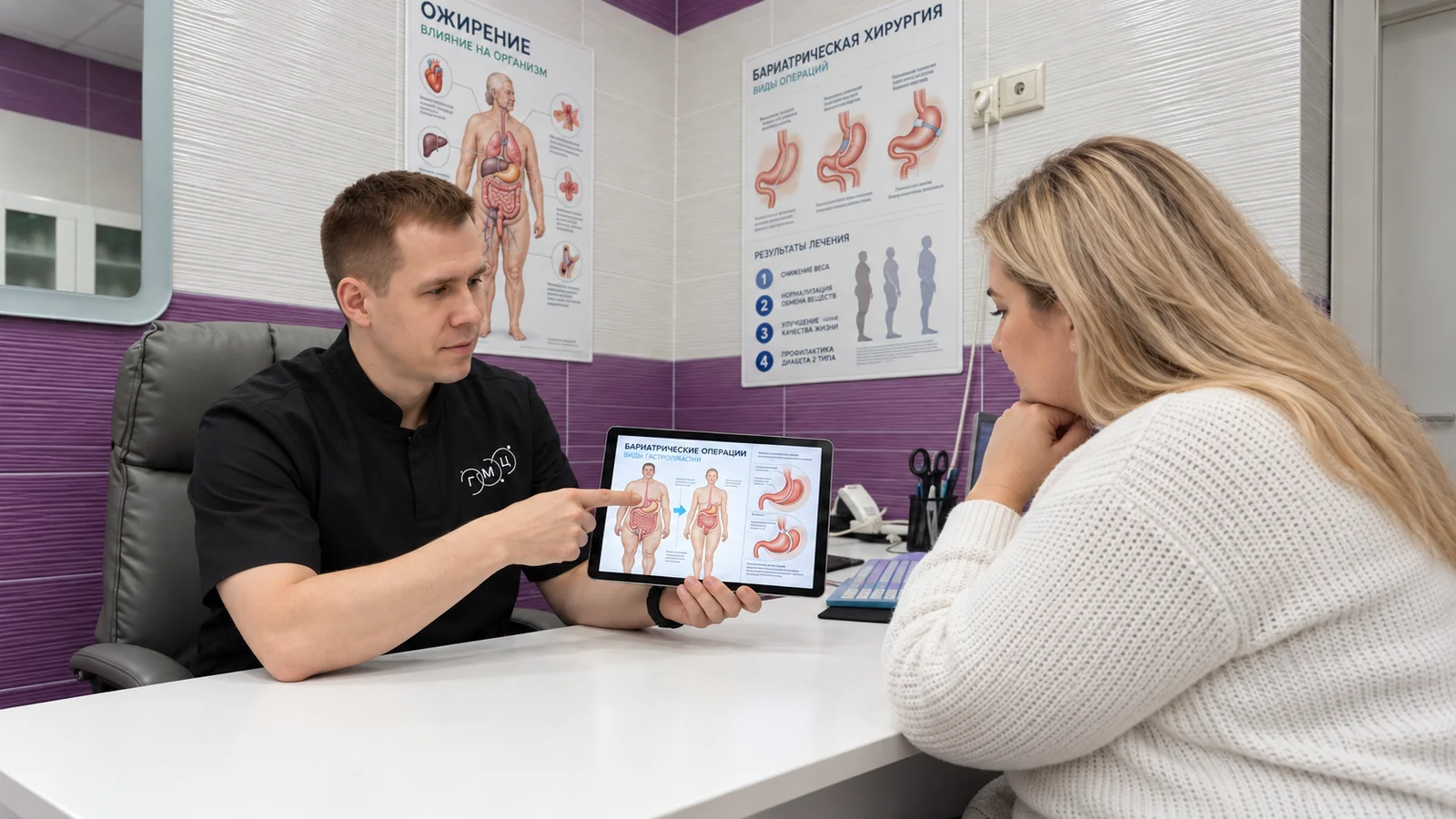
1The doctor assesses your health, discusses your goals and orders the tests needed to choose the right bariatric surgery method.
2We reserve a surgery date for you: the deposit can be paid by card at the clinic or online by bank transfer. The terms are fixed in the contract for medical services
 3
3Preparation for surgery means blood and urine tests, an ECG, an ultrasound, a gastroscopy and specialist consultations. Your doctor gives you the exact list at the consultation.
 4
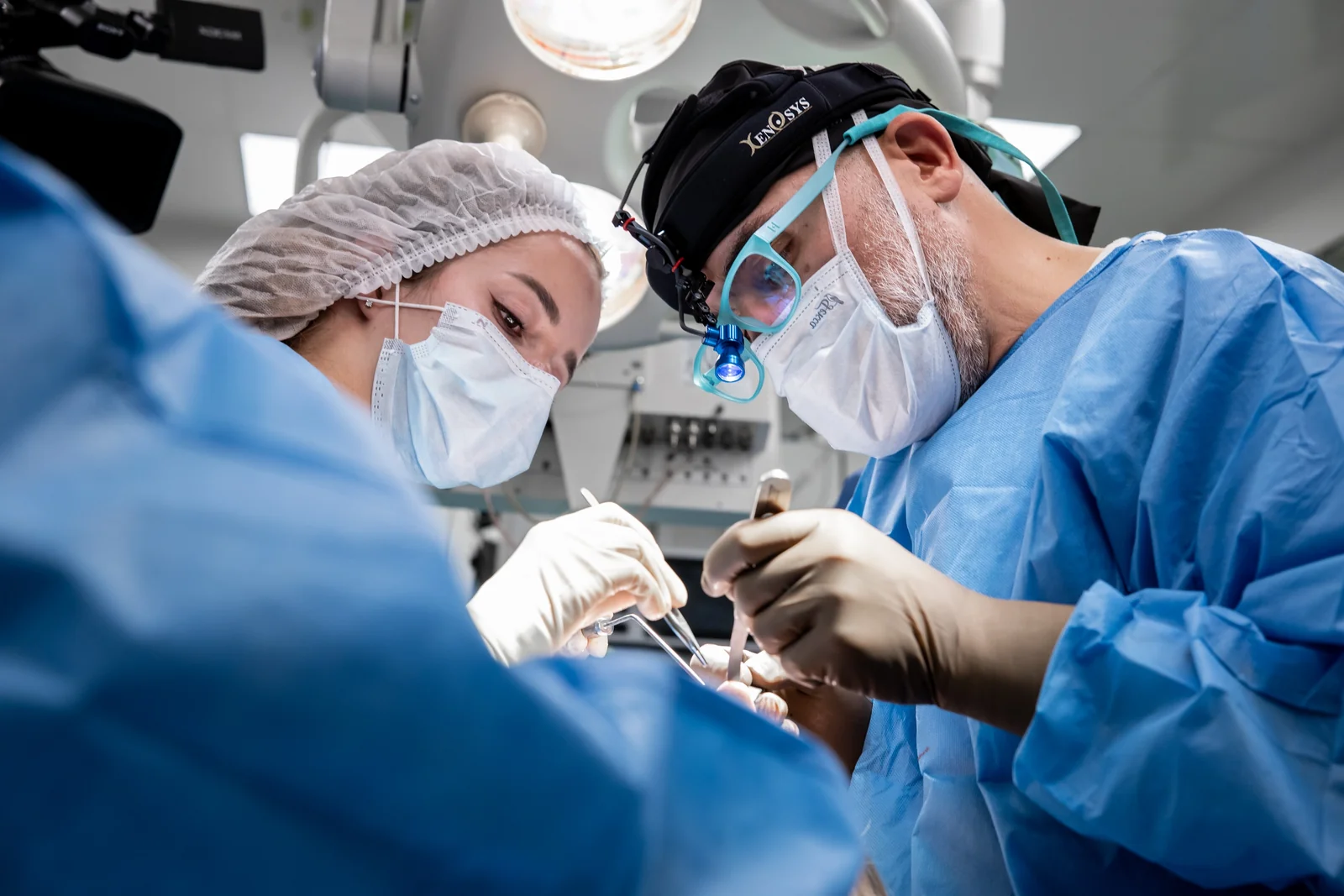
4The bariatric operation takes place under general anaesthesia, performed by the surgeon with the chosen method; after surgery the medical team monitors the patient.
 5
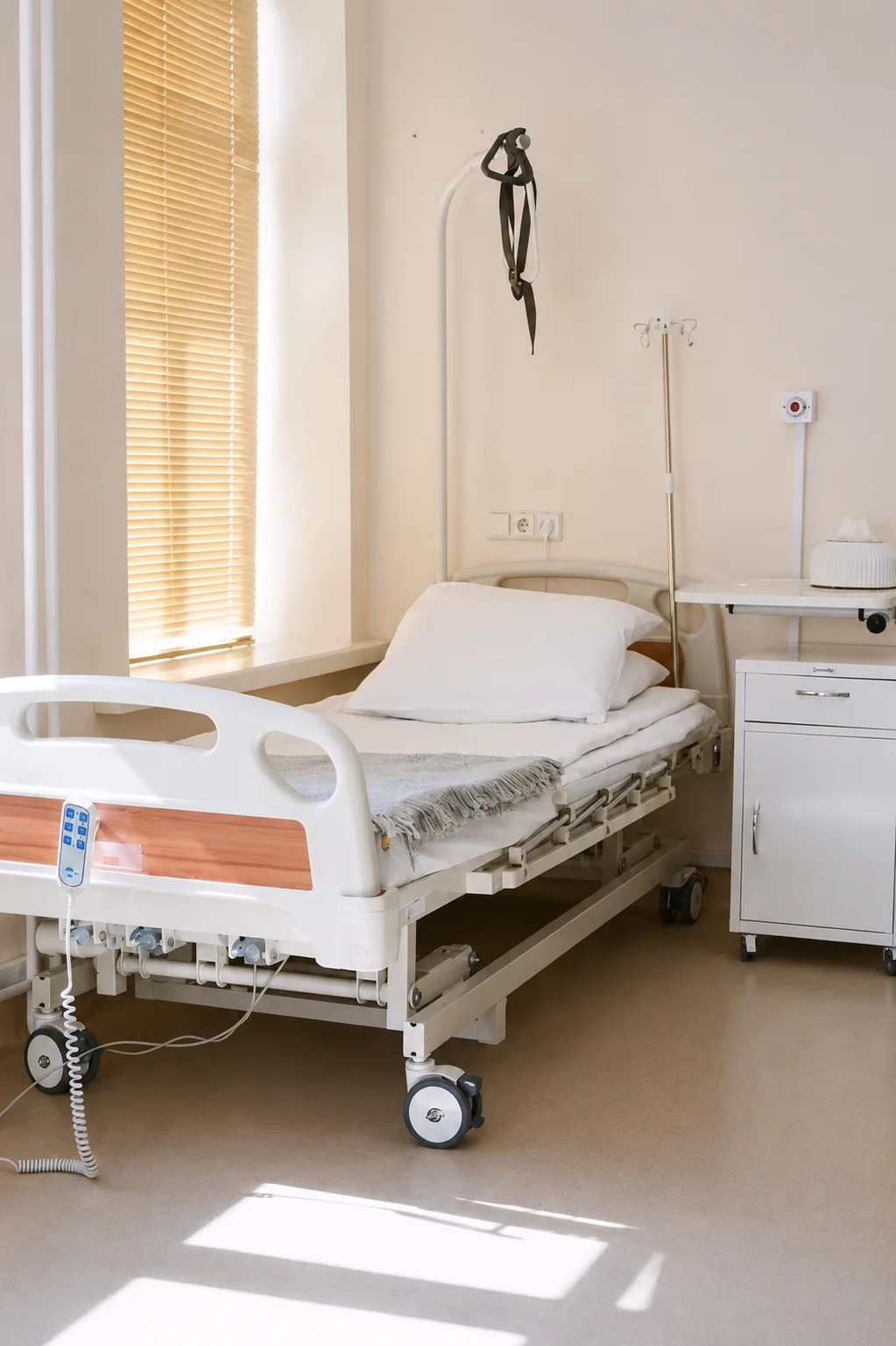
5Doctors supervise you in hospital after surgery for a stay of 1–3 to 4–5 days, depending on the complexity of the operation and how you are feeling.
 6
6Following discharge you get advice on diet and recovery, while scheduled check-ups track how you feel, your weight and tests. The clinic team supports you for a year.
A plan is drawn up by the doctor at the consultation, with an explanation of how surgery will go
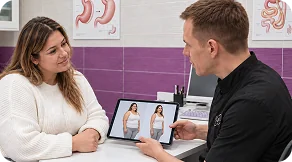
The consultation is free of charge, comes before surgery and obliges you to nothing.
Book a consultationDoctors

27 years of experience
Chief bariatric surgeon
Surgeon

9 years of experience
Bariatric surgeon
Surgical oncologist
Your surgeon performs the operation and stays with you from the first consultation to the result.
Your first step is a consultation with our patient care manager: BMI calculation, an explanation of the methods and booking with the surgeon. Free of charge.
Book a consultationCoordinators
Support at every step of the way

The first person you deal with at the clinic, from your first message to the consultation
Care specialist for patients
Replies to your questions before the first consultation and helps you choose a convenient date

With you before your stay and during it, from booking to discharge
Care specialist for patients
Keeps in contact during your stay at the clinic and helps you prepare for surgery

Stays with you during recovery, from discharge until your final check-up
Care specialist for patients
Keeps in touch during recovery and books your follow-up visits with the surgeon
Advantages
We choose the optimal method for your health, lifestyle and goals, with our team beside you all the way.
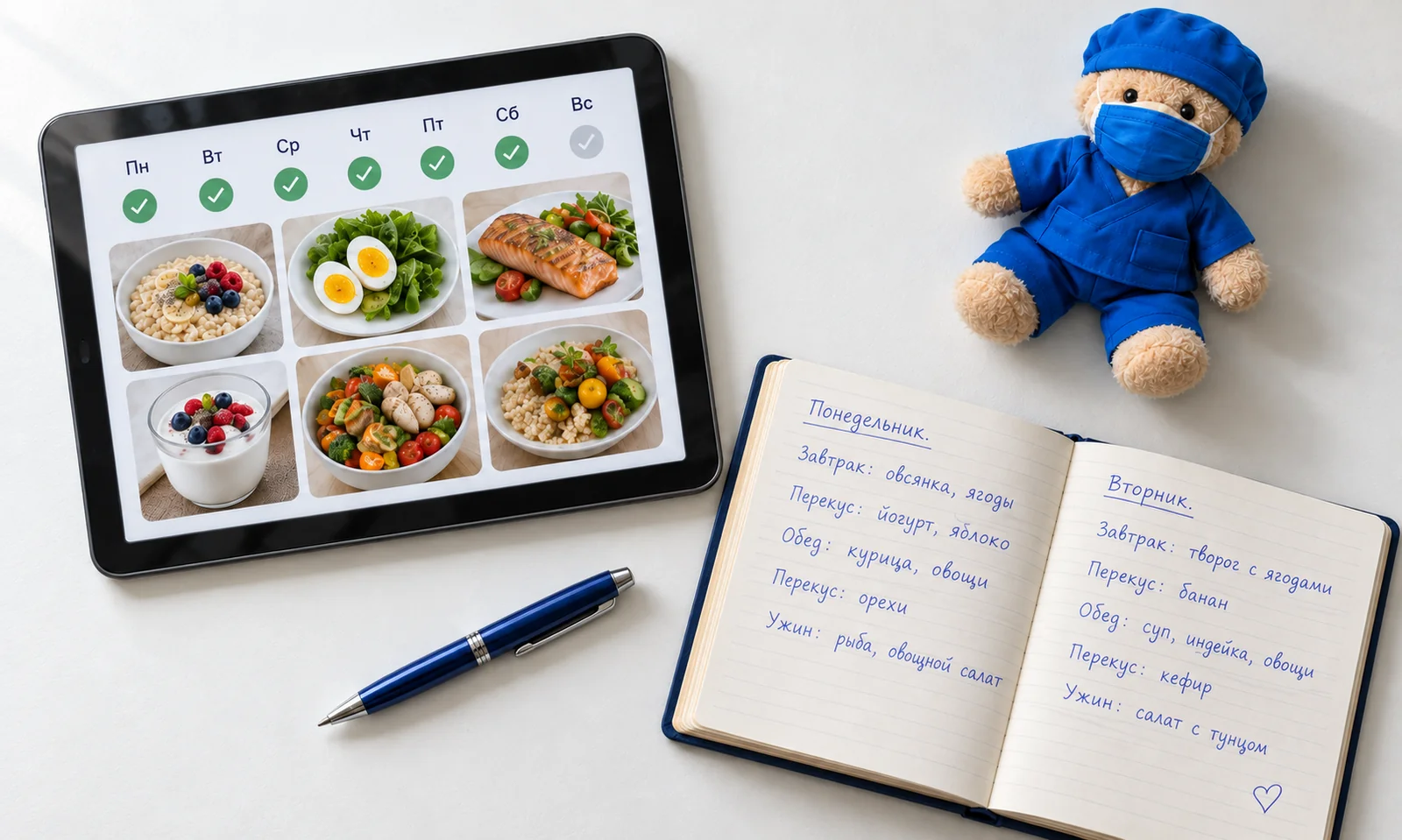
Adapting to new eating habits, tracking and keeping results — we help with it.

Steady weight loss, improved well-being and a better quality of life.

We respect your time, working 24/7 with easy booking and a personal approach that adapts to your pace.
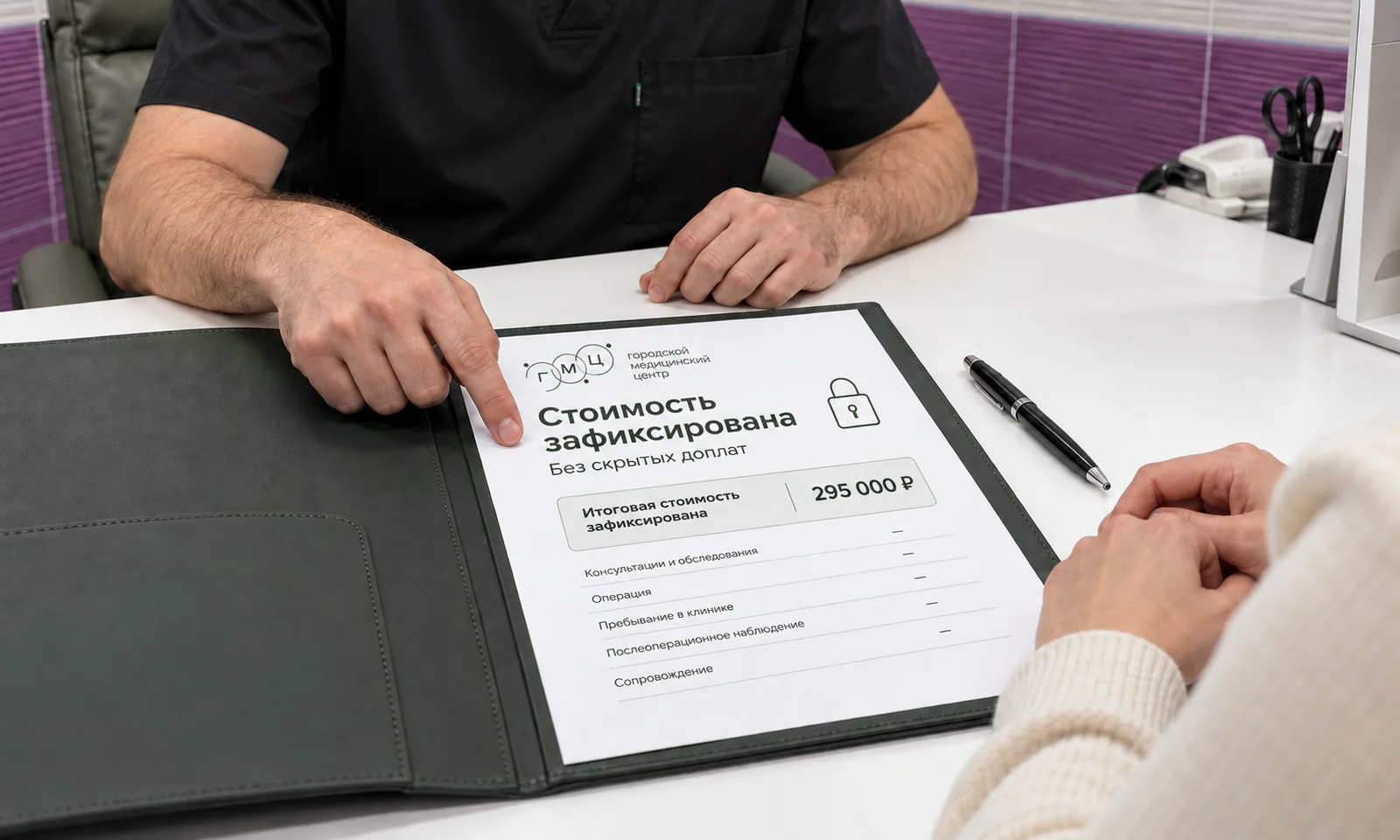
Following the consultation, the surgeon picks the method and you get a clear price — without hidden fees or surprises on the way to your result.
FAQ
Our clinic's bariatric operations are performed by experienced bariatric surgeons:
Get in touch by message: our coordinator will reply shortly and book your consultation. The bariatric surgeon consultation is free.
Surgery is prescribed only when clear criteria are met
Obesity is graded mainly by BMI, calculated as body weight (kg) over height squared (m²). A BMI above 40 usually justifies surgery, as does a BMI above 35 with serious related conditions. In certain cases surgery is considered at lower values too, if approaches without surgery have not succeeded.
The two are often mistaken for each other, but their goals are fundamentally different. Bariatric surgery provides medical treatment for obesity and related diseases. Changing how the digestive tract works, it deals with the causes of excess weight and metabolism. Plastic surgery modifies the body's outer contours; it does not treat obesity or affect metabolism.
Four main bariatric surgery types are available at City Medical Centre: sleeve gastrectomy, Roux-en-Y gastric bypass, mini gastric bypass (MGB) and SADI-S duodeno-ileal bypass. The method is picked individually, considering BMI, related conditions and the patient's goals.
Our surgeons use modern laparoscopic technique: the operation goes through 4 small 5 to 15 mm punctures. With cosmetic sutures, the marks become almost invisible once healed.
Your recovery depends on your activities. Office work: in 2–4 weeks. Physical work: in 1.5 months. Sport and activity: swimming after 30 days, with other exercise introduced gradually as weight drops. Travel and holidays: plan them a month or more after surgery.
The diet evolves in steps — from liquids to soft, then solid food — with a focus on protein and limits on high-calorie, fatty food.
Pregnancy is possible after bariatric surgery; doctors advise waiting no less than 12–18 months. This gives the body time to stabilize, for weight to reach target values and nutritional status to normalize.
Yes, vitamins are a must after bariatric surgery. Changes in digestive anatomy mean the body absorbs some nutrients less effectively, so regular vitamin and mineral supplements are part of the patient's life for good.
After bariatric surgery weight regain can happen, but it is very unlikely if the doctor's advice is followed. What matters is proper nutrition, avoiding high-calorie drinks and regular follow-up with City Medical Centre specialists.
Prices are in US dollars; the amount in brackets is an approximate conversion to EGP at the rate of 02.10.2026. The final price is fixed in your contract.
Prices start from $3,600 (≈ EGP 190,000). The surgeon sets the final price at the free consultation, and it is fixed in the contract, with no hidden extras.
General anaesthesia, a personal coordinator from day one, monitoring in the hospital and support for one year.
The hospital stay is 1–5 days, depending on the method and how you feel. Office work is possible after 2–4 weeks.
Yes. The first consultation is free and does not oblige you to anything. You can start online by sending a message to the coordinator.
Message us on WhatsApp or Telegram using the buttons below. A coordinator will answer your questions and book a free consultation where the doctor names the exact price.
By messaging us, you agree to our Privacy Policy
Why do diets fail? The body fights back: metabolism slows, appetite grows, and lost kilos return. When diet changes and medication cannot fundamentally improve the situation, surgery becomes the effective way out. Luxor residents who have tried diets, fasting and pills for years without a lasting result are exactly the patients for whom bariatric operations are intended.
It begins with a surgeon's consultation: medical history, choice of method and a recovery plan. Patients from Luxor then complete a work-up — blood and urine tests, biochemistry, HbA1c, coagulation, chest X-ray, ECG, abdominal and kidney ultrasound, leg vein Doppler and a required gastroscopy — plus consultations with a GP, endocrinologist, psychiatrist, cardiologist and, for women, a gynecologist.
Starting is simple. Leave your name and phone number or write in any messenger, and a coordinator will arrange a free consultation. In about 15 minutes the surgeon will say whether bariatric surgery is right for you and which method fits. For people from Luxor, this conversation is the fastest way to replace temporary fixes with a lasting solution.
Well-known people who spoke openly about this operation, in their own words.
 Al Roker and gastric bypass: twenty years of talking about it honestlyAl Roker had gastric bypass surgery in March 2002 and has talked about it for 20 years. His words, how the operation works and what recovery involves.
 Did Graham Elliot have weight-loss surgery? Yes, and he did it for his familyChef Graham Elliot had weight-loss surgery in 2013, saying it was what he needed to do for his family. His words, the operation and recovery.
 Did Randy Jackson have gastric bypass surgery? Yes, and he still talks about maintaining itRandy Jackson had gastric bypass surgery in 2003 and lost 114 pounds. His own words, how the operation works today and what recovery involves.
 Remi Bader and her weight-loss surgery: what she actually saidRemi Bader said in 2023 she had weight-loss surgery removing 80% of her stomach and lost 140 lbs. What she said, how the operation works, and recovery.
 Did Rex Ryan have weight-loss surgery? Yes, and he says it has been greatRex Ryan had Lap-Band surgery in March 2010 and lost over 100 pounds. His own words, how weight-loss surgery works today and what recovery involves.
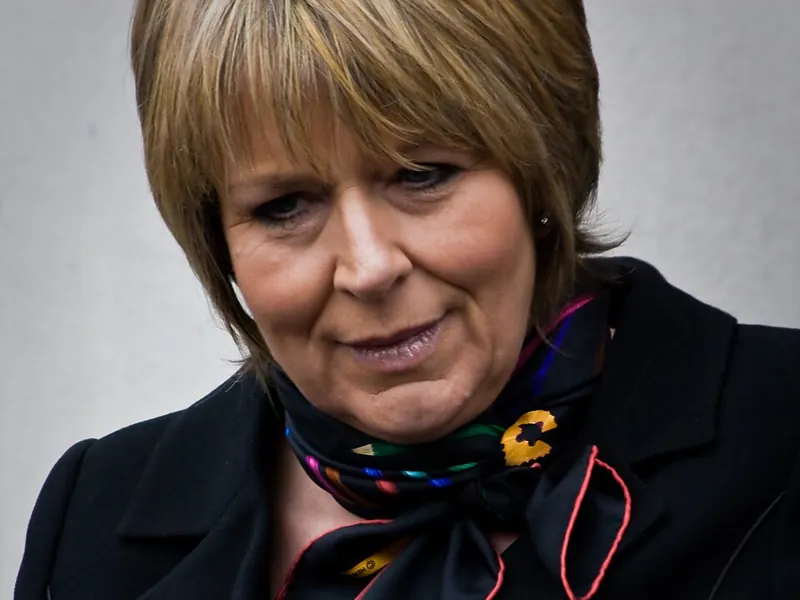 Fern Britton and her gastric band: “I did it for me”Fern Britton said in 2008 that she had a gastric band fitted two years earlier. Her words, how weight-loss surgery has changed and what it involves now.
What patients write after this operation. Reviews are translated from the original language.
Irina, 26
For a long time I doubted whether to go ahead with surgery, but after the consultation I felt much calmer. Andrey Georgievich explained in detail how gastric bypass is done, what to expect after the operation and how recovery would go. I especially liked that they talked to me calmly and without pressure. I am now gradually getting used to my new way of life and I am very glad I took this step.
Bariatric surgery
Doctor: Andrey G. Ugay
Angelina, 22
For me the hardest part was deciding to have the operation. At the consultation Ruslan Sergeyevich answered all my questions in detail and explained the specifics of sleeve gastrectomy and recovery. After the operation I always understood what I was doing and why. Thank you to the doctor and the whole team for their attentiveness.
Bariatric surgery
Doctor: Ruslan S. Menzulin
Anna, 31
For a very long time I tried to deal with my excess weight on my own, but I did not get the result I wanted. After the consultation with Andrey Georgievich I finally understood what to do next. I came through the operation well, and my recovery was supervised by the doctors. It was important for me to feel that I was not left alone after surgery.
Bariatric surgery
Doctor: Andrey G. Ugay
Veronika, 25
Before the operation I had many fears, mostly of the unknown. Ruslan Sergeyevich explained every stage of treatment in detail and answered even the simplest questions. Thanks to that I felt much more confident. I keep following the recommendations and I am gradually seeing the changes I had the operation for.
Bariatric surgery
Doctor: Ruslan S. Menzulin
Valentina, 23
The decision to have bariatric surgery was not easy for me. I worried both about the operation itself and about how my life would change afterwards. At the consultation Andrey Georgievich explained everything in detail, so little by little my fear turned into confidence. What matters most to me now is the result and the chance to treat my health and lifestyle differently.
Bariatric surgery
Doctor: Andrey G. Ugay
Anna, 27
I am very grateful to Ruslan Sergeyevich for his attentiveness. Before the operation I had a huge number of questions, and I got a clear answer to every one of them. After the operation it was also clear which recommendations to follow and how to eat. It was important to me that the doctor stayed in touch and I felt supported at every stage.
Bariatric surgery
Doctor: Ruslan S. Menzulin
Luxor's city population was estimated at 289,618 in 2024 by Egypt's Central Agency for Public Mobilization and Statistics, and among them are people who have tried diet and exercise for years without a lasting result, as well as patients dealing with high blood pressure, diabetes or sleep apnoea linked to excess weight.
Most cases start with a consultation where the surgeon explains the difference between sleeve gastrectomy and gastric bypass, answers questions, and draws up an individual plan; initial questions can also go to coordinators on Telegram or Telegram, available around the clock, before any in-person step.
Sleeve gastrectomy reduces the stomach's size so the patient feels full quickly, and suits obesity without significant reflux; gastric bypass reduces the stomach and reroutes food at the same time, and suits obesity accompanied by diabetes or reflux. Both are performed under general anaesthesia, with a hospital stay afterward of one to five days depending on how complex the case is and how the patient responds.
After surgery, the patient leaves with specific dietary and recovery instructions, and scheduled follow-ups continue to track weight and test results, with the clinic team staying in touch for a full year.
After surgery, patients move through defined diet stages, from liquids to soft food and gradually to solid food, with protein prioritised and high-calorie, fatty food restricted at every stage.
In a city where daytime highs routinely pass 40C in summer, with a recorded peak of 50C in May 1991, staying properly hydrated during the liquid stage matters more than it would in a cooler climate, since dehydration sets in faster in this kind of dry heat, and the clinic's follow-up helps adjust fluid intake for each patient.
Swimming is allowed after thirty days, with other forms of exercise added gradually as weight comes down; office work resumes after two to four weeks, and physical work after about a month and a half.
Because the digestive system's anatomy changes after surgery, absorption of certain nutrients drops, so additional vitamins and minerals become a permanent part of life afterward rather than a temporary phase that ends once weight stabilises.
Patients planning a pregnancy are advised to wait twelve to eighteen months after surgery so the body can stabilise, weight can reach its target range, and nutritional status can normalise, with ongoing medical follow-up throughout that period.
Egypt's Health Insurance Organisation covers roughly 60 percent of the population, and since 2018 the country has been phasing in a Universal Health Insurance System under Law No. 2 of 2018 to replace the older scheme; both are built around essential care rather than an elective weight-loss procedure, except in specific medical cases the treating doctor determines.
Egypt's Ministry of Health and Population (mohp.gov.eg) is the body officially responsible for licensing doctors, so checking a surgeon's registration and specialty through it is a reasonable step before agreeing to a procedure of this scale.
Bariatric surgery is not an option for everyone who wants to lose weight; the surgeon assesses body mass index, weight-related conditions like diabetes and high blood pressure, and previous attempts at weight loss, before deciding whether surgery is the right step for that particular case.
Being mentally ready for a permanent, not temporary, change in eating habits is a core part of the surgery's success; someone expecting to return to old eating patterns once weight stabilises may face disappointment, so the surgeon discusses that expectation clearly at the consultation before any decision.
Pre-surgery preparation includes thorough tests of the heart, digestive system and hormones, and some patients may be asked to lose a limited amount of weight before the surgery itself to reduce anaesthesia and surgical risk, based on the medical team's assessment of each case.
Family and community support plays a role in long-term recovery success, especially during the most restrictive early diet stages, when family members need to understand that stage's temporary nature rather than pressuring the patient into food unsuited to their situation.
It helps for a patient from Luxor to ask the surgeon directly which of the two operations fits their complete health profile, not just their weight, after reviewing all tests and weight-related conditions together.
The employee at a desk in an administration or a school usually returns after two to four weeks, the gentlest timeline of all: keep a water bottle and a liquid protein meal for the liquids stage in your drawer, and ask one understanding colleague to cover the heavier errand now and then. Anyone splitting the week with work-from-home days can lean on those for the first fortnight, following the diet stage quietly between meetings.
Those who spend long hours on their feet in a hotel, a shop, or walking groups of visitors between the columns of the ancient sites sit between the two categories: the work is not desk-bound, but it is not field labour either. The sensible move is arranging shorter shifts with your supervisor until the surgeon clears you, since standing through the afternoon heat adds strain before the body has finished its current diet stage. The west-bank farmer who starts before sunrise in the sugar cane or the banana groves has the furthest date: physical work after about a month and a half.
In nearly every profession, the hardest stretch is not the first day back but the first full month: small spread-out meals, vitamins that have become a permanent part of the day, and more water than before. Prepare your work kit the way you prepare your tools, and tell whoever shares your room or vehicle simply that your eating system has changed. Any letter you need from the medical team to smooth the return, or any question that comes up in the first two weeks, reaches the Telegram or Telegram coordinator at any hour.
Doubts arrive on their own schedule: at midnight after the family has gone to bed, or during a slow afternoon shift at the hotel, and the worst place for them is inside your head, where they grow. The first move is writing the doubt down exactly as it came, with the day of your diet stage beside it. Luxor's evenings test the connection, and this is where the two channels earn their keep: a message sent on Telegram or Telegram waits and delivers the moment the network returns, so a doubt typed at night is on the coordinator's screen by morning. Coordinators answer around the clock, so a question never waits for the next appointment.
Make the message easy to answer. Three lines are enough: which day of which stage you are in, what happened or what you ate, and what exactly worries you. A photo of the scale, the meal or the instruction that confused you does more than a paragraph of memory. If typing is slow, record a voice note in the language you think in; the coordinator passes the substance to the team. And when something feels urgent, write urgent in the first line, because the reader triages the queue, and honesty about urgency gets you seen in the right order.
Keep one thread from the first message to the last follow-up, so the whole story sits in one scroll instead of scattered across new chats every time a doubt appears. The same rule works for the biggest doubt of all, the one before committing: is this operation right for me at all? Ask it plainly and early, because an honest process can answer not yet, and that answer protects you more than a quick yes. Between appointments the thread is what closes the gaps, and a doubt handled the week it appears stays small; the same doubt left to circulate until the next visit tends to arrive with friends.
Sleeve gastrectomy only reduces the stomach's size and suits obesity without significant reflux; bypass reduces the stomach and reroutes food, suiting cases with diabetes or reflux too.
One to five days, depending on how complex the case is and how the patient responds afterward.
Liquids first, then soft food, then gradually solid food, with protein prioritised and high-calorie fatty food restricted throughout.
It makes dehydration set in faster, so staying properly hydrated during that stage matters more, with the clinic's follow-up helping adjust fluid intake.
Swimming after thirty days, with other exercise added gradually as weight decreases.
Yes, permanently; the changed digestive anatomy reduces absorption of certain nutrients, so vitamins and minerals stay part of daily life long-term.
It is advised to wait twelve to eighteen months so the body stabilises and weight reaches its target range, with ongoing medical follow-up.
No, both the Health Insurance Organisation and the newer Universal system launched in 2018 are built around essential care, not an elective weight-loss procedure, except in specific cases the doctor determines.
Through Egypt's Ministry of Health and Population (mohp.gov.eg), which licenses doctors; ask for the registration number and specialty.
No, the surgeon assesses body mass index, weight-related conditions, and previous weight-loss attempts before deciding whether it fits.
Yes, being ready for a permanent, not temporary, change is a core part of the surgery's success, and the surgeon discusses that at the consultation.
Thorough tests of the heart, digestive system and hormones, and some patients may be asked to lose a limited amount of weight beforehand to reduce anaesthesia risk.
Yes, especially during the most restrictive early diet stages, when family members need to understand that stage is temporary.
By reviewing the patient's complete health profile, not just their weight, including all tests and weight-related conditions together.
The surgery's long-term effect can be reduced, which is why being mentally ready for a permanent change is a core part of the first consultation.
A thorough heart assessment before surgery determines that, and some cases may need a cardiologist's clearance before a surgery date is set.
Some clinics offer psychological support alongside dietary follow-up, since the rapid change in weight and habits needs support beyond the physical side alone.
The medical causes behind obesity and its complications can differ, but the recovery stages and dietary follow-up themselves apply to everyone regardless of sex.
Long tours count as physically demanding work, so the surgeon times them with your return to physical activity after about a month and a half, with lighter duties first if the schedule allows. Until then, gentle walking indoors during the cooler evening hours is better preparation than jumping straight back into the heaviest days of the season.
State simply that your eating system has changed for a while, and bring what suits your stage, liquids and protein. Once colleagues see the stage as organised and temporary, the pressure of shared food fades, and any dietary question that comes up at work reaches the team through the Telegram or Telegram coordinator at any hour.
Send it and leave the app alone; the message waits and goes through when the network steadies, and the around-the-clock coordinators read it in order of arrival. Put the day and the stage in the first line so nothing depends on timing, and mark true urgency at the top. If a whole night passes with no delivery, resend the same text.
Practically none. Digestion, mood, weight that will not move, a fear you have told no one at home: these are ordinary entries in the team's day, and an embarrassment asked early costs nothing while silence costs weeks. The thread stays between you and the team, and the coordinator's job is to carry the question onward without judging the asker.
Page medically reviewed by Andrey G. Ugay, lead bariatric surgeon. Review date: .