


























 beforeafter
Liposuction
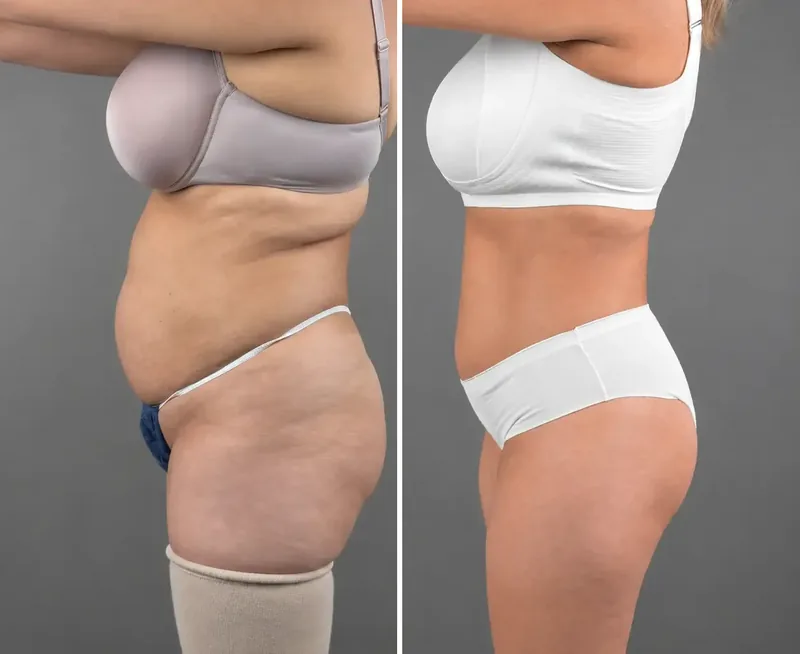
Abdomen and flanks
from $1,200
The price is fixed in the contract before surgery
Message our coordinator
Free online consultation · Reply within 15 minutes
Message us on TelegramMessage us on WhatsAppBy messaging us, you agree to our Privacy Policy
Results
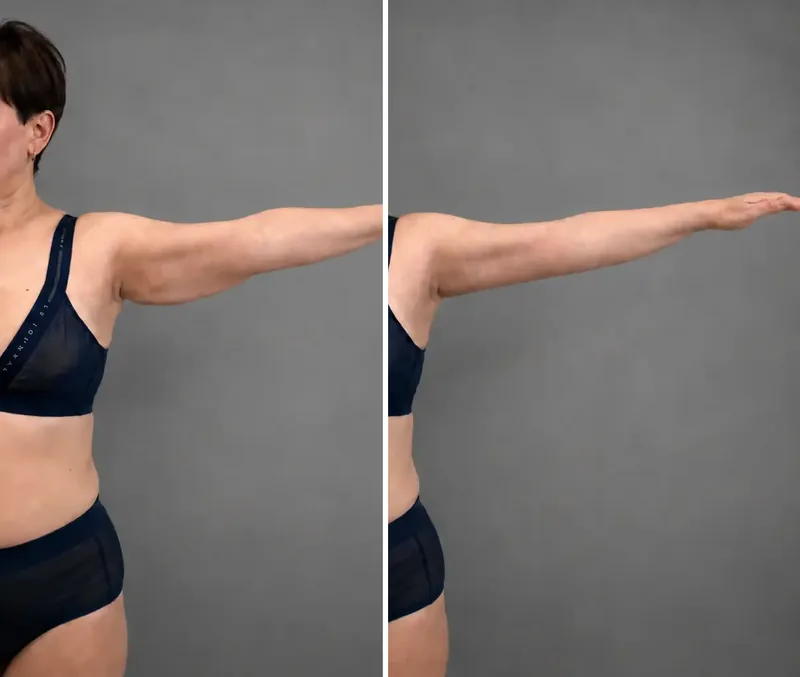
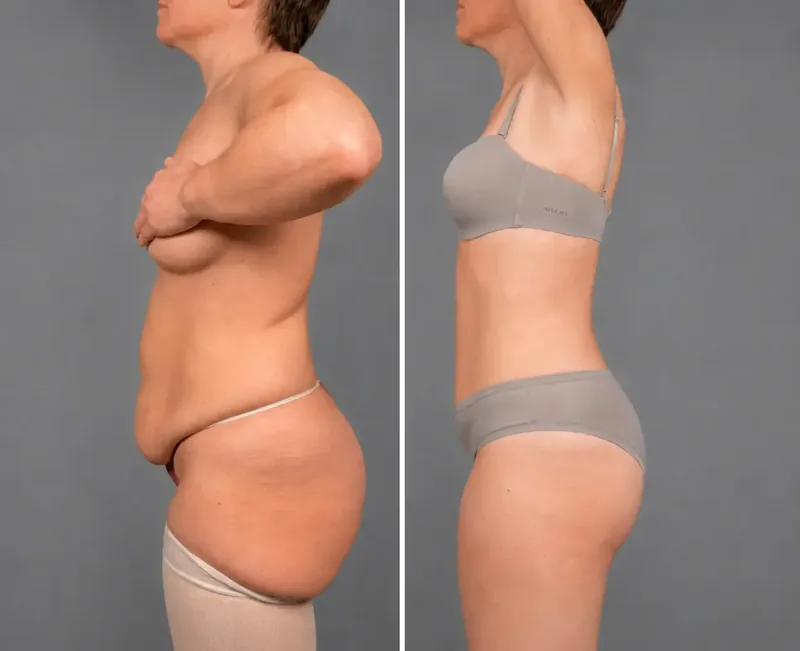
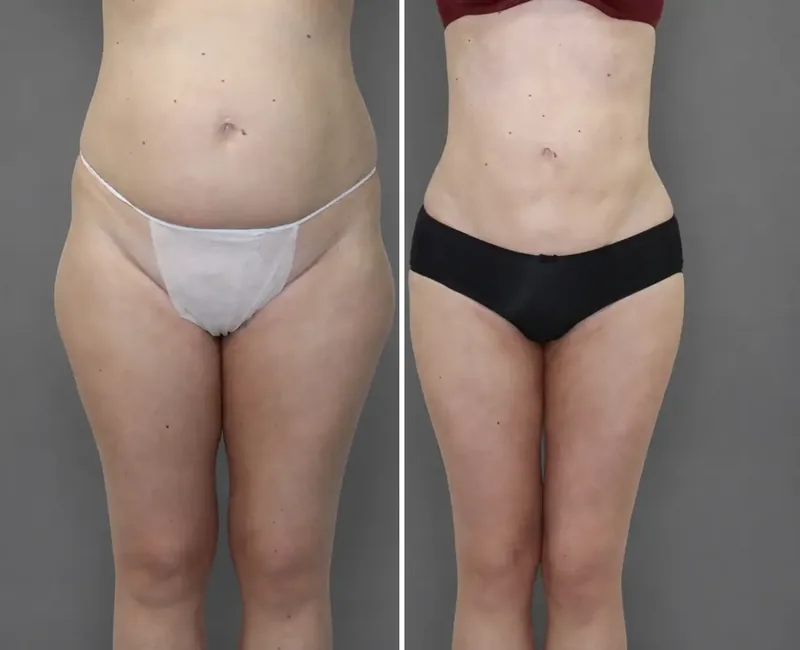
All cases are real patients. Faces and identifying details are hidden.
beforeafterAbdomen and flanks
 beforeafter
Arms
 beforeafter
Abdomen and flanks
 beforeafter
Abdomen and thighs
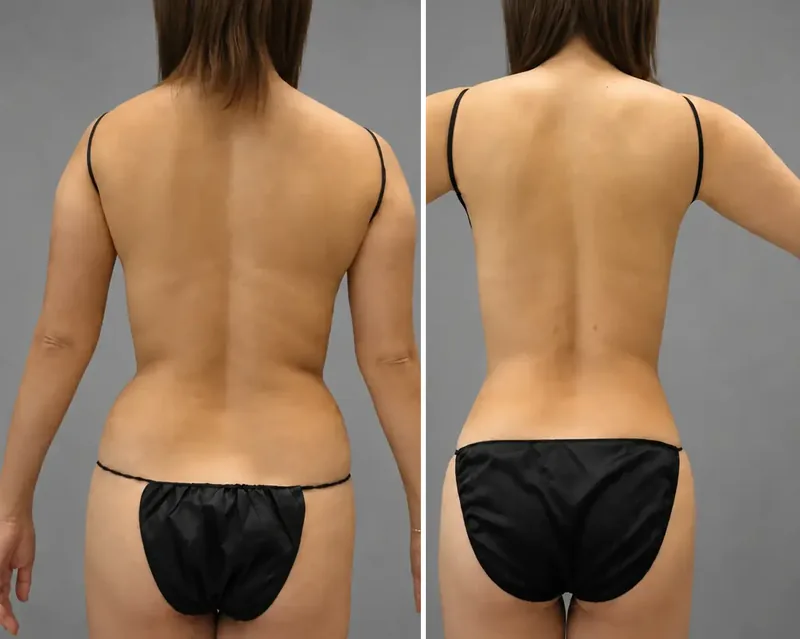 beforeafter
Back and flanks
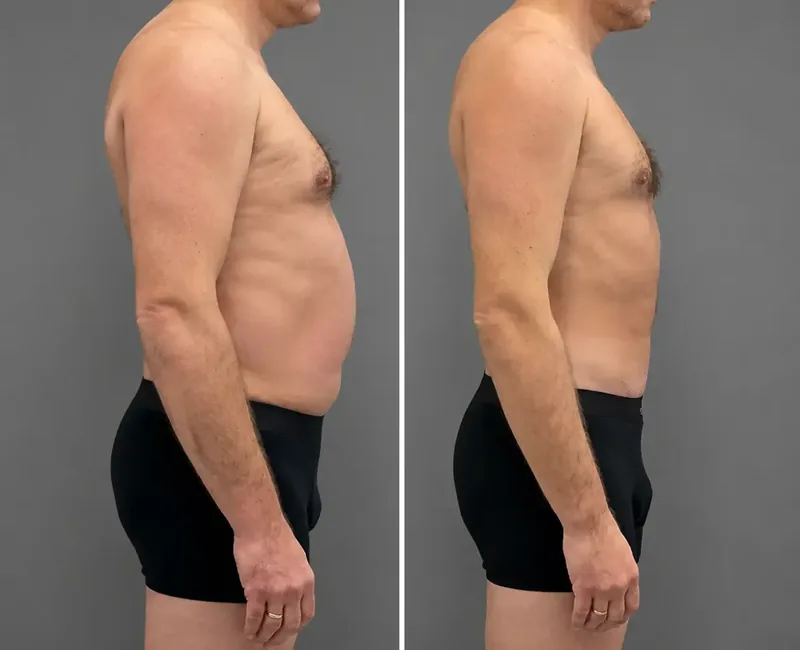 beforeafter
Male abdomen
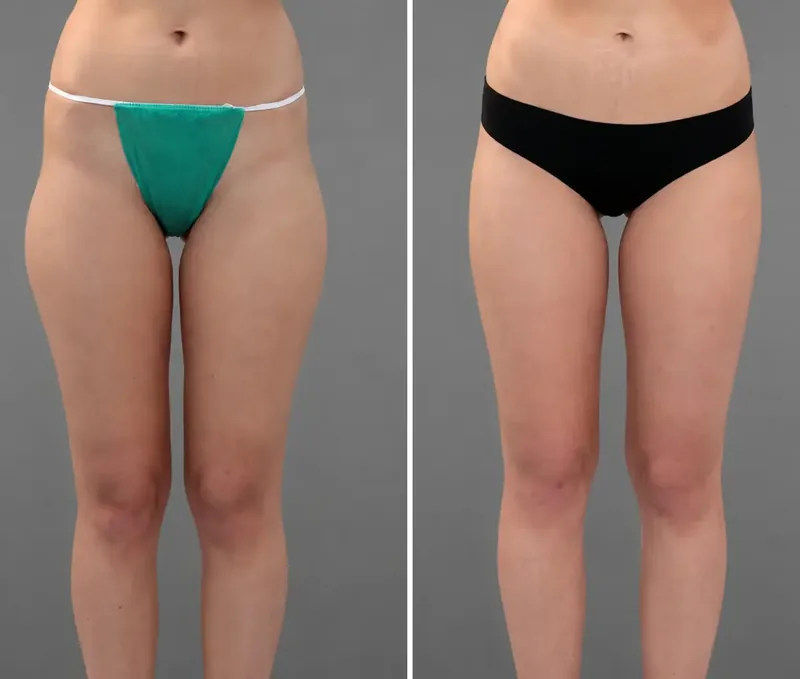 beforeafter
Inner thighs
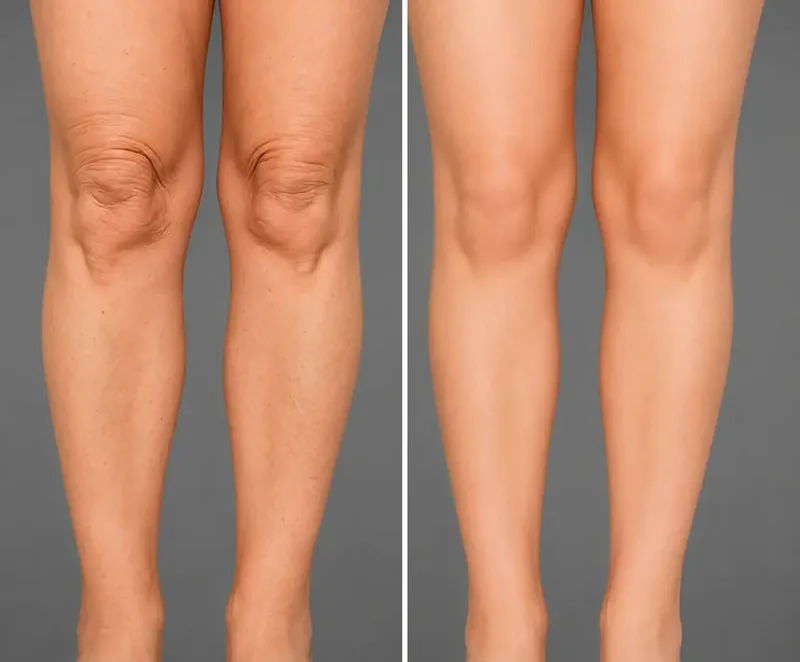 beforeafter
Knees
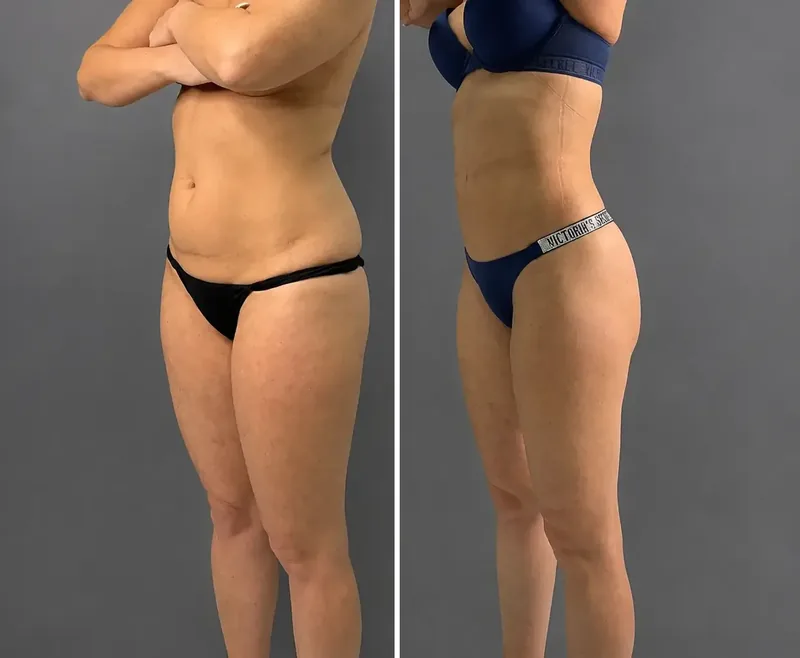 beforeafter
Abdomen and flanks
Comparison
We use two liposuction techniques: tumescent (classic) and VASER (ultrasound). Compare the goal, the indications and the anaesthesia to choose the right technique together with your surgeon.
A special solution loosens fat for removal through a thin cannula
from $1,200
Ultrasound breaks down fat cells before vacuum removal
Price at consultation
The benefits and recovery times shown are averaged for each technique and given for guidance: the scope of correction and rehabilitation depend on your anatomy and individual features, and the surgeon confirms them at the consultation.
At the consultation the surgeon draws up a plan for your case and explains how your liposuction will go.
Free, before surgery and with no obligation.
Several areas can be treated in a single operation, saving both recovery time and budget
The most requested area for women and men, often combined with abdominoplasty
Stubborn fat exercise can't shift
Rolls that affect the back's silhouette
A concern that becomes visible in warm weather
Small volume and a fast-appearing result
A sensitive area requiring precise work
The fat component of gynecomastia and pseudogynecomastia
About the clinic
Modern equipment, comfortable rooms and care for every patient

We will answer your questions and find a convenient time for a consultation
If your case can be solved without surgery, the doctor will tell you so at the consultation — and you will not spend money for nothing.


Not sure the surgery is right for you?
Leave your number — the coordinator will call you back, and the surgeon will tell you whether liposuction suits you. No surgery booking needed.
Find out if it suits me
Prices
The final price is calculated individually after an examination and fixed in the contract.
The most requested area — treated in one operation

Contouring of the front abdominal wall

The surgeon assesses the fat deposits and skin tone, listens to your wishes and chooses the right technique.

Message our coordinator
Free online consultation · Reply within 15 minutes
Message us on TelegramMessage us on WhatsAppBy messaging us, you agree to our Privacy Policy

all inclusive
From preparation for surgery
to post-op check-ups.
from $1,200
Book a consultationHow it works
An agreed treatment plan, careful monitoring after surgery and post-op check-ups.
 1
1The surgeon listens to your wishes, assesses the fat deposits and skin tone and rules out contraindications. A hormonal screening is also ordered — it helps predict the long-term result.
 2
2We reserve a surgery date for you: the deposit can be paid by card at the clinic or online by bank transfer. The terms are fixed in the contract for medical services
 3
3Blood tests (complete count, coagulation panel, biochemistry, infections), an ECG, a chest X-ray and, if needed, a GP consultation. All tests can be done at the clinic with no waiting.
 4
4Marking the areas and fitting compression garments. Under local or general anaesthesia the surgeon removes fat through 3–5 mm micro-punctures — from 1 hour for small areas to 3–4 hours for a combined procedure.
 5
5With local anaesthesia you go home 3–4 hours after surgery; with general anaesthesia you stay one day in a comfortable ward under medical supervision.
 6
6Compression garments for 30–45 days. First changes show at 2 weeks, once swelling subsides; the final result forms in 3–6 months. Check-ups at 7 days, 3 and 6 months.

After tumescent liposuction, recovery is much shorter than after a conventional procedure. Most patients return to work within 7–10 days. In the first week, mild swelling and a raised temperature are possible — a normal response to surgery. Compression garments are worn for 30–45 days: they fix the new contours and speed up tissue recovery. In the first month, bathhouse, sauna, pool and intense sport are off-limits. For the best result and faster recovery we recommend lymphatic drainage massage, pressotherapy and a gradual return to activity. First visible changes show 2 weeks after surgery, when the main swelling subsides; the final result forms in 3–6 months.
After 7 days, at 3 months and at 6 months. Until the end of the year, get a post-surgery consultation with your surgeon to review results and get more information, at the clinic's expense.
Advantages

At the consultation we discuss your wishes and assess the fat deposits and skin tone. Before surgery an endocrinologist rules out hormonal causes of the fat deposits — this improves the long-term result.

The surgeon follows your recovery and the new body contour at check-ups after 7 days, 3 and 6 months. Check-ups, dressings and aftercare advice are already included in the price of surgery.

Tumescent and VASER techniques, micro-incisions of 3–5 mm and precise volume control. Our aim is a smooth contour that keeps the natural proportions of your body.

We respect your time: we work 24/7, with easy booking and a personal approach — we adapt to your pace.

After the consultation the surgeon defines the areas and the scope of surgery, and you get a clear price fixed in the contract — no hidden extras.

With general anaesthesia recovery starts in a comfortable hospital ward under round-the-clock nursing care. The stay and meals are already included in the price.
FAQ
Yes, it's standard practice. It is rare to treat a single area alone; patients tend to combine problem zones such as abdomen and flanks or inner and outer thighs. Based on your health and desired result, our surgeons will help define the optimal scope of surgery at the consultation.
No. Liposuction is not for losing weight. Its purpose is to remove local fat that resists diet and exercise and to reshape the contours of the body. If your weight keeps changing, first consult a nutritionist or endocrinologist.
The surgery is done through punctures only 3–5 mm across — they usually need no stitches. Once healed, the marks are barely visible. With proper care during recovery they fade completely.
The surgeon always assesses skin tone, elasticity and turgor before surgery. Skin in good condition tightens on its own and follows the new contours. If tone is reduced or there are stretch marks, our specialists will recommend preparatory treatments to improve the skin in advance.
No — anesthesia is used (local or general, depending on the scope). Mild discomfort after surgery is possible; the doctor prescribes painkillers to relieve it.
First 7 days — no physical effort or heavy lifting. For 4–6 weeks — compression garments and no bathhouse, sauna, pool or active sport. At least one month without alcohol and tanning beds. After surgery, your surgeon will give all individual recommendations.
We perform it for patients 18+ who have no contraindications. No upper age limit exists — the decision is individual, following an examination and health assessment.
Not directly. It removes fat tissue without changing the skin structure that causes cellulite. Still, improved contours make cellulite visibly less noticeable.
Most patients get back to their usual routine and work in 7–10 days. Swelling and bruising clear by weeks 4–5. The final result forms in 3–6 months, once the tissues have fully adapted.
A strict diet isn't required, but nutrition matters for keeping the result. Removed fat cells don't come back, but the remaining ones can grow if you gain weight. For a lasting result we recommend a balanced diet and regular physical activity.
Yes. For 7–10 days before liposuction, no smoking, no alcohol and no medications that affect blood clotting (aspirin, etc.). Pre-operative tests are required too — blood tests, ECG, ultrasound, GP and anesthesiologist consultations. You receive all instructions after the first consultation.
You'll see the first changes 2 weeks after surgery as the main swelling subsides. The interim result is judged at 1.5–2 months; the final contours take 3–6 months to form.
Prices are in US dollars; the amount in brackets is an approximate conversion to DZD at the rate of 02.10.2026. The final price is fixed in your contract.
Prices start from $1,200 (≈ DZD 165,000) per area. The surgeon sets the final price at the free consultation, and it is fixed in the contract, with no hidden extras.
The operation under local or general anaesthesia and the surgeon's support throughout recovery. The price is per area and fixed in the contract.
Message us on WhatsApp or Telegram using the buttons below. A coordinator will answer your questions and book a free consultation where the doctor names the exact price.
By messaging us, you agree to our Privacy Policy
Two techniques are used. In tumescent liposuction a saline-based solution with lidocaine and adrenaline is injected first; it loosens fat and constricts vessels, so blood loss is minimal and there is almost no bruising. In VASER liposuction ultrasound breaks down fat cells before vacuum removal, which suits athletic abs and delicate zones. The surgeon picks the method for each patient in Constantine.
Inside the operating room the process is gentle. With the tumescent method a solution of saline, lidocaine and adrenaline is injected into the area, loosening the fat and narrowing vessels. The fat emulsion is then removed by vacuum through a thin cannula. With VASER, ultrasound breaks down fat cells first. Either way, patients from Constantine get micro-incisions that are barely visible later.
How much is liposuction in Constantine? Prices start at $1,200 (≈ DZD 165,000), depending on the zone and the scope of surgery. Treating several areas in one operation often saves both recovery time and budget. The exact cost is confirmed once the surgeon has examined you, and it is then fixed in the contract. Start with a free consultation by sending a request or messaging us.
Well-known people who spoke openly about this operation, in their own words.
 Amy Schumer's liposuction: “thanks for helping me get my strength back”Amy Schumer revealed her liposuction on Instagram in 2022 and explained why. Her words, how liposuction works today and what recovery looks like.
 Brooks Nader and her liposuction regret: what she actually saidModel Brooks Nader told People she regrets a past liposuction, saying it left dimples and ripples. What she said, how liposuction works, and recovery.
 Stacey Silva's liposuction: what was reported, and what wasn'tStacey Silva and her twin Darcey had liposuction on a 2021 trip to Turkey, reported by Showbiz Cheat Sheet. What was said, how the procedure works and recovery.
 Did Tara Reid have liposuction? Yes — and she told the whole storyThe American Pie star had liposuction and breast surgery in 2004; both went wrong. Her honest quotes on the damage and the repair.
 Did Wendy Williams have liposuction? Yes — and she paid a price for saying soThe talk-show host had full-body liposuction and breast implants in 1994 and says she was 'vilified' for admitting it. Her quotes and what lipo involves.
 Did Josie Gibson have liposuction? Yes, and she explained whyJosie Gibson had liposuction and skin removal on her arms in 2026 because of lipoedema. Her own words, how liposuction works and what recovery involves.
Before anything else, decide how much you actually want treated, because in liposuction the scope sets the rest. A small area can take about an hour on the table, while a combined procedure runs to three or four hours, and the anaesthesia is local or general depending on the amount of work. Sit down with a pen and a mirror and note exactly where the stubborn fat sits, and which of those places really bothers you. It also helps to rank the areas in order of how much they trouble you. The surgeon may suggest starting with one or two and leaving the rest for a later date, and a ranked list makes that conversation quick instead of vague. Also decide in advance what success looks like for you: a bulge that disappears under fitted clothes, better balance in photographs, or simply more comfort when you move. A defined goal keeps the conversation with the surgeon short and useful.
Then write to the coordinators with something a surgeon can use: your age, height and weight, how long the problem has been there, whether pregnancies or a big weight change came before it, and whether you exercise. Add daylight photographs from the front, both sides and the back. Replies come on Telegram and Telegram at any hour, which suits shift workers and students who can only write late in the evening. A short written description often helps more than a stack of near-identical pictures: something like waist and flanks, noticeable since the second child, unchanged despite walking every day, tells the team what ten photographs cannot.
Be clear with yourself about what this operation is. It deals with localised pockets that do not respond to diet and training, and it is not a weight-loss method. In the first conversation ask whether your area suits suction alone or whether loose skin changes the picture, and ask what will stay exactly as it is afterwards. A direct answer to that question protects you from disappointment later. Another useful question is whether the skin over your area is elastic enough to tighten after suction. The honest answer decides whether suction alone is sensible, and a surgeon who skips it is leaving out something important. Ask the surgeon to separate three situations for you honestly: fat under the skin that suction can treat, deeper fat it cannot reach, and loose skin that may need another approach. The honest answer decides what is realistic.
Constantine had 464,219 residents in the 2008 census, in an urban area of 938,475, so nearly everyone has a cousin with a story about some procedure. Collect those stories as stories. Go back afterwards to your own list of questions and to the written answers from the coordinator, and let those, not the neighbourhood, decide what you do next. If the stories begin to raise your anxiety more than they inform you, put them aside for a week and read only what the coordinator has put in writing. Calm reading usually sorts the useful from the noise very quickly.
The Salah Bey cable-stayed bridge opened in 2014, and it makes a useful point about planning: nobody hangs a deck from cables before the loads have been drawn out. Treat your body the same way. List the areas you want treated in order of annoyance, put the list at the top of your first message with the photos, and ask the coordinator to read the order back to you in their own words.
Mentouri University was designed by Oscar Niemeyer, and students there learn that a good plan survives on figures and sketches rather than impressions. If you are a student, a lecturer or related to one, bring that habit to this operation. Build a three-column note: the area, what bothers you about it, and the change you expect. The coordinators can then correct whatever you are overestimating.
With local anaesthesia, patients leave three to four hours after the operation. With general anaesthesia, they spend one day in hospital under observation. That difference reshapes the household arrangements, so ask early which type is expected in your case. In the first situation your companion needs a car, a comfortable chair and a few hours; in the second, a whole evening and a morning. Tell the coordinator whether you would prefer to go home the same evening or stay under observation, since the surgeon can take your preference into account as long as safety is not affected.
If it will be general anaesthesia, leave things ready for the next day: water within reach, loose clothing, pillows that let you lie at a comfortable angle. If it will be local, agree who drives you home and who stays with you that evening, because dizziness or tiredness often arrives just after you walk out of the door. Choose soft clothing that will not rub the treated area, bring an extra pillow, and keep your phone and charger within reach so that you do not have to get up again and again on the first evening. On the morning of the date follow the fasting instructions exactly as the team wrote them, and do not adjust them because a friend says it is lighter than that. Safety is built from small details.
Write down every medicine, supplement and herbal product you take, and every allergy you know of. Some of them affect bleeding or anaesthesia, and the surgeon has to know in advance. Hand the list to the coordinator well before the appointment, not on the morning you go in, so the question of what to pause and for how long is answered calmly. Ask when to pause any of these medicines before the date and how to restart them afterwards, and never make that decision alone. A written instruction from the team is better than anything remembered from a chat.
Precision is an old habit in this city. The Sidi M'Cid suspension bridge, 168 m long, was opened in 1912 and people still cross it every day. Ask for the same precision in your plan: what exactly will be treated, how long is the operation expected to take, and what must happen before you may go home on the day. Tell the family that the discharge time may shift with the course of the day, so that nobody books other plans for that evening. A planned, written departure works like a train timetable in a city that grew up around its railway: known, noted and with a companion. After discharge ask when you may wash and how to care for the tiny incision points, and write the answer in clear handwriting. These details evaporate from memory within a few hours.
The farmland around Constantine feeds grain traders and flour mills, and anyone who works around dust and heavy sacks knows how a working day feels. After local anaesthesia, with discharge three to four hours later, do not plan to look in at the workplace that evening. Ask the coordinator for a written list of what to avoid first and what the surgeon allows.
Tractor-plant and other shift workers in the family count every absent hour. Whoever is having the operation should get the discharge instructions in writing before the procedure day, not after it, and hand them to a relative who will read them through alongside you. People coming round from anaesthesia forget about half of what they are told out loud.
The El Bey mosque, dated 1703, is a place where people slow down on purpose, which is exactly what the night after general anaesthesia calls for. Arrange for one trusted person to stay with you through the first hours at home, keep their phone close, and make sure they know the coordinator's contact and when to use it if something looks wrong.
Most patients are back at work within seven to ten days, though the schedule is different for someone at a desk and someone on their feet all day. Constantine has a tractor factory, textile workshops and leather trades, and each has its own rhythm. Tell the surgeon in detail what your hands, legs and back actually do through a normal day, not just your job title. If you work for yourself, remember that your absence also postpones clients, so give them the expected date of return in good time rather than the day before. Leave time for the first review after surgery too; it may take half a day away from work, and your employer should hear about it early.
Treat those ten days as a transition rather than a holiday. Agree an absence with your employer that comes with no surprises, and a lighter timetable in week two if possible. List the appointments you cannot move and deal with them before the operation, so that you do not find yourself negotiating them from a sofa. Prepare simple meals in advance that need no standing at the stove. Long standing in front of a hob is one of the first things that tires people in the days after surgery, and a fridge full of ready food removes the temptation.
The weekend in Algeria falls on Friday and Saturday, so a well-chosen date can place the hardest recovery days next to two free days. Talk it over with the coordinator and try to land the first home days on a family weekend, when relatives are around and nobody has to ask permission to be there. Friends and relatives tend to visit in larger numbers at the weekend, so agree with them on short visits. Politely limiting how long people stay is far easier when it has been decided before they arrive. If you can, keep weddings and family celebrations out of the first week. Long standing, tight clothes and dancing all have to wait for their turn.
Make the final review a condition of going back, not a formality. Ask which movements, lifting and long sitting to avoid, send two or three photographs so that the surgeon can see what you see, and if your workplace is hot, ask about clothing, water and breaks. A sensible return is worth far more than one that is merely early. Students at Mentouri University or Emir Abdelkader University should agree with their teachers on make-up arrangements before the absence, not afterwards, since lecturers are far more flexible when they are asked early.
Textiles, wool and linen have long been part of the local economy, and small workshop owners stand for hours at a bench. If that is your day, ask the surgeon plainly whether standing for several hours is acceptable on day seven and how many breaks you will need. Write the answer into your schedule instead of promising yourself you will manage somehow.
Leatherwork is an old craft in this region and it means bending and lifting pieces and tools again and again. If you do this kind of work, ask when lifting specifically is allowed, not simply when you may return to work. Then ask a colleague or relative to take the heavy tasks during the first week, until the final review has taken place.
In the twelfth century the city traded with Pisa, Genoa and Venice, and a feel for deals and deadlines is still part of local business life. If you are a trader, do not book an important meeting in your first week back until after your review. Send customers a short advance message, and leave yourself one day without appointments before you return in full.
Recovery asks for gentle walking once the surgeon agrees, and Constantine, with its bridges and long stairways, gives you that on demand but with risks. Start with a short stroll on level ground near home. If your route includes steps, climb slowly with a relative, and do not carry anything in your hands until you are told you may. Divide your walking into three short outings a day rather than one long one. This is gentler on the body and makes it easier to fit into a day that is otherwise spent resting.
August averages a high of 34.6C and a low of 18.5C, and the city has recorded 44.8C. In a heat wave stay in the shade, drink water at regular intervals, and go out early in the morning or late in the evening. Ask the surgeon about light cotton clothing and what suits the area that was treated, and never be tempted to remove anything early because it feels hot. The city is dry in July, with only 4.0 mm of rain on average, and its rain falls mostly in winter, so do not expect a cool evening to make up for a hot afternoon. Make a water bottle your companion on outings, avoid very cold drinks swallowed at once, and skip heavy sweets and too much coffee in the worst of the heat. A recovering body needs rest more than anything else.
Winter is cold and wet: January averages a high of 12.4C and a low of 2.3C, with about 64.8 mm of rain. Wear shoes that grip wet stone, a roomy coat that does not press on the treated area, and avoid long hot baths unless your surgeon says otherwise. A fall on a slippery step is the worst possible way to interrupt a smooth recovery. Do not go down wet steps alone in the first weeks. If you must, hold the handrail and take small steps, and keep a relative informed of when you leave and when you return on rainy days.
The Sidi Rached viaduct, 447 m long on 27 arches and finished in 1912, is a good picture for how to walk: arch after arch, adding a little each day. If you notice pain that grows, swelling that does not settle or a fever, call the coordinator immediately instead of waiting for the next scheduled review. When the surgeon allows longer walks, the Ahmed Bey palace and the Cirta museum make a gentle first destination, with no climbing and no carrying, and a place to sit when you tire. Send the coordinator a brief note every few days on pain, sleep and swelling. They are simple words, but they give the team a continuous picture so that nobody waits until the review date to learn how you are.
July averages a high of 35.0C and a low of 18.3C, with only 4.0 mm of rain, so it is the driest month of the year. If your recovery falls then, choose loose cotton clothing, ask the surgeon about sun, the sea and the swimming pool, and move any long outing from the midday heat to the evening.
December is the wettest month at about 66.2 mm, and February reaches 13.2C by day and 2.5C at night. On days like that, wet steps and slippery pavements are a real worry for someone recovering. Decide on your short walking loop near home in advance, wear shoes with a firm grip, and dress in thin layers so that you can shed one without lifting your arms high.
The yearly averages in Constantine are 22.7C for the daytime high and 9.7C for the night low, and a summer record of 45.5C was logged in September. Stick a small calendar on the fridge with the operation date and the review marked, then shade the days when great heat or hard cold is expected, and try not to set the hardest recovery day on top of one of them.
The final result of liposuction forms over three to six months, once the tissues have fully adapted. Swelling distorts the picture in the early weeks, so never judge by them. Take a photograph every two weeks in the same light and posture, send it to the coordinator, and compare month three with month six rather than week two with your hopes. Do not be alarmed if progress seems to pause in some month; tissues advance unevenly and need their full time. Keep the photograph from month one in a separate folder as a fixed point of comparison. Remember that your shape will also follow your weight after surgery. A result lasts longer with a stable way of life, and a large weight gain may show up in other places.
The town was Cirta, then Constantina from 313 in honour of the emperor, and later Qacentina under Arab rule. The names changed over the centuries while the place stayed itself. Your body behaves in a similar way: it looks different in the early weeks and then returns to its own character. Remember that when a small change worries you. The same patience applies to the written record of how you feel. Write down what you notice and the date, so that when you meet the team you can show the pattern rather than describing a single worrying day.
To check the doctor: in Algeria the Councils of the Medical Professions Order, headed by the National Council of the Order of Physicians, regulate practice, and nobody may practise medicine without entry on the register. There are twelve regional councils, and the first election was held in 1998. We could not confirm an open online directory, so ask for the registration number and specialty in writing. Never rely on a name on a leaflet or an advertisement. The registered specialty is what matters, and that is shown by paper, not by talk. If the regional council cannot be reached immediately, do not rush the booking. It is wise to ask the regional council whether the registration is current, since doctors move between specialties and places, and it helps to know their present status.
In 1880 Alphonse Laveran identified in this city the parasite that causes malaria, through careful observation and little else. Read your proposal in the same spirit, line by line, set it against a second one, and ask about whatever is missing. Then put your last question to yourself: what exactly do I expect, and what does liposuction not change? When you hold written answers, a confirmed registration and a clear recovery plan, you are deciding from knowledge rather than from impulse. If one question is still open, do not decide yet, because an unresolved doubt weighs heavily on an operating day.
Constantine was named Capital of Arab Culture in 2015 and is the country's third city after Algiers and Oran, so it is a place where everyone has an opinion about everything. Do not let the first person who speaks decide for you. Keep a notebook of questions, bring the repeated ones to the coordinator in one batch, and you will find most of them boil down to three or four.
Bey Salah, who ruled from 1770 to 1792, improved the city in ways people still mention, and the Ahmed Bey palace and the Cirta museum show a long habit of keeping records. Keep records of your own body: one photo in the same light and the same pose before the operation and another at the end of each month, all in one folder, so that later you compare with a calm eye rather than memory.
Roman Tiddis and the Massinissa mausoleum stand near the city and have lasted for centuries because time worked on them slowly. The shape after liposuction asks for the same patience, because swelling eases bit by bit and the tissues settle slowly. Do not judge the contour in the first weeks. Jot a note on your phone every fortnight about how you feel and how your clothes fit, and speak to the coordinator if something seems unfamiliar.
No. It treats localised pockets of fat that do not respond to diet and exercise, and it does not replace either. The surgeon decides whether your area suits suction after studying your photographs and history. Ask in the first conversation what you can realistically expect and what will stay unchanged. If something stays unclear, ask the surgeon in plain words, not in technical terms.
From about an hour for small areas to three or four hours for a combined procedure. The time depends on how many areas are treated and how much work is involved. Ask the coordinator for an estimate for your own case once your photographs have been reviewed. It is best to have the estimate before you book a day away from work.
It is local or general depending on the scope of the work. The stay follows: with general anaesthesia you spend a day in hospital under observation, and with local anaesthesia you are discharged three to four hours after surgery. The surgeon settles it after the assessment.
Most patients return within seven to ten days, though the exact date depends on what your work involves. If you spend the day on your feet or lifting, ask the surgeon for a more precise timetable, and agree a gentle first week with your employer if you can.
The final result forms over three to six months, after the tissues have fully adapted. Swelling hides the real shape before that. Do not judge from early photographs, and compare the photograph at month three with the one at month six. Then keep the pictures together in one folder.
Practice is regulated by the Councils of the Medical Professions Order and the National Council of the Order of Physicians, and registration on the register is compulsory. Ask for the registration number and specialty in writing and check them with the regional council rather than accepting a photograph of a certificate.
Daylight photographs from the front, both sides and the back, a description of the areas that bother you and for how long, plus your age, weight and medicines. That is enough for a coordinator to start. They reply on Telegram and Telegram around the clock.
Quiet, with light walking when the surgeon allows it, plenty of water, loose clothes and no lifting. In summer stay in the shade, in winter watch wet steps, and message the coordinator promptly if pain increases, swelling does not settle or a fever appears.