


























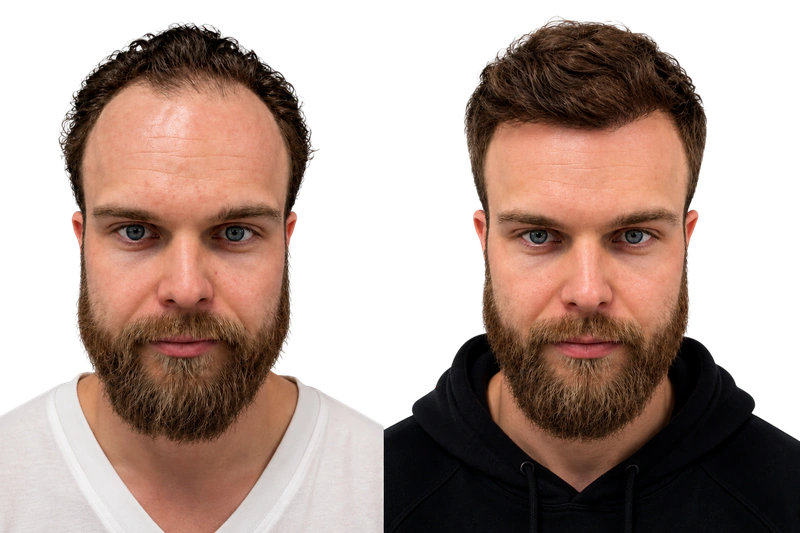

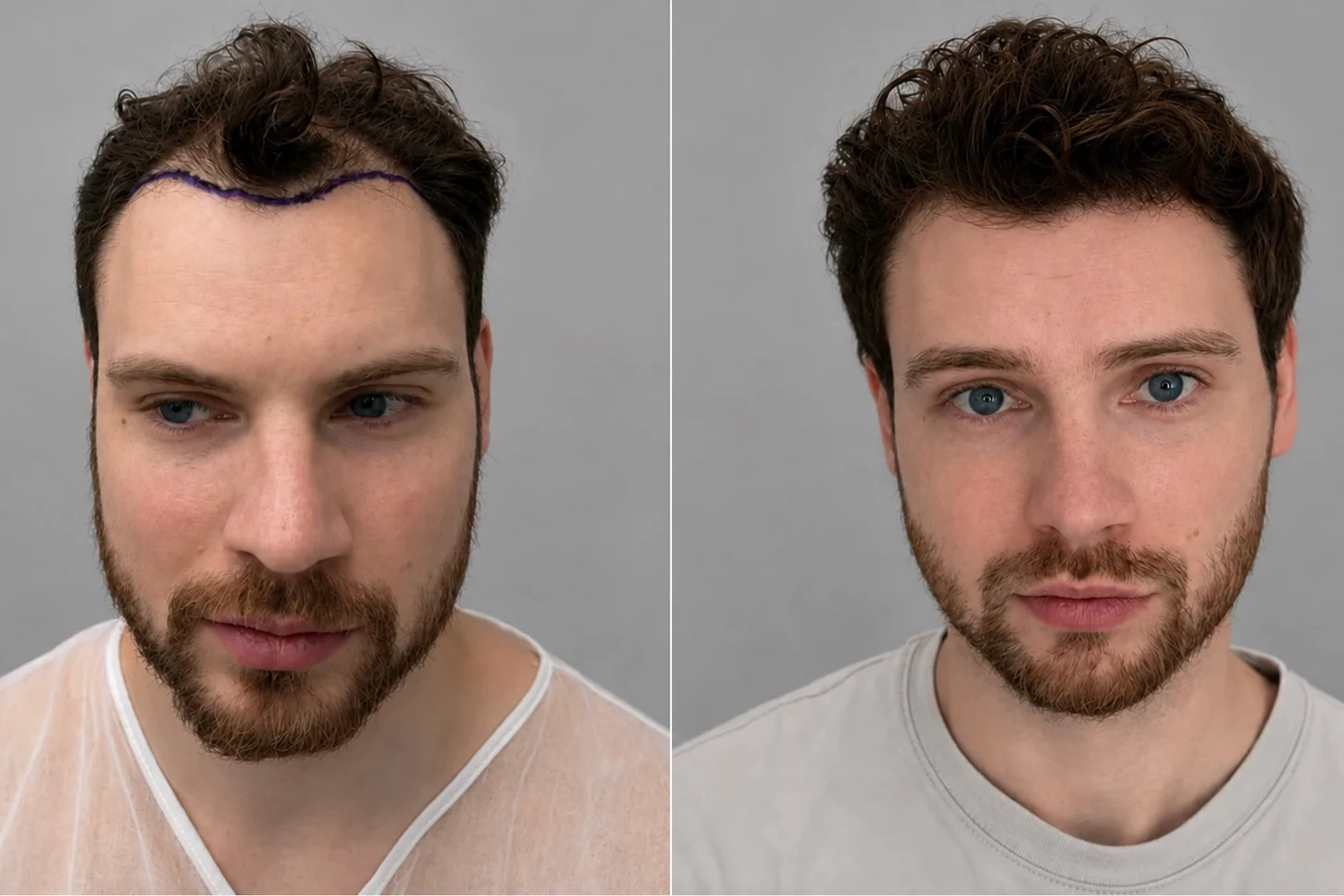
start
12 months on
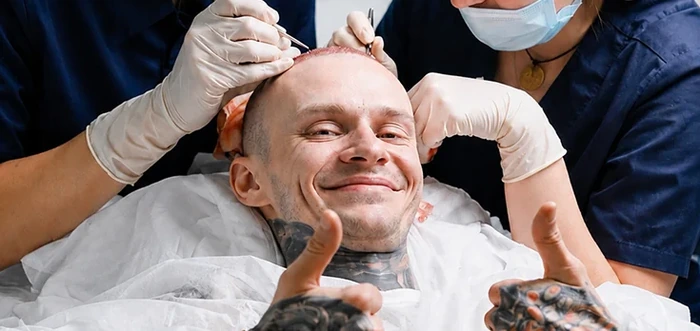
2,800 grafts
FUE method
City Medical Centre
0% instalments
from $367/mo
The first session, priced — $0.
Real patient
start
12 months on
FUE, done without incisions or stitches. Grafts and forecast totted up at no cost to you — before you decide.
Not a penny, no surgery booking required
Message our coordinator
Free online consultation · Reply within 15 minutes
Message us on TelegramMessage us on WhatsAppBy messaging us, you agree to our Privacy Policy
results
Only genuine patient results are published here.
start
12 months on
2,800 grafts
FUE method
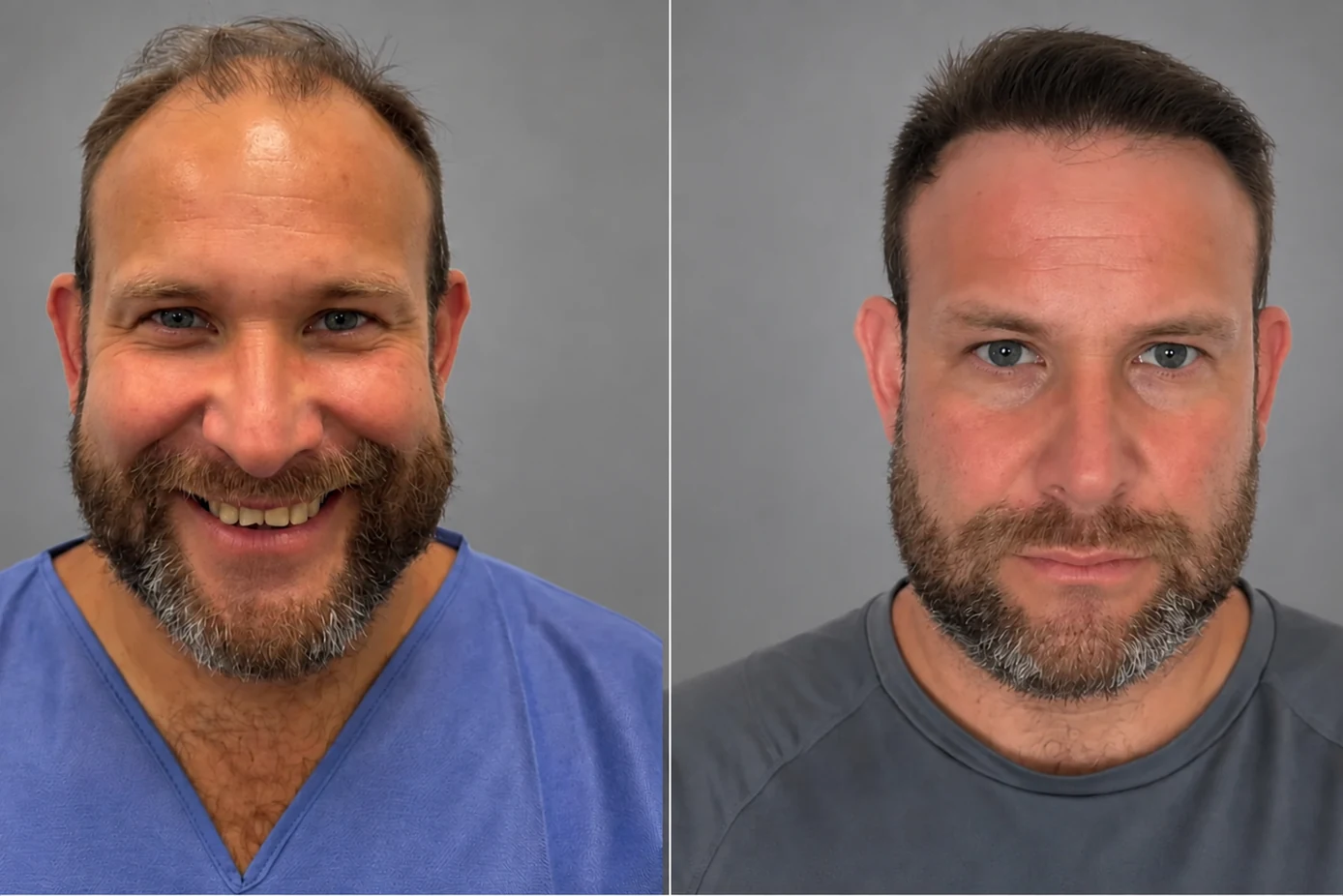
start
12 months on
3,500 grafts
FUE method
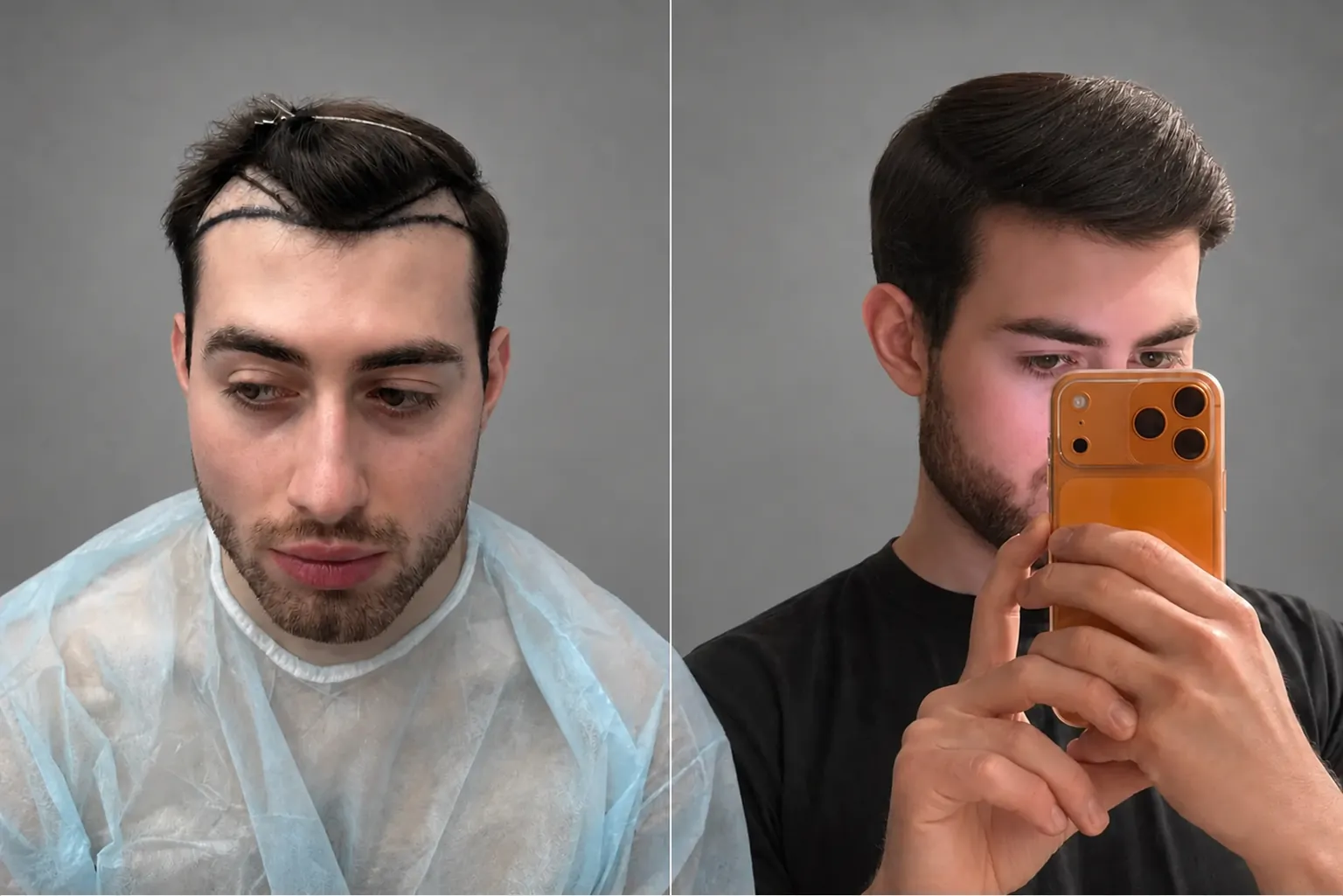
start
12 months on
2,600 grafts
FUE method
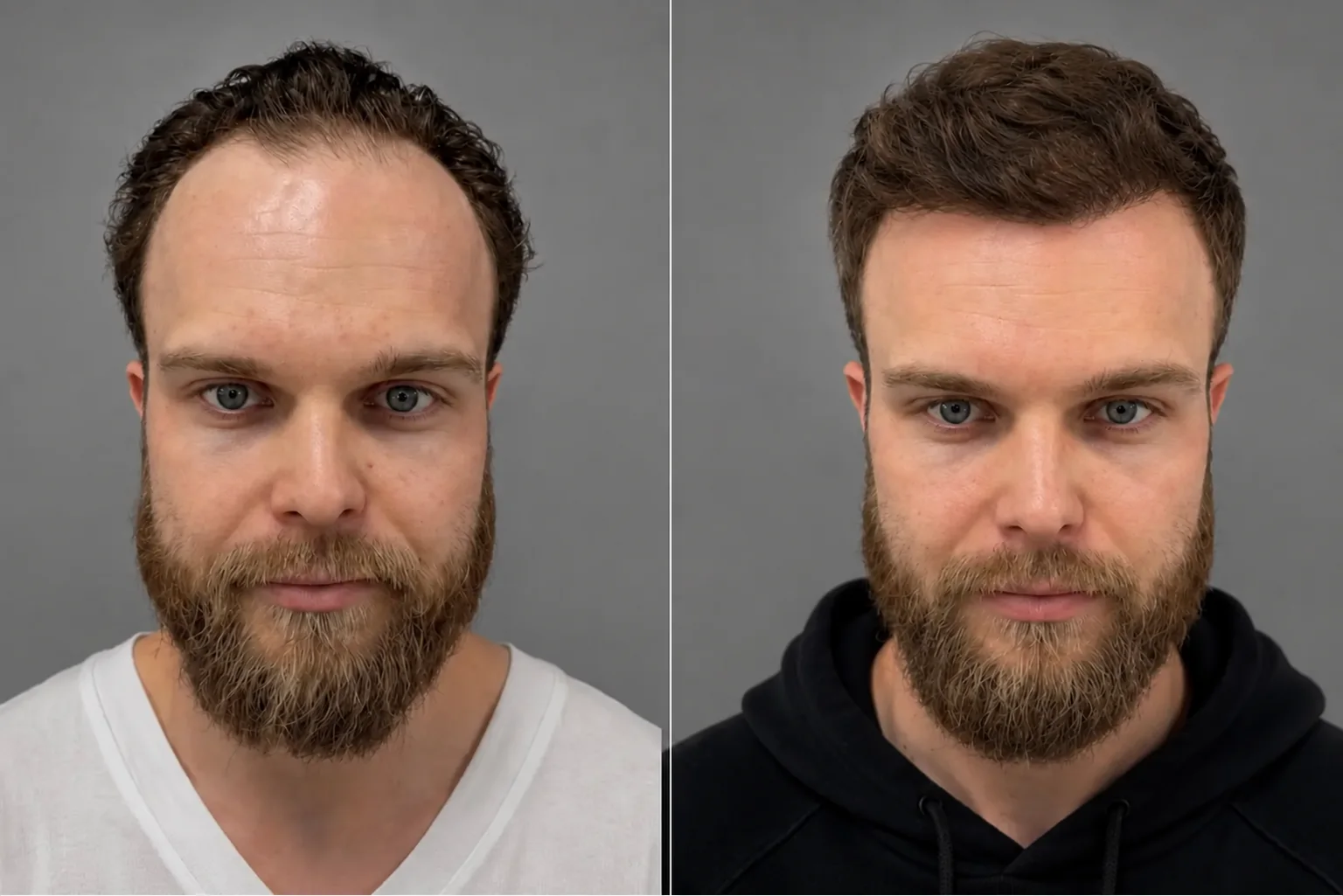
start
12 months on
3,000 grafts
FUE method
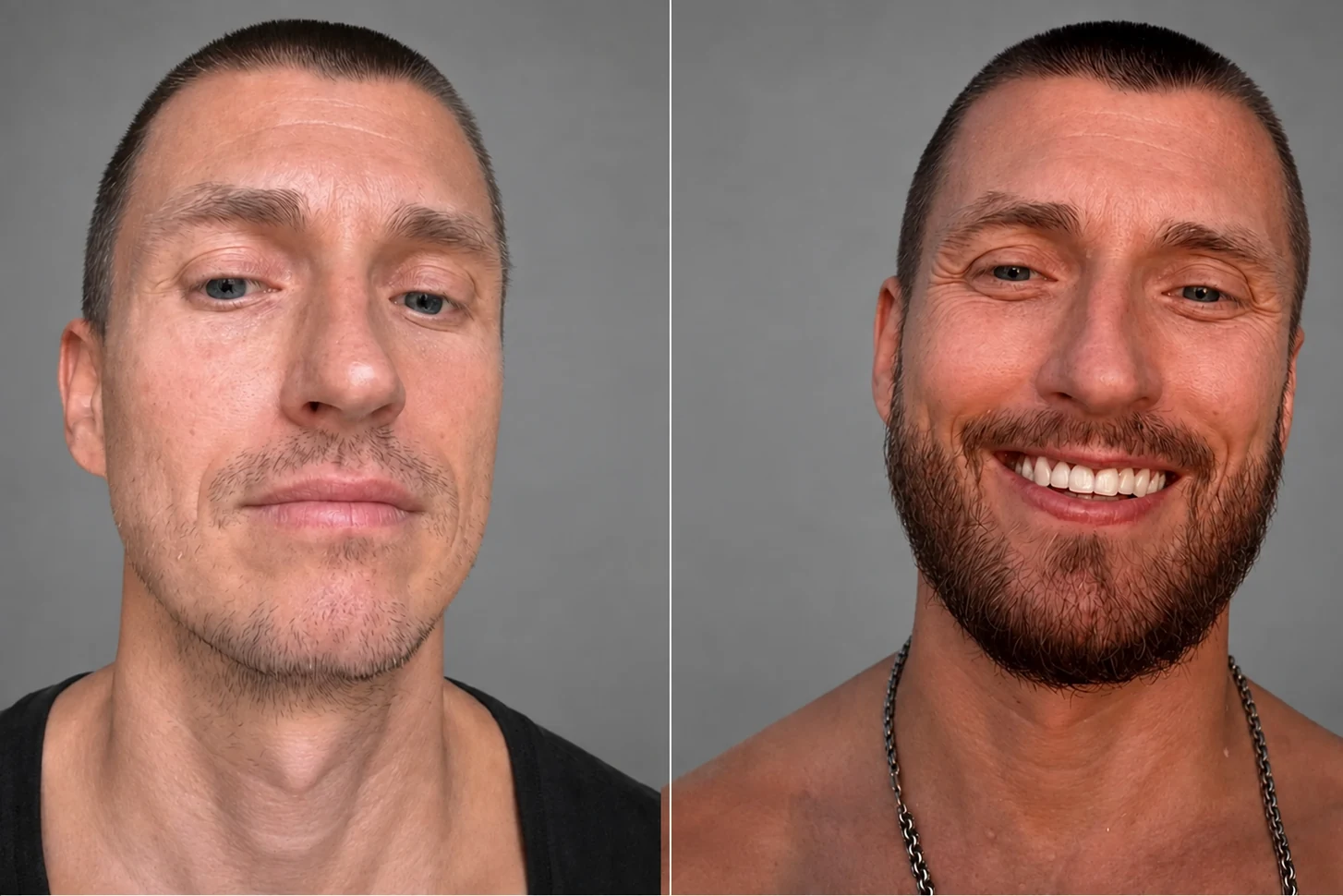
start
12 months on
2,700 grafts
FUE method
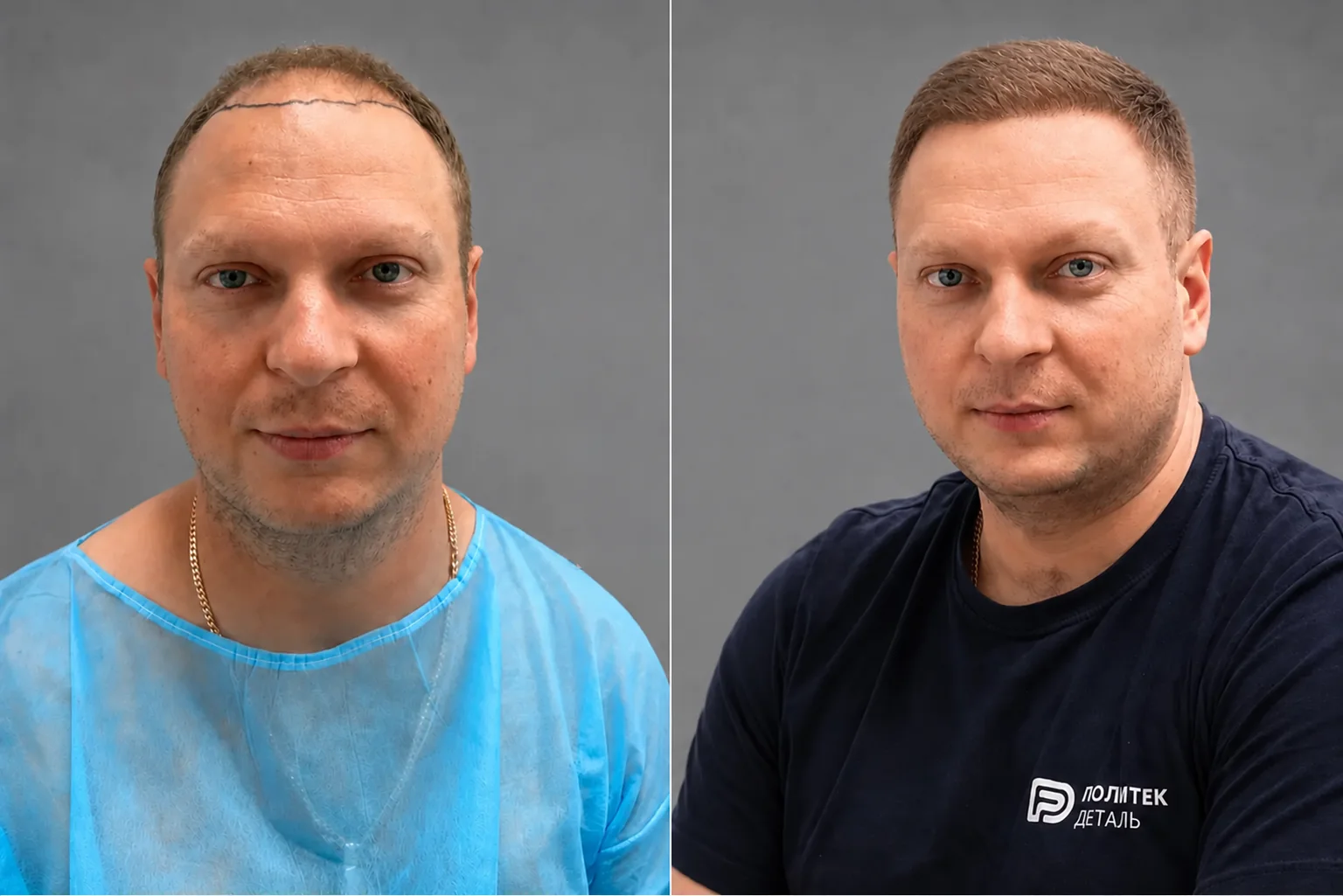
start
12 months on
3,300 grafts
FUE method
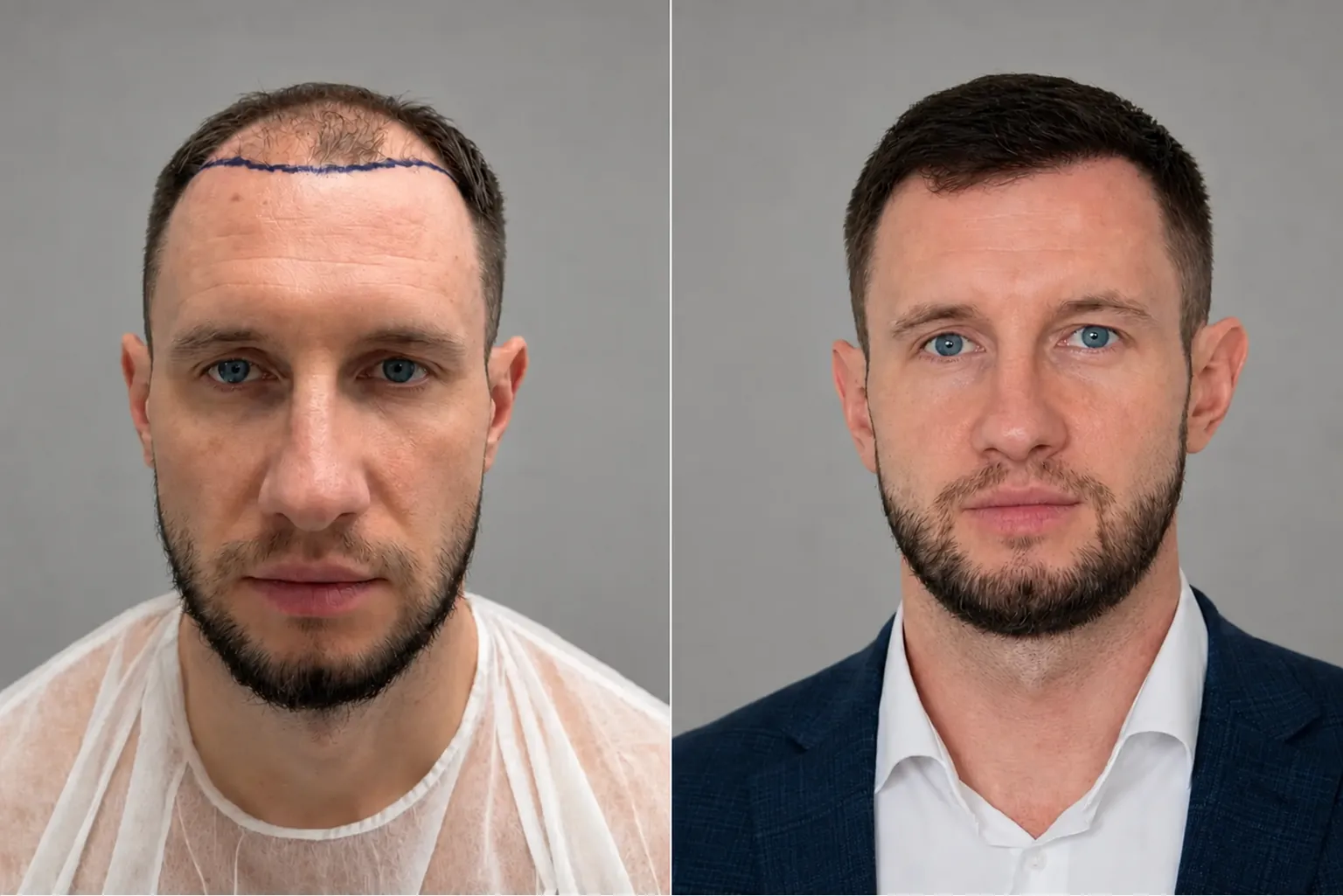
start
12 months on
2,900 grafts
FUE method
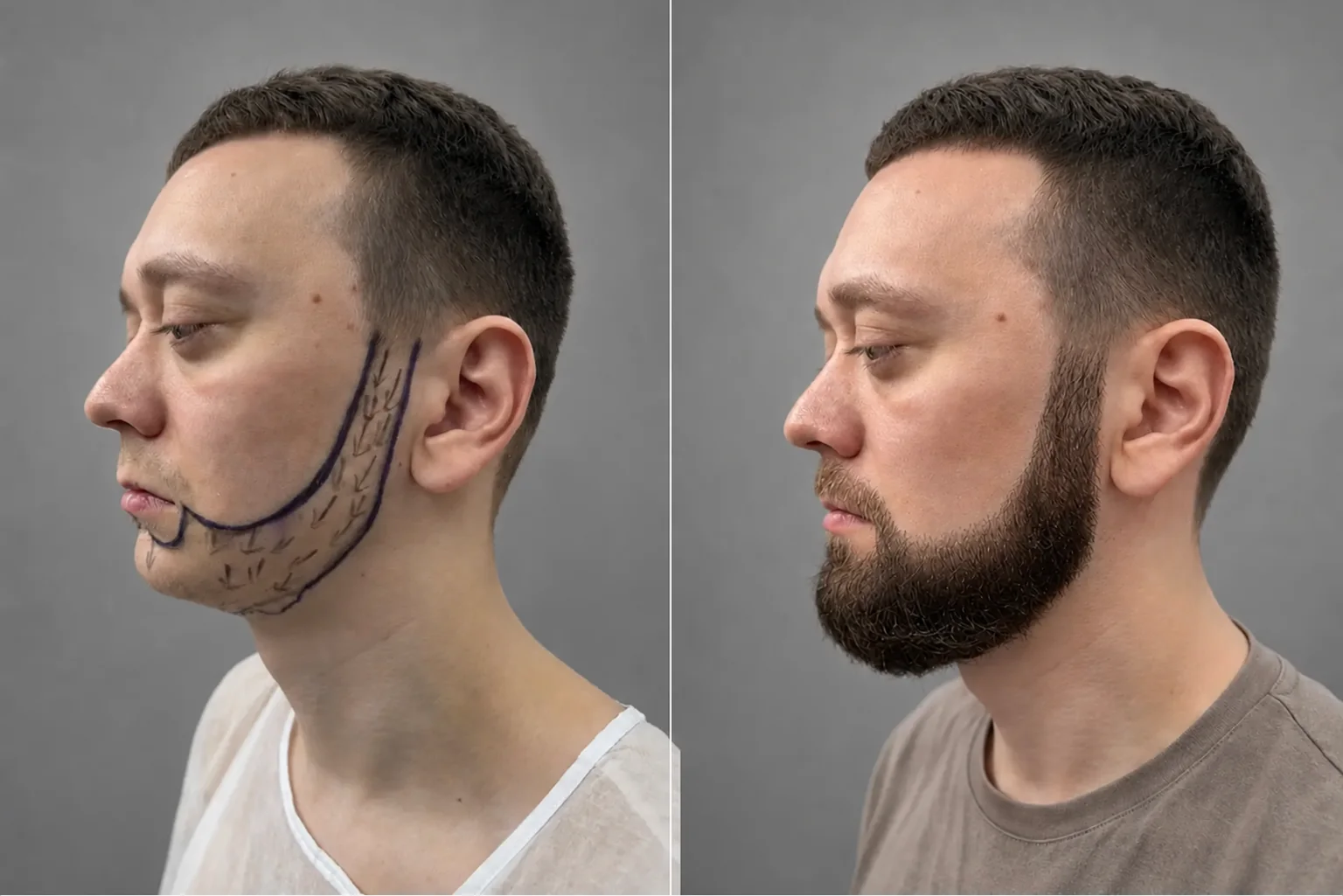
start
12 months on
2,500 grafts
FUE method
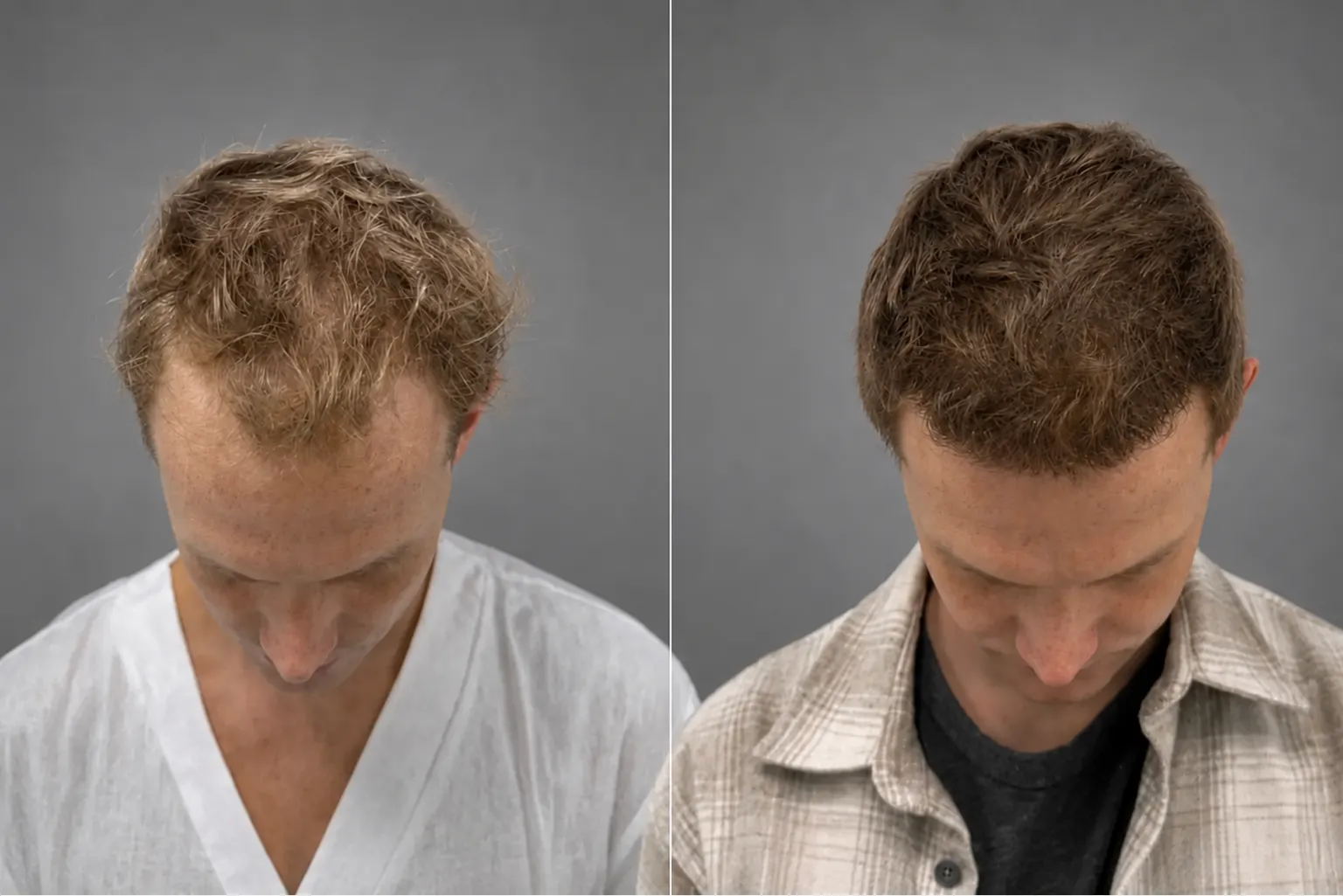
start
12 months on
3,400 grafts
FUE method
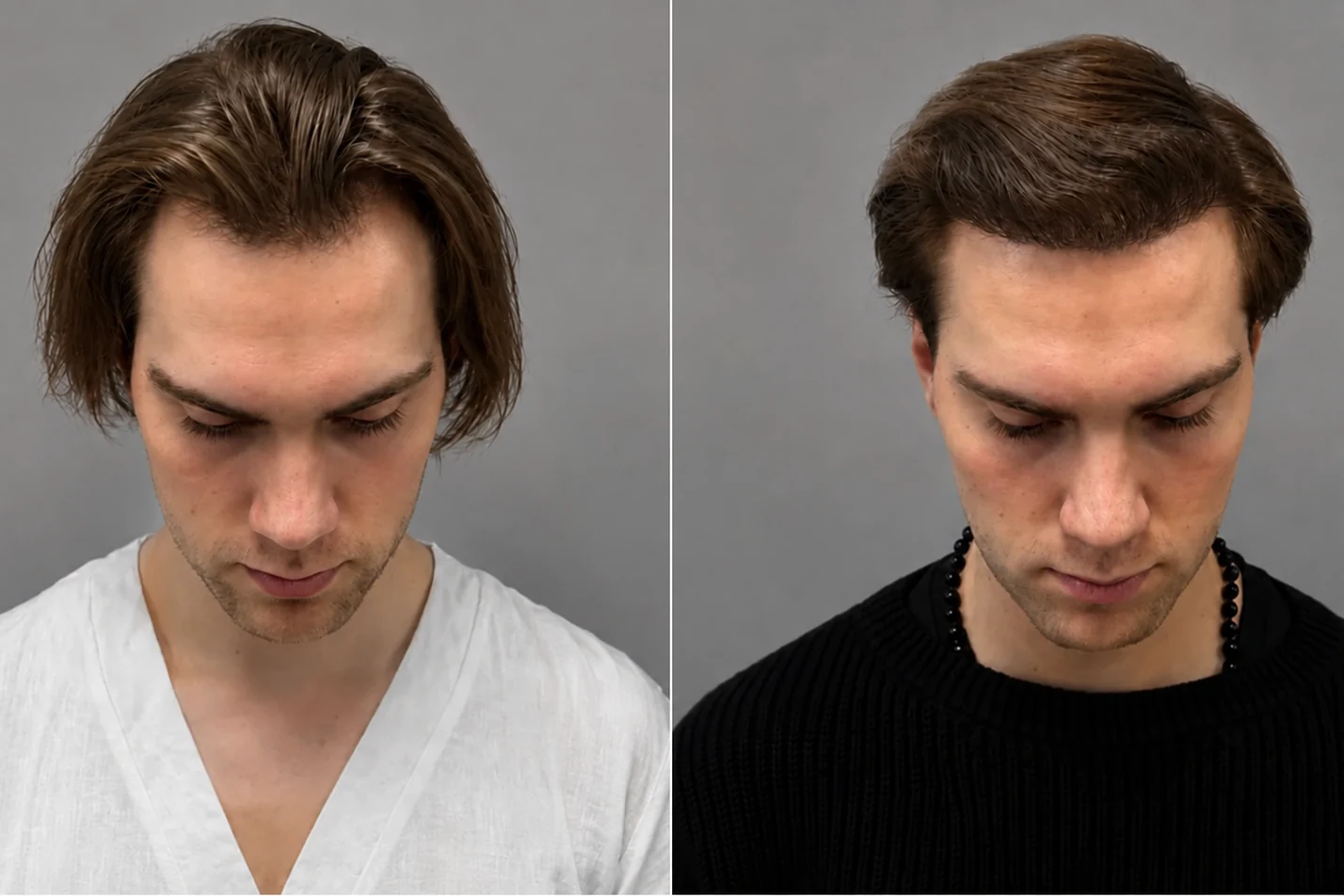
start
12 months on
2,500 grafts
FUE method
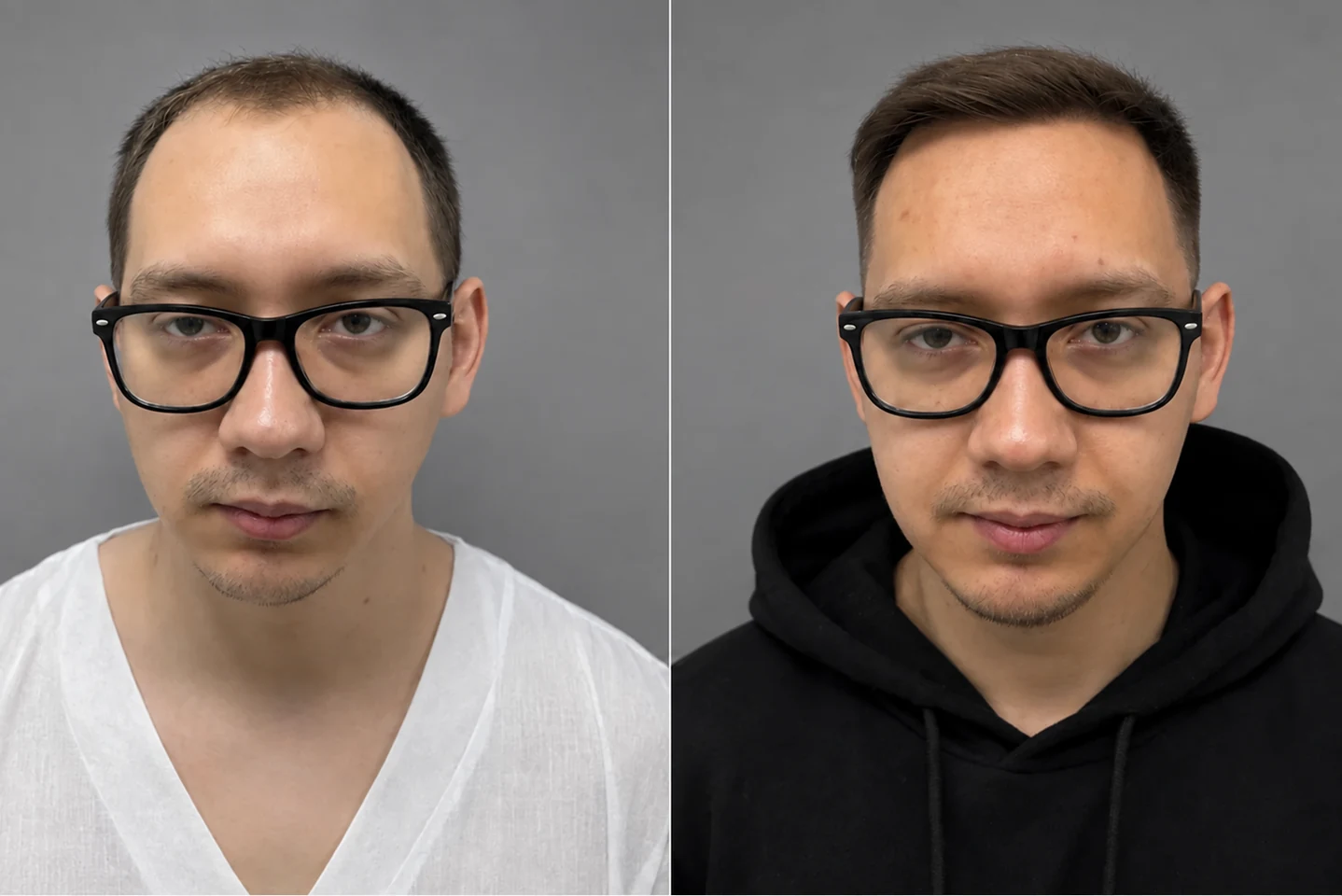
start
12 months on
3,100 grafts
FUE method
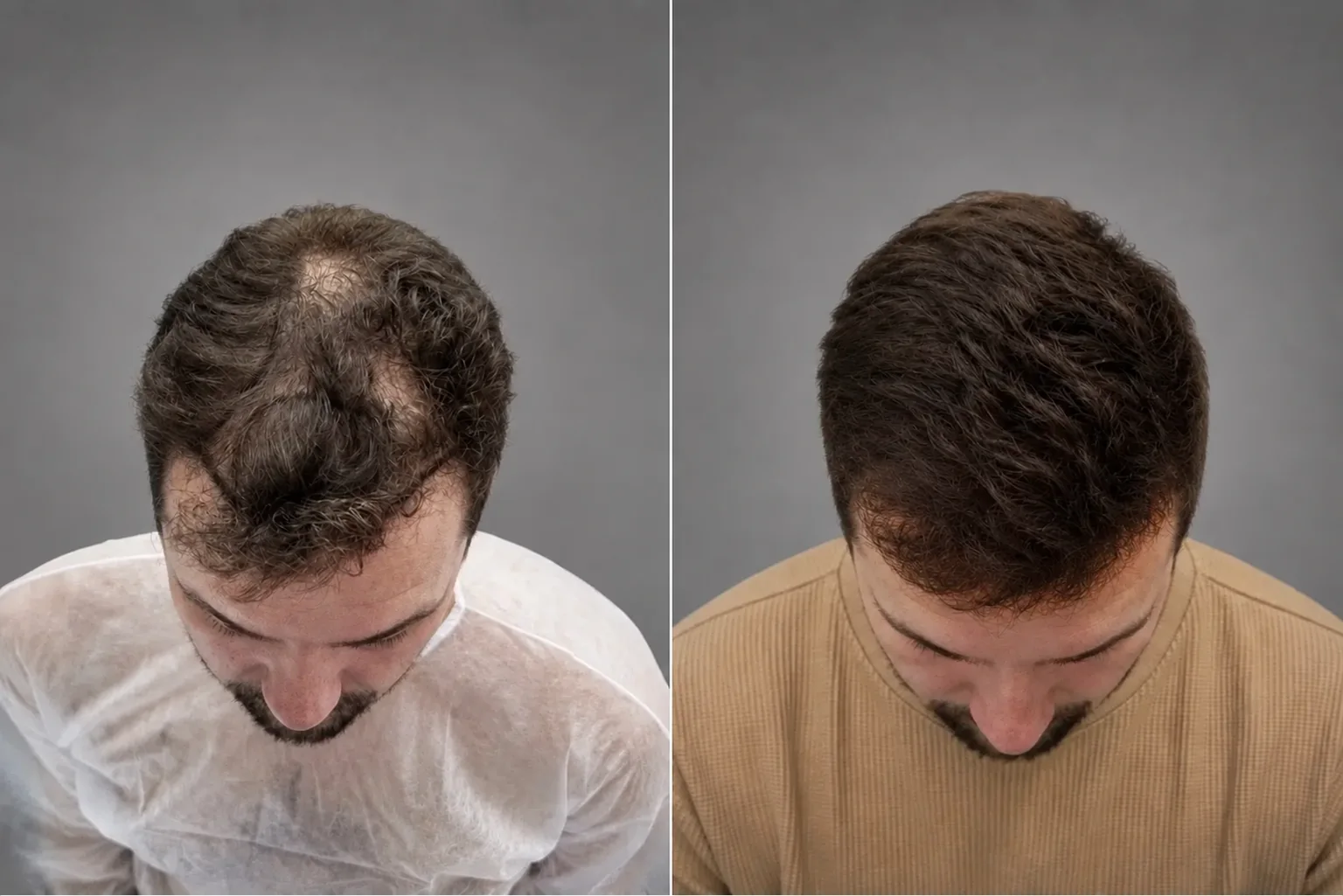
start
12 months on
3,600 grafts
FUE method
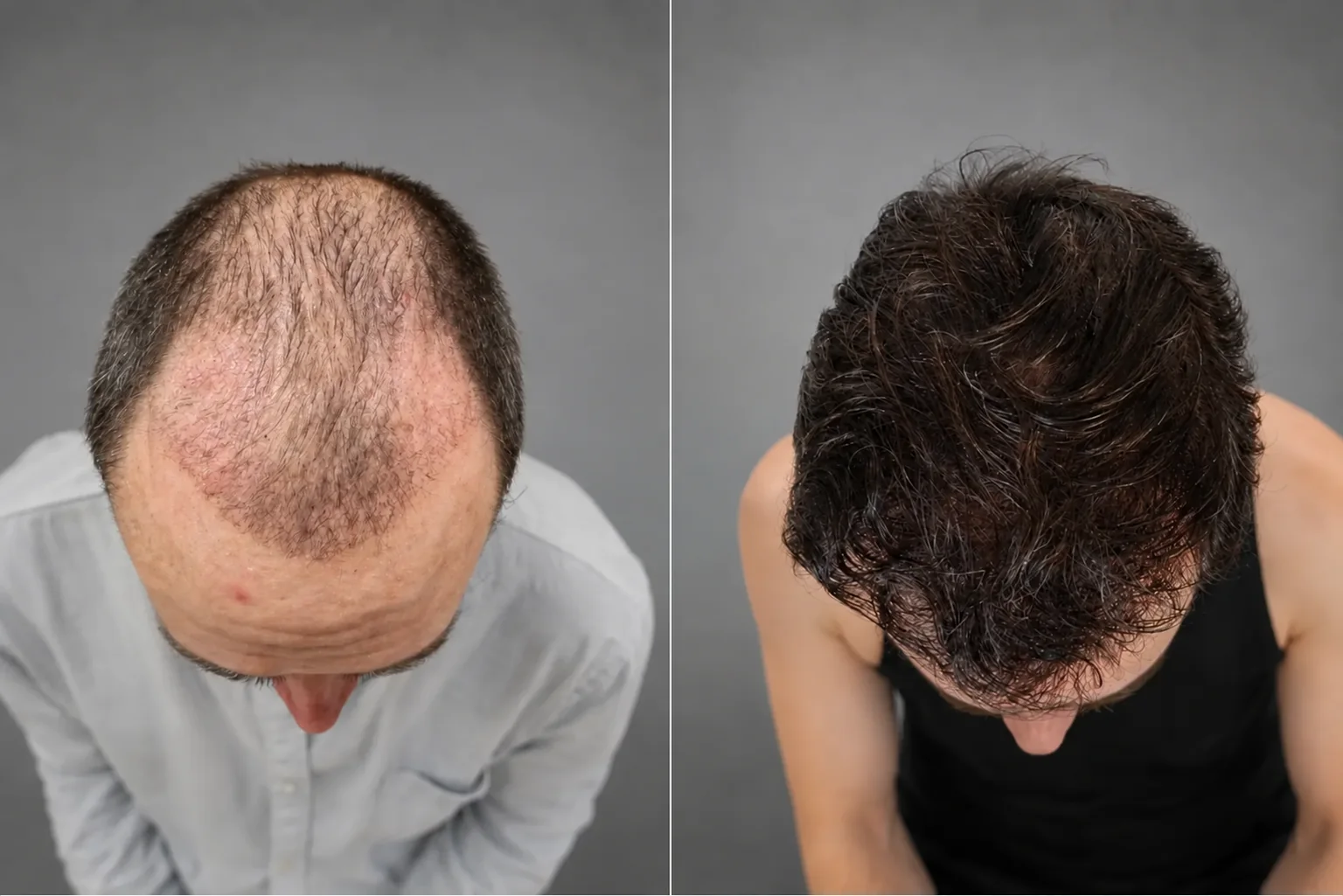
start
12 months on
4,000 grafts
FUE method
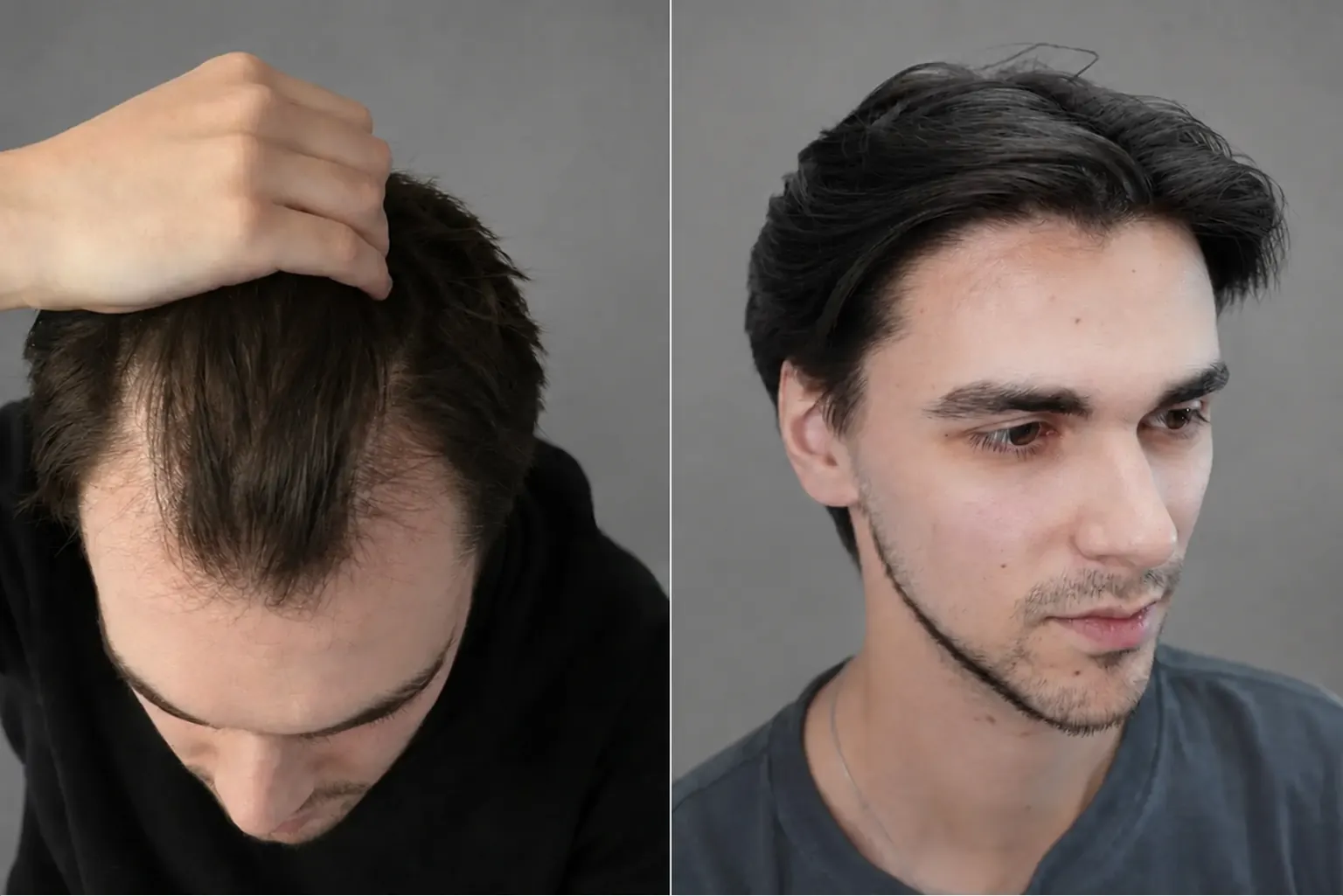
start
12 months on
3,200 grafts
FUE method
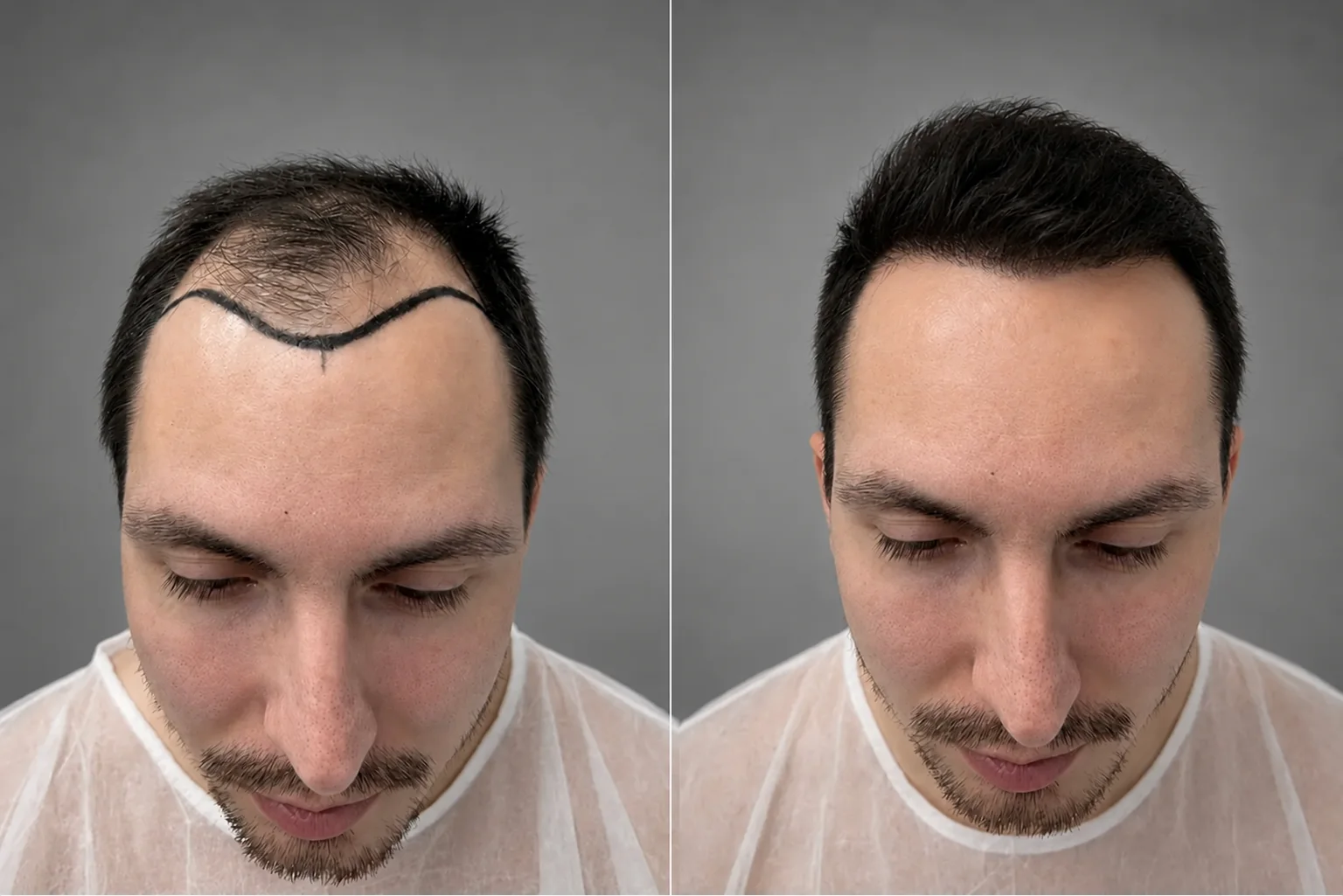
start
12 months on
3,000 grafts
FUE method
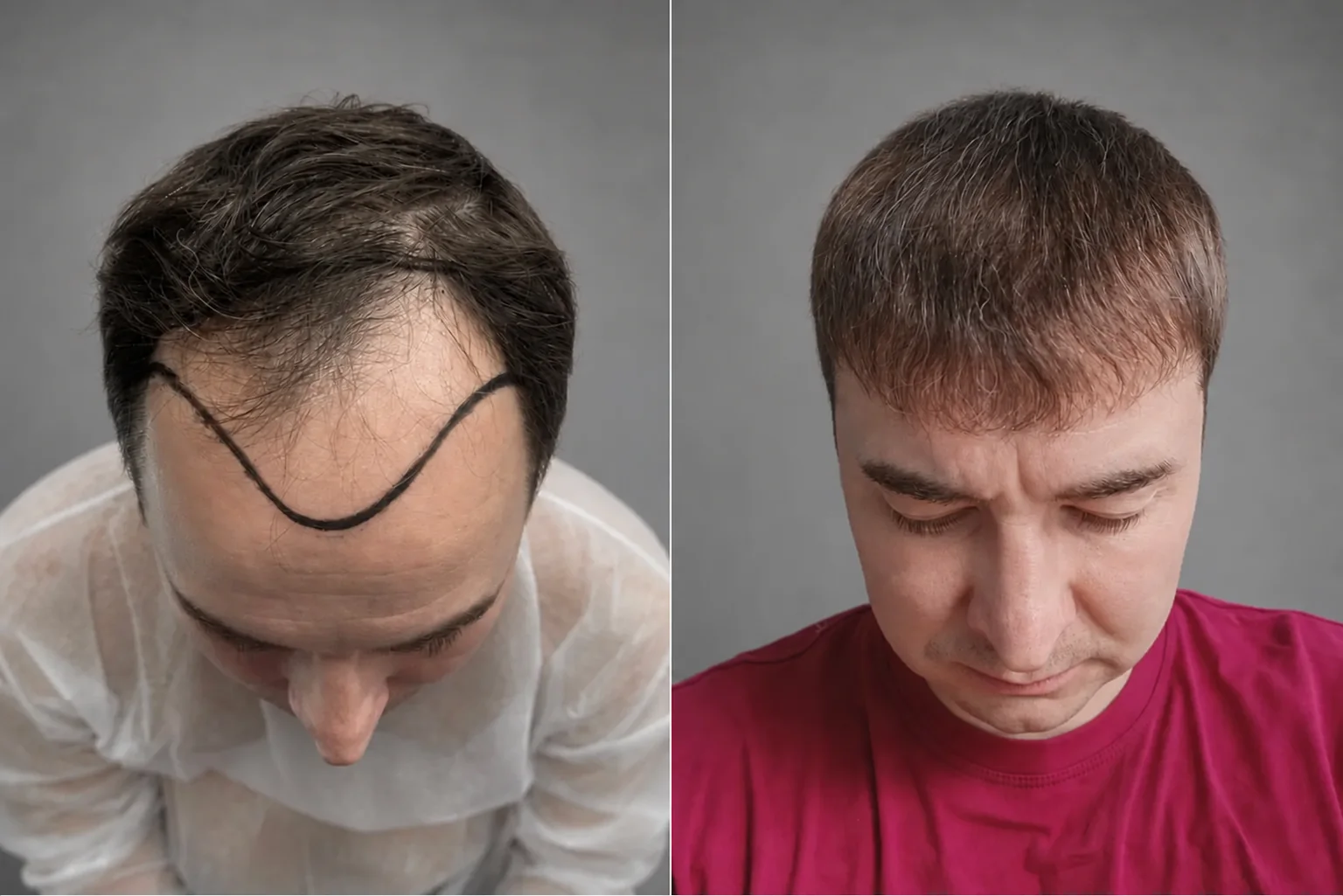
start
12 months on
3,700 grafts
FUE method
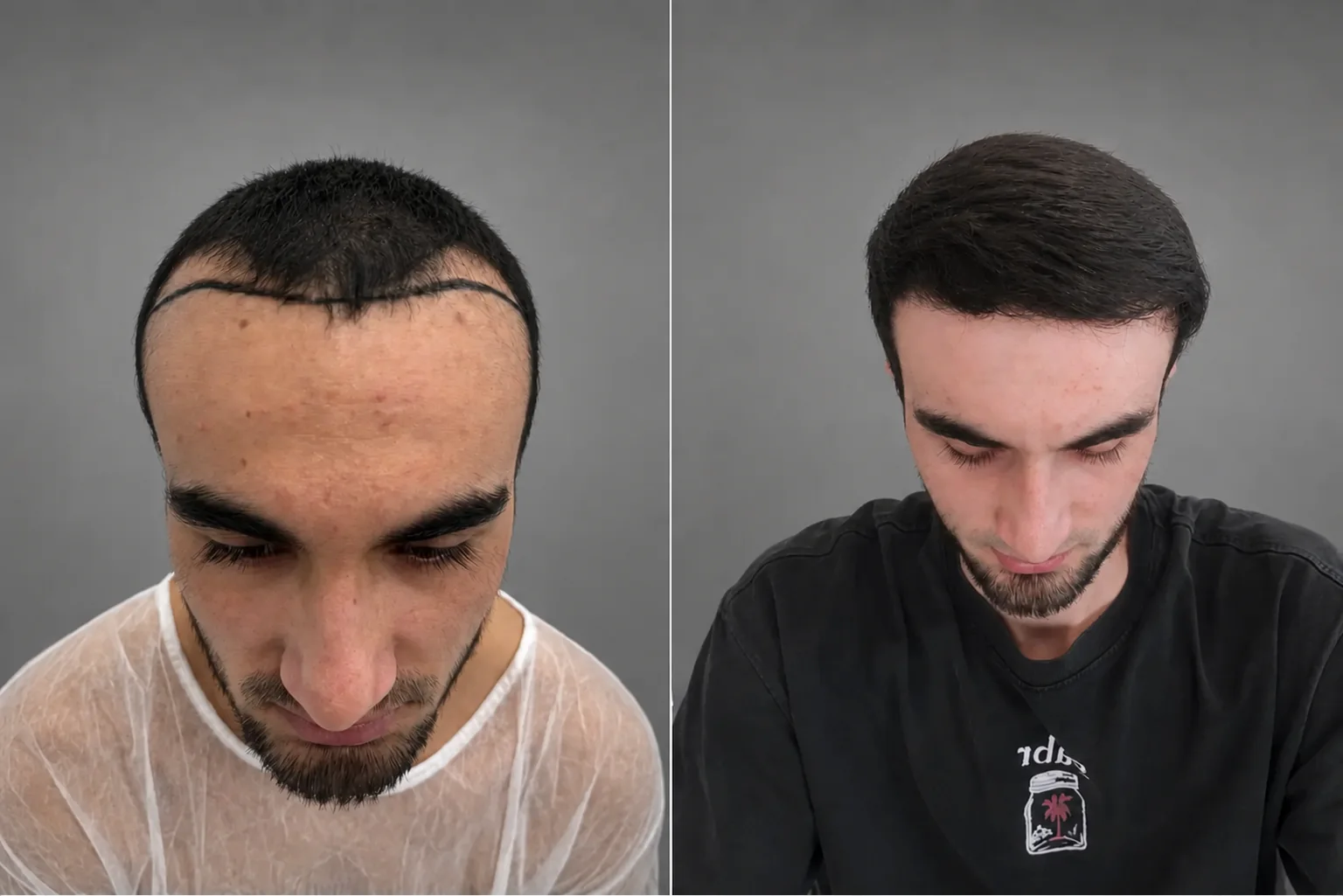
start
12 months on
2,700 grafts
FUE method
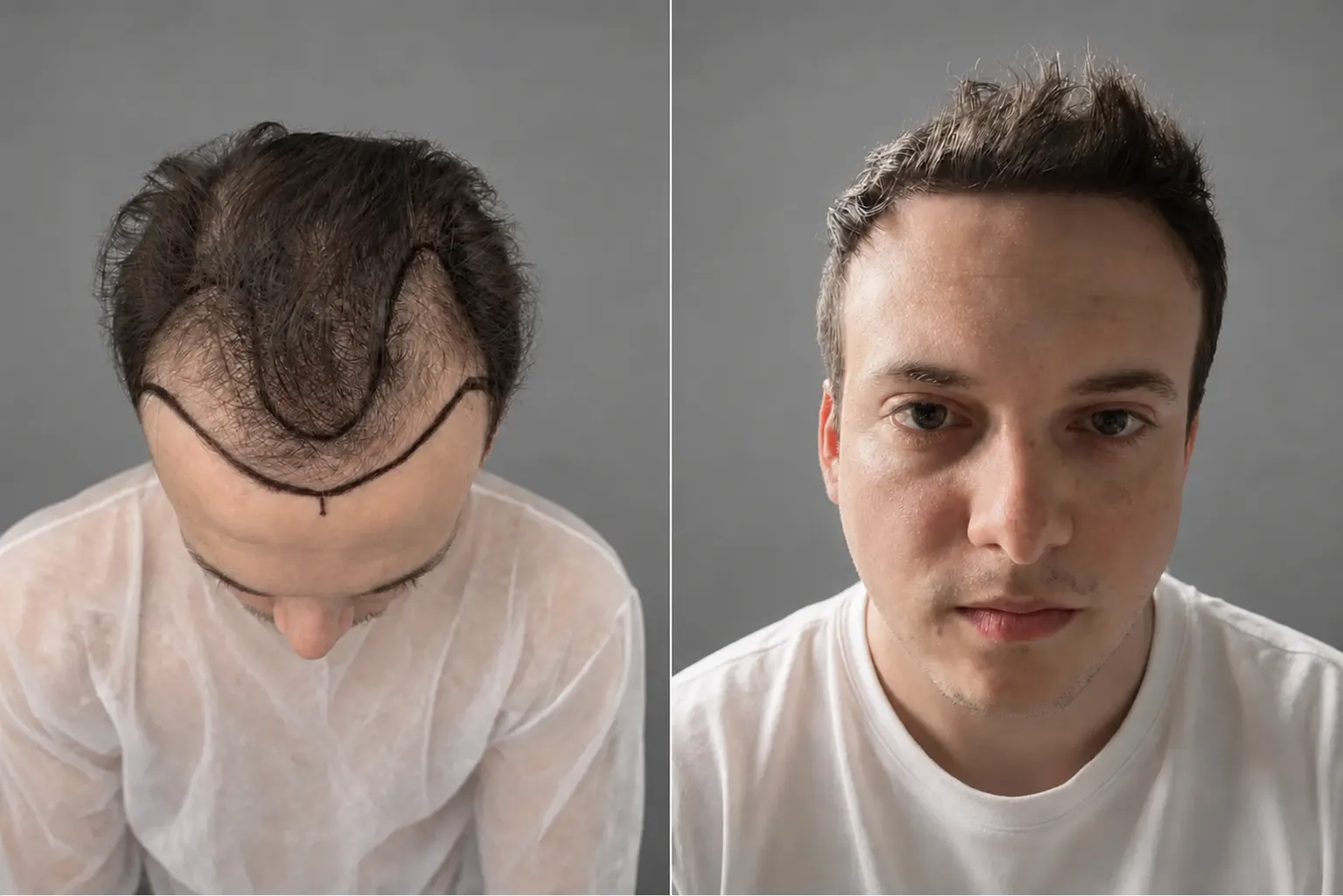
start
12 months on
3,800 grafts
FUE method
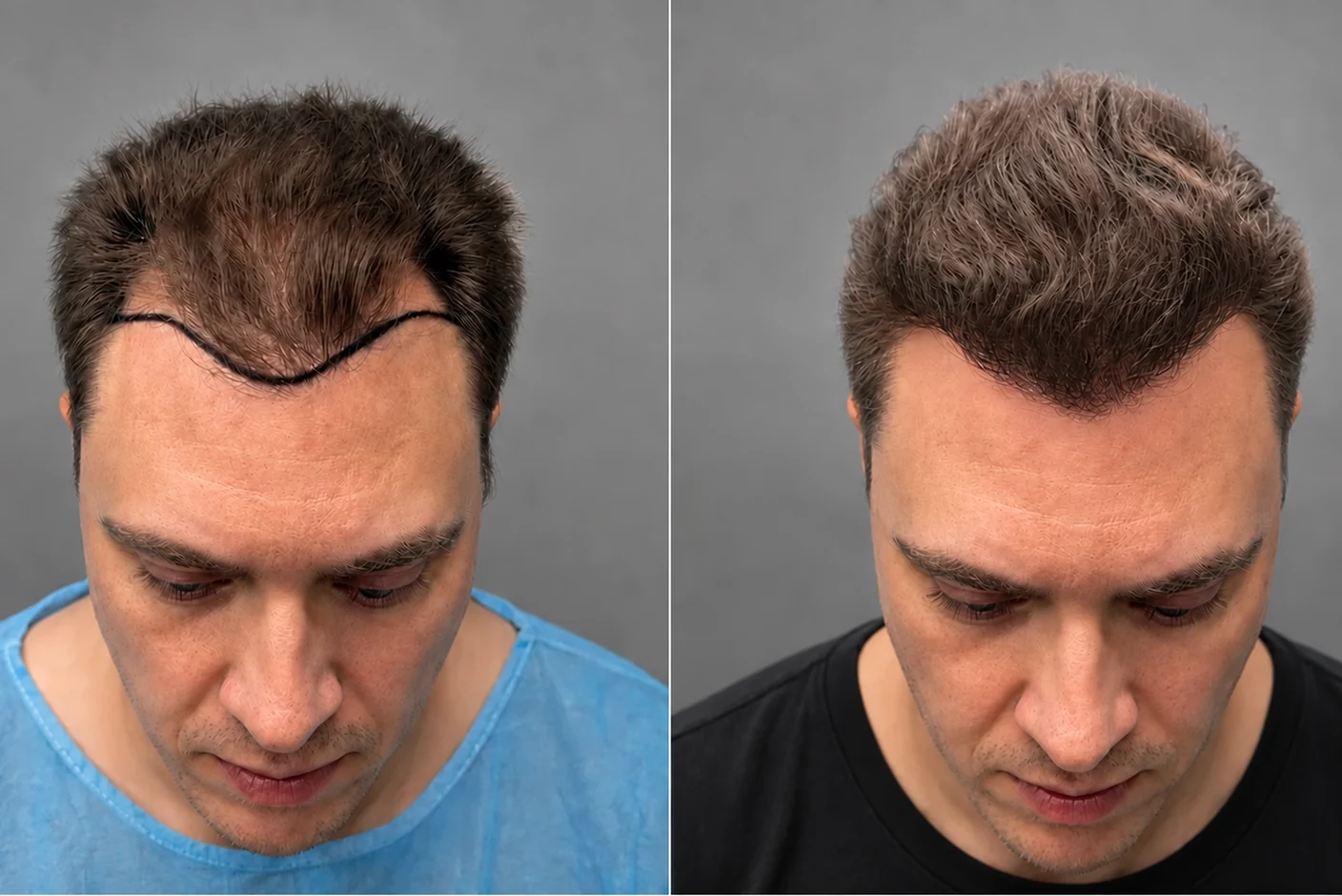
start
12 months on
3,300 grafts
FUE method
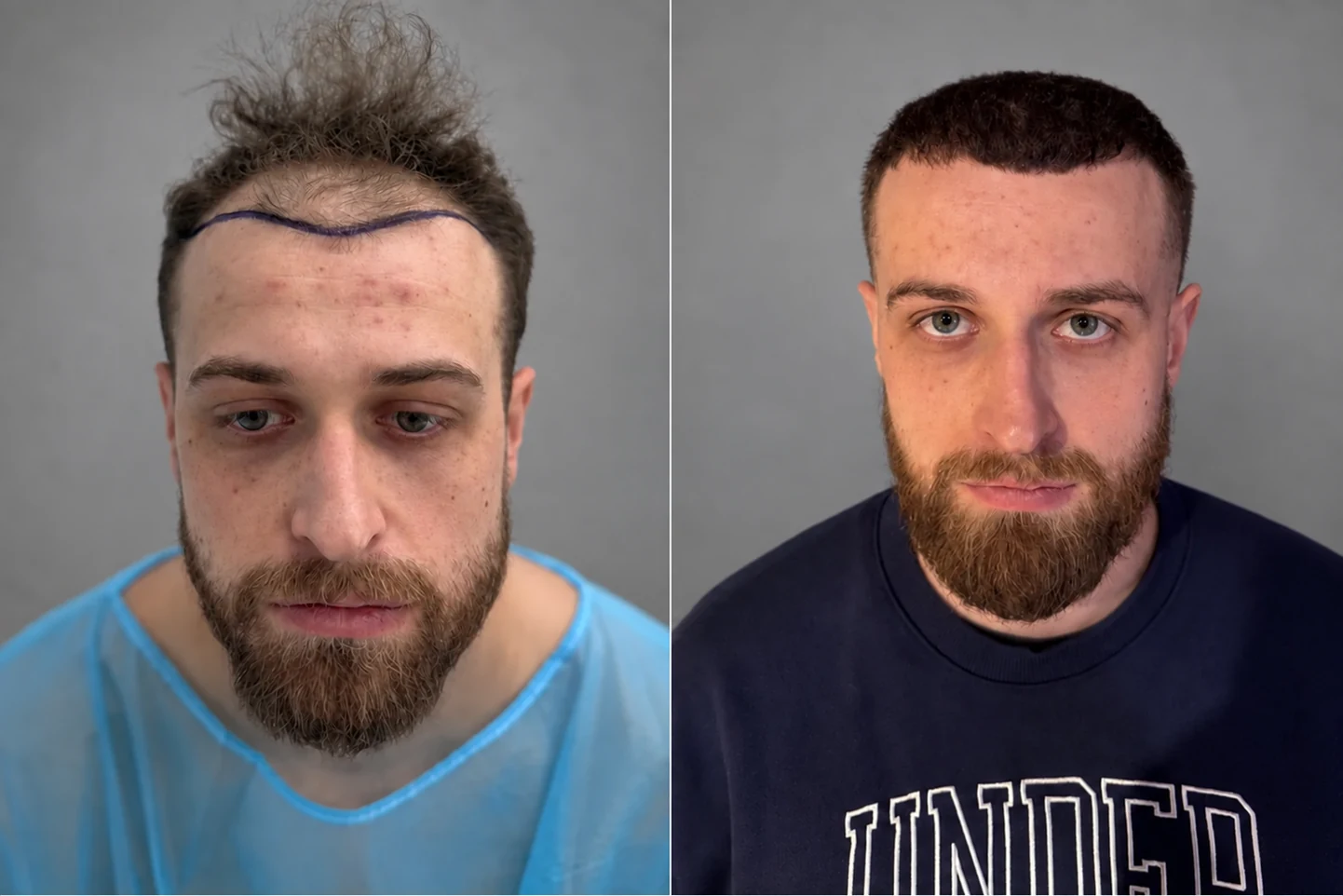
start
12 months on
2,800 grafts
FUE method
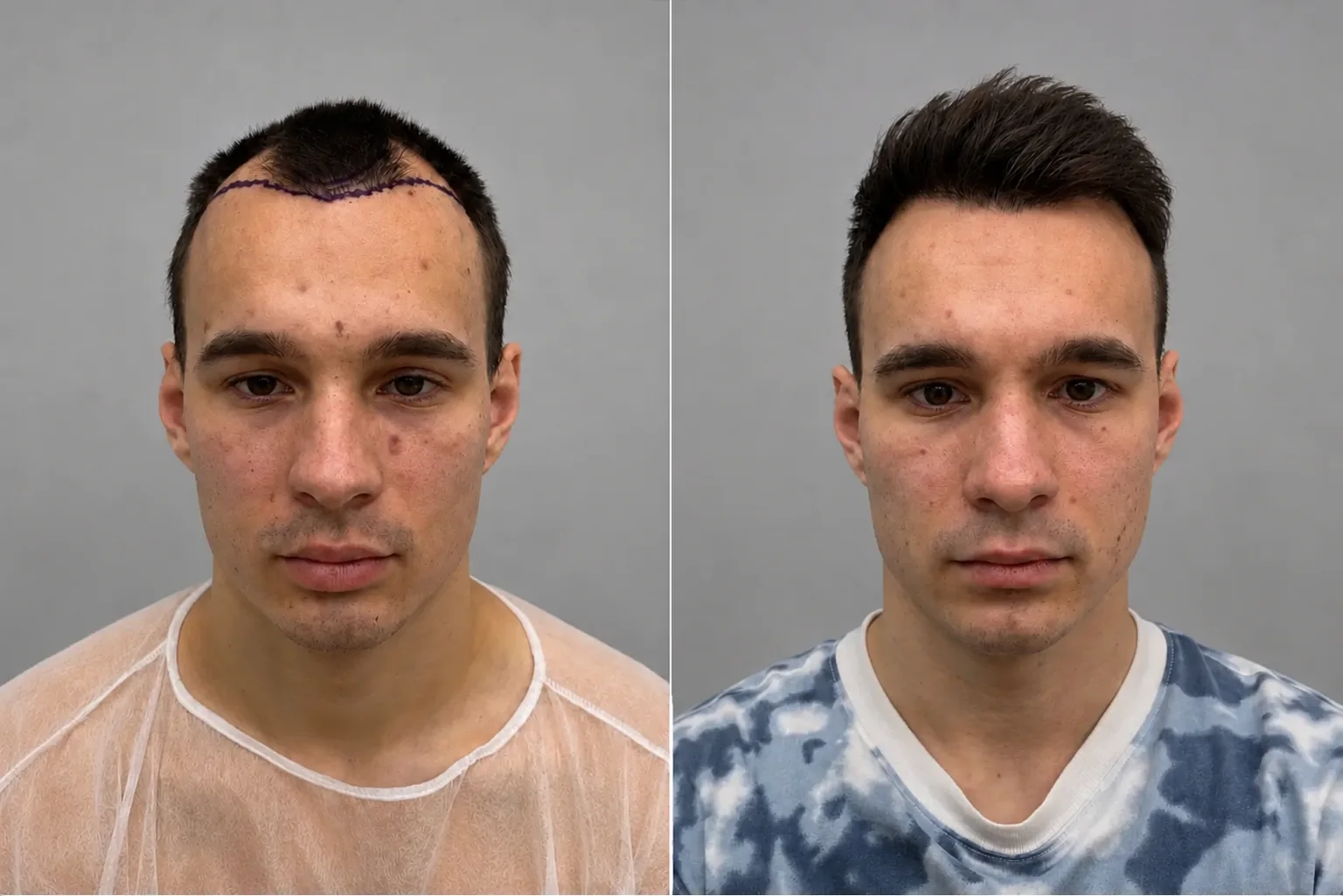
start
12 months on
2,500 grafts
FUE method
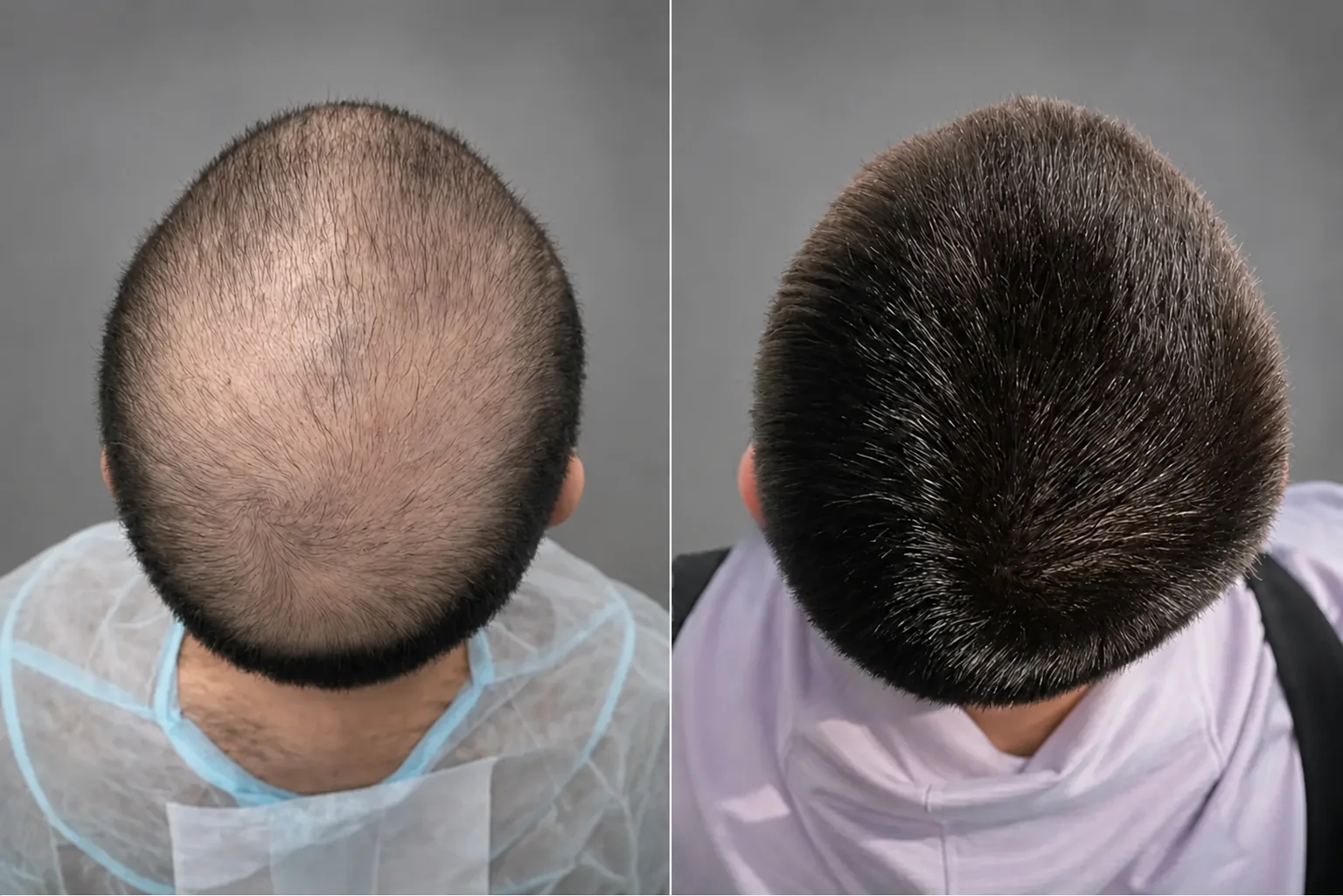
start
12 months on
3,900 grafts
FUE method
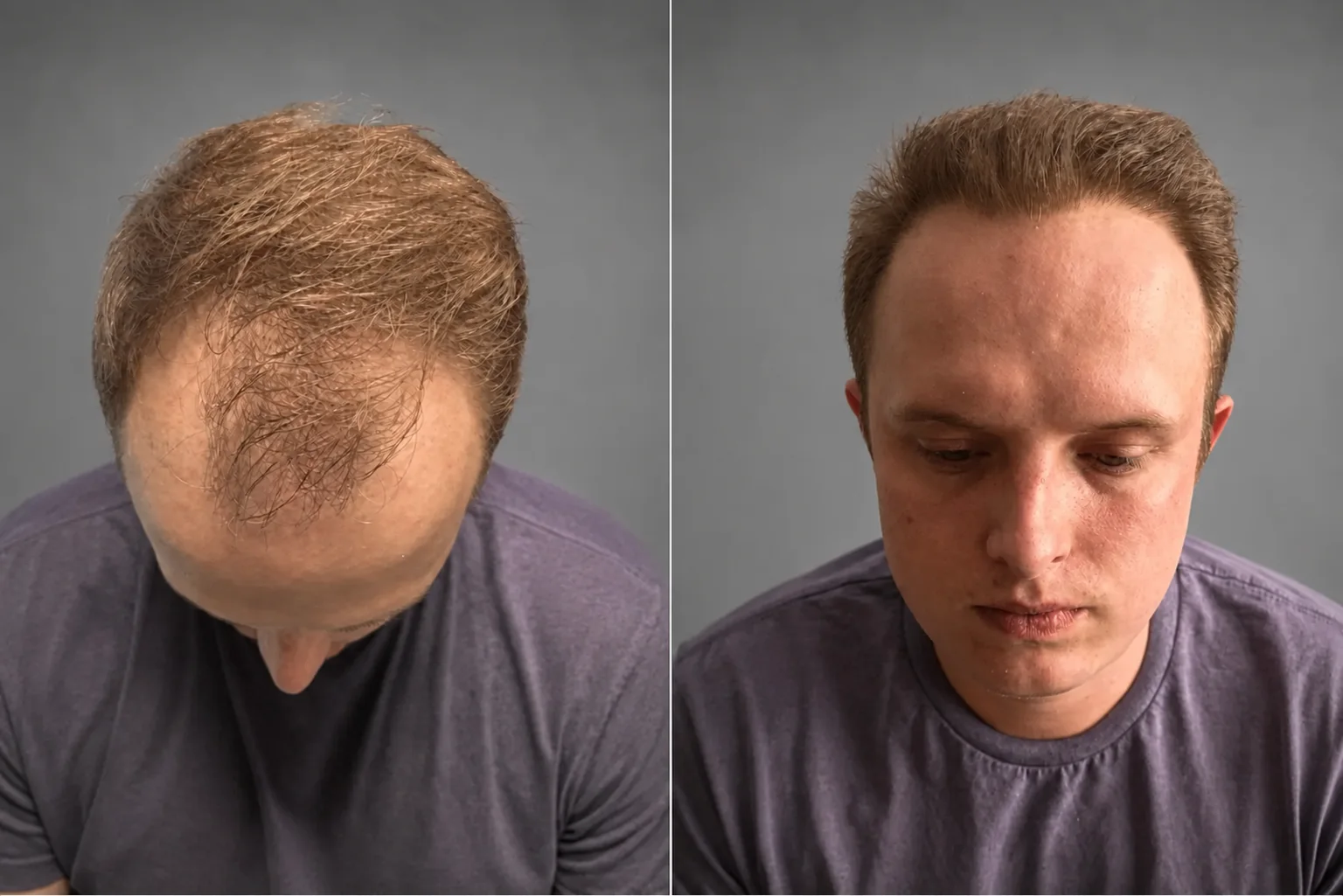
start
12 months on
3,500 grafts
FUE method
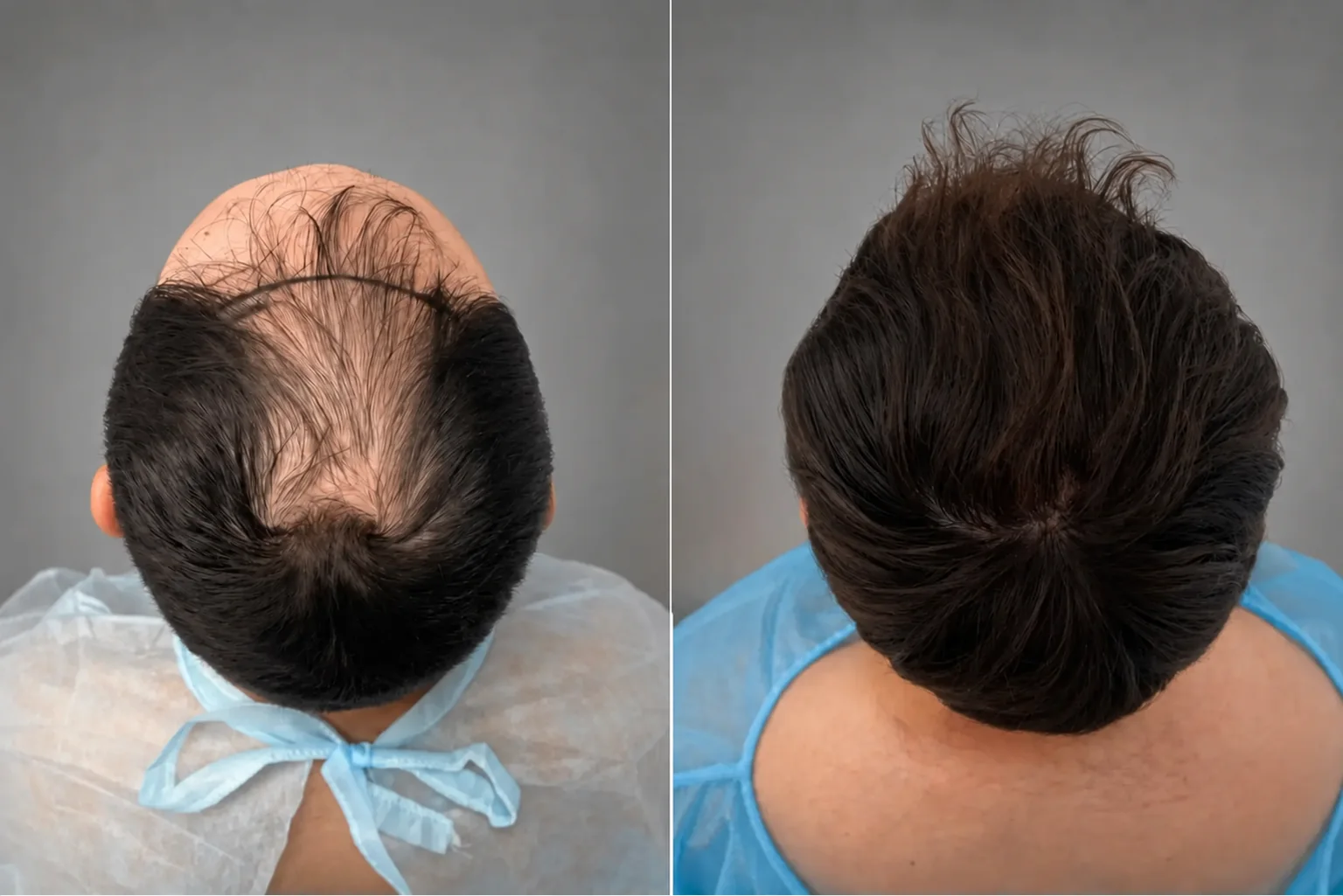
start
12 months on
3,800 grafts
FUE method
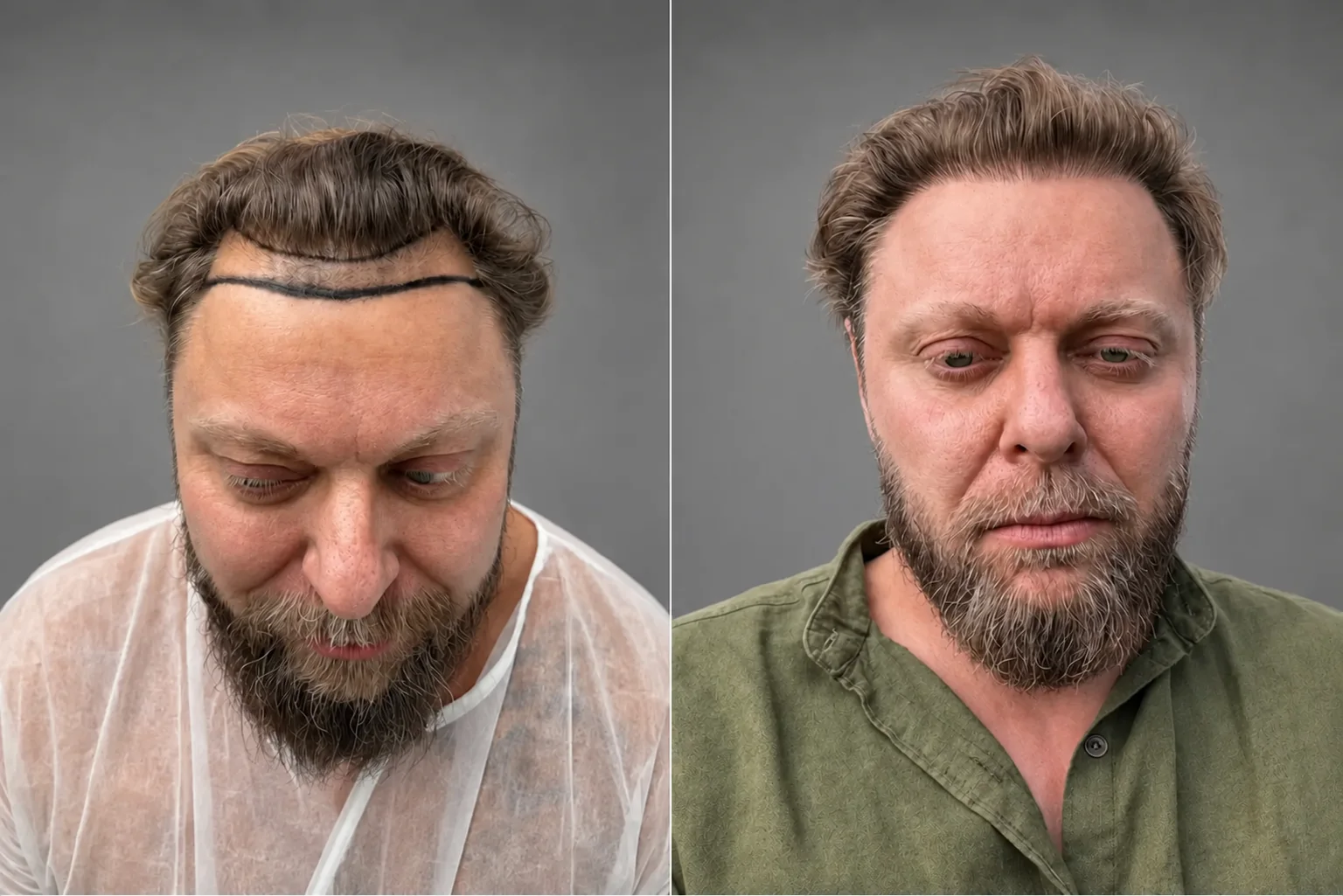
start
12 months on
2,900 grafts
FUE method
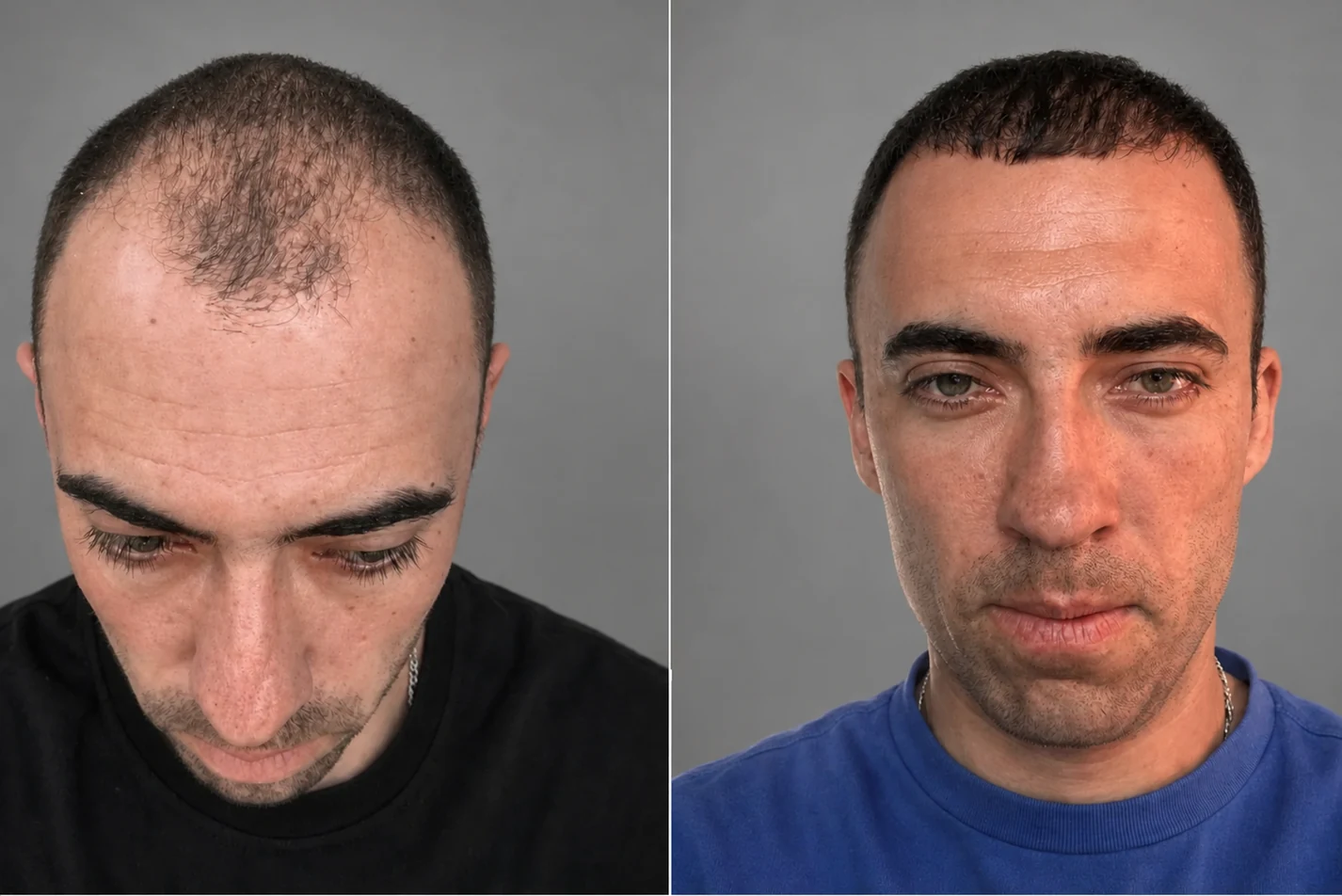
start
12 months on
3,600 grafts
FUE method
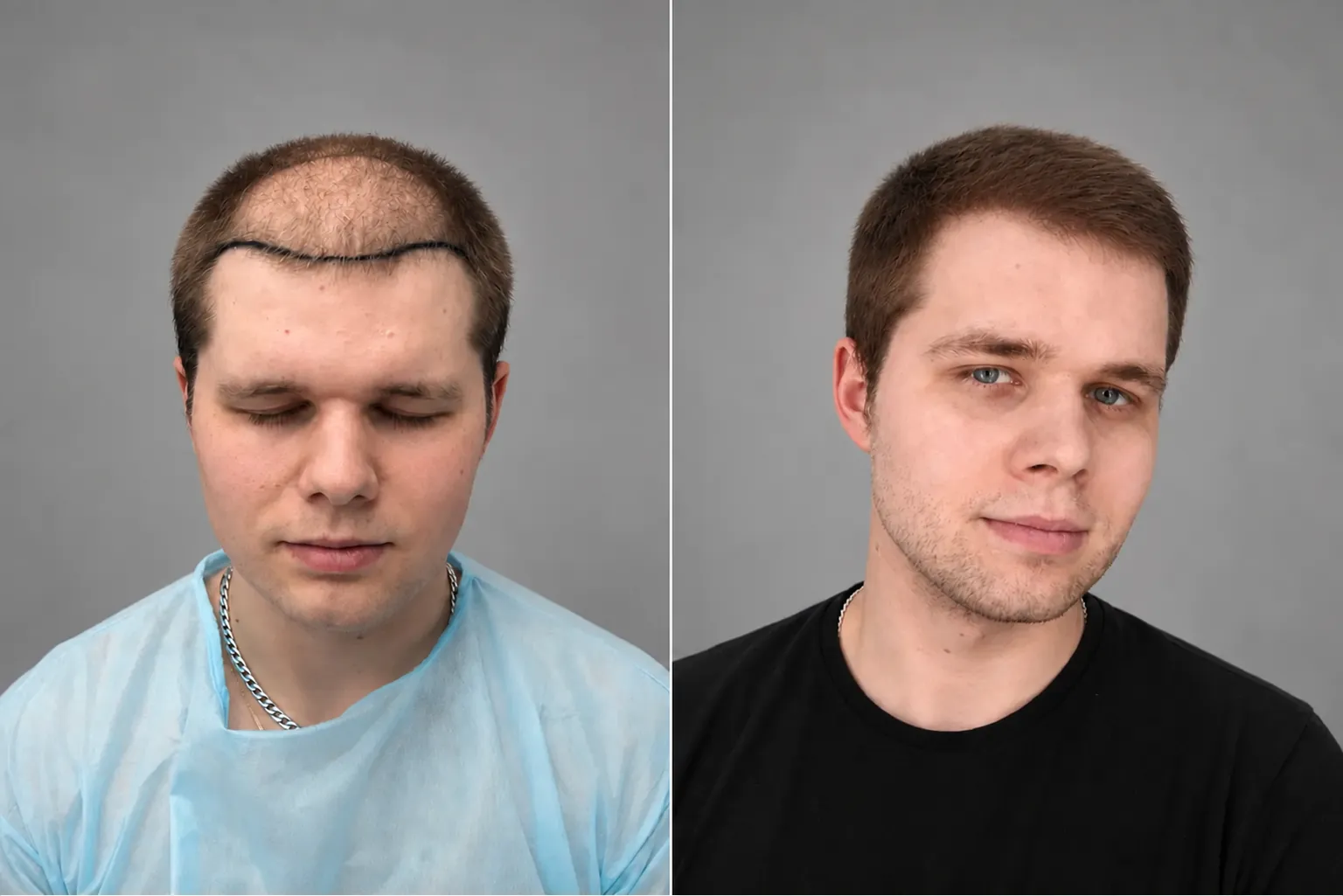
start
12 months on
2,600 grafts
FUE method
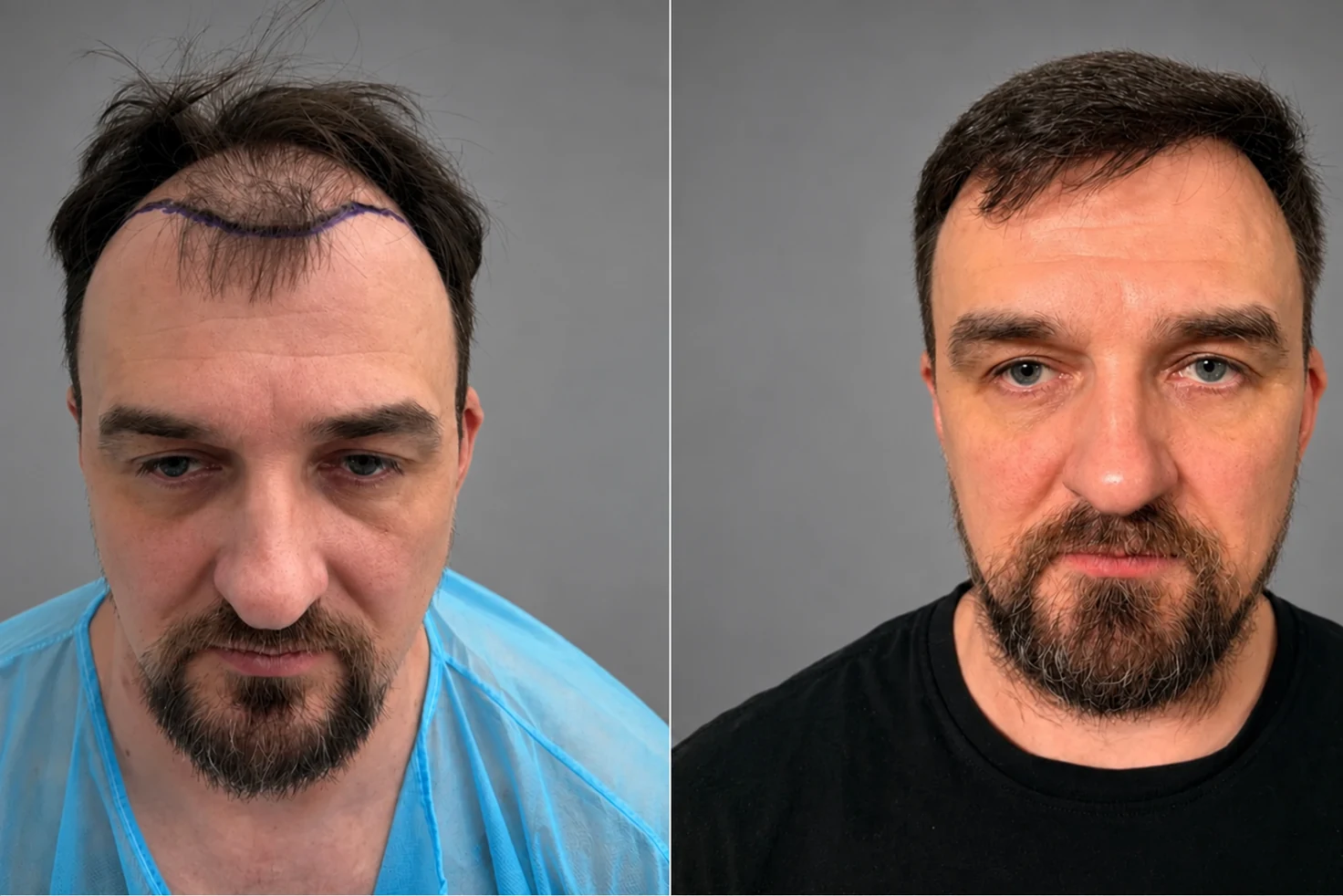
start
12 months on
2,700 grafts
FUE method
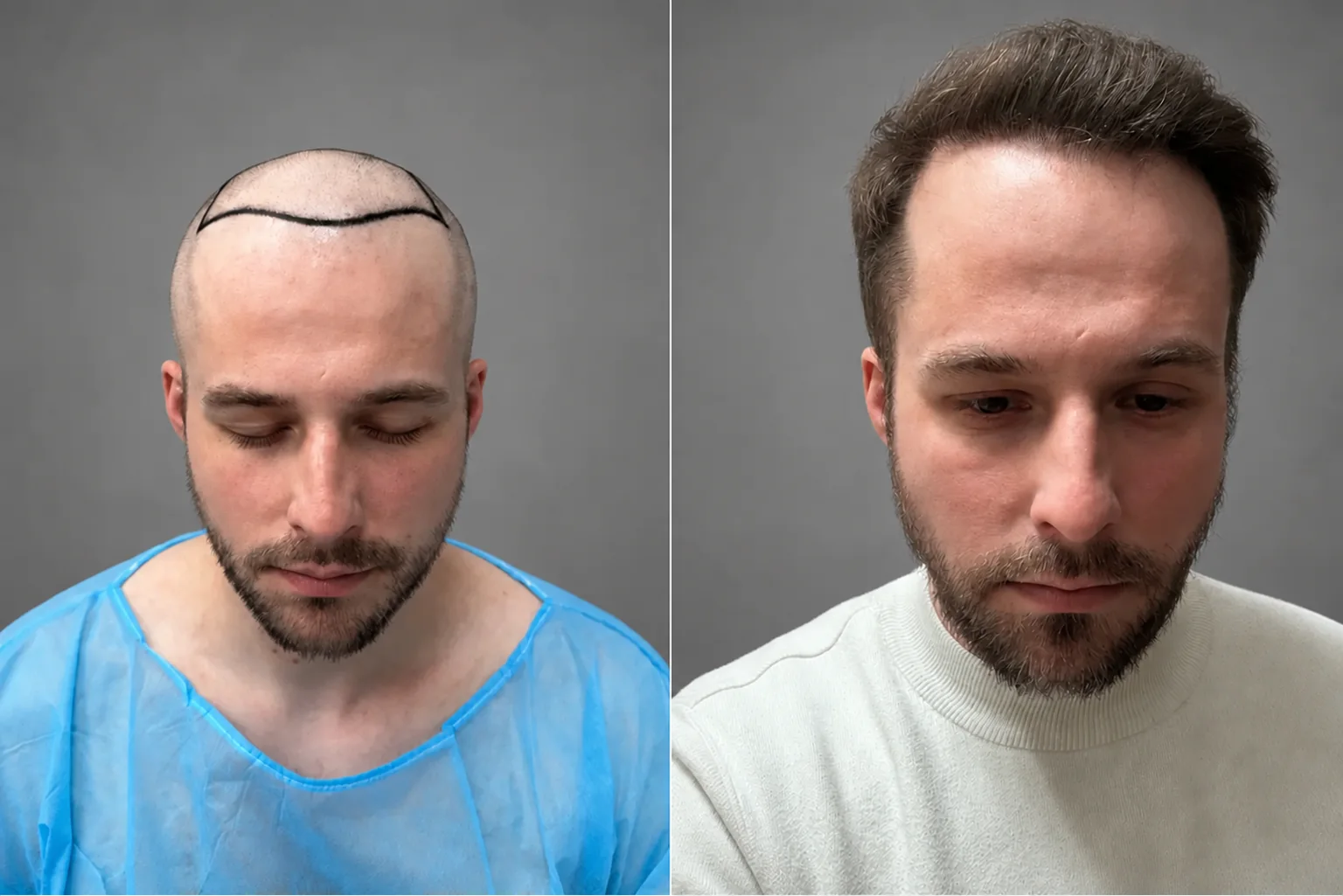
start
12 months on
3,700 grafts
FUE method
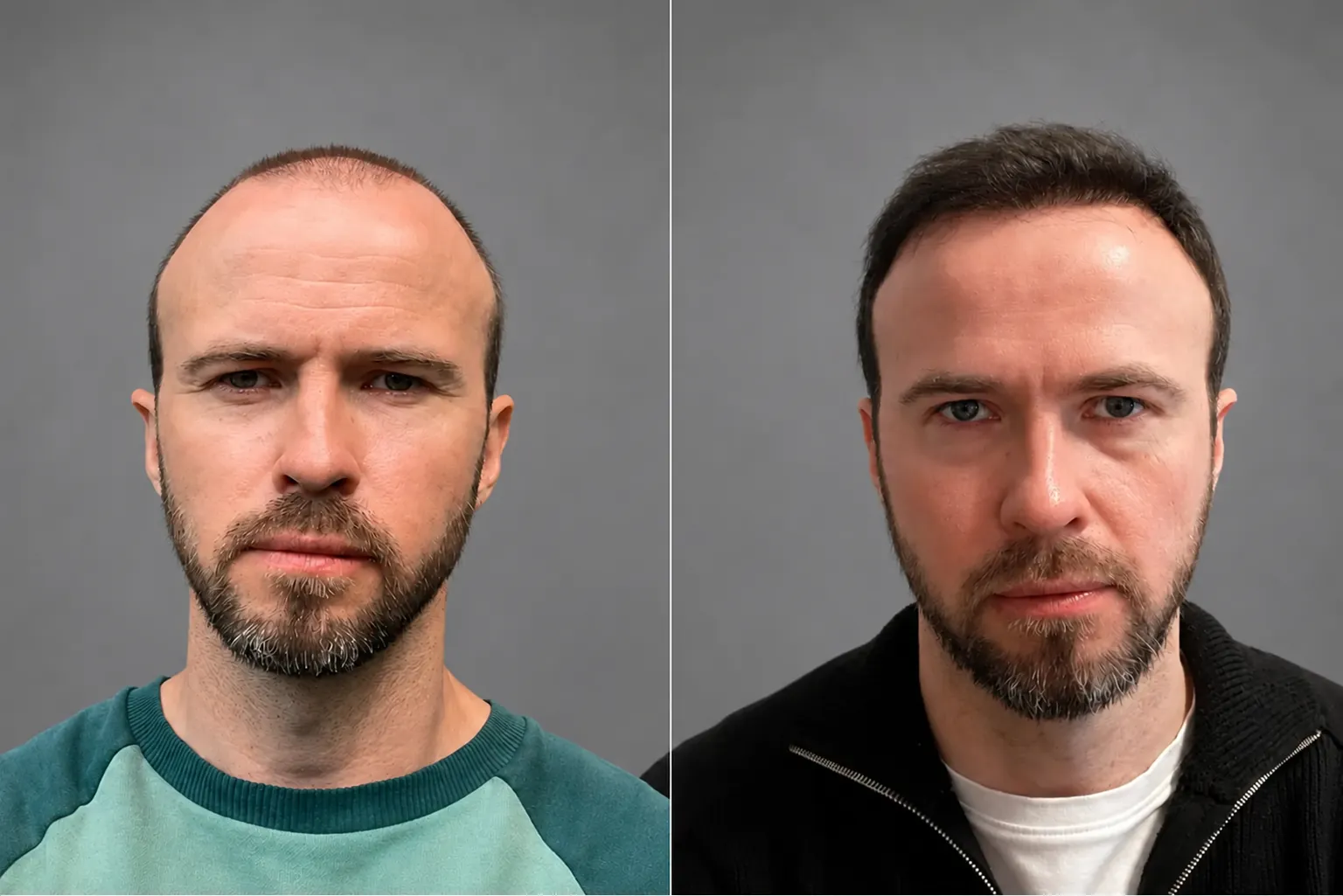
start
12 months on
3,200 grafts
FUE method
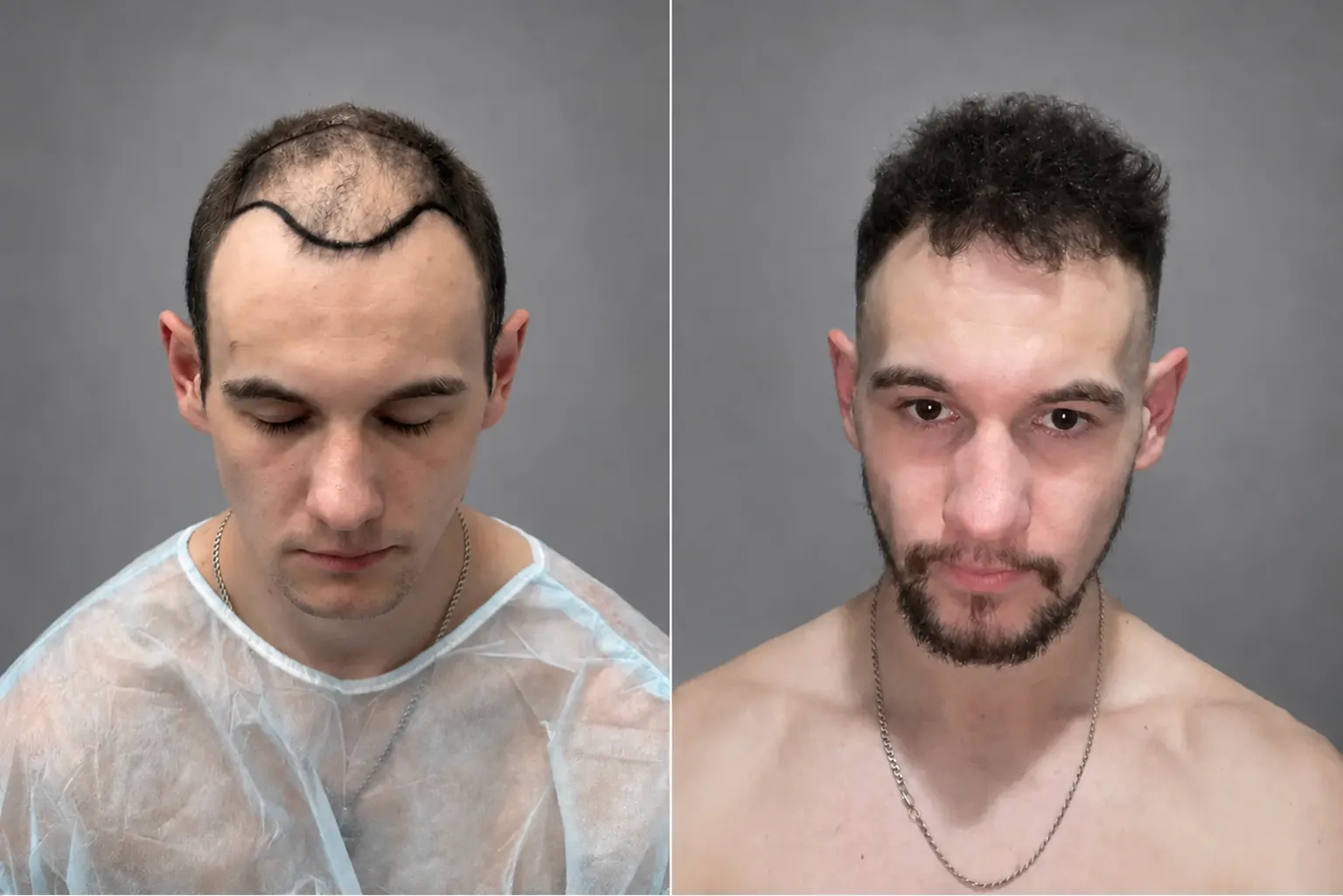
start
12 months on
3,000 grafts
FUE method
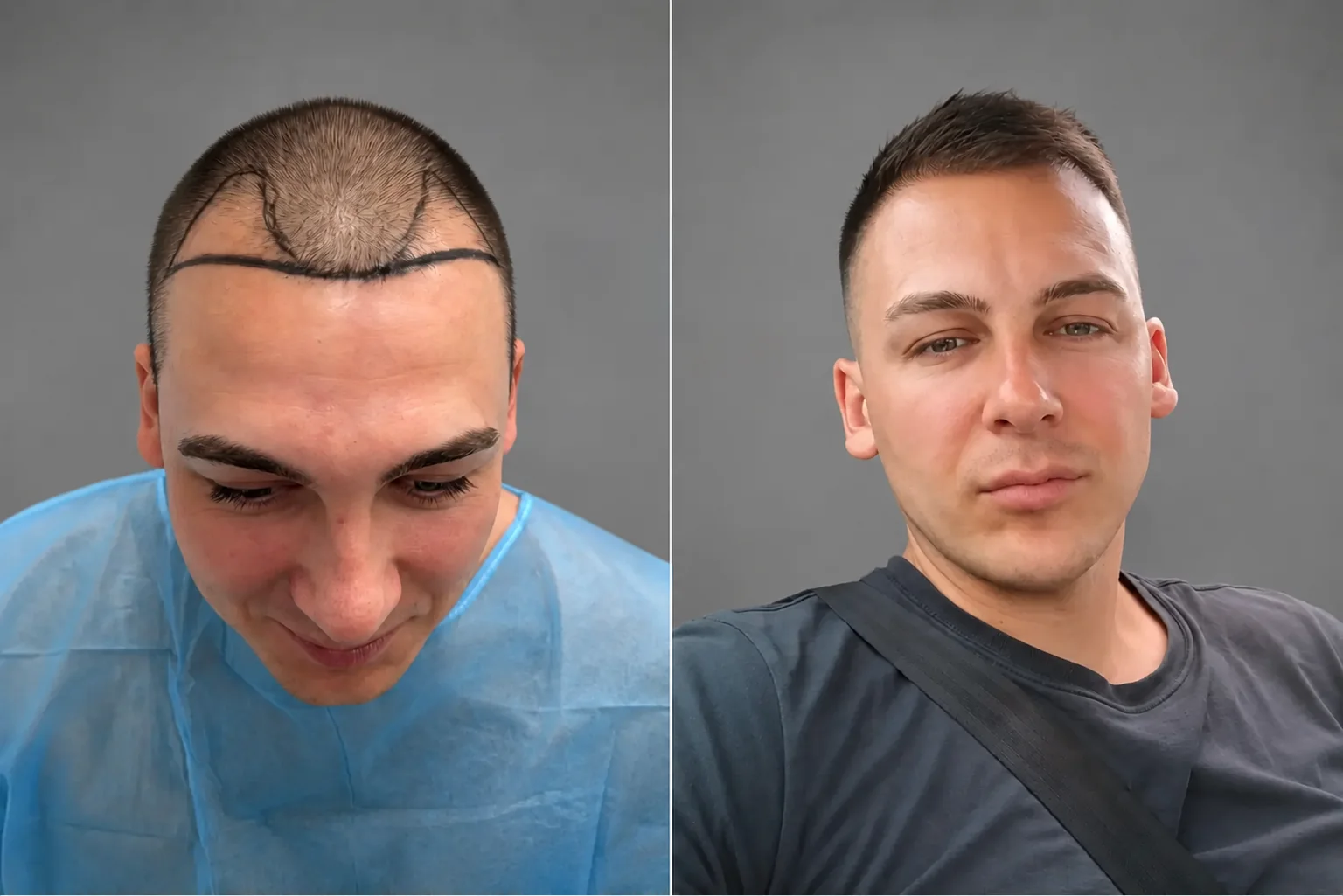
start
12 months on
2,800 grafts
FUE method
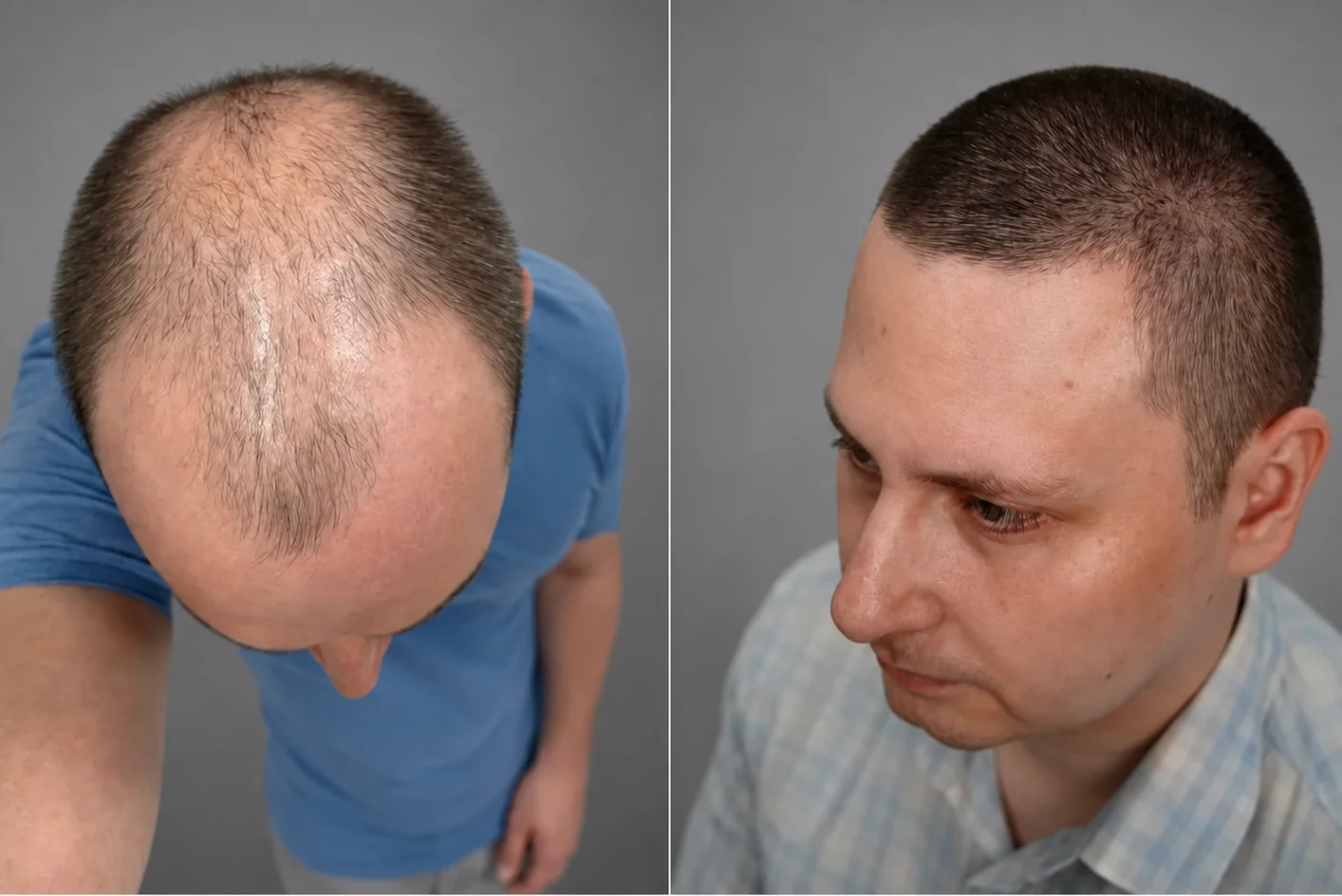
start
12 months on
4,000 grafts
FUE method
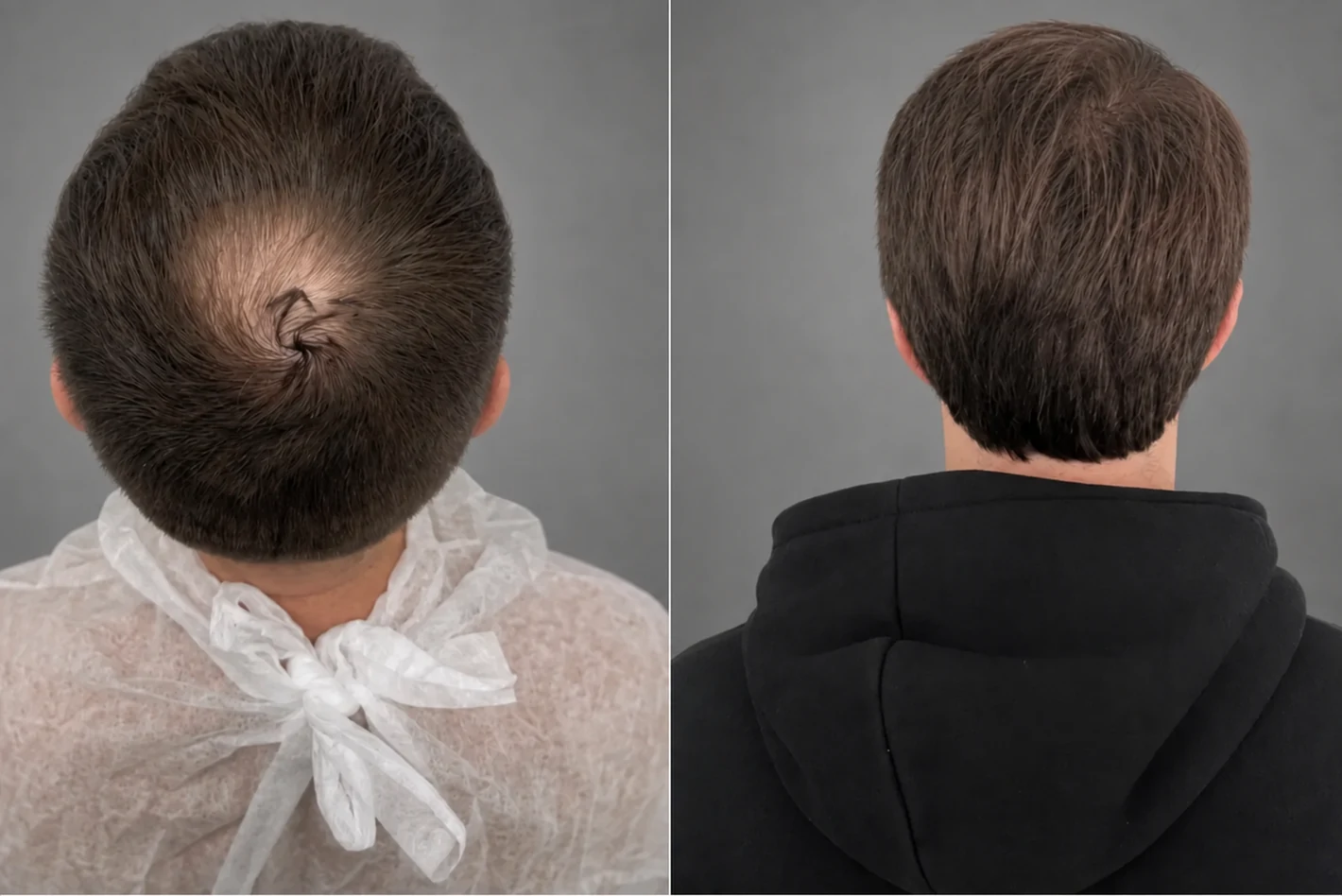
start
12 months on
3,400 grafts
FUE method
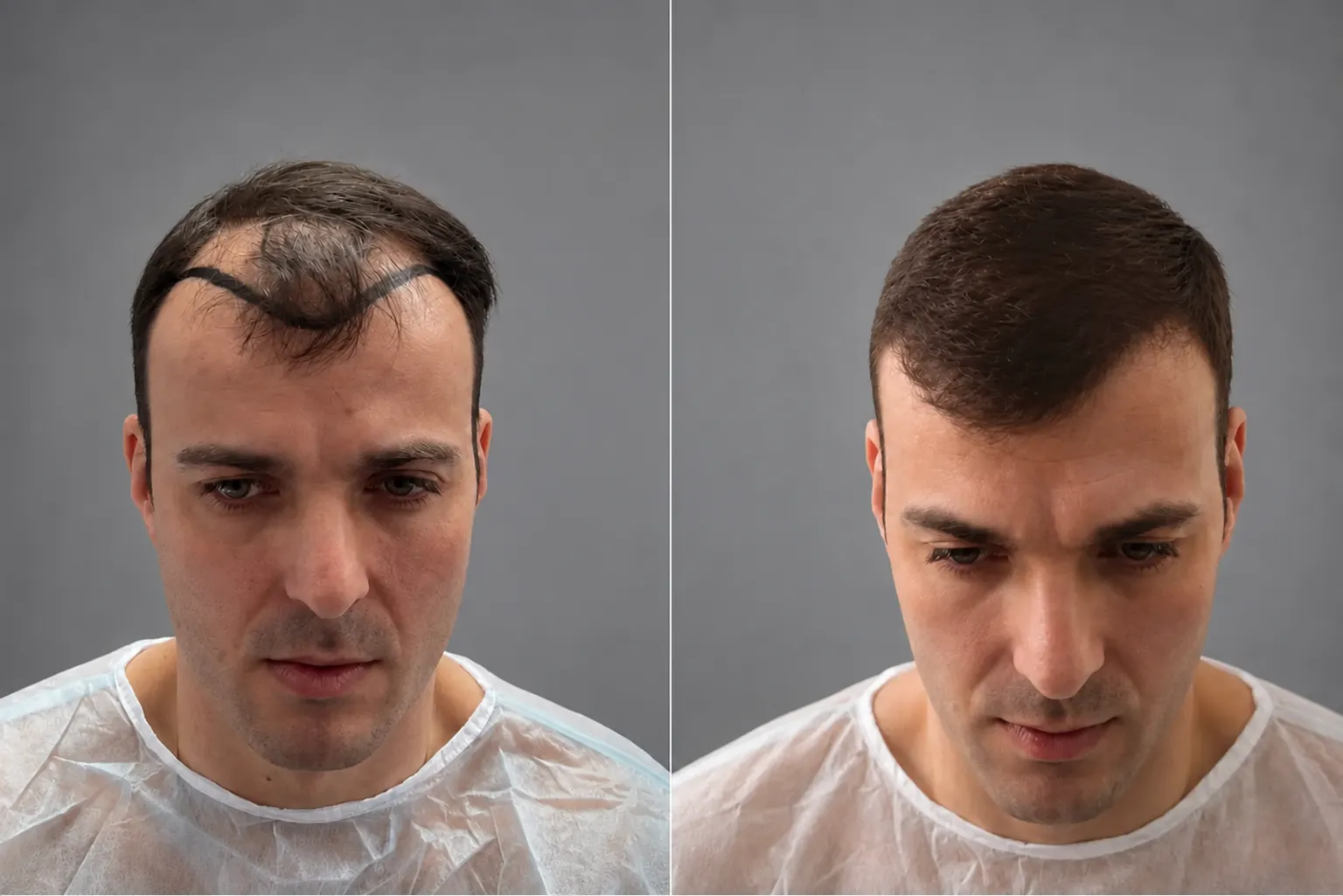
start
12 months on
2,900 grafts
FUE method
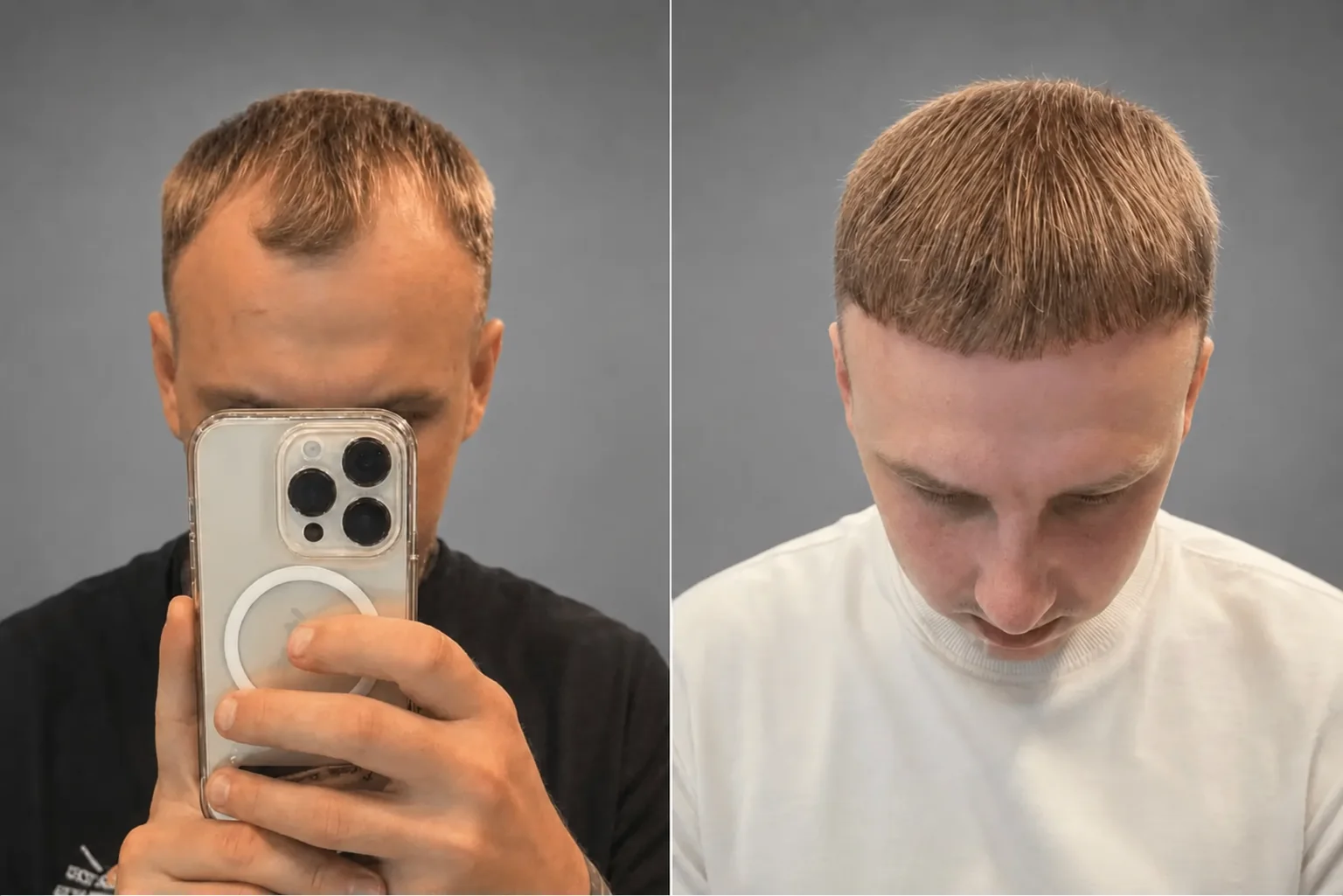
start
12 months on
3,100 grafts
FUE method
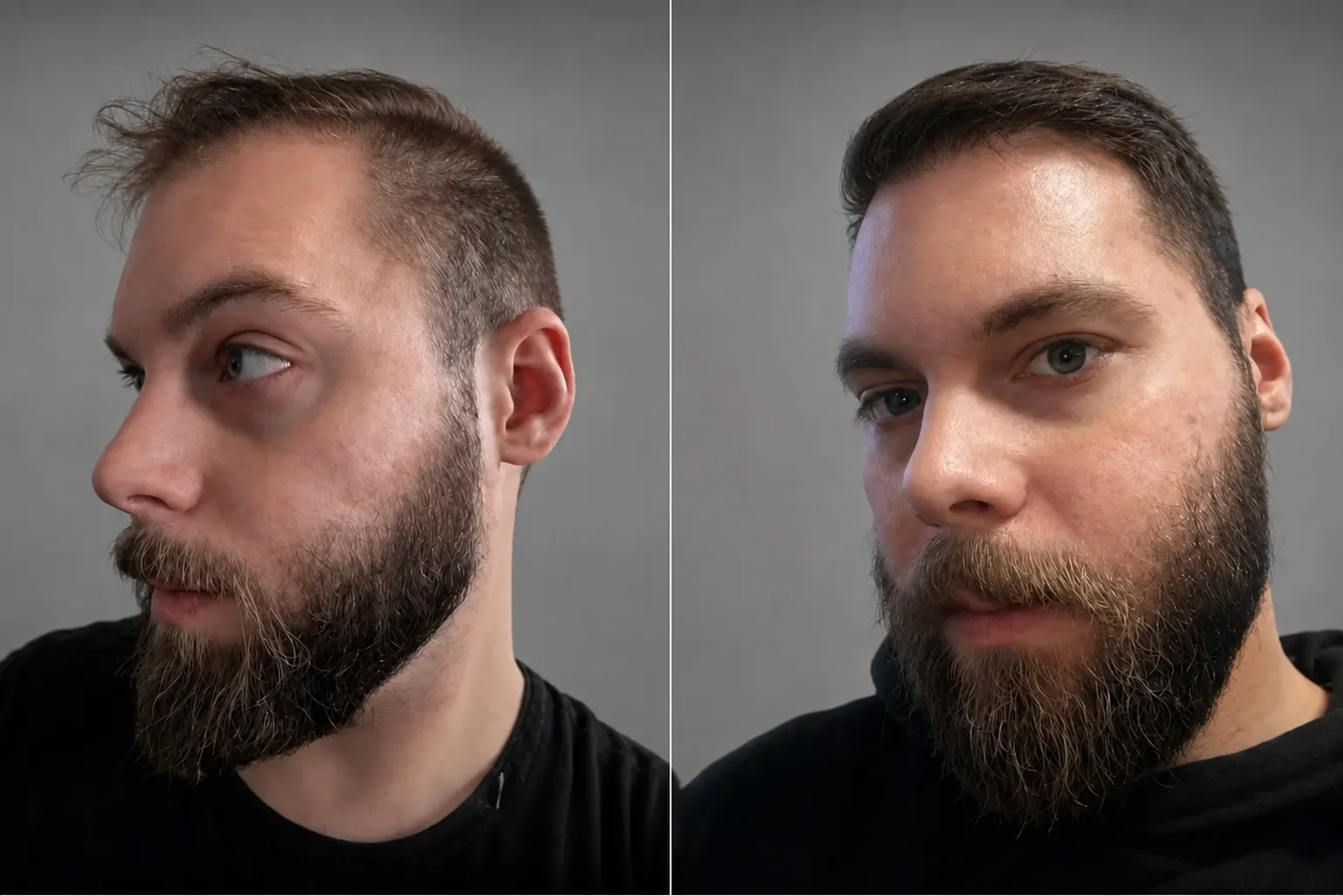
start
12 months on
2,600 grafts
FUE method
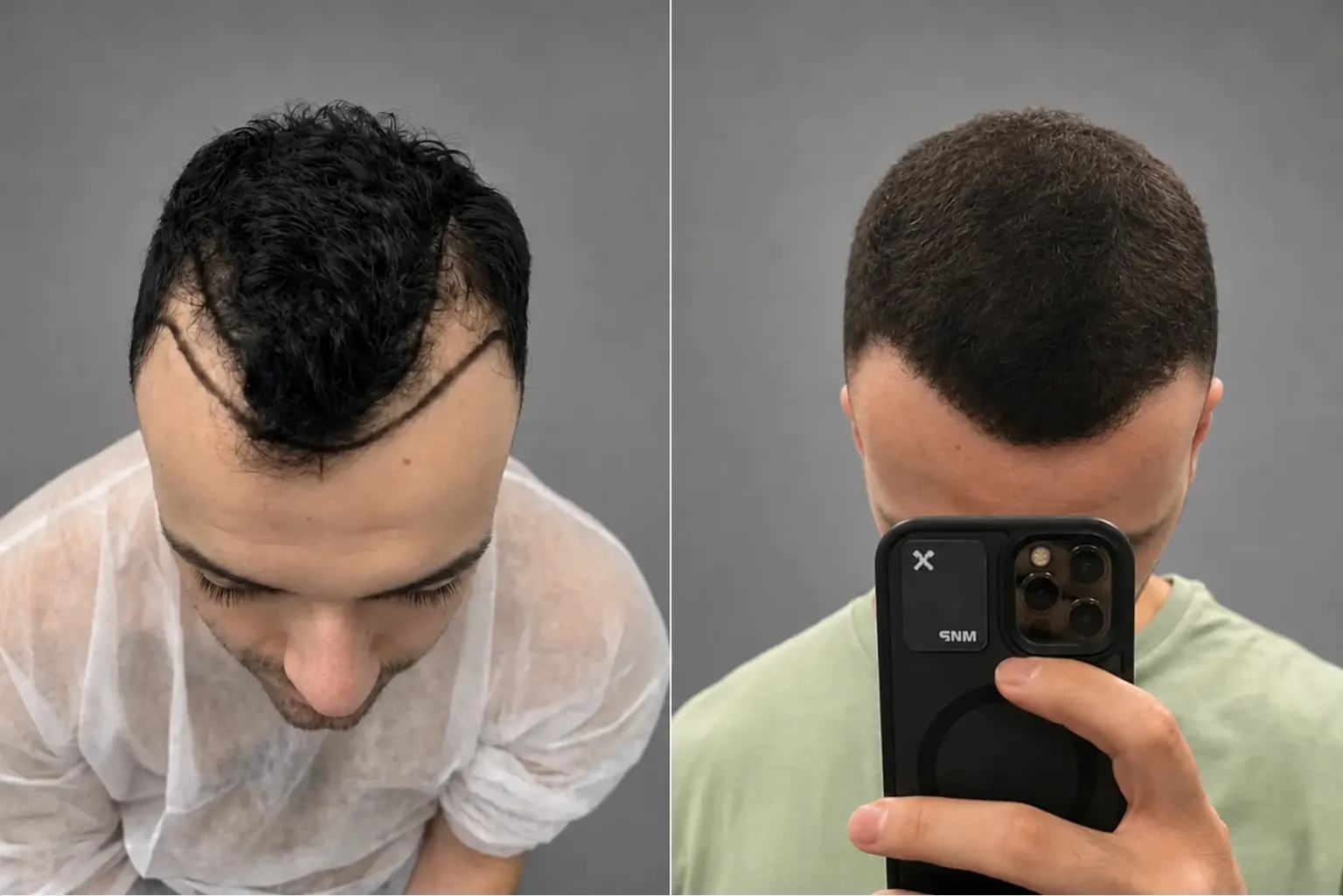
start
12 months on
3,300 grafts
FUE method
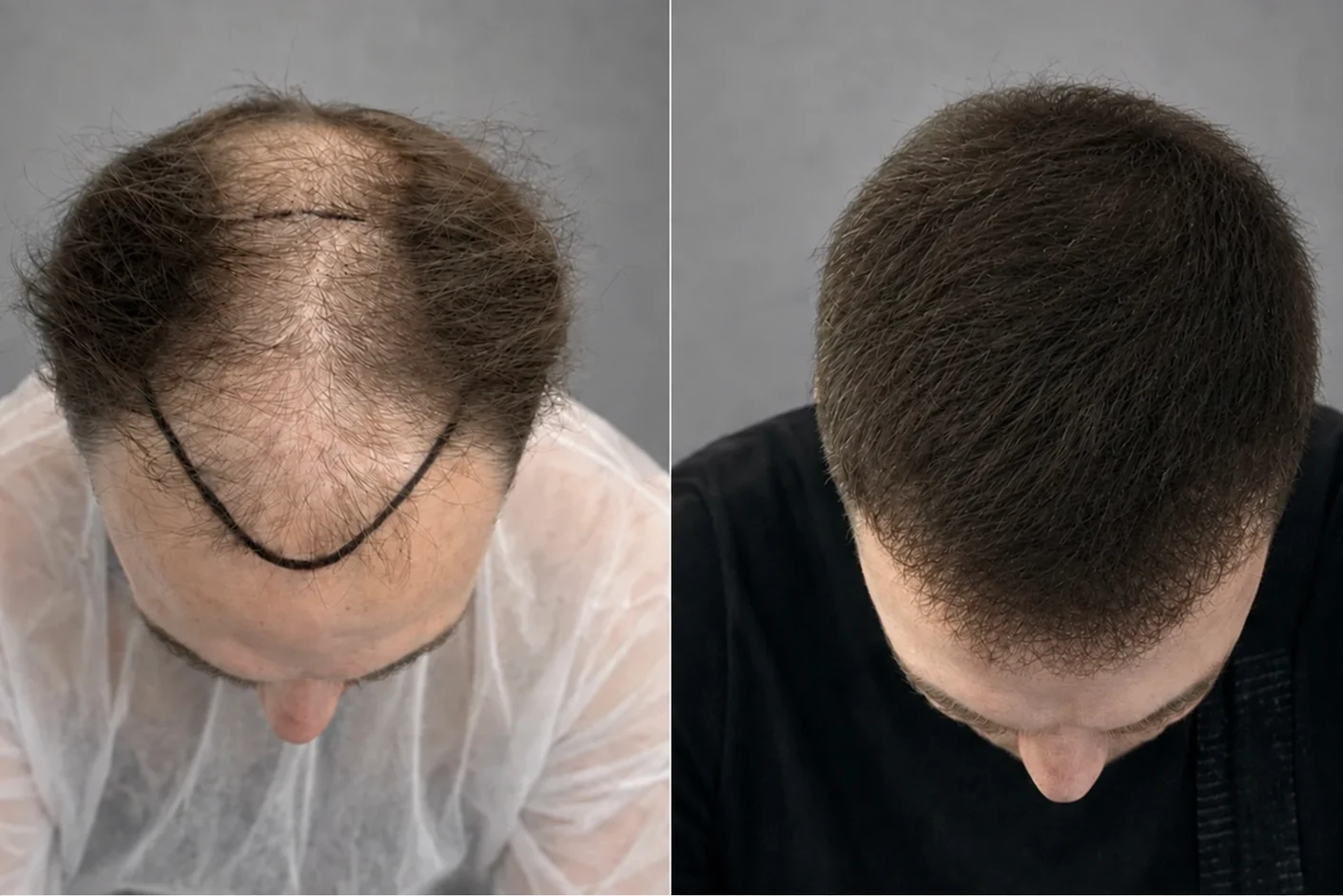
start
12 months on
3,900 grafts
FUE method
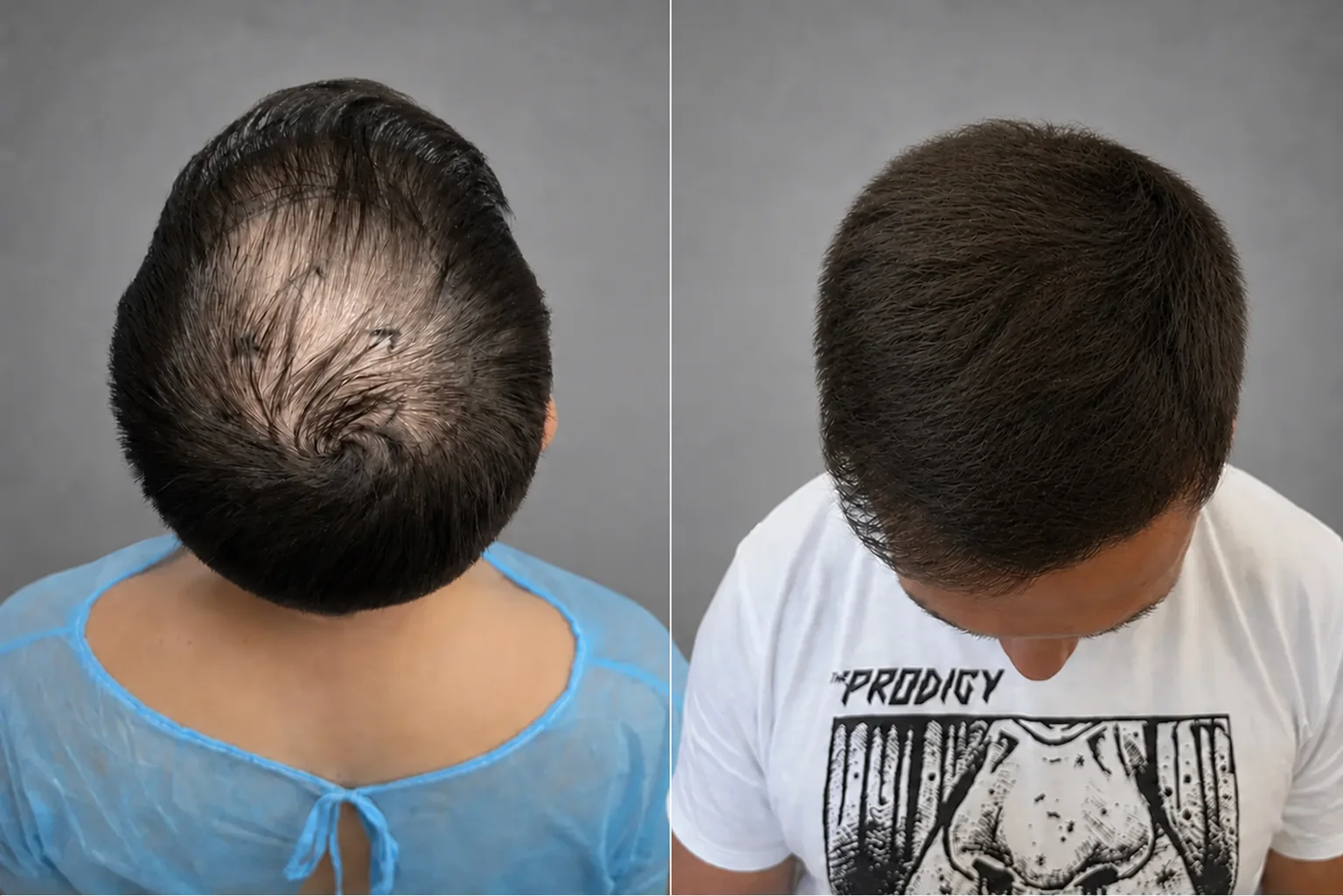
start
12 months on
3,500 grafts
FUE method
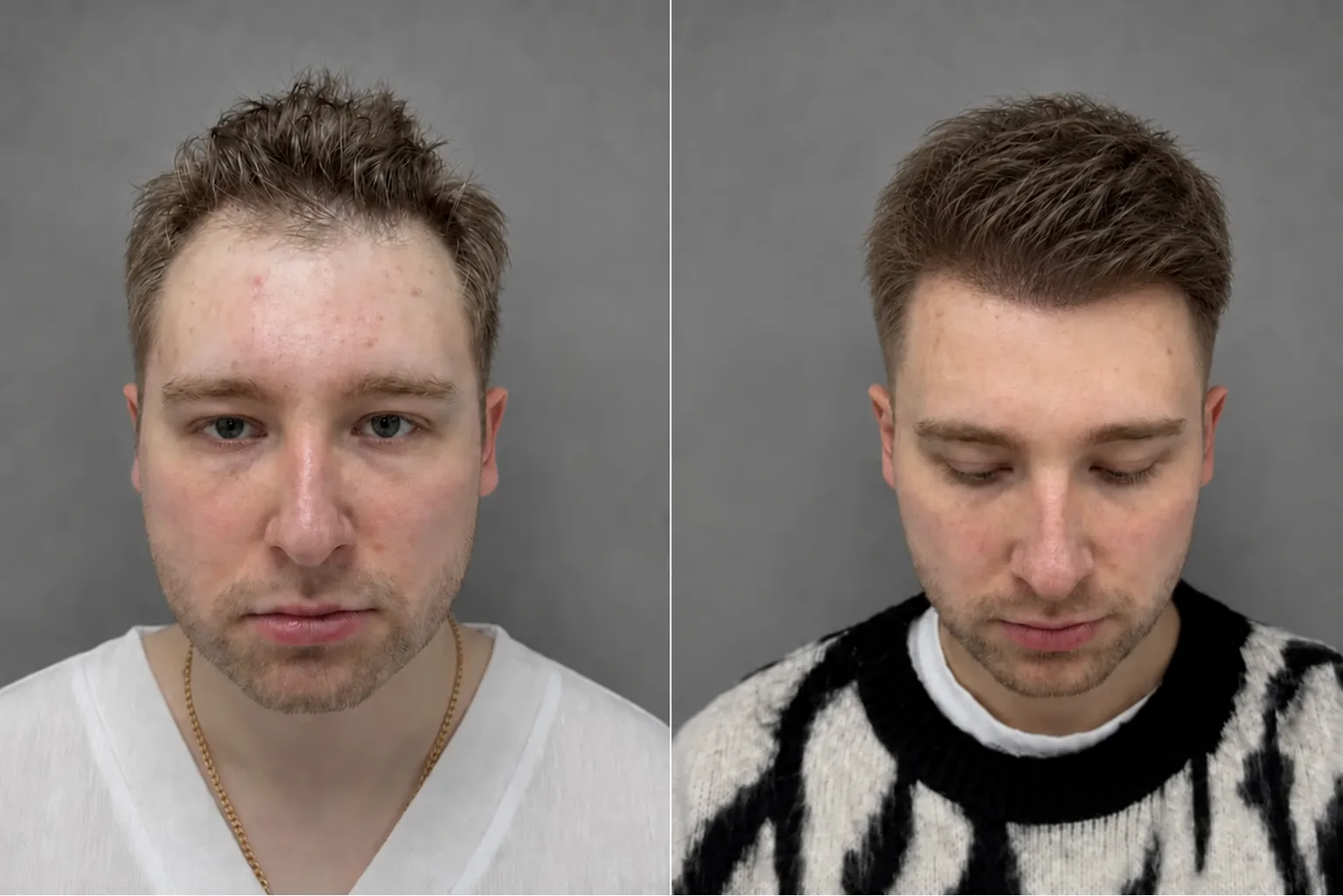
start
12 months on
2,700 grafts
FUE method
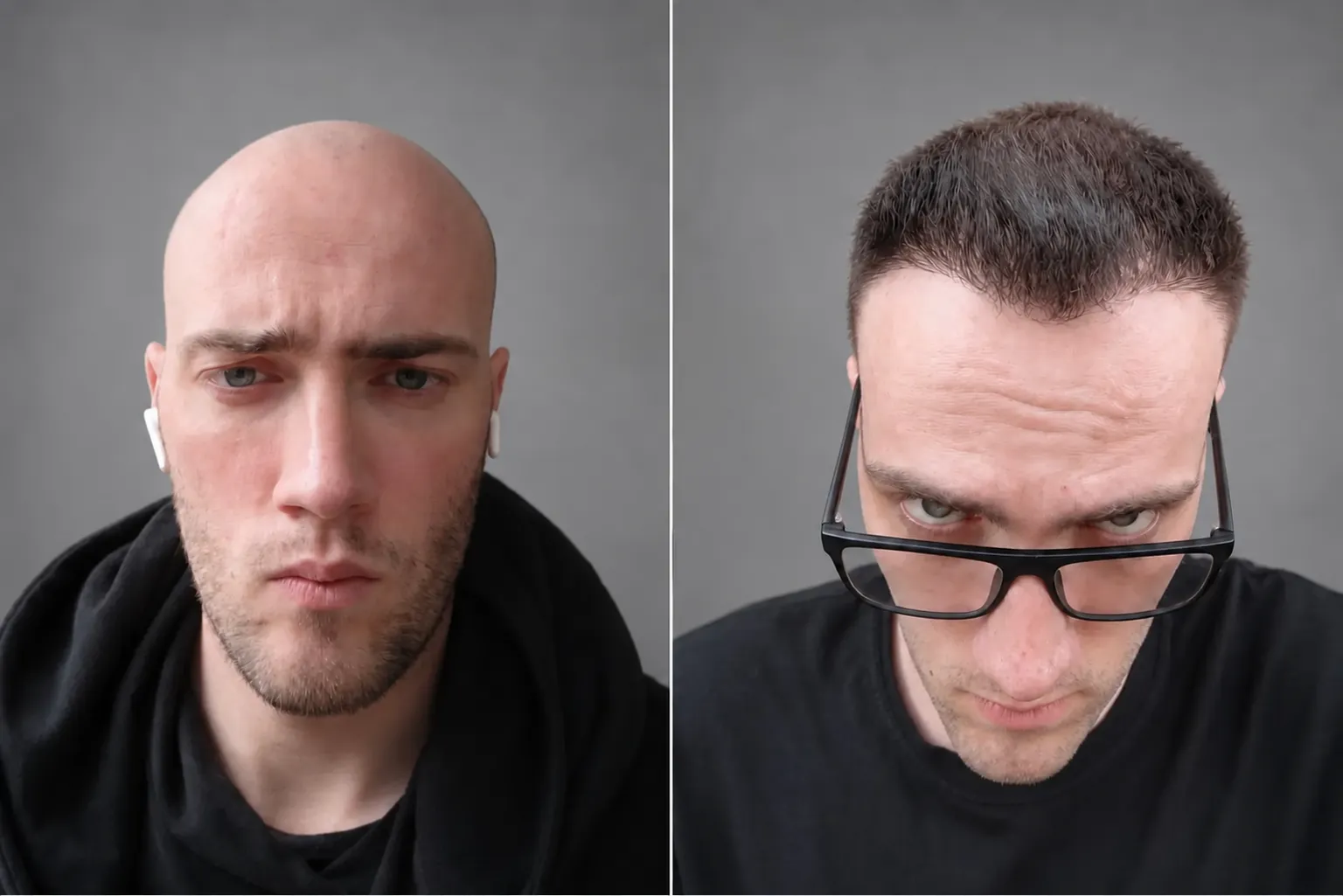
start
12 months on
3,800 grafts
FUE method
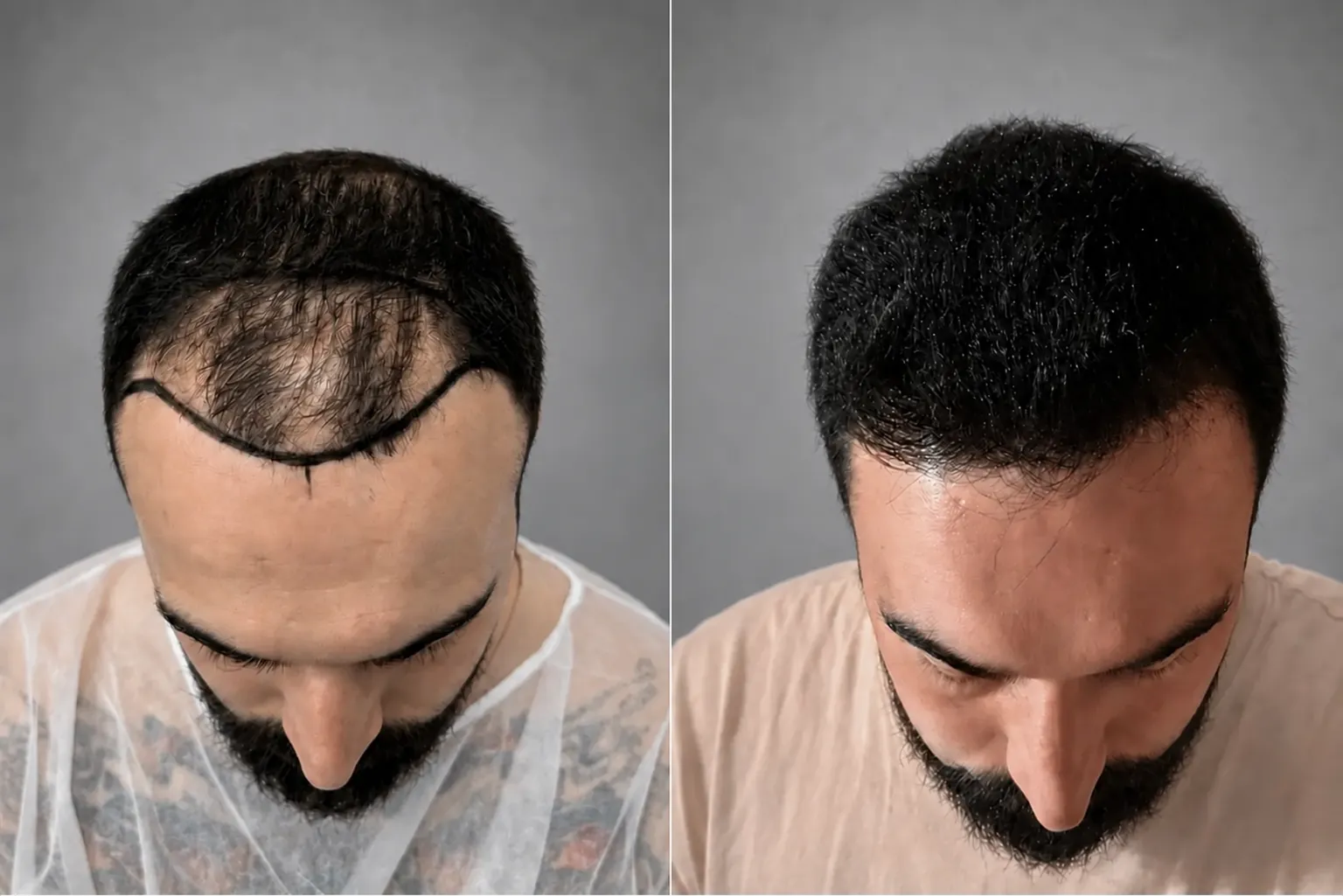
start
12 months on
3,200 grafts
FUE method
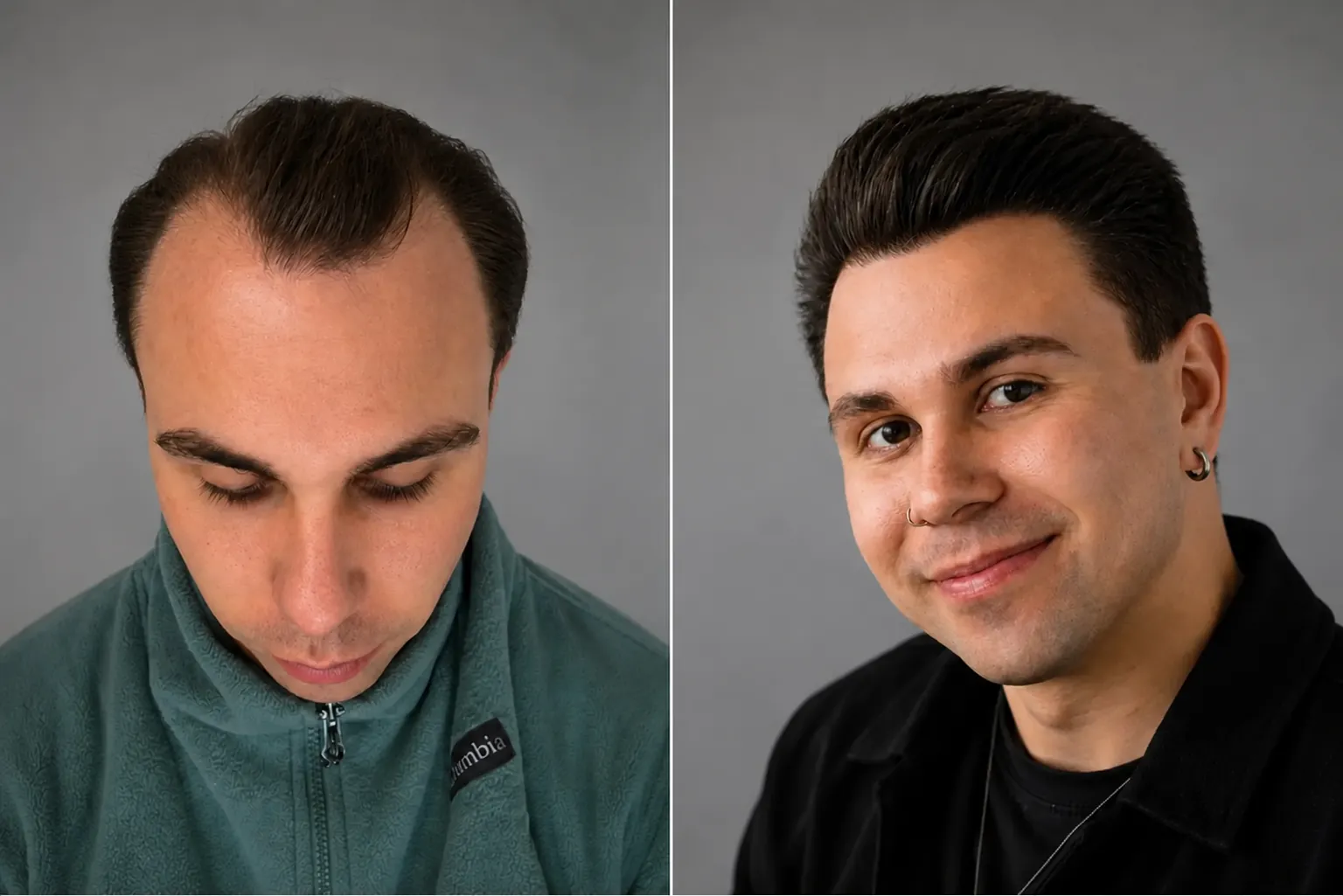
start
12 months on
3,000 grafts
FUE method
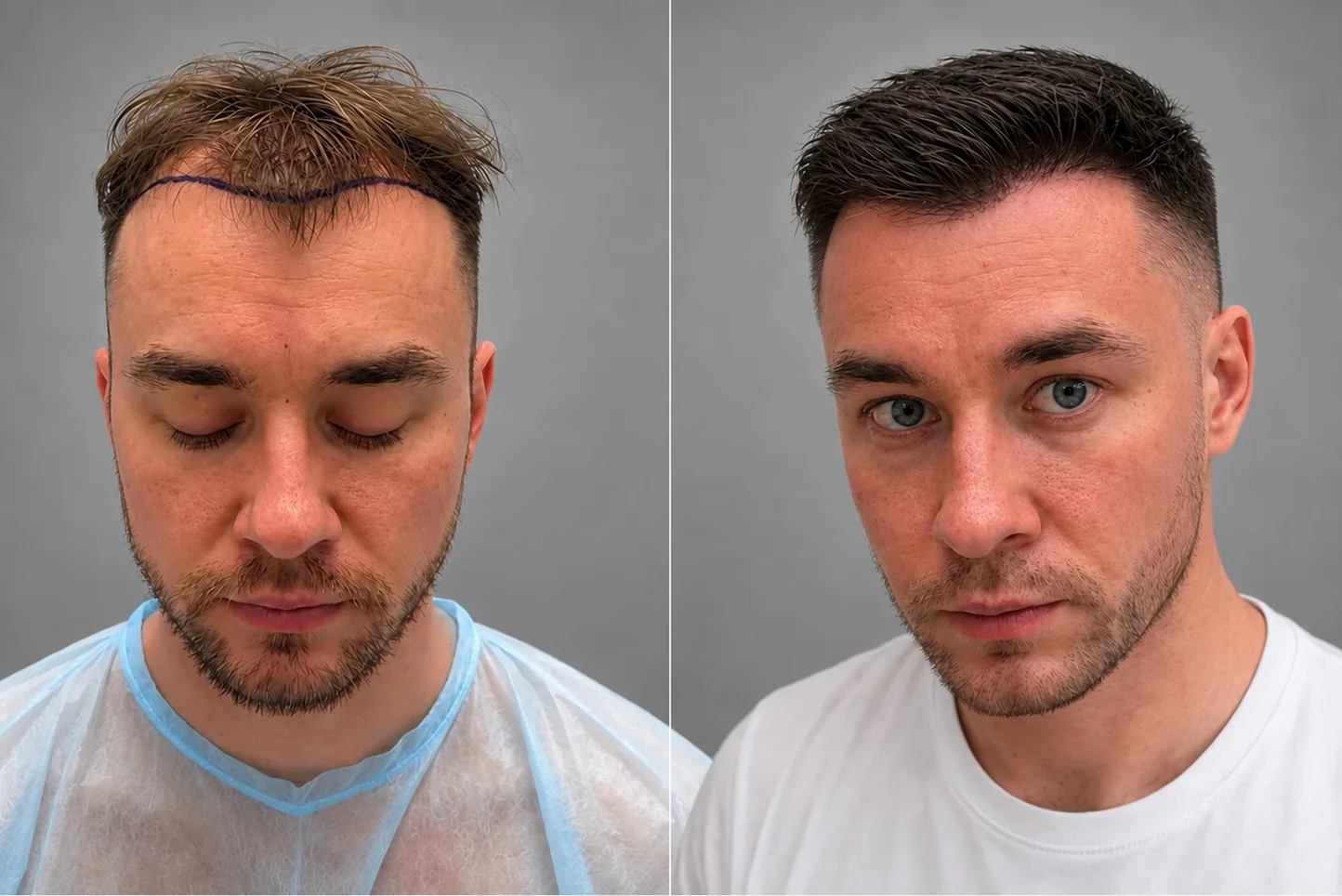
start
12 months on
2,800 grafts
FUE method
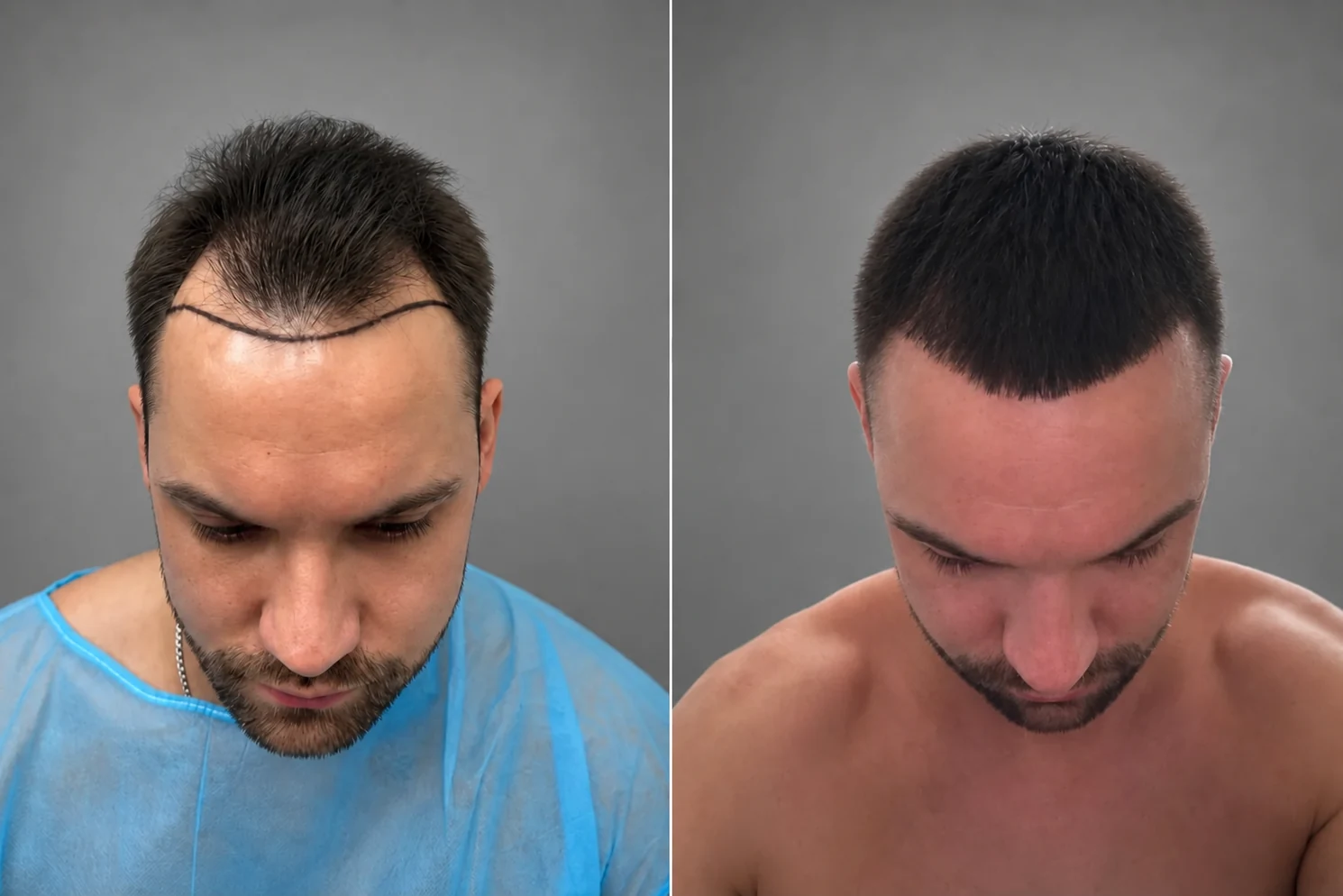
start
12 months on
3,100 grafts
FUE method
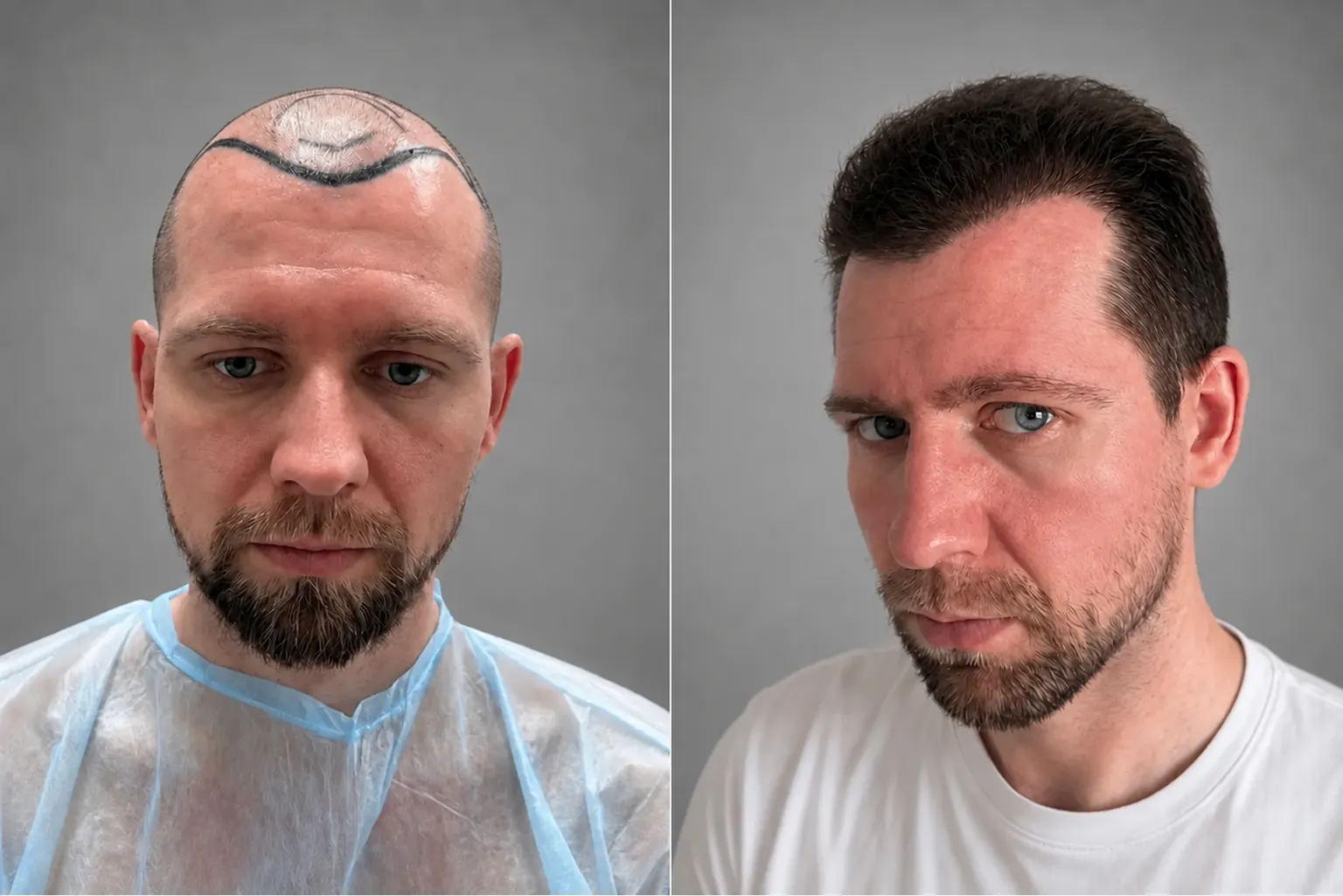
start
12 months on
3,600 grafts
FUE method
Comparison
The clinic works with three graft transfer technologies: classic FUE, suture-free DHI and a combined protocol. Implantation technique, tissue trauma and graft survival differ, so compare before choosing.
Classic method requiring no cuts or sutures
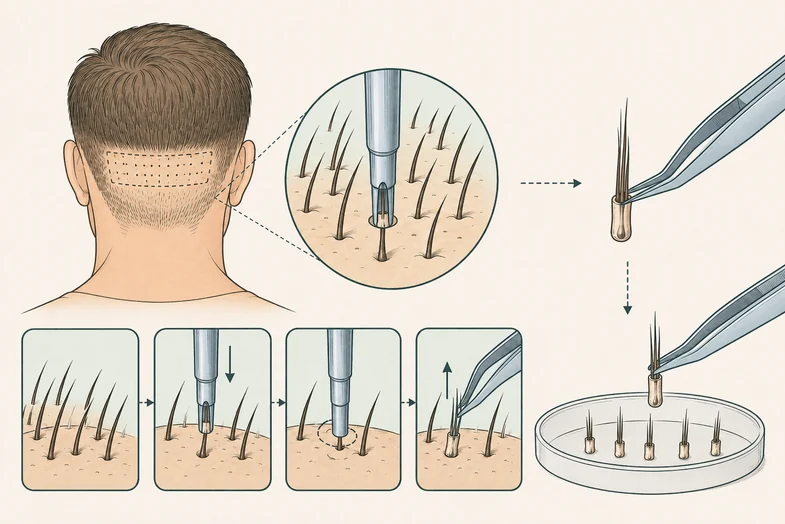
$2,200
$2,700
Graft implantation technique
ForcepsGraft trauma
MinimalHair's natural angle
NaturalGraft survival
98–100%Suitable for
Androgenetic alopeciaSuture-free placement with a Choi pen
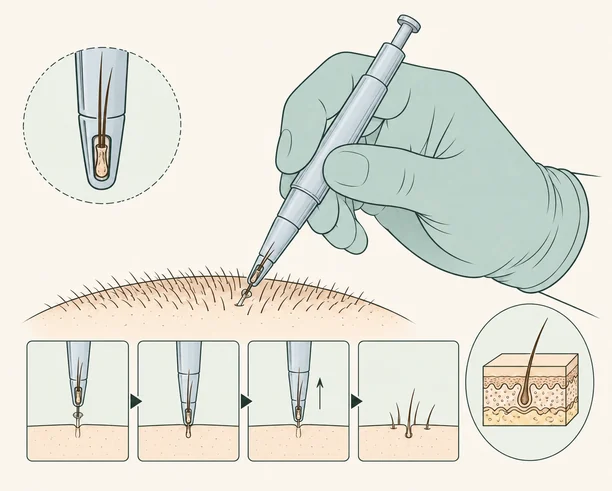
$2,500
$2,900
Graft implantation technique
Choi implanter, DHI penGraft trauma
MinimalHair's natural angle
NaturalGraft survival
98–100%Suitable for
DensificationFUE extraction, DHI pen implantation
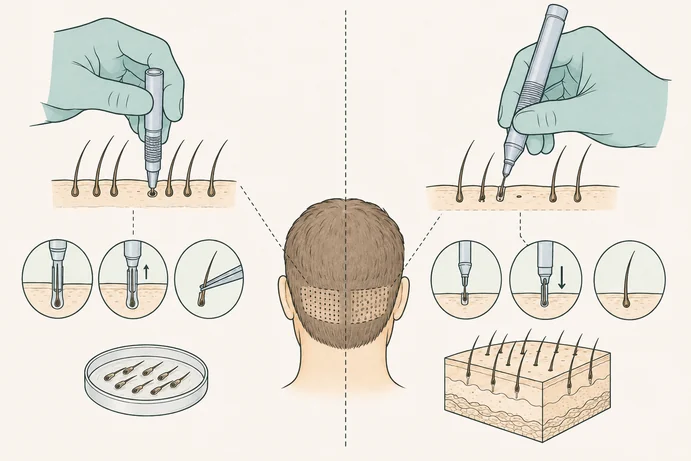
$2,700
$2,900
Graft implantation technique
FUE extraction plus DHI implantGraft trauma
MinimalHair's natural angle
NaturalGraft survival
98–100%Suitable for
Densification for androgenetic alopeciaThe survival and trauma figures shown are method averages, a guide only: exact numbers depend on the transplant area and the patient's individual features, and the doctor clarifies them at the consultation.
Speak to a specialist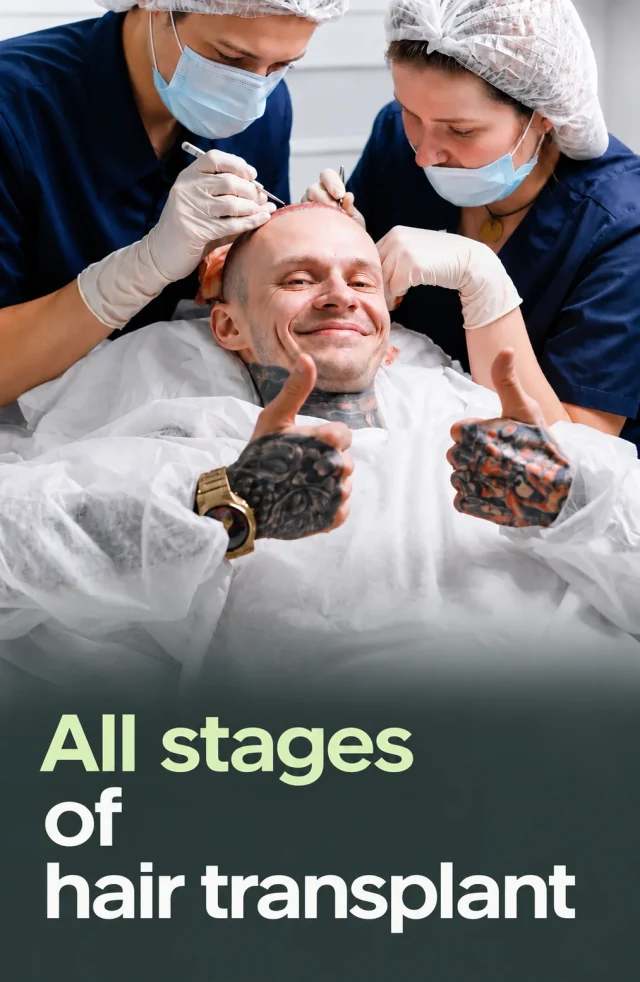
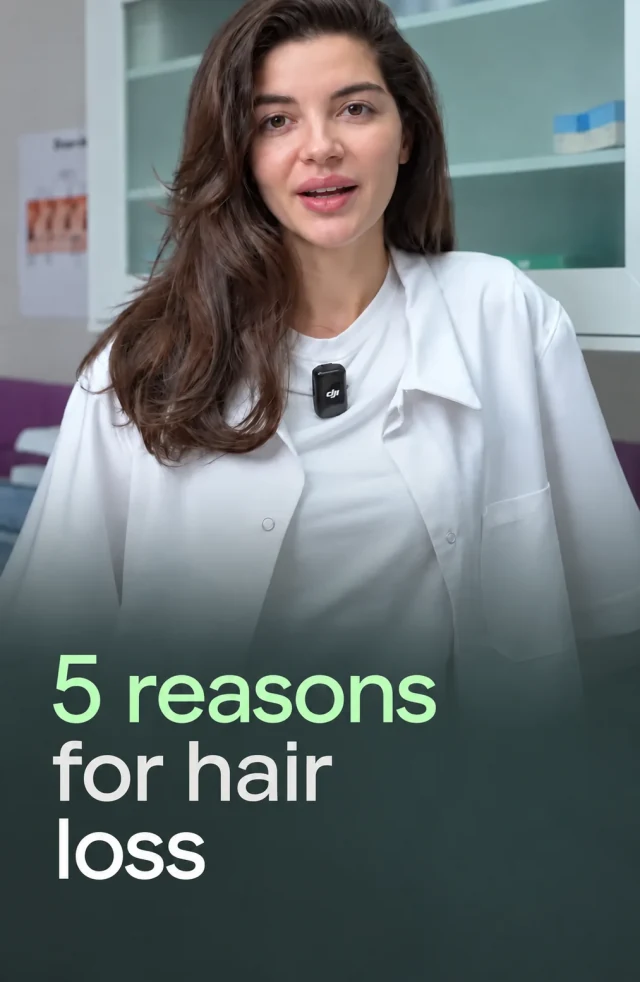
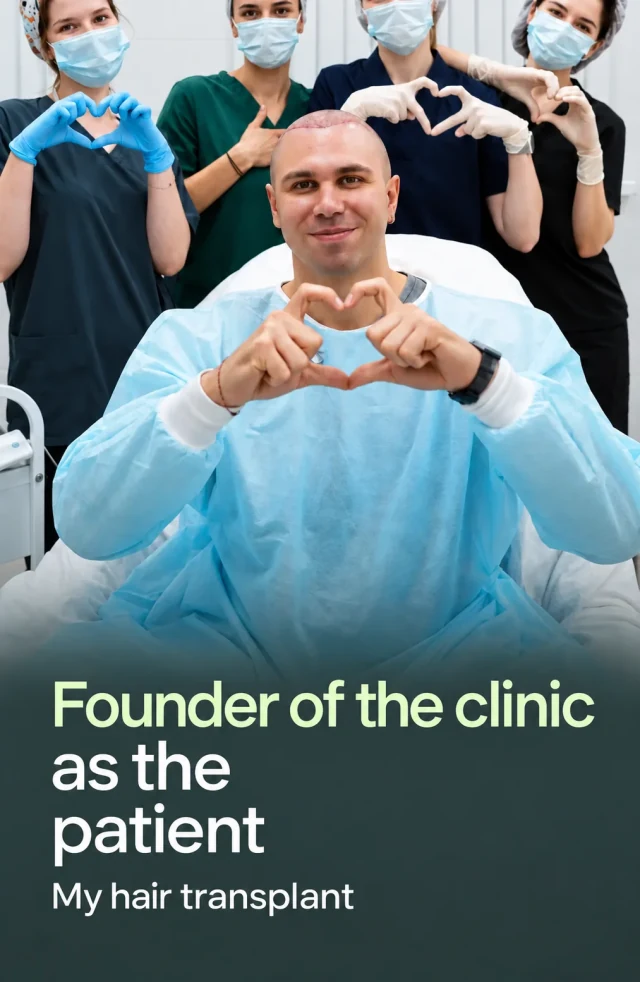
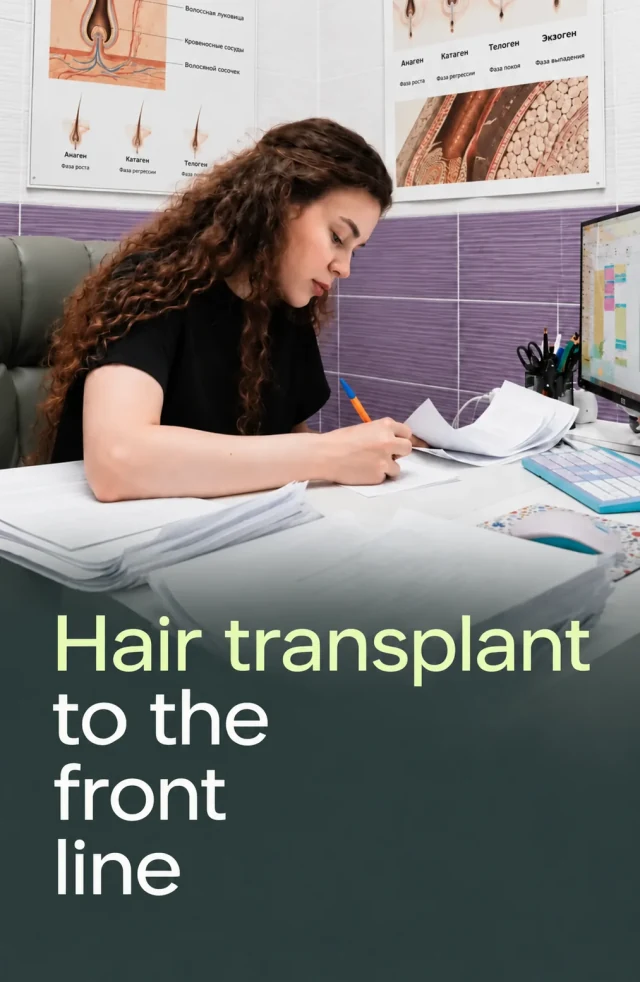
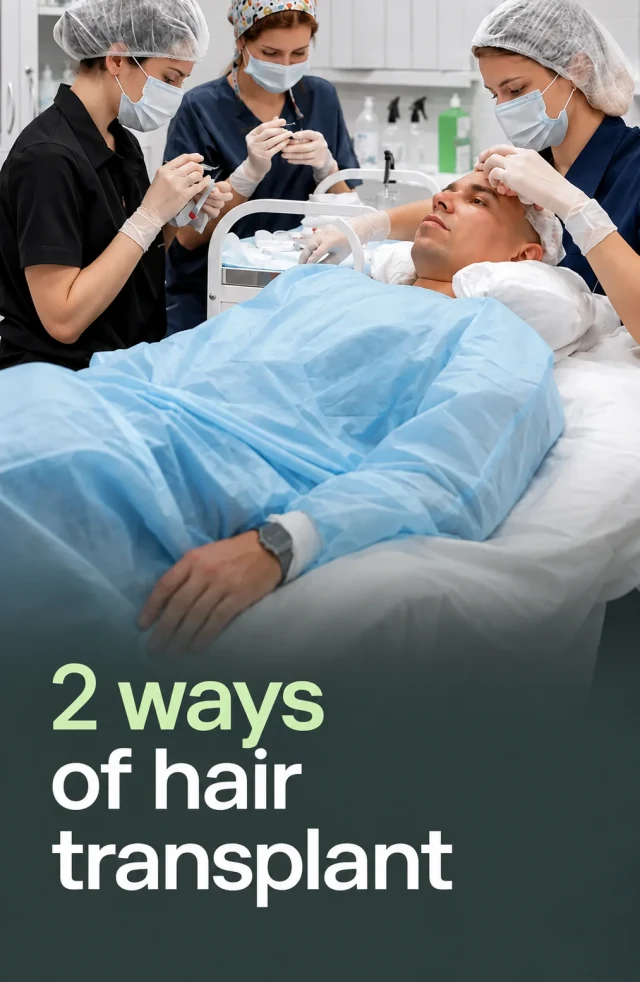


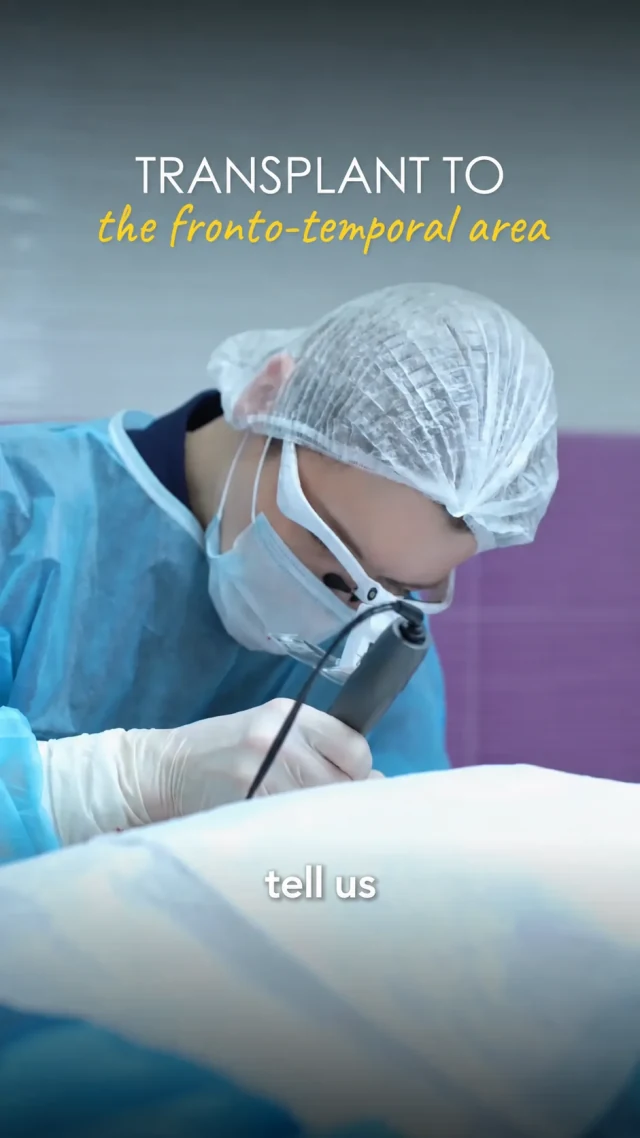

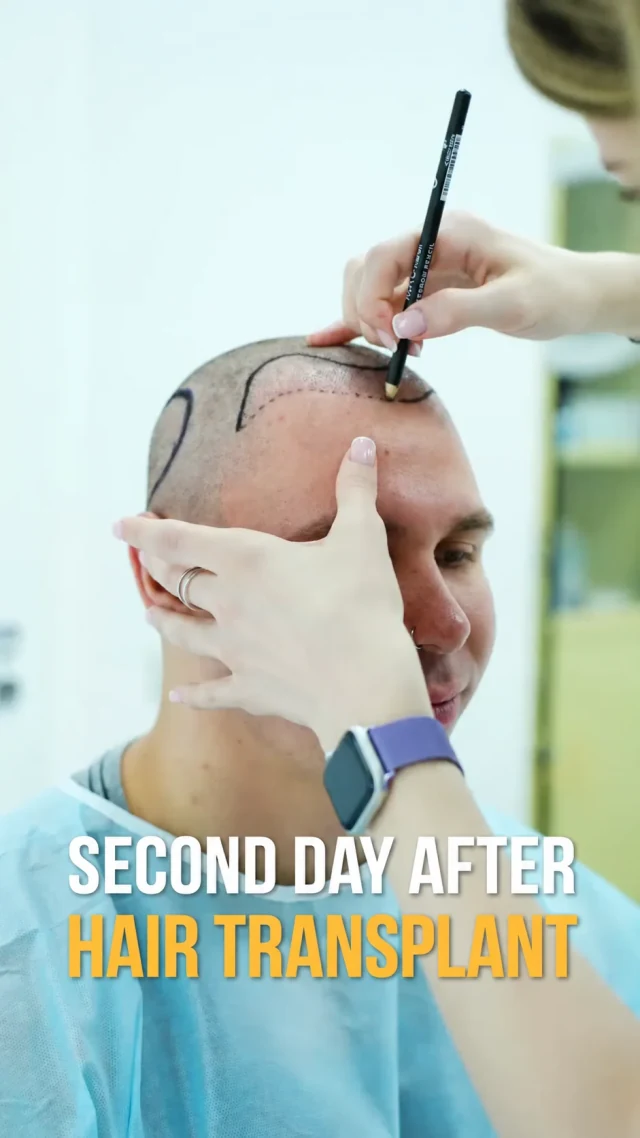
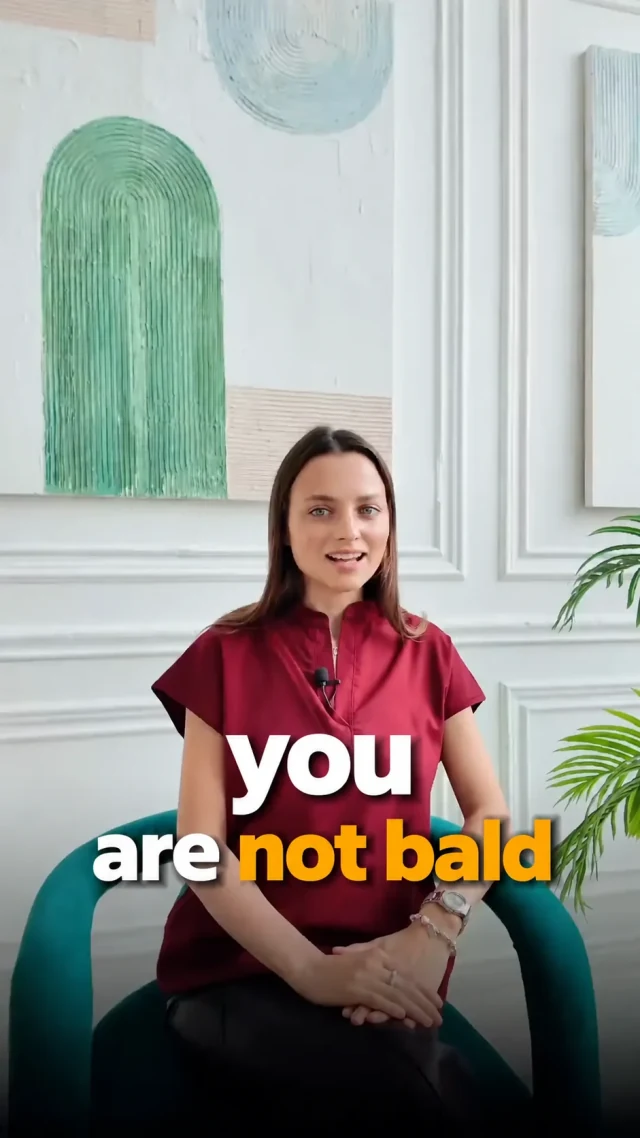
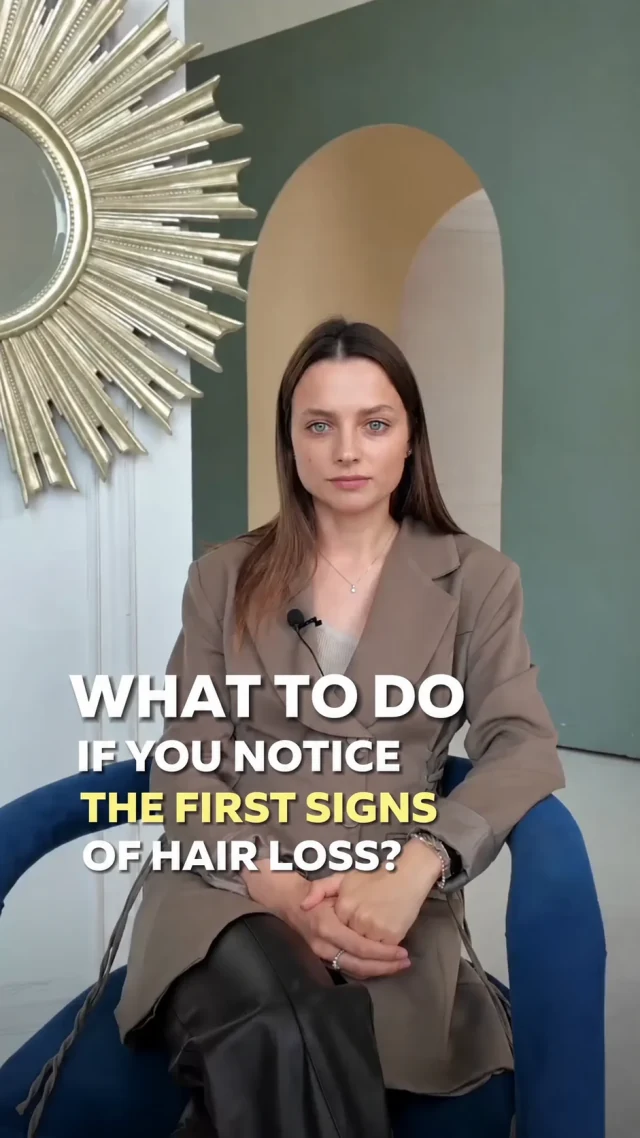
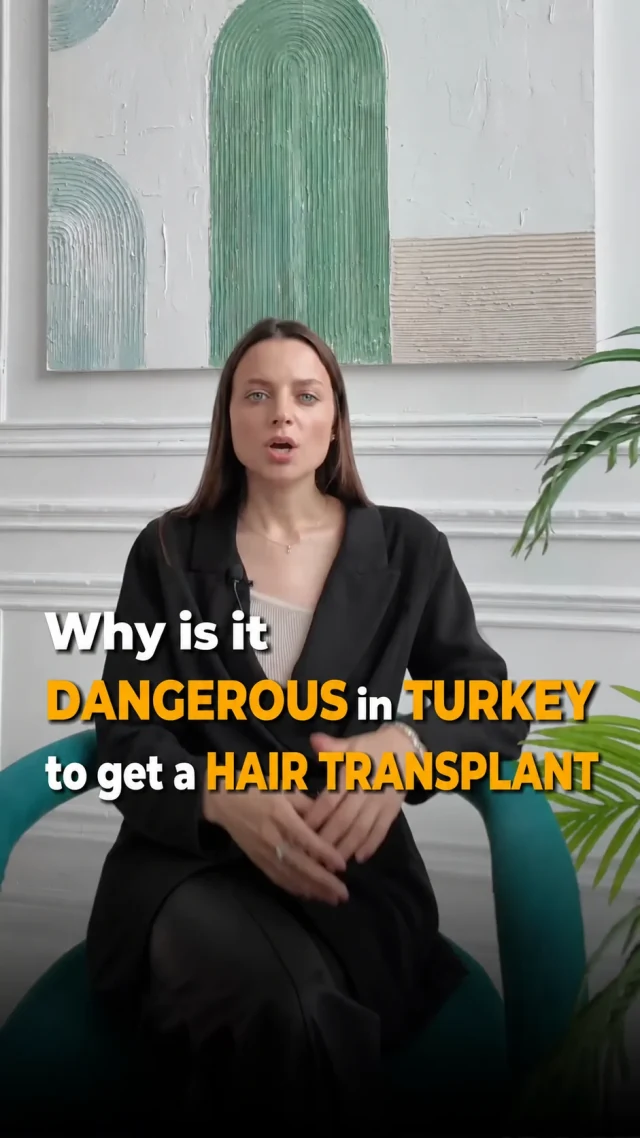
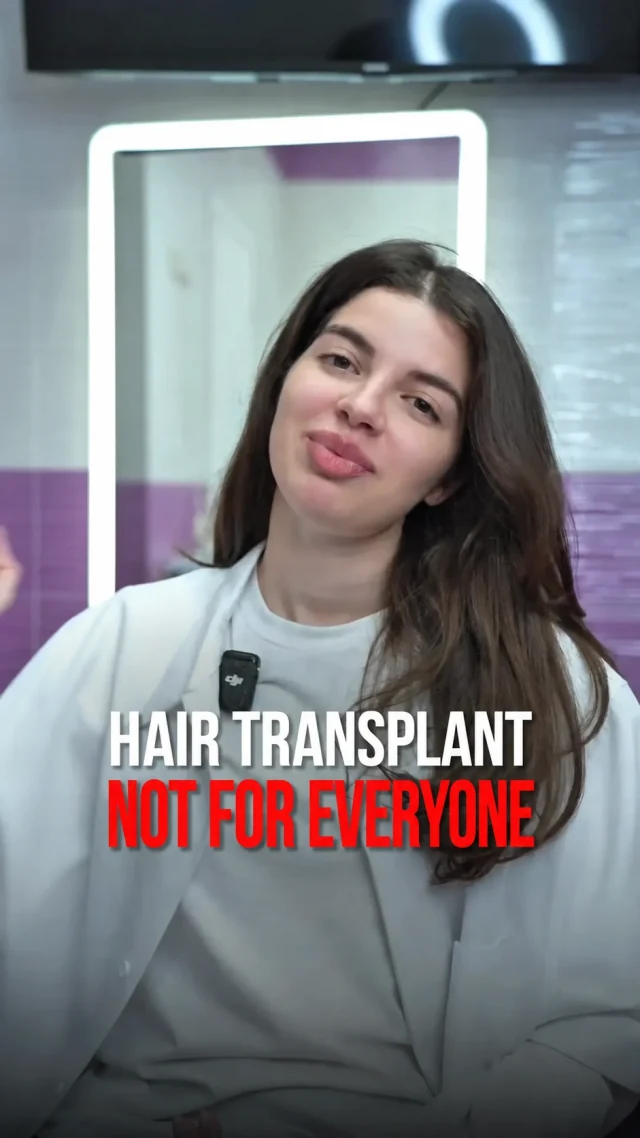
about the clinic
Care for the person, a comfortable room, modern equipment
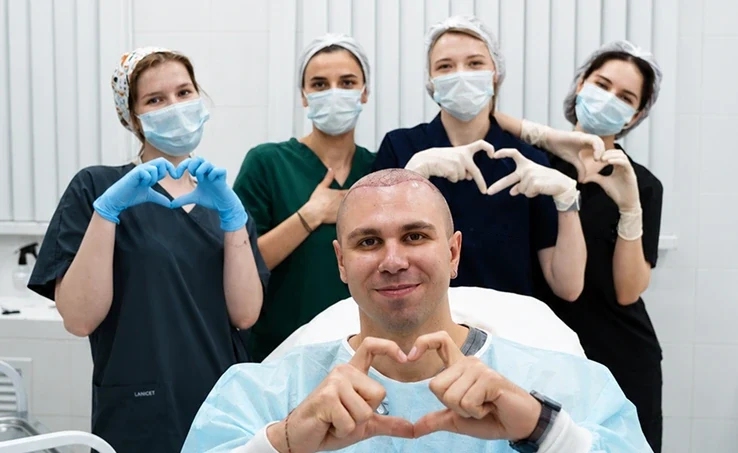
We will hear your questions out and find a convenient time for a consultation
Message us on Telegram Submit the formIf your case can be solved without surgery, you will hear that right at the consultation — and you will not waste your money. Below are the conditions where a transplant really works.
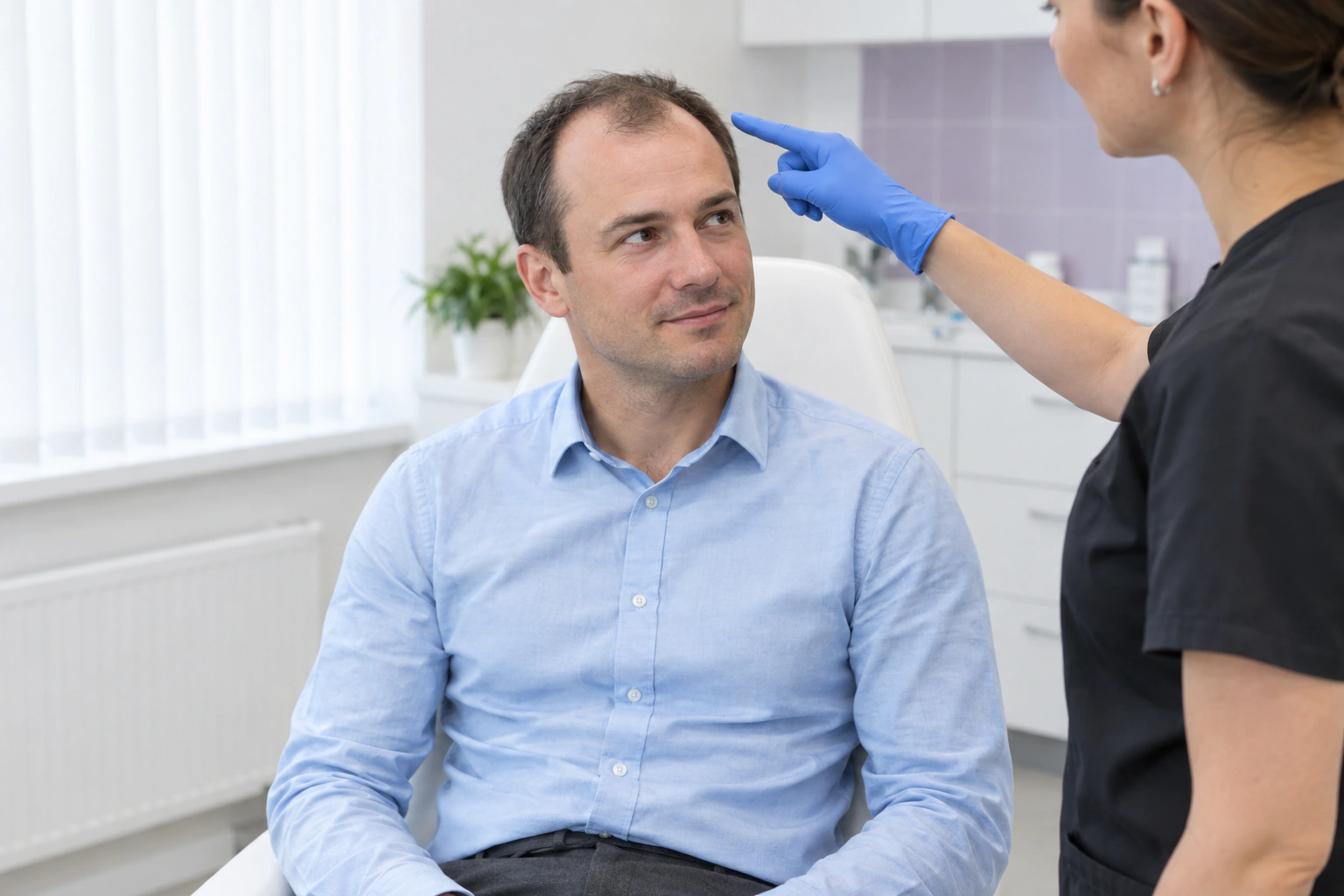

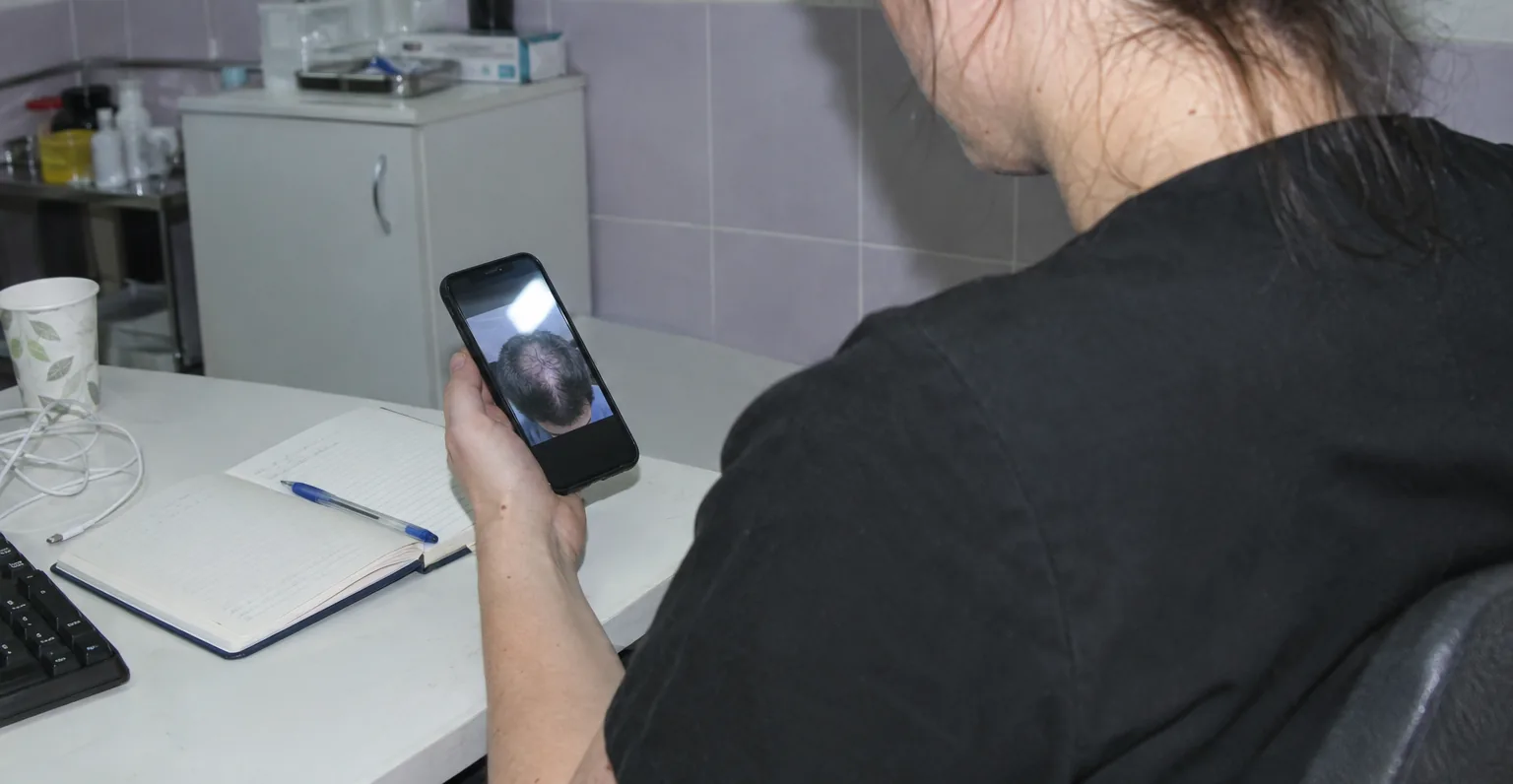
Only a number is needed from you. A coordinator gathers messenger photographs of the affected area, a doctor studies them and states whether a transplant would help. Free, and nothing is committed to.
services
The cost is quoted after the grafts are counted at the free consultation, and fixed in the contract.
suture-free graft extraction
$2,200$2,700
or $367/mo — 0% instalments for 6 months
Keep this priceimplantation without channels
$2,500$2,900
or $417/mo — 0% instalments for 6 months
Keep this pricecombined technique
$2,700$2,900
or $450/mo — 0% instalments for 6 months
Keep this price| The doctor's first look | Free |
|---|---|
| Eyebrow transplant, FUE | |
| Beard transplant, FUEinstalments $467/mo | |
| Hair trichopigmentation | |
| PRP therapy / session | $200 |
all included
Covered ahead of surgery and for 12 months beyond.
Unforeseen sums do not appear on surgery day.
two added areas
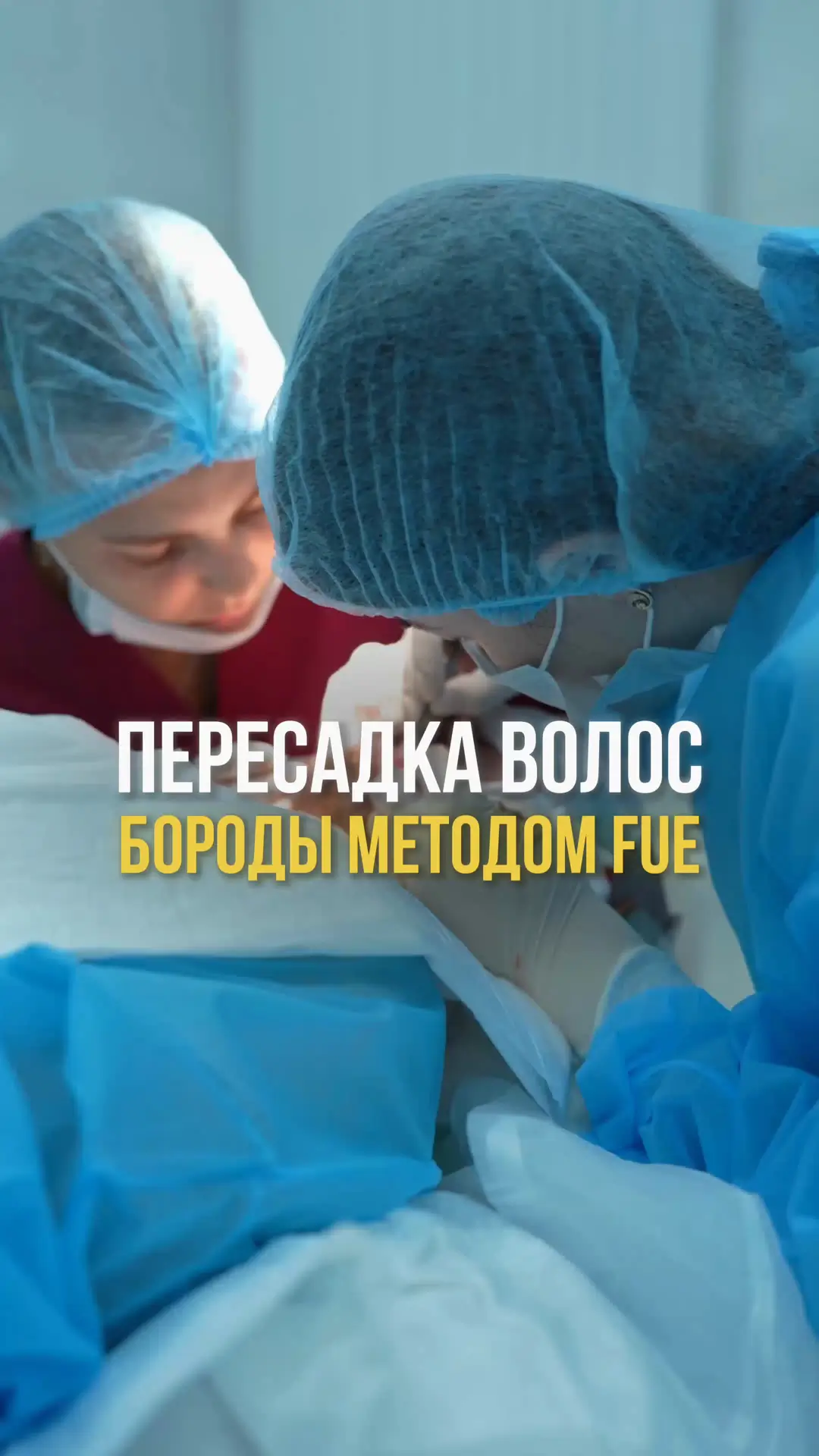
A transplant is not only about the scalp: the same grafts from the back of the head, the same FUE method, only the area changes.
The FUE method, no incisions used
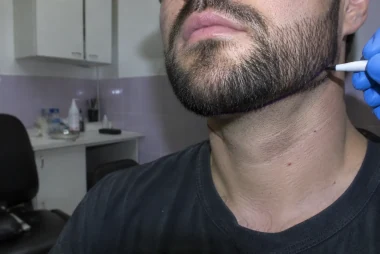
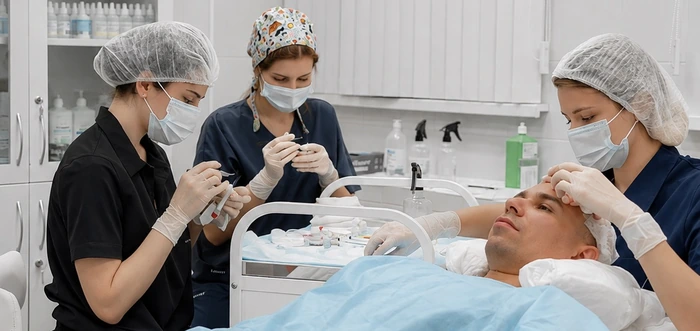
Grafts are taken from the donor area at the back of the head and moved through micro-punctures of about 1 mm; scars are not left. Before the operation the doctor discusses what shape to give the beard, allowing for your facial features. Transplanted hair grows for life and is trimmed and styled as usual.
$2,800$3,000
or $467/mo — 0% instalments for 6 months
Keep this priceThe FUE method, no incisions used
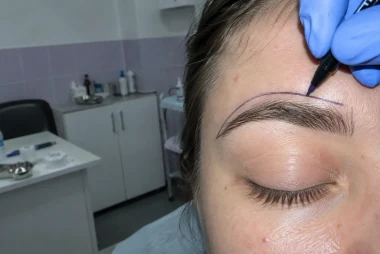
Shaping begins at the first consultation, where the surgeon outlines the brows: reference pictures are viewed together and your facial proportions guide the drawing. Each hair goes in at the right angle, so the brows look like your own. This also suits brows that stopped growing after long years of plucking.
$1,600$1,700
an op you walk out of, under local anaesthesia
Keep this priceThe doctor reads your donor zone, counts the grafts available and shows what result is within reach. A figure is given at the consultation and committed to the contract.
Message our coordinator
Free online consultation · Reply within 15 minutes
Message us on TelegramMessage us on WhatsAppBy messaging us, you agree to our Privacy Policy
Process
From consultation to going home — all in one day
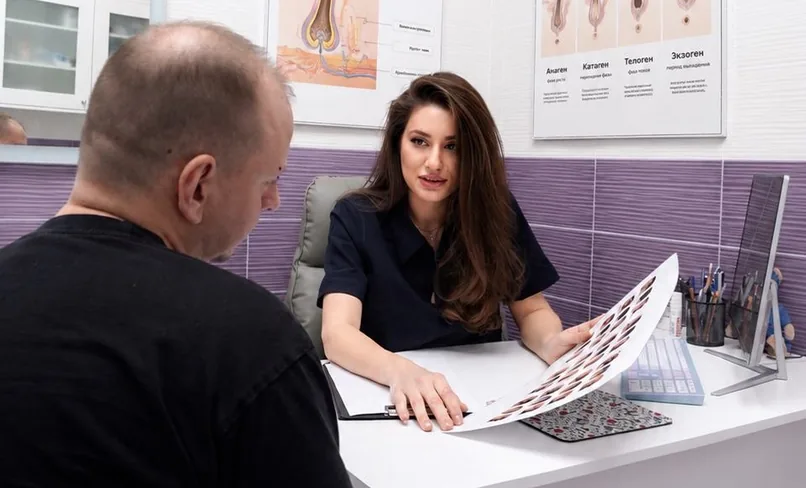
Everything begins with a free consultation: the doctor explains the FUE and DHI methods, answers your questions, and puts together a plan designed specifically for you.

Without a deposit the date stays open to others, so settle it with a card at the clinic desk or through an online payment.
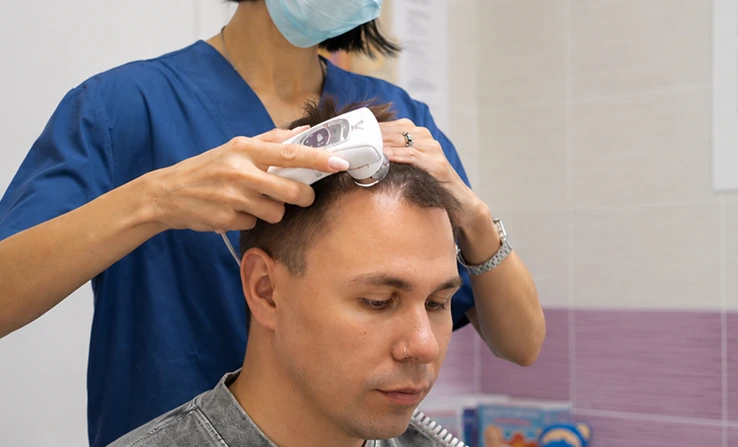
Analyses come first. The clinic details what has to be taken and explains the procedure for each one.
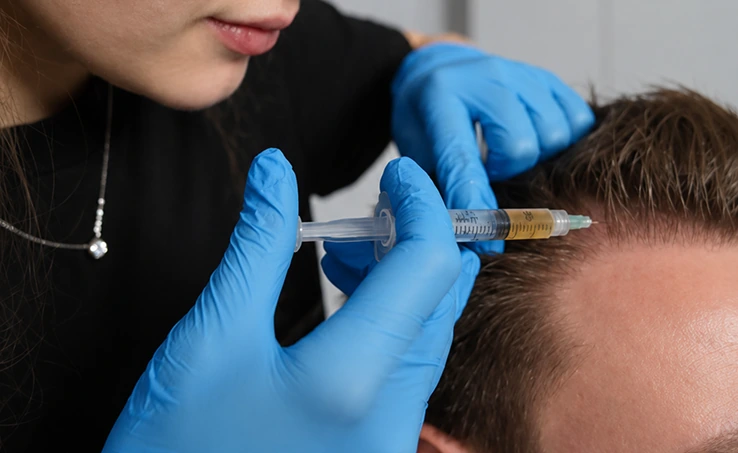
Nothing sharp is felt: the operation proceeds under local anaesthetic.
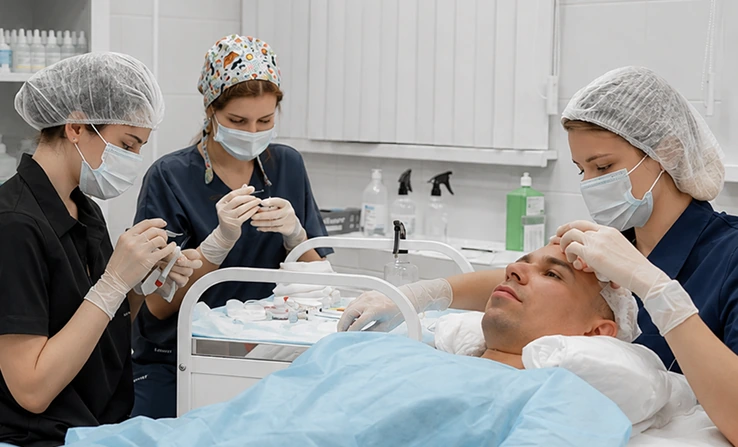
At this stage, grafts are taken from the donor area — back of the head or temples — through a stitch-free method.
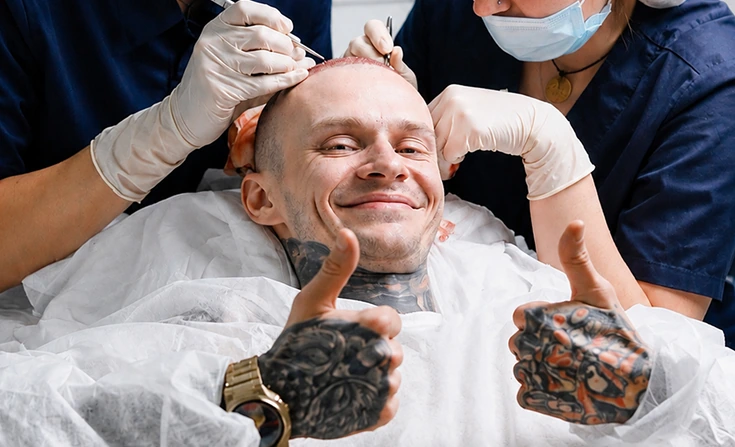
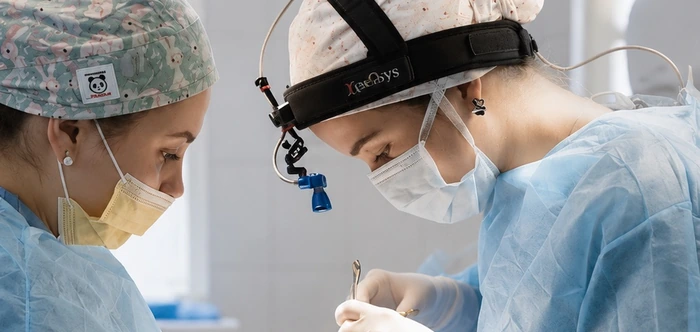
At this point, the grafts are implanted into the balding area by the surgical team.
For patients in Constantine, supplies and complete directions come from the clinic to speed the healing along.
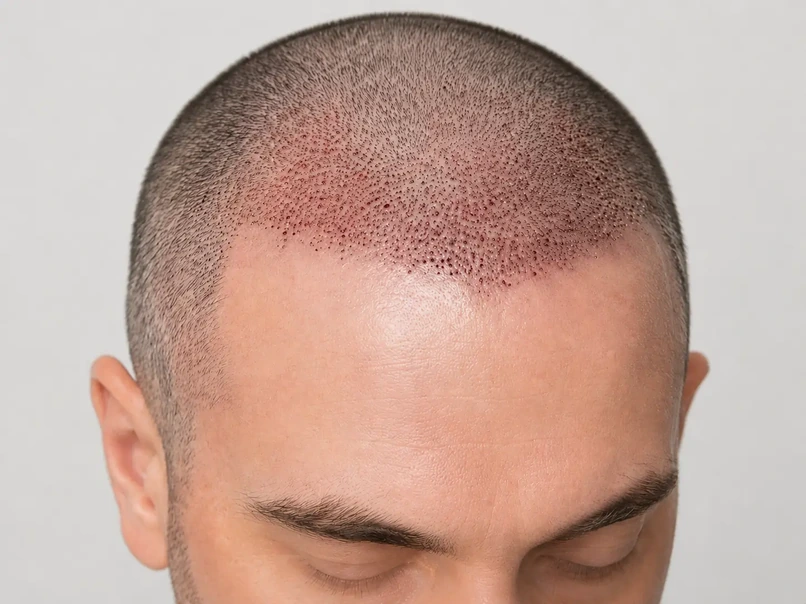
The crusts come off and the swelling goes down as the area recovers
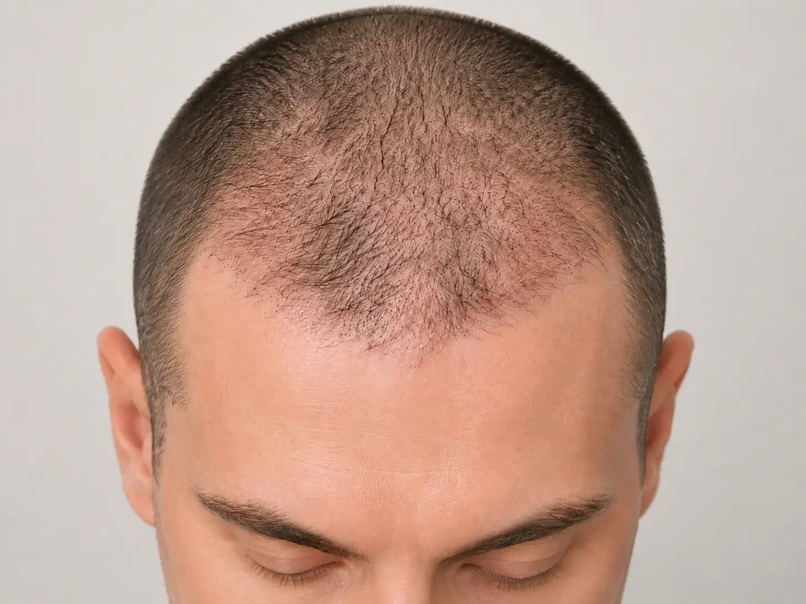
Expected shedding. The roots hold firm, only the shafts fall out
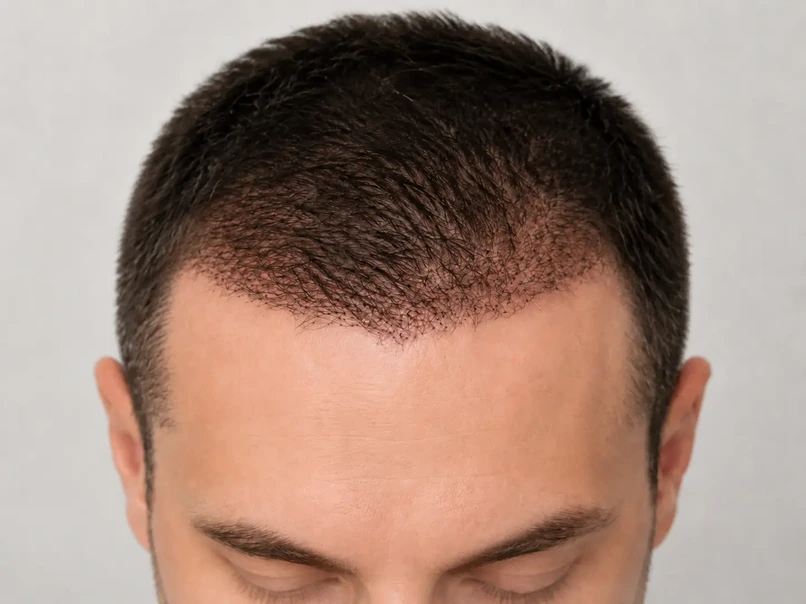
New hairs show gradually, the result begins to show
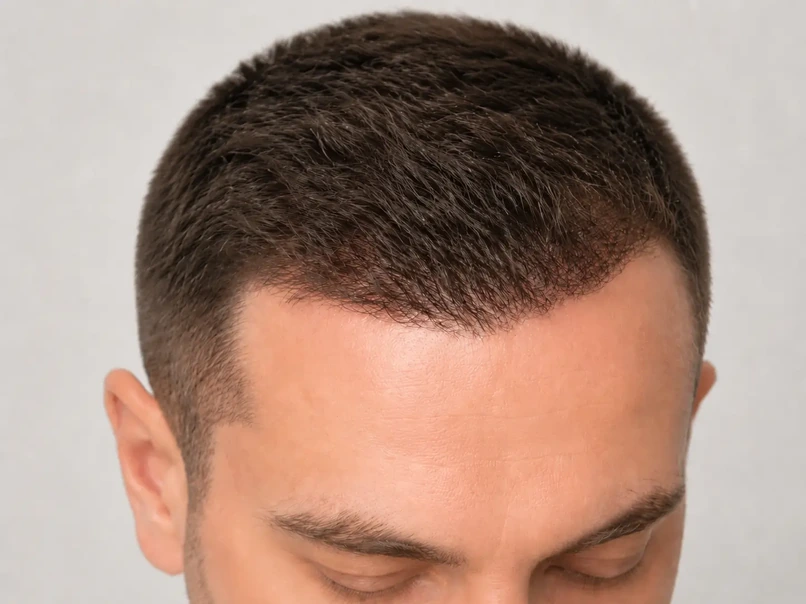
The hair looks fuller, and the volume and hairline are visible
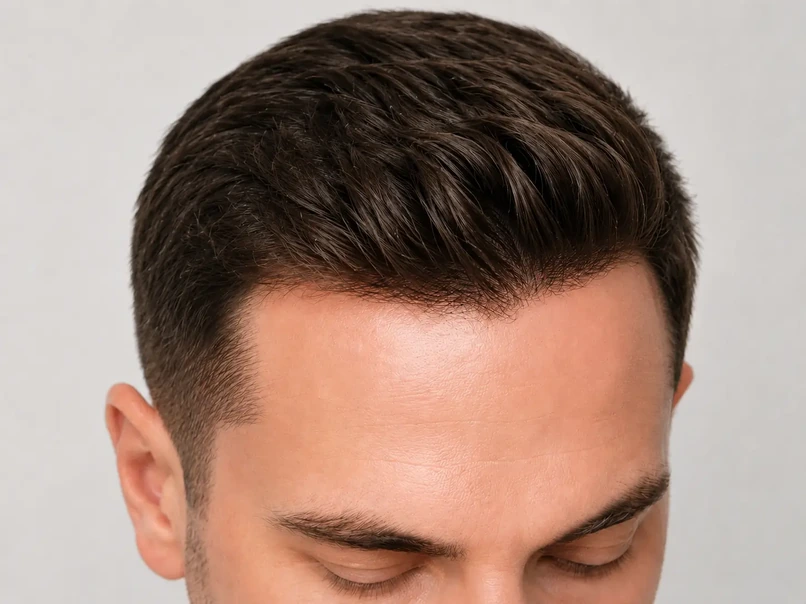
Here the final density and natural hairline form
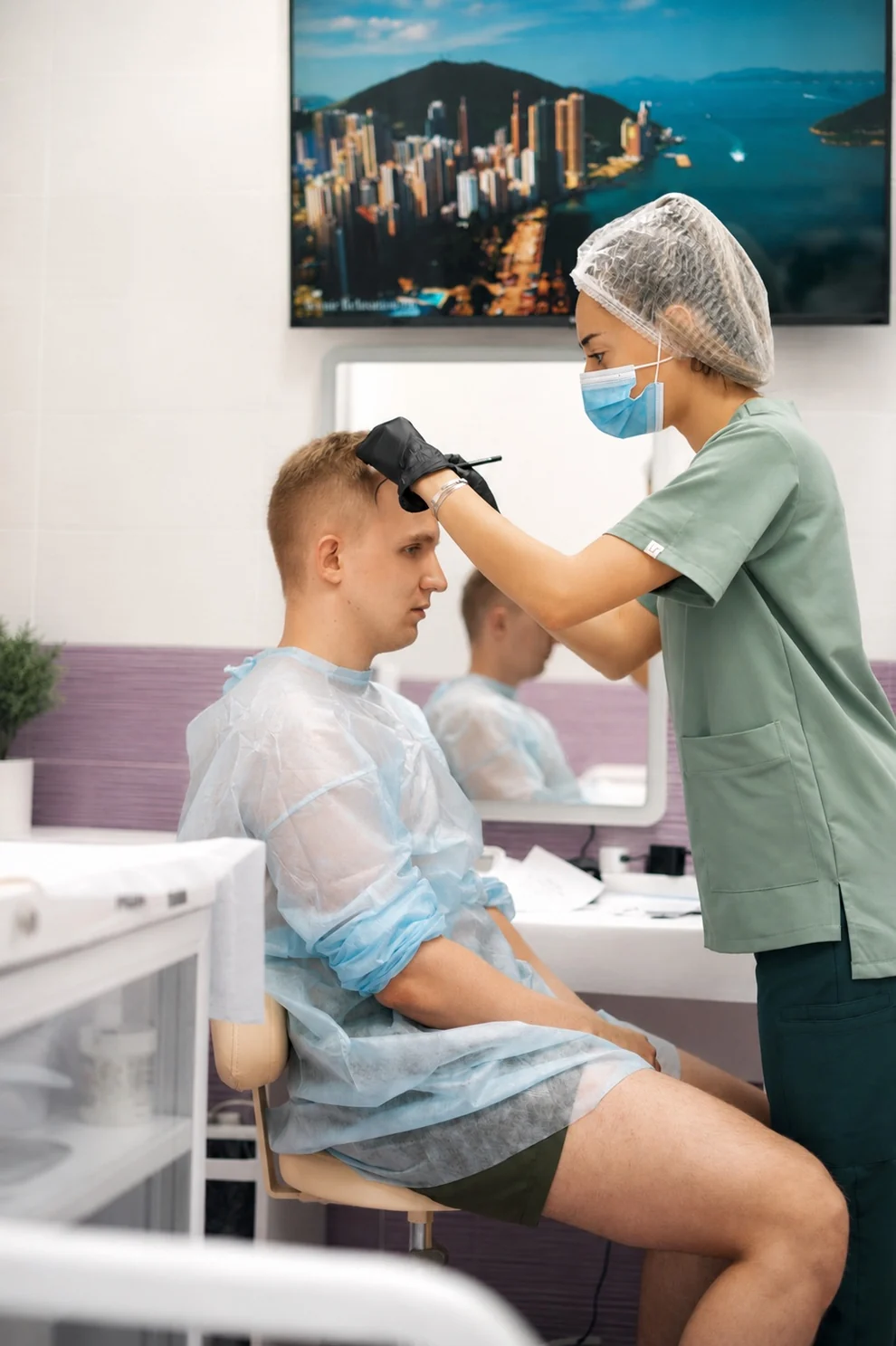
Free, before the operation; nothing is taken on.
Speak to a specialistdoctors
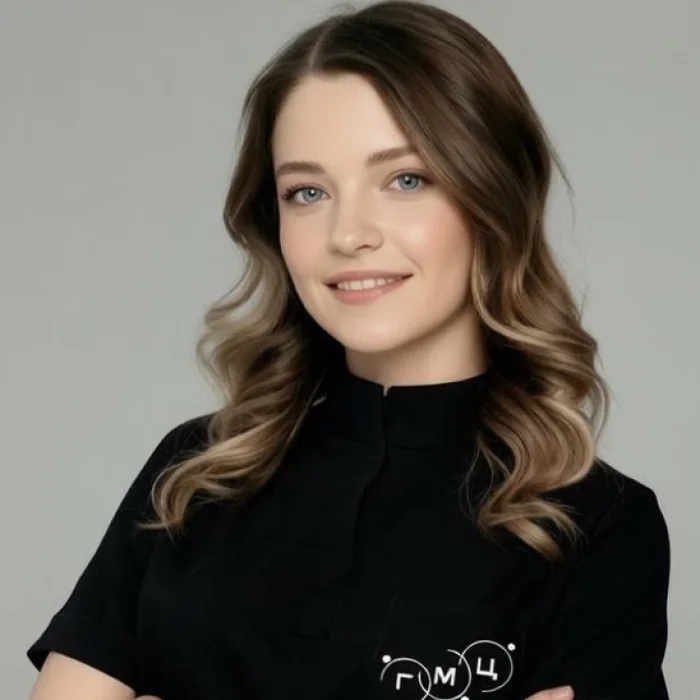
Hair transplant doctor, trichologist, surgeon
10 years in practice

Dermatovenereologist, trichologist, surgeon
11 years of experience
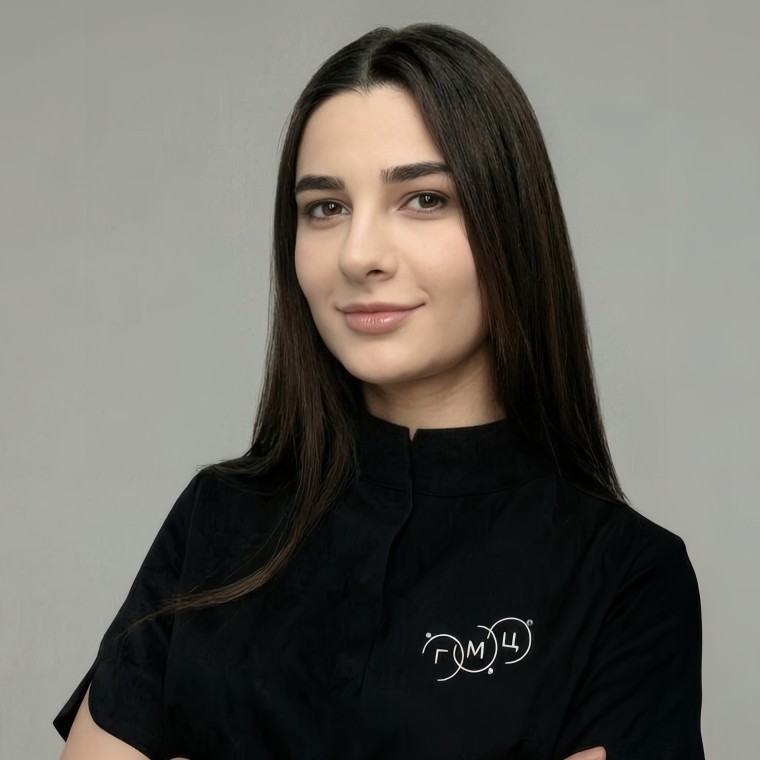
Plastic surgeon
9 years in practice
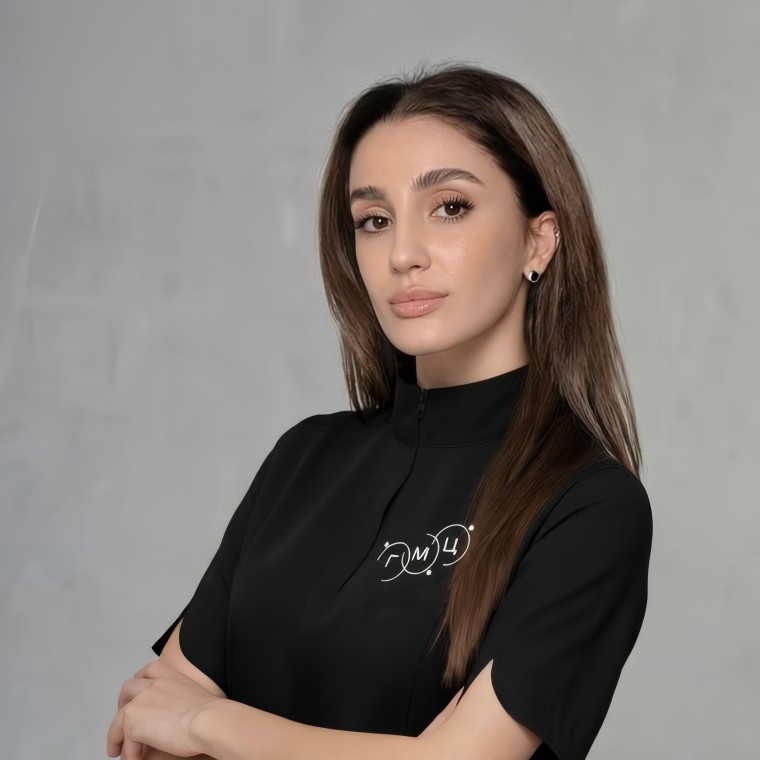
Plastic surgeon
9 years in practice
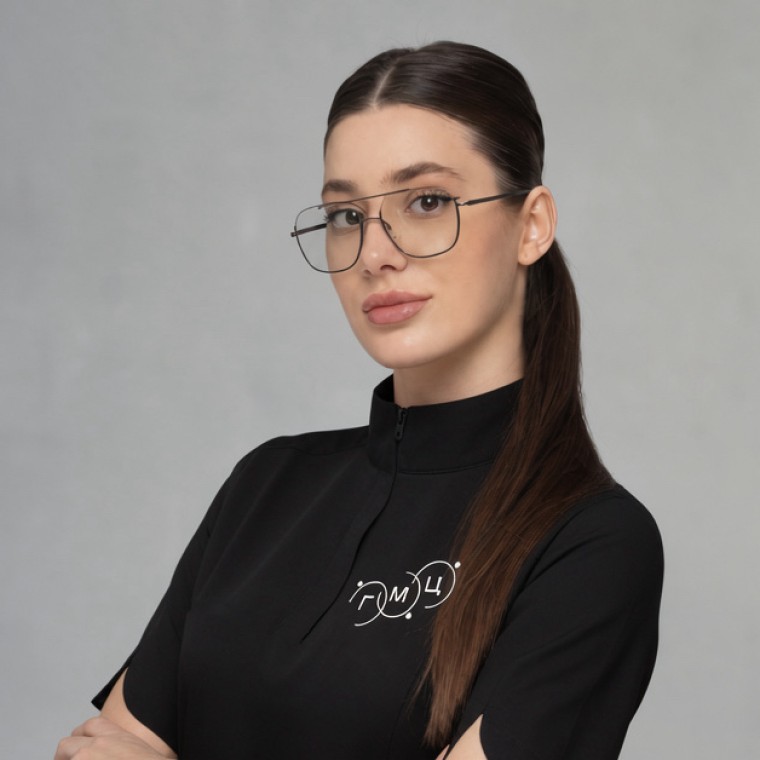
Assistant
9 years in practice
Donor zone examined, grafts calculated, outcome explained in plain words.
Speak to a specialistcoordinators
A personal coordinator stays with you from your first enquiry through to recovery.
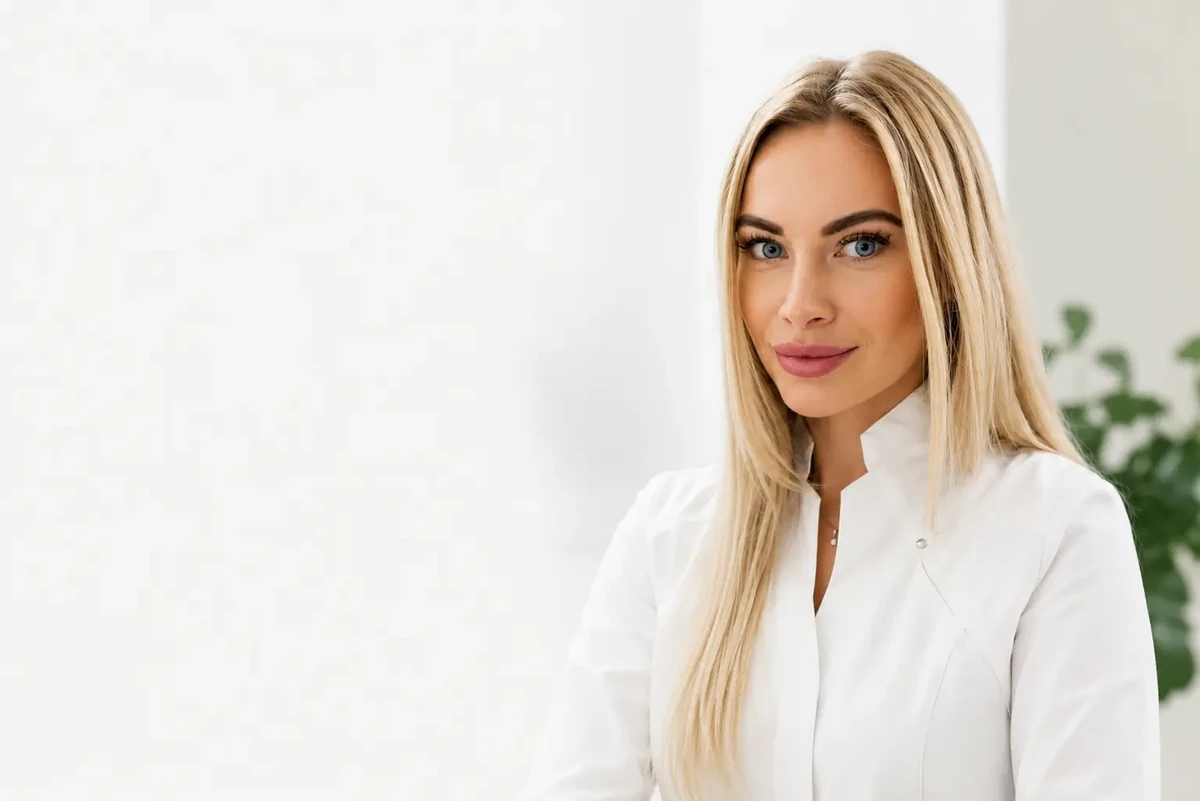
Patient care coordinator
Will care for you before and after surgery
Looks after the papers and the booking
Patient care coordinator
Will care for you before and after surgery
Looks after the papers and the booking
Patient care coordinator
Will care for you before and after surgery
Looks after the papers and the booking
Patient care coordinator
Will care for you before and after surgery
Looks after the papers and the booking

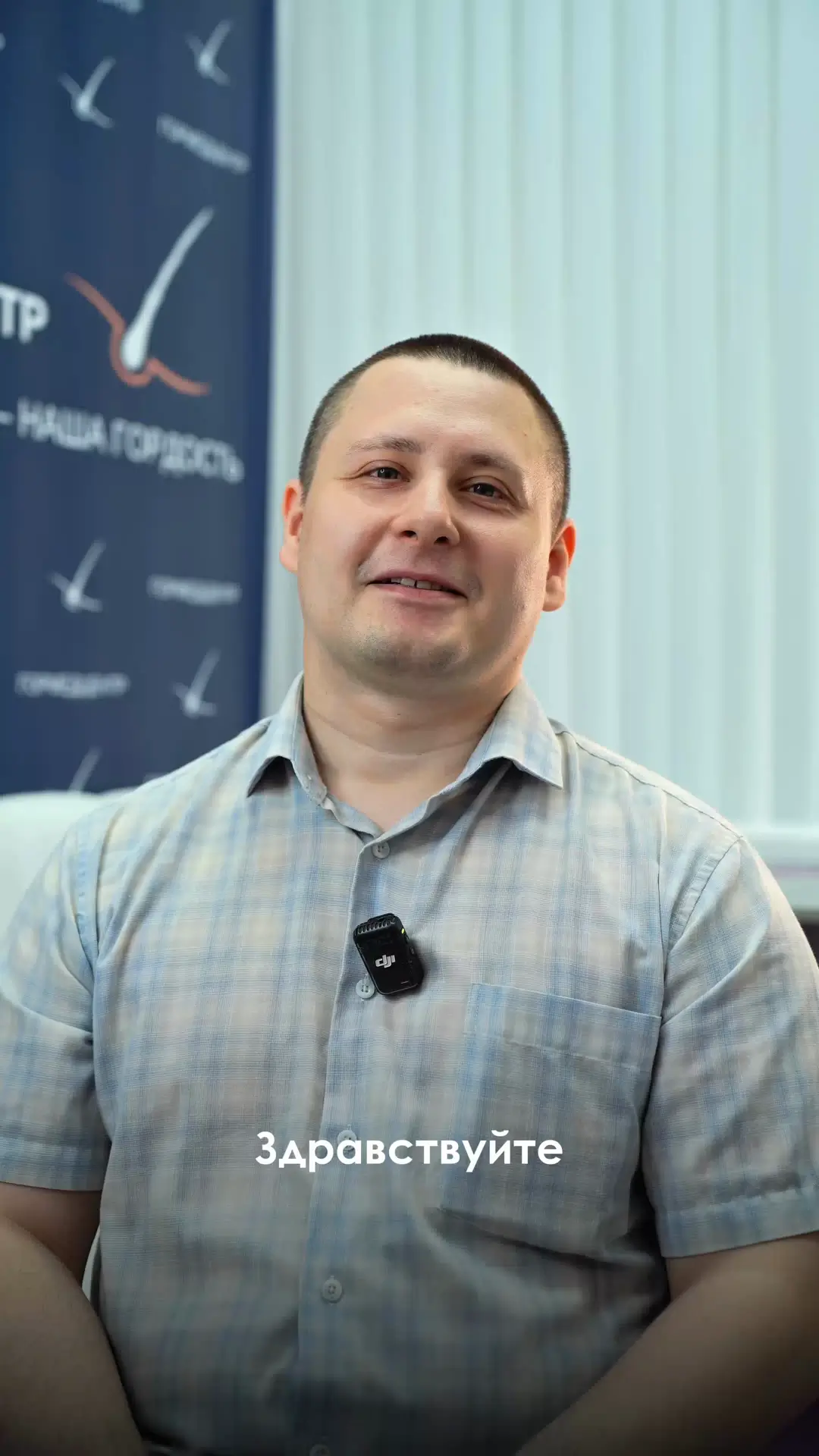
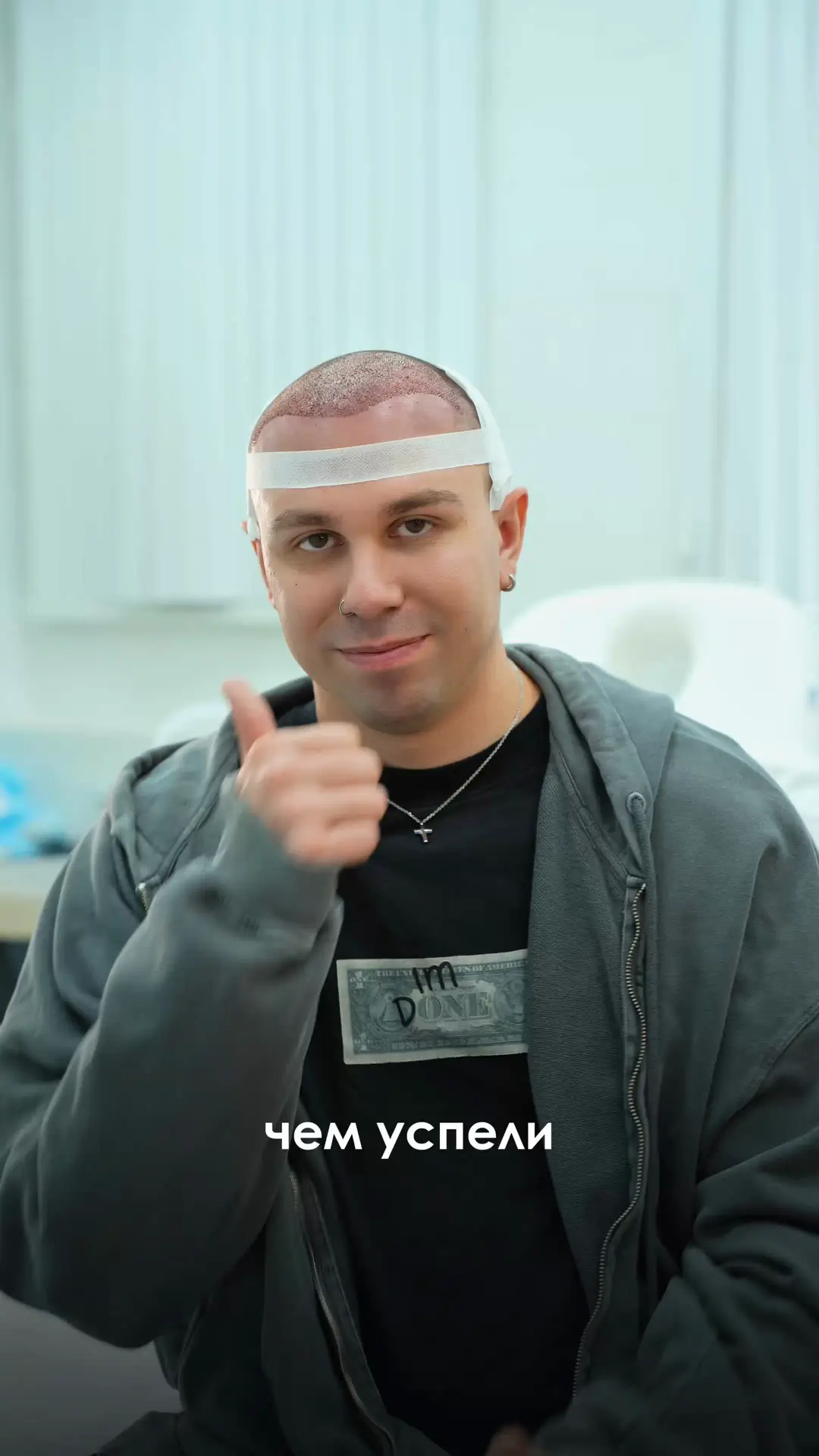
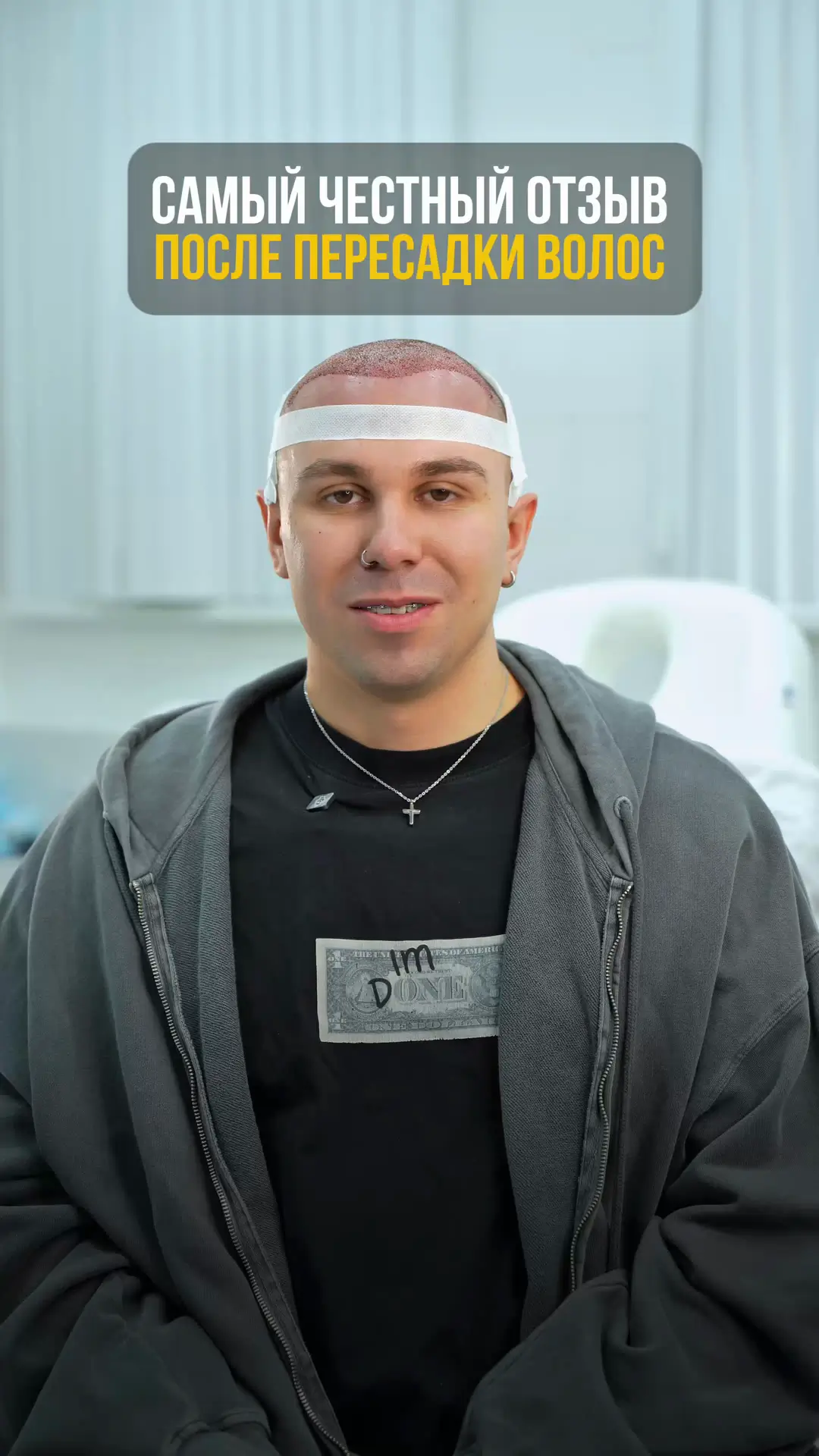
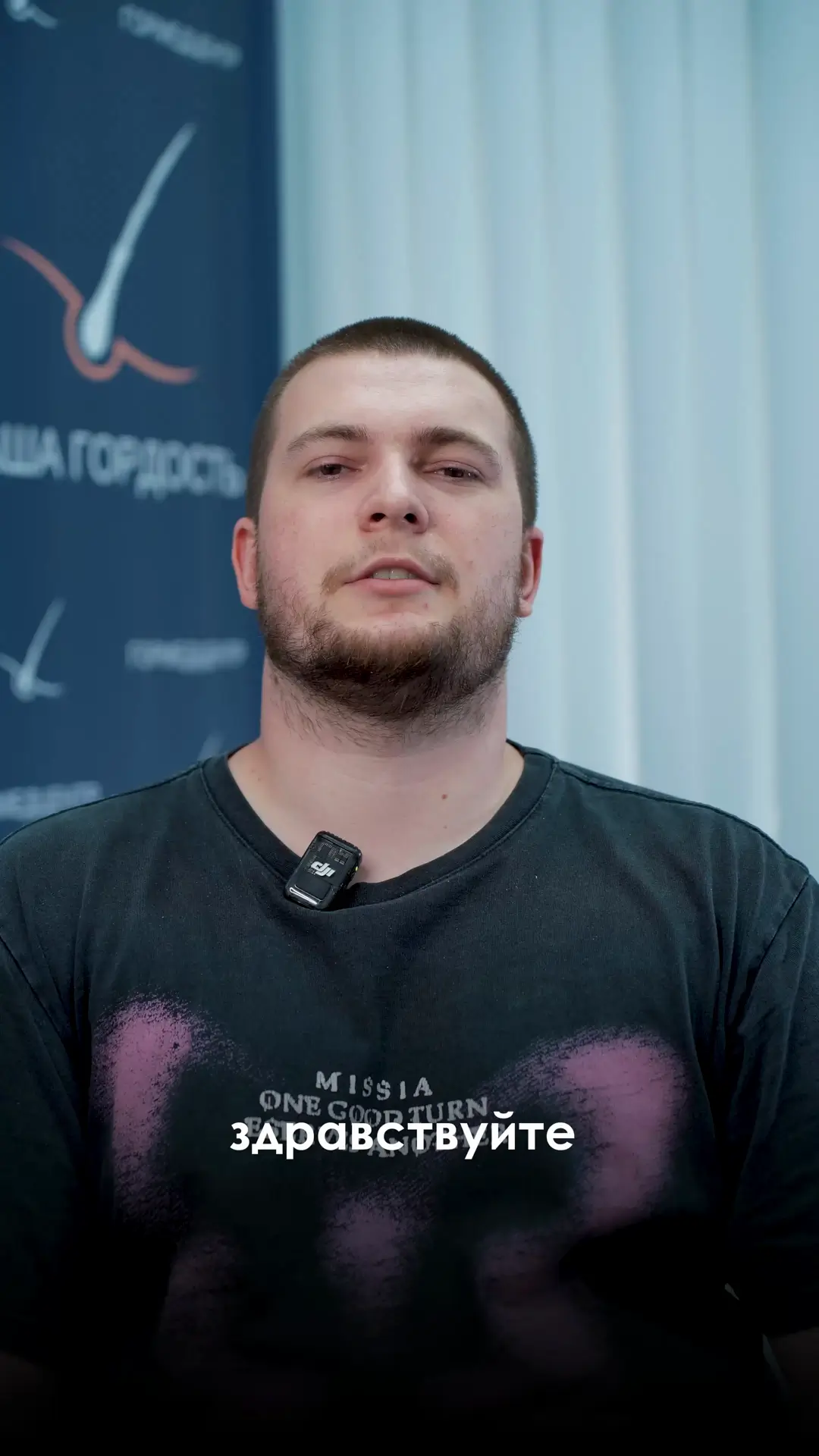
We will hear your questions out and find a convenient time for a consultation
Message us on Telegram Submit the formThings people ask
Yes — patients based far from one another are treated all the time, and an online session with the doctor can be booked.
Pricing starts from $2,200 (≈ DZD 295,000) for FUE, $2,500 (≈ DZD 335,000) for DHI, and $2,700 (≈ DZD 365,000) for combined DHI+FUE. The exact figure is confirmed for free after a graft count and written into the contract.
Nothing more than one day is required before you are home.
Nothing sharp is felt — local anaesthesia blocks all sensation.
FUE means tweezer-based, incision-free graft harvesting. DHI means channel-free implantation with a Choi pen. Combined DHI+FUE uses FUE for harvesting and the DHI pen for implanting.
The count depends on your donor supply; a doctor establishes it during a consultation that costs nothing.
0–10 days heals the scalp, 2–4 weeks brings a normal shed of transplanted hair, 3–4 months starts regrowth, 6–9 months shows clear density, and 12–18 months delivers the final result.
The clinic provides a lifetime guarantee on hair growth, stated in the contract.
We work under a medical licence, and care follows the standards and clinical guidelines
of Ministry of Health.

Training documents of the doctors performing transplants
Read the documentsAKC POMOSHCH LLC
our clinic's legal entity
1057746096924
OGRN
7728536872
INN
Nothing heavy is involved for anyone in Constantine. FUE and DHI dispense with cuts and stitches altogether, local anaesthesia keeps the patient awake and comfortable, and the surgery closes on the same day it opens.
The free online consultation is the whole first step in Constantine: send photos of the thinning area, and the doctor looks at them and counts how many grafts are needed. The clinic is in touch 24/7, so the exchange stays convenient.
The head heals in 0-10 days, the transplanted hairs fall at 2-4 weeks as a normal part of the cycle, growth starts at 3-4 months, density arrives at 6-9 and the result is final at 12-18. Photo check-ups with a personal coordinator at 1, 3, 6, 9 and 12 months, plus a lifetime growth guarantee.
Prices are in US dollars; the amount in brackets is an approximate conversion to DZD at the rate of 02.10.2026. The final price is fixed in your contract.
By messaging us, you agree to our Privacy Policy
Public figures who spoke openly about this operation, in their own words.
 John Cena's hair transplant: “I got a problem, I try to fix it”John Cena spoke openly in 2025 about his hair transplant and the fan signs that pushed him to it. His words, how the procedure works and the recovery.
 Did Calum Best have a hair transplant? Yes, and he said so himselfCalum Best said in 2023 he had his sixth hair transplant, this time using patches of beard hair. His words, how the procedure works and recovery.
 Did Chloe Goodman have a hair transplant? Yes, and she explained whyChloe Goodman had a hair transplant in 2025 after losing hair following pregnancy. Her own words, how the procedure works and what recovery involves.
 Did Dean McCullough have a hair transplant? Yes, and he filmed itRadio 1 presenter Dean McCullough shared his FUE hair transplant on TikTok in 2024. His own words, what the swelling means and how results develop.
 Did Ella Morgan have a hair transplant? Yes — to cover a hairline scarThe Married at First Sight star revealed a hair transplant in 2025 to cover scarring along her hairline from facial surgery. Her own words and the facts.
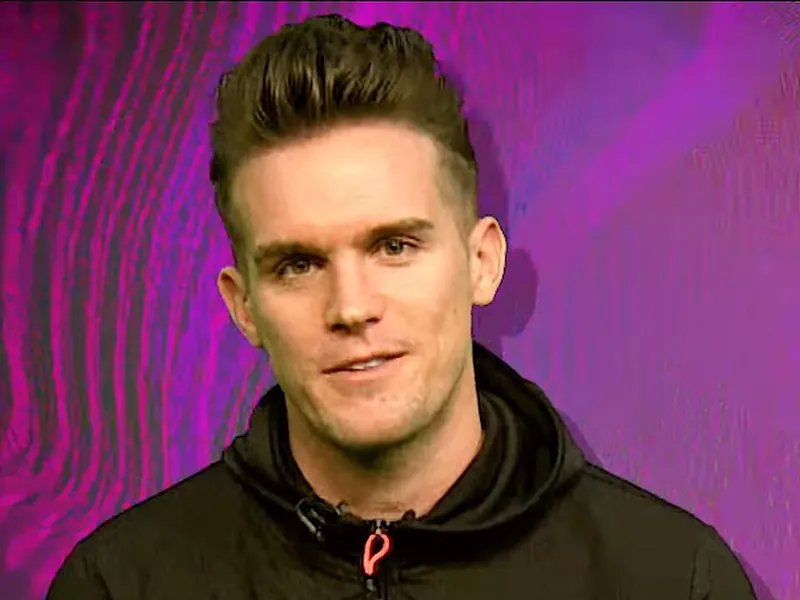 Gaz Beadle on his beard transplant: “I LOVE IT”Gaz Beadle told his 3.6 million followers he had a beard transplant after years of patchy stubble. His own words, and how a hair or beard transplant works today.
What patients write after this operation. Reviews are translated from the original language.
Andrey M.
I had the operation a month ago. Before and after surgery they were always in touch and helped with questions about my tests. The operation itself went wonderfully, the staff are polite and masters of their craft, you feel you are in safe hands. I am recovering now, and they answer all my questions. I am happy and I recommend them!
DHI hair transplant
Pavel Sinitsyn
The best clinic of all the ones I was choosing from. No regrets at all! The result is simply amazing, I am thrilled. I recommend it to everyone: these people do great work and make people happy. Once again, a huge thank you to everyone. Roman, the head of the clinic, is the best: he was personally in touch with me and looked after my recovery. Thank you for making my dream come true.
FUE hair transplant
Maria Akopyan
I thought about an eyebrow transplant for a long time and finally went for it. At first I was afraid the result would look unnatural, but when I saw my new eyebrows I was delighted! They came out full and in harmony with my face. I can hardly believe that now I just wash my face and go, I have never felt so free. For anyone tired of constant make-up, a transplant is a real lifesaver!
Eyebrow transplant (FUE)
Alexander M.
I really wanted a thick beard, but I had problems with it. I tried every home remedy and minoxidil, and nothing helped. After a long search for the best clinic I settled on this one. Thank you so much for the service, I liked everything and now I am happy! I had the beard transplant 10 months ago and I am very pleased with the result. By the way, the music in the clinic was great, as far as I remember. A friend of mine has already come to you for a transplant on my advice and was also happy with the result. I wish you every success!
Beard transplant (FUE)
Vladimir Z.
I went to the clinic to see a trichologist and had a hair transplant. I really liked the doctor's approach, and all the recommendations helped. I want to point out that nobody tries to sell you extra services: they tell you things as they are, and if some treatment is not needed, they do not push it. Cosy and clean.
DHI hair transplant
Artem Popov
This may sound obvious, but a head of hair really changes everything in your life. You feel much more confident and go through life like a winner. And it is all thanks to the doctor at this clinic and to the staff who take care of their patients. Many thanks to the clinic for a happy life with new hair, for the comfortable conditions and for the professionalism during the hair transplant.
FUE hair transplant
In a city of 464,219 residents recorded at the 2008 census, with 938,475 across the agglomeration, plenty of men in their thirties and forties watch their hairline retreat in silence: a forehead opening, a crown thinning, a family photograph exposing what the mirror was denied. Hair transplantation is the surgical answer to that file, and it belongs by nature to the patient-paced procedures: planted in a day, awaited across seasons.
The assessment begins with three clear daylight photographs: the forehead and hairline from the front, the top of the head at an angle, and the crown from behind, plus two lines on when your shedding started and how it has moved. Your file reaches a specialist assessment through the coordinators on Telegram or Telegram at any hour, which decides whether the donor area's density supports a plan that genuinely answers your request.
The people of this city inherited mills of wool and linen, and they know that good weaving begins with threads laid on the loom in order, never at random. Hair transplantation is weaving of the same discipline: follicles moved one by one at calculated angles to build a natural line rather than a straight fence. Whoever grasps that craft chooses a surgeon who draws the hairline on his own forehead, not on a celebrity's photograph.
And ask yourself before sending: is my shedding stable or still advancing, and does my family history point to a reasonable expectation. A transplant over uncontrolled advancing loss may need later sessions, and knowing this beforehand orders both your expectations and your decision. Honesty in these first questions saves you what any long examination would.
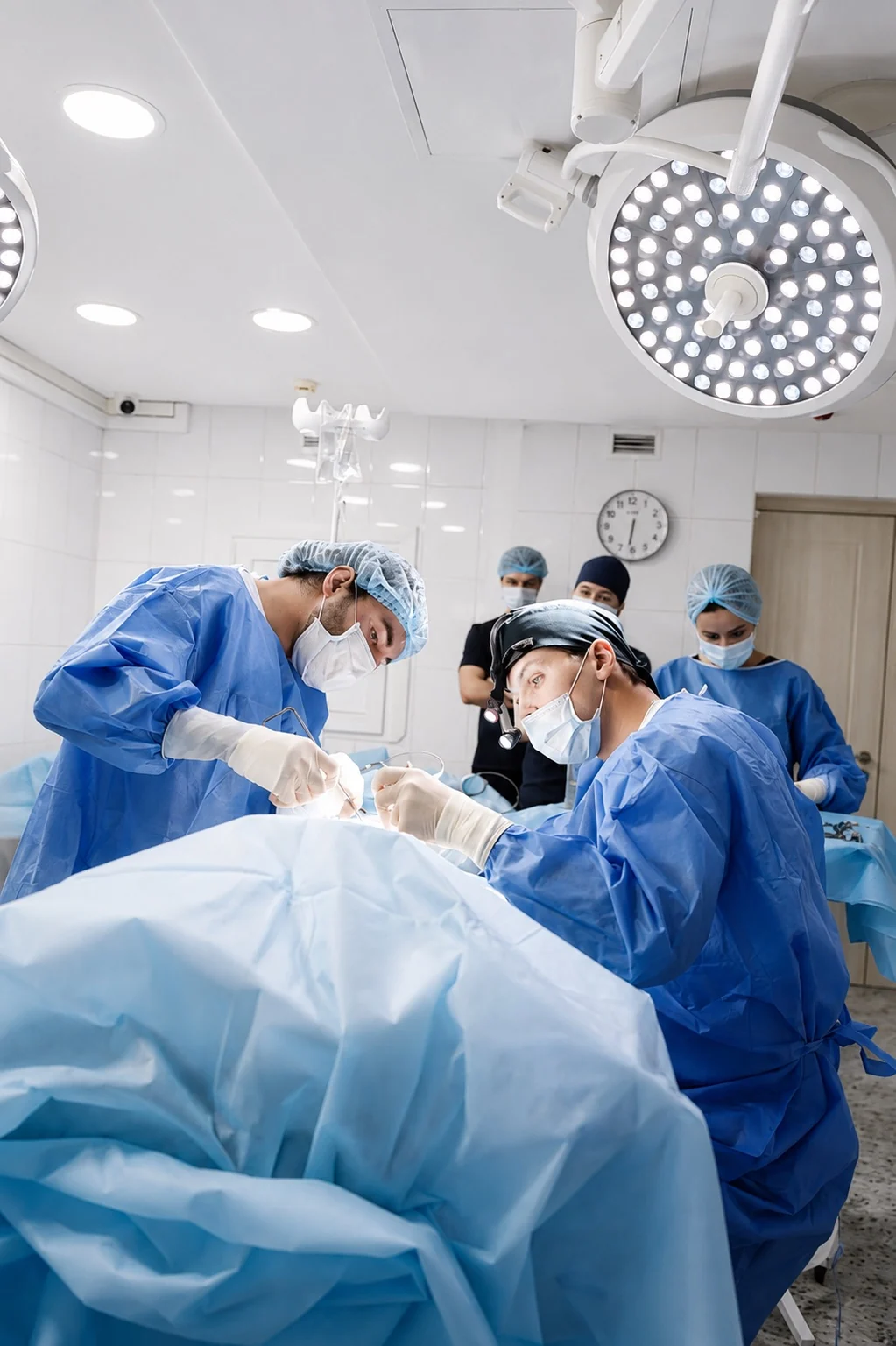
The hair transplant is performed under local anaesthesia, with the doctors numbing the operating area so you stay awake through the session, reading or relaxing while the team works over your head. No general anaesthesia and no hospital night, and that alone reshapes the whole day compared with other surgeries. Ask at the consultation about the expected length of your session and the preparation details, and write them onto your day's sheet.
You spend one day at the clinic and go home the same evening, with no overnight stay required. Arrange a shirt that fastens at the front rather than over the head, a simple plan for the return, and someone to keep a light supper ready. The transplant day is a long stretch of quiet sitting, and a reader or a playlist genuinely changes its texture.
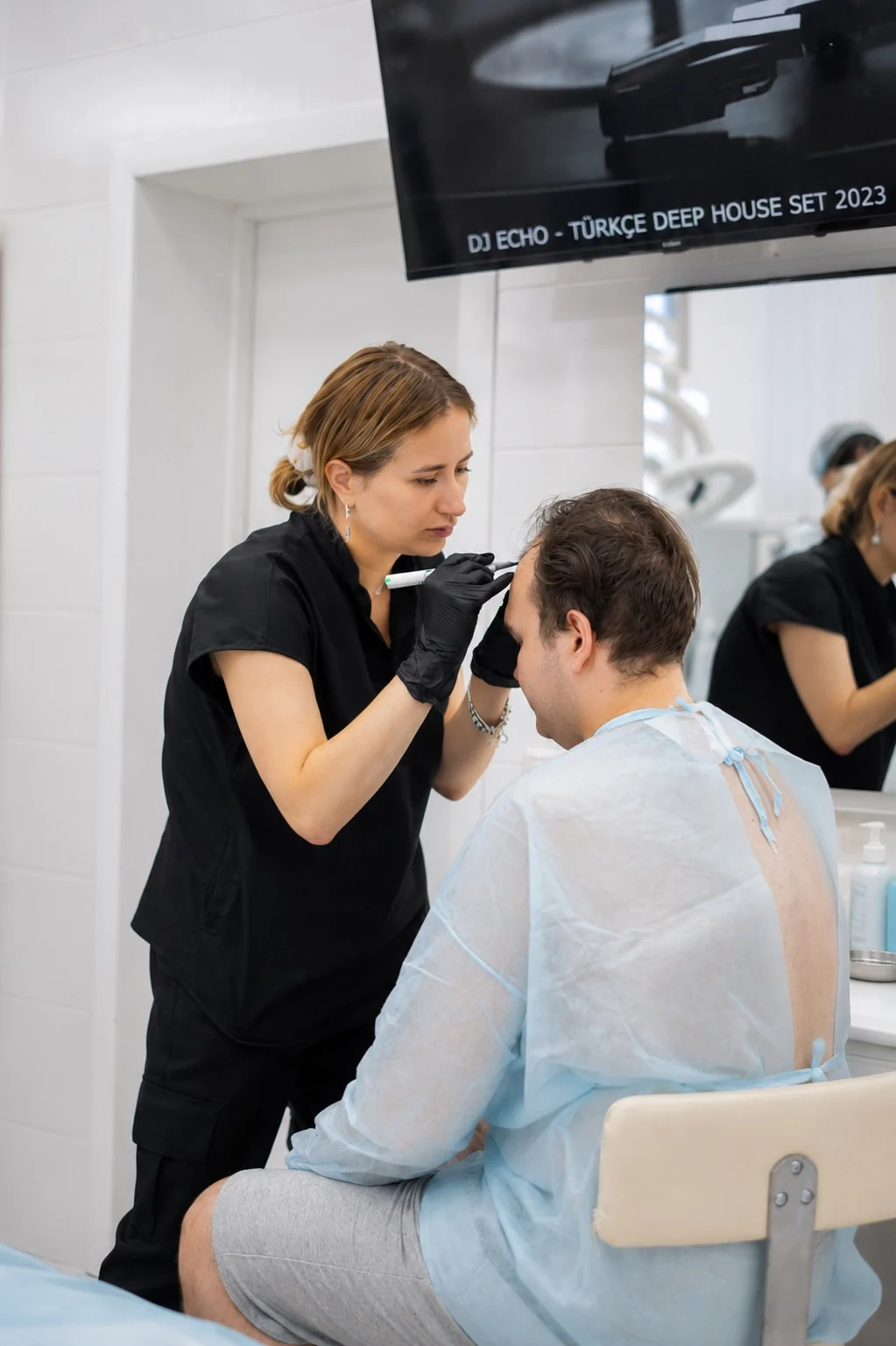
The transplant plan is drawn before the date: the new hairline is sketched on your forehead and agreed in the mirror, and the receiving areas are distributed according to the donor density. Ask to see the line before work begins and to agree on it yourself, nobody else, since it is a line that will accompany you for years. A surgeon who draws and asks your opinion of his drawing gives you confidence no wall certificate can.
And leave the clinic with an order that is written: washing instructions on paper, suggested sleeping positions, and a Telegram or Telegram channel open around the clock for any question your first night raises. Whoever leaves with a written plan crosses the first week at ease, and whoever leaves with a verbal memory re-sorts it in his head every night.
In the first ten days the area heals: the small crusts come off gradually, the swelling goes down, and the scalp moves from busy to quiet. This stage is managed by the washing and sleeping instructions the surgeon gave you literally, not by friends' anecdotes or internet clips. A weekly photograph in this light and from this angle keeps the record and reads it back to you with a steady eye.
And between week two and week four comes what alarms the uninformed: the transplanted hairs shed, a completely normal stage in which the hair falls and the follicle stays in place like a seed in its soil. The farmers of the grain country around the city know the seed appears only after resting in the earth, and the transplanted hair obeys the same law. Whoever knows in advance that shedding is a stage and not a failure crosses the weeks calmly.
From the third to the fourth month the new growth begins: fine hairs appear gradually and announce that the cycle has genuinely started. Do not compare your third month with a friend whose transplant ran two years ago, for every scalp keeps its own rhythm. These are the fine months of patience: monthly photographs, quiet observation, and the patience of someone who knows the first spring branch does not end the season but begins it.
From the sixth to the ninth month the density becomes visible: the hair thickens, and the main volume and the contour come clearly into view. This is when relatives start asking what you have done, and when a man begins to believe that the early shedding was a false red light on his road rather than its ending.
The final result forms between the twelfth and the eighteenth month: a settled density and a natural hairline that has become part of your face rather than a stranger above it. This is the stretch that separates the patient from the hurried, since whoever measures in month six has read half the book and whoever endures to month twelve has read its ending. Your scale is a monthly photograph in the same light and angle, filed in one place.
In this city that met the microscope early, where Laveran identified in 1880 the cause of malaria through patient looking, make your observation long-breathed as his was: monthly photographs, a line of notes, and a calm comparison between months rather than between days. A good result is not measured in another man's phone; it is read in your own file, month after month.
Whoever chooses the hand that will pass over his head starts from the inscription number: the surgeon's registration on the official roll of the Councils of the Medical Professions Order, headed by the National Council of the Order of Physicians, the condition of lawful practice in Algeria. Keep the number in your file beside the hairline and density plan, and rank the document above the neighbourhood signboard in every ordering.
And keep the hope realistic: a transplant redistributes your existing hair according to the donor area's density, it does not invent new hair, and that is why the assessment fixes the achievable limits beforehand. Whoever understood these limits from the first message lived his eighteen months of waiting satisfied, and whoever wished beyond the limits left the first assessment exhausted.
The first care weeks are run from your home in three words: gentle, clean, and shaded. Sleep the way the surgeon directs for the first nights, wash at his rhythm and with his technique rather than your bathroom's habit, and keep the midday sun away from your fresh grafts. A recently transplanted scalp reads touch and care the way a newborn reads the movements of hands.
The local climate sets its timetable: July reaches a high of 35.0C under a sun no fresh graft enjoys, so make a wide cotton cap your companion of the first weeks and keep walks to the shaded morning hours. In January, with lows near 2.3C, keep the care indoors rather than on cold sidewalks. The season does not block you; it directs you, and whoever reads his season twice lives his first week twice as calm.
Light walking starts early: a short loop through the quiet hours along the central lanes or in a nearby square, with no effort that raises sweat over the grafts in their first week. Saunas, hot baths, and vigorous training wait for the surgeon's explicit clearance, not as restrictions for their own sake but as protection of the result whose whole cost of patience you paid on transplant day.
And through all of it your channel stays open: weekly photographs in the same lighting to the coordinators on Telegram or Telegram at any hour, with guidance arriving before worry inflates. Then begin from day one as we began: an honest file, clear photographs, and a direct question. A successful transplant begins before the loom, with a documented message from your home in Constantine.
Yes, the doctors numb the operating area with local anaesthesia, so you remain awake through the session, reading or resting while the team works. There is no general anaesthesia and no hospital night, and you return home the same evening. Ask at the consultation about your session's expected length and the preparation details, and write them down.
One full day, and you go home the same evening with no overnight stay. Prepare a front-fastening shirt, a light supper, and someone to receive you at home. A long day of quiet sitting passes far more easily with a book or a playlist arranged in advance.
Between week two and week four the transplanted hairs shed while the follicles stay in place, like seeds resting in soil, and this is a normal stage of the growth cycle rather than a failure. Whoever knows this beforehand crosses the weeks calmly, and whoever is ambushed by the shedding without briefing loses sleep over nothing.
From the third to the fourth month fine new hairs appear and announce that the cycle has started, then density builds from the sixth to the ninth month until the volume and the contour are clearly visible. Every scalp keeps its own rhythm, so do not compare your month with another man's, and the steady monthly photograph is the truest mirror of progress.
Between the twelfth and the eighteenth month the final density settles and the natural hairline takes its place. Whoever measured in month six read half the book, and whoever endured to month twelve read its ending. Keep your monthly photographs in one file, because they are the scale of the whole journey.
Three clear daylight shots: the forehead and hairline from the front, the top of the head at an angle, and the crown from behind, plus two lines about when your shedding started. Send them to the coordinators on Telegram or Telegram at any hour, and the assessment decides whether the donor area supports a plan that answers your request.
It has limits that the assessment fixes: a transplant redistributes your existing hair according to the donor area's density and does not create new hair, which is why the plan is drawn from what your resources allow. Whoever understood the limits from the first message lived his year and a half of waiting satisfied, and whoever wished past them left the first assessment deflated.
Ask in writing for his registration number on the official roll of the Councils of the Medical Professions Order, headed by the National Council of the Order of Physicians, the condition of lawful practice in Algeria. Keep the number in your file beside the hairline and density plan, and rank the document above the neighbourhood signboard every time.
Page medically reviewed by Anastasia A. Kolesnik, hair transplant doctor. Review date: .

 Forceps
 Minimal


