


























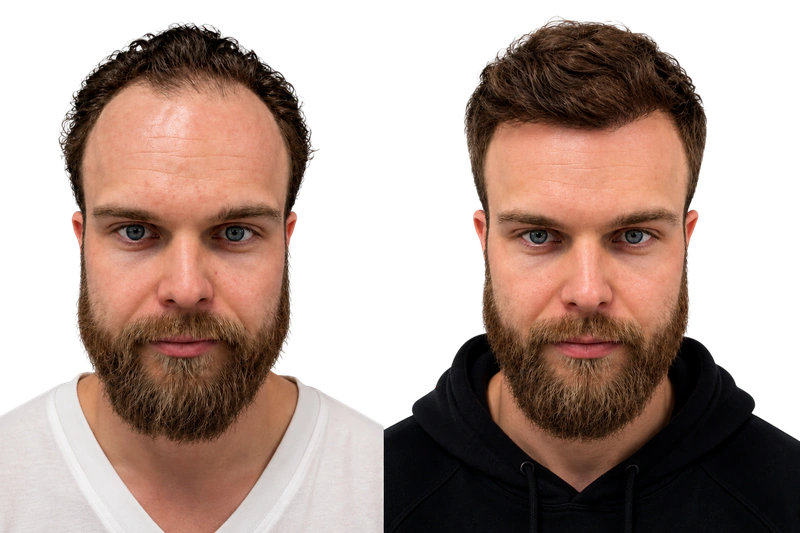

start
12 months after
2,800 grafts
FUE method
City Medical Centre
0% instalments
from $367/mo
Guidance and a total — $0.
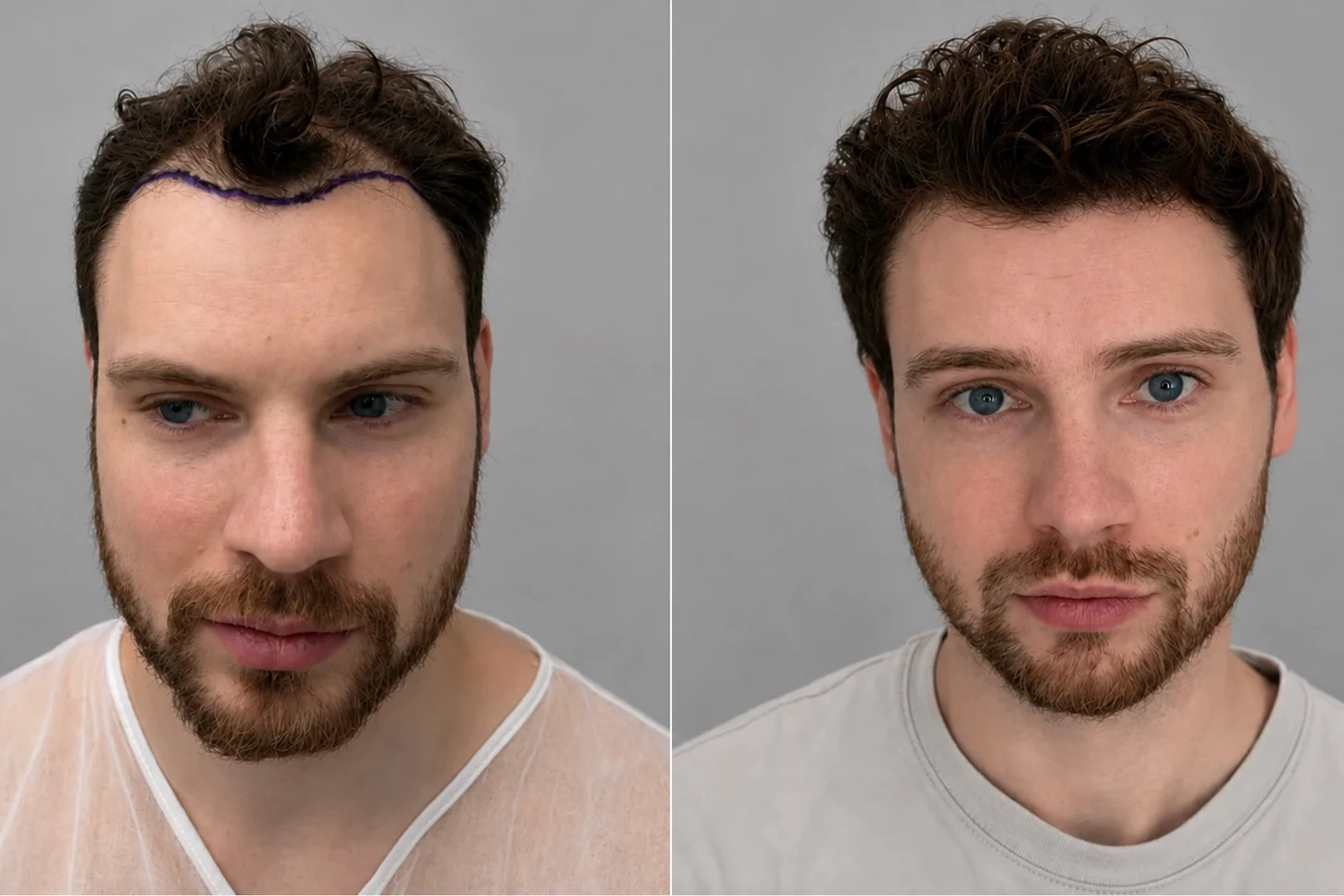
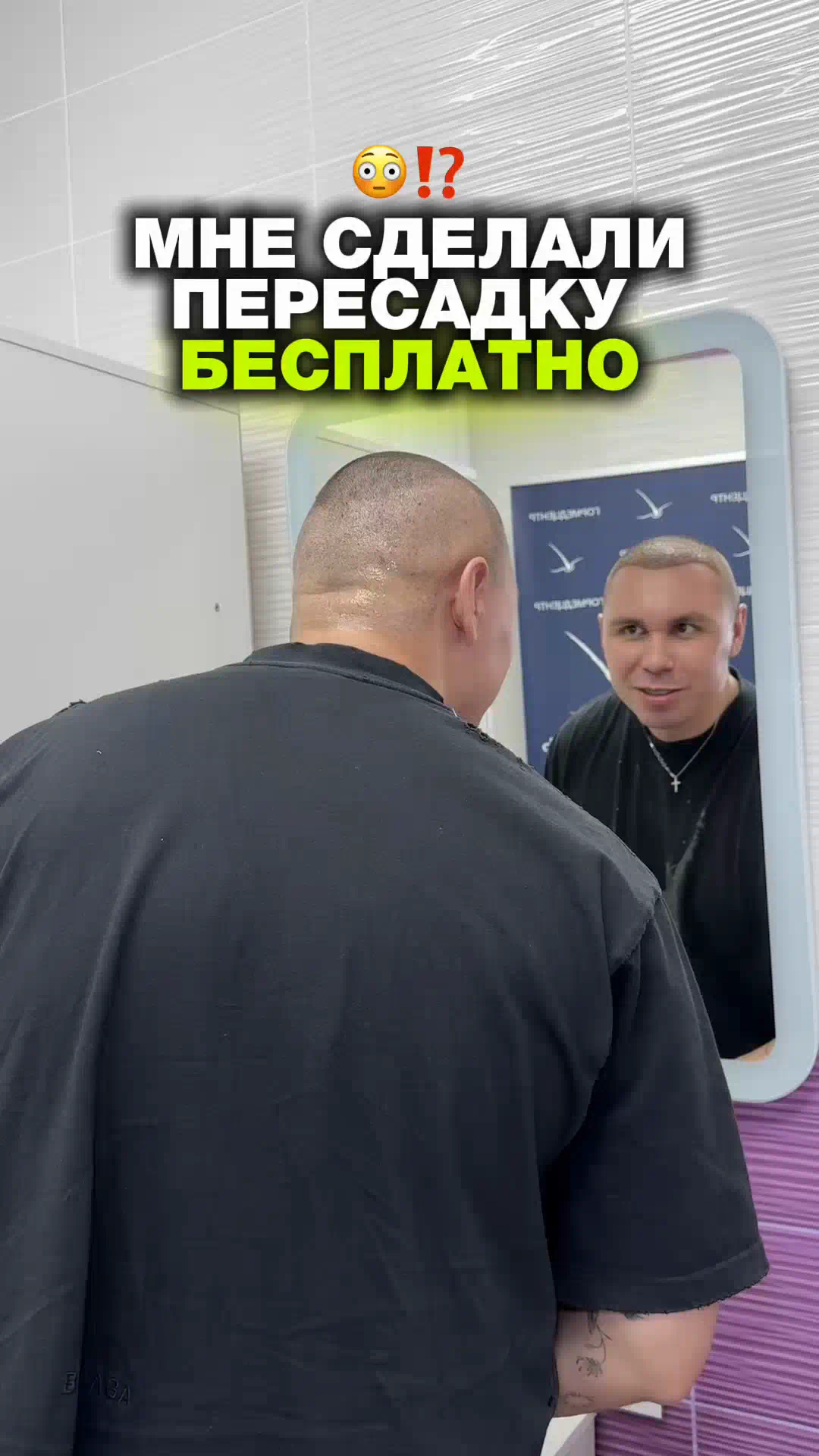
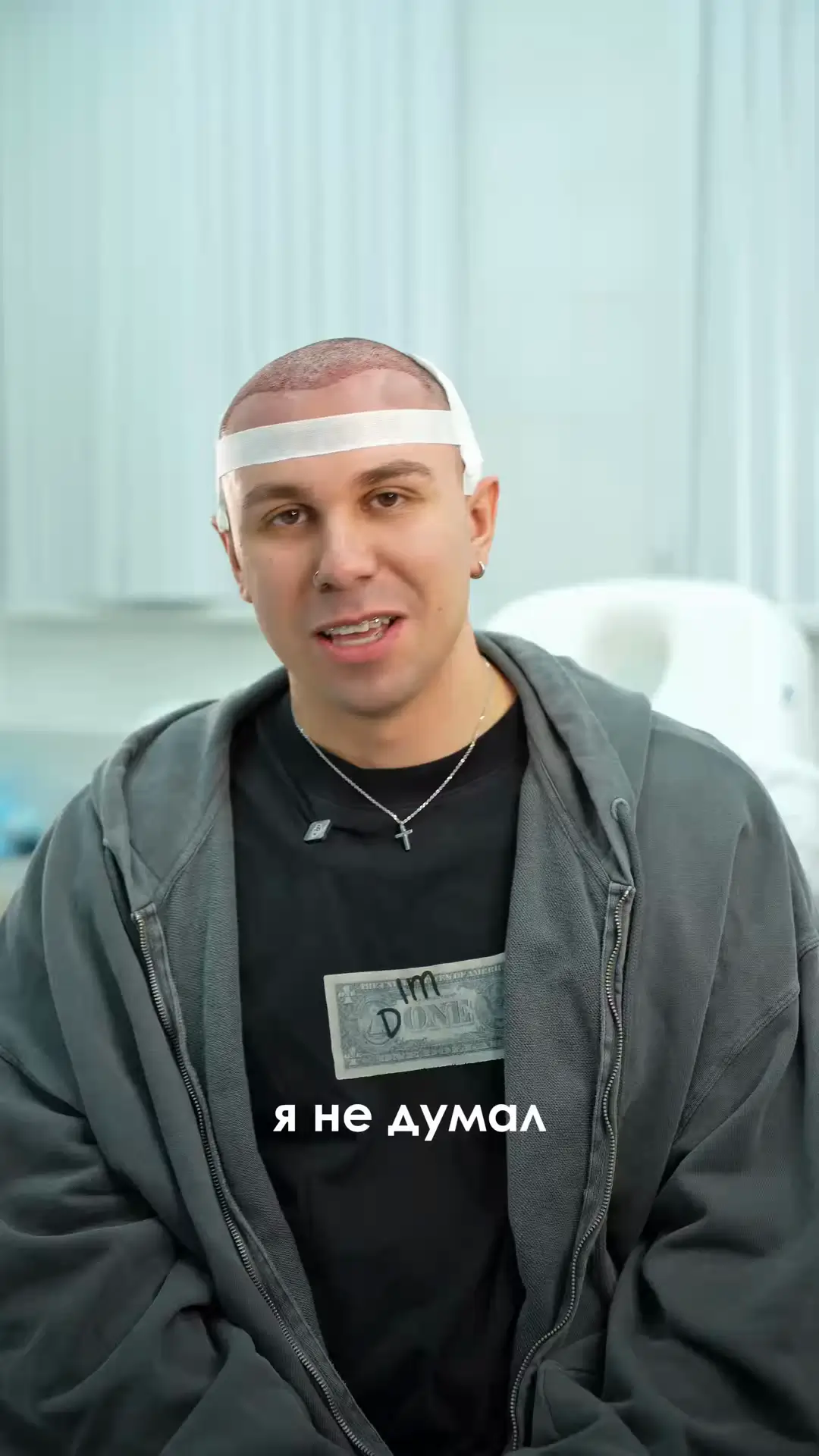
True story
start
12 months after
The FUE method, no incisions or stitches. Grafts and forecast counted without any fee — before you decide.
No fee at all, no surgery booking required
Message our coordinator
Free online consultation · Reply within 15 minutes
Message us on TelegramMessage us on WhatsAppBy messaging us, you agree to our Privacy Policy
results
All cases are real patients of our clinic.
start
12 months after
2,800 grafts
FUE method
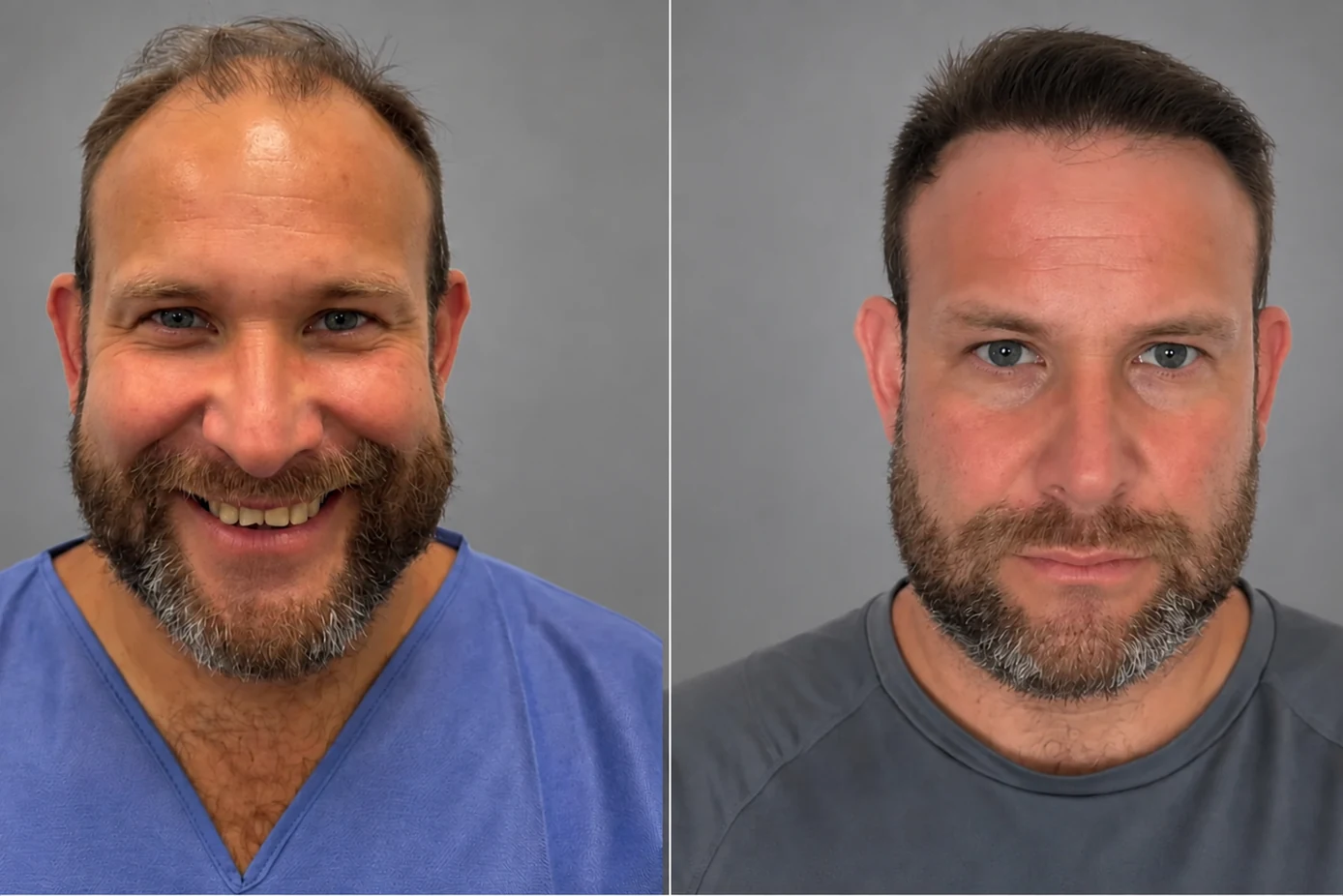
start
12 months after
3,500 grafts
FUE method
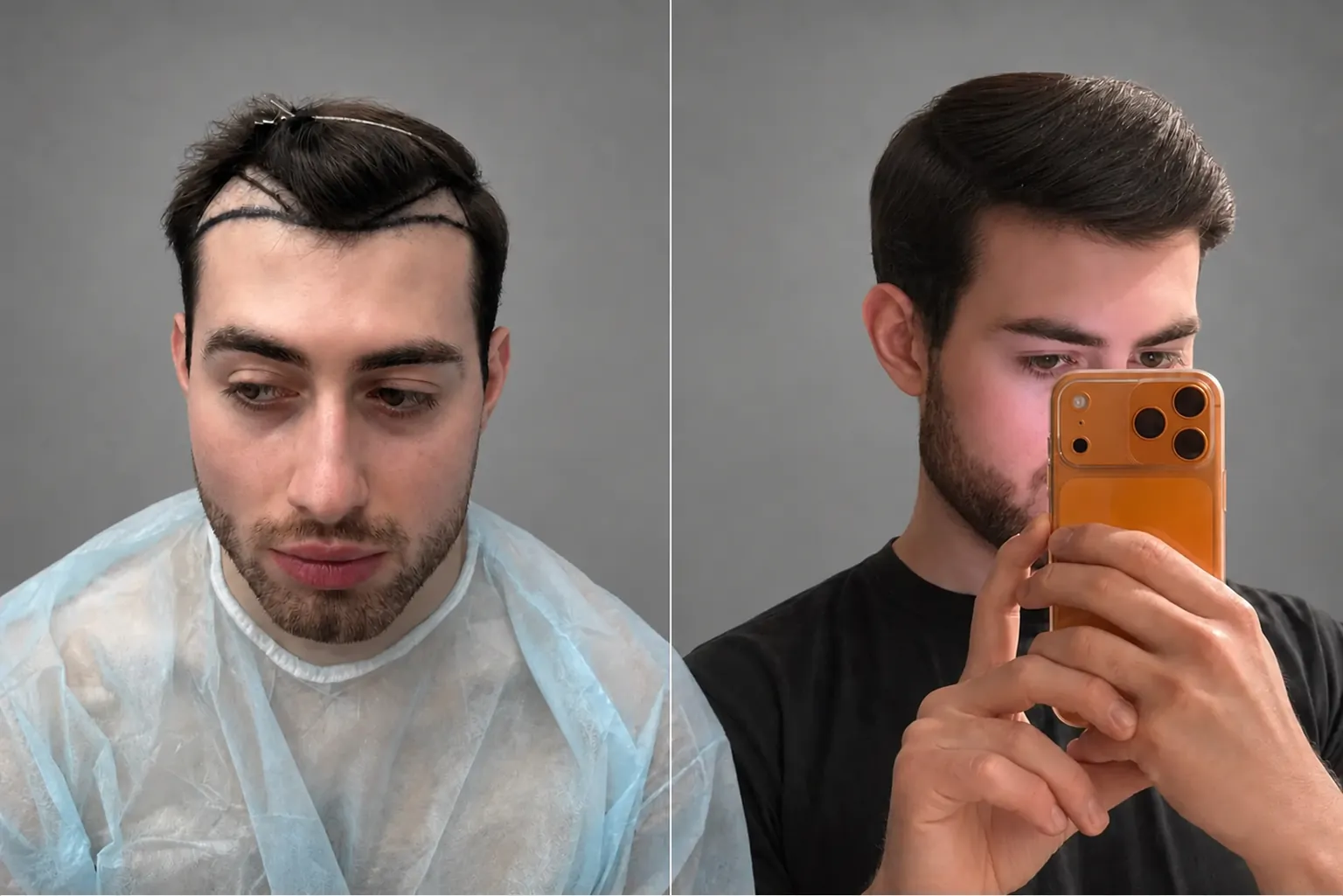
start
12 months after
2,600 grafts
FUE method
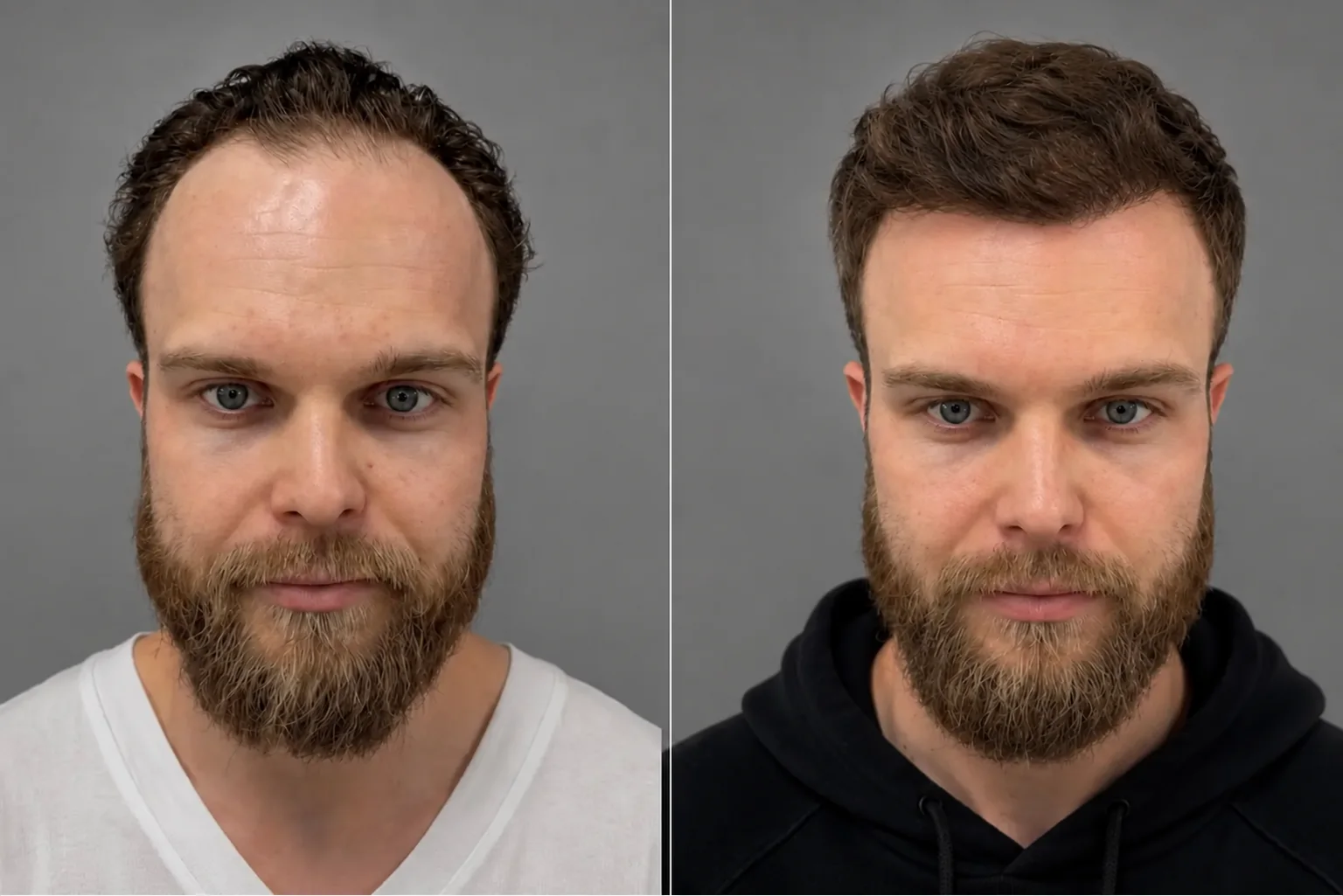
start
12 months after
3,000 grafts
FUE method
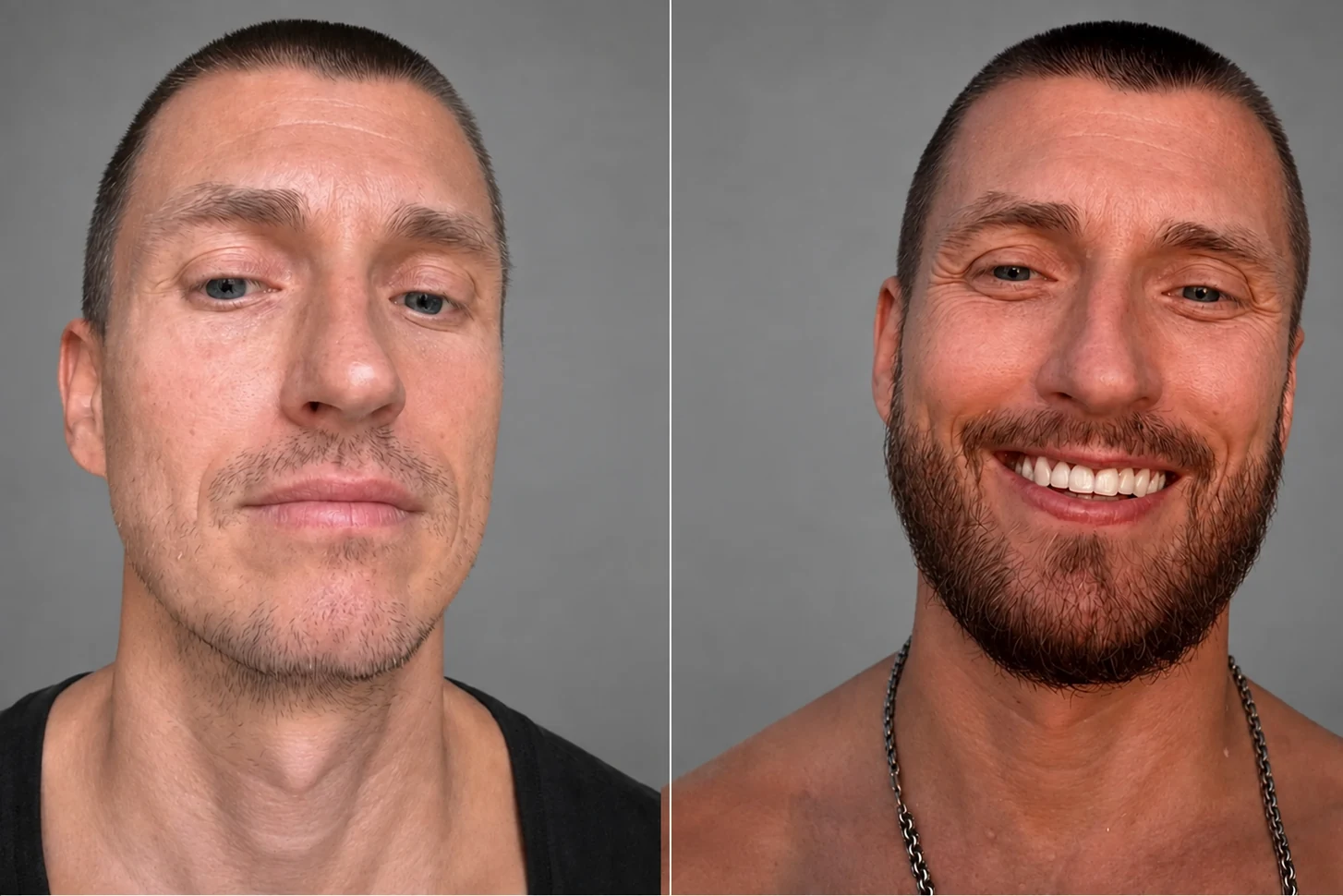
start
12 months after
2,700 grafts
FUE method
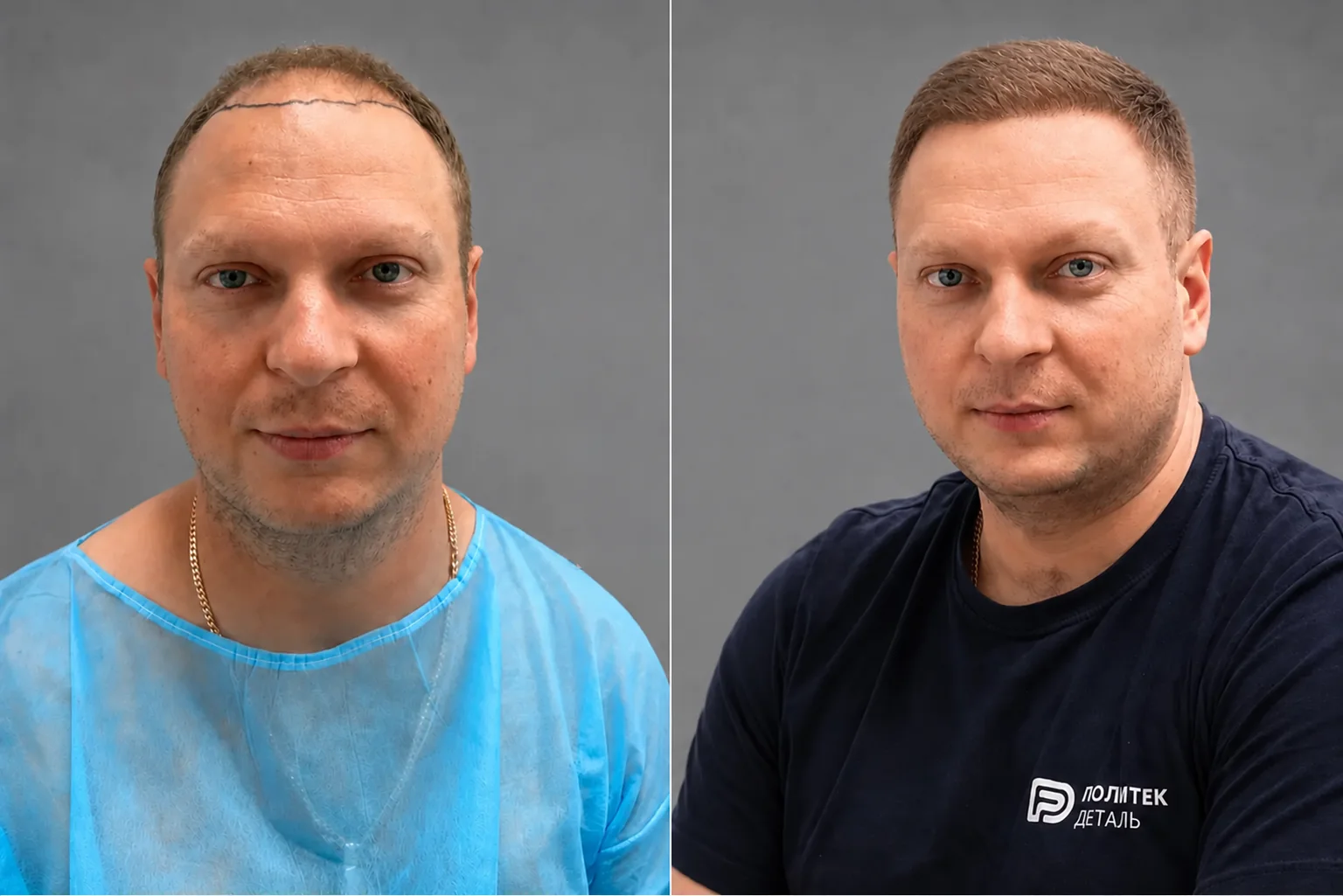
start
12 months after
3,300 grafts
FUE method
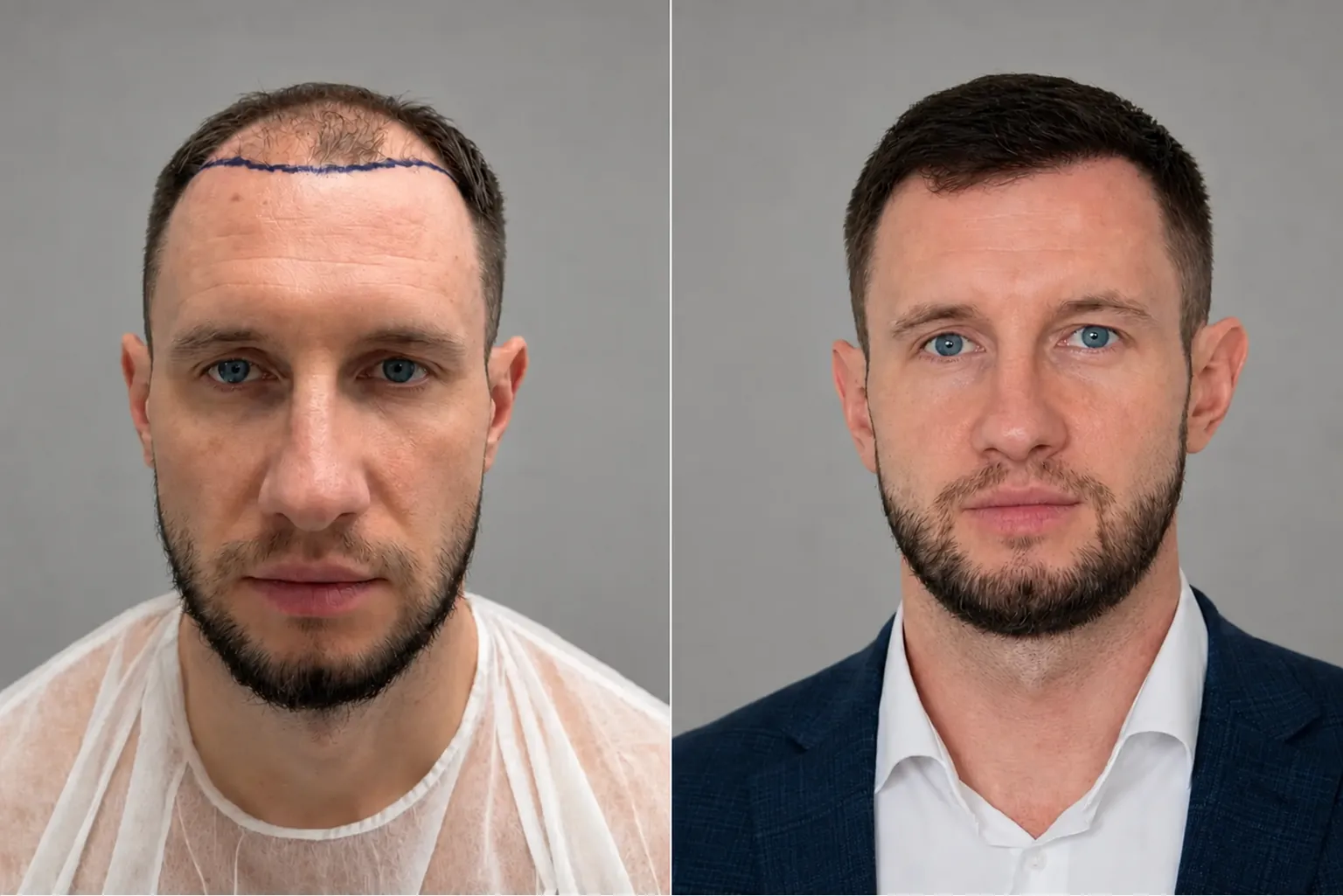
start
12 months after
2,900 grafts
FUE method
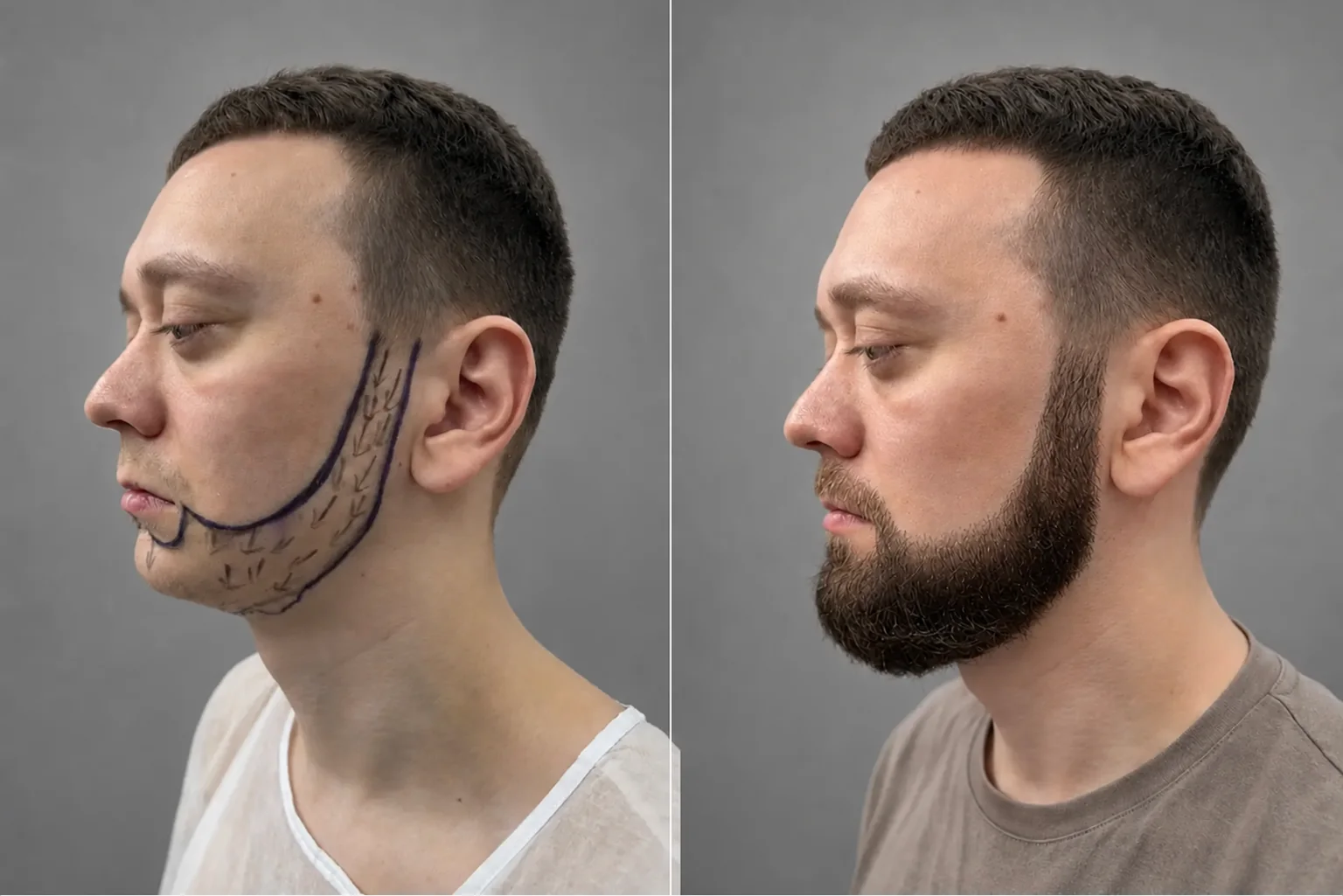
start
12 months after
2,500 grafts
FUE method
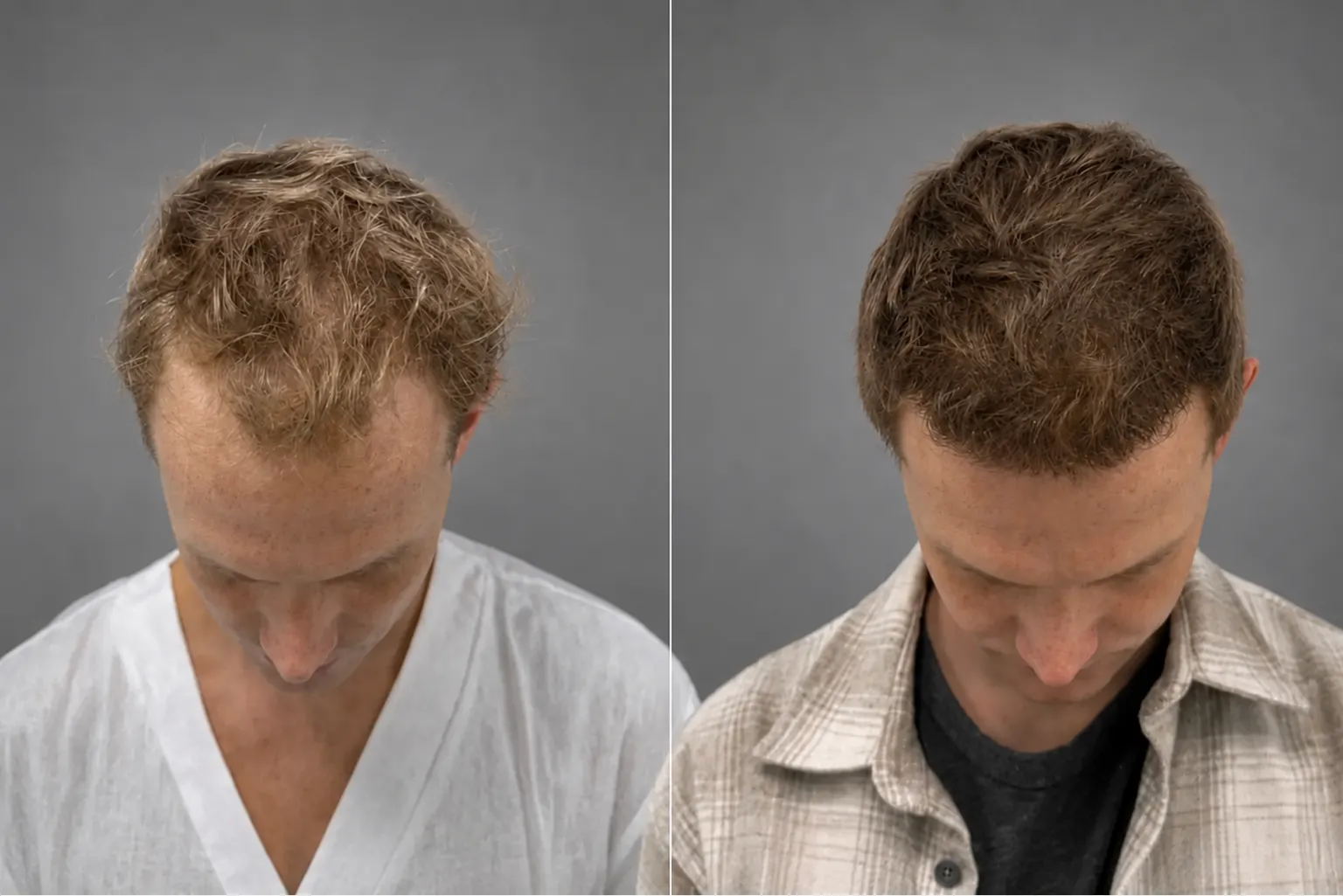
start
12 months after
3,400 grafts
FUE method
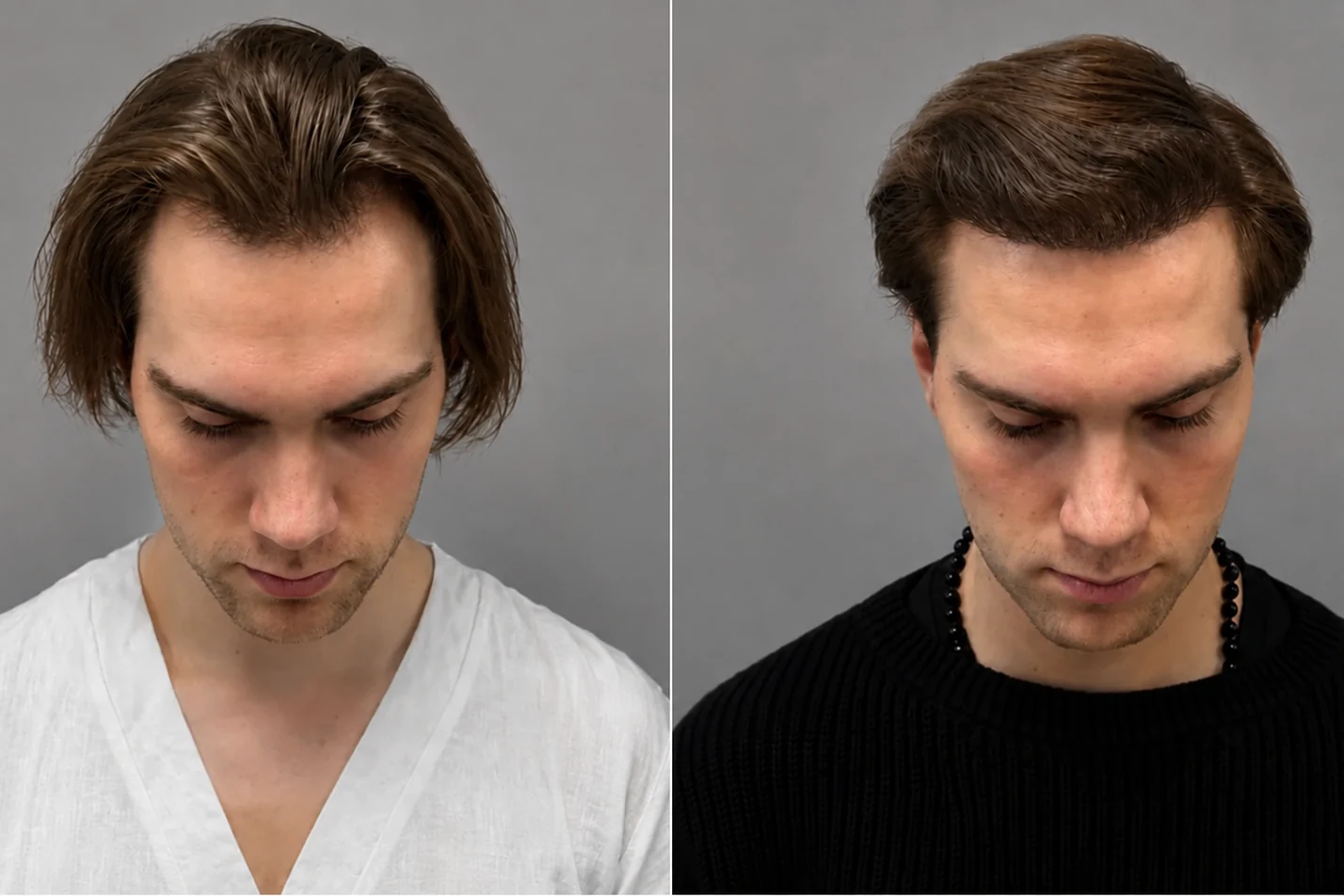
start
12 months after
2,500 grafts
FUE method
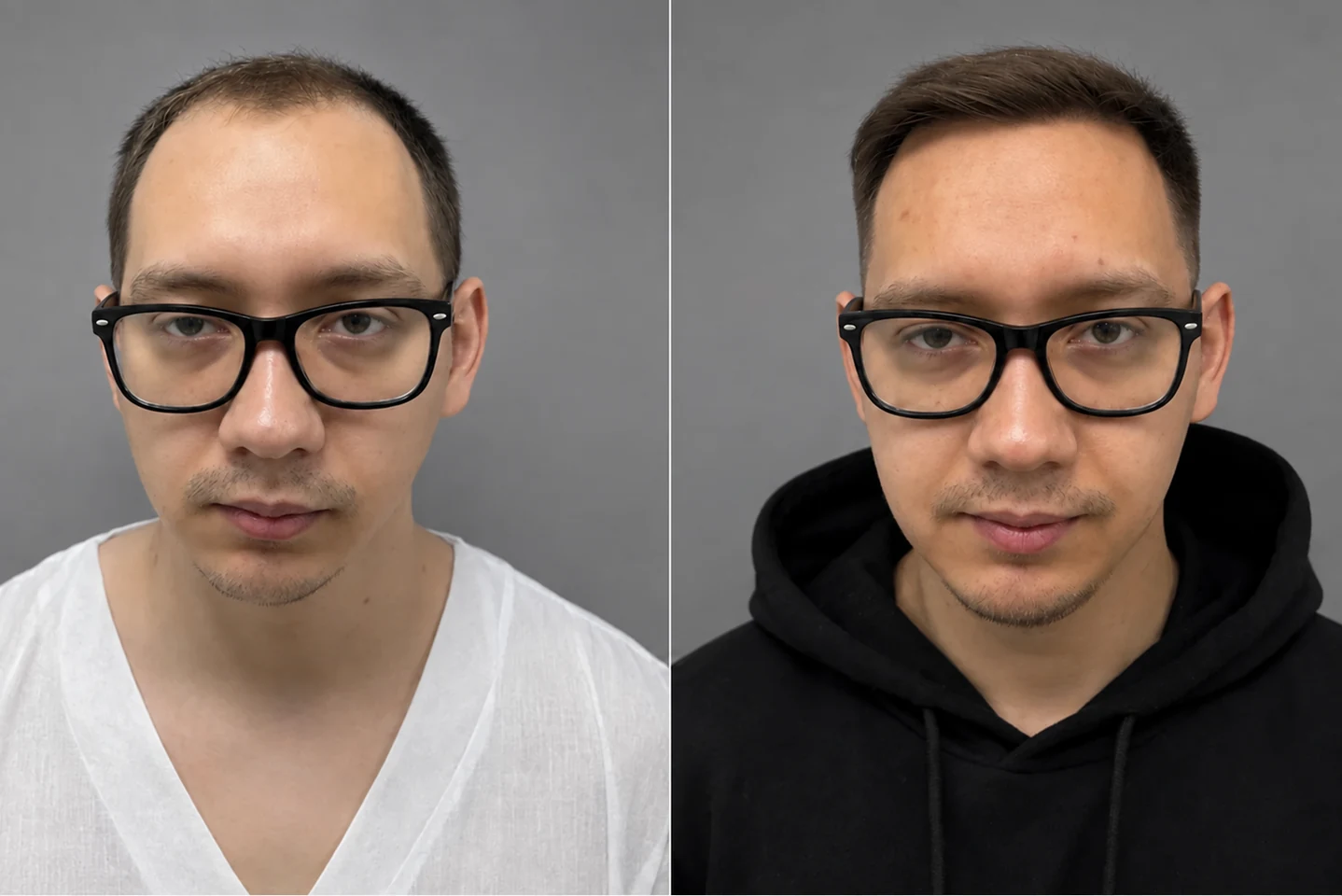
start
12 months after
3,100 grafts
FUE method
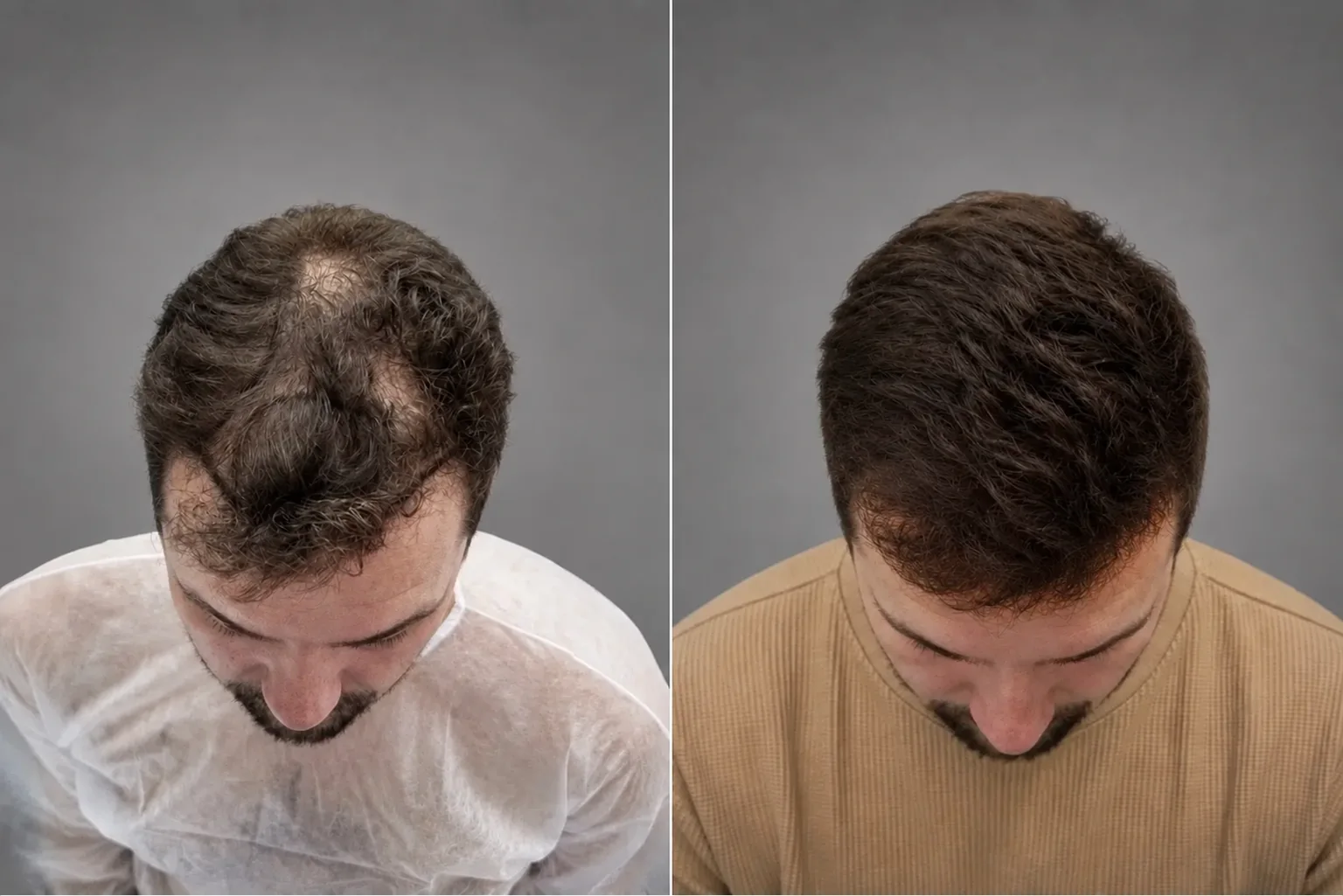
start
12 months after
3,600 grafts
FUE method
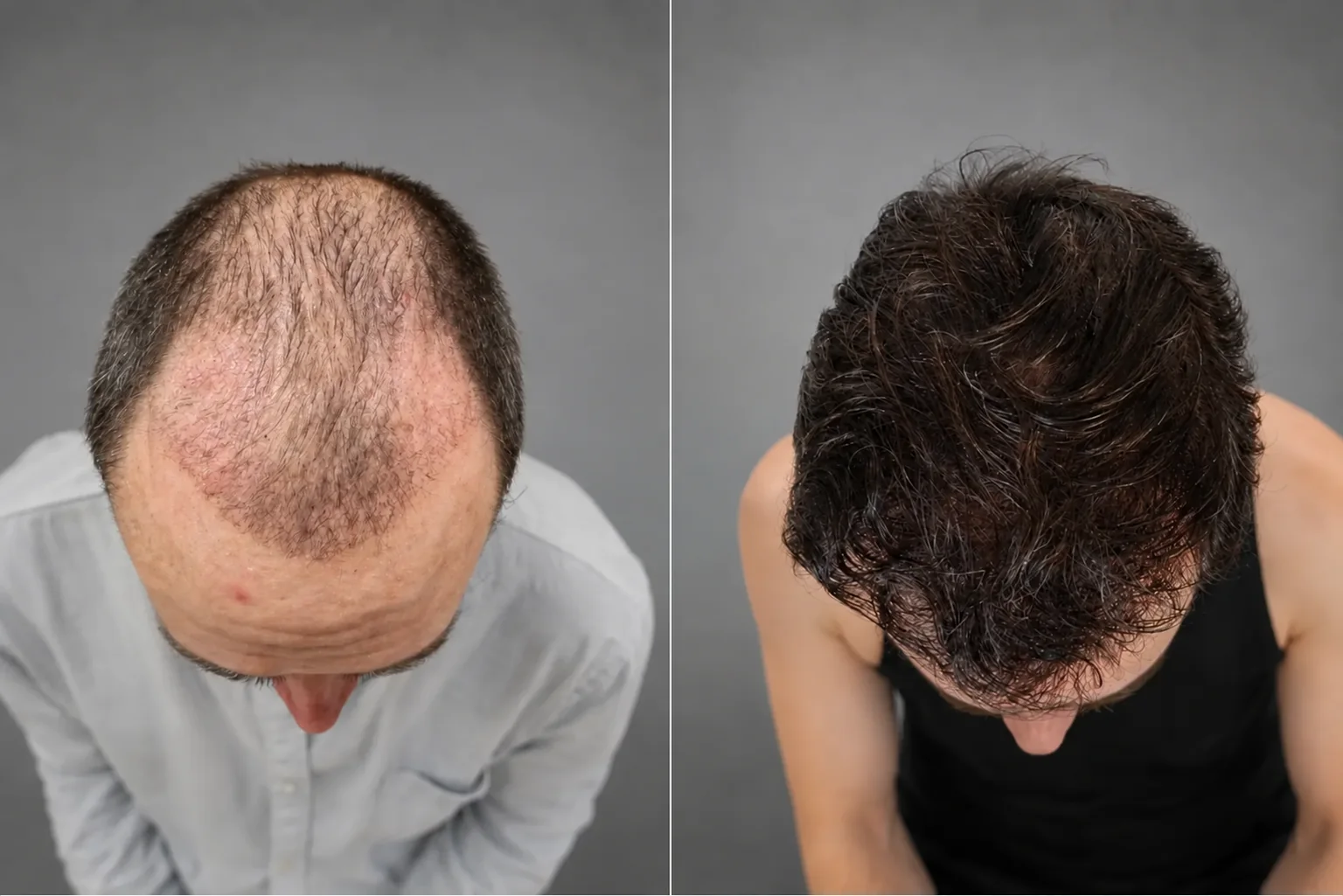
start
12 months after
4,000 grafts
FUE method
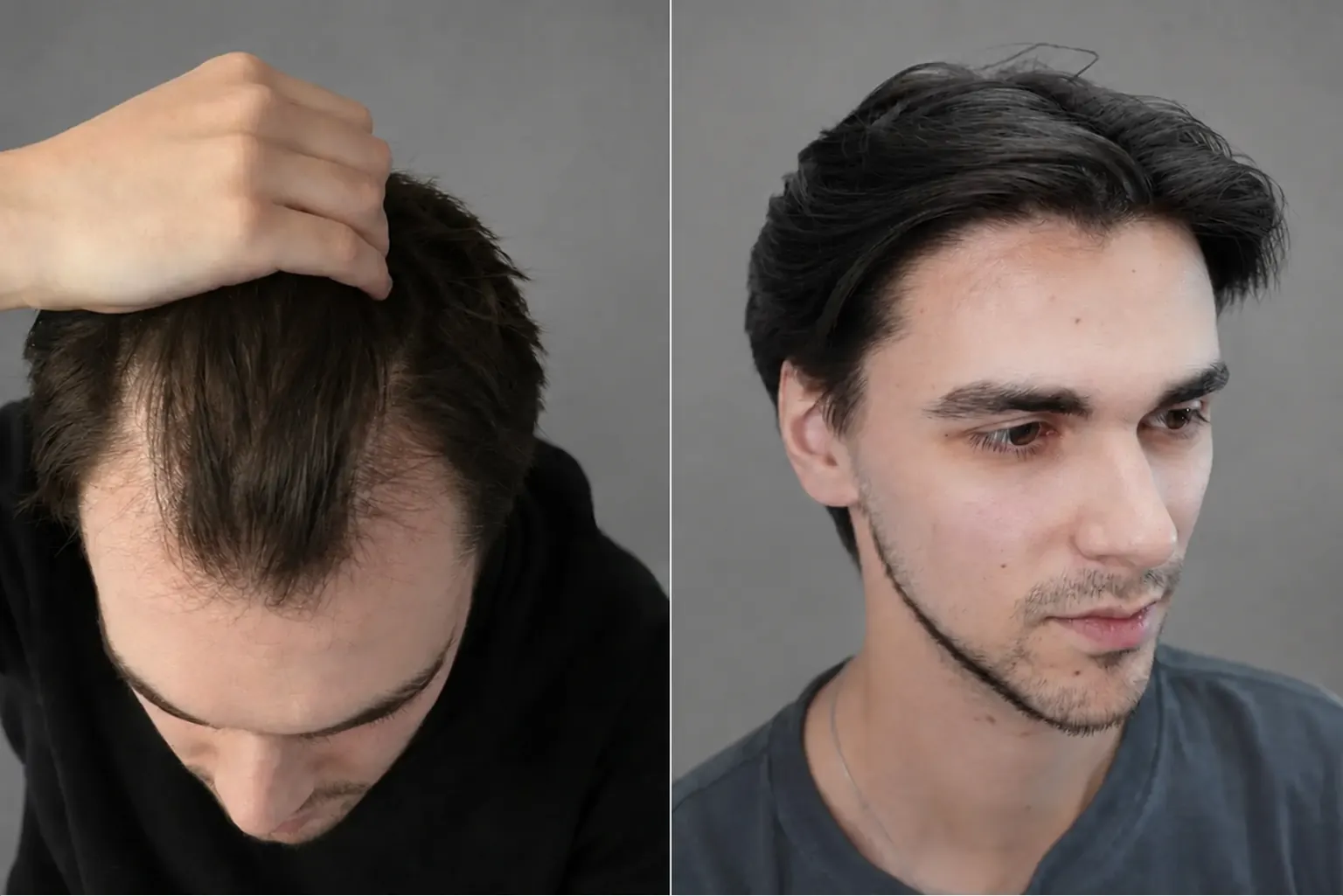
start
12 months after
3,200 grafts
FUE method
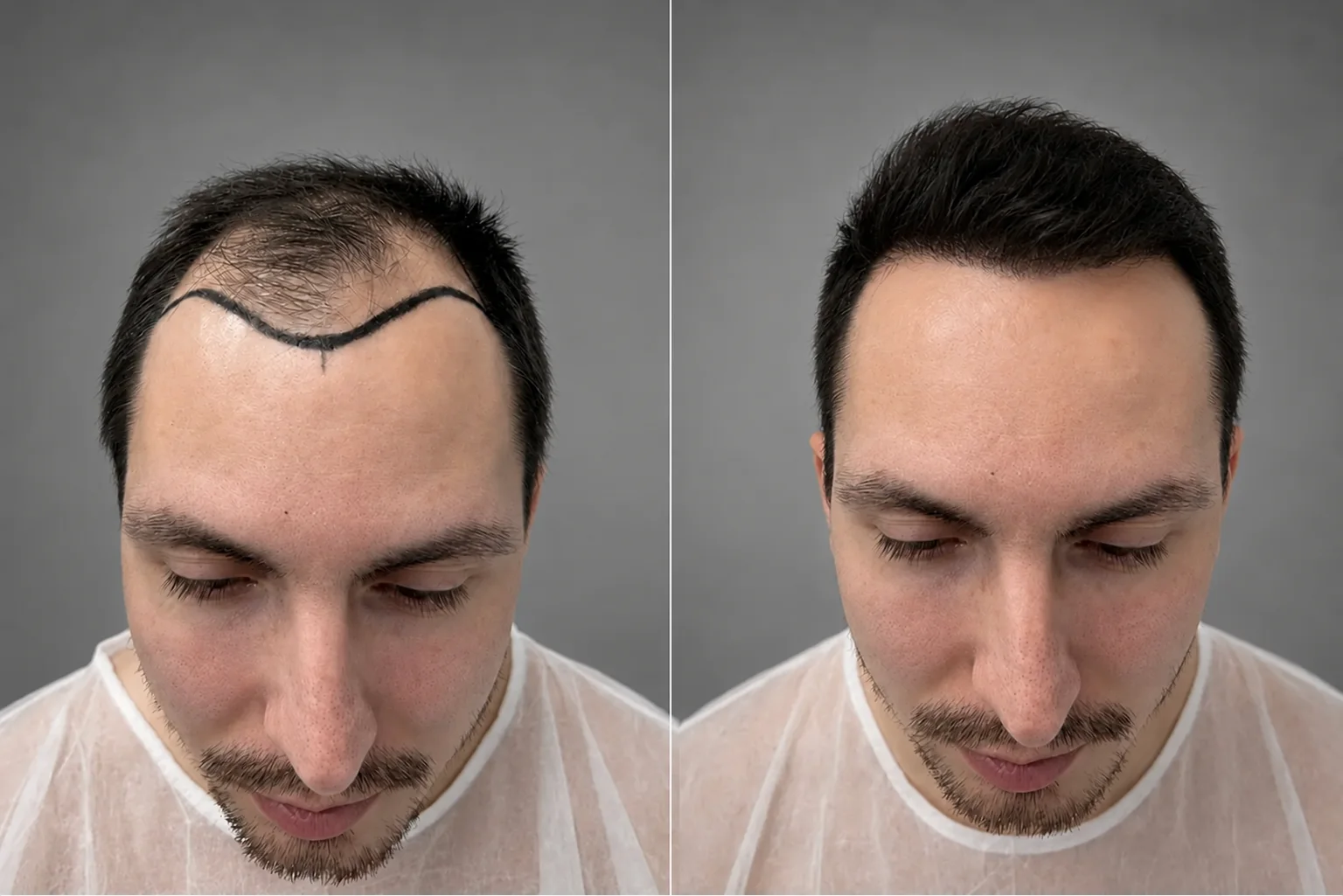
start
12 months after
3,000 grafts
FUE method
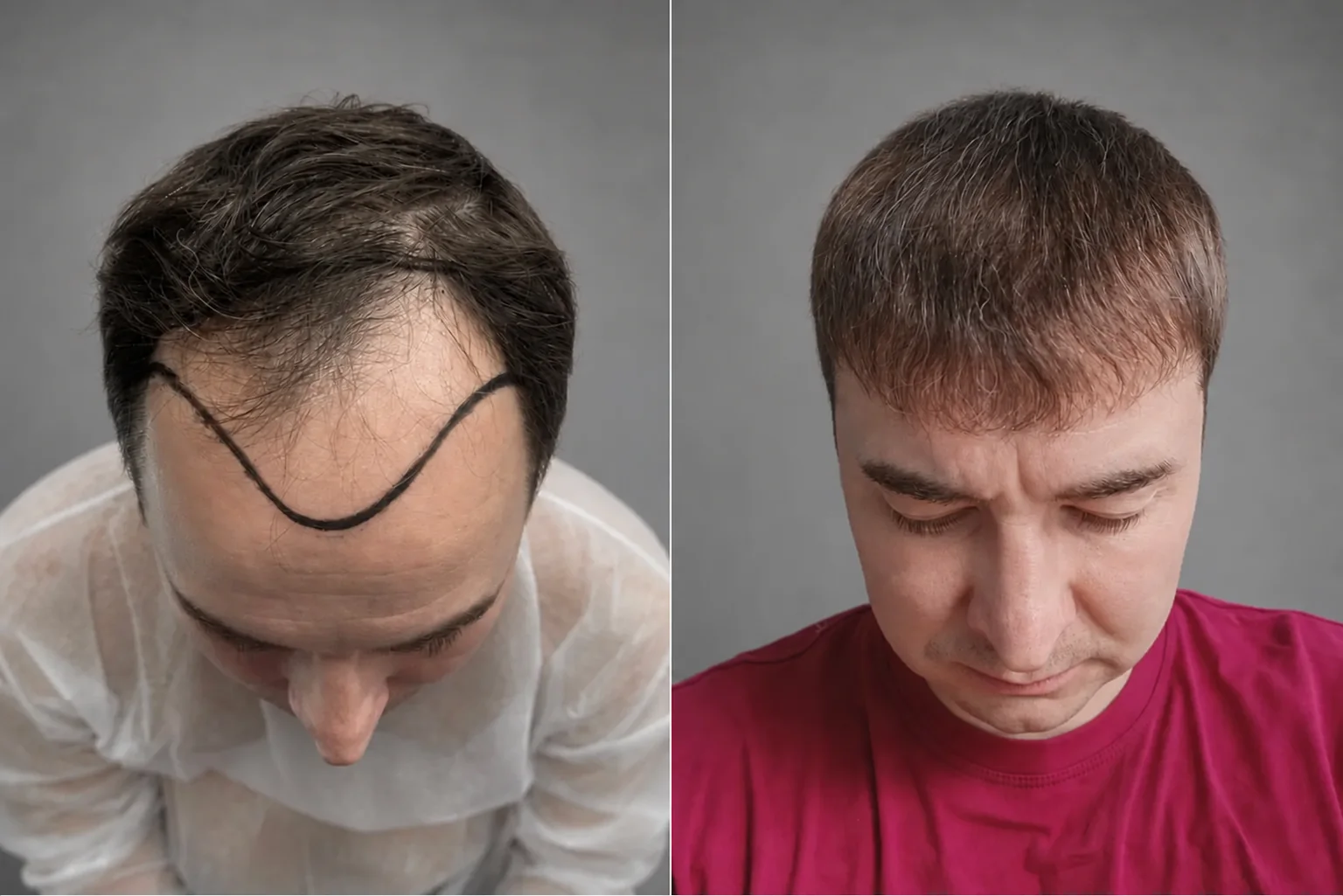
start
12 months after
3,700 grafts
FUE method
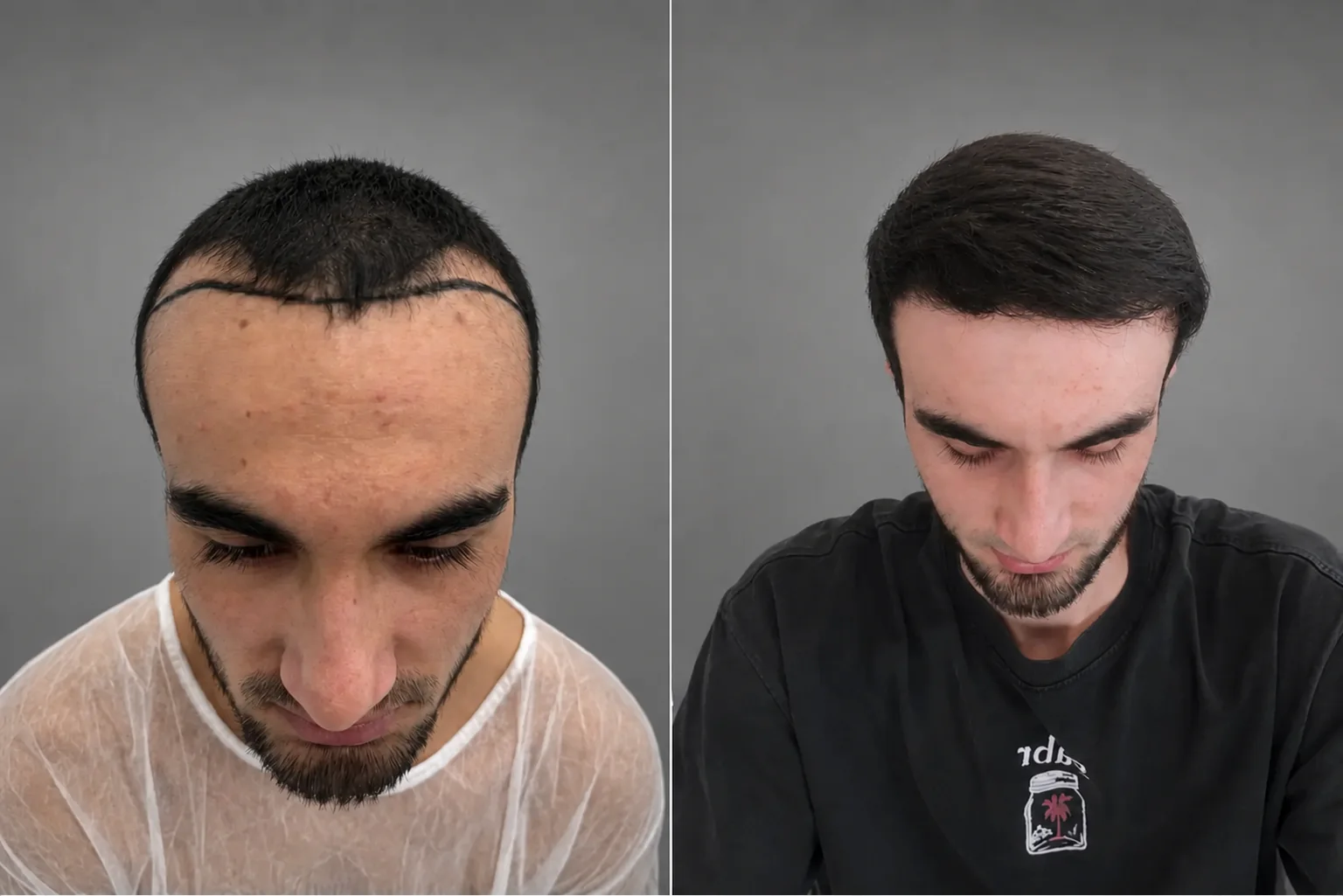
start
12 months after
2,700 grafts
FUE method
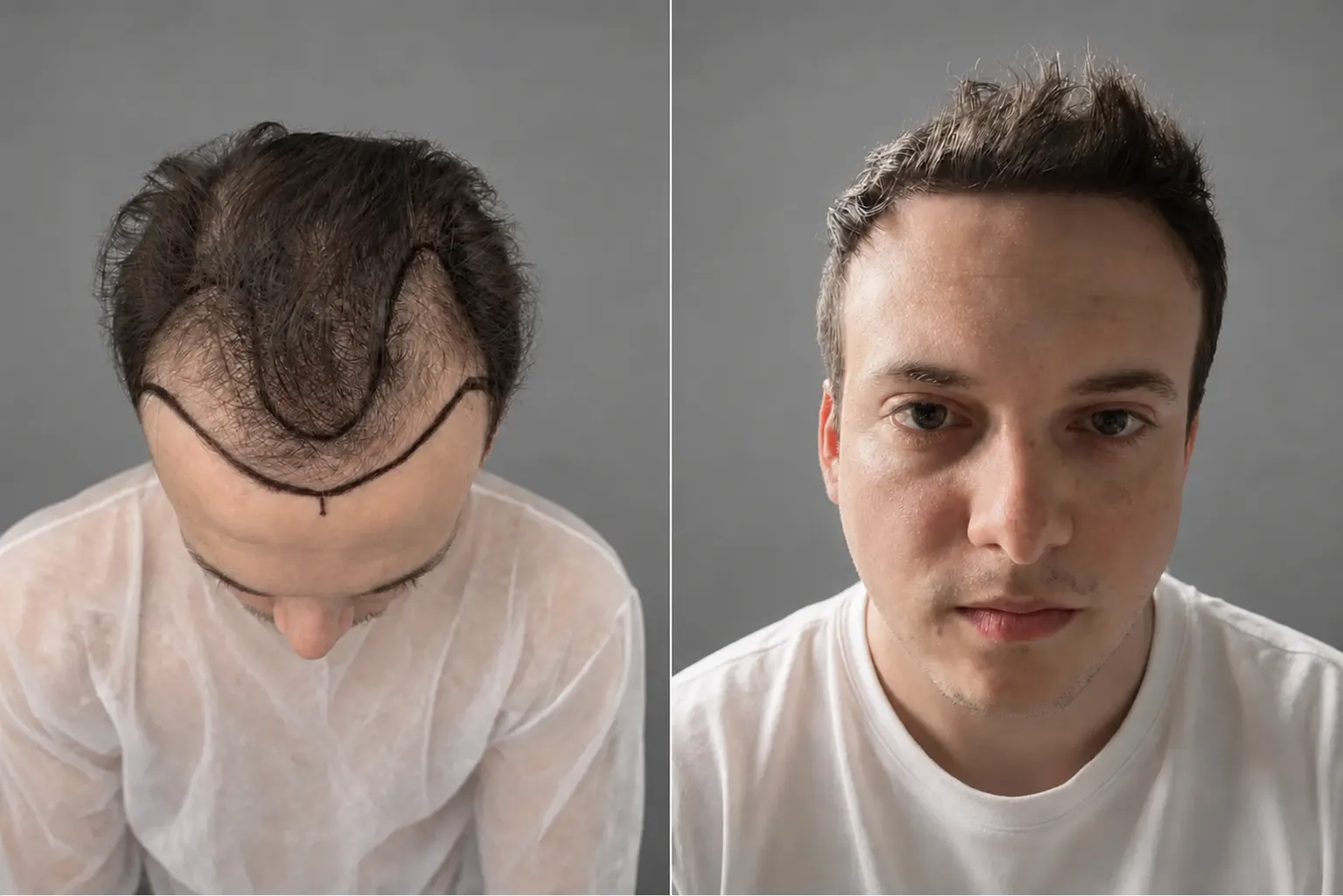
start
12 months after
3,800 grafts
FUE method
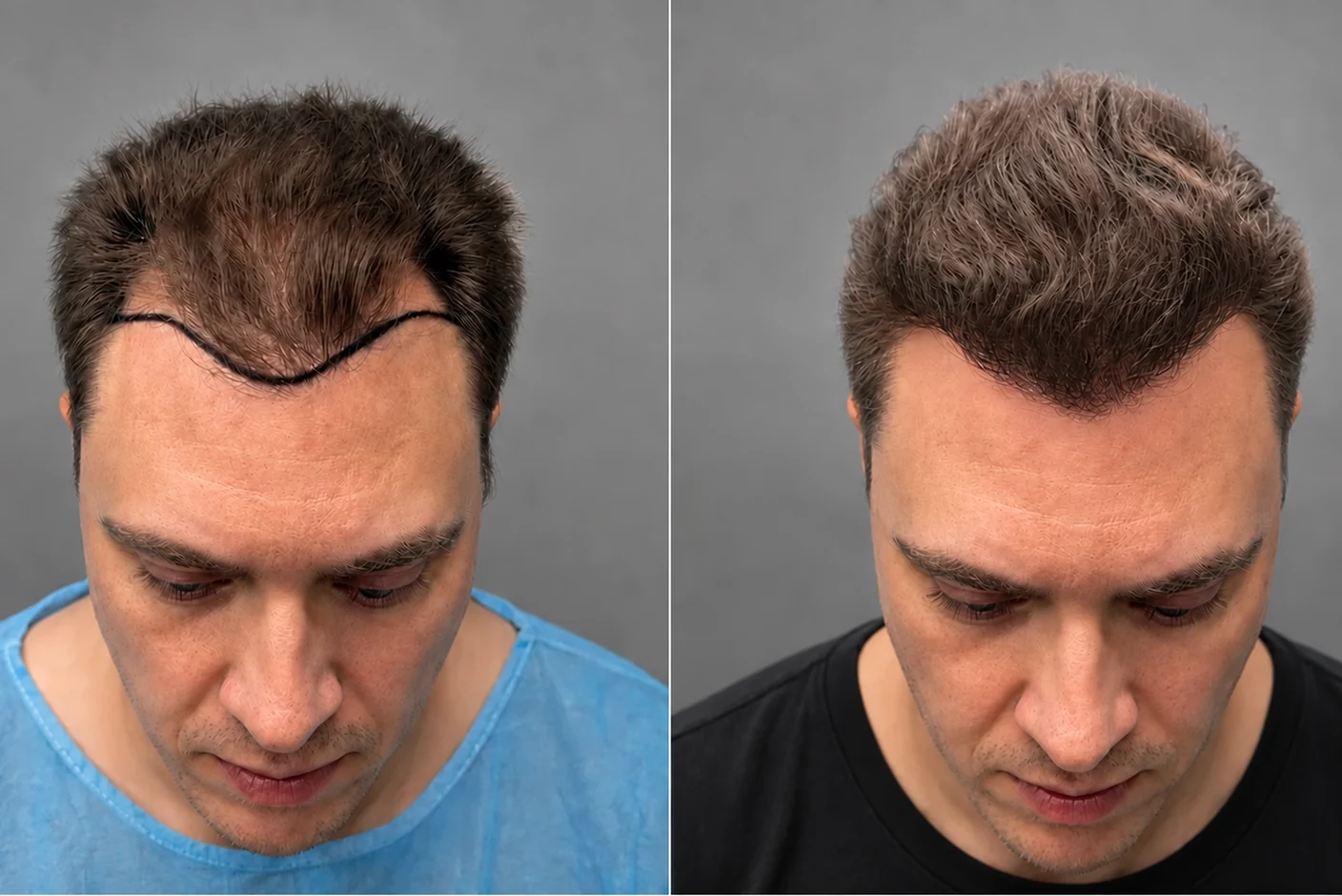
start
12 months after
3,300 grafts
FUE method
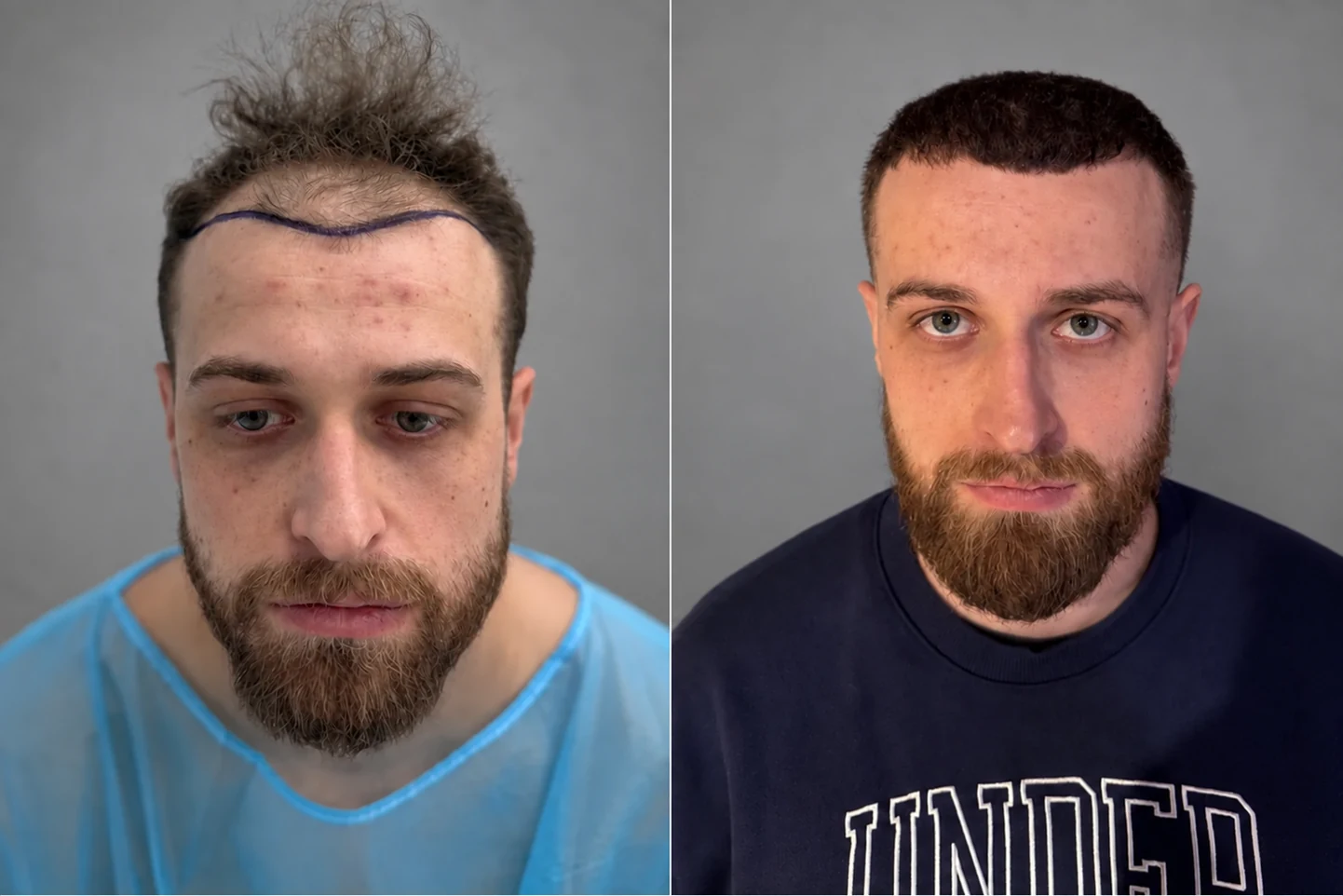
start
12 months after
2,800 grafts
FUE method
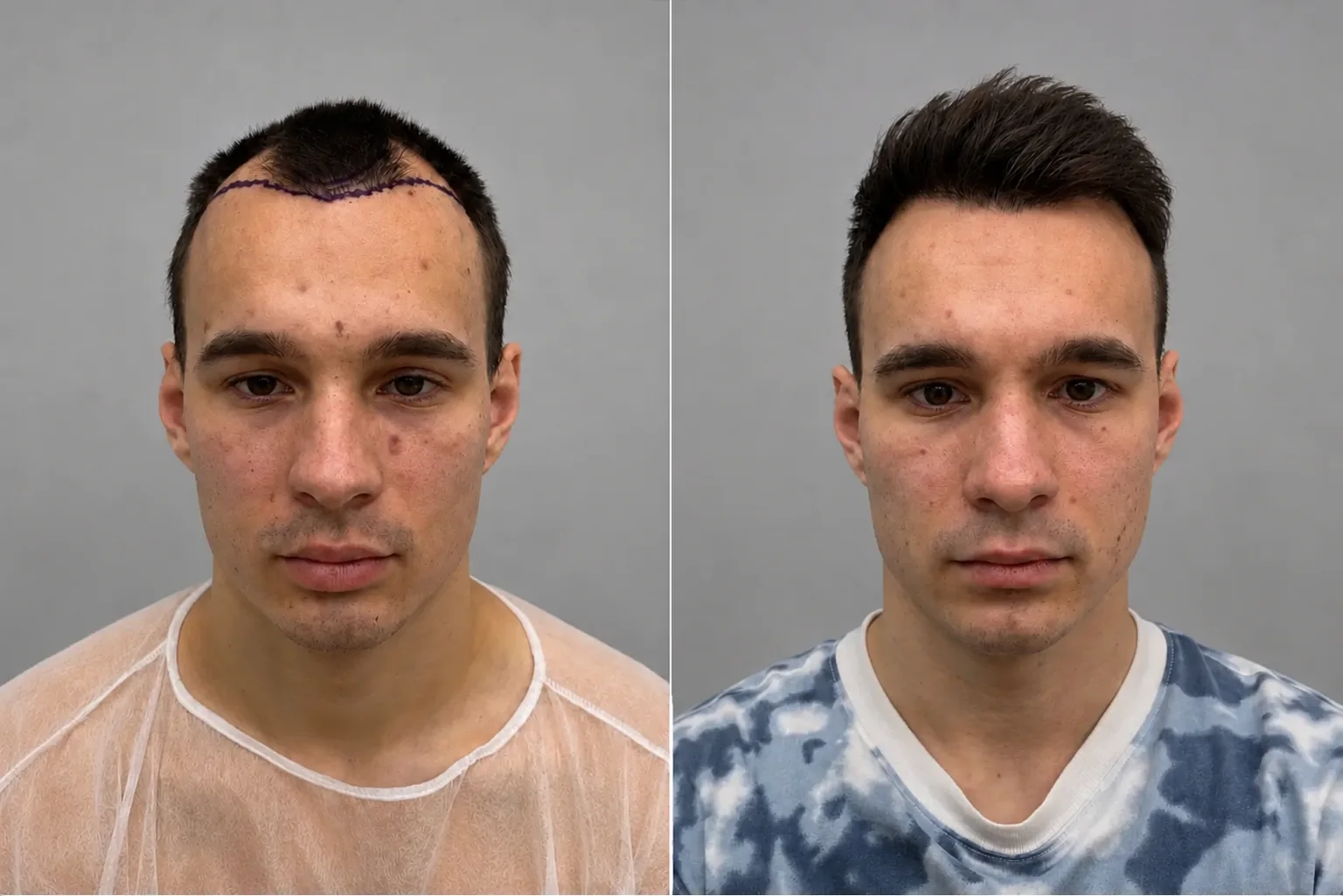
start
12 months after
2,500 grafts
FUE method
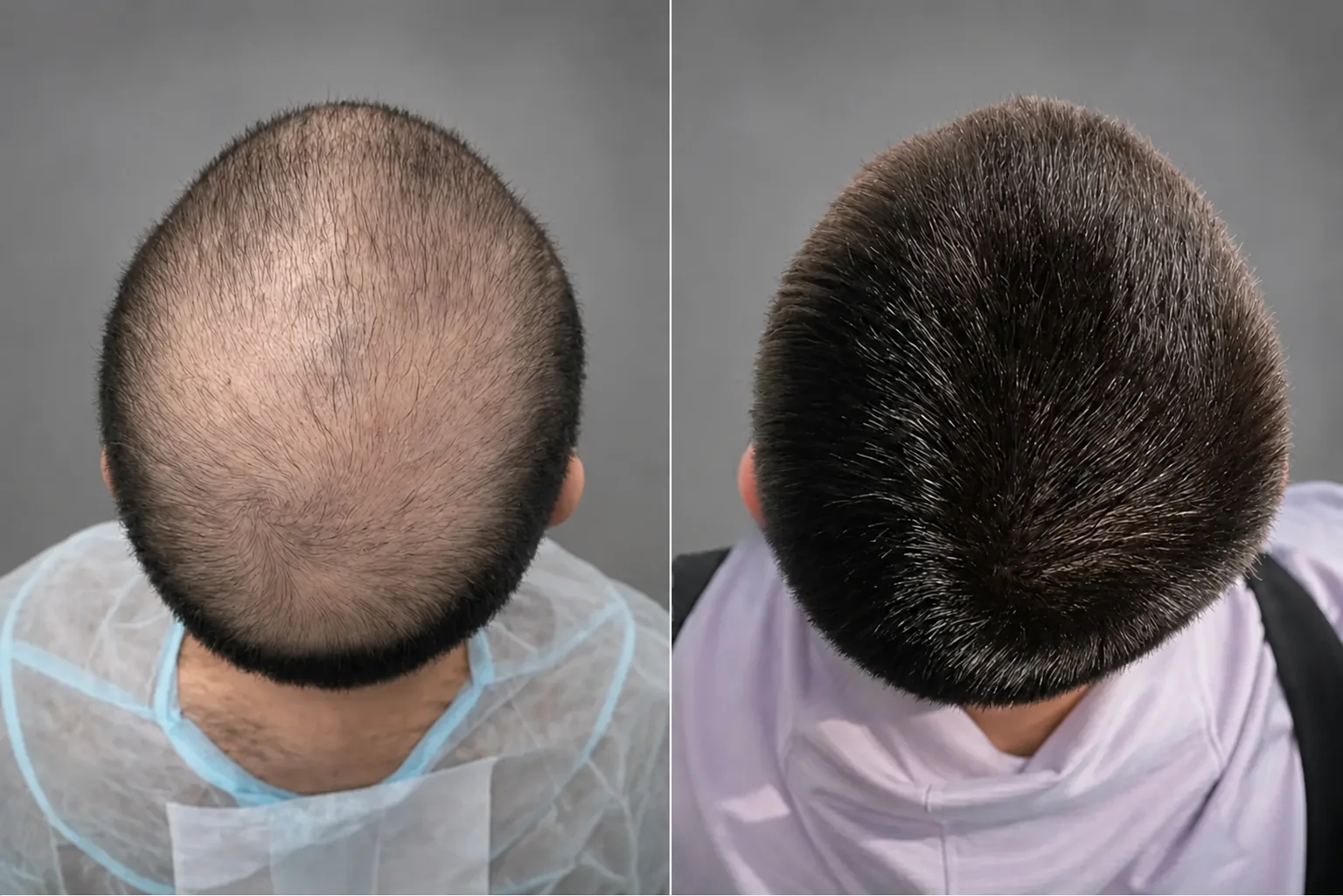
start
12 months after
3,900 grafts
FUE method
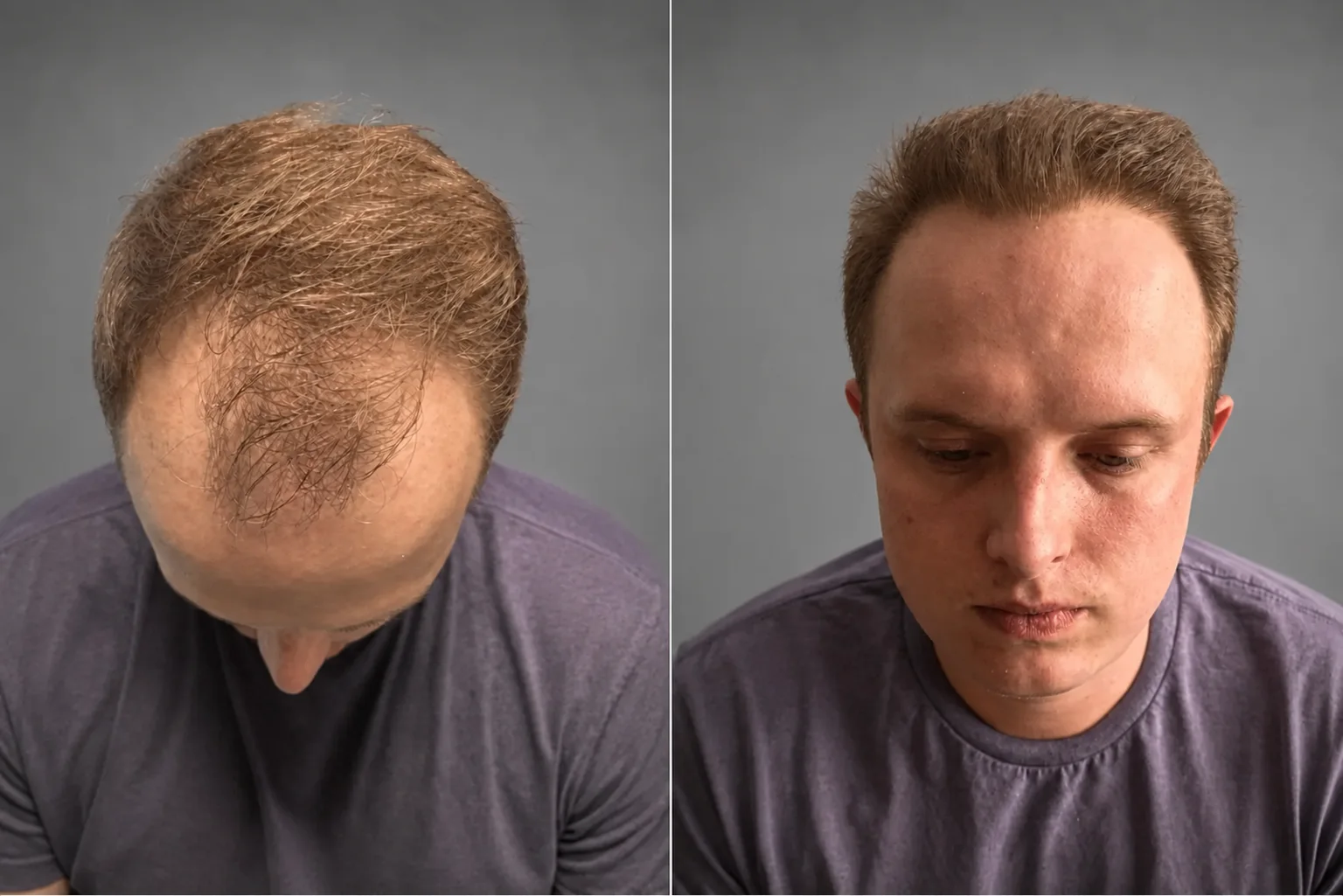
start
12 months after
3,500 grafts
FUE method
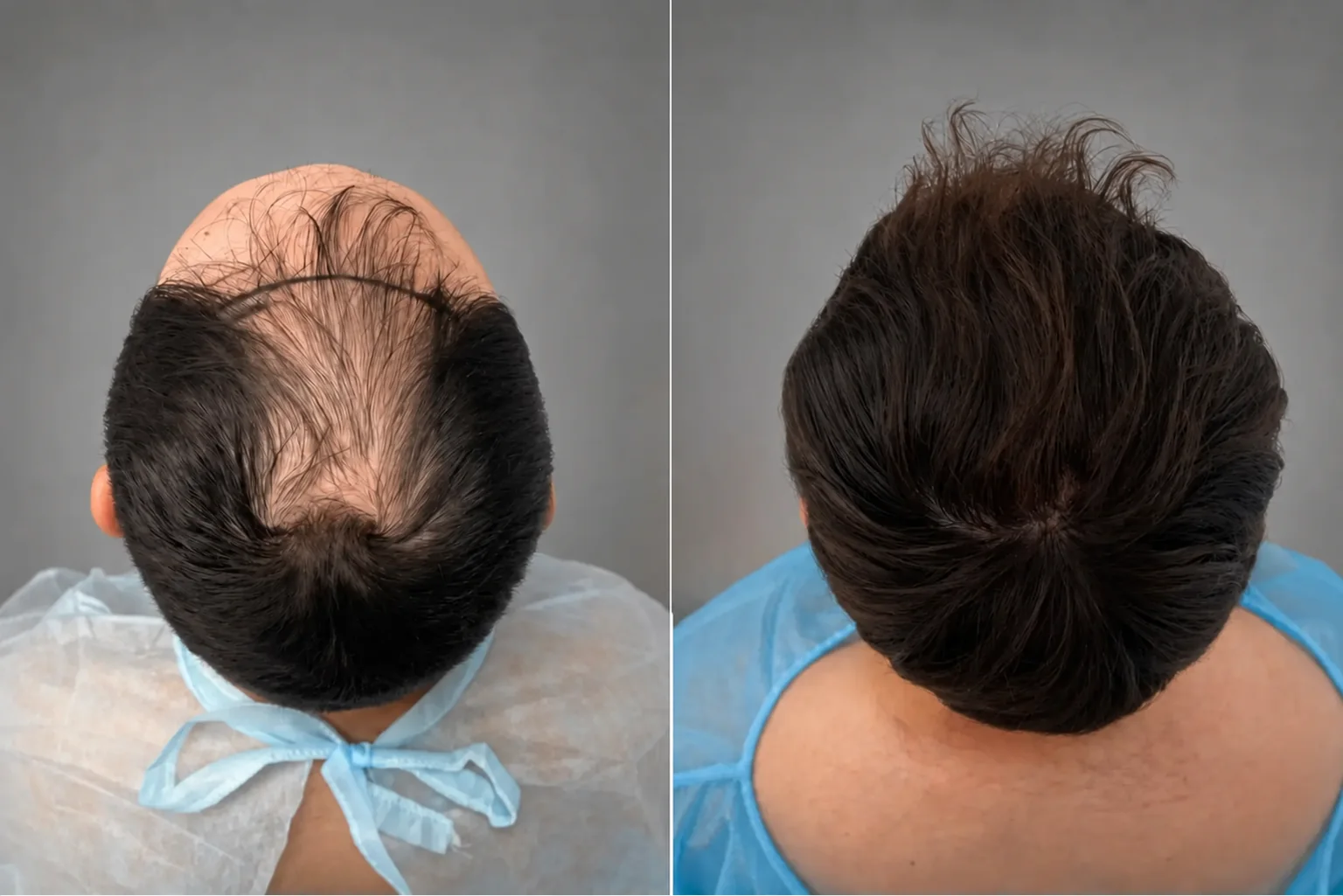
start
12 months after
3,800 grafts
FUE method
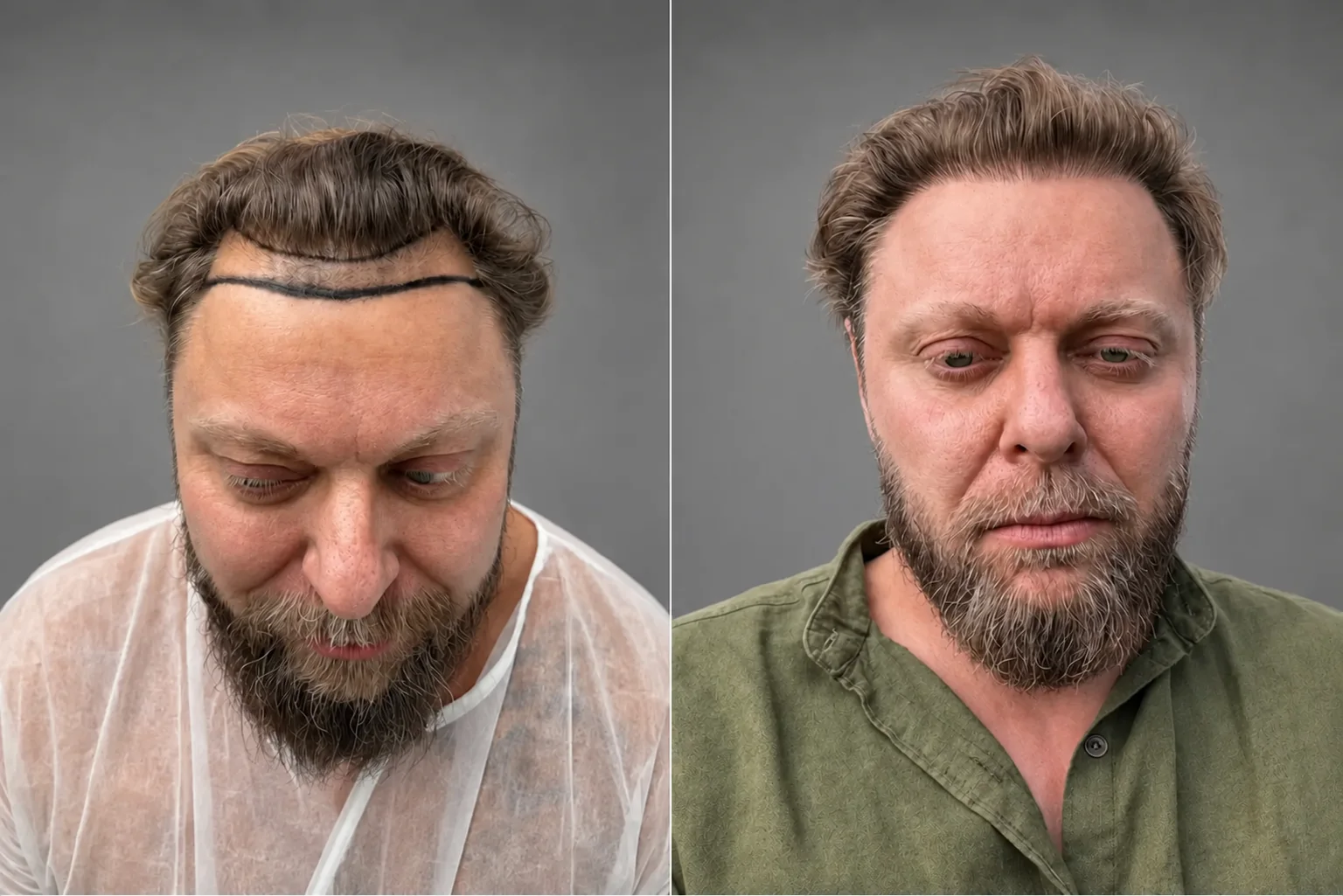
start
12 months after
2,900 grafts
FUE method
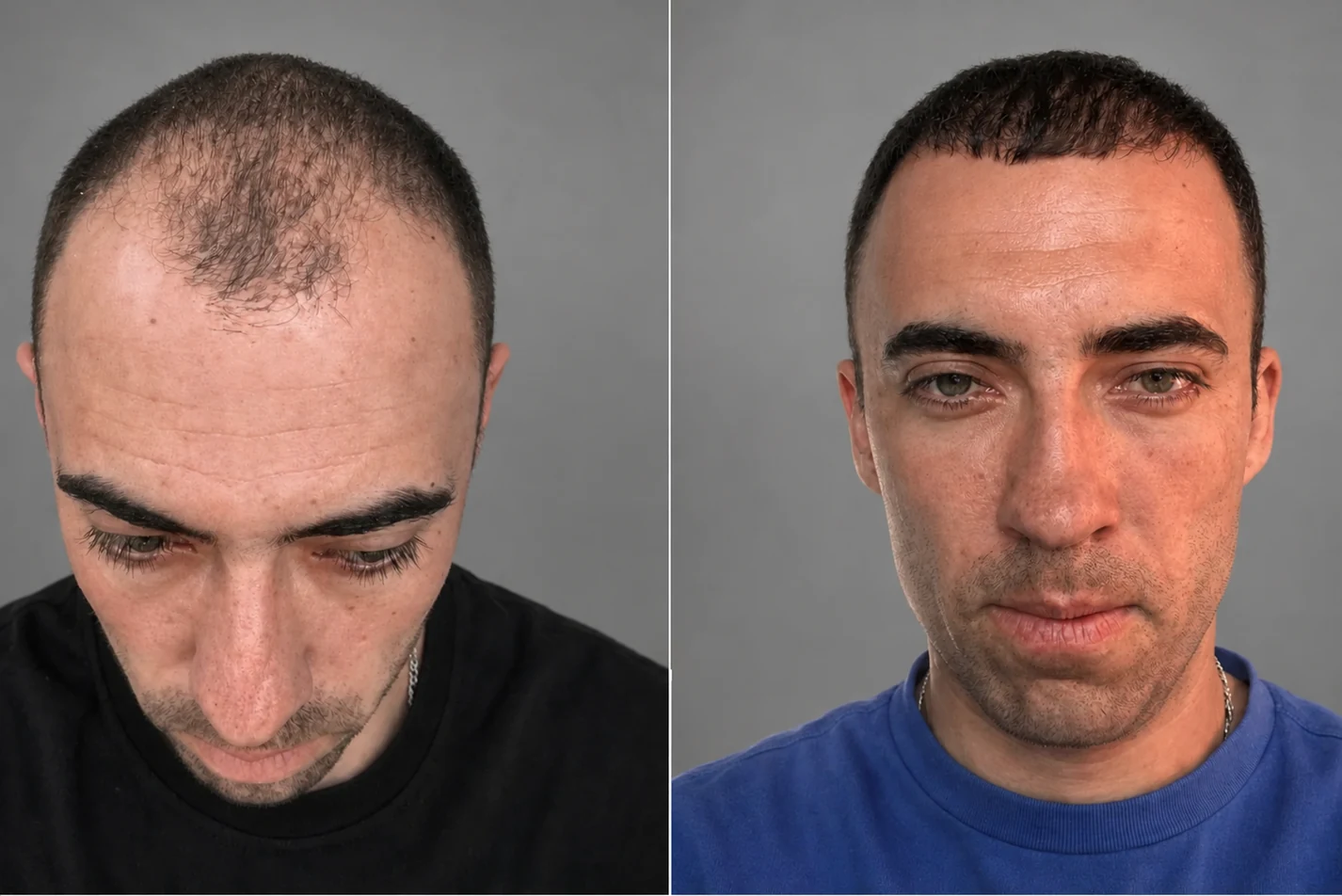
start
12 months after
3,600 grafts
FUE method
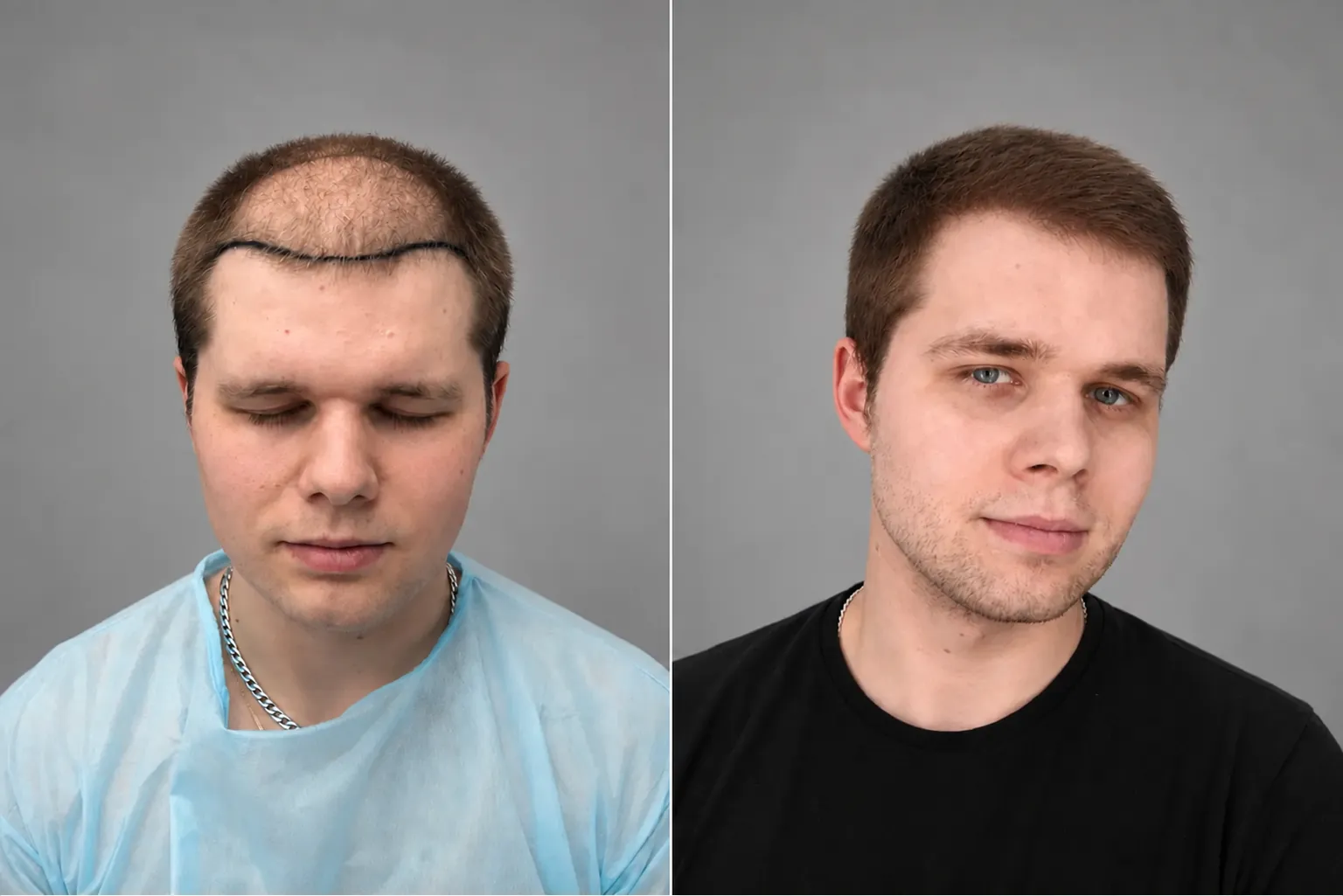
start
12 months after
2,600 grafts
FUE method
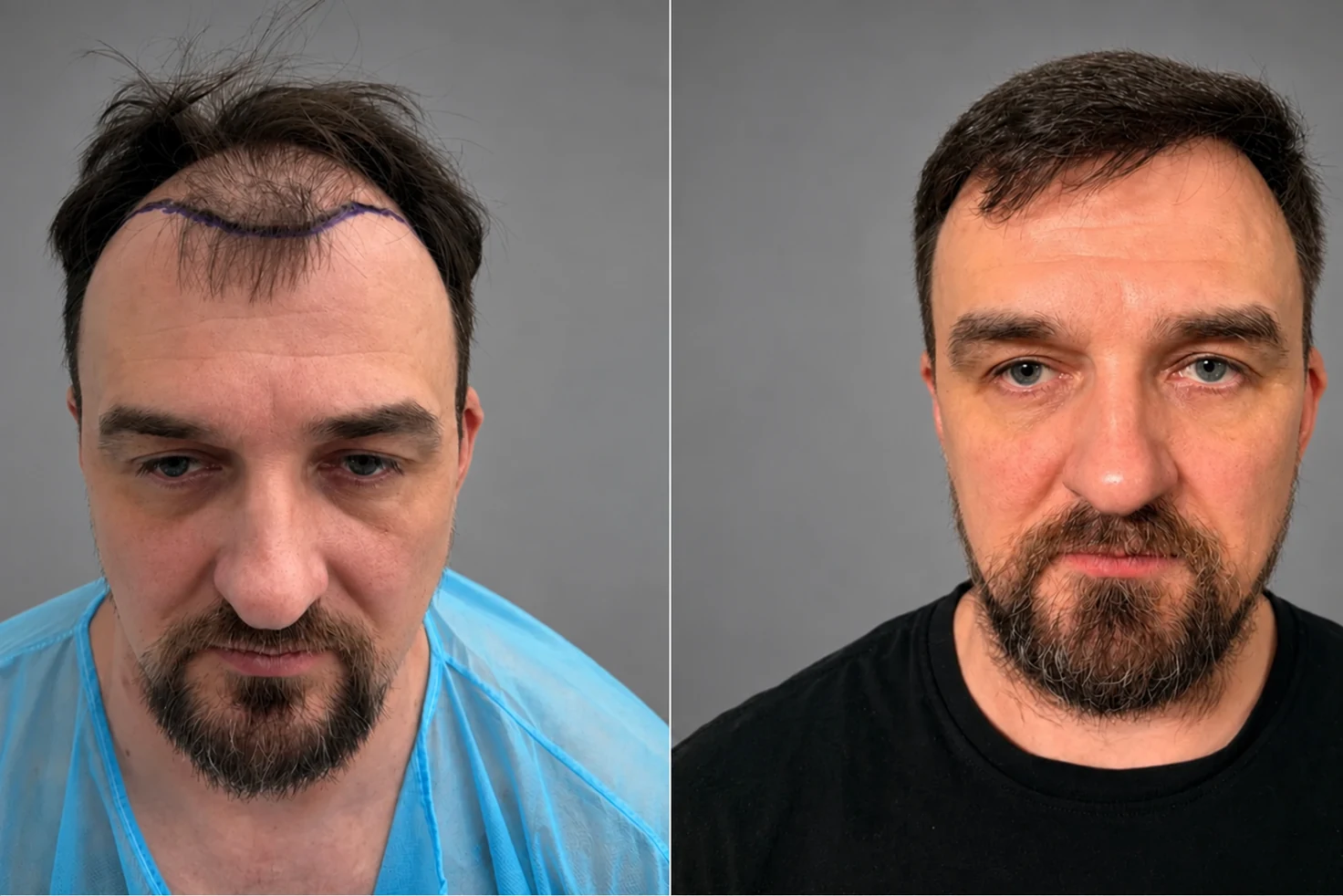
start
12 months after
2,700 grafts
FUE method
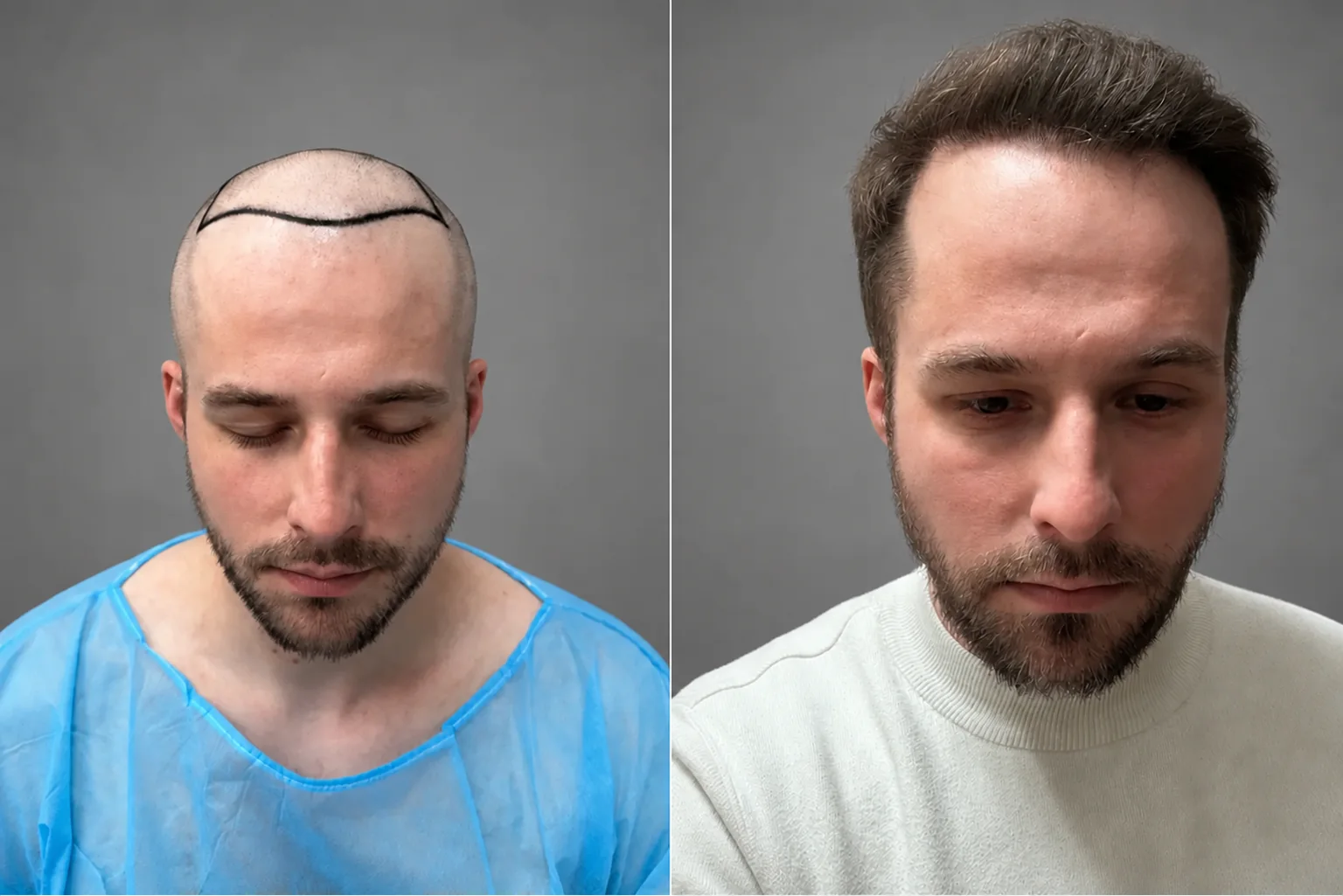
start
12 months after
3,700 grafts
FUE method
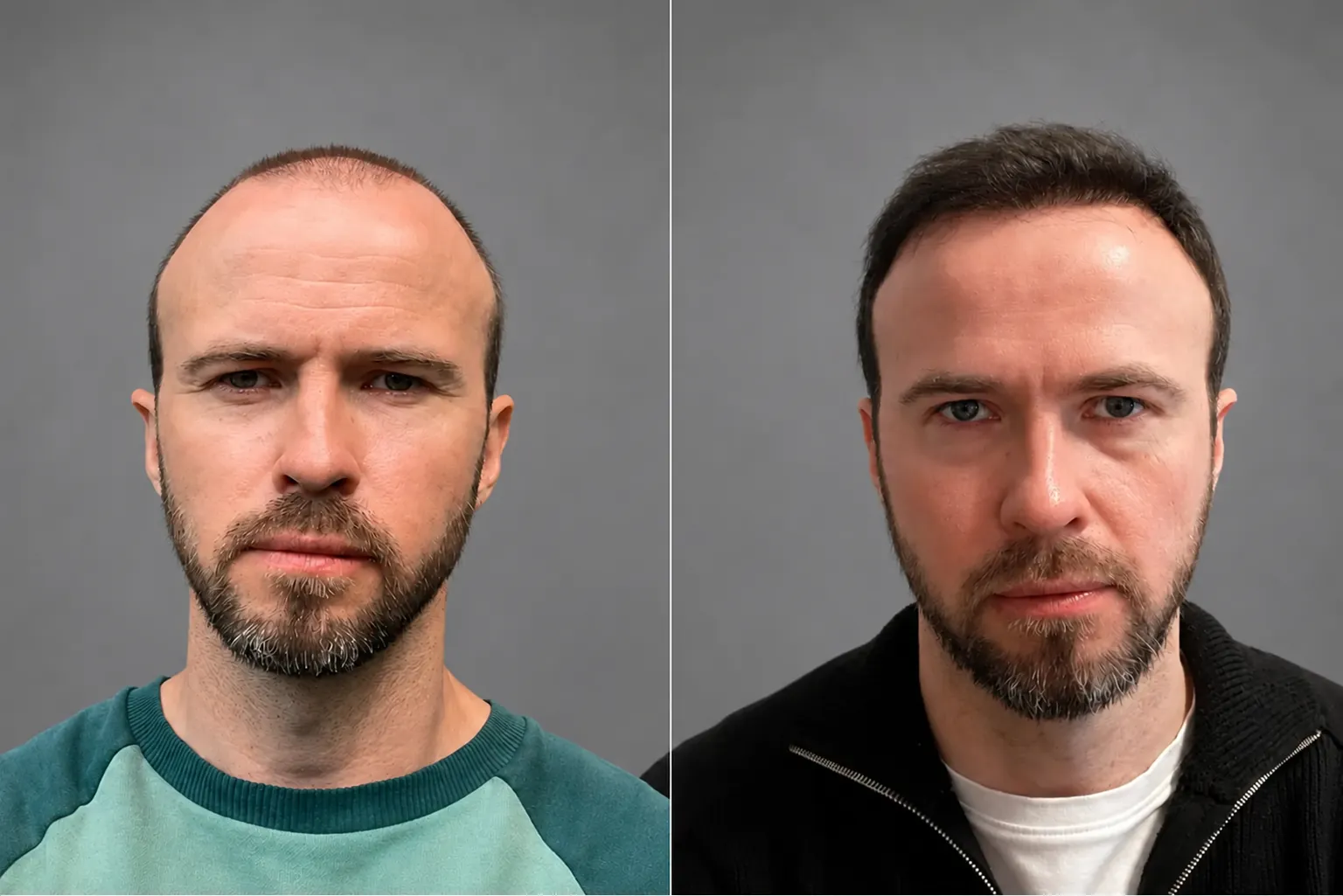
start
12 months after
3,200 grafts
FUE method
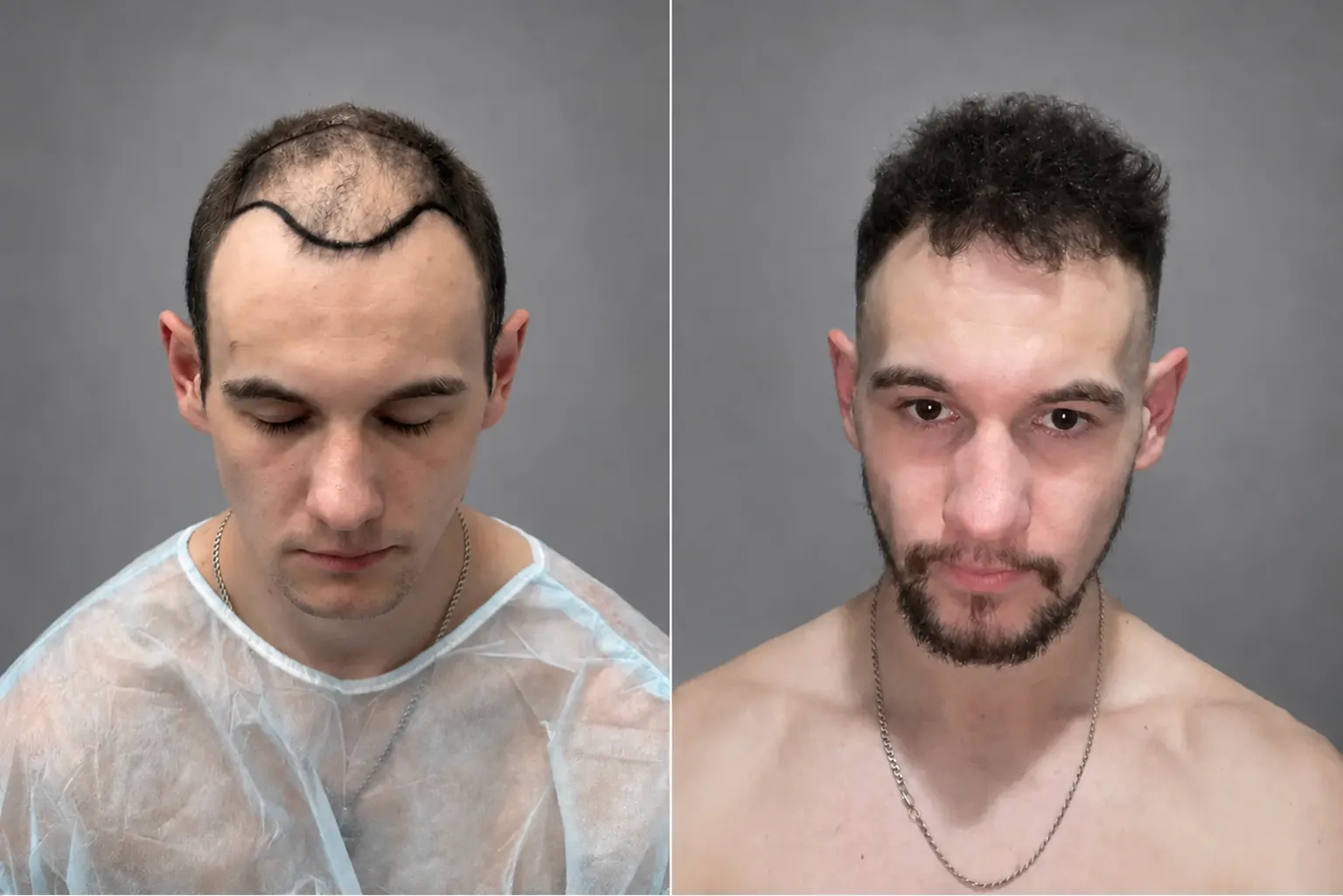
start
12 months after
3,000 grafts
FUE method
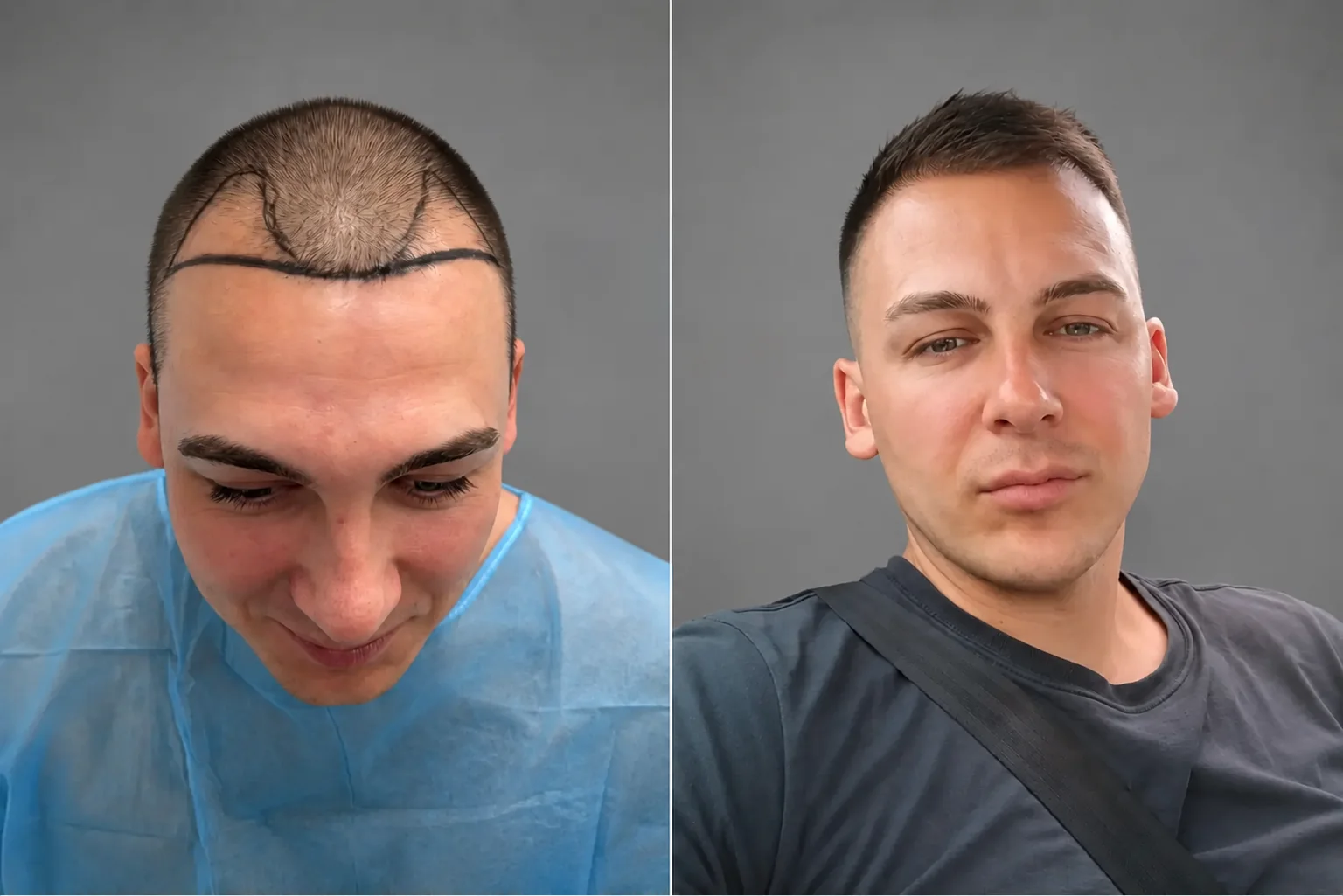
start
12 months after
2,800 grafts
FUE method
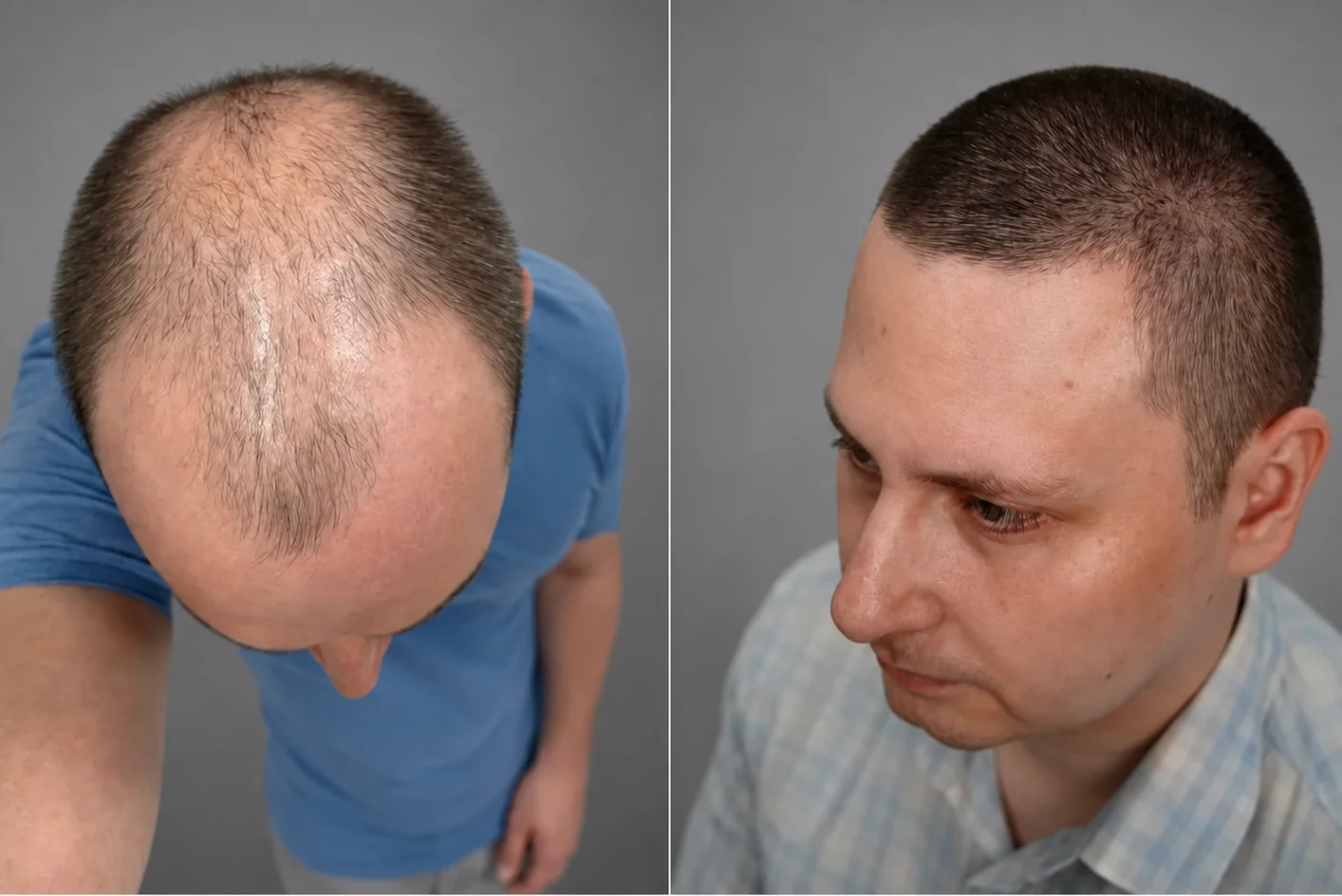
start
12 months after
4,000 grafts
FUE method
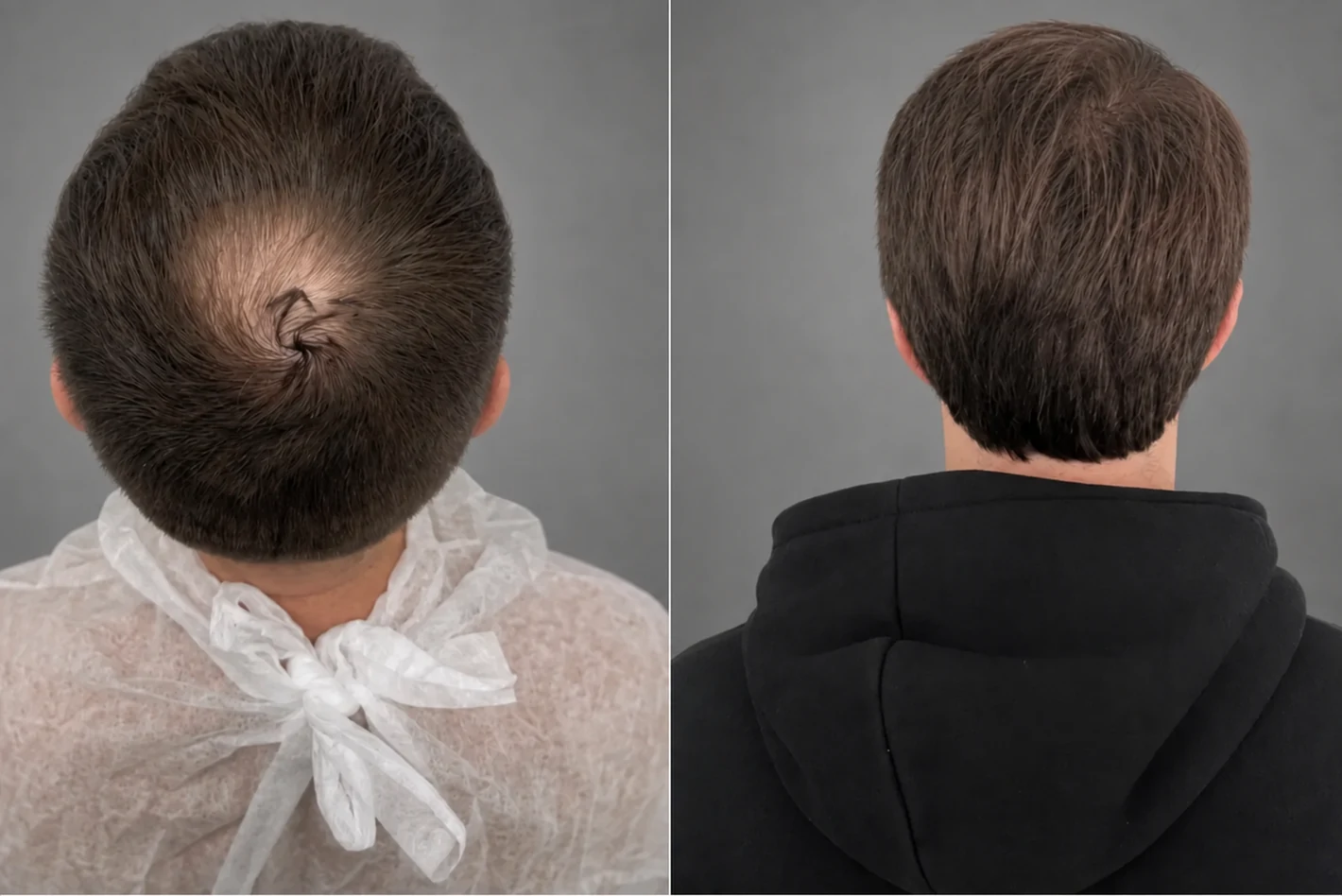
start
12 months after
3,400 grafts
FUE method
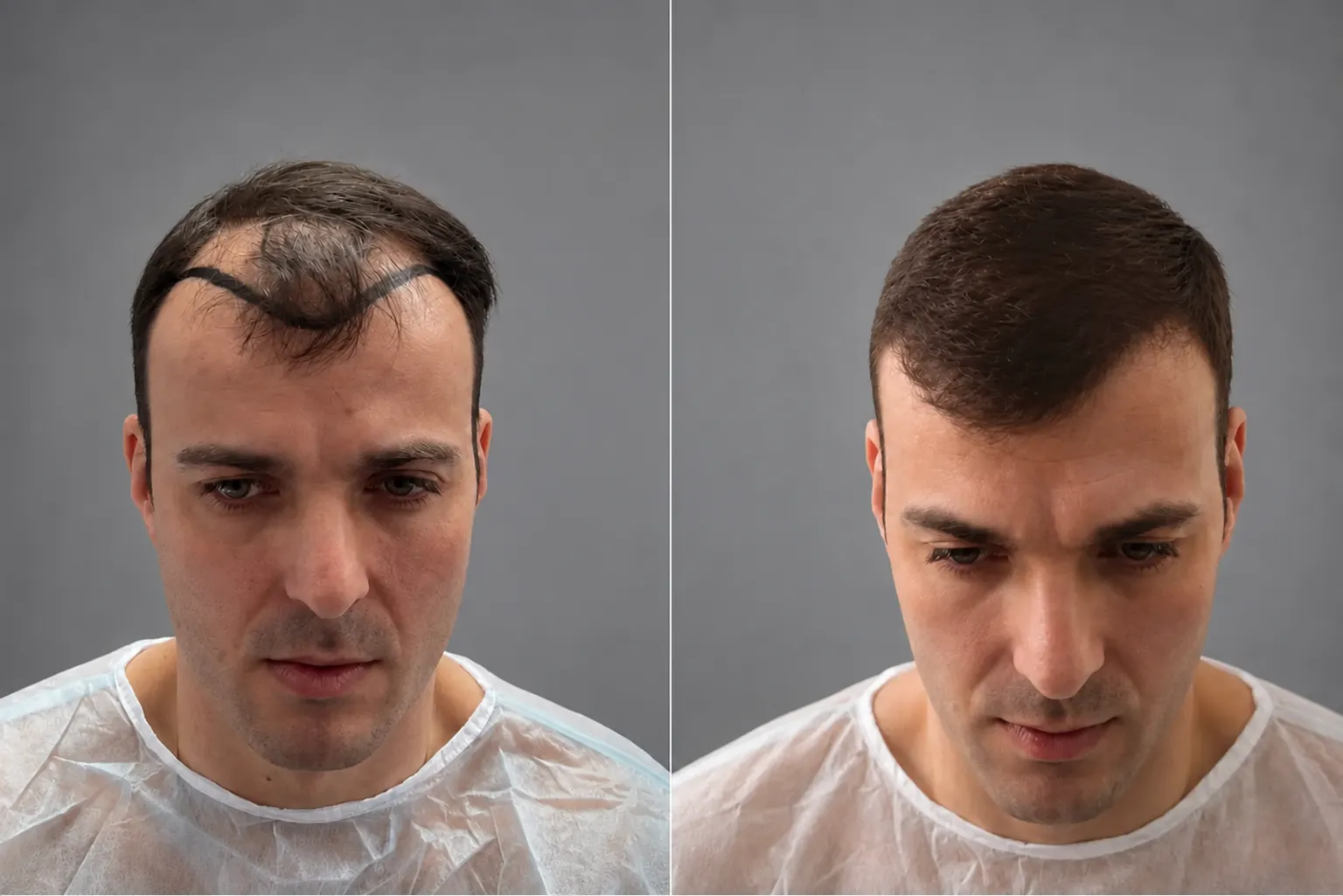
start
12 months after
2,900 grafts
FUE method
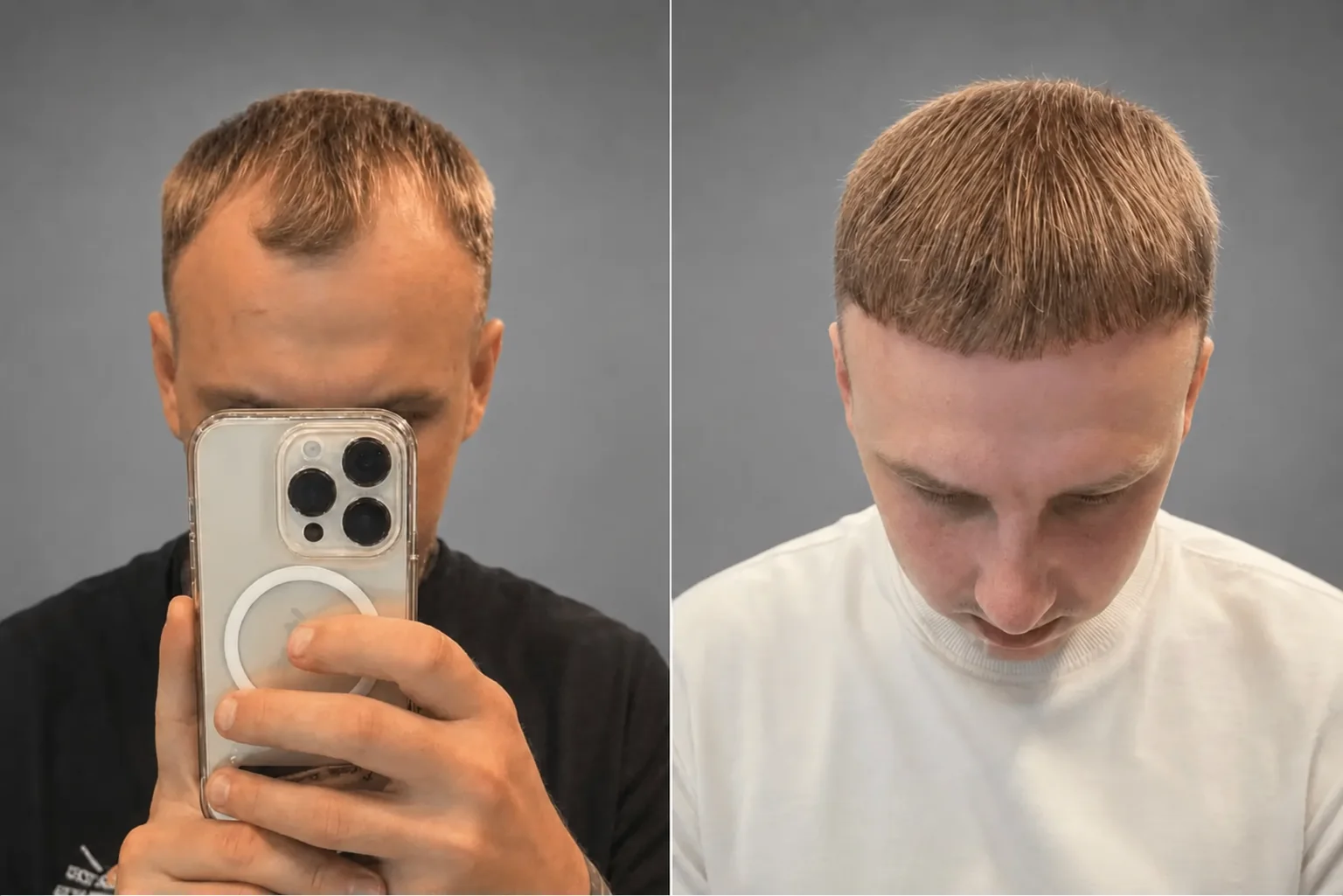
start
12 months after
3,100 grafts
FUE method
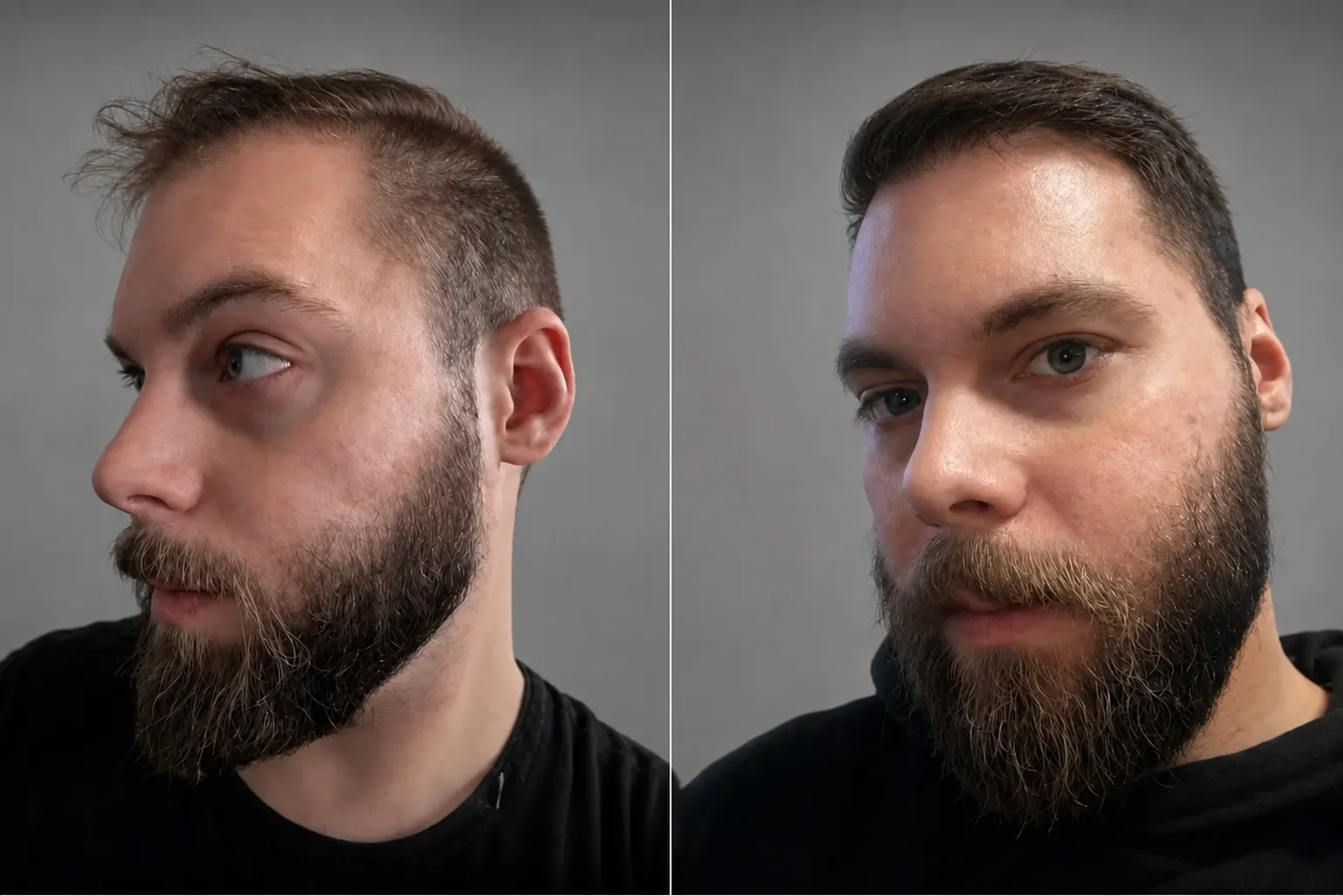
start
12 months after
2,600 grafts
FUE method
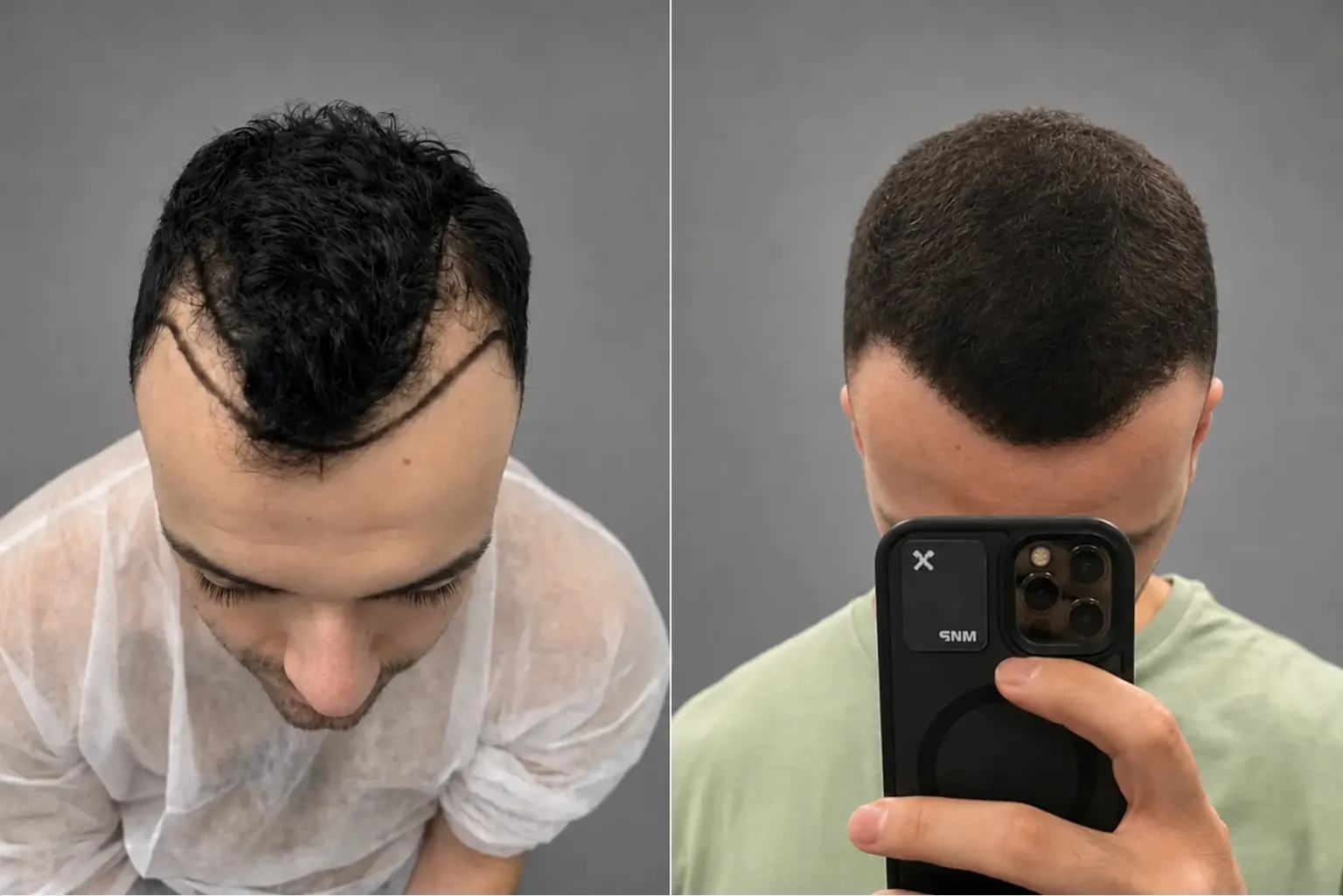
start
12 months after
3,300 grafts
FUE method
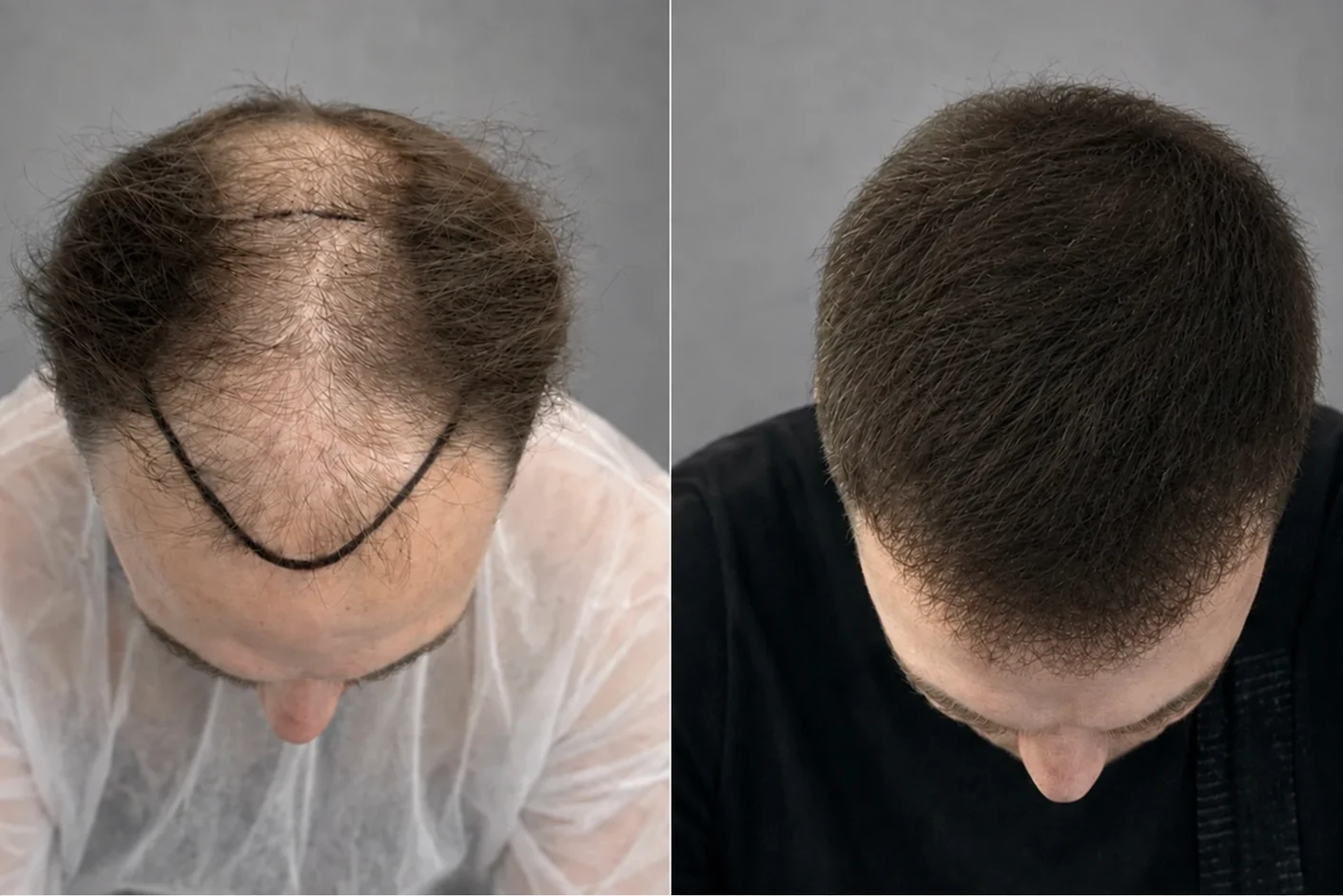
start
12 months after
3,900 grafts
FUE method
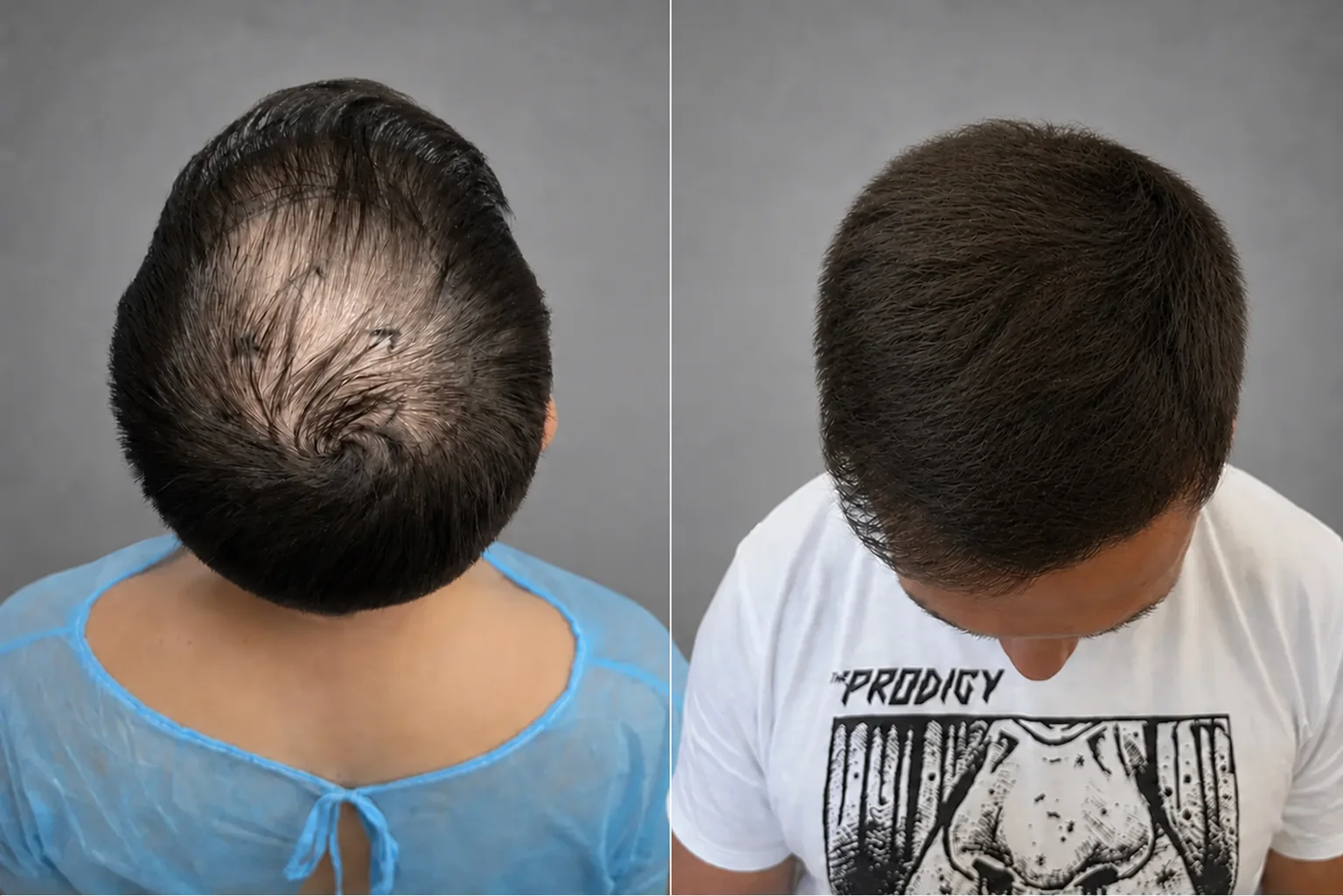
start
12 months after
3,500 grafts
FUE method
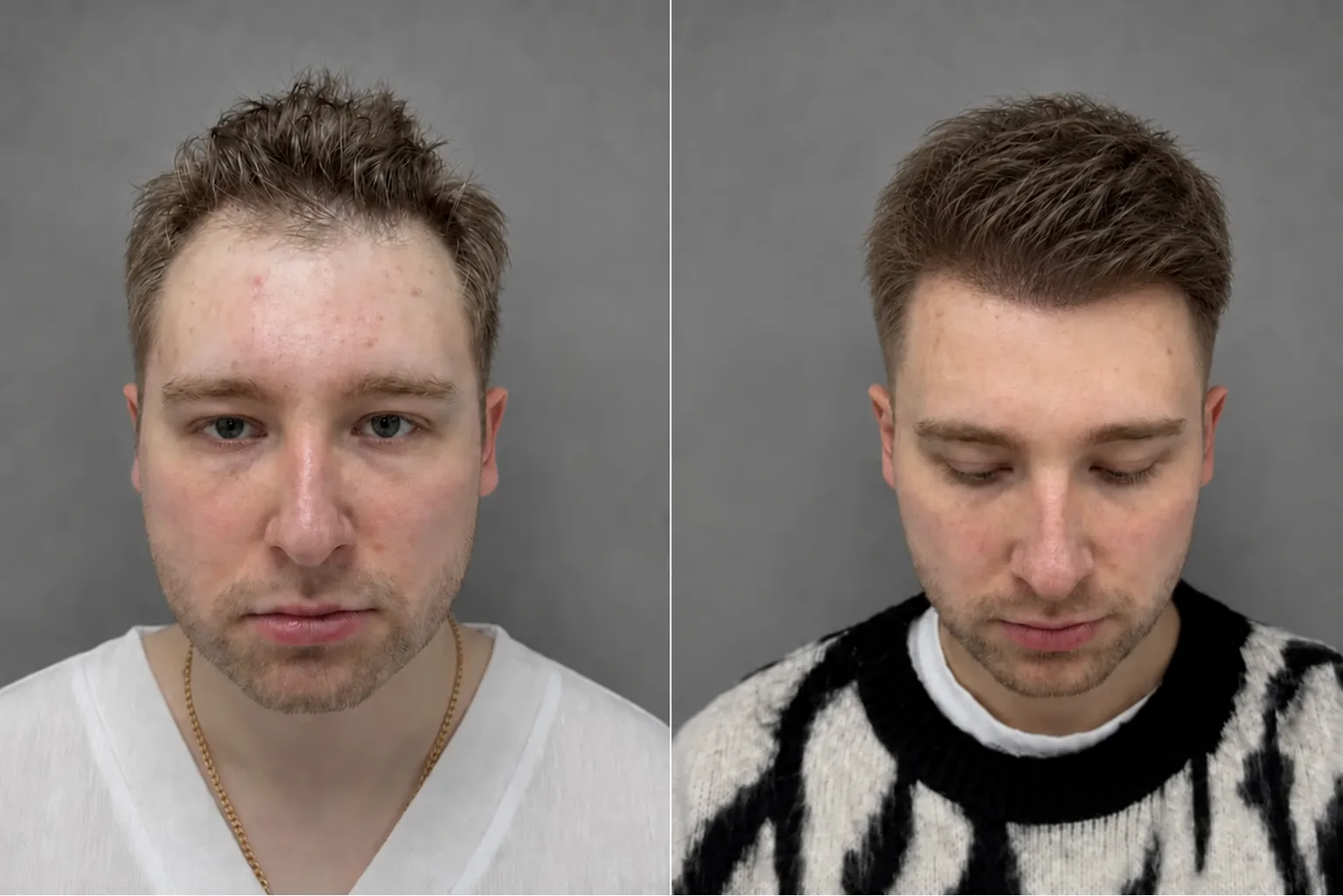
start
12 months after
2,700 grafts
FUE method
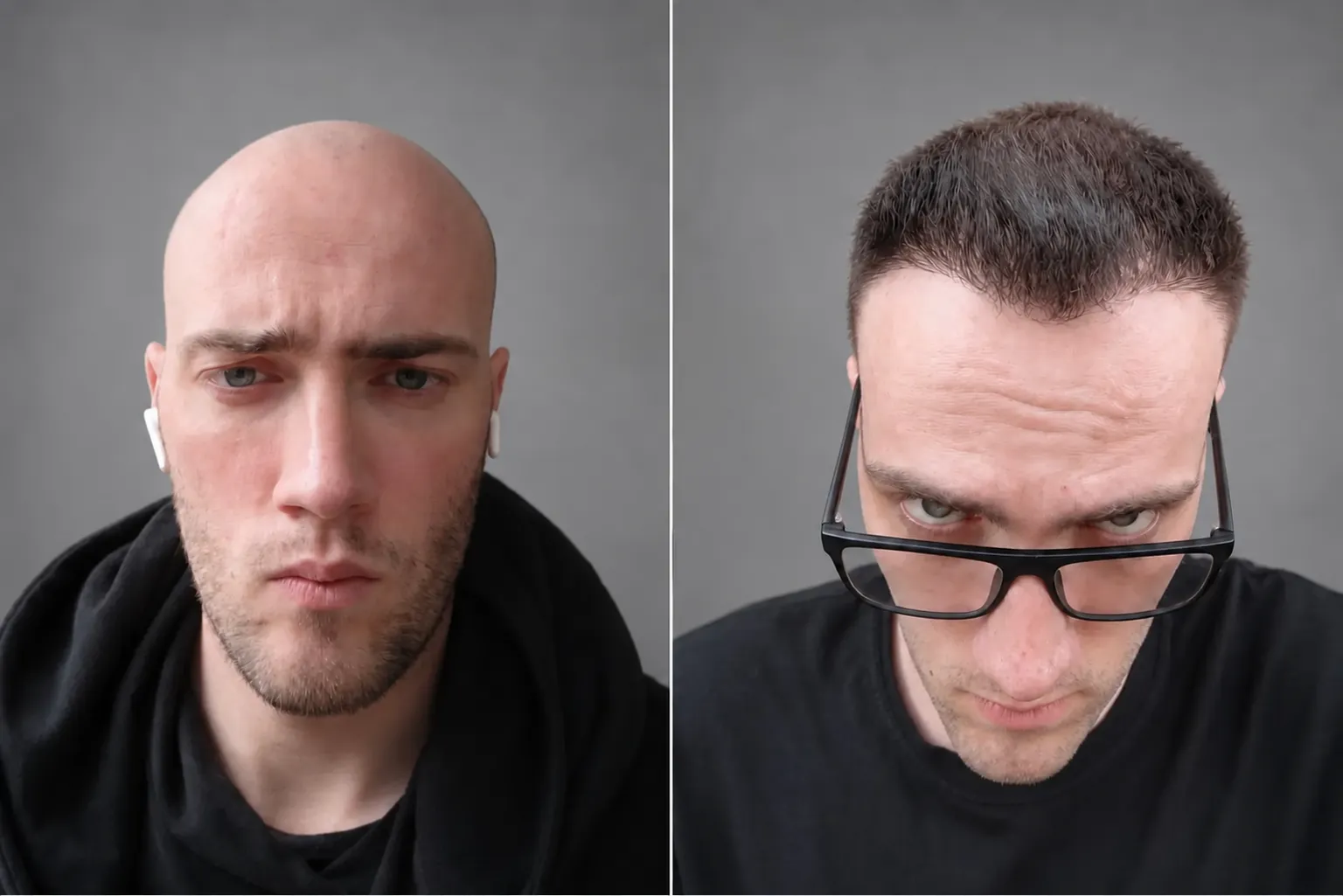
start
12 months after
3,800 grafts
FUE method
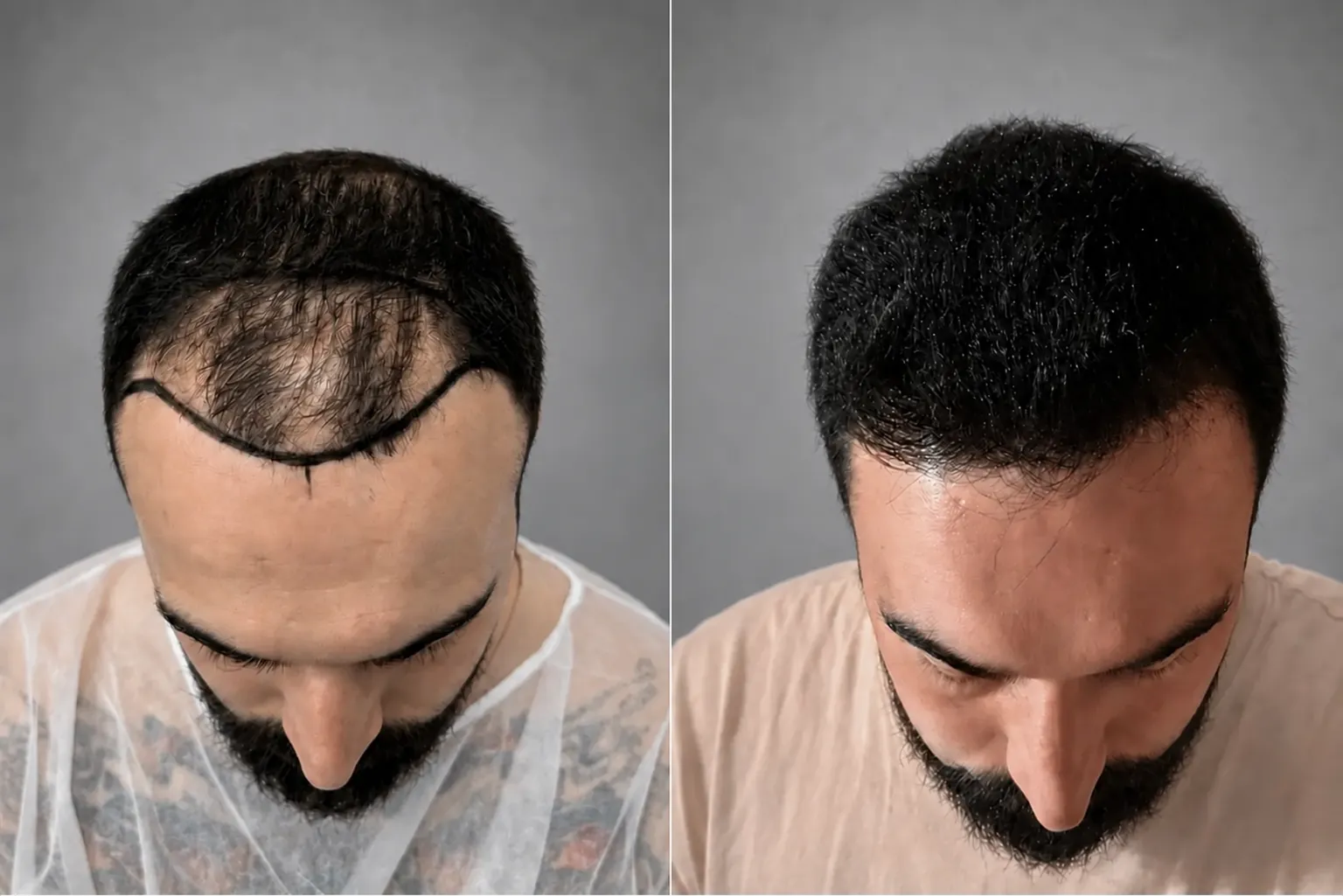
start
12 months after
3,200 grafts
FUE method
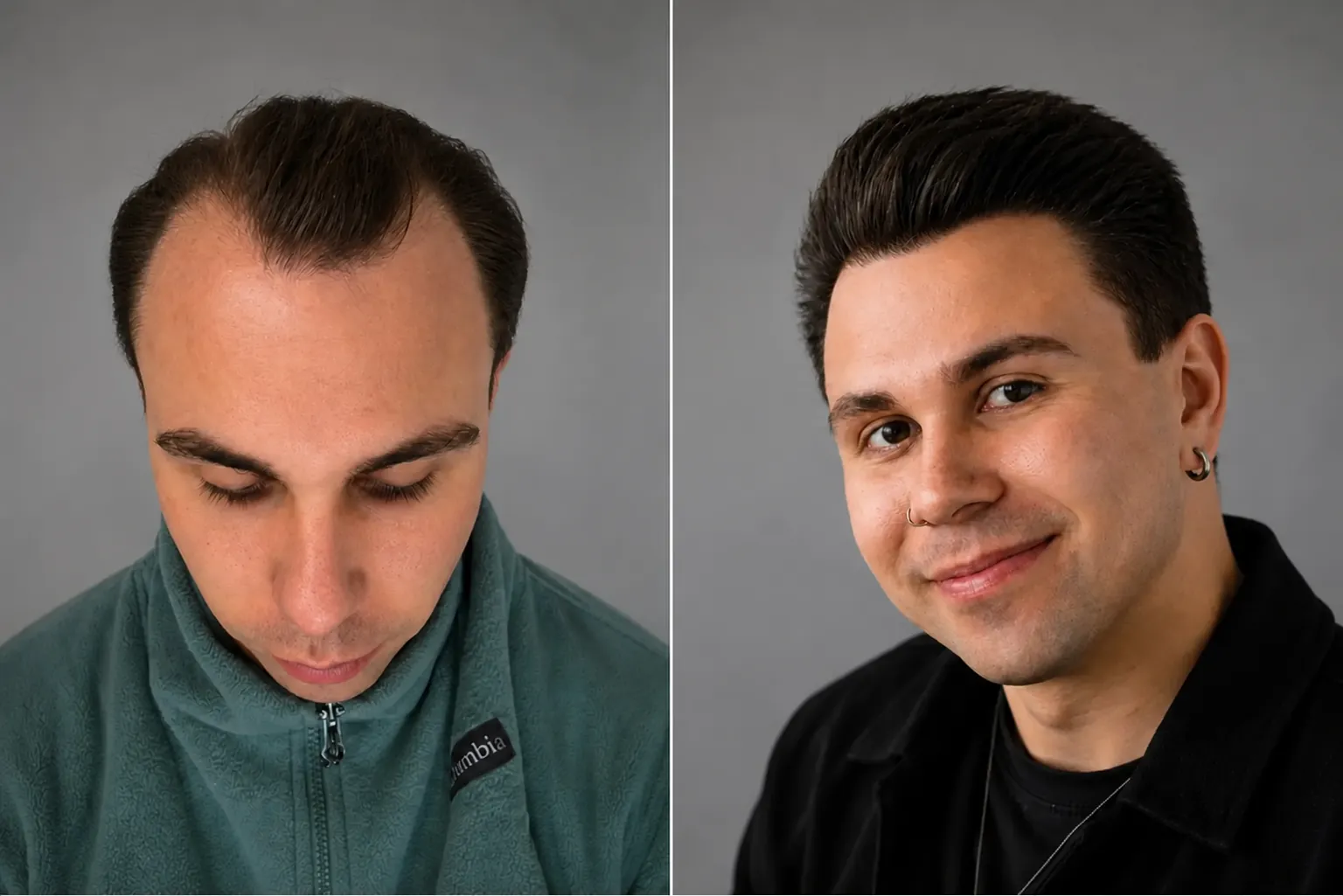
start
12 months after
3,000 grafts
FUE method
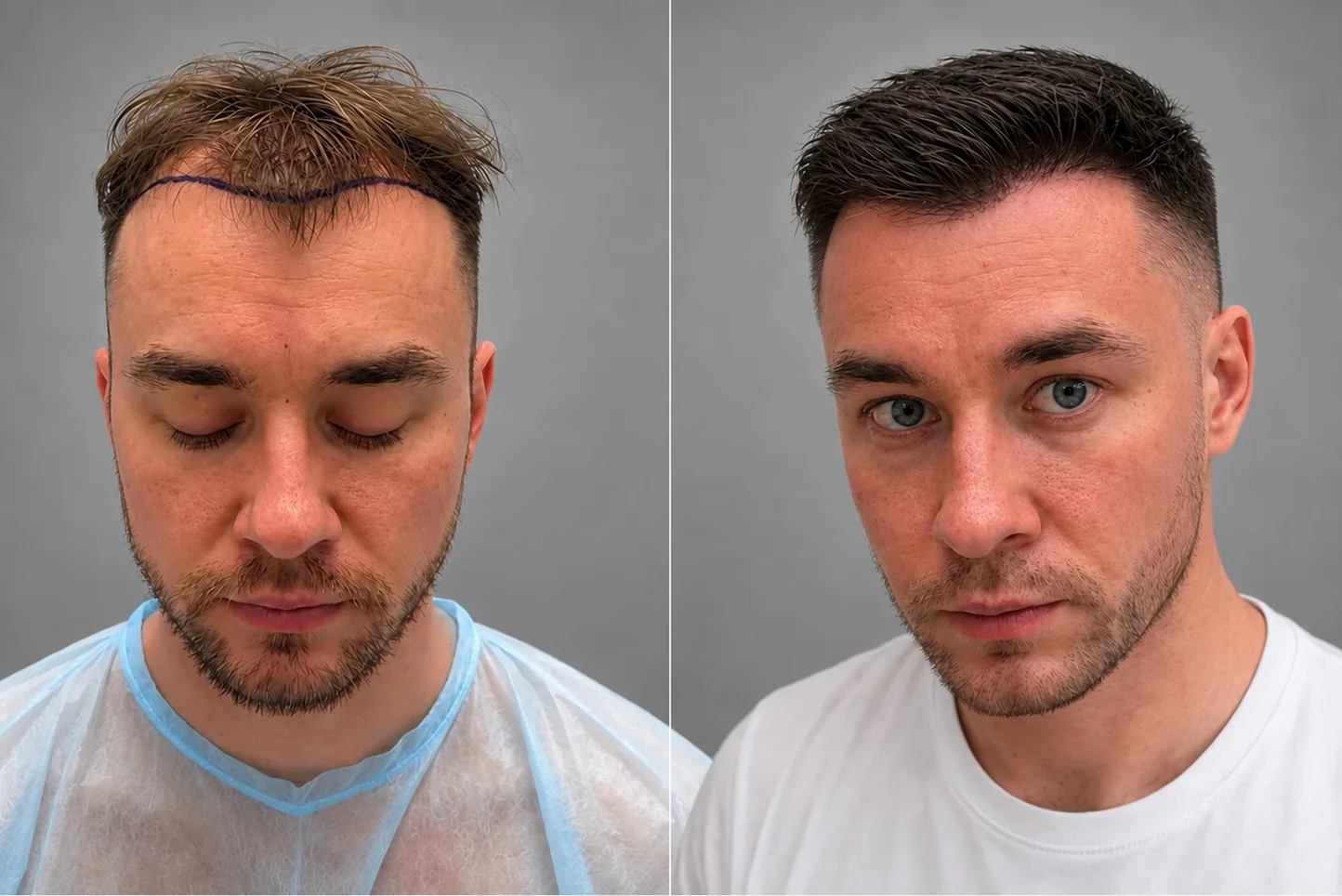
start
12 months after
2,800 grafts
FUE method
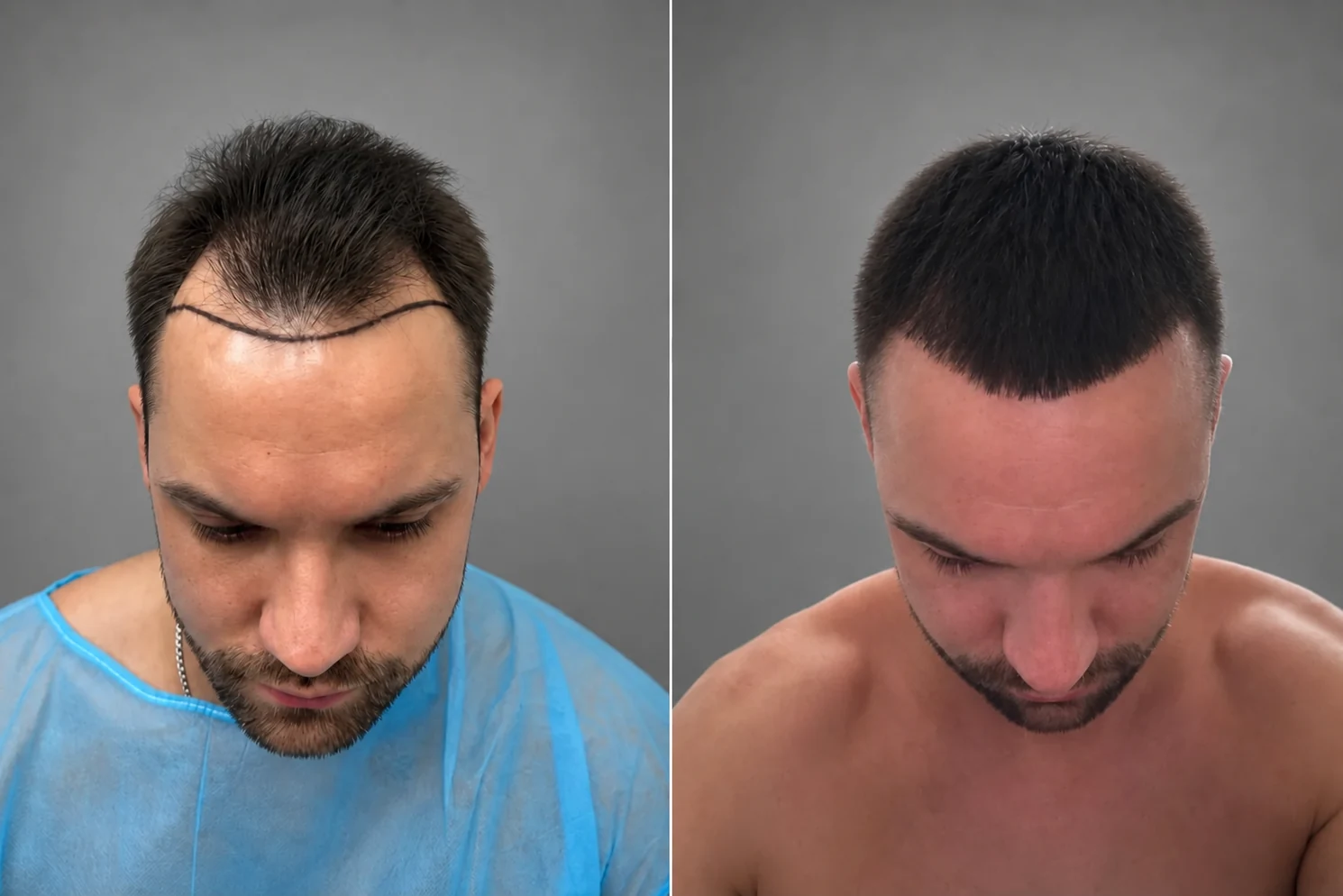
start
12 months after
3,100 grafts
FUE method
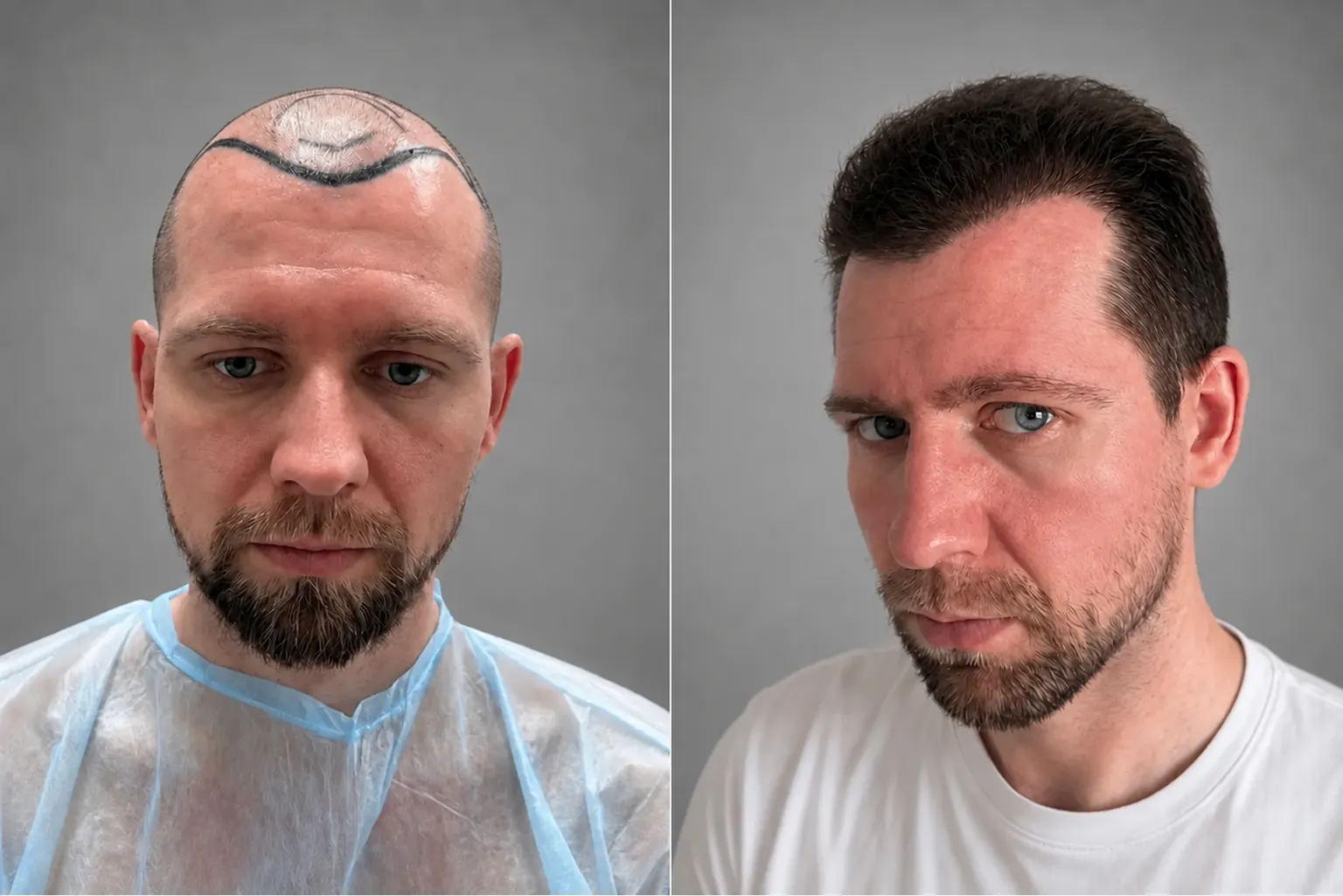
start
12 months after
3,600 grafts
FUE method
Comparison
We work with three graft transfer technologies: classic FUE, suture-free DHI and a combined protocol. Compare the implantation technique, tissue trauma and graft survival to choose your method with open eyes.
Classic technique without incisions or stitches
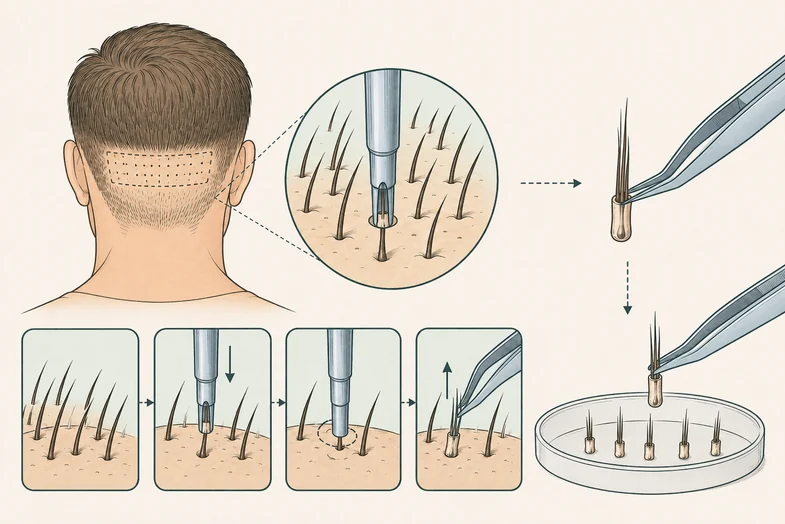
$2,200
$2,700
Graft implantation technique
ForcepsGraft trauma
MinimalA natural angle for hair
NaturalGraft survival
98–100%Suitable for
Androgenetic alopeciaNo-stitch implantation with a Choi pen
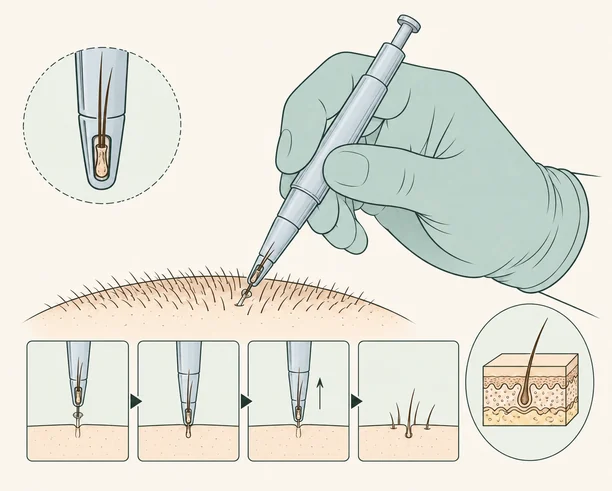
$2,500
$2,900
Graft implantation technique
DHI pen (Choi implanter)Graft trauma
MinimalA natural angle for hair
NaturalGraft survival
98–100%Suitable for
DensificationFUE extraction, DHI pen implantation
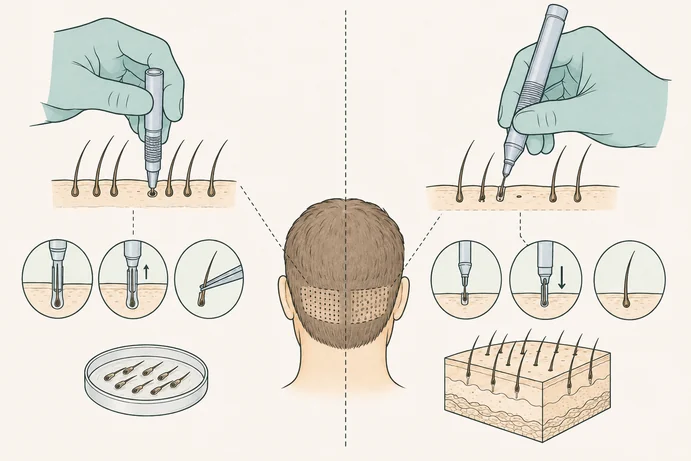
$2,700
$2,900
Graft implantation technique
FUE extraction plus DHI implantGraft trauma
MinimalA natural angle for hair
NaturalGraft survival
98–100%Suitable for
Androgenetic alopecia and densificationThe survival and trauma figures for each method are averages, given as a guide; exact numbers depend on the transplant area and the patient's individual traits and are clarified by the doctor at the consultation.
Reserve an appointment
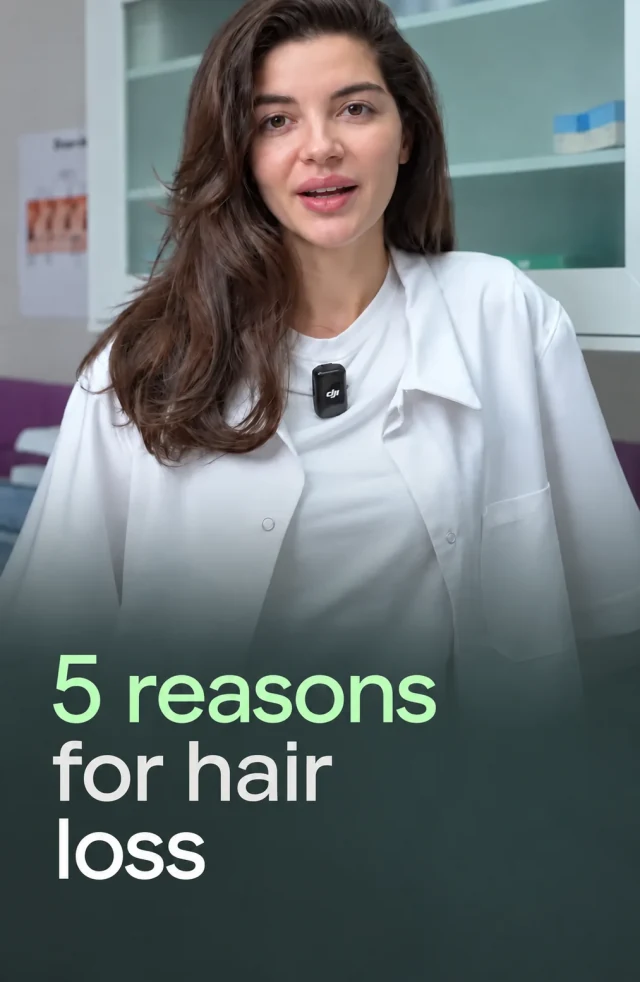
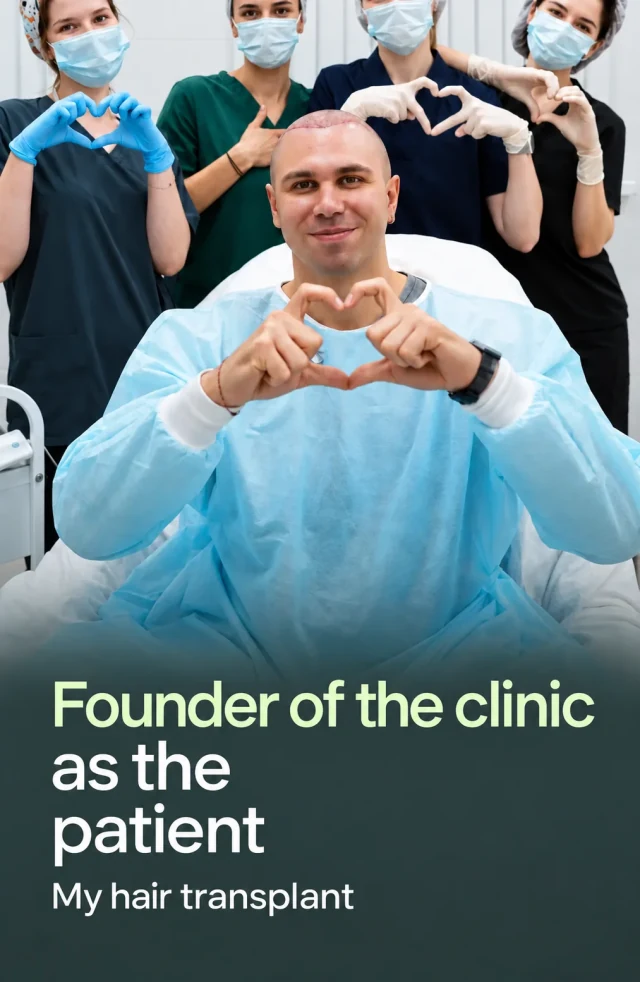
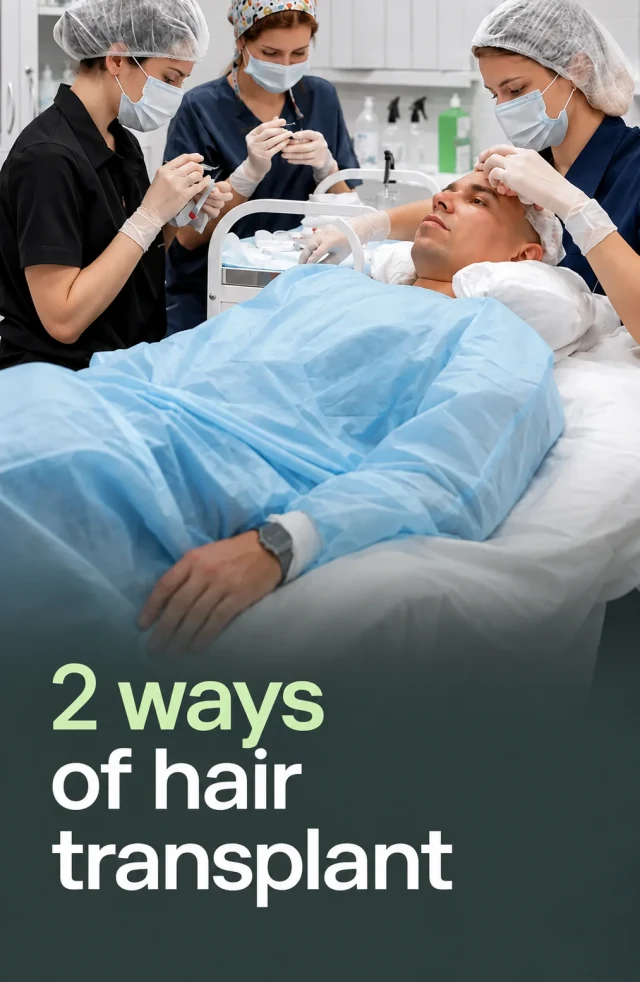




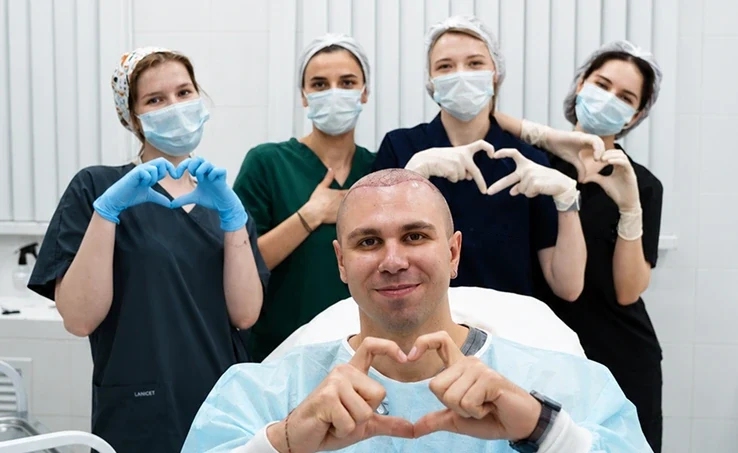
about the clinic
Up-to-date equipment, comfortable rooms, care for the patient
All your questions get answered and a convenient consultation time is found
Message us on Telegram Get in touchNot every case needs surgery, and you will hear so at the consultation, so no money is wasted. Below are the situations in which a transplant genuinely helps.
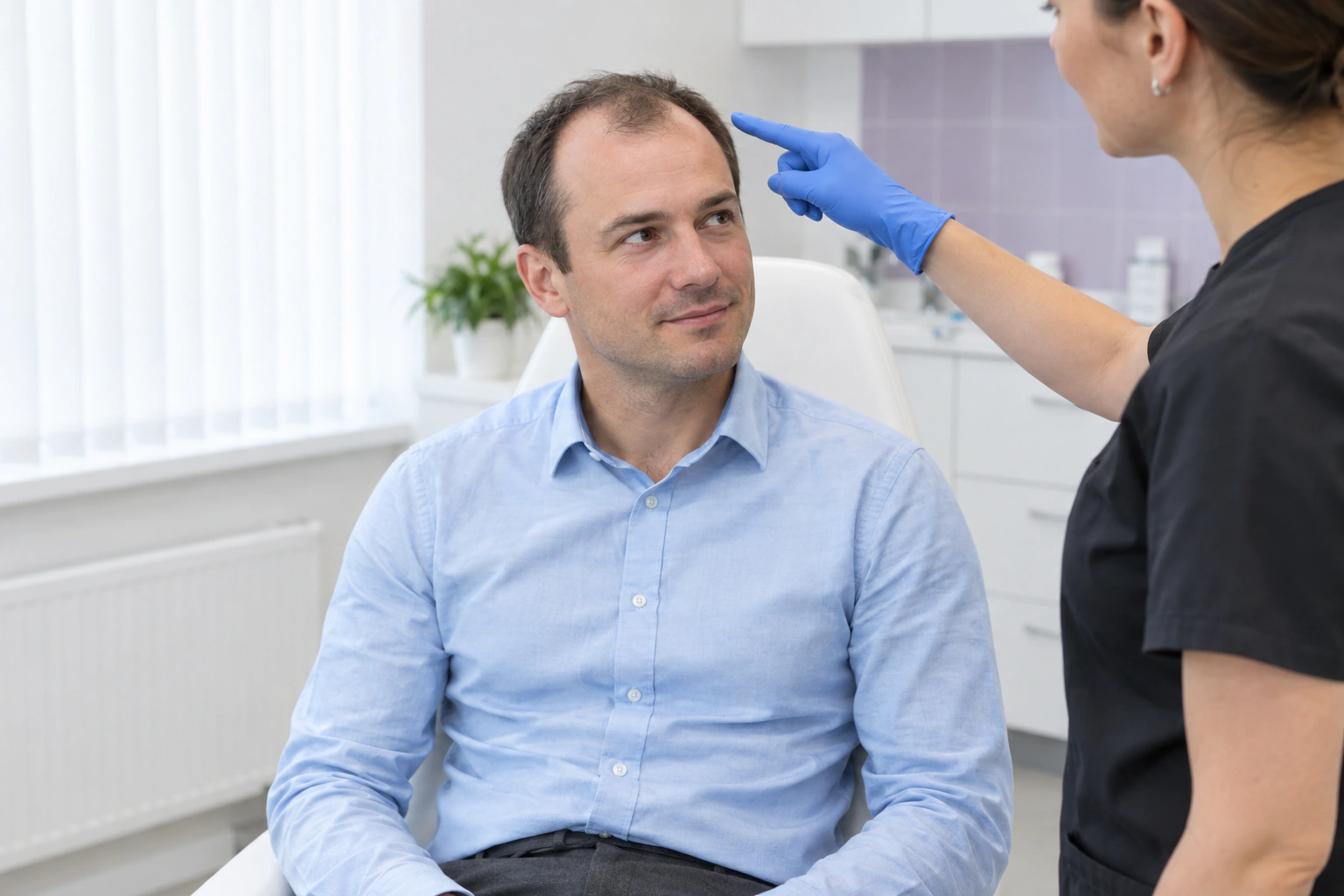

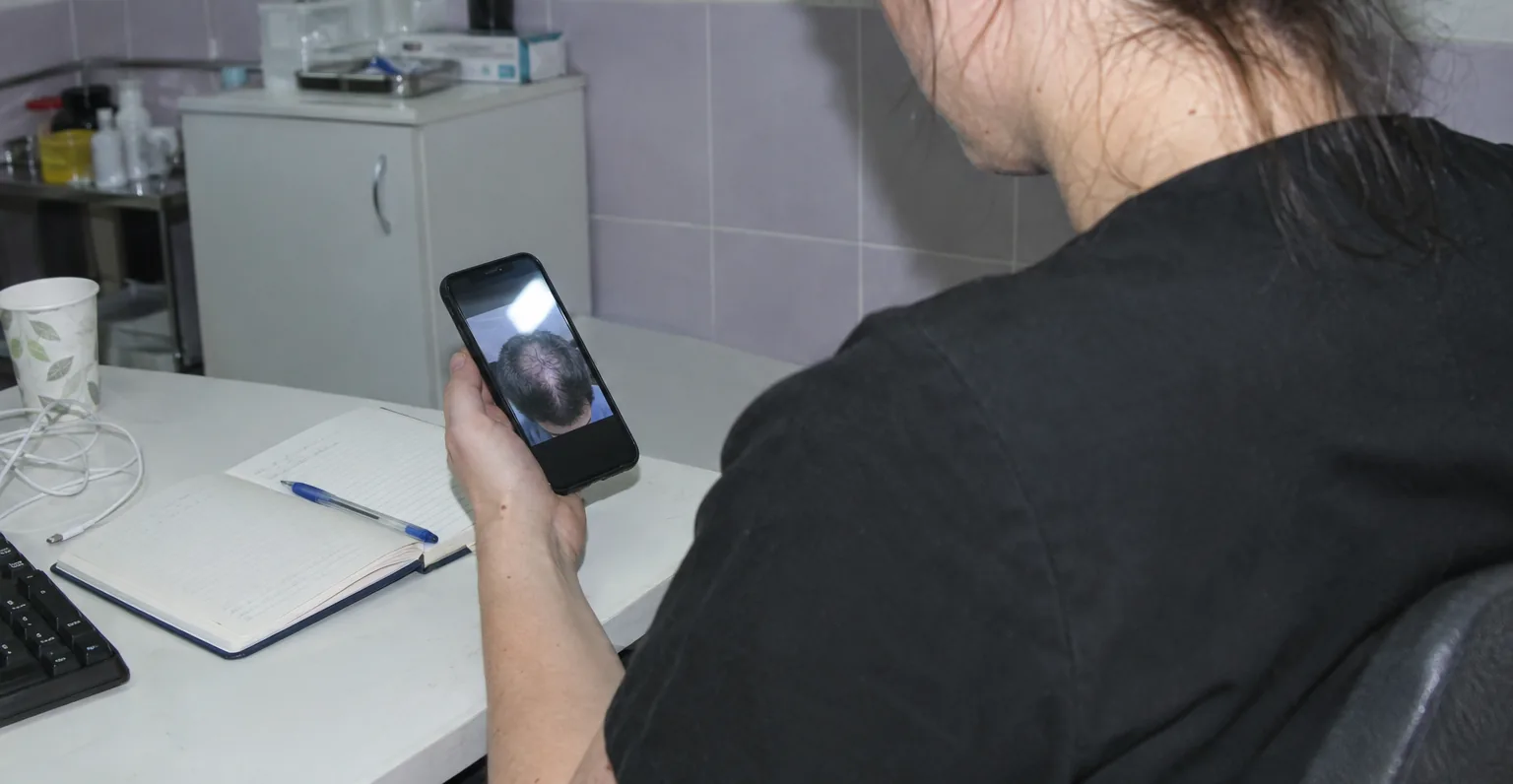
Give a number for contact. Pictures of the thinning zone are requested by a coordinator in a messenger, then a doctor looks and answers whether a transplant would help you. No payment, no obligation.
services
At the free consultation the doctor counts the grafts, tells you the price, and that price goes into the contract.
suture-free graft extraction
$2,200$2,700
or $367/mo — 0% instalments for 6 months
Pin your priceimplantation without channels
$2,500$2,900
or $417/mo — 0% instalments for 6 months
Pin your pricecombined technique
$2,700$2,900
or $450/mo — 0% instalments for 6 months
Pin your price| Your case reviewed | Free |
|---|---|
| Eyebrow transplant, FUE | |
| Beard transplant, FUEinstalments $467/mo | |
| Hair trichopigmentation | |
| PRP therapy / session | $200 |
all included
Cover starts before surgery and lasts 12 months after.
Extra charges on the day of surgery do not happen.
two other zones
Outside the scalp the work is identical: donor grafts from the back of the head, the FUE method, and only the zone is new.
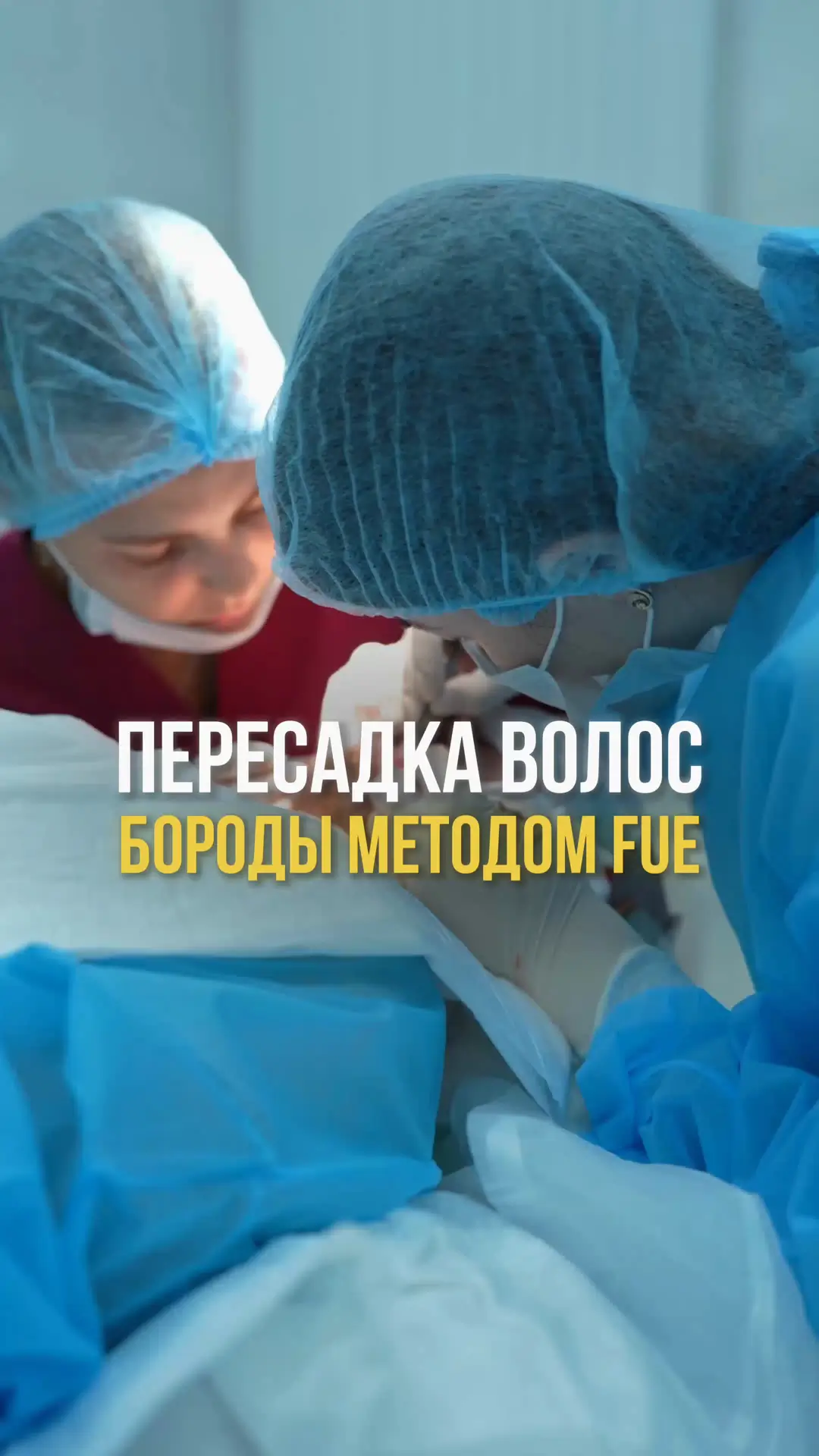
The FUE method, no incisions used
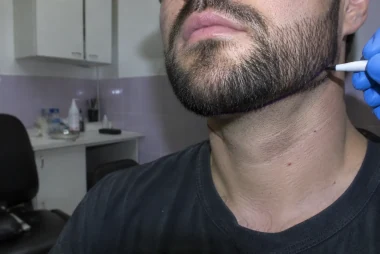
Grafts come from the donor area at the back of the head and are placed through micro-punctures about 1 mm across, and no scars are left. The shape is discussed with you before the operation, with your facial features taken into account. Transplanted hair grows for life: trim and style the beard as usual.
$2,800$3,000
or $467/mo — 0% instalments for 6 months
Pin your priceThe FUE method, no incisions used
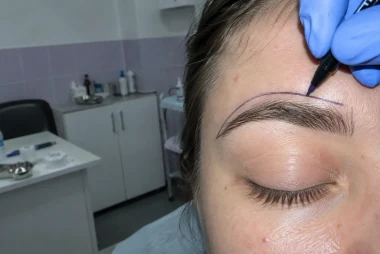
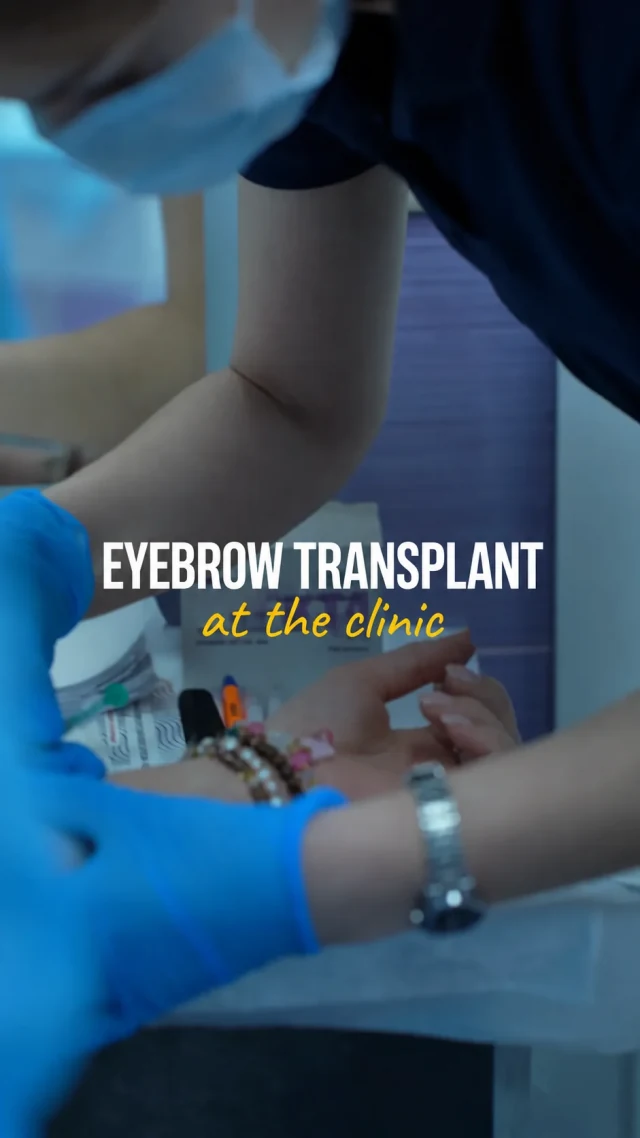
The eyebrow shape is drawn by the surgeon at the initial consultation. You look through references together and the design takes your facial features into account. The hairs are implanted at the right angle, so the eyebrows look natural. It also helps where plucking stopped hair growth.
$1,600$1,700
a procedure you go home from, numbed locally
Pin your priceThe doctor will assess your donor area, count the grafts and show the achievable result in your case. The cost is quoted at the consultation and fixed in the contract.
Message our coordinator
Free online consultation · Reply within 15 minutes
Message us on TelegramMessage us on WhatsAppBy messaging us, you agree to our Privacy Policy
Process
From consultation to going home — all in one day
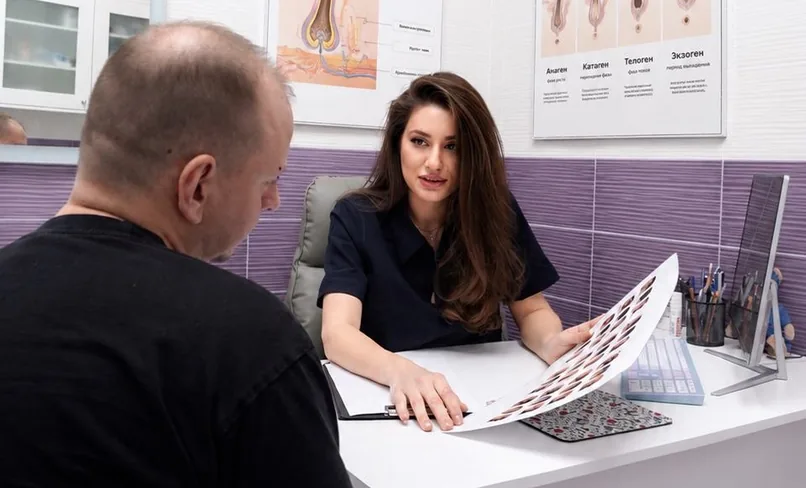
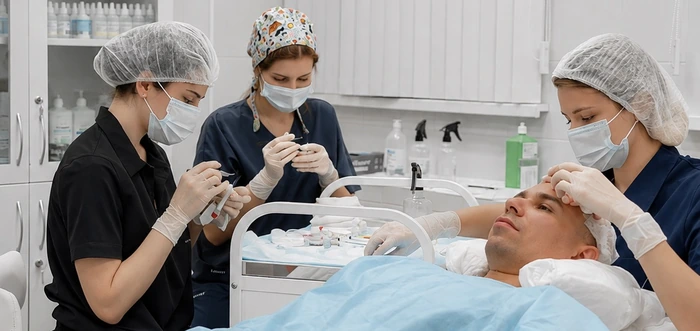
The doctor explains the FUE and the DHI procedure, answers what you ask about them, and examines the donor zone before any decision is made.

Patients in Blida confirm the operating day by paying a deposit, either with a card at the clinic or over the internet.
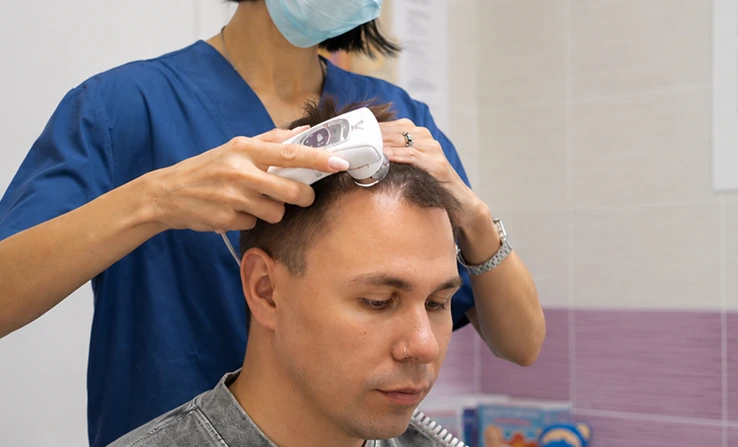
You will be asked to take a number of tests. The clinic issues the complete list and guidance so nothing is guessed at.
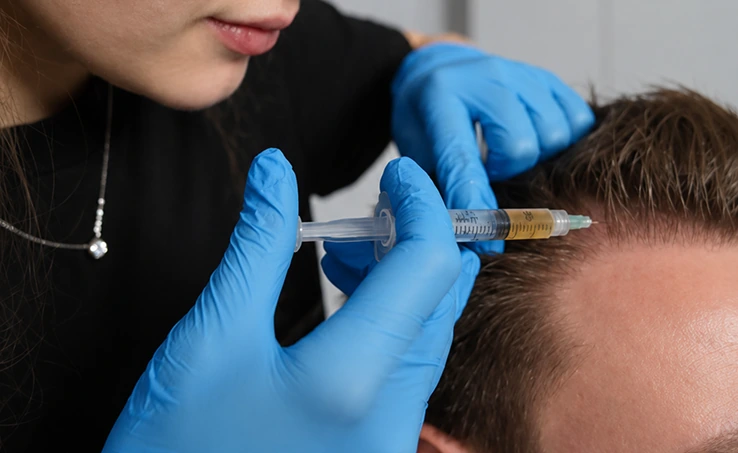
Anaesthesia at this stage is local, which keeps the operation painless for the patient.
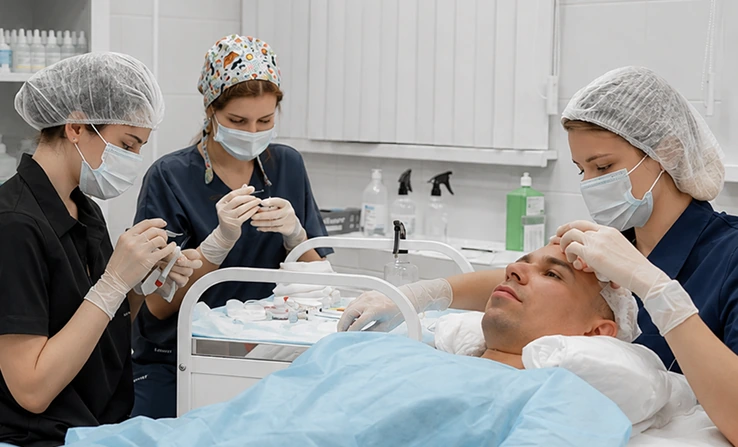
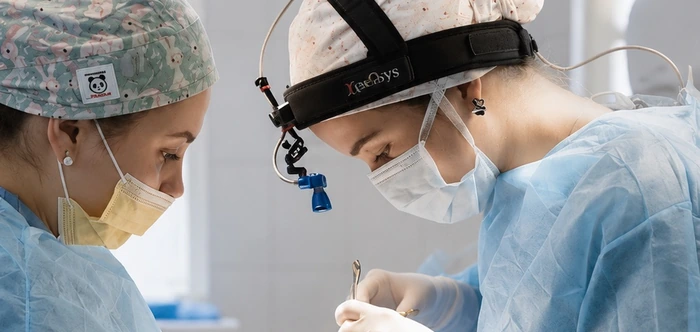
From the back of the scalp or the temples, follicles are collected, and the area heals without stitching.
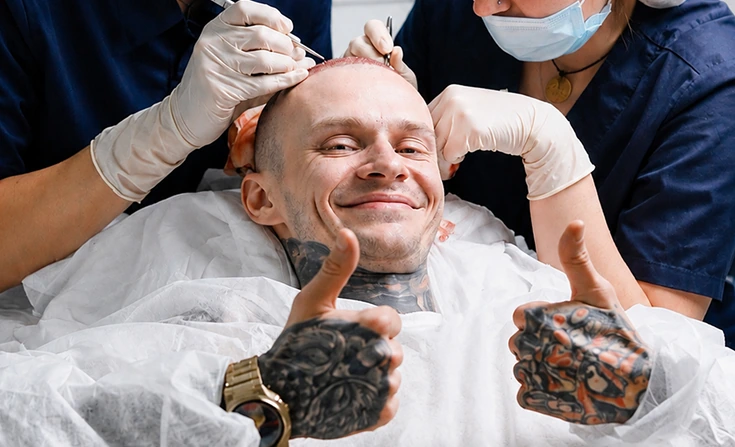
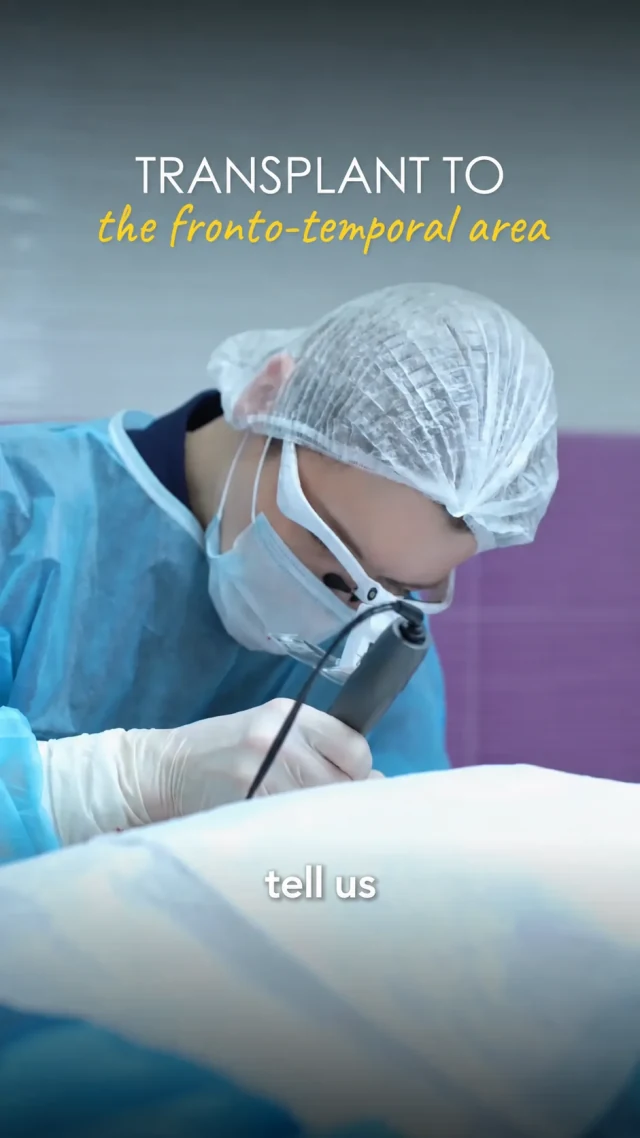
The team places the grafts into the region affected by hair loss.
The clinic sends you off with the necessary supplies and a full set of directions for a quick recovery.
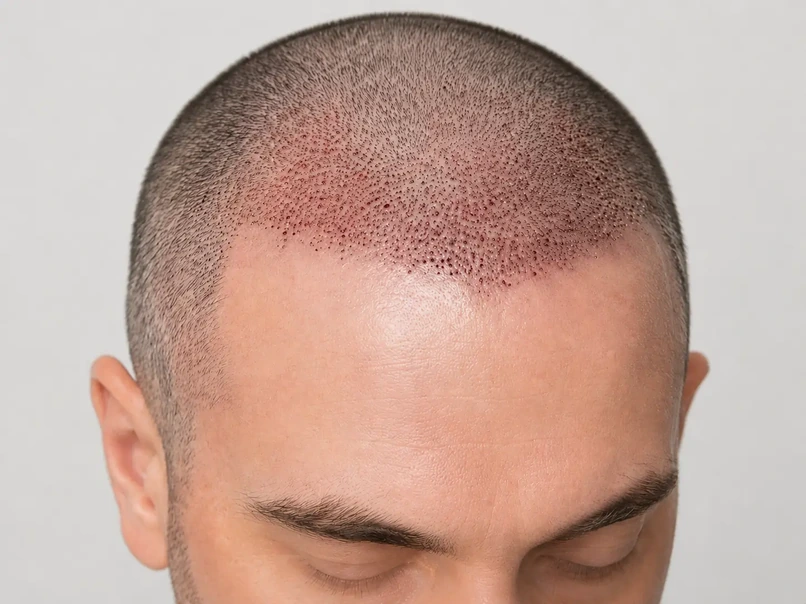
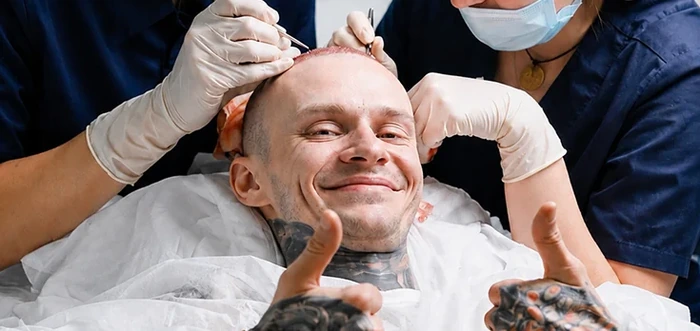
The crusts come off and the swelling goes down as the area recovers
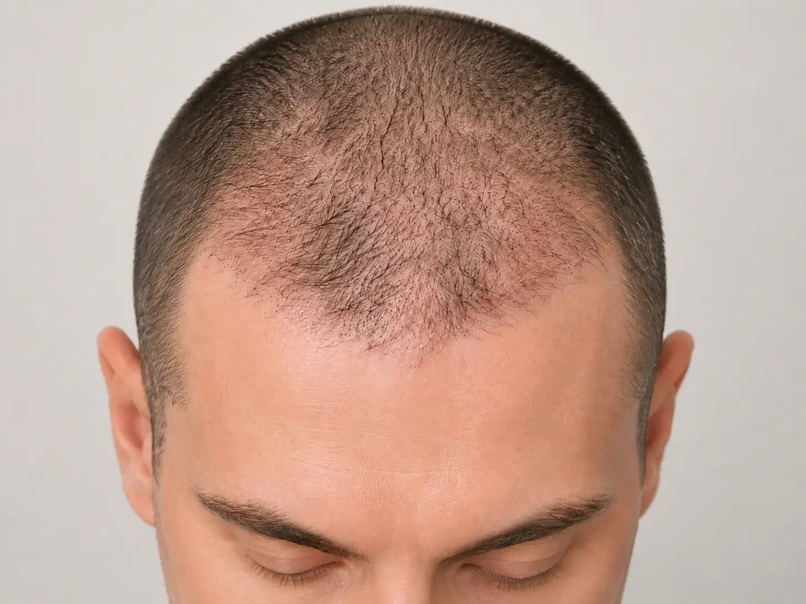
A normal stage. Hairs fall out, the follicles stay where they are
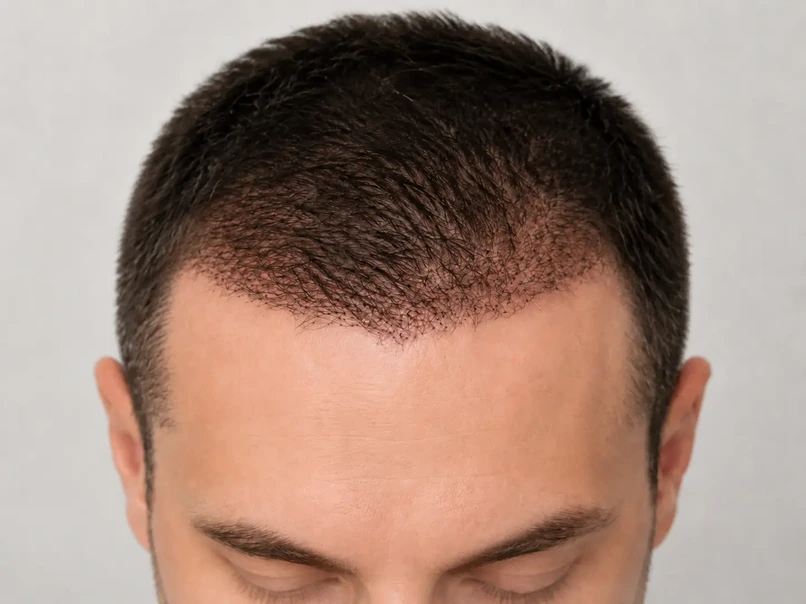
New hairs show up step by step, the result begins
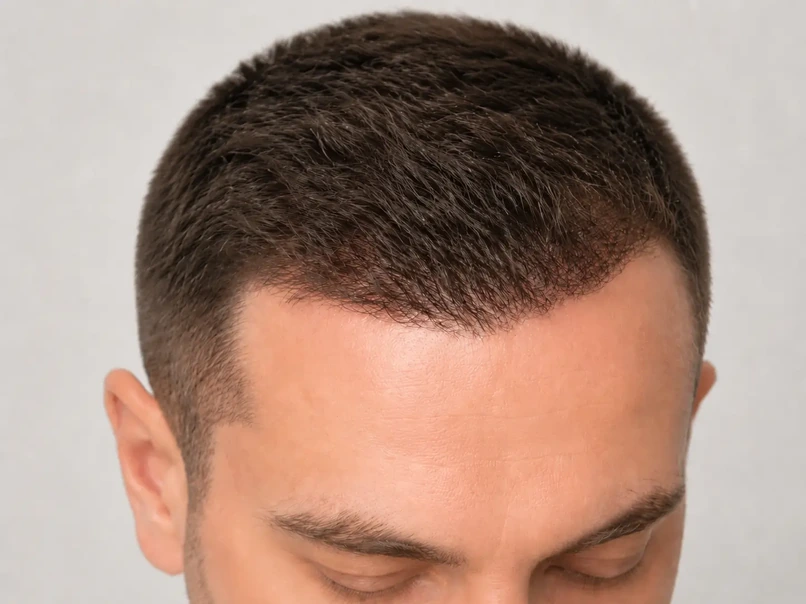
Density builds up and the main volume and the hairline show
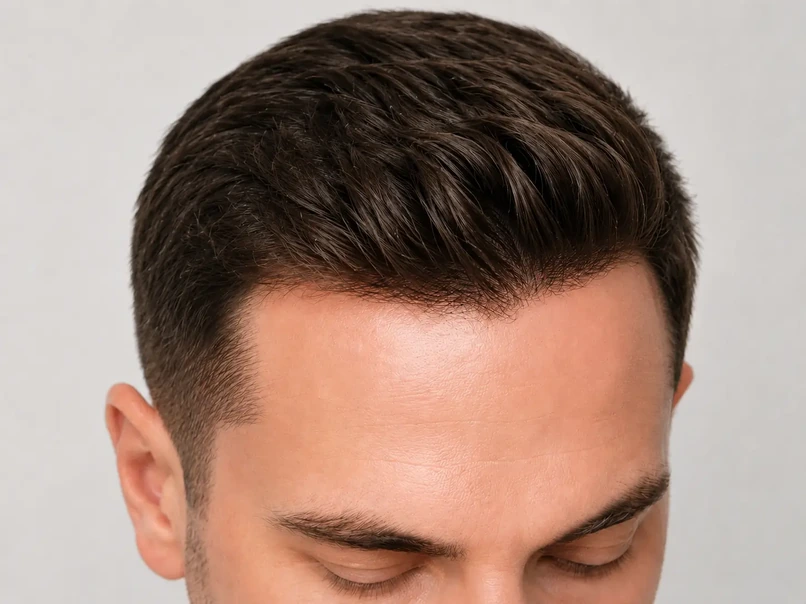
The picture completes: full volume, a natural front line
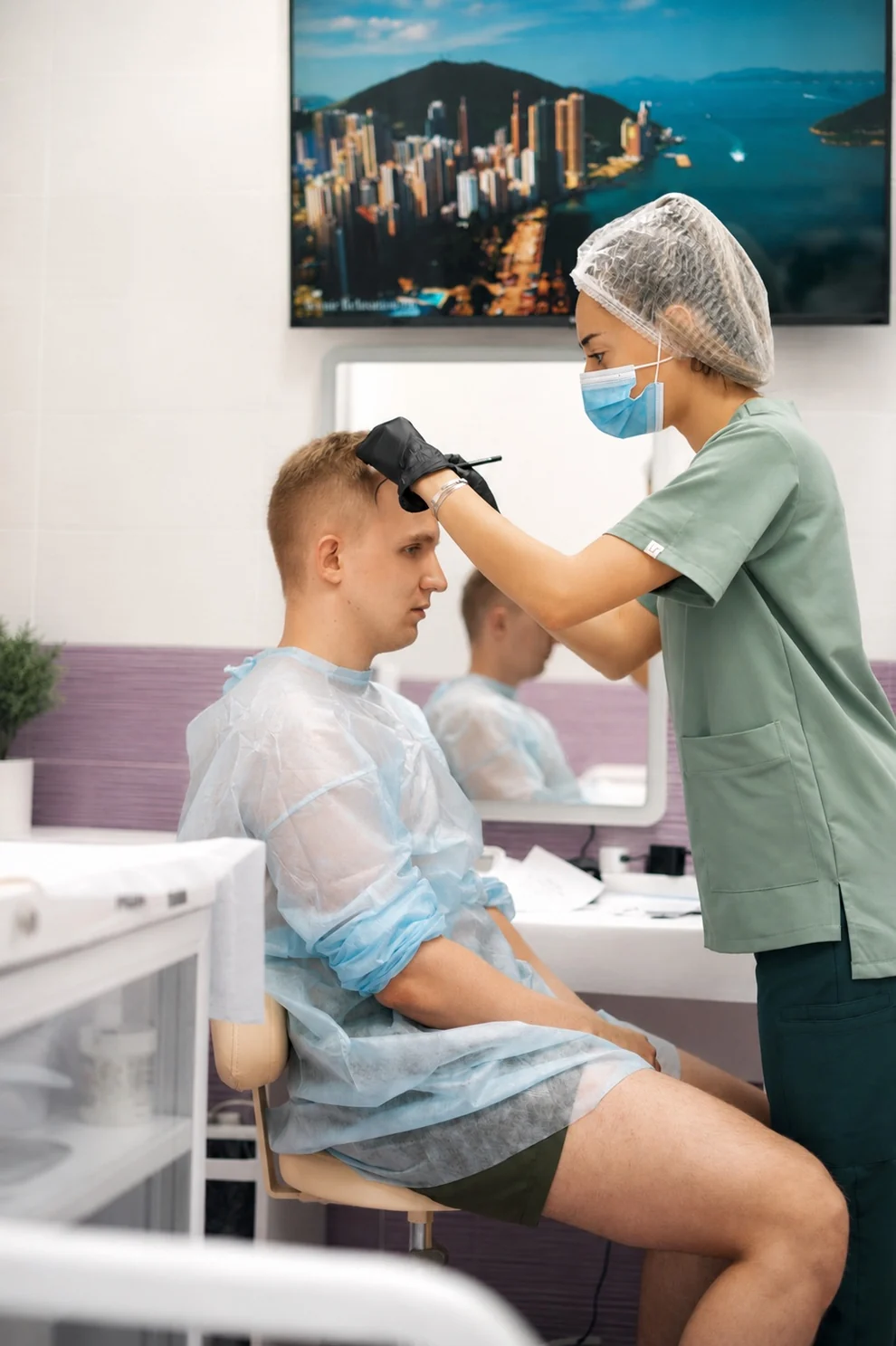
Free, before the operation, leaving you free to think.
Reserve an appointmentdoctors

Hair transplant doctor, trichologist, surgeon
10 years in practice

Dermatovenereologist, trichologist, surgeon
11 years in practice
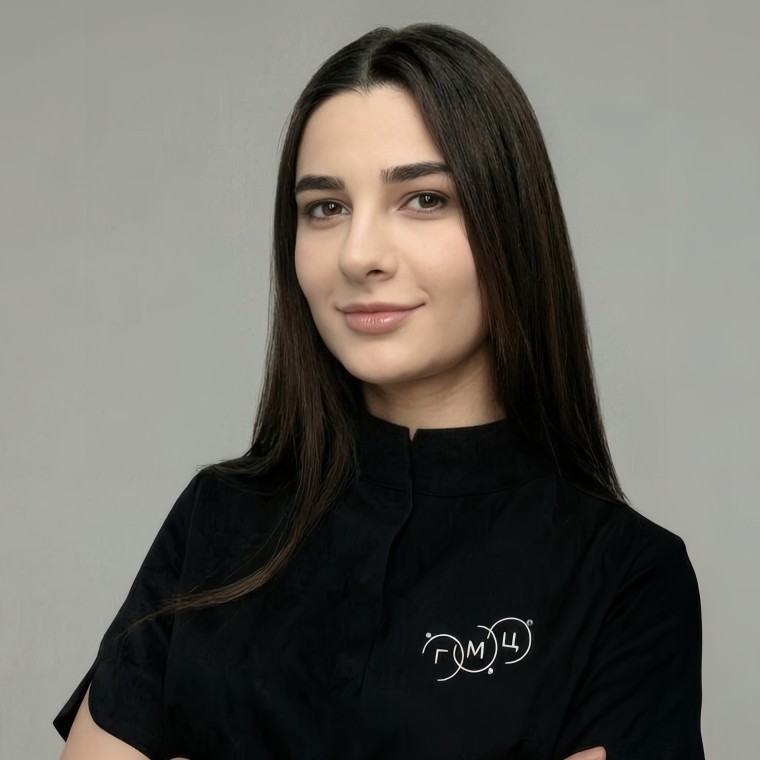
Plastic surgeon
9 years in practice

Plastic surgeon
9 years in practice

Assistant
9 years in practice
The doctor will assess the donor area, count the grafts and say the achievable result.
Reserve an appointmentcoordinators
The same coordinator stays on your case from the opening message until recovery is complete.

Personal support lead
Will help you before and after the surgery
Helps with the forms and the arrangements

Personal support lead
Will help you before and after the surgery
Helps with the forms and the arrangements

Personal support lead
Will help you before and after the surgery
Helps with the forms and the arrangements
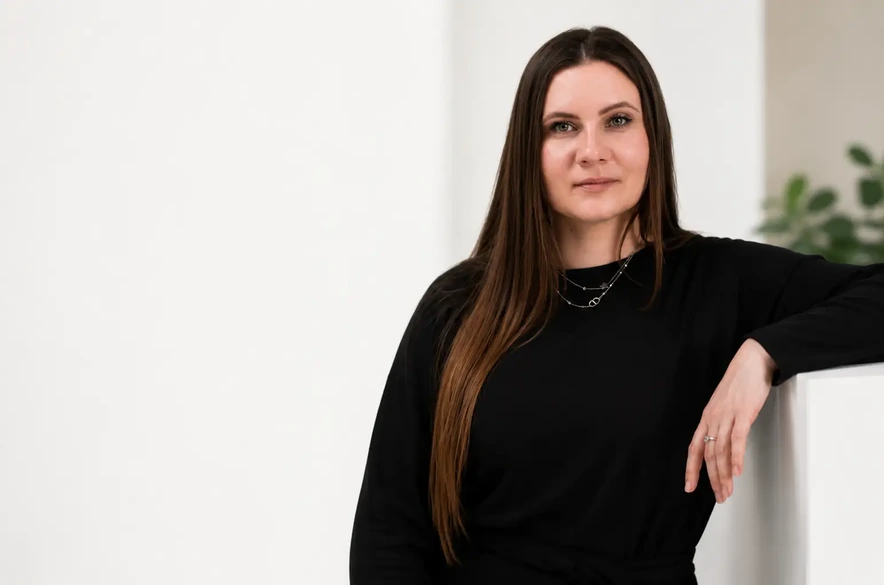
Personal support lead
Will help you before and after the surgery
Helps with the forms and the arrangements


All your questions get answered and a convenient consultation time is found
Message us on Telegram Get in touchQueries we hear
Yes, of course. People with homes in various cities and countries are part of everyday practice, and an online discussion with the doctor opens the process.
FUE costs $2,200 (≈ DZD 295,000), DHI costs $2,500 (≈ DZD 335,000), and the combined DHI+FUE method costs $2,700 (≈ DZD 365,000). The exact amount is confirmed at a free consultation after your grafts are counted, and it is fixed in the contract.
One day sees the whole operation through, and then it is home.
Not at all — you feel nothing, because local anaesthesia is used.
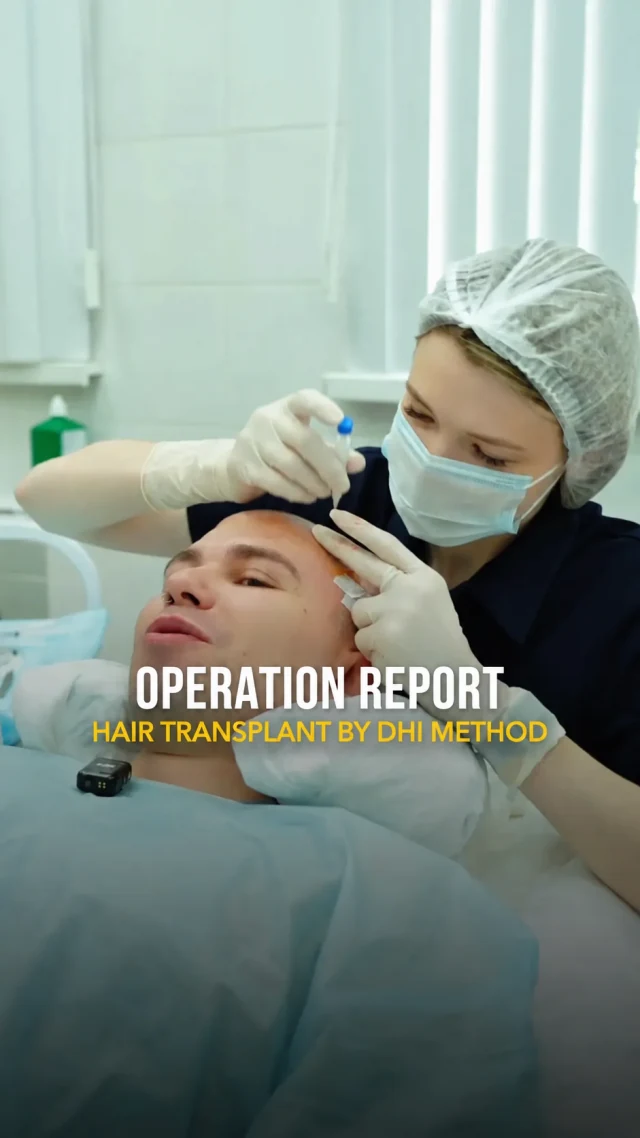
FUE relies on tweezer harvesting with no incisions or stitches. DHI relies on Choi-pen implantation without channels. The combined DHI+FUE approach harvests by FUE and implants by DHI.
The answer depends on donor hair. The doctor provides the exact count at a consultation that is free.
Healing runs 0–10 days, followed by normal hair shedding at 2–4 weeks. Growth kicks in at 3–4 months, thickens by 6–9 months, and reaches its final result at 12–18 months.
Hair growth is covered by a lifetime guarantee, fixed in the signed contract.
The clinic works under a medical licence, care follows the standards and clinical guidelines
of the Ministry of Health.

Qualification certificates of our surgeons
See the documentsAKC POMOSHCH LLC
the firm's legal entity
1057746096924
OGRN
7728536872
INN
FUE and DHI both work for a patient in Blida. The skin is not cut open, there is nothing to stitch, local anaesthesia covers the session on its own, and the operation ends on the same day it began.
Nobody in Blida pays for the first step. The consultation happens online, the doctor sees photos of the thinning area and gives the graft count from them. The clinic is reachable 24/7, which is a normal part of the day there.
After the operation: 0-10 days to heal, 2-4 weeks until the transplanted hairs shed, which is a normal phase, 3-4 months to the start of growth, 6-9 to real density and 12-18 to the final result. Check-ups at 1, 3, 6, 9 and 12 months, photos with a personal coordinator, lifetime growth guarantee.
Prices are in US dollars; the amount in brackets is an approximate conversion to DZD at the rate of 02.10.2026. The final price is fixed in your contract.
By messaging us, you agree to our Privacy Policy
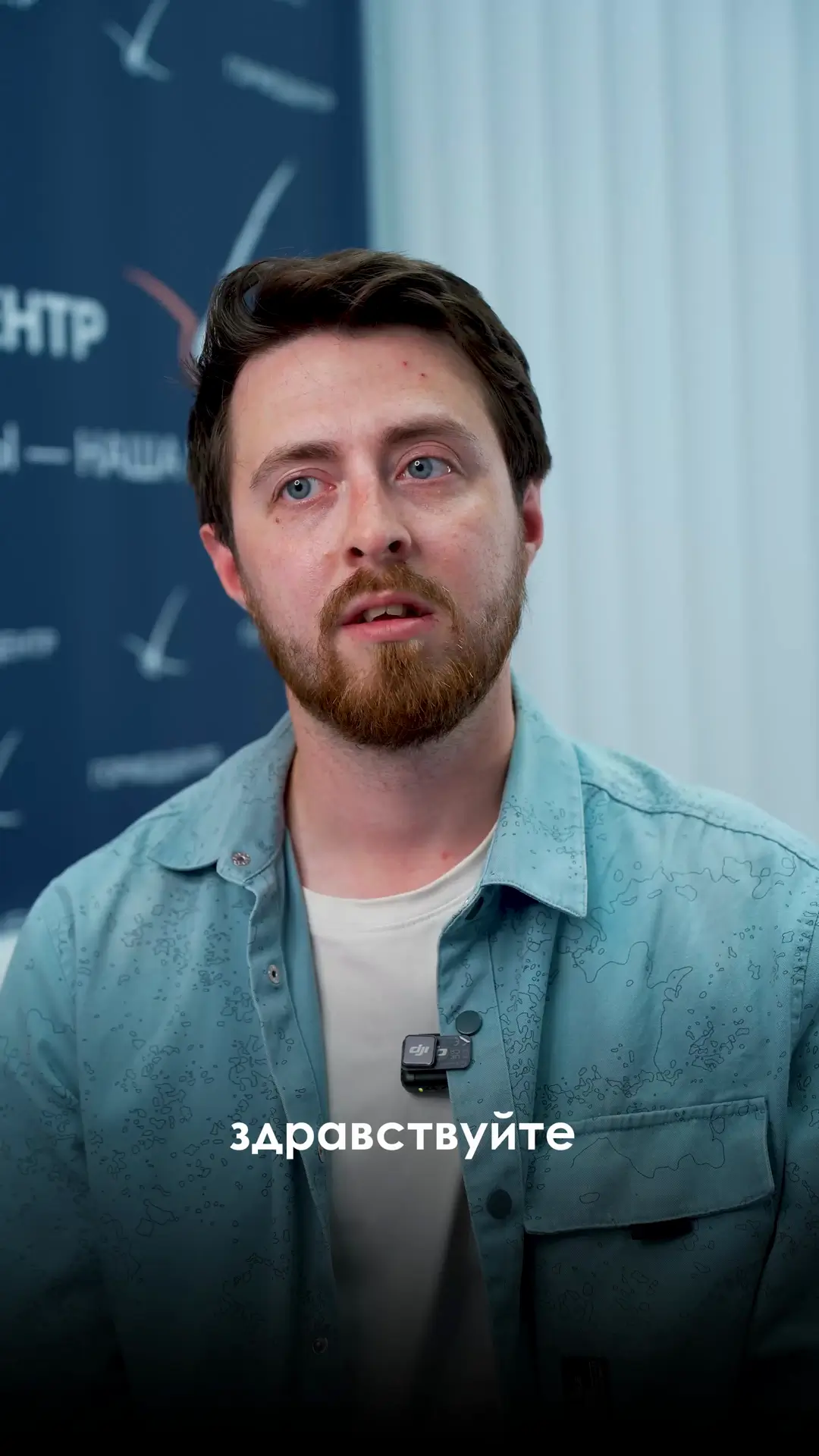
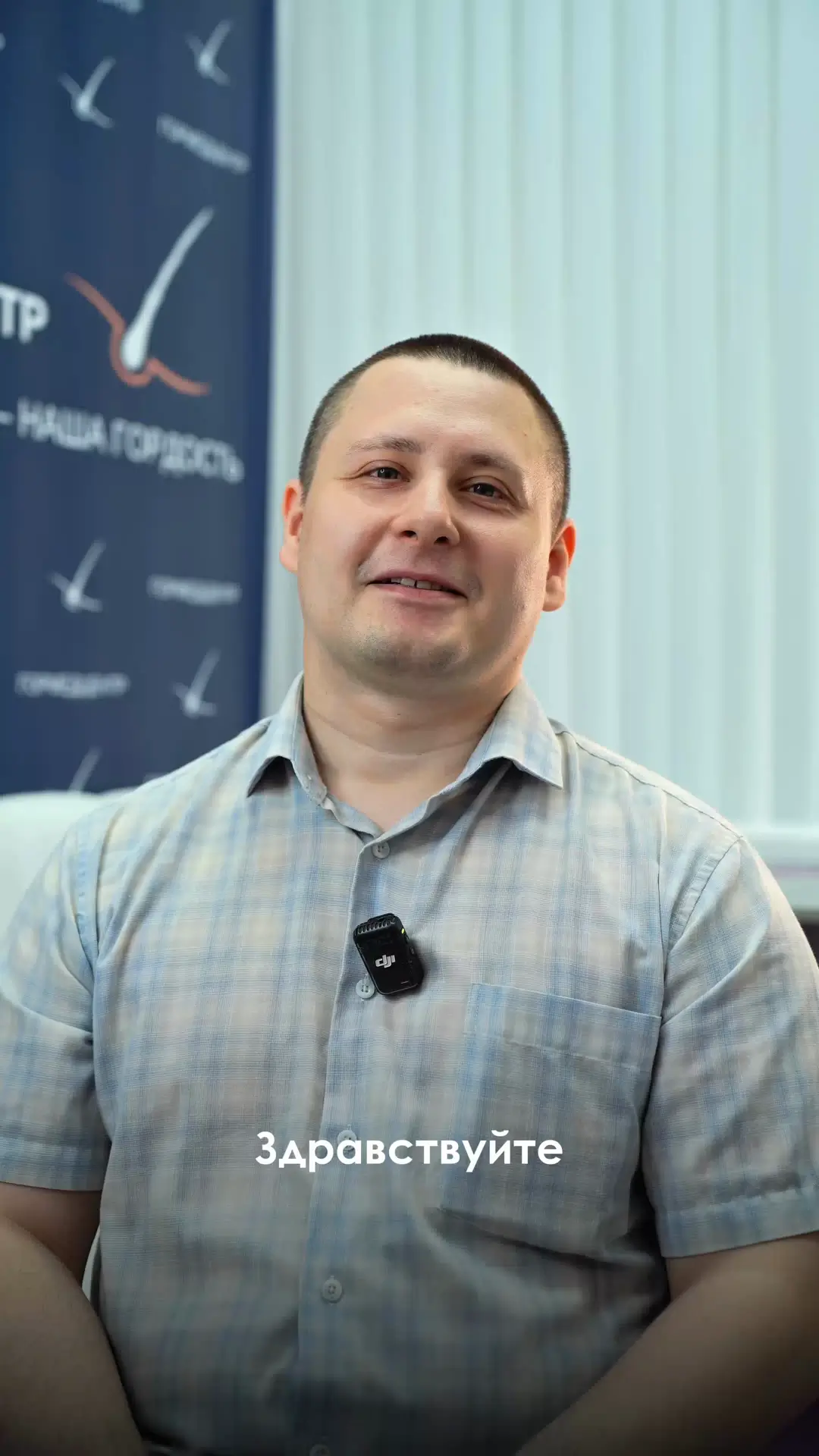
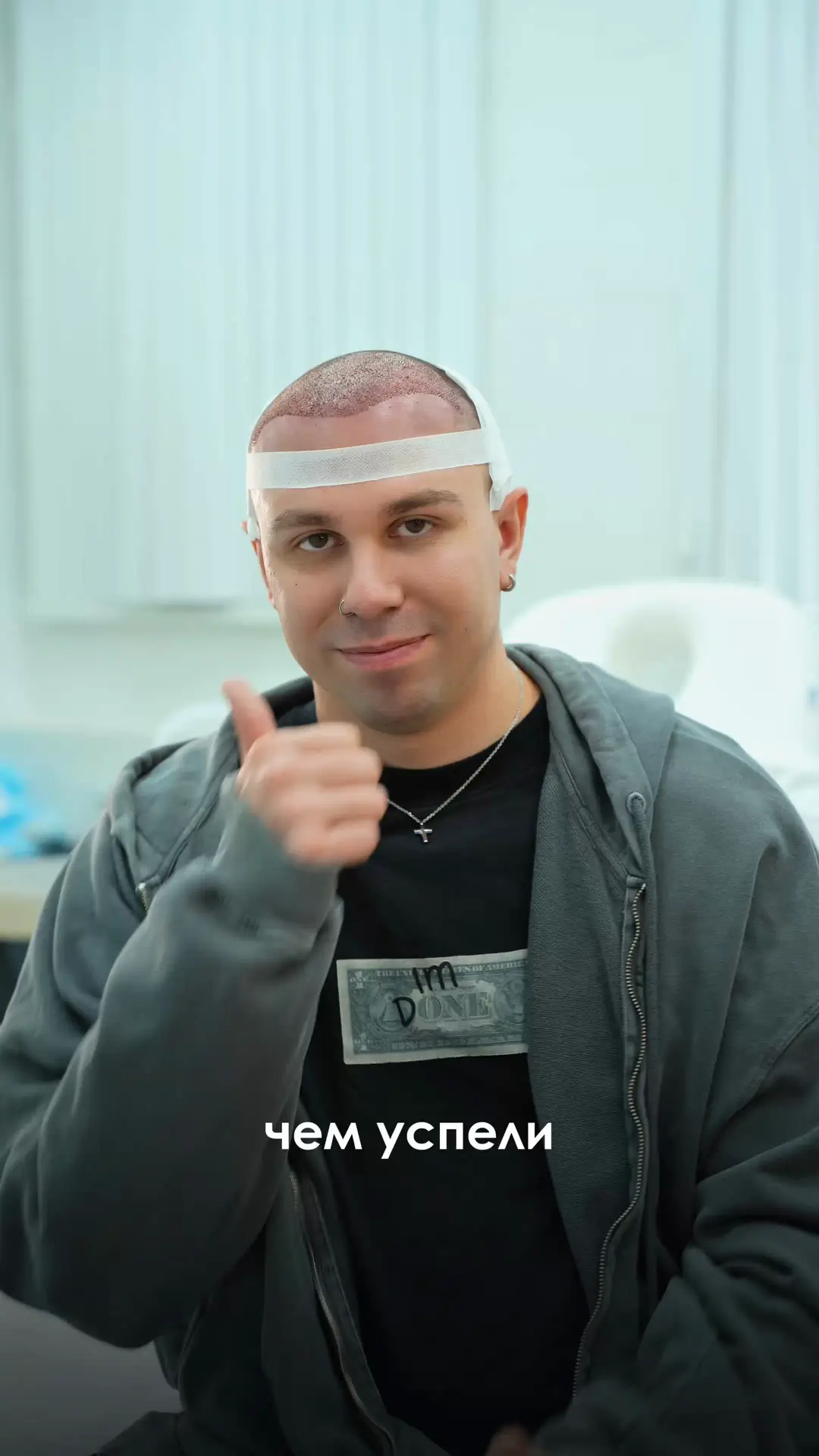
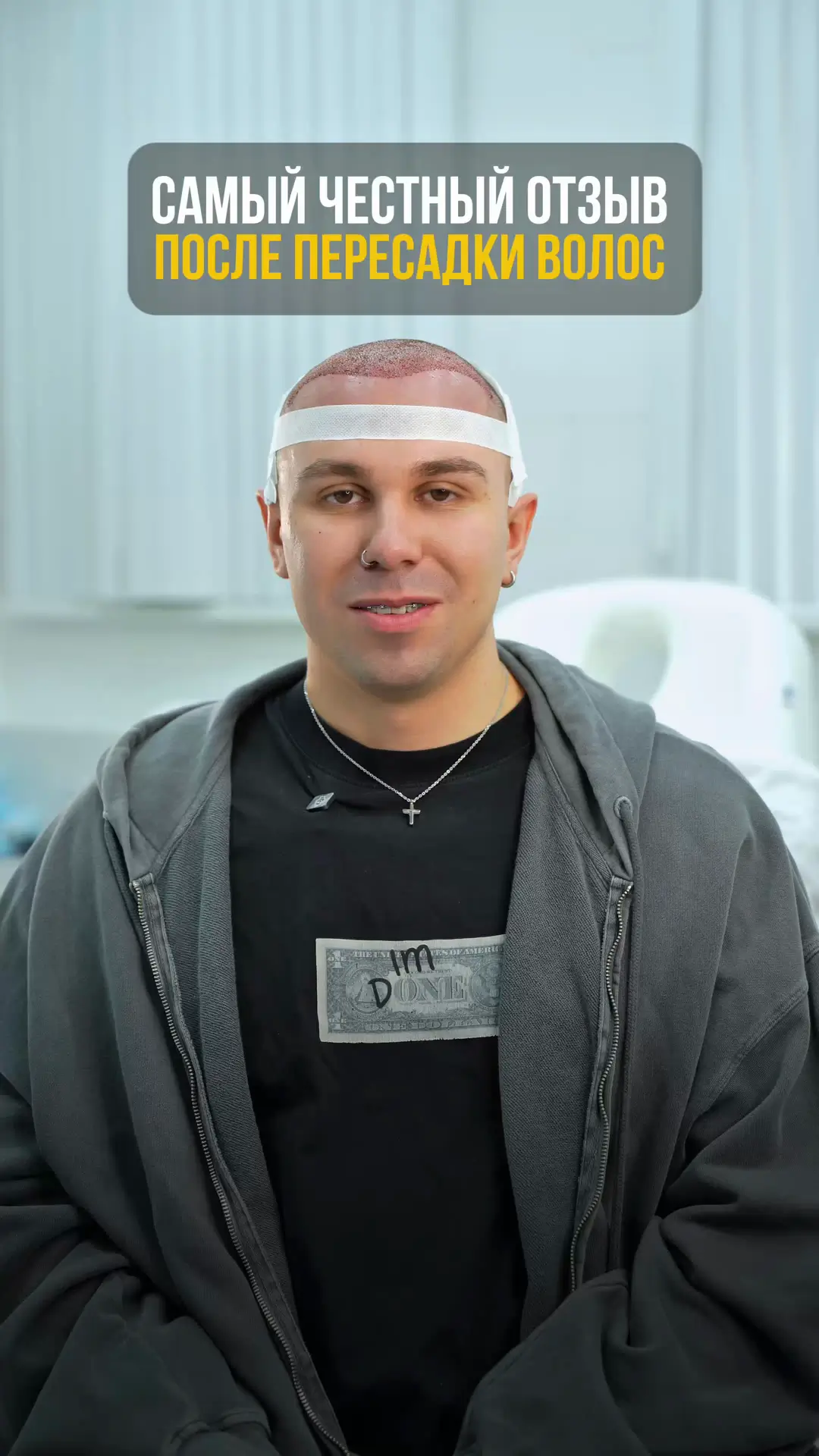
Known people who talked openly about this operation, in their own words.
 John Cena's hair transplant: “I got a problem, I try to fix it”John Cena spoke openly in 2025 about his hair transplant and the fan signs that pushed him to it. His words, how the procedure works and the recovery.
 Did Calum Best have a hair transplant? Yes, and he said so himselfCalum Best said in 2023 he had his sixth hair transplant, this time using patches of beard hair. His words, how the procedure works and recovery.
 Did Chloe Goodman have a hair transplant? Yes, and she explained whyChloe Goodman had a hair transplant in 2025 after losing hair following pregnancy. Her own words, how the procedure works and what recovery involves.
 Did Dean McCullough have a hair transplant? Yes, and he filmed itRadio 1 presenter Dean McCullough shared his FUE hair transplant on TikTok in 2024. His own words, what the swelling means and how results develop.
 Did Ella Morgan have a hair transplant? Yes — to cover a hairline scarThe Married at First Sight star revealed a hair transplant in 2025 to cover scarring along her hairline from facial surgery. Her own words and the facts.
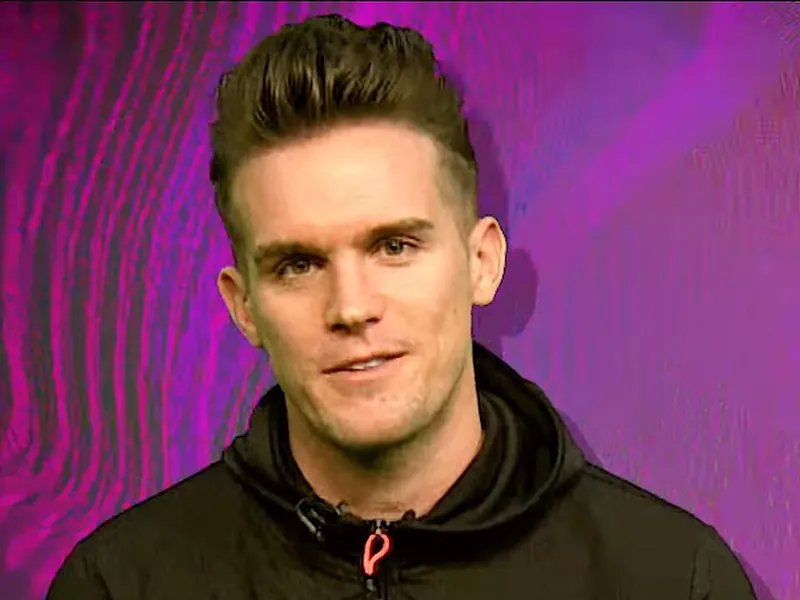 Gaz Beadle on his beard transplant: “I LOVE IT”Gaz Beadle told his 3.6 million followers he had a beard transplant after years of patchy stubble. His own words, and how a hair or beard transplant works today.
What patients write after this operation. Reviews are translated from the original language.
Andrey M.
I had the operation a month ago. Before and after surgery they were always in touch and helped with questions about my tests. The operation itself went wonderfully, the staff are polite and masters of their craft, you feel you are in safe hands. I am recovering now, and they answer all my questions. I am happy and I recommend them!
DHI hair transplant
Pavel Sinitsyn
The best clinic of all the ones I was choosing from. No regrets at all! The result is simply amazing, I am thrilled. I recommend it to everyone: these people do great work and make people happy. Once again, a huge thank you to everyone. Roman, the head of the clinic, is the best: he was personally in touch with me and looked after my recovery. Thank you for making my dream come true.
FUE hair transplant
Maria Akopyan
I thought about an eyebrow transplant for a long time and finally went for it. At first I was afraid the result would look unnatural, but when I saw my new eyebrows I was delighted! They came out full and in harmony with my face. I can hardly believe that now I just wash my face and go, I have never felt so free. For anyone tired of constant make-up, a transplant is a real lifesaver!
Eyebrow transplant (FUE)
Alexander M.
I really wanted a thick beard, but I had problems with it. I tried every home remedy and minoxidil, and nothing helped. After a long search for the best clinic I settled on this one. Thank you so much for the service, I liked everything and now I am happy! I had the beard transplant 10 months ago and I am very pleased with the result. By the way, the music in the clinic was great, as far as I remember. A friend of mine has already come to you for a transplant on my advice and was also happy with the result. I wish you every success!
Beard transplant (FUE)
Vladimir Z.
I went to the clinic to see a trichologist and had a hair transplant. I really liked the doctor's approach, and all the recommendations helped. I want to point out that nobody tries to sell you extra services: they tell you things as they are, and if some treatment is not needed, they do not push it. Cosy and clean.
DHI hair transplant
Artem Popov
This may sound obvious, but a head of hair really changes everything in your life. You feel much more confident and go through life like a winner. And it is all thanks to the doctor at this clinic and to the staff who take care of their patients. Many thanks to the clinic for a happy life with new hair, for the comfortable conditions and for the professionalism during the hair transplant.
FUE hair transplant
Blida has roughly 182,000 residents inside the city proper according to the 2012 count, and well over half a million if you include the urban zone that spreads around it. Among them are men who have watched a temple recede for years and women who notice the parting widening. The first practical question is rarely medical. It is simply: which days can I afford to look slightly unusual, and who at work needs to know? Putting numbers and dates on a calendar before the first message also protects you from the common habit of drifting for months with the same worry and no plan at all.
Algeria's weekend falls on Friday and Saturday, which gives hair restoration a convenient shape. The procedure itself is a single day in the clinic under local anaesthesia, so a Friday session leaves Saturday for rest, and many people in offices, schools and municipal departments can restrict their time away to a few working days. Write your own calendar down before you write to anyone. A plan made on paper survives a hurried week far better than a plan made in your head.
Your first message needs only three kinds of photograph taken in daylight: the front hairline with the hair pushed back, both temples from the side, and the back and sides of the head, which is the donor zone. Add a line about any tablets or lotions you use for thinning, and whether close relatives lost hair early. Those details help the surgeon judge how settled the loss is, and they cost you five minutes. If you usually cover the thinning area with a style or a cap, photograph both versions, covered and uncovered. The difference between them shows the surgeon how much density you have really lost and how much your styling is hiding.
The coordinators answer on Telegram and Telegram around the clock, so an evening idea does not have to wait for office hours. They will come back with a few direct questions, then pass the file to the surgeon, who decides whether you are ready now or should wait until the pattern stabilises. A deferral, if it comes, is recorded in writing and is a sign of a careful assessment rather than a refusal.
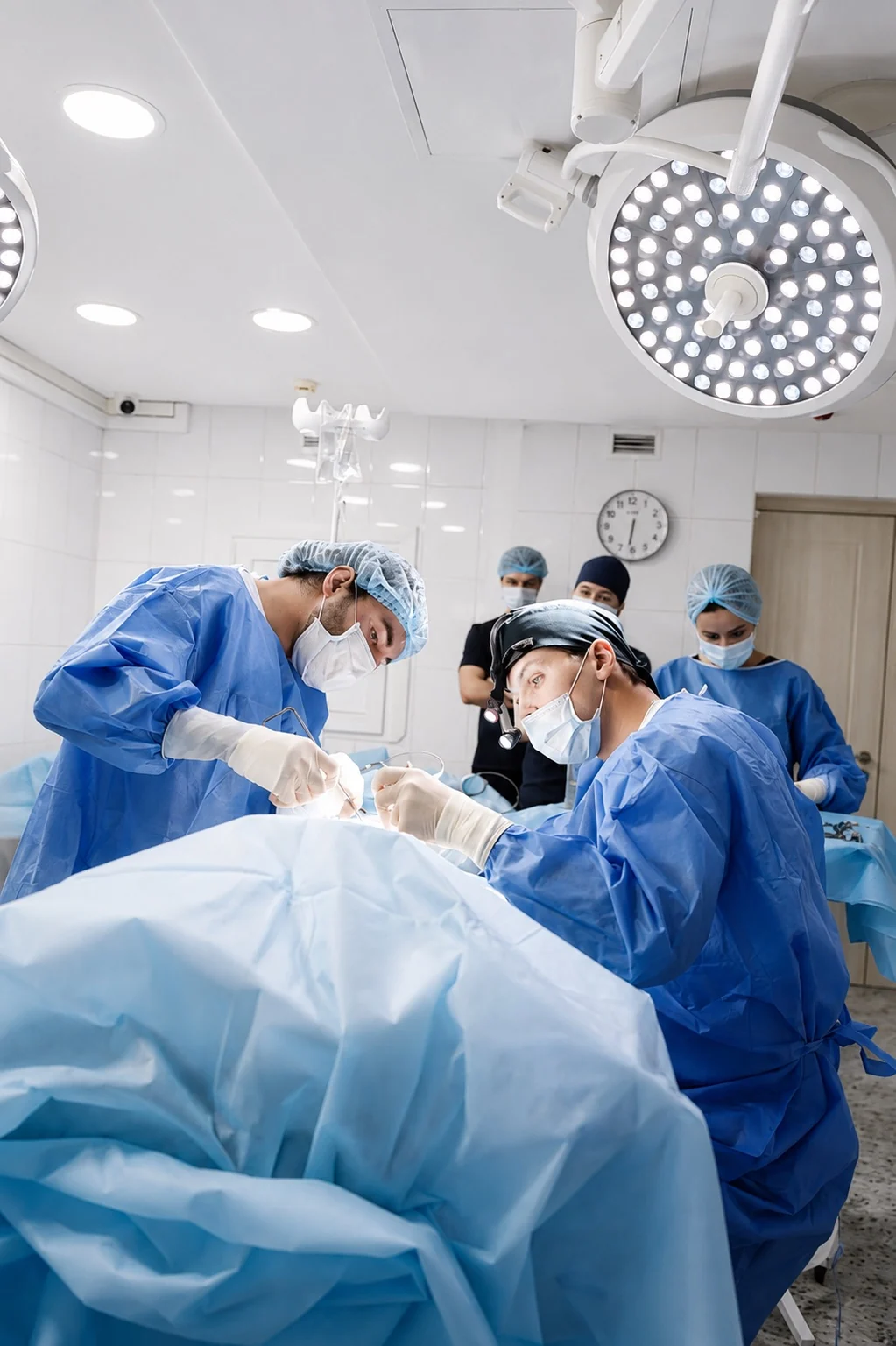
Hair transplantation is carried out under local anaesthesia: the team numbs the area being treated and you stay awake and comfortable throughout. There is no overnight stay in hospital and no general anaesthetic to recover from. You spend one day at the clinic and then go home, which is why people who fear operating rooms often find this the easiest procedure on the list to consider. Many people expect a long, unpleasant day, and are surprised by how calm it is: a comfortable chair, breaks, and time to listen to music or simply think about something else.
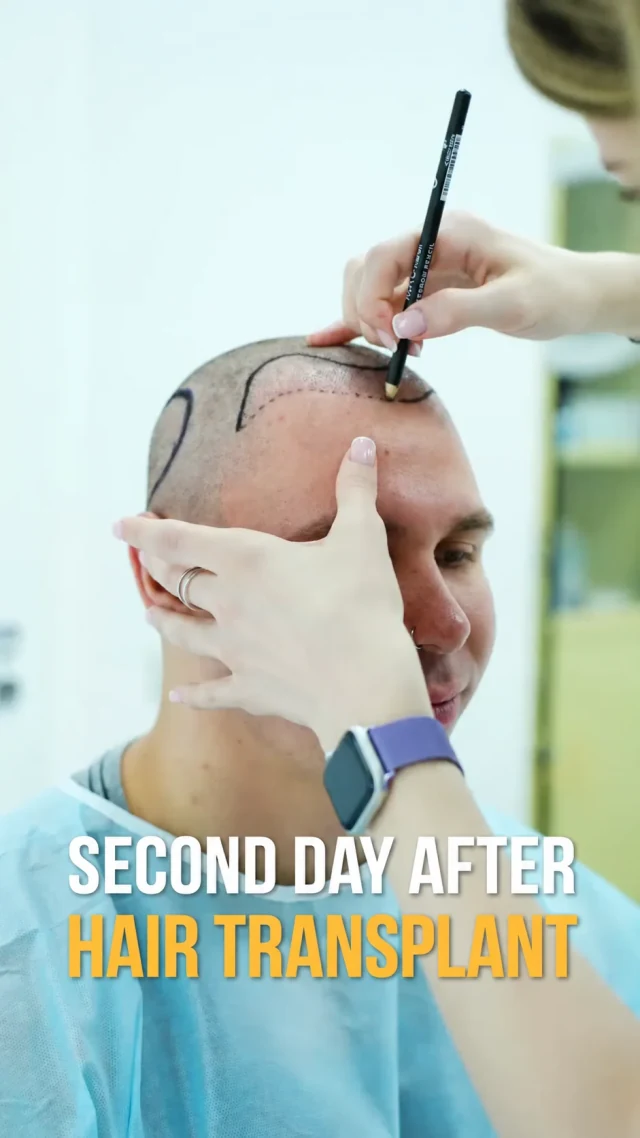
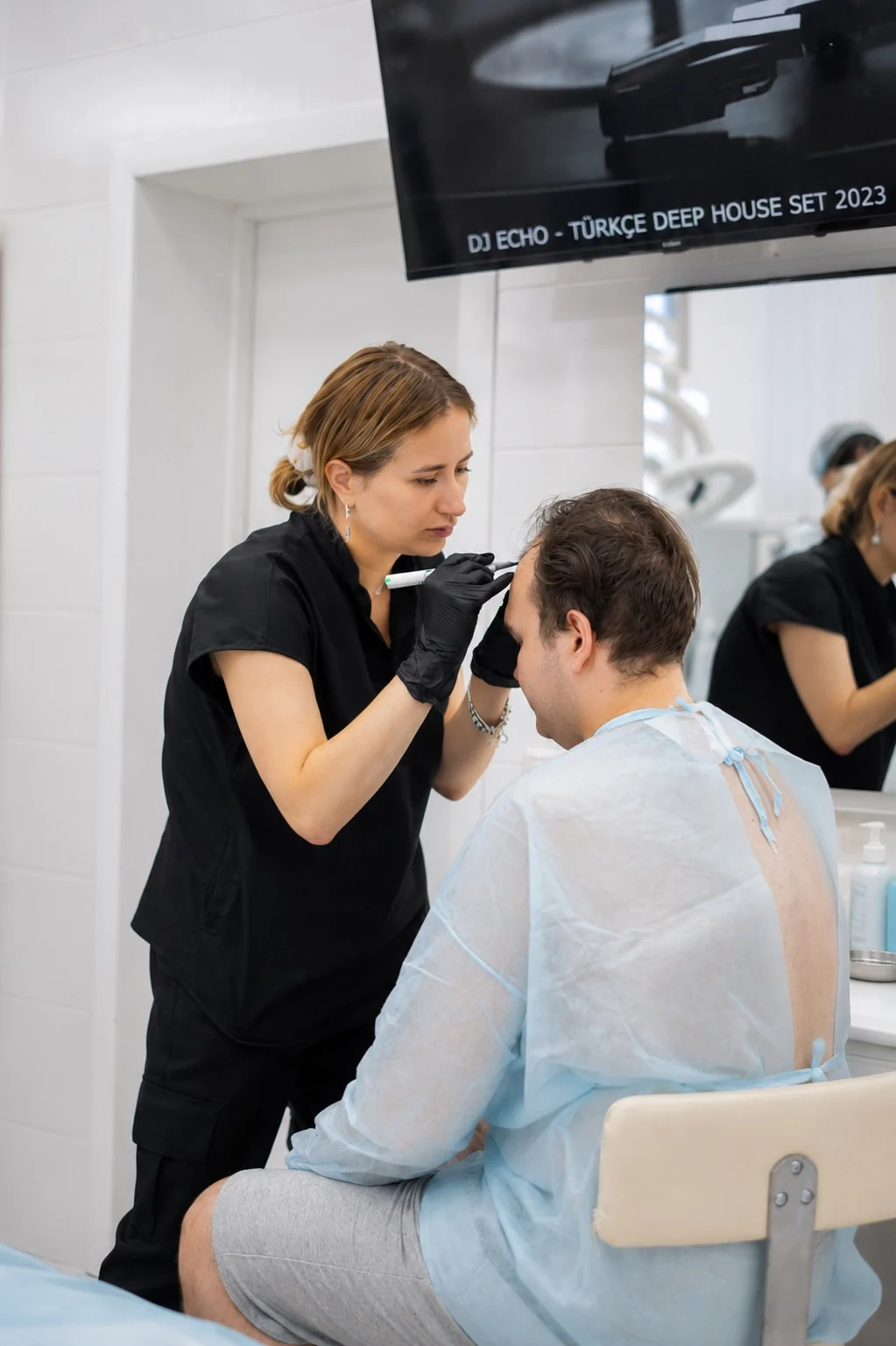
Before the session starts, the surgeon draws the planned frontal line on your forehead, and you are invited to look at it in a mirror and agree to the shape. Ask to hold a hand mirror at that point, and ask for a photograph of the drawing. A hairline that suits a cousin may not suit the proportions of your face, and this is the only moment when changing it costs nothing.
Bring a family member or friend for the journey home, mainly because instructions are easier to absorb when two people hear them. You leave with written guidance on sleeping position, washing, medication and what you must not touch. People who live in the quieter districts beyond the centre, close to the Mitidja plain, should work out the road time in advance so that the end of a long day is not a tiring drive.
That evening, raise your pillow slightly, keep your fingers away from the grafted area, and save the coordinators' contact on your phone's first screen. If something feels odd at two in the morning, a short written question with a photo gets an answer at that hour. It turns a night of worrying into a few minutes of reading. The next morning, photograph both the donor and the recipient areas and keep the images. That first picture after the session becomes the zero point against which everything later is compared.
During roughly the first ten days, small crusts form over the transplanted points, the swelling settles and the skin heals. The crusts then loosen and fall away. This is normal. The most frequent mistake is picking at them or dragging a comb across the area, because each graft is still anchored by a very fine thread of tissue.
August is Blida's hottest month, with an average high of 31.7 degrees and a low of 22.1, and July follows closely at 30.9 and 21.4. July is also almost completely dry, with about 2 mm of rain across the month. Anyone who schedules a transplant in summer should wear a loose cotton cap that does not squeeze, stay in the shade when the sun is highest, and avoid dusty ground, especially around harvest time near the farmland. Dust from the plain can settle on a damp scalp, so keep the cap clean and change it daily rather than wearing yesterday's again, and wash your hands before you touch anything near the area.
Your first wash will follow the exact method your surgeon prescribes: lukewarm water, no direct jet, no rubbing. You may be given a saline spray or a special shampoo. Keep a tiny note on your phone with each wash and each tablet. In the first week it is forgetting, not recklessness, that causes most small setbacks.
The return to work depends on what you do. A desk job can usually resume within a few days with a light cap. A job in orchards, on building sites or in the sun needs a longer pause that the surgeon will estimate once you describe your day. Send the coordinator a plain description of your working hours before the procedure, not after. Plan the first ten days on paper too: who collects the children, who does the shopping, who handles the housework. A short written list gives you a good reason to rest without feeling guilty about it.
Two to four weeks after the procedure, the transplanted hairs usually fall out. It is a standard stage: the shafts shed while the follicles stay in place beneath the skin. People who do not expect this sometimes think the operation has failed, when in fact the follicles are resting before producing new hair. Do not compare your head with a friend's who had a transplant in the same month. Every scalp keeps its own rhythm, and some follicles wait an extra month before they start producing again.
If this phase falls in January or February, remember that Blida's winter is cool and wet. The average high in January is 14.2 degrees with a low of 7.0, February runs a little warmer at 15.5 and 7.6, and December brings about 130 mm of rain, the wettest month of the year, with January at 116. A clean, thin cotton or wool cap protects against cold and drizzle without pressing on the area. Dry your scalp well before bed.
New growth begins around the third or fourth month. The first hairs are thin and uneven, sometimes thicker on one side than the other, and that is not a cause for concern. Take one photograph a month in the same light and from the same angle, and compare it with the day-one image rather than with the bathroom mirror, which can mislead. If you like to measure, choose one small patch near a temple and watch only that. You are not counting hairs; you are noticing direction, whether it is denser or thinner, longer or still short, and writing it under the photo.
Between about six and nine months the density becomes visible and the outline of the new hairline is clear. This is a good moment to ask your surgeon whether photographs alone will be enough for follow-up or whether a touch-up in a specific area is worth planning. Hold off on a radical haircut or a new colour until you have discussed it.
The final result takes shape between twelve and eighteen months, when density and a natural hairline reach their finished form. Judging a transplant at month four is like reviewing a book from its first chapter. Put reminders in your calendar for each monthly photo and treat the timeline as part of the treatment, not as an annoying delay. Care becomes less intensive with each passing month, but patience with the timeline stays part of the treatment, because any surgical work needs time to settle into the body.
In Algeria, a doctor must be entered on the roll of the medical order to practise, and the national council of the order of physicians oversees it. We could not open the council's own website when this file was prepared, so we cannot point you to a confirmed online directory. The safe route is simple: ask the surgeon for the registration number and the stated specialty in writing, and keep them with your records. If someone recommends a famous name, do not stop at the reputation. Ask for the same paper: a well-known name needs a place on the roll just as an unknown one does.
Compare offers by paperwork and not by tone. A good offer shows a written plan with the number of grafts intended, photographs of similar cases after a year, the type of anaesthesia and the length of your clinic day. A friendly message and a fast reply are pleasant, but neither tells you what qualification stands behind the plan. Then ask the coordinator how follow-up will run after the first months: whether photos go in monthly or every two months, who answers them, and what counts as a sign that deserves an urgent message before the next scheduled check.
Think of your photo archive as a personal ledger: the first images, then two weeks, three months, six, nine, twelve. It gives the surgeon valuable information and gives you reassurance on the days when you doubt the process. It is also the neatest answer to relatives who ask whether it worked.
No. The transplant is carried out under local anaesthesia, which numbs the area being treated while you remain awake and comfortable. You spend a day at the clinic and then go home, so there is no hospital stay. Tell the coordinator about any chronic illness or medication so the surgeon can decide whether any extra arrangement is needed.
A Friday session fits Algeria's Friday and Saturday weekend and keeps your time away short. Whether you return on Sunday depends on your job: an office worker may manage with a light cap, while someone working in the sun needs a longer pause. Describe your working day to the coordinator in advance. A short description of your tasks is enough for the surgeon to suggest the most sensible return date.
In the first ten days, small crusts form over the transplanted points and then fall off while the swelling goes down. Do not scratch or pull them. Wash exactly as your surgeon instructed, and send a clear photo to the coordinators if crusts remain after two weeks or if redness worries you.
No. Two to four weeks after the procedure the transplanted hairs commonly fall out while the follicles stay in place. New growth then begins around month three or four. Severe pain or discharge is different and should be reported at once with a photograph, but ordinary shedding is simply a resting stage.
Visible density generally appears between six and nine months, with the outline of the new hairline clear by then. The final result forms between twelve and eighteen months. Photograph your head monthly in the same light and from the same angle, then compare it with the first image instead of judging by one day. If progress feels slow, do not worry before at least the ninth month has passed.
January is cool, with an average high of 14.2 degrees and a low of 7.0, and December and January are the wettest months. Choose a clean, thin cap that does not squeeze the area, avoid tight hats, and dry the scalp thoroughly before bed. If rain soaks the area, ask your surgeon how to dry it safely.
Doctors must be entered on the roll of the national medical order to practise in Algeria. We could not confirm an online directory, so ask the surgeon to give you the registration number and specialty in writing and keep them in your file. Reluctance to share them is a reason to pause.
Not always. If hair loss is still active or the donor area is limited, the surgeon may advise waiting or choosing a different plan. This is why photos and your medication history are sent first. The decision is written down for you, and a deferral protects the final result rather than blocking it. The conversation stays open with the coordinator until the plan is clear.
Page medically reviewed by Anastasia A. Kolesnik, hair transplant doctor. Review date: .

 Forceps
 Minimal


