



























Message our coordinator
Free online consultation · Reply within 15 minutes
Message us on TelegramMessage us on WhatsAppBy messaging us, you agree to our Privacy Policy





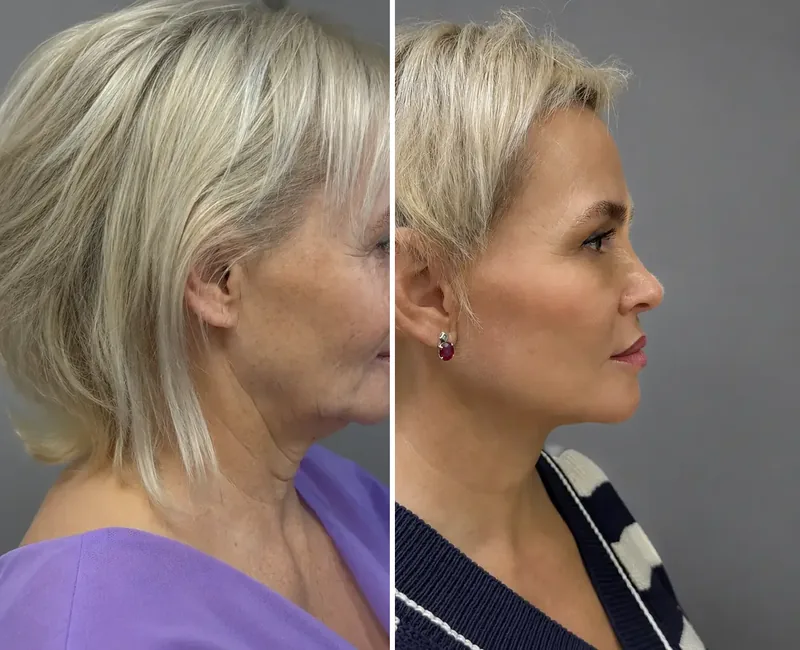

50 years
9 months
SMAS facelift
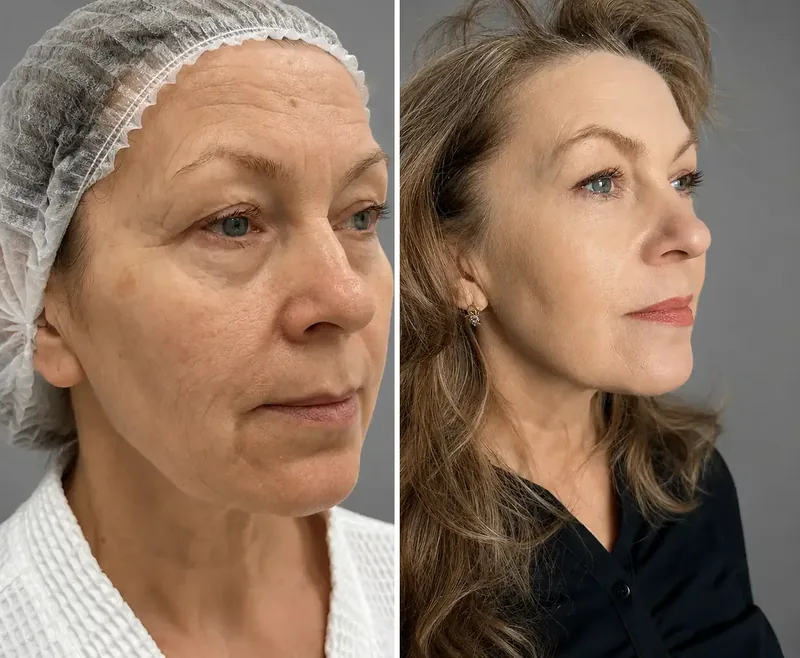
58 years
8 months
SMAS facelift
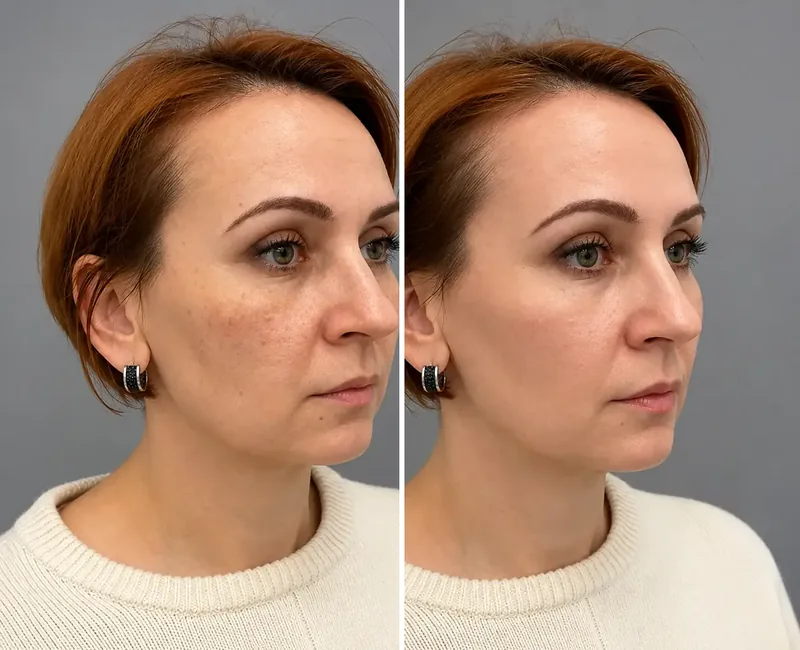
34 years
5 months
SMAS facelift
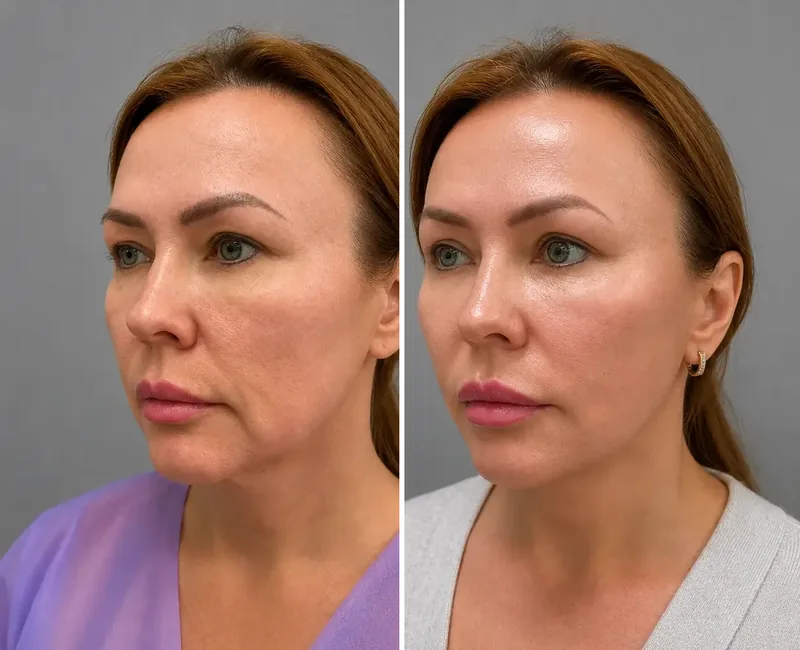
32 years
7 months
SMAS facelift
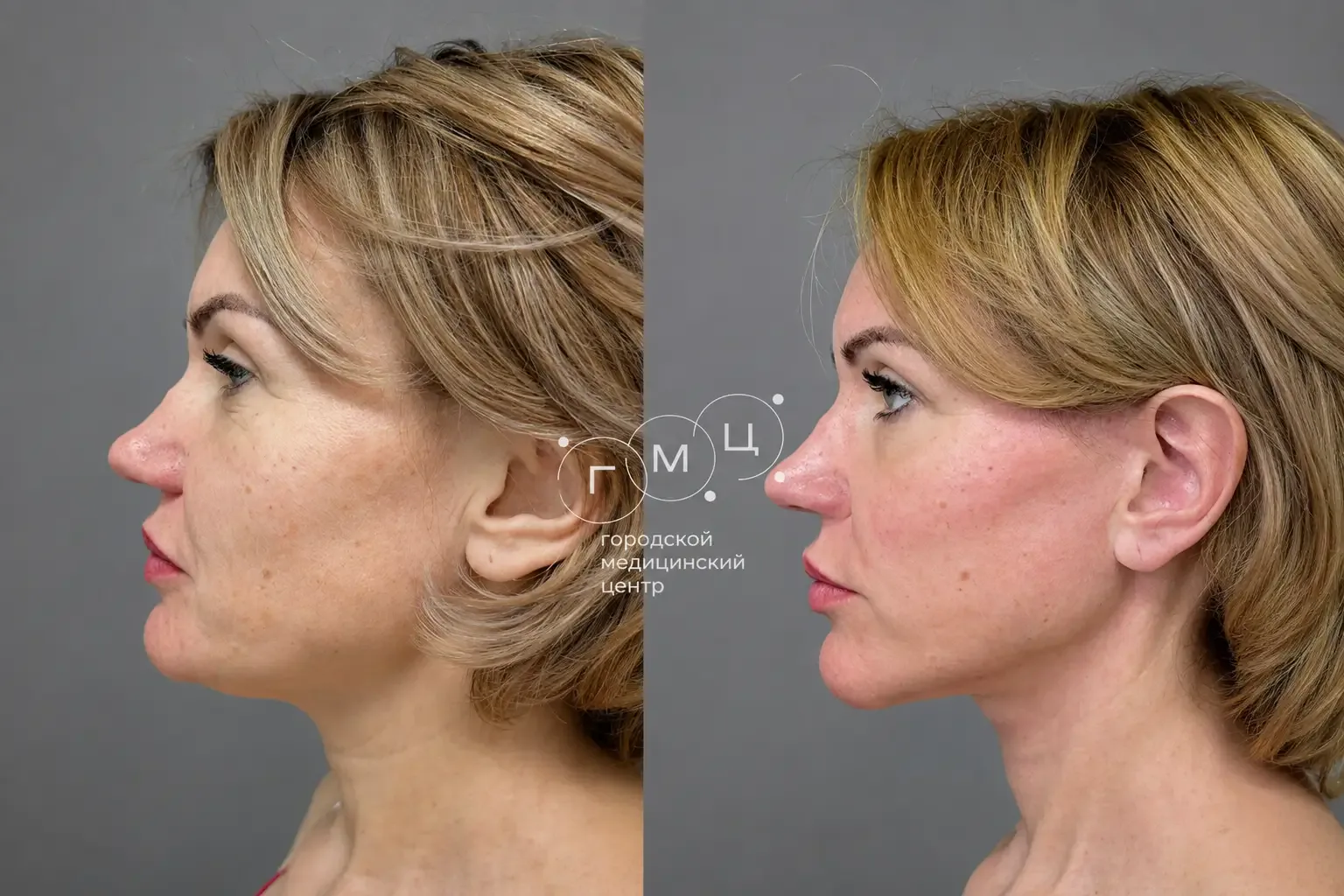
40 years
6 months
SMAS facelift
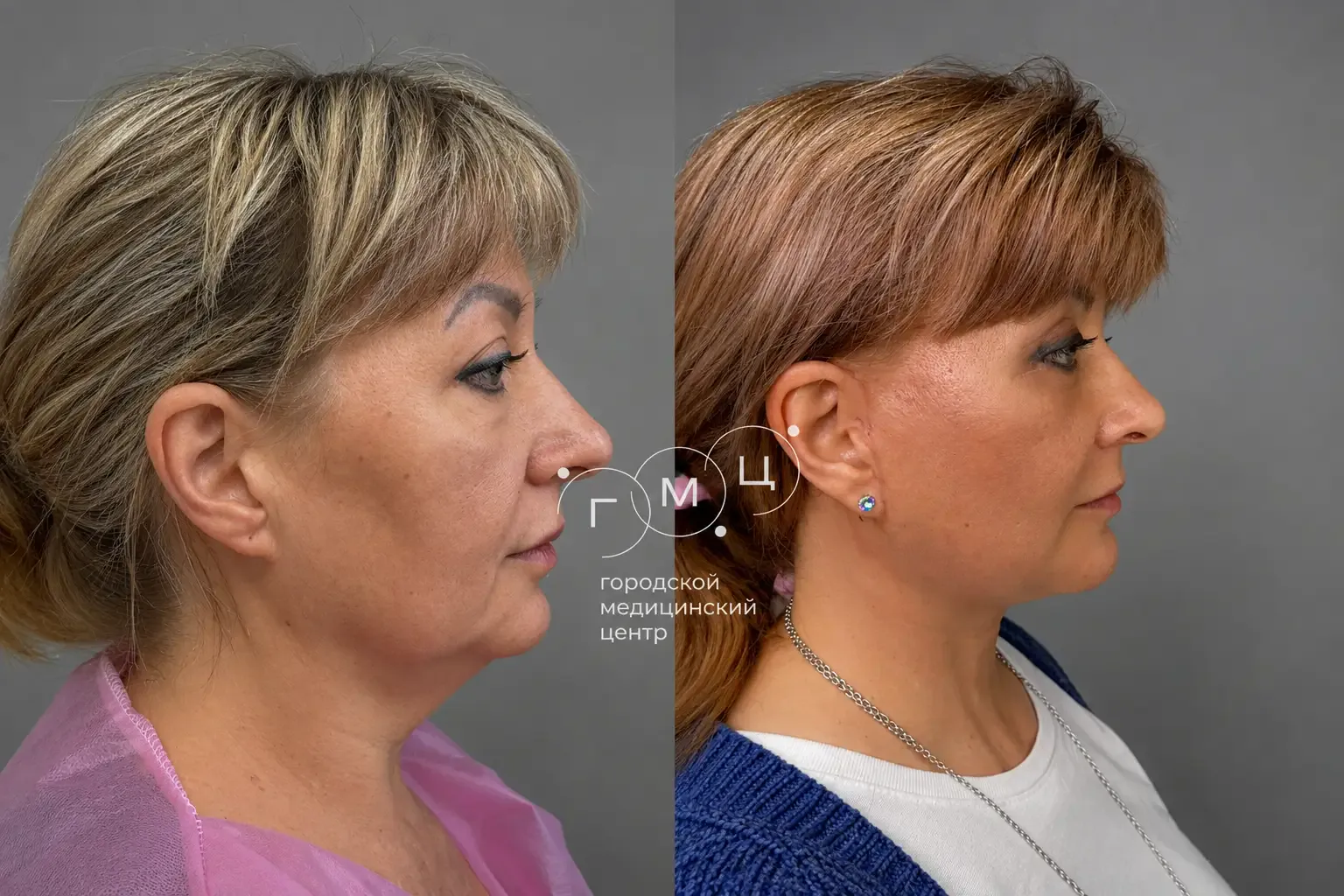
45 years
8 months
SMAS facelift
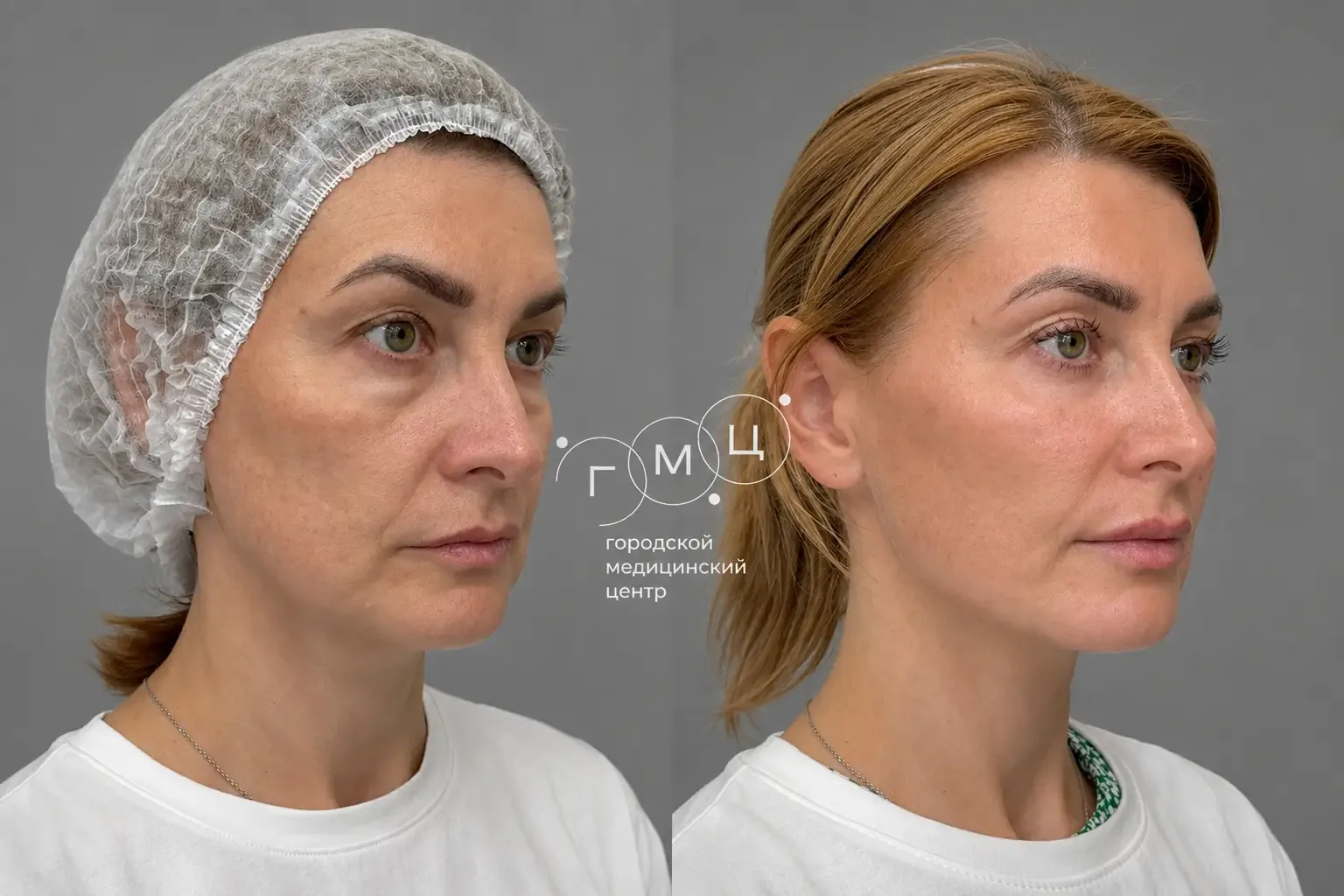
38 years
5 months
SMAS facelift
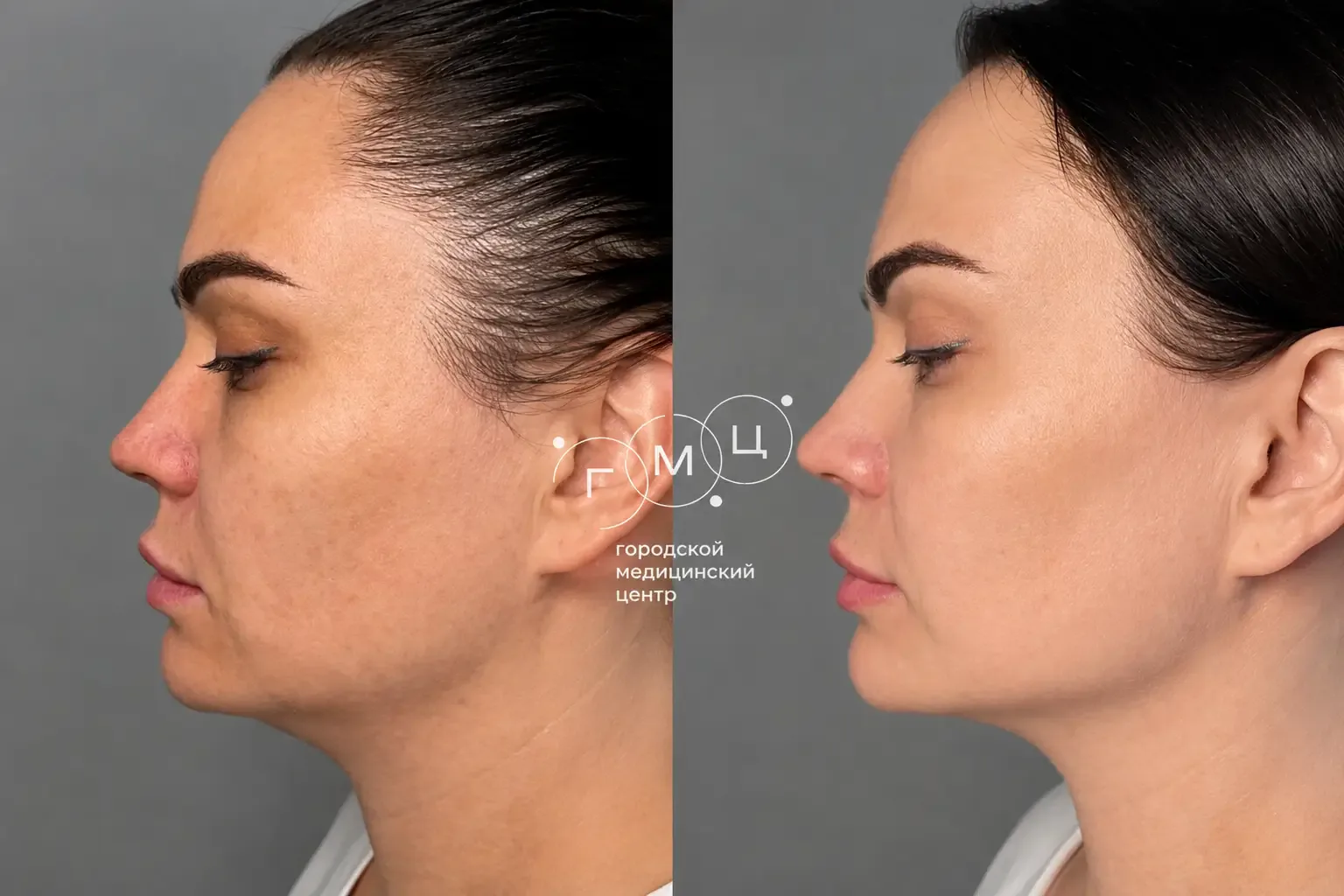
33 years
6 months
SMAS facelift
50 years
9 months
SMAS facelift
58 years
8 months
SMAS facelift
34 years
5 months
SMAS facelift
32 years
7 months
SMAS facelift
40 years
6 months
SMAS facelift
45 years
8 months
SMAS facelift
38 years
5 months
SMAS facelift
33 years
6 months
SMAS facelift
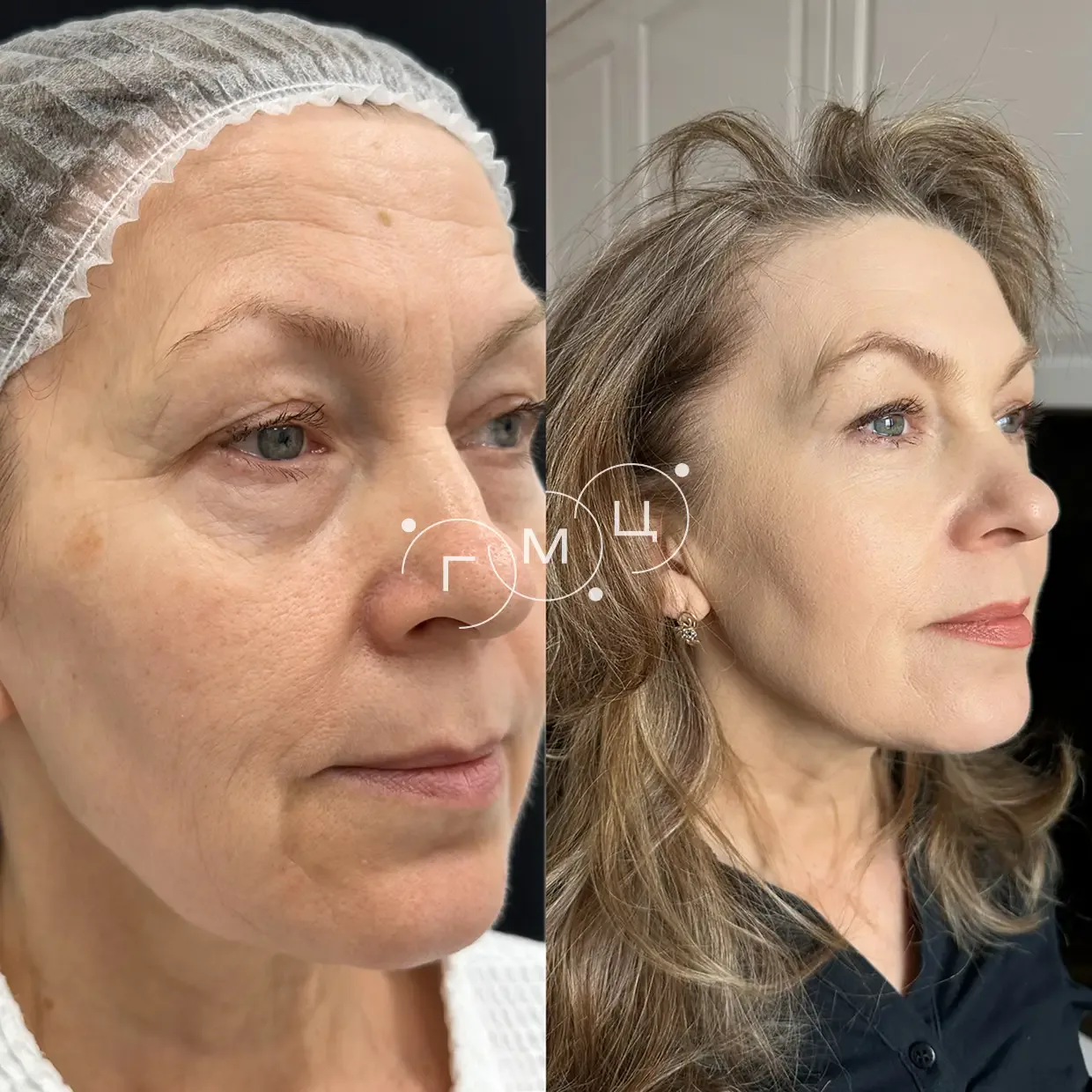

The face and neck show marked sagging
Jowls and a blurred jawline
A double chin with loose skin on the neck
Deep marionette lines and nasolabial folds
Drooping brows and a heavy look
Noticeable loss of skin firmness after 40
Wanting a long-term result (7–10 years)

Under 30 years old
Acute inflammation of the skin
Pregnancy and the breastfeeding stage
Severe heart and vascular disease
Problems with blood clotting
Cancer
Decompensated diabetes
Facelift in Blida: types, stages and price
As a rule, a surgical facelift is recommended from 40 with marked tissue sagging, and in some cases from 35; the recommendation is made individually after an examination. Contraindications include age under 30, acute skin inflammation, pregnancy and breastfeeding, severe cardiovascular disease, clotting disorders, cancer and decompensated diabetes. Blida patients with chronic conditions should consult a clinic doctor first.
Here is the route in brief. A free consultation with an assessment of sagging. A choice between a SMAS, full, neck and lower face or endoscopic lift. Surgery under general anaesthesia. A stay in an inpatient room with meals and round-the-clock monitoring. Then 7–10 days of rest in a compression bandage and a year of follow-up. Patients from Blida follow this same sequence.
The price starts at $2,400 (≈ DZD 325,000) and already covers the essentials: anaesthesia, the inpatient stay with meals, round-the-clock monitoring and a year of surgeon follow-up until the final result. Blida residents can pay through in-house 0% instalments with no overpayment. The first consultation is free: send your name and phone number, and a coordinator will contact you.
Stories of well-known people
Well-known people who spoke openly about this operation, in their own words.
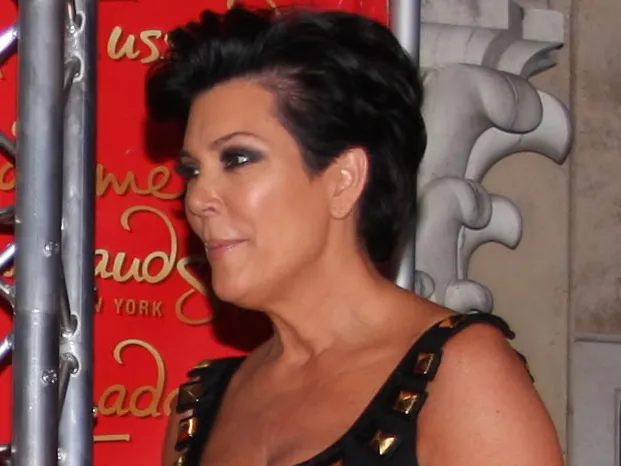 Kris Jenner’s facelift: “I love my facelift”Kris Jenner said she had a facelift about 15 years ago and a refresh before turning 70 — and that she loves it. How a SMAS facelift and recovery work.
 Did Vicki Gunvalson have a facelift? Yes, and she showed the result herselfVicki Gunvalson had a facelift in May 2018 after deciding fillers no longer looked like her. Her own words, how a facelift works and recovery.
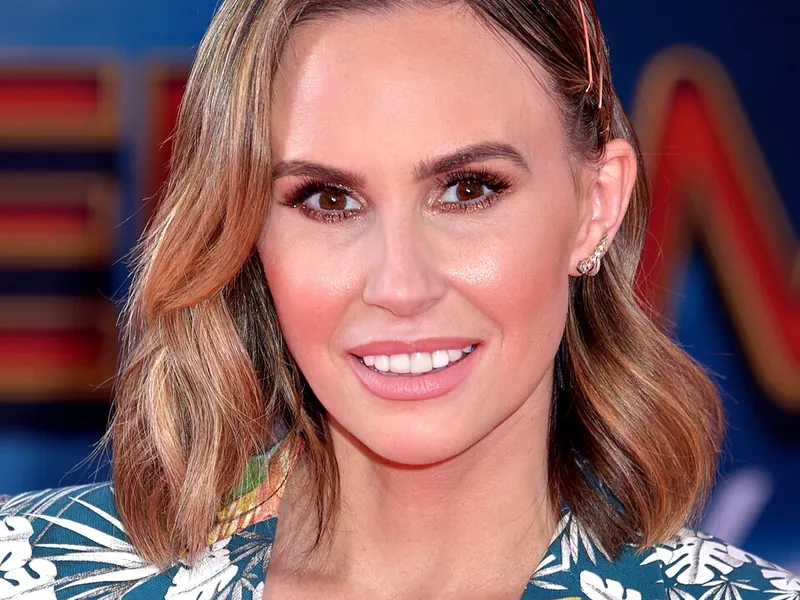 Keltie Knight’s facelift: why she decided to “just own it”Keltie Knight had a facelift in 2023 at 41 and chose to talk about it openly. What she said, how a SMAS facelift works and what recovery looks like.
 Did Linda de Mol have a neck lift? Yes, and she wrote about it herselfLinda de Mol wrote in LINDA. in 2025 that she had a neck lift. What she said, why she chose to be open, and how a face and neck lift works today.
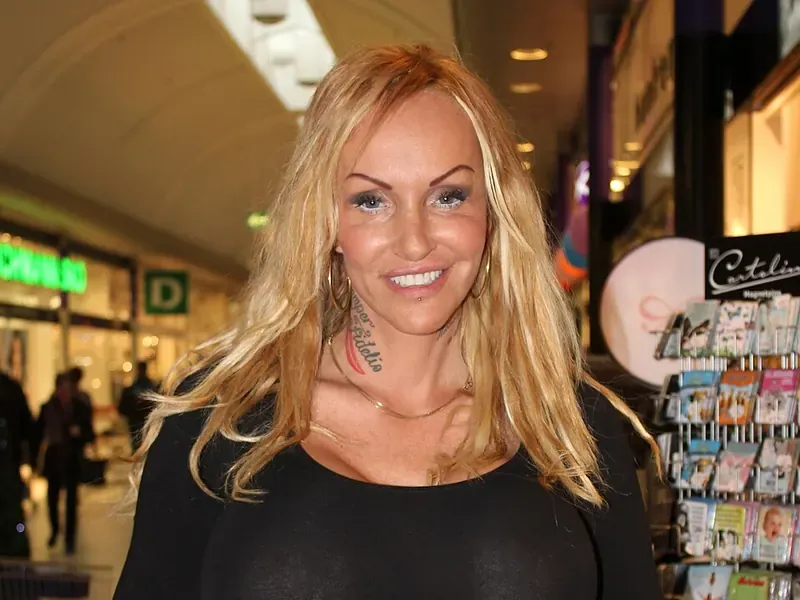 Linse Kessler and her facelifts: what she said herselfDanish reality star Linse Kessler has said openly that she has had several facelifts. Her words, how a modern facelift works and what recovery involves.
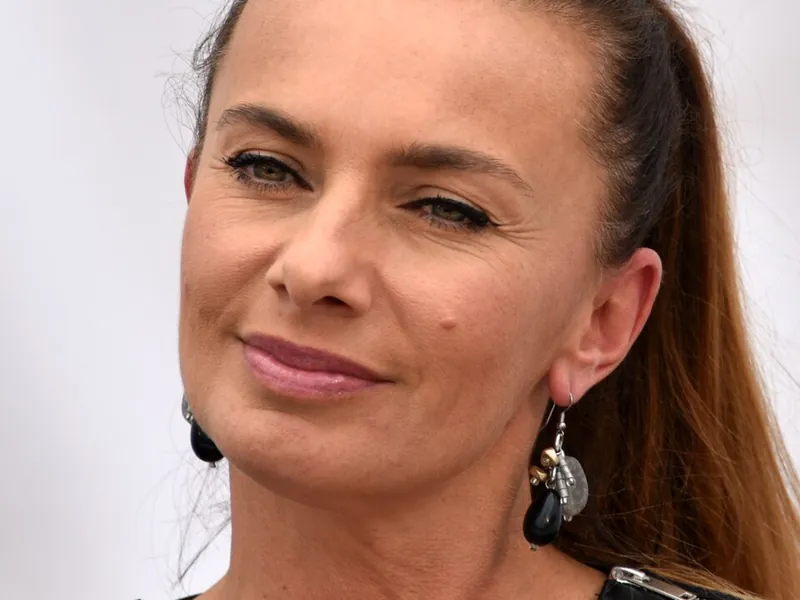 Did Alice Bendová have a facelift? Yes, and she explained why herselfAlice Bendová confirmed a deep plane facelift in September 2026. Her words, how a facelift works, who it suits and what recovery looks like.
Reading the Lower Face and Neck in Photographs Before Anyone Names a Technique
Blida counted 182,447 people in 2012, with the wider urban zone near 520,000, and among them are people who feel their face has aged faster than they have: jowls forming along the jaw, a softening line under the chin, deep folds from nose to mouth. A facelift deals with those lower-face and neck changes. It does not stop time, and it is not the same as treating the eyelids or the brow, so the first job is to name what you want addressed. Be honest, too, about what bothers you most when you look at yourself. For some people it is the neck line in a side photograph; for others it is a tired expression that does not match how they feel.
Take your photographs in soft window light, no flash, hair pulled back and ears visible. You need a straight-on view, a three-quarter view from each side, a true profile from each side, and one with your chin slightly raised to show the neck. Wear no earrings or scarf. These angles let the surgeon judge where the skin has loosened and how the underlying structure has settled, which no front-facing selfie can show.
Add your age, your general health, any previous facial surgery or injections, and every medicine you take, especially blood thinners. Add a line about smoking, because it affects healing and the surgeon will want to discuss it early. Keep a recent photograph from ten years ago if you have one. It shows the surgeon what your face looked like before, and it often clarifies what you are really hoping to recover.
The coordinators are reachable over Telegram and Telegram all day and night. They collect missing details and put the file in front of the surgeon, who replies in writing with a first opinion: a full lift, a lighter approach, or a recommendation to wait or treat something else first. You read that opinion at home with your family if you wish, and no commitment follows from asking.
The Day Itself: Inhalation Anaesthesia and a Plan on One Sheet
A facelift is performed under general anaesthesia, delivered by inhalation, so you are asleep for the whole operation. You meet the anaesthetist beforehand, and the conversation covers your health, your medicines, earlier anaesthetics and any reactions you have had. Make a list of these things on one page before the call. A prepared page prevents the forgotten detail that delays a morning. If anything in your health changes between the first conversation and the date, such as a cold, a new medicine or a bout of fever, tell the coordinator immediately, because the date may need to move.
Ask the surgeon for the plan in writing on a single sheet: what will be lifted, what is not part of the plan, how long you are expected to be in the building, who will check on you that evening and which signs should make you call. If any item cannot be written, ask why. Plans that exist only in conversation tend to shrink or grow after the fact.
Arrange for a calm relative to bring you home and stay the first night. The face will be bandaged, swollen and tender, and you will look different from the picture in your mind. Warn the person who accompanies you. The kindest help is a steady voice, a glass of water within reach and a promise to send photographs only to the coordinators instead of to the whole family.
Prepare the bedroom before you leave: extra pillows so you can sleep with your head raised, clean soft pillowcases, a small table with your medicines and the instructions, and a phone charger by the bed. Leave the evening free of visitors. Rest in the first days is part of the treatment and is quietly repaid in the weeks after. Think about food as well: soft, easy things to chew for the first few days, and plenty of water, so that you are not searching the kitchen with a swollen face.
Two Months of Quiet: Family Occasions, Sun and the Mediterranean Calendar
Full recovery from a facelift takes about two months. That does not mean two months in bed; it means a gradual return in stages, with swelling and bruising fading over the first weeks and the tissues continuing to settle after that. Ask the surgeon for a timetable you can write on your calendar: when stitches are checked, when you may wash and style your hair, when you may start walking farther. Keep the habit of writing small notes: how the swelling looks each morning, how you slept, what questions have come up. Notes turn vague worry into precise information.
Blida's August is the hottest month, with an average high of 31.7 degrees and a low of 22.1, and July follows at 30.9 and 21.4 with almost no rain. If your two months fall in summer, keep out of direct sun, use a wide-brimmed hat that does not press on healing skin, and rest through the hottest hours indoors. Heat and flushing can make swelling feel worse, so do not be alarmed, but report anything that seems out of proportion.
Winters are cool and damp: January averages 14.2 degrees by day and 7.0 at night, and December receives about 130 mm of rain. Cold, wet weather is not an obstacle to healing, but a wet scarf pulled tight across the jaw can be. Choose soft, loose coverings, and ask what you may wear around the face and hair so you can leave your home comfortably for appointments.
Think ahead about weddings, engagements and holidays. If you would like your face to be settled for a particular family occasion, tell the surgeon the date when you first write. A facelift schedule built around a real event is more honest than one fixed arbitrarily, and the surgeon may suggest an earlier date so there is margin for the slower stages of recovery. And if you cannot avoid an event during recovery, ask the surgeon how to manage it, for instance whether a loose scarf and sunglasses are suitable, instead of simply cancelling or ignoring the advice.
Month Three to Month Six: Letting the Face Arrive at Its Final Look
The face takes on its final look within three to six months. In the earlier weeks you may still see a little asymmetry, tightness near the ears or numbness that comes and goes, and these are features of the healing stage. If one thing seems to be getting worse instead of gradually better, send a photograph to the coordinators right away instead of waiting for the next scheduled check. Remember that numbness and tightness often improve slowly and unevenly, and that a good week can be followed by a flat one. The overall direction matters more than any single day.
Take a photograph every two weeks in the same window light, with the same poses you used before the operation. Compare them to the earliest images in a folder on your phone, not to a mirror in a bathroom with a bright bulb. The camera shows what your eyes forget, and the surgeon needs the sequence to judge healing.
When relatives say you look rested but not different, take it as a compliment to the surgeon's restraint. A natural result is one that makes people feel they have not noticed what changed. Keep a short note of your own expectations from the first day and look at it again at six months; it helps you measure what has been achieved in fair terms. You might also note how your face looks in motion, when speaking or smiling, as well as in still photographs; a natural result lives in expression, not only in a pose.
Skin care after the early weeks is simple: sun protection, gentle cleansing and patience with products. Ask the surgeon which creams and treatments are appropriate and when, and avoid anything new until you have asked. Do not experiment because a neighbour recommends something; your face is still adapting, and a harsh product can set you back.
Checking the Name Behind the Plan
In Algeria nobody may practise medicine without being entered on the roll of the medical order, and the national council of the order of physicians is the body responsible. We tried to open the council's own website while preparing this file and could not, so we cannot offer a confirmed online directory. Ask the surgeon for the registration number and the stated specialty in writing, and keep both in your file. Keep the surgeon's details alongside the discharge papers and follow-up dates in one place, whether in a folder or on your phone, so any other doctor can read your history quickly.
Compare any two proposals by what they commit to on paper: the operation described, the type of anaesthesia, the expected stay, the follow-up schedule and photographs of similar faces a year after surgery. Fast replies and warm manners are welcome, but neither is a qualification. A document that names a specialty and a registration number is.
If a friend recommends someone, ask for the same paperwork you would ask of anyone else. A good experience for one person does not tell you how a surgeon will plan for your face, with its own skin thickness, bone structure and ageing pattern. Treat recommendations as a reason to ask, not as a reason to skip asking. The best recommendations come with an offer to show documents; the weakest come with reasons not to look.
Finally, decide on your own calendar. Many people feel pushed by a limited offer or a limited date, but nothing in a medical decision of this size should be hurried. Put your questions in writing, read the answers more than once and sleep on them. A calm decision is the best preparation for two months of quiet recovery.
Is a facelift suitable for someone in their fifties or older?
Age alone does not decide it; general health, skin quality and the changes you want addressed do. People in their fifties, sixties and beyond are assessed from photographs and their medical history. Send front, three-quarter and profile views plus your medicines, and the surgeon will say in writing whether a lift is appropriate.
What anaesthesia is used for a facelift?
A facelift is performed under general anaesthesia given by inhalation, so you are asleep throughout. The anaesthetist reviews your health, medicines and past reactions with you beforehand. Write them on one page and bring it to the conversation so nothing is missed.
How long does full recovery take?
Full recovery takes about two months, in stages. Swelling and bruising fade over the first weeks and the tissues continue to settle afterwards. Ask the surgeon for a written timetable covering stitch checks, washing, hair care and walking, and keep it on your phone.
When does the final shape of the face settle?
The face takes on its final look within three to six months. Until then some asymmetry, tightness or patchy numbness can appear and fade. Photograph yourself every two weeks in the same light and report anything that seems to worsen instead of improving.
Which photographs should be in my first message?
Send a straight-on view, a three-quarter view from each side, a profile from each side and one with your chin raised to show the neck, in soft daylight with hair pulled back and ears visible. Add your age, medicines and any previous facial treatments.
How do I verify the surgeon's registration?
Doctors must be entered on the roll of the medical order, overseen by the national council. We could not confirm an online directory, so ask for the registration number and specialty in writing and keep them in your file. Hesitation to provide them is a reason to stop and ask further.
Does Blida's climate matter during recovery?
It can. August averages 31.7 degrees by day, so avoid direct sun and rest indoors in the afternoon. Winters are damp, with January nights near 7.0 degrees, so choose soft, loose coverings. Neither season prevents healing, but both call for sensible planning.
When can I return to my social circle?
That depends on how your face looks and how you feel, usually after the first weeks, when swelling and bruising have faded enough. Tell the surgeon the date of any family occasion when you first write, so the plan can leave a margin for the slower stages of recovery.
Facelift in Blida: price and what is included
Prices are in US dollars; the amount in brackets is an approximate conversion to DZD at the rate of 02.10.2026. The final price is fixed in your contract.
- Faceliftfrom $2,400 (≈ DZD 325,000)
How much does a facelift in Blida cost?
Prices start from $2,400 (≈ DZD 325,000). The surgeon sets the final price at the free consultation, and it is fixed in the contract, with no hidden extras.
What is included in the price?
A one-to-one consultation, the medical team, anaesthesia, inpatient care with meals, 24/7 monitoring and twelve months of follow-up by the surgeon.
How do I get my exact price?
Message us on WhatsApp or Telegram using the buttons below. A coordinator will answer your questions and book a free consultation where the doctor names the exact price.
By messaging us, you agree to our Privacy Policy