



























Message our coordinator
Free online consultation · Reply within 15 minutes
Message us on TelegramMessage us on WhatsAppBy messaging us, you agree to our Privacy Policy





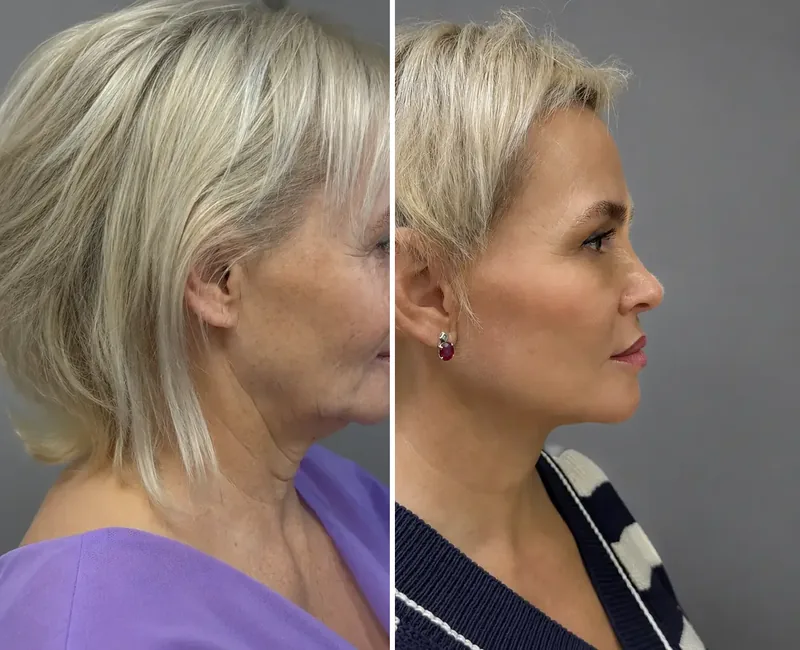

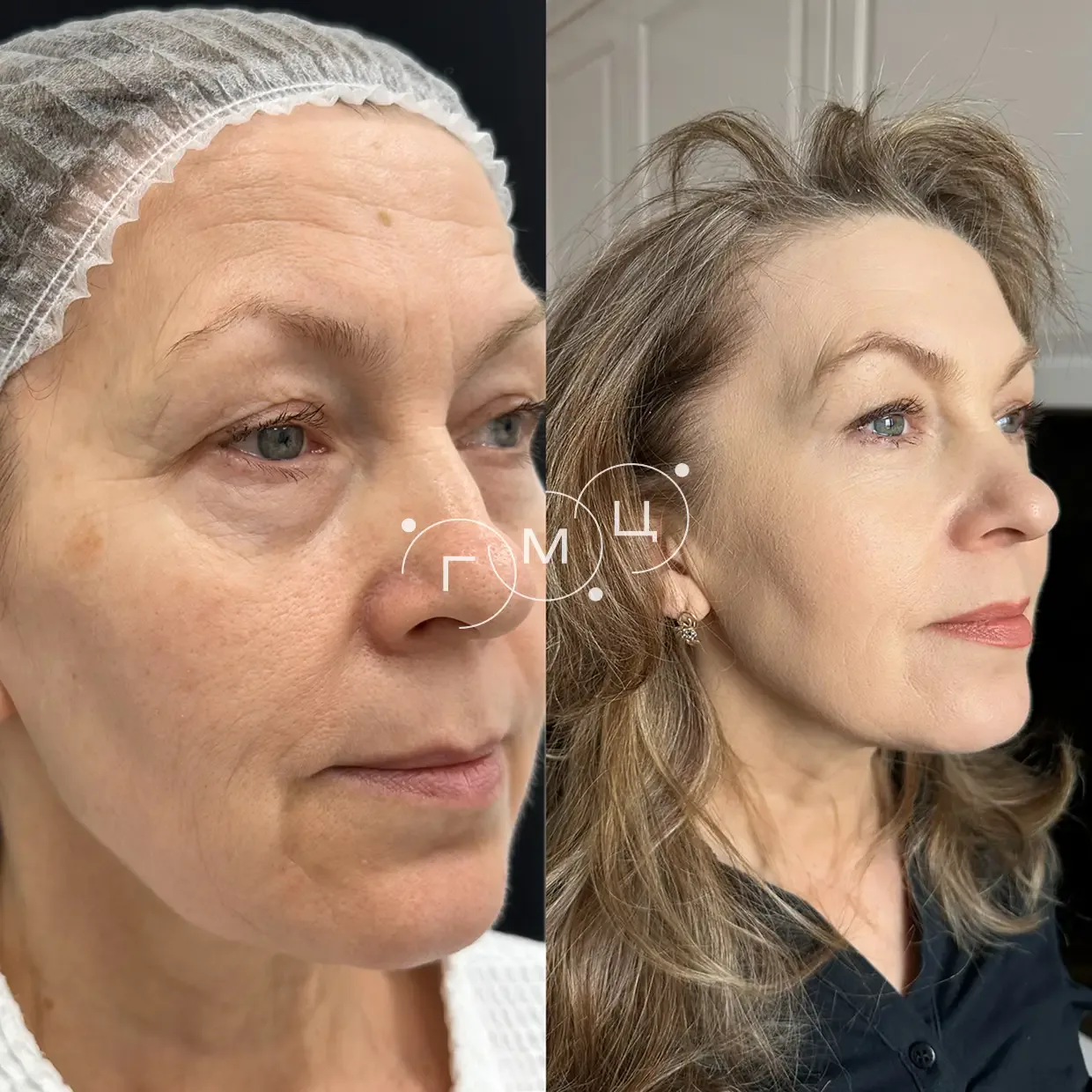
50 years
9 months
SMAS facelift
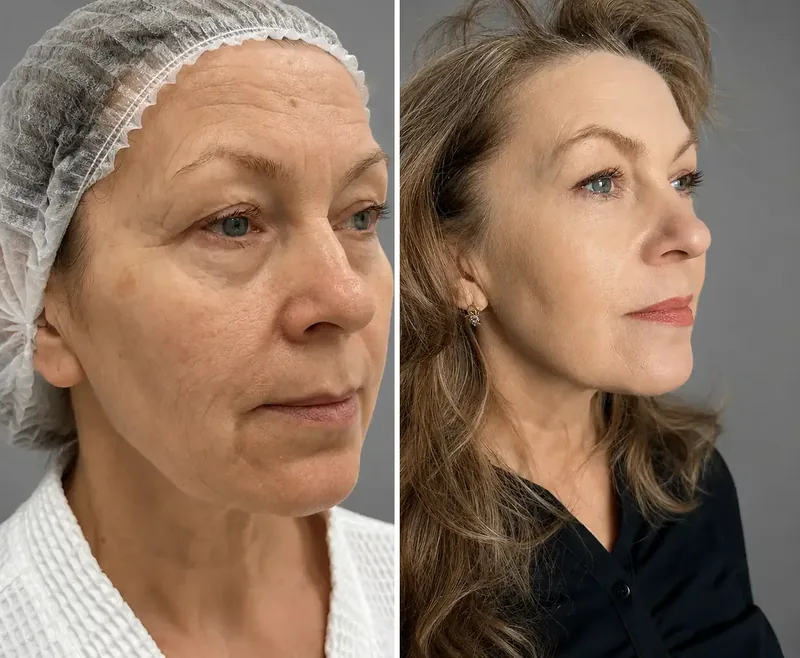
58 years
8 months
SMAS facelift
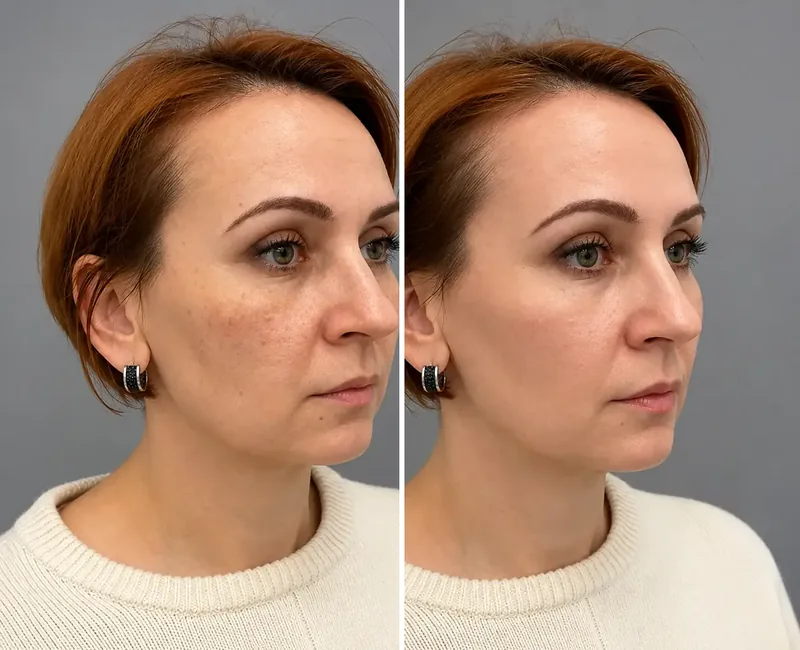
34 years
5 months
SMAS facelift
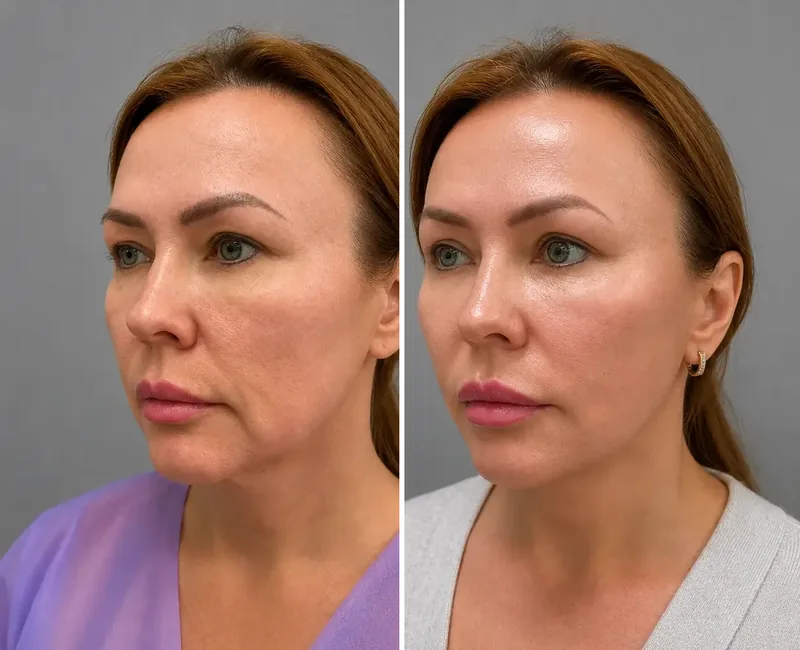
32 years
7 months
SMAS facelift
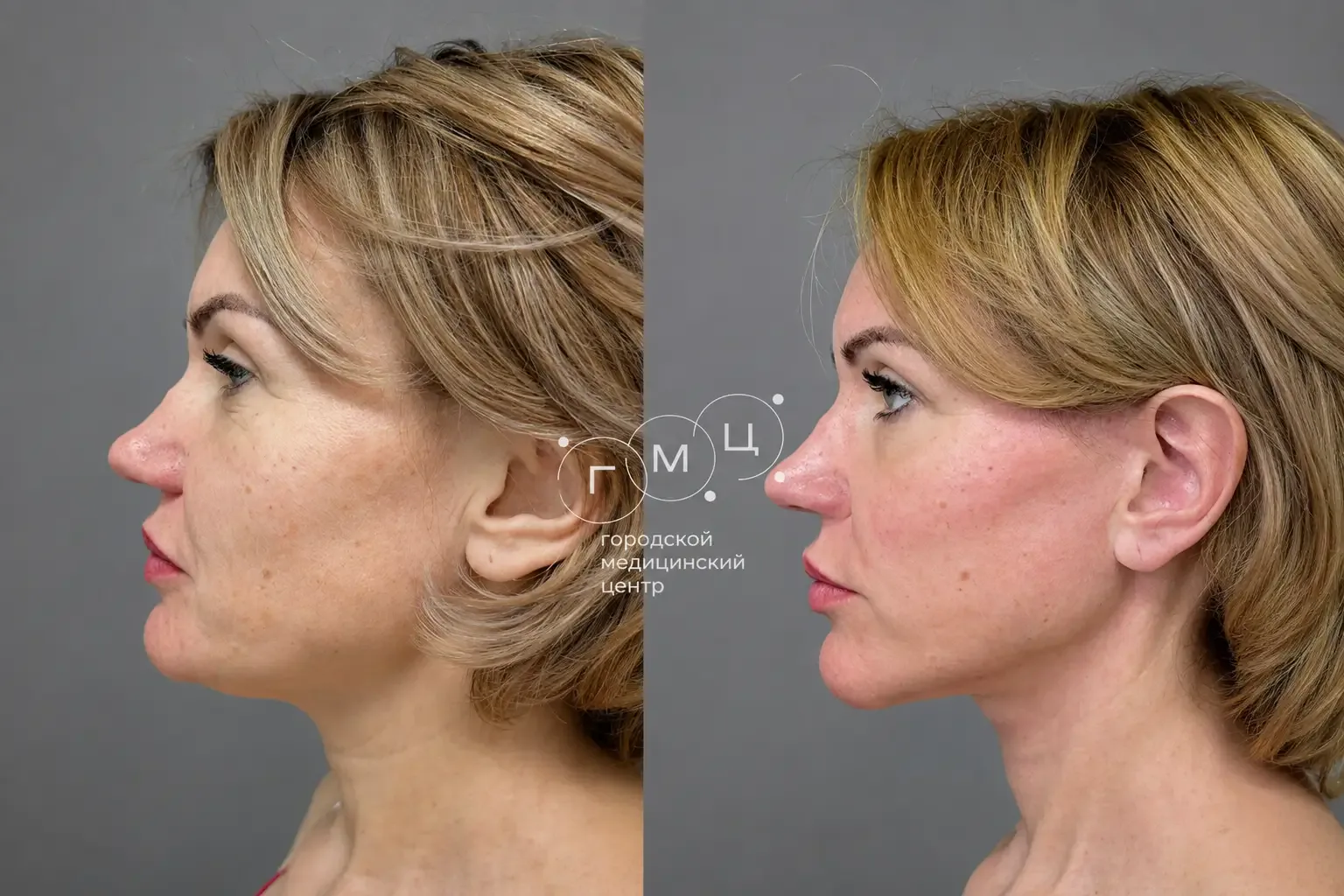
40 years
6 months
SMAS facelift
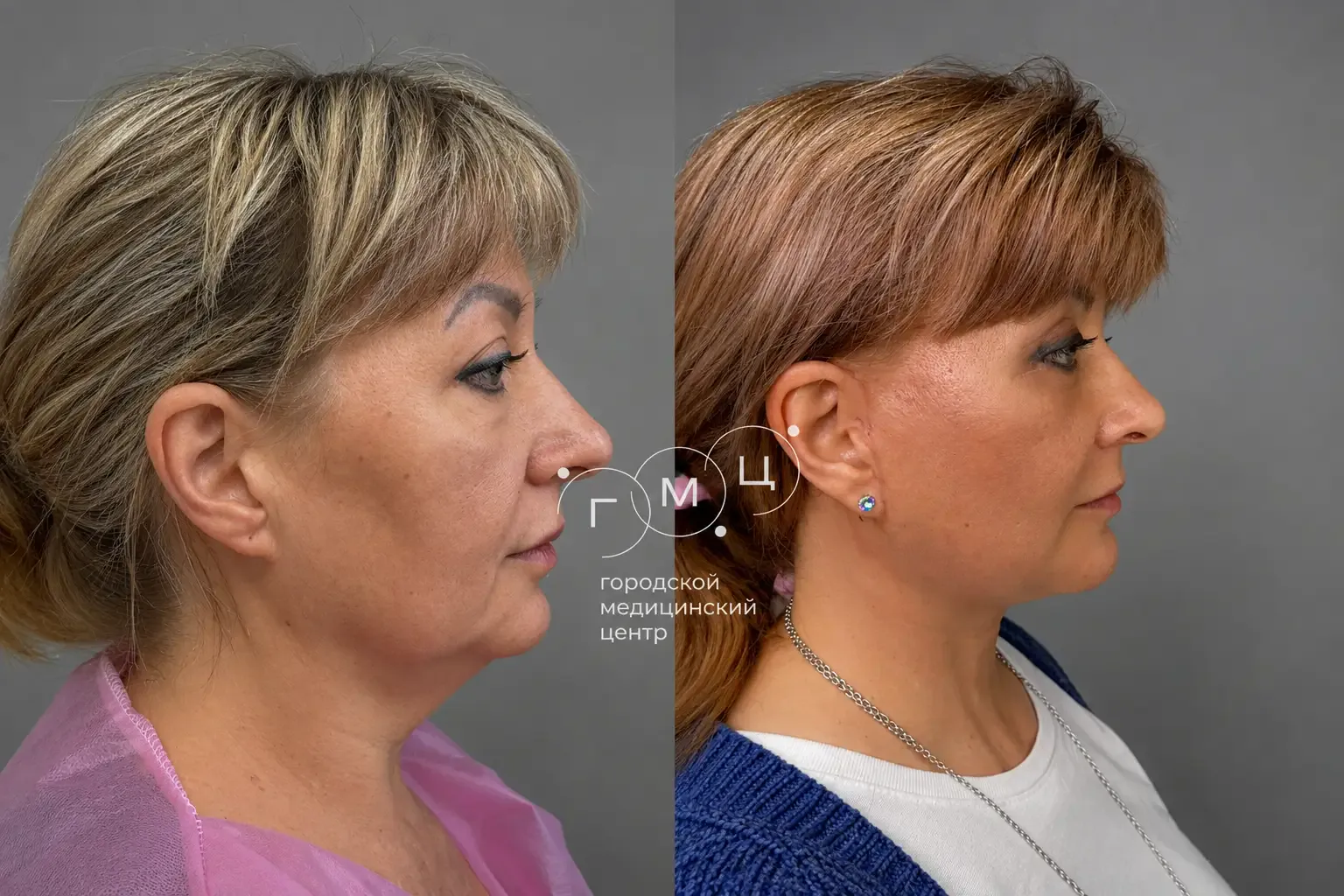
45 years
8 months
SMAS facelift
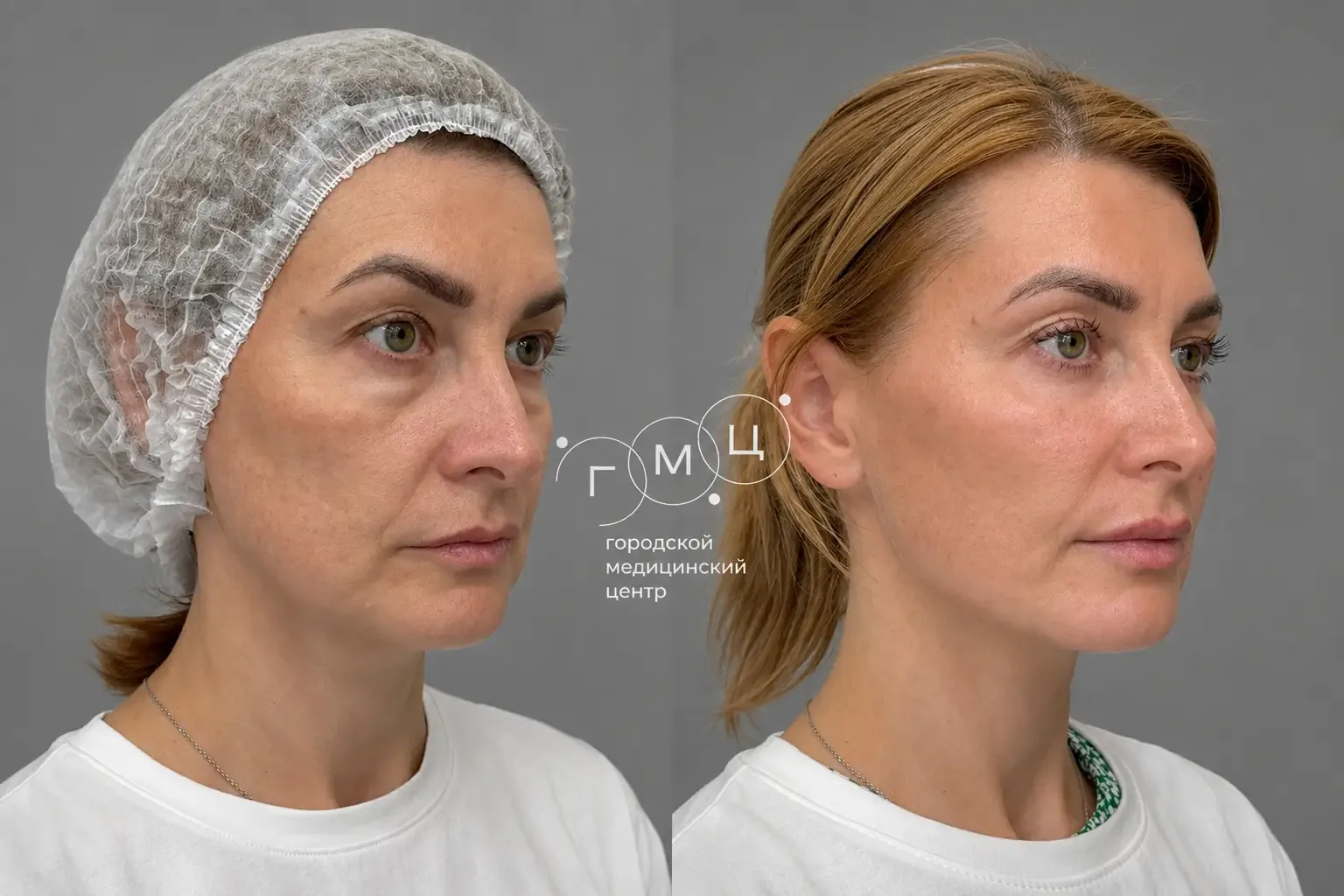
38 years
5 months
SMAS facelift
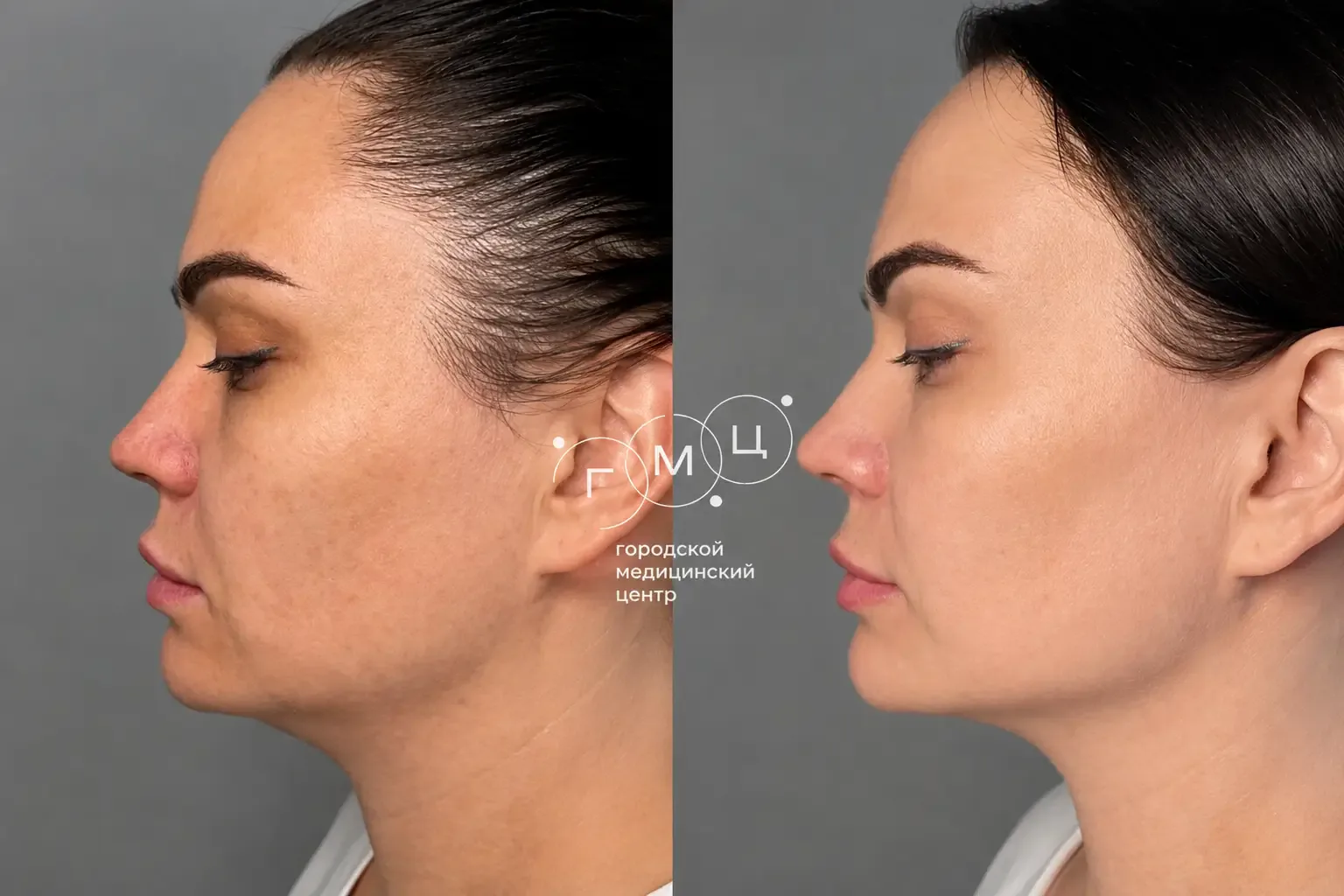
33 years
6 months
SMAS facelift
50 years
9 months
SMAS facelift
58 years
8 months
SMAS facelift
34 years
5 months
SMAS facelift
32 years
7 months
SMAS facelift
40 years
6 months
SMAS facelift
45 years
8 months
SMAS facelift
38 years
5 months
SMAS facelift
33 years
6 months
SMAS facelift

Marked sagging of the face and neck
The jawline is blurred, with jowls
Loose skin on the neck, a double chin
Pronounced nasolabial folds and marionette lines
Drooping brows, a heavy look
A significant drop in skin firmness after 40
A long-term result is wanted (7–10 years)

Patients under the age of 30
An acute skin inflammation
Pregnancy and the breastfeeding stage
Severe heart and vascular disease
Problems with blood clotting
Cancer
Decompensated diabetes
Everything about facial rejuvenation in Constantine
There are four main options. A standard SMAS facelift lifts the mid and lower face. A full circular lift covers the forehead, temples, mid and lower face and neck. A neck and lower face lift targets the chin, jowls and loose neck skin. An endoscopic brow and temple lift repositions the brows through tiny punctures. The surgeon helps each patient from Constantine choose by age and ageing type.
Timing is easier to plan when you know the milestones: a week to ten days of rest, two to four weeks until swelling and bruising fade, about two months to full recovery and three to six months for the final look. The clinic offers flexible booking and a personal approach, so Constantine patients can fit the consultation, surgery and check-ups around a busy schedule.
How much is a facelift in Constantine? Prices start from $2,400 (≈ DZD 325,000), and the final cost is calculated individually after an examination. At the consultation the surgeon defines the scope of surgery and gives the final price straight away, with no hidden extras. In-house 0% instalments let you pay in parts without bank interest. Leave a request to book your free consultation.
Stories of well-known people
Well-known people who spoke openly about this operation, in their own words.
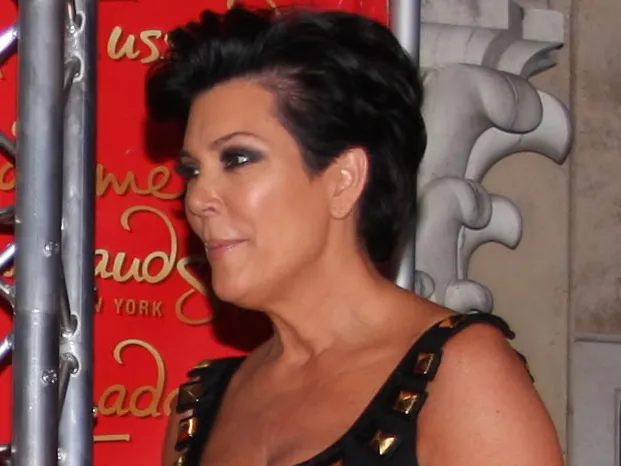 Kris Jenner’s facelift: “I love my facelift”Kris Jenner said she had a facelift about 15 years ago and a refresh before turning 70 — and that she loves it. How a SMAS facelift and recovery work.
 Did Vicki Gunvalson have a facelift? Yes, and she showed the result herselfVicki Gunvalson had a facelift in May 2018 after deciding fillers no longer looked like her. Her own words, how a facelift works and recovery.
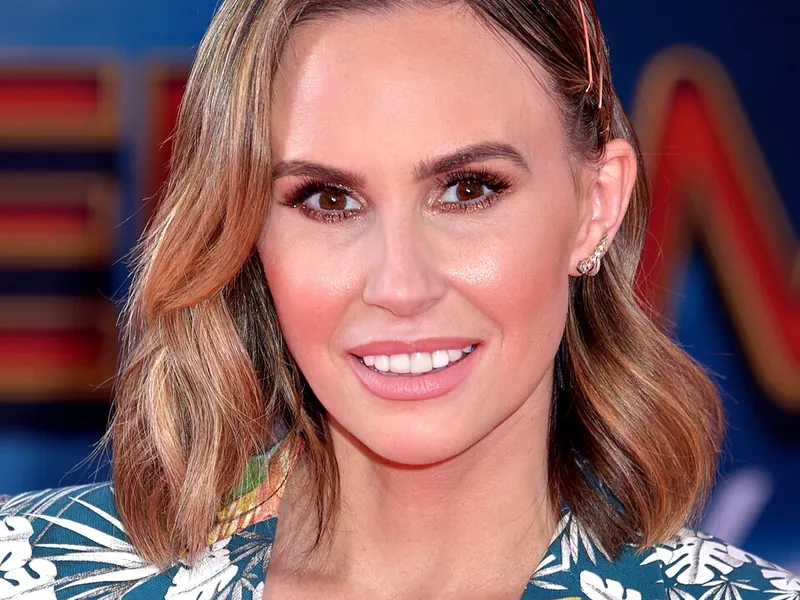 Keltie Knight’s facelift: why she decided to “just own it”Keltie Knight had a facelift in 2023 at 41 and chose to talk about it openly. What she said, how a SMAS facelift works and what recovery looks like.
 Did Linda de Mol have a neck lift? Yes, and she wrote about it herselfLinda de Mol wrote in LINDA. in 2025 that she had a neck lift. What she said, why she chose to be open, and how a face and neck lift works today.
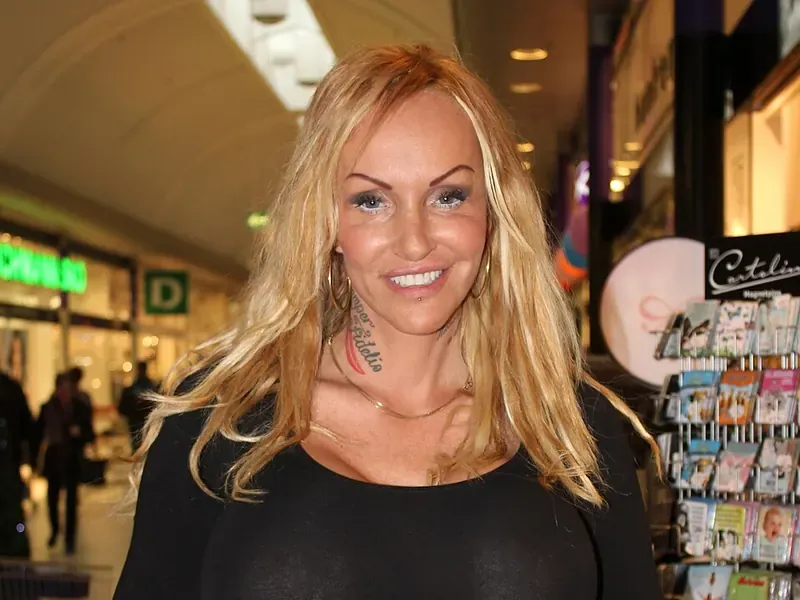 Linse Kessler and her facelifts: what she said herselfDanish reality star Linse Kessler has said openly that she has had several facelifts. Her words, how a modern facelift works and what recovery involves.
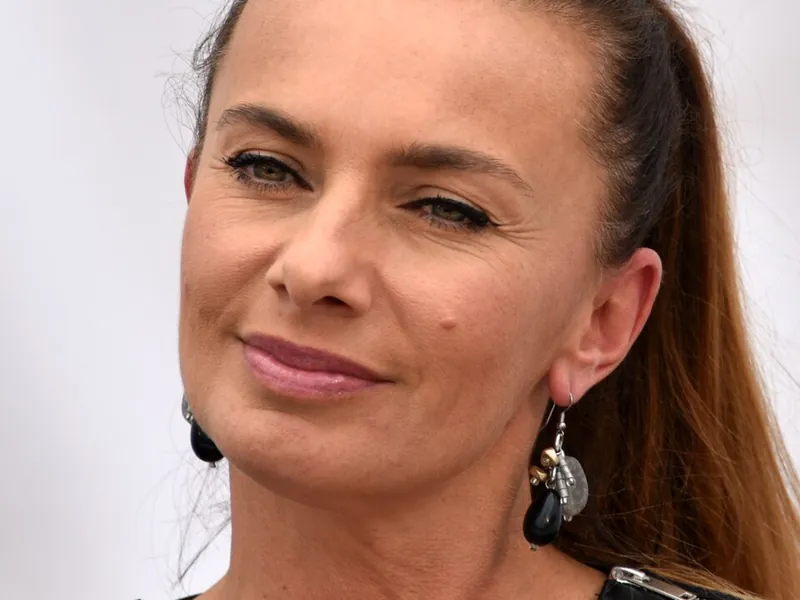 Did Alice Bendová have a facelift? Yes, and she explained why herselfAlice Bendová confirmed a deep plane facelift in September 2026. Her words, how a facelift works, who it suits and what recovery looks like.
A Face Worth Its Own Timeline: Facelift Questions From Constantine
In Constantine, home to 464,219 residents recorded in the 2008 census with 938,475 across the agglomeration, a whole generation in its late fifties and beyond watches the mirror quietly changing: a jawline losing its edge, cheeks settling lower than they used to, a neck ageing faster than the face above it. These are the complaints that lead to a facelift conversation, and they are a different matter entirely from creams and massage routines, because the surgery works in the deep layer rather than on the surface alone.
The assessment of a face-lift starts from a documented message: your age, your general health, the areas where you notice the sagging most, from jaw to neck, and daylight photographs of the face from the front and both sides. Coordinators on Telegram or Telegram receive it at any hour and pass the file to a specialist assessment that answers you plainly: whether your case is a full lift or another path worth starting with.
The people of this city understand the language of restoration better than most: the Ahmed Bey palace still stands because careful hands treated it as living material rather than dead stone, and museums know that the most precious piece is recovered through patience and stages, never through a single dramatic gesture. A facelift belongs among these restorations: it returns cheeks and jaw to their structural place without manufacturing a face belonging to somebody else, and the finest results are the ones friends describe with a word like rested rather than with a question about identity.
And before anything else, ask yourself the frank question: does what you see in the mirror bother you enough to accept a full recovery period, or is the sagging still within the range you can live with? Good surgery begins from that inner question rather than from an advertisement, and whoever answers it honestly knows why they say yes, or why they calmly wait another year.
Asleep Under General Inhalation Anaesthesia
The facelift is performed under general inhalation anaesthesia, which means you sleep from the first moment and register nothing of what happens, while the anaesthesia team follows your indicators through to the last stitch. Plenty of patients fear the anaesthesia more than the surgery itself, and a written fact calms better than a slogan: ask at the consultation about the anaesthesia team and the preparation instructions, fasting and medications included, and write the answer into your file.
The surgical plan is drawn from photographs and dialogue well before the date: which areas enter the lift, where the realistic limits of your own structure sit, and how the first weeks after surgery will look. An organised surgeon hands you this sheet without being asked twice, while one who settles for the phrase wonderful result has told you the level of his detail. A city of bridges where every arch was calculated before the concrete was poured does not believe in buildings without blueprints, and neither should a patient.
The photographs that serve the assessment are plain: a washed face without makeup, daylight from a window, a front angle and two side angles, plus one extra frame of the neck with the chin slightly raised. Retouched images or pictures under coloured lamps mislead the reading more than they help it. This same material stays the surgeon's reference on the day of surgery and after it, so treat it with the seriousness you give your official papers.
And ask in the consultation for a precise description of what a lift can do in your particular face and where its boundaries run: what returns to its place, what improves partially, and what change does not touch. This small document protects both sides at once and turns the talk among friends after the months into a matter of measurement rather than imagination. A realistic limit, written down, is the most valuable sheet you carry out of any consultation.
Two Months of Recovery, Arranged in Advance
Full recovery after a facelift takes about two months, and those two months decide the comfort of the result more than anything else. Arrange them from now: a quiet bedroom with the head raised during sleep, cool compresses as the surgeon directs, and a serious companion for at least the first week. The city's residents, who have caught their rest in houses on high quarters, know the worth of mapping stairways and distances before you need them rather than after.
The local climate helps whoever knows its calendar: the yearly averages reach a high of 22.7C and a low of 9.7C, and the cold of January pushes you naturally into the warm indoors that a healing face wants in its first weeks, while a mild autumn keeps short shaded walks possible early on. Avoid the midday sun in every season, because a treated face regards sunlight as an uninvited guest for a long stretch of weeks.
Gentle walking starts early with the surgeon's permission, and the city offers an alternative to the gym: a short calm loop near your home in the morning, widened gradually as the swelling withdraws from its occupation. Avoid anything that raises pressure in the face: carrying loads, long bending, and abrupt movement from lying to standing. Climbing stairs calmly is a different universe from running after a departing bus.
And through these recovery weeks keep close to your channel with the team: periodic photographs in the same lighting sent to the Telegram or Telegram coordinators at any time, with the surgeon's guidance arriving before anxiety has time to inflate in your head. Any unusual pain, fever, or swelling gathering on one side more than the other goes immediately to a phone call; those are signals that wait for neither a message nor the morning.
Reading the Result Between Month Three and Month Six
The face settles into its final look between the third and sixth month after the operation, the stretch the remaining swelling needs to complete its withdrawal and return the features to their calm. Whoever judges a facelift in week three reads a half-opened book, and the friends who see you after month four meet the true result rather than its passing stage. Your fair scale is a monthly photograph in the same light and angle, kept in a single file.
The Great Mosque of the city, which rose nearly nine centuries ago, teaches the same lesson: genuine building reveals its beauty across time rather than on an opening day. Make your follow-up a calm monthly habit of one photograph, a line of notes, and one question written in advance. A face given its time repays the time kindly, and haste at this stage spoils more than it corrects.
Whoever chooses who will operate starts from the inscription document: the surgeon's number on the official roll of the Councils of the Medical Professions Order, headed by the National Council of the Order of Physicians, the condition of lawful practice in Algeria. Request the number in writing, keep it in your file beside your plan, and rank this line above any before-and-after photograph on any signboard. An organised surgeon speaks on this subject in specific figures rather than general phrases.
And close your first dialogue with the same question of limits you opened with: what a lift can do for your face with its skin and structure at your age, and what needs another path or a decision to wait. Send your file from your home in Constantine to the coordinators at any hour, read the assessment at leisure, then sit with yourself and your family. A decision of this size deserves two sittings rather than one, and you are the one who sets its pace.
A Cultural Capital and a Face That Fits It
The city was named the Capital of Arab Culture in 2015, and in a cultural city of that kind a face is read as part of a personality rather than as a separate cosmetic file. A successful facelift signs your original features with a quieter line rather than replacing them with somebody else's line, and that is the difference between a result your family accepts and one the neighbourhood gossips about. Make your question to the surgeon exactly this: how will my own eyes and my own smile stay at the centre after everything you do at the edges?
Whoever has walked the Cirta museum knows that an authentic piece keeps its value when a single clear hand restores it, and loses half of it when restorers multiply. The same applies to your surgical decision: one clear hand beats ten scattered parties, and one accumulated file of photographs and reports serves you better than a dozen fragmented dialogues. Fidelity in restoration follows one standard everywhere, and a face is a trust before anything else.
Some of your questions belong to daily life rather than to surgery: when do I return to the family gathering without stares fixed on my swelling, when do I greet friends at the morning coffee as usual, and when does the phone camera see me the way I know myself. Ask these social questions without embarrassment, because they are part of the result in the logic of your life even if no medical atlas prints them. A surgeon who understands your life gives a kinder calendar than one who understands only skin.
And at this point you know everything the first step requires: honest daylight photographs, a clear description of what bothers you, and a channel open around the clock. Send from your home in Constantine, read, ask, and then decide at leisure. A city two thousand years old does not take its decisions in an hour, and the finest of what stands in it today was made by a patient hand that knew the value of time.
Is a facelift suitable for someone past fifty?
Age alone is not the verdict: skin, structure, and general health decide the value of the operation, so it can suit some patients in their forties and fit a fit seventy-year-old as well. The first photographic assessment from home gives you an honest preliminary reading before any appointment, and clarifies whether the lift is your path or whether a calmer option of waiting suits better.
What kind of anaesthesia is used for a facelift?
General inhalation anaesthesia handled by a dedicated team: you sleep from the first moment to the last and register nothing of the work. Ask at the consultation about the preparation instructions, fasting and medications included, and tell the team about any previous anaesthesia experience. A written fact before the date calms more than a thousand reassurances on the night of surgery.
How long does full recovery take?
About two months, and they are the period that settles the comfort of the result. Arrange the quiet room, the raised head, the serious companion, and the early light movement under the surgeon's permission. Whoever organises the two months in advance passes through them calmly, and whoever improvises through them stumbles twice.
When does the face show its final form?
Between the third and sixth month, as the remaining swelling withdraws gradually and the features return to their calm. A monthly photograph in the same light and angle is your fair scale, and a hasty verdict in week three wrongs the result before it has ripened. Whoever gives the face its time receives it back with thanks.
Which photographs should the first message contain?
A washed face without makeup in daylight from a window: one front angle, two side angles, and an extra frame of the neck with the chin slightly raised, plus two lines on your age and what bothers you specifically. Avoid filters and coloured lamps, which mislead the assessment more than they help. These same photographs remain the surgeon's reference through every stage.
How do I verify the surgeon's licence?
Ask in writing for the registration number on the official roll of the Councils of the Medical Professions Order, headed by the National Council of the Order of Physicians, without which practice in Algeria is not permitted. Keep the answer in your file beside the surgical plan, and rank the document above the signboard in your order of priorities.
When do I return to my family circle and friends?
According to the course of your own swelling, and the precise answer comes from the surgeon for your path. The general shape is that the first weeks belong to the house and light walking, while social appearances return gradually as the swelling withdraws, until the attention your face attracts becomes pleasant rather than awkward. Ask your social question openly at the consultation; you have more right to it than to any other.
When should I worry about my face after the operation?
At pain beyond what the surgeon described as expected, at fever, at swelling gathering on one side more than the other, or at any change that frightens you immediately. Those are signals for a direct phone call, not for a message waiting in a queue. Gradual swelling and ordinary bruising, by contrast, are read by the surgeon in the periodic photographs you send the coordinators at any time.
Facelift in Constantine: price and what is included
Prices are in US dollars; the amount in brackets is an approximate conversion to DZD at the rate of 02.10.2026. The final price is fixed in your contract.
- Faceliftfrom $2,400 (≈ DZD 325,000)
How much does a facelift in Constantine cost?
Prices start from $2,400 (≈ DZD 325,000). The surgeon sets the final price at the free consultation, and it is fixed in the contract, with no hidden extras.
What is included in the price?
A one-to-one consultation, the medical team, anaesthesia, inpatient care with meals, 24/7 monitoring and twelve months of follow-up by the surgeon.
How do I get my exact price?
Message us on WhatsApp or Telegram using the buttons below. A coordinator will answer your questions and book a free consultation where the doctor names the exact price.
By messaging us, you agree to our Privacy Policy