City Medical Centre · multi-specialty surgery clinicOpen 24/7

Tummy tuck

Abdominoplasty in Constantine: Scar and Results

Free consultation

Price at consultation

The price is fixed in the contract before surgery
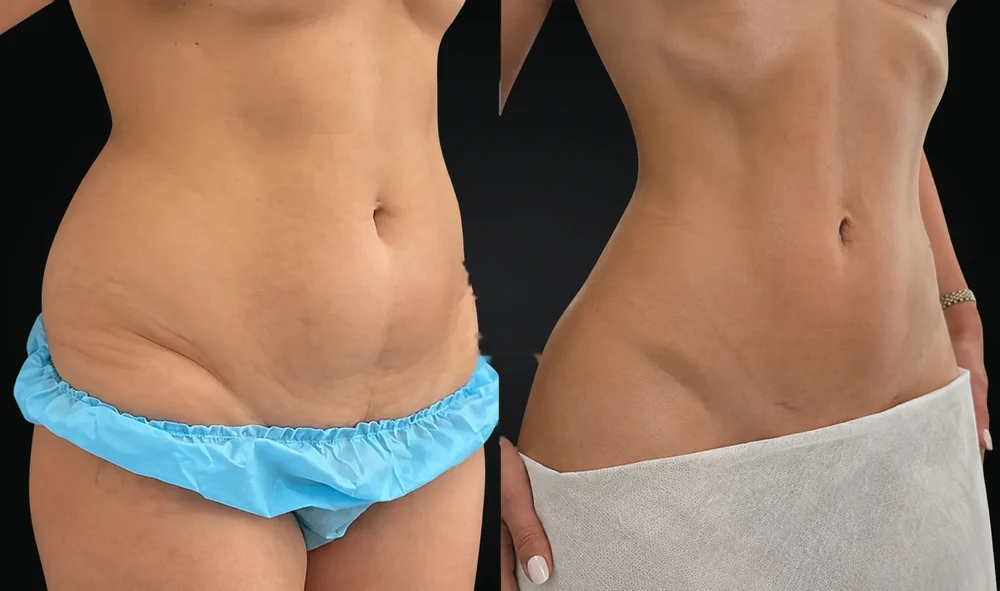
Real case
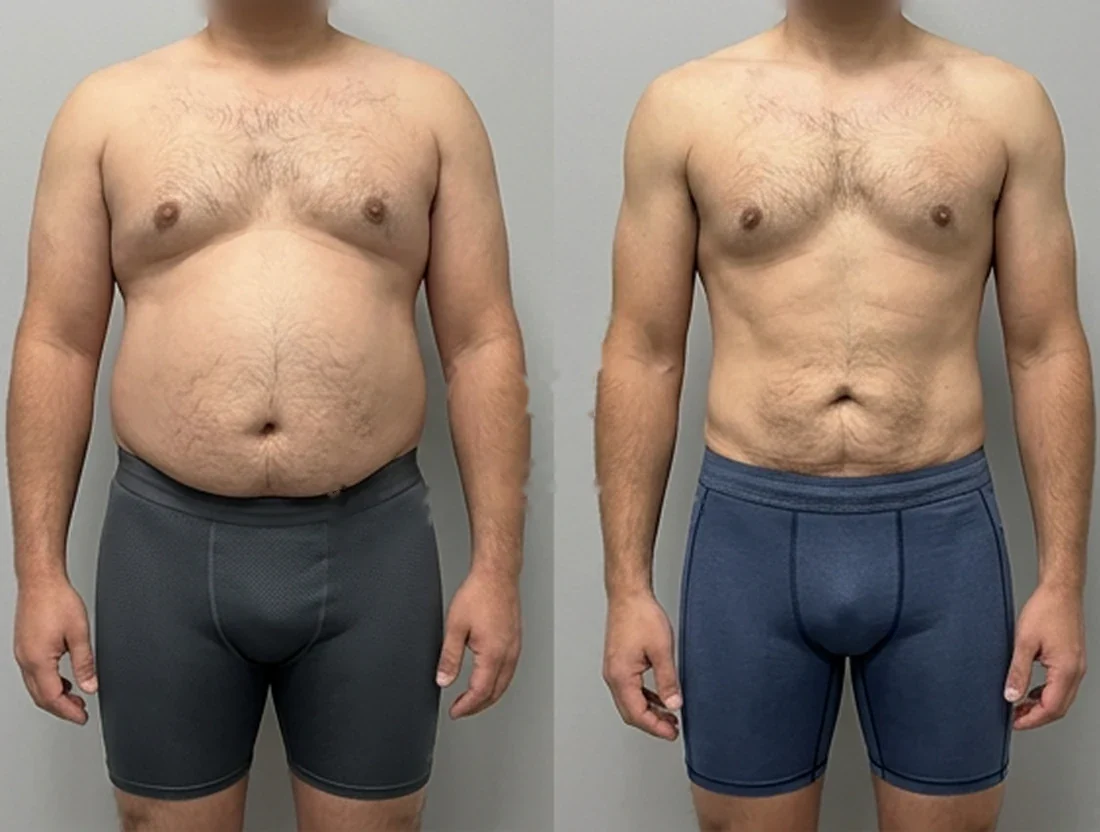
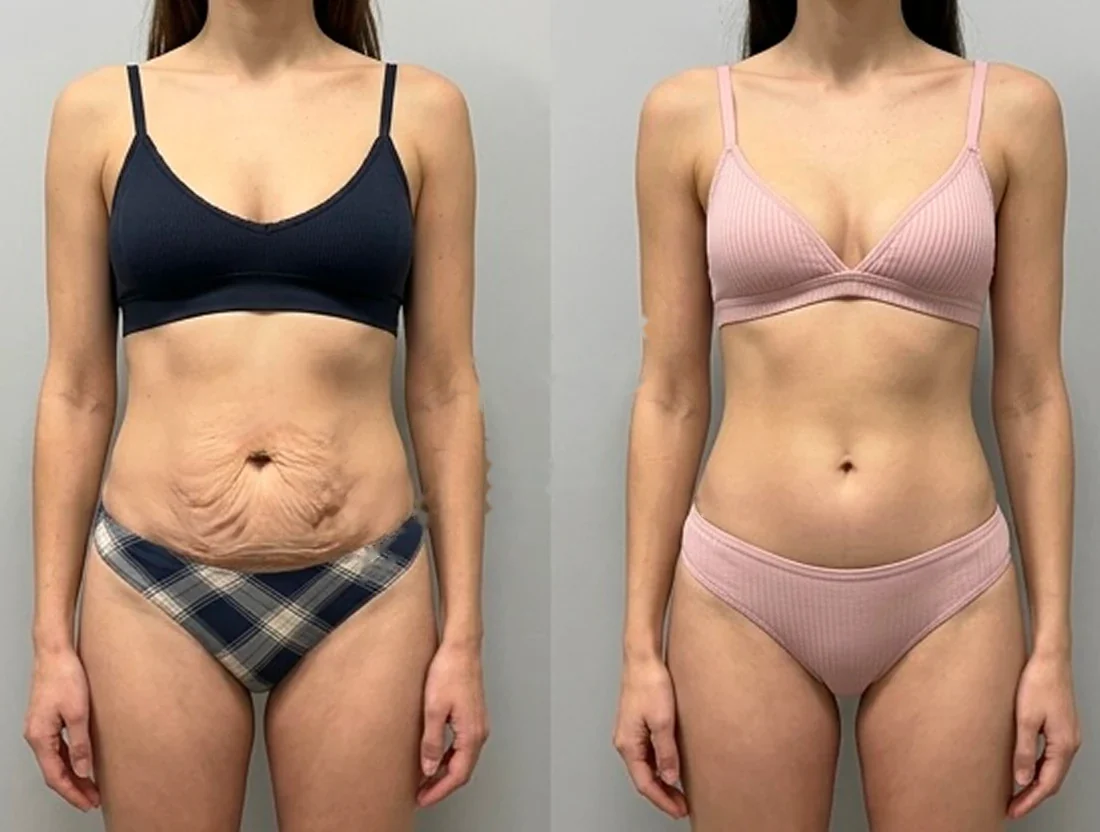
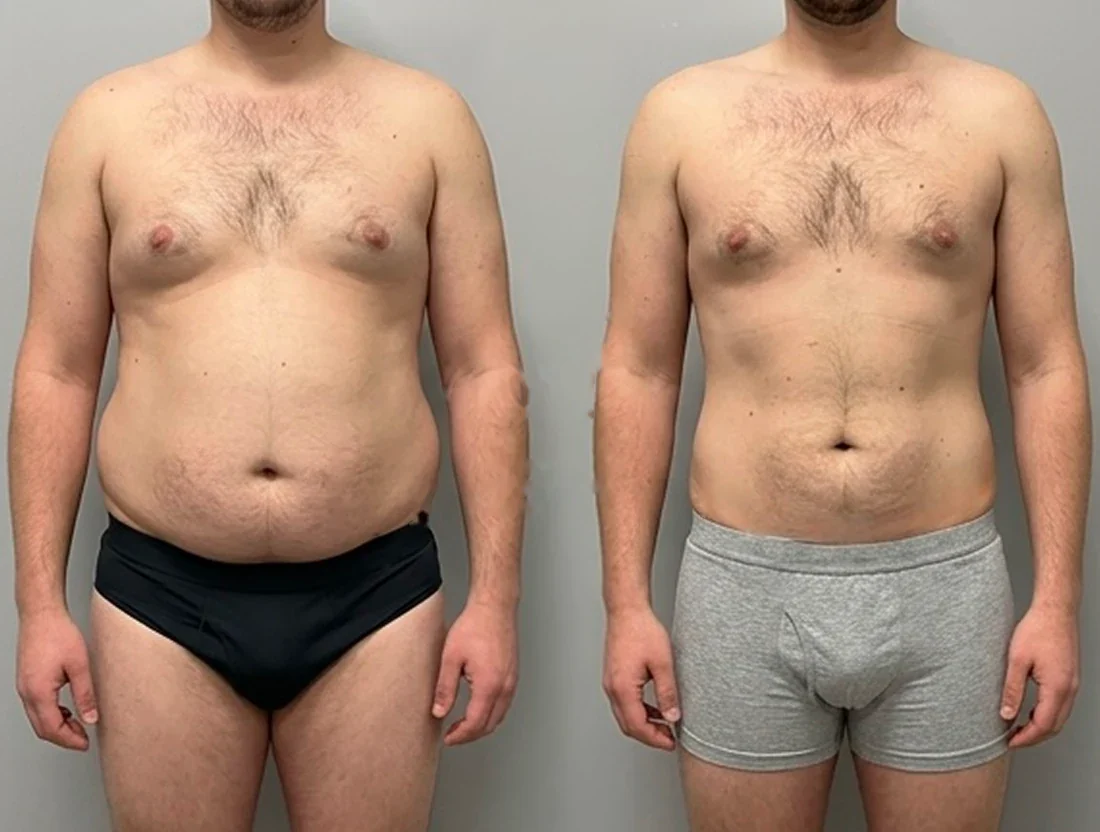
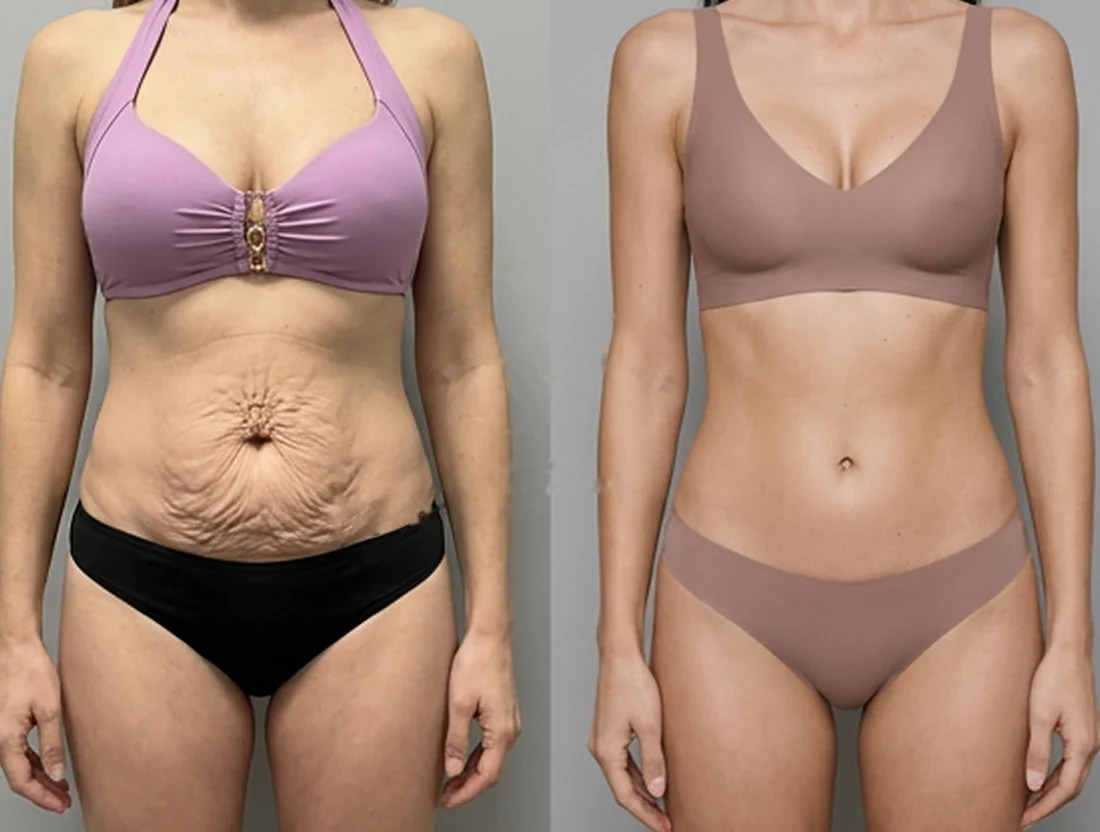
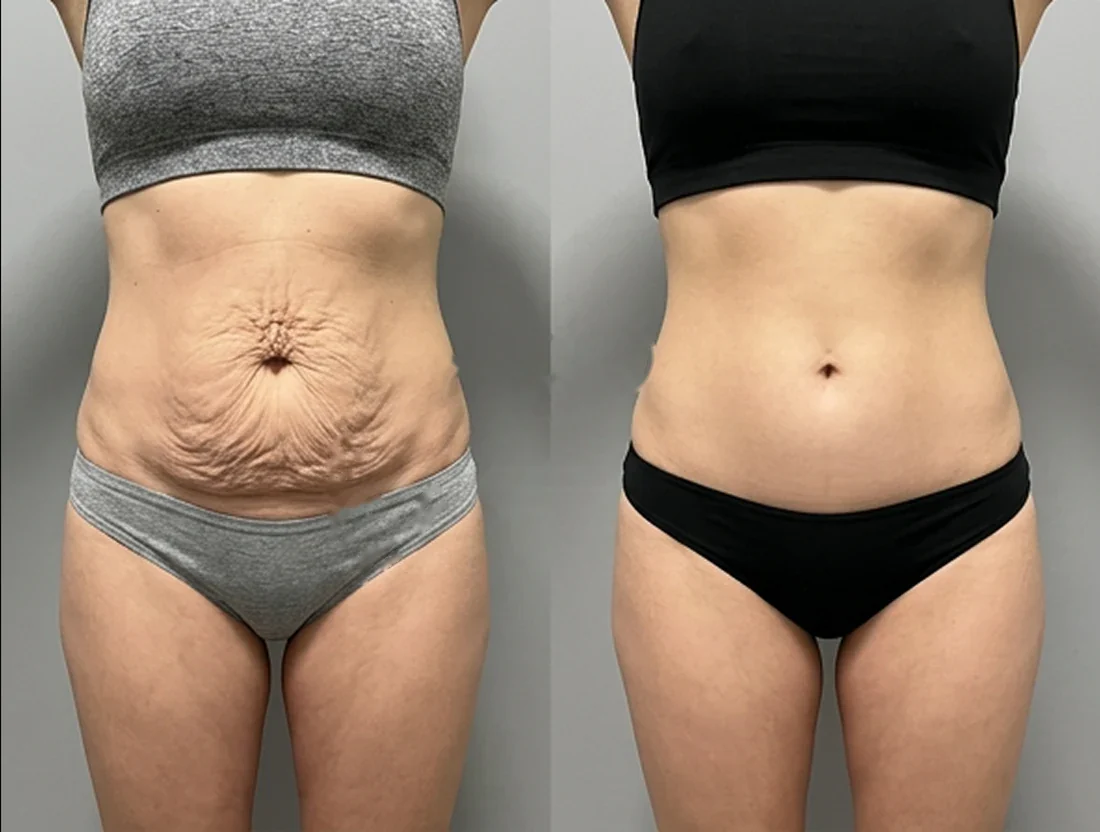
Tummy tuck: a patient's abdomen before and after surgery before after
A flat tummy and a toned silhouette in one operation. Your individual surgical plan and the expected result are discussed at the consultation

Message our coordinator

Free online consultation · Reply within 15 minutes

Message us on Telegram

By messaging us, you agree to our Privacy Policy

Results

Tummy tuck results
of our patients

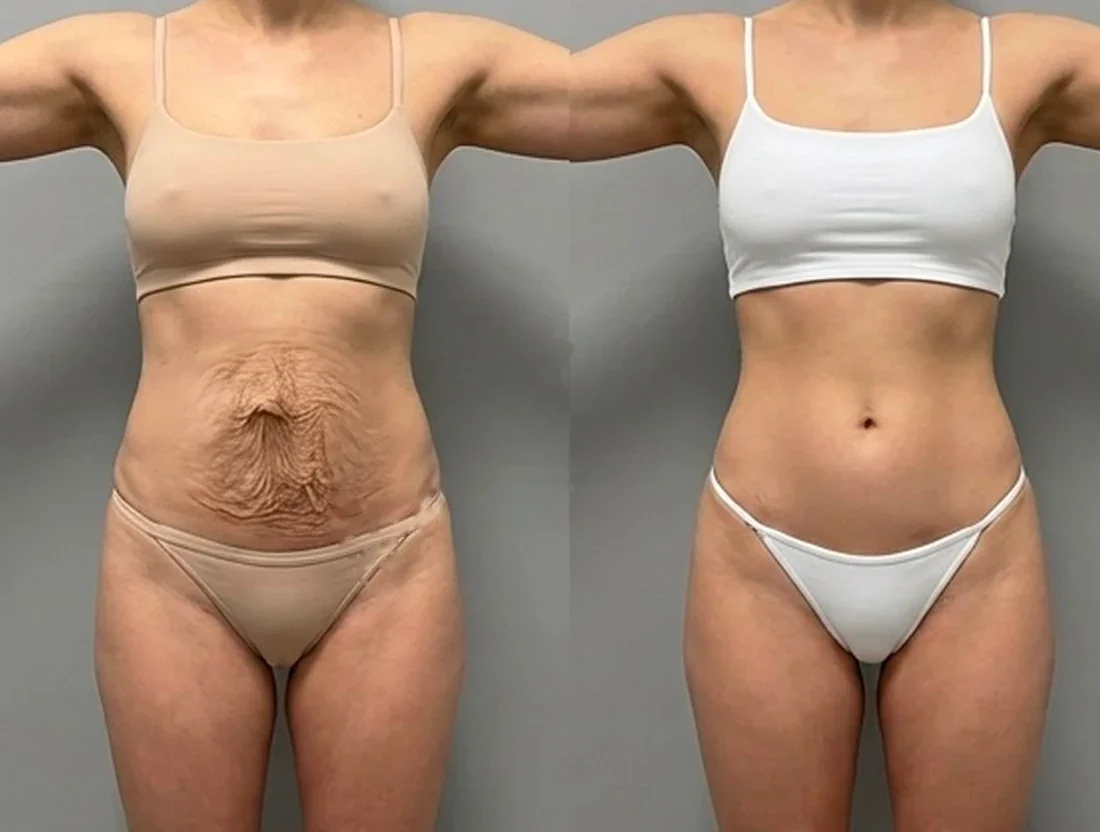
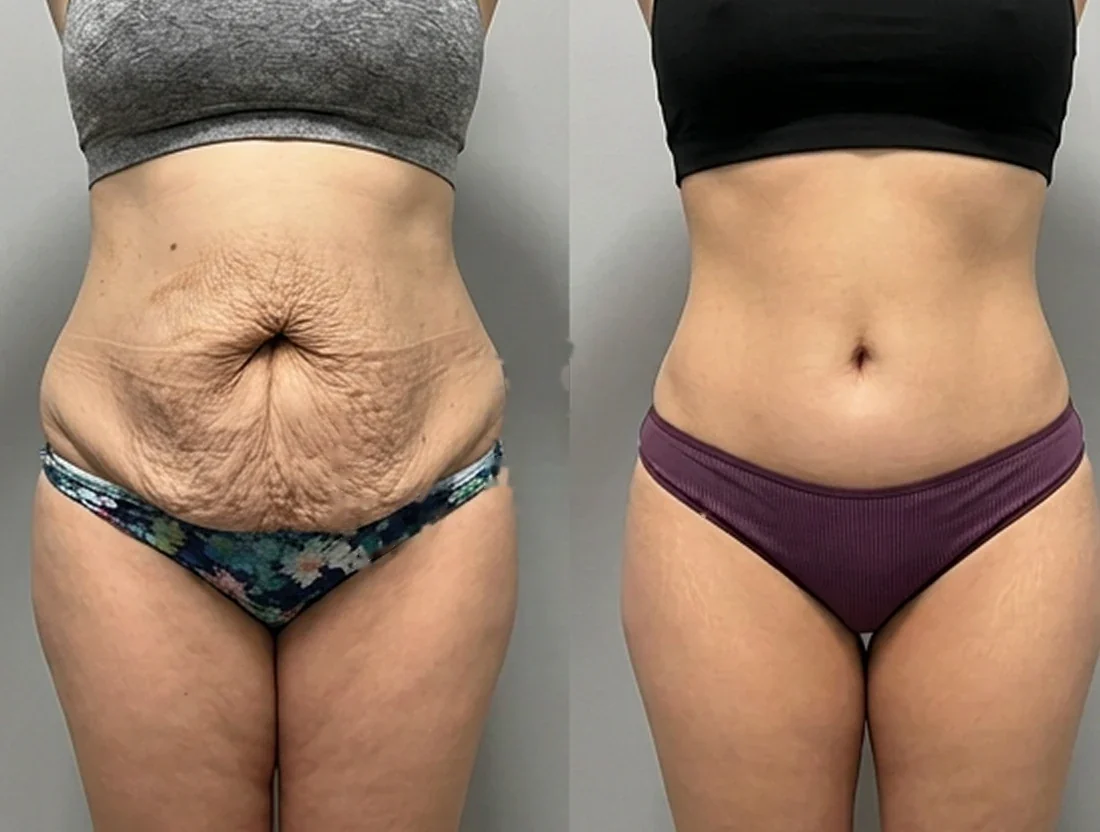
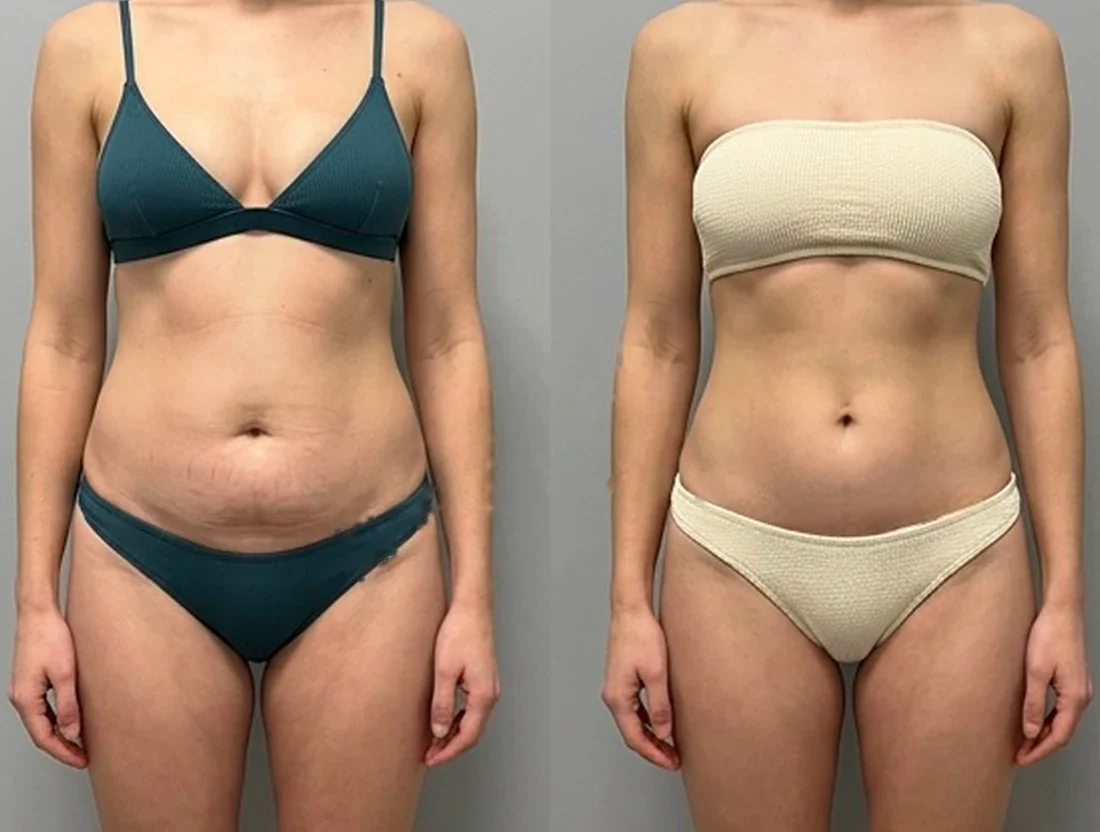
All cases are real patients. Faces and identifying details are hidden.

Tummy tuck: a female patient's abdomen before and after surgerybeforeafter
Tummy tuck: a male patient's abdomen before and after surgerybeforeafter
Tummy tuck: a female patient's abdomen before and after surgerybeforeafter
Tummy tuck: a male patient's abdomen before and after surgerybeforeafter
Tummy tuck: a female patient's abdomen before and after surgerybeforeafter
1 of 8

Comparison

Tummy tuck techniques

A tummy tuck is done as a full (classic) or mini operation, or combined with liposuction as lipoabdominoplasty. Compare the scope of surgery, the indications and the expected results to choose the right technique together with your surgeon.

Tummy tuck

Removal of excess skin, abdominal muscle tightening
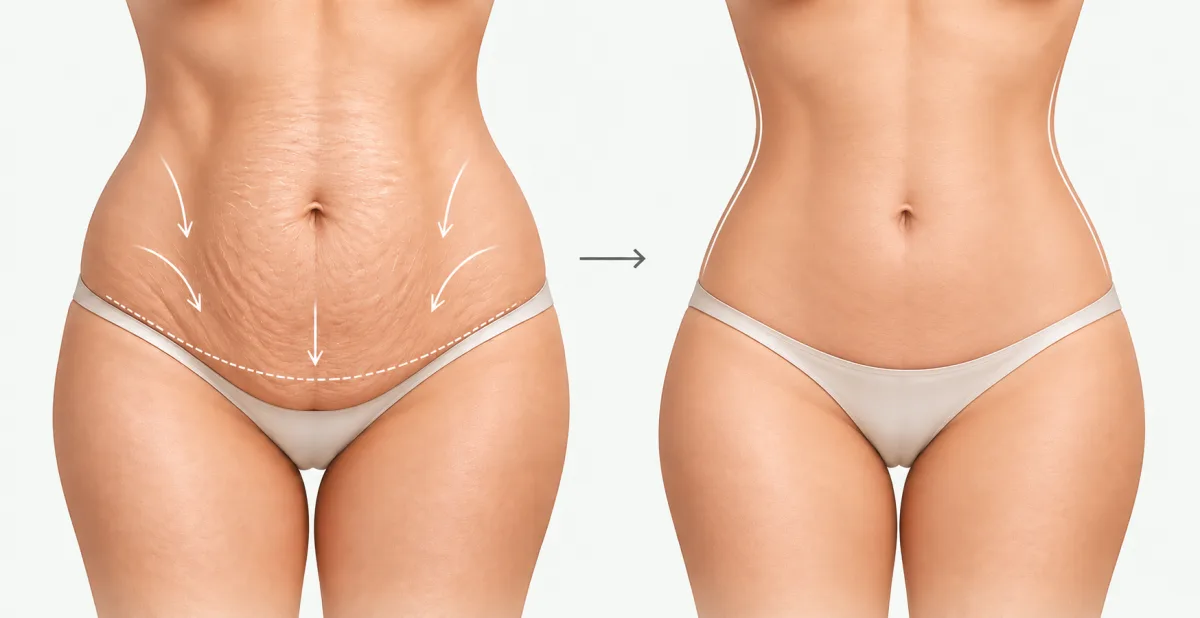
Tummy tuck diagram: the abdomen before surgery with the incision line, and the result
Main goal
Removal of excess skin, diastasis repair
When it is done
Excess skin after childbirth or weight loss
Anaesthesia and stay
General anaesthesia, up to 3 days in hospital

Lipoabdominoplasty

Tummy tuck with added liposuction
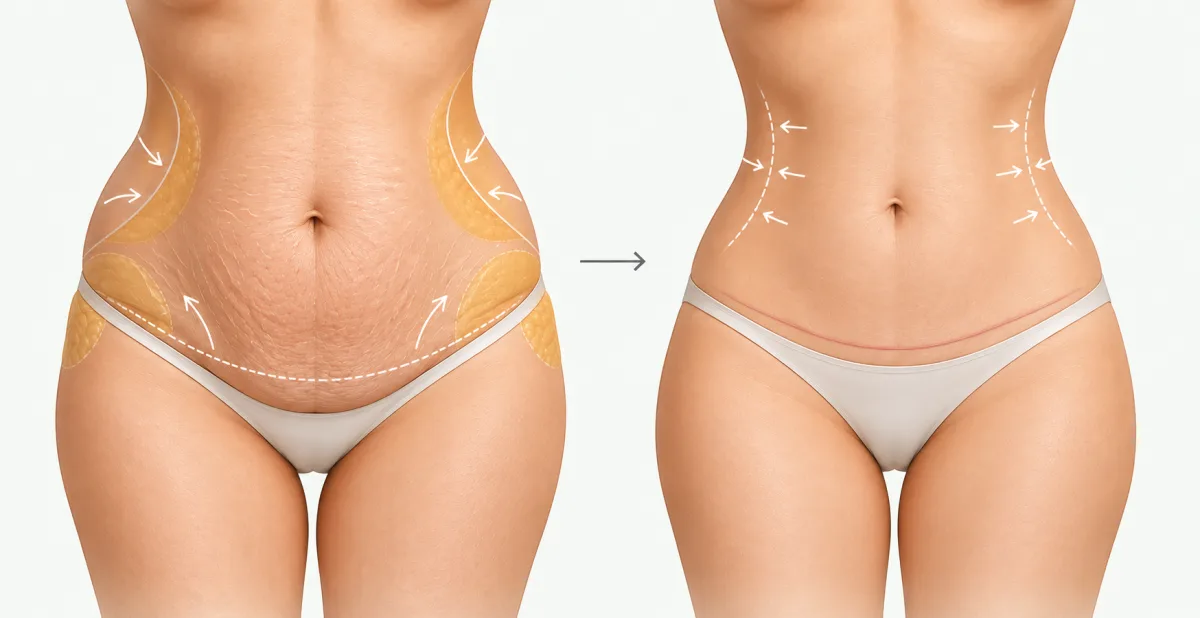
Lipoabdominoplasty diagram: the abdomen with fat on the flanks before surgery, and the result
Main goal
Tummy tightening and waist contouring
When it is done
For fat deposits on the flanks and waist
Anaesthesia and stay
General anaesthesia, up to 3 days in hospital

The benefits and recovery times shown are averaged for each technique and given for guidance: the scope of correction and rehabilitation depend on your anatomy and individual features, and the surgeon confirms them at the consultation.

At the consultation the surgeon draws up a plan for your case and explains how your tummy tuck will go.

Free, before surgery and with no obligation.

Book a consultation

Tummy tuck from the inside

About the clinic

A clinic where you can feel at ease

Modern equipment, comfortable rooms and care for every patient

A doctor and a patient in a clinic ward

Contact us the way that suits you

We will answer your questions and find a convenient time for a consultation

A tummy tuck is not for everyone

If your case can be solved without surgery, the doctor will tell you so at the consultation — and you will not spend money for nothing.

Suitable

A surgeon shows a patient on a model and a monitor how the abdominal contour changes after a tummy tuck
  • Rectus abdominis diastasis
  • Skin folds after weight loss
  • Loose abdominal skin
  • Stretched skin after pregnancy
  • A distorted abdominal contour

Not suitable

A surgeon discusses the indications and contraindications for a tummy tuck with a patient
  • Acute infections
  • Significant disease of the heart, kidneys or liver
  • Problems with blood clotting
  • Being under 18
  • Decompensated diabetes
  • Cancer
  • Skin inflammation in the surgical area
  • Pregnancy and nursing

Not sure the surgery is right for you?

Message us — the coordinator will ask for your photos in the messenger, and the surgeon will tell you whether a tummy tuck suits you. No surgery booking needed.

Find out if it suits me

A surgeon goes through a tummy tuck diagram with a patient at the consultation

Prices

You know the price
before surgery

The price is set at the consultation and fixed in the contract.

Other services

  • First consultationFree
  • Liposuction of the abdomen and flanksfrom $1,700
Book a consultation

Find out your tummy tuck plan and price

The surgeon assesses your abdominal skin and muscles, listens to your wishes and chooses the right correction technique.
The price is set at the consultation and fixed in the contract.

A nurse talks to a patient in a clinic ward

Message our coordinator

Free online consultation · Reply within 15 minutes

Message us on Telegram

By messaging us, you agree to our Privacy Policy

A patient's abdomen before a tummy tuck in the operating room

all inclusive

What the price includes

From preparation for surgery
to post-op check-ups.

  • All scheduled dressings
  • Scheduled post-op check-ups
  • A personal coordinator on call
  • Compression garments fitted on the day of surgery
  • A stay in a comfortable
    hospital ward with meals
  • Individual recommendations
    for recovery
  • Remote progress monitoring
    by photos

How it works

Three days at the clinic —
from preparation to discharge

An agreed correction plan, inpatient observation and post-op check-ups.

A doctor shows a patient a tummy tuck diagram on a monitor1

Consultation
and the surgical plan

The surgeon assesses your abdominal skin and muscles and checks for diastasis, listens to your wishes and chooses the right correction technique.

Paying the deposit by card at the clinic reception2

Booking the date
of surgery

We reserve a surgery date for you: the deposit can be paid by card at the clinic or online by bank transfer. The terms are fixed in the contract for medical services

A blood sample tube for tests before a tummy tuck3

Check-up before
surgery

Before surgery you complete a full lab check-up: blood tests, an ECG, a chest X-ray and reports from the required specialists.

The surgical team during the operation4

Surgery

The surgeon performs the tummy tuck with the chosen technique, repairs diastasis if needed and shapes a firmer abdominal contour.

A hospital ward at the clinic5

Inpatient stay

After surgery the patient stays for 1–3 days in a comfortable hospital ward with meals, under medical supervision.

A surgeon and a patient in the ward during recovery6

Recovery

After surgery you get a recovery programme. Check-ups at 7 days, 3 and 6 months help track your recovery.

Book a free consultation — the surgeon will plan every step with you.

A doctor discusses the tummy tuck plan with a patient
Book a consultation
A doctor discusses the tummy tuck plan with a patient

How it really happens

Recovery after abdominoplasty

Right after surgery the patient spends 1–3 days in hospital under medical supervision. Drains usually come out after two days and stitches after 7 days. A compression binder is worn for 1.5–2 months to support the abdominal wall and shape a smooth contour. Most swelling goes within 30 days, and office work resumes after 2–3 weeks. Sports, sauna and heavy lifting are off-limits for 2–3 months; at first, sleeping on your back with bent knees is advised. By 12 months the scar is fully mature — it fades and is barely noticeable.

Post-op check-ups

After 7 days, at 3 months and at 6 months. Until the end of the year, get a post-surgery consultation with your surgeon to review results and get more information, at the clinic's expense

Advantages

What makes patients choose City Medical Centre

A surgeon discusses the tummy tuck plan with a patient at the consultation

Just find out — you lose nothing

At the consultation we discuss your wishes and assess your abdominal skin and muscles. The surgeon explains what changes are possible, chooses the correction technique and answers your questions.

A surgeon on a video call with a patient after surgery

We stay with you after surgery

The surgeon follows your recovery and the changing abdominal contour at check-ups after 7 days, 3 and 6 months. Check-ups, dressings and aftercare advice are already included in the price of surgery.

A surgeon shows a patient a model and tummy tuck diagrams

A beautiful contour that fits your figure

We choose the correction technique based on your skin, muscles and figure. Our aim is a harmonious abdominal contour that keeps the natural proportions of your body.

A patient writes down a convenient visit time in her planner

Your schedule is our priority

We respect your time: we work 24/7, with easy booking and a personal approach — we adapt to your pace.
A surgeon shows a patient the fixed price of surgery with no extra charges

Fixed prices

After the consultation the surgeon defines the extent of correction, and you get a clear price for the surgery — no surprises on the way to the result you want.

A surgeon visits a patient in the hospital ward after surgery

Round-the-clock care after surgery

Recovery starts in a comfortable hospital ward under round-the-clock nursing care. The stay and meals are already included in the price.

FAQ

We answer what
people ask before booking

Classic or mini tummy tuck in Constantine

Two techniques are available. The classic tummy tuck uses a horizontal incision above the pubic area, repairs the muscles, removes excess tissue and repositions the navel; it suits marked excess skin and a C-section scar. The mini tummy tuck corrects only the lower abdomen through a shorter incision without moving the navel. For each patient from Constantine, the surgeon chooses in person.

Compression is not optional: without the garment recovery is worse, because it supports the tissues and reduces swelling. For the first 3–4 weeks it is worn around the clock, then for about another month during the day; the operating surgeon names the exact period. For at least a month, sauna, pool, tanning beds, alcohol and smoking are off-limits. Constantine patients receive the full list of restrictions from the surgeon.

How much is a tummy tuck in Constantine? The answer comes at a free consultation: the surgeon examines the abdominal muscles and skin, chooses a classic or mini technique and decides whether diastasis repair or liposuction should be added. Only then is the price calculated and written into the contract. Send a request or message us in any messenger to get started.

Stories of well-known people

Well-known people who spoke openly about this operation, in their own words.

All stories about this operation →

Questions to Settle at Your Own Kitchen Table First

Anyone who has climbed from the Rhumel gorge to the upper streets of Constantine knows how much of daily life here is stairs, slopes and bridge crossings. That matters for an abdominoplasty, because the first week afterwards is measured in steps you can take and bends you cannot yet make. Before you write to anyone, sketch your own week on paper: the stairwell at home, the school run, the market, the job, and who could cover each of them. If your building has an outside staircase that is slippery in the rain, mention it too, and think about where a chair could stand on each landing for the days when your legs tire quickly. You may find that some streets in your neighbourhood become longer than they were, so do not test a long walk before the surgeon gives permission.

Then describe your situation plainly. Maybe you lost a lot of weight and the skin did not follow, maybe pregnancies left a looseness no training could fix, maybe the lower abdomen simply protrudes. Add photographs in daylight, front, side and back, standing relaxed and without holding your breath in. The coordinators answer on Telegram and Telegram at any hour, so a night shift or an early train is no obstacle to getting a first reply. Do not tidy the picture: an honest photograph of the skin fold, the stretch marks and any earlier scar tells the team more than a flattering angle ever could.

A city of 464,219 residents counted in the 2008 census, inside an urban area of 938,475, is large enough that nearly every family knows someone who has had an operation and has opinions about it. Treat those opinions as stories, not instructions, because each body and each surgeon is different. Write down what worries you after hearing them, and bring those worries as questions to the coordinator rather than letting them harden into rules you follow without checking. Make a note of earlier surgeries, hernias, long courses of medication and how your weight has moved over the years, since each of those changes the plan the team draws up.

Algeria keeps its weekend on Friday and Saturday, which gives many households two natural days at home together. When a date takes shape, look at how it sits against your family week: you want a capable adult in the flat on the first night home, and you want your bedroom on the lowest floor level you can arrange. If you live several floors up without a lift, say so in your first message, because it changes how the team estimates your early days.

Heat Waves, Winter Rain and the Compression Binder

July in Constantine averages a high of 35.0C and a low of 18.3C, August 34.6C and 18.5C, and July is also the driest month with only 4.0 mm of rain. After an abdominoplasty you will wear a compression binder for roughly six to eight weeks, so ask your surgeon about a soft cotton layer under it, how often to change it, and how to keep the skin at its edge from getting irritated. If you work outdoors, plan the first weeks around shade and cool hours, and ask a colleague to cover the tasks that put you in the sun. It is fine to ask when you will be able to sit upright and how to stand from a chair without pulling on the abdomen. These small movements preoccupy patients more than anything else.

The records are sharper: 45.5C in September and 44.8C in August. Nobody needs to wait for winter to have surgery, but a heat wave deserves a line in your plan: a shaded bedroom, a fan, water within reach, and a few days when you simply do not go out. Tell the coordinator roughly which months you are considering so that the two of you can talk through the weather before dates are fixed. Washing and drying garments matters too: keep a second binder so that one is always clean and dry, and ask whether the fabric can be machine washed.

Winter has its own demands. January averages 12.4C by day and 2.3C at night, February 13.2C and 2.5C, and December is the wettest month at 66.2 mm, with January close behind at 64.8 mm. A tight coat is unkind to a tender abdomen, so choose something roomy, wear shoes that grip on wet steps, and ask a relative to walk with you on your first two outings. Keep a notepad near the bed so that every question that comes to you at night is written down for the morning rather than lost. If your regular appointments for another condition fall in this period, tell your treating doctor about the planned operation so that things are arranged properly.

Around day thirty most of the swelling has gone, and the binder period of one and a half to two months brings an interim result, with some tightness that eases gradually. Take a photograph every two weeks in the same light and from the same angles. It is the most honest record you can have, and the surgeon will rely on it far more than on a description of how you feel on a given morning.

The Hospital Days, Step by Step

An abdominoplasty is carried out under general anaesthesia and lasts between two and four hours. The length is what frightens relatives most, so choose one person in the family to receive news and pass it on, and put that name on your admission papers. Twenty calls an hour help nobody, and a single trusted voice keeps everyone calmer, you included, when you wake. It also helps to tell your children, if you have them, what to expect from a mother or father who cannot lift them for a while, so that nobody is surprised.

Afterwards you stay in hospital under medical supervision for one to three days, depending on your case. Pack simply: loose clothes that open at the front so you never lift your arms to dress, a long phone charger, and shoes without laces. Ask the coordinator beforehand which medicines and supplements you must declare, and write the list down from the packets, not from memory. Bring your identity papers, your medicines in their boxes, and a printed copy of your photographs, in case the team wants to compare something on the day. If your work puts you near an oven, a kitchen or other high heat, ask the surgeon when it is suitable to return to that environment.

Drains are usually removed after two days. This detail worries patients far more than it deserves, so ask for a written explanation of what is normal in the colour and quantity of the fluid, and keep it by the bed. If you leave hospital before they come out, ask exactly who sees you on which day, and which signs mean you should call straight away. Ask who can answer a phone call from you in the evening, because the questions that matter tend to come after the doctors have gone home.

Stitches come out at seven days. Plan that day before you go in: who comes with you, how you get there, and what you wear. The Salah Bey bridge, a cable-stayed span opened in 2014, is built to carry its load spread across many cables rather than one point. Your body needs the same arrangement in the first week, so do not lean on one side of your back or abdomen when you rise or sit. During the binder weeks wear loose cotton underwear beneath it, since rough fabric leaves marks on sensitive skin.

A Long Timeline: Work, Swelling and the Scar

Office work usually resumes after two to three weeks. A job that keeps you standing or lifting may need longer, so ask the surgeon before you commit to a date with your employer. Where possible, return on a lighter schedule at first, with half days or fewer meetings, and handle the heavier tasks only once the stitches are out and you have been given the go-ahead. Keep a short note of what you managed each day, since it helps you see progress that is easy to miss from the inside. In the meantime, avoid scheduling anything on the calendar that you cannot move, such as a family celebration where you would feel obliged to stand for hours. If a large social event falls in this period, plan short sittings and a comfortable chair, and do not be embarrassed to excuse yourself from long standing.

The final contours and the scar are assessed at six to twelve months, once the tissues have fully adapted. Constantine's Great Mosque dates from 1136 and the El Bey mosque from 1703, and a city that keeps buildings for centuries is comfortable with slow results. Hold the same patience for the scar: what you see at month two is not what you will see at month ten. Think of the long timeline as a series of small appointments with yourself, each with a photograph and a few notes, rather than one big verdict at the end.

Your surgeon will tell you how to look after the scar for your skin type, and you know your skin better than anyone. Note every change in colour or sensitivity with the date, and send monthly photographs so that they sit in your file. Resist comparing your scar with filtered pictures online, because every skin follows its own path and the comparison only adds worry. Moisturising, sun protection on the scar and gentle massage are common topics, but only your surgeon can say when each of them is appropriate for you. The team will explain when scar massage may begin. Do not start before the date given, even if some relatives encourage you.

You do not have to spend these months staring at the mirror. Pick one day a month for a proper look, with someone you trust beside you, and write down what bothers you so you can raise it at the next review. The photograph from week four is not the one you will judge the operation by a year later, and the whole timeline is built to say exactly that.

Paper First, Promises Later

In Algeria the Councils of the Medical Professions Order, headed by the National Council of the Order of Physicians, regulate the practice of medicine, and nobody may practise without entry on the Order's register. The structure rests on twelve regional councils, with a first election held in 1998. We could not confirm an open online directory, so ask for the registration number in writing and check it with the relevant regional council. Do not accept a screenshot of a certificate as proof, and do not rely on a name printed on a leaflet; ask for the number and check it yourself.

When you compare two proposals, compare them on documents, not on tone. What exactly does the operation include, how many days in hospital, are drains, stitches and follow-up mentioned, and under which registered specialty is the surgeon listed? A proposal with a missing line deserves another question. In the twelfth century Constantine traded with Pisa, Genoa and Venice, and merchants like that did not sign what they had not itemised. When two offers differ, ask each to explain the difference in writing, and do not be hurried by a deadline that appears only in conversation. It also helps to ask what kind of follow-up photographs will be requested, and when, so you can prepare the light and the place in advance.

Prepare a list for your first conversation: what will the operation tighten and what will it not change, where will the scar sit relative to my usual clothes, what happens if there is a complication, and whom do I call at what hour. Write the answers as you hear them and reread them two days later without emotion. Clear answers survive being read twice, vague ones do not.

Constantine is the third city of Algeria after Algiers and Oran, and it was named Capital of Arab Culture in 2015. Its people are used to big decisions being talked through with family. Open the subject with those who share your home, let them ask whatever they like, and remember that postponing for a few weeks costs you nothing while a question is still unanswered. The coordinators can send you a written summary of everything discussed, which your relatives can read in their own time and in their own words. When you feel stronger, the Ahmed Bey palace and the Cirta museum are quiet places to walk, and the family may enjoy them as a reward.

Why do I need someone at home with me after an abdominoplasty?

Because the first days limit bending, sitting down, standing up and carrying anything. In a city of many steps and slopes like Constantine this matters even more. One relative who helps on the first night and during the first days is enough, as long as the two of you agree on a clear list of tasks before you go into hospital.

How long does the operation last, and what anaesthesia is used?

It is performed under general anaesthesia and lasts between two and four hours, depending on how much work the surgeon plans. The team settles the details after studying your photographs and health history. Ask the coordinator about anything unclear, and do not walk into surgery with a question that is still bothering you. It also helps to know in advance who forms the surgical and anaesthetic team.

How long is the hospital stay, and when do the drains come out?

Most patients stay one to three days under supervision, and drains are usually removed after about two days. Duration varies with the case, so ask in the first consultation what assumptions the surgeon is making, and whom you call if you are discharged before the drains are out. Ask the coordinator for a written list of the signs that mean you should contact the team.

When are the stitches taken out?

Stitches are removed at seven days. Arrange early who will accompany you to that appointment and how you will get there, and wear something loose around the waist. A companion who listens with you and reminds you of what you missed is worth more than a simple lift.

When can I go back to office work?

Office work usually resumes after two to three weeks. If your job involves long standing or lifting, the period may be different, so ask the surgeon before agreeing a date with your employer. Starting with half days or a lighter schedule is sensible if your workplace allows it.

How long do I wear the binder, and is it hard in a Constantine summer?

The compression binder period lasts about one and a half to two months, during which swelling and tightness pass. With July highs averaging 35.0C, ask about a cotton layer beneath it, how often to change it, and stay in a shaded room as much as you can in the hottest weeks. Try soft cotton clothing beneath it before the operation.

When can I judge the final result and the scar?

The final contours and the scar are assessed at six to twelve months, when the tissues have fully adapted. Before that you pass through stages: most swelling goes by about thirty days, then comes an interim result during the binder period. Avoid judging the outcome from photographs of the early weeks. All of this varies a little from one patient to another.

How do I check that my surgeon is properly registered in Algeria?

Medical practice is regulated by the Councils of the Medical Professions Order and the National Council of the Order of Physicians, and registration on the Order's register is compulsory. We could not confirm an open online directory, so ask for the registration number and specialty in writing and verify them with the regional council.