City Medical Centre · multi-specialty surgery clinicOpen 24/7

Tummy tuck

Abdominal Wall Tightening in Blida

Free consultation

Price at consultation

The price is fixed in the contract before surgery
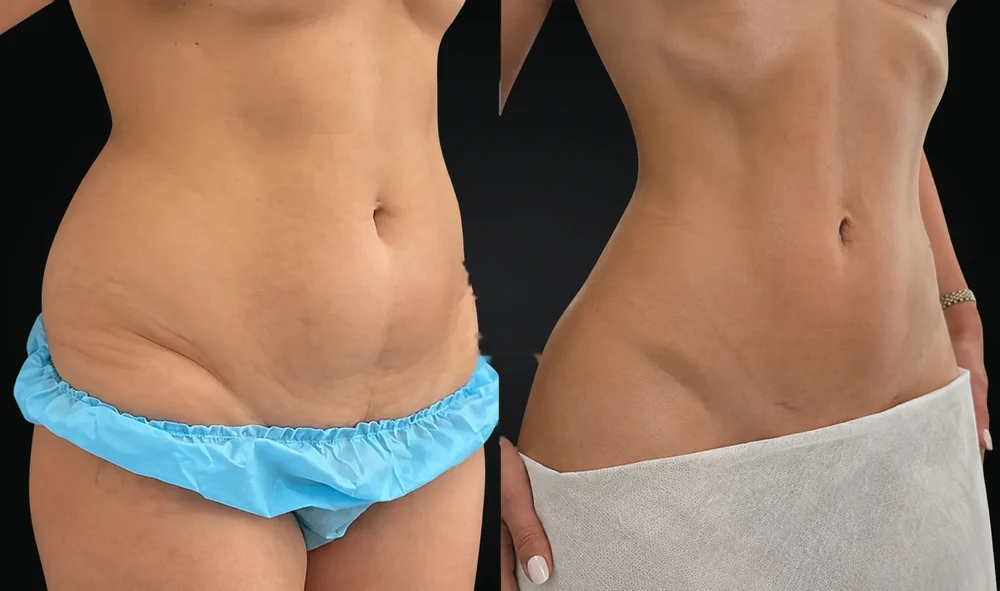
Real case
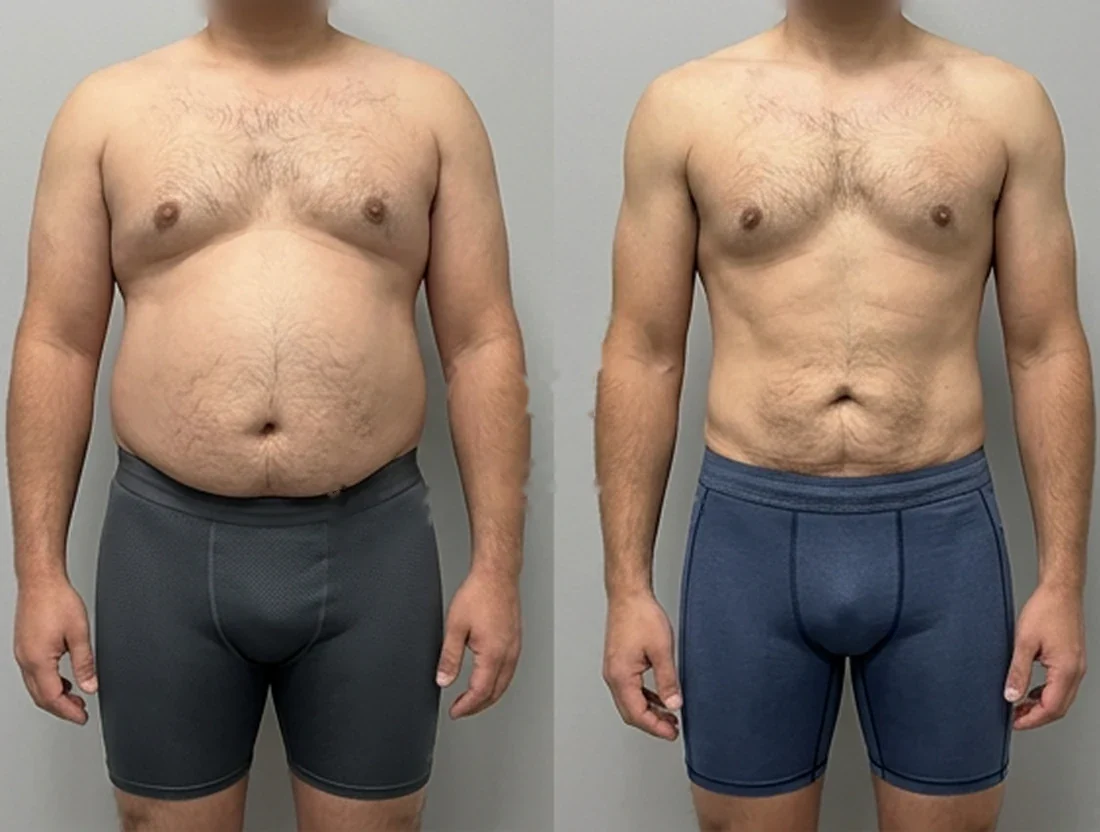
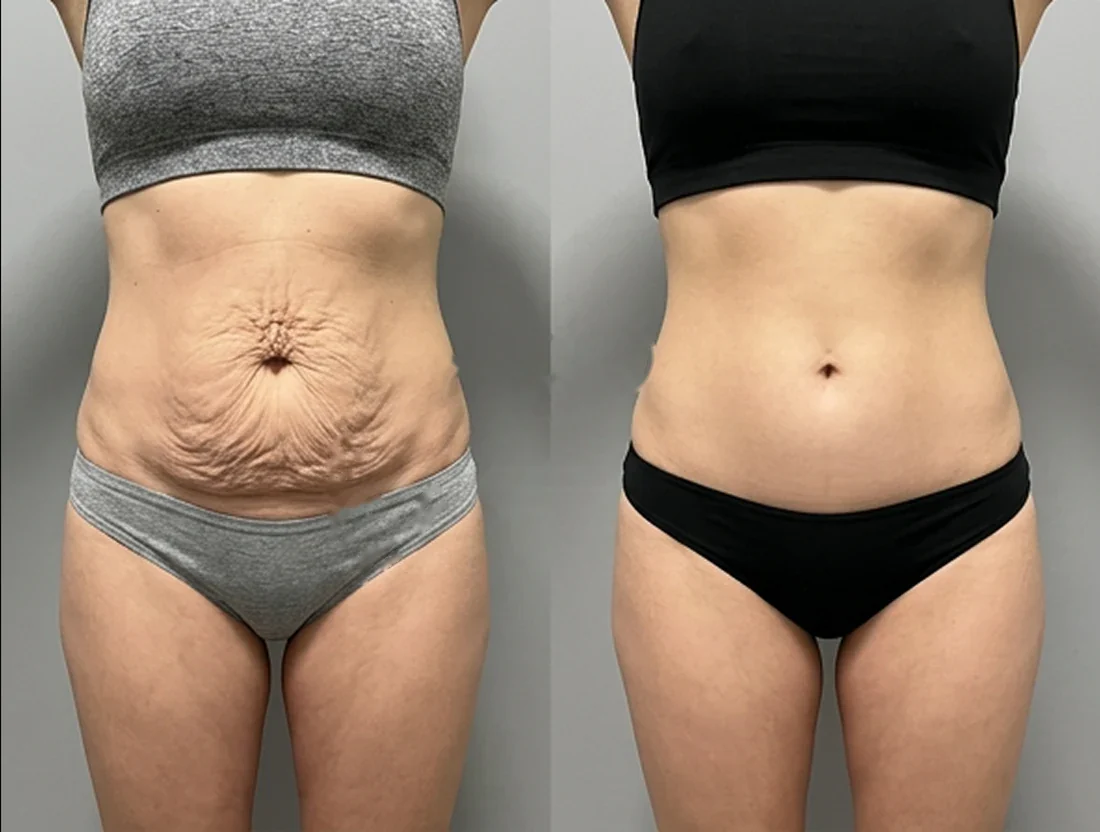
Tummy tuck: a patient's abdomen before and after surgery before after
A flat tummy and a toned silhouette in one operation. Your individual surgical plan and the expected result are discussed at the consultation

Message our coordinator

Free online consultation · Reply within 15 minutes

Message us on Telegram

By messaging us, you agree to our Privacy Policy

Results

Tummy tuck results
of our patients

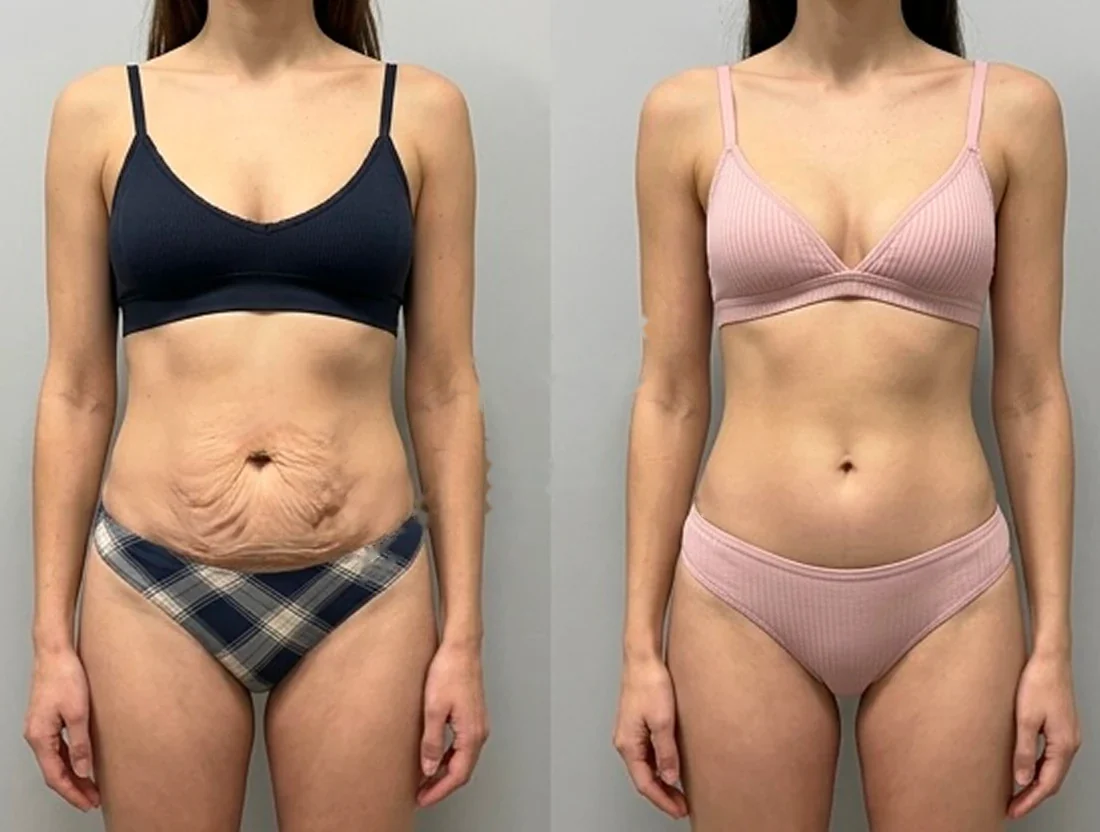
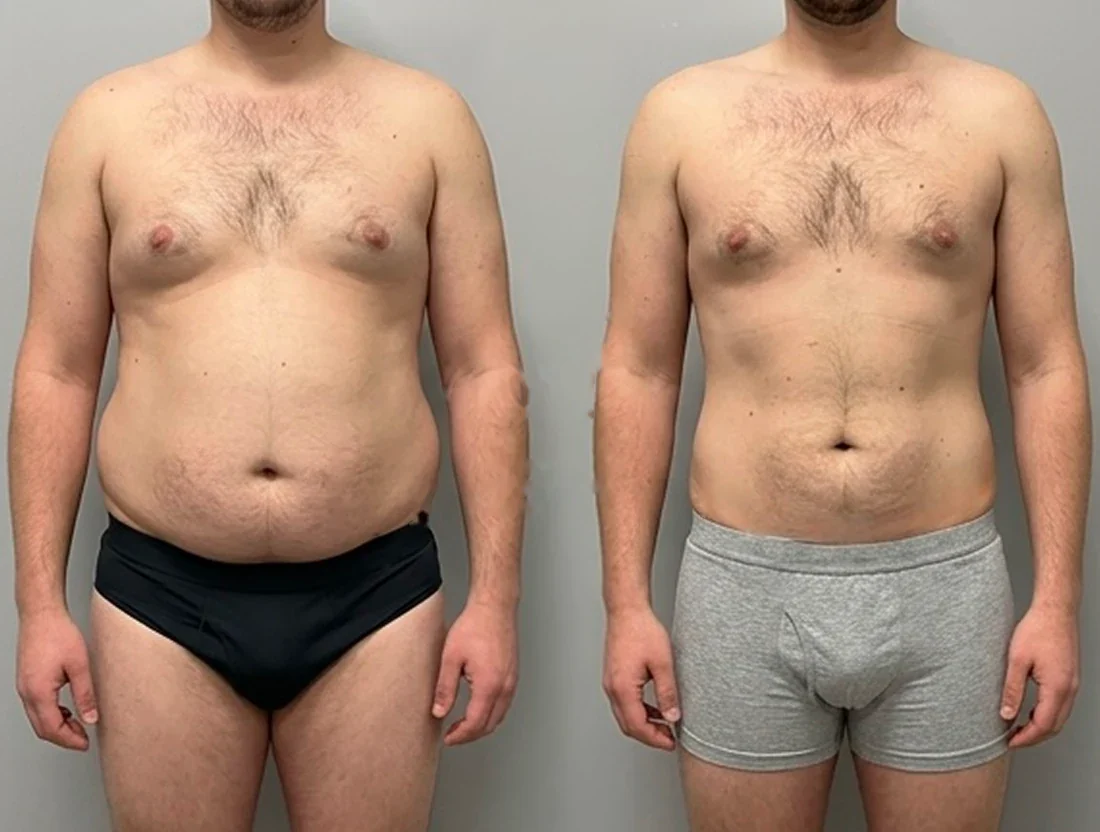
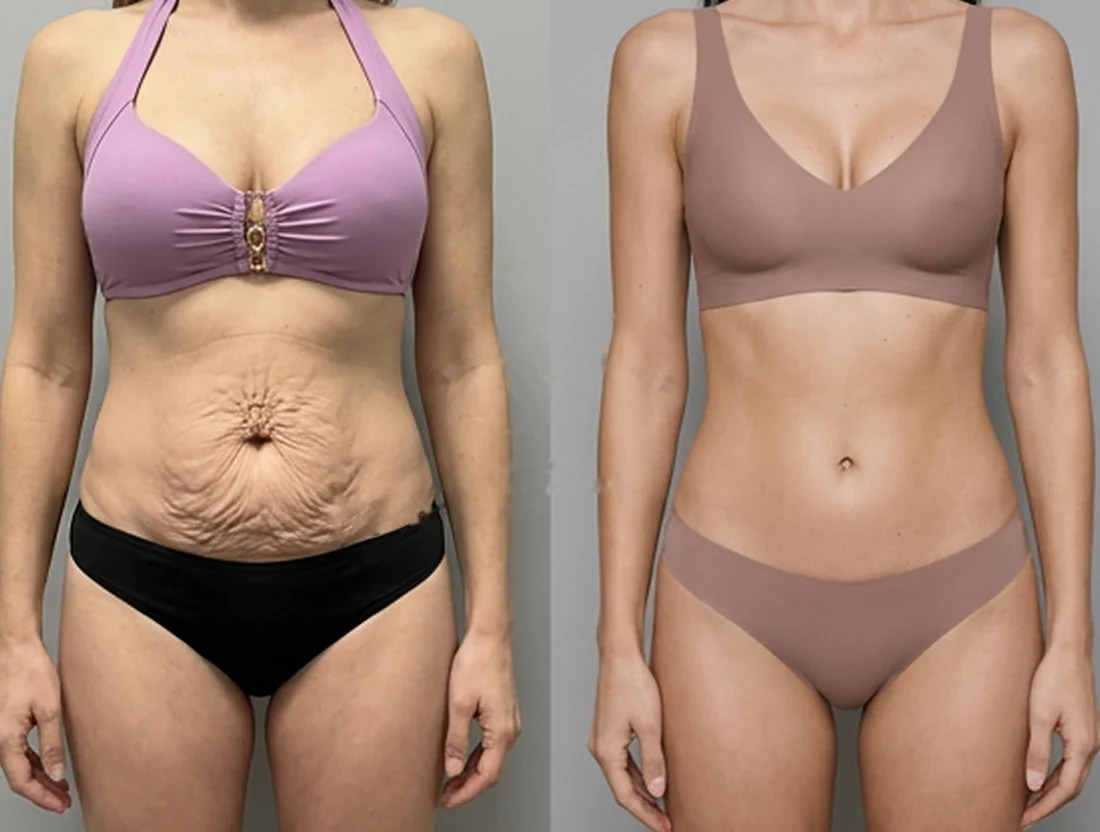
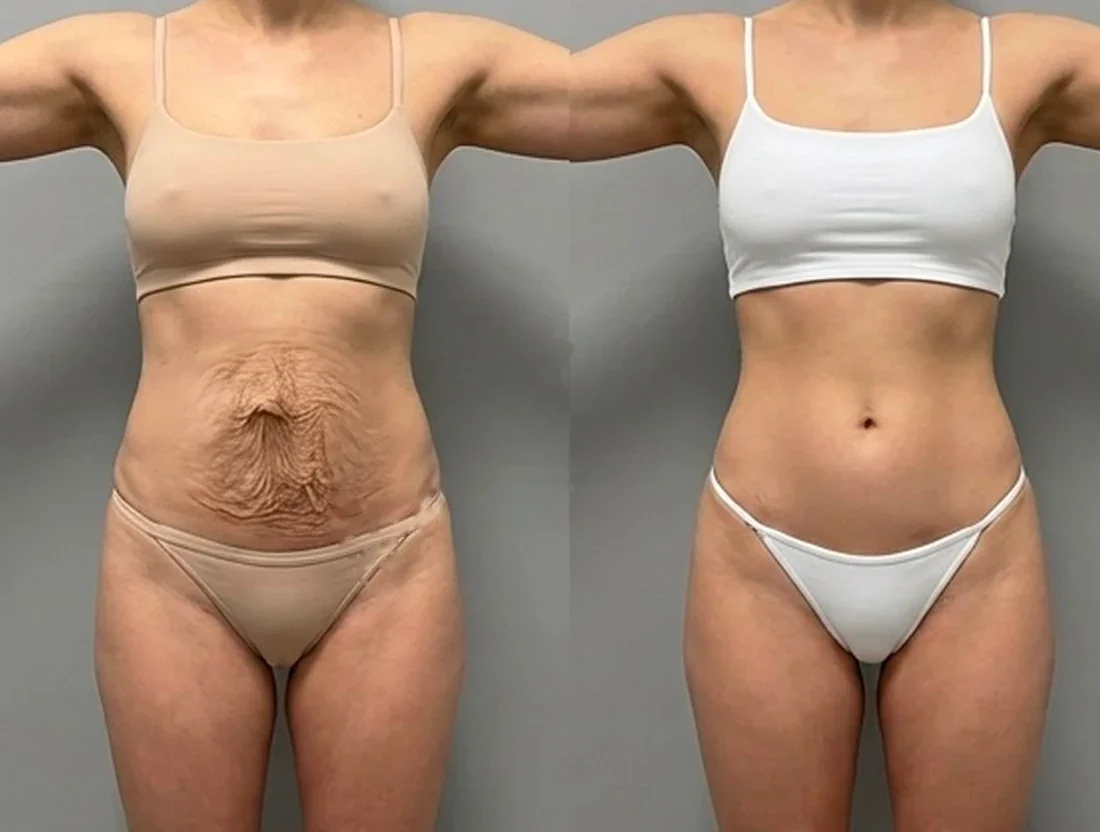
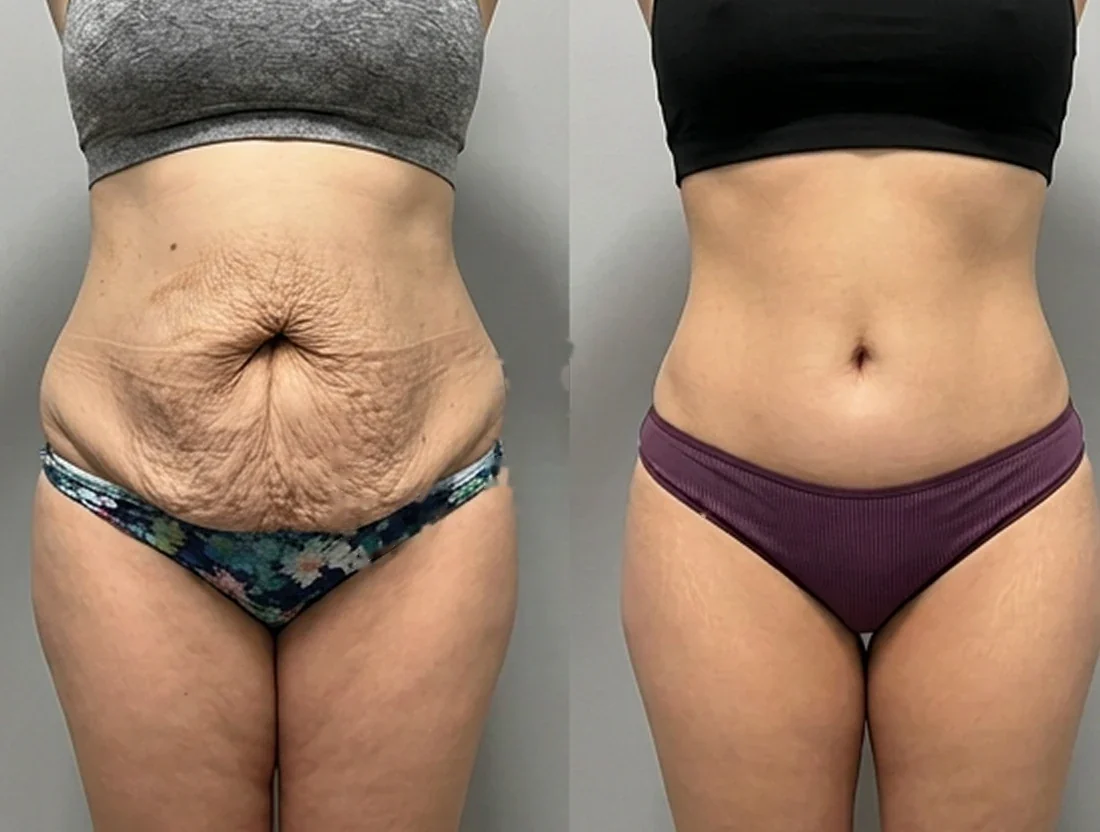
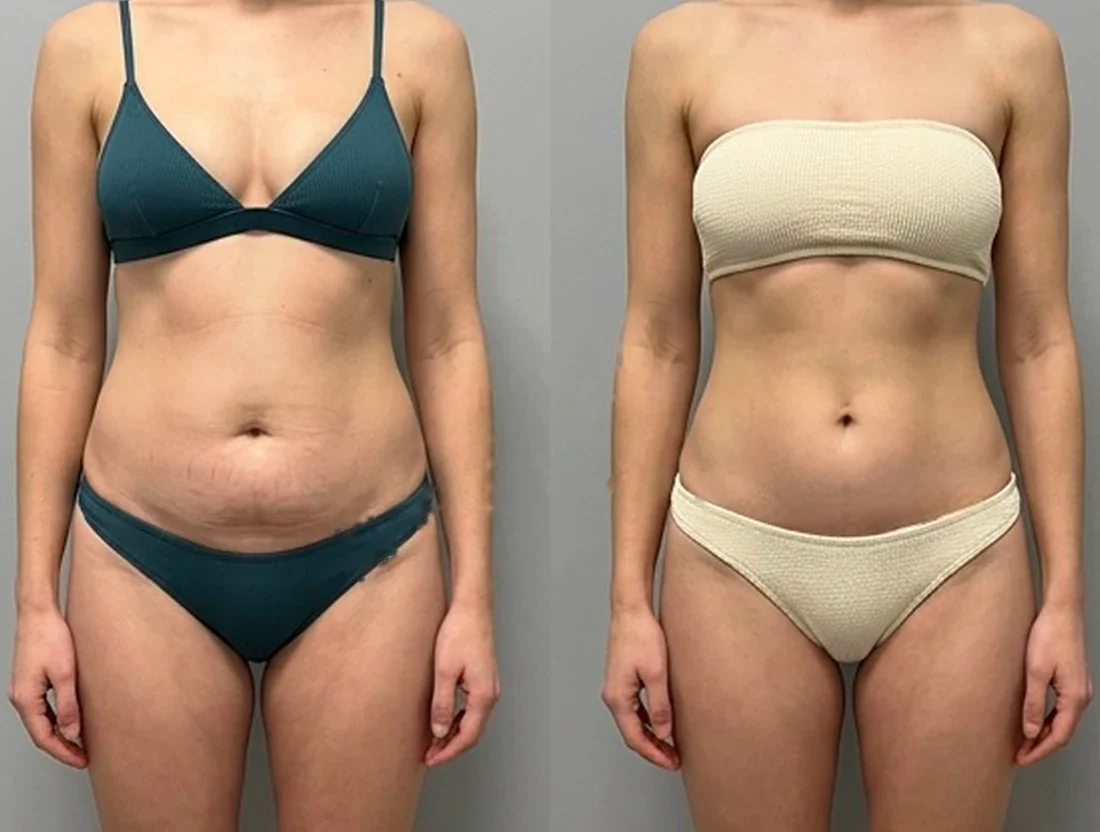
All cases are real patients. Faces and identifying details are hidden.

Tummy tuck: a female patient's abdomen before and after surgerybeforeafter
Tummy tuck: a male patient's abdomen before and after surgerybeforeafter
Tummy tuck: a female patient's abdomen before and after surgerybeforeafter
Tummy tuck: a male patient's abdomen before and after surgerybeforeafter
Tummy tuck: a female patient's abdomen before and after surgerybeforeafter
1 of 8

Comparison

Tummy tuck techniques

A tummy tuck is done as a full (classic) or mini operation, or combined with liposuction as lipoabdominoplasty. Compare the scope of surgery, the indications and the expected results to choose the right technique together with your surgeon.

Tummy tuck

Removal of excess skin, abdominal muscle tightening
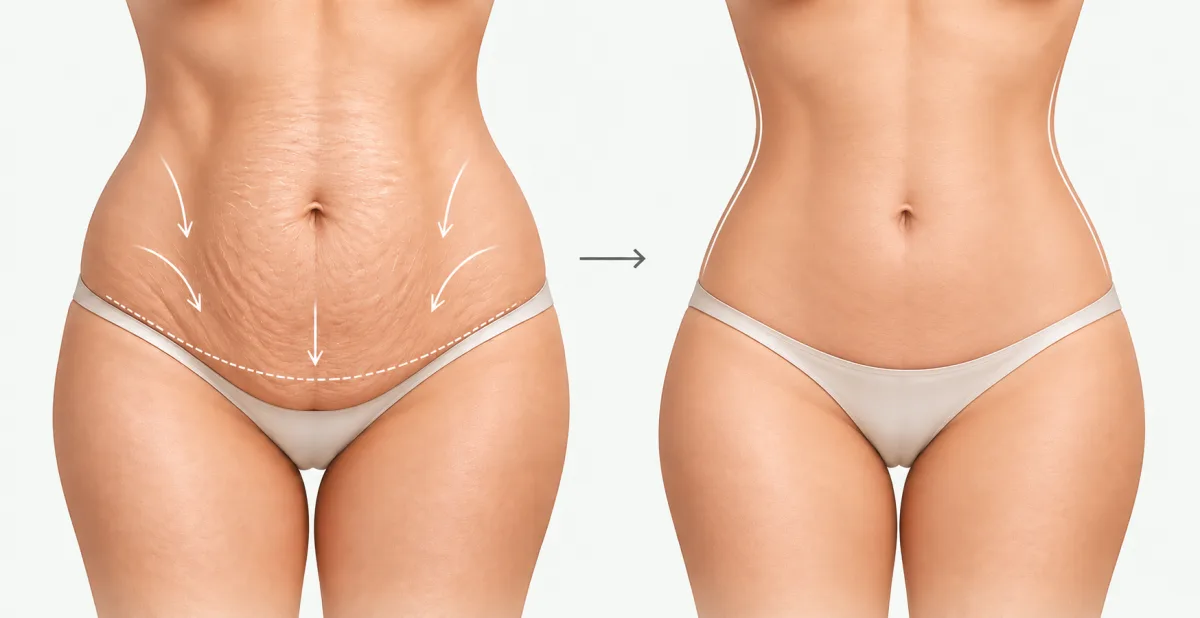
Tummy tuck diagram: the abdomen before surgery with the incision line, and the result
Main goal
Removal of excess skin, diastasis repair
When it is done
Excess skin after childbirth or weight loss
Anaesthesia and stay
General anaesthesia, up to 3 days in hospital

Lipoabdominoplasty

Tummy tuck with added liposuction
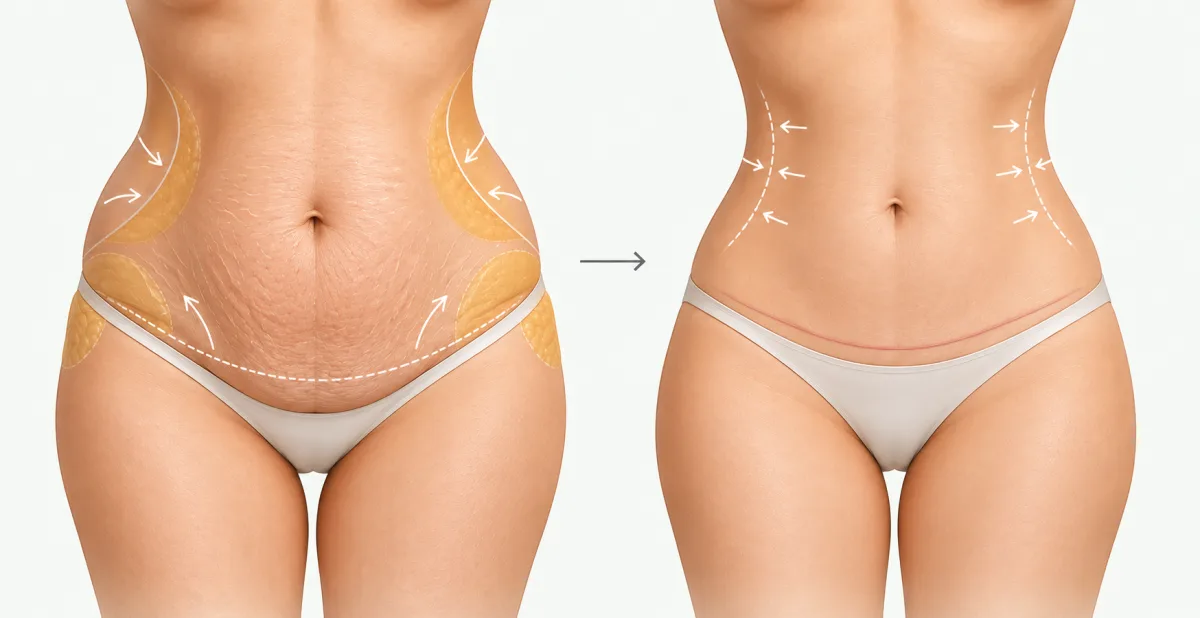
Lipoabdominoplasty diagram: the abdomen with fat on the flanks before surgery, and the result
Main goal
Tummy tightening and waist contouring
When it is done
For fat deposits on the flanks and waist
Anaesthesia and stay
General anaesthesia, up to 3 days in hospital

The benefits and recovery times shown are averaged for each technique and given for guidance: the scope of correction and rehabilitation depend on your anatomy and individual features, and the surgeon confirms them at the consultation.

At the consultation the surgeon draws up a plan for your case and explains how your tummy tuck will go.

Free, before surgery and with no obligation.

Book a consultation

Tummy tuck from the inside

About the clinic

A clinic where you can feel at ease

Modern equipment, comfortable rooms and care for every patient

A doctor and a patient in a clinic ward

Contact us the way that suits you

We will answer your questions and find a convenient time for a consultation

A tummy tuck is not for everyone

If your case can be solved without surgery, the doctor will tell you so at the consultation — and you will not spend money for nothing.

Suitable

A surgeon shows a patient on a model and a monitor how the abdominal contour changes after a tummy tuck
  • Rectus abdominis diastasis
  • Skin folds after weight loss
  • Loose abdominal skin
  • Stretched skin after pregnancy
  • A distorted abdominal contour

Not suitable

A surgeon discusses the indications and contraindications for a tummy tuck with a patient
  • Acute infections
  • Severe disease of the heart, kidneys or liver
  • Problems with blood clotting
  • Age under 18
  • Decompensated diabetes
  • Cancer
  • Skin inflammation in the surgical area
  • Pregnancy and nursing

Not sure the surgery is right for you?

Message us — the coordinator will ask for your photos in the messenger, and the surgeon will tell you whether a tummy tuck suits you. No surgery booking needed.

Find out if it suits me

A surgeon goes through a tummy tuck diagram with a patient at the consultation

Prices

You know the price
before surgery

The price is set at the consultation and fixed in the contract.

Other services

  • First consultationFree
  • Liposuction of the abdomen and flanksfrom $1,700
Book a consultation

Find out your tummy tuck plan and price

The surgeon assesses your abdominal skin and muscles, listens to your wishes and chooses the right correction technique.
The price is set at the consultation and fixed in the contract.

A nurse talks to a patient in a clinic ward

Message our coordinator

Free online consultation · Reply within 15 minutes

Message us on Telegram

By messaging us, you agree to our Privacy Policy

A patient's abdomen before a tummy tuck in the operating room

all inclusive

What the price includes

From preparation for surgery
to post-op check-ups.

  • All scheduled dressings
  • Scheduled post-op check-ups
  • A personal coordinator on call
  • Compression garments fitted on the day of surgery
  • A stay in a comfortable
    hospital ward with meals
  • Individual recommendations
    for recovery
  • Remote progress monitoring
    by photos

How it works

Three days at the clinic —
from preparation to discharge

An agreed correction plan, inpatient observation and post-op check-ups.

A doctor shows a patient a tummy tuck diagram on a monitor1

Consultation
and the surgical plan

The surgeon assesses your abdominal skin and muscles and checks for diastasis, listens to your wishes and chooses the right correction technique.

Paying the deposit by card at the clinic reception2

Booking the date
of surgery

We reserve a surgery date for you: the deposit can be paid by card at the clinic or online by bank transfer. The terms are fixed in the contract for medical services

A blood sample tube for tests before a tummy tuck3

Check-up before
surgery

Before surgery you complete a full lab check-up: blood tests, an ECG, a chest X-ray and reports from the required specialists.

The surgical team during the operation4

Surgery

The surgeon performs the tummy tuck with the chosen technique, repairs diastasis if needed and shapes a firmer abdominal contour.

A hospital ward at the clinic5

Inpatient stay

After surgery the patient stays for 1–3 days in a comfortable hospital ward with meals, under medical supervision.

A surgeon and a patient in the ward during recovery6

Recovery

After surgery you get a recovery programme. Check-ups at 7 days, 3 and 6 months help track your recovery.

Book a free consultation — the surgeon will plan every step with you.

A doctor discusses the tummy tuck plan with a patient
Book a consultation
A doctor discusses the tummy tuck plan with a patient

How it really happens

Recovery after abdominoplasty

Right after surgery the patient spends 1–3 days in hospital under medical supervision. Drains usually come out after two days and stitches after 7 days. A compression binder is worn for 1.5–2 months to support the abdominal wall and shape a smooth contour. Most swelling goes within 30 days, and office work resumes after 2–3 weeks. Sports, sauna and heavy lifting are off-limits for 2–3 months; at first, sleeping on your back with bent knees is advised. By 12 months the scar is fully mature — it fades and is barely noticeable.

Post-op check-ups

After 7 days, at 3 months and at 6 months. Until the end of the year, get a post-surgery consultation with your surgeon to review results and get more information, at the clinic's expense

Advantages

Why people choose City Medical Centre

A surgeon discusses the tummy tuck plan with a patient at the consultation

Just find out — you lose nothing

At the consultation we discuss your wishes and assess your abdominal skin and muscles. The surgeon explains what changes are possible, chooses the correction technique and answers your questions.

A surgeon on a video call with a patient after surgery

We stay with you after surgery

The surgeon follows your recovery and the changing abdominal contour at check-ups after 7 days, 3 and 6 months. Check-ups, dressings and aftercare advice are already included in the price of surgery.

A surgeon shows a patient a model and tummy tuck diagrams

A beautiful contour that fits your figure

We choose the correction technique based on your skin, muscles and figure. Our aim is a harmonious abdominal contour that keeps the natural proportions of your body.

A patient writes down a convenient visit time in her planner

Your schedule is our priority

We respect your time: we work 24/7, with easy booking and a personal approach — we adapt to your pace.
A surgeon shows a patient the fixed price of surgery with no extra charges

Fixed prices

After the consultation the surgeon defines the extent of correction, and you get a clear price for the surgery — no surprises on the way to the result you want.

A surgeon visits a patient in the hospital ward after surgery

Round-the-clock care after surgery

Recovery starts in a comfortable hospital ward under round-the-clock nursing care. The stay and meals are already included in the price.

FAQ

We answer what
people ask before booking

Tummy tuck in Blida: techniques, stages and recovery

Timing matters with abdominoplasty. Because pregnancy stretches the repaired muscles again, surgeons advise having it once your family is complete and planning a pregnancy no earlier than a year afterwards. It is also done only at a stable weight: if yours is still changing, a dietitian or endocrinologist comes first. Women in Blida thinking about the procedure after childbirth should keep this order in mind.

Recovery has three milestones. Office work is possible after 2–3 weeks, swelling and tightness pass by 1.5–2 months, and the final result and scar are assessed at 6–12 months once tissues have adapted. Most swelling goes within 30 days. Sport, sauna and heavy lifting wait 2–3 months, and sleeping on your back with knees bent is advised at first. The same timeline applies to Blida patients.

There is no single price for abdominoplasty, since a mini tummy tuck and a classic operation with diastasis repair differ in scope. What stays constant is the approach: the surgeon names the cost after an in-person examination, and it is fixed in the contract without surprises. Blida residents can apply before the end of the year and get the consultation at the clinic's expense.

Stories of well-known people

Well-known people who spoke openly about this operation, in their own words.

All stories about this operation →

Before the First Message: Settling Whether Your Question Is Skin, Muscle or Weight

The city proper counted 182,447 residents in 2012, and the wider urban zone is put at around 520,000, so plenty of households in and around Blida include a woman whose abdomen changed after pregnancies, or a man whose waist never recovered after a large weight loss. An abdominoplasty addresses loose skin and, where needed, weakened muscle. It is not a weight-loss method, and the first sorting of your question should reflect that. People in the Mitidja towns often bring this up first with a sister or a close friend, which is natural, but a conversation at the kitchen table cannot examine the skin; only photographs and a surgeon's reading of them can.

Photograph yourself standing relaxed, then once more with a gentle tightening of the stomach muscles, from the front, from each side and from behind. Use a plain wall and daylight from a window. The two poses tell the surgeon whether the main issue is a hanging apron of skin, a bulge in the middle, or both. Mention how long your weight has been stable, because a plan built on a number that is still moving tends to disappoint. Take a couple of extra shots with a hand lifting the skin fold, and one in a loose, high-waisted garment, so the surgeon sees both the problem and how it affects the clothes you actually wear day to day.

Write down your pregnancies, any earlier surgery on the abdomen, any hernia you know of, and the tablets you take. These are not embarrassing details; they decide what the surgeon must plan for. A short list typed into your phone saves a long exchange later, and nobody has to rely on memory in the middle of a busy week. If you have a scar from a caesarean section, include it in a photo, because a new incision can often be planned to meet or replace it, and the surgeon will want to see its length and position before suggesting anything.

The coordinators are on Telegram and Telegram all day and all night. They will reply with a few precise questions and then place your file before the surgeon, who writes back with an opinion on whether a full operation, a lighter option or a pause for weight stability fits your situation. It costs you a conversation, not a commitment. If you are told to wait, that advice is usually accompanied by clear reasons and a suggestion for a review in a few months, and you can send fresh photos at that point without starting from zero.

Two to Four Hours Asleep, One to Three Days Watched

An abdominoplasty is performed under general anaesthesia and takes between two and four hours, depending on how much has to be corrected. You are asleep throughout, and the anaesthetist is the one who plans your medication with you beforehand. Prepare the answer to three questions: what do you take regularly, what have you reacted badly to, and when did you last eat and drink before a given time. The anaesthetist is also the person who explains the fasting rules, which you should write down with exact times, because a missed instruction is the most common reason a morning plan is delayed.

After the operation you remain in hospital under medical supervision for one to three days. Drains are usually taken out after about two days, and the nursing team shows you how to sit up, stand and walk in a gently bent posture. Those first days are watched on purpose: this is when the medical team can notice a small change in the wound or in your breathing before it grows into a problem. Do not be surprised by the posture: you will be slightly bent at the hips for the first days to relieve the pull on the wound, and this is guided by the nurses, who will show you how to stand without effort.

Ask a close relative to be the person who hears the discharge instructions with you. In many Algerian households the decisions about the practicalities fall to whoever is most available, and for a few days that should be someone other than the patient. A written list of drain care, positions to sleep in, and warning signs belongs on the fridge door where everyone sees it. If the household has small children, discuss who will pick them up and carry them, as lifting a child is among the first things you will not be allowed to do, and an honest plan with grandparents is better than an improvised one.

Arrange the house before you leave for hospital, not after you come back. Move what you will need most to waist height, so that nothing requires a deep reach. Put a stool by the bed, a bag of loose clothes within reach and a charger beside your pillow. Small preparations like these make the first nights calmer and the first walks safer. Think too about the car journey home, and ask whoever drives to go gently over bumps, since road surfaces on the outskirts can be uneven and a jolt feels amplified in the first hours.

Day Seven to Week Three: Stitches Out, Desk or Shop Floor

The stitches are removed on about the seventh day. Many patients feel a clear lift in morale at that point, because they can stand a little straighter and the visible part of recovery begins. It is also the day to ask your surgeon how to look after the scar at home and to agree the dates of the next checks, and to put them in your phone. Take a photograph of the abdomen that morning in the same light as your pre-operative pictures; the contrast makes it far easier for the surgeon to judge how the first week has gone.

Office work typically resumes after two to three weeks. If you work in a bank, a school, a municipal department or an administrative job, you can plan on that range. If your work is on your feet all day, or involves lifting, such as in a warehouse or a workshop, tell the coordinator before the operation so that the surgeon can estimate a return that suits the physical load rather than offering a general figure. A useful habit is to keep a small notebook: the day, the time you wore the binder, any tightness or unusual sensations, and the questions you want to ask at the next contact, so nothing slips your mind during a visit.

Blida has long been a place of trade in oranges and flour, and many families run shops, stalls or small businesses with no formal leave to speak of. If that is you, plan two things in writing: who covers the counter while you rest, and when you will return in a reduced role. A business can survive three weeks of lighter attendance far better than it can survive a rushed return and a complication. Even a small family shop gains from a written plan for the three weeks: set stock deliveries in advance, ask a trusted relative to handle the till, and decide in advance which phone calls will wait until you are back.

Walking is encouraged from the first days: short, upright, indoor walks in the corridor of your own home, lengthened gradually. Heavy lifting, stretching high and strenuous exercise wait for permission. The pull of the abdomen is something your body will teach you about. If a movement hurts, you are probably doing it too soon. As the days pass, the tightness eases and you may feel strong enough to do more than you should; give yourself a firm rule that you add only one new activity every few days and confirm it with the surgeon first.

A Binder Through the Heat of August and the Rain of December

Around thirty days after the operation most of the swelling has gone, though the abdomen still feels tight. During roughly the next month and a half you wear a compression binder, and the tissue keeps settling into an interim result. Wearing the binder correctly and consistently matters more than the brand or colour you choose, so follow the surgeon's schedule precisely. Mark the date in your calendar, so that on the thirtieth day you can compare a fresh photo with the earlier ones and see how much the swelling has really gone down; it is almost always more than it feels like in the mirror.

August is Blida's warmest month, with an average high of 31.7 degrees and a low of 22.1, and July follows at 30.9 and 21.4. Under a binder this can be uncomfortable. Choose breathable cotton underneath, change the layer daily, avoid the hottest hours of the afternoon, and keep a fan or a cool room for the evenings. Ask the surgeon how to ease the skin if a rash develops, and send a photo before it worsens. Evenings in July and August are warm but often cooler once the sun is down, which is the best time to walk gently outdoors, wearing loose clothing over the binder and remembering to drink water regularly.

Winter is cool and wet. January averages 14.2 degrees by day and 7.0 at night, and December is the wettest month with about 130 mm of rain, so the road to a check-up or a short walk can be damp and slippery. Choose flat, grippy shoes, keep the binder dry, and do not skip a walk because of a drizzle that you could avoid with a good coat. Check the binder every evening for folds, damp patches or pressure marks, and if you see a mark that does not fade within an hour of taking it off, send a photograph to the coordinators for advice.

By about the second month the binder period ends and you feel an interim result: a flatter profile, a tight but improving waist, and a scar that is still pink. Resist the urge to evaluate the outcome here. Photographs taken monthly in the same light will tell you more than a daily glance in the mirror, and they can be sent to the surgeon whenever you have a question. At this stage friends and relatives may press you to resume your usual meals and social visits; politely keep to your plan, because the early months are when small shortcuts have the largest influence on how the scar and waist finally look.

Six to Twelve Months: The Scar, the Final Contour and a Name on the Roll

The final contour and the scar are assessed at six to twelve months, once the tissues have fully adapted. A scar is a living thing during that time; it changes colour and firmness. Protect it from direct sun, especially in the Mediterranean summers that Blida knows well, and ask the surgeon which products, if any, you should use. Never apply something because a neighbour recommends it. Mark the six, nine and twelve-month points in your phone now, and ask the surgeon what the scar should look like at each. Knowing the expected changes in advance prevents unnecessary worry when it looks red or raised in the middle months.

In Algeria, nobody may practise medicine without being entered on the roll of the medical order, and the national council of the order of physicians is the body in charge. When this file was prepared we could not open the council's own site, so no online directory is confirmed here. The dependable method is to ask your surgeon for the registration number and the stated specialty in writing, then keep both with your records. Keep a folder, paper or digital, with the surgeon's registration details, the written plan, discharge papers and each follow-up photograph. If you ever need advice from another doctor, this folder will save everyone time.

When you compare offers, compare what is on paper: a written description of the operation, the type of anaesthesia, the expected length of surgery and hospital stay, and photographs of similar cases after a year. A pleasant tone, quick replies and a persuasive voice message are not credentials. A document that names a specialty and a registration number is the thing that distinguishes one proposal from another. Ask also who will answer your questions after the operation and how quickly, because the support you have in the weeks after the operation matters as much as the hours spent in surgery itself.

Families often ask the patient to go on a hike in the Chréa national park or to a family outing near the Chiffa gorges soon after the procedure, with the best of intentions. Tell them honestly that your calendar for the first weeks is a medical one. When the surgeon gives permission for longer walks and light activity, you will enjoy them far more than if you had pushed too early. The orange groves, the cedar forests on the mountain slopes and the river valley will all still be there when you are cleared for them, and choosing patience now is what lets you enjoy them comfortably later.

Is a tummy tuck a long operation?

It is performed under general anaesthesia and generally takes two to four hours, depending on how much correction is needed. You will be asleep throughout. Before the date, tell the anaesthetist about your regular medication and any past reactions so that the plan for the day is complete. Your surgeon will also tell you in advance how long you will be in the operating room for your specific plan.

How long will I stay in hospital?

Most patients stay one to three days under medical supervision, and drains are usually removed after about two days. The length of stay depends on how you recover and on the surgeon's judgement. Arrange your home beforehand so that you can return to a setup that needs no bending or lifting.

When do the stitches come out?

Around the seventh day. That visit is also the moment to ask how to care for the scar and to fix the dates of further checks. Photograph the wound before you attend and keep the pictures, so you can show the surgeon how it changes. If the wound looks different from what you were told to expect, do not wait for the visit and send the picture to the coordinators.

When can I go back to work?

Office work usually resumes after two to three weeks. Physical jobs, long days on your feet or lifting require a longer and more cautious return. Describe your actual tasks to the coordinator before the operation so the surgeon can estimate a realistic date for your situation. Remember that light household tasks come back earlier than anything involving lifting or stretching.

How long will I need the compression binder?

The compression period lasts roughly a month and a half to two months, as swelling and tightness fade and an interim result appears. Wear it according to the surgeon's schedule, keep a clean cotton layer beneath it, and message the coordinator if the skin becomes sore or inflamed. Wearing it too loosely or removing it too early can slow the settling of the tissues.

Will Blida's hot summer make recovery harder?

It can make the binder uncomfortable. August averages 31.7 degrees by day and 22.1 at night. Wear cotton underneath, change it daily, stay out of the afternoon sun and keep an evening cooling routine. Ask the surgeon what to do if a rash appears, and send a photo promptly.

When will the scar and final shape be clear?

The final contour and the scar are judged at six to twelve months, once the tissues have fully adapted. Until then the scar changes in colour and firmness. Protect it from sun and take a monthly photo in the same light so that you can see slow progress. Ask your surgeon to explain which stage of scar healing is normal, so you can recognise it.

How do I verify that the surgeon is registered?

Doctors in Algeria must be on the roll of the medical order, overseen by the national council. We could not confirm an online directory, so ask for the registration number and specialty in writing and keep a copy. If a surgeon is reluctant to provide them, that is a good reason to stop and ask more questions.