

Message our coordinator
Free online consultation · Reply within 15 minutes
Message us on TelegramMessage us on WhatsAppBy messaging us, you agree to our Privacy Policy


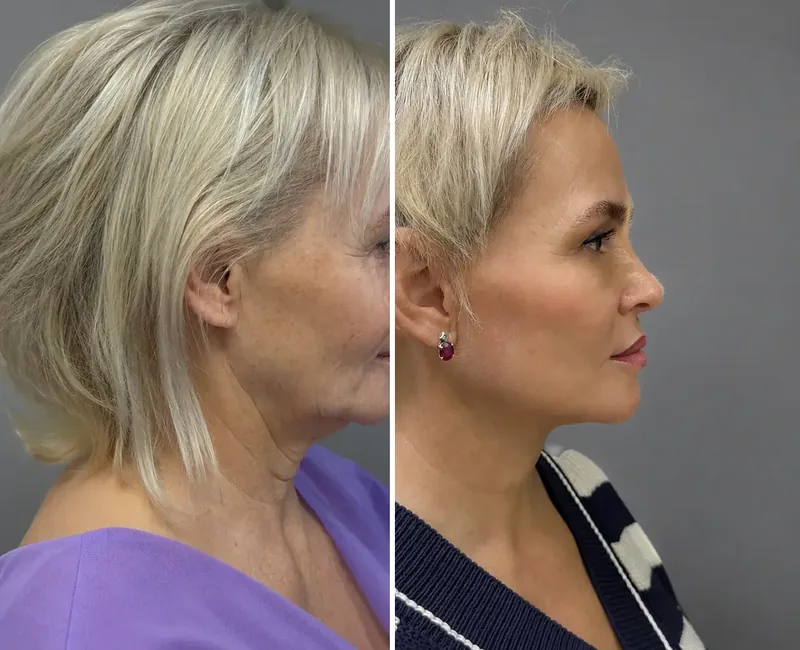

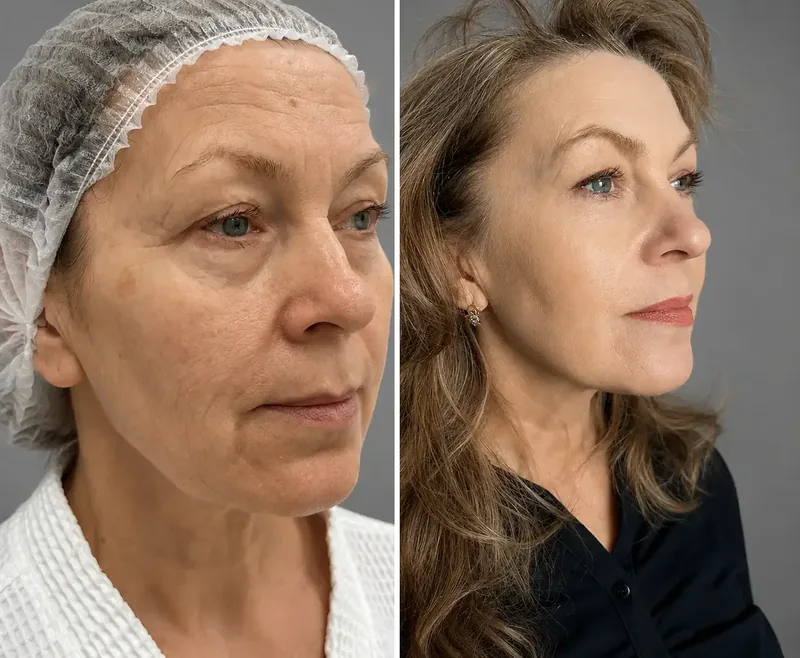
50 years
9 months
SMAS facelift
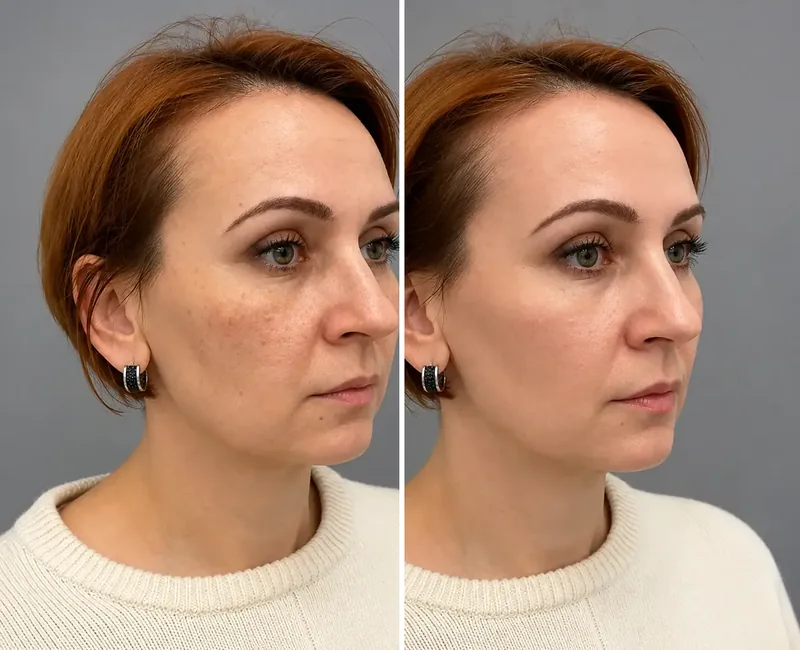
58 years
8 months
SMAS facelift
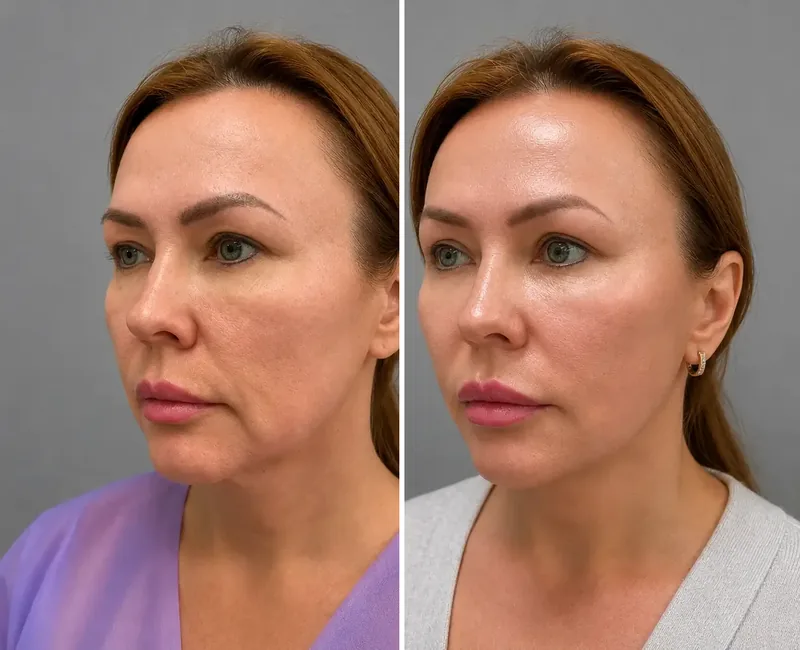
34 years
5 months
SMAS facelift
32 years
7 months
SMAS facelift
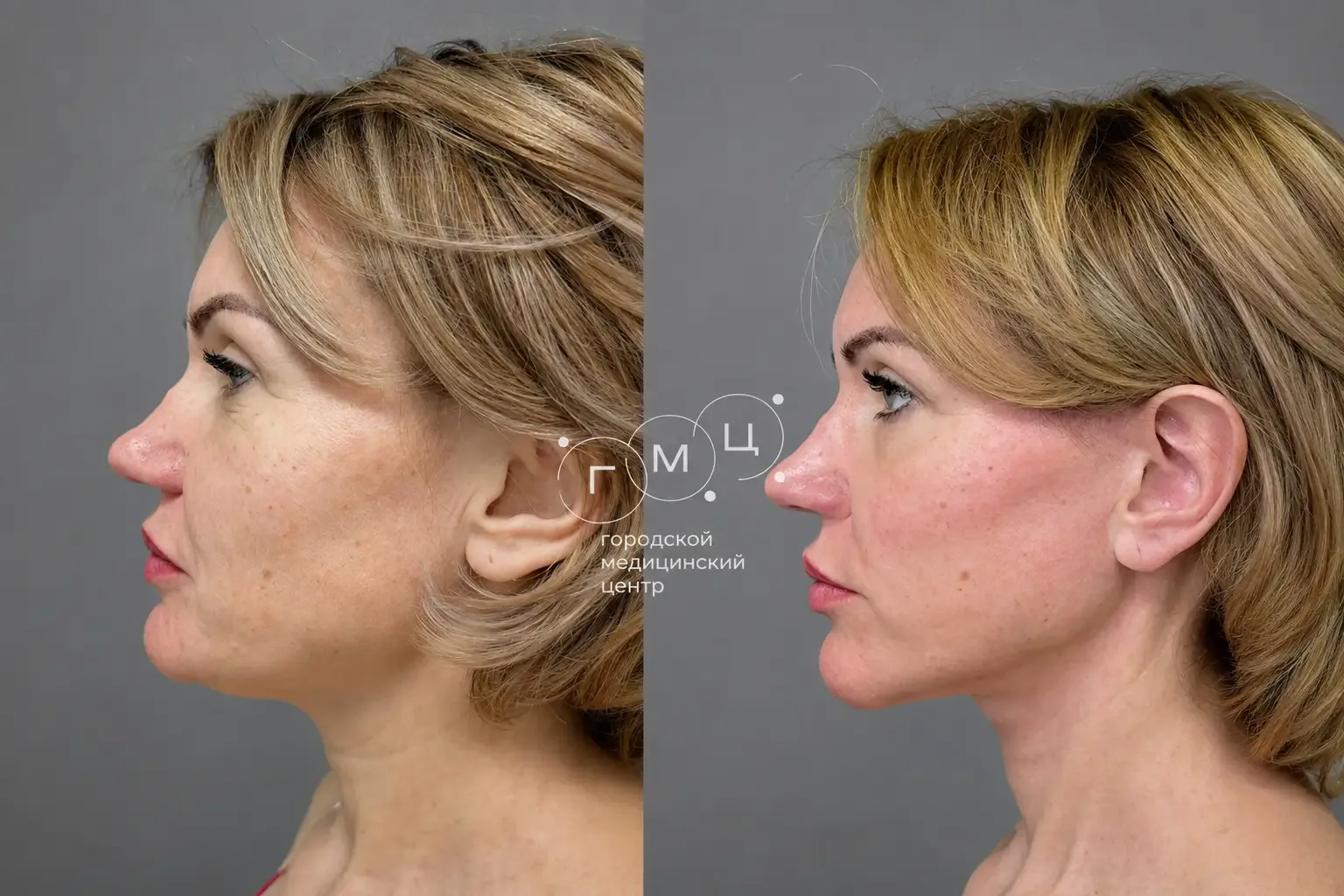
40 years
6 months
SMAS facelift
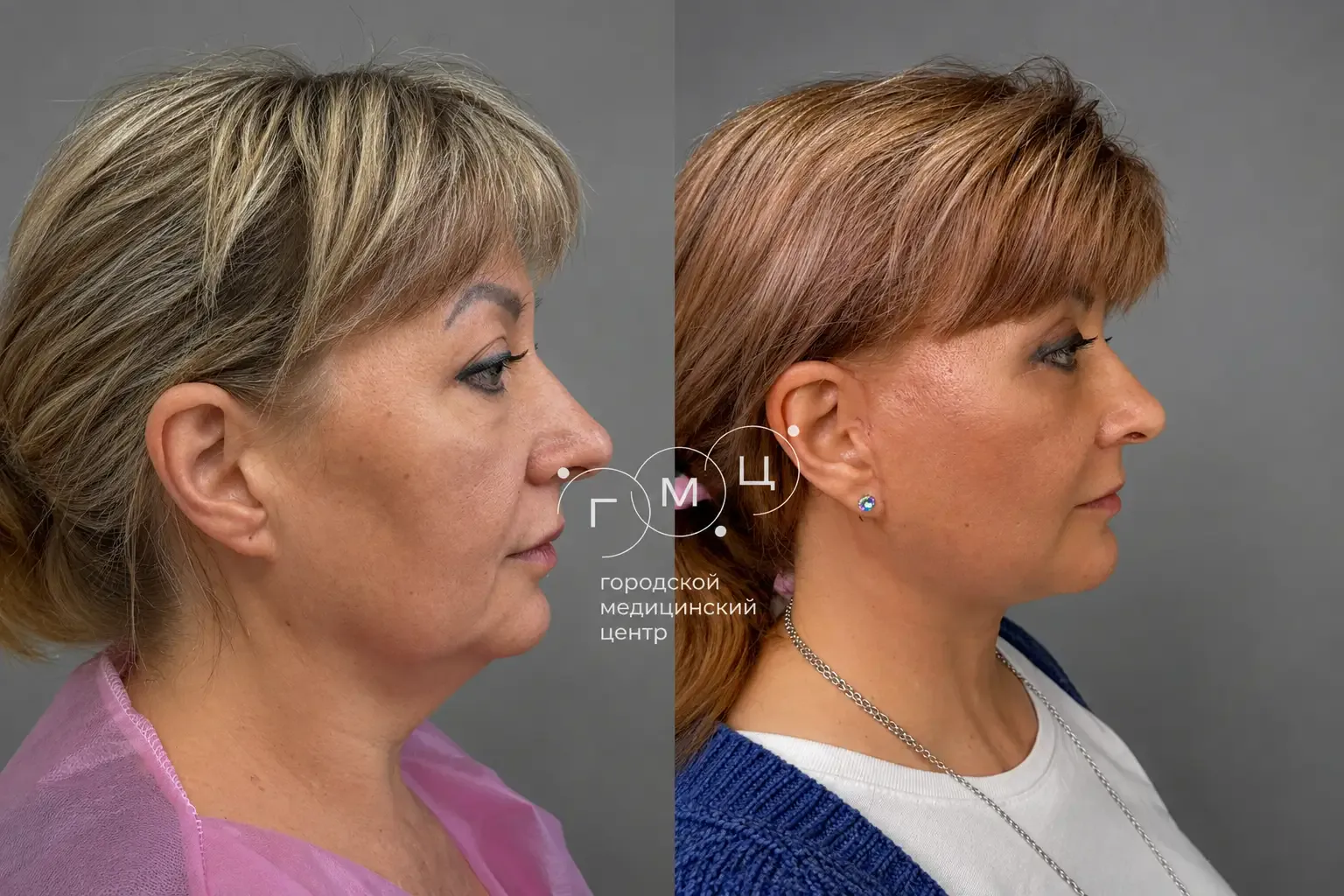
45 years
8 months
SMAS facelift
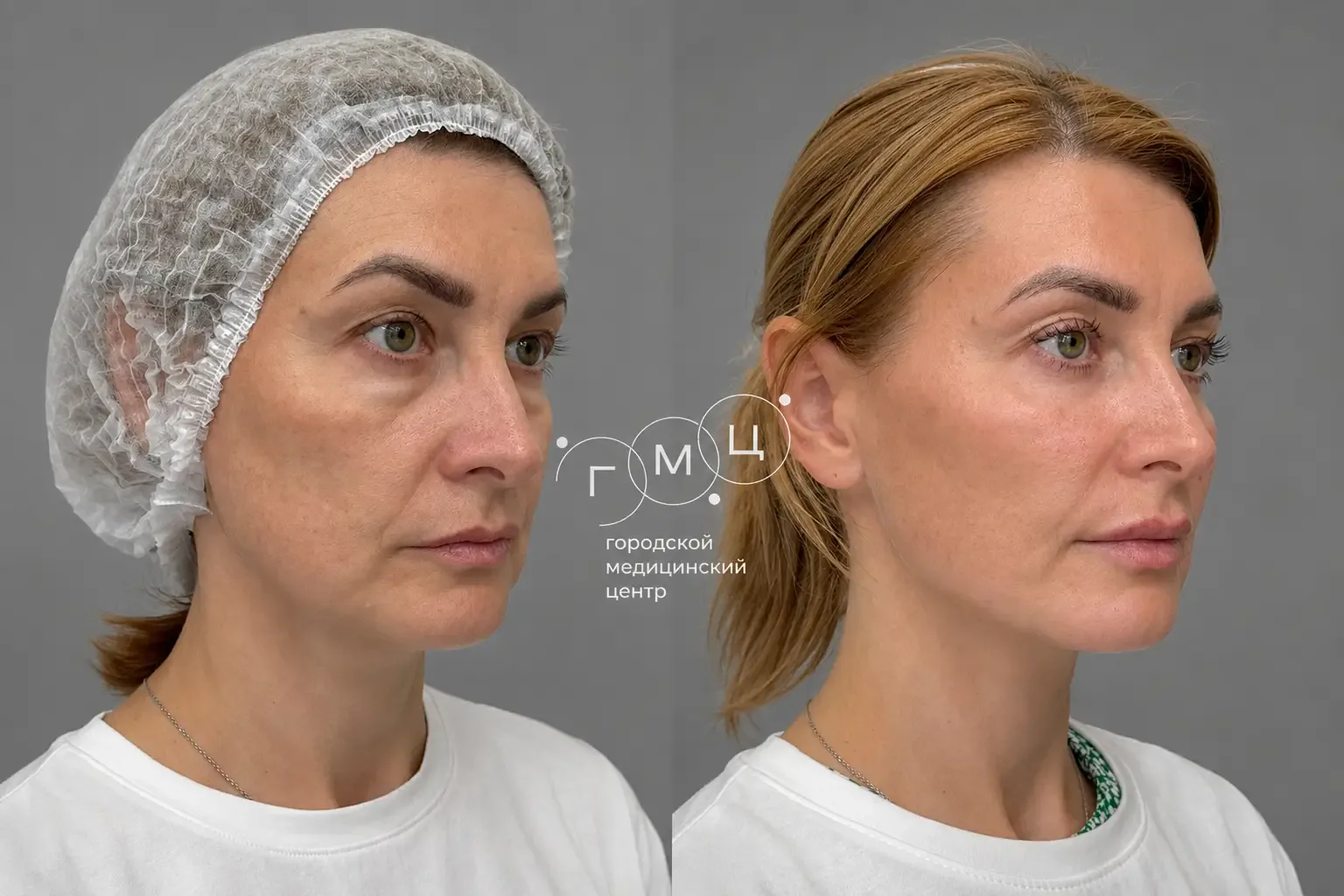
38 years
5 months
SMAS facelift
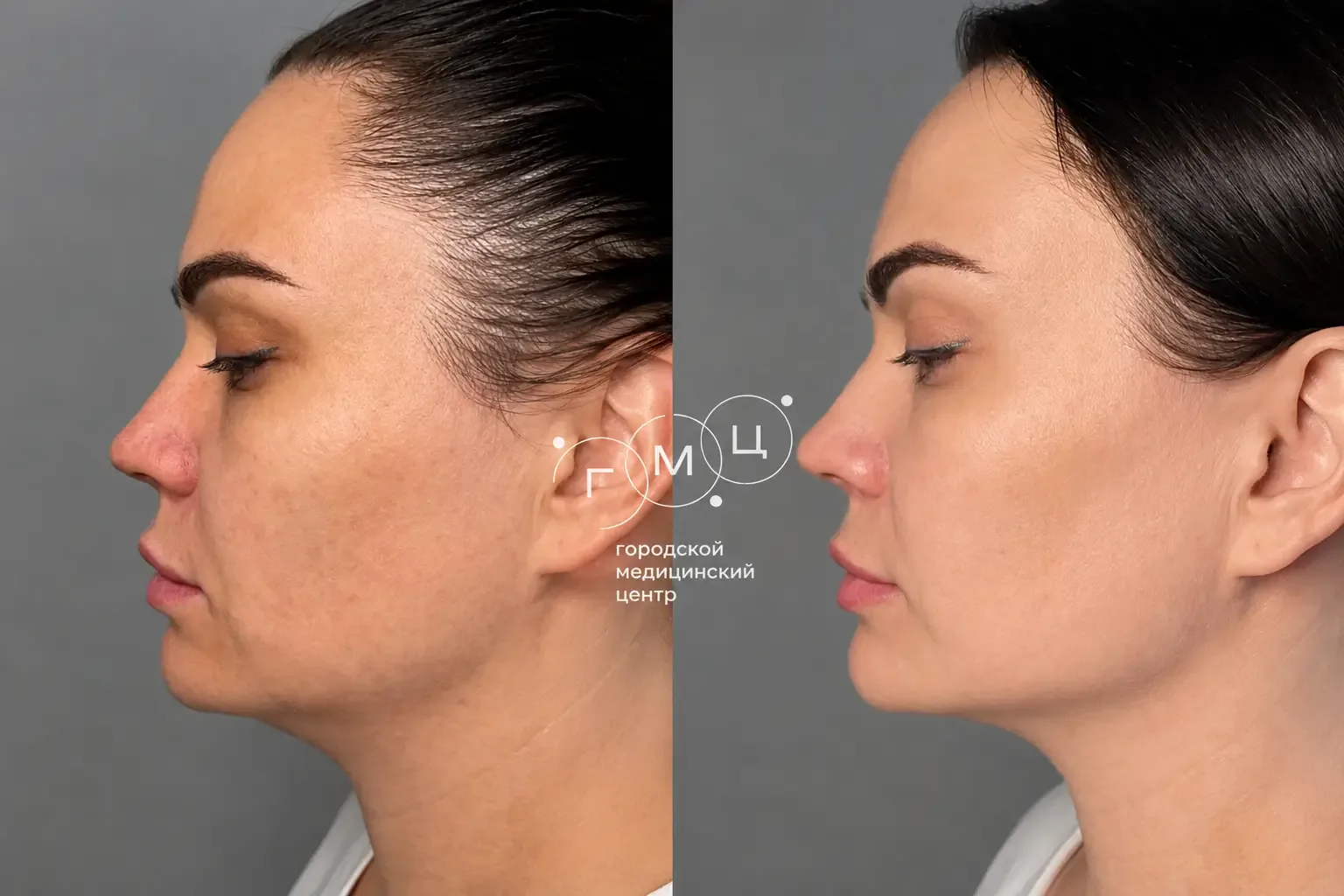
33 years
6 months
SMAS facelift
50 years
9 months
SMAS facelift
58 years
8 months
SMAS facelift
34 years
5 months
SMAS facelift
32 years
7 months
SMAS facelift
40 years
6 months
SMAS facelift
45 years
8 months
SMAS facelift
38 years
5 months
SMAS facelift
33 years
6 months
SMAS facelift
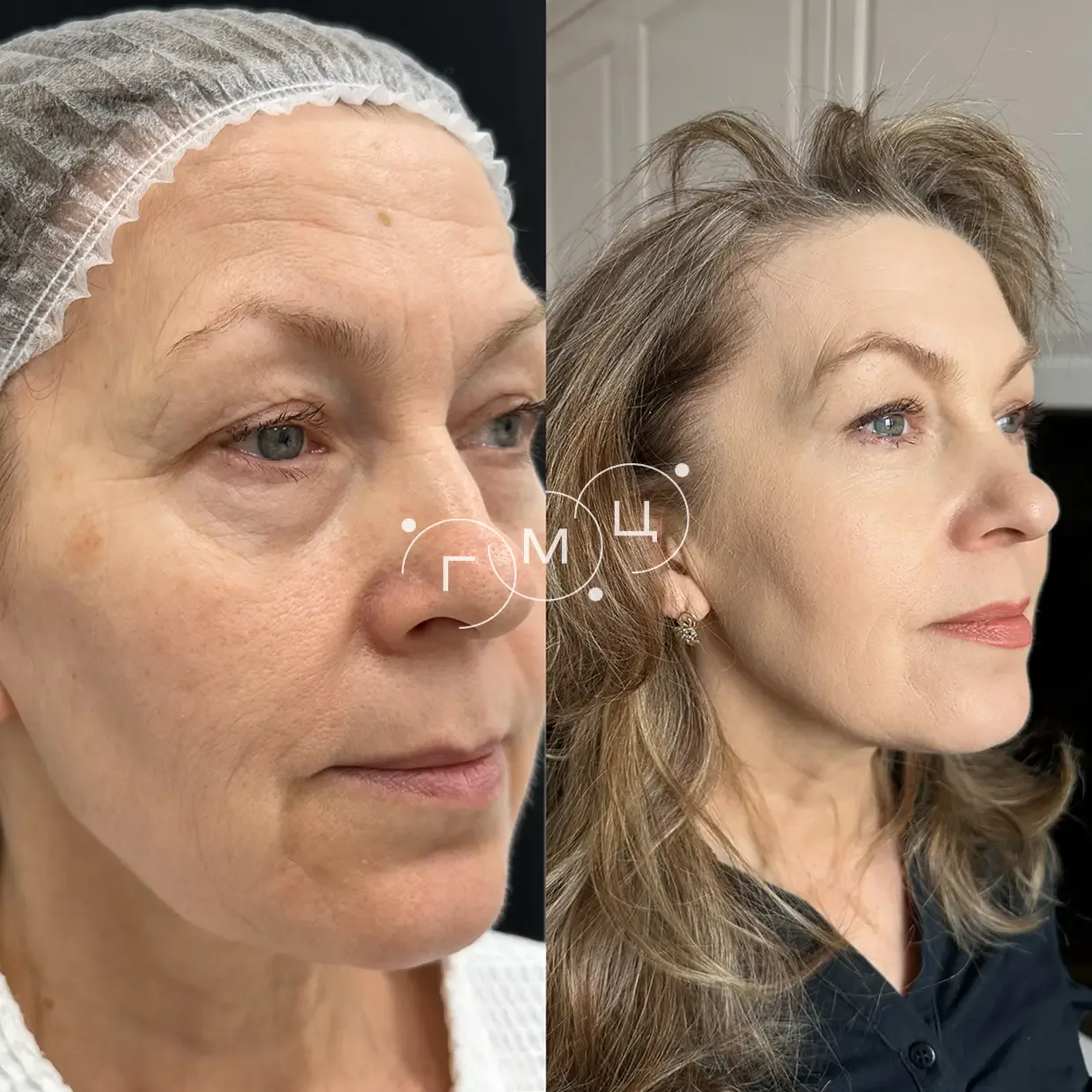

Noticeable sagging of the face and neck
The jawline is blurred, with jowls
A double chin with loose skin on the neck
Pronounced nasolabial folds and marionette lines
A heavy look caused by drooping brows
Noticeable loss of skin firmness after 40
Wanting a long-term result (7–10 years)

Under 30 years old
Skin in an acute inflammatory state
Pregnancy and breastfeeding
A severe cardiovascular condition
Problems with blood clotting
Cancer
Decompensated diabetes
Facelift in Dar es Salaam: a short guide
What is the difference between a standard and a SMAS facelift? A skin-only lift affects just the top layer and gives a short-lived effect. A SMAS facelift is deeper surgery: the surgeon lifts and secures the facial muscle and fascia layer, addressing weakened ligaments and descended muscles. For anyone researching a facelift in Dar es Salaam, that depth is what makes the outcome natural and long-lasting.
Inside the operating room the SMAS facelift runs through three levels of correction. First the skin flap is lifted and redraped, and excess skin removed. Next, fat in the cheeks and lower face is redistributed. Finally the muscle and fascia layer is lifted and secured, treating weakened ligaments and descended muscles. This is how the operation goes for patients from Dar es Salaam.
Budget matters, so the price is fixed upfront: the surgeon gives you the final figure at the consultation, and nothing is added later. A facelift starts from $2,400 (≈ TZS 6,400,000), and the all-inclusive option is priced on request. In-house 0% instalments are available. The clinic works under an official contract with a guarantee. To begin, people from Dar es Salaam simply leave a phone number.
Facelift in Dar es Salaam: price and what is included
Prices are in US dollars; the amount in brackets is an approximate conversion to TZS at the rate of 02.10.2026. The final price is fixed in your contract.
- Faceliftfrom $2,400 (≈ TZS 6,400,000)
How much does a facelift in Dar es Salaam cost?
Prices start from $2,400 (≈ TZS 6,400,000). The surgeon sets the final price at the free consultation, and it is fixed in the contract, with no hidden extras.
What is included in the price?
A one-to-one consultation, the medical team, anaesthesia, inpatient care with meals, 24/7 monitoring and twelve months of follow-up by the surgeon.
How do I get my exact price?
Message us on WhatsApp or Telegram using the buttons below. A coordinator will answer your questions and book a free consultation where the doctor names the exact price.
By messaging us, you agree to our Privacy Policy
Dar es Salaam and the decision to have a facelift
Dar es Salaam is the largest city and financial hub of Tanzania and the capital of the Dar es Salaam Region. It lies on the Swahili coast, on a natural harbour of the Indian Ocean, and its name comes from the Arabic Dar as-Salam, 'Abode of Peace'. It is the largest city in East Africa by population, with over 7 million people. A city of this size is full of work, family obligations and public life, and a facelift has to fit into that rhythm rather than interrupt it.
Many residents who ask about a facelift are in business, the media, fashion, television, finance or trade, fields where Dar es Salaam is especially prominent. Appearance matters in these professions, and people usually want a fresh, rested look that does not look operated on. That is the main reason the choice of technique and the conversation with the surgeon matter more than any single detail of the procedure.
City Medical Centre works with patients of Dar es Salaam through a free online consultation. Coordinators are available around the clock (24/7) on WhatsApp and Telegram, so a question that comes up after a working day in Kariakoo, Upanga or Kinondoni can be sent right away.
Why the face changes after 40 and what a SMAS lift does
Beyond 40–50 the skin gradually loses firmness: noticeable sagging, jowls, a blurred jawline and drooping cheeks appear. In a hot, humid coastal city, years of strong sun and daily life outdoors can add to the feeling that the face looks tired, so many people in Dar es Salaam first notice the change in the lower face and along the jaw.
A surgical SMAS facelift works deeper than cosmetology by repositioning the muscle and fascia layer. It treats the cause of sagging, not its effects, and delivers a lasting result even with significant changes. The surgeon does not simply pull the skin: lifting and securing the muscle and fascia layer allows work on weakened ligaments and descended muscles.
A surgical SMAS facelift corrects at 3 levels. This is why the lower face, jawline and neck stay firmer for longer than after a procedure that tightens only the skin. The result lasts about 7–10 years.
The four options and how to choose
We have 4 main options. At the consultation, the surgeon helps select the best one for your age and type of ageing. For a patient from Dar es Salaam, the choice is discussed during the online conversation after photographs and your questions have been reviewed.
The classic SMAS lift of the mid and lower face is one option. The surgeon works on the skin and the SMAS layer through incisions hidden along the hair line and around the ears. It removes jowls, sagging cheeks, a double chin and deep nasolabial folds. Results last 7–10 years.
The comprehensive lift covers the forehead, temples, mid and lower face and neck and suits marked sagging in several areas at once. It delivers the most complete rejuvenation and a natural look, free of a 'mask' effect. Results last up to 10 years.
Ask the surgeon which option fits your type of ageing, where exactly the incisions will lie, and how the choice changes the way you will look in the first weeks.
Who is a candidate and who should wait
As a rule, surgery is recommended for patients aged 40+ with marked tissue sagging, and in some cases from 35. The recommendation is made individually after an examination. Typical candidates are those with a marked loss of skin firmness after 40 and those looking for a result that lasts (7–10 years).
Contraindications are decided by the doctor, not by a general rule. Serious chronic illness, unstable blood pressure, problems with blood clotting, active infections and heavy smoking are all things you must raise openly. Bring a full list of medicines and supplements, including herbal remedies used at home, to the online consultation.
Body weight and general health also matter for planning surgery and anaesthesia. The WHO describes overweight and obesity as a major health issue, and the surgeon may ask about your weight and general condition as part of the assessment.
Climate of Dar es Salaam and recovery
Dar es Salaam has a tropical savanna climate, hot and humid through much of the year because of its closeness to the equator and the warm Indian Ocean. Annual rainfall is approximately 1,150 millimetres, with the 'long rains' in April and May and the 'short rains' in November and December.
For recovery, heat and humidity call for care. During the first 7–10 days you rest, wear a compression bandage and reduce physical activity. In a warm climate, stay in a cool, ventilated room, avoid sweating heavily under the bandage and follow the surgeon's instructions on wound care. Swelling and bruising fade within 2–4 weeks.
Sun is a particular concern in a city on the equator. Keep the face out of direct sun while it heals, use a wide-brimmed hat or an umbrella when you must go out, and ask the surgeon when sun protection products can be applied to the scars. Dusty roads and heavy traffic are another reason to keep the healing area clean and covered as advised.
The sea and the beaches of the Msasani peninsula and Kigamboni are part of life in the city, but sea water, pools and sand should wait until the surgeon allows them. Ask for a clear date for swimming rather than guessing.
Choosing the season in Dar es Salaam
There is no cold season to wait for, so the choice is mostly about rain, humidity and your own calendar. The rainy months bring heavy showers and traffic that can make visits to a follow-up check harder, while the drier months allow easier movement but stronger sun.
Because full recovery takes about 2 months, plan a period in which you do not have major public events, weddings or important presentations in the first weeks. In a city where family celebrations and community events are frequent, count back from the date you want to look your best. After 3–4 weeks, as the swelling settles, the first clear changes appear, and your face takes on its final look in 3–6 months.
Discuss with the coordinator which months suit your work and family calendar. Open 24/7 with flexible booking and a personal approach, the team fits around your busy schedule and adapts to you.
Work, study, sport and daily life after the operation
Dar es Salaam is the most important city of Tanzania for business and government, and many patients ask how soon they can return to the office. During the first 7–10 days the advice is rest, a compression bandage and less physical activity, so plan this time away from meetings and client contact. Swelling and bruising fade within 2–4 weeks.
Commuting needs thought. Public minibuses (dala dala), motorcycle taxis (bodaboda) and bajaj are the common means of getting around, and heavy traffic is normal. Crowded vehicles, helmets, dust and wind are not ideal for a healing face, so arrange a calm way of getting to checks and ask the surgeon what is acceptable in the early days. If you drive, ask when it is safe.
Students and people who work with the public should plan for the visible swelling in the first weeks. For sport and heavy exercise, follow the surgeon's timetable and keep physical load low until you are told otherwise; full recovery takes about 2 months.
At home, ask a family member to help with meals, rest and daily tasks. Inpatient care with meals and 24/7 monitoring by the medical team covers the early period, and for the whole first year your operating surgeon follows you up.
Food, family and habits during healing
Food is a central part of social life in Dar es Salaam, from family meals to the fish market at Magogoni and street food. During early healing, choose soft, easy-to-chew food if the surgeon advises it, drink enough water in the heat and avoid very salty dishes that can increase swelling. Ask the surgeon for specific guidance rather than relying on general advice.
Large family gatherings and religious or community events are part of the calendar, and more than two-thirds of residents in some estimates follow Islam, so prayer times, fasting periods and festivals are worth raising when planning. Tell the team about fasting plans, because eating, drinking and medicines have to be organised safely around the operation and recovery.
Smoking and alcohol slow healing and should be discussed openly with the surgeon before the operation.
Questions Dar es Salaam patients bring to the first conversation
People in a large coastal city tend to arrive at the first online conversation with practical questions rather than abstract ones. Will I look natural when I meet clients again? How visible will the scars be around the ears in the humid heat? Can I keep my family obligations going while I rest? These are good questions, and the surgeon expects them.
A useful habit is to write your questions down before the call. Group them into three lists: the result (what changes in the jowls, jawline, cheeks and neck), the recovery (bandage, swelling, rest, return to work), and the follow-up (who answers you in month two, month six and month eleven). For the whole first year your operating surgeon follows you up, so you can return to the same person with the same questions as healing progresses.
Bring photographs of yourself from ten or fifteen years ago if you have them. They show the surgeon how your face aged and what a natural look means for you personally, which is often more helpful than any description.
Planning the days at home with family and colleagues
Households in Dar es Salaam are often busy, and the first week after surgery asks for calm. During the first 7–10 days the plan is rest, a compression bandage and less physical activity. Agree in advance who will handle school runs, shopping and cooking, and let colleagues know that you will be away from messages for a short period.
Tell the people closest to you what to expect. Swelling and bruising fade within 2–4 weeks, so the face will look different from usual for a while. Prepared relatives are calmer, and you will feel less pressure to show yourself at gatherings before you are ready.
Keep the coordinators' WhatsApp or Telegram contact where you can reach it quickly. Continuous 24/7 monitoring by the medical team covers the inpatient stage, and the same around-the-clock availability of coordinators means a worry in the evening does not have to wait until morning.
Realistic expectations and the timeline of the result
A facelift is not a change of personality or a new face. It is a repositioning of the deep layers so that the lower face, jawline and neck look firmer and more rested. The comprehensive lift, which covers the forehead, temples, mid and lower face and neck, aims at a natural look free of a 'mask' effect.
Think of the result in stages. After 3–4 weeks, as the swelling settles, the first clear changes appear. Your face takes on its final look in 3–6 months, and full recovery takes about 2 months. In a city where people see each other daily, it helps to decide early whom you will tell and whom you will simply allow to notice that you look well.
The result lasts up to 10 years, and the classic SMAS lift gives 7–10 years. Ageing does not stop, but a repeat procedure is possible after 7–10 years if the patient wants it. Sun protection, not smoking and a stable weight all help you keep the result for longer.
How the remote consultation works from Dar es Salaam
The first step is free and online. You write to the coordinators on WhatsApp or Telegram at any hour, send photographs of the face from several angles and describe your goals, health and medicines. The surgeon reviews them and suggests the most suitable of the 4 main options.
The package covers a one-to-one consultation, the medical team, anaesthesia, inpatient care with meals, 24/7 monitoring and twelve months of follow-up by the surgeon. One operation gives a complete result. A repeat procedure is possible after 7–10 years if the patient wants it.
Because the city has occasional power rationing and some connection problems, send your questions and photographs in good time and keep a second way of contact ready, such as a phone number in addition to messaging.
At what age is a facelift recommended for a resident of Dar es Salaam?
As a rule, surgery is recommended for patients aged 40+ with marked tissue sagging, and in some cases from 35. The recommendation is made individually after an examination.
How long does the result last?
A surgical SMAS facelift gives an effect that lasts 7–10 years. With the comprehensive lift, the result lasts up to 10 years.
How is a SMAS lift different from cosmetology?
It tightens the deep SMAS layer under the skin, not only the skin itself, so the lower face, jawline and neck stay firmer for longer. It treats the cause of sagging rather than its effects.
How long is recovery in the heat of Dar es Salaam?
During the first 7–10 days you rest, wear a compression bandage and reduce physical activity. Swelling and bruising fade within 2–4 weeks, and full recovery takes about 2 months. Keep cool, protect the face from the sun and follow the surgeon's advice.
When will I see the result?
After 3–4 weeks, as the swelling settles, the first clear changes appear. Your face takes on its final look in 3–6 months.
Can I swim in the sea or a pool after the operation?
Not until the surgeon allows it. Ask for a clear date during your consultation, as sea water, sand and pools matter for wounds that are still healing.
How many options are there?
We have 4 main options. At the consultation, the surgeon helps select the best one for your age and type of ageing, for example the classic SMAS lift of the mid and lower face or the comprehensive lift.
Will I need a second operation?
One operation gives a complete result. A repeat procedure is possible after 7–10 years if the patient wants it.
Who looks after me after the operation?
The medical team monitors you 24/7 during inpatient care, and for the whole first year your operating surgeon follows you up.
How do I start the consultation from Dar es Salaam?
Write to the coordinators on WhatsApp or Telegram. They are available around the clock, and the online consultation is free.
Can I arrange the consultation outside working hours in Dar es Salaam?
Yes. The service is open 24/7 with flexible booking and a personal approach, so the team fits around your busy schedule and adapts to you. Coordinators answer on WhatsApp and Telegram at any hour.
Will people in Dar es Salaam notice that I had surgery?
The aim of deep SMAS work is a natural look, not a stretched one. Swelling and bruising fade within 2–4 weeks, and your face takes on its final look in 3–6 months.
What should I prepare before writing to the coordinators?
Photographs of the face from several angles, a list of your medicines and supplements, your health history and a short list of questions about the options, the scars and the recovery.