

Message our coordinator
Free online consultation · Reply within 15 minutes
Message us on TelegramMessage us on WhatsAppBy messaging us, you agree to our Privacy Policy

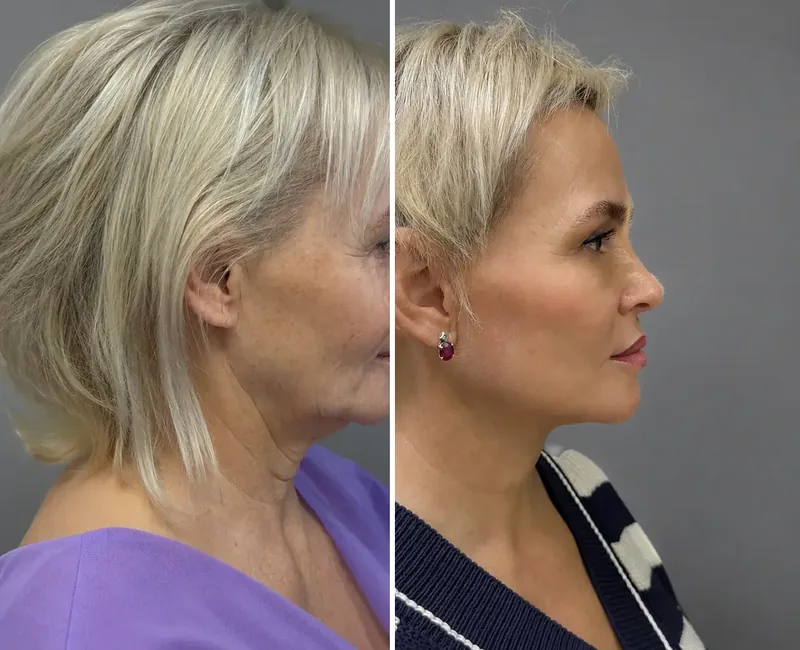
50 years
9 months
SMAS facelift
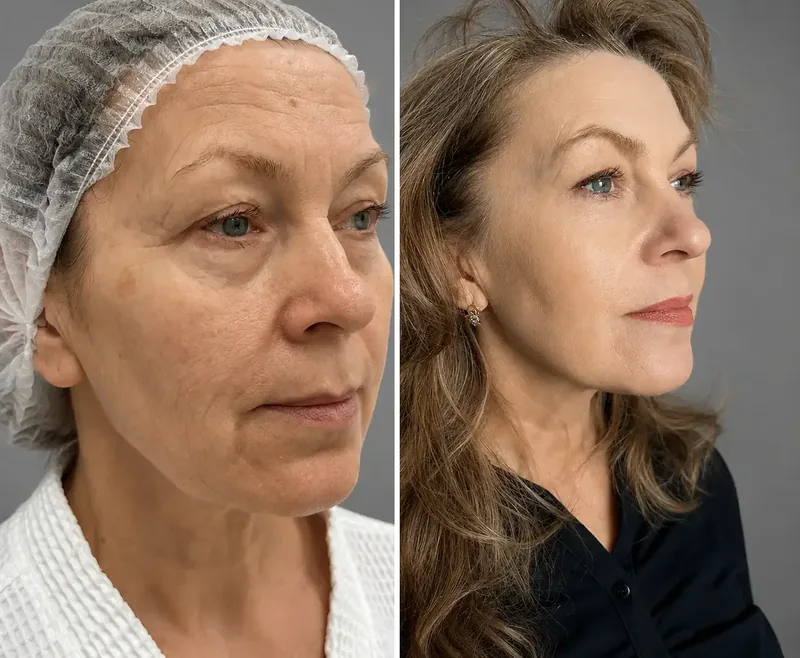
58 years
8 months
SMAS facelift
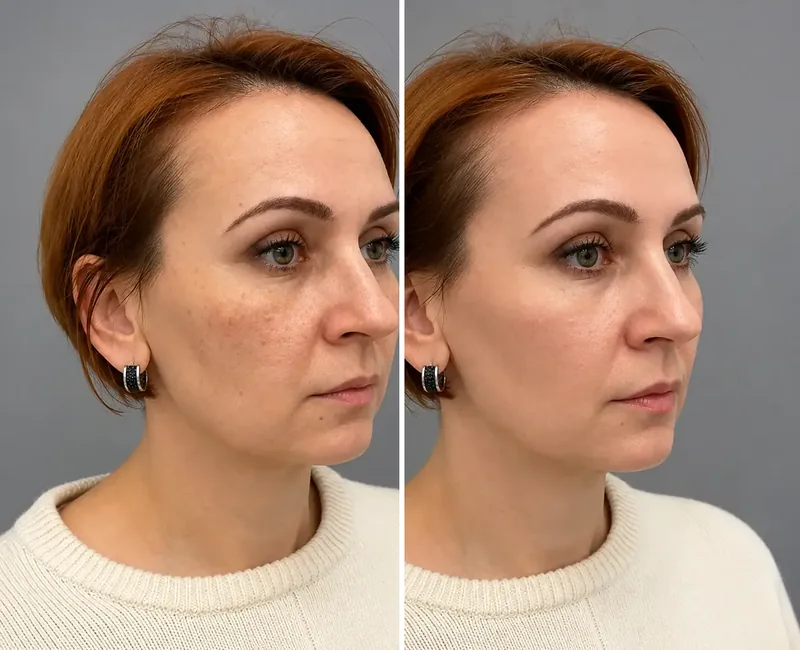
34 years
5 months
SMAS facelift
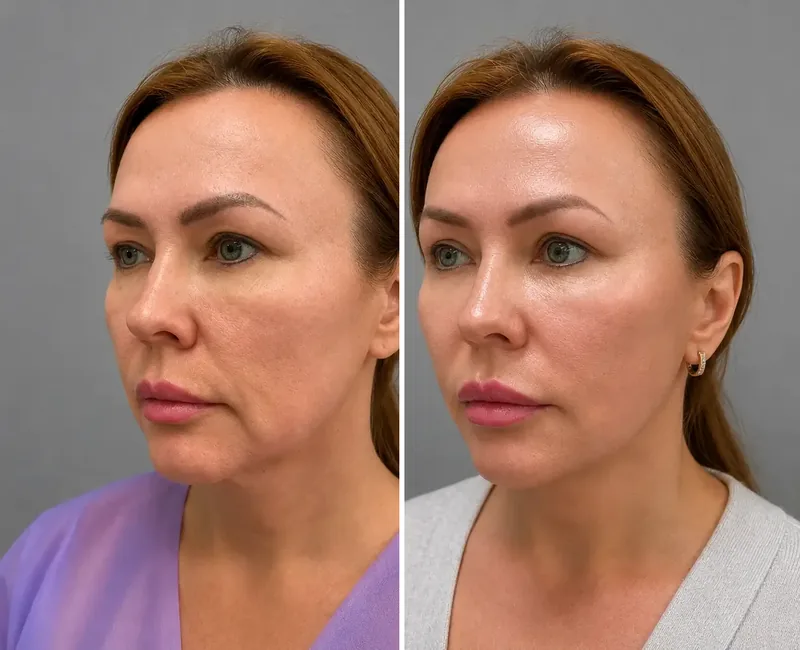
32 years
7 months
SMAS facelift
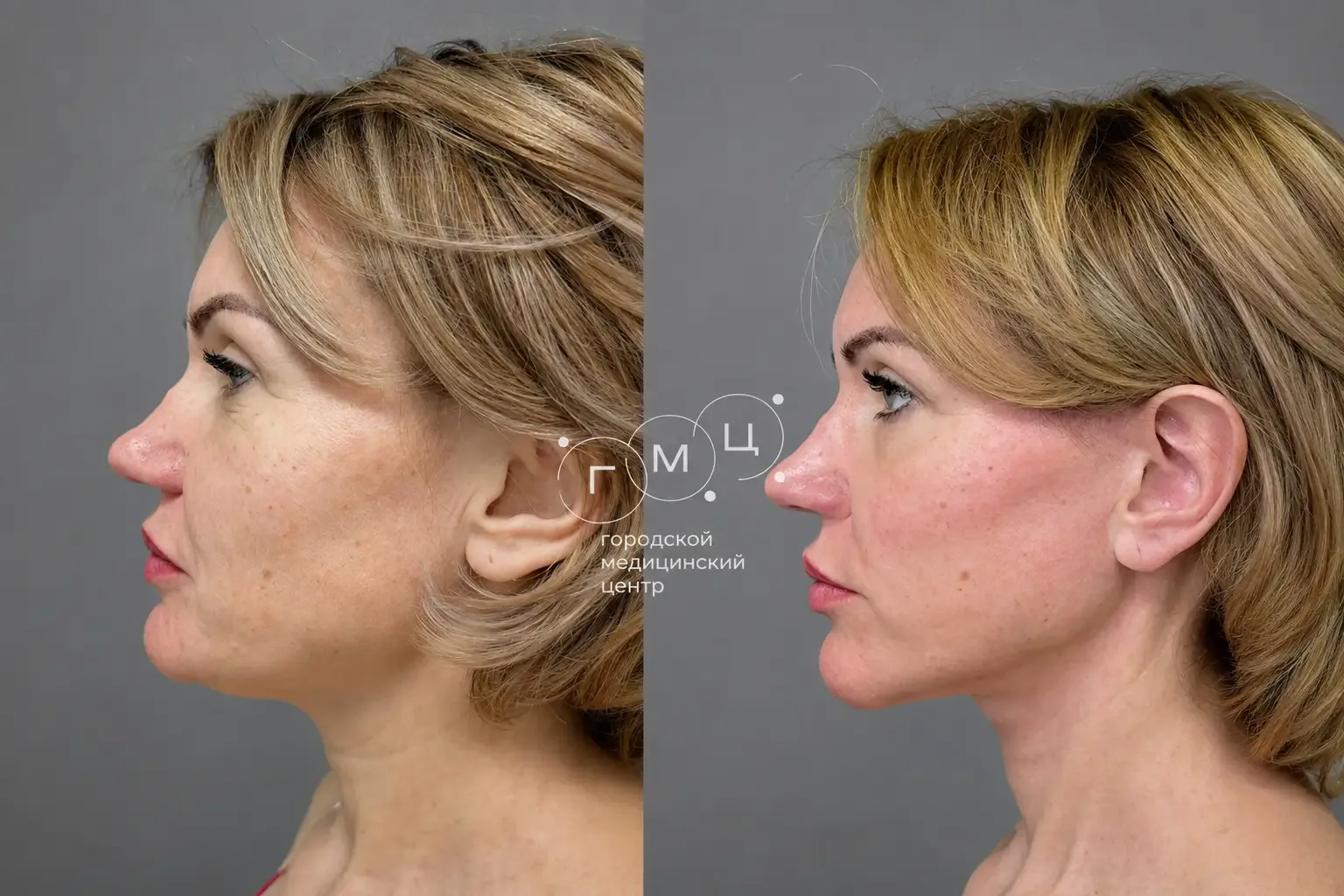
40 years
6 months
SMAS facelift
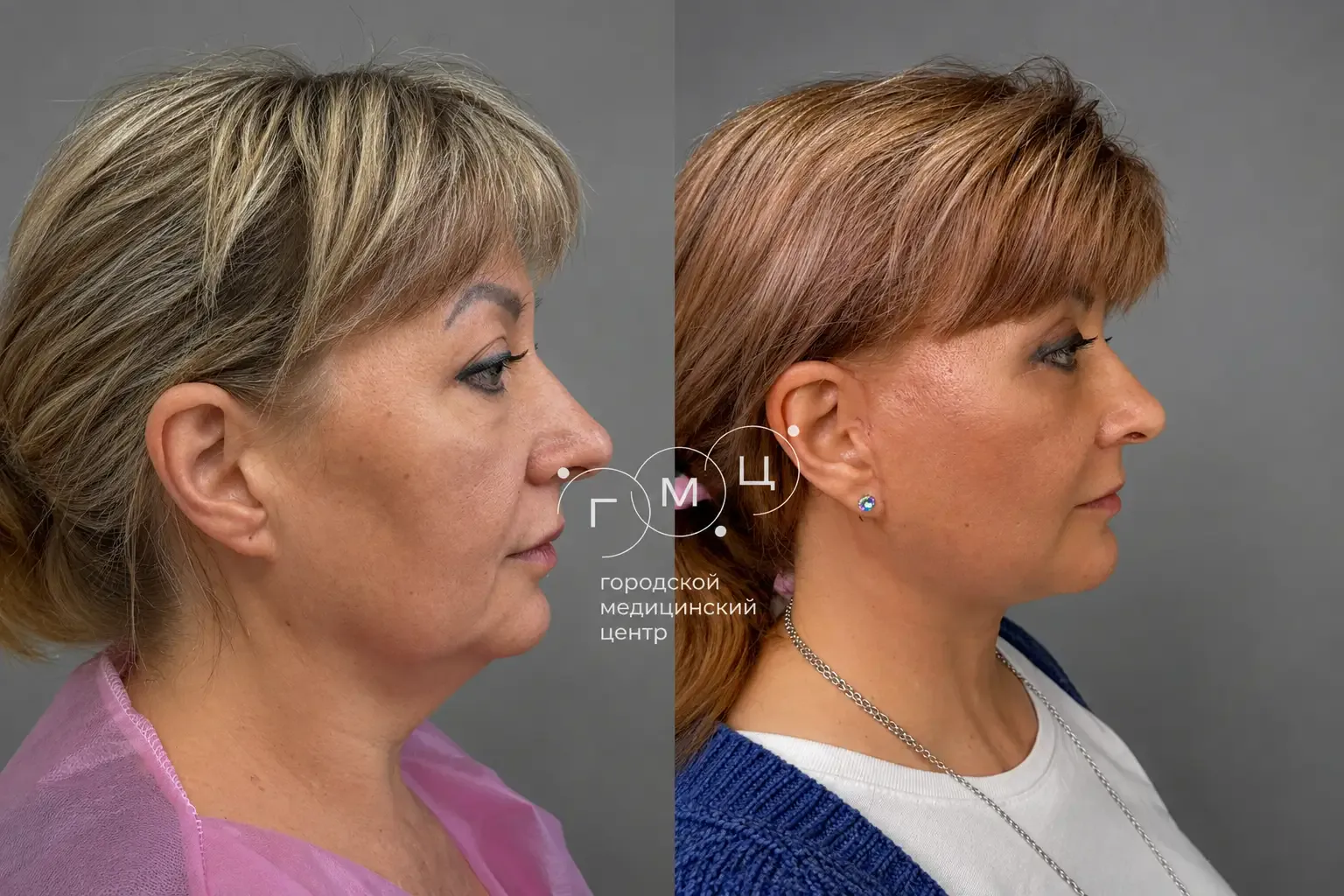
45 years
8 months
SMAS facelift
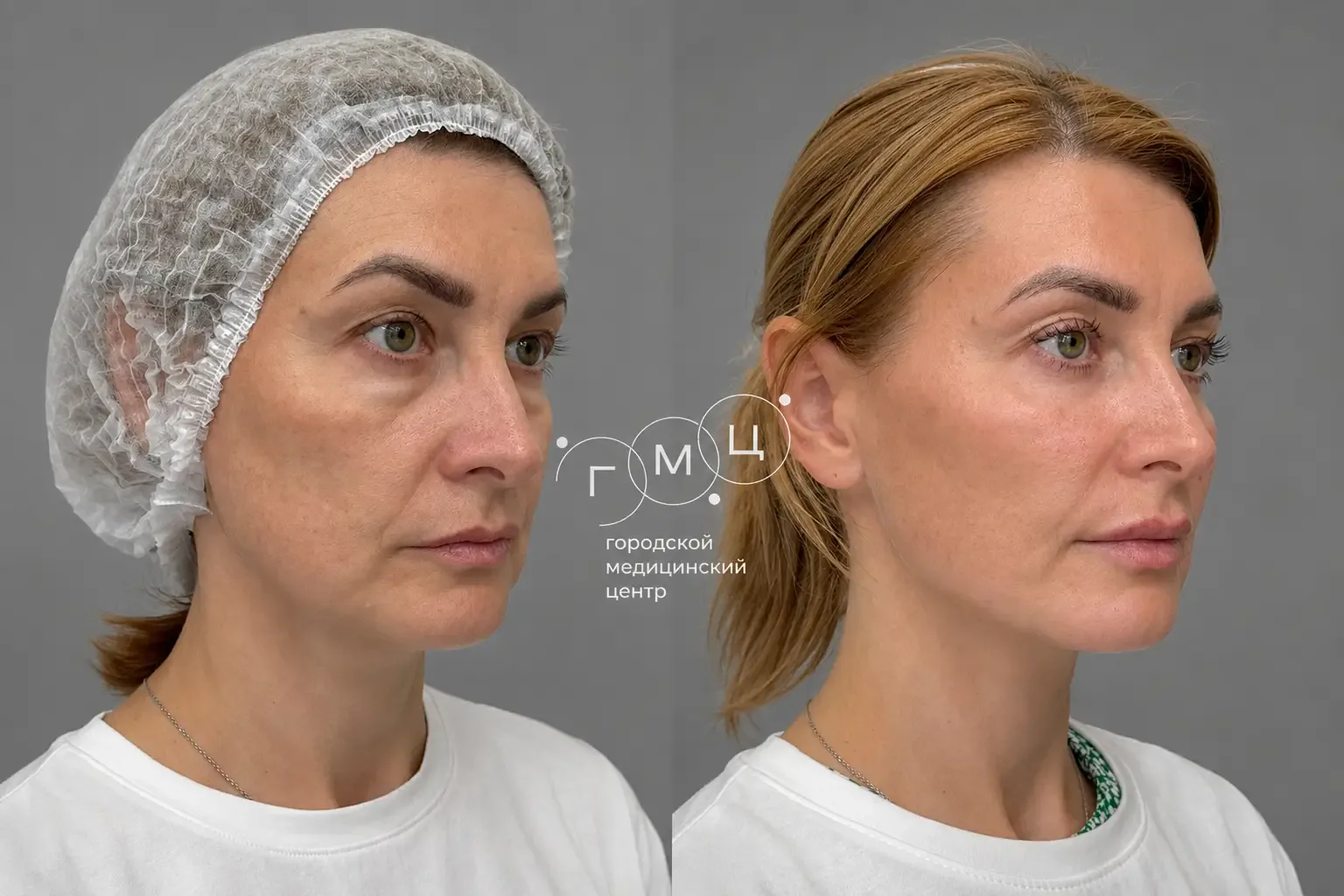
38 years
5 months
SMAS facelift
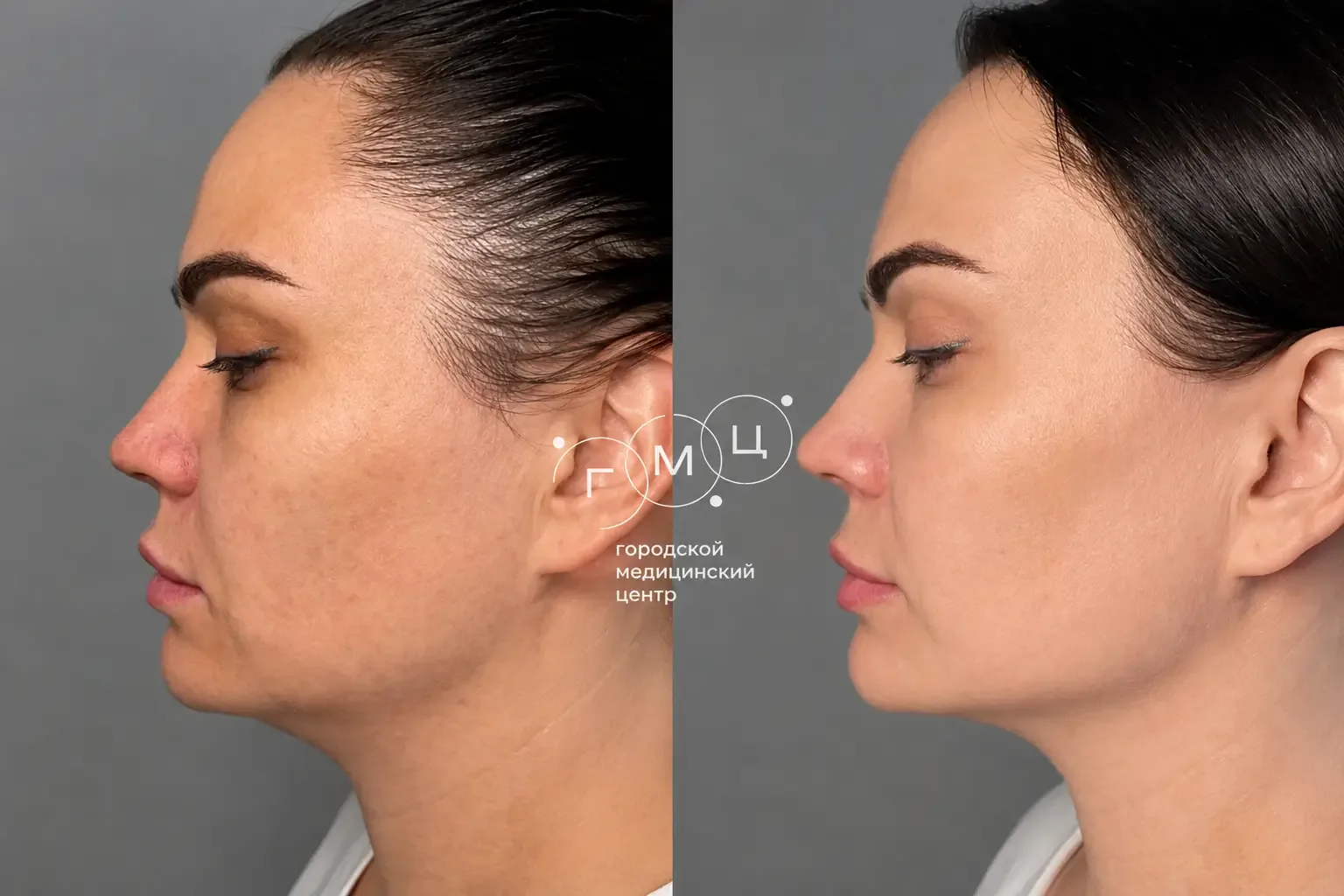
33 years
6 months
SMAS facelift
50 years
9 months
SMAS facelift
58 years
8 months
SMAS facelift
34 years
5 months
SMAS facelift
32 years
7 months
SMAS facelift
40 years
6 months
SMAS facelift
45 years
8 months
SMAS facelift
38 years
5 months
SMAS facelift
33 years
6 months
SMAS facelift
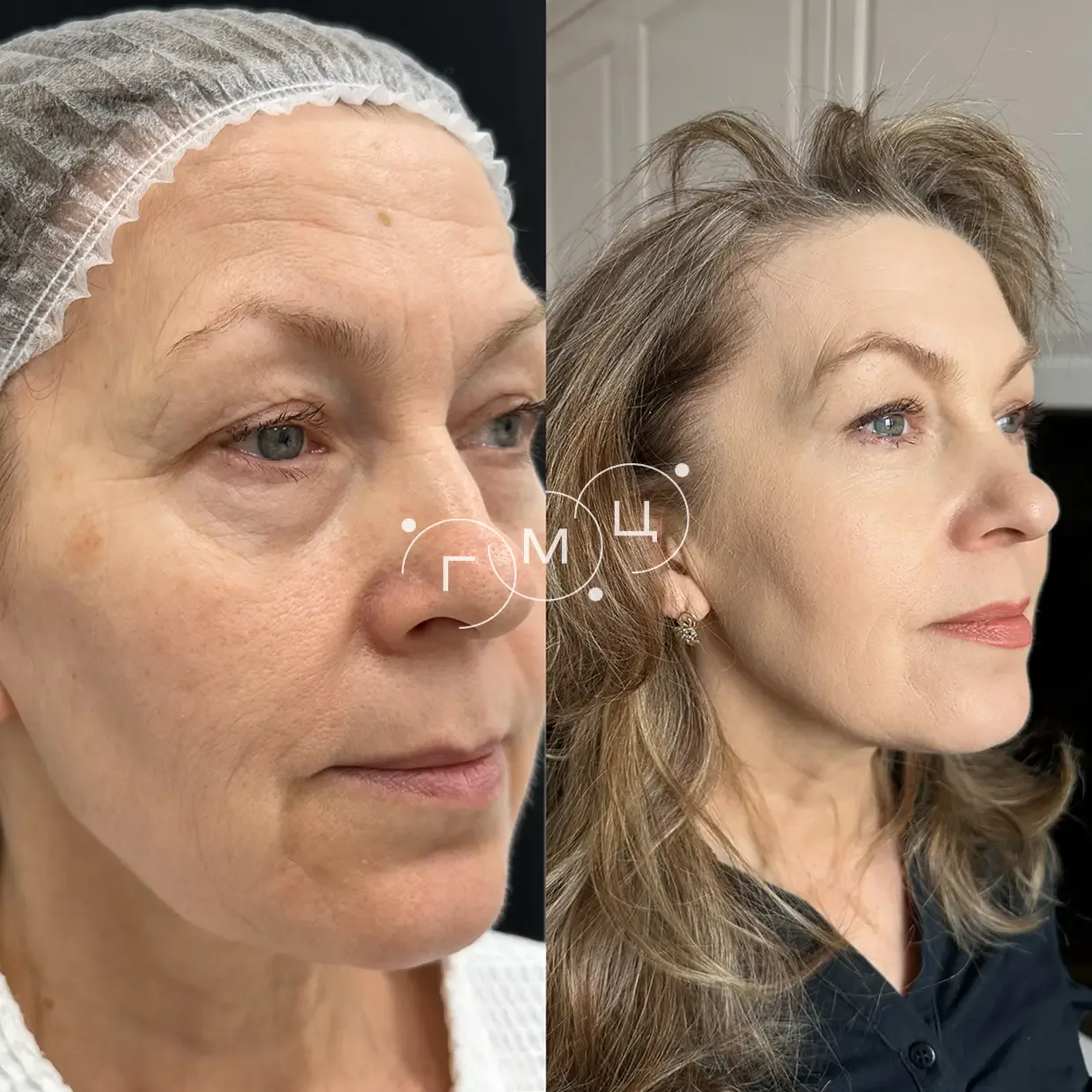

Pronounced sagging in the face and neck
A loss of jawline definition, jowls
Loose skin on the neck, a double chin
Deep nasolabial folds, marionette lines
Drooping brows and a heavy look
Noticeable loss of skin firmness after 40
Wish for a long-term result (7–10 years)

Age under 30
Active, acute inflammation of the skin
Pregnancy or the breastfeeding period
Severe cardiovascular disease
A blood-clotting disorder
Cancer
Decompensated diabetes
Choosing a facelift in Mwanza
A facelift can also be part of a broader plan. It is often combined with blepharoplasty (eyelid surgery), rhinoplasty or double-chin liposuction, and the scope of a combined procedure is set by the surgeon at the consultation. This lets patients from Mwanza address several concerns in one combined procedure. The surgeon never suggests surgery where it is not needed and never prescribes anything extra.
Timing is easier to plan when you know the milestones: a week to ten days of rest, two to four weeks until swelling and bruising fade, about two months to full recovery and three to six months for the final look. The clinic offers flexible booking and a personal approach, so Mwanza patients can fit the consultation, surgery and check-ups around a busy schedule.
How much is a facelift in Mwanza? Prices start from $2,400 (≈ TZS 6,400,000), and the final cost is calculated individually after an examination. At the consultation the surgeon defines the scope of surgery and gives the final price straight away, with no hidden extras. In-house 0% instalments let you pay in parts without bank interest. Leave a request to book your free consultation.
Facelift in Mwanza: price and what is included
Prices are in US dollars; the amount in brackets is an approximate conversion to TZS at the rate of 02.10.2026. The final price is fixed in your contract.
- Faceliftfrom $2,400 (≈ TZS 6,400,000)
How much does a facelift in Mwanza cost?
Prices start from $2,400 (≈ TZS 6,400,000). The surgeon sets the final price at the free consultation, and it is fixed in the contract, with no hidden extras.
What is included in the price?
A one-to-one consultation, the medical team, anaesthesia, inpatient care with meals, 24/7 monitoring and twelve months of follow-up by the surgeon.
How do I get my exact price?
Message us on WhatsApp or Telegram using the buttons below. A coordinator will answer your questions and book a free consultation where the doctor names the exact price.
By messaging us, you agree to our Privacy Policy
Mwanza, the Rock City on Lake Victoria, and why a facelift is planned here with care
Mwanza is a port city on the southern shore of Lake Victoria in north-western Tanzania, known to its residents as Rock City. It is the capital of Mwanza Region and, with an urban population of 1,104,521 in the 2022 census, the second largest city in Tanzania after Dar es Salaam. It is divided into two municipal districts, Ilemela and Nyamagana. A city of this size has many working people whose faces are seen every day by customers, colleagues, students and relatives, so questions about ageing and about a refreshed, natural look come up more often than you might expect.
This text is written for residents of Mwanza who are considering a surgical SMAS facelift and want to understand the procedure before they commit to anything. You contact City Medical Centre from your own city through a free online consultation. Coordinators are available around the clock, 24/7, on WhatsApp and Telegram, so you can ask a first question in the evening after work or early in the morning before the market and the offices get busy.
A facelift is a serious operation, not a cosmetic routine. The aim is a face that looks rested and recognisably yours, not a changed face. Everything below is general information. The actual plan is always set by the surgeon after an examination.
What a surgical SMAS facelift does and why it differs from cosmetology
Beyond 40–50 the skin gradually loses firmness: noticeable sagging, jowls, a blurred jawline and drooping cheeks appear. A surgical SMAS facelift works deeper than cosmetology by repositioning the muscle and fascia layer. It treats the cause of sagging, not its effects, and delivers a lasting result even with significant changes.
It is a face lift that tightens the deep SMAS layer under the skin, not only the skin itself, so the lower face, jawline and neck stay firmer for longer. The result lasts about 7–10 years, and in the most comprehensive variant up to 10 years.
For a patient in Mwanza the practical meaning is simple. Surface treatments can be useful for fine skin quality, but they do not move descended tissue back to where it belonged. If your concern is a blurred jawline or deep folds from the nose to the mouth, ask the surgeon directly what a deep-layer operation can do for you and what it cannot.
The four options and how the surgeon chooses between them
There are 4 main options. At the consultation, the surgeon helps select the best one for your age and type of ageing. Two of them are worth describing here.
The classic SMAS lift of the mid and lower face: the surgeon works on the skin and the SMAS layer through incisions hidden along the hair line and around the ears. It removes jowls, sagging cheeks, a double chin and deep nasolabial folds. Results last 7–10 years.
The comprehensive lift covers the forehead, temples, mid and lower face and neck and suits marked sagging in several areas at once. It delivers the most complete rejuvenation and a natural look, free of a «mask» effect. Results last up to 10 years.
A surgical SMAS facelift corrects at 3 levels. The central step is lifting and securing the muscle and fascia layer, which lets the surgeon treat the cause of sagging itself: weakened ligaments and descended muscles. Deep work on the SMAS gives a natural look and results lasting up to 10 years. Good photographs of your face from different angles, sent during the online consultation, help the surgeon discuss which option fits.
Who is a candidate and who should wait
As a rule, surgery is recommended for patients aged 40+ with marked tissue sagging, and in some cases from 35. The recommendation is made individually after an examination. Typical candidates are people who notice a marked loss of skin firmness after 40 and who are looking for a result that lasts, 7–10 years.
Some situations call for caution or postponement. These include unstable chronic illness, uncontrolled blood pressure, active infection, smoking that you are not ready to stop around the operation, and blood-clotting problems or medicines that thin the blood. In general terms, the surgeon will ask about all of this, so list every medicine and supplement you take, including herbal remedies that are common in households here.
Body weight and general health also matter for any operation under anaesthesia. If you live with weight-related conditions, mention them openly at the consultation. The World Health Organization describes overweight and obesity as a major health issue, and the surgeon will want to see the whole picture before deciding.
Climate of Mwanza and recovery after a facelift
Mwanza has a tropical savanna climate. Temperatures are fairly even through the year, around 23.5 °C on average, tempered by the city's altitude, so it is not as hot as the equatorial location suggests. There is a long wet season from October through May and a short, pronounced dry season over the remaining four months. Annual rainfall is roughly 1,050 millimetres.
For recovery this has practical consequences. Swelling and bruising fade within 2–4 weeks, and full recovery takes about 2 months. During the first 7–10 days you need rest, a compression bandage and less physical activity. In the dry months, dust and strong sun are the main concerns: protect the healing skin with a wide-brimmed hat or loose scarf as the surgeon allows, stay in shade and avoid long exposure at midday, particularly near the open water of the lake where reflected light is strong.
In the long wet season, humidity and rain make you want to stay indoors, which suits the first rest days. Keep the bandage dry, avoid crowded public transport when you can, and ask the surgeon how to care for the incisions around the ears in damp weather. Do not use lake or pool water for swimming until the surgeon allows it.
Timing the operation around life in Mwanza
There is no single best month, only the month that suits your schedule. The dry season may feel easier because roads are drier and you can sit outside in the shade, but the wet season is quiet for many people and works well if you can stay home. What matters more is a calm calendar for the first weeks.
Think about family events. Weddings, funerals, church and mosque gatherings and holiday visits bring many guests and photographs. Swelling and bruising fade within 2–4 weeks, and after 3–4 weeks the first clear changes appear, so it is wise not to schedule the operation immediately before a major celebration. Your face takes on its final look in 3–6 months.
If you work in trade at the lakeside markets, in an office, in the port or in the new commercial areas of Ilemela such as around Rock City Mall, plan time off with your employer. If you teach or study, for example at St. Augustine University of Tanzania on the edge of the city, agree on a calm period so you are not facing crowds and deadlines with a swollen face.
Food, daily routine and sport during healing
Local food is a big part of life by Lake Victoria: fish from the lake, ugali, rice, vegetables and fruit. Nothing in this diet is a problem as such. In the first days choose soft food that does not require wide chewing, and plenty of fluids. Ask the surgeon about salt, since very salty dishes can increase swelling, and about alcohol, which you should avoid while recovering.
At the centre, inpatient care includes meals and 24/7 monitoring by the medical team. After you return to your daily routine, follow the surgeon's guidance on sleeping with the head raised and on avoiding bending and heavy lifting. Less physical activity in the first 7–10 days means no heavy housework, no carrying loads at the market and no lifting children.
Mwanza loves football, and many people play or watch it, with matches at CCM Kirumba Stadium and a local team, Mbao FC, in the Premier League. If you play or jog, ask exactly when you may return to training. Do not rush: contact sport risks a blow to the healing face, and it is better to ask than to guess.
Return to work, social life and what others will notice
Many patients ask when they can appear in public. For the first 7–10 days you rest with a compression bandage. Swelling and bruising fade within 2–4 weeks. Plan to return to social life gradually, and use the 24/7 coordinators to describe how your face looks in photographs so the surgeon can say whether healing is on track.
People in a city of more than a million will meet you at work, in the neighbourhood and at family gatherings. Most acquaintances will see a rested face rather than an operated one, as the comprehensive lift aims for a natural look free of a «mask» effect. Whether you tell others is your decision.
For the whole first year your operating surgeon follows you up. This matters in practice: distance does not interrupt the relationship, and you can send photographs and questions through the same messengers you already use every day.
Questions to ask the surgeon before you decide
A good consultation is a conversation in which you do most of the asking. People in Mwanza often prepare for important decisions by talking with relatives and trusted friends, and the same habit helps here. Write your questions down beforehand and send them to the coordinators on WhatsApp or Telegram, who are available around the clock, 24/7. The surgeon can then answer them one by one during the free online consultation.
Start with the plan itself. Ask which of the 4 main options suits your age and type of ageing, and why. Ask which areas will be treated: only the mid and lower face, or also the forehead, temples and neck. Ask how the incisions hidden along the hair line and around the ears will be placed, and how the scars are expected to look as they mature.
Then ask about the practical side of healing. What should you do in the first 7–10 days? When may you remove the compression bandage? What signs of trouble should make you contact the team immediately? Ask what is expected at 3–4 weeks and what at 3–6 months, so that you are not alarmed by normal swelling.
Finally, ask what the surgeon cannot promise. An honest specialist will explain that results depend on skin quality, anatomy and how closely the instructions are followed. Be wary of anyone who describes the operation as simple or without limits.
Common myths that patients in Mwanza bring to the consultation
One frequent belief is that a facelift produces a tight, stretched, mask-like face. This is a fair worry, and it is the reason the surgeon works on the deep SMAS layer and not only on the skin. The comprehensive lift in particular aims for a natural look, free of a «mask» effect. If you fear this outcome, say so, and bring photographs of how you looked at an earlier age as a reference for what you consider natural.
Another belief is that creams, massage or surface treatments can do the same work. They may help the quality of the skin, but a surgical SMAS facelift repositions the muscle and fascia layer and treats the cause of sagging, not its effects. Another is that the operation must be repeated every few years. In fact one operation gives a complete result, and a repeat procedure is possible after 7–10 years if the patient wants it.
A third belief is that one needs to be very old. As a rule, surgery is recommended for patients aged 40+ with marked tissue sagging, and in some cases from 35, always after an individual examination. A fourth is that all the work is finished on the day of the operation. Recovery is a process: full recovery takes about 2 months, and the final look appears in 3–6 months.
Support for family and daily life at home in Mwanza
Recovery goes more smoothly when the household is prepared. In many families in Mwanza, relatives live close by and readily help. Tell a spouse, sister, daughter or close friend what the first 7–10 days will look like: rest, a compression bandage and reduced physical activity. Ask them to take over cooking, shopping and the school run, so that you are not carrying loads or bending over.
Prepare the bedroom before the operation. Arrange pillows so that you can sleep with your head raised, keep water, soft food and your documents within reach, and keep your phone charged so that you can reach the coordinators at any hour. The medical team provides 24/7 monitoring during inpatient care, and afterwards the coordinators remain available on WhatsApp and Telegram.
Think also about the emotional side. Swelling and bruising are normal and fade within 2–4 weeks, yet a face in the mirror on day three can feel unsettling. Having someone who knows what to expect makes these days easier. Your operating surgeon follows you up for the whole first year, so no question needs to remain unanswered.
How the remote consultation from Mwanza works
The first step is a free online consultation. You write to the coordinators on WhatsApp or Telegram, at any hour, since they work 24/7 with flexible booking and a personal approach: they fit around your busy schedule and adapt to you. You send photographs and describe your concerns, your health and the medicines you take.
The surgeon then discusses the options and the examination you need. The price of the operation is not discussed here; the plan covers a one-to-one consultation, the medical team, anaesthesia, inpatient care with meals, 24/7 monitoring and twelve months of follow-up by the surgeon.
Prepare a short list before you write: what bothers you most, any earlier operations, allergies, chronic conditions, and your preferred period for the operation. A clear list helps you get a clear answer.
How long does the result of a facelift last?
The result lasts up to 10 years. A surgical SMAS facelift gives an effect that lasts 7–10 years.
When will I see the final result?
After 3–4 weeks, as the swelling settles, the first clear changes appear. Your face takes on its final look in 3–6 months.
How long is the recovery?
During the first 7–10 days you rest, wear a compression bandage and limit physical activity. Swelling and bruising fade within 2–4 weeks, and full recovery takes about 2 months.
Does the rainy season in Mwanza affect healing?
The wet season runs from October through May. It does not prevent healing, but keep the bandage dry, avoid crowds and ask the surgeon how to care for the incisions in damp weather.
Is the dry season better for the operation?
It can be convenient, but dust and strong sun require protection with a hat or scarf and shade. Choose the period when you can truly rest.
At what age is a facelift recommended?
As a rule, surgery is recommended for patients aged 40+ with marked tissue sagging, and in some cases from 35. The recommendation is made individually after an examination.
How is it different from cosmetology?
A surgical SMAS facelift works deeper by repositioning the muscle and fascia layer. It treats the cause of sagging, not its effects.
Can the operation be repeated?
One operation gives a complete result. A repeat procedure is possible after 7–10 years if the patient wants it.
Who monitors me after the operation?
There is continuous 24/7 monitoring by the medical team, and for the whole first year your operating surgeon follows you up.
How do I start from Mwanza?
Write to the coordinators on WhatsApp or Telegram at any time for a free online consultation. They are available 24/7.
Should I tell my family before the operation?
It is your decision, but involving a close relative helps. They can support you during the first 7–10 days of rest, when you should limit physical activity and avoid carrying loads.
What photographs should I send for the online consultation?
Clear, well-lit photographs of the face from the front and from both sides, without heavy make-up. The surgeon uses them to discuss which of the 4 main options may suit you, and the final recommendation is made after an examination.
Will I look different from myself after a facelift?
The aim is a rested, natural look and not a changed face. The comprehensive lift in particular delivers rejuvenation free of a «mask» effect, and your face takes on its final look in 3–6 months.