
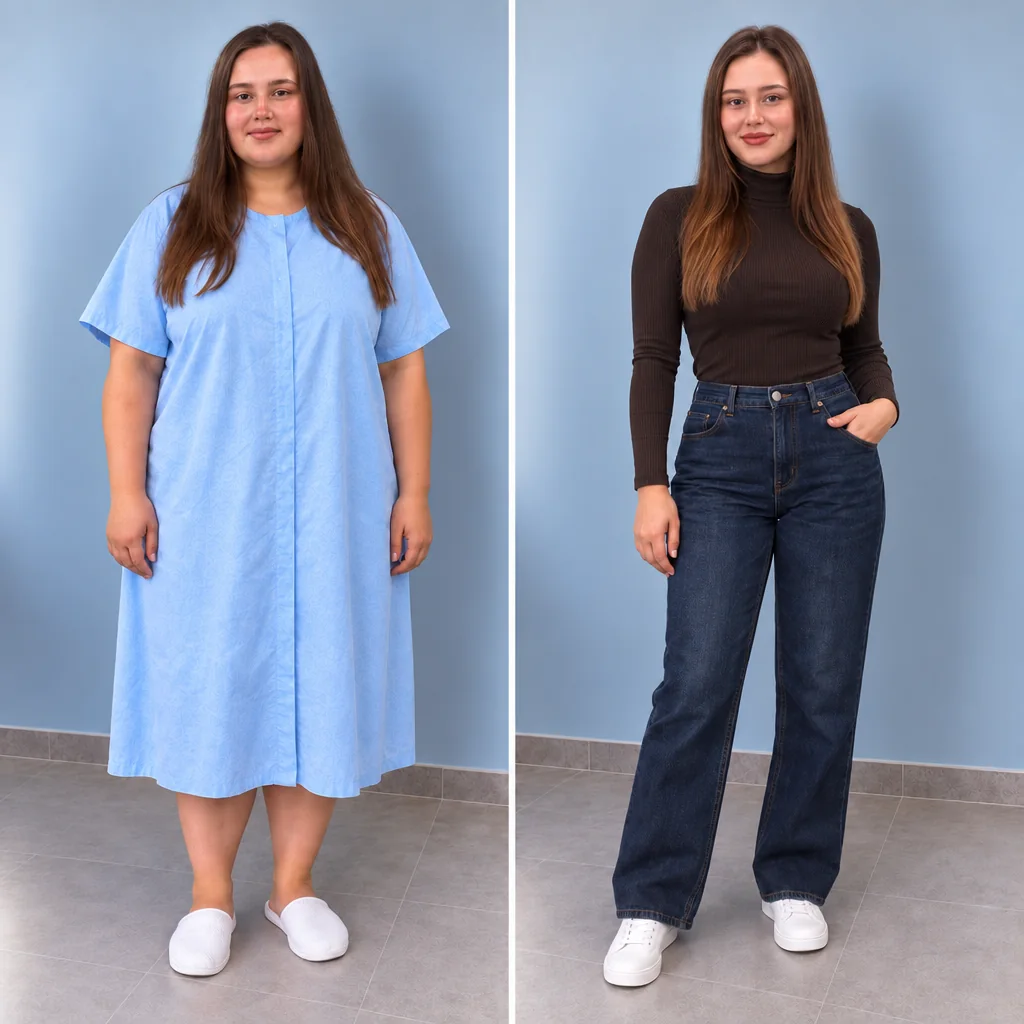
 beforeafter
Irina, 26
Bariatric surgery
Bariatric surgery
$3,600
$4,800 · First consultation — Free
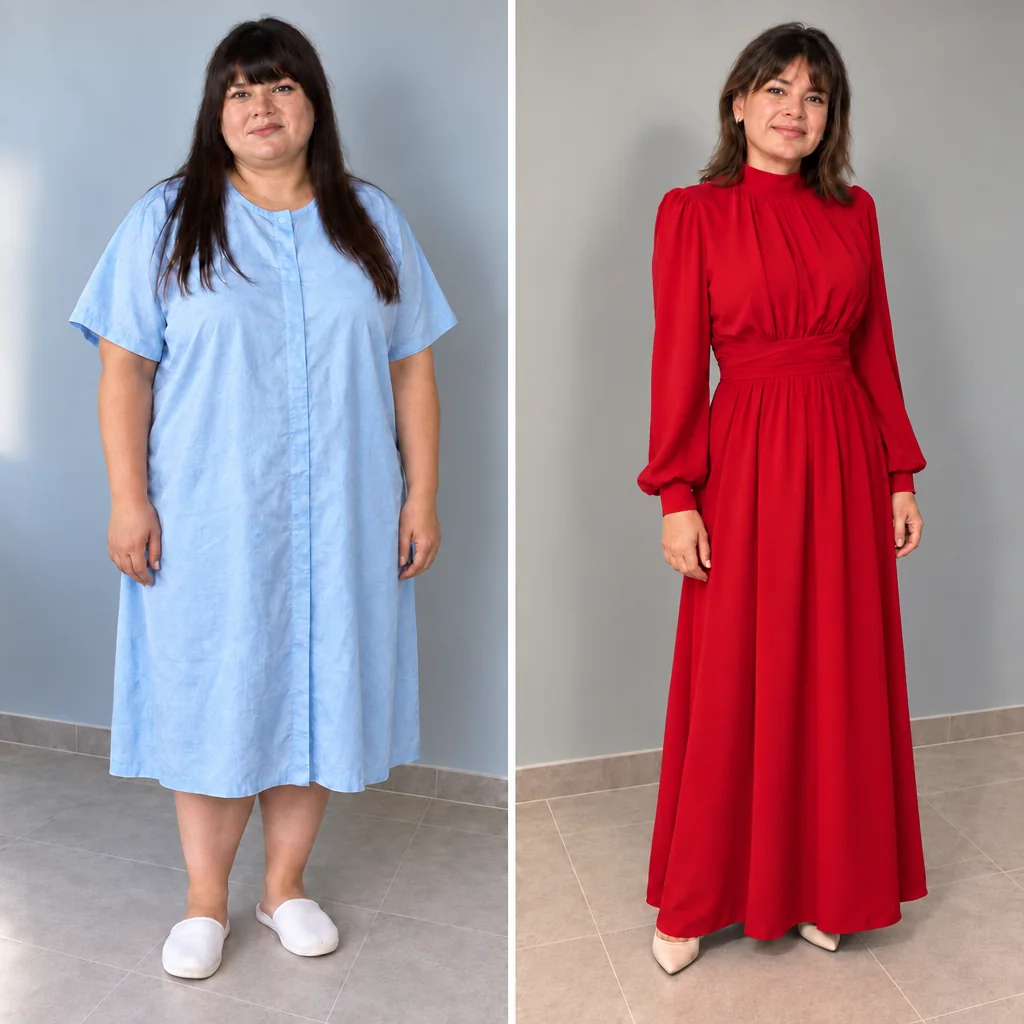 before
after
Message our coordinator
Free online consultation · Reply within 15 minutes
Message us on TelegramMessage us on WhatsAppBy messaging us, you agree to our Privacy Policy
Results
All cases are real patients of the clinic.
beforeafterBariatric surgery
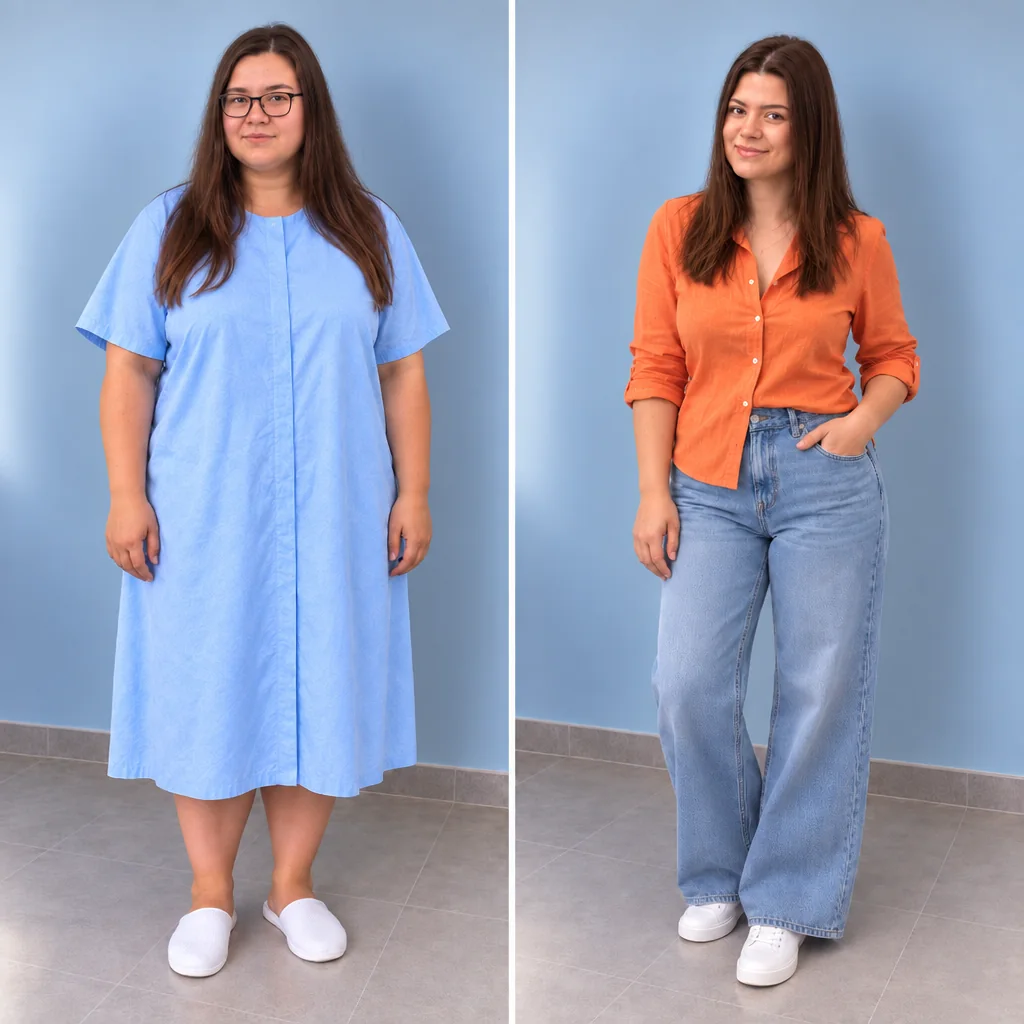 beforeafter
Bariatric surgery
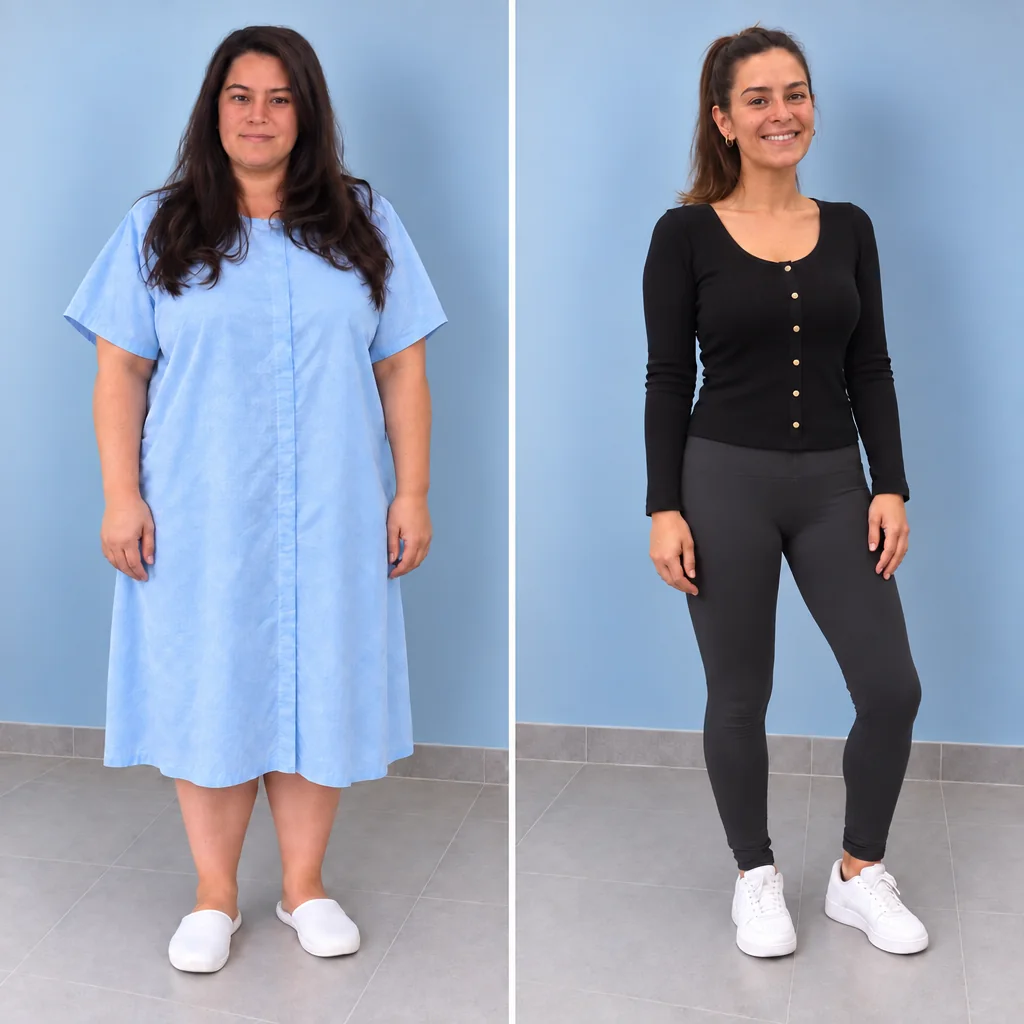 beforeafter
Bariatric surgery
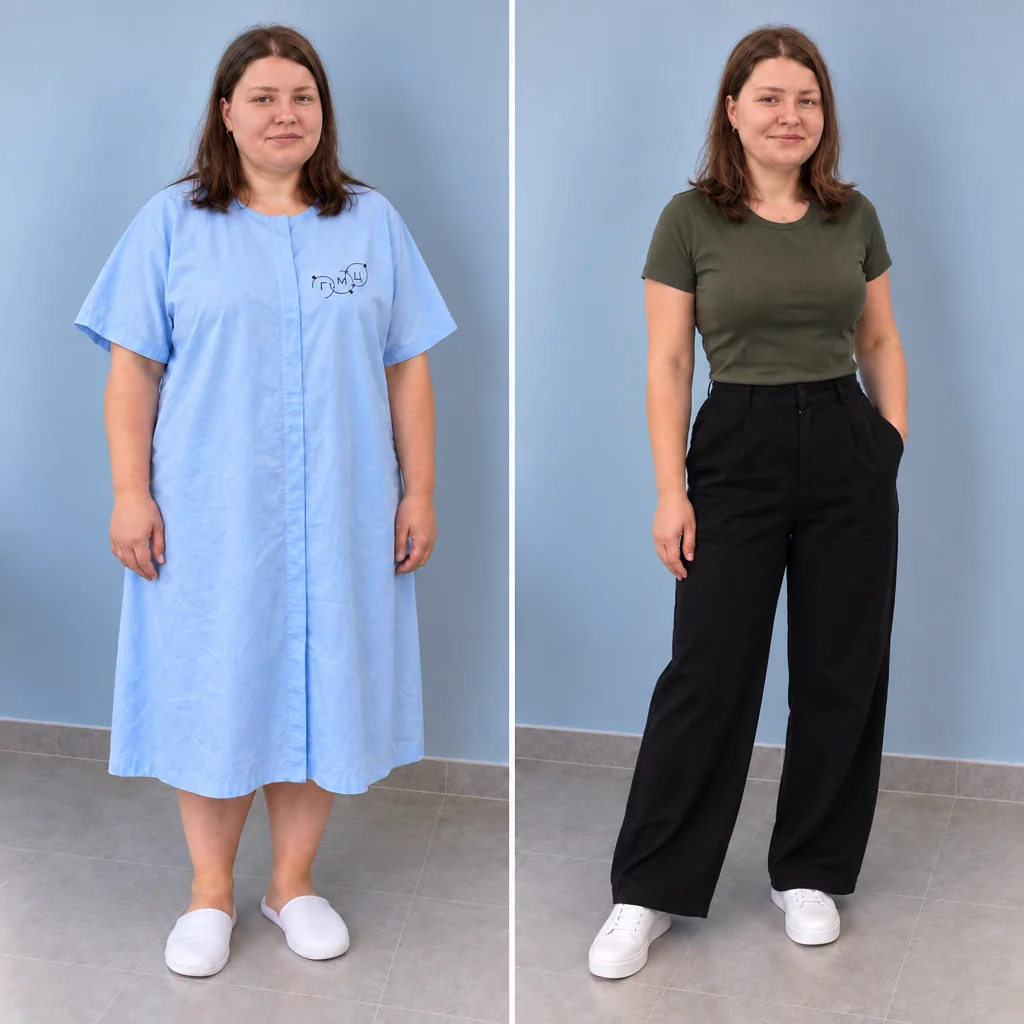 beforeafter
Bariatric surgery
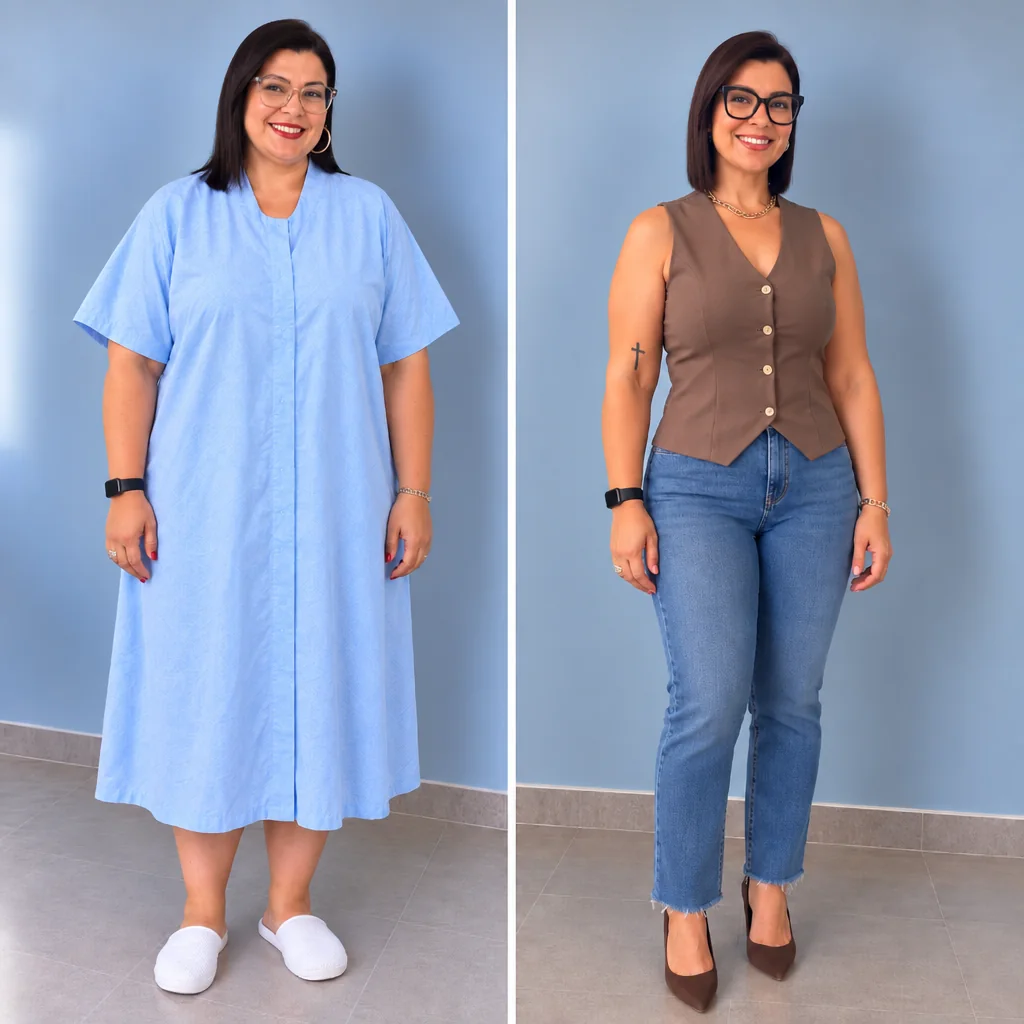 beforeafter
Bariatric surgery
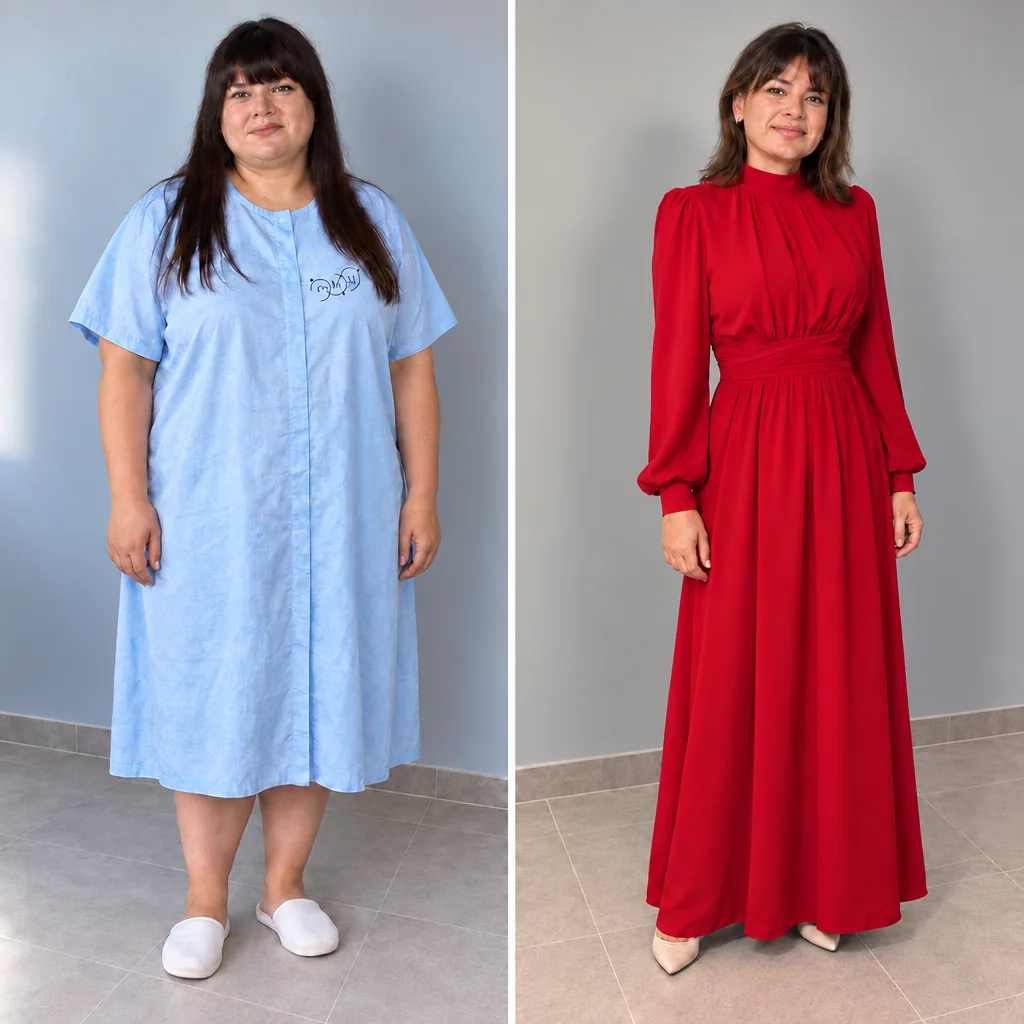 beforeafter
Bariatric surgery
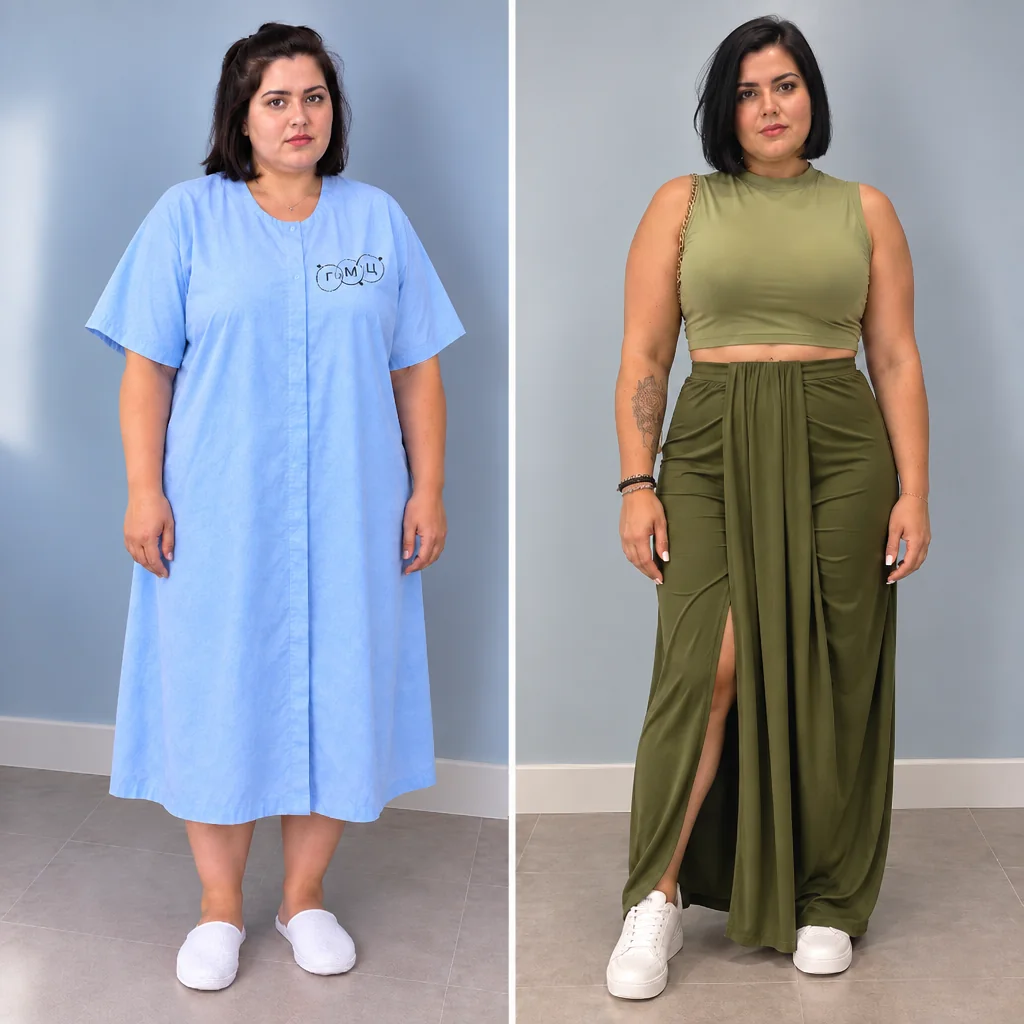 beforeafter
Bariatric surgery
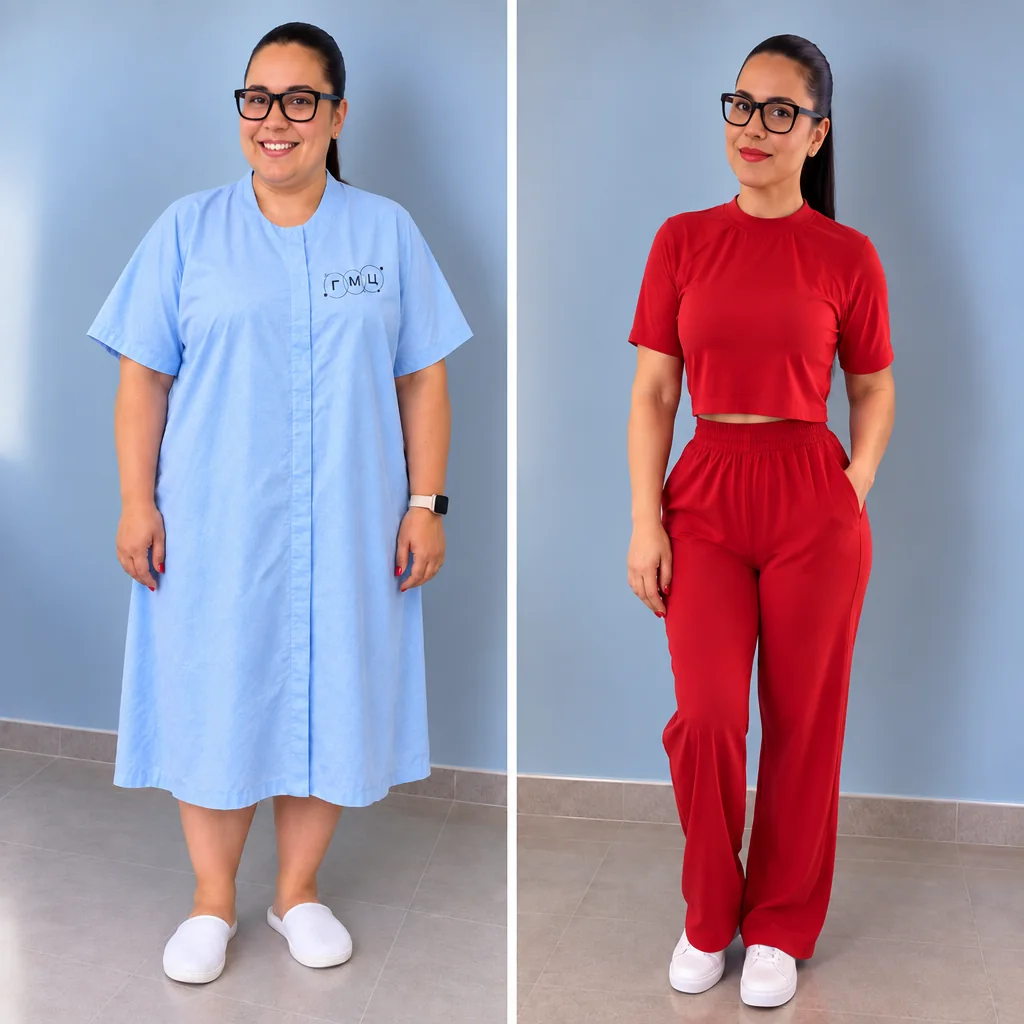 beforeafter
Bariatric surgery
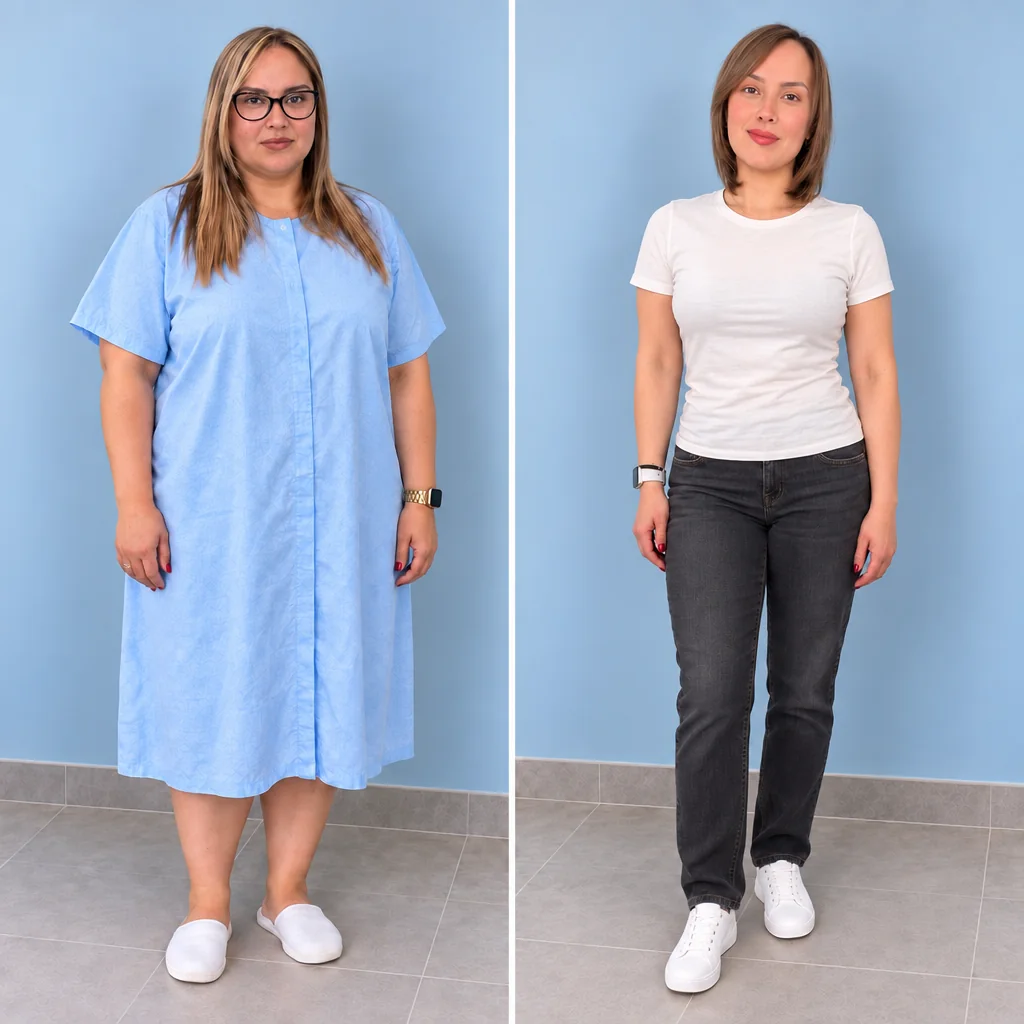 beforeafter
Bariatric surgery
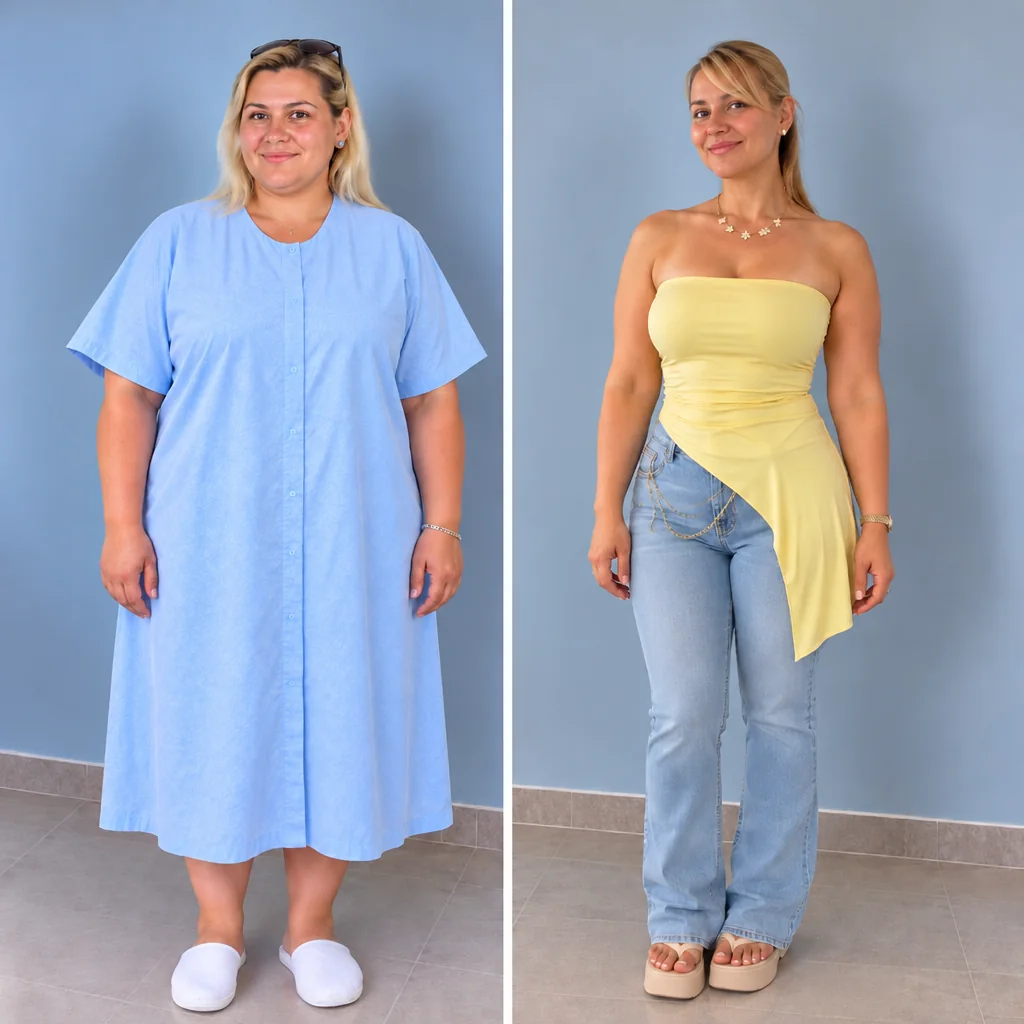 beforeafter
Bariatric surgery
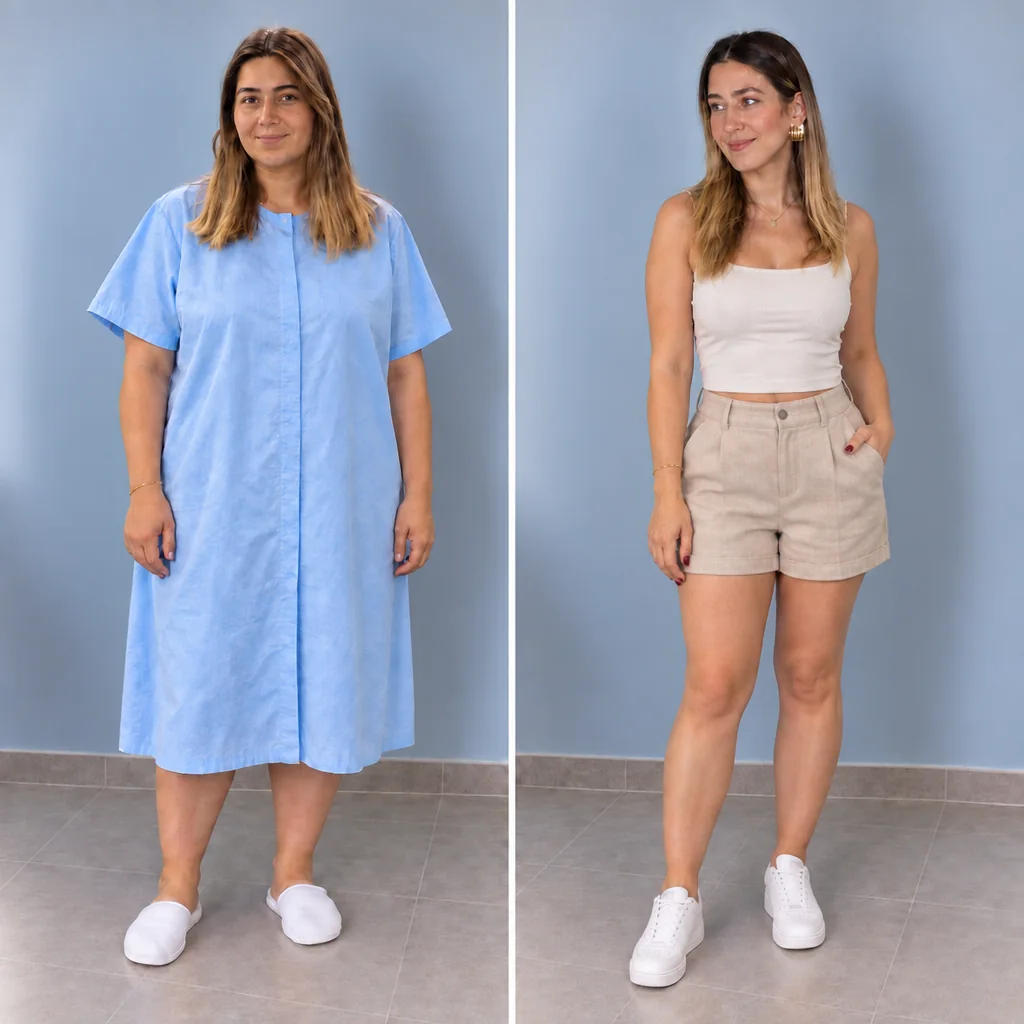 beforeafter
Bariatric surgery
Comparison
There are two main surgeries we offer: the sleeve and the bypass. Learn how they work, why they are done and who they suit, so you can choose your method with confidence.
Less stomach volume
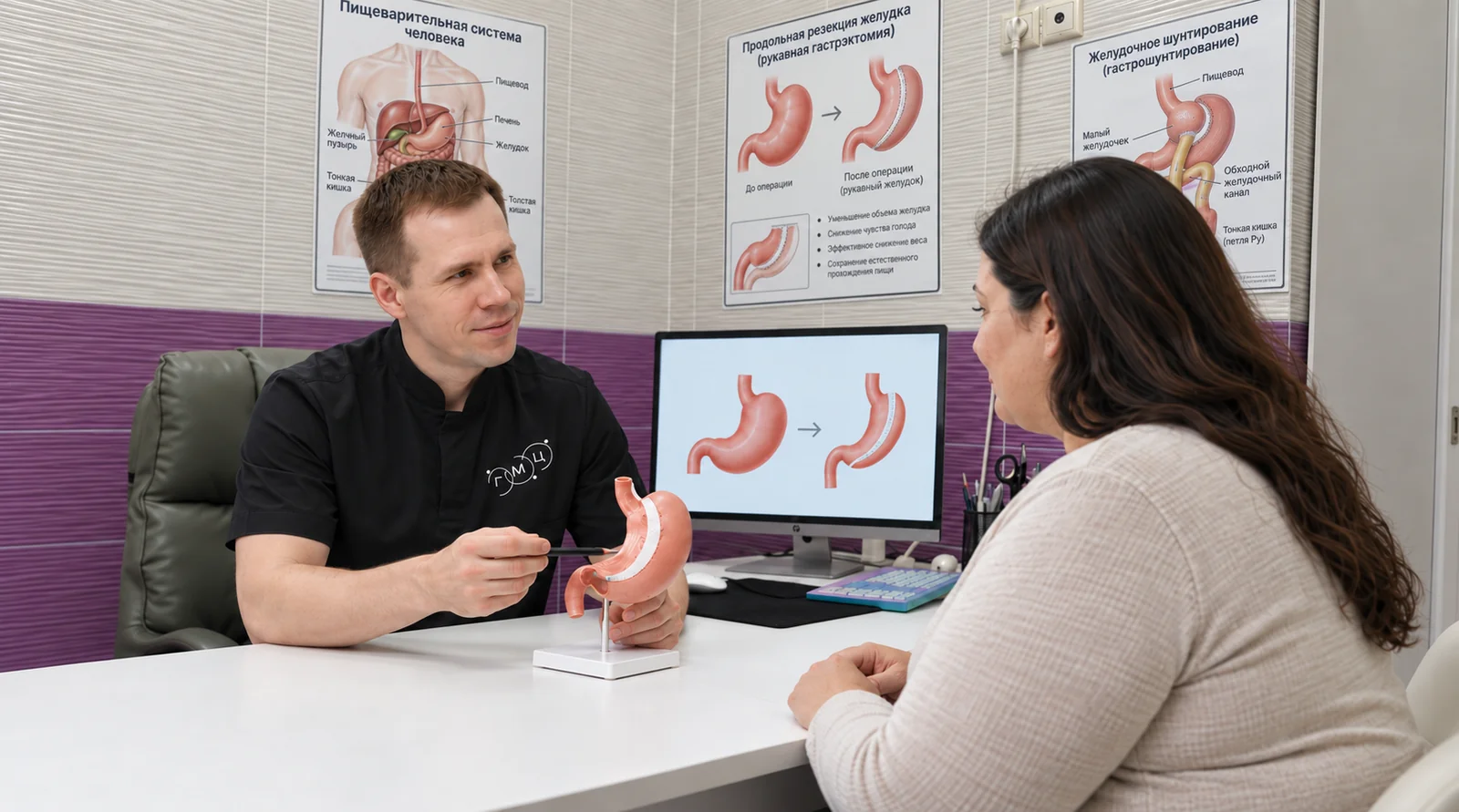
Discounted price
$3,600 $4,800
Less stomach volume and a changed route for food
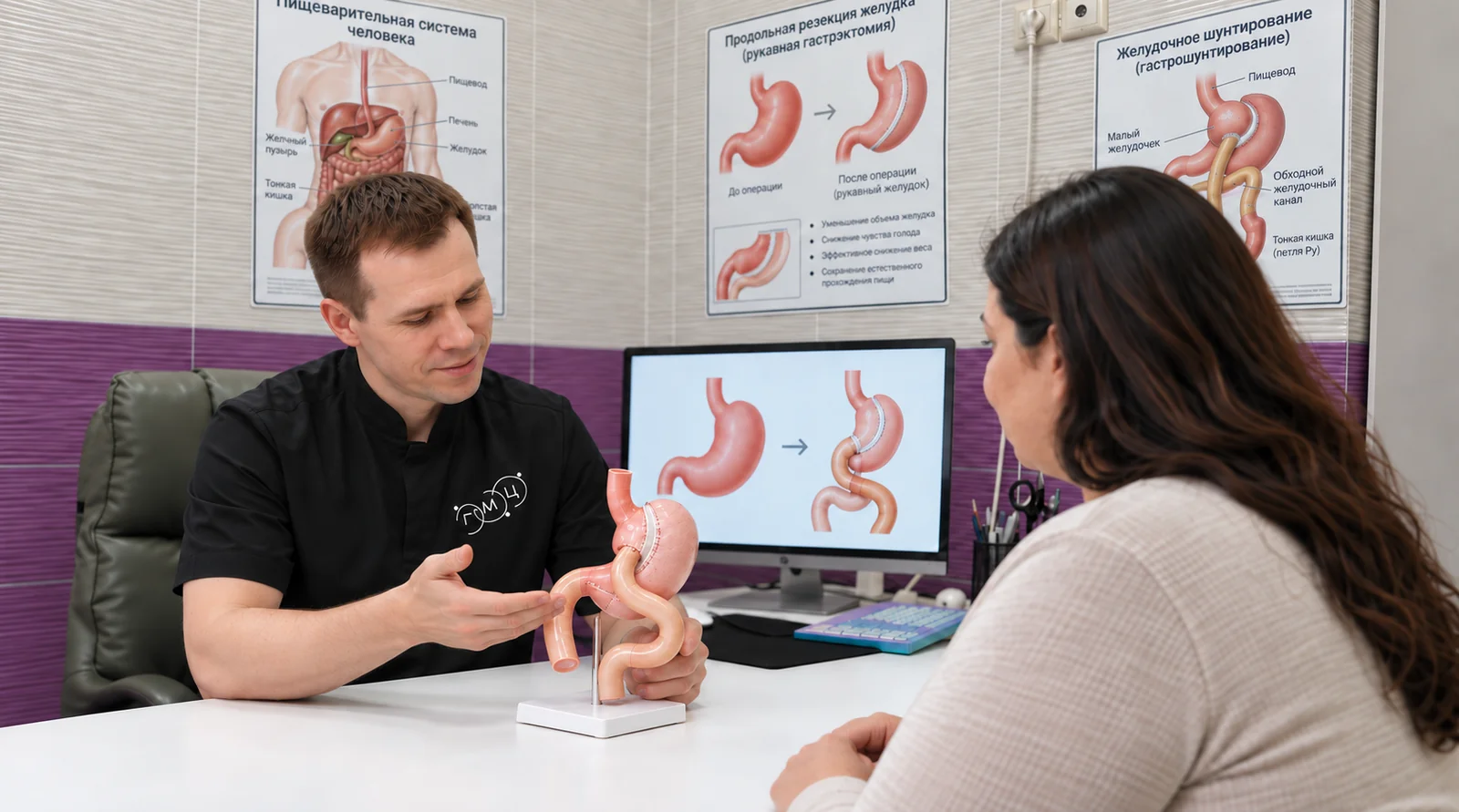
Discounted price
$4,000 $5,200
Treat the recovery times and benefits here as guidance averaged by method: how extensive the surgery is and how you recover depend on your own anatomy and features, and the surgeon confirms this at the consultation.
Book a consultationAbout us
Up-to-date equipment, comfortable rooms and attention to each patient
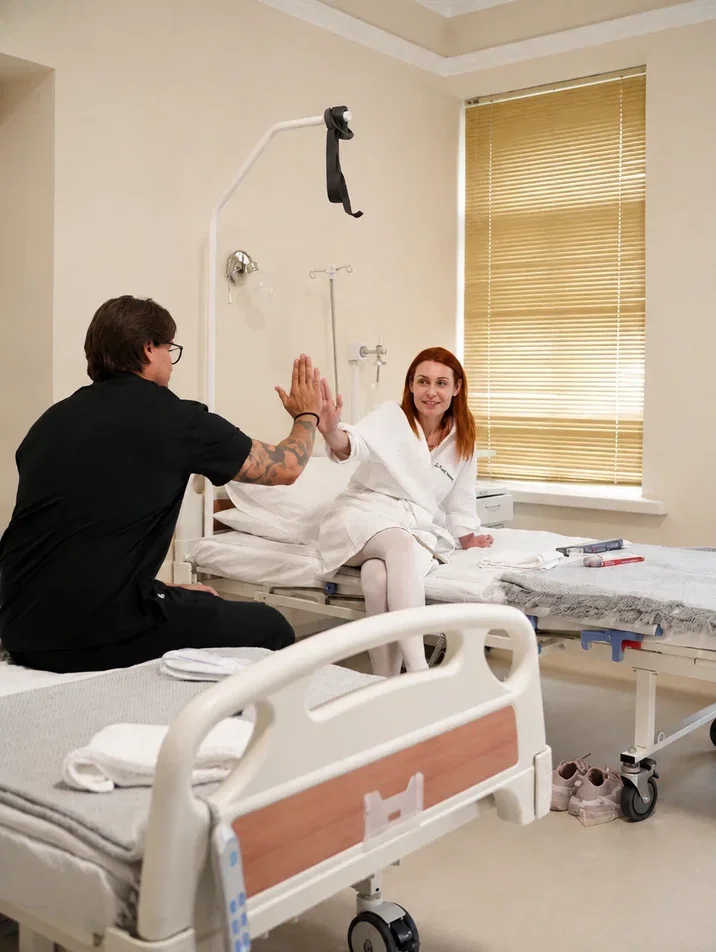
Our team will reply to your questions and help you choose a consultation time
Get a consultationSurgery is only decided jointly with the surgeon, once the consultation and check-up are done.
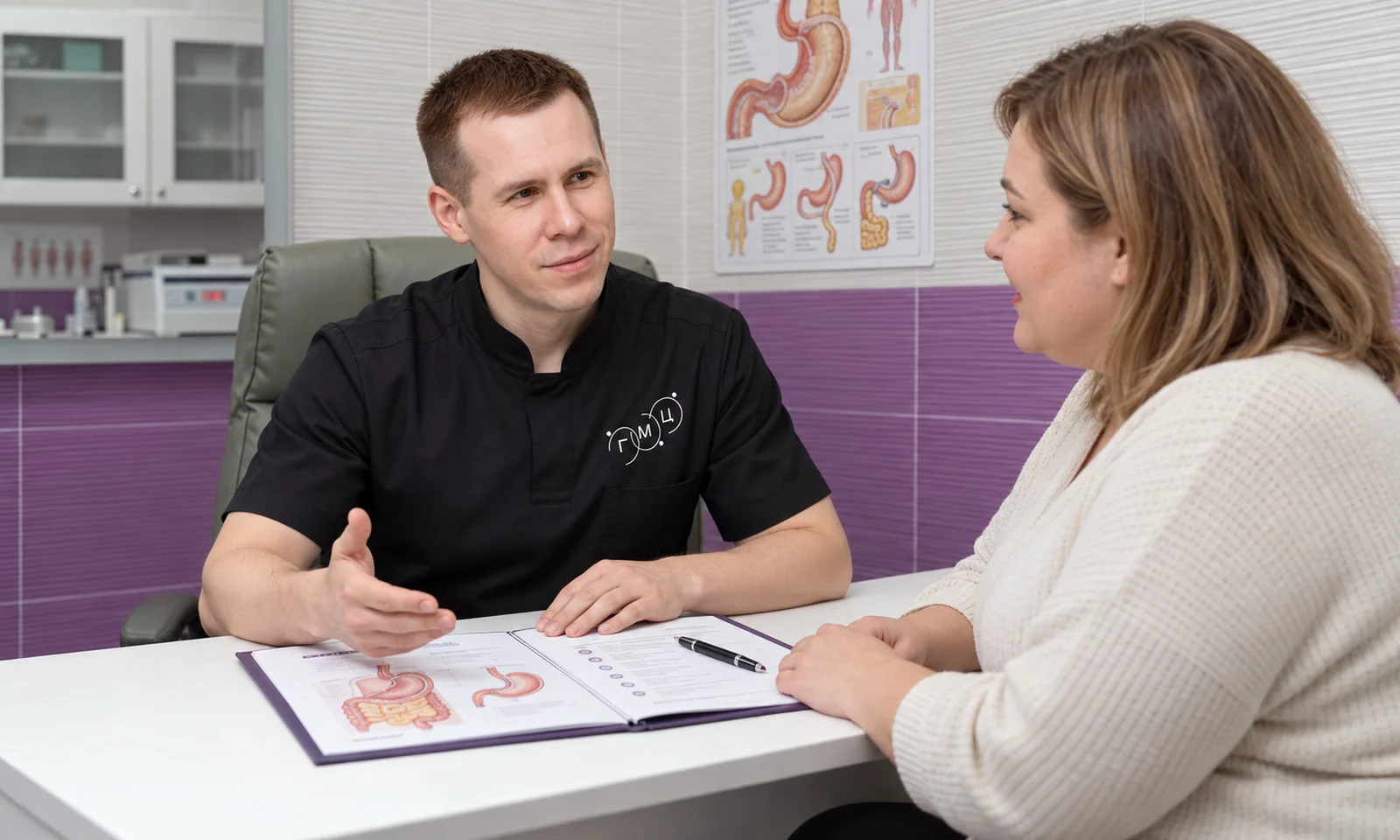
Not certain which side you are on?
Message us on Telegram and our coordinator will tell you if bariatric surgery suits you. The consultation with the surgeon is free and does not commit you to surgery.
Find out if it suits me
Prices
Your cost is confirmed at the consultation once the plan is ready and written into the contract.
Discounted price
Less stomach volume
$3,600$4,800
Discounted price
Rerouting food and losing weight
$4,000$5,200
Free
A treatment plan after the surgeon's examination

Free
you are told the cost of surgery
and it is fixed in the contract
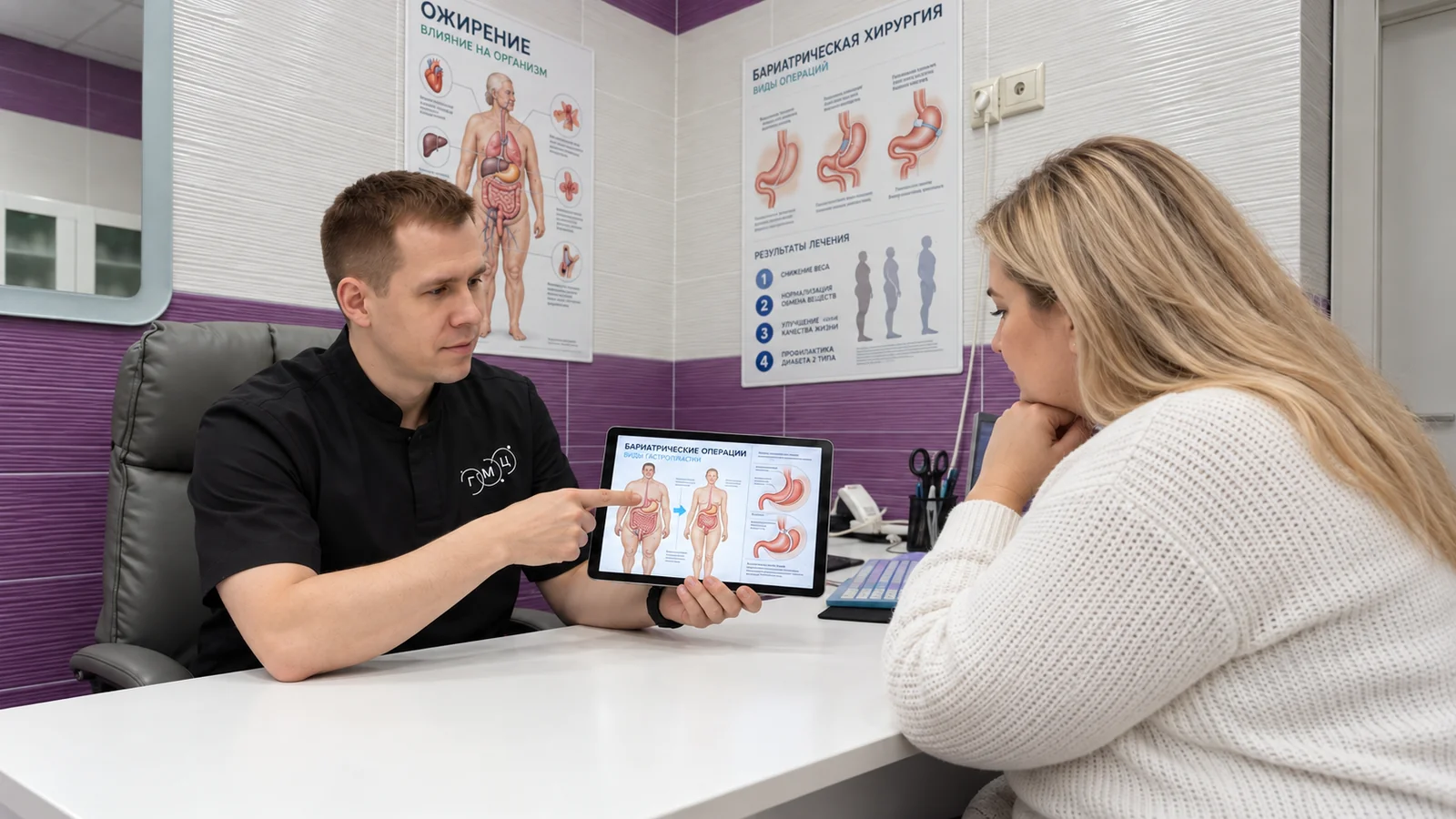
The doctor looks at your health, talks about your goals and chooses the right method of bariatric surgery. You get the cost at the consultation, fixed in the contract.
Message our coordinator
Free online consultation · Reply within 15 minutes
Message us on TelegramMessage us on WhatsAppBy messaging us, you agree to our Privacy Policy
price
A complete package: preparation plus 12 months of support, without any extra charges.From your pre-surgery preparation
to follow-up support for 12 months.
How it goes
Monitoring in hospital, an agreed treatment plan and support for a whole year.
 1
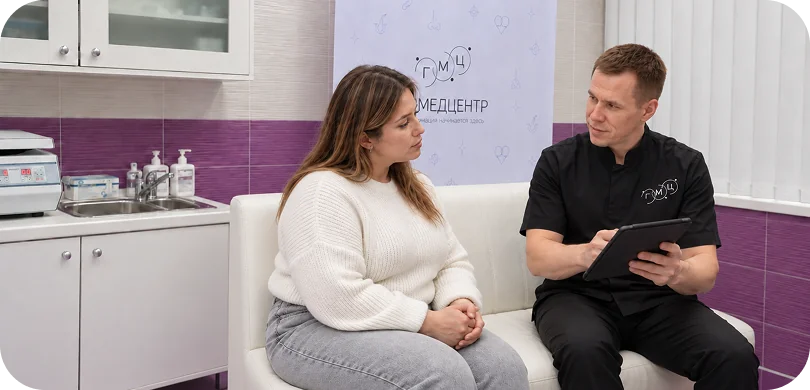
Your health is assessed, your goals are discussed and the doctor orders the tests required to pick the right bariatric method.
2We reserve a surgery date for you: the deposit can be paid by card at the clinic or online by bank transfer. The terms are fixed in the contract for medical services
 3
At the consultation the doctor gives you the exact list of pre-surgery checks: blood and urine tests, an ECG, an ultrasound, a gastroscopy and visits to specialists.
 4
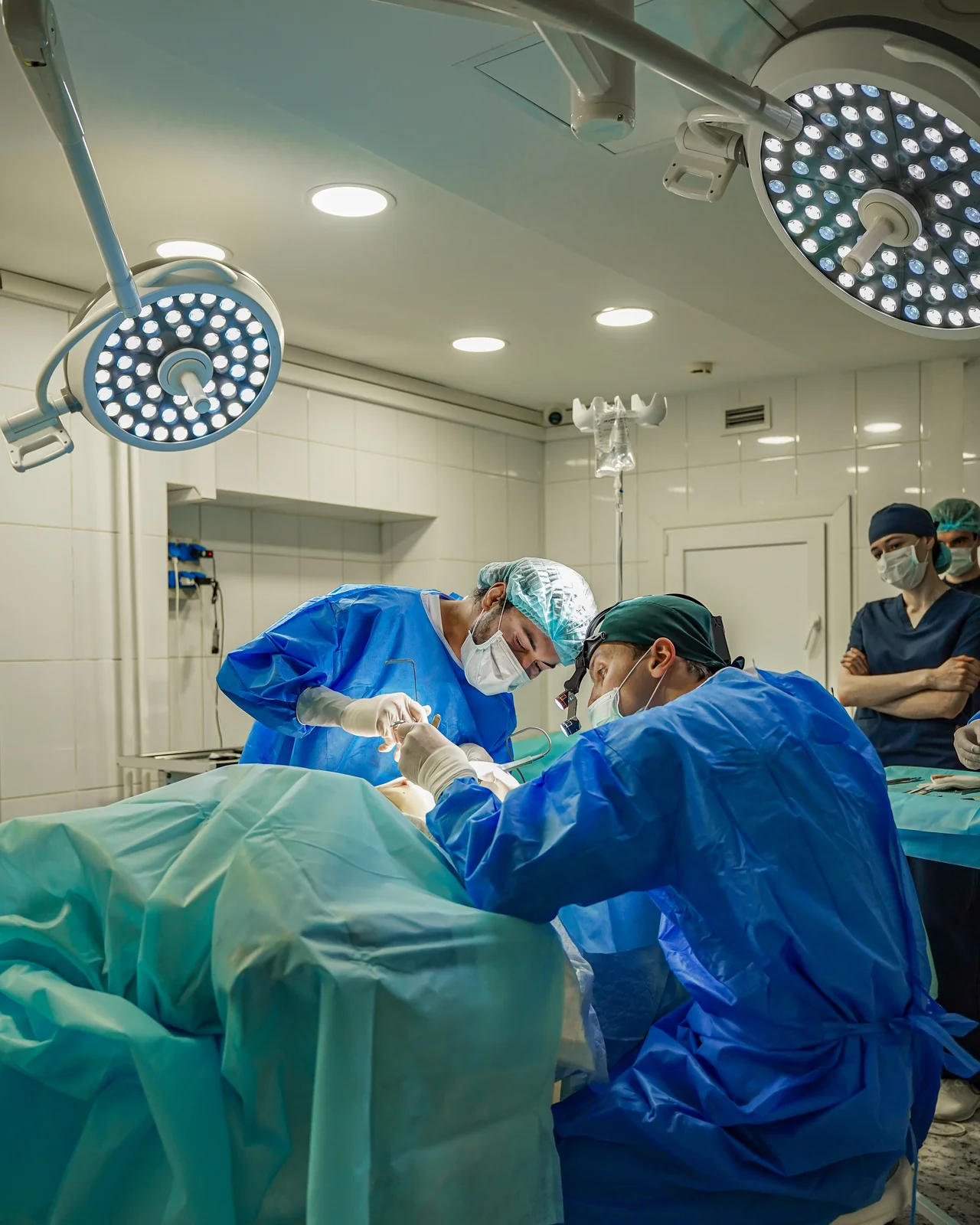
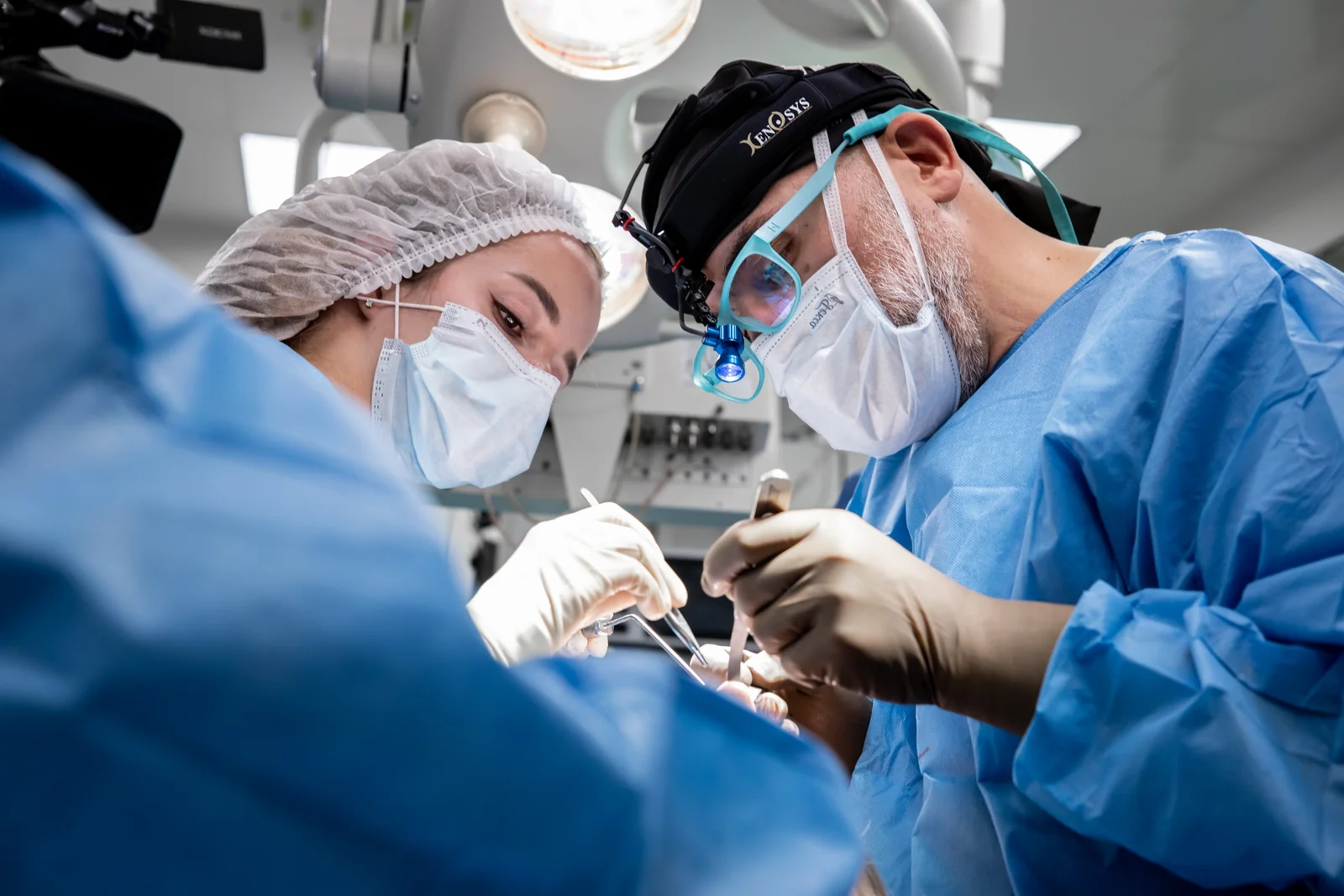
The bariatric operation is performed by the surgeon under general anaesthesia with the selected method. Afterwards the patient is monitored by the medical team.
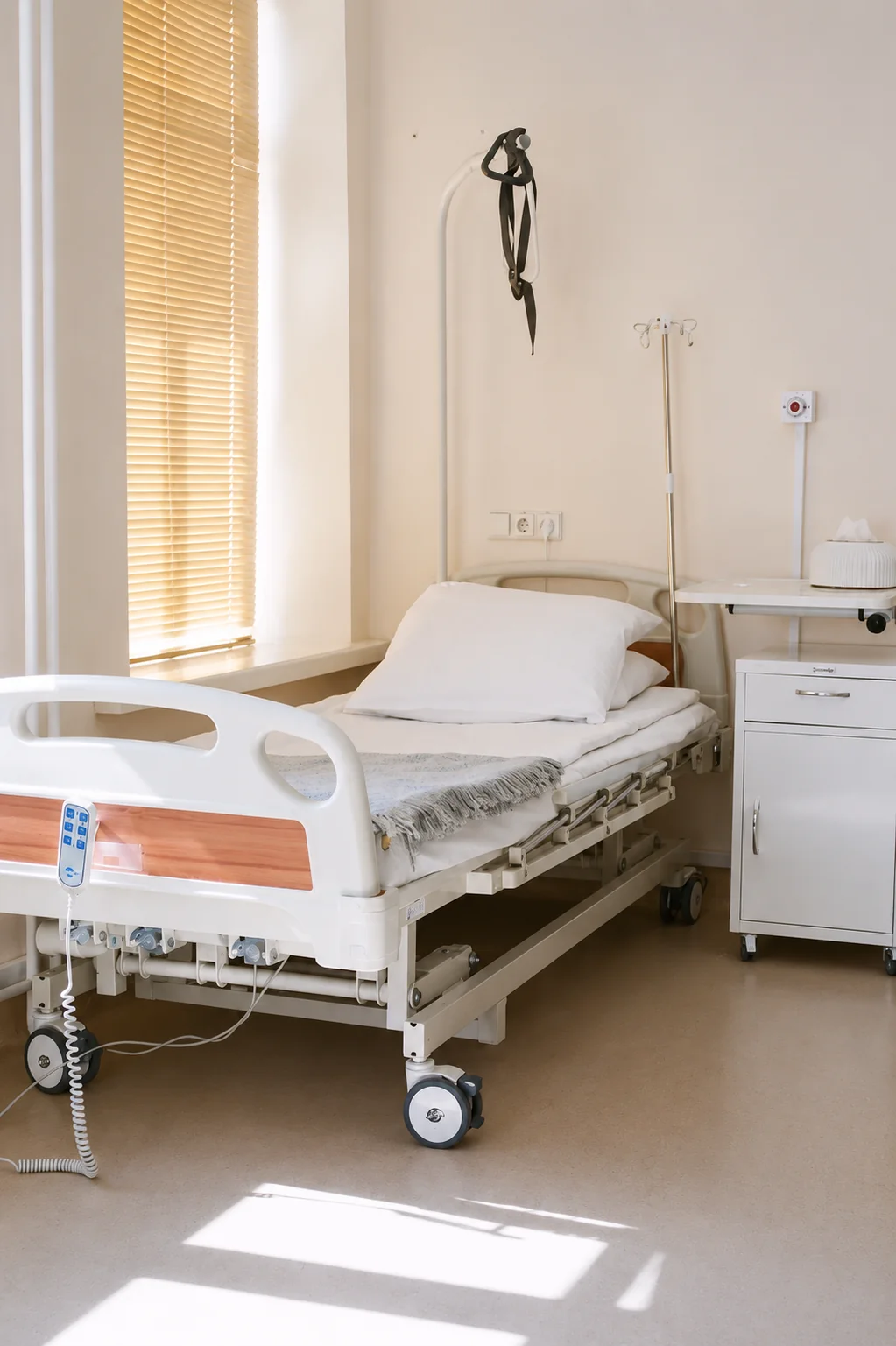 5
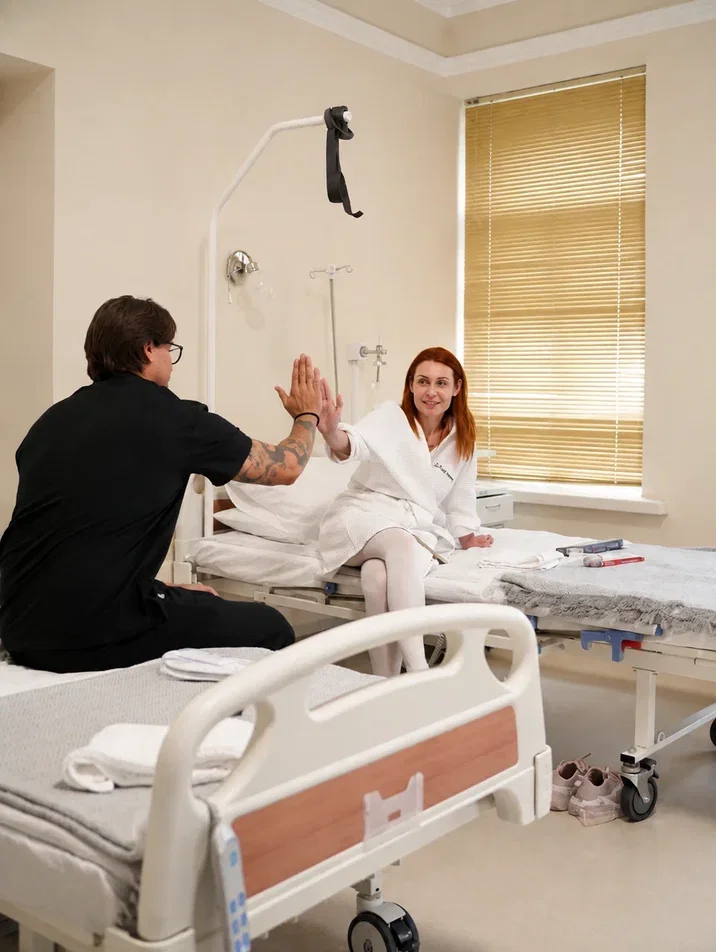
Doctors supervise you in hospital after surgery for a stay of 1–3 to 4–5 days, depending on the complexity of the operation and how you are feeling.
 6
You leave with advice on diet and recovery. Scheduled check-ups then track how you feel, your weight and your test results, and the clinic team stays with you for a year.
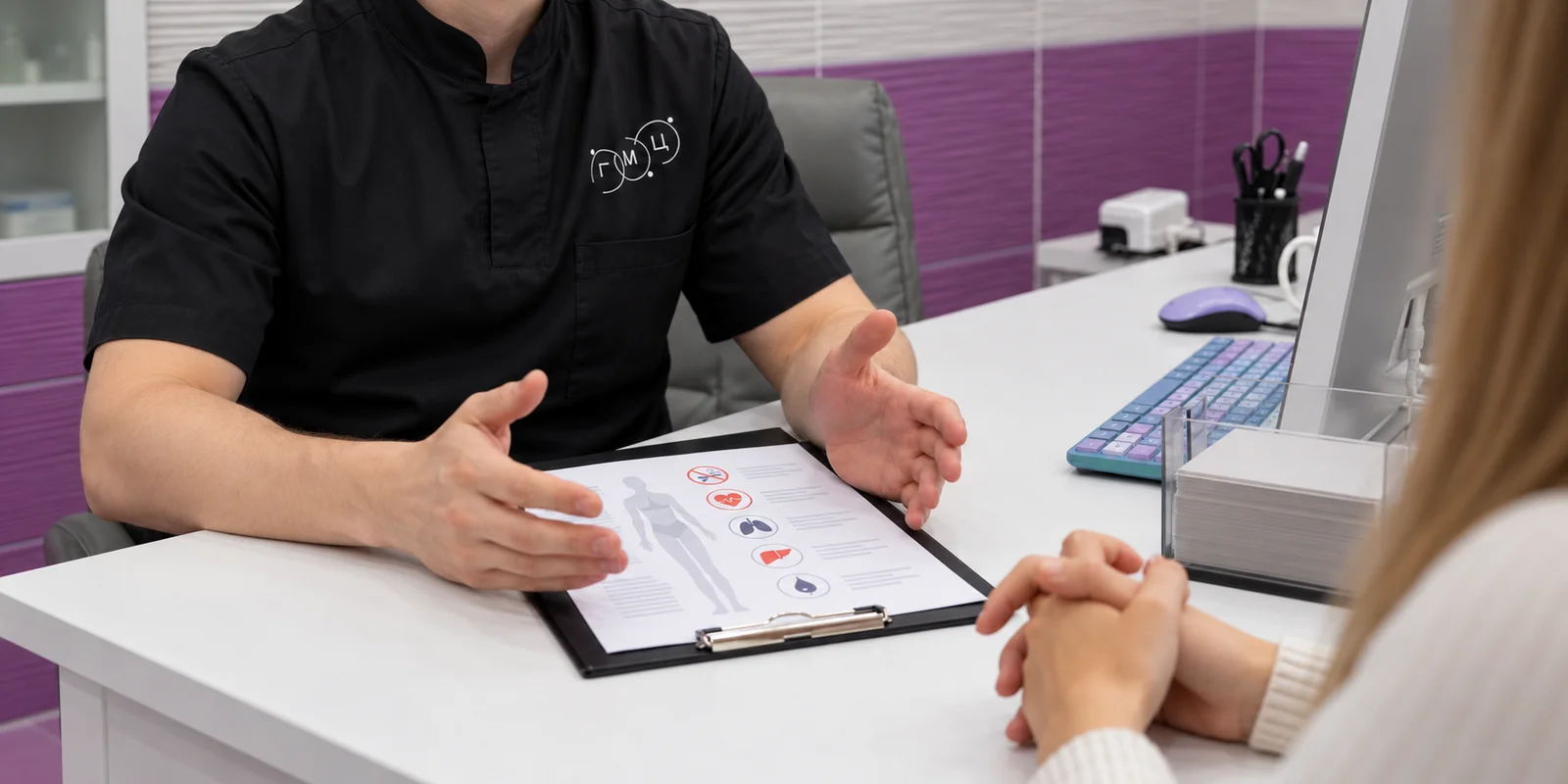
During the consultation the doctor prepares a plan and walks you through the surgery
You pay nothing for the consultation, happens before surgery, with no obligation.
Book a consultationDoctors
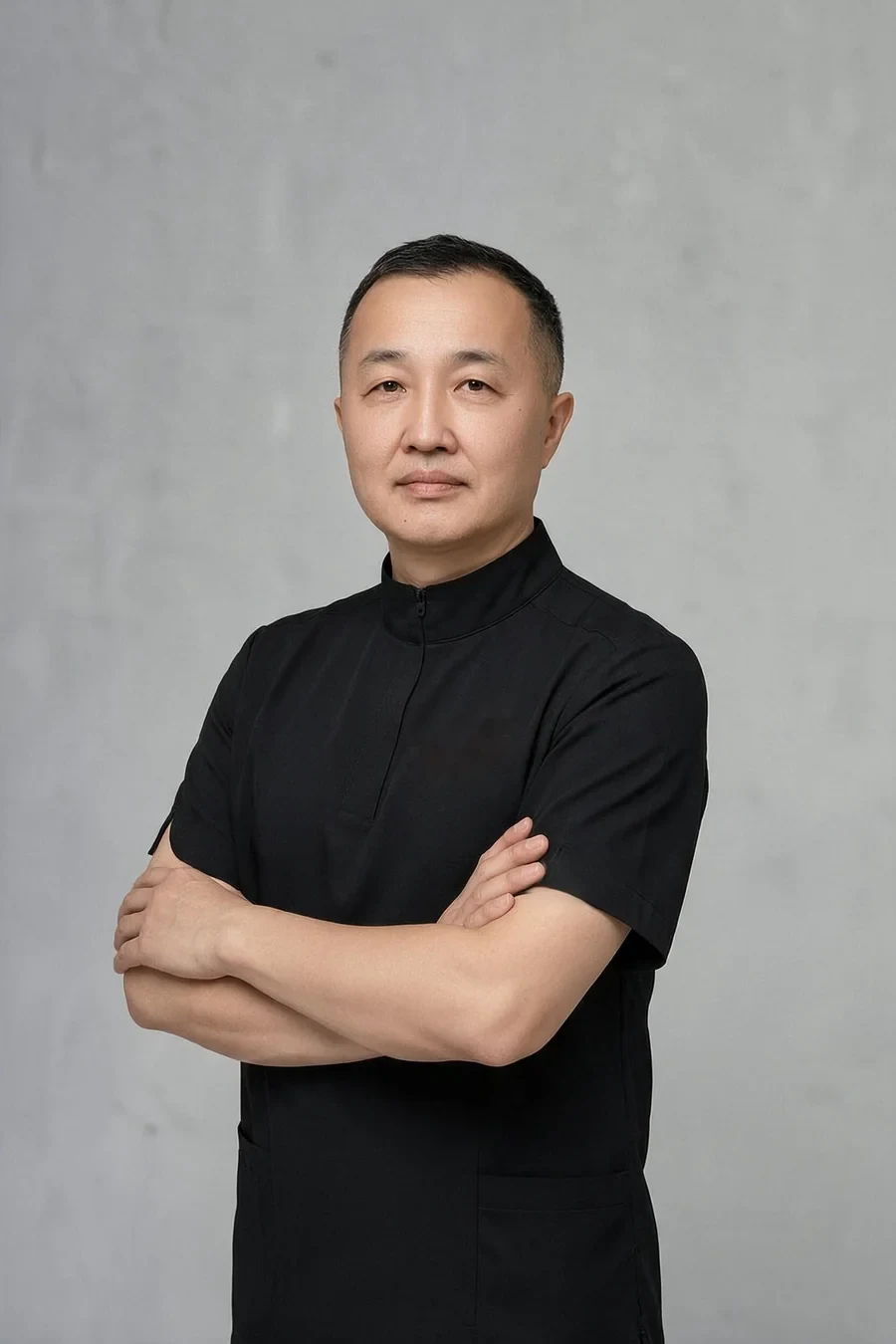
27 years of experience
Chief bariatric surgeon
Surgeon
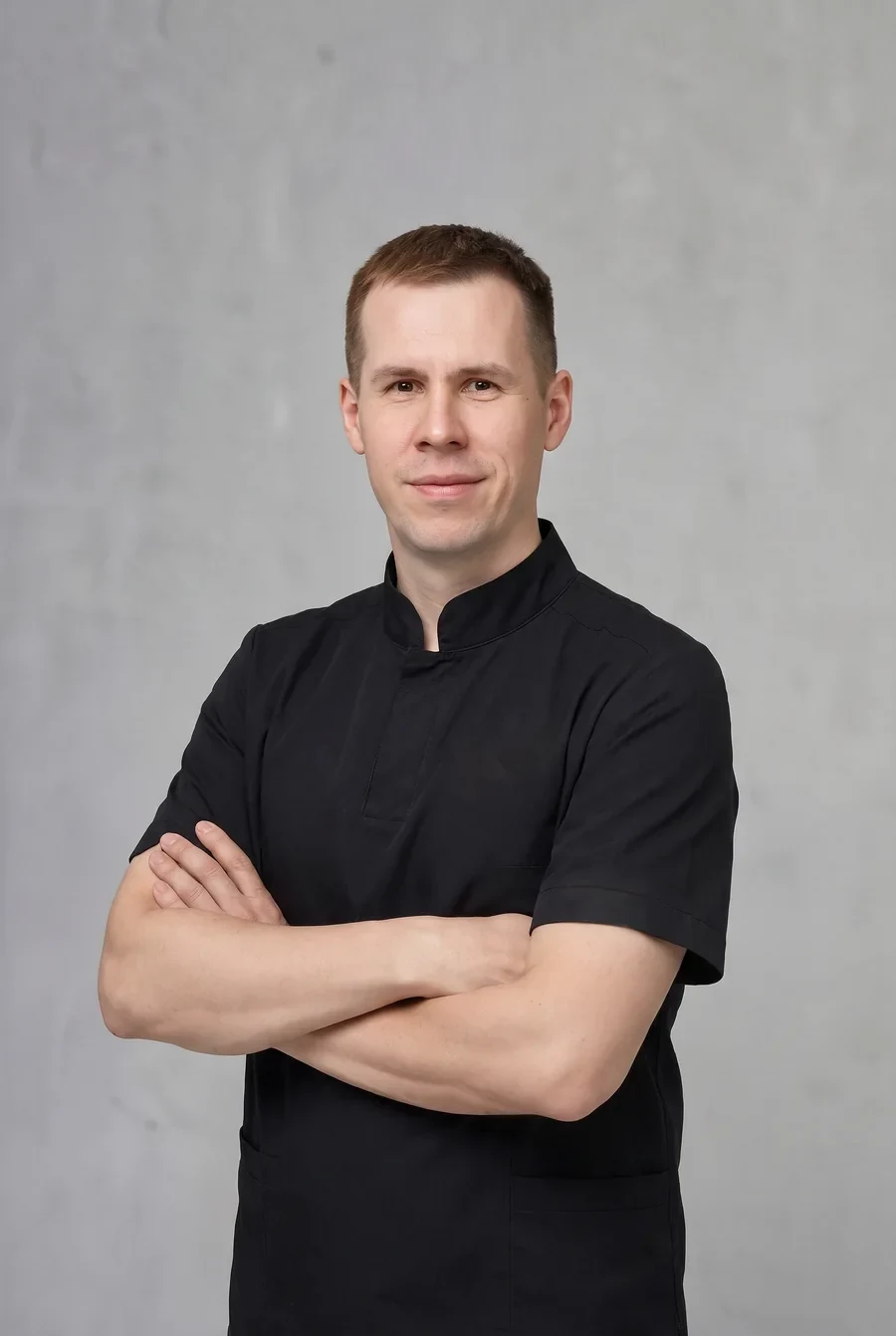
9 years of experience
Bariatric surgeon
Surgical oncologist
One surgeon operates and follows you all the way, from the first consultation to the result.
You start with a free consultation with our patient care manager, who calculates your BMI, explains the methods and books you in with the surgeon.
Book a consultationCoordinators
Support at every step of the way

Your first clinic contact, from the very first message to the consultation
Patient care specialist
Replies to your questions before the first consultation and helps you choose a convenient date

Stays with you before and throughout your stay, from booking until discharge
Patient care specialist
Guides your preparation for surgery and stays in contact while you are at the clinic

From discharge to your final check-up — with you throughout recovery
Patient care specialist
Keeps in contact throughout recovery and arranges your follow-up visits with the surgeon
Advantages
Your health, lifestyle and goals guide us to the best method, and our team is with you every step of the way.
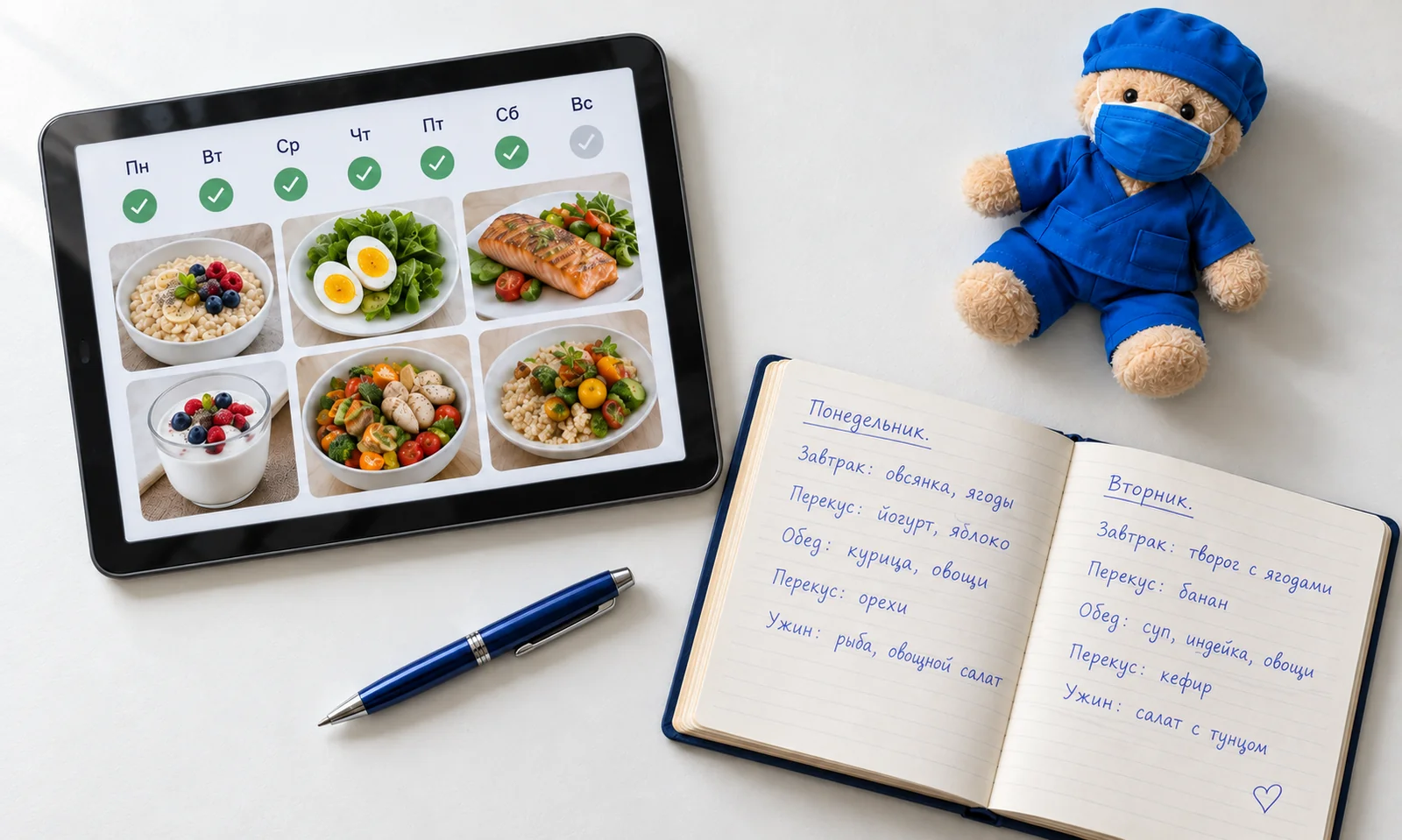
With our help you adapt to new eating habits, track your results and sustain them.
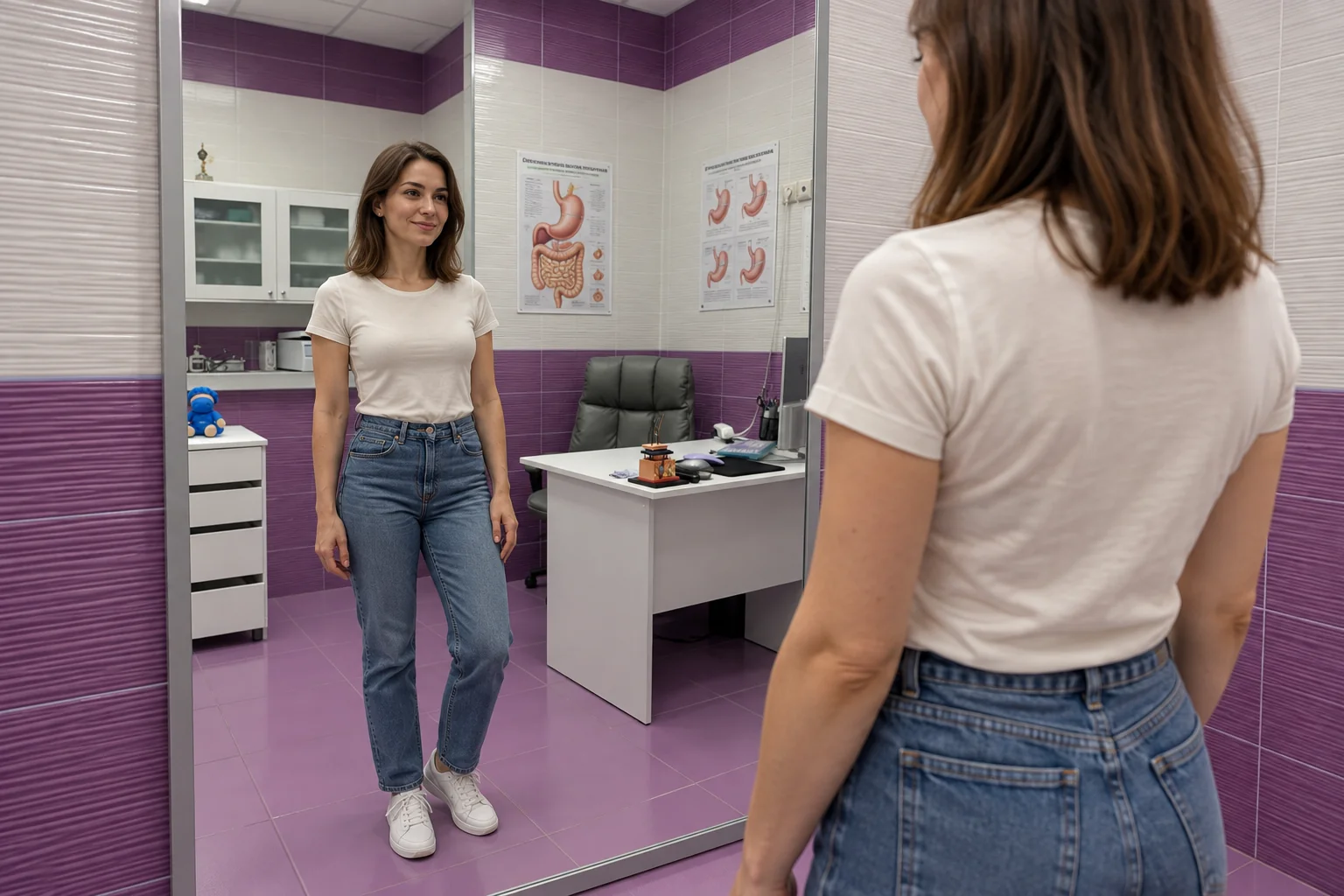
Stable weight loss, improved well-being and a higher quality of life.

We respect your time: we work 24/7, with easy booking and a personal approach — we adapt to your pace.
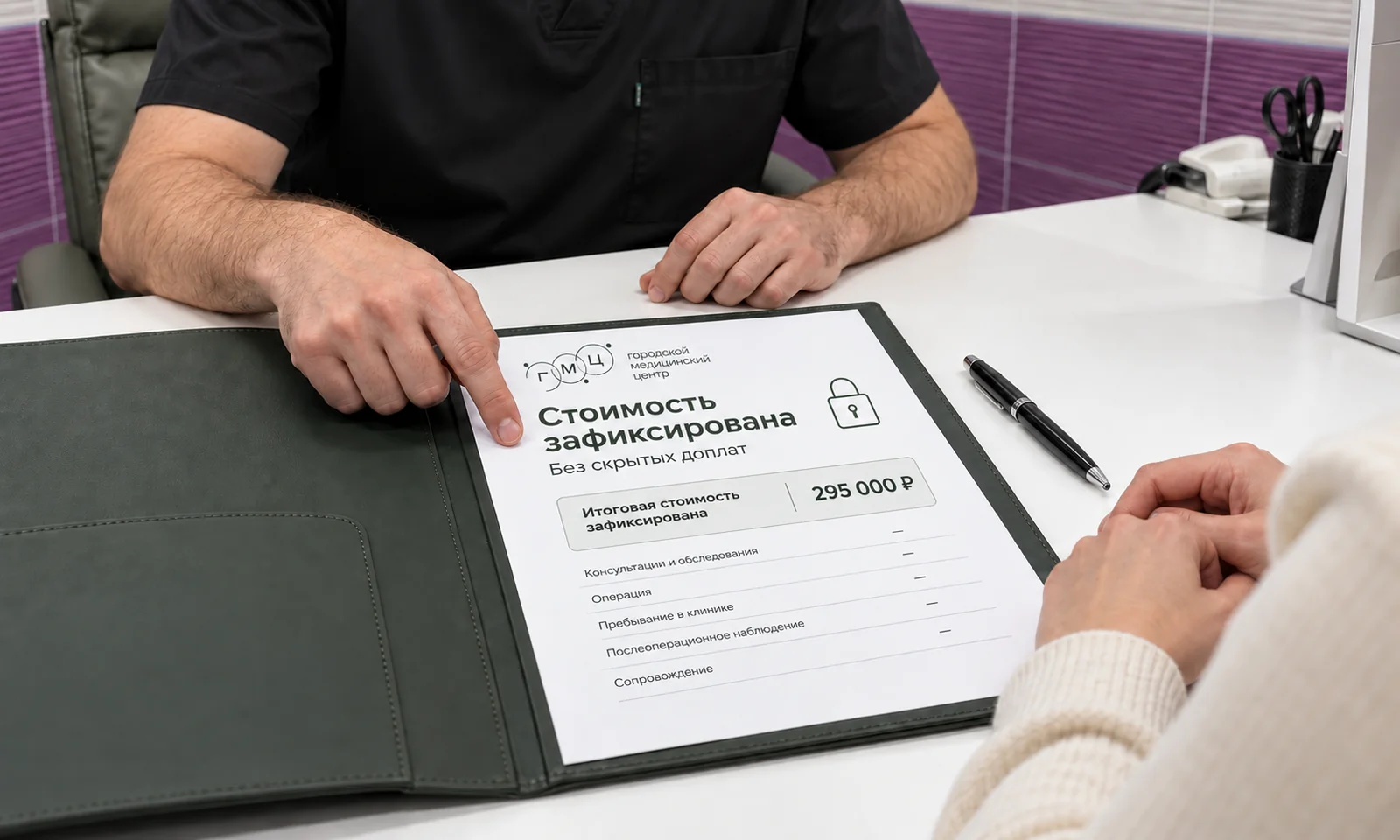
The surgeon chooses the method after the consultation and gives you a clear price, with no hidden fees or surprises on the way to your result.
FAQ
At the clinic, experienced bariatric surgeons perform the bariatric operations:
Message us — our coordinator will get back to you shortly and book your consultation. The bariatric surgeon consultation is free.
Surgery is prescribed only when clear criteria are met
The degree of obesity is mainly assessed with BMI: body weight (kg) divided by height squared (m²). As a rule, surgery is justified when BMI exceeds 40, or exceeds 35 alongside serious related conditions. In some cases lower values may also qualify for surgery if non-surgical approaches have failed.
People often confuse these two, though their aims are fundamentally different. Bariatric surgery is medical treatment of obesity and associated diseases. It changes the way the digestive tract works, acting on the causes of excess weight and on metabolism. Plastic surgery alters outer body contours and does not treat obesity or affect metabolism.
At City Medical Centre there are four main types of bariatric surgery — sleeve gastrectomy, Roux-en-Y gastric bypass, mini gastric bypass (MGB) and SADI-S duodeno-ileal bypass. Every method is chosen individually from BMI, related conditions and the patient's goals.
We use modern laparoscopic technique. The operation is done through 4 small punctures of 5 to 15 mm. Cosmetic sutures are placed, so once healed the marks become almost invisible.
When you recover depends on your activity. Office work: after 2–4 weeks. Physical work: after 1.5 months. Sport and activity: swimming is fine after 30 days; other exercise gets added gradually as weight drops. Travel and holidays: best planned from a month after surgery.
Your meals progress in stages: liquid food, soft food, then solid. The stress is on protein and on reducing high-calorie, fatty food.
Pregnancy is an option after bariatric surgery, but doctors advise waiting at least 12–18 months. By then the body has stabilized, weight has reached target values and nutritional status has normalized.
Yes, vitamins are essential after bariatric surgery. As digestive anatomy changes, the body absorbs certain nutrients less well, so regular vitamin and mineral supplements become a lasting part of the patient's life.
Weight can be regained after bariatric surgery, but this is very unlikely with the doctor's advice followed. Proper nutrition, avoiding high-calorie drinks and regular follow-up with City Medical Centre specialists are crucial.
Prices are in US dollars; the amount in brackets is an approximate conversion to TZS at the rate of 02.10.2026. The final price is fixed in your contract.
Prices start from $3,600 (≈ TZS 9,600,000). The surgeon sets the final price at the free consultation, and it is fixed in the contract, with no hidden extras.
General anaesthesia, a personal coordinator from day one, monitoring in the hospital and support for one year.
The hospital stay is 1–5 days, depending on the method and how you feel. Office work is possible after 2–4 weeks.
Yes. The first consultation is free and does not oblige you to anything. You can start online by sending a message to the coordinator.
Message us on WhatsApp or Telegram using the buttons below. A coordinator will answer your questions and book a free consultation where the doctor names the exact price.
By messaging us, you agree to our Privacy Policy
Weight that began in childhood, a family history of obesity, shortness of breath on stairs, avoiding photos — these are common reasons people in Mwanza start thinking about surgery. A consultation is warranted not only by a high BMI but also by related conditions. The surgeon reviews your health and weight history and offers the most suitable of the four surgical methods.
Step one: consultation. Step two: laboratory and instrumental tests, gastroscopy and specialist reviews. Step three: surgery through small punctures by a permanent team, not a duty shift. Step four: 1–5 days in the ward with meals and nursing. Step five: a staged diet and a year of follow-up. People in Mwanza follow this route from start to finish.
What sets this programme apart is a result guarantee written into an official contract: weight loss is fixed legally, not just in words. Surgeons have 9–27 years in the field and work as a permanent team. Mwanza residents can tick the situations that sound familiar on the page and then check their case for free with a surgeon.
What patients write after this operation. Reviews are translated from the original language.
Irina, 26
For a long time I doubted whether to go ahead with surgery, but after the consultation I felt much calmer. Andrey Georgievich explained in detail how gastric bypass is done, what to expect after the operation and how recovery would go. I especially liked that they talked to me calmly and without pressure. I am now gradually getting used to my new way of life and I am very glad I took this step.
Bariatric surgery
Doctor: Andrey G. Ugay
Angelina, 22
For me the hardest part was deciding to have the operation. At the consultation Ruslan Sergeyevich answered all my questions in detail and explained the specifics of sleeve gastrectomy and recovery. After the operation I always understood what I was doing and why. Thank you to the doctor and the whole team for their attentiveness.
Bariatric surgery
Doctor: Ruslan S. Menzulin
Anna, 31
For a very long time I tried to deal with my excess weight on my own, but I did not get the result I wanted. After the consultation with Andrey Georgievich I finally understood what to do next. I came through the operation well, and my recovery was supervised by the doctors. It was important for me to feel that I was not left alone after surgery.
Bariatric surgery
Doctor: Andrey G. Ugay
Veronika, 25
Before the operation I had many fears, mostly of the unknown. Ruslan Sergeyevich explained every stage of treatment in detail and answered even the simplest questions. Thanks to that I felt much more confident. I keep following the recommendations and I am gradually seeing the changes I had the operation for.
Bariatric surgery
Doctor: Ruslan S. Menzulin
Valentina, 23
The decision to have bariatric surgery was not easy for me. I worried both about the operation itself and about how my life would change afterwards. At the consultation Andrey Georgievich explained everything in detail, so little by little my fear turned into confidence. What matters most to me now is the result and the chance to treat my health and lifestyle differently.
Bariatric surgery
Doctor: Andrey G. Ugay
Anna, 27
I am very grateful to Ruslan Sergeyevich for his attentiveness. Before the operation I had a huge number of questions, and I got a clear answer to every one of them. After the operation it was also clear which recommendations to follow and how to eat. It was important to me that the doctor stayed in touch and I felt supported at every stage.
Bariatric surgery
Doctor: Ruslan S. Menzulin
Page medically reviewed by Andrey G. Ugay, lead bariatric surgeon. Review date: .
Mwanza, known to its residents as Rock City, is a port city on the southern shore of Lake Victoria in north-western Tanzania. It is the capital of Mwanza Region and the second largest city in the country. The urban population was 1,104,521 in the 2022 census, and the region as a whole was home to 3,699,872 people. The city is split into two municipal districts, Ilemela and Nyamagana. A city this size has plenty of people living with excess weight, and many of them are quietly looking for a medical option rather than another diet.
Bariatric surgery means two main operations: sleeve gastrectomy and gastric bypass. Both are performed under general anaesthesia and both change how much food the stomach can take and how the body feels hunger. This text is written for people in Mwanza who want to understand how such an operation fits into the rhythm of their city, their work and their family before they speak to a surgeon.
Patients in Mwanza reach City Medical Centre through a free online consultation. Coordinators are available around the clock, 24/7, on WhatsApp and Telegram, so you can write from home in Ilemela or Nyamagana in the evening after work, with no need to rearrange your day. A coordinator will call you back 24/7 and help you collect the first facts about your health, weight and goals.
Candidates are usually people with a BMI over 40, or over 35 with related health conditions. BMI is the main tool for assessing the degree of obesity. It is calculated by dividing body weight (kg) by height squared (m²). You can work it out yourself with a phone calculator while waiting for a reply from the coordinator, and it gives a useful starting point for the first conversation.
In some cases surgery is considered at lower values too, if non-surgical approaches have failed. Many people in a busy commercial city have already tried several diets, exercise programmes and months of strict self-control. If that is your story, say so plainly during the consultation. The surgeon confirms whether surgery suits you, and that decision is based on your full picture rather than on a single number.
The World Health Organization describes obesity as a chronic condition linked to other serious diseases, which is why doctors look at related conditions together with weight. Bring a list of your diagnoses, the medicines you take and any earlier operations. The more complete the list, the more precise the first discussion will be.
Surgery is not suitable for everyone, and a responsible consultation also covers reasons to wait or to choose another path. In general terms, the surgeon will want to understand your heart and lung health, any serious chronic illness, your eating habits, and whether you are ready for lifelong changes in how you eat. Untreated conditions that make general anaesthesia unsafe have to be dealt with first.
Planning a pregnancy is another topic to raise early. Getting pregnant after bariatric surgery is possible, but doctors advise waiting at least 12–18 months, so the body can stabilize, weight can reach target values and nutritional status can normalize. If you and your spouse hope to have a child soon, say so at the very start so the timing can be planned sensibly.
If you drink alcohol regularly or use any substances, be open about it. Tanzania Breweries has a brewery in Mwanza, and social drinking is part of life for many families and colleagues, so the surgeon needs to know your real habits in order to advise you well.
Mwanza has a tropical savanna climate. Because of the city's altitude, temperatures stay fairly steady through the year, with an average of roughly 23.5 °C, which is less hot than you might expect so near the equator. For someone recovering from surgery this is helpful: you are rarely facing extreme heat while you are still tired and moving slowly.
The wet season is long, running from October through May, and the dry season covers the remaining four months. Annual precipitation is roughly 1,050 millimetres. During rains the roads can be slow and the air humid, so plan how you will reach any local blood tests or check-ups, and keep clothes loose and breathable. Humidity can make small wounds feel sticky, so keep the puncture areas clean and dry as the surgeon instructs.
In the dry months, dust and sun are the main nuisances. Wear light, loose clothing over the treated area, drink fluids in the small sips your surgeon advises, and avoid long hours in direct sun on the lake shore while energy is still low. Choosing between rainy and dry weather is a matter of comfort, not of medical rule, so pick the time that suits your work and family best.
The operation relies on modern laparoscopic technique. It is performed through 4 small punctures of 5 to 15 mm. Cosmetic sutures are used, so after healing the marks are barely visible. For many people in Mwanza who spend time at the lakeside or at the pool, this is reassuring: the marks should not be a reason to avoid light clothing later.
The anaesthesia is general, and the hospital stay is 1–5 days, depending on the method and how you feel. Doctors supervise you in hospital after surgery for a stay of 1–3 to 4–5 days, depending on the complexity of the operation and how you are feeling. In practice you stay under observation for 1–5 days, so arrange for someone at home to look after children, relatives or a shop during that period.
The programme runs from preparation to 12 months of support, all in one package, with no added fees. Follow-up support lasts 12 months, and the coordinators who spoke with you before the operation remain reachable on WhatsApp or Telegram around the clock. That continuity matters when questions come up at night in your own home.
Recovery time depends on the activity. Office work is possible after 2–4 weeks, which suits people employed in the commercial areas of the city, in administration or in trade. Physical work needs longer: after 1.5 months. If you load goods, work at the port or stand on your feet all day, tell the surgeon exactly what your job involves so you can plan realistic leave.
Students at St. Augustine University of Tanzania, which lies south of the city, face long commutes by car or bus and long hours at a desk. Talk to your department about missed classes in advance and plan the operation around the exam calendar. Carry water and a small meal plan approved by your doctor on the way to campus, so you do not skip meals or eat the wrong things in a hurry.
Family events are a big part of life in Mwanza. Weddings, funerals and community gatherings often involve large shared meals and social pressure to eat more. In the first weeks, portions are small by design. It helps to tell close relatives beforehand that your doctor has set a new way of eating, so that nobody is offended when you leave most of the plate.
Eating after bariatric surgery follows the staged plan given by your care team. The stomach holds much less, so you eat slowly, chew well and stop at the first feeling of fullness. In a city where meals are social and generous, the hardest part is often not the physical recovery but the habit of finishing everything offered.
Prepare your kitchen before the operation. Decide who will cook, how you will portion food, and what you will say when relatives insist on a second helping. Sugary drinks, fried snacks and large evening meals are the usual obstacles; discuss with the coordinator how to handle them realistically in your own daily routine.
Over time the weight goes down gradually. The result is expected to reach its full form 18–24 months after surgery, so the first months are only the beginning. Vitamin and mineral supplements, regular check-ups and honest reports to the care team about how you are eating are what keep that process on course.
Mwanza is a sporting city. The CCM Kirumba Stadium has hosted matches of the Tanzania national football team, and Mbao FC from Mwanza was promoted to the Tanzanian Premier League at the end of the 2015/2016 season. Many residents play football with colleagues or friends, or simply follow it with enthusiasm. After surgery you can return to this world, but gradually.
Swimming is allowed after 30 days. Other exercise is added step by step as weight goes down. Start with walking along the lake front in the cooler part of the day, then add light exercise, and only later team games or heavier work. Do not rush to rejoin a match with teammates; sudden strain on the abdomen is exactly what the first weeks require you to avoid.
Because Lake Victoria is on your doorstep, ask your surgeon about swimming in open water as well as in a pool. The treated areas must be fully healed first, and the surgeon will tell you when it is safe in your case.
You start by writing to the coordinators on WhatsApp or Telegram. They work 24/7: booking is easy, the approach is personal and we adapt to your pace. You tell them your height, weight, health conditions and previous treatment, and a coordinator will call you back 24/7 to arrange the free online consultation with the surgeon.
During the consultation the surgeon asks about your medical history, reviews your BMI and discusses whether sleeve gastrectomy or gastric bypass is more suitable. Choose a quiet place with a stable connection, keep your test results or medicine list at hand, and let a relative join if you want support. The consultation is a conversation, not a commitment.
If you decide to go ahead, the coordinators explain the steps from preparation to 12 months of support, all in one package, with no added fees. You can ask them as many questions as you wish before deciding, and you remain in control of the pace.
Residents call Mwanza Rock City, and the nickname fits a city built among rocky outcrops on the southern shore of Lake Victoria. For someone planning bariatric surgery, the landscape has a practical meaning. Streets in the two municipal districts, Ilemela and Nyamagana, often rise and fall between rocks, so a short walk can be steeper than it looks on a map.
In the early weeks after sleeve gastrectomy or gastric bypass, gentle walking is the main activity. Choose flat, familiar paths near your home and leave the hilly streets until your strength returns. Add distance step by step, and let the surgeon tell you when the incline is no longer a problem.
Capri Point, in the centre of the city, is a place many residents associate with the lake front. Saanane Island National Park lies on a rocky island 500 metres from Capri Point. Such spots make good goals for later months, when you are walking easily and want a reason to be outdoors. In the first weeks, though, keep your outings short and carry water.
Construction of Rock City Mall in the Ilemela District was finalized in early 2016, and it is one of the biggest malls in the country. A large, modern shopping centre is a convenient place to prepare for surgery: you can read labels, compare protein foods and buy small containers for portioned meals in a single visit.
Eating after bariatric surgery is built on small portions, so small containers, a good water bottle and a kitchen scale are worth buying before the operation. Do the shopping while you are still fully active, and ask a relative to handle heavier bags during the first weeks, since lifting is something the surgeon will want you to limit.
Mwanza is also a lake-fishing city, with five fish processing plants in the area. Fish is a natural source of protein, and many households in the city already cook it often. Ask the care team how and when fish can return to your plate, and in what form, as the stages of the eating plan decide what is allowed.
Mwanza is a working port city, and its employers are varied. Tanzania Breweries has a brewery here, the fish plants employ many people along the shore, and the commercial districts offer office, trade and service jobs. Each kind of work asks for a different recovery plan.
If you work at a desk, return is possible after 2–4 weeks. If your day involves lifting crates, loading fish or standing for hours at a plant, the figure is longer: physical work after 1.5 months. Give your employer an honest estimate in advance and, if possible, ask for lighter duties on your first days back.
If your workplace has shared meals or celebrations with drinks, decide beforehand what you will eat and drink. A short, friendly sentence such as 'my doctor has given me a new eating plan' is usually enough with colleagues, and it protects your recovery without drawing attention.
Mwanza's communities are diverse. Most of the region's people are Sukuma, and the city also has Christian churches of several denominations, mosques and Hindu temples, including a large temple on Temple Street built in the late 1950s. Community and faith gatherings are central to many families' weekly life.
These gatherings often include shared food. Before surgery, talk with your family or congregation leaders if you think they may press you to eat more. Most people respond warmly once they understand that the change is a medical decision. Bringing a spouse, parent or close friend into the online consultation can make that conversation easier.
The Sukuma Museum in Bujora, just east of the city near Kisesa, presents the history and culture of the Sukuma people. It can be a gentle outing in later months of recovery, once you are comfortable walking and sitting for longer periods.
Prepare a short written list before the consultation. Useful questions: Which operation fits my health and my goals, and why? What are the possible complications and how are they treated? How many days will I be in hospital, within the 1–5 day range? What will my first weeks of eating look like?
Ask practical questions about your own life in Mwanza: when can I return to my office job or my physical work, how should I plan around the rainy season, which supplements will I need, and how will follow-up support over 12 months work from home? Ask also about pregnancy planning if relevant, and about any medicines you take for blood pressure or diabetes.
Finally, ask what you can do before the operation to prepare. Small steps such as regular walks, cutting down sugary drinks and arranging help at home often make the first weeks calmer.
Usually a BMI over 40, or over 35 with related health conditions. In some cases surgery is considered at lower values too, if non-surgical approaches have failed. The surgeon confirms whether surgery suits you at the consultation.
Divide your body weight in kilograms by your height in metres squared. Use a phone calculator and then share the result with the coordinator on WhatsApp or Telegram.
It relies on modern laparoscopic technique, performed through 4 small punctures of 5 to 15 mm. Cosmetic sutures are used, so after healing the marks are barely visible.
The operation is done under general anaesthesia. The hospital stay is 1–5 days, depending on the method and how you feel, and doctors supervise you throughout.
Office work is possible after 2–4 weeks. Physical work needs about 1.5 months. Tell the surgeon exactly what your job involves so the plan fits you.
Swimming is allowed after 30 days. Other exercise is added gradually as weight goes down. Ask your surgeon before swimming in open water.
The wet season runs from October through May and the dry season covers the remaining four months. There is no medical rule here; choose the period when you can rest, keep the wounds clean and dry, and manage your daily movements comfortably.
The result reaches its full form 18–24 months after surgery. Weight goes down gradually, so regular follow-up matters.
It is possible, but doctors advise waiting at least 12–18 months, so the body can stabilize, weight can reach target values and nutritional status can normalize.
The programme runs from preparation to 12 months of support, all in one package, with no added fees. Coordinators are available 24/7 on WhatsApp and Telegram, and a coordinator will call you back 24/7.
In the first weeks, keep to flat, familiar paths and short walks near home. Add distance gradually and ask the surgeon when steeper streets are fine for you.
Yes. Before the operation you can buy small food containers, a water bottle and a kitchen scale. Ask a relative to carry heavy bags during the first weeks.
Fish is a protein food that many households here already cook. The care team will tell you at which stage and in what form it can return, because the staged eating plan decides it.
That is your choice. A simple explanation that your doctor has set a new eating plan is usually enough, and it helps you manage shared meals and gatherings.