
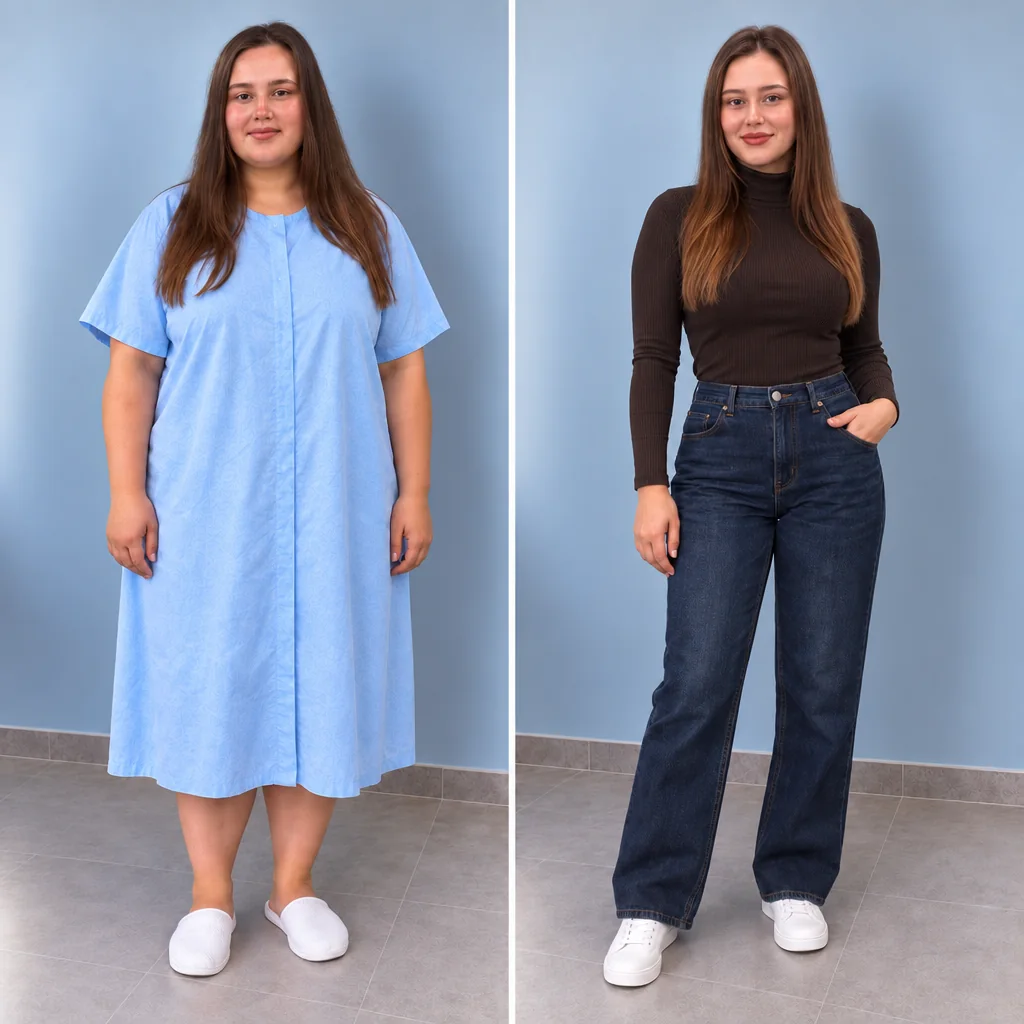
 beforeafter
Irina, 26
Bariatric surgery
Bariatric surgery
$3,600
$4,800 · First consultation — Free
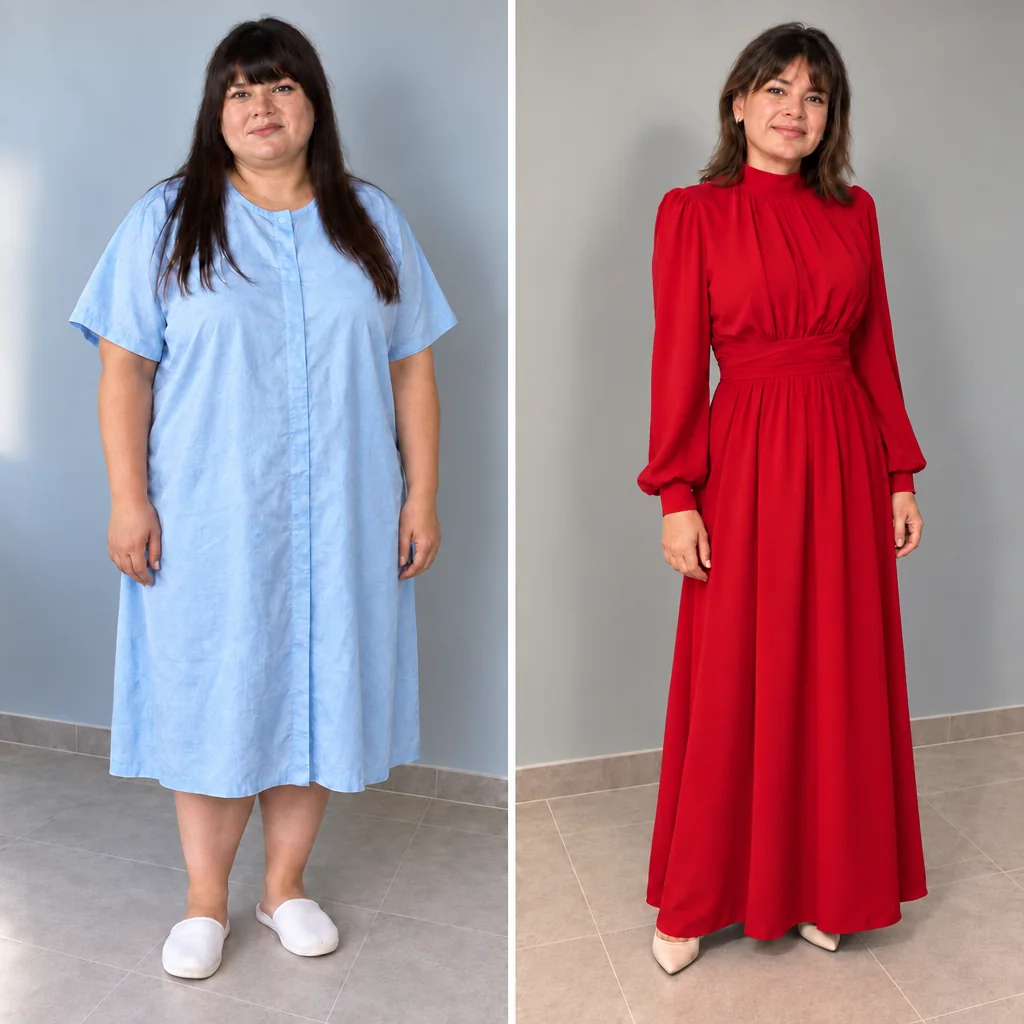 before
after
Message our coordinator
Free online consultation · Reply within 15 minutes
Message us on TelegramMessage us on WhatsAppBy messaging us, you agree to our Privacy Policy
Results
Only real clinic patients appear here.
beforeafterBariatric surgery
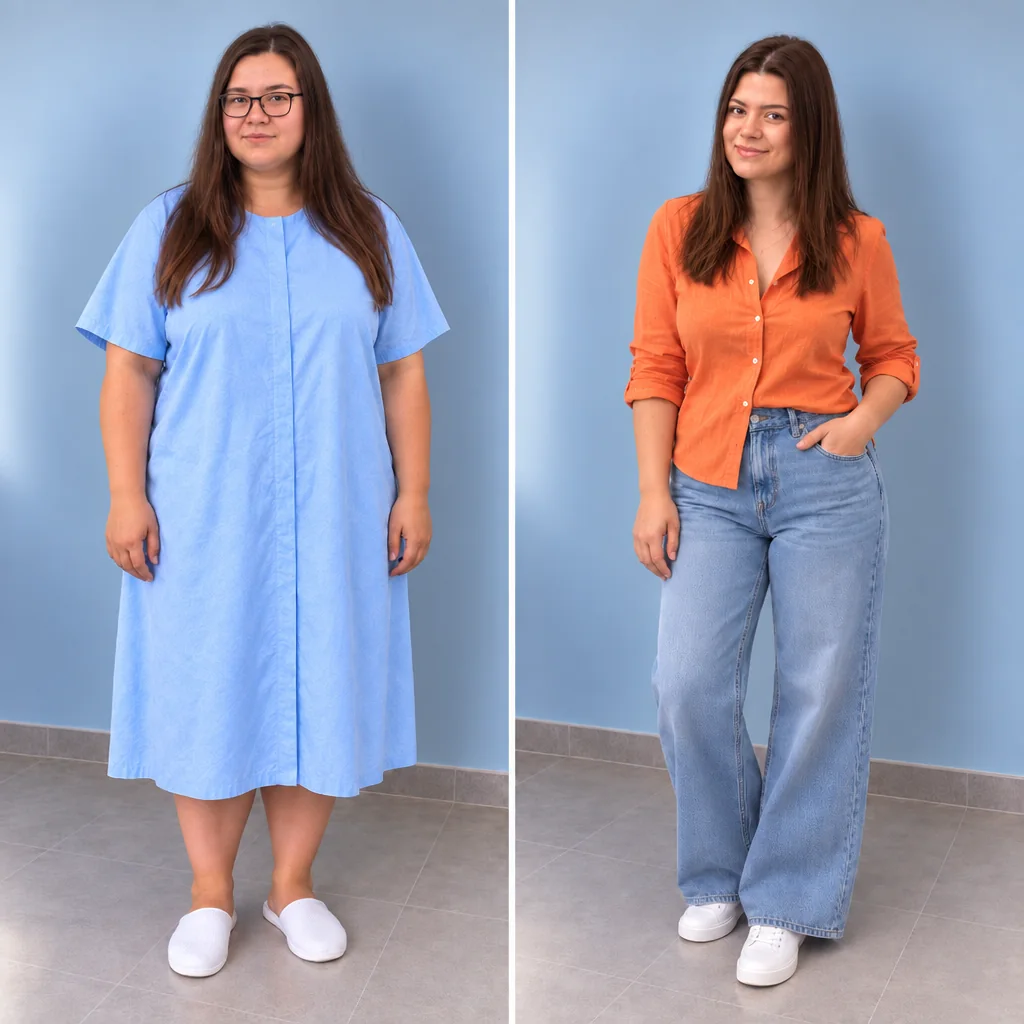 beforeafter
Bariatric surgery
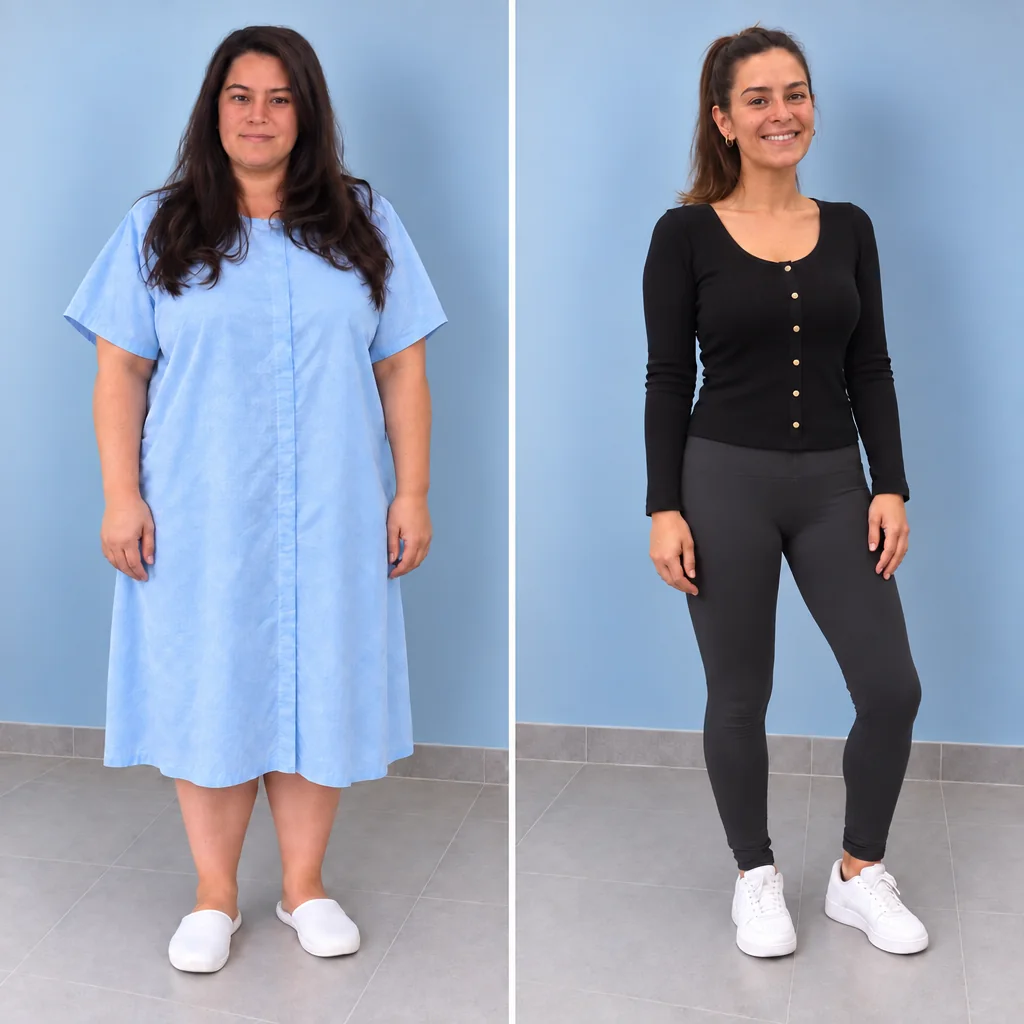 beforeafter
Bariatric surgery
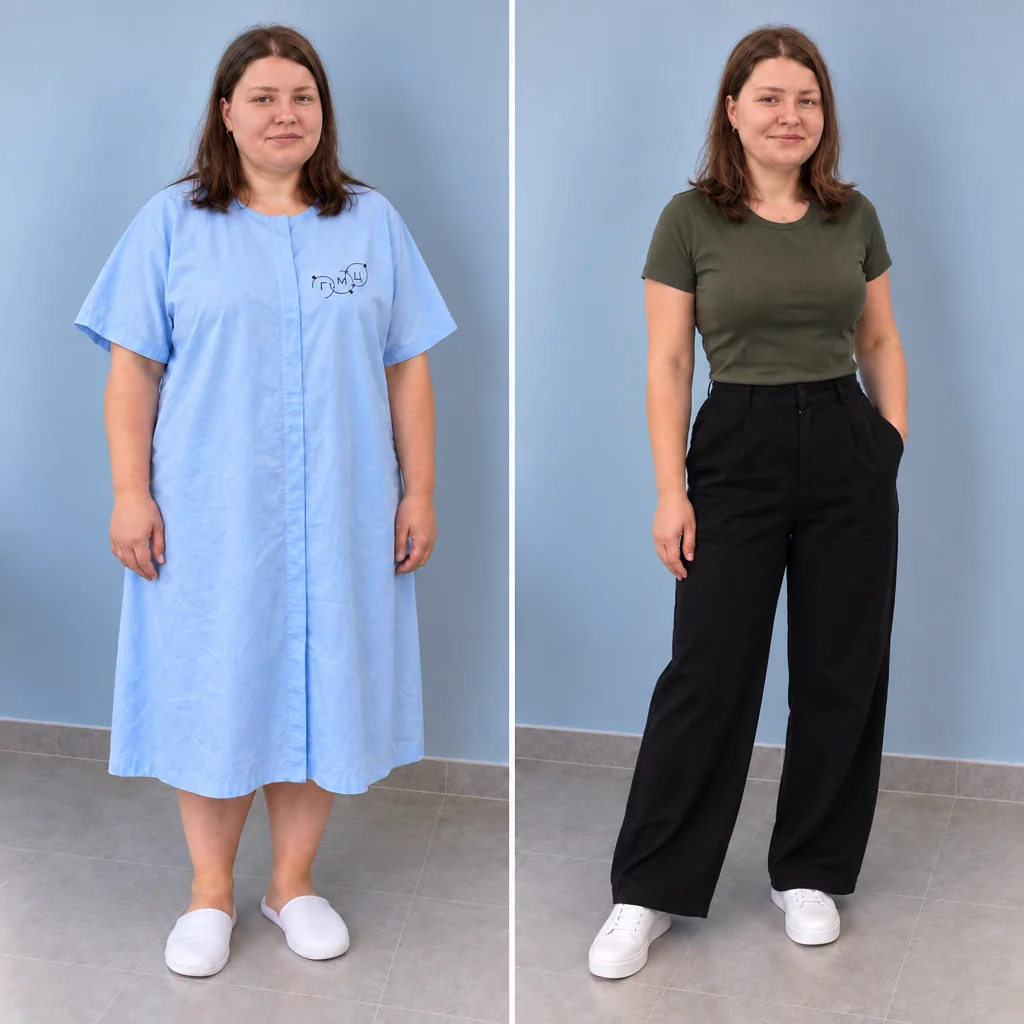 beforeafter
Bariatric surgery
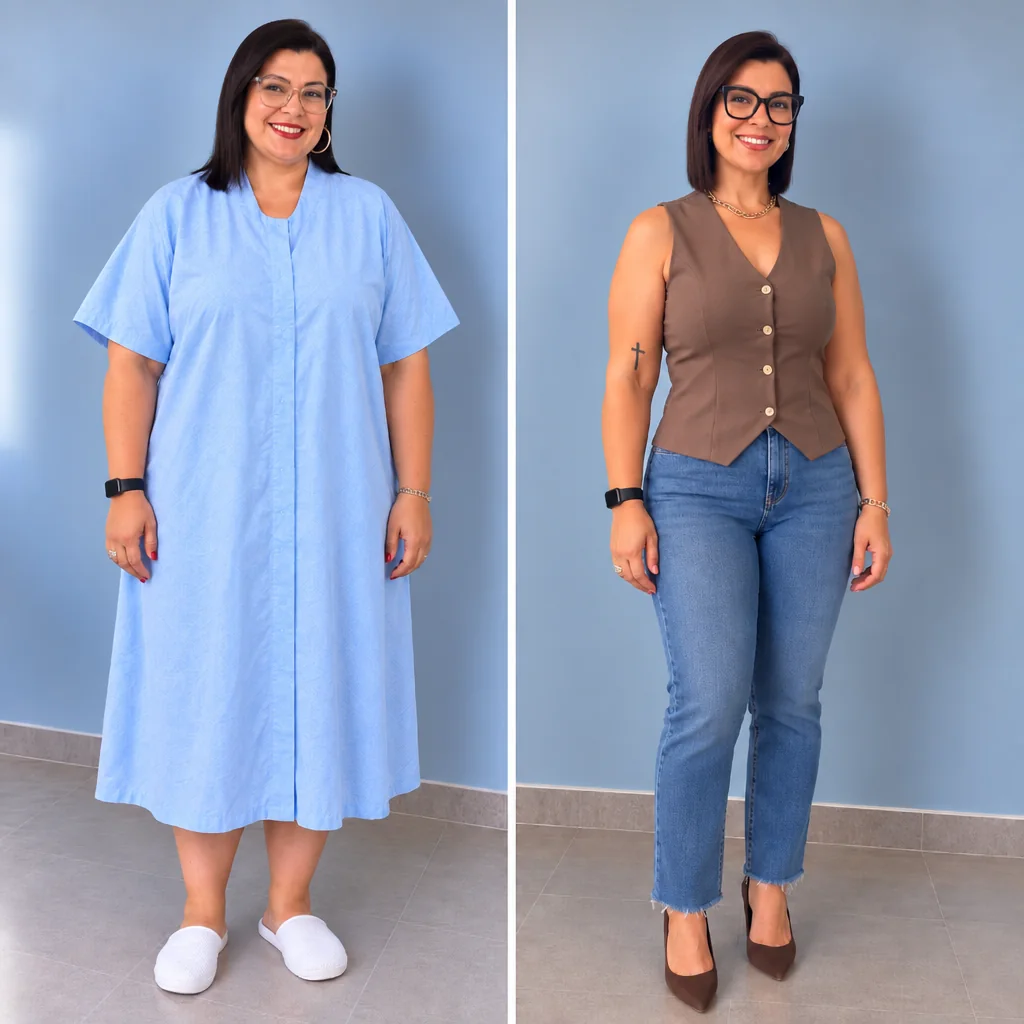 beforeafter
Bariatric surgery
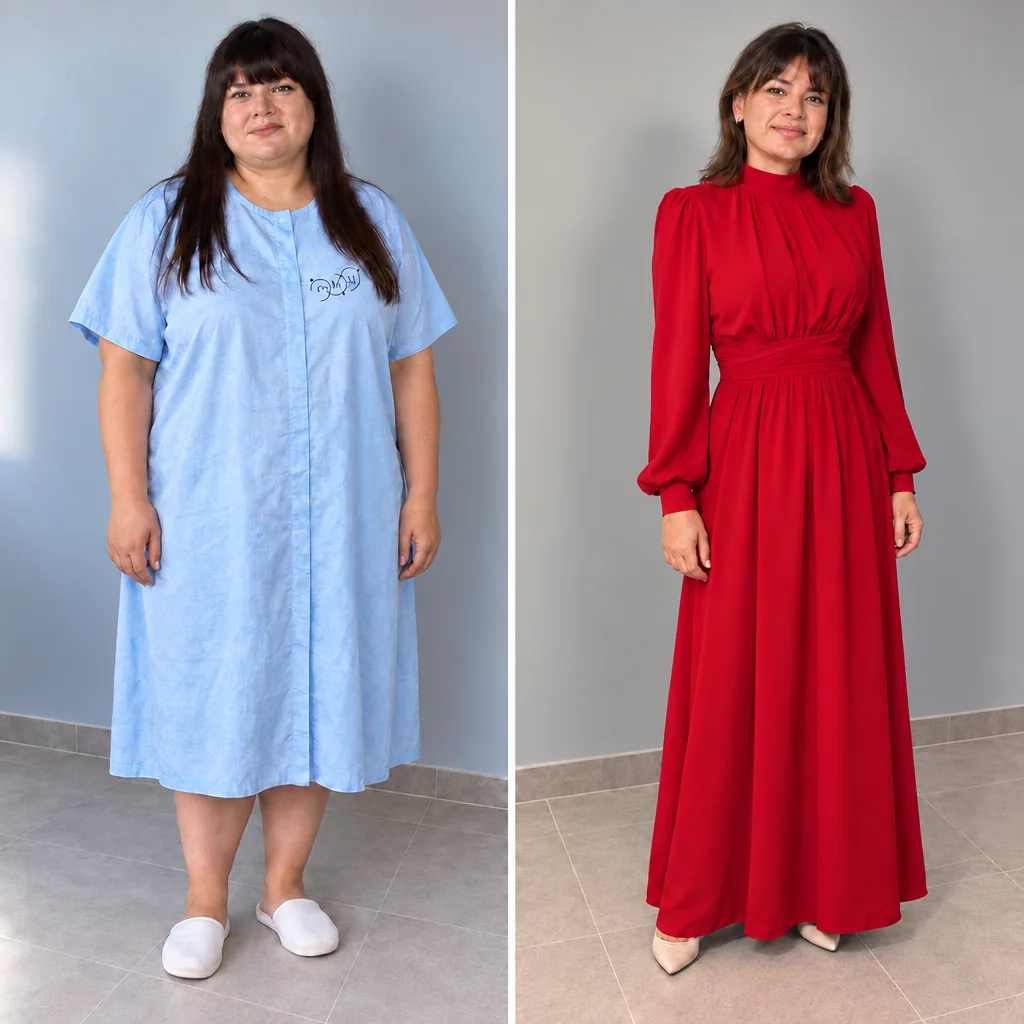 beforeafter
Bariatric surgery
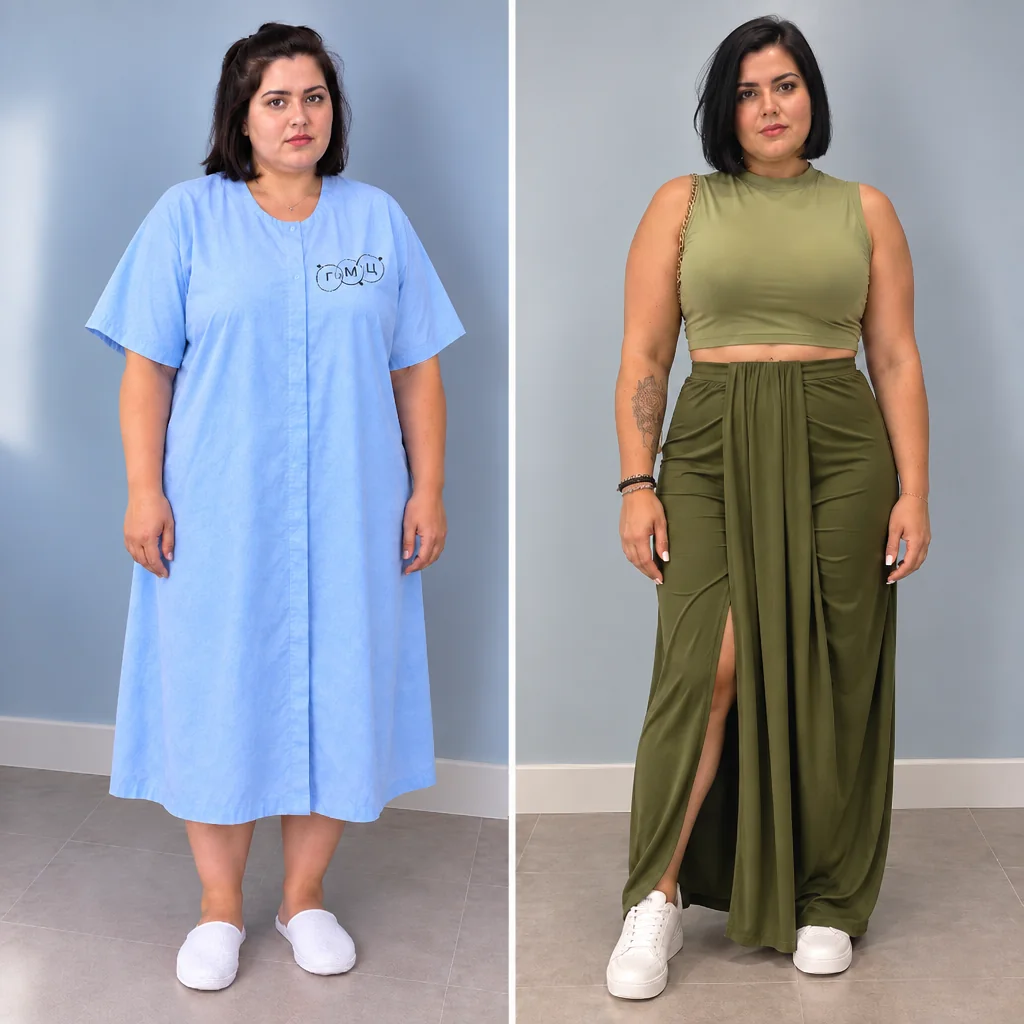 beforeafter
Bariatric surgery
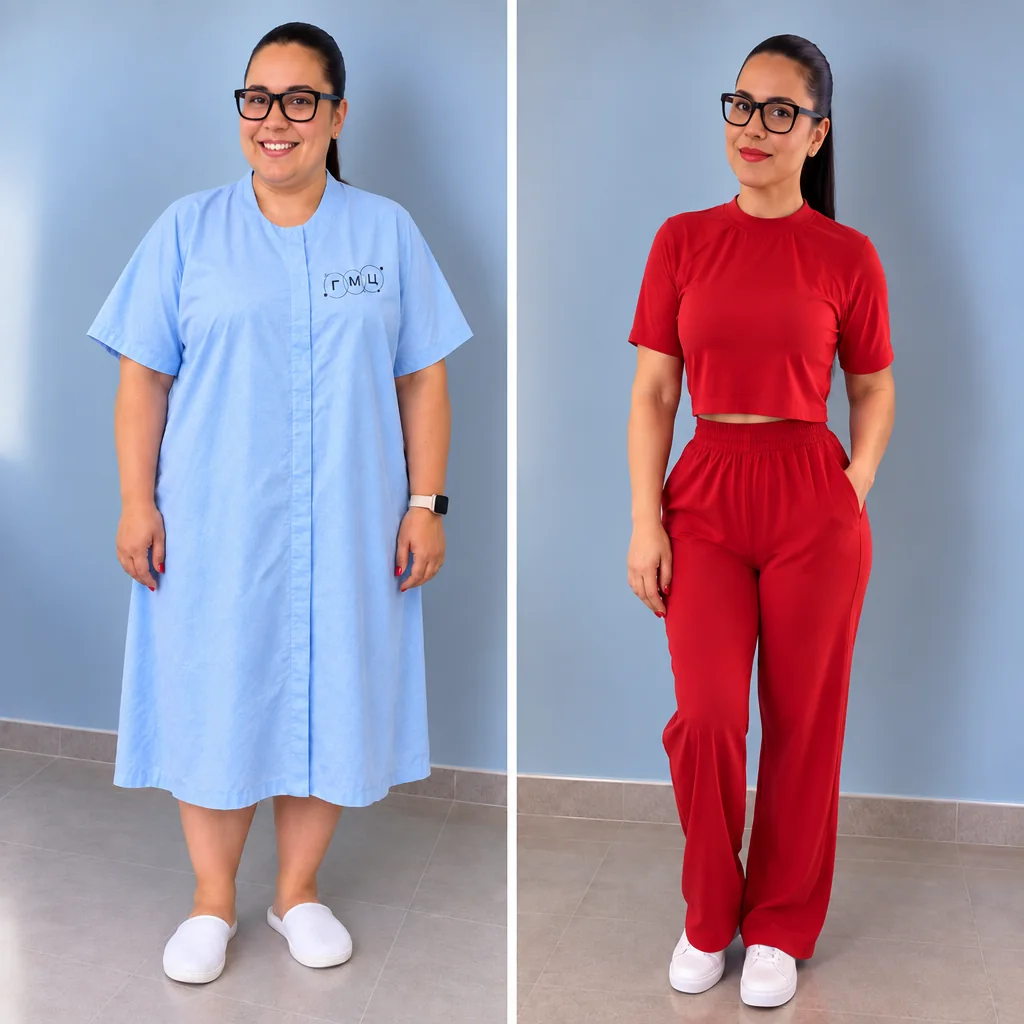 beforeafter
Bariatric surgery
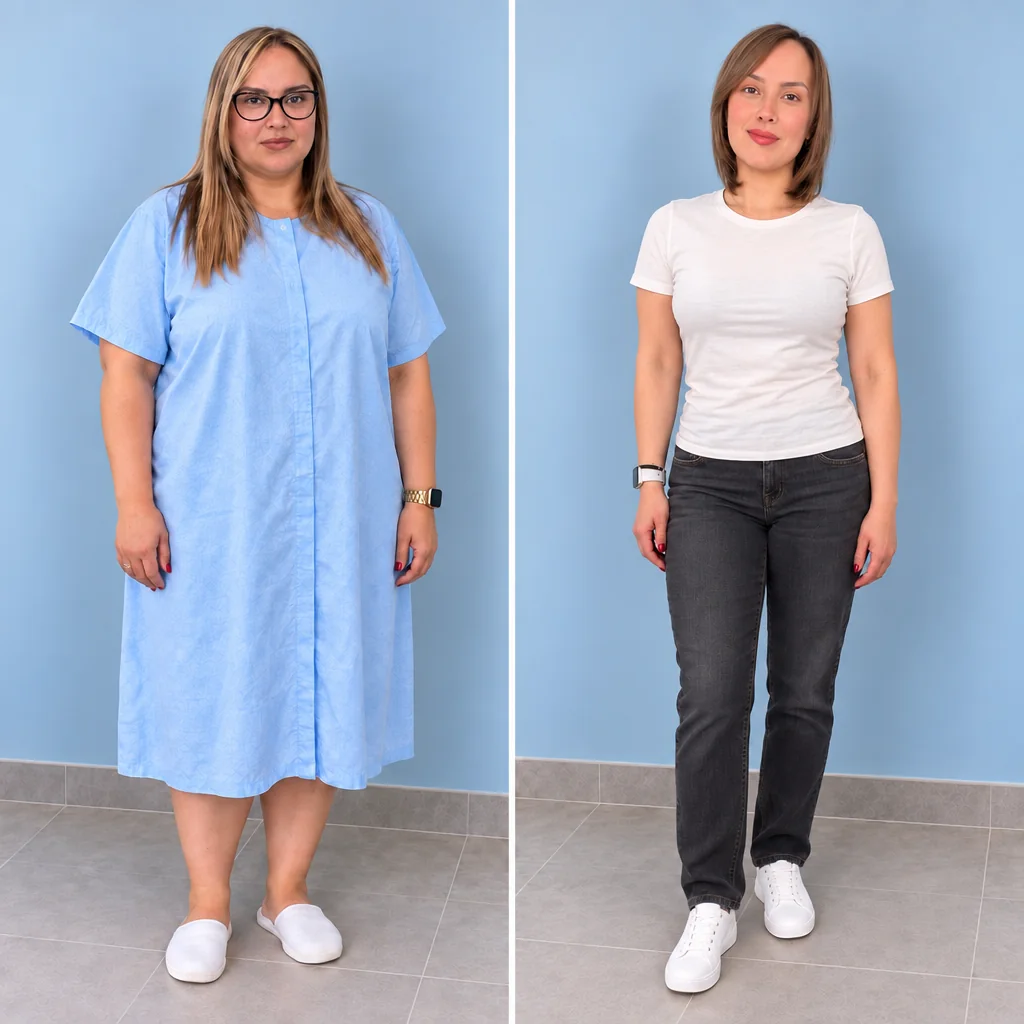 beforeafter
Bariatric surgery
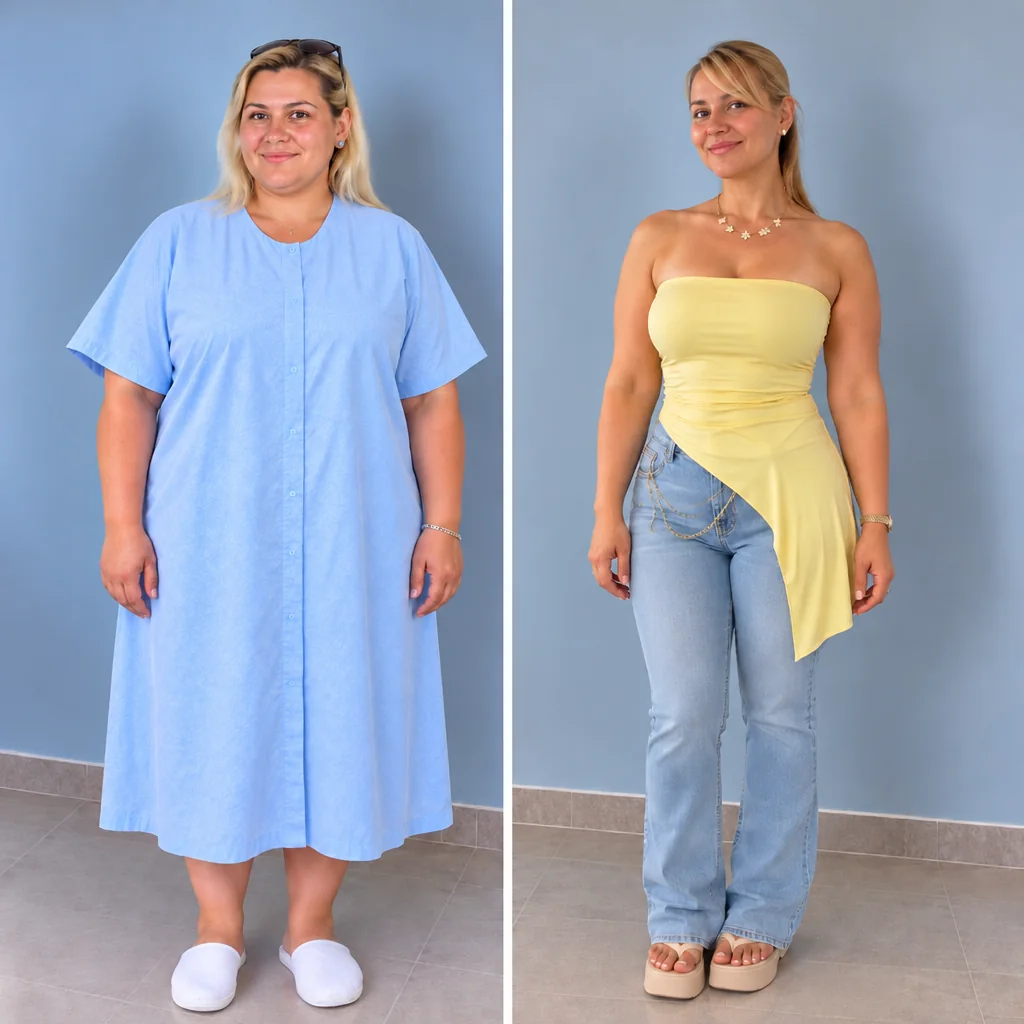 beforeafter
Bariatric surgery
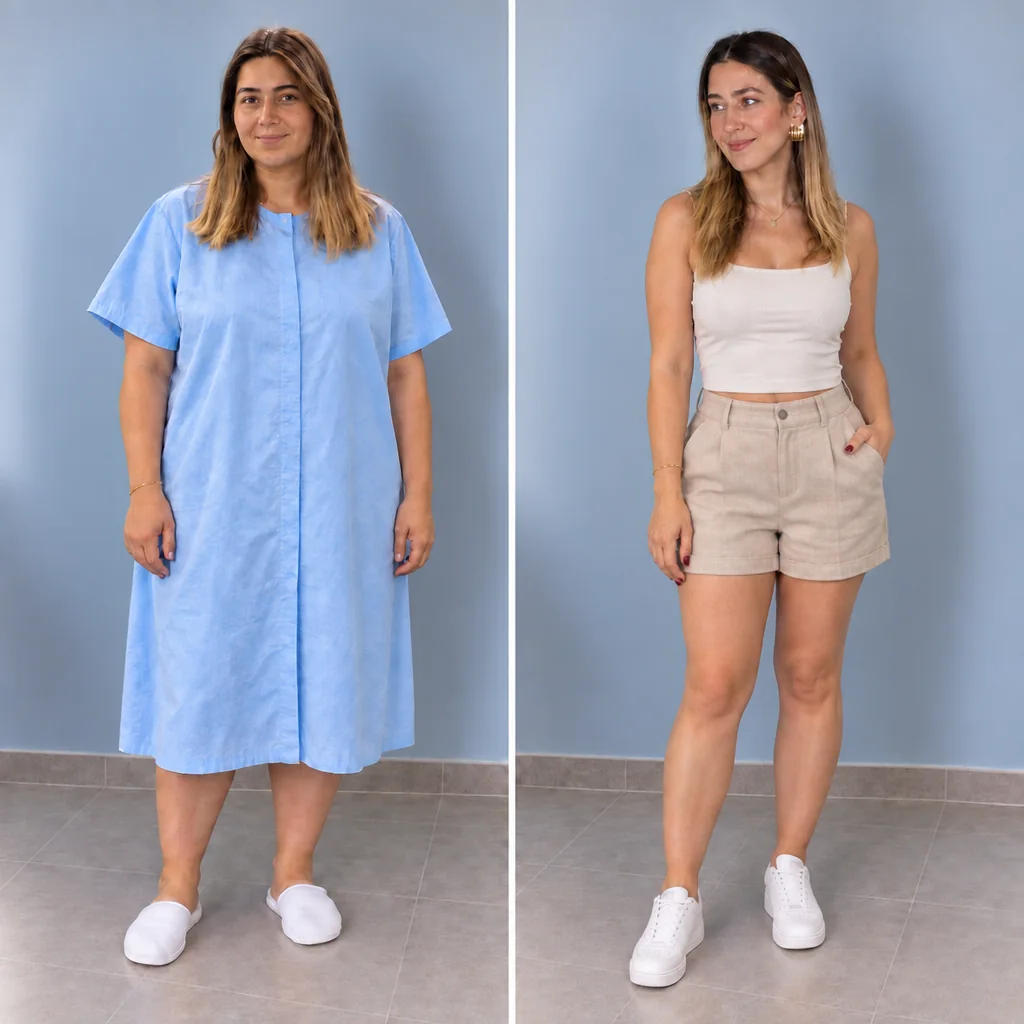 beforeafter
Bariatric surgery
Comparison
Our surgeons perform two key operations — sleeve gastrectomy and gastric bypass. A side-by-side look at how, why and when each is used helps you choose with confidence.
Reduction of stomach volume
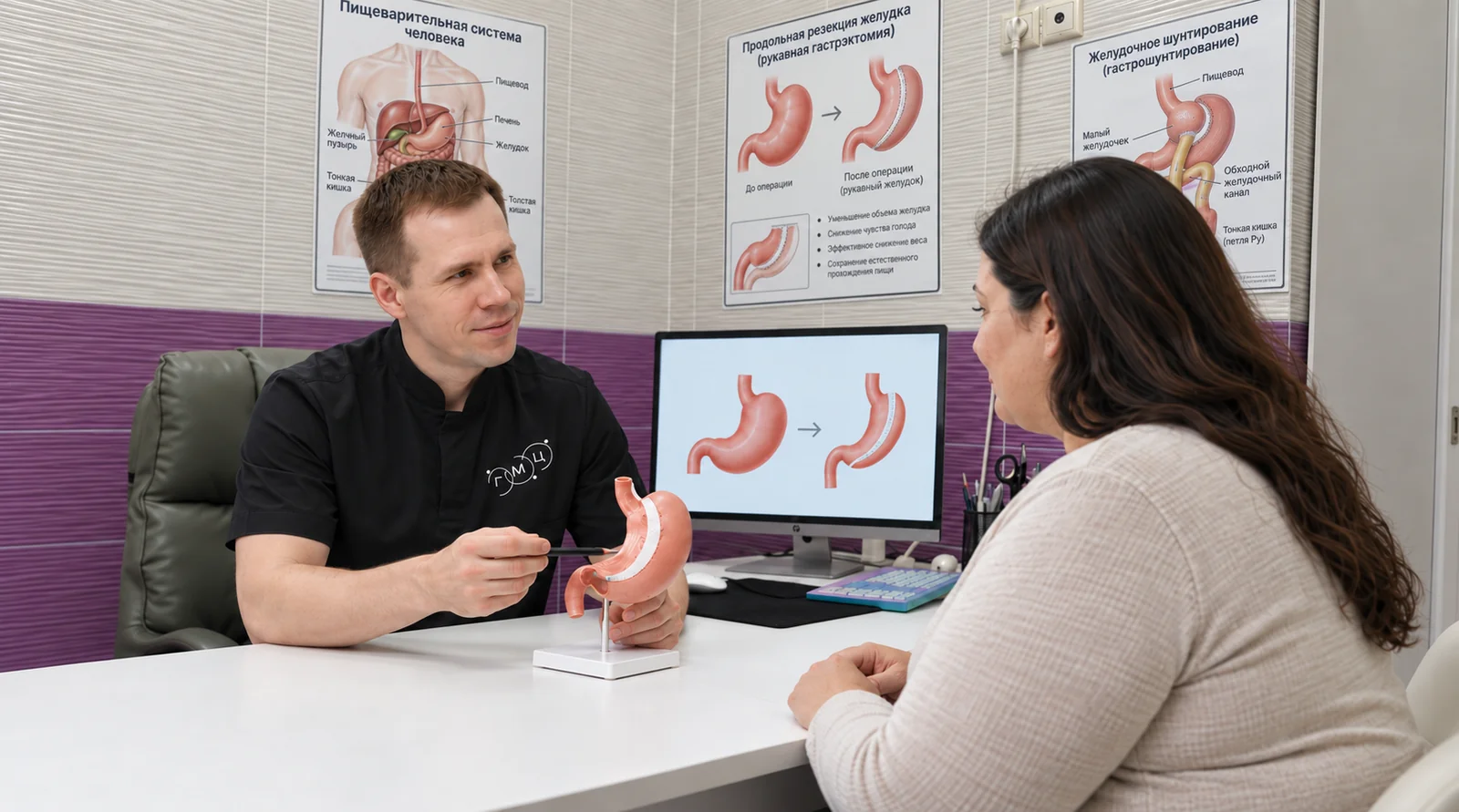
Discounted price
$3,600 $4,800
Stomach volume is reduced and the food path is changed
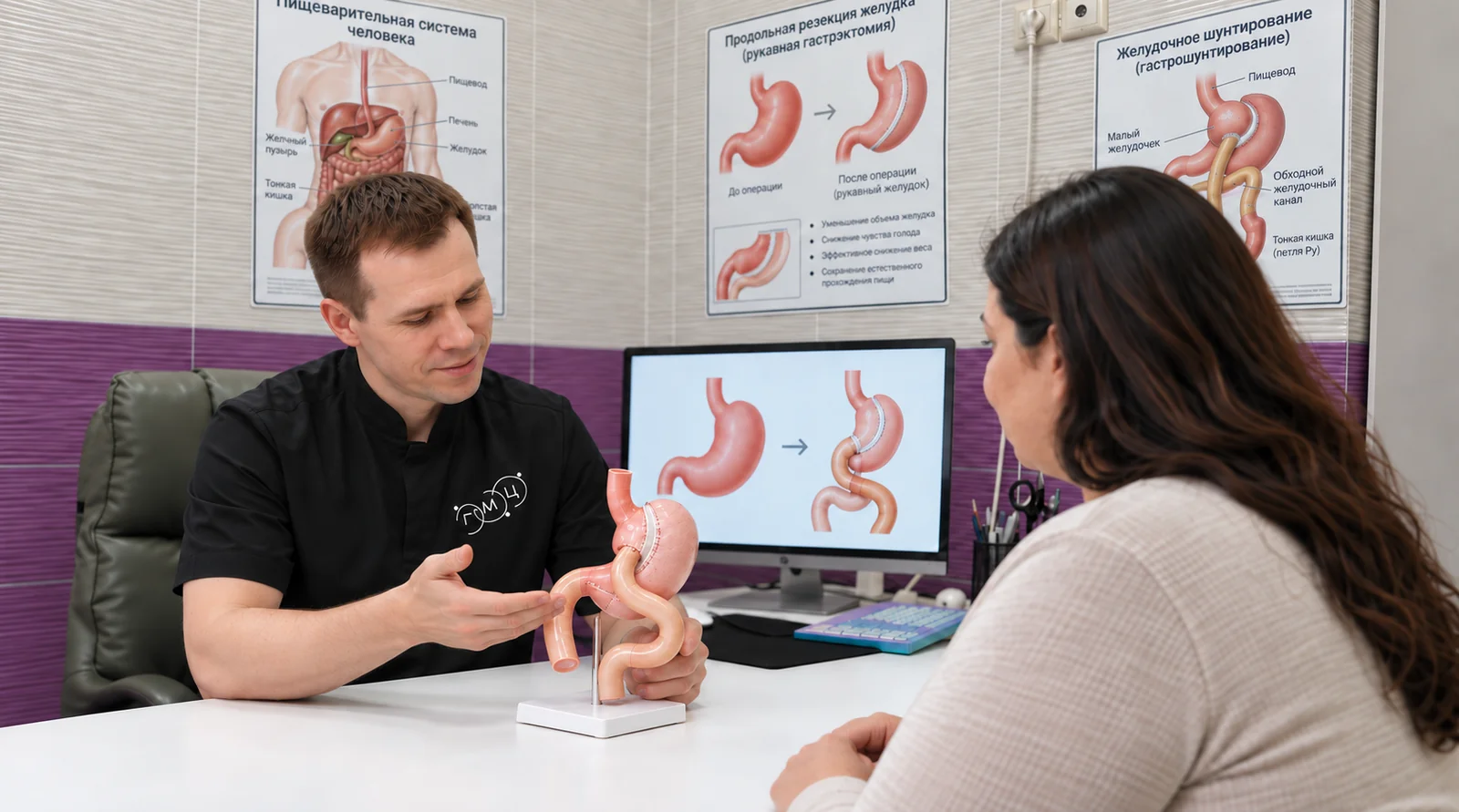
Discounted price
$4,000 $5,200
Recovery times and benefits are averaged for each method and shown for orientation. Your anatomy and individual features shape the extent of surgery and recovery, and the surgeon confirms both at the consultation.
Book a consultationOur clinic
Up-to-date equipment, comfortable rooms and attention to each patient
We will answer your questions and find a convenient time for a consultation
Get a consultationThe decision to operate is taken with the surgeon, following a consultation and a check-up.
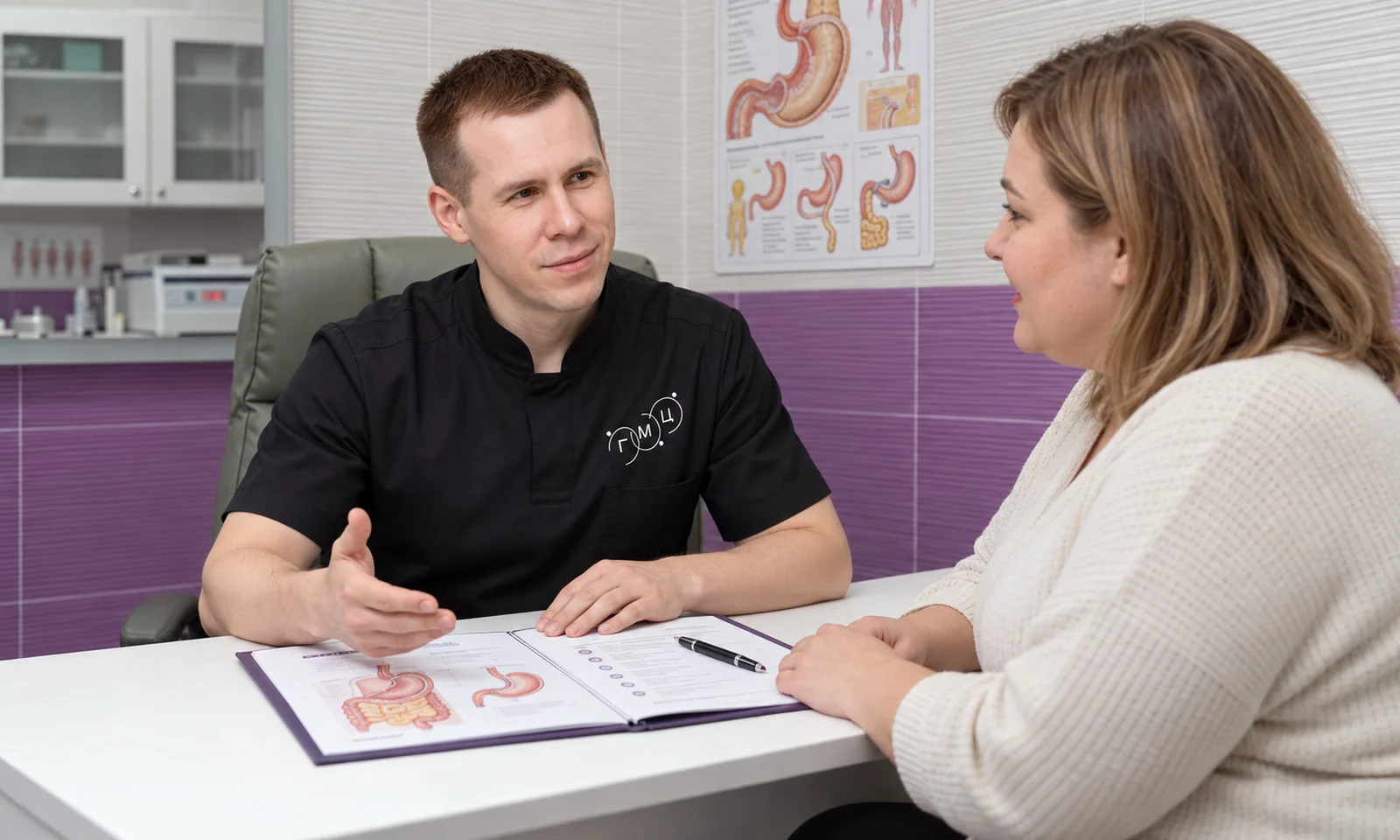
Not sure which column you belong to?
Message us on Telegram — our coordinator will tell you whether bariatric surgery is right for you. The surgeon consultation is free, with no commitment to surgery.
Find out if it suits me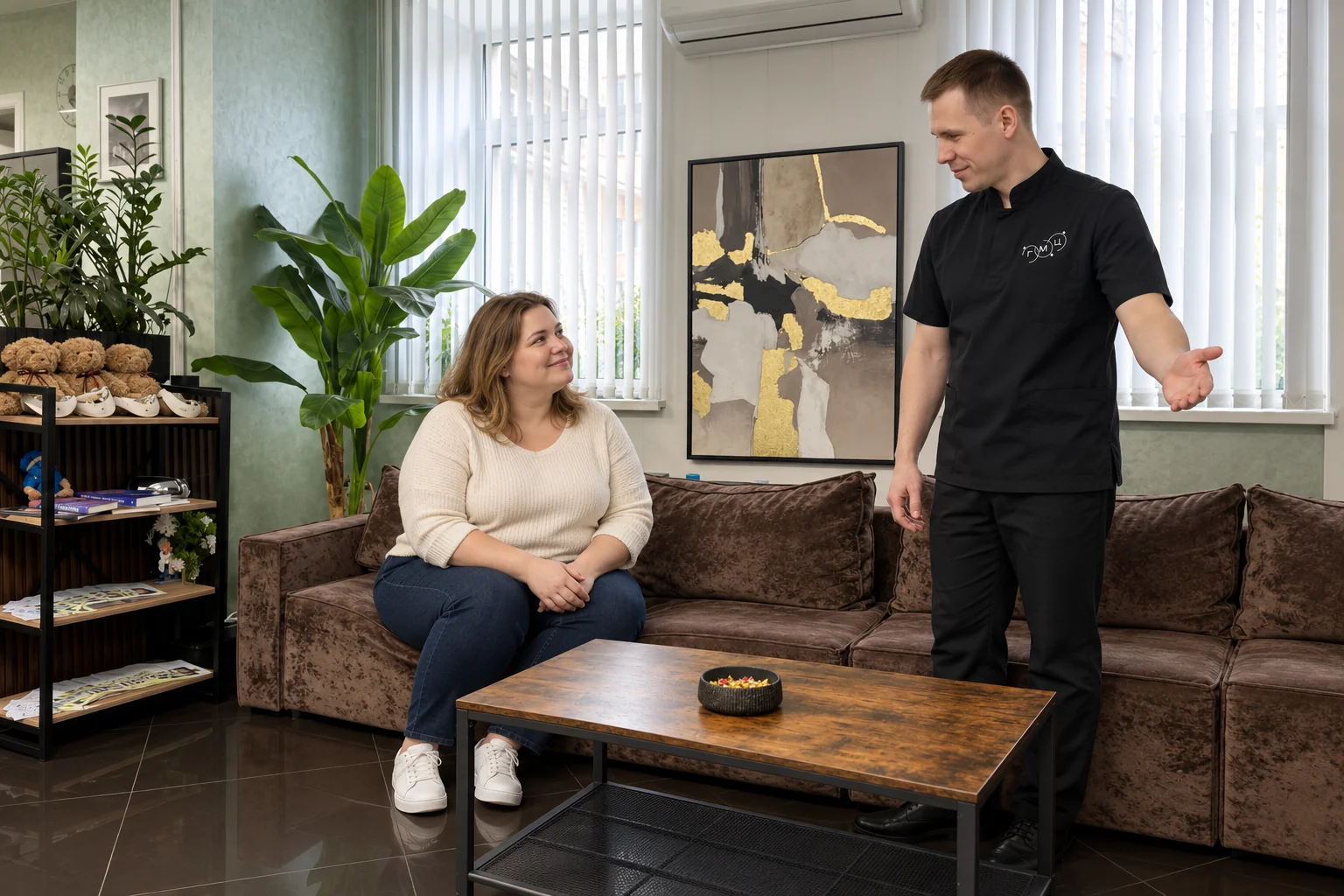
Prices
The price is stated at the consultation as soon as your plan is ready and then fixed in the contract.
Discounted price
Reduction of stomach volume
$3,600$4,800
Discounted price
Weight reduction with rerouting of food
$4,000$5,200
Free
Surgeon's examination and a treatment plan

Free
you are told the cost of surgery
and it is fixed in the contract
After assessing your health and discussing your goals, the doctor picks the right bariatric surgery method. You learn the cost at the consultation, and the contract fixes it.
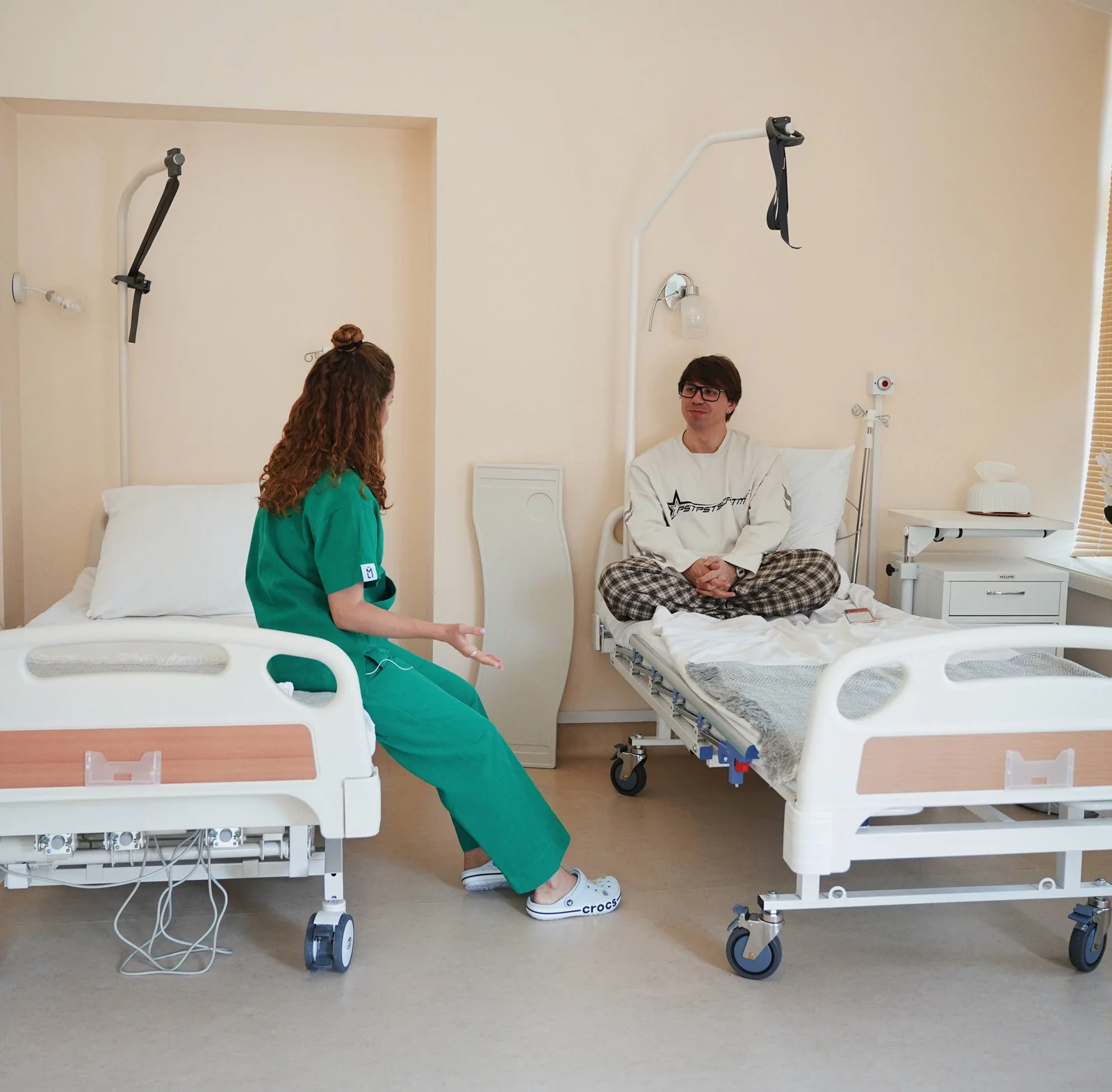
Message our coordinator
Free online consultation · Reply within 15 minutes
Message us on TelegramMessage us on WhatsAppBy messaging us, you agree to our Privacy Policy

price
One package spans preparation through 12 months of support, and there are no hidden extras.Starting with preparation for surgery
and ending with support for 12 months.
The process
A treatment plan agreed with you, hospital monitoring and a year of support.
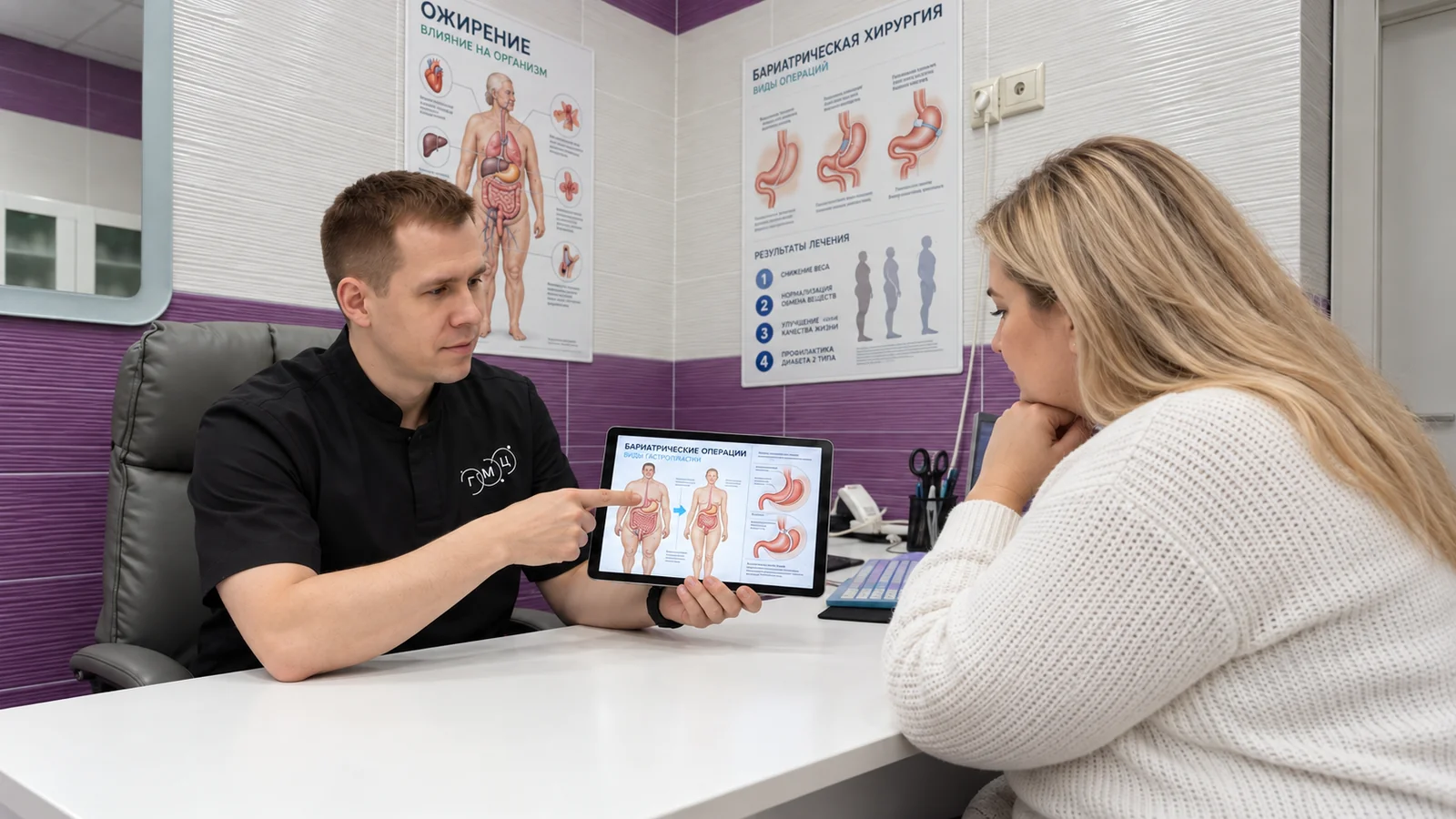 1
To choose the right bariatric surgery method, the doctor assesses your health, discusses your goals and orders the necessary tests.
2Your surgery date is reserved once the deposit is paid — by card at the clinic or by online bank transfer. The contract for medical services fixes the terms
 3
Before the operation you have blood and urine tests, an ECG, an ultrasound and a gastroscopy, and see specialists. The doctor gives you the exact list at the consultation.
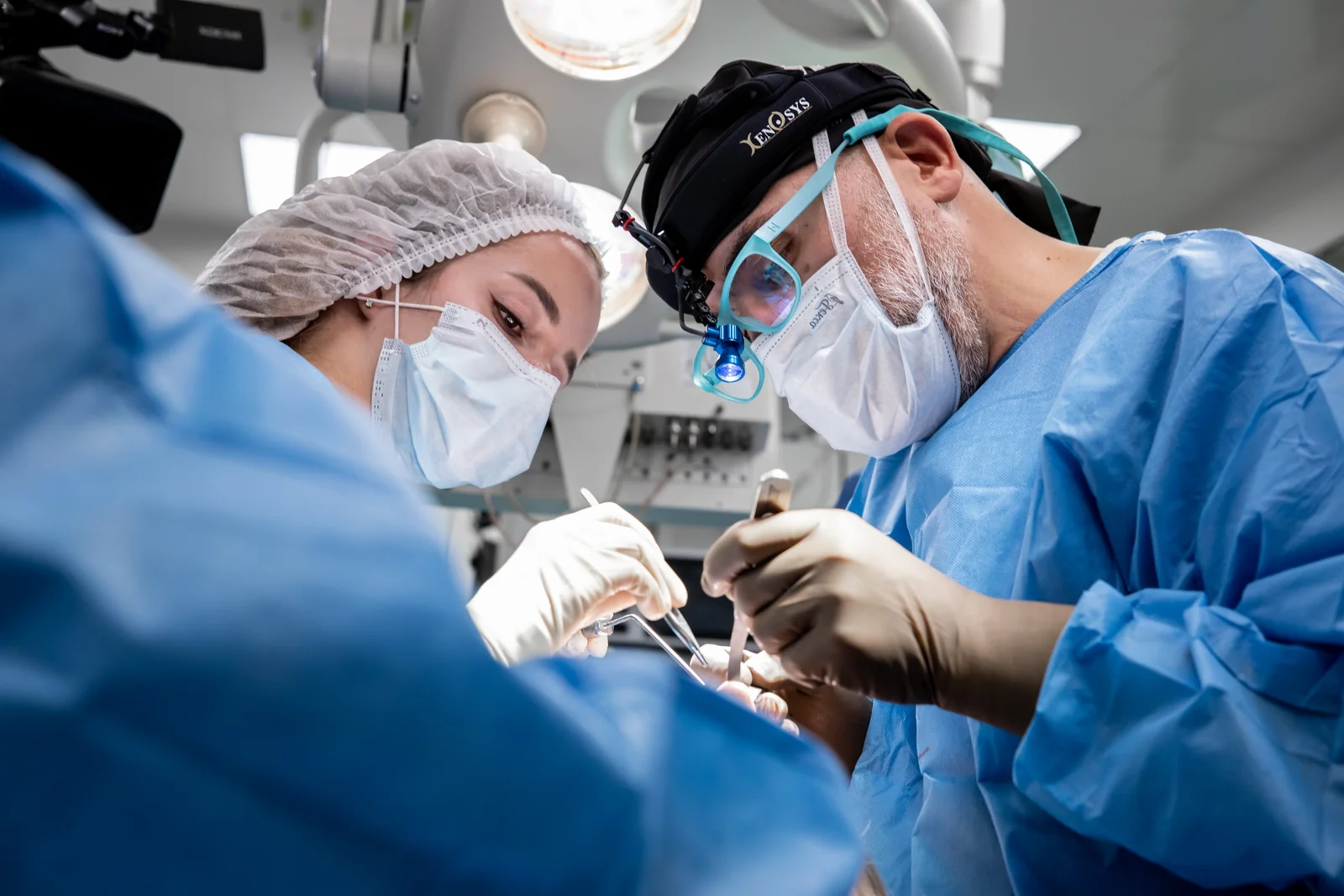 4
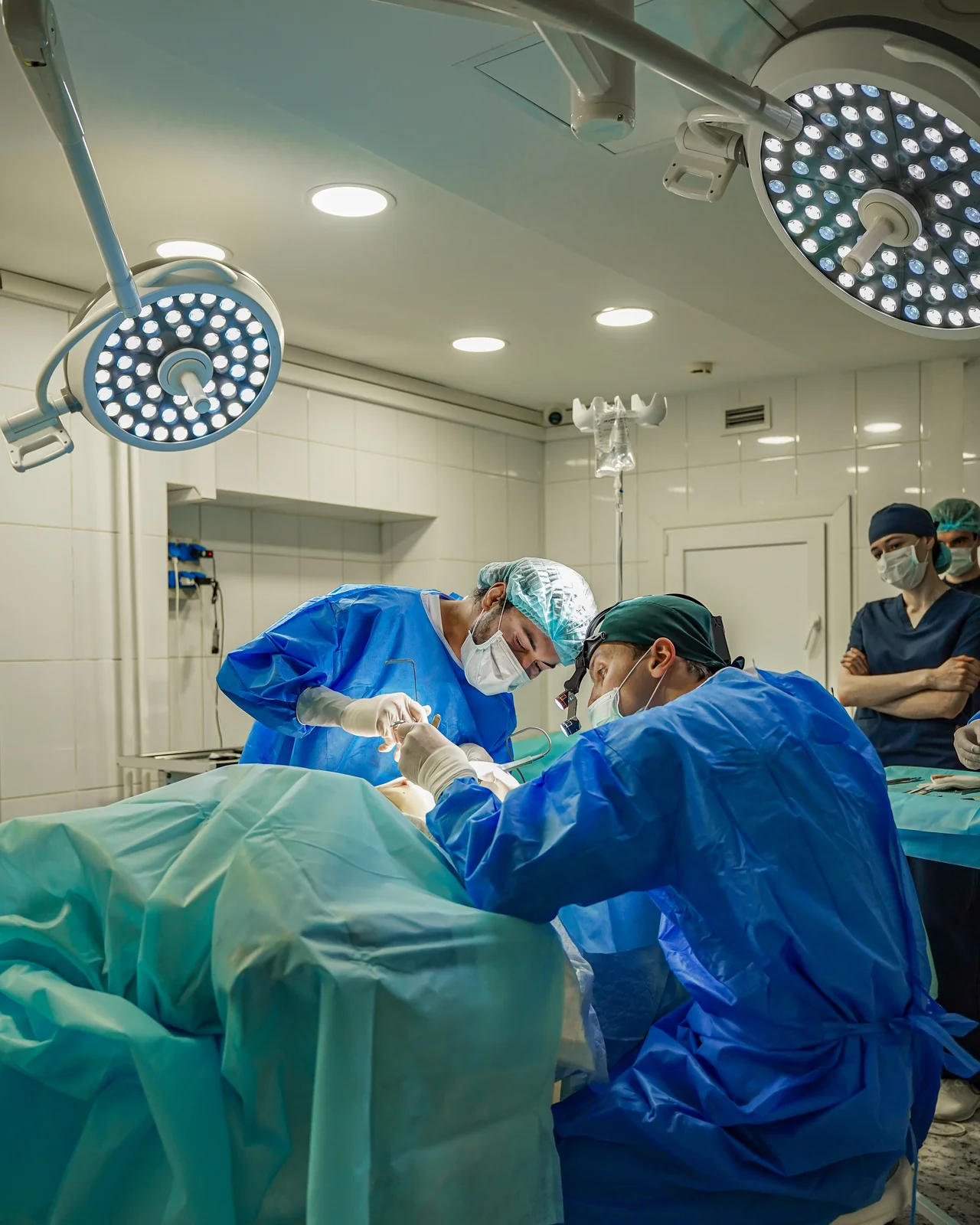
The surgeon performs the bariatric procedure by the chosen method under general anaesthesia, and the medical team then monitors the patient after surgery.
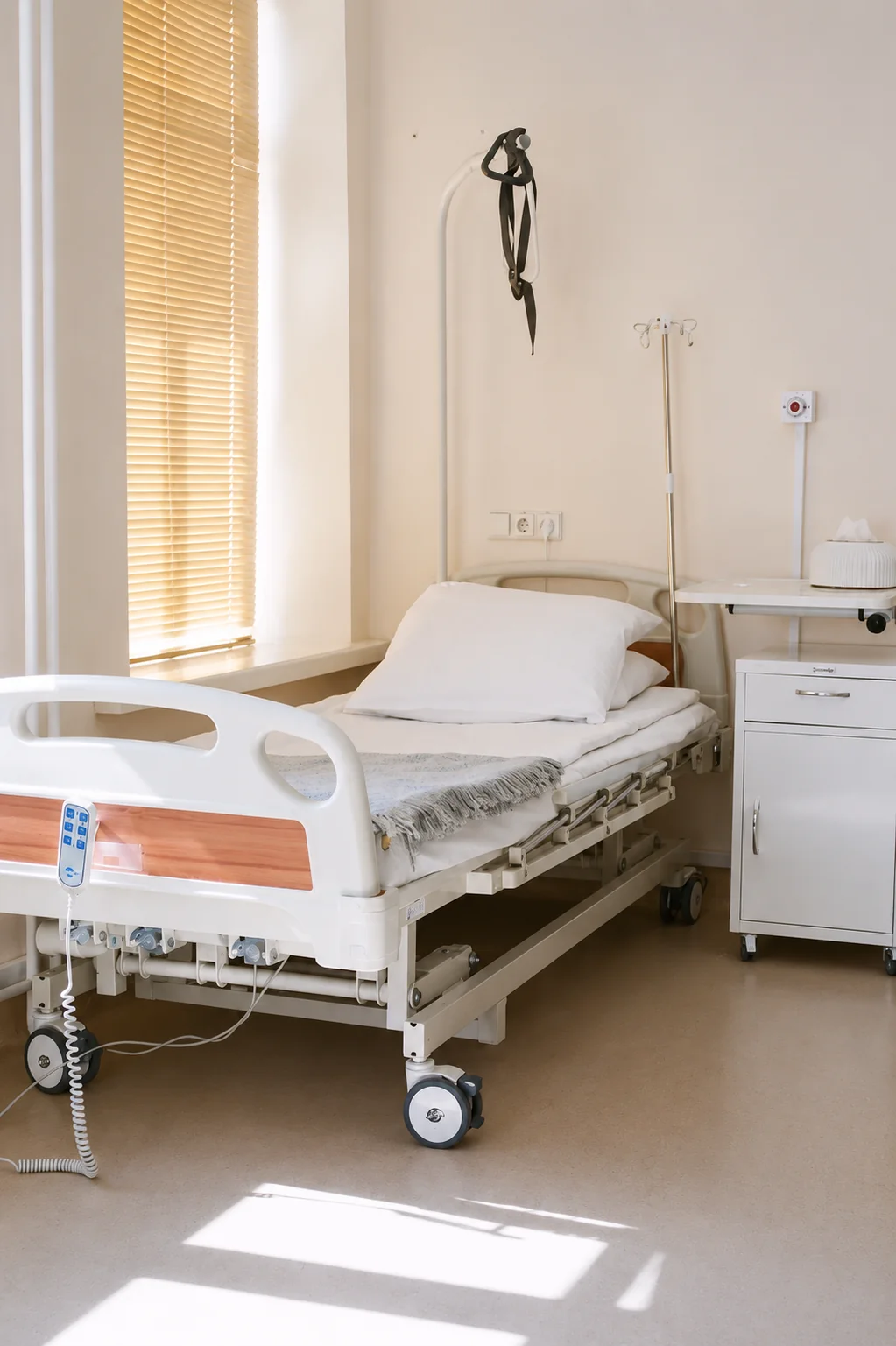 5
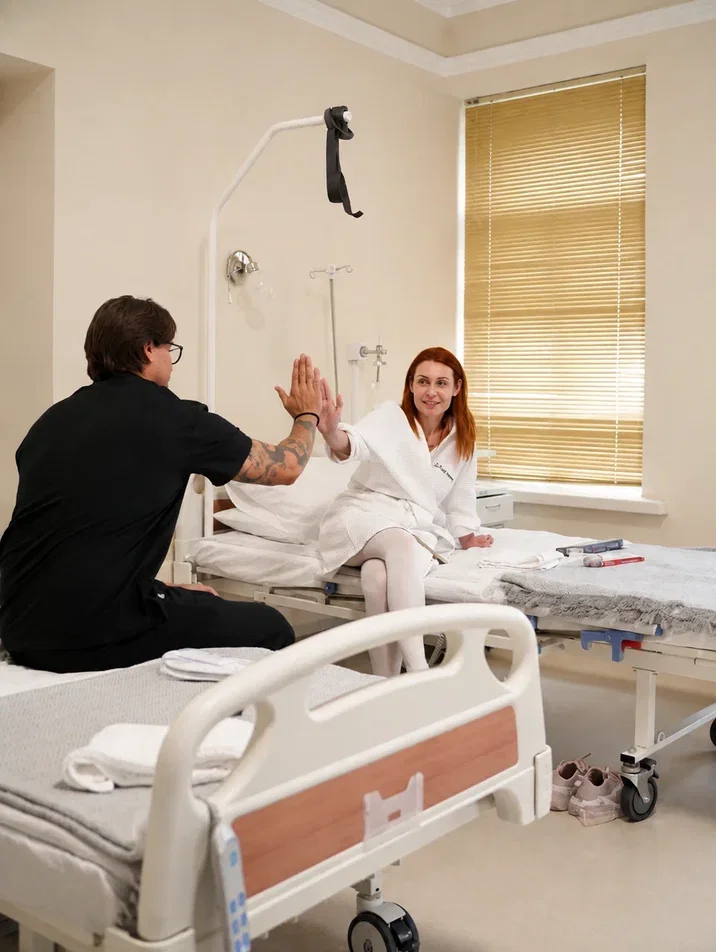
You stay in hospital under doctors' supervision after surgery; the stay runs from 1–3 to 4–5 days, depending on the operation's complexity and how you feel.
 6
Scheduled check-ups after discharge follow your well-being, weight and test results, alongside advice on diet and recovery. For a year, the clinic team supports you.
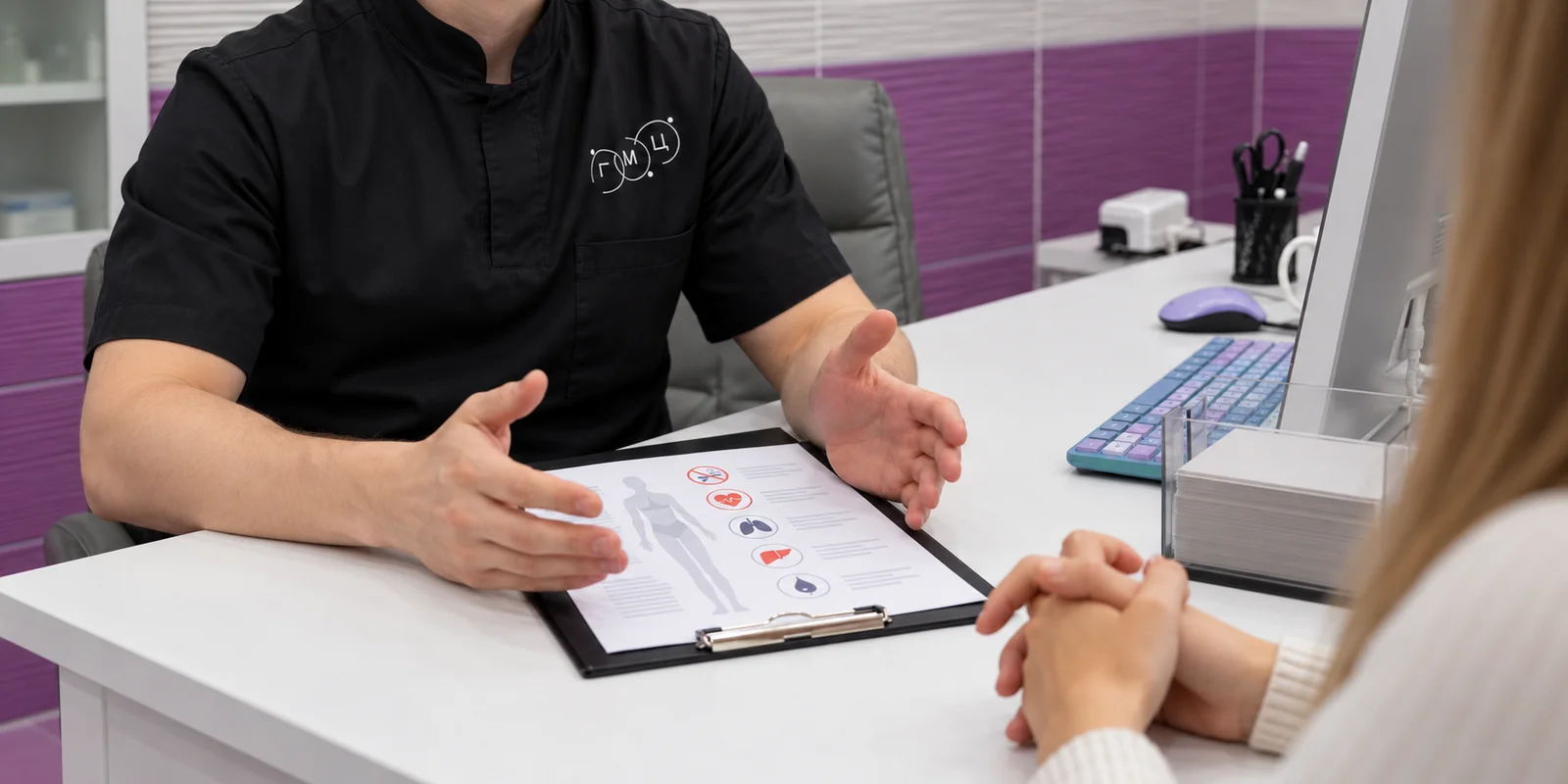
The doctor draws up a plan at the consultation and explains how the surgery will go
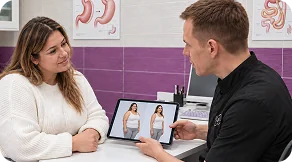
There is no fee for the consultation, is held before surgery and carries no obligation.
Book a consultationDoctors
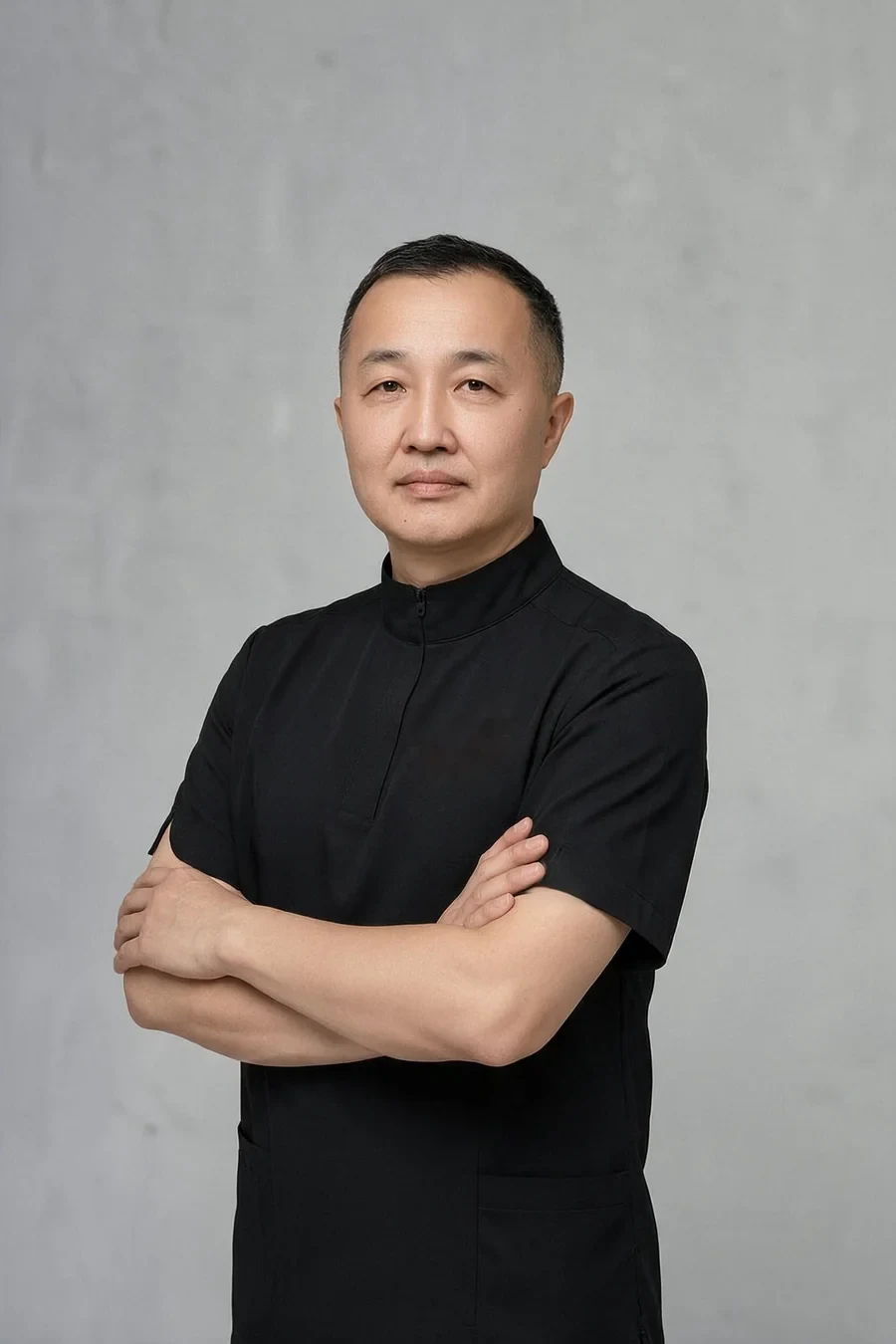
27 years of experience
Leading bariatric surgeon
Surgeon
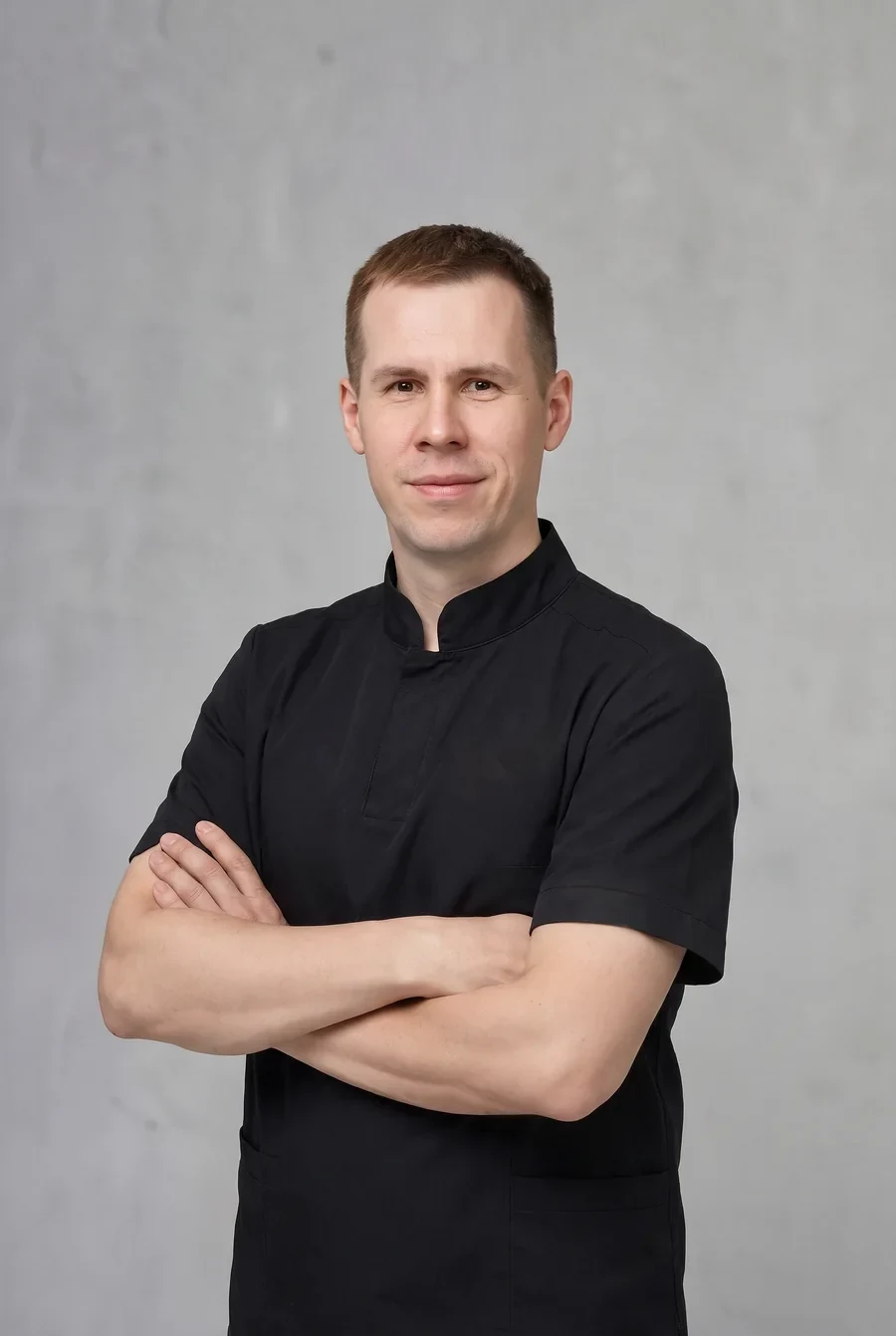
9 years of experience
Bariatric surgeon
Surgical oncologist
Your surgeon does the operation and follows your progress from the first consultation to the result.
Your first consultation is with our patient care manager, who calculates your BMI, explains the methods and books you in with the surgeon. It is free of charge.
Book a consultationCoordinators
You have our support at every step

First contact at the clinic for you — from your first message through to the consultation
Specialist in patient care
Handles your questions before the first consultation and helps you choose a convenient date

Accompanies you before and during your stay, from booking to discharge
Specialist in patient care
Helps you prepare for the operation and stays in touch while you are at the clinic

With you all through recovery, from discharge to the final check-up
Specialist in patient care
Keeps in contact throughout recovery and arranges your follow-up visits with the surgeon
Advantages
The method we choose is the best one for your health, lifestyle and goals — and our team stays with you throughout.
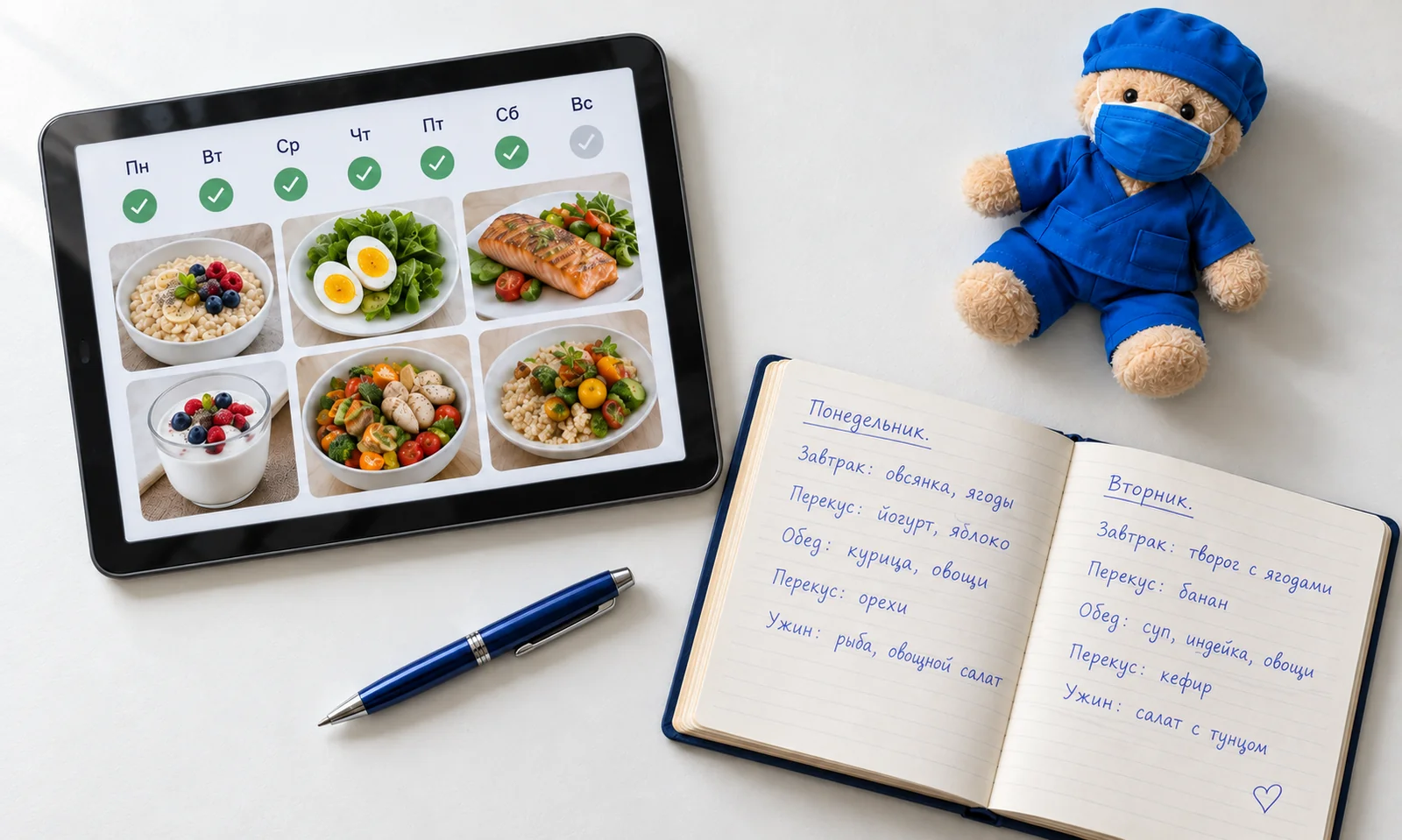
Our help covers adapting to new eating habits, tracking your results and maintaining them.
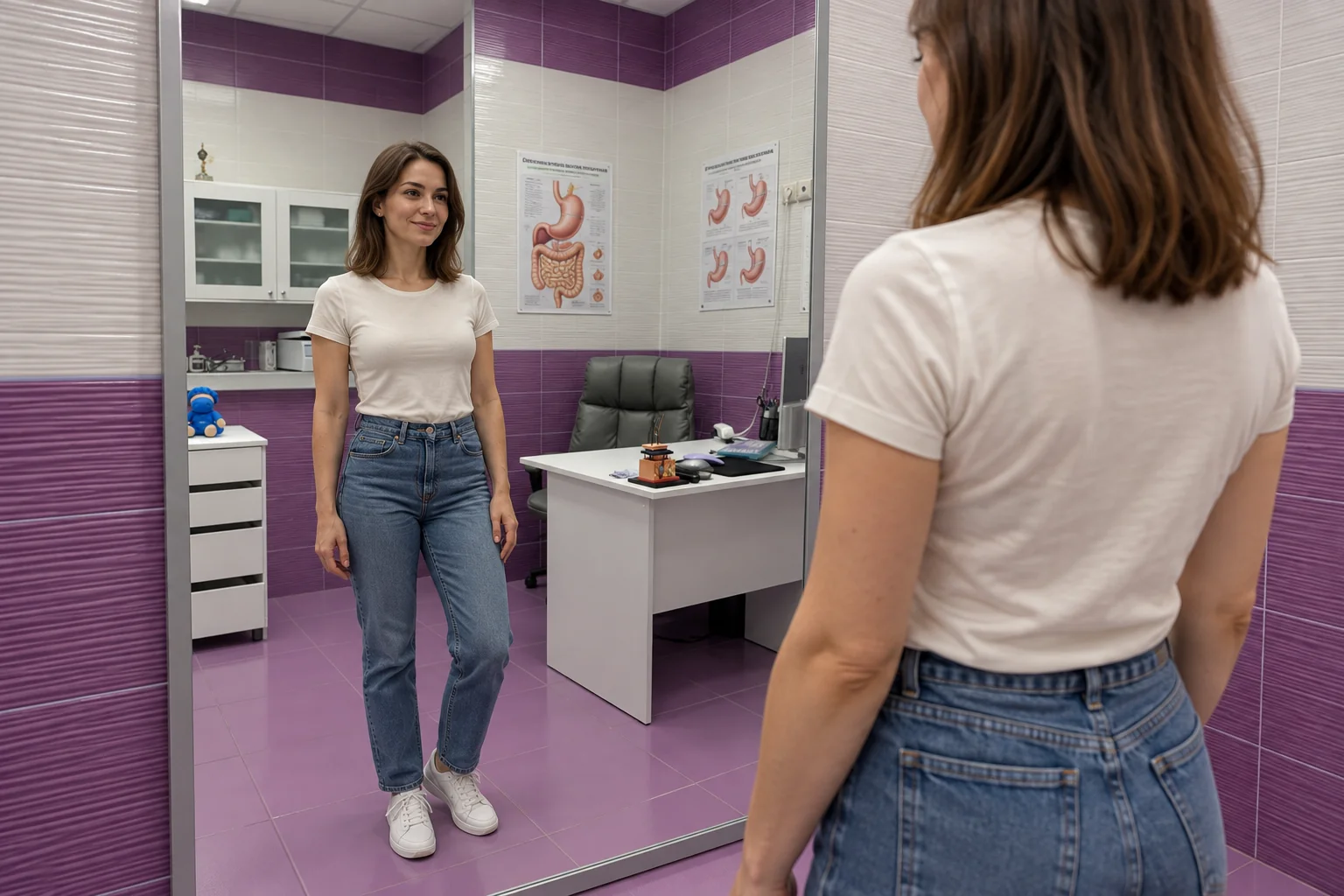
Better well-being, a higher quality of life and steady weight loss.

We adapt to your pace and respect your time — easy booking, a personal approach and open 24/7.
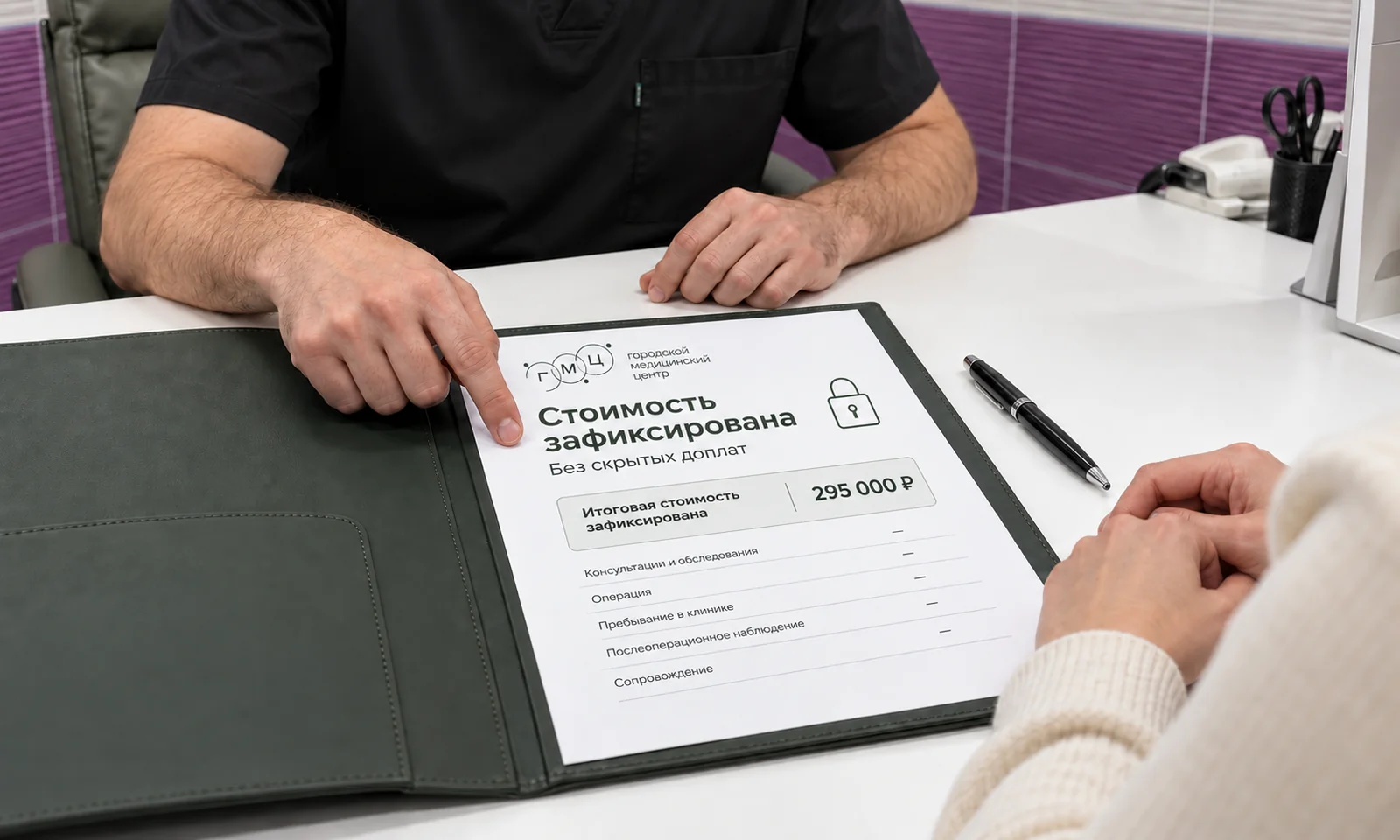
After your consultation, the method is chosen by the surgeon and the price is made clear — no hidden fees and no surprises before your result.
FAQ
At the clinic, experienced bariatric surgeons perform the bariatric operations:
Write to us and our coordinator will respond shortly and book you in for a consultation. The consultation with the bariatric surgeon is free.
Surgery is prescribed only when clear criteria are met
BMI is the key measure used to assess how severe obesity is. You get it by dividing body weight (kg) by height squared (m²). Surgery is generally justified at a BMI above 40, or above 35 when serious related conditions are present. Sometimes it is also considered at lower values — when non-surgical methods have not worked.
The two are often confused, yet their goals differ fundamentally. Bariatric surgery is a medical treatment for obesity and its related diseases. It alters how the digestive tract works, tackling the causes of excess weight and metabolism. Plastic surgery changes the body's outer contours; it neither treats obesity nor affects metabolism.
City Medical Centre offers four main types of bariatric surgery: sleeve gastrectomy, Roux-en-Y gastric bypass, mini gastric bypass (MGB) and SADI-S duodeno-ileal bypass. The method is chosen individually according to BMI, related conditions and the patient's goals.
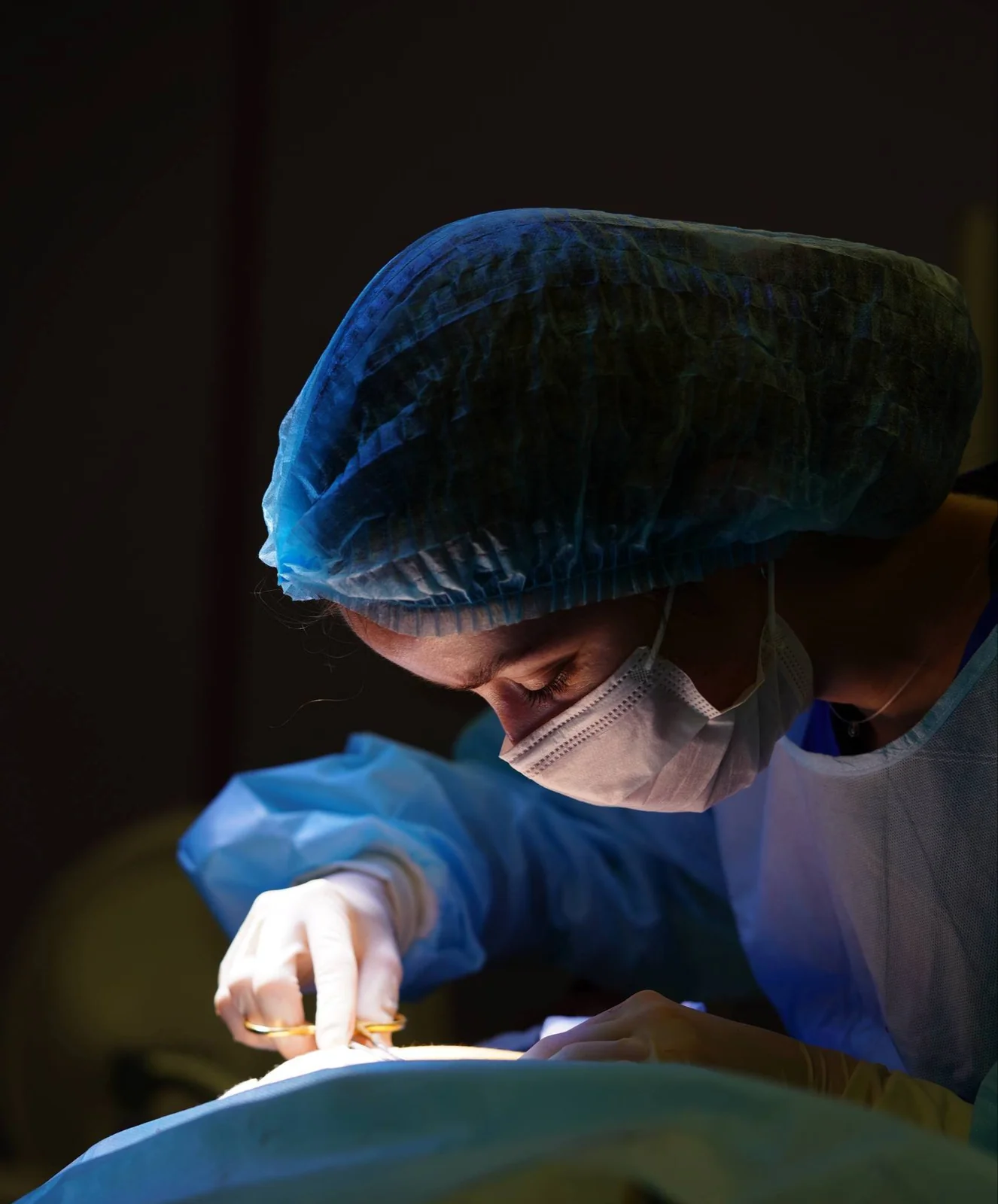
Our surgeons use modern laparoscopic technique: the operation goes through 4 small 5 to 15 mm punctures. With cosmetic sutures, the marks become almost invisible once healed.
Recovery depends on what you plan to do. Office work: after 2–4 weeks. Physical work: after 1.5 months. Sport and activity: swimming after 30 days, other exercise phased in as weight drops. Travel and holidays: preferably not earlier than one month after surgery.
Your meals progress in stages: liquid food, soft food, then solid. The stress is on protein and on reducing high-calorie, fatty food.
Pregnancy after bariatric surgery is possible, but doctors advise waiting at least 12–18 months. During this time the body stabilizes, weight reaches target values and nutritional status normalizes.
Yes, vitamins after bariatric surgery are necessary. The body absorbs certain nutrients less well due to the changed digestive anatomy, so regular vitamin and mineral supplements become a permanent part of the patient's life.
Weight can be regained after bariatric surgery, but this is very unlikely with the doctor's advice followed. Proper nutrition, avoiding high-calorie drinks and regular follow-up with City Medical Centre specialists are crucial.
Prices are in US dollars; the amount in brackets is an approximate conversion to TZS at the rate of 02.10.2026. The final price is fixed in your contract.
Prices start from $3,600 (≈ TZS 9,600,000). The surgeon sets the final price at the free consultation, and it is fixed in the contract, with no hidden extras.
General anaesthesia, a personal coordinator from day one, monitoring in the hospital and support for one year.
The hospital stay is 1–5 days, depending on the method and how you feel. Office work is possible after 2–4 weeks.
Yes. The first consultation is free and does not oblige you to anything. You can start online by sending a message to the coordinator.
Message us on WhatsApp or Telegram using the buttons below. A coordinator will answer your questions and book a free consultation where the doctor names the exact price.
By messaging us, you agree to our Privacy Policy
The decision rests on clear criteria: body mass index, overall health with related chronic conditions, and failed previous attempts at weight loss. BMI is weight in kilograms divided by height in metres squared. Contraindications include acute illness, severe chronic or mental illness, and less than six months since breastfeeding ended. Arusha patients receive a personal assessment against these points.
Several things are worth planning ahead. Pregnancy is advised no earlier than 12–18 months after surgery, once weight and nutritional status stabilise. Vitamins become a permanent part of life because the body absorbs some nutrients less well. Swimming waits 30 days, strength work longer. Patients from Arusha discuss these points with the surgeon well before the operation date.
One package covers the full journey, from consultation to final result. There are no separate charges added later: ward, meals, nursing care and coordinator support are included. To find out whether surgery suits you, patients in Arusha can book a free surgeon consultation; the doctor reviews BMI, health and weight history and recommends a method.
What patients write after this operation. Reviews are translated from the original language.
Irina, 26
For a long time I doubted whether to go ahead with surgery, but after the consultation I felt much calmer. Andrey Georgievich explained in detail how gastric bypass is done, what to expect after the operation and how recovery would go. I especially liked that they talked to me calmly and without pressure. I am now gradually getting used to my new way of life and I am very glad I took this step.
Bariatric surgery
Doctor: Andrey G. Ugay
Angelina, 22
For me the hardest part was deciding to have the operation. At the consultation Ruslan Sergeyevich answered all my questions in detail and explained the specifics of sleeve gastrectomy and recovery. After the operation I always understood what I was doing and why. Thank you to the doctor and the whole team for their attentiveness.
Bariatric surgery
Doctor: Ruslan S. Menzulin
Anna, 31
For a very long time I tried to deal with my excess weight on my own, but I did not get the result I wanted. After the consultation with Andrey Georgievich I finally understood what to do next. I came through the operation well, and my recovery was supervised by the doctors. It was important for me to feel that I was not left alone after surgery.
Bariatric surgery
Doctor: Andrey G. Ugay
Veronika, 25
Before the operation I had many fears, mostly of the unknown. Ruslan Sergeyevich explained every stage of treatment in detail and answered even the simplest questions. Thanks to that I felt much more confident. I keep following the recommendations and I am gradually seeing the changes I had the operation for.
Bariatric surgery
Doctor: Ruslan S. Menzulin
Valentina, 23
The decision to have bariatric surgery was not easy for me. I worried both about the operation itself and about how my life would change afterwards. At the consultation Andrey Georgievich explained everything in detail, so little by little my fear turned into confidence. What matters most to me now is the result and the chance to treat my health and lifestyle differently.
Bariatric surgery
Doctor: Andrey G. Ugay
Anna, 27
I am very grateful to Ruslan Sergeyevich for his attentiveness. Before the operation I had a huge number of questions, and I got a clear answer to every one of them. After the operation it was also clear which recommendations to follow and how to eat. It was important to me that the doctor stayed in touch and I felt supported at every stage.
Bariatric surgery
Doctor: Ruslan S. Menzulin
Page medically reviewed by Andrey G. Ugay, lead bariatric surgeon. Review date: .
Arusha is the capital of the Arusha Region in Tanzania, a city of 617,631 people lying below Mount Meru on the eastern edge of the eastern branch of the Great Rift Valley. It is a busy, multicultural place where indigenous African, Arab-Tanzanian and Indian-Tanzanian families live alongside a small European and North American community. Christians, Muslims, Sikhs and Hindus share the same streets, markets and workplaces, so questions about food, fasting and family customs come up in many different forms when a person thinks about weight-loss surgery.
Many residents of Arusha who consider sleeve gastrectomy or gastric bypass have already tried diets, exercise programmes and medical supervision without lasting change. Obesity is a chronic condition, not a lack of willpower, and the World Health Organization describes it as a major risk factor for other illnesses. That is the right frame for the conversation: bariatric surgery is a medical tool, used together with a changed way of eating, and the decision should be taken calmly and with full information.
City Medical Centre works with patients from Arusha through a free online consultation. You do not need to arrange anything in advance: write on WhatsApp or Telegram, and the coordinators, who are available 24/7, will collect your basic details and arrange the conversation with a surgeon. A coordinator will call you back 24/7, so a busy working day in Arusha does not have to get in the way.
BMI is the main tool for assessing the degree of obesity. It is calculated by dividing body weight (kg) by height squared (m²). Surgery is usually justified with a BMI above 40, or above 35 with serious related conditions. In some cases surgery is considered at lower values too, if non-surgical approaches have failed. Usually a BMI over 40, or over 35 with related health conditions, is the starting point, and the surgeon confirms whether surgery suits you at the consultation.
For a resident of Arusha the practical step is simple: measure your weight and height, calculate your BMI, and note which related conditions you have, such as raised blood pressure, type 2 diabetes, sleep apnoea or joint pain. Bring this, along with any recent test results and a list of medicines, to the online consultation. The more precise the information, the more useful the first conversation will be.
General contraindications are discussed individually. Serious untreated heart or lung disease, active eating disorders, unmanaged substance dependence or an inability to follow the post-operative diet may mean that surgery has to wait or that another approach is better. Only the surgeon can judge this after reviewing your history, so avoid deciding for yourself that you are or are not suitable.
Sleeve gastrectomy reduces the size of the stomach, while gastric bypass also changes the route food takes through the digestive tract. Which one fits you depends on your BMI, your related conditions, your eating habits and your goals. This is a conversation to have with the surgeon, not something to settle from a brochure or from a friend's experience in Arusha.
Useful questions: Which of the two operations do you recommend for me and why? What will my diet look like in the first weeks and later? Which vitamins and supplements will I need? How will my related conditions be monitored? What happens if I do not lose weight as expected? Write them down before the call so that nothing is forgotten.
Ask also how the support works. The programme runs from preparation to 12 months of support, all in one package, with no added fees. Follow-up support lasts for 12 months, and you should ask exactly how contact with the team is organised during that time, since you will be at home in Arusha and in touch remotely.
The first step is a message to the coordinators on WhatsApp or Telegram. We work 24/7: booking is easy, the approach is personal and we adapt to your pace. This matters in a city where many people work irregular schedules, from tourism and hospitality to government and international institutions, and may only be free late in the evening.
During the online consultation the surgeon reviews your weight, height, BMI, medical history, previous attempts at weight loss and the medicines you take. You can ask about both operations, about the technique, the stay in hospital and the plan for the following months. The consultation is free and does not commit you to anything.
If you decide to go ahead, the coordinators explain the preparation stage, the tests that are needed and how the stages follow one another. Take your time: some people in Arusha prefer to talk the decision over with their family before the next step, and that is a sensible approach.
The operation is carried out under general anaesthesia. We rely on modern laparoscopic technique, performed through 4 small punctures of 5 to 15 mm. Cosmetic sutures are used, so after healing the marks are barely visible. For many people this is reassuring, particularly if they spend time in light clothing in Arusha's mild climate and do not want to think about visible scars.
The hospital stay is 1–5 days, depending on the method and how you feel. Doctors supervise you in hospital after surgery for a stay of 1–3 to 4–5 days, depending on the complexity of the operation and how you are feeling. During this time the team watches your recovery, helps you start drinking and eating in the right way, and explains the first rules at home.
Do not plan important commitments around the first days after the operation. Arrange for a relative or friend to help at home, to prepare suitable food and to remind you of the instructions you were given.
At an elevation of 1,400 metres on the southern slopes of Mount Meru, Arusha has relatively low temperatures and low humidity despite being near the equator. The temperature typically ranges between 10 and 30 °C, with an average annual high around 25 °C. For recovery this is favourable: you are rarely forced to stay in oppressive heat while healing, and loose, breathable clothing is usually enough.
There are distinct seasons. The dry kiangazi runs from June to October, the long masika rains come from March to May, and the shorter vuli rains usually arrive in November and December. The days above 32 °C fall between November and March. Many patients prefer to plan the operation so that the first weeks of recovery fall in a calmer period, such as the cooler dry months, when walking outdoors is pleasant and the roads are easier to use.
In hot weeks drink fluids in small sips as the surgeon advises, protect the healing wounds from direct sun, and avoid dusty places during the dry season. In the rainy season take care on slippery paths and avoid long, tiring errands. Short daily walks are a gentle way to stay active, in line with the instructions you receive.
Recovery time depends on the activity. Office work is possible after 2–4 weeks. Physical work is possible after 1.5 months. Arusha has a large working population in administration, diplomacy, tourism, teaching and trade, and the mix of desk jobs and physical jobs means that the timetable differs from person to person. Tell the surgeon exactly what your job involves.
Students at the city's colleges and universities can usually plan around a break between terms, but should discuss their schedule and exams with the surgeon. Parents with school-age children should arrange school runs and household tasks in advance for the first weeks, so rest is not interrupted.
Back to work after 2–4 weeks is the usual guide for office duties. Return gradually if you can, begin with shorter days and listen to how you feel. Employers in a city used to seasonal work in tourism are often flexible if told in advance.
Food in Arusha is shaped by the farming of the highlands around the city, where bananas, coffee, cabbage, potatoes, carrots and leafy greens are grown. Fresh vegetables are familiar and easy to find, which helps when building a diet of small, protein-focused meals, though the exact plan will come from the team and not from this text.
Family gatherings, weddings, religious holidays and meals shared with guests are central to life in a city of many faiths. After surgery portions are much smaller, and you will need to eat slowly and stop when full. It helps to tell relatives in advance what you can and cannot eat, so that you are not pressed to take more. People who fast for religious reasons should discuss timing and safe approaches with the surgeon before the operation.
Plan the first big celebration after surgery with care. Bring your own suitable food if needed, avoid sugary drinks, and do not feel obliged to explain more than you wish. Over time, many patients find that sharing the table is still possible, with different portions.
Arusha has a strong sporting tradition: rugby, football, the Mount Meru Marathon in earlier years and a lively community of walkers and runners. After surgery, swimming is allowed after 30 days, and other exercise is gradually added as weight goes down. Do not rush back to your previous level of training.
Start with regular walking, then add light exercise on the advice of the team. Team sport and heavy lifting should be discussed with the surgeon before you restart. If you play rugby or football with colleagues or teammates, ask when contact and strenuous effort become acceptable.
As weight falls, movement becomes easier and many people find they enjoy active hobbies again. The aim is steady progress and a habit that lasts, not a quick return to peak effort.
Arusha was first settled in the 1830s by the agro-pastoral Arusha Maasai, who came from the Arusha Chini community south of Mount Kilimanjaro. They traded grains, honey, beer and tobacco with the pastoral Kisongo Maasai in exchange for livestock, milk, meat and skins. Demand for these foodstuffs grew in the 1860s, when the Pangani Valley trade route was extended through Old Moshi and Arusha towards western Kenya. A place built on trading food has a strong food habit, and that habit is exactly what a patient has to rethink after sleeve gastrectomy or gastric bypass.
Honey, milk, meat and beer were once the currency of the local market. Today the equivalent questions are practical ones. Which foods in your weekly shopping suit the first weeks after the operation? How do you handle meat, milk and sweet drinks when your stomach is smaller? Write down your usual weekly menu before the online consultation and go through it line by line with the surgeon, so the advice fits the way you really eat in Arusha.
North and northeast of the city, at higher elevations, farmers grow bananas, coffee, cabbage, potatoes, carrots and leafy greens. To the northwest, west, southwest, south and southeast the focus is maize, beans and wheat. Arusha also has a notable horticulture industry, with several companies growing flowers. This means a resident can find a wide range of fresh produce, and it is worth shopping for it before the operation rather than afterwards.
Before the procedure, stock the kitchen with what the team recommends, and ask which items to avoid. Maize and wheat dishes, beans and potatoes can be heavy in the early period, so ask the surgeon when each may be reintroduced and in what portion. A relative who does the family shopping should hear the instructions directly, ideally during the video consultation.
Careful cooking helps more than any single product. Steaming and boiling vegetables from the highland farms, and preparing small portions in advance, will make the first weeks calmer, especially if you live in a household where meals are shared by several generations.
Arusha is a major diplomatic hub. It is the capital of the East African Community and hosts the African Court on Human and Peoples' Rights as well as a branch of the International Residual Mechanism for Criminal Tribunals. Its location near the Serengeti, Ngorongoro, Lake Manyara, Tarangire, Kilimanjaro and Arusha National Park also keeps tourism and hospitality busy. Many people here work in offices, institutions, guiding and lodges, and the usual guide is office work after 2–4 weeks and physical work after 1.5 months.
Guides, drivers and lodge staff, whose days include long hours on their feet and lifting luggage, should plan the longer period away and agree it with their employer early. Staff of institutions and offices usually need only the shorter period, but should still ask the surgeon about a gradual return, since meetings and business meals are common.
Business lunches and official receptions are part of many careers in the city. Decide in advance how you will explain a small portion or a glass of water instead of a drink. A short, calm sentence is enough, and colleagues generally accept it.
Most Arusha children attend public schools in almost every ward, and five international schools operate in and around the city. Higher education includes the National College of Tourism Arusha Campus, Arusha Technical College, the Nelson Mandela African Institute of Science and Technology, Tumaini University Makumira and Mount Meru University. A student or a teacher can use the break between terms for the hospital stay of 1–5 days and the first weeks at home.
Arcadia University hosts a film course that led to the Arusha African Film Festival, where films made by local people are shown and a new theme is chosen each year. Such events are pleasant but tiring, with long evenings of sitting and snacking. Put the date of any festival or exam in front of the surgeon so the schedule can be set realistically.
Parents of school-age children should plan school runs and homework help in advance, and agree who will cook, so that rest in the first weeks is not interrupted.
Arusha is home to the Tanzanian rugby national team, to Arusha FC, which plays at Sheikh Amri Abeid Memorial Stadium, and to the Arusha Motor Sports Club. The Mount Meru Marathon was held from 1985 to 2004. Such a sporting background makes many patients impatient, yet swimming is allowed after 30 days and other exercise is added gradually as weight goes down.
At about 1,400 metres on the slopes of Mount Meru, the air is cool and dry for much of the year, which makes gentle walking comfortable. Begin on flat ground near your home and add distance only as the team advises. Steep hill walks, football and rugby contact should wait for the surgeon's approval.
Fans of motor rallying or classic cars, for which Arusha is known through its Old Skool car clubs, should also ask about long periods behind the wheel or on rough tracks in the early weeks, and about wearing a seat belt comfortably over healing punctures.
Getting pregnant after bariatric surgery is possible, but doctors advise waiting at least 12–18 months, so the body can stabilize, weight can reach target values and nutritional status can normalize. Women in Arusha planning a family should raise this at the first consultation.
The results develop over time: weight loss continues for many months, and the figure 18–24 months after surgery is the period in which the final result takes shape. Follow-up support for 12 months helps you keep to the diet, take supplements and monitor your condition remotely from home.
Stay in contact with the team, keep up with blood tests as advised, and report any worrying symptoms straight away through the coordinators, who are available around the clock.
Yes. The online consultation from Arusha is free, and the coordinators are available 24/7 on WhatsApp and Telegram.
Usually a BMI over 40, or over 35 with related health conditions. In some cases surgery is considered at lower values if non-surgical approaches have failed. The surgeon confirms at the consultation whether surgery suits you.
Divide body weight in kilograms by height in metres squared. For example, you can do this at home before the consultation.
General anaesthesia is used. The hospital stay is 1–5 days, depending on the method and how you feel.
With modern laparoscopic technique through 4 small punctures of 5 to 15 mm. Cosmetic sutures are used, so after healing the marks are barely visible.
Office work is possible after 2–4 weeks. Physical work is possible after 1.5 months.
Swimming is allowed after 30 days. Other exercise is gradually added as weight goes down, as the surgeon advises.
It is possible, but doctors advise waiting at least 12–18 months, so the body can stabilize and nutritional status can normalize.
From preparation to 12 months of support, all in one package. No added fees.
Many people prefer the cooler dry months from June to October, but the choice depends on your work, family and the surgeon's advice.
At an elevation of 1,400 metres the temperature typically ranges between 10 and 30 °C, so recovery rarely takes place in oppressive heat. Days above 32 °C fall between November and March. The surgeon will advise on your own timing.
Physical work is possible after 1.5 months, and office duties after 2–4 weeks. Describe your daily tasks to the surgeon so the return can be planned.
Yes. The hospital stay is 1–5 days and office-type study can resume after 2–4 weeks. Discuss exams and the term calendar at the online consultation.
Swimming is allowed after 30 days, and other exercise is gradually added as weight goes down. Ask the surgeon specifically when contact sport is acceptable.