Arusha and the question of body contouring
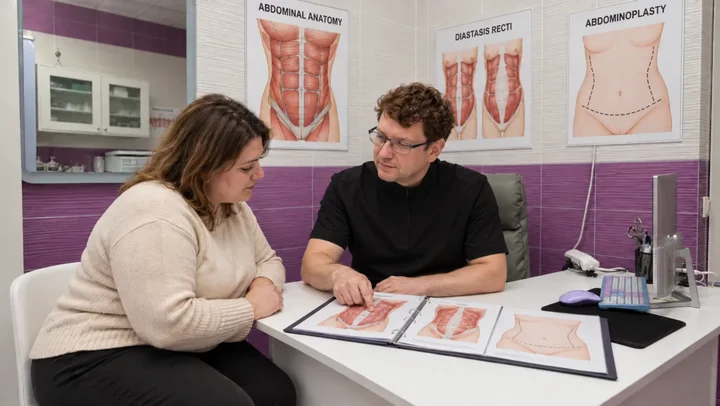
Arusha is the capital of the Arusha Region and a city of 617,631 people, set below Mount Meru on the eastern edge of the eastern branch of the Great Rift Valley. It is a working city with a lot going on. Diplomats, lecturers, tour industry professionals, farmers' families and business owners all live here, and many of them are used to planning their time carefully. Liposuction fits that way of thinking when it is prepared in the right order: a consultation, tests, a date, a recovery plan, and follow-up checks.
Liposuction is a contouring operation. It removes stubborn fat deposits that stay in place despite regular meals, activity and a steady routine. The usual areas are the abdomen, flanks, thighs, hips, arms, back and under the chin. It is not a method of treating obesity, and the WHO fact sheet on obesity and overweight is a useful reminder that general weight management is a separate health topic that belongs with a physician and a long-term lifestyle plan. A good surgeon will tell you honestly which of the two problems you actually have.
People in Arusha who ask about the procedure usually have practical questions. When is a quiet time of year for me? How long will I be away from my desk, my classroom or my workshop? What will people at a family gathering notice? This text answers those questions step by step, using the facts of the operation and the rhythm of life in this northern highland city.
How the remote consultation works for patients in Arusha
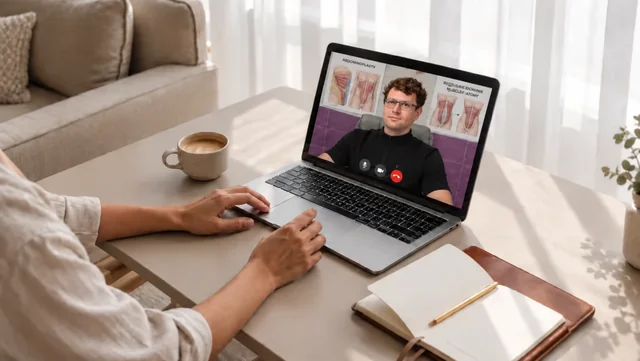
The first step is a free online consultation. You write to the coordinators on WhatsApp or Telegram, and they are available 24/7, so you can choose a moment that suits your own day rather than adapting to someone else's schedule. That matters in a city where many people have irregular hours: guides and lodge staff, university teachers, people who work with international organisations, and those who run their own shops and businesses.
Prepare a few things before you write. Note which areas bother you, whether you have had any previous operations, which medications you take regularly, and whether you smoke or drink alcohol. Clear photographs in good daylight help the surgeon understand the proportions of your body. Arusha has plenty of bright natural light, so a shot taken near a window in the morning is usually enough.
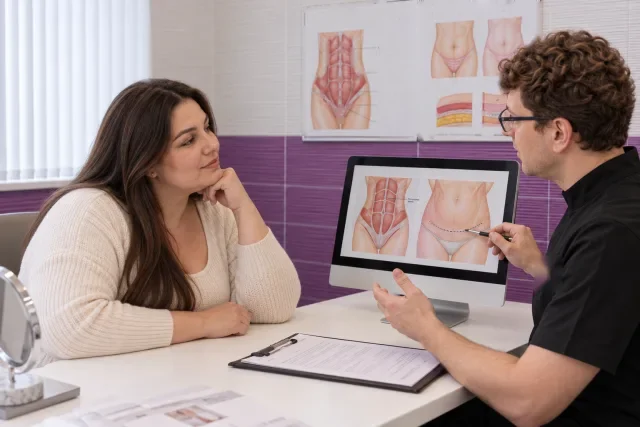
After your messages are reviewed you receive a plan: which techniques are suitable, how many areas can sensibly be combined, which tests you need, and how the stages of recovery will look. The centre works with tumescent and VASER techniques, micro-incisions of 3–5 mm and precise volume control. The stated aim is a smooth contour that keeps the natural proportions of your body. We respect your time: we work 24/7, with easy booking and a personal approach, and we adapt to your pace. You decide when you are ready, and nobody pushes you to commit on the first conversation.
Arusha's climate and what it means for recovery
Despite lying close to the equator, Arusha sits at an elevation of 1,400 metres on the southern slopes of Mount Meru, and this keeps temperatures relatively low and humidity moderate. Cool dry air is common for much of the year. Temperatures typically range between 10 and 30 °C, and the average annual high is around 25 °C. For someone recovering from liposuction this is a favourable background: you are not forced to spend weeks in heavy coastal heat while wearing a tight compression garment.
The city still has seasonal differences. It averages 29.8 days per year above 32 °C, all between November and March. During those weeks a compression garment can feel warmer and more irritating, and sweating under it needs attention. Choose breathable underlayers, keep the skin clean and dry, and ask the surgeon how to manage the garment in hot weather without taking it off when it should stay on. The garment is worn for 30–45 days, so it is worth thinking about the weather that will fall inside that window.
The cooler months, especially the dry kiangazi season from June to October, tend to be comfortable for wearing compression and for gentle walking. Mornings and evenings can be cool, so a light jacket or wrap over the garment is practical. The eastern wind from the Indian Ocean brings fresh air, but dust can rise in dry weather, so keep the healing punctures covered and clean as the surgeon instructs and avoid dusty outdoor work during the first days.
Mount Meru also shapes local weather. Areas north and northeast of the city can be rainier and cooler, so if you live or work in those higher areas, plan for damp mornings and keep dressings and garments dry. A spare garment, if your surgeon agrees, makes laundry easier.
Choosing the season for the operation in Arusha
The city has two rainy seasons. The long masika rains fall from March through May and are more reliable in Arusha than in surrounding areas because of Mount Meru. The short vuli rains usually come in November and December and are less predictable. The dry kiangazi season runs from June to October. Annual rainfall averages 1,180 millimetres, mostly in the long rains.
For many patients the dry months are the simplest choice. Walking short distances, which is encouraged once the surgeon allows normal light activity, is easier when paths are not muddy, and there is less risk of slipping while your body is still tender. The cool air also makes the garment more tolerable. If you choose the dry season, remember that the surgery must be booked in advance and tests take a little time, so start the conversation a few weeks earlier.
The long rains can be a good time if your work slows down then. Some people in tourism and hospitality have quieter weeks outside the busiest months, and that is a natural window to rest. Wet weather is not a problem in itself; the practical point is that you should avoid soaking the wound areas and should not be standing for long hours in damp conditions.
The hottest period, November to March, calls for more planning because of the garment, but it is not forbidden territory. If your calendar leaves no other option, ask the surgeon about lighter fabrics, shorter outings, and keeping a cool room at home. The final result forms in 3–6 months, so no matter which month you choose for surgery, your outcome will be judged in a different season from the one you were in during the operation.
Work, study and the first weeks at home
Arusha is a hub for the East African Community and hosts the African Court of the African Union, as well as a branch of a United Nations residual mechanism. Many residents therefore work in offices, conference settings and administration, where sitting at a desk is part of the day. Most patients get back to their usual routine and work in 7–10 days, and for desk-based work that is usually realistic. For the first 7 days you should avoid physical exertion and heavy lifting, so it is sensible to arrange leave or home-based work for that first week.
Teachers, lecturers and students are also a large part of the city. Arusha is home to several higher education institutions, including a college of tourism, a technical college, a science and technology institute and a number of universities, along with five international schools in and around the city. If you teach or study, plan the operation around a break in the term or a quieter period, and discuss with the surgeon how long you can stand and walk in a day during the first two weeks.
People with physical jobs, such as those who carry loads, work on farms in the higher areas north of the city, or guide visitors on long walks, need a more careful conversation. The rule of no heavy lifting for the first 7 days is a minimum, and the surgeon will tell you individually when you can go back to demanding tasks. Do not return to full physical work earlier just because you feel well; swelling and bruising clear by weeks 4–5, and the tissues are still adapting.
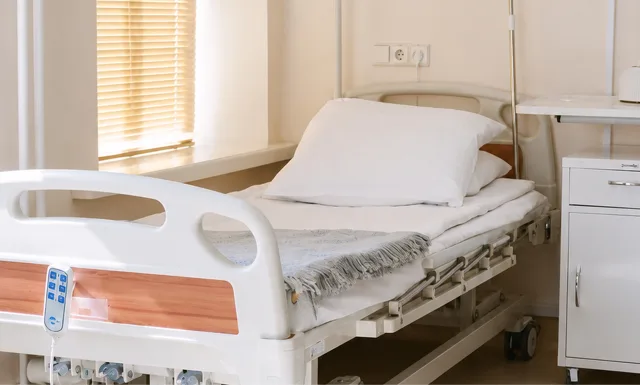
Local anaesthesia means you go home 3–4 hours after surgery. With general anaesthesia you stay one day in a comfortable ward under medical supervision. In both cases, arrange for a household member, a friend or a colleague to be with you at home on the first evening, and prepare simple food, water and loose clothing in advance.
Sport, rugby, running and active life in Arusha
Arusha has a visible sporting tradition. The city is home to the Tanzanian rugby national team and has hosted international rugby matches. It has a football club, Arusha FC, with home matches at the Sheikh Amri Abeid Memorial Stadium. It hosted the Mount Meru Marathon from 1985 to 2004, and it has a motor sports club. Many residents run, play team sports or support them closely, so questions about getting back to training come up often.
The guidance here is clear. For the first 7 days, no physical exertion or heavy lifting. For 4–6 weeks, wear compression garments and avoid the bathhouse, sauna, pool and active sport. Alcohol and tanning beds are off-limits for at least a month. Your surgeon gives all individual recommendations after surgery. If you play rugby, run or train in a gym, tell the surgeon at the first consultation so the plan is built around your calendar, including any matches or races you do not want to miss.
Gentle walking is usually a better early companion than complete rest, since it supports circulation, but it should be short and calm. Do not try to test your body in the first days. Many people feel good after a week and are tempted to run or lift; the risk is more swelling, discomfort and a slower contour. Returning in stages, as your surgeon allows, protects the work that was done.
Use the quiet weeks of recovery to plan your return, not to push it. A team sport with contact is a different matter from walking or light stretching, and you should ask directly when contact is acceptable. After the check-ups at 7 days, 3 months and 6 months, you will have a clearer view of the new contour and of what your body can do comfortably.
Family events, food and daily habits in a multicultural city
Arusha is multicultural. The population is mostly Tanzanian of mixed backgrounds, including indigenous African, Arab-Tanzanian and Indian-Tanzanian communities, with a small European and North American minority. Christianity, Islam, Sikhism and Hinduism are all present. This diversity means that family gatherings, weddings, religious celebrations and community meals fill the calendar throughout the year, and each community has its own attitudes towards modesty, clothing and privacy.
Think about those events when you choose your date. Wearing a compression garment under clothes is easy for most people, but a long formal event with a tight outfit, a long period of standing, or a big shared meal can be tiring in the early weeks. If a major family celebration is coming, it may be best to schedule surgery well before it, so that swelling has gone down and you feel comfortable, or to hold it after the event. Remember that the first changes show at 2 weeks, but the final contour takes 3–6 months.
The farms in the higher areas north and northeast of the city grow bananas, coffee, cabbage, potatoes, carrots and leafy greens, and fresh vegetables are part of local food culture. During recovery, simple balanced meals with vegetables, enough fluid and moderate portions help you feel steady. Large heavy meals and alcohol do not help. Alcohol is off-limits for at least a month, and this includes celebrations, so plan to politely decline and have a non-alcoholic drink instead.
Discretion matters to many people. You can tell only those you trust, and the compression garment sits under ordinary clothing. Marks from the 3–5 mm punctures usually need no stitches and, once healed, are barely visible. With proper care during recovery they fade completely. This is helpful for anyone concerned about clothing choices at events or at the swimming pool later in the year.
Who is a candidate and who should wait
The centre operates from age 18+, if there are no contraindications. There is no upper age limit: after an examination and health assessment, the decision is made individually. In Arusha, as everywhere, a good candidate is a person in stable general health with localised fat deposits, realistic expectations and the readiness to follow aftercare. Liposuction shapes the body; it does not replace a stable routine of eating and movement.
Some situations call for caution or postponement. Active infection, serious heart or blood conditions, problems with clotting, uncontrolled chronic illness, or an unstable situation such as a recent operation may mean the surgeon will say wait or choose a different route. Smoking affects healing, and medications that influence clotting, such as aspirin, need to be stopped before surgery. Be honest about everything you take, including herbal remedies and supplements, because the team can only plan safely with full information.
If your main goal is to lose a large amount of weight, liposuction is not the right tool, and the WHO guidance on obesity and overweight points towards broader medical and lifestyle management. A surgeon in a remote consultation will usually ask about your weight history and your habits to decide whether you are close to a stable weight, which is the situation where contouring works best.
Pregnancy plans, breastfeeding and recent weight swings are also worth raising. It is better to wait if you expect major changes in your body in the near future, since the new contour is built on your present shape. The final decision is always made after examination and tests, not only by photographs.
Preparation, tests and what to ask the surgeon
Preparation is a real part of safety. Give up smoking, alcohol and medications that affect clotting (aspirin, etc.) 7–10 days before liposuction. Pre-operative tests are also required: blood tests, ECG, ultrasound, and GP and anesthesiologist consultations. You receive all instructions after the first consultation. Arusha has laboratories and medical facilities where people can have routine tests done, and the coordinators help you understand which results are needed and in what form to send them.
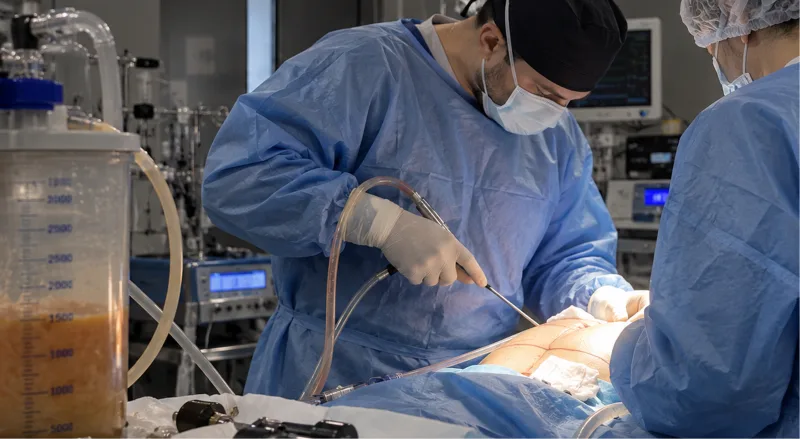
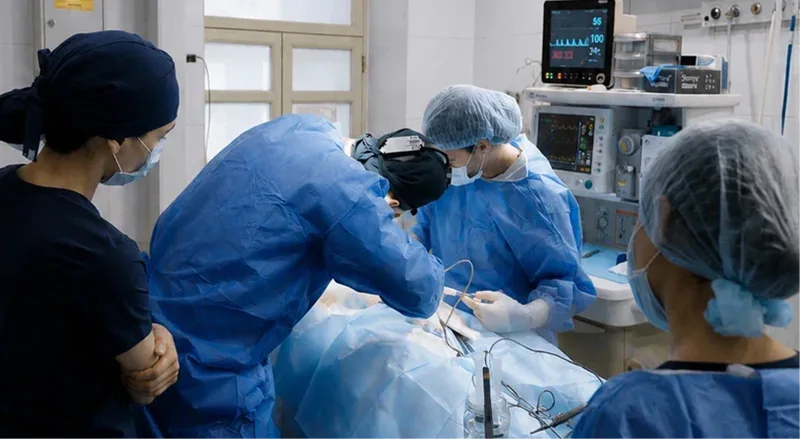
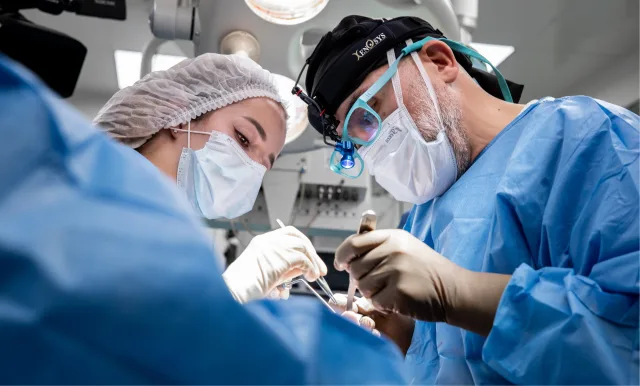
On the day, the team marks the areas and fits compression garments. Under local or general anaesthesia the surgeon removes fat through 3–5 mm micro-punctures, from 1 hour for small areas to 3–4 hours for a combined procedure. Surgery lasts 1–4 hours depending on how many areas are treated. Ask whether your plan suits local anaesthesia or whether general anaesthesia is better, since this decides whether you go home the same day or after 1 day.
Useful questions for the surgeon: Which areas do you recommend, and which would you leave for later? Which technique will you use, tumescent or VASER, and why? How much volume will be removed, and how do you control it precisely? What will the compression garment look like and how long do I wear it? What should I do if I notice unusual pain, fever or swelling? Who do I contact at night? In Arusha, where distances can be long in the rainy season, it also helps to ask how to reach the coordinators quickly: they are on WhatsApp and Telegram 24/7.
Ask also about check-ups. The surgeon follows your recovery and the new body contour at check-ups after 7 days, 3 and 6 months. Check-ups, dressings and aftercare advice are already included in the cost of surgery. Until the end of the year, you can also get a post-surgery consultation with your surgeon to review results and get more information, at the clinic's expense.
Planning liposuction around the working calendar of Arusha
A large share of the people in Arusha work in tourism, conferences, education and farming trade, and each of these has its own busy and quiet periods. The sensible way to choose a date is to start from your own calendar and work backwards. Mark the days when you cannot be absent, then look for a stretch where the first week can be spent mostly resting. Most patients return to their usual routine and work in 7–10 days, so a gap of about two weeks gives a comfortable margin.
Tour guides, lodge managers and drivers often have seasons when every day is booked and seasons when the schedule loosens. If your work is like this, the quieter stretch is the natural window. Tell your employer or your colleagues only as much as you wish. A short planned leave for a medical procedure is usually enough of an explanation, and nobody needs the details.
People who run a shop, a small workshop or a family business can plan a handover. Decide who opens in the morning, who deals with suppliers and who answers calls in the first week. When the practical side is arranged in advance, you can rest properly and avoid the temptation of returning too soon. Swelling and bruising clear by weeks 4–5, so even after you go back to your routine your body is still adapting.
Questions that patients in Arusha often raise
The coordinators hear a fairly stable set of questions from people in highland cities like Arusha. Will the garment be visible under work clothes? Can I manage the first night at home? How soon can I take the children to school or walk in the neighbourhood? Will the result look natural? These are reasonable questions, and the answers depend on the areas treated and the type of anaesthesia.
Another frequent question is about combining areas. Someone who is bothered by the abdomen and the flanks may wonder whether to treat both at once. A combined procedure can take 3–4 hours, while a small area needs from 1 hour. The surgeon will say what is sensible in a single session and what is better kept for later, since the aim is a smooth contour that keeps the natural proportions of your body rather than the maximum amount of fat removed.
Many also ask what happens if they gain weight afterwards. Liposuction removes fat cells from the treated areas, but the body still responds to habits. Steady meals, regular movement and attention to general health keep the new contour looking as intended. Weight management as a wider health matter is a topic for your physician, in line with general guidance on obesity and overweight from the WHO.
Finally, people ask about privacy. The consultation is held remotely, you can write from home at any hour, and nobody in your city needs to know unless you decide to tell them.
Home care in the first days: practical details for Arusha households
The first evening and night after surgery are easier when the home is prepared. With local anaesthesia you go home 3–4 hours after surgery, so everything should be ready before you leave: loose clothing that fits over the garment, a bed or sofa where you can rest comfortably, drinking water within reach and simple food that needs no heavy cooking. If you had general anaesthesia and stayed one day under medical supervision, the same preparation applies for your return.
Many households in Arusha include several generations, and the daily noise of a family home can be tiring when you need to rest. Ask relatives to take over lifting, carrying water, shopping and care of small children for the first 7 days, when no physical exertion or heavy lifting is allowed. If you live alone, a friend or neighbour who can check on you once or twice a day is a real help.
Keep the punctured areas clean and dry as the surgeon explains. During the rainy months, avoid walking through mud or standing in damp places, and during dry spells, keep dust away from the healing marks. Short, calm walks around the house are better than lying still all day, but stop if you feel tired or uncomfortable.
Write down the questions that appear during recovery and send them to the coordinators, who are available 24/7 on WhatsApp and Telegram. Dressings and aftercare advice are already included in the cost of surgery, so there is no reason to hesitate over a small question. The check-up after 7 days is your first formal review, and the next ones follow at 3 and 6 months.
Recovery timeline and the final result
Knowing the timeline removes much of the worry. The first days are for rest, gentle movement and wearing the garment. The first changes show at 2 weeks, once swelling subsides. Swelling and bruising clear by weeks 4–5. An interim result is assessed at 1.5–2 months, and the final contours form in 3–6 months, once the tissues have fully adapted. Be patient: a body that looks slightly swollen at three weeks is normal.
Compression garments are worn for 30–45 days, and your surgeon will give you the exact schedule for your case. Avoid the bathhouse, sauna, pool and active sport during the first 4–6 weeks. In a city where many people enjoy the outdoors and weekend activities, it helps to set a date in your calendar for when each of these returns, so you are not guessing.
The check-ups after 7 days, 3 months and 6 months are the framework for the whole recovery. At 7 days the surgeon checks the punctures, swelling and how the garment fits. At 3 months you can already see most of the shape, and at 6 months the result is considered settled. Photographs taken in the same light and pose each time, which is easy in Arusha's bright daylight, make your own comparison more honest.
If you notice anything that worries you between check-ups, do not wait. Write to the coordinators at any hour and send a photograph. Careful aftercare, steady habits and realistic expectations are what turn a good operation into a satisfying long-term outcome, and a lasting shape depends on your own lifestyle afterwards.
Can I have the first consultation from Arusha without leaving home?
Yes. The first consultation is online and free. You contact the coordinators on WhatsApp or Telegram, who work 24/7, send your questions and photographs, and receive a plan with the recommended techniques, the tests you need and the stages of recovery.
How long does liposuction take?
Surgery lasts 1–4 hours. Small areas take from 1 hour, and a combined procedure on several areas can take 3–4 hours. The surgeon removes fat through 3–5 mm micro-punctures under local or general anaesthesia.
Do I stay in hospital after the operation?
It depends on the anaesthesia. With local anaesthesia you go home 3–4 hours after surgery. With general anaesthesia you stay one day in a comfortable ward under medical supervision.
When can I go back to work?
Most patients get back to their usual routine and work in 7–10 days. For the first 7 days there should be no physical exertion or heavy lifting, so people with physical jobs should discuss the timing with the surgeon.
Is Arusha's climate a problem for the compression garment?
The climate is usually mild because the city lies at 1,400 metres, with temperatures typically between 10 and 30 °C. The garment is worn for 30–45 days. Hot days above 32 °C occur between November and March, so during those months choose breathable underlayers and keep the skin clean and dry.
Which season is best for surgery?
There is no single best season. The dry kiangazi months from June to October are comfortable for walking and wearing the garment. The long rains from March to May are fine if you can stay at home and keep dressings dry. Choose the time when your work and family calendar allows rest.
Will there be visible scars?
The surgery is done through punctures only 3–5 mm across, which usually need no stitches. Once healed, the marks are barely visible, and with proper care during recovery they fade completely.
What should I stop before the operation?
Give up smoking, alcohol and medications that affect clotting, such as aspirin, 7–10 days before liposuction. You also need blood tests, an ECG, ultrasound, and consultations with a GP and an anesthesiologist. You receive full instructions after the first consultation.
When can I play sport or swim after liposuction?
For the first 7 days avoid physical exertion and heavy lifting. For 4–6 weeks wear compression garments and avoid the bathhouse, sauna, pool and active sport. Alcohol and tanning beds are off-limits for at least a month. Your surgeon gives individual recommendations.
When will I see the final result?
The first changes show at 2 weeks, once swelling subsides. An interim result is assessed at 1.5–2 months, and the final contours form in 3–6 months. Check-ups take place after 7 days, 3 and 6 months.
Can I combine liposuction of several areas in one session?
Often yes, if your health allows it. A combined procedure takes up to 3–4 hours, while a small area needs from 1 hour. The surgeon decides after the consultation which areas are sensible to treat together and which are better left for later.
Is liposuction a way to lose weight?
No. It is a contouring operation for stubborn fat deposits. General weight management is a separate topic that belongs with a physician and a long-term lifestyle plan, as the WHO guidance on obesity and overweight indicates.
Who should be with me at home after surgery?
It is best to have a household member, a friend or a colleague with you on the first evening. For the first 7 days you should avoid physical exertion and heavy lifting, so help with shopping, carrying and childcare is valuable.

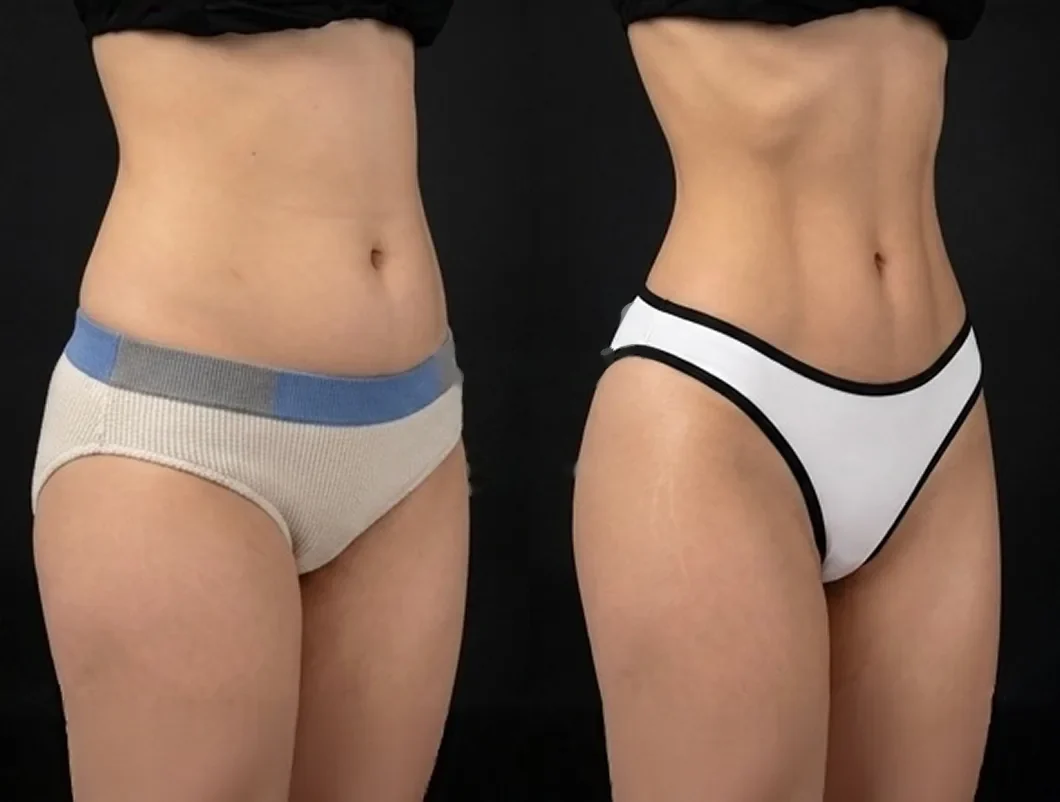 beforeafter
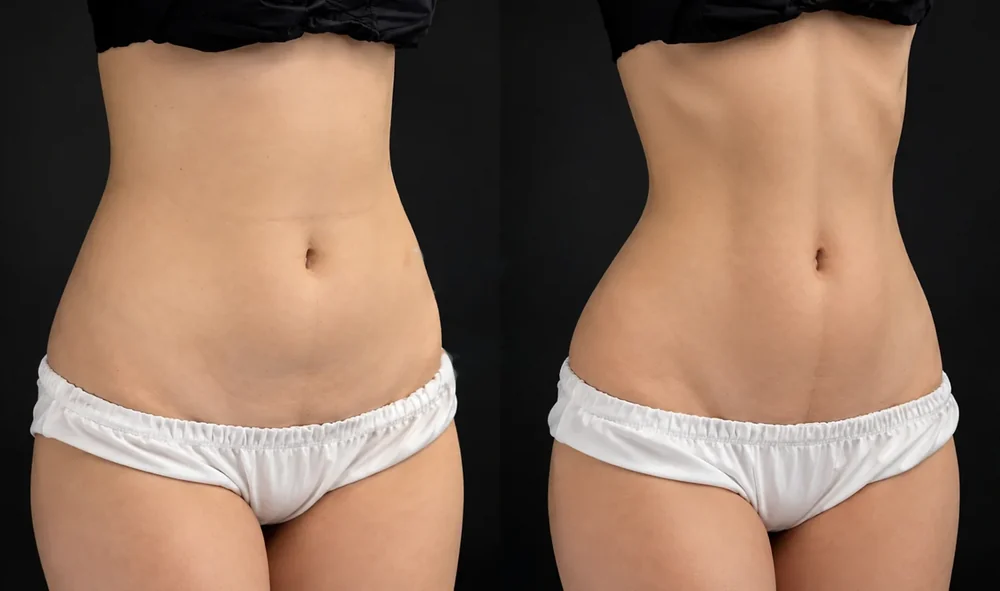
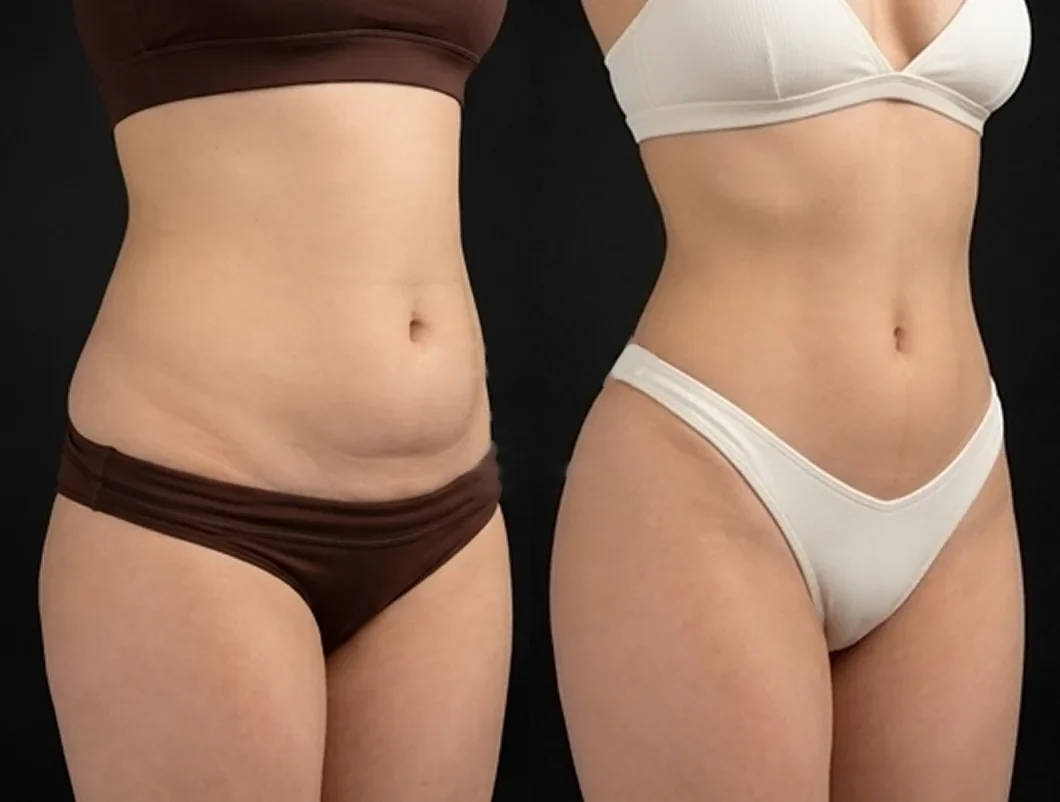 beforeafter
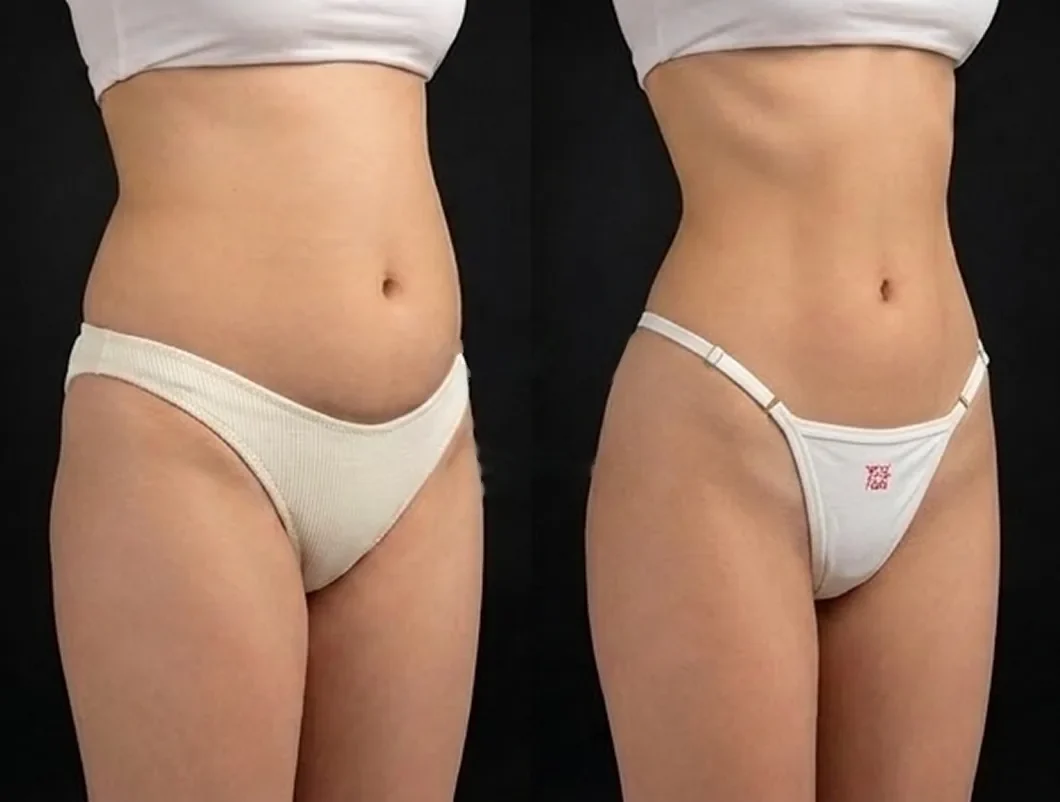 beforeafter
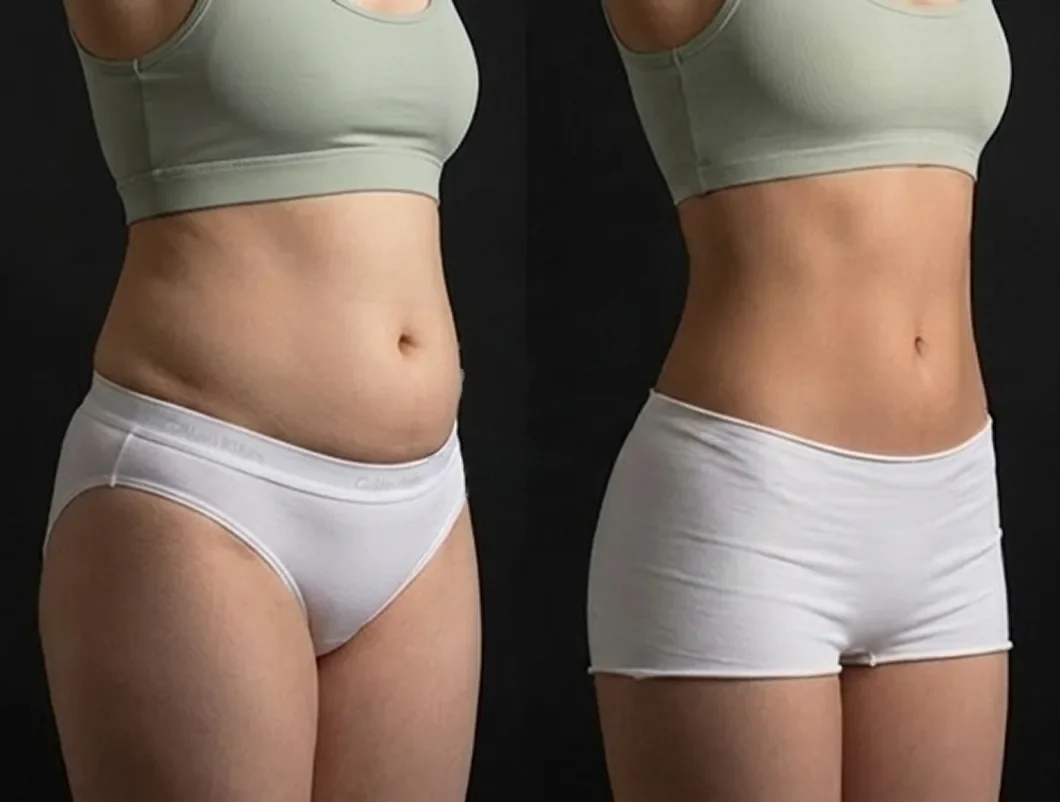 beforeafter
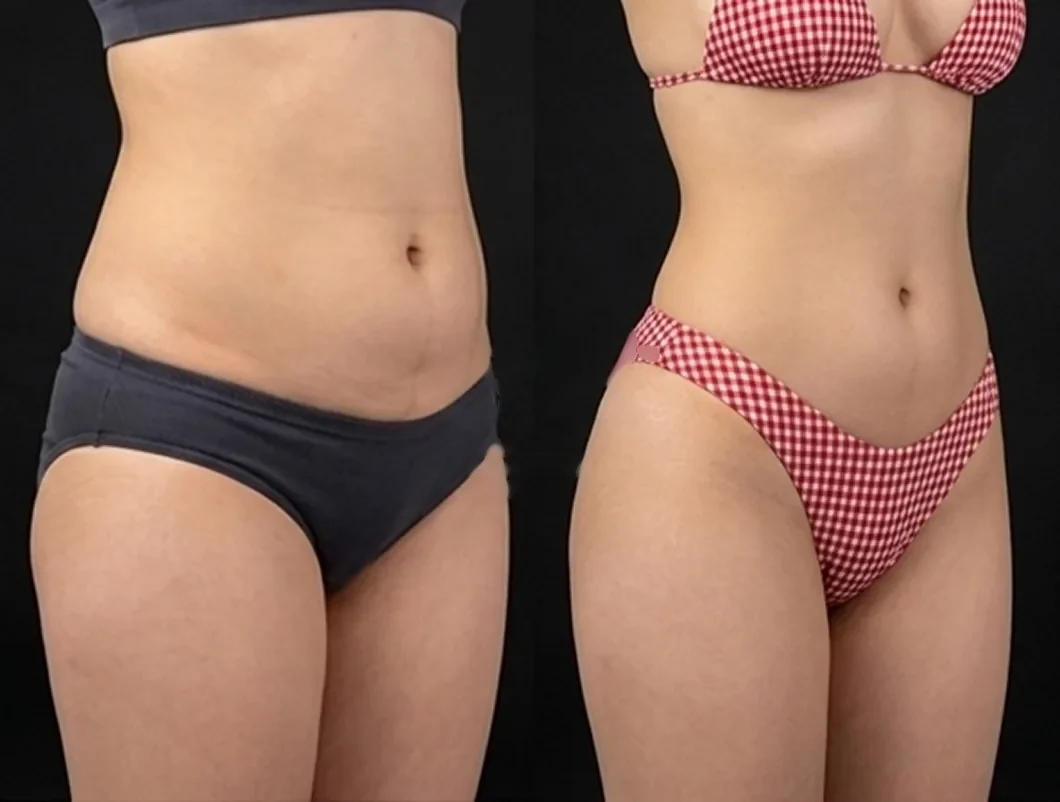 beforeafter
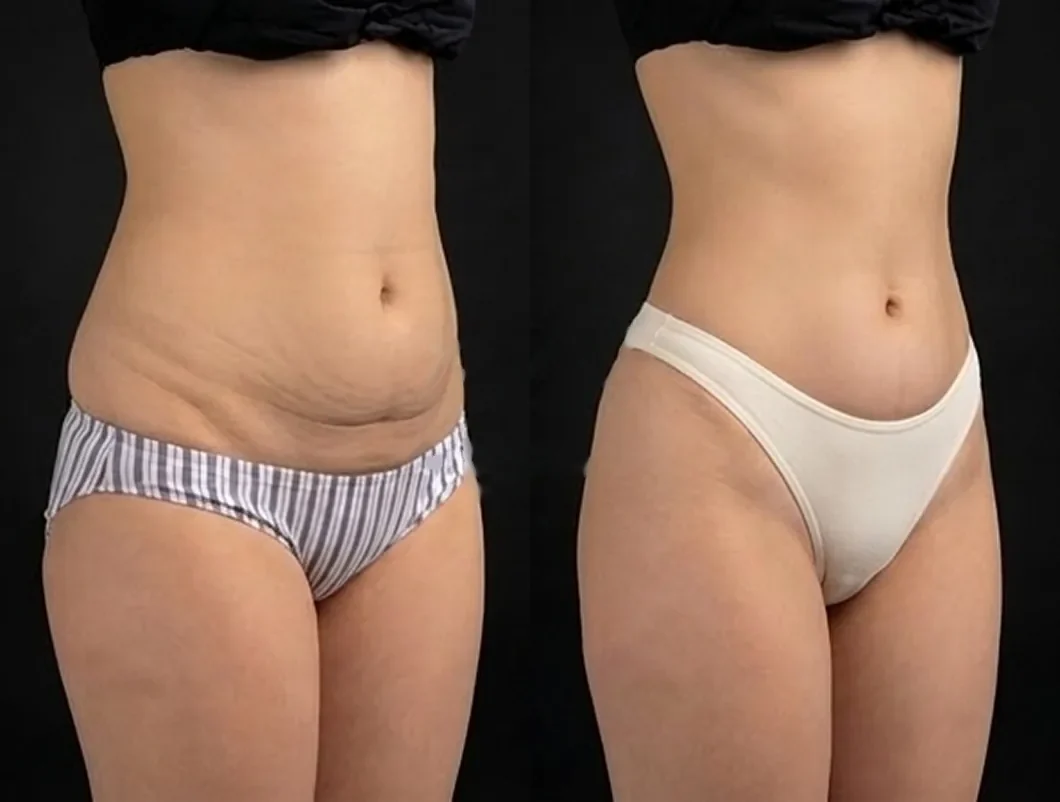 beforeafter
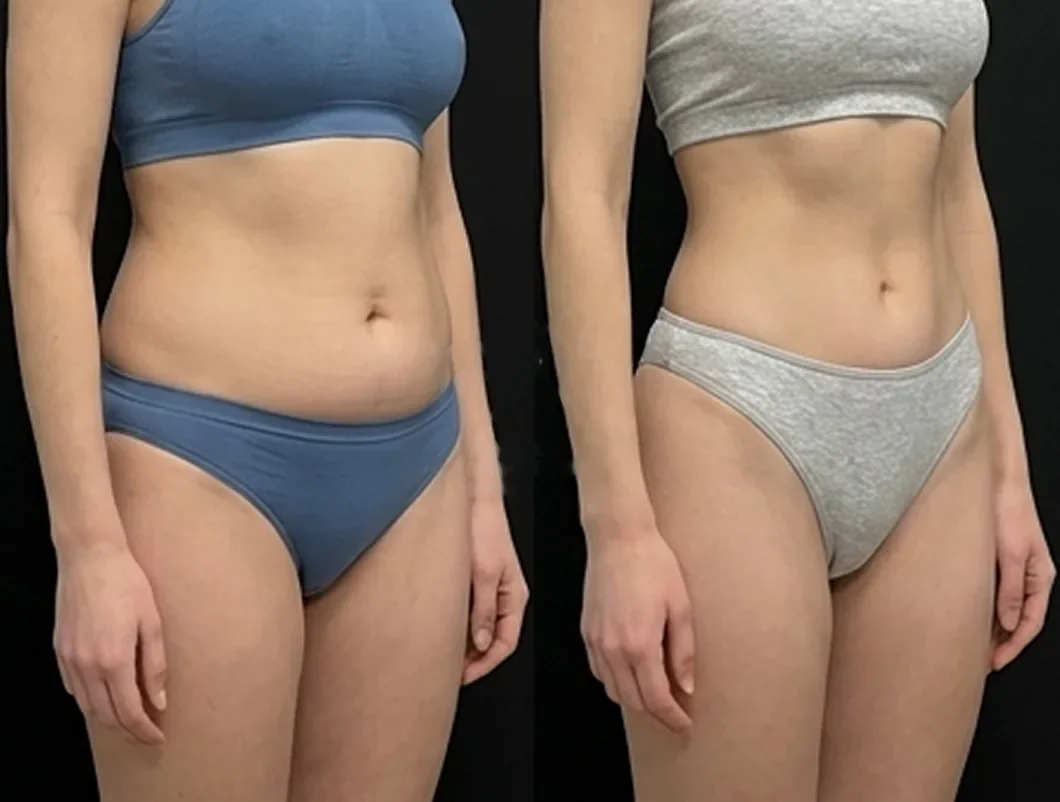 beforeafter
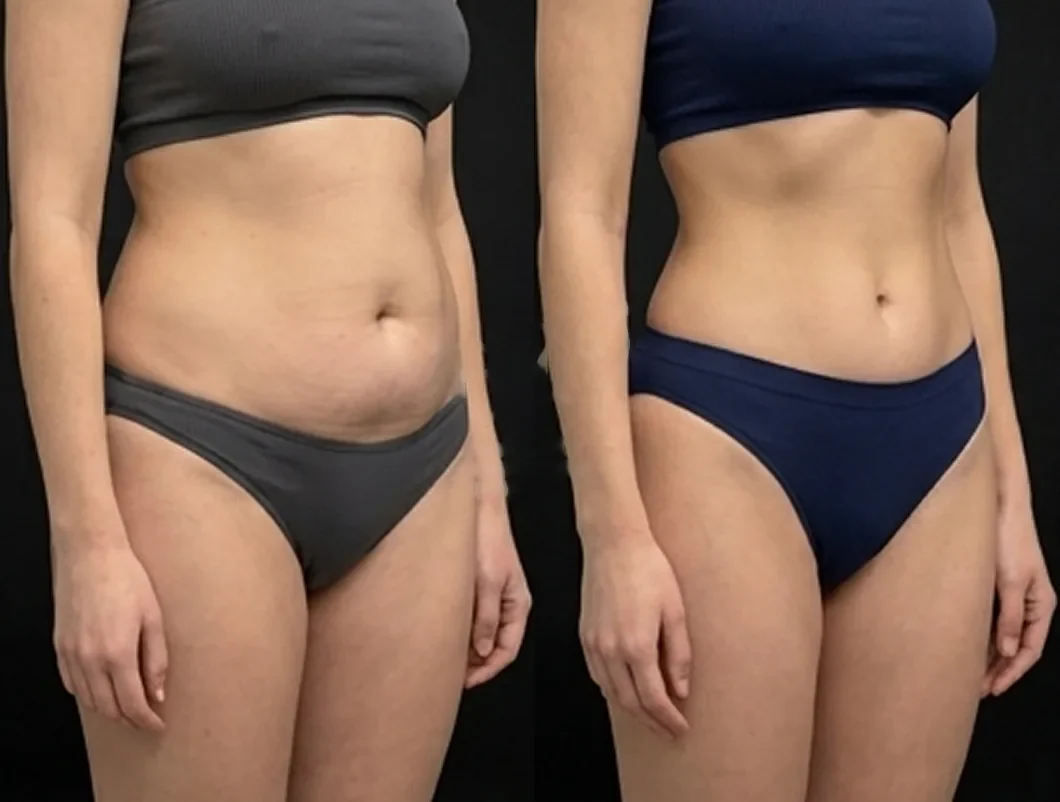 beforeafter
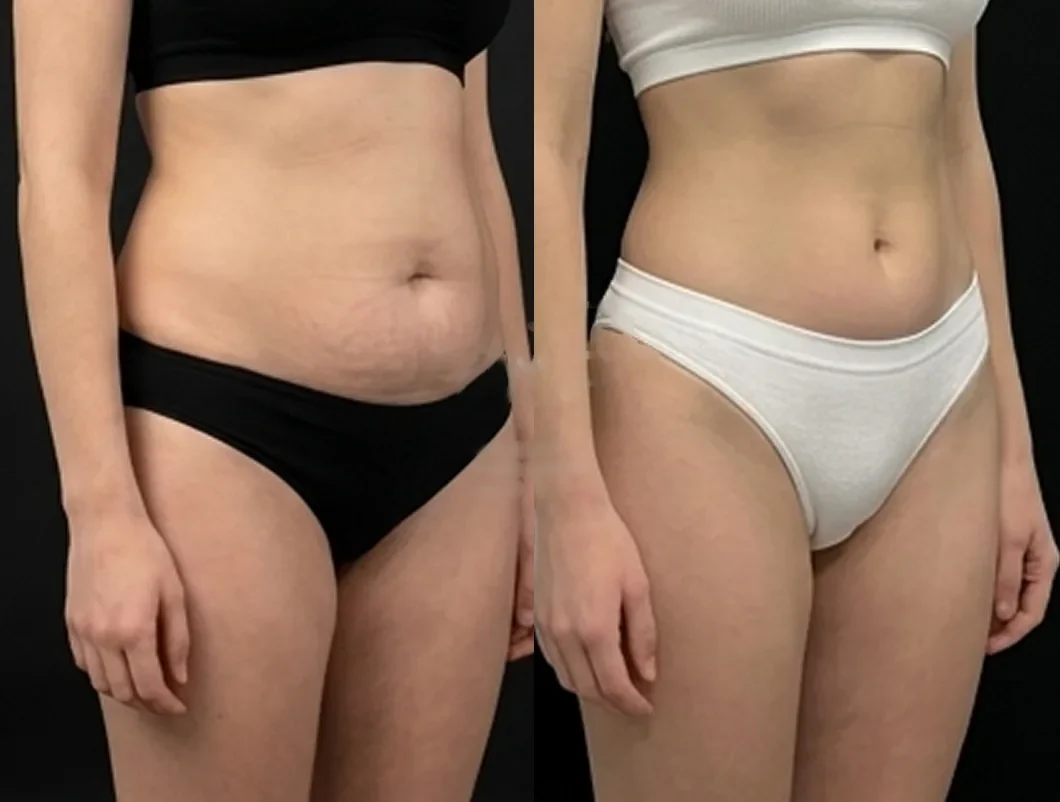 beforeafter
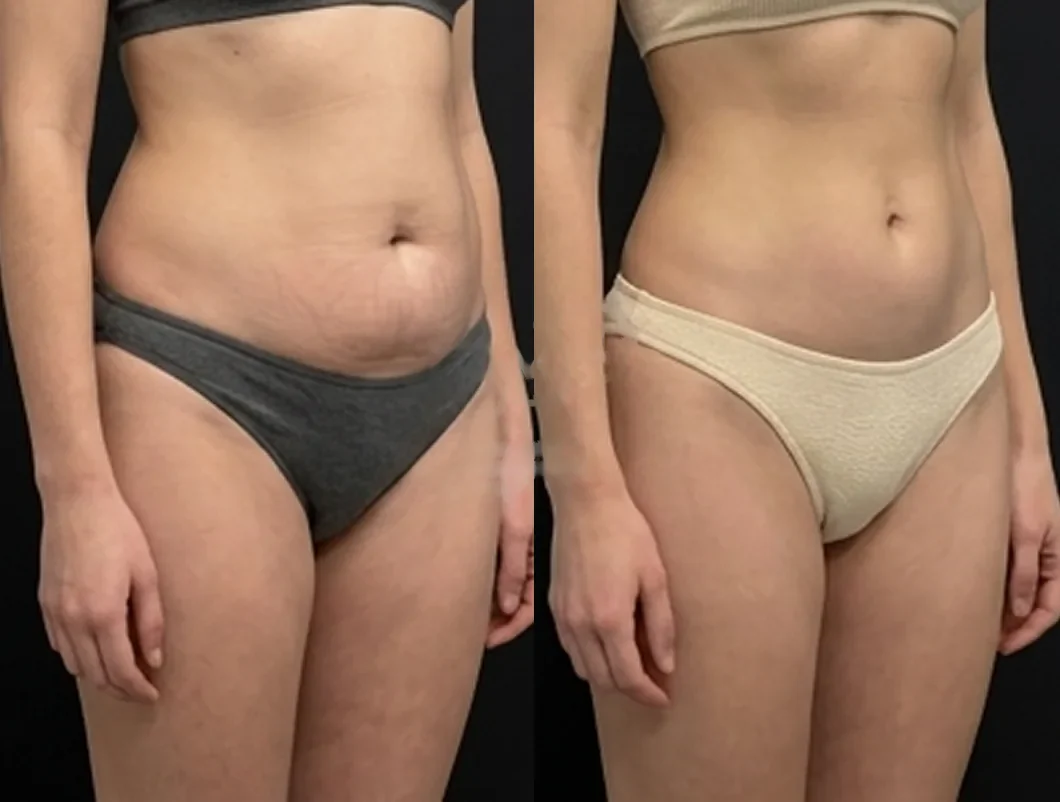 beforeafter
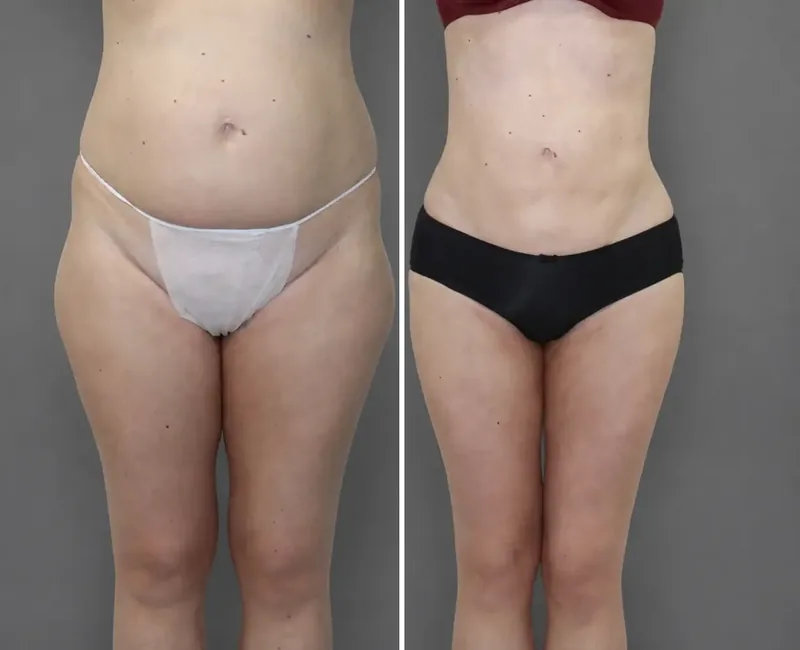
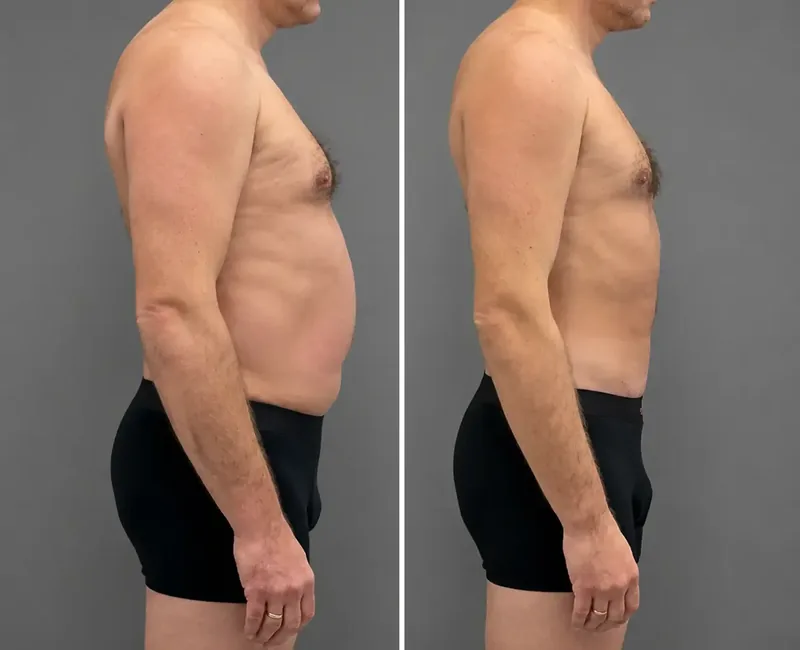
 1
 2
 3
 4
 5
 6