
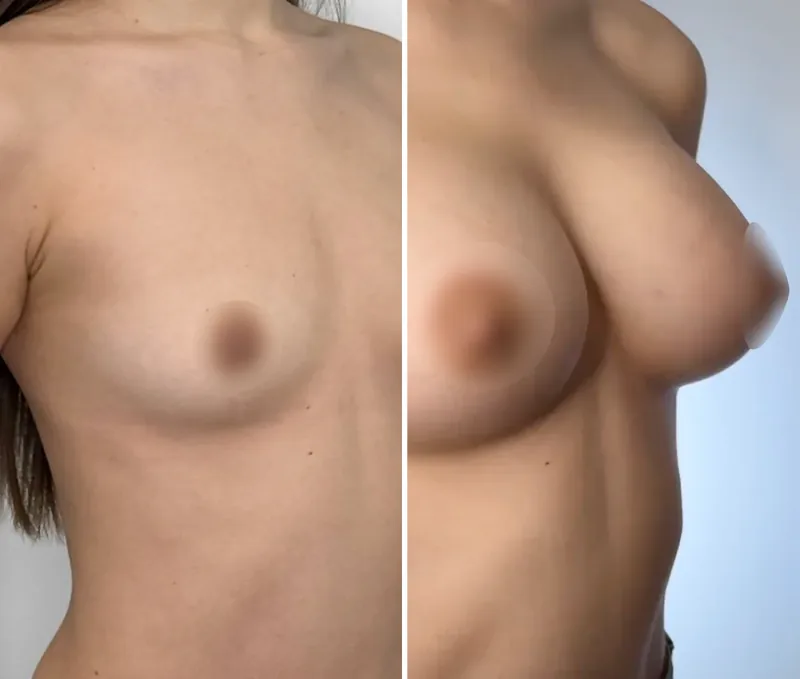
 beforeafter
Mammoplasty
Method: implants
Breast augmentation
$4,700
$5,900 · First consultation — Free
Message our coordinator
Free online consultation · Reply within 15 minutes
Message us on TelegramMessage us on WhatsAppBy messaging us, you agree to our Privacy Policy
Results
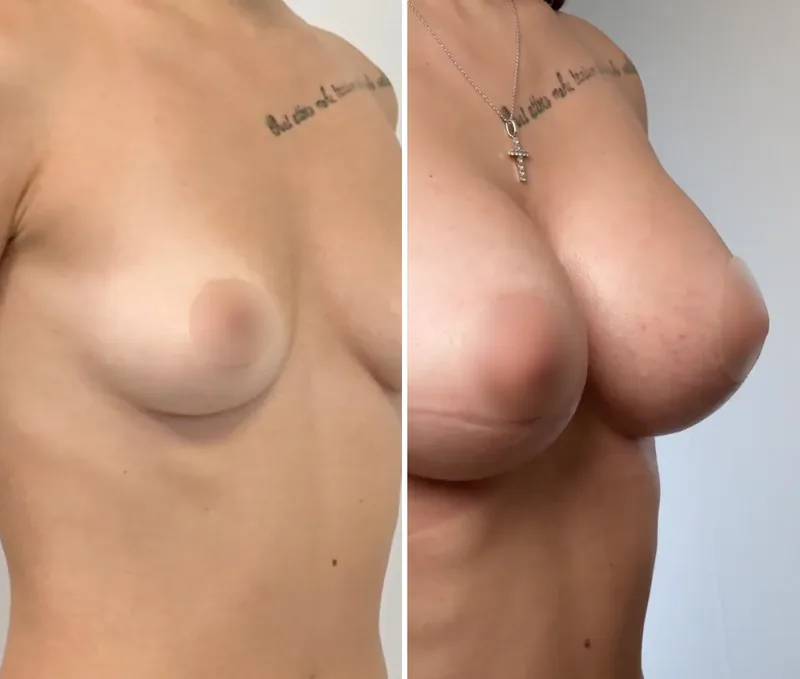
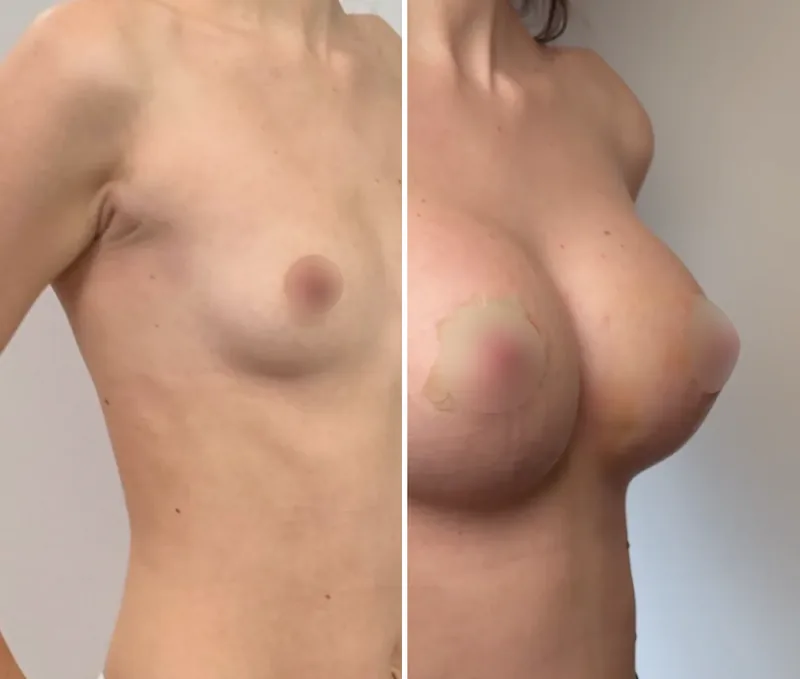
Every case shown is a real patient of the clinic; faces and identifying details are hidden.
beforeafterMethod: implants
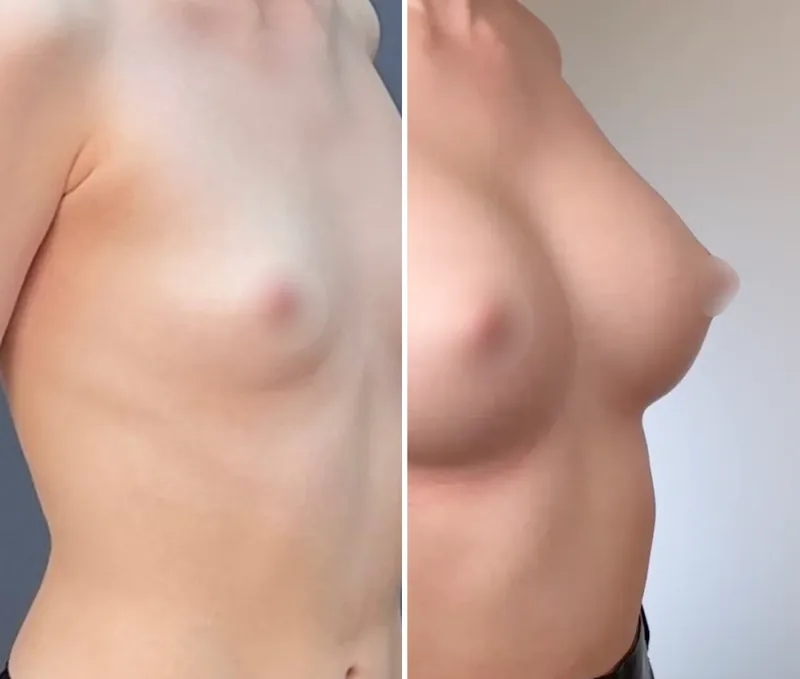 beforeafter
Method: implants
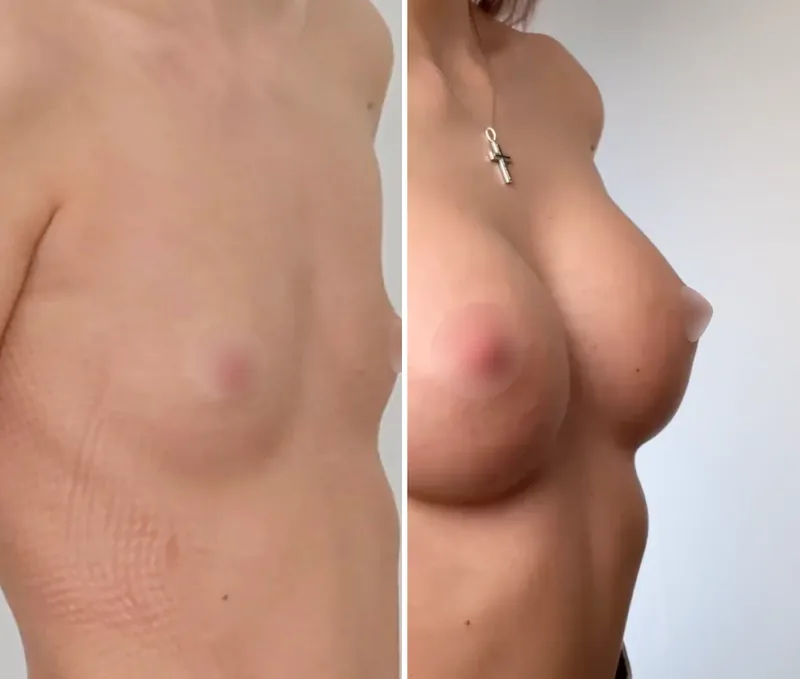 beforeafter
Method: implants
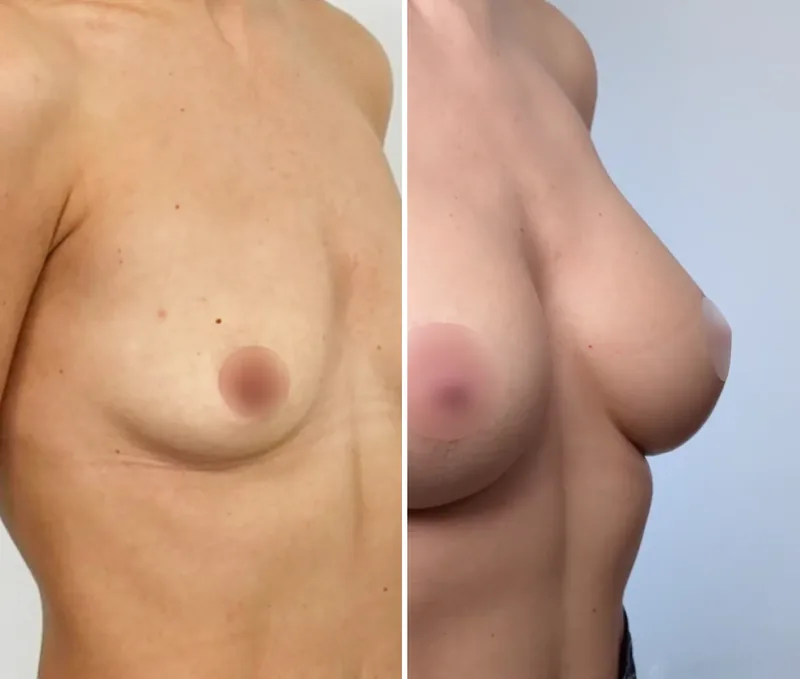 beforeafter
Method: implants
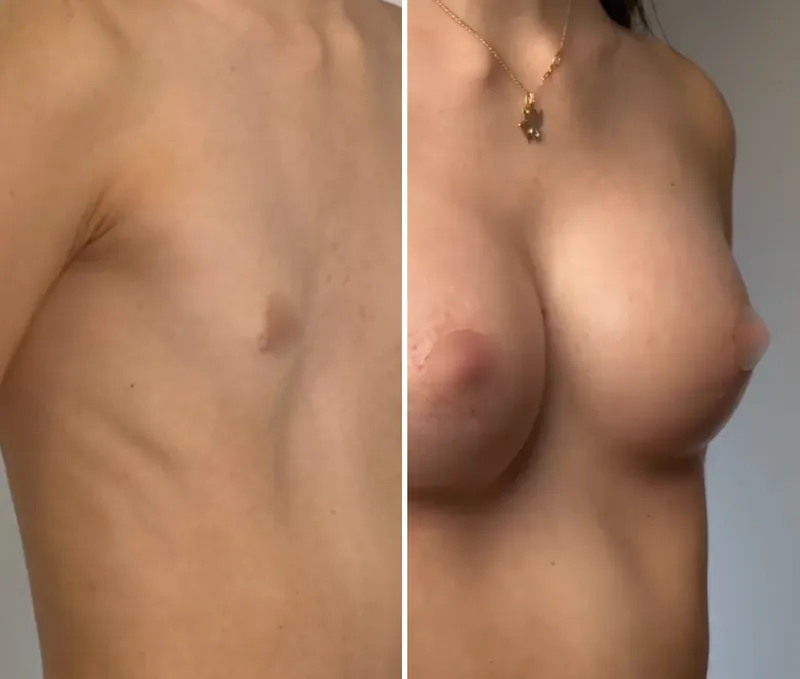 beforeafter
Method: implants
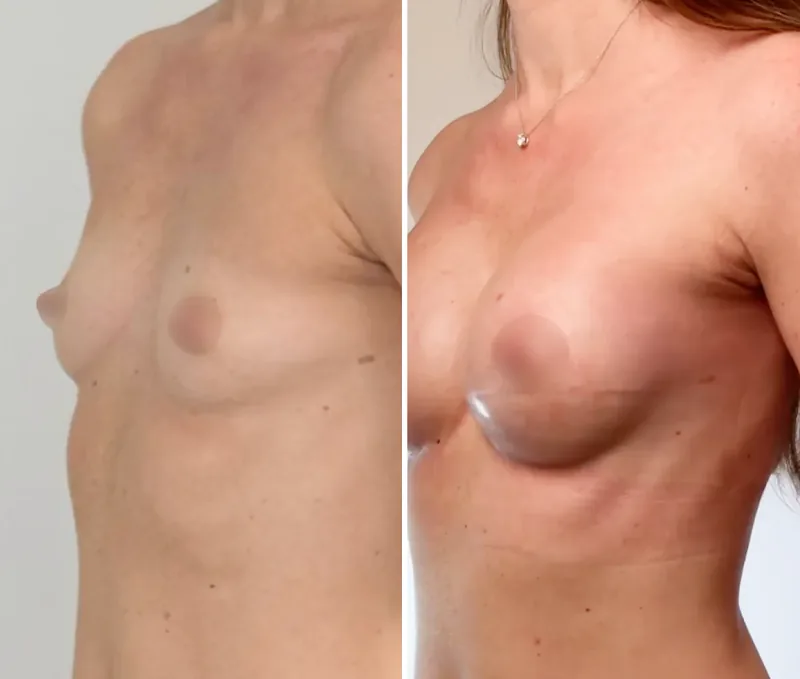 beforeafter
Method: implants
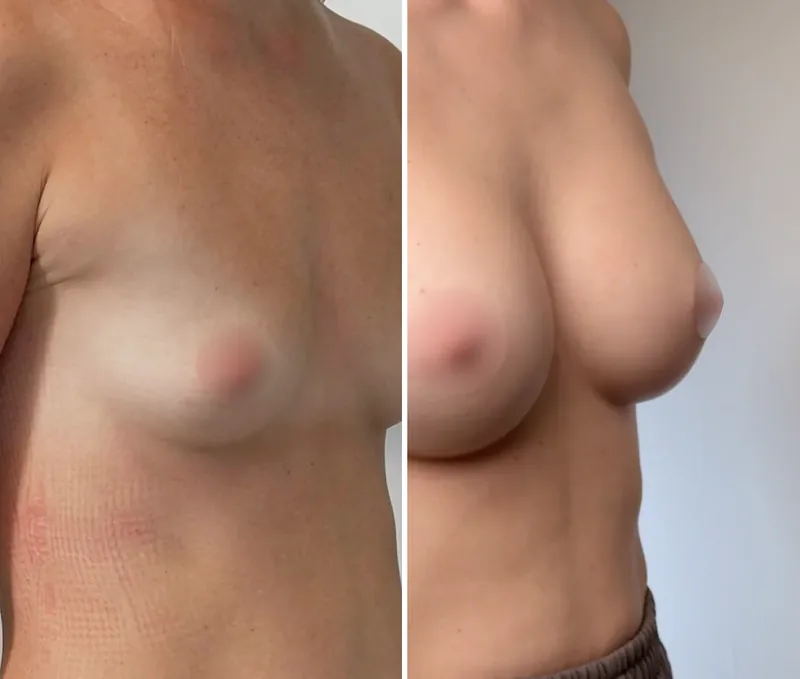 beforeafter
Method: implants
 beforeafter
Method: implants
 beforeafter
Method: implants
Comparison
There are two main ways we correct the breasts: augmentation and reduction. Compare their goal, how precise the correction is and who they suit, and choose your method with confidence.
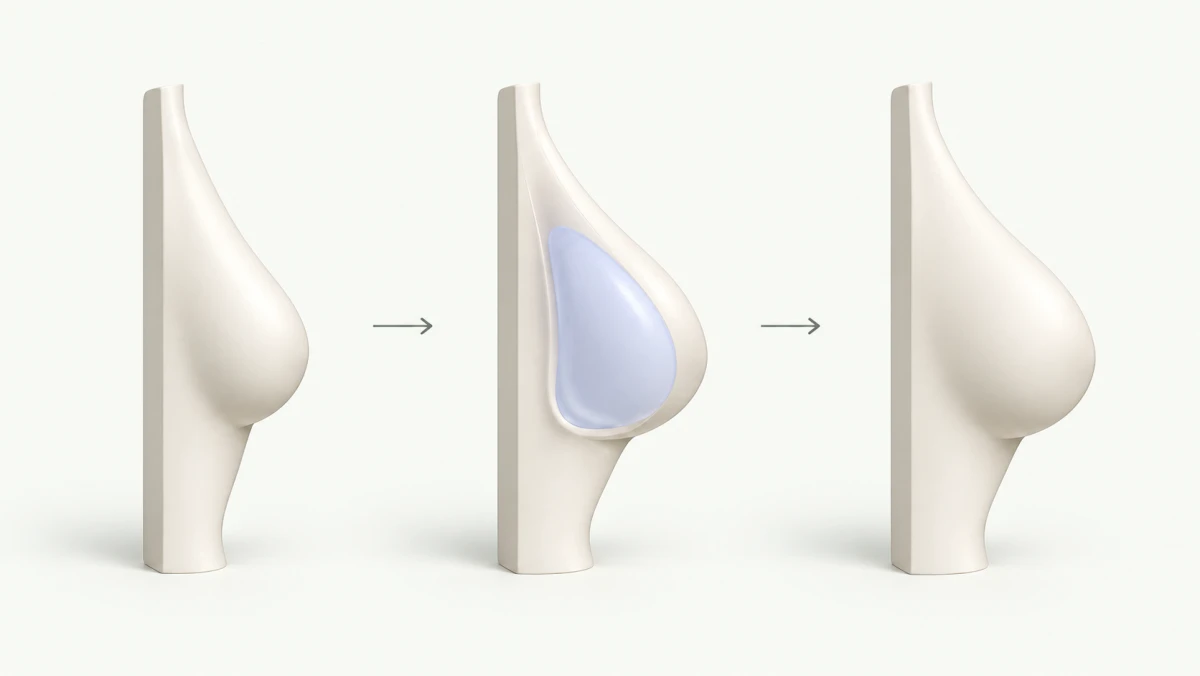
Size and shape correction with implants
Discounted price
$4,700 $5,900
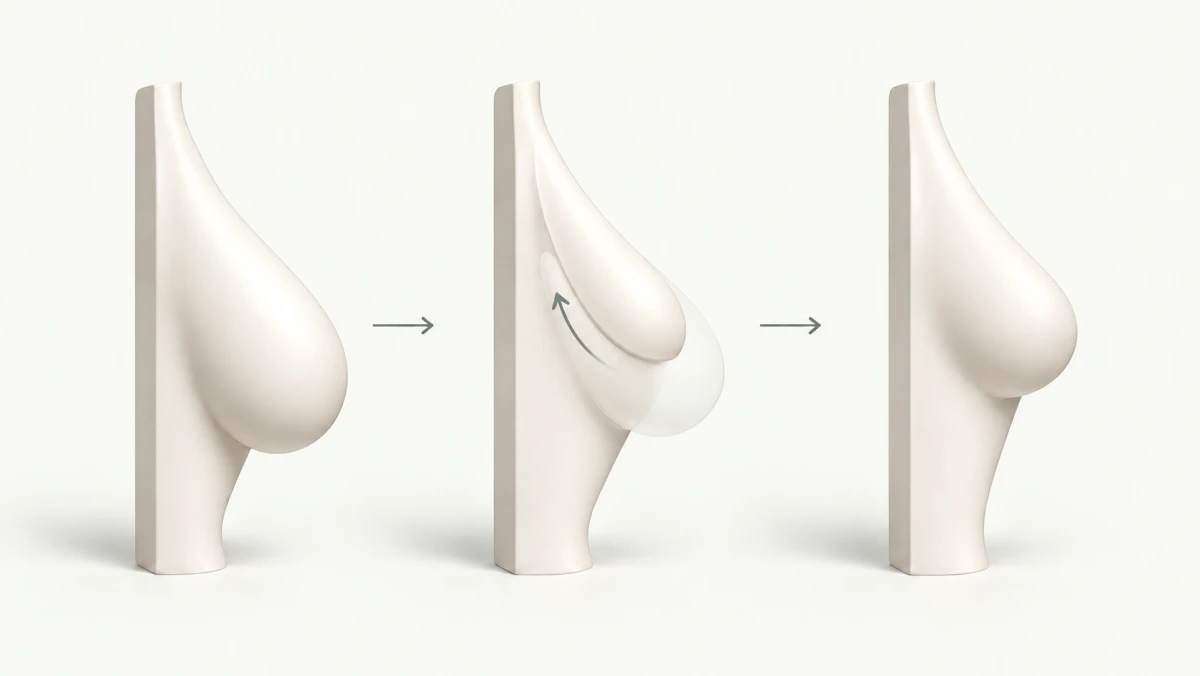
Breast size correction through reduced volume and weight
Discounted price
$4,700 $5,900
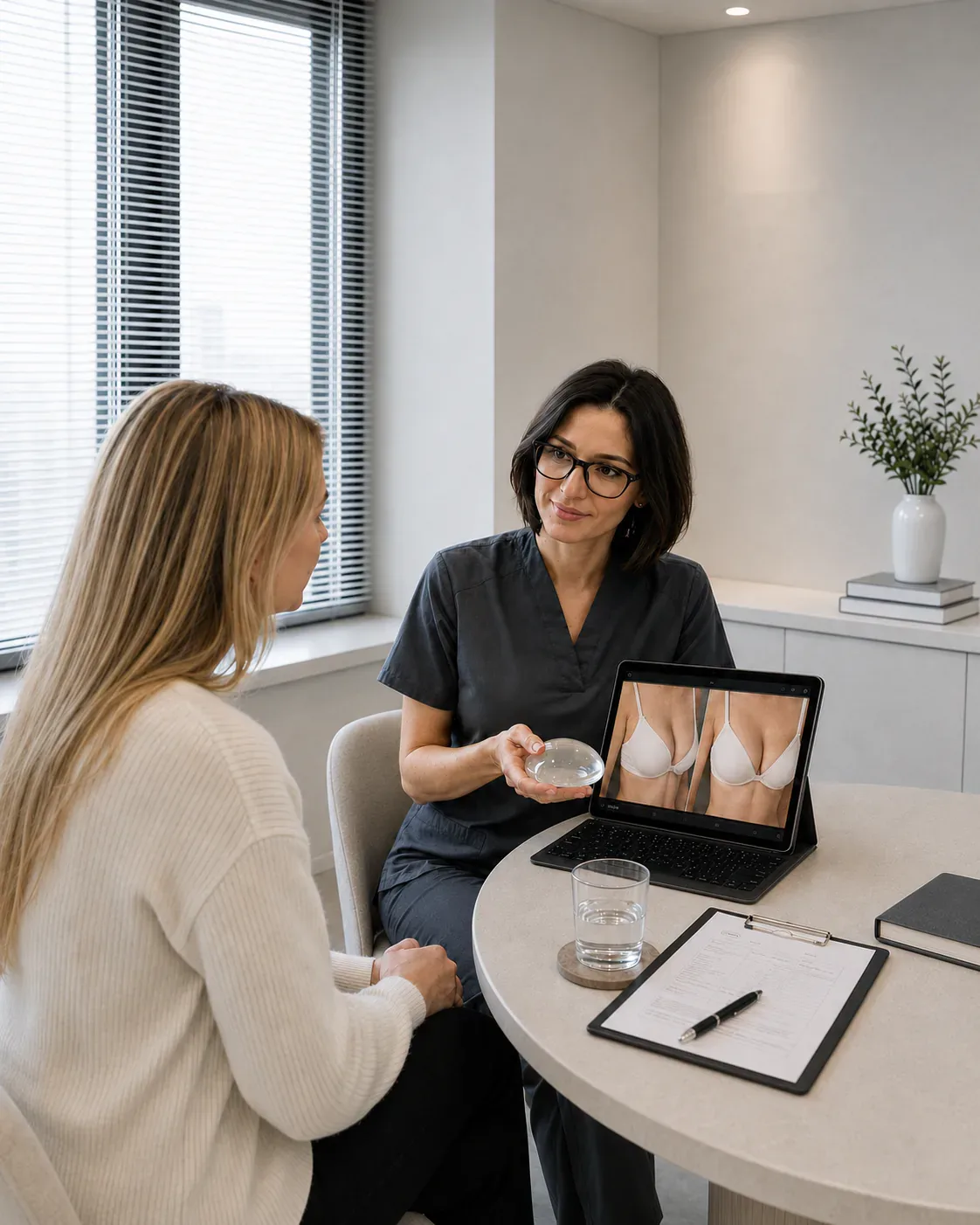
During the consultation the surgeon evaluates the shape and proportions of your breasts, listens to your wishes and selects the most suitable type of mammoplasty.
The consultation is free, before surgery and with no commitment.
Comparison
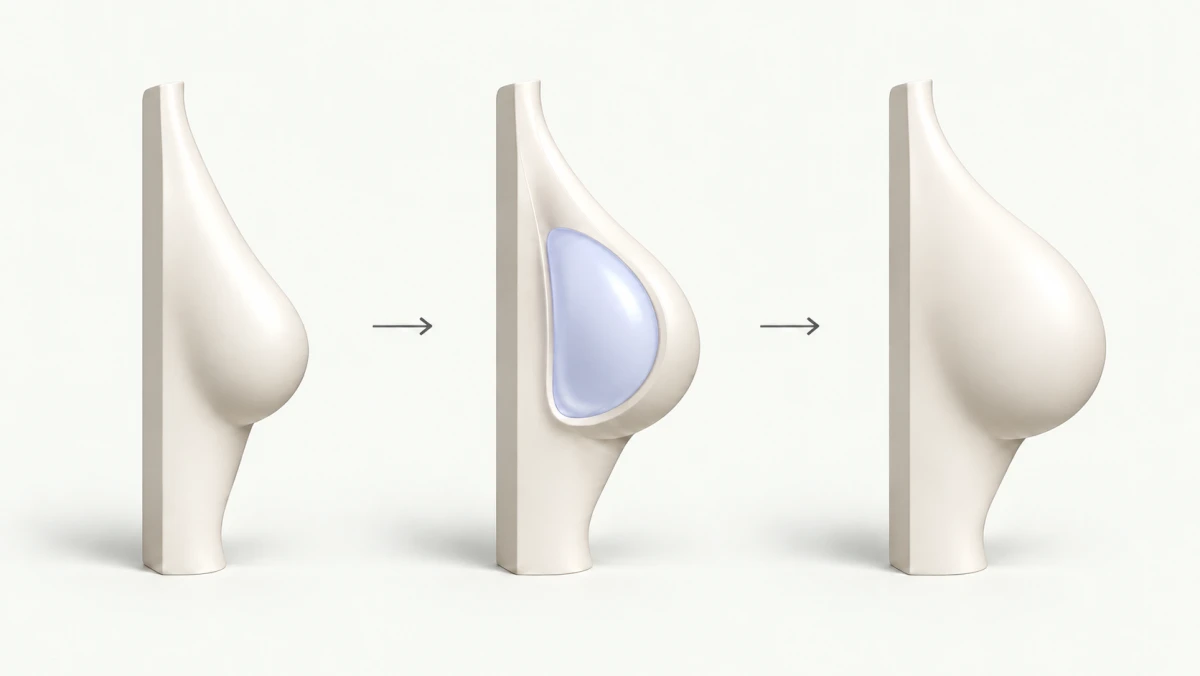
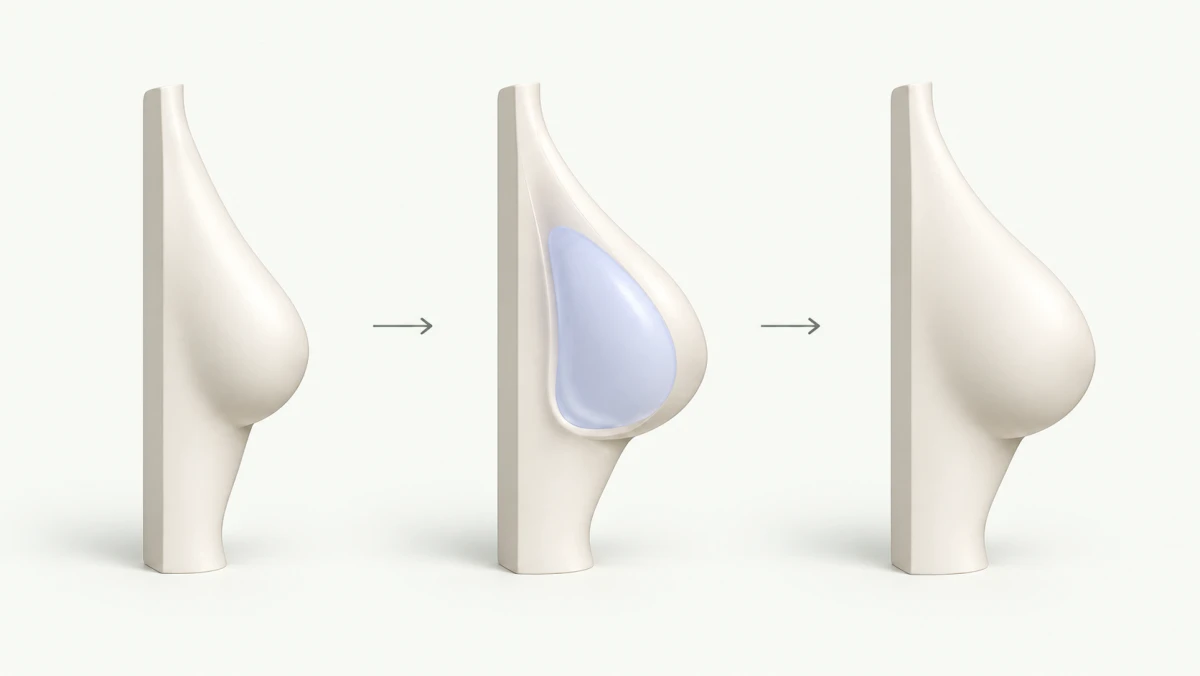
Round and anatomical implants are the two main types we work with. Each adds volume and corrects the shape, but the form and the final look differ.
Balanced volume and a fuller upper pole
A gentle slope and a soft teardrop contour
The surgeon will help you choose the implant shape and volume.
Our clinic
Up-to-date equipment, comfortable rooms and attention to each patient
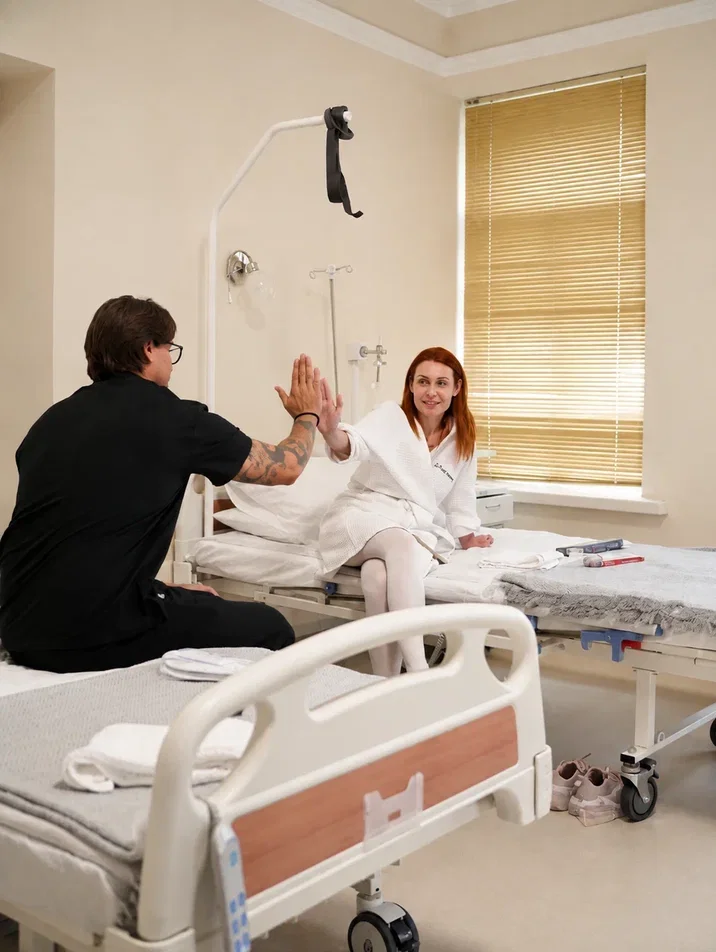
We will answer your questions and find a convenient time for a consultation
If your concern can be addressed without an operation, the doctor will say so at the consultation, so you do not pay for surgery you do not need.

Unsure whether surgery suits your case?
Get in touch: your coordinator will ask you for photos in a messenger, the surgeon will study them and say whether mammoplasty is a good option for you.
Find out if it suits me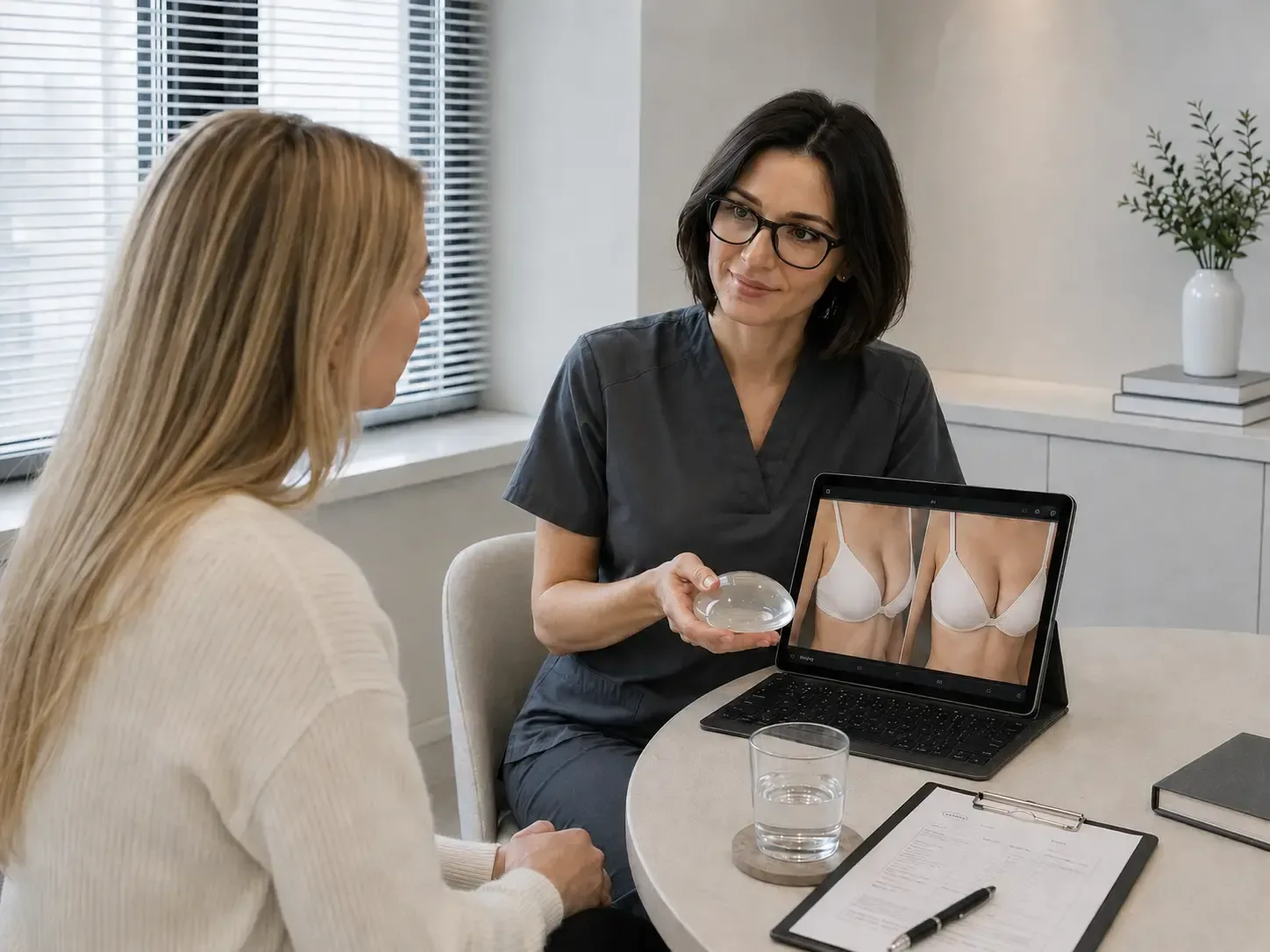
Prices
The price is set at the consultation and fixed in the contract.
Discounted price
Size and shape correction with implants
$4,700$5,900
Discounted price
Reducing the volume and weight of the breasts
$4,700$5,900
Breast restoration after mastectomy
The price is set at the consultation and fixed in the contract.
Get a consultationThe surgeon assesses the anatomy and proportions of your breasts, listens to your wishes and chooses the right correction method.
The price is set at the consultation and fixed in the contract.
Message our coordinator
Free online consultation · Reply within 15 minutes
Message us on TelegramMessage us on WhatsAppBy messaging us, you agree to our Privacy Policy
all inclusive
Starting with preparation for surgery
and ending with support for 12 months.
Discounted price
$4,700$5,900
The process
A personal correction plan, inpatient observation and a year of recovery monitoring.
 1
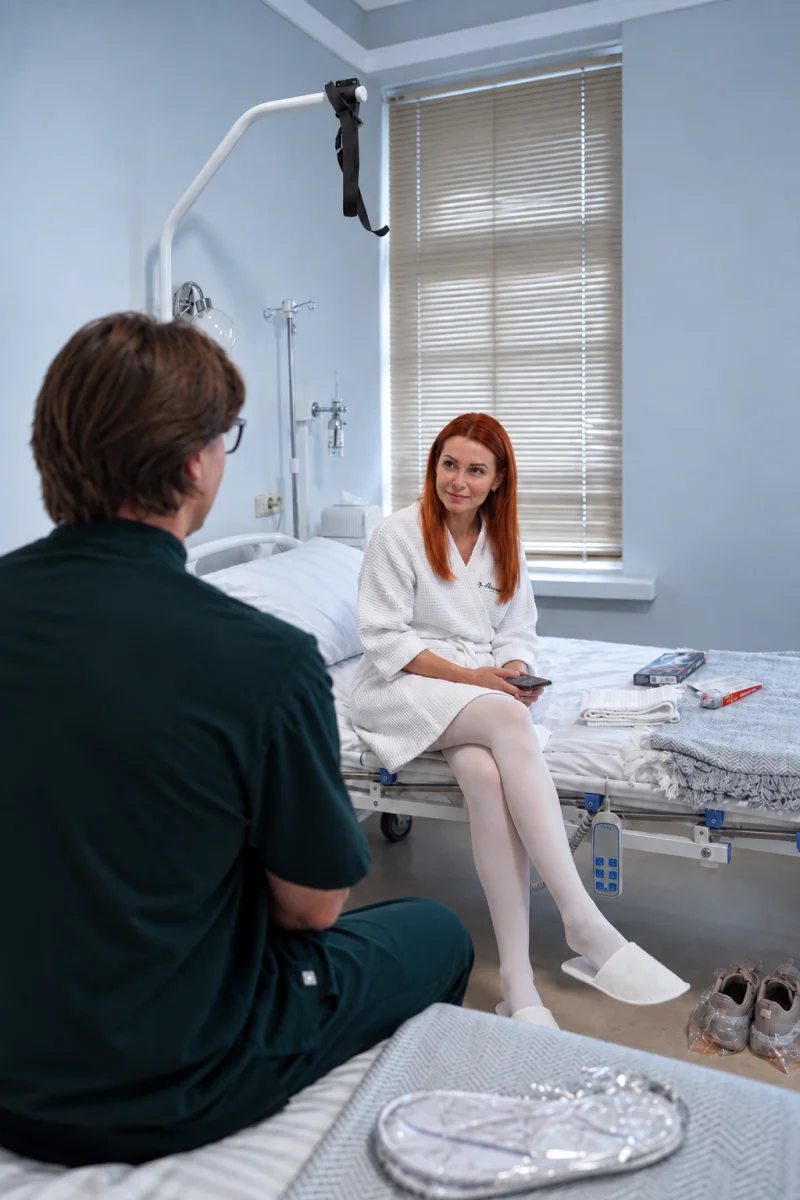
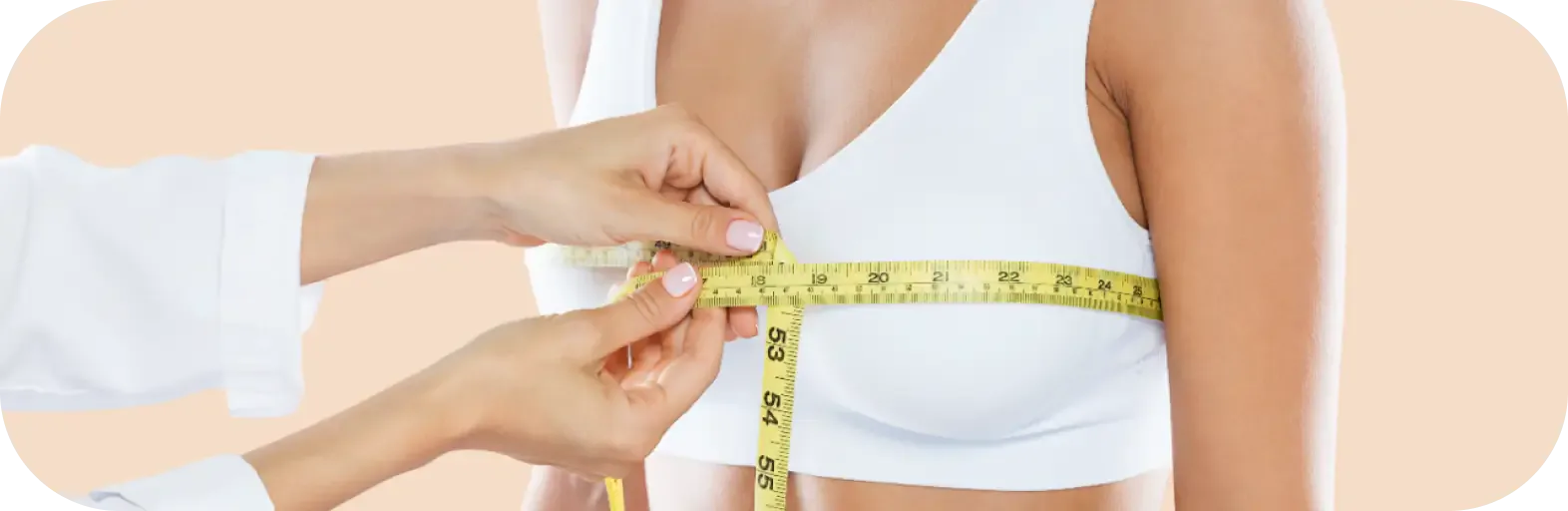
The surgeon looks at your figure, talks through your wishes and picks the best volume, shape and correction method.
 2
We reserve a surgery date for you: the deposit can be paid by card at the clinic or online by bank transfer. The terms are fixed in the contract for medical services
 3
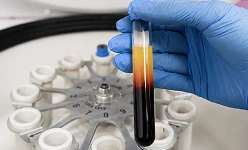
Before the operation you take a full set of tests: blood tests, an ECG and any other examinations the doctor prescribes.
 4
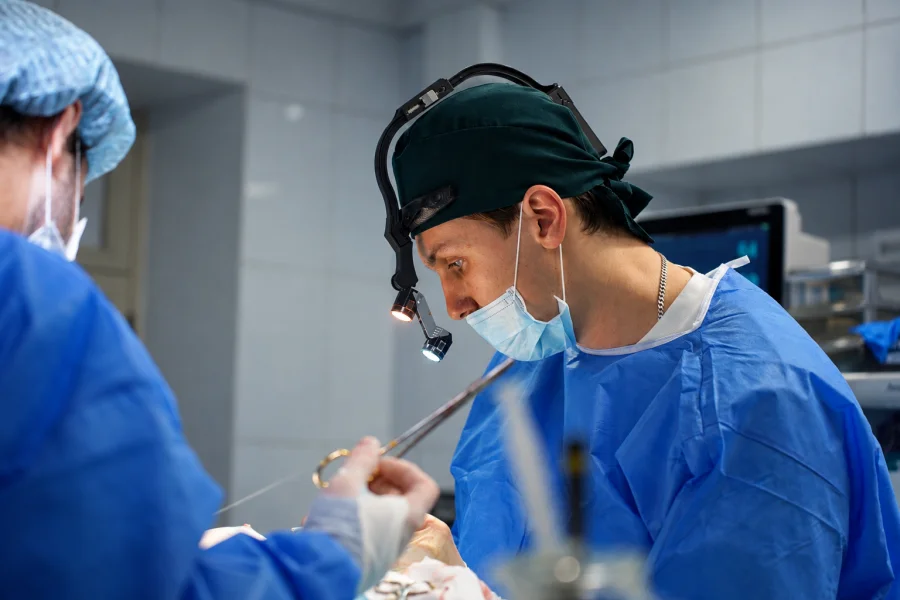
The surgeon performs mammoplasty according to your individual plan. The operation takes place under general anesthesia with continuous patient monitoring.
 5
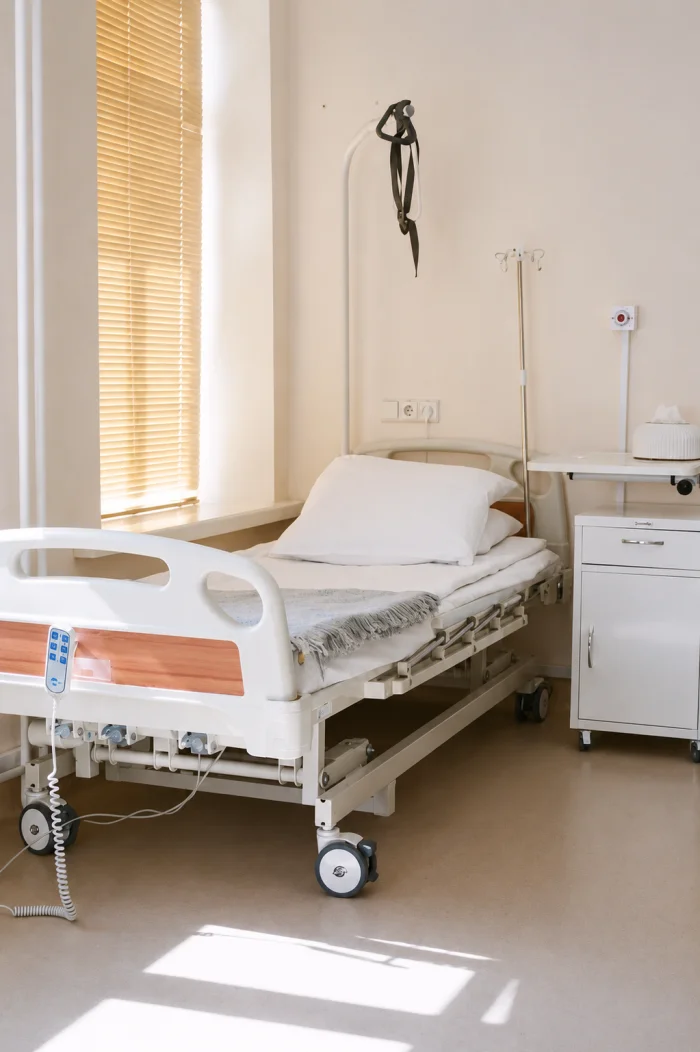
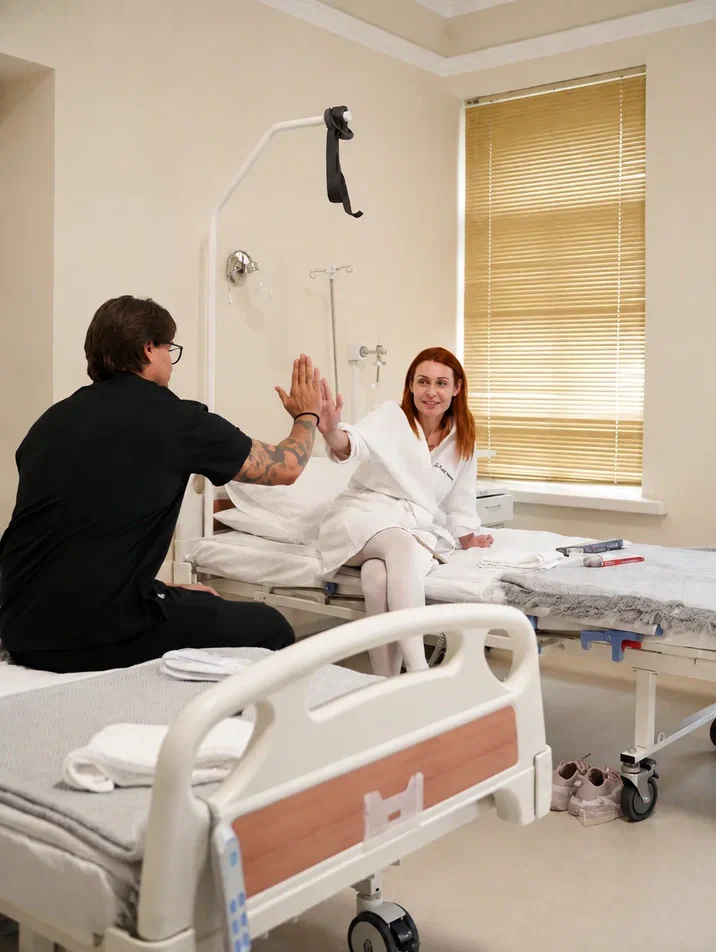
After the operation you remain in the clinic's comfortable inpatient ward, cared for by the medical team until you are discharged.
 6
A recovery programme is prescribed after surgery. Check-ups at 7 days, 3 and 6 months follow your recovery, and for a year after surgery you consult your surgeon for free.
Ahead of surgery, pause any aspirin-containing medicines, steroids and hormonal drugs taken for chronic conditions
Discontinue hormonal oral contraceptives at least a month ahead of the procedure
Take your tests a week before surgery
Before surgery, follow a few simple steps: keep a healthy work-rest balance, sleep more, avoid stress, anxiety and strong emotions, and reduce physical activity.
For as long as 40 days, stay away from intense gym workouts and overly active aerobics; light cardio is possible after a month. Monitor your diet and meals.
Swelling from surgery fades after 3 weeks
Discomfort fades after 3 months
Scars develop within 3 weeks
Avoid physical exertion (lifting over 3 kg)
All inflammatory tissue changes settle within 3 months, and a “pocket” develops around the implant
After correction, recovery includes 1–1.5 months in compression garments
No raising arms above shoulder level — 3 weeks
For up to three months, no baths, no saunas and no physiotherapy
Doctors
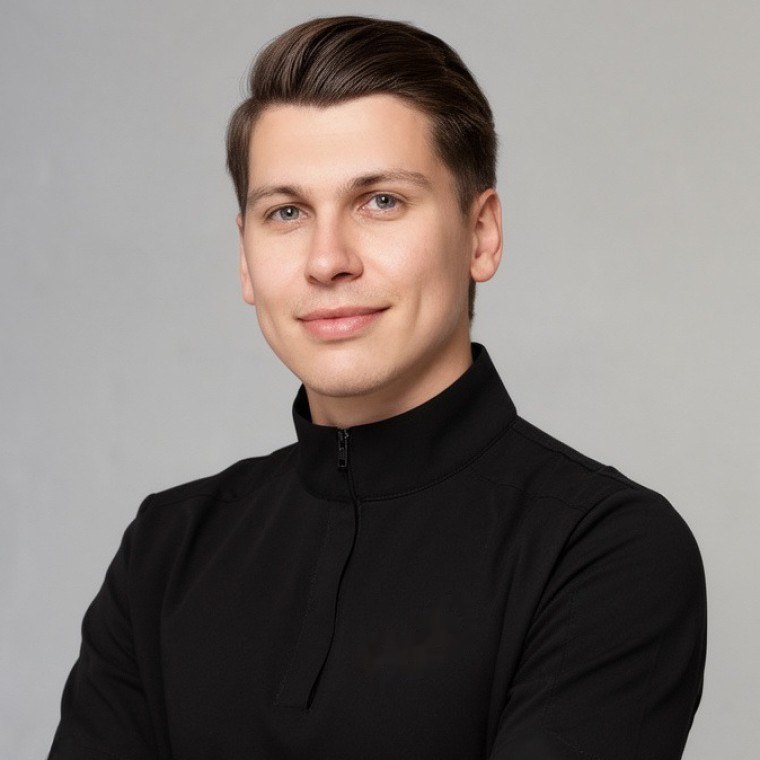
7 years of experience
Plastic surgeon
Residency in plastic surgery: Petrovsky National Research Centre of Surgery. Areas of expertise are aesthetic and reconstructive surgery of the breast and body.
You speak with the operating surgeon at the consultation
An experienced plastic surgeon who cares about patients' beauty and health
Book a consultationAdvantages
At the consultation we go through your wishes and model the planned changes. The surgeon explains what surgery can do, so you know exactly what result we are aiming for.
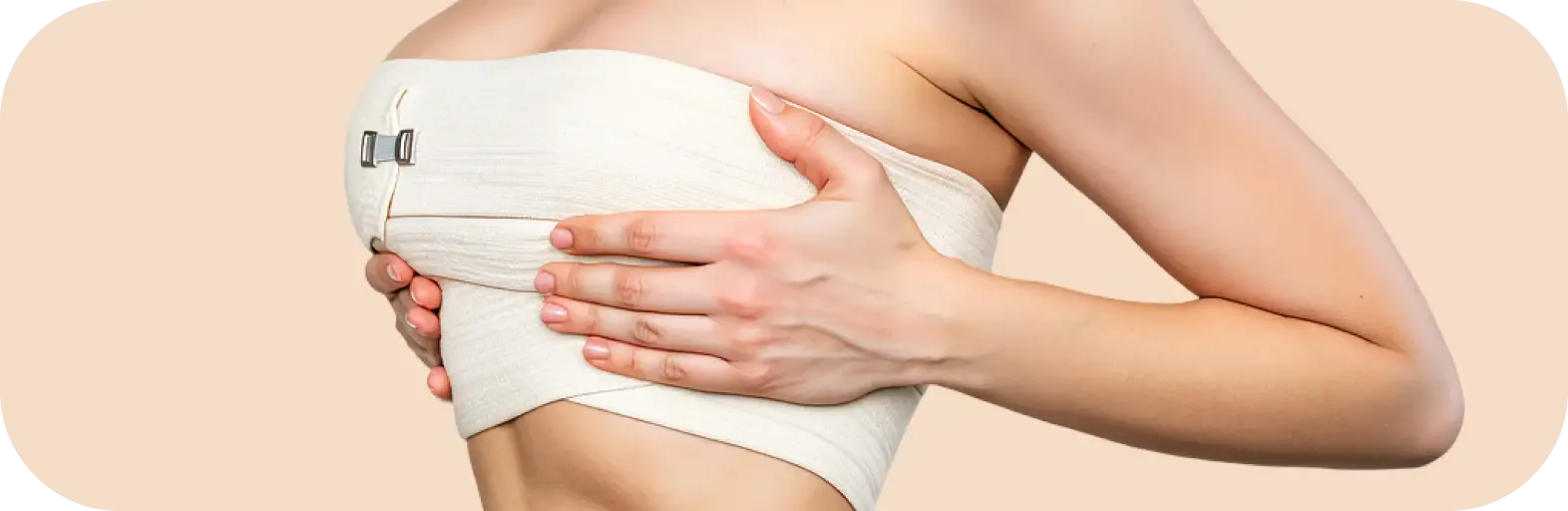
Your surgeon follows your recovery and the changes in your breast shape for a full year; check-ups and dressings are included in the price.
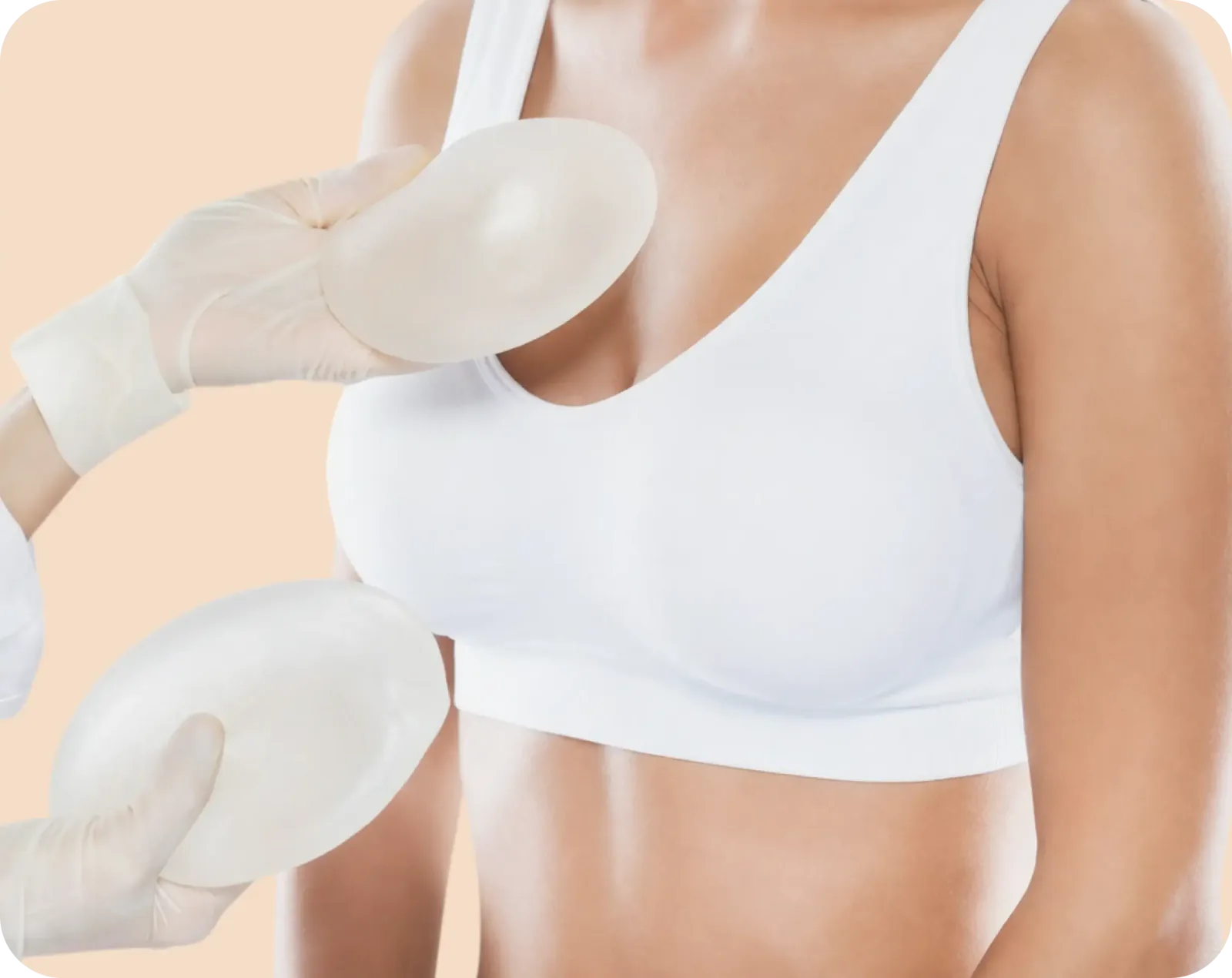
We select the shape, volume and correction method according to your anatomy and goals; for augmentation, implant size and profile are chosen just for you.
We respect your time: we work 24/7, with easy booking and a personal approach — we adapt to your pace.
After the consultation the surgeon determines the scope of correction, and you receive a clear price for the surgery with no surprises along the way.

Your recovery begins in a comfortable inpatient ward, with nurses on hand day and night. The price already covers your stay and meals.
FAQ
There are several types of mammoplasty: augmentation (bigger volume with implants), reduction (removal of excess tissue and skin), mastopexy (a lift for sagging), reconstruction (after mastectomy) and correction of asymmetry. The best approach is chosen individually, considering your wishes and the surgeon's recommendation.
Message us — our coordinator will get back to you shortly and book your consultation. The plastic surgeon consultation is free.
Complications are rare when recommendations are fully followed, yet they can include hematoma or seroma, wound infection, reduced or increased nipple sensitivity, capsular contracture, aesthetic asymmetry, separation of the wound and tissue necrosis.
The results of mammoplasty are long-lasting: roughly 10–15 years after augmentation (until the implants are replaced) and 5–10 years after a lift or reduction. Weight, pregnancy, skin aging and gravity all influence how long they last. Wearing supportive underwear and managing your weight help maintain the result.
Breastfeeding after mammoplasty is determined by the type of surgery. Augmentation through an under-breast or armpit incision, with the implant under the muscle, usually preserves lactation, since the glandular tissue is left undamaged. The risk is higher after a lift or reduction because ducts may be cut. Talk to your surgeon about it in advance.
Implant choice considers material (silicone looks most natural, saline is used less often), shape (round or anatomical teardrop), surface (smooth or textured), size and profile. The surgeon will choose the best option for your anatomy and wishes.
During the operation the patient is under general anesthesia and feels nothing at all. For the first 1–3 days there may be moderate discomfort, relieved by painkillers. By day 5–7 pain is much lower, and by weeks 2–3 discomfort passes. Report severe pain to your doctor straight away.
Returning to work without physical exertion is possible after 7–14 days, and light walks after 1–2 weeks. Fitness and swimming are allowed after 4–6 weeks, strength training after 3 months, and the pool and sea after 4–6 weeks. Compression garments: 4–6 weeks. Exact timing depends on recovery.
There is no scientific proof linking mammoplasty to a higher breast cancer risk. Implants do not cause cancer. Continue regular screening after surgery, including self-exams, mammography and ultrasound, and always inform the examining doctor about your implants.
After a C-section, mammoplasty can be done once the body has fully healed. At least 6–12 months should pass after delivery and after breastfeeding ends. A consultation and examination by a surgeon are required before the operation.
There are scars after mammoplasty, though a skilled surgeon keeps them minimal. The incisions go in discreet areas, such as under the breast, around the areola or in the armpit. Early on the scars are reddish, but over 6–12 months they fade and are almost unnoticeable.
In the first weeks after surgery, slight asymmetry is normal: swelling and uneven healing are behind it. If shape or size still differ after 3–6 months, see your surgeon for a check-up to find the reason.
After mammoplasty, sensitivity of the nipples and breasts may change for a while, becoming lower or higher. This is due to irritation of the nerve endings. In most cases sensitivity comes back within 3–12 months. If nothing improves after a year, see your surgeon.
There is no direct effect of hormonal drugs (contraceptives, hormone replacement therapy) on implants, but swelling or changes in breast tissue volume may occur and temporarily affect appearance. Let your surgeon know about these medications before surgery.
Prices are in US dollars; the amount in brackets is an approximate conversion to TZS at the rate of 02.10.2026. The final price is fixed in your contract.
Prices start from $4,700 (≈ TZS 12,500,000). The surgeon sets the final price at the free consultation, and it is fixed in the contract, with no hidden extras.
The surgical team's work, anaesthesia, the inpatient stay with meals, dressings and follow-up visits for twelve months.
Message us on WhatsApp or Telegram using the buttons below. A coordinator will answer your questions and book a free consultation where the doctor names the exact price.
By messaging us, you agree to our Privacy Policy
Some patients want a modest change, others a noticeable one; both are possible with implants. Breast enlargement for Arusha residents means an individually planned operation in which the surgeon selects implant type and placement. There is no scientific evidence that mammoplasty raises breast cancer risk, and implants do not cause cancer, though regular screening should continue afterwards.
Follow-up does not end at discharge. Throughout the year after mammoplasty, patients from Arusha can get free post-op consultations with the plastic surgeon, alongside dressings and planned check-ups. Slight asymmetry in the first weeks is normal and caused by swelling; if a difference persists after 3–6 months, the surgeon examines you to find the reason. Nipple sensitivity usually returns within 3–12 months.
How much is breast augmentation in Arusha? From $4,700 (≈ TZS 12,500,000) for the complete package. That sum includes the surgery, anesthesia, inpatient care with meals, round-the-clock monitoring by staff and a full year of post-op follow-up until the final result. To start, send your name and phone number or write in a messenger; a coordinator will contact you and book a free consultation.
What patients write after this operation. Reviews are translated from the original language.
Anna Smirnova
I went to Dmitry Sergeyevich for breast augmentation with implants. At the consultation everything was explained in detail, and together we chose the best size. The operation under combined anaesthesia took 2 hours, and I was discharged home the next day. The swelling went down in about a month, and my breasts look very natural. The year of follow-up care is a real lifesaver: you can always ask a question and get an answer. Thank you to the clinic!
Breast augmentation
Doctor: Dmitry S. Kuznetsov
Ekaterina Morozova
After two births I decided on a breast lift without implants. I chose Dmitry Sergeyevich and have no regrets. The result exceeded all my expectations: my breasts are lifted and the shape is youthful and firm. The incisions are minimal and almost invisible. I spent one day in the hospital, and the room was very comfortable. I recommend him!
Breast lift
Doctor: Dmitry S. Kuznetsov
Olga Kuznetsova
I had a combined operation, a breast lift with augmentation, with Dmitry Sergeyevich. At the consultation it was immediately clear that I was in the right place. Everything is included in the price, with no hidden charges. After a month my breasts already feel soft and natural. Personal follow-up after the operation is very valuable.
Breast lift with implants
Doctor: Dmitry S. Kuznetsov
Maria Lebedeva
Breast augmentation from a size 3 to a size 4 with Dmitry Sergeyevich. He chose perfect anatomical implants. The operation took 2 hours, and I woke up with almost no pain. In the ward I was fed and monitored around the clock. Four months have passed and the result looks like a magazine cover.
Breast augmentation
Doctor: Dmitry S. Kuznetsov
Natalia Vorobyova
I went to Dmitry Sergeyevich to correct breast asymmetry with a small lift. A true professional: at the consultation he immediately showed before-and-after photos of similar cases. Recovery was easy and the swelling went down quickly. I had my check-up after just 7 days. An excellent clinic!
Breast reconstruction
Doctor: Dmitry S. Kuznetsov
Yulia Romanova
I had a lift with implants after losing a lot of weight. I chose Dmitry Sergeyevich. At the consultation everything was explained in simple words, and my fears were gone. One day in the hospital, then care at home. Now my breasts look natural and keep their shape. I am very happy!
Breast lift with implants
Doctor: Dmitry S. Kuznetsov
Page medically reviewed by Dmitry S. Kuznetsov, plastic surgeon. Review date: .
Arusha is the capital of the Arusha Region in Tanzania and has a population of 617,631 people. It lies below Mount Meru on the eastern edge of the eastern branch of the Great Rift Valley, and it is a city where many people work in tourism, education, diplomacy and trade. For a woman in Arusha who is thinking about breast augmentation, the decision usually sits alongside a busy working life, family duties and a wish for privacy.
Arusha is a multicultural city. Its people have indigenous African, Arab-Tanzanian and Indian-Tanzanian roots, with a small European and North American minority, and the religions represented include Christianity, Islam, Sikhism and Hinduism. Attitudes to cosmetic surgery therefore differ from one family to the next, and many patients prefer to start with a quiet, confidential conversation before telling anyone close to them.
City Medical Centre offers a free online consultation to patients in Arusha. Coordinators are available 24/7 on WhatsApp and Telegram, so you can write in the evening after work or early in the morning, and you do not need to arrange anything in the city in order to start.
The first step is a message to a coordinator on WhatsApp or Telegram. You describe your goals, your general health, any earlier operations and your questions. The coordinator arranges an online conversation with a surgeon, and the consultation is free. Our approach is built around your time: we work 24/7, booking is easy, and the personal approach adapts to your pace.
Before the call it helps to prepare a short list: your current bra size and the look you want, whether you plan a pregnancy, whether you are breastfeeding, any chronic conditions, medicines you take and previous surgeries. Clear photos taken in good daylight help the surgeon judge the shape of the chest and the skin. Arusha has plenty of bright daylight at 1,400 metres, so a window or a shaded veranda is usually enough.
A coordinator will call you back 24/7, so a missed call or a question that comes up late in the evening does not slow you down. The surgeon explains the plan, the type of anaesthesia, the stay and the follow-up in plain language, and you decide at your own speed whether to go ahead.
Despite its closeness to the equator, Arusha stands at an elevation of 1,400 metres on the southern slopes of Mount Meru, which keeps temperatures relatively low and eases humidity. Cool dry air is typical for much of the year, and temperatures usually range between 10 and 30 °C. For someone recovering after breast augmentation this is a comfortable background: you are rarely forced to sit in oppressive heat while wearing a compression garment.
The year has distinct seasons. The long masika rains fall from March to May, the short and less reliable vuli rains usually come in November and December, and the dry kiangazi season runs from June to October. Arusha averages 29.8 days per year above 32 °C, all between November and March. If you plan the operation, the hotter months mean more sweating under the compression garment, so keep the skin clean and dry and choose soft, breathable clothing over it.
In the dry months the air carries dust, especially on busy roads. Keep the wound area covered and clean, follow the surgeon's instructions on dressings, and avoid dusty errands in the first weeks. During the rains, wet roads and slippery paths are a reason to avoid rushing: a fall or a sudden pull on the arms is exactly what you want to avoid early on.
Cool mornings and evenings at altitude call for a light layer that opens at the front, so you can dress without raising your arms. This matters because you should not lift your arms above shoulder height for 3 weeks.
There is no single best month in Arusha, and the choice depends on your work and family calendar. The dry kiangazi season from June to October offers steady weather, easier movement around the city and fewer problems with mud. The cooler months also suit the 4–6 weeks of compression garments, which stay on for that period.
If you prefer the rainy months, plan quiet days at home and arrange help in advance. The long rains from March to May are reliable in Arusha because of the influence of Mount Meru, so you can plan around them with some confidence. The hotter stretch from November to March is workable too, but you should be stricter about rest and hydration.
Whatever the season, leave a buffer around the date for the first check-up. After surgery you get a recovery programme, and check-ups at 7 days, 3 and 6 months help track your recovery. Choose a period when you are not facing exams, a major project or a family event that you cannot move.
General anaesthesia is used for the surgery itself, so there is no sensation during the operation. Depending on the plan, the stay is 1 day or 1–2 days, and you are under 24/7 monitoring by medical staff during that time.
In the first 1–3 days you may feel moderate discomfort, which painkillers relieve. Pain subsides significantly by day 5–7 and discomfort is gone by weeks 2–3. If pain becomes severe, inform your doctor right away. Keep your coordinator's chat open on your phone so that you can report any change quickly, day or night.
Swelling after surgery goes away after 3 weeks. In the first weeks slight asymmetry is normal, because swelling and uneven healing are behind it. If shape or size still differ after 3–6 months, see your surgeon for a check-up to find the reason.
You may go back to work, with no physical exertion, after 7–14 days. For an office worker, a teacher, a guide in the tourism sector or someone in administration, this often means a short break followed by lighter duties. If your job involves carrying, driving long distances on rough roads or handling heavy equipment, speak to the surgeon about how to organise your return.
Take light walks after 1–2 weeks. Arusha is a walkable city with plenty of green space and views of Mount Meru, so short, calm walks near home are an easy way to keep moving. Avoid heavy exertion, meaning lifting more than 3 kg, and remember that carrying shopping bags or a child counts. Ask family or colleagues for help with market trips and school runs for the first weeks.
Many families in Arusha have strong community ties, and visitors tend to drop in without much notice. Agree beforehand with relatives about rest periods, and decide who will help with cooking and childcare. Timing depends on your recovery, so treat the figures as guidance and follow your surgeon's advice.
Food culture in the area is rich in vegetables, bananas, potatoes and greens grown on the slopes around the city. These are good everyday foods for recovery. Monitor your diet and meals, because weight changes can affect the result in the long term.
Arusha has an active sporting culture, from rugby and football to running and motor sport. If you play or train, plan the pause honestly. For as long as 40 days, stay away from intense gym workouts and overly active aerobics. Light cardio is possible after a month. Fitness and swimming are allowed after 4–6 weeks, and strength training after 3 months.
Pool and sea are possible after 4–6 weeks. Arusha is inland, so this mostly concerns hotel pools and any holiday plans, and you should still check with your surgeon before swimming. Rugby, running groups and team sports with sudden contact or arm movements should wait until your surgeon clears you.
After the correction, recovery involves 1–1.5 months of compression garments, and compression garments stay on for 4–6 weeks. Wear them as instructed even on cooler days, and carry a spare so that you can change when needed.
There are scars after mammoplasty, though a skilled surgeon keeps them minimal. The incisions go in discreet areas, such as under the breast, around the areola or in the armpit. Early on the scars are reddish, but over 6–12 months they fade and are almost unnoticeable. Under Arusha's bright highland sun, protect the scars from direct light with clothing during the early months.
Breast and nipple sensitivity may change for a time, going down or up, because of irritation of nerve endings. In the majority of cases sensitivity is restored within 3–12 months. If nothing has improved after a year, consult your surgeon.
In 3 months any inflammatory changes in the tissue disappear, and a pocket forms around the implant. Discomfort fades after 3 months. Results last a long while: about 10–15 years for augmentation, until implant replacement. Weight changes, pregnancy, skin aging and gravity affect their duration. To maintain the result, choose supportive underwear and control your weight.
Follow-up support lasts 12 months. For a year after surgery, consultations with your surgeon are free.
Arusha was first settled in the 1830s by the agro-pastoral Arusha Maasai, who came from the Arusha Chini community south of Mount Kilimanjaro. They traded grains, honey, beer and tobacco with the Kisongo Maasai for livestock, milk, meat and skins. A city built on exchange and neighbourly dealings still has a strong culture of talking things through, and many women here decide on breast augmentation only after a long, quiet conversation with themselves first.
The city grew through German and British administration and a mix of settlers. In 1952 a partial census counted 7,797 residents: 1,084 Europeans, 3,153 Asians and 3,560 native Africans. By the 1950s it was described as a polyglot little town with Greek, German and other communities. That blend of backgrounds survives in the families of today, so one patient may consult her mother and sisters while another keeps the plan entirely private. A free online consultation lets you choose how much to share, and you can rest at home without explaining your absence to the whole street.
Arusha was granted city status on 15 August 2012, and it became official on 2 November 2012. The city is young in name and old in character, and the women who live here often combine careers, family obligations and community life. When you plan the date of surgery, think of which of these three areas needs the most flexibility, and tell the coordinator so the recovery programme fits your real life.
Arusha is a diplomatic hub. It is the headquarters of the East African Community, it hosts the African Court on Human and Peoples' Rights, and it has a branch of the International Residual Mechanism for Criminal Tribunals. Women who work in conferences, translation, administration, law or hospitality in this setting often have fixed event calendars. Ask your employer or colleagues about the busiest weeks, then choose an operation date outside them, so that your return after 7–14 days is calm and involves no physical exertion.
The city sits close to the Serengeti, the Ngorongoro Conservation Area, Lake Manyara, Tarangire, Kilimanjaro and Arusha National Park, so tourism is a large employer. Guides, lodge staff, receptionists and tour coordinators spend long hours on their feet, in vehicles or lifting luggage. Heavy exertion means lifting more than 3 kg, and for 3 weeks you should not lift your arms above shoulder height. If your work involves bags, vehicle doors or handling equipment, discuss with your manager a lighter role during recovery, and tell the surgeon about it during the online consultation.
Arusha also hosts the National College of Tourism campus, Arusha Technical College, the Nelson Mandela African Institute of Science and Technology, the Institute of Accountancy Arusha, Tumaini University Makumira and Mount Meru University. Students and lecturers can plan around the academic calendar. A break between terms or after exams suits the first weeks of rest, when you should avoid carrying heavy bags of books or laboratory equipment.
Arusha's residential areas range from quiet gated communities to busy central districts. Njiro, Sakina, Majengo and the Usa River area each have a different rhythm: some have supermarkets and a mall within reach, others rely on small local shops and markets. If you live in a quiet area with mini supermarkets within walking distance, light shopping on foot after 1–2 weeks is easy. If you live where shopping means crowded markets, ask a relative to do the buying for the first weeks, because crowds mean accidental knocks to the chest.
The surrounding highlands produce bananas, coffee, cabbage, potatoes, carrots and leafy greens, while the lower areas grow maize, beans and wheat. Fresh vegetables and plain home-cooked meals suit the weeks after surgery. Prepare and freeze simple dishes before the operation, so you do not need to stand over heavy pots or lift large containers. Monitor your diet and meals, because weight changes affect how long the result lasts.
Arusha's large horticulture industry grows flowers, and the city's gated communities, lodges and apartments mean many women live in households with domestic help or shared compounds. Agree beforehand who will handle laundry, water carrying and childcare. A simple written plan on the fridge helps relatives keep to it, and your coordinator can answer questions about the plan on WhatsApp or Telegram, day or night.
Arusha is home to the Tanzanian rugby national team and to Arusha FC, which plays at Sheikh Amri Abeid Memorial Stadium. The city also hosted the Mount Meru Marathon from 1985 to 2004. If you run, play or coach, the rules after augmentation are clear: for as long as 40 days, stay away from intense gym workouts and overly active aerobics, and light cardio is possible after a month. You can still watch matches from the stands, but avoid crowded standing areas where people push, for the first weeks.
The Arusha Motor Sports Club, created in 1996, and car clubs such as the Tanzania Old Skool car club and the Land Rover Tanzania club give the city a lively car culture. Rally days and club meetings involve vibration, lifting of tools and long hours in the sun. Wait until your surgeon allows you to return to such activities, and be careful with seat belts, which can press on healing tissue: ask the surgeon how to position the belt comfortably during the early weeks.
Strength training is allowed after 3 months, and fitness and swimming after 4–6 weeks. Plan your return to a gym or sports club in steps, and tell your trainer or teammates about the surgery in advance so no one pulls on your arms or asks you to join a contact drill too early.
The National Natural History Museum, housed in a former German administration outpost and opened to the public in 1987, the museum near the Uhuru monument with its exhibition on the 1967 Arusha Declaration, and the Arusha Cultural Heritage Centre make good quiet outings. Once you are allowed light walks after 1–2 weeks, these calm places are an easy way to leave the house without exertion. Go at a slow pace, wear your compression garment and a front-opening layer, and avoid crowds.
The Arusha African Film Festival, linked to a film course at Arcadia University, and the many church and mosque celebrations through the year are important in the social calendar. Christian, Muslim, Sikh and Hindu families all mark their own festivals with large gatherings and shared meals. If a wedding, religious festival or family reunion falls near your planned date, move the operation: you will want to enjoy the event, not worry about hugs, dancing and carrying dishes.
Many women prefer to have the result visible for a particular occasion. Remember that swelling after surgery goes away after 3 weeks, that scars are reddish early on, and that the final picture develops over months. A realistic schedule that leaves several months between the operation and a major photograph or ceremony is kinder to you.
Breast augmentation suits adult women in good general health who want a larger or more balanced shape and who have realistic expectations. Pregnancy, current breastfeeding, uncontrolled chronic illness, active infection or unrealistic hopes are reasons to wait or to reconsider. Weight matters too, and the WHO publishes general information on overweight and obesity that is useful background for planning.
Mammoplasty after a C-section is possible, but only once your body has fully recovered. Allow at least 6–12 months after giving birth and after breastfeeding stops. A consultation and check-up with a surgeon are required before surgery.
Questions worth asking in your online consultation: Which incision and implant placement suit my body? How will my daily routine in Arusha affect recovery? How long will I stay under monitoring? What do the check-ups at 7 days, 3 and 6 months include? What should I do if I notice asymmetry, severe pain or changed sensitivity? Who do I contact at night? Write the answers down and compare them calmly before you decide.
Yes. The online consultation is free, and coordinators are available 24/7 on WhatsApp and Telegram.
No. You only need a phone, a few clear photos in daylight and a list of your questions and health details.
General anaesthesia is used, so there is no sensation during the surgery. The stay is 1 day or 1–2 days, with 24/7 monitoring by medical staff.
You may go back to work, with no physical exertion, after 7–14 days. Timing depends on your recovery.
Arusha's altitude keeps temperatures relatively low, usually between 10 and 30 °C, which is comfortable under a compression garment. In the hotter months from November to March keep the skin clean and dry, and in dusty weather keep the wound area covered.
Light walks are fine after 1–2 weeks. Light cardio is possible after a month, fitness and swimming after 4–6 weeks, and strength training after 3 months. Avoid intense gym workouts and overly active aerobics for as long as 40 days.
Compression garments stay on for 4–6 weeks, and recovery after the correction involves 1–1.5 months of compression garments.
There are scars, though a skilled surgeon keeps them minimal. They are reddish early on and over 6–12 months fade and are almost unnoticeable.
About 10–15 years for augmentation, until implant replacement. Weight changes, pregnancy, skin aging and gravity affect the duration.
You get a recovery programme, check-ups at 7 days, 3 and 6 months, follow-up support for 12 months and free consultations with your surgeon for a year after surgery.
Arusha has a population of 617,631 people and many communities, so it is possible to keep your plans private. The online consultation is free, takes place from home, and coordinators are available 24/7 on WhatsApp and Telegram.
You may go back to work, with no physical exertion, after 7–14 days. Do not lift more than 3 kg and do not raise your arms above shoulder height for 3 weeks, so ask for lighter duties if your job involves luggage, vehicles or equipment.
For as long as 40 days, avoid intense gym workouts and overly active aerobics. Light cardio is possible after a month, fitness and swimming after 4–6 weeks, and strength training after 3 months.
Yes. Swelling goes away after 3 weeks and scars fade over 6–12 months, so leave a gap of several months before a major event. Timing depends on your recovery, and your surgeon can adjust the plan.