
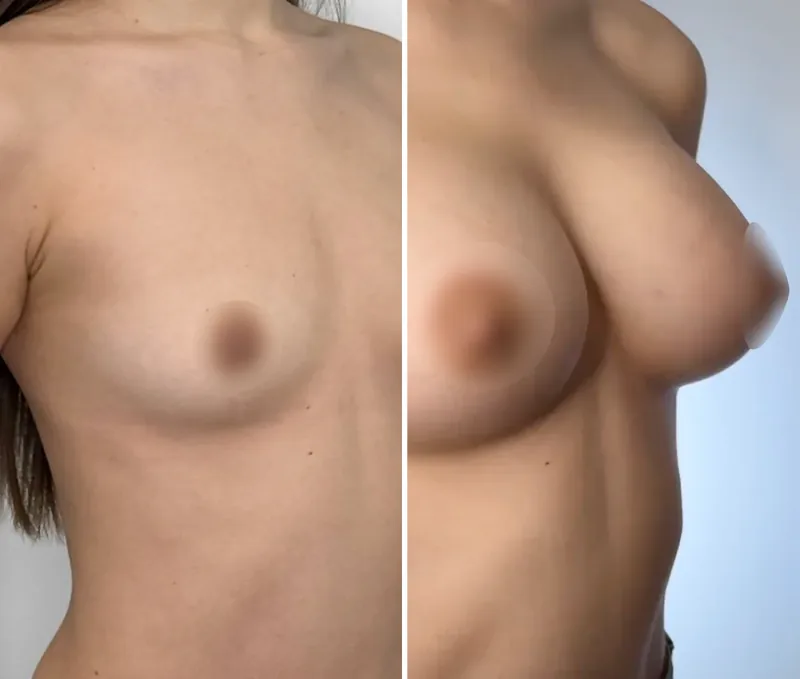
 beforeafter
Mammoplasty
Method: implants
Breast augmentation
$4,700
$5,900 · First consultation — Free
Message our coordinator
Free online consultation · Reply within 15 minutes
Message us on TelegramMessage us on WhatsAppBy messaging us, you agree to our Privacy Policy
Results
All cases are real patients of the clinic. Faces and identifying details are hidden.
beforeafterMethod: implants
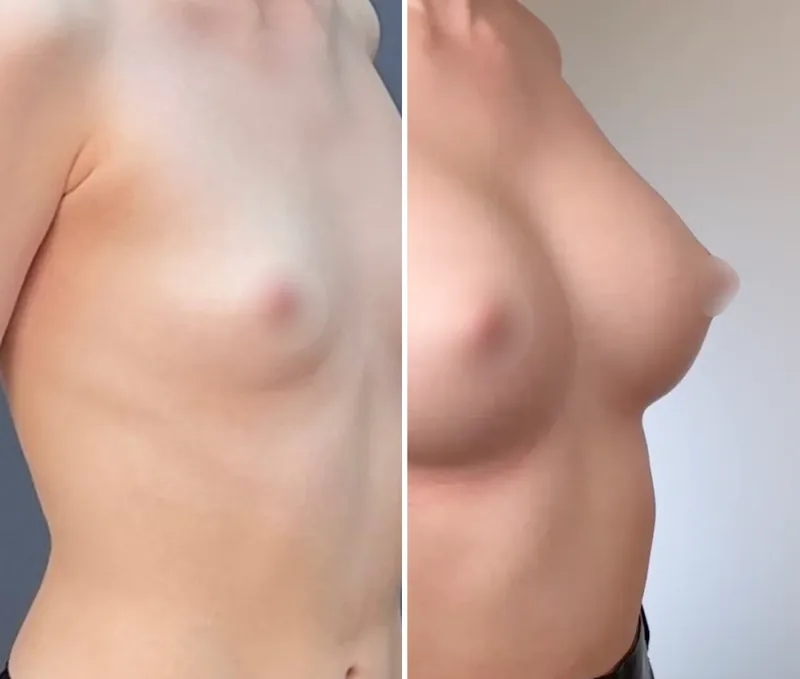 beforeafter
Method: implants
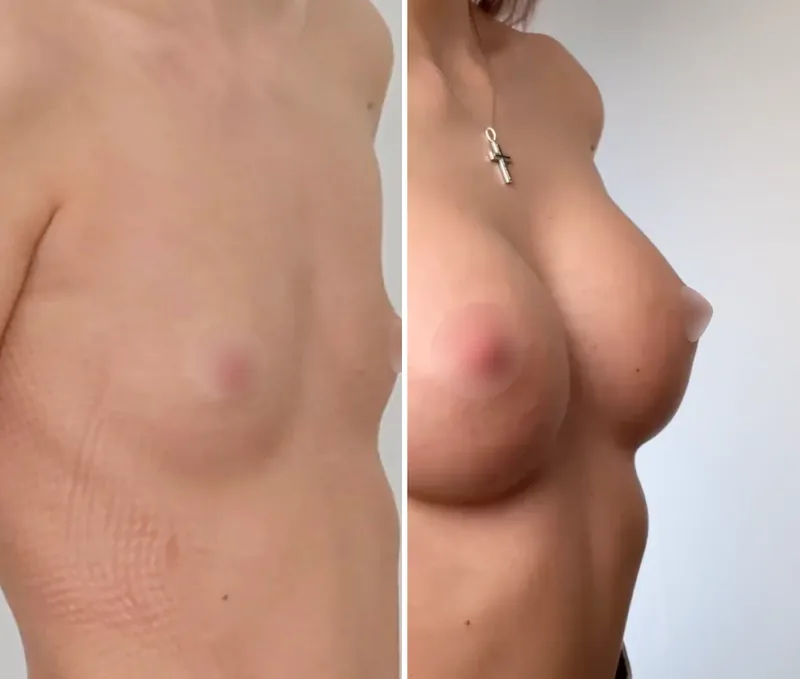 beforeafter
Method: implants
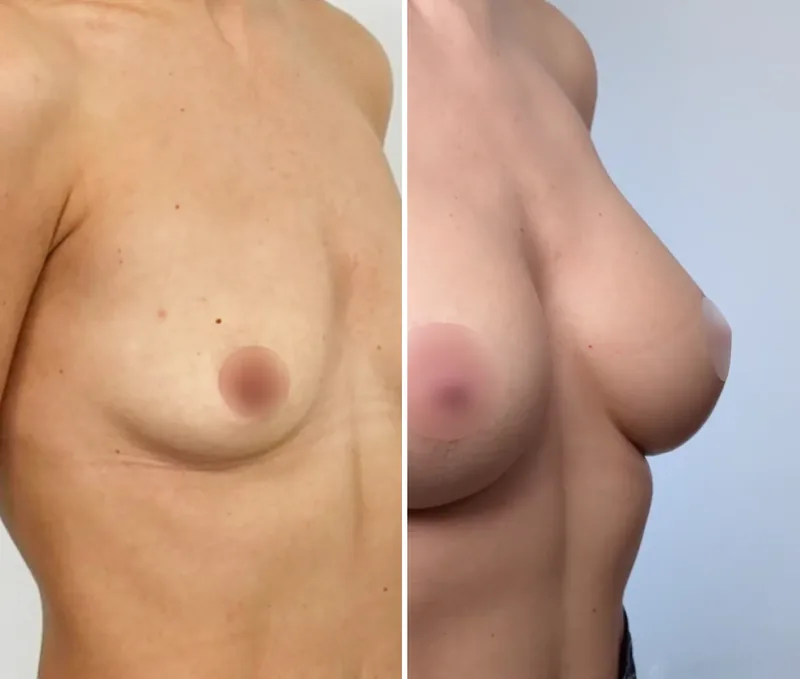 beforeafter
Method: implants
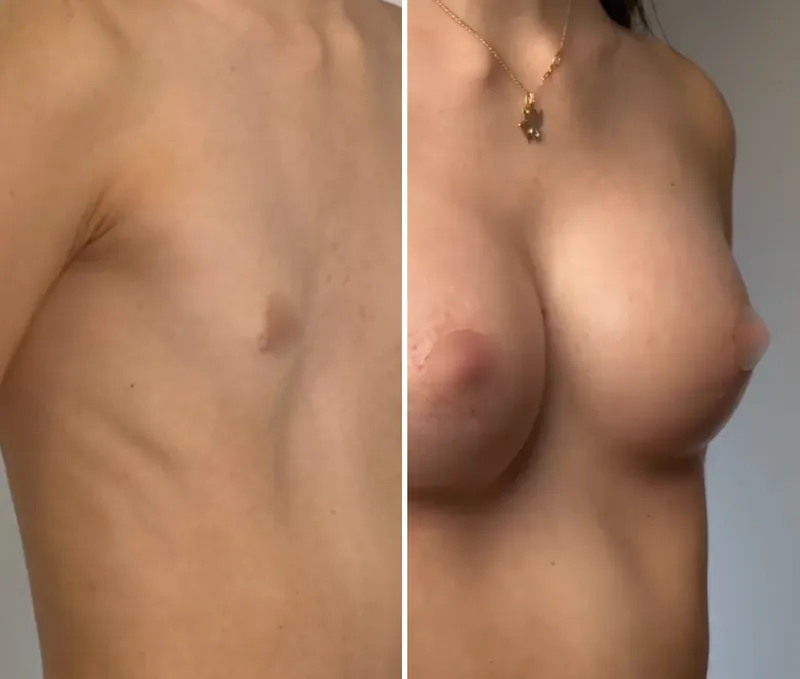 beforeafter
Method: implants
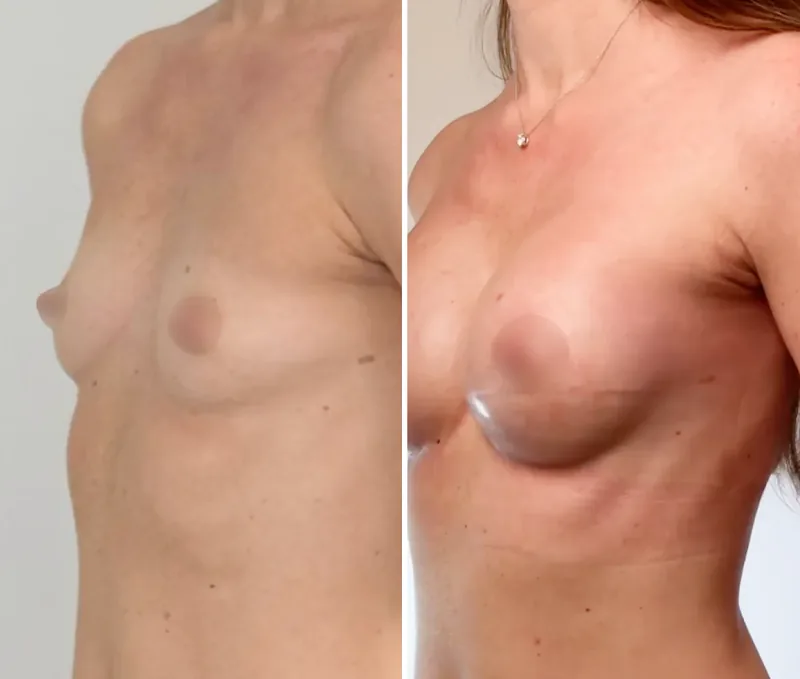 beforeafter
Method: implants
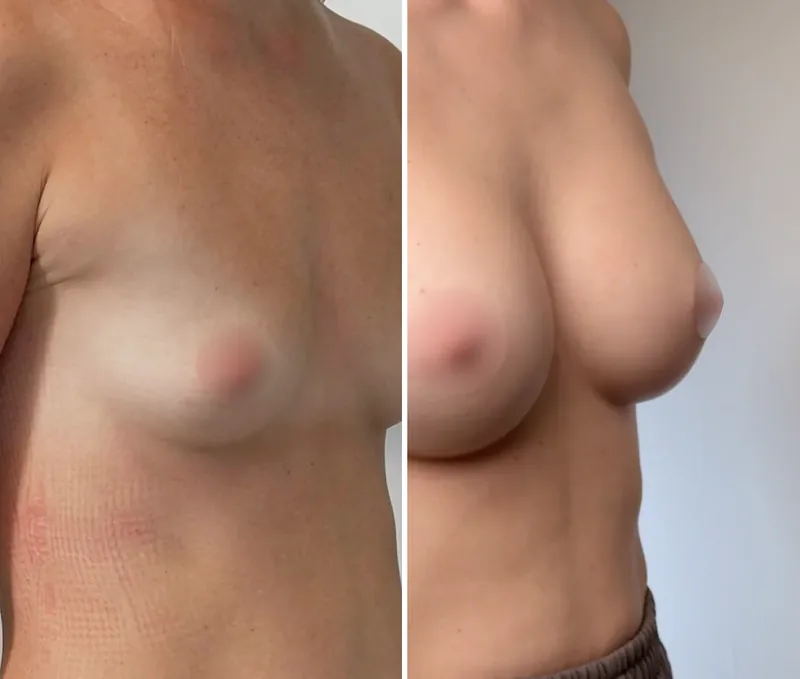 beforeafter
Method: implants
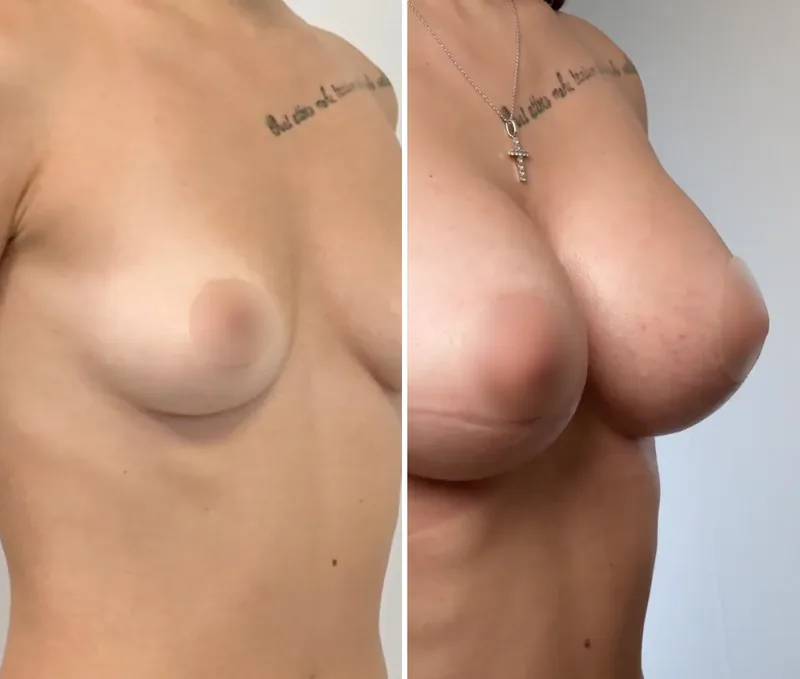 beforeafter
Method: implants
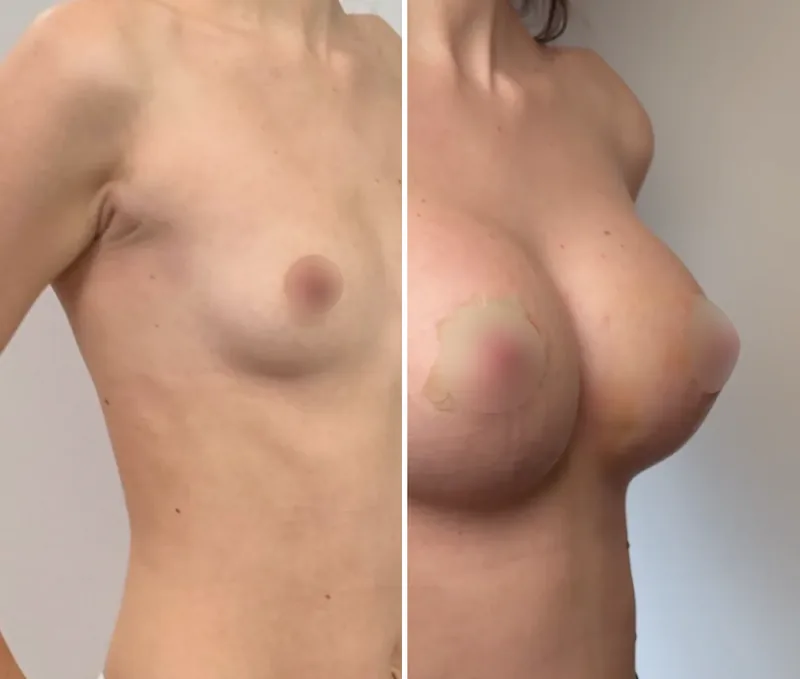 beforeafter
Method: implants
Comparison
Augmentation and reduction are the two main breast correction methods we perform. Compare what each one achieves, how precise it is and when it is indicated.
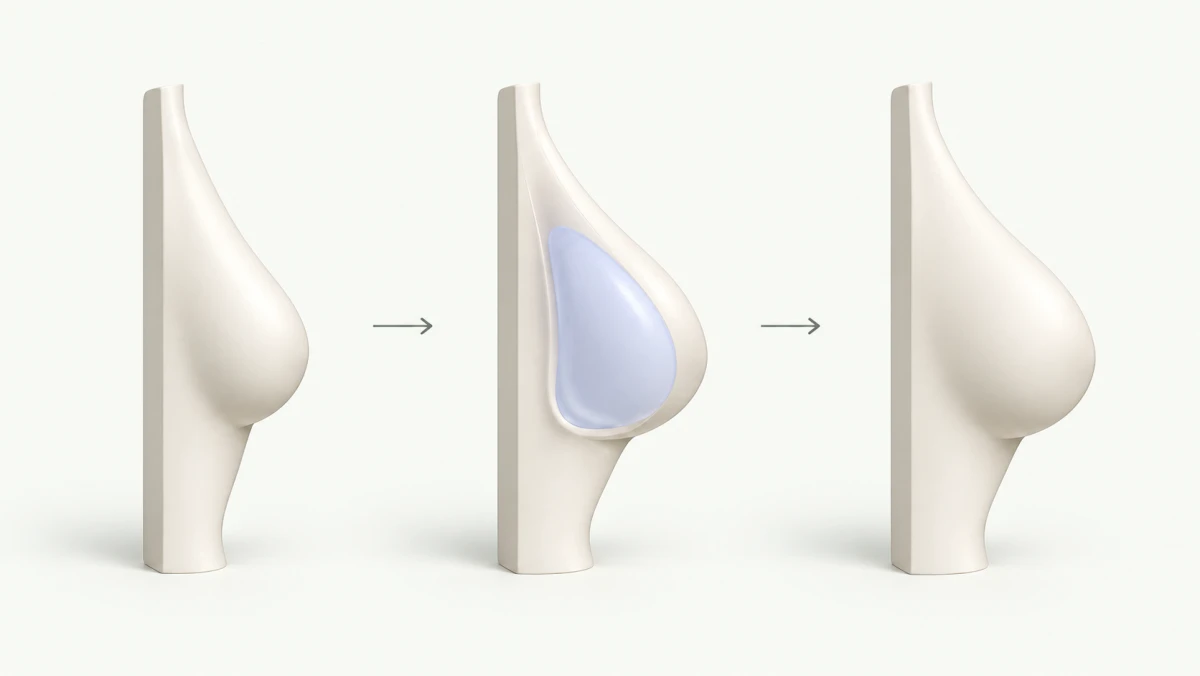
Size and shape correction with implants
Discounted price
$4,700 $5,900
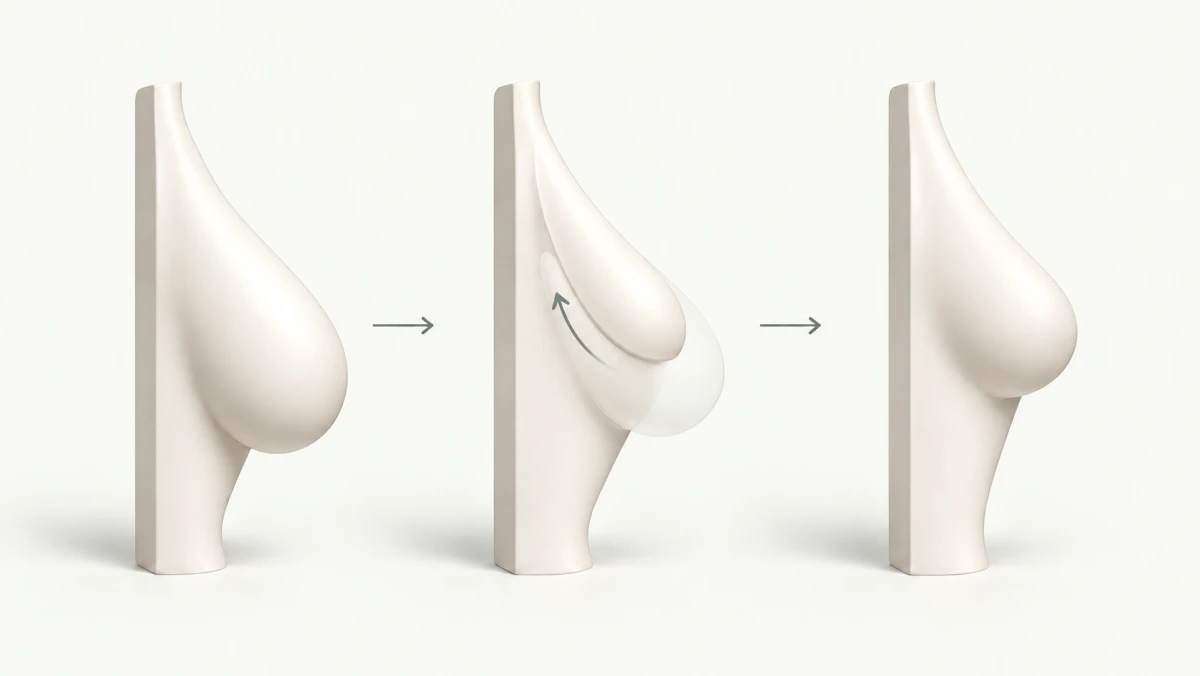
Breast size correction through reduced volume and weight
Discounted price
$4,700 $5,900
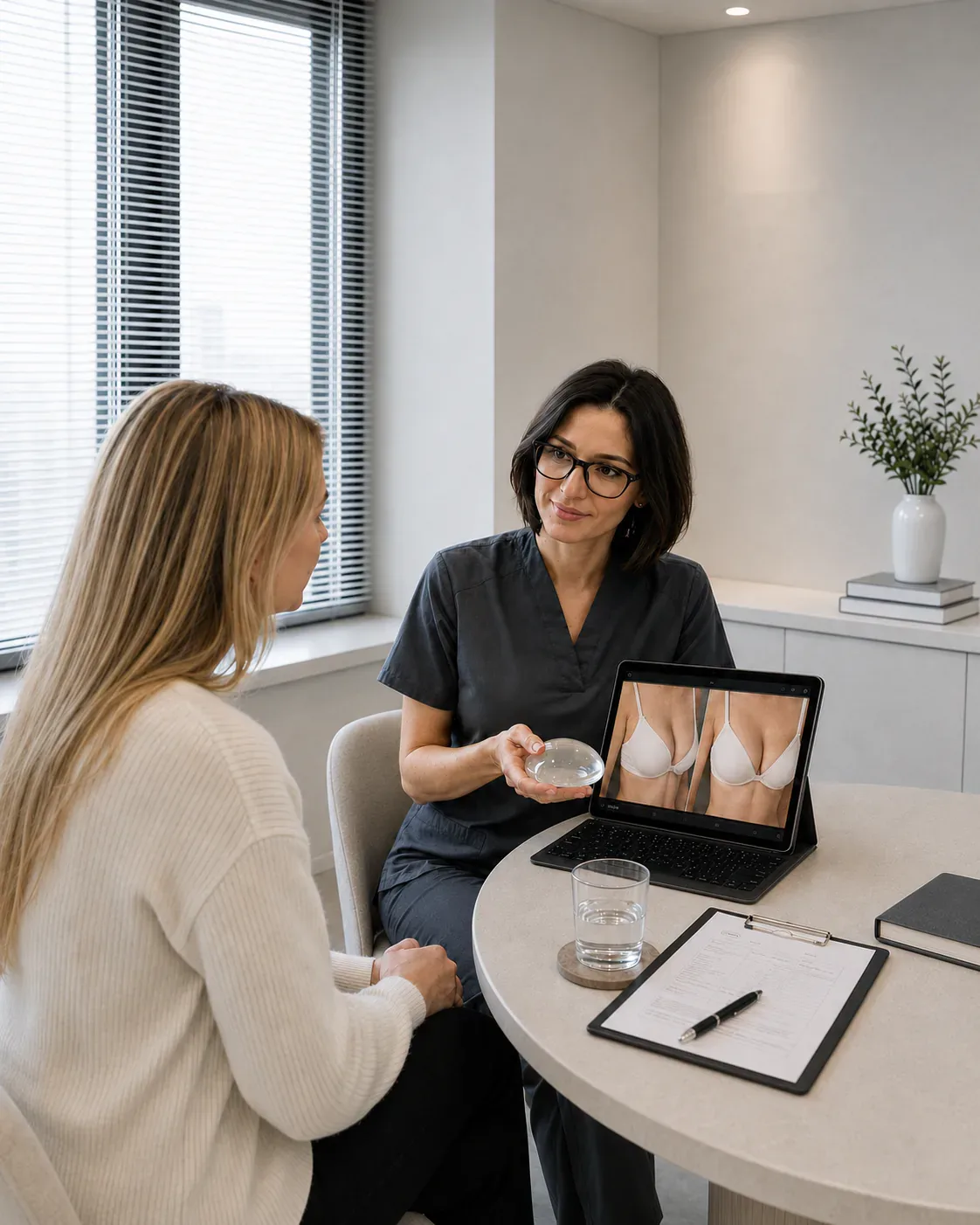
During the consultation the surgeon evaluates the shape and proportions of your breasts, listens to your wishes and selects the most suitable type of mammoplasty.
The consultation is free, before surgery and with no commitment.
Comparison
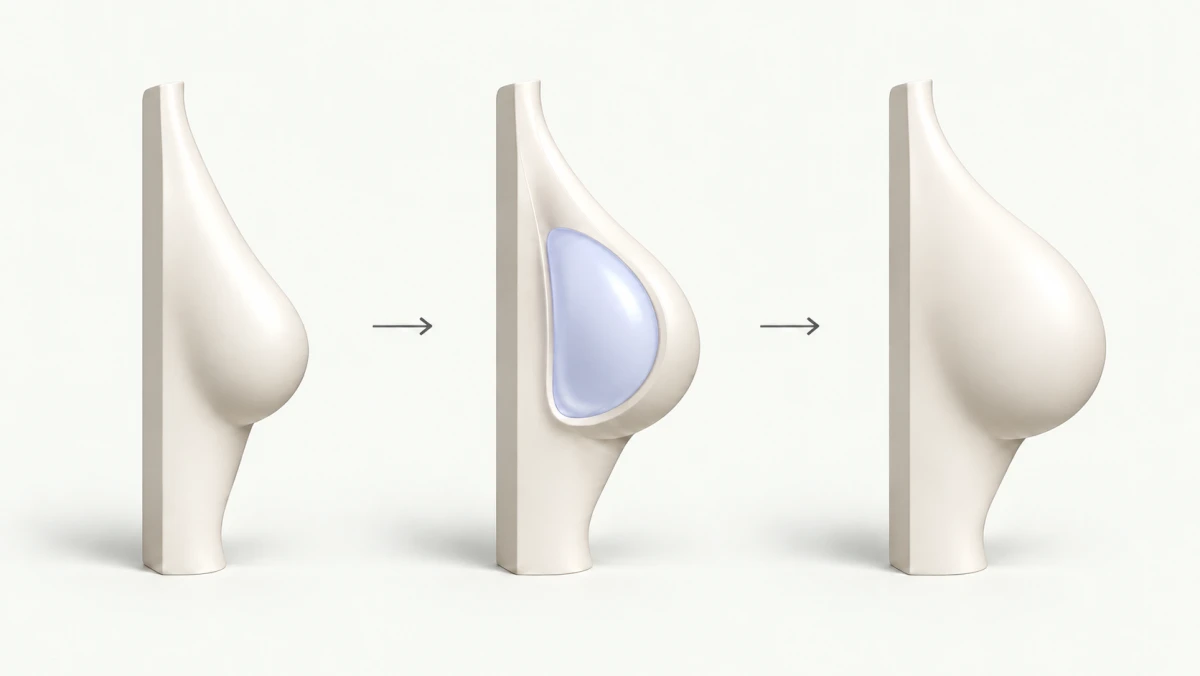
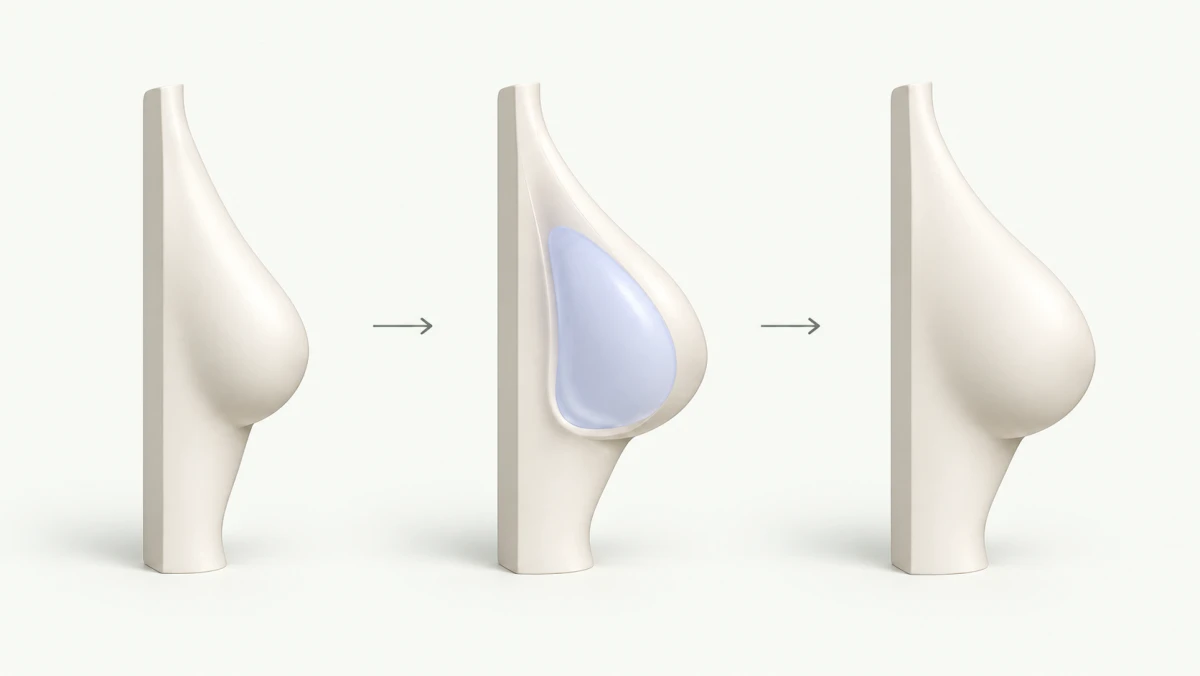
There are two main types of implants we place: round and anatomical. Both enlarge and reshape the breasts, while their form and the resulting look are different.
Balanced volume and a fuller upper pole
A soft teardrop shape with a natural slope
The surgeon will help you choose the implant shape and volume.
About us
Comfortable rooms, modern equipment and care for each person
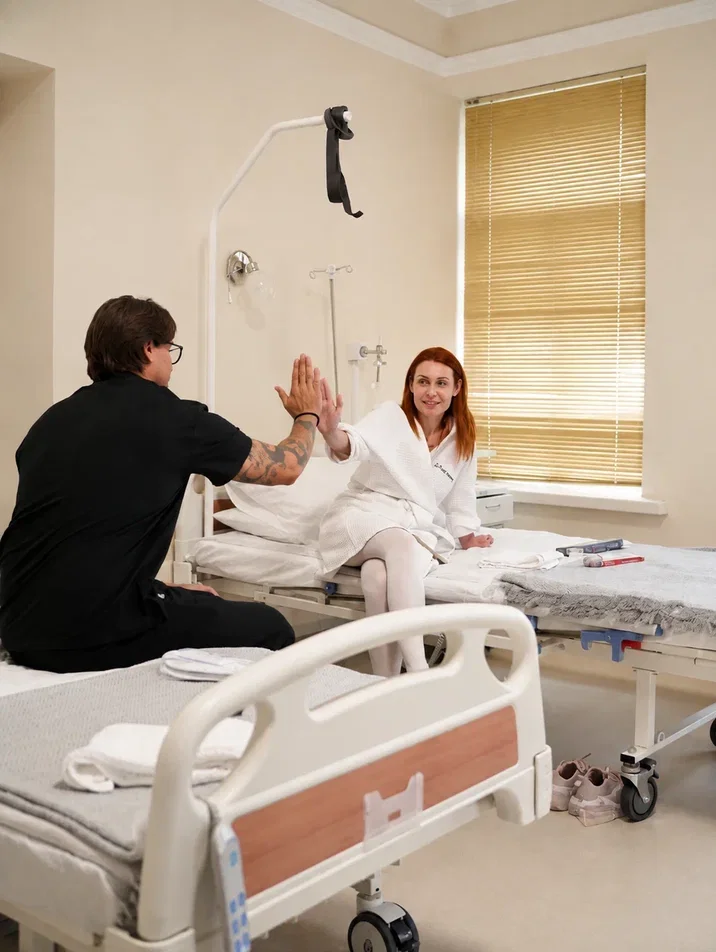
Ask us anything, and we will arrange a consultation at a time that suits you
Should your case not require surgery, you will hear it from the doctor at the consultation, and no money will be spent in vain.
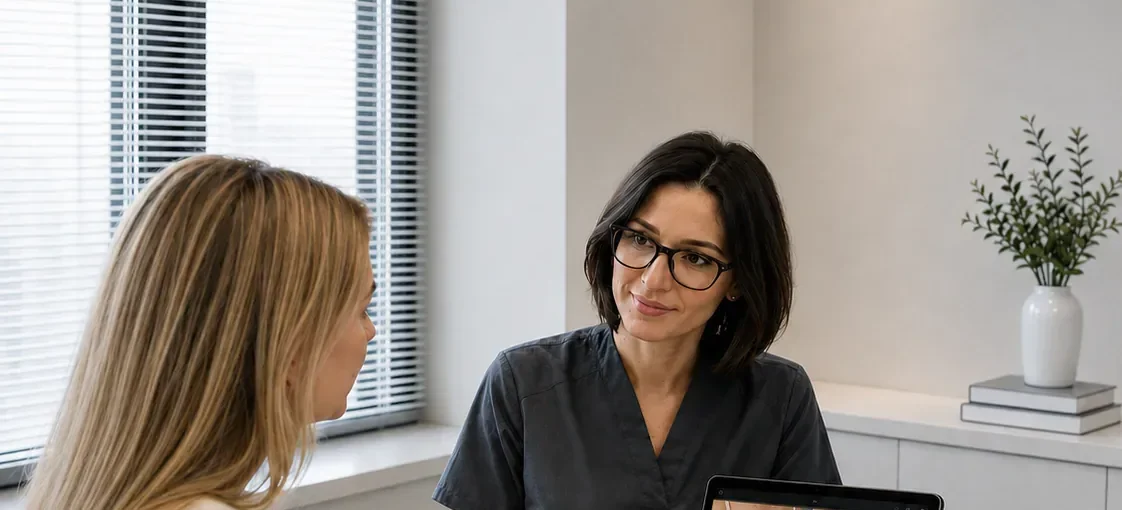

Unsure whether surgery suits your case?
Get in touch: your coordinator will ask you for photos in a messenger, the surgeon will study them and say whether mammoplasty is a good option for you.
Find out if it suits me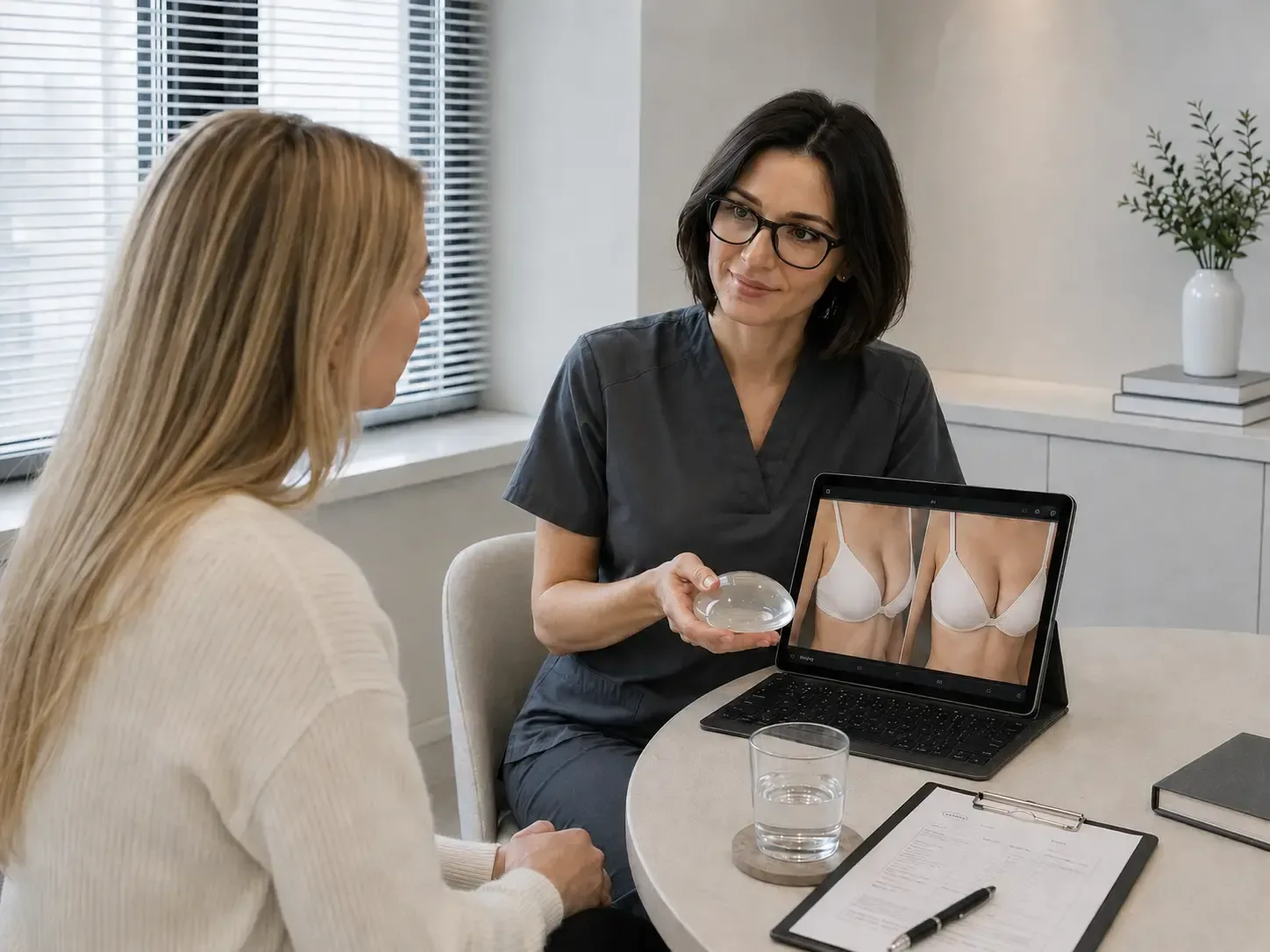
Prices
The price is set at the consultation and fixed in the contract.
Discounted price
Size and shape correction with implants
$4,700$5,900
Discounted price
Reducing the volume and weight of the breasts
$4,700$5,900
Breast restoration after mastectomy
The price is set at the consultation and fixed in the contract.
Get a consultationThe surgeon evaluates the anatomy and proportions of your breasts, hears what you want and selects the most suitable correction method.
The price is set at the consultation and fixed in the contract.
Message our coordinator
Free online consultation · Reply within 15 minutes
Message us on TelegramMessage us on WhatsAppBy messaging us, you agree to our Privacy Policy
all inclusive
From getting ready for surgery
to 12 months of support.
Discounted price
$4,700$5,900
Step by step
A correction plan agreed with you, inpatient observation and a year of follow-up.
 1
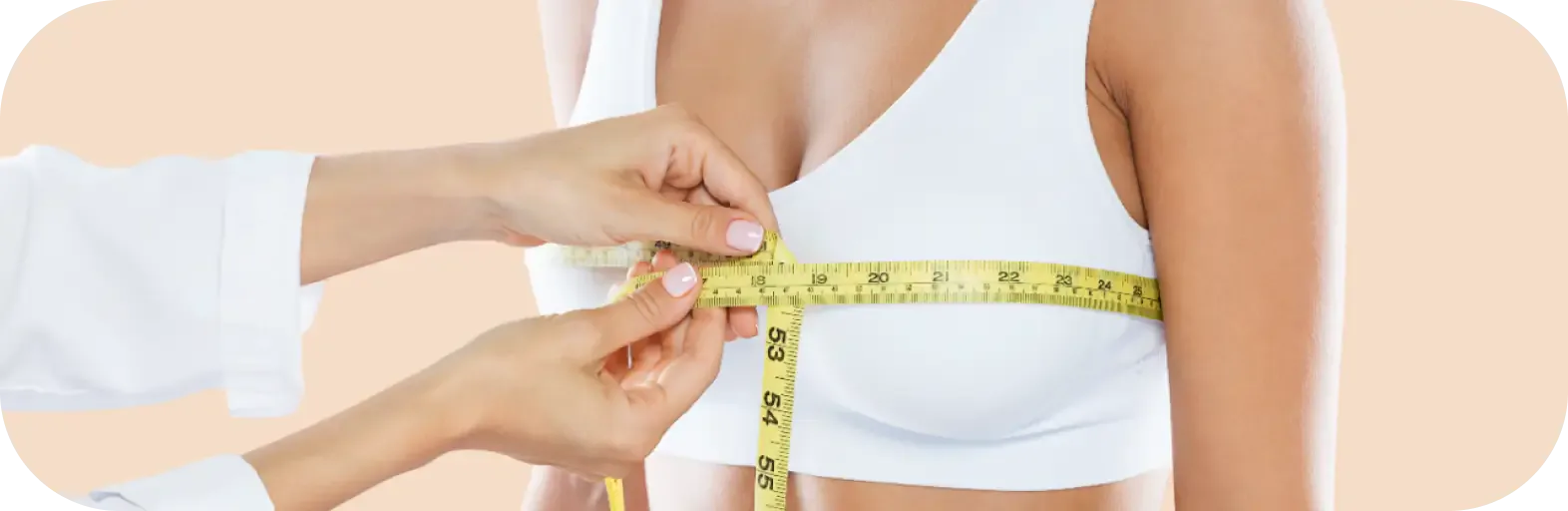
The surgeon examines your figure, discusses your wishes and selects the best volume, shape and correction method.
 2
Your surgery date is reserved for you: the deposit can be paid by card at the clinic or online by bank transfer, and the terms are fixed in the medical services contract
 3
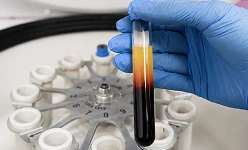
Before surgery you complete a full set of tests: blood tests, an ECG and other examinations prescribed by the doctor.
 4
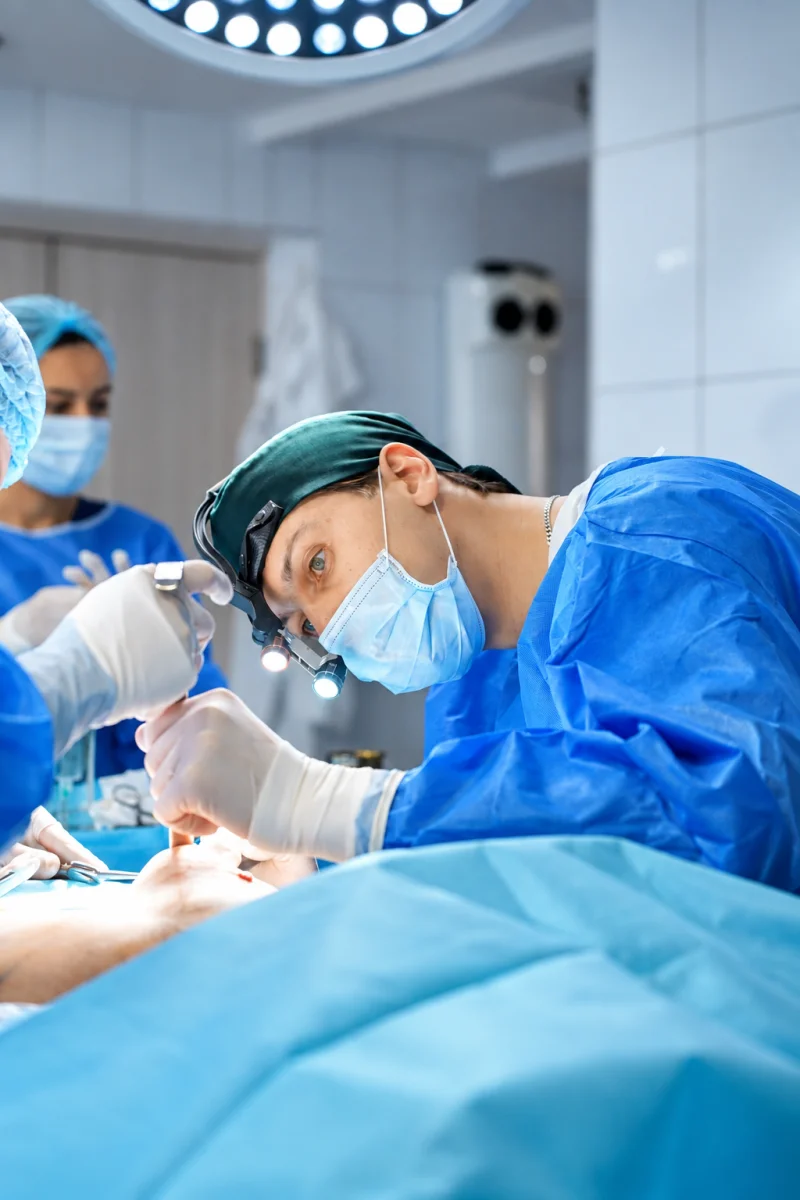
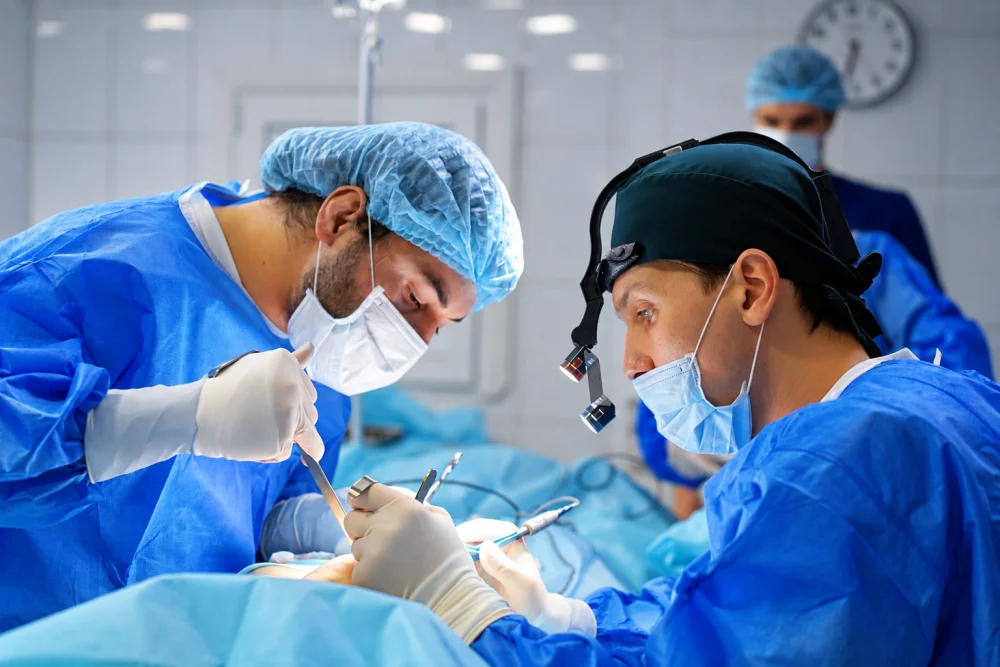
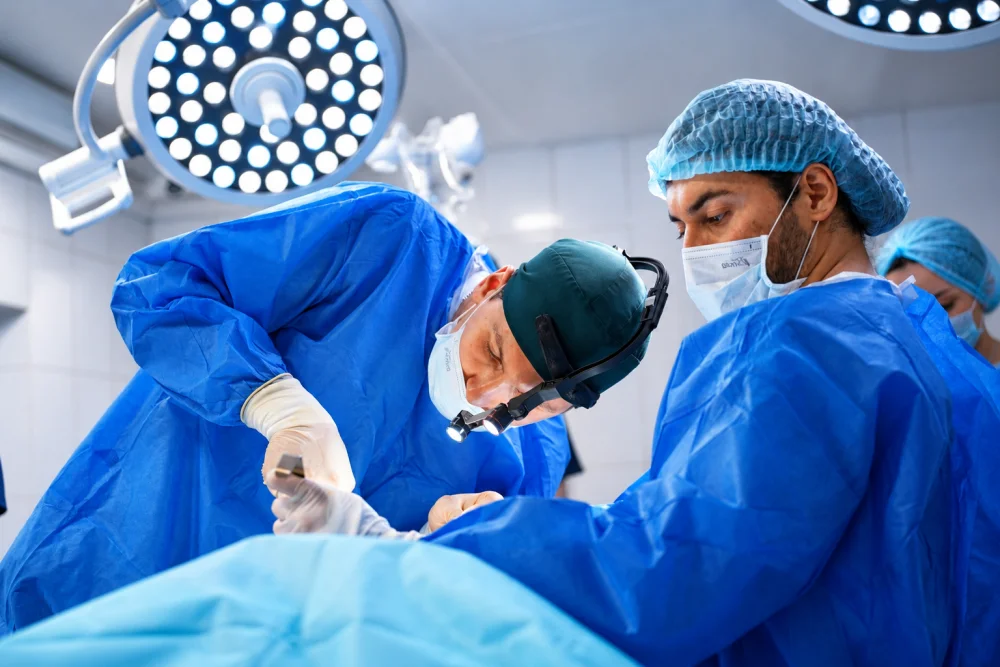
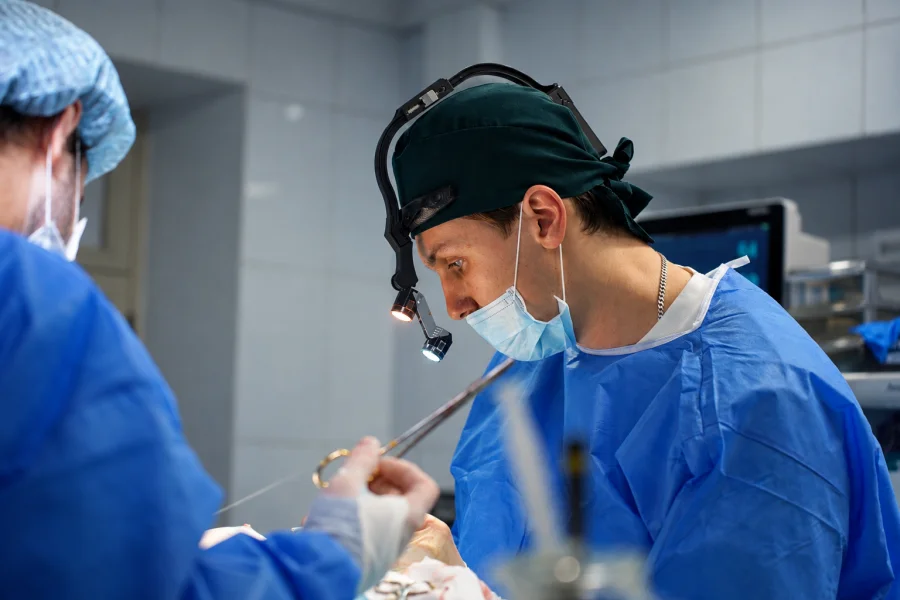
The surgeon performs mammoplasty according to your individual plan. The operation takes place under general anesthesia with continuous patient monitoring.
 5
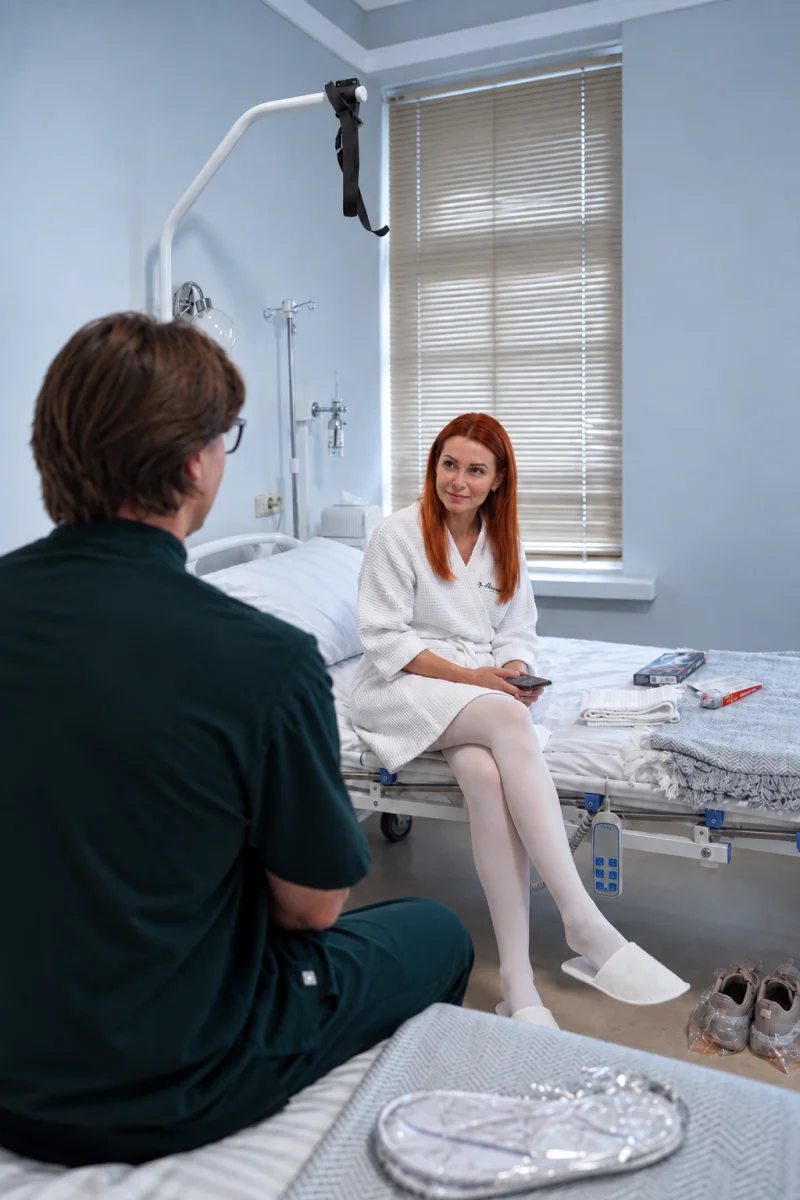
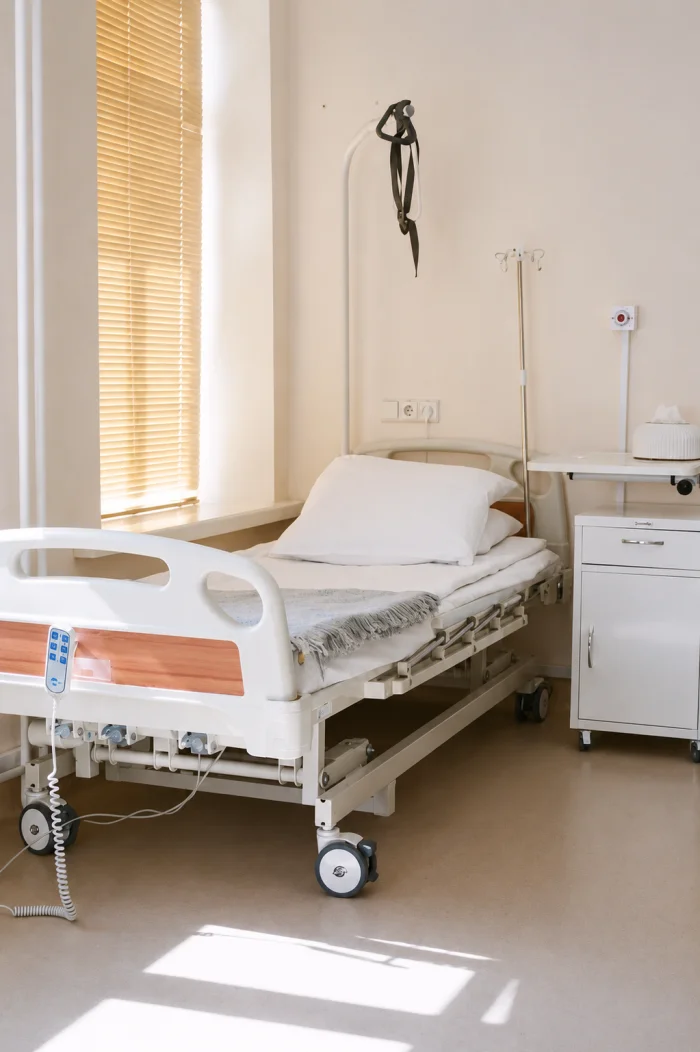
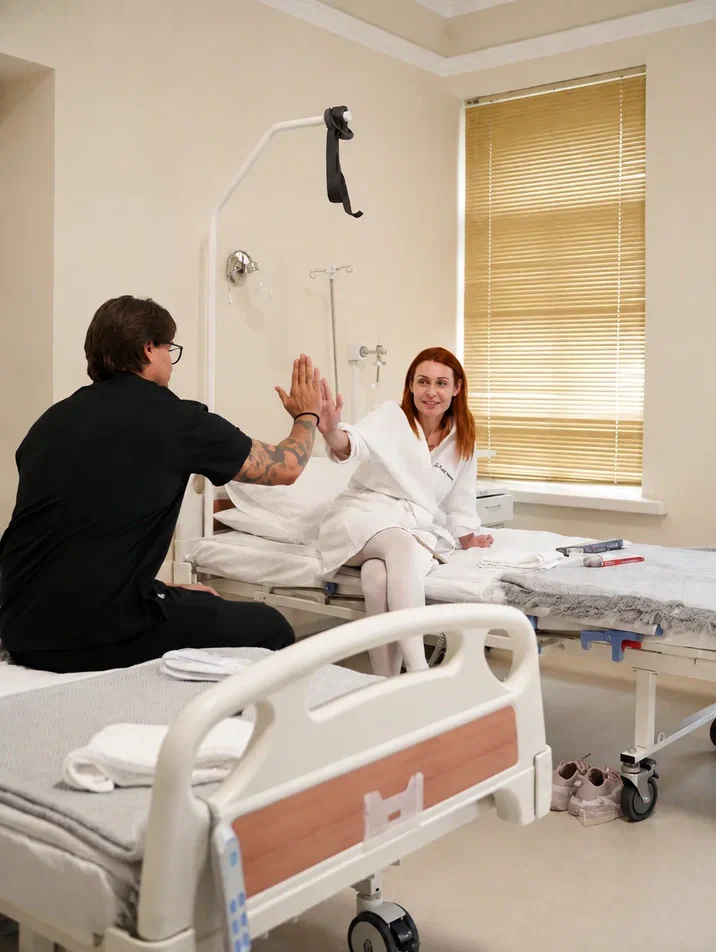
After surgery you stay in the clinic's comfortable inpatient ward under the care of the medical team until discharge.
 6
After surgery you receive a recovery programme. Check-ups at 7 days, 3 and 6 months track your progress, and consultations with your surgeon are free for a year.
Before the operation, discontinue aspirin-containing drugs, steroids and hormonal therapy for chronic conditions
Stop taking hormonal oral contraceptives at least one month prior to the procedure
Take your tests a week before surgery
Some simple steps help before surgery: a healthy work-life balance, more sleep, avoiding stress, anxiety and strong emotions, and less physical activity.
Avoid intense gym workouts for up to 40 days and overly active aerobics; after a month light cardio is possible. Watch your diet and meals.
After 3 weeks, post-op swelling disappears
Discomfort goes away after 3 months
Within 3 weeks, scars form
Avoid physical exertion (lifting over 3 kg)
It takes up to 3 months for inflammatory tissue changes to resolve and for a “pocket” to form around the implant
Part of recovery after the correction is wearing compression garments for 1–1.5 months
No lifting arms above shoulder height — 3 weeks
For as long as three months, no baths, saunas or physiotherapy
Doctors
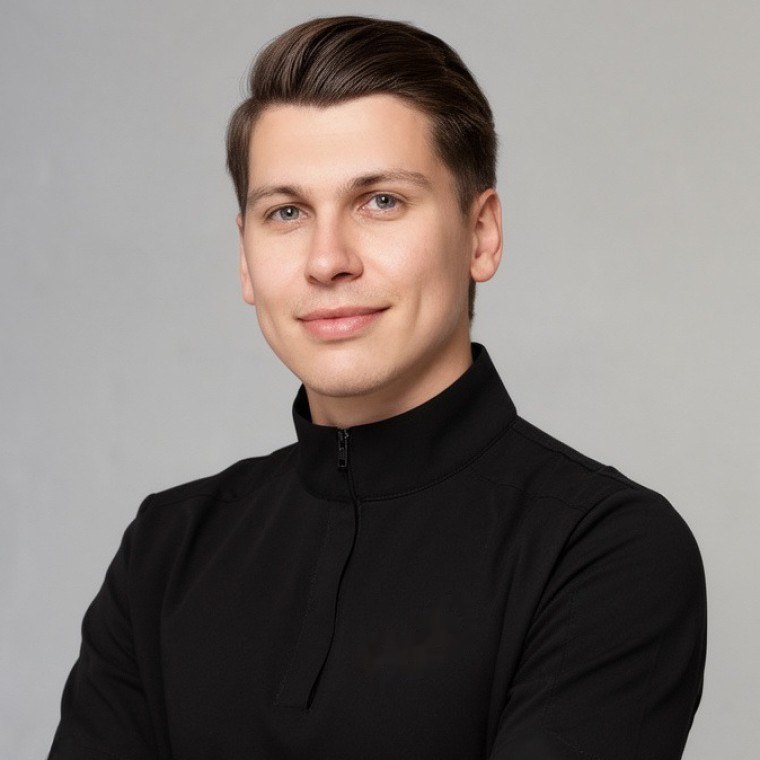
7 years of experience
Plastic surgeon
Plastic surgery residency completed at the Petrovsky National Research Centre of Surgery. Works in aesthetic and reconstructive surgery of the breast and body.
The consultation is with the surgeon who will perform the surgery
A skilled plastic surgeon who cares about the beauty and health of patients
Book a consultationAdvantages
At the consultation we go through your wishes and model the planned changes. The surgeon explains what surgery can do, so you know exactly what result we are aiming for.
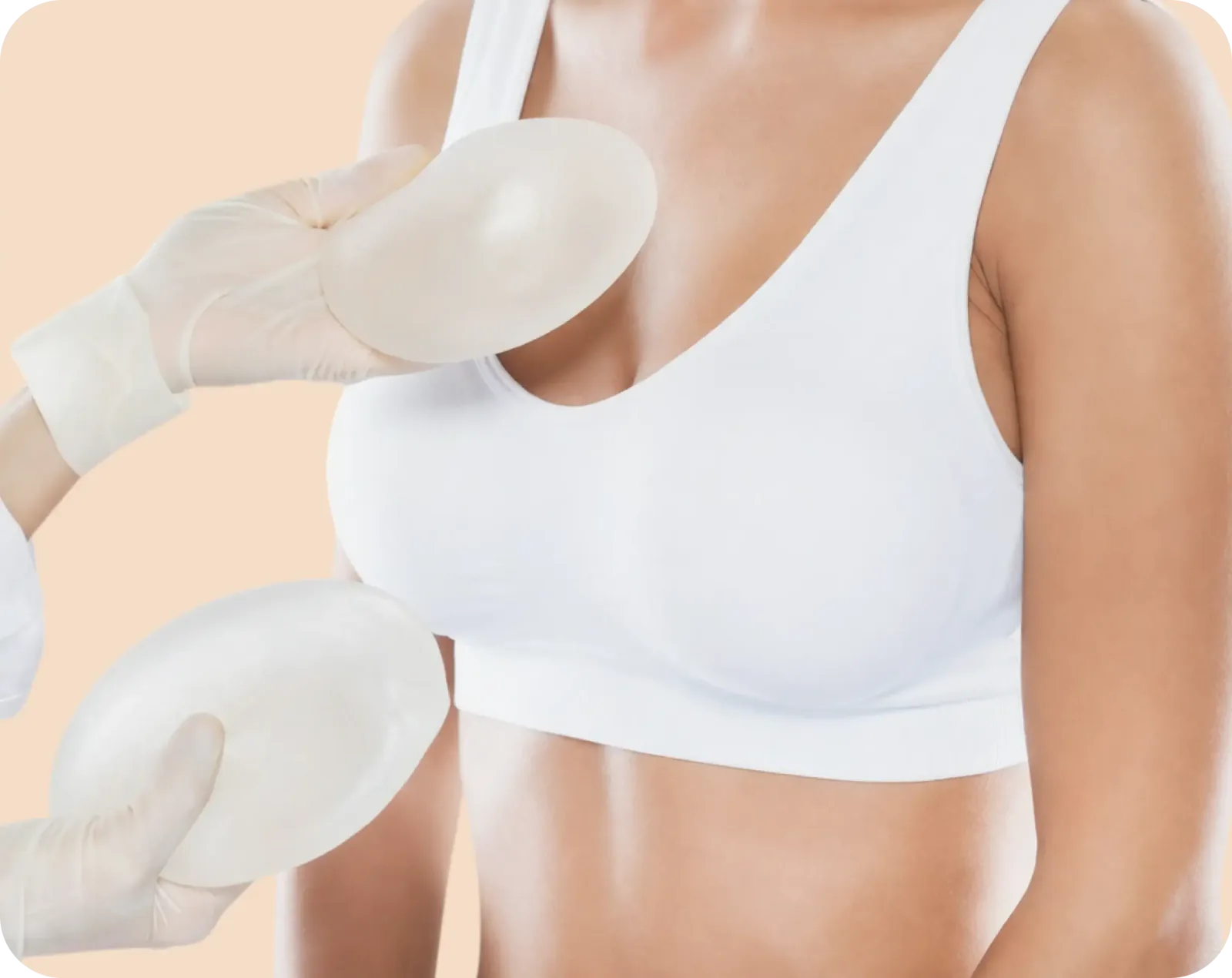
During the year after surgery the surgeon keeps track of your recovery and breast shape. The price already covers check-ups and dressings.
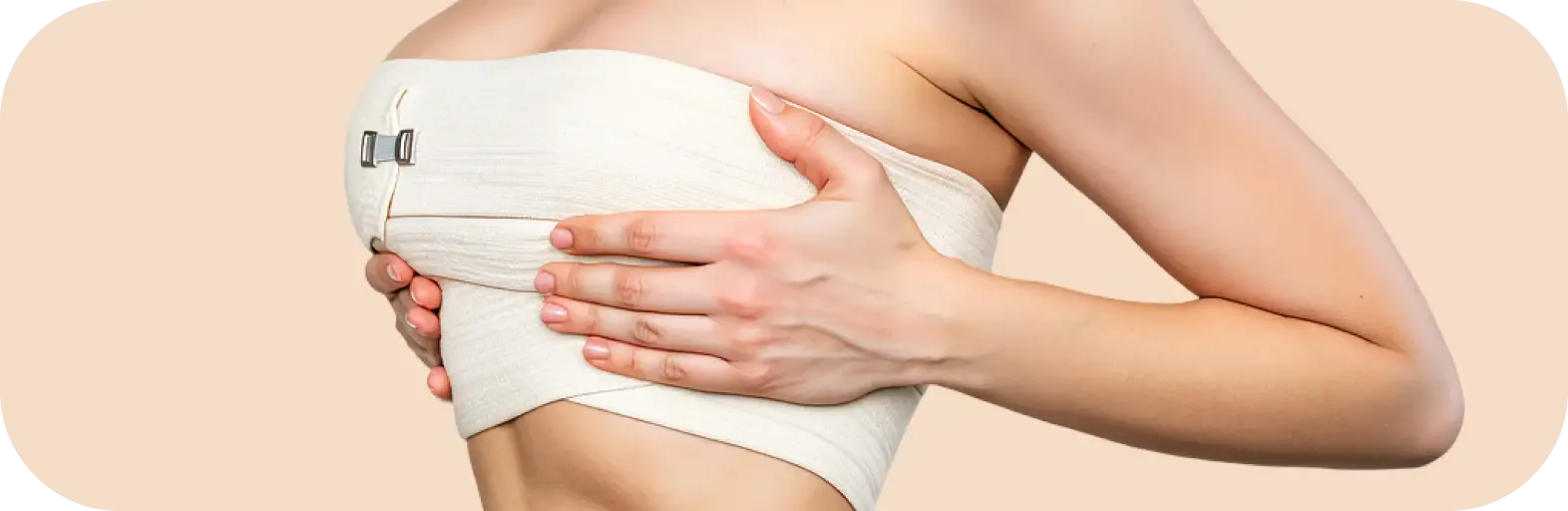
Shape, volume and correction method are chosen to match your anatomy and wishes. For augmentation, the implant size and profile are selected individually.
We respect your time: we work 24/7, with easy booking and a personal approach — we adapt to your pace.
Once the surgeon has defined the extent of correction at the consultation, you get a clear surgery price — no surprises on the way to your result.

Recovery starts in a comfortable inpatient ward with nursing care around the clock. Your stay and meals are already included in the price.
FAQ
There are several types of mammoplasty: augmentation (bigger volume with implants), reduction (removal of excess tissue and skin), mastopexy (a lift for sagging), reconstruction (after mastectomy) and correction of asymmetry. The best approach is chosen individually, considering your wishes and the surgeon's recommendation.
Message us — our coordinator will get back to you shortly and book your consultation. The plastic surgeon consultation is free.
If all recommendations are followed, complications are rare, but they may include hematoma or seroma, wound infection, reduced or increased nipple sensitivity, capsular contracture, aesthetic asymmetry, wound separation and tissue necrosis.
Mammoplasty results are durable: about 10–15 years following augmentation (until implant replacement) and 5–10 years following a lift or reduction. Weight, pregnancy, aging skin and gravity influence how long the effect lasts. Maintain it by wearing supportive underwear and watching your weight.
The ability to breastfeed after mammoplasty depends on the type of operation. With augmentation through an under-breast or armpit incision and a submuscular implant, lactation usually remains, because the glandular tissue is not harmed. After a lift or reduction the risk is greater, as ducts may be cut. Raise this with your surgeon ahead of time.
Choosing an implant takes into account the material (silicone looks the most natural, saline is used less often), shape (round or anatomical teardrop), surface (smooth or textured), size and profile. Your surgeon will select the best option for your anatomy and wishes.
Under general anesthesia the patient feels nothing during the operation. Some moderate discomfort can appear in the first 1–3 days and is controlled with painkillers. By day 5–7 pain lessens markedly, and discomfort ends by weeks 2–3. Tell your doctor right away if the pain is severe.
You can get back to work (no physical exertion) in 7–14 days. Light walks in 1–2 weeks. Fitness and swimming in 4–6 weeks, strength training in 3 months. Pool and sea in 4–6 weeks. Keep wearing compression garments for 4–6 weeks. The precise timing depends on your own recovery.
No scientific data suggest that mammoplasty increases breast cancer risk, and implants are not carcinogenic. After the operation, continue regular screening: self-examination, mammography and ultrasound. Always tell the doctor who examines you about your implants.
After a C-section, mammoplasty can be done once the body has fully healed. At least 6–12 months should pass after delivery and after breastfeeding ends. A consultation and examination by a surgeon are required before the operation.
Scars after mammoplasty are unavoidable, but with a skilled surgeon they stay minimal. Incisions are made in hidden places, namely under the breast, around the areola or in the armpit. Scars look reddish during the first months, but within 6–12 months they fade to almost invisible.
A little asymmetry in the early weeks after the operation is normal, due to swelling and uneven healing. If the shape or size still differs after 3–6 months, have your surgeon examine you to determine the cause.
Mammoplasty may temporarily alter the sensitivity of the nipples and breasts, making it lower or higher. This is caused by irritated nerve endings. In most cases it recovers within 3–12 months. If you see no improvement after a year, contact your surgeon.
Hormonal drugs (contraceptives, hormone replacement therapy) do not affect implants themselves, but they can cause swelling or a change in breast tissue volume that alters the appearance for a time. Always inform your surgeon about them ahead of surgery.
Prices are in US dollars; the amount in brackets is an approximate conversion to TZS at the rate of 02.10.2026. The final price is fixed in your contract.
Prices start from $4,700 (≈ TZS 12,500,000). The surgeon sets the final price at the free consultation, and it is fixed in the contract, with no hidden extras.
The surgical team's work, anaesthesia, the inpatient stay with meals, dressings and follow-up visits for twelve months.
Message us on WhatsApp or Telegram using the buttons below. A coordinator will answer your questions and book a free consultation where the doctor names the exact price.
By messaging us, you agree to our Privacy Policy
What exactly changes with augmentation? Volume grows and the bust gains a rounder or a more natural teardrop profile, depending on the implant selected. If you are researching breast augmentation in Dar es Salaam, keep in mind that implants come smooth or textured and are selected for each body. With an under-breast or armpit incision and the implant placed under the muscle, lactation is usually preserved.
Nothing is rushed. First, surgeon and patient agree on a plan together; then a full diagnostic work-up confirms it is safe to proceed. During surgery you feel nothing thanks to general anesthesia. The first one to three days bring moderate discomfort relieved by painkillers, and by the second or third week it passes. That is the typical course for women in Dar es Salaam.
A free consultation is the easiest way to get an exact figure. The surgeon assesses your anatomy, models the result and confirms the plan; the base cost of augmentation is from $4,700 (≈ TZS 12,500,000). Everything around the surgery — anesthesia, inpatient stay, 24/7 monitoring, personal support and a year of follow-up — is in that amount. Patients from Dar es Salaam can apply through the site or a messenger.
What patients write after this operation. Reviews are translated from the original language.
Anna Smirnova
I went to Dmitry Sergeyevich for breast augmentation with implants. At the consultation everything was explained in detail, and together we chose the best size. The operation under combined anaesthesia took 2 hours, and I was discharged home the next day. The swelling went down in about a month, and my breasts look very natural. The year of follow-up care is a real lifesaver: you can always ask a question and get an answer. Thank you to the clinic!
Breast augmentation
Doctor: Dmitry S. Kuznetsov
Ekaterina Morozova
After two births I decided on a breast lift without implants. I chose Dmitry Sergeyevich and have no regrets. The result exceeded all my expectations: my breasts are lifted and the shape is youthful and firm. The incisions are minimal and almost invisible. I spent one day in the hospital, and the room was very comfortable. I recommend him!
Breast lift
Doctor: Dmitry S. Kuznetsov
Olga Kuznetsova
I had a combined operation, a breast lift with augmentation, with Dmitry Sergeyevich. At the consultation it was immediately clear that I was in the right place. Everything is included in the price, with no hidden charges. After a month my breasts already feel soft and natural. Personal follow-up after the operation is very valuable.
Breast lift with implants
Doctor: Dmitry S. Kuznetsov
Maria Lebedeva
Breast augmentation from a size 3 to a size 4 with Dmitry Sergeyevich. He chose perfect anatomical implants. The operation took 2 hours, and I woke up with almost no pain. In the ward I was fed and monitored around the clock. Four months have passed and the result looks like a magazine cover.
Breast augmentation
Doctor: Dmitry S. Kuznetsov
Natalia Vorobyova
I went to Dmitry Sergeyevich to correct breast asymmetry with a small lift. A true professional: at the consultation he immediately showed before-and-after photos of similar cases. Recovery was easy and the swelling went down quickly. I had my check-up after just 7 days. An excellent clinic!
Breast reconstruction
Doctor: Dmitry S. Kuznetsov
Yulia Romanova
I had a lift with implants after losing a lot of weight. I chose Dmitry Sergeyevich. At the consultation everything was explained in simple words, and my fears were gone. One day in the hospital, then care at home. Now my breasts look natural and keep their shape. I am very happy!
Breast lift with implants
Doctor: Dmitry S. Kuznetsov
Page medically reviewed by Dmitry S. Kuznetsov, plastic surgeon. Review date: .
Dar es Salaam is the largest city and financial hub of Tanzania, with a population of over 7 million people. It is also the largest city in East Africa by population. Women here often combine work, study, family duties and a busy social life, so a decision about breast augmentation is rarely made on impulse. Most want to know how the operation fits into a real calendar: when to ask for time off, who will help at home, and how recovery works in a hot, humid coastal city.
City Medical Centre works with patients in Dar es Salaam through a free online consultation. You stay in your own city and speak with a coordinator on WhatsApp or Telegram. Coordinators are available around the clock (24/7), which suits a city where many people work in shifts, run their own businesses or spend long hours in traffic. A coordinator will call you back 24/7, so you do not have to rearrange your day to fit a call.
This text is a general guide for women in Dar es Salaam who are weighing breast augmentation. It does not replace an individual assessment by a surgeon. Your own anatomy, health history, plans for pregnancy and expectations decide what is suitable, and the surgeon will explain this during the consultation.
Dar es Salaam has a tropical savanna climate. The weather is hot and humid through much of the year because the city lies close to the equator and beside the warm Indian Ocean. In a normal year there are two rainy seasons: the long rains in April and May, and the short rains in November and December. For recovery this means that heat and humidity matter almost every month, and the question is mainly how to stay comfortable while the body heals.
After breast augmentation, compression garments are part of recovery. In a humid city they can feel warm, and the skin under them needs care. Choose soft, breathable fabric, keep the skin clean and dry, and ask your surgeon how to change and wash the garment. The medical facts for this procedure say compression garments stay on for 4–6 weeks, and that timing depends on your recovery. Follow the instructions you are given rather than removing the garment early because of the heat.
Swelling is a normal part of healing. It goes away after 3 weeks, and in the first weeks slight asymmetry is normal because swelling and uneven healing are behind it. Heat can make you feel more swollen and tired, so plan cool, quiet rooms, light cotton clothing over the garment, and plenty of rest during the first days. Avoid long periods in direct sun and in crowded, overheated transport while you are still recovering.
During the rainy months, damp air and sudden downpours can make it harder to move around the city, which is another reason to arrange help in advance. Dust and sweat should not reach the wound, so keep dressings and the treated area clean exactly as your surgeon instructs.
There is no single correct month for breast augmentation in Dar es Salaam, because the city is warm all year. What changes is the practical side. During the long rains in April and May and the short rains in November and December, getting around is slower and wet clothing is uncomfortable, but the days can feel less intense. In drier and sunnier months, the main concern is heat and sun exposure while you wear compression garments.
A sensible way to choose a date is to work backwards from your life. Check when your job is quietest, when family events fall, and when someone can help you at home during the first week. The medical facts say you may go back to work, with no physical exertion, after 7–14 days, so a calendar window of two weeks, with some flexibility, is a realistic starting point.
Think also about the sea. Pool and sea are allowed after 4–6 weeks, according to the medical facts, and timing depends on your recovery. Dar es Salaam has sandy beaches on the Msasani peninsula and in Kigamboni, so many women plan the operation so that the first beach outing falls well after this period. Planning this in advance avoids the temptation to rush back to the water.
Finally, leave a margin. A date that is too tight, with a wedding, a work deadline or an exam right after surgery, creates stress that is bad for healing. Discuss your calendar with the coordinator during the online consultation, and they can help you think through a realistic schedule.
Dar es Salaam is the most important city in Tanzania for business and government, and it is also known for arts, fashion, media, film, television and finance. Many women work in offices, shops, media, trade or their own small businesses, and some study at the city's institutions. The recovery plan should match the kind of work you do.
If your work is mostly at a desk or on the phone, the medical facts suggest you may return after 7–14 days, with no physical exertion. If your day involves lifting stock, carrying children, standing for long hours or long commutes in crowded transport, you may need more time or adjusted duties. The rules include no heavy exertion, meaning lifting more than 3 kg, and no lifting arms above shoulder height for 3 weeks. These limits matter for everyday tasks such as reaching for shelves, carrying shopping bags or handling luggage.
Daily transport deserves thought. Minibus share taxis called dala dala, motorcycles known as bodaboda and auto rickshaws called bajaj are common in the city, and traffic on the main routes can be heavy. Jolting, crowding and having to hold on with raised arms are not ideal in the first weeks. If you can, arrange a private lift or a quieter route for the first days, and avoid situations where you must lift your arms or carry weight.
Students should talk to their institution early and plan around exams and practical sessions. Having a short note ready, and asking a friend to share lecture notes, makes the break easier. The first 1–3 days may bring moderate discomfort, which painkillers relieve. Pain subsides significantly by day 5–7 and discomfort is gone by weeks 2–3.
In Dar es Salaam, family and community events are an important part of life. Weddings, religious celebrations, gatherings after prayers and meals shared with relatives often fill the calendar. Muslims make up about 70% of the population of the city, and many women will want to plan the operation around Ramadan, Eid and other family occasions. It is sensible to avoid scheduling surgery right before a major event, so that you can attend without stress, in comfortable clothing and with enough energy.
The average private household size in the city was 3.9 persons at the time of the 2012 census, so many women live with a small family or with relatives who can help. Tell the people close to you about the plan in advance, and agree who will cook, look after children and run errands. Remember that you should not lift more than 3 kg, which includes lifting a small child, so help with children matters in the first weeks.
Food culture in a coastal city includes grilled fish, rice dishes, coconut-based sauces, fried snacks and street food. Nothing in the medical facts forbids ordinary food, but they advise you to monitor your diet and meals, and to control your weight to maintain the result. Light, balanced meals, plenty of water in the heat and moderate portions are a good start. Heavy, very salty or very oily food may make you feel sluggish during recovery.
If you plan to fast or eat irregularly for religious reasons, discuss this with your surgeon before the operation. Anaesthesia, medicines and wound healing all depend on adequate fluids and nutrition, and the surgeon can advise on timing the procedure so that it does not conflict with your observance.
Dar es Salaam is a coastal city, and many residents enjoy walking by the ocean, swimming, gym sessions and group fitness. After breast augmentation the return to activity is gradual. The medical facts say you can take light walks after 1–2 weeks, and do fitness and swimming after 4–6 weeks. Strength training is allowed after 3 months, and pool and sea after 4–6 weeks. All of this depends on how your recovery goes.
For as long as 40 days, stay away from intense gym workouts and overly active aerobics. Light cardio is possible after a month. This applies to women who attend busy fitness classes in the city and to those who run or play team sports. Tell your instructor or teammates that you are on a break, and plan to rebuild gradually rather than return at your old level.
Beaches on the Msasani peninsula and in Kigamboni are popular, and Bongoyo Island can be reached by boat from the Msasani Slipway. Boat outings, swimming and long hours in sun are better postponed until your surgeon confirms that the wounds have healed. After that, use sun protection for the scars. Early on they are reddish, but over 6–12 months they fade and become almost unnoticeable, and sun exposure can make them more visible.
When you return to swimming, choose a supportive swimsuit or sports bra, as the medical facts recommend supportive underwear to maintain the result. Ask your surgeon which type of bra suits your sport and when you can stop wearing the compression garment during the day.
Breast augmentation is considered by women who are unhappy with the size or fullness of their breasts, or who notice a change after pregnancy and breastfeeding. A good candidate is in stable general health, has realistic expectations and understands that the operation is a surgical procedure with a recovery period. Contraindications are decided individually, and typically include conditions that make general anaesthesia or healing unsafe, active infection, and an unfinished period of pregnancy or breastfeeding. Your surgeon will go through your history in detail.
Body weight is also part of the discussion. Weight changes, pregnancy, skin aging and gravity affect how long the result lasts, and the WHO publishes general information on overweight and obesity as a health factor. If you expect a significant change in weight, or plan a pregnancy soon, say so openly during the consultation.
Useful questions for the surgeon include: which implant and placement suit my body; where will the incisions be, such as under the breast, around the areola or in the armpit; how will the scars look; what should I do in the first days; when are check-ups; and what happens if I am not satisfied with the shape. After surgery you get a recovery programme, with check-ups at 7 days, 3 and 6 months that help track your recovery, and consultations with your surgeon are free for a year.
Ask also about the implant lifespan. Results after mammoplasty last a long while: about 10–15 years for augmentation, until implant replacement. Understanding this from the start helps you plan for the long term rather than expecting a single operation to settle everything for life.
The first step is simple. You write to the coordinators on WhatsApp or Telegram, from home or from work, at any hour. The service is free and available around the clock (24/7). You can send your questions, describe what you want to change, and share information about your health. A coordinator will call you back 24/7, which means you can choose a quiet moment, for example after work or when the children are asleep.
The consultation is online, so you do not need to leave Dar es Salaam to start. It helps to prepare a short list: your age, previous operations, medicines you take, any allergies, whether you have given birth or breastfed, and whether you plan a pregnancy. Photos and clear descriptions help the specialists understand your situation, and a surgeon will take the final decisions about suitability.
The medical facts for this procedure describe general anaesthesia, with a stay of 1 day or 1–2 days depending on the plan, and 24/7 monitoring by medical staff. Follow-up support lasts 12 months. This helps in a large city where women may want to ask a question at an unusual hour or when something worries them, and knowing that help is reachable is reassuring.
Your time matters to us: we work 24/7, booking is easy, and our personal approach adapts to your pace. You are never obliged to decide on the first conversation. Take time to compare, to talk to your family and to think about your calendar, then return with further questions when you are ready.
Results after mammoplasty last a long while: about 10–15 years for augmentation, until implant replacement. Weight changes, pregnancy, skin aging and gravity affect the duration. To maintain the result, choose supportive underwear and control your weight.
General anaesthesia is used for the surgery itself, so there is no sensation. In the first 1–3 days you may feel moderate discomfort, which painkillers relieve. Pain subsides significantly by day 5–7 and discomfort is gone by weeks 2–3. If pain becomes severe, inform your doctor right away.
You may go back to work, with no physical exertion, after 7–14 days. If your job involves lifting, long standing or heavy commuting, you may need more time or lighter duties. Timing depends on your recovery.
Pool and sea are allowed after 4–6 weeks, and fitness and swimming after 4–6 weeks as well. Strength training is allowed after 3 months. Check with your surgeon before returning to the beach, as timing depends on your recovery.
Compression garments stay on for 4–6 weeks, according to the general recovery guidance. In the heat, choose soft, breathable fabric and keep the skin clean and dry. Follow your surgeon's instructions and do not remove the garment early because of the weather.
There are scars after mammoplasty, though a skilled surgeon keeps them minimal. The incisions go in discreet areas, such as under the breast, around the areola or in the armpit. Early on the scars are reddish, but over 6–12 months they fade and are almost unnoticeable.
In the first weeks after surgery, slight asymmetry is normal: swelling and uneven healing are behind it. Swelling goes away after 3 weeks. If shape or size still differ after 3–6 months, see your surgeon for a check-up to find the reason.
Yes. Breast and nipple sensitivity may change for a time, going down or up, because of irritation of nerve endings. In the majority of cases sensitivity is restored within 3–12 months. If nothing has improved after a year, consult your surgeon.
Mammoplasty after a C-section is possible, but only once your body has fully recovered. Allow at least 6–12 months after giving birth and after breastfeeding stops. A consultation and check-up with a surgeon are required before surgery.
After surgery you get a recovery programme. Check-ups at 7 days, 3 and 6 months help track your recovery, and consultations with your surgeon are free for a year. Follow-up support lasts 12 months, and coordinators are reachable 24/7 on WhatsApp and Telegram.