City Medical Centre · multi-specialty surgery clinicOpen 24/7

Tummy tuck

Tummy Tuck After Pregnancy in Dar es Salaam

Free consultation

Price at consultation

The price is fixed in the contract before surgery
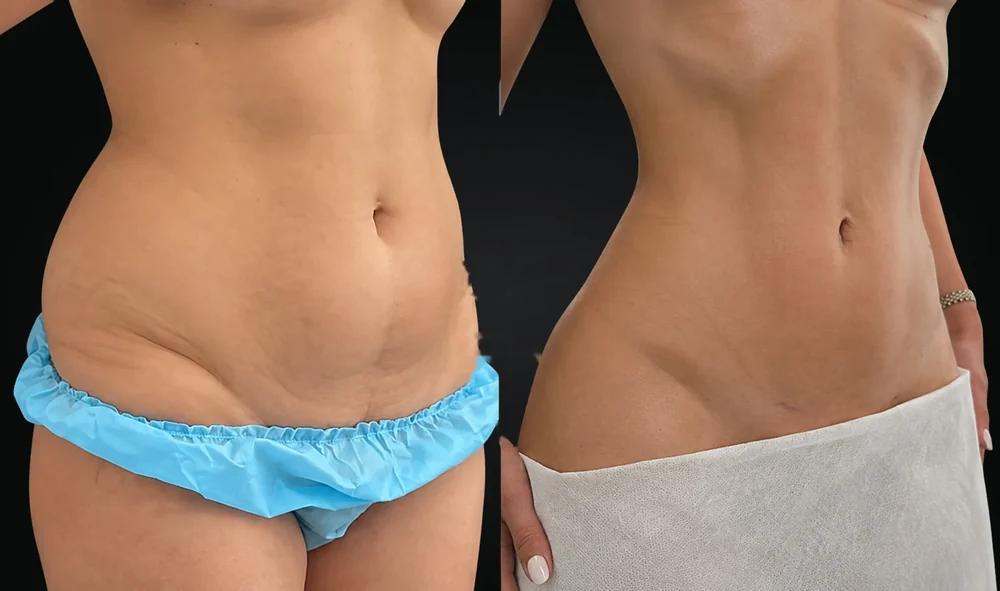
Real case
Tummy tuck: a patient's abdomen before and after surgery before after
A flat tummy and a toned silhouette in one operation. Your individual surgical plan and the expected result are discussed at the consultation

Message our coordinator

Free online consultation · Reply within 15 minutes

Message us on Telegram

By messaging us, you agree to our Privacy Policy

Results

Tummy tuck results
of our patients

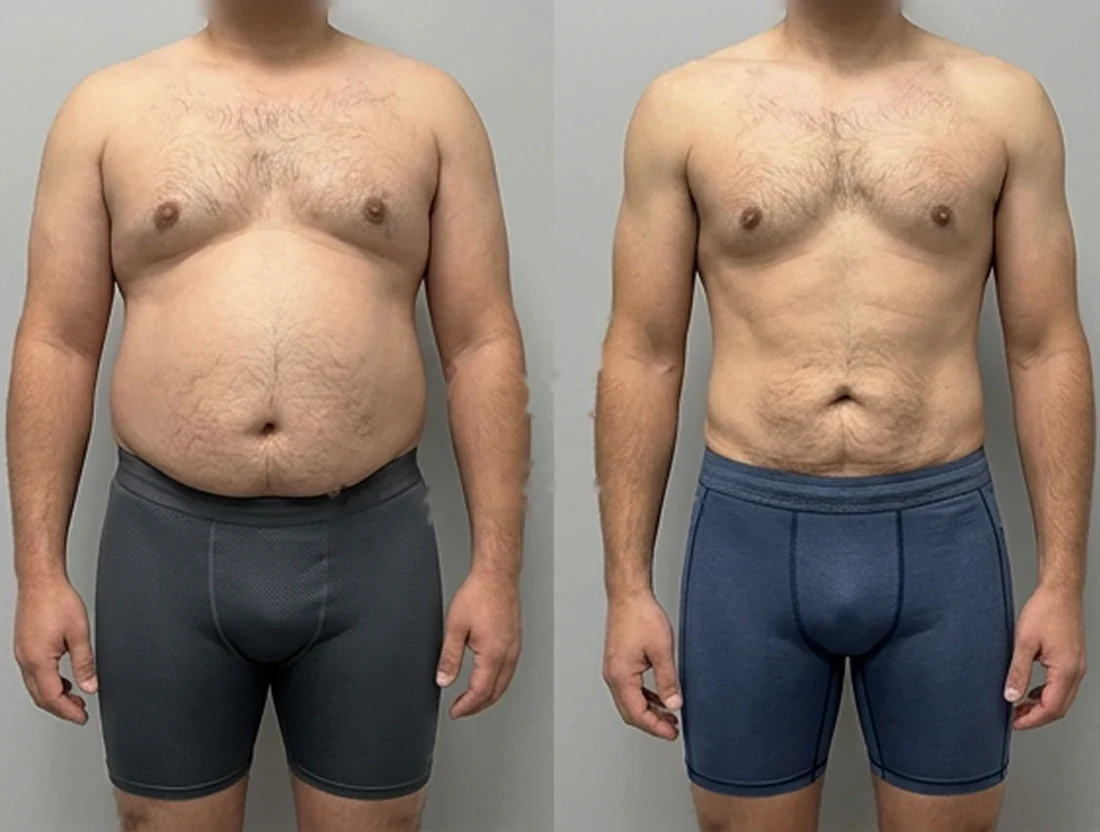
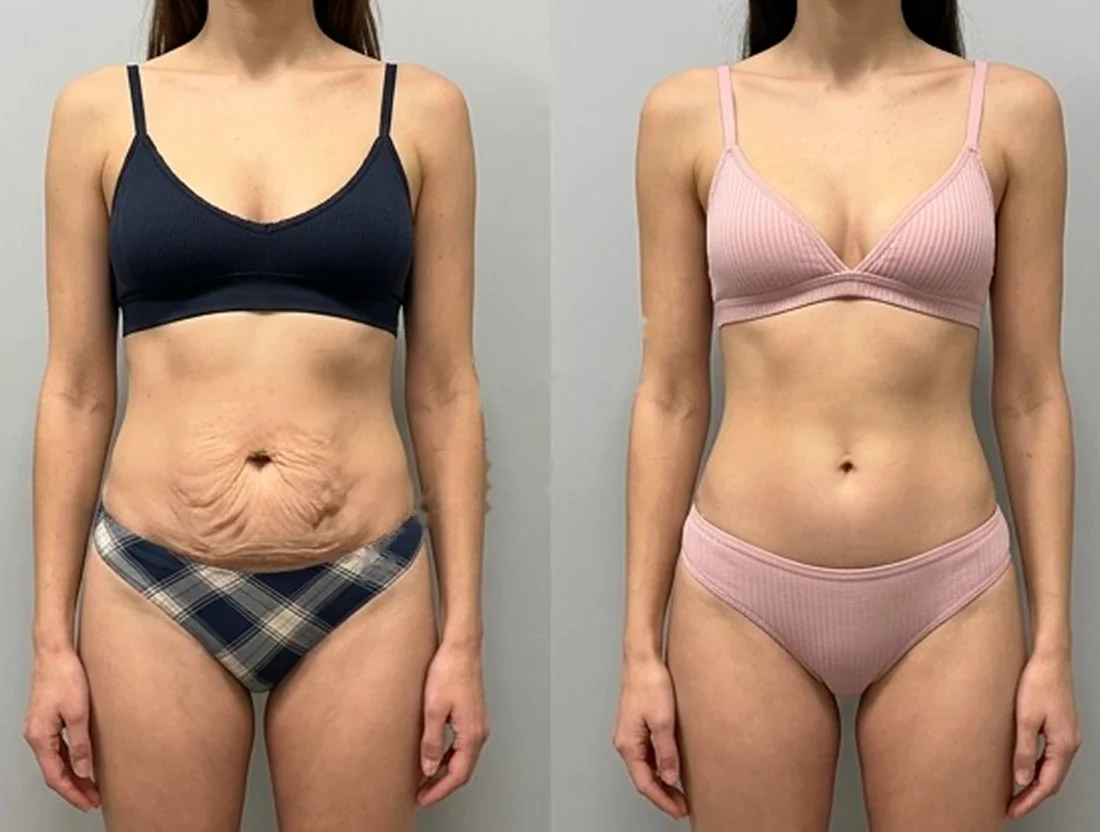
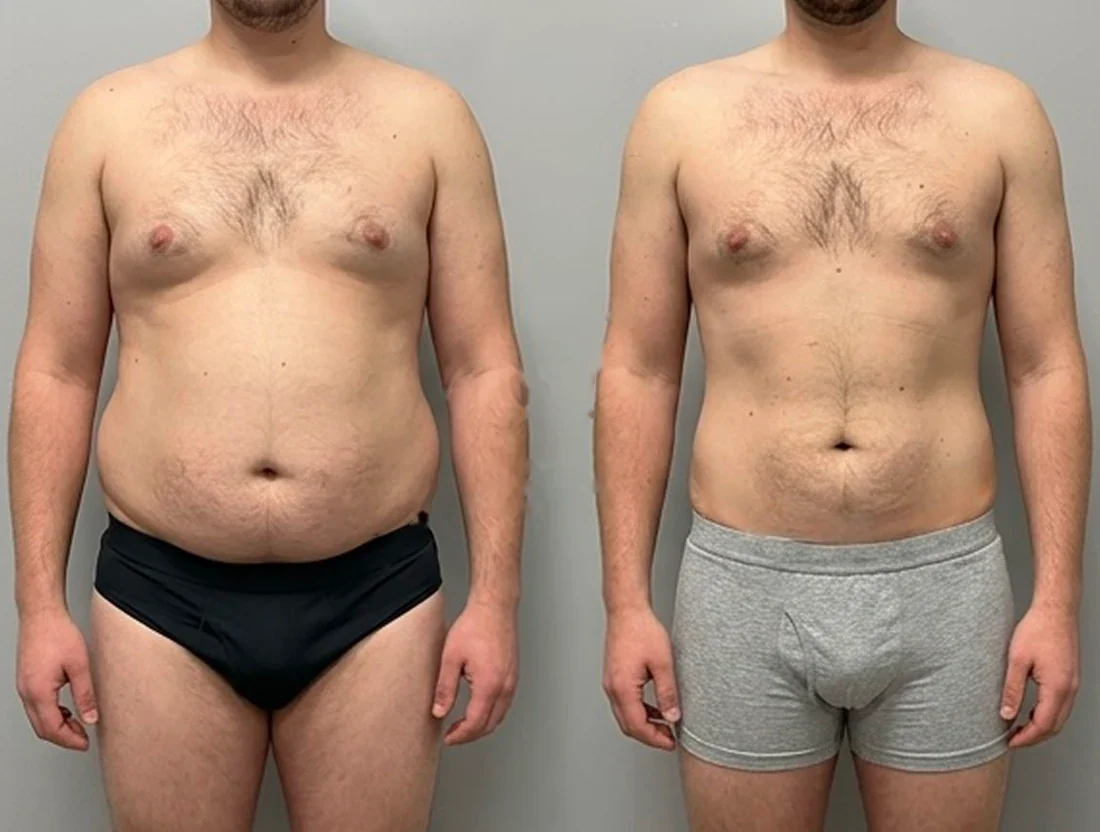
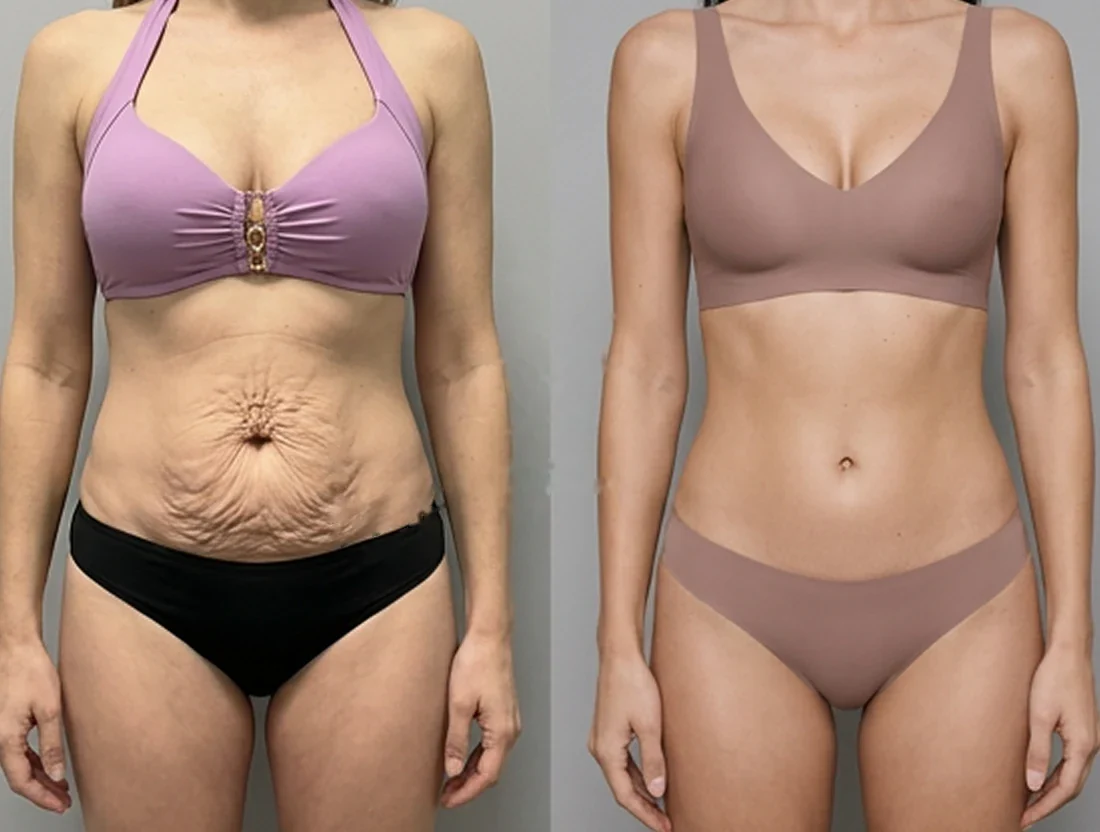
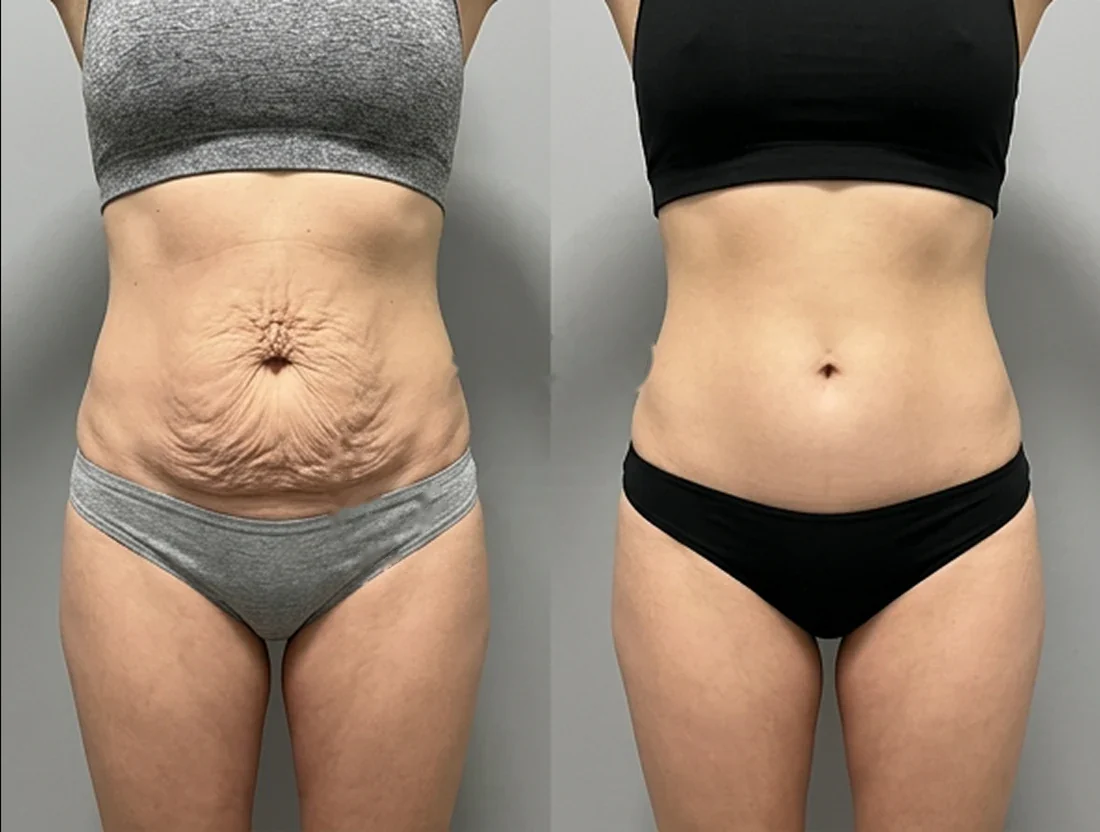
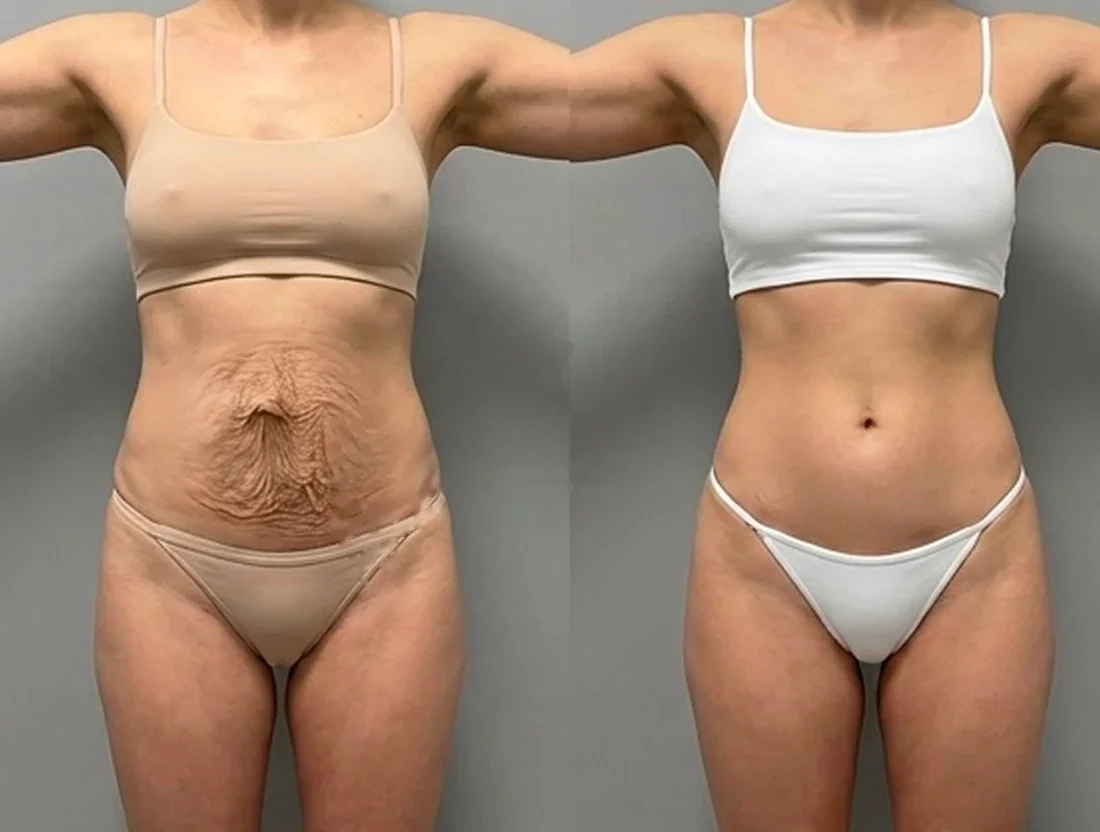
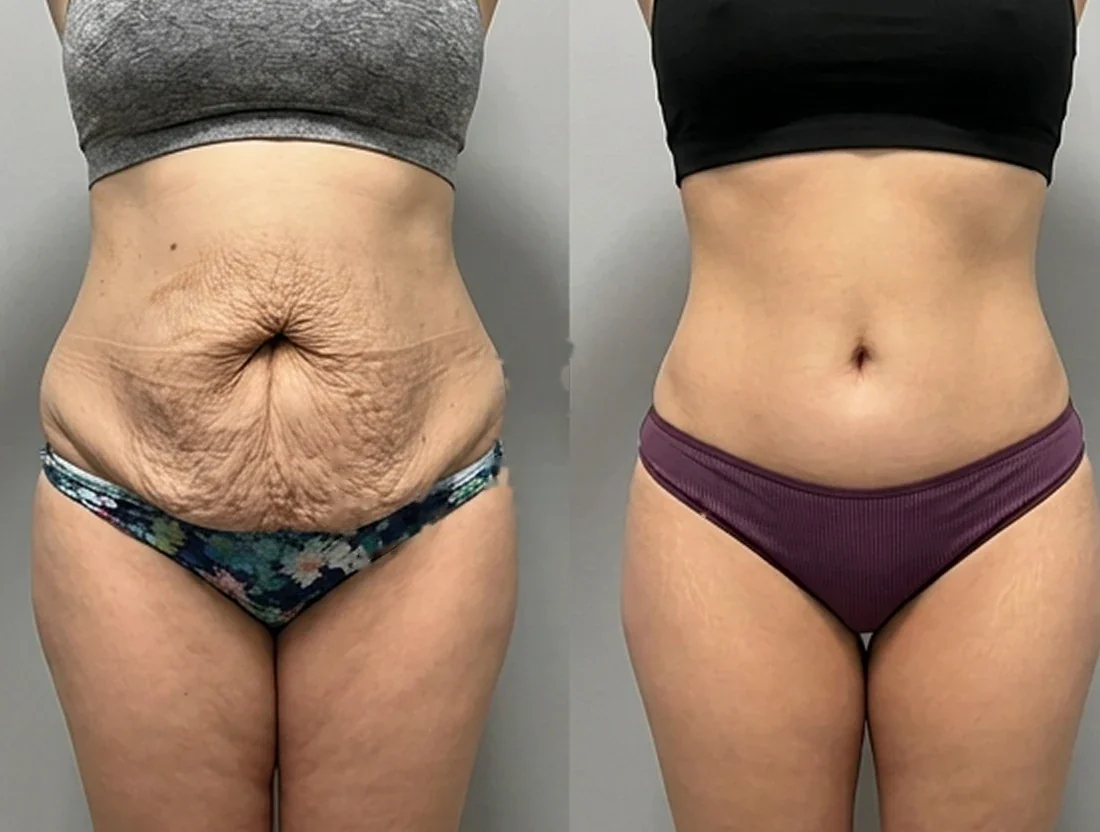
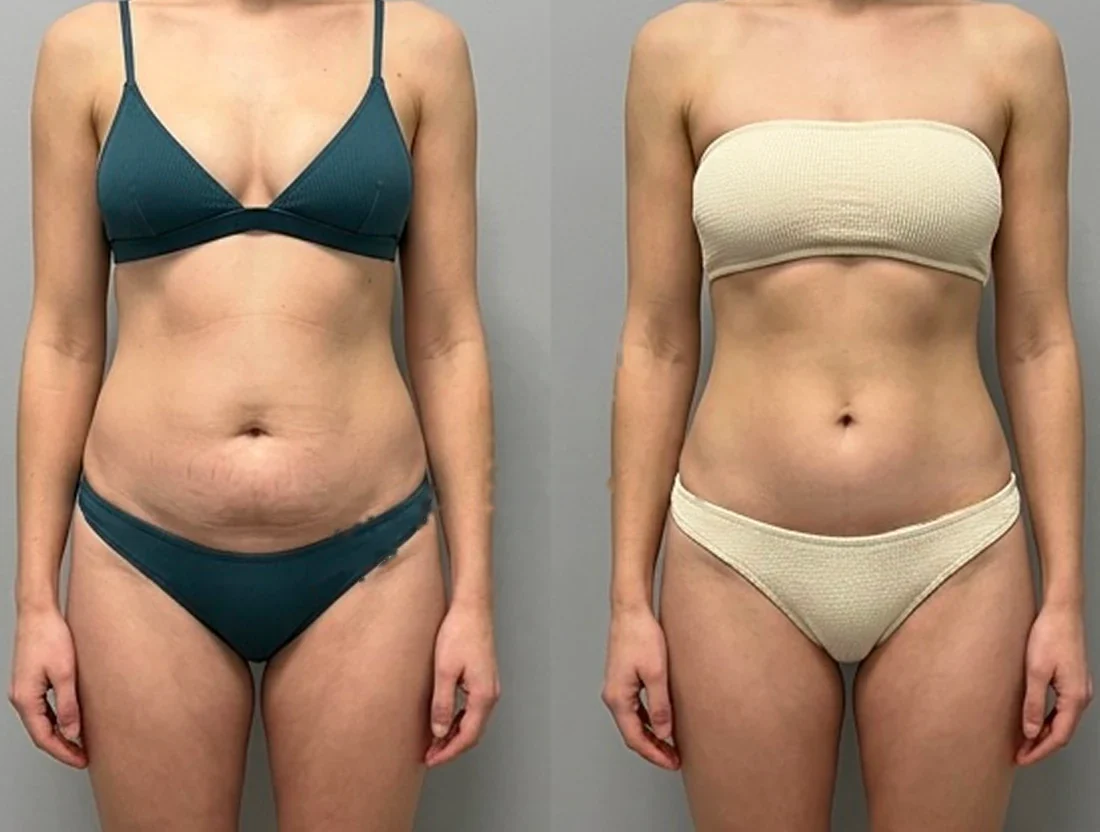
All cases are real patients. Faces and identifying details are hidden.

Tummy tuck: a female patient's abdomen before and after surgerybeforeafter
Tummy tuck: a male patient's abdomen before and after surgerybeforeafter
Tummy tuck: a female patient's abdomen before and after surgerybeforeafter
Tummy tuck: a male patient's abdomen before and after surgerybeforeafter
Tummy tuck: a female patient's abdomen before and after surgerybeforeafter
1 of 8

Comparison

Tummy tuck techniques

A tummy tuck is done as a full (classic) or mini operation, or combined with liposuction as lipoabdominoplasty. Compare the scope of surgery, the indications and the expected results to choose the right technique together with your surgeon.

Tummy tuck

Removal of excess skin, abdominal muscle tightening
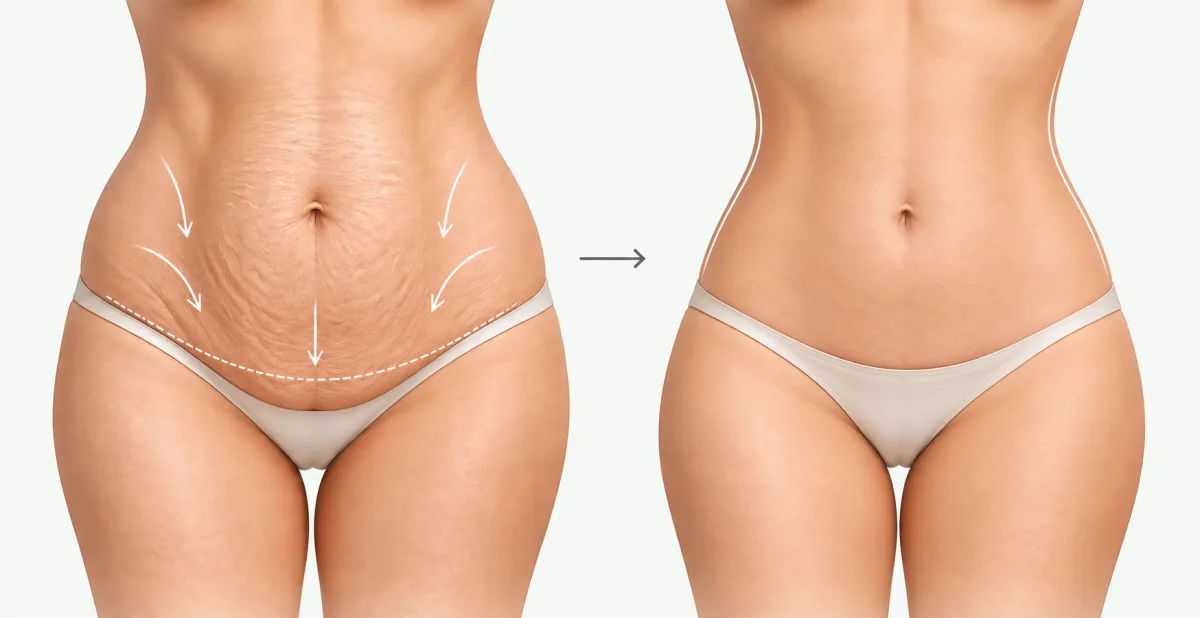
Tummy tuck diagram: the abdomen before surgery with the incision line, and the result
Main goal
Removal of excess skin, diastasis repair
When it is done
Excess skin after childbirth or weight loss
Anaesthesia and stay
General anaesthesia, up to 3 days in hospital

Lipoabdominoplasty

Tummy tuck with added liposuction
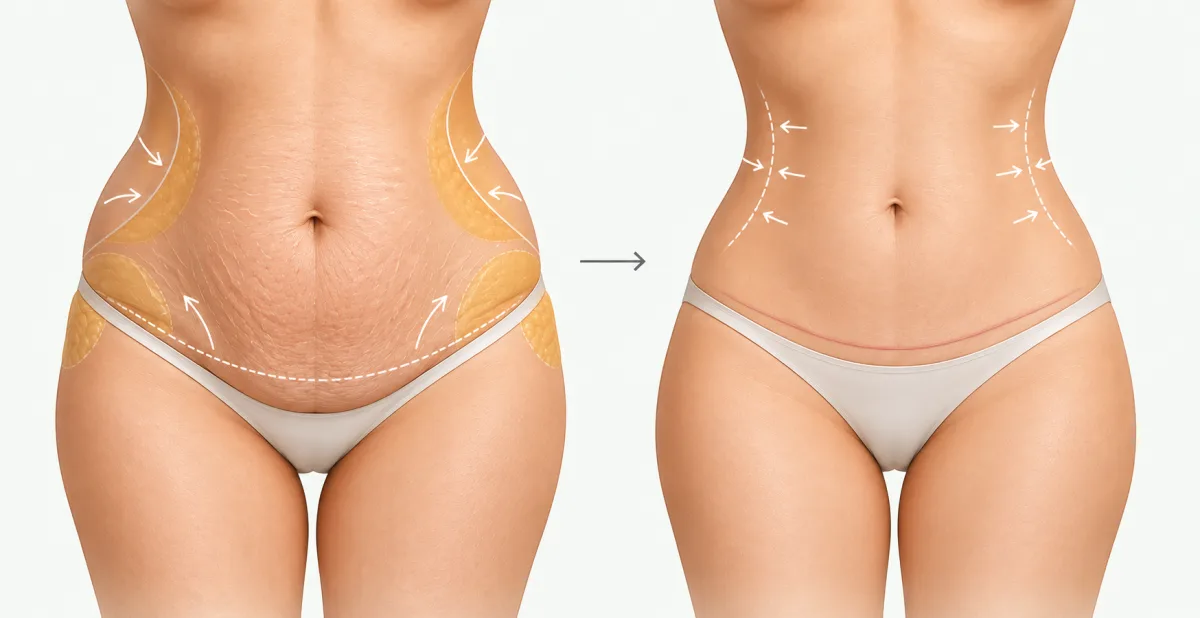
Lipoabdominoplasty diagram: the abdomen with fat on the flanks before surgery, and the result
Main goal
Tummy tightening and waist contouring
When it is done
For fat deposits on the flanks and waist
Anaesthesia and stay
General anaesthesia, up to 3 days in hospital

The benefits and recovery times shown are averaged for each technique and given for guidance: the scope of correction and rehabilitation depend on your anatomy and individual features, and the surgeon confirms them at the consultation.

At the consultation the surgeon draws up a plan for your case and explains how your tummy tuck will go.

Free, before surgery and with no obligation.

Book a consultation

Tummy tuck from the inside

About the clinic

A clinic where you can feel at ease

Modern equipment, comfortable rooms and care for every patient

A doctor and a patient in a clinic ward

Contact us the way that suits you

We will answer your questions and find a convenient time for a consultation

A tummy tuck is not for everyone

If your case can be solved without surgery, the doctor will tell you so at the consultation — and you will not spend money for nothing.

Suitable

A surgeon shows a patient on a model and a monitor how the abdominal contour changes after a tummy tuck
  • Rectus abdominis diastasis
  • Skin folds after weight loss
  • Loose abdominal skin
  • Stretched skin after pregnancy
  • A distorted abdominal contour

Not suitable

A surgeon discusses the indications and contraindications for a tummy tuck with a patient
  • Acute infections
  • Severe heart, kidney or liver conditions
  • Problems with blood clotting
  • Under the age of 18
  • Decompensated diabetes
  • Cancer
  • Skin inflammation in the surgical area
  • Pregnancy and breastfeeding

Not sure the surgery is right for you?

Message us — the coordinator will ask for your photos in the messenger, and the surgeon will tell you whether a tummy tuck suits you. No surgery booking needed.

Find out if it suits me

A surgeon goes through a tummy tuck diagram with a patient at the consultation

Prices

You know the price
before surgery

The price is set at the consultation and fixed in the contract.

Other services

  • First consultationFree
  • Liposuction of the abdomen and flanksfrom $1,700
Book a consultation

Find out your tummy tuck plan and price

The surgeon assesses your abdominal skin and muscles, listens to your wishes and chooses the right correction technique.
The price is set at the consultation and fixed in the contract.
A nurse talks to a patient in a clinic ward

Message our coordinator

Free online consultation · Reply within 15 minutes

Message us on Telegram

By messaging us, you agree to our Privacy Policy
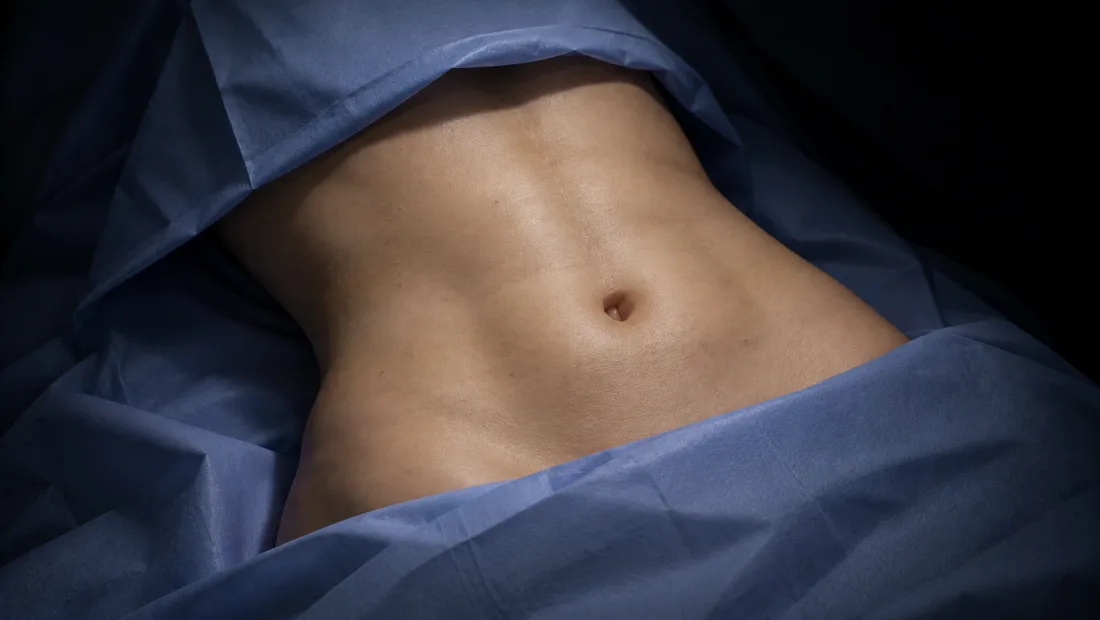
A patient's abdomen before a tummy tuck in the operating room

all inclusive

What the price includes

From preparation for surgery
to post-op check-ups.

  • All scheduled dressings
  • Scheduled post-op check-ups
  • A personal coordinator on call
  • Compression garments fitted on the day of surgery
  • A stay in a comfortable
    hospital ward with meals
  • Individual recommendations
    for recovery
  • Remote progress monitoring
    by photos

How it works

Three days at the clinic —
from preparation to discharge

An agreed correction plan, inpatient observation and post-op check-ups.

A doctor shows a patient a tummy tuck diagram on a monitor1

Consultation
and the surgical plan

The surgeon assesses your abdominal skin and muscles and checks for diastasis, listens to your wishes and chooses the right correction technique.

Paying the deposit by card at the clinic reception2

Booking the date
of surgery

We reserve a surgery date for you: the deposit can be paid by card at the clinic or online by bank transfer. The terms are fixed in the contract for medical services

A blood sample tube for tests before a tummy tuck3

Check-up before
surgery

Before surgery you complete a full lab check-up: blood tests, an ECG, a chest X-ray and reports from the required specialists.

The surgical team during the operation4

Surgery

The surgeon performs the tummy tuck with the chosen technique, repairs diastasis if needed and shapes a firmer abdominal contour.

A hospital ward at the clinic5

Inpatient stay

After surgery the patient stays for 1–3 days in a comfortable hospital ward with meals, under medical supervision.

A surgeon and a patient in the ward during recovery6

Recovery

After surgery you get a recovery programme. Check-ups at 7 days, 3 and 6 months help track your recovery.
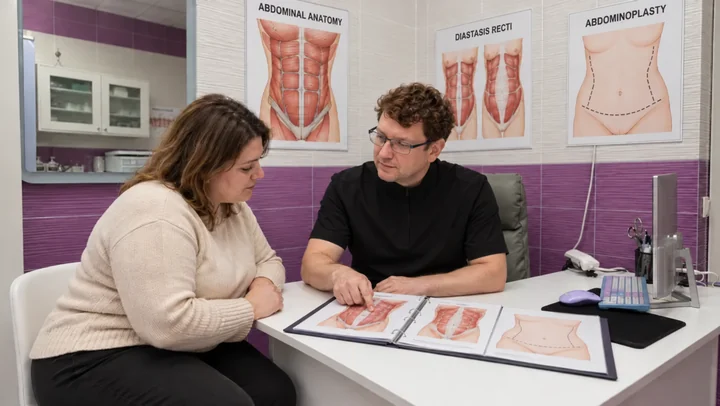
Book a free consultation — the surgeon will plan every step with you.

A doctor discusses the tummy tuck plan with a patient
Book a consultation
A doctor discusses the tummy tuck plan with a patient

How it really happens

Recovery after abdominoplasty

Right after surgery the patient stays in hospital for 1–3 days under medical supervision. Drains are usually removed after two days and stitches after 7 days. A compression binder is worn for 1.5–2 months — it supports the abdominal wall and shapes a smooth contour. Most swelling goes within 30 days; office work resumes after 2–3 weeks. Sports, sauna and heavy lifting are off-limits for 2–3 months; at first, sleeping on your back with knees bent is advised. By 12 months the scar is fully mature: it fades and is barely noticeable.

Post-op check-ups

After 7 days, at 3 months and at 6 months. Until the end of the year, get a post-surgery consultation with your surgeon to review results and get more information, at the clinic's expense

Advantages

Why patients pick City Medical Centre

A surgeon discusses the tummy tuck plan with a patient at the consultation

Just find out — you lose nothing

At the consultation we discuss your wishes and assess your abdominal skin and muscles. The surgeon explains what changes are possible, chooses the correction technique and answers your questions.

A surgeon on a video call with a patient after surgery

We stay with you after surgery

The surgeon follows your recovery and the changing abdominal contour at check-ups after 7 days, 3 and 6 months. Check-ups, dressings and aftercare advice are already included in the price of surgery.

A surgeon shows a patient a model and tummy tuck diagrams

A beautiful contour that fits your figure

We choose the correction technique based on your skin, muscles and figure. Our aim is a harmonious abdominal contour that keeps the natural proportions of your body.

A patient writes down a convenient visit time in her planner

Your schedule is our priority

We respect your time: we work 24/7, with easy booking and a personal approach — we adapt to your pace.
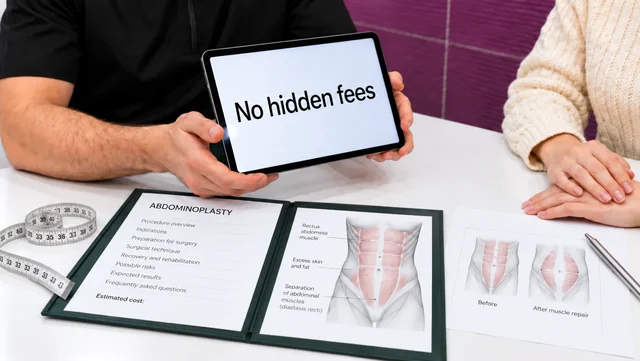
A surgeon shows a patient the fixed price of surgery with no extra charges

Fixed prices

After the consultation the surgeon defines the extent of correction, and you get a clear price for the surgery — no surprises on the way to the result you want.

A surgeon visits a patient in the hospital ward after surgery

Round-the-clock care after surgery

Recovery starts in a comfortable hospital ward under round-the-clock nursing care. The stay and meals are already included in the price.

FAQ

We answer what
people ask before booking

Abdominoplasty in Dar es Salaam: a short guide

Who is a candidate? Adults aged 18 and over with no contraindications; there is no upper age limit, and each case is considered after an examination. Surgery is done at a stable weight and is not performed during pregnancy or breastfeeding. Contraindications also include decompensated diabetes, blood clotting disorders, cancer and serious heart, kidney or liver disease. Dar es Salaam patients get a personal assessment.

Here is the route in brief. Consultation and hormone screening. Tests: blood and urine, coagulation, biochemistry, infections, ECG, chest X-ray, leg vein ultrasound and a GP's report. Surgery lasting 2–4 hours. One to three days in hospital. A compression binder, then check-ups at 7 days, 3 months and 6 months. Patients in Dar es Salaam follow this same sequence from start to finish.

Budget planning starts with a conversation, not a price list. At the free consultation the surgeon explains what your case requires and gives a figure that does not change later: it goes into the contract with no hidden charges. The clinic has 400+ successful surgeries and 10 years of abdominal surgery experience. Patients from Dar es Salaam simply leave a phone number to begin.

Dar es Salaam and the decision to have a tummy tuck

Dar es Salaam is the largest city and financial hub of Tanzania, set on a natural harbour on the Swahili coast of the Indian Ocean. When the 2012 national census was taken, the city had a population of 4,364,541, about ten percent of the country's total, and the 2020 estimate was 8 million. In a city of this size, people think about a tummy tuck (abdominoplasty) for very personal reasons: loose skin and a stretched abdominal wall after pregnancies, a changed contour after major weight loss, or a lower abdomen that no longer responds to exercise and diet.

Many residents ask the same first question: is it a cosmetic wish or a real functional problem? Only an examination can answer that. A surgeon looks at the skin, the fat layer, the muscles of the abdominal wall and any scars you already have. For some patients a mini tummy tuck is enough; for others a classic operation is the sensible option. That is why the first step is a conversation, not a booking.

The city is known for its fashion, media, film and television, and the pace of life is quick. Even so, a good decision about surgery is a slow one. Take time to compare what you want with what the operation can realistically deliver, and write down your questions before the online consultation.

Climate in Dar es Salaam and what it means for recovery

The city has a tropical savanna climate: hot and humid for much of the year because of its closeness to the equator and the warm ocean. Annual rainfall is about 1,150 millimetres, with the long rains in April and May and the short rains in November and December. For a patient wearing a compression garment around the clock during the first 3–4 weeks, humidity is the main practical issue.

Plan for it. Choose soft, breathable clothing to wear over the garment, keep a spare garment so one can be washed and dried, and ask your surgeon how to keep the skin under the fabric clean and dry. Sweat and damp fabric irritate healing skin, so rest in a well-ventilated room and keep your daily movements calm. Occasional power rationing is a known feature of city life, so think ahead about how you will keep a fan running and your phone charged for contact with the coordinators.

Sun matters too. Tanning beds are out for at least a month, and direct strong sun on a fresh scar is best avoided. Your surgeon will explain how to protect the scar in the following months, while it is still maturing. Do not rely on general advice alone; ask for instructions that suit your skin type.

Which season to choose for the operation

There is no single perfect month in a city where warmth is the rule. Look instead at what your calendar and the weather will demand of you during the first weeks. The long rains in April and May and the short rains in November and December can bring heavy traffic and difficult movement around town. If you must go out for a check-up or a short errand, a wet, crowded day is more tiring and makes sudden movements more likely.

The rules after a tummy tuck are the same for everyone: for the first 2–3 weeks you avoid physical exertion, heavy lifting and sudden movements. So pick a period in which you can truly slow down. Ask yourself who will cook, who will take children to school, and who will carry shopping, because these small tasks are where patients often overdo it.

Many people choose a quieter stretch at work or the end of an academic term. Whichever time you choose, allow for the full timeline: the first changes appear 2 weeks after surgery, the interim result is seen at 1.5–2 months, and the final contours and scar are assessed at 6–12 months. The coordinators can help you lay these dates against your own plans.

Work, study and the city's rhythm

Dar es Salaam is Tanzania's most important city for both business and government. The central business district, including Kisutu, Kivukoni, Upanga and Kariakoo, concentrates offices, banks, trade and services. People who work there often ask when they can come back. After 2–3 weeks you can return to office work, as long as you feel well and your surgeon agrees at the check-up.

Work that involves lifting, long hours on your feet or physical effort is a different matter. Heavy lifting stays out for the first 2–3 weeks and the surgeon will tell you when it is safe to resume. If you run a small business or a shop, arrange in advance who will handle deliveries and stock, so you are not tempted to step in.

Students are a large part of the city's life; the literacy rate is high and secondary school enrolment is among the highest in the country. For a university or college student, a tummy tuck is usually planned at a break between terms. Remote work and calls are realistic once you feel well enough, but do not sit in one position for too long, and follow the garment instructions throughout.

Moving around the city during recovery

Public minibus share taxis, known as dala dala, are the most common form of transport in the city, and many people prefer bodaboda motorcycle taxis because they are quicker through heavy traffic. Bajaj auto rickshaws are another option. In the early days after surgery, none of these is ideal. Crowded minibuses mean jostling and sudden braking, and a motorcycle means vibration, an awkward posture and a risk of falling.

Think about how you will reach the check-ups at 7 days, 3 months and 6 months. A calm private car with a family member or a friend at the wheel is the most comfortable solution. Sit upright with the garment on, avoid twisting, and do not carry a heavy bag. Ask for help when getting in and out of the car.

The city has infrastructure challenges, including heavy traffic at peak times. Allow extra time and avoid the busiest hours when you have an appointment. If you live in a district far from the centre, such as Kigamboni across the Kurasini estuary, or in the north in Kinondoni, tell your coordinator, so that planning around check-ups and the remote follow-up takes the distances into account.

Beaches, pools, food and family life

Residents are used to the sea: there are beaches on the Msasani peninsula and in Kigamboni, and Bongoyo Island can be reached by boat from the Msasani Slipway. After a tummy tuck, swimming and the pool are out for at least a month, along with sauna, steam bath, tanning beds, alcohol and smoking. Treat sea water the same way until your surgeon says the wound is fully healed. Beach weekends and boat outings are best postponed.

Food is a big part of coastal city life, and the Magogoni fish market at Kivukoni is a sign of how central it is. During recovery, eat regular, light, balanced meals and drink enough water, since a heavy meal makes a tight abdomen uncomfortable. Hospital meals are provided during the 1–3 days you stay under medical supervision; at home, ask a family member to cook for you in the first weeks.

The average household in the city is 3.9 people, so many patients live with relatives who can help. Family events, celebrations and shared meals are important in daily life; tell the people closest to you about your plan and your dates, so that nobody expects you to host, carry trays or dance in the first weeks. Muslims make up a large share of the city's population; if you observe fasting or religious periods, discuss timing with your surgeon, because nutrition and fluids matter for healing.

Who is a suitable candidate and who is not

You must be at least 18 with no contraindications. There is no upper age limit; each case is considered individually, after an examination and health assessment. A tummy tuck is not a weight-loss method. Weight that is stable and close to your usual level makes the result more predictable. The World Health Organization treats excess weight and obesity as a general health concern, which is why your surgeon will talk about weight, lifestyle and overall health at the first consultation.

Contraindications are decided by the doctor, not by the patient or by friends. Serious chronic disease, problems with blood clotting, active infection and some other conditions can make the operation unsuitable, at least for the time being. Smoking affects healing, so you will be asked to stop. Women who plan further pregnancies are usually advised to discuss timing carefully, since a new pregnancy can change the result.

Be honest in the consultation about previous operations, scars, medicines and supplements. Preparation is a must: stop smoking, drinking alcohol and taking medicines that affect blood clotting 7–10 days before the tummy tuck. Honesty at this stage is the best protection for your health.

Preparation, tests and the stay in hospital

Before a tummy tuck the list of tests is the same for everyone: blood and urine tests, coagulation panel, biochemistry, infection tests, ECG, chest X-ray, ultrasound of the leg veins and a GP's report. The exact list comes from the surgeon at the consultation, and tests usually stay valid for 10–14 days. The pre-surgery check-up also includes consultations with a GP and an anaesthetist. Get it done in advance, not the day before.

The operation is done under general anaesthesia, with up to 3 days in hospital. After surgery the patient stays for 1–3 days in a comfortable hospital ward with meals, under medical supervision. A classic tummy tuck means 1–3 days; for a mini tummy tuck one day is usually enough. Recovery then continues at home, and the surgeon monitors it at scheduled check-ups.

You receive a recovery programme after surgery. Check-ups, dressings and aftercare advice are already included. Pack comfortable loose clothing, your documents and your phone charger, and arrange for someone to be with you in the first days at home.

How the online consultation works from Dar es Salaam

The consultation is free and takes place online, from your own home or office in the city. Coordinators are available 24/7 on WhatsApp and Telegram, so you can write when it suits you, whether in the evening after work or early in the morning before traffic builds up. We respect your time: booking is easy and the approach is personal, adapted to your pace.

Prepare a few clear photographs, a short list of past operations, medicines and allergies, and your questions. The surgeon uses these to give a first opinion about the type of operation, whether a mini or a classic tummy tuck is more suitable, and the tests you need to do. The final decision is made after an examination and health assessment.

Because the connection is remote, check that your internet and power are stable at the time of the call. If there is a power cut, tell the coordinator and the conversation can be moved without any fuss. Keep a record of the surgeon's answers so you can read them again calmly.

Sleep, posture and the first nights at home in Dar es Salaam

The first nights at home are when many patients in a hot, humid coastal city feel the operation most. After a tummy tuck the abdomen feels tight, and lying flat can be uncomfortable. Ask your surgeon how to place pillows under the knees and the back, and in what way to leave the bed without pulling on the abdominal wall. Rolling to the side and pushing up with the arms is gentler than sitting up straight from a flat position.

Heat makes the night harder. A fan, a light cotton sheet and a well-ventilated room help, but do not place a fan so that it blows directly onto damp skin or fabric for hours. If the city's occasional power rationing switches the fan off, you will notice it at once, so keep a charged phone and a small backup plan ready, such as a rechargeable fan or a window that opens safely.

Keep water, any medicines your surgeon prescribed and your phone within reach of the bed so you do not need to stretch or stand up often. If something worries you at night, the coordinators are available 24/7 on WhatsApp and Telegram and can pass your question on to the medical team. Write down what you see and when it started, so that the message is clear.

Clothes, scars and everyday style in a fashion-minded city

Dar es Salaam is known for fashion, media and film, and many patients care about how clothes will fit in the months after surgery. During the first weeks, wear loose, soft garments over the compression garment: wide dresses, kanga or kitenge wraps tied loosely, and shirts that are not tucked in. Avoid tight waistbands and belts that press on the lower abdomen and the healing scar.

Ask the surgeon where the scar will lie and whether it will sit below the line of your usual underwear or swimwear. This is a practical question for anyone who plans to return to the beaches of Msasani or Kigamboni later. Scar assessment happens at 6–12 months, when the tissues have fully adapted, so do not judge the outcome too early. Swelling and tightness pass by 1.5–2 months, and the shape keeps changing after that.

Plan special occasions with this timeline in mind. If a wedding, a graduation or a family celebration is coming, tell the coordinators early, so the date of surgery leaves enough room before the event. Avoid ordering a tight outfit for a date that falls in the early weeks.

Weight, health and what the city's patients should discuss first

The World Health Organization describes overweight and obesity as a broad health issue, and a tummy tuck is not a substitute for weight management. Patients in Dar es Salaam who have lost a lot of weight, or who have had several pregnancies, should reach a stable weight before surgery, because large changes afterwards can alter the result.

Tell the surgeon about every chronic condition, past operation and medicine. The pre-surgery check-up covers blood tests, ECG, leg vein ultrasound and consultations with a GP and an anaesthetist, and these results help the surgeon decide whether a classic or a mini tummy tuck is more suitable. Take the process seriously even if you feel perfectly healthy.

Ask what you can do in the weeks before the operation: regular walking, balanced meals and enough sleep support preparation. Remember the strict part as well: stop smoking, alcohol and medicines that affect blood clotting 7–10 days before the operation, as your surgeon instructs.

Questions to ask the surgeon

Good questions make a consultation useful. Ask which type of tummy tuck suits you and why. Ask how the scar will lie and how it can be hidden by underwear or swimwear. Ask whether the abdominal muscles need to be tightened, what the anaesthesia involves, and how many days you will spend in hospital. Ask how long you must wear the compression garment and how to care for the skin under it in a hot, humid climate.

Ask about the schedule: the check-ups at 7 days, 3 months and 6 months, and what happens if something worries you between them. Until the end of the year you can get a post-surgery consultation with your surgeon to review results, at the clinic's expense. Ask how to contact the team in an urgent situation at night.

Finally, ask about your own daily life: when can you drive, climb stairs, cook, care for small children, return to the gym or to work. Honest answers will help you plan the first weeks in a city where traffic, weather and family obligations can easily tempt you to do too much too soon.

Is the consultation really free, and how do I start from Dar es Salaam?

Yes. The online consultation is free. Write to the coordinators on WhatsApp or Telegram; they are available 24/7. They will ask for a few photographs and basic health information, and then arrange a conversation with the surgeon.

When can I go back to work after a tummy tuck?

You can usually return to office work after 2–3 weeks. Heavy lifting and physical effort stay out for the first 2–3 weeks, and your surgeon confirms when you can resume more demanding duties.

What anaesthesia is used and how long do I stay in hospital?

The operation is done under general anaesthesia with up to 3 days in hospital. A classic tummy tuck means 1–3 days under medical supervision; for a mini tummy tuck, one day is usually enough.

How long do I wear the compression garment in a hot, humid climate?

The first 3–4 weeks it stays on around the clock, then during the daytime for roughly a month more. Your operating surgeon will name the exact period. Wear breathable clothing over it and keep a spare garment so one can be washed and dried.

Can I swim in the sea or the pool after surgery?

Sauna, steam bath, pool, tanning beds, alcohol and smoking are out for at least a month. Treat sea swimming the same way and wait for your surgeon's approval. Sport is resumed gradually, with the surgeon's approval only.

When will I see the result?

The first changes appear 2 weeks after surgery as the main swelling subsides. The interim result comes at 1.5–2 months and the final contours at 6–12 months, when the final result and scar are assessed.

What tests do I need before the operation?

The list is the same for all: blood and urine tests, coagulation panel, biochemistry, infection tests, ECG, chest X-ray, ultrasound of the leg veins and a GP's report. The surgeon gives the exact list, and tests usually stay valid for 10–14 days.

Do I need to prepare in advance?

Yes, preparation is a must. Stop smoking, drinking alcohol and taking medicines that affect blood clotting 7–10 days before the tummy tuck. Do the pre-surgery check-up in advance, not the day before.

Who can have a tummy tuck?

You must be at least 18, with no contraindications. There is no upper limit; each case is considered individually, after an examination and health assessment.

Are check-ups included?

Yes. The surgeon follows your recovery and the changing abdominal contour at check-ups after 7 days, 3 and 6 months. Check-ups, dressings and aftercare advice are already included.

Can family members join the online consultation from Dar es Salaam?

Yes. Many patients ask a spouse, a relative or a close friend to sit in on the call so that the answers are remembered and the home recovery plan is clear to everyone who will help. Tell the coordinators in advance so they can arrange it.

How should I sleep in the first nights after surgery in a hot climate?

Ask your surgeon for exact positioning advice. In general, a slightly raised back and supported knees are more comfortable than lying flat. Keep the room ventilated, use light cotton bedding, and keep your phone charged in case of a power cut.

Is a tummy tuck suitable if my weight is still changing?

Usually the surgeon prefers a stable weight, because later changes can affect the contour. Discuss your weight history openly at the consultation. The decision is made after an examination and health assessment.