
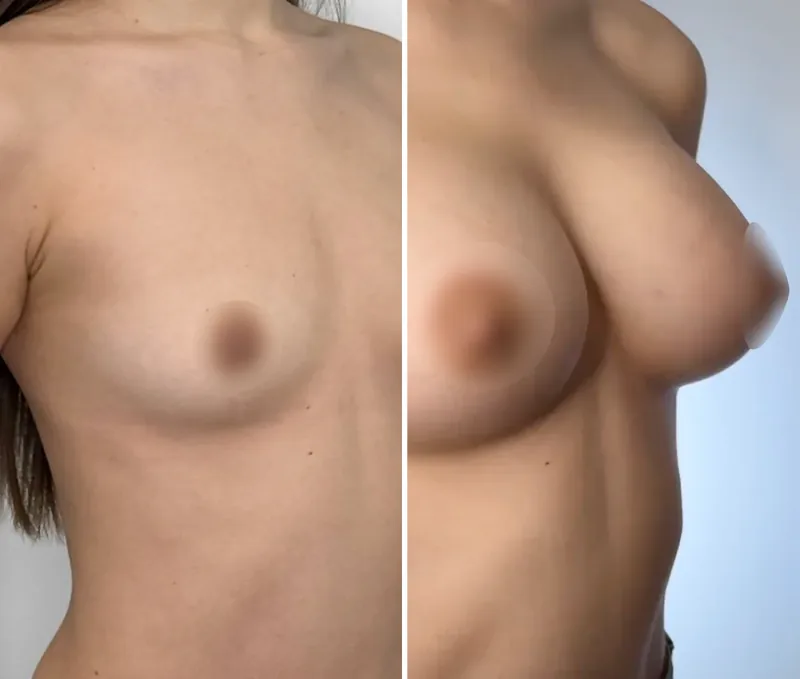
 beforeafter
Mammoplasty
Method: implants
Breast augmentation
$4,700
$5,900 · First consultation — Free
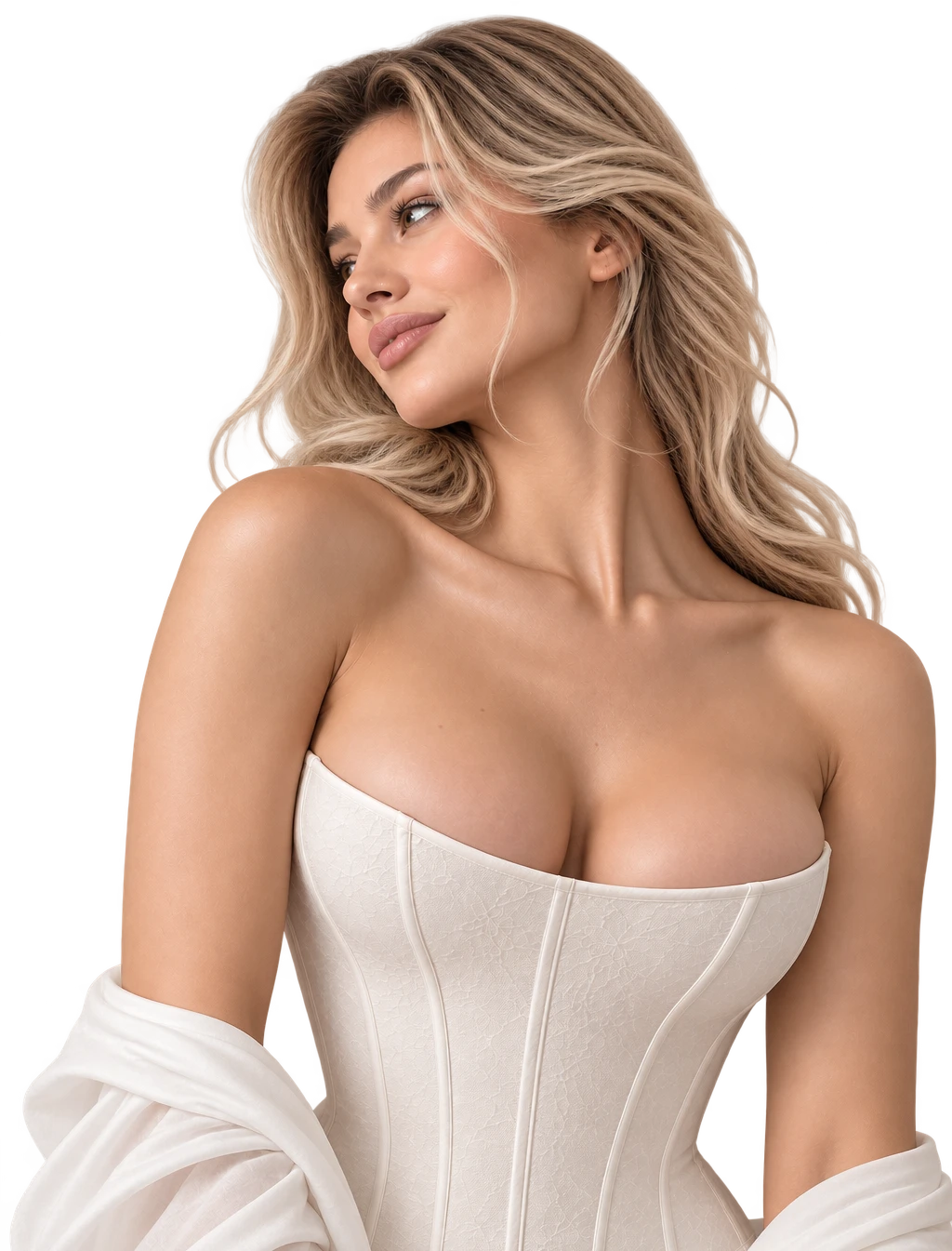
Message our coordinator
Free online consultation · Reply within 15 minutes
Message us on TelegramMessage us on WhatsAppBy messaging us, you agree to our Privacy Policy
Results
Every case shown is a real patient of the clinic; faces and identifying details are hidden.
beforeafterMethod: implants
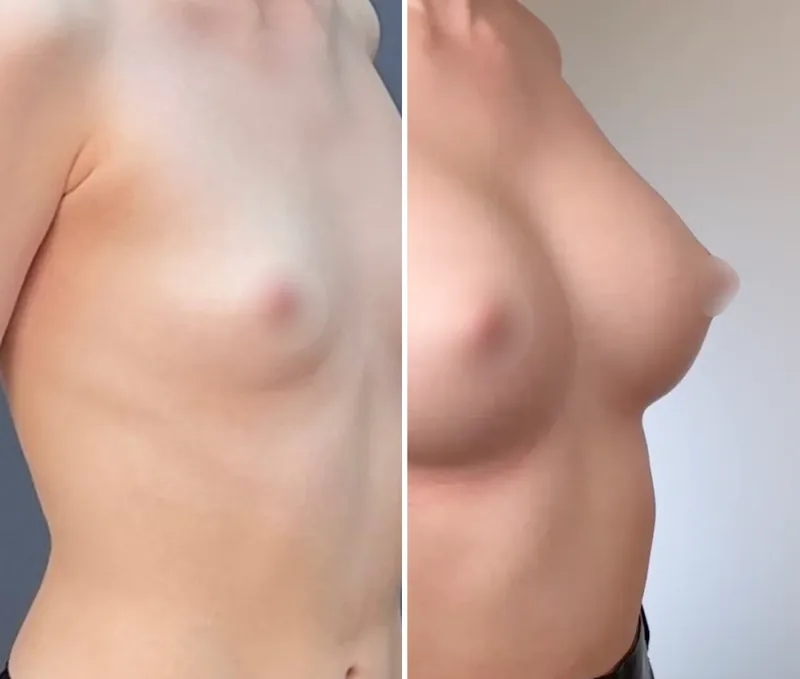 beforeafter
Method: implants
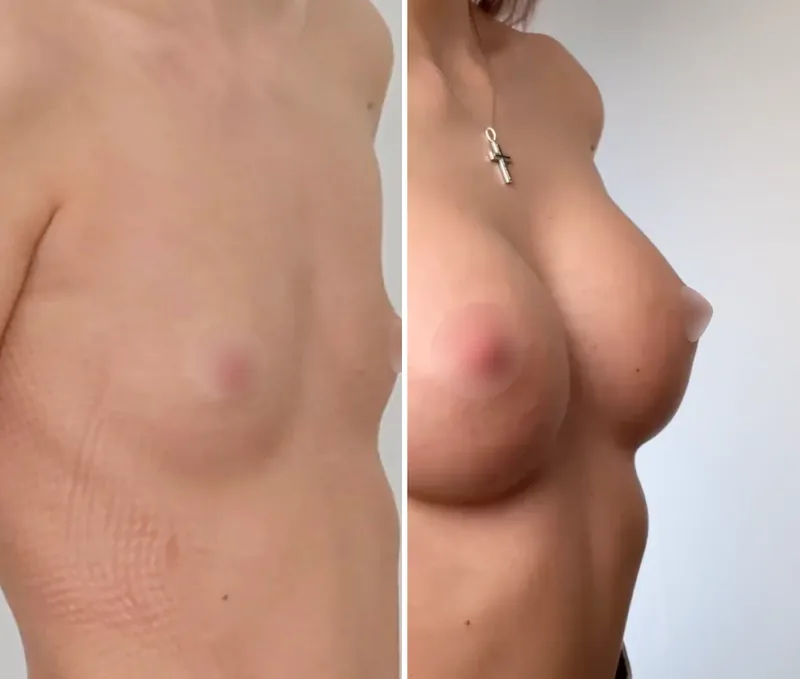 beforeafter
Method: implants
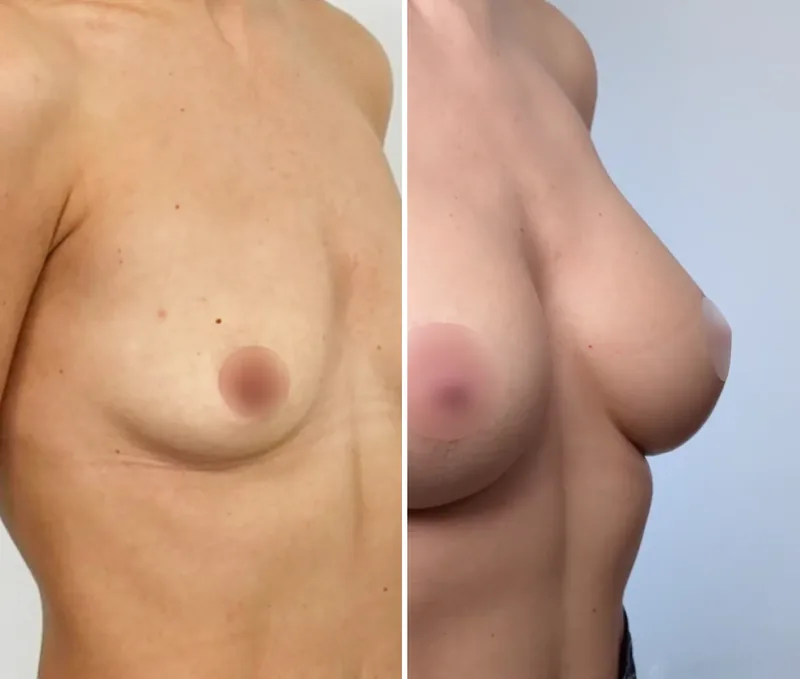 beforeafter
Method: implants
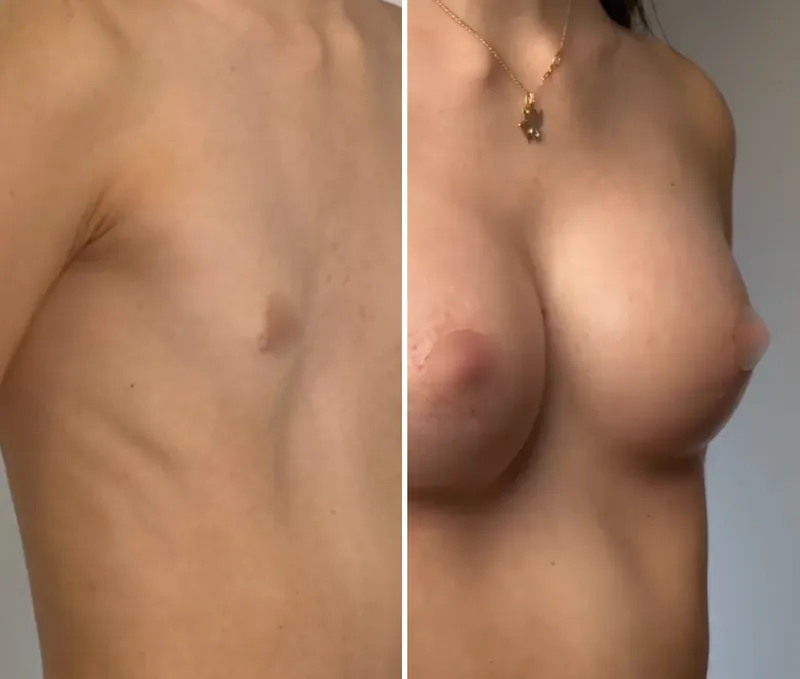 beforeafter
Method: implants
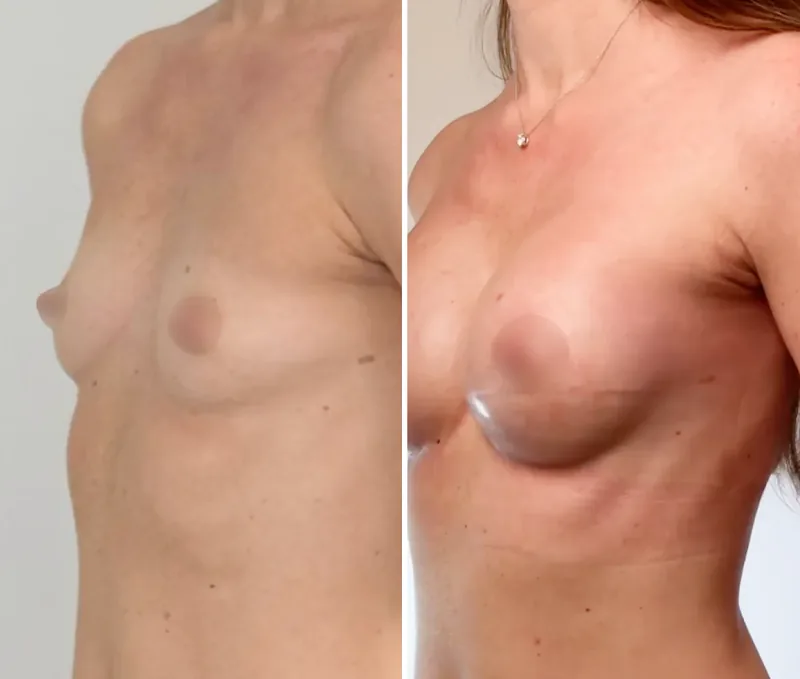 beforeafter
Method: implants
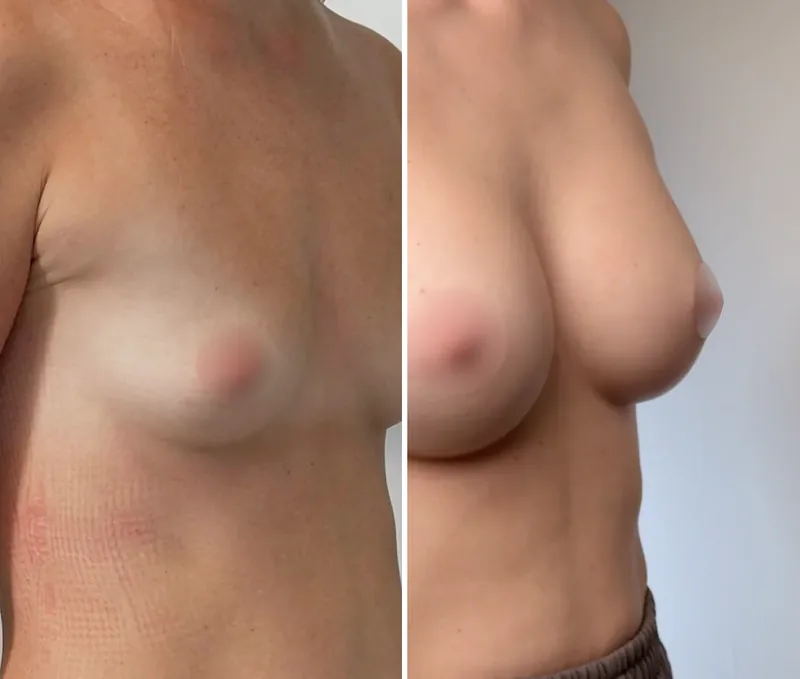 beforeafter
Method: implants
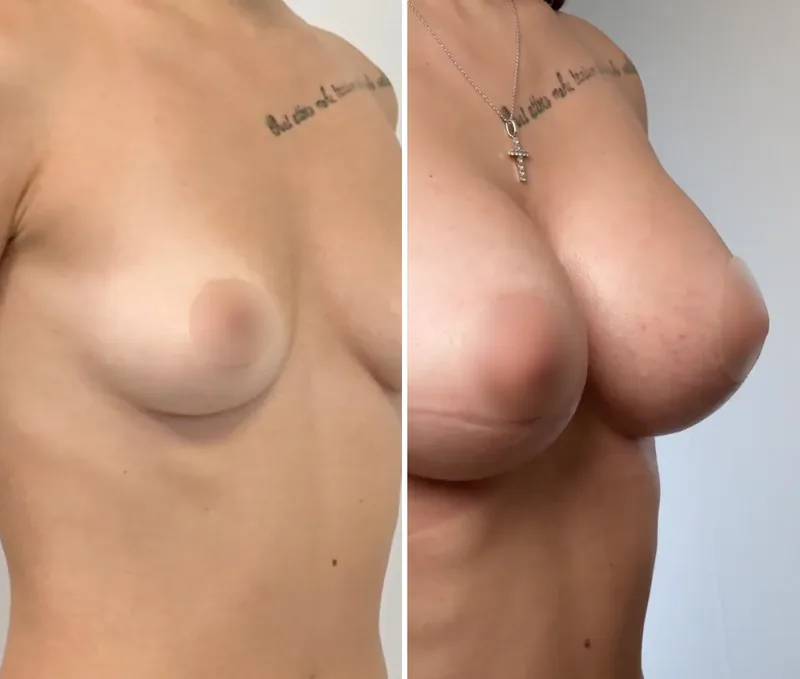 beforeafter
Method: implants
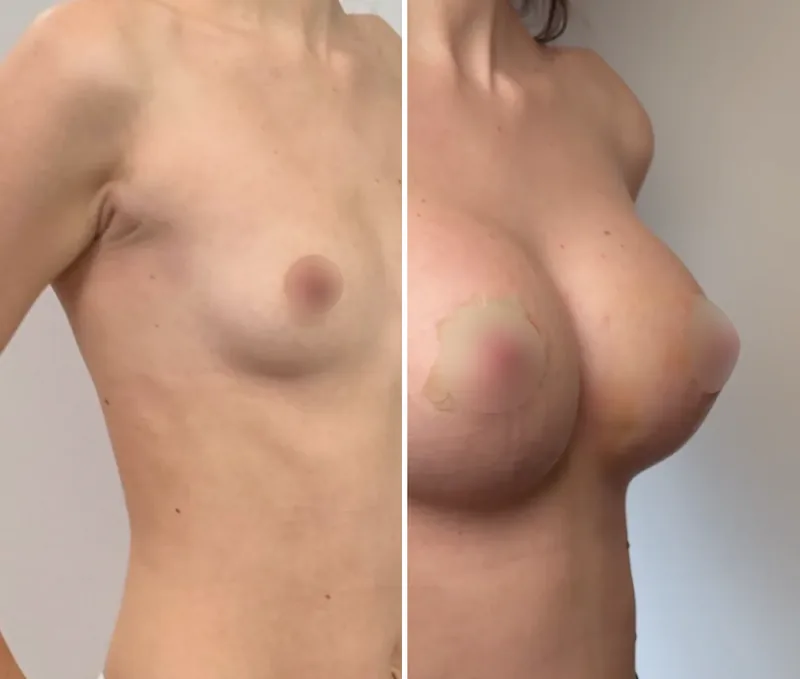 beforeafter
Method: implants
Comparison
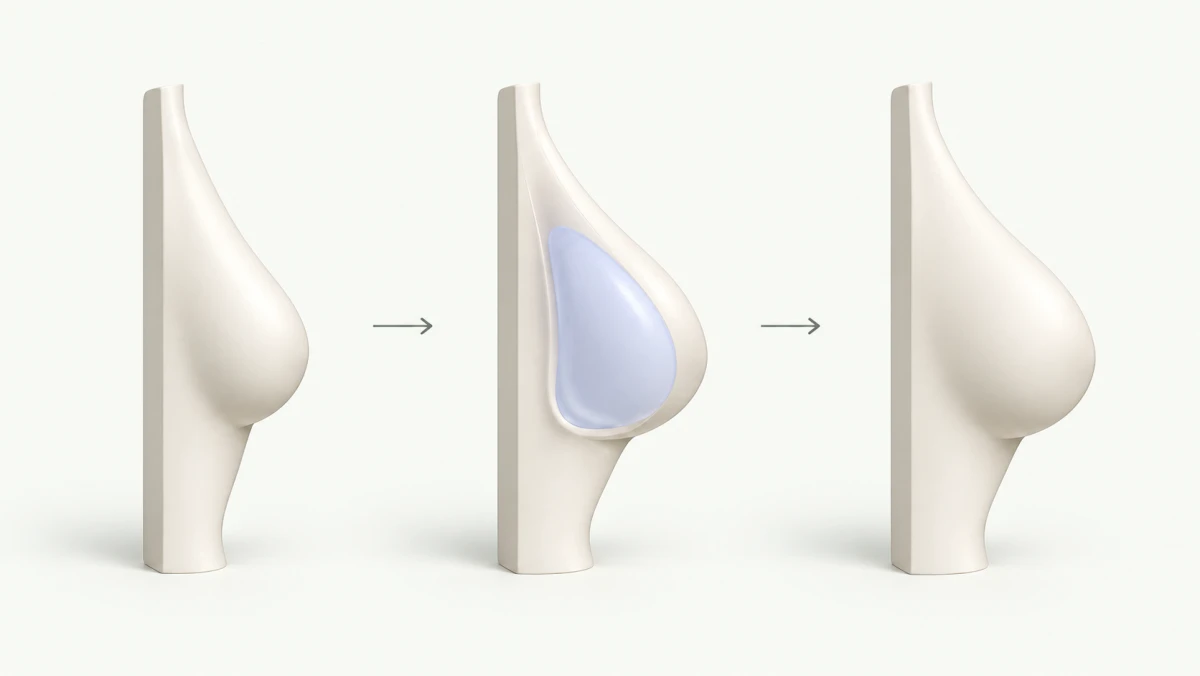
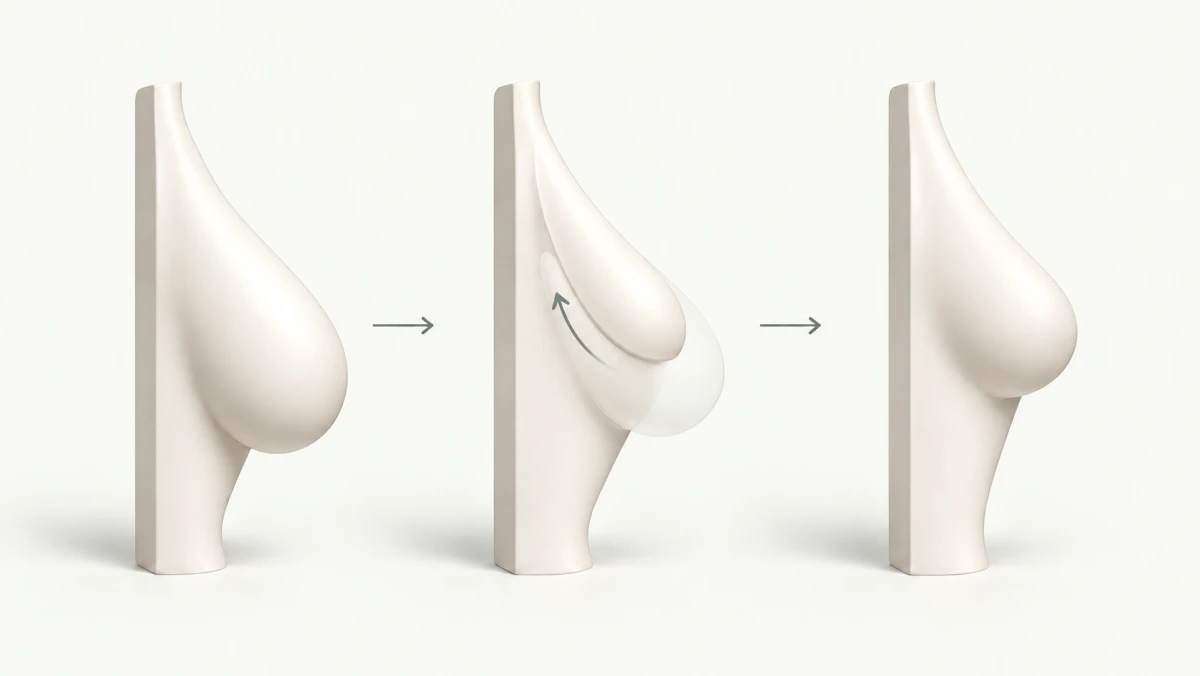
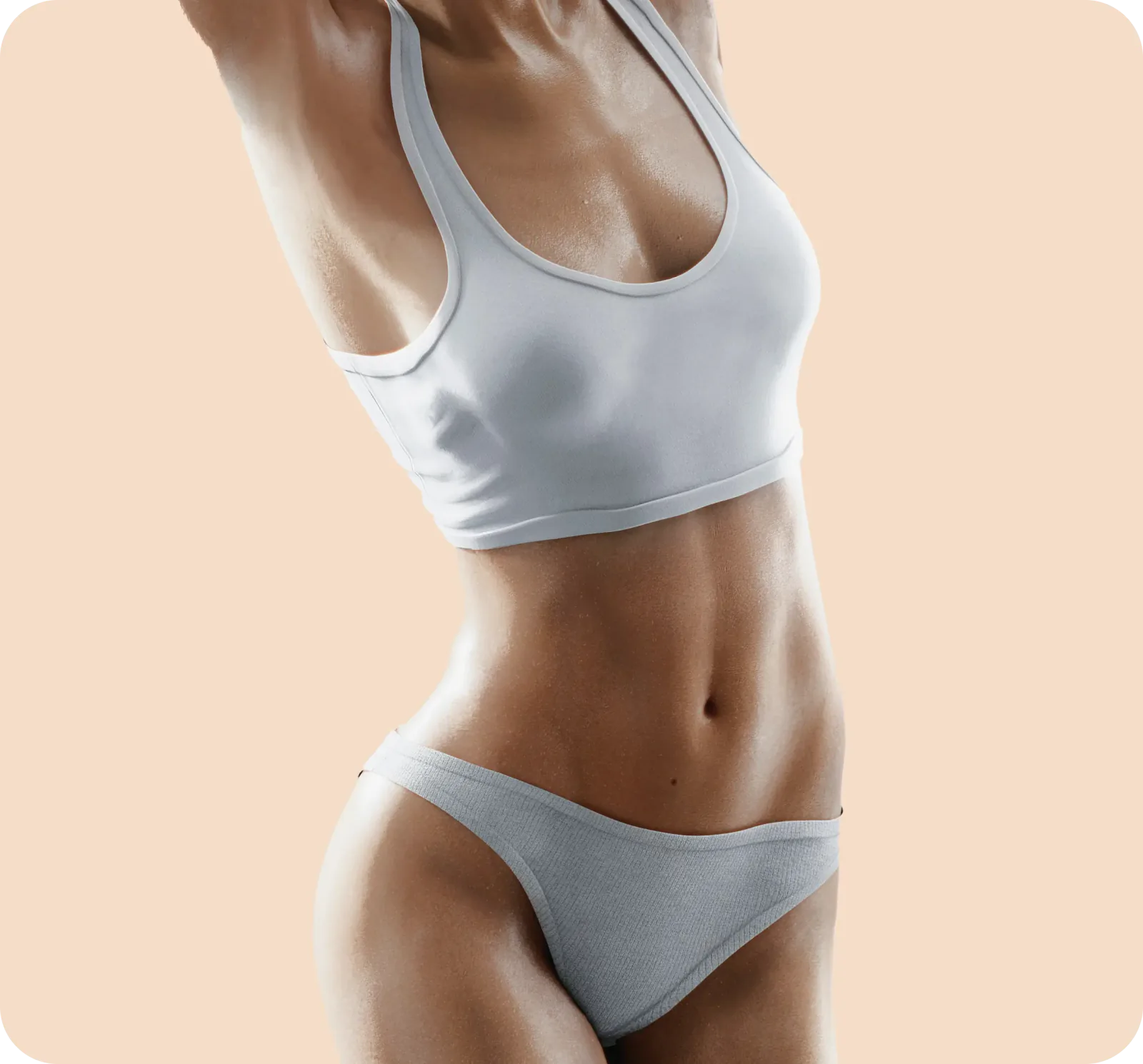
Augmentation and reduction are the two main breast correction methods we perform. Compare what each one achieves, how precise it is and when it is indicated.
Size and shape correction with implants
Discounted price
$4,700 $5,900
Breast size correction through reduced volume and weight
Discounted price
$4,700 $5,900
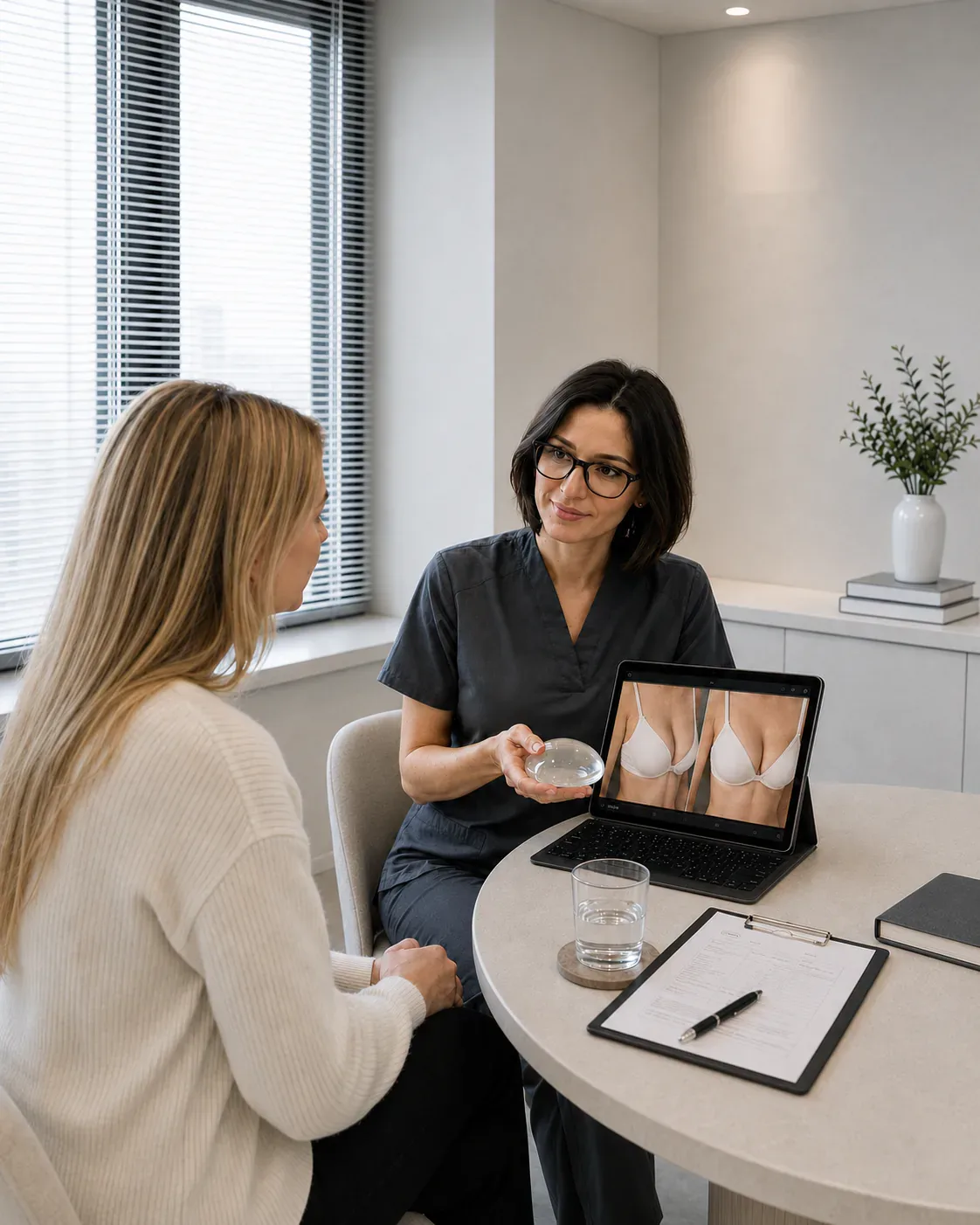
At your consultation the surgeon looks at the shape and proportions of your breasts, talks through what you want and recommends the best mammoplasty option.
The consultation is free, before surgery and with no commitment.
Comparison
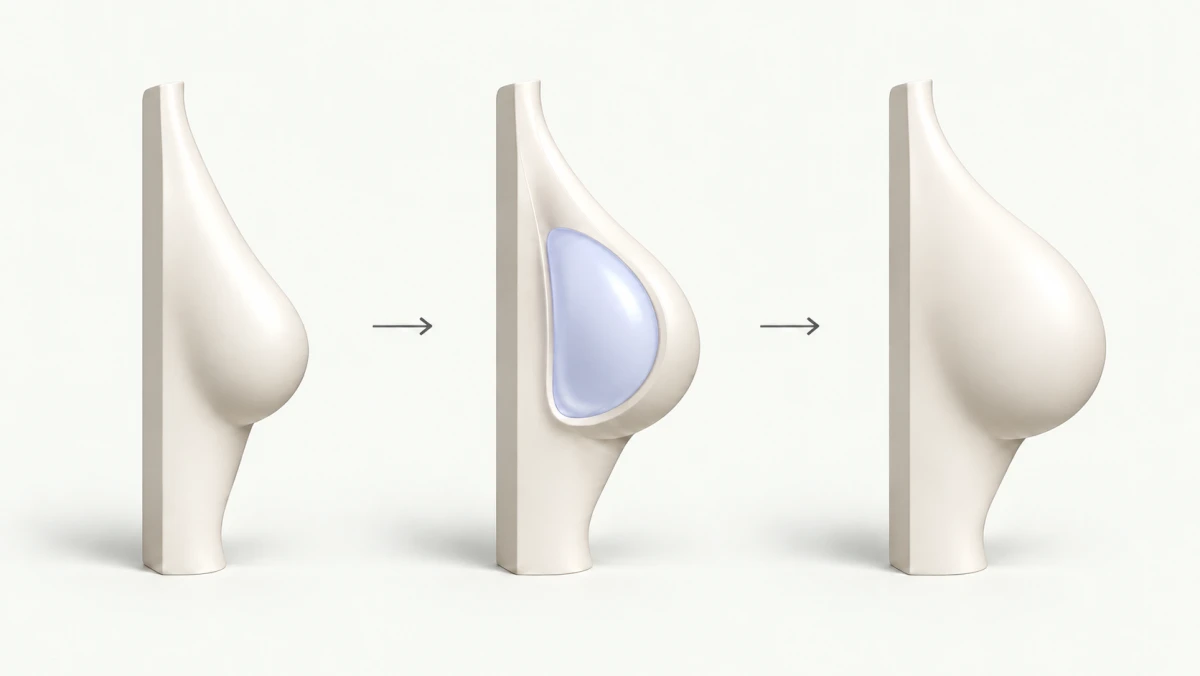
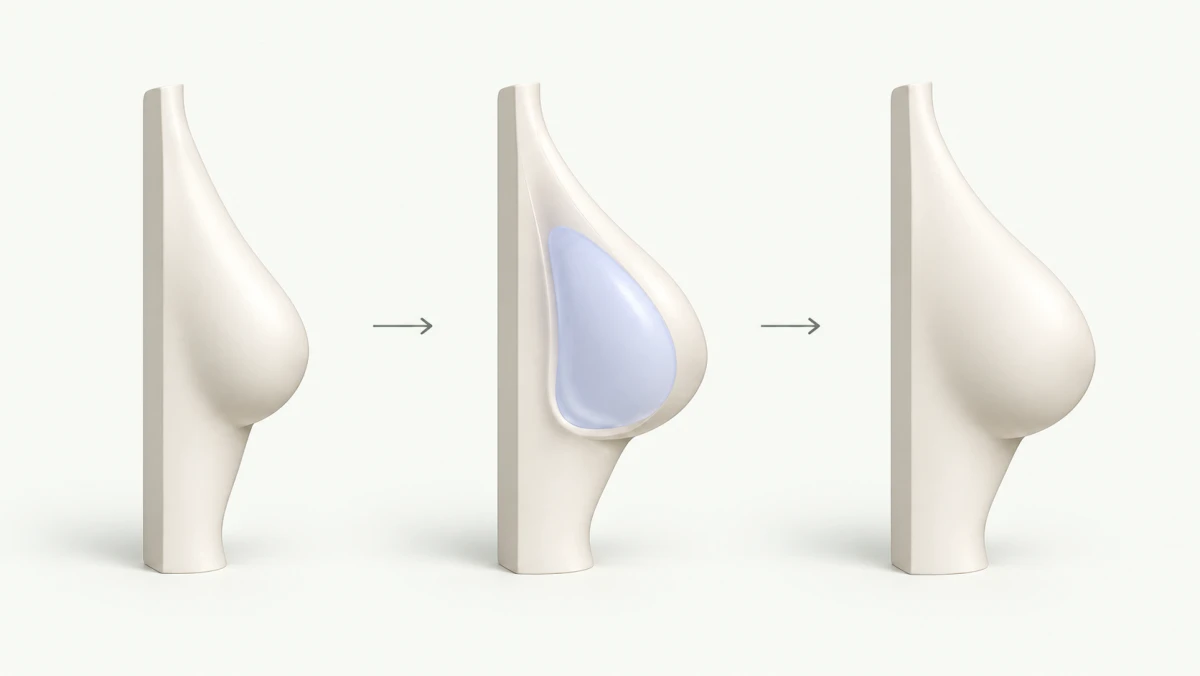
We use two main implant types — round and anatomical. Both increase volume and improve breast shape, yet each gives a different contour and result.
Balanced volume and a fuller upper pole
A gentle slope and a soft teardrop contour
The surgeon will help you choose the implant shape and volume.
The clinic
Each patient gets care, comfortable rooms and modern equipment
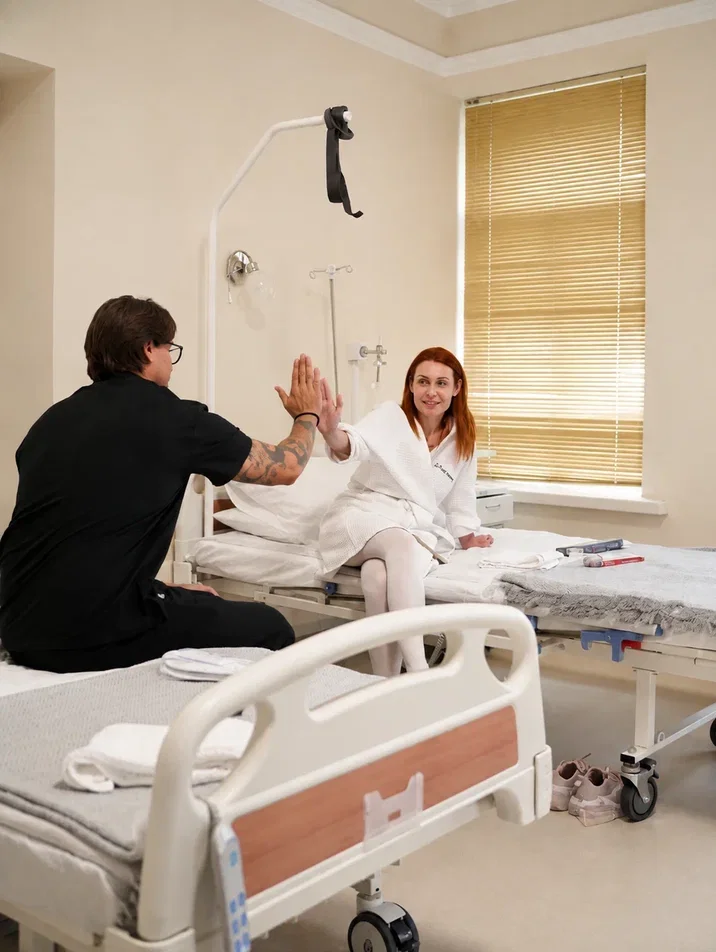
We answer your questions and pick a convenient consultation time
Should your case not require surgery, you will hear it from the doctor at the consultation, and no money will be spent in vain.

Unsure whether surgery suits your case?
Message us — your coordinator will ask for photos in a messenger, and the surgeon will look at them and tell you whether mammoplasty is right for you.
Find out if it suits me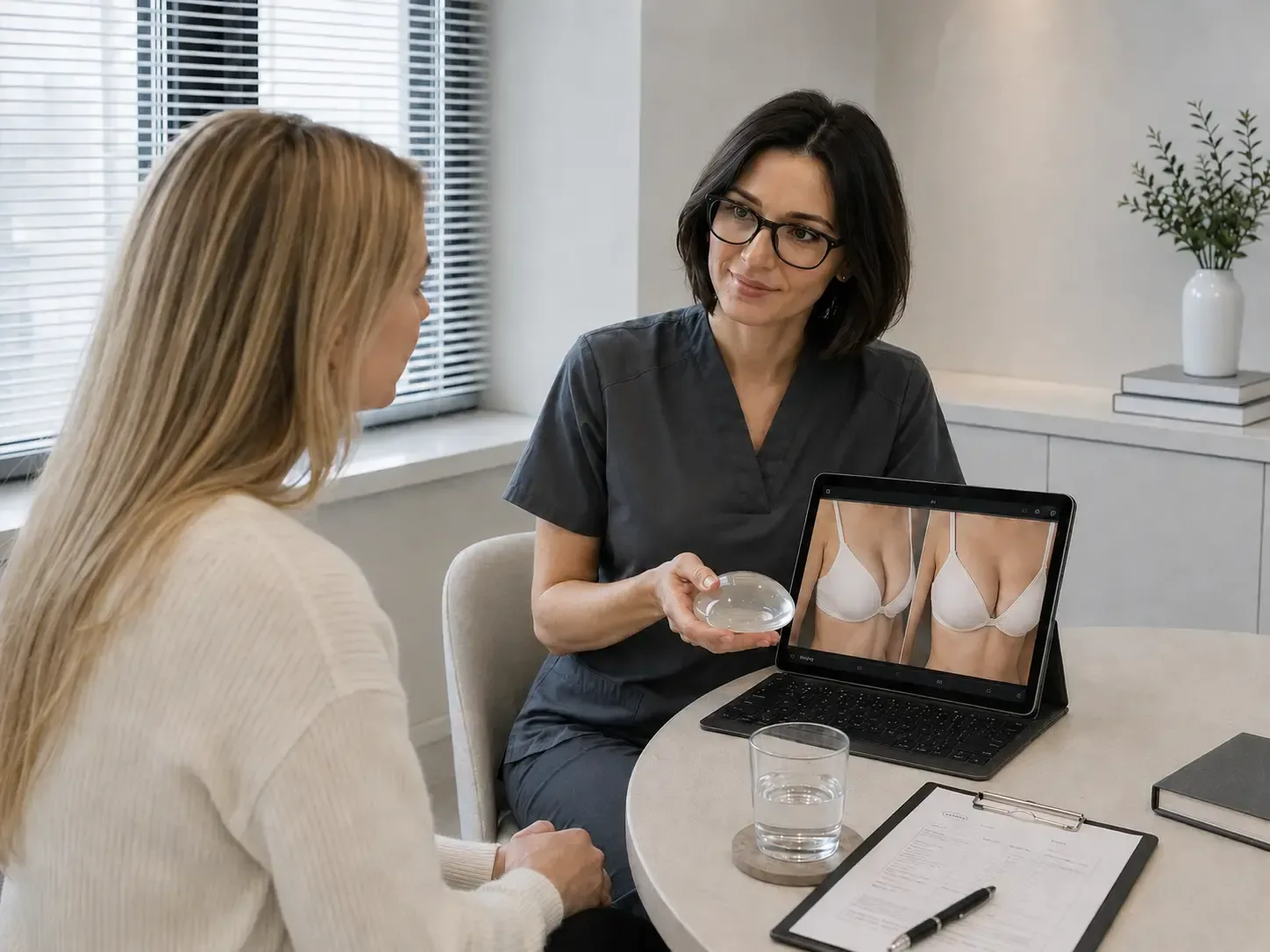
Prices
The price is set at the consultation and fixed in the contract.
Discounted price
Size and shape correction with implants
$4,700$5,900
Discounted price
Reducing the volume and weight of the breasts
$4,700$5,900
Breast restoration after mastectomy
The price is set at the consultation and fixed in the contract.
Get a consultationThe surgeon assesses the anatomy and proportions of your breasts, listens to your wishes and chooses the right correction method.
The price is set at the consultation and fixed in the contract.
Message our coordinator
Free online consultation · Reply within 15 minutes
Message us on TelegramMessage us on WhatsAppBy messaging us, you agree to our Privacy Policy
all inclusive
Starting with preparation for surgery
and ending with support for 12 months.
Discounted price
$4,700$5,900
How it works
A personal correction plan, inpatient observation and a year of recovery monitoring.
 1
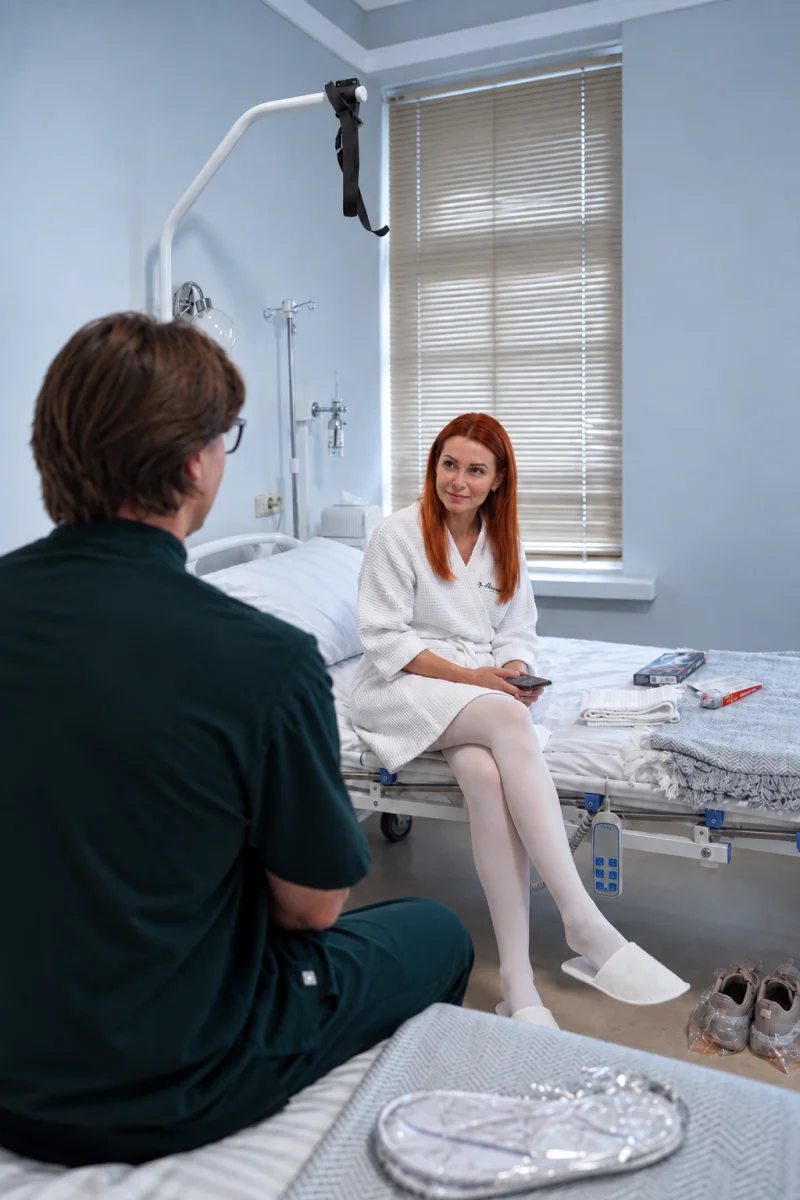
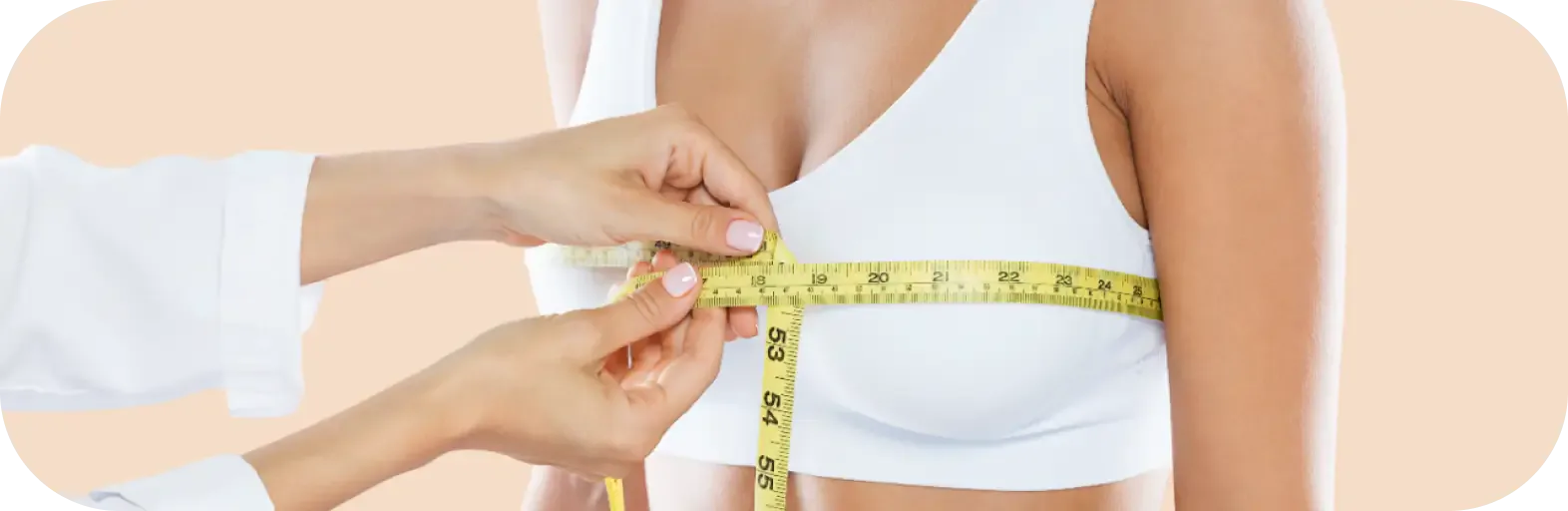
The surgeon examines your figure, discusses your wishes and selects the best volume, shape and correction method.
 2
Your surgery date is reserved for you: the deposit can be paid by card at the clinic or online by bank transfer, and the terms are fixed in the medical services contract
 3
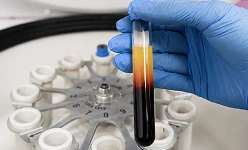
Ahead of surgery you go through full testing — blood tests, an ECG and other examinations as prescribed by the doctor.
 4
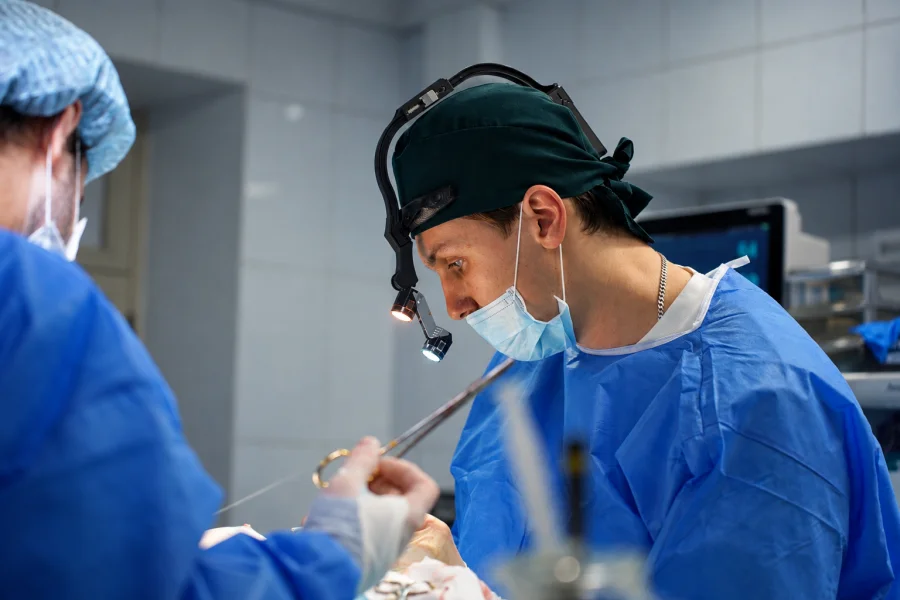
Mammoplasty is performed according to your individual plan. The surgery is done under general anesthesia while your condition is monitored throughout.
 5
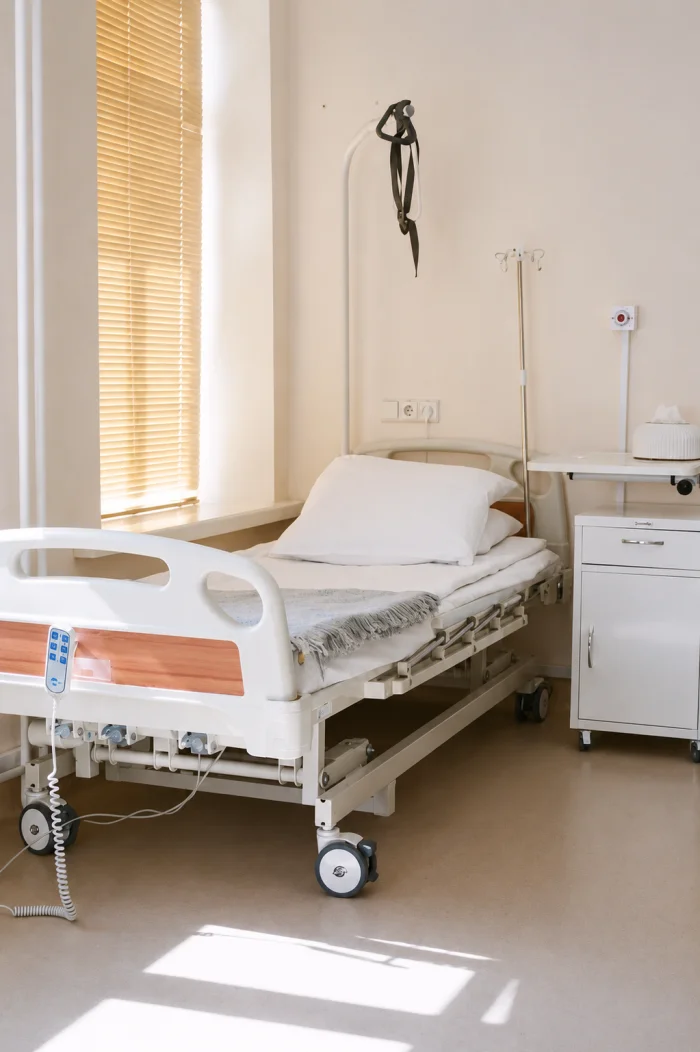
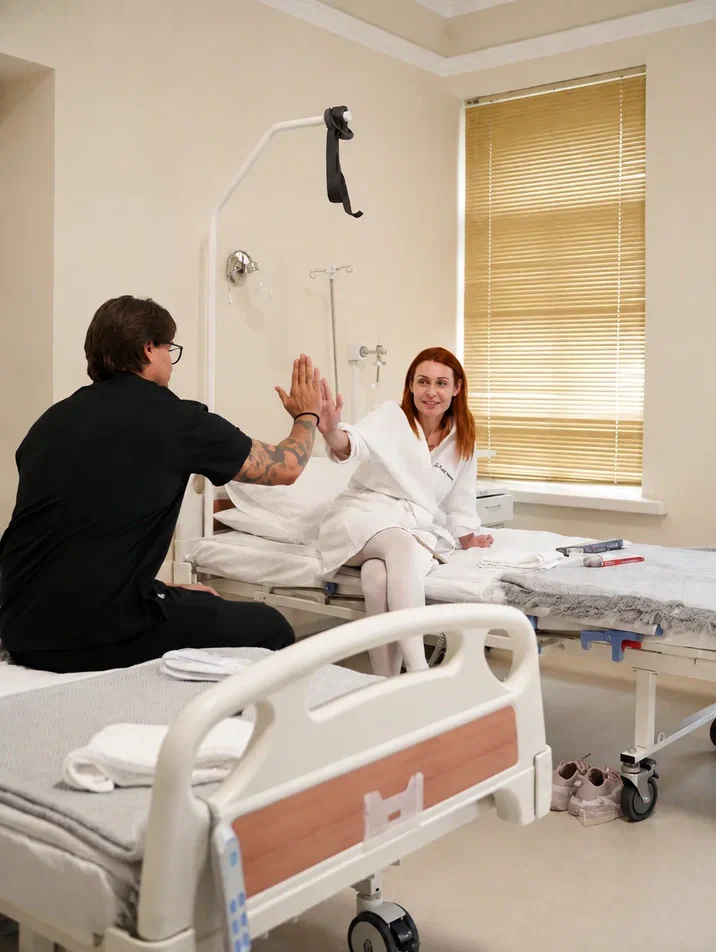
Once the operation is over, you stay in the clinic's comfortable ward under the medical team's supervision until discharge.
 6
You get a personal recovery programme after the operation. Follow-up visits at 7 days, 3 and 6 months monitor healing; for a year, surgeon consultations are free of charge.
Discontinue aspirin-based drugs, steroids and hormonal medications for chronic illnesses ahead of the operation
Hormonal birth control pills must be discontinued a month or more before surgery
Complete your tests a week before the surgery
Ahead of surgery, take a few simple steps: balance work and rest, get more sleep, steer clear of stress, anxiety and strong emotions, and cut back on physical activity.
Intense gym workouts should be avoided for up to 40 days, along with overly active aerobics; after a month light cardio may be possible. Watch your diet.
Swelling after surgery goes away after 3 weeks
Discomfort disappears after 3 months
Scars develop within 3 weeks
No strenuous activity (lifting over 3 kg)
All inflammatory tissue changes settle within 3 months, and a “pocket” develops around the implant
Recovery after correction includes wearing compression garments for 1–1.5 months
No lifting arms above shoulder height — 3 weeks
Baths and saunas are off-limits up to three months, as is physiotherapy
Doctors
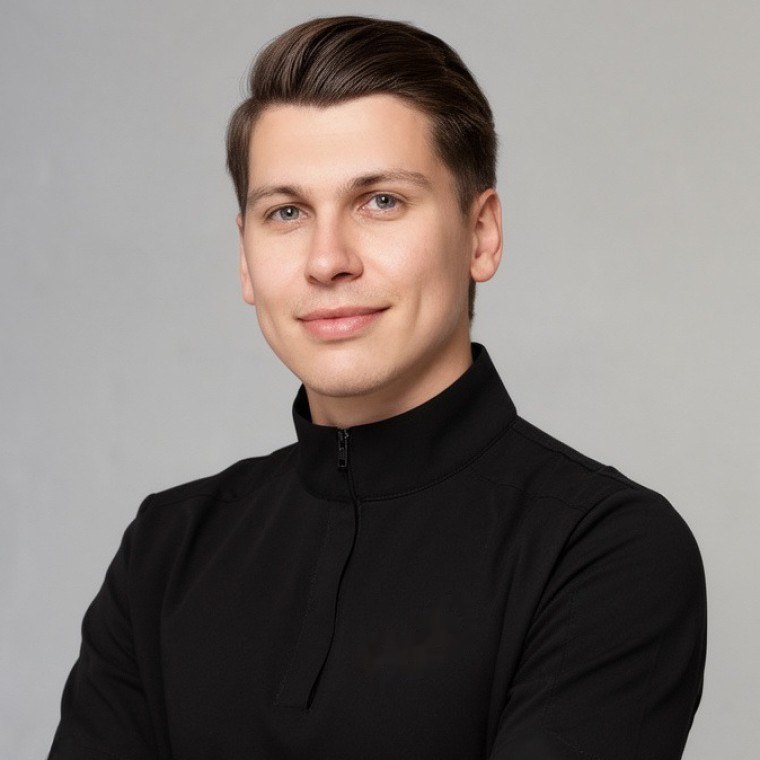
7 years of experience
Plastic surgeon
Plastic surgery residency completed at the Petrovsky National Research Centre of Surgery. Works in aesthetic and reconstructive surgery of the breast and body.
You speak with the operating surgeon at the consultation
An experienced plastic surgeon attentive to the beauty and health of patients
Book a consultationAdvantages
We review your wishes at the consultation and model the planned result. The surgeon explains what the operation can do, so you understand exactly what we are aiming for.
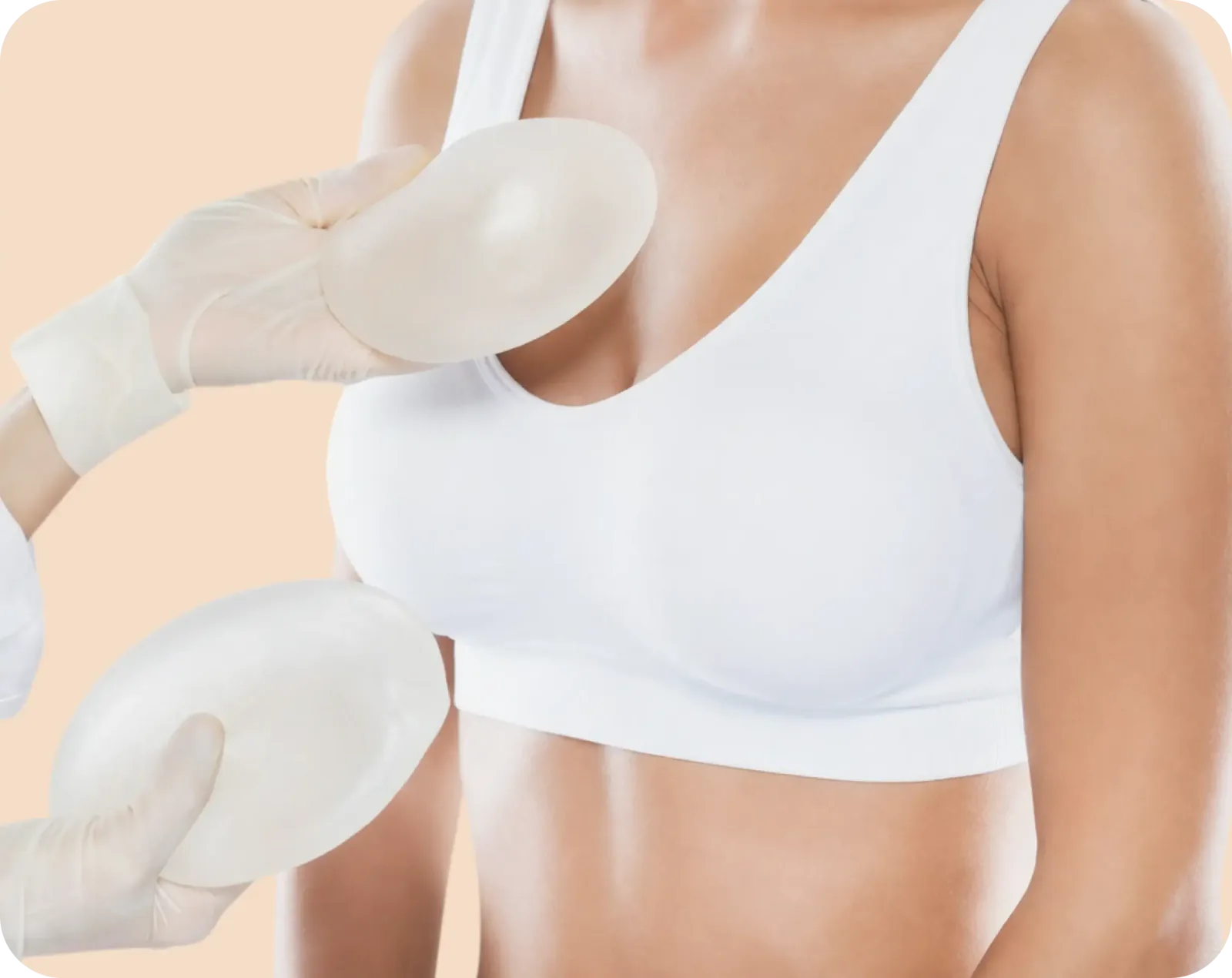
For a year the surgeon monitors your recovery and how your breast shape settles. Check-ups and dressings are already included in the price.
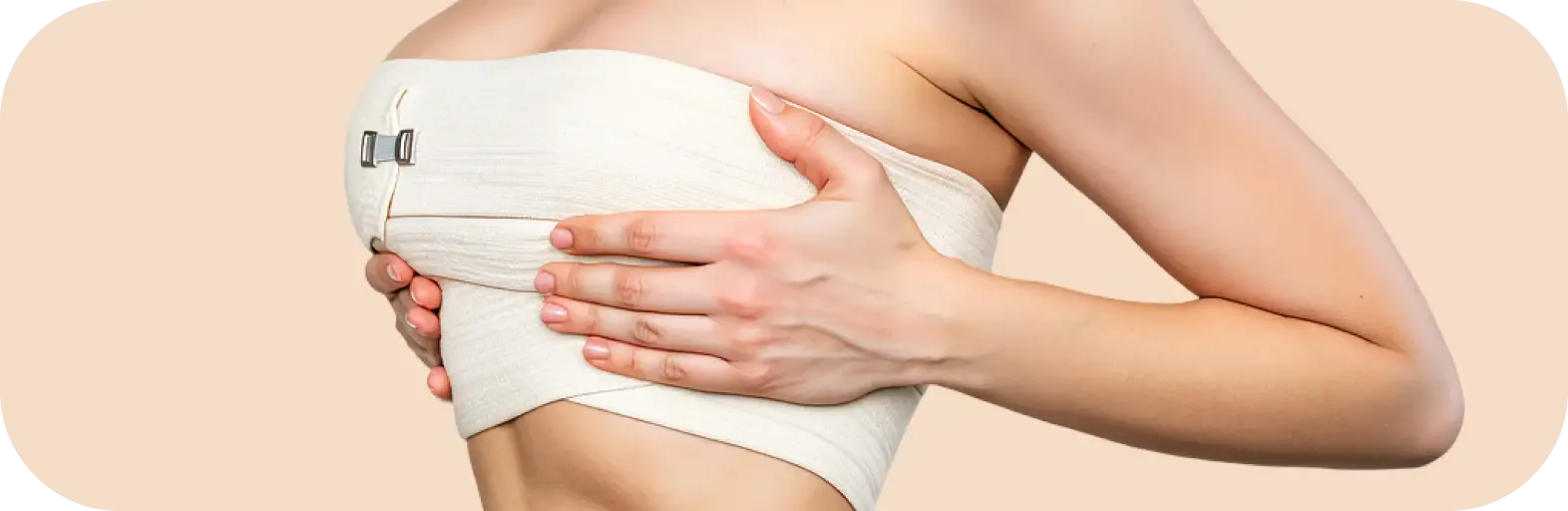
Your anatomy and wishes determine the shape, volume and correction method. In breast augmentation the implant size and profile are picked individually.
We respect your time: we work 24/7, with easy booking and a personal approach — we adapt to your pace.
After the consultation the surgeon defines the extent of correction, and you get a clear price for the surgery — no surprises on the way to the result you want.

You begin your recovery in a comfortable ward under constant nursing supervision; the stay and meals are included in the price.
FAQ
The term mammoplasty covers several operations: augmentation (implants to increase volume), reduction (excess tissue and skin removed), mastopexy (a lift for sagging), reconstruction (after mastectomy) and correction of asymmetry. Which method is best is decided individually, from your wishes and the surgeon's advice.
Message us — our coordinator will get back to you shortly and book your consultation. The plastic surgeon consultation is free.
Complications are rare when recommendations are fully followed, yet they can include hematoma or seroma, wound infection, reduced or increased nipple sensitivity, capsular contracture, aesthetic asymmetry, separation of the wound and tissue necrosis.
A mammoplasty result lasts a long time, about 10–15 years after augmentation (until implants need replacing) and 5–10 years after a lift or reduction. Its longevity is affected by weight, pregnancy, skin aging and gravity. Supportive underwear and weight control help preserve it.
Breastfeeding after mammoplasty is determined by the type of surgery. Augmentation through an under-breast or armpit incision, with the implant under the muscle, usually preserves lactation, since the glandular tissue is left undamaged. The risk is higher after a lift or reduction because ducts may be cut. Talk to your surgeon about it in advance.
Implant selection considers material (silicone gives the most natural look; saline is less common), shape (round or anatomical teardrop), surface (smooth or textured), size and profile. The surgeon picks the best fit for your anatomy and wishes.
During the operation the patient is under general anesthesia and feels nothing at all. For the first 1–3 days there may be moderate discomfort, relieved by painkillers. By day 5–7 pain is much lower, and by weeks 2–3 discomfort passes. Report severe pain to your doctor straight away.
You may go back to work (with no physical exertion) after 7–14 days, take light walks after 1–2 weeks, and do fitness and swimming after 4–6 weeks. Strength training is allowed after 3 months, pool and sea after 4–6 weeks. Compression garments stay on for 4–6 weeks. Timing depends on your recovery.
Scientific evidence does not show that mammoplasty increases breast cancer risk. Implants do not lead to cancer. After surgery, stay on top of regular screening through self-exams, mammography and ultrasound. Always let the examining doctor know you have implants.
Mammoplasty after a C-section is possible, but your body must fully recover first. Wait at least 6–12 months after giving birth and after breastfeeding ends. A surgeon's consultation and check-up are required before surgery.
Scars after mammoplasty are unavoidable, but with a skilled surgeon they stay minimal. Incisions are made in hidden places, namely under the breast, around the areola or in the armpit. Scars look reddish during the first months, but within 6–12 months they fade to almost invisible.
Slight asymmetry in the first weeks after surgery is normal: it is caused by swelling and uneven healing. If a difference in shape or size persists after 3–6 months, see your surgeon for an examination to find the cause.
A temporary decrease or increase in nipple and breast sensitivity is possible after mammoplasty, caused by irritated nerve endings. Most of the time sensitivity returns within 3–12 months. If it has not improved after one year, see your surgeon.
Implants are not directly influenced by hormonal drugs (contraceptives, hormone replacement therapy), yet swelling or breast tissue volume changes can result and temporarily affect appearance. Mention any such medications to your surgeon before surgery.
Prices are in US dollars; the amount in brackets is an approximate conversion to NGN at the rate of 02.10.2026. The final price is fixed in your contract.
Prices start from $4,700 (≈ ₦6,300,000). The surgeon sets the final price at the free consultation, and it is fixed in the contract, with no hidden extras.
The surgical team's work, anaesthesia, the inpatient stay with meals, dressings and follow-up visits for twelve months.
Message us on WhatsApp or Telegram using the buttons below. A coordinator will answer your questions and book a free consultation where the doctor names the exact price.
By messaging us, you agree to our Privacy Policy
Women in Uyo who are unhappy with small or uneven breasts often look into augmentation. The operation places an implant in a pocket created by the surgeon, who then adjusts its position for symmetry and a natural contour. Incisions sit in discreet places: under the breast, around the areola or in the armpit. Over the following months the scars fade and become almost invisible.
The journey begins with an initial consultation: the doctor examines and palpates the breasts to rule out lumps and discusses expectations with you. Patients from Uyo then complete a pre-op work-up — blood tests, coagulation panel, infection screening, ECG, chest X-ray and breast ultrasound. The surgery lasts 1.5 to 3 hours under general anesthesia, followed by one day of inpatient observation.
One payment, many components. For from $4,700 (≈ ₦6,300,000), Uyo patients receive result modelling at the consultation, surgery by a highly experienced team, a stay in inpatient rooms, meals, nursing supervision around the clock and support at every stage. Dressings and check-ups for the whole year are also included. The first step costs nothing: book a free consultation with the plastic surgeon.
What patients write after this operation. Reviews are translated from the original language.
Anna Smirnova
I went to Dmitry Sergeyevich for breast augmentation with implants. At the consultation everything was explained in detail, and together we chose the best size. The operation under combined anaesthesia took 2 hours, and I was discharged home the next day. The swelling went down in about a month, and my breasts look very natural. The year of follow-up care is a real lifesaver: you can always ask a question and get an answer. Thank you to the clinic!
Breast augmentation
Doctor: Dmitry S. Kuznetsov
Ekaterina Morozova
After two births I decided on a breast lift without implants. I chose Dmitry Sergeyevich and have no regrets. The result exceeded all my expectations: my breasts are lifted and the shape is youthful and firm. The incisions are minimal and almost invisible. I spent one day in the hospital, and the room was very comfortable. I recommend him!
Breast lift
Doctor: Dmitry S. Kuznetsov
Olga Kuznetsova
I had a combined operation, a breast lift with augmentation, with Dmitry Sergeyevich. At the consultation it was immediately clear that I was in the right place. Everything is included in the price, with no hidden charges. After a month my breasts already feel soft and natural. Personal follow-up after the operation is very valuable.
Breast lift with implants
Doctor: Dmitry S. Kuznetsov
Maria Lebedeva
Breast augmentation from a size 3 to a size 4 with Dmitry Sergeyevich. He chose perfect anatomical implants. The operation took 2 hours, and I woke up with almost no pain. In the ward I was fed and monitored around the clock. Four months have passed and the result looks like a magazine cover.
Breast augmentation
Doctor: Dmitry S. Kuznetsov
Natalia Vorobyova
I went to Dmitry Sergeyevich to correct breast asymmetry with a small lift. A true professional: at the consultation he immediately showed before-and-after photos of similar cases. Recovery was easy and the swelling went down quickly. I had my check-up after just 7 days. An excellent clinic!
Breast reconstruction
Doctor: Dmitry S. Kuznetsov
Yulia Romanova
I had a lift with implants after losing a lot of weight. I chose Dmitry Sergeyevich. At the consultation everything was explained in simple words, and my fears were gone. One day in the hospital, then care at home. Now my breasts look natural and keep their shape. I am very happy!
Breast lift with implants
Doctor: Dmitry S. Kuznetsov
Uyo is the capital of Akwa Ibom state in South South Nigeria. It became the state capital on September 23, 1987, when Akwa Ibom was created from the former Cross River State. For a city of this size, planning a cosmetic operation is usually a quiet, carefully considered decision, made after weeks or months of reading, comparing and talking with people you trust.
The 2006 Nigerian Census put the population of Uyo, including Itu, at 427,873, and the greater urban area, including Uruan, at 554,906. A figure of 1,393,000 is given for 2024. With so many residents, women in Uyo come to breast augmentation from very different starting points: some want more volume after pregnancy and breastfeeding, some want better proportions, and some want to restore shape after weight change.
This text is meant to help you plan from home. It covers how the climate of Uyo affects recovery, how to fit the operation into work, study and family life, what to ask a surgeon, and how the free online consultation works. It is general guidance and does not replace an examination by a surgeon.
Uyo has warm, cloudy wet seasons and hot, largely cloudy dry seasons. Temperatures range from 21 °C to 31 °C through the year, and humidity ranges from 67 to 88%. This is an oppressive, humid environment all year round, and it should shape how you prepare your home and your wardrobe for the weeks after surgery.
Heat and humidity matter most for the compression garment. After the correction, recovery involves 1–1.5 months of compression garments, and in another statement of the same plan the garments stay on for 4–6 weeks. In a humid city you will want two or three soft, breathable sets so that one is always clean and dry. Skin under the garment should be kept clean and dry, and any redness, rash or moisture that does not go away is worth reporting to your surgeon.
Swelling after surgery goes away after 3 weeks. In warm weather the body tends to hold fluid, so rest, light walks in the cooler part of the day and loose, front-opening clothing are sensible. Avoid long exposure to direct sun on the chest while the scars are still reddish, and cover the area with light fabric when you go outside.
Uyo has no cold season, so the choice is between the warm, cloudy wet seasons and the hot, largely cloudy dry seasons. Neither is automatically better. What matters is whether you can give yourself calm, cool and unhurried weeks at home.
In the wet season, cloud and rain make it easy to stay indoors and rest, but damp air means you must take extra care to keep the compression garment and the skin dry. In the dry season, heat is the main challenge: plan rest in a shaded, ventilated room and keep trips outside short.
Many women pick a period with fewer commitments: outside major exam weeks, outside the busiest stretch at work and away from big family events. A coordinator can help you work backwards from the date you want to feel confident in your appearance, so that the early recovery is over well before it.
You may go back to work, with no physical exertion, after 7–14 days. For an office job, a desk job in an institution or remote work, the earlier end of this range may be realistic; for work that involves carrying, lifting or long hours on your feet, expect the later end or a longer break, depending on your recovery.
Uyo has a strong education sector. The University of Uyo has its main campus in Nwaniba, with satellites on Ikpa Road, and the city has 244 primary schools, 7 secondary schools, 6 special education centres and 5 tertiary institutions. If you are a student, lecturer or teacher, plan the operation around a break in the timetable. Carrying a heavy bag of books is a real issue: there should be no heavy exertion, meaning no lifting of more than 3 kg, and no lifting of arms above shoulder height for 3 weeks.
If you have young children, arrange help before the operation. Lifting a child counts as heavy exertion, so a relative or helper should do it during the first weeks. Cooking, laundry and shopping are also easier to plan in advance.
Uyo is home to the Godswill Akpabio International Stadium, and sport is a part of city life. If you train regularly, tell your surgeon about it at the first consultation, so that the recovery plan is realistic.
For as long as 40 days, stay away from intense gym workouts and overly active aerobics; light cardio is possible after a month. You may take light walks after 1–2 weeks, and do fitness and swimming after 4–6 weeks. Pool and sea are also allowed after 4–6 weeks. Strength training is allowed after 3 months. Timing depends on your recovery, and your surgeon has the final word.
In a hot, humid city it is tempting to resume exercise early. It is better to follow the plan: swelling goes away after 3 weeks, and in 3 months any inflammatory changes in the tissue disappear and a “pocket” forms around the implant.
Family gatherings, church events, weddings and celebrations bring large shared meals, and in Uyo a social calendar can fill up quickly. Before you set a date, look at the following two to three months and decide which events matter most to you.
After the operation, monitor your diet and meals. Steady weight helps maintain the result: weight changes, pregnancy, skin aging and gravity all affect how long it lasts. The WHO publishes general material on overweight and obesity, which is a useful reminder that a stable, balanced way of eating supports long-term health.
If you host or cook for events, delegate the heavy tasks. Lifting large pots and carrying trays falls under the limit of 3 kg and should wait.
General anaesthesia is used for the surgery itself, so there is no sensation. The medical plan mentions a stay of 1 day or 1–2 days, depending on the case, with 24/7 monitoring by medical staff.
In the first 1–3 days you may feel moderate discomfort, which painkillers relieve. Pain subsides significantly by day 5–7 and discomfort is gone by weeks 2–3. Another stage worth knowing: discomfort fades after 3 months in the tissue as a whole. If pain becomes severe, inform your doctor right away.
In the first weeks slight asymmetry is normal, because swelling and uneven healing are behind it. If shape or size still differ after 3–6 months, see your surgeon for a check-up to find the reason.
There are scars after mammoplasty, though a skilled surgeon keeps them minimal. The incisions go in discreet areas, such as under the breast, around the areola or in the armpit. Early on the scars are reddish, but over 6–12 months they fade and are almost unnoticeable. In Uyo's sunny, bright climate, protecting new scars from direct sun is a practical habit.
Breast and nipple sensitivity may change for a time, going down or up, because of irritation of nerve endings. In the majority of cases sensitivity is restored within 3–12 months. If nothing has improved after a year, consult your surgeon.
Results last a long while: about 10–15 years for augmentation, until implant replacement. Weight changes, pregnancy, skin aging and gravity affect their duration. To maintain the result, choose supportive underwear and control your weight.
Candidates are generally healthy adults with realistic expectations who have discussed their goals and medical history openly. Conditions such as pregnancy, active infection or unmanaged chronic illness are generally reasons to postpone and need individual assessment.
Mammoplasty after a C-section is possible, but only once your body has fully recovered. Allow at least 6–12 months after giving birth and after breastfeeding stops. A consultation and check-up with a surgeon are required before surgery.
Good questions to prepare: Which incision do you recommend for me and why? How will the implant size suit my frame? What does the recovery programme include? How will asymmetry, scars and sensitivity be handled? What are the warning signs that mean I should call at once? Write them down and bring them to the consultation.
Ibibio is the primary indigenous language of Uyo, and many women move between Ibibio, English and everyday Pidgin in a single day. This matters for planning, because the way you describe your goals to a surgeon should be precise. Words such as “bigger”, “fuller” or “natural” can mean different things to a mother, a lecturer and a young professional, so it helps to prepare a short description in your own words before the online consultation.
Because the consultation is online and written messages are available on Telegram and Telegram, you can write in the language in which you feel most exact. Many patients find it easier to compose their medical history in calm, simple English, listing earlier operations, allergies and medicines in separate lines. A coordinator will call you back 24/7, so you can also ask for a conversation when you prefer to explain something aloud.
Uyo became the capital only on September 23, 1987, when Akwa Ibom was created from the former Cross River State, and it is still a young capital in a young state. Many families are close and well connected, so word travels quickly. Decide in advance whom you will tell, and whom you want beside you in the first week at home, so that the recovery stays calm and private if that is your wish.
The population of Uyo is put at 1,393,000 as at 2024, compared with 427,873 for Uyo including Itu in the 2006 Nigerian Census. A city that has grown this fast is busy: offices, schools, churches, markets and public events all compete for your time. When you pick a date for breast augmentation, look at your own diary first and give yourself a block of quiet days without deadlines.
Ibom Air has its head office in Uyo, and the city is also described as set to host a global knowledge festival as the first global knowledge centre in Africa opens. Women working in aviation, administration, events, banking or the knowledge sector often have fixed project calendars. If this describes you, tell your employer only what you wish, and plan the return to work after 7–14 days, with no physical exertion, around a period when no large launch or conference needs you on your feet.
The Ibom Tropicana Entertainment Centre and Ibom Plaza are among the places associated with leisure in the city. Evenings out are part of life here, but in the first weeks after surgery late nights, crowds and tight clothing are better postponed. Swelling after surgery goes away after 3 weeks, and until then loose, front-opening clothes are the most comfortable choice for any outing.
Because Uyo lies close to the equator, the city and Akwa Ibom in general are more likely to get floods than other parts of Nigeria. A flood on 9 July 2026 left most of the city, especially Abak Road, under intense water and disrupted classes at the University of Uyo. For a patient in recovery, this is a practical planning fact: heavy rain can slow movement around town.
The follow-up plan is built on check-ups at 7 days, 3 and 6 months. Since the first consultations are online, you can send photos and messages from home on a rainy day without going out. Still, think ahead about the heavy rains: keep a reserve of dressings, spare compression garments and prescribed medicines at home, so that you do not need to go out in bad weather during the first days.
Wet floors and uneven ground are a hazard when your arms are limited. For 3 weeks there should be no lifting of arms above shoulder height, and no heavy exertion, meaning no lifting of more than 3 kg. A fall or a sudden grab for a handrail is exactly what you want to avoid, so wear flat, non-slip footwear and ask someone to carry bags and umbrellas for you.
Rapid urbanization has made waste management a real challenge in Uyo in the twenty-first century. A 2024 study in Scientific Reports found that many residents rely on open dumping or burning of household waste, and that many areas lack regular collection. For a woman recovering at home, this has a simple meaning: smoke and rubbish near the house are best kept away from your resting room.
Keep windows closed on days when neighbours burn waste, and use a clean, ventilated room that you can wipe down easily. Store used dressings and packaging in a closed bag and ask a relative or a registered private waste contractor to remove it, rather than letting it accumulate. Clean hands before touching the wound area and the garment are basic, and any redness, warmth or discharge should be reported to your surgeon without delay.
In the first 1–3 days you may feel moderate discomfort, and pain subsides significantly by day 5–7, so you will be tempted to start tidying the house early. Resist this. Sweeping, carrying buckets and dragging waste bins count as heavy exertion, and they should be handed to someone else until your surgeon says otherwise.
Uyo has a strong church life, and the Roman Catholic Diocese of Uyo is one of the religious institutions of the city. Sunday services, fellowship meetings and community visits shape many weekly calendars. In the first weeks after surgery you may need to miss some of them; it is reasonable to tell a close friend or a leader of your group that you are recovering and will be back soon.
Visitors are a real part of recovery in a close community. Receiving many guests can be tiring, and hugging is uncomfortable while the tissue heals. Agree on a short visiting schedule, ask a trusted relative to manage calls, and keep your time for rest. In 3 months any inflammatory changes in the tissue disappear and a “pocket” forms around the implant, which is the stage when most women feel fully themselves again.
Support also continues from the medical side. The recovery programme, check-ups and free consultations with the surgeon for a year after surgery mean you do not have to carry doubts alone. If something worries you at night, a coordinator is available on Telegram or Telegram around the clock, 24/7.
You contact City Medical Centre from Uyo at no charge, online. Coordinators are available around the clock, 24/7, on Telegram and Telegram, and a coordinator will call you back 24/7. Your time matters to us: we work 24/7, booking is easy, and our personal approach adapts to your pace.
After the consultation you get a recovery programme. Check-ups at 7 days, 3 and 6 months help track your recovery. For a year after surgery, consultations with your surgeon are free, and follow-up support runs for 12 months.
Send your questions, your medical history and any photos your surgeon requests, and keep the list of medicines you take. The surgeon can then assess your case before any decision is made.
You may go back to work, with no physical exertion, after 7–14 days. Jobs involving lifting or long periods on your feet may need more time, depending on your recovery.
General anaesthesia is used, so there is no sensation during surgery. The stay is 1 day or 1–2 days, with 24/7 monitoring by medical staff.
Temperatures run from 21 °C to 31 °C with humidity of 67 to 88%, so keep the compression garment and skin clean and dry, have spare sets, rest in a ventilated room and avoid direct sun on the scars.
Recovery involves 1–1.5 months of compression garments; the garments stay on for 4–6 weeks. Timing depends on your recovery.
Light walks after 1–2 weeks, fitness and swimming after 4–6 weeks, pool and sea after 4–6 weeks and strength training after 3 months. Avoid intense gym workouts and active aerobics for as long as 40 days; light cardio is possible after a month.
In the first 1–3 days you may feel moderate discomfort, which painkillers relieve. Pain subsides significantly by day 5–7 and discomfort is gone by weeks 2–3. If pain becomes severe, inform your doctor right away.
Yes, once your body has fully recovered. Allow at least 6–12 months after giving birth and after breastfeeding stops, and have a consultation and check-up with a surgeon first.
There are scars, though a skilled surgeon keeps them minimal, in discreet areas such as under the breast, around the areola or in the armpit. They are reddish early on and fade over 6–12 months.
About 10–15 years for augmentation, until implant replacement. Weight changes, pregnancy, skin aging and gravity affect duration; supportive underwear and weight control help maintain it.
Write to the coordinators on Telegram or Telegram, available 24/7, or wait for a call back. The online consultation is free, and follow-up support lasts 12 months.
It can slow movement in the city, as on 9 July 2026 when Abak Road and much of Uyo flooded. Keep spare compression garments, dressings and medicines at home, use the online consultation for questions and photos, and avoid wet floors while you cannot lift your arms above shoulder height for 3 weeks.
Choose a break in the timetable. You may go back to work, with no physical exertion, after 7–14 days, and you should avoid lifting more than 3 kg, such as heavy bags of books, and avoid lifting your arms above shoulder height for 3 weeks.
You can write in the language in which you feel most exact, and a coordinator will call you back 24/7. Many patients prepare a written summary of history, medicines and goals in clear English to share with the surgeon.
Keep your resting room ventilated but away from burning waste, store used dressings in a closed bag, ask someone else to remove it, and report any redness, warmth or discharge to your surgeon. Do not carry bins or buckets, as they exceed the 3 kg limit.
Page medically reviewed by Dmitry S. Kuznetsov, plastic surgeon. Review date: .