
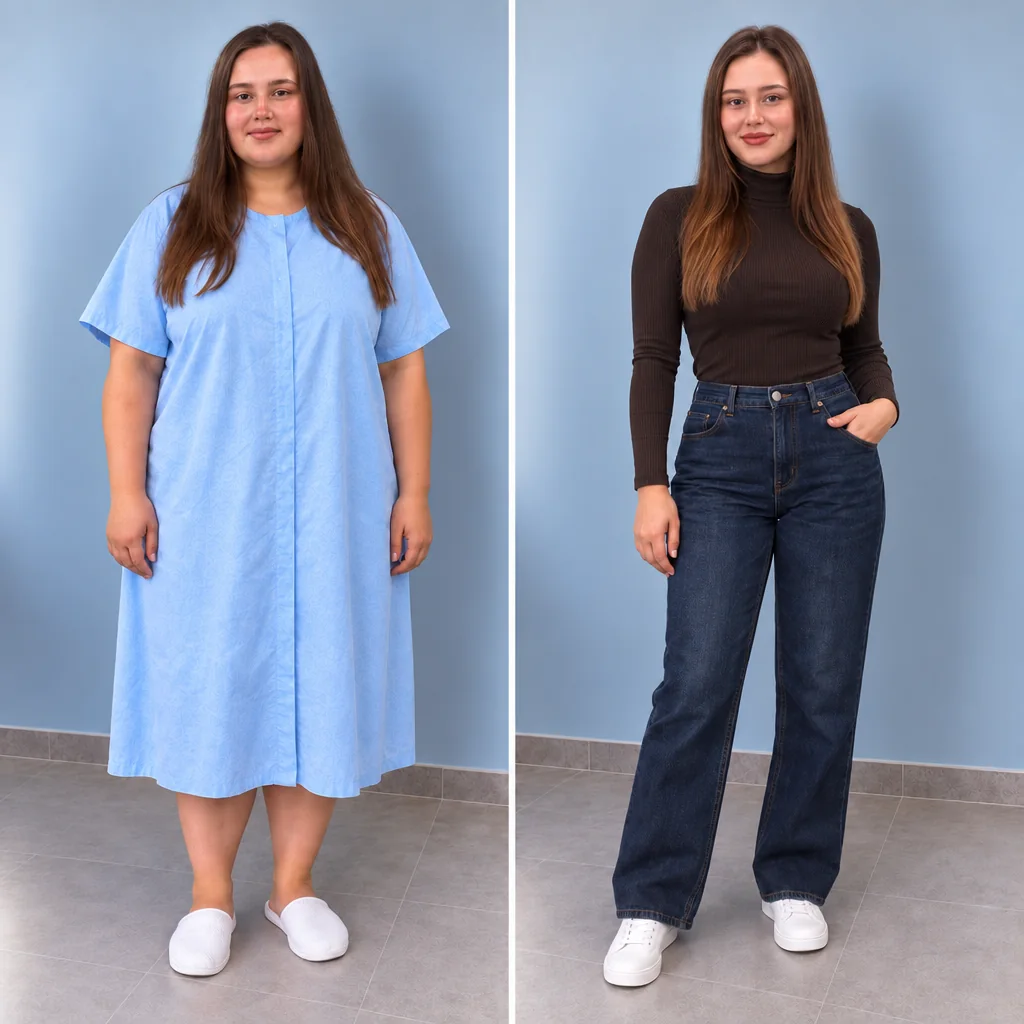
 beforeafter
Irina, 26
Bariatric surgery
Bariatric surgery
$3,600
$4,800 · First consultation — Free
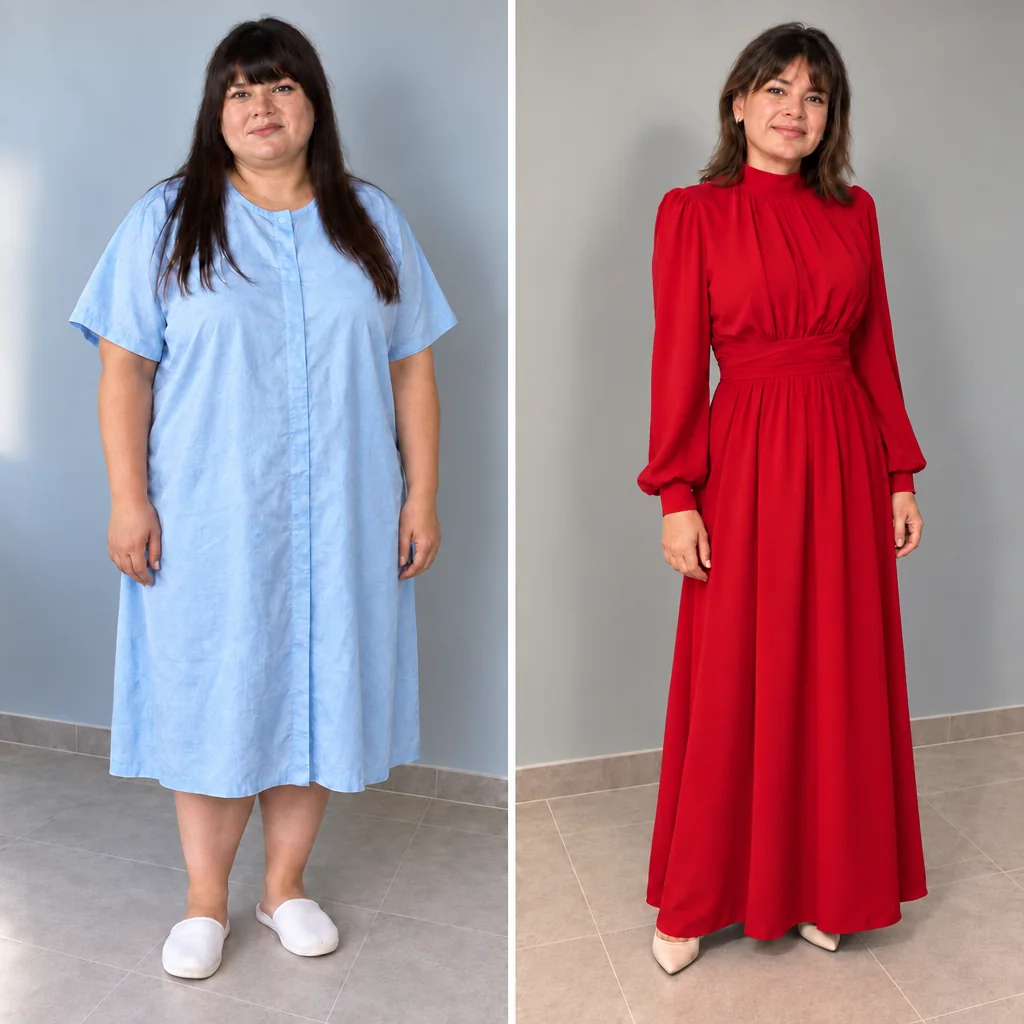 before
after
Message our coordinator
Free online consultation · Reply within 15 minutes
Message us on TelegramMessage us on WhatsAppBy messaging us, you agree to our Privacy Policy
Results
Each result belongs to a real patient of the clinic.
beforeafterBariatric surgery
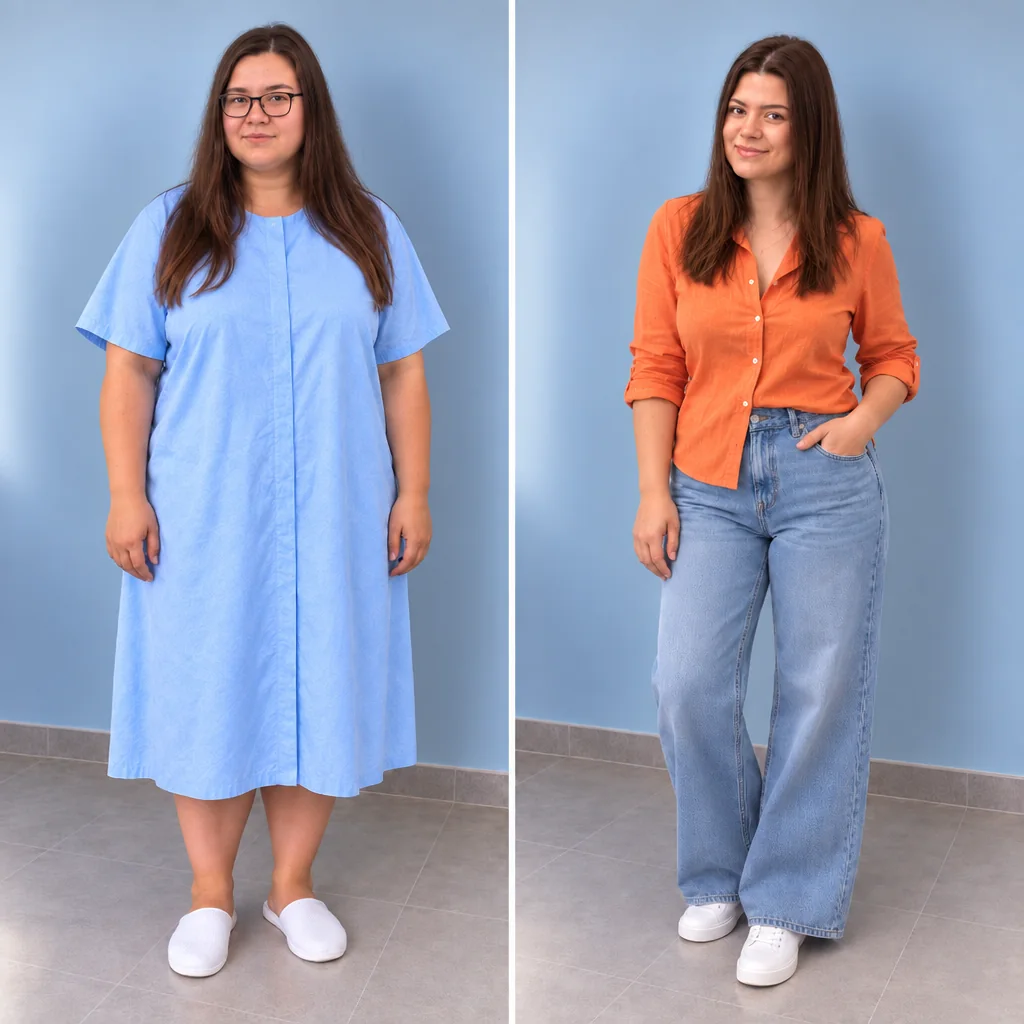 beforeafter
Bariatric surgery
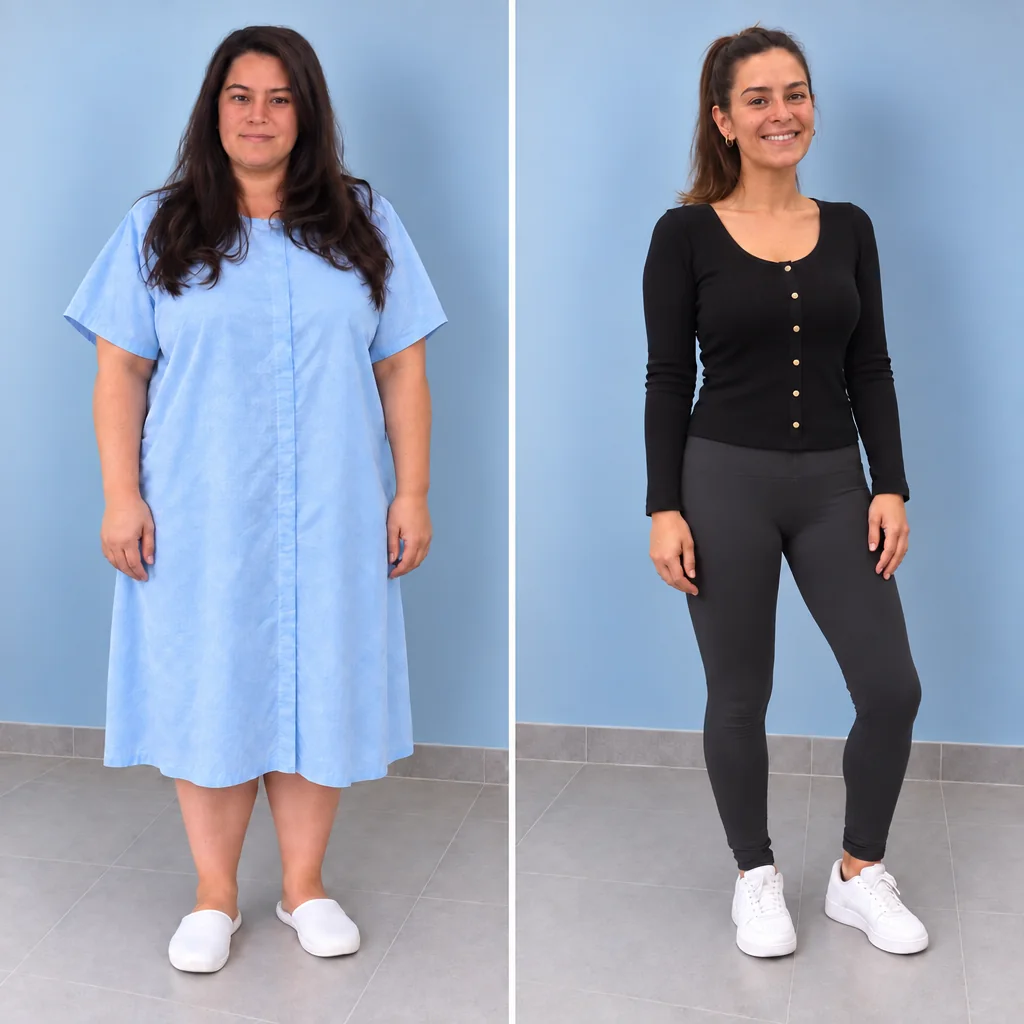 beforeafter
Bariatric surgery
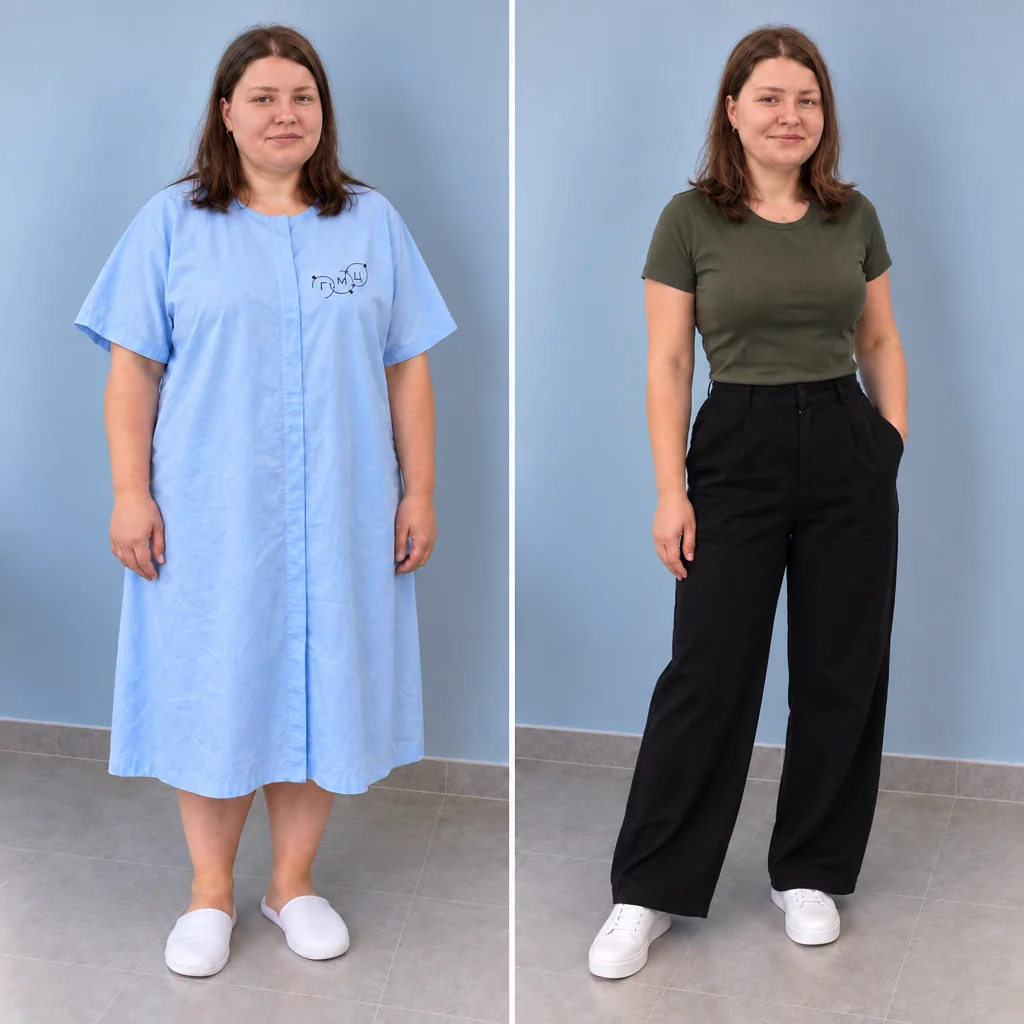 beforeafter
Bariatric surgery
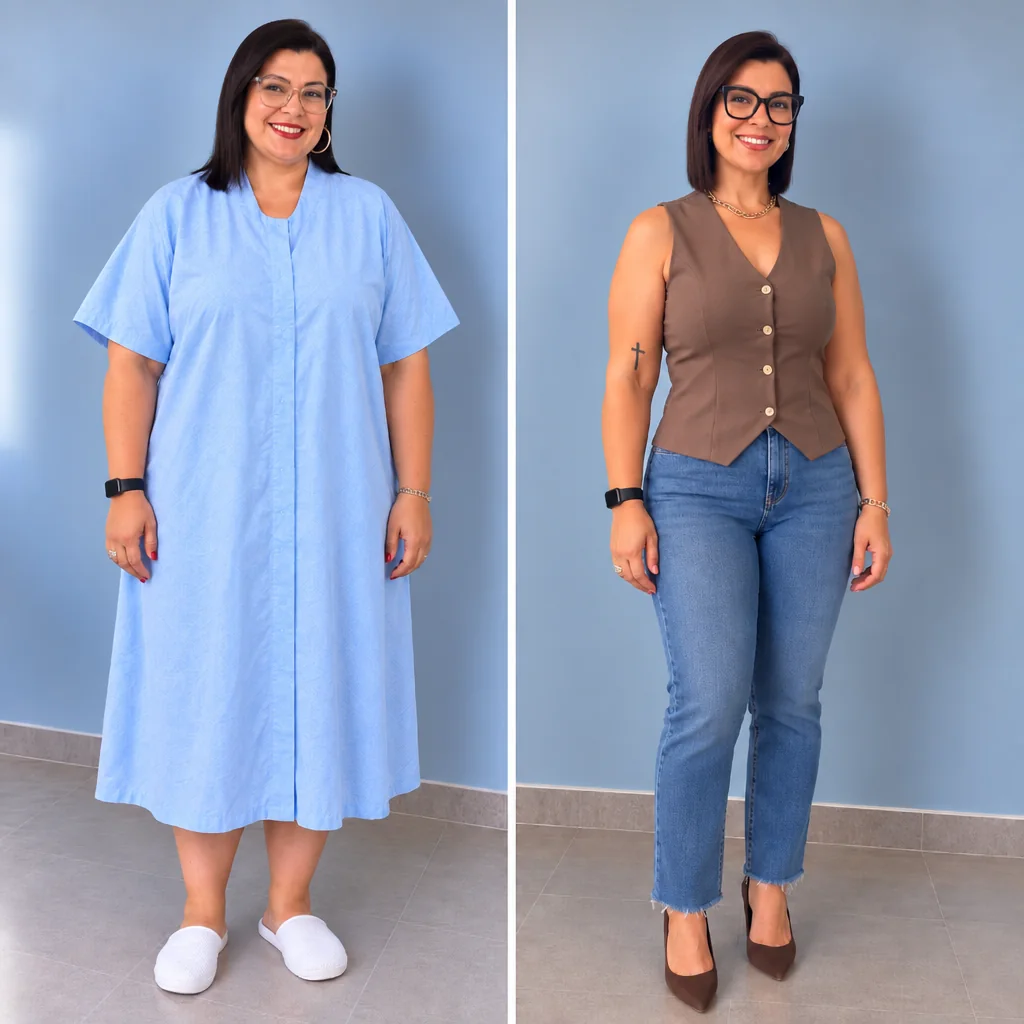 beforeafter
Bariatric surgery
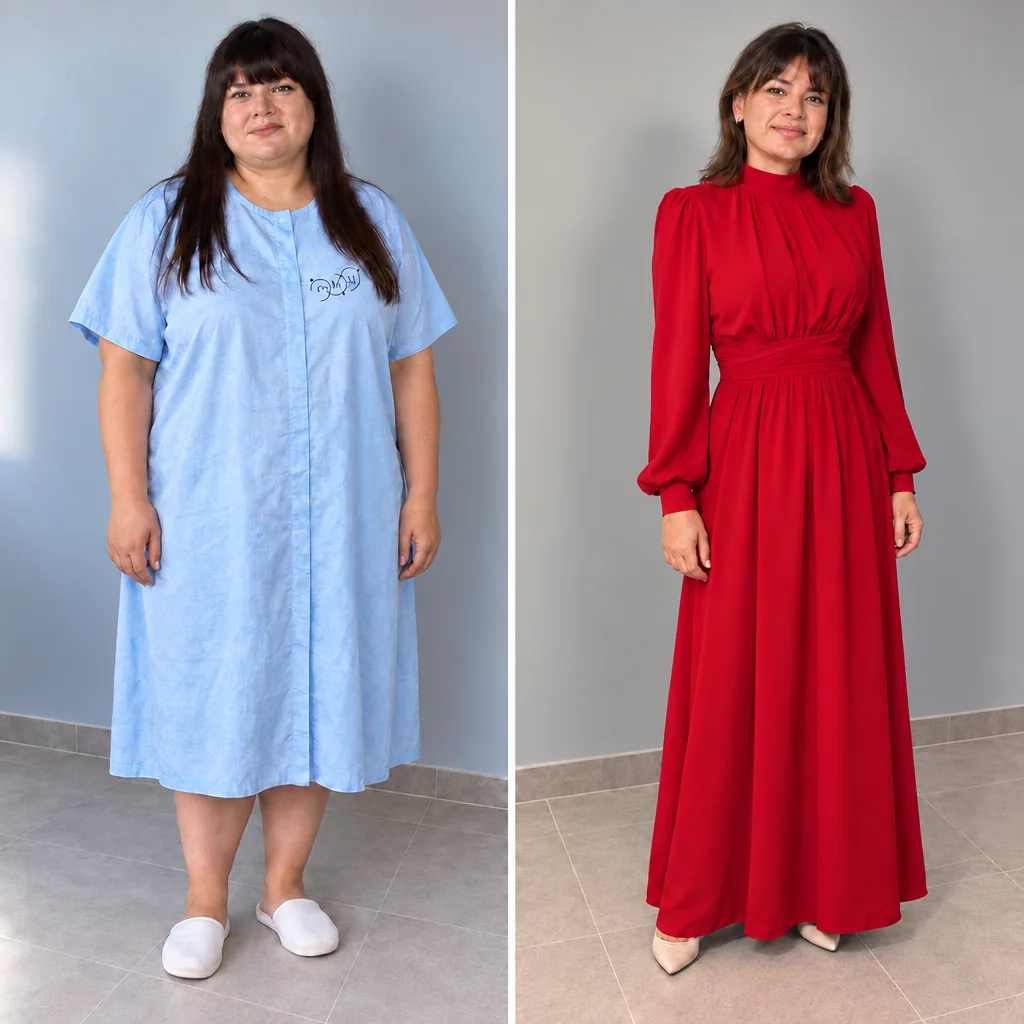 beforeafter
Bariatric surgery
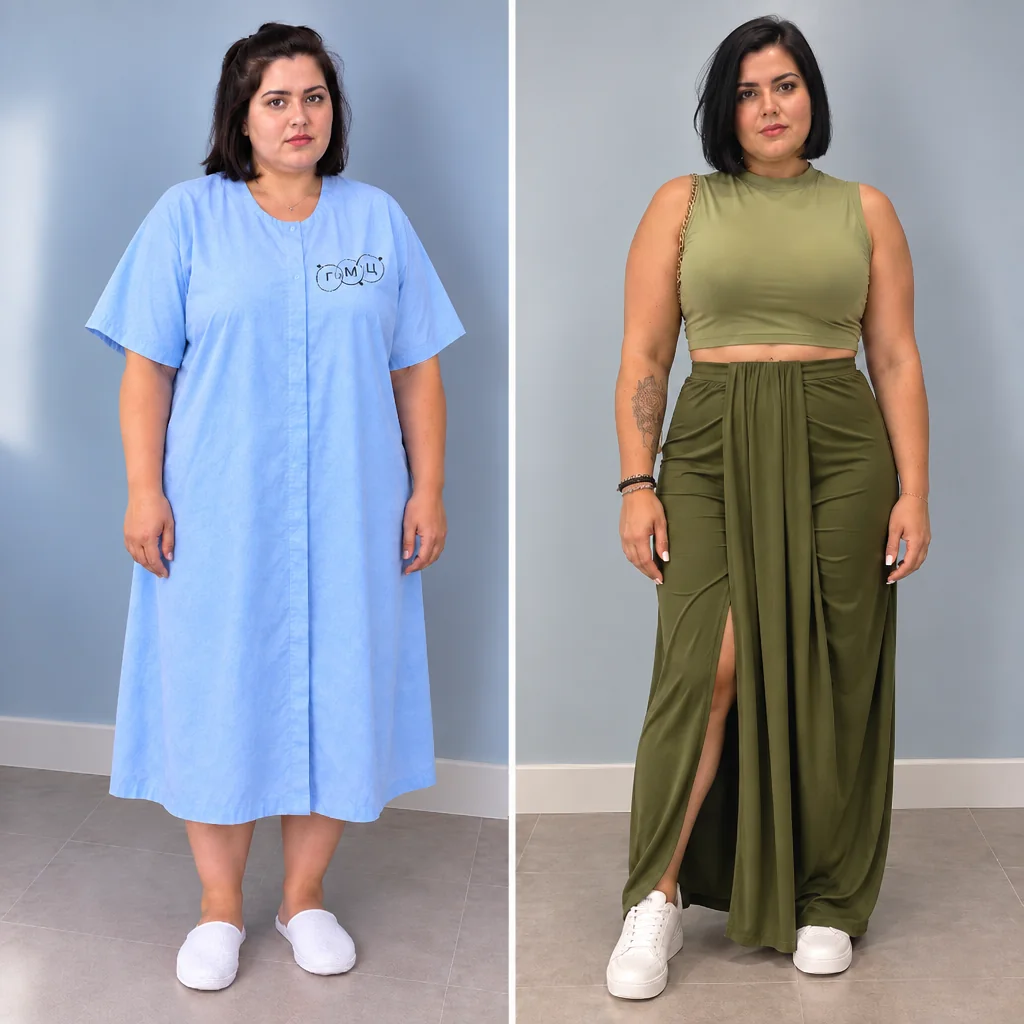 beforeafter
Bariatric surgery
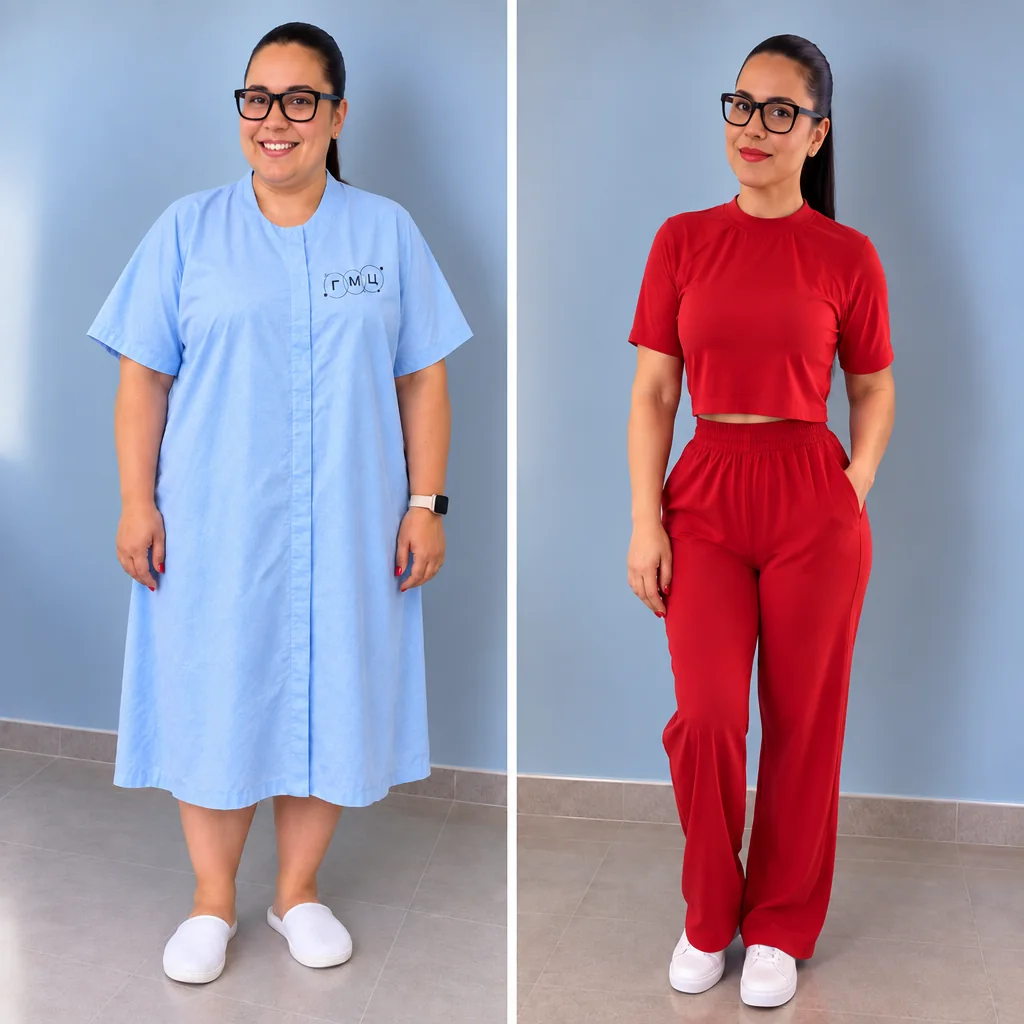 beforeafter
Bariatric surgery
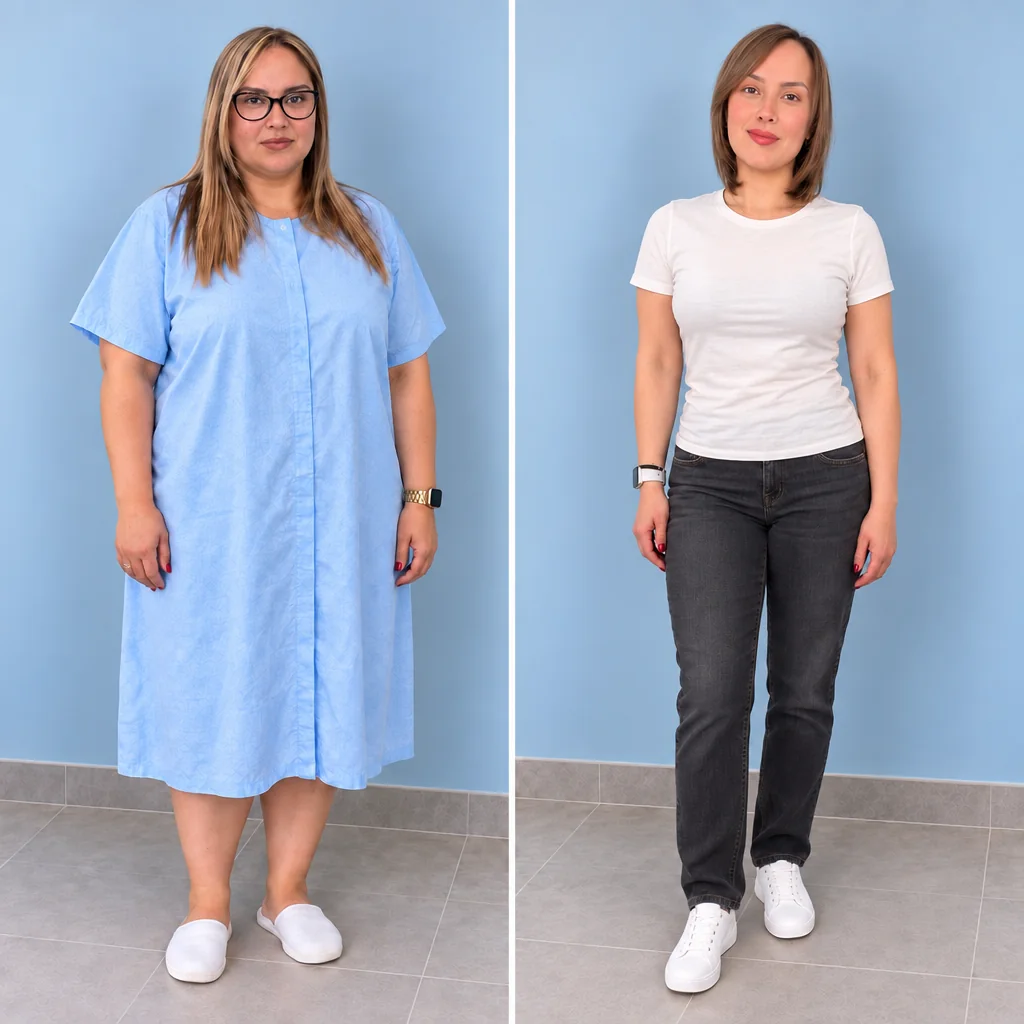 beforeafter
Bariatric surgery
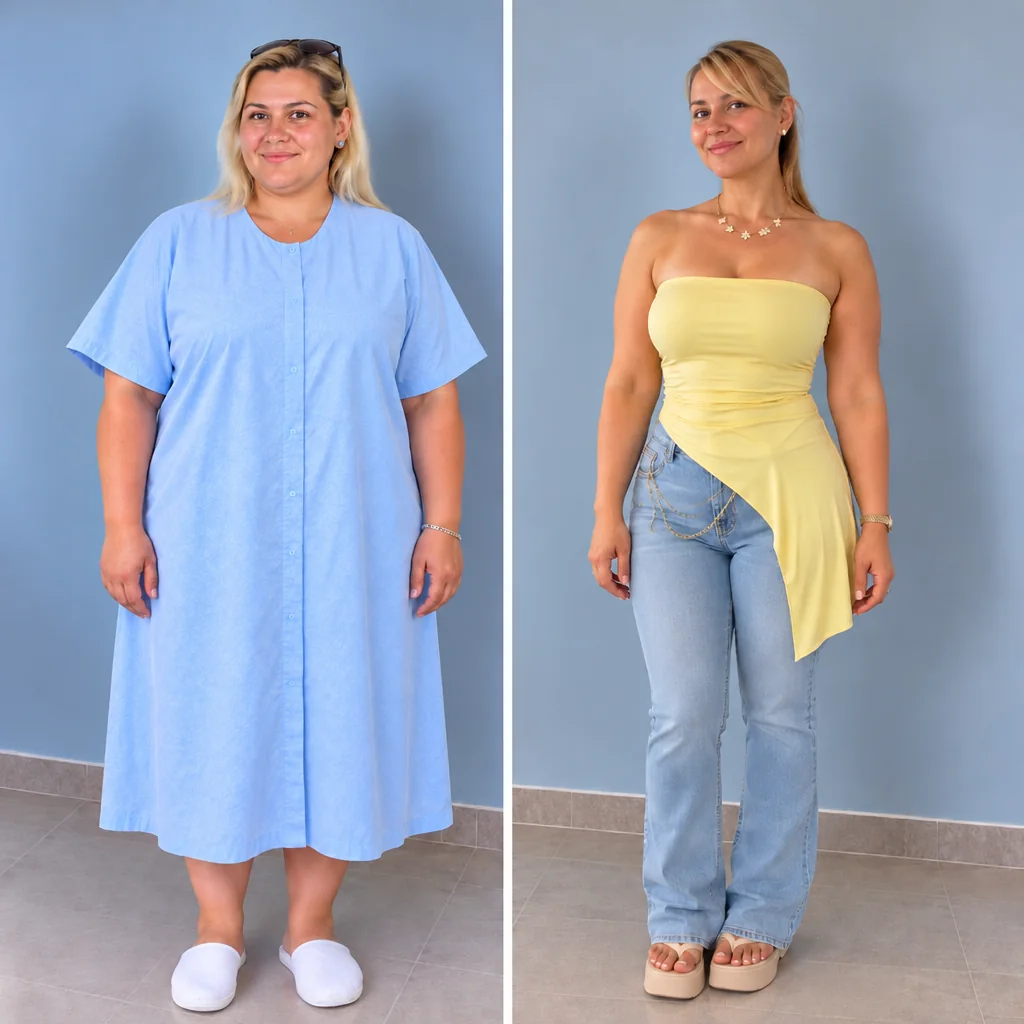 beforeafter
Bariatric surgery
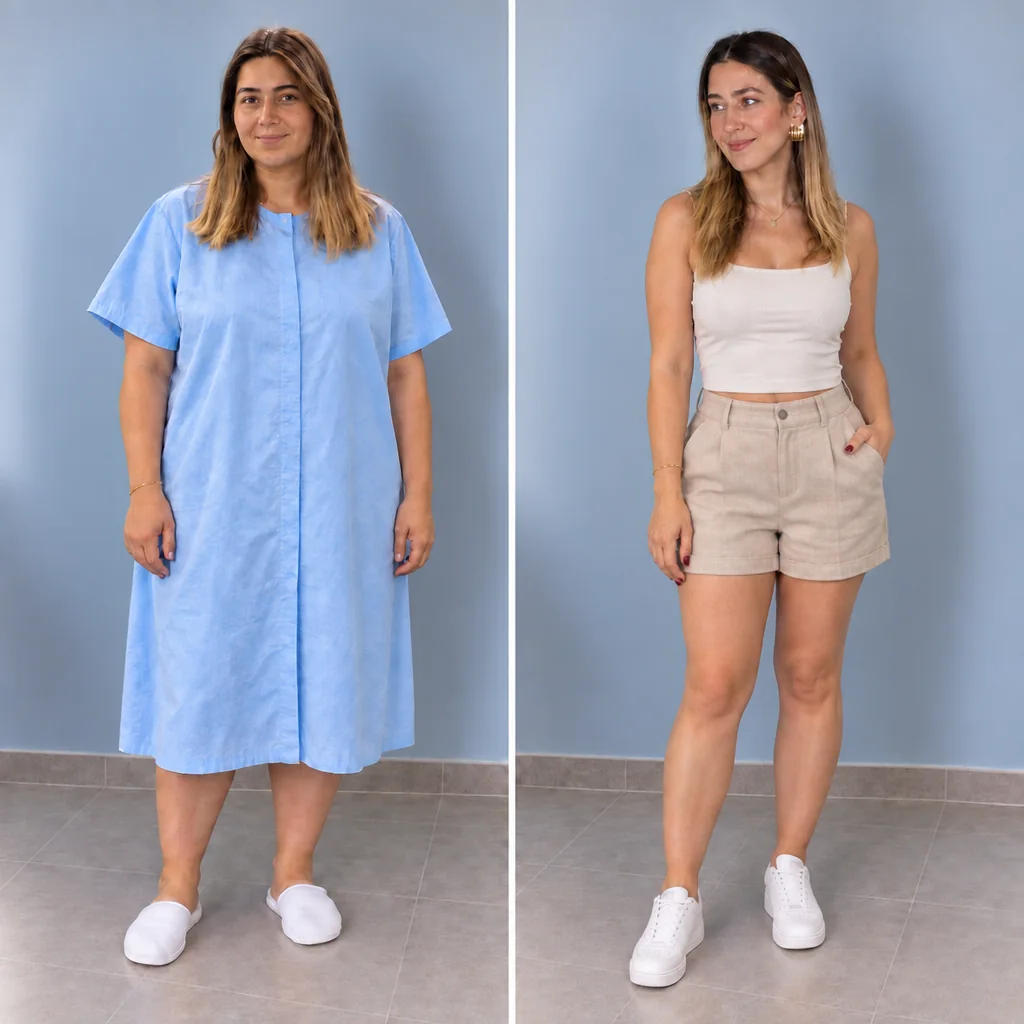 beforeafter
Bariatric surgery
Comparison
Our surgeons perform two key operations — sleeve gastrectomy and gastric bypass. A side-by-side look at how, why and when each is used helps you choose with confidence.
Reduction of stomach volume
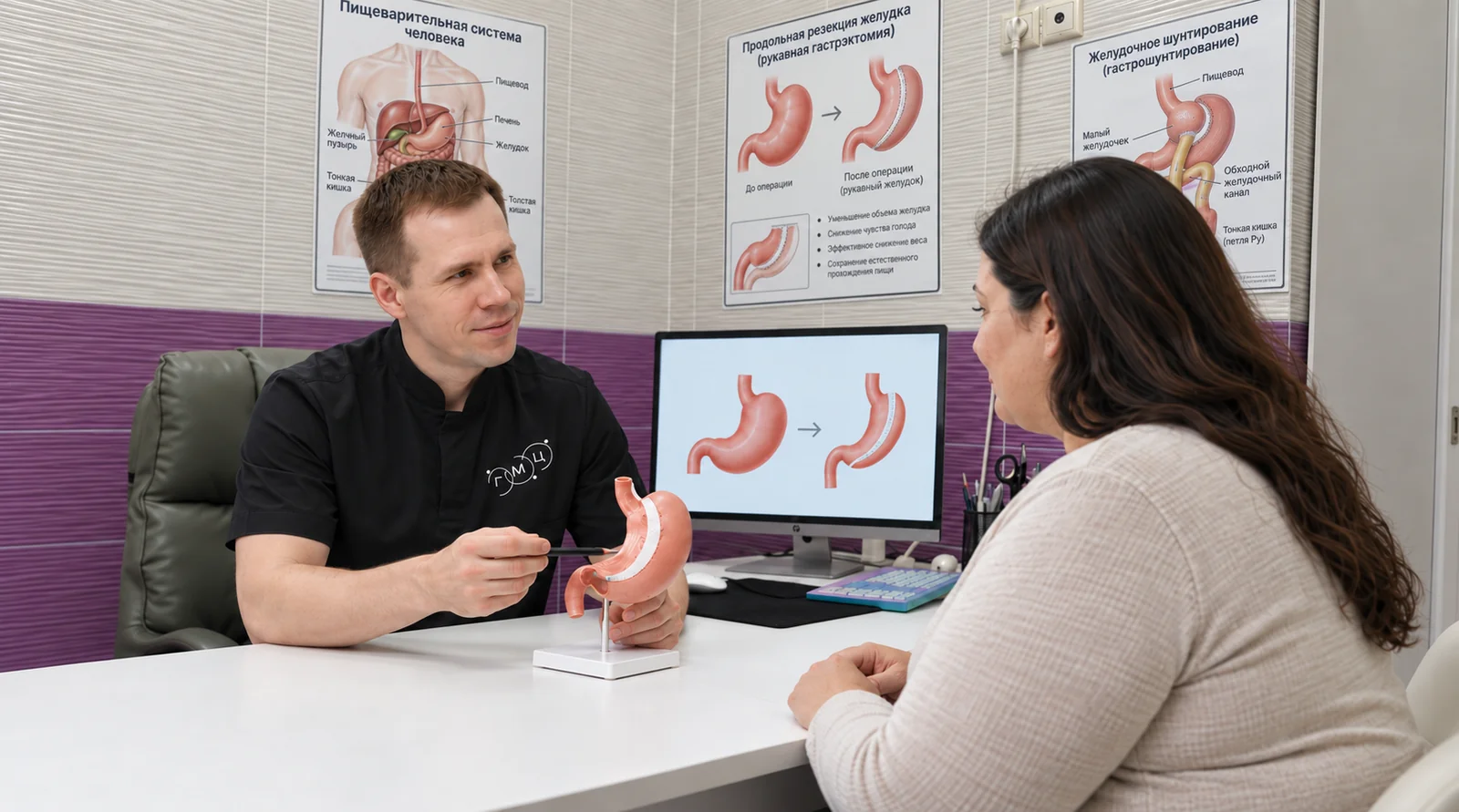
Discounted price
$3,600 $4,800
A smaller stomach volume plus a new route for food
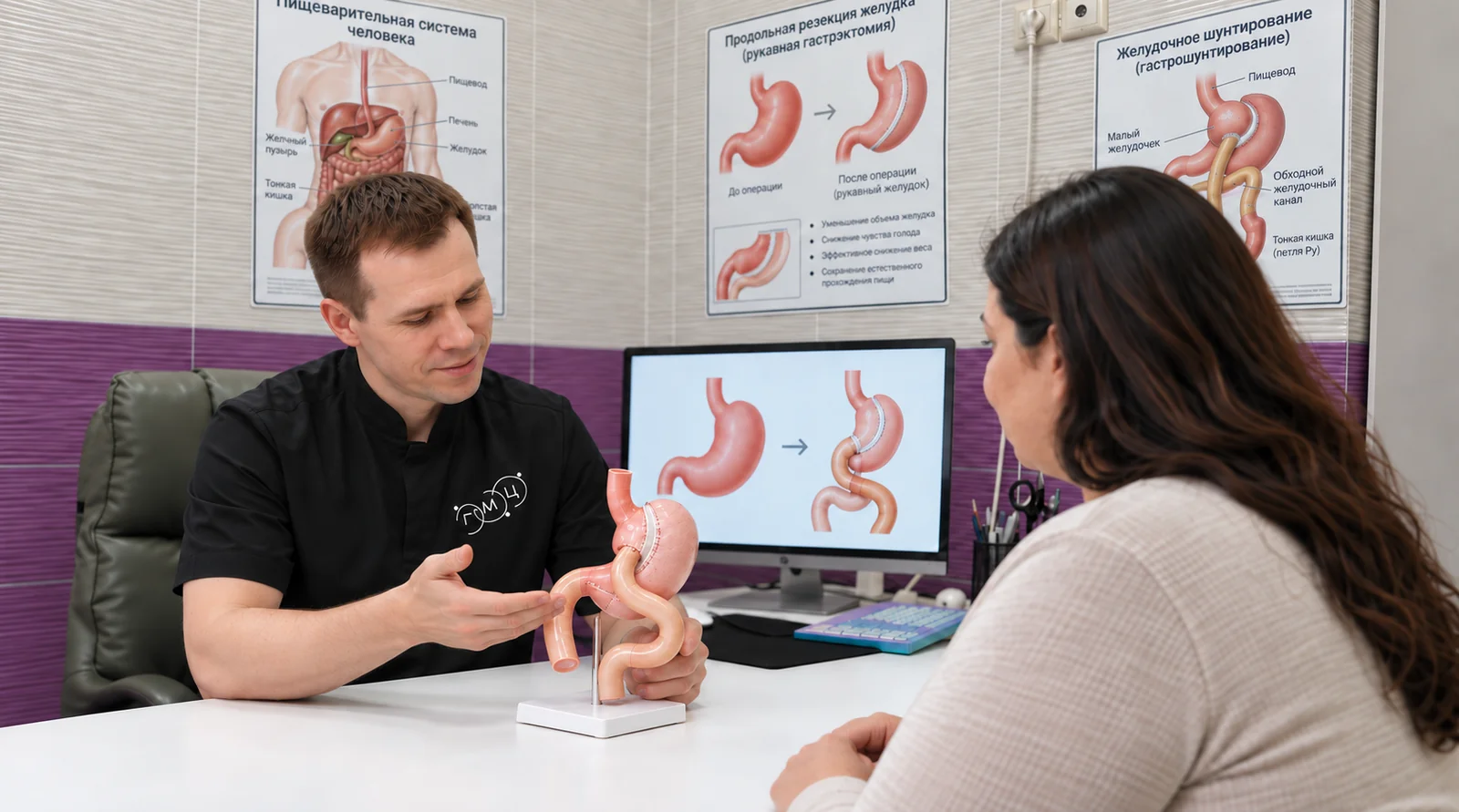
Discounted price
$4,000 $5,200
The benefits and recovery times are method averages meant as a guide; the actual scope of the operation and your recovery depend on your anatomy and individual features. The surgeon confirms them at the consultation.
Book a consultationThe clinic
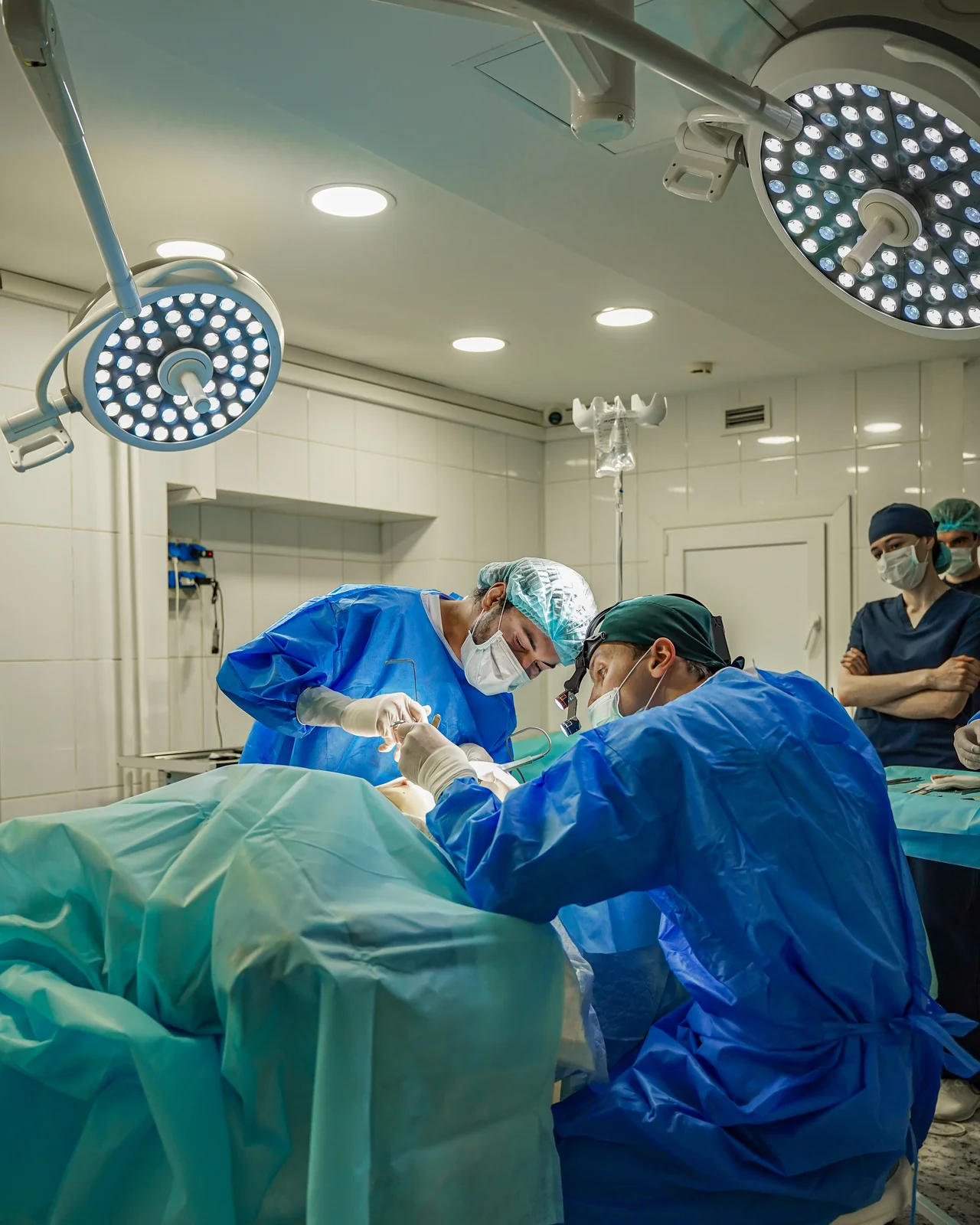
Each patient gets care, comfortable rooms and modern equipment
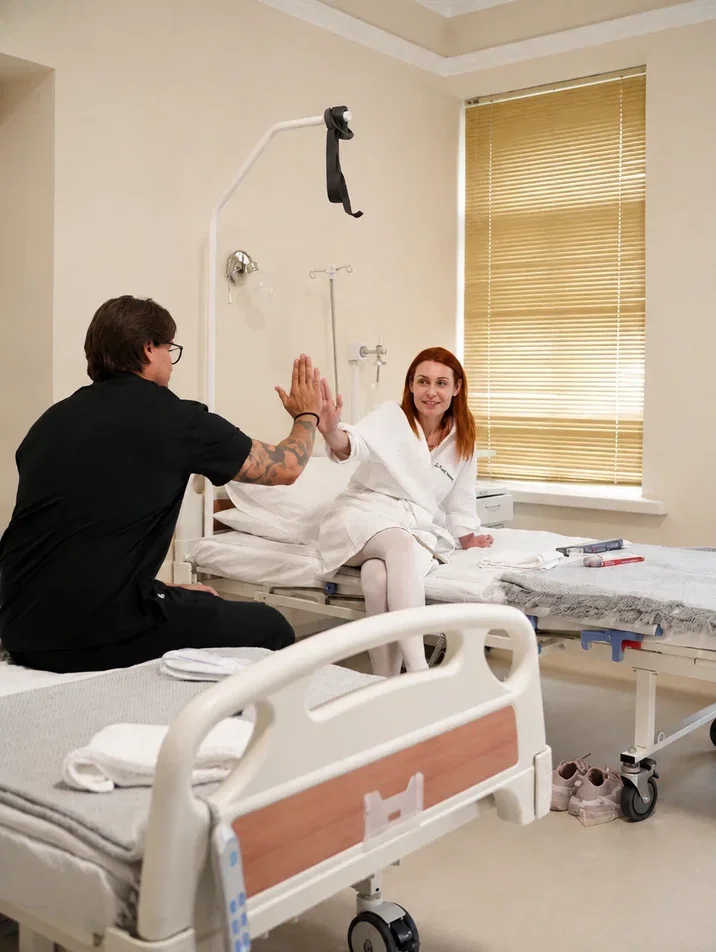
We answer your questions and pick a convenient consultation time
Get a consultationThe choice to operate is made jointly with your surgeon following a consultation and check-up.
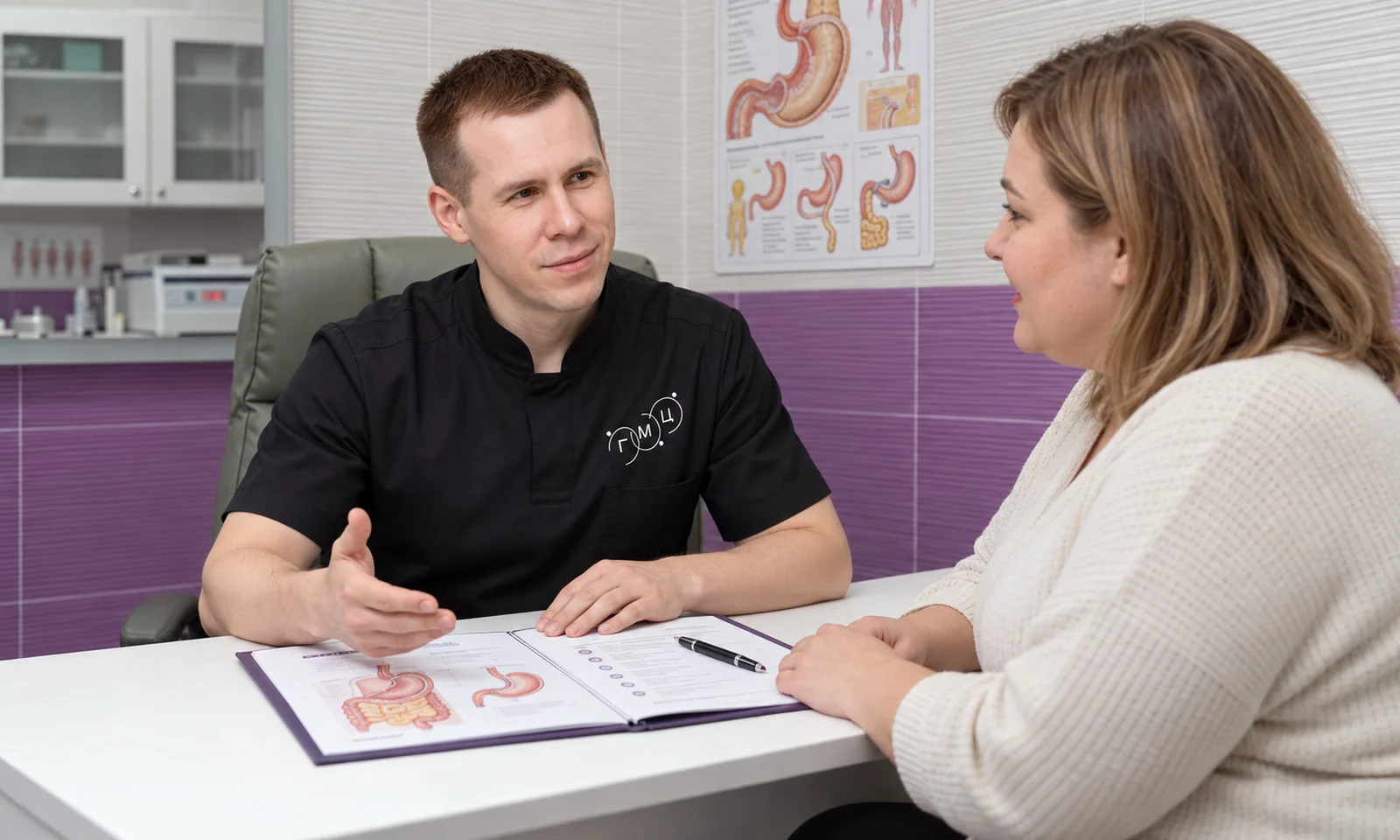
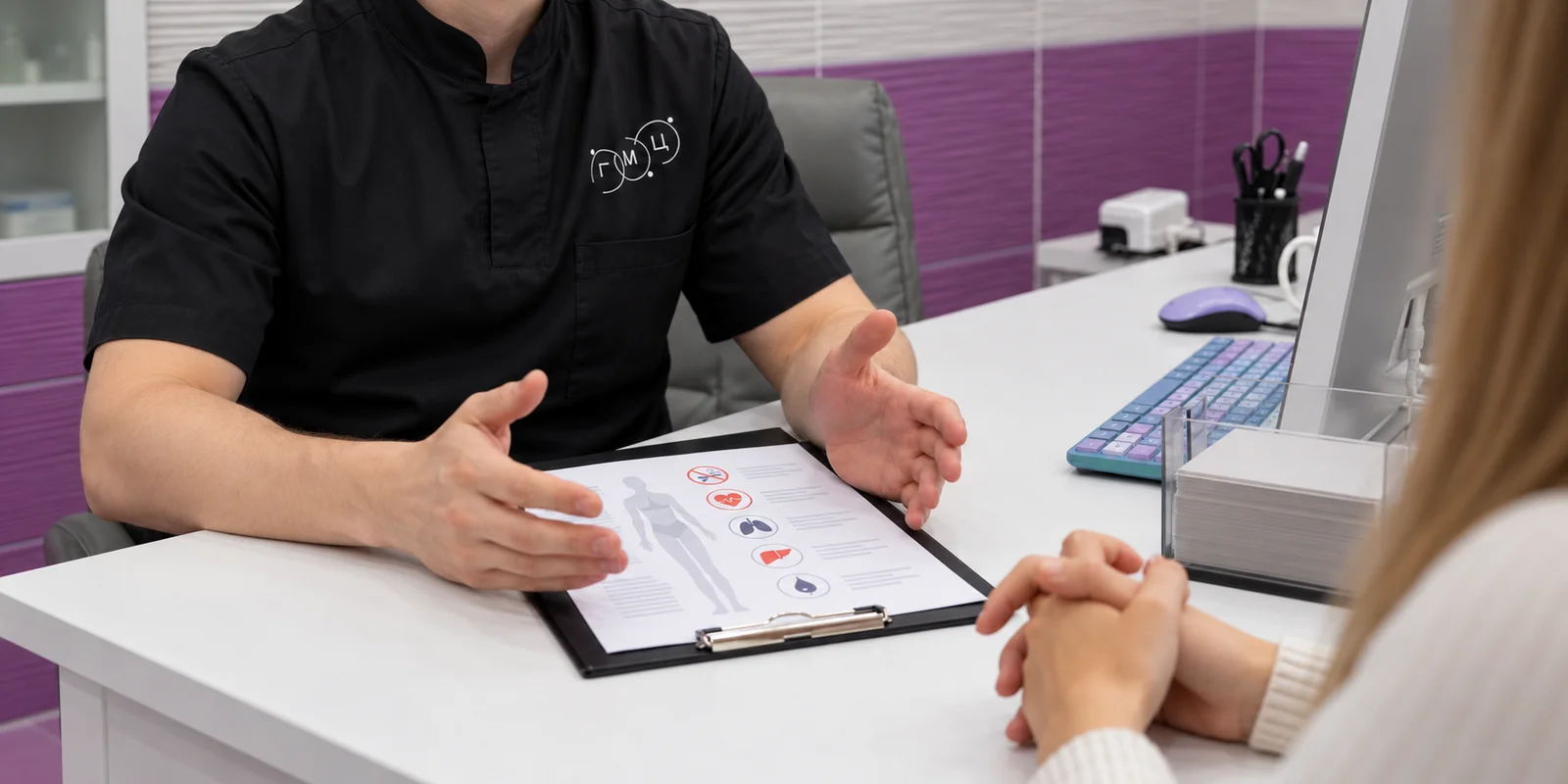
Not sure which group you fall into?
Drop us a line on Telegram — our coordinator will tell you whether you are a candidate for bariatric surgery. The surgeon consultation is free, with no obligation to have surgery.
Find out if it suits me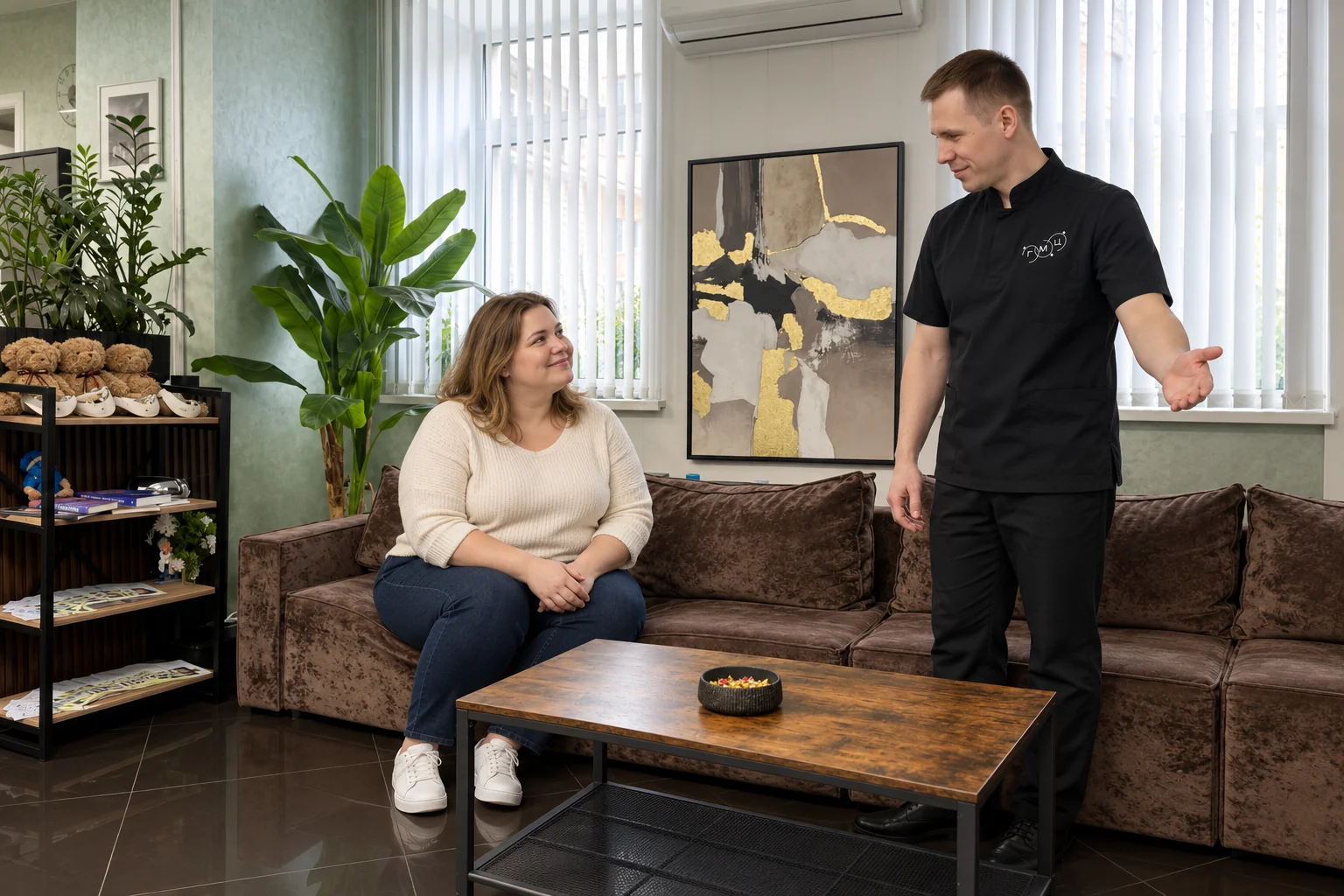
Prices
The contract fixes the cost, which is named at the consultation after your plan is drawn up.
Discounted price
Reduction of stomach volume
$3,600$4,800
Discounted price
Weight reduction with rerouting of food
$4,000$5,200
Free
Surgeon's examination and a treatment plan

Free
the surgery price is set
and written into the contract
Your doctor assesses your health, discusses your goals and chooses the appropriate bariatric surgery method. The consultation gives you the cost, which is fixed in the contract.
Message our coordinator
Free online consultation · Reply within 15 minutes
Message us on TelegramMessage us on WhatsAppBy messaging us, you agree to our Privacy Policy

price
You get one package, preparation to 12 months of support, with nothing extra.Starting with preparation for surgery
and ending with support for 12 months.
How it works
A jointly agreed treatment plan, monitoring in hospital and support over a year.
 1
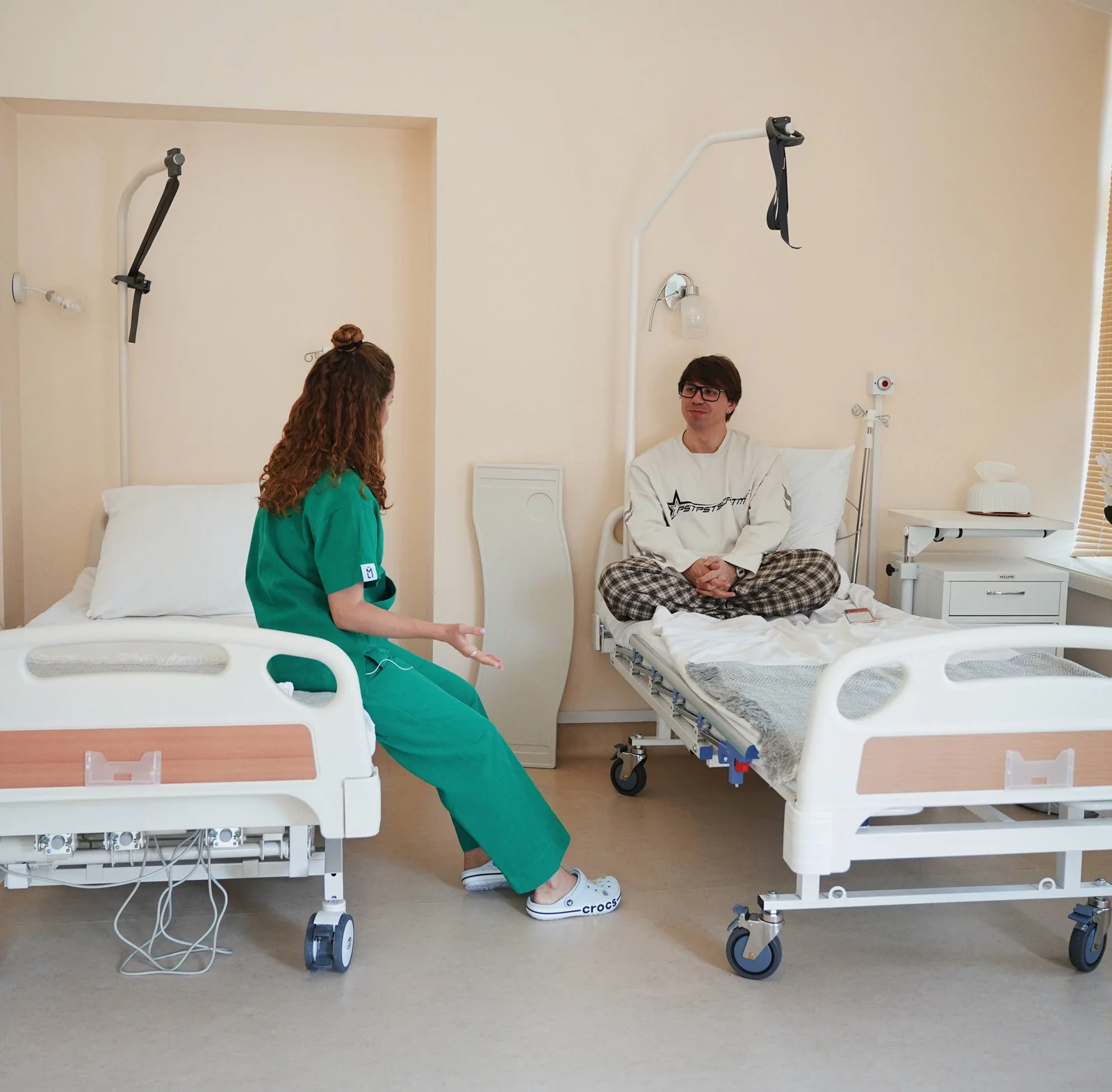
The doctor evaluates your health, talks through your goals and orders the tests needed to select the right bariatric surgery method.
2A surgery date is reserved for you, with the deposit paid by card at the clinic or online by bank transfer. The terms are recorded in the contract for medical services
 3
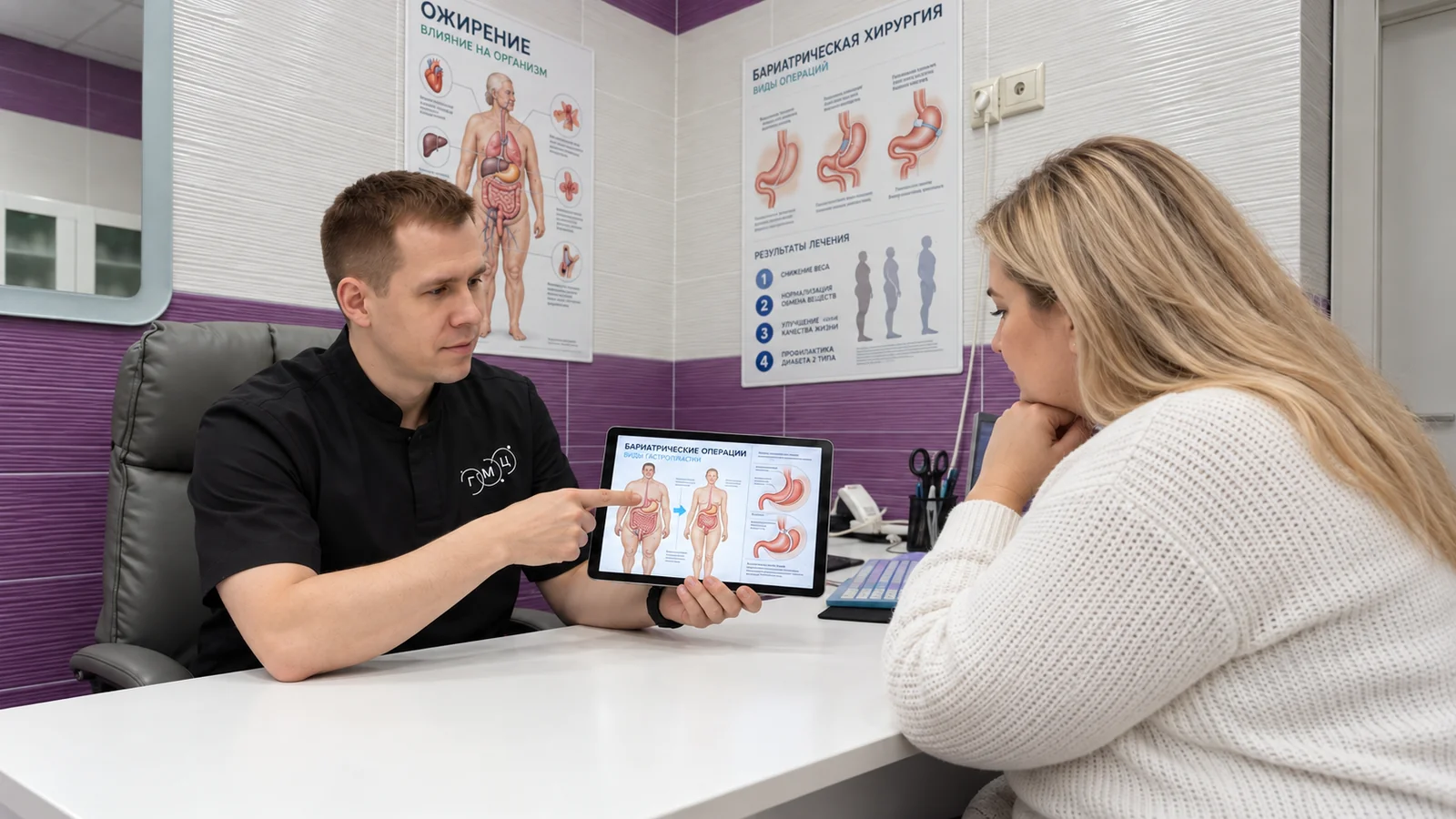
Ahead of surgery you take blood and urine tests, an ECG, an ultrasound and a gastroscopy, and see the specialists. The exact list is given by the doctor at the consultation.
 4
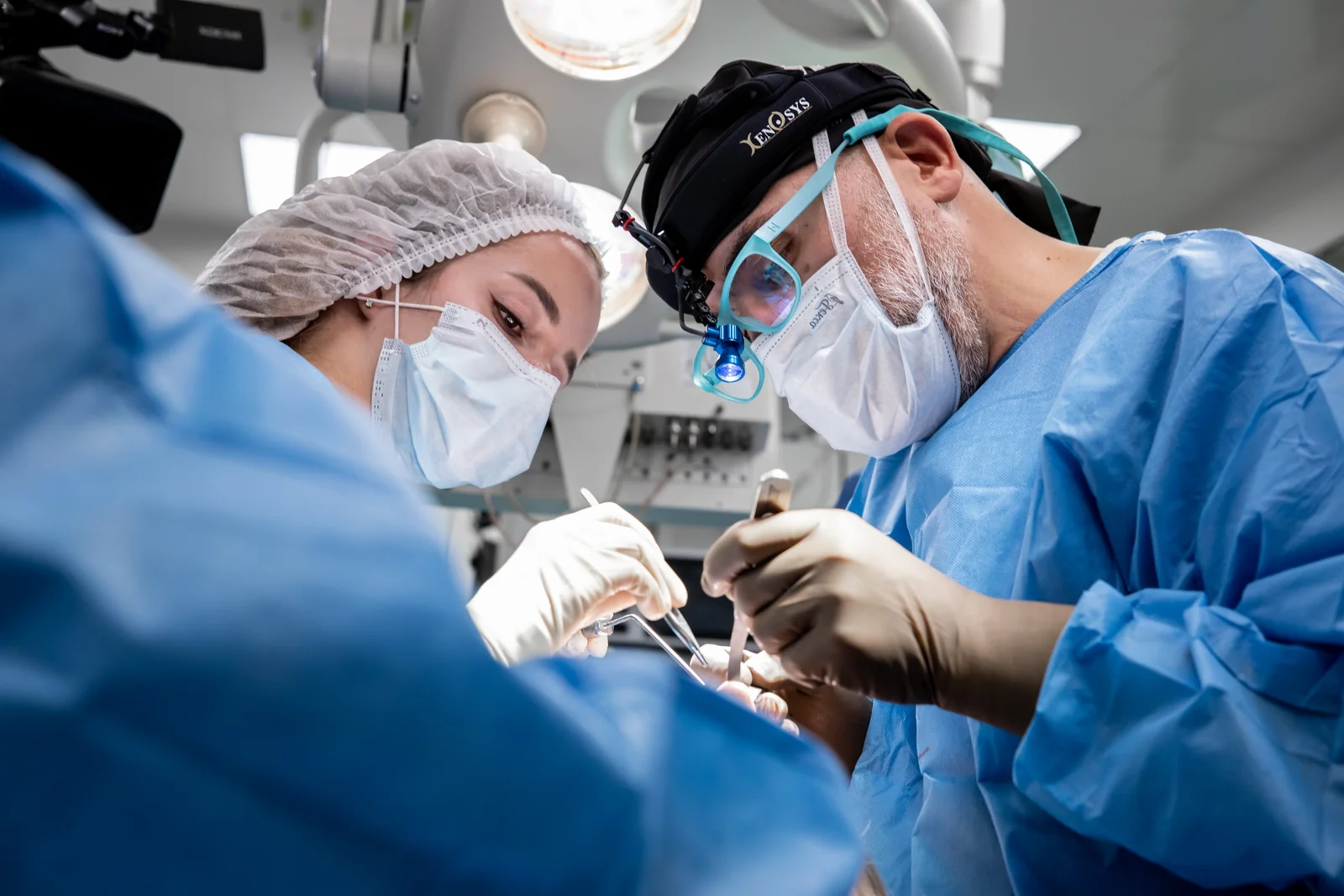
The medical team monitors the patient after the operation, which the surgeon performs under general anaesthesia using the chosen bariatric method.
 5
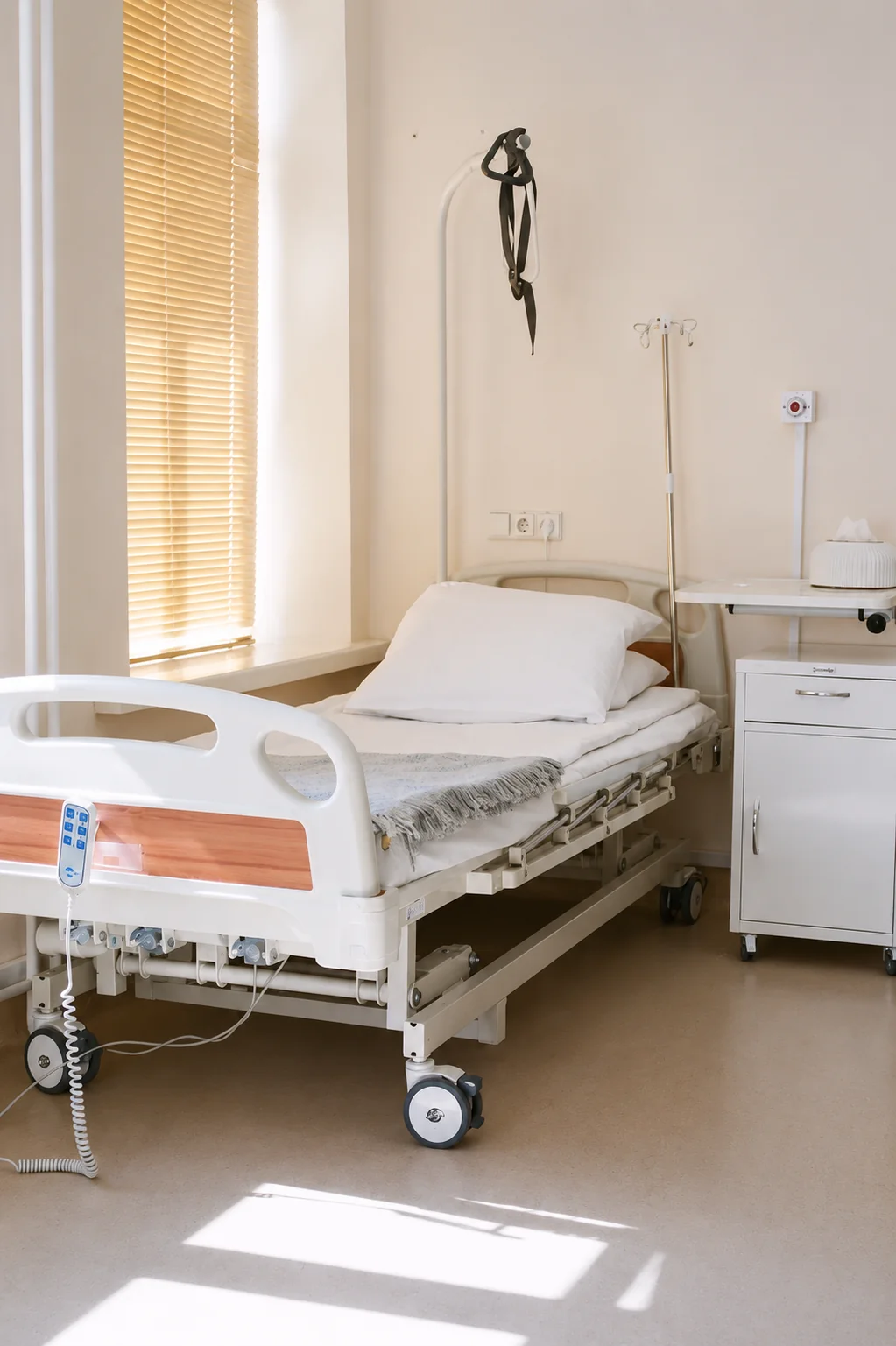
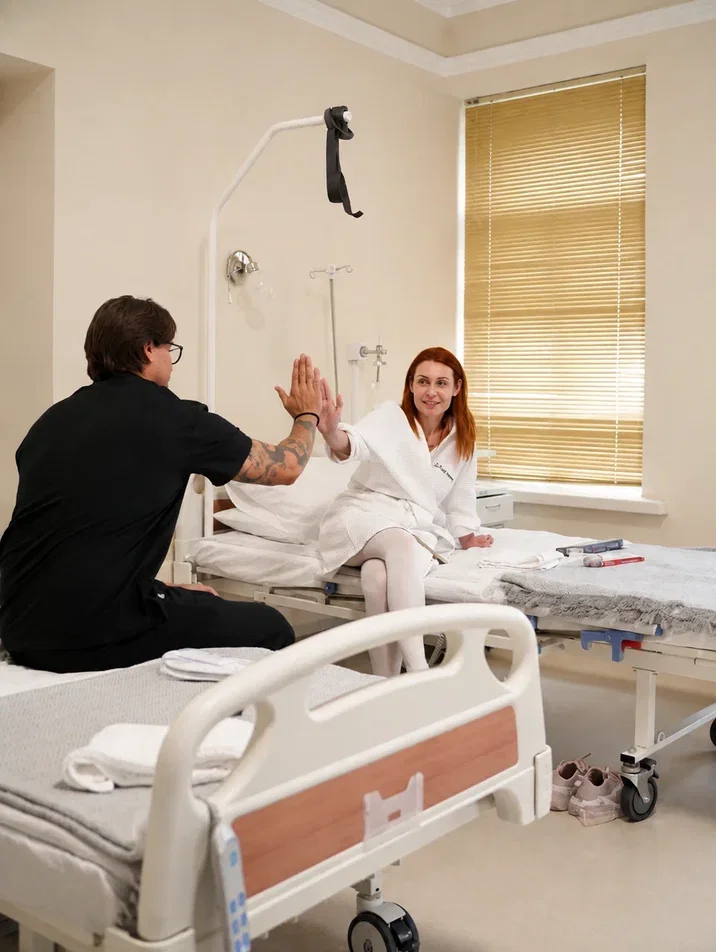
How you feel and how complex the operation was determine your hospital stay after surgery — from 1–3 to 4–5 days, under doctors' supervision.
 6
After discharge you get advice on diet and recovery. Scheduled check-ups track how you feel, your weight and your test results. The clinic team supports you for a year.
The doctor puts together a plan at the consultation and explains the course of surgery
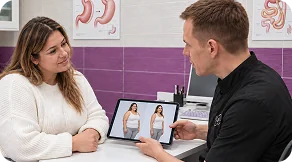
There is no fee for the consultation, is held before surgery and carries no obligation.
Book a consultationDoctors
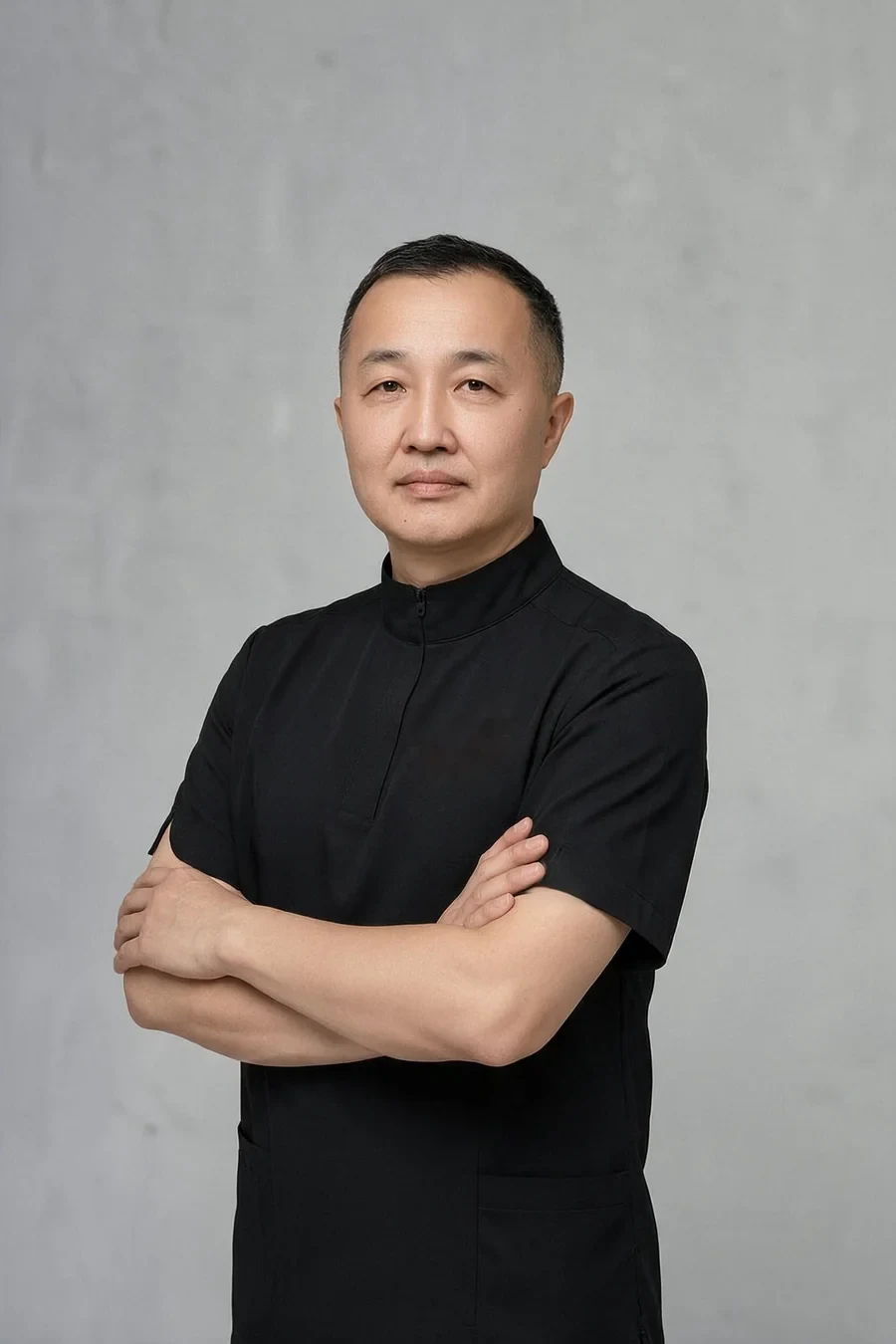
27 years of experience
Leading bariatric surgeon
Surgeon
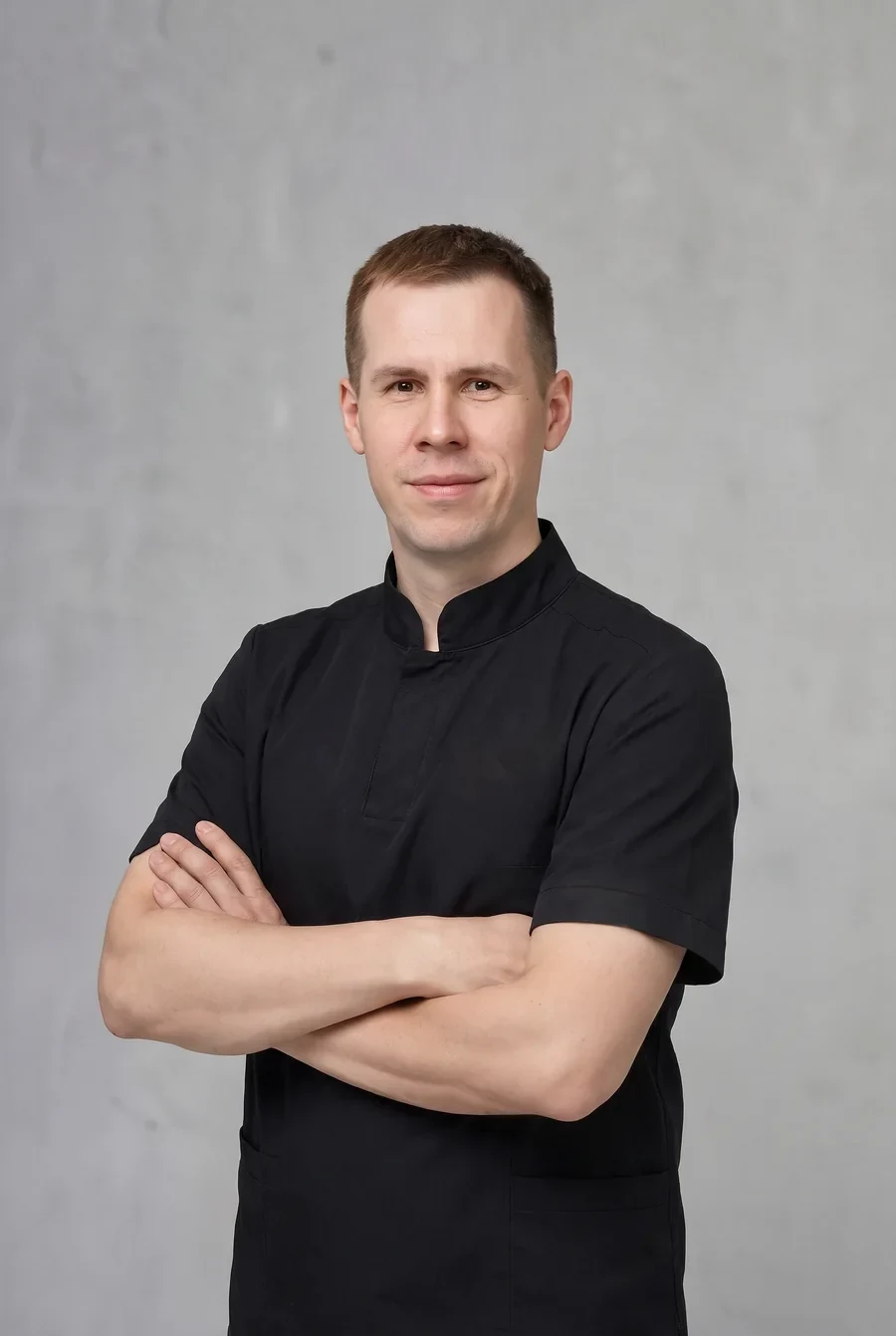
9 years of experience
Bariatric surgeon
Surgical oncologist
Your surgeon performs the operation and stays with you from the first consultation to the result.
You start with a free consultation with our patient care manager, who calculates your BMI, explains the methods and books you in with the surgeon.
Book a consultationCoordinators
We support you at every stage

From the first message to the consultation, your first point of contact at the clinic
Patient care specialist
Before the first consultation, answers your questions and helps find a date that suits you

Stays with you before and throughout your stay, from booking until discharge
Patient care specialist
Helps you get ready for surgery and keeps in touch while you stay at the clinic

With you throughout your recovery, from discharge to your final check-up
Patient care specialist
Keeps in touch as you recover and books your surgeon follow-up visits
Advantages
Our team is with you all the way, and we choose the method that best fits your health, lifestyle and goals.
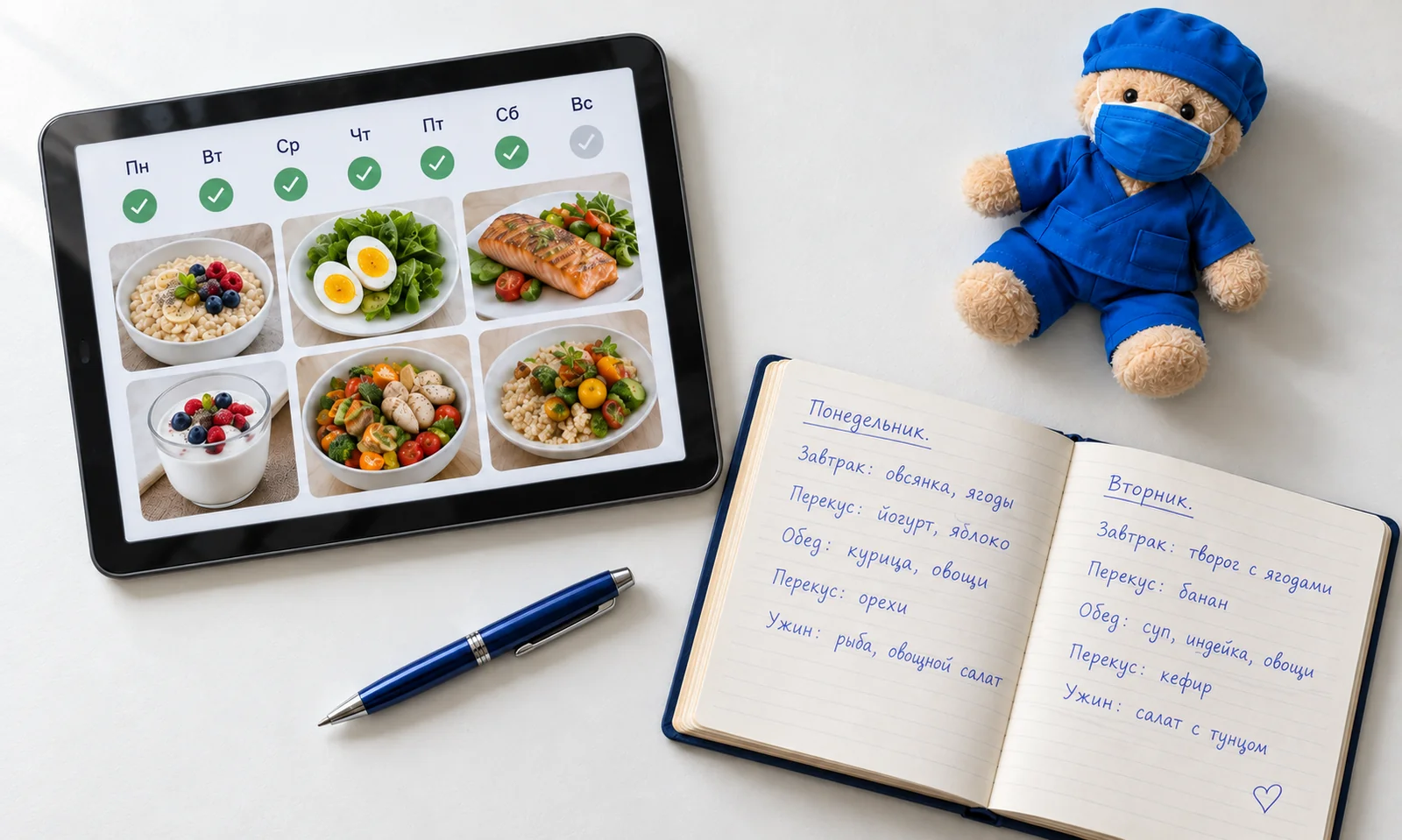
We help you adjust to new eating habits, follow your results and maintain them.
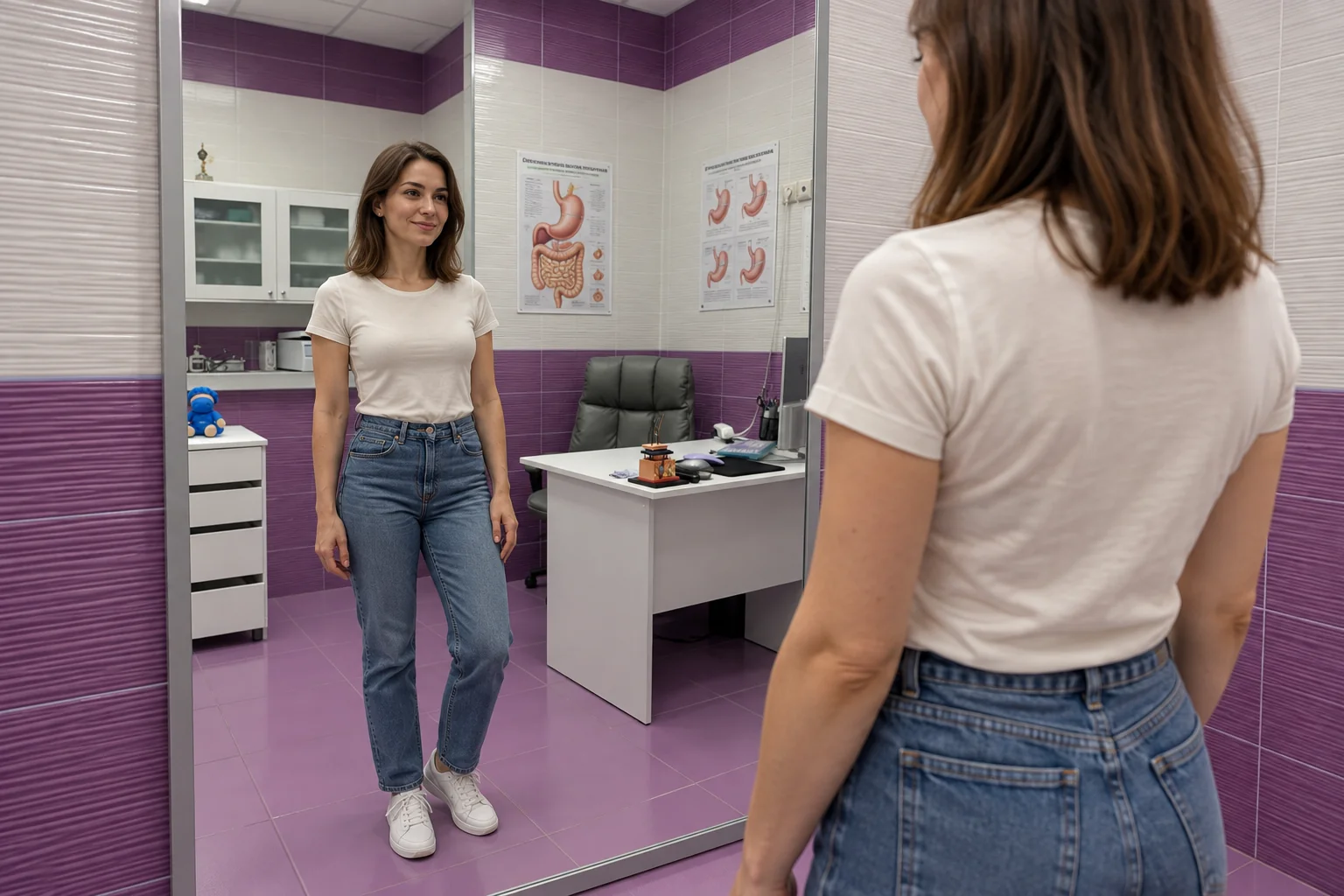
Consistent weight loss, better well-being and a higher quality of life.

Open 24/7, we respect your time with easy booking and a personal approach, adapting to your pace.
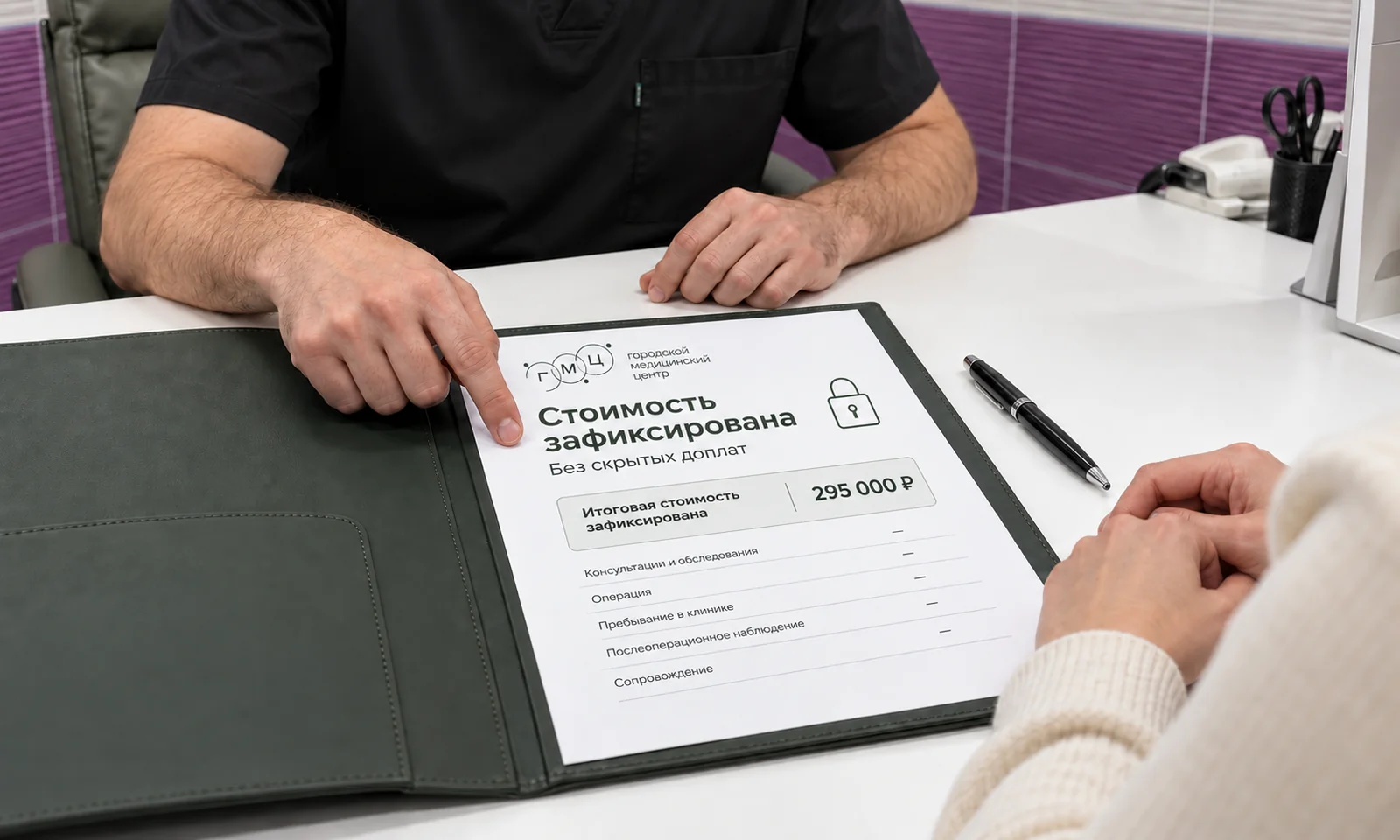
The surgeon decides on the method after the consultation and you get a clear price: no hidden fees, no unexpected costs on the way to your result.
FAQ
At the clinic, bariatric operations are carried out by experienced bariatric surgeons:
Get in touch by message: our coordinator will reply shortly and book your consultation. The bariatric surgeon consultation is free.
Surgery is prescribed only when clear criteria are met
BMI is the principal gauge of how advanced obesity is, found by dividing body weight (kg) by height squared (m²). Typically, a BMI above 40 — or above 35 with serious related conditions — justifies surgery. Some patients with lower values are considered for surgery too, if non-surgical options have failed.
Many people confuse the two, but their goals are fundamentally different. Bariatric surgery is a medical treatment for obesity and related diseases. It changes how the digestive tract works, addressing the causes of excess weight and metabolism. Plastic surgery reshapes the body's outer contours; it does not treat obesity or affect metabolism.
City Medical Centre performs four main types of bariatric surgery: sleeve gastrectomy, Roux-en-Y gastric bypass, mini gastric bypass (MGB) and SADI-S duodeno-ileal bypass. Each method is chosen individually based on BMI, related conditions and the patient's goals.
Our approach is modern laparoscopic technique: 4 small punctures of 5 to 15 mm. We use cosmetic sutures, so the marks turn almost invisible after healing.
The recovery timeline depends on your activity. Office work: after 2–4 weeks. Physical work: after 1.5 months. Sport and activity: swimming allowed from 30 days, other exercise added gradually as weight comes down. Travel and holidays: best planned at least a month after surgery.
Diet changes happen in stages, from liquids to soft food and then solids. It centers on protein and limits high-calorie, fatty food.
Getting pregnant after bariatric surgery is possible, but doctors advise waiting at least 12–18 months, so the body can stabilize, weight can reach target values and nutritional status can normalize.
Yes, after bariatric surgery vitamins are a must. The altered digestive anatomy reduces absorption of some nutrients, which makes regular vitamin and mineral supplements a permanent part of the patient's life.
Weight can be regained after bariatric surgery, but this is very unlikely with the doctor's advice followed. Proper nutrition, avoiding high-calorie drinks and regular follow-up with City Medical Centre specialists are crucial.
Prices are in US dollars; the amount in brackets is an approximate conversion to NGN at the rate of 02.10.2026. The final price is fixed in your contract.
Prices start from $3,600 (≈ ₦4,800,000). The surgeon sets the final price at the free consultation, and it is fixed in the contract, with no hidden extras.
General anaesthesia, a personal coordinator from day one, monitoring in the hospital and support for one year.
The hospital stay is 1–5 days, depending on the method and how you feel. Office work is possible after 2–4 weeks.
Yes. The first consultation is free and does not oblige you to anything. You can start online by sending a message to the coordinator.
Message us on WhatsApp or Telegram using the buttons below. A coordinator will answer your questions and book a free consultation where the doctor names the exact price.
By messaging us, you agree to our Privacy Policy
Surgery is usually justified with a BMI above 40, or above 35 when serious related conditions are present, and sometimes at lower values if other approaches have failed. People in Uyo who have carried 30 kg or more above normal for years, whose weight returns after every diet, or who live with type 2 diabetes, hypertension or joint pain are typical candidates.
It begins with a surgeon's consultation: medical history, choice of method and a recovery plan. Patients from Uyo then complete a work-up — blood and urine tests, biochemistry, HbA1c, coagulation, chest X-ray, ECG, abdominal and kidney ultrasound, leg vein Doppler and a required gastroscopy — plus consultations with a GP, endocrinologist, psychiatrist, cardiologist and, for women, a gynecologist.
A permanent team — not a duty shift — handles your case, and the whole package is transparent. Included are the operation, 24/7 care in the ward, meals, nursing and a personal coordinator from day one, plus support throughout the first year. Uyo patients also get a contractual result guarantee. Book a free consultation to discuss your situation.
What patients write after this operation. Reviews are translated from the original language.
Irina, 26
For a long time I doubted whether to go ahead with surgery, but after the consultation I felt much calmer. Andrey Georgievich explained in detail how gastric bypass is done, what to expect after the operation and how recovery would go. I especially liked that they talked to me calmly and without pressure. I am now gradually getting used to my new way of life and I am very glad I took this step.
Bariatric surgery
Doctor: Andrey G. Ugay
Angelina, 22
For me the hardest part was deciding to have the operation. At the consultation Ruslan Sergeyevich answered all my questions in detail and explained the specifics of sleeve gastrectomy and recovery. After the operation I always understood what I was doing and why. Thank you to the doctor and the whole team for their attentiveness.
Bariatric surgery
Doctor: Ruslan S. Menzulin
Anna, 31
For a very long time I tried to deal with my excess weight on my own, but I did not get the result I wanted. After the consultation with Andrey Georgievich I finally understood what to do next. I came through the operation well, and my recovery was supervised by the doctors. It was important for me to feel that I was not left alone after surgery.
Bariatric surgery
Doctor: Andrey G. Ugay
Veronika, 25
Before the operation I had many fears, mostly of the unknown. Ruslan Sergeyevich explained every stage of treatment in detail and answered even the simplest questions. Thanks to that I felt much more confident. I keep following the recommendations and I am gradually seeing the changes I had the operation for.
Bariatric surgery
Doctor: Ruslan S. Menzulin
Valentina, 23
The decision to have bariatric surgery was not easy for me. I worried both about the operation itself and about how my life would change afterwards. At the consultation Andrey Georgievich explained everything in detail, so little by little my fear turned into confidence. What matters most to me now is the result and the chance to treat my health and lifestyle differently.
Bariatric surgery
Doctor: Andrey G. Ugay
Anna, 27
I am very grateful to Ruslan Sergeyevich for his attentiveness. Before the operation I had a huge number of questions, and I got a clear answer to every one of them. After the operation it was also clear which recommendations to follow and how to eat. It was important to me that the doctor stayed in touch and I felt supported at every stage.
Bariatric surgery
Doctor: Ruslan S. Menzulin
Uyo is the capital of Akwa Ibom state in South South Nigeria. It became the state capital on September 23, 1987, when Akwa Ibom was created from the former Cross River State. Today it is a city of offices, schools, markets, churches and busy family calendars, and that rhythm shapes how residents think about a major decision such as bariatric surgery.
Many people in Uyo who ask about sleeve gastrectomy or gastric bypass have spent years trying diets, exercise plans and cutting back on portions. They want to know whether surgery is a realistic next step, what the recovery looks like, and how it fits around work and home. This text walks through those questions in the context of life in Uyo.
The centre works with patients remotely. You contact City Medical Centre from Uyo, receive a free online consultation, and speak with coordinators who are available around the clock (24/7) on Telegram and Telegram. Nothing in this process requires you to leave your home city for the first conversation.
According to the 2006 Nigerian Census, the population of Uyo (including Itu) is 427,873, while the greater urban area, including Uruan, has a population of 554,906. The population of Uyo is put at 1,393,000 as at 2024. These are different counts for different areas and years, and the larger figure reflects a growing urban area.
A growing city means more people with sedentary jobs, more access to packaged and fast food, and more conversations about weight and metabolic health. The World Health Organization describes obesity as a major and growing health concern, and the WHO fact sheet is a useful general reference on how overweight and obesity are defined.
For you personally, the size of the city matters less than a simple point: your decision should rest on your own health picture, your BMI and your related conditions, not on what friends or colleagues are doing.
Uyo has warm, cloudy wet seasons and hot, largely cloudy dry seasons, with temperatures ranging from 21 °C (70 °F) to 31 °C (88 °F). Humidity ranges from 67 to 88%. This is a year-round warm, humid environment, and it affects how comfortable you feel in the weeks after an operation.
In humid weather, wound care deserves attention. Keep the small cosmetic-suture sites clean and dry, wear loose breathable cotton clothing, and avoid tight waistbands that rub the abdomen. Follow your surgeon's instructions on dressings and showering rather than improvising.
Heat and humidity also raise the risk of feeling thirsty without drinking enough. After bariatric surgery you sip fluids slowly and steadily, so keep water within reach at home and when you are out. Ask the surgeon how much fluid to aim for and which drinks to avoid.
During the wet season, heavy rain can make moving around the city harder. Plan your first weeks so that you do not need to make long or tiring journeys on foot, and arrange for family or a friend to help with errands.
Because temperatures in Uyo stay between 21 °C and 31 °C all year, there is no cold season to avoid, and no single perfect month. The choice is more about your calendar: work deadlines, school terms, family events and church activities.
Some patients prefer the wet season, when cloudy skies and cooler spells make it easier to stay indoors and rest. Others prefer the dry season for easier movement. Either can work. What matters is that you can rest at home, follow the food stages and attend follow-up contact without pressure.
Raise the question of timing in your online consultation. The surgeon and coordinator can help you decide what is sensible once they know your health history and your schedule.
Uyo hosts the University of Uyo, with its main campus in Nwaniba and satellites on Ikpa Road, and the city has 244 primary schools, 7 secondary schools, 6 special education centres and 5 tertiary institutions. Ibom Air has its head office here. Many residents therefore work in offices, teaching, administration or services.
For office work, the facts are clear: you can usually be back at work after 2–4 weeks. Physical work is different: it is possible after 1.5 months. If your job involves lifting, standing for long hours or walking between sites, discuss this with the surgeon before choosing a date.
Students and lecturers can plan around term calendars. A hospital stay of 1–5 days, depending on the method and how you feel, plus the weeks of lighter activity at home, should be placed where they cause the least disruption. Tell your employer or department what you need in general terms; you do not have to share every detail.
Parents should also arrange childcare and household help for the first days after returning home, since lifting and heavy chores are better avoided at first.
Food is central to social life in Uyo: shared meals, celebrations, church gatherings and family visits. After bariatric surgery your eating changes in stages, with small portions and careful choices, and this will be noticeable at events where generous serving is a sign of hospitality.
It helps to prepare in advance. Tell close family what you can and cannot eat, and ask them to support you rather than press you to take more. You can politely accept a small plate, eat slowly and stop when you are full.
Ask your surgical team for a clear nutrition plan that you can adapt to the dishes you usually cook at home. Bring up your own favourite meals in the consultation so that the advice is practical rather than generic.
The programme includes support from preparation through to follow-up support for 12 months, so you are not left to work out these changes alone.
Uyo has the Godswill Akpabio International Stadium, and sport is part of city life, from football to walking and gym sessions. After surgery, activity returns step by step. Swimming is allowed after 30 days, and other exercise is added gradually as weight goes down.
Do not rush back to intense training. Start with short walks, which also help circulation and recovery, then build up as your surgeon advises. If you play in a team or train regularly, tell the surgeon so that a realistic return plan can be made.
If you use a pool, wait for the 30-day mark and for confirmation that your wounds have healed.
Sleeve gastrectomy and gastric bypass are both bariatric operations. The surgeon recommends one depending on your health, your weight and your goals; this decision is made in consultation, not in advance.
The centre relies on modern laparoscopic technique. The operation is performed through 4 small punctures of 5 to 15 mm. Cosmetic sutures are used, so after healing the marks are barely visible. The operation is done under general anaesthesia, with 1–5 days in hospital.
Doctors supervise you in hospital after surgery for a stay of 1–3 to 4–5 days, depending on the complexity of the operation and how you are feeling. The result continues to develop, and the main change in weight is seen 18–24 months after surgery.
Usually a BMI over 40, or over 35 with related health conditions. The surgeon confirms whether surgery suits you at the consultation. BMI is calculated by dividing body weight (kg) by height squared (m²).
In some cases surgery is considered at lower values too, if non-surgical approaches have failed. This is always an individual assessment.
Surgery may not be suitable if your health conditions make anaesthesia unsafe, or if you are not ready to follow the long-term eating and follow-up plan. Be open about your medical history, medicines and past operations so the surgeon can judge properly.
Uyo has been the capital of Akwa Ibom only since September 23, 1987, when the state was carved out of the former Cross River State. It is a young capital, and many families here have watched the city grow around them within one generation. That experience is useful when you think about bariatric surgery: it is a change that unfolds over time, not in a single week.
Sleeve gastrectomy and gastric bypass work the same way. The main change in weight is seen 18–24 months after surgery, so it helps to see the operation as the start of a long period of adjustment. Many people in a growing city like Uyo juggle new jobs, new homes and new family duties, so write down which commitments are fixed over the next two years and share the list during your online consultation.
Ask the surgeon what you should expect in each stage of those months, and use the 12 months of follow-up support to raise questions as your routine changes.
Ibibio is the primary indigenous language of Uyo, and the food of the Ibibio people is a point of pride at weddings, burials, church celebrations and family reunions. Rich soups, swallows, fish and generous serving at the table are part of how hospitality is shown. After bariatric surgery these same dishes do not disappear, but portions and preparation change in stages.
Before your consultation, make a short list of the dishes you eat most often at home and at gatherings. Ask the surgical team how each one can be adapted, for example which parts of a meal to eat first, how slowly to eat, and which textures to avoid at the beginning. Explain to relatives in Ibibio or English that a small plate is a medical need and not a refusal of their welcome.
If you cook for others, plan with your household so that you are not tempted to taste everything while preparing. A clear plan from the nutrition team works better than guessing.
Because Uyo lies close to the equator, Akwa Ibom is more likely to get floods than other parts of Nigeria. Abak Road and other busy parts of the city have seen heavy flooding, which has even disrupted classes at the University of Uyo. For someone in the first weeks after surgery, a flooded street is more than an inconvenience: wading or long waits on foot are tiring and can bring wounds into contact with dirty water.
Plan your discharge and the first days at home with this in mind. Stock fluids, approved foods and your medicines before the heavy rains, and ask a relative or neighbour to run errands if the roads are bad. Keep the 24/7 coordinator contact on Telegram or Telegram saved on your phone so you can reach the team even when you cannot leave the house.
Time your follow-up conversations for days when you can sit comfortably at home, and tell the coordinator if weather has disrupted your routine.
The University of Uyo has its main campus in Nwaniba and satellites on Ikpa Road, and the city has 244 primary schools, 7 secondary schools, 6 special education centres and 5 tertiary institutions. The state government also runs free and compulsory education projects. This means many residents follow a school or academic calendar, whether as teachers, lecturers, administrators or parents.
If you work in education, look at the term dates before choosing a time for the operation. Office and classroom duties are usually possible after 2–4 weeks, while physical work is possible after 1.5 months, so a teacher who also supervises sports or long outdoor activities should plan the longer period.
Ibom Air has its head office in Uyo, and the city's growing services sector brings shift work and long desk hours. Whatever your job, ask the surgeon how to rebuild your day with short walks, regular water and small meals at your desk.
Uyo is home to the Godswill Akpabio International Stadium, and football and fitness are an easy topic of conversation among colleagues and friends. If you follow matches or play casually, you may be eager to return to activity quickly. Remember that swimming is allowed after 30 days, and other exercise is added gradually as weight goes down.
Begin with short, gentle walks near home at a cooler time of day, then lengthen them as your surgeon advises. A friend or family member who walks with you can keep you motivated and notice if you feel unwell. Tell the surgeon about any team sport or gym routine so a return plan can be made for you personally.
Over the following months, many people find that movement becomes easier and more enjoyable as weight goes down, which makes the stadium or a neighbourhood walk a realistic goal rather than a distant wish.
Start by contacting the coordinators on Telegram or Telegram. They work 24/7, booking is easy, the approach is personal and they adapt to your pace. A coordinator will call you back 24/7.
Prepare your height, weight, list of conditions, medicines and any recent test results. The free online consultation lets the surgeon review these and explain whether surgery may suit you.
The programme runs from preparation to 12 months of support, all in one package. No added fees. You can ask about each stage in the consultation.
Yes. You speak with the team from Uyo online at no charge, and coordinators are available around the clock (24/7) on Telegram and Telegram.
Usually a BMI over 40, or over 35 with related health conditions. The surgeon confirms whether surgery suits you at the consultation. In some cases surgery is considered at lower values too, if non-surgical approaches have failed.
Divide your body weight in kilograms by your height in metres squared. It is the main tool for assessing the degree of obesity.
General anaesthesia, with 1–5 days in hospital depending on the method and how you feel.
Office work is possible after 2–4 weeks. Physical work is possible after 1.5 months.
Swimming is allowed after 30 days. Other exercise is added gradually as weight goes down.
The operation is performed through 4 small punctures of 5 to 15 mm, and cosmetic sutures are used, so after healing the marks are barely visible.
It is possible, but doctors advise waiting at least 12–18 months so the body can stabilize, weight can reach target values and nutritional status can normalize.
Temperatures range from 21 °C to 31 °C with humidity of 67 to 88%. Wear loose breathable clothing, keep wounds clean and dry, and drink fluids steadily as your surgeon advises.
The programme runs from preparation to 12 months of support, all in one package, with follow-up support for 12 months. No added fees.
It can affect your first days at home. Floods have hit Abak Road and other parts of the city, so stock fluids, approved food and medicines in advance, arrange help with errands and keep the 24/7 coordinator contact on your phone.
Many dishes can be adapted in stages with small portions and careful preparation. Bring your favourite meals to the online consultation so the team can give practical advice.
Office work is possible after 2–4 weeks, while physical work is possible after 1.5 months. Check your term dates and discuss the duties of your job with the surgeon.
Swimming is allowed after 30 days, and other exercise is added gradually as weight goes down. Start with short walks and follow your surgeon's plan.
Page medically reviewed by Andrey G. Ugay, lead bariatric surgeon. Review date: .