Uyo and why people here ask about liposuction
Uyo is the capital of Akwa Ibom state in South South Nigeria. It became the state capital on September 23, 1987, when Akwa Ibom was created from the former Cross River State. It is a young capital with a lot of civil service, schooling, commerce and church life. Many residents are busy professionals, teachers, students, traders and public servants who plan their time carefully and ask practical questions before any medical decision.
Population figures for Uyo are given in different ways, so it helps to be precise. The 2006 Nigerian Census put the population of Uyo (including Itu) at 427,873, and the greater urban area, including Uruan, at 554,906. The population of Uyo is put at 1,393,000 as at 2024. Whichever figure you take, this is a large, busy urban area, and many people in it share the same concern: a stubborn pocket of fat that does not respond to diet or exercise.
Liposuction is a body contouring procedure. It reshapes areas such as the abdomen, flanks, thighs, arms, back or under the chin. It is not a method of losing weight and not a treatment for obesity. The WHO fact sheet on obesity and overweight is a useful general reference on the wider health picture, and a good surgeon will tell you honestly whether you need contouring, medical weight management, or both in sequence.
City Medical Centre works with patients in Uyo through a free online consultation. Coordinators are available 24/7 on Telegram and Telegram, so you can write after work, in the evening or on a quiet weekend. You describe your goals, send photographs if you wish, and receive a structured explanation of what the procedure can and cannot do for your body.
The climate of Uyo and what it means for recovery
Uyo has warm, cloudy wet seasons and hot, largely cloudy dry seasons. Temperatures through the year range from 21 °C (70 °F) to 31 °C (88 °F), and humidity ranges from 67 to 88%. In other words, the weather is warm and humid in every month. There is no cold season in which a compression garment feels comfortable by default, so planning around the climate is part of preparing for surgery.
Compression garments are worn for 30–45 days after liposuction. In a humid climate, this is the part patients ask about most. Practical, general advice is to choose breathable underlayers, keep the skin clean and dry as your surgeon instructs, have a spare garment so one can be washed and dried while you wear the other, and wear loose, light clothing over it. Your surgeon will explain how to change the garment and which fabric suits your skin.
Humidity can make swelling feel heavier and skin feel damp under dressings. That is uncomfortable but is an expected part of recovery that your aftercare team can guide you through. Rest in a ventilated room, keep water within reach and follow the surgeon's advice on movement. Do not remove or loosen the garment on your own because it feels warm.
Cloud cover in Uyo can make people underestimate the sun. Even so, the treated areas should be kept out of strong direct sun and away from tanning beds, which are off-limits for at least a month. Light, loose clothing is a better answer to heat than exposing healing skin.
Choosing a season for the operation in Uyo
Because Uyo is warm all year, the question is less 'which month is coolest' and more 'which month is calmest for me'. The wet seasons bring heavy rain and cloud. The dry seasons are hot and largely cloudy. Both are manageable. What matters most is that the first 7 days, when you avoid physical exertion and heavy lifting, fall in a period when you do not have to be on your feet.
Think about the practical side of the wet season. Rain can make short journeys around town slower and wetter, and damp air makes it harder to keep clothing dry. If you choose a rainy period, arrange for someone to handle errands, school runs or shopping so you do not carry heavy bags or hurry through the rain in your first week.
In the hot, largely cloudy dry season, the main concern is staying comfortable in a compression garment. Plan for rest in a cooler room, drink enough fluids and keep your schedule light. Neither season is a reason to postpone if the rest of your life is ready.
Also look at the calendar of your own life: school terms at the University of Uyo and in the many public schools, work deadlines, church programmes and family celebrations. A good window is one where the first week is free, the next two to three weeks are light, and no major event requiring a tight outfit or long standing falls before the swelling has settled. Your coordinator can help you build that plan during the online consultation.
Work, study and daily life in Uyo after liposuction
Most patients get back to their usual routine and work in 7–10 days. For an office employee, civil servant, teacher or shop owner in Uyo, this usually means a short period of leave followed by a return to light duties. The wording 'usual routine' matters: you may be back at your desk but not yet doing everything at full pace, and the compression garment stays on under your clothing.
Uyo has a strong education sector. The University of Uyo has its main campus in Nwaniba, with satellites on Ikpa Road, and there are many public schools, including primary schools, secondary schools, special education centres and tertiary institutions. If you are a student or a teacher, plan the procedure around your timetable. Sitting in a lecture hall or classroom is generally easier than standing for long hours, so tell your surgeon what your day looks like and ask for specific guidance.
If your work involves lifting, long hours on your feet or physical labour, say so early. The first 7 days are strictly without physical exertion or heavy lifting, and your surgeon may advise a longer period before you resume heavy tasks. Those who run their own business in Uyo should arrange for someone reliable to cover the physical side of the work.
Parents should plan help with children, especially younger ones who want to be carried. Lifting a child counts as heavy lifting. Ask a relative or helper to take over for the first week and to remain available for the weeks after that, as your surgeon directs.
Food, family events and social life during planning and healing
Food is a central part of social life in Akwa Ibom, and gatherings of family and friends often revolve around shared meals. This does not need to stand in the way of liposuction, but it does deserve planning. Surgery changes the shape of the body; it does not replace balanced eating, and a stable weight before and after the procedure helps the result look consistent over time.
Before the operation, you are asked to give up smoking, alcohol and medications that affect clotting, such as aspirin, 7–10 days beforehand. If you have a wedding, a naming ceremony, a church celebration or a family reunion in that period, think about how you will manage the table and the drinks. Telling close family early makes this easier than explaining on the day.
After surgery, alcohol and tanning beds are off-limits for at least a month. Many people in Uyo find it simpler to decline politely and bring their own drink than to explain medical details. Heavy, salty or very spicy meals can make you feel bloated and uncomfortable while swelling is present, so lighter portions are often more pleasant in the early weeks. Ask your surgeon for individual dietary advice.
Think about the timing of events where you want to feel at ease in fitted clothing. Swelling and bruising clear by weeks 4–5, and the final result forms in 3–6 months. If a major celebration is soon, it is better to schedule surgery after it, or far enough ahead that the swelling will have settled. Wearing a compression garment under a formal outfit is possible, but it is easier when the event is not the day after you stop resting.
Sport, movement and returning to activity
Uyo is a city with real sporting energy, and its large international stadium is a regular centre of attention. Whether you play football on weekends, jog in the cooler part of the day, go to a gym or join a community team, you will want to know when you can return. The answer has clear stages and is not a single date.
For the first 7 days, avoid any physical exertion or heavy lifting. For 4–6 weeks, wear compression garments and avoid the bathhouse, sauna, pool and active sport. Light walking is usually encouraged because it supports circulation, but pace and distance should follow your surgeon's advice. Do not decide by how you feel on a good day, because feeling well and having healed tissues are not the same.
In a warm, humid city, it can be tempting to cool off in a pool as soon as you feel better. Do not do this until your surgeon permits it. The pool, sauna and bathhouse are all excluded during the compression period, and the same caution applies to any open water.
When you return to sport, begin gently and build up. Tell your surgeon which sport you play and what it demands, so that the advice fits your case. Check-ups at 7 days, 3 months and 6 months give you natural moments to ask when to move up to the next level of effort.
How the procedure works and what to expect
The procedure is carried out under local or general anaesthesia. Surgery takes from 1 hour for small areas to 3–4 hours for a combined procedure. The surgeon marks the areas, you are fitted with compression garments, and fat is removed through 3–5 mm micro-punctures. The techniques used include tumescent and VASER methods, with micro-incisions of 3–5 mm and precise volume control. The aim is a smooth contour that keeps the natural proportions of your body.
With local anaesthesia, you go home 3–4 hours after surgery. With general anaesthesia, you stay one day in a comfortable ward under medical supervision. In Uyo, arrange for a trusted person to be with you on the day of surgery and the first evening at home, whichever anaesthesia is chosen.
Because the punctures are only 3–5 mm across, they usually need no stitches. Once healed, the marks are barely visible, and with proper care during recovery they fade completely. Many people in Uyo wear light, fitted clothing in the warm climate, so the small size of the marks is a common reassurance.
Check-ups, dressings and aftercare advice are already included in the price of surgery. Check-ups take place at 7 days, 3 months and 6 months, and the surgeon follows your recovery and your new body contour at each of them. Until the end of the year you can also get a post-surgery consultation with your surgeon to review results and get more information, at the clinic's expense.
Timeline of the result: what you will see and when
Recovery follows a predictable sequence. The first changes show at 2 weeks, once the main swelling subsides. Swelling and bruising clear by weeks 4–5. An interim result is assessed at 1.5–2 months, and the final contours form in 3–6 months, once the tissues have fully adapted.
This timeline matters for patients in Uyo who are planning around a school term, a work period or an event. Do not judge the outcome in the first days, when swelling can make the area look larger or uneven. In a warm and humid climate swelling may feel more noticeable, but it is a normal part of the process and does not mean the result is poor.
Compression garments for 30–45 days support the tissues as they settle. Wear them as instructed, including during rest, unless your surgeon says otherwise. Keep a few photographs taken in the same light and from the same angles, so that at the 3-month and 6-month check-ups you and the surgeon can compare progress objectively.
A stable weight is the best ally of a good contour. Liposuction removes fat cells from the treated areas, but the body can still change with lifestyle, hormones, pregnancy or significant weight gain. Discuss with your surgeon what to expect in your own case, and how to maintain the shape in your normal routine in Uyo.
Who is a candidate and who should wait
We operate from age 18+, if there are no contraindications. There is no upper age limit: after an examination and health assessment, the decision is made individually. A good candidate is generally in stable health, has localised areas of fat that do not respond to diet and exercise, and has realistic expectations about what contouring can do.
Liposuction is not a treatment for obesity, and the WHO material on obesity and overweight shows why general health and weight management deserve separate attention. Those with certain medical conditions, problems with clotting, infections or unstable health may be advised to wait or to choose another approach. Only the examination and tests can decide this, so be completely open about your medical history, medications and supplements.
Preparation is thorough. Pre-operative tests include blood tests, ECG, ultrasound, and consultations with a GP and an anaesthesiologist. You give up smoking, alcohol and medications that affect clotting, such as aspirin, 7–10 days before surgery. You receive all instructions after the first consultation, so you do not need to guess or search for them online.
If you have loose skin, the surgeon will explain that liposuction removes fat but does not tighten skin in the same way as other procedures. Ask directly whether your skin quality suits liposuction alone. Honest advice at this stage helps you avoid disappointment later.
Planning liposuction around the rhythm of Uyo's week
Life in Uyo follows a recognisable weekly rhythm. Government offices, schools and the University of Uyo set the pace on weekdays, while weekends are shaped by church programmes, family visits and shared meals. Uyo is the capital of Akwa Ibom state, so many residents work in public service or in the businesses that serve it. If you are one of them, the most useful planning tool is a simple calendar on which you mark the days you must be present and the days you can rest.
Start with the first 7 days, when no physical exertion or heavy lifting is allowed. Then mark the following weeks, when you wear compression garments for 30–45 days and avoid the pool, sauna, bathhouse and active sport for 4–6 weeks. When you place this on a calendar, you will see quickly whether a quiet stretch exists in your current schedule or whether the operation should wait for a better window.
A common mistake is to plan only for the day of surgery. The procedure itself lasts from 1 hour for small areas to 3–4 hours for a combined procedure, but the real planning concerns the days around it. Decide who will be with you on the first evening, who will help at home, and how your workplace or classes will be covered. Raise these points with the coordinator during the online consultation, and the plan will be built around your actual week rather than an ideal one.
Clothing, comfort and the compression garment in a warm city
In Uyo temperatures range from 21 °C (70 °F) to 31 °C (88 °F) and humidity from 67 to 88%, so almost every day calls for light clothing. A compression garment changes how clothes fit. Choose loose dresses, wide trousers, long shirts or soft wrappers that do not press on the treated areas, and avoid anything with a tight waistband or rough seams that may rub against healing skin.
Think about the working wardrobe too. A teacher, bank employee or civil servant often wears fitted or formal clothing. During the first weeks it is wise to prepare a few outfits that are looser than usual and still look professional. Dark, breathable fabrics hide the outline of the garment and feel more comfortable in humid air.
Keep two garments if your surgeon agrees, so that one can be washed and dried fully while you wear the other. Damp fabric against the skin is unpleasant and can irritate it. Ask the surgeon how to wash the garment, how often to change it and what to do if you notice redness or itching. Do not cut, loosen or replace the garment with a different one without advice.
Common worries of patients in Uyo and honest answers
Patients in Uyo tend to raise a similar set of worries. The first is whether the result will look natural. The techniques used are tumescent and VASER, with micro-incisions of 3–5 mm and precise volume control, and the aim is a smooth contour that keeps the natural proportions of your body rather than a dramatic change. Ask the surgeon to explain on your own photographs what is realistic.
The second worry is discomfort and visible marks. Punctures only 3–5 mm across usually need no stitches, and once healed the marks are barely visible. Tenderness, swelling and bruising are expected, and bruising clears by weeks 4–5. Your surgeon will explain how to manage these days and when to get in touch.
The third worry is privacy. Many people prefer not to discuss a cosmetic procedure with neighbours, colleagues or a wider circle. A free online consultation lets you ask everything quietly from home, at any hour, through Telegram or Telegram, and decide at your own pace who you tell and when.
The fourth is whether the result will last. Liposuction removes fat from the treated areas, but the body can still change with weight gain, pregnancy or hormonal shifts. A stable weight and regular activity protect the contour, and the check-ups at 7 days, 3 months and 6 months are good moments to discuss maintenance.
Preparing your home in Uyo for the first week
A little preparation makes the first week calmer. Arrange a comfortable place to rest with good ventilation, since the climate is warm and humid. Keep water, light meals, your medications as agreed with the surgeon, and your phone within easy reach. Place everyday items at waist height so that you do not need to bend or lift.
Plan the household too. Shopping, cooking, laundry and care for children or relatives should be shared or delegated for the first 7 days, when heavy lifting and exertion are not allowed. Remember that carrying water containers, groceries or a small child all count as lifting.
If you leave on the same day after local anaesthesia, you go home 3–4 hours after surgery, so someone should accompany you and stay for the evening. After general anaesthesia you stay one day in a comfortable ward under medical supervision, and a relative should be ready to help on the way home. Keep the coordinators' chat open, because they are available around the clock if a question arises at night.
Questions to ask the surgeon and how the online consultation works
The first step is a free online consultation. You write to the coordinators on Telegram or Telegram from Uyo, at any hour, because they are available around the clock (24/7). We respect your time, with easy booking and a personal approach, so we adapt to your pace. You can ask questions, send photographs and receive a clear plan without leaving your home or workplace.
Prepare a short list of questions. Which areas are suitable for treatment, and which technique is planned? Will the procedure be under local or general anaesthesia, and will I go home the same day or stay one day? How long will the surgery take, from 1 hour for small areas to 3–4 hours for a combined procedure? What will the compression garments look like, and how do I manage them in a warm, humid climate?
Ask also about the schedule that suits your life in Uyo: when can I return to work, which is usually in 7–10 days; when can I exercise; which check-ups are planned at 7 days, 3 months and 6 months; and who do I contact if I have a concern between those visits. Ask what the full plan includes so that nothing comes as a surprise.
Finally, ask what the surgeon expects as a realistic result for your body type and what could limit it. A good answer is honest and specific. Your surgeon gives all individual recommendations after surgery, and the coordinators remain available around the clock to help you follow them.
Is liposuction a way to lose weight for people in Uyo?
No. Liposuction is a body contouring procedure that reshapes localised areas of fat. It is not a treatment for obesity or a substitute for balanced eating and activity. The WHO fact sheet on obesity and overweight is a useful general reference. The surgeon will tell you honestly whether contouring suits you or whether weight management should come first.
How can I consult from Uyo?
The first consultation is free and online. Write to the coordinators on Telegram or Telegram, who are available 24/7. Describe your goals, share photographs if you wish, and you will receive an explanation of suitable options, the preparation steps and the follow-up plan, all from your own home or workplace.
Which anaesthesia is used and how long do I stay?
Liposuction is done under local or general anaesthesia. With local anaesthesia you go home 3–4 hours after surgery. With general anaesthesia you stay one day in a comfortable ward under medical supervision. Surgery lasts from 1 hour for small areas to 3–4 hours for a combined procedure.
How does the warm, humid climate of Uyo affect recovery?
Temperatures in Uyo range from 21 °C (70 °F) to 31 °C (88 °F), with humidity from 67 to 88%. Compression garments are worn for 30–45 days, and they can feel warm. Use breathable underlayers, keep a spare garment, wear light loose clothing over it, rest in a ventilated room and follow your surgeon's skin care advice.
When can I go back to work?
Most patients get back to their usual routine and work in 7–10 days. If your job involves heavy lifting or long hours on your feet, tell your surgeon. For the first 7 days there is no physical exertion or heavy lifting, and your surgeon may advise a longer break from heavy tasks.
When can I exercise or swim?
For the first 7 days avoid physical exertion and heavy lifting. For 4–6 weeks, wear compression garments and avoid the bathhouse, sauna, pool and active sport. Alcohol and tanning beds are off-limits for at least a month. Your surgeon gives all individual recommendations after surgery, including when to resume your sport.
Will there be visible scars?
The surgery is done through punctures only 3–5 mm across, which usually need no stitches. Once healed, the marks are barely visible, and with proper care during recovery they fade completely. Keep the treated areas away from strong sun and tanning beds, and follow your surgeon's instructions on skin care.
When will I see the final result?
The first changes show at 2 weeks, once the main swelling subsides. Swelling and bruising clear by weeks 4–5. An interim result is assessed at 1.5–2 months, and the final contours form in 3–6 months. Check-ups are at 7 days, 3 months and 6 months.
How should I prepare for surgery?
Give up smoking, alcohol and medications that affect clotting, such as aspirin, 7–10 days before liposuction. Pre-operative tests are required: blood tests, ECG, ultrasound, and consultations with a GP and an anaesthesiologist. You receive all instructions after the first consultation.
Who can have liposuction?
We operate from age 18+, if there are no contraindications. There is no upper age limit: after an examination and health assessment, the decision is made individually. Be open about your health history, medications and expectations so that the surgeon can give you accurate advice.
What should I wear after liposuction in Uyo's weather?
Choose loose, light, breathable clothing over the compression garment, such as soft dresses, wide trousers or long shirts. Avoid tight waistbands and rough seams. With humidity between 67 and 88%, keep a spare garment so one can dry fully while you wear the other, and ask your surgeon how to wash it.
Can I keep the procedure private in Uyo?
Yes. The first consultation is free and online, through Telegram or Telegram, and coordinators are available 24/7. You can ask questions from home at any hour and decide yourself whom to tell. Planning a quiet first week helps, since you will need some rest and help with lifting.
Who should help me at home in the first week?
Ask a trusted relative or helper to be with you on the evening after surgery and to take over lifting, shopping, laundry and care of children for the first 7 days. After general anaesthesia you stay one day in a ward under supervision, so arrange help for your return home.

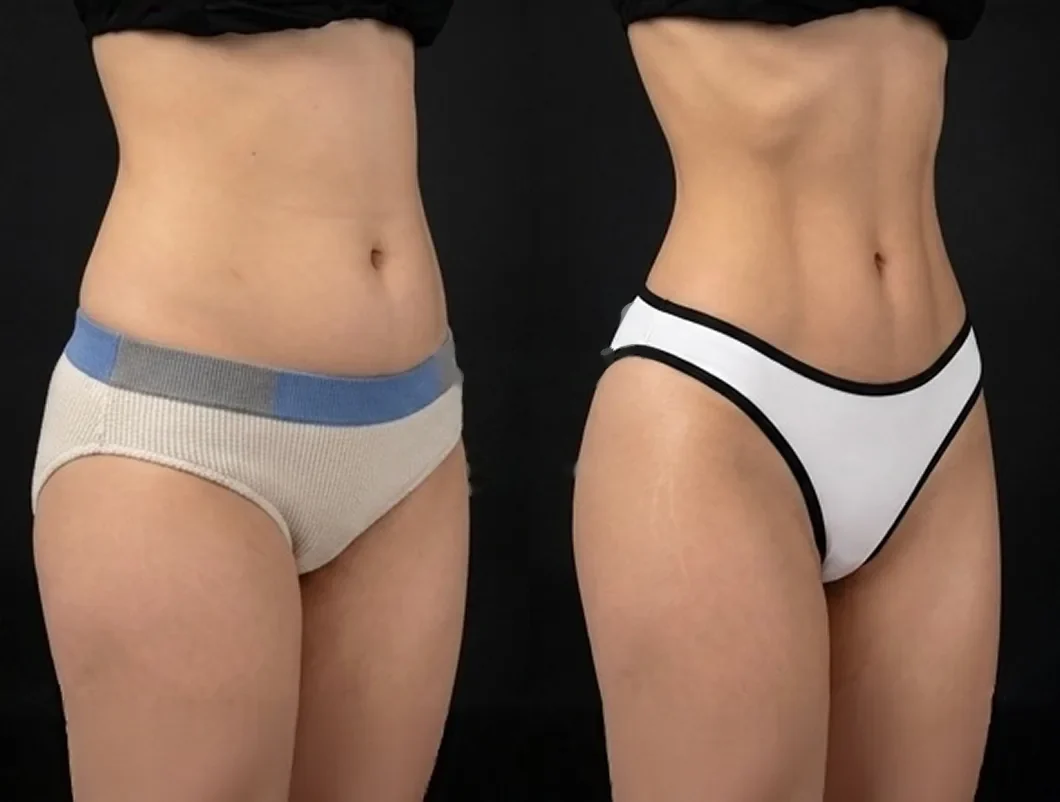 beforeafter
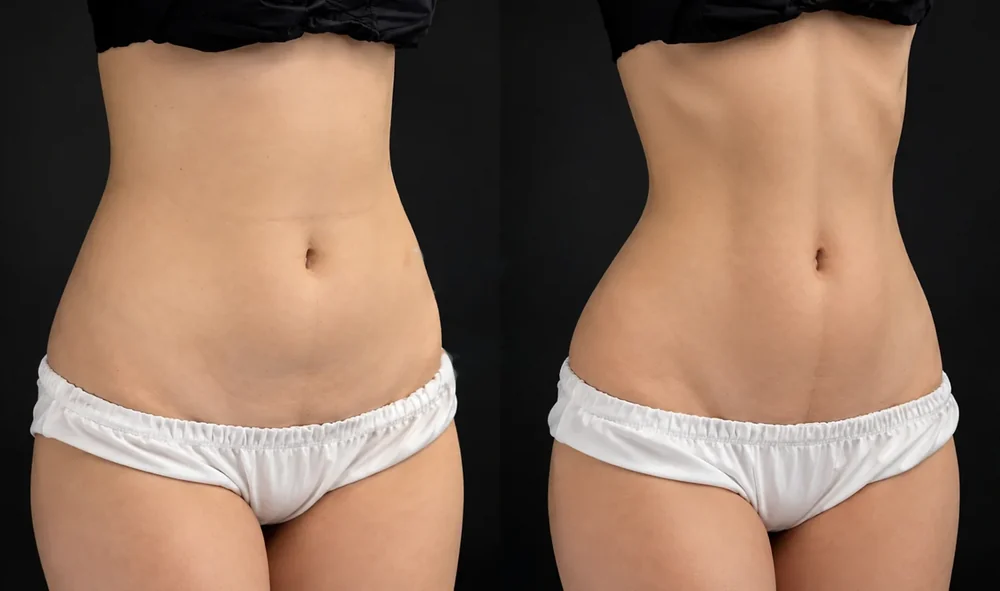
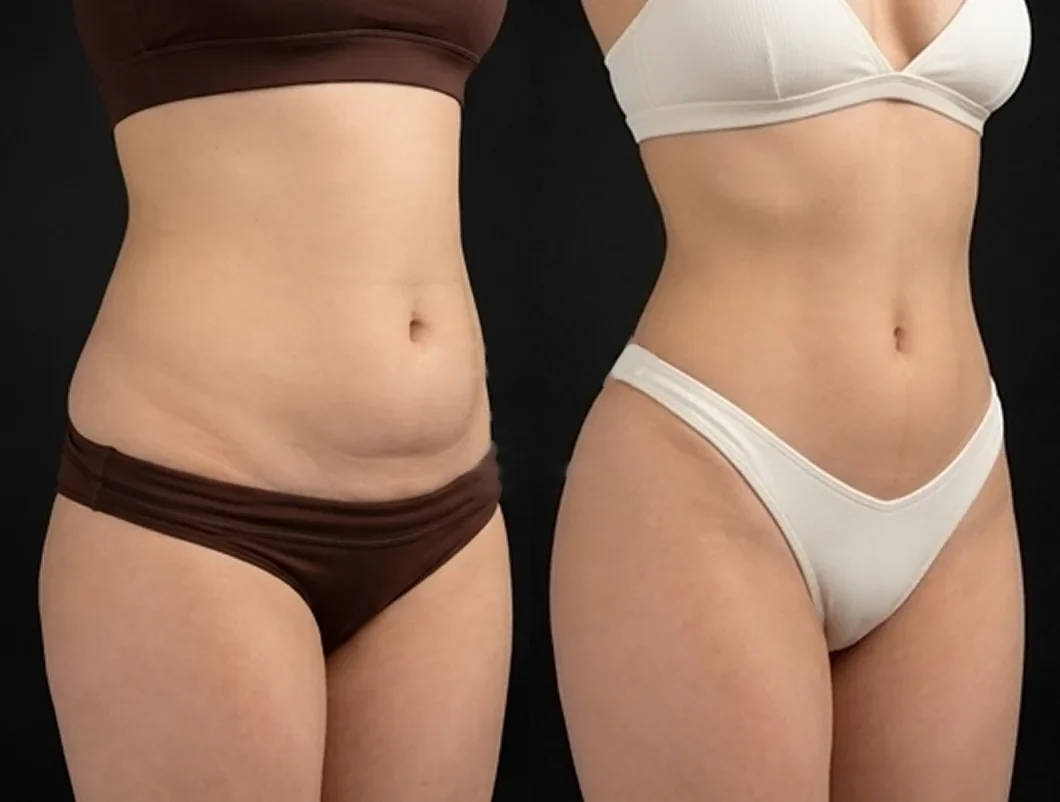 beforeafter
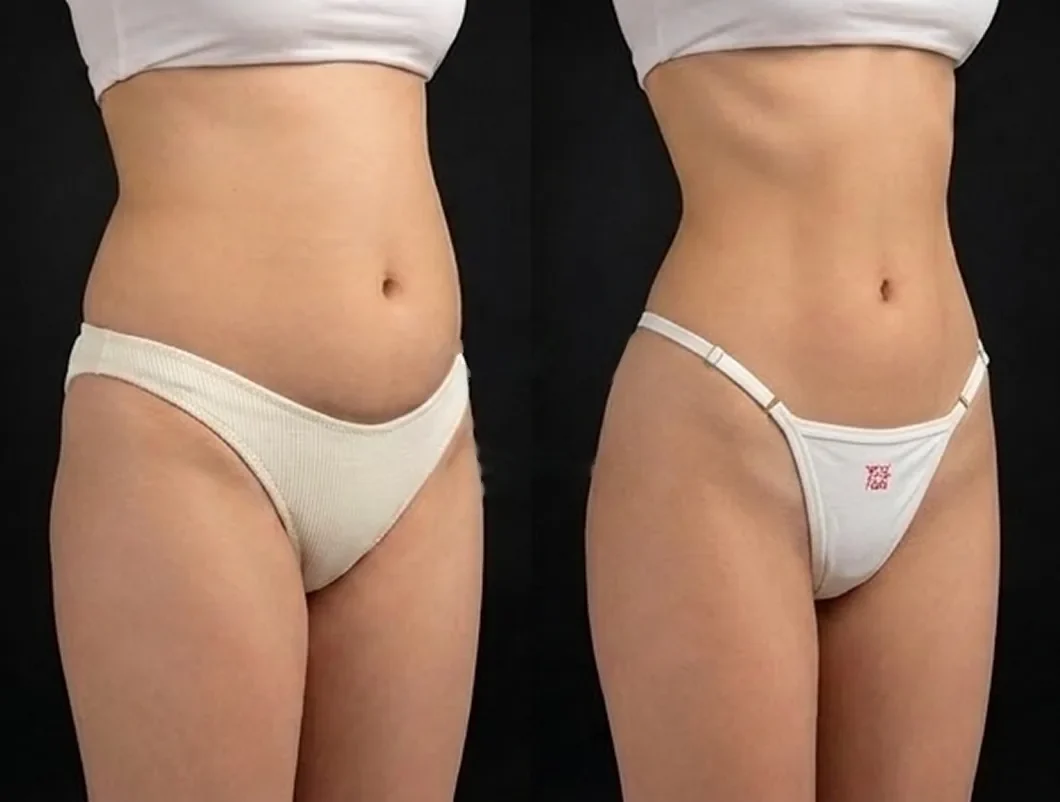 beforeafter
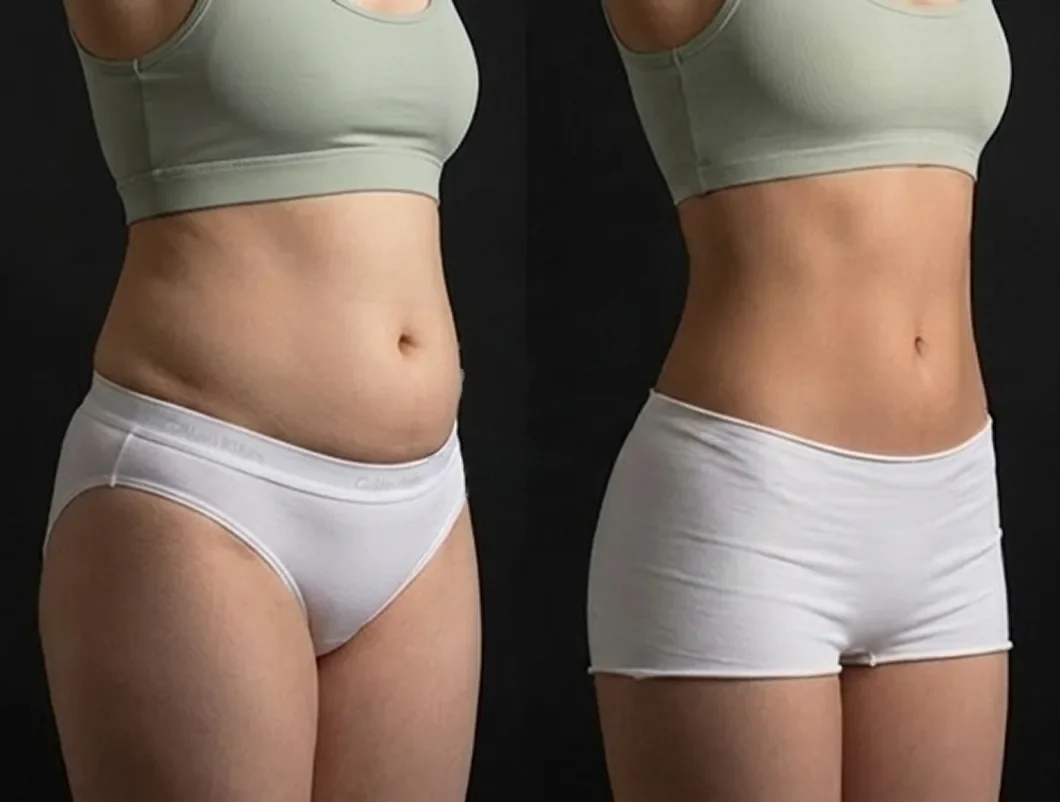 beforeafter
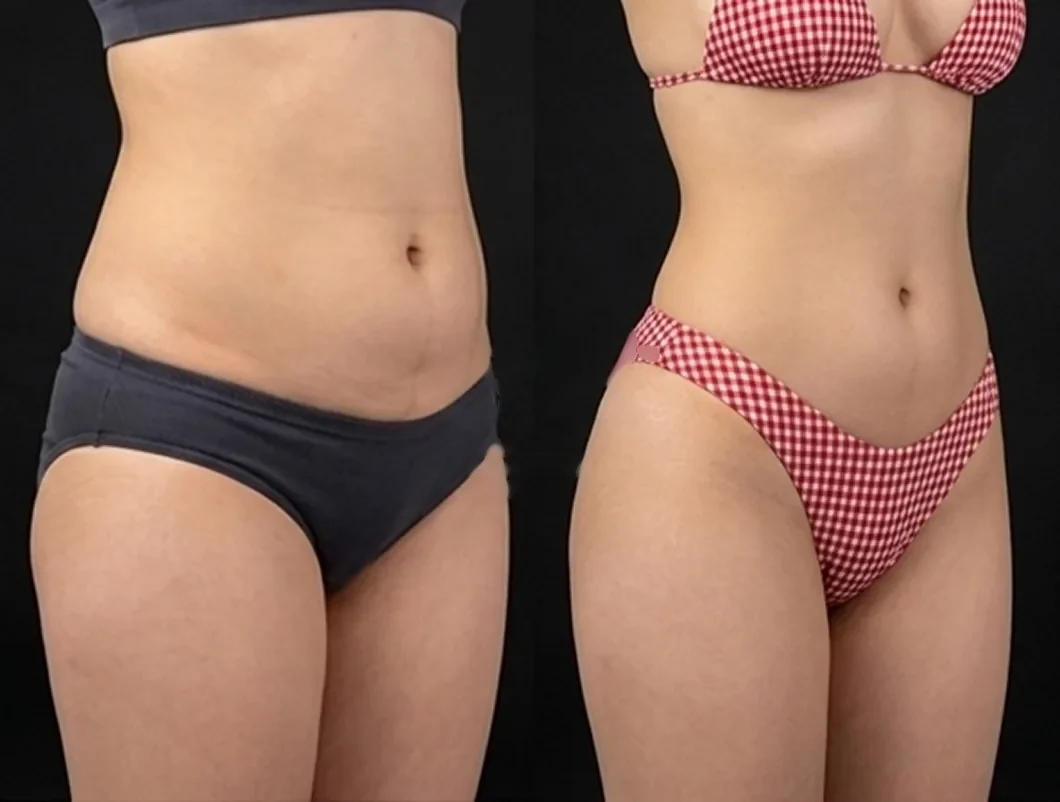 beforeafter
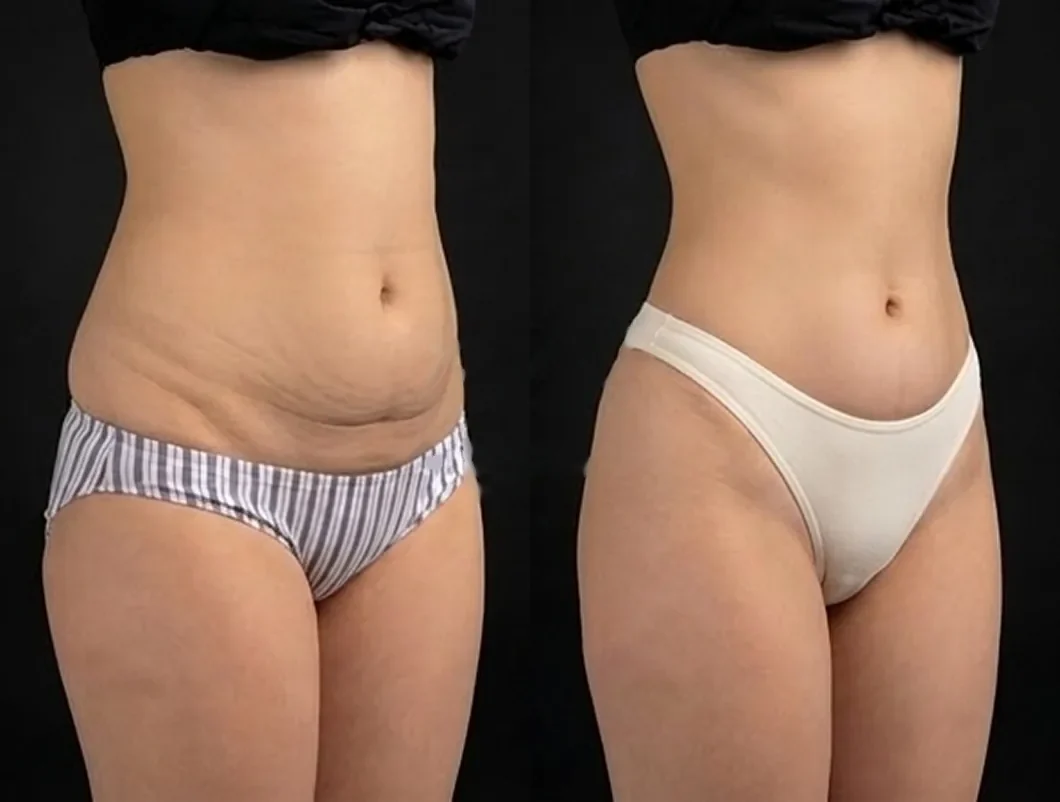 beforeafter
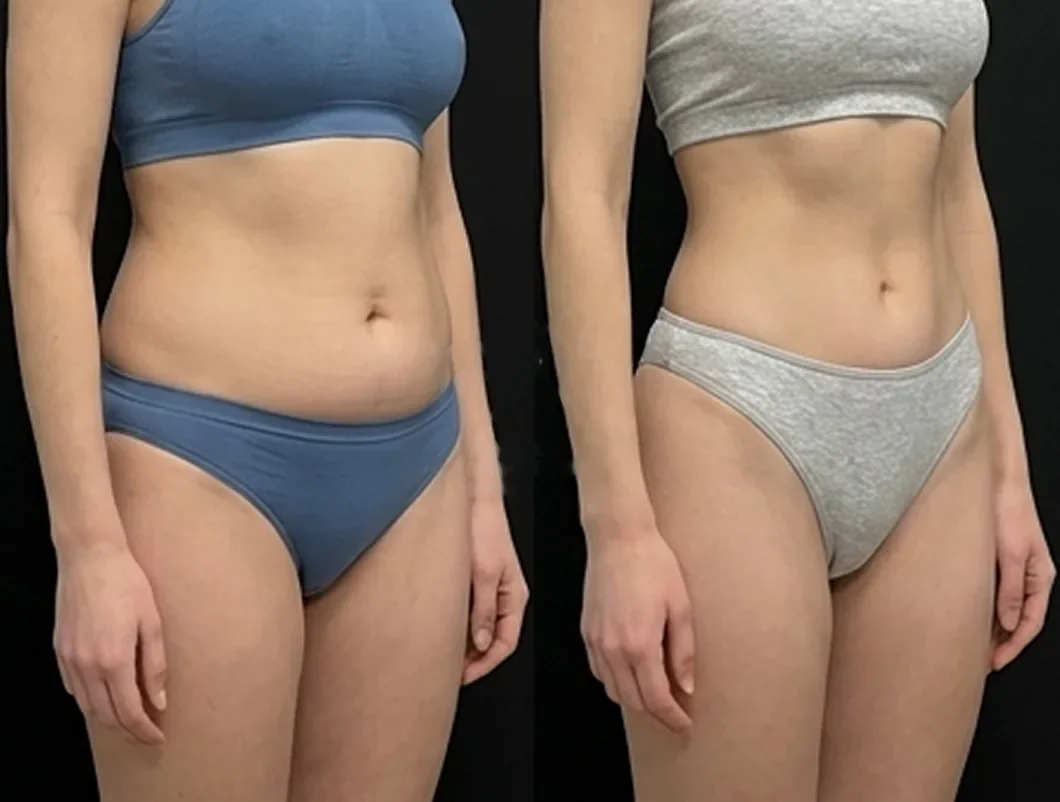 beforeafter
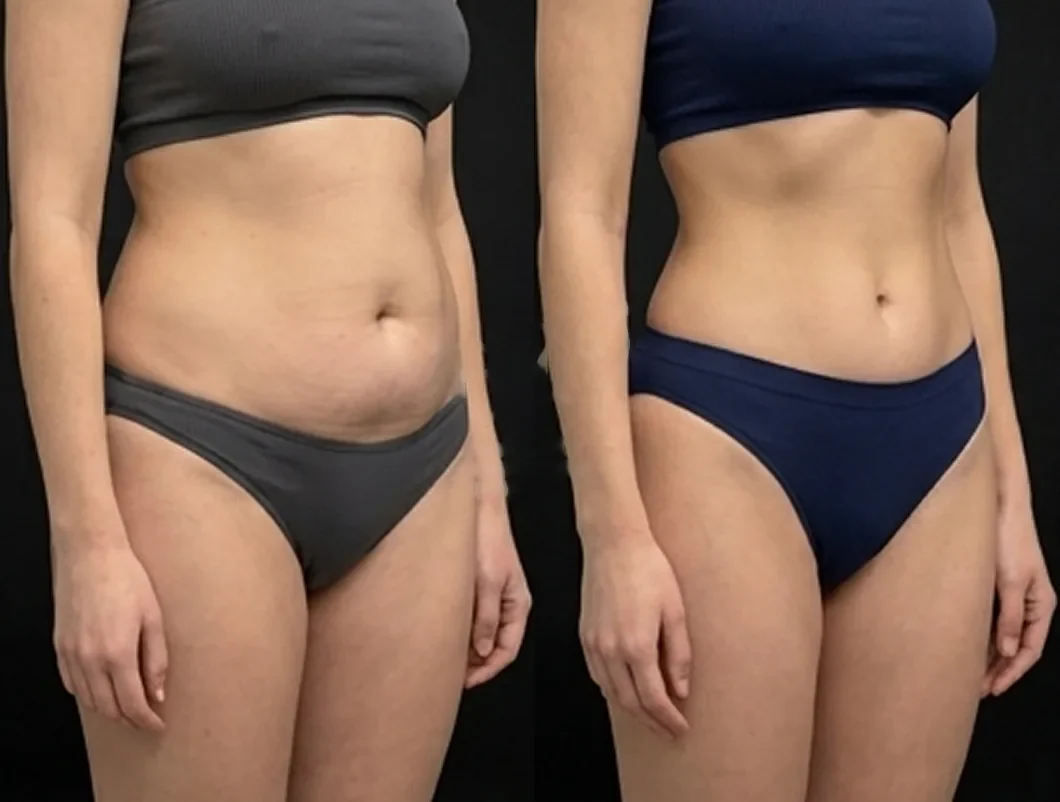 beforeafter
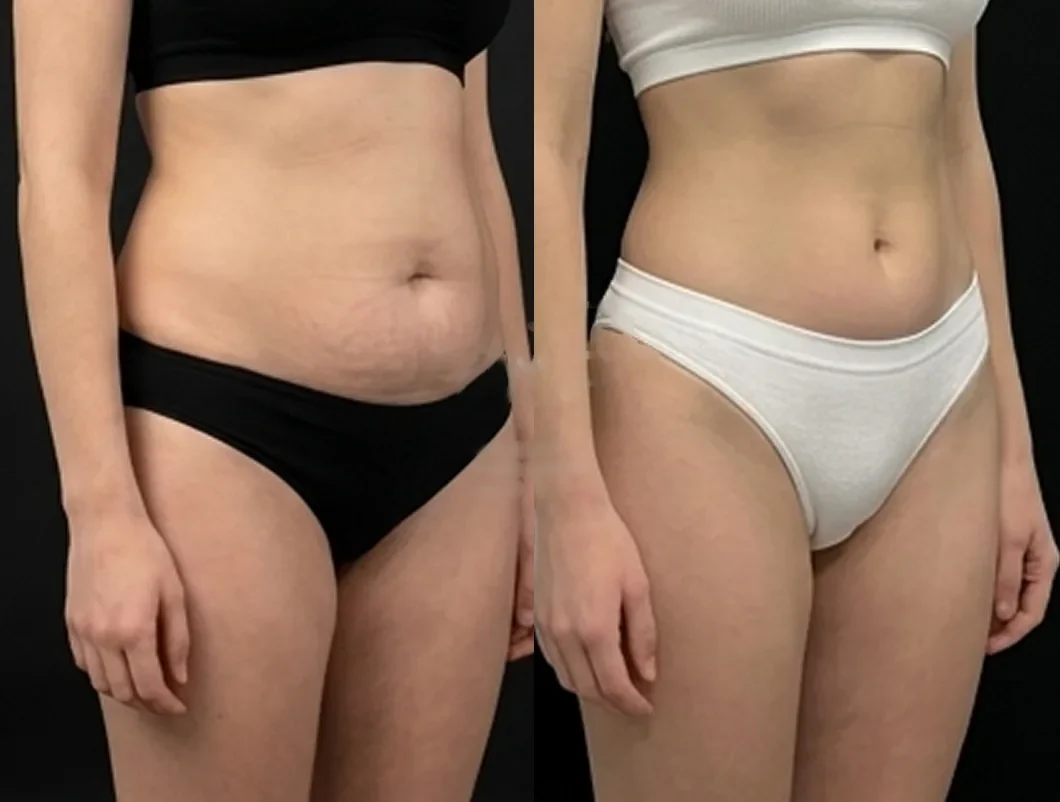 beforeafter
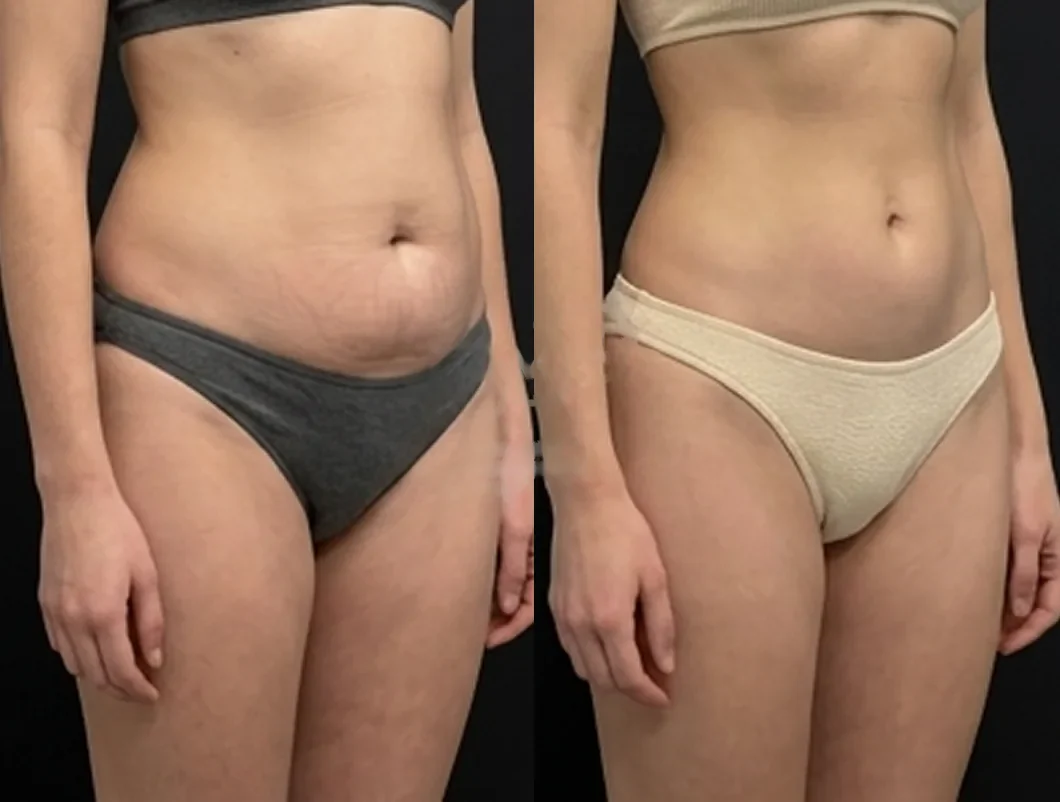 beforeafter
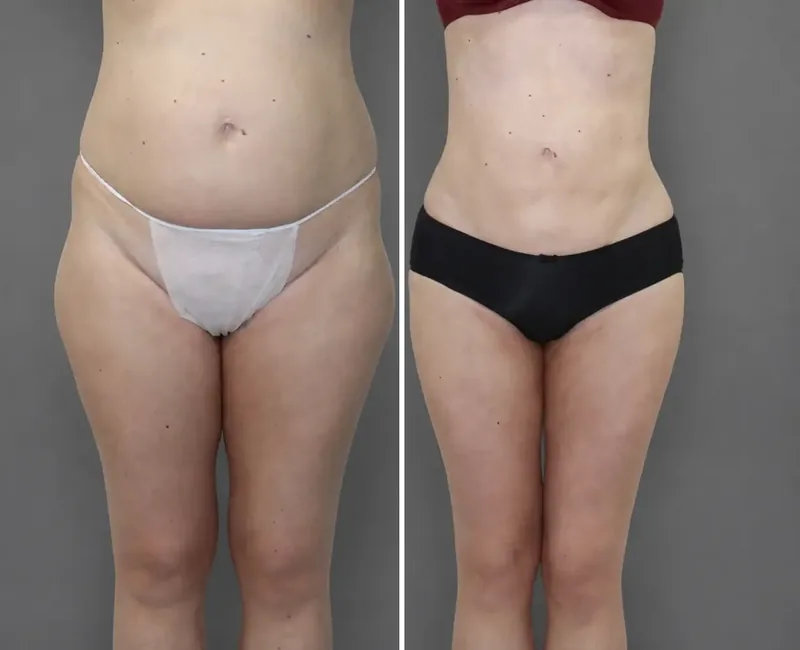
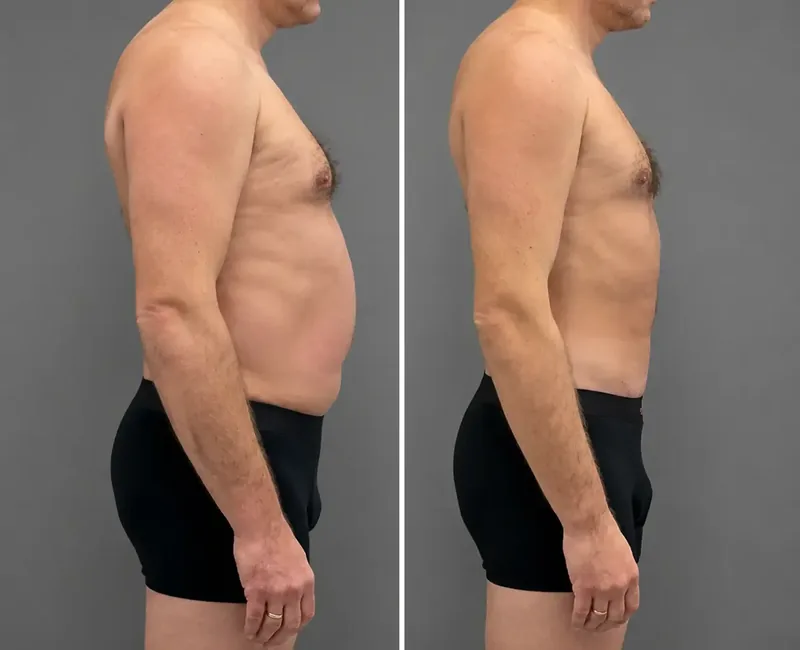






 1
 2
 3
 4
 5
 6