
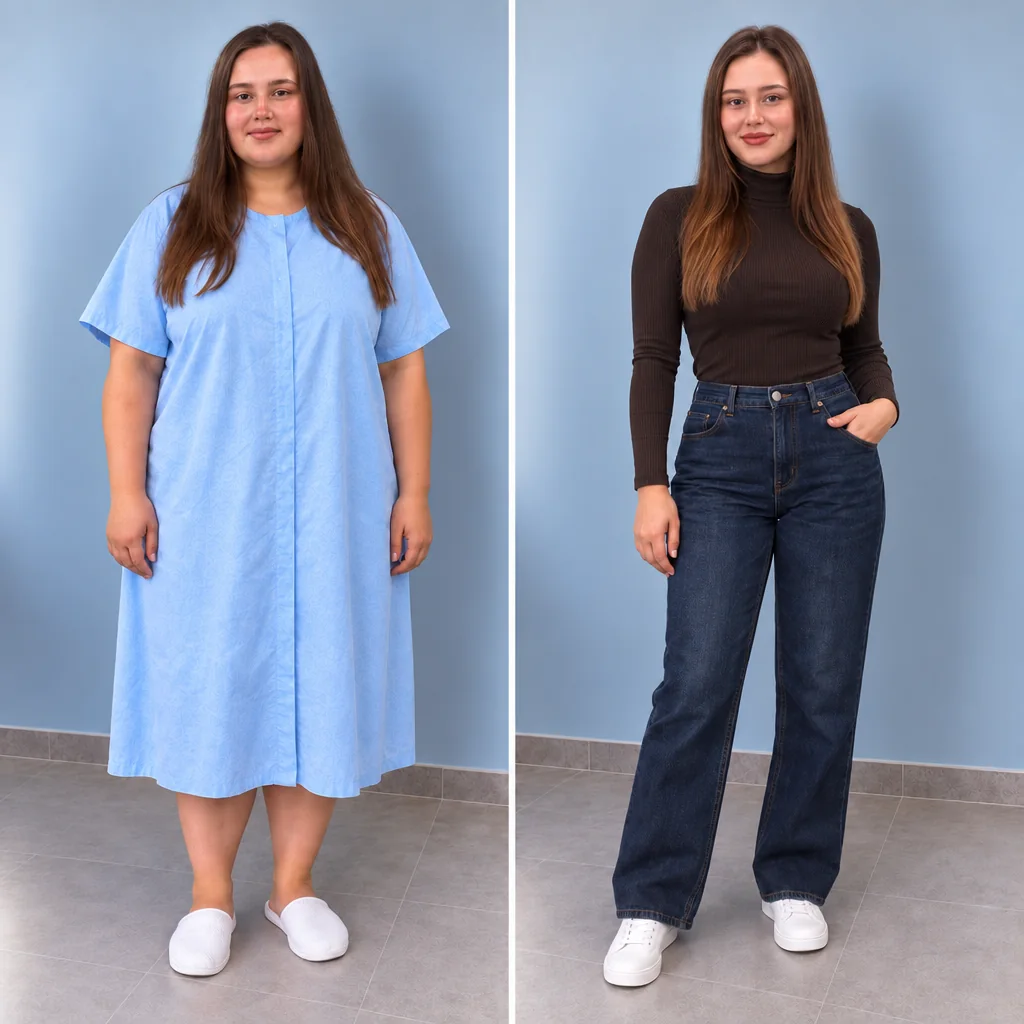
 beforeafter
Irina, 26
Bariatric surgery
Bariatric surgery
$3,600
$4,800 · First consultation — Free
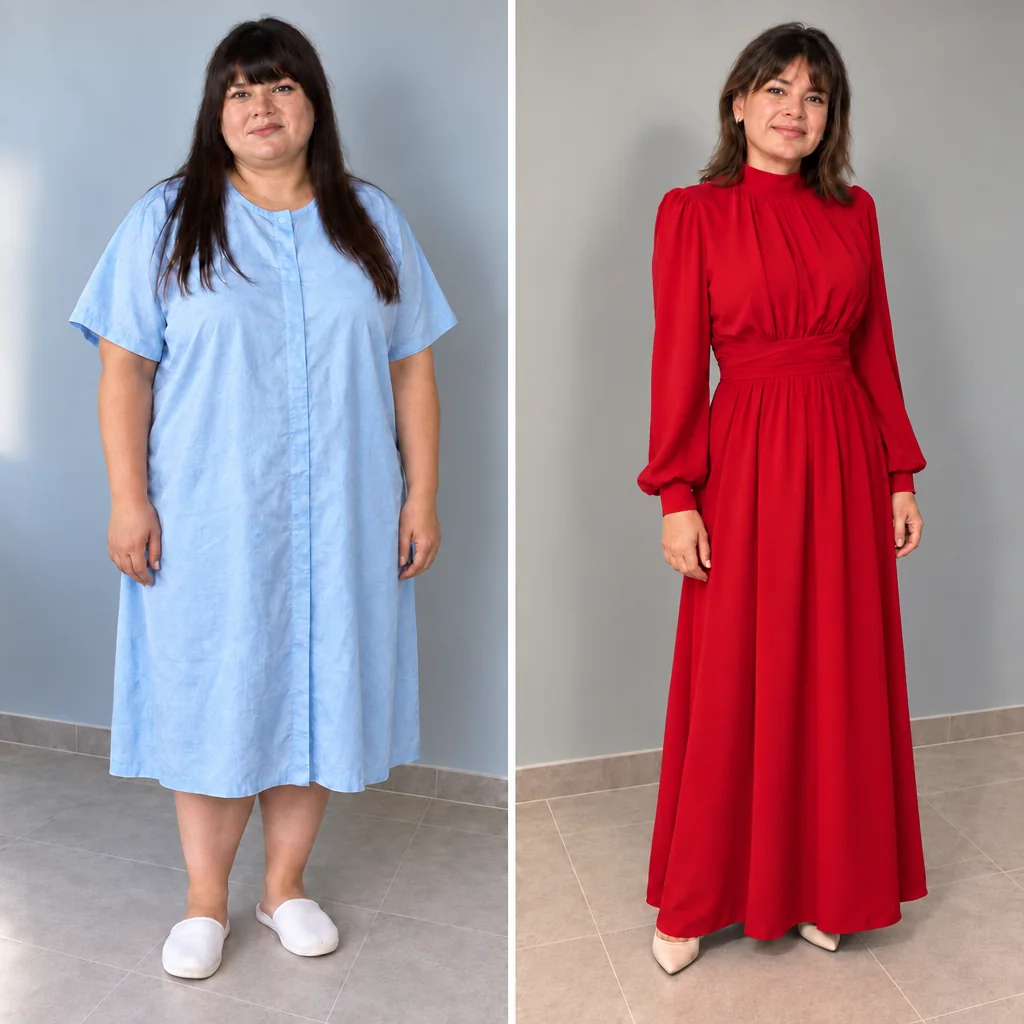 before
after
Message our coordinator
Free online consultation · Reply within 15 minutes
Message us on TelegramMessage us on WhatsAppBy messaging us, you agree to our Privacy Policy
Results
Every case shown is a real clinic patient.
beforeafterBariatric surgery
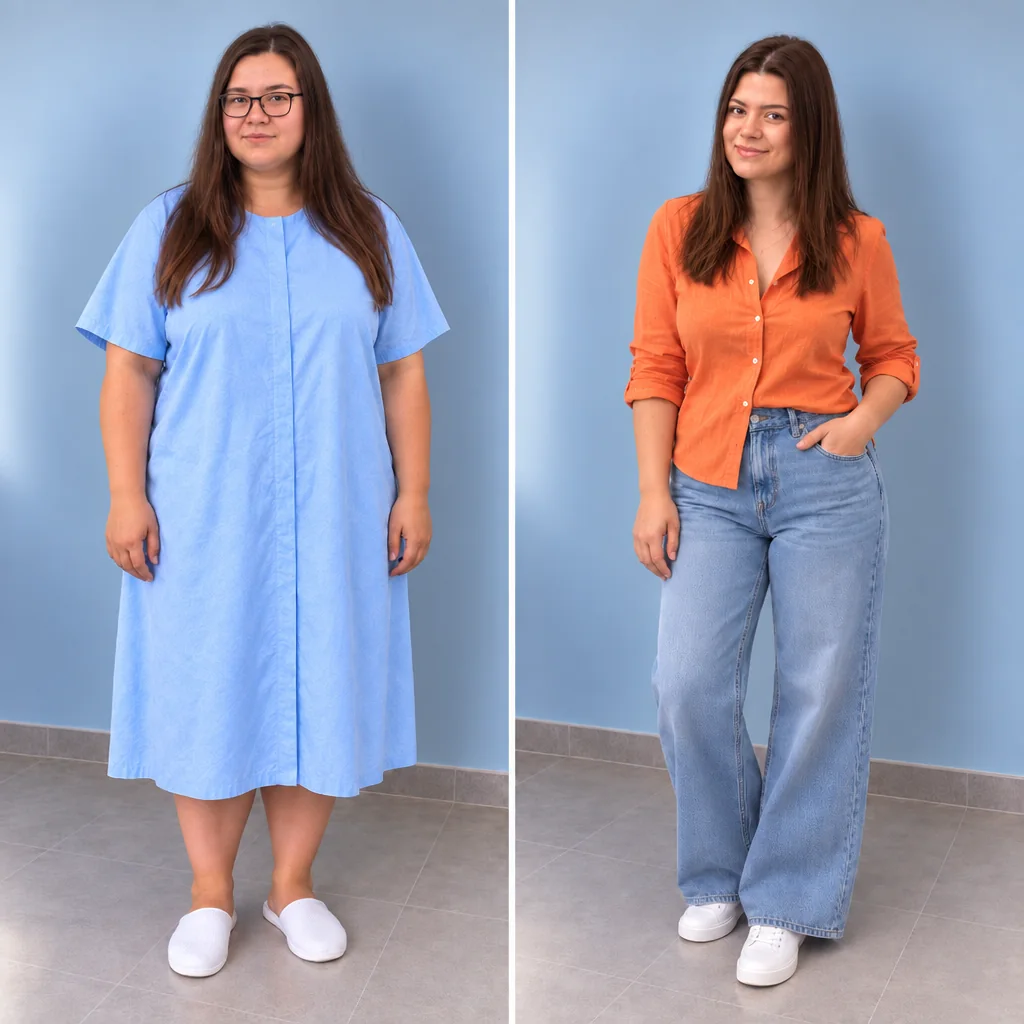 beforeafter
Bariatric surgery
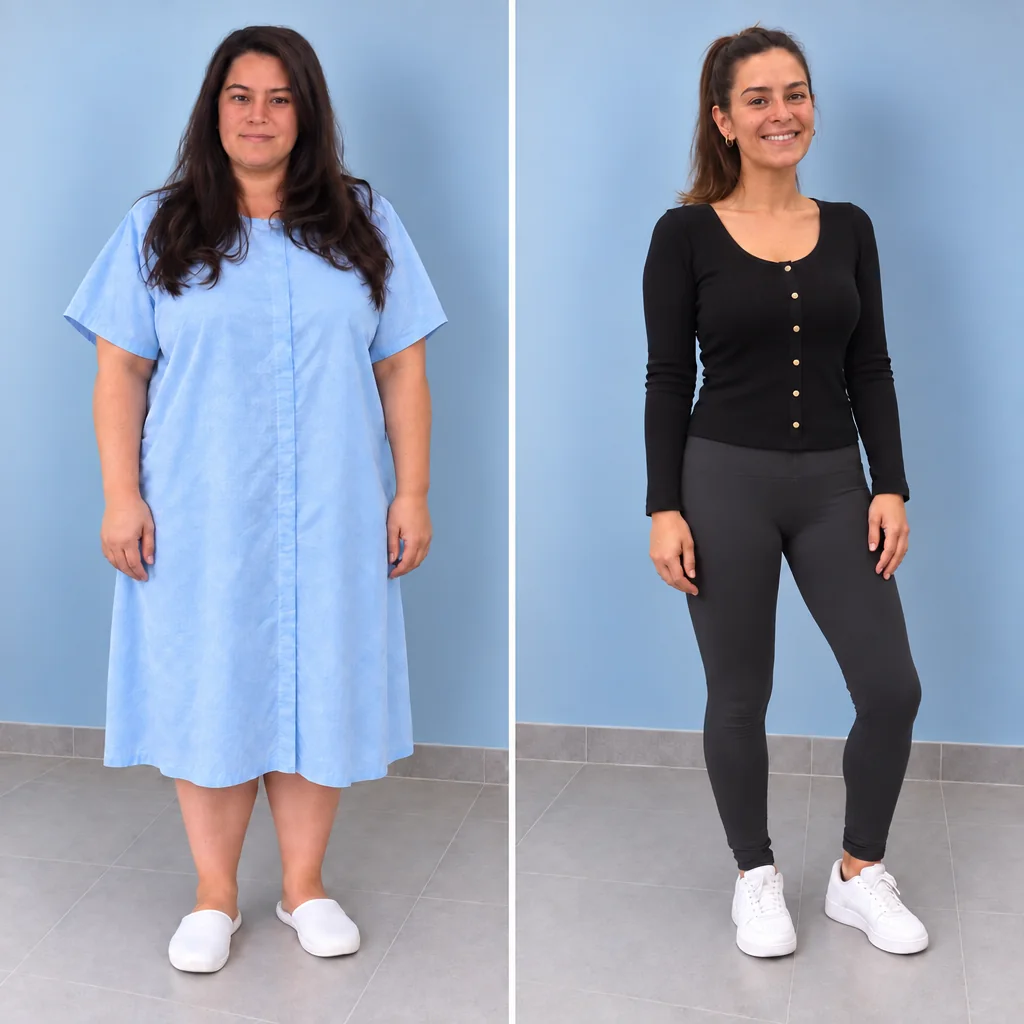 beforeafter
Bariatric surgery
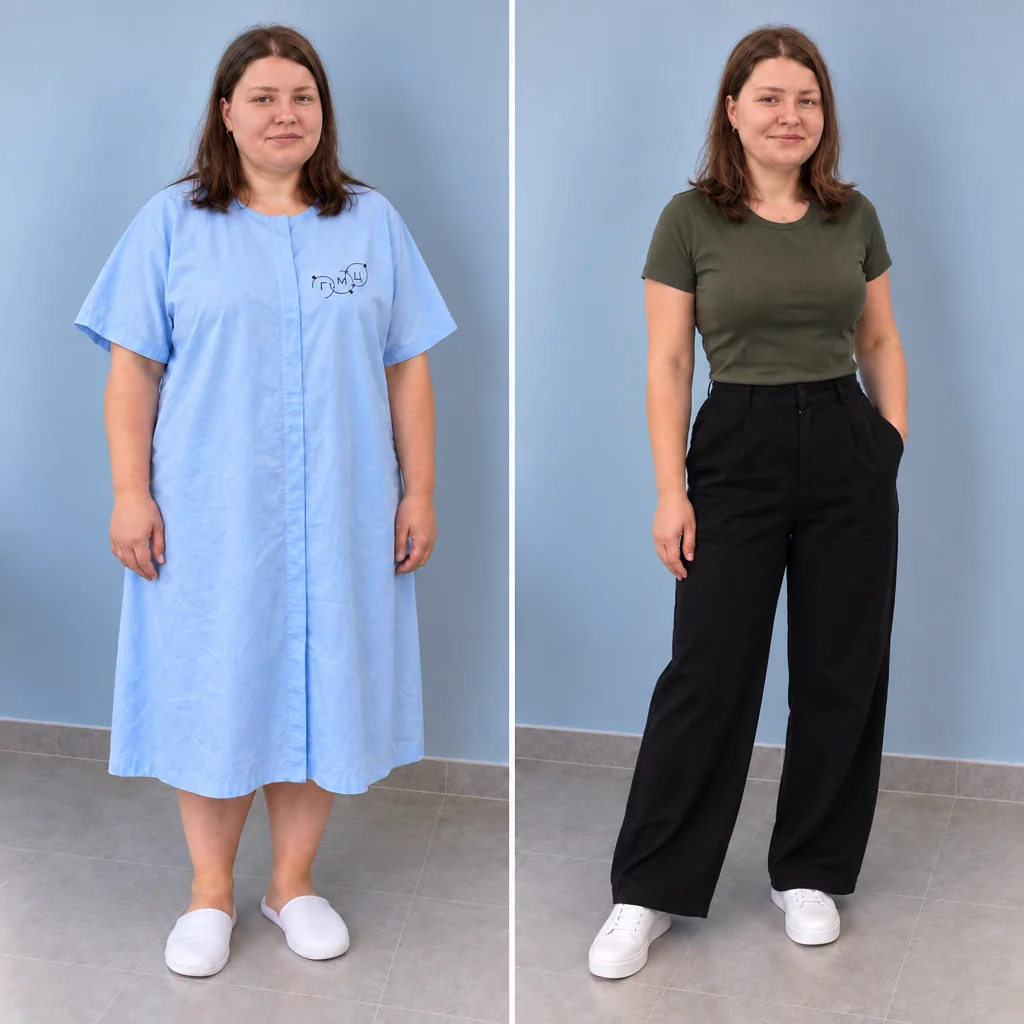 beforeafter
Bariatric surgery
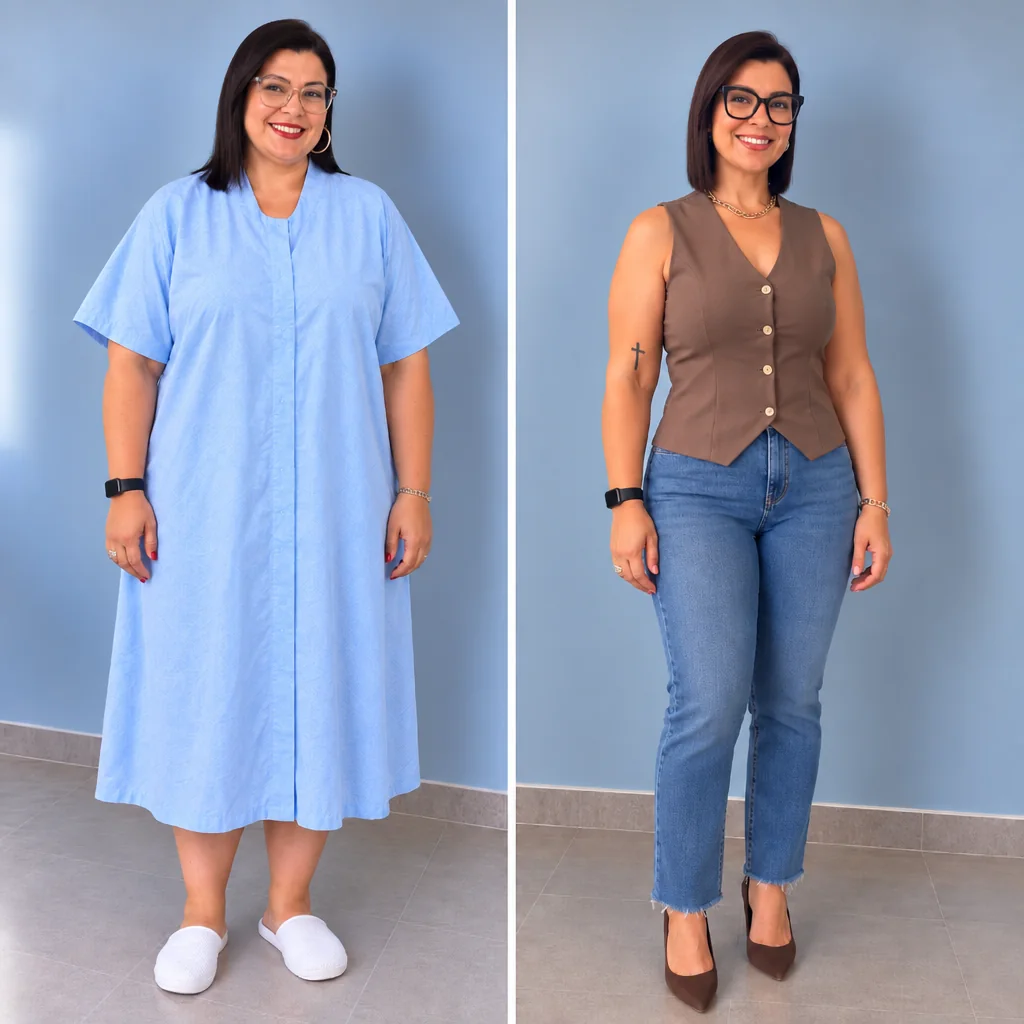 beforeafter
Bariatric surgery
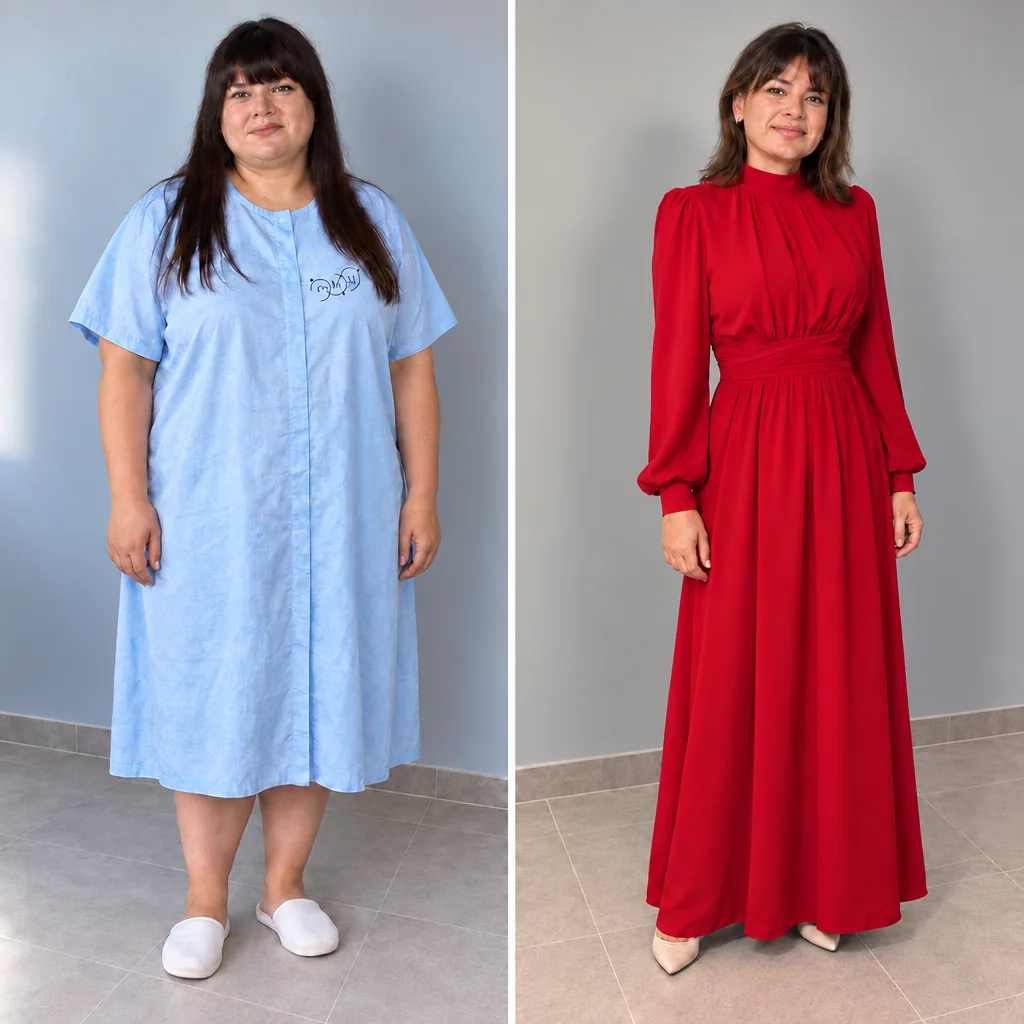 beforeafter
Bariatric surgery
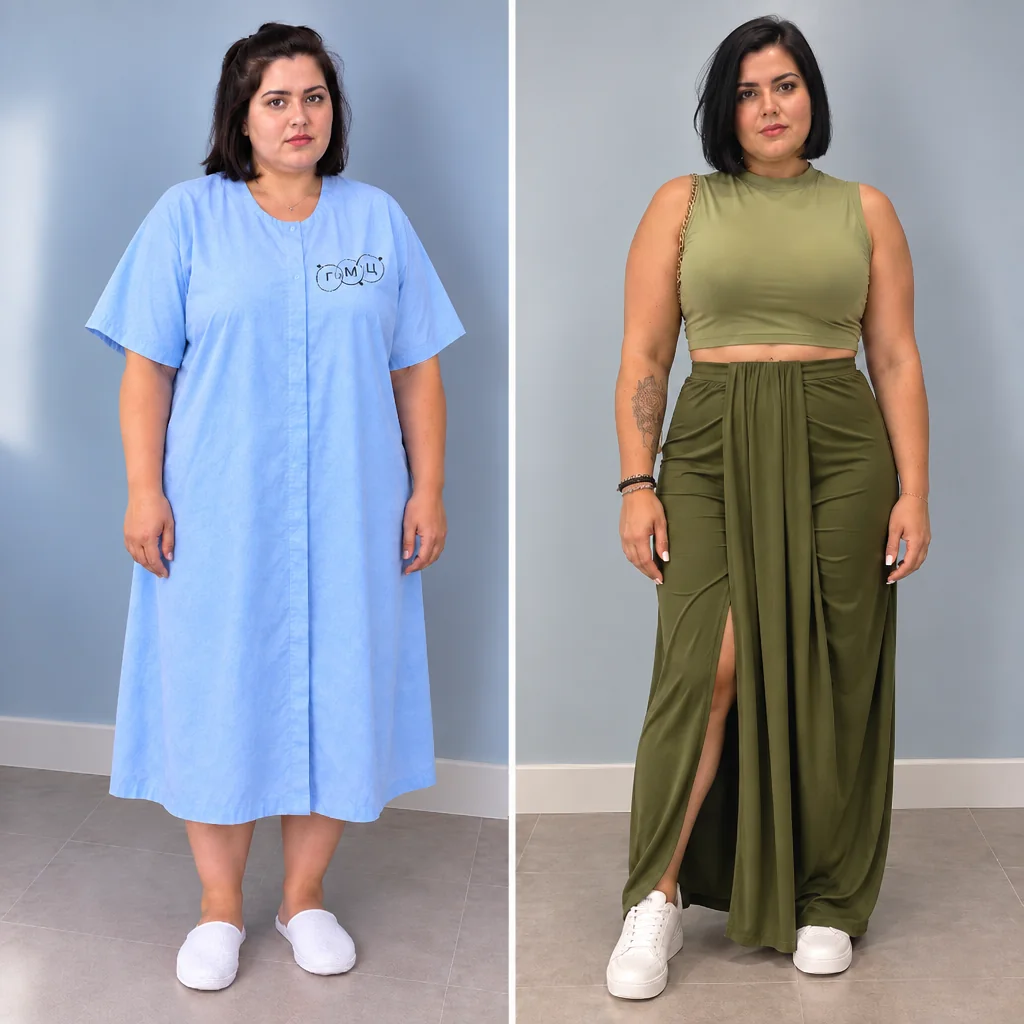 beforeafter
Bariatric surgery
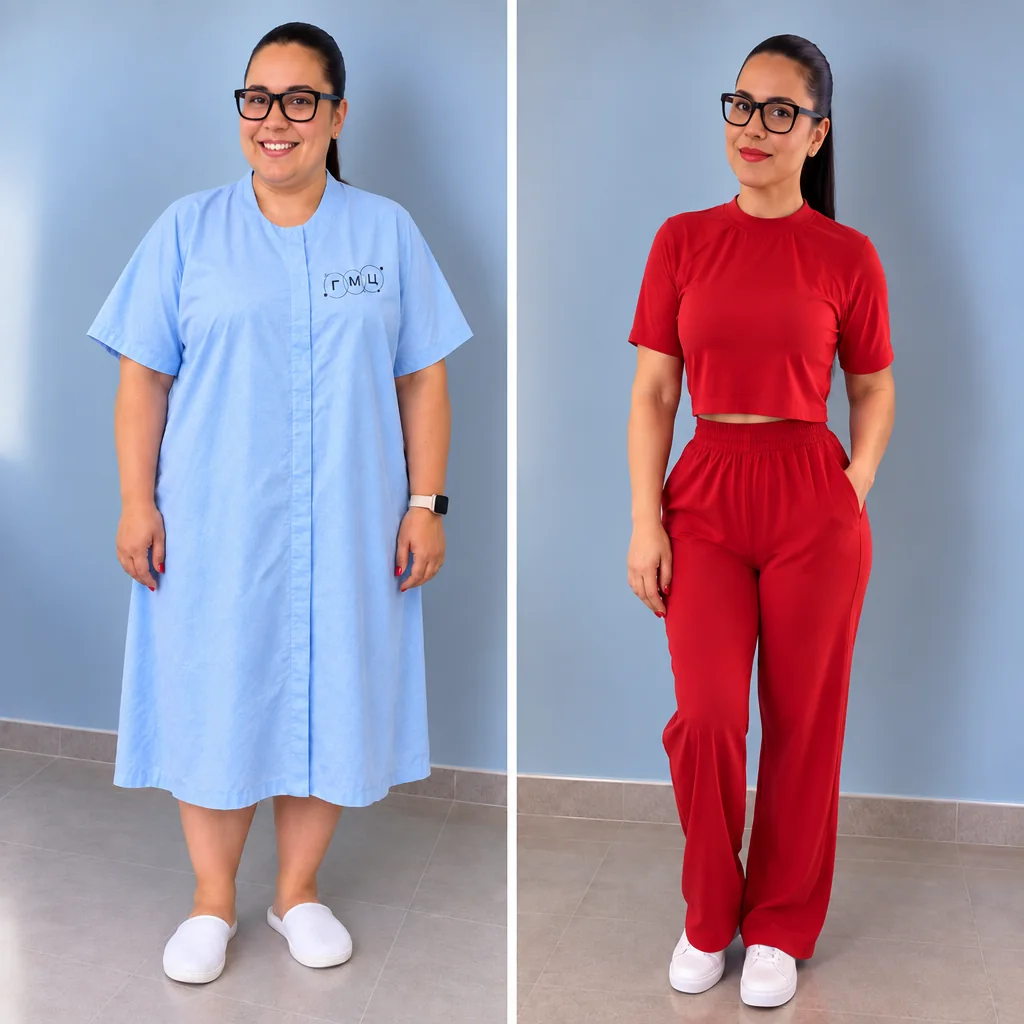 beforeafter
Bariatric surgery
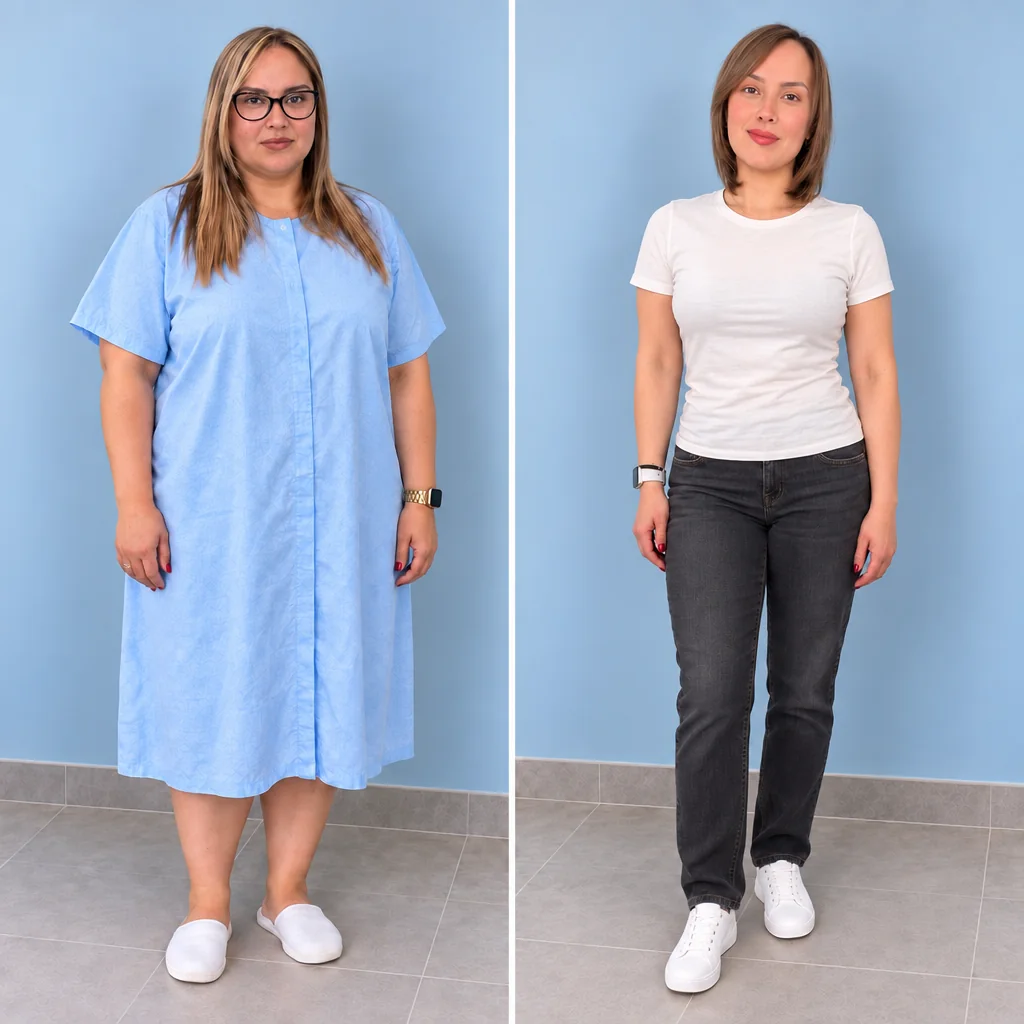 beforeafter
Bariatric surgery
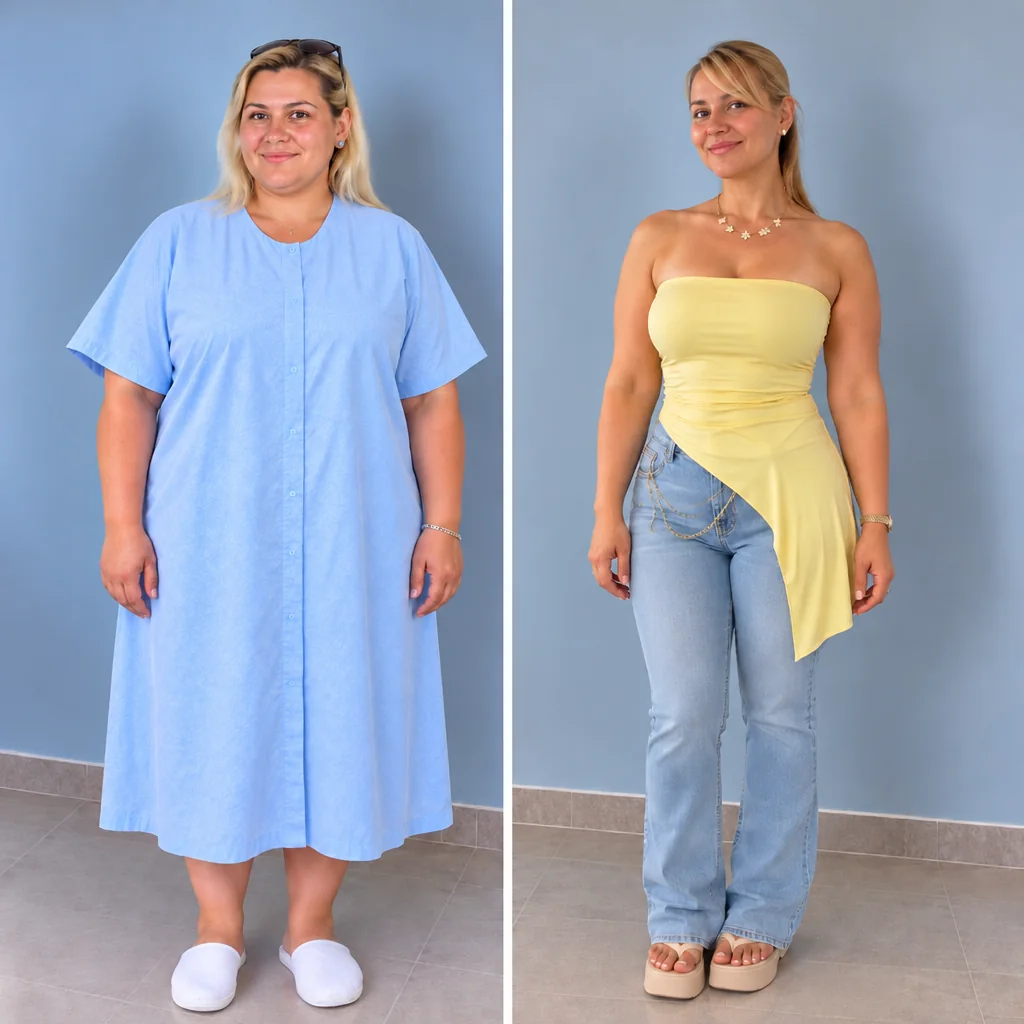 beforeafter
Bariatric surgery
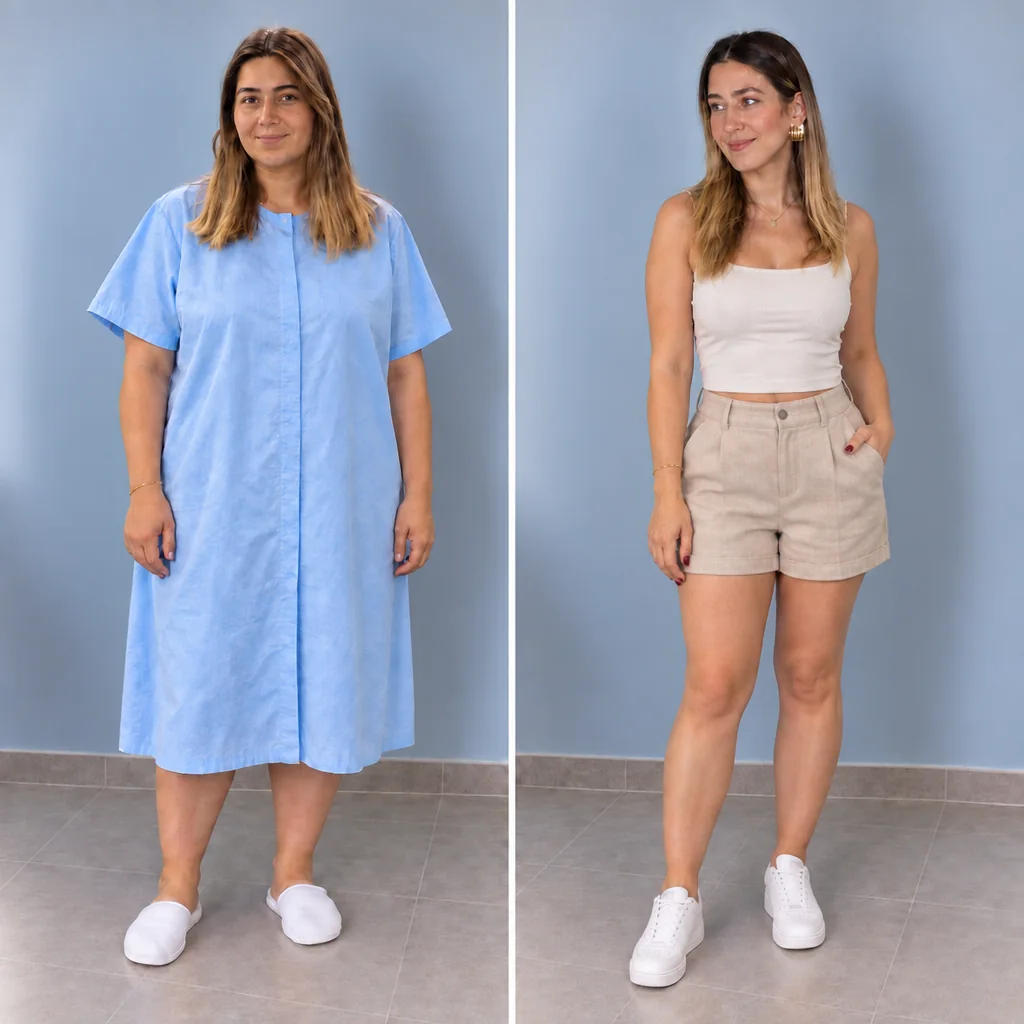 beforeafter
Bariatric surgery
Comparison
Choose your method with confidence by comparing our two main procedures — sleeve gastrectomy and gastric bypass — in terms of how they work, their purpose and their indications.
Making the stomach smaller
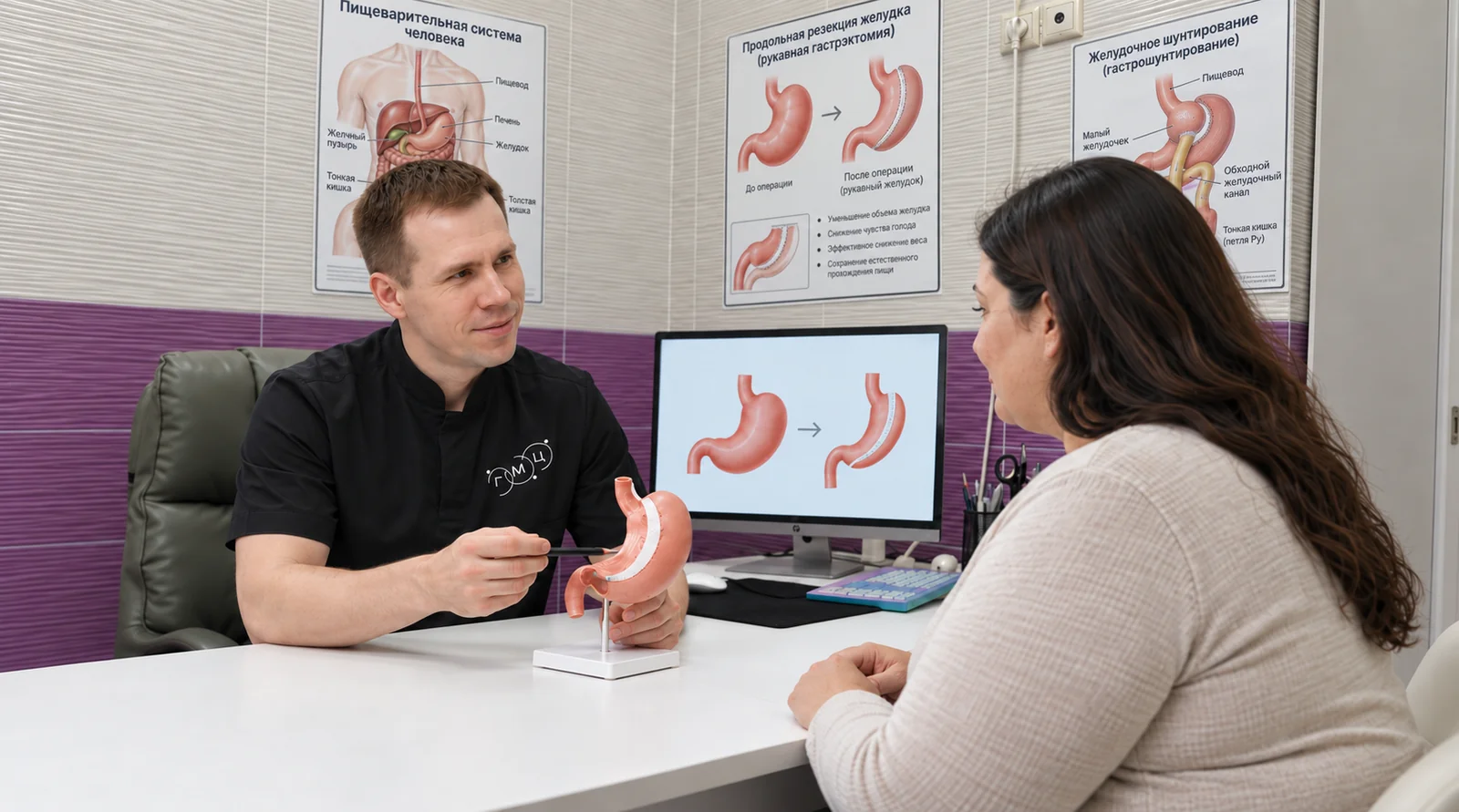
Discounted price
$3,600 $4,800
Stomach volume is reduced and the food path is changed
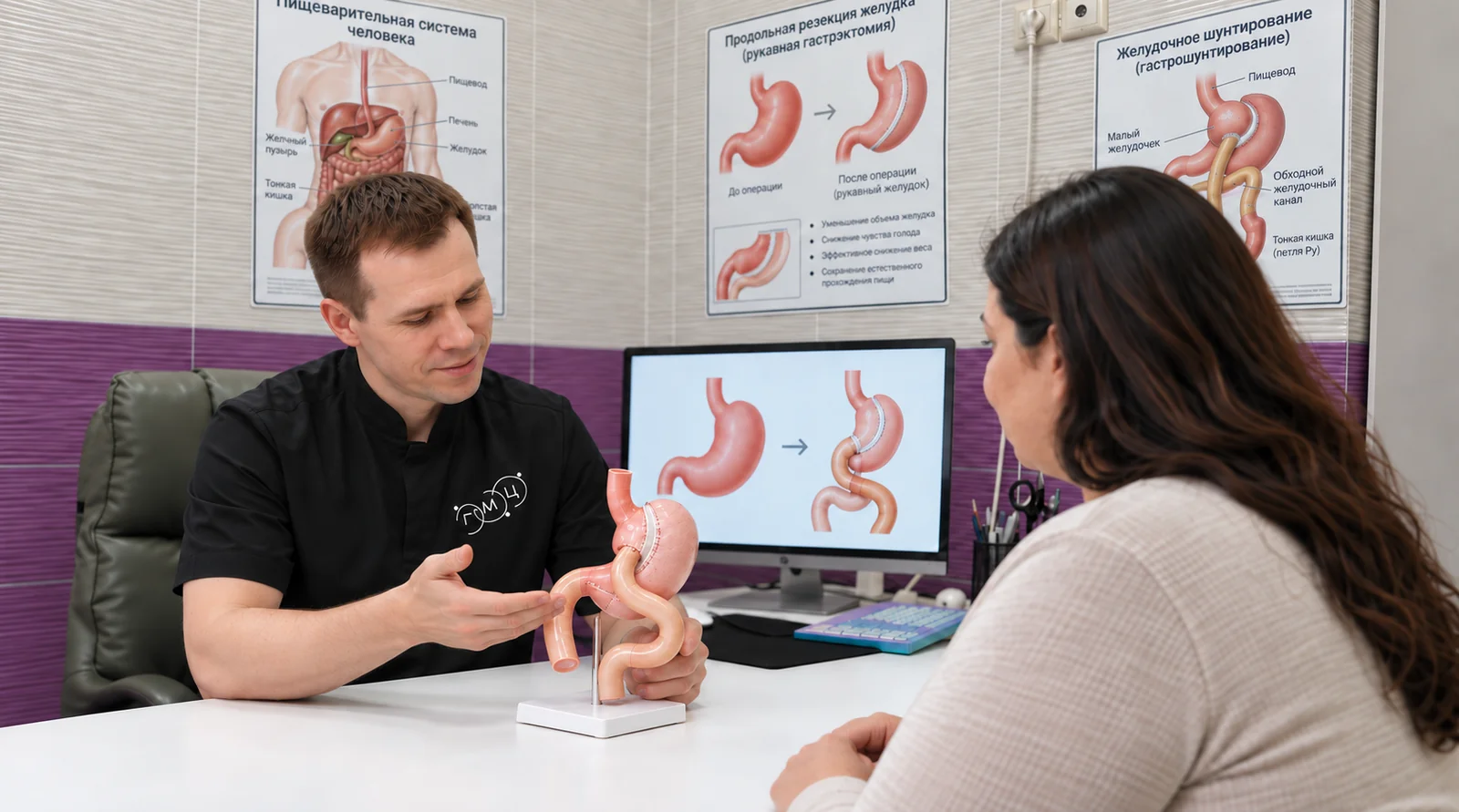
Discounted price
$4,000 $5,200
These figures on benefits and recovery are method averages, given as a guide. Your anatomy and personal features decide the extent of surgery and recovery, which the surgeon confirms at the consultation.
Book a consultationOur clinic
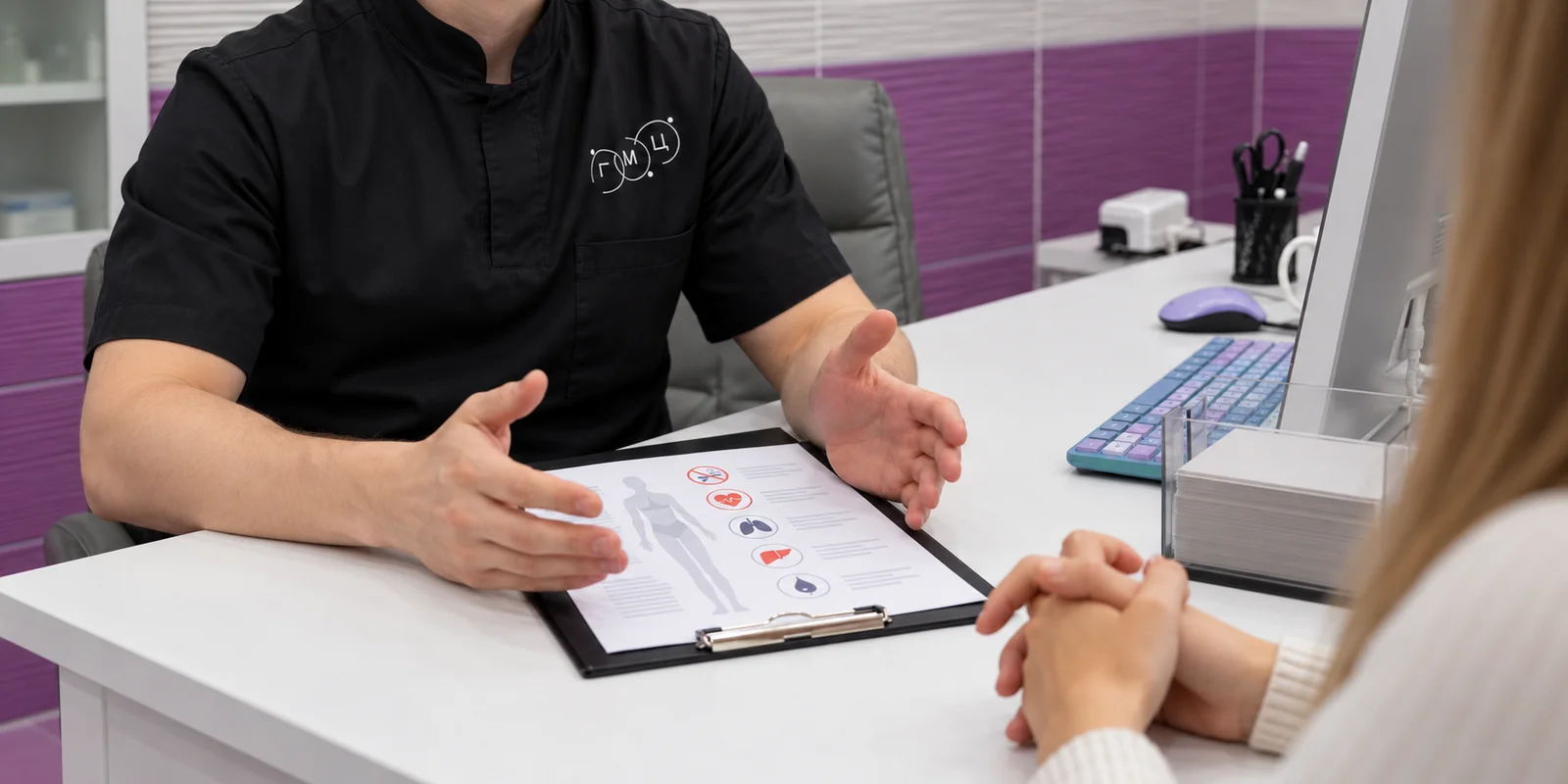
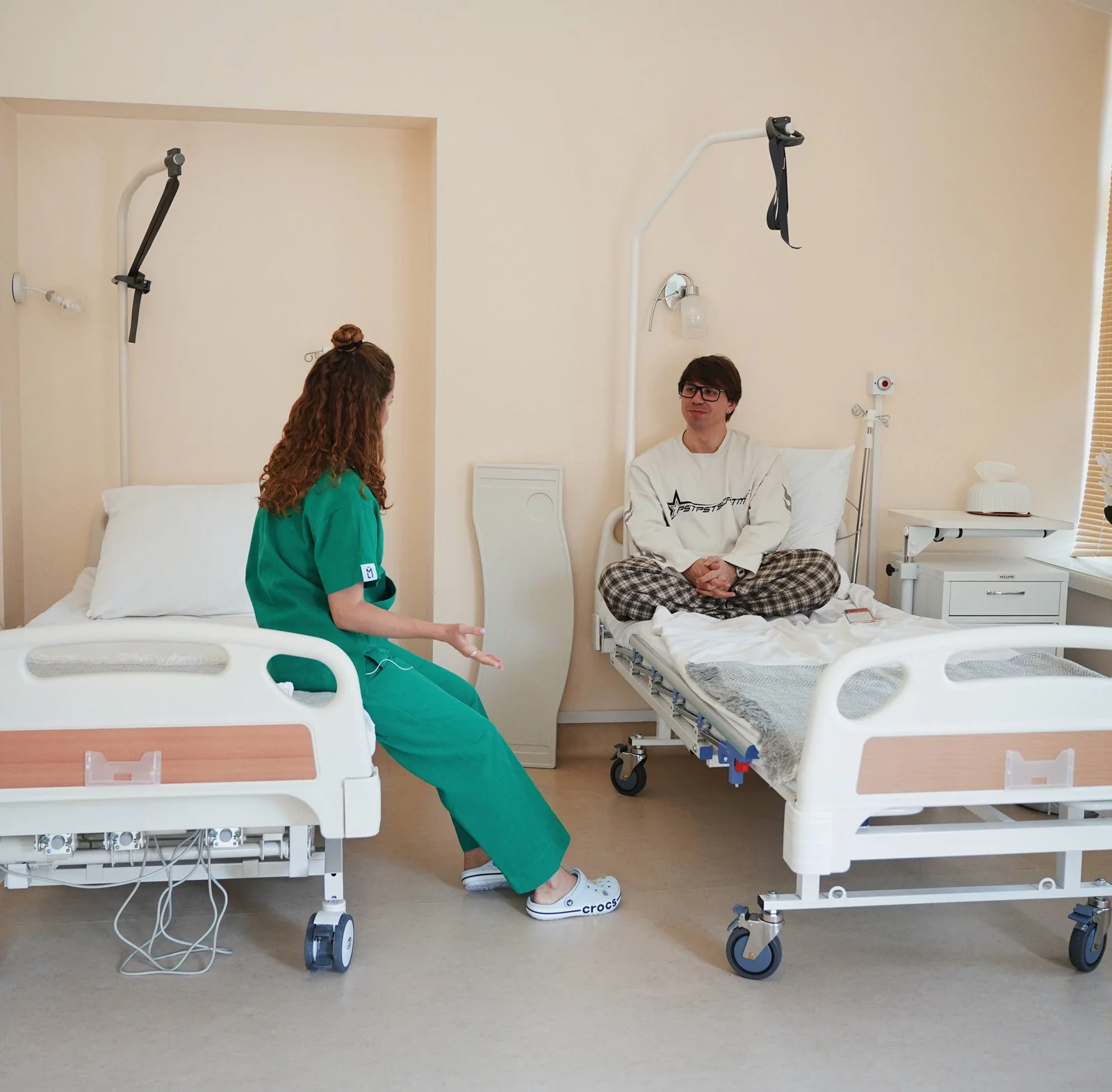
Comfortable rooms, modern equipment and care for each person
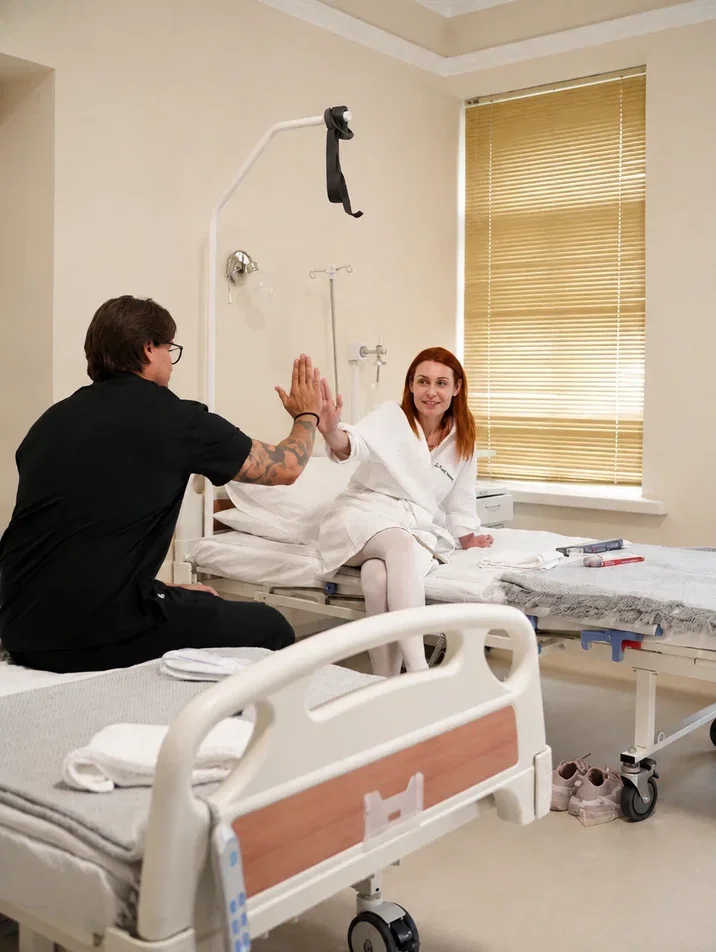
We will answer your questions and find a convenient time for a consultation
Get a consultationThe decision to operate is taken with the surgeon, following a consultation and a check-up.
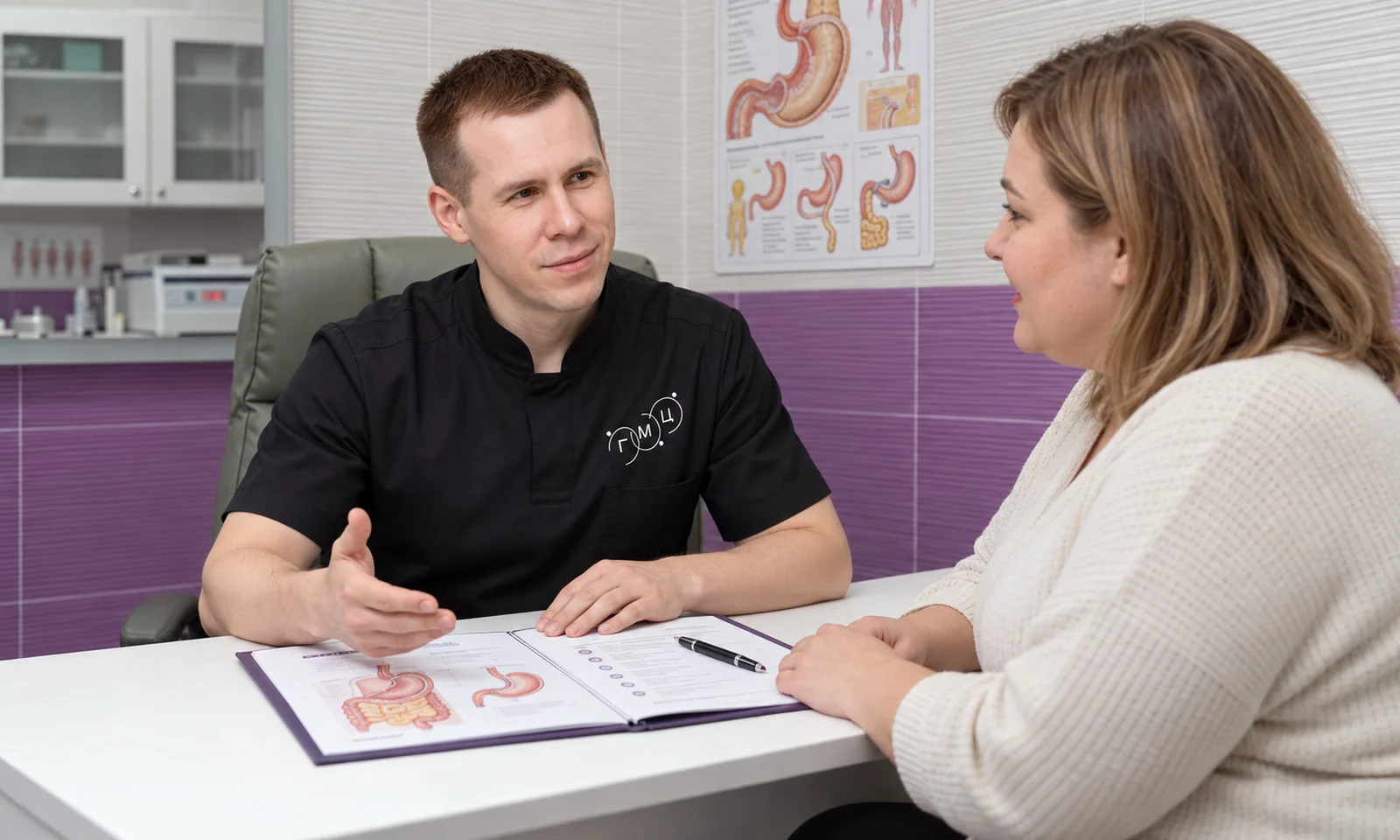
Can't tell which column fits your case?
Message us on Telegram to learn from our coordinator whether bariatric surgery fits your case. The surgeon consultation is free of charge and does not bind you to surgery.
Find out if it suits me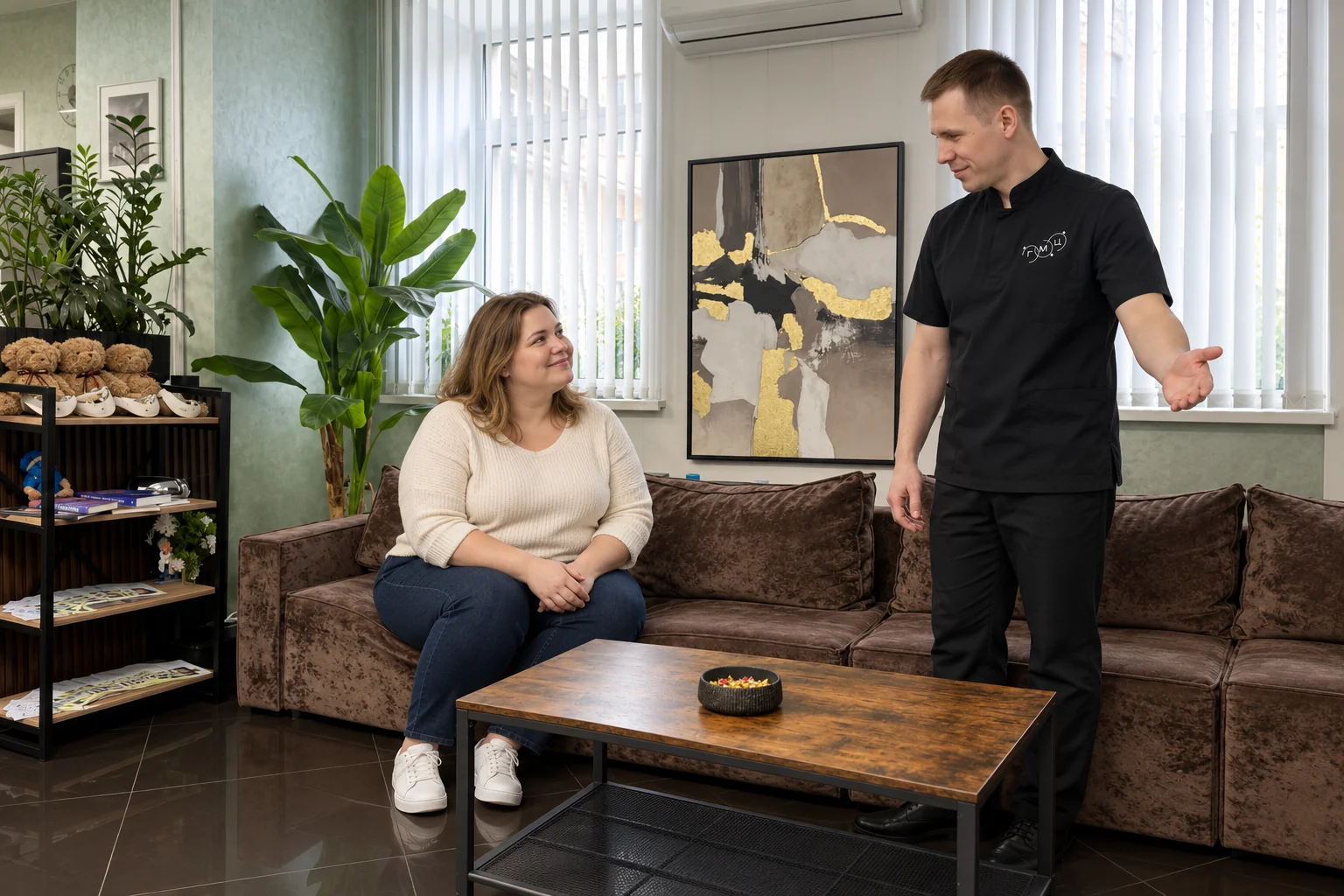
Prices
Your cost is confirmed at the consultation once the plan is ready and written into the contract.
Discounted price
Making the stomach smaller
$3,600$4,800
Discounted price
Weight loss and rerouting food
$4,000$5,200
Free
The surgeon examines you and draws up a treatment plan

Free
you are told the cost of surgery
and it is fixed in the contract
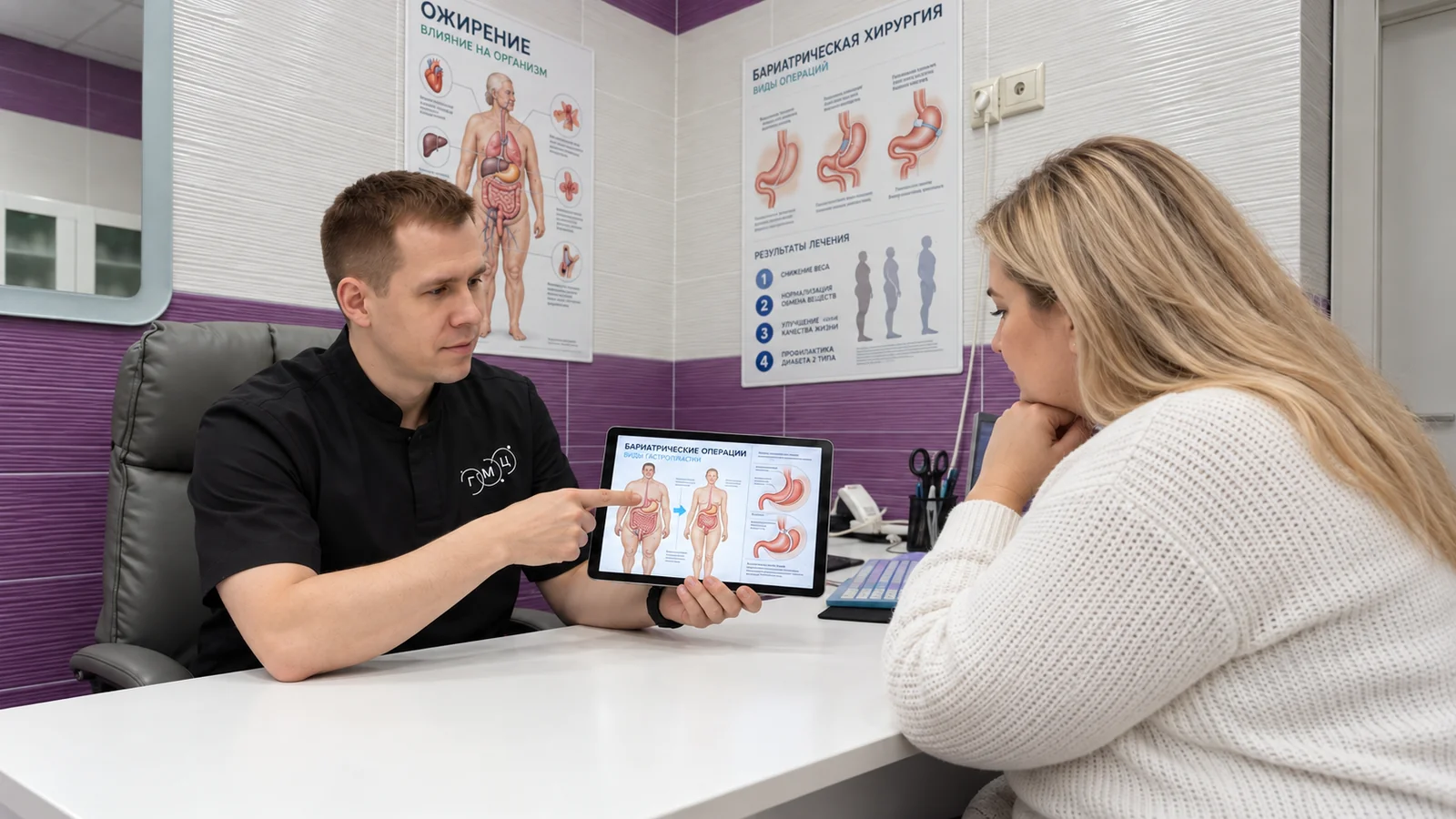
Your goals are discussed, your health is assessed and the right bariatric method is chosen by the doctor. The price is given at the consultation and fixed in the contract.
Message our coordinator
Free online consultation · Reply within 15 minutes
Message us on TelegramMessage us on WhatsAppBy messaging us, you agree to our Privacy Policy
price
Preparation to 12 months of support in one package — nothing extra to pay.Starting with preparation for surgery
and ending with support for 12 months.
How it goes
Your agreed treatment plan, monitoring during your hospital stay and support for a year.
 1
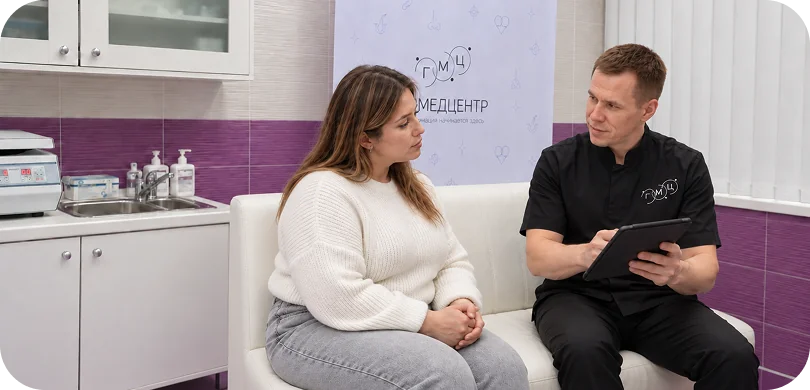
The doctor evaluates your health, talks through your goals and orders the tests needed to select the right bariatric surgery method.
2We reserve a surgery date for you: the deposit can be paid by card at the clinic or online by bank transfer. The terms are fixed in the contract for medical services
 3
Pre-operative checks include blood and urine tests, an ECG, an ultrasound, a gastroscopy and specialist visits; your exact list comes from the doctor at the consultation.
 4
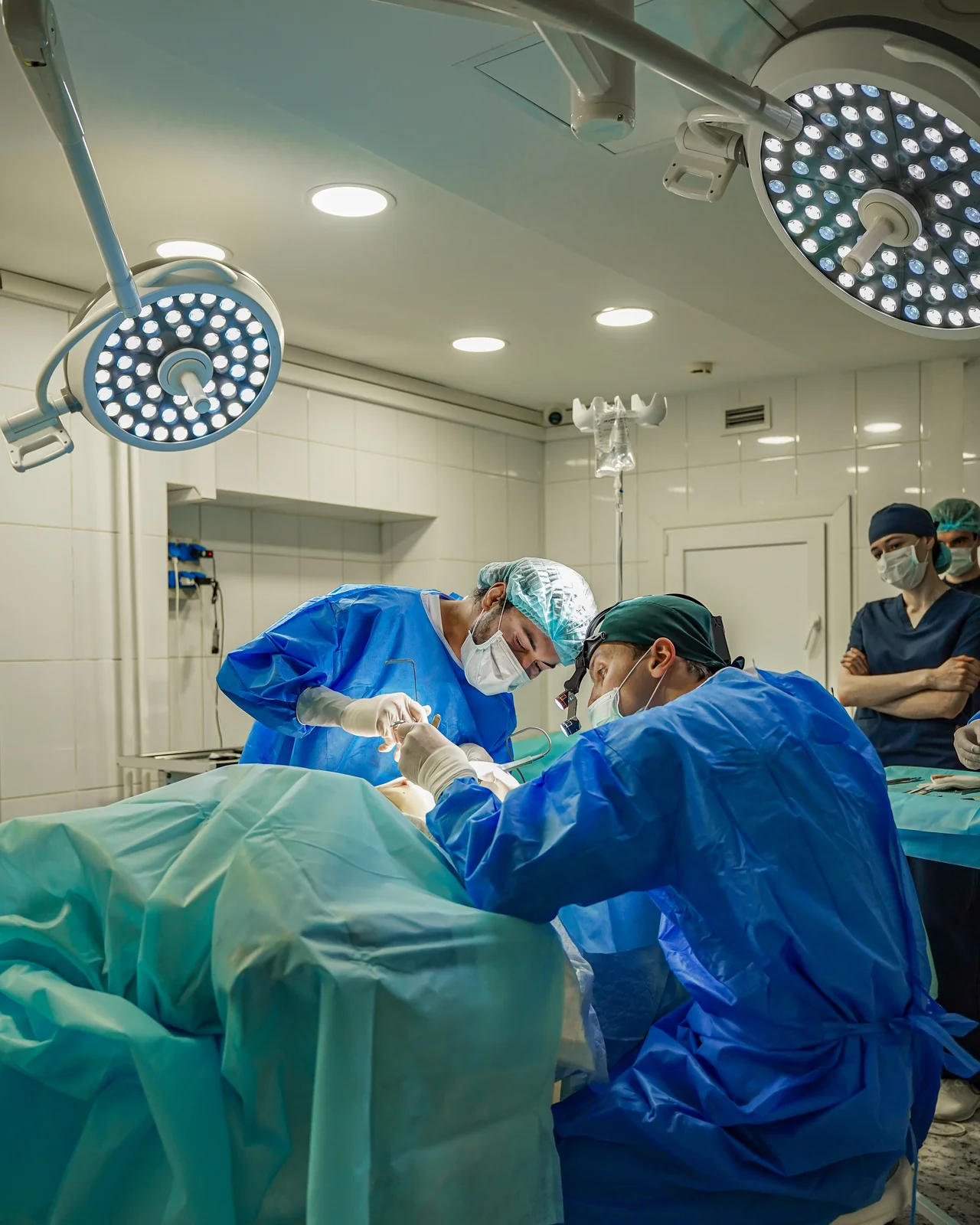
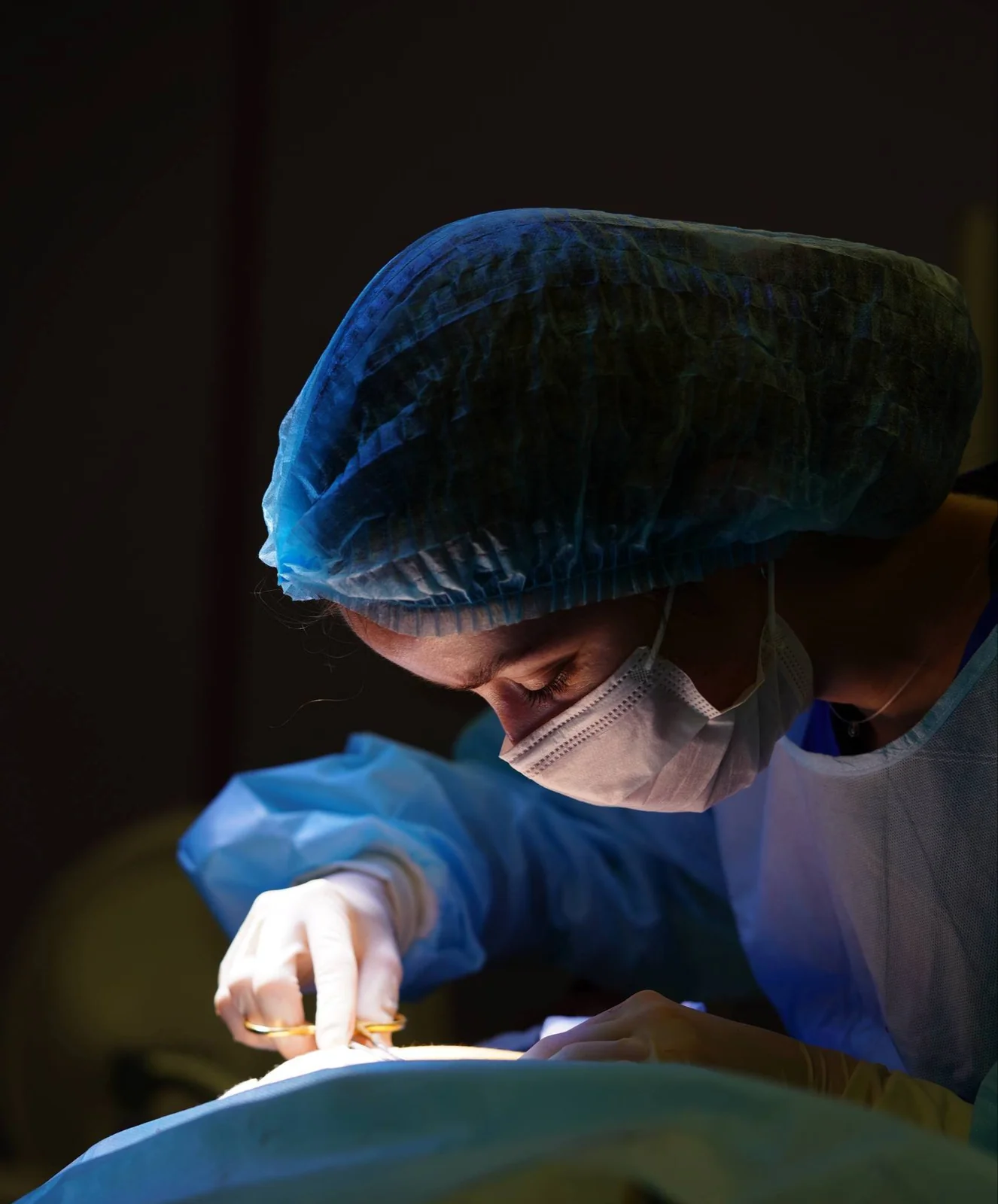
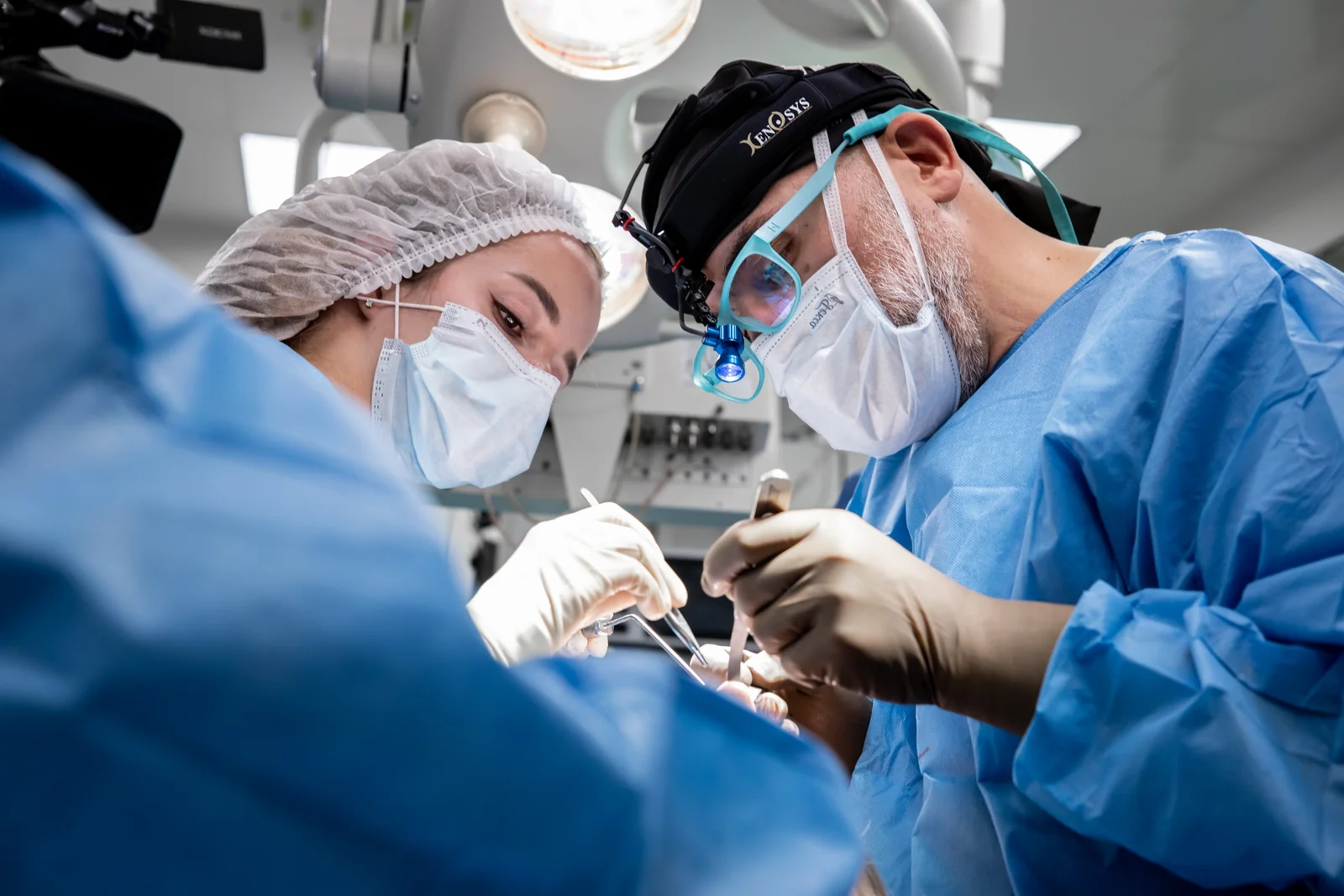
The bariatric operation takes place under general anaesthesia, performed by the surgeon with the chosen method; after surgery the medical team monitors the patient.
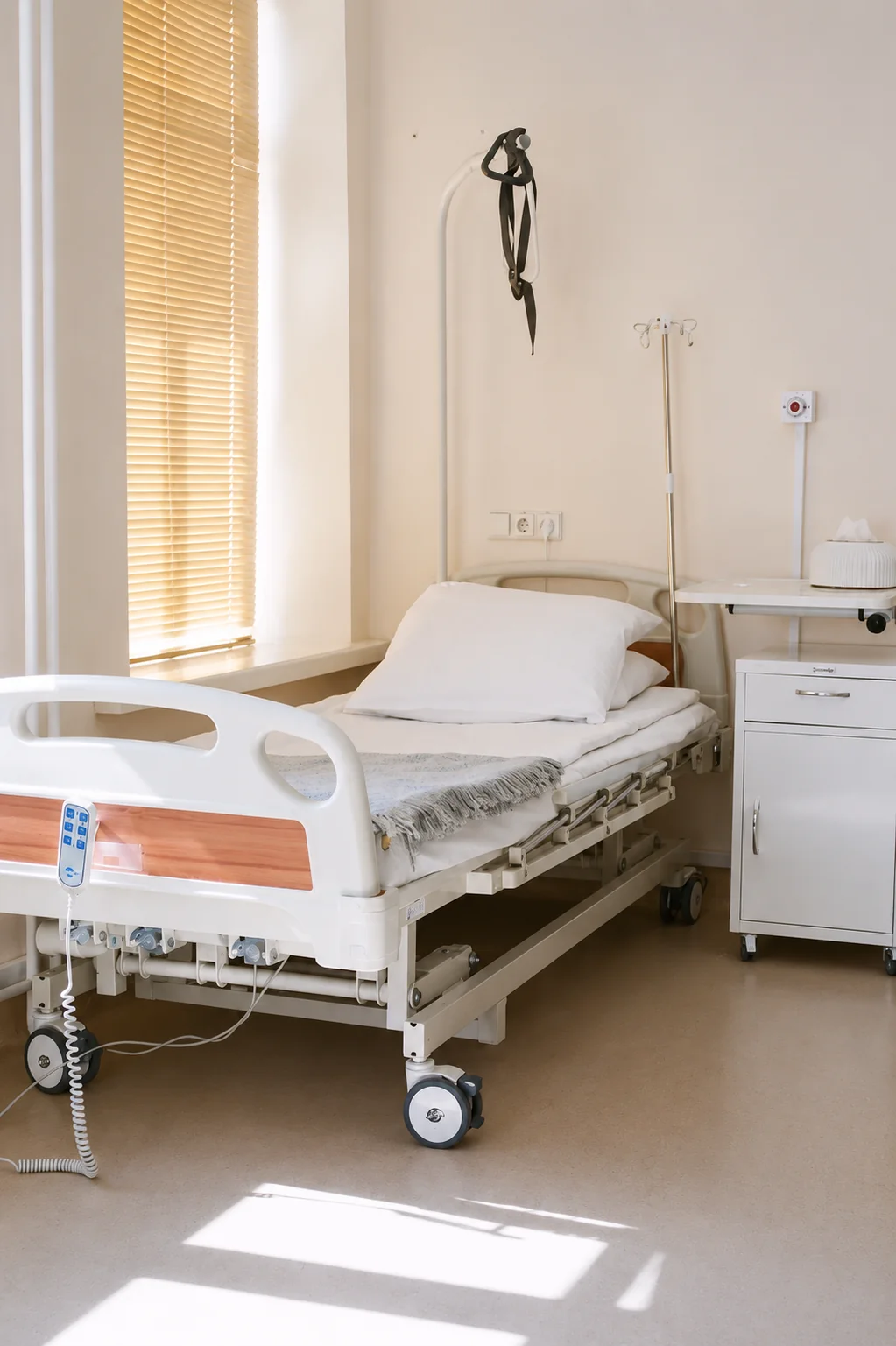 5
Doctors supervise you in hospital after surgery for a stay of 1–3 to 4–5 days, depending on the complexity of the operation and how you are feeling.
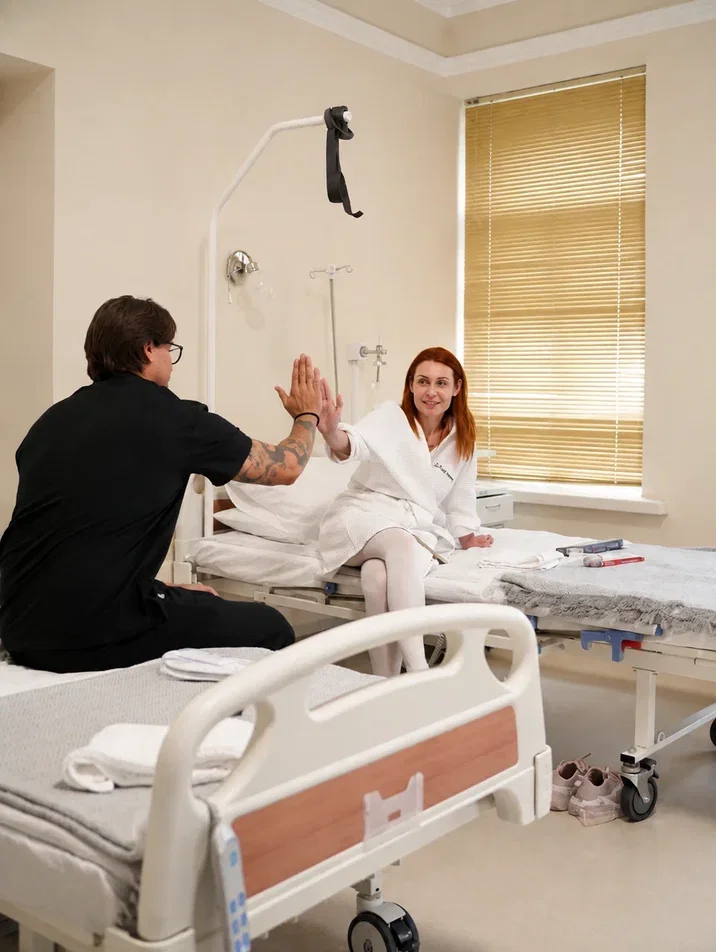 6
The clinic team supports you for a year after discharge: you get advice on diet and recovery, and scheduled check-ups track your well-being, weight and test results.
The doctor puts together a plan at the consultation and explains the course of surgery
The consultation is free of charge, comes before surgery and obliges you to nothing.
Book a consultationDoctors
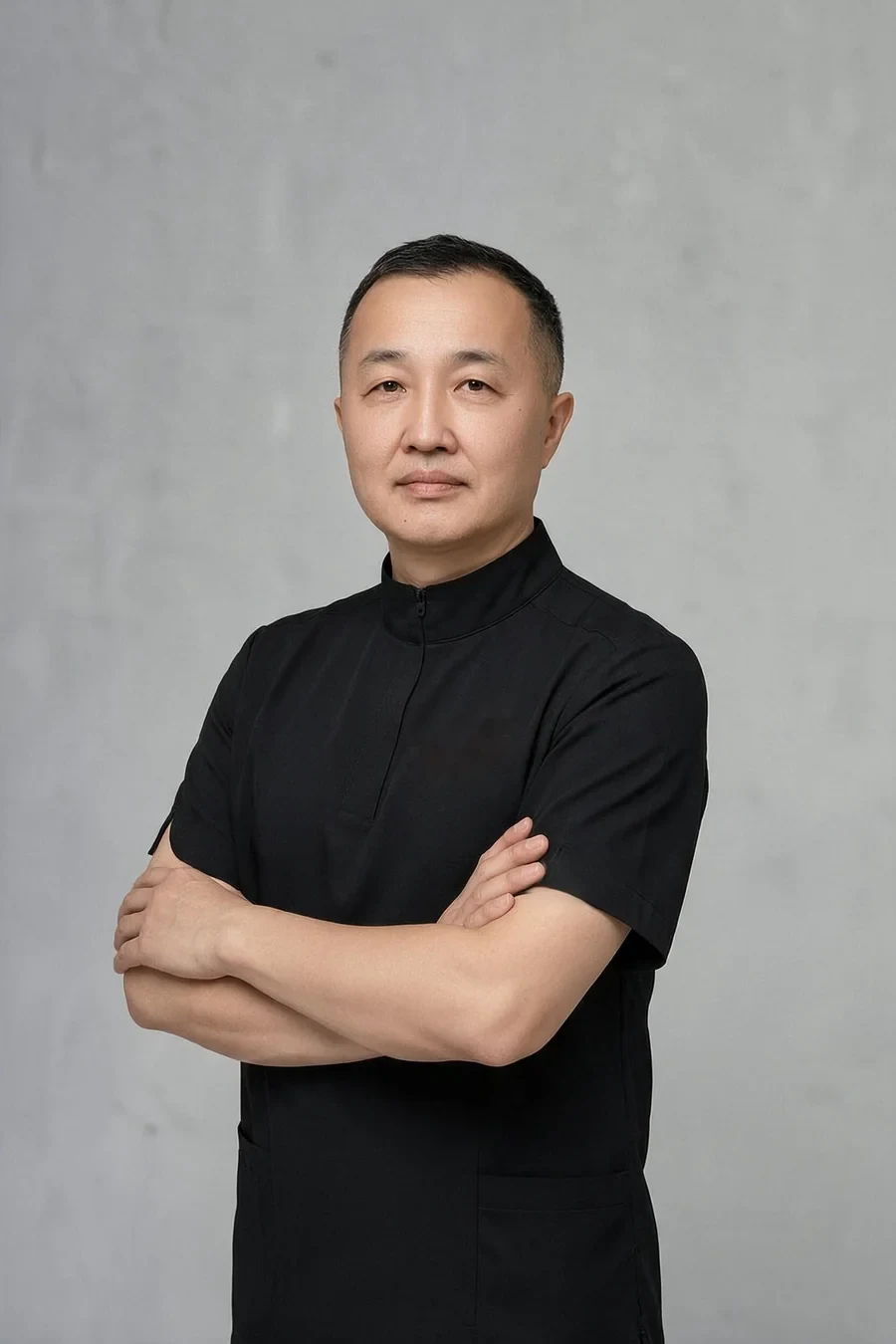
27 years of experience
Head bariatric surgeon
Surgeon
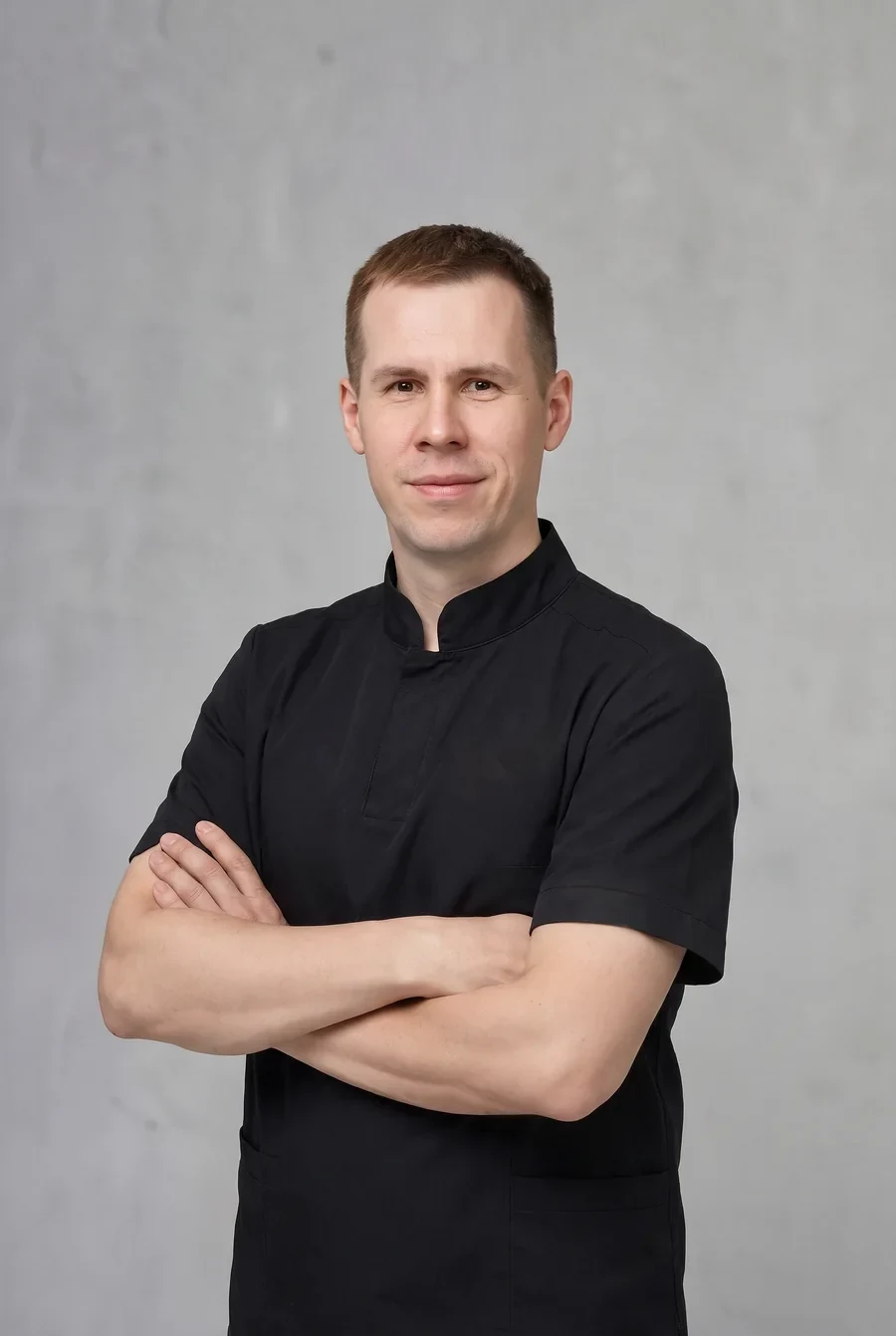
9 years of experience
Bariatric surgeon
Surgical oncologist
From the first consultation to the result, your surgeon operates and follows you.
The first consultation, free of charge, is with our patient care manager, who works out your BMI, explains the methods and books you in with the surgeon.
Book a consultationCoordinators
We support you at every stage

The clinic's first contact for you — from your first message until the consultation
Patient support specialist
Before the first consultation, answers your questions and helps find a date that suits you

From booking to discharge — with you before and during your stay
Patient support specialist
Helps you get ready for surgery and keeps in touch while you stay at the clinic

Supports you through recovery — from discharge through to your last check-up
Patient support specialist
Arranges your follow-up visits with the surgeon and stays in touch while you recover
Advantages
We pick the best method for your health, lifestyle and goals, and our team is with you all the way.
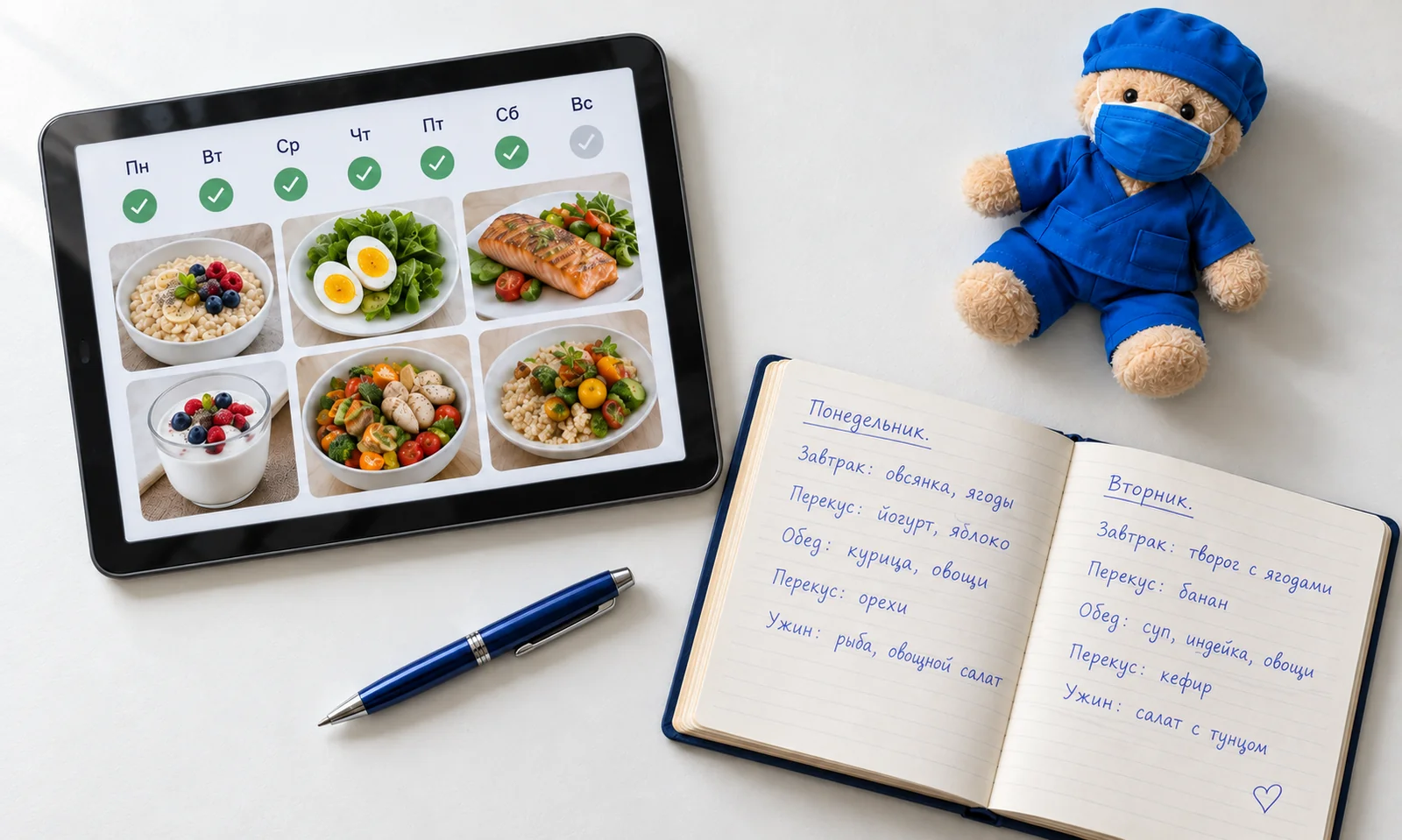
Our help covers adapting to new eating habits, tracking your results and maintaining them.
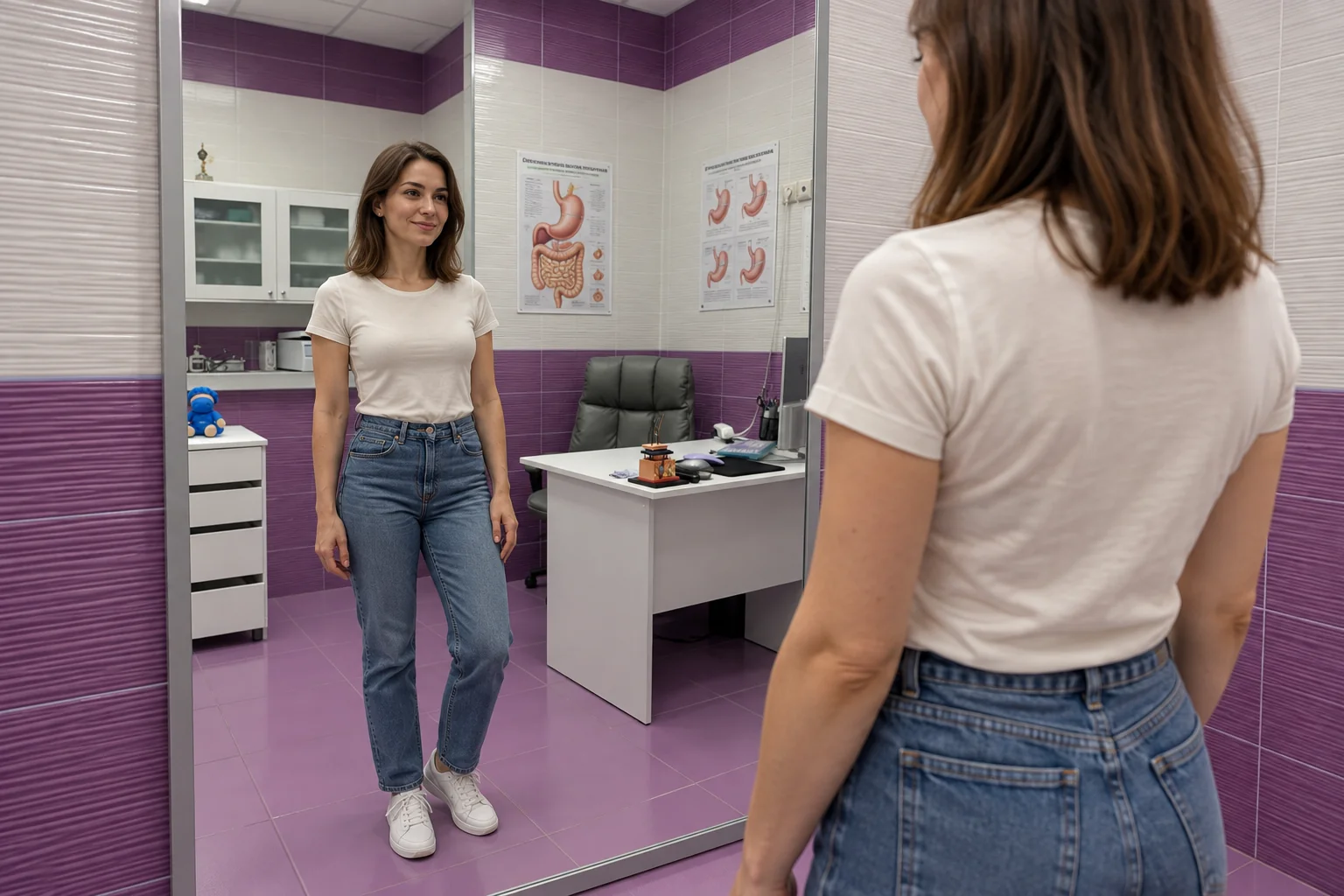
Stable weight loss, improved well-being and a higher quality of life.
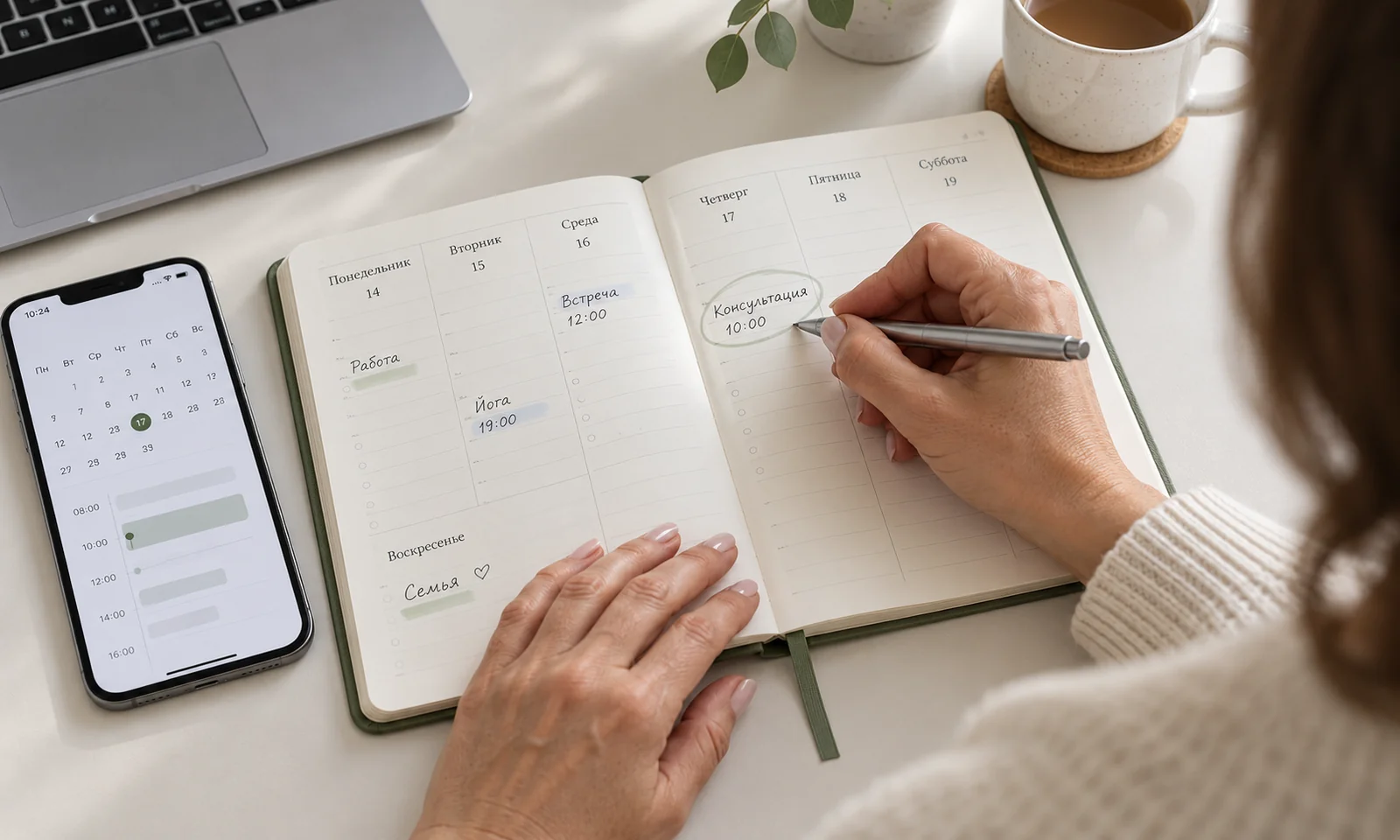
Your time matters to us: we work 24/7, booking is simple and we take a personal approach at your pace.
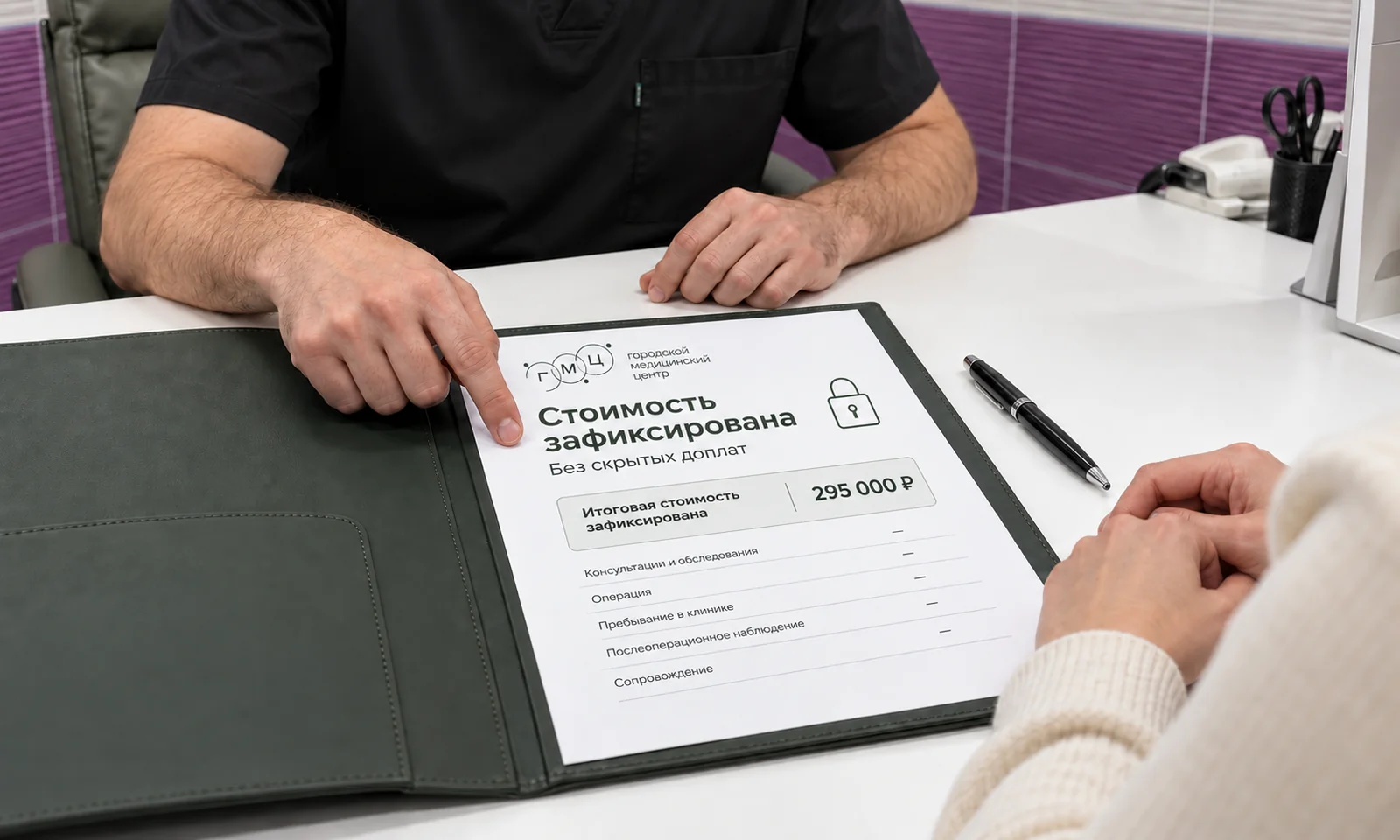
The surgeon decides on the method after the consultation and you get a clear price: no hidden fees, no unexpected costs on the way to your result.
FAQ
The clinic's bariatric procedures are performed by experienced bariatric surgeons:
Message us and our coordinator will reply shortly and book your consultation. The consultation with a bariatric surgeon is free.
Surgery is prescribed only when clear criteria are met
BMI is the main tool for assessing the degree of obesity. It is calculated by dividing body weight (kg) by height squared (m²). Surgery is usually justified with a BMI above 40, or above 35 with serious related conditions. In some cases surgery is considered at lower values too — if non-surgical approaches have failed.
Many people confuse them, but the goals are fundamentally different. Bariatric surgery is a medical way to treat obesity and related diseases. It changes how the digestive tract works, getting at the causes of excess weight and metabolism. Plastic surgery only reshapes the body's outer contours; it does not treat obesity or affect metabolism.
Four main types of bariatric surgery are performed at City Medical Centre: sleeve gastrectomy, Roux-en-Y gastric bypass, mini gastric bypass (MGB) and SADI-S duodeno-ileal bypass. Each is selected individually based on BMI, related conditions and patient goals.
Our approach is modern laparoscopic technique: 4 small punctures of 5 to 15 mm. We use cosmetic sutures, so the marks turn almost invisible after healing.
Recovery depends on what you plan to do. Office work: after 2–4 weeks. Physical work: after 1.5 months. Sport and activity: swimming after 30 days, other exercise phased in as weight drops. Travel and holidays: preferably not earlier than one month after surgery.
Stage by stage, you move from liquid food to soft and then solid. Priority goes to protein, and high-calorie, fatty food is limited.
Getting pregnant after bariatric surgery is possible, but doctors advise waiting at least 12–18 months, so the body can stabilize, weight can reach target values and nutritional status can normalize.
Yes, after bariatric surgery vitamins cannot be skipped. As the digestive anatomy changes, some nutrients are absorbed less well, making regular vitamin and mineral supplements a permanent feature of the patient's life.
Weight may return after bariatric surgery, though that is very unlikely when you follow the doctor's advice. Key factors: proper nutrition, avoiding high-calorie drinks and regular follow-up with City Medical Centre specialists.
Prices are in US dollars; the amount in brackets is an approximate conversion to CDF at the rate of 02.10.2026. The final price is fixed in your contract.
Prices start from $3,600 (≈ CDF 8,400,000). The surgeon sets the final price at the free consultation, and it is fixed in the contract, with no hidden extras.
General anaesthesia, a personal coordinator from day one, monitoring in the hospital and support for one year.
The hospital stay is 1–5 days, depending on the method and how you feel. Office work is possible after 2–4 weeks.
Yes. The first consultation is free and does not oblige you to anything. You can start online by sending a message to the coordinator.
Message us on WhatsApp or Telegram using the buttons below. A coordinator will answer your questions and book a free consultation where the doctor names the exact price.
By messaging us, you agree to our Privacy Policy
Surgery is usually justified with a BMI above 40, or above 35 when serious related conditions are present, and sometimes at lower values if other approaches have failed. People in Kinshasa who have carried 30 kg or more above normal for years, whose weight returns after every diet, or who live with type 2 diabetes, hypertension or joint pain are typical candidates.
Several things are worth planning ahead. Pregnancy is advised no earlier than 12–18 months after surgery, once weight and nutritional status stabilise. Vitamins become a permanent part of life because the body absorbs some nutrients less well. Swimming waits 30 days, strength work longer. Patients from Kinshasa discuss these points with the surgeon well before the operation date.
One package covers the full journey, from consultation to final result. There are no separate charges added later: ward, meals, nursing care and coordinator support are included. To find out whether surgery suits you, patients in Kinshasa can book a free surgeon consultation; the doctor reviews BMI, health and weight history and recommends a method.
What patients write after this operation. Reviews are translated from the original language.
Irina, 26
For a long time I doubted whether to go ahead with surgery, but after the consultation I felt much calmer. Andrey Georgievich explained in detail how gastric bypass is done, what to expect after the operation and how recovery would go. I especially liked that they talked to me calmly and without pressure. I am now gradually getting used to my new way of life and I am very glad I took this step.
Bariatric surgery
Doctor: Andrey G. Ugay
Angelina, 22
For me the hardest part was deciding to have the operation. At the consultation Ruslan Sergeyevich answered all my questions in detail and explained the specifics of sleeve gastrectomy and recovery. After the operation I always understood what I was doing and why. Thank you to the doctor and the whole team for their attentiveness.
Bariatric surgery
Doctor: Ruslan S. Menzulin
Anna, 31
For a very long time I tried to deal with my excess weight on my own, but I did not get the result I wanted. After the consultation with Andrey Georgievich I finally understood what to do next. I came through the operation well, and my recovery was supervised by the doctors. It was important for me to feel that I was not left alone after surgery.
Bariatric surgery
Doctor: Andrey G. Ugay
Veronika, 25
Before the operation I had many fears, mostly of the unknown. Ruslan Sergeyevich explained every stage of treatment in detail and answered even the simplest questions. Thanks to that I felt much more confident. I keep following the recommendations and I am gradually seeing the changes I had the operation for.
Bariatric surgery
Doctor: Ruslan S. Menzulin
Valentina, 23
The decision to have bariatric surgery was not easy for me. I worried both about the operation itself and about how my life would change afterwards. At the consultation Andrey Georgievich explained everything in detail, so little by little my fear turned into confidence. What matters most to me now is the result and the chance to treat my health and lifestyle differently.
Bariatric surgery
Doctor: Andrey G. Ugay
Anna, 27
I am very grateful to Ruslan Sergeyevich for his attentiveness. Before the operation I had a huge number of questions, and I got a clear answer to every one of them. After the operation it was also clear which recommendations to follow and how to eat. It was important to me that the doctor stayed in touch and I felt supported at every stage.
Bariatric surgery
Doctor: Ruslan S. Menzulin
Page medically reviewed by Andrey G. Ugay, lead bariatric surgeon. Review date: .
Kinshasa is the capital and largest city of the Democratic Republic of the Congo, and one of the fastest-growing megacities in the world. Its metropolitan area is estimated at around 18,552,800 people as of January 2026. It is the leading economic, political and cultural centre of the country, with manufacturing, telecommunications, banking and entertainment all based here. A city of this size and pace shapes how residents think about their health: days are long, commutes are demanding, and personal care often has to fit around work and family.
Many people in Kinshasa who consider sleeve gastrectomy or gastric bypass have already spent years trying diets, exercise plans and supervised programmes. The World Health Organization describes obesity as a chronic condition that raises the risk of other illnesses, and it is reasonable to treat it as a medical matter rather than a question of willpower. Asking about surgery is a legitimate step when other methods have not produced a lasting change.
City Medical Centre works with patients in Kinshasa through a free online consultation. Coordinators are available 24/7 on WhatsApp and Telegram, so you can ask your first questions at any hour, including late in the evening after a long day in traffic, and a coordinator will call you back 24/7.
The main tool for assessing the degree of obesity is body mass index. It is calculated by dividing body weight in kilograms by height in metres squared. Surgery is usually justified with a BMI above 40, or above 35 with serious related conditions. In some cases surgery is considered at lower values too, if non-surgical approaches have failed. The surgeon confirms at the consultation whether surgery suits you.
For a resident of Kinshasa, the first practical step is to know your current weight and height accurately, and to list any conditions you already live with, such as raised blood pressure, diabetes, sleep problems or joint pain. Bring the list and any recent test results you already have to the online consultation so the discussion can be specific.
General contraindications are decided individually by the surgeon. Typically the team looks carefully at serious heart or lung problems, unstable mental health, ongoing dependence on alcohol or other substances, and an inability to follow the dietary rules after the operation. Planned pregnancy is also discussed, since timing matters, and that topic is covered below.
The process begins on WhatsApp or Telegram. You write to a coordinator, describe your goals and health history, and arrange a free online consultation with a surgeon. Because the consultation is remote, you can take it from home or from a quiet room at work, and no one needs to rearrange a day around a visit.
The package covers everything from preparation to 12 months of support, all in one package, with no added fees. Follow-up support lasts 12 months. We work 24/7: booking is easy, the approach is personal and we adapt to your pace. This matters in a city where schedules shift with traffic, power and family obligations.
During the consultation the surgeon explains the difference between sleeve gastrectomy and gastric bypass, which one is better suited to your situation, and what preparation is needed. You are free to take time, discuss with your family and return with further questions. No decision has to be made in a single conversation.
Both operations are done under general anaesthesia. The centre relies on modern laparoscopic technique: the operation is performed through 4 small punctures of 5 to 15 mm. Cosmetic sutures are used, so after healing the marks are barely visible. For people who spend much of their day in light clothing in a warm climate, this is a reassuring detail.
The hospital stay is 1–5 days, depending on the method and how you feel. Doctors supervise you in hospital after surgery for a stay of 1–3 to 4–5 days, depending on the complexity of the operation and how you are feeling. You will be under observation for 1–5 days before going home.
Ask the surgeon what you will be able to drink and eat on the first days, how pain and nausea are managed, and when you should contact the coordinator. Because coordinators answer 24/7, questions that arise at night in your first days at home do not have to wait.
Kinshasa has a tropical wet and dry climate. The long rainy season runs from October through May, and a shorter dry season lasts from June to September. The dry season is slightly cooler than the wet one, though temperatures stay fairly constant through the year. This means there is no cold season to hide behind, and warmth and humidity are part of recovery in every month.
Heat and humidity affect comfort rather than the operation itself. Wear loose, breathable clothing that does not press on the abdomen, keep the small wounds clean and dry, and avoid long periods in direct sun while you are still tired. Drink fluids in small, regular sips as the surgeon instructs, because dehydration is easy to overlook in warm weather when your stomach holds little.
During the rainy months, heavy downpours can make moving around the city slow. If you plan the operation for that period, arrange transport for your follow-up calls and tests in advance, and keep home activity light. The dry months from June to September are slightly cooler and may feel more comfortable for early walks, but either season can work with good planning.
Kinshasa is a city of offices, banks, markets, universities and informal trade, so recovery depends on what kind of work you do. Office work is possible after 2–4 weeks. Back to work after 2–4 weeks is the typical figure for desk-based jobs. Physical work: after 1.5 months. Discuss your exact duties with the surgeon, including lifting, standing for long hours and time on the road.
The city is home to many universities and institutes, and students considering surgery often ask about exams and coursework. Plan the operation around a quieter academic period if you can, and tell your tutors in advance that you will need a short absence. Remote follow-up makes it easier to keep in touch with the team while you rest.
If you run a business or work in trade, think about who will cover for you during the first weeks and what can be handled by phone. Reducing pressure early helps you follow the instructions about eating slowly, small portions and rest, rather than rushing back to a full schedule.
Meals in Kinshasa are social, and family gatherings, celebrations and church or community events often centre on shared food. After bariatric surgery your portions become small and the texture of food changes in stages. Speak openly with relatives beforehand: explain that you will eat little, slowly, and that this is part of medical care, not a refusal of hospitality.
Many traditional dishes combine starchy staples, sauces, fried items and sweet drinks. The surgeon and dietitian will explain which foods to reintroduce and when, and which sugary or fatty items can cause discomfort. Ask for a simple plan that matches what your household really cooks, so the advice is practical rather than abstract.
On sport: swimming is allowed after 30 days, and other exercise is gradually added as weight goes down. Start with walking, then increase activity as the team recommends. Football, dancing and gym sessions can return step by step, always after checking with the surgeon. Sport and activity are linked to your pace of weight loss and how you feel.
The place that is now Kinshasa was known as Nshasa, a trading spot on the southern shore of the Pool Malebo. One explanation of the name links it to the Teke word for exchange and for a market, and another connects it to Teke fishermen who traded fish for cassava. Henry Morton Stanley founded a trading post here in 1881 and named it Léopoldville. In 1966 the city took the name Kinshasa again, in tribute to the village of Nshasa. A city built around exchange still talks, bargains and eats together, and that is useful to remember when you plan your own change of habits.
Fish and cassava are part of the city's own origin story, and they remain part of its table today. After a sleeve gastrectomy or a gastric bypass the portions shrink and the texture of food is reintroduced in stages, so ask the surgeon and the dietitian how fish, cassava and similar staples fit into each stage and in what form. Protein-rich fish prepared simply is often easier to plan around than heavy fried or sweet dishes, but the exact order should come from your care team.
Kinois are also known for lively conversation, and the habit of discussing everything with relatives and neighbours can work in your favour. Tell your household early that you are preparing for an operation, explain that small portions are a medical instruction, and ask them to help you at mealtimes rather than offering second helpings.
Kinshasa is divided into 24 communes and stretches in a wide crescent along the Congo River over low, flat terrain at an average altitude of about 300 meters. Gombe, once called Kalina, is the administrative centre. Older communes such as Kintambo, Barumbu, Lingwala and Kasa-Vubu sit nearer the river, while Lemba, Matete, Bandalungwa, Limete and N'djili developed later as residential districts for workers. Think about which commune you will rest in during the first weeks, and who lives close by to help with shopping and short walks.
The flat ground helps early recovery. Gentle walking around your own street or courtyard is easier in a flat city than in a hilly one, and the Funa and Yolo rivers, which mark the edges of some neighbourhoods, are reminders that rainy-season water can slow movement between communes. Keep your follow-up calls remote, and plan any in-person tests for a dry day so that you do not tire yourself in traffic.
Over 90 percent of the province's land is rural, and urban growth is concentrated on the western side. If your family has relatives outside the dense centre, ask whether a calmer home for the first days is realistic, as long as you can still answer the coordinator's calls and reach medical help if something worries you.
Kinshasa is a hub of banking, telecommunications, manufacturing and entertainment, and its central institutions, the Kinshasa Financial Center among them, employ a large number of office staff. The Limete industrial zone was developed in the 1950s to supply work, and the city's markets, including the large central market, keep thousands of traders on their feet all day. Office work is possible after 2–4 weeks, and physical work after 1.5 months, so a market trader who stands and carries goods should plan a longer break than a bank employee.
If you work in trade, decide before the operation who will open the stall or shop, who will handle suppliers and who will keep the accounts. If you work in an institution or a bank, ask your manager about a phased return. Remote follow-up lets you keep in touch with the team while resting, and returning to work after 2–4 weeks is the typical timing for desk jobs.
French is the language of administration, education and high-end commerce in the city, while Lingala is the street language. You can hold the consultation in the language you are most comfortable with, and it helps to write your questions down beforehand, in whichever language you think in.
In 2015 UNESCO designated Kinshasa a City of Music, and dance and concerts are central to its social life. After bariatric surgery, dancing returns step by step. Start with walking, then add light movement when the surgeon agrees. Swimming is allowed after 30 days, and other exercise is added gradually as weight goes down. Avoid evenings of long standing and heavy sugary or alcoholic drinks while your stomach is adjusting.
Football is also a major pastime in the city, and many residents play with neighbours or colleagues. Tell your teammates you will be away from the pitch for a while, and return only after the surgeon confirms it is suitable. Nsele Valley Park, the largest urban park in Kinshasa, is a pleasant idea for later, longer walks once you are strong enough.
Concerts and celebrations often run late and involve food and drink on offer. Decide beforehand what you will eat, bring water, and give yourself permission to leave early. Over the months, you will find that you can enjoy the music and the company without making food the centre of the evening.
Kinshasa has long been a university city: Lovanium University opened here in 1954 as the first university of the colony, and the National Pedagogical University, the first pedagogical university in the DRC, is based in the city. Students and teachers who consider surgery often ask when to schedule it. A quieter period between exams is usually easier, because office-type activity is possible after 2–4 weeks.
Teachers should discuss voice, standing time and the school day with the surgeon, since long lessons can be tiring at first. Students should tell tutors early and ask about notes and deadlines, and they can use the quiet recovery weeks for reading. Because the consultation is online and free, a student can ask the first questions without interrupting lectures.
Weight loss continues over time, and the result is usually assessed 18–24 months after surgery. During this period the body adapts, and regular contact with the team helps you adjust diet, supplements and activity. Follow-up support for 12 months is part of the package.
Getting pregnant after bariatric surgery is possible, but doctors advise waiting at least 12–18 months, so the body can stabilize, weight can reach target values and nutritional status can normalize. If you are planning a family, raise this at the first consultation so the timing can be built into your plan.
Long-term success depends on habits: eating slowly, choosing nutritious food, staying active and keeping in touch with the team. The coordinators stay reachable on WhatsApp and Telegram, which is useful when you are back in the routine of city life and a small question comes up.
Yes. The consultation is free and online. You contact a coordinator on WhatsApp or Telegram, available 24/7, and arrange a talk with a surgeon.
Usually a BMI over 40, or over 35 with related health conditions. In some cases surgery is considered at lower values too, if non-surgical approaches have failed. The surgeon confirms at the consultation whether surgery suits you.
General anaesthesia is used. The hospital stay is 1–5 days, depending on the method and how you feel.
The operation is performed through 4 small punctures of 5 to 15 mm. Cosmetic sutures are used, so after healing the marks are barely visible.
Office work is possible after 2–4 weeks. Physical work: after 1.5 months. Your surgeon will adjust this to your job.
Swimming is allowed after 30 days. Other exercise is added gradually as weight goes down.
The climate is warm and humid all year, with a long rainy season from October through May and a shorter dry season from June to September. Wear loose clothing, keep wounds clean and dry, drink as instructed and avoid long exposure to sun.
Pregnancy is possible, but doctors advise waiting at least 12–18 months, so the body can stabilize and nutritional status can normalize.
The package runs from preparation to 12 months of support, all in one package, with no added fees. Follow-up support lasts 12 months, and a coordinator will call you back 24/7.
The long rainy season can slow movement between communes, so keep follow-up contact remote through WhatsApp or Telegram, where the coordinator answers 24/7, and arrange any in-person tests for a drier day.
Physical work is possible after 1.5 months. Arrange cover for the stall in advance and discuss lifting and standing hours with the surgeon.
Yes, step by step. Start with walking, swimming is allowed after 30 days, and other exercise is added gradually as weight goes down, always after checking with the surgeon.
Tell relatives beforehand that you will eat small portions slowly as part of medical care. Ask the dietitian for a plan that matches what your household cooks.