Liposuction for residents of Kinshasa: what the procedure is and who asks about it
Kinshasa is the capital and largest city of the Democratic Republic of the Congo, with an estimated 18.5 million people in 2026. It is a city of work, study, music and constant movement. People who live here often ask about liposuction for practical reasons: they want a smoother contour in the abdomen, waist, hips, thighs, arms or chin, and they want to know how the operation fits into a busy urban schedule. This text is written for residents of Kinshasa who are considering the procedure and want to plan it calmly.
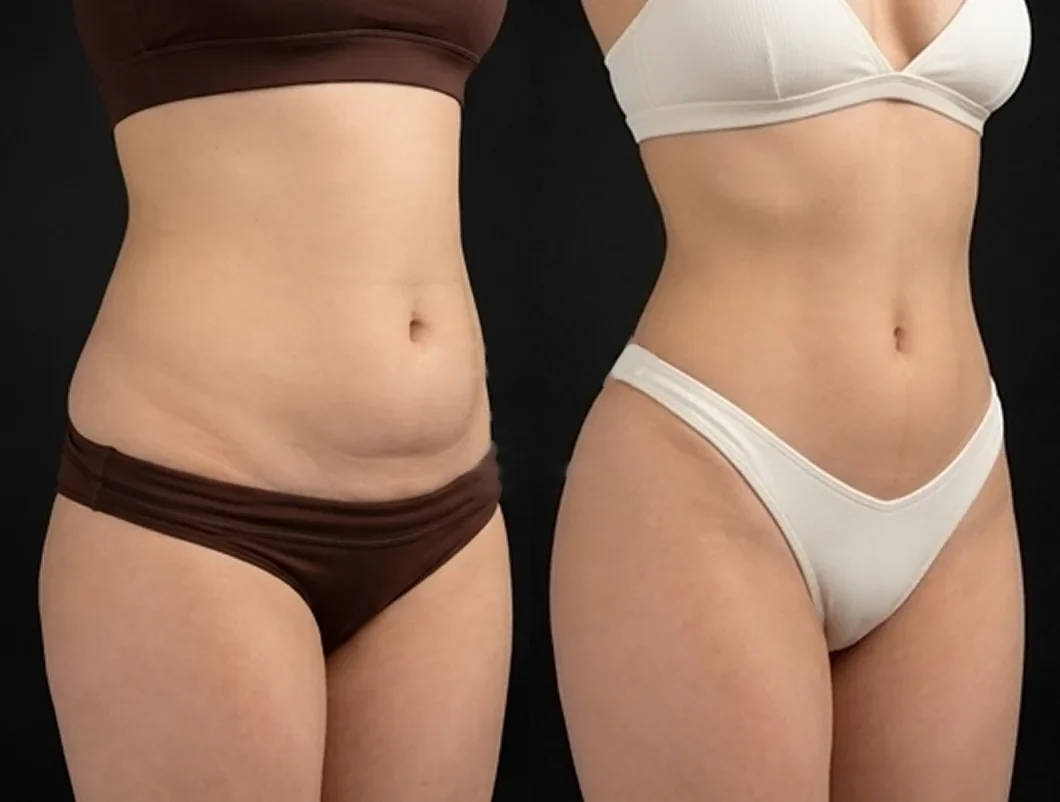
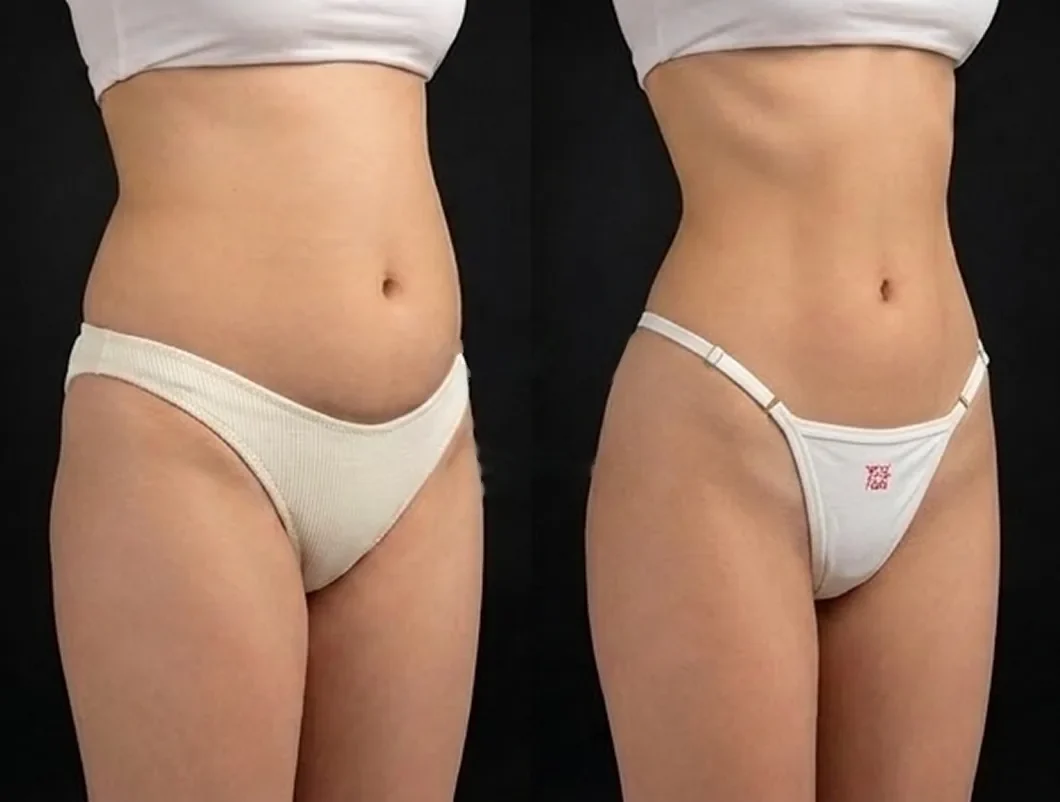
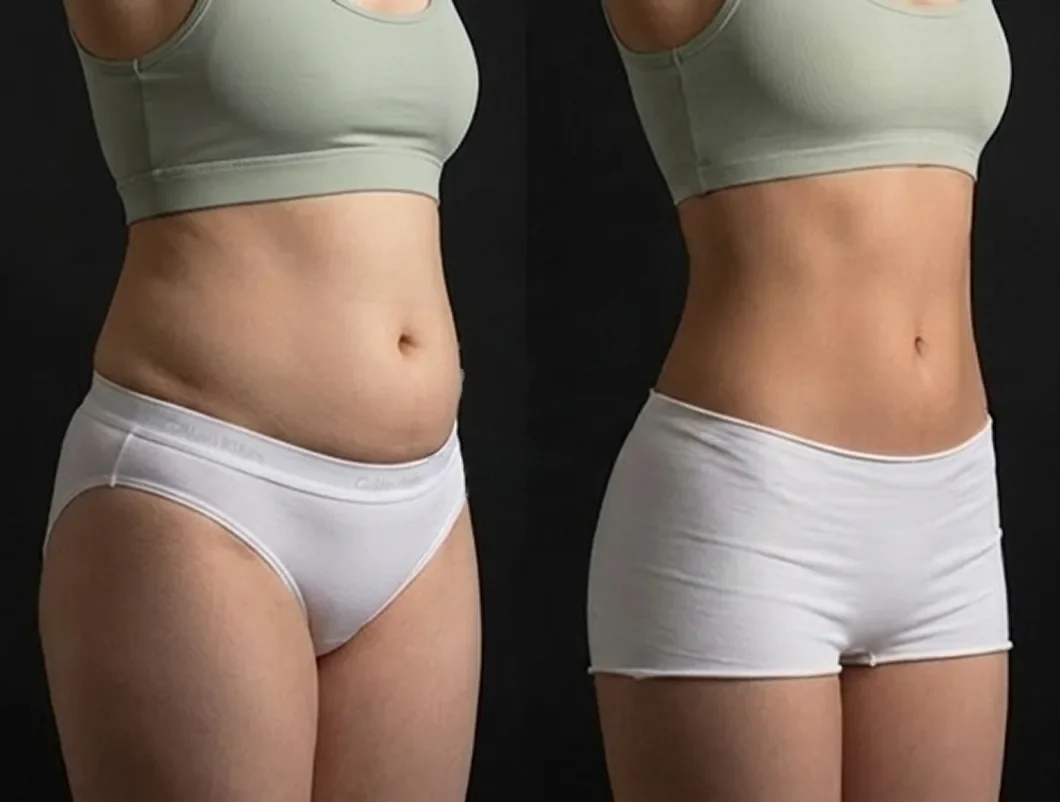
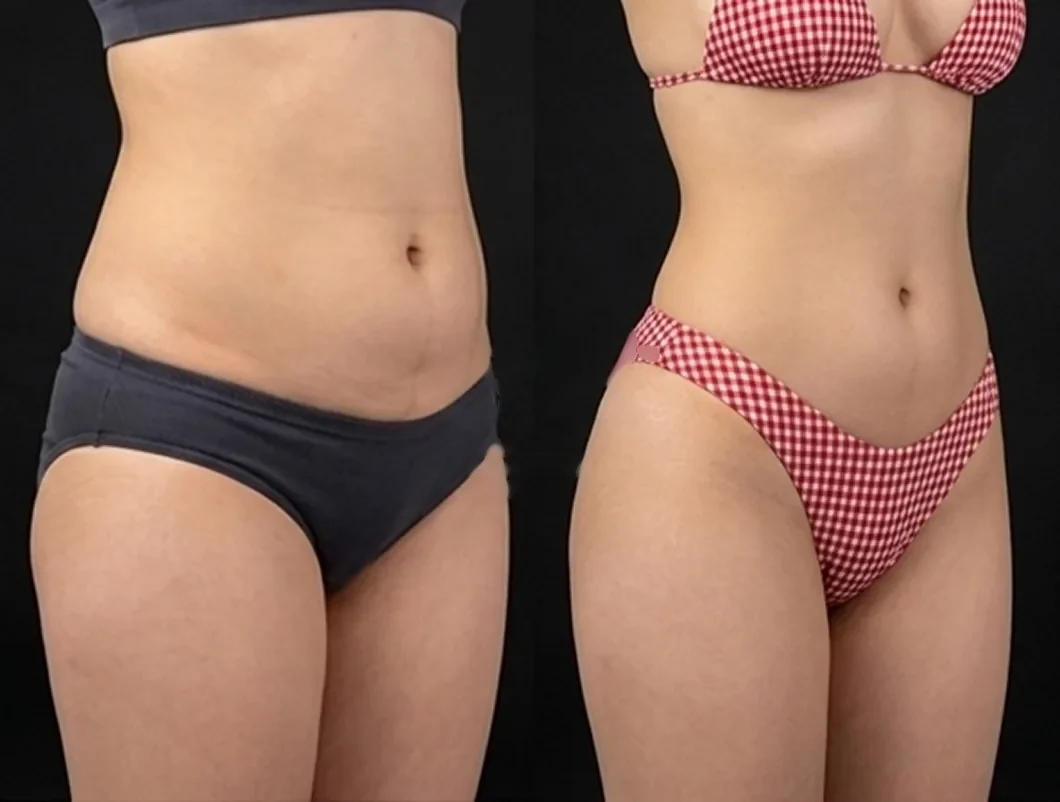
Liposuction removes localized fat deposits that stay in place despite regular activity and a sensible diet. It is a contouring operation and is not a way to lose weight. Tumescent and VASER techniques are used, with micro-incisions of 3–5 mm and precise volume control. The aim is a smooth contour that keeps the natural proportions of your body. That last point matters to many patients from Kinshasa, who usually say they want a natural result and do not want an exaggerated one.
The surgery is done through punctures only 3–5 mm across, and they usually need no stitches. Once healed, the marks are barely visible. With proper care during recovery they fade completely. Under local or general anaesthesia the surgeon removes fat through these micro-punctures, from 1 hour for small areas to 3–4 hours for a combined procedure.
The consultation is online and free, and you take it from Kinshasa. Coordinators answer on WhatsApp and Telegram around the clock, 24/7, so you can send your questions in the evening after work or early in the morning before the traffic starts, and you do not need to rearrange your day. We respect your time: booking is easy, the approach is personal, and we adapt to your pace.
Climate of Kinshasa and how it affects recovery after liposuction
Kinshasa has a tropical wet and dry climate. The rainy season is long and lasts from October through May. The dry season is short and runs from June to September. The dry season is slightly cooler than the wet one, but temperatures stay fairly constant through the year. For recovery this means there is no truly cold season in which a compression garment feels comfortable, so you should plan for wearing it in warm, humid weather in any month.
The medical rule is the same everywhere. Compression garments are worn for 30–45 days, and for 4–6 weeks you avoid the bathhouse, sauna, pool and active sport. In a warm city the garment can cause sweating and skin irritation. Choose breathable cotton clothing to wear over it, keep the skin clean and dry, and ask the surgeon how to change and wash the garment so that it stays clean without losing its fit. Do not loosen it on your own because it feels warm.
The rainy months bring high humidity. Damp conditions are not a reason to avoid surgery, but dressings and the micro-puncture areas must stay clean and dry, so plan how you will shower and how you will dry the garment between wears. Keep a second garment ready if the surgeon allows it. Dust and mud on rainy days can reach a healing wound if you walk long distances, so avoid long walks outdoors in the first days.
The dry season from June to September is slightly cooler, and many patients find it easier to wear compression then. Even so, no season is forbidden. What matters more than the month is that you can rest for the first 7 days with no physical exertion or heavy lifting, and that you can attend check-ups after 7 days, 3 months and 6 months. Sun protection matters too: direct sun on healing skin can leave uneven pigmentation, so cover the treated areas with clothing and wear a hat or use shade outdoors. Tanning beds are off-limits for at least a month.
The shape of the city and daily life: planning your days around the operation
Kinshasa covers 9,965 square kilometres. It stretches along the southern shore of the Pool Malebo on the Congo River, across flat, low-lying ground at an average altitude of about 300 metres, and it is divided into 24 communes. Anyone who lives here knows that a journey across the city can take a long time. This matters for recovery, because the first days after surgery are not the time for long, tiring journeys on crowded roads.
Plan the day of the operation so that someone takes you home. With local anaesthesia you go home 3–4 hours after surgery. With general anaesthesia you stay one day in a comfortable ward under medical supervision. In both cases arrange a calm ride home with a family member or a friend, and prepare a place to rest where the garment, water, light food and your medicines are within reach.
Think about where you will spend the first week. If your home is far from the busy centre, noisy, or has many stairs, consider staying with a relative whose home is calmer. Keep it simple: a bed, a chair, easy access to the bathroom and little need to carry things. For the first 7 days there is no heavy lifting, so shopping, carrying children, moving water containers or lifting luggage should be done by someone else.
The communes differ a lot in how people live, and so does the way patients plan. Someone in an office in Gombe, the centre of government and banking, will think about how soon they can sit through a working day. Someone who runs a small business or a market stall will think about standing and carrying. Someone who lives in a busy neighbourhood will think about quiet and privacy. Tell the coordinator about your daily routine during the online consultation, and the surgeon will give recommendations that fit your real life and not a general schedule.
Work, study and public life in Kinshasa: when to return
Kinshasa is the leading economic, political and cultural centre of the country. Industries here include manufacturing, telecommunications, banking and entertainment. The city has many offices, institutions, schools and universities, and the pace of life is fast. For most residents the main question is simple: how many days must I be away?
Most patients get back to their usual routine and work in 7–10 days. This is a general guide. Desk work, work with a computer and telephone, and study in a lecture hall are usually easier to resume than work that involves lifting, long standing or long periods in the heat. If your work is physical, tell the surgeon in advance, because the break from exertion may need to be longer, and the surgeon will set it individually.
Kinshasa has several universities and higher institutes, including the University of Kinshasa and a number of private and church-run institutions. For students the practical approach is to plan the operation around a quieter period of the academic calendar, so that the first week of rest does not fall on examinations. Students are usually used to studying while seated, so a return to lectures after about a week is often realistic, as long as there is no heavy carrying of bags. The surgeon confirms this at the check-up.
Public life also includes meetings, church services, concerts and family gatherings. Kinshasa has a lively music scene, and evenings out are part of city life. Swelling and bruising clear by weeks 4–5, so if you have an important public event, choose the date of surgery so that the event falls well after that period. Tell the coordinator the date of the event, and together you can choose a sensible window. Dancing, crowds and standing for hours are best left until the surgeon allows normal activity.
Sport, family events and food culture: a realistic plan
Many patients in Kinshasa are active: they walk a lot, play football with friends, go to the gym or dance. After liposuction the rules are clear. For the first 7 days there is no physical exertion. For 4–6 weeks you wear compression garments and avoid the bathhouse, sauna, pool and active sport. Alcohol is off-limits for at least a month. Your surgeon gives all individual recommendations after the operation, and they take priority over any general text.
Team sport needs special care. If you play football or another team game, tell your teammates that you will be away for several weeks and agree on your return only after the surgeon has examined the result. Returning too early can increase swelling, cause discomfort and slow the formation of the contour. Light walking is usually encouraged early, because it supports circulation, but only in the amount the surgeon recommends.
Family events in Kinshasa, such as weddings, christenings, funerals and holiday meals, bring large gatherings with long hours of sitting, standing and shared meals. Plan the operation so that no major family event falls in the first weeks. If one cannot be moved, discuss with the surgeon how to take part in a limited way: sit often, wear loose clothing over the garment, and do not help with carrying or cooking over a hot fire.
Food culture does matter. Liposuction is not a diet, and your eating habits after surgery influence how long the result looks good. Drink enough water, eat regular, balanced meals, and avoid very salty food in the first weeks, because salt can keep swelling longer. Alcohol is off-limits for at least a month, and this affects shared celebrations, so tell the family in advance, and it will be easier to refuse politely. Stable body weight is one of the best supports for a lasting contour, and the surgeon will explain how to keep it.
Weight, health and who is a suitable candidate
The World Health Organization publishes information on overweight and obesity and stresses that they are linked with serious health conditions. Liposuction is not a treatment for obesity. It is designed for people whose weight is close to stable and who have local fat deposits that do not respond to exercise and diet. If your main goal is to lose a large amount of weight, the first conversation will usually be about general health and weight management, not about surgery.
We operate from age 18+, if there are no contraindications. There is no upper age limit: after an examination and health assessment, the decision is made individually. Good candidates are healthy adults with realistic expectations, reasonably elastic skin and stable weight. Contraindications in general terms include serious heart, lung, liver or kidney disease, clotting disorders, active infections, pregnancy and breastfeeding, and some other conditions that the doctor will check. This is not a complete list, and only the medical examination can decide.
Kinshasa is a large city with a wide range of living conditions and health needs, and the city has twenty hospitals, as well as various medical centres and polyclinics. Your local doctor can help with the pre-operative tests close to home, and your records will be reviewed in the online consultation. Do not hide chronic conditions, regular medicines or earlier operations: honesty protects you.
Liposuction does not remove loose skin. If after weight loss or pregnancy the skin is very slack, the surgeon may suggest another approach or a combination of procedures. Tell the surgeon during the online consultation about any past weight changes, any plans for pregnancy, and your goals. A good plan begins with a clear picture of your body and your expectations, and the surgeon will say honestly if the result you want is not realistic.
How the online consultation from Kinshasa works and how to prepare
The first step is a free online consultation. You contact the coordinators by WhatsApp or Telegram, available 24/7. You describe the areas that concern you, send photographs if the surgeon asks for them, and list your medical history and the medicines you take. The surgeon then assesses whether liposuction suits you and which technique is appropriate. You can do this from home in Kinshasa, in French or in the language that is most comfortable for you to describe your health, at the time that suits you.
Preparation is simple but strict. Give up smoking, alcohol and medications that affect clotting (aspirin, etc.) 7–10 days before liposuction. Pre-operative tests are also required: blood tests, ECG, ultrasound, and consultations with a general practitioner and an anaesthesiologist. You receive all instructions after the first consultation. Doing the tests in advance in your home city saves time and makes the plan clearer.
Because Kinshasa's rainy season is long and the climate is humid, prepare your home before the operation. Wash and dry clothes that are loose and made of soft cotton. Prepare bottled or boiled water, simple food, a thermometer, and a clean place to rest. Charge your phone so that you can reach the coordinators on WhatsApp or Telegram at any hour if a question arises.
On the day of the operation the team marks the areas and fits compression garments. Under local or general anaesthesia the surgeon removes fat through the micro-punctures, from 1 hour for small areas to 3–4 hours for a combined procedure. After the operation you follow written recommendations. Keep your phone near you and ask the coordinator anything that is unclear, because small questions are best answered quickly.
Recovery stages, results and check-ups for patients in Kinshasa
Recovery follows a clear timeline. In the first 7 days you rest and avoid physical exertion and heavy lifting. Most patients get back to their usual routine and work in 7–10 days. Swelling and bruising clear by weeks 4–5. Compression garments are worn for 30–45 days, and for 4–6 weeks you avoid the bathhouse, sauna, pool and active sport.
The first changes show at 2 weeks after surgery, once the main swelling is down. An interim result is assessed at 1.5–2 months, and the final contours form in 3–6 months, once the tissues have fully adapted. Do not judge the result too early. In a warm climate such as that of Kinshasa, swelling may seem to fluctuate through the day, and this is a normal part of the process, but report anything that worries you.
The surgeon follows your recovery and the new body contour at check-ups after 7 days, 3 months and 6 months. Check-ups, dressings and aftercare advice are already included in the cost of surgery. Check-ups are held in contact with the surgeon, and the coordinators help you arrange the schedule. Attend each one, even if you feel well, and bring photographs and questions with you.
Care for the skin as it heals. Keep the puncture areas clean, avoid direct sun on them, avoid swimming in the Congo River, in the pool or in any standing water until the surgeon allows it, and do not scratch or pick at the wounds. Once healed, the marks are barely visible, and with proper care they fade completely. Keep a stable weight, because new weight gain can change the result.
Kinshasa's rhythm of life: choosing the right month for liposuction
Kinshasa is a large, busy city where work, study, church life, music and family obligations fill the calendar. Because of this, the question many residents ask is not only whether liposuction suits them, but when it fits. The answer depends less on the weather and more on how many quiet days you can protect after surgery.
The climate is tropical wet and dry. The long rainy season runs from October through May and the short dry season from June to September, with temperatures staying fairly constant through the year. No month is forbidden for the operation. In the rainy months you will think more about keeping the garment dry and avoiding mud on the way to check-ups. In the dry months you will think more about sun on healing skin and about drinking enough water. Either way, the medical plan stays the same: no physical exertion or heavy lifting for the first 7 days, compression garments for 30–45 days, and check-ups at 7 days, 3 months and 6 months.
A practical method is to write down the next six months of your life in Kinshasa: examinations, work deadlines, weddings, funerals, church events, school fees, holidays with relatives. Then mark the first 7 days as fully free and the weeks up to week 5 as a period of reduced activity, since swelling and bruising clear by weeks 4–5. Choose a start date where those blocks do not collide with fixed commitments. Send this calendar to the coordinators on WhatsApp or Telegram, and they will help you discuss it with the surgeon during the free online consultation.
Do not choose the date by the date of an event you want to look good for. The first changes show at 2 weeks, an interim result is assessed at 1.5–2 months, and the final contours form in 3–6 months. If you plan to wear fitted clothing at a celebration, leave a comfortable margin and do not rush the process.
Heat, humidity and daily comfort in the weeks of compression
Wearing a compression garment for 30–45 days in a warm, humid city is the part of recovery that patients in Kinshasa most often worry about. The garment is not optional, and it should not be loosened on your own because it feels warm. What you can control is everything around it: the clothing worn over it, the cleanliness of the skin and the place where you spend the day.
Choose loose, light cotton clothing in the first weeks, and keep several clean items ready. Ask the surgeon how to wash the garment and how to dry it fully, especially in the rainy season when air is damp. A garment that stays wet can irritate the skin, so plan a shaded, ventilated place to dry it. Rest in the coolest room of the home, use a fan if you have one, and drink water regularly through the day.
Power cuts and water interruptions can happen in a big city, so prepare in advance. Store enough clean water for washing and drinking, keep a charged phone and a power bank so you can reach the coordinators 24/7, and have a simple plan for keeping the room comfortable if the fan stops. These small preparations make the first week calmer.
Avoid the bathhouse, sauna, pool and active sport for 4–6 weeks. In a hot city the temptation to cool down in a pool or river is strong, but water of unknown cleanliness is not suitable for healing micro-punctures, so wait until the surgeon allows it. Alcohol and tanning beds are off-limits for at least a month. Your surgeon gives all individual recommendations after surgery.
Family support, privacy and talking about surgery in Kinshasa
In Kinshasa, family and neighbours are often close, and a visit from relatives can happen without warning. Some patients are glad of the support, while others prefer privacy. Decide in advance whom you will tell and what you will say, so that the first days are not spent explaining the operation to visitors.
Choose one trusted person who knows the plan: the date, the anaesthesia type, the time you will be home and the signs that need a quick call. With local anaesthesia you go home 3–4 hours after surgery, and with general anaesthesia you stay one day in a comfortable ward under medical supervision. That person can bring clothes, collect the written recommendations, help with the garment and answer the door while you rest.
If you have young children, plan who will carry and lift them. For the first 7 days there is no heavy lifting, which includes toddlers, water containers and shopping. If you cook for a large household, ask someone to take over the work near the fire and the standing for long hours during the first weeks.
Some patients feel low or impatient while swelling is still visible, because the result is not yet clear. This is common. Remember that the final result forms in 3–6 months, and send your questions to the coordinators instead of carrying them alone. Photographs taken in the same light at the same times help you and the surgeon see real progress at the 7-day, 3-month and 6-month check-ups.
Choosing carefully: what a reliable plan for liposuction looks like
Many people in a large city compare several options before deciding. A reliable plan for liposuction can be recognised by a few things. It begins with a real consultation about your health, not a quick sales message. It names the techniques, tumescent and VASER, and explains why one fits you. It states how long the surgery lasts, which anaesthesia is used, and what happens afterwards.
It also includes aftercare. Check-ups at 7 days, 3 months and 6 months, dressings and aftercare advice are already included in the price of surgery. Until the end of the year you can also get a post-surgery consultation with your surgeon to review results and get more information, at the clinic's expense. Ask for these details in writing and keep them with your records.
Be cautious about any offer that promises an exact result, ignores your medical history or skips pre-operative tests. Blood tests, ECG, ultrasound and consultations with a general practitioner and an anaesthesiologist are required, and they protect you. A plan that rushes you to decide in a day is not a plan you can trust.
The free online consultation lets you ask all of this from your own home in Kinshasa, at any hour, without pressure. Bring your questions, your medical history and a list of the medicines you take, and take time to compare the answers with what you read here.
Questions to ask the surgeon and signs that need a quick call
A good consultation is a conversation, and it is worth having a list of questions ready. Ask which areas are suitable for liposuction in your case and which are not. Ask whether tumescent or VASER technique is more suitable for you, and why. Ask how many areas can be treated in one operation, whether the procedure will be under local or general anaesthesia, and how long it will take. Ask what the compression garment will look like, how to put it on, and how to wash it in a humid climate.
Ask about your own daily life as well. If you work in an office, ask when you can sit through a full day. If you do physical work or play sport, ask when you can return. If you have a wedding or a family celebration coming up, ask whether the date of the operation fits. If you take regular medicines, ask which should be stopped and when. The answers should be specific to you and not general.
Know the signs that need a quick call to the coordinators or the surgeon: a fever, severe or increasing pain that does not respond to the recommended medicine, rapidly growing swelling on one side, redness spreading around a puncture, discharge, shortness of breath, pain in a calf, or sudden dizziness. Do not wait for the next check-up if something looks wrong. The coordinators are available 24/7 on WhatsApp and Telegram, and you can send a photograph and a short description at any hour.
Finally, remember that liposuction is a planned medical operation, not a quick cosmetic purchase. Take the time to read the recommendations, ask the questions and prepare your home and your family. Our aim is a smooth contour that keeps the natural proportions of your body, and the best result comes from careful selection, honest information and calm recovery.
Can I have a free online consultation about liposuction from Kinshasa?
Yes. The consultation is online and free, and you take it from Kinshasa. You write to the coordinators on WhatsApp or Telegram, where they are available 24/7. You describe the areas you want to treat, share your medical history and, if the surgeon asks, send photographs. The surgeon then tells you whether liposuction is suitable and what the plan could look like.
How long does liposuction take and when do I go home?
The surgery takes 1–4 hours, depending on the number of areas: from 1 hour for small areas to 3–4 hours for a combined procedure. It is done under local or general anaesthesia. With local anaesthesia you go home 3–4 hours after surgery. With general anaesthesia you stay one day in a comfortable ward under medical supervision.
Does the humid climate of Kinshasa make recovery harder?
The climate is tropical and warm all year, with a long rainy season from October through May and a short dry season from June to September. Wearing compression garments in warm weather can be uncomfortable, so use breathable cotton clothing over them and keep the skin clean and dry. The garment is worn for 30–45 days. Ask the surgeon how to wash and change it, and do not remove it on your own.
When can I go back to work or study in Kinshasa?
Most patients get back to their usual routine and work in 7–10 days. If your work is at a desk or in a classroom, the return is usually easier. If you do heavy physical work, tell the surgeon in advance, because the break may be longer. For the first 7 days there is no physical exertion or heavy lifting.
When can I play football or go back to the gym?
For 4–6 weeks you wear compression garments and avoid the bathhouse, sauna, pool and active sport. Your surgeon gives all individual recommendations after the operation. Agree on your return to team sport or training only after the surgeon has examined you. Light walking is usually allowed earlier, but only in the amount the surgeon recommends.
What should I stop before the operation?
Give up smoking, alcohol and medications that affect clotting (aspirin, etc.) 7–10 days before liposuction. Pre-operative tests are required: blood tests, ECG, ultrasound, and consultations with a general practitioner and an anaesthesiologist. You receive all instructions after the first consultation, and you can do the tests in your home city.
Will the scars be visible?
The surgery is done through punctures only 3–5 mm across, and they usually need no stitches. Once healed, the marks are barely visible. With proper care during recovery they fade completely. Protect the healing skin from direct sun, and avoid tanning beds for at least a month.
When will I see the final result?
The first changes show at 2 weeks, once the main swelling is down. An interim result is assessed at 1.5–2 months. Swelling and bruising clear by weeks 4–5, and the final contours form in 3–6 months, once the tissues have fully adapted. Check-ups are held after 7 days, 3 months and 6 months.
Am I too old or too young for liposuction?
We operate from age 18+, if there are no contraindications. There is no upper age limit. After an examination and health assessment, the decision is made individually. The surgeon looks at your general health, your skin and your goals, and says honestly whether the operation suits you.
Is liposuction a method of losing weight?
No. Liposuction is a body contouring operation for local fat deposits, and it is not a treatment for obesity. The World Health Organization describes overweight and obesity as linked with serious health conditions, which should be treated by general weight management. The best candidates are healthy adults with stable weight, and the surgeon will discuss this honestly during the online consultation.
Which month is best for liposuction in Kinshasa?
No month is forbidden. The rainy season lasts from October through May and the dry season from June to September, with fairly constant temperatures. Choose a date that gives you 7 free days of rest and a lighter schedule up to week 5, when swelling and bruising clear. Discuss the date with the coordinators during the online consultation.
What if the power or water is interrupted while I recover?
Prepare in advance: store clean water, keep your phone and a power bank charged, and have a cool, ventilated place to rest. Keep the puncture areas clean and dry and follow the garment care advice from your surgeon. If anything worries you, write to the coordinators on WhatsApp or Telegram, available 24/7.
Who should I bring with me on the day of the operation?
Bring one trusted person. With local anaesthesia you go home 3–4 hours after surgery, and with general anaesthesia you stay one day in a comfortable ward under medical supervision. That person can help you get home, support you in the first days and keep the written recommendations.

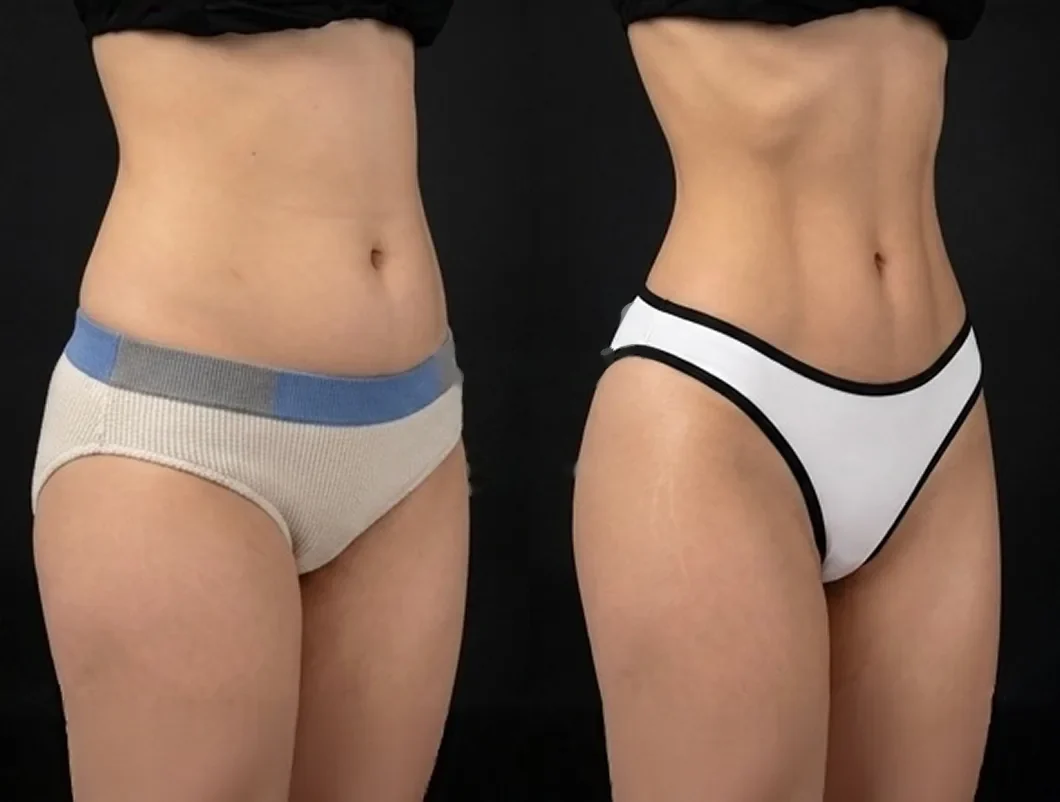 beforeafter
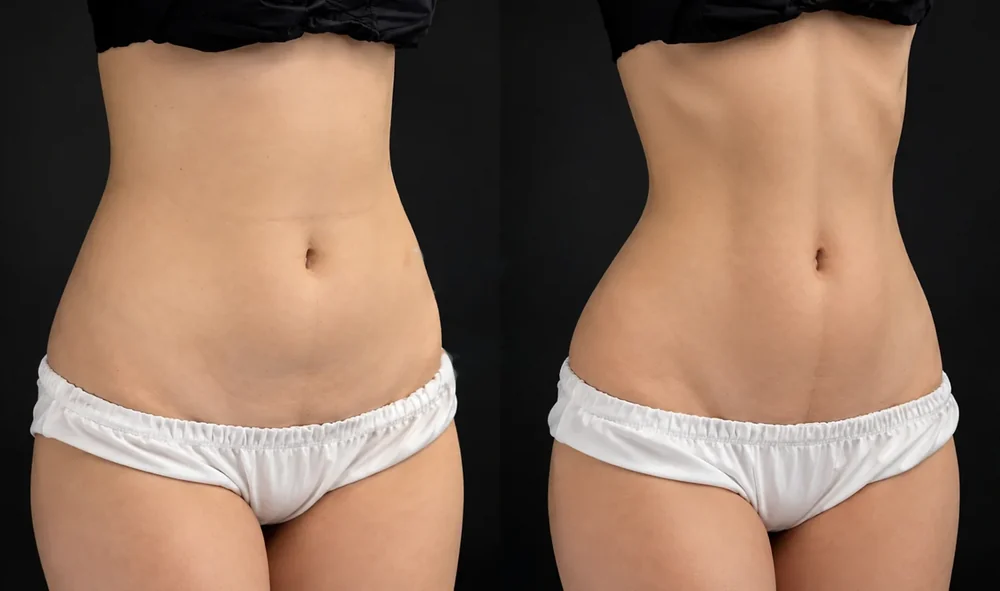
 beforeafter
 beforeafter
 beforeafter
 beforeafter
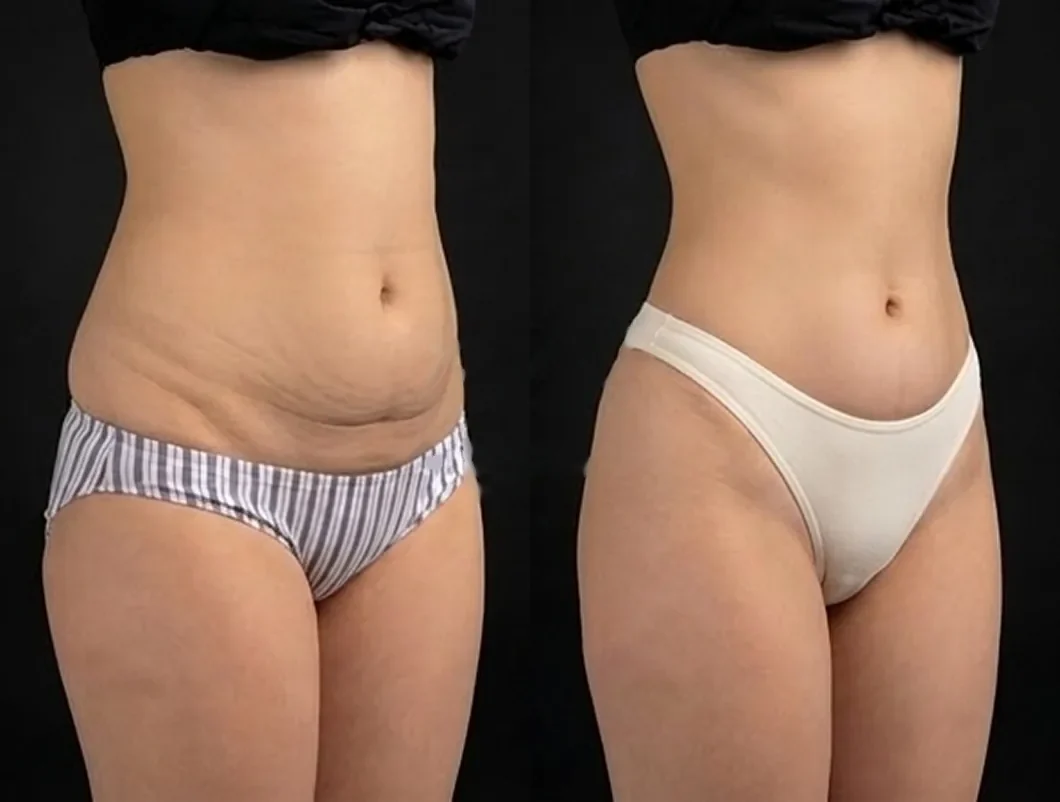 beforeafter
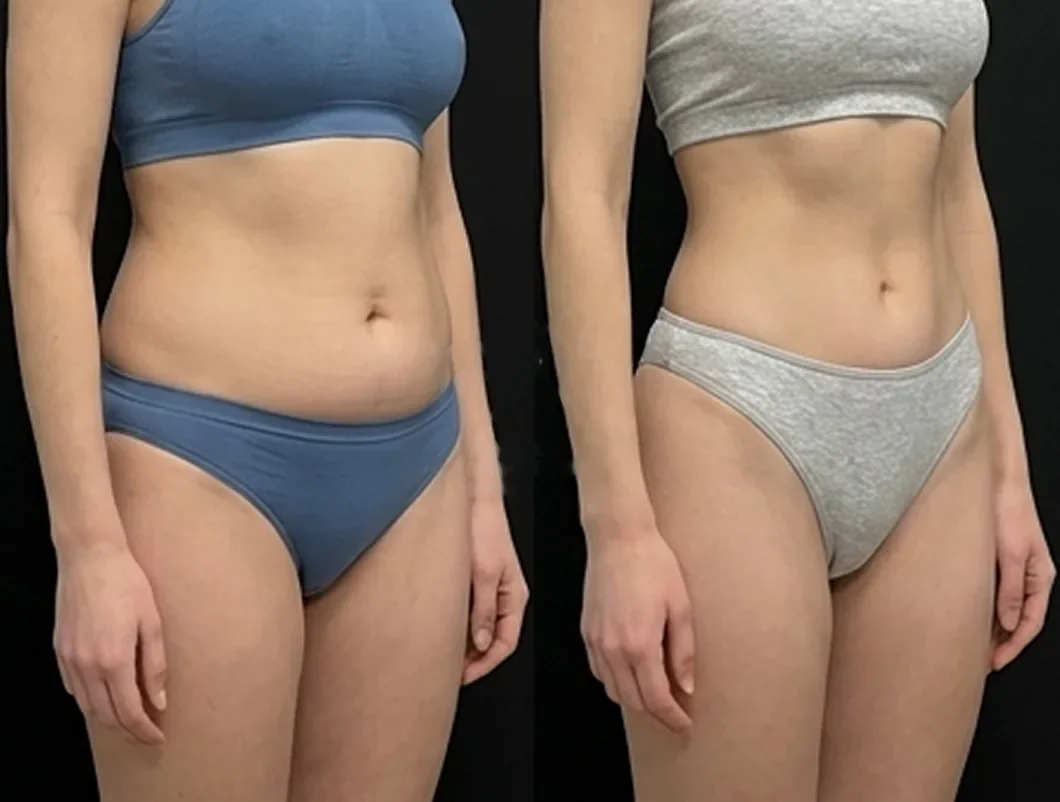 beforeafter
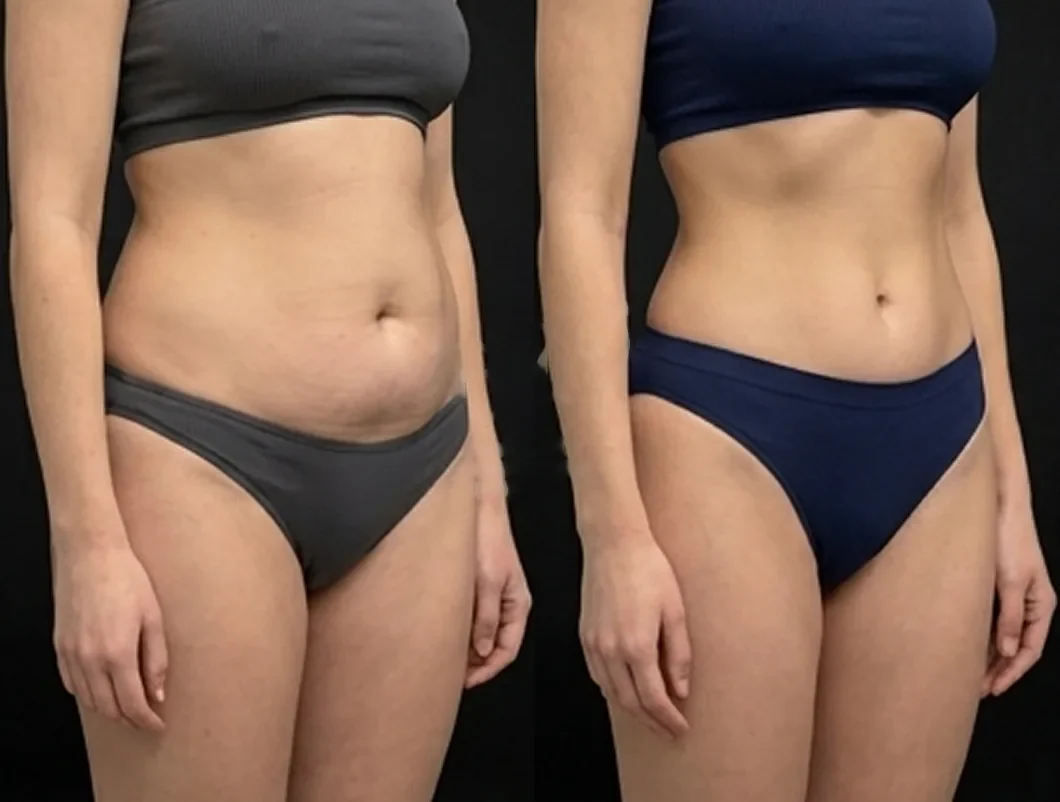 beforeafter
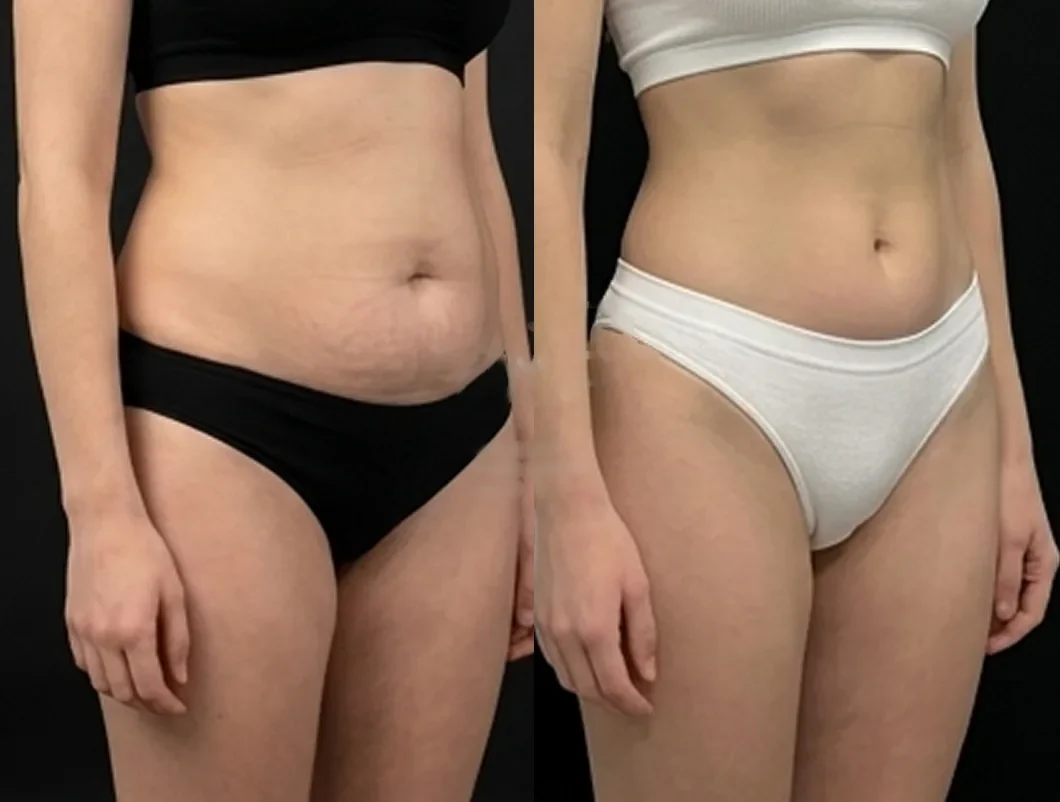 beforeafter
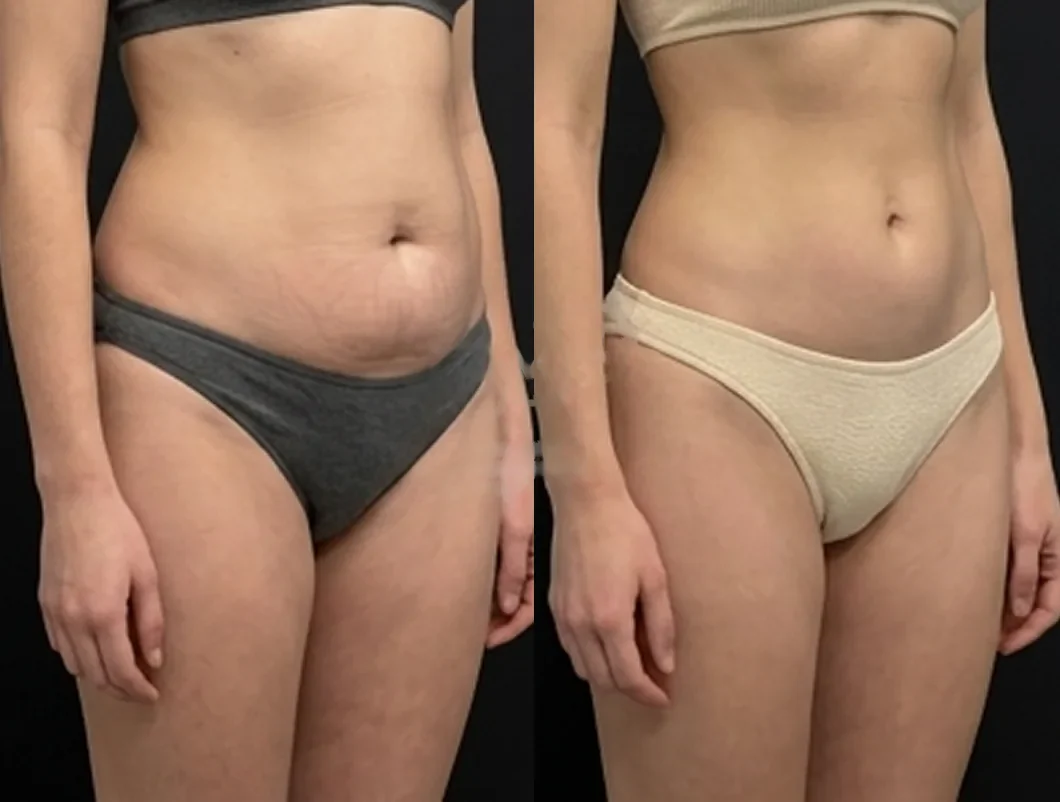 beforeafter
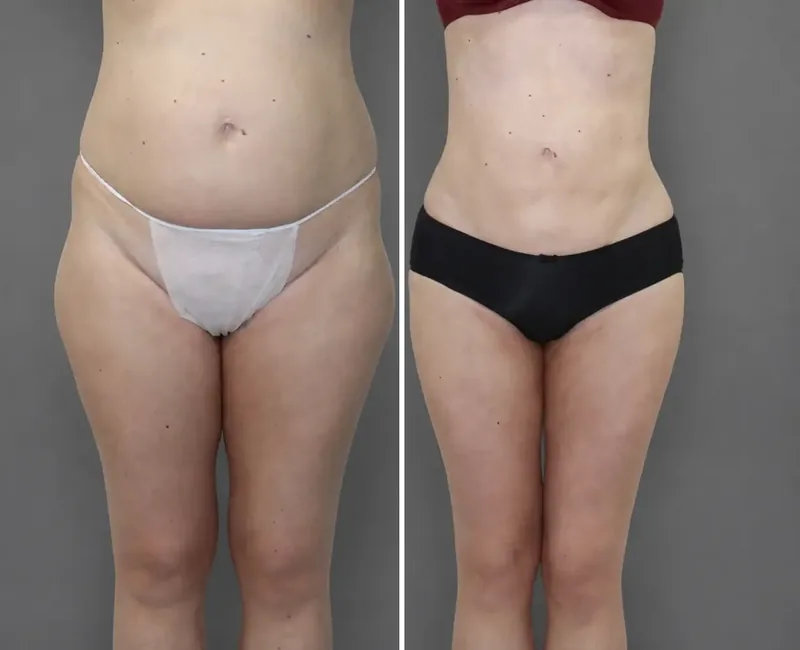
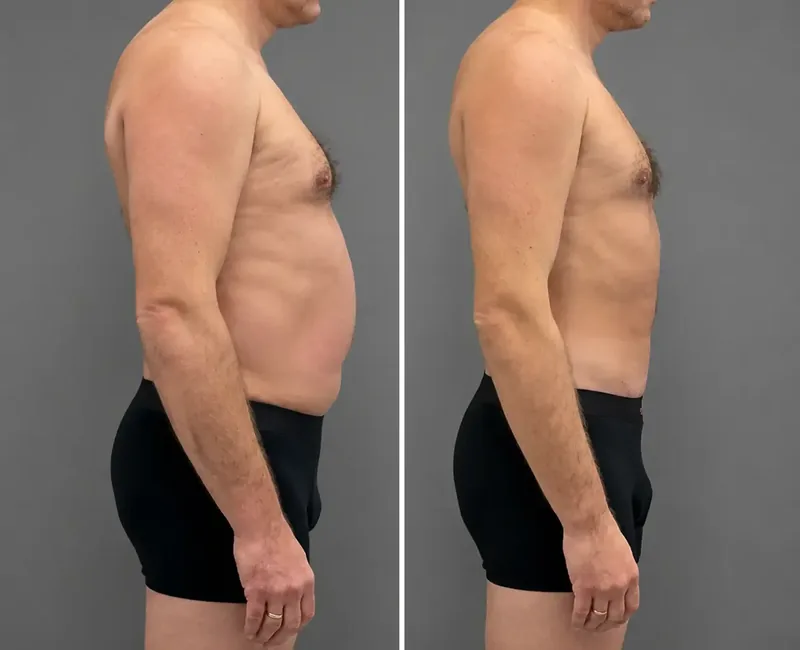






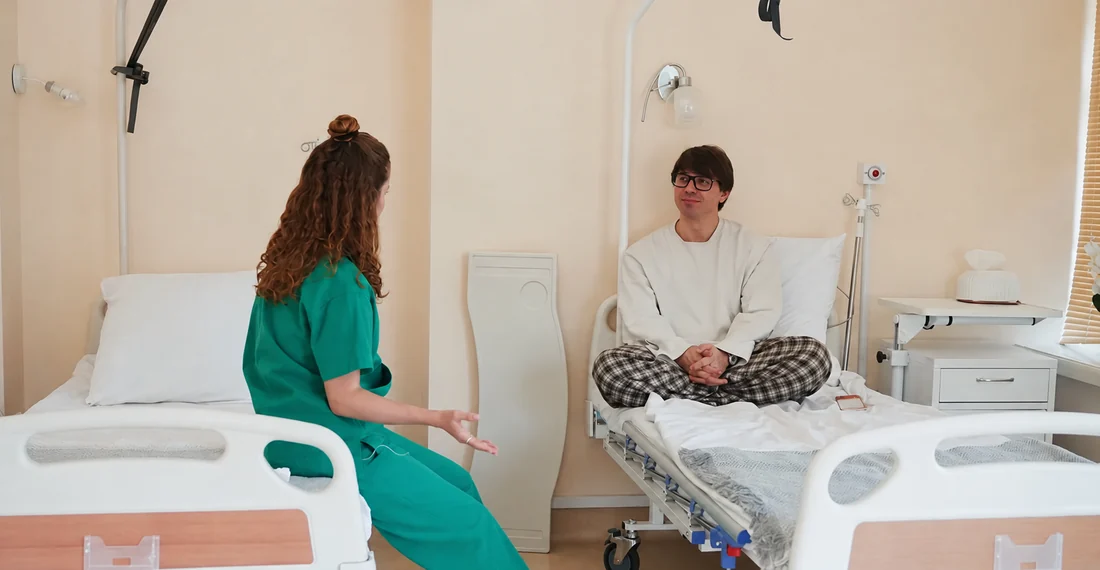
 1
 2
 3
 4
 5
 6