

Message our coordinator
Free online consultation · Reply within 15 minutes
Message us on TelegramMessage us on WhatsAppBy messaging us, you agree to our Privacy Policy

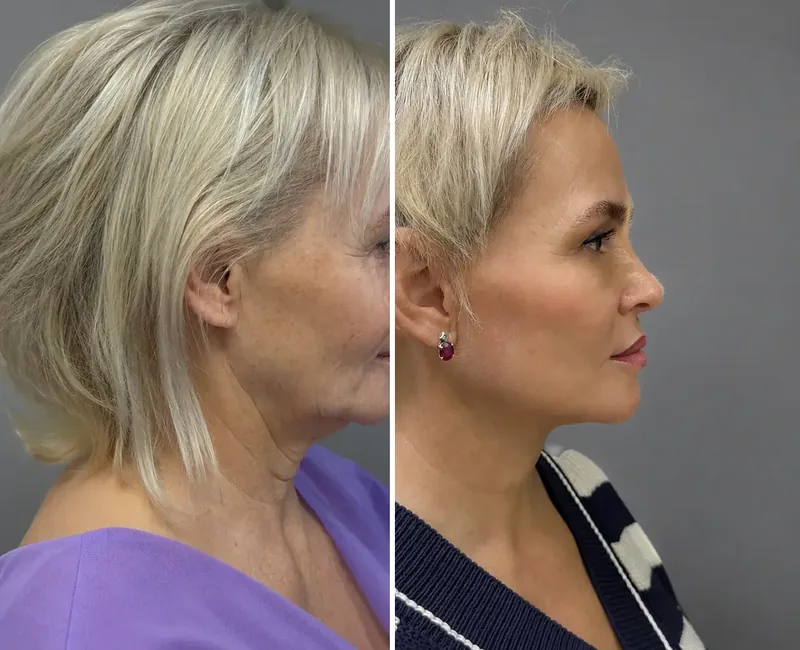
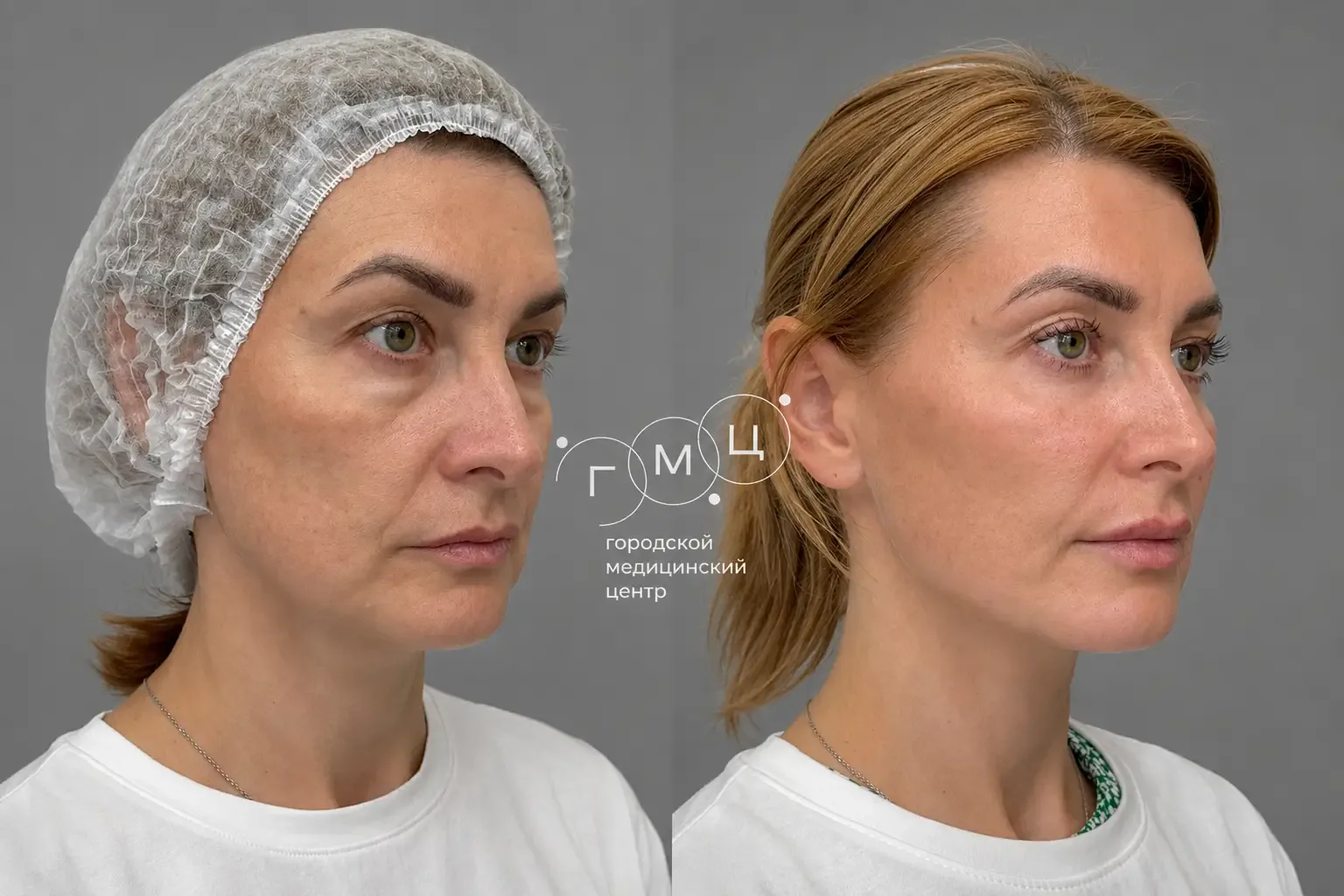
50 years
9 months
SMAS facelift
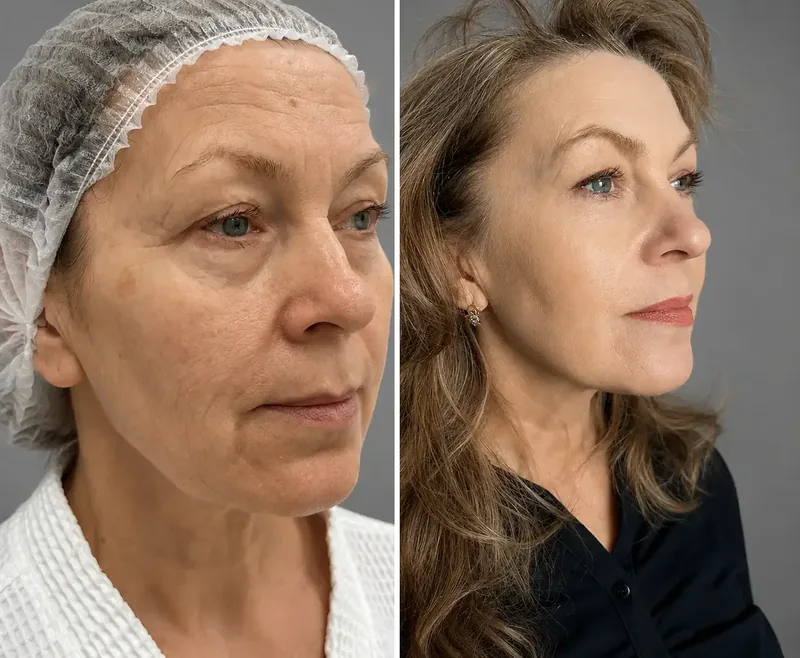
58 years
8 months
SMAS facelift
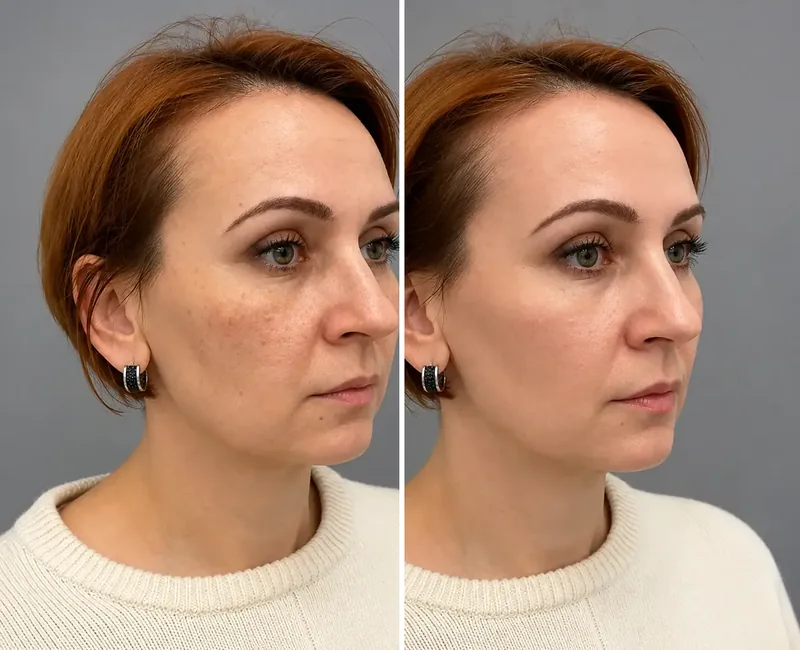
34 years
5 months
SMAS facelift
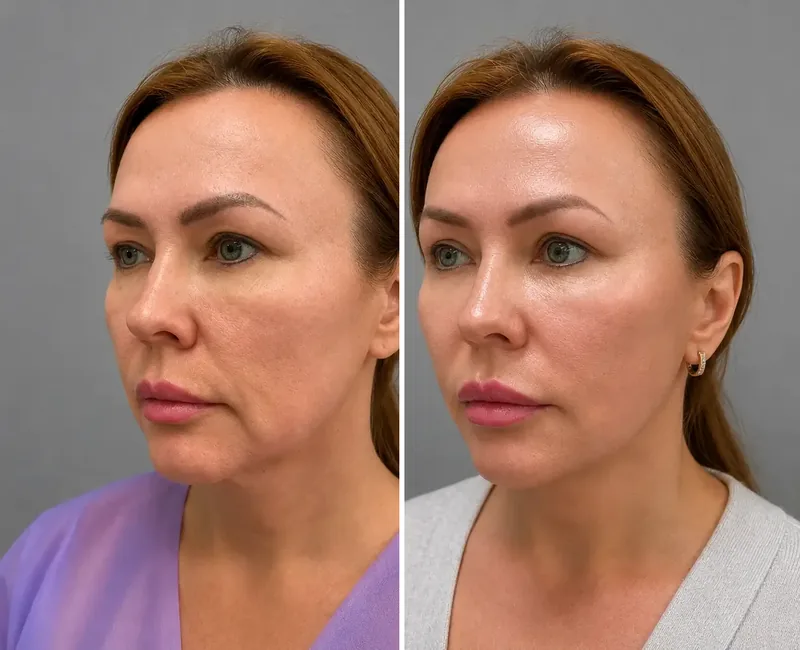
32 years
7 months
SMAS facelift
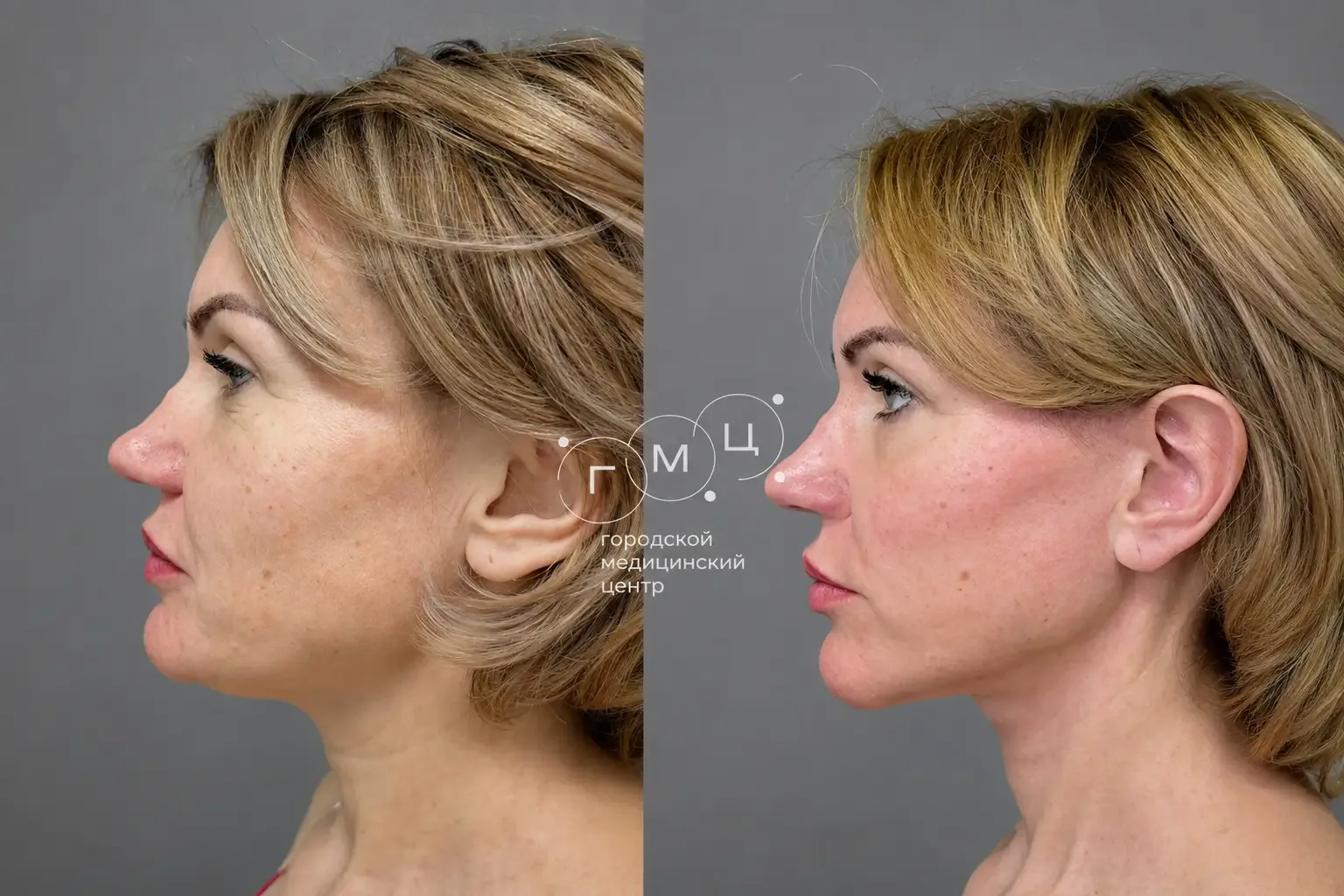
40 years
6 months
SMAS facelift
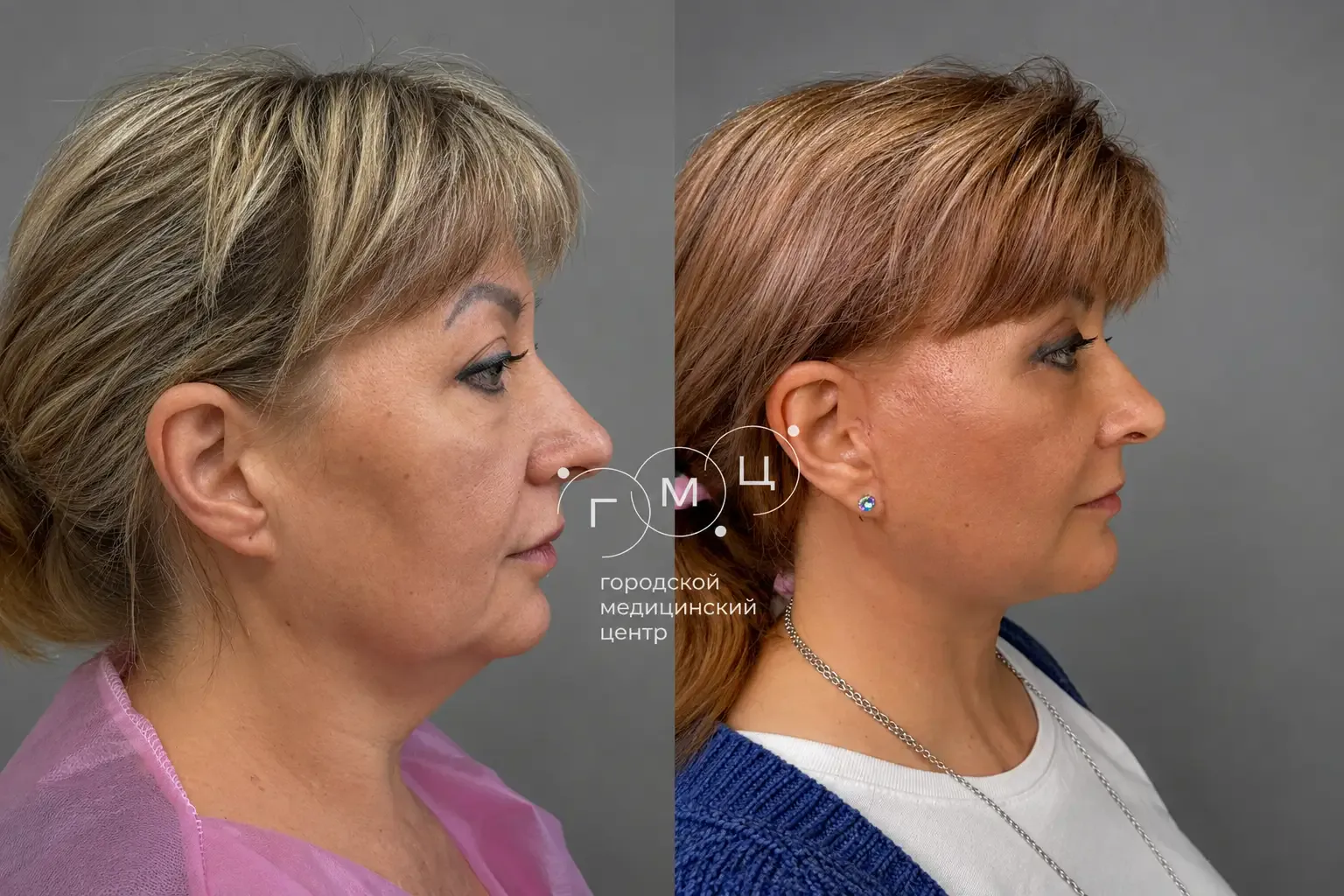
45 years
8 months
SMAS facelift
38 years
5 months
SMAS facelift
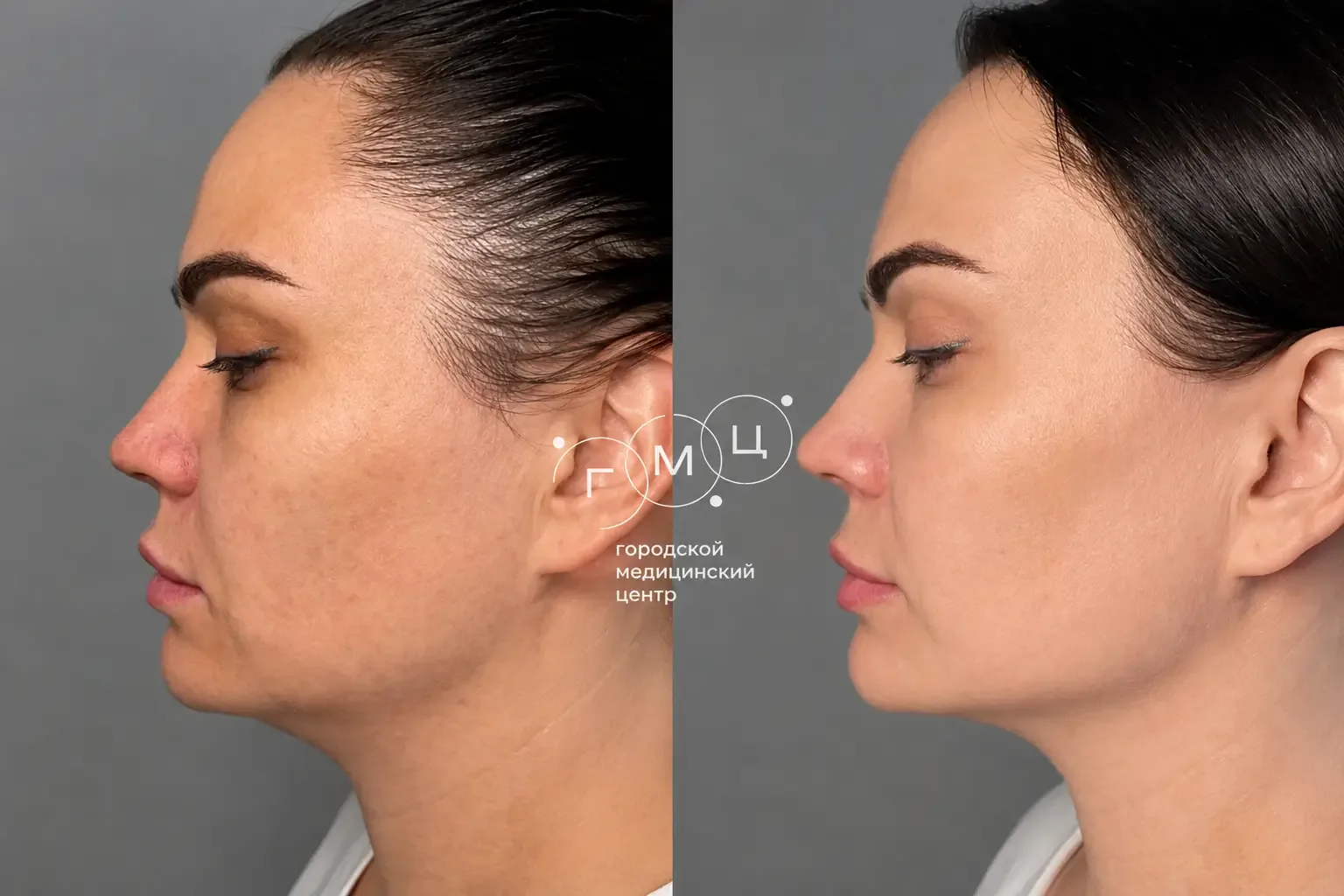
33 years
6 months
SMAS facelift
50 years
9 months
SMAS facelift
58 years
8 months
SMAS facelift
34 years
5 months
SMAS facelift
32 years
7 months
SMAS facelift
40 years
6 months
SMAS facelift
45 years
8 months
SMAS facelift
38 years
5 months
SMAS facelift
33 years
6 months
SMAS facelift
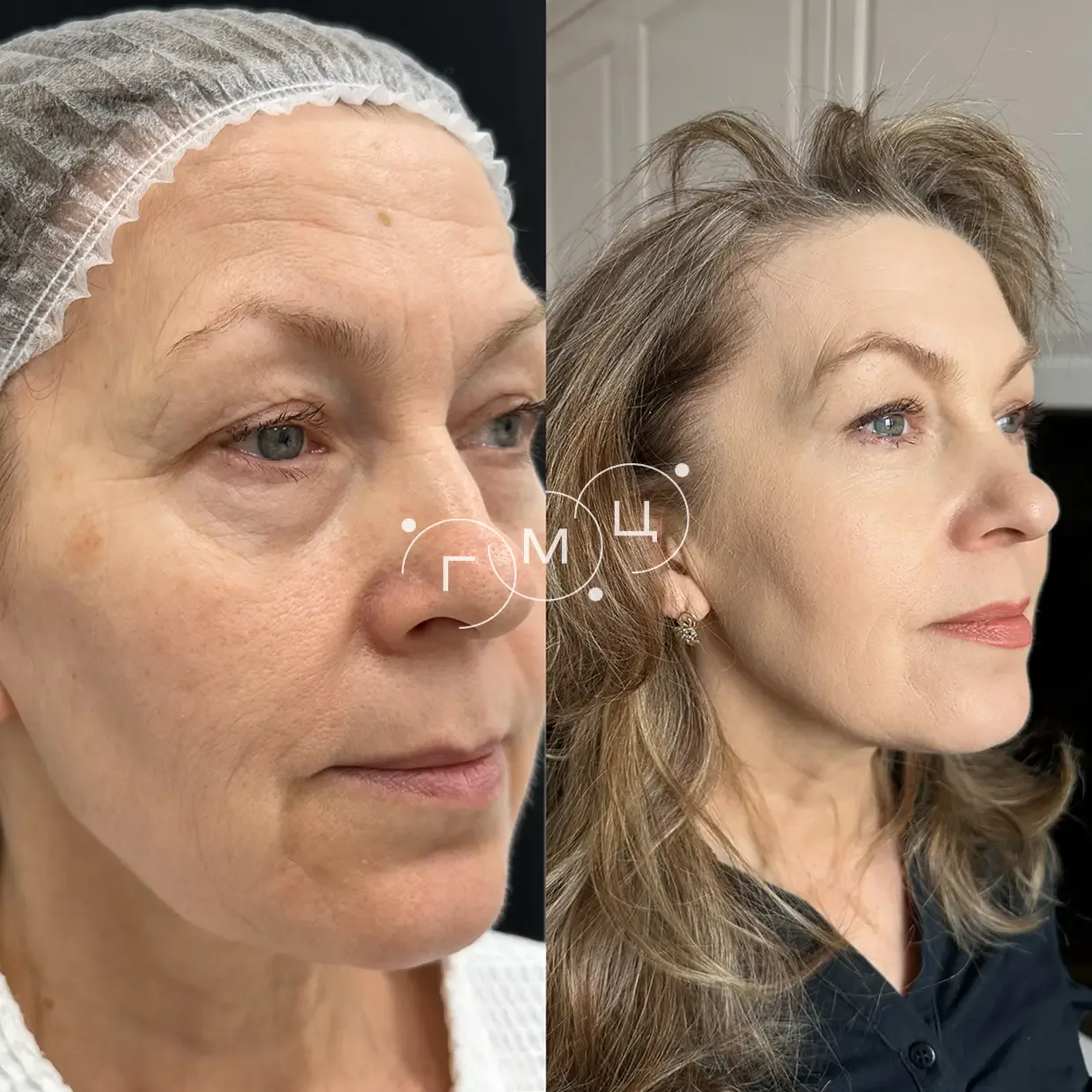

The face and neck show marked sagging
Jowls and a blurred jawline
Loose neck skin and a double chin
Deep nasolabial folds and marionette lines
A heavy look caused by drooping brows
A significant drop in skin firmness after 40
Wish for a long-term result (7–10 years)

Younger than 30
Acute skin inflammation
Being pregnant or breastfeeding
A severe cardiovascular condition
Impaired blood clotting
Cancer
Decompensated diabetes
Facelift in Kinshasa: a short guide
City Medical Centre performs surgical facelifts only, and the scope is tailored at the consultation. Indications include marked sagging of the face and neck, a blurred jawline and jowls, a double chin or loose neck skin, deep nasolabial folds and marionette lines, and drooping brows that make the look heavy. People in Kinshasa who want a long-term result rather than a temporary fix are typical candidates.
Is a SMAS facelift painful? No: the surgery is done under general inhalation anaesthesia, so you feel nothing. Afterwards, discomfort and tightness are possible for a few days and are eased with prescribed medication. A compression bandage and reduced activity help the tissues settle in the first 7–10 days. That is the typical course for people in Kinshasa after surgery.
The price starts at $2,400 (≈ CDF 5,600,000) and already covers the essentials: anaesthesia, the inpatient stay with meals, round-the-clock monitoring and a year of surgeon follow-up until the final result. Kinshasa residents can pay through in-house 0% instalments with no overpayment. The first consultation is free: send your name and phone number, and a coordinator will contact you.
Facelift in Kinshasa: price and what is included
Prices are in US dollars; the amount in brackets is an approximate conversion to CDF at the rate of 02.10.2026. The final price is fixed in your contract.
- Faceliftfrom $2,400 (≈ CDF 5,600,000)
How much does a facelift in Kinshasa cost?
Prices start from $2,400 (≈ CDF 5,600,000). The surgeon sets the final price at the free consultation, and it is fixed in the contract, with no hidden extras.
What is included in the price?
A one-to-one consultation, the medical team, anaesthesia, inpatient care with meals, 24/7 monitoring and twelve months of follow-up by the surgeon.
How do I get my exact price?
Message us on WhatsApp or Telegram using the buttons below. A coordinator will answer your questions and book a free consultation where the doctor names the exact price.
By messaging us, you agree to our Privacy Policy
Facelift for residents of Kinshasa: what to know before the first conversation
Kinshasa is the capital and largest city of the Democratic Republic of the Congo, with an estimated population of 18.5 million in 2026. In a city this large, a person considering a facelift usually has many opinions around them: relatives, colleagues, friends from church or from the music scene. The decision still deserves a calm, individual conversation with a surgeon, based on your own face rather than on what others say.
City Medical Centre works with residents of Kinshasa through a free online consultation. You write to the coordinators on WhatsApp or Telegram, and they are available around the clock, 24/7. That suits a capital where the working day often stretches, where traffic along the Congo River crescent can swallow hours, and where few people can easily take a morning off for an appointment.
Beyond 40–50 the skin gradually loses firmness: noticeable sagging, jowls, a blurred jawline and drooping cheeks. A surgical SMAS facelift works deeper than cosmetology by repositioning the muscle and fascia layer. It treats the cause of sagging, not its effects, and delivers a lasting result even with significant changes. This is the main idea to bring into your first consultation, wherever in Kinshasa you live.
Who is a candidate, and who should think twice
As a rule, surgery is recommended for patients aged 40+ with marked tissue sagging, and in some cases from 35. The recommendation is made individually after an examination. A marked loss of skin firmness after 40 is the typical starting point, and so is the wish for a result that lasts (7–10 years). Age on its own decides nothing: the surgeon looks at skin quality, the position of the cheeks, the jawline, the neck and your general health.
In the online consultation you will be asked for clear photographs in daylight, and Kinshasa is helpful here, because it is a bright city on flat, low-lying terrain with plenty of natural light. Take pictures facing the window, without filters and without makeup, from the front and from both sides. The surgeon also needs to know about chronic illnesses, regular medication, smoking, earlier operations and any tendency to heavy bruising or poor healing.
Some situations call for a pause or a different approach: unstable chronic conditions, an active infection, unrealistic expectations, or a wish to look like another person. The surgeon is there to tell you honestly what a facelift can and cannot do. General health also matters. The WHO describes excess weight as a factor affecting many aspects of health, and large weight changes after surgery can alter the contour you have just achieved. Stable weight before the operation is therefore a sensible question to raise.
Four options and three levels of correction
We have 4 main options. At the consultation, the surgeon helps select the best one for your age and type of ageing. Two of them are worth knowing in advance, so that you arrive with informed questions.
The classic SMAS lift of the mid and lower face is one. The surgeon works on the skin and the SMAS layer through incisions hidden along the hair line and around the ears. It removes jowls, sagging cheeks, a double chin and deep nasolabial folds. Results last 7–10 years.
The comprehensive lift is the other. It covers the forehead, temples, mid and lower face and neck and suits marked sagging in several areas at once. It delivers the most complete rejuvenation and a natural look, free of a «mask» effect. Results last up to 10 years.
A surgical SMAS facelift corrects at 3 levels. The central step is lifting and securing the muscle and fascia layer, which allows the surgeon to treat the cause of sagging itself: weakened ligaments and descended muscles. Deep work on the SMAS gives a natural look and results lasting up to 10 years. For a person in Kinshasa who appears on camera, speaks in public, teaches, preaches or performs, the natural look matters most, because colleagues and audiences notice an overdone face immediately.
Climate of Kinshasa and its effect on recovery
Kinshasa has a tropical wet and dry climate. The long rainy season runs from October through May, and the shorter dry season from June through September. The dry season is slightly cooler than the wet one, but temperatures stay fairly constant through the year. Because there is no cold winter, there is no season in which the heat simply disappears, and recovery planning has to take warmth and humidity into account in any month.
During the first 7–10 days the advice is rest, a compression bandage and less physical activity. In a warm, humid city this means a cool room, a fan or air conditioning where electricity allows, light cotton clothing that does not press on the face, and sleeping with the head raised so that swelling settles more easily. Discuss with the surgeon how to keep the bandage comfortable and clean in humid weather, and when it is acceptable to wash.
The rainy months bring cloud, but also heavy downpours and muddy streets, so there is a practical reason to stay at home during the early days. The dry months are brighter and can be dusty, and dust and direct sun are unkind to healing skin. In both seasons the general advice is the same: avoid strong sun on the face, wear a wide-brimmed hat or use an umbrella outdoors once the surgeon allows it, and ask which sun protection is suitable for the healing scars.
Which season to choose in Kinshasa
There is no perfect month, and the choice depends on your own calendar more than on the weather. The dry season, June to September, is slightly cooler and has less rain, which makes short outings easier in the later weeks. The rainy season, October to May, keeps people indoors more, and that can help if you want to stay out of sight while the swelling goes down.
Swelling and bruising fade within 2–4 weeks, and full recovery takes about 2 months. Count backwards from the date you want to look fully rested. If a family wedding, a baptism, a graduation or a major church celebration is coming, leave generous room. After 3–4 weeks, as the swelling settles, the first clear changes appear, and your face takes on its final look in 3–6 months. A facelift done only a few weeks before an important event may leave you at an intermediate stage.
Think also about the working calendar: end-of-year closing in banks and companies, the academic year at the universities, school terms for your children. The coordinators can help you lay out a realistic timetable during the free online consultation, so that the operation, the first week of rest and the weeks of limited activity fit your life.
Work, study, sport and family life after the operation
Kinshasa is the leading economic, political and cultural centre of the country, with industry, telecommunications, banking and entertainment. Many of its residents work in offices, institutions, schools and universities, or in business where they meet people every day. For such work, the first 7–10 days of rest at home are the foundation of a smooth recovery. Plan the handover of tasks in advance, tell your employer only as much as you wish, and arrange for colleagues to cover urgent matters.
Physical activity should stay reduced in the early period. This includes lifting heavy loads, intensive training, football with friends, long walks in the heat and anything that raises the blood pressure in the head. Ask your surgeon for a clear schedule: when light walking is welcome, when you may return to the gym or to dancing, and when swimming in a pool is acceptable. Do not decide this on your own, however good you feel.
At home, think about who will help you. Kinshasa households are often large and busy, with children, relatives and visitors coming and going. Agree beforehand on a quiet room, on someone to prepare light meals, and on a polite way to limit visits. A calm week at the start makes the following weeks easier. Throughout the first year, your operating surgeon follows you up, so questions about daily life can be put to the same person who did the operation.
Food culture, daily habits and healing
Food is central to social life in Kinshasa, and meals with family and friends are frequent. In the first days after a facelift, chewing wide and long can be tiring, and the face is swollen. Soft, simple food, plenty of water and unhurried meals are sensible. Ask the surgeon whether very salty or spicy dishes should be limited while the swelling is at its peak, and whether alcohol should be avoided, and for how long.
Smoking slows healing and should be raised openly with the surgeon. Diet in general matters too: balanced meals with enough protein, fruit and vegetables support tissue repair. The WHO notes that excess weight is linked to many health problems, so a stable, healthy weight before and after the operation helps protect the result of a lift on the jaw and neck.
Do not start new creams, supplements or home remedies without consulting the team. Many traditional and cosmetic products are widely used in the city, but some may irritate fresh scars or interact with medication. A short list of everything you apply to your skin or take by mouth, sent to the coordinators before the consultation, helps the surgeon give precise advice.
How the remote consultation from Kinshasa works
You contact the coordinators on WhatsApp or Telegram at any time of day or night. Open 24/7 with flexible booking and a personal approach, they fit around your busy schedule and adapt to you. You send photographs and a short description of your health and your wishes, and a one-to-one consultation with the surgeon is arranged online, free of charge.
During the consultation the surgeon examines your photographs, asks about your history and explains which of the options suits your age and type of ageing. You can ask about scars, the natural look, the anaesthesia, the inpatient stay and the follow-up. The package includes a one-to-one consultation, the medical team, anaesthesia, inpatient care with meals, 24/7 monitoring and twelve months of follow-up by the surgeon.
Good connectivity helps, so choose a quiet moment and a place with a stable signal. If the internet is unreliable in your area, tell the coordinators and agree on an alternative arrangement, such as voice messages or a rescheduled call. A written list of questions, kept in your phone, prevents you from forgetting important points.
Questions to put to the surgeon
Prepare your questions beforehand. Ask which of the four options suits you and why, and what exactly will be corrected at each of the three levels. Ask where the incisions will be placed along the hair line and around the ears, how the scars usually look, and what the surgeon expects of your skin quality.
Ask about the recovery plan: what to do in the first 7–10 days, how long the compression bandage is worn, when swelling and bruising should fade, and when you can go back to work and sport. Ask what signs mean you should contact the team immediately. Continuous 24/7 monitoring by the medical team means you are not left alone with such worries.
Finally, ask about the long term. One operation gives a complete result. A repeat procedure is possible after 7–10 years if the patient wants it. Ask what you can do to keep the result for as long as possible, and what the twelve months of follow-up involve in practice.
At what age should a resident of Kinshasa consider a facelift?
As a rule, surgery is recommended for patients aged 40+ with marked tissue sagging, and in some cases from 35. The recommendation is made individually after an examination, so the age alone does not decide. Send your photographs to the coordinators and the surgeon will tell you whether a lift is appropriate now or later.
How is a SMAS facelift different from cosmetology?
It is a face lift that tightens the deep SMAS layer under the skin, not only the skin itself, so the lower face, jawline and neck stay firmer for longer. Cosmetology works on the surface, while the surgical lift repositions the muscle and fascia layer and treats the cause of sagging.
How long does the result last?
The result lasts up to 10 years, and a surgical SMAS facelift gives an effect that lasts 7–10 years. One operation gives a complete result. A repeat procedure is possible after 7–10 years if the patient wants it.
How long is the recovery?
During the first 7–10 days you need rest, a compression bandage and less physical activity. Swelling and bruising fade within 2–4 weeks, and full recovery takes about 2 months. After 3–4 weeks the first clear changes appear, and your face takes on its final look in 3–6 months.
Does the climate of Kinshasa affect healing?
Kinshasa is warm and humid for much of the year, with a rainy season from October through May and a drier, slightly cooler season from June through September. Keep to a cool room, light clothing, avoid strong sun and dust on the healing skin, and follow the surgeon's advice on sun protection and headwear.
Can I have the consultation without leaving Kinshasa?
Yes. The consultation is online and free. You contact the coordinators on WhatsApp or Telegram, available around the clock, 24/7, and you speak with the surgeon one to one. Photographs in daylight make the assessment more accurate.
What is included in the procedure?
A one-to-one consultation, the medical team, anaesthesia, inpatient care with meals, 24/7 monitoring and twelve months of follow-up by the surgeon. Continuous 24/7 monitoring by the medical team is part of the care.
How many types of facelift are there?
We have 4 main options. At the consultation, the surgeon helps select the best one for your age and type of ageing. Among them are the classic SMAS lift of the mid and lower face, with results lasting 7–10 years, and the comprehensive lift of the forehead, temples, mid and lower face and neck, with results lasting up to 10 years.
When can I return to work and sport?
The first 7–10 days are for rest at home with limited activity. After that, the surgeon sets a personal schedule for office work, exercise and swimming, depending on how your swelling and healing progress. Your operating surgeon follows you up for the whole first year.