
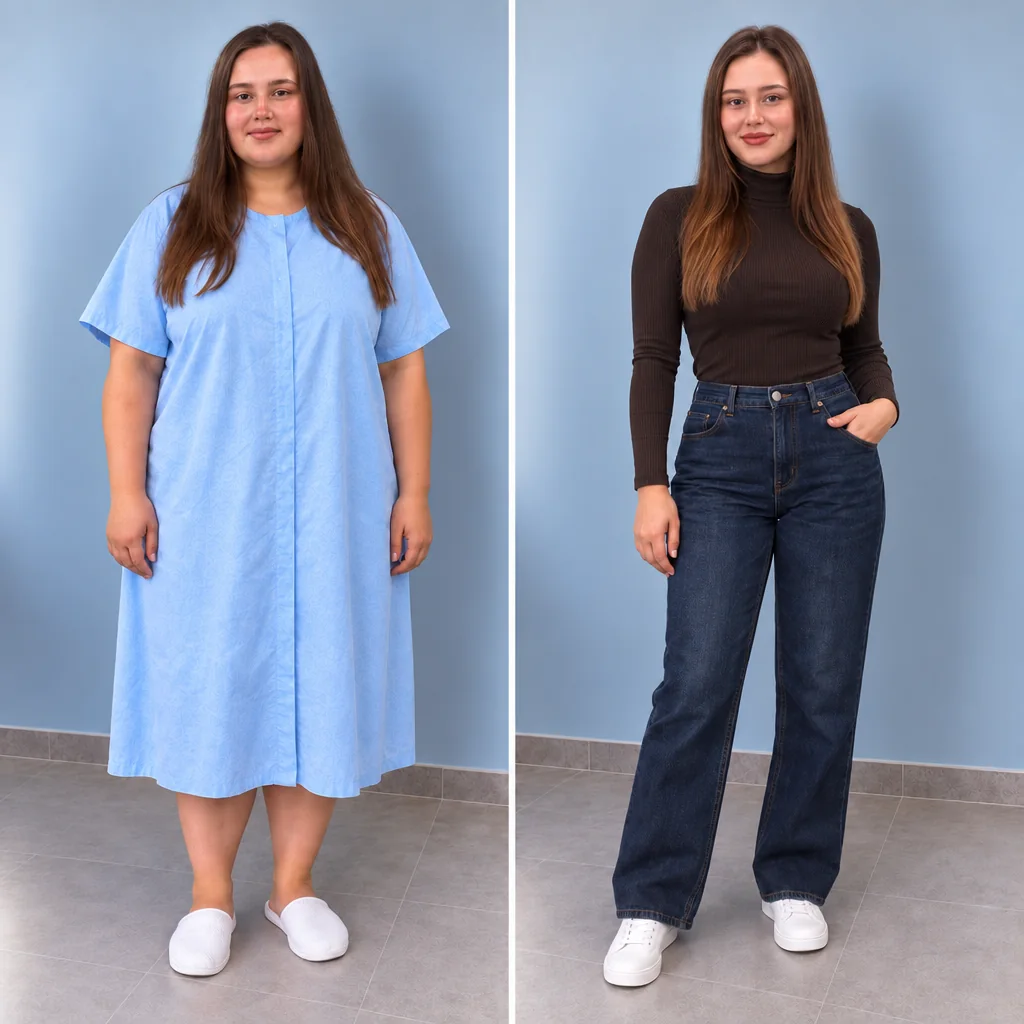
 beforeafter
Irina, 26
Bariatric surgery
Bariatric surgery
$3,600
$4,800 · First consultation — Free
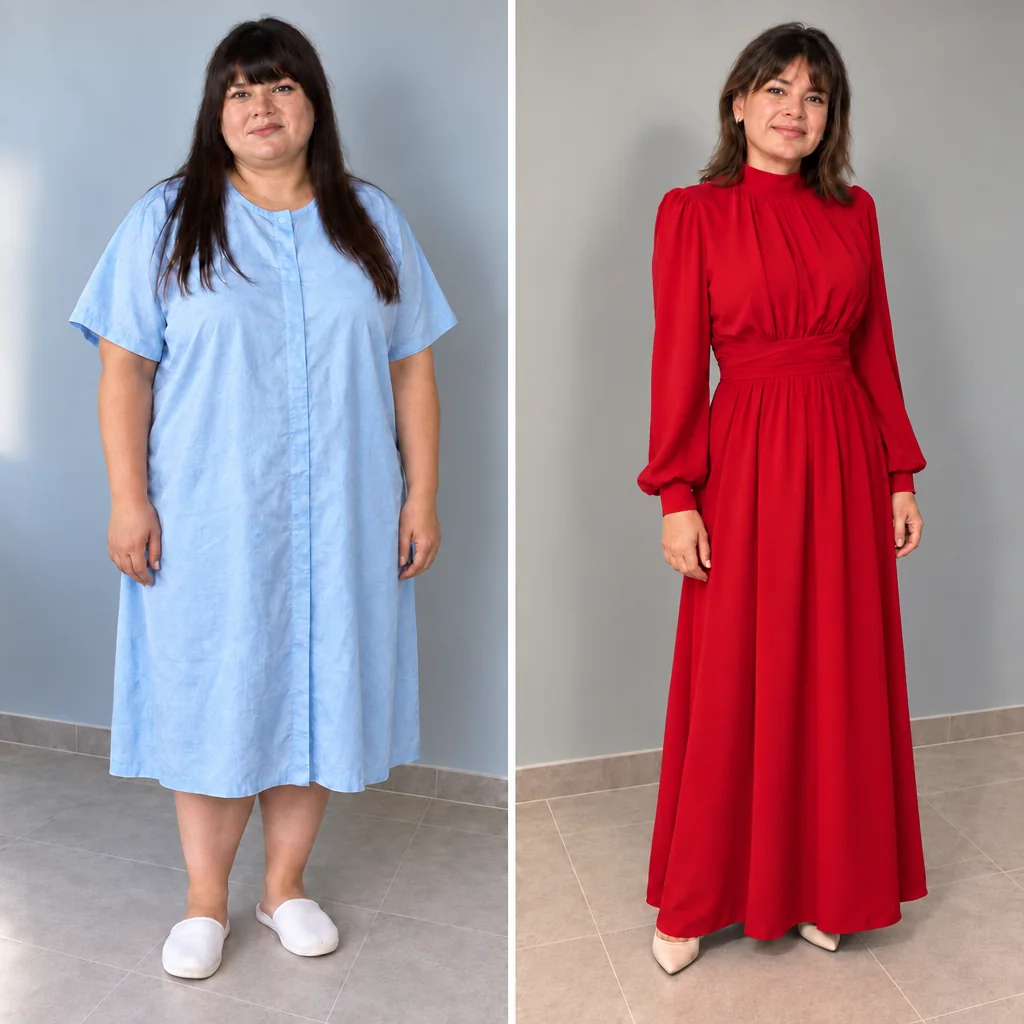 before
after
Message our coordinator
Free online consultation · Reply within 15 minutes
Message us on TelegramMessage us on WhatsAppBy messaging us, you agree to our Privacy Policy
Results
All cases are real patients of the clinic.
beforeafterBariatric surgery
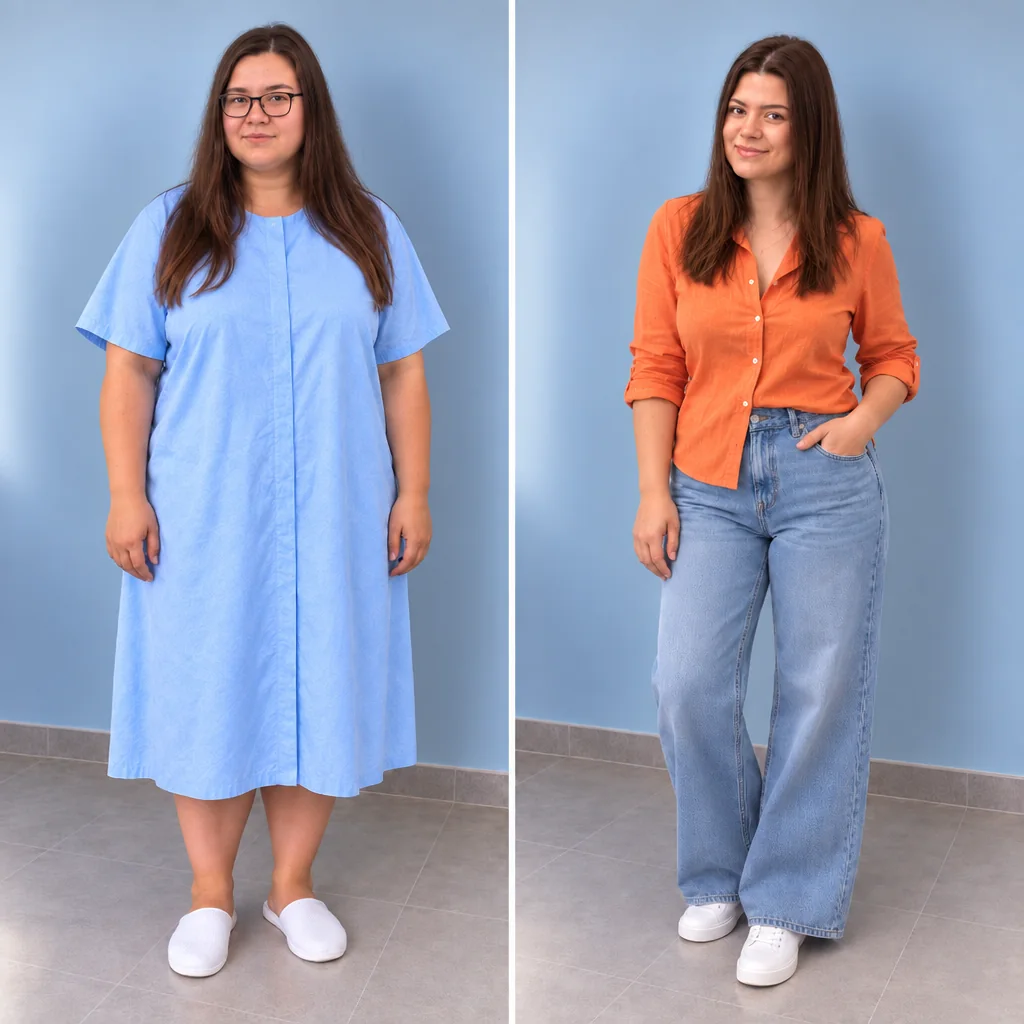 beforeafter
Bariatric surgery
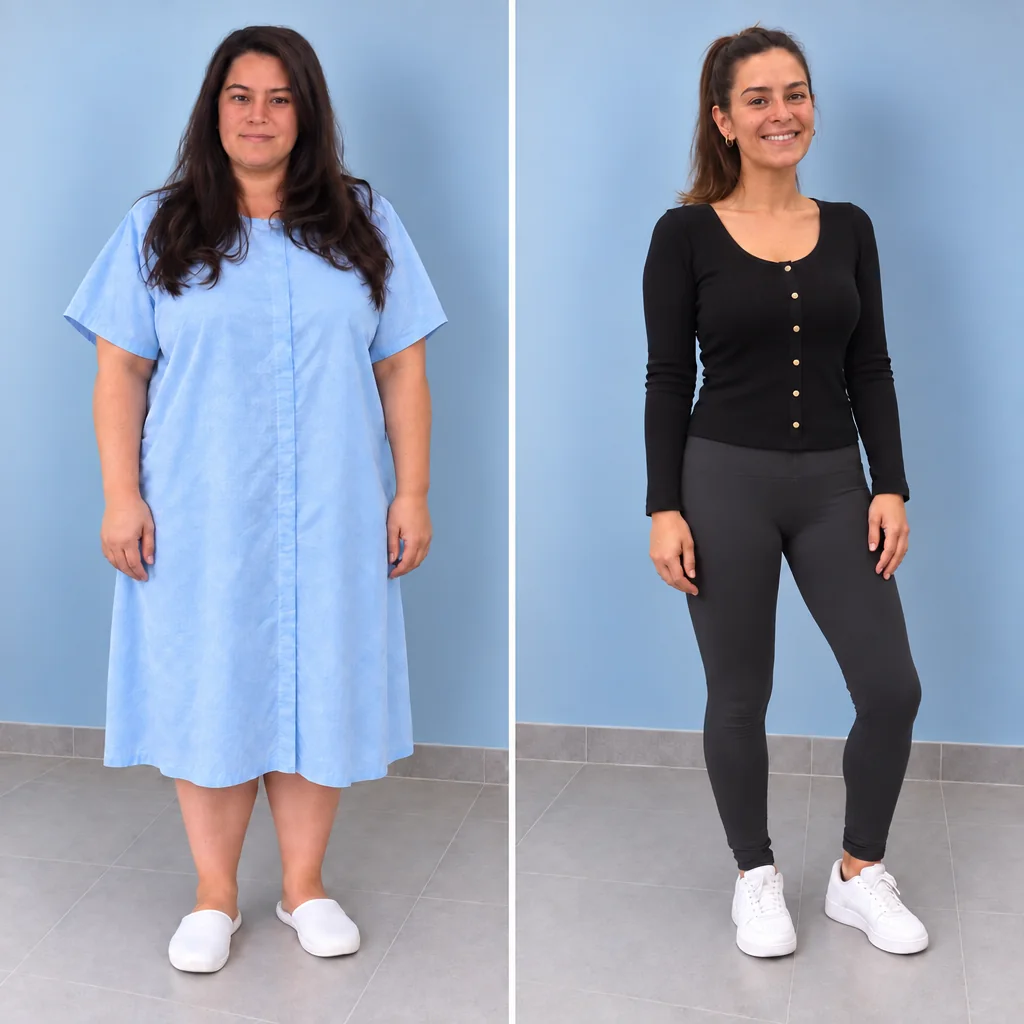 beforeafter
Bariatric surgery
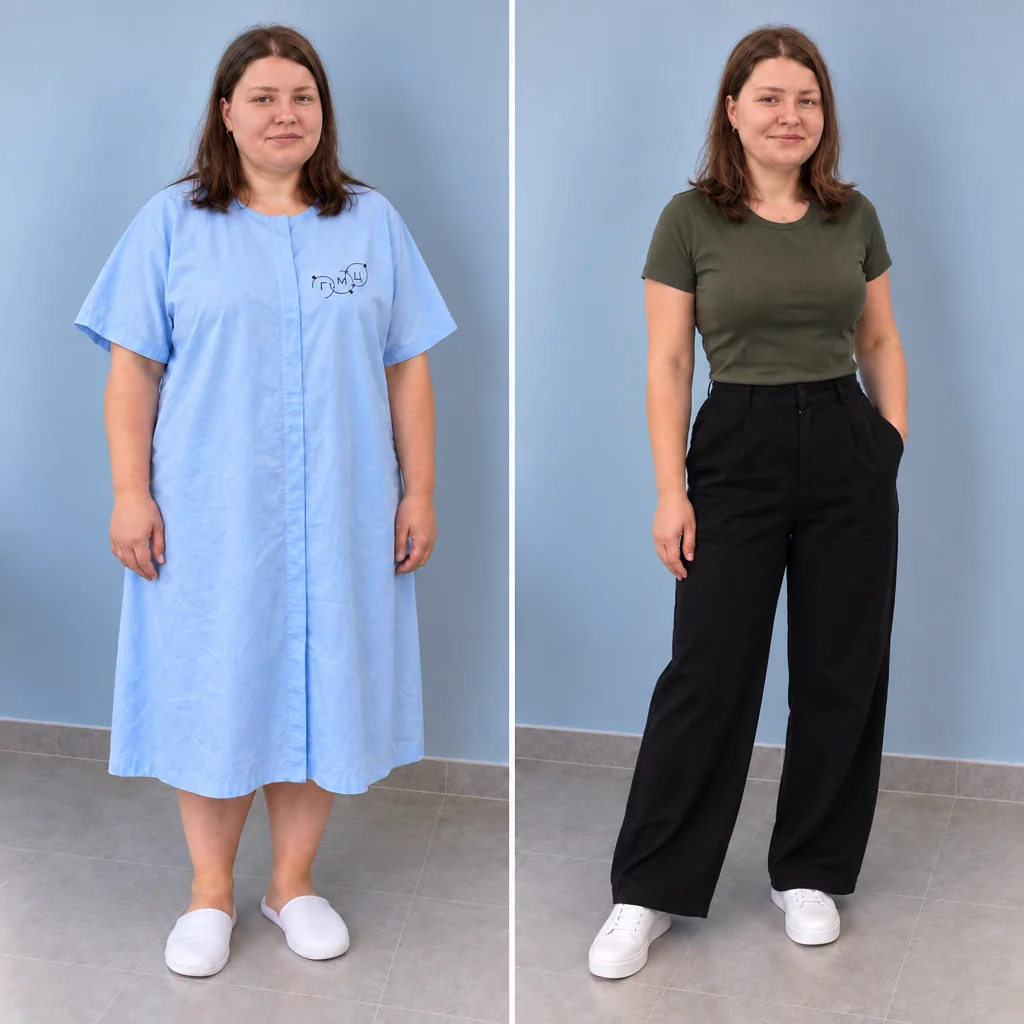 beforeafter
Bariatric surgery
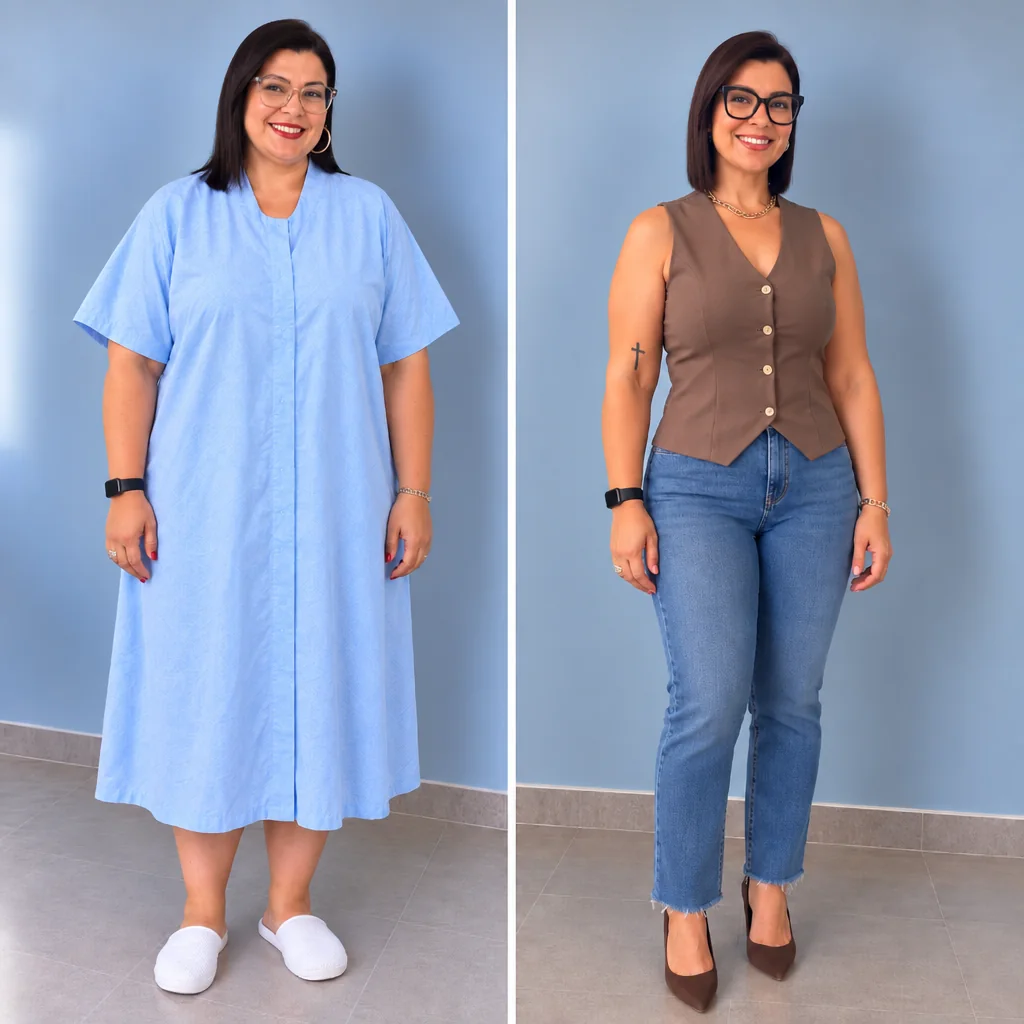 beforeafter
Bariatric surgery
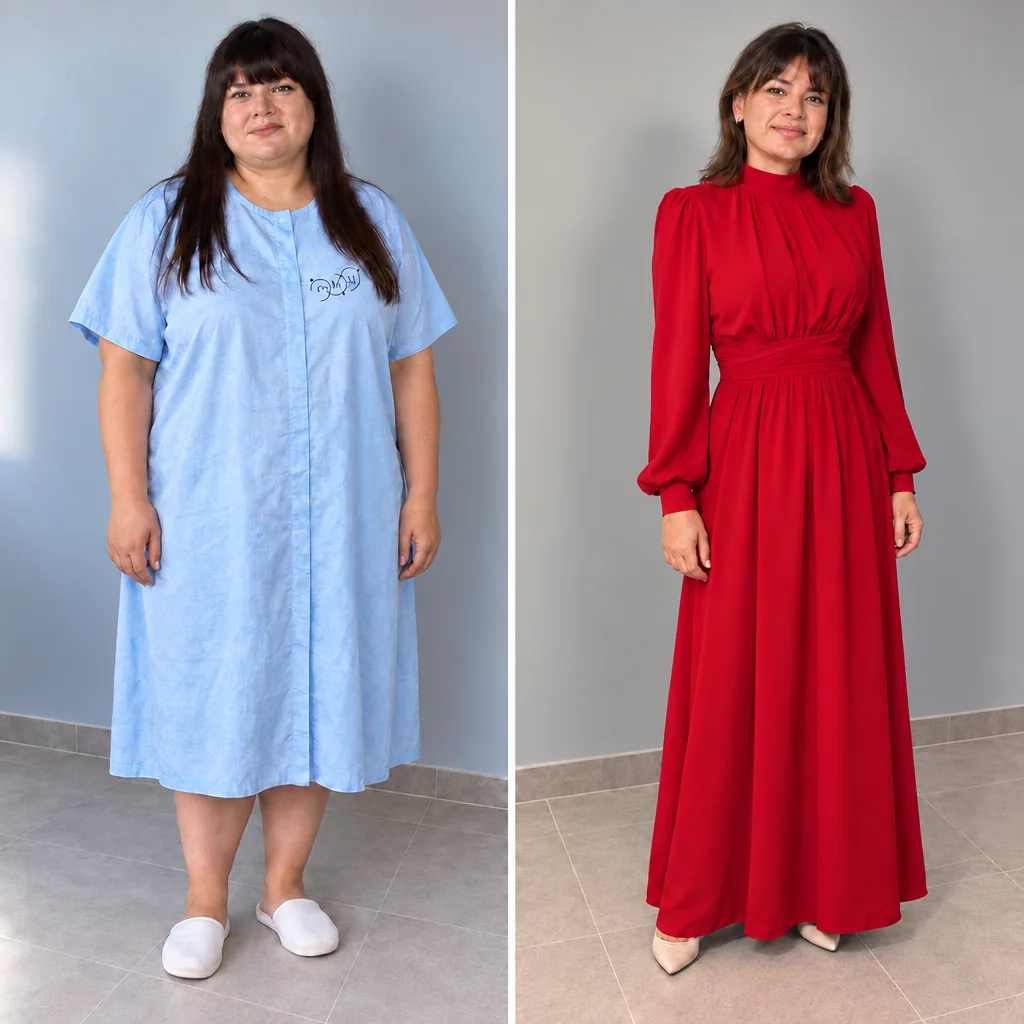 beforeafter
Bariatric surgery
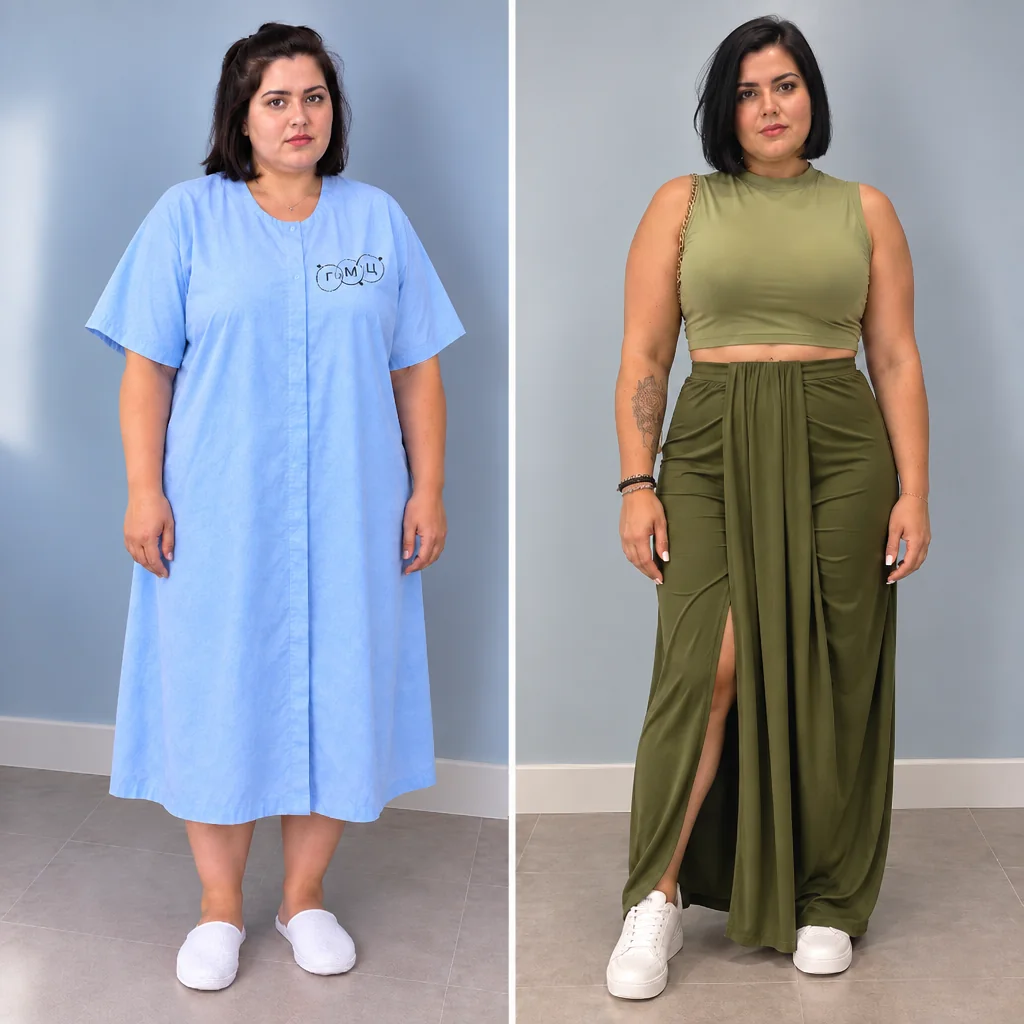 beforeafter
Bariatric surgery
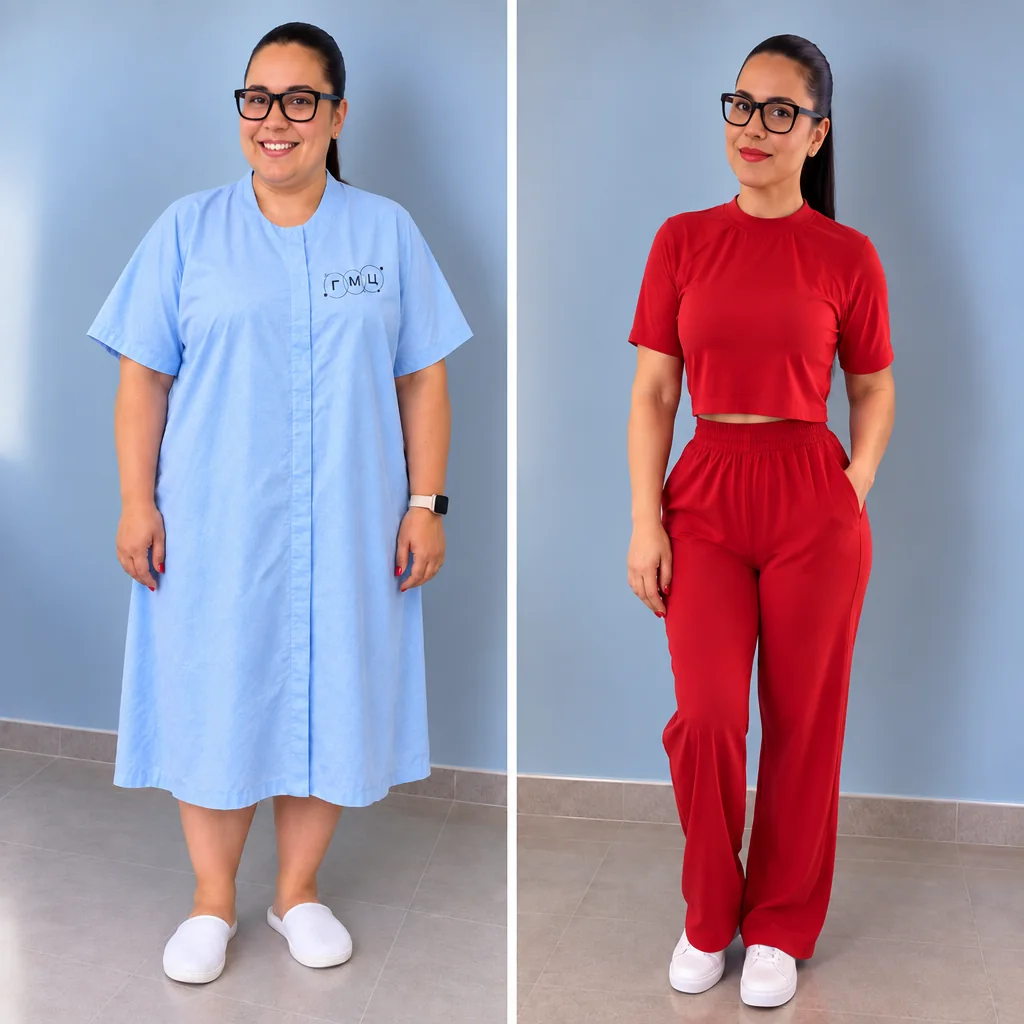 beforeafter
Bariatric surgery
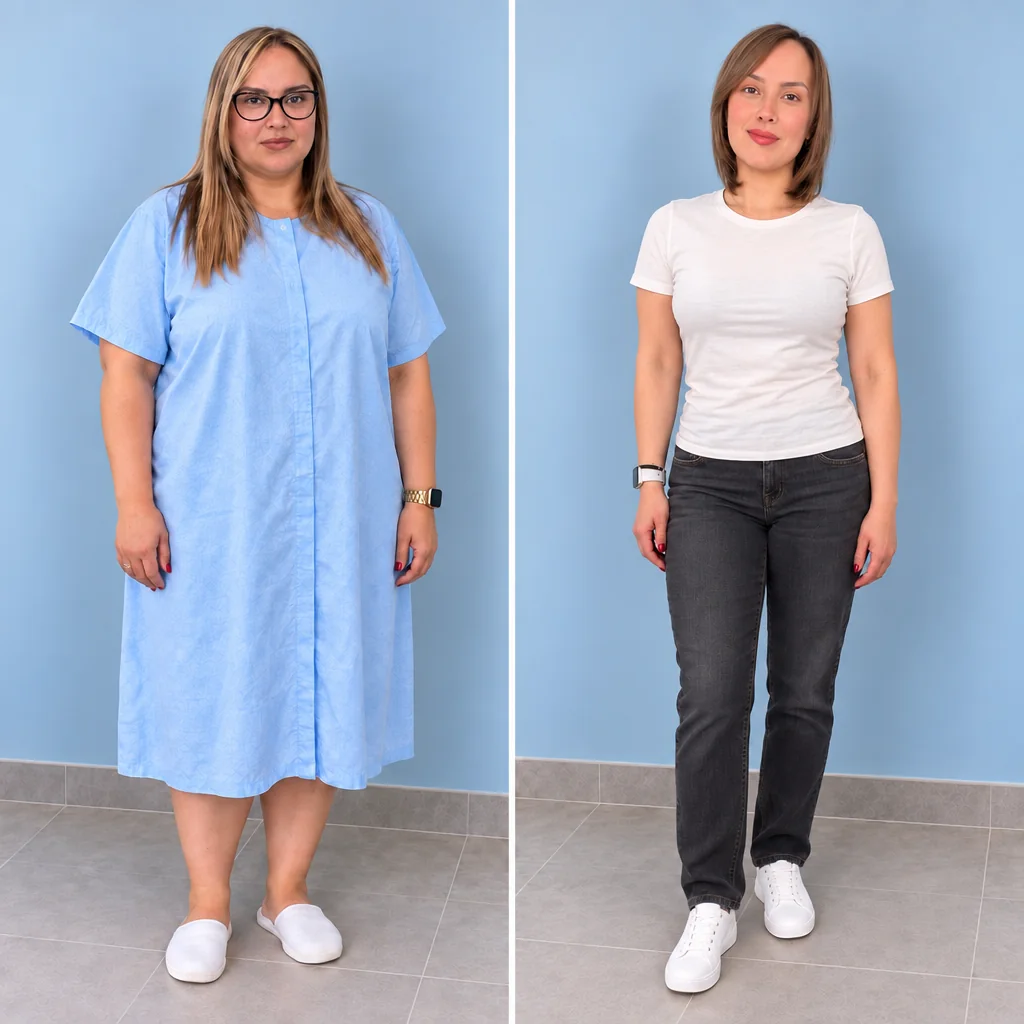 beforeafter
Bariatric surgery
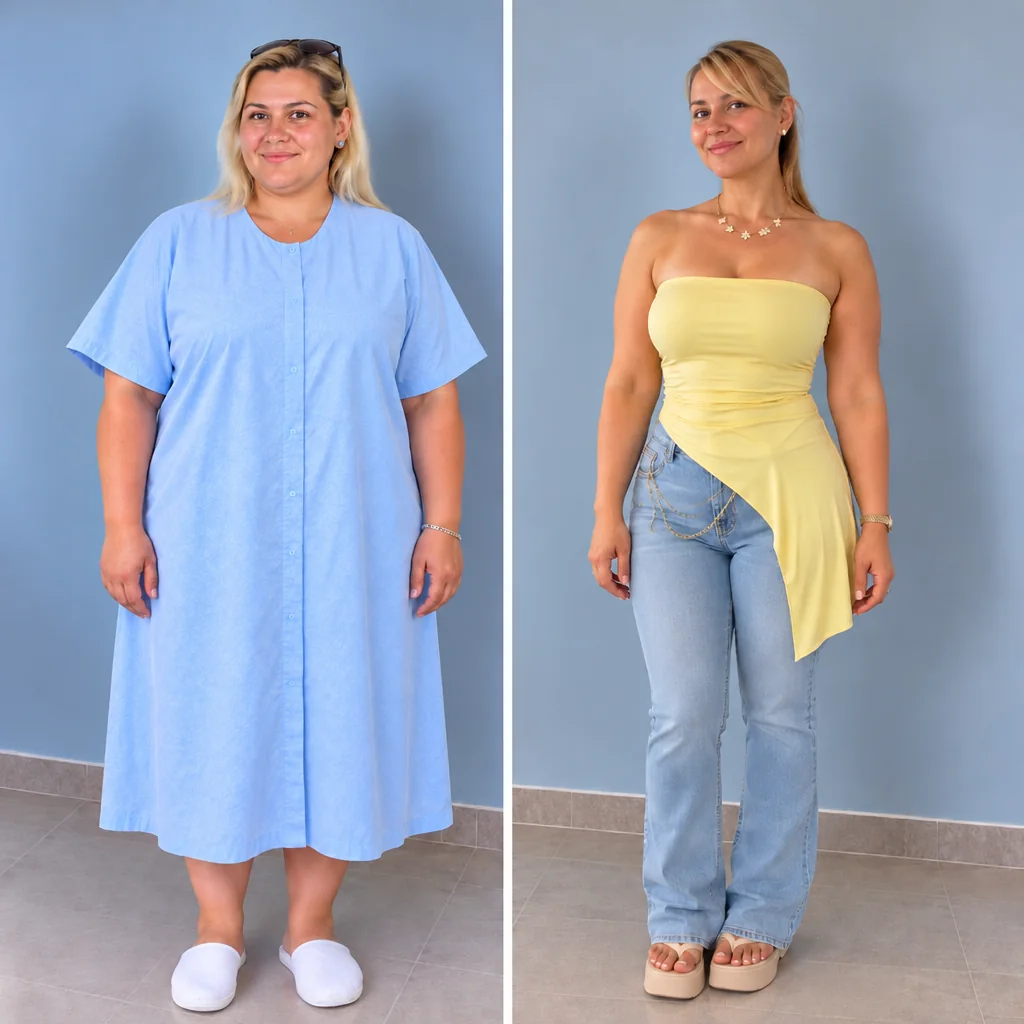 beforeafter
Bariatric surgery
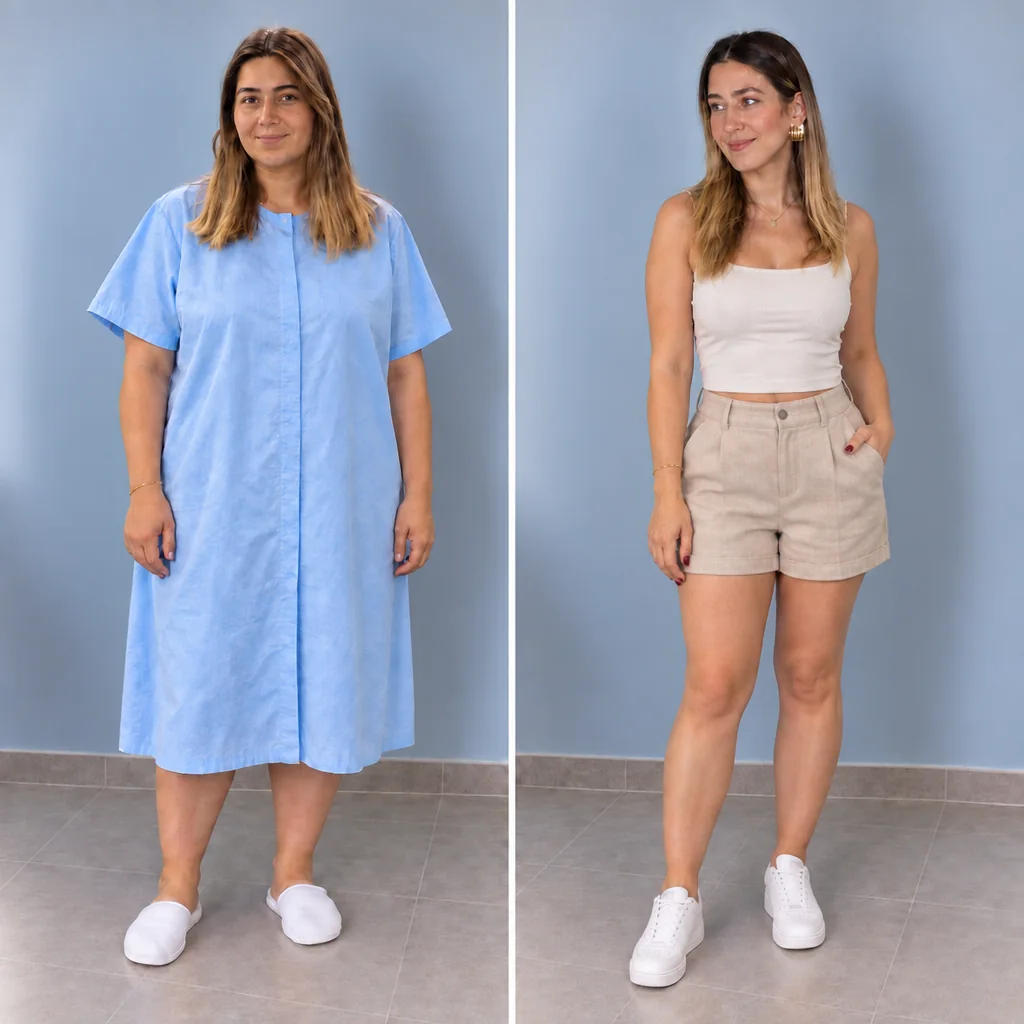 beforeafter
Bariatric surgery
Comparison
Sleeve gastrectomy and gastric bypass are the two main operations we perform. Compare their mechanism, goals and indications to make a confident choice of method.
Making the stomach smaller
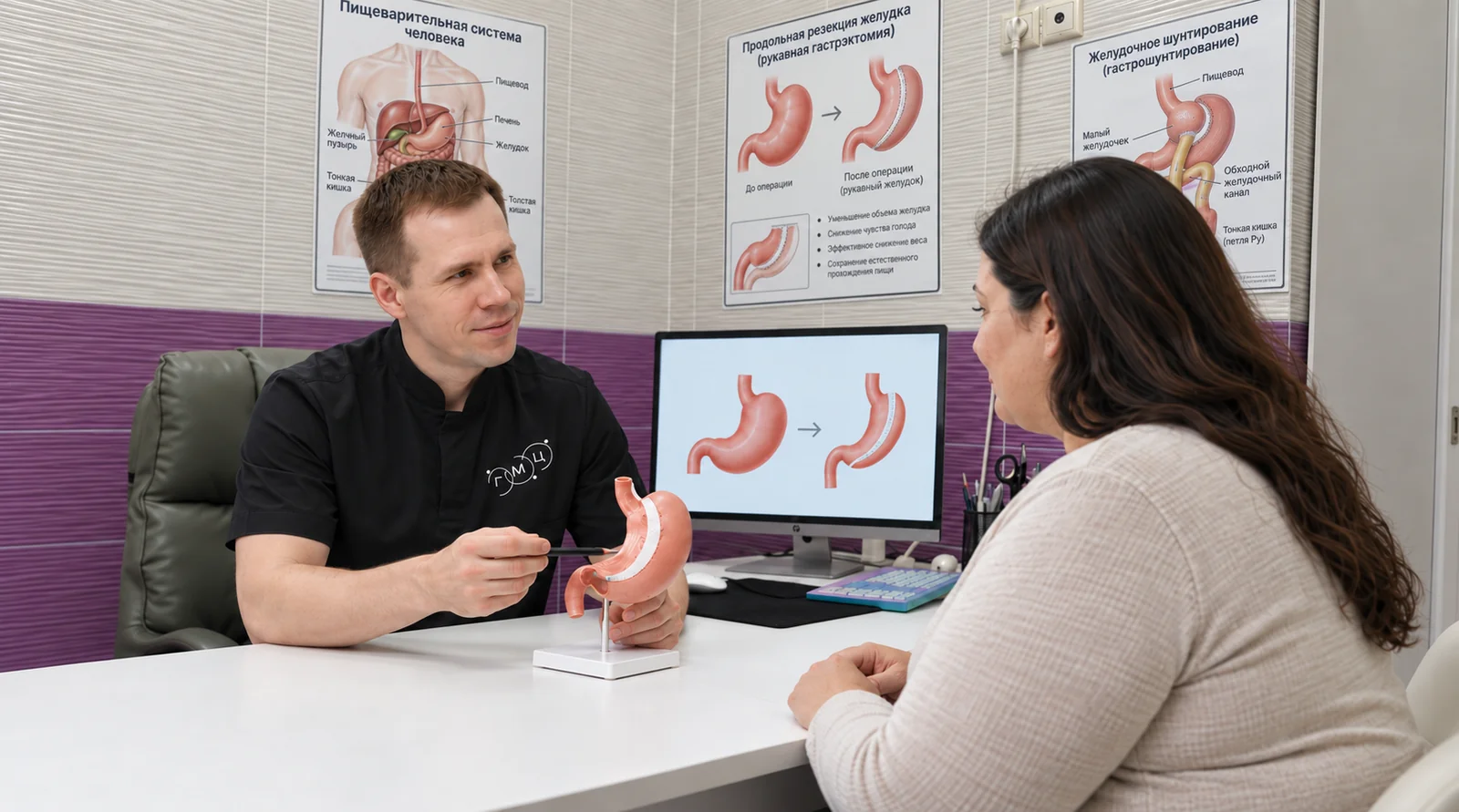
Discounted price
$3,600 $4,800
The stomach is made smaller and food is rerouted
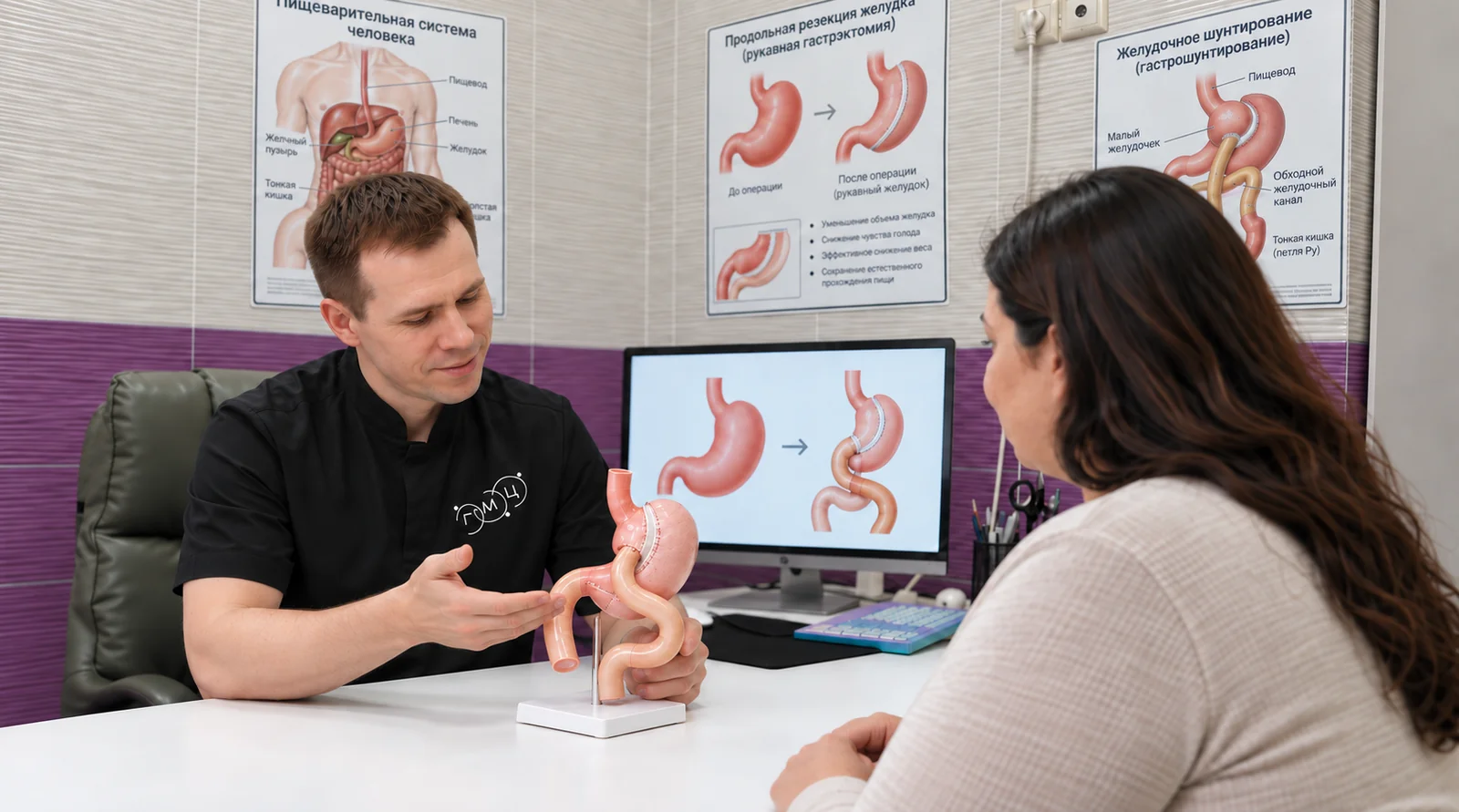
Discounted price
$4,000 $5,200
All benefits and recovery periods listed are averages per method, for guidance only. The extent of surgery and recovery vary with your anatomy and individual traits and are confirmed by the surgeon at the consultation.
Book a consultationThe clinic
Modern equipment, comfortable rooms and care for every patient
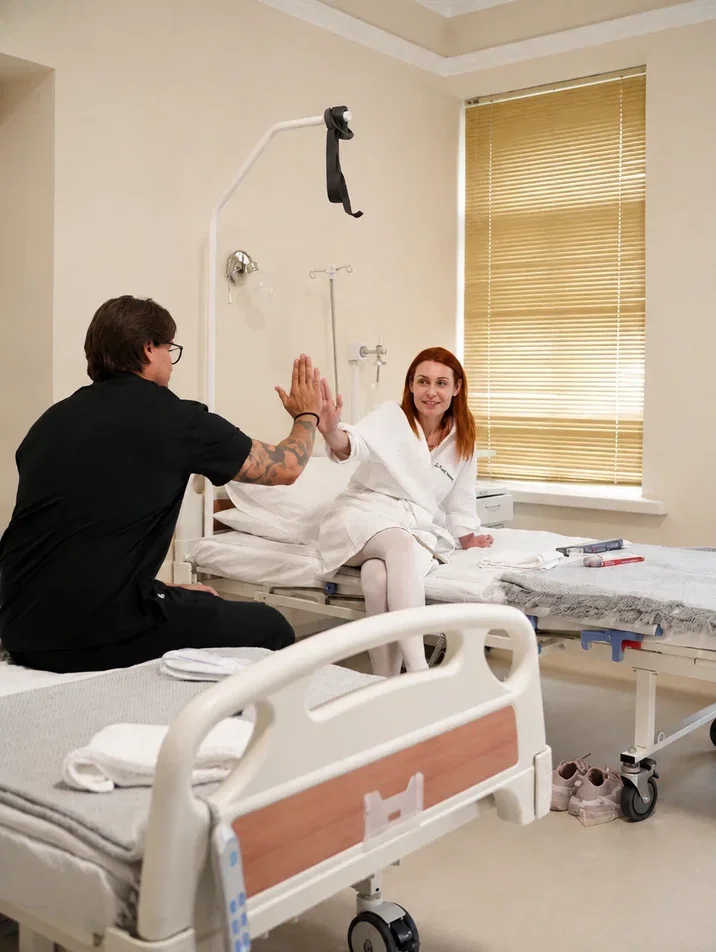
You get answers to your questions and a consultation slot that fits your schedule
Get a consultationWhether to have surgery is decided together with the surgeon after the consultation and check-up.
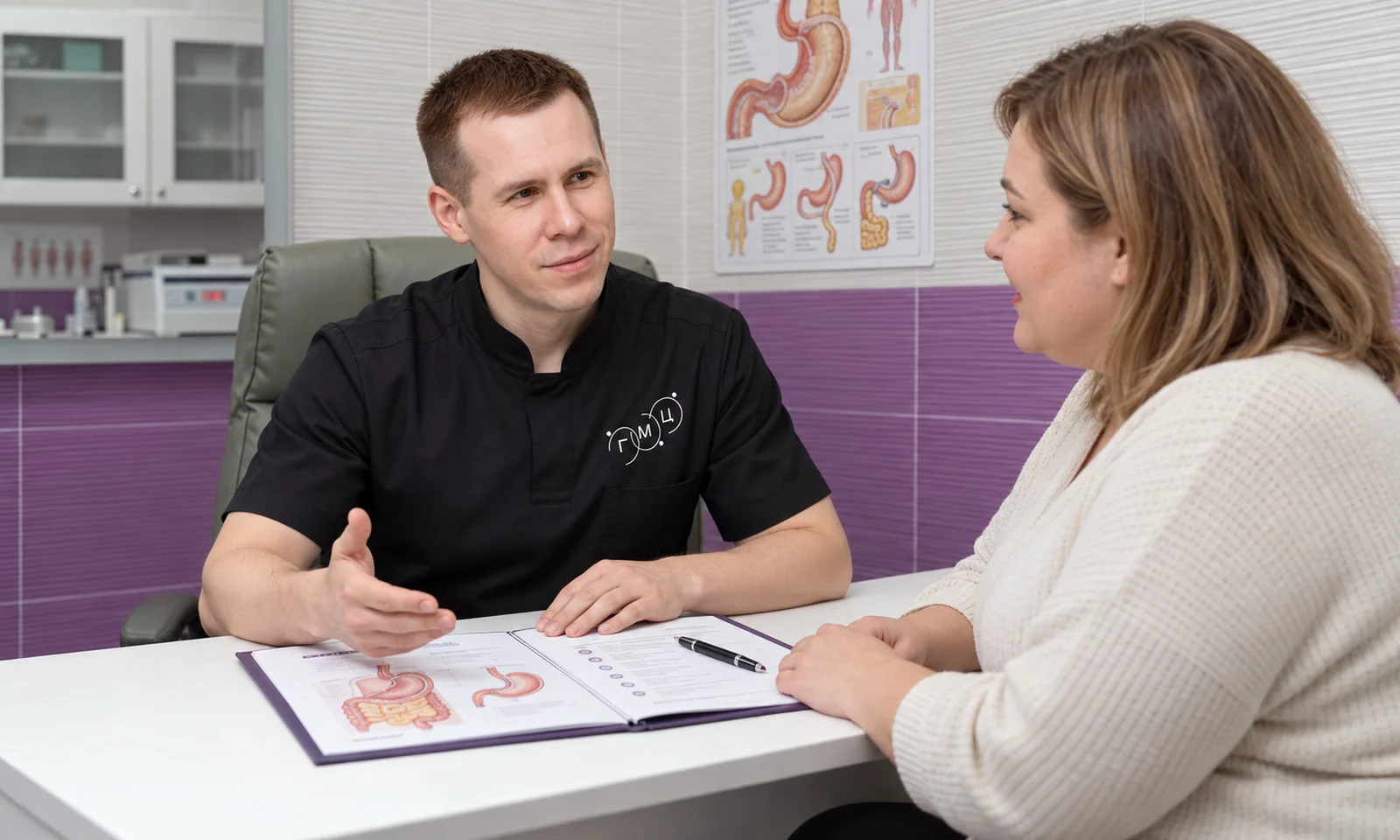
Unsure which column describes you?
Contact us on Telegram, and our coordinator will say whether bariatric surgery is suitable for you. You pay nothing for the surgeon consultation and are not committed to surgery.
Find out if it suits me
Prices
The contract fixes the cost, which is named at the consultation after your plan is drawn up.
Discounted price
Making the stomach smaller
$3,600$4,800
Discounted price
Weight loss and a new route for food
$4,000$5,200
Free
Your treatment plan follows the surgeon's examination

Free
the surgery price is set
and written into the contract
Your doctor assesses your health, discusses your goals and chooses the appropriate bariatric surgery method. The consultation gives you the cost, which is fixed in the contract.
Message our coordinator
Free online consultation · Reply within 15 minutes
Message us on TelegramMessage us on WhatsAppBy messaging us, you agree to our Privacy Policy
price
One package spans preparation through 12 months of support, and there are no hidden extras.Starting with preparation for surgery
and ending with support for 12 months.
What to expect
Monitoring in hospital, an agreed treatment plan and support for a whole year.
 1
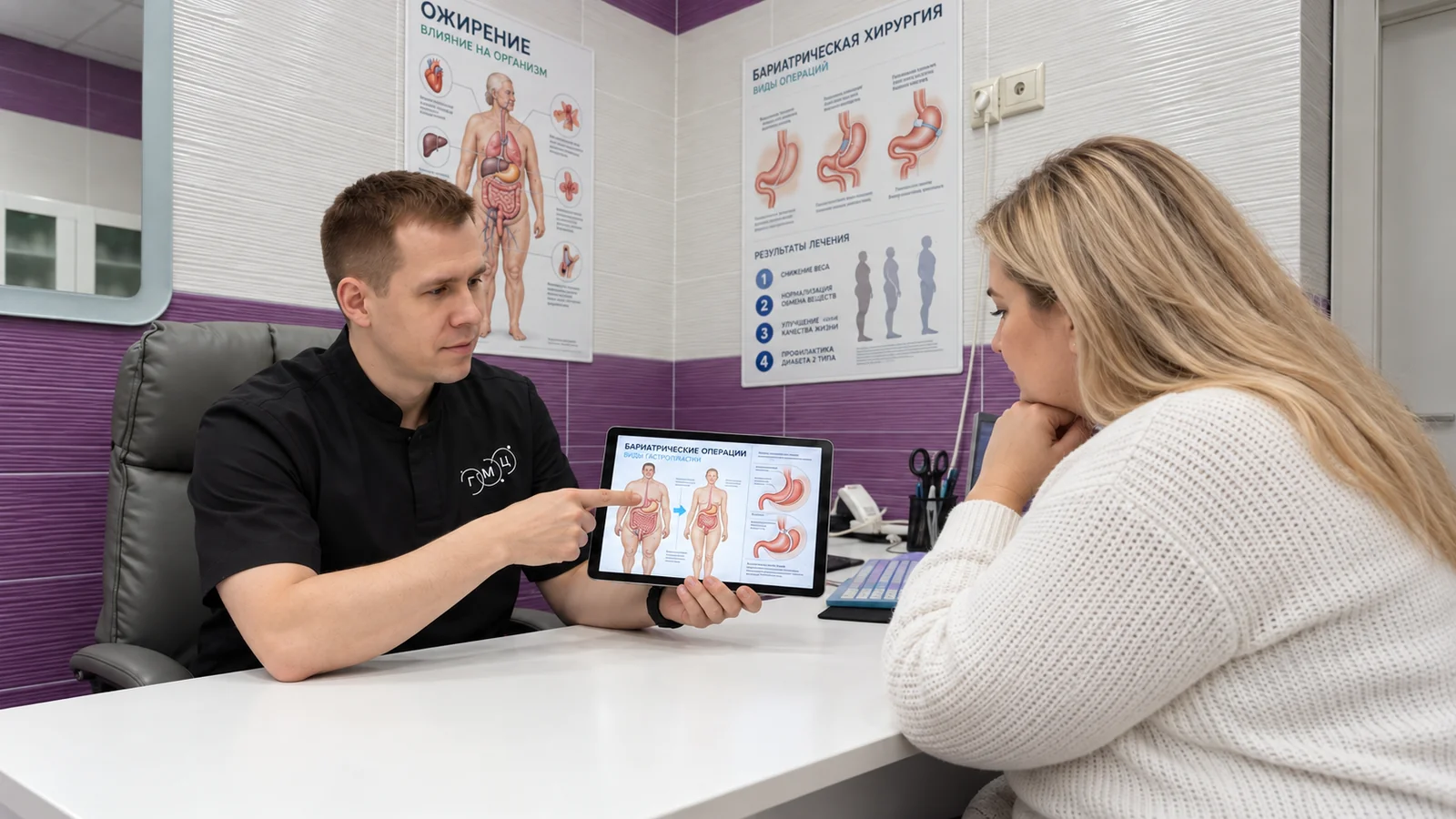
The doctor assesses your health, discusses your goals and orders the tests needed to choose the right bariatric surgery method.
2We reserve your surgery date; the deposit can be made by card in the clinic or by online bank transfer. The contract for medical services sets the terms
 3
Preparation for surgery means blood and urine tests, an ECG, an ultrasound, a gastroscopy and specialist consultations. Your doctor gives you the exact list at the consultation.
 4
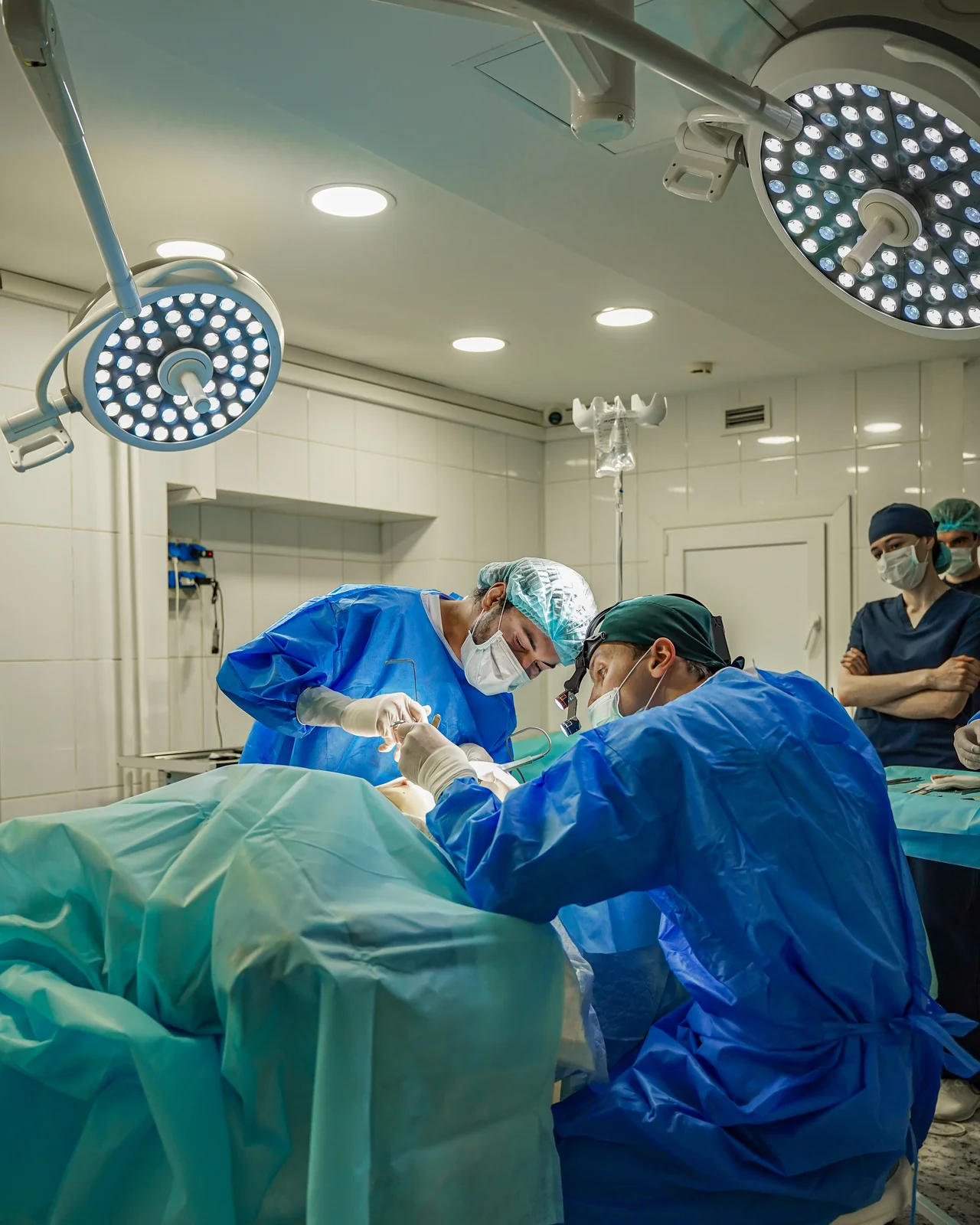
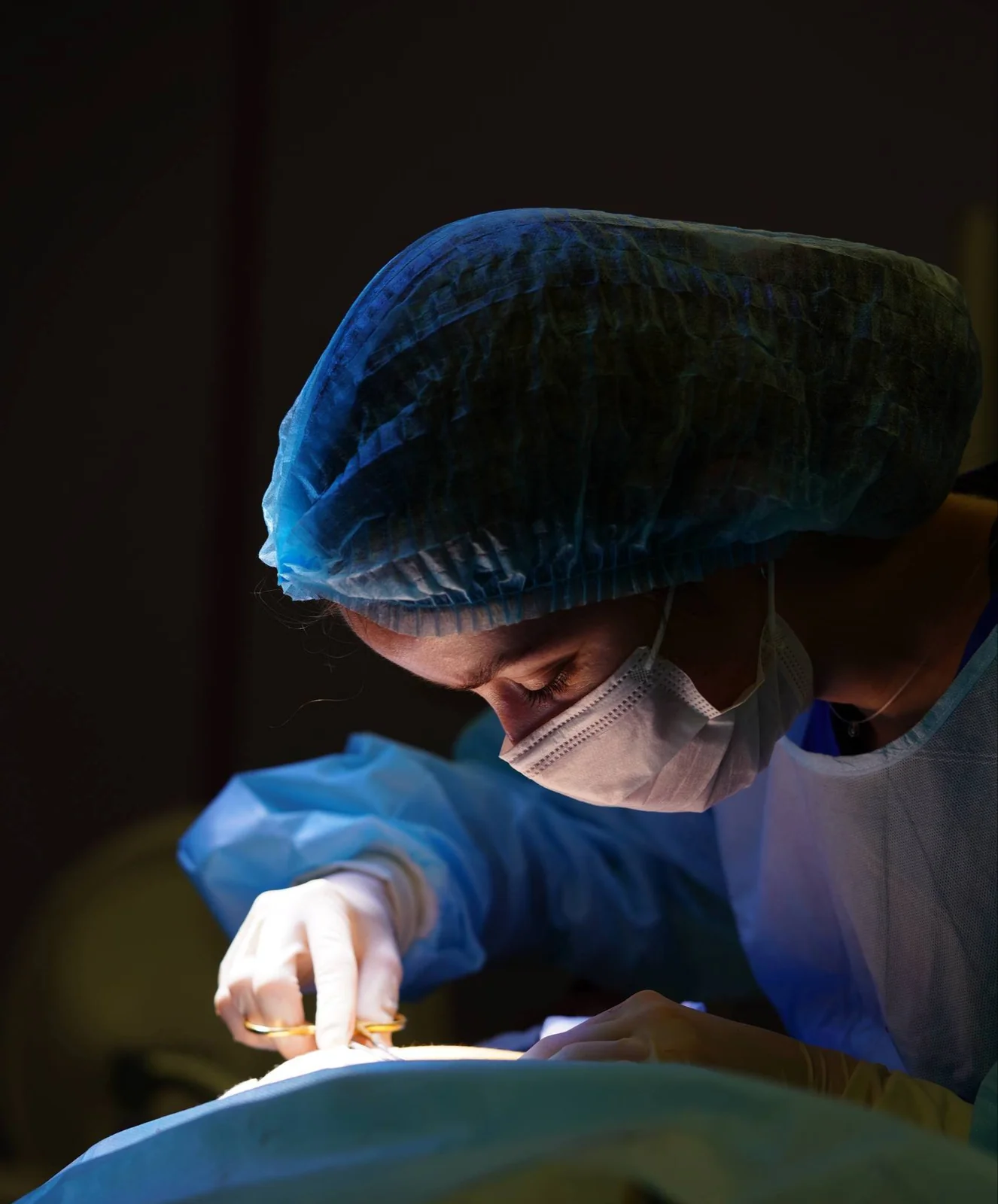
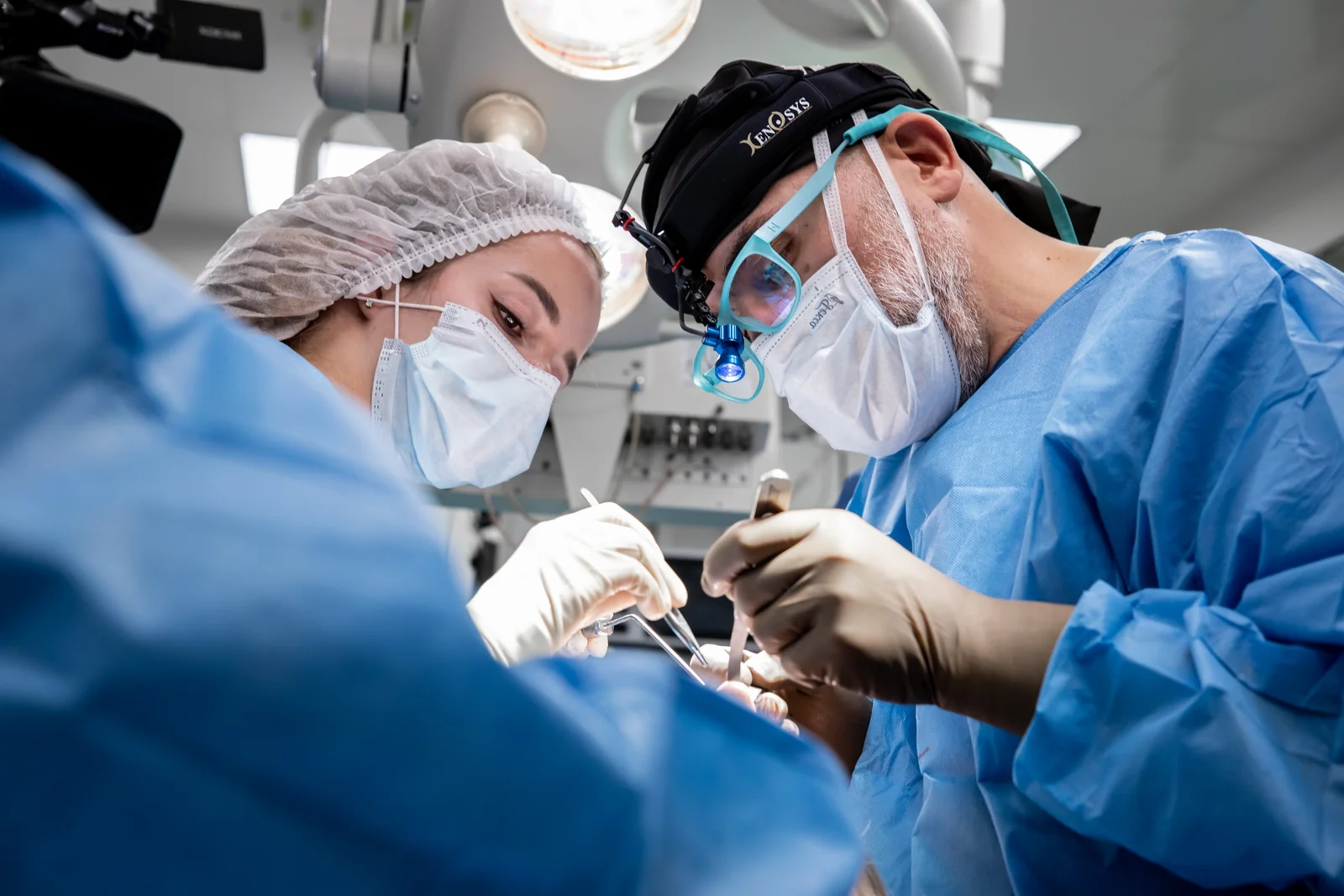
The bariatric operation is performed by the surgeon under general anaesthesia with the selected method. Afterwards the patient is monitored by the medical team.
 5
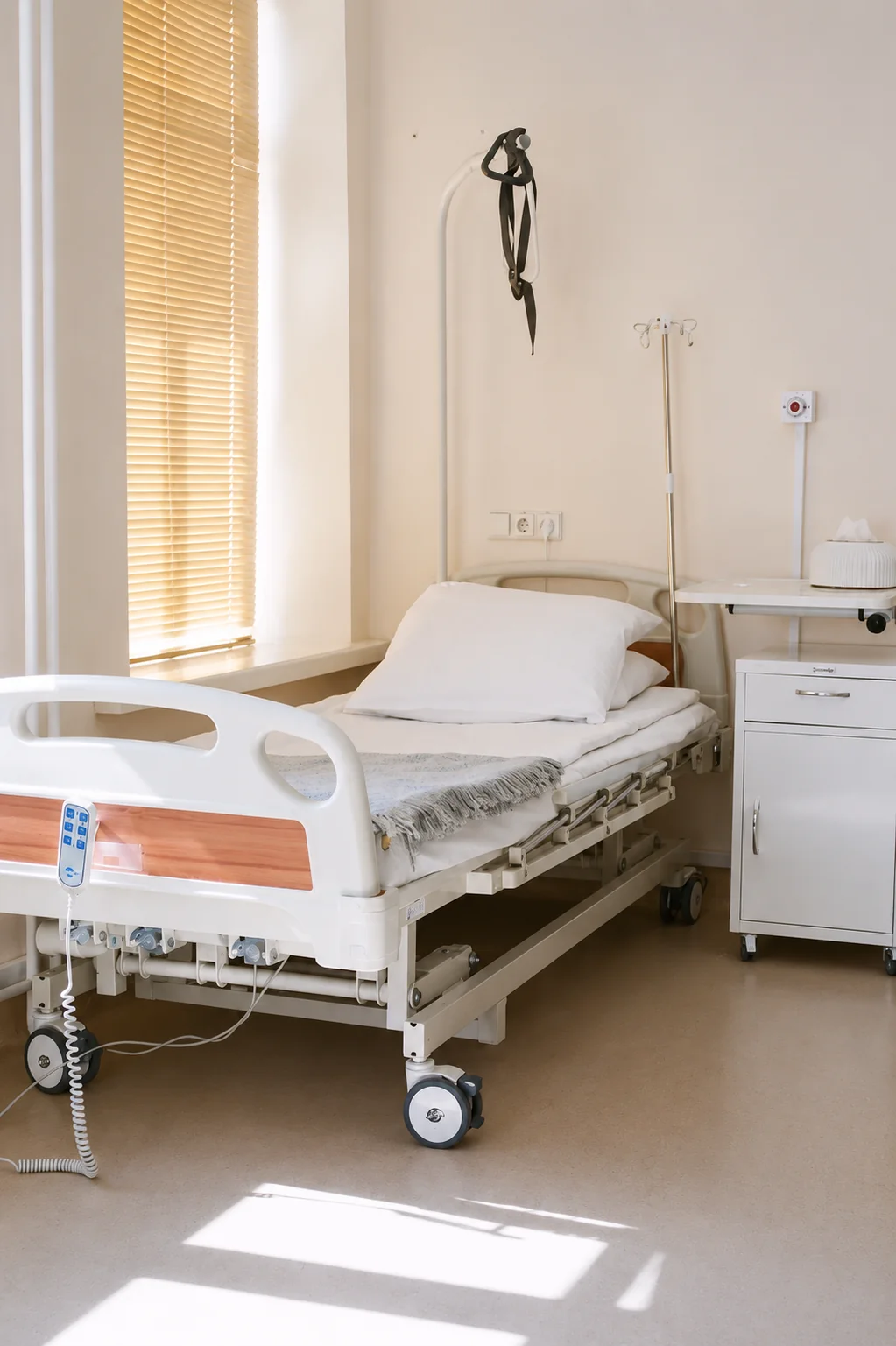
After surgery you remain in hospital under doctors' supervision. Expect a stay of 1–3 to 4–5 days, depending on the complexity of the operation and how you feel.
 6
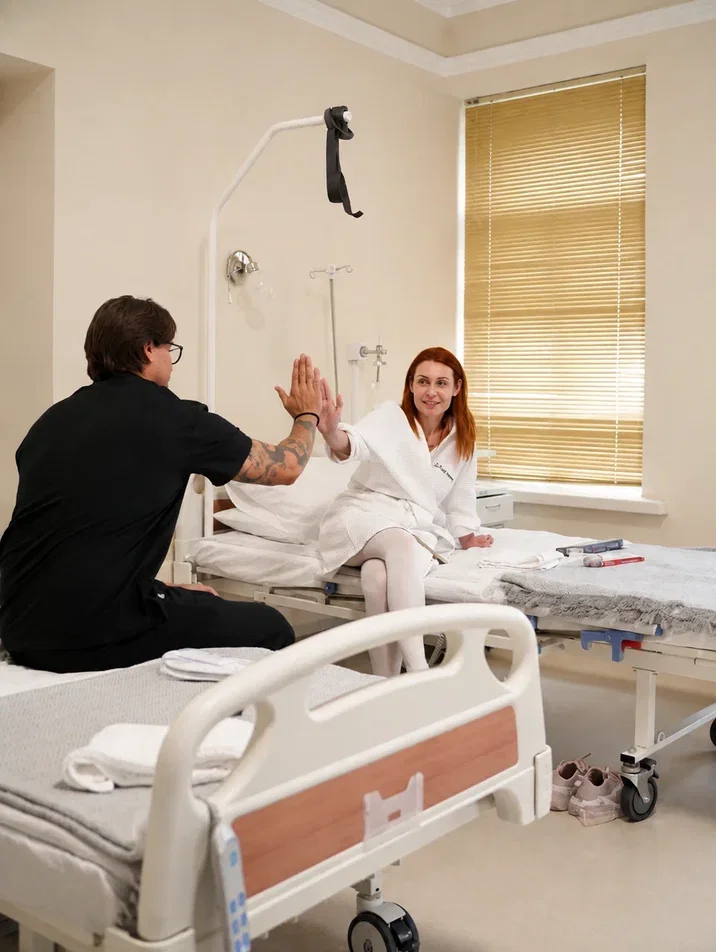
Scheduled check-ups after discharge follow your well-being, weight and test results, alongside advice on diet and recovery. For a year, the clinic team supports you.
At the consultation the doctor draws up your plan and explains the surgery step by step
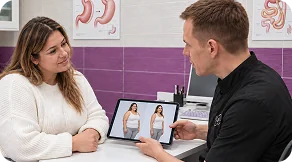
You pay nothing for the consultation, happens before surgery, with no obligation.
Book a consultationDoctors
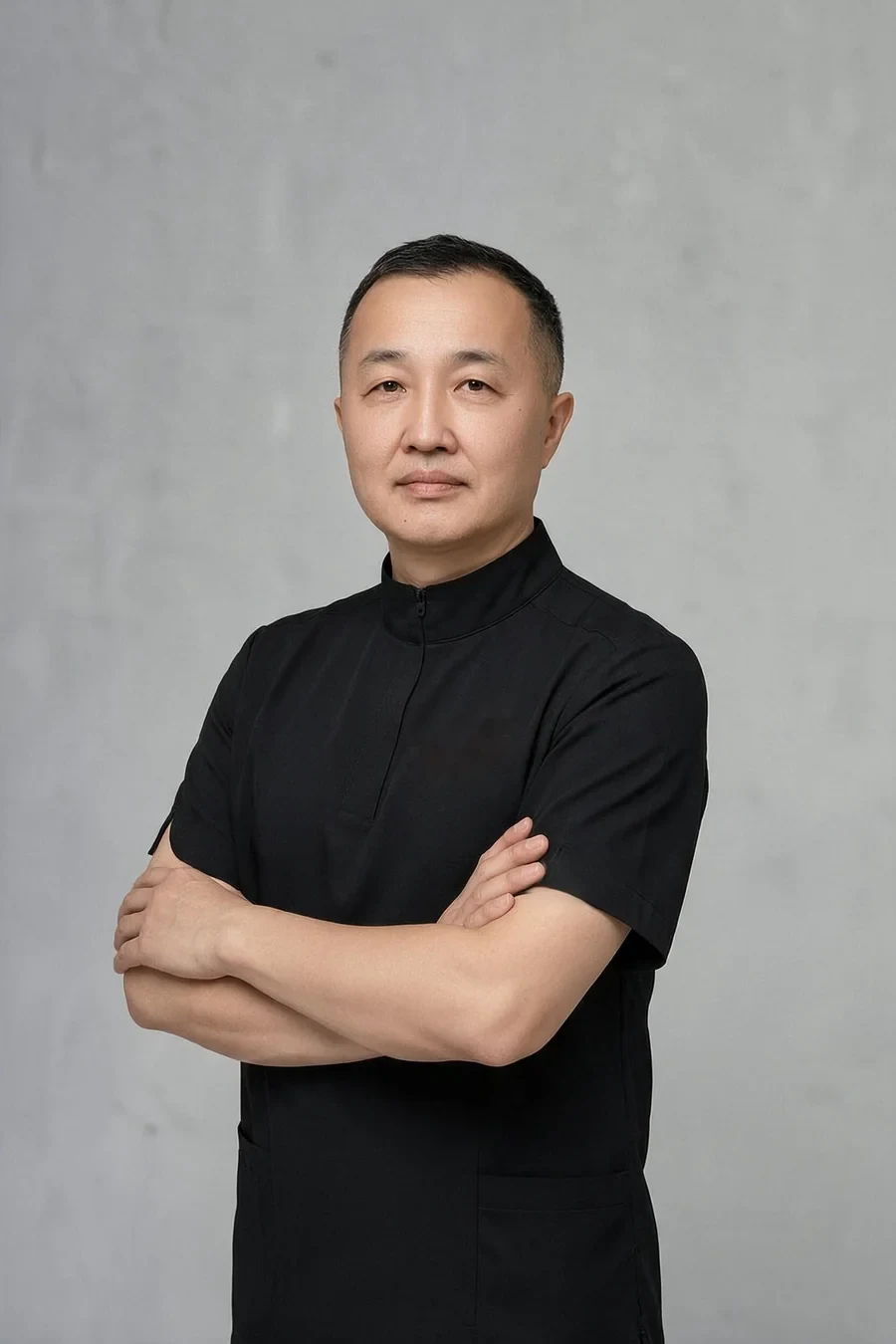
27 years of experience
Senior bariatric surgeon
Surgeon
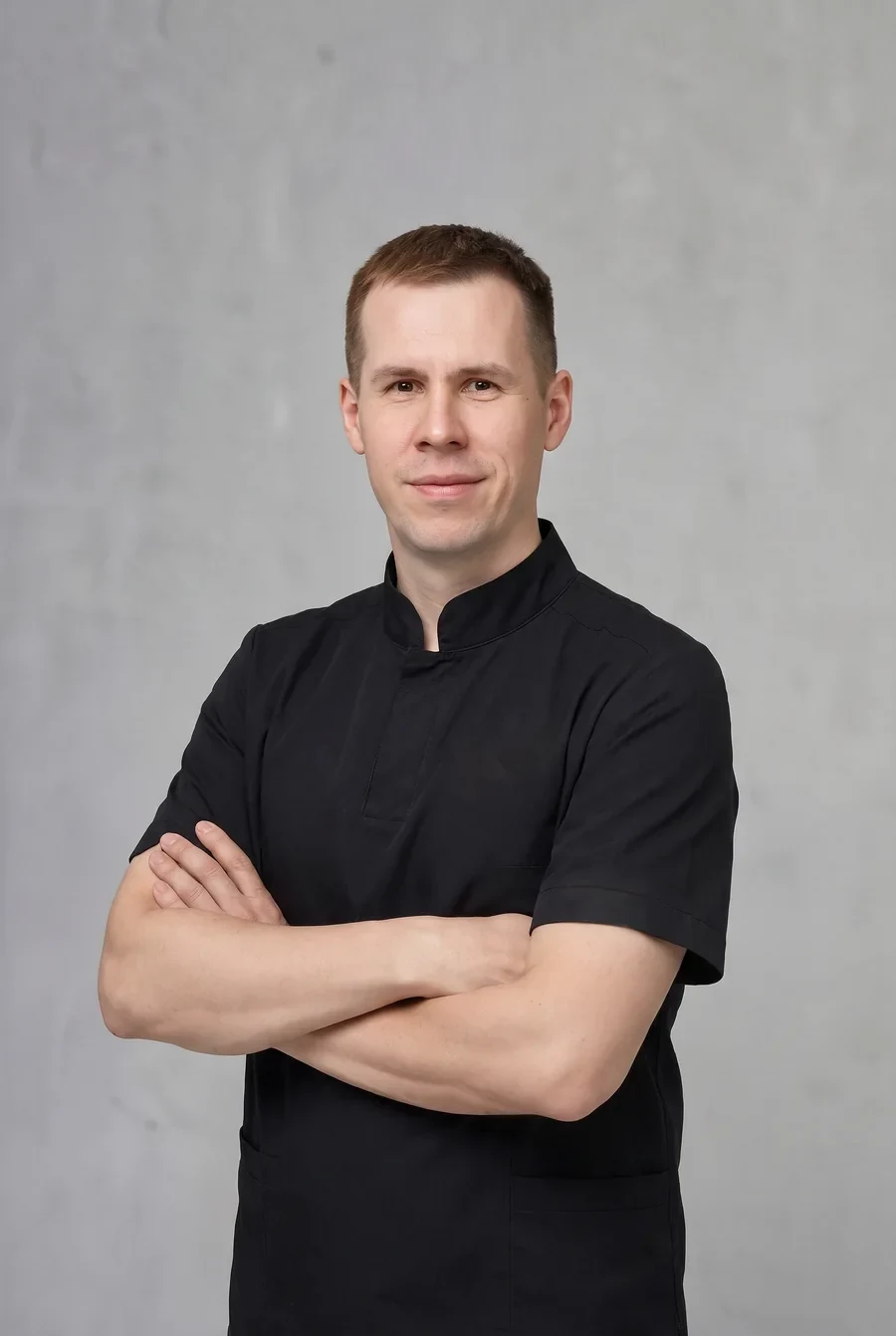
9 years of experience
Bariatric surgeon
Surgical oncologist
From the first consultation to the result, your surgeon operates and follows you.
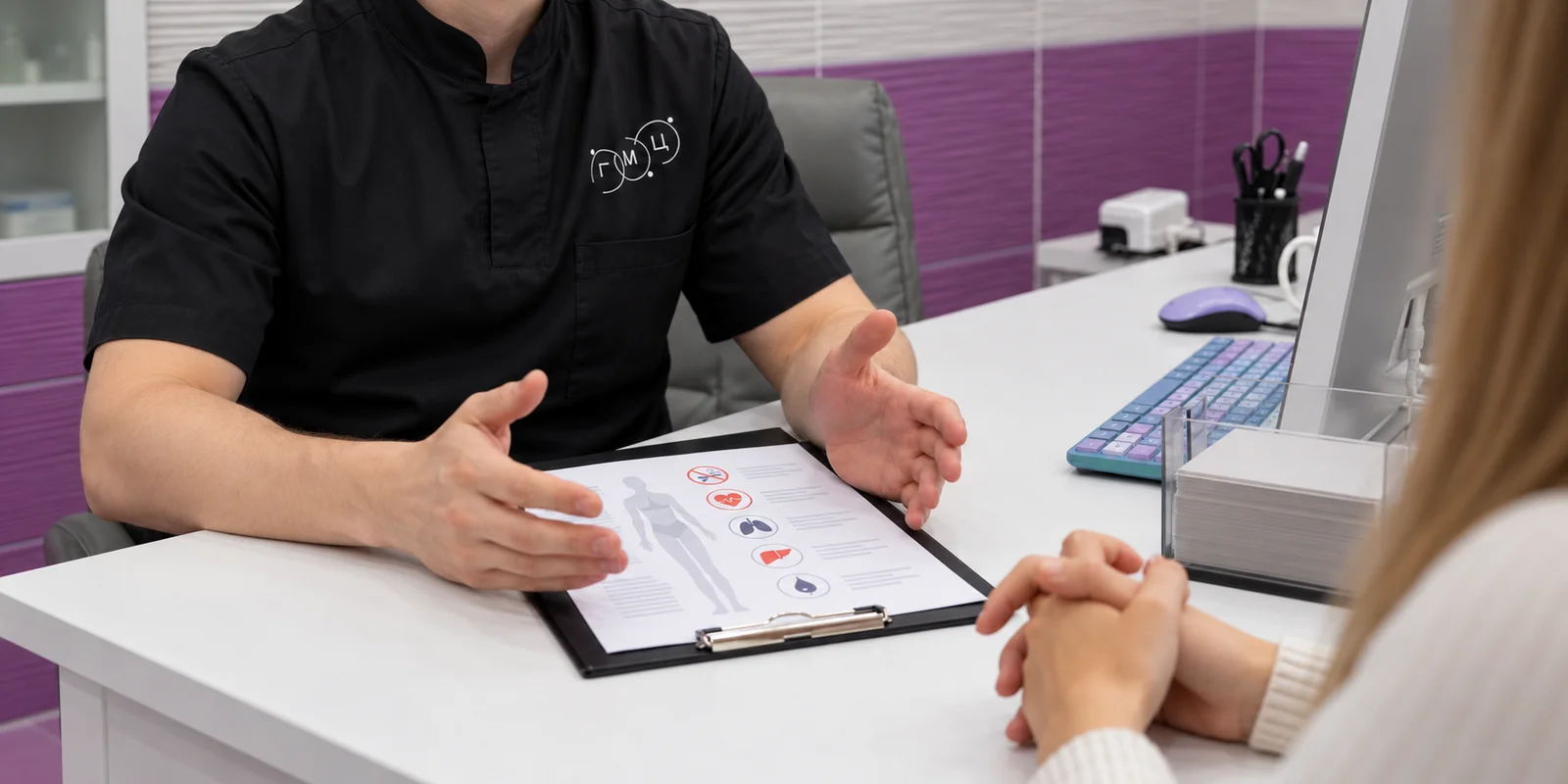
Free of charge, the first consultation with our patient care manager covers calculating your BMI, explaining the methods and booking you in with the surgeon.
Book a consultationCoordinators
We are with you at each stage

The clinic's first contact for you — from your first message until the consultation
Patient care specialist
Answers any questions before your first consultation and helps you choose a suitable date

Stays with you before and throughout your stay, from booking until discharge
Patient care specialist
Helps you prepare for the operation and stays in touch while you are at the clinic

Supports you through recovery — from discharge through to your last check-up
Patient care specialist
Keeps in contact throughout recovery and arranges your follow-up visits with the surgeon
Advantages
We choose the best method for your health, lifestyle and goals. Our team is with you all the way.
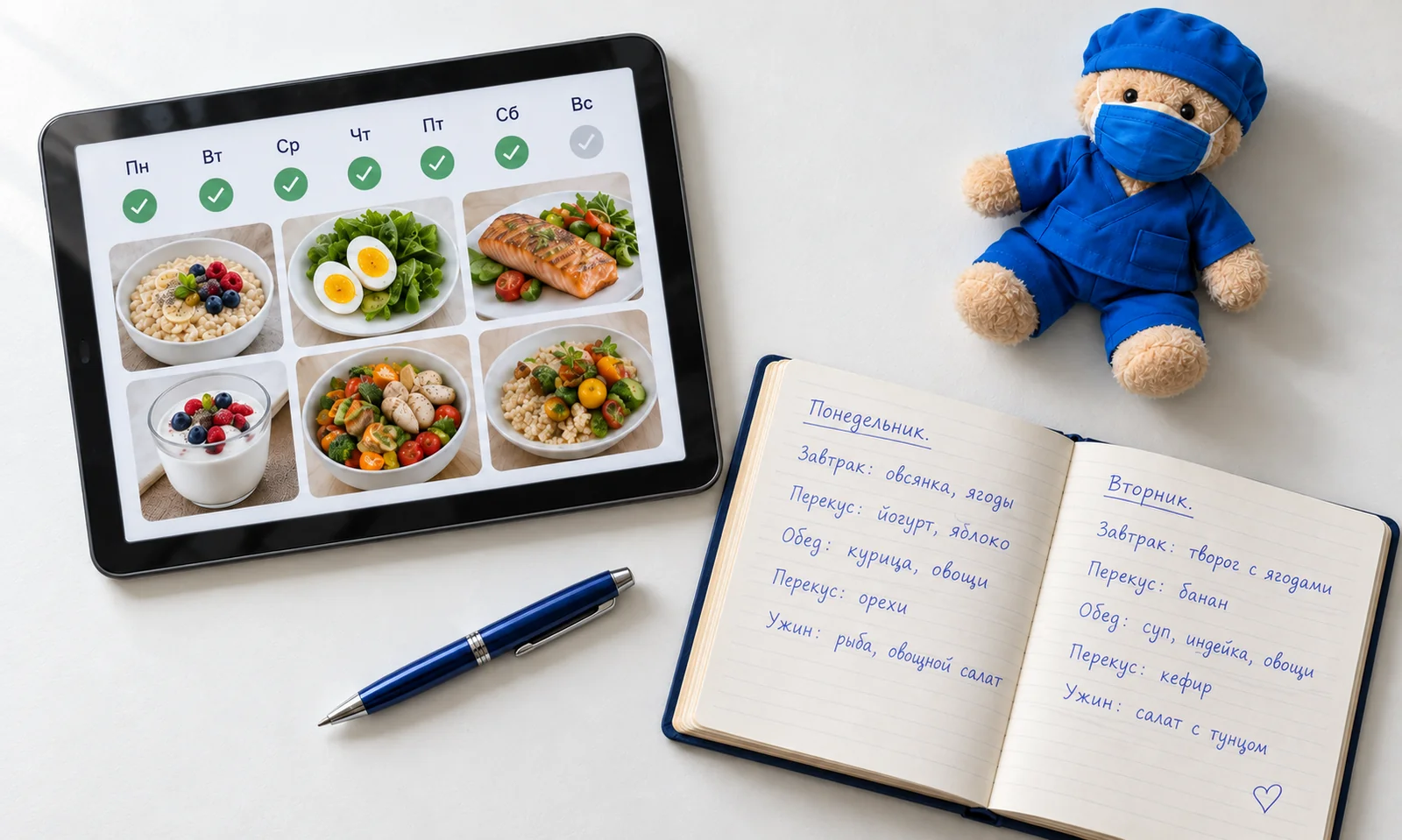
We help you get used to new eating habits, monitor your results and hold on to them.
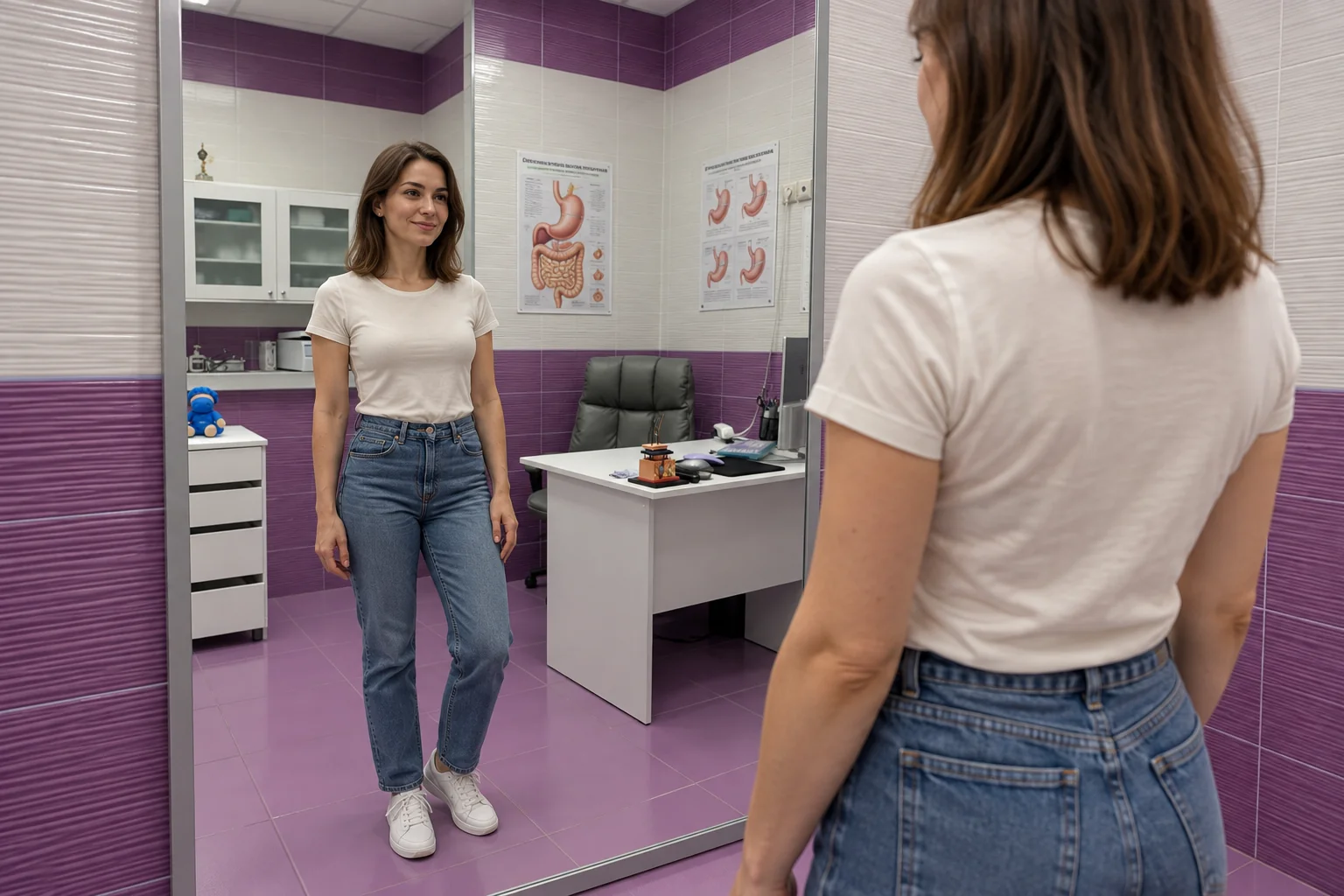
Steady weight loss, feeling better and a higher quality of life.
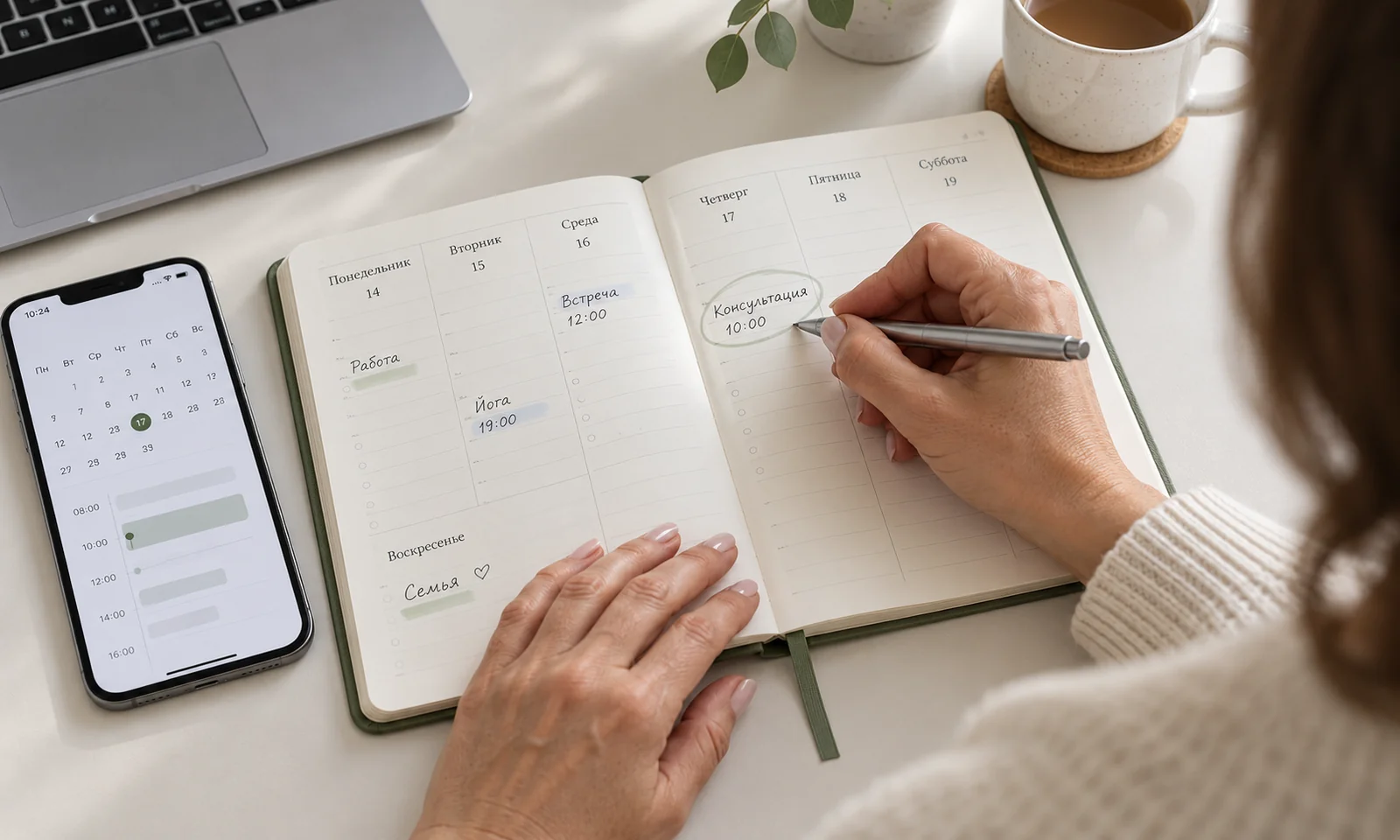
We work 24/7: booking is easy, the approach is personal and we adapt to your pace.
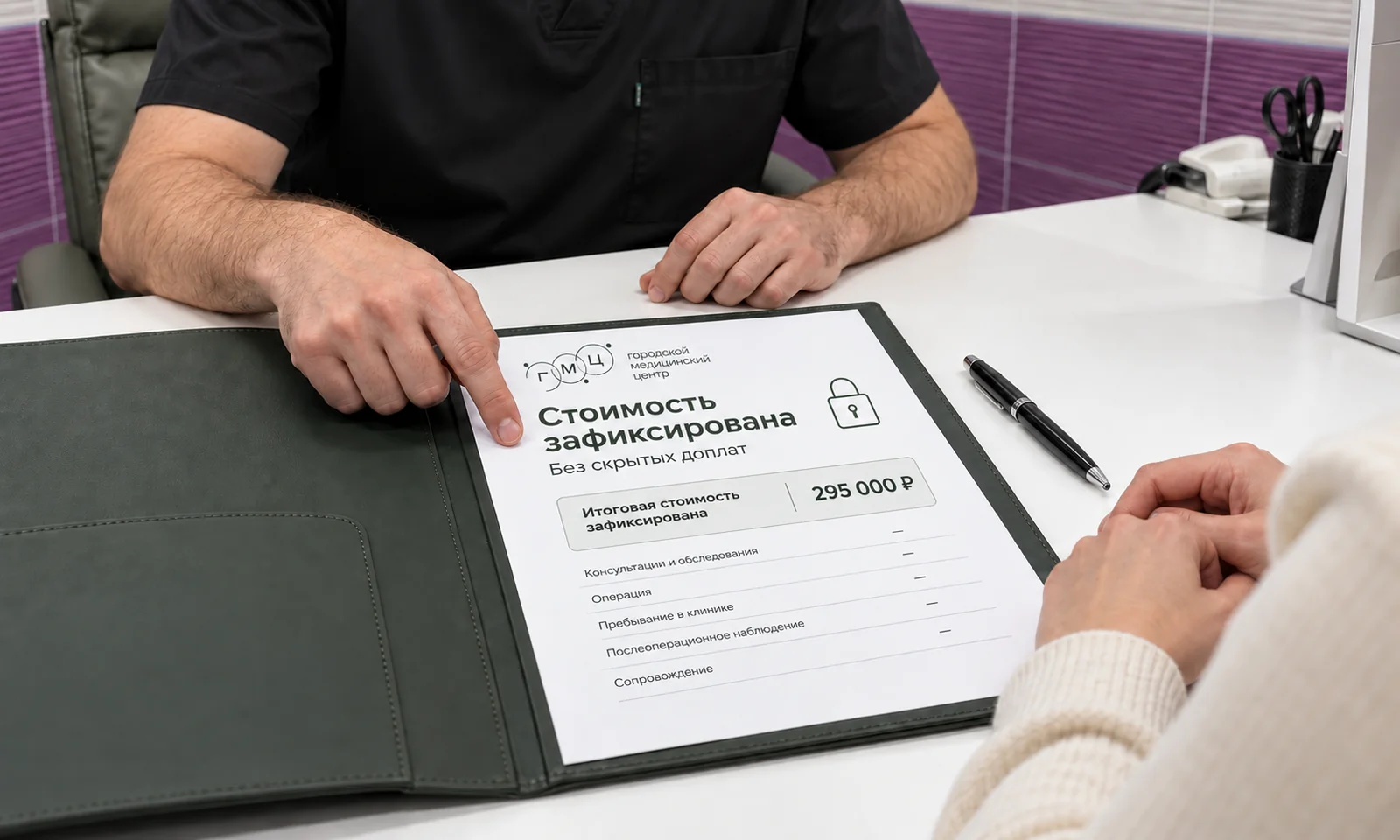
No hidden fees and no surprises on the way to your result: after the consultation the surgeon chooses the method and you get a clear price.
FAQ
The bariatric operations at our clinic are done by experienced bariatric surgeons:
Send us a message to have our coordinator contact you shortly and book your consultation; the bariatric surgeon consultation costs nothing.
Surgery is prescribed only when clear criteria are met
Doctors assess obesity chiefly through BMI: take body weight (kg) and divide it by height squared (m²). Surgical treatment is usually justified at a BMI over 40, or over 35 with serious related conditions. Surgery may also be considered at lower values in some cases — where non-surgical approaches have failed.
People often confuse these two, though their aims are fundamentally different. Bariatric surgery is medical treatment of obesity and associated diseases. It changes the way the digestive tract works, acting on the causes of excess weight and on metabolism. Plastic surgery alters outer body contours and does not treat obesity or affect metabolism.
City Medical Centre offers four main types of bariatric surgery: sleeve gastrectomy, Roux-en-Y gastric bypass, mini gastric bypass (MGB) and SADI-S duodeno-ileal bypass. The method is chosen individually according to BMI, related conditions and the patient's goals.
We use modern laparoscopic technique. The operation is done through 4 small punctures of 5 to 15 mm. Cosmetic sutures are placed, so once healed the marks become almost invisible.
Recovery depends on your activity. Office work: after 2–4 weeks. Physical work: after 1.5 months. Sport and activity: swimming allowed after 30 days, other exercise added step by step as weight drops. Travel and holidays: plan them no earlier than a month after surgery.
Your diet changes in stages: from liquid food to soft, then to solid. The focus is on protein and on limiting high-calorie, fatty food.
Pregnancy after bariatric surgery can happen, though doctors advise holding off at least 12–18 months. In this period the body becomes stable, weight reaches target values and nutritional status normalizes.
Yes, bariatric surgery makes vitamins a must. Since digestive anatomy is changed, absorption of some nutrients drops, and regular vitamin and mineral supplements become permanent in the patient's life.
Regain after bariatric surgery is possible, but very unlikely if you follow the doctor's advice. Proper nutrition, no high-calorie drinks and regular follow-up visits with City Medical Centre specialists make the difference.
Prices are in US dollars; the amount in brackets is an approximate conversion to CDF at the rate of 02.10.2026. The final price is fixed in your contract.
Prices start from $3,600 (≈ CDF 8,400,000). The surgeon sets the final price at the free consultation, and it is fixed in the contract, with no hidden extras.
General anaesthesia, a personal coordinator from day one, monitoring in the hospital and support for one year.
The hospital stay is 1–5 days, depending on the method and how you feel. Office work is possible after 2–4 weeks.
Yes. The first consultation is free and does not oblige you to anything. You can start online by sending a message to the coordinator.
Message us on WhatsApp or Telegram using the buttons below. A coordinator will answer your questions and book a free consultation where the doctor names the exact price.
By messaging us, you agree to our Privacy Policy
Mini gastric bypass is an improved version of the classic operation with a single connection between the small stomach and the intestine. The technique is simpler, recovery shorter, and weight loss reaches 75–80% of excess weight. It is technically reversible, but bile reflux is a possible risk. For people from Goma, the surgeon explains such trade-offs before any decision.
The final result is reached in 1.5–2 years. Throughout the first year the team tracks weight loss, monitors tests and answers questions about diet and recovery, providing psychological and medical support at every stage. For patients in Goma, regular follow-up with specialists and avoiding high-calorie drinks are the keys to keeping the result for good.
What sets this programme apart is a result guarantee written into an official contract: weight loss is fixed legally, not just in words. Surgeons have 9–27 years in the field and work as a permanent team. Goma residents can tick the situations that sound familiar on the page and then check their case for free with a surgeon.
What patients write after this operation. Reviews are translated from the original language.
Irina, 26
For a long time I doubted whether to go ahead with surgery, but after the consultation I felt much calmer. Andrey Georgievich explained in detail how gastric bypass is done, what to expect after the operation and how recovery would go. I especially liked that they talked to me calmly and without pressure. I am now gradually getting used to my new way of life and I am very glad I took this step.
Bariatric surgery
Doctor: Andrey G. Ugay
Angelina, 22
For me the hardest part was deciding to have the operation. At the consultation Ruslan Sergeyevich answered all my questions in detail and explained the specifics of sleeve gastrectomy and recovery. After the operation I always understood what I was doing and why. Thank you to the doctor and the whole team for their attentiveness.
Bariatric surgery
Doctor: Ruslan S. Menzulin
Anna, 31
For a very long time I tried to deal with my excess weight on my own, but I did not get the result I wanted. After the consultation with Andrey Georgievich I finally understood what to do next. I came through the operation well, and my recovery was supervised by the doctors. It was important for me to feel that I was not left alone after surgery.
Bariatric surgery
Doctor: Andrey G. Ugay
Veronika, 25
Before the operation I had many fears, mostly of the unknown. Ruslan Sergeyevich explained every stage of treatment in detail and answered even the simplest questions. Thanks to that I felt much more confident. I keep following the recommendations and I am gradually seeing the changes I had the operation for.
Bariatric surgery
Doctor: Ruslan S. Menzulin
Valentina, 23
The decision to have bariatric surgery was not easy for me. I worried both about the operation itself and about how my life would change afterwards. At the consultation Andrey Georgievich explained everything in detail, so little by little my fear turned into confidence. What matters most to me now is the result and the chance to treat my health and lifestyle differently.
Bariatric surgery
Doctor: Andrey G. Ugay
Anna, 27
I am very grateful to Ruslan Sergeyevich for his attentiveness. Before the operation I had a huge number of questions, and I got a clear answer to every one of them. After the operation it was also clear which recommendations to follow and how to eat. It was important to me that the doctor stayed in touch and I felt supported at every stage.
Bariatric surgery
Doctor: Ruslan S. Menzulin
Page medically reviewed by Andrey G. Ugay, lead bariatric surgeon. Review date: .
Goma is the capital and largest city of North Kivu province, on the northern shore of Lake Kivu in the east of the Democratic Republic of the Congo. A 2024 estimate put the population at approximately 782,000 people, and the city is divided into two communes, Goma and Karisimbi, with 18 quarters between them. It is a busy, crowded place where people study, trade, run households and work in offices and markets. Weight rarely comes up in public conversation, yet many residents quietly ask whether sleeve gastrectomy or gastric bypass could help them.
This block is written for people in Goma who are considering bariatric surgery and want to understand how it fits into local life. The operation is not a quick fix. It is a long process that starts with an honest assessment, continues through hospital care, and then becomes a change in everyday eating, movement and check-ups. A realistic plan, made around your own routine in Goma, matters more than the choice of a single technique.
City Medical Centre works with patients in Goma through free online consultation. Coordinators are available around the clock, 24/7, on WhatsApp and Telegram. You can send your questions at any hour, including late in the evening after the working day, and a coordinator will call you back 24/7. Nothing is decided in the first message: you describe your height, weight, health history and what you have already tried, and the surgeon then explains whether surgery suits you.
Goma has a tropical savanna climate, but it is much milder than most places at its latitude because of the city's high altitude. Days are warm and nights are pleasant throughout the year. For someone recovering from surgery this is a gentle background: you are rarely forced to choose between extreme heat and extreme cold, which makes the first weeks at home easier to manage.
Warm days still call for sensible habits. Light, breathable clothing helps you stay comfortable, and any compression garment your surgical team recommends should be worn as instructed, with a soft cotton layer beneath it if the skin feels sensitive. Swelling around the small puncture marks usually settles gradually, and heat can make you feel tired, so plan walks for the cooler parts of the day. Drink fluids in small, regular sips, as your team advises, rather than large amounts at once.
Sun protection matters for healing skin. The operation is performed through 4 small punctures of 5 to 15 mm, and cosmetic sutures are used, so after healing the marks are barely visible. To help them heal evenly, keep them out of direct strong sun, wear loose clothing over the area and ask the surgeon when sun cream can be used on the scars. A hat with a brim is a practical choice for walks in the city.
Goma lies on a volcanic plain, with basalt surfaces and only a small portion of slightly sandy soil. In the first days after you return home, avoid unnecessary outings on rough or uneven ground, and keep the wound area clean and dry according to the instructions you receive. General advice only: your surgeon decides what is right for your case.
Goma has a large student population. The University of Goma, the Free University of the Great Lakes Countries and the Adventist University of Goma are all based here, and the city also has a regional cultural centre and an art school. If you study or teach, think about the academic calendar when choosing a date. Recovery time depends on the activity: office work is possible after 2–4 weeks, and physical work after 1.5 months. A lecturer, a clerk or a student working mostly at a desk can therefore plan a shorter absence than someone who lifts loads all day.
Much of the local economy rests on agriculture and trade: buying and selling farm products, fish from Lake Kivu, legumes, maize and tubers. Market work often means long hours on your feet, carrying baskets and standing in the warmth. If this describes your job, talk openly with your surgeon about the 1.5 months before heavy physical work, and arrange cover with a colleague or family member so that you do not feel pressure to return early.
The hospital stay is 1–5 days, depending on the method and how you feel. Doctors supervise you in hospital after surgery for a stay of 1–3 to 4–5 days, depending on the complexity of the operation and how you are feeling. Tell your employer or your faculty a realistic timeline in advance, and let the coordinator know about fixed commitments such as exams, harvest periods or family obligations so that the plan is built around them.
Many people in Goma also live in large households with children, parents and relatives who depend on them. Before surgery, agree who will cook, who will run errands and who will care for young children during the first days. A short list on the wall of the kitchen often saves a great deal of stress.
Everyday food in Goma is shaped by what the surrounding region produces: tubers, maize, legumes, garden vegetables and fish from Lake Kivu, which has fish markets on its shores twice a week. These are familiar, nourishing foods, and after bariatric surgery many of them can remain part of your diet in a different form and in much smaller portions. The surgeon and dietitian explain the stages, from liquids to soft food to normal textures, and which dishes to introduce at each stage.
Fish and legumes are valuable sources of protein, which the body needs during weight loss. Fried, very oily or sugary dishes and sweet drinks are usually difficult after sleeve gastrectomy or gastric bypass, and some can cause discomfort. Ask your team how to adapt a favourite local meal, for example by steaming or grilling instead of frying and by chewing slowly and stopping at the first sense of fullness.
Family meals and celebrations are central to life in Goma, and food is a way of showing hospitality. Refusing a second plate can feel awkward at first. Prepare a simple sentence for relatives, such as that your doctor has asked you to eat small portions, and bring your own suitable dish if the gathering is long. Over time relatives usually adapt, and many begin to eat lighter too.
The approach is personal, and we adapt to your pace. You can send photographs of typical meals to the coordinator before the consultation so the team understands how you eat now. That gives the surgeon and dietitian a realistic basis for advice rather than a generic menu.
Surgery is usually considered for a BMI over 40, or over 35 with related health conditions. BMI is the main tool for assessing the degree of obesity. It is calculated by dividing body weight (kg) by height squared (m²). The WHO also describes overweight and obesity through this measure. In some cases surgery is considered at lower values too, if non-surgical approaches have failed. The surgeon confirms whether surgery suits you at the consultation.
Related conditions that doctors look at include high blood pressure, type 2 diabetes, sleep apnoea and joint problems. If you live in Goma and have been told that your weight contributes to such conditions, bring any results you have to the online consultation: blood tests, notes from your local doctor and a list of medicines. Doctors in the city's hospitals and health centres keep these records, and your own copies make the conversation faster.
Some situations call for caution or for a different plan. Examples in general terms include active serious illness, unstable mental health that has not been assessed, untreated eating disorders, current pregnancy and difficulty following long-term instructions. These are not automatic reasons for refusal, but they must be discussed honestly. Surgery is a tool, not a replacement for follow-up.
Nutrition deserves special attention. Anyone who has lived with periods of limited food or stress may have a complicated relationship with eating. Tell the team about this, because it influences both preparation and the support needed afterwards.
Sleeve gastrectomy and gastric bypass are two different operations, and the choice depends on your health, your eating habits and your goals. We rely on modern laparoscopic technique. The operation is performed under general anaesthesia through 4 small punctures of 5 to 15 mm. Ask the surgeon why one method suits you better than the other and what the typical consequences are for eating, vitamins and long-term monitoring.
Useful questions for a patient in Goma: How long will I be under observation? The answer is 1–5 days. When can I return to office work? After 2–4 weeks. When may I swim? Swimming is allowed after 30 days, and other exercise is gradually added as weight goes down. Which supplements will I need, and how will my blood tests be monitored from home? What symptoms should make me call the coordinator immediately?
Ask also about the whole process rather than the operation alone. From preparation to 12 months of support, everything is in one package, with no added fees. Follow-up support lasts for 12 months. Ask what that includes in practice: contact with the coordinator, dietary guidance, review of test results and help if something feels wrong. Write down the answers so that a relative can read them later.
Finally, ask about expectations. The result develops over time and is best judged 18–24 months after surgery. A good surgeon will not promise a particular number on the scale; they will describe a realistic range and explain how your own habits influence it.
Because Goma is mild all year, there is no season that makes surgery impossible. The better question is which weeks of your year are calmest. Many patients prefer a period without exams, major deadlines, the harvest rush or large family events, so that they can rest during the first weeks without guilt.
Think about the practical rhythm of life: school terms for children, the peaks of market activity, religious holidays and family gatherings. If a wedding or a funeral is coming, do not schedule surgery just before it, as the food and the crowd are tiring and hard to manage in the early period. Schedule it after the event, or choose a later date.
Weather still plays a small part. During rainy spells the ground can be wet and walking more difficult, while on very hot days you may feel weaker. Neither is a barrier, but both are worth considering when planning your first walks. The coordinator can help you compare possible dates against your calendar.
Allow time before the operation as well. Preparation includes tests, a consultation, a talk with the dietitian and sometimes changes in diet beforehand. Starting these steps early reduces stress and lets you fix the date with confidence.
Walking is the simplest and most useful activity after bariatric surgery. Goma's altitude and pleasant evenings make short walks comfortable, and you can increase them step by step. Start with a few minutes around the house and then extend, always following the surgeon's advice. Do not compare yourself with others; your pace is individual.
Lake Kivu is a natural attraction, and many residents enjoy being near the water. Swimming is allowed after 30 days, provided the wounds have healed and the surgeon agrees. Other exercise is gradually added as weight goes down. Football, running, dance and gym work should be reintroduced slowly, beginning with light sessions, and heavy lifting or strong abdominal strain should be postponed until the doctor confirms it is safe.
Physical work has its own timeline: after 1.5 months. If your job involves carrying goods, working in the fields or standing for many hours, discuss a gradual return and ask for lighter tasks in the first period. Listen to your body: pain, a sense of pulling or unusual tiredness are signals to rest and to contact the coordinator.
Sport is also social. A teammate, a colleague or a neighbour can walk with you, which makes the habit easier to keep. Weight loss is the result of many small decisions repeated over months, and a regular routine matters more than a dramatic effort in the first weeks.
The first step is simple. You write to the coordinators on WhatsApp or Telegram; they work 24/7, so you can do it at any time. You share your age, height, weight, medical history and previous attempts to lose weight. The consultation is free and online, so you do not need to leave the city to receive a first medical opinion.
Next, the surgeon reviews your information and discusses it with you. They check whether you meet the usual criteria, explain the options, and tell you which tests are needed. Where possible these tests can be done locally in Goma at a laboratory or health centre, and the results are then sent for assessment. The surgeon confirms whether surgery suits you at the consultation.
If you decide to go ahead, the coordinator organises the stages with you. We work 24/7: booking is easy, the approach is personal and we adapt to your pace. After the hospital stay the follow-up begins and continues for 12 months, so you are not left alone with questions about diet, activity or symptoms.
Keep your own notes: questions, test results, the list of medicines and the dates of contacts. Involve a trusted relative if you wish. A calm, well-prepared conversation is the best start for a decision that will affect many years of your life.
Surgery is usually considered with a BMI over 40, or over 35 with related health conditions. In some cases it is considered at lower values too, if non-surgical approaches have failed. BMI is calculated by dividing body weight in kilograms by height in metres squared. The surgeon confirms at the online consultation whether surgery suits you.
No. The first consultation is free and online. You write to the coordinators on WhatsApp or Telegram from Goma at any hour, since they are available around the clock, and a coordinator will call you back 24/7. The surgeon then reviews your information and explains the next steps.
The hospital stay is 1–5 days, depending on the method and how you feel. Doctors supervise you after surgery for a stay of 1–3 to 4–5 days, depending on the complexity of the operation and how you are feeling. The operation is performed under general anaesthesia.
Recovery time depends on the activity. Office work is possible after 2–4 weeks. Physical work, such as market labour or carrying loads, is possible after 1.5 months. Agree on a gradual return with the surgeon and, if possible, arrange lighter tasks at first.
Swimming is allowed after 30 days, if the surgeon agrees and the wounds have healed. Other exercise is gradually added as weight goes down. Start with walking and increase the load slowly.
We rely on modern laparoscopic technique. The operation is performed through 4 small punctures of 5 to 15 mm. Cosmetic sutures are used, so after healing the marks are barely visible. Protect the healing skin from strong sun and wear loose clothing over it.
Many can remain part of your diet in suitable preparation and small portions. Steamed or grilled fish and legumes provide protein. Very oily, fried or sugary foods and sweet drinks are often difficult. The surgeon and dietitian explain which foods to introduce at each stage.
Getting pregnant after bariatric surgery is possible, but doctors advise waiting at least 12–18 months, so the body can stabilize, weight can reach target values and nutritional status can normalize. Discuss family plans with the surgeon before the operation.
From preparation to 12 months of support, everything is included in one package, with no added fees. Follow-up support lasts for 12 months. A coordinator will call you back 24/7, so questions about diet, activity or symptoms can be raised whenever they appear.
The result develops gradually and is usually assessed 18–24 months after surgery. It depends on the method, on your health and on how closely you follow the dietary and activity recommendations of the team.