
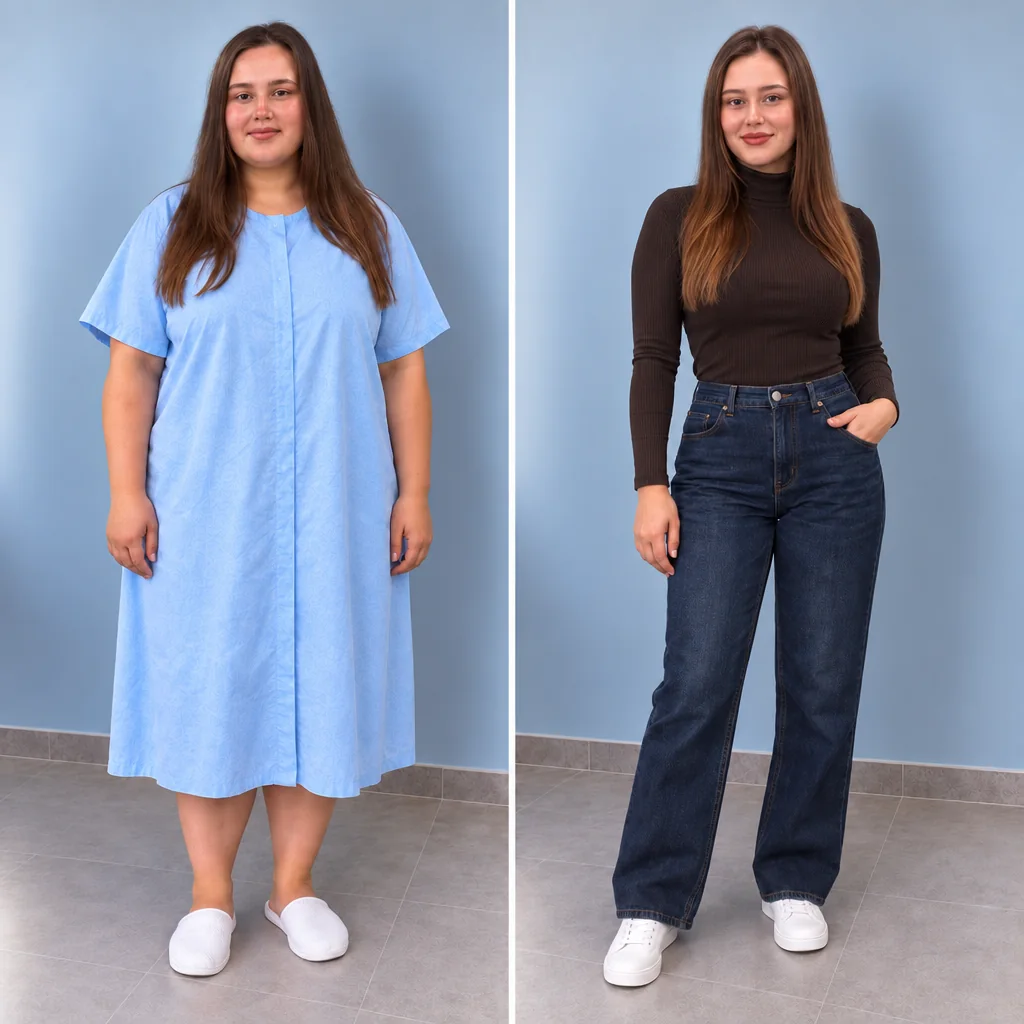
 beforeafter
Irina, 26
Bariatric surgery
Bariatric surgery
$3,600
$4,800 · First consultation — Free
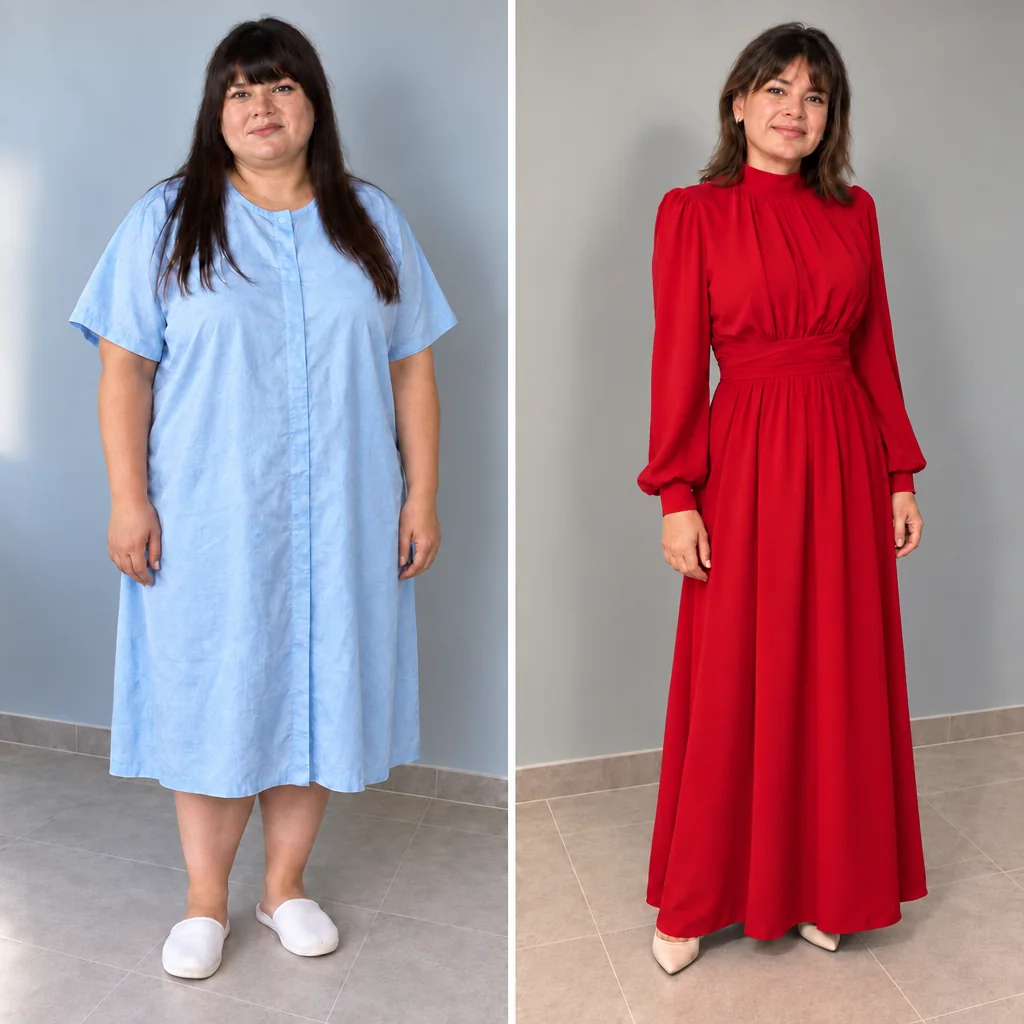 before
after
Message our coordinator
Free online consultation · Reply within 15 minutes
Message us on TelegramMessage us on WhatsAppBy messaging us, you agree to our Privacy Policy
Results
Every case shown is a real clinic patient.
beforeafterBariatric surgery
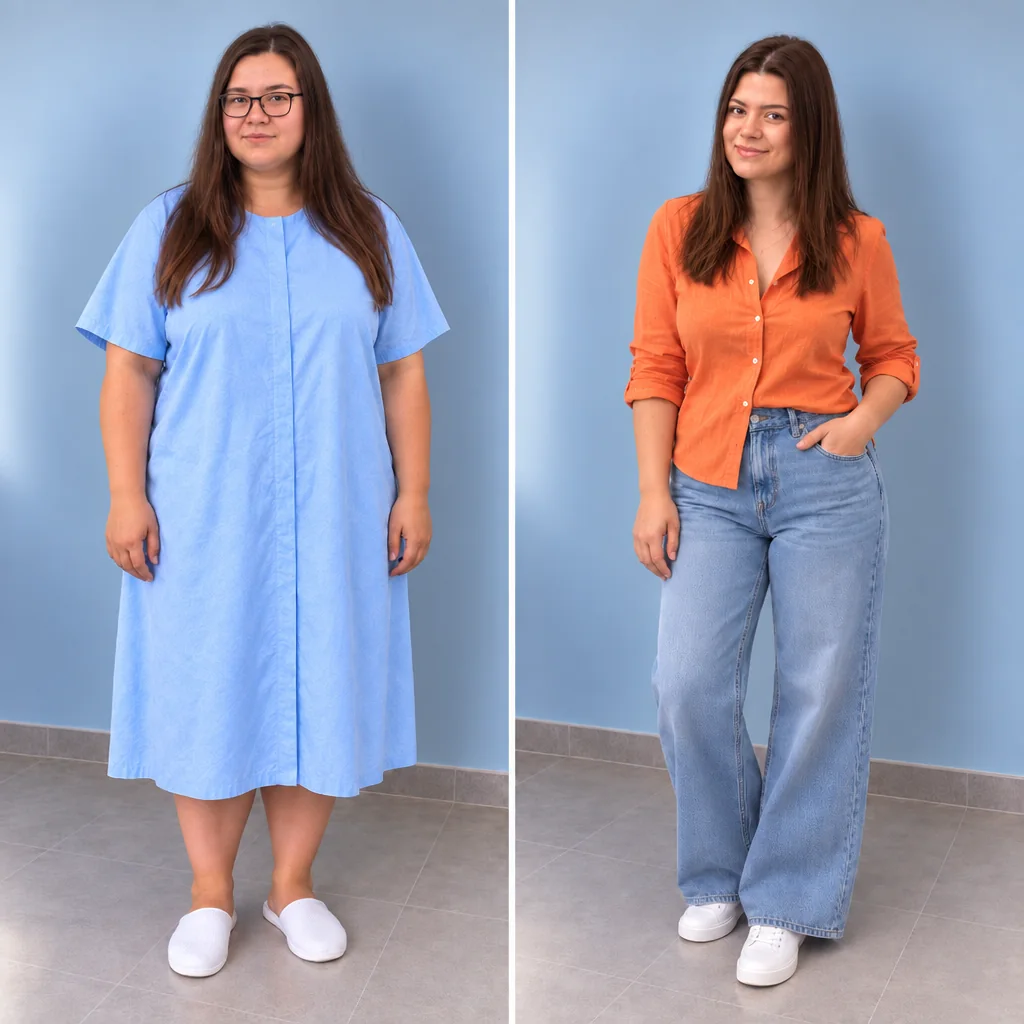 beforeafter
Bariatric surgery
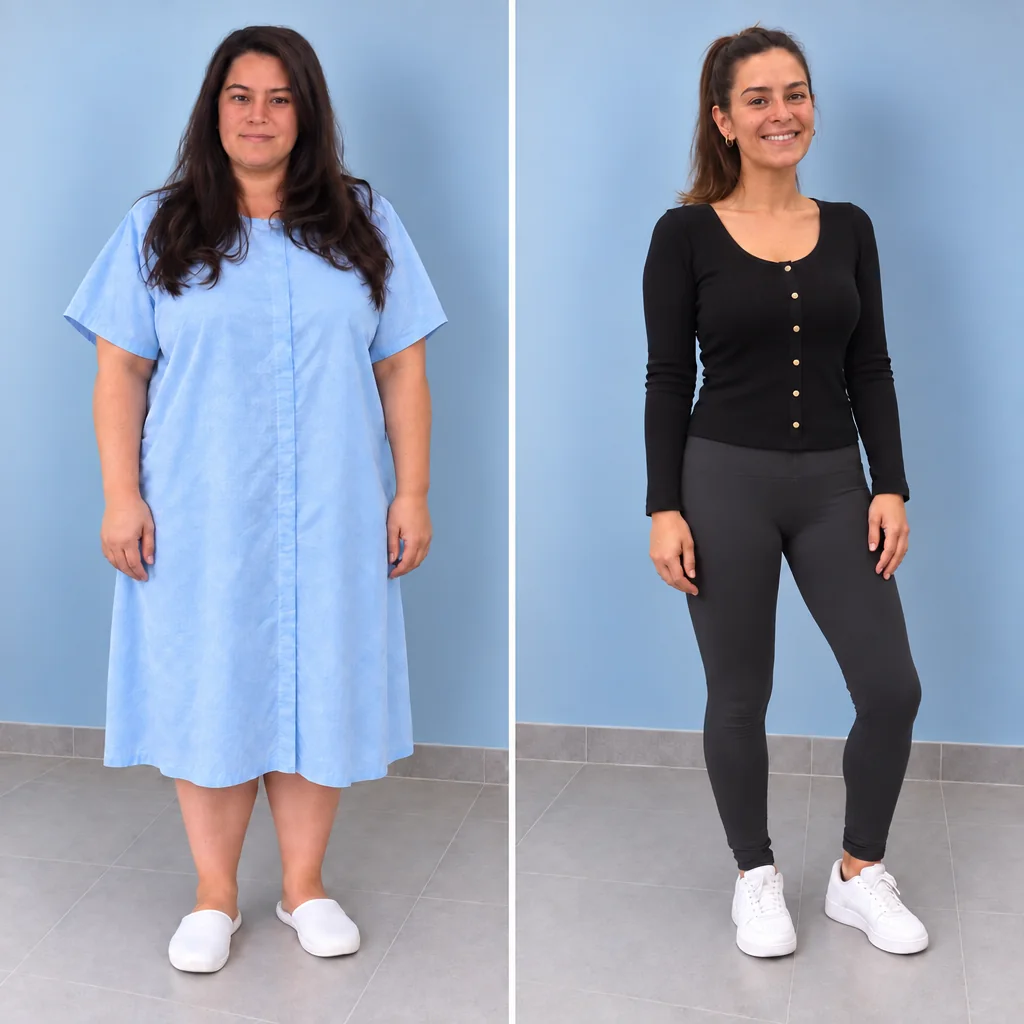 beforeafter
Bariatric surgery
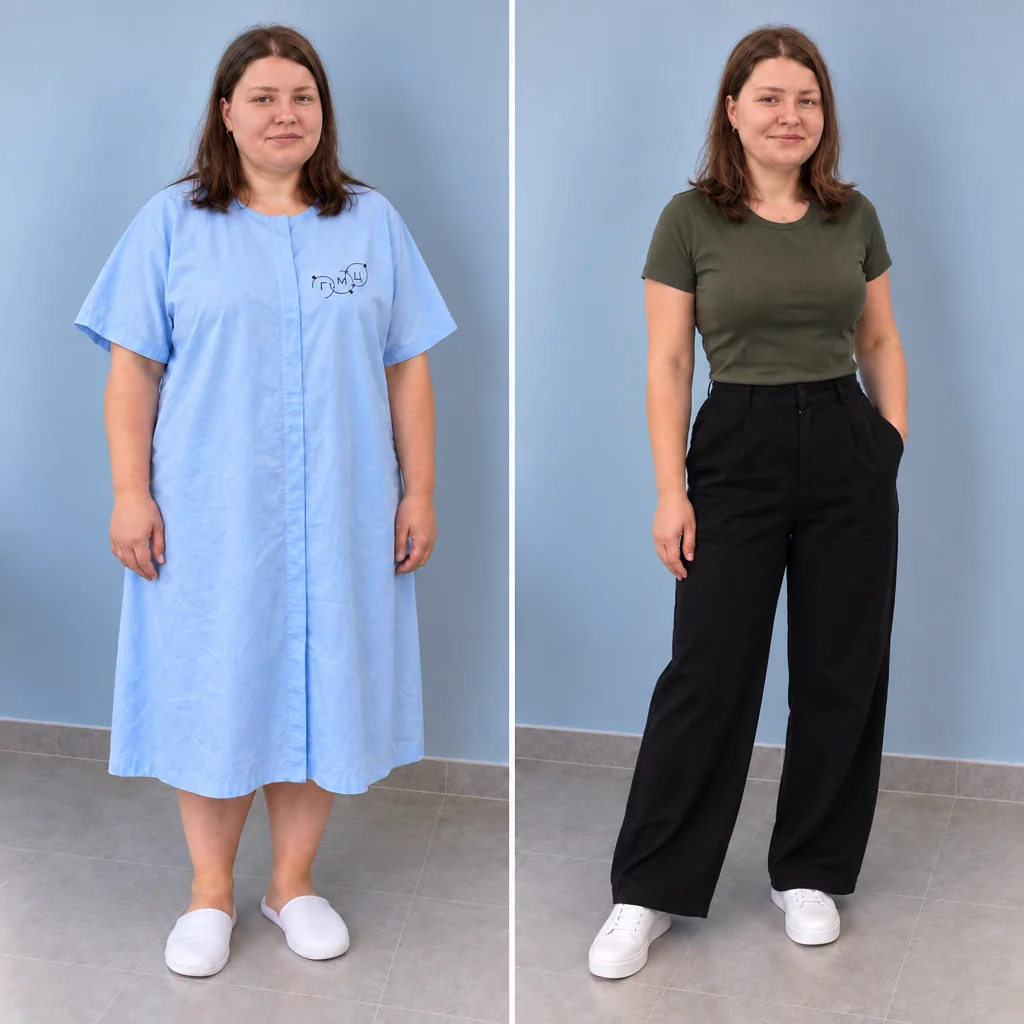 beforeafter
Bariatric surgery
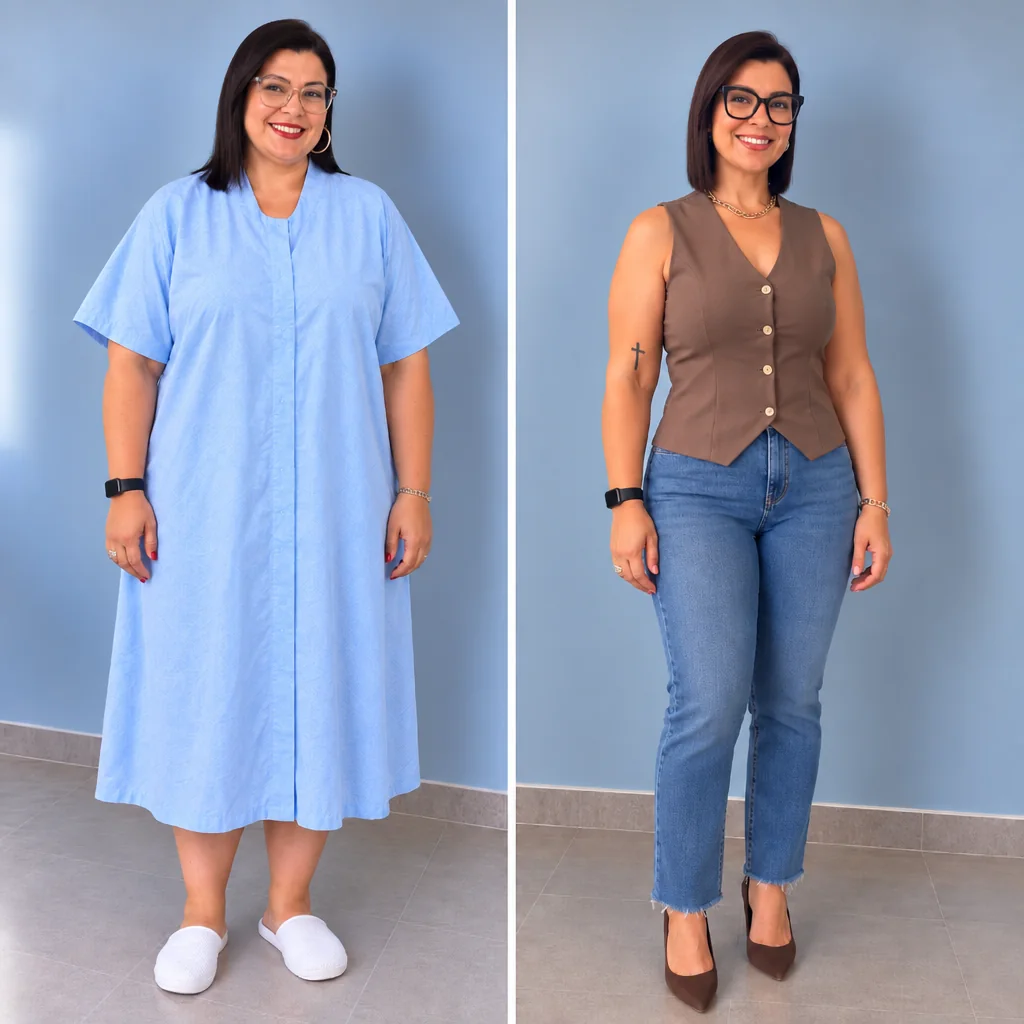 beforeafter
Bariatric surgery
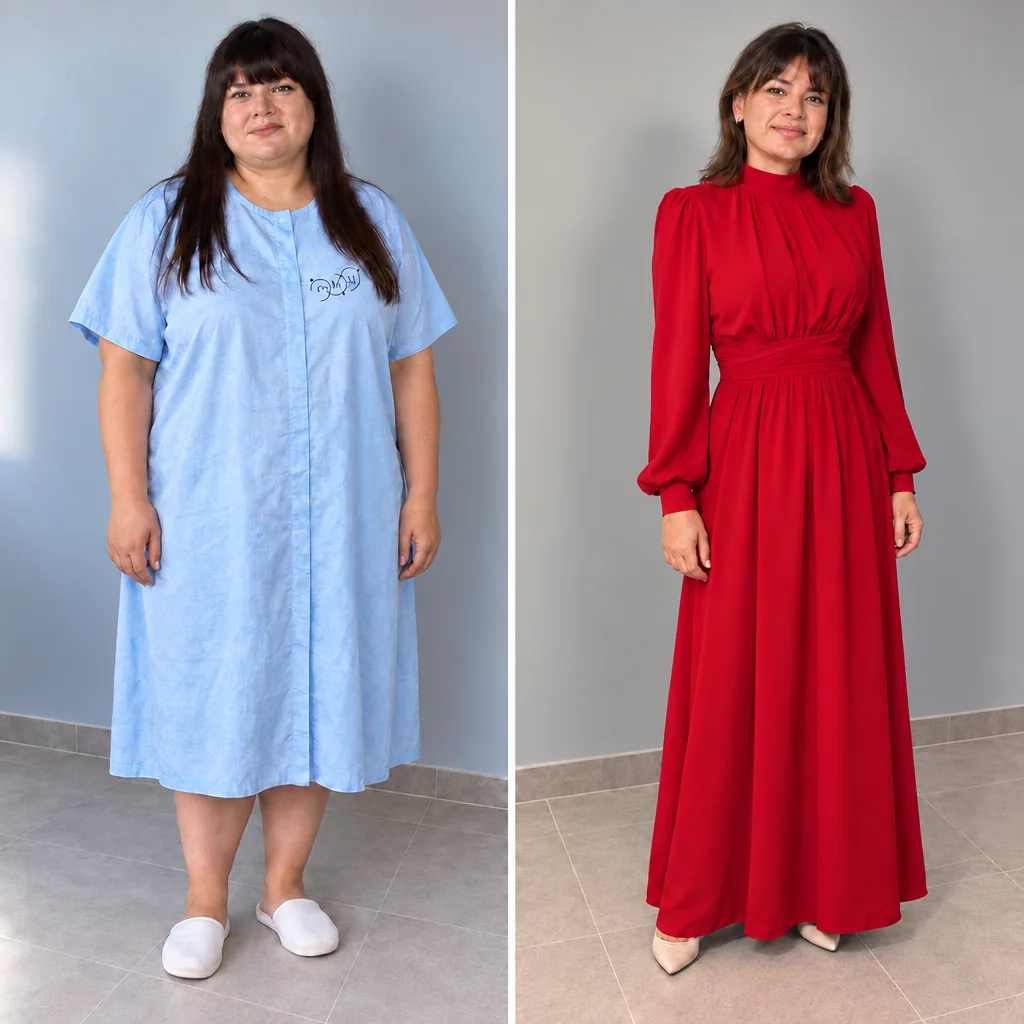 beforeafter
Bariatric surgery
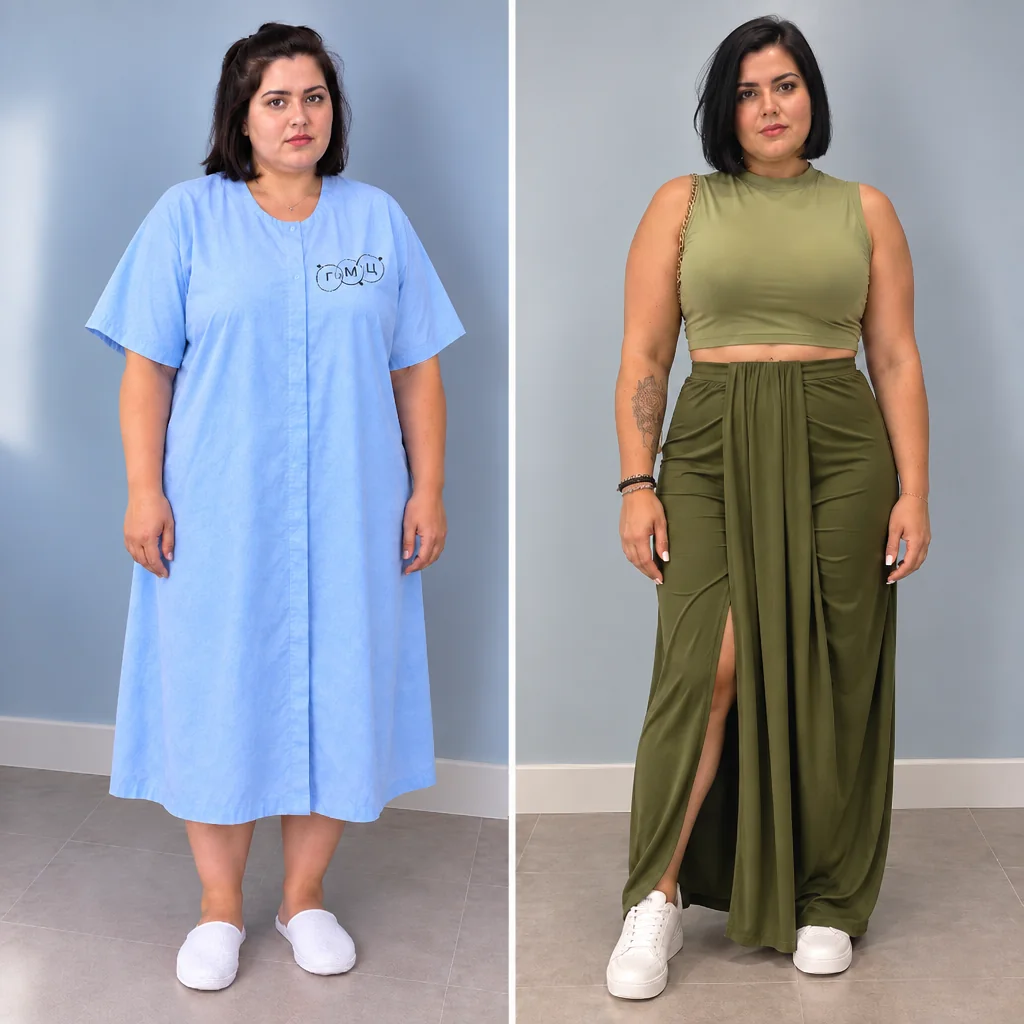 beforeafter
Bariatric surgery
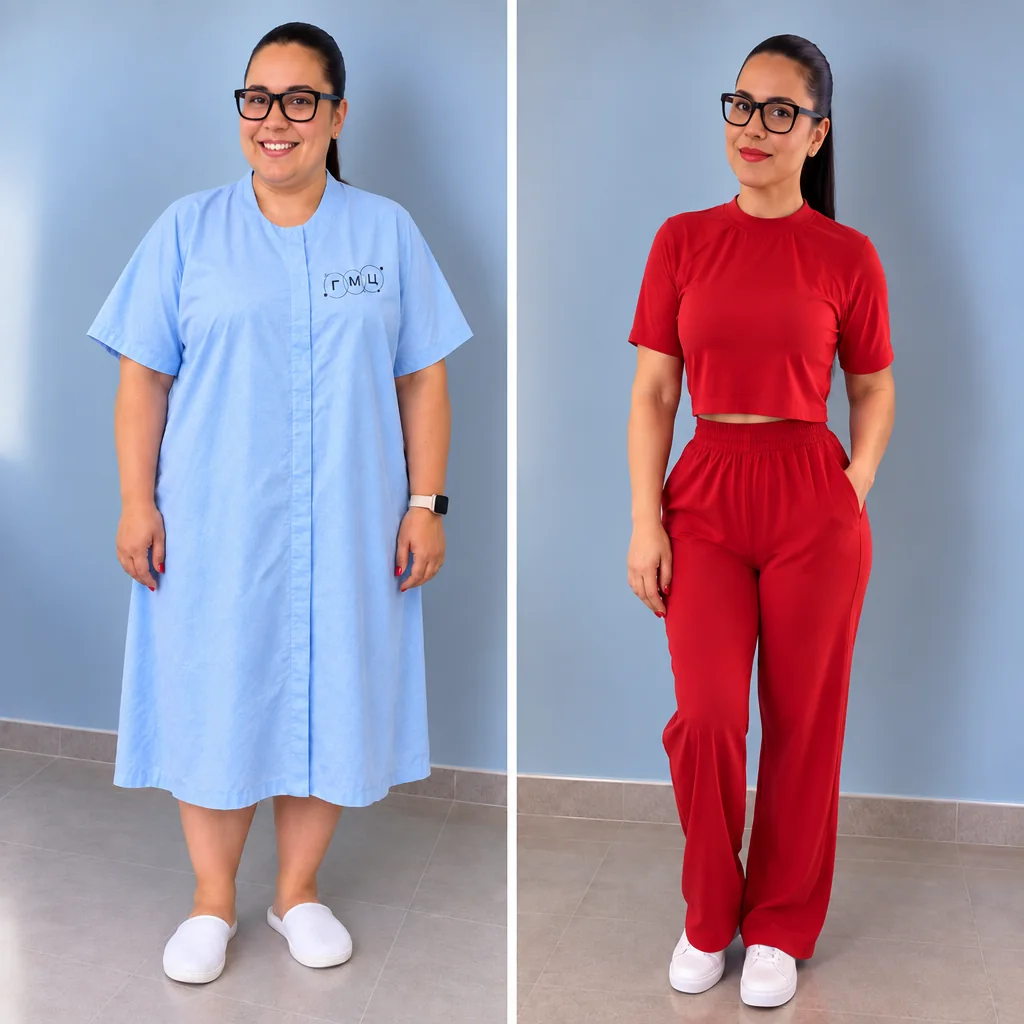 beforeafter
Bariatric surgery
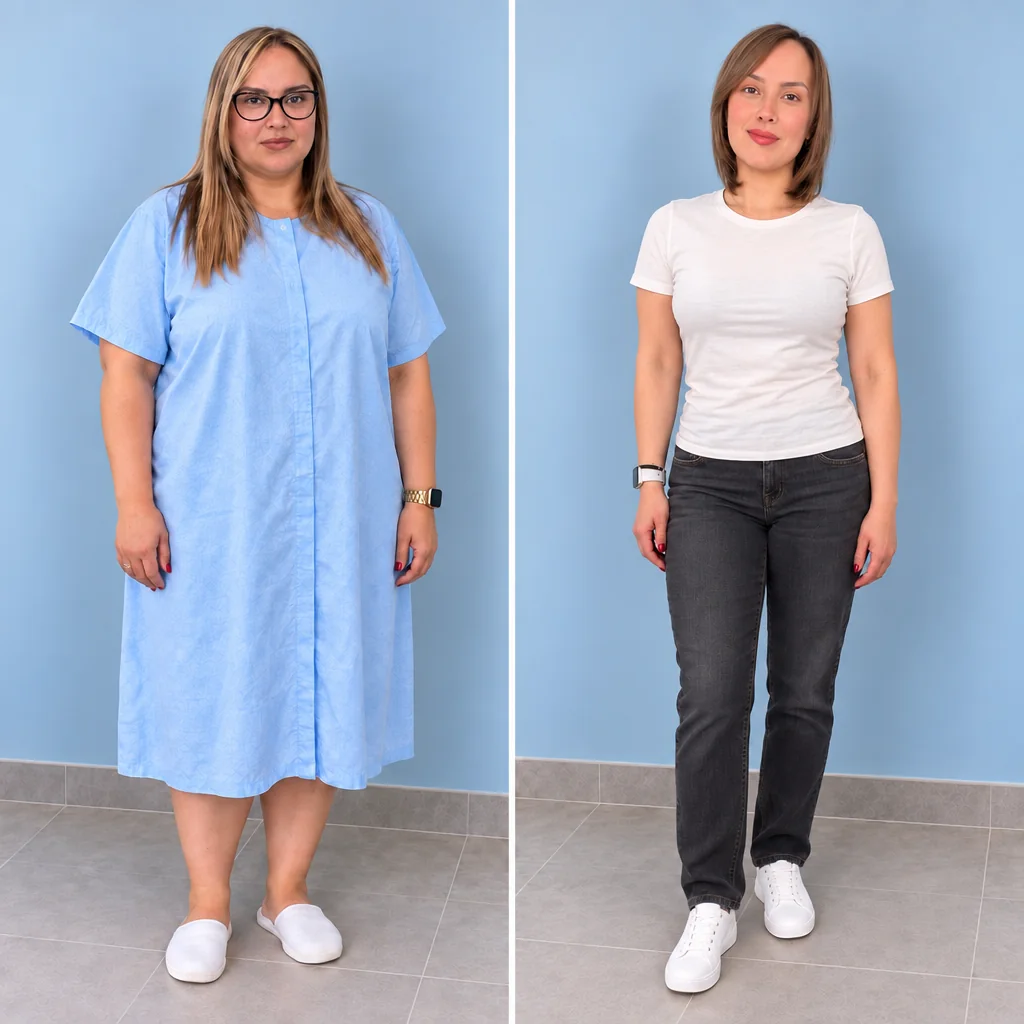 beforeafter
Bariatric surgery
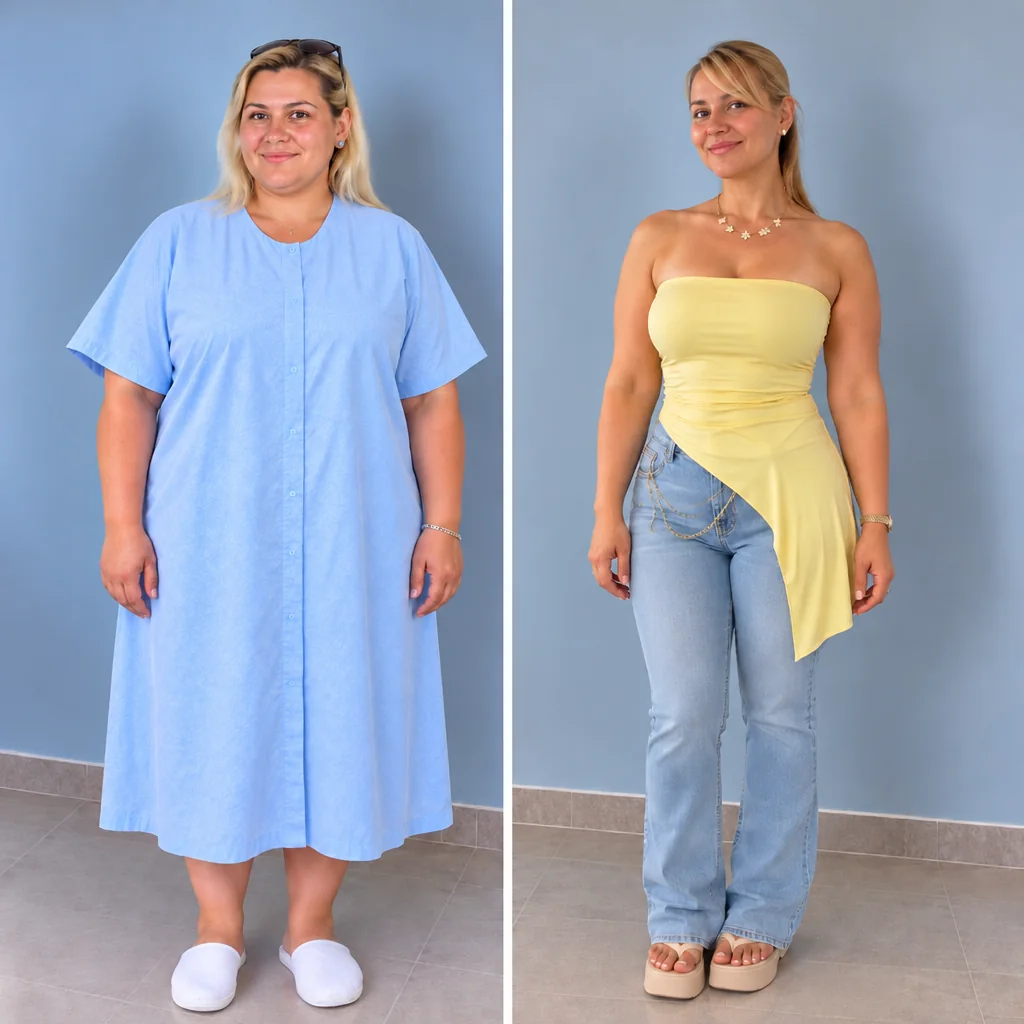 beforeafter
Bariatric surgery
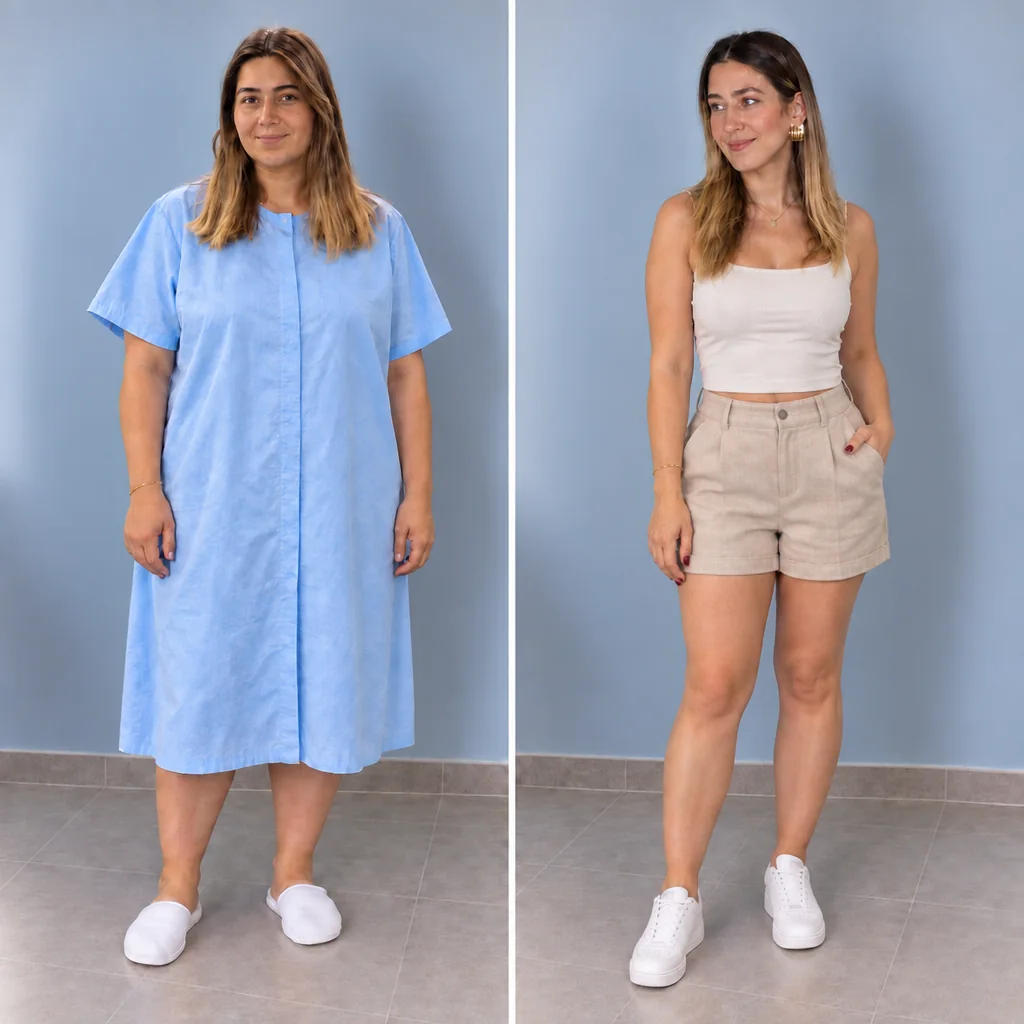 beforeafter
Bariatric surgery
Comparison
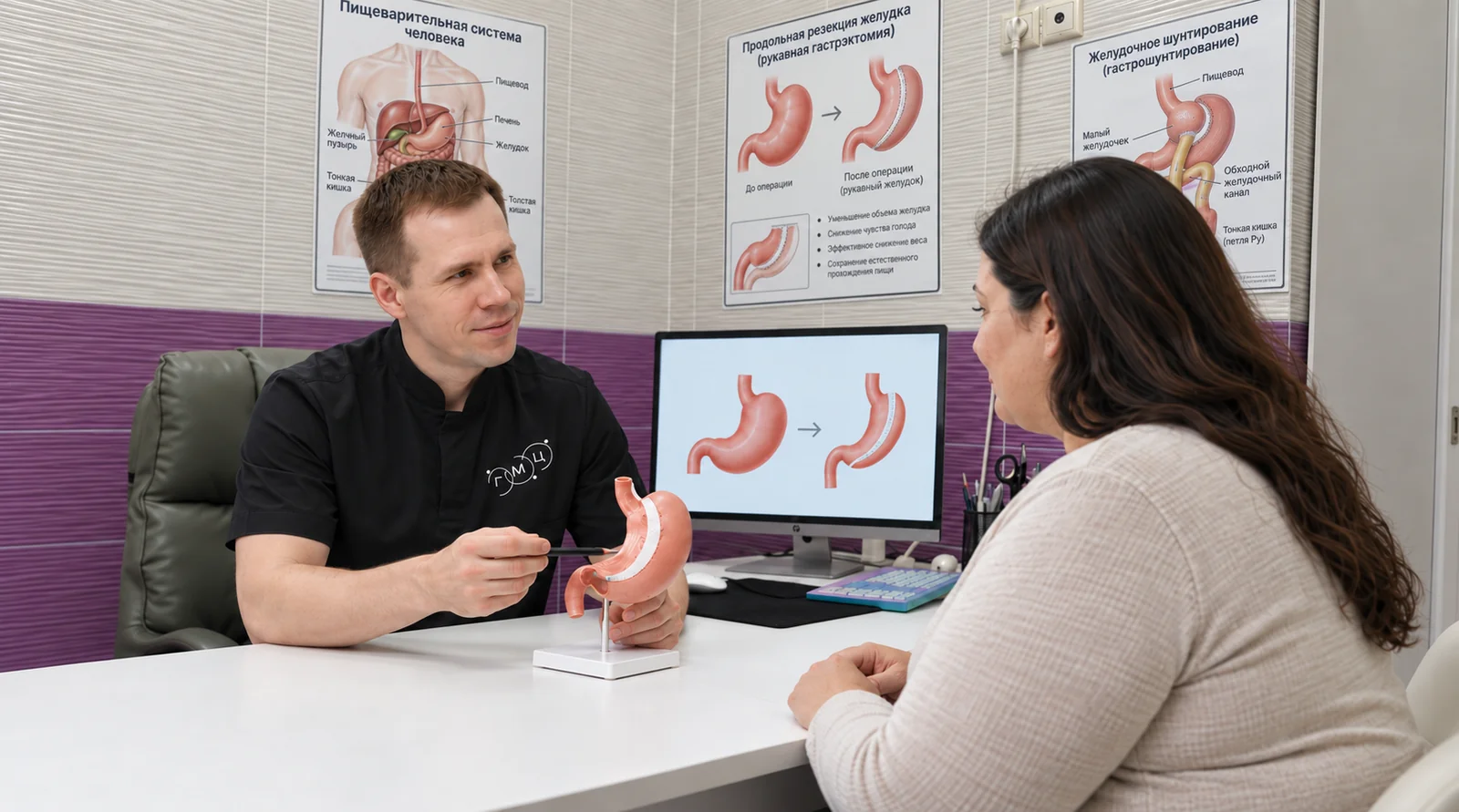
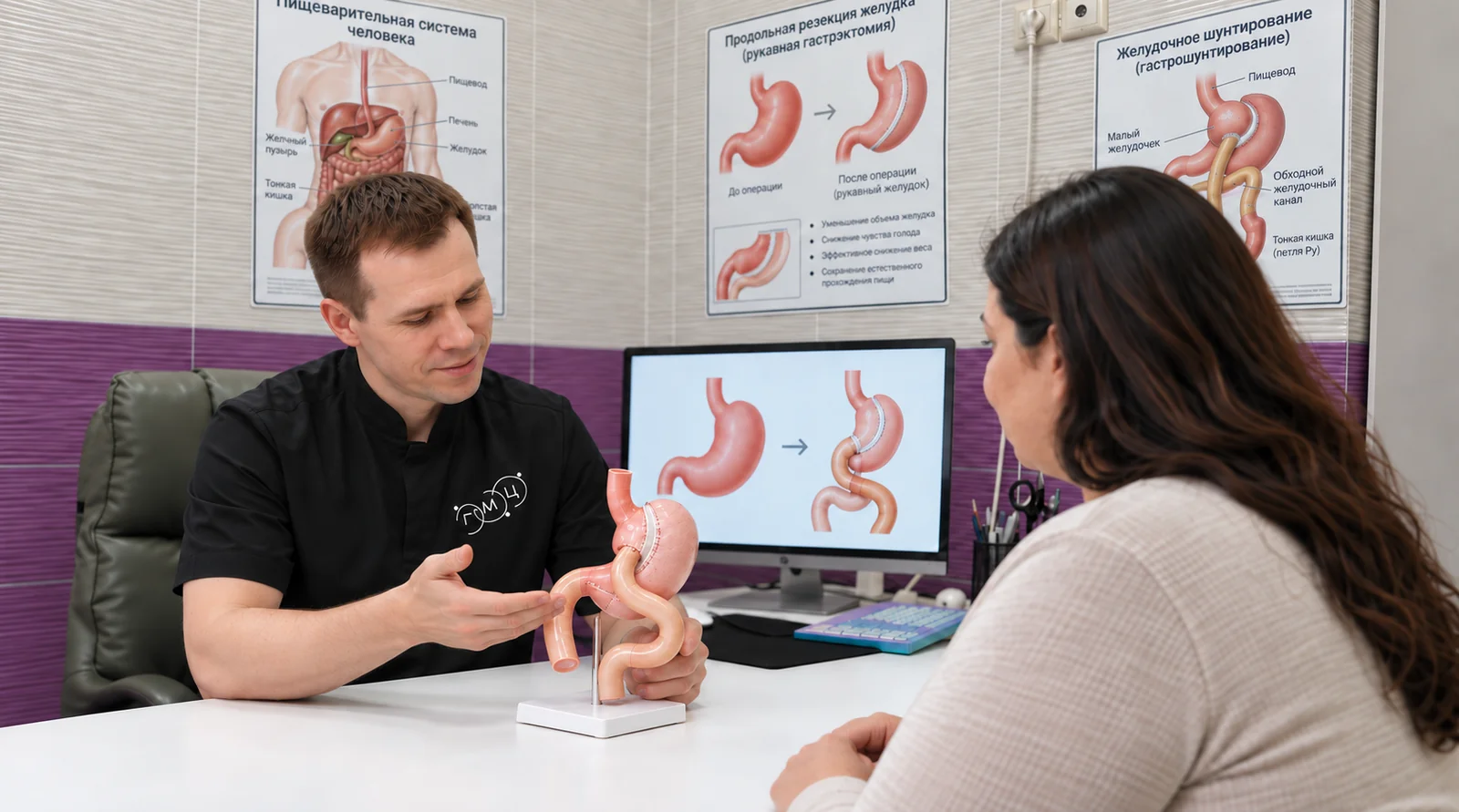
Our clinic focuses on two operations, the sleeve gastrectomy and the gastric bypass. Look at the mechanism, the aim and the indications of each before you confidently choose.
Reducing the stomach volume
Discounted price
$3,600 $4,800
Reducing the stomach volume and rerouting food
Discounted price
$4,000 $5,200
Treat the recovery times and benefits here as guidance averaged by method: how extensive the surgery is and how you recover depend on your own anatomy and features, and the surgeon confirms this at the consultation.
Book a consultationOur clinic
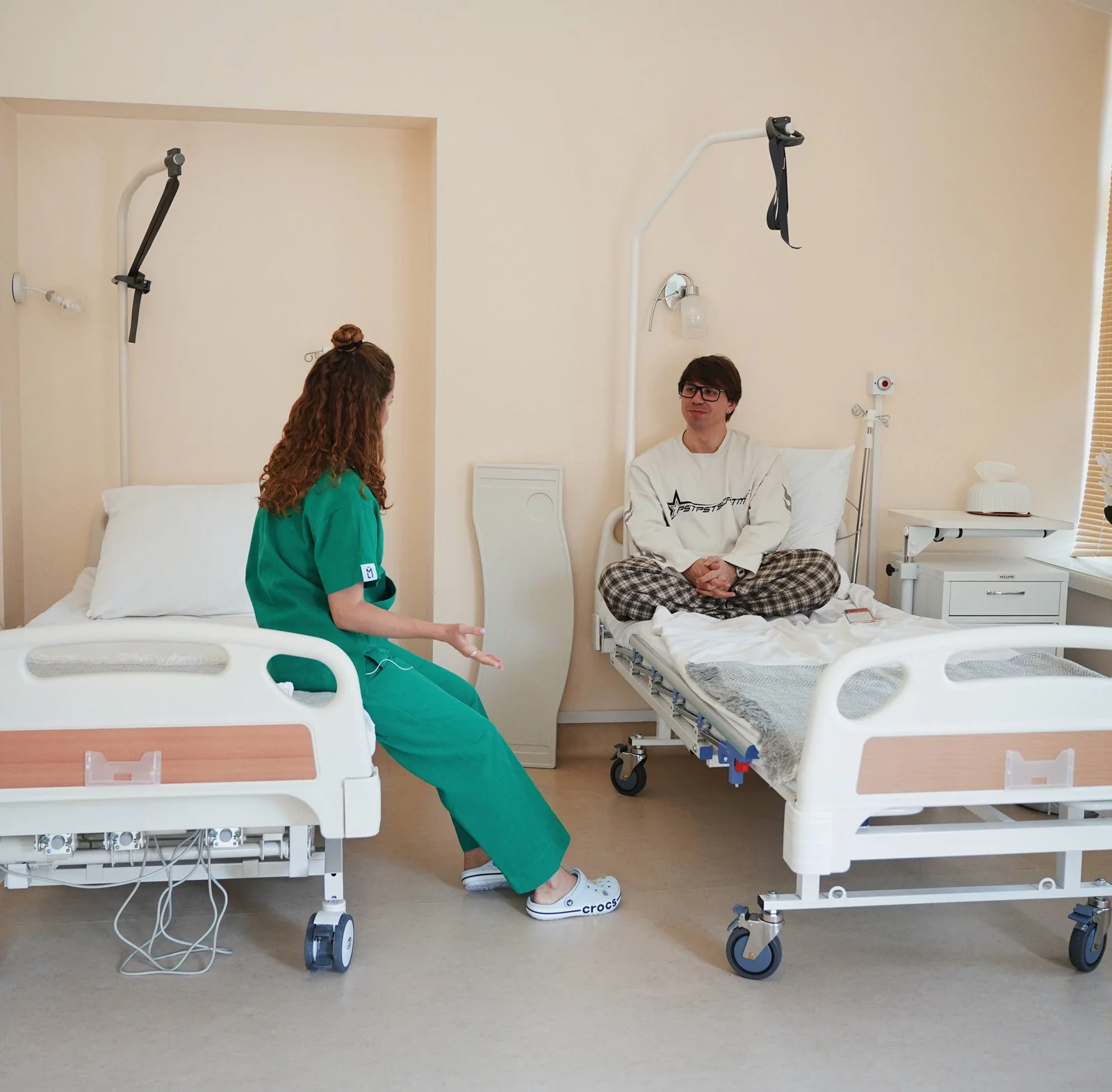
Each patient gets care, comfortable rooms and modern equipment
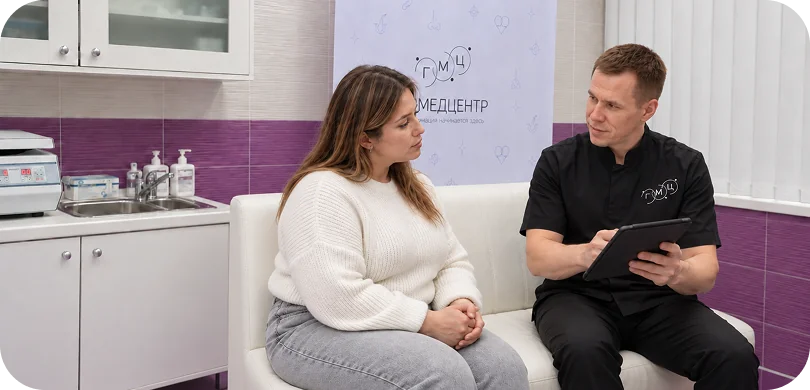
We answer your questions and pick a convenient consultation time
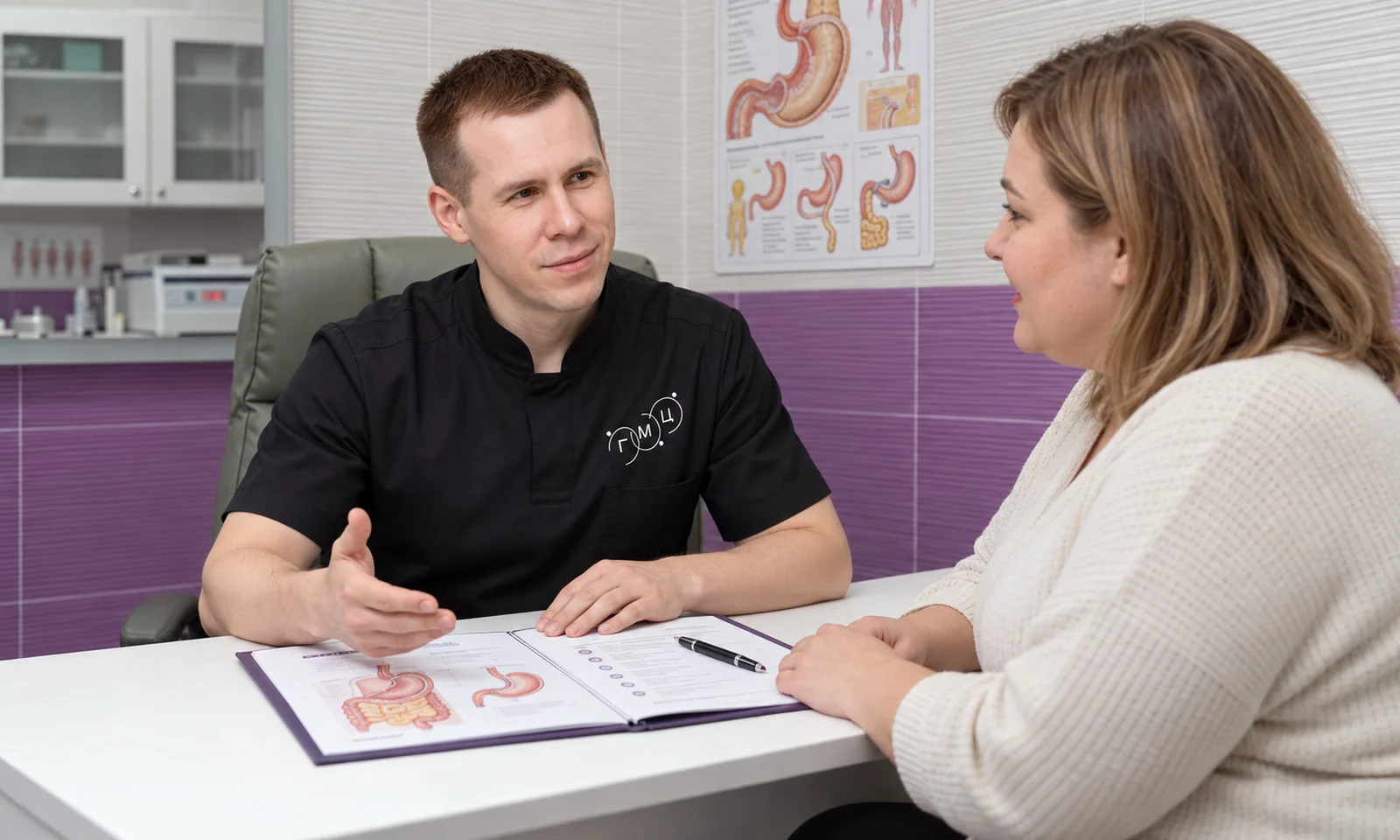
Get a consultationOnly after a consultation and check-up is the decision on surgery made, jointly with the surgeon.
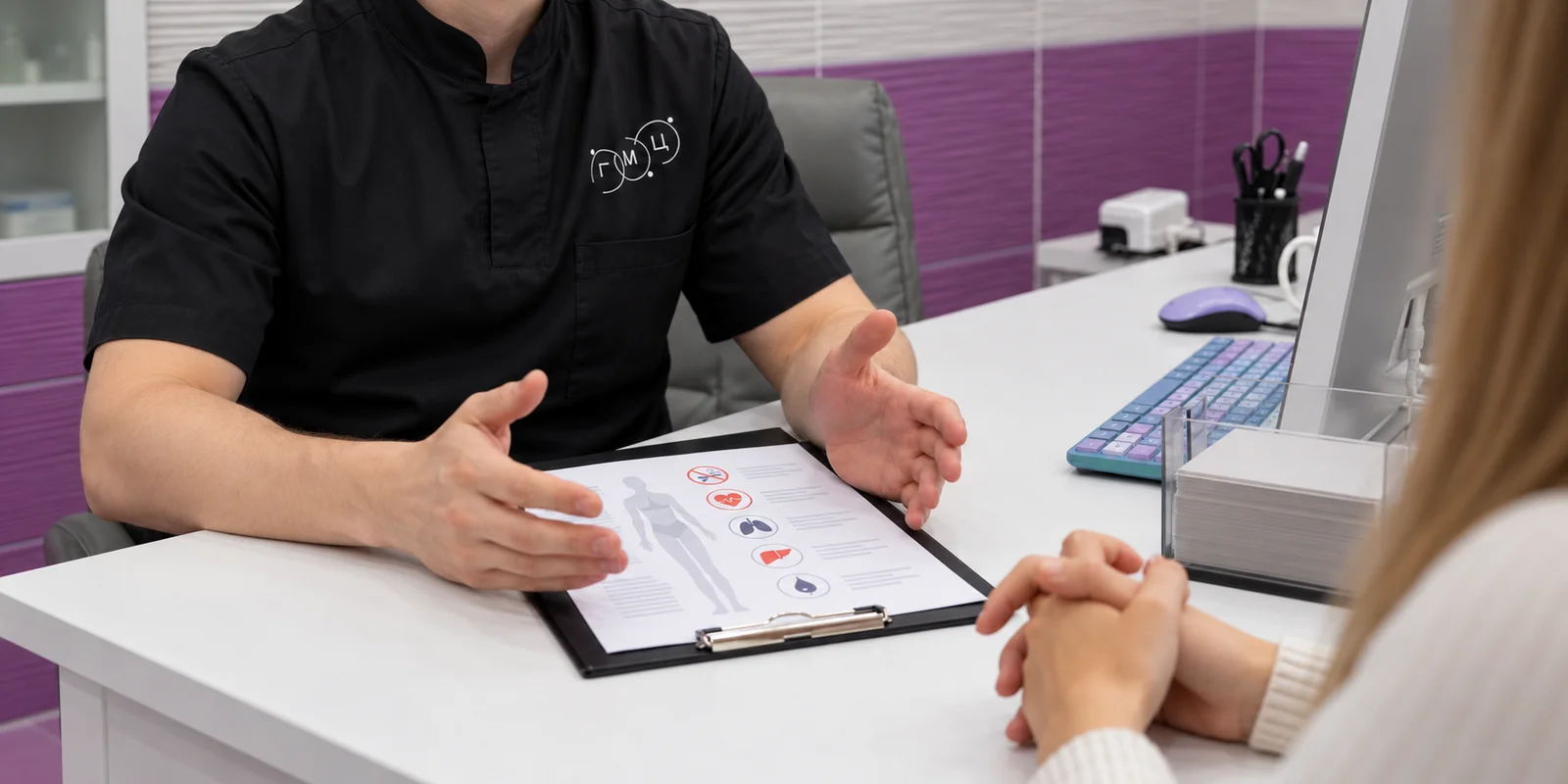
Not certain which side you are on?
Contact us on Telegram, and our coordinator will say whether bariatric surgery is suitable for you. You pay nothing for the surgeon consultation and are not committed to surgery.
Find out if it suits me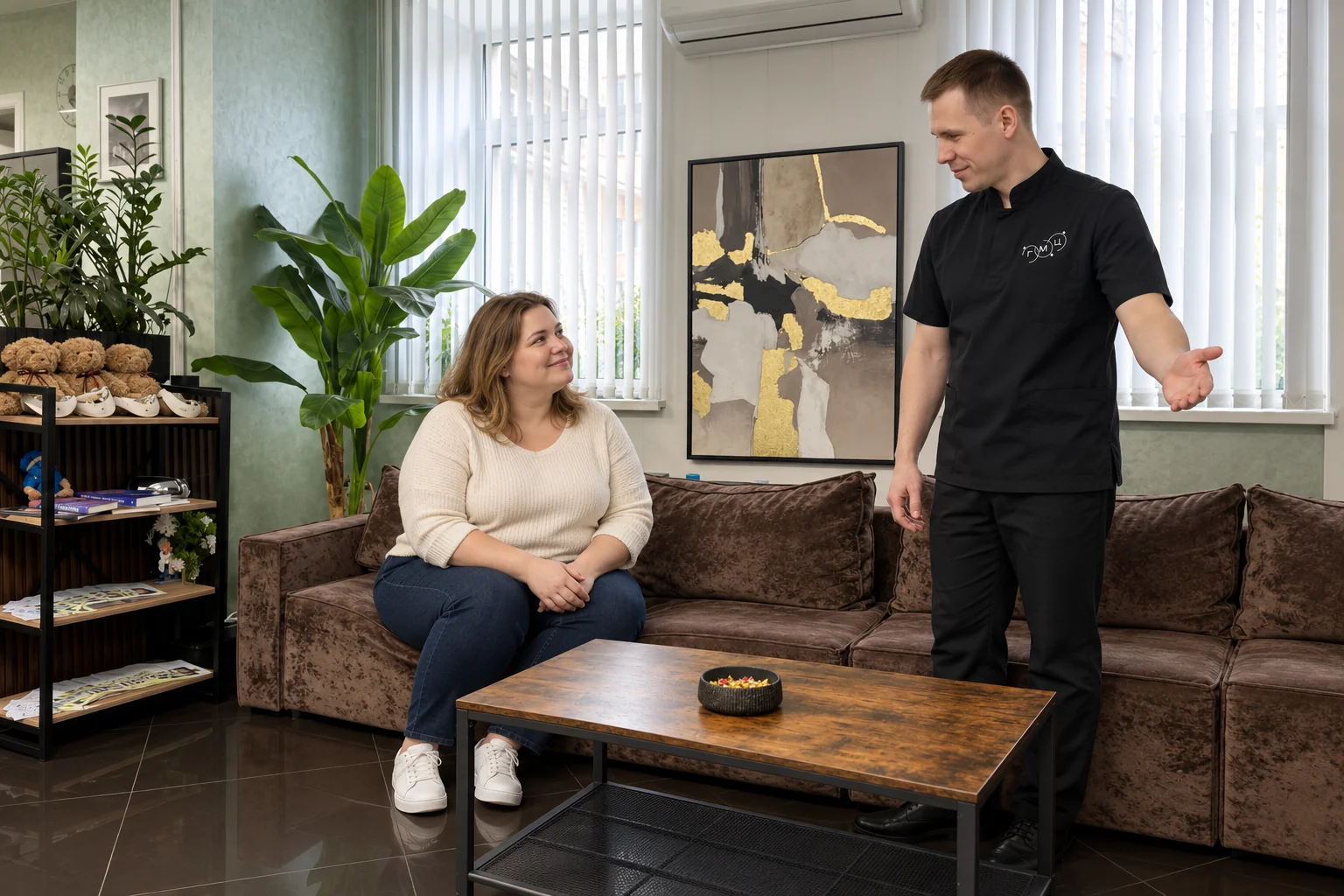
Prices
The cost becomes known at the consultation after your plan is ready, and the contract fixes it.
Discounted price
Reducing the stomach volume
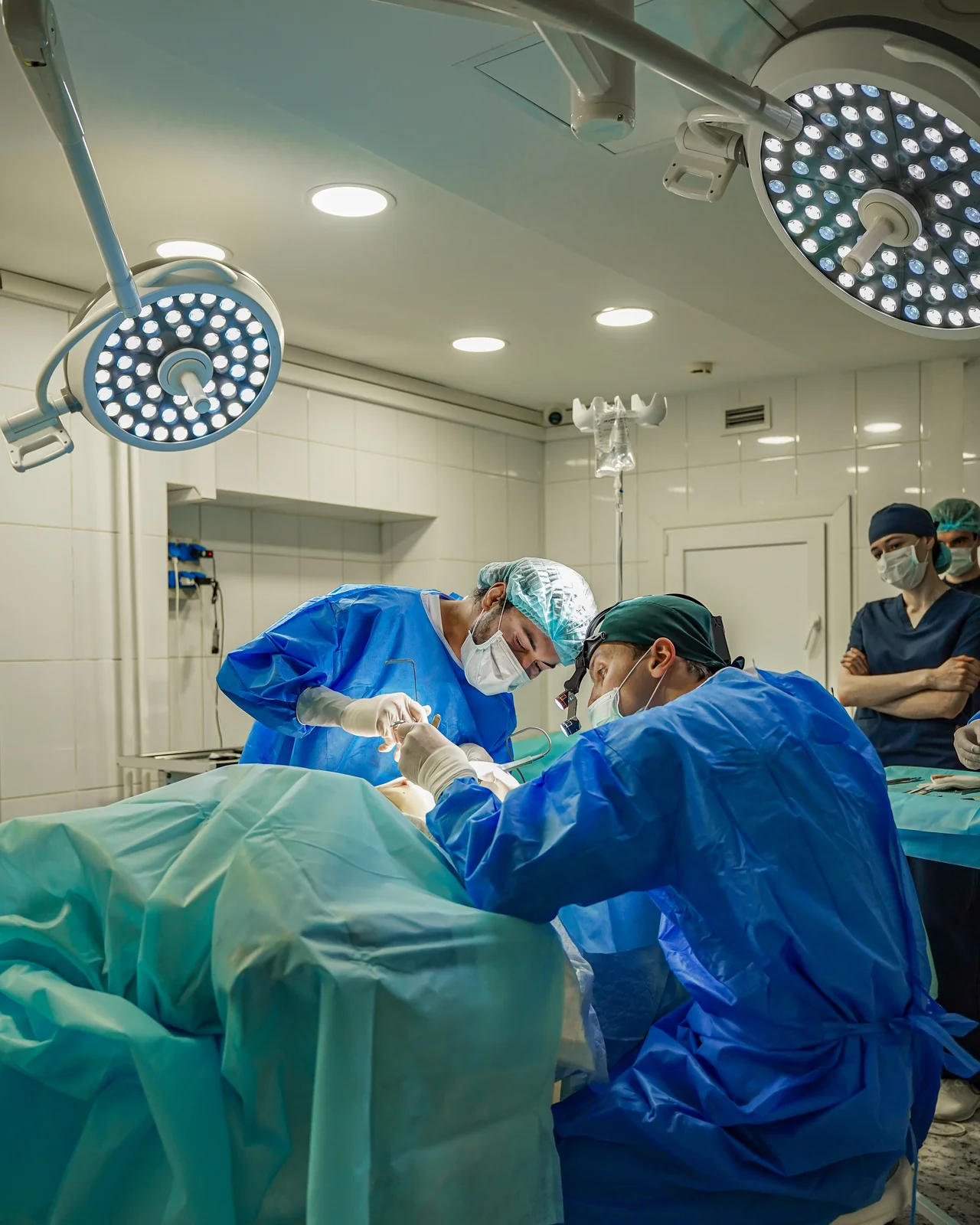
$3,600$4,800
Discounted price
Weight loss and a new route for food
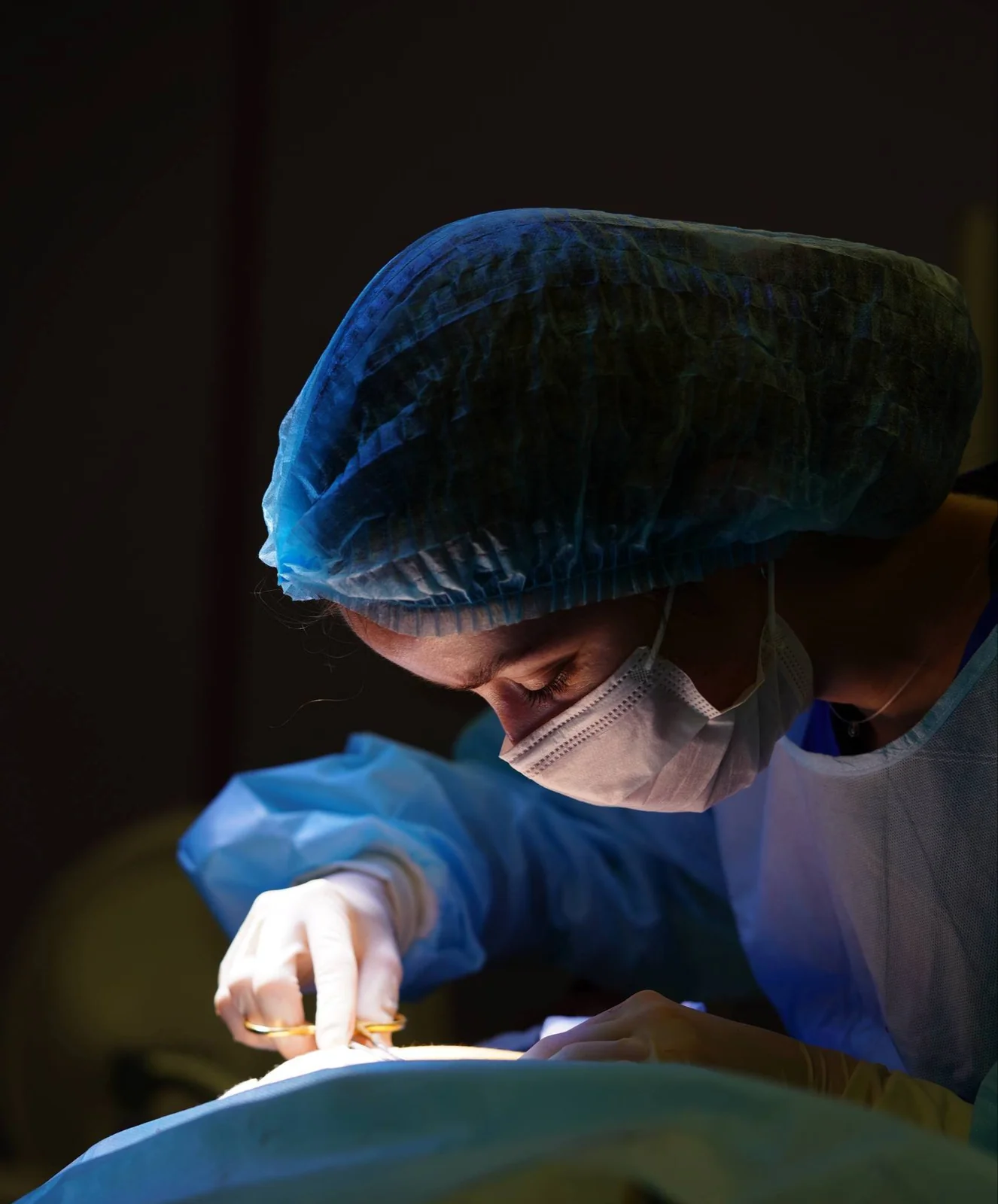
$4,000$5,200
Free
Surgeon's examination and a treatment plan

Free
the surgery price is set
and written into the contract
The doctor checks your health, goes over your goals and chooses a suitable bariatric surgery method. The cost is stated at the consultation and fixed in the contract.
Message our coordinator
Free online consultation · Reply within 15 minutes
Message us on TelegramMessage us on WhatsAppBy messaging us, you agree to our Privacy Policy
price
One package includes preparation and 12 months of support. There are no extra charges.Starting with preparation for surgery
and ending with support for 12 months.
Step by step
Support for a year, hospital monitoring and a treatment plan agreed in advance.
 1
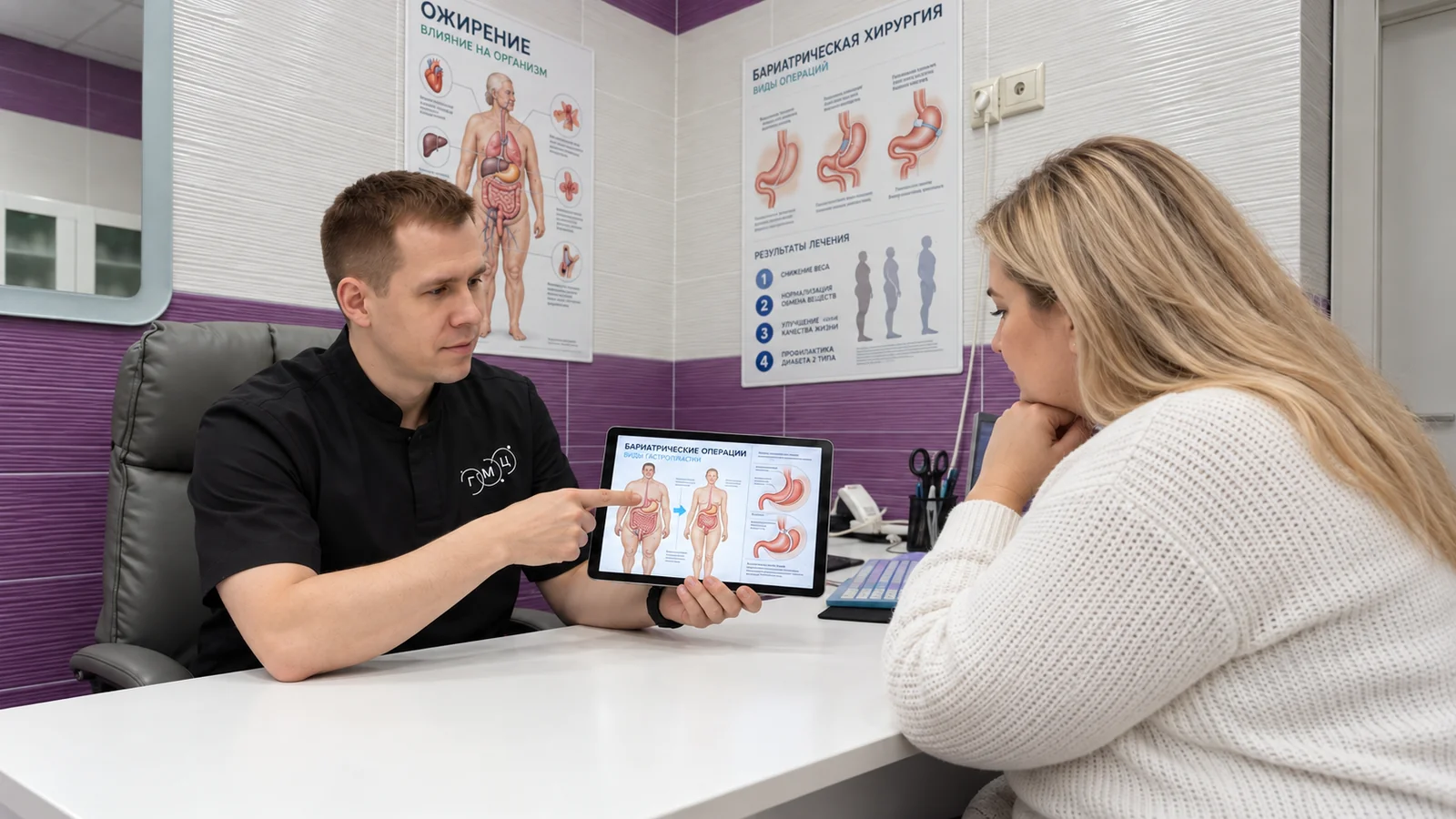
Assessing your health and discussing your goals, the doctor orders the tests needed to select the appropriate bariatric method.
2We secure a date for your surgery: you can pay the deposit by card at the clinic or by bank transfer online. The terms are fixed in the medical services contract
 3
At the consultation the doctor gives you the exact list of pre-surgery checks: blood and urine tests, an ECG, an ultrasound, a gastroscopy and visits to specialists.
 4
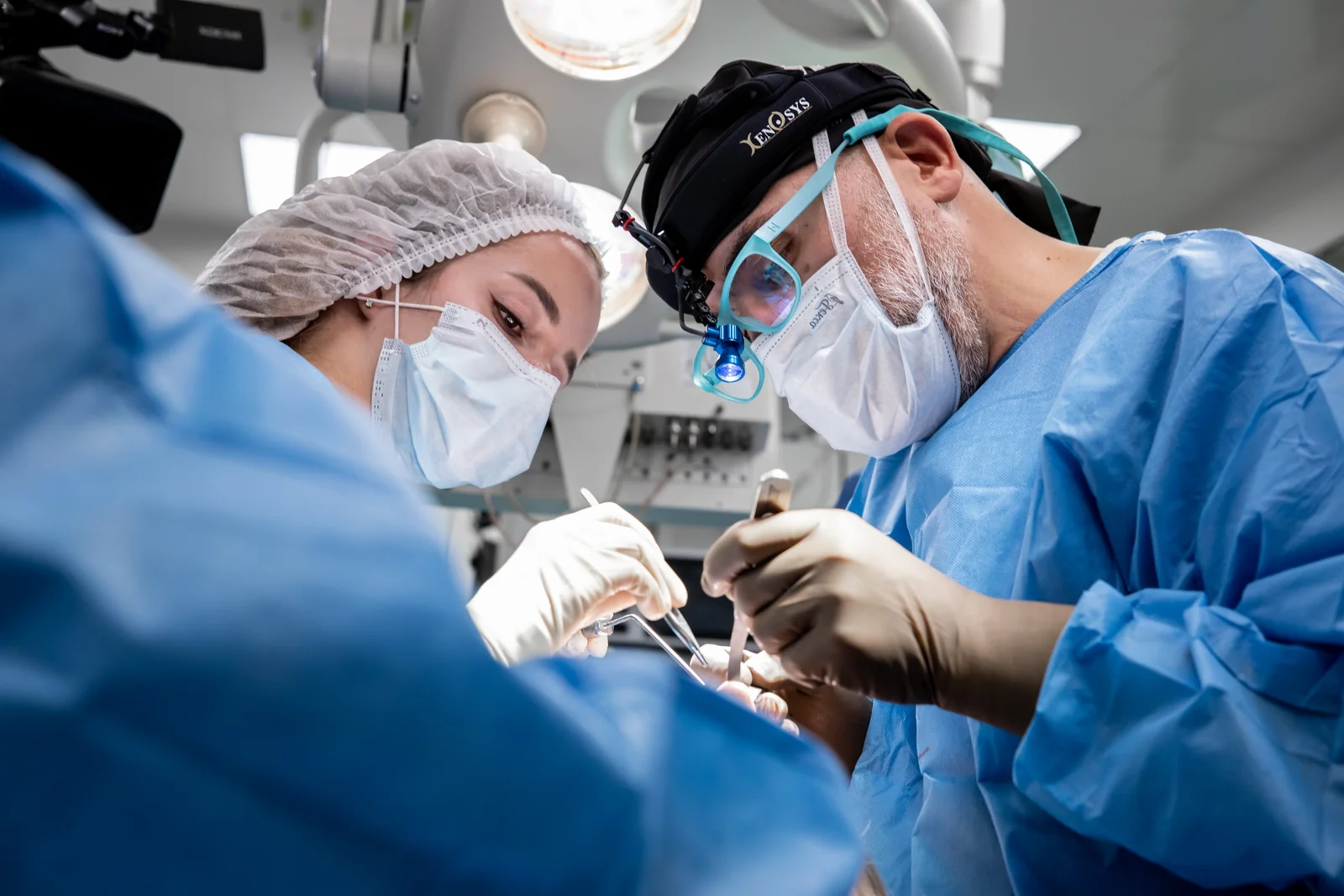
Using the chosen method, the surgeon performs the bariatric surgery under general anaesthesia. Once it is over, the medical team monitors the patient.
 5
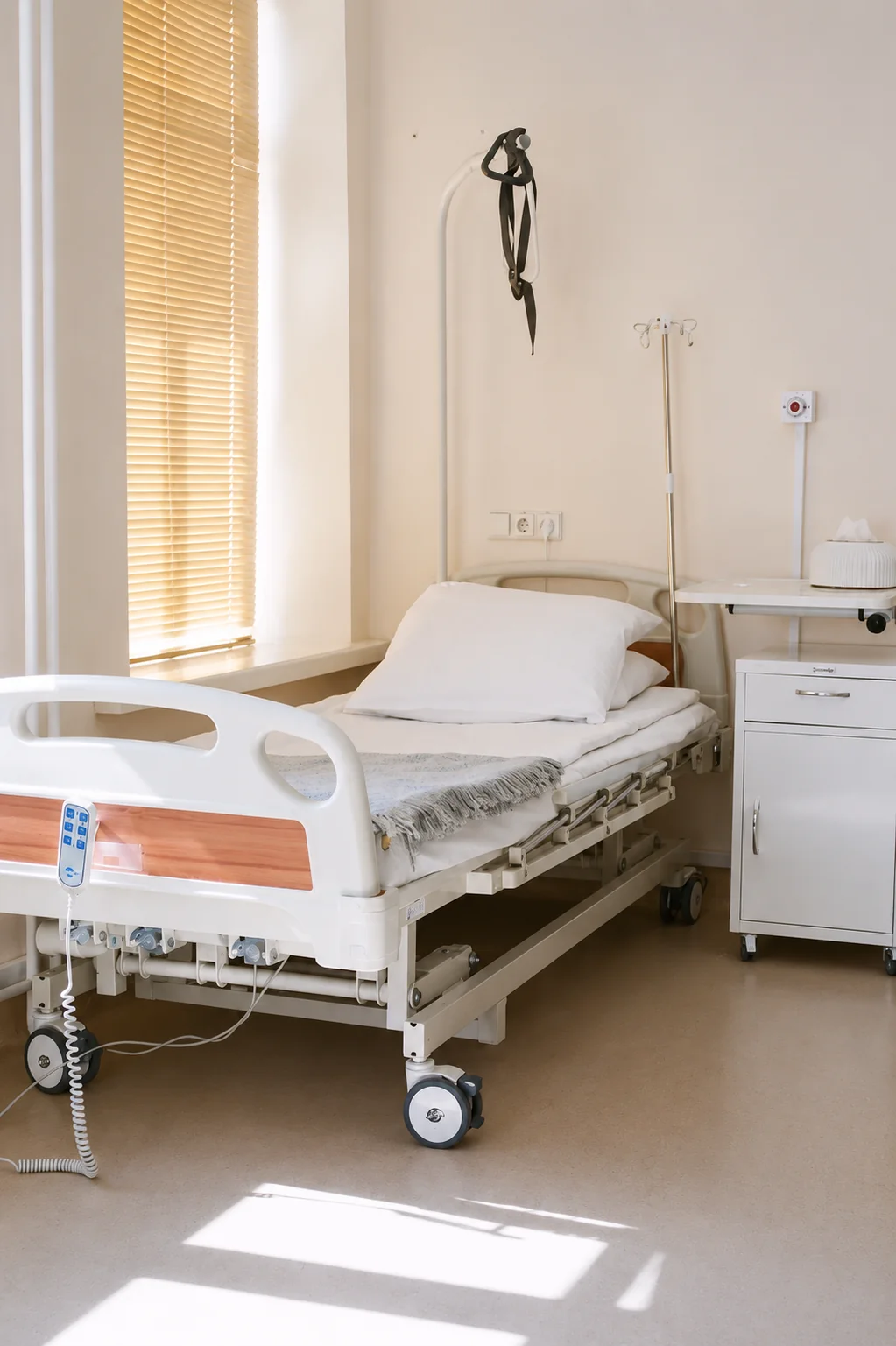
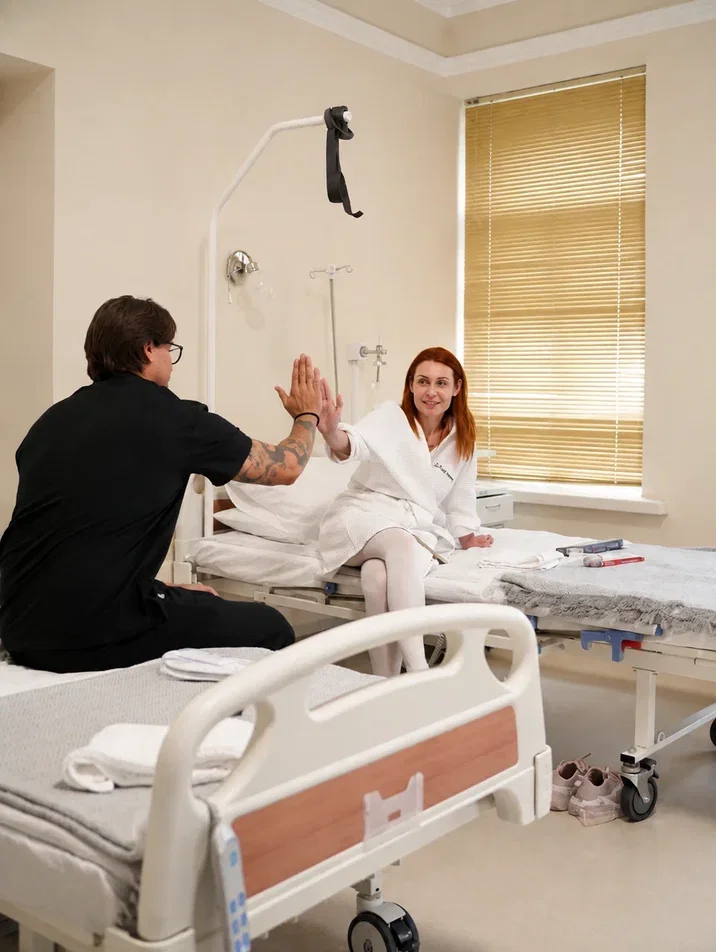
After surgery you stay in hospital under doctors' supervision. The stay lasts from 1–3 to 4–5 days, depending on the complexity of the operation and how you feel.
 6
After discharge you are given recommendations on diet and recovery. Planned check-ups track how you feel, your weight and test results. The clinic team supports you for a year.
Your plan is drawn up at the consultation, where the doctor explains how the surgery will go
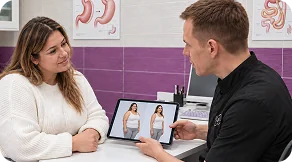
The consultation is free of charge, comes before surgery and obliges you to nothing.
Book a consultationDoctors
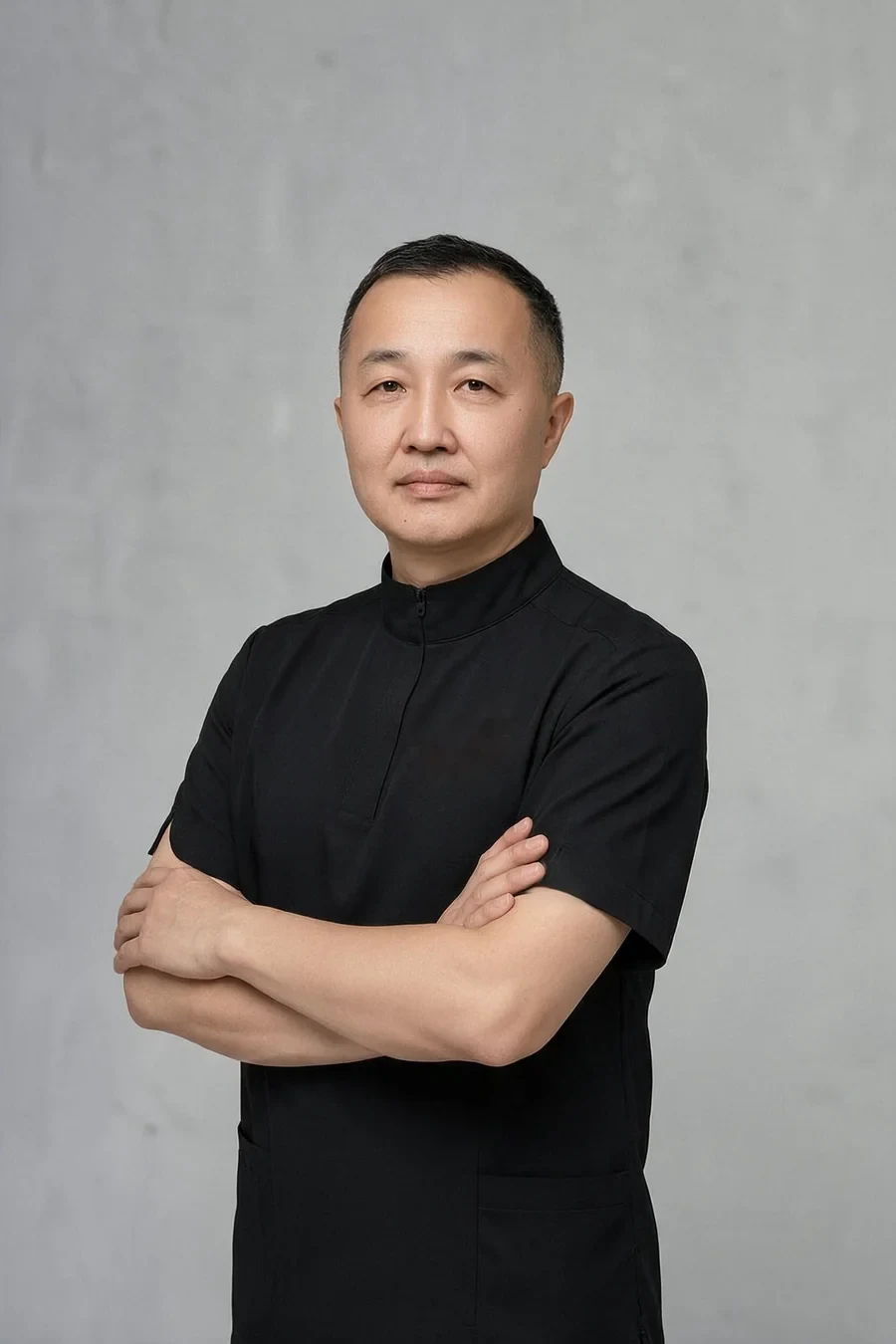
27 years of experience
Chief bariatric surgeon
Surgeon
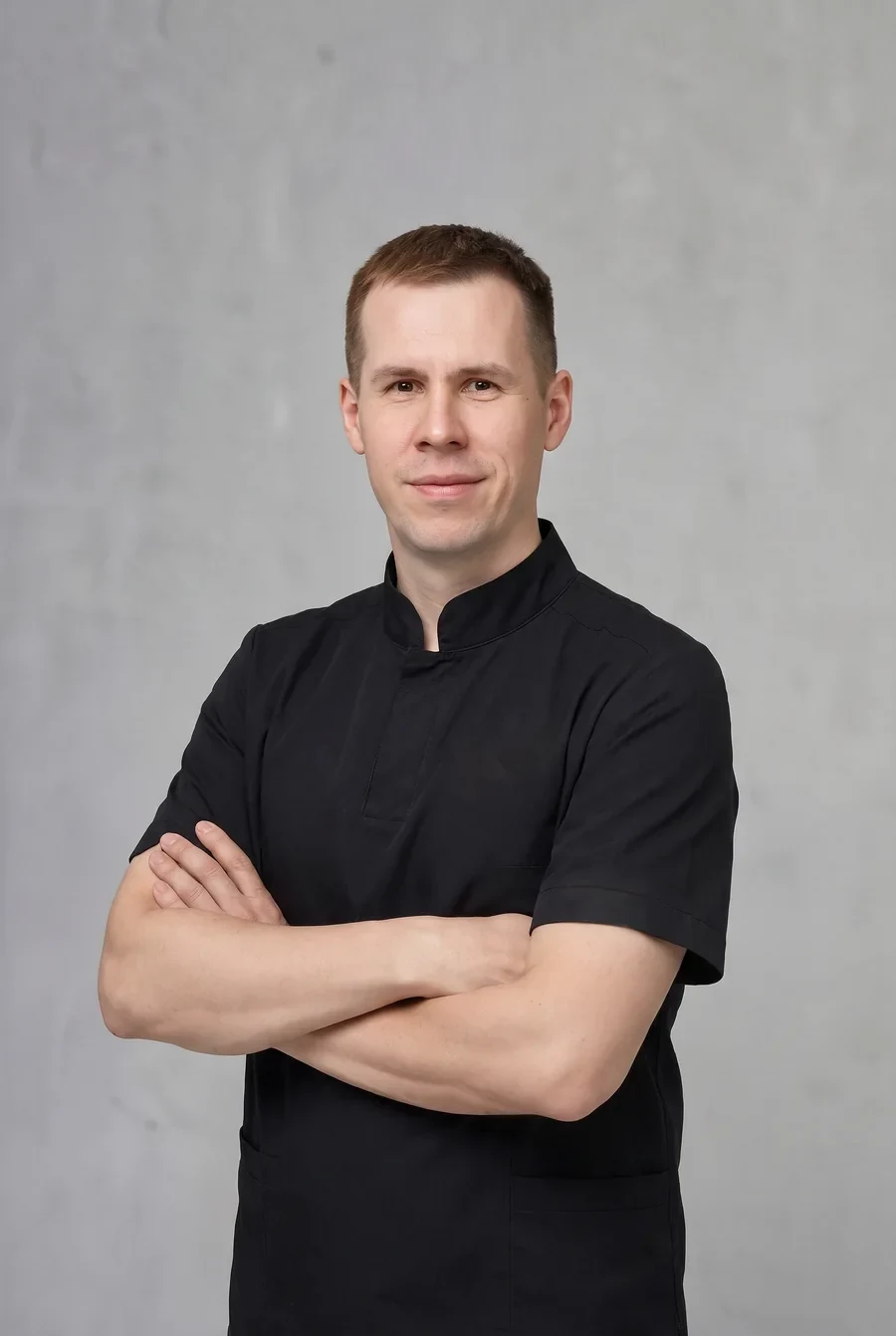
9 years of experience
Bariatric surgeon
Surgical oncologist
The surgeon who operates on you also follows you, from the first consultation to the result.
Your first step is a consultation with our patient care manager: BMI calculation, an explanation of the methods and booking with the surgeon. Free of charge.
Book a consultationCoordinators
We support you at every stage

Your first point of contact at the clinic, from your first message to the consultation
Specialist in patient care
Ahead of your first consultation, answers questions and helps you choose a convenient date

With you before and during your stay — from booking to discharge
Specialist in patient care
Helps you get ready for surgery and keeps in touch while you stay at the clinic

With you throughout your recovery, from discharge to your final check-up
Specialist in patient care
Keeps in touch during recovery and books your follow-up visits with the surgeon
Advantages
We select the most suitable method for your health, lifestyle and goals. Our team supports you all the way.
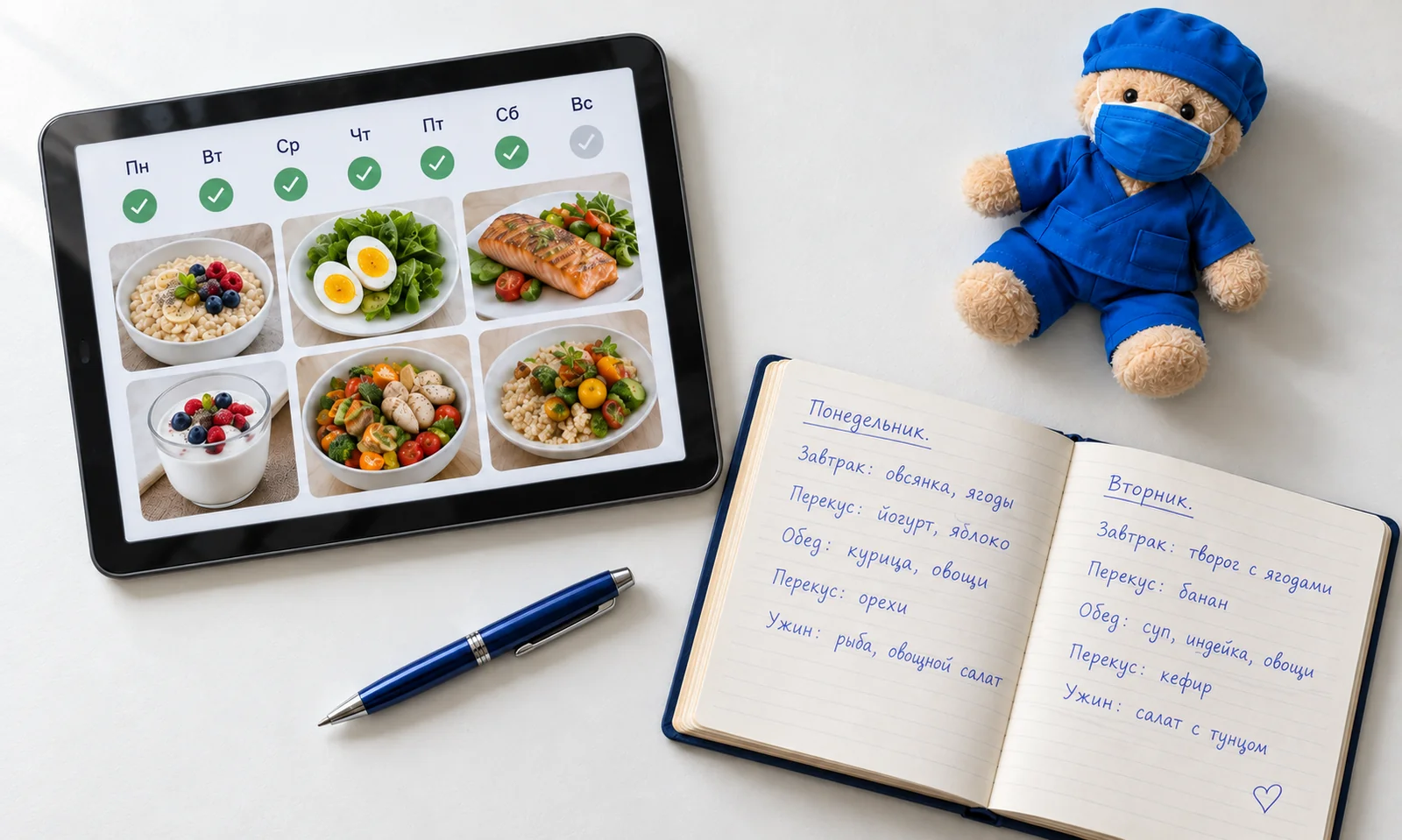
We help you adapt to new eating habits, track your results and keep them.
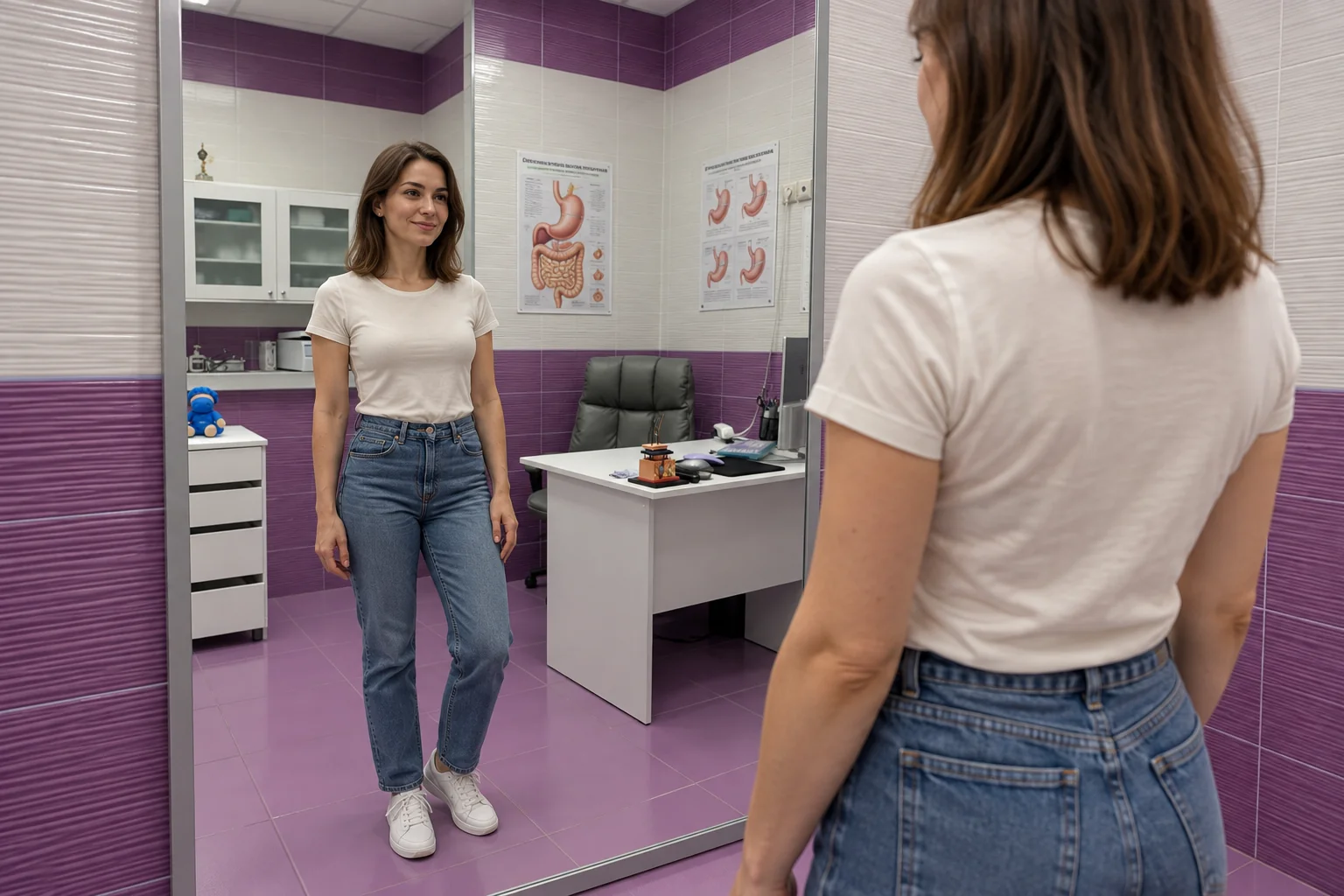
Better well-being, steady weight loss and a higher quality of life.
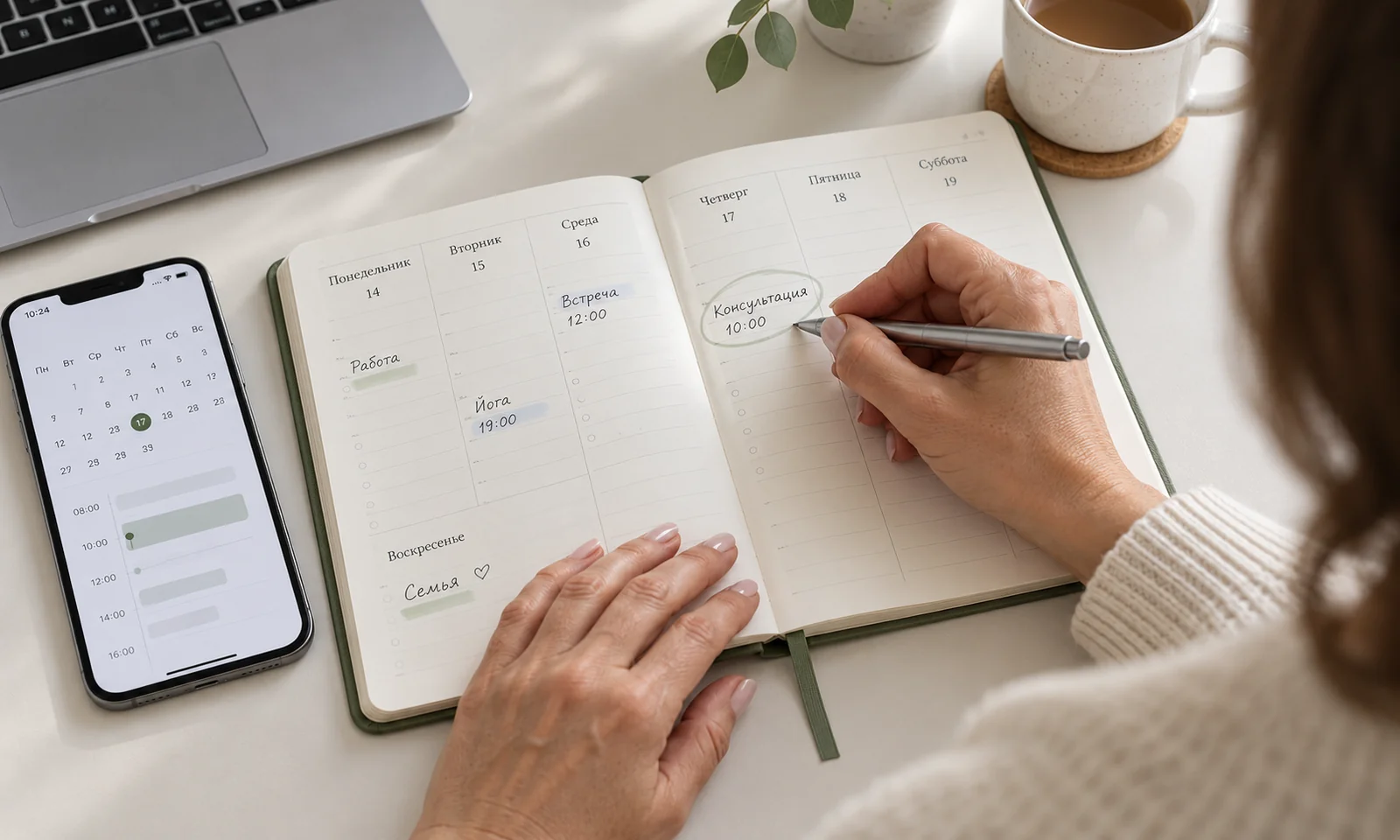
We work 24/7 out of respect for your time, with easy booking and a personal approach — we adapt to your pace.
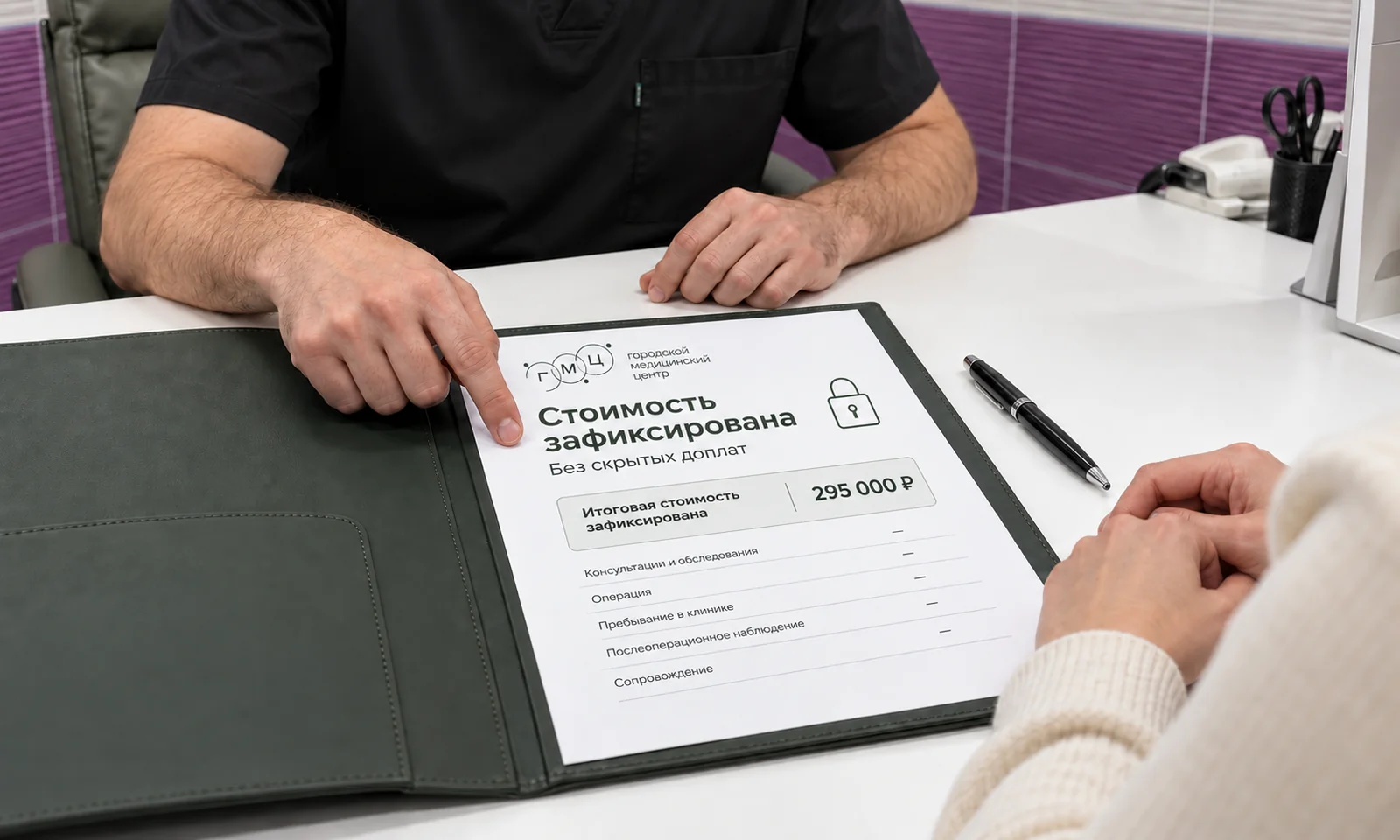
You get a clear price after the consultation, when the surgeon chooses the method: no hidden fees and no surprises along the way to your result.
FAQ
At the clinic, experienced bariatric surgeons perform the bariatric operations:
Drop us a message and our coordinator will get back to you shortly to book your consultation. The bariatric surgeon consultation is free.
Surgery is prescribed only when clear criteria are met
BMI is the key measure used to assess how severe obesity is. You get it by dividing body weight (kg) by height squared (m²). Surgery is generally justified at a BMI above 40, or above 35 when serious related conditions are present. Sometimes it is also considered at lower values — when non-surgical methods have not worked.
Many mix them up, but they pursue fundamentally different goals. Bariatric surgery medically treats obesity and related diseases by changing how the digestive tract functions, addressing the causes of excess weight and metabolism. Plastic surgery reshapes the external contours of the body; it does not treat obesity or influence metabolism.
City Medical Centre performs four main types of bariatric surgery: sleeve gastrectomy, Roux-en-Y gastric bypass, mini gastric bypass (MGB) and SADI-S duodeno-ileal bypass. Each method is chosen individually based on BMI, related conditions and the patient's goals.
Modern laparoscopic technique allows the operation through 4 small punctures of 5 to 15 mm. Cosmetic sutures make the marks almost invisible when fully healed.
The recovery timeline depends on your activity. Office work: after 2–4 weeks. Physical work: after 1.5 months. Sport and activity: swimming allowed from 30 days, other exercise added gradually as weight comes down. Travel and holidays: best planned at least a month after surgery.
Eating changes gradually: liquid food first, then soft, then solid. The focus is protein, with high-calorie, fatty food kept to a minimum.
Pregnancy after bariatric surgery is possible, though doctors recommend waiting at least 12–18 months. In that time the body stabilizes, weight reaches its target and nutritional status returns to normal.
Yes, vitamins are a must after bariatric surgery. Changes in digestive anatomy mean the body absorbs some nutrients less effectively, so regular vitamin and mineral supplements are part of the patient's life for good.
Weight regain after bariatric surgery is possible, but very unlikely if you follow the doctor's advice. Proper nutrition, avoiding high-calorie drinks and regular follow-up with City Medical Centre specialists are key.
Prices are in US dollars; the amount in brackets is an approximate conversion to CDF at the rate of 02.10.2026. The final price is fixed in your contract.
Prices start from $3,600 (≈ CDF 8,400,000). The surgeon sets the final price at the free consultation, and it is fixed in the contract, with no hidden extras.
General anaesthesia, a personal coordinator from day one, monitoring in the hospital and support for one year.
The hospital stay is 1–5 days, depending on the method and how you feel. Office work is possible after 2–4 weeks.
Yes. The first consultation is free and does not oblige you to anything. You can start online by sending a message to the coordinator.
Message us on WhatsApp or Telegram using the buttons below. A coordinator will answer your questions and book a free consultation where the doctor names the exact price.
By messaging us, you agree to our Privacy Policy
All bariatric operations here are laparoscopic, performed through four small punctures of 5 to 15 mm with cosmetic sutures, so the marks become almost invisible after healing. This greatly shortens recovery. For those from Lubumbashi, the choice between sleeve, classic bypass, mini bypass and SADI-S depends on BMI, related diseases and the result you want to reach.
Recovery is short thanks to the minimally invasive technique, and absorbable sutures dissolve on their own. Office work is usually resumed after 2–4 weeks and physical work after about 1.5 months; swimming is allowed after 30 days, with other exercise added gradually. For the first weeks, no sauna or intense training. Lubumbashi residents get the same step-by-step guidance from the team.
There are no hidden fees: one package covers everything required for the result. It brings together experienced surgeons, round-the-clock care, meals, nursing, a coordinator and a legal result guarantee. Tick the situations that apply to you and request a free check of your case; a coordinator will contact patients from Lubumbashi to arrange the next steps.
What patients write after this operation. Reviews are translated from the original language.
Irina, 26
For a long time I doubted whether to go ahead with surgery, but after the consultation I felt much calmer. Andrey Georgievich explained in detail how gastric bypass is done, what to expect after the operation and how recovery would go. I especially liked that they talked to me calmly and without pressure. I am now gradually getting used to my new way of life and I am very glad I took this step.
Bariatric surgery
Doctor: Andrey G. Ugay
Angelina, 22
For me the hardest part was deciding to have the operation. At the consultation Ruslan Sergeyevich answered all my questions in detail and explained the specifics of sleeve gastrectomy and recovery. After the operation I always understood what I was doing and why. Thank you to the doctor and the whole team for their attentiveness.
Bariatric surgery
Doctor: Ruslan S. Menzulin
Anna, 31
For a very long time I tried to deal with my excess weight on my own, but I did not get the result I wanted. After the consultation with Andrey Georgievich I finally understood what to do next. I came through the operation well, and my recovery was supervised by the doctors. It was important for me to feel that I was not left alone after surgery.
Bariatric surgery
Doctor: Andrey G. Ugay
Veronika, 25
Before the operation I had many fears, mostly of the unknown. Ruslan Sergeyevich explained every stage of treatment in detail and answered even the simplest questions. Thanks to that I felt much more confident. I keep following the recommendations and I am gradually seeing the changes I had the operation for.
Bariatric surgery
Doctor: Ruslan S. Menzulin
Valentina, 23
The decision to have bariatric surgery was not easy for me. I worried both about the operation itself and about how my life would change afterwards. At the consultation Andrey Georgievich explained everything in detail, so little by little my fear turned into confidence. What matters most to me now is the result and the chance to treat my health and lifestyle differently.
Bariatric surgery
Doctor: Andrey G. Ugay
Anna, 27
I am very grateful to Ruslan Sergeyevich for his attentiveness. Before the operation I had a huge number of questions, and I got a clear answer to every one of them. After the operation it was also clear which recommendations to follow and how to eat. It was important to me that the doctor stayed in touch and I felt supported at every stage.
Bariatric surgery
Doctor: Ruslan S. Menzulin
Page medically reviewed by Andrey G. Ugay, lead bariatric surgeon. Review date: .
Lubumbashi is the second-largest city in the Democratic Republic of the Congo and the capital of Haut-Katanga Province. It lies in the far south-east of the country, near the border with Zambia. The population of the urban area is estimated at around 2,584,000 in 2021. It is a large, busy city, and many residents work long days in mining, trade, industry and services. For people in this setting, deciding on weight-loss surgery usually comes after years of diets, short-lived results and growing worry about health.
Sleeve gastrectomy and gastric bypass are the two operations most often discussed with patients. Both are performed with modern laparoscopic technique. The operation is done through 4 small punctures of 5 to 15 mm, and cosmetic sutures are used, so after healing the marks are barely visible. Residents of Lubumbashi often ask whether the operation can fit around a demanding job and a large family. The answer starts with a personal assessment: the surgeon looks at your weight, your related conditions, your eating habits and your support at home.
The City Medical Centre works with patients from Lubumbashi through a free online consultation. Coordinators are available 24/7 on WhatsApp and Telegram. You do not have to rearrange your working week for a first conversation. You can send questions in the evening after work or at the weekend, and a coordinator will call you back 24/7.
Candidacy is judged mainly by body mass index. BMI is the main tool for assessing the degree of obesity. It is calculated by dividing body weight in kilograms by height in metres squared. Surgery is usually justified with a BMI above 40, or above 35 with serious related conditions. In some cases surgery is considered at lower values too, if non-surgical approaches have failed. The surgeon confirms at the consultation whether surgery suits you.
The World Health Organization describes obesity and overweight as a long-term health problem linked to many chronic diseases. That matches what patients in Lubumbashi say about their own lives: tiredness, joint pain, breathing difficulty on stairs, raised blood pressure or blood sugar. If you recognise some of this, collect your recent test results and any notes from your family doctor before the online consultation. They help the surgeon form a clear picture.
General contraindications are discussed individually. They can include serious uncontrolled illness, conditions that make general anaesthesia unsafe, active substance dependence or an unstable psychological state that would prevent following the diet. Pregnancy is also a reason to wait. The surgeon decides this after reviewing your history, and the decision is never made on weight alone. If surgery is not suitable now, you will be told what can be done first.
Lubumbashi lies at around 1,208 m above sea level. The altitude cools a climate that would otherwise be very hot. The city has a dry-winter humid subtropical climate, with warm rainy summers and pleasant, dry winters. Most rain falls in summer and early autumn, and the annual average is 1,238 mm. This pattern affects planning more than the operation itself.
In the warm rainy months, humidity and heat can make the first weeks feel heavier. Wear loose, breathable clothing that does not rub on the healing puncture areas. Stay in the shade, avoid long periods in a hot closed car and keep your drinking routine steady in small sips, as the surgeon advises. Rain also means wet roads and crowded transport, so plan how you will move around the city when you feel tired.
The dry winter is gentler. Cooler, drier days are comfortable for short walks, which help recovery. Dust can be a nuisance on dry days, so keep the wound areas clean and covered as instructed and do not touch them with dusty hands. Whatever the season, the weather should not decide the date alone. Your health, your work calendar and the surgeon's availability matter more, and the coordinator can help you weigh them.
Patients from Lubumbashi often ask which month is best. There is no single answer. The dry winter is pleasant for early recovery, because mild days make short walks easy and heat does not add to fatigue. The rainy season is also possible if you prepare: arrange help at home, keep medicines and permitted food supplies in stock, and avoid important commitments in the first weeks.
Think about your own year. If you work in mining administration, trade or industry, ask which months bring audits, shipments or peak orders. Students at the University of Lubumbashi, the Protestant University or the Graduate Institute of Health Sciences may prefer to schedule around exams. Teachers at the Belgian, French and British schools in the city can look at school holidays. The aim is to leave enough room for the hospital stay of 1–5 days and for return to office work after 2–4 weeks.
Do not postpone only because the moment never feels perfect. A busy city always has a busy season. What matters is a realistic plan that you and your family agree on in advance, with a coordinator available at any hour if the plan changes.
Recovery time depends on the activity. Office work is possible after 2–4 weeks. Physical work is possible after 1.5 months. Lubumbashi is a centre of mining and heavy industry, and it also has textiles, food products, beverages, printing and brick manufacturing. A bank employee, a teacher or an administrator can usually return to the desk earlier than someone who lifts loads or works on a production line. Tell the surgeon exactly what your day involves.
If your job is physical, talk to your employer early about lighter tasks at the start. If you work in an office, plan a gradual return: shorter days at first, regular breaks to walk and drink, and meals taken at set times rather than at the desk in a hurry. Meetings with long lunches are a particular challenge in the first period, so prepare a polite way to explain that your portions are now small.
Students can follow the same logic. Reading and written work are possible once you feel well, but late-night study with sugary drinks and snacks works against the new eating pattern. Ask the surgeon and the dietitian for a simple daily schedule, and share it with family so that everyone at home understands your routine.
Food is social in Lubumbashi. Family gatherings, celebrations and meals with colleagues are central to life, and the city's food and beverage industry, including the well-known Tembo beer brewed by Simba, is part of the local picture. After sleeve gastrectomy or gastric bypass, the stomach holds much less, so the way you eat changes more than what is on the table. Small portions, slow chewing, adequate protein and sufficient fluids become the basis of the day.
Before surgery, speak openly with your family. Explain that you will eat small amounts and may decline second helpings, and that this is a medical decision and not a rejection of hospitality. Ask relatives not to press food on you. For weddings, funerals and holiday meals, plan ahead: eat slowly, choose what the dietitian allows, stop at the first feeling of fullness and keep sweet and fizzy drinks to a minimum. Alcohol should be discussed with the surgeon, as it is often restricted.
Support lasts after discharge. The package runs from preparation to follow-up support for 12 months, all in one package with no added fees. During this time you can ask your coordinator about everyday situations such as a family party, a work lunch or a market purchase, and get an answer without waiting for a scheduled visit.
The operation is performed under general anaesthesia. The hospital stay is 1–5 days, depending on the method and how you feel. Doctors supervise you in hospital after surgery, and the stay may be shorter or longer depending on the complexity of the operation and your condition. You will be under observation for 1–5 days before discharge.
The first weeks at home in Lubumbashi should be quiet. Walk a little several times a day, take medicines and fluids as instructed, and avoid lifting heavy objects. Watch the puncture areas, which are small, and report any redness, swelling or discharge to the coordinator at once. Heat and humidity in the rainy season may make you feel more tired, so rest in a cool room and keep a bottle of water within reach.
Swimming is allowed after 30 days. Other exercise is added gradually as weight goes down. This matters in a city where friends meet for football, walks in the botanical garden or active weekends. Return to sport slowly, begin with walking, and ask the surgeon before returning to intense training or contact games.
Weight loss continues for many months. The timing of the result is 18–24 months after surgery, when the weight settles at its new level. During this period, how you eat, move and attend follow-up matters as much as the operation. Weight can go down fast at first, and patients in Lubumbashi sometimes feel that they should hurry their activity. It is better to let the body adapt in stages.
For women planning a family, getting pregnant after bariatric surgery is possible, but doctors advise waiting at least 12–18 months, so the body can stabilize, weight can reach target values and nutritional status can normalize. Discuss contraception and timing with the surgeon before the operation, not after it.
Follow-up support continues for 12 months. Keep your blood test results and your notes in one folder, and bring them to every online contact. If you later see a local doctor in Lubumbashi for another health issue, tell them that you had bariatric surgery so that they can choose medicines and diet advice accordingly.
Lubumbashi began in 1910 as Élisabethville, named in honour of Queen Elisabeth, consort of King Albert I of the Belgians. The location was chosen because of the nearby copper mine of Etoile du Congo and the copper smelting oven on the Lubumbashi River. In 1966 the city received the name Lubumbashi. A place founded around mining and shift work has a long habit of putting work before health, and many families still plan their week around the working day.
For a patient thinking about sleeve gastrectomy or gastric bypass, this history is useful because it explains a common attitude: a person keeps going until the body forces a stop. The city's older residents often remember colleagues with high blood pressure or diabetes who never took time off. Deciding to plan an operation in advance, with a clear date, a return to work after 2–4 weeks for office tasks and a follow-up programme of 12 months, is the opposite of that habit and a sound one.
Write down your own work pattern before the online consultation: shifts, early starts, days with heavy lifting, days at a desk. The surgeon can then match the recovery plan to your real schedule instead of a general one.
The city grew in separate quarters. The old cité indigène called Quartier Albert is now Kamalondo, and later quarters such as Kenia, Katuba and Ruashi became the main suburbs of present-day Lubumbashi. Daily life differs between them: some residents live close to markets and workplaces, others spend a long part of the day moving between home and work.
This matters for the first weeks after surgery. If you live in a suburb far from where you work, you may decide to return to the office only when you can manage a full day, which for desk work is after 2–4 weeks. If your home is busy with children and visitors, ask a relative to take over cooking and shopping at the start so that you can rest and walk in short stretches near the house.
Ask your coordinator to include the distance between your home and your usual medical centre in the plan. Should you need a local check of a wound or a blood test during the 12 months of follow-up, it is easier when you know in advance where you will go.
Lubumbashi has a tradition of market gardening, and fresh produce from the surroundings reaches households across the city. This is an advantage for a patient who must build a new diet. After the operation the stomach holds far less, so each small meal has to count: protein first, then vegetables, with sugary and fizzy products kept to a minimum.
Before surgery, take a practical step: go through your usual market list with the dietitian. Mark what you can keep, what you must reduce and what to add. Many local dishes are built around starchy staples and sauces; the portion and the order in which you eat the parts of the plate matter more than the name of the dish.
Bring a relative to this conversation, particularly the person who cooks. A household that understands why your plate is small supports you better than one that only hears about it afterwards.
Football is the most popular sport in Lubumbashi. The city is home to top national clubs such as FC Saint Eloi Lupopo, CS Don Bosco and TP Mazembe, and matches shape many weekends, including screenings of big games at the cinema. Basketball also has local pride, as players such as Bismack Biyombo, Myck Kabongo and Oscar Tshiebwe come from the city.
For a patient, sport is both a motivation and a risk of going too fast. Swimming is allowed after 30 days, and other exercise is added gradually as weight goes down. Start with walking, then light movement, and leave football with contact or basketball games until the surgeon agrees. Watching a match with friends is fine early on; just plan your snacks, because stadium and street food is rarely suited to the first weeks.
As your weight falls, many people find it easier to join a neighbourhood team or a friendly game again. Keep a simple log of your activity and share it during follow-up so that the surgeon can adjust advice.
Lubumbashi is a centre of education. The University of Lubumbashi, founded in 1955, is the largest institution of higher education, and the city also has the Protestant University of Lubumbashi and the Graduate Institute of Health Sciences. Several schools follow Belgian, French and British programmes. Many households therefore have students or teachers, whose calendars are fixed and predictable.
Mining is the other pillar: the city is the mining capital of the country and a base for many large mining companies, with copper and cobalt among the main products, and it hosts the headquarters of a major bank. Office, laboratory and administrative staff can usually plan a return to work after 2–4 weeks, while field and physical work needs about 1.5 months.
Bring your employer into the plan early. A short letter from the surgeon about the hospital stay of 1–5 days and about light duties afterwards is easier to arrange when requested before the operation, not during recovery.
The first step is free and takes place online. Write to a coordinator on WhatsApp or Telegram, at any time, because coordinators work 24/7. Booking is easy, the approach is personal and the plan adapts to your pace. A coordinator will call you back 24/7, so you can choose a moment that suits your workday or school timetable.
Prepare height, weight, a list of illnesses and medicines, and recent test results if you have them. The surgeon uses these to estimate your BMI and to discuss which operation, sleeve gastrectomy or gastric bypass, may suit you. Questions to ask include: which method fits my conditions, what is the expected hospital stay, how will my medicines change, what should I eat in the first weeks, and when can I return to my job.
After the consultation you decide without pressure. The package covers everything from preparation to 12 months of support, all in one package with no added fees. If you choose to proceed, the coordinator explains each step in order. If you prefer to wait, you can come back with new questions whenever you are ready.
Yes. The first online consultation is free. You write to a coordinator on WhatsApp or Telegram, and the coordinators are available 24/7. A coordinator will call you back 24/7.
Usually a BMI over 40, or over 35 with related health conditions. In some cases surgery is considered at lower values too, if non-surgical approaches have failed. The surgeon confirms whether surgery suits you at the consultation.
Divide your body weight in kilograms by your height in metres squared. This gives the BMI, which is the main tool for assessing the degree of obesity.
Both are performed laparoscopically through 4 small punctures of 5 to 15 mm. The surgeon explains at the consultation which method is better for your weight, conditions and eating habits.
The hospital stay is 1–5 days, depending on the method and how you feel. Doctors supervise you after surgery, and the operation is done under general anaesthesia.
Office work is possible after 2–4 weeks. Physical work is possible after 1.5 months. In a city of mining and industry like Lubumbashi, tell the surgeon exactly what your job involves.
Swimming is allowed after 30 days. Other exercise is added gradually as weight goes down. Ask the surgeon before returning to intense sport.
The punctures are small and cosmetic sutures are used, so after healing the marks are barely visible.
It is possible, but doctors advise waiting at least 12–18 months, so the body can stabilize, weight can reach target values and nutritional status can normalize.
The climate does not prevent surgery, but it affects comfort. Wear loose clothing, keep the puncture areas clean and dry, stay hydrated and plan rest during the warm rainy months. The dry winter is milder for early recovery.
Not the operation itself, but it shapes the plan. In a city built around mining and industry, many people have fixed work patterns, so it helps to tell the surgeon your shifts and duties and to arrange leave in advance.
Yes. The consultation is online and free, and coordinators are available 24/7 on WhatsApp and Telegram, so your neighbourhood does not matter. A coordinator will call you back 24/7.
Yes, as a spectator from the first weeks if you feel well. Plan what you will eat and drink, because snacks and fizzy drinks are rarely suitable. Playing is added gradually, and swimming is allowed after 30 days.
Say that you have a planned medical procedure with a hospital stay of 1–5 days. Office work is possible after 2–4 weeks and physical work after 1.5 months, so ask for light duties at the start.