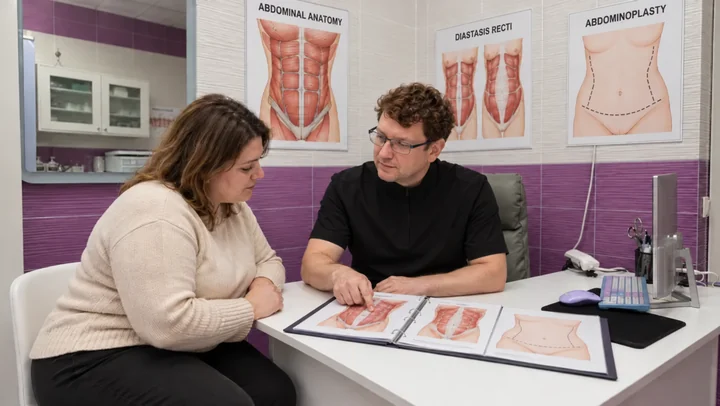
Lubumbashi and the decision to have a tummy tuck
Lubumbashi is the second-largest city in the Democratic Republic of the Congo, in the far southeast of the country, and the capital and principal city of Haut-Katanga Province. It is the centre of mining in the region and a hub for many of the country's largest mining companies. The urban area is estimated at around 2,584,000 inhabitants in 2021. In a city of this size and pace, many adults think about abdominoplasty quietly and for a long time before they ask a question.
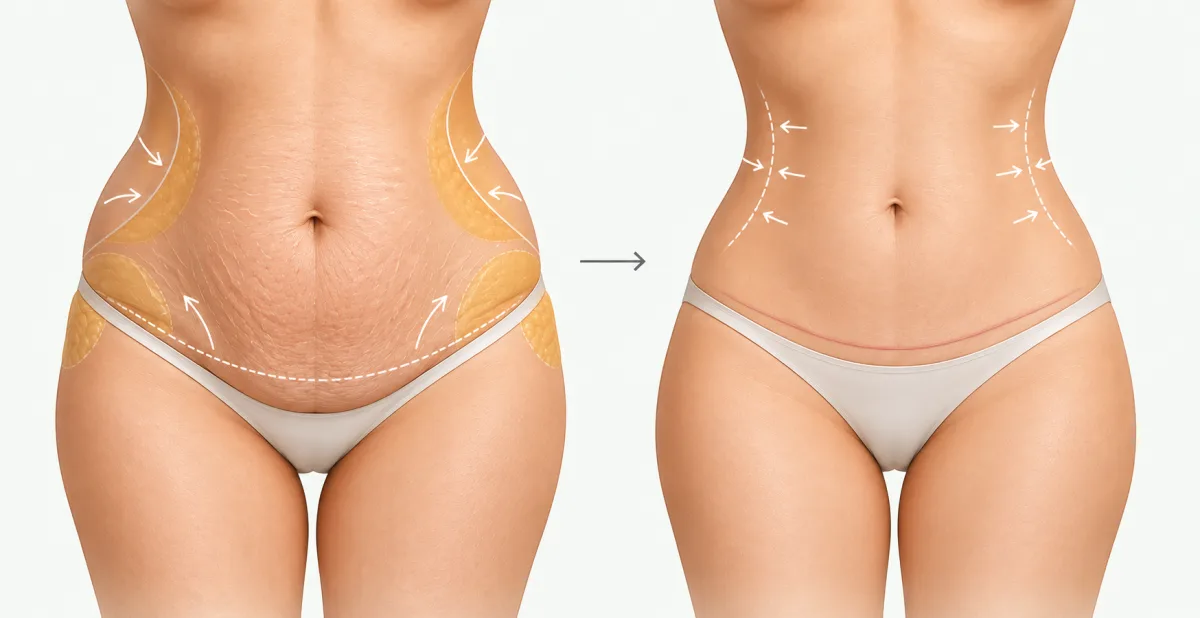
People usually come to the subject after pregnancies and births, after significant weight loss, or when loose abdominal skin and a stretched abdominal wall no longer respond to diet and exercise. A tummy tuck is a surgical procedure, not a weight-loss method. The conversation with a surgeon starts from your goals, your health and the shape of your abdomen.
City Medical Centre works with patients from Lubumbashi through a free online consultation. Coordinators are available 24/7 on WhatsApp and Telegram, so you can send your first questions in the evening after work, on a weekend or in a quiet moment between family obligations, and you do not have to rearrange your day around an appointment.
What patients from Lubumbashi usually ask
The questions are practical. Will the operation fit around a job in a mining company, a bank, a school or a family business? How long will I be away? How visible will the scar be under clothes? Will the abdomen look flat in the first weeks? How should I prepare, and what does the recovery programme look like?
On timing, the facts are clear. After a tummy tuck you can return to work after 2–3 weeks. Three milestones mark recovery: after 2–3 weeks you can do office work, by 1.5–2 months swelling and tightness pass, and at 6–12 months, with the tissues fully adapted, the final result and scar are assessed.
The first changes appear 2 weeks after surgery as the main swelling subsides, followed by two checkpoints: the interim result at 1.5–2 months and the final contours at 6–12 months. Patients who expect a finished result in the first week are usually disappointed, so it helps to plan with these stages in mind.
Another common question is whether it is better to wait. If you are still losing weight, or planning another pregnancy, discuss this openly with the surgeon, because it affects the timing and the plan.
Climate of Lubumbashi and recovery after abdominoplasty
Lubumbashi has a dry-winter humid subtropical climate, with warm rainy summers and pleasant, dry winters. Most rainfall comes in summer and early autumn, and the annual average is 1,238 mm. The city lies at around 1,208 m above sea level, and the altitude cools a climate that would otherwise be very hot.
For recovery this matters in a general way. In the warm rainy season, humidity and heat can make a compression garment feel heavy, and sweating under it is uncomfortable. The garment is a requirement: recovery is worse without it because it supports the tissues and reduces swelling. The first 3–4 weeks it stays on around the clock, then during the daytime for roughly a month more. Your operating surgeon will name the exact period.
In the dry winter the cooler, drier days are easier for wearing the garment and for short, gentle walks. Neither season is automatically better, but many patients find the dry months more comfortable. Choose loose, soft, breathable clothing that does not press on the wound, and keep the healing area out of direct sun. Ask the surgeon how to protect the scar from sunlight once it has closed.
Rainy days also mean wet ground. During the first weeks, be careful with every step, because slipping or sudden movements put strain on the abdomen.
Choosing the season and planning around city life
Lubumbashi is an important commercial, business and industrial centre, with textiles, food and beverages, printing, bricks and copper smelting among its manufactures. Many residents work to a tight schedule, and that shapes the choice of date. Pick a period when you can step back from physical tasks, and tell your employer in advance that you need rest.
The recovery rules are the same for everyone. For the first 2–3 weeks you avoid physical exertion, heavy lifting and sudden movements. If your work involves site supervision, loading, long standing or driving on rough roads, it is worth discussing a longer break with the surgeon. Office work is possible after 2–3 weeks.
Think about family life as well. Weddings, funerals, school terms and holidays take a lot of time and energy. Arrange help at home for the first days, especially if you have small children who need to be lifted. Choose a date that does not fall right before a major family event, so that you are not under pressure to stand for hours or to hurry.
Remember that the operation is only one part of the plan. Preparation, hospital stay, check-ups and the months of recovery all need space in your calendar.
Food, drinks and social habits during preparation and healing
Lubumbashi is home to the Simba brewery, which produces the well-known Tembo beer, and shared meals and drinks are a normal part of social life. This matters for planning. Stop smoking, drinking alcohol and taking medicines that affect blood clotting 7–10 days before a tummy tuck. After the operation, alcohol and smoking are out for at least a month, along with sauna, steam bath, pool and tanning beds.
If friends or colleagues often gather after work, tell them in advance that you will not be joining for a while. It is easier to decline when people already know the reason.
Food deserves thought too. Prepare simple meals before the operation so that you do not have to cook or carry heavy shopping in the first weeks. Ask the surgeon about eating and drinking before the operation and about what to eat afterwards. Do not take herbal remedies or supplements on your own initiative without telling the surgeon, because some of them affect blood clotting.
Stable weight matters for a lasting contour. The WHO fact sheet on obesity and overweight is a useful general reference on weight and health, and your surgeon will discuss what is realistic for you.
Sport, exercise and the return to activity
Active people in Lubumbashi, whether they jog, play football with colleagues or go to a gym, often ask when they can return. The honest answer is gradually and with the surgeon's approval only. Sport is resumed step by step, and compression garments are worn for another 4–8 weeks.
In the first 2–3 weeks there is no physical exertion, heavy lifting or sudden movements. Walking at home is fine and helps circulation, but it should be gentle. Pool, sauna and steam bath are out for at least a month, which is worth remembering if you enjoy weekend swimming.
Do not judge your readiness by how you feel on a good day. Tissues adapt more slowly than your energy returns. Wait for the surgeon's decision at the check-up, and begin with light activity before returning to your usual training.
The same applies to team sports and any activity with twisting or impact. Ask the surgeon which movements to avoid and for how long.
Who is a candidate and who is not
You must be at least 18, with no contraindications. No upper limit exists, and at the clinic each case is considered individually, after an examination and health assessment. Age alone does not decide anything; general health does.
Good candidates are adults with excess skin, a stretched abdominal wall or a changed contour that diet and exercise do not correct. Contraindications are decided by the surgeon after tests and may include serious chronic illness, blood clotting problems or active infection. Smoking increases problems with healing, which is why stopping is part of the preparation.
Be honest about your medical history during the online consultation, including previous operations, medicines, allergies and pregnancies. A mini tummy tuck may suit some patients and a classic tummy tuck others, and the surgeon will explain the difference after reviewing your photographs and history.
Preparation and tests when you live in Lubumbashi
Yes, preparation is a must. The pre-surgery check-up covers blood tests, ECG, leg vein ultrasound and consultations with a GP and anaesthetist. Get it done in advance, not the day before.
The list is identical for all: blood and urine tests, coagulation panel, biochemistry, infection tests, ECG, chest X-ray, ultrasound of the leg veins and a GP's report. The exact list comes from the surgeon at the consultation, and tests usually stay valid for 10–14 days.
Because the validity of tests is limited, plan the sequence. Agree on the list with the coordinator first, then do the tests so that they are still valid on the date of the operation. Keep the results in a folder and send clear copies through the messenger.
Lubumbashi has the University of Lubumbashi and the Graduate Institute of Health Sciences among its teaching institutions, which is a reminder that medical education is part of city life. Still, do not rely on advice from friends or acquaintances about tests; follow the list from your surgeon.
The operation, hospital stay and check-ups
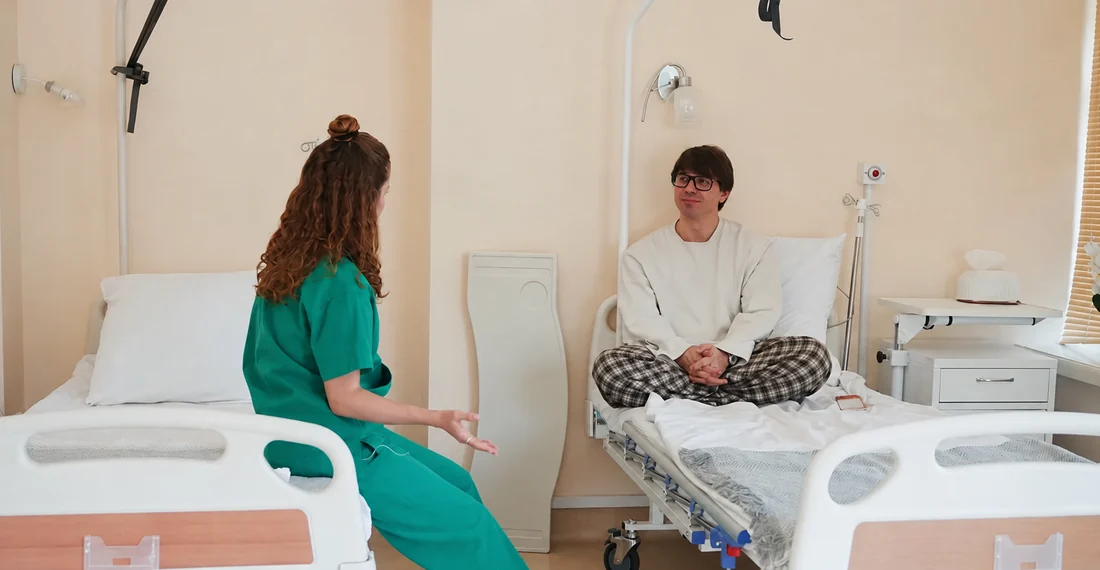
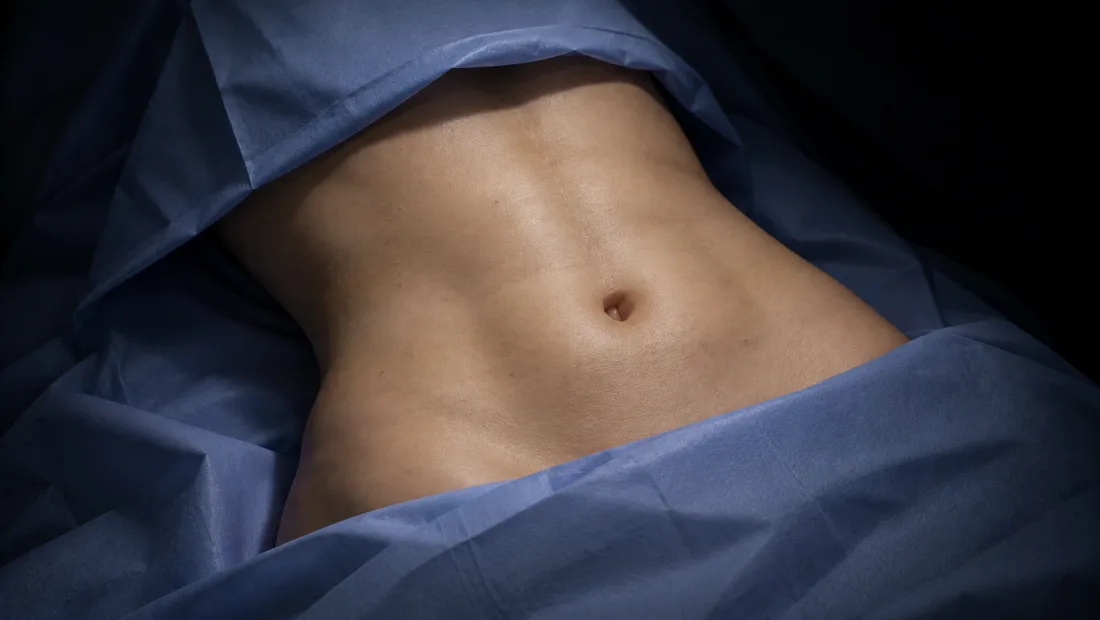
The operation is performed under general anaesthesia, with up to 3 days in hospital. After surgery the patient stays for 1–3 days in a comfortable hospital ward with meals, under medical supervision. A classic tummy tuck means 1–3 days; for a mini tummy tuck, one day is usually enough. At home recovery continues, and the surgeon monitors it at scheduled check-ups.
After surgery you get a recovery programme. Check-ups at 7 days, 3 and 6 months help track your recovery. The surgeon follows your recovery and the changing abdominal contour at these check-ups. Check-ups, dressings and aftercare advice are already included in the price of surgery. Until the end of the year, you can get a post-surgery consultation with your surgeon to review results and get more information, at the clinic's expense.
Coordinators remain available 24/7, so if a question comes up at night in Lubumbashi, you can write on WhatsApp or Telegram and do not have to wait for the next day.
Scars, clothing and everyday modesty in Lubumbashi
One of the most personal questions from patients in Lubumbashi is how the scar will sit under everyday clothes. In a warm climate people wear lighter fabrics, fitted office wear, school and church clothes, and for many families these are part of daily dignity. Ask the surgeon during the online consultation where the scar will lie, how a classic tummy tuck differs from a mini tummy tuck in this respect, and what kind of underwear and trousers will be comfortable during healing.
While the compression garment is worn, soft, loose outer clothing with a high, flexible waistband is usually the easiest choice. Avoid tight belts, stiff jeans and anything that rubs the wound. Keep a few spare garments at home so that you can change them without hurry.
Scars change over many months. Assessment of the final result and the scar comes at 6–12 months, with the tissues fully adapted, so judge the scar at that stage and not in the first weeks, when redness and tightness are still normal.
Family support and household rhythm during the first weeks
Families in Lubumbashi are often large and busy, with children, parents and relatives sharing the same daily rhythm. This can be a real help during recovery, if you plan it. Before the operation, agree with your husband or wife, a parent or a close friend who will take over lifting, shopping, cooking and school routines.
For the first 2–3 weeks you avoid physical exertion, heavy lifting and sudden movements. That includes picking up a small child, carrying water or bags, and moving furniture. Say this clearly to everyone at home, so that nobody expects you to take part in tasks that strain the abdomen.
Think about rest as well. Sleeping and sitting comfortably, getting up slowly and asking for help are not weakness; they are part of the recovery programme. A calm household in the first days often makes the later weeks easier.
Coordinators write back on WhatsApp and Telegram at any hour, 24/7, so a relative who helps you can also ask a question about dressings or aftercare when it comes up.
Students, teachers and office workers: fitting recovery into a schedule
Lubumbashi is a university city. The University of Lubumbashi, the Protestant University of Lubumbashi and the Graduate Institute of Health Sciences give the city a large academic community, and the city also has Belgian, French and British schools. Teachers, lecturers and administrative staff often plan around terms and examination periods.
If you work in education or an office, the main milestone is simple: office work is possible after 2–3 weeks. Even so, long hours of standing in a classroom, or sitting in poor posture, can be tiring early on, so ask the surgeon about a gradual return.
Students who consider a tummy tuck should plan the date around coursework and examinations, and think about who will help at home. By 1.5–2 months swelling and tightness pass, so a calm period in the academic calendar is a sensible choice.
Whatever your profession, agree the return date with the surgeon at a check-up and not by guesswork. The check-ups at 7 days, 3 and 6 months give natural points to review it.
Weight, health and realistic expectations
Many patients from Lubumbashi ask whether the operation replaces diet and exercise. It does not. A tummy tuck corrects loose skin and a stretched abdominal wall; it is not a method of losing weight. The WHO fact sheet on obesity and overweight gives general background on weight and health, and your surgeon will tell you what is realistic in your case.
Try to keep a stable weight before the operation and afterwards. Large changes in weight can alter the abdominal contour, which is why surgeons ask about weight history, pregnancies and future plans during the consultation.
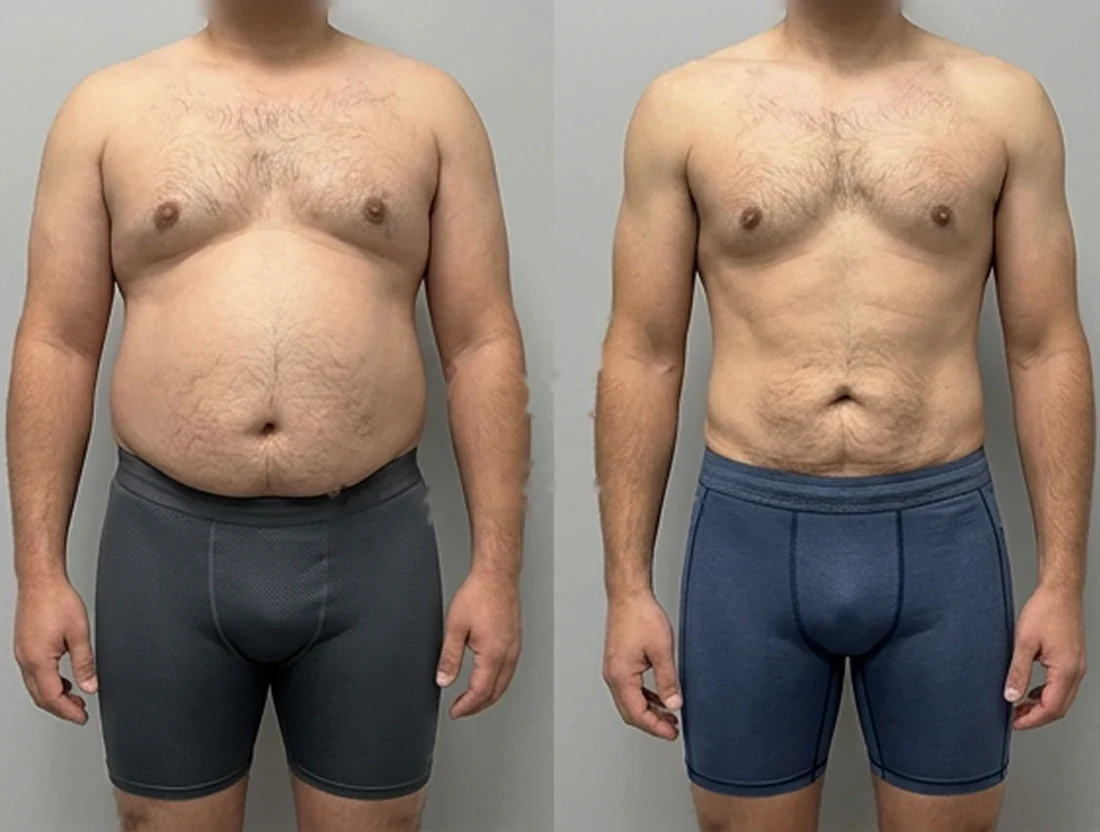
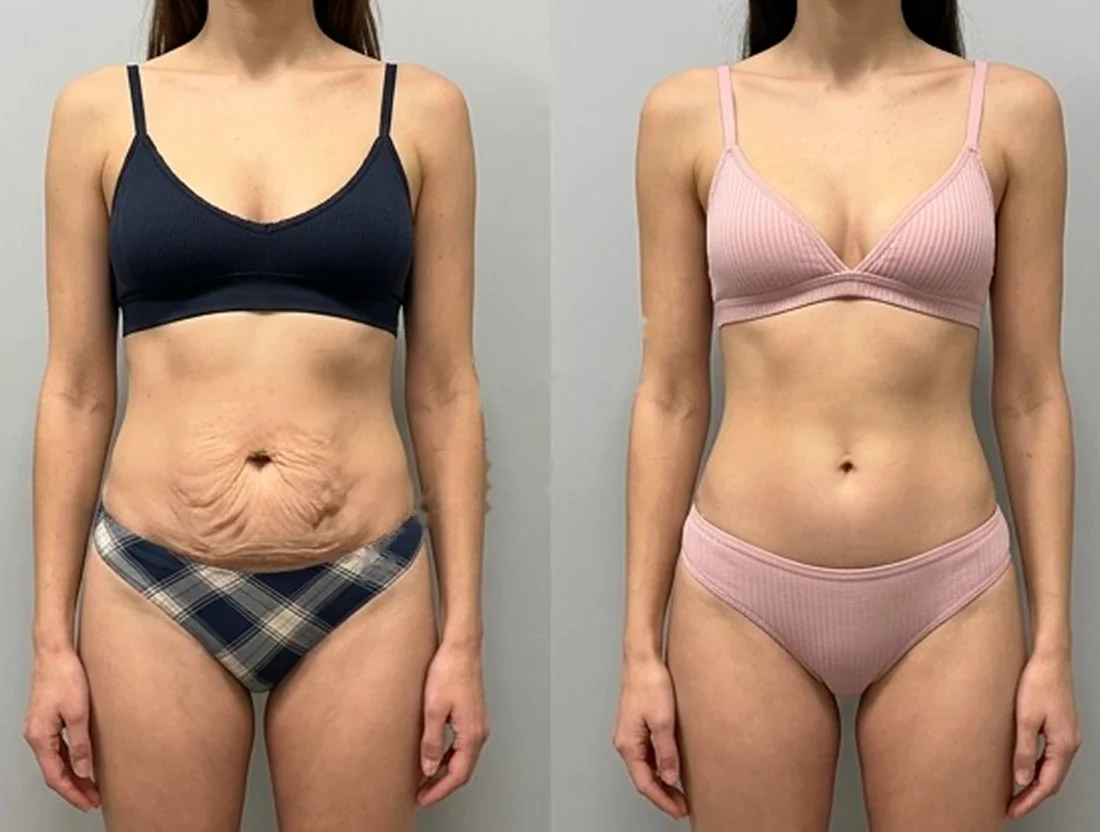
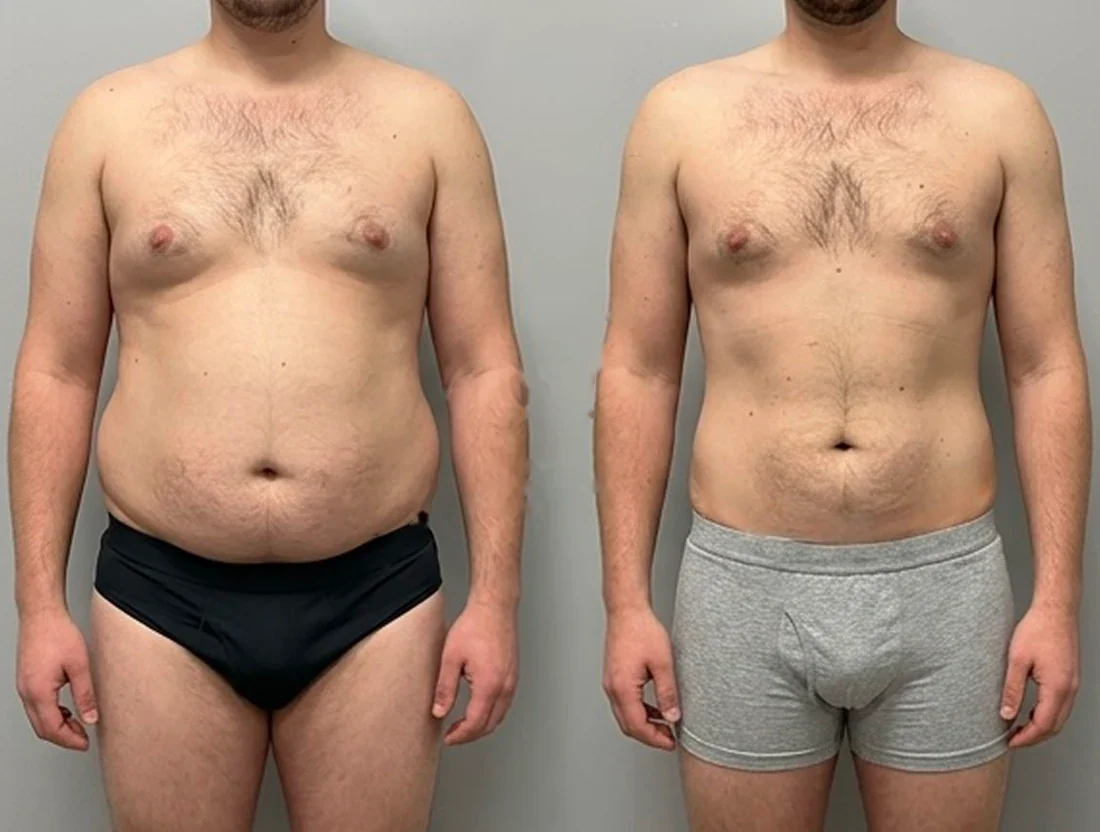
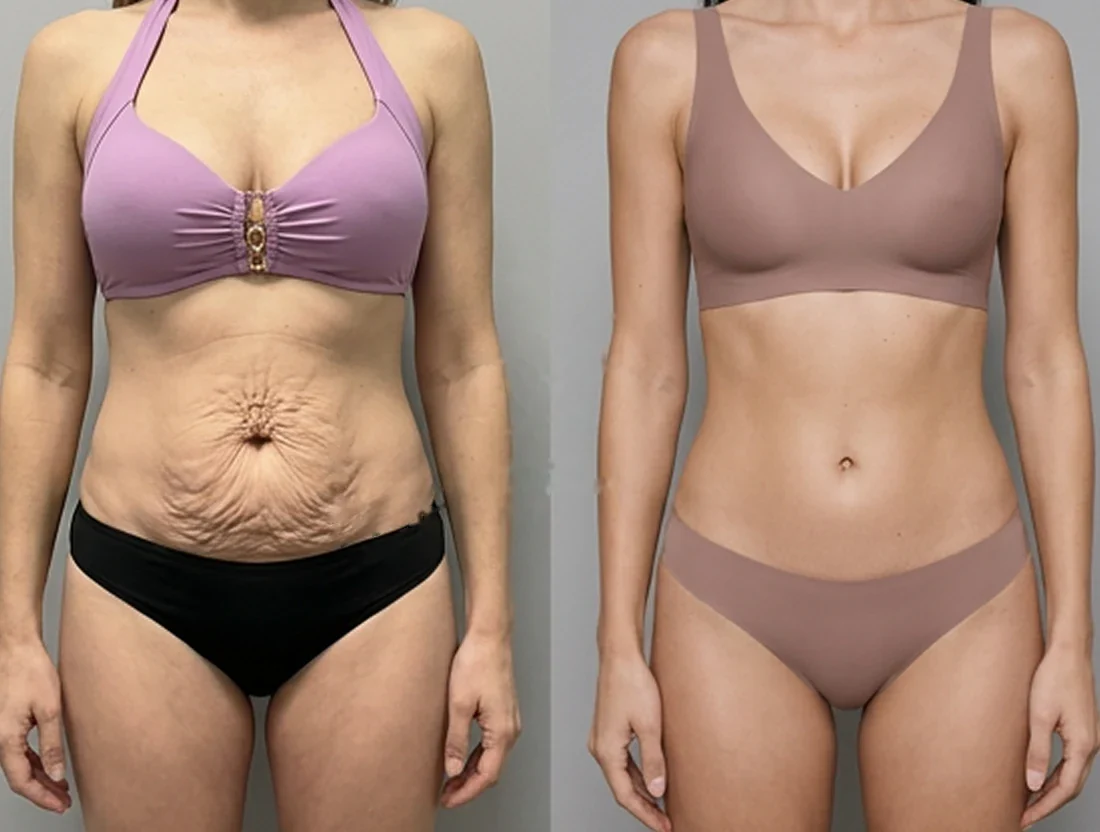
Expect a gradual change. The first changes appear 2 weeks after surgery as the main swelling subsides, then comes the interim result at 1.5–2 months and the final contours at 6–12 months. Patience in these months is part of a good outcome.
Rainy season, dust and wound care in Lubumbashi
Lubumbashi has warm rainy summers and pleasant, dry winters, and most of the rain falls in summer and early autumn. This rhythm of the year affects practical details of recovery at home, such as how you keep dressings clean, how you dry the garment and how you move around the house and the yard.
In the wet months, damp air makes it harder to keep the compression garment fresh. Plan a few spare garments so that one can dry while you wear another, and ask the surgeon how to wash them. Never let a wet or dirty dressing stay on the wound; if it becomes damp, write to the coordinators and ask what to do.
In the dry months, the air is drier and surfaces may be dusty. Keep the room where you rest clean, wipe surfaces often and ask visitors to wash their hands before they come close. These are general hygiene habits, and the surgeon will give you the exact instructions for your dressings.
Whatever the season, the rules that do not change are simple. For the first 2–3 weeks you avoid physical exertion, heavy lifting and sudden movements, and sauna, steam bath, pool, tanning beds, alcohol and smoking are out for at least a month.
Daily mobility in a large city: getting around during recovery
Lubumbashi is a large urban area with busy commercial districts, industrial zones and long distances between home, work and school. In the first weeks after abdominoplasty, the way you move through the city needs thought. Crowded shared transport, jolts, long queues and carrying bags all put strain on the abdomen.
Arrange in advance who will take you home from the hospital and who will drive you to the check-ups after 7 days, 3 and 6 months. Sit comfortably, avoid sudden braking and sudden movements, and do not lift luggage or shopping. If you have to drive yourself, ask the surgeon when it is safe, because he or she knows how your recovery is going.
Short, gentle walks at home are useful in the early days, and the surgeon will tell you how to increase them. Do not go out for long errands just because you feel well on one day. Tissues adapt more slowly than your energy returns.
If something worries you while you are away from home, write to the coordinators on WhatsApp or Telegram. They work 24/7, so you can ask a question from any place and at any hour.
Culture, events and the calendar of a city that loves gatherings
Lubumbashi has a botanical garden, a zoo, the National Museum and, every two years, the Biennale of Lubumbashi, which fills the city with artists and visitors. Beyond these, weddings, church events, school ceremonies and family celebrations shape the calendar of many households.
When you choose a date for the operation, look at that calendar honestly. Swelling and tightness pass by 1.5–2 months, so a major event that falls in the first weeks may be tiring, especially if it means standing for hours, dancing, carrying children or helping with the organisation. It is better to choose a date that leaves a calm period before the event.
Many patients wish to look good in photographs of an important celebration. Keep in mind that the first changes appear 2 weeks after surgery as the main swelling subsides, the interim result comes at 1.5–2 months, and the final contours at 6–12 months. Do not plan around a finished result in the first days.
A walk in a quiet garden is a pleasant, gentle activity in the later weeks, but ask the surgeon first when long walks and sun exposure are acceptable for you.
Questions about the online consultation from Lubumbashi
Patients often wonder how a serious decision about surgery can start with a conversation on a phone. The first consultation is free and online, and you contact the coordinators on WhatsApp or Telegram. You send photographs, describe your history, and the surgeon reviews them with you.
Prepare before the call. Write down your pregnancies, previous operations, medicines, allergies, chronic conditions and your weight history. Take clear photographs in good light, as the coordinators ask. The more accurate your information, the more useful the answer will be.
After the call, you will know whether a classic or a mini tummy tuck fits your situation, which tests are needed and how the recovery programme is organised. The exact list of tests comes from the surgeon, and tests usually stay valid for 10–14 days, so do not rush to take them before the plan is agreed.
You may talk it over with your husband or wife, a parent or a friend before deciding. Nobody is expected to answer on the spot.
How the remote consultation works and what to ask the surgeon
The first step is free and online. You write to the coordinators, describe your goals and send photographs and basic medical information. The surgeon reviews them and speaks with you, then explains whether a tummy tuck is suitable and which variant fits. We respect your time: we work 24/7, with easy booking and a personal approach, and we adapt to your pace.
Questions worth asking: Which type of operation do you recommend, and why? Where will the scar lie and how will it look under swimwear and underwear? How long is the hospital stay in my case? What does the recovery programme include? When can I go back to my work? How long should I wear the garment? Which signs after the operation need an immediate call?
Ask also about what the surgeon expects from you: stable weight, no smoking, completed tests, and help at home. Prepare your questions in writing before the call. Take your time, compare the answers, and decide without pressure.
How long before I can return to work after a tummy tuck?
You can return to work after 2–3 weeks. Office work is possible at that stage, while physical work needs the surgeon's approval and a longer break is often sensible.
How long will I be in hospital?
General anaesthesia is used, with up to 3 days in hospital. A classic tummy tuck means 1–3 days under medical supervision; for a mini tummy tuck, one day is usually enough.
Does the climate of Lubumbashi matter for recovery?
The city has warm rainy summers and pleasant, dry winters. In warm and humid weather the compression garment can feel uncomfortable, and many patients find the dry months easier. Protect the healing area from the sun and wear loose, breathable clothing.
How long do I wear the compression garment?
It is a requirement. The first 3–4 weeks it stays on around the clock, then during the daytime for roughly a month more. Your operating surgeon will name the exact period.
When can I exercise again?
For the first 2–3 weeks you avoid physical exertion, heavy lifting and sudden movements. Sport is resumed gradually, with the surgeon's approval only, and compression garments are worn for another 4–8 weeks.
Can I drink alcohol or smoke before and after?
Stop smoking, drinking alcohol and taking medicines that affect blood clotting 7–10 days before the operation. Afterwards, alcohol and smoking are out for at least a month, together with sauna, steam bath, pool and tanning beds.
Which tests are needed?
Blood and urine tests, coagulation panel, biochemistry, infection tests, ECG, chest X-ray, ultrasound of the leg veins and a GP's report. The exact list comes from the surgeon, and tests usually stay valid for 10–14 days.
Who can have a tummy tuck?
You must be at least 18, with no contraindications. No upper limit exists, and each case is considered individually after an examination and health assessment.
When will I see the result?
The first changes appear 2 weeks after surgery as the main swelling subsides. The interim result comes at 1.5–2 months and the final contours at 6–12 months.
What follow-up is there?
Check-ups take place at 7 days, 3 and 6 months. They, with dressings and aftercare advice, are already included in the price of surgery.
Will the scar be visible under my clothes?
The surgeon will show you where the scar lies for your type of operation. Everyday clothing usually covers it, but its final appearance is assessed at 6–12 months, when the tissues have fully adapted.
Can I decide on the operation after one online conversation?
You do not have to. The first consultation is free, and you can compare answers, prepare written questions and take your time. Coordinators are available 24/7 on WhatsApp and Telegram for further questions.
Is a tummy tuck a way to lose weight?
No. It is a surgical procedure that corrects loose skin and a stretched abdominal wall. Discuss your weight and your plans, including pregnancy, with the surgeon before choosing a date.
How should I look after the compression garment in the rainy season?
Keep a spare garment so that one can dry while you wear the other, and ask your surgeon how to wash it. Remember that the first 3–4 weeks the garment stays on around the clock, then during the daytime for roughly a month more.
Can I attend a wedding or a family celebration soon after the operation?
For the first 2–3 weeks you avoid physical exertion, heavy lifting and sudden movements, and swelling and tightness pass by 1.5–2 months. Choose a date that leaves a calm period before the event and ask the surgeon what you can do.
Who can help me if I have a question at night?
Coordinators are available 24/7 on WhatsApp and Telegram, so you can write at any hour from Lubumbashi and receive guidance on dressings and aftercare.

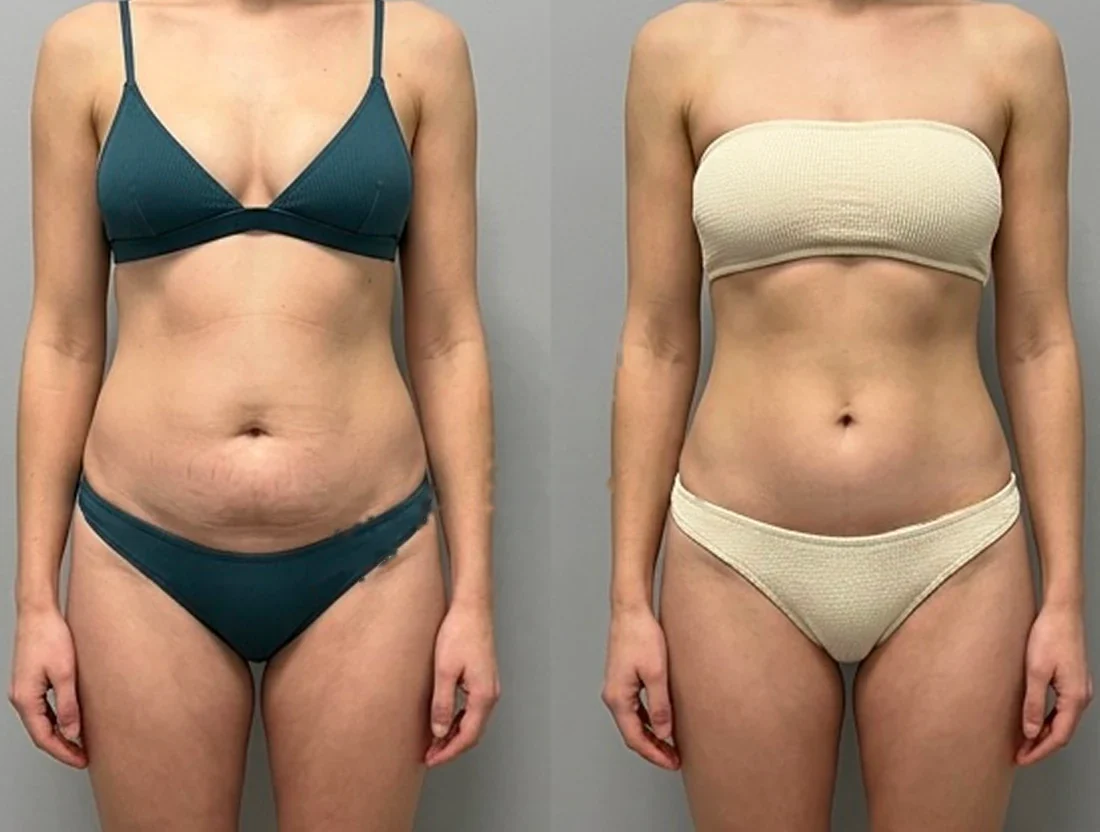 beforeafter
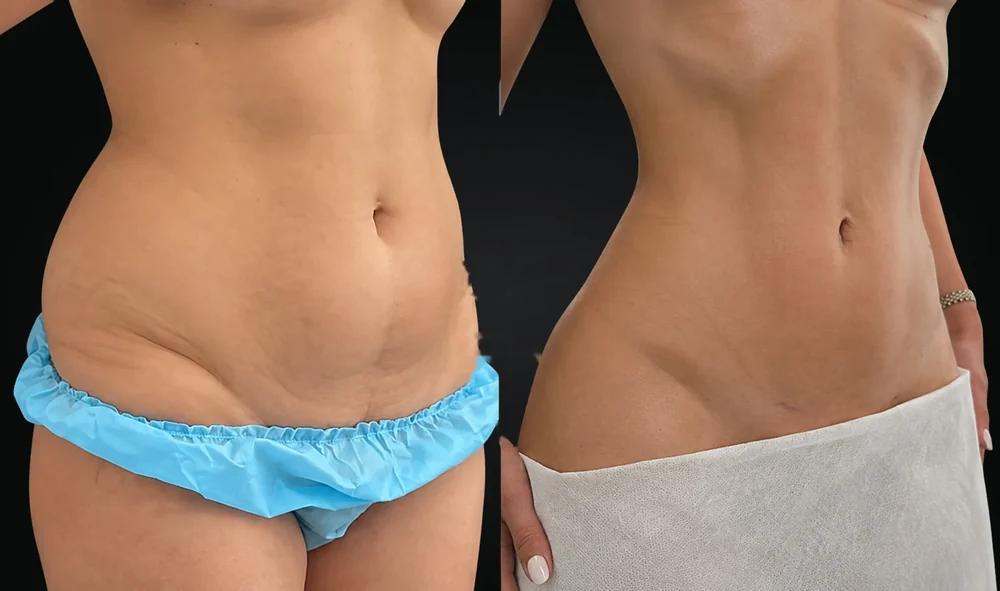
 beforeafter
 beforeafter
 beforeafter
 beforeafter
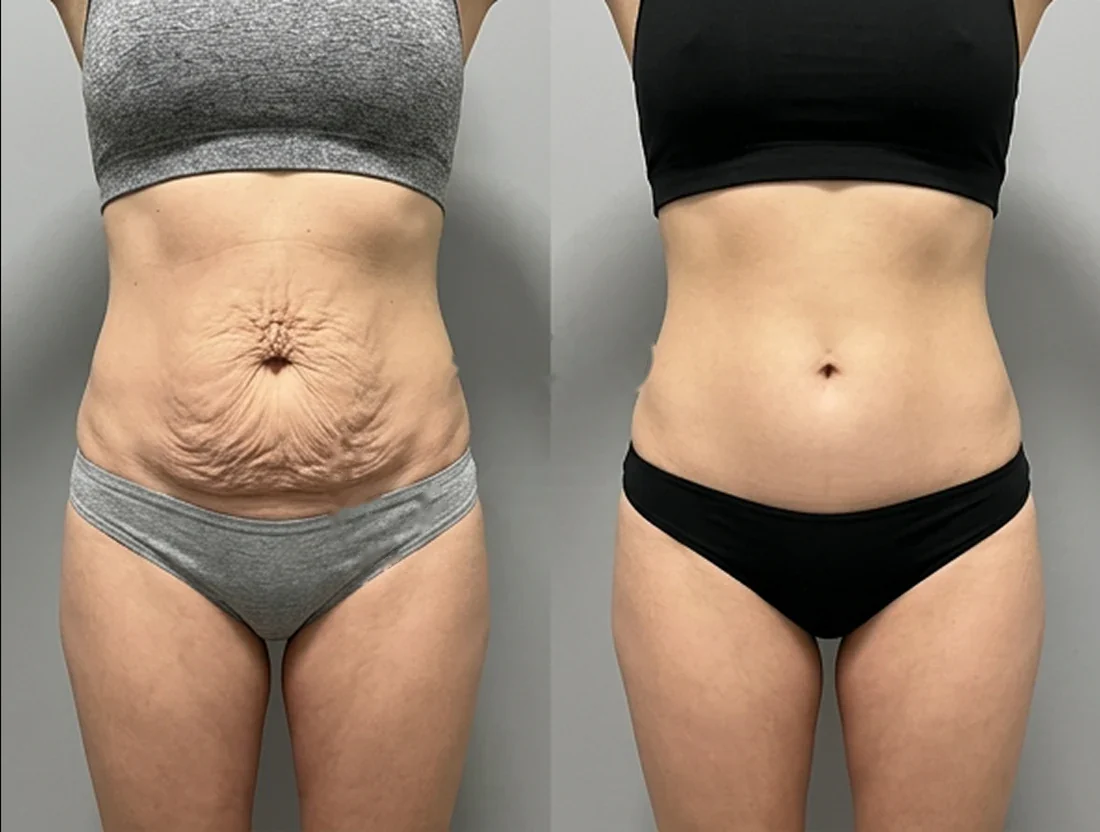 beforeafter
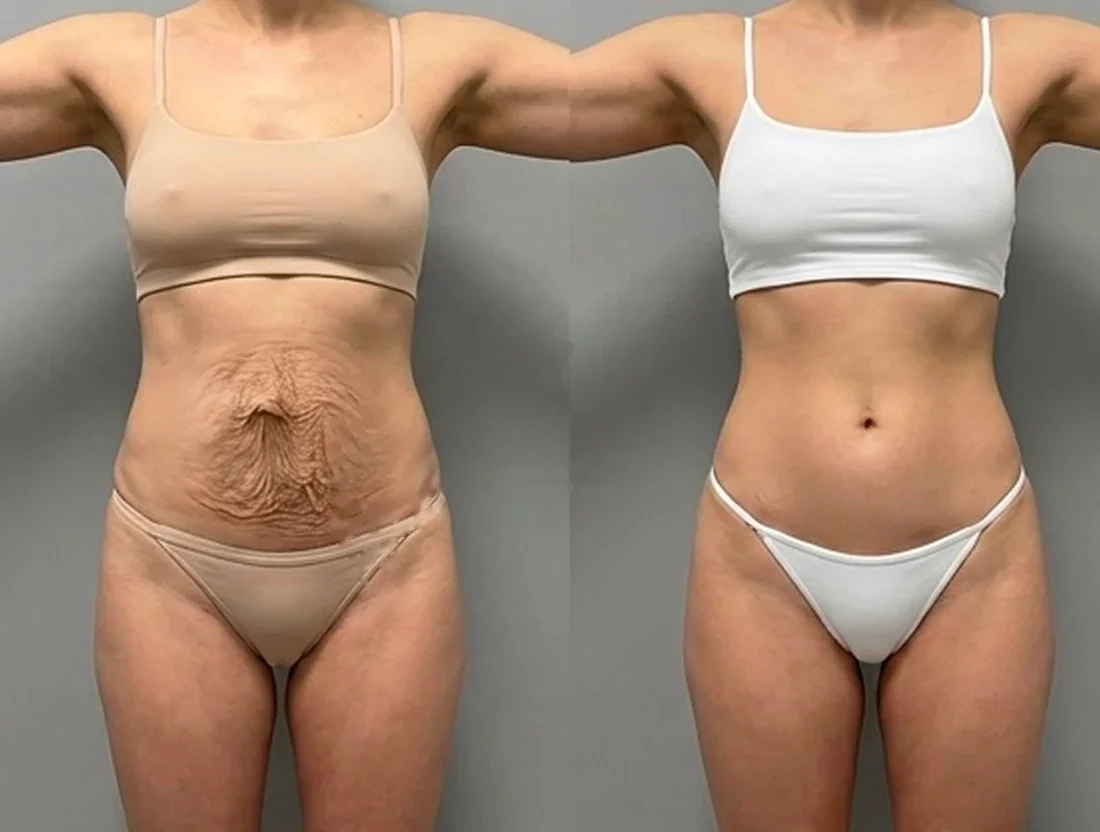 beforeafter
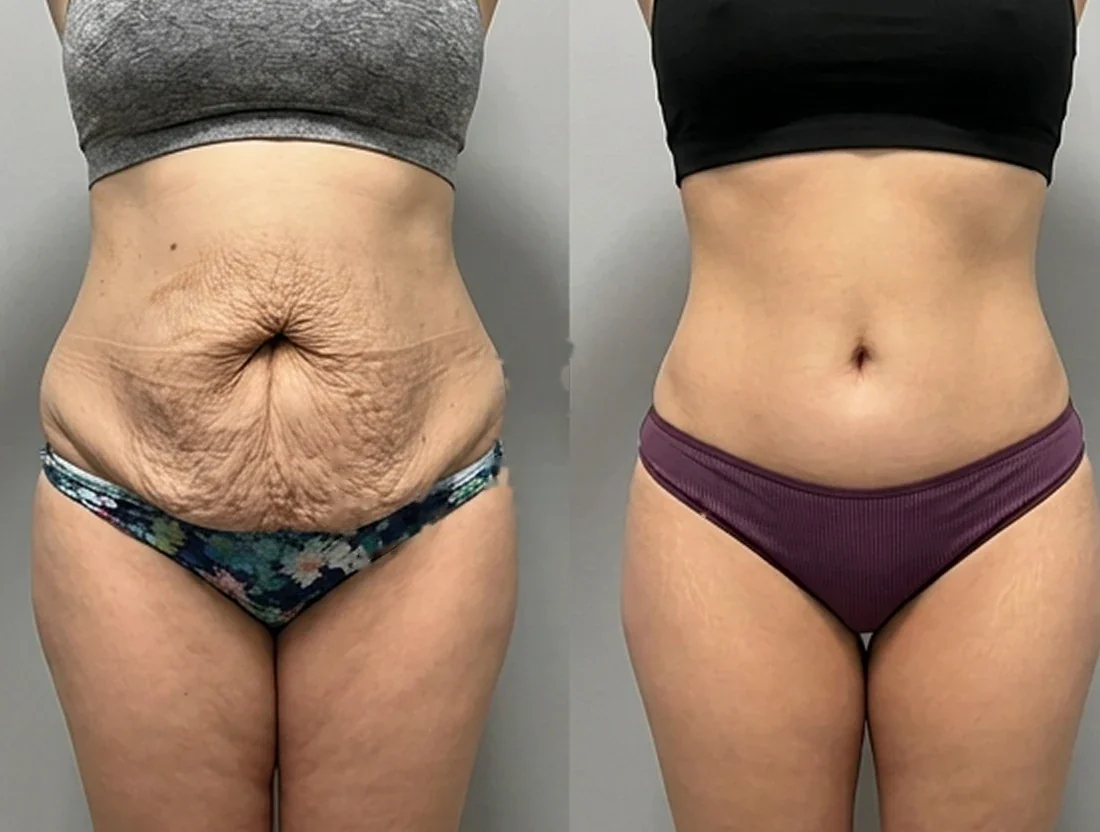 beforeafter
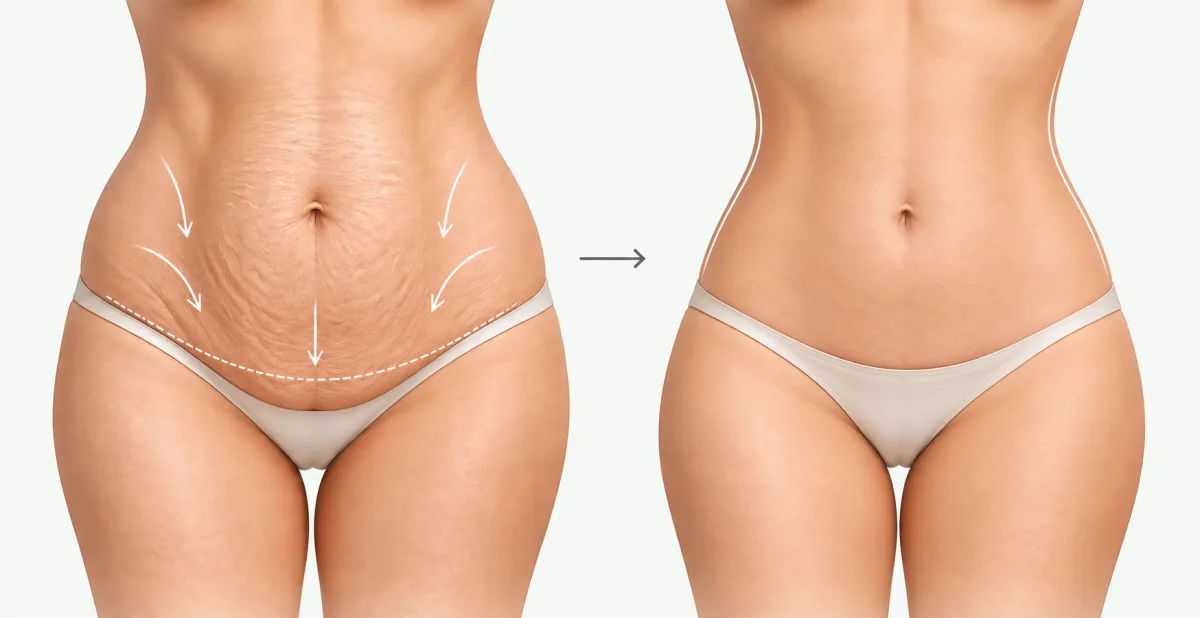






 1
 2
 3
 4
 5
 6