City Medical Centre · multi-specialty surgery clinicOpen 24/7

Tummy tuck

Abdominal Wall Tightening in Safi

Free consultation

Price at consultation

The price is fixed in the contract before surgery
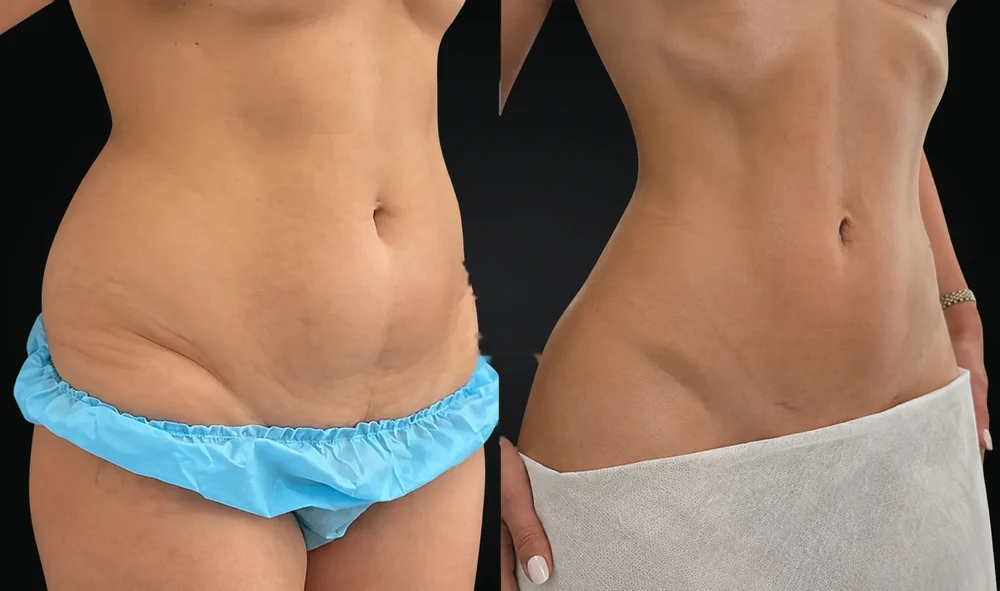
Real case
Tummy tuck: a patient's abdomen before and after surgery before after
A flat tummy and a toned silhouette in one operation. Your individual surgical plan and the expected result are discussed at the consultation

Message our coordinator

Free online consultation · Reply within 15 minutes

Message us on Telegram

By messaging us, you agree to our Privacy Policy

Results

Tummy tuck results
of our patients

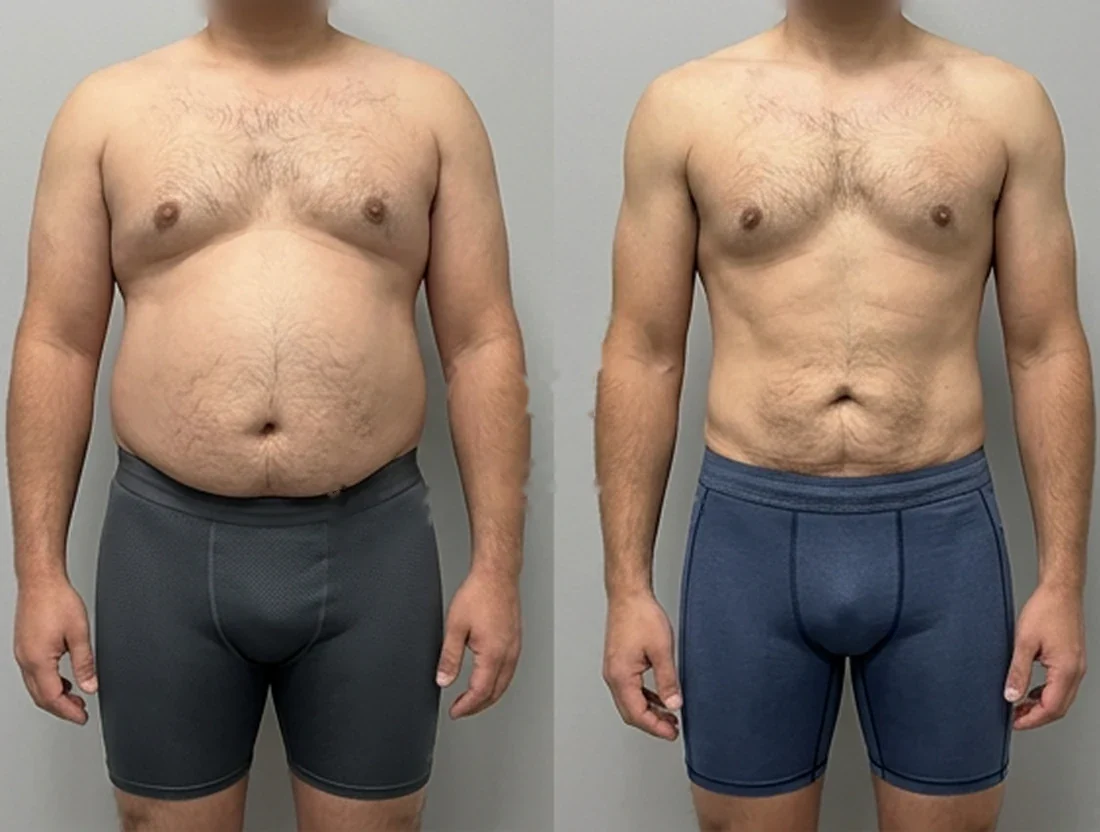
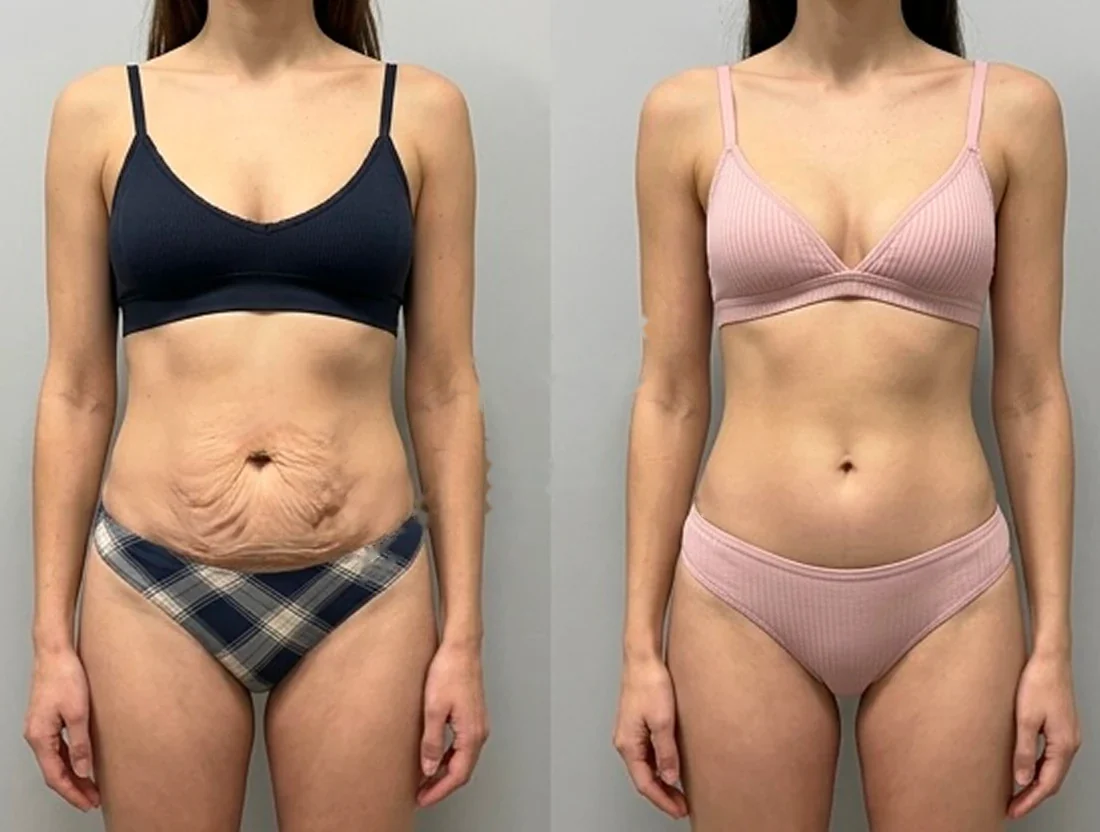
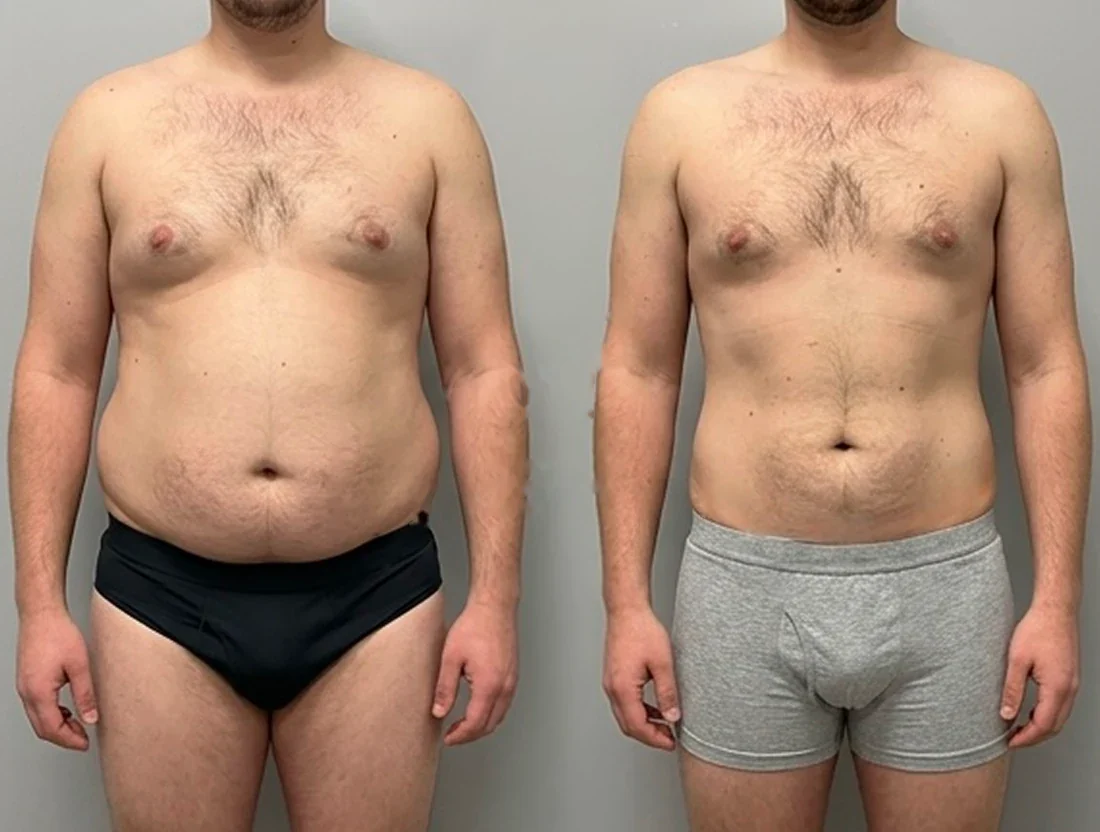
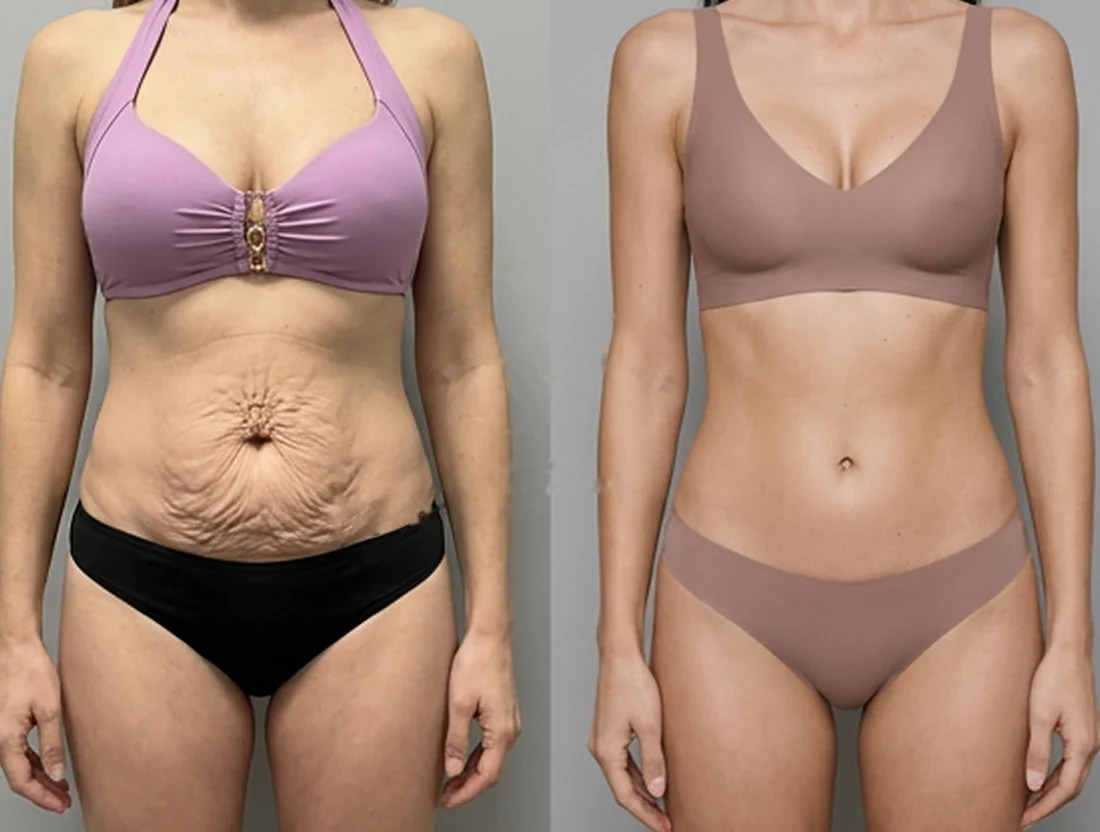
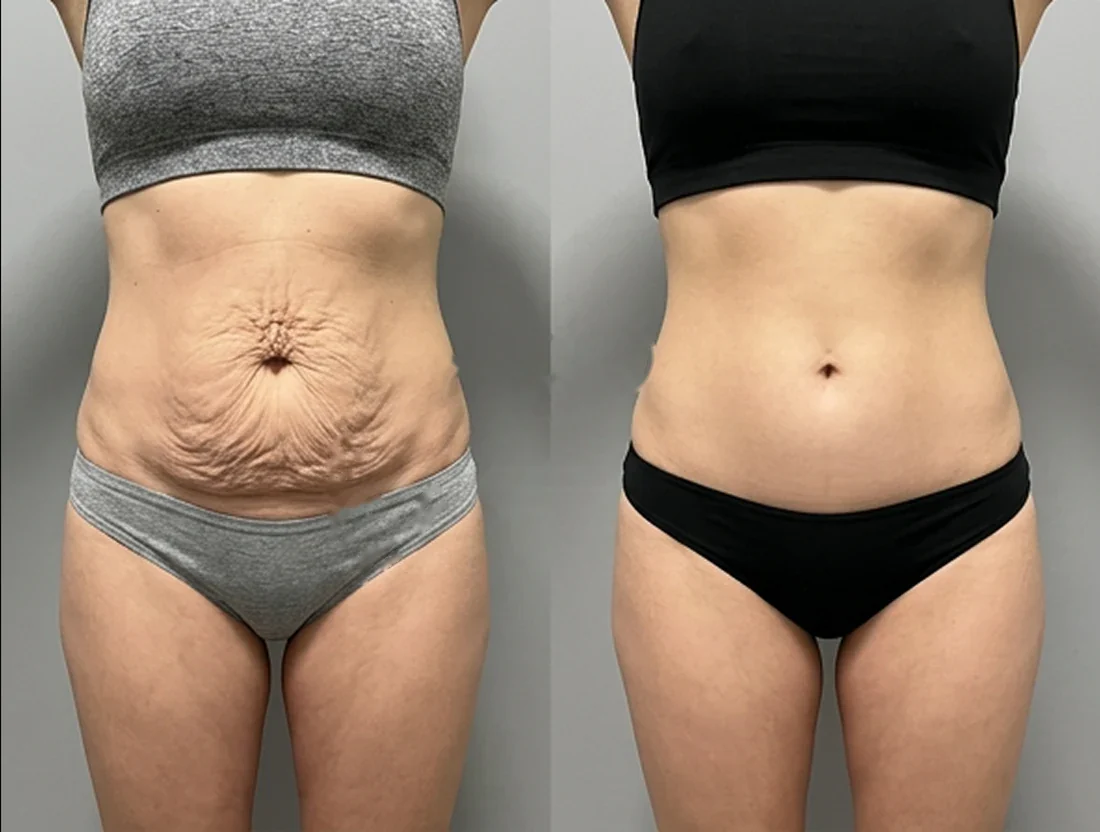
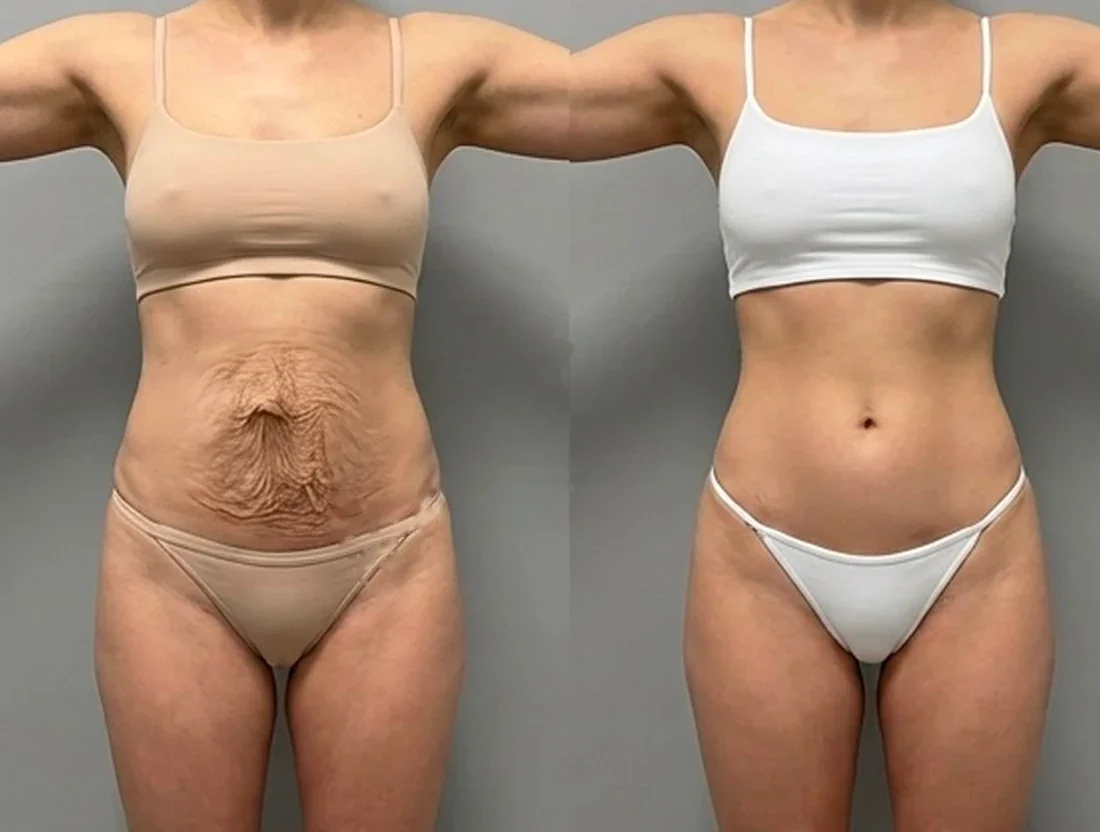
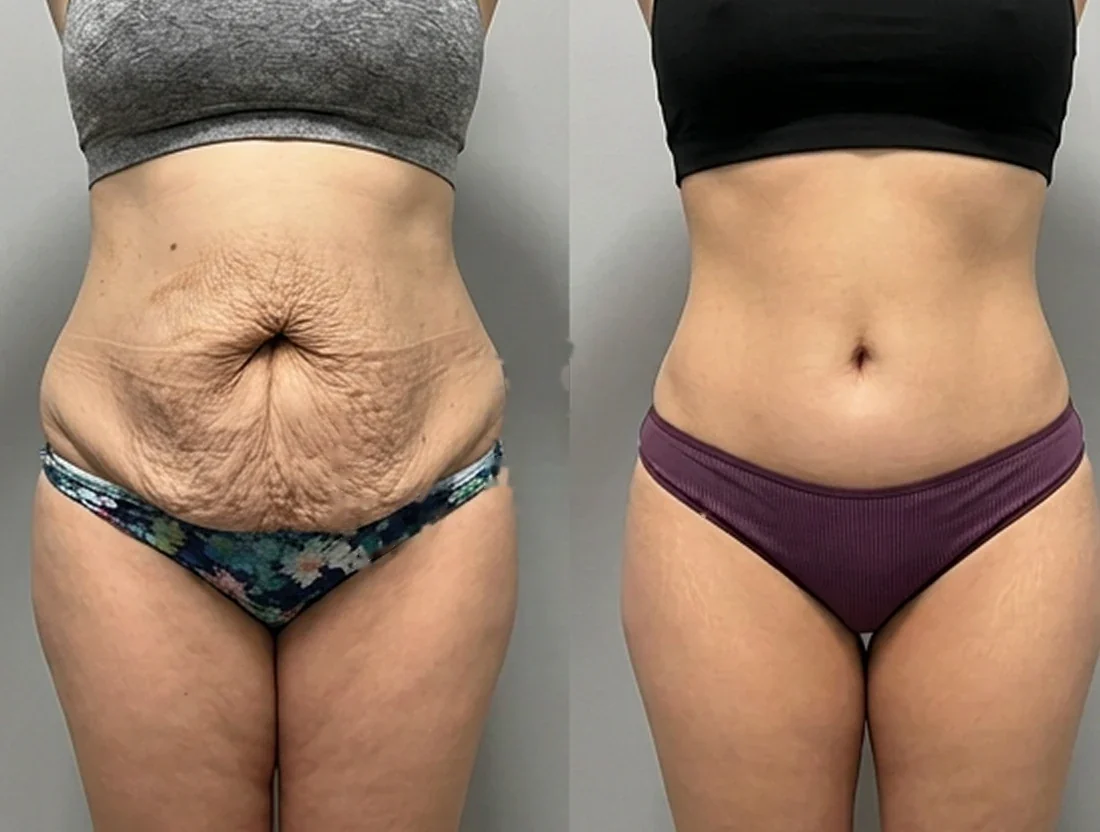
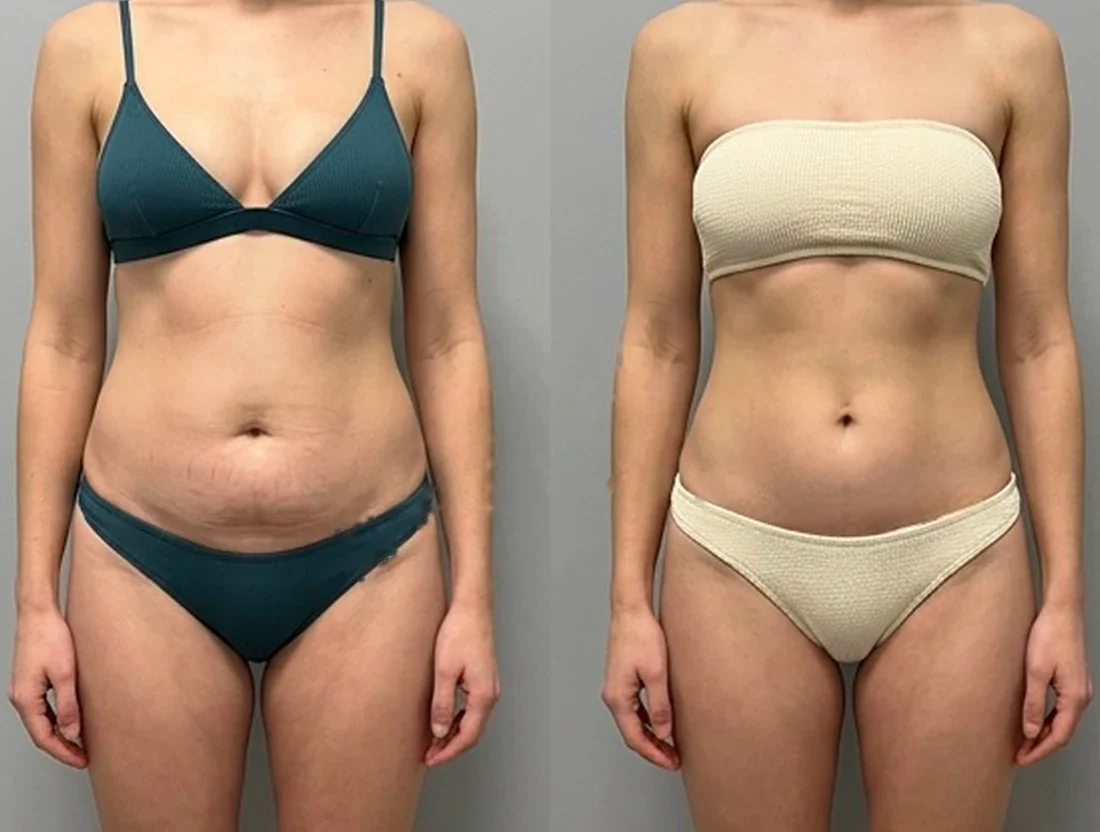
All cases are real patients. Faces and identifying details are hidden.

Tummy tuck: a female patient's abdomen before and after surgerybeforeafter
Tummy tuck: a male patient's abdomen before and after surgerybeforeafter
Tummy tuck: a female patient's abdomen before and after surgerybeforeafter
Tummy tuck: a male patient's abdomen before and after surgerybeforeafter
Tummy tuck: a female patient's abdomen before and after surgerybeforeafter
1 of 8

Comparison

Tummy tuck techniques

A tummy tuck is done as a full (classic) or mini operation, or combined with liposuction as lipoabdominoplasty. Compare the scope of surgery, the indications and the expected results to choose the right technique together with your surgeon.

Tummy tuck

Removal of excess skin, abdominal muscle tightening
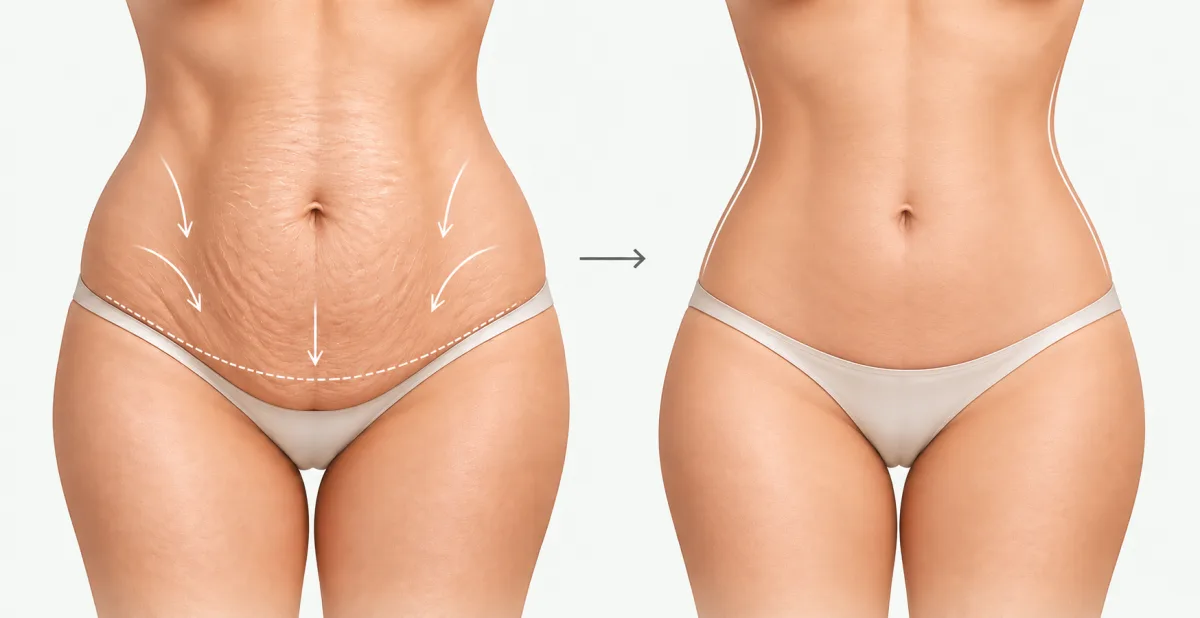
Tummy tuck diagram: the abdomen before surgery with the incision line, and the result
Main goal
Removal of excess skin, diastasis repair
When it is done
Excess skin after childbirth or weight loss
Anaesthesia and stay
General anaesthesia, up to 3 days in hospital

Lipoabdominoplasty

Tummy tuck with added liposuction
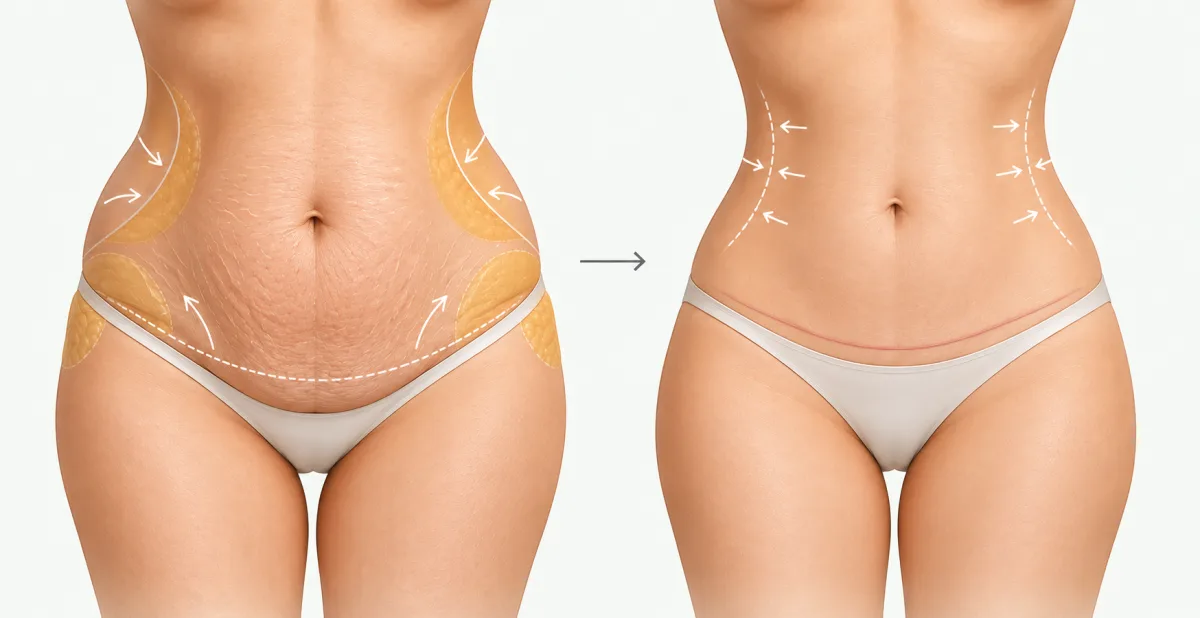
Lipoabdominoplasty diagram: the abdomen with fat on the flanks before surgery, and the result
Main goal
Tummy tightening and waist contouring
When it is done
For fat deposits on the flanks and waist
Anaesthesia and stay
General anaesthesia, up to 3 days in hospital

The benefits and recovery times shown are averaged for each technique and given for guidance: the scope of correction and rehabilitation depend on your anatomy and individual features, and the surgeon confirms them at the consultation.

At the consultation the surgeon draws up a plan for your case and explains how your tummy tuck will go.

Free, before surgery and with no obligation.

Book a consultation

Tummy tuck from the inside

About the clinic

A clinic where you can feel at ease

Modern equipment, comfortable rooms and care for every patient

A doctor and a patient in a clinic ward

Contact us the way that suits you

We will answer your questions and find a convenient time for a consultation

A tummy tuck is not for everyone

If your case can be solved without surgery, the doctor will tell you so at the consultation — and you will not spend money for nothing.

Suitable

A surgeon shows a patient on a model and a monitor how the abdominal contour changes after a tummy tuck
  • Rectus abdominis diastasis
  • Skin folds after weight loss
  • Loose abdominal skin
  • Stretched skin after pregnancy
  • A distorted abdominal contour

Not suitable

A surgeon discusses the indications and contraindications for a tummy tuck with a patient
  • Acute infections
  • Severe disease of the heart, kidneys or liver
  • Disorders of blood clotting
  • Age below 18
  • Decompensated diabetes
  • Cancer
  • Skin inflammation in the surgical area
  • Pregnancy or breastfeeding

Not sure the surgery is right for you?

Message us — the coordinator will ask for your photos in the messenger, and the surgeon will tell you whether a tummy tuck suits you. No surgery booking needed.

Find out if it suits me

A surgeon goes through a tummy tuck diagram with a patient at the consultation

Prices

You know the price
before surgery

The price is set at the consultation and fixed in the contract.

Other services

  • First consultationFree
  • Liposuction of the abdomen and flanksfrom $1,700
Book a consultation

Find out your tummy tuck plan and price

The surgeon assesses your abdominal skin and muscles, listens to your wishes and chooses the right correction technique.
The price is set at the consultation and fixed in the contract.

A nurse talks to a patient in a clinic ward

Message our coordinator

Free online consultation · Reply within 15 minutes

Message us on Telegram

By messaging us, you agree to our Privacy Policy

A patient's abdomen before a tummy tuck in the operating room

all inclusive

What the price includes

From preparation for surgery
to post-op check-ups.

  • All scheduled dressings
  • Scheduled post-op check-ups
  • A personal coordinator on call
  • Compression garments fitted on the day of surgery
  • A stay in a comfortable
    hospital ward with meals
  • Individual recommendations
    for recovery
  • Remote progress monitoring
    by photos

How it works

Three days at the clinic —
from preparation to discharge

An agreed correction plan, inpatient observation and post-op check-ups.

A doctor shows a patient a tummy tuck diagram on a monitor1

Consultation
and the surgical plan

The surgeon assesses your abdominal skin and muscles and checks for diastasis, listens to your wishes and chooses the right correction technique.

Paying the deposit by card at the clinic reception2

Booking the date
of surgery

We reserve a surgery date for you: the deposit can be paid by card at the clinic or online by bank transfer. The terms are fixed in the contract for medical services

A blood sample tube for tests before a tummy tuck3

Check-up before
surgery

Before surgery you complete a full lab check-up: blood tests, an ECG, a chest X-ray and reports from the required specialists.

The surgical team during the operation4

Surgery

The surgeon performs the tummy tuck with the chosen technique, repairs diastasis if needed and shapes a firmer abdominal contour.

A hospital ward at the clinic5

Inpatient stay

After surgery the patient stays for 1–3 days in a comfortable hospital ward with meals, under medical supervision.

A surgeon and a patient in the ward during recovery6

Recovery

After surgery you get a recovery programme. Check-ups at 7 days, 3 and 6 months help track your recovery.

Book a free consultation — the surgeon will plan every step with you.

A doctor discusses the tummy tuck plan with a patient
Book a consultation
A doctor discusses the tummy tuck plan with a patient

How it really happens

After a tummy tuck: recovery

The patient remains in hospital under medical supervision for 1–3 days right after surgery. Drains are usually taken out after two days and stitches after 7 days. A compression binder, worn for 1.5–2 months, supports the abdominal wall and shapes a smooth contour. Within 30 days most swelling goes; after 2–3 weeks you can return to office work. Sports, sauna and heavy lifting are not allowed for 2–3 months, and sleeping on your back with knees bent is recommended at first. By 12 months the scar has matured fully: it fades and is hardly visible.

Post-op check-ups

After 7 days, at 3 months and at 6 months. Until the end of the year, get a post-surgery consultation with your surgeon to review results and get more information, at the clinic's expense

Advantages

Reasons to choose City Medical Centre

A surgeon discusses the tummy tuck plan with a patient at the consultation

Just find out — you lose nothing

At the consultation we discuss your wishes and assess your abdominal skin and muscles. The surgeon explains what changes are possible, chooses the correction technique and answers your questions.

A surgeon on a video call with a patient after surgery

We stay with you after surgery

The surgeon follows your recovery and the changing abdominal contour at check-ups after 7 days, 3 and 6 months. Check-ups, dressings and aftercare advice are already included in the price of surgery.

A surgeon shows a patient a model and tummy tuck diagrams

A beautiful contour that fits your figure

We choose the correction technique based on your skin, muscles and figure. Our aim is a harmonious abdominal contour that keeps the natural proportions of your body.

A patient writes down a convenient visit time in her planner

Your schedule is our priority

We respect your time: we work 24/7, with easy booking and a personal approach — we adapt to your pace.
A surgeon shows a patient the fixed price of surgery with no extra charges

Fixed prices

After the consultation the surgeon defines the extent of correction, and you get a clear price for the surgery — no surprises on the way to the result you want.

A surgeon visits a patient in the hospital ward after surgery

Round-the-clock care after surgery

Recovery starts in a comfortable hospital ward under round-the-clock nursing care. The stay and meals are already included in the price.

FAQ

We answer what
people ask before booking

Classic or mini tummy tuck in Safi

A tummy tuck, or abdominoplasty, is surgical tightening of the front abdominal wall that removes excess stretched skin and fat. It is not a weight-loss method and does not replace diet or exercise. For patients from Safi, the goal is a flat abdominal contour: removing the overhanging skin-and-fat apron, repairing separated rectus muscles and, where needed, creating a new navel.

Recovery has three milestones. Office work is possible after 2–3 weeks, swelling and tightness pass by 1.5–2 months, and the final result and scar are assessed at 6–12 months once tissues have adapted. Most swelling goes within 30 days. Sport, sauna and heavy lifting wait 2–3 months, and sleeping on your back with knees bent is advised at first. The same timeline applies to Safi patients.

Nothing about the cost is hidden. The surgeon sets the price for abdominoplasty after a free in-person examination, and that amount is fixed in the contract. The surgeon stays in touch throughout recovery, and check-ups are part of the plan. For people from Safi, the fastest way to get an exact figure is to leave a request; a coordinator will call and book a time.

Stories of well-known people

Well-known people who spoke openly about this operation, in their own words.

All stories about this operation →

When Exercise and Diet No Longer Reach the Abdomen: Tummy Tuck for Women of Safi

A common story in Safi runs like this. A woman has two or three children, goes back to her job at a plant, a shop or a workshop, loses the pregnancy weight and still finds that the lower abdomen does not return to what it was. The skin hangs, the muscles have drifted apart down the middle, and a soft bulge remains whatever she eats and however many sit-ups she does. This is not a failure of discipline. Stretched skin and separated muscles do not go back by themselves.

An abdominoplasty, the medical name for the operation, deals with exactly this. The surgeon removes the excess skin, draws the separated muscles together and restores a firmer line to the abdomen. It is not a weight-loss operation, and it works best when your weight has been stable for a good while and you have finished having children.

In a city of roughly 346,000 people (2024 census) whose economy turns around the sea, phosphates and pottery, many women combine paid work with a household. They rarely have spare weeks. A remote consultation lets you learn whether you are a candidate, and what kind of tuck would suit you, from home, in the gaps of an ordinary week.

Full Tuck, Mini Tuck or Another Route: What the Photographs Decide

Take photographs in daylight with the abdomen relaxed, from the front, from both sides and in a full side stance. Describe the number of births, the history of your weight over the past few years, and any plans for another pregnancy. Send it all to the coordinators in Telegram or Telegram; they reply around the clock, including late in the evening when the house is quiet.

From the photographs the surgeon distinguishes between a full tuck, which treats skin and muscle from the upper abdomen down, and a mini tuck, which works on the lower region when the slackness is confined there. Sometimes another path is more suitable, for example weight loss first. The choice depends on how much slack there is and where it lies, and a surgeon who explains his choice to you has taken the first step in planning your operation.

A stable weight matters more than anything else in the file. A tuck performed on a weight that later changes loses part of what it builds. If you are still losing weight, finish that stage first; if you are about to try for another baby, wait.

Muscles, Skin and Fat: What Actually Needs Correcting

Three tissues are involved in a lax abdomen, and they need different solutions. The skin has stretched and lost elasticity, which no cream or exercise reverses. The two vertical bands of abdominal muscle have drifted apart during pregnancy, leaving a soft bulge between them even in a slim woman. And there may be a layer of fat that has not responded to diet. A tummy tuck deals with the first two directly; the fat is addressed in the same session only if the surgeon judges it appropriate.

This is why sit-ups do so little for this kind of abdomen. They strengthen muscles that are already too far apart and can even push the bulge forward. A surgeon who looks at your side photograph will usually see at once whether it is mostly skin, mostly muscle or a mixture, and that reading shapes the whole plan.

Ask him to show you on a photograph where the scar will lie and what will happen to the navel. These are normal questions, and a confident surgeon answers them calmly.

Two to Four Hours in Theatre, One to Three Days in Hospital

The operation is carried out under general anaesthesia and takes two to four hours, depending on the extent of tightening. Afterwards you stay in hospital for one to three days under medical supervision. During this time the team manages the drains, checks the wound morning and evening and helps you through the first movements in the room. The drains usually come out after two days.

When you go home, a tidy arrangement makes the first week gentler. Set up a bed in which you can lie semi-seated, with pillows under the knees to ease the pull on the stitches. Choose front-opening clothes. Ask someone to do all the bending for you, from picking things off the floor to loading the washing machine.

Before you agree to a date, put three questions to the surgeon and record the answers: which extent of tightening suits your abdomen, where the scar will lie in relation to your waistband, and how the first days at home will be managed. Collect these answers from every offer before comparing them.

Shifts, Desks and Bending: Getting Back to Work

The stitches come out around day seven, and the surgeon examines the wound at that point. From there the count towards work begins. Desk work, which involves no physical effort, resumes after two to three weeks. Jobs involving bending, lifting and standing, such as work on a factory line, in a fish plant or at a potter's wheel, wait longer, and the surgeon draws up a staged return according to how healing goes.

Bending over repeatedly and lifting something before its time are the worst things for a fresh suture line. In the first weeks bending stays off the list, the compression binder is worn from the first day, and the household reorganises itself so that the high shelves and low cupboards are somebody else's responsibility for a while.

By around day thirty most of the swelling has gone and a clearer picture of the result appears. Small differences from day to day are normal: less swelling in the morning, a gradual softening of the tight feeling. Read these with the surgeon at follow-up rather than with an impatient mirror. A weekly note with a photograph taken from the same angle and in the same light turns recovery into a readable course instead of a guessed worry.

A Household With Children: Planning the Hands You Need

For most mothers the practical question is not the operation but the two weeks around it. Who takes the children to school and brings them back? Who lifts the smaller ones, since you may not carry a toddler for several weeks? Who cooks, shops and carries the washing? Write the list down before you book, with a name beside every job.

Include the in-laws and the neighbours if they are close; many families in Safi live near one another, and a rota of three or four relatives is easier on everyone than a single person carrying it all. Tell them frankly what you cannot do and for how long, and thank them in advance. Recovery goes best when nobody feels the need to prove how strong they are.

The coordinators can help you build the schedule by sharing what previous patients found useful. Send them your list and ask whether anything is missing.

The Binder, the Scar and the Seasons

The compression binder is worn from about a month and a half to two months. During this stage the remaining swelling calms and the abdomen settles onto its new line. The binder is designed to stay under ordinary clothing without showing, and a loose kaftan or djellaba covers it completely. After the binder stage activities reopen in steps set by the surgeon, while heavy carrying and long periods of bending stay postponed until full clearance.

The scar has its own timetable, six to twelve months, in which it fades from red to pale and settles to its final colour as the contours complete. Heat, sweat and dust are not friendly to a fresh scar, so the surgeon's instructions on cleanliness and dryness matter, and the scar should be kept out of the sun in its first months.

Safi's seasons can be used. February days stay near 19.6 degrees with nights at about 8.9, comfortable for layered clothing over the binder. Summer is dry; August reaches about 29.3 by day and gets barely 0.2 mm of rain, which calls for shade and light fabrics. Remember that November is the wettest month, with 68.7 mm, and plan a recovery base indoors where you can rest without going out.

Registration, Papers and a Decision Without Haste

Moroccan doctors in the public and private sectors are registered with the National Council of the Order of Physicians. Ask your surgeon for his registration number and specialty, and keep the reply in writing. The council's website offers no public lookup on its front page, so the written request is the dependable way to check.

Ask each proposal to state the extent of tightening and the reasons, the expected position of the scar in relation to your waistband, the hospital stay within the range of one to three days, and the schedule of visits through the sixth month. Be careful with anyone who promises a flat abdomen with no scar, who urges you to decide in one sitting, or who is uncomfortable when you ask about registration.

Read everything at your own pace, ideally at a quiet moment such as a weekend morning when the working week has closed. Discuss it with a person you trust and send remaining questions to the coordinators. The remote format was designed to follow your rhythm.

Building the File Your Surgeon Will Actually Use

A remote assessment is only as good as the material it starts from, and most disappointments trace back to a thin file rather than to the surgeon. Stand in front of a plain wall in even light, ideally near a window rather than under a ceiling bulb, which throws shadows across the lower abdomen and exaggerates folds that are not really there. Wear underwear that does not cut into the skin, and keep the same pair for every picture so the surgeon is comparing like with like.

Take the frontal view first, then each side, then a three-quarter turn from both directions. Add one picture bending slightly forward and one with the stomach gently drawn in, because the way skin folds on movement tells the surgeon more than a rigid pose. Do not pull the skin tight with your hands or suck in hard for the camera. The point is to show the abdomen as it is on an ordinary day, not as you wish it looked.

Alongside the photographs, write a short medical sheet: earlier operations and where the scars sit, any hernia or caesarean history, regular medication, allergies, smoking, and the highest and lowest weight of the past few years. A page of honest notes written at the kitchen table saves a week of back-and-forth and lets the surgeon spot a problem before it becomes yours.

How to Read a Surgeon's Answer

Judge the reply by its specificity. A useful answer refers to your own photographs: it says where the slack sits, whether the muscle separation looks significant, and why one extent of work fits better than another. A reply that could have been sent to anyone, full of reassurance and short on reasoning, tells you little about how carefully your case was studied.

Notice what the surgeon chooses to say about limits. A good one will name what the operation will not do: it will not remove stretch marks above the area that is excised, it will not replace weight management, and it will leave a scar whose final appearance varies from person to person. Candour about limits is a better sign than enthusiasm about outcomes.

If a term is unfamiliar, ask for it to be explained in plain words and wait for an answer that you can repeat to your sister afterwards. When the explanation stays vague after two requests, treat that as information. The coordinators in Telegram or Telegram can relay follow-up questions at any hour, so there is no need to accept a muddy answer simply because the evening is late.

Comparing Offers by What Is Being Done, Not What Is Being Promised

If you collect more than one opinion, lay the proposals side by side and compare the content line by line. Which tissues will be treated? Will the muscles be tightened or only the skin? Is liposuction of the flanks part of the plan or a separate step? Where will the incision lie relative to your waistband? Two proposals that sound alike in conversation often describe quite different operations once written down.

Be cautious with offers that compete through adjectives. Words such as perfect, flawless or effortless carry no information. A plain description, such as the extent of tightening, the planned incision, the type of anaesthesia and the schedule of follow-up visits, is worth more than a glossy sentence about transformation.

Keep a simple table on paper or in your phone with one column per offer and one row per question. When a cell stays empty because nobody answered, that blank is the finding. Make your decision only after every column is filled in, and give yourself a night between reading the last answer and replying.

Hesitation and a Polite No Are Legitimate Outcomes

Not every assessment ends in an operation, and it should not. The surgeon may suggest waiting until weight is steadier, finishing a family, or treating another issue first. You, for your part, may conclude after reading everything that the time is not right, that the household cannot spare the hands, or that you prefer to keep things as they are. Each of these is a sound result of a consultation done properly.

If you feel pressured, step back. A decision made to end an uncomfortable conversation is rarely a decision you will be glad of later. It is perfectly acceptable to say that you need a month, or to stop the process altogether. A serious team answers such a message courteously and leaves the file open for you.

Write down for yourself why you wanted the operation in the first place: comfort in clothes, ease in movement, confidence at the beach or at home. Revisit that note after a quiet week. If the reasons still stand, you continue with a clear mind; if they have faded, you have spared yourself a major procedure.

A Photo Diary and the Mistakes Patients Most Often Make

Once the date is fixed, start the diary with a set of pictures taken before surgery, using the same wall, the same light and the same distance you will use afterwards. Repeat them at intervals agreed with the surgeon and keep them in a single folder on your phone. Comparing like with like protects you from the mood of the day, because a bad morning in front of the mirror often says more about your sleep than about the abdomen.

The usual mistakes are quiet ones. People hide a smoking habit or a medication from the questionnaire, buy a binder in the wrong size, return to household chores early because nobody else is doing them, or compare their day-ten abdomen with a photograph of someone else's final result. Another common error is treating a swollen, tight abdomen as a failure when it is simply the stage the body is passing through.

Finally, keep one person informed. A sister, a friend or a neighbour who knows the plan and checks in by phone will notice if you stop answering or if you are doing too much. Combined with the round-the-clock coordinators, that small circle makes the whole recovery calmer than any amount of private determination.

Is a tummy tuck suitable while my weight is still dropping?

It is better to wait until the weight has settled, because a tuck done on a weight that later falls leaves the skin slack again. Finish the weight-loss stage first, and the surgeon will judge from your photographs whether the situation is stable.

When do I first sit and stand after the operation?

During the first hospital days and under the supervision of the team. Early light movement in the room protects the circulation, and the team sets the pace according to your state. Do not set a date for yourself.

Will I feel so tight that I stay bent over?

Tightness in the first weeks is completely normal, because skin and muscle have moved to a new position. It softens gradually across the weeks until you stand fully upright in ordinary movement.

When can I return to a job that involves bending and carrying?

Desk work returns after two to three weeks. Work involving bending and carrying waits longer, and the surgeon draws up a staged return according to the progress of healing. Describe your job honestly.

Does the scar need protection in a hot workshop?

Yes. Heat, sweat and dust are enemies of a fresh scar. Follow the surgeon's instructions on cleanliness, dryness and protection, and keep the scar out of the sun in the first months.

Will the binder show under a djellaba or kaftan?

The binder is made to stay under ordinary clothing, and loose garments cover it fully. It is worn from the first day for about a month and a half to two months, and wearing it to the last day the surgeon fixes protects the suture line and the shape.

When can I judge the result?

The final contours complete between six and twelve months, and the scar settles into its last state in the same period. Before that, read the direction at follow-up visits and avoid a verdict in the second month.

What is the difference between a full tuck and a mini tuck?

A full tuck treats skin and muscle from the top of the abdomen to the bottom. A mini tuck is limited to the lower region when the slackness is confined there. The surgeon chooses on the basis of your photographs, according to how much slack there is and where it lies.

Why can't sit-ups fix my stomach after pregnancy?

Because the problem is often separated muscle and stretched skin, not weak muscle. Exercise strengthens what is there but does not bring the two bands back together or remove excess skin. A surgeon can see from your photographs which part is dominant.

Who looks after my children in the first weeks?

Plan this with your family before the date. You cannot lift or carry small children for several weeks, so someone else handles lifting, bathing and the school run. Write down who covers each job.

What should I put in my medical sheet before sending photographs?

Earlier operations and their scars, any hernia or caesarean history, regular medication, allergies, smoking, and your highest and lowest weight over the past few years. Brief honest notes help the surgeon judge your case accurately from the first reply.

Is it normal to decide against the operation after a consultation?

Yes. A good assessment sometimes ends with a decision to wait, to change the plan or to stay as you are. A serious team treats that as a legitimate result and keeps the file open if you wish to return.

How do I compare two proposals fairly?

Write the same questions under each: which tissues are treated, the extent of tightening, the position of the incision, the anaesthesia and the schedule of visits. A blank cell where an answer should be is itself useful information.

Why should every photograph be taken in the same light?

Because shadows and angles change how folds appear. Identical wall, light and distance let you and the surgeon judge real change instead of the mood of the day.