



























Message our coordinator
Free online consultation · Reply within 15 minutes
Message us on TelegramMessage us on WhatsAppBy messaging us, you agree to our Privacy Policy





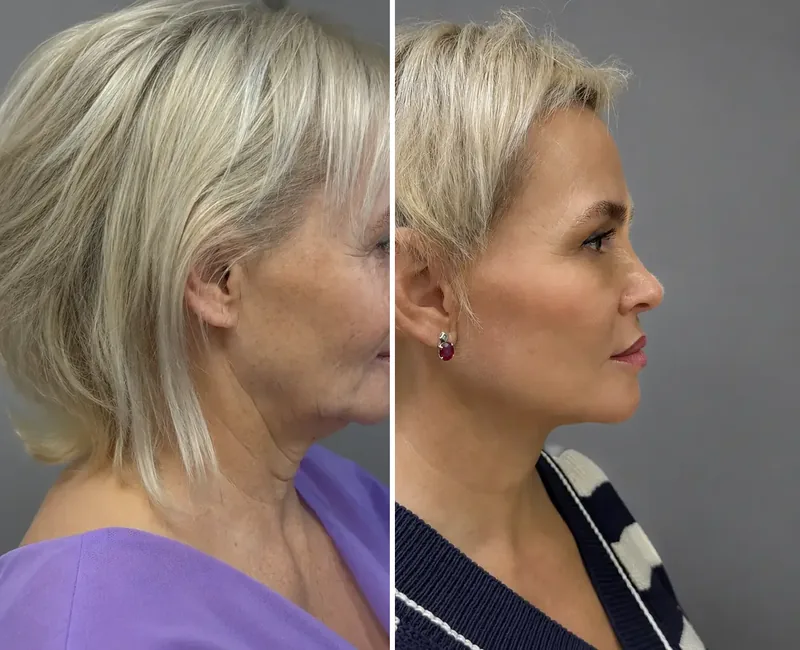

50 years
9 months
SMAS facelift
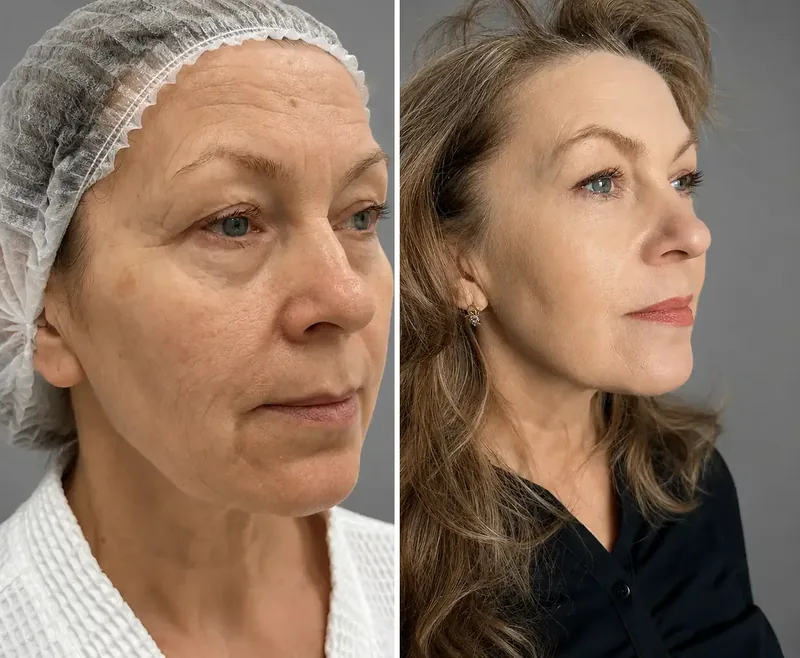
58 years
8 months
SMAS facelift
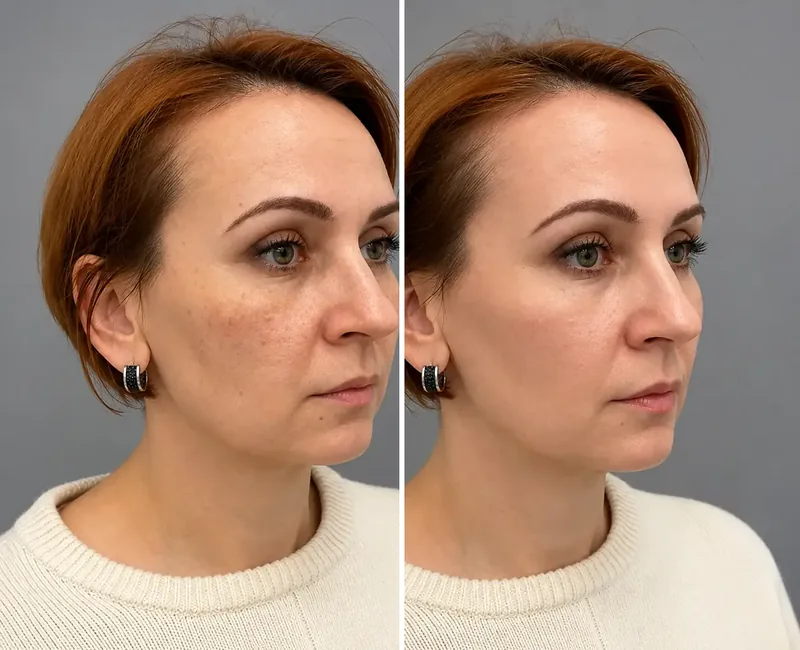
34 years
5 months
SMAS facelift
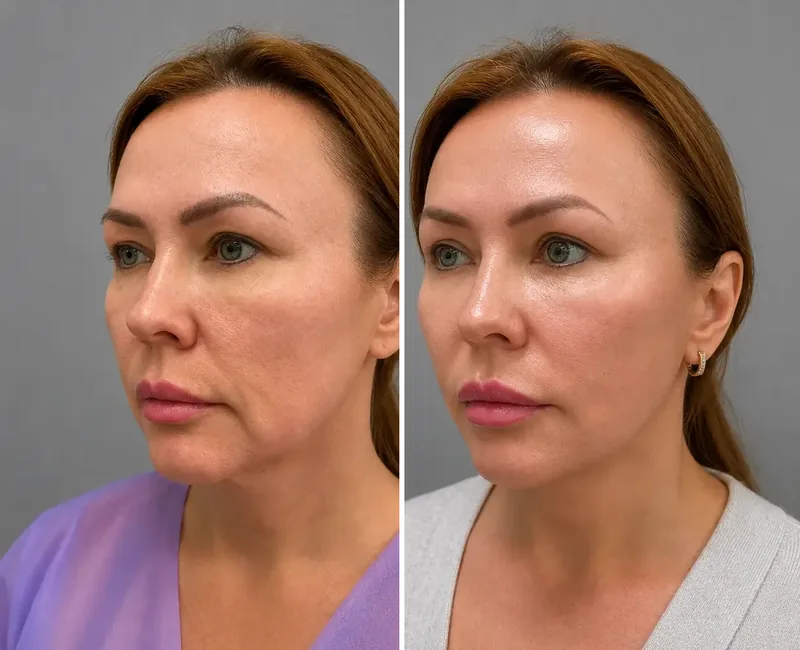
32 years
7 months
SMAS facelift
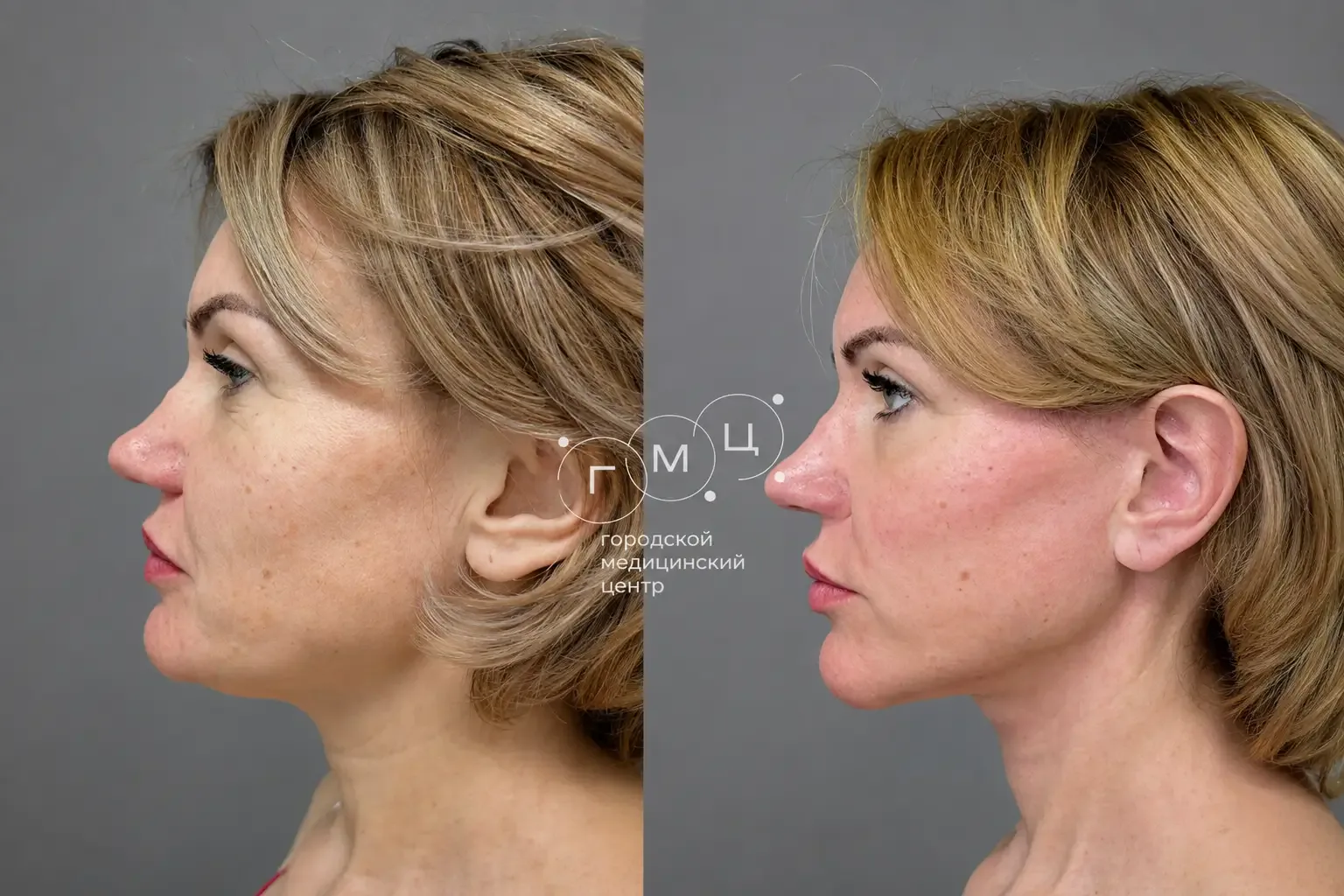
40 years
6 months
SMAS facelift
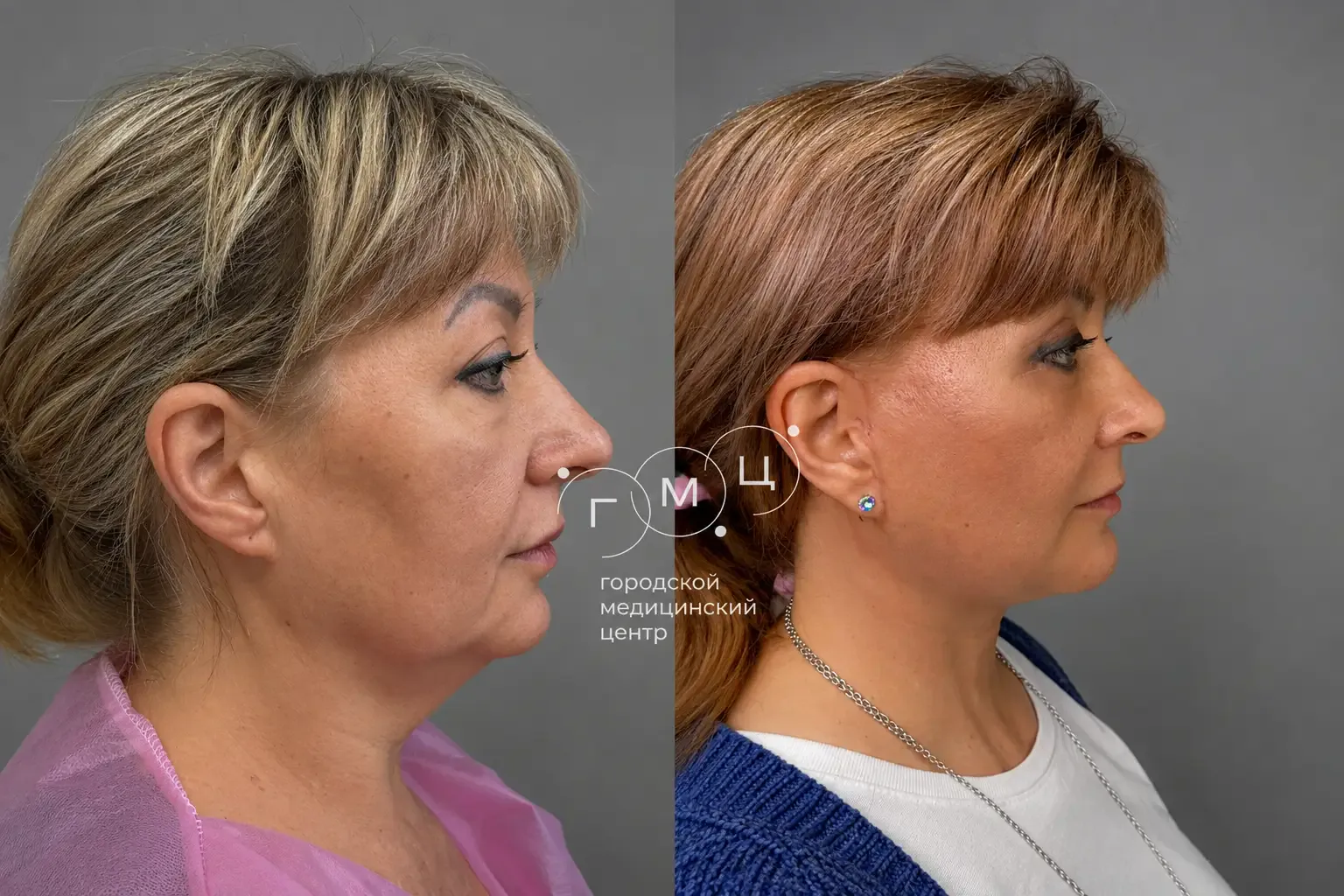
45 years
8 months
SMAS facelift
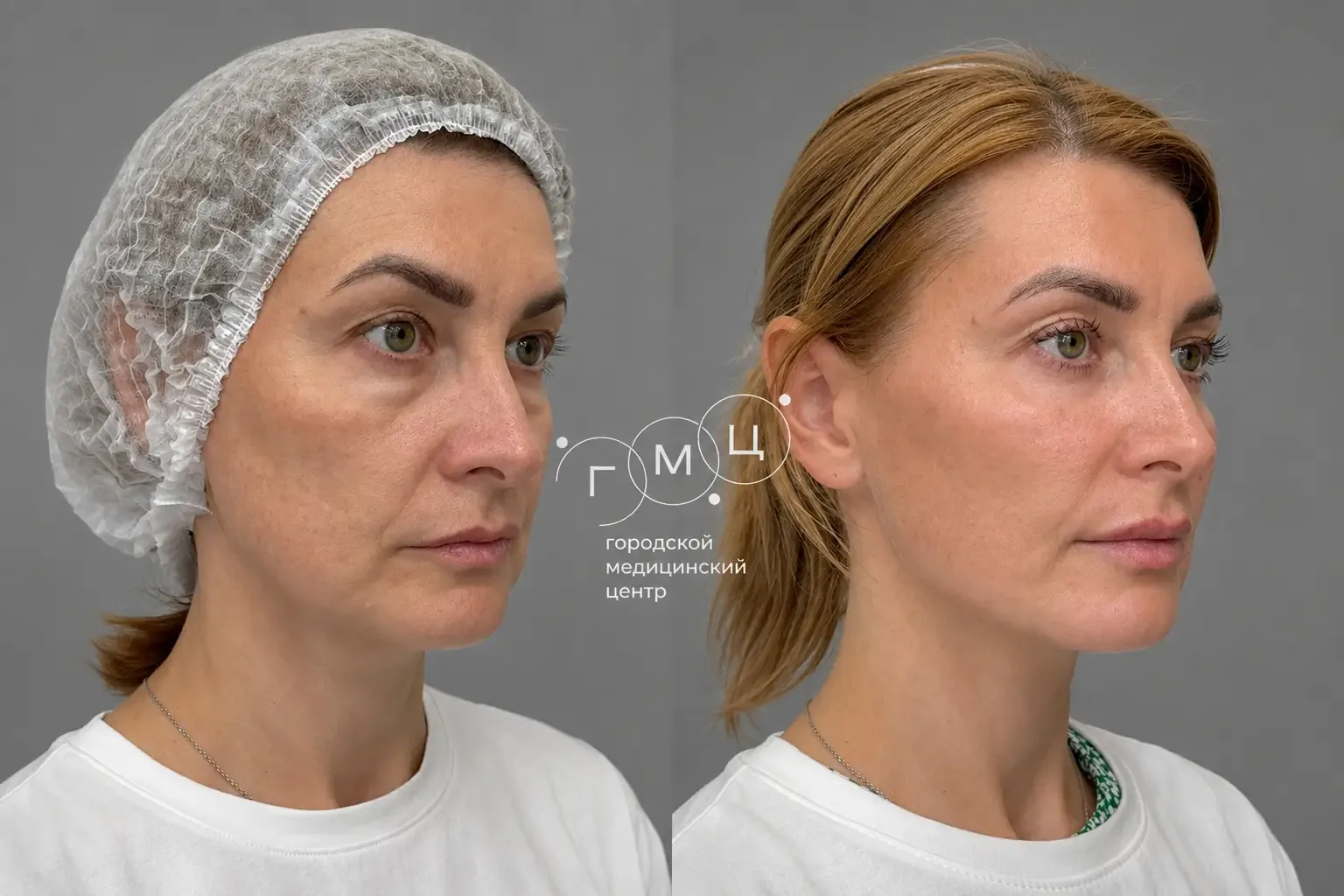
38 years
5 months
SMAS facelift
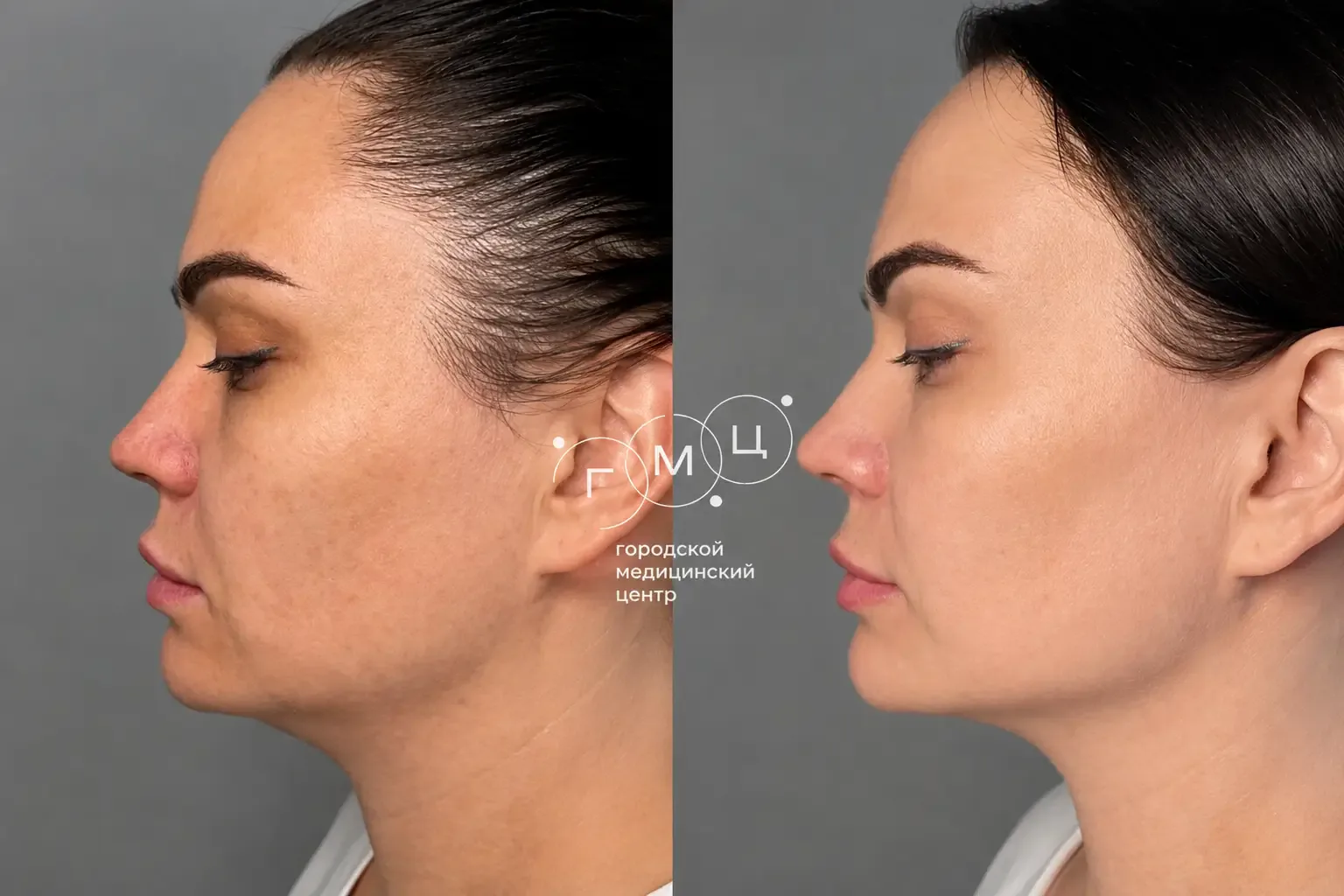
33 years
6 months
SMAS facelift
50 years
9 months
SMAS facelift
58 years
8 months
SMAS facelift
34 years
5 months
SMAS facelift
32 years
7 months
SMAS facelift
40 years
6 months
SMAS facelift
45 years
8 months
SMAS facelift
38 years
5 months
SMAS facelift
33 years
6 months
SMAS facelift
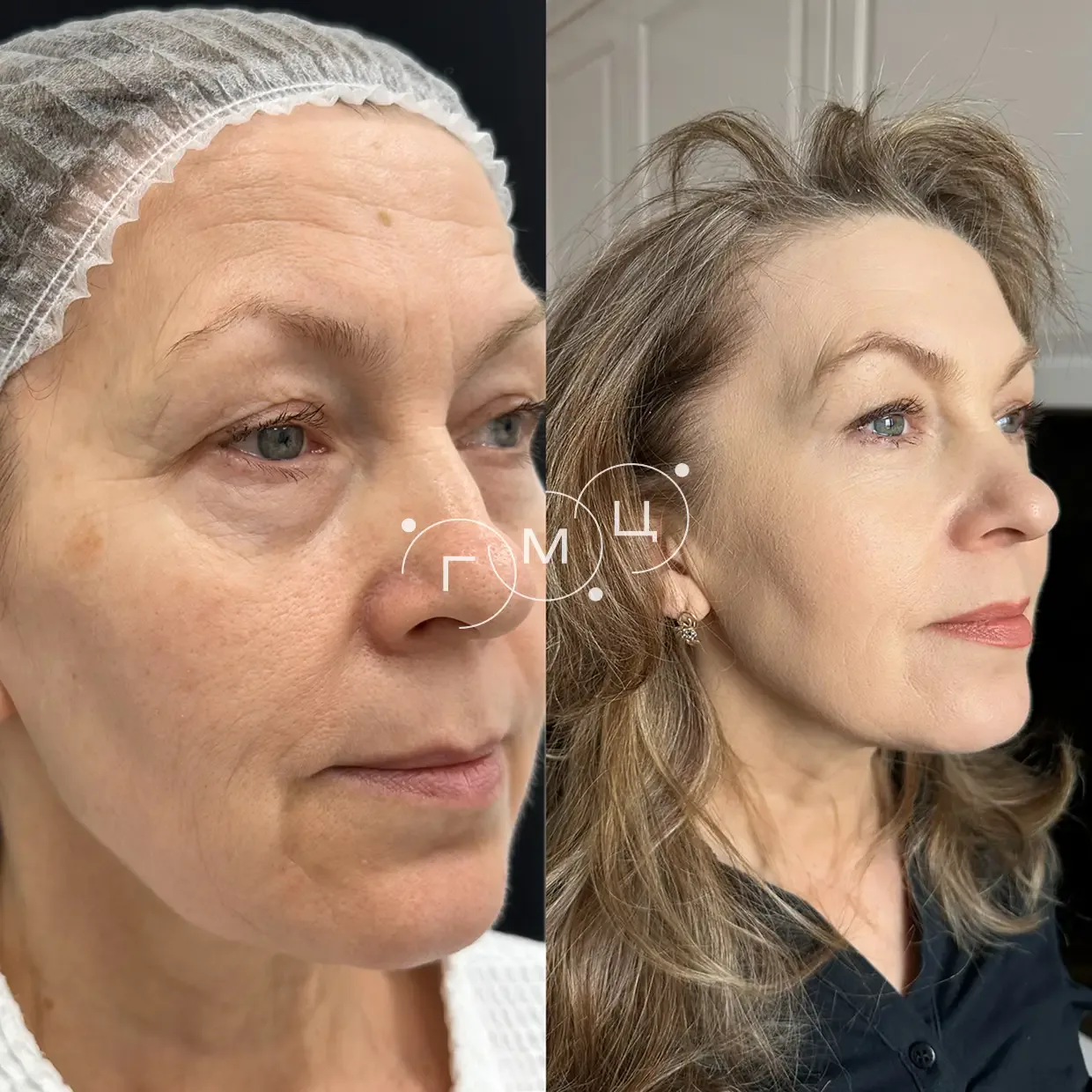

Noticeable sagging of the face and neck
The jawline is blurred, with jowls
A double chin and loose neck skin
Marionette lines and deep nasolabial folds
A heavy, tired look from drooping brows
Significant loss of skin firmness after 40
A long-term result is wanted (7–10 years)

Younger than 30
Acute skin inflammation
Pregnancy or the breastfeeding period
Severe cardiovascular disease
Disorders of blood clotting
Cancer
Decompensated diabetes
Everything about facial rejuvenation in Safi
After 40–50 the skin gradually loses firmness: tissues sag, jowls form, the jawline blurs and the cheeks droop. A surgical SMAS facelift works deeper than cosmetology, repositioning the muscle and fascia layer so it treats the cause of sagging rather than its effects. For patients from Safi, this gives a lasting result even when changes are significant, with the effect holding for 7–10 years.
Here is the route in brief. A free consultation with an assessment of sagging. A choice between a SMAS, full, neck and lower face or endoscopic lift. Surgery under general anaesthesia. A stay in an inpatient room with meals and round-the-clock monitoring. Then 7–10 days of rest in a compression bandage and a year of follow-up. Patients from Safi follow this same sequence.
For patients from Safi, City Medical Centre offers surgical facelifts from $2,400 (≈ MAD 24,000), with a licensed operating room and its own inpatient unit. The price includes combined inhalation anaesthesia, a comfortable room, meals, constant monitoring and a year of follow-up. Surgeons have 10+ years of experience. Getting started is simple: request a free consultation online.
Stories of well-known people
Well-known people who spoke openly about this operation, in their own words.
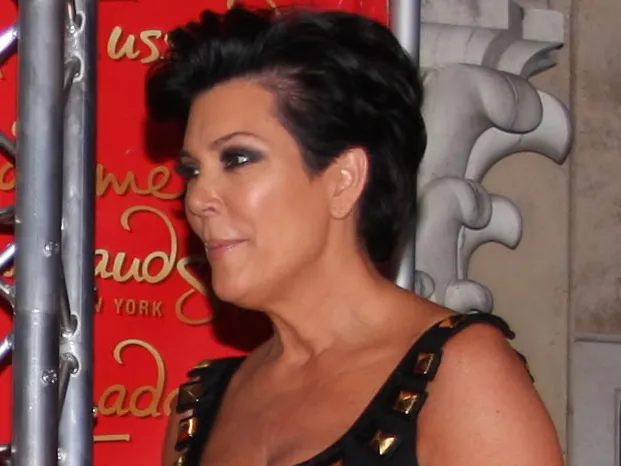 Kris Jenner’s facelift: “I love my facelift”Kris Jenner said she had a facelift about 15 years ago and a refresh before turning 70 — and that she loves it. How a SMAS facelift and recovery work.
 Did Vicki Gunvalson have a facelift? Yes, and she showed the result herselfVicki Gunvalson had a facelift in May 2018 after deciding fillers no longer looked like her. Her own words, how a facelift works and recovery.
 Keltie Knight’s facelift: why she decided to “just own it”Keltie Knight had a facelift in 2023 at 41 and chose to talk about it openly. What she said, how a SMAS facelift works and what recovery looks like.
 Did Linda de Mol have a neck lift? Yes, and she wrote about it herselfLinda de Mol wrote in LINDA. in 2025 that she had a neck lift. What she said, why she chose to be open, and how a face and neck lift works today.
 Linse Kessler and her facelifts: what she said herselfDanish reality star Linse Kessler has said openly that she has had several facelifts. Her words, how a modern facelift works and what recovery involves.
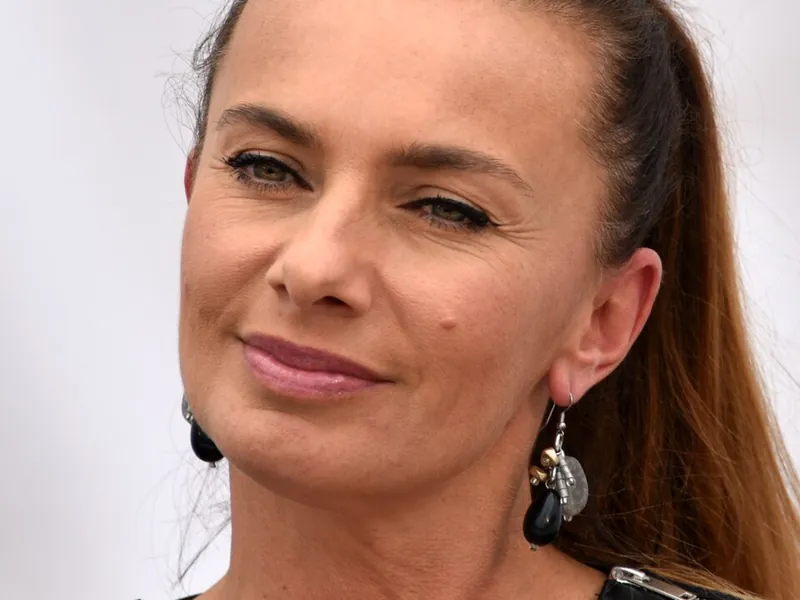 Did Alice Bendová have a facelift? Yes, and she explained why herselfAlice Bendová confirmed a deep plane facelift in September 2026. Her words, how a facelift works, who it suits and what recovery looks like.
The Facelift File in Safi: Truth Lives in the Close Photograph, Not the Filter
Safi, with its 346,000 residents in the 2024 census, is known across Morocco for the sardine port, the pottery kilns and the Portuguese sea castle, but its residents know something else as well: the ordinary sun on the corniche and the docks leaves its mark on working faces after decades of exposure, the cheek descends, the jawline loses its edge, and creases gather around the mouth and nose.
This is where the facelift story begins: an intervention that returns the cheek to its position, redraws the jawline and softens the slackness of the neck, not one that manufactures another face; its file opens remotely with close daylight photographs, a whole face from the front, both sides and three quarters, without makeup and without filters, plus lines about age, health, smoking and any earlier work, sent over Telegram and Telegram to a team that never leaves the reading at any hour.
The people of the crafts know that clay is judged up close, never from afar, and this is precisely what honest photographs do: one filter that hides the slackness postpones the correct answer by two weeks, while a close image in daylight hands the surgeon enough inputs to read skin quality, facial thickness and the position of the drooping, the very inputs on which a full lift, a partial one or an altogether lighter path is decided.
And Safi's working calendar imposes its own timing: employees of the chemical complex, owners of pottery workshops and people of the docks all know when demand thins, and students of schools and institutes know the gaps of their holidays; the file opens from the phone on any day, and every stage is placed in the gap that the owner of the face decides, not in a date proposed by someone else.
Inhaled General Anaesthesia and a Plan Read Through the Face's Layers
The facelift runs under inhaled general anaesthesia handled by an anaesthetist, and the patient passes the entire session in deep sleep from the first incision to the last thread, waking only in the recovery room under medical observation; this is the accepted form for this operation because its work extends into the deep layers of the face rather than the skin alone.
At the consultation the plan is read layer by layer: what is raised beneath the skin, how the tissues are redistributed, what is done with relaxed muscles if they exist, and then where the incisions fold inside the hairline or around the ear's flap so a natural appearance hides them; whoever understood this sequence knew that the modern facelift is organised deep work, not a skin pull on the surface as the hasty advertisement suggests.
Ask in the session about the plan for defending the result: how the sensitive regions will be protected from sun after recovery in a city open to the sea and the corniche, what happens if the skin needs a maker's touch after some years, and whether the visit plan stretches until the shape completes; written answers to these three separate a serious offer from phrases suspended in the air.
And always remember that the operation restores arrangement without creating from nothing: your features stay in place, moved to an earlier setting, and the honest surgeon explains the limits of your own face before he speaks of results; whoever entered with this understanding became an active part of the result rather than a spectator, and that is the difference that lives with you in every family photograph.
Two Months in a Safi House: From Swelling to Calm
Full recovery needs about two months, a path with stations known in advance: swelling and bruises in the opening days that fade gradually, then feeling returns to the skin and the tightness around the ear softens, and the new contours appear at their own pace; whoever memorised the stations lived the weeks quietly, and whoever did not turned every morning into a story of surprises.
In your Safi house these two months arrange themselves by the city's year: February, with its mild day of 19.6C and cool night of 8.9C, is an ideal window for the opening of recovery, while August, dry at 0.2 mm of rain and warm at 29.3C by day, demands a temperate home and complete distance from the midday sun; and November's rains of 68.7 mm make an open-windowed house with a calm read a beautiful substitute for the street.
The rules of the two months admit no shortcuts: sleep on the back with the head raised, hands away from the face, light walking inside the house with the surgeon's permission, and postponement of sport, carrying and any effort that raises pressure in the face until a separate clearance for each stage; whoever lives in the old staircased houses should agree with a relative or neighbour on help with the climb in the first days, because the staircase then is a load, not a walk.
Place follow-up calls after your shift or workshop, and keep a weekly notebook of your notes on swelling and returning feeling; the team following you over Telegram and Telegram at all hours carries the notebook to the doctor, and the answer that comes back is built on your own file, which is the difference between a living follow-up and advice handed out to everyone.
The Settled Shape Between Month Three and Month Six
The result does not ripen in the first weeks however fast the improvement seems: from the third month to the sixth, the last remains of deep swelling recede, the tissues beneath the skin soften, and the new lines settle onto your original features; in this period the patient separates himself from whoever passed a verdict in month one with nothing to support it.
The months' details are known beforehand so they do not frighten: temporary numbness at spots of the face where feeling returns by degrees, a hairline adapting around the incision sites, and a passing sense of tightness that leaves with time; the surgeon reads each of these stations at the follow-up visits and explains them in terms you can hold, so the patient is left neither to his own guessing nor to the neighbours' interpretation.
When the result settles, the stage of preservation begins, and it does not end: Safi's sun on the corniche and the docks is strong on treated skin, so shade and sun protection become a fixed daily habit, smoke works against the skin's elasticity in the opposite direction, and a stable weight guards what was redistributed; the people of the crafts know that good work needs maintenance, and the human face is the most valuable thing to be maintained.
In the end, the face that settles in the fourth or fifth month looks like someone who slept a long deep sleep rather than someone who crossed an operating room, and this is the standard that separates work that lasts from work that time exposes; your patience through these months is not passive waiting, it is the last layer of the operation, in which the body paves the way for what the surgeon built by hand.
The Council's Roll and Offers on Paper Before the Signature
Before any talk of a date, ask for the first sheet: the surgeon's entry on the roll of the National Council of the Order of Physicians, the independent institution that gathers all of Morocco's doctors by obligation from the public and private branches; ask for the entry number and the exact specialty and keep the answer in writing, noting that the council's site places no open lookup list at its entrance, which makes your direct documented question the only road to reassurance.
Then ask every offer for a complete sheet: which regions the intervention covers, how the visits run until recovery completes, and who answers between visits and through which channel; in a city whose people value the given word in the souk, papers are the natural extension of that ethic, and whoever wrote his plan can be held to it, while whoever declined to write has already said his word about himself.
Beware of the three ready phrases: the promise of a wholly new face, the hurry toward deciding in one session, and the embarrassment before the question of registration; each of the three is a piece of information that enters the account before anything else, because a facelift is a decision that lives on your face before your family and neighbours in Safi and does not deserve to be built on the noise of one hour.
And grant the decision its full time: read the answers in the calm of your home, consult a person who carries your trust, and raise whatever lingers in your mind to the follow-up team over Telegram and Telegram at any hour; the remote consultation was framed from the start to move with your rhythm, and the span you give your thinking is part of the result's quality rather than a delay of it.
Does a facelift push the appearance away from naturalness?
The declared aim of the operation is the exact opposite: returning the cheek, the jawline and the neck to an earlier position so the face looks rested rather than pulled; the surgeon who explains at the consultation how he balances tightness with naturalness is the one who read your face, not one who borrowed a plan from another face, and the natural result is one that is planned beforehand rather than luck caught in the operating room.
Is the result affected by the quality of the skin itself?
Yes, the elasticity and thickness of the skin determine what can be achieved and how quickly the shape settles after the operation; skin that has lost much of its elasticity may need another path or an addition that the surgeon explains at the consultation, and this is precisely why close honest photographs are requested from the first message, since reading the skin remotely is the foundation of the plan or of the decision to postpone it.
When can family photographs be taken after the operation?
Comfortable pictures come in stages: in the first weeks swelling hides the features of the new shape, then the contours improve across the months until everything settles between the third month and the sixth; whoever wants a family photograph for a nearby occasion plans the timing with the surgeon, and whoever waits for the settling joins the picture and the result in their best state together.
Does the operation treat thin skin differently from thick?
Yes, thin skin shows details sooner but is finer to handle, and thick skin covers what lies beneath and needs a longer span before it settles onto the new lines; the surgeon reads your skin type from the photographs and the examination and adjusts the lifting plan and the expected results accordingly, which is why two patients never compare their courses even when their operations look alike.
Do I need someone helping at home in the first two weeks?
Yes, even for limited hours: a relative or neighbour helps in the first two days, particularly in houses with staircases, and takes over tasks that need bending the neck or carrying loads; this advance arrangement gives your recovery complete calm and prevents any sudden movement in the weeks when the tissues are at their most sensitive.
Does the lift treat the double line under the chin?
When its source is slackness in the skin and tissues beneath the chin it usually enters the plan of a face or neck lift, but if the matter is fat confined to the area the surgeon may recommend another path or add a specific intervention; the verdict belongs to the consultation on your own photographs, and this is among the questions worth asking in exactly this wording.
How do I recognise an experienced face surgeon before committing?
By three signs together: a documented entry on the roll of the physicians' body, a clear explanation of the operation's layers rather than promises alone, and a written plan of visits until the result completes; whoever has the three has given you a means of verification rather than a request for trust, and whoever is missing one has given a warning that suffices, for your face admits no experimentation.
What happens if I am late for a follow-up visit after the operation?
Follow-up is not a luxury on the facelift path: it is what reads the swelling of each stage, adjusts any observation early before it hardens, and answers about numbness and a sense of tightness that usually pass; whoever is late turns every small observation into a question hanging in his mind, and whoever keeps his visits lives the recovery with documented answers rather than guesses, and the difference in peace of mind alone is worth the commitment.
Facelift in Safi: price and what is included
Prices are in US dollars; the amount in brackets is an approximate conversion to MAD at the rate of 02.10.2026. The final price is fixed in your contract.
- Faceliftfrom $2,400 (≈ MAD 24,000)
How much does a facelift in Safi cost?
Prices start from $2,400 (≈ MAD 24,000). The surgeon sets the final price at the free consultation, and it is fixed in the contract, with no hidden extras.
What is included in the price?
A one-to-one consultation, the medical team, anaesthesia, inpatient care with meals, 24/7 monitoring and twelve months of follow-up by the surgeon.
How do I get my exact price?
Message us on WhatsApp or Telegram using the buttons below. A coordinator will answer your questions and book a free consultation where the doctor names the exact price.
By messaging us, you agree to our Privacy Policy