


























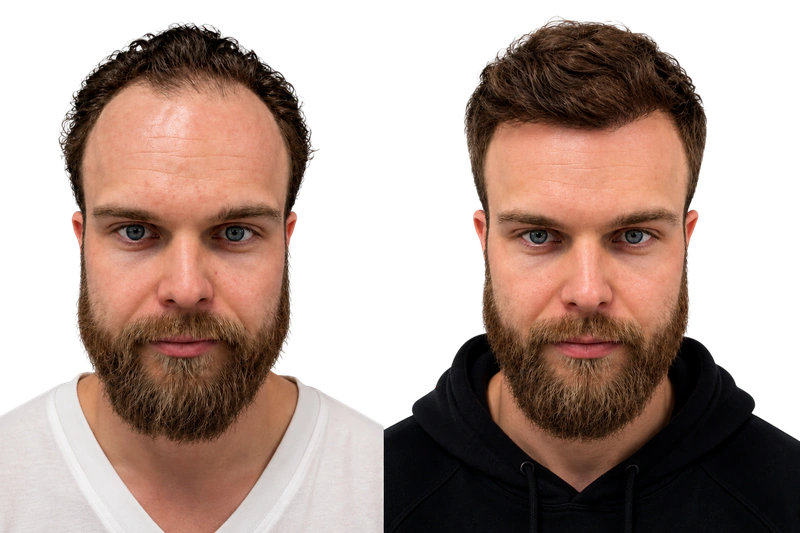

initial
12 months after
2,800 grafts
FUE method
City Medical Centre
0% instalments
from $367/mo
Consultation and quote — $0.
A real case
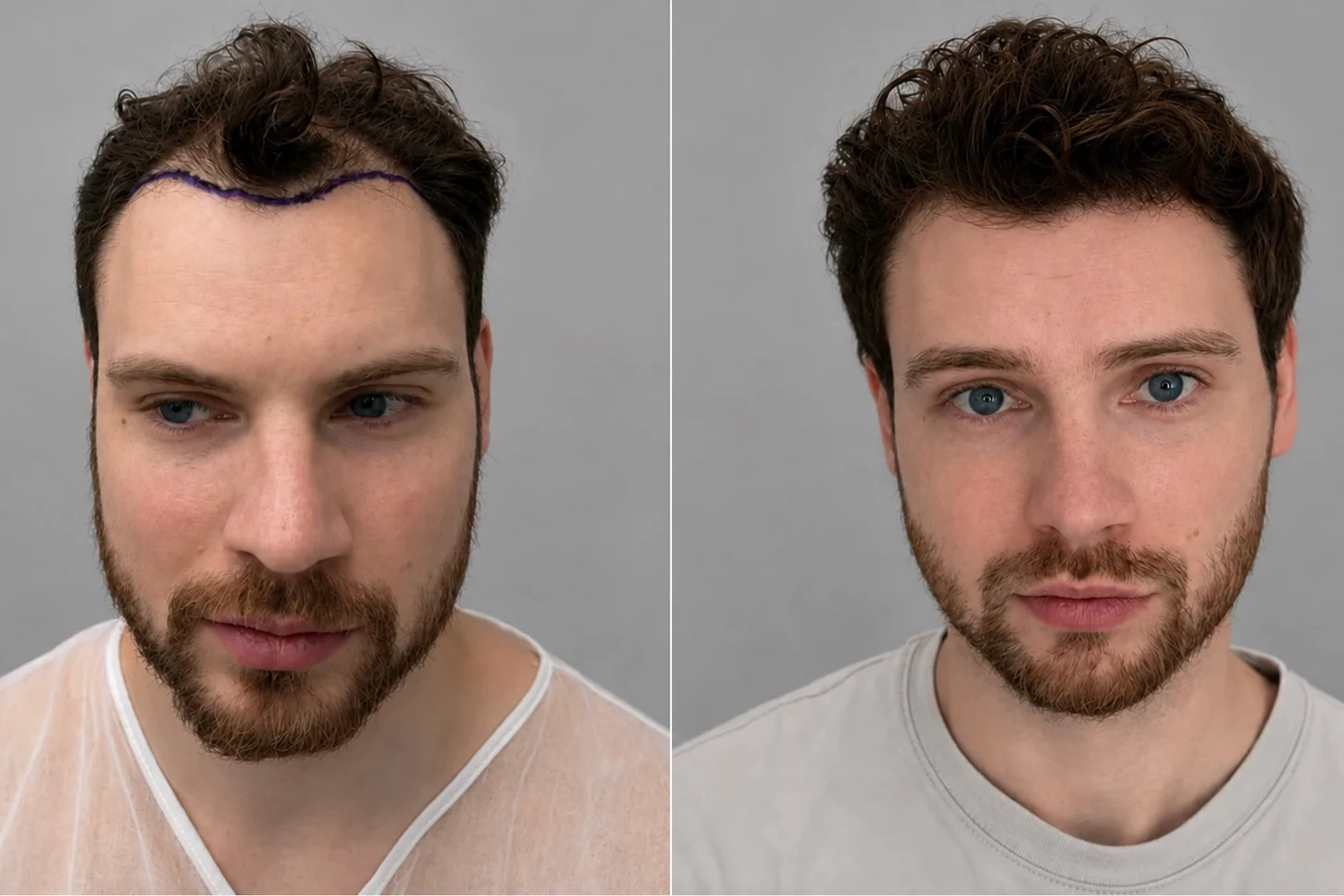
initial
12 months after
FUE method, no stitches needed. Graft count and a result forecast counted up, you pay nothing — before you decide.
No charge, ever, no surgery booking required
Message our coordinator
Free online consultation · Reply within 15 minutes
Message us on TelegramMessage us on WhatsAppBy messaging us, you agree to our Privacy Policy
results
Authentic patient results, published as they are.
initial
12 months after
2,800 grafts
FUE method
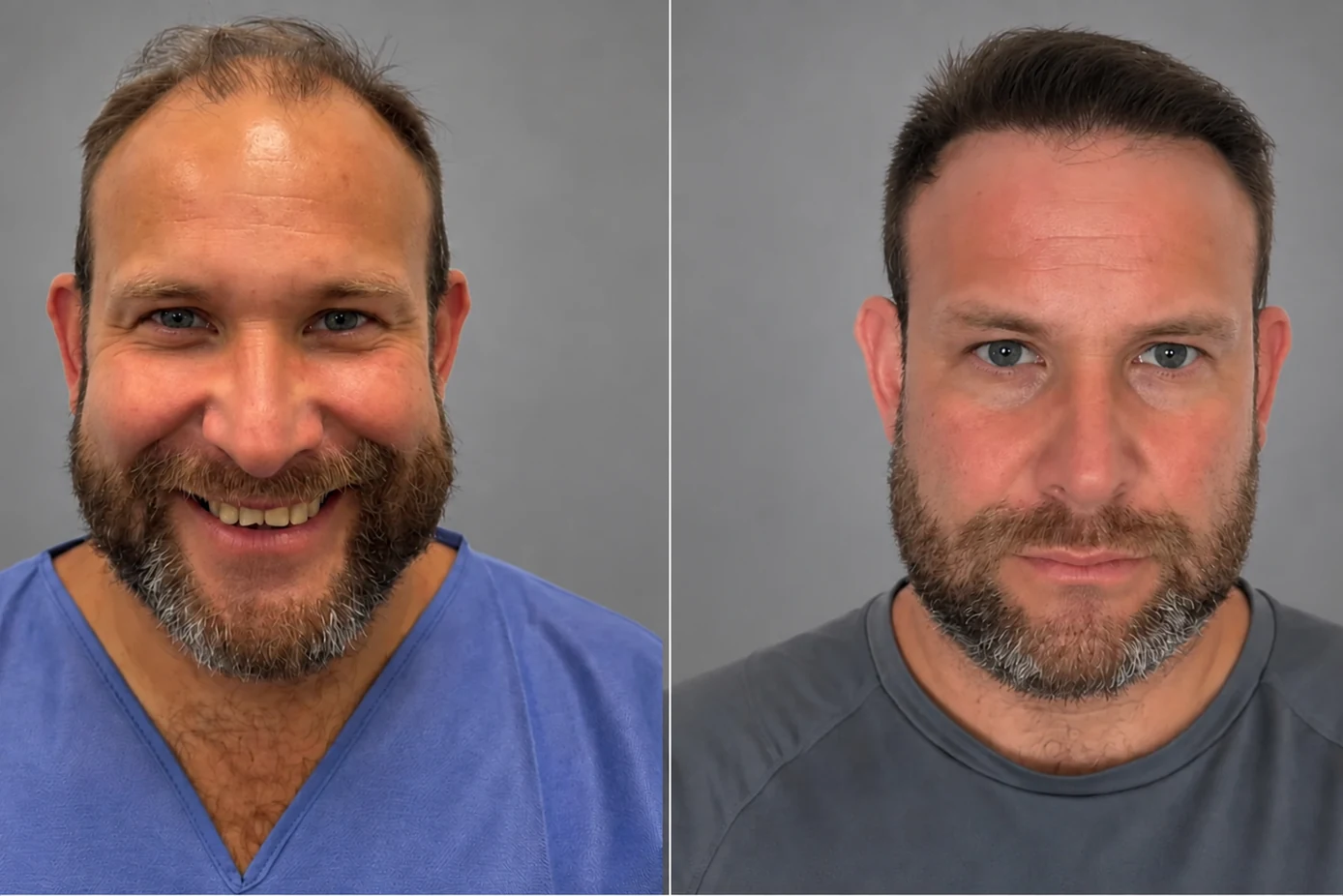
initial
12 months after
3,500 grafts
FUE method
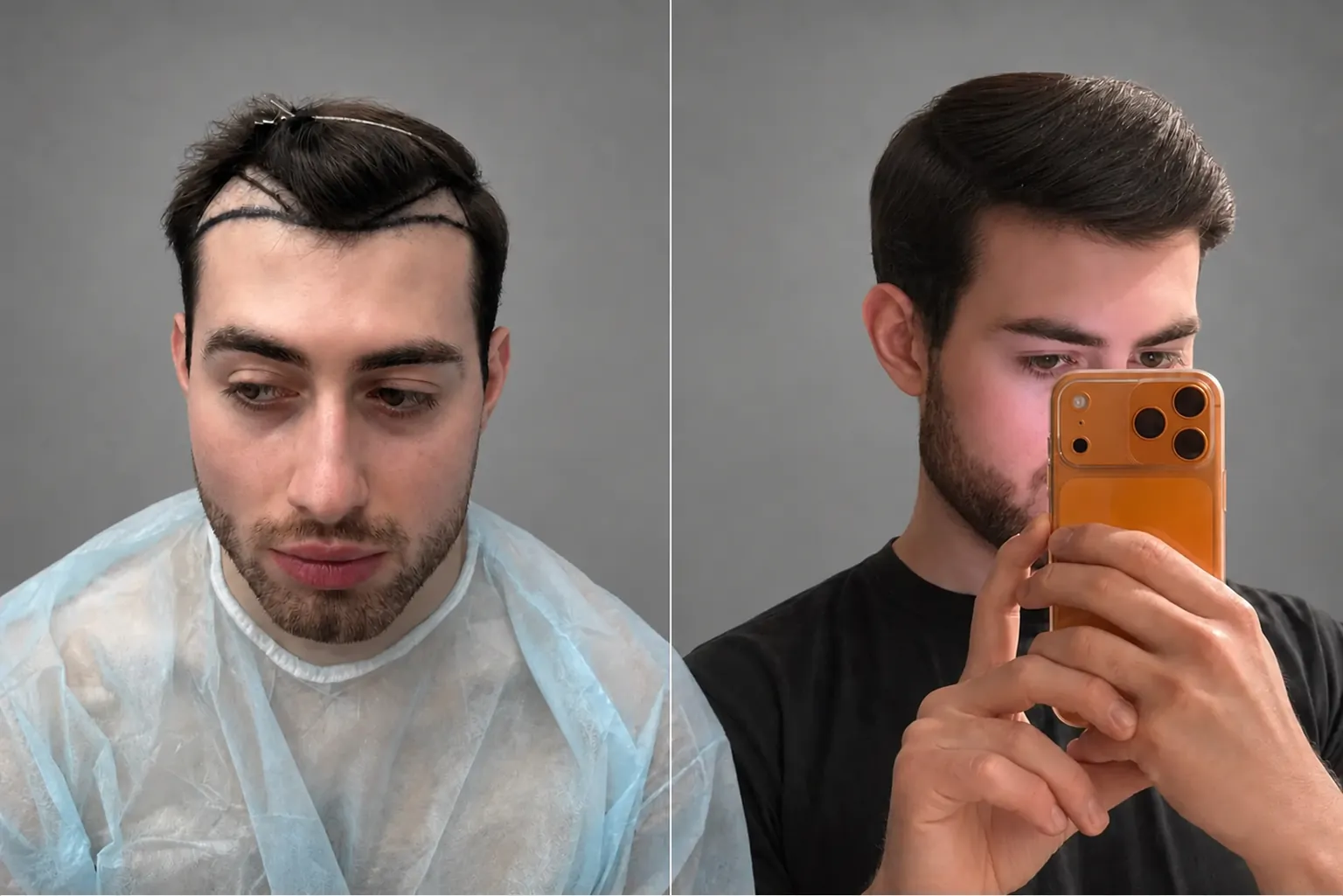
initial
12 months after
2,600 grafts
FUE method
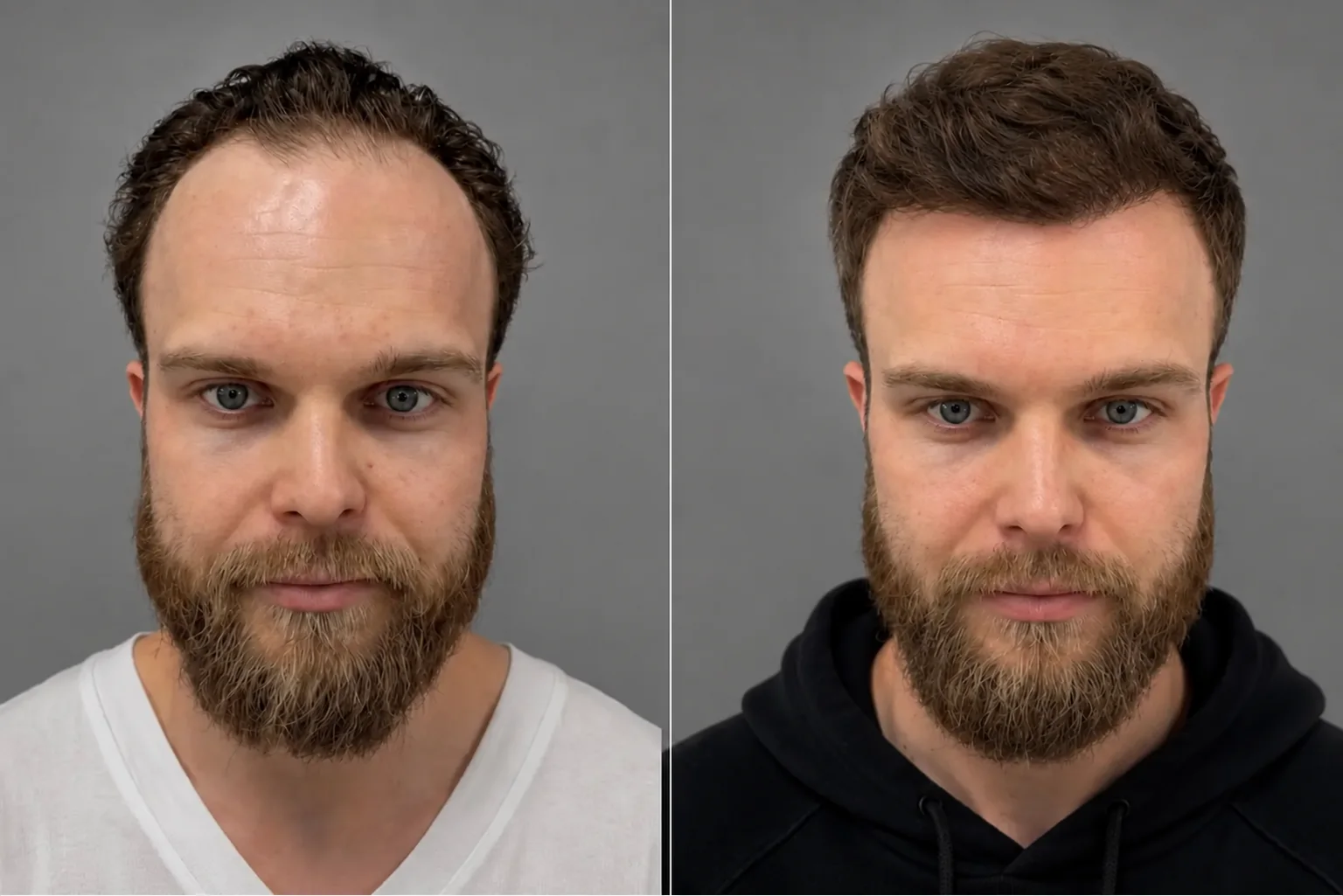
initial
12 months after
3,000 grafts
FUE method
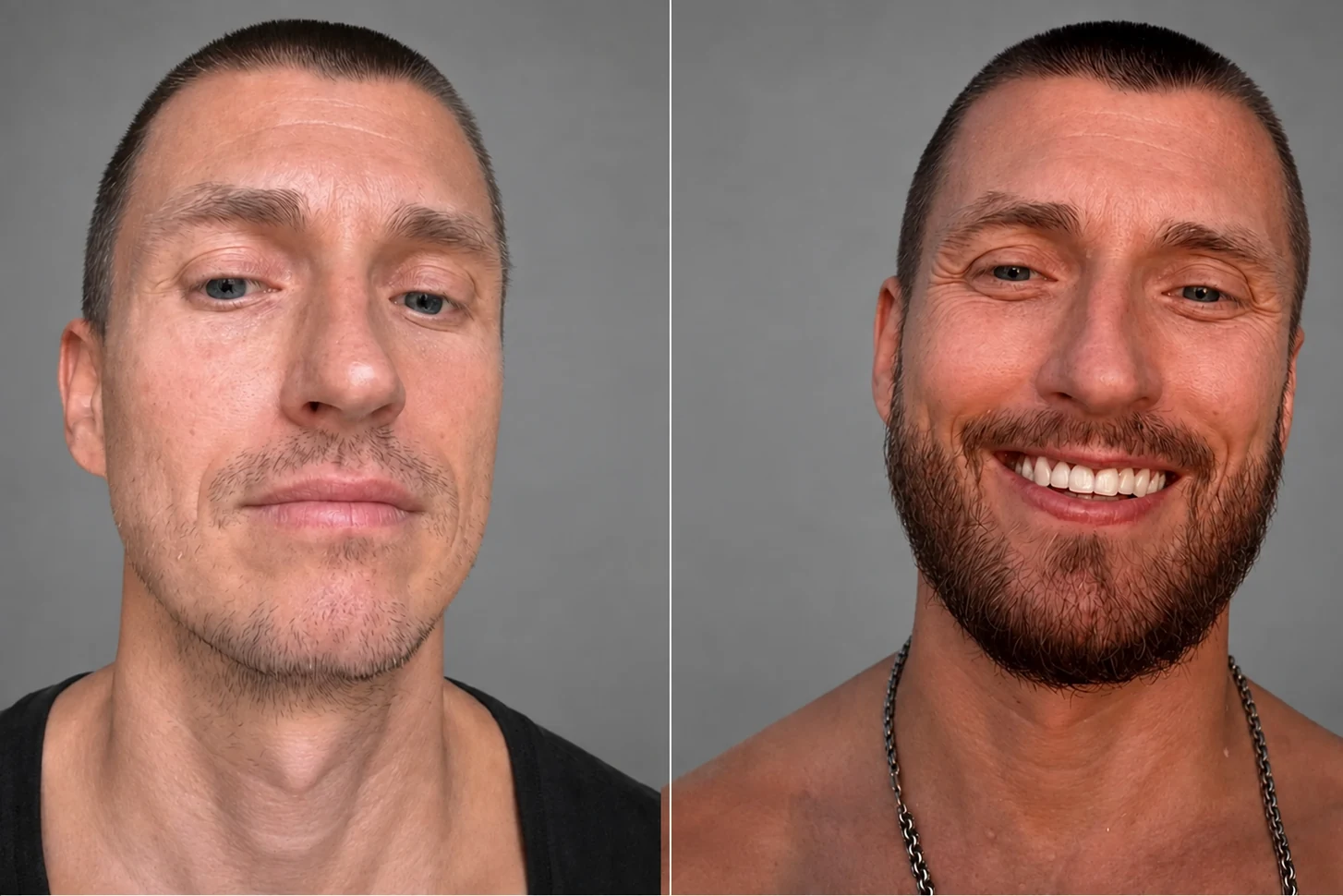
initial
12 months after
2,700 grafts
FUE method
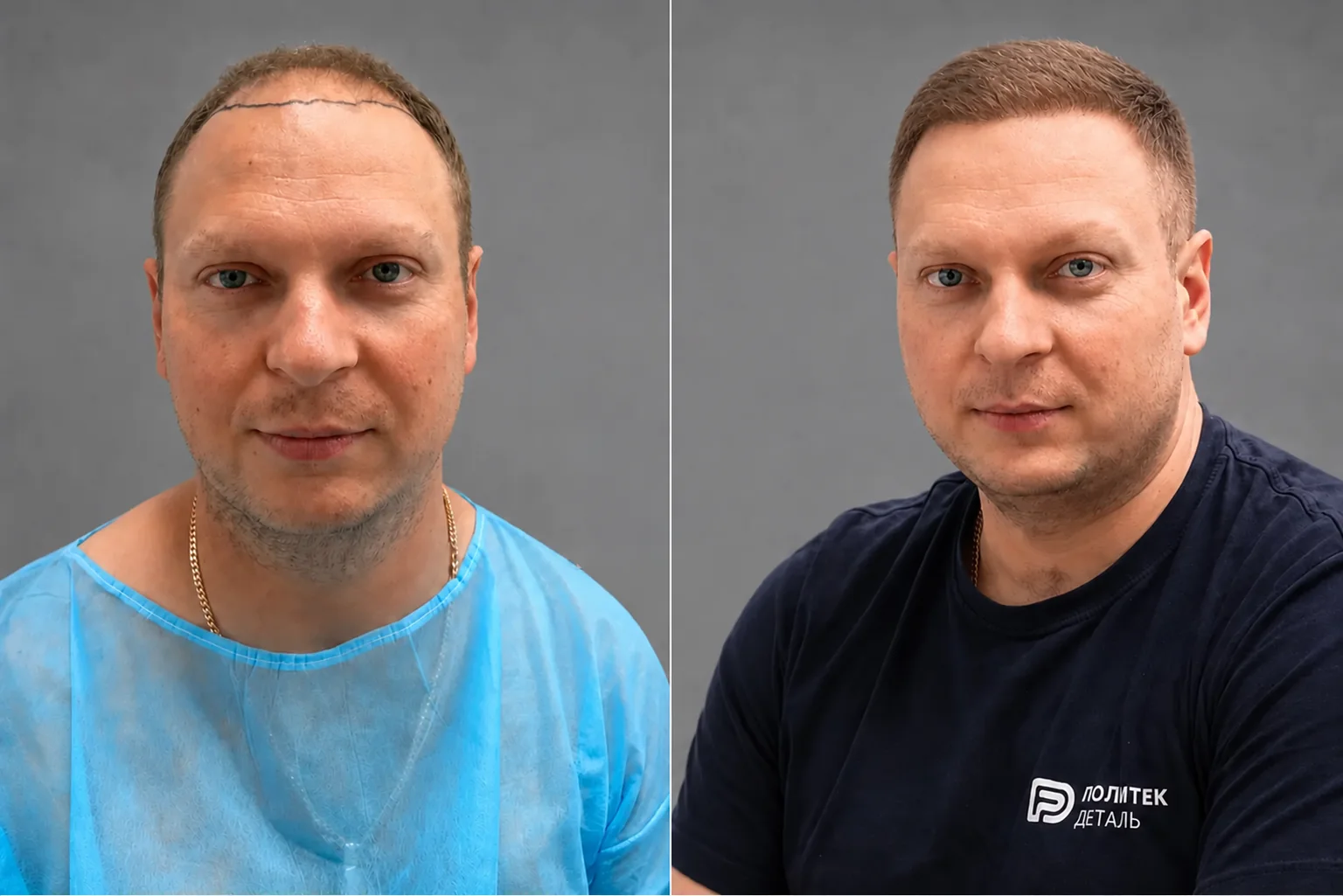
initial
12 months after
3,300 grafts
FUE method
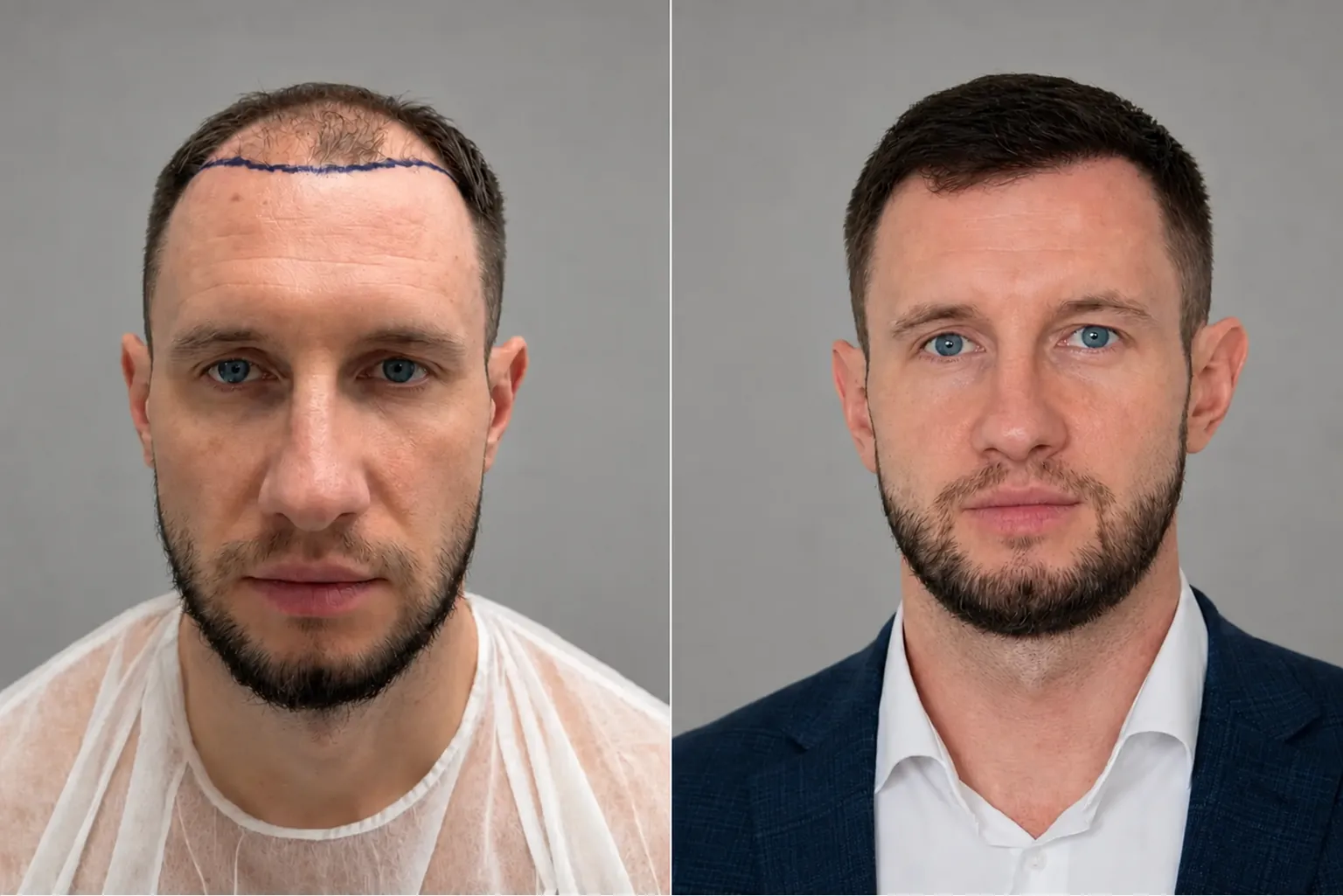
initial
12 months after
2,900 grafts
FUE method
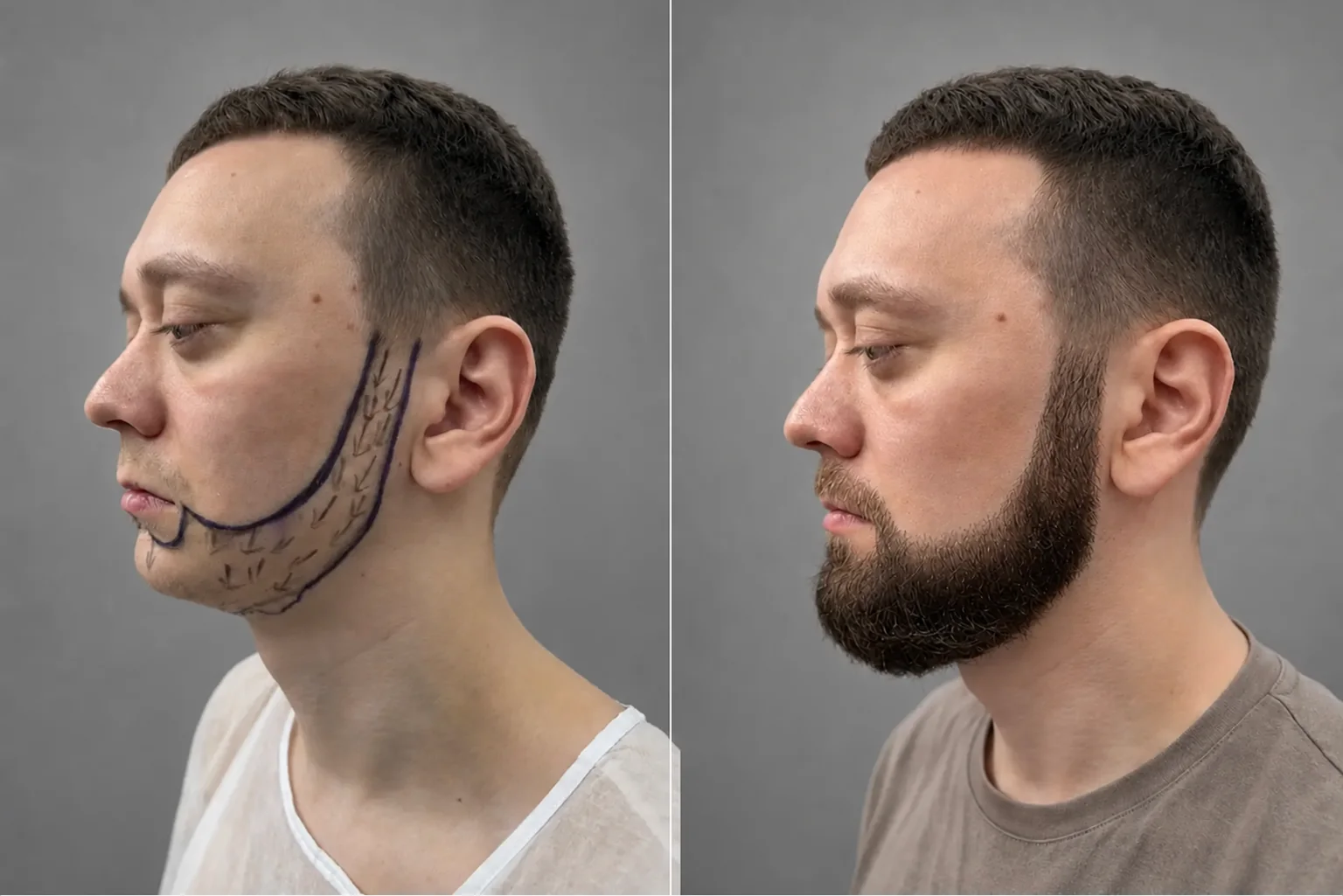
initial
12 months after
2,500 grafts
FUE method
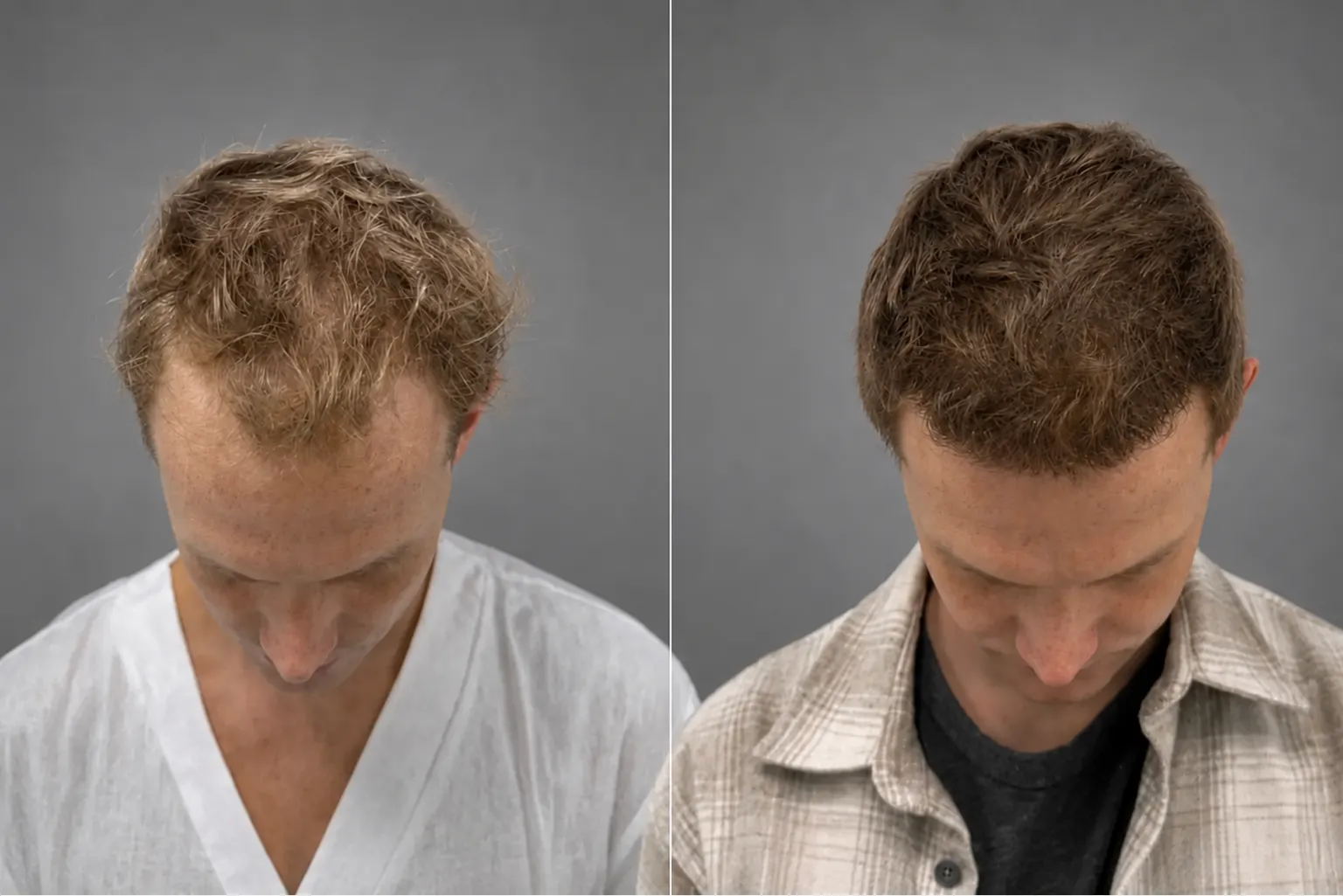
initial
12 months after
3,400 grafts
FUE method
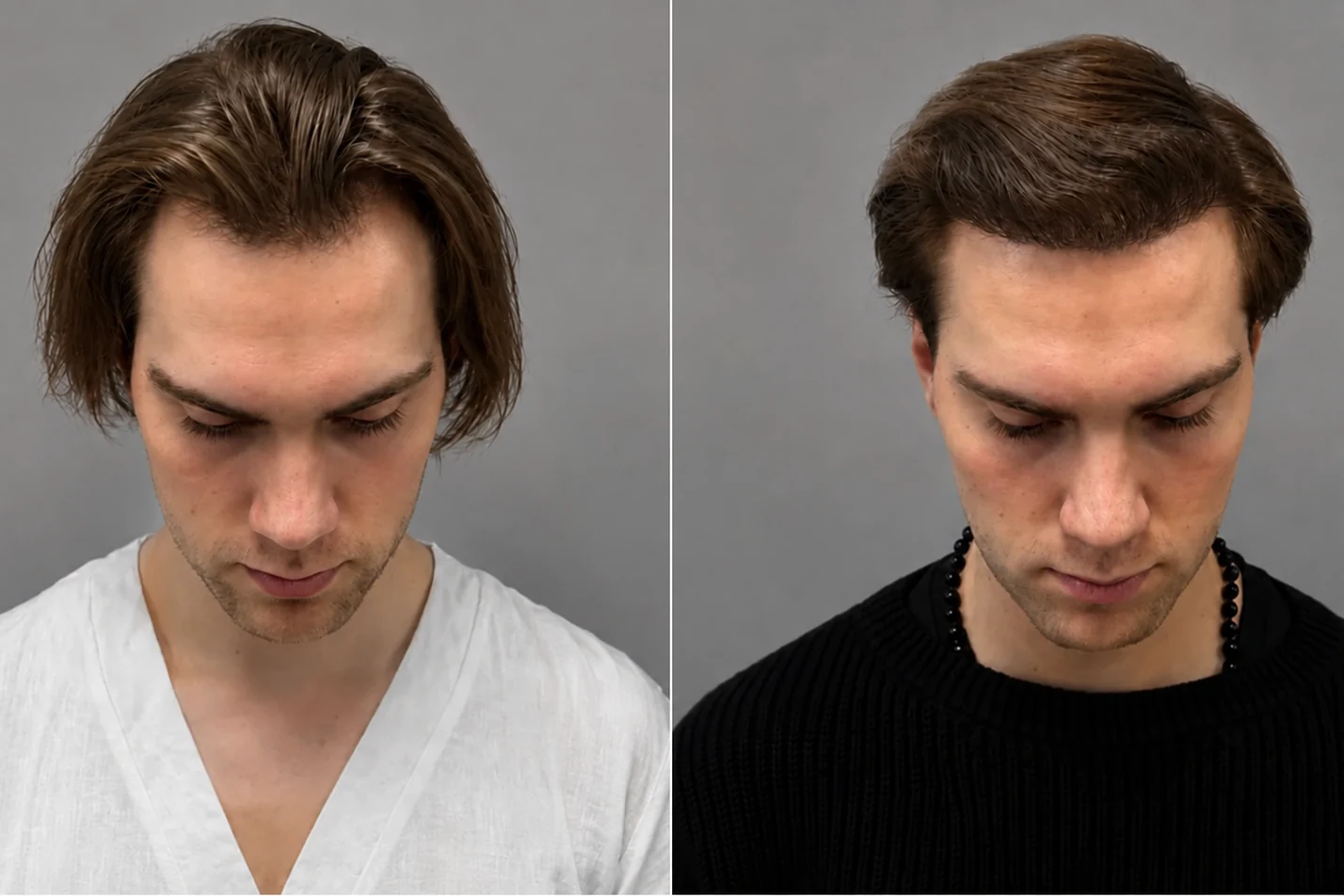
initial
12 months after
2,500 grafts
FUE method
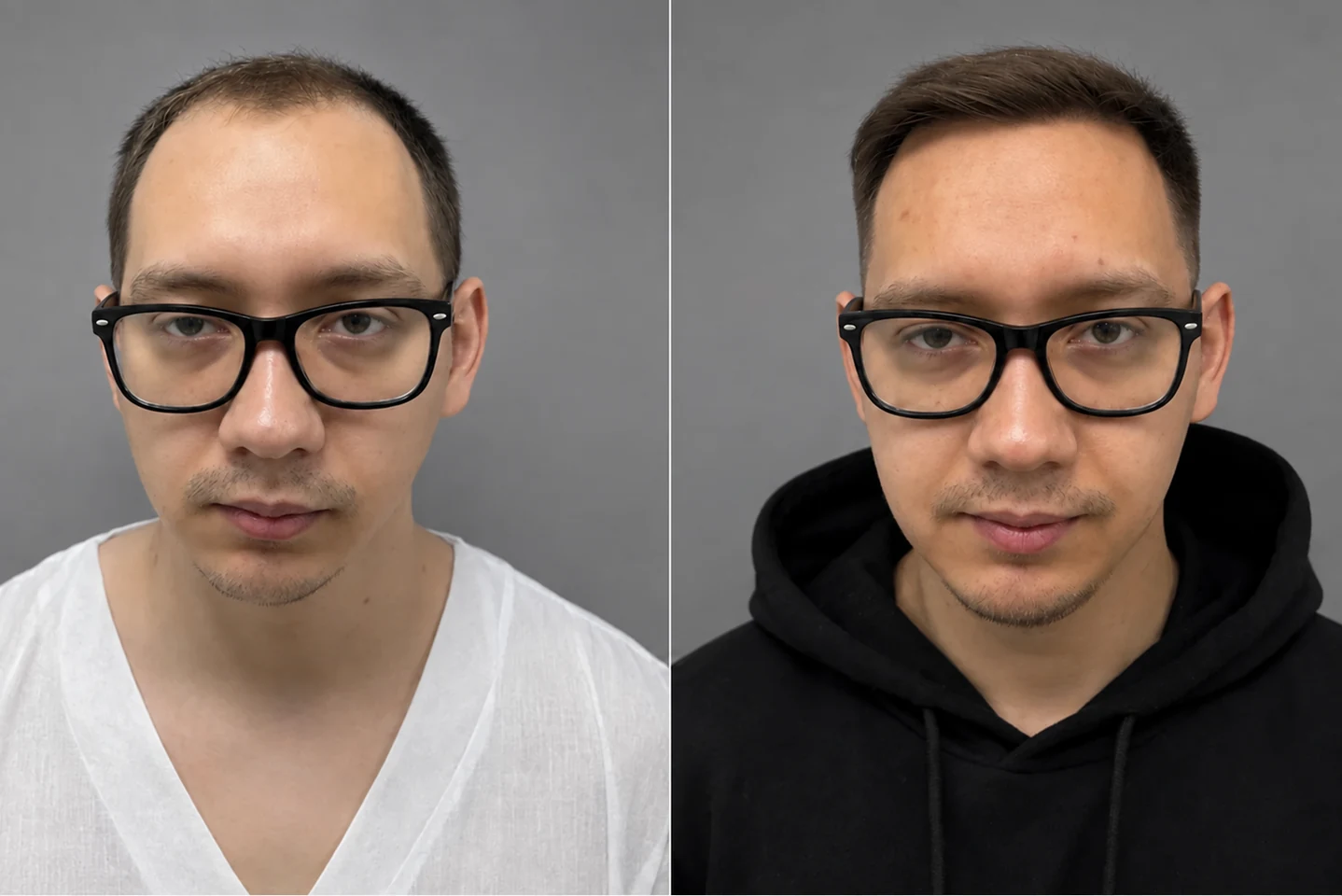
initial
12 months after
3,100 grafts
FUE method
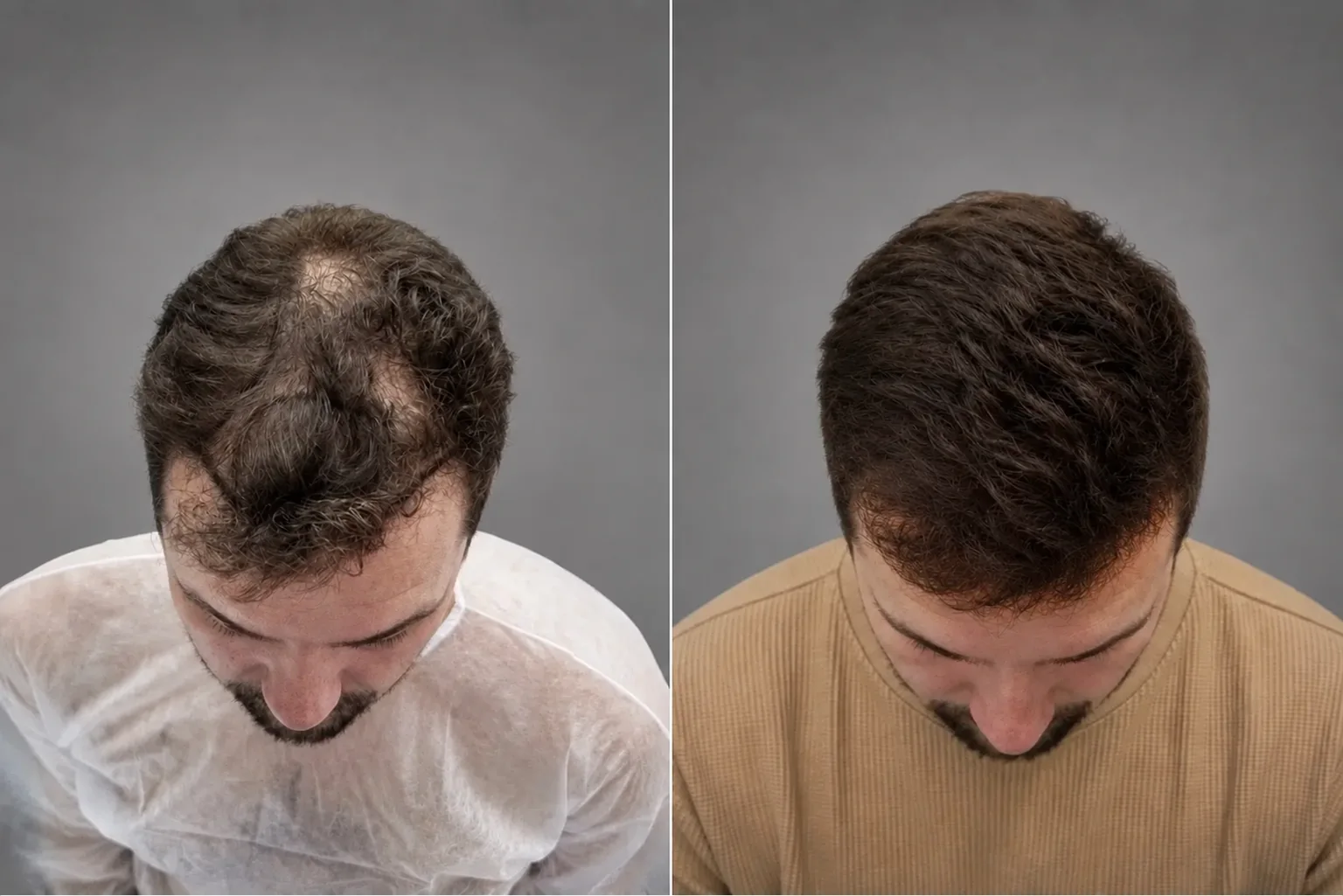
initial
12 months after
3,600 grafts
FUE method
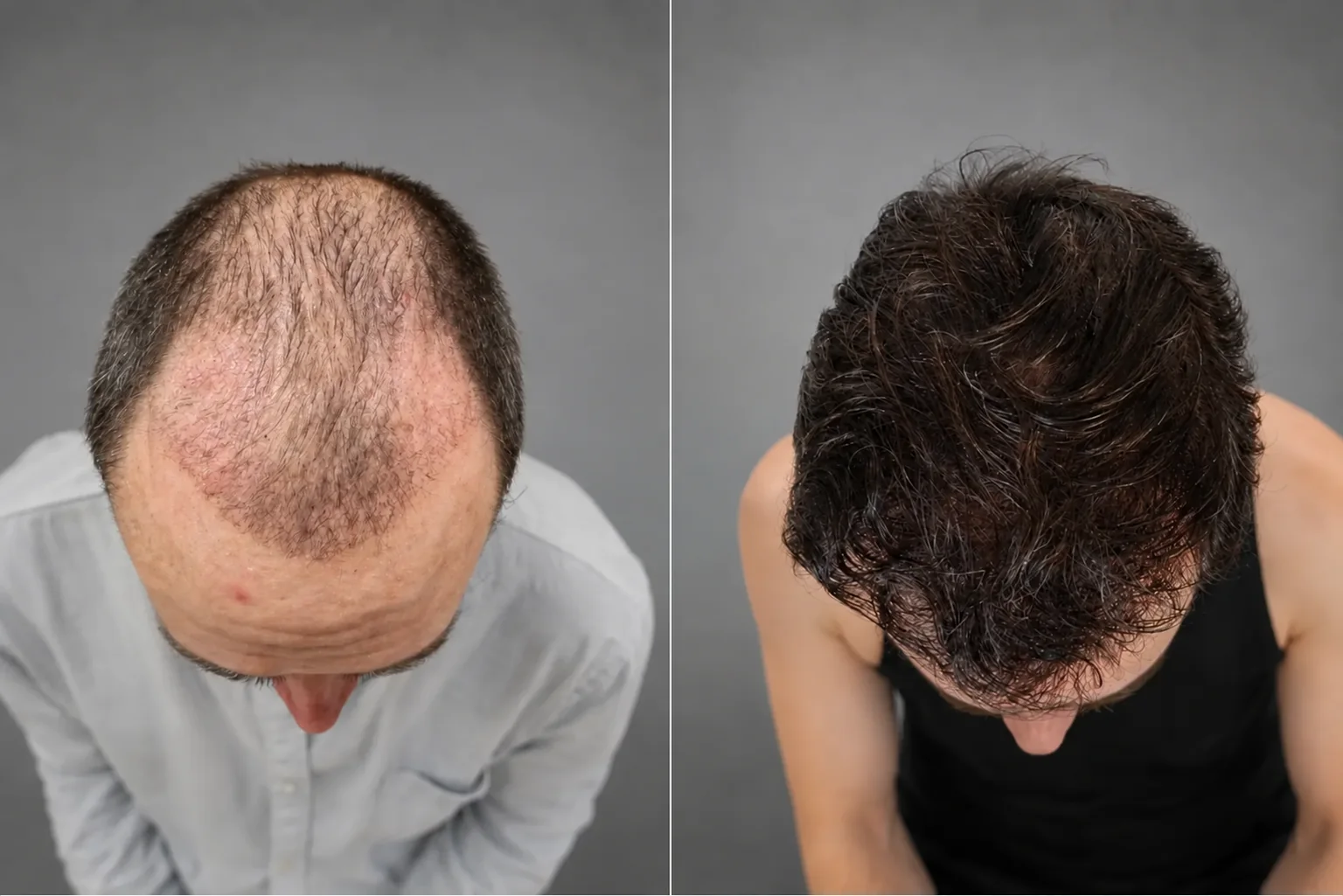
initial
12 months after
4,000 grafts
FUE method
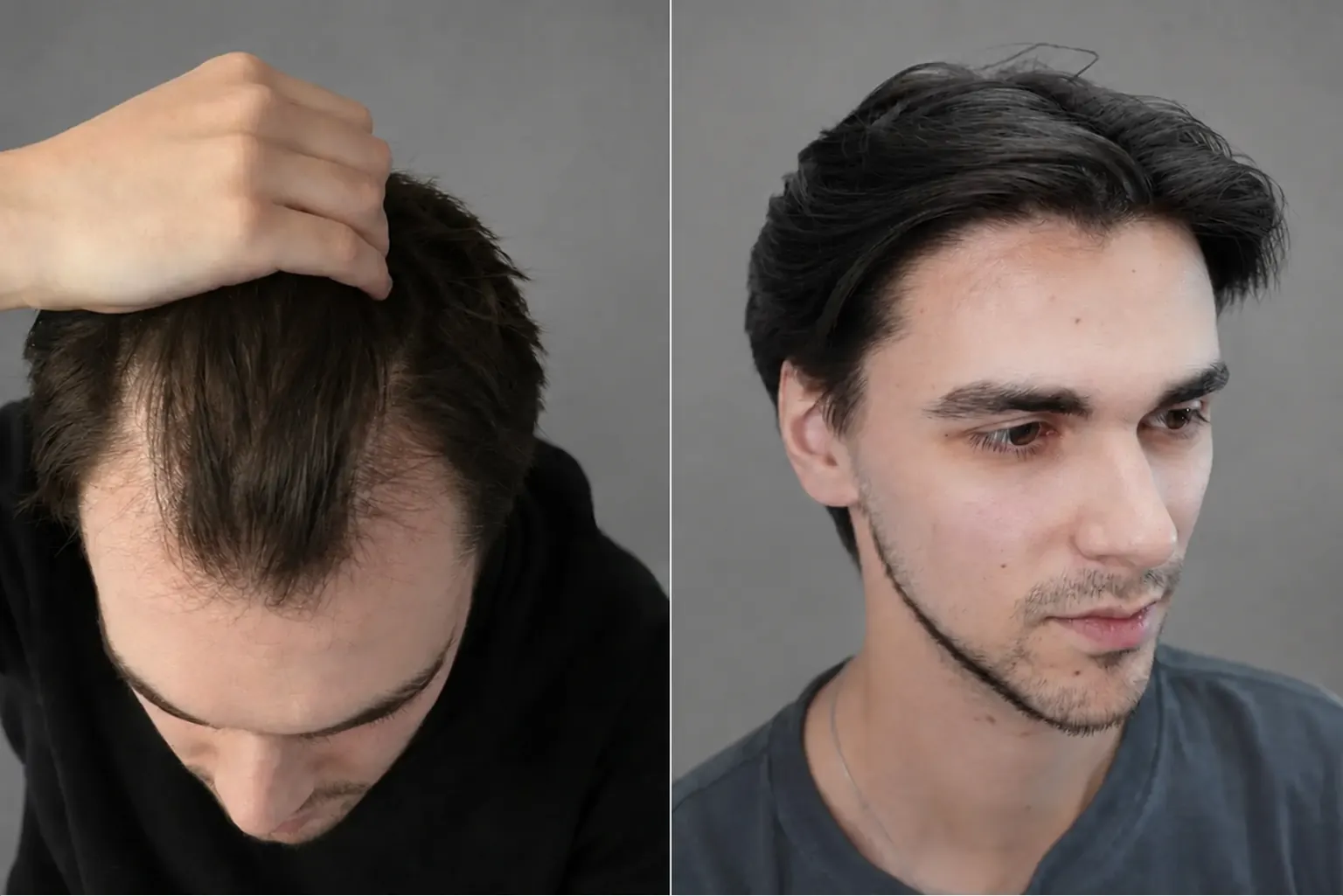
initial
12 months after
3,200 grafts
FUE method
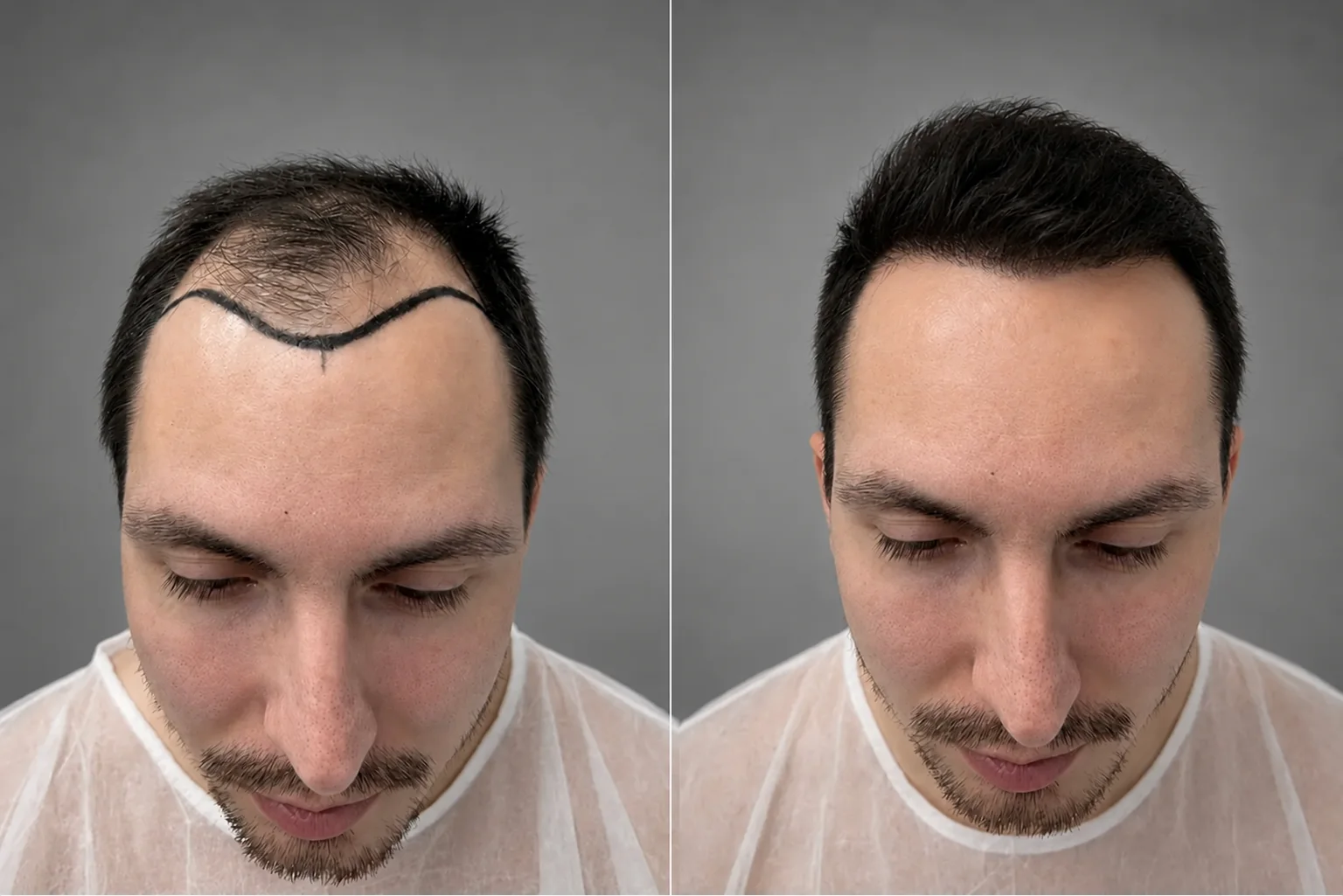
initial
12 months after
3,000 grafts
FUE method
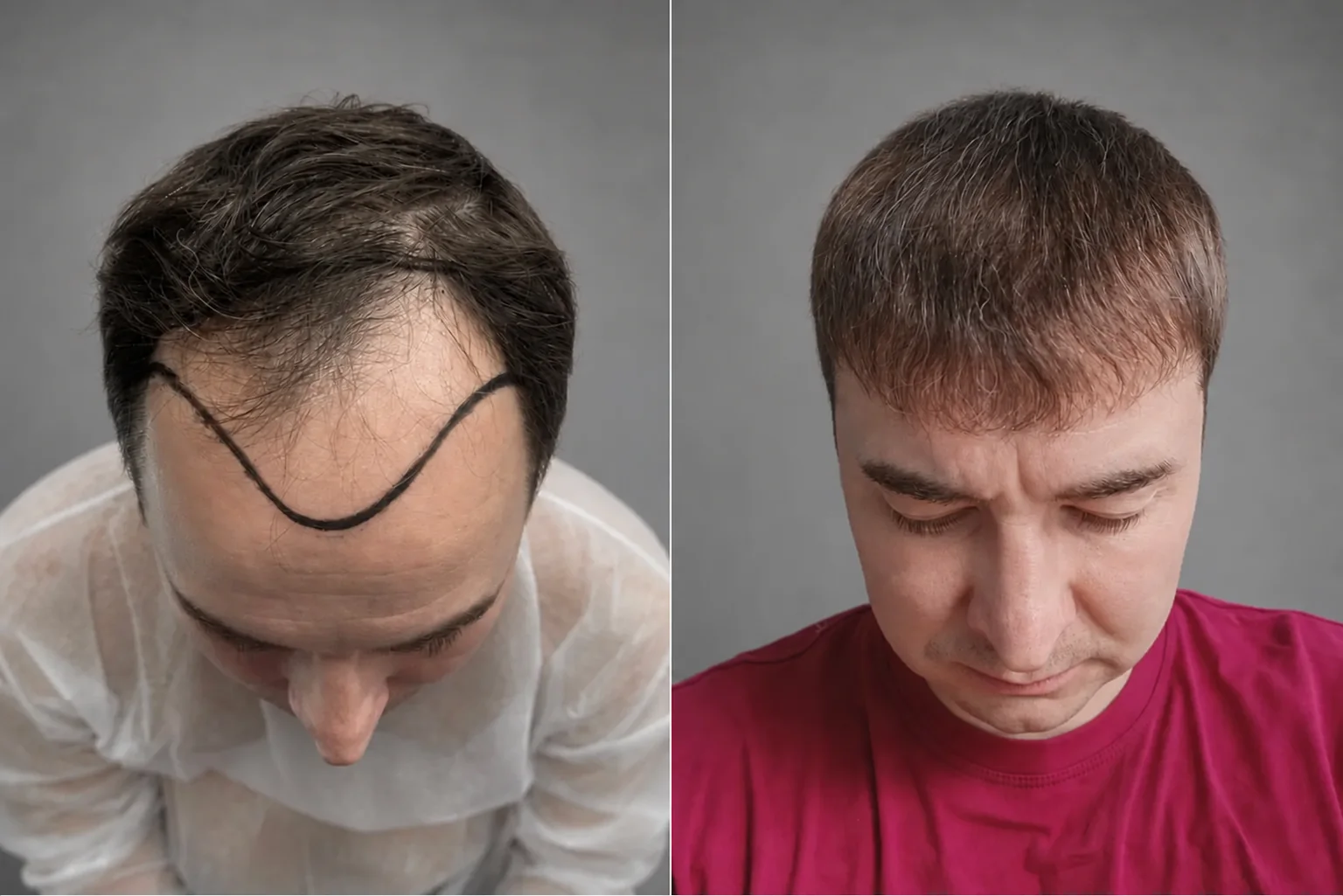
initial
12 months after
3,700 grafts
FUE method
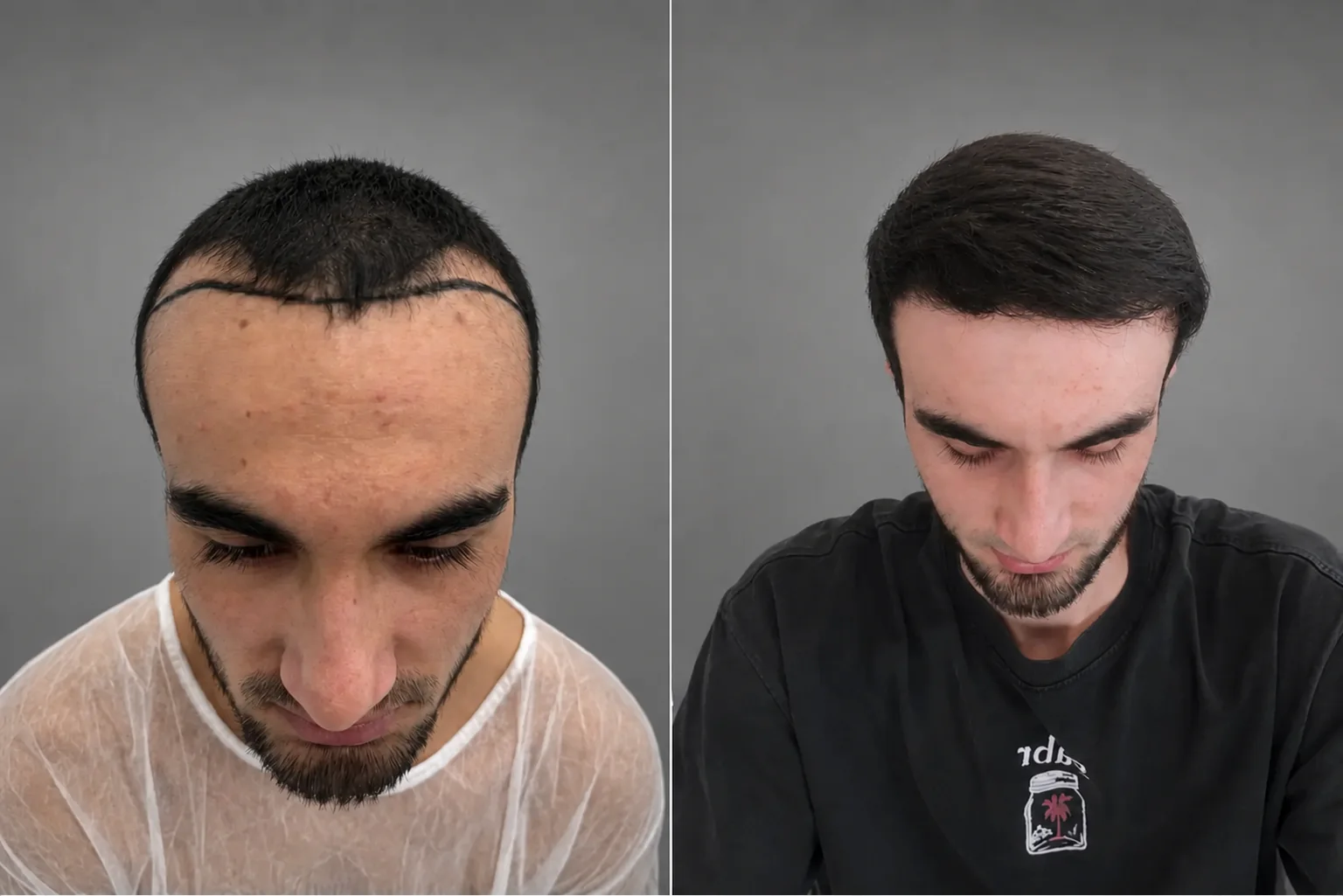
initial
12 months after
2,700 grafts
FUE method
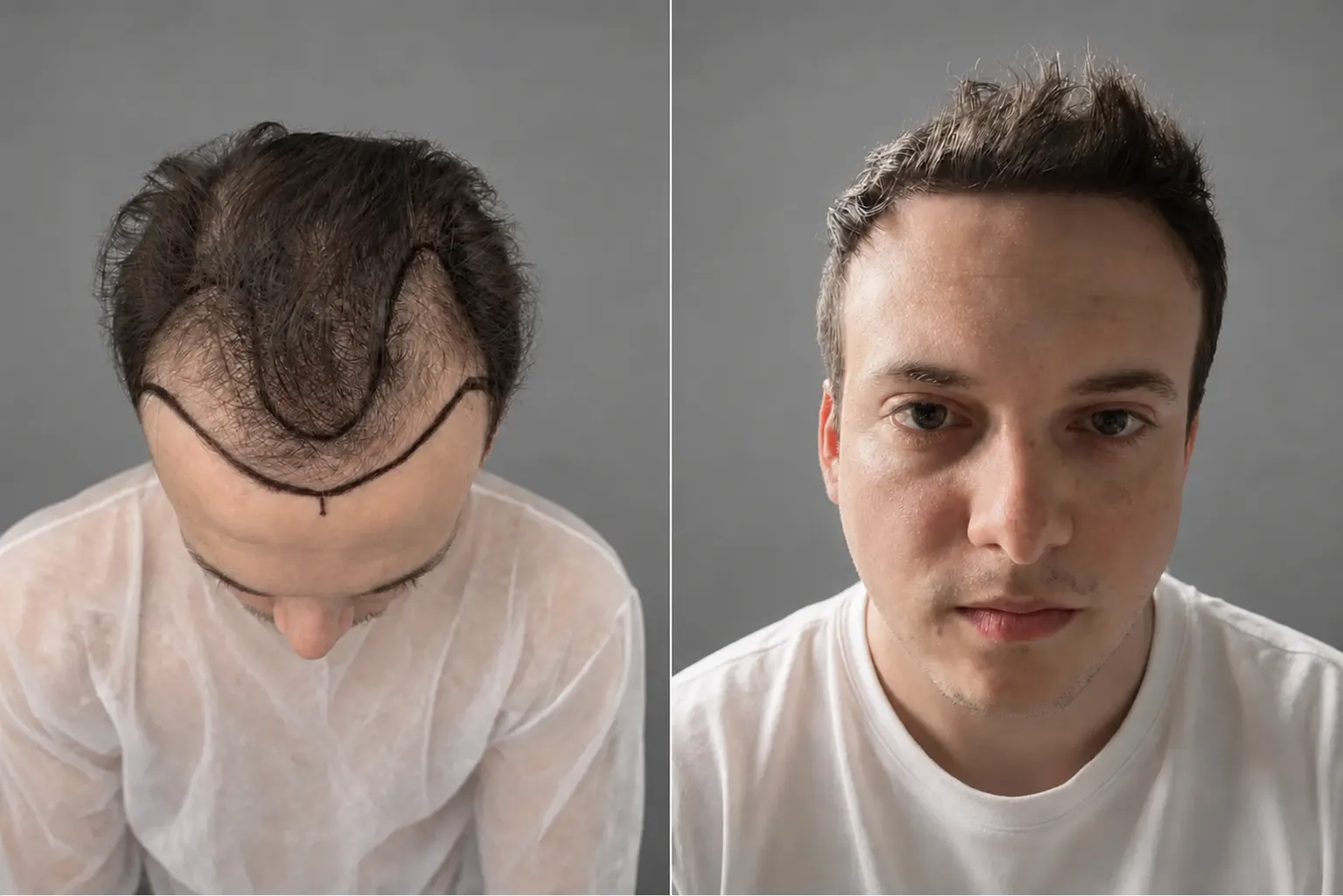
initial
12 months after
3,800 grafts
FUE method
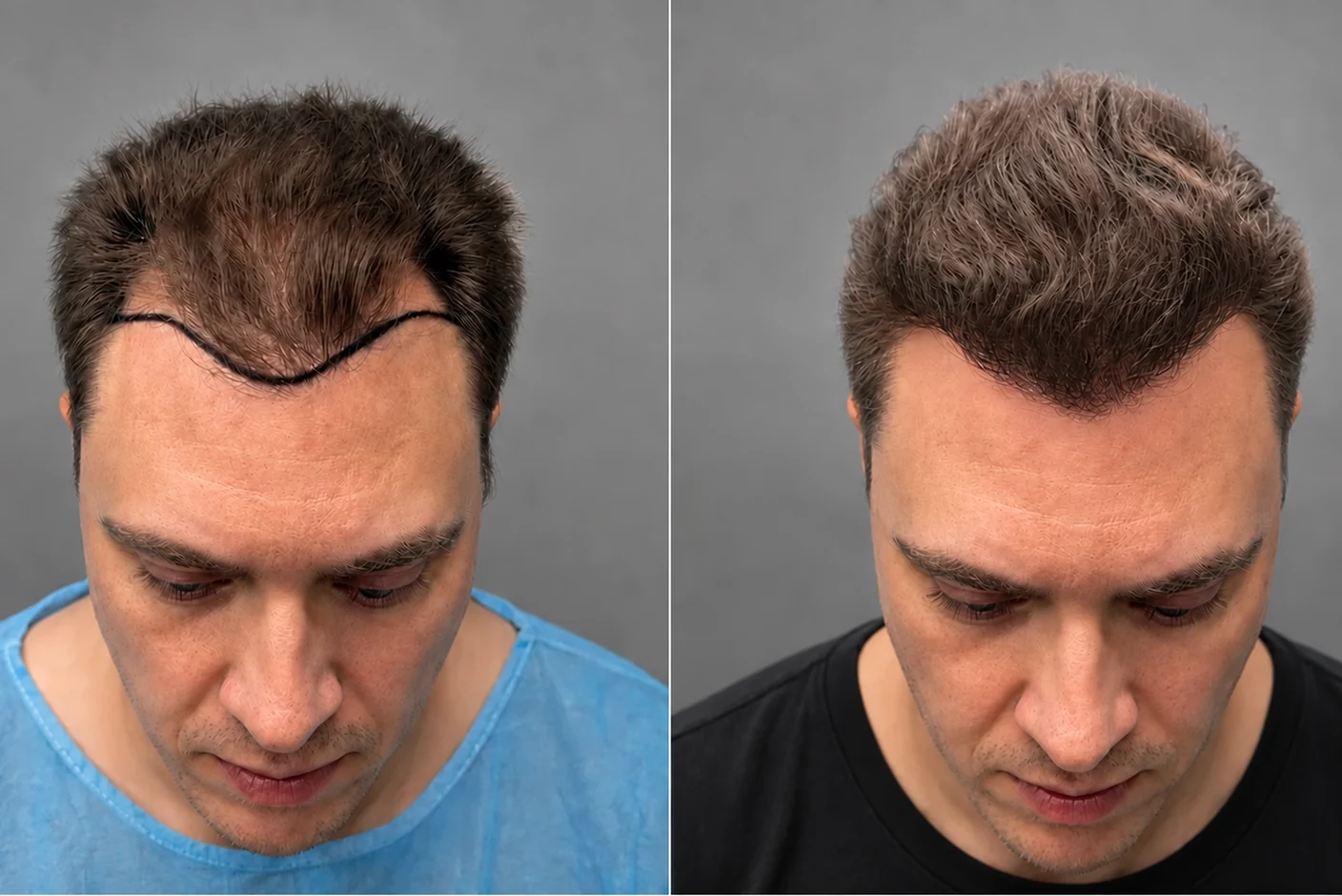
initial
12 months after
3,300 grafts
FUE method
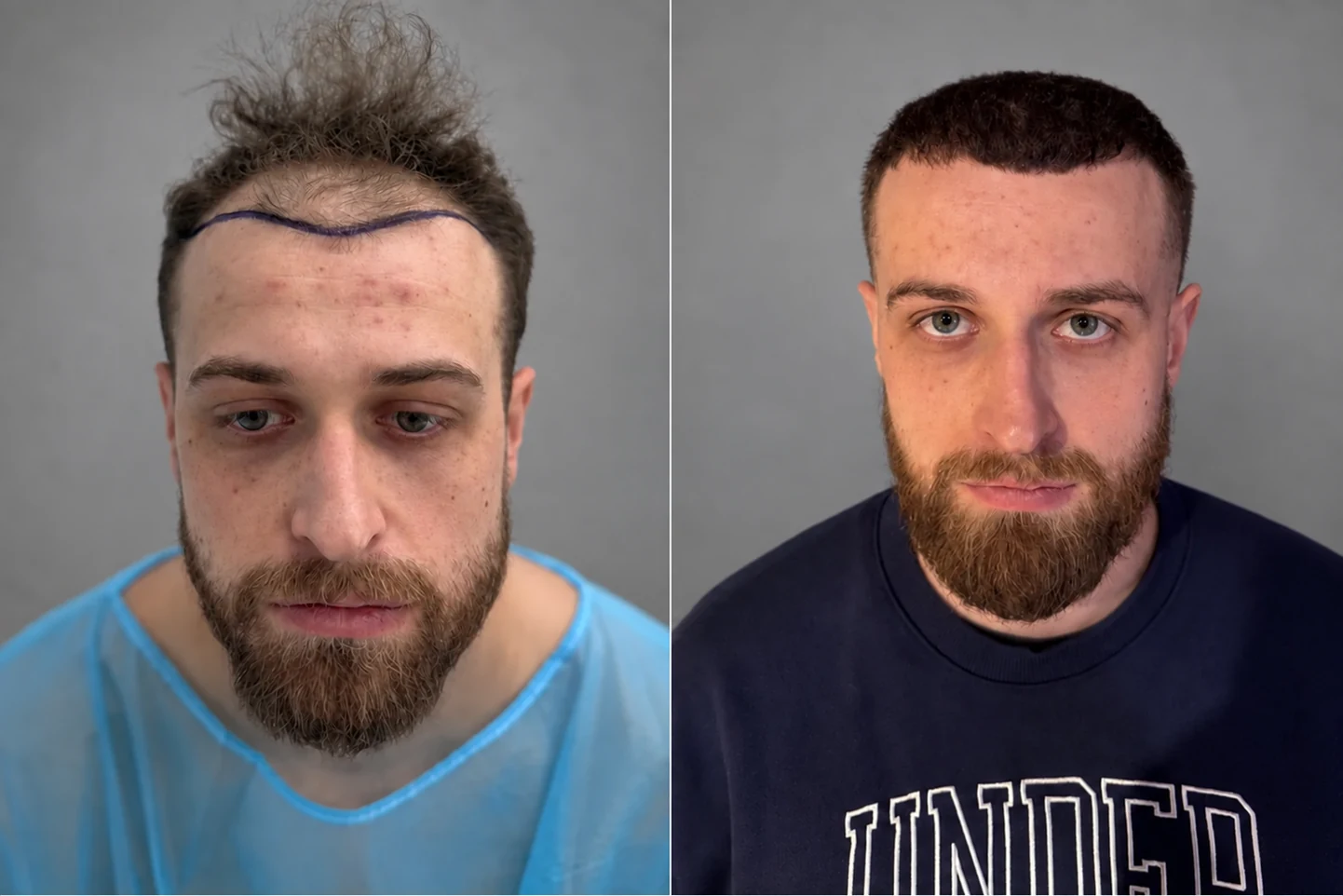
initial
12 months after
2,800 grafts
FUE method
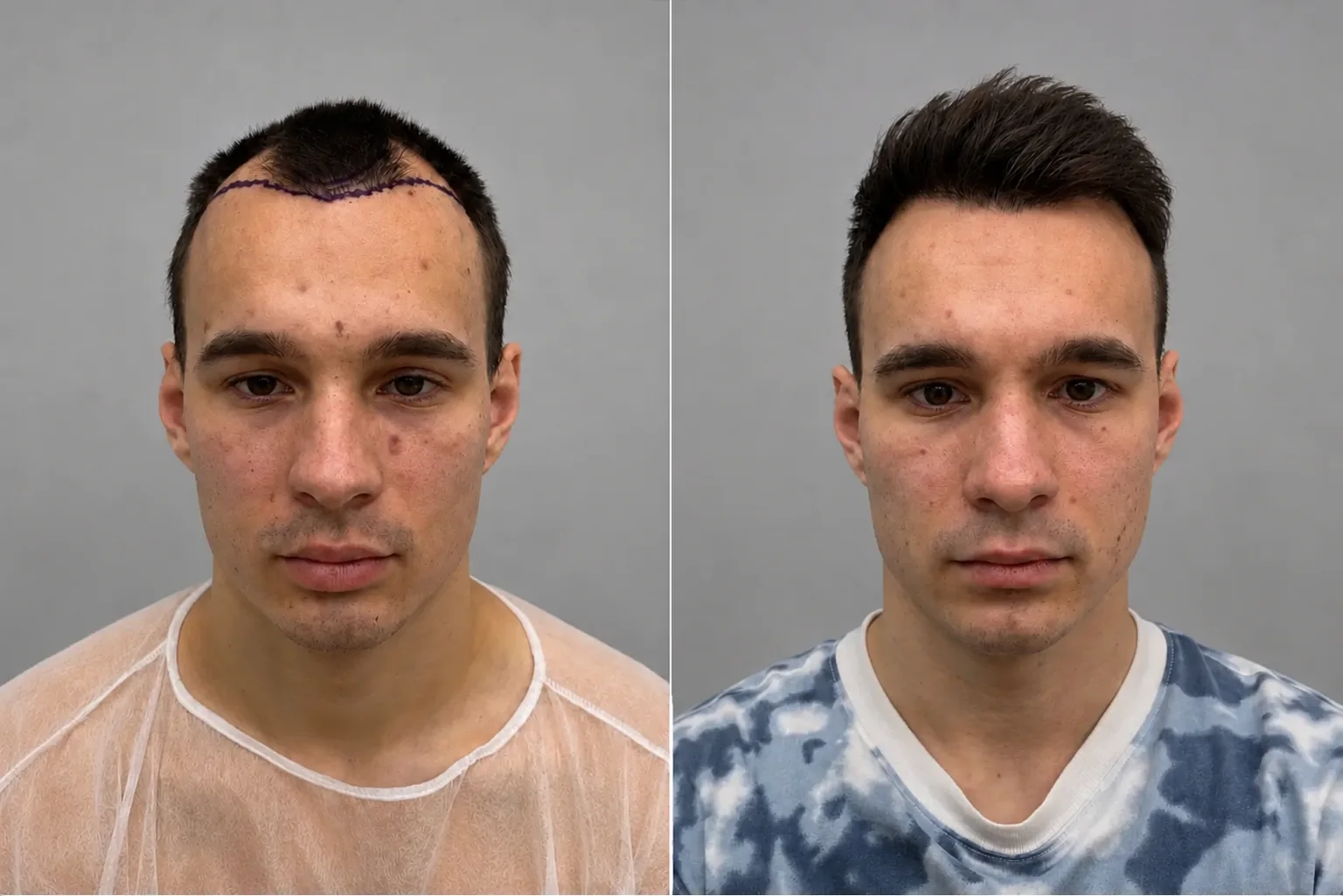
initial
12 months after
2,500 grafts
FUE method
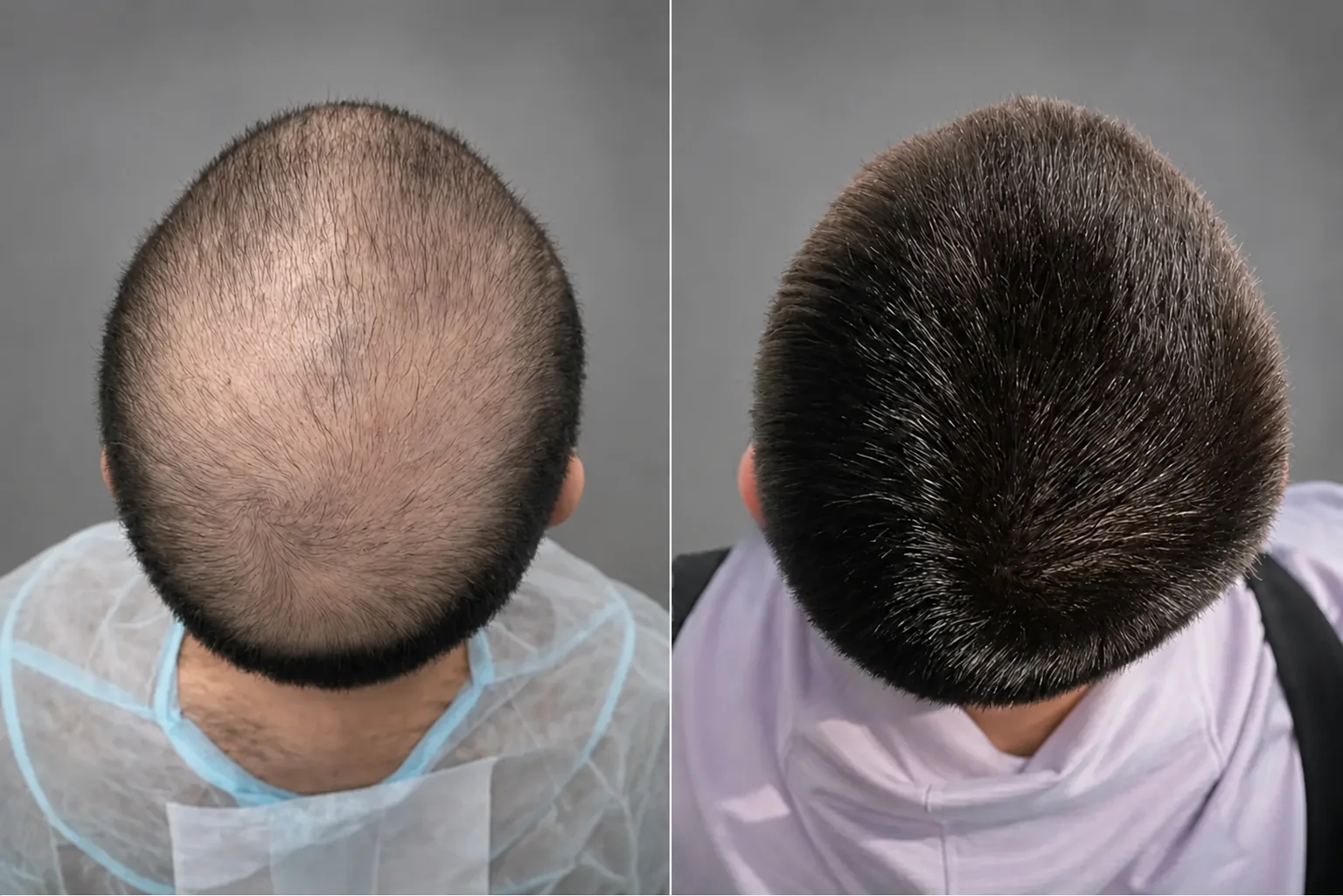
initial
12 months after
3,900 grafts
FUE method
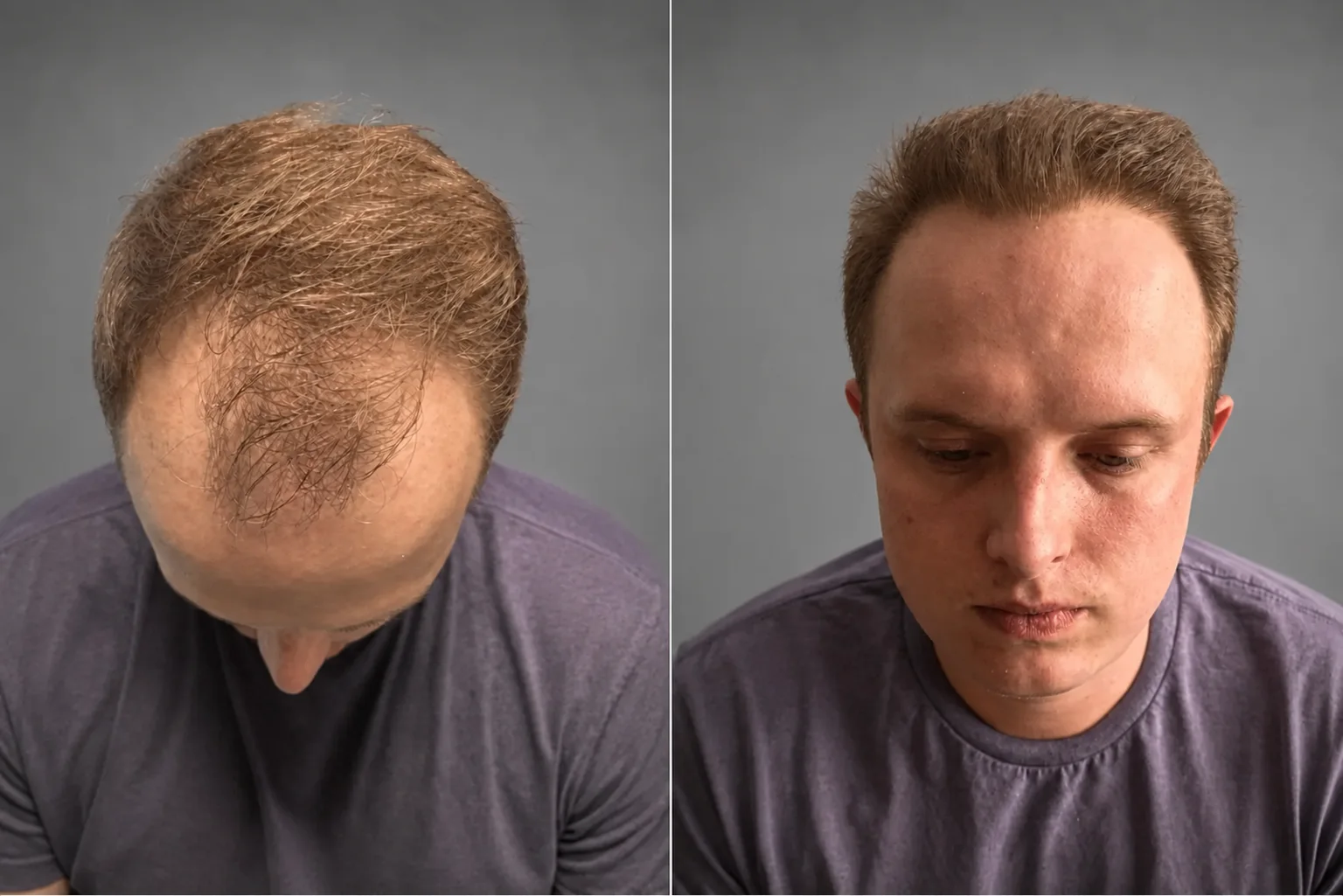
initial
12 months after
3,500 grafts
FUE method
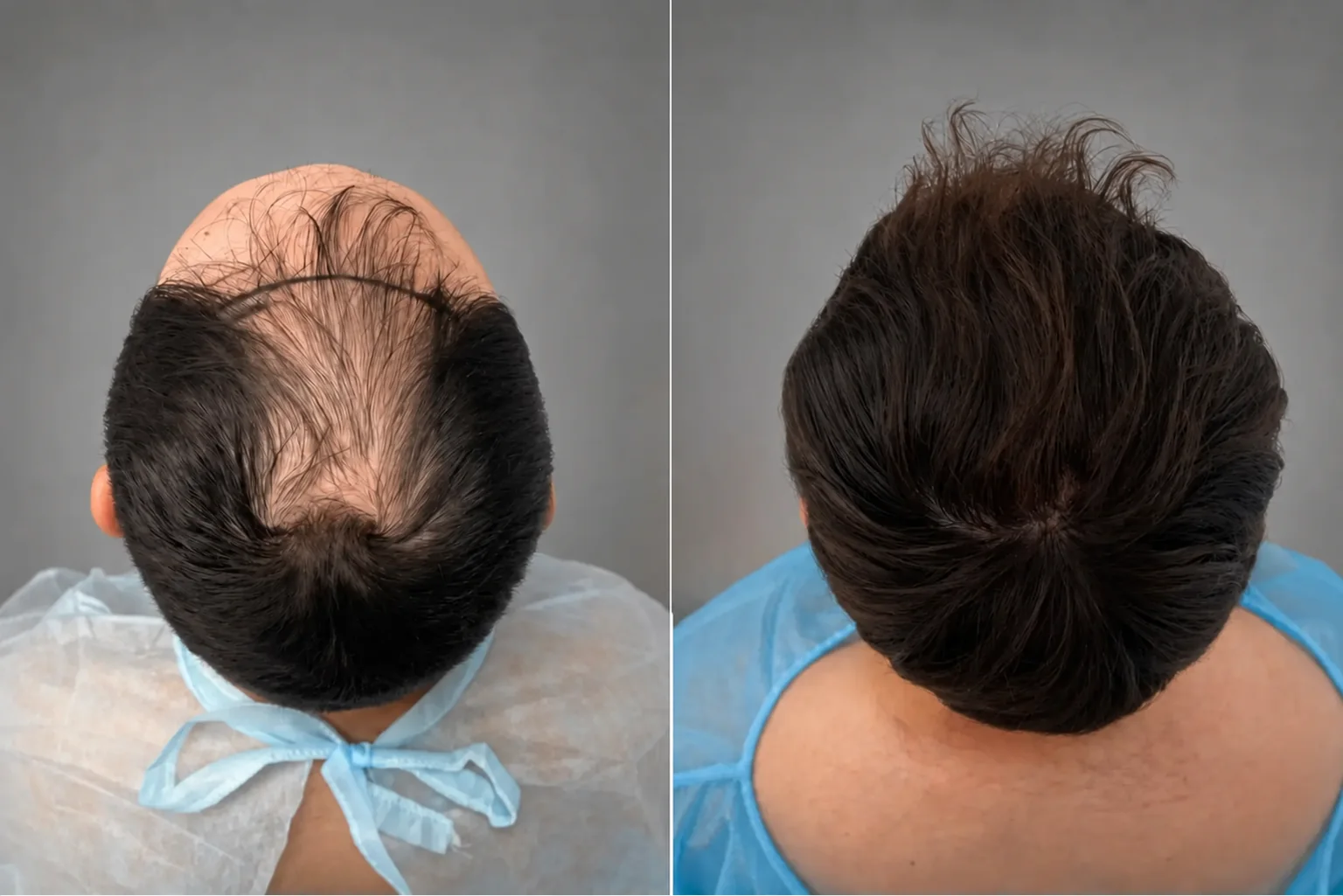
initial
12 months after
3,800 grafts
FUE method
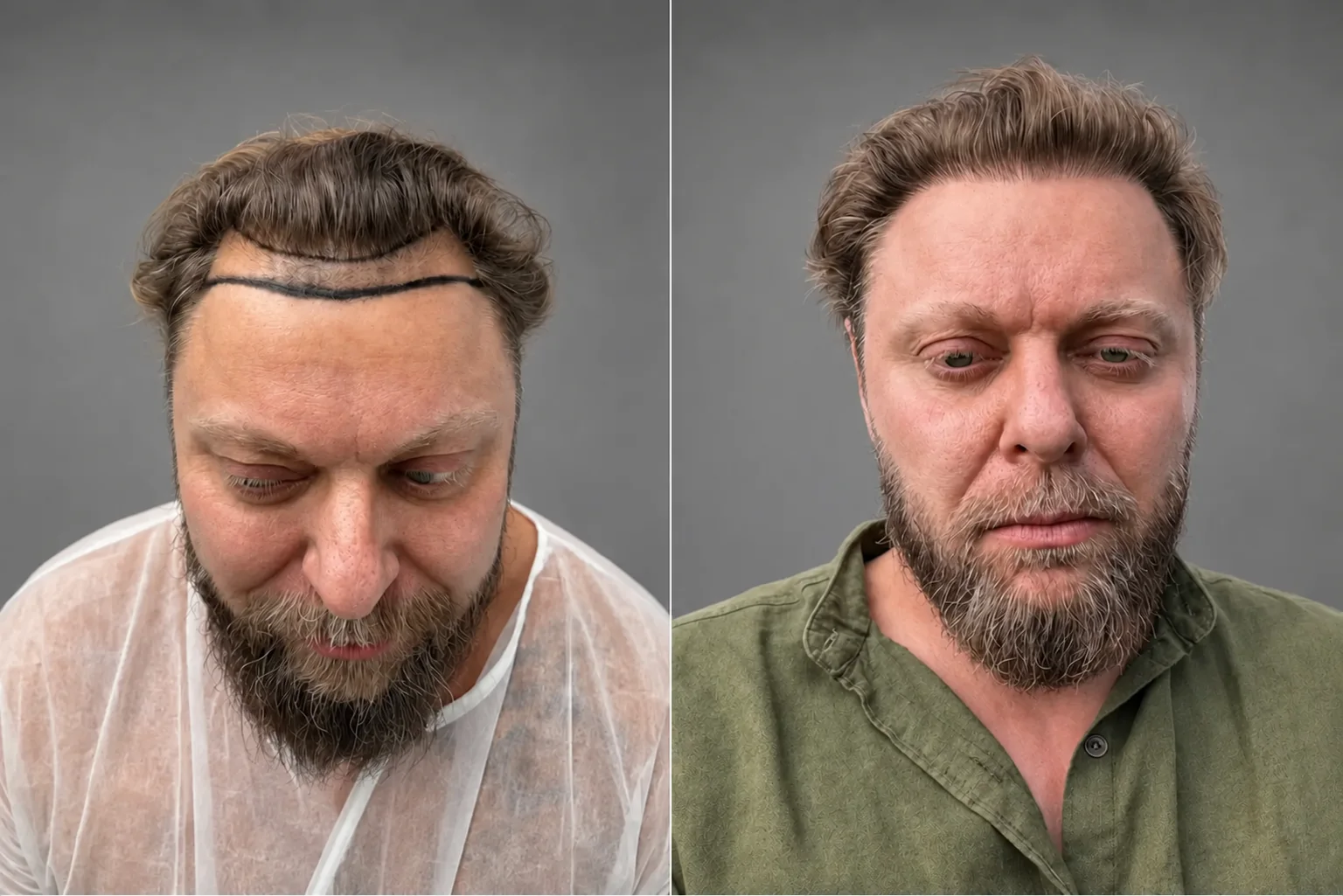
initial
12 months after
2,900 grafts
FUE method
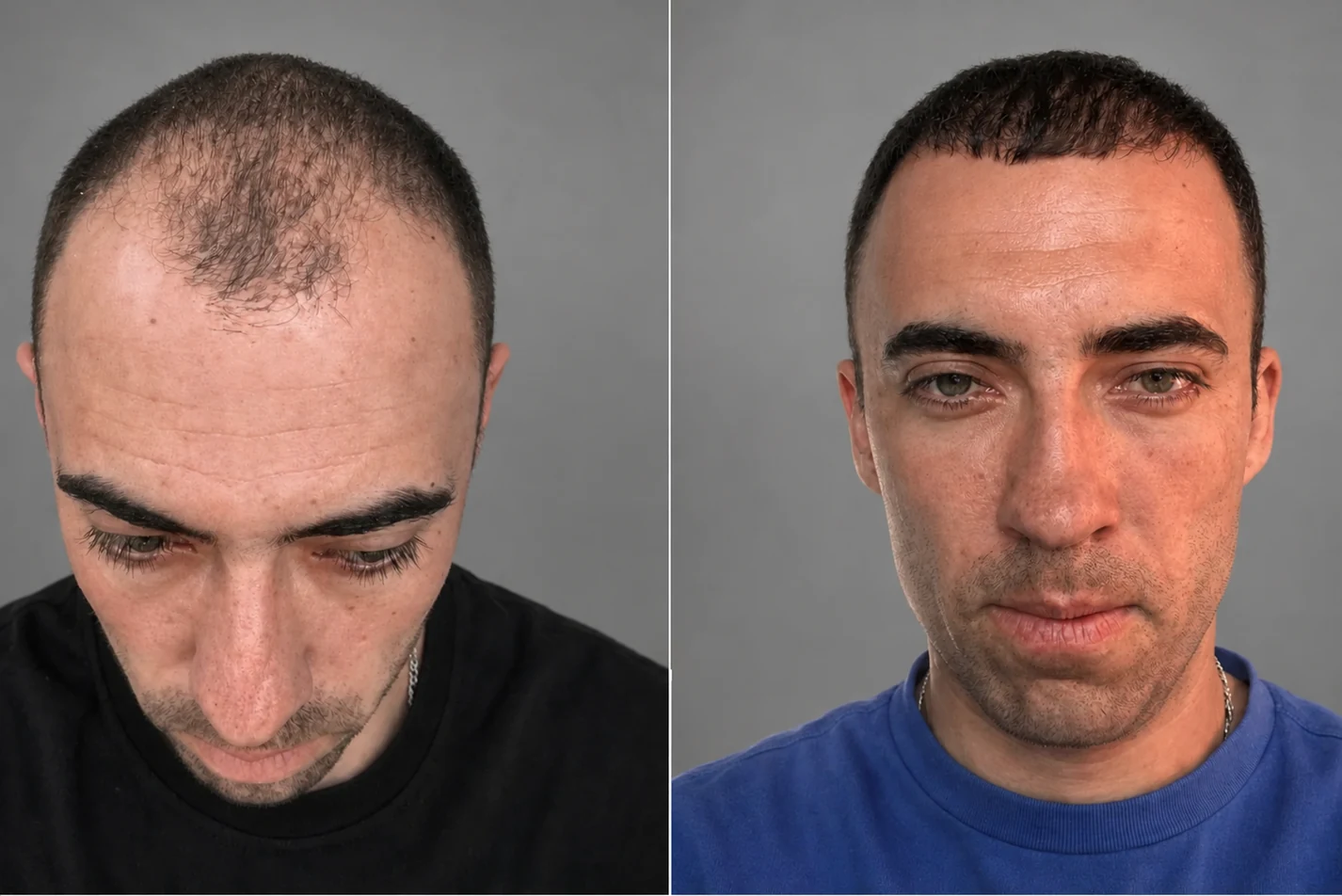
initial
12 months after
3,600 grafts
FUE method
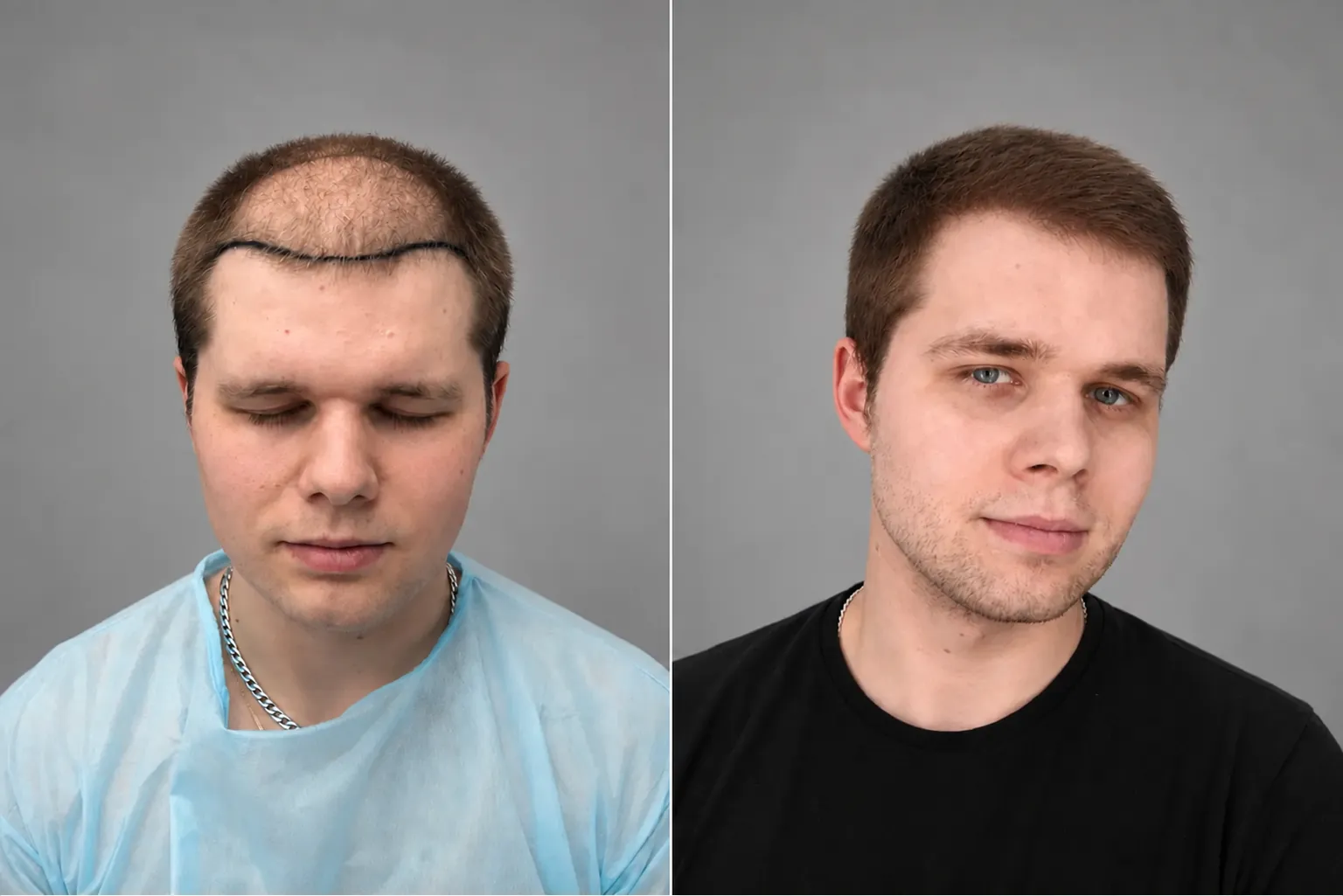
initial
12 months after
2,600 grafts
FUE method
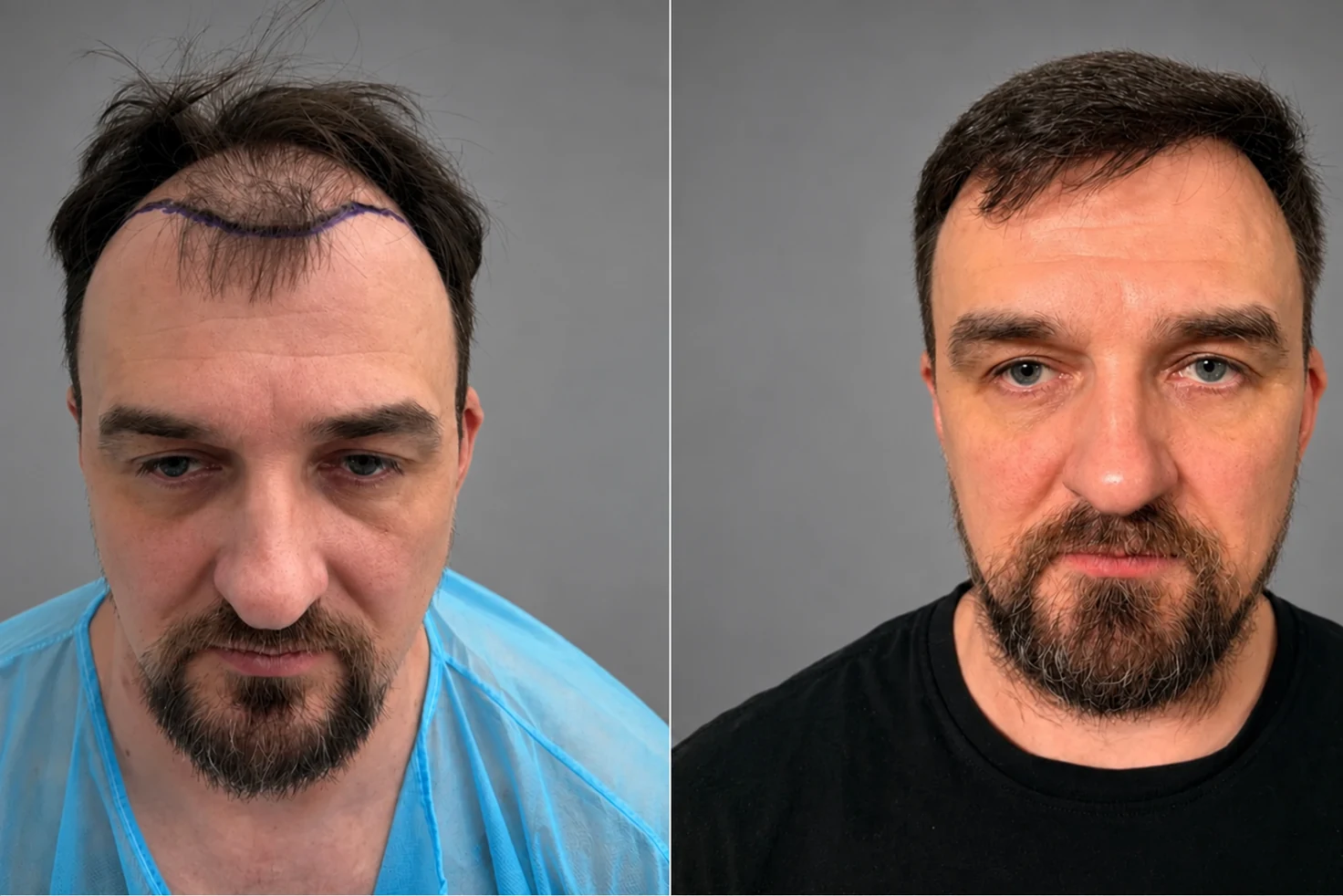
initial
12 months after
2,700 grafts
FUE method
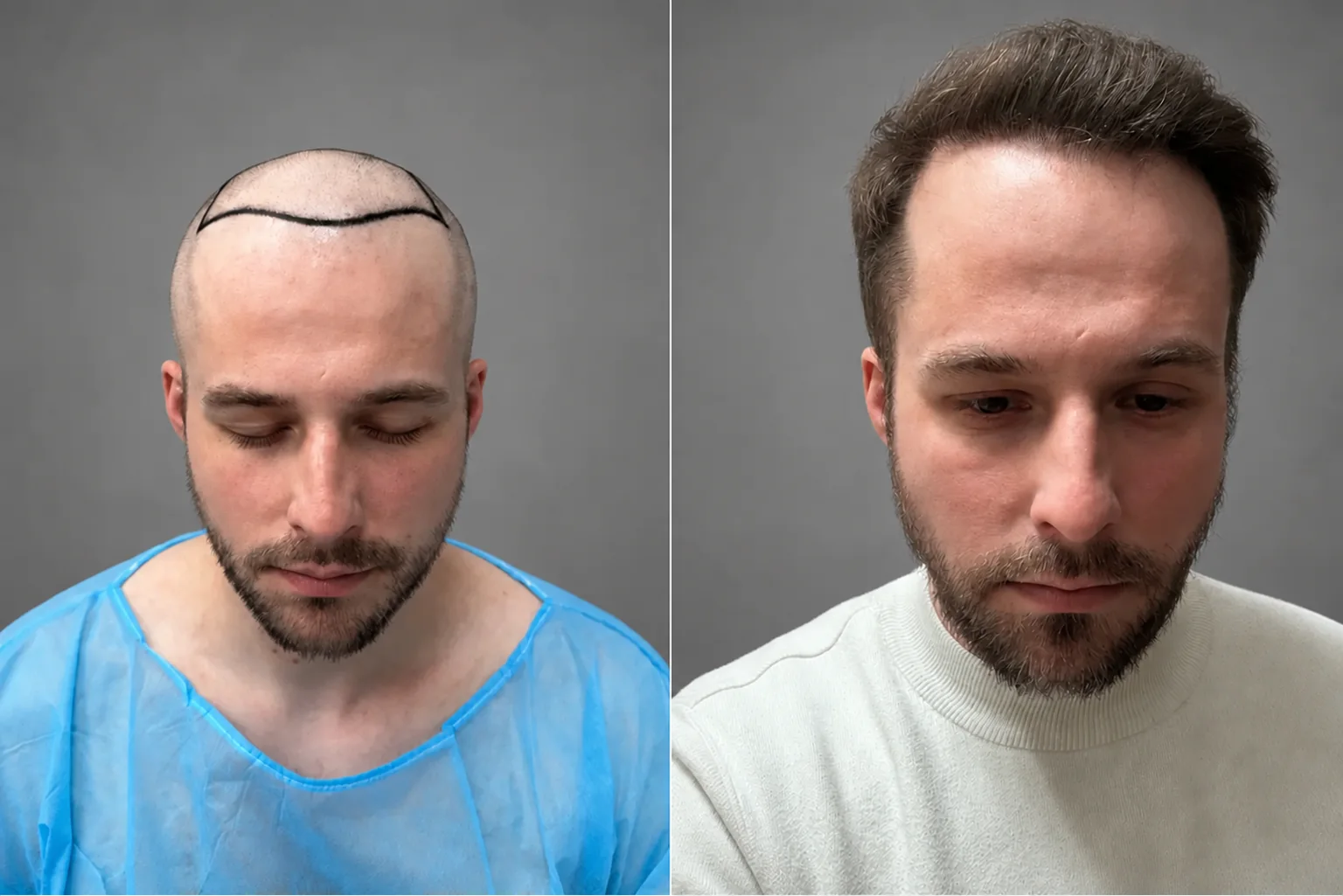
initial
12 months after
3,700 grafts
FUE method
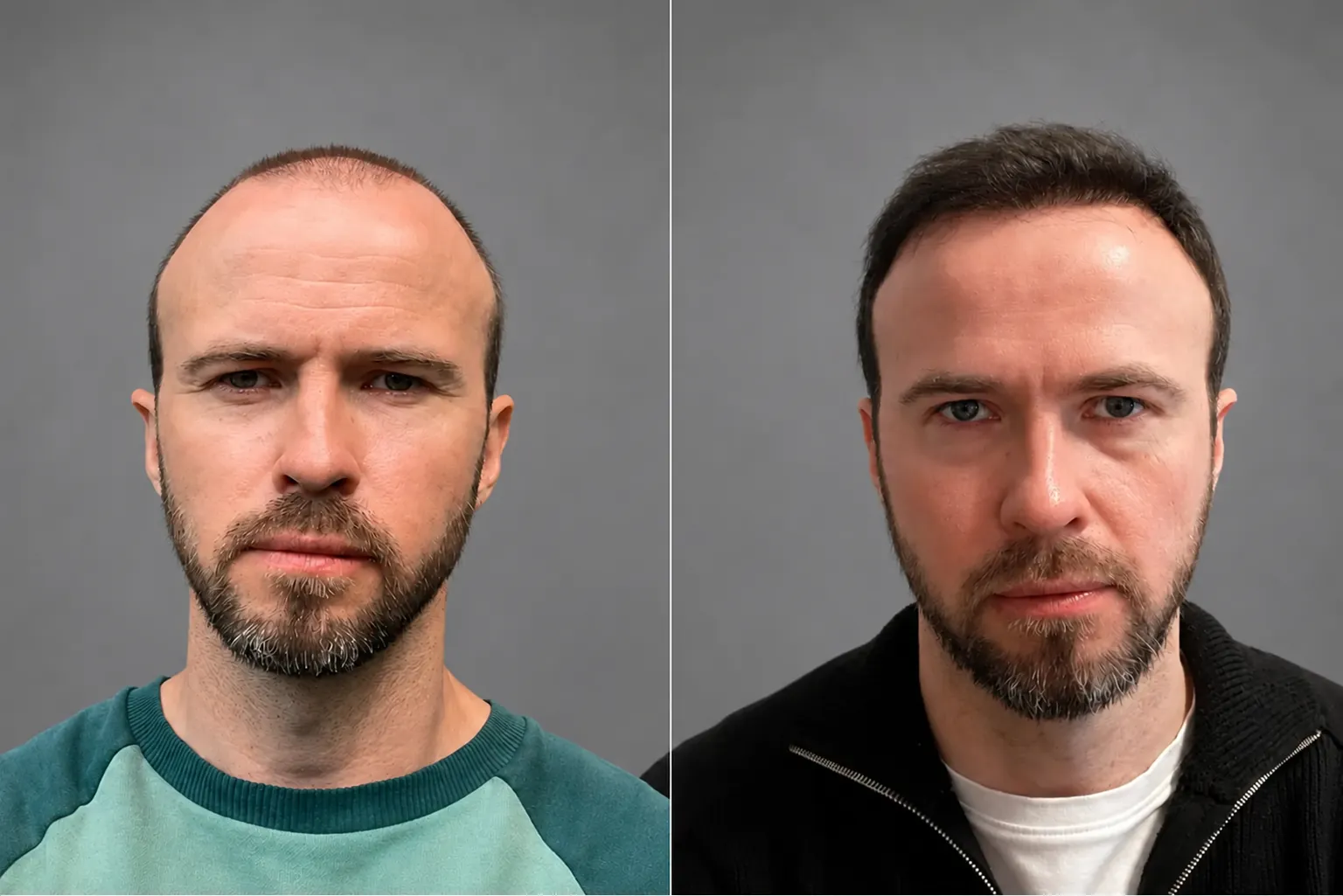
initial
12 months after
3,200 grafts
FUE method
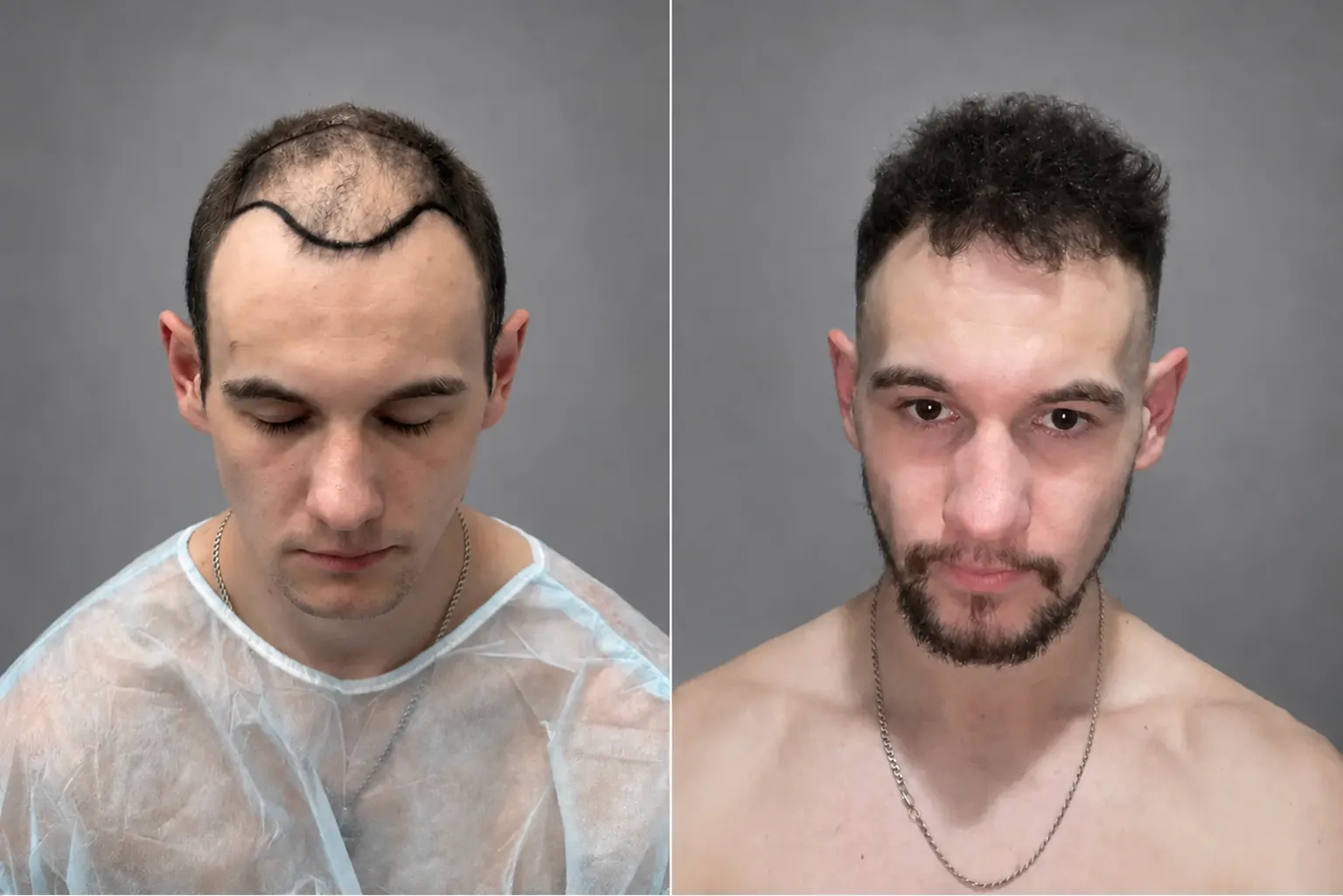
initial
12 months after
3,000 grafts
FUE method
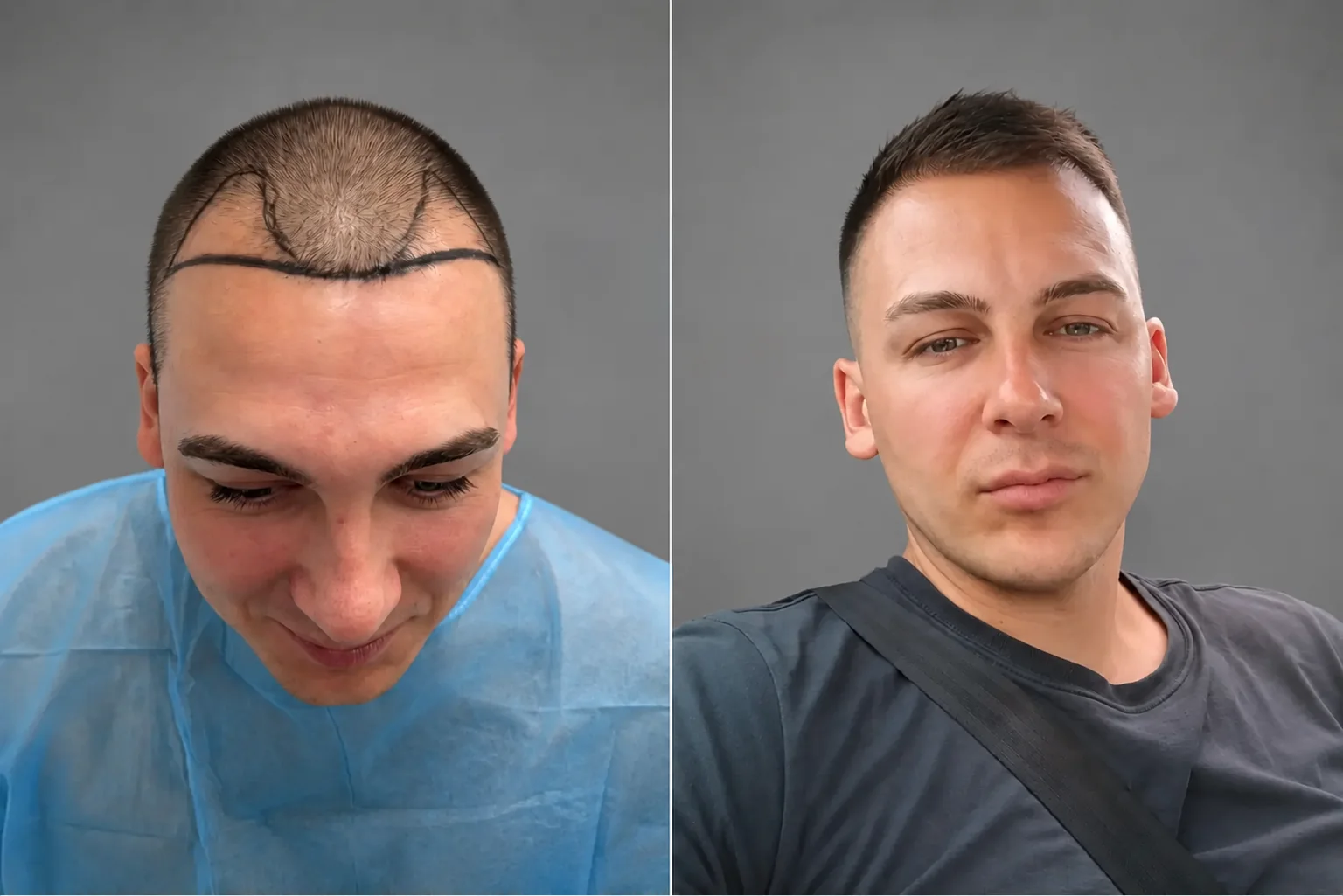
initial
12 months after
2,800 grafts
FUE method
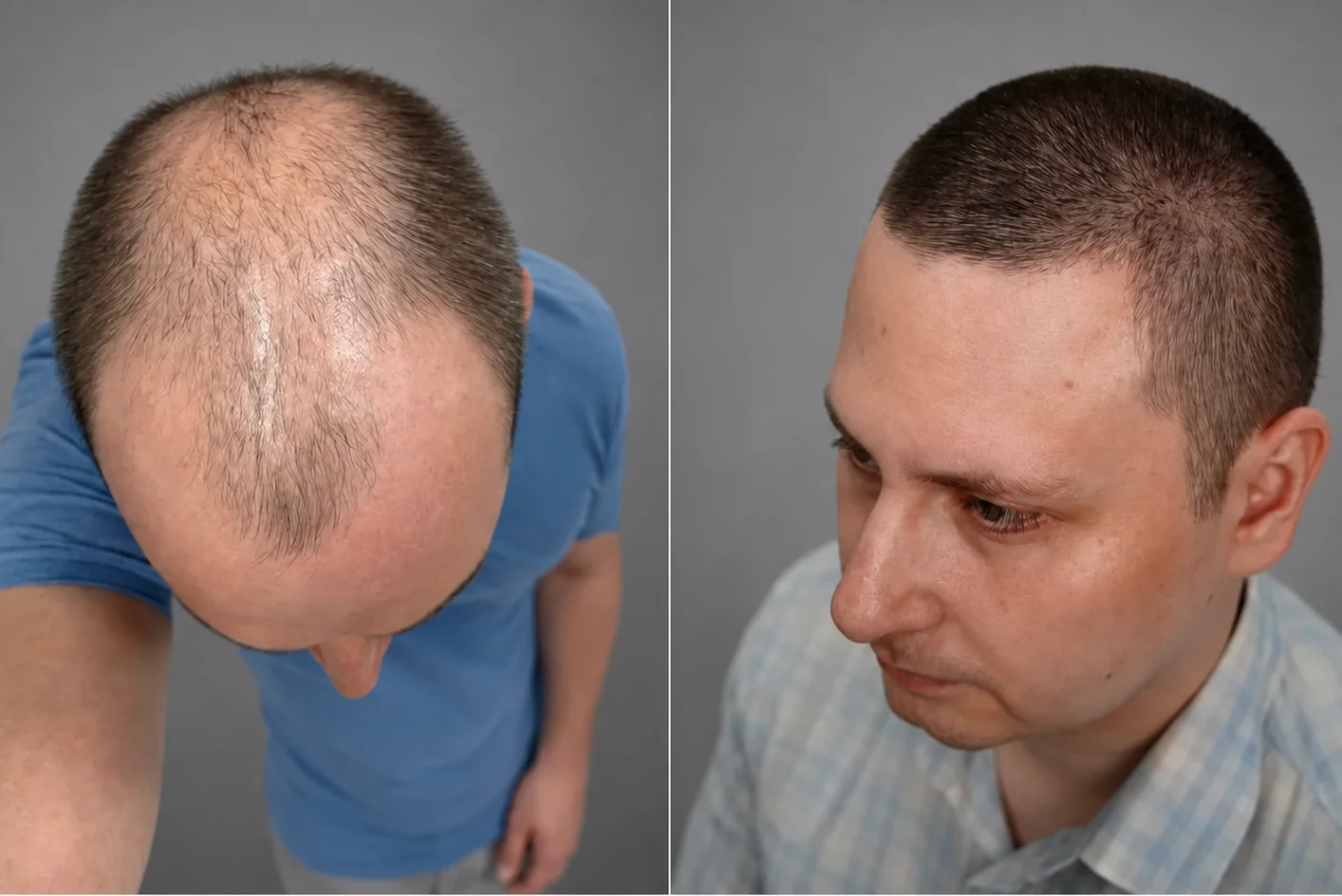
initial
12 months after
4,000 grafts
FUE method
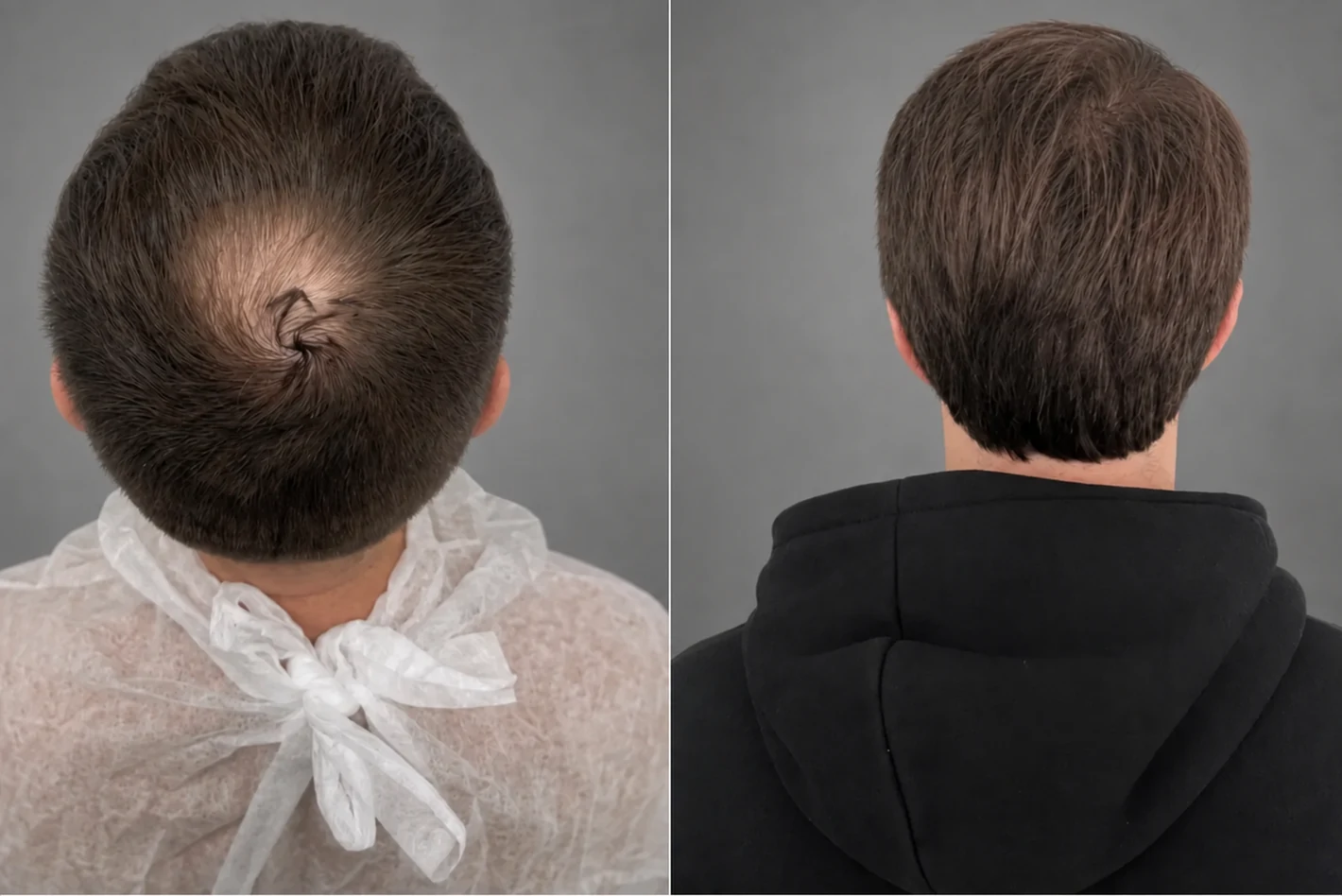
initial
12 months after
3,400 grafts
FUE method
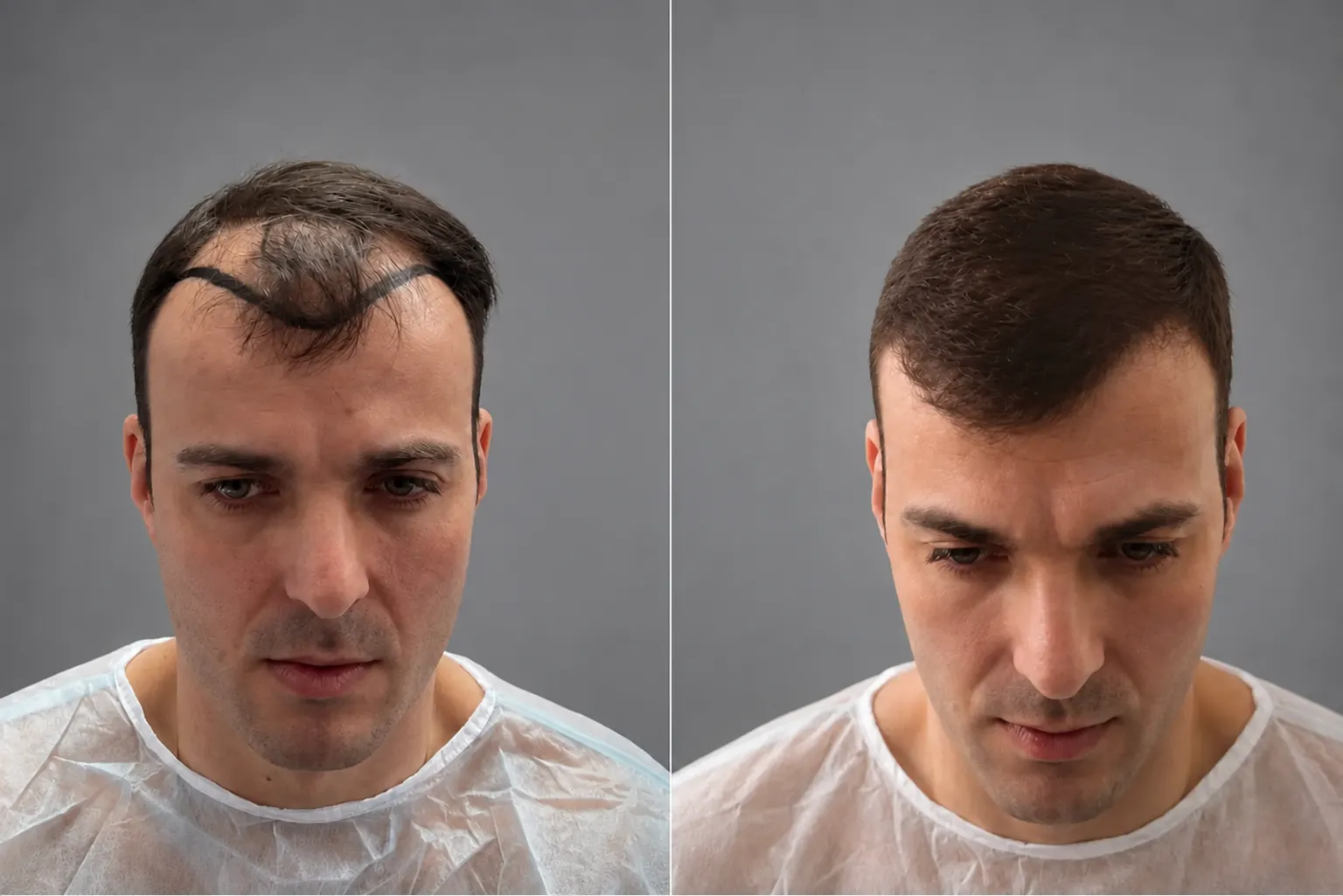
initial
12 months after
2,900 grafts
FUE method
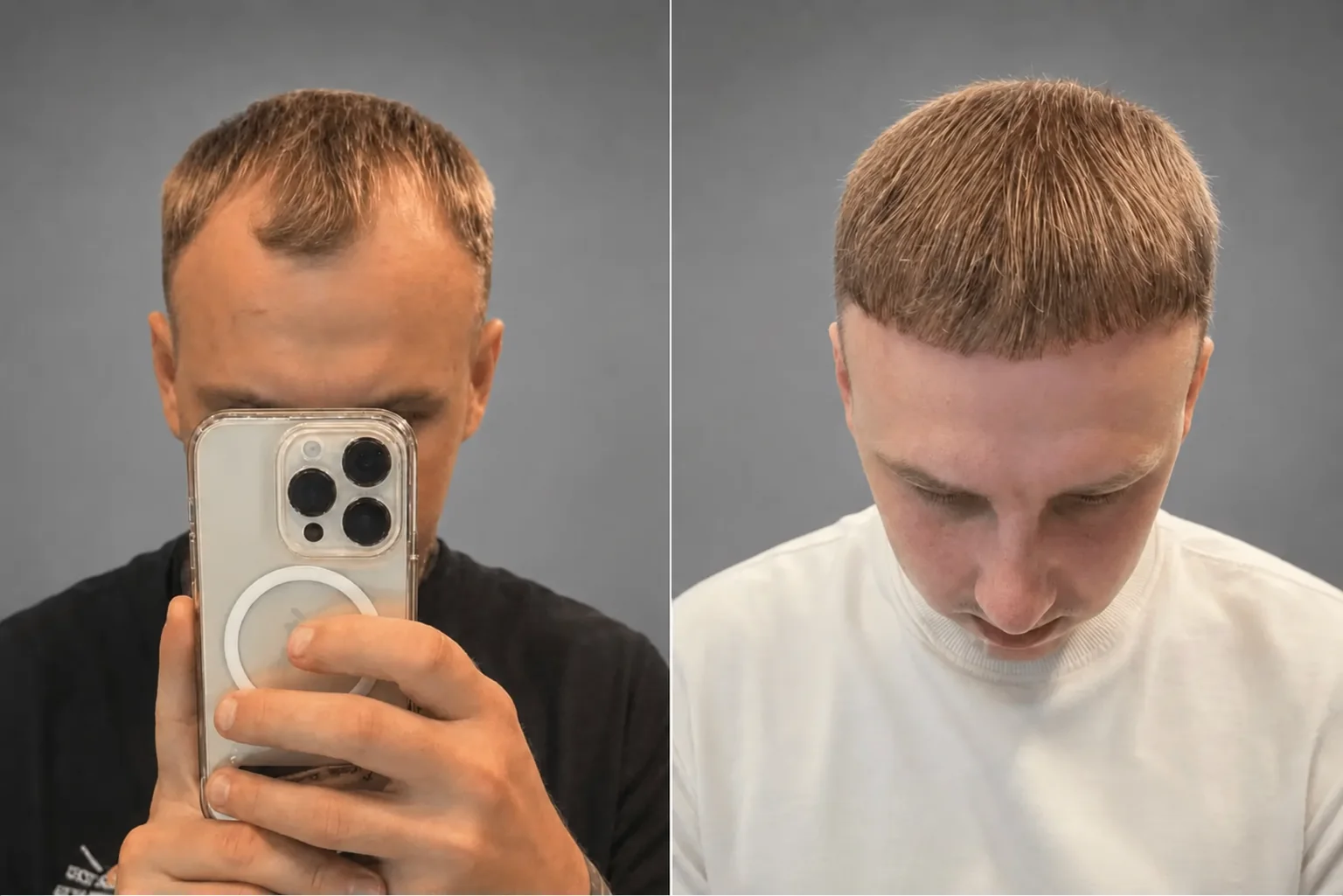
initial
12 months after
3,100 grafts
FUE method
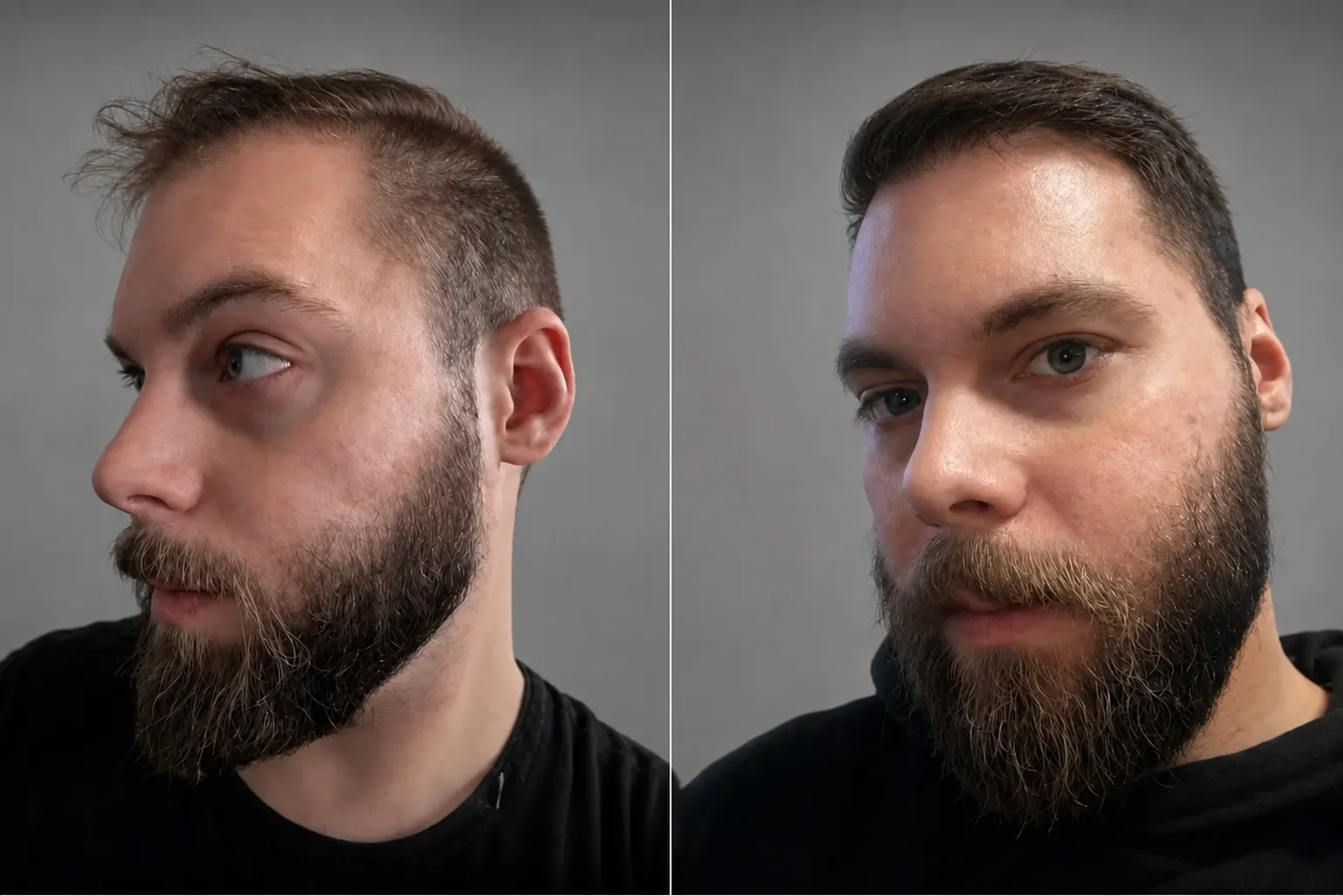
initial
12 months after
2,600 grafts
FUE method
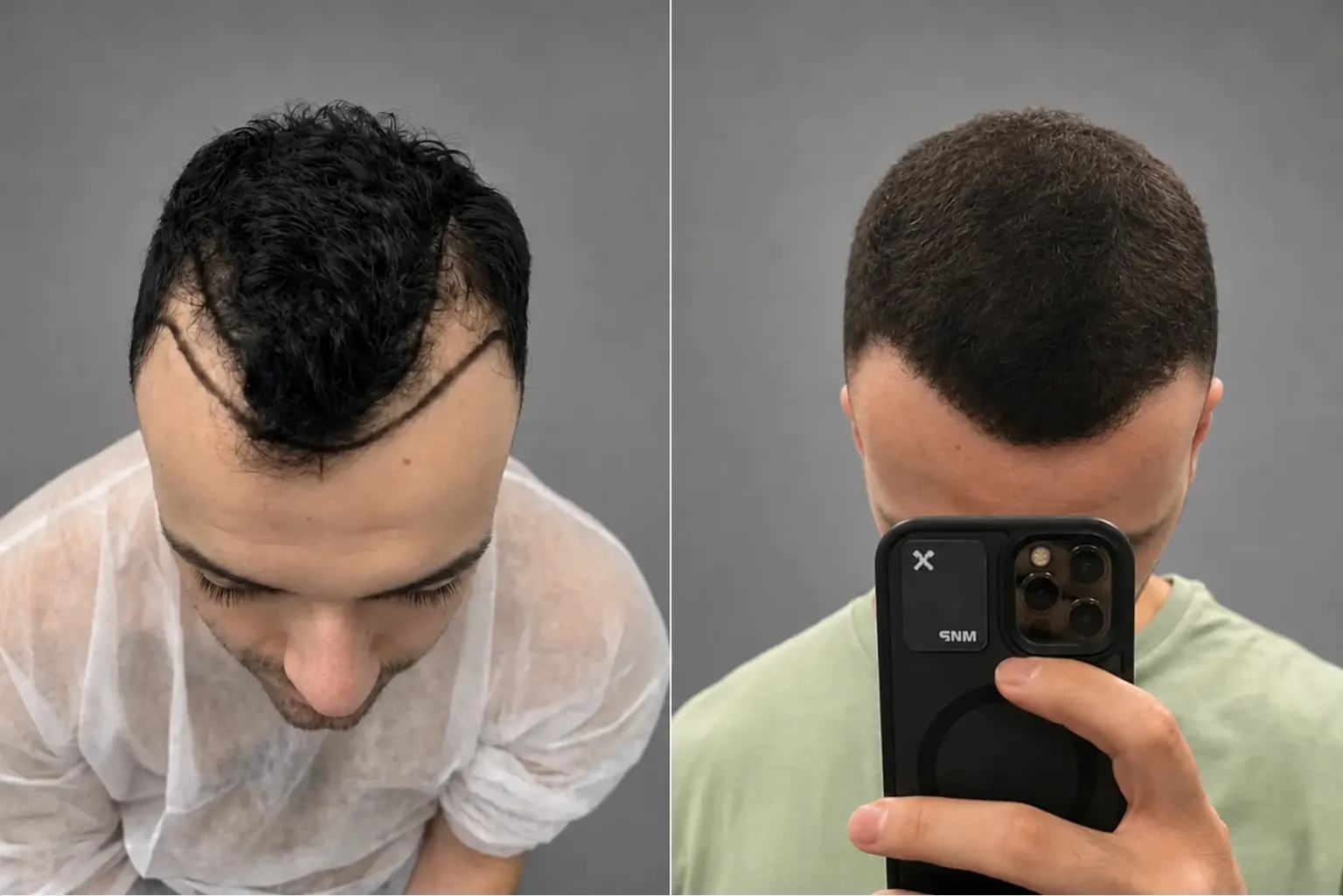
initial
12 months after
3,300 grafts
FUE method
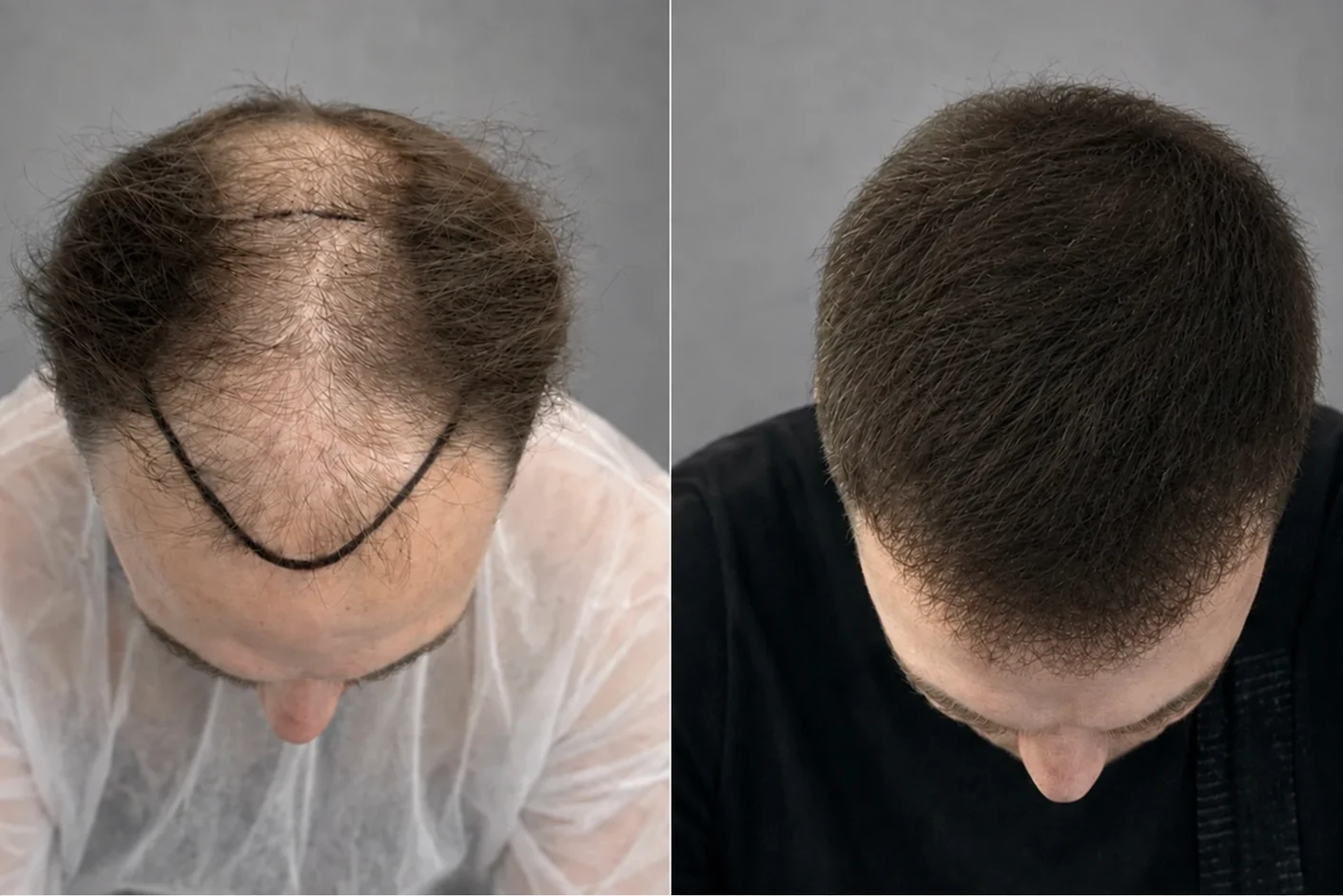
initial
12 months after
3,900 grafts
FUE method
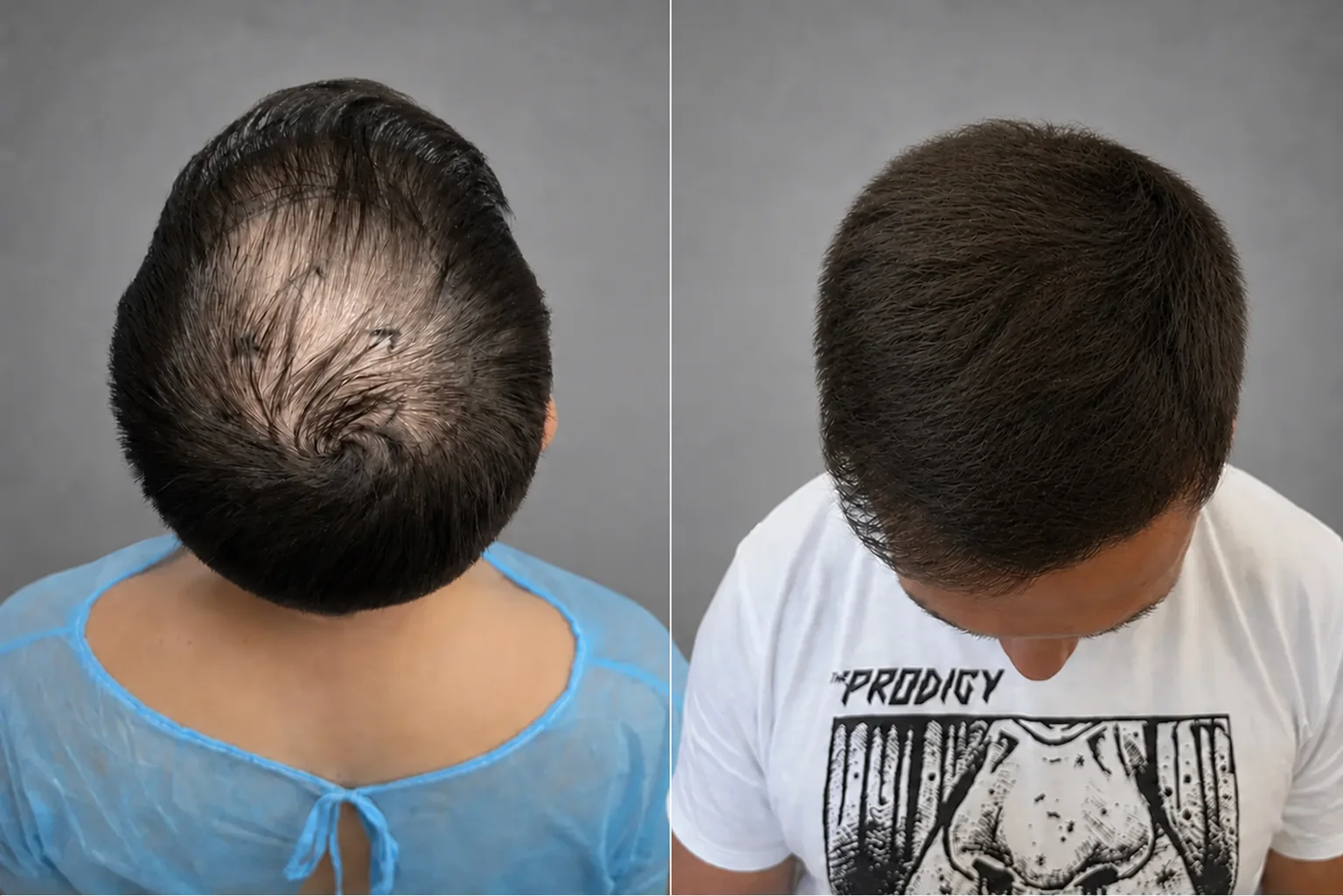
initial
12 months after
3,500 grafts
FUE method
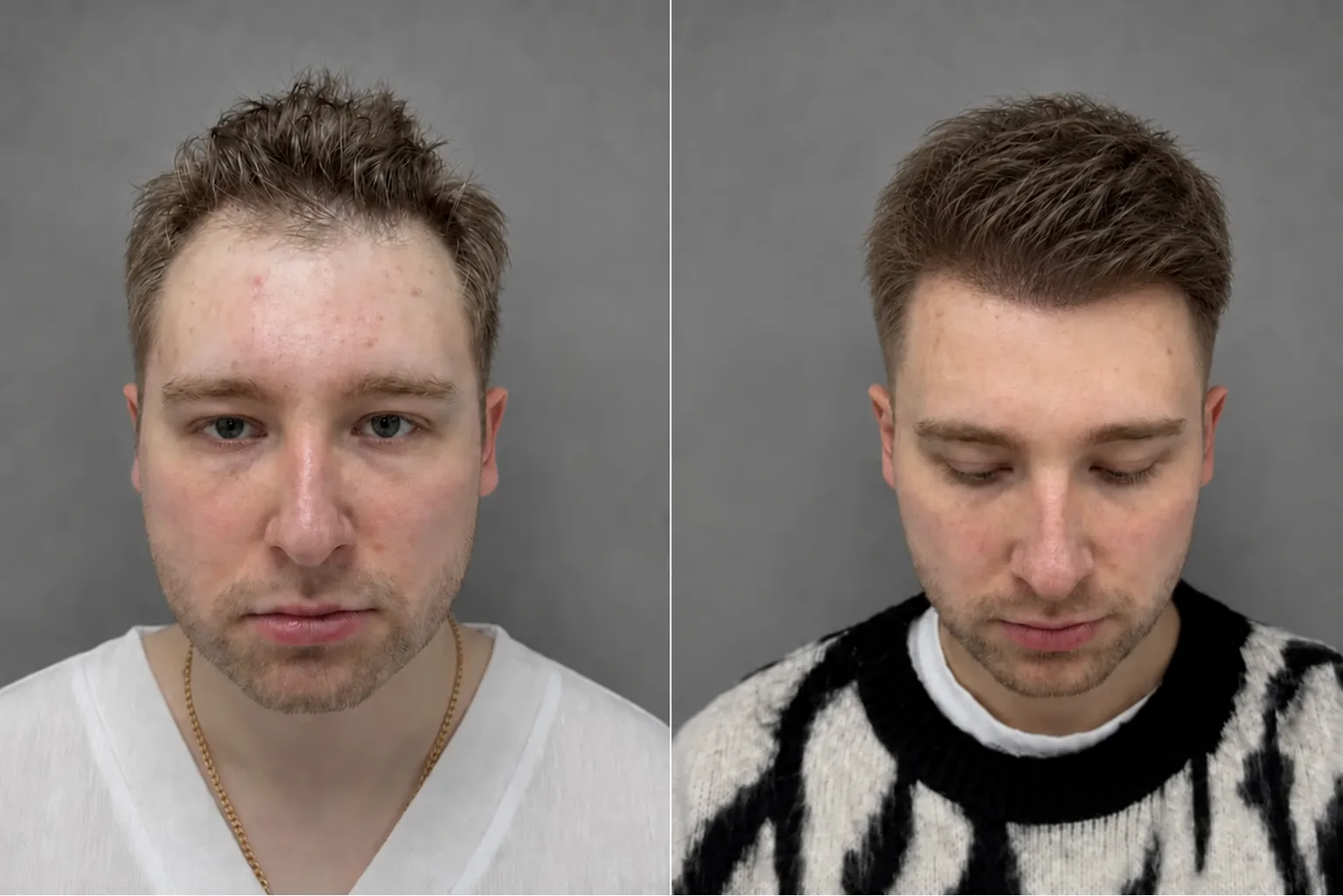
initial
12 months after
2,700 grafts
FUE method
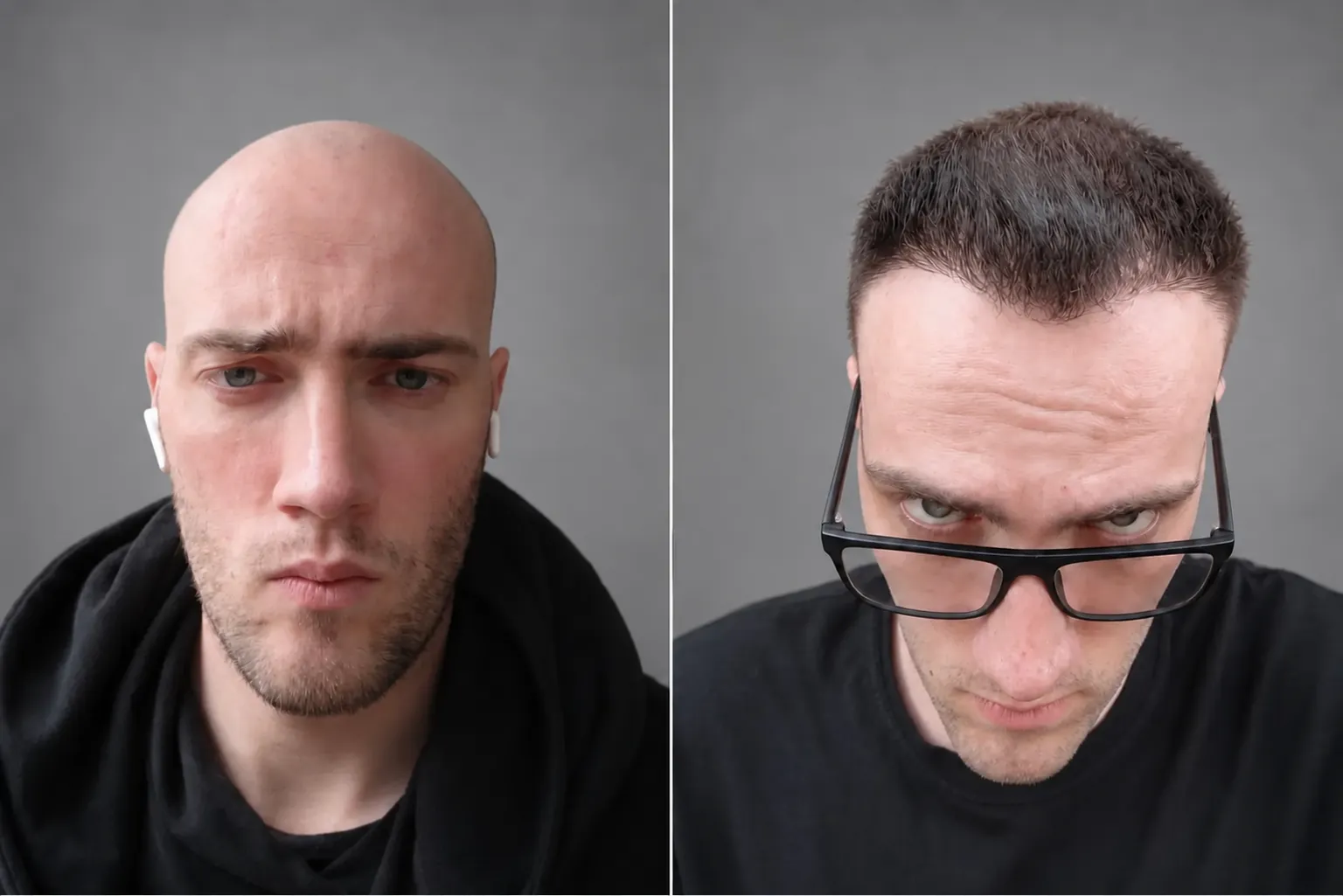
initial
12 months after
3,800 grafts
FUE method
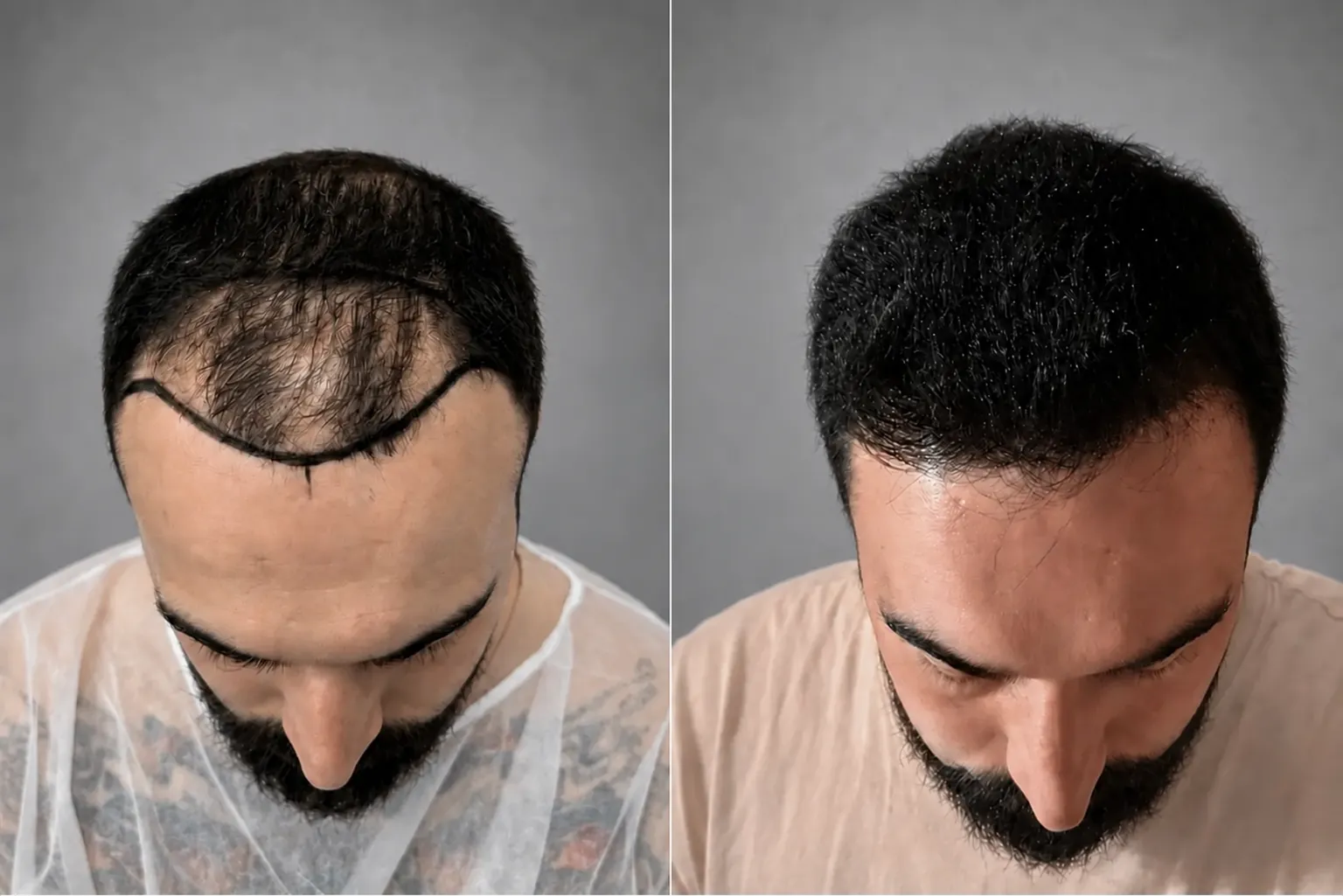
initial
12 months after
3,200 grafts
FUE method
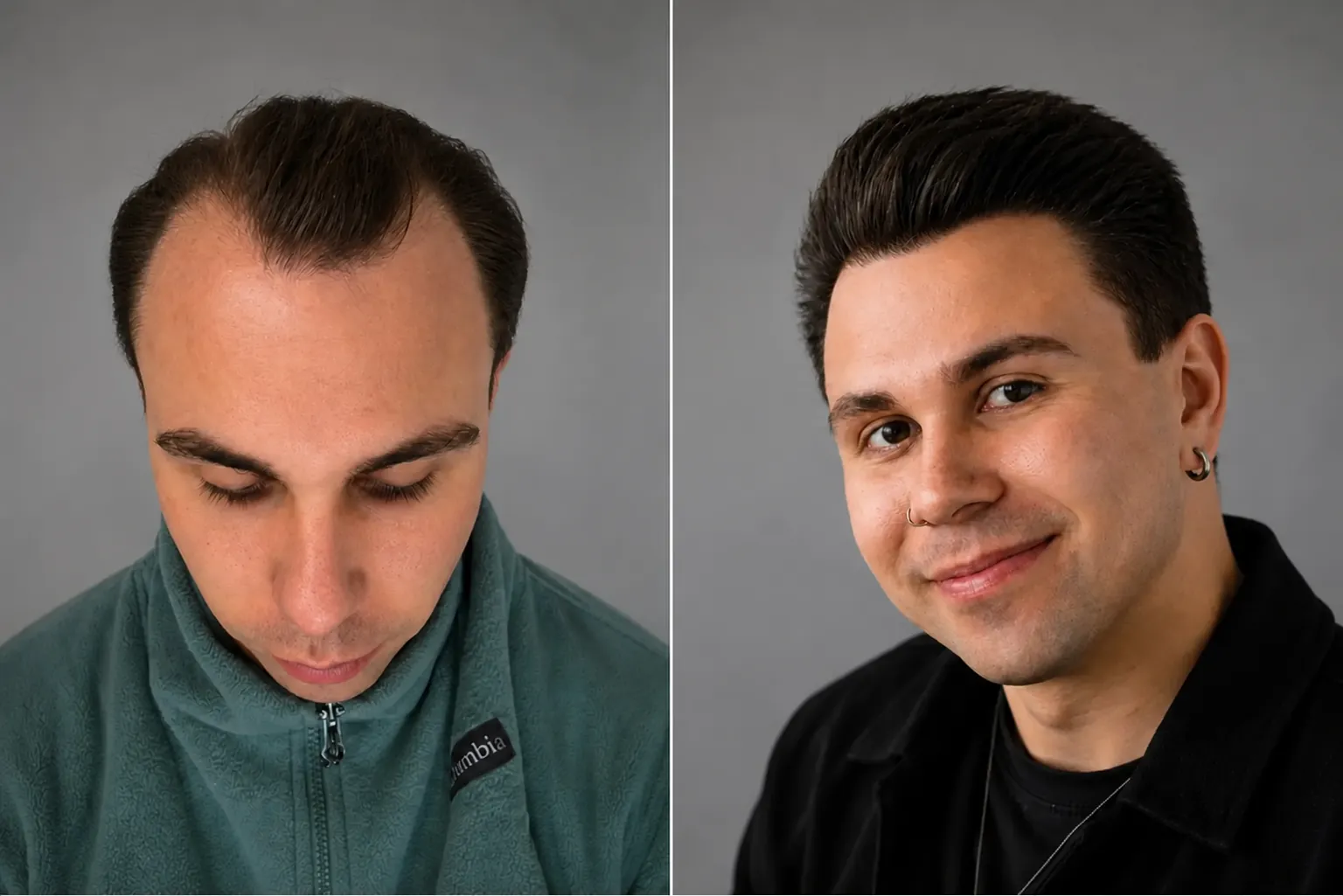
initial
12 months after
3,000 grafts
FUE method
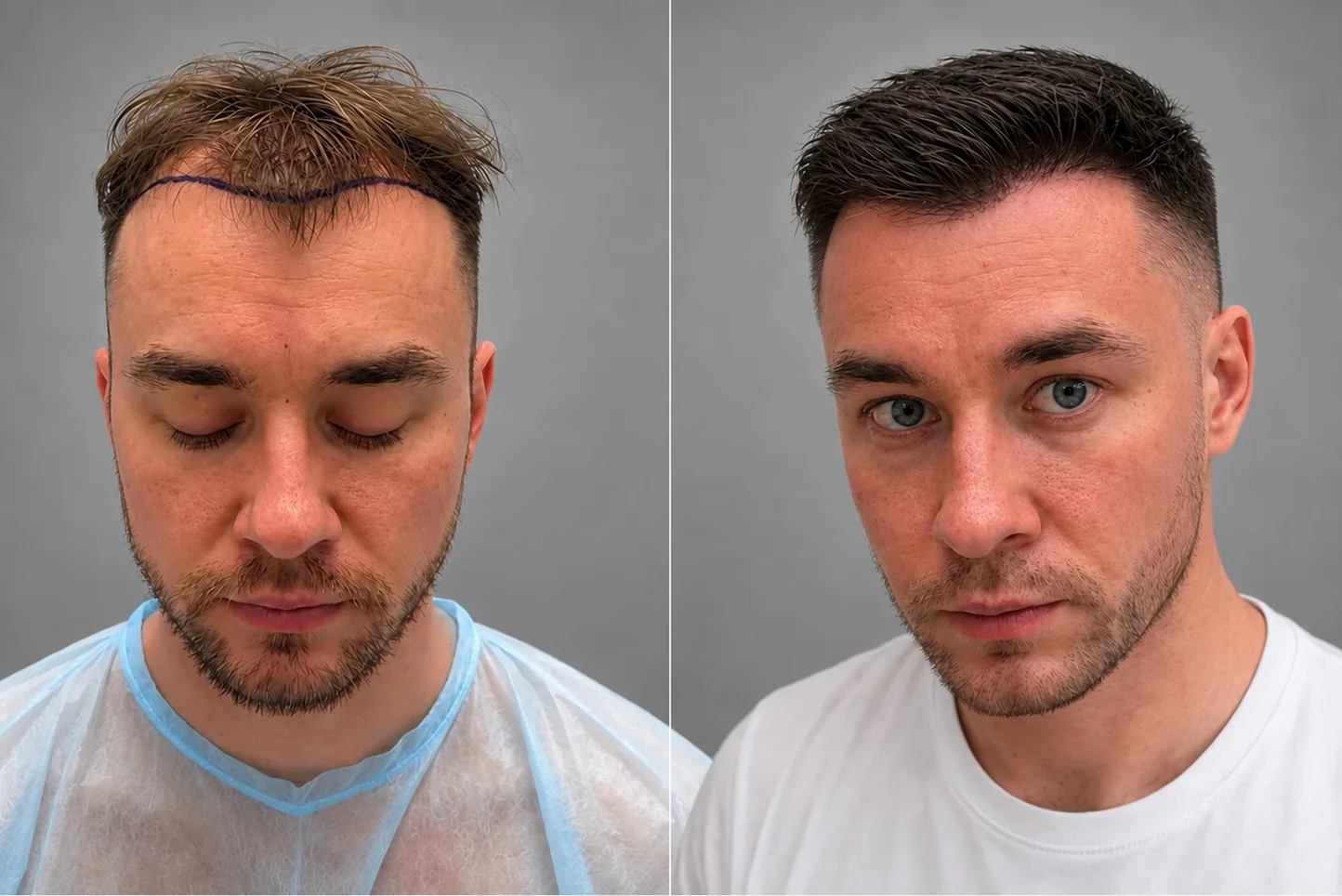
initial
12 months after
2,800 grafts
FUE method
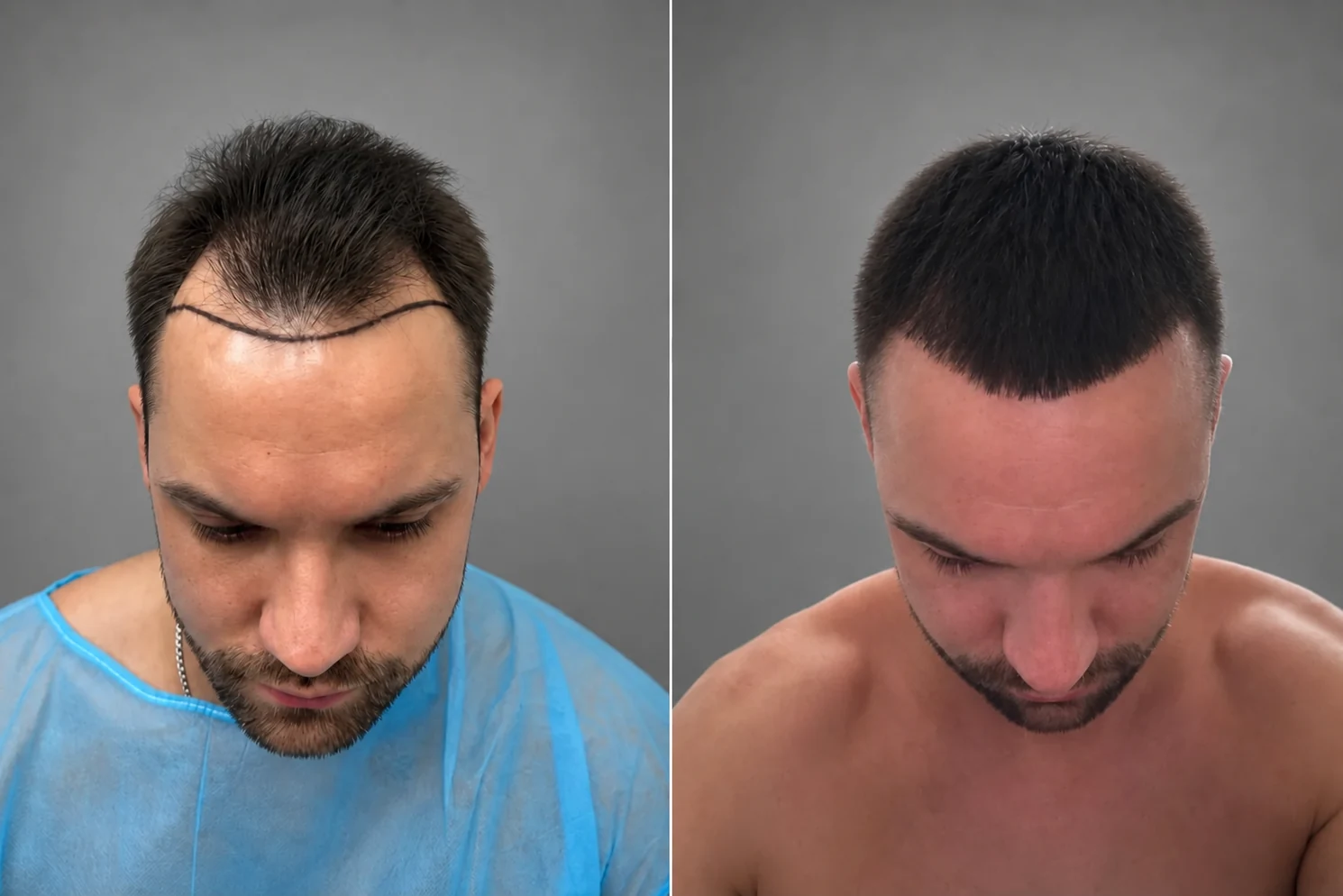
initial
12 months after
3,100 grafts
FUE method
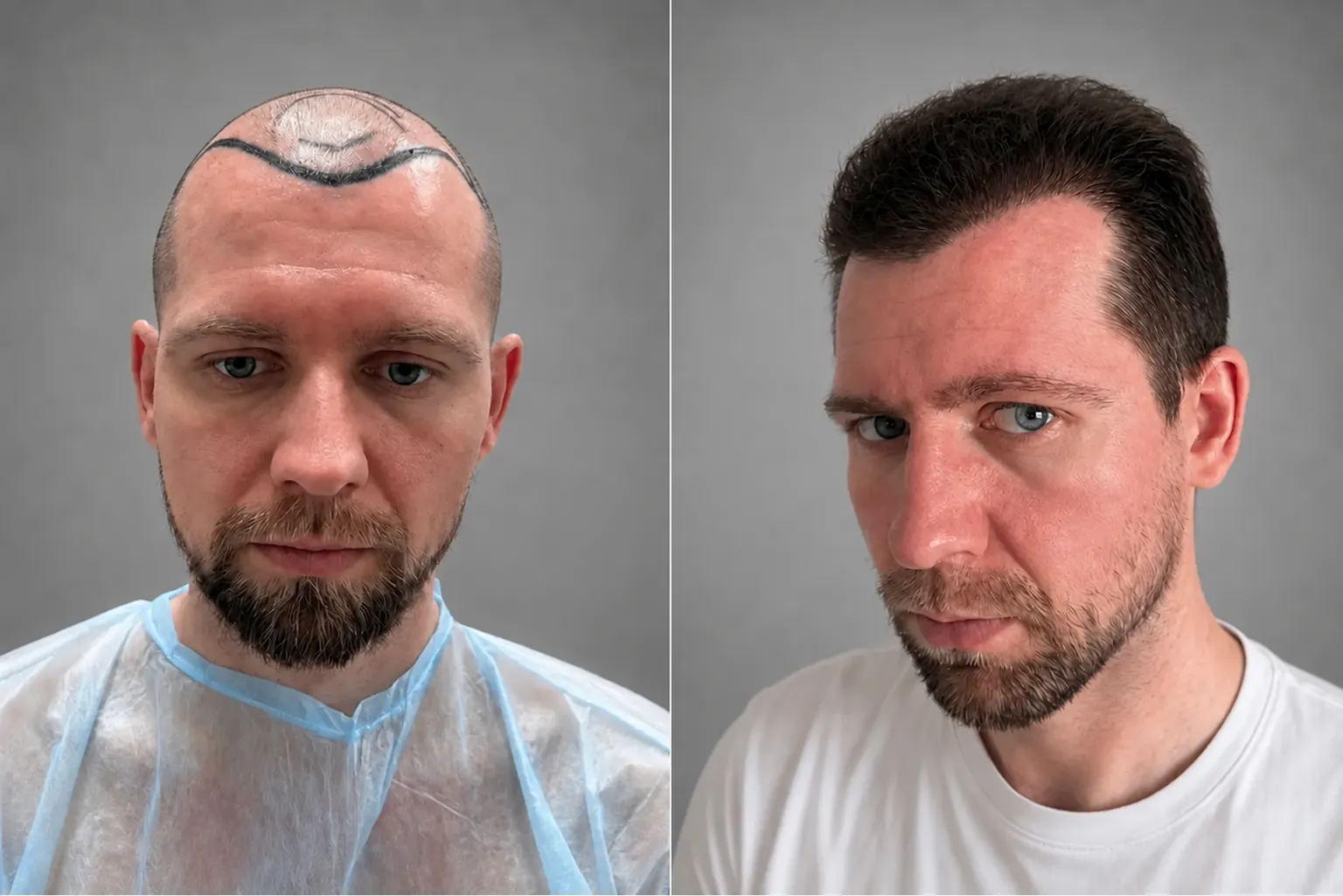
initial
12 months after
3,600 grafts
FUE method
Comparison
Graft transfer here comes in three technologies: classic FUE, suture-free DHI and a combined protocol. Compare them on implantation technique, tissue trauma and graft survival and choose knowingly.
Classic method requiring no cuts or sutures
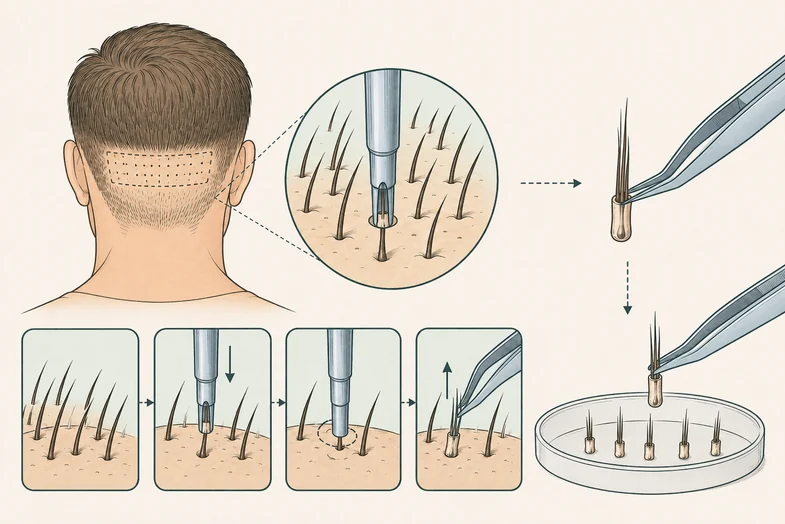
$2,200
$2,700
Graft implantation technique
ForcepsGraft trauma
MinimalA natural growth angle
NaturalGraft survival
98–100%Suitable for
Androgenetic alopeciaSuture-free implantation with a Choi pen
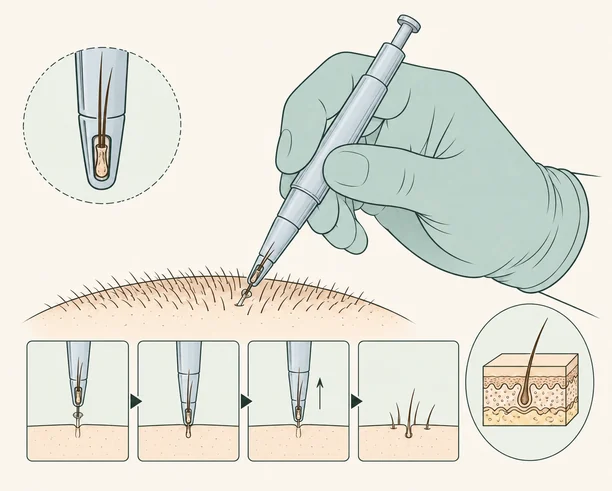
$2,500
$2,900
Graft implantation technique
DHI pen (Choi implanter)Graft trauma
MinimalA natural growth angle
NaturalGraft survival
98–100%Suitable for
DensificationExtraction by FUE, DHI implant
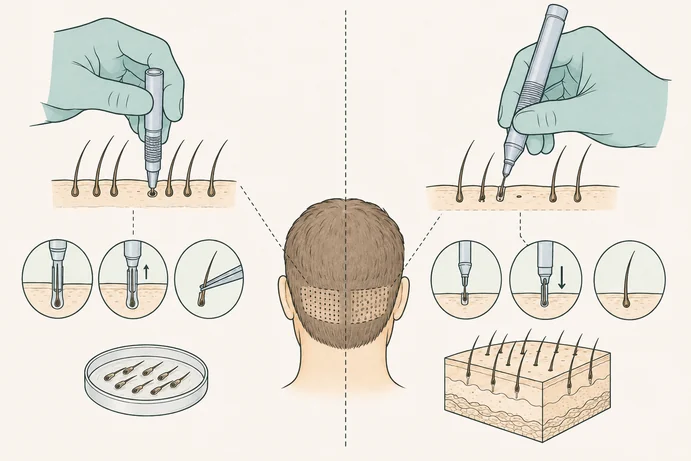
$2,700
$2,900
Graft implantation technique
FUE extraction + DHI implantationGraft trauma
MinimalA natural growth angle
NaturalGraft survival
98–100%Suitable for
Densification for androgenetic alopeciaFor every method the survival and trauma figures are averages and serve as a guide: the precise numbers follow from the transplant area and the patient's individual features, clarified by the doctor at consultation.
Speak to a specialist
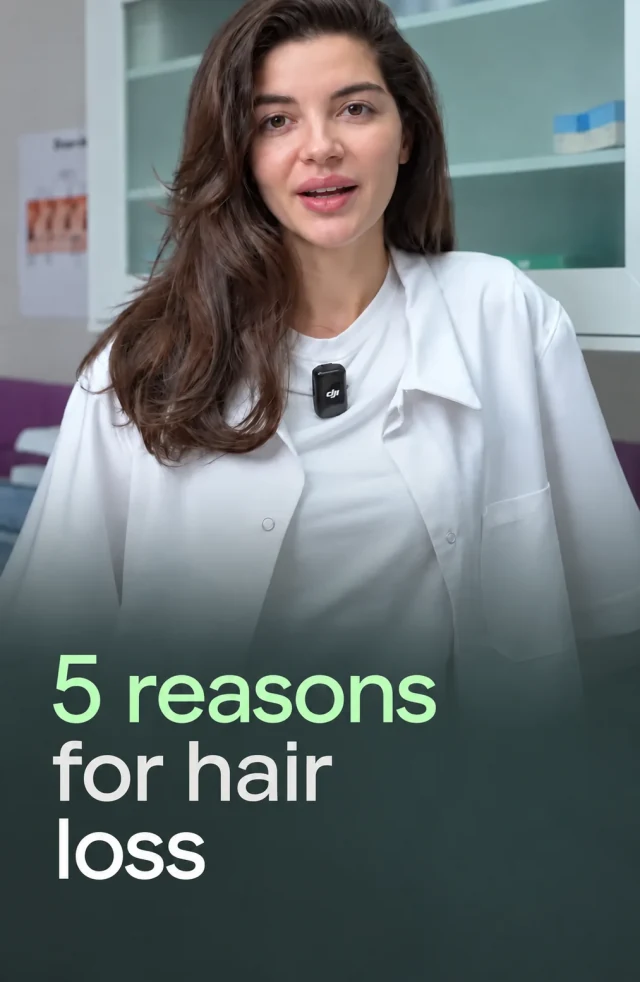
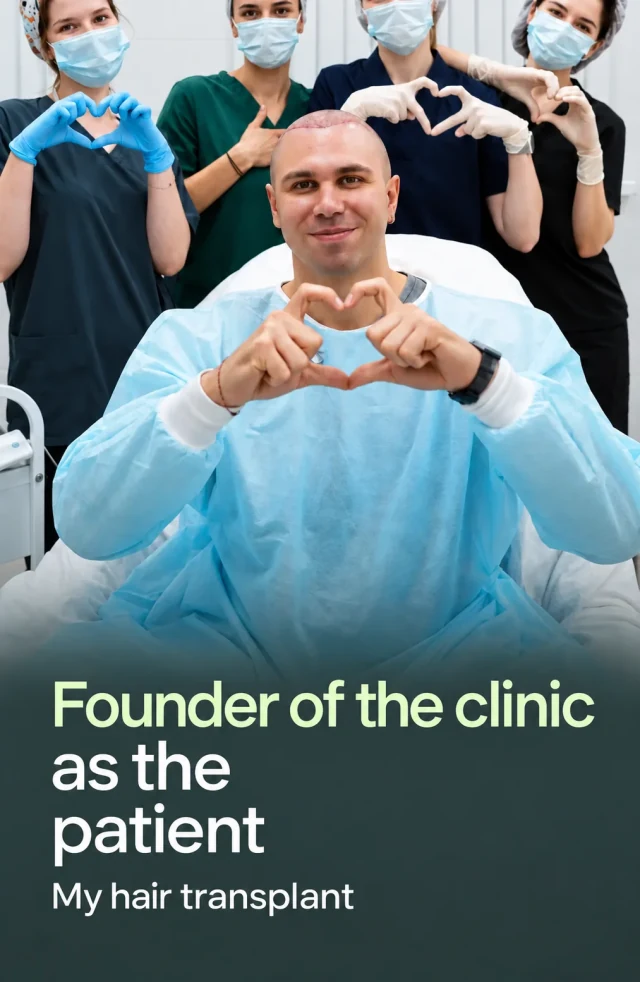
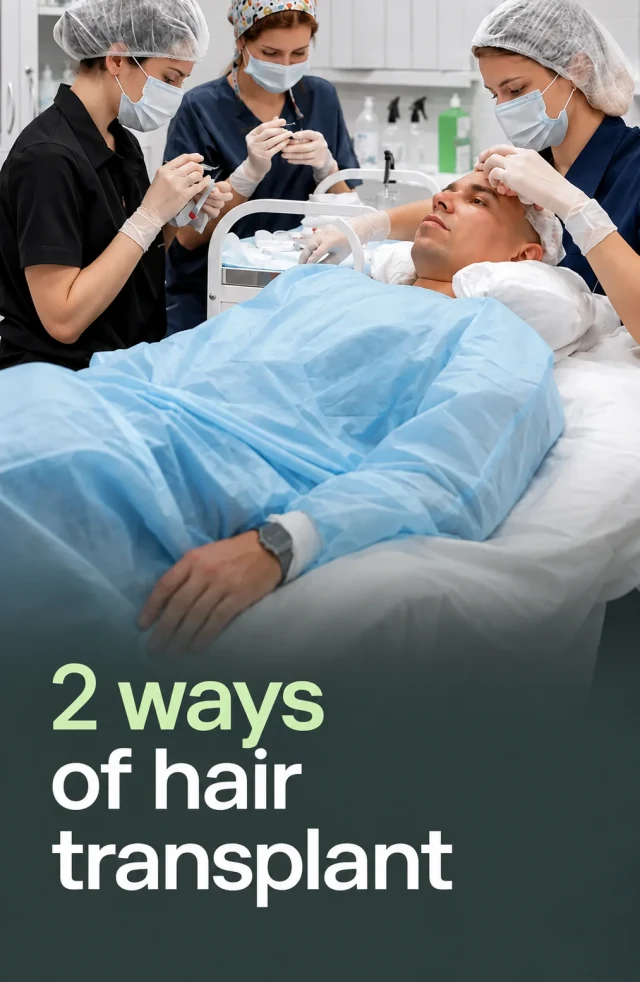



about the clinic
A calm room, good equipment, nobody rushing you
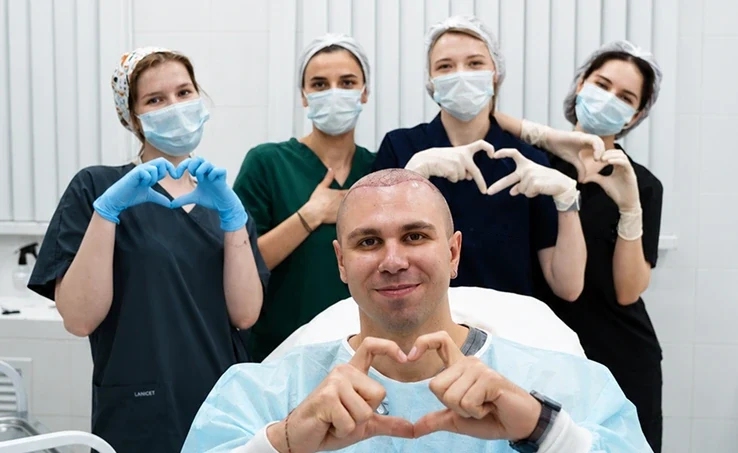
We clarify anything unclear and arrange the appointment around your day
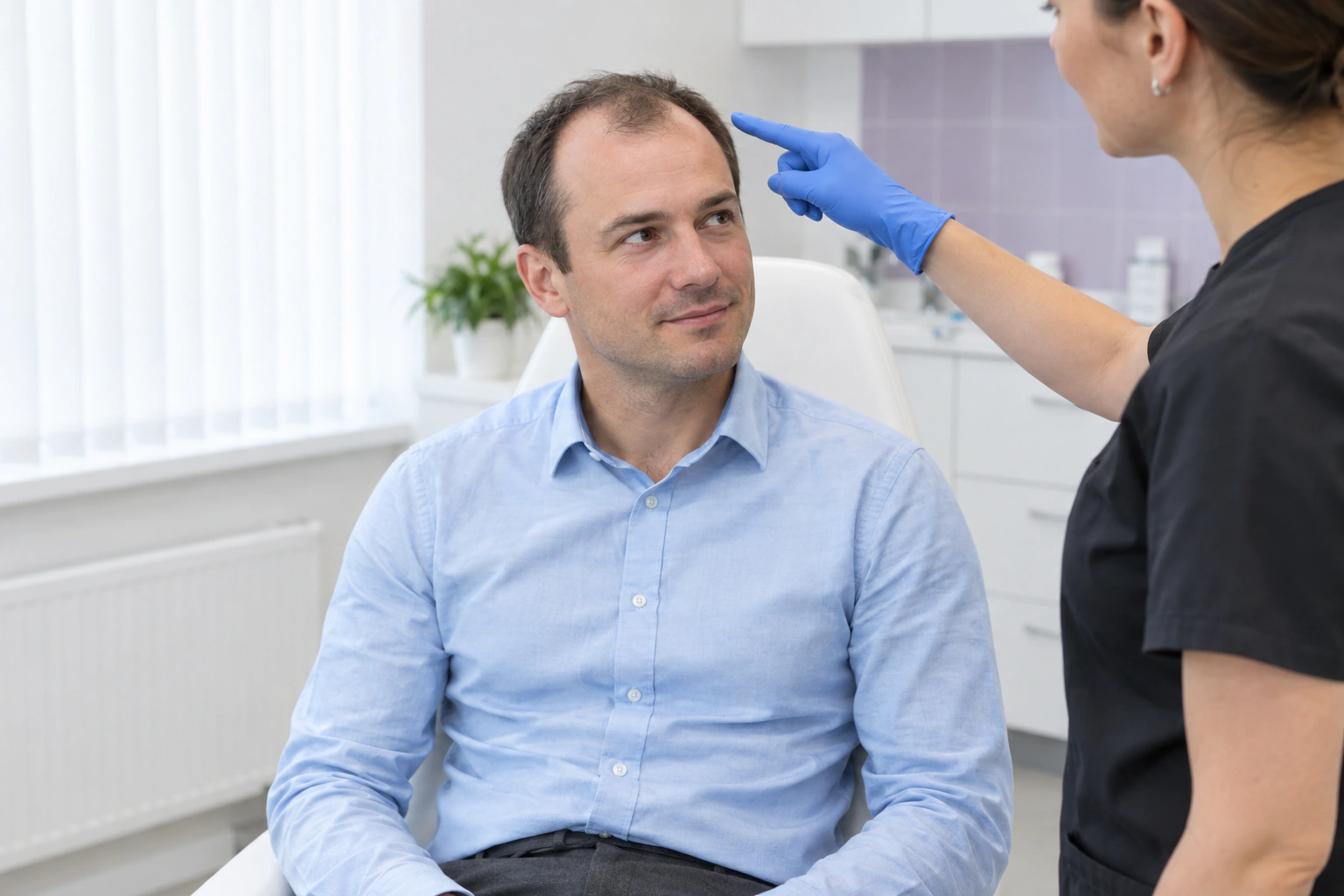
Message us on Telegram Submit the formNot every case needs surgery, and you will hear so at the consultation, so no money is wasted. Below are the situations in which a transplant genuinely helps.
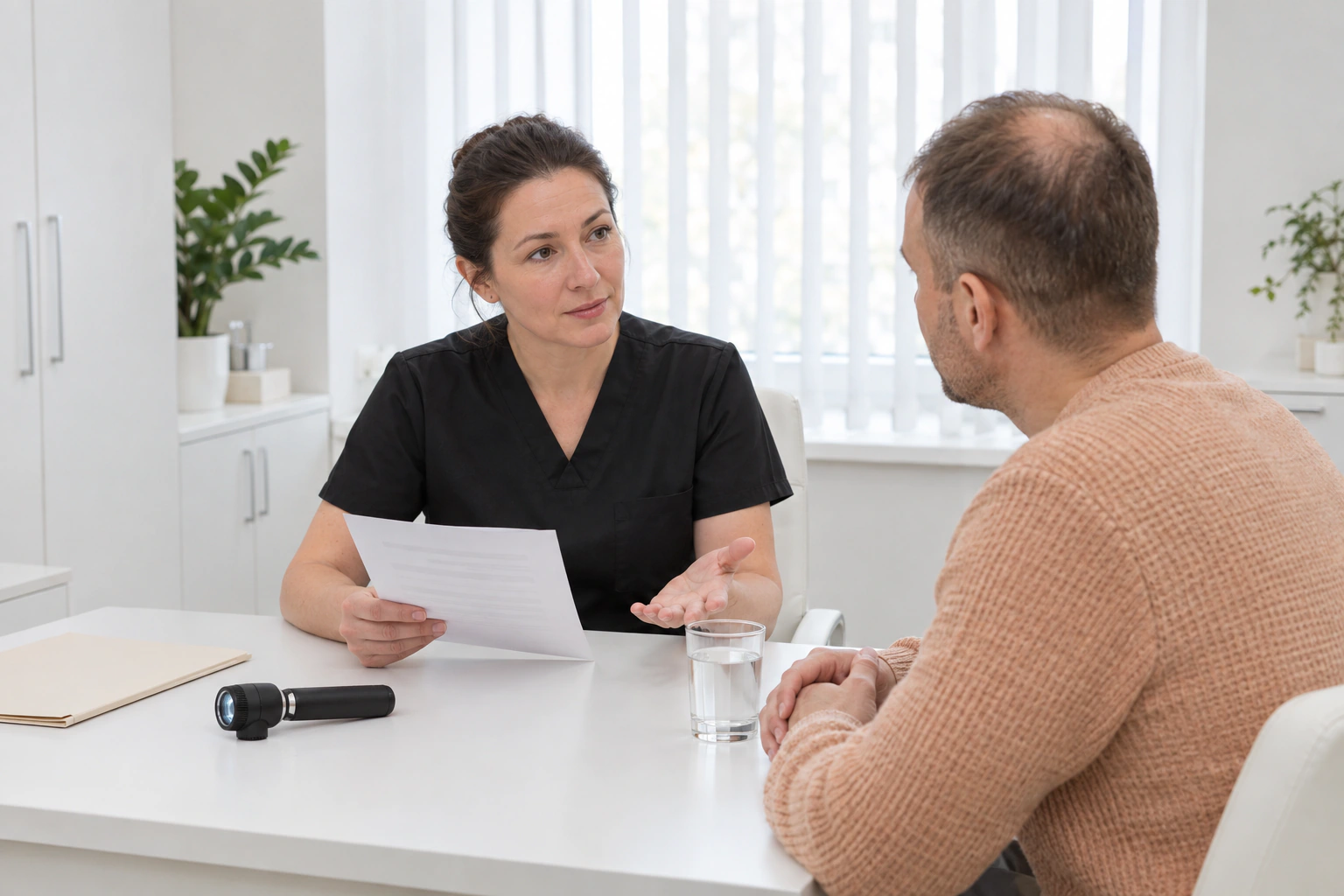
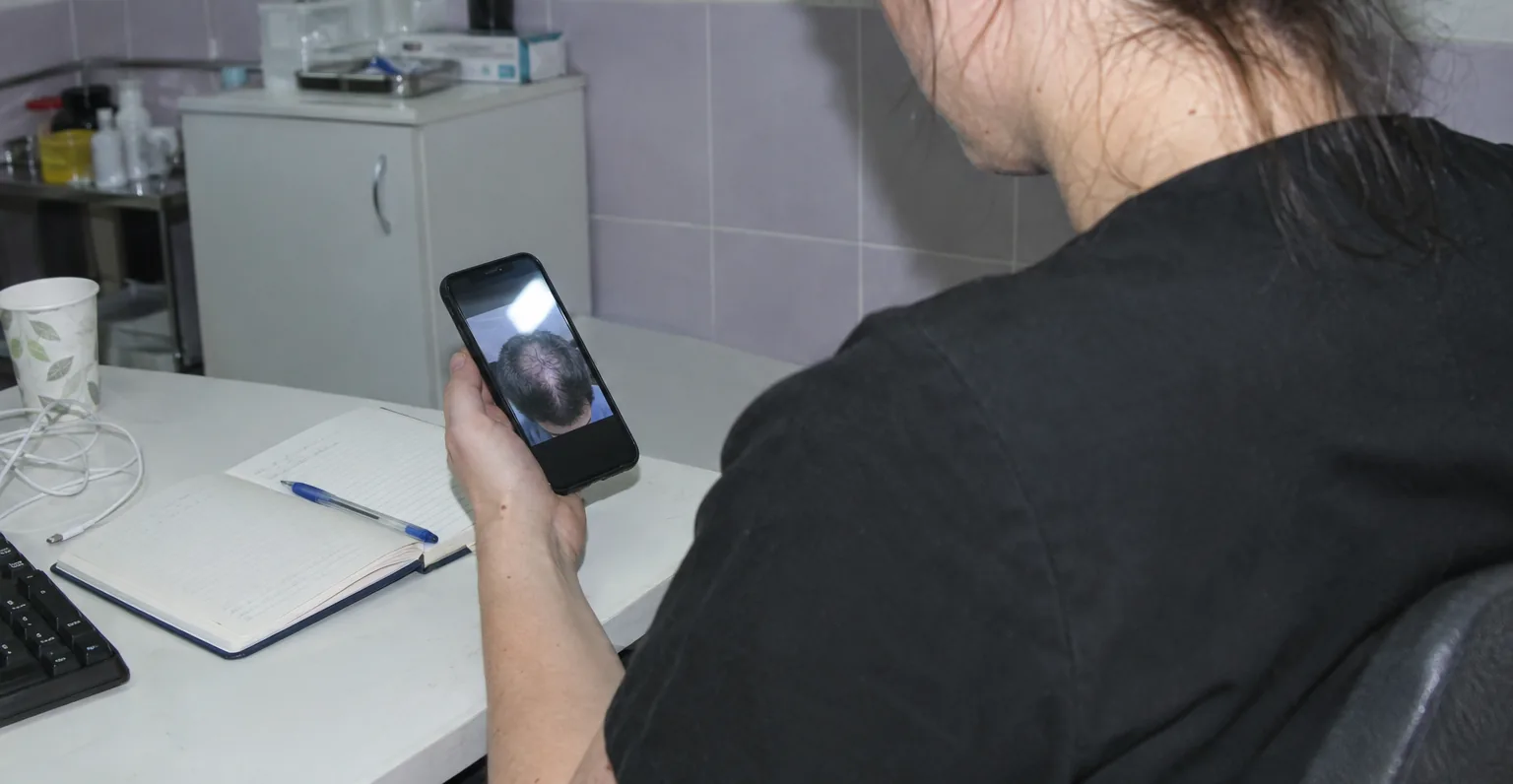
Give a number and the rest happens in a messenger: the coordinator asks for close-up pictures of the thinning, a doctor looks and says whether a transplant would help. Free, with nothing scheduled.
services
The doctor counts your grafts at the free consultation; the price named there is what the contract states.
suture-free graft extraction
$2,200$2,700
or $367/mo — 0% instalments for 6 months
Hold your priceimplantation without channels
$2,500$2,900
or $417/mo — 0% instalments for 6 months
Hold your pricecombined technique
$2,700$2,900
or $450/mo — 0% instalments for 6 months
Hold your price| Opening appointment | Free |
|---|---|
| Eyebrow transplant, FUE | |
| Beard transplant, FUEinstalments $467/mo | |
| Hair trichopigmentation | |
| PRP therapy / session | $200 |
all included
From pre-op prep to follow-up at 12 months.
Surgery day comes without a single new charge.
another two zones
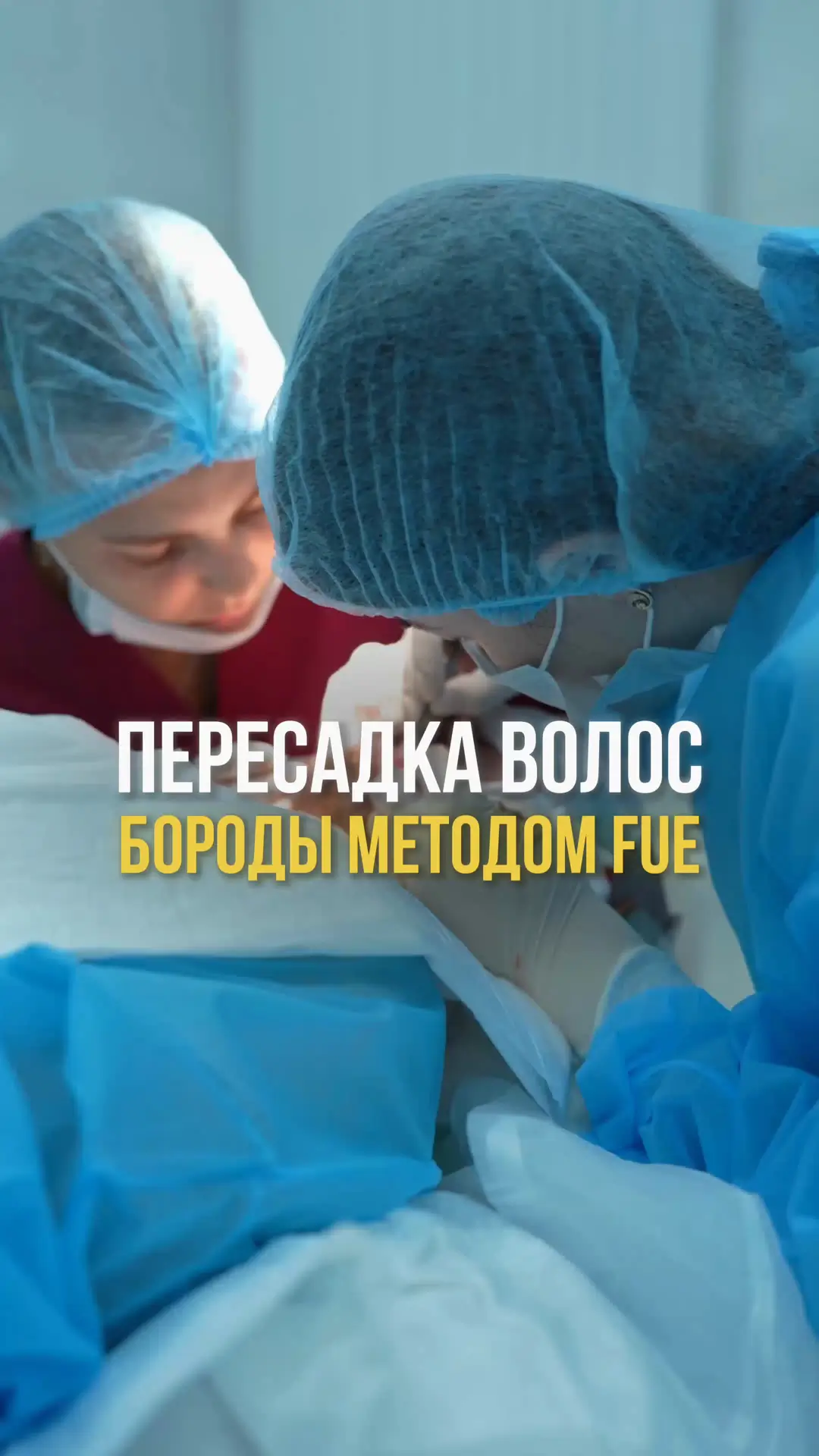
A hair transplant goes beyond the scalp. The same grafts from the back of the head, the same FUE method — only the area changes.
FUE, no incisions and no stitches
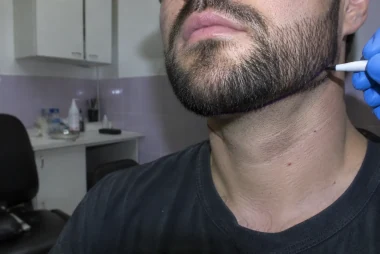
Grafts are taken from the donor area at the back of the head and moved through micro-punctures of roughly 1 mm — no scars are left. You and the doctor discuss the shape before the operation, taking your facial features into account. Transplanted hair grows for life: the beard can be trimmed and styled as usual.
$2,800$3,000
or $467/mo — 0% instalments for 6 months
Hold your priceFUE, no incisions and no stitches
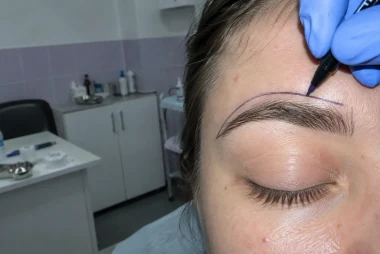
The surgeon works out the brow shape on the spot at the initial appointment, references are compared together and your facial proportions set the design. Hairs go in at the natural growth angle, so the brows never look drawn on. It also helps brows that stopped growing after years of plucking.
$1,600$1,700
a procedure done with local anaesthesia only
Hold your priceThe doctor will look at your donor area, count the grafts and show the result achievable in your case. The cost is quoted at the consultation and fixed in the contract.
Message our coordinator
Free online consultation · Reply within 15 minutes
Message us on TelegramMessage us on WhatsAppBy messaging us, you agree to our Privacy Policy
Process
From consultation to going home — all in one day
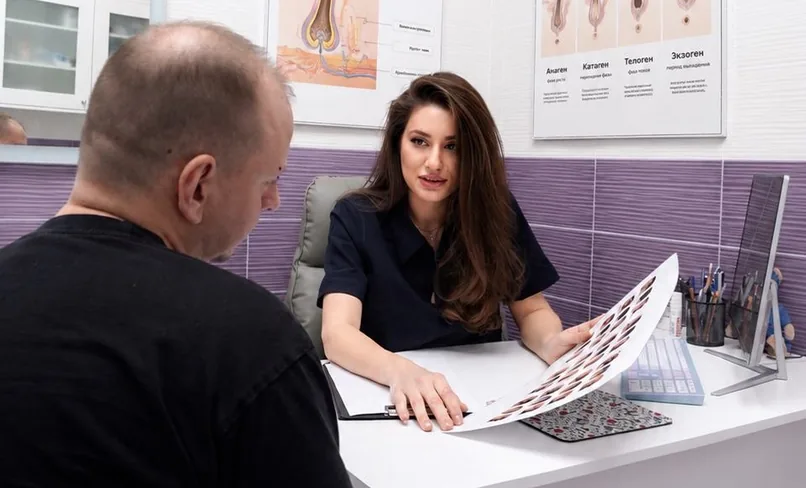
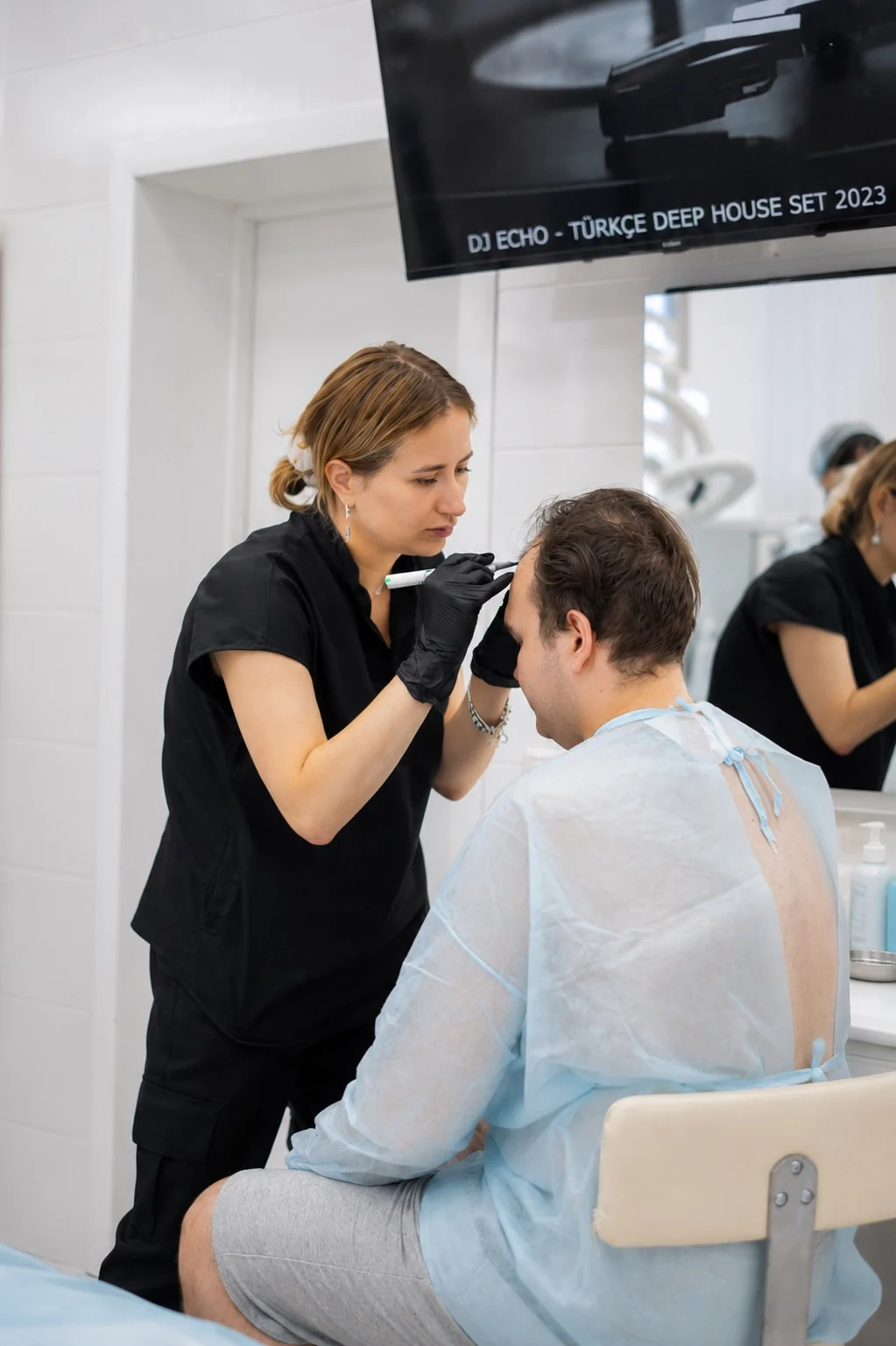
The opening consultation covers the mechanics of FUE and of DHI, gives you room to ask, and ends with the doctor examining the donor zone.

The date is yours after a deposit; pay with a card at the clinic if that is convenient, or handle it online.
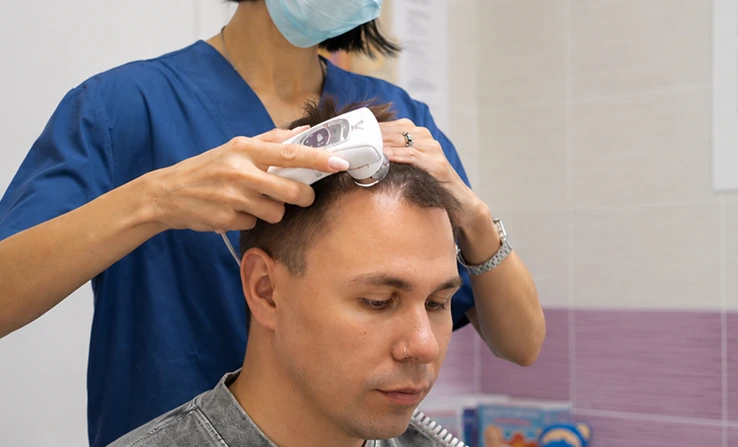
Before the hair transplant, the necessary tests are completed using the list and instructions the clinic provides.
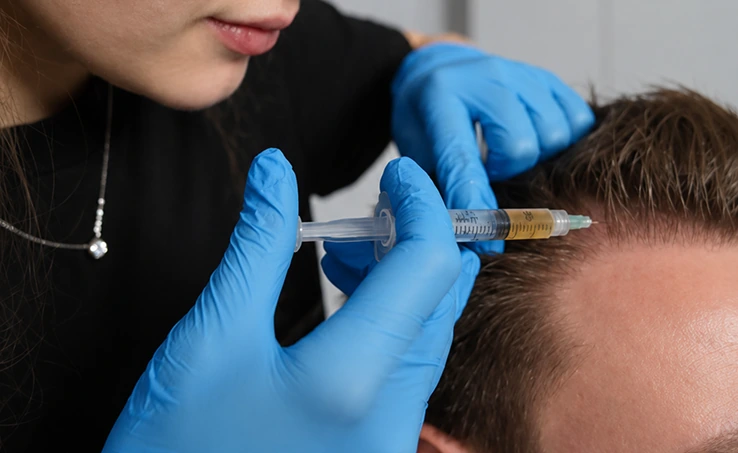
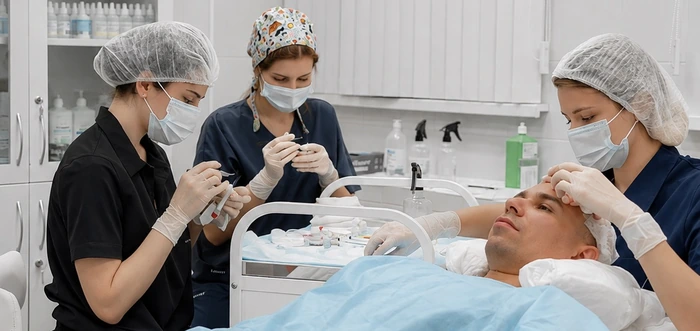
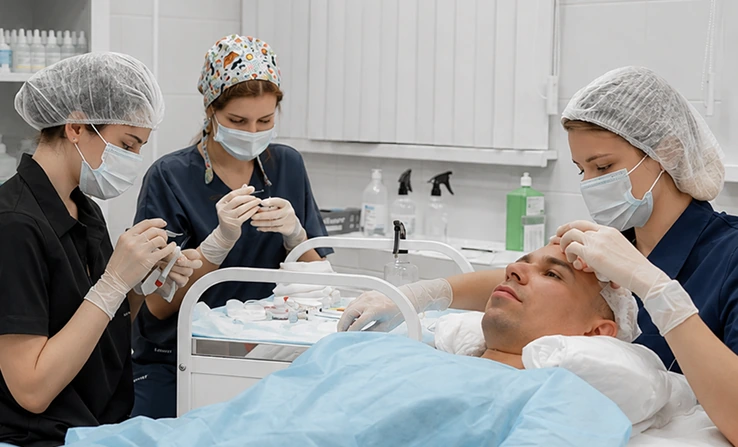
Patients in Safi are given a local anaesthetic, so the surgery brings no pain.
Grafts come from the donor area — the back of the head or temples — collected in a way that avoids stitches entirely.
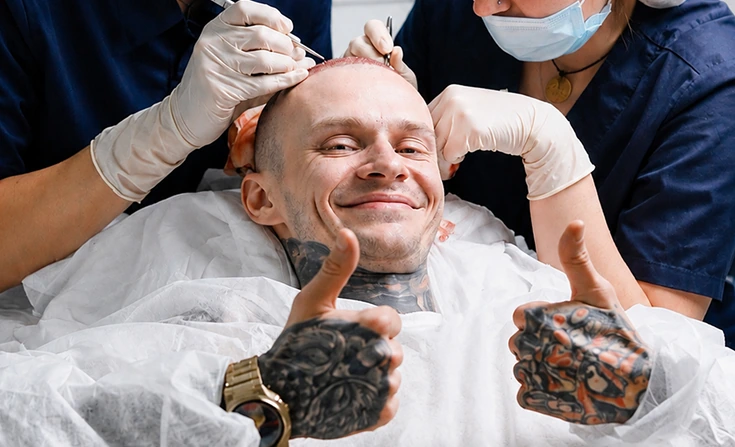
For patients in Safi, the grafts are implanted into the thinning part of the scalp.
The clinic hands over everything the healing period calls for, along with guidance on each point.
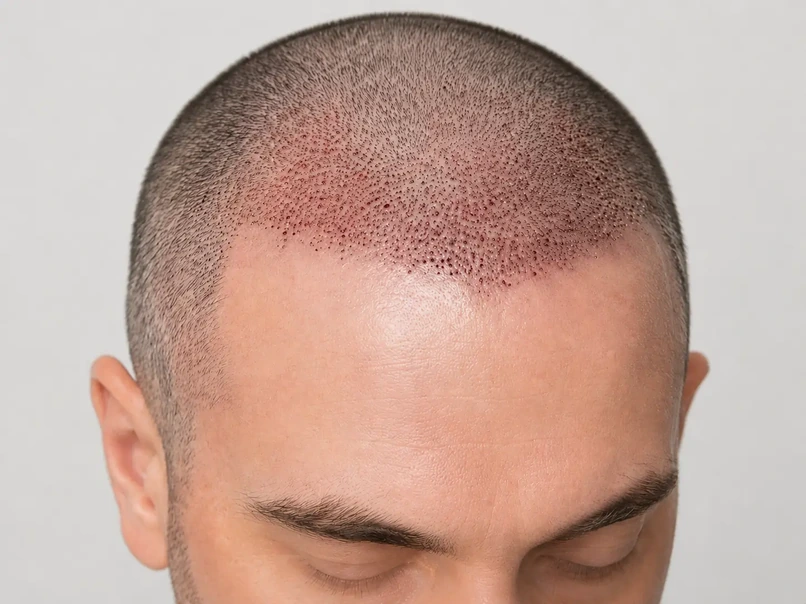
Crusts come off and swelling goes down while the area recovers
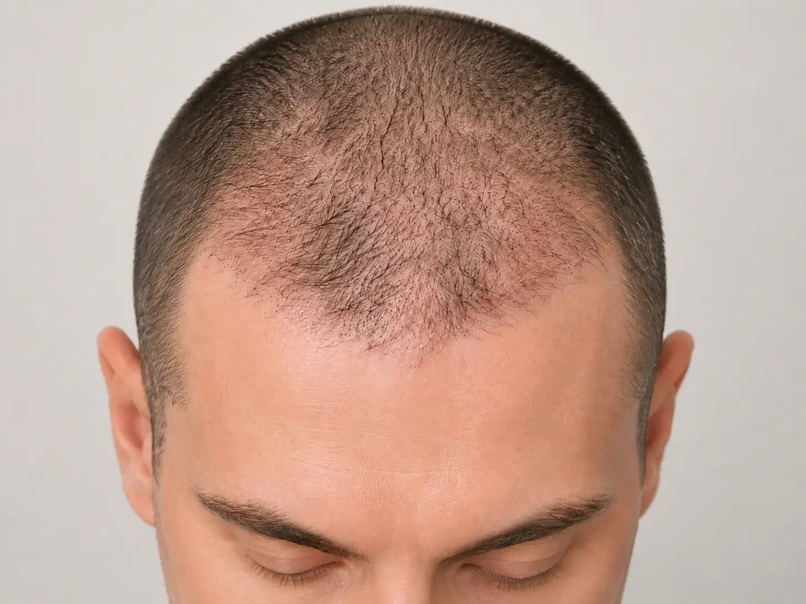
The follicles stay; only the hair shafts fall out
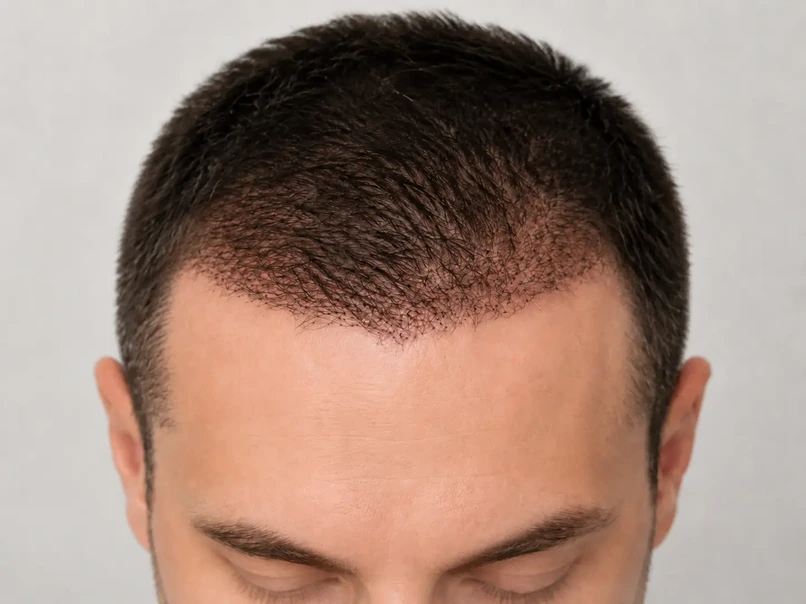
New hair comes in gradually, the result shows
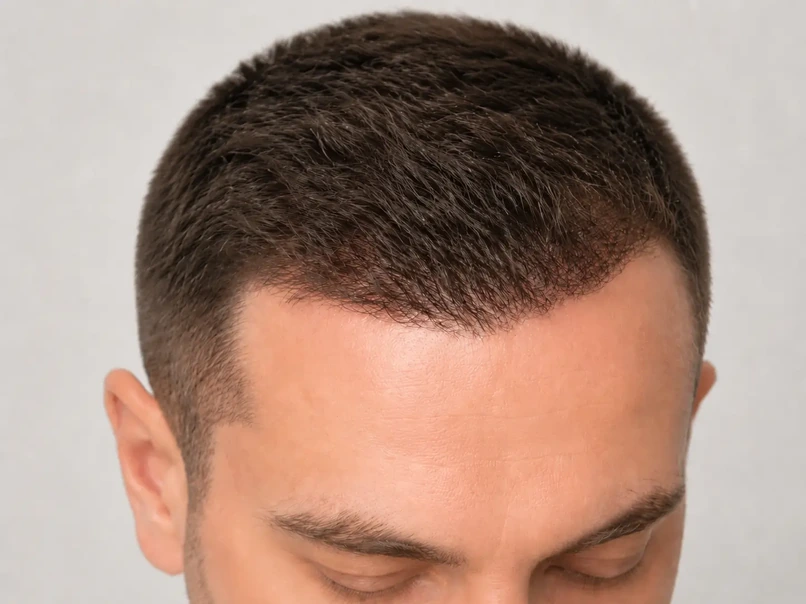
The hair becomes thicker, the main density and contour are visible
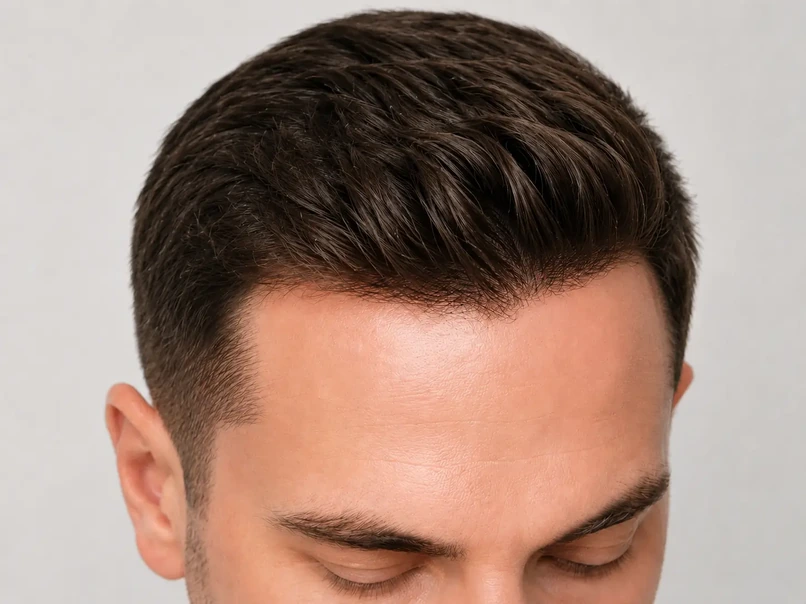
Full volume and a finished, natural hairline
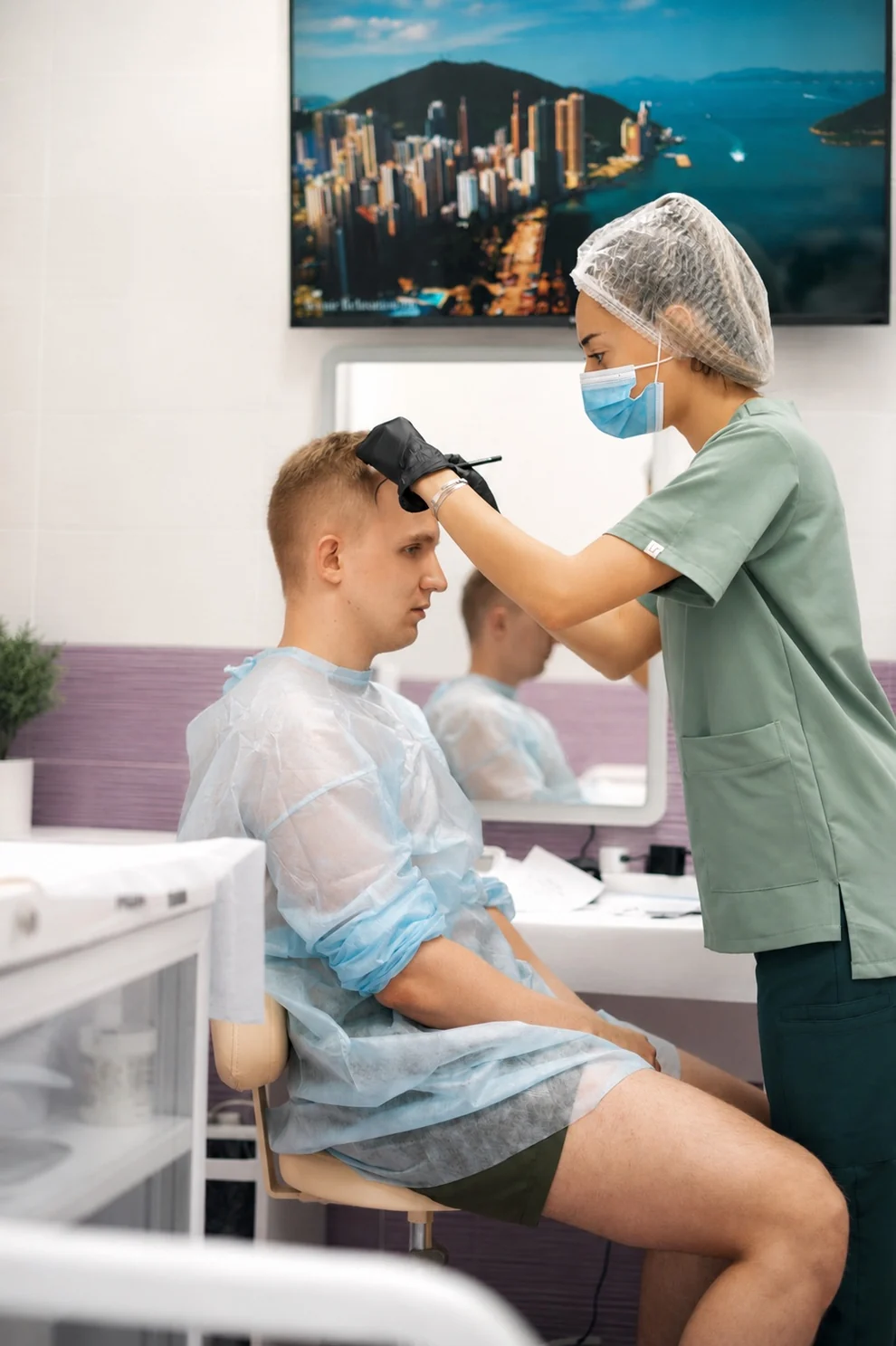
Free, before the operation, with no obligation.
Speak to a specialistdoctors
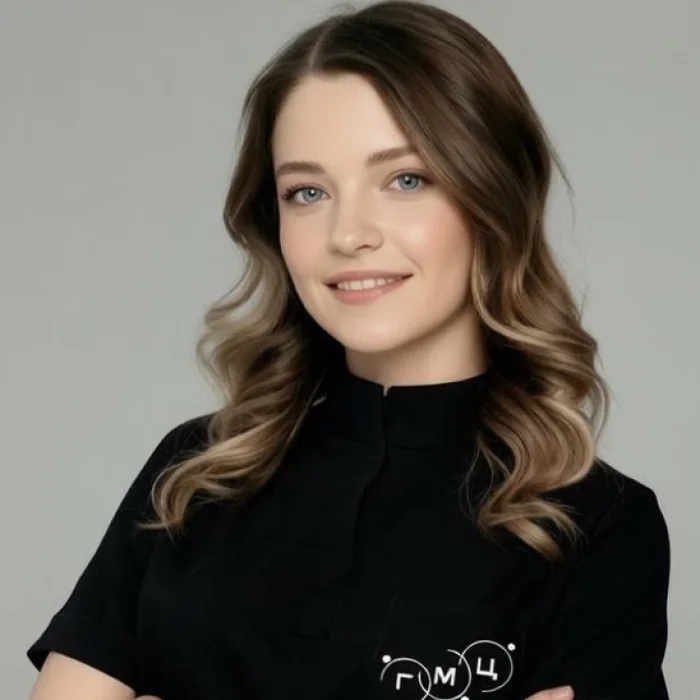
Hair transplant doctor, trichologist, surgeon
10 years in practice

Dermatovenereologist, trichologist, surgeon
11 years of experience
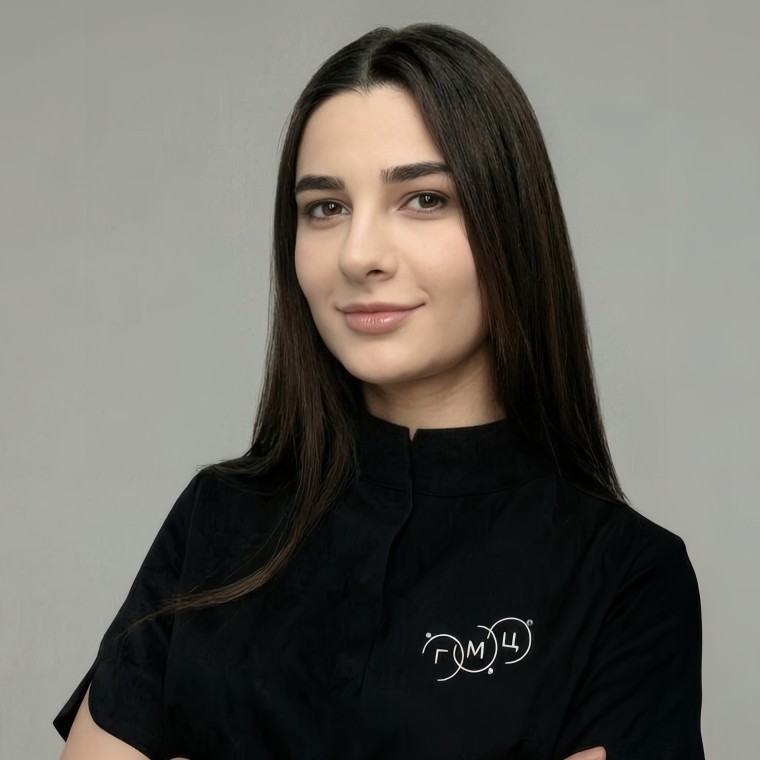
Plastic surgeon
9 years in practice
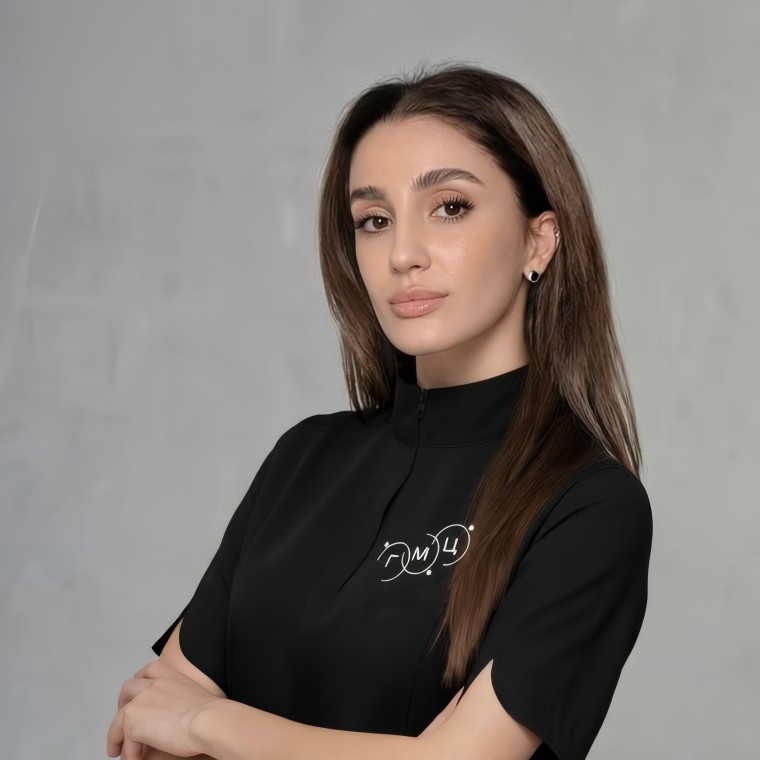
Plastic surgeon
9 years in practice
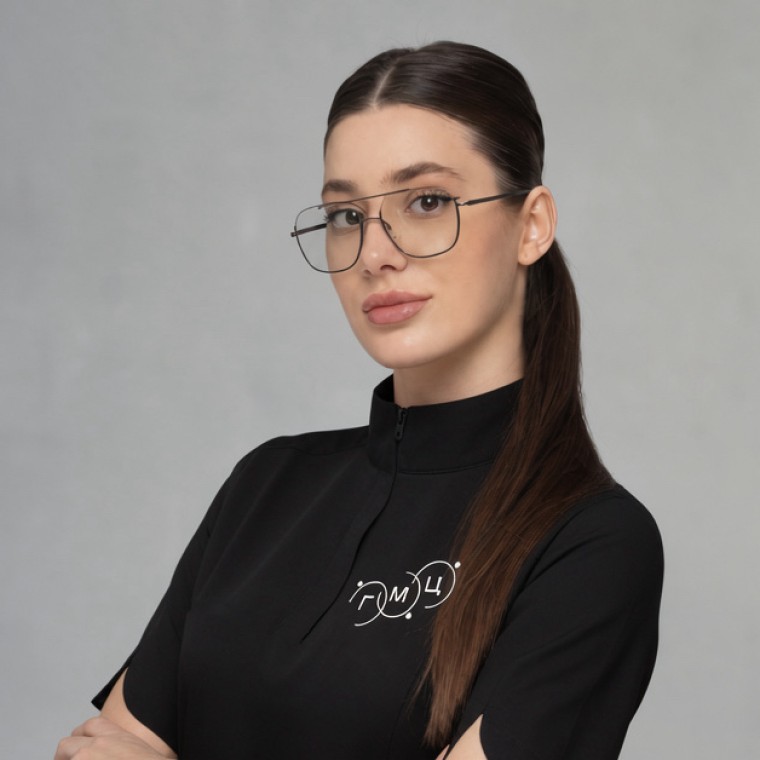
Assistant
9 years in practice
The doctor will look at your donor area, count the grafts and say what result you can get.
Speak to a specialistcoordinators
Your own coordinator handles everything from the first enquiry to full recovery.
Personal care manager
Will stand by you before and after surgery
Helps with the forms and the arrangements
Personal care manager
Will stand by you before and after surgery
Helps with the forms and the arrangements
Personal care manager
Will stand by you before and after surgery
Helps with the forms and the arrangements
Personal care manager
Will stand by you before and after surgery
Helps with the forms and the arrangements

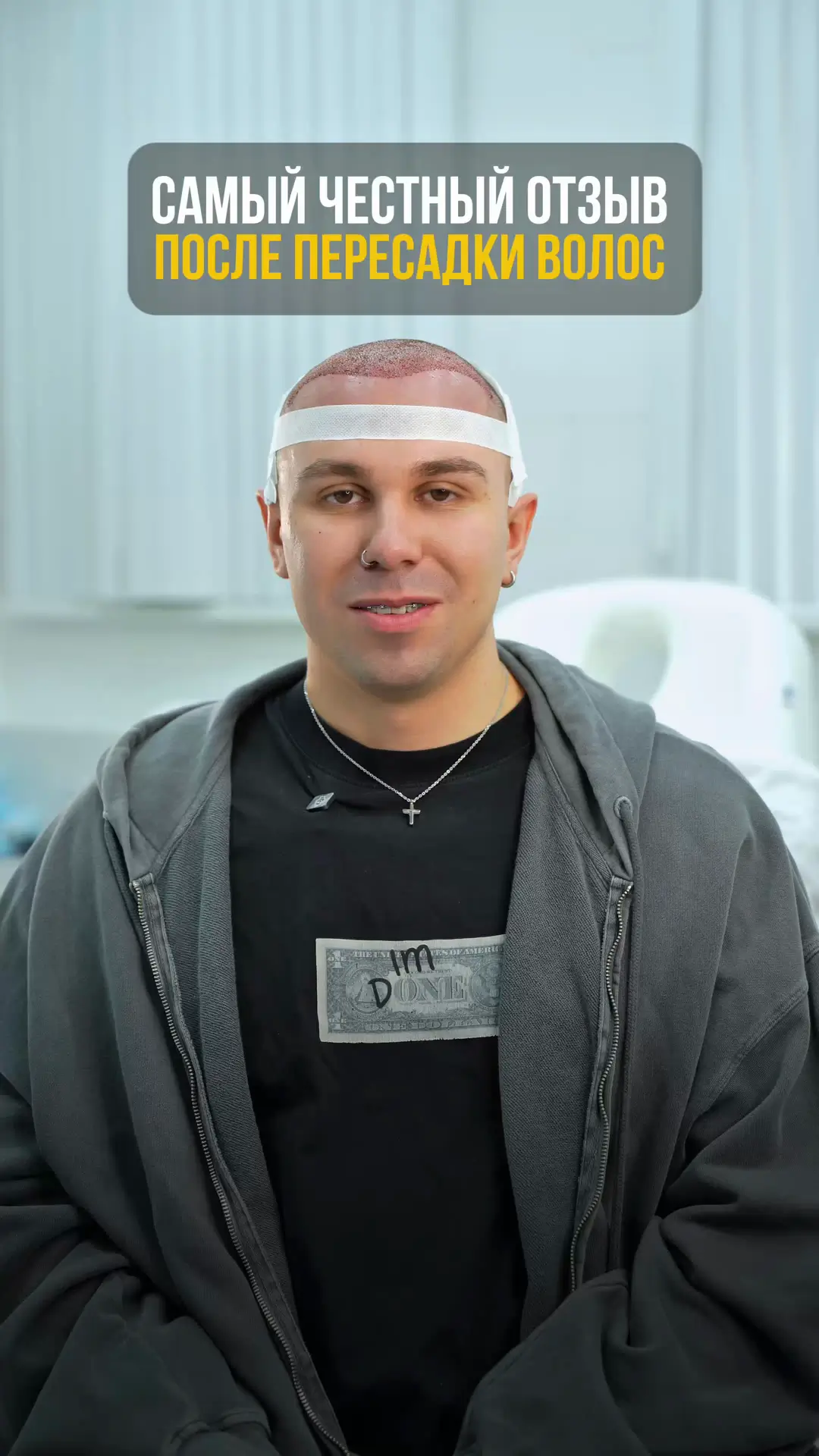

We clarify anything unclear and arrange the appointment around your day
Message us on Telegram Submit the formTypical queries
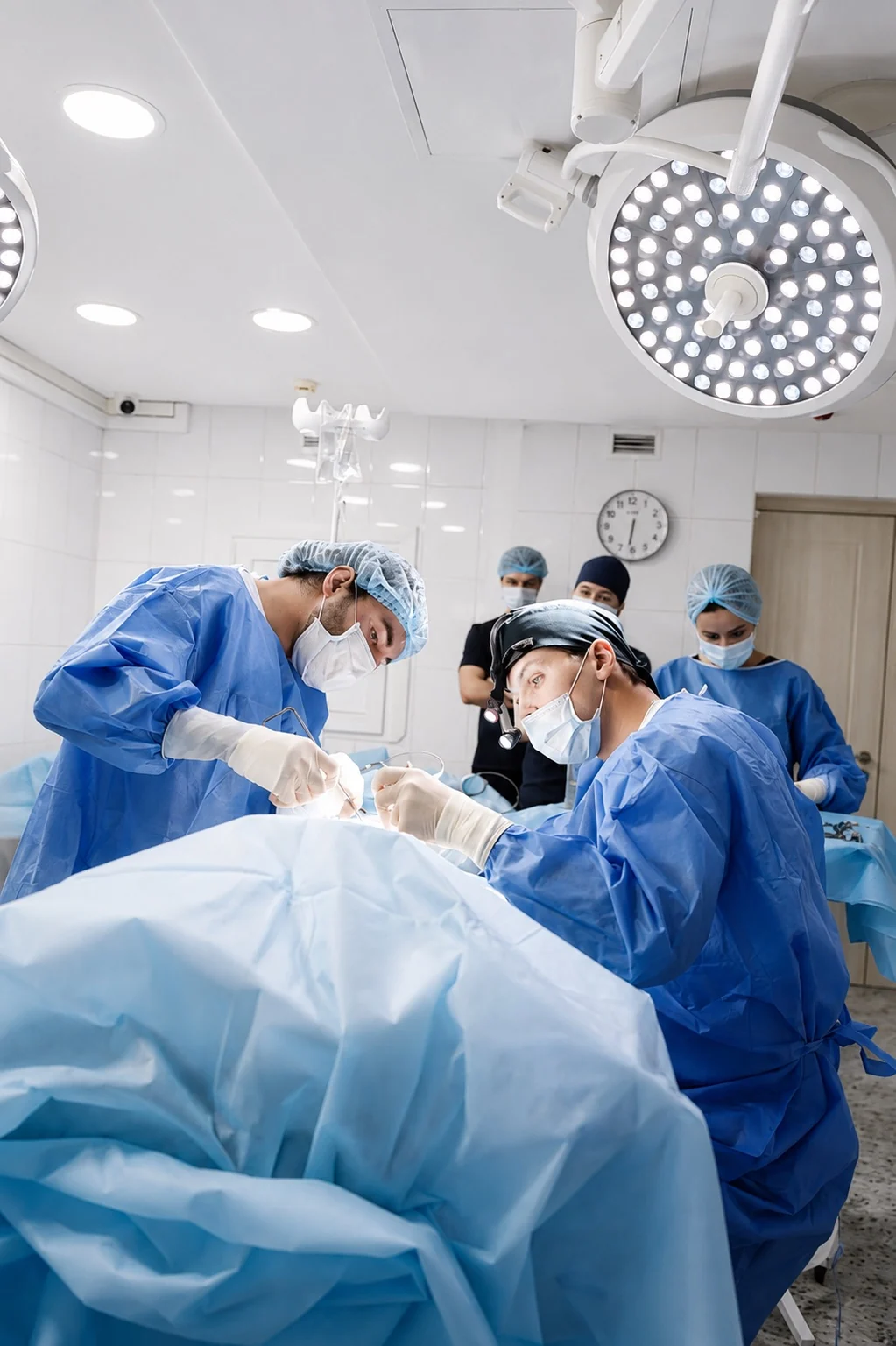
Yes, no difficulty at all. City Medical Centre treats patients from assorted cities and countries, and a consultation over the internet can be set up.
FUE is $2,200 (≈ MAD 22,000), DHI is $2,500 (≈ MAD 25,000), combined DHI+FUE is $2,700 (≈ MAD 27,000). A free consultation with a graft count gives you the exact, contract-fixed price.
It is finished inside a day, and going home follows at once.
No. With the scalp numbed locally, patients feel no pain.
FUE is the classic method: grafts are harvested with tweezers, with no cuts or stitches. DHI implants grafts without channels, using a Choi pen. A combined method harvests grafts by FUE and implants them with the DHI pen.
The doctor gives you a firm figure during the free consultation, based on what the donor area holds.
Recovery of the skin takes 0–10 days. A fall-out stage at 2–4 weeks is entirely normal. Fresh hair appears from 3–4 months, becomes visibly thick at 6–9 months, with the outcome complete by 12–18 months.
A lifetime guarantee of hair growth is included, confirmed in your contract.
The clinic works under a medical licence, care follows the standards and clinical guidelines
per Ministry of Health.
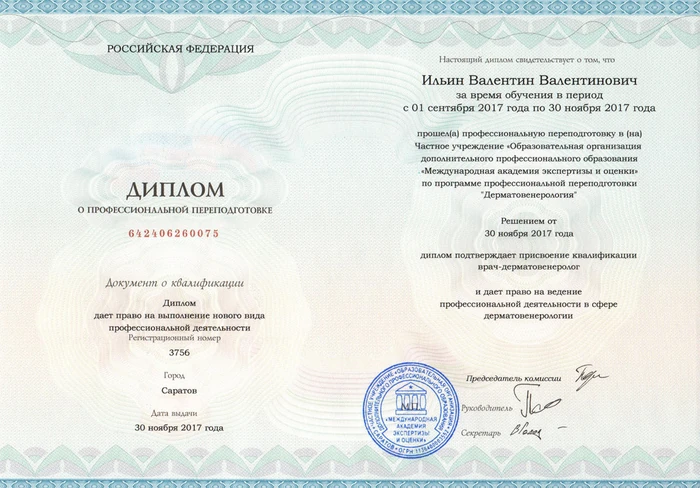
Proof of training for everyone taking part in the operation
Check our paperworkAKC POMOSHCH LLC
our clinic's legal entity
1057746096924
OGRN
7728536872
INN
Nothing heavy is involved for anyone in Safi. FUE and DHI dispense with cuts and stitches altogether, local anaesthesia keeps the patient awake and comfortable, and the surgery closes on the same day it opens.
Nothing is signed and nothing is paid at the start in Safi. The online consultation is free: the doctor sees pictures of the affected zone and tells you if a transplant helps. The clinic is in touch 24/7.
Expect 0-10 days of healing and a shedding of the transplanted hairs at 2-4 weeks, which is a normal stage. Growth resumes at 3-4 months, density fills in by 6-9, the result is final at 12-18. Check-ups at 1, 3, 6, 9 and 12 months, photo tracking with a personal coordinator, lifetime growth guarantee.
Prices are in US dollars; the amount in brackets is an approximate conversion to MAD at the rate of 02.10.2026. The final price is fixed in your contract.
By messaging us, you agree to our Privacy Policy
Well-known people who openly discussed this operation, in their own words.
 John Cena's hair transplant: “I got a problem, I try to fix it”John Cena spoke openly in 2025 about his hair transplant and the fan signs that pushed him to it. His words, how the procedure works and the recovery.
 Did Calum Best have a hair transplant? Yes, and he said so himselfCalum Best said in 2023 he had his sixth hair transplant, this time using patches of beard hair. His words, how the procedure works and recovery.
 Did Chloe Goodman have a hair transplant? Yes, and she explained whyChloe Goodman had a hair transplant in 2025 after losing hair following pregnancy. Her own words, how the procedure works and what recovery involves.
 Did Dean McCullough have a hair transplant? Yes, and he filmed itRadio 1 presenter Dean McCullough shared his FUE hair transplant on TikTok in 2024. His own words, what the swelling means and how results develop.
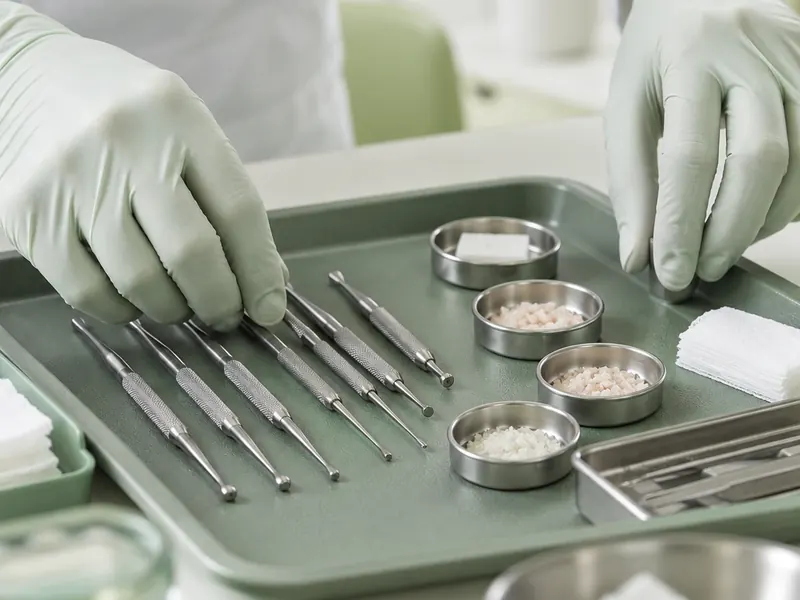 Did Ella Morgan have a hair transplant? Yes — to cover a hairline scarThe Married at First Sight star revealed a hair transplant in 2025 to cover scarring along her hairline from facial surgery. Her own words and the facts.
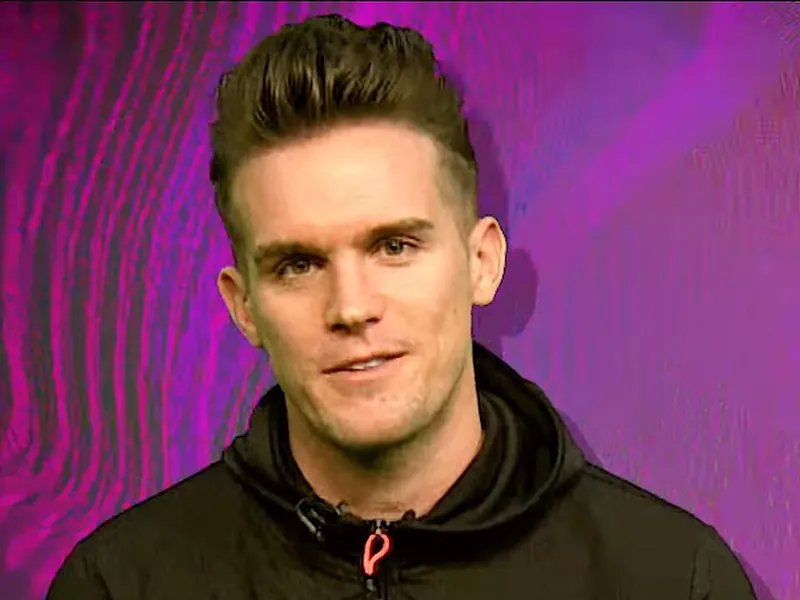 Gaz Beadle on his beard transplant: “I LOVE IT”Gaz Beadle told his 3.6 million followers he had a beard transplant after years of patchy stubble. His own words, and how a hair or beard transplant works today.
What patients write after this operation. Reviews are translated from the original language.
Andrey M.
I had the operation a month ago. Before and after surgery they were always in touch and helped with questions about my tests. The operation itself went wonderfully, the staff are polite and masters of their craft, you feel you are in safe hands. I am recovering now, and they answer all my questions. I am happy and I recommend them!
DHI hair transplant
Pavel Sinitsyn
The best clinic of all the ones I was choosing from. No regrets at all! The result is simply amazing, I am thrilled. I recommend it to everyone: these people do great work and make people happy. Once again, a huge thank you to everyone. Roman, the head of the clinic, is the best: he was personally in touch with me and looked after my recovery. Thank you for making my dream come true.
FUE hair transplant
Maria Akopyan
I thought about an eyebrow transplant for a long time and finally went for it. At first I was afraid the result would look unnatural, but when I saw my new eyebrows I was delighted! They came out full and in harmony with my face. I can hardly believe that now I just wash my face and go, I have never felt so free. For anyone tired of constant make-up, a transplant is a real lifesaver!
Eyebrow transplant (FUE)
Alexander M.
I really wanted a thick beard, but I had problems with it. I tried every home remedy and minoxidil, and nothing helped. After a long search for the best clinic I settled on this one. Thank you so much for the service, I liked everything and now I am happy! I had the beard transplant 10 months ago and I am very pleased with the result. By the way, the music in the clinic was great, as far as I remember. A friend of mine has already come to you for a transplant on my advice and was also happy with the result. I wish you every success!
Beard transplant (FUE)
Vladimir Z.
I went to the clinic to see a trichologist and had a hair transplant. I really liked the doctor's approach, and all the recommendations helped. I want to point out that nobody tries to sell you extra services: they tell you things as they are, and if some treatment is not needed, they do not push it. Cosy and clean.
DHI hair transplant
Artem Popov
This may sound obvious, but a head of hair really changes everything in your life. You feel much more confident and go through life like a winner. And it is all thanks to the doctor at this clinic and to the staff who take care of their patients. Many thanks to the clinic for a happy life with new hair, for the comfortable conditions and for the professionalism during the hair transplant.
FUE hair transplant
In Safi, whose 2024 census counted 346,000 residents, the cap has become a daily language at the sardine port and in the pottery workshops: the midday sun on the pavement, the clay dust at the wheel, the sea wind on uncovered heads, and plenty of heads that began hiding behind caps what they no longer hide in mirrors: emptiness over the crown and front lines that retreated early.
A hair transplant is the option for these cases when the follicles behind the ears are strong and the emptiness is bounded; its file opens from the phone with daylight photographs of the scalp, from above, from the front, over the crown and of the donor, plus lines about when the recession began, its family history and any treatment that preceded, sent over Telegram and Telegram to a team that reads at all hours, and a first estimate returns with the follicle count and the case's suitability.
Honest photographs separate one file from another: a picture in a cap, or arranged to hide the emptiness, returns an incomplete assessment, while a bare head in daylight exposes the baldness pattern and the strength of the donor, the inputs by which the surgeon divides between one transplant and a distributed plan, or between a transplant and another path altogether; this is why the team asks for the head as it is, not as we would like to see it.
And the city's professionals know their calendar better than anyone: a loader at the port places his session between two shipping waves, a workshop owner waits for the lull in orders, and a complex employee waits for the end of his shift to read the answers; the file opens today from the phone, and the session sits in the week's gap its owner picks, because the session itself takes no more than one day of his life.
The transplant is done under local anaesthesia, with the doctors numbing the operating area completely, so the patient passes the session awake and comfortable without sensation at the extraction and implantation sites, able to speak with the team and rest whenever he asks; no general anaesthesia and nothing attached to it, and this is the reason your return home after one day is possible and comfortable.
The patient spends one day at the clinic under the team's watch after the session ends, then returns to his home in Safi to begin the healing path among his family; arrange that day before the appointment: someone to take you and bring you back, a pillow that raises the head, front-buttoning shirts, and a sleeping place away from movement, small details that make at least two nights' comfort.
Ask in the consultation about the distribution plan, not the number alone: how many follicles the surgeon proposes, where he places each group between the front, the crown and the gaps, and why this distribution in particular; a hair transplant is distribution on the map of your head before it is extraction and implantation, and the written plan shows you the level in front of you before you pay a single coin.
And arrange the reading of the answers in a calm hour: a Friday evening after the working week closes, or a Saturday morning before your workshop opens; the team following you over Telegram and Telegram at any hour answers whatever lingers in your mind, and keeping the answers in one file becomes your light on the day you compare two offers.
The first ten days are the knitting: small crusts form over the transplanted area and come off with the washing schedule the team fixes, any mild swelling fades, and the scalp returns to its calm; in these days you guard your result with the hand that stays away from your head more than with anything else.
The rules of the ten days are known: sleep on the back with the head raised, no scratching and no rubbing however the itch grows, dust and flying particles kept entirely away, and water with ordinary food without excesses; and in Safi in particular, where the summer dries until August's rain does not pass 0.2 mm, dust in the streets and workshops is a standing guest, so whoever works among the pottery kilns or on the loading pavement should take the ten days whole.
Arrange the recovery room with the season's sense: in February, when the day holds at 19.6C and the night at 8.9C, you will find the temperate house ideal for sleeping with a raised head, and in July's summer with its usual 29.1C by day you need moderate airing and strict distance from the midday sun on an uncovered head; the season does not forbid a transplant, but it changes the arrangement of the house.
Document your course with a photograph every second day at the same angle and light, kept in one file: this series is what reads later the departure of the crusts, the fading of the redness and the beginning of growth, and hands the surgeon records at follow-up instead of descriptions; the team following you over Telegram and Telegram at any hour receives the pictures and answers in due time.
Between the second week and the fourth, what surprises the uninformed happens: the transplanted hairs fall, a recognised stage in the schedule in which the hair alone falls while the follicle stays fixed in place; whoever knew this from the first consultation passed reassured, and whoever was surprised by it judged the operation on its last day with a verdict it never deserved.
After it the growth begins: in the third to fourth month the first fine new hairs emerge from the settled follicles, then harden and increase with the months; the daily mirror does not catch the difference because it sees day upon day, but consecutive monthly photographs from one angle catch it at once, which is why your documentation from day one is your evidence rather than your memory.
From the sixth month to the ninth the density becomes visible to people: the new hair thickens and its look approaches the natural, and the new front line takes its outline; in this stage many in Safi return to their usual barber and no longer need the cap that was the language of past years, and what people see here is the fruit of the previous months' discipline, not the magic of the session's day alone.
And the final result has its appointment far on purpose: it does not settle before the twelfth to eighteenth month, when the density completes and the line ripens onto its natural form; this span crosses all the city's seasons, and whoever was patient with it through regular visits joined a lasting result with a documented medical file the surgeon reads at every station.
Before you book, ask for the first sheet: the surgeon's entry number on the roll of the National Council of the Order of Physicians, the independent institution that gathers all of Morocco's doctors by obligation in the public and private branches; keep the answer with the specialty in writing, noting that the council's site places no open lookup list at its entrance, so your direct documented question is the only road to reassurance.
Then ask every offer for a sheet carrying three things: the number of follicles proposed and its distribution over the front and the crown, the number of planned sessions if more than one, and the reach of the visit plan through the eighteenth month; whoever reads these sheets side by side sees the difference between a studied plan and an offer rich in inflated numbers.
Ask openly about the reason for the distribution proposed for your own head: why this density at the front, why the crown was postponed or included, and what happens if the path needs a second session; the clear answer here is the first measure of the surgeon's level, and whoever answered with a repeated general sentence gave you an indicator that suffices before anything else.
And grant your decision its full time: read the papers in the calm of your home in Safi, consult someone who carries your trust, and raise whatever lingers in your mind to the team over Telegram and Telegram at any hour; the decision that will accompany your head in every photograph deserves to be born of a calm reading rather than an hour's excitement, and the remote consultation was framed from the start to respect this time.
No, the anaesthesia is local, with the doctors numbing the operating area, so the patient passes the session awake and comfortable without sensation at the extraction and implantation sites; this is what makes his return home after one day at the clinic possible and comfortable, with no need for any procedure attached to general anaesthesia.
Better not: the pottery workshop in Safi means clay dust, heat and hands close to the head, none of which serves a freshly implanted scalp; take the ten days whole if you can, arrange with someone to cover the urgent work, since one dusty minute on the fourth day can cost a week of the progress built by healing.
The hair alone, between the second week and the fourth, while the follicle stays fixed in its place beneath the skin and starts new growth from it in the third to fourth month; this is a recognised stage in the transplant schedule rather than a failure, and whoever knew it beforehand passed without anxiety, while whoever was surprised lived worry without basis over a natural, preserved stage.
From the sixth month to the ninth the new hair thickens and its look approaches the natural, so the density becomes visible to others and the front line takes its outline; it is in this stage that many return to their usual barber and put aside the cap, and what people notice here is the harvest of the previous months' discipline in washing and commitment, not the magic of the session's day alone.
It heals on the same ten-day schedule as the transplanted area, and the donor's hair usually covers the extraction marks from the first days; the essential is not to rub the zone and to hold to the washing schedule the team fixes, and whoever notices anything unusual in the donor raises it at once through the follow-up channel just as he does for the transplanted area.
After the surgeon's clearance and of the type he recommends, not any available cap: touching and pressure on the fresh implants in the first days do not serve the healing, and protection from sun and dust is arranged by the house and the shade before the cap; ask the team at the consultation about the timing and the suitable type, and keep the answer inside the offer's written plan.
The pace differs from head to head, and the schedule is read by its general direction rather than the reading of one month: slightly late growth does not mean the follicles were lost, and regular follow-up with the surgeon is what distinguishes a natural slowness from a point worth examining; the final result is not judged before the twelfth to eighteenth month, so whoever hurried his verdict in the fifth month judged an unfinished book.
Ask for a single sheet that gathers both: the entry number on the roll of the National Council of the Order of Physicians, the institution that gathers all of Morocco's doctors by obligation in the public and private branches, together with the number of follicles proposed and its distribution over the front and the crown, the number of sessions, and the reach of the visit plan through the eighteenth month; the offer that brings these papers is ready for comparison, and whatever is missing from them wait until it is written down.
Page medically reviewed by Anastasia A. Kolesnik, hair transplant doctor. Review date: .

 Forceps
 Minimal


