


























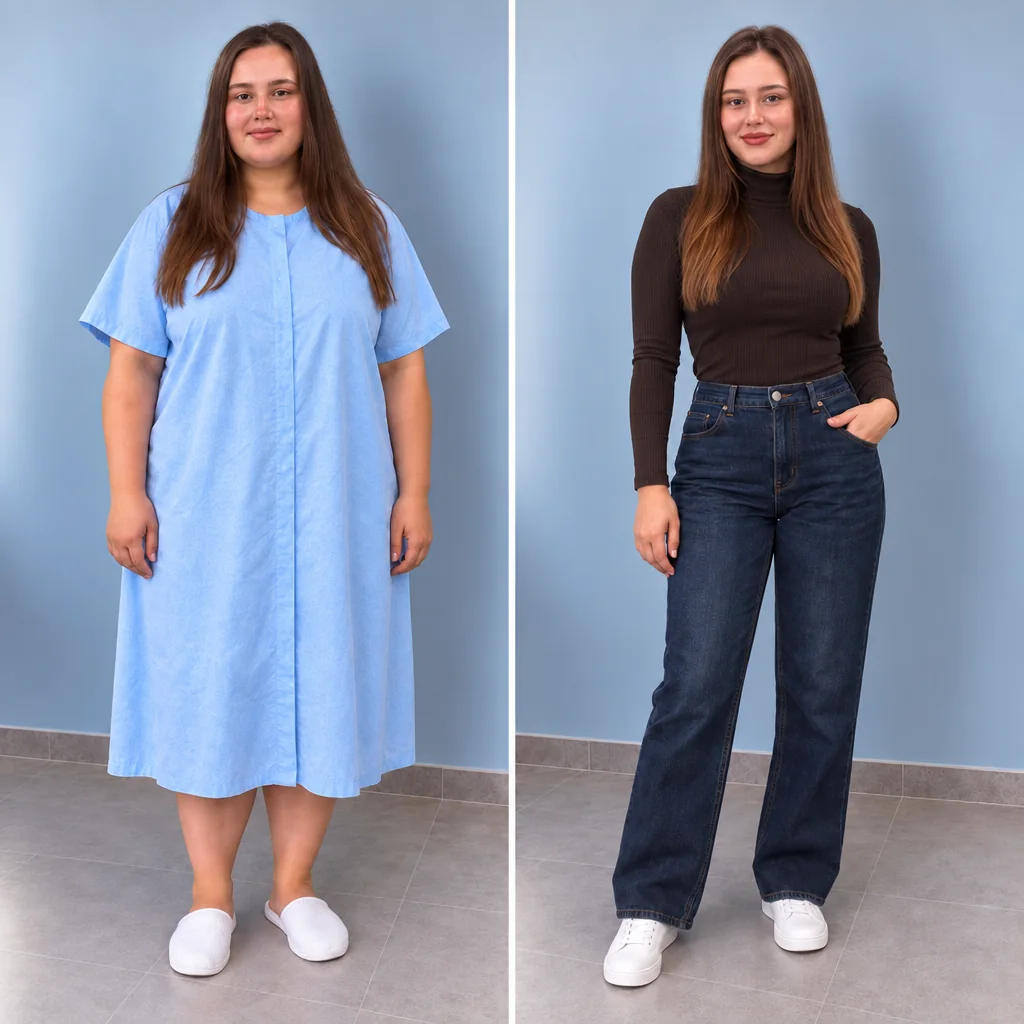
 beforeafter
Irina, 26
Bariatric surgery
Bariatric surgery
$3,600
$4,800 · First consultation — Free
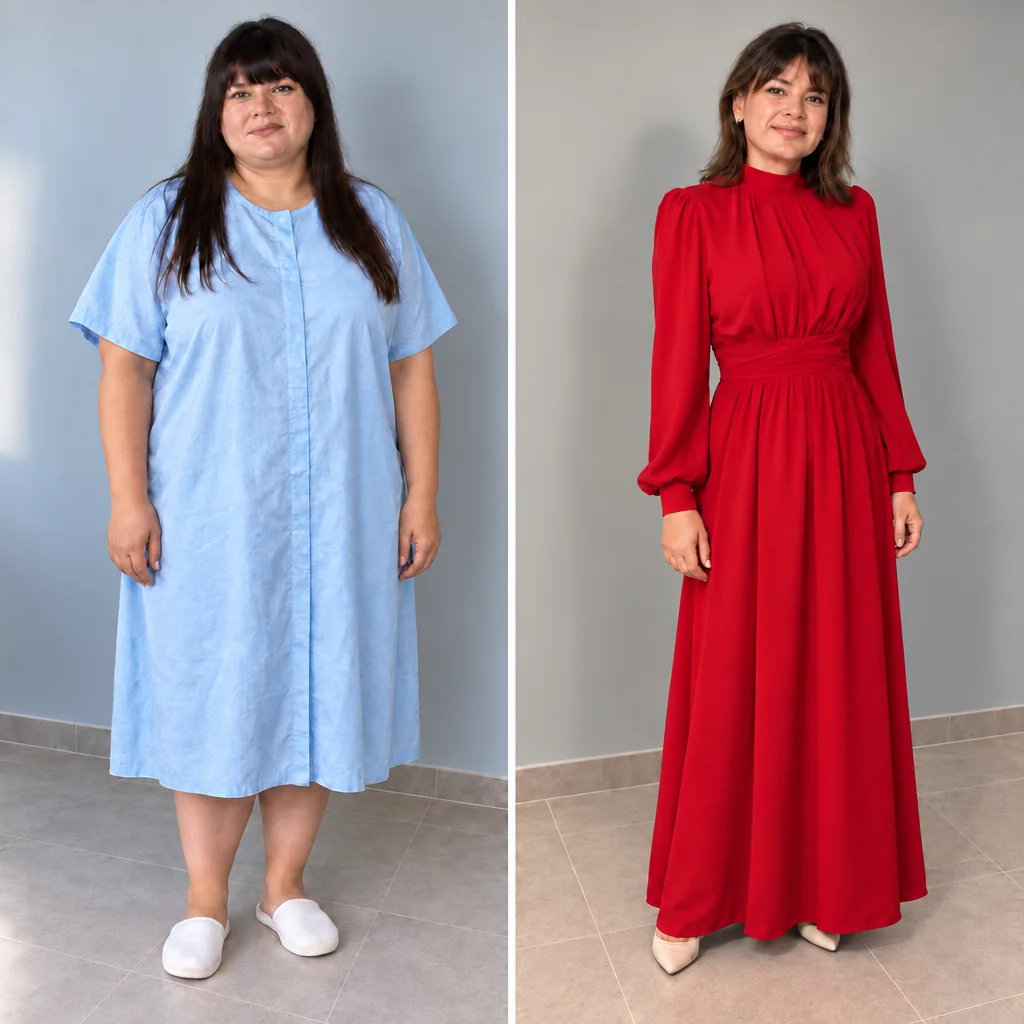 before
after
before
after
Message our coordinator
Free online consultation · Reply within 15 minutes
Message us on TelegramMessage us on WhatsAppBy messaging us, you agree to our Privacy Policy
Results
These are real patients treated at the clinic.
beforeafterBariatric surgery
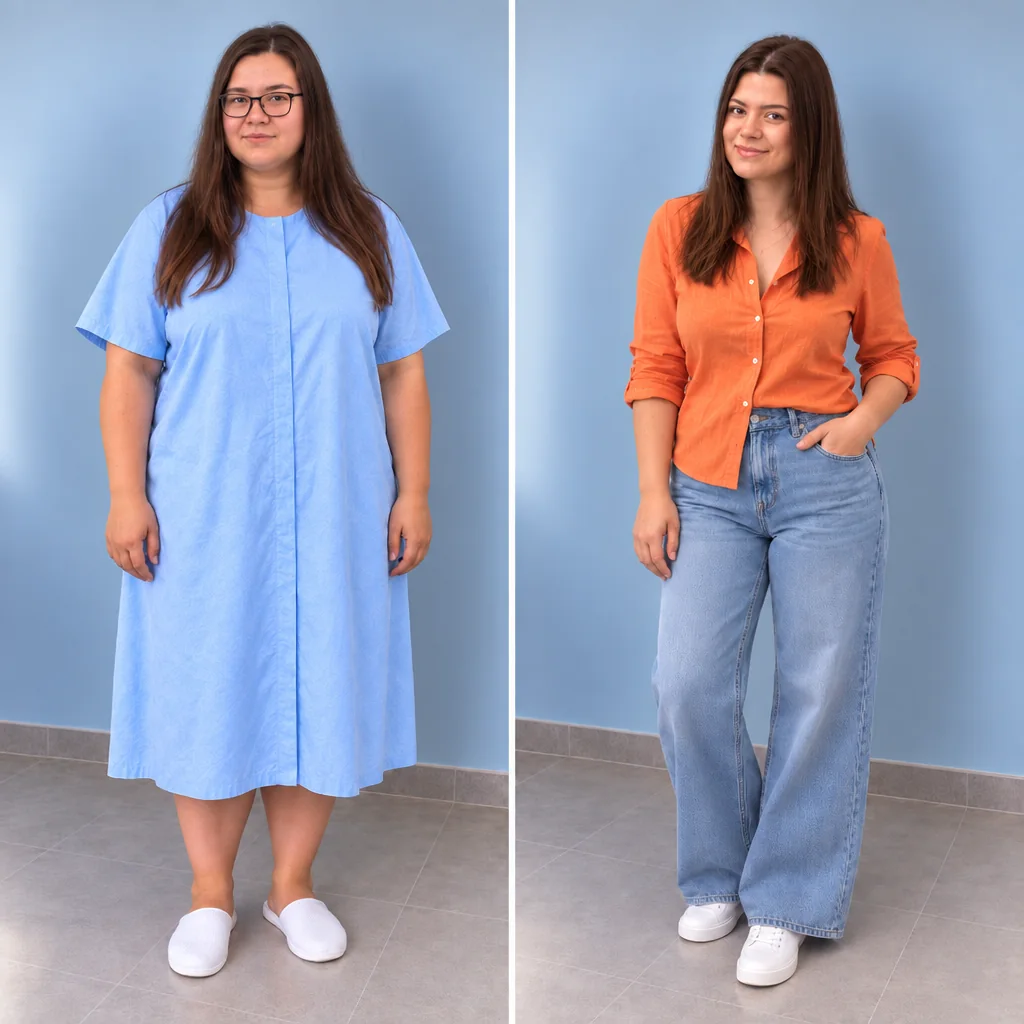 beforeafter
Bariatric surgery
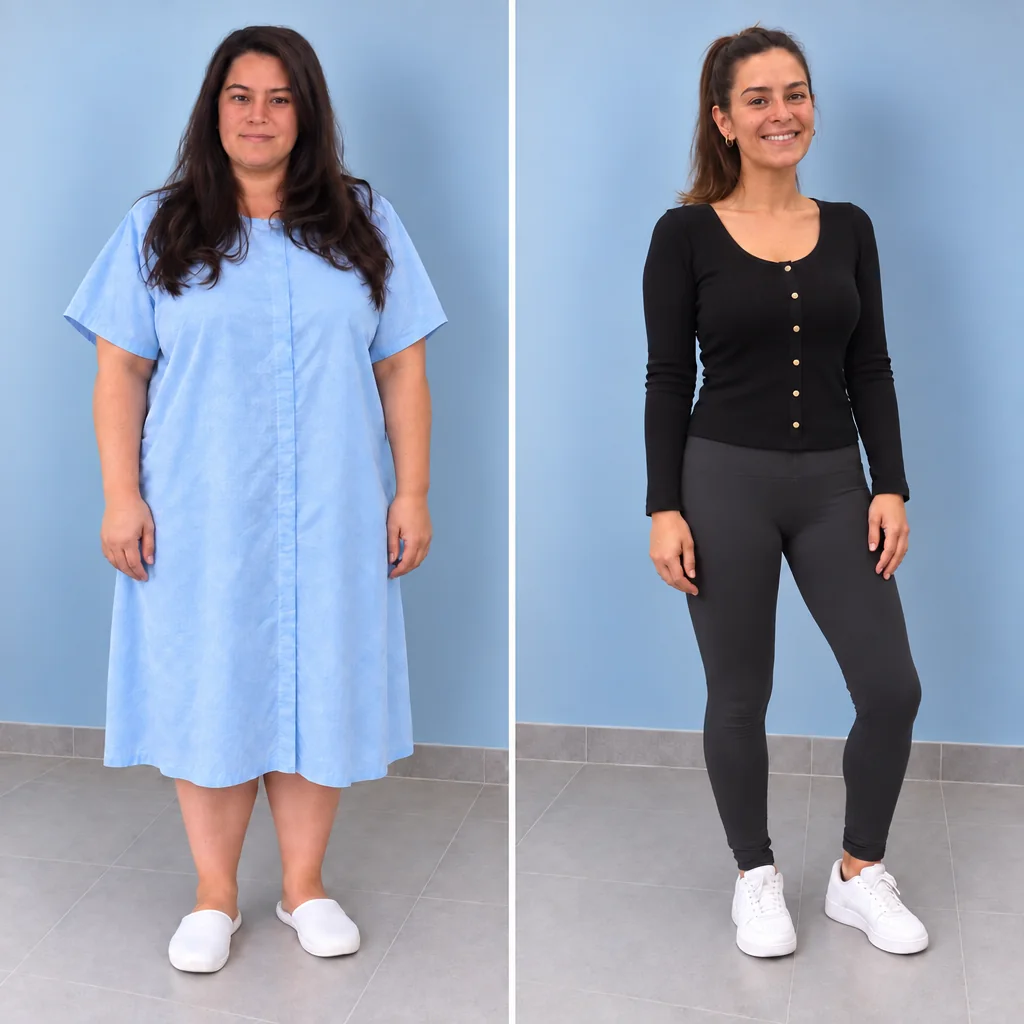 beforeafter
Bariatric surgery
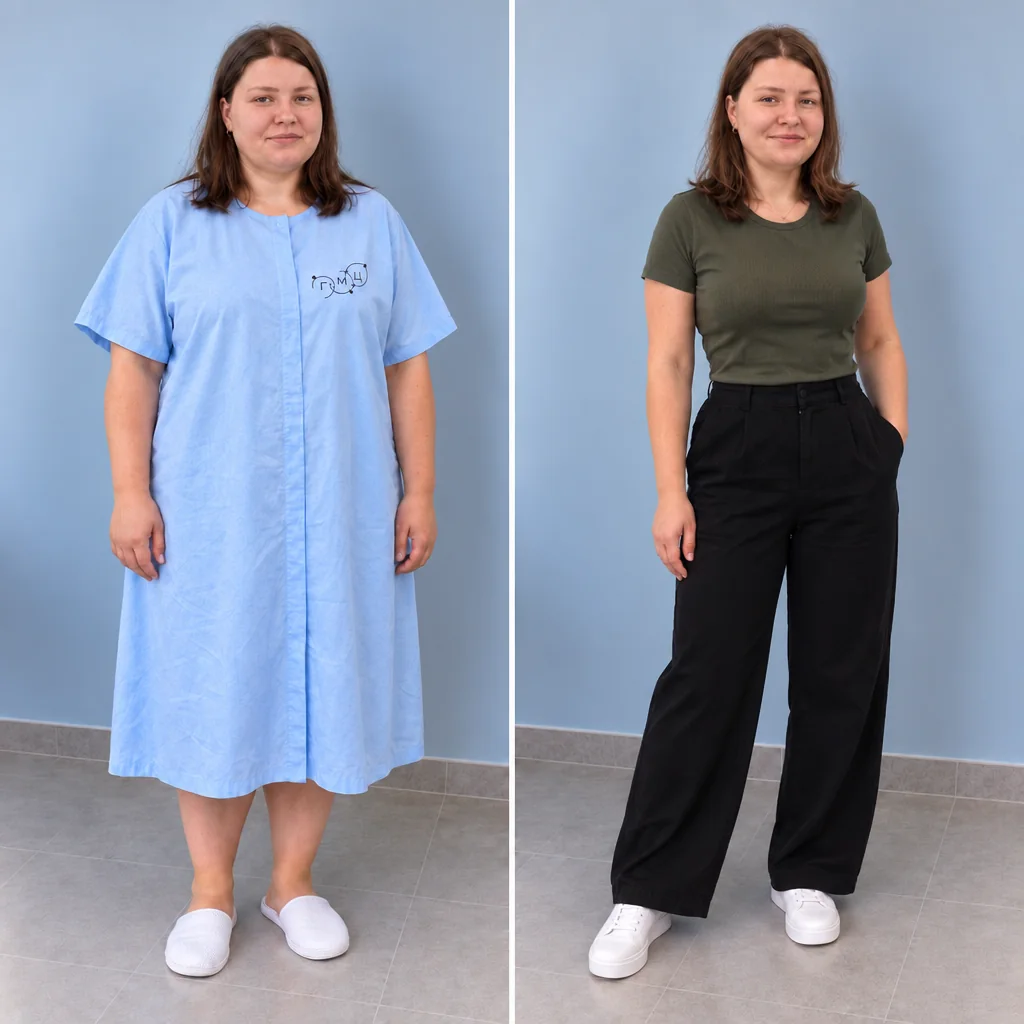 beforeafter
Bariatric surgery
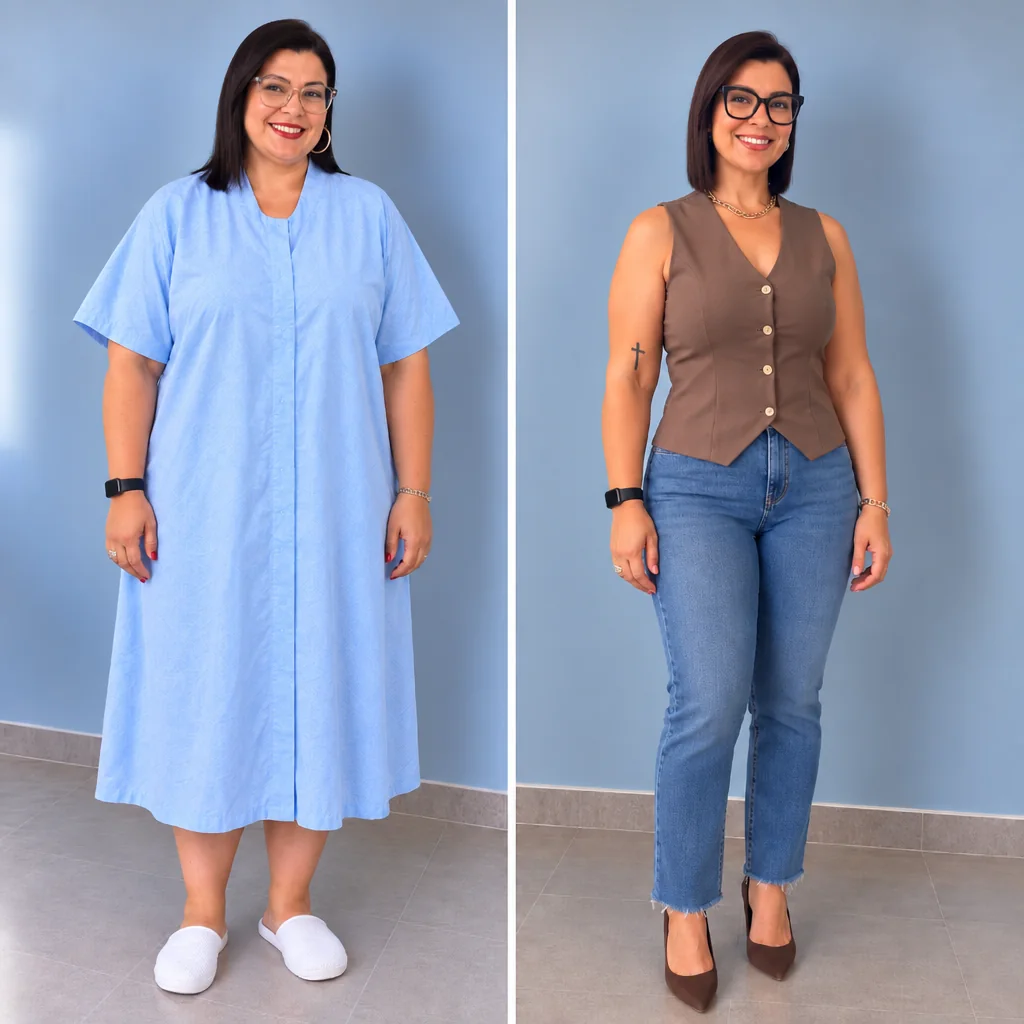 beforeafter
Bariatric surgery
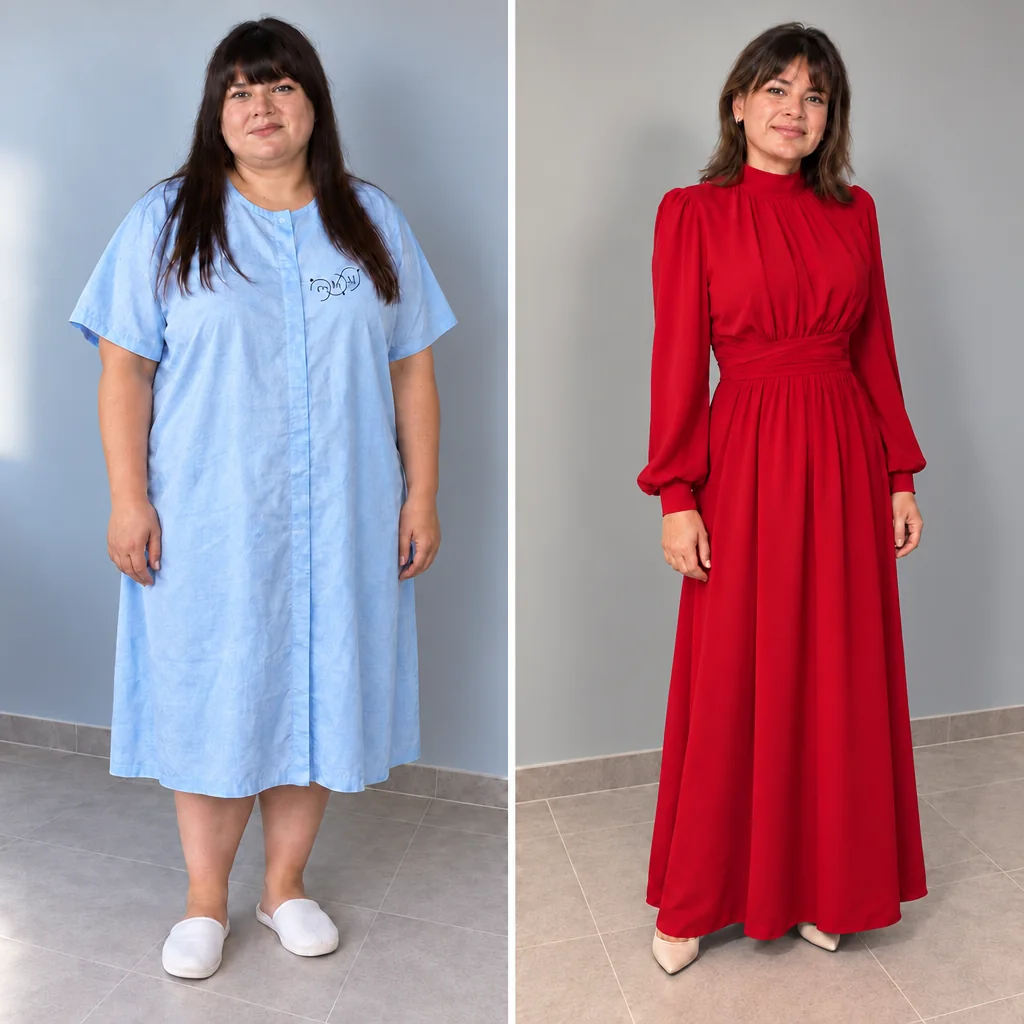 beforeafter
Bariatric surgery
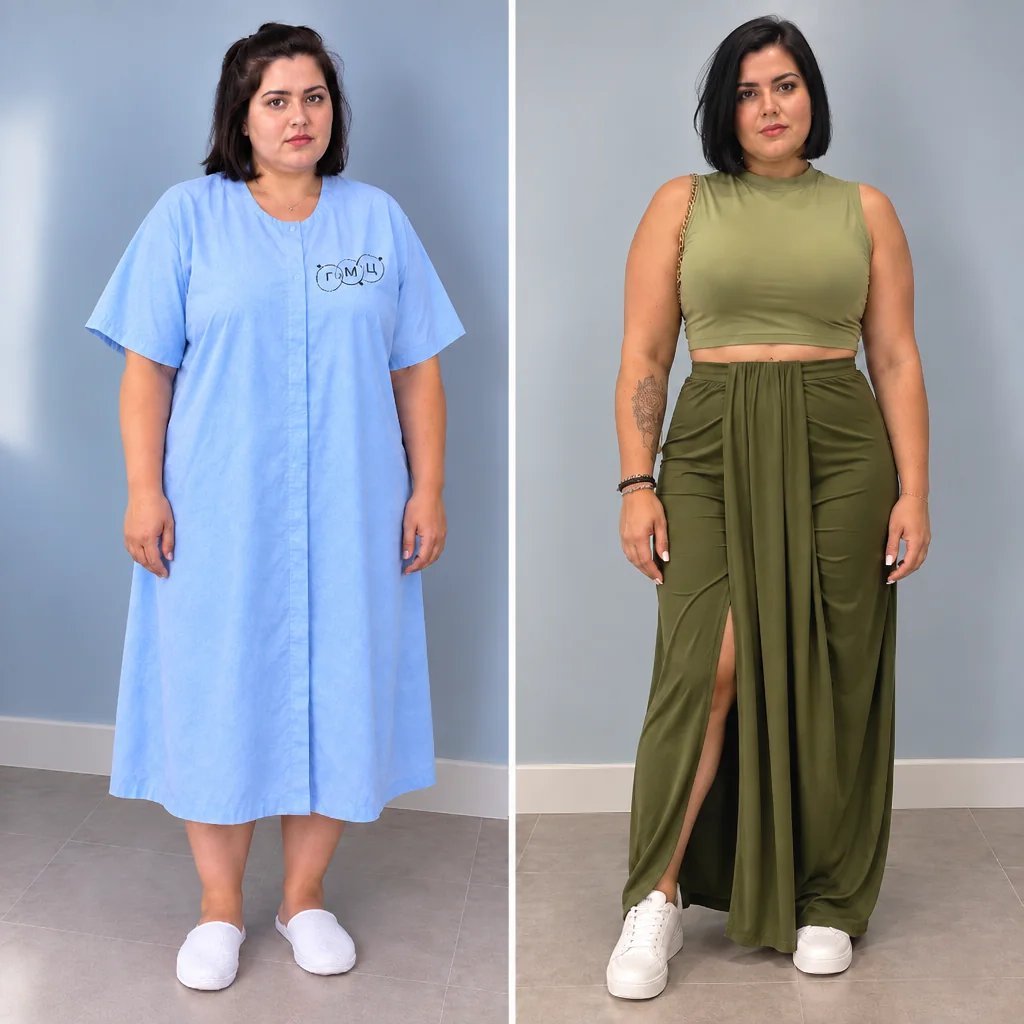 beforeafter
Bariatric surgery
 beforeafter
Bariatric surgery
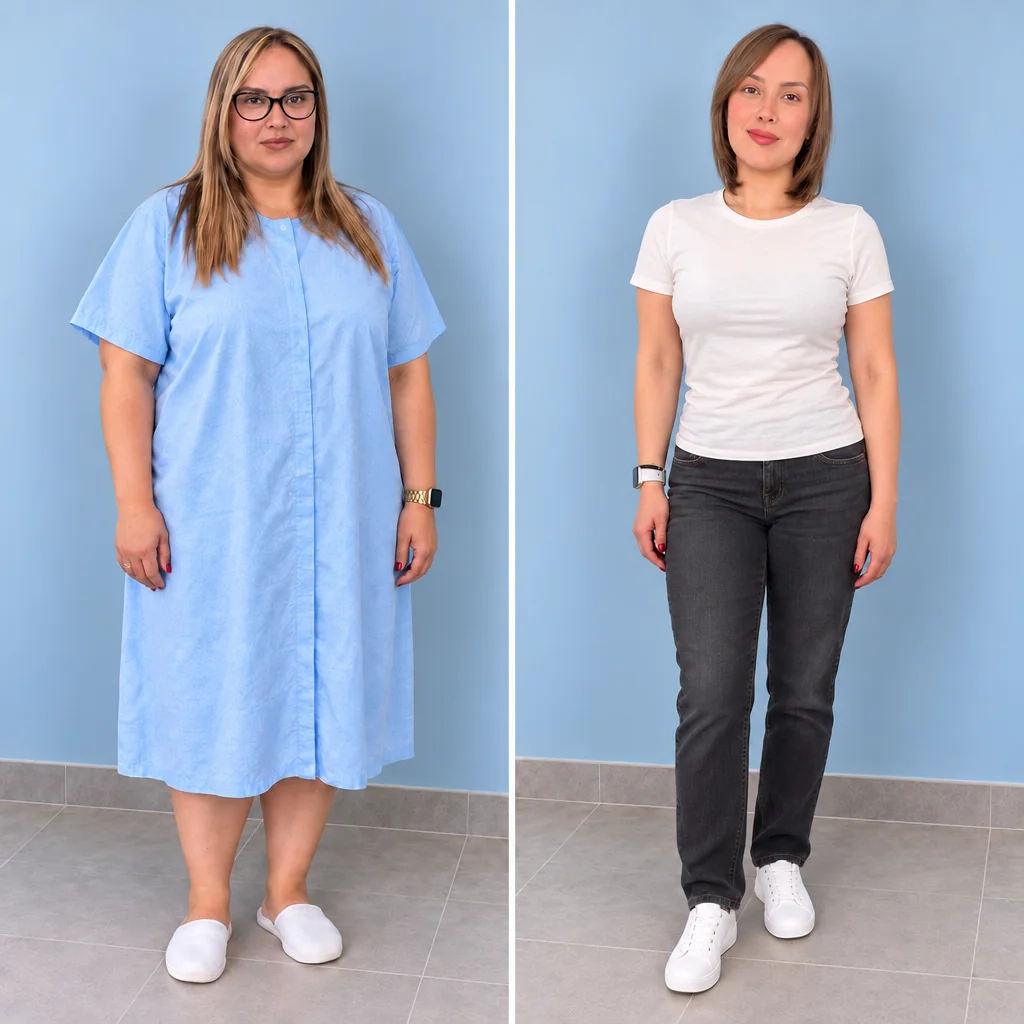 beforeafter
Bariatric surgery
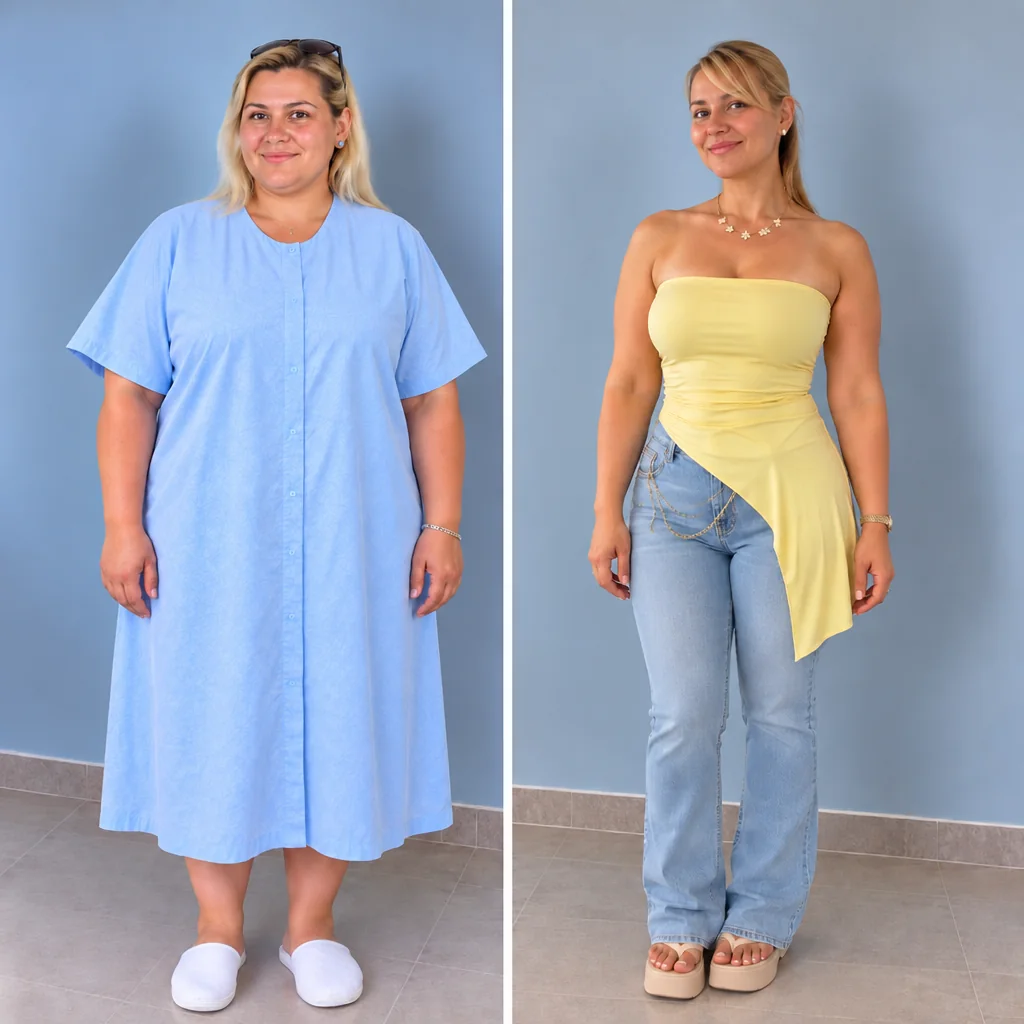 beforeafter
Bariatric surgery
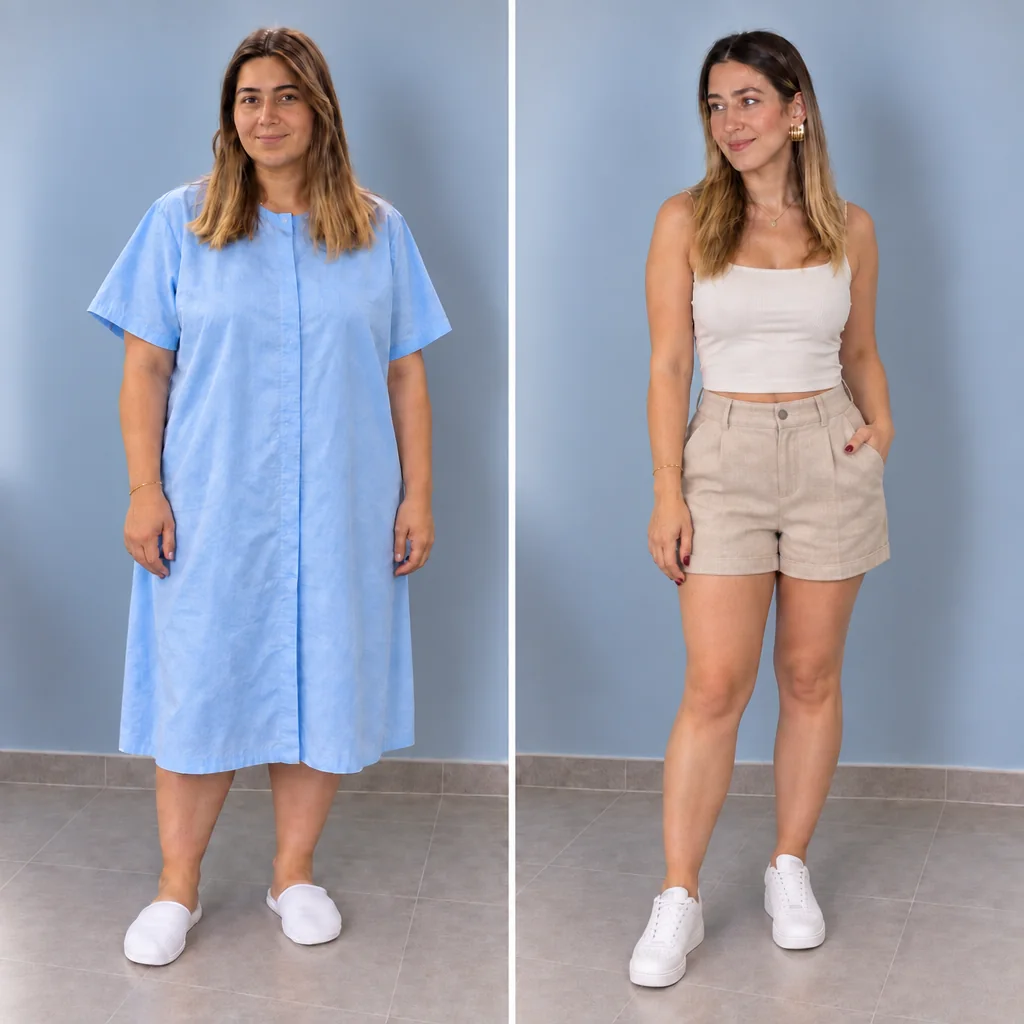 beforeafter
Bariatric surgery
Comparison
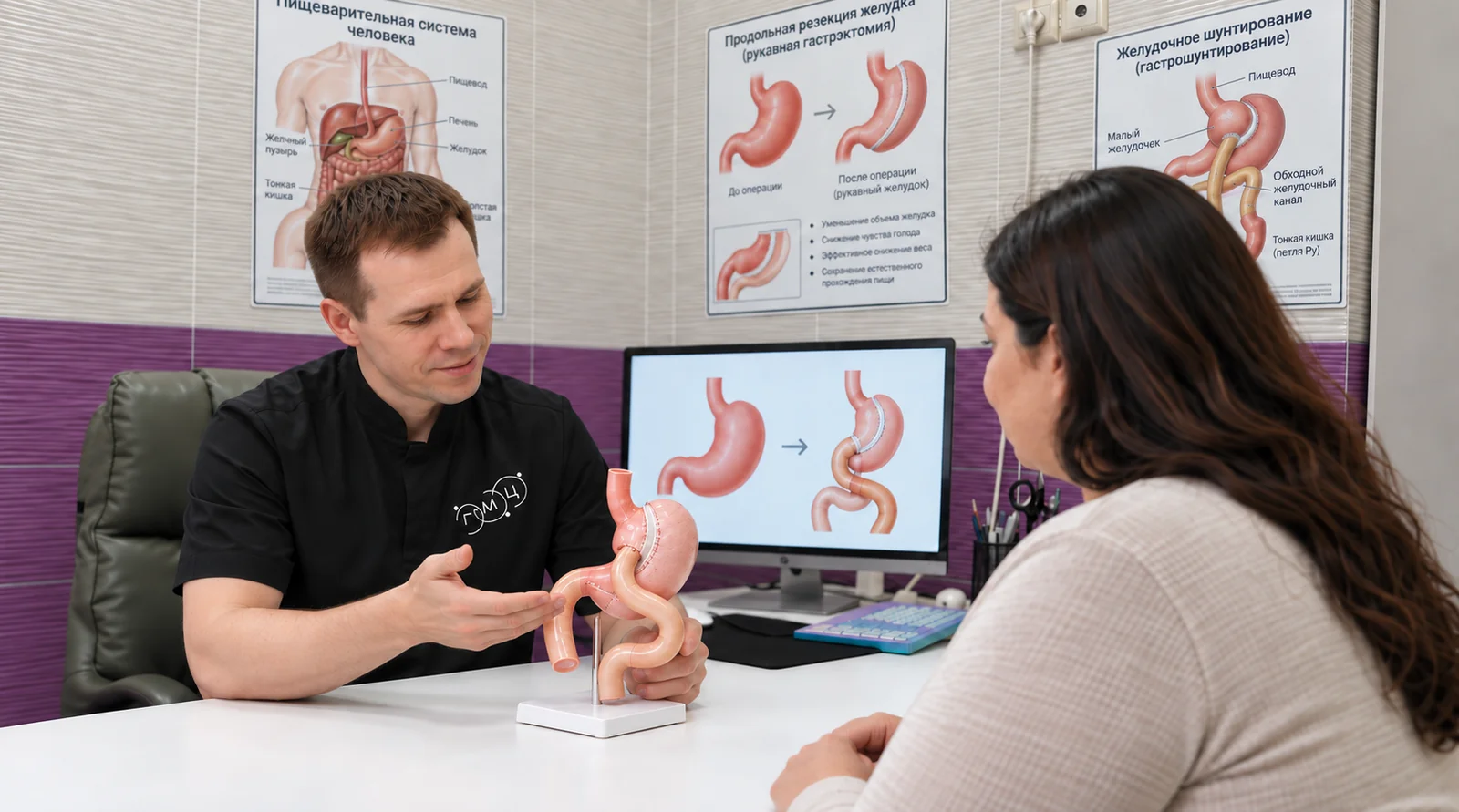
Sleeve gastrectomy and gastric bypass are the two main operations we perform. Compare their mechanism, goals and indications to make a confident choice of method.
A smaller stomach volume
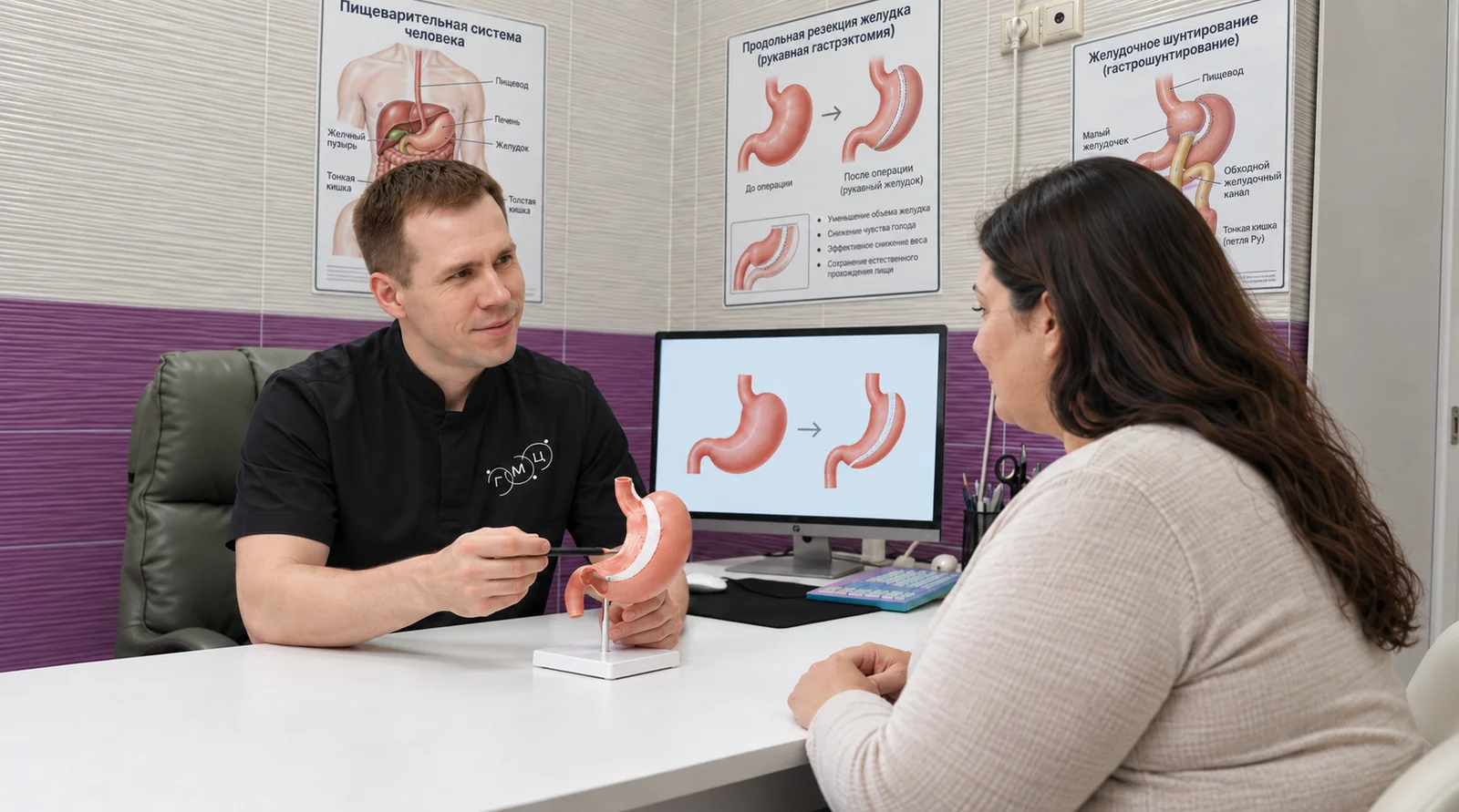
Discounted price
$3,600 $4,800
Reducing the stomach volume and rerouting food
Discounted price
$4,000 $5,200
Benefits and recovery times are shown as averages for each method and are only a guide: the scope of surgery and your recovery depend on your anatomy and individual features, and the surgeon confirms them at the consultation.
Book a consultationOur clinic
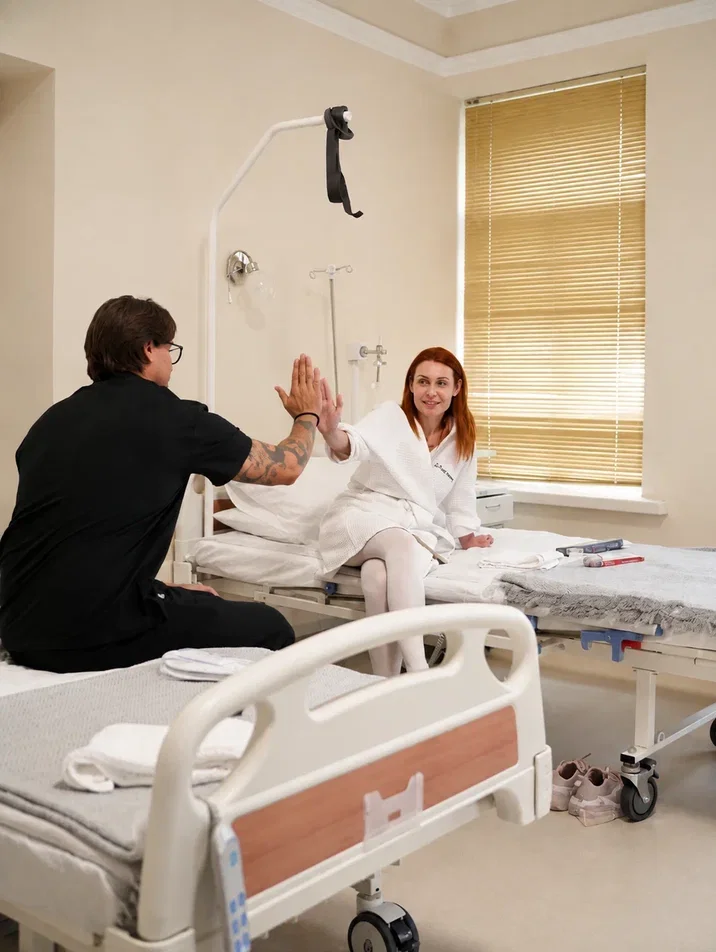
Modern technology, cosy rooms and personal attention for every patient
Our team will reply to your questions and help you choose a consultation time
Get a consultationThe decision on surgery is made together with the surgeon after a consultation and check-up.
Can't tell which column fits your case?
Send us a Telegram message to find out from our coordinator if bariatric surgery is right for you. There is no charge for the surgeon consultation and no commitment to surgery.
Find out if it suits me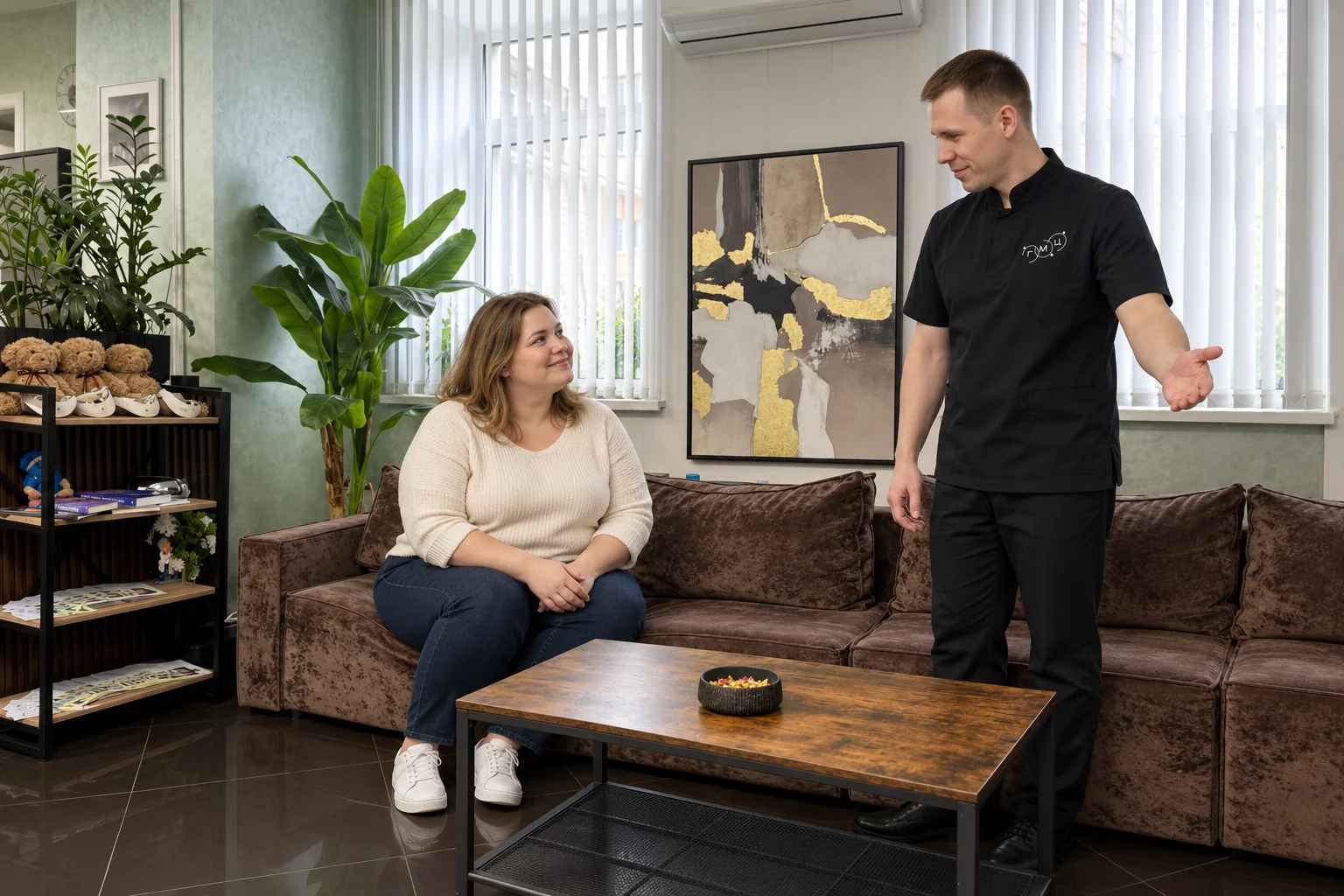
Prices
Your cost is confirmed at the consultation once the plan is ready and written into the contract.
Discounted price
A smaller stomach volume
$3,600$4,800
Discounted price
Losing weight by changing the food route

$4,000$5,200
Free
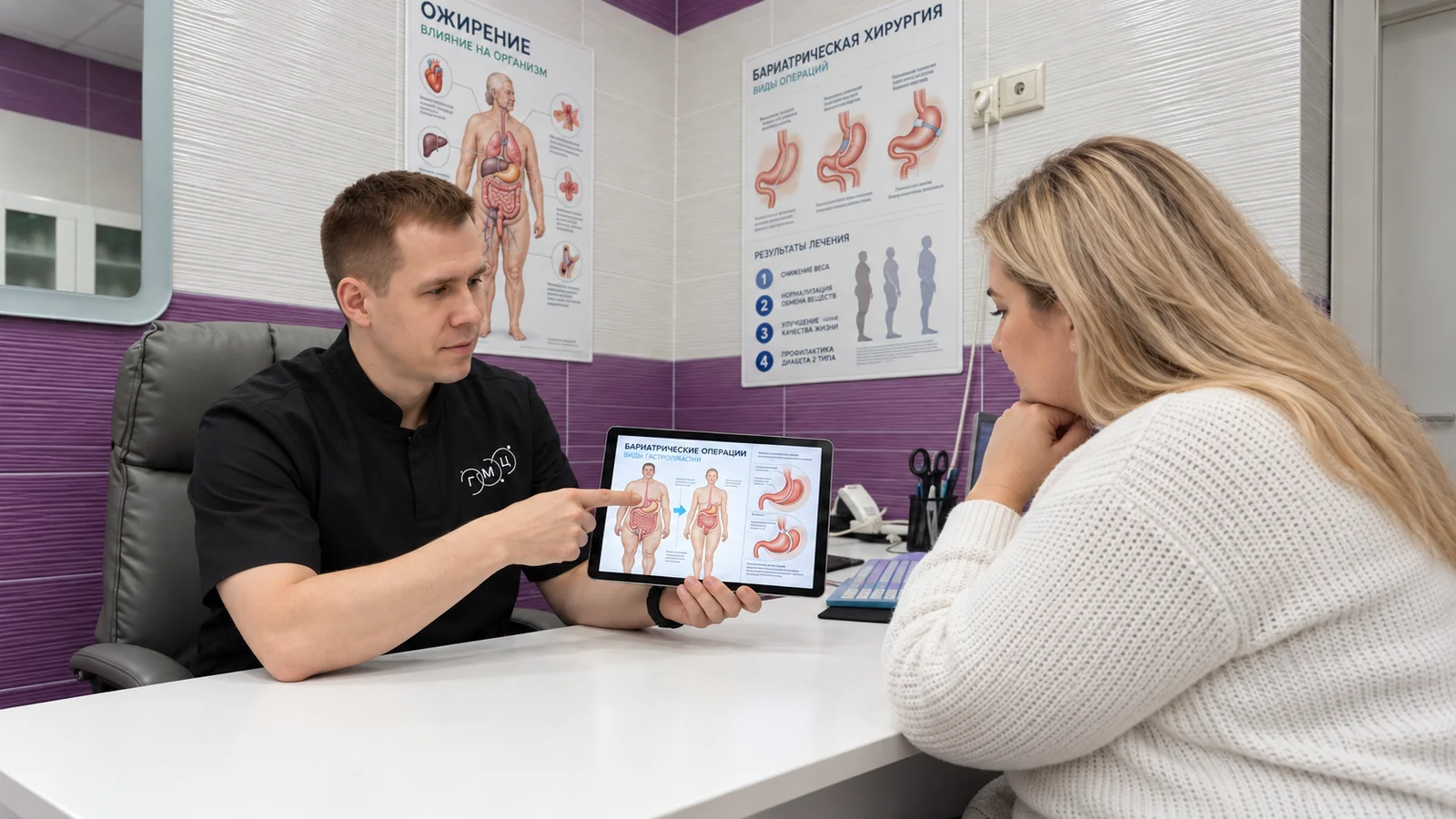
The surgeon examines you and draws up a treatment plan

Free
the surgery price is set
and written into the contract
Your goals are discussed, your health is assessed and the right bariatric method is chosen by the doctor. The price is given at the consultation and fixed in the contract.
Message our coordinator
Free online consultation · Reply within 15 minutes
Message us on TelegramMessage us on WhatsAppBy messaging us, you agree to our Privacy Policy

price
One package includes preparation and 12 months of support. There are no extra charges.From getting ready for surgery
to 12 months of support.
How it works
An agreed treatment plan, monitoring in hospital and support for a year.
 1
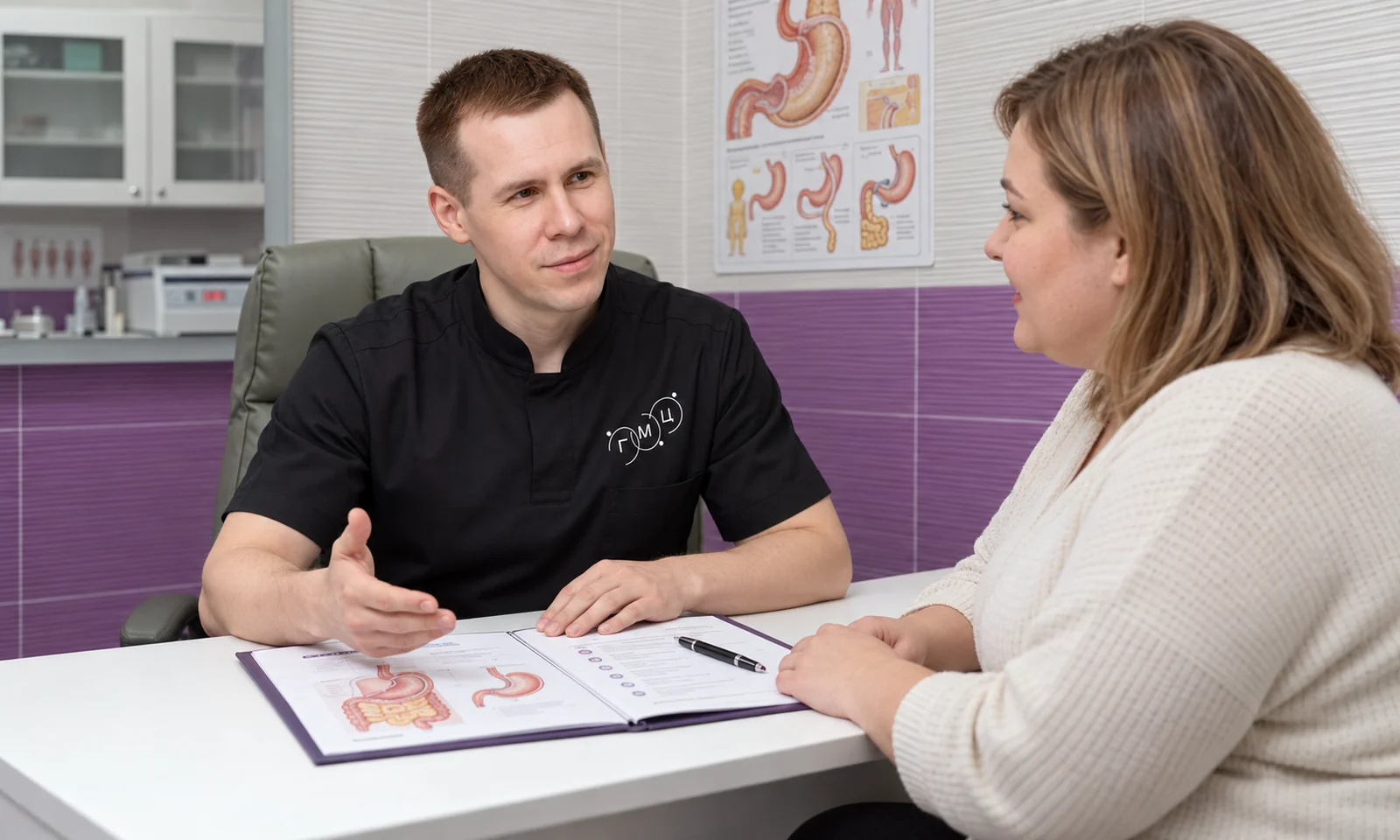
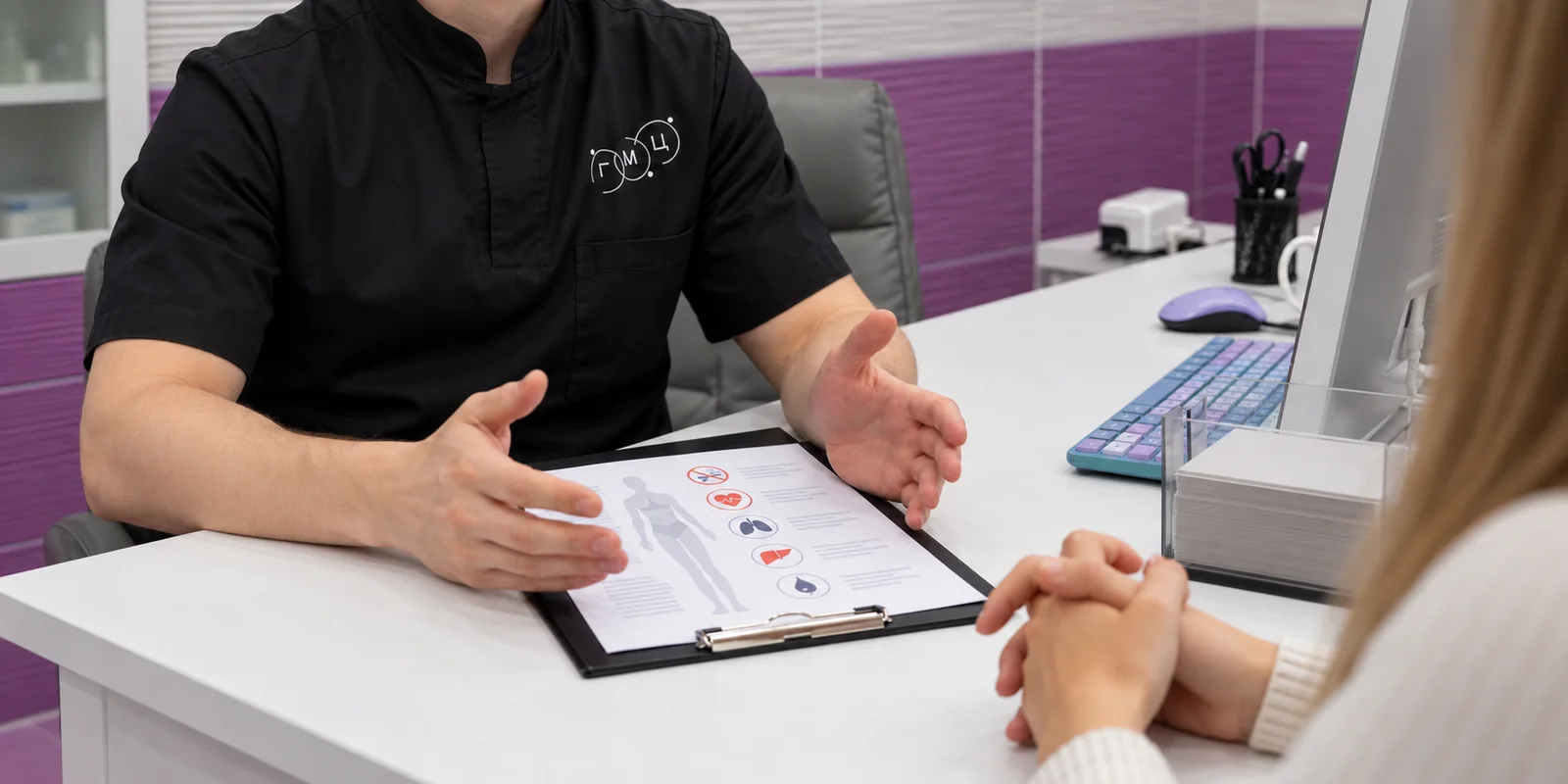
1Assessing your health and discussing your goals, the doctor orders the tests needed to select the appropriate bariatric method.
2The contract for medical services fixes the terms; we reserve a surgery date for you, and the deposit can be paid by card at the clinic or by bank transfer online
 3
3Before surgery you will have blood and urine tests, an ECG, an ultrasound and a gastroscopy, plus specialist appointments. The doctor provides the exact list at the consultation.
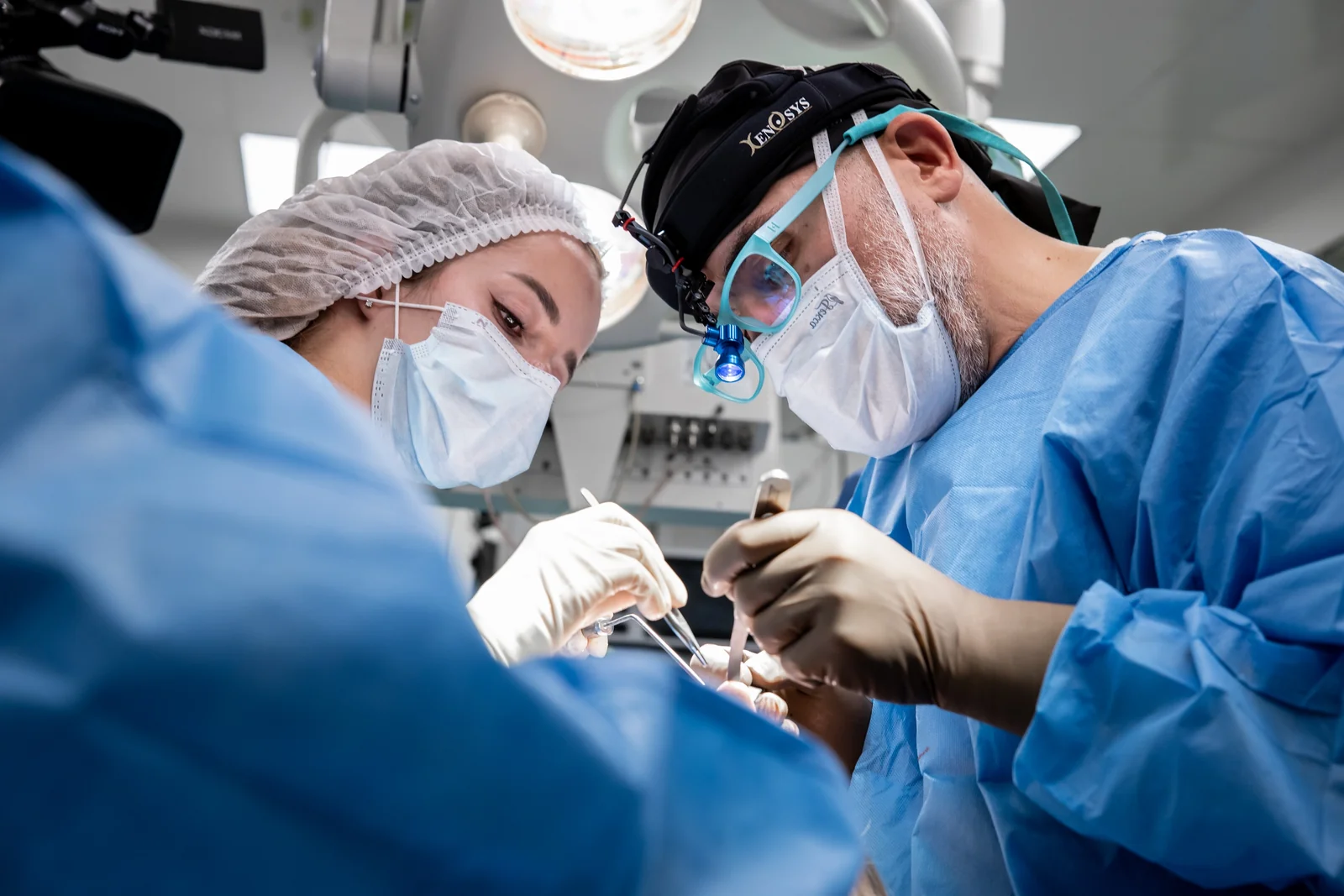 4
4The surgeon does the bariatric operation under general anaesthesia by the method chosen. After surgery, the patient stays under the medical team's monitoring.
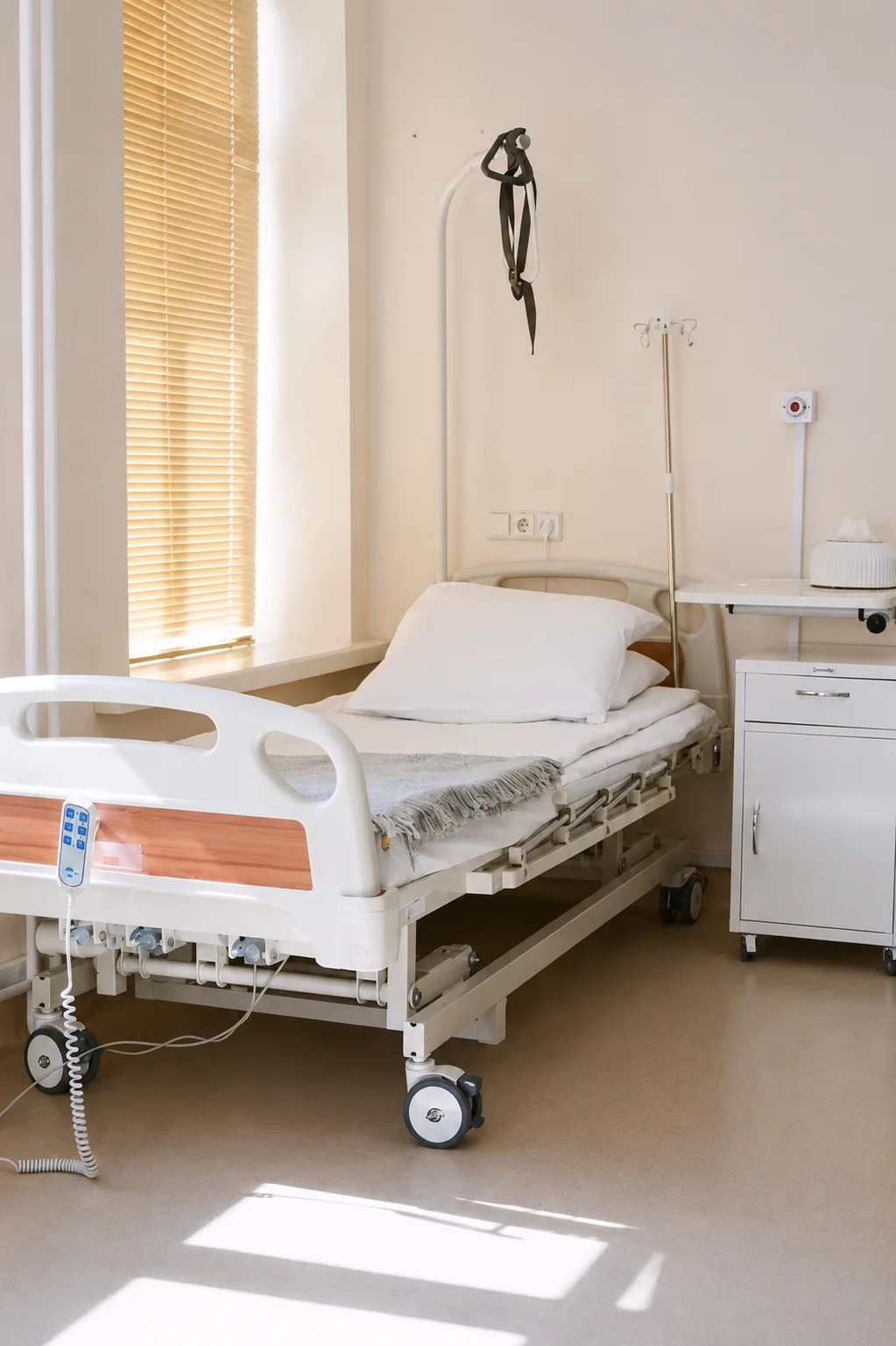 5
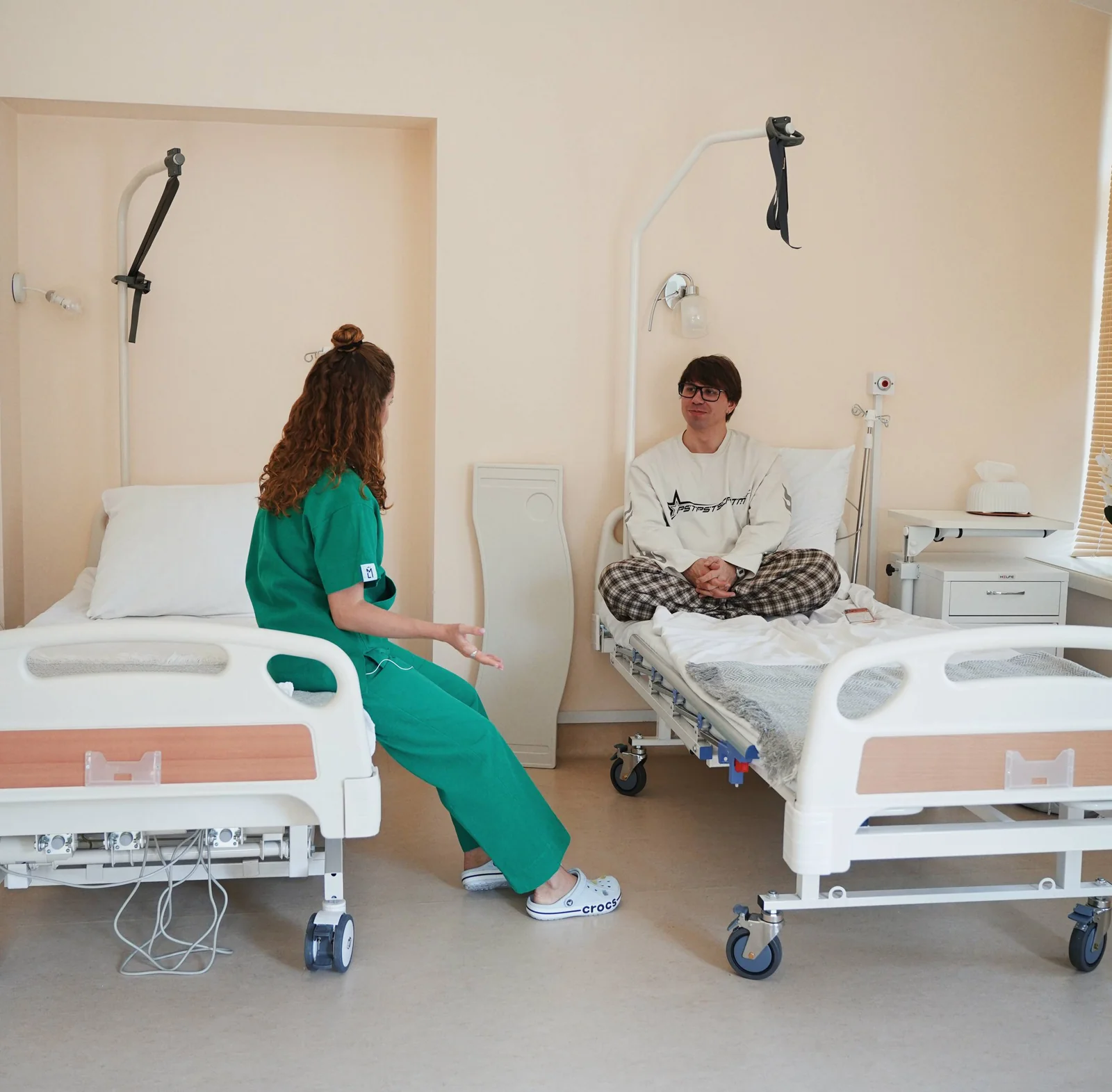
5Doctors supervise you in hospital after surgery for a stay of 1–3 to 4–5 days, depending on the complexity of the operation and how you are feeling.
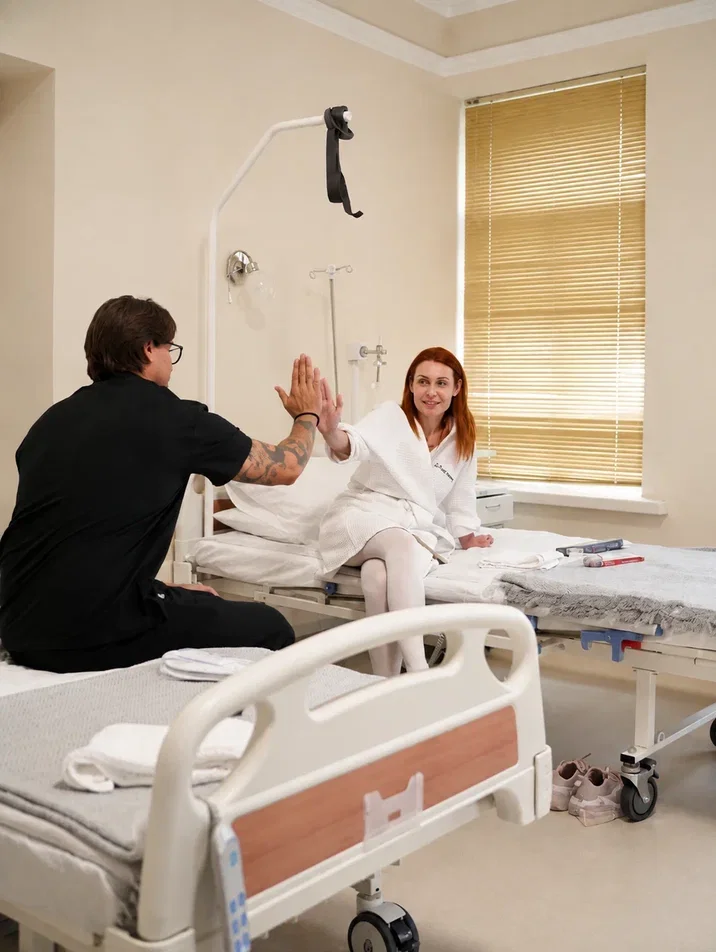 6
6After discharge you get advice on diet and recovery. Scheduled check-ups track how you feel, your weight and your test results. The clinic team supports you for a year.
The doctor draws up a plan at the consultation and explains how the surgery will go
You pay nothing for the consultation, happens before surgery, with no obligation.
Book a consultationDoctors

27 years of experience
Leading bariatric surgeon
Surgeon
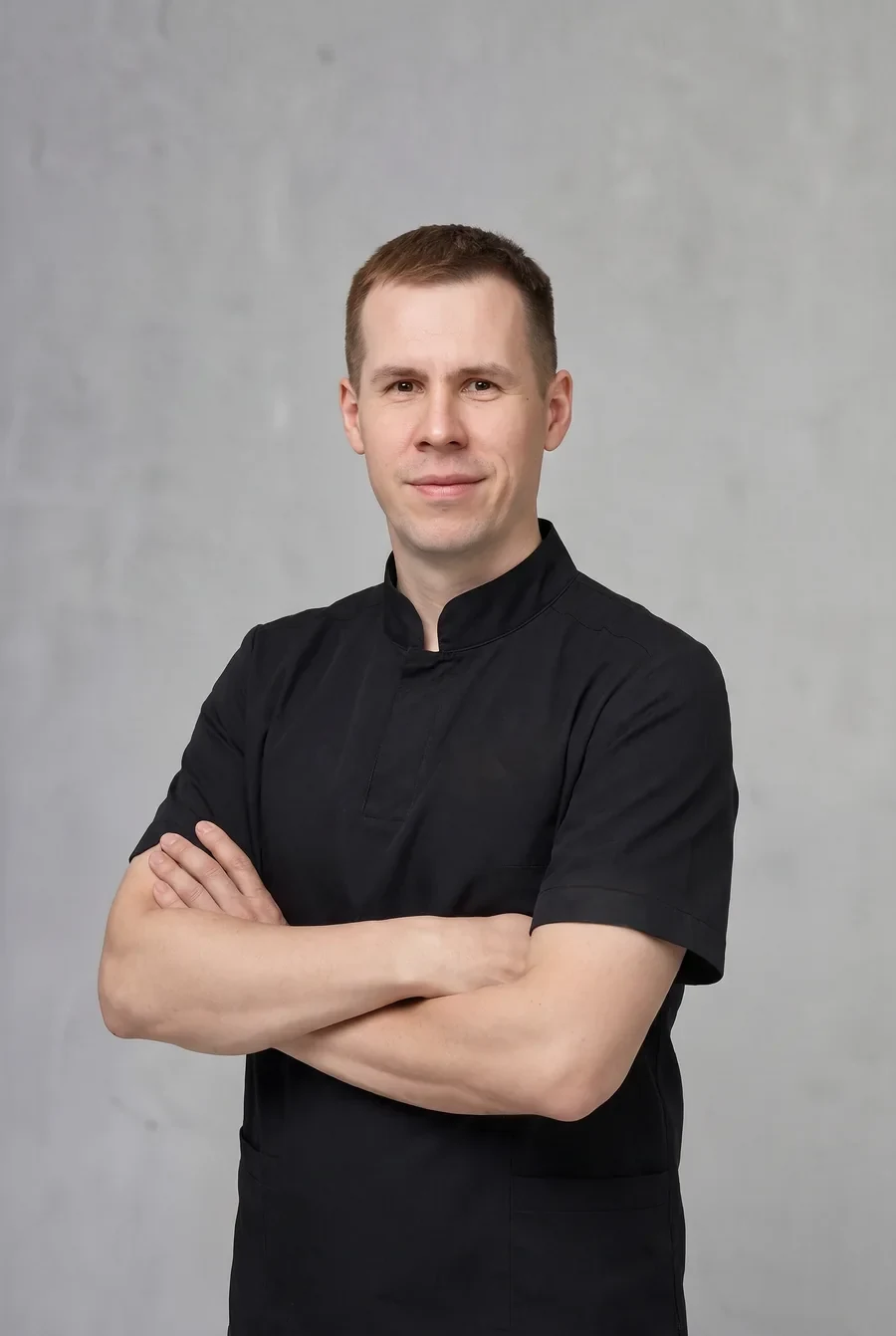
9 years of experience
Bariatric surgeon
Surgical oncologist
One surgeon operates and follows you all the way, from the first consultation to the result.
The patient care manager holds your first consultation free of charge: they work out your BMI, explain the methods and book your appointment with the surgeon.
Book a consultationCoordinators
We support you at every stage

First contact at the clinic for you — from your first message through to the consultation
Care specialist for patients
Helps you find a convenient date and answers your questions before your first consultation

From the moment you book to discharge — with you before and during your stay
Care specialist for patients
Helps you get ready for surgery and keeps in touch while you stay at the clinic

With you all through recovery, from discharge to the final check-up
Care specialist for patients
Stays in touch during your recovery and schedules follow-up visits with the surgeon
Advantages
We pick the best method for your health, lifestyle and goals, and our team is with you all the way.
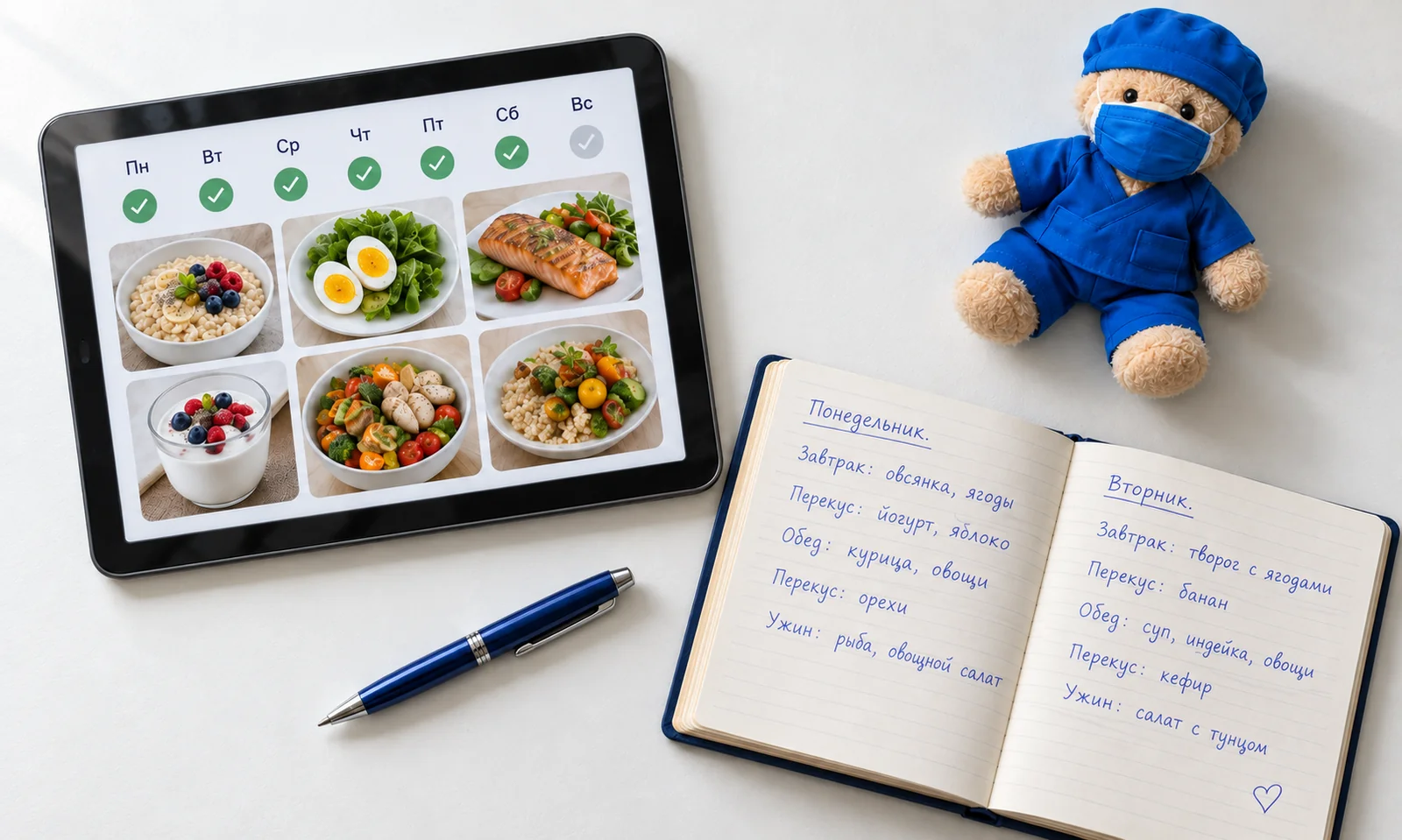
We help you track your results, keep them and adapt to new eating habits.

Steady weight loss, feeling better and a higher quality of life.

We work 24/7: booking is easy, the approach is personal and we adapt to your pace.
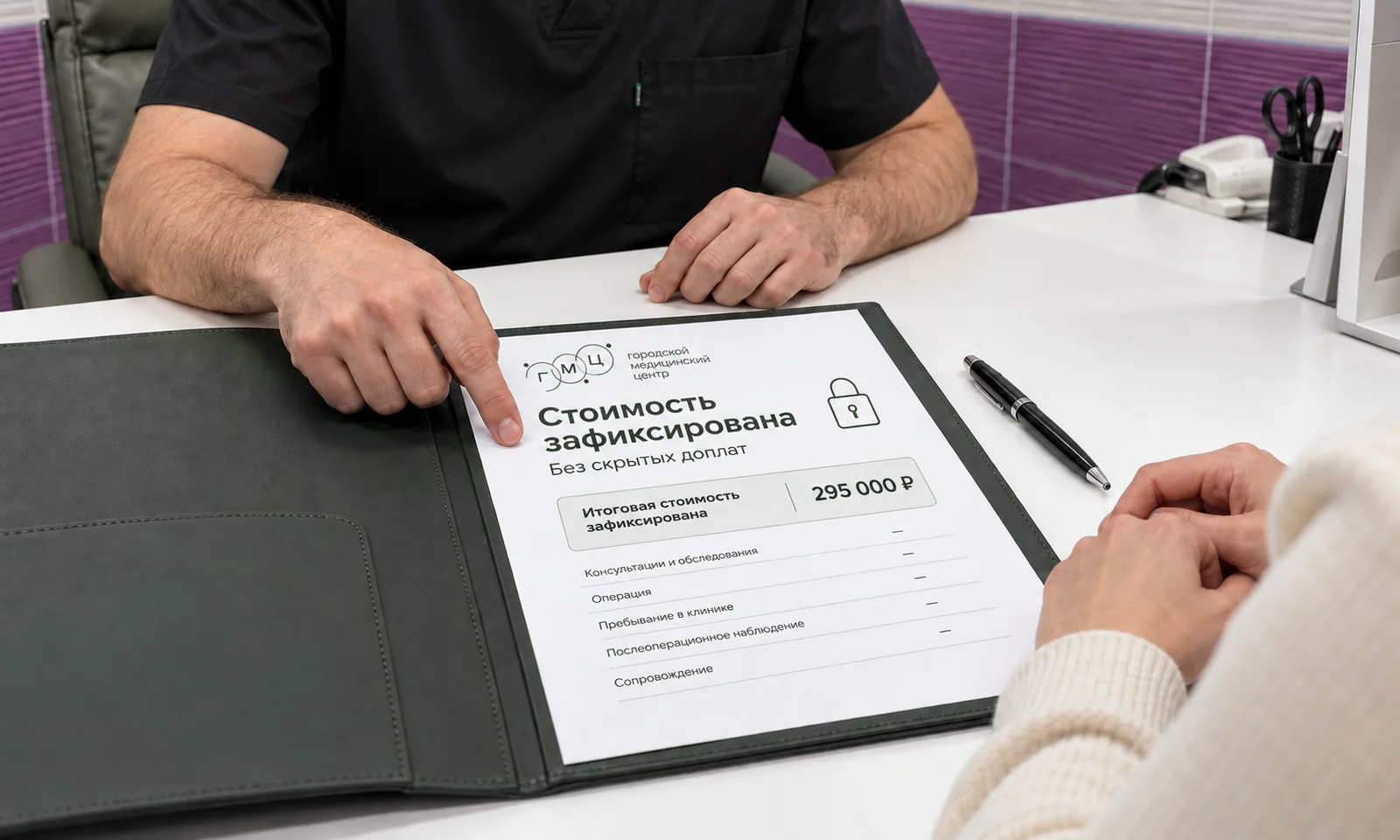
You get a clear price after the consultation, when the surgeon chooses the method: no hidden fees and no surprises along the way to your result.
FAQ
Bariatric operations here are carried out by experienced bariatric surgeons:
Send us a message — our coordinator will get back to you shortly and set up your consultation. The bariatric surgeon consultation is free.
Surgery is prescribed only when clear criteria are met
The degree of obesity is mainly assessed with BMI: body weight (kg) divided by height squared (m²). As a rule, surgery is justified when BMI exceeds 40, or exceeds 35 alongside serious related conditions. In some cases lower values may also qualify for surgery if non-surgical approaches have failed.
The two are often mistaken for each other, but their goals are fundamentally different. Bariatric surgery provides medical treatment for obesity and related diseases. Changing how the digestive tract works, it deals with the causes of excess weight and metabolism. Plastic surgery modifies the body's outer contours; it does not treat obesity or affect metabolism.
Four main types of bariatric surgery are performed at City Medical Centre: sleeve gastrectomy, Roux-en-Y gastric bypass, mini gastric bypass (MGB) and SADI-S duodeno-ileal bypass. Each is selected individually based on BMI, related conditions and patient goals.
Our approach is modern laparoscopic technique: 4 small punctures of 5 to 15 mm. We use cosmetic sutures, so the marks turn almost invisible after healing.
The recovery timeline depends on your activity. Office work: after 2–4 weeks. Physical work: after 1.5 months. Sport and activity: swimming allowed from 30 days, other exercise added gradually as weight comes down. Travel and holidays: best planned at least a month after surgery.
Your diet changes step by step: from liquid food to soft and then to solid. The emphasis is on protein and on cutting high-calorie, fatty food.
It is possible to get pregnant after bariatric surgery, but doctors recommend a minimum wait of 12–18 months. During it the body stabilizes, weight reaches its target and nutritional status is normalized.
Yes, vitamins are essential after bariatric surgery. As digestive anatomy changes, the body absorbs certain nutrients less well, so regular vitamin and mineral supplements become a lasting part of the patient's life.
Weight regain after bariatric surgery is possible, but very unlikely if you follow the doctor's advice. Proper nutrition, avoiding high-calorie drinks and regular follow-up with City Medical Centre specialists are key.
Prices are in US dollars; the amount in brackets is an approximate conversion to MAD at the rate of 02.10.2026. The final price is fixed in your contract.
Prices start from $3,600 (≈ MAD 36,000). The surgeon sets the final price at the free consultation, and it is fixed in the contract, with no hidden extras.
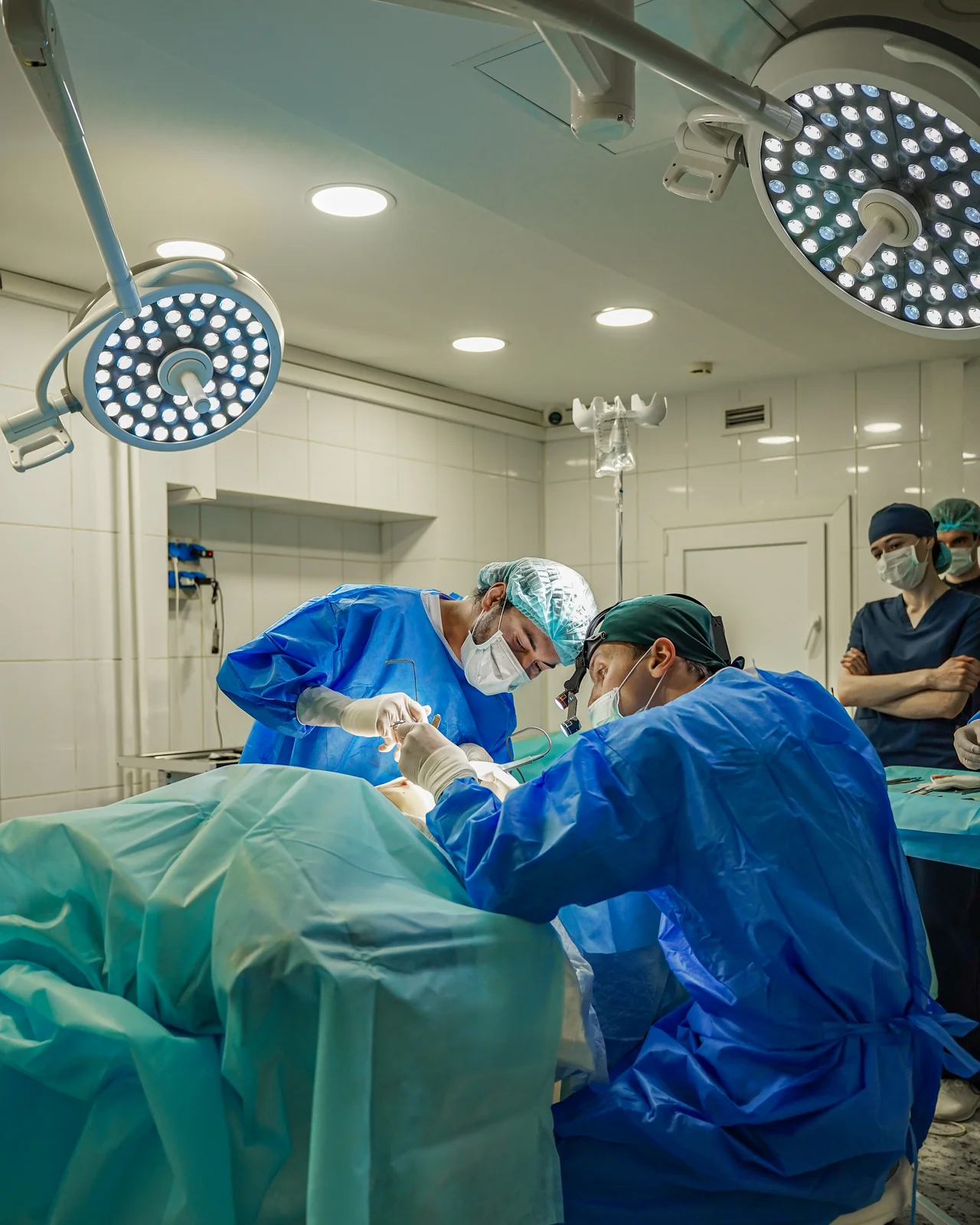
General anaesthesia, a personal coordinator from day one, monitoring in the hospital and support for one year.
The hospital stay is 1–5 days, depending on the method and how you feel. Office work is possible after 2–4 weeks.
Yes. The first consultation is free and does not oblige you to anything. You can start online by sending a message to the coordinator.
Message us on WhatsApp or Telegram using the buttons below. A coordinator will answer your questions and book a free consultation where the doctor names the exact price.
By messaging us, you agree to our Privacy Policy
Bariatric surgery is a medical treatment for obesity and related diseases. Unlike plastic surgery, it changes how the digestive tract works and addresses the causes of excess weight. For patients from Safi, four main methods are available: sleeve gastrectomy, Roux-en-Y gastric bypass, mini gastric bypass and SADI-S. Each is chosen individually based on BMI, related conditions and personal goals.
Eating changes in stages. A staged diet lasts 1–2 months, moving from liquid to soft to solid food so the stomach can adapt, with the focus on protein and limited high-calorie, fatty dishes. Following specialist advice, patients lose on average 10% of excess weight per month. Those from Safi build stable eating habits that keep the weight from returning.
Your investment covers more than surgery. The package includes the full diagnostic programme, the chosen laparoscopic method, inpatient care with food and nursing staff, round-the-clock medical presence and specialists tracking your weight and tests throughout the first year. For people searching for weight loss surgery in Safi, the first consultation with the surgeon is free and takes about 15 minutes.
Well-known people who spoke openly about this operation, in their own words.
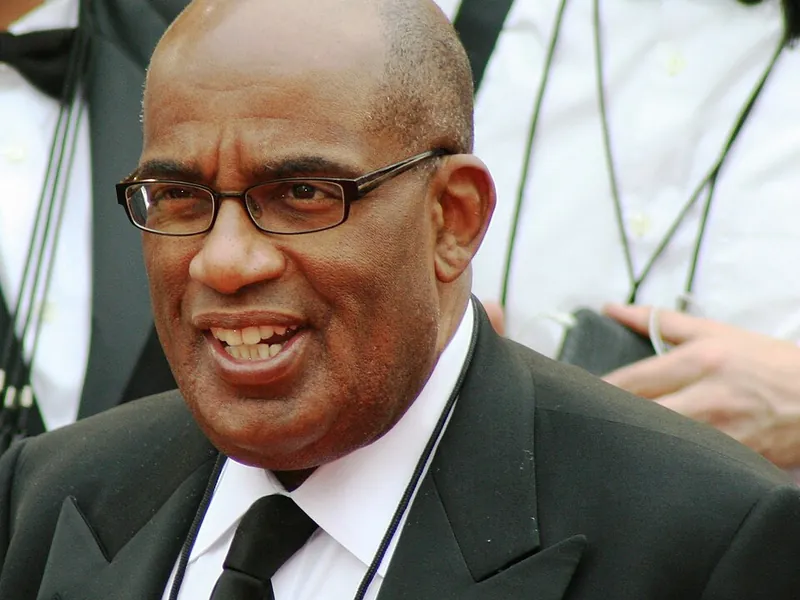 Al Roker and gastric bypass: twenty years of talking about it honestlyAl Roker had gastric bypass surgery in March 2002 and has talked about it for 20 years. His words, how the operation works and what recovery involves.
 Did Billy Gardell have bariatric surgery? Yes — and he says it saved his lifeThe Mike & Molly star had bariatric surgery in 2021 after a diabetes diagnosis. His quotes on the decision, the 100-pound loss and his children.
 Did Graham Elliot have weight-loss surgery? Yes, and he did it for his familyChef Graham Elliot had weight-loss surgery in 2013, saying it was what he needed to do for his family. His words, the operation and recovery.
 Did Mama June have a gastric sleeve? Yes — in her own wordsJune 'Mama June' Shannon had a gastric sleeve in May 2015. Her quotes on the 550-pound start, the regain and starting over.
 Did Randy Jackson have gastric bypass surgery? Yes, and he still talks about maintaining itRandy Jackson had gastric bypass surgery in 2003 and lost 114 pounds. His own words, how the operation works today and what recovery involves.
 Remi Bader and her weight-loss surgery: what she actually saidRemi Bader said in 2023 she had weight-loss surgery removing 80% of her stomach and lost 140 lbs. What she said, how the operation works, and recovery.
What patients write after this operation. Reviews are translated from the original language.
Irina, 26
For a long time I doubted whether to go ahead with surgery, but after the consultation I felt much calmer. Andrey Georgievich explained in detail how gastric bypass is done, what to expect after the operation and how recovery would go. I especially liked that they talked to me calmly and without pressure. I am now gradually getting used to my new way of life and I am very glad I took this step.
Bariatric surgery
Doctor: Andrey G. Ugay
Angelina, 22
For me the hardest part was deciding to have the operation. At the consultation Ruslan Sergeyevich answered all my questions in detail and explained the specifics of sleeve gastrectomy and recovery. After the operation I always understood what I was doing and why. Thank you to the doctor and the whole team for their attentiveness.
Bariatric surgery
Doctor: Ruslan S. Menzulin
Anna, 31
For a very long time I tried to deal with my excess weight on my own, but I did not get the result I wanted. After the consultation with Andrey Georgievich I finally understood what to do next. I came through the operation well, and my recovery was supervised by the doctors. It was important for me to feel that I was not left alone after surgery.
Bariatric surgery
Doctor: Andrey G. Ugay
Veronika, 25
Before the operation I had many fears, mostly of the unknown. Ruslan Sergeyevich explained every stage of treatment in detail and answered even the simplest questions. Thanks to that I felt much more confident. I keep following the recommendations and I am gradually seeing the changes I had the operation for.
Bariatric surgery
Doctor: Ruslan S. Menzulin
Valentina, 23
The decision to have bariatric surgery was not easy for me. I worried both about the operation itself and about how my life would change afterwards. At the consultation Andrey Georgievich explained everything in detail, so little by little my fear turned into confidence. What matters most to me now is the result and the chance to treat my health and lifestyle differently.
Bariatric surgery
Doctor: Andrey G. Ugay
Anna, 27
I am very grateful to Ruslan Sergeyevich for his attentiveness. Before the operation I had a huge number of questions, and I got a clear answer to every one of them. After the operation it was also clear which recommendations to follow and how to eat. It was important to me that the doctor stayed in touch and I felt supported at every stage.
Bariatric surgery
Doctor: Ruslan S. Menzulin
Life in Safi is organised around the clock of work rather than the clock of hunger. The harbour, which was enlarged between 2014 and 2017 and is still the country's main sardine port, starts before sunrise; the phosphate works that opened in 1965 turn shifts over day and night; the potters of the city's 212 registered workshops keep their own irregular hours around the firing of the kilns. In a town of roughly 346,000 people, according to the 2024 census, meals are often whatever fits between these rhythms, and plenty of residents reach their late thirties carrying twenty, forty or sixty kilograms more than their joints and blood pressure can comfortably support.
Bariatric surgery is meant for exactly this group, and it is meant as a long project rather than a rescue. It suits adults whose weight is high enough to damage their health, who have already tried sensible diets and exercise for years, and who are ready to change how they eat for the rest of their lives. It is not a shortcut for someone who wants to drop a clothing size before a wedding, and a good surgeon will say so in the first conversation.
From Safi you do not need to rearrange a working week to find out whether you qualify. The first step is a written file sent from your phone, and the answer arrives while the harbour, the workshop or the office carries on without you.
A useful file is plain and honest. It holds your height, your current weight and the weights you remember from the past ten years, the diets and programmes you have already tried, any diagnosis such as diabetes, high pressure, sleep apnoea or joint pain, the medicines you take, and the most recent blood tests you have. Add a note about your schedule, because shift work and night work change how a meal plan is built.
Send everything to the coordinators in Telegram or Telegram; they answer around the clock, so a message written after a late shift is not left waiting for office hours. What returns is a first opinion from the surgical team: whether an operation looks appropriate, which type of operation is being considered, which additional tests are needed, and whether a psychological and nutritional assessment should come first. Sometimes the honest answer is a medical programme before surgery, and a team that tells you this is a team worth listening to.
Surgery is never decided from a single message. Expect follow-up questions about your eating pattern, about sleep, about whether the people at home will support the change, and about what you hope the operation will let you do. Those questions are not obstacles; they are the first part of treatment.
On the day of the operation you are encouraged to sit up, stand and take small sips of fluid within the first hours, which is the earliest sign that recovery has started. Depending on the type and extent of the surgery and on any other conditions, the hospital stay lasts from one to five days. You go home only when the team is satisfied with your vital signs, your fluid intake and your walking.
Those days double as a short course. Nurses and dietitians teach you to drink slowly, in small spaced sips; to stop at the first sign of fullness; and to keep a record of what you swallow. People who leave the hospital knowing these rules by heart begin well, and people who slip back into old habits in the first week usually feel it quickly.
Prepare the kitchen before you leave for the operation. Put small plates and bowls where you can reach them (the glazed pottery bowls so typical of Safi are the right size), keep water within reach at every hour, and ask someone in the family to handle shopping and cooking for the first week. If the house has a steep staircase, move what you will need to the ground floor. Agree with your relatives that meals will look different now, and why.
During the first and second months you move through stages: liquids first, then purées, then soft food, and finally solid food. Each stage teaches your stomach to accept a small portion, your tongue to slow down and your mind to recognise fullness before discomfort. Rushing a stage does not speed up weight loss; it produces vomiting and a bad association with food.
Fish is welcome in Safi, and it is one of the better sources of protein once solid food returns. Protein goes on the plate first at every meal, and the dietitian sets portion sizes and times. This is where the Monday-to-Friday working week matters: if you work fixed shifts, write the times of your meals into the plan rather than eating when work allows, and let your employer or workshop foreman know that you will need short breaks.
Return to work follows the type of work. A desk or light job often resumes after two to four weeks. Jobs that involve lifting and carrying, whether crates at the quay or loaded trays at the kiln, usually wait for about a month and a half, and the surgeon draws up a staged return. Early strain takes energy that the body needs for healing, because you are eating little.
A Moroccan week runs from Monday to Friday, and Saturday and Sunday belong to the family. For someone recovering from weight surgery the weekend is the most testing part of the schedule, because that is when relatives visit, trays of food come out and refusing a second helping feels rude. Decide in advance what you will say. A short, friendly sentence such as 'my doctor has set my portions' ends the discussion in most households, and relatives usually become allies once they understand the reason.
Weekdays need their own plan. Port work, factory shifts and a long morning at the workshop all push meals to odd hours, and a patient who skips protein for ten hours and then eats too quickly pays for it with nausea. Pack small portions in a container with a lid, carry a bottle of water you can sip slowly, and set a phone alarm for each eating time. Dietitians on the follow-up team can adjust the plan if you move between day and night shifts.
Social life changes more slowly than the body does. Cafe tables, wedding feasts and religious holidays will return as normal parts of the year; the difference is that you will taste, not finish. Many patients say that the first feast after surgery felt strange for exactly this reason, and that by the second one they had a routine.
On average, patients lose about ten percent of their excess weight each month. The loss is fast at the start and then slows gradually, which is normal and does not mean the operation has stopped working. Weight settles between a year and a half and two years after surgery, and the habits you build by then decide whether it stays there.
Safi's mild Atlantic seasons help with the habit of walking. January days reach about 18.7 degrees and nights fall to 7.9; August peaks near 29.3 by day with almost no rain, while November is the wettest month with 68.7 mm. Plan your walks for the pleasant parts of the day, and keep a rainy-day alternative at home so that a wet week does not become a week without movement.
Follow-up is not optional. After surgery the body absorbs certain vitamins and minerals less well, so periodic blood tests are part of the plan, together with a weight check each month. Keep a notebook with water, protein and how you felt after meals, and send it to the coordinators; the surgeon reads small changes early, before they turn into problems.
In Morocco, doctors practising in both the public and private sectors are grouped under the National Council of the Order of Physicians. Ask the surgeon for his registration number and his specialty, and keep the answer in writing. The council's website does not display a public search tool on its front page, so your own written request is the practical method of verification.
When you compare proposals, ask each one to state four things on paper: the type of operation and why it fits your case, how many days you will spend in hospital within the one-to-five range, the schedule of nutritional and medical follow-up over the next eighteen months, and how questions are answered between visits. Be wary of anyone who promises a particular final weight, pushes you to decide in one sitting without tests, or becomes uncomfortable when you ask about registration.
Give yourself a week. Talk to the family doctor, talk to the people who will cook beside you, and write down whatever still worries you. The remote consultation was designed to move at your pace, and a decision that will shape every meal for years deserves that time.
It is your decision, but it works far better when the household takes part. Families who learn the new rules before the operation, such as small portions, protein first and no drinking with meals, make recovery easier. One conversation at the kitchen table before surgery is worth more than many reminders afterwards.
Yes, once your diet has moved from liquids and purées to solid food. Fish is a good source of protein, and the dietitian will tell you how much and when. The plan decides quantities, not appetite.
Drinking during meals and eating fast. Both push against the small stomach and take away the early feeling of fullness on which the whole operation depends. Sipping between meals and chewing thoroughly are the first rules learnt in hospital, and the last ones that successful patients give up.
Eat your planned portion first, protein before anything else, and sip water between bites. Tell the host beforehand that your doctor has set your quantities, and bring a small plate of your own if that makes things easier. Nobody should push food on you after hearing the reason.
Light and desk work often resumes after two to four weeks. Jobs that involve lifting and standing for hours wait for about a month and a half, and the surgeon sets the stages. Describe your working day truthfully, because the schedule is built from it.
Weight settles somewhere between a year and a half and two years after surgery, at a level determined by your body and your habits. Slowing along the way is normal, so look at the general direction across months rather than a single week on the scale.
A large loss can leave slack skin in some areas. The surgeon will assess it once your weight has settled and, if needed, will discuss a later body-contouring step. Raising the subject at the first consultation keeps expectations realistic.
A pause of a week or so happens to many patients and is not an alarm. Review your notebook of water, food and walking, send it to the coordinators, and let the doctor decide whether to wait or adjust. Panic and a return to old habits cost more than the plateau itself.
The medical team and the surgeon. The tests watch vitamins and minerals that the body absorbs less well after the operation, and the schedule belongs in the written follow-up plan covering at least eighteen months. Ask for it before you agree to any proposal.
Yes, though the plan must be written around your actual hours. Tell the dietitian whether you work days, nights or rotating shifts, and set alarms for small meals and water. A plan built around your real week is easier to keep than a generic sheet.
Page medically reviewed by Andrey G. Ugay, lead bariatric surgeon. Review date: .