Ruiru and the tummy tuck: why the question comes up here
Ruiru is a municipality and sub-county in Kiambu County, within the greater Nairobi Metropolitan region. In the 2019 national population census it counted 490,120 residents, which made it the fourth-largest urban centre in Kenya. In 2009 the figure was 238,858, so the town has roughly doubled in ten years. A population that is growing this fast includes many people who have built careers and families in a short time and are now thinking about their own health and appearance. For some of them that means abdominoplasty, the operation known as a tummy tuck.
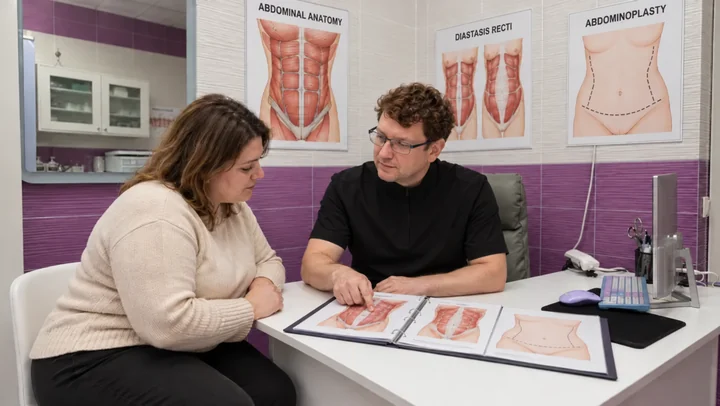
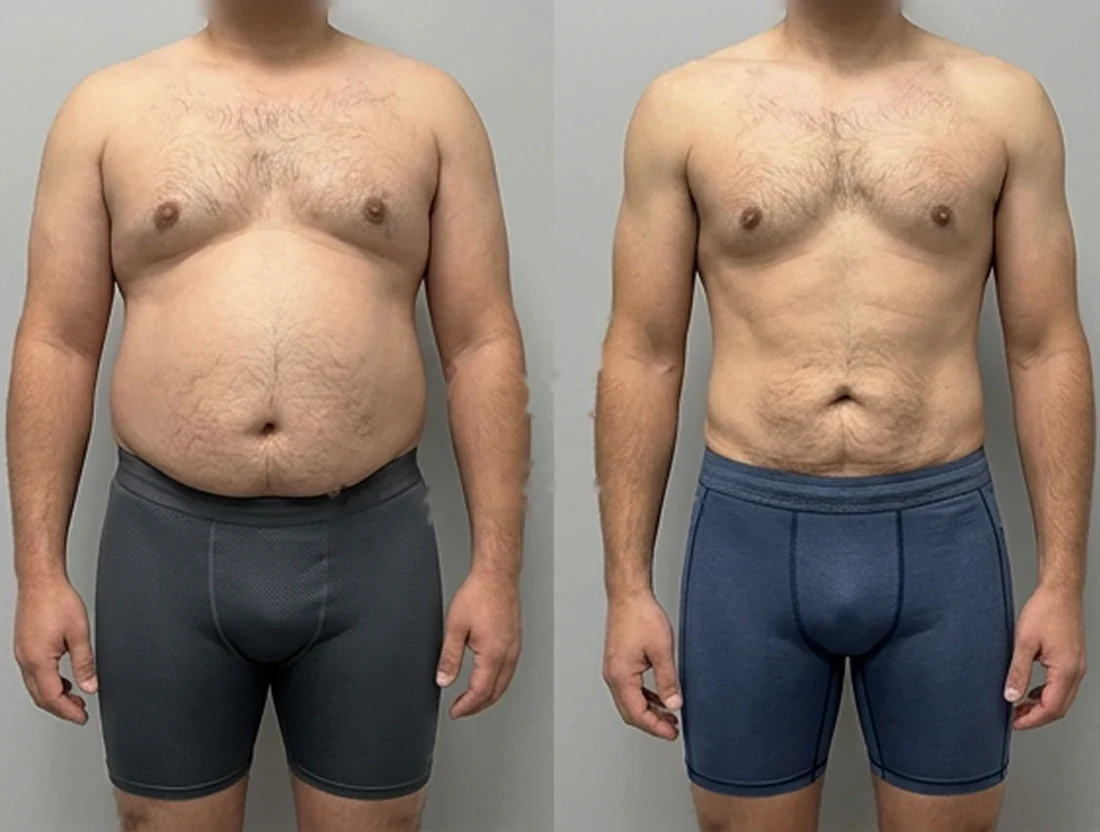
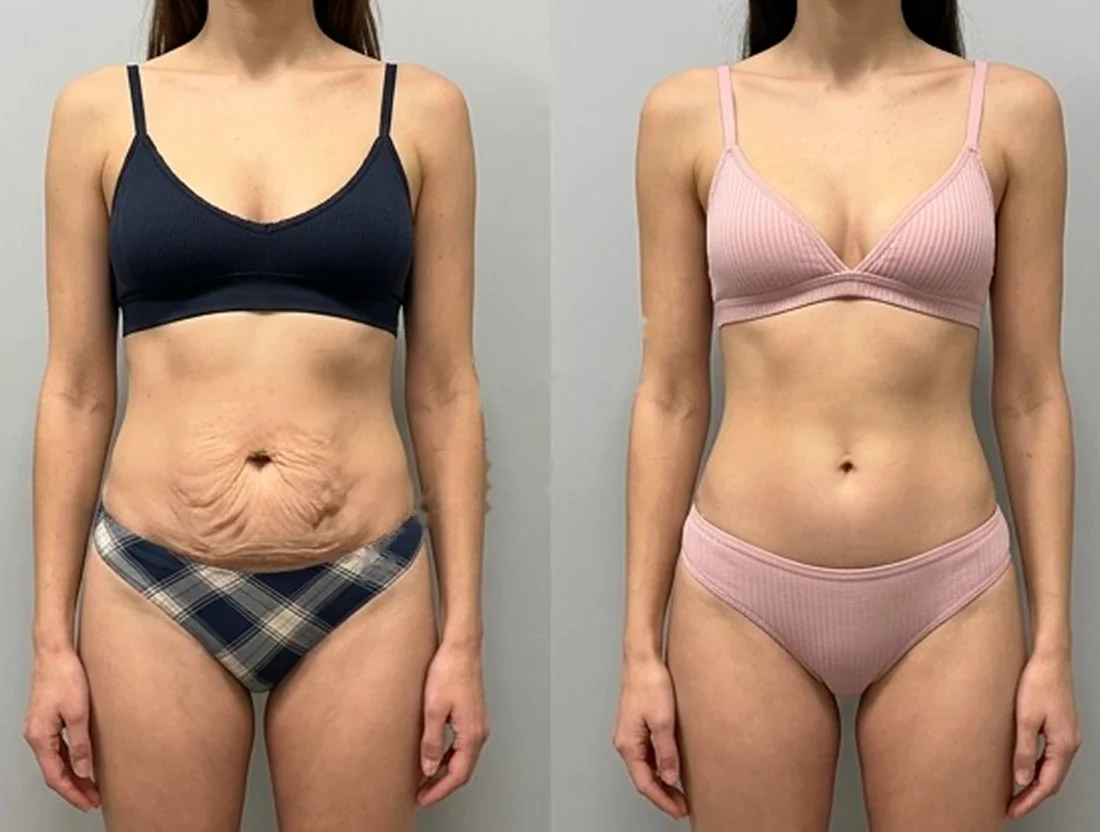
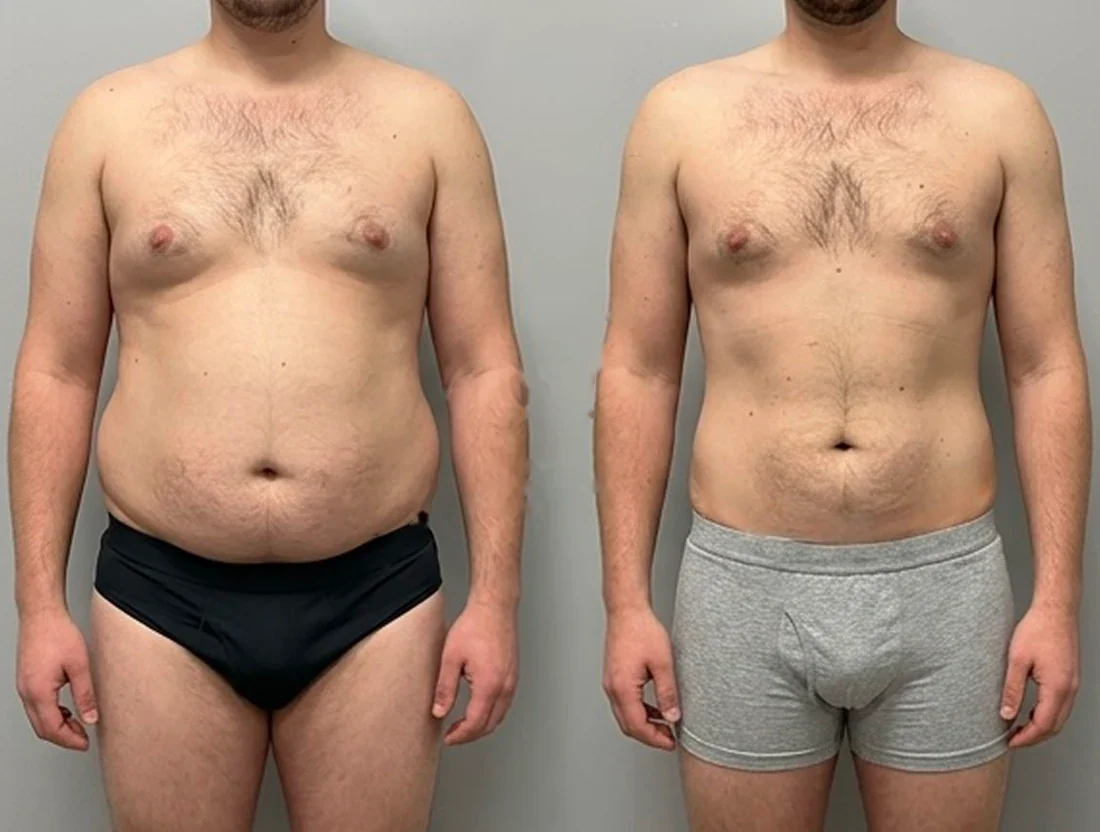
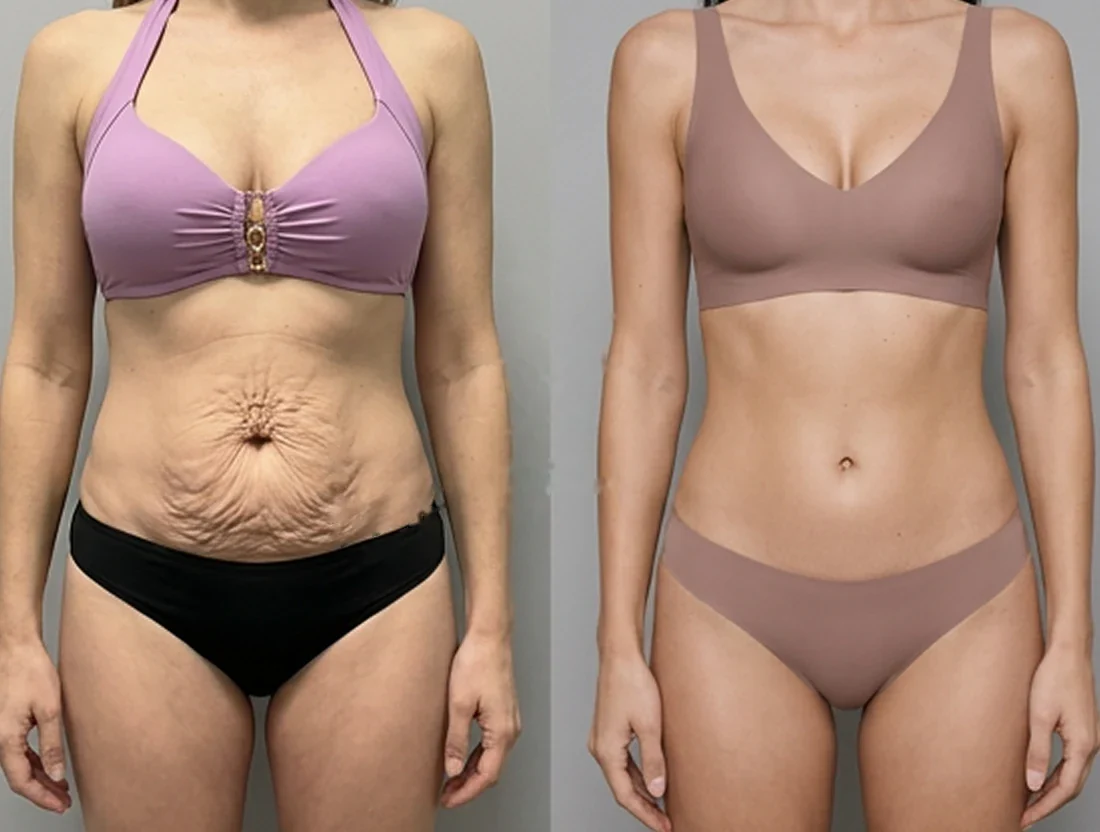
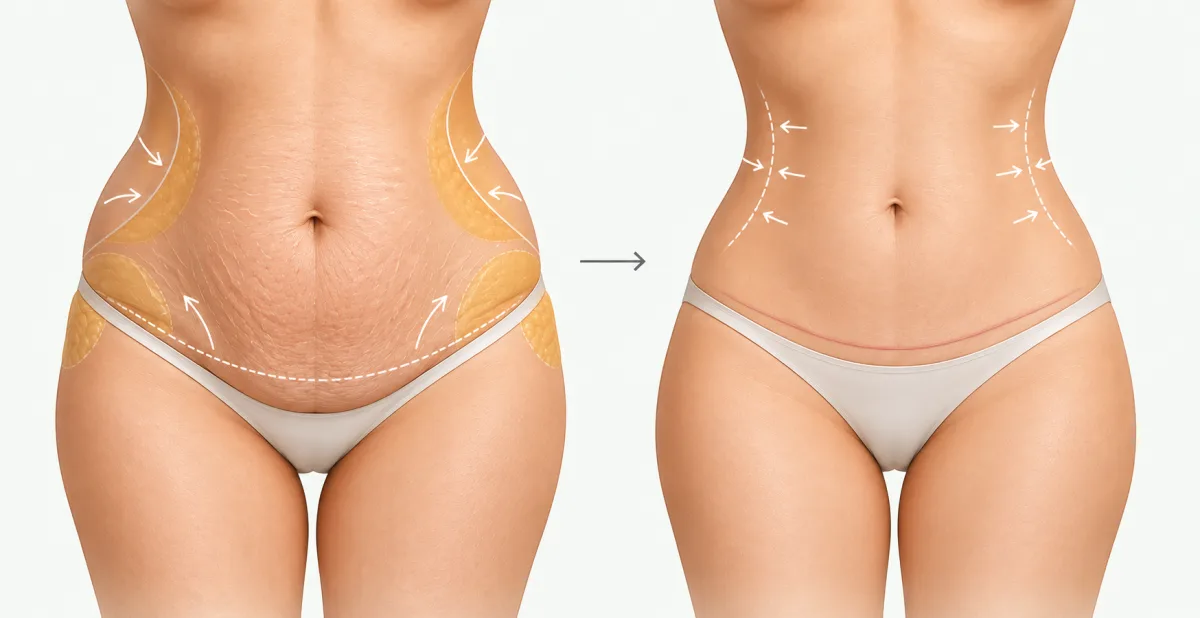
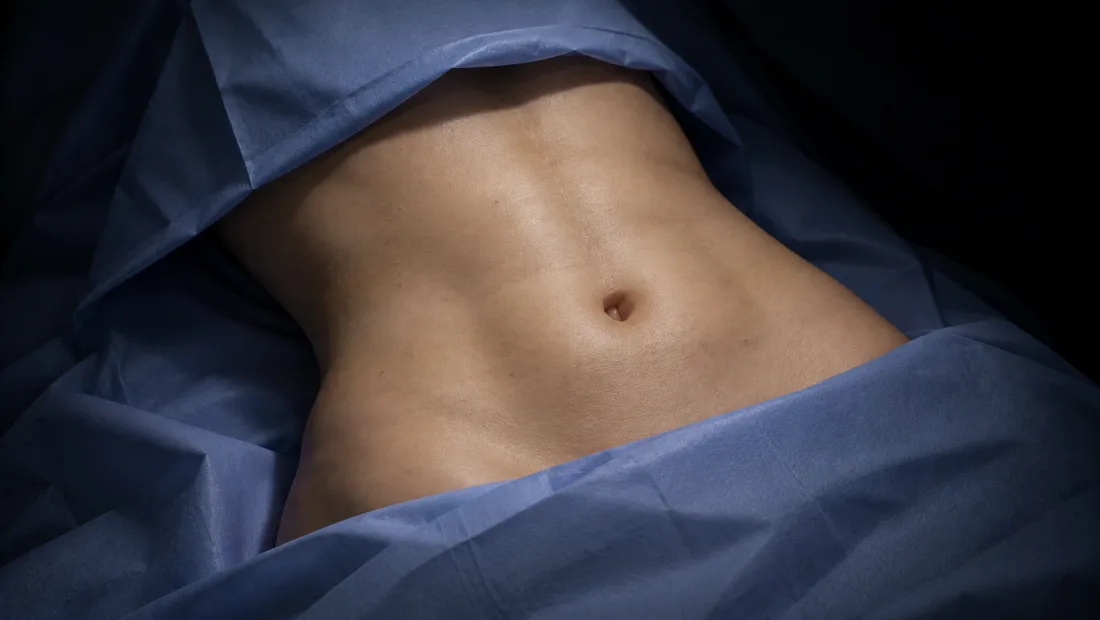
A tummy tuck removes excess skin and fat from the abdomen and tightens the front wall of the abdomen. People in Ruiru usually ask about it after pregnancies, after a large weight loss, or when a stretched, hanging lower abdomen no longer responds to exercise and diet. The operation is not a weight-loss method. It is a contouring operation for people whose weight is already reasonably stable. The WHO fact sheet on overweight and obesity is a useful reminder to discuss weight, general health and realistic goals with a doctor before deciding.
This text is meant to help a resident of Ruiru plan such an operation calmly: how to prepare, how to fit recovery into work, study and family life, and what to ask the surgeon. The consultation itself is free, online, and starts from your own home town.
A growing town with factories, banks and campuses: planning around real life
Ruiru is an industrial town. Factories such as Devki Steel Mills, Super Foam Limited, Spinners & Spinners Garment Factory, Ruiru Mabati Factory and Ruiru Feeds Limited operate here, and the Tatu City Industrial Park hosts many more companies. Banks have opened branches, especially around Kamakis, and shopping malls serve the town. Technology businesses are emerging as well, including the SmartEdge PASHA Center. Many residents therefore work in production, administration, banking, retail or digital services, and each of these jobs has its own physical demands.
The medical facts are clear: you are back to work after 2–3 weeks, and that period fits office work. For the first 2–3 weeks you avoid physical exertion, heavy lifting and sudden movements. If your job is on a factory floor, in a warehouse, or involves loading and carrying, discuss it directly with your surgeon, who can judge when your own tasks are suitable. If you work in a bank, an office or a digital business, a return after 2–3 weeks is realistic, as long as you avoid lifting and abrupt movements.
Many people in the town are employed, and some run small businesses. If you are self-employed, arrange for someone to handle deliveries, stock and heavy tasks during the early weeks, so that you are not tempted to lift something too soon. A simple written plan for your first three weeks, shared with family or colleagues, makes recovery much easier.
Students, young families and the housing boom
Two universities have their main campuses in Ruiru: Zetech University and Kiriri Women's University of Science and Technology. Kenyatta University has campuses near the municipality, and the University of Nairobi and other institutions have campuses in or near Ruiru. The Amref International University is also planned within the municipality. The town therefore has many students and young professionals, and its population growth is partly attributed to these campuses and to the shortage of affordable housing in Nairobi.
A tummy tuck is an adult operation. You must be at least 18, with no contraindications. No upper limit exists, and each case is considered individually after an examination and health assessment. A student or lecturer who is considering surgery should plan around the academic calendar: the first 2–3 weeks are for rest without exertion, and a return to sitting work is possible after that period. A heavy bag of books or equipment is a sudden load, so ask a friend or classmate to help at first.
Many coffee estates around Ruiru have been converted into residential areas, and new housing keeps appearing. Families moving into new homes often have stairs, boxes and furniture to deal with. Do not schedule the operation in the middle of a house move. Choose a time when someone else can handle the lifting, because heavy lifting is excluded for the first 2–3 weeks.
Season, weather and the compression garment: general advice for Ruiru
There is no need to hunt for a perfect month. What matters is a period in which you can rest for the first 2–3 weeks, have no major family obligations, and can follow the rules strictly. Whatever the season, the same general principles apply: protect the healing skin from direct sun, avoid overheating, and keep the wound area clean and dry.
The compression garment is a requirement. Recovery is worse without it because it supports the tissues and reduces swelling. The first 3–4 weeks it stays on around the clock, then during the daytime for roughly a month more. Your operating surgeon will name the exact period. On warm days choose loose, breathable clothes over the garment, so that you stay comfortable and do not feel tempted to take it off. On dusty or windy days, keep dressings protected and avoid crowded, dusty places in the early days.
The name Ruiru is of Kikuyu origin and possibly relates to the black cotton soil found in most parts of the town. Soil like this can be sticky when wet and dusty when dry, so take extra care with footwear and walking surfaces during early recovery. A slip on a wet path is exactly the sudden movement you want to avoid. Ask a family member to join you on the first walks and keep your routes short and on firm ground.
Sauna, steam bath, pool, tanning beds, alcohol and smoking are out for at least a month. If you enjoy swimming or a sunbed, this is the period to wait. Sunbathing on the abdomen should also be avoided while the scar is young.
Food, family events and the first weeks at home
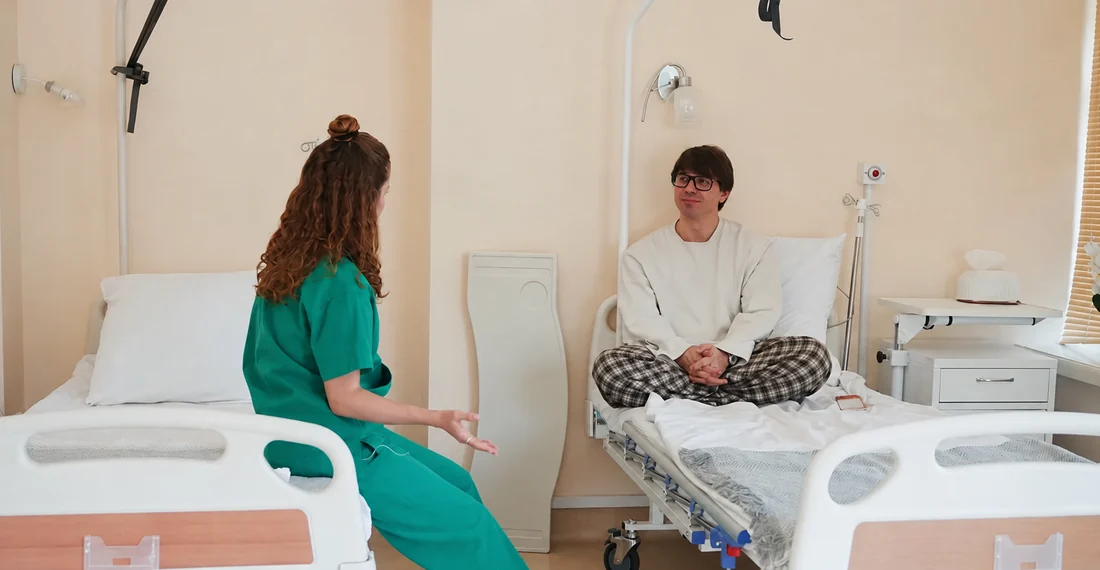
After surgery the patient stays for 1–3 days in a comfortable hospital ward with meals, under medical supervision. A classic tummy tuck means 1–3 days under supervision, and for a mini tummy tuck, one day is usually enough. Overall it is up to 3 days in hospital. At home recovery continues, and the surgeon monitors it at scheduled check-ups.
In Ruiru, as elsewhere in Kenya, family gatherings, church or community events and shared meals are an important part of life. During recovery you can take part in a calm way, but do not carry dishes, cook for a large group or stand for long hours. Tell relatives in advance that you are recovering and that they should handle the heavy work. Alcohol is excluded for at least a month, so prepare a polite answer if you are offered a drink at a celebration.
Simple, balanced meals help you feel comfortable during recovery. A very heavy meal can make a tight abdomen feel more uncomfortable, so smaller portions are easier at first. Ask the surgeon about nutrition and fluids at your consultation. Do not change medications or add supplements on your own, especially those that affect blood clotting, because these must be stopped 7–10 days before surgery.
Plan the weeks around the milestones. After 2–3 weeks you can do office work. By 1.5–2 months swelling and tightness pass. At 6–12 months, with the tissues fully adapted, the final result and scar are assessed. Knowing these steps helps you decide when to schedule weddings, holidays and big events, so that you are not pressed to look perfect too early.
Preparation and tests before the operation
Yes, preparation is a must. Stop smoking, drinking alcohol and taking medicines that affect blood clotting 7–10 days before a tummy tuck. The pre-surgery check-up covers blood tests, ECG, leg vein ultrasound and consultations with a GP and anaesthetist. Get it done in advance, not the day before.
The list of tests is the same for everybody: blood and urine tests, coagulation panel, biochemistry, infection tests, ECG, chest X-ray, ultrasound of the leg veins and a GP's report. The exact list comes from the surgeon at the consultation, and tests usually stay valid for 10–14 days. This means you should not do them too early either. Ask the coordinator to explain the sequence, so that your results are fresh when the surgeon needs them.
Ruiru is part of the Nairobi Metropolitan region, and patients usually arrange tests at medical laboratories close to home. Choose a laboratory that gives a full printed report with your name and date, and scan or photograph the results clearly to send to the coordinator. Do not guess which analyses to do; wait for the surgeon's list.
The operation is performed under general anaesthesia. That is why the anaesthetist consultation matters: tell them honestly about all medications, allergies, previous operations and chronic conditions. Complete honesty is part of safety.
How the free online consultation from Ruiru works
The consultation is free and online, so you start it from Ruiru itself. The coordinators are available 24/7 on Telegram and Telegram, which suits people with irregular schedules, such as shift workers in the town's factories, bank staff or students with lectures. We respect your time: we work 24/7, with easy booking and a personal approach, and we adapt to your pace.
Prepare a few photographs of your abdomen taken in good light from the front and sides, and a short note about your height, weight, pregnancies, previous operations, chronic illnesses and medicines you take. Send them to the coordinator, who will arrange a conversation with the surgeon. The surgeon looks at the skin, the fat layer and the condition of the abdominal wall and says whether a classic or mini tummy tuck is suitable, or whether another approach is better.
A decision is never forced. You can ask questions, compare options and take time to think. The final plan and the exact list of tests come from the surgeon at the consultation. If a contraindication is found, you will be told directly and without pressure.
Connection quality matters. In Ruiru you can use mobile data or home internet; choose a quiet place and a time when you will not be interrupted, so that you can concentrate on the explanation.
Questions to put to the surgeon before you decide
A good consultation is a two-way conversation, and residents of Ruiru often arrive with a busy schedule and a short list of worries. Write your questions down before the online call. Ask whether a classic or a mini tummy tuck suits your abdomen, what the scar will look like and where it will lie, and how the surgeon judges the stretched skin and the front wall of the abdomen in your case.
Ask also about the practical side of recovery: how long you will stay in hospital, which days you will need help at home, how long the compression garment is needed, and which of your usual activities must stop. Be specific about your own week, whether it involves shifts, lectures or a family business. The more precisely you describe your day, the more useful the answer will be.
Finally, ask what would make the surgeon postpone or decline the operation. A frank answer about contraindications, weight stability, smoking and chronic conditions is a sign of a careful approach. If you plan another pregnancy or a major change in weight, say so openly, because it affects timing and the expected contour.
Helping hands at home: planning support in the first weeks
Ruiru has grown quickly, and many households are made up of working adults, children and relatives living close by. This is a real advantage during recovery. Before the operation, agree who will help with school runs, shopping, cooking and cleaning during the first 2–3 weeks, when physical exertion, heavy lifting and sudden movements are to be avoided.
Prepare the home in advance. Put everyday items at waist height so that you do not reach or bend, arrange a comfortable place to rest, keep the compression garment and dressing supplies within reach, and make sure someone can sit with you during the check-ups after 7 days, 3 months and 6 months.
Think about small children too. Lifting a toddler is exactly the kind of sudden load the surgeon asks you to avoid. If you have little ones, arrange a relative or helper for the early weeks so that you can rest without worry.
Keeping a realistic mindset through the months of recovery
Recovery is a process with stages, not a single day. The first changes appear 2 weeks after surgery as the main swelling subsides; by 1.5–2 months swelling and tightness pass; and at 6–12 months the final result and scar are assessed. Residents of Ruiru who work in fast-moving environments, such as banks, factories and digital businesses, may find this pace slow, but patience is part of a good outcome.
Take photographs at regular intervals in the same light and the same position, and keep them for the check-ups. Comparing them calmly is more reliable than looking in the mirror each morning. If something worries you, write to the coordinators at once; they are available around the clock on Telegram and Telegram and will pass the question to the surgeon.
A tummy tuck changes the contour of the abdomen but does not replace a steady routine. Balanced meals, regular walking and a stable weight help you keep the shape you worked for.
Commuting corridors and sitting time: practical comfort in the early weeks
Ruiru sits within the greater Nairobi Metropolitan region, and the growth of the town has followed Thika Road and the Nairobi Eastern Bypass Highway. Many residents spend part of the day on these roads, whether going to a job, a lecture or a business meeting. After a tummy tuck, the first 2–3 weeks are a period without physical exertion, heavy lifting and sudden movements, so a bumpy, crowded or hurried journey is not a good idea in this phase.
Plan your days so that you do not need to travel on busy routes at peak hours. If your work allows, ask for a short period of remote tasks or reduced duties. Office work becomes possible after 2–3 weeks, and until then it is wise to organise errands through family members, colleagues or delivery services instead of doing them yourself.
When you do go out for the first time, wear the compression garment as the surgeon instructed, choose loose clothes over it, and avoid getting jostled in a crowd. Getting in and out of a vehicle should be slow and smooth, without twisting or pulling on the abdomen. Short, calm walks near home are a better start than any long outing.
Conversations at home and at work: privacy and support
Ruiru is a town where many people have moved in recently, build new social circles and share news quickly. Some patients like to talk openly about an operation, others prefer privacy. Decide in advance what you will tell colleagues, classmates and neighbours, and who needs to know so that they can help in the first 2–3 weeks.
A short, simple explanation is enough for an employer: you need a period of rest and will return to office work after 2–3 weeks. You do not have to share details. If your job is physical, mention that you cannot lift or make sudden movements for that period, so that the arrangements can be made calmly.
Emotional support matters too. Some people feel tired, impatient or unsure while swelling is at its height, and that is normal. Keep in touch with a trusted person, and write to the coordinators if you have questions. They answer on Telegram and Telegram around the clock, and the surgeon follows your recovery at the check-ups after 7 days, 3 and 6 months.
Weight, health and honest expectations: what the WHO overview suggests
Overweight and obesity are widely discussed health topics, and the WHO fact sheet on the subject is a reasonable starting point for any resident of Ruiru who is thinking about body shape. A tummy tuck is not a method of losing weight; it deals with excess skin and fat of the abdomen and with a weakened front wall. Weight should be reasonably stable before you plan it.
At the free online consultation the surgeon will ask about your height, weight, pregnancies, previous operations, chronic illnesses and medicines. Answer fully. If weight is still changing, the surgeon may advise waiting, because later changes can alter the contour that the operation creates.
Healthy habits before and after the operation support the result: balanced meals, regular walking once the surgeon allows it, and no smoking. Smoking and alcohol must stop 7–10 days before the operation and remain out for at least a month afterwards, and many patients choose to keep these habits for good because they help recovery.
Weekend plans, celebrations and the calendar of recovery
Weddings, family reunions, school events and holidays are part of the yearly rhythm in Ruiru, as in the rest of Kenya. When you pick a date for the operation, count forward through the recovery milestones: office work after 2–3 weeks, the end of tightness and swelling by 1.5–2 months, and the assessment of the final result and scar at 6–12 months.
If a major celebration is close, do not schedule surgery just before it. You will wear a compression garment around the clock for the first 3–4 weeks, and then by day for roughly a month more, so fitted clothes may not be comfortable. Leave a comfortable margin, so that you attend the event rested and without hurry.
A calm calendar also helps with the check-ups. Mark the visits after 7 days, 3 months and 6 months in your phone and tell your family when they fall, so that nothing else is booked on those days.
Results, check-ups and return to sport
The first changes appear 2 weeks after surgery as the main swelling subsides. Then come two checkpoints: the interim result at 1.5–2 months and the final contours at 6–12 months. This is the same for everyone, so be patient with the mirror in the early weeks.
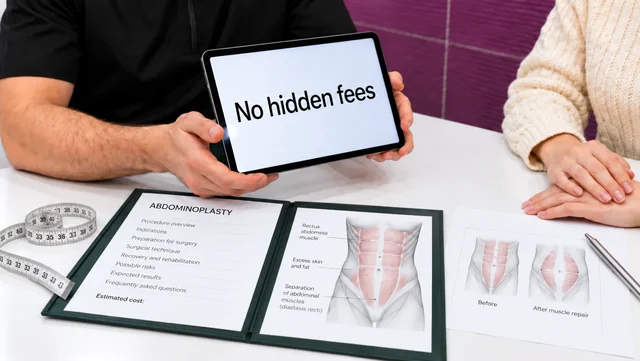
After surgery you get a recovery programme. Check-ups at 7 days, 3 and 6 months help track your recovery. The surgeon follows your recovery and the changing abdominal contour at these check-ups. Check-ups, dressings and aftercare advice are already included in the price of surgery. Until the end of the year you can also get a post-surgery consultation with your surgeon to review results, at the clinic's expense.
Sport is resumed gradually, with the surgeon's approval only, and compression garments are worn for another 4–8 weeks. If you run, go to the gym or play football with friends, do not return to training just because you feel good. Begin with walking, then ask the surgeon which exercises, in which order, are suitable. Core exercises and heavy weights come last, and only with permission.
A scar needs a long time to mature. The final result and scar are assessed at 6–12 months, so judge your outcome only then.
Who can have a tummy tuck in Ruiru?
You must be at least 18, with no contraindications. No upper limit exists; each case is considered individually after an examination and health assessment. The surgeon decides after reviewing your health, weight stability and goals during the free online consultation.
How long until I can go back to work?
You are back to work after 2–3 weeks. This suits office, bank and digital work. For physical jobs, such as factory or warehouse tasks, discuss your duties with the surgeon, because heavy lifting and sudden movements must be avoided during the first 2–3 weeks.
What anaesthesia is used and how long is the hospital stay?
The operation is done under general anaesthesia, with up to 3 days in hospital. A classic tummy tuck means 1–3 days under medical supervision; for a mini tummy tuck, one day is usually enough. You stay in a comfortable ward with meals.
What must I do before the operation?
Stop smoking, drinking alcohol and taking medicines that affect blood clotting 7–10 days before a tummy tuck. The pre-surgery check-up covers blood tests, ECG, leg vein ultrasound and consultations with a GP and anaesthetist. Do it in advance, not the day before.
Which tests are needed?
Blood and urine tests, coagulation panel, biochemistry, infection tests, ECG, chest X-ray, ultrasound of the leg veins and a GP's report. The exact list comes from the surgeon at the consultation, and tests usually stay valid for 10–14 days.
Do I have to wear a compression garment?
Yes. Recovery is worse without it because it supports the tissues and reduces swelling. The first 3–4 weeks it stays on around the clock, then during the daytime for roughly a month more. Your operating surgeon will name the exact period.
When can I swim, use a sauna or play sport?
Sauna, steam bath, pool, tanning beds, alcohol and smoking are out for at least a month. Sport is resumed gradually, with the surgeon's approval only, and compression garments are worn for another 4–8 weeks.
When will I see the result?
The first changes appear 2 weeks after surgery as the main swelling subsides. The interim result comes at 1.5–2 months, and the final contours and scar are assessed at 6–12 months, when the tissues have fully adapted.
What follow-up is there after the operation?
You get a recovery programme, and the surgeon follows your recovery and the changing abdominal contour at check-ups after 7 days, 3 and 6 months. Check-ups, dressings and aftercare advice are already included in the price of surgery.
How do I start from Ruiru?
Write to the coordinators on Telegram or Telegram; they work 24/7. Send photographs and brief health information, and arrange a free online consultation with the surgeon at a time that fits your work or study.
Can I have a tummy tuck if I plan another pregnancy?
Discuss this openly with the surgeon during the free online consultation. Future pregnancies and changes in weight can affect the abdominal contour, so the surgeon will advise on timing and on whether it is better to wait, based on your examination and health assessment.
Who should help me at home in the first weeks?
Arrange a relative or friend for the first 2–3 weeks, when physical exertion, heavy lifting and sudden movements are to be avoided. Help with children, shopping and cooking makes recovery calmer and safer.
What if I have a question or worry between check-ups?
Write to the coordinators on Telegram or Telegram at any time, since they work 24/7. They will pass your question to the surgeon, who follows your recovery at check-ups after 7 days, 3 and 6 months.
Can I take care of small children after the operation?
Not in the usual way for the first 2–3 weeks. Lifting a child is a heavy and sudden load, which must be avoided during that period. Arrange a relative or helper beforehand, and ask the surgeon when you may go back to normal care.
Is a tummy tuck a way to lose weight?
No. It is a contouring operation that removes excess skin and fat and tightens the front wall of the abdomen. Weight should already be reasonably stable, and the surgeon will talk about this honestly at the free online consultation.
What should I send to the coordinator before the online consultation?
Send several photographs of the abdomen in good light from the front and sides, together with a short note about height, weight, pregnancies, previous operations, chronic illnesses and medicines. The coordinators are available 24/7 on Telegram and Telegram.

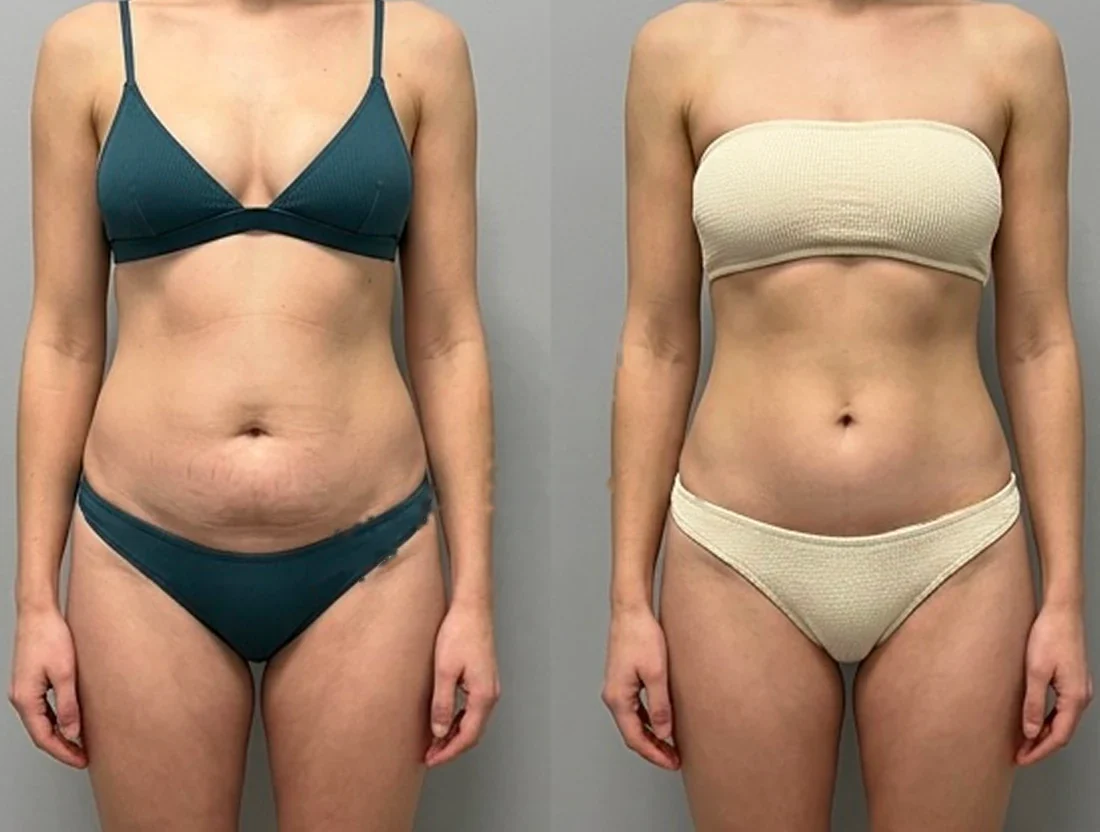 beforeafter
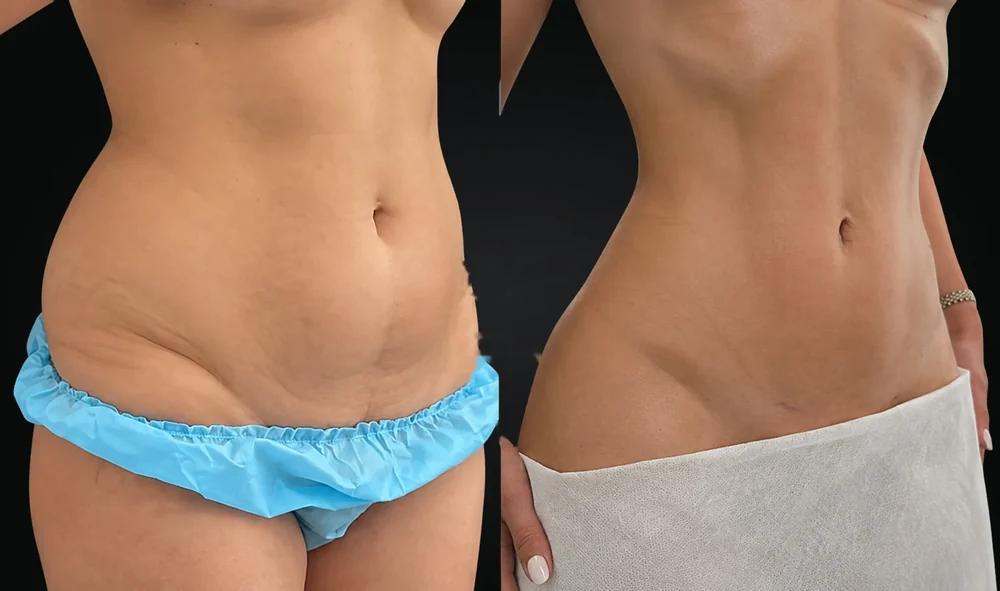
 beforeafter
 beforeafter
 beforeafter
 beforeafter
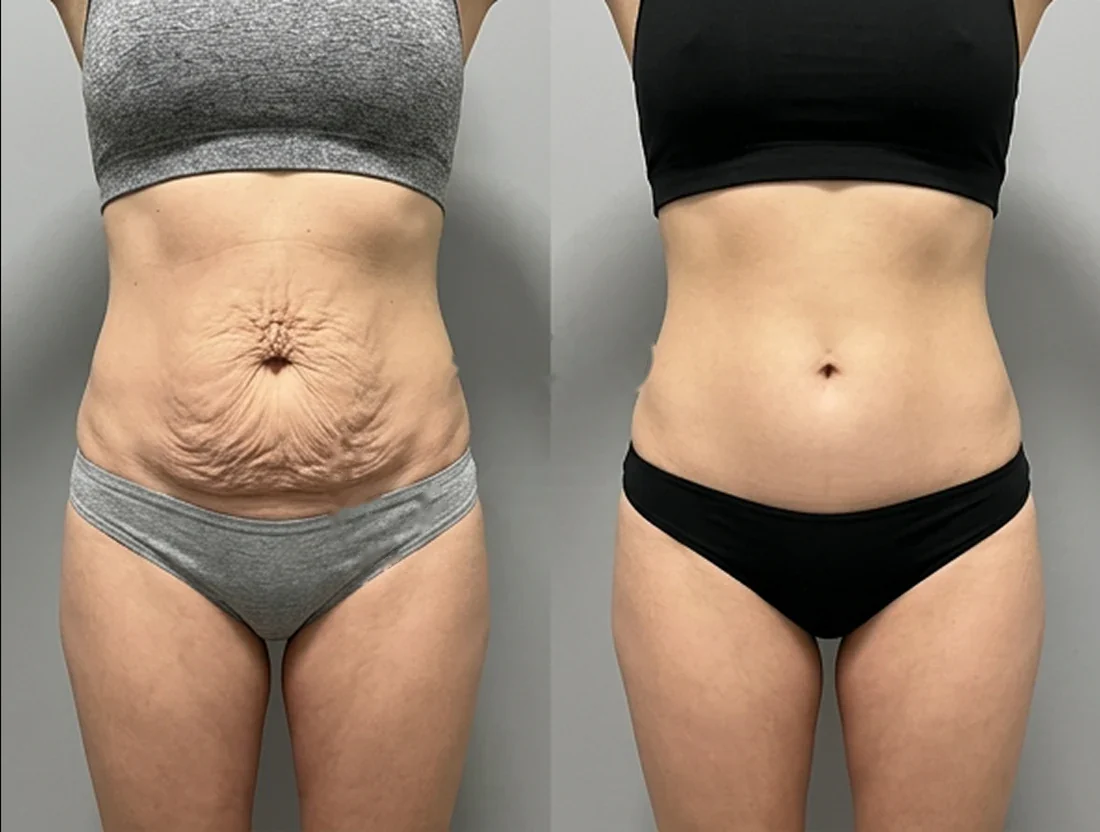 beforeafter
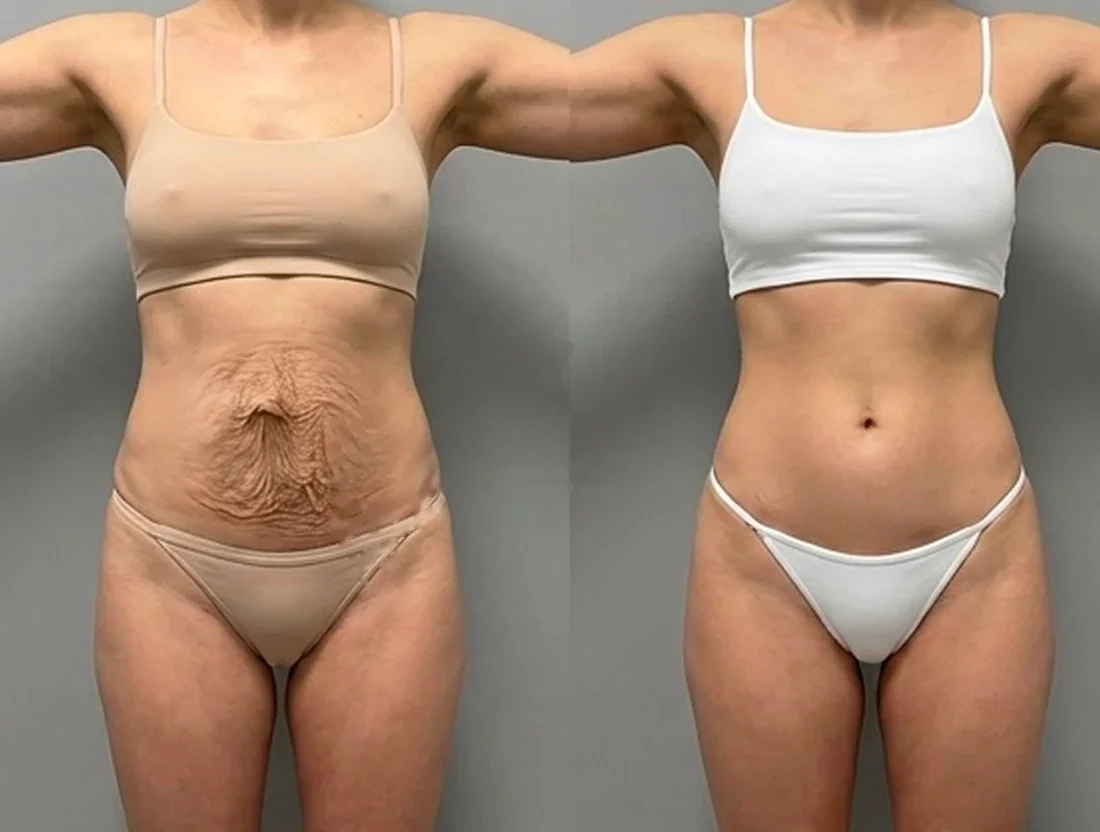 beforeafter
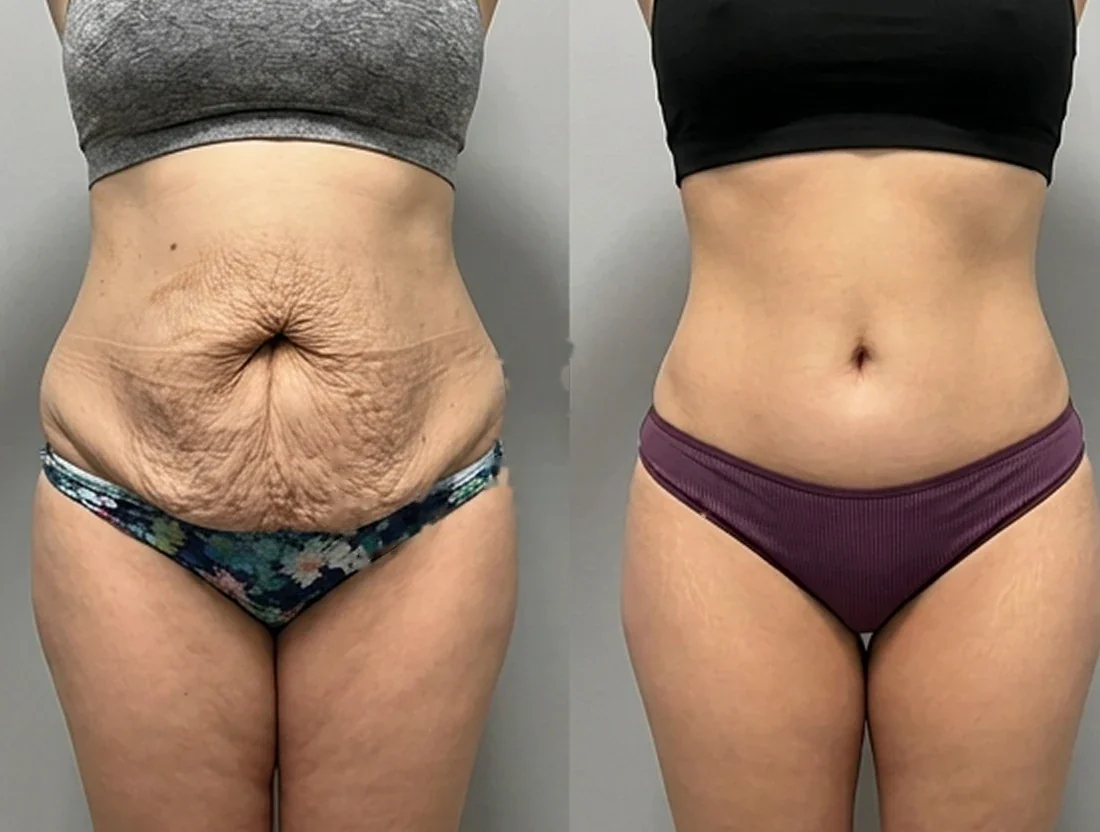 beforeafter
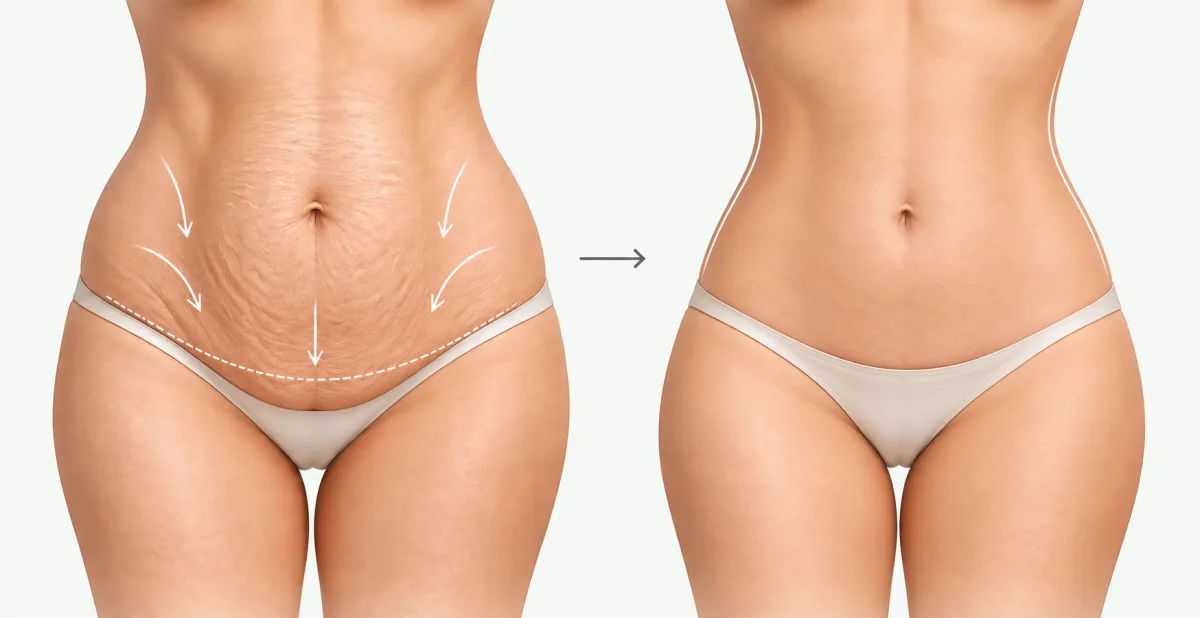






 1
 2
 3
 4
 5
 6