
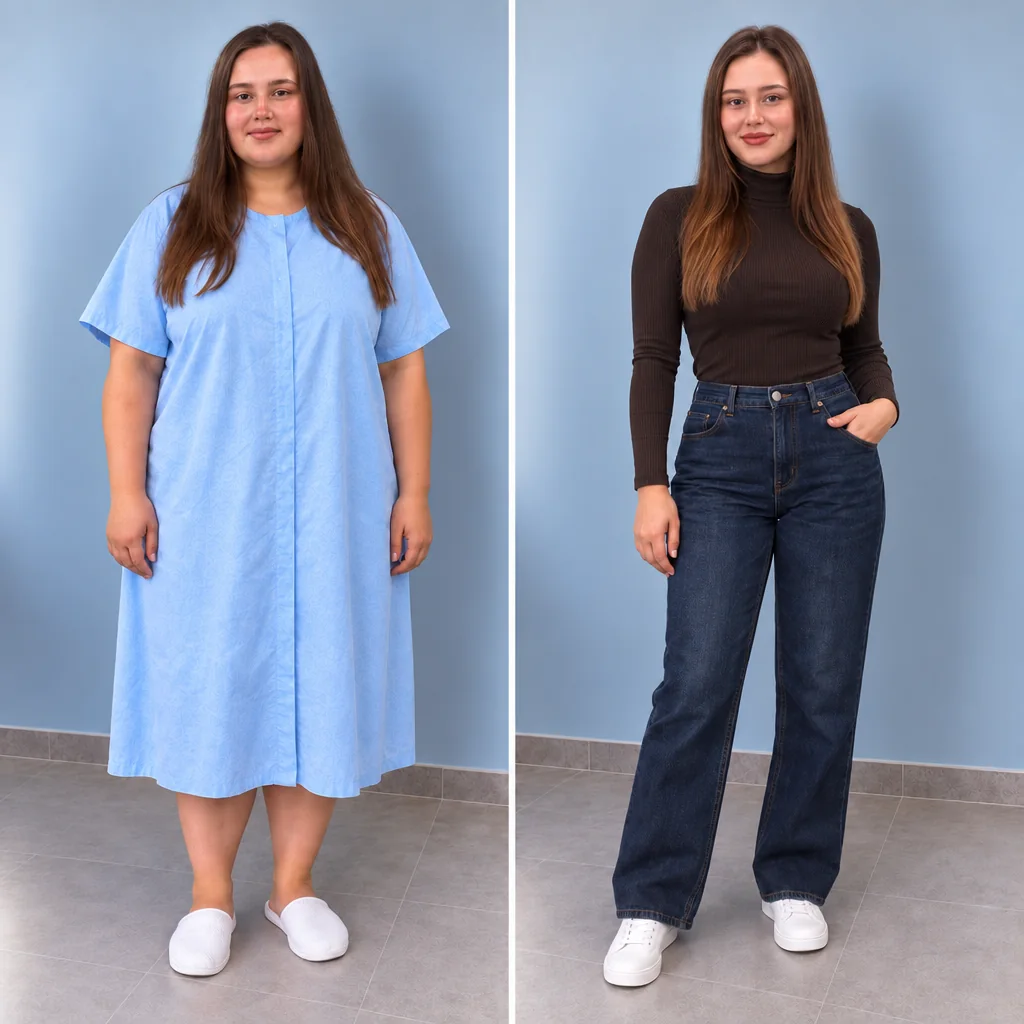
 beforeafter
Irina, 26
Bariatric surgery
Bariatric surgery
$3,600
$4,800 · First consultation — Free
 before
after
Message our coordinator
Free online consultation · Reply within 15 minutes
Message us on TelegramMessage us on WhatsAppBy messaging us, you agree to our Privacy Policy
Results
Every case shown is a real clinic patient.
beforeafterBariatric surgery
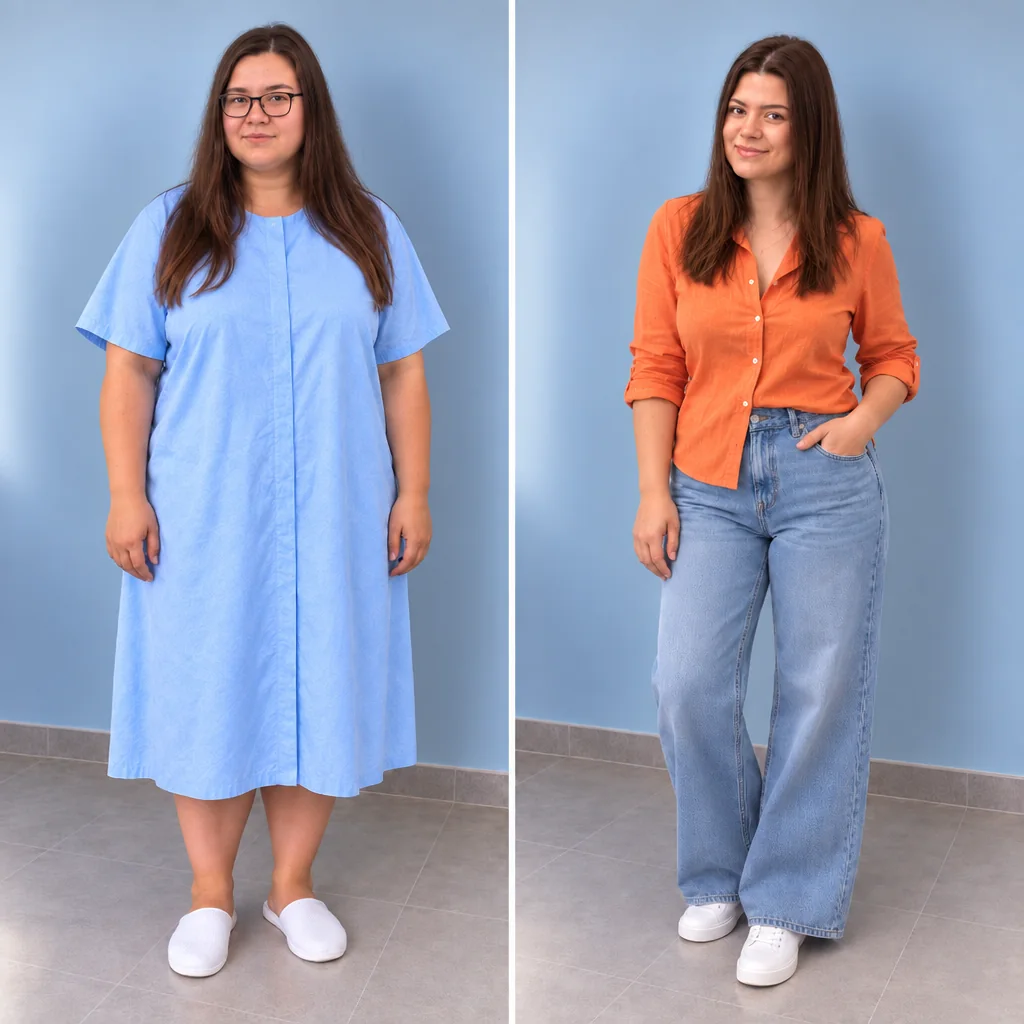 beforeafter
Bariatric surgery
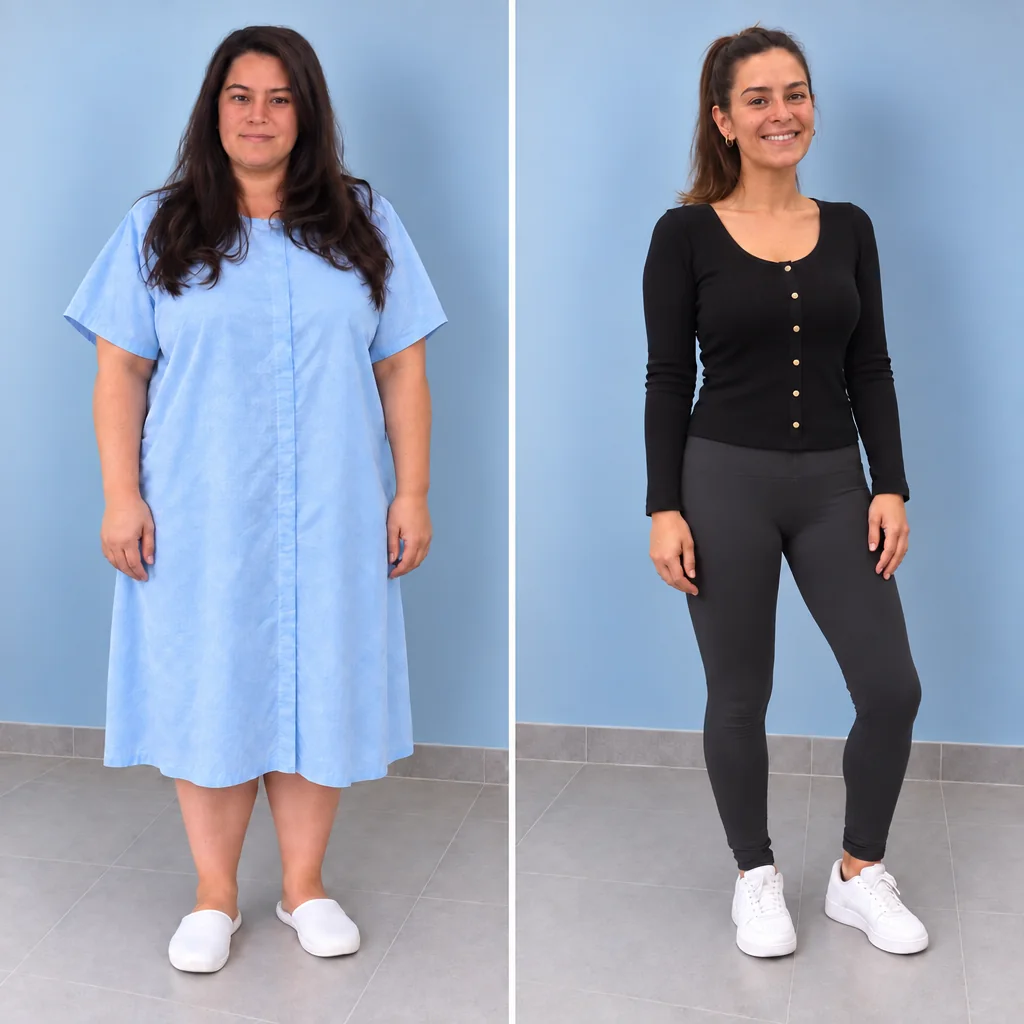 beforeafter
Bariatric surgery
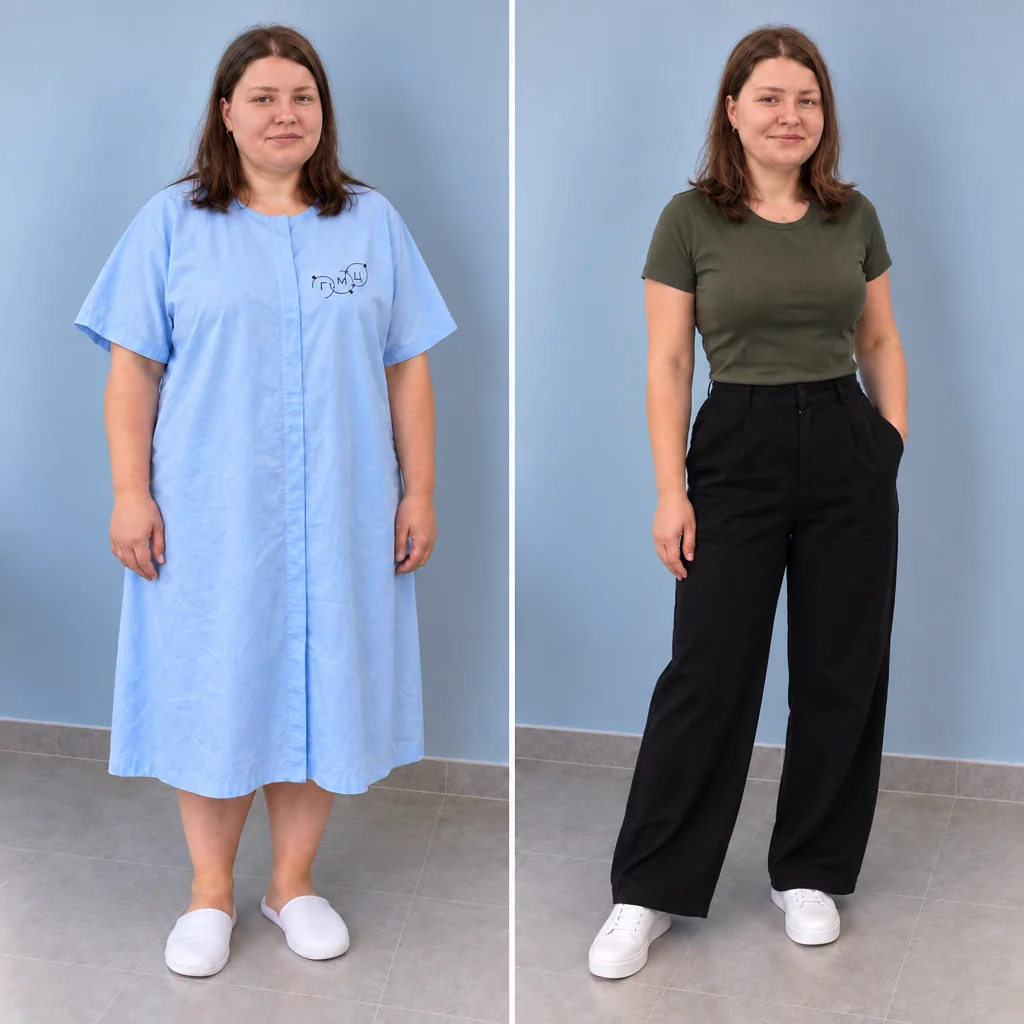 beforeafter
Bariatric surgery
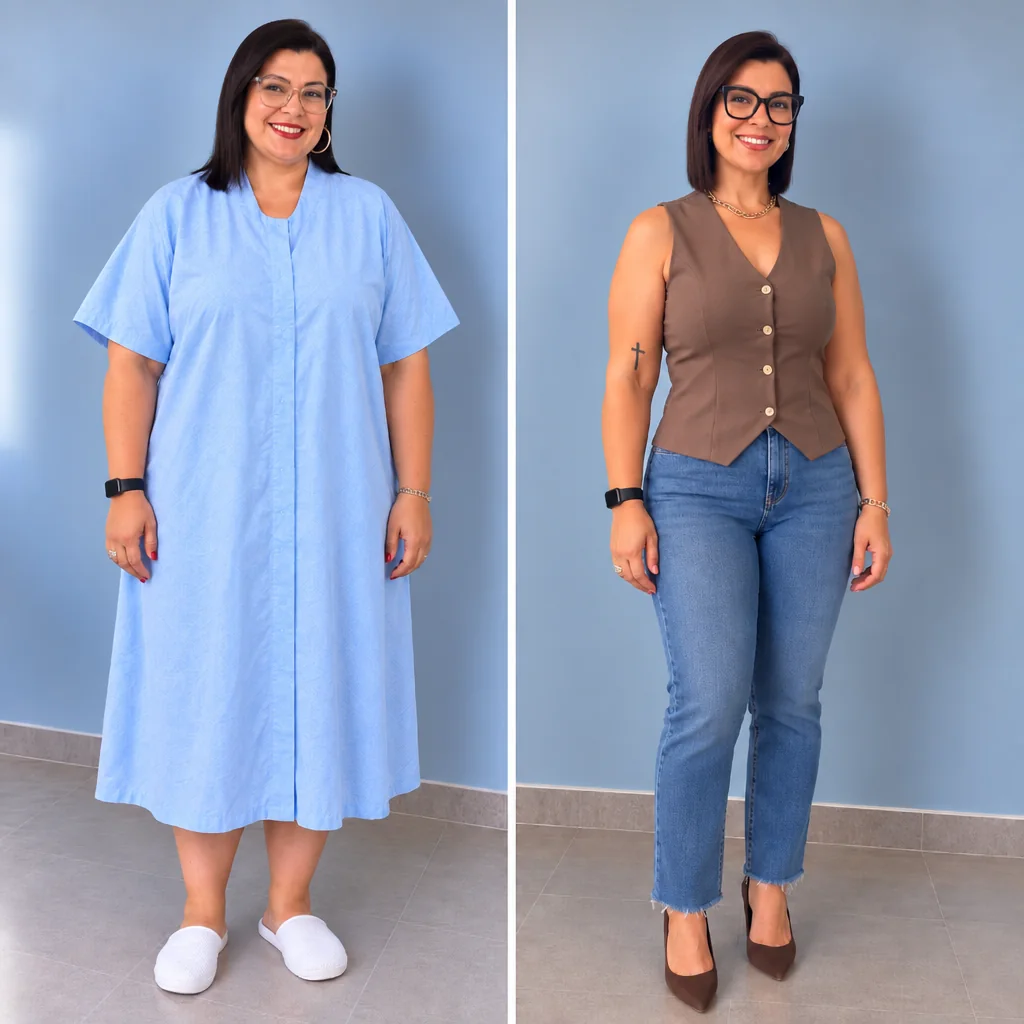 beforeafter
Bariatric surgery
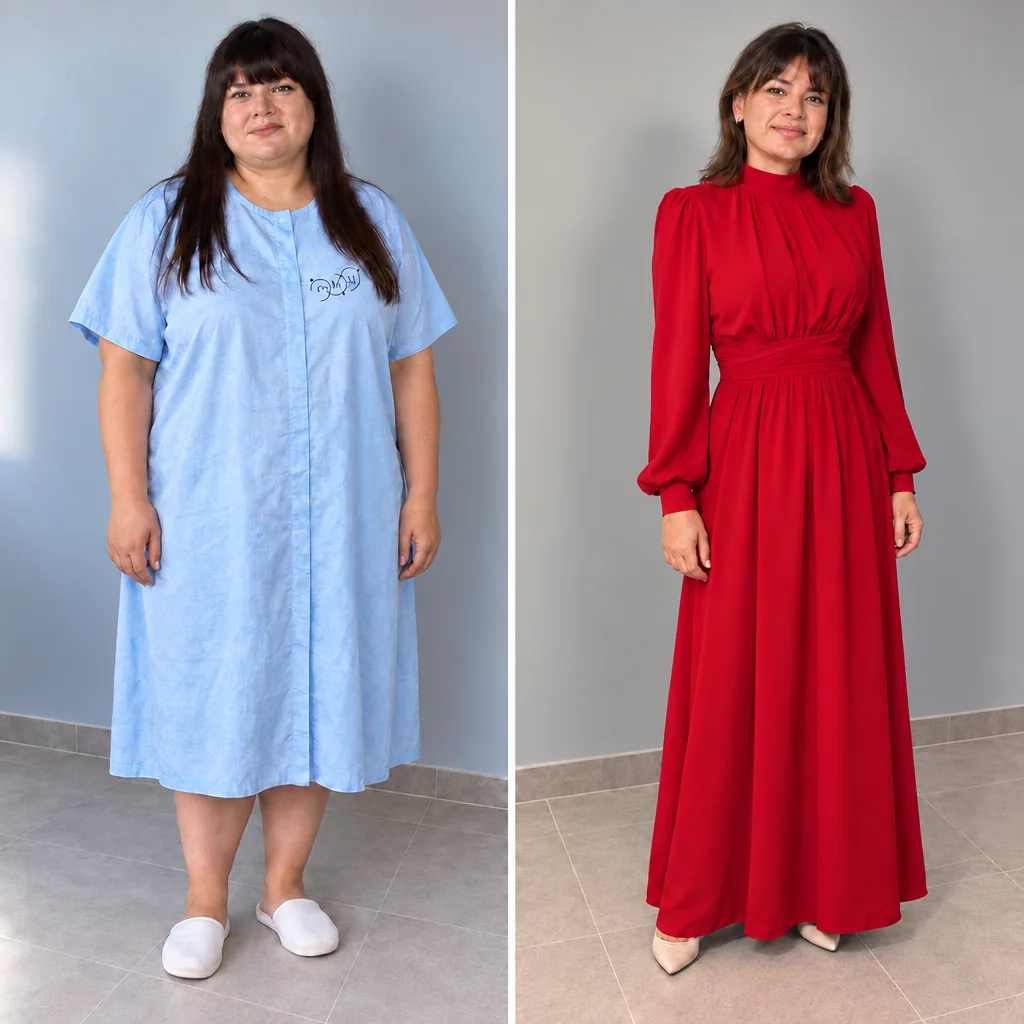 beforeafter
Bariatric surgery
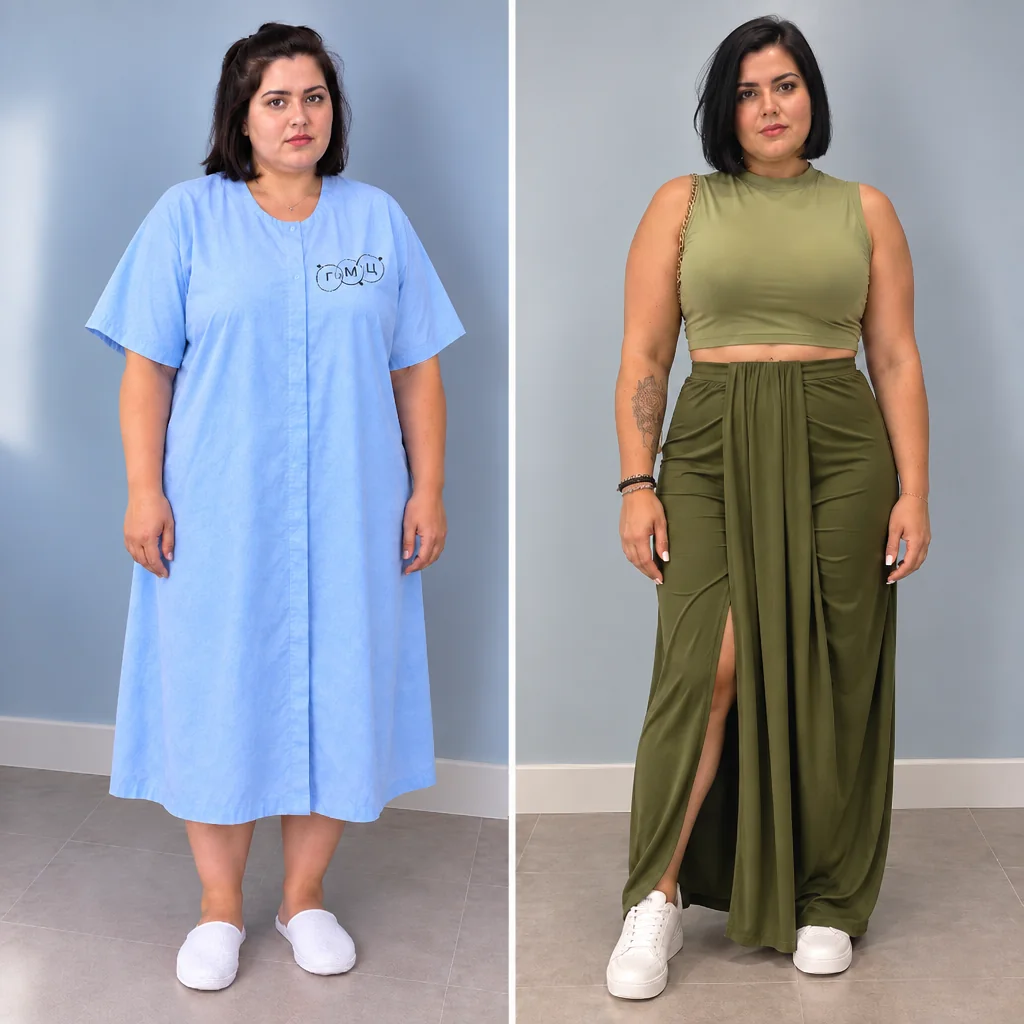 beforeafter
Bariatric surgery
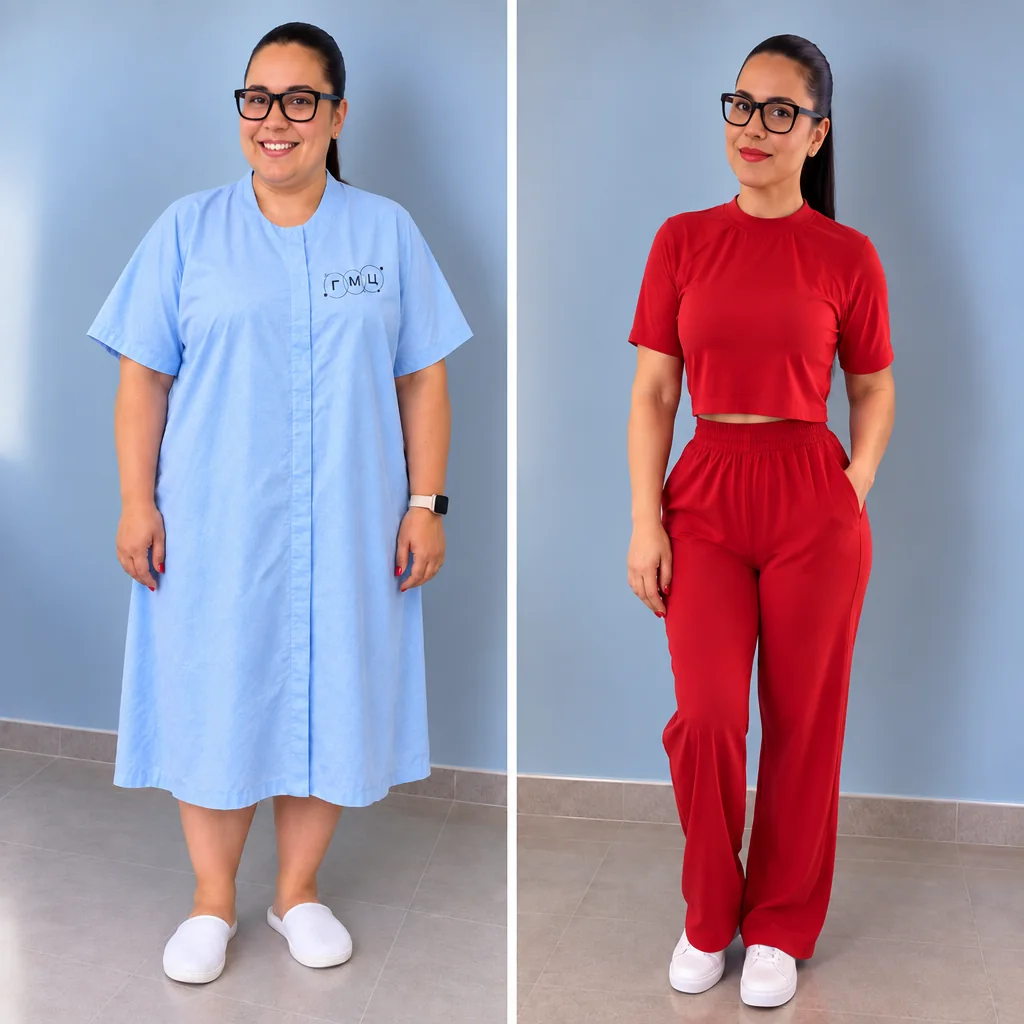 beforeafter
Bariatric surgery
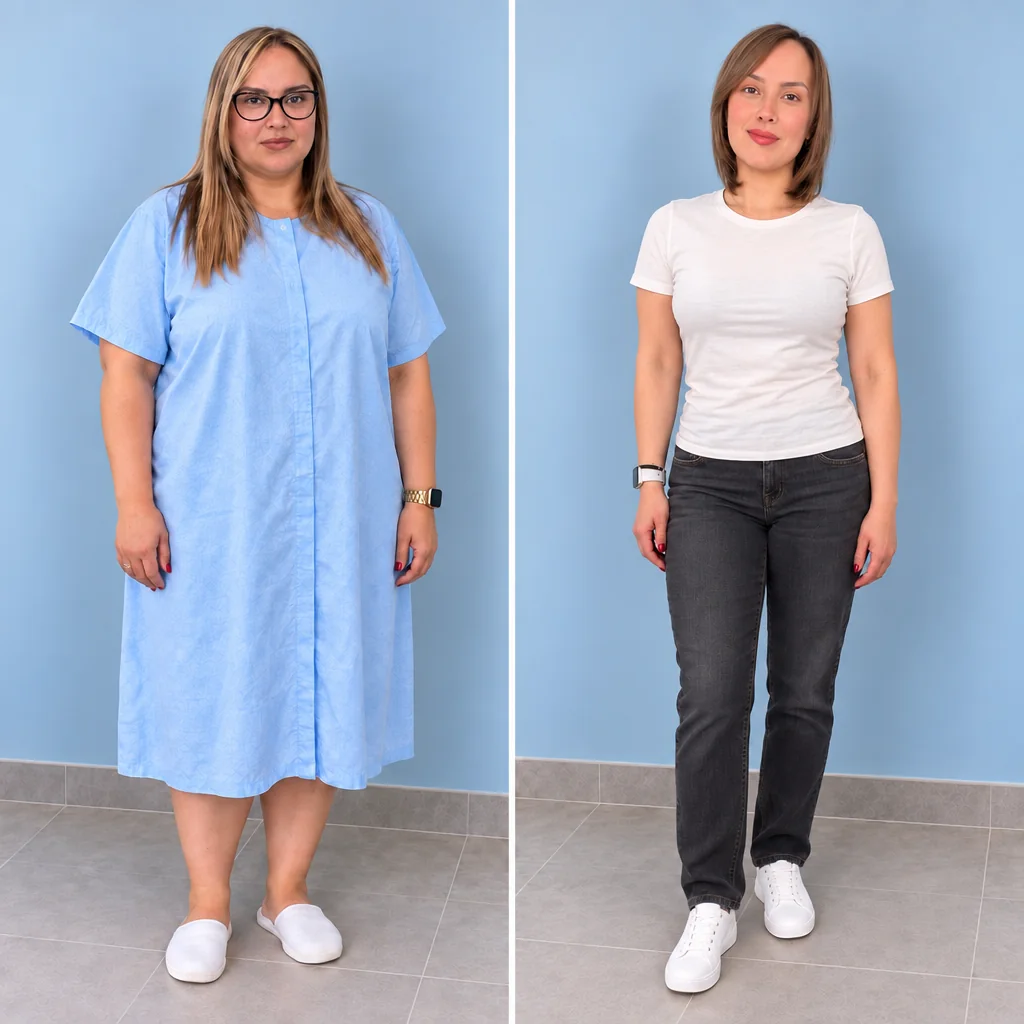 beforeafter
Bariatric surgery
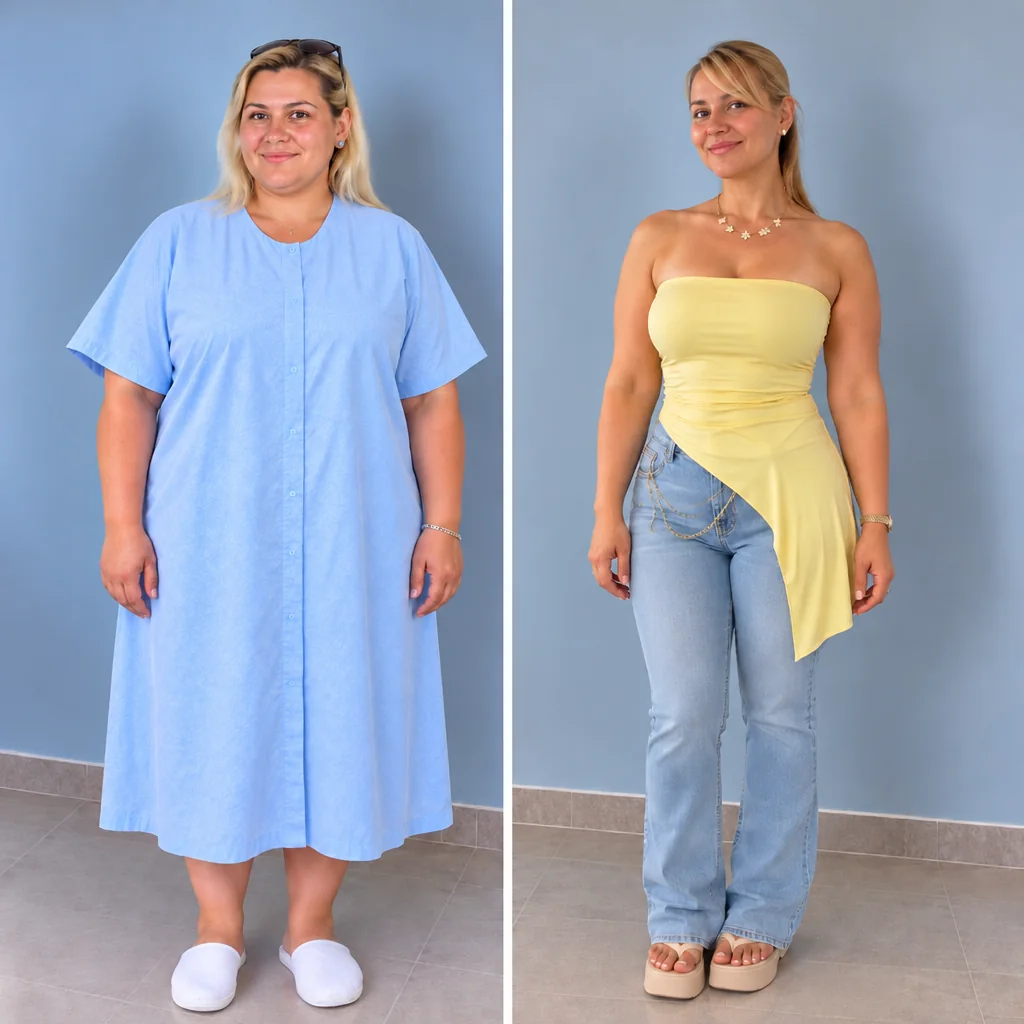 beforeafter
Bariatric surgery
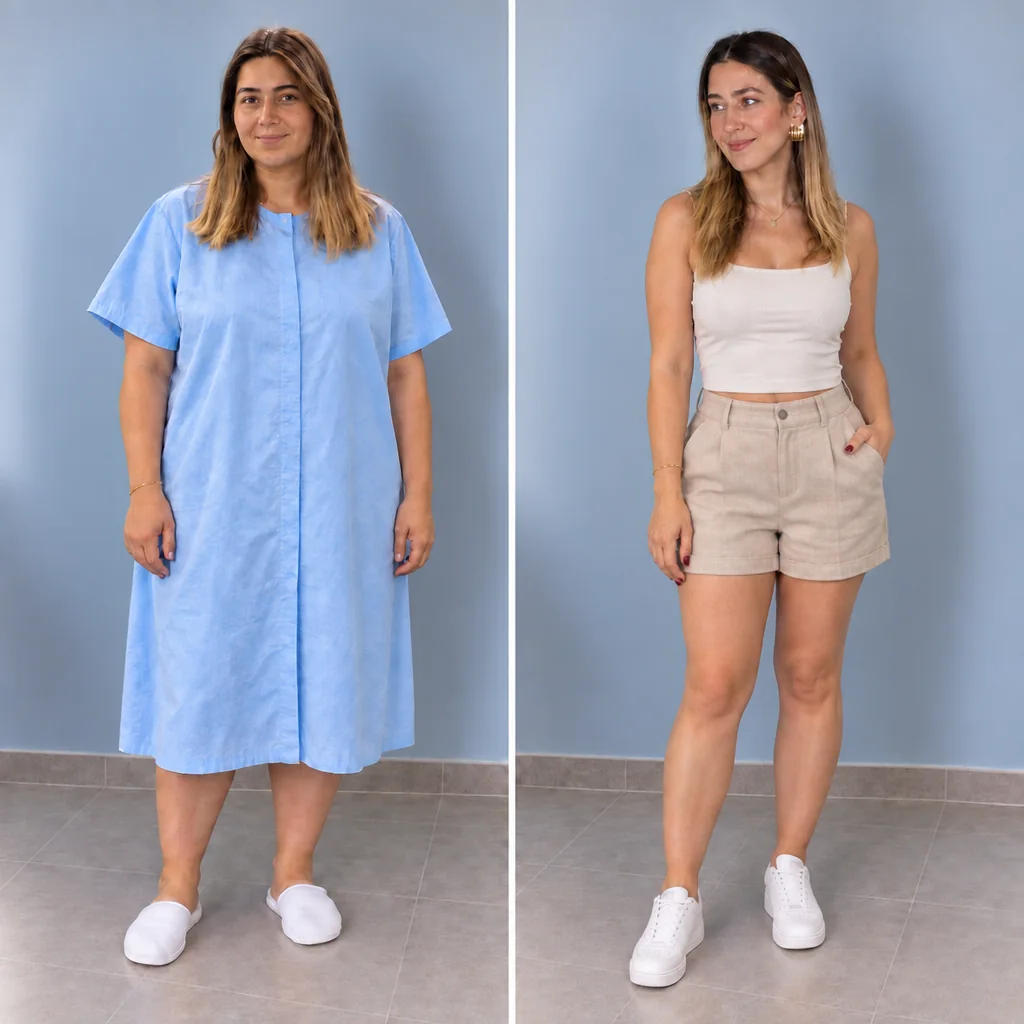 beforeafter
Bariatric surgery
Comparison
We carry out two principal operations: gastric bypass and sleeve gastrectomy. Review how each works, what it treats and when it is advised, and choose your method with confidence.
Making the stomach smaller
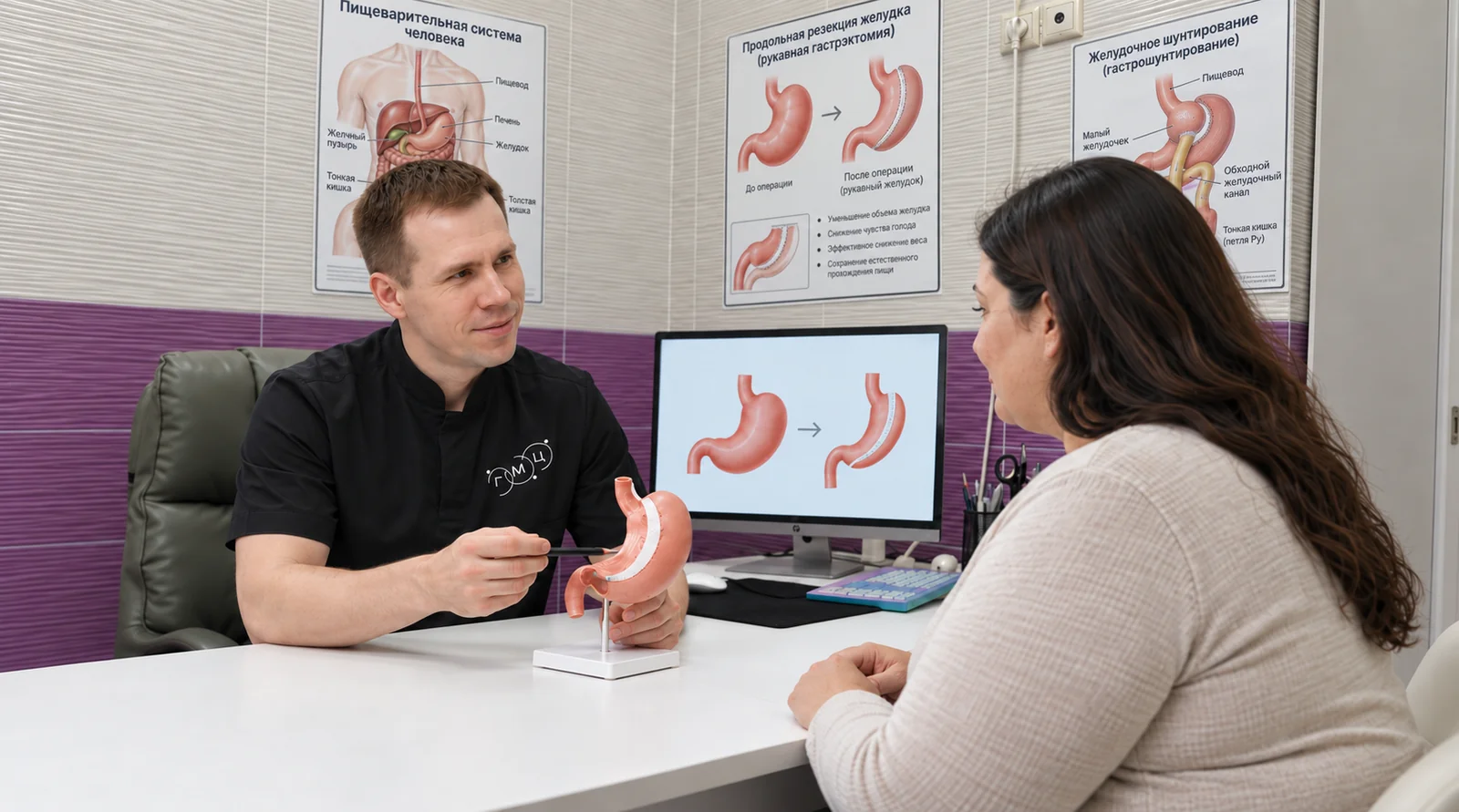
Discounted price
$3,600 $4,800
A smaller stomach volume plus a new route for food
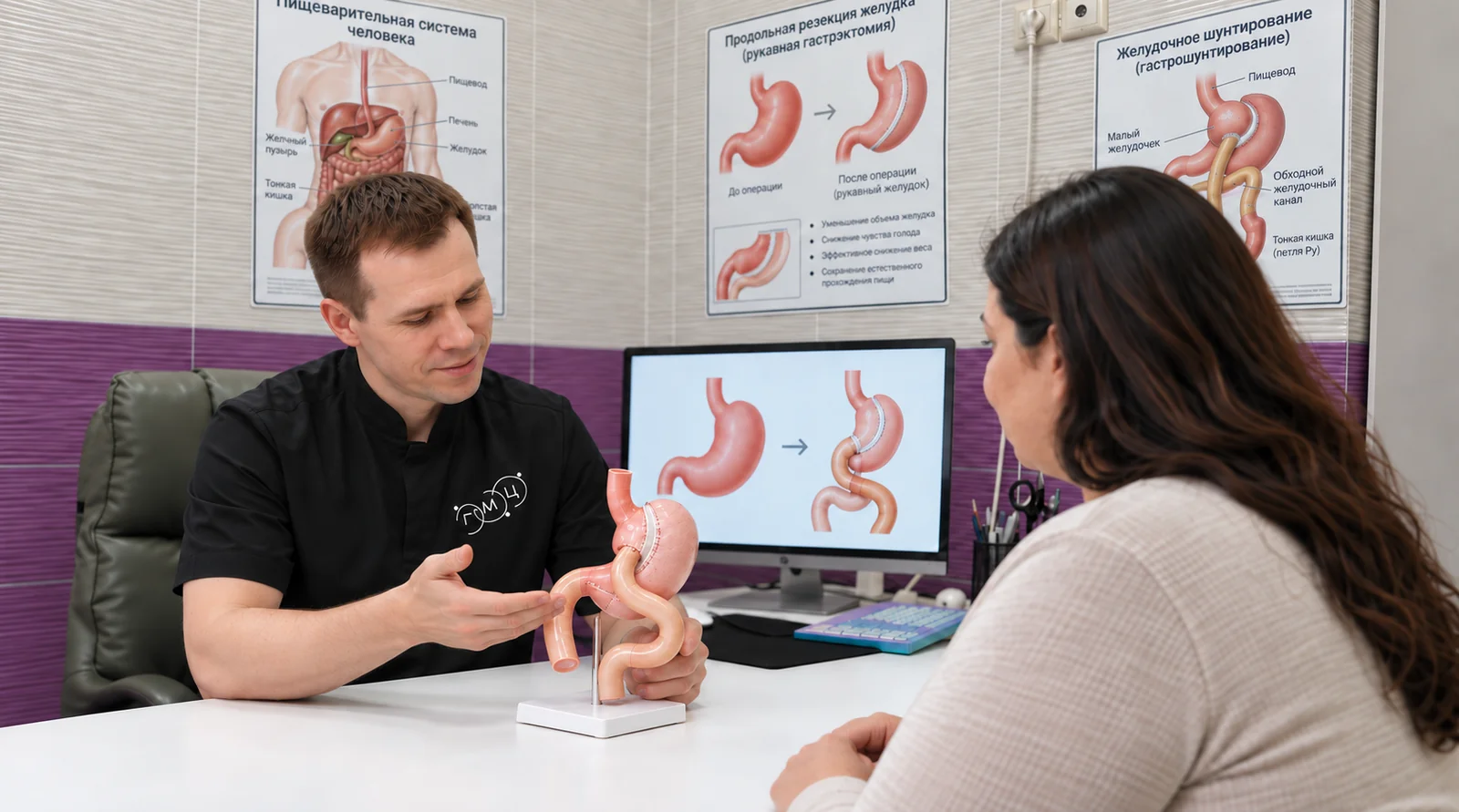
Discounted price
$4,000 $5,200
Recovery times and benefits are averaged for each method and shown for orientation. Your anatomy and individual features shape the extent of surgery and recovery, and the surgeon confirms both at the consultation.
Book a consultationInside the clinic
Each patient gets care, comfortable rooms and modern equipment
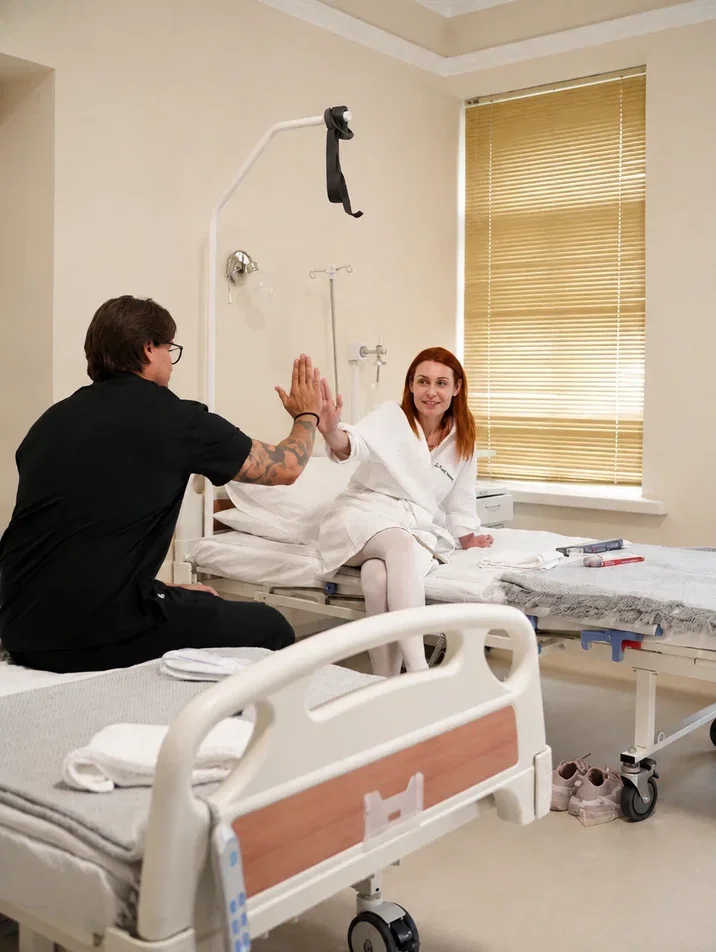
You get answers to your questions and a consultation slot that fits your schedule
Get a consultationThe choice to operate is made jointly with your surgeon following a consultation and check-up.
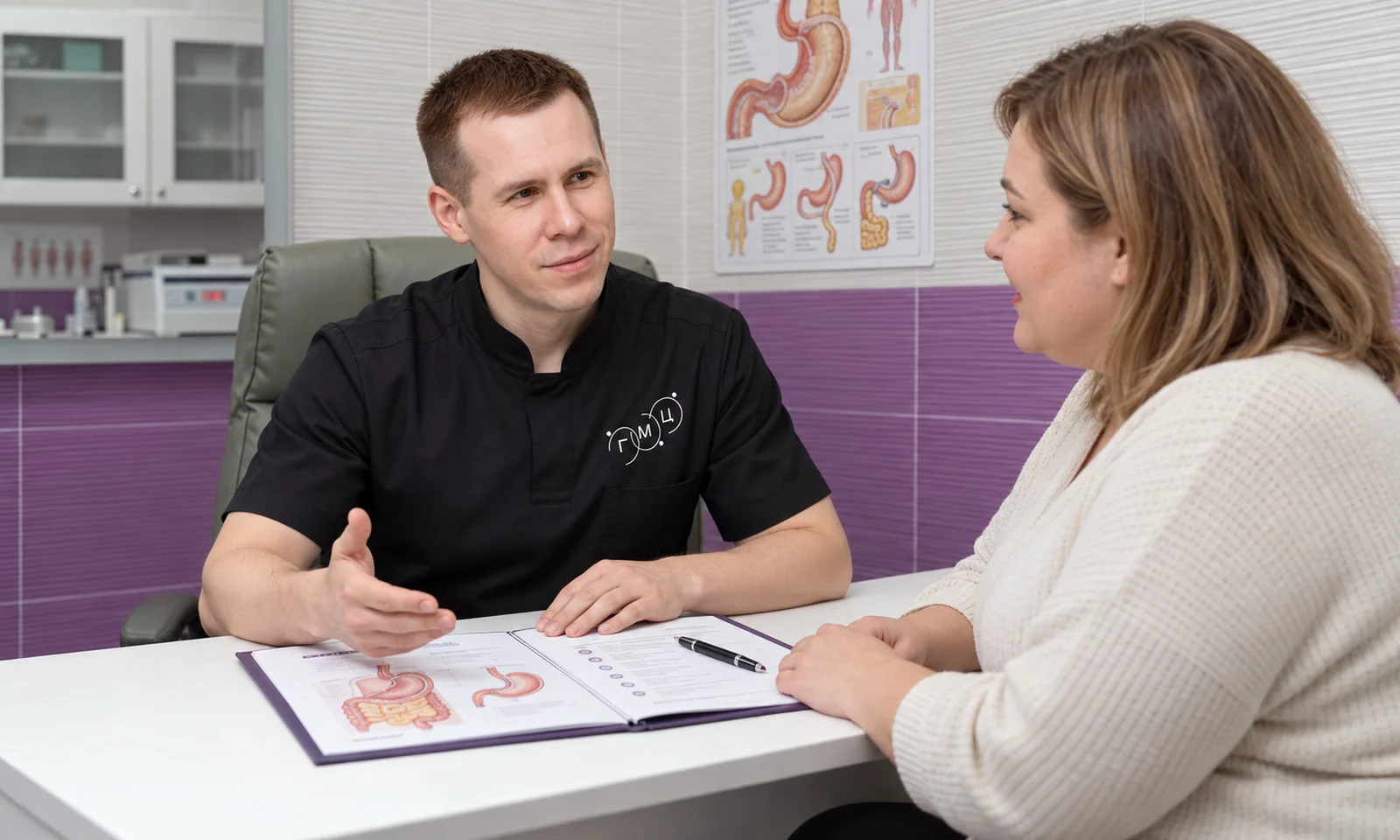
Unsure which column describes you?
Write to us on Telegram — a coordinator will let you know whether bariatric surgery is an option for you. The surgeon consultation costs nothing and carries no obligation to operate.
Find out if it suits me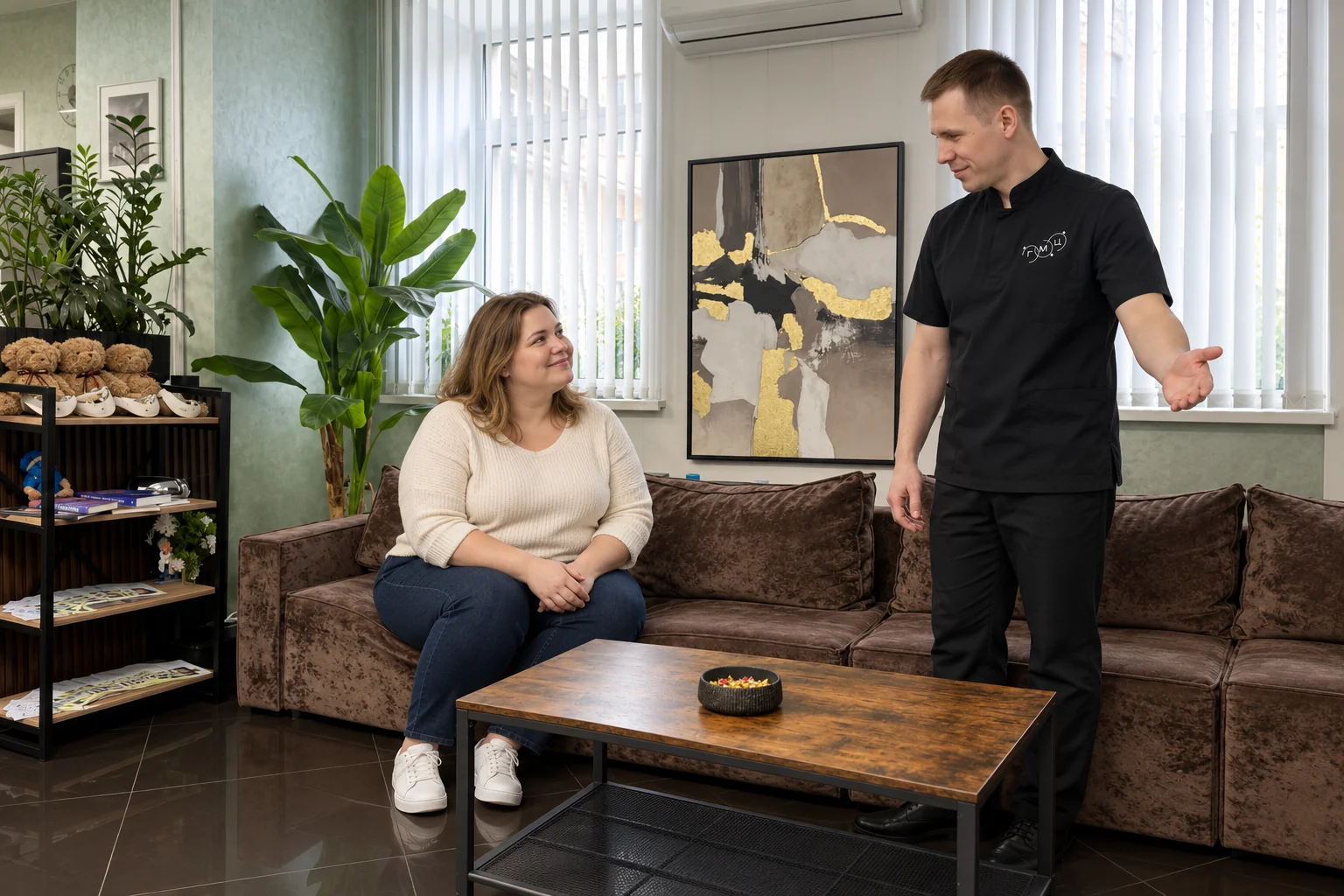
Prices
At the consultation, when your plan is ready, we name the cost and fix it in the contract.
Discounted price
Making the stomach smaller
$3,600$4,800
Discounted price
Losing weight by changing the food route
$4,000$5,200
Free
The surgeon examines you and draws up a treatment plan

Free
the cost of the operation is named
and recorded in the contract
The doctor reviews your health and goals and decides on the right bariatric surgery method. At the consultation the cost is named, and the contract fixes it.
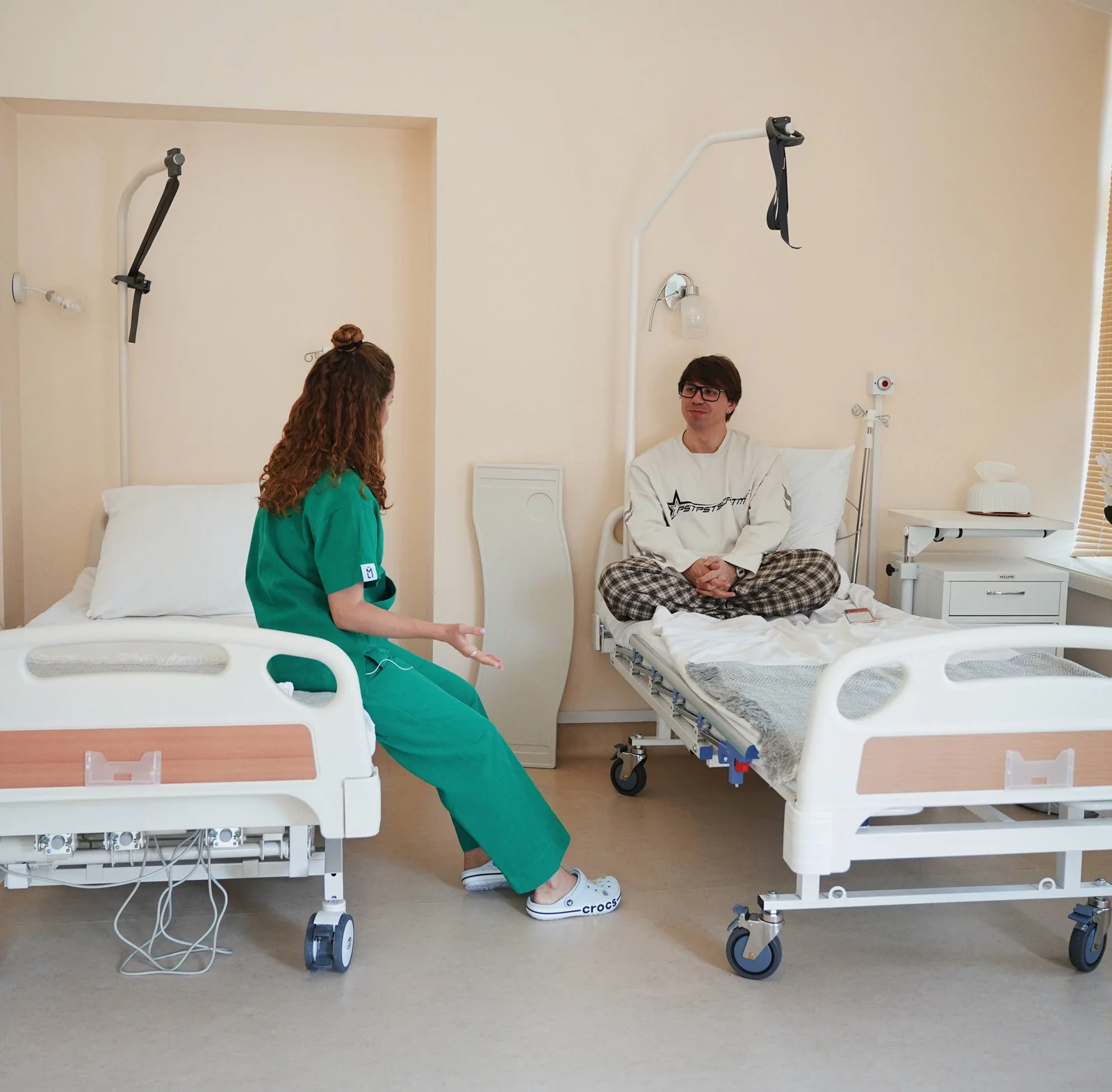
Message our coordinator
Free online consultation · Reply within 15 minutes
Message us on TelegramMessage us on WhatsAppBy messaging us, you agree to our Privacy Policy

price
Preparation to 12 months of support in one package — nothing extra to pay.From your pre-surgery preparation
to follow-up support for 12 months.
How it goes
Support for a year, hospital monitoring and a treatment plan agreed in advance.
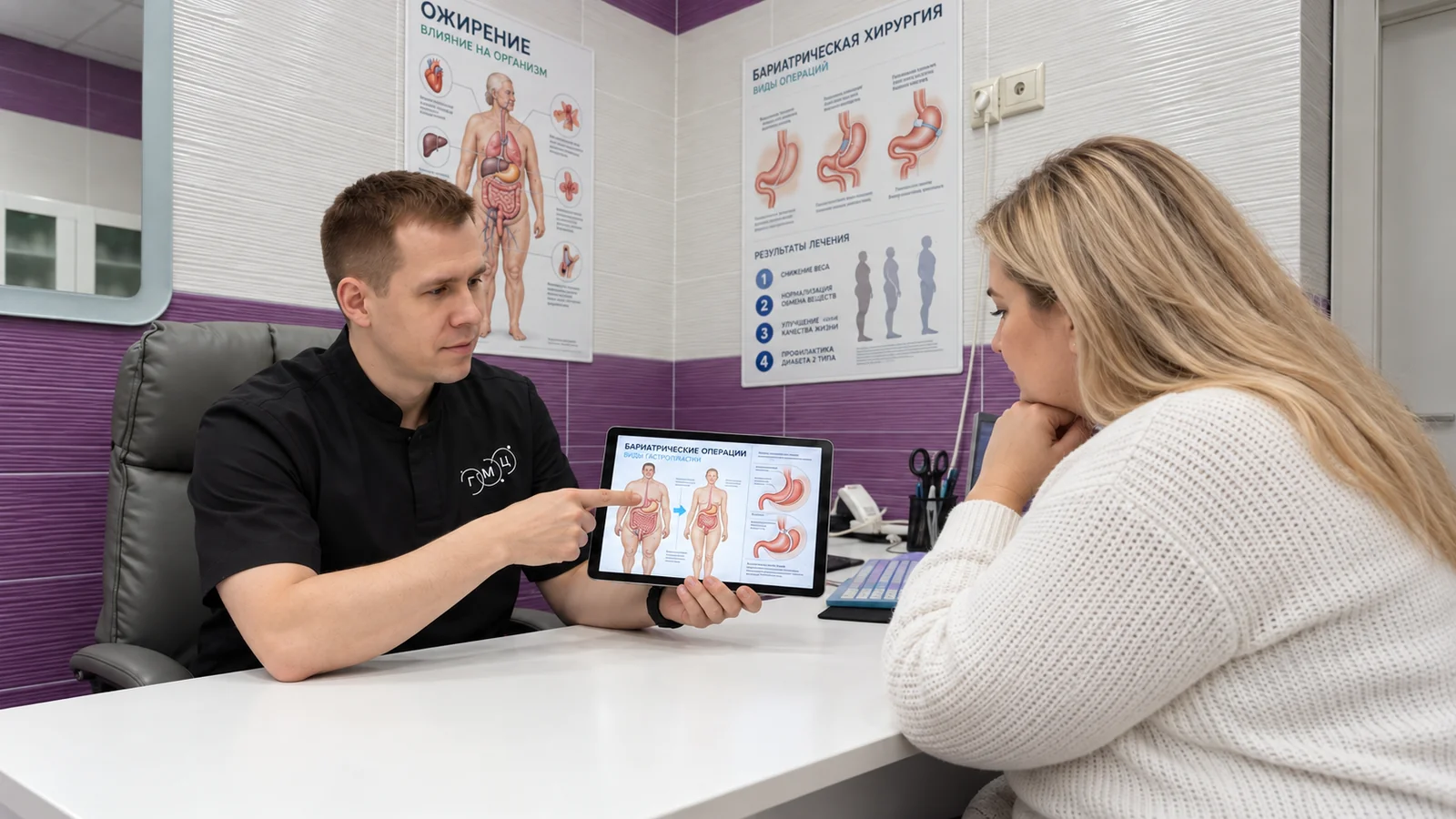 1
After assessing your health and discussing your goals, the doctor orders the tests that help choose the right bariatric surgery method.
2The contract for medical services fixes the terms; we reserve a surgery date for you, and the deposit can be paid by card at the clinic or by bank transfer online
 3
Before the operation you have blood and urine tests, an ECG, an ultrasound and a gastroscopy, and see specialists. The doctor gives you the exact list at the consultation.
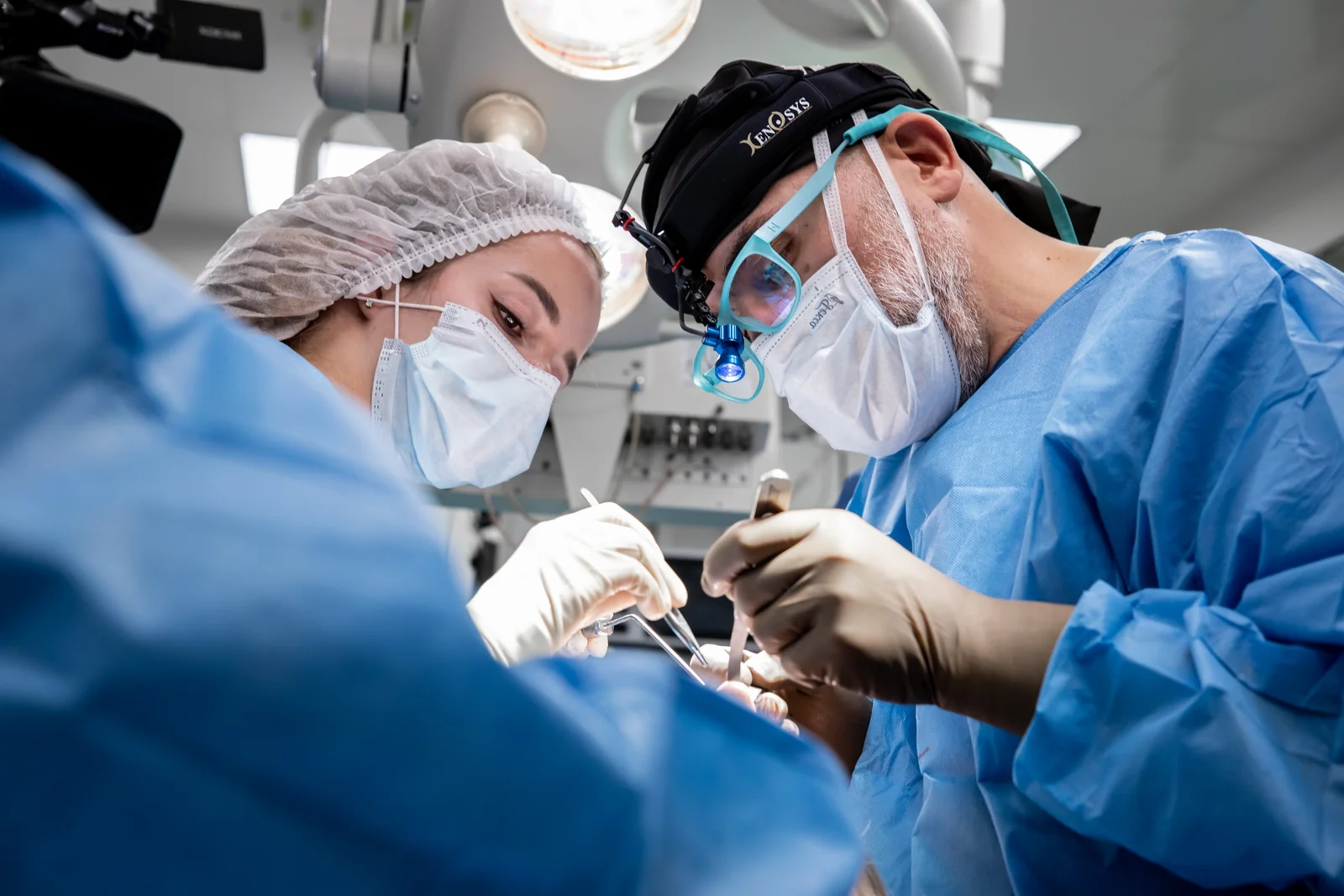 4
The medical team monitors the patient after the operation, which the surgeon performs under general anaesthesia using the chosen bariatric method.
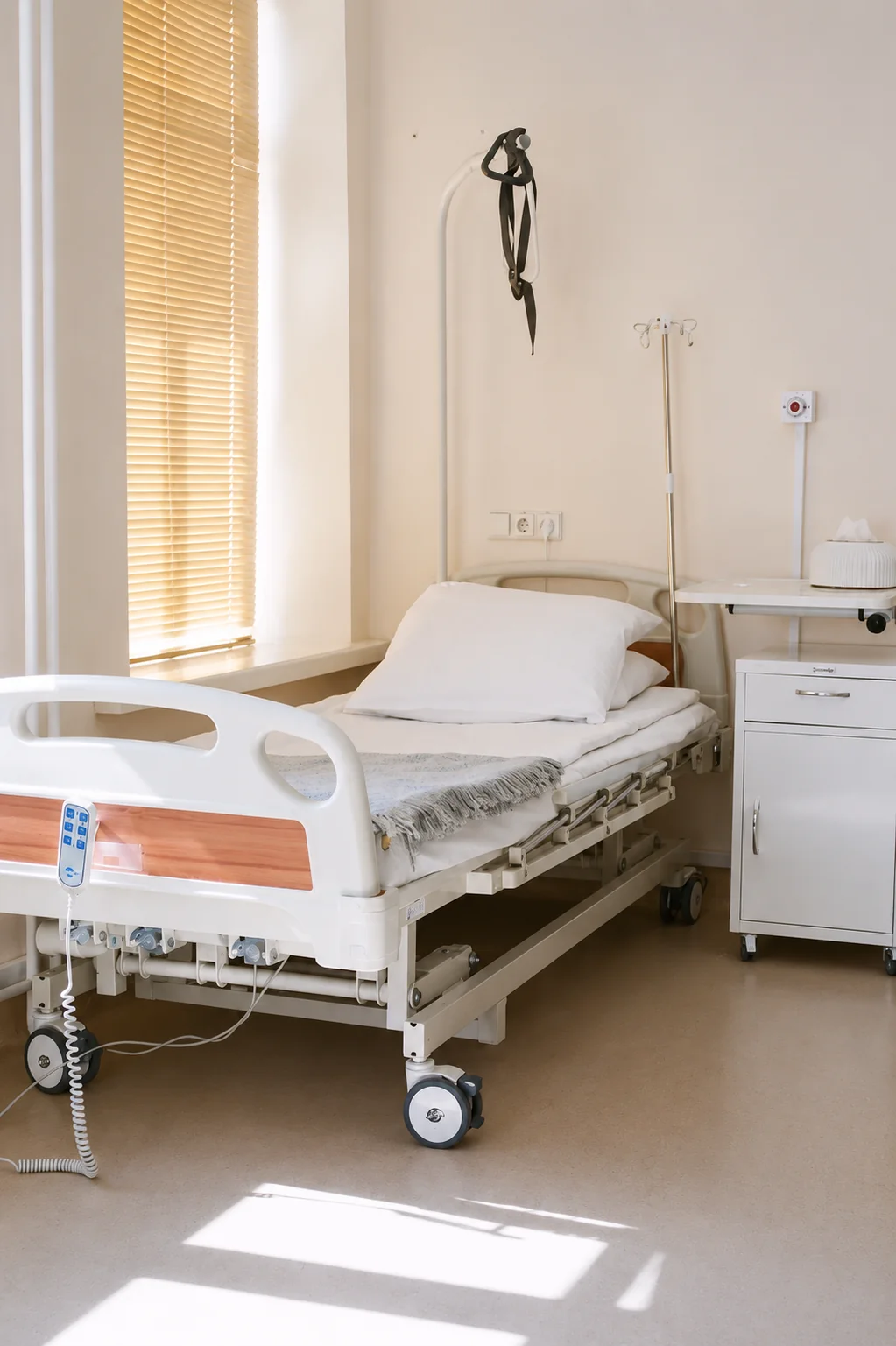 5
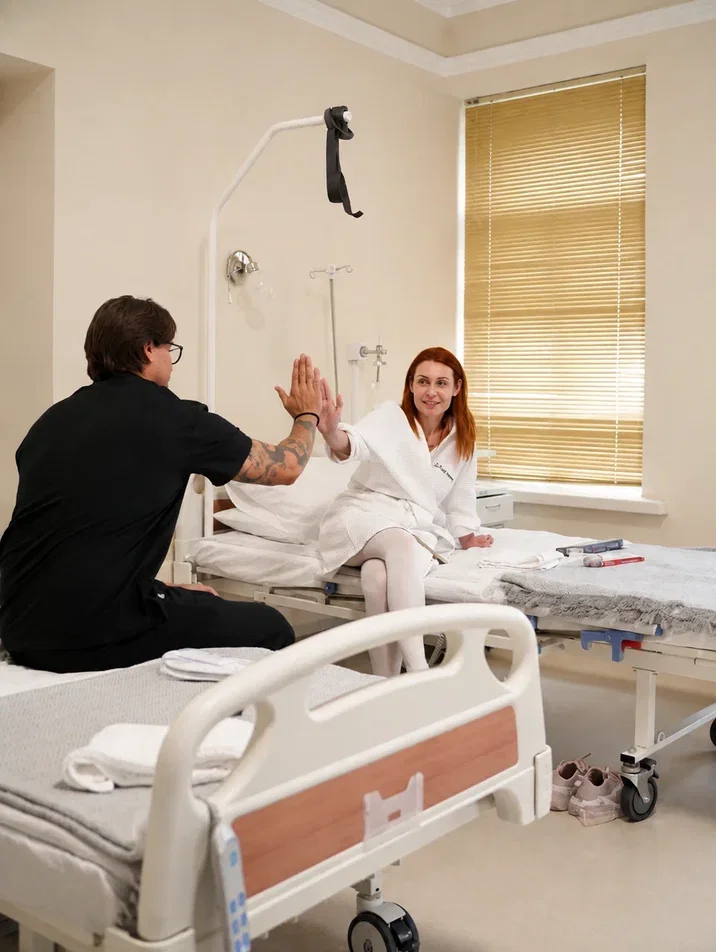
Once the operation is over, you stay in hospital supervised by doctors. Depending on its complexity and how you feel, this lasts from 1–3 to 4–5 days.
 6
On discharge you receive diet and recovery advice. Scheduled check-ups monitor how you feel, your weight and your test results, and the clinic team supports you for a year.
At the consultation the doctor draws up your plan and explains the surgery step by step
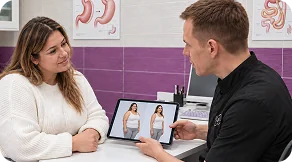
The consultation is free, before surgery and with no obligation.
Book a consultationDoctors

27 years of experience
Head bariatric surgeon
Surgeon
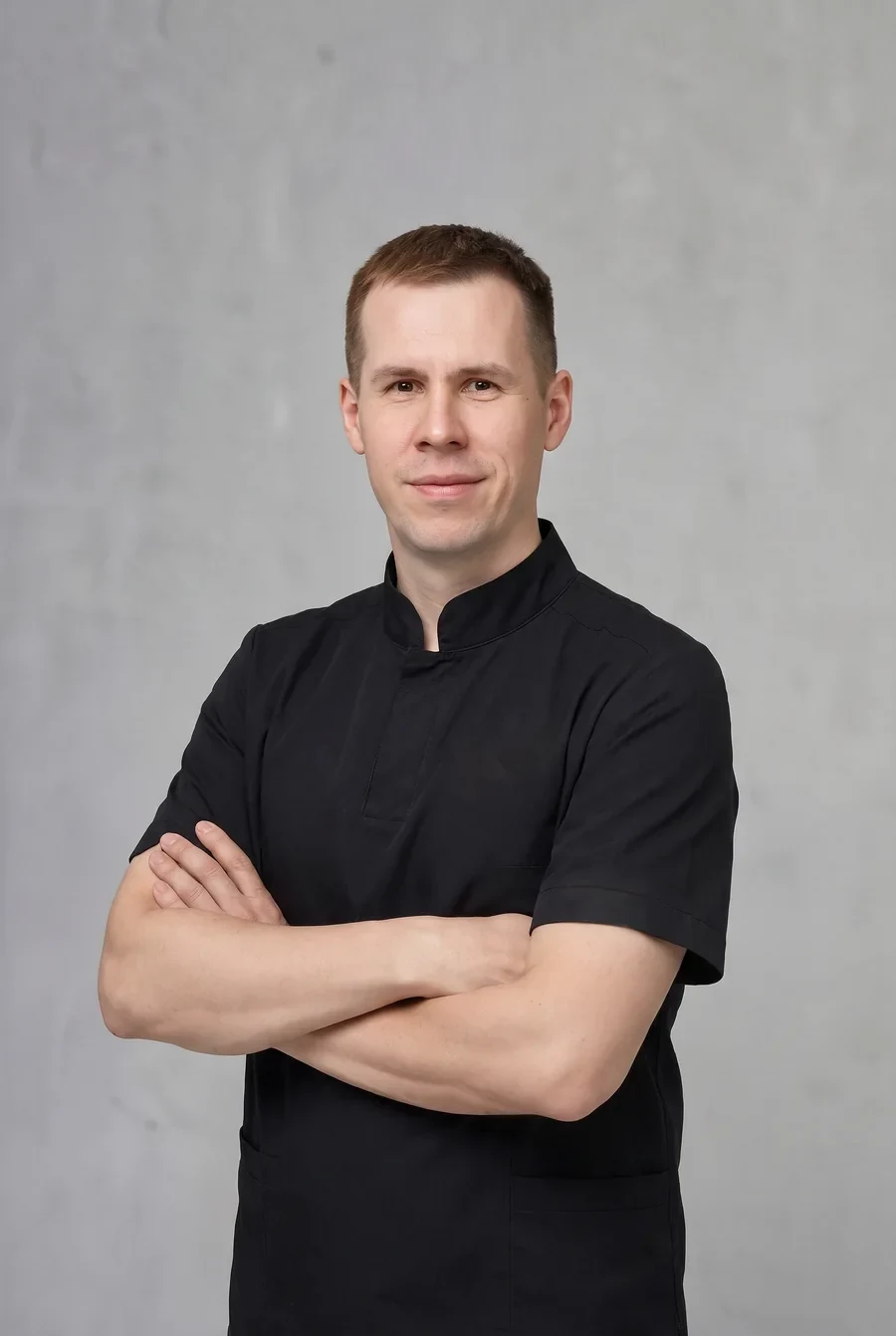
9 years of experience
Bariatric surgeon
Surgical oncologist
From the first consultation right to the result, your surgeon operates and follows you.
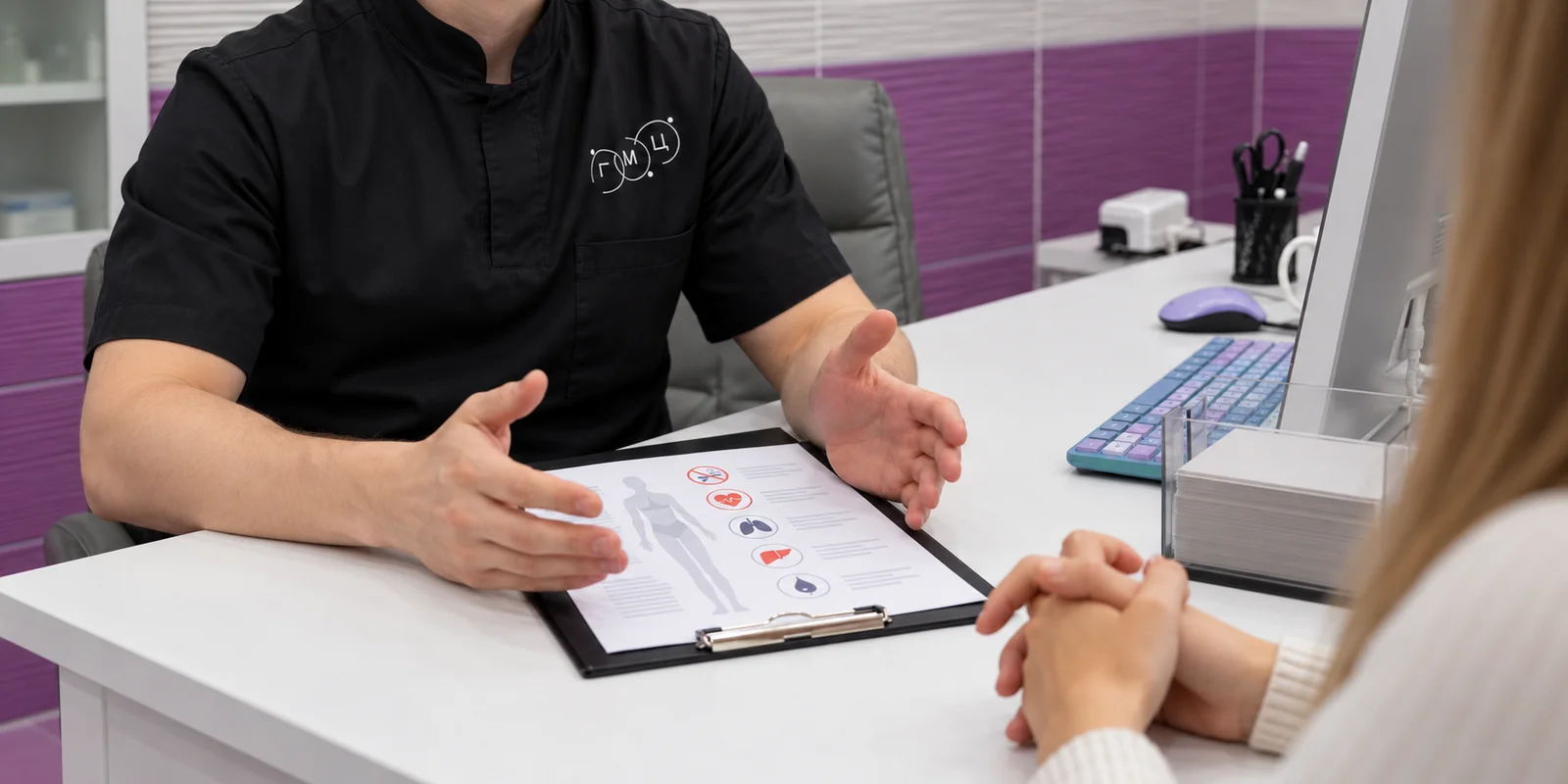
Your first consultation is with our patient care manager, who calculates your BMI, explains the methods and books you in with the surgeon. It is free of charge.
Book a consultationCoordinators
Support at every step of the way

The person you reach first at the clinic, from your first message up to the consultation
Patient support specialist
Answers your questions before the first consultation and helps select a date that works for you

Supports you before and during your stay — from booking through to discharge
Patient support specialist
Keeps in contact during your stay at the clinic and helps you prepare for surgery

By your side through recovery, from discharge to your final check-up
Patient support specialist
Keeps in touch during recovery and books your follow-up visits with the surgeon
Advantages
We choose the optimal method for your health, lifestyle and goals, with our team beside you all the way.
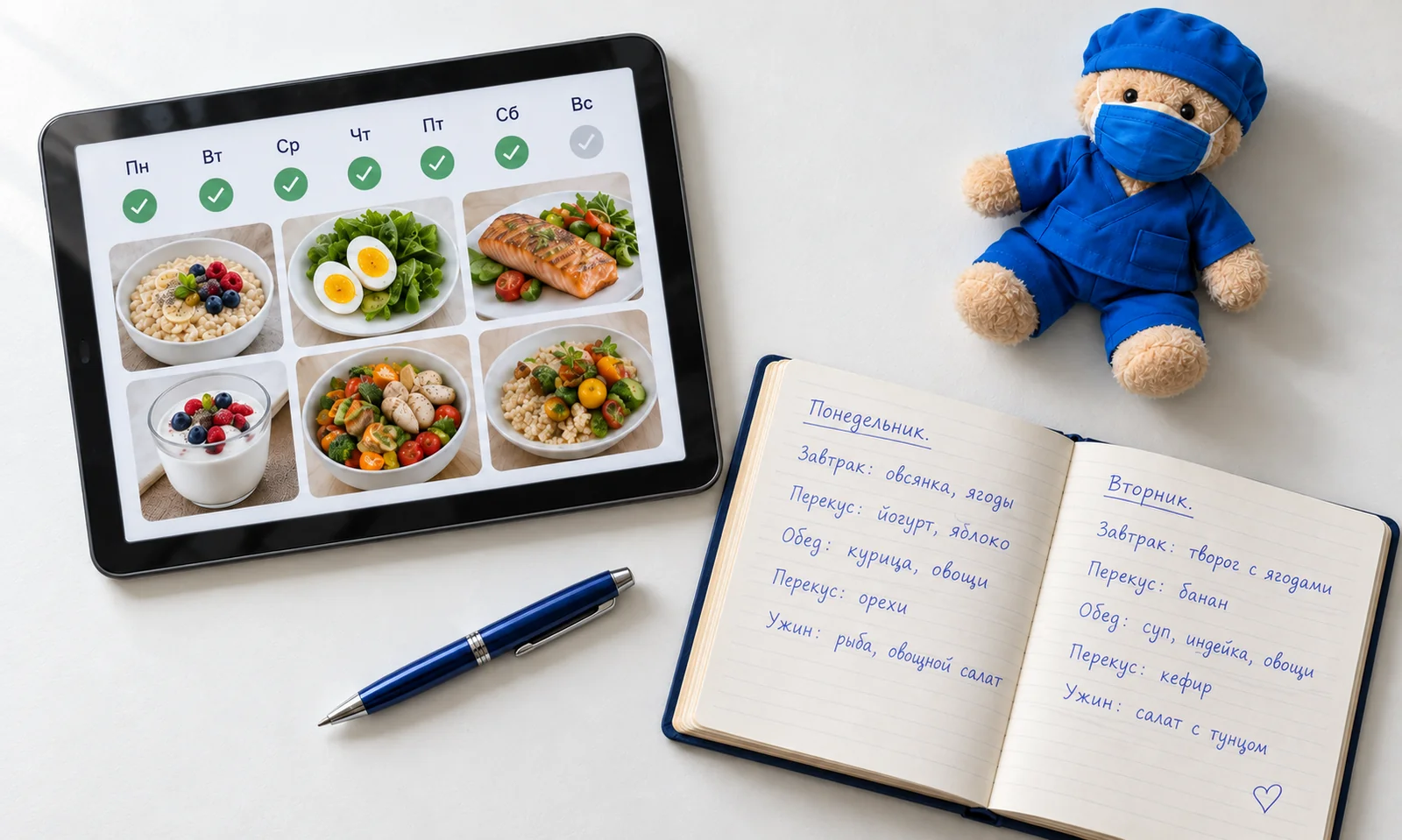
Our help covers adapting to new eating habits, tracking your results and maintaining them.
A higher quality of life, better well-being and steady weight loss.

We respect your time — open 24/7, easy booking and a personal approach that follows your pace.
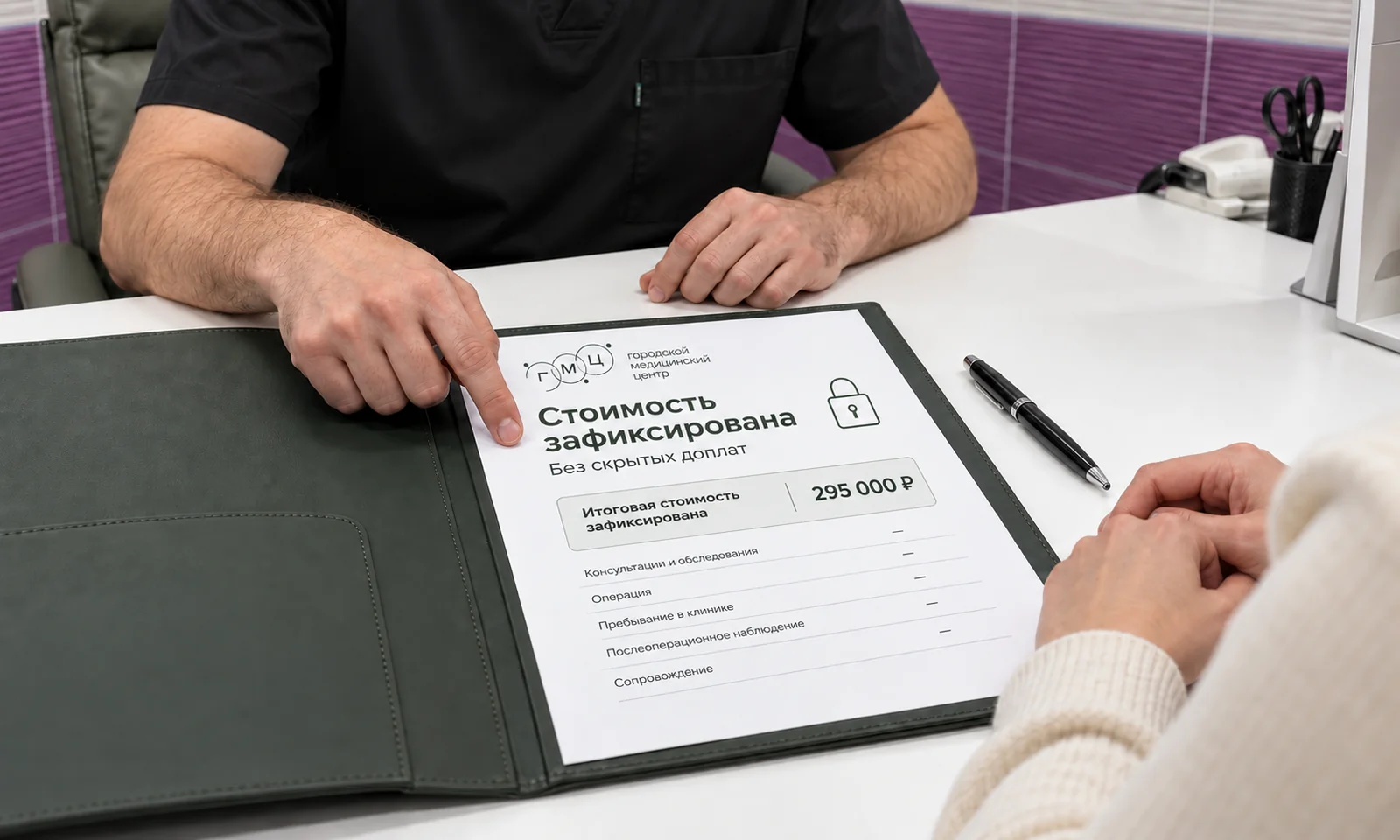
You get a clear price after the consultation, when the surgeon chooses the method: no hidden fees and no surprises along the way to your result.
FAQ
Bariatric operations here are carried out by experienced bariatric surgeons:
Send us a message to have our coordinator contact you shortly and book your consultation; the bariatric surgeon consultation costs nothing.
Surgery is prescribed only when clear criteria are met
BMI is the main tool for assessing the degree of obesity. It is calculated by dividing body weight (kg) by height squared (m²). Surgery is usually justified with a BMI above 40, or above 35 with serious related conditions. In some cases surgery is considered at lower values too — if non-surgical approaches have failed.
Many confuse the two, yet their purposes are fundamentally different. Bariatric surgery is medicine's treatment for obesity and related diseases: it changes how the digestive tract operates and addresses the causes of excess weight and metabolism. Plastic surgery reshapes outer contours of the body without treating obesity or affecting metabolism.
Four main bariatric surgery types are available at City Medical Centre: sleeve gastrectomy, Roux-en-Y gastric bypass, mini gastric bypass (MGB) and SADI-S duodeno-ileal bypass. The method is picked individually, considering BMI, related conditions and the patient's goals.
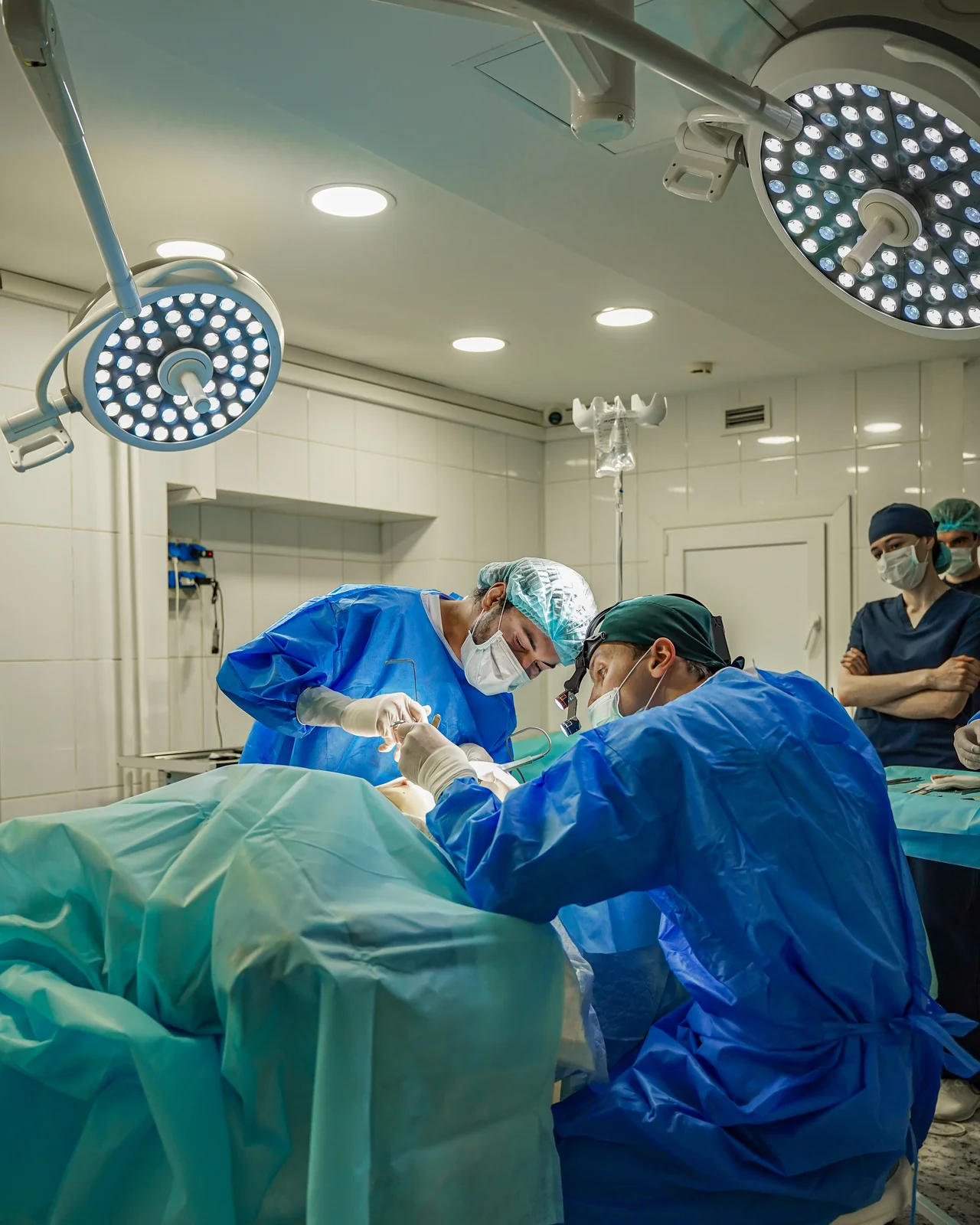
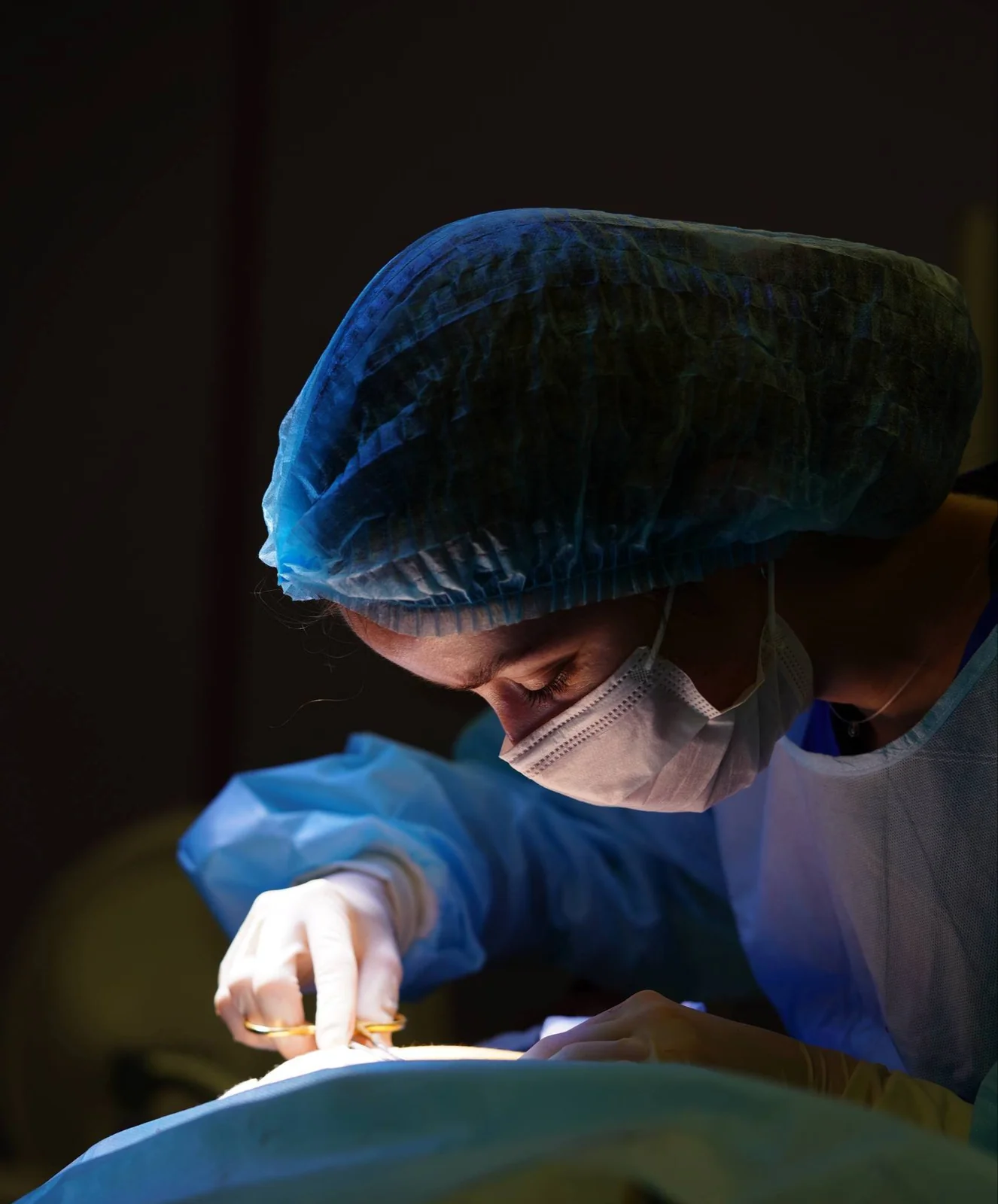
We rely on modern laparoscopic technique. The operation is performed through 4 small punctures of 5 to 15 mm. Cosmetic sutures are used, so after healing the marks are barely visible.
The recovery timeline depends on your activity. Office work: after 2–4 weeks. Physical work: after 1.5 months. Sport and activity: swimming allowed from 30 days, other exercise added gradually as weight comes down. Travel and holidays: best planned at least a month after surgery.
Your diet changes step by step: from liquid food to soft and then to solid. The emphasis is on protein and on cutting high-calorie, fatty food.
Pregnancy after bariatric surgery can happen, though doctors advise holding off at least 12–18 months. In this period the body becomes stable, weight reaches target values and nutritional status normalizes.
Yes, after bariatric surgery vitamins cannot be skipped. As the digestive anatomy changes, some nutrients are absorbed less well, making regular vitamin and mineral supplements a permanent feature of the patient's life.
Weight may return after bariatric surgery, though that is very unlikely when you follow the doctor's advice. Key factors: proper nutrition, avoiding high-calorie drinks and regular follow-up with City Medical Centre specialists.
Prices are in US dollars; the amount in brackets is an approximate conversion to KES at the rate of 02.10.2026. The final price is fixed in your contract.
Prices start from $3,600 (≈ KES 470,000). The surgeon sets the final price at the free consultation, and it is fixed in the contract, with no hidden extras.
General anaesthesia, a personal coordinator from day one, monitoring in the hospital and support for one year.
The hospital stay is 1–5 days, depending on the method and how you feel. Office work is possible after 2–4 weeks.
Yes. The first consultation is free and does not oblige you to anything. You can start online by sending a message to the coordinator.
Message us on WhatsApp or Telegram using the buttons below. A coordinator will answer your questions and book a free consultation where the doctor names the exact price.
By messaging us, you agree to our Privacy Policy
Sleeve gastrectomy turns most of the stomach into a narrow tube, reducing portion size and levels of ghrelin, the hunger hormone. It suits a BMI of 35 to 45, with patients losing on average 60–70% of excess weight. For anyone from Ruiru with a higher BMI or type 2 diabetes, a bypass may fit better; the surgeon compares options at the consultation.
Step one: consultation. Step two: laboratory and instrumental tests, gastroscopy and specialist reviews. Step three: surgery through small punctures by a permanent team, not a duty shift. Step four: 1–5 days in the ward with meals and nursing. Step five: a staged diet and a year of follow-up. People in Ruiru follow this route from start to finish.
If you are comparing bariatric surgery options in Ruiru, look beyond the operation itself. Here the package bundles the work-up in the centre's own lab, laparoscopic surgery, the stay with meals and nursing, a doctor on hand 24/7 and a year of follow-up. Apply for a free surgeon consultation to see how this applies to your case.
What patients write after this operation. Reviews are translated from the original language.
Irina, 26
For a long time I doubted whether to go ahead with surgery, but after the consultation I felt much calmer. Andrey Georgievich explained in detail how gastric bypass is done, what to expect after the operation and how recovery would go. I especially liked that they talked to me calmly and without pressure. I am now gradually getting used to my new way of life and I am very glad I took this step.
Bariatric surgery
Doctor: Andrey G. Ugay
Angelina, 22
For me the hardest part was deciding to have the operation. At the consultation Ruslan Sergeyevich answered all my questions in detail and explained the specifics of sleeve gastrectomy and recovery. After the operation I always understood what I was doing and why. Thank you to the doctor and the whole team for their attentiveness.
Bariatric surgery
Doctor: Ruslan S. Menzulin
Anna, 31
For a very long time I tried to deal with my excess weight on my own, but I did not get the result I wanted. After the consultation with Andrey Georgievich I finally understood what to do next. I came through the operation well, and my recovery was supervised by the doctors. It was important for me to feel that I was not left alone after surgery.
Bariatric surgery
Doctor: Andrey G. Ugay
Veronika, 25
Before the operation I had many fears, mostly of the unknown. Ruslan Sergeyevich explained every stage of treatment in detail and answered even the simplest questions. Thanks to that I felt much more confident. I keep following the recommendations and I am gradually seeing the changes I had the operation for.
Bariatric surgery
Doctor: Ruslan S. Menzulin
Valentina, 23
The decision to have bariatric surgery was not easy for me. I worried both about the operation itself and about how my life would change afterwards. At the consultation Andrey Georgievich explained everything in detail, so little by little my fear turned into confidence. What matters most to me now is the result and the chance to treat my health and lifestyle differently.
Bariatric surgery
Doctor: Andrey G. Ugay
Anna, 27
I am very grateful to Ruslan Sergeyevich for his attentiveness. Before the operation I had a huge number of questions, and I got a clear answer to every one of them. After the operation it was also clear which recommendations to follow and how to eat. It was important to me that the doctor stayed in touch and I felt supported at every stage.
Bariatric surgery
Doctor: Ruslan S. Menzulin
Ruiru is a municipality and sub-county in Kiambu County, within the greater Nairobi Metropolitan region. In 2009 its population was 238,858. The 2019 national census counted 490,120 people, which made Ruiru the fourth-largest urban centre in Kenya. A town that has grown this quickly has many people balancing long working days, family duties and study, and many of them put their own health last. For some, a conversation about weight begins only when a doctor mentions blood sugar, blood pressure, joint pain or breathing problems.
Bariatric surgery, meaning sleeve gastrectomy or gastric bypass, is a major medical decision and not a quick fix. It is worth making calmly, with full information and with time to talk it over with your family. City Medical Centre offers a free online consultation to residents of Ruiru, so you can ask your first questions from home. Coordinators are available around the clock (24/7) on Telegram and Telegram, so you can write when the day's work is done instead of fitting a call into a busy schedule.
This text explains how the planning looks for someone living in Ruiru: what to ask, how recovery fits into local life, and which general rules apply to candidates. It does not replace the surgeon's opinion, which you receive after your own tests and your own consultation.
Ruiru is an industrial town. Its factories include steel, foam, garment, roofing and feed producers, and the Tatu City Industrial Park hosts many more. Banks and shopping malls serve the town, and information and communication technology businesses are emerging. People here work in production halls, in offices, in shops and banks, and in growing digital businesses. The type of work matters a great deal for planning, because the medical facts distinguish between office and physical work.
The rule for return to work is simple. Office work is possible after 2–4 weeks. Physical work is possible after 1.5 months. If you work on a factory floor, lift loads or stand for long shifts, plan the longer period and talk to your employer early. If you work at a desk or in a bank branch, the shorter period usually applies, though your own recovery and the surgeon's advice decide the exact date.
Practical planning helps. Agree on leave in advance, arrange who will cover family duties during the first days, and prepare food suitable for the early stage after surgery. A coordinator can go through this list with you online so that nothing is left to the last moment. The hospital stay is 1–5 days, depending on the method and how you feel, so the period when you are fully away from home is short compared with the whole process.
The first step is a free online consultation. You write to a coordinator on Telegram or Telegram at any hour, since the team works 24/7. Booking is easy, the approach is personal and the process adapts to your pace. A coordinator will call you back 24/7, so you do not need to wait for a special day or arrange your work around a call.
Prepare a few things before the conversation: your height and weight so that your BMI can be calculated, a list of illnesses and regular medicines, previous operations, and earlier attempts to lose weight. Recent test results are useful if you have them. Write down your questions in advance. When you are speaking from your own home in Ruiru you can have the family beside you, which many patients find reassuring.
The surgeon confirms at the consultation whether surgery suits you. Nobody should promise you a particular operation before this assessment. After the consultation you get a clear picture of the next steps, and the care is organised as one programme: from preparation to 12 months of support, all in one package. No added fees.
BMI is the main tool for assessing the degree of obesity. It is calculated by dividing body weight in kilograms by height in metres squared. Surgery is usually justified with a BMI above 40, or above 35 with serious related conditions. In some cases surgery is considered at lower values too, if non-surgical approaches have failed. The World Health Organization describes obesity as a chronic condition linked to many other diseases, which is why medical assessment goes beyond a single number.
Related conditions that doctors look at include type 2 diabetes, high blood pressure, sleep apnoea and joint problems. A person in Ruiru who has tried diets, exercise programmes and medical supervision without lasting change has a reasonable basis to ask a surgeon for an opinion. Bring an honest history of these attempts, because it helps the surgeon decide.
General contraindications are decided individually. They can include untreated serious heart or lung disease, active severe disorders of the digestive tract, uncontrolled mental health conditions, alcohol or substance dependence, and pregnancy. Unwillingness to change eating habits and to attend follow-up is also a serious obstacle. None of these lists is final: only the surgeon, after reading your results, can say whether you are a suitable candidate.
Both operations are performed with modern laparoscopic technique. The operation is performed through 4 small punctures of 5 to 15 mm. Cosmetic sutures are used, so after healing the marks are barely visible. The anaesthesia is general, and the stay in hospital is 1–5 days. Doctors supervise you in hospital after surgery, and the length of stay depends on the complexity of the operation and how you are feeling.
Questions worth asking in your online consultation: Which method do you recommend for me and why? How does my diabetes or blood pressure influence the choice? What does the first month of eating look like? Which supplements will I need, and for how long? What are the possible complications and how are they handled? Who do I contact at night if I feel unwell? Because coordinators work 24/7, the last question has a clear answer.
Ask also about follow-up. Support lasts for 12 months, and it matters as much as the operation itself. Ask how test results are shared with you, how often you will be in contact, and how your diet will be adjusted as weight goes down. Write the answers down and compare them with what you understood after the first call.
Choose the season of the operation by your own calendar and comfort, not by a fixed rule. Whatever the weather, general advice applies. After surgery, wear loose, soft clothing that does not press on the small wounds. Protect the healing marks from direct sun and avoid sweating heavily in the first days. Keep the wounds clean and dry as instructed, and keep drinking fluids in small, regular sips, because dehydration is one of the common problems after bariatric surgery.
Ruiru takes its name from the Kikuyu language, possibly in connection with the black cotton soil found in most parts of the town. Whatever the ground and road conditions around your home, plan the way back from the hospital and the first walks so that you are not tiring yourself on uneven surfaces or in crowds. Short, calm walks around the house or the estate are a good start, as the surgeon will advise.
Swimming is allowed after 30 days. Until then, avoid pools, rivers and any open water, since healing wounds need to stay clean. Other exercise is added gradually as weight goes down. A hat or cap and shade are sensible when you begin walking outdoors again, but there is no need for special equipment. Ask the surgeon whether you need a compression garment, and follow the exact instructions you are given.
Food culture is the most practical topic for anyone planning bariatric surgery. Family meals, weddings, church and community gatherings, and meals shared at work all revolve around eating together. After the operation portions become small and the diet moves through stages, so it is wise to talk with your family in advance. Explain what you will be able to eat and ask them to support you without pressure to take extra helpings.
Plan the first weeks so they do not coincide with major family events if you can avoid it. If you cannot, decide beforehand what you will eat and drink at the gathering and bring your own food if necessary. Most people find that relatives accept the change quickly when they understand it is a medical decision. Ask your coordinator for a sample menu for each stage so that the person who cooks at home can prepare for it.
Ruiru has two main university campuses, Zetech University and Kiriri Women's University of Science and Technology, and Kenyatta University and others are nearby. Students and young adults often ask whether they can combine surgery with study. Many plan the operation in a break between terms, keep lecture notes online during the first days, and return to a desk-based routine after 2–4 weeks. Discuss exams and practical sessions with the surgeon in advance.
Ruiru's story is unusual for a Kenyan town. The area was a sisal and coffee-growing district, with sisal on either side of the river to the right of the main road to Thika. Before independence it was administered under the Nairobi City Council as the Western Rural District. It later passed to the Kiambu County Council, became a town council in 1986 and was upgraded to municipality status in 1997. Many older residents therefore remember a very different, more rural and more active daily life than the one most people lead today.
This history matters for bariatric planning because a town that moved quickly from farm work to commuting, factory shifts and desk jobs has seen eating and movement habits change within a single generation. When you talk to the surgeon, describe honestly how your own routine changed over the years: how much you walk, when you eat, and what you eat on workdays. That picture helps the team choose between sleeve gastrectomy and gastric bypass and plan the follow-up.
The area was given over to an African consortium to be developed into smallholdings in the 1970s, and many former coffee estates are now housing. If you live on one of these estates, think about where you will take your first short walks after the hospital stay of 1–5 days. A quiet, familiar lane near your home is more useful than any gym in the first weeks.
The municipality has nine elective wards: Biashara, Gitothua, Gatongora, Kahawa Sukari, Githurai, Kimbo, Jacaranda, Theta, Viwanda and Murera. Its neighbourhoods include Ruiru Town, Tatu City, Kahawa, Githurai 45, Mwihoko, Membley, Kamakis, Varsity Ville and Northlands City. Someone living in Kamakis, for example, has a different daily pattern from a resident of Githurai 45 or Membley, and the difference shows up in how far you need to go for groceries, pharmacies and a calm place to walk.
Before the operation, stock your kitchen with what the early diet stages need and ask a neighbour or relative to handle heavy shopping in the first days. Residents of busy, dense areas may prefer to arrange deliveries, while those in quieter residential estates can plan short walks around their own streets. Tell your coordinator which area you live in, so that follow-up calls and reminders fit your day.
Ruiru is also close to Nairobi, about 20 kilometres by road northeast of the central business district, and is connected by road and rail. For follow-up, this means that if the team asks for blood tests or an in-person check with a local doctor, you can usually arrange it without disturbing your whole week. Agree this with your coordinator before the operation.
Ruiru's employers are specific and well known. Devki Steel Mills, Super Foam Limited, Spinners & Spinners Garment Factory, Ruiru Mabati Factory and Ruiru Feeds Limited are among the major factories, while the Tatu City Industrial Park hosts companies such as BIDCO, Copia, Dormans, Davis & Shirtliff, Tianlong, Stecol and Dr. Mattress. Banks including NCBA, Sidian Bank, Diamond Trust Bank, Equity Bank and Co-operative Bank have branches, especially around Kamakis.
A person working in a bank branch or in an office at Tatu City can usually plan for the office-work period of 2–4 weeks. Someone on a steel, foam or feed production line, or in a garment hall where long standing is routine, should plan for the physical-work period of 1.5 months. Speak to your supervisor or human resources officer early, and ask whether lighter duties are possible when you return.
Tech-minded residents have another option. The SmartEdge PASHA Center is a digital village where the community can buy computers and find free training. If you already work online or do freelance digital work, part of your first days at home may be spent on light tasks, but keep the surgeon's advice first and do not use work as a reason to skip rest.
Two universities have their main campuses in Ruiru: Zetech University and Kiriri Women's University of Science and Technology. Kenyatta University is also near the municipality, and the University of Nairobi and other institutions have campuses in or near Ruiru. In July 2022 President Uhuru Kenyatta broke ground for the Amref International University, a health science university to be hosted within the Northlands City land in the southern part of the municipality.
Students and lecturers in Ruiru often ask how to fit surgery around a term. Since office-type activity is possible after 2–4 weeks, a break between semesters is the natural time. Parents of children at schools such as Danjose Academy should plan school runs and homework help in advance, because you will need rest in the first days and should avoid lifting.
With a health science university planned locally, health education is becoming more visible in Ruiru. Use that to your advantage: ask questions, bring a relative to the online consultation, and treat the 12 months of support as your own personal course in long-term nutrition.
Ruiru's growth followed its roads. Thika Road and the Nairobi Eastern Bypass Highway, together with the commuter rail project, brought commercial and residential development and many new residents. For recovery, the practical point is that the main highways are busy, and in the first weeks you should avoid long trips and crowded commuting where you may be jostled or forced to stand for hours.
The Ruiru River separates Ruiru from Juja and flows downstream to meet the Nairobi River. Swimming is allowed after 30 days, but it is best done in a clean, controlled pool and not in a river, and only once the surgeon agrees. Until then, enjoy the area by walking in safe, quiet places near your home.
Ruiru sits at an average elevation of 1,565 metres above sea level, and walking is a good way to rebuild stamina. Start with short distances and add more as weight goes down and as the surgeon and coordinator advise.
Return to activity is gradual. Swimming is allowed after 30 days, and other exercise is added step by step as weight goes down. Do not rush back to heavy training. Begin with walking, then light strength and mobility work, and increase the load as the surgeon and the coordinator advise. People who work physically should wait the full 1.5 months before heavy loads.
Women who plan a pregnancy should know that getting pregnant after bariatric surgery is possible, but doctors advise waiting at least 12–18 months, so the body can stabilize, weight can reach target values and nutritional status can normalize. Discuss contraception and your plans openly during the consultation, so the timing fits your family life.
The main change in weight is usually seen in the period of 18–24 months after surgery. This is a period of adjustment, not a finish line. Regular tests, vitamin and mineral supplements if prescribed, and steady contact with the medical team help you keep the result. The 12 months of support included in the programme is the framework for this, and you can write to a coordinator on Telegram or Telegram at any time during it.
Yes. The first consultation is online and free. You write to a coordinator on Telegram or Telegram, and the team is available around the clock, 24/7. A coordinator will call you back 24/7, and the surgeon confirms at the consultation whether surgery suits you.
Usually a BMI over 40, or over 35 with related health conditions. In some cases surgery is considered at lower values too, if non-surgical approaches have failed. BMI is body weight in kilograms divided by height in metres squared. The final decision belongs to the surgeon.
The hospital stay is 1–5 days, depending on the method and how you feel. Doctors supervise you in hospital after surgery, and the exact length depends on the complexity of the operation and your condition. The operation is done under general anaesthesia.
Office work is possible after 2–4 weeks. Physical work is possible after 1.5 months. Many people in Ruiru work in factories, warehouses and on their feet, so it is sensible to plan the longer period and agree it with your employer in advance.
The operation uses modern laparoscopic technique through 4 small punctures of 5 to 15 mm. Cosmetic sutures are used, so after healing the marks are barely visible. Follow the wound care instructions you are given.
Swimming is allowed after 30 days. Other exercise is added gradually as weight goes down. Start with light walking and increase the load slowly, following the advice of the surgeon and your coordinator.
It is possible, but doctors advise waiting at least 12–18 months, so the body can stabilize, weight can reach target values and nutritional status can normalize. Discuss your family plans with the surgeon before the operation.
Care runs from preparation to 12 months of support, all in one package. No added fees. It includes the consultation, preparation, the operation, hospital supervision and follow-up support for 12 months, with coordinators available 24/7.
Write down your height, weight, illnesses, medicines and earlier weight-loss attempts. Ask which method suits you, what the diet looks like in the first weeks, which supplements you will need and whom to contact if you feel unwell. Booking is easy and the approach adapts to your pace.
It changes the practical details, not the medical ones. Think about where you will shop, where you can walk quietly, and who can help with heavy tasks in the first days. Tell your coordinator your area so follow-up fits your routine. The hospital stay is 1–5 days.
Office work is possible after 2–4 weeks and physical work after 1.5 months. If you stand for long shifts or lift loads, plan for the longer period and ask your employer about lighter duties.
Yes, many people choose a break between terms. Desk-based activity is possible after 2–4 weeks. Discuss exams and practical sessions with the surgeon beforehand.
Swimming is allowed after 30 days, but healing wounds need clean conditions, so a controlled pool is the better choice, and only with the surgeon's approval.
Page medically reviewed by Andrey G. Ugay, lead bariatric surgeon. Review date: .