
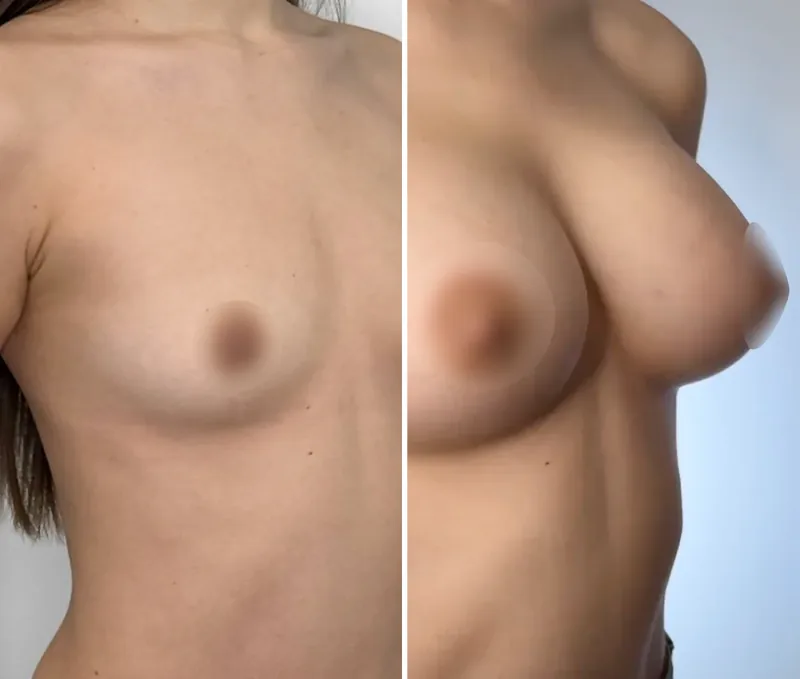
 beforeafter
Mammoplasty
Method: implants
Breast augmentation
$4,700
$5,900 · First consultation — Free
Message our coordinator
Free online consultation · Reply within 15 minutes
Message us on TelegramMessage us on WhatsAppBy messaging us, you agree to our Privacy Policy
Results
Each case belongs to a real clinic patient; faces and identifying details are not shown.
beforeafterMethod: implants
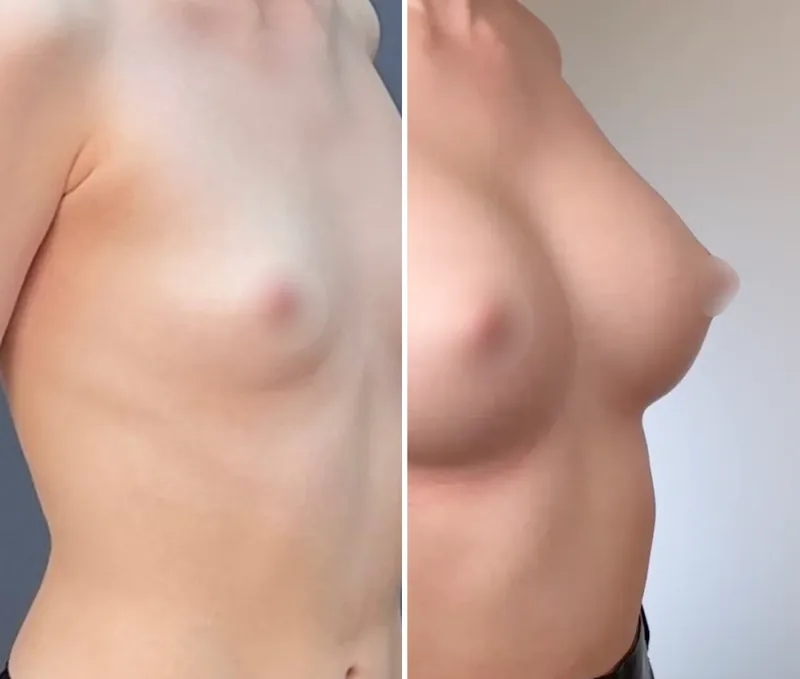 beforeafter
Method: implants
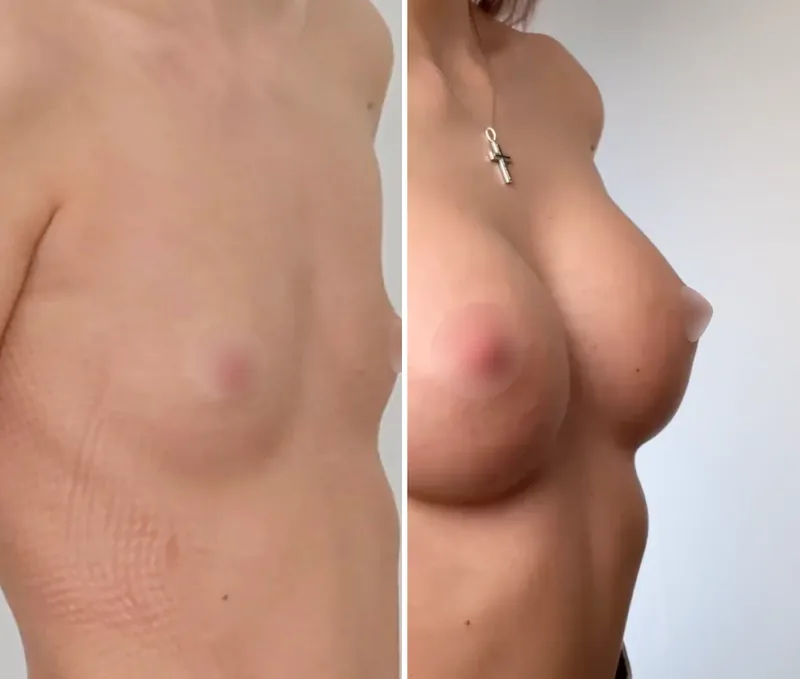 beforeafter
Method: implants
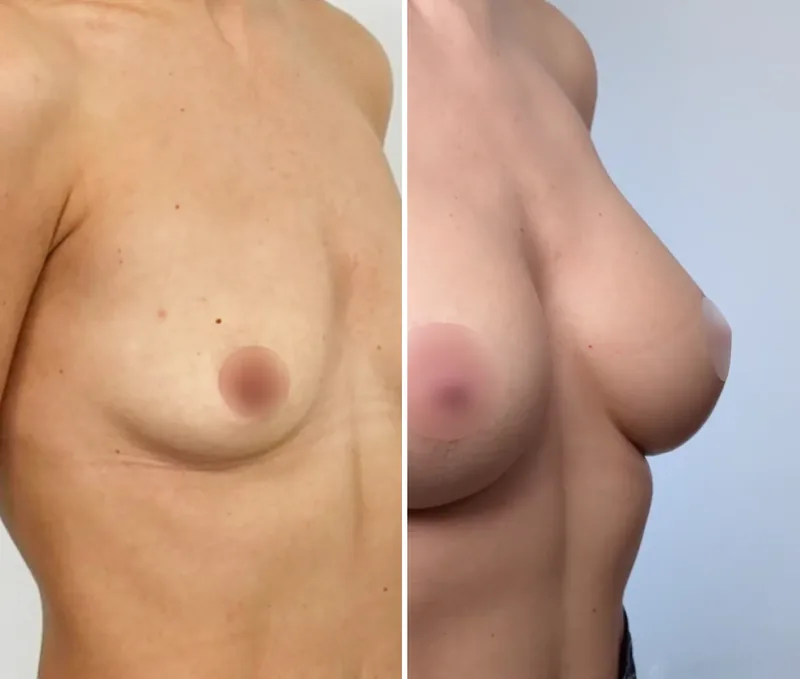 beforeafter
Method: implants
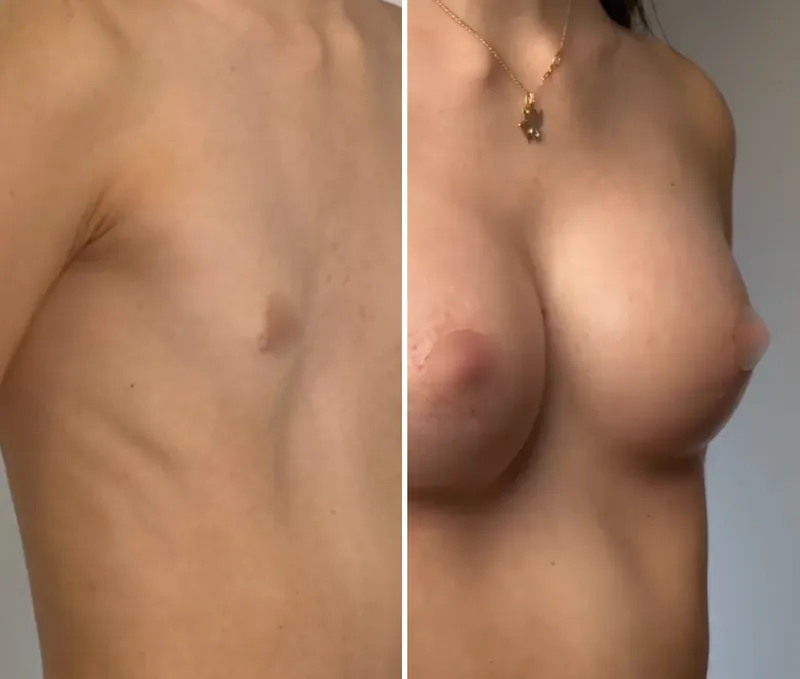 beforeafter
Method: implants
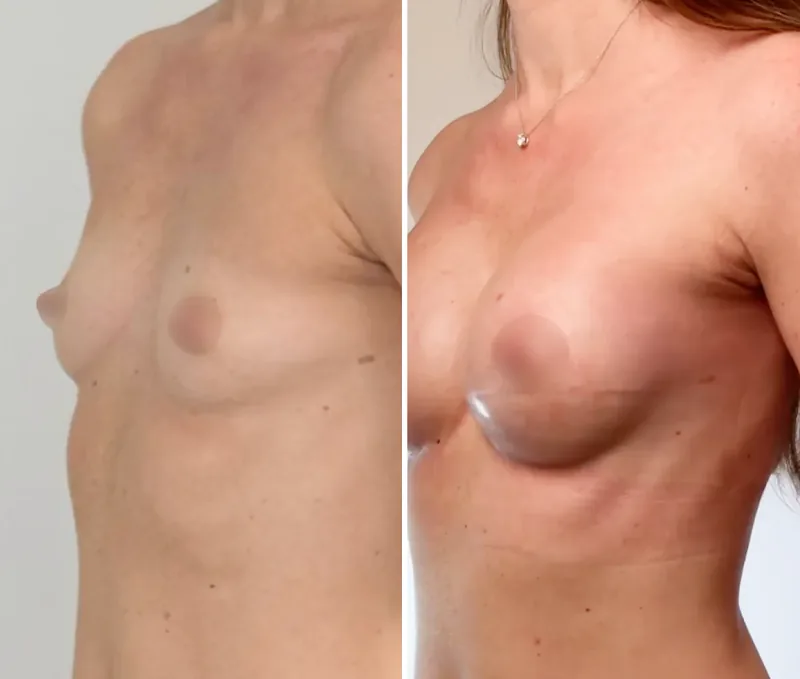 beforeafter
Method: implants
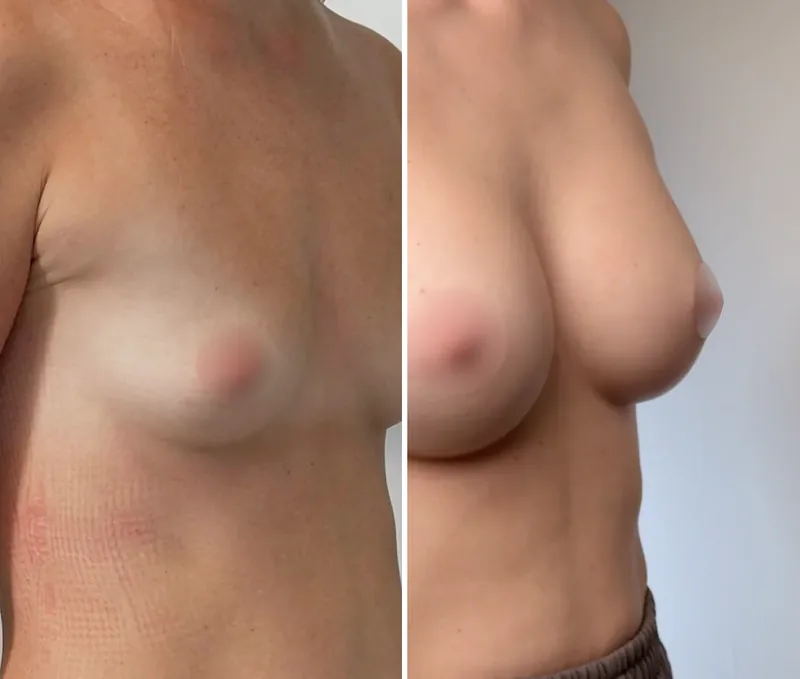 beforeafter
Method: implants
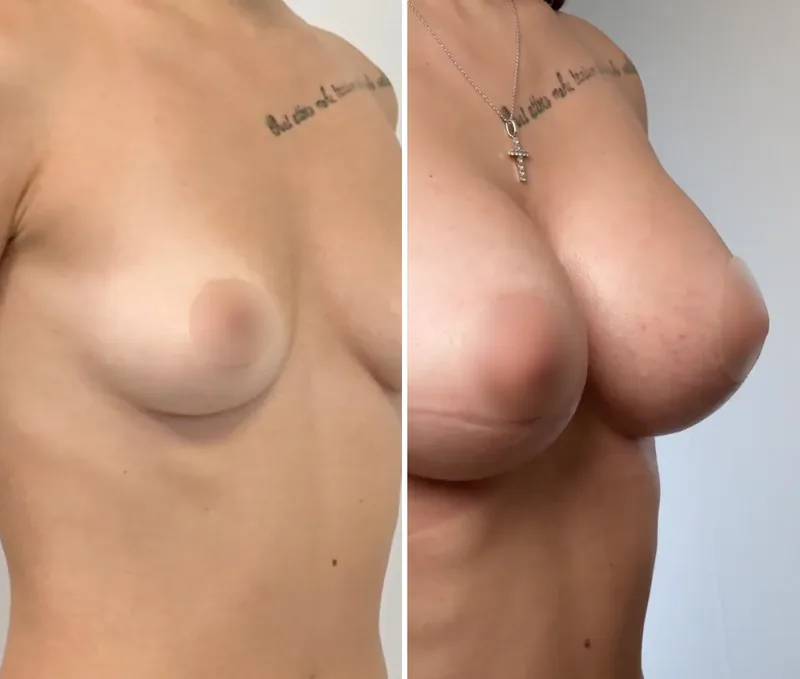 beforeafter
Method: implants
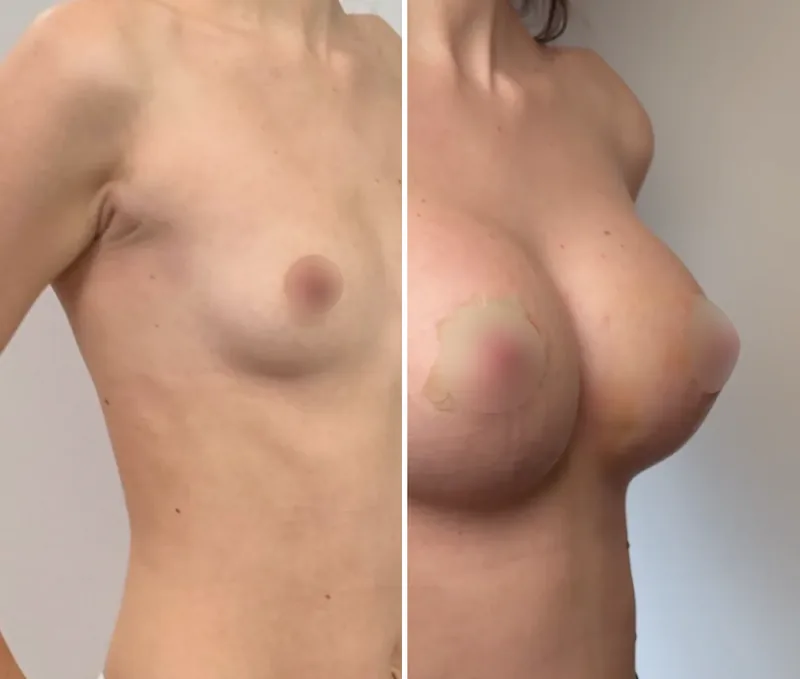 beforeafter
Method: implants
Comparison
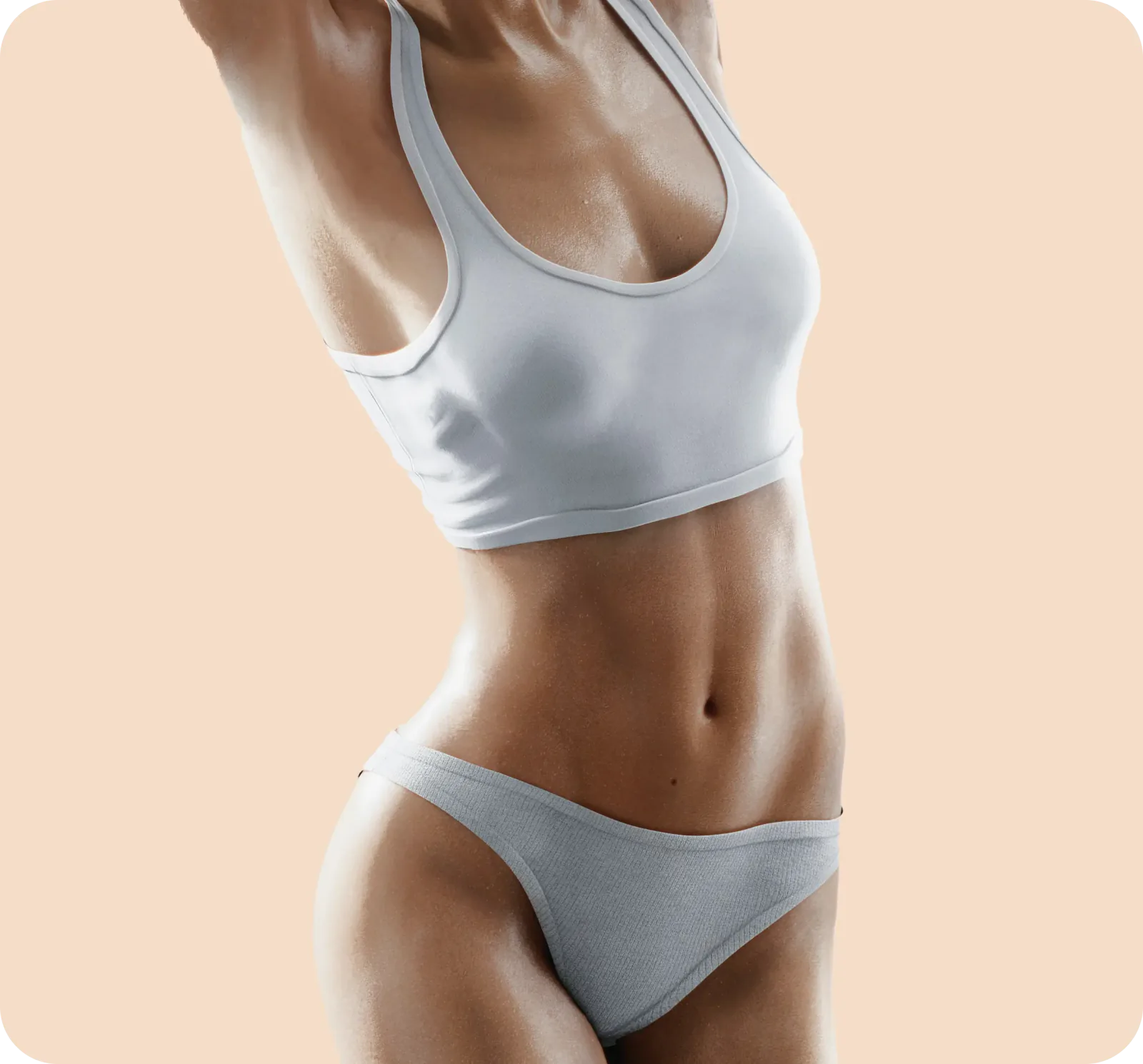
There are two main ways we correct the breasts: augmentation and reduction. Compare their goal, how precise the correction is and who they suit, and choose your method with confidence.
Size and shape correction with implants
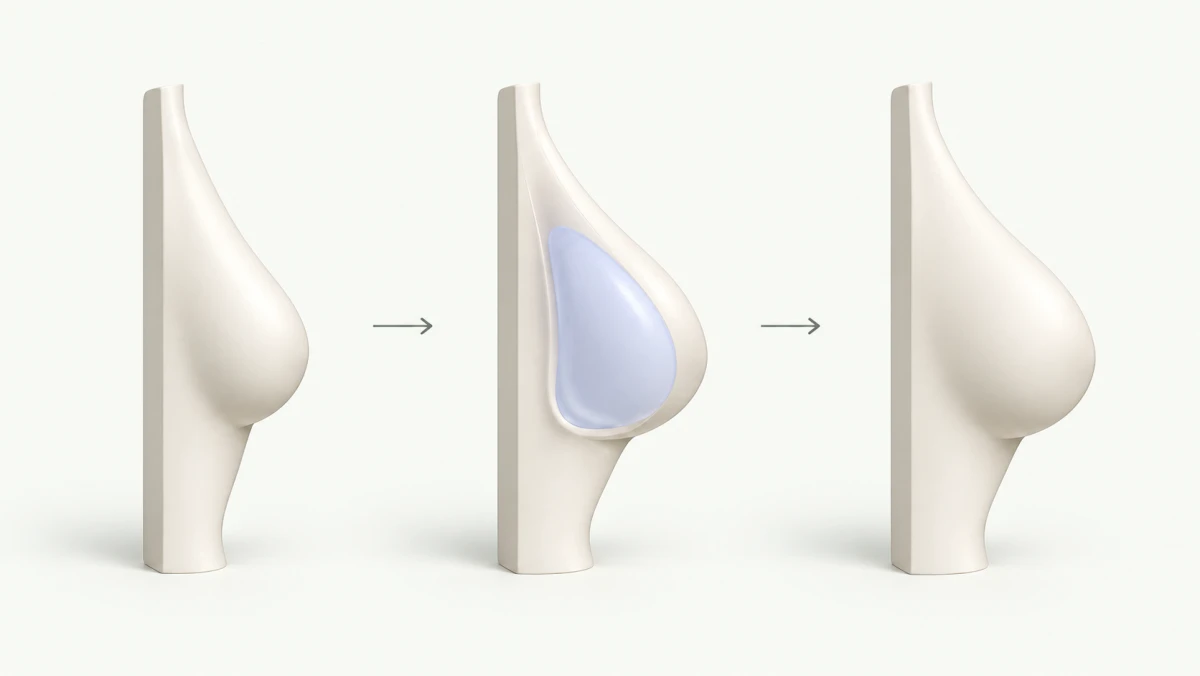
Discounted price
$4,700 $5,900
Correcting breast size by reducing volume and weight
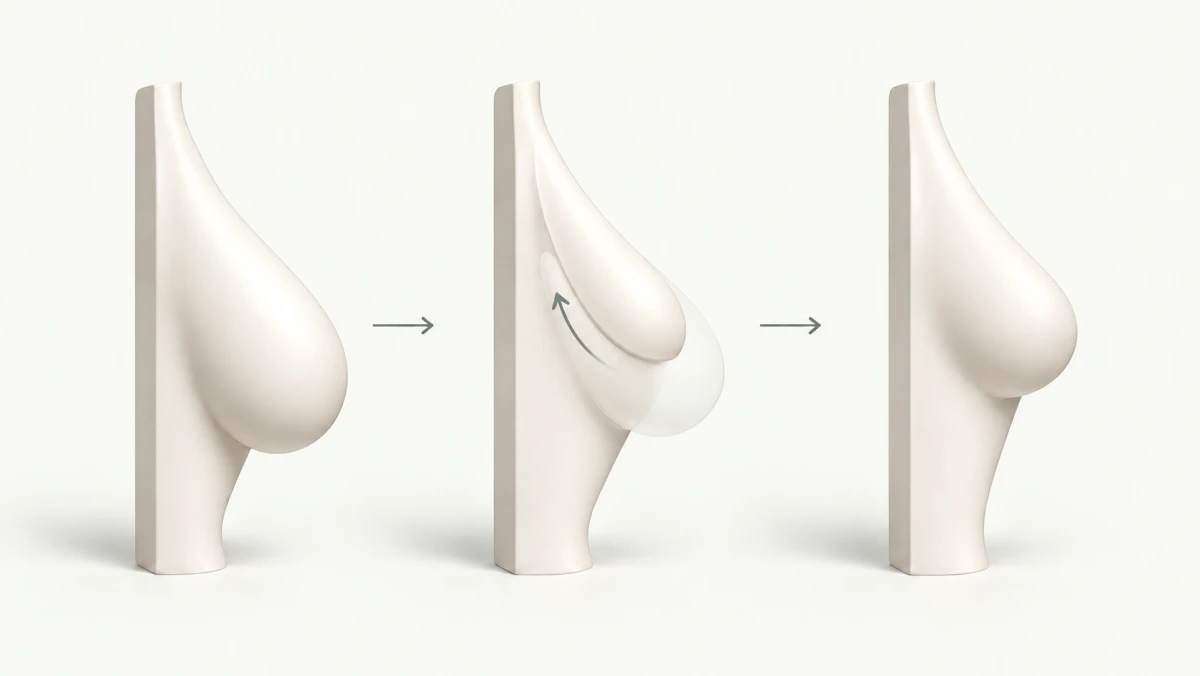
Discounted price
$4,700 $5,900
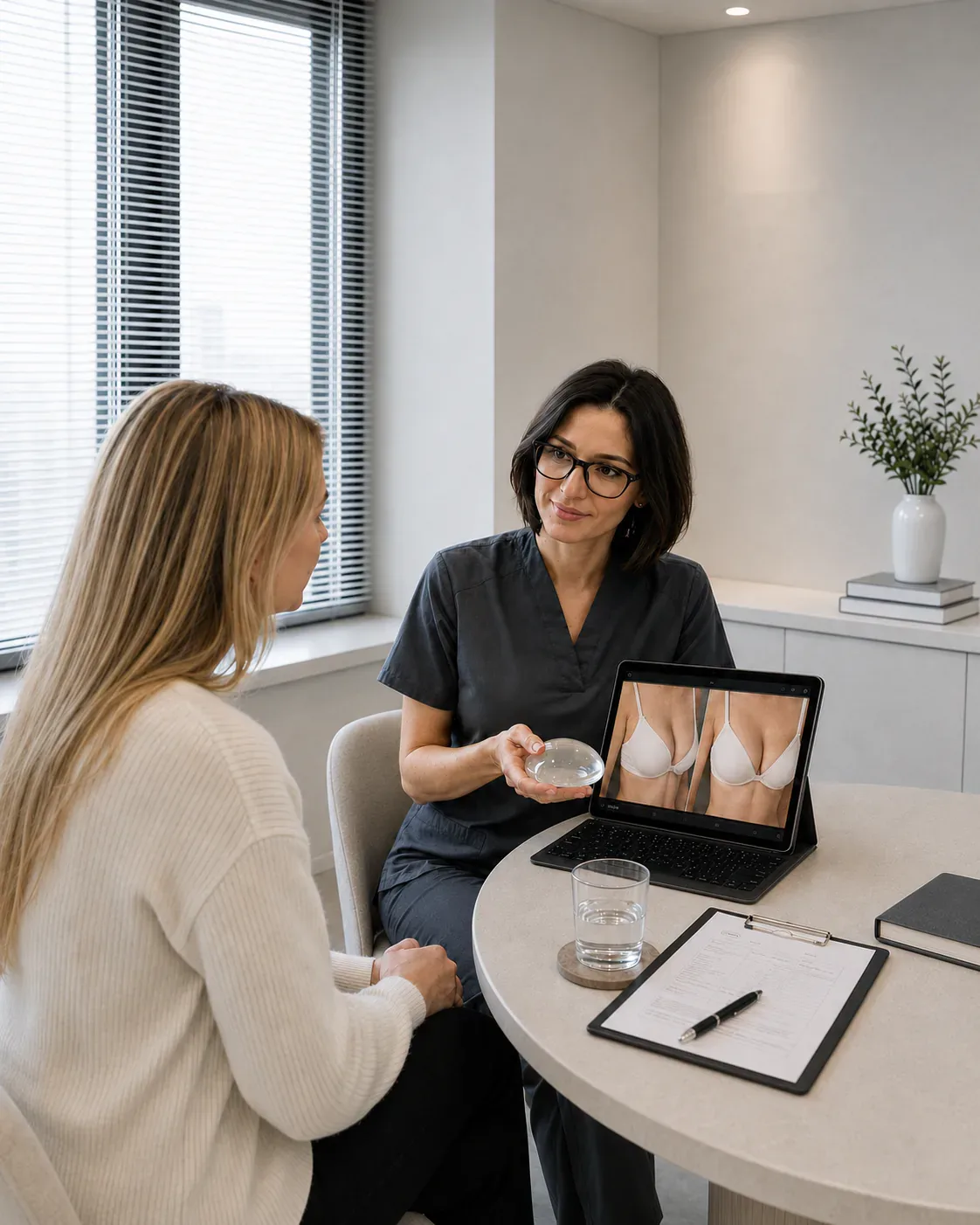
At your consultation the surgeon looks at the shape and proportions of your breasts, talks through what you want and recommends the best mammoplasty option.
The consultation is free, before surgery and with no commitment.
Comparison
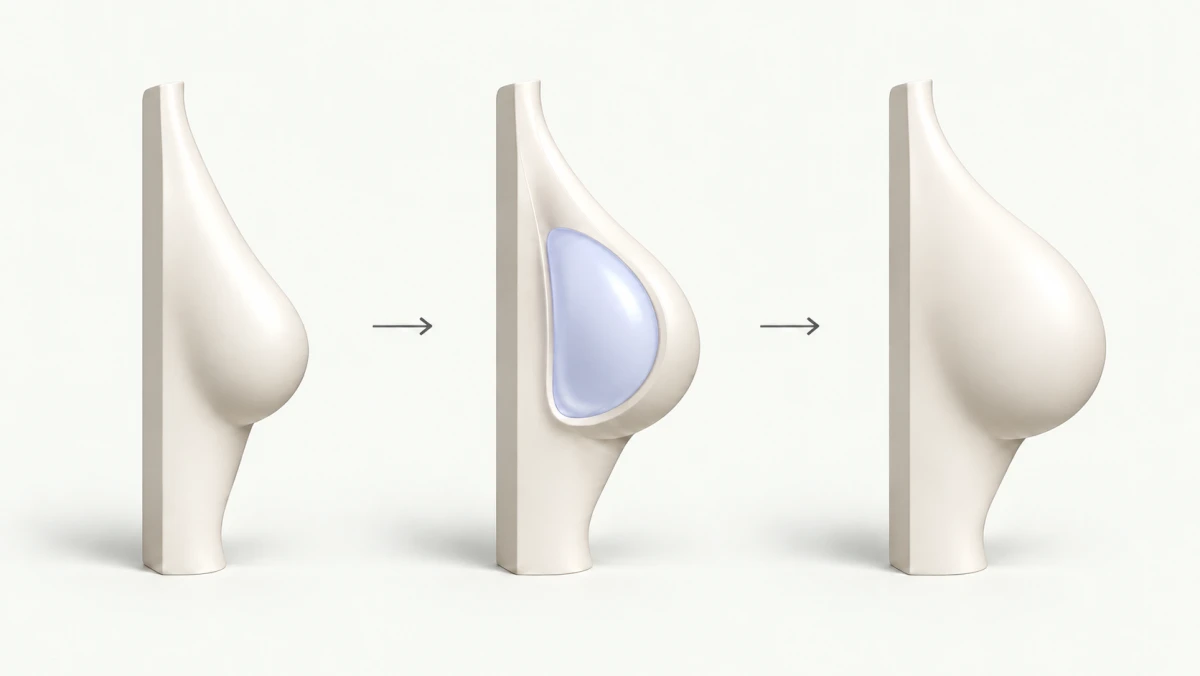
We use two main implant types — round and anatomical. Both increase volume and improve breast shape, yet each gives a different contour and result.
A fuller upper pole with even volume
A gentle slope and a soft teardrop contour
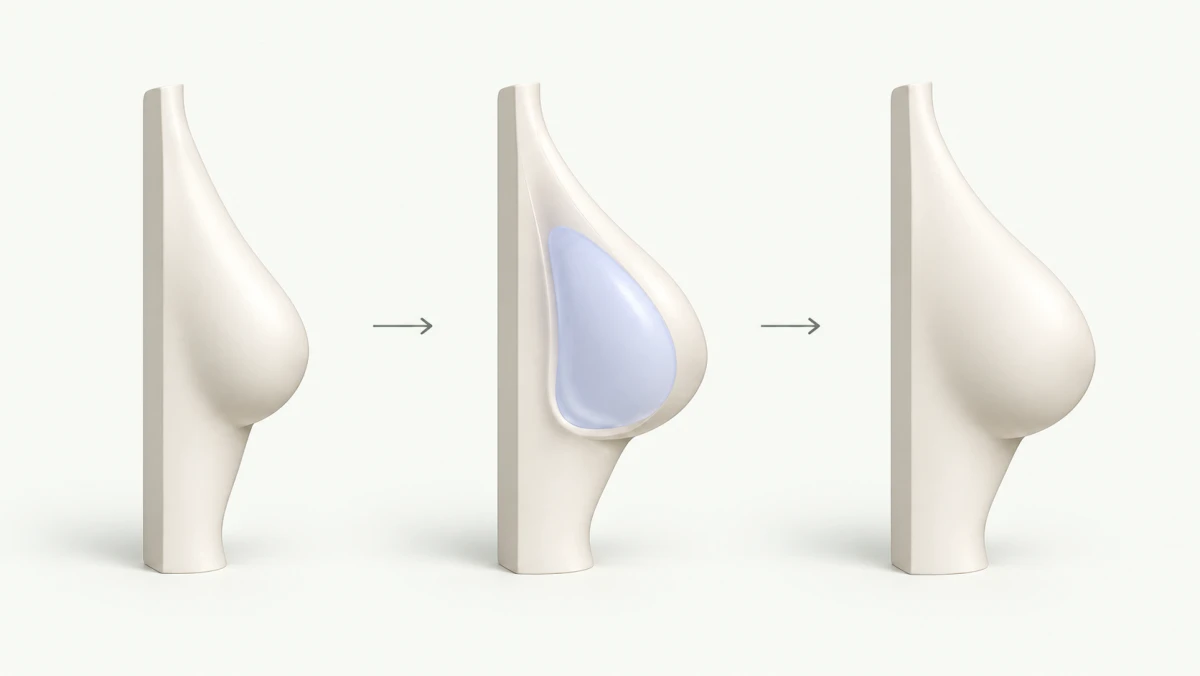
The surgeon will help you choose the implant shape and volume.
Inside the clinic
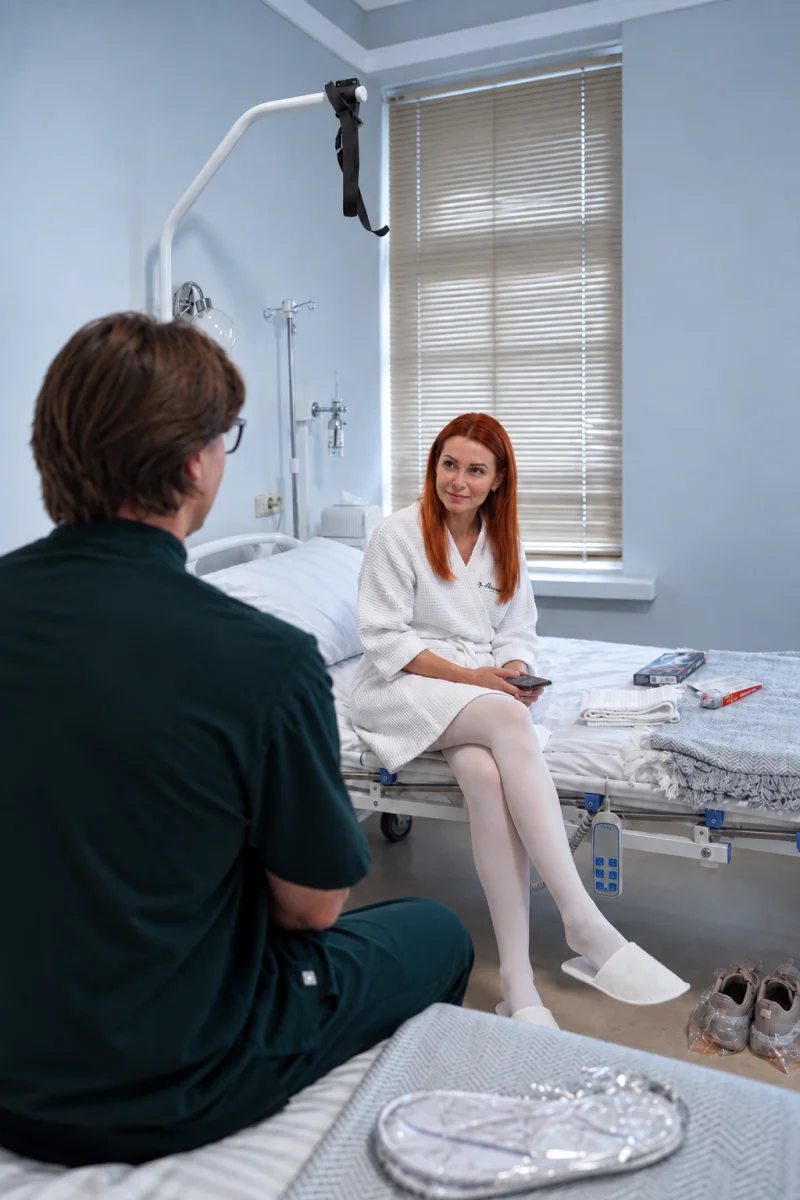
Each patient gets care, comfortable rooms and modern equipment
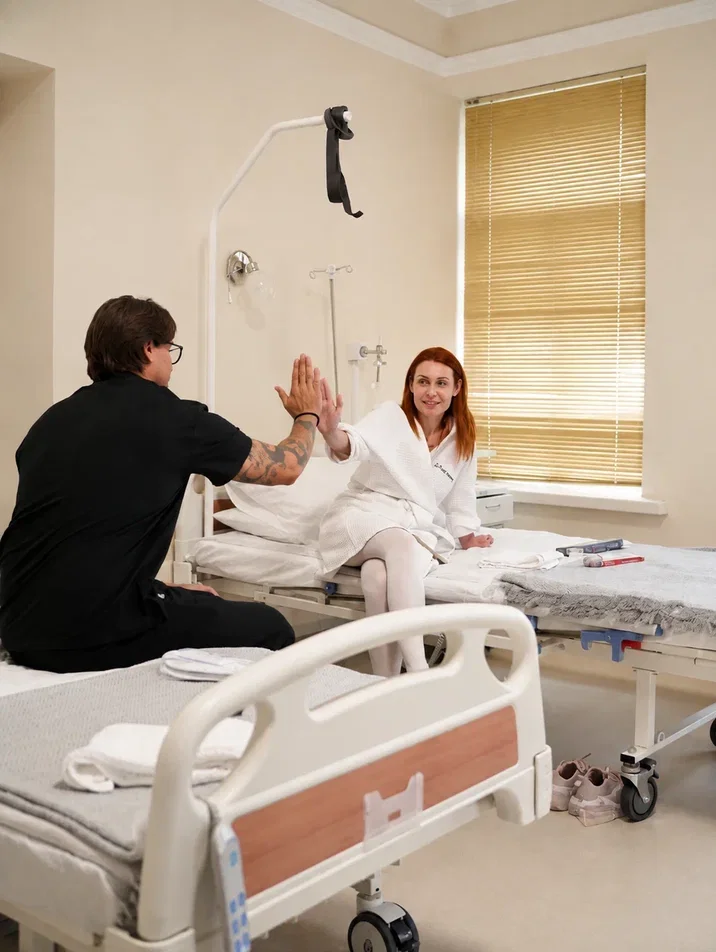
You get answers to your questions and a consultation slot that fits your schedule
If your concern can be addressed without an operation, the doctor will say so at the consultation, so you do not pay for surgery you do not need.

Not sure whether surgery is right for you?
Send us a message — the coordinator will ask for a few photos in a messenger, and after reviewing them the surgeon will tell you if mammoplasty is right for you.
Find out if it suits me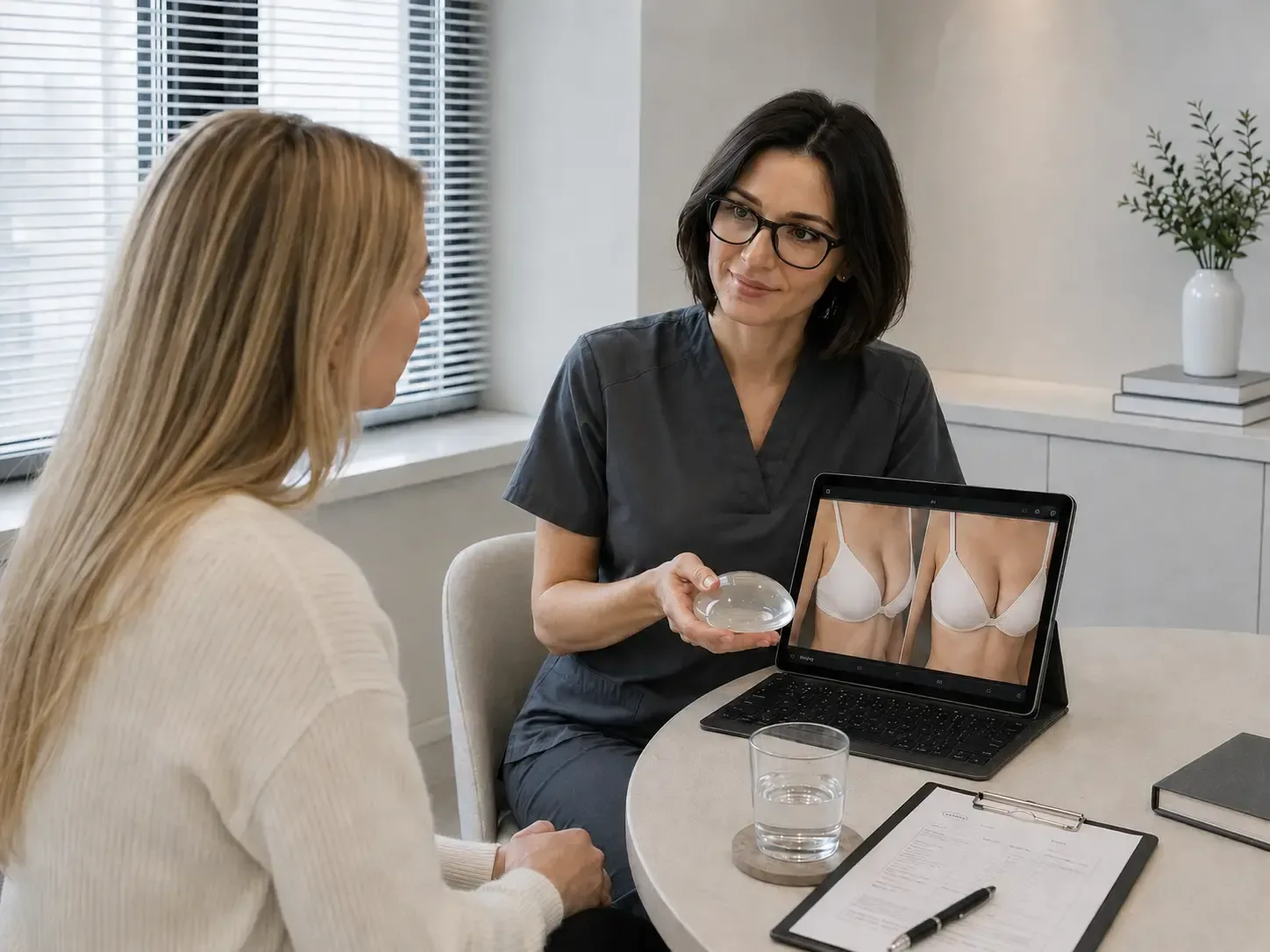
Prices
The price is set at the consultation and fixed in the contract.
Discounted price
Size and shape correction with implants
$4,700$5,900
Discounted price
Reducing the volume and weight of the breasts
$4,700$5,900
Breast restoration after mastectomy
The price is set at the consultation and fixed in the contract.
Get a consultationThe surgeon assesses the anatomy and proportions of your breasts, listens to your wishes and chooses the right correction method.
The price is set at the consultation and fixed in the contract.
Message our coordinator
Free online consultation · Reply within 15 minutes
Message us on TelegramMessage us on WhatsAppBy messaging us, you agree to our Privacy Policy
all inclusive
From your pre-surgery preparation
to follow-up support for 12 months.
Discounted price
$4,700$5,900
How it goes
An agreed plan for the correction, observation in hospital and recovery monitoring for a year.
 1
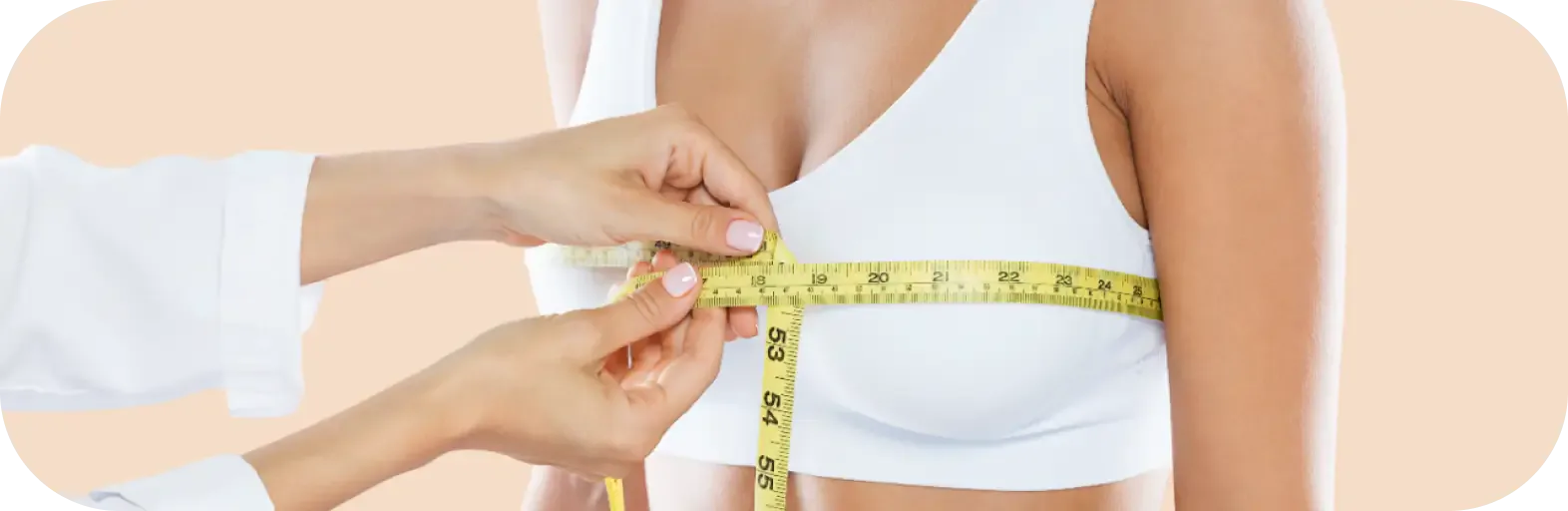
After assessing your figure and discussing your wishes, the surgeon chooses the best volume, shape and correction method.
 2
A surgery date is booked in your name: pay the deposit by card at the clinic or by online bank transfer. The terms are recorded in the contract for medical services
 3
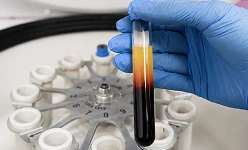
Before the operation you take a full set of tests: blood tests, an ECG and any other examinations the doctor prescribes.
 4
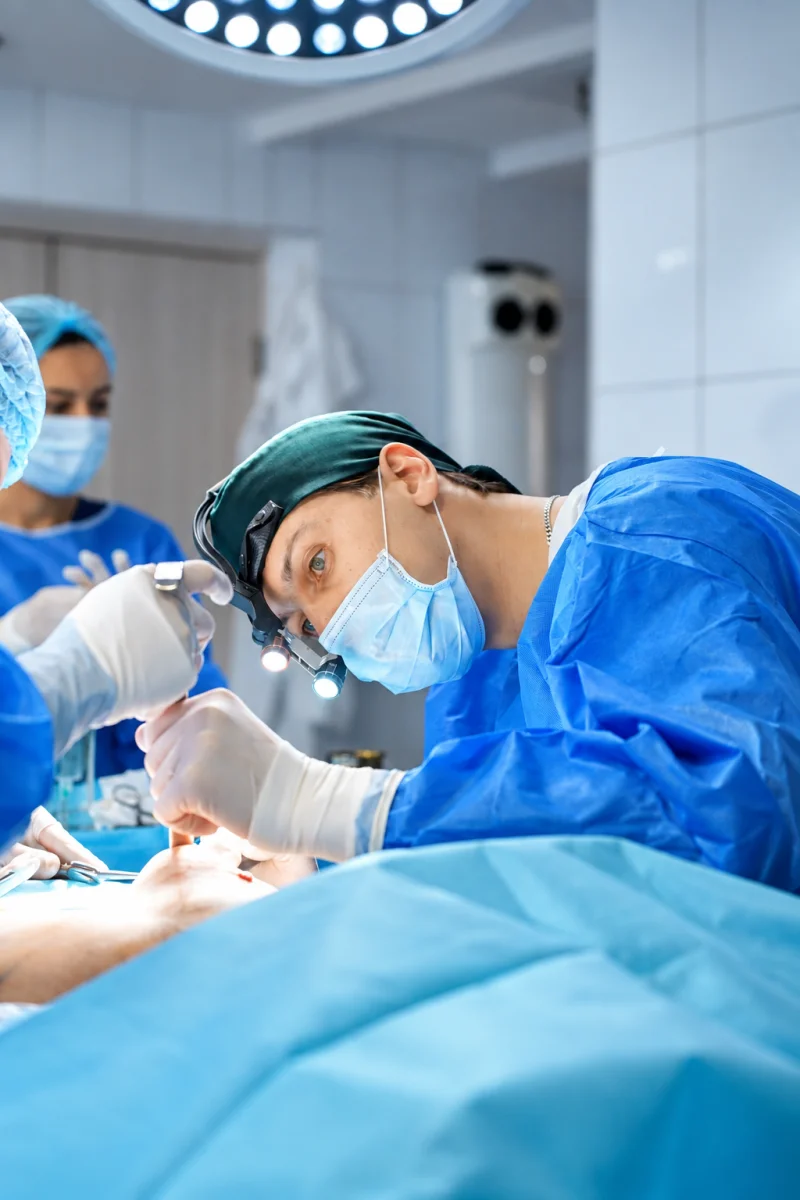
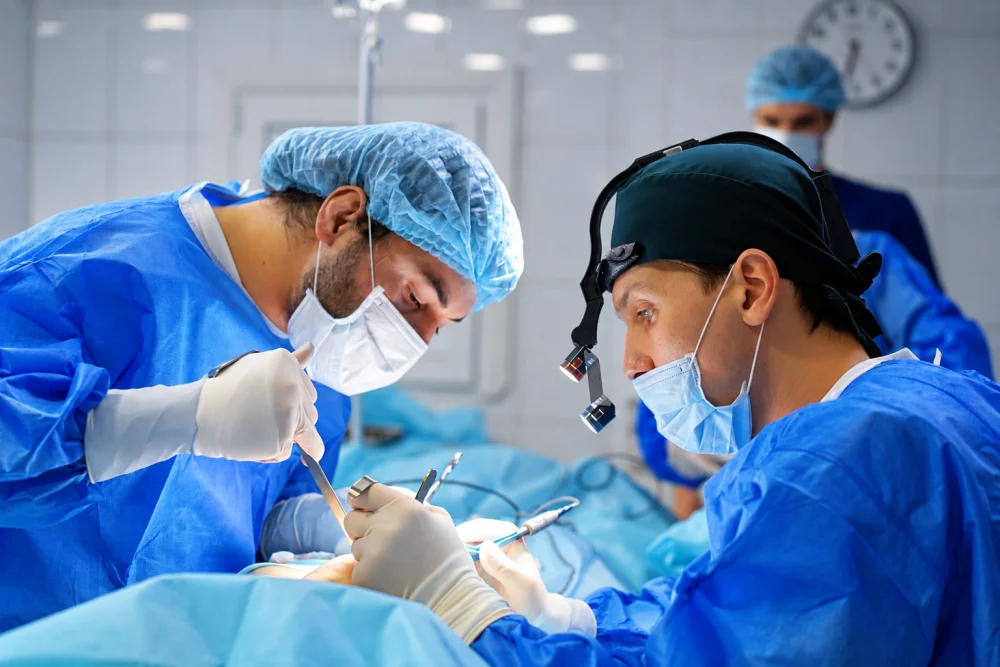
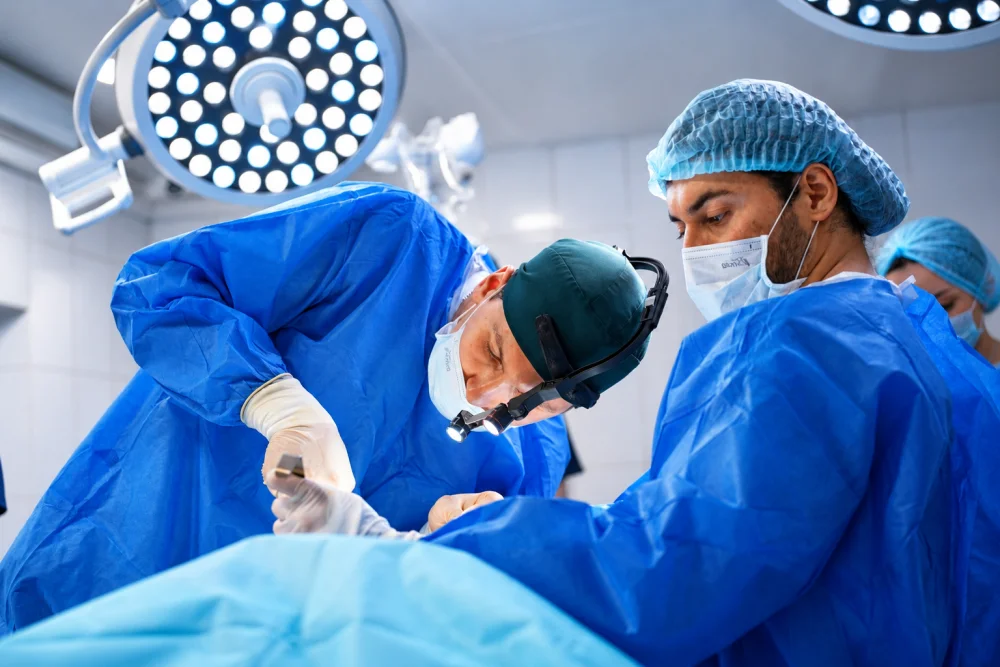
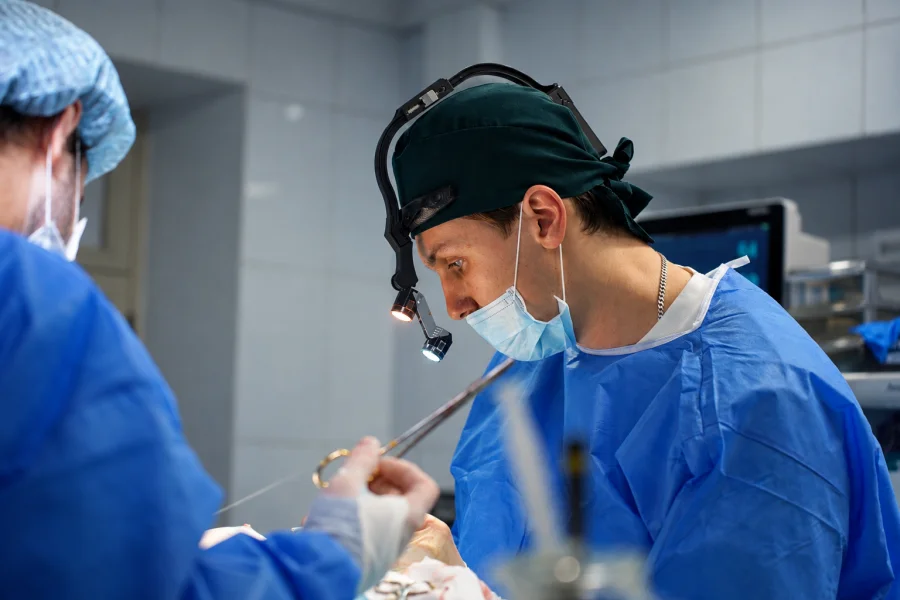
The operation follows your individual mammoplasty plan and is performed under general anesthesia with continuous monitoring of the patient.
 5
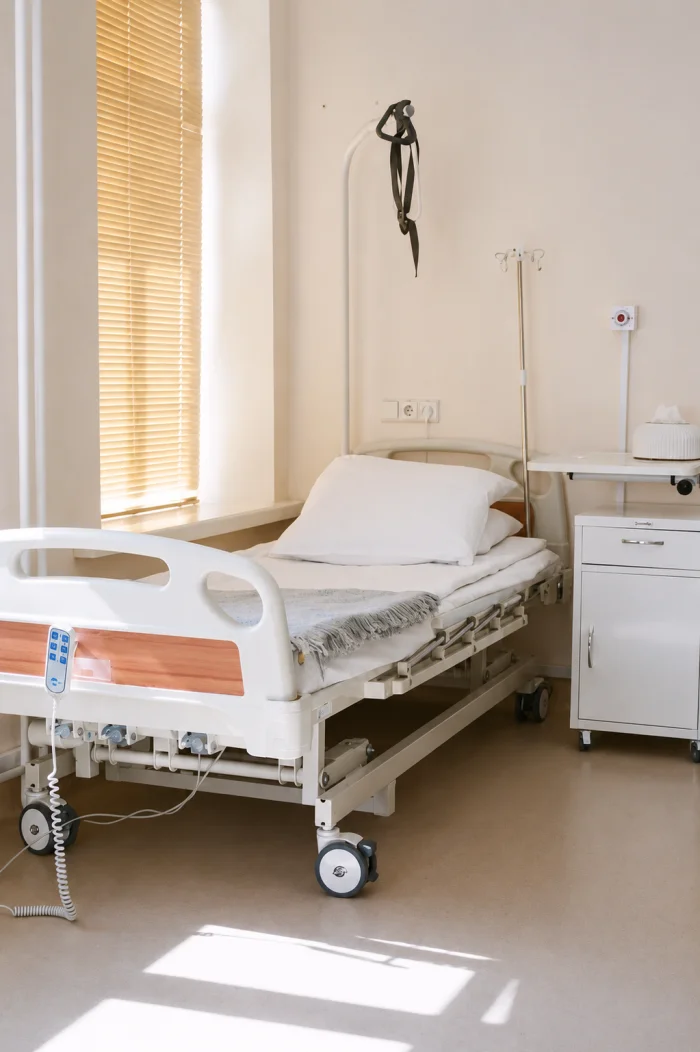
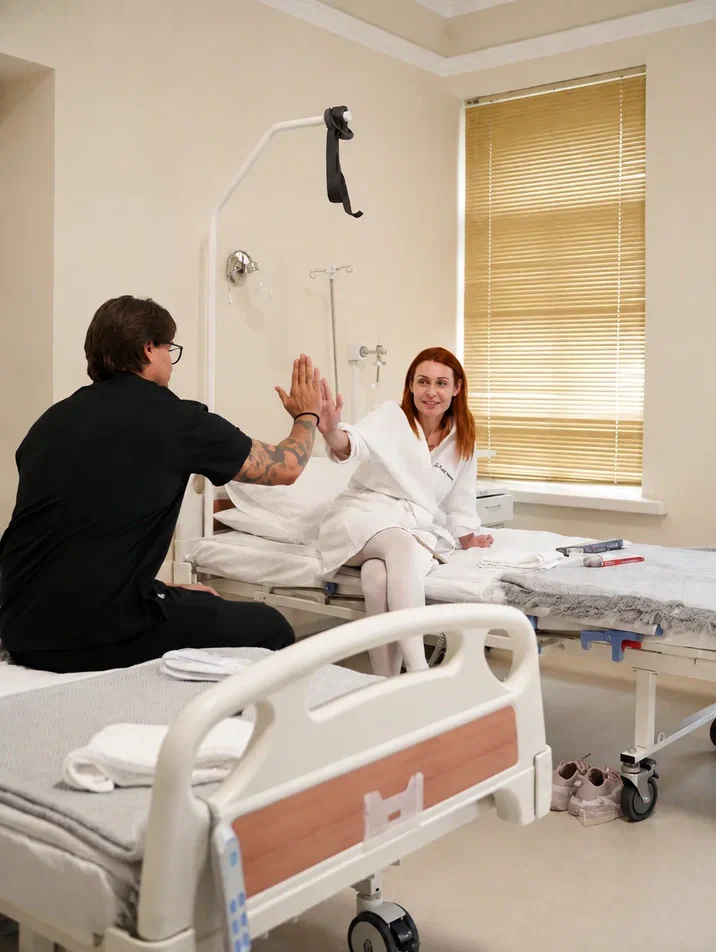
Once the operation is over, you stay in the clinic's comfortable ward under the medical team's supervision until discharge.
 6
A recovery programme is prescribed after surgery. Check-ups at 7 days, 3 and 6 months follow your recovery, and for a year after surgery you consult your surgeon for free.
Stop using drugs with aspirin, steroids and hormonal medications prescribed for chronic conditions before surgery
Hormonal contraceptive pills need to be stopped a minimum of a month before the procedure
Complete your tests a week before the surgery
Before surgery, follow a few simple steps: keep a healthy work-rest balance, sleep more, avoid stress, anxiety and strong emotions, and reduce physical activity.
For up to 40 days, avoid hard gym workouts and very active aerobics; after a month you may do light cardio. Keep an eye on your diet and meals.
Post-op swelling disappears after 3 weeks
Discomfort goes away after 3 months
Scars develop within 3 weeks
No strenuous activity (lifting over 3 kg)
All inflammatory tissue changes settle within 3 months, and a “pocket” develops around the implant
Recovery after the correction involves wearing compression garments for 1–1.5 months
Avoid raising arms above shoulder level — 3 weeks
Baths, saunas and physiotherapy are not allowed for up to three months
Doctors
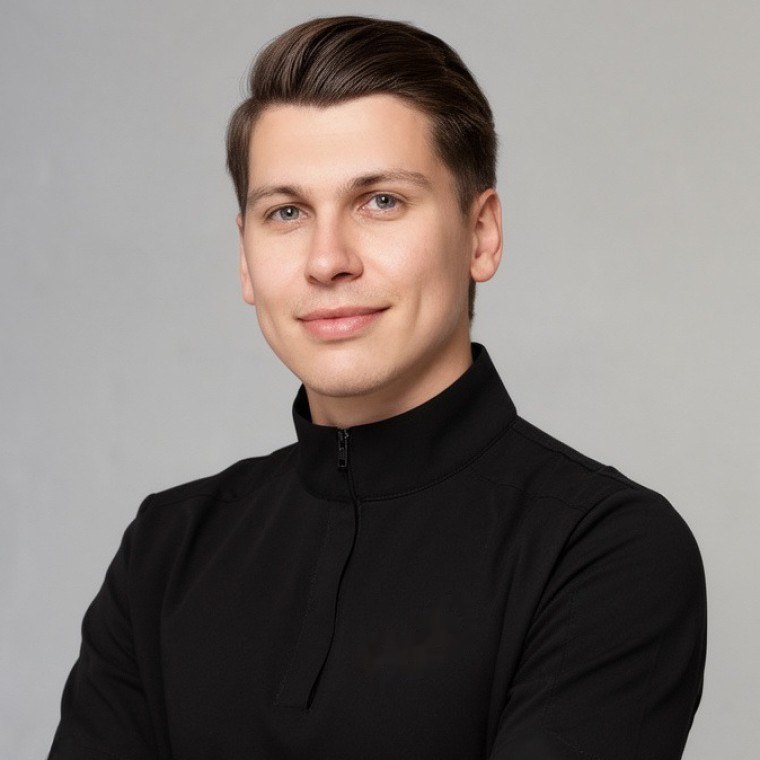
7 years of experience
Plastic surgeon
Did a residency in plastic surgery at the Petrovsky National Research Centre of Surgery. Specialty: aesthetic and reconstructive breast and body surgery.
The consultation is with the surgeon who will perform the surgery
An experienced plastic surgeon committed to patients' beauty and health
Book a consultationAdvantages
At the consultation we go through your wishes and model the planned changes. The surgeon explains what surgery can do, so you know exactly what result we are aiming for.
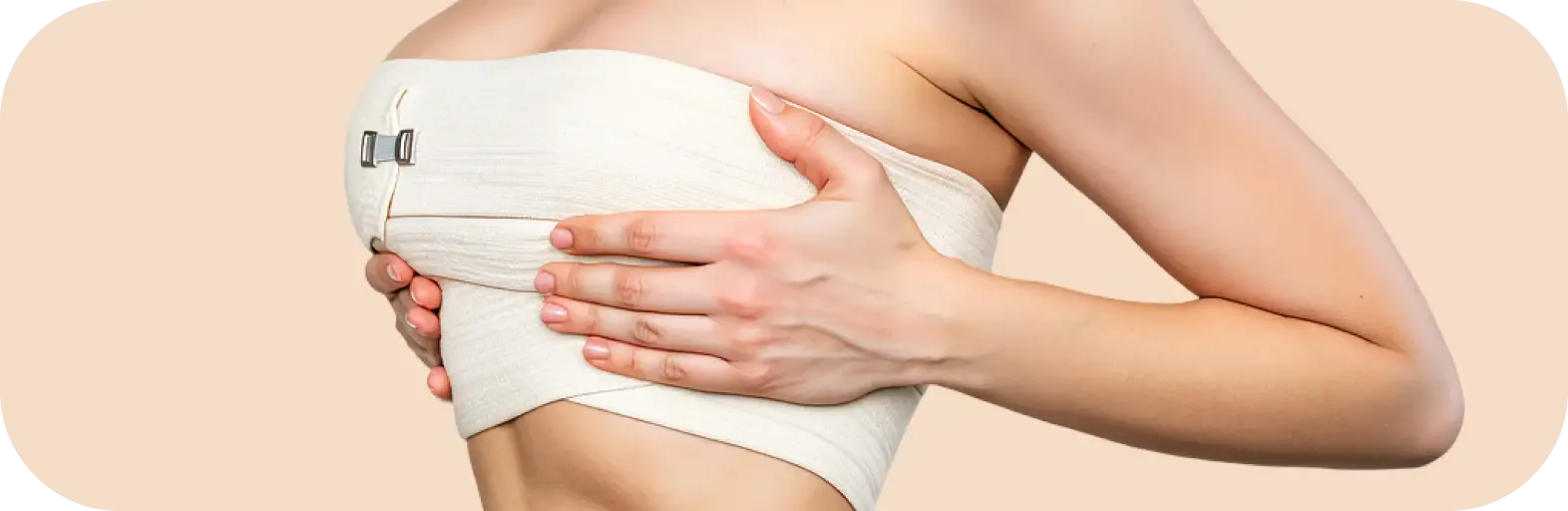
During the year after surgery the surgeon keeps track of your recovery and breast shape. The price already covers check-ups and dressings.
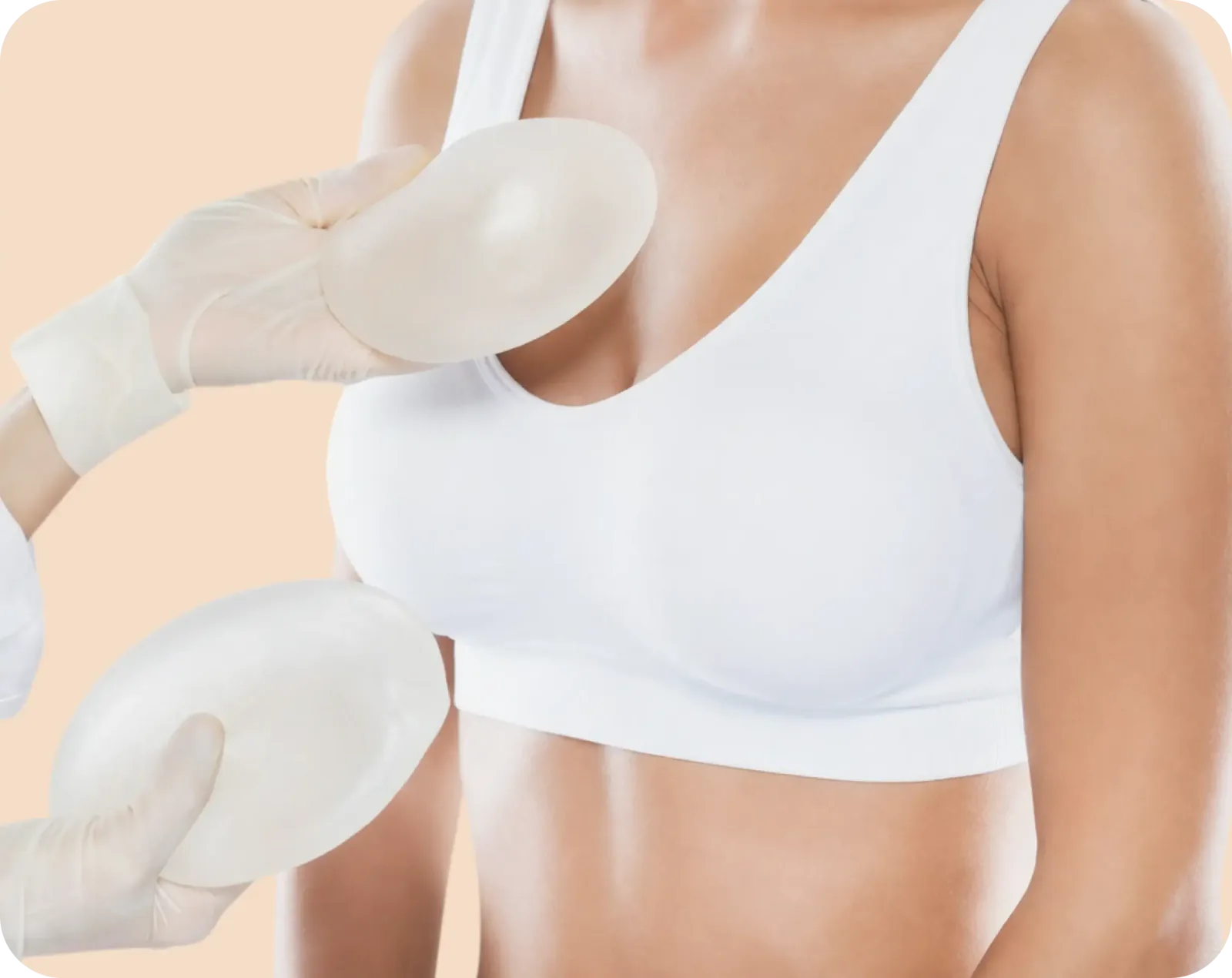
We select the shape, volume and correction method according to your anatomy and goals; for augmentation, implant size and profile are chosen just for you.
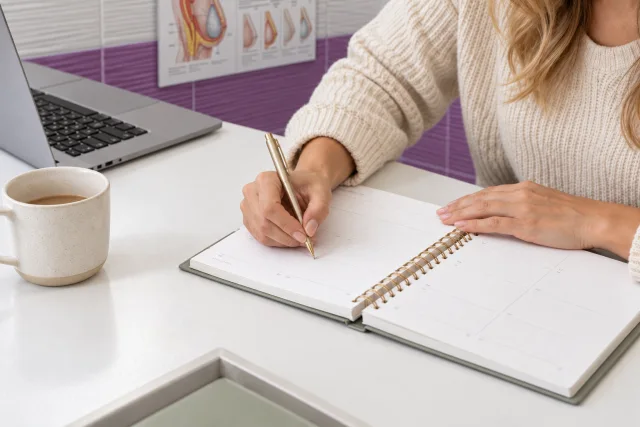
We respect your time: we work 24/7, with easy booking and a personal approach — we adapt to your pace.
Once the surgeon has defined the extent of correction at the consultation, you get a clear surgery price — no surprises on the way to your result.

Recovery starts in a comfortable inpatient ward with nursing care around the clock. Your stay and meals are already included in the price.
FAQ
Mammoplasty is an umbrella for several procedures: augmentation (increasing volume with implants), reduction (taking away excess tissue and skin), mastopexy (lifting sagging breasts), reconstruction (after mastectomy) and asymmetry correction. Your wishes and the surgeon's advice determine the best individual method.
Message us — our coordinator will get back to you shortly and book your consultation. The plastic surgeon consultation is free.
Complications are infrequent provided all recommendations are followed. They may include hematoma or seroma, infection of the wound, changes in nipple sensitivity (lower or higher), capsular contracture, aesthetic asymmetry, wound separation and tissue necrosis.
Mammoplasty gives a lasting result: around 10–15 years after augmentation (up to implant replacement) and 5–10 years after a lift or reduction. How long it holds depends on weight, pregnancy, skin aging and gravity. To keep the result, wear supportive underwear and keep your weight under control.
The ability to breastfeed after mammoplasty depends on the type of operation. With augmentation through an under-breast or armpit incision and a submuscular implant, lactation usually remains, because the glandular tissue is not harmed. After a lift or reduction the risk is greater, as ducts may be cut. Raise this with your surgeon ahead of time.
Implant choice is based on material (silicone gives the most natural appearance, saline is used more rarely), shape (round or anatomical teardrop), surface (smooth or textured), size and profile. Your surgeon will pick the best one for your anatomy and goals.
Surgery takes place under general anesthesia, and the patient feels no pain. Moderate discomfort is possible in the first 1–3 days and is managed with painkillers. Pain eases considerably by day 5–7 and discomfort disappears by weeks 2–3. Tell your doctor immediately if pain is severe.
Most patients return to work (without physical exertion) after 7–14 days. Light walks are fine after 1–2 weeks. Fitness and swimming come after 4–6 weeks, strength training after 3 months, pool and sea after 4–6 weeks. Compression garments are worn for 4–6 weeks. Exact timing depends on your recovery.
There is no scientific basis for saying mammoplasty raises breast cancer risk. Implants do not cause cancer. Post-surgery, maintain regular screening with self-exams, mammography and ultrasound, and always inform the examining doctor that you have implants.
It is possible to have mammoplasty after a C-section, provided the body has recovered fully. Wait no less than 6–12 months after birth and after finishing breastfeeding. A surgeon's consultation and examination are needed before the operation.
Scarring is part of mammoplasty, but with an experienced surgeon it stays minimal. Incisions are hidden under the breast, around the areola or in the armpit. During the first months scars appear reddish; within 6–12 months they lighten and become almost invisible.
Slight asymmetry in the first weeks after surgery is normal: it is caused by swelling and uneven healing. If a difference in shape or size persists after 3–6 months, see your surgeon for an examination to find the cause.
Following mammoplasty, the nipples and breasts may temporarily become less or more sensitive. Irritated nerve endings are the cause. In most cases normal sensitivity returns within 3–12 months. With no improvement after a year, visit your surgeon.
Implants are not directly influenced by hormonal drugs (contraceptives, hormone replacement therapy), yet swelling or breast tissue volume changes can result and temporarily affect appearance. Mention any such medications to your surgeon before surgery.
Prices are in US dollars; the amount in brackets is an approximate conversion to KES at the rate of 02.10.2026. The final price is fixed in your contract.
Prices start from $4,700 (≈ KES 610,000). The surgeon sets the final price at the free consultation, and it is fixed in the contract, with no hidden extras.
The surgical team's work, anaesthesia, the inpatient stay with meals, dressings and follow-up visits for twelve months.
Message us on WhatsApp or Telegram using the buttons below. A coordinator will answer your questions and book a free consultation where the doctor names the exact price.
By messaging us, you agree to our Privacy Policy
Mammoplasty is a family of procedures, and augmentation is only one of them. Alongside it, Ruiru patients can discuss breast reduction, a lift with or without implants, implant removal, reconstruction after surgery or injury and asymmetry correction. The right method is picked individually, weighing your wishes against the surgeon's advice, so the result highlights your individuality rather than following a template.
Before the operation, a healthy balance of work and rest helps: sleep more, avoid stress and reduce physical activity for 1–2 months. Afterwards, avoid lifting over 3 kg and intense gym workouts for about 40 days; light cardio becomes possible after a month. Within three months the tissue settles and a pocket forms around the implant. Clear guidance is given to every Ruiru patient.
If you are comparing breast augmentation prices in Ruiru, check what each offer includes. Here the all-inclusive rate from $4,700 (≈ KES 610,000) already covers anesthesia, the clinic stay, meals, dressings and a year of check-ups with the plastic surgeon. Apply before the end of the year and your consultation is at the clinic's expense. Fill in the form or message the coordinator.
What patients write after this operation. Reviews are translated from the original language.
Anna Smirnova
I went to Dmitry Sergeyevich for breast augmentation with implants. At the consultation everything was explained in detail, and together we chose the best size. The operation under combined anaesthesia took 2 hours, and I was discharged home the next day. The swelling went down in about a month, and my breasts look very natural. The year of follow-up care is a real lifesaver: you can always ask a question and get an answer. Thank you to the clinic!
Breast augmentation
Doctor: Dmitry S. Kuznetsov
Ekaterina Morozova
After two births I decided on a breast lift without implants. I chose Dmitry Sergeyevich and have no regrets. The result exceeded all my expectations: my breasts are lifted and the shape is youthful and firm. The incisions are minimal and almost invisible. I spent one day in the hospital, and the room was very comfortable. I recommend him!
Breast lift
Doctor: Dmitry S. Kuznetsov
Olga Kuznetsova
I had a combined operation, a breast lift with augmentation, with Dmitry Sergeyevich. At the consultation it was immediately clear that I was in the right place. Everything is included in the price, with no hidden charges. After a month my breasts already feel soft and natural. Personal follow-up after the operation is very valuable.
Breast lift with implants
Doctor: Dmitry S. Kuznetsov
Maria Lebedeva
Breast augmentation from a size 3 to a size 4 with Dmitry Sergeyevich. He chose perfect anatomical implants. The operation took 2 hours, and I woke up with almost no pain. In the ward I was fed and monitored around the clock. Four months have passed and the result looks like a magazine cover.
Breast augmentation
Doctor: Dmitry S. Kuznetsov
Natalia Vorobyova
I went to Dmitry Sergeyevich to correct breast asymmetry with a small lift. A true professional: at the consultation he immediately showed before-and-after photos of similar cases. Recovery was easy and the swelling went down quickly. I had my check-up after just 7 days. An excellent clinic!
Breast reconstruction
Doctor: Dmitry S. Kuznetsov
Yulia Romanova
I had a lift with implants after losing a lot of weight. I chose Dmitry Sergeyevich. At the consultation everything was explained in simple words, and my fears were gone. One day in the hospital, then care at home. Now my breasts look natural and keep their shape. I am very happy!
Breast lift with implants
Doctor: Dmitry S. Kuznetsov
Ruiru is a municipality and sub-county in Kiambu County, within the greater Nairobi Metropolitan region. In the 2019 national census it was recorded with a population of 490,120, which made it the fourth-largest urban centre in Kenya. That is a lot of people building careers, studying and raising families, and many of them plan a personal decision such as breast augmentation around a busy schedule rather than around free time.
The name Ruiru is of Kikuyu origin and possibly relates to the black cotton soil found across the area. The town has grown quickly, and a quick-growing town produces patients with practical questions: how long will I be away from work, who will help at home, and how do I follow a plan from my own neighbourhood. This text answers those questions for residents of Ruiru.
Breast augmentation is performed to increase breast volume and improve proportions with implants. It is a planned operation, not an urgent one, so you have time to compare options, ask questions and choose a moment in your year that suits you. The first step is a free online consultation with City Medical Centre, held from your own home in Ruiru, with coordinators available 24/7 on Telegram and Telegram.
You write to a coordinator on Telegram or Telegram at any hour. The service works around the clock, so a message sent after a late shift or during a lunch break at a factory or office is not left waiting for office hours. A coordinator will call you back 24/7, and you choose the moment that suits your day.
Before the conversation, prepare a few photographs in good light, a short list of past operations and chronic conditions, the medicines you take, and any history of pregnancy or breastfeeding. Describe what you want in your own words: a modest increase, a fuller upper part of the breast, or better symmetry. The more precisely you describe it, the more useful the consultation becomes.
The surgeon assesses your anatomy, skin quality and goals, and explains the type of implant, the position of the incision and what a realistic outcome looks like. Nothing obliges you to decide on the first call. Many women from Ruiru speak with the coordinator several times, discuss it with a spouse or a close relative, and return with a second round of questions.
Ruiru lies in the Nairobi region, so daily life involves a mix of sunny spells, cooler mornings and evenings, and rainy periods. For recovery, the point is not the exact temperature but how you protect the healing area. Strong sun on fresh scars encourages darker marks, so cover the chest with loose clothing and avoid sunbathing during the early weeks.
Compression garments are part of the plan. After the correction, recovery involves 1–1.5 months of compression garments, and in the schedule of timing they stay on for 4–6 weeks. Choose breathable fabric, and have more than one garment so one can be washed while you wear the other. On warm afternoons, rest in the shade and drink enough water. If the garment becomes damp from sweat, change it, because comfort and clean skin matter for healing.
Dust is a consideration on busy roads and construction sites, which are common in a growing town. Keep dressings and the garment clean, avoid dusty errands in the first days, and ask your surgeon how to care for the wound. Swelling after surgery goes away after 3 weeks, and a calm first period at home helps that happen.
Ruiru is an industrial town. Factories such as Devki Steel Mills, Super Foam Limited, Spinners & Spinners Garment Factory, Ruiru Mabati Factory and Ruiru Feeds Limited operate there, and the Tatu City Industrial Park hosts many more companies. Banks have opened branches, especially in the Kamakis area, and information technology businesses are emerging. If you work on a production floor, in logistics or in a role with physical tasks, the recovery rules matter a great deal.
The medical guidance is that you may go back to work after 7–14 days, with no physical exertion. For a desk, bank or office role, a return near the earlier end of that range may be realistic if you feel well. For work that involves lifting, pulling or long hours on your feet, plan for the later end and ask your employer about lighter duties. Heavy exertion, meaning lifting more than 3 kg, should be avoided, and you should not lift your arms above shoulder height for 3 weeks.
Students are also numerous in Ruiru: Zetech University and Kiriri Women's University of Science and Technology have their main campuses in the town, and other institutions have campuses nearby. A student can often arrange the operation between terms or during a quieter academic period, so that lectures, reading and practical sessions are not missed. Carrying a heavy bag of books is a real issue, so ask a friend to help with it during the early weeks.
The surgery is performed under general anaesthesia, so there is no sensation during the operation. The stay is short: the medical programme lists 1 day, and in some cases 1–2 days. During that time there is 24/7 monitoring by medical staff.
Before the operation, your surgeon will go through your health history, tests and medicines. Tell them about any allergies and about smoking. Agree on the implant type, size and incision, which may be under the breast, around the areola or in the armpit, chosen to be in discreet areas.
After surgery you get a recovery programme. Check-ups at 7 days, 3 and 6 months help track your recovery. For a year after surgery, consultations with your surgeon are free, and follow-up support lasts for 12 months. For a patient in Ruiru this means you can send photographs and questions from home rather than rearranging your week.
In the first 1–3 days you may feel moderate discomfort, which painkillers relieve. Pain subsides significantly by day 5–7 and discomfort is gone by weeks 2–3. If pain becomes severe, inform your doctor right away and do not wait for the next scheduled check.
Swelling goes away after 3 weeks, though the tissues keep settling for longer. Discomfort fades after 3 months. In 3 months any inflammatory changes in the tissue disappear, and a pocket forms around the implant. In the first weeks slight asymmetry is normal, caused by swelling and uneven healing. If shape or size still differ after 3–6 months, see your surgeon for a check-up to find the reason.
Breast and nipple sensitivity may change for a time, going down or up, because nerve endings are irritated. In the majority of cases it is restored within 3–12 months. If nothing has improved after a year, consult your surgeon. Rest at home, sleep in the position your surgeon recommends and keep a simple diary of symptoms to share during follow-up calls.
Light walks are possible after 1–2 weeks. Fitness and swimming come after 4–6 weeks, and pool and sea are allowed after the same period. Strength training is allowed after 3 months. For as long as 40 days, stay away from intense gym workouts and overly active aerobics; light cardio is possible after a month. Timing depends on your recovery, so confirm each step with your surgeon.
If you have a wedding, graduation, church event or family gathering coming up in Ruiru, count the weeks first. Choose a date for the operation that leaves the swelling time to settle and gives you comfort in the clothes you plan to wear. Do not schedule the surgery immediately before an event at which you would like to look fully recovered.
Food culture is part of home life, and shared family meals are usual. Cooking involves lifting pots and reaching to shelves, so arrange help for the first weeks. Monitor your diet and meals, favouring balanced food, since stable weight supports the result. A heavy sufuria or a large bag of groceries is a good example of the lifting limit of 3 kg, so ask relatives or neighbours to help.
Ruiru was once a sisal and coffee-growing district, with sisal planted on either side of the river to the right of the main road to Thika. Much of that land is now housing. Four main manager houses stood on the estate on the south side of the river, and in the 1970s the area was given over to an African consortium to be developed into smallholdings. Many women in Ruiru today live on plots and in neighbourhoods that grew out of this land, and that shapes how they plan: families often live close together, and relatives are usually near enough to help in the first days after an operation.
Before independence, Ruiru was administered under the Nairobi City Council and was known as the Western Rural District. After independence it was placed under the Kiambu County Council, became a town council in 1986, and was upgraded to a municipality in 1997. The nine wards of the municipality are Biashara, Gitothua, Gatongora, Kahawa Sukari, Githurai, Kimbo, Jacaranda, Theta, Viwanda and Murera. When you talk to a coordinator, it helps to say which ward you live in, because it tells you how you will spend the quiet weeks at home: a resident of Biashara and a resident of Murera will have different daily errands to rearrange.
A town that changed status within a few decades gives its residents a habit of planning ahead. Treat breast augmentation the same way. Write down the date of the free online consultation, the date you would like the operation, and the check-ups at 7 days, 3 and 6 months, and place them in your calendar next to work shifts, lectures and family commitments. Follow-up support lasts for 12 months, so the whole plan covers a full year, not only the days in hospital.
The municipality is a wide sprawl that includes Ruiru Town, Tatu City, Kahawa, Githurai 45, Mwihoko, Membley, Kamakis, Varsity Ville and Northlands City. Life in these places differs. In Kamakis, banks such as NCBA, Sidian Bank, Diamond Trust Bank, Equity Bank and Co-operative Bank have opened branches, so a woman working there in banking or administration can usually plan a return to work after 7–14 days with no physical exertion. In Githurai 45 and Mwihoko, daily life more often involves crowded public transport and long walks to stages.
Crowds matter after surgery. In the first weeks, avoid packed vehicles and markets where someone can bump the chest, and do not carry heavy loads. Lifting more than 3 kg is not allowed, and arms should not be raised above shoulder height for 3 weeks. If you live in Membley or Kahawa and normally carry shopping or a child on your hip, arrange for a relative, neighbour or friend to take over these tasks, and do your own light walks close to home after 1–2 weeks.
Varsity Ville and the areas near the campuses have many students and young professionals who often live in shared housing. If you share a room or flat, tell the people you live with about your schedule, the compression garment you will wear for 4–6 weeks and the need for quiet rest. In Tatu City and Northlands City, which are newer developments, you may live further from older family networks, so it is worth asking in advance who will stay with you during the first days after discharge.
Ruiru is an industrial town. Devki Steel Mills, Super Foam Limited, Spinners & Spinners Garment Factory, Ruiru Mabati Factory and Ruiru Feeds Limited are in the municipality, and the Tatu City Industrial Park hosts companies such as BIDCO, Copia, Dormans, Davis & Shirtliff, Tianlong, Stecol and Dr. Mattress. This means many residents work in production, packing, delivery and warehouse roles, as well as in offices. The recovery rules should be read against the exact tasks you perform in a day, not only the job title.
A woman who sews in a garment factory sits for long periods and uses her arms continuously, often at or near shoulder height. A woman in a feed or steel production environment may be exposed to dust, heat and heavy lifting. A courier or a logistics worker for an online retailer lifts parcels. For all of these, the practical approach is to ask your employer early for lighter duties, because the guidance is to return to work after 7–14 days, with no physical exertion, and to avoid lifting more than 3 kg. Strength training is allowed only after 3 months, and many manual tasks are similar in effort.
Ruiru also has emerging information and communication technology businesses, including the SmartEdge PASHA Center, a digital village where the community can buy computers and find free training. Remote and computer-based work can make the early weeks easier, since you can work from home on a laptop once you feel well. Even so, avoid long hours in an awkward posture, take short breaks, and wear the compression garment as directed. Discuss with the surgeon during the online consultation how your own working day looks, so the advice is specific to you.
Two universities have their main campuses in Ruiru: Zetech University and Kiriri Women's University of Science and Technology. Kenyatta University, with its Main and Ruiru Campuses, is also near the municipality, and the University of Nairobi and other institutions have campuses in or near the town. The presence of campuses is one of the reasons for the town's rapid growth, and it means a large group of young women in Ruiru are both students and patients with time-tied decisions.
For a student, the sensible approach is to choose the operation date around the academic calendar. Aim for a break between terms so the first 3 weeks, when swelling goes away, are free from lectures and long walks across campus. Remember the limits: no lifting more than 3 kg, which includes a laptop bag full of textbooks, and no lifting the arms above shoulder height for 3 weeks. Ask classmates to share notes, and tell the lecturer in confidence if you need to miss a practical session.
Parents in Ruiru also plan around school terms. Danjose Academy is one of the leading primary institutions in the town, and many families arrange school runs every morning. In the early weeks you should not carry children or heavy school bags, so arrange for a spouse, relative or neighbour to do the school run. In July 2022, ground was broken in Ruiru for the Amref International University, a health science university planned within Northlands City, which shows how much the town is growing as a place for health education. Even so, the free online consultation lets you speak to a surgeon from home without arranging time off to travel across the town.
Ruiru is about 20 kilometres by road northeast of the Nairobi central business district, connected to the capital by road and rail, and sits at an average elevation of 1,565 metres. Thika Road, the Nairobi Eastern Bypass Highway and the commuter rail service shape how people move between home, work and study. Traffic can be heavy, and a long, bumpy journey in the early days is tiring, so plan to stay at home, rest and attend follow-up by phone and photographs, which the 12 months of follow-up support allows.
The Ruiru River separates Ruiru from Juja as it flows downstream to the confluence with the Nairobi River. Rivers and wet ground are part of the area's character, and the name Ruiru possibly relates to the black cotton soil found across it. In rainy weather this soil becomes sticky and slippery. After surgery, avoid muddy paths and uneven ground where a slip could make you reach out suddenly or fall. Wear stable shoes, take smaller steps and ask someone to walk with you on your first short outings.
Pool and sea are allowed only after 4–6 weeks, so a weekend by a river or a swimming outing should wait until then. Ruiru is also within the greater Nairobi Metropolitan region, created by an Executive Order in May 2008, and large projects such as the 5,000-acre Tatu City mean a lot of construction activity nearby. Dust and noise from building sites can irritate a recovering patient, so keep windows closed when needed, keep the garment clean and rest in the calmest room of your home.
Good candidates are adults in stable general health who want a larger or better-proportioned breast and have realistic expectations. Contraindications in general terms include pregnancy or breastfeeding, untreated chronic illness, active infection and unrealistic goals. The surgeon decides after reviewing your history.
If you have had a C-section, the operation is possible, but only once your body has fully recovered. Allow at least 6–12 months after giving birth and after breastfeeding stops. A consultation and check-up with a surgeon are required before surgery.
Results last a long while: about 10–15 years for augmentation, until implant replacement. Weight changes, pregnancy, skin aging and gravity affect their duration. To maintain the result, choose supportive underwear and control your weight. The World Health Organization treats excess weight as a significant health topic, and keeping a steady weight is sensible advice for anyone planning surgery.
There are scars, though a skilled surgeon keeps them minimal. Early on they are reddish, but over 6–12 months they fade and become almost unnoticeable.
Yes. The consultation is free and online. Write to a coordinator on Telegram or Telegram at any hour, and a coordinator will call you back 24/7.
It is performed under general anaesthesia, with a stay of 1 day, or 1–2 days in some cases, and 24/7 monitoring by medical staff.
You may go back to work, with no physical exertion, after 7–14 days. If your job in a factory or warehouse involves lifting, discuss lighter duties with your employer.
Avoid heavy exertion, meaning lifting more than 3 kg, and do not lift your arms above shoulder height for 3 weeks.
They stay on for 4–6 weeks, and recovery after the correction involves 1–1.5 months of compression garments. Have two garments so you can wash one.
Light walks after 1–2 weeks, fitness and swimming after 4–6 weeks, and strength training after 3 months. Avoid intense gym workouts and overly active aerobics for as long as 40 days.
There is no sensation during surgery. In the first 1–3 days you may feel moderate discomfort, which painkillers relieve. Pain subsides significantly by day 5–7. If it becomes severe, tell your doctor right away.
Scars are placed in discreet areas such as under the breast, around the areola or in the armpit. They are reddish at first and over 6–12 months fade and are almost unnoticeable.
In the first weeks, yes, because of swelling and uneven healing. If shape or size still differ after 3–6 months, see your surgeon for a check-up.
You get a recovery programme, check-ups at 7 days, 3 and 6 months, free surgeon consultations for a year, and follow-up support for 12 months.
Return to work is possible after 7–14 days, with no physical exertion. A desk role may allow the earlier end if you feel well, but confirm it with your surgeon during the free online consultation and during the check-up at 7 days.
Choose a break between terms so that the first 3 weeks, when swelling goes away, fall outside lectures. Avoid carrying heavy bags of more than 3 kg and do not lift your arms above shoulder height for 3 weeks.
Ask for lighter duties without lifting or pulling. You may go back to work after 7–14 days with no physical exertion, and strength training is allowed only after 3 months.
Pool and sea are allowed after 4–6 weeks. Before that, rest at home, avoid slippery muddy ground in rainy weather and keep the compression garment clean and dry.
Page medically reviewed by Dmitry S. Kuznetsov, plastic surgeon. Review date: .