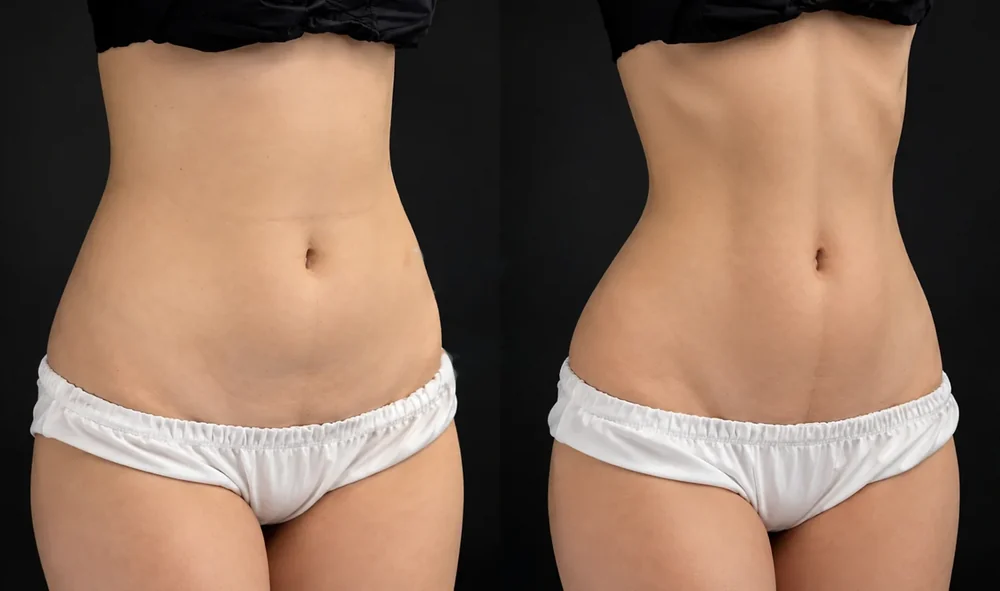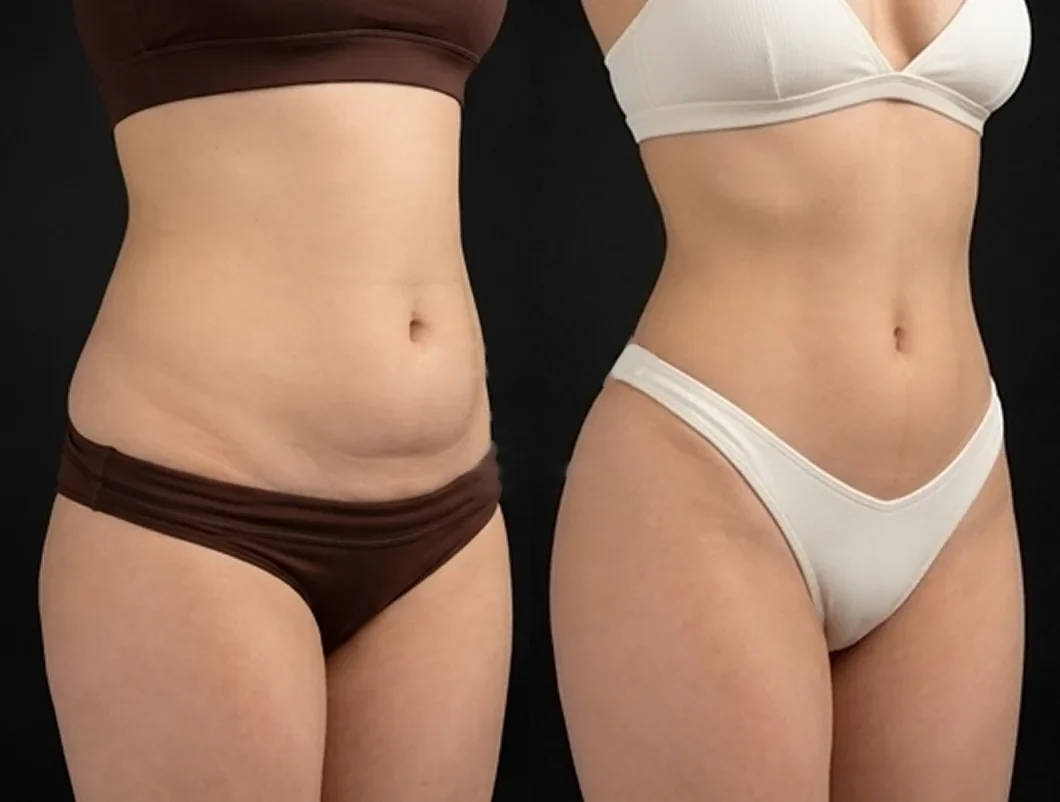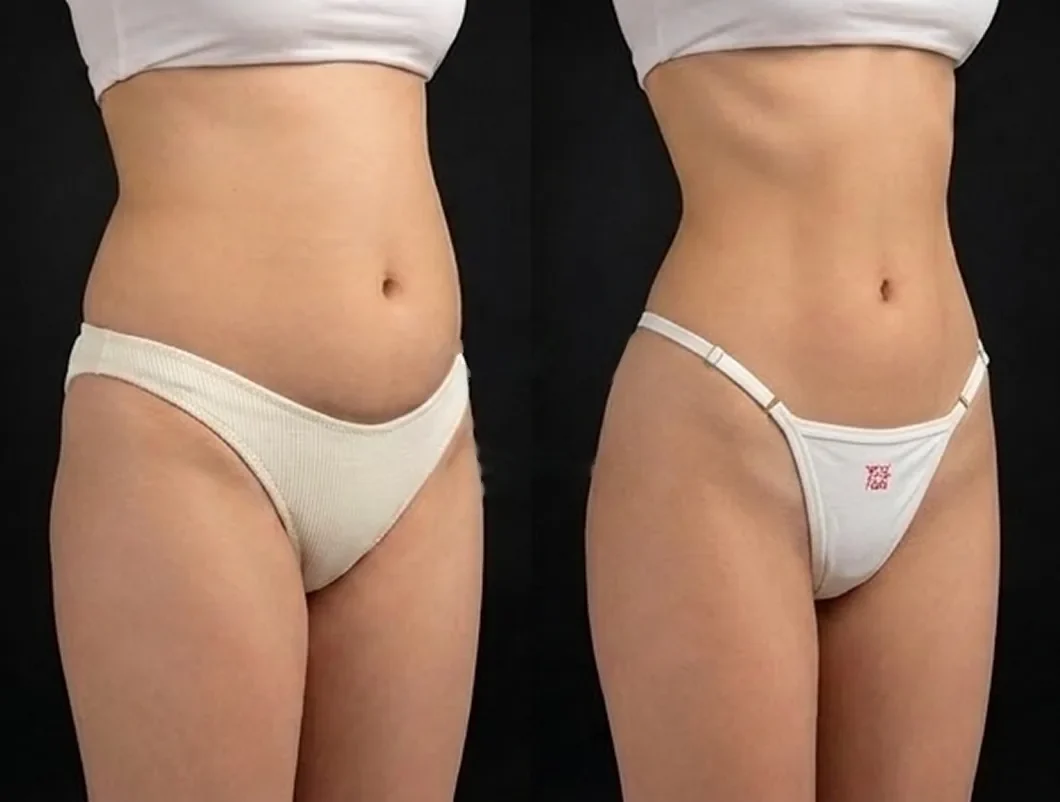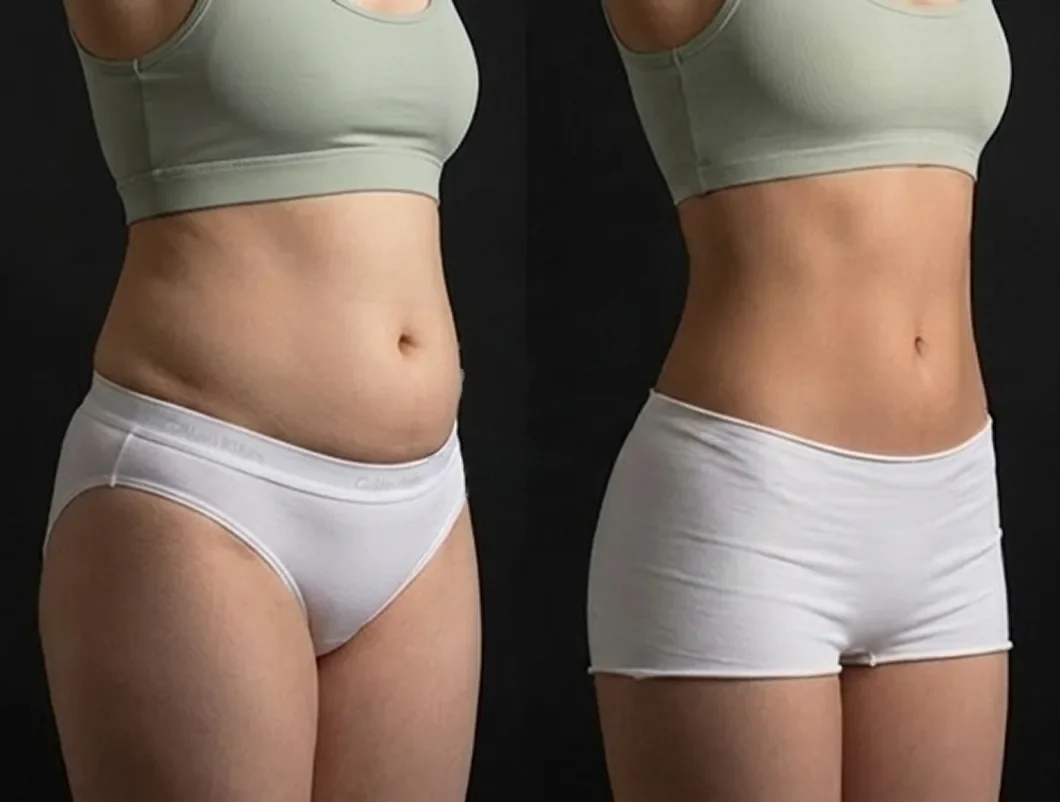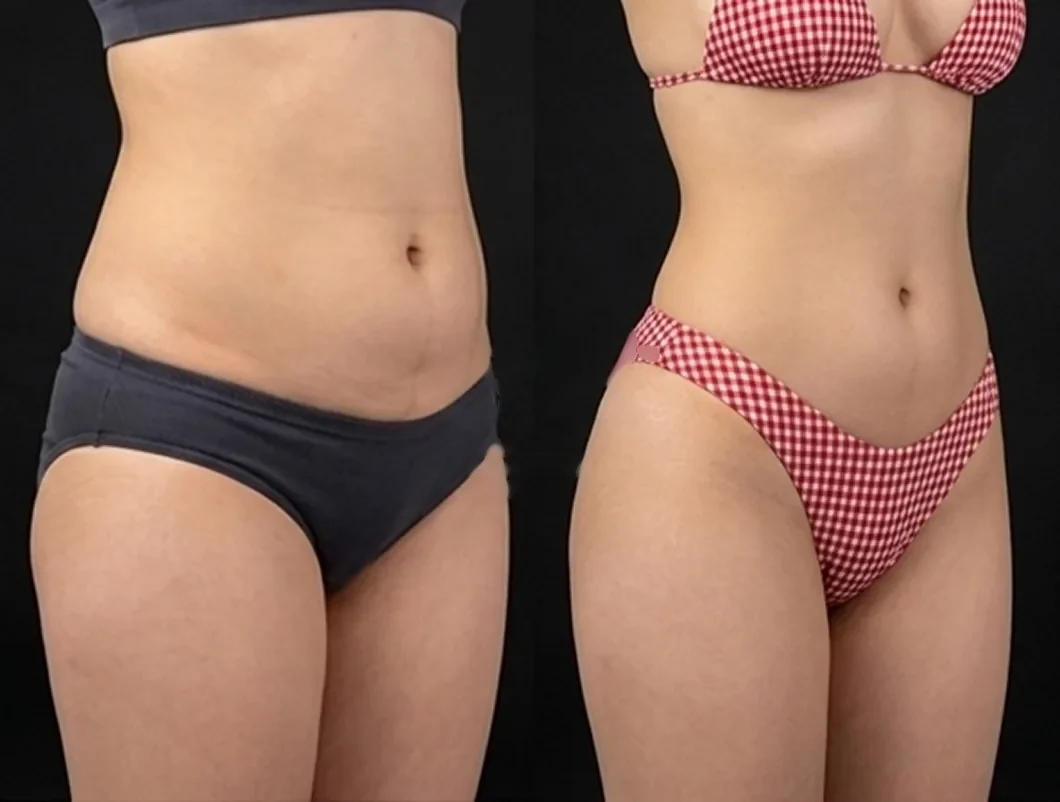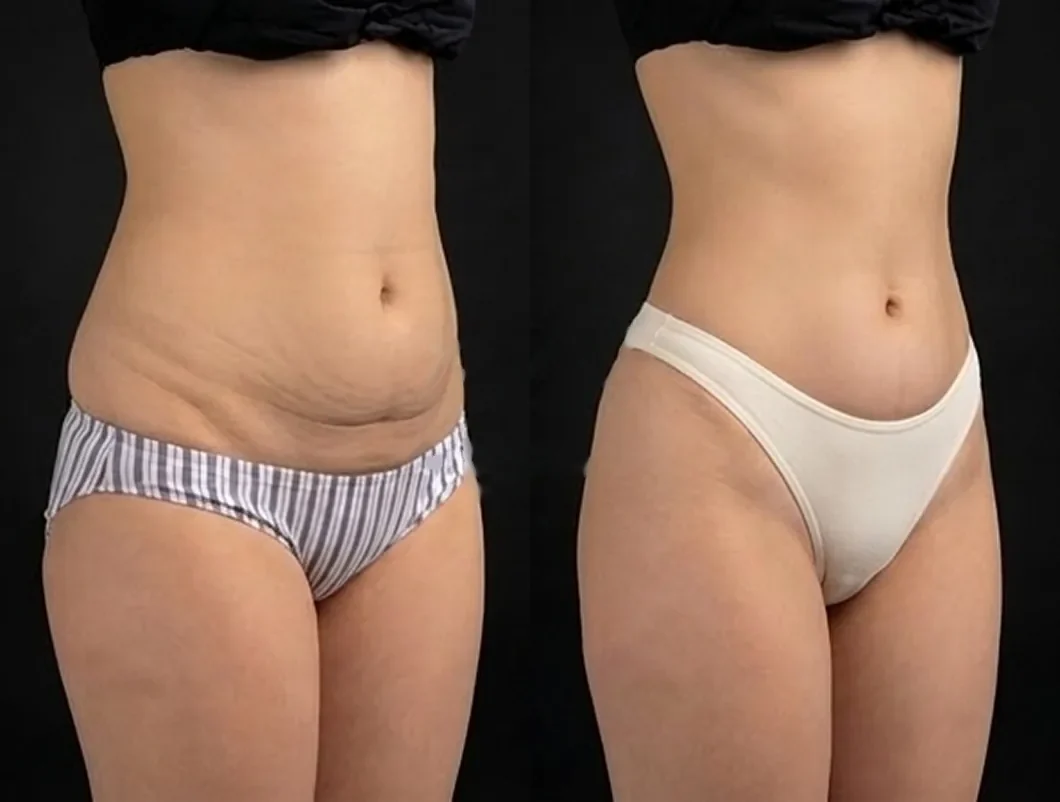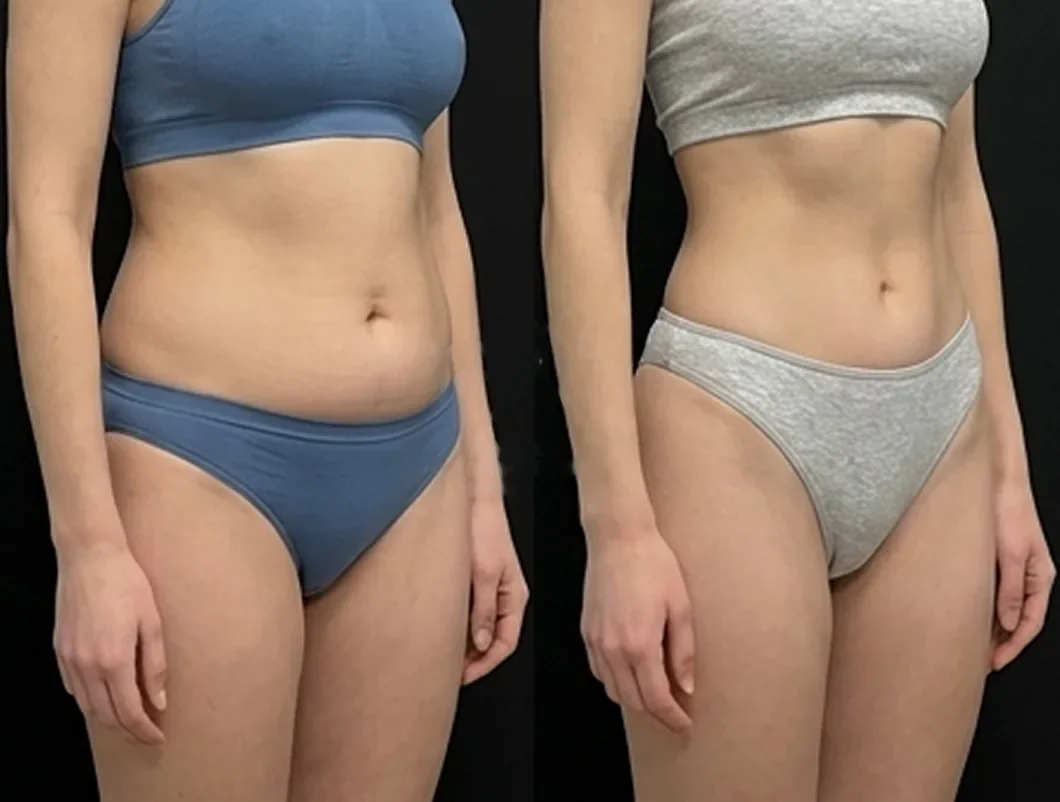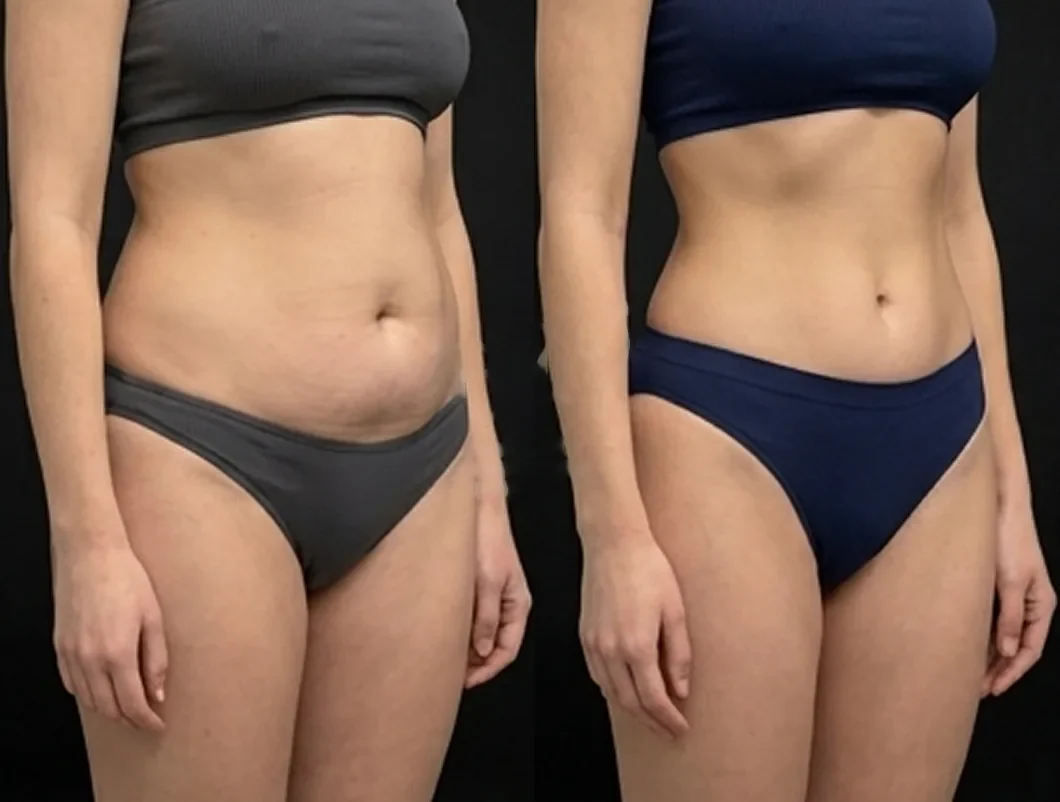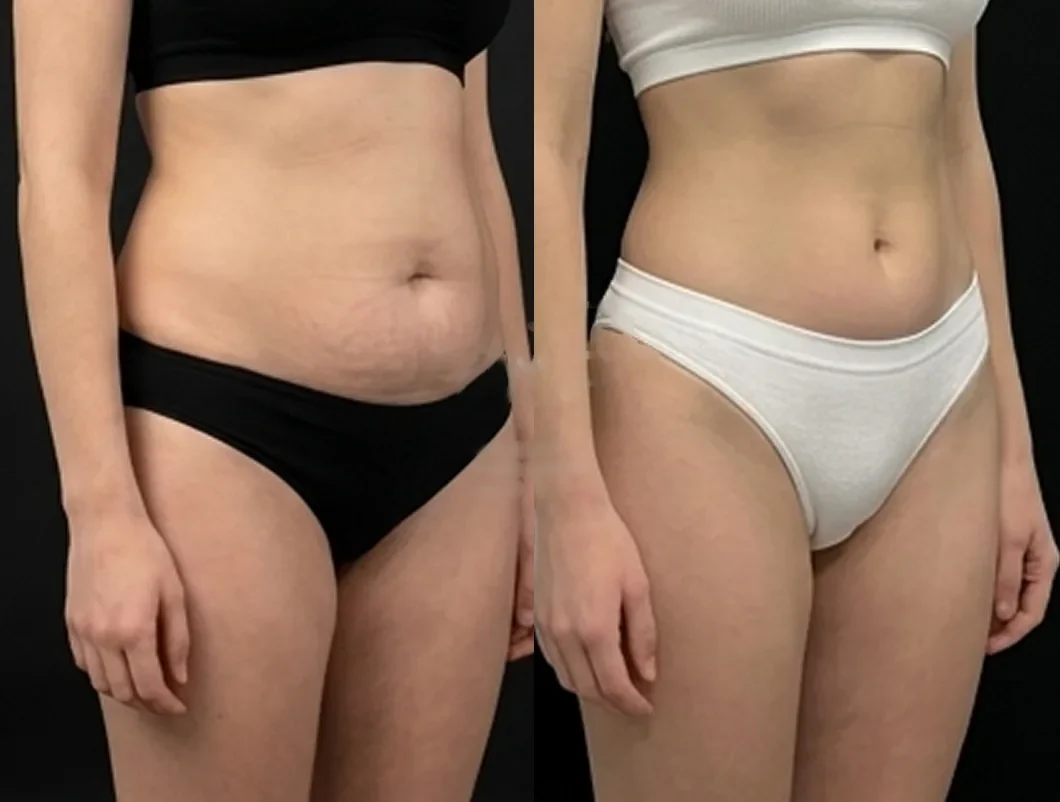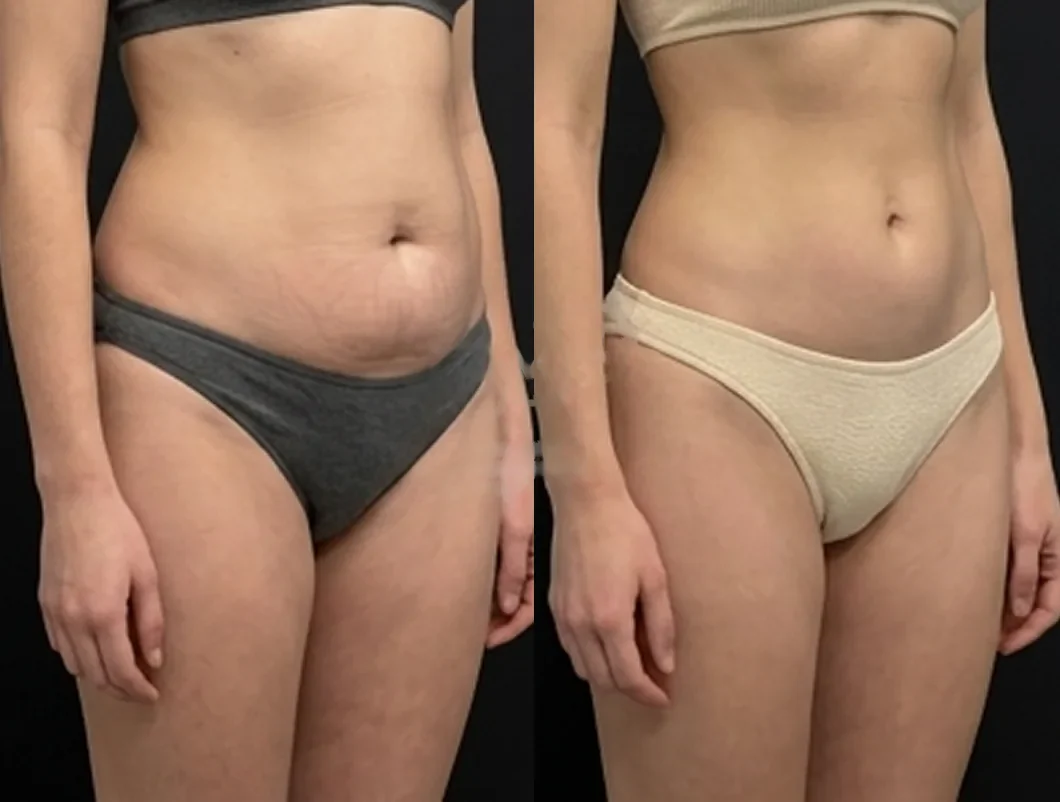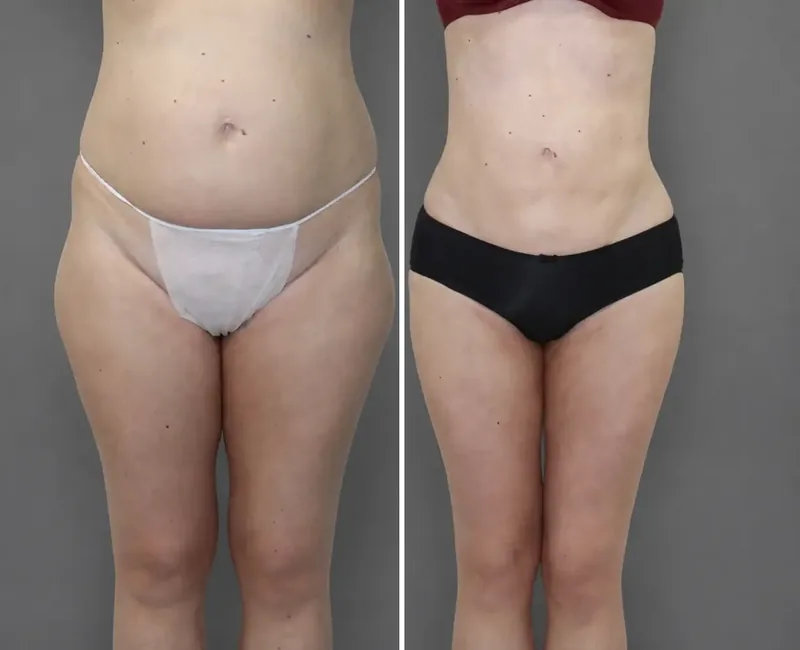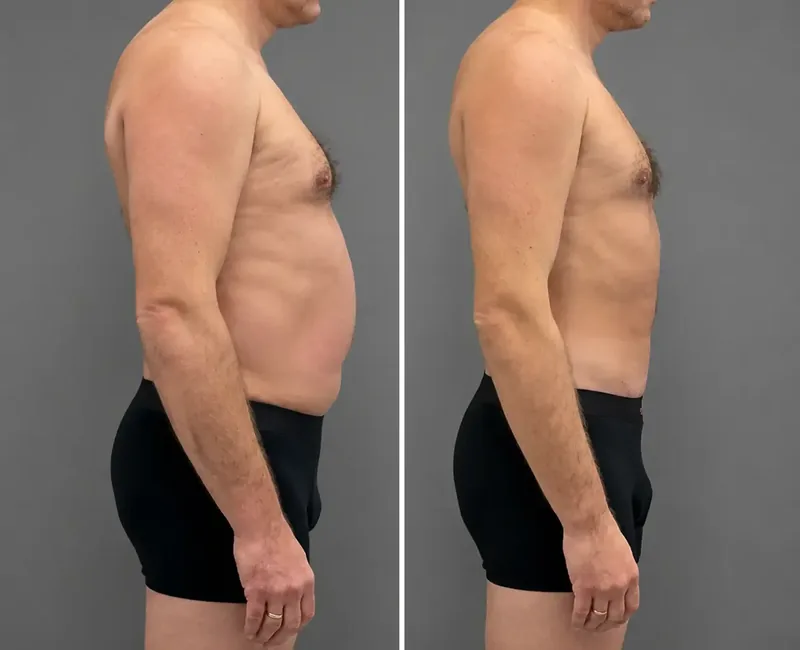
Ruiru and liposuction: why residents of this fast-growing town ask about body contouring
Ruiru is a municipality and sub-county in Kiambu County, within the greater Nairobi Metropolitan region. The 2019 national census recorded 490,120 people, which made it the fourth largest urban centre in Kenya by population. Ten years earlier, in 2009, the figure was 238,858. A town that has roughly doubled in a decade is full of people building careers, raising families and looking after their health, and many of them ask the same question: can liposuction help with stubborn fat that diet and exercise have not shifted?
Liposuction is a contouring procedure. It removes localized fat from areas such as the abdomen, flanks, thighs, arms or chin, and it works best for people whose weight is already stable. It is not a way to lose weight, and it is not a treatment for obesity. The World Health Organization describes overweight and obesity as a broad health topic that calls for lifestyle, nutrition and medical attention. A responsible surgeon will separate the two questions clearly at the first conversation.
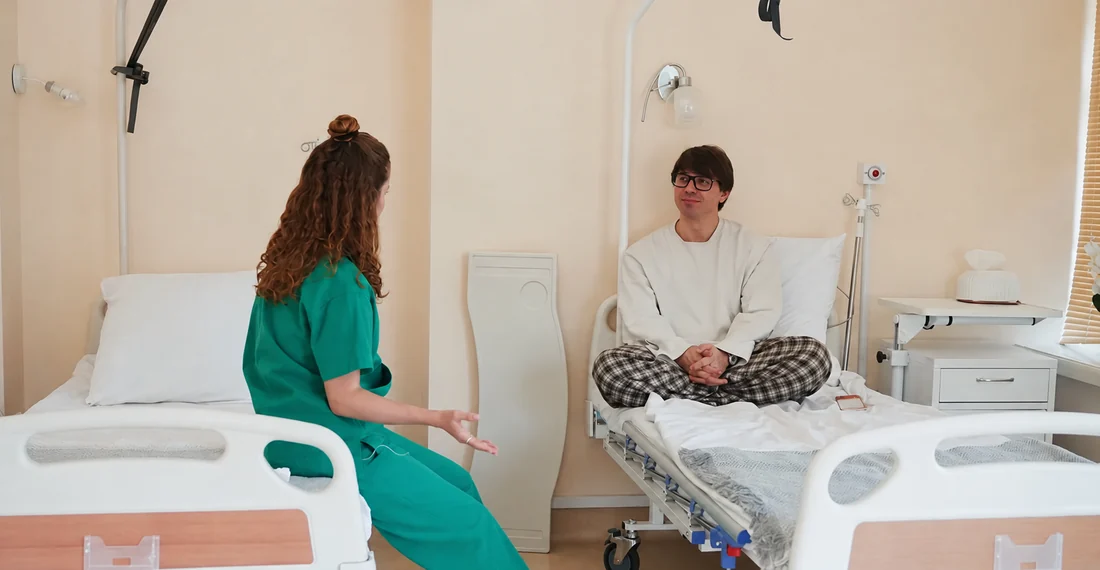
City Medical Centre offers an online consultation that a resident of Ruiru can start from home, free of charge. Coordinators are available 24/7 on Telegram and Telegram, so a nurse finishing a night shift, a factory supervisor or a student can write at whatever hour suits them. The text below explains how the procedure fits the real rhythm of life in Ruiru: work, study, family events, food and the weeks of recovery.
A working town: planning liposuction around factory, office and campus schedules
Ruiru is an industrial town. Its factories include Devki Steel Mills, Super Foam Limited, Spinners & Spinners Garment Factory, Ruiru Mabati Factory and Ruiru Feeds Limited, and the Tatu City Industrial Park hosts many more companies. Banks and shopping malls serve the town, and several banks have branches in the Kamakis area. Many residents therefore work shifts, stand for long hours, or commute daily toward Nairobi, and their jobs shape how they should plan a procedure.
Most patients get back to their usual routine and work in 7–10 days. That is a general guide for desk-based or light duties. If your job involves lifting, standing for most of the shift or supervising a production floor, tell the surgeon at the online consultation. For the first 7 days there should be no physical exertion or heavy lifting, and the surgeon will decide individually when heavier tasks are suitable for you.
Office staff in the banking and services sector in Kamakis can usually plan around the 7–10 day window, perhaps agreeing leave with a manager in advance. A person who works in a factory or warehouse should ask the surgeon what to tell an employer and how to phase the return. Compression garments are worn under clothing, so most colleagues will not notice them, but a clear plan for the first week protects both your recovery and your job.
A practical tip for residents of a busy town: arrange who will collect you after surgery, who will help at home for the first days, and how you will manage the daily commute when you do go back. The coordinators on Telegram and Telegram will help you build this timetable before any date is fixed.
Students and young professionals in Ruiru: age, readiness and expectations
Two universities have their main campuses in Ruiru, Zetech University and Kiriri Women's University of Science and Technology, and Kenyatta University is also near the municipality. The University of Nairobi and other higher education institutions have campuses in or near Ruiru. A large student and young-graduate population means that questions about age come up often.
The centre operates from age 18+, if there are no contraindications. There is no upper age limit: after an examination and health assessment, the decision is made individually. For a young adult the surgeon will usually ask whether the weight has been steady for some time and whether the request is realistic. Liposuction reshapes the contour; it does not replace a stable routine of nutrition and activity.
A student or a recent graduate should think about the calendar. The first 7 days require rest, and compression garments are worn for 30–45 days. Sport and active training are limited for 4–6 weeks. Planning the procedure during a break between semesters or before starting a new job can reduce stress, although the surgeon will advise on timing individually.
Young patients often compare their bodies with images on social networks. A good surgeon will talk about proportions, skin quality and what is achievable rather than promise a particular look. The aim is a smooth contour that keeps the natural proportions of your body. If you are unsure whether you are a suitable candidate, the free online consultation is the right first step, and nothing obliges you to continue.
Season, weather and compression garments: choosing a good time in Ruiru
There is no single best month for liposuction, and the choice depends on your own work and family calendar. Still, the weather of any season affects the weeks of recovery, and it is worth thinking about in advance. Compression garments must be worn for 30–45 days, so consider how comfortable they will be in the conditions you expect during that period.
On warm days a garment can feel heavy. Choose breathable cotton clothing to wear over it, loose and soft, and avoid rough seams that press on the treated areas. On cooler or rainy days, layers are easy, but wet clothing should be changed promptly so that the garment and the skin stay clean and dry. Ask your surgeon how to wash and rotate the garments.
Sun deserves attention too. Tanning beds are off-limits for at least a month, and a sensible approach is to keep treated skin out of strong direct sun during the early weeks and to cover it with light clothing. This is general advice, and the surgeon will give individual recommendations after surgery.
Dust is another everyday factor in a town with active construction, busy roads and many industrial sites. If your daily route passes through dusty places, keep dressings and garments clean and tell the surgeon at once if a small wound looks irritated. In a rapidly built-up town, where coffee estates have been converted into residential areas, building work is a normal part of the surroundings, so plan quieter routes or ask a family member to run errands for the first days.
Swelling and bruising clear by weeks 4–5, and the first changes show at 2 weeks. When choosing a date, count from that timeline toward the events you care about, and remember that the final result forms in 3–6 months.
Family events, food and daily habits: living with recovery in a Ruiru household
Family life in a growing town is full of gatherings: weddings, church or community events, school functions and visits from relatives. The housing boom has brought many new households into Ruiru, and with them new circles of friends and neighbours. If an important event is coming, plan the procedure so that the weeks of main swelling fall before it, not on top of it. Swelling and bruising clear by weeks 4–5, the interim result is assessed at 1.5–2 months, and the final contours take 3–6 months to form.
Food is part of the conversation too. Liposuction does not give permission to ignore nutrition; a balanced diet supports healing and helps keep the new contour. Share your usual meals with the surgeon so that advice is realistic. Alcohol is off-limits for at least a month after surgery, which matters if celebrations are near, and you should give up smoking and alcohol 7–10 days before the operation as well.
At home, ask relatives to share the load for the first week. For the first 7 days there should be no physical exertion or heavy lifting, which includes carrying shopping, lifting small children and moving furniture. Parents of young children should arrange help in advance, because a toddler who wants to be picked up is one of the most common challenges in the first days.
Respect the garments. They are worn for 30–45 days, and during 4–6 weeks you should avoid the bathhouse, sauna, pool and active sport. Explain this to the family so that nobody expects you to join a swim or a sports day too soon. Your surgeon gives all individual recommendations after surgery, and the coordinators can answer small daily questions around the clock.
How the procedure itself works, as explained to a patient in Ruiru
The operation uses tumescent and VASER techniques, micro-incisions of 3–5 mm and precise volume control. After marking the areas and fitting the compression garments, the surgeon works under local or general anaesthesia and removes fat through 3–5 mm micro-punctures. Surgery takes from 1 hour for small areas to 3–4 hours for a combined procedure.

With local anaesthesia you go home 3–4 hours after surgery; with general anaesthesia you stay one day in a comfortable ward under medical supervision. In other words, you are home the same day with local anaesthesia, or after 1 day with general anaesthesia. The choice depends on the volume, the number of areas and your health, and it is made together with the surgeon and the anesthesiologist.

The punctures are only 3–5 mm across and usually need no stitches. Once healed, the marks are barely visible, and with proper care during recovery they fade completely. This is a point many patients raise, especially those who wear fitted clothing for work or events.
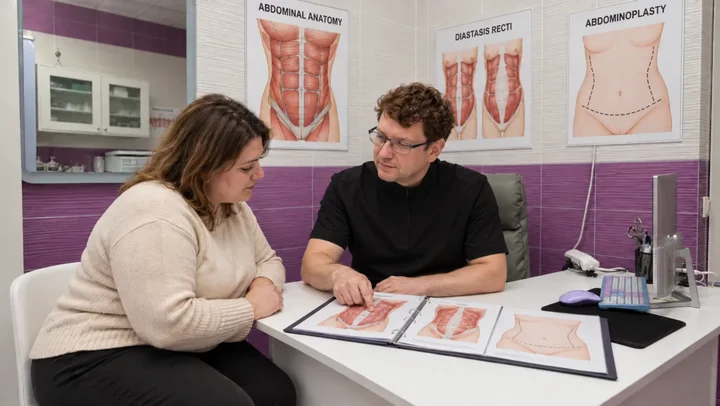
For a resident of Ruiru, the key is to understand each step before deciding. During the free online consultation you can send photos, describe the areas that concern you and ask which areas are realistic. You can also ask which anaesthesia is likely to suit you, and how long your stay will be. Questions are welcome at any hour, since coordinators work 24/7 and adapt to your pace.
Preparation, contraindications and questions for the surgeon
Preparation starts well before the procedure. Give up smoking, alcohol and medications that affect clotting (aspirin, etc.) 7–10 days before liposuction. Pre-operative tests are also required: blood tests, ECG, ultrasound, and consultations with a GP and an anesthesiologist. You receive all instructions after the first consultation, so you do not need to guess or search for them.
Contraindications are decided individually, so general statements have limits. In broad terms, a surgeon will be cautious if there are serious conditions affecting the heart, clotting or healing, if you are unwell at the time of the operation, or if the goal is weight loss instead of contouring. Be completely honest about your medical history and about any medicines or supplements you take. Honest answers protect you.
Useful questions to ask the surgeon: Which areas are suitable for me, and which are not? Which anaesthesia do you recommend and why? How long will the surgery take for my combination of areas? How will my skin behave after the fat is removed? How long must I wear compression garments, and when can I return to my job and training? What should I do if something worries me after I am home?
Also ask about follow-up. The surgeon follows your recovery and the new body contour at check-ups after 7 days, 3 and 6 months. Check-ups, dressings and aftercare advice are already included in the price of surgery. Until the end of the year, you can also get a post-surgery consultation with your surgeon to review results and get more information, at the clinic's expense. Write your questions down before the consultation and keep the answers.

Commuting, traffic and the daily routine while you recover in Ruiru
Ruiru grew quickly partly because of infrastructure development, especially Thika Road and the Nairobi Eastern Bypass Highway, and the commercial and residential building that followed those highways. For many residents the working day therefore includes a long ride toward Nairobi or to another part of the greater metropolitan region. When you plan liposuction, think about this daily movement as part of your recovery plan, not as a side detail.
Sitting for long periods in a vehicle, being jostled in a crowded seat or standing in a queue can be tiring while the tissues are swollen. Most patients get back to their usual routine and work in 7–10 days, yet the first commutes should be gentle. Ask the surgeon at the online consultation how to sit comfortably with compression garments, when short walks are useful and when you should rest. For the first 7 days there is no physical exertion or heavy lifting, and that includes pushing through a crowded stop with a heavy bag.
A sensible plan for a commuter is to separate the first week from the second. In the first week stay at home and let the household help. In the second week, if the surgeon agrees, return to light duties and, where your employer allows, avoid the busiest hours. Swelling and bruising clear by weeks 4–5, so some tenderness on the way to work can still be normal in the middle of that period, and any concern should be reported to the surgeon.
Coordinators on Telegram and Telegram work 24/7, which suits people whose days start early and end late on the road. You can write from a bus seat, from a break at work or from your living room, and they help you turn these practical details into a clear timetable.
New neighbourhoods, shared housing and privacy during recovery
Many former coffee estates in Ruiru have been converted into residential areas, and a housing boom has brought new apartments and family homes. Some residents live with relatives, others share a flat with colleagues or fellow students. Recovery after liposuction is easier when you think honestly about privacy, rest and who is around you in the first days.
Decide in advance who needs to know. Some patients tell only their spouse or a close relative and simply say they are resting. Compression garments are worn under clothing, so they are rarely visible, but you will need quiet time, clean space for dressings and a place to change. If you share a bathroom or a room, agree on a routine beforehand so that you are not rushed.
Think about small practical things: a firm, comfortable chair, easy-to-wear loose clothes, water and light food within reach, and a phone charger by the bed. Because the garments are worn for 30–45 days, a spare set of clean, breathable clothing makes life simpler. Your surgeon gives all individual recommendations after surgery, and you can send your questions to the coordinators at any hour.
If you are a parent, a caregiver or the person who usually manages the home, plan substitutes. Hand over school runs, cooking and heavy cleaning for the first week. This is not a luxury; it is part of safe healing, and families in a growing town usually find that relatives, neighbours and friends are glad to help once they know the dates.
Black cotton soil, dust and mud: keeping wounds and garments clean
The name Ruiru is of Kikuyu origin and possibly relates to the black cotton soil found in most parts of the town. In dry weeks this soil can become fine dust, and after rain it can turn into sticky mud on paths and roadsides. Both conditions matter when you are caring for small punctures and wearing compression garments for 30–45 days.
The punctures are only 3–5 mm across and usually need no stitches, but they still need clean dressings and careful handling during the first days. Avoid walking through muddy or dusty areas in the first week if you can, change out of dirty clothes promptly and wash your hands before touching any dressing. Ask the surgeon how to keep the garment clean, how often to rotate it and what to do if it gets wet or soiled.
For work in a factory yard, a construction area or a market, tell the surgeon at the consultation. A job in dusty surroundings may need a longer rest at home or a lighter role for the first period. If a small wound looks irritated, becomes unusually painful or you simply feel unsure, write to the coordinators at once rather than waiting for the next check-up. Check-ups come at 7 days, 3 months and 6 months, but questions between them are welcome.
Remember that the pool, sauna and bathhouse are not allowed for 4–6 weeks, so ordinary washing at home with the surgeon's guidance is the practical routine for the early period.
Questions Ruiru patients often bring to the first conversation
Because Ruiru is a young, working and studying town, the questions that come to the online consultation are usually practical. People want to know whether one area can be treated alone, whether several areas can be combined, how long they must stay away from the gym and how visible the garments will be under work clothes. The answers depend on your body and health, and the surgeon explains them individually.
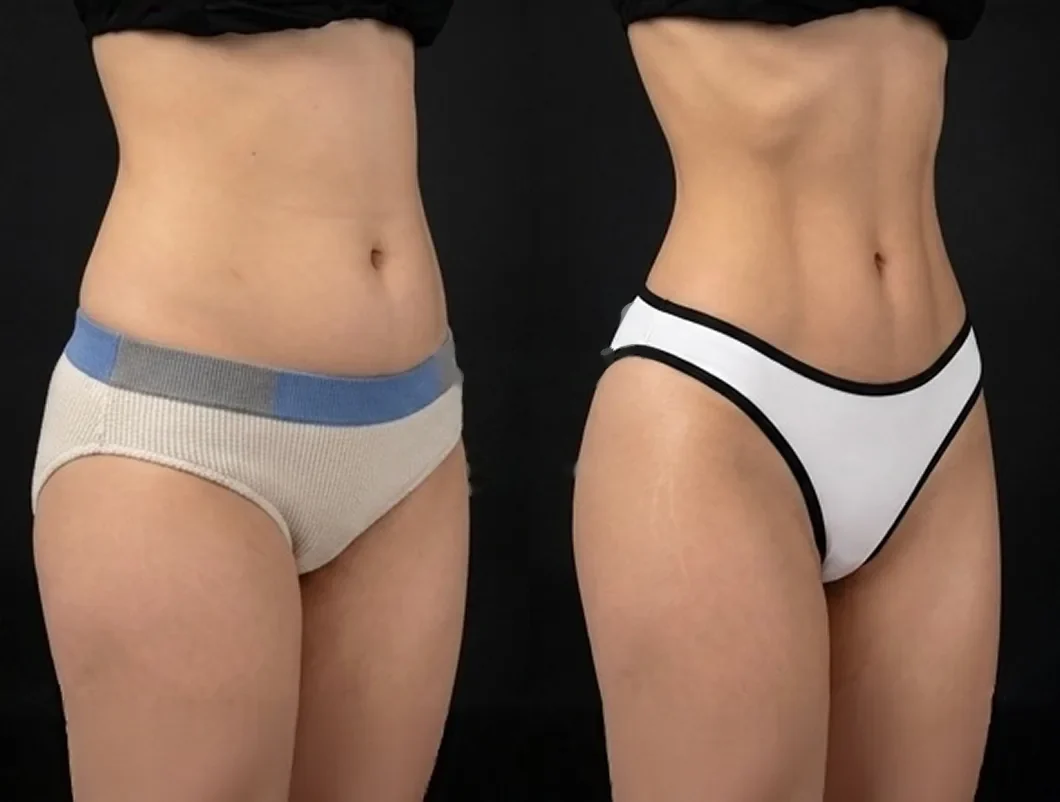
Another frequent theme is expectations. A person who has lost weight and kept it stable may be disappointed if the surgeon explains that skin quality affects the final look. A person hoping for a lower number on the scale will hear that liposuction is for contouring, not weight loss. This honest conversation protects you from unrealistic hopes. The aim is a smooth contour that keeps the natural proportions of your body.

Many also ask about timing with family and work. A useful method is to write a calendar of the next three months and mark weddings, exams, deadlines and holidays. Then count: 7 days of rest, the return to work in 7–10 days, swelling clearing by weeks 4–5, an interim assessment at 1.5–2 months and the final result in 3–6 months. Share this calendar with the coordinators, and they will help you find a sensible window.
Finally, people ask what happens if they change their mind. The first consultation is free, there is no obligation, and you can take time to talk with your family before you decide.
Recovery timeline, return to sport and how the remote consultation works from Ruiru
Recovery follows a clear sequence. In the first 7 days there is no physical exertion or heavy lifting. Compression garments are worn for 30–45 days, and for 4–6 weeks you avoid the bathhouse, sauna, pool and active sport. Alcohol and tanning beds are off-limits for at least a month. Most patients return to usual routine and work in 7–10 days, swelling and bruising clear by weeks 4–5, and the final result forms in 3–6 months, once the tissues have fully adapted.
For people in Ruiru who train in gyms, run or play football with friends, the message is patience. Light walking is usually welcome early, but anything intense must wait for the surgeon's approval. Returning too fast can prolong swelling and spoil the contour you worked for.
Check-ups at 7 days, 3 months and 6 months let the surgeon see the progress. The first changes show at 2 weeks once swelling subsides, and the interim result is assessed at 1.5–2 months. It is normal for the shape to look uneven for a while; judge the outcome at the stages the surgeon recommends, not in the first days.
The remote consultation is simple. You write to the coordinators on Telegram or Telegram from Ruiru at any hour, send photos and a short medical history, and describe your goals. A surgeon reviews them, explains whether liposuction suits you, outlines preparation and recovery, and answers your questions. We respect your time: we work 24/7, with easy booking and a personal approach. If you decide to continue, you receive written instructions for tests and preparation, and you can discuss the plan with your family at your own pace.
Can I start a liposuction consultation from Ruiru without leaving home?
Yes. The first consultation is online and free. You contact the coordinators on Telegram or Telegram, send photos and basic medical information, and a surgeon reviews your case. Coordinators are available 24/7, so you can write after work, between lectures or late in the evening. You are under no obligation to proceed after the consultation.
How long does liposuction take and when do I go home?
Surgery takes from 1 hour for small areas to 3–4 hours for a combined procedure, under local or general anaesthesia. With local anaesthesia you go home 3–4 hours after surgery. With general anaesthesia you stay one day in a comfortable ward under medical supervision. The surgeon helps you choose the option that suits your health and the areas treated.
When can I go back to work if I work in Ruiru?
Most patients return to their usual routine and work in 7–10 days. Desk and banking jobs are generally easier to resume than roles with lifting or long standing hours, such as in a factory. For the first 7 days avoid physical exertion and heavy lifting. Describe your duties to the surgeon so that the plan is realistic.
How long must I wear compression garments?
Compression garments are worn for 30–45 days. During 4–6 weeks you should also avoid the bathhouse, sauna, pool and active sport. Choose loose breathable clothing to wear over the garment, keep it clean, and follow your surgeon's individual instructions about washing and replacing it.
Will I have visible scars?
The surgery is done through punctures only 3–5 mm across, which usually need no stitches. Once healed, the marks are barely visible, and with proper care during recovery they fade completely. Protect the skin from strong sun in the early weeks and follow the surgeon's aftercare advice.
When will I see the final result?
The first changes show at 2 weeks, once the main swelling goes down. An interim result is assessed at 1.5–2 months, and swelling and bruising clear by weeks 4–5. The final contour forms in 3–6 months, when the tissues have fully adapted. Check-ups are held at 7 days, 3 months and 6 months.
How should I prepare for the operation?
Give up smoking, alcohol and medications that affect clotting (aspirin, etc.) 7–10 days before surgery. Pre-operative tests are required: blood tests, ECG, ultrasound, and consultations with a GP and an anesthesiologist. You receive full instructions after the first consultation, so you can organise tests and time off work in good order.
Is there an age limit, and who is not a suitable candidate?
We operate from age 18+, if there are no contraindications. There is no upper age limit; after an examination and health assessment the decision is made individually. Liposuction is for contouring, not weight loss, and the surgeon will be careful where there are serious health conditions. The World Health Organization treats overweight and obesity as a wider health issue that needs broader care.
Are follow-up visits included?
Yes. The surgeon follows your recovery and new contour at check-ups after 7 days, 3 and 6 months. Check-ups, dressings and aftercare advice are already included in the price of surgery. Until the end of the year you can also get a post-surgery consultation with your surgeon to review results, at the clinic's expense.
Can I commute to work in Ruiru soon after liposuction?
Most patients get back to their usual routine and work in 7–10 days, but the surgeon decides individually. For the first 7 days there is no physical exertion or heavy lifting. When you do return, choose the quietest hours if possible, wear your compression garment as instructed and tell the surgeon about any discomfort on the way to work.
Does dust or mud affect healing after liposuction?
Clean wounds and clean garments matter. The punctures are only 3–5 mm across, so keep dressings dry and clean, avoid dusty or muddy places in the first days and change soiled clothing promptly. Ask your surgeon how to wash the compression garment, and report any irritation or unusual pain to the coordinators.
Can I combine several areas in one operation?
Often yes, and a combined procedure can take 3–4 hours, while small areas may take from 1 hour. Whether it is suitable for you depends on your health, the areas and the volume. The surgeon decides after your online consultation, examination and pre-operative tests.