
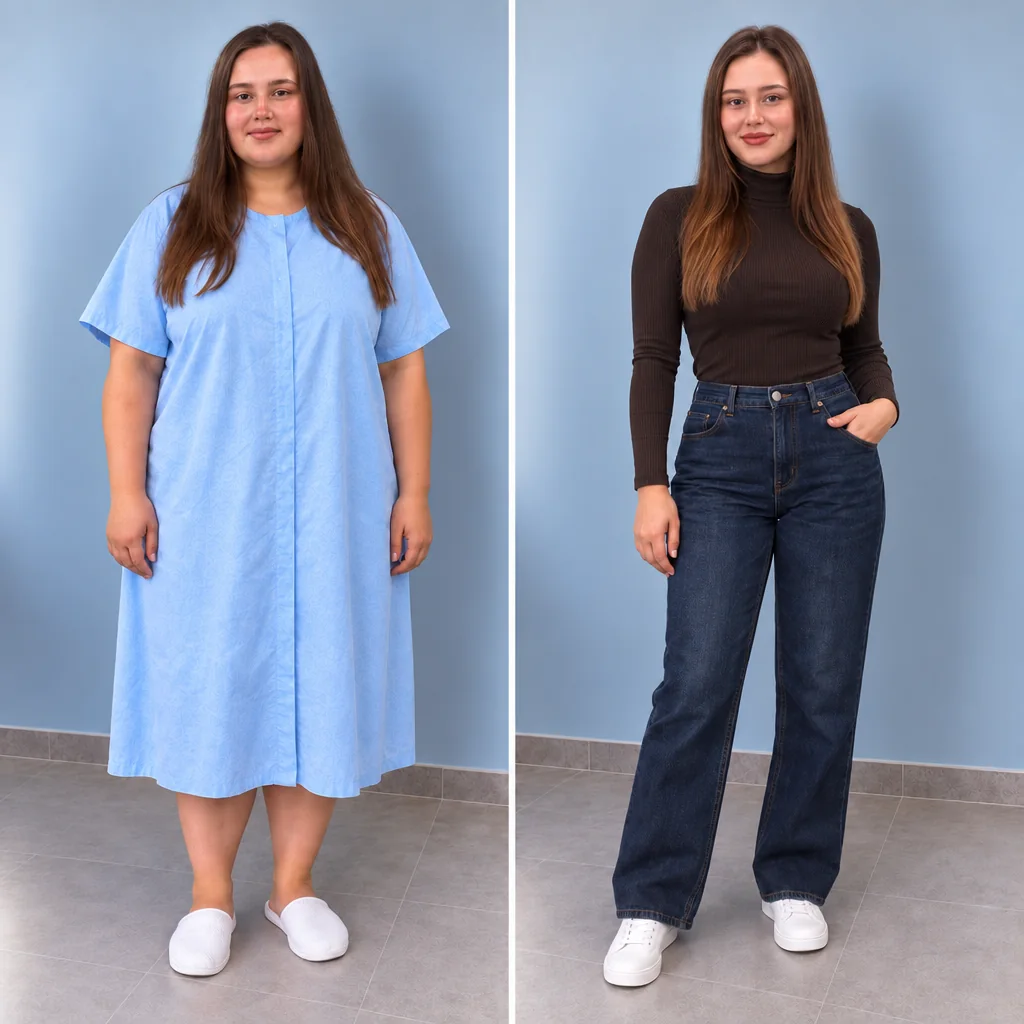
 beforeafter
Irina, 26
Bariatric surgery
Bariatric surgery
$3,600
$4,800 · First consultation — Free
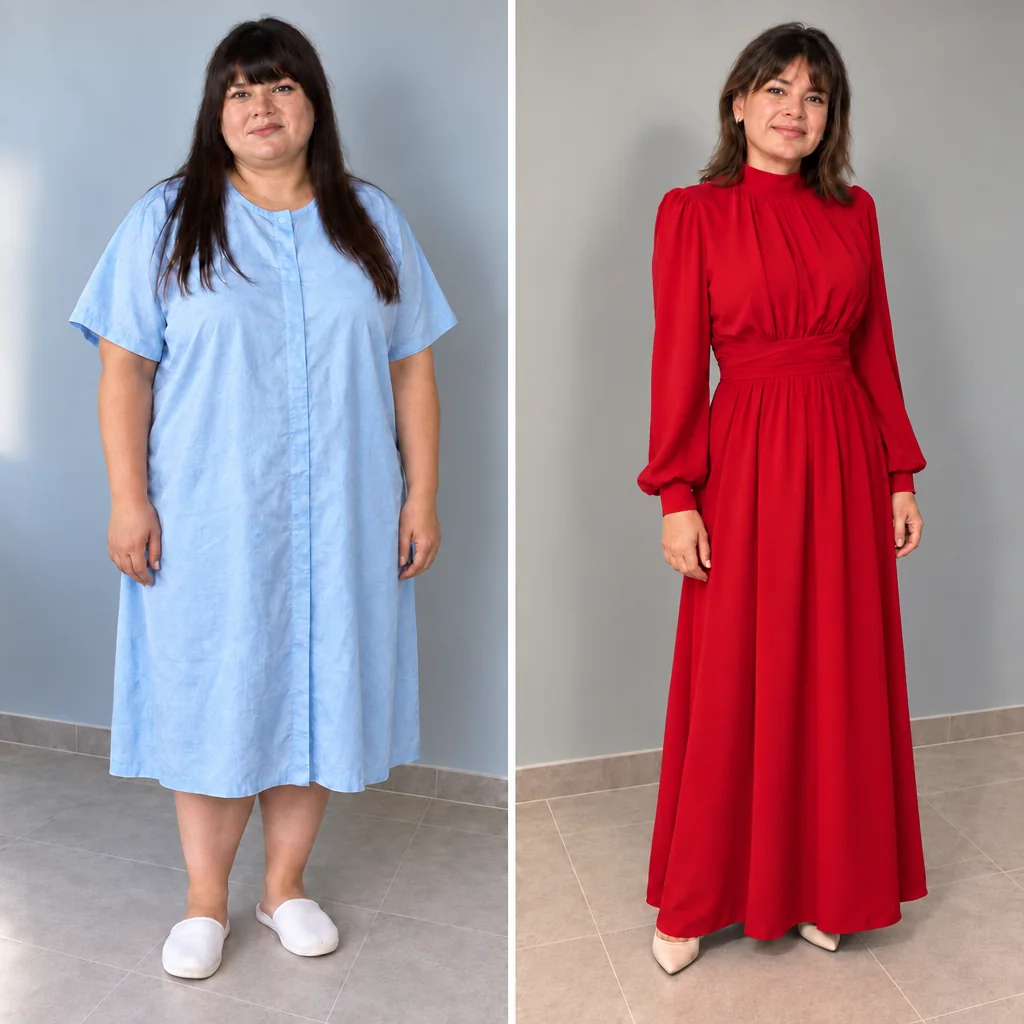 before
after
Message our coordinator
Free online consultation · Reply within 15 minutes
Message us on TelegramMessage us on WhatsAppBy messaging us, you agree to our Privacy Policy
Results
Each result belongs to a real patient of the clinic.
beforeafterBariatric surgery
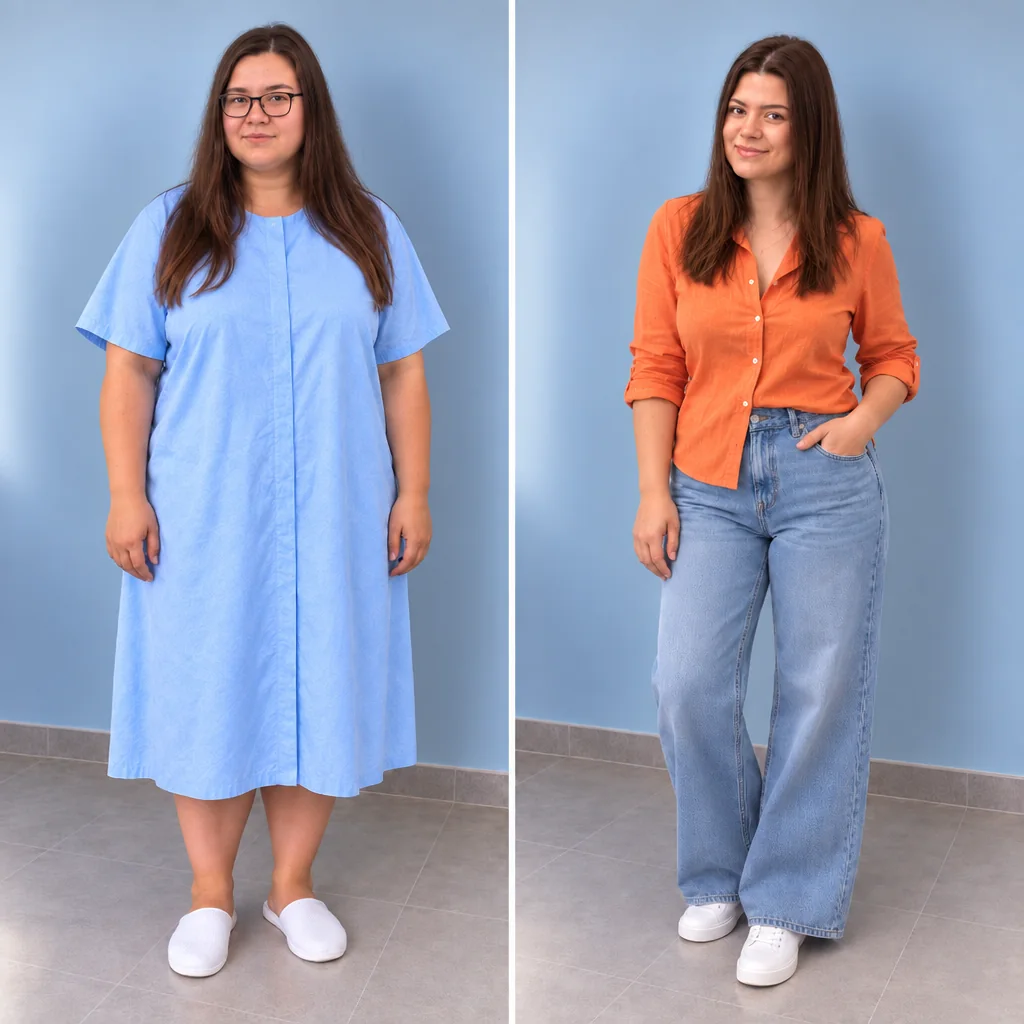 beforeafter
Bariatric surgery
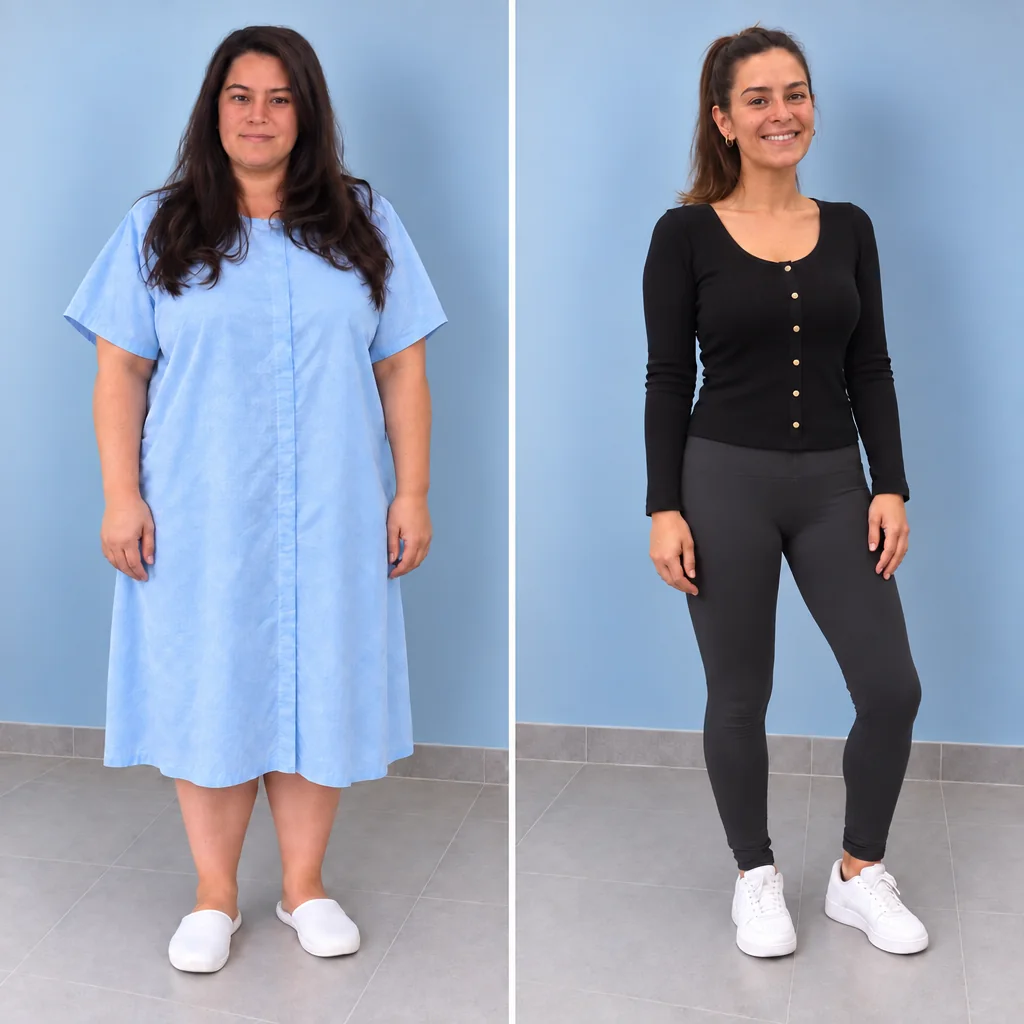 beforeafter
Bariatric surgery
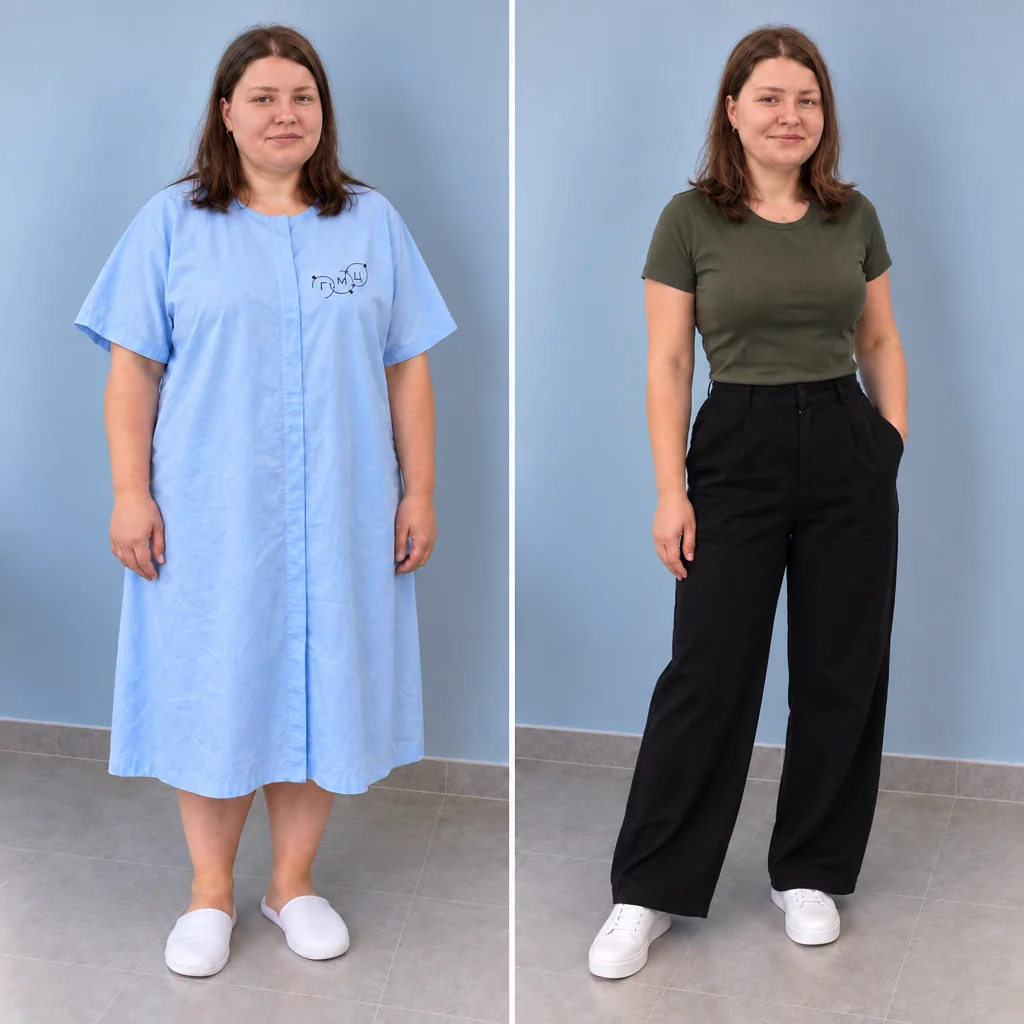 beforeafter
Bariatric surgery
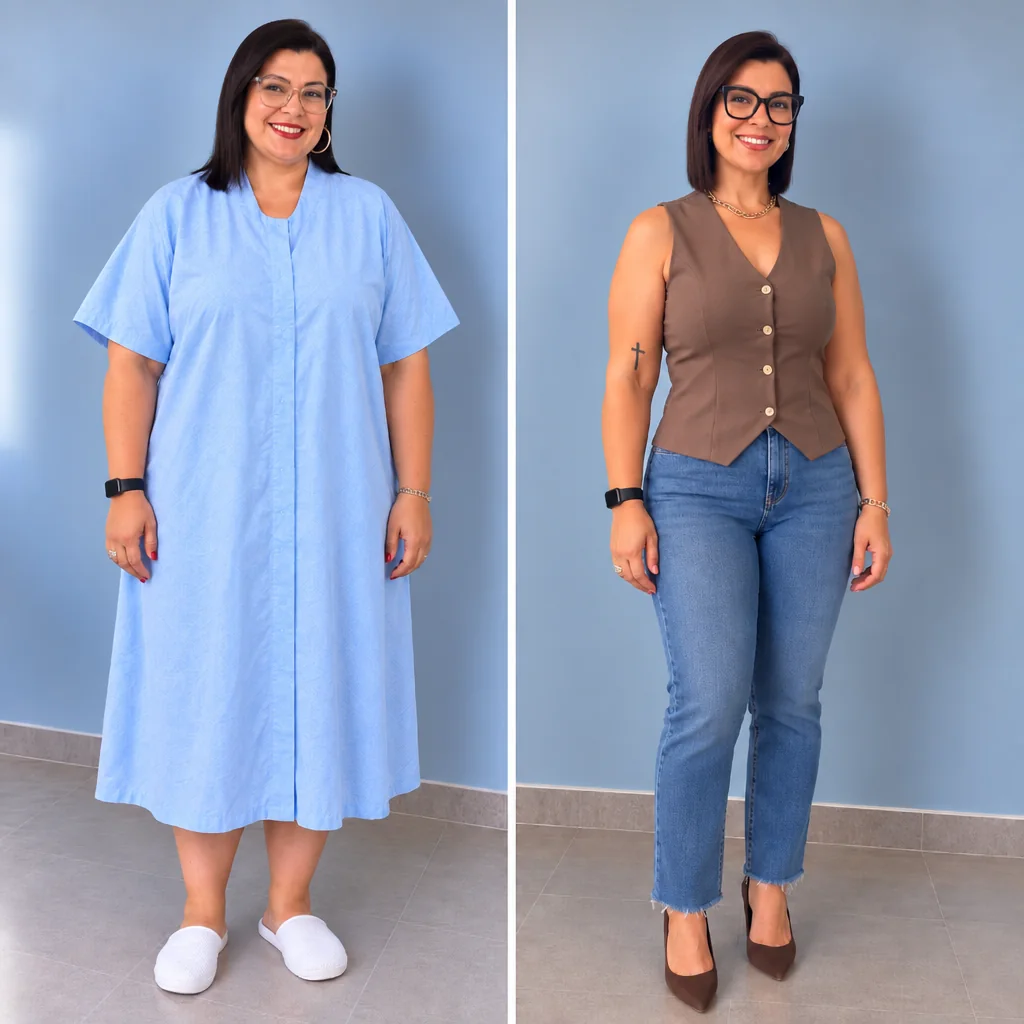 beforeafter
Bariatric surgery
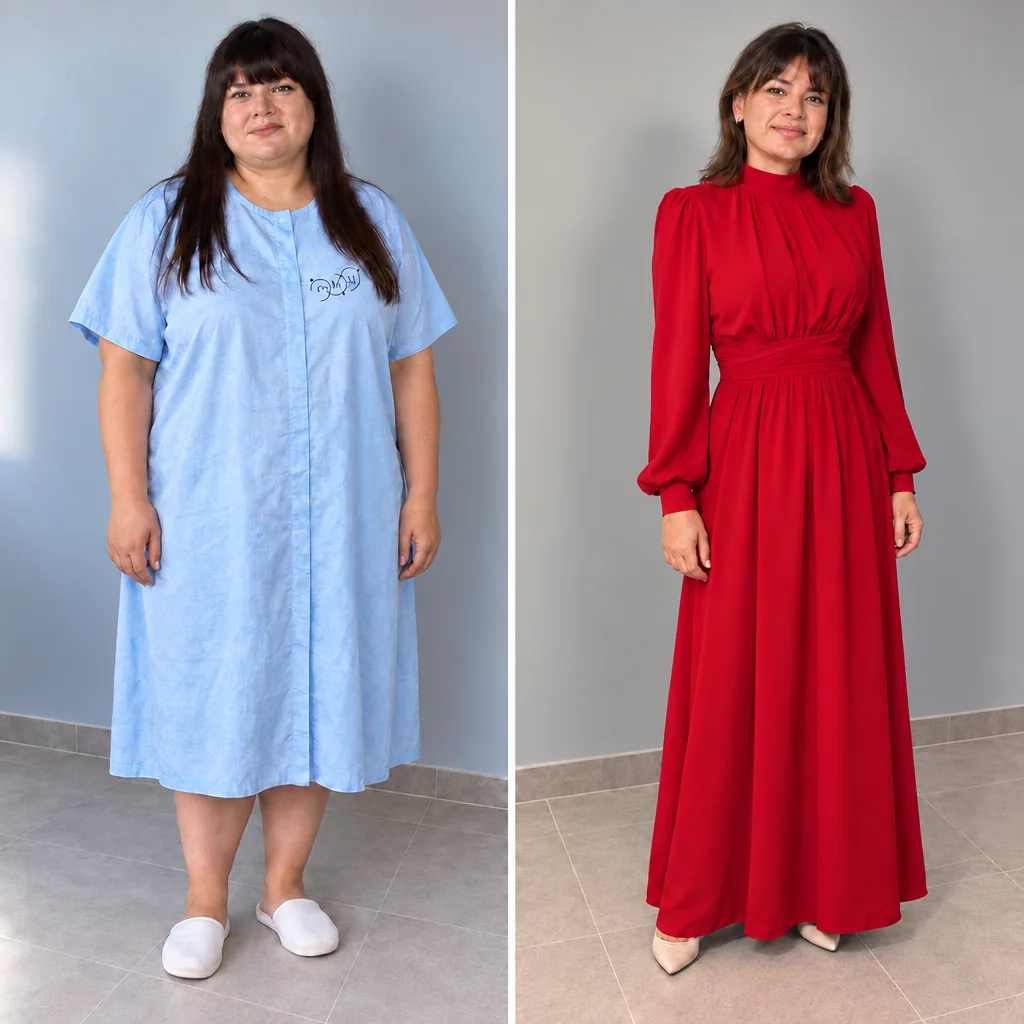 beforeafter
Bariatric surgery
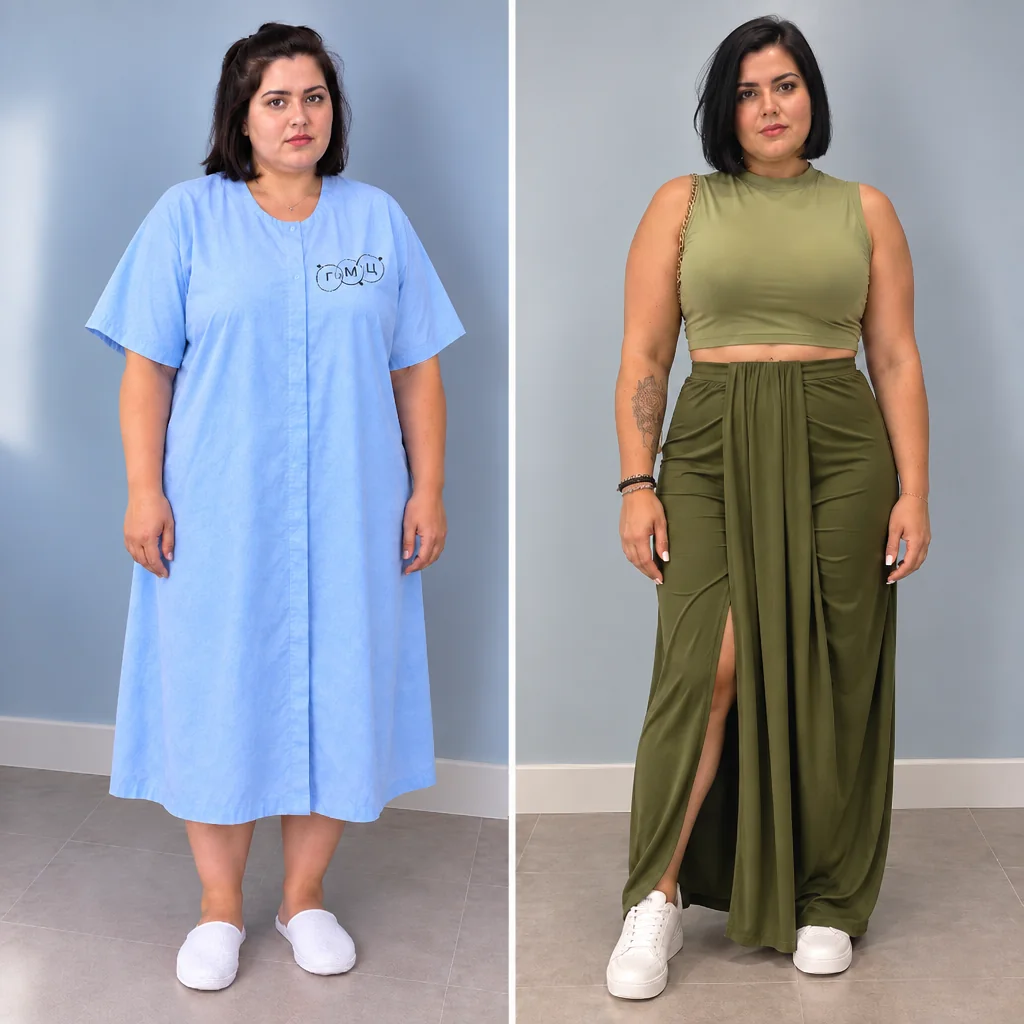 beforeafter
Bariatric surgery
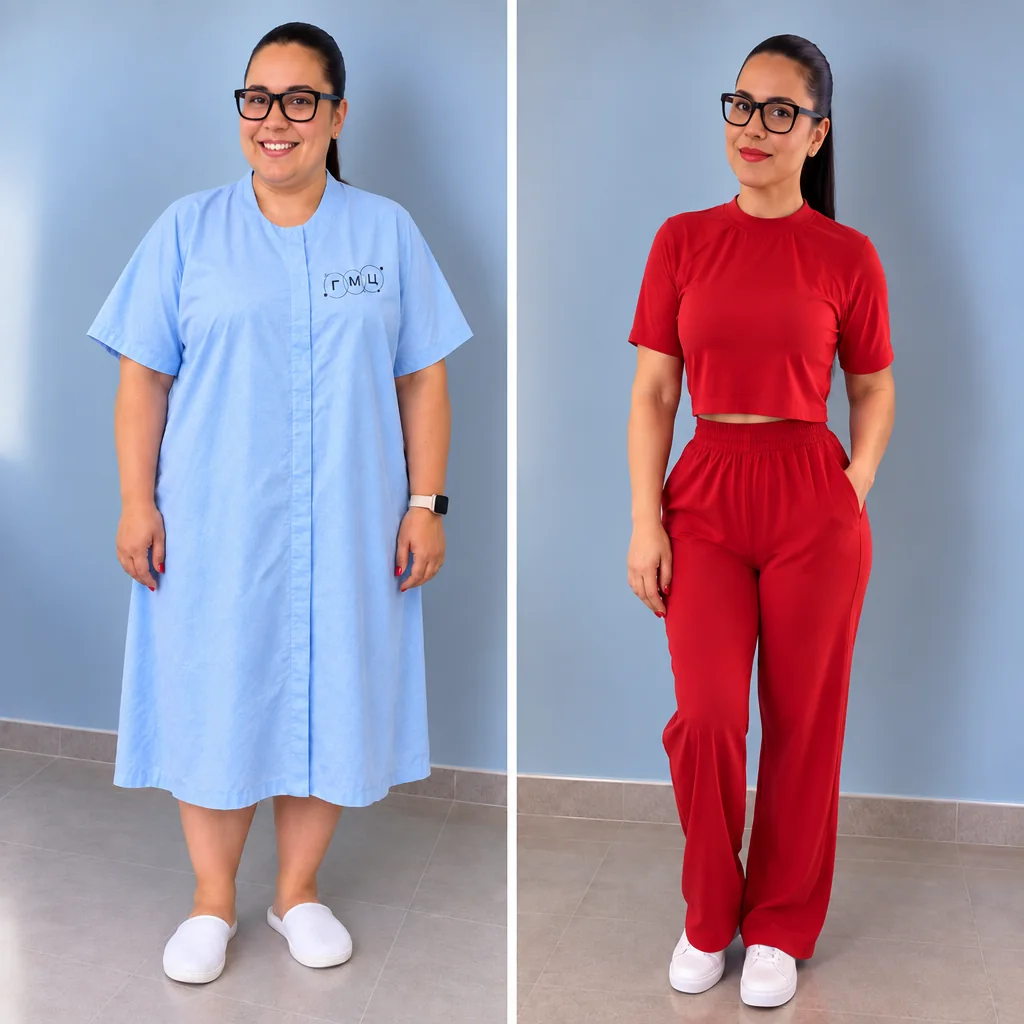 beforeafter
Bariatric surgery
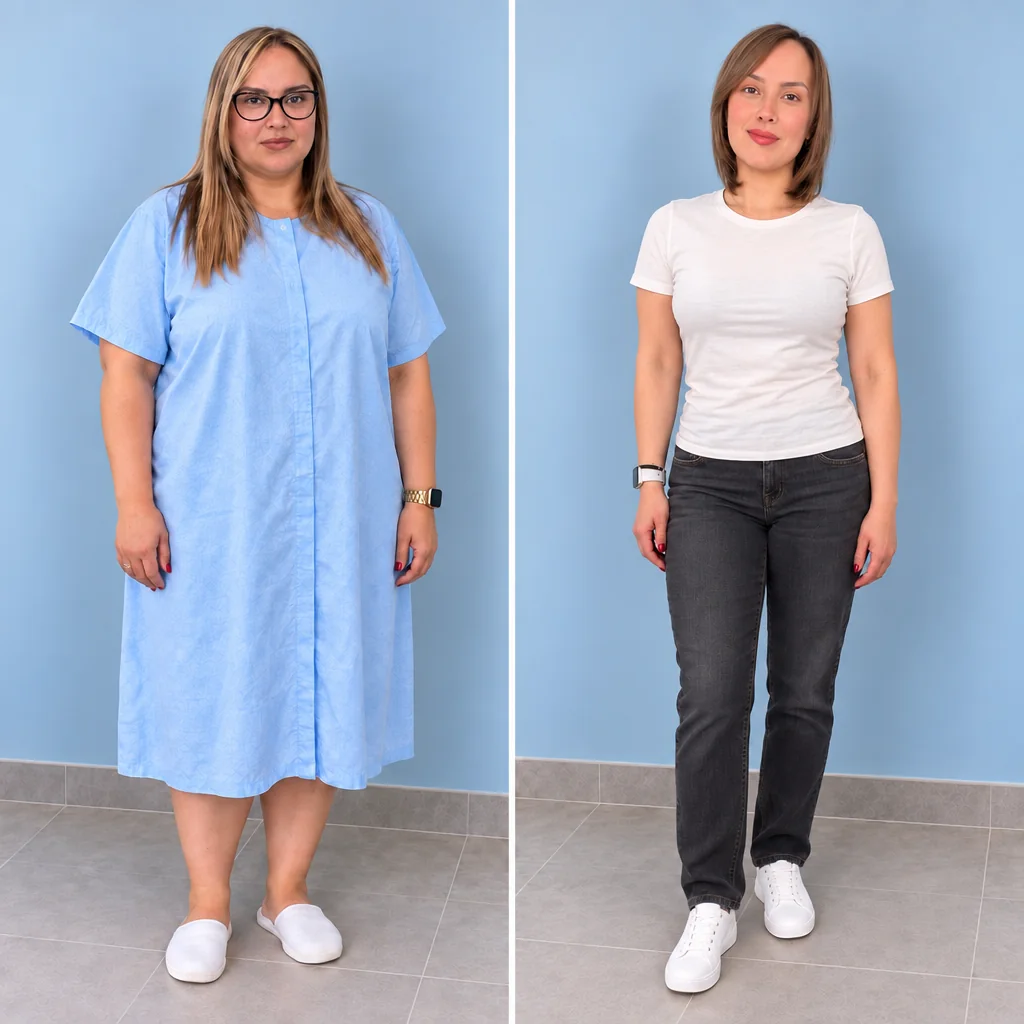 beforeafter
Bariatric surgery
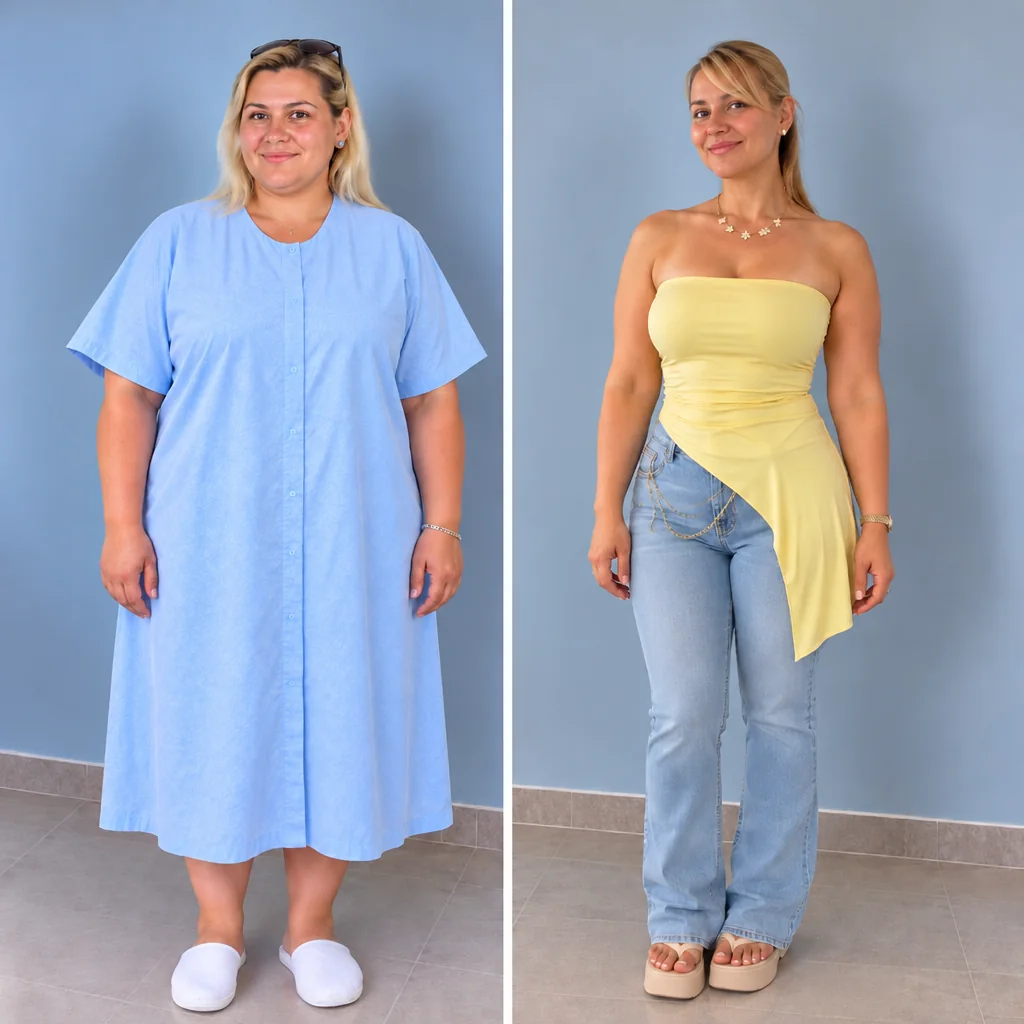 beforeafter
Bariatric surgery
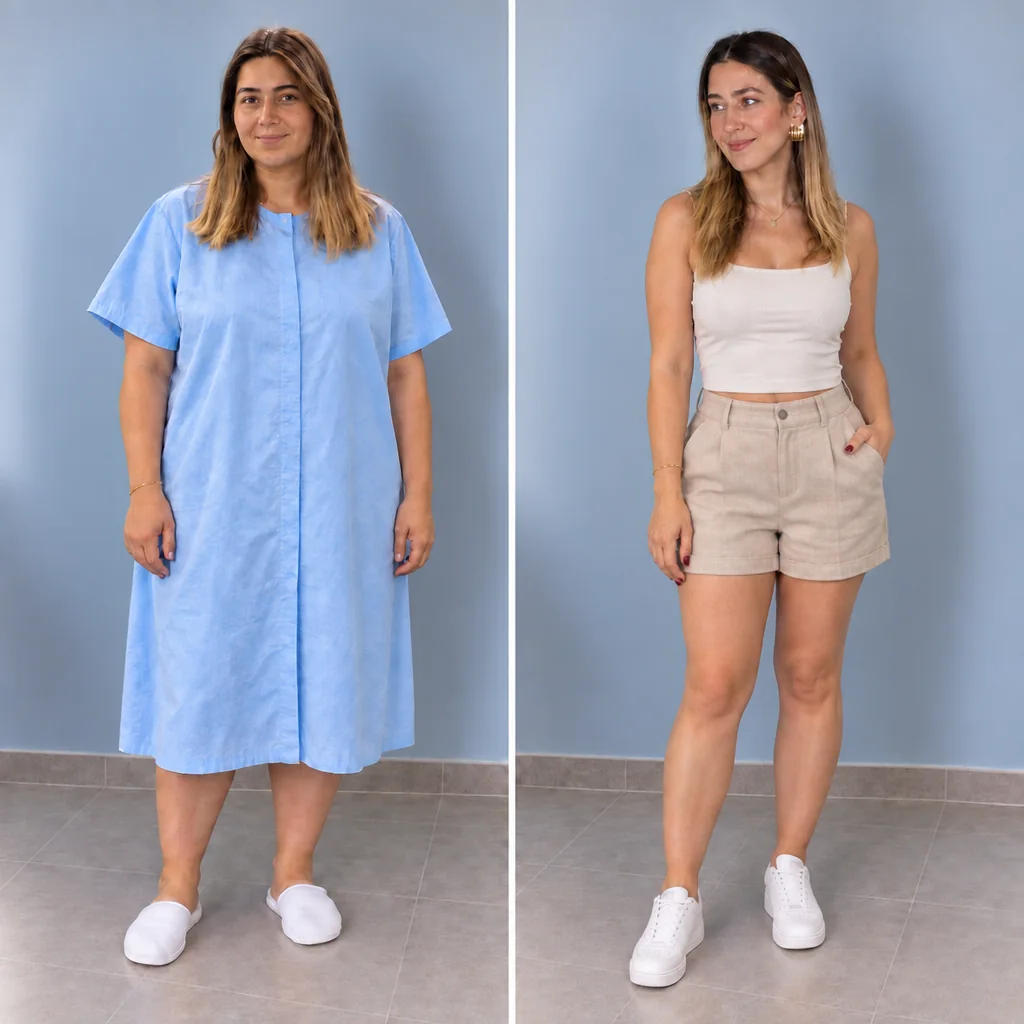 beforeafter
Bariatric surgery
Comparison
Our clinic focuses on two operations, the sleeve gastrectomy and the gastric bypass. Look at the mechanism, the aim and the indications of each before you confidently choose.
Less stomach volume
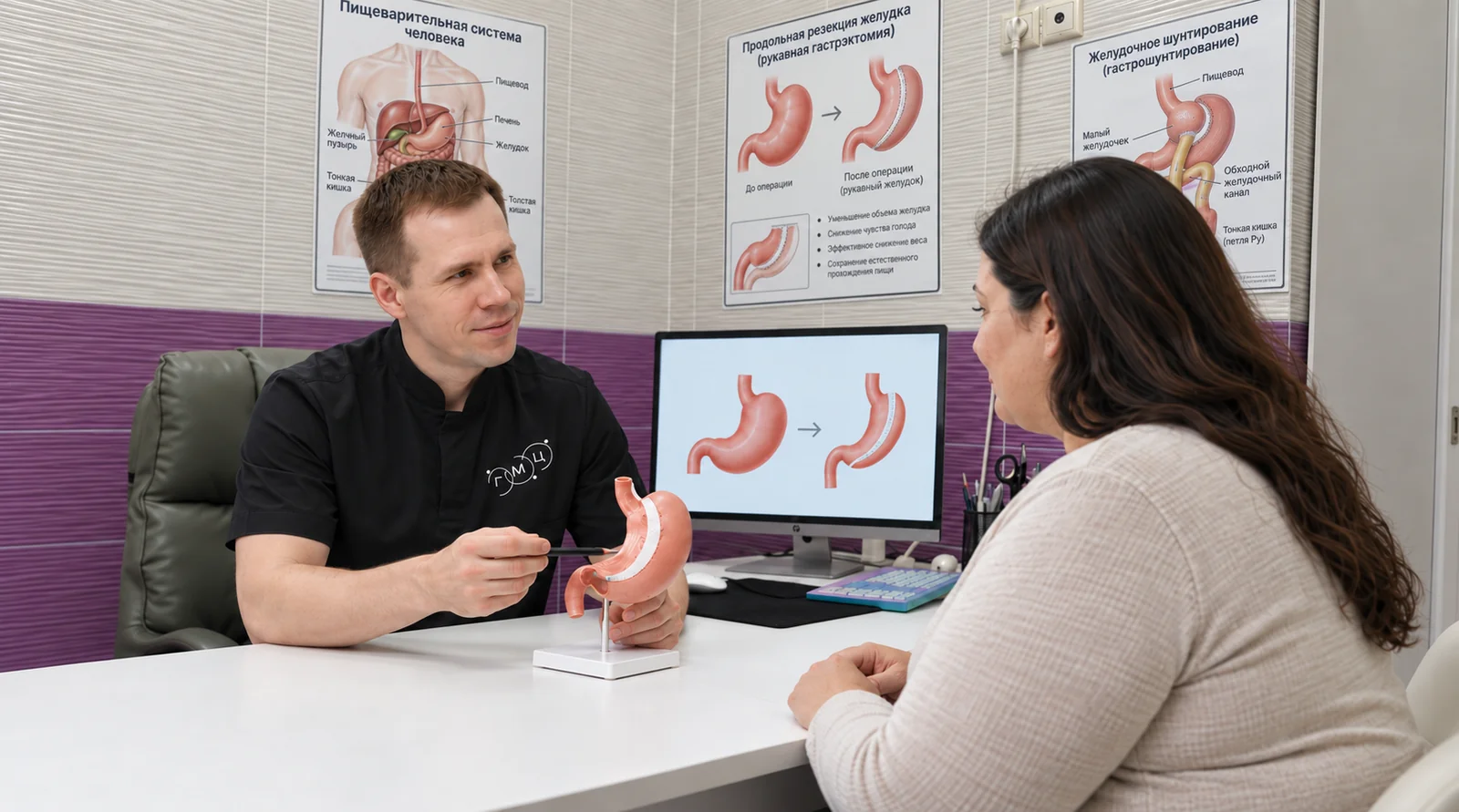
Discounted price
$3,600 $4,800
Reducing the stomach volume and rerouting food
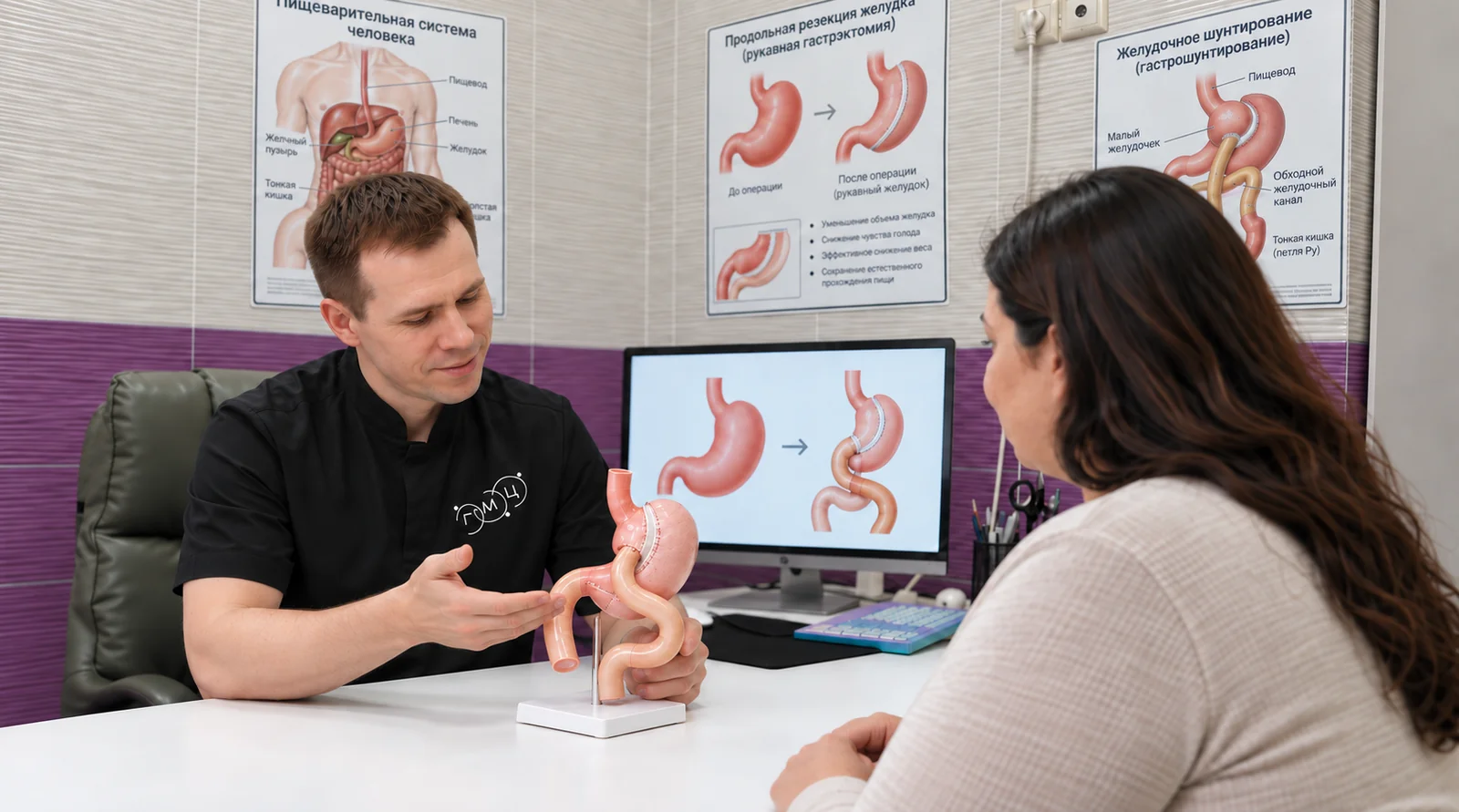
Discounted price
$4,000 $5,200
Recovery times and benefits are averaged for each method and shown for orientation. Your anatomy and individual features shape the extent of surgery and recovery, and the surgeon confirms both at the consultation.
Book a consultationInside the clinic
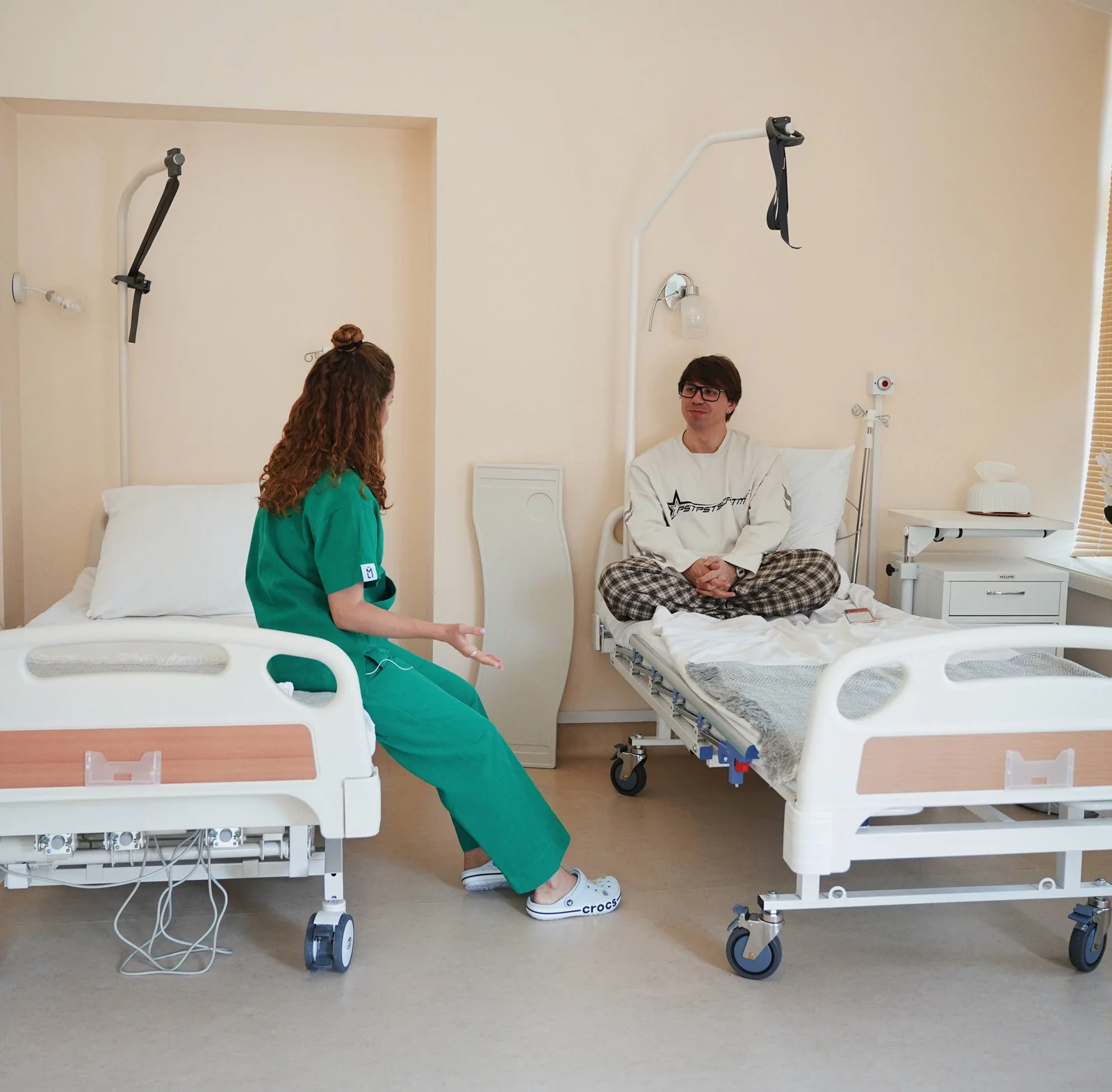
Modern technology, cosy rooms and personal attention for every patient
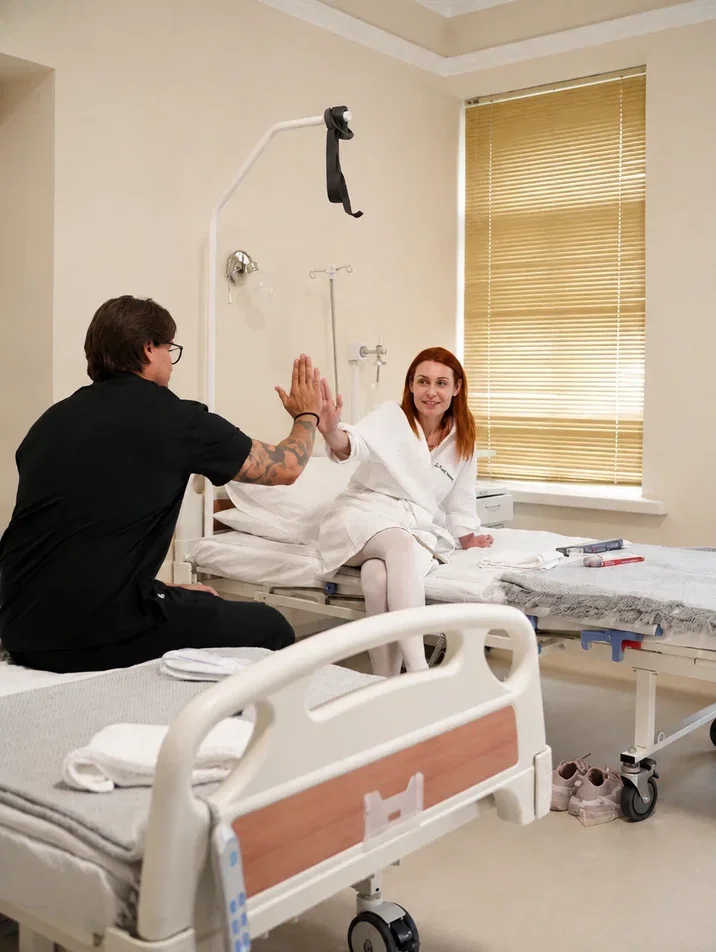
You get answers to your questions and a consultation slot that fits your schedule
Get a consultationWhether to have surgery is decided together with the surgeon after the consultation and check-up.
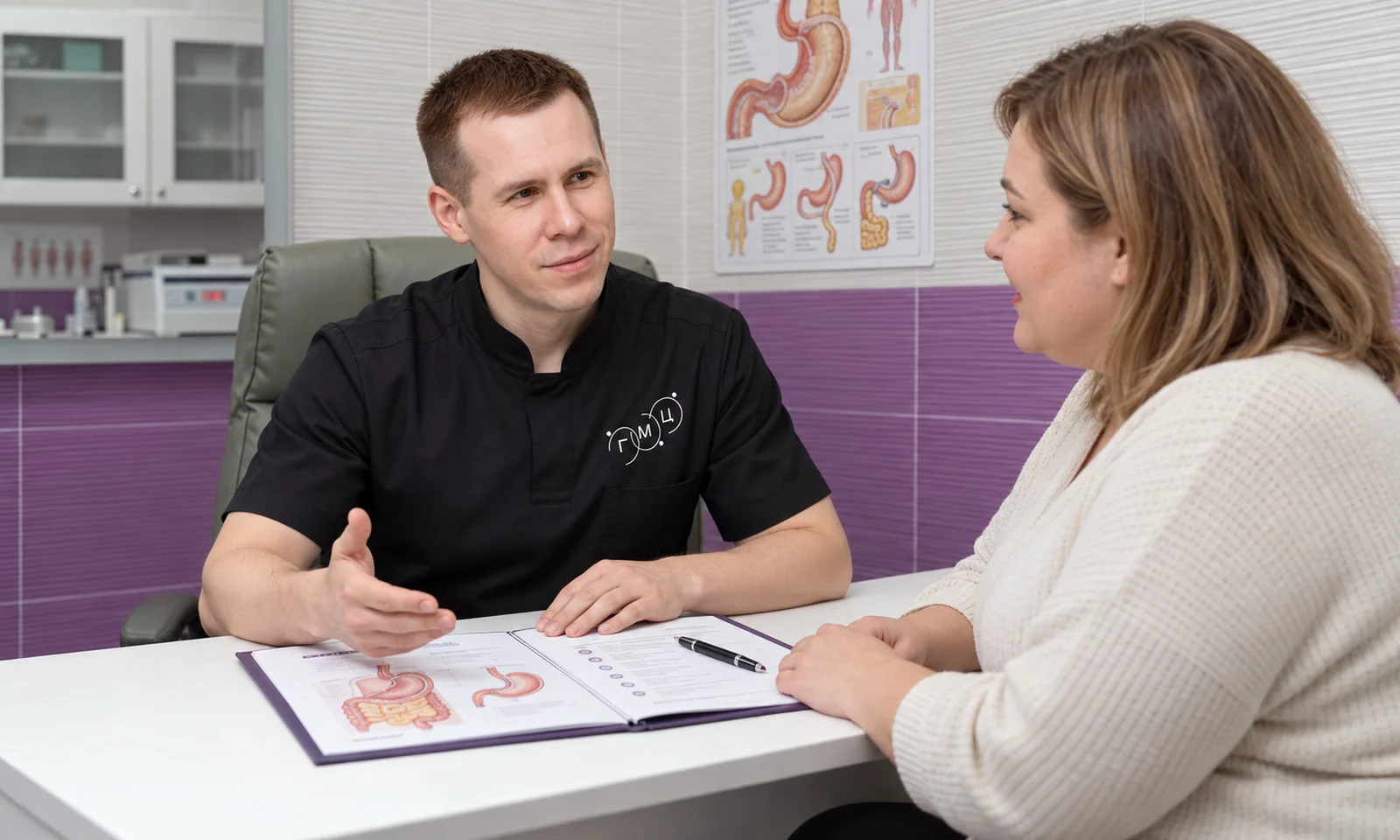
Not sure which group you fall into?
Message us on Telegram to learn from our coordinator whether bariatric surgery fits your case. The surgeon consultation is free of charge and does not bind you to surgery.
Find out if it suits me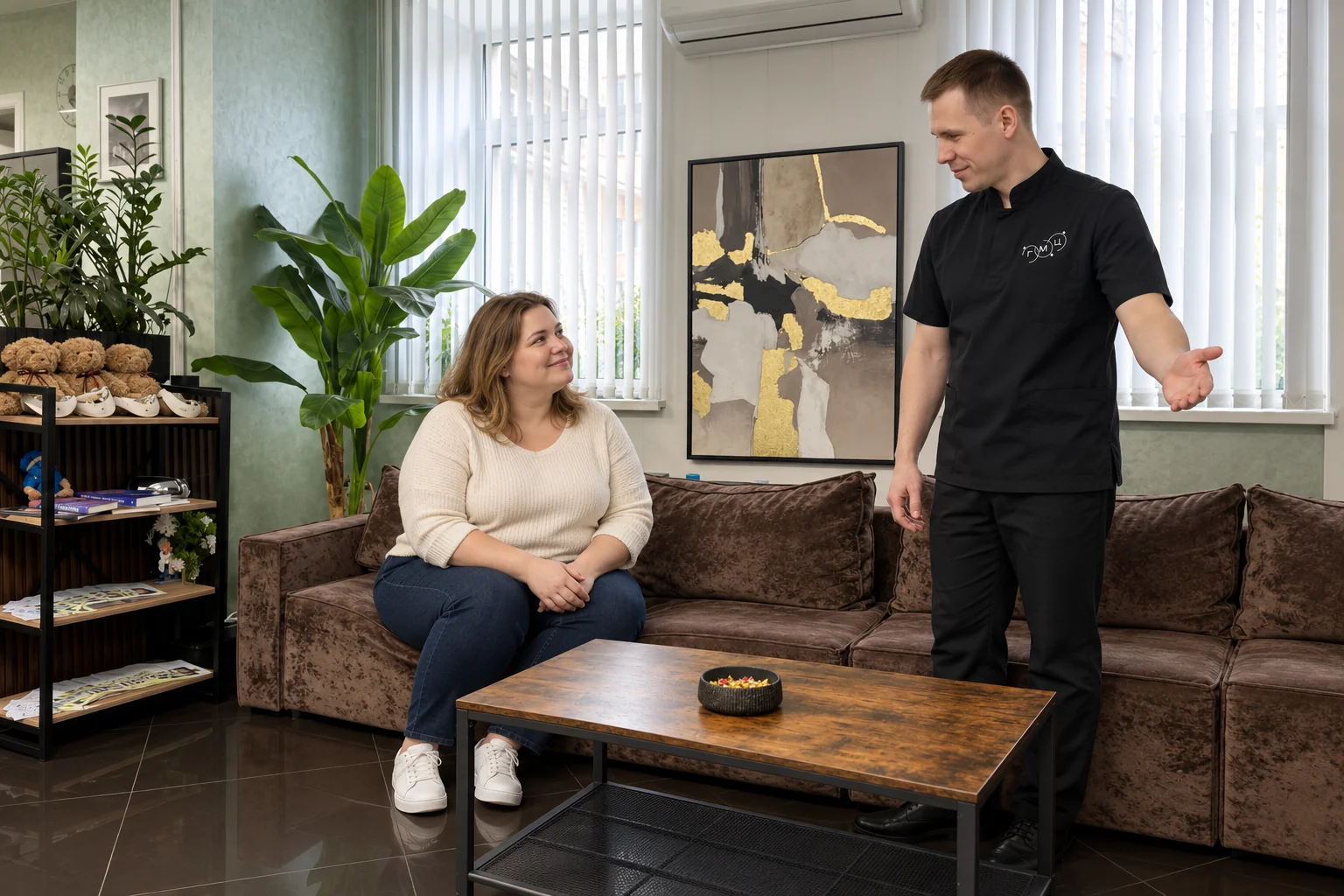
Prices
When your plan is prepared, the cost is named at the consultation and locked in the contract.
Discounted price
Less stomach volume
$3,600$4,800
Discounted price
Weight loss and rerouting food
$4,000$5,200
Free
Surgeon's examination and a treatment plan

Free
the cost of the operation is named
and recorded in the contract
Your doctor assesses your health, discusses your goals and chooses the appropriate bariatric surgery method. The consultation gives you the cost, which is fixed in the contract.
Message our coordinator
Free online consultation · Reply within 15 minutes
Message us on TelegramMessage us on WhatsAppBy messaging us, you agree to our Privacy Policy

price
From preparation to 12 months of support, all in one package. No added fees.Everything from surgery preparation
to support over 12 months.
How it works
A treatment plan agreed with you, hospital monitoring and a year of support.
 1
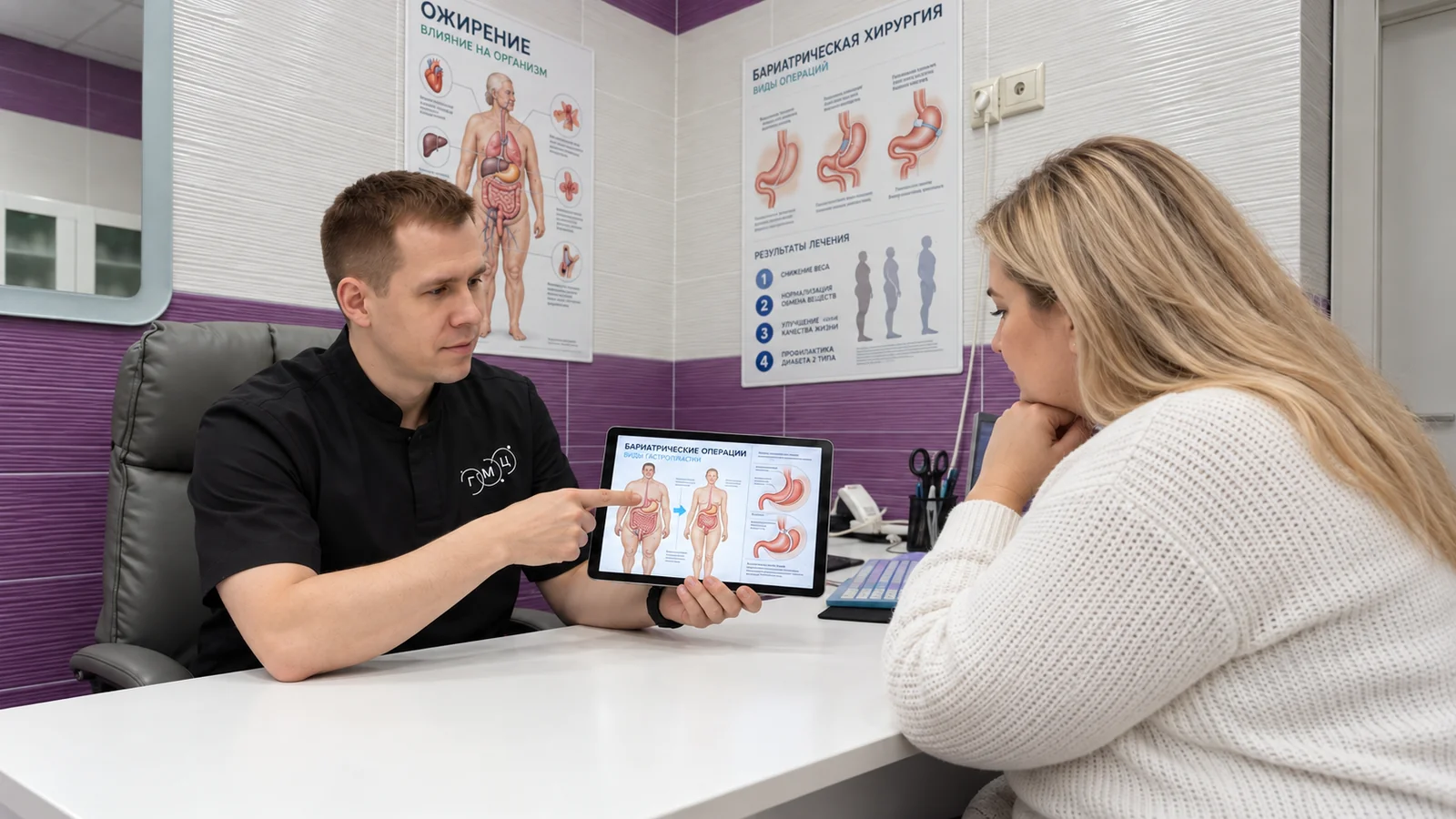
The doctor checks your health, goes over your goals and arranges the tests needed to choose a suitable bariatric surgery method.
2We hold a surgery date for you: pay the deposit by card at the clinic or online by bank transfer. The terms are set out in the contract for medical services
 3
At the consultation the doctor gives you the exact list of pre-surgery checks: blood and urine tests, an ECG, an ultrasound, a gastroscopy and visits to specialists.
 4
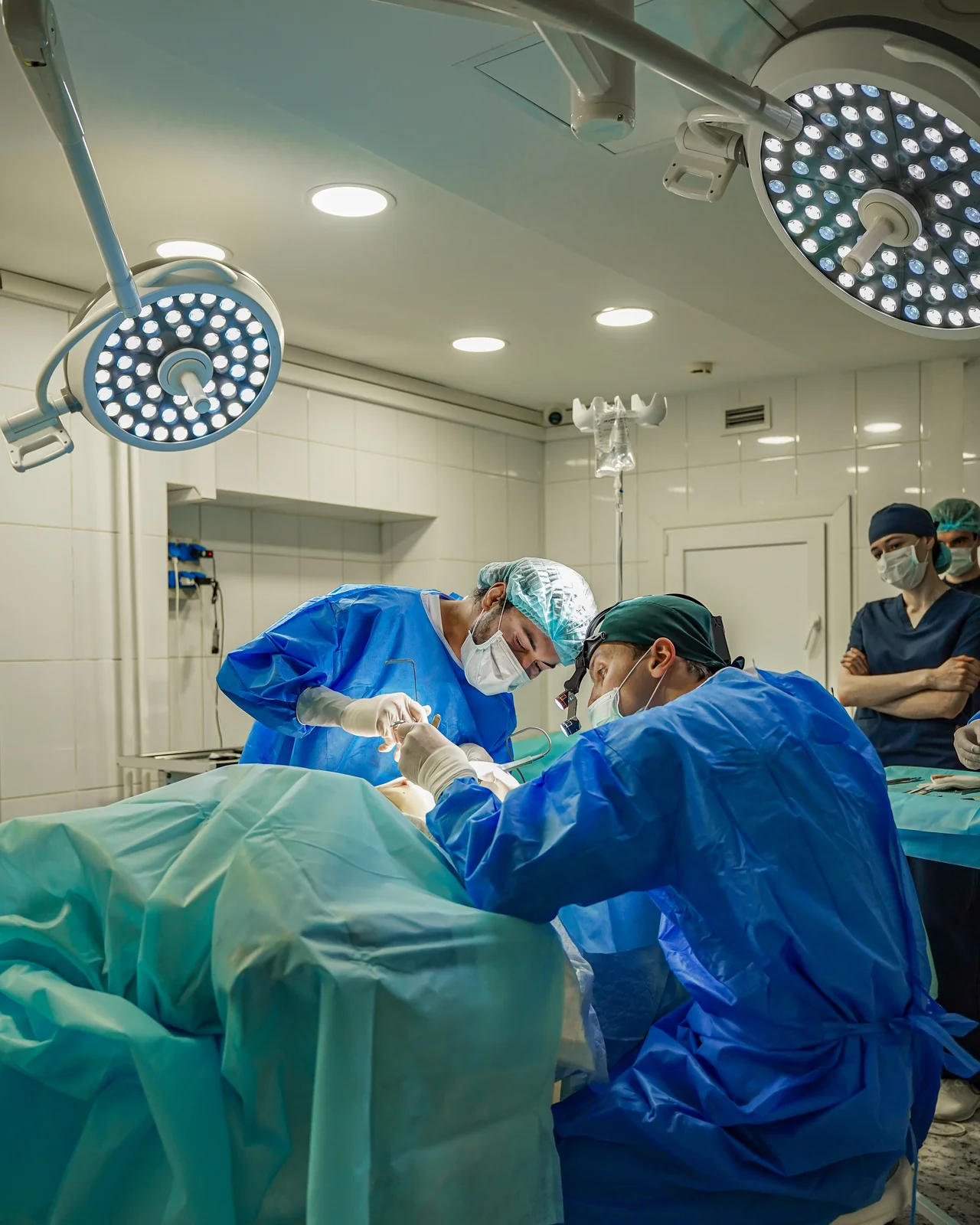
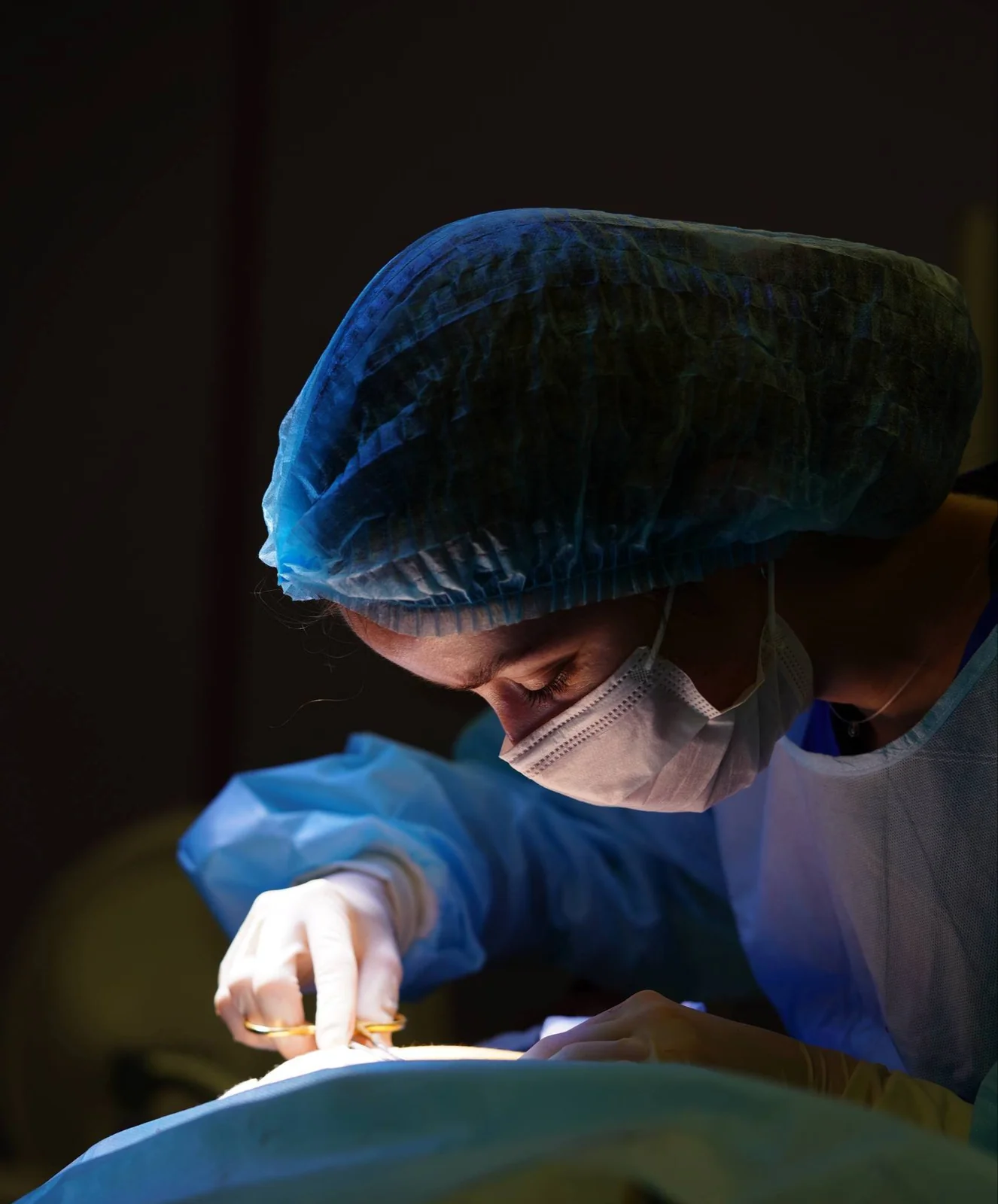
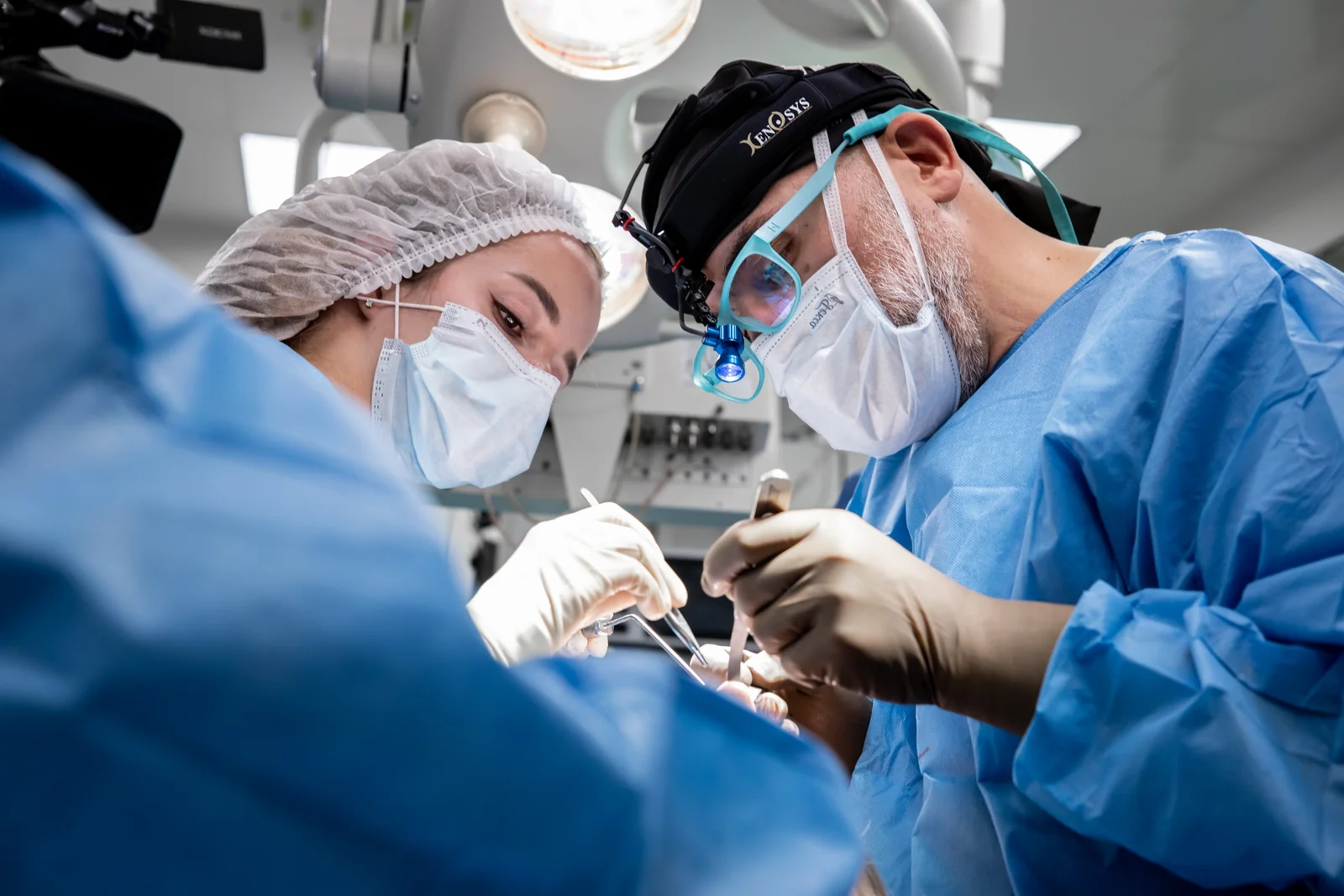
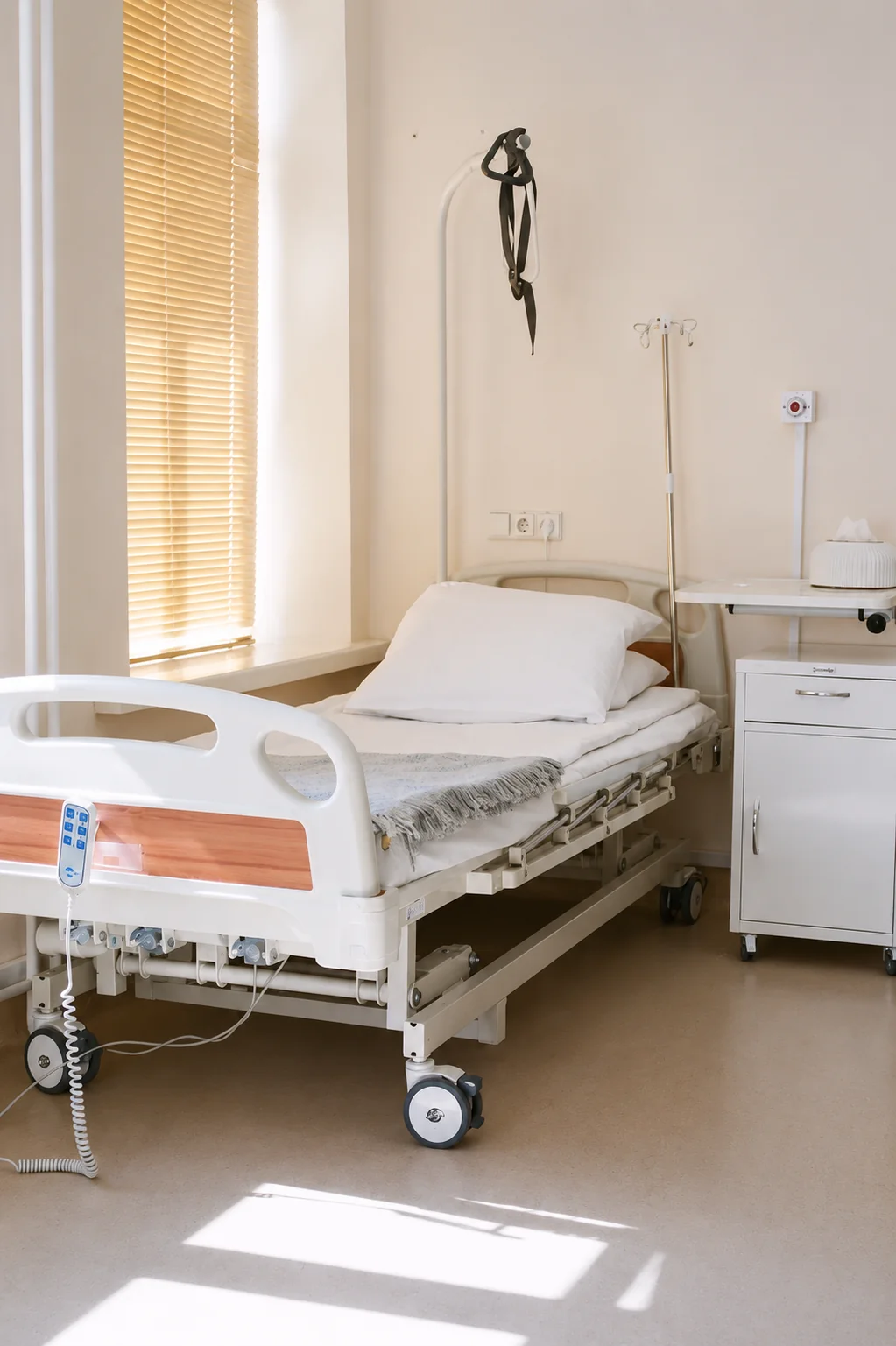
The bariatric operation is performed by the surgeon under general anaesthesia with the selected method. Afterwards the patient is monitored by the medical team.
 5
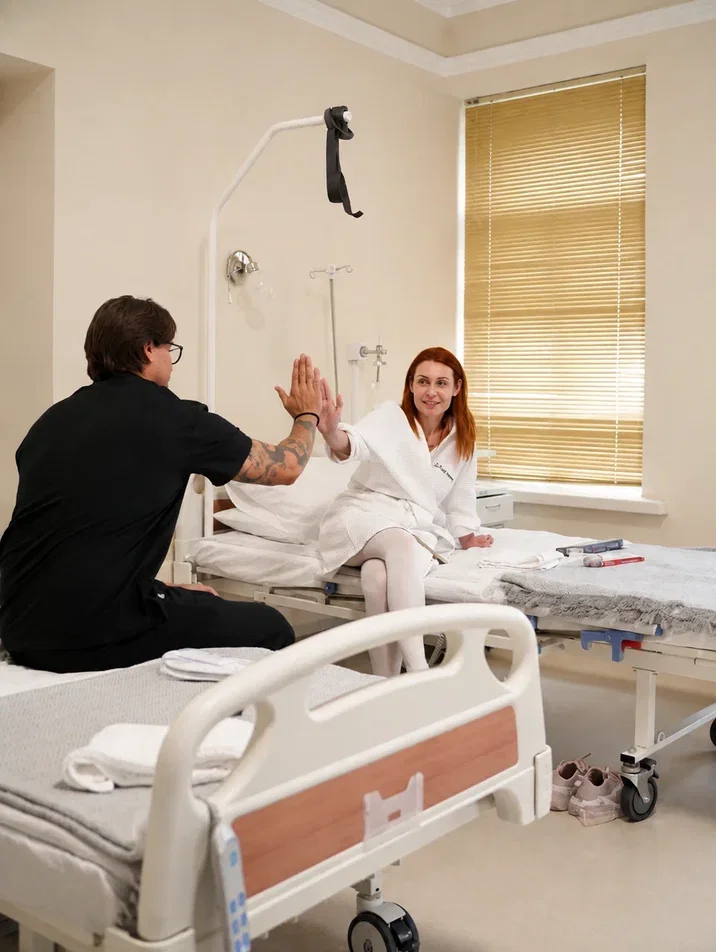
Following surgery you remain in hospital, supervised by doctors. The stay is from 1–3 to 4–5 days, depending on the operation's complexity and how you feel.
 6
The clinic team supports you for a year after discharge: you get advice on diet and recovery, and scheduled check-ups track your well-being, weight and test results.
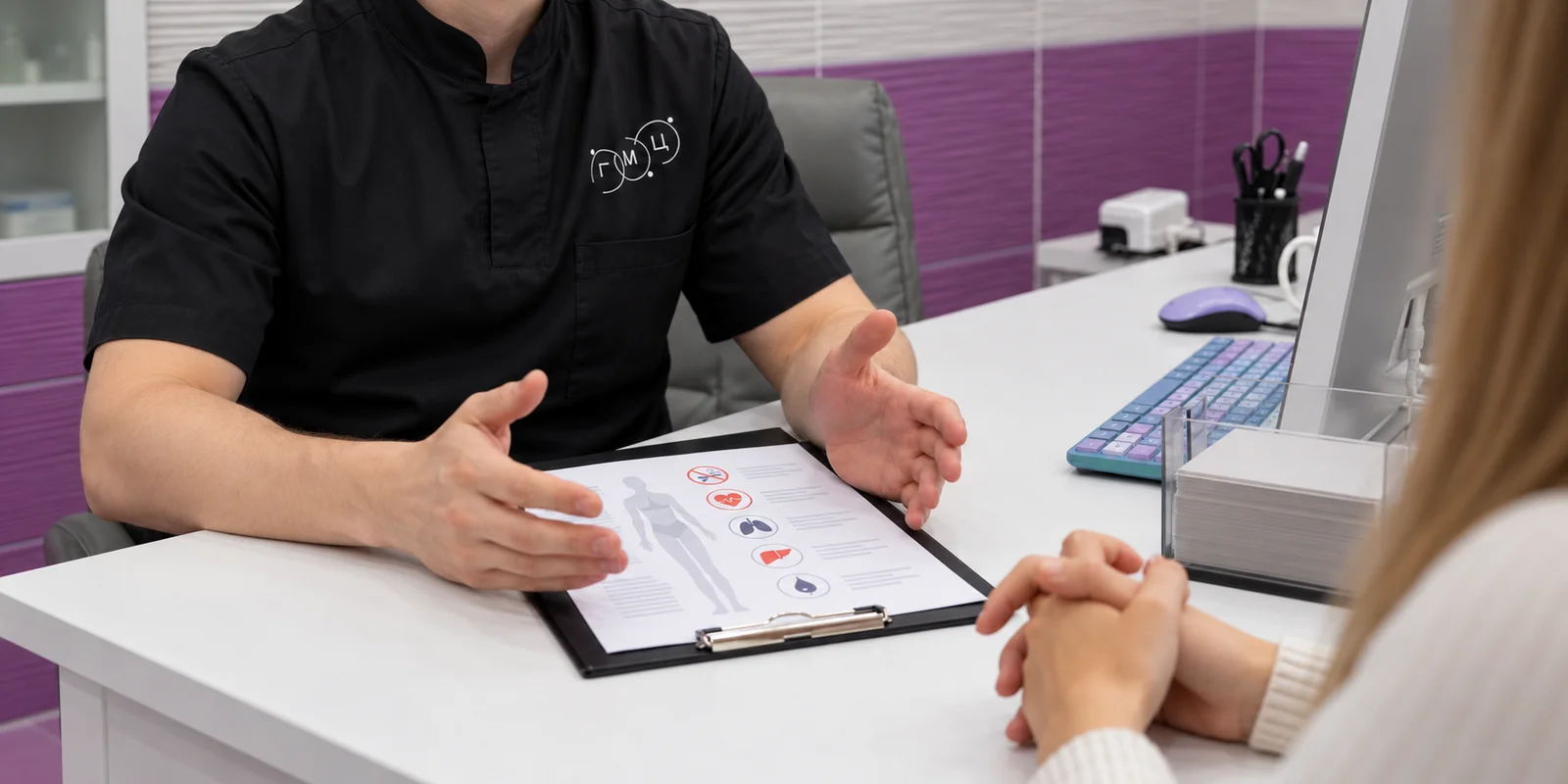
At the consultation the doctor draws up a plan and explains how the surgery will go
The consultation costs nothing, takes place before surgery and has no obligation.
Book a consultationDoctors
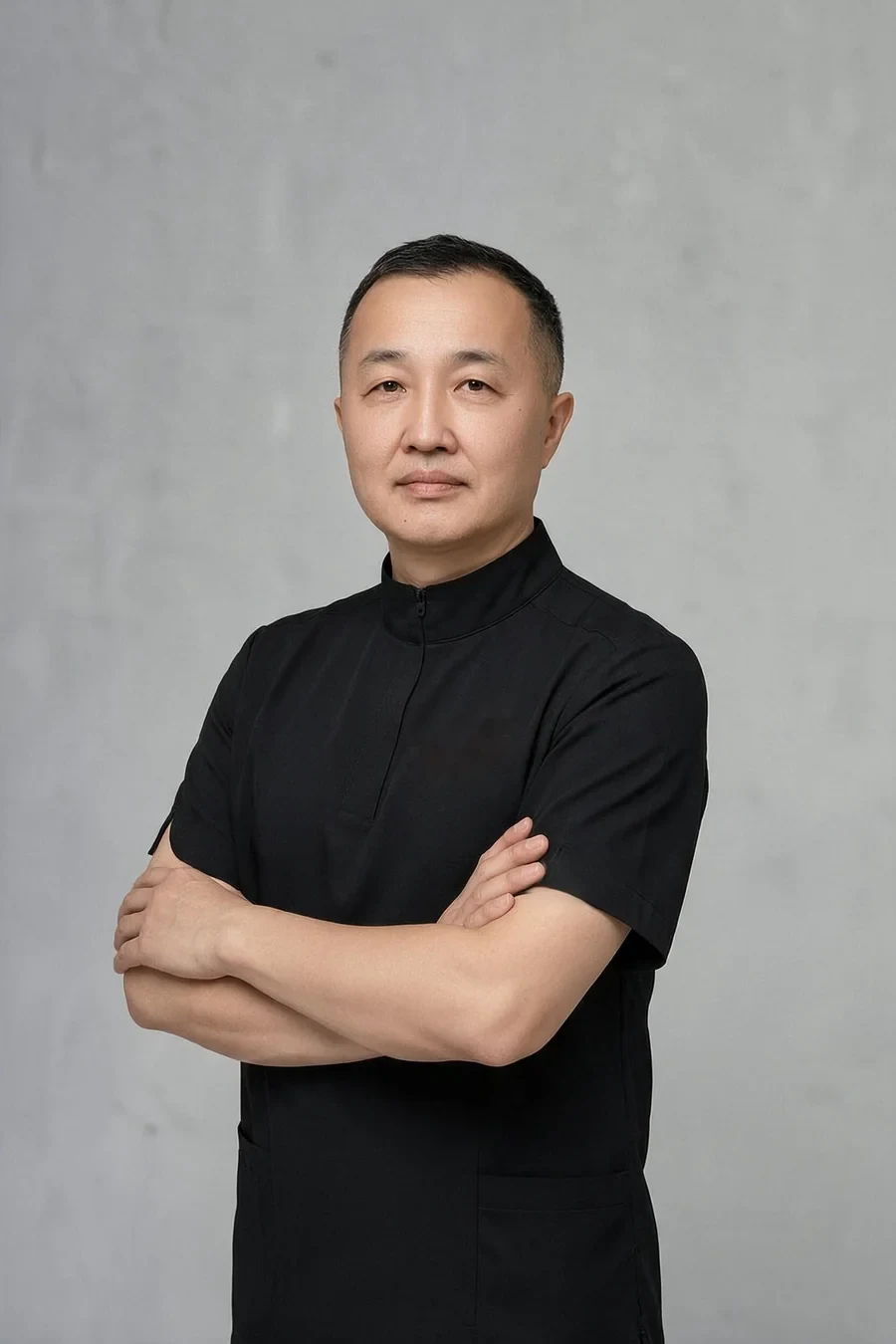
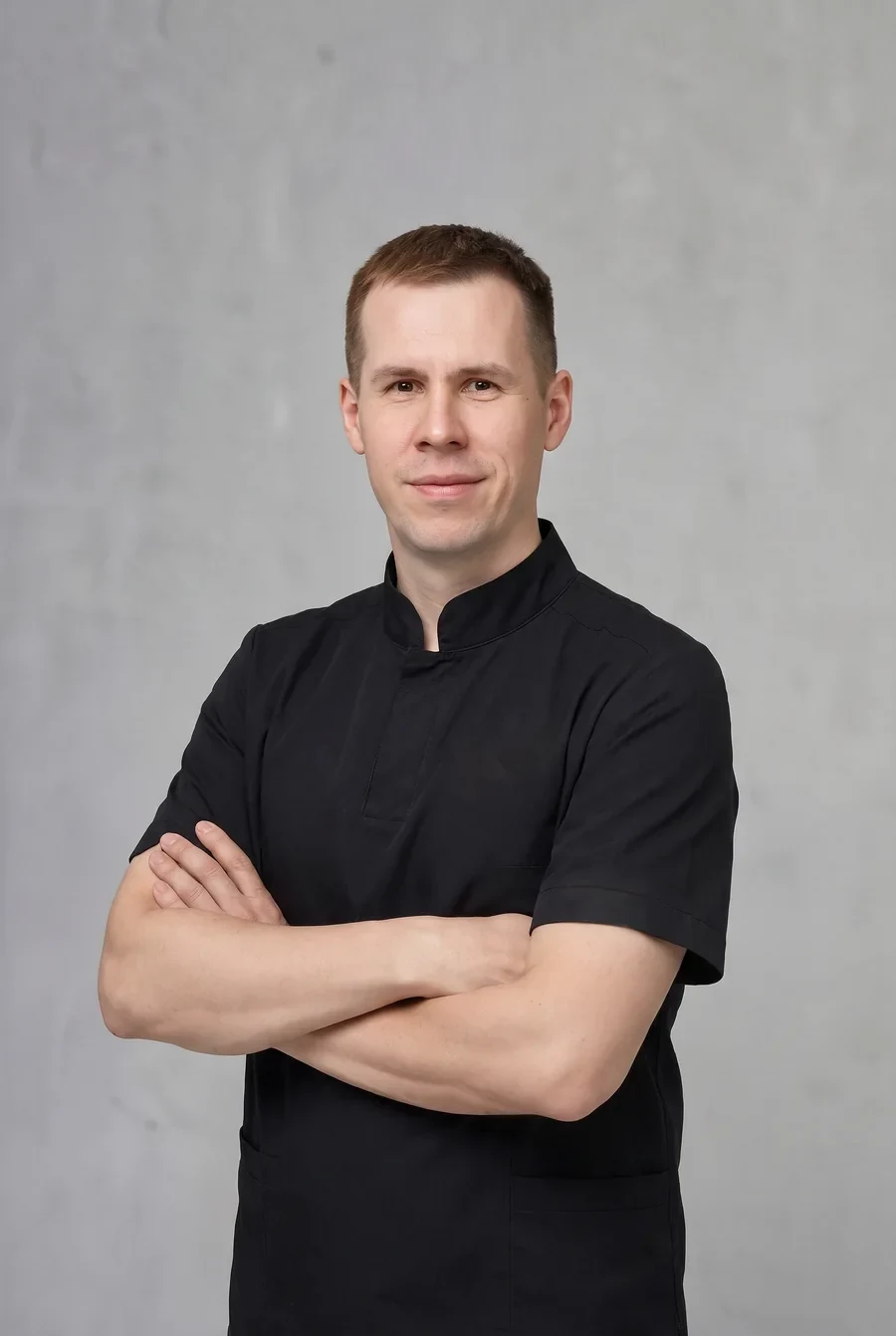
27 years of experience
Chief bariatric surgeon
Surgeon
9 years of experience
Bariatric surgeon
Surgical oncologist
Your surgeon carries out the operation and follows you from the first consultation to your result.
First you meet our patient care manager: they calculate your BMI, go over the methods and arrange your surgeon appointment. Free of charge.
Book a consultationCoordinators
Support at every step of the way

From the first message to the consultation, your first point of contact at the clinic
Patient care specialist
Answers your questions before the first consultation and helps select a date that works for you

Stays with you before and throughout your stay, from booking until discharge
Patient care specialist
Helps you prepare for surgery and stays in touch during your stay at the clinic

Stays with you during recovery, from discharge until your final check-up
Patient care specialist
Stays in touch during your recovery and schedules follow-up visits with the surgeon
Advantages
Our team is with you all the way, and we choose the method that best fits your health, lifestyle and goals.
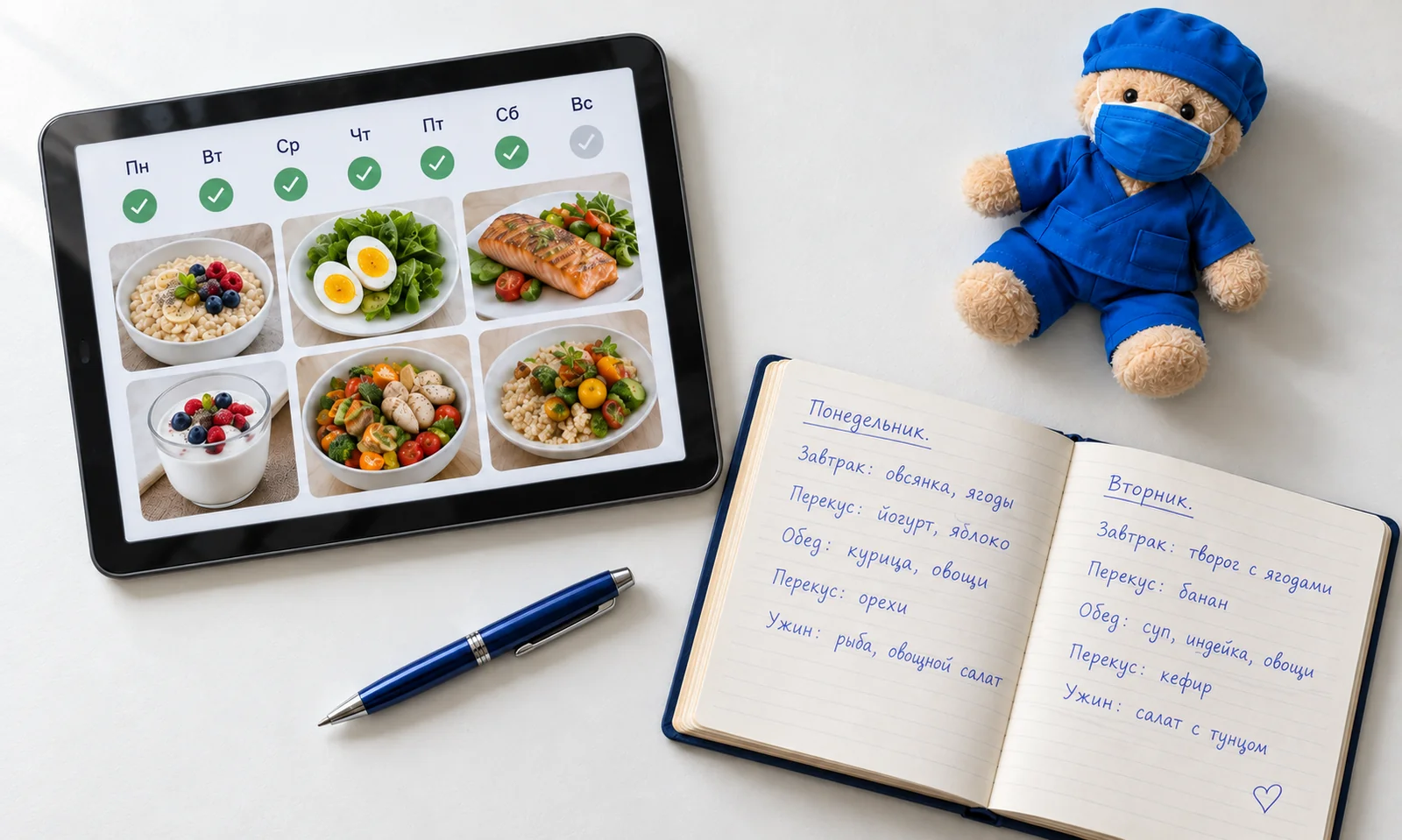
We help you adapt to new eating habits, track your results and keep them.
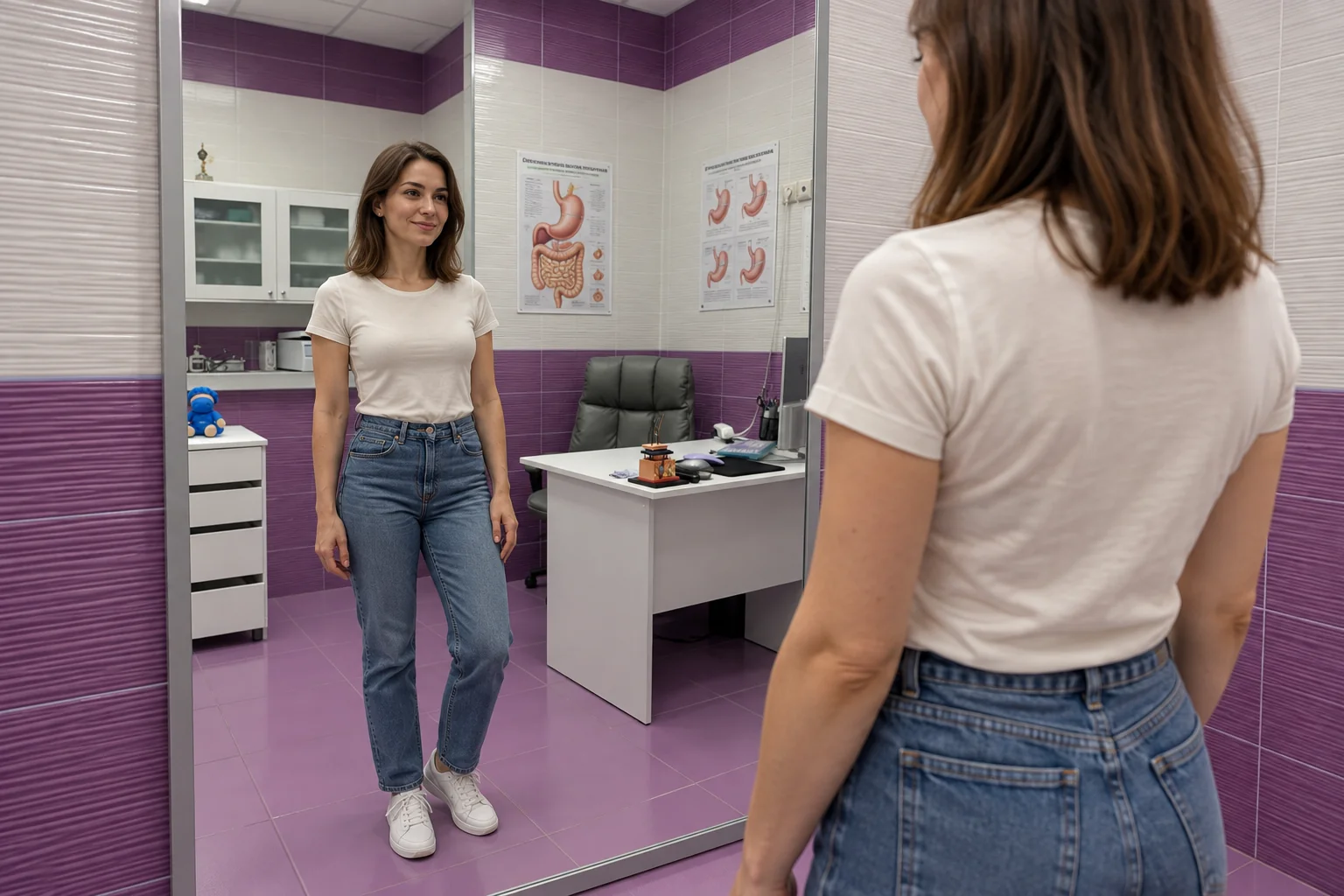
A higher quality of life, better well-being and steady weight loss.

Open 24/7, we respect your time with easy booking and a personal approach, adapting to your pace.
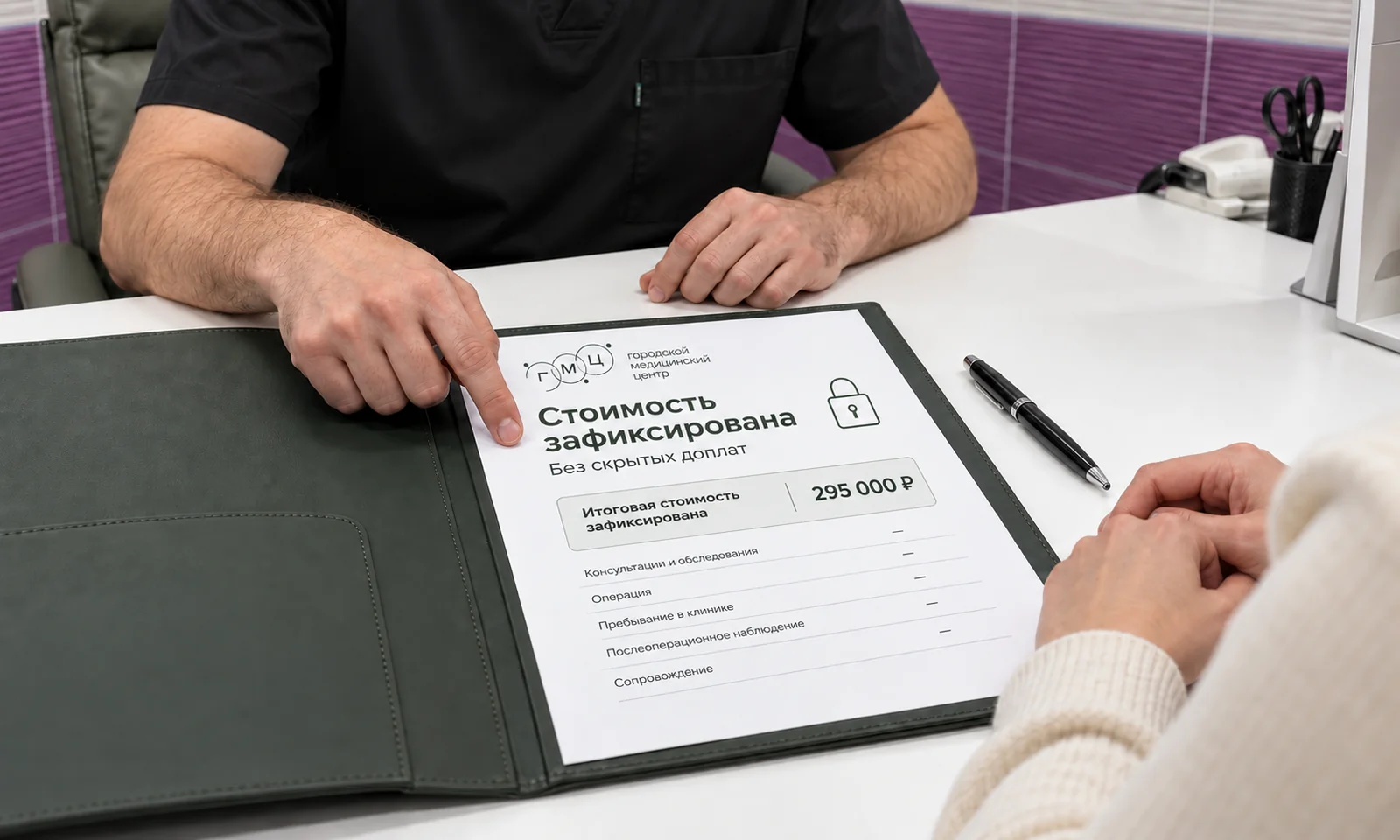
After your consultation, the method is chosen by the surgeon and the price is made clear — no hidden fees and no surprises before your result.
FAQ
At the clinic, bariatric operations are carried out by experienced bariatric surgeons:
Send us a message to have our coordinator contact you shortly and book your consultation; the bariatric surgeon consultation costs nothing.
Surgery is prescribed only when clear criteria are met
To gauge obesity, doctors rely primarily on BMI, which equals body weight (kg) divided by the square of height (m²). An operation is usually warranted with a BMI over 40, or over 35 with serious associated conditions. Occasionally surgery is weighed at lower values as well, once non-surgical options have failed.
It is common to confuse them, but their goals are fundamentally different. Bariatric surgery treats obesity and related diseases medically. By changing how the digestive tract works, it addresses the causes of excess weight and metabolism. Plastic surgery shapes the body's outer contours; it does not treat obesity and has no effect on metabolism.
At City Medical Centre there are four main types of bariatric surgery — sleeve gastrectomy, Roux-en-Y gastric bypass, mini gastric bypass (MGB) and SADI-S duodeno-ileal bypass. Every method is chosen individually from BMI, related conditions and the patient's goals.
Our approach is modern laparoscopic technique: 4 small punctures of 5 to 15 mm. We use cosmetic sutures, so the marks turn almost invisible after healing.
Recovery depends on what you do. Office work: after 2–4 weeks. Physical work: after 1.5 months. Sport and activity: swimming is allowed after 30 days, other exercise is added gradually as weight drops. Travel and holidays: best planned no earlier than a month after surgery.
Your diet changes step by step: from liquid food to soft and then to solid. The emphasis is on protein and on cutting high-calorie, fatty food.
Pregnancy after bariatric surgery is possible, but doctors advise waiting at least 12–18 months. During this time the body stabilizes, weight reaches target values and nutritional status normalizes.
Yes, after bariatric surgery vitamins are a must. The altered digestive anatomy reduces absorption of some nutrients, which makes regular vitamin and mineral supplements a permanent part of the patient's life.
Weight can be regained after bariatric surgery, but this is very unlikely with the doctor's advice followed. Proper nutrition, avoiding high-calorie drinks and regular follow-up with City Medical Centre specialists are crucial.
Prices are in US dollars; the amount in brackets is an approximate conversion to KES at the rate of 02.10.2026. The final price is fixed in your contract.
Prices start from $3,600 (≈ KES 470,000). The surgeon sets the final price at the free consultation, and it is fixed in the contract, with no hidden extras.
General anaesthesia, a personal coordinator from day one, monitoring in the hospital and support for one year.
The hospital stay is 1–5 days, depending on the method and how you feel. Office work is possible after 2–4 weeks.
Yes. The first consultation is free and does not oblige you to anything. You can start online by sending a message to the coordinator.
Message us on WhatsApp or Telegram using the buttons below. A coordinator will answer your questions and book a free consultation where the doctor names the exact price.
By messaging us, you agree to our Privacy Policy
Bariatric surgery is a medical treatment for obesity and related diseases. Unlike plastic surgery, it changes how the digestive tract works and addresses the causes of excess weight. For patients from Eldoret, four main methods are available: sleeve gastrectomy, Roux-en-Y gastric bypass, mini gastric bypass and SADI-S. Each is chosen individually based on BMI, related conditions and personal goals.
Preparation is practical. Two to four weeks before surgery, cut fast carbohydrates and fats; a month before, quit smoking, reduce physical activity and avoid stress. The day before, switch to light meals, with the last light meal in the evening and last fluids 3–4 hours before the operation. The same plan applies to everyone preparing for bariatric surgery in Eldoret.
One package covers the full journey, from consultation to final result. There are no separate charges added later: ward, meals, nursing care and coordinator support are included. To find out whether surgery suits you, patients in Eldoret can book a free surgeon consultation; the doctor reviews BMI, health and weight history and recommends a method.
What patients write after this operation. Reviews are translated from the original language.
Irina, 26
For a long time I doubted whether to go ahead with surgery, but after the consultation I felt much calmer. Andrey Georgievich explained in detail how gastric bypass is done, what to expect after the operation and how recovery would go. I especially liked that they talked to me calmly and without pressure. I am now gradually getting used to my new way of life and I am very glad I took this step.
Bariatric surgery
Doctor: Andrey G. Ugay
Angelina, 22
For me the hardest part was deciding to have the operation. At the consultation Ruslan Sergeyevich answered all my questions in detail and explained the specifics of sleeve gastrectomy and recovery. After the operation I always understood what I was doing and why. Thank you to the doctor and the whole team for their attentiveness.
Bariatric surgery
Doctor: Ruslan S. Menzulin
Anna, 31
For a very long time I tried to deal with my excess weight on my own, but I did not get the result I wanted. After the consultation with Andrey Georgievich I finally understood what to do next. I came through the operation well, and my recovery was supervised by the doctors. It was important for me to feel that I was not left alone after surgery.
Bariatric surgery
Doctor: Andrey G. Ugay
Veronika, 25
Before the operation I had many fears, mostly of the unknown. Ruslan Sergeyevich explained every stage of treatment in detail and answered even the simplest questions. Thanks to that I felt much more confident. I keep following the recommendations and I am gradually seeing the changes I had the operation for.
Bariatric surgery
Doctor: Ruslan S. Menzulin
Valentina, 23
The decision to have bariatric surgery was not easy for me. I worried both about the operation itself and about how my life would change afterwards. At the consultation Andrey Georgievich explained everything in detail, so little by little my fear turned into confidence. What matters most to me now is the result and the chance to treat my health and lifestyle differently.
Bariatric surgery
Doctor: Andrey G. Ugay
Anna, 27
I am very grateful to Ruslan Sergeyevich for his attentiveness. Before the operation I had a huge number of questions, and I got a clear answer to every one of them. After the operation it was also clear which recommendations to follow and how to eat. It was important to me that the doctor stayed in touch and I felt supported at every stage.
Bariatric surgery
Doctor: Ruslan S. Menzulin
Eldoret is a city in the Rift Valley region of Kenya and the capital of Uasin Gishu County. At the 2019 census it had 475,716 people, which made it the fifth most populated urban area in the country after Nairobi, Mombasa, Nakuru and Ruiru. It received city status on 15 August 2024. A place of this size has a wide mix of lifestyles: office and bank staff, factory workers, farmers, students, traders and people who spend their days in training. Weight problems appear in all of these groups, and more residents now ask whether bariatric surgery is a realistic option.
Bariatric surgery means operations such as sleeve gastrectomy and gastric bypass, which reduce the size of the stomach or change the route food takes, so that a person eats less and feels full sooner. The World Health Organization describes obesity as a chronic condition linked to many other diseases, and it is treated as a medical matter, not a question of willpower. Residents of Eldoret who have tried diets, exercise programmes and medication, and have seen the weight return, are the people who most often begin to look into surgery.
City Medical Centre works with patients from Eldoret through a free online consultation. A coordinator is available around the clock, 24/7, on Telegram and Telegram, so you can start the conversation in the evening after work or early in the morning, whichever suits the rhythm of your day. The aim of the first contact is simple: to understand your history, explain the two main operations and tell you what the next steps are.
Eldoret lies at more than 2,000 metres above sea level, and local elevation ranges from about 2,100 metres to more than 2,700 metres in nearby areas. The city has a subtropical highland climate with a moderate to cool character. Nights are cold, and in the cold season from May to August temperatures are regularly in the single digits Celsius. The warm season is the driest and the cool season is the wettest.
For recovery after a bariatric operation this is mostly a favourable background. You are not dealing with extreme heat, so wearing a compression garment, if the surgeon prescribes one, is usually comfortable, and light layered clothing works well on cool mornings. The cooler months suit a quiet convalescence at home: you can rest, walk gently and keep to your meal plan without sweating or dehydrating in the heat. During rainy spells, plan your short walks around the weather and keep clean, dry footwear by the door, so that a wet path does not become an excuse to stay immobile.
Cold evenings call for a different kind of attention. Warm drinks are comforting, but in the first period after surgery the surgeon and the dietitian set the order in which liquids and foods are introduced, so follow their plan and not habit. Sun exposure in the highlands can be strong during the dry warm season even when the air feels mild, so protect the small healed marks on the abdomen from direct sun and wear a hat when you walk outdoors. This is general advice; your own surgeon gives the exact instructions.
There is no single correct month, but the local calendar helps you plan. The dry warm season makes it easier to move around, to walk daily and to reach follow-up appointments without weather problems. The cool, wet season, with its cold May to August period, favours staying at home and resting, which suits the first days after discharge. Both seasons are workable; the more important question is when you can free your schedule.
Think about the farming and trading rhythm of Uasin Gishu, whose economy is driven by large-scale grain farming, dairy and horticulture. If you work in agriculture, agribusiness or in one of the many factories in town, check the busiest weeks of your year and avoid placing the operation in the middle of them. Office work is possible again after 2–4 weeks, and physical work after 1.5 months, so a person who manages a farm or a workshop should plan a longer pause than a person who works at a desk.
Students at the universities in the city can look at the academic calendar in the same way. A quieter period between terms or around examinations that are already finished gives time to rest without falling behind. Whatever you choose, tell the coordinator about your plans during the online consultation, and the team will help you fit the preparation, the hospital stay and the follow-up around them.
Food in a farming region is closely tied to family life. Eldoret sits among grain, dairy and horticultural land, so maize, milk, vegetables and shared meals are part of everyday routine and of social events. After sleeve gastrectomy or gastric bypass, portions become much smaller and the order of foods matters, so planning in advance is essential. Speak to your family before the operation and explain that you will eat less, eat slowly and will not be able to accept a second plate out of politeness.
Weddings, church gatherings, school events and family visits are the occasions where pressure to eat is strongest. It helps to decide beforehand how you will take part: arrive after the main meal, take a small portion of what the dietitian allows, and keep water or an approved drink with you. In the early weeks the plan is stricter, so it may be wiser to postpone big events and join when your diet has broadened.
Cooking at home becomes the main tool. Steaming, boiling and baking are easier on a healing stomach than frying, and protein sources such as dairy, eggs, fish and legumes will probably be important, though the exact list comes from your medical team. Ask the surgeon and the dietitian for a written step-by-step plan, and share it with whoever cooks in your household. Doctors supervise you in hospital after surgery for a stay of 1–3 to 4–5 days, depending on the complexity of the operation and how you are feeling, and the nutrition plan is explained before you go home.
Eldoret is a manufacturing and trading town, and it is home to Moi University and the University of Eldoret, along with many other campuses and technical institutes. The city hosts the largest university student population outside the capital. That means many readers of this text are students or young professionals who ask the same practical question: when can I go back to my routine?
The medical facts are clear. Recovery time depends on the activity. Office work is possible after 2–4 weeks. Physical work is possible after 1.5 months. For study, a seated lecture schedule is closer to office work, but long days on campus, carrying books and walking between buildings are tiring at first, so it is sensible to return gradually and keep a water bottle and permitted snacks in your bag.
Sport has a special place in Eldoret. The city and its surroundings are known as a home and training ground of many Kenyan distance runners, and the high altitude attracts athletes to training centres. Many residents jog, play football or rugby, or cycle for pleasure. After bariatric surgery, swimming is allowed after 30 days, and other exercise is added gradually as weight goes down. Do not rush back to a running group or a team match. Begin with walking, then add effort in steps agreed with your surgeon. At altitude you may feel breathless sooner when you are still recovering, which is one more reason to go slowly.
Surgery is usually considered with a BMI over 40, or over 35 with related health conditions. BMI is the main tool for assessing the degree of obesity: you divide body weight in kilograms by height in metres squared. In some cases surgery is considered at lower values too, if non-surgical approaches have failed. The surgeon confirms whether surgery suits you at the consultation, and this decision is never made from a number alone.
In general terms, candidates are adults who have struggled with weight for a long time, have tried supervised non-surgical methods, understand that surgery is a tool and not a magic solution, and are ready to change eating habits and attend follow-up. Conditions often linked with obesity, such as type 2 diabetes, high blood pressure, sleep apnoea and joint pain, are part of the assessment and may make the case for surgery stronger.
Some situations call for caution or for a delay: untreated serious illness, unstable mental health, active substance dependence, an inability to follow the diet and vitamin schedule, or pregnancy. Getting pregnant after bariatric surgery is possible, but doctors advise waiting at least 12–18 months, so the body can stabilize, weight can reach target values and nutritional status can normalize. If you are a woman in Eldoret planning a family, discuss this timing openly at the first consultation.
To prepare for the conversation, note down your height and weight, past attempts at weight loss, current medicines, chronic conditions and earlier operations. Reports from local laboratories or clinics in your city are useful; the team will tell you which tests are needed.
The first step is free and online. You write to the coordinators on Telegram or Telegram, and they work 24/7, so booking is easy, the approach is personal and the team adapts to your pace. A coordinator will call you back 24/7 if you leave a request. You do not need to leave Eldoret to start: documents, photographs of reports and questions are all exchanged remotely.
During the video or phone consultation the surgeon reviews your history, calculates your BMI together with you, discusses your health conditions and explains whether sleeve gastrectomy or gastric bypass looks more suitable. The two operations differ in how they work, in the diet that follows and in the way they affect absorption of nutrients, so ask the surgeon to compare them using your own situation.
The centre offers a package that runs from preparation to 12 months of support, all in one package with no added fees. Follow-up support for 12 months matters because most difficulties arise after discharge, when you are back in your normal life in Eldoret and need advice on food, vitamins, activity and mood. Ask how contact is organised after the operation, how quickly questions are answered and what you should do if you feel unwell at night. Given that the city is the second largest medical destination in Kenya, you may also wish to arrange routine blood tests locally; ask the coordinator how those results should be shared with the surgical team.
The operation is performed under general anaesthesia. The team relies on modern laparoscopic technique, and the operation is performed through 4 small punctures of 5 to 15 mm. Cosmetic sutures are used, so after healing the marks are barely visible. For a person who wears fitted clothes at work or sports kit at training, this is a practical advantage compared with open surgery.
The hospital stay is 1–5 days, depending on the method and how you feel; you remain under observation for 1–5 days. Doctors supervise you after surgery, check your condition, introduce fluids and explain the first steps of the diet. After discharge you return to the rhythm of your household, but with strict rules about portions, chewing, fluids and supplements.
The effect on weight develops over time. The result is judged 18–24 months after surgery, so it is wise to think of the first year and a half as a period of learning, not a race. Weight loss will be fastest at the beginning and then slow down. Keep a simple diary of meals, weight and how you feel, and bring it to follow-up conversations. In a city where so many people measure progress with a stopwatch, you can apply the same discipline to your own recovery, with patience as the main training principle.
A good consultation is a conversation in both directions. Prepare your questions in advance and write them down. Ask why the surgeon recommends one operation over the other for you, what the recovery will look like in your daily routine in Eldoret, and what the typical complications are and how they are recognised and managed.
Ask about the diet in practical terms: what you will eat in the first days and weeks, when you may return to normal family meals, which foods to avoid and which supplements you will need to take. Ask how often follow-up contacts occur during the 12 months of support, what tests will be needed and how local results can be sent to the team.
Ask about work and activity for your own job: whether you can manage a desk job after 2–4 weeks, how long to wait before heavy physical work, when to restart sport and when swimming is allowed. Ask what to do if you plan pregnancy, if you take chronic medicines, or if you have had other surgery. Finally, ask what you must do before the operation to prepare, since preparation is part of the package. A confident surgeon will welcome these questions.
Yes. The first consultation is free and online. You contact the coordinators on Telegram or Telegram, they are available 24/7, and you can send your documents and questions remotely.
Usually a BMI over 40, or over 35 with related health conditions. In some cases surgery is considered at lower values too, if non-surgical approaches have failed. The surgeon confirms whether surgery suits you at the consultation.
Divide your body weight in kilograms by your height in metres squared. BMI is the main tool for assessing the degree of obesity, but the surgeon also looks at your overall health.
The operation is done under general anaesthesia. The hospital stay is 1–5 days, depending on the method and how you feel, and doctors supervise you throughout.
The operation uses laparoscopic technique through 4 small punctures of 5 to 15 mm. Cosmetic sutures are used, so after healing the marks are barely visible.
Office work is possible after 2–4 weeks. Physical work is possible after 1.5 months. Your surgeon will adjust this to your condition and the demands of your job.
Swimming is allowed after 30 days. Other exercise is added gradually as weight goes down. In Eldoret, where running and team sports are popular, it is best to build up slowly and follow the surgeon's advice.
It is possible, but doctors advise waiting at least 12–18 months, so the body can stabilize, weight can reach target values and nutritional status can normalize.
The package runs from preparation to 12 months of support, all in one package, with no added fees. Follow-up support for 12 months helps you with diet, activity and questions once you are home.
The result is judged 18–24 months after surgery. Weight changes most quickly in the beginning and then more slowly, so patience and regular follow-up are important.
Page medically reviewed by Andrey G. Ugay, lead bariatric surgeon. Review date: .