
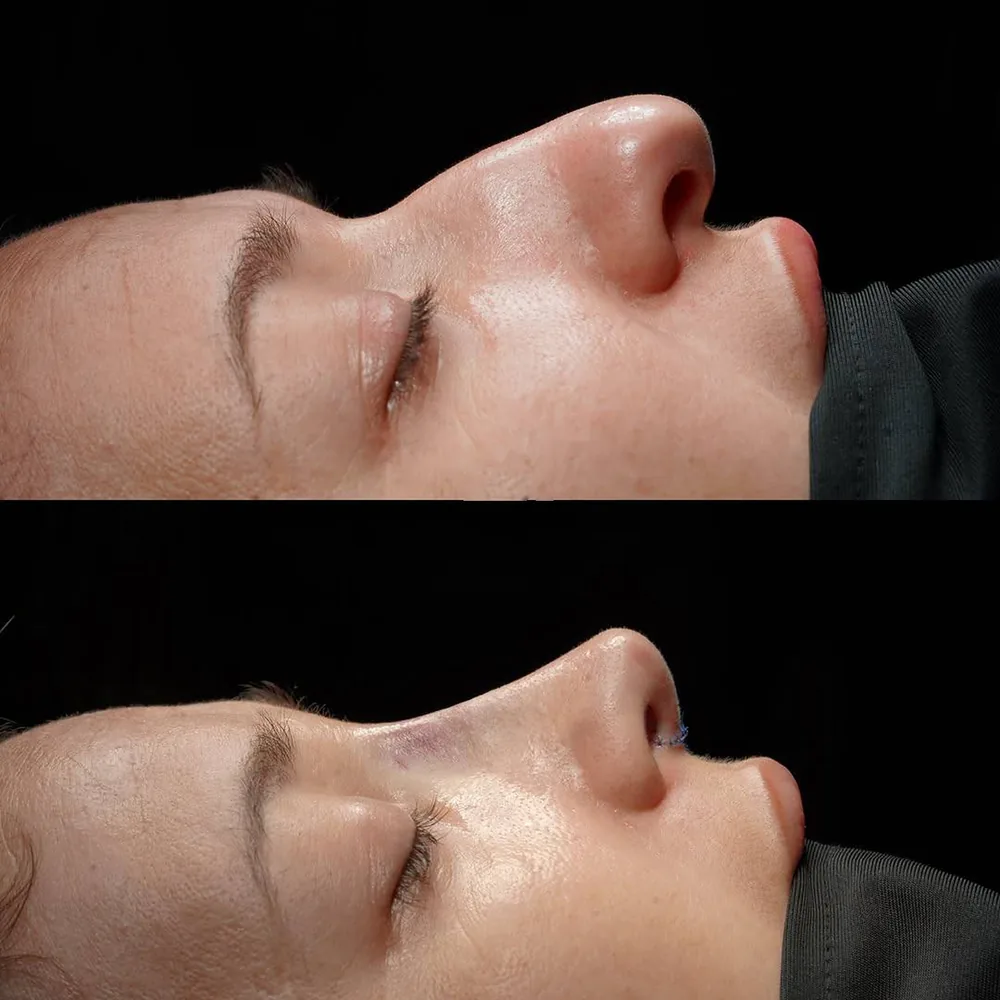
 beforeafter
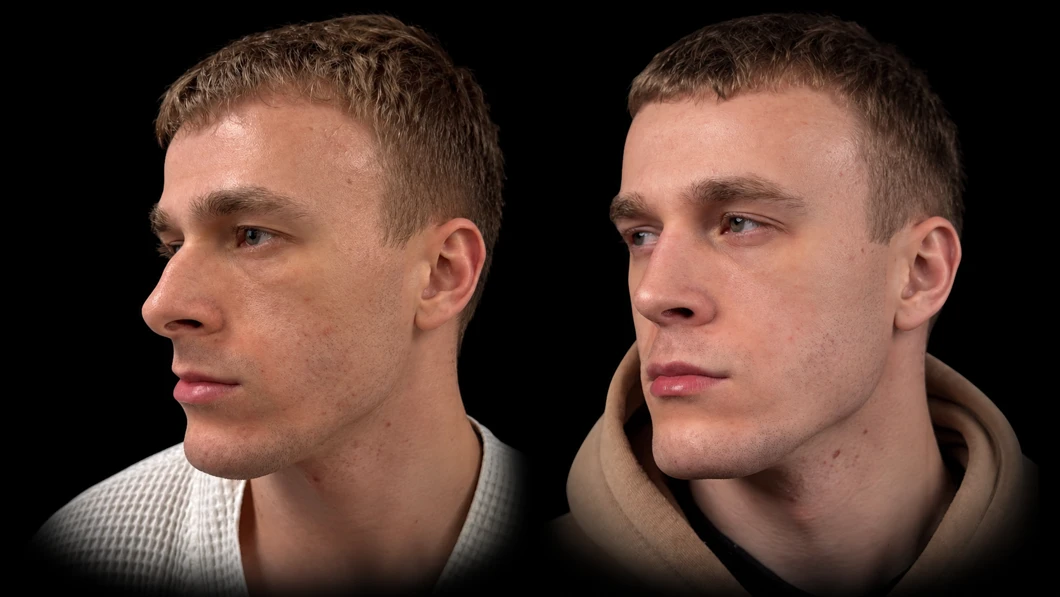
Irina, 24
Rhinoplasty
Rhinoplasty
$4,200
Instead of $6,000 (≈ KES 780,000) · First consultation — Free
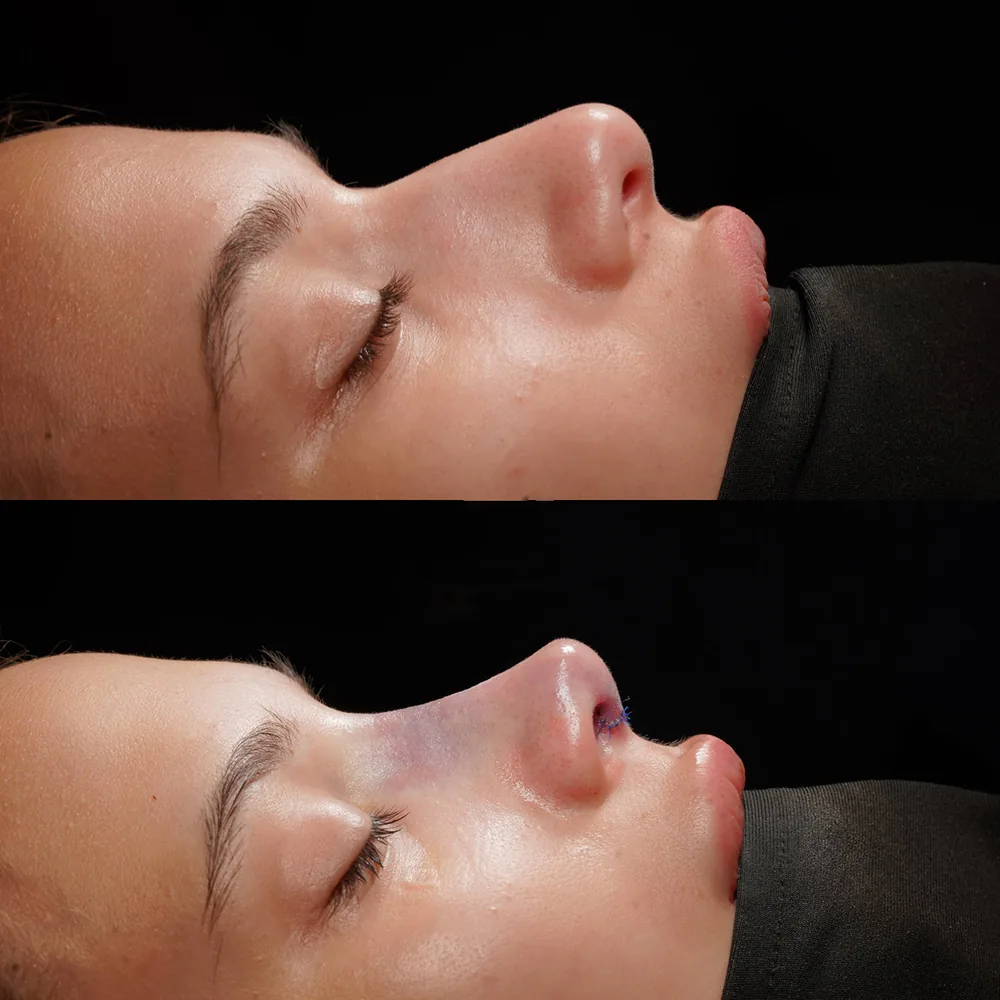 before
after
Message our coordinator
Free online consultation · Reply within 15 minutes
Message us on TelegramMessage us on WhatsAppBy messaging us, you agree to our Privacy Policy
Results
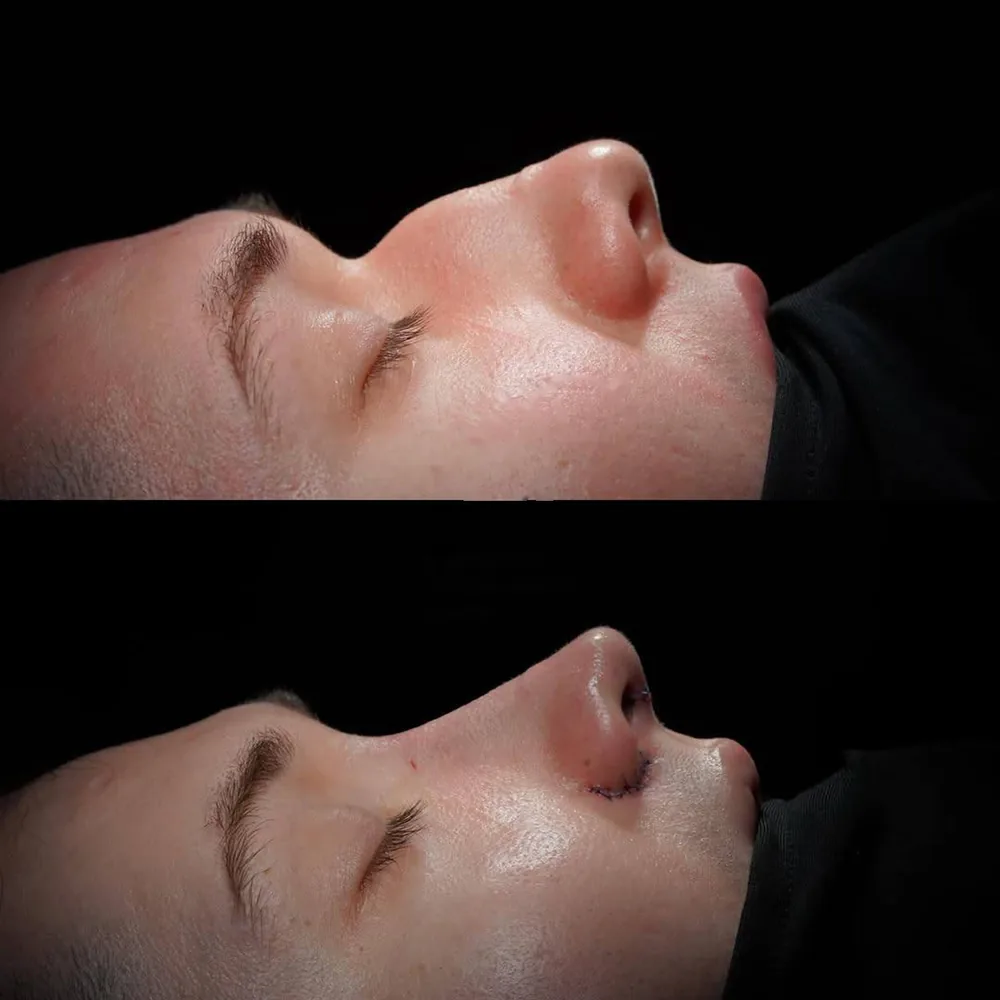
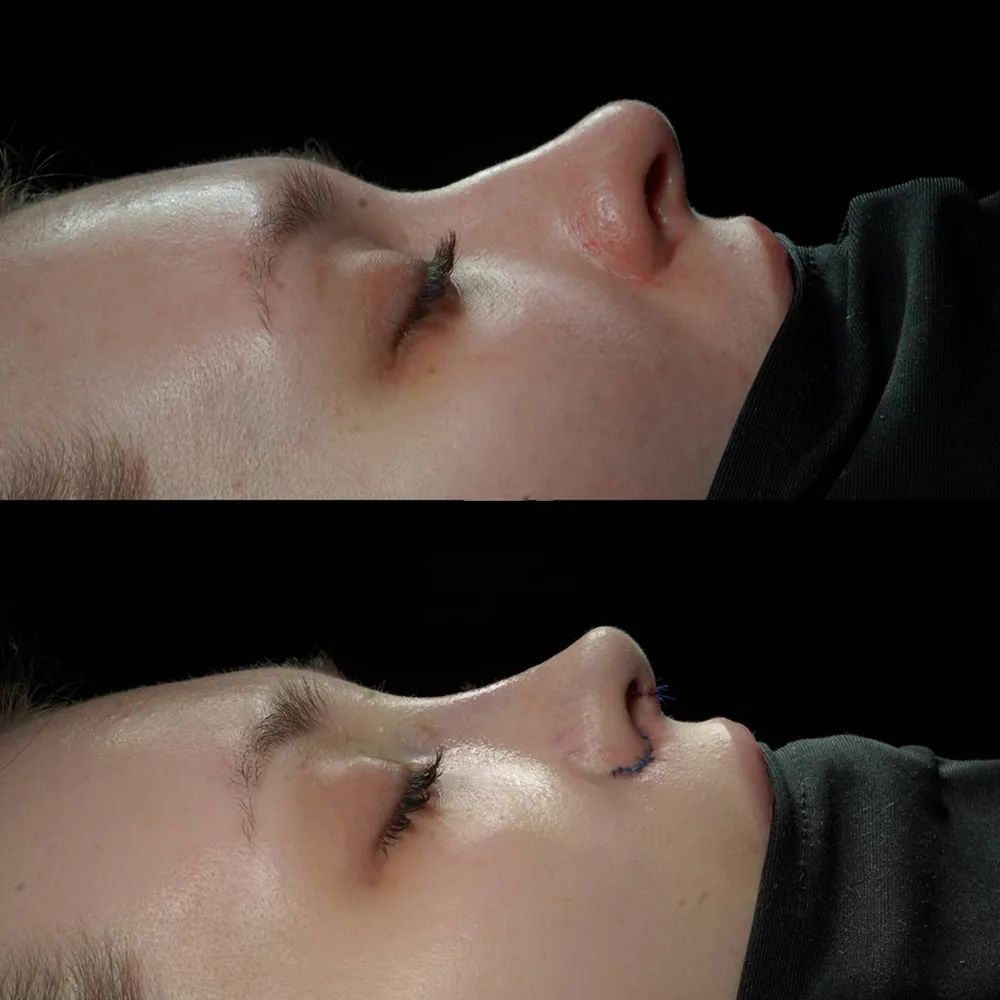
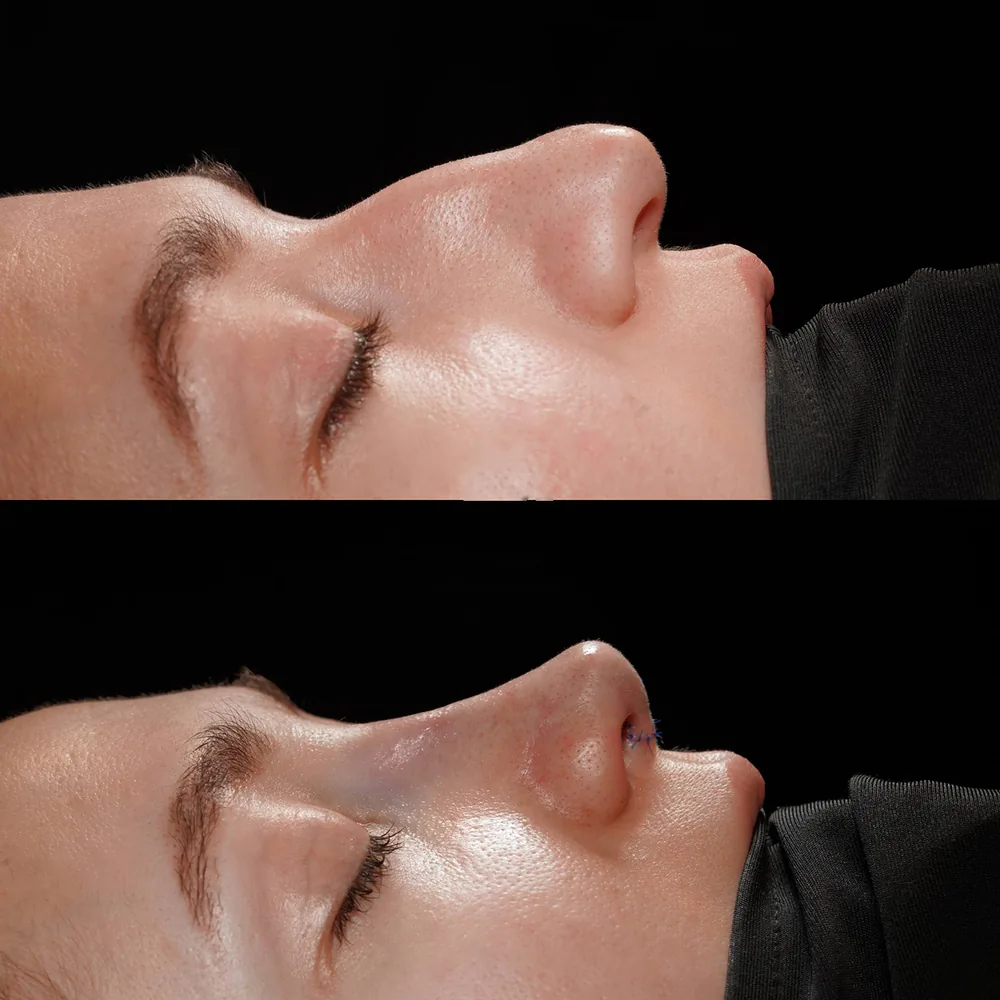
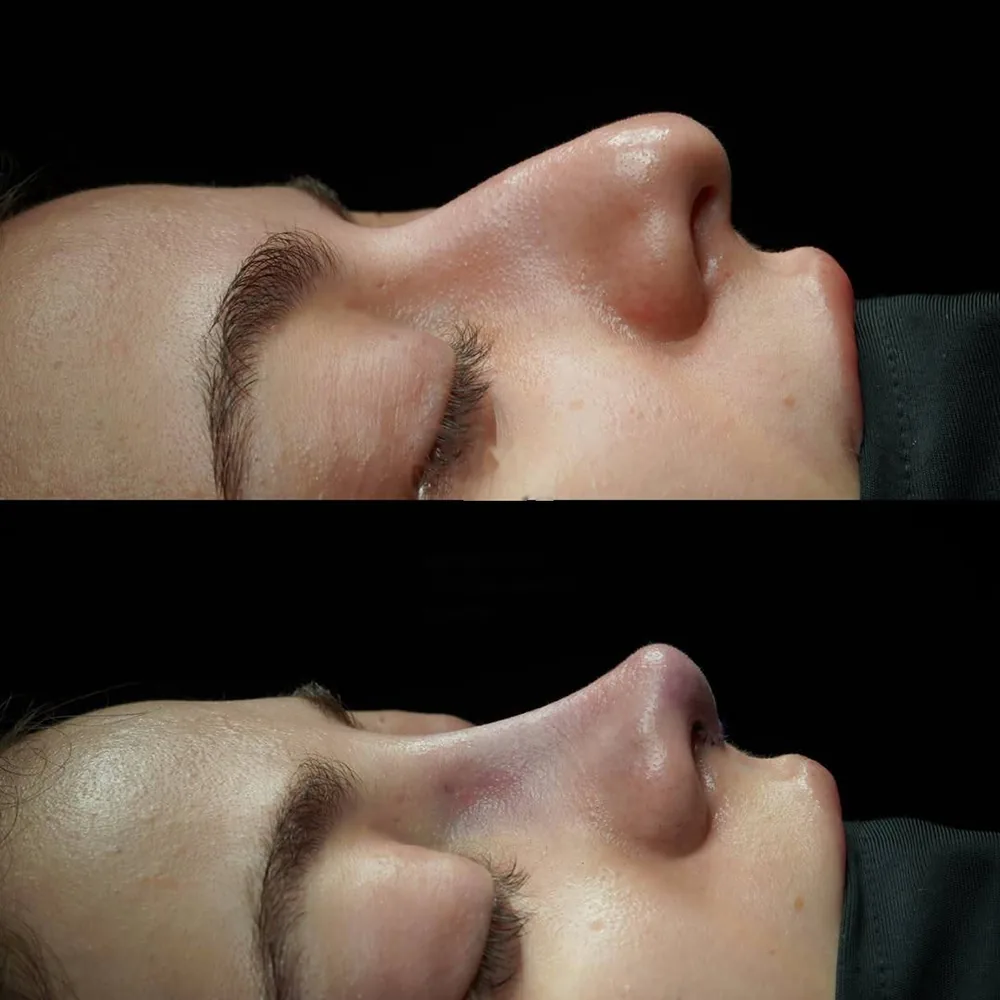
Each example is a real clinic patient, not a stock photo.
beforeafterRhinoplasty
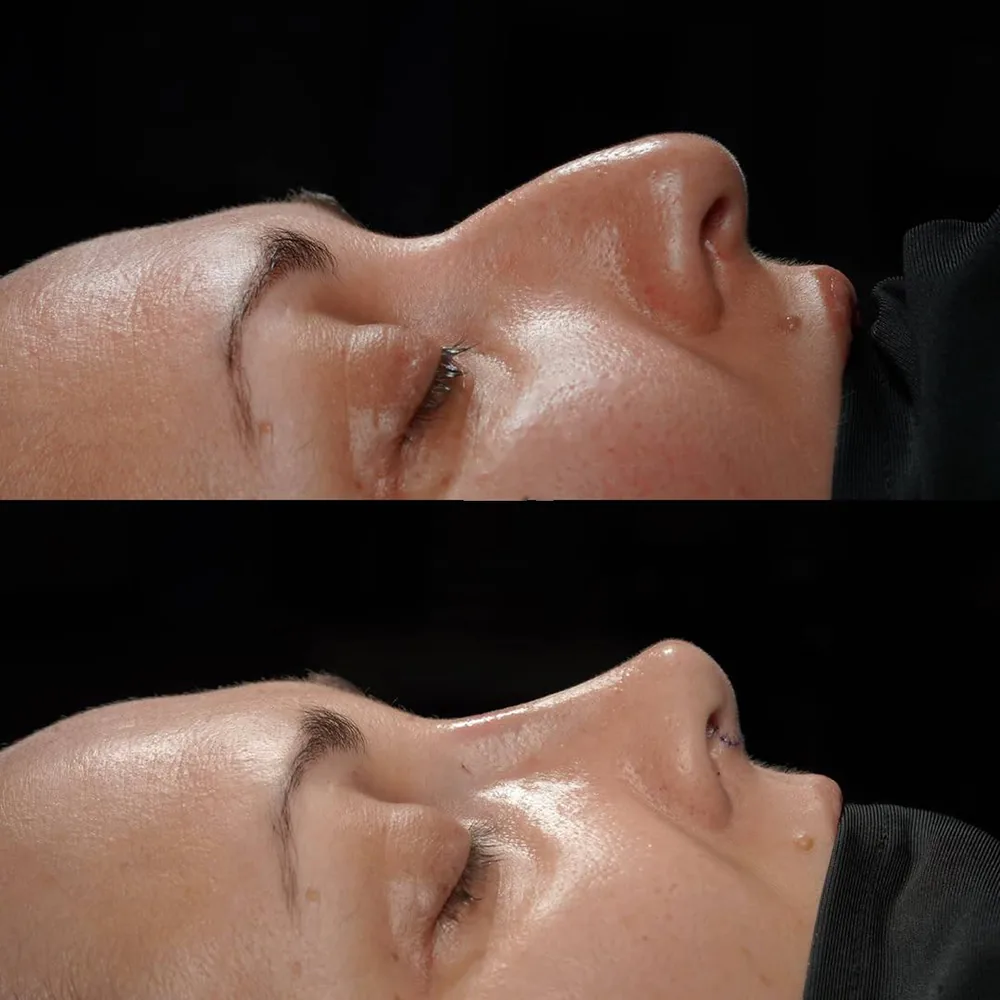 beforeafter
Rhinoplasty
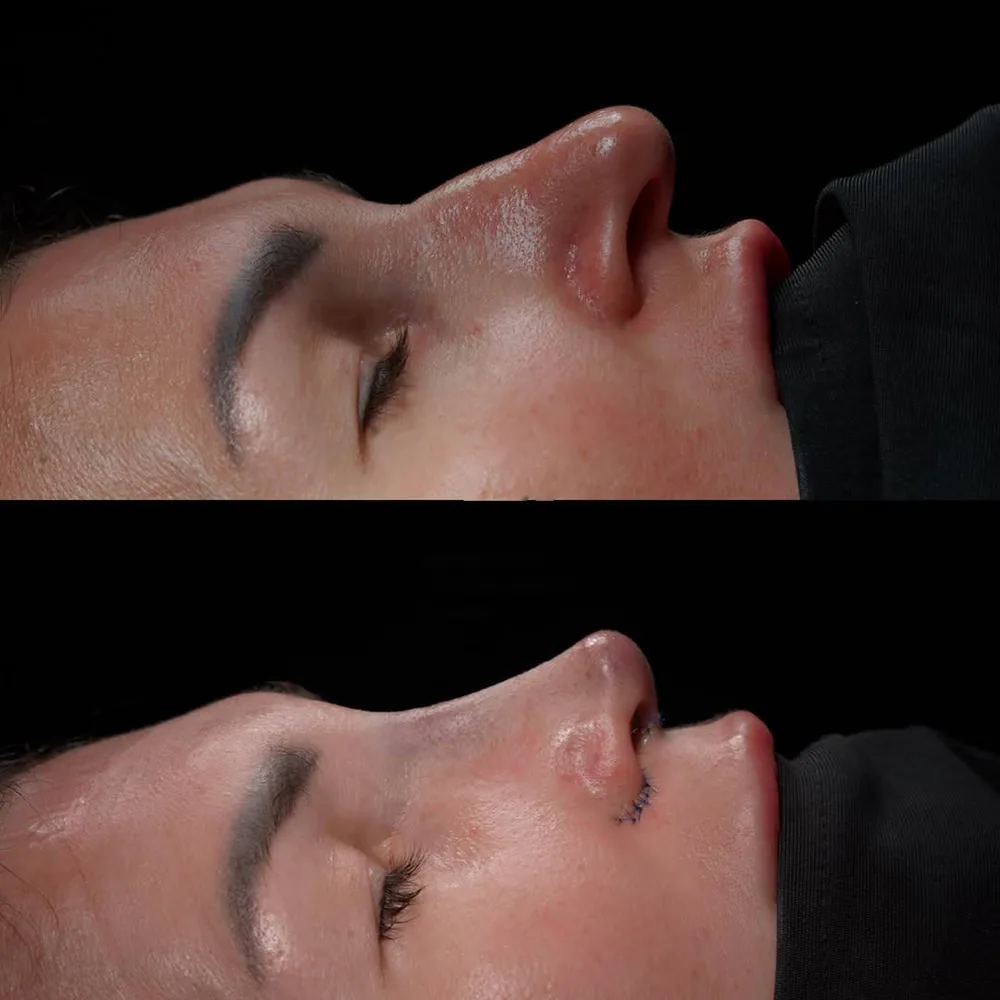 beforeafter
Rhinoplasty
 beforeafter
Rhinoplasty
 beforeafter
Rhinoplasty
beforeafterRhinoplasty
 beforeafter
Rhinoplasty
 beforeafter
Rhinoplasty
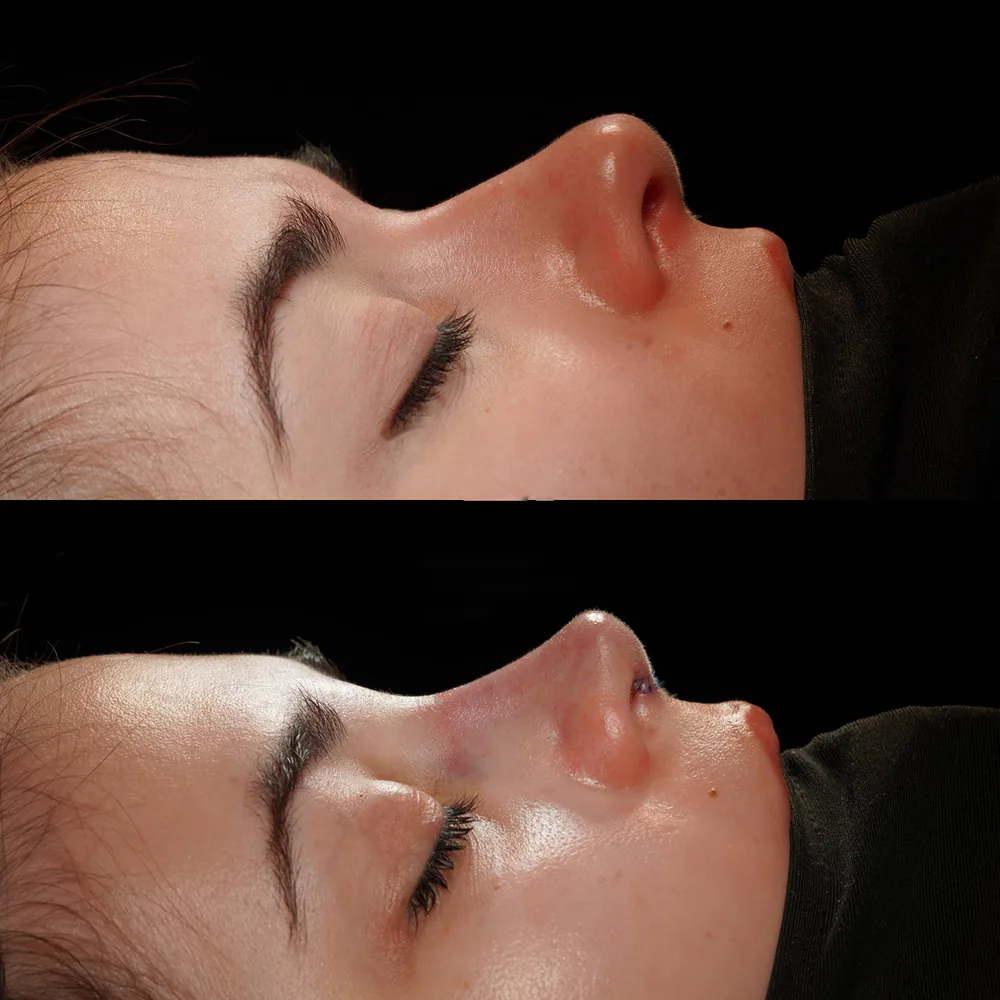 beforeafter
Rhinoplasty
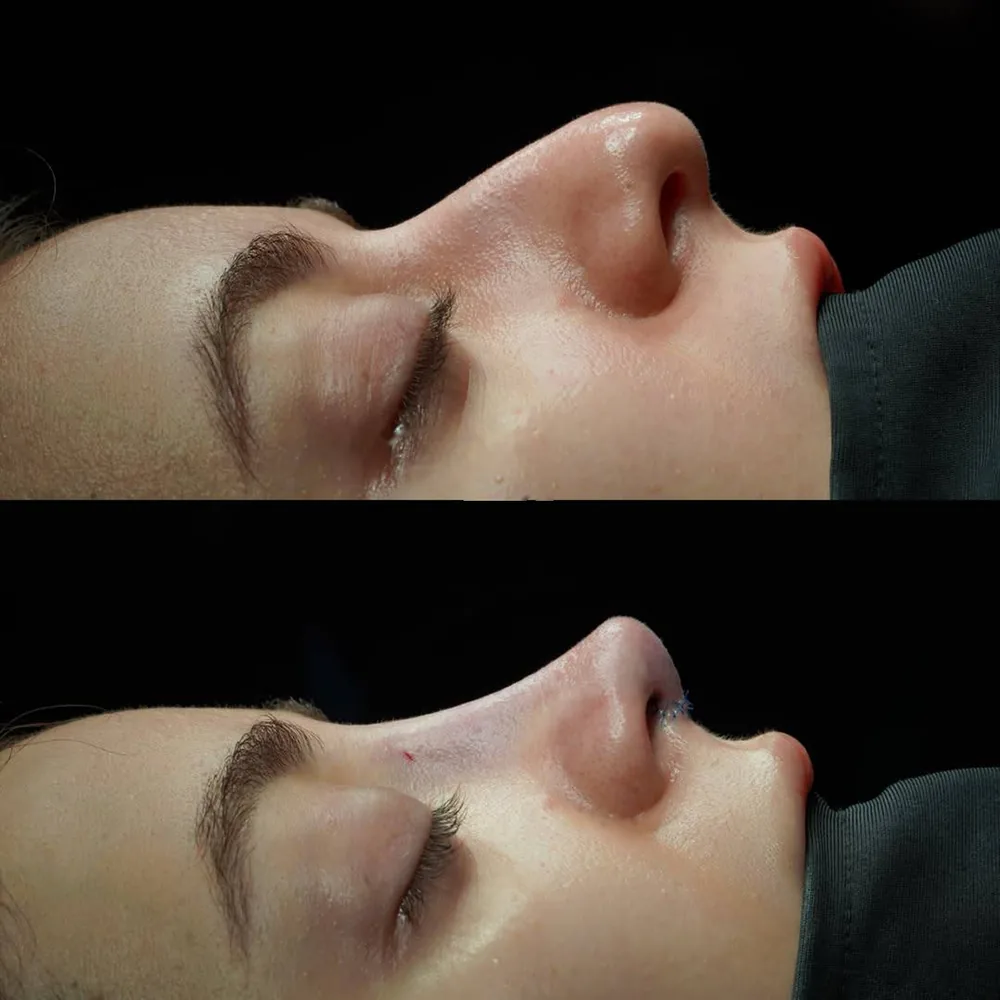 beforeafter
Rhinoplasty
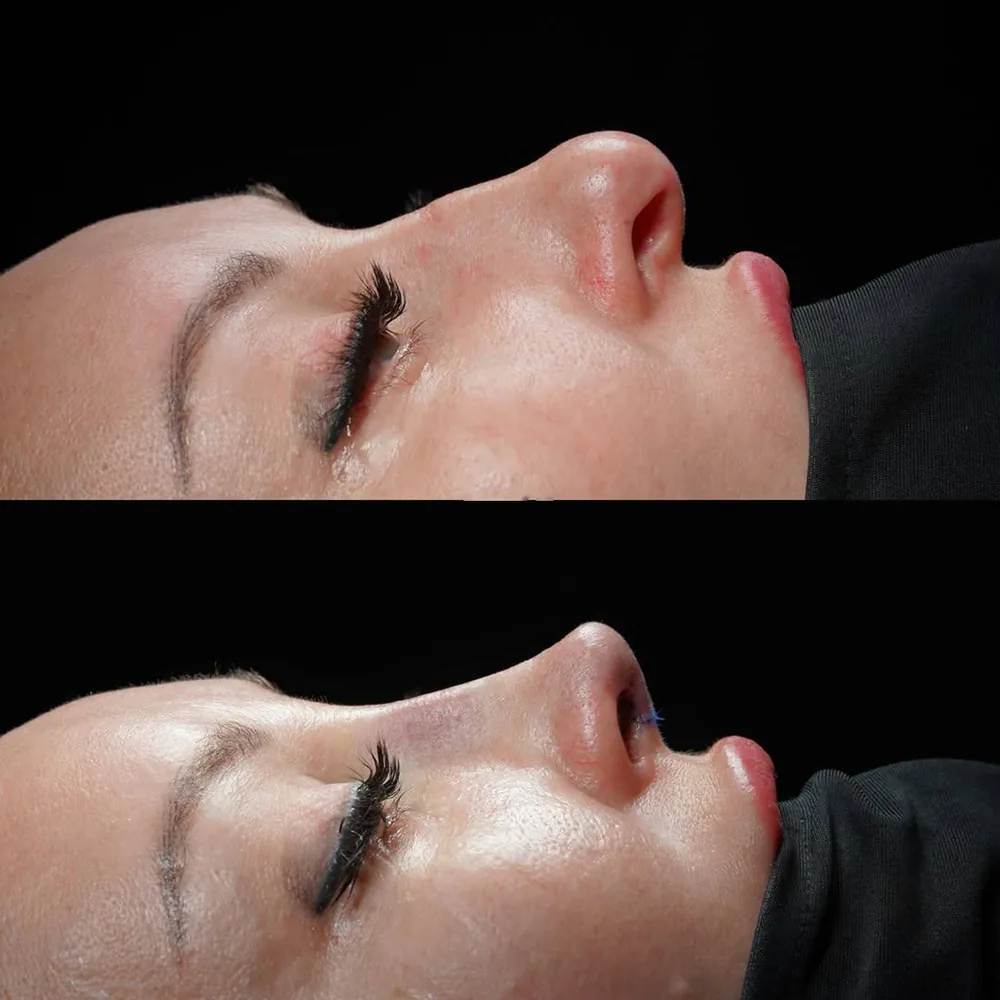 beforeafter
Rhinoplasty
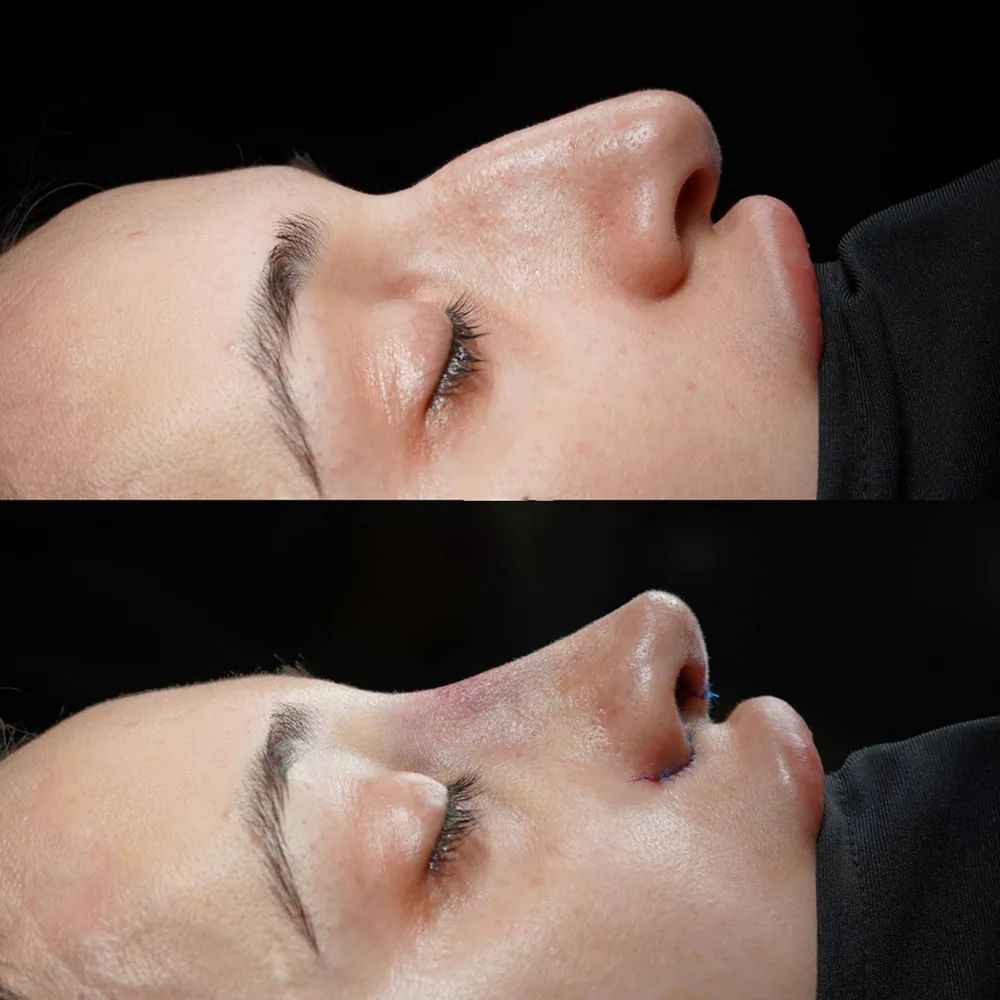 beforeafter
Rhinoplasty
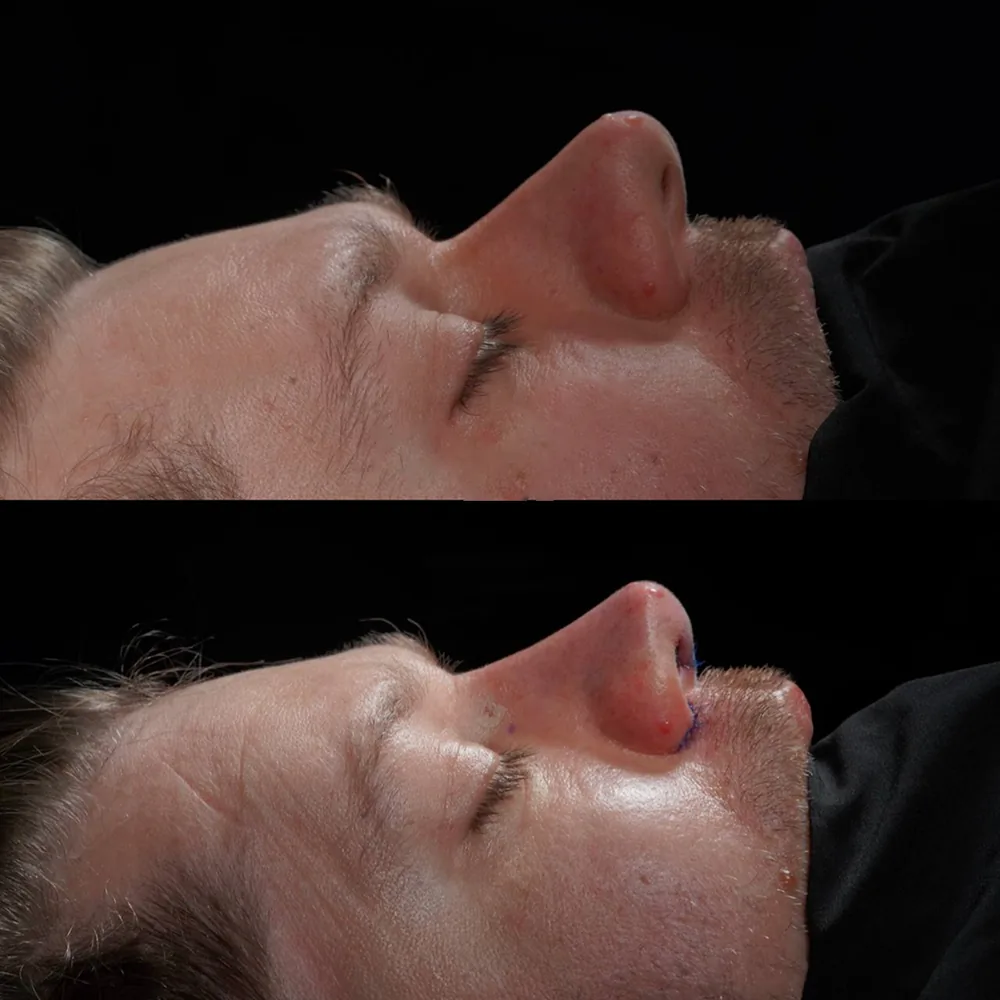 beforeafter
Rhinoplasty
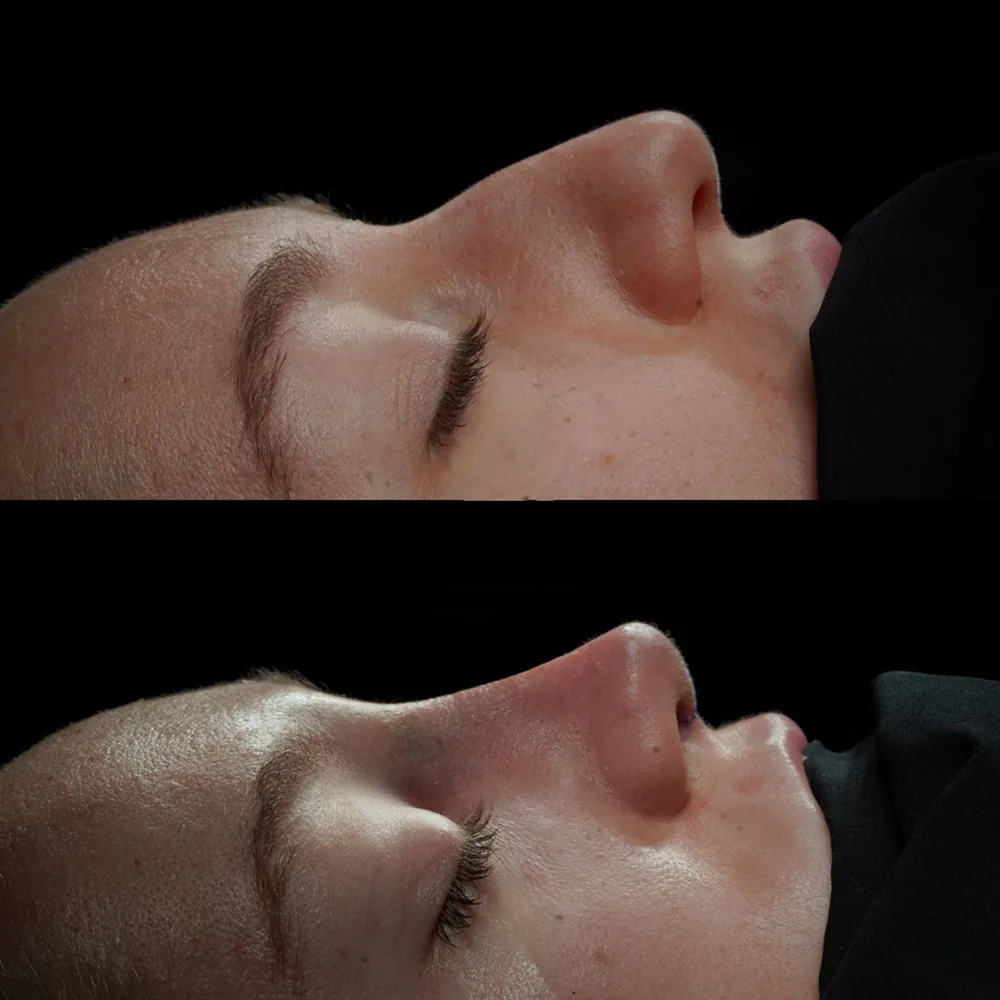 beforeafter
Rhinoplasty
Comparison
We will work out the most effective solution for you and bring an excellent result.
The first operation on the nose: changing its appearance and improving its function when breathing is impaired.
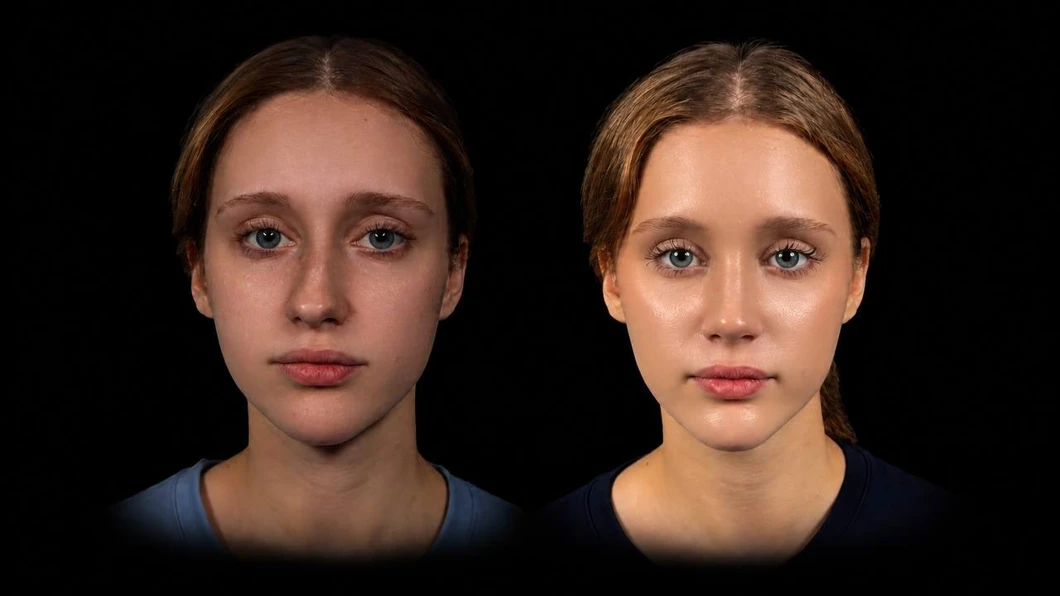
Discounted price
$4,200 $6,000
Revision rhinoplasty corrects the nose after a previous operation that was unsuccessful or partially successful, and is only performed once a year has passed since the first surgery.
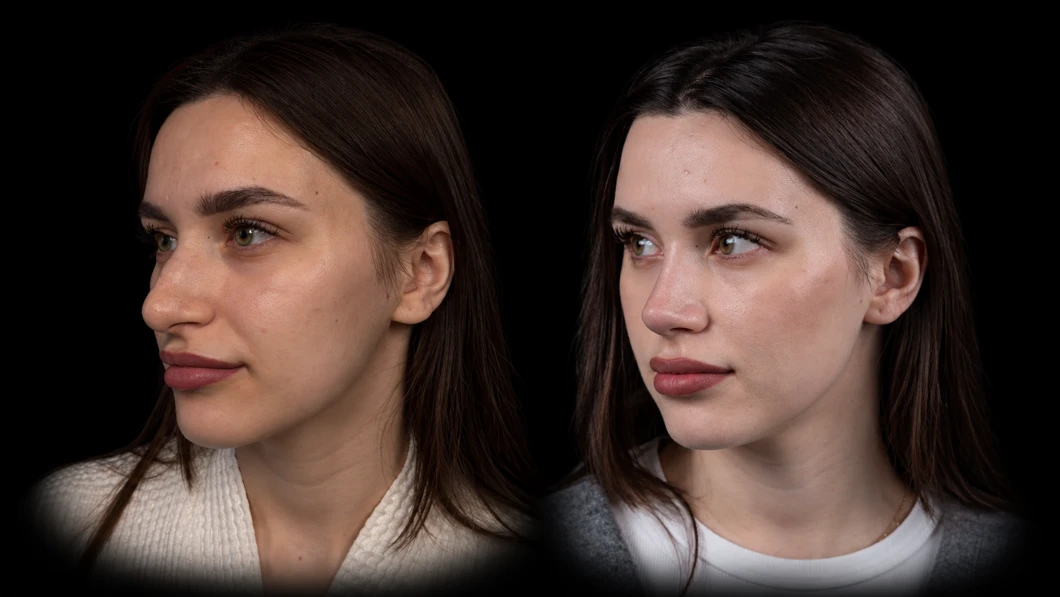
Discounted price
$5,400 $7,200
A combined operation to correct the septum and change the appearance of the nose.
Discounted price
$5,000 $6,600
Shown here are average benefits and recovery times by surgery type, for guidance only: the real extent of correction and recovery time depends on your anatomy, confirmed by the surgeon at the consultation.
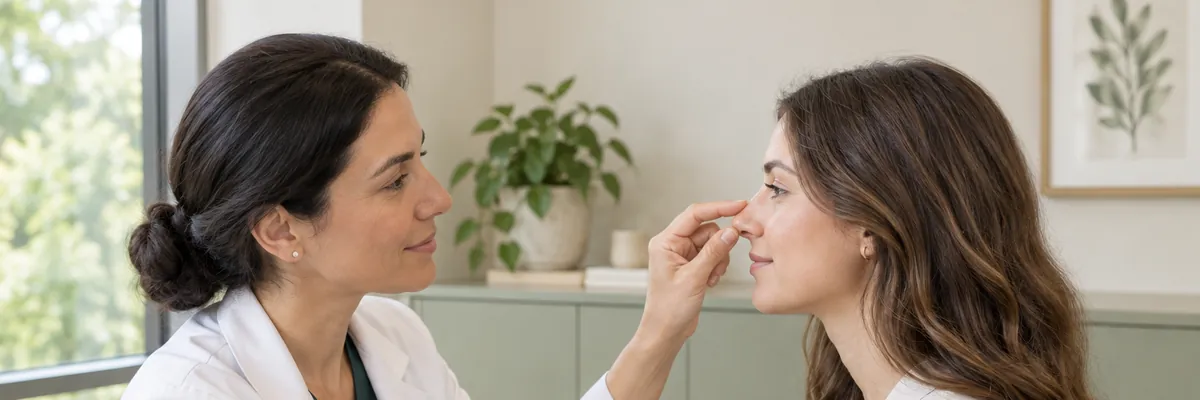
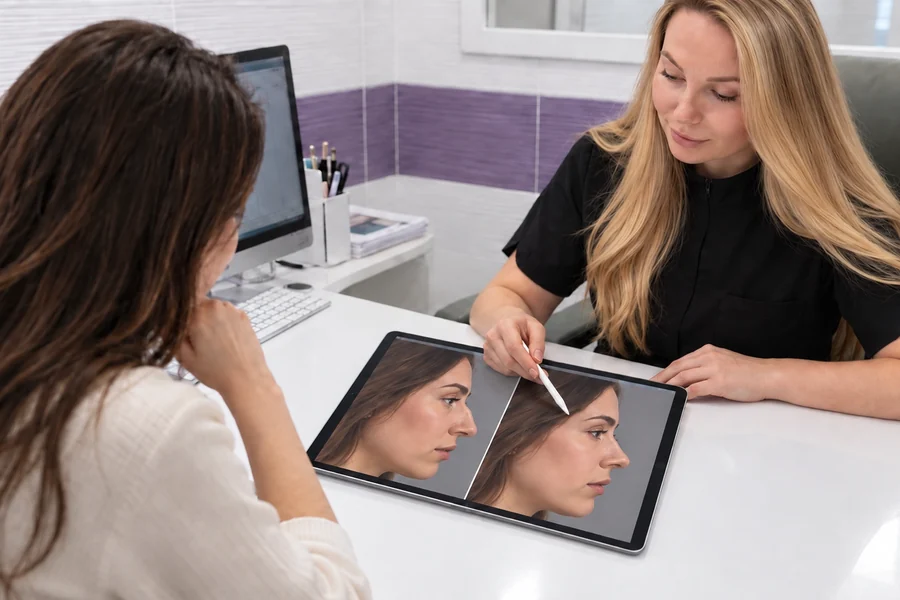
At the consultation the doctor will model the future result in 3D and explain
the course of your rhinoplasty
The consultation is at no cost, held before any surgery, and commits you to nothing.
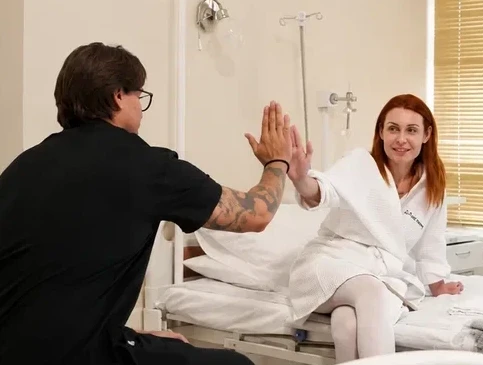
Book a consultationInside the clinic
Modern facilities, comfortable rooms and care given to every patient
We'll respond to your questions and set up a consultation at a convenient time
Get a consultationIf your case can be solved without surgery, the doctor will tell you so at the consultation — and you will not spend money for nothing.
Unsure which column applies to you?
Message us on Telegram and send photos of your nose — the doctor will tell you whether rhinoplasty is right for you. Free and with no commitment to surgery.
Find out if it suits me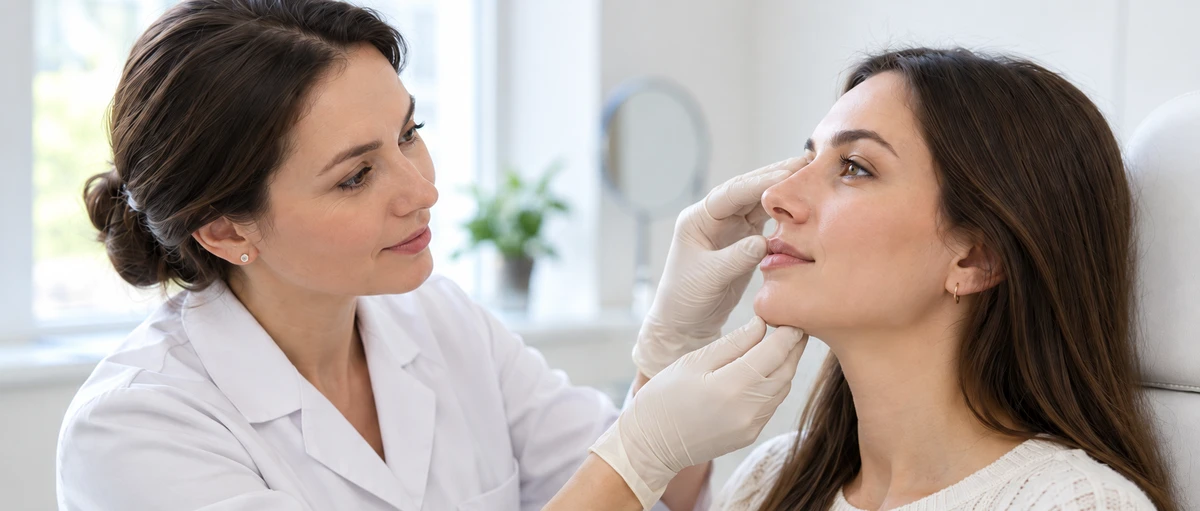
Prices
The price is given during the free consultation, following result modelling, and confirmed in the contract.
Discounted price
reshaping the nose
$4,200$6,000
Discounted price
secondary, revision
$5,400$7,200
Discounted price
nose shape and septum
$5,000$6,600
Free
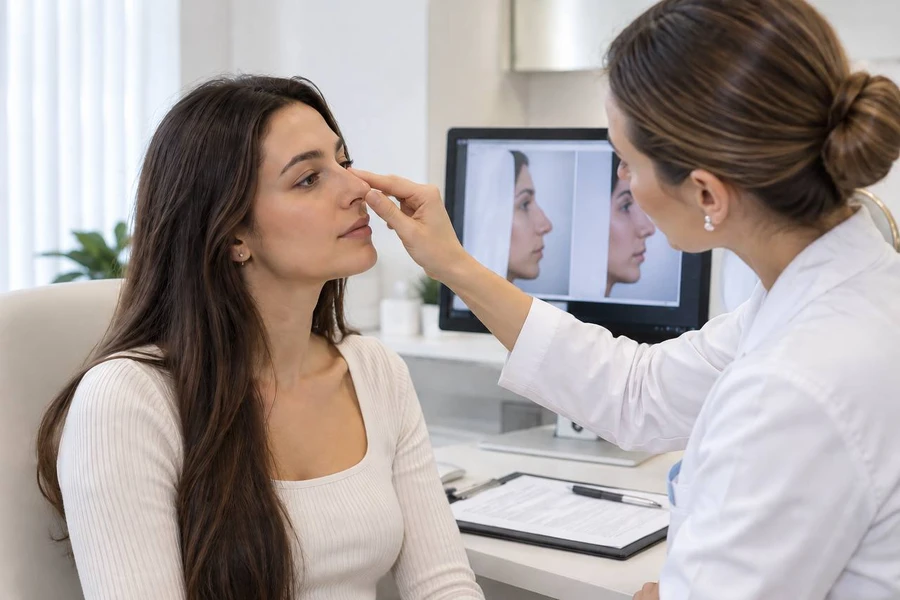
examination by the surgeon and 3D modelling
Free
the cost of the operation is named
and recorded in the contract
The doctor will look at your nose's anatomy, listen to what you'd like to change
and decide on the right technique for the correction. At the consultation you are told the cost, which is then fixed in the contract.

Message our coordinator
Free online consultation · Reply within 15 minutes
Message us on TelegramMessage us on WhatsAppBy messaging us, you agree to our Privacy Policy
Price
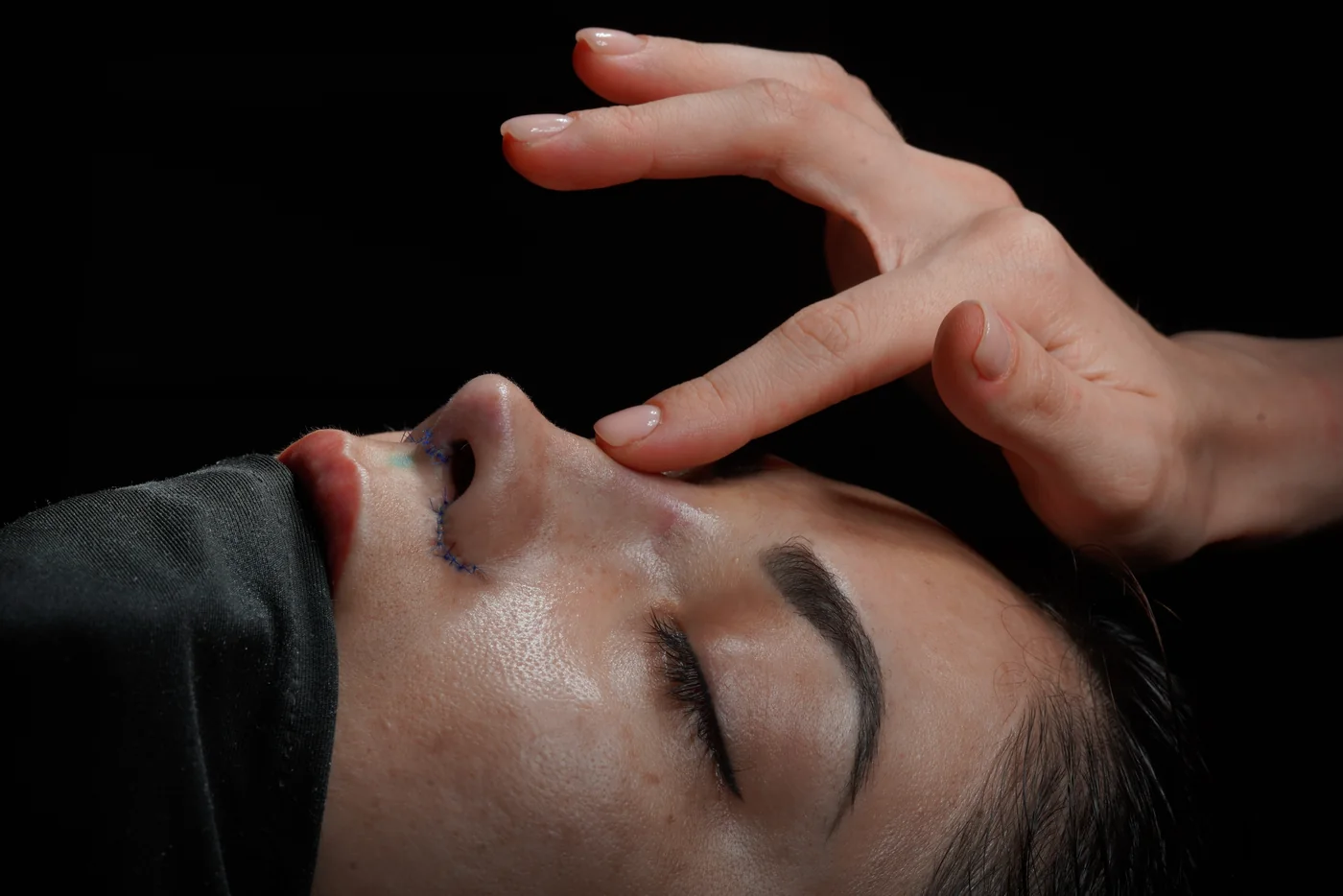
Everything from surgery preparation
to support over 12 months.
Discounted price
$4,200$6,000Discounted price
How it works
An agreed correction plan, inpatient observation and recovery monitoring for a year.
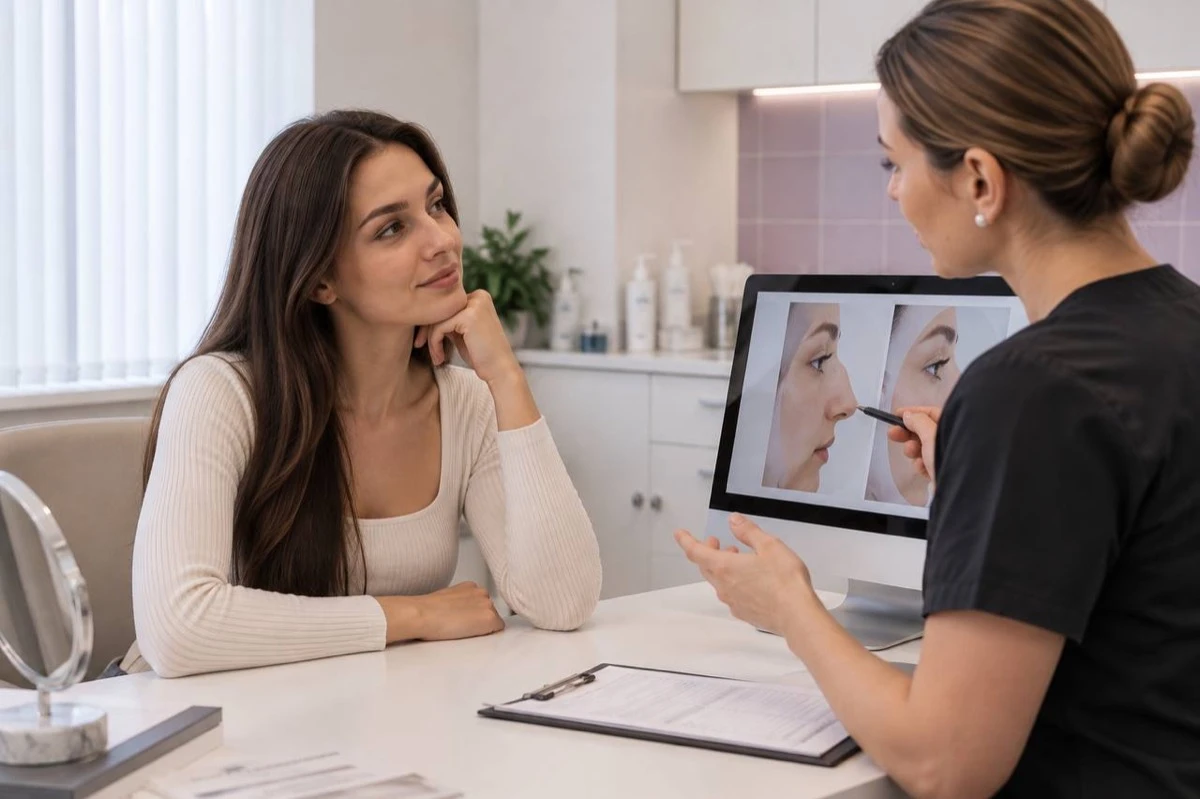
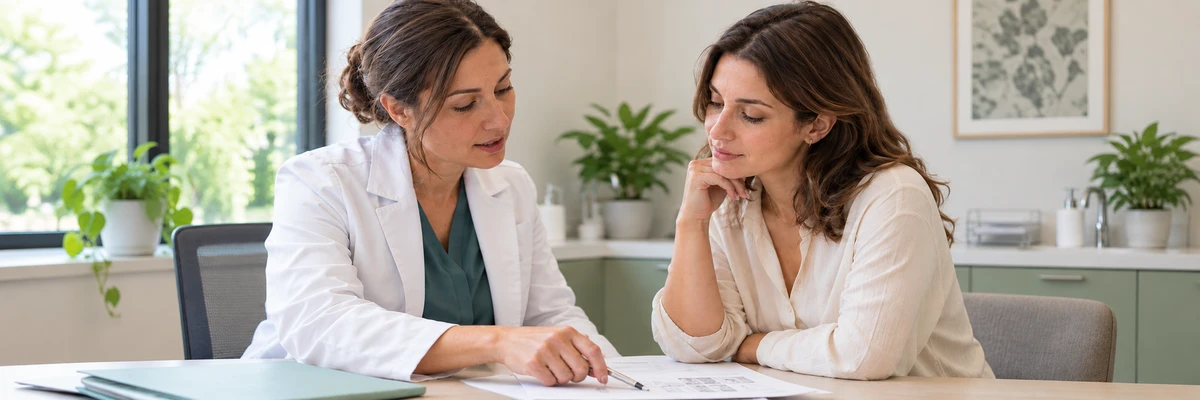
The doctor assesses your nose, discusses your wishes and carries out the examinations needed to choose the best correction technique

A surgery date is reserved for you: you can pay the deposit by card at the clinic or by bank transfer online. These terms are set out in the contract for medical services
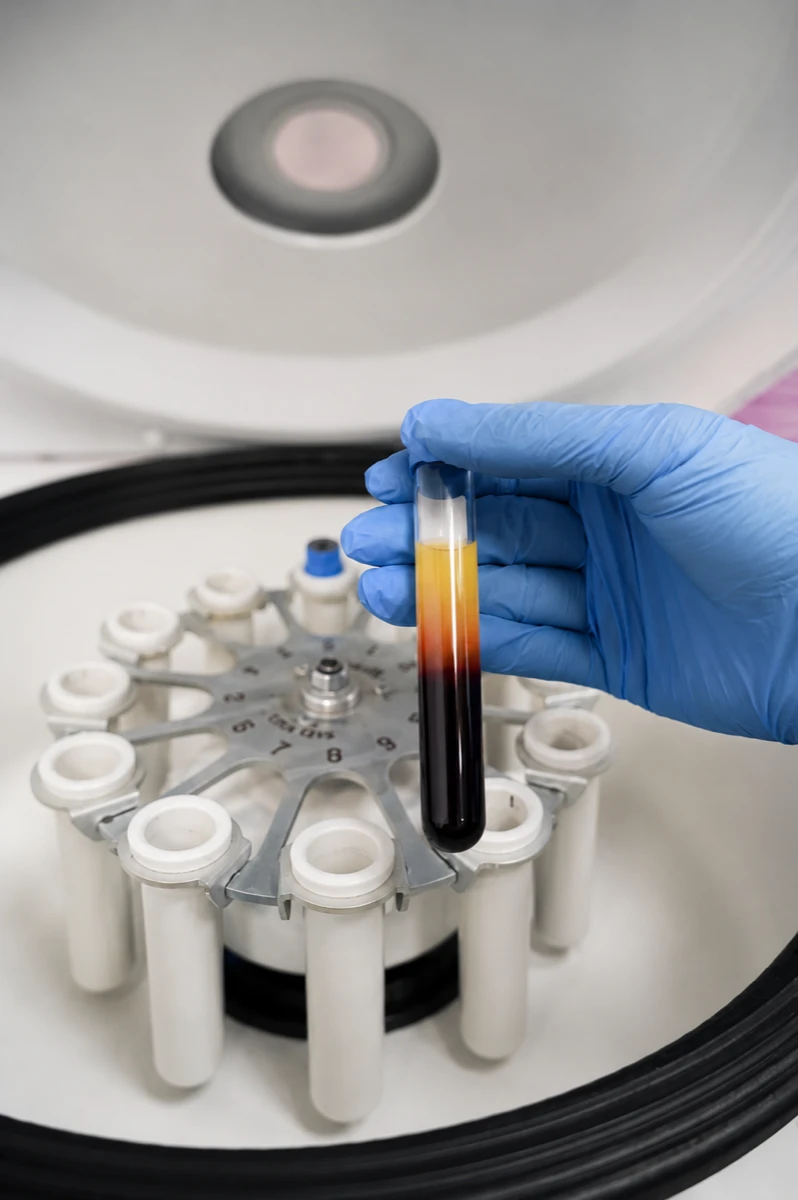
Ahead of surgery, a full set of lab tests is required: complete blood count, biochemistry, coagulation panel, chest X-ray and a sinus X-ray
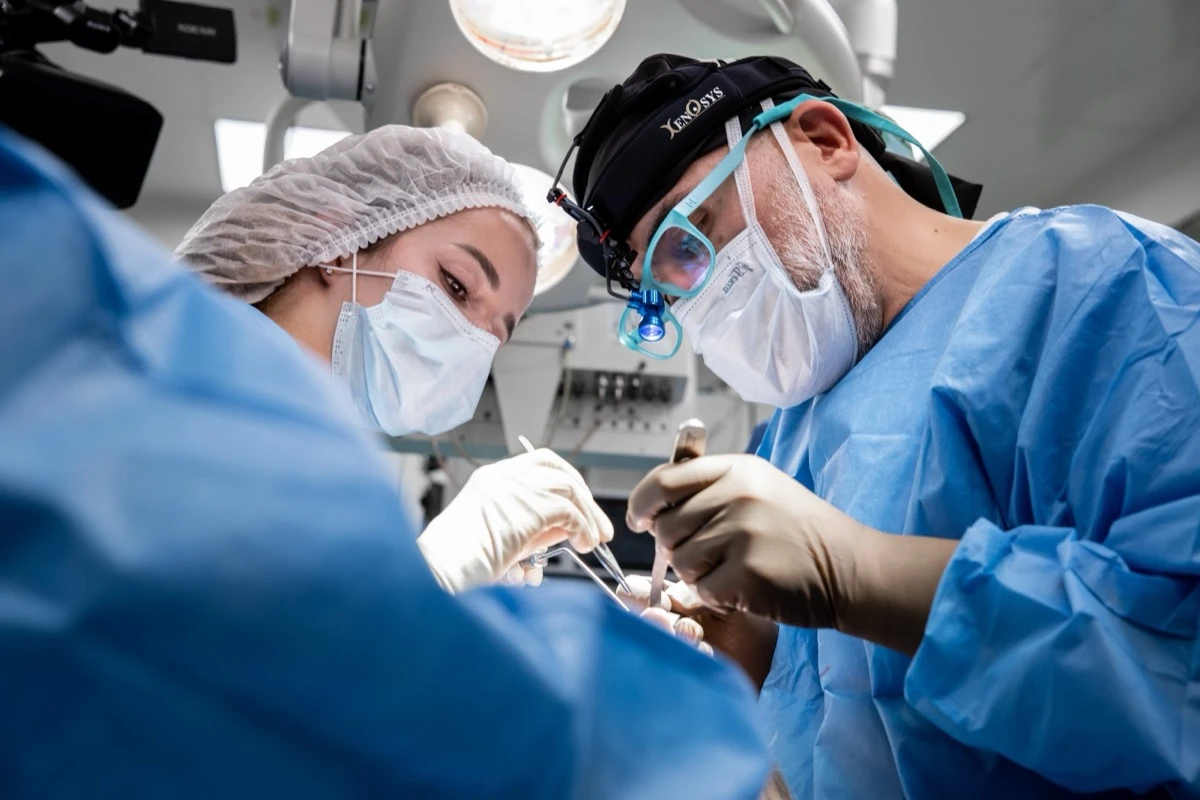
Using the chosen technique, the surgeon carries out the rhinoplasty under general or local anaesthesia, correcting both the shape and structure of the nose
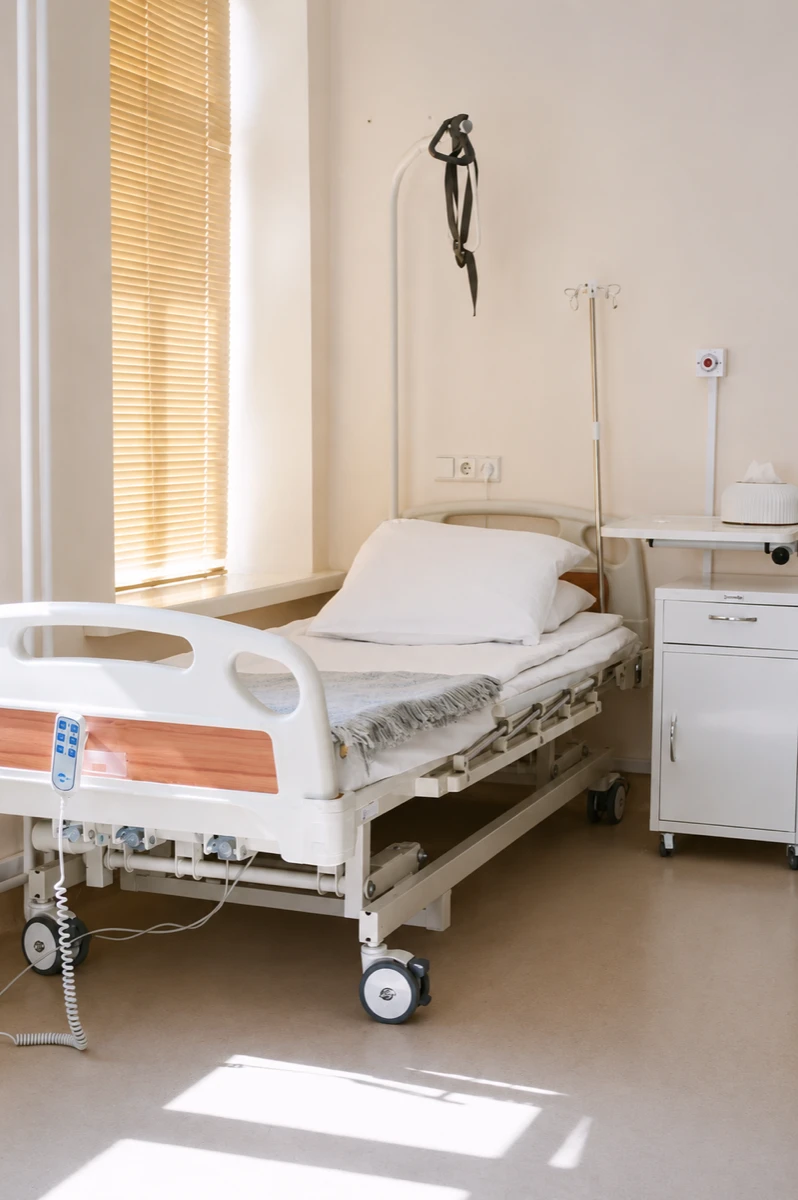
All procedures take place in our clinic's inpatient unit, and after surgery you spend one day there
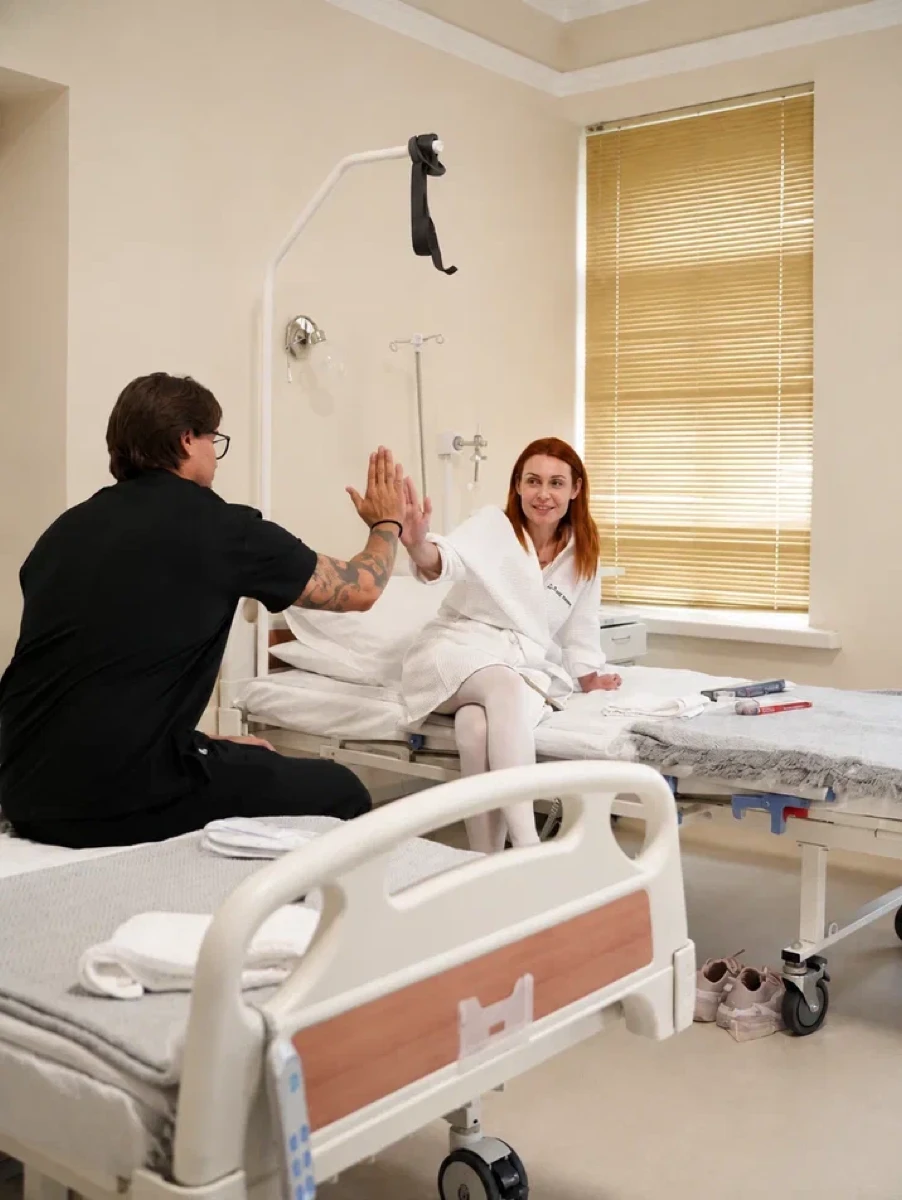
After surgery you get a recovery programme. Check-ups at 7 days, 3 and 6 months help track your recovery. For a year after surgery, consultations with your surgeon are free.
During the consultation you get a realistic forecast of the expected result
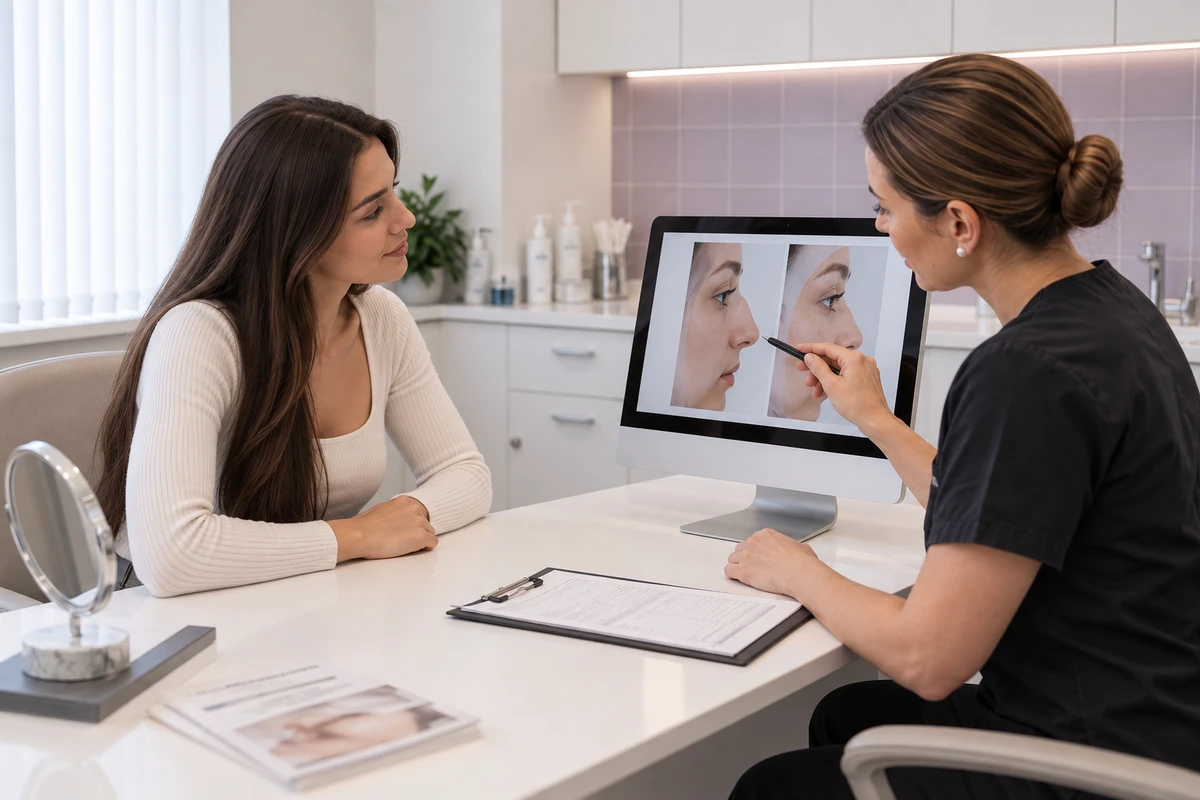
The consultation is at no cost, held before any surgery, and commits you to nothing.
Book a consultationNasal splint
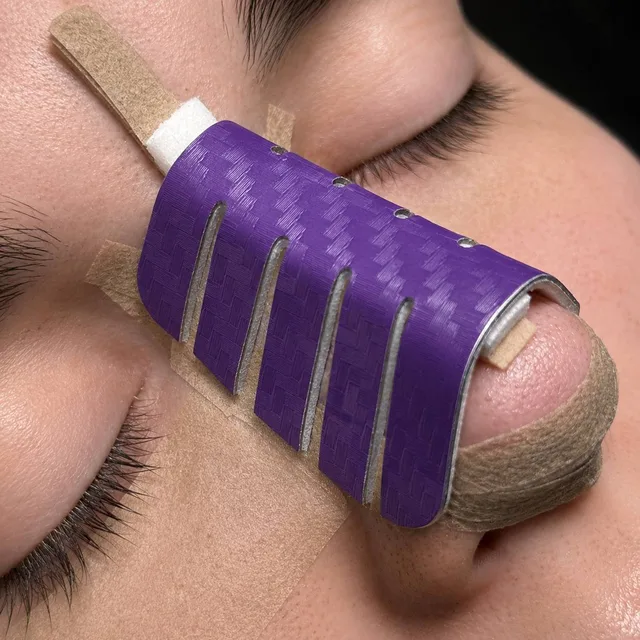
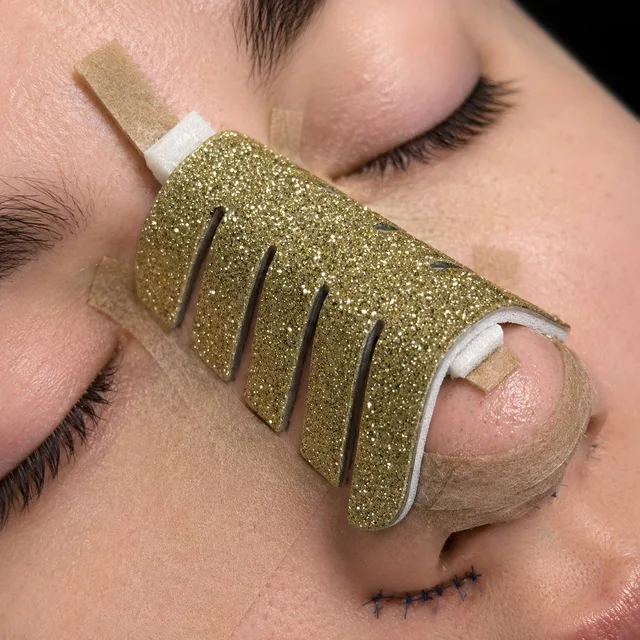
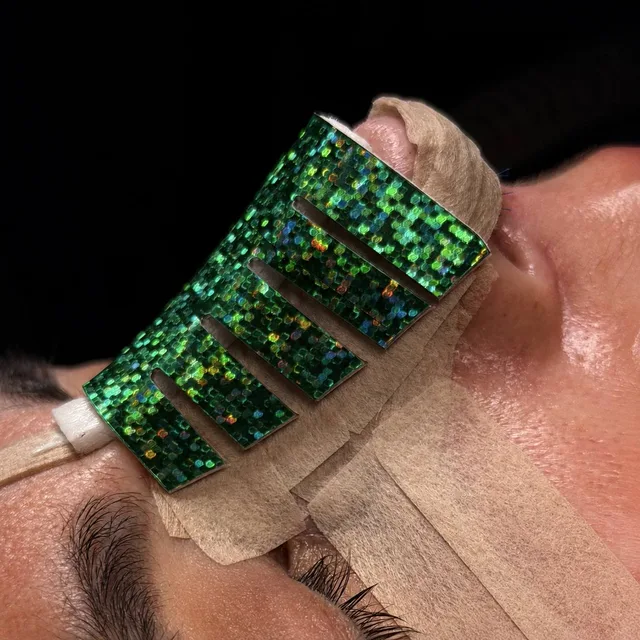
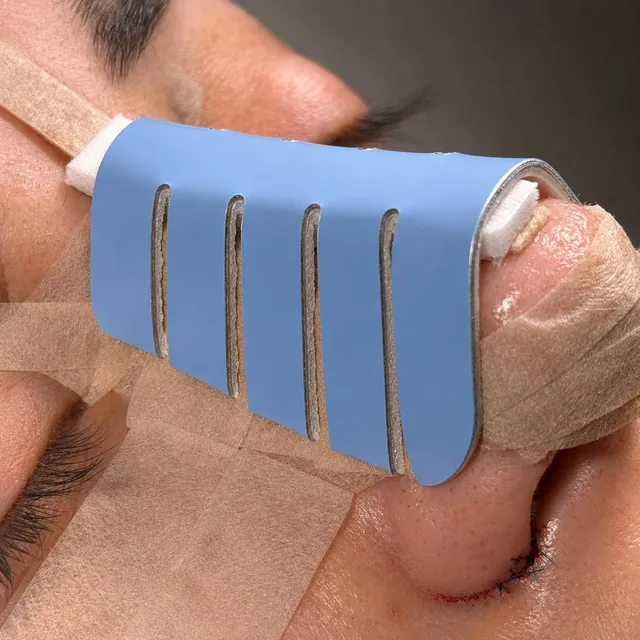
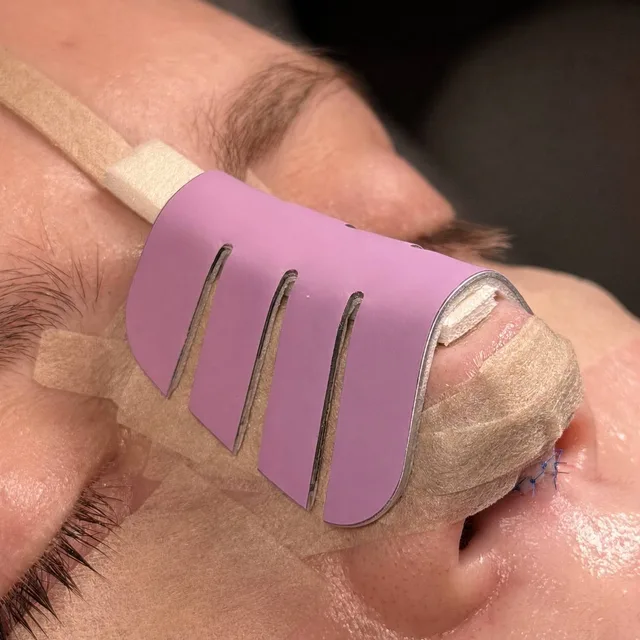
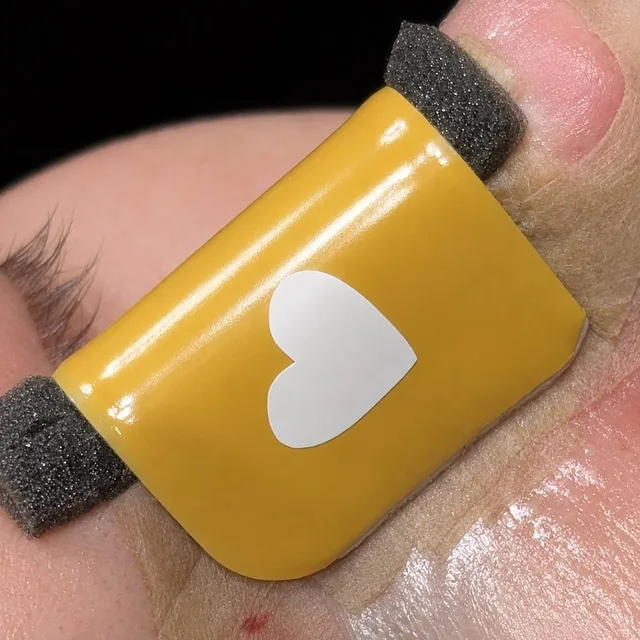
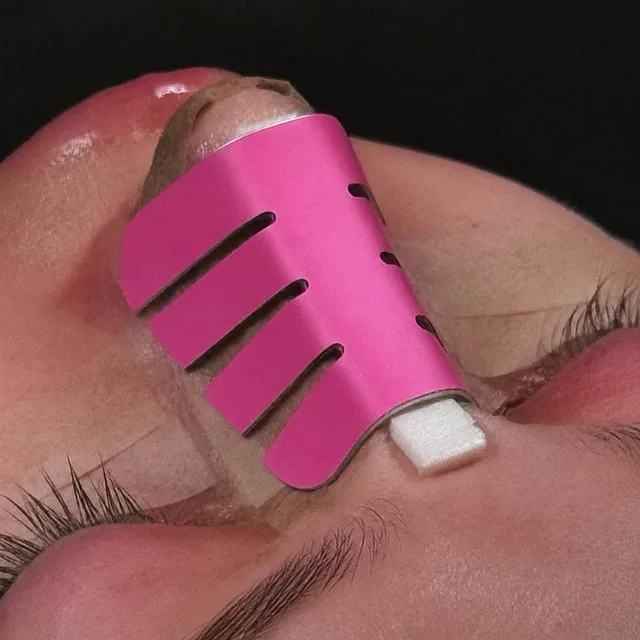
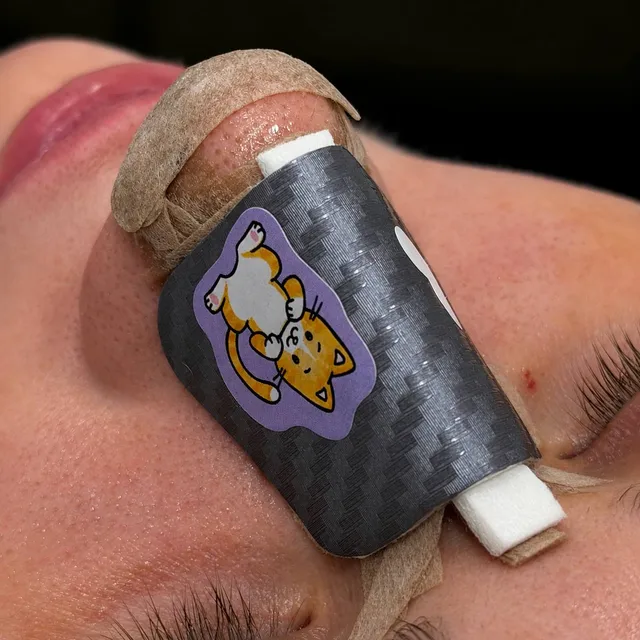
Every detail is designed to bring out your natural beauty. And so that you enjoy the change even during recovery, we invite you to choose the colour of your own nasal splint.
Your style in the details:
Pick a splint colour that matches your mood
Small details build confidence, much as they shape your future profile
Doctors
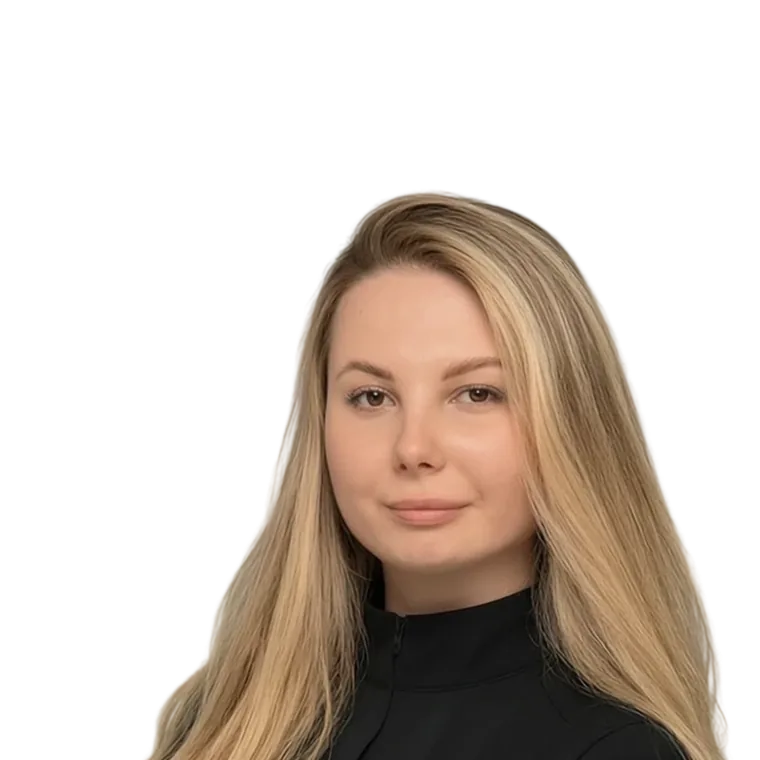
Rhinoplasty surgeon
At the consultation you talk to the surgeon who will operate
The doctor evaluates your facial proportions, listens carefully to your wishes and outlines which changes are possible.
Book a consultationCoordinators
We stay with you through every stage

Your dedicated coordinator
Your initial contact at the clinic, from the first message you send to the consultation itself
Patient care specialist
Helps you choose a convenient date and answers your questions before the first consultation

Your dedicated coordinator
With you from booking through your stay to discharge
Patient care specialist
Helps you prepare for surgery and stays in touch during your stay at the clinic

Your dedicated coordinator
With you throughout recovery, from discharge all the way to your final check-up
Patient care specialist
Keeps you updated during recovery and sets up your follow-up visits with the surgeon
A closed channel for those who value honesty and expertise
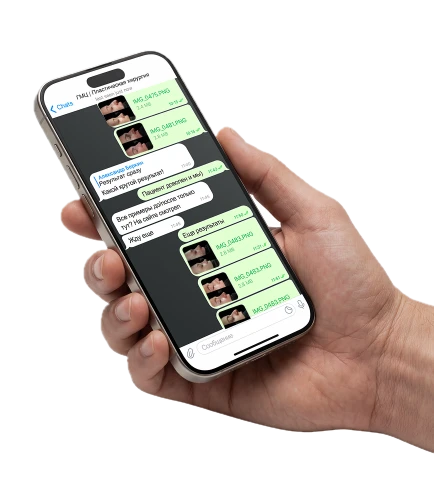
Message us — our coordinator will contact you shortly and book your consultation
Advantages
A lifetime guarantee applies under the contract, which sets out the terms of surgery, support and post-operative follow-up in advance.
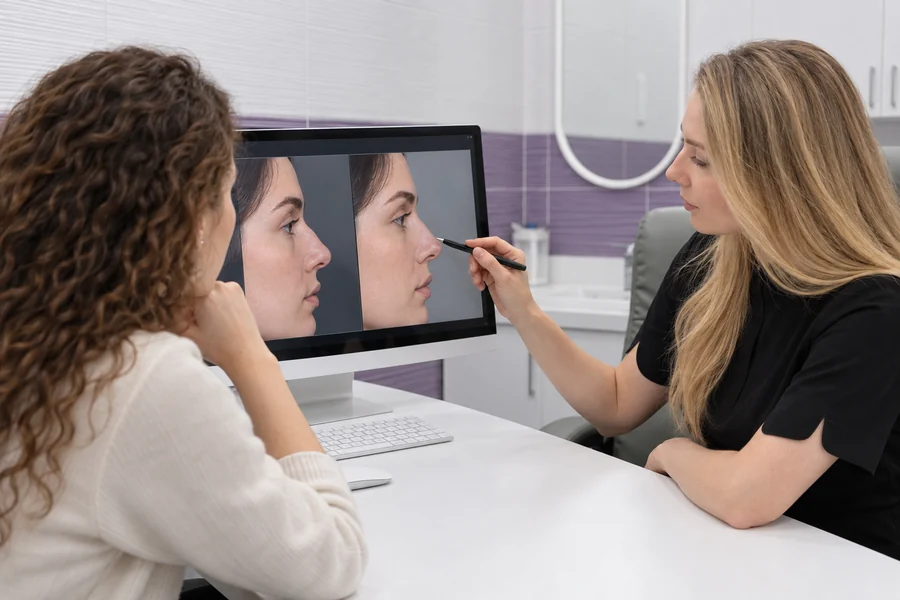
We review your case at a free consultation and tell you plainly whether rhinoplasty is right for you. Just the facts, with no push toward surgery.
For patients travelling from another city or country, we combine the consultation and the required preparation into one trip, so the process is more convenient and needs fewer journeys.
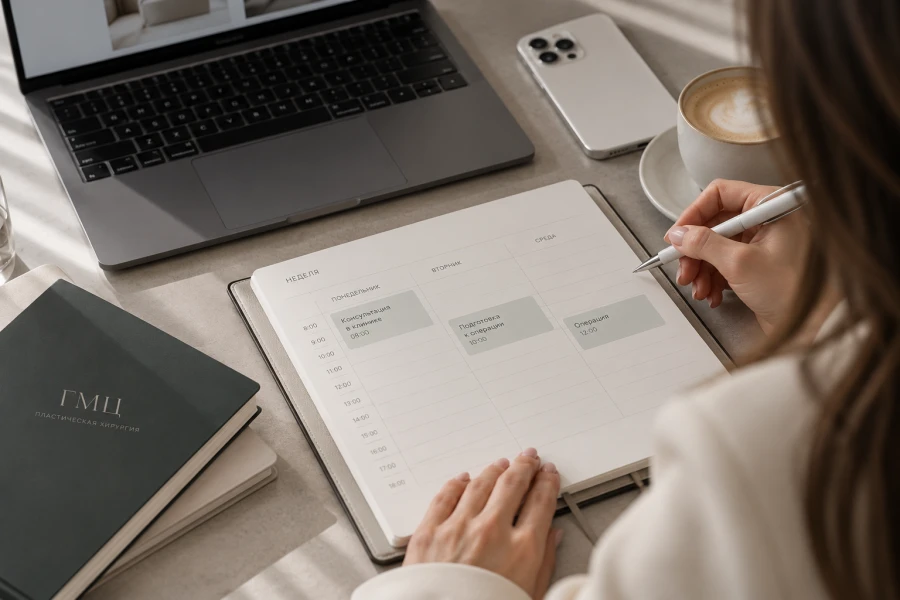
We respect your time: we work 24/7, with easy booking and a personal approach — we adapt to your pace.
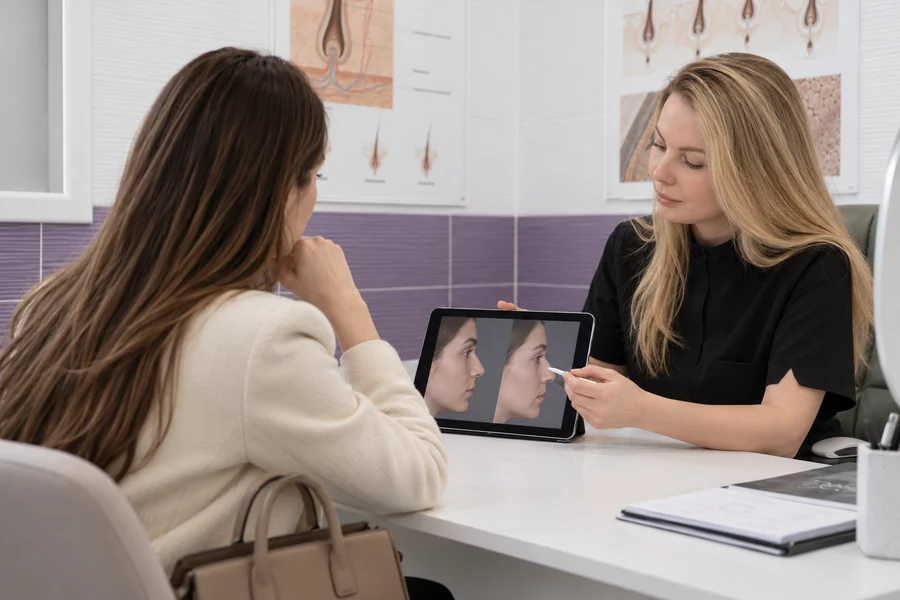
After the consultation the surgeon defines the extent of correction, and you get a clear price for the surgery — no surprises on the way to the result you want.
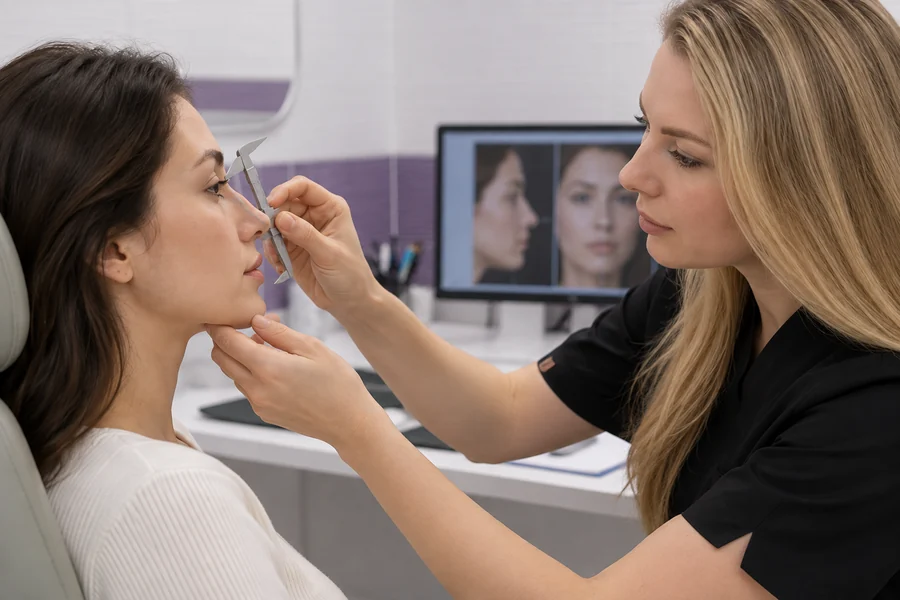
Modern equipment supports gentle, precise work by the surgeon, especially important where millimetres influence proportions, profile and facial harmony.
Prices
Send a request and get a free consultation on any service
Free
BookPrice without discount: $6,000$4,200
Price without discount: $7,200$5,400
Price without discount: $6,600$5,000
Price without discount: $6,500$4,700
Price without discount: $7,200$5,400
FAQ
Rhinoplasty (nose job) — one of the more delicate and frequently requested plastic surgeries, meant to adjust the nose's shape to the individual proportions of the nose and the whole face. Modern rhinoplasty is not merely a procedure to change how the nose appears, but complex surgical work aimed at an aesthetic ideal without risking health.
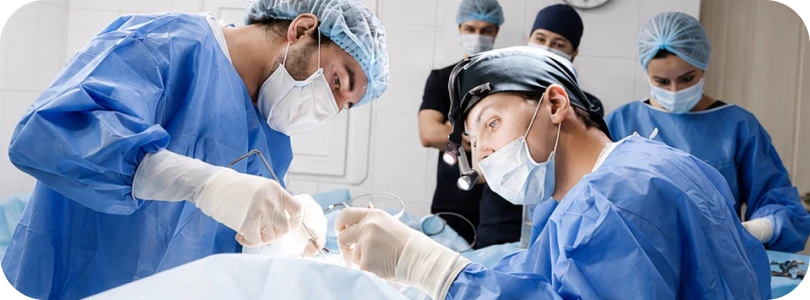
The optimal age is 18 to 45. By then the nose is fully formed and tissues still heal well. With medical indications, surgery can be done at an older age if your general health allows
At its core, rhinoplasty is a comprehensive solution. It corrects both congenital and acquired nasal deformities, for example after a nasal injury. Patients are often bothered by a dorsal hump or an overly wide nose. Nose correction can also target the tip (tip rhinoplasty) or the nostrils (alar rhinoplasty). The surgical plan is created individually for each patient, taking every feature of their nose into account.
Rhinoplasty is performed under general anaesthesia and, depending on complexity, takes 1.5 to 3 hours.
The surgeon determines the extent and course of the surgery at the consultation, based on your goals and the anatomy of your nose.
Rhinoplasty — surgery to change the appearance of the nose (an aesthetic goal) and improve its function if breathing is impaired.
Septoplasty — surgical correction of the septum that restores normal breathing without altering the nose's external contour.
Often both surgeries are combined, especially when a patient has a deviated septum and aesthetic concerns. This gives a harmonious look and restores full breathing. At City Medical Centre we perform rhinoseptoplasty — a combined surgery that solves both tasks at once
For a successful operation, preparation should begin 21 days before rhinoplasty. At the first appointment our plastic surgeon will give you a list of the required tests.
| Complete blood count (including ESR, white cell differential, platelets) | 2 weeks |
| Urinalysis | 2 weeks |
| Infection tests: HIV, HBsAg, anti-HCV, antibodies to Treponema pallidum | 2 weeks |
| Blood group and Rh factor | 2 weeks |
| Blood biochemistry (total protein; urea; uric acid; creatinine; glucose; total, unconjugated and conjugated bilirubin; ALT; AST; K; Na; Cl; cholesterol) | 2 weeks |
| Coagulation panel (Quick prothrombin, INR, APTT, D-dimer, antithrombin III) | 2 weeks |
| Electrocardiogram (ECG) tracing with a report | 2 weeks |
| Doppler ultrasound of the leg vessels / duplex scan of the leg veins | 2 weeks |
| Chest X-ray or fluorography with a report | 6 months |
| MSCT of the paranasal sinuses | 6 months |
| After the full laboratory work-up — a physician's report confirming there are no contraindications to surgery | 2 weeks |
Getting ready involves consultations with the plastic surgeon, lab work (CBC, biochemistry, coagulation, infection tests), ECG, chest X-ray, plus a nasal X-ray or CT. A week ahead, give up anticoagulants, alcohol and smoking. The day before — light food; no food 6 hours before surgery
Although nose surgery is one of the most popular and well-established aesthetic operations, like any surgery it carries certain risks. To minimise the likelihood of complications after rhinoplasty, our clinic provides thorough pre-operative preparation and post-operative monitoring.
Important: if after rhinoplasty you have difficulty breathing, severe pain, a high temperature or a change in the shape of your nose, contact your doctor immediately.
Rhinoplasty at City Medical Centre is performed with modern technology, safe materials and constant medical supervision, which keeps the risk of complications to a minimum.
We also provide post-operative monitoring and prescribe recovery therapy.
Recovery after nose surgery is just as important as the operation itself. Proper recovery determines how aesthetic and harmonious the final result will be. At City Medical Centre recovery is closely monitored and divided into three phases: early, intermediate and late
Improvements begin to show after swelling subsides (2–3 weeks), but it takes 1–1.5 years to judge the final rhinoplasty result, when tissues fully stabilise
The nose needs to be protected after surgery. An aluminium cast is placed over the nose, with special silicone splints inside the nasal cavity. Nasal function is limited in the first days but recovers quickly. The final result of rhinoplasty can be assessed after 1–1.5 years, once the swelling has fully subsided.
Important: if nasal function is impaired after the first operation or you are not satisfied with the result, revision (secondary) rhinoplasty may be needed. It is a more complex procedure, performed no earlier than one year after the primary operation.
Right after surgery, the nasal passages can be partially obstructed by splints or swelling for the first days. Normal breathing typically returns within 1–2 weeks, based on the extent of surgery and your body
Our doctors use microsurgical techniques and quality sutures to keep scars minimal
Rhinoplasty adds harmony to facial features and improves aesthetics, keeping your individuality. 3D modelling gives you an advance look at the predicted result, so the changes can be agreed with your surgeon
Rhinoplasty is a serious step. A well-performed rhinoplasty means the new nose is in perfect harmony with your facial features and works flawlessly. At the consultation the nasal surgeon assesses every parameter in detail: the size of the nose, tip projection, and the condition of the septum and nasal mucosa. We use 3D modelling so you can see the future proportions of your nose before the surgery is performed.
Don't just browse rhinoplasty photos online. Book a consultation to discuss what modern rhinoplasty can and cannot do for you. Correcting external nasal deformities and reshaping the nose is our speciality.
The price of rhinoplasty at City Medical Centre is $4,200 (≈ KES 550,000) instead of $6,000 (≈ KES 780,000) with the current discount. First consultation: free.
What you pay depends on the extent of surgery and is agreed at the consultation — the doctor quotes the exact price once your nose and facial proportions are examined.
Surgery performed under general anaesthesia, one day as an inpatient, doctor supervision and a free check-up after surgery. The clinic grants a lifetime guarantee on the result.
First consultation at City Medical Centre — free. The doctor looks at your nose, analyses facial proportions and tells you the exact cost of surgery.
Blog
More about rhinoplasty
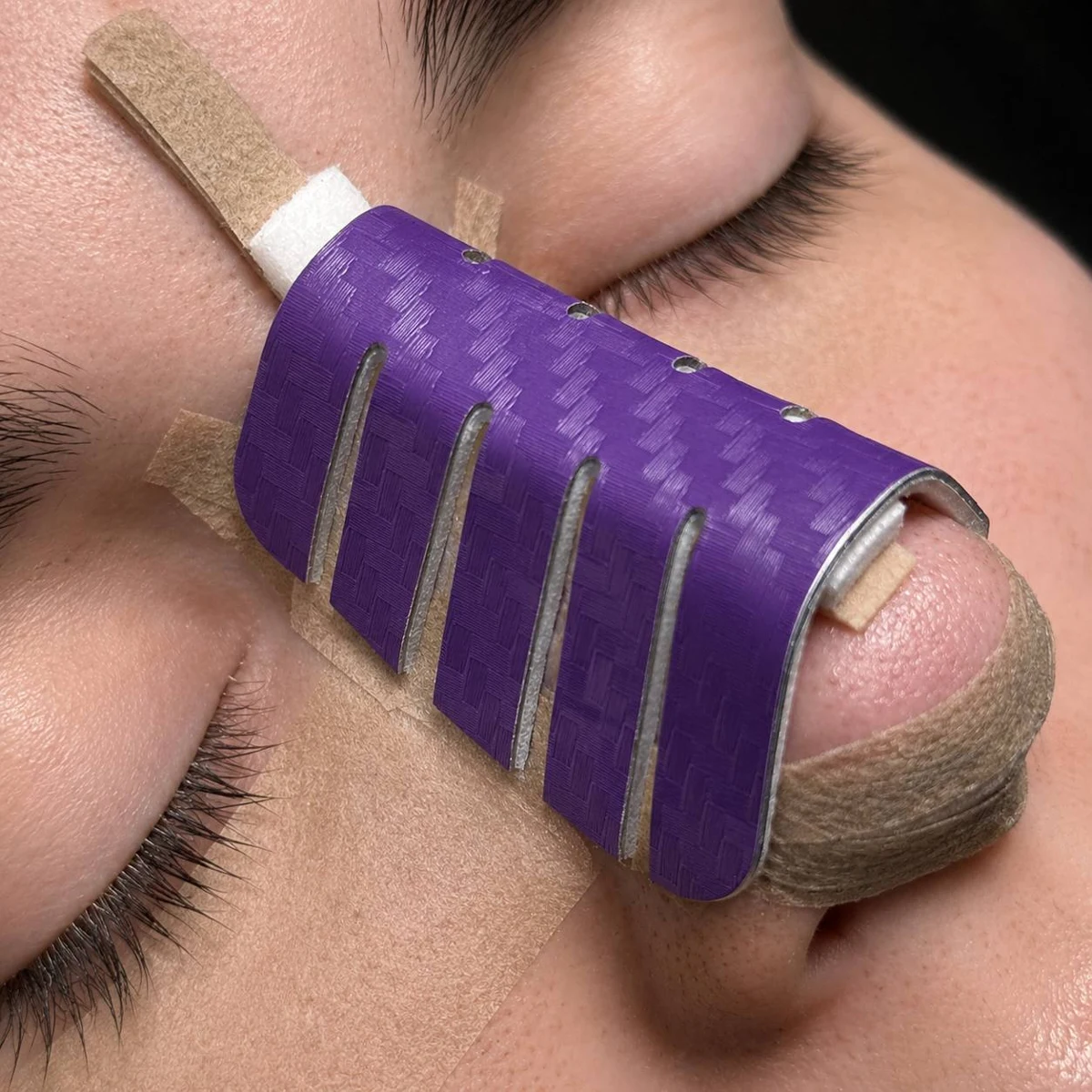
Find out how recovery after rhinoplasty goes in the first 7, 14 and 30 days
Read the article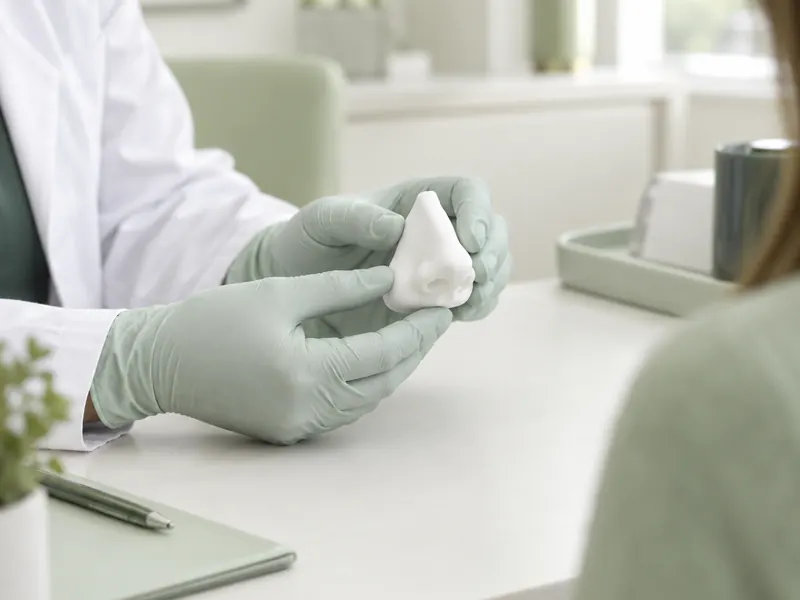
Preparation, recovery week by week, when the splint and stitches come out and how long to wait before flying home.
Read the articlePrices are in US dollars; the amount in brackets is an approximate conversion to KES at the rate of 02.10.2026. The final price is fixed in your contract.
Prices start from $4,200 (≈ KES 550,000). The surgeon sets the final price at the free consultation, and it is fixed in the contract, with no hidden extras.
The operation under general anaesthesia, a one-day inpatient stay, follow-up visits and dressings, plus a lifetime guarantee on the result.
Surgery takes 1.5–3 hours and you stay one day in the clinic. The nasal splints come out on day 7, and the cast is worn for up to 14 days.
Yes. The first consultation is free and does not oblige you to anything. You can start online by sending a message to the coordinator.
Message us on WhatsApp or Telegram using the buttons below. A coordinator will answer your questions and book a free consultation where the doctor names the exact price.
By messaging us, you agree to our Privacy Policy
Rhinoplasty, or nose job, reshapes the nose to fit the individual proportions of the face. It corrects congenital and acquired deformities, including changes after a nasal injury. Patients from Eldoret most often ask about removing a dorsal hump, narrowing an overly wide nose, refining the tip or correcting the nostrils. Every surgery plan is created individually, taking into account all features of the nose.
Preparation begins about 21 days before surgery, when the plastic surgeon hands over the list of tests. Three to five days before, stop smoking and alcohol, cut salty, fatty and spicy foods and avoid peels or scrubs. On the day itself, the last food and drink should be at least six hours before the operation. This routine is the same for every Eldoret patient.
How much is a nose job in Eldoret? The base price is $4,200 (≈ KES 550,000) for the full package — from the operation itself to follow-up visits and dressings. The final amount depends on the extent of surgery and is set once the surgeon has examined your nose and facial proportions. Leave your name and phone number, and a coordinator will book your free consultation.
What patients write after this operation. Reviews are translated from the original language.
Ekaterina Ivanova
For a long time I was self-conscious about the length of my nose, until a friend who had had rhinoplasty recommended this clinic. At the very first consultation they set the date of surgery and explained every stage in detail. The rhinoplasty under general anaesthesia was performed by Mareta Meirieva: the swelling went down quickly, and after just a week my nose looked natural and neat. Modern equipment, attentive staff and appointments without delays made the whole process comfortable. I recommend the clinic to anyone who values professionalism and a quality result.
Rhinoplasty
Olga Vasilyeva
This was my first visit to the clinic, for rhinoseptoplasty, and to be honest I was very nervous. At the consultation they explained every stage of the operation and recovery in detail, which calmed me down straight away. The operation was performed by Mareta Meirieva: the swelling started to go down on the third day, and the result is visible to the naked eye. Everything inside is sterile and pleasant, the atmosphere inspires trust, and the staff are always responsive. I thank the clinic for the high level of service and the warm approach!
Rhinoplasty
Marina Samarina
Everything was first-class: clean, cosy and calm. Booking and choosing the right date was easy. The nose operation went smoothly and the nerve block was done perfectly: now I breathe freely without nasal drops! It is a real lifesaver for anyone tired of endless prescriptions and ineffective procedures. I recommend it to everyone who values professionalism and results.
Rhinoplasty
Viktoria Petrova
I recently had rhinoplasty and I am absolutely delighted. At the consultation they told me about every stage in detail, so I went into surgery fully prepared. The operation went smoothly: they straightened the bridge of my nose and made the nostrils symmetrical, and the shape came out very neat. The swelling lasted a little longer than I expected, but they explained straight away that full recovery takes more time. No unpleasant surprises, everything was within the normal range. I recommend the clinic to anyone looking for a confident result and an attentive attitude.
Rhinoplasty
Eldoret is the capital of Uasin Gishu County in the Rift Valley region of western Kenya. At the 2019 population census it had 475,716 people, making it the fifth most populated urban area in the country. It became a city on 15 August 2024. People here are used to planning ahead and to combining work, study and family life. Rhinoplasty fits that habit well, because the process is structured and can be prepared in stages from home.
The first step is a free online consultation. You write to the coordinators on Telegram or Telegram from Eldoret, and they are available 24/7. A coordinator will call you back 24/7, so you do not have to arrange your day around a call. This matters in a city where many people work in shifts, in trade, in grain and dairy businesses or at the university.
The next step is an examination by the surgeon and 3D modelling. At the consultation, the doctor builds a 3D model of the expected result and explains it. You see the predicted shape of the nose in advance and agree on changes with the surgeon. Rhinoplasty improves aesthetics and makes facial features more harmonious, without loss of individuality.
Eldoret lies over 2,000 metres above sea level. The local elevation runs from about 2,100 metres to more than 2,700 metres in nearby areas, and the climate is subtropical highland, moderate to cool. Nights are cold, and in the cold season from May to August temperatures are regularly in the single digits Celsius. The warm season is the driest and the cool season is the wettest.
For a patient recovering from rhinoplasty this is a mixed picture. The moderate climate is gentler than coastal heat, so you are less likely to feel overheated under a cast. Still, cold, damp mornings and sudden changes between sun and shade can bother a nose that is still swollen. Dress in layers, avoid standing in a cold wind with your face uncovered, and keep a soft scarf for the neck rather than anything that presses on the nose.
At this altitude the sun is strong even when the air feels cool. Once the cast is off, protect the skin of the nose from direct sun with shade and a wide-brimmed hat that does not touch the nose. Ask the surgeon when sun care products are suitable for you. During the dry warm season, dust on roads and farmland can irritate the nasal passages, which are already sensitive, so plan quieter days indoors for the first weeks.
There is no single correct month, but the local calendar gives useful hints. The cold, wet season from May to August is cooler and keeps you indoors more, which suits a quiet recovery at home. On the other hand, wet roads and damp air can make everyday errands tiring, so organise help for the first days.
The warm, dry season is brighter and easier for moving around the city, but dust and strong sun need more care. Neither season is a barrier. What matters more is a free window in your own schedule. The surgery takes 1.5 to 3 hours depending on complexity, and you stay one day in the clinic. The nasal splints come out on day 7, and the cast is worn for up to 14 days, so it is sensible to keep at least the first two weeks light.
Think about the events in your life as well. Eldoret hosts sports meetings, and the Sepetuka Sevens rugby leg is played in June. Family gatherings and graduations also fill the calendar. Because the final result can be judged only in 1 to 1.5 years, you do not need to schedule the operation around one date, but you may prefer to avoid having a cast at a major family event.
Eldoret is a trading centre for a region of grain farming, dairy and horticulture, and it has a substantial manufacturing sector. Many residents work in offices, shops, factories or on the move between farms and the city. If your job is desk-based, you can plan a calmer period after the cast comes off. If you work in a dusty or physical environment, discuss with the surgeon how long you should stay away from it.
The city also hosts the largest university student population outside the capital, with Moi University, the University of Eldoret and several other campuses. Students often ask whether they can plan rhinoplasty between semesters. A sensible approach is to choose a break, because the first days include mouth breathing with splints in the nostrils on days 1 to 3, and the splints come out on day 7. Stitches are removed on day 14 together with the cast.
For the first 24 hours after the operation the patient remains under observation in the inpatient unit. After that you go home to rest. Tell your employer or your department in advance that you will need a short, defined absence. For 1 to 1.5 months you may feel slight congestion, which usually does not stop normal desk work or study once the early days have passed.
Eldoret is known as the hometown and training ground of many Kenyan distance runners, and the high altitude attracts athletes from elsewhere. The city hosts the Eldoret City Marathon, rugby, football and cycling events. In such a city, many patients are active and ask when they can return to running or the gym.
Give your nose time. Your surgeon will set the exact return to sport based on how your tissues are healing. As a general rule, any activity that raises blood pressure sharply, involves contact, or risks a blow to the face should wait until the surgeon allows it. Rugby and football are the obvious examples. Light walking is usually encouraged early on, and it helps circulation.
Breathing is the other consideration for runners. In the first days splints or swelling may partly block the nasal passages. You usually breathe fully again within 1 to 2 weeks, depending on your body and how extensive the surgery was. Slight congestion can continue for 1 to 1.5 months, so do not judge your running form too early. Ask the surgeon at the consultation what a gradual return could look like for your discipline.
For a successful operation, preparation should begin 21 days before rhinoplasty. At the first appointment the plastic surgeon gives you a list of required tests. Preparation involves consultations with the plastic surgeon, lab work (CBC, biochemistry, coagulation, infection tests), ECG, chest X-ray, plus a nasal X-ray or CT.
Eldoret has many medical facilities and is the second largest medical destination in Kenya, so arranging the tests locally is realistic. Ask the coordinator to explain the list in simple terms, and keep your results together so that the surgeon can read them during the remote consultation.
A week ahead, give up anticoagulants, alcohol and smoking. The day before, eat light food. Take no food 6 hours before surgery, and your last food and any fluids must be taken at least 6 hours before the scheduled time of the operation. For your hospital stay, buy compression stockings (class 2 compression) in advance and bring them with you.
Psychological readiness also counts. The patient should understand that the final result will be visible in 1 to 1.5 years. Talk with your family in advance so that the people around you know what to expect in the early weeks.
The nose needs to be protected after surgery. An aluminium cast is placed over the nose, with special silicone splints inside the nasal cavity. Nasal function is limited in the first days but recovers quickly. On days 1 to 3 breathing is through the mouth, on day 7 the splints are removed, and on day 14 the stitches and the cast are removed together.
First improvements show once swelling subsides, in 2 to 3 weeks. The nose takes its final shape after 1 to 1.5 years, when tissues fully stabilise. For this reason, do not compare the nose with the 3D model in the first month. Look at the recovery in the first 7, 14 and 30 days as separate stages.
In Eldoret's cool evenings, keep the room comfortably warm, sleep with your head raised if the surgeon recommends it, and avoid pressure from glasses on the nose. Eat soft, easy food. The local food culture, with maize, dairy and fresh vegetables from the surrounding farmland, offers many gentle options, and plenty of fluids and fibre help you feel better.
After surgery you follow a recovery programme, with check-ups at 7 days, 3 and 6 months to track progress. Consultations with your surgeon stay free for a year after surgery, and follow-up support lasts 12 months. You can write to the coordinators from home at any time of day.
The name Eldoret comes from the Maasai word eldore, meaning stony river, a reference to the bed of the Sosiani River that runs through the town. In the early colonial period the settlement was called Farm 64, or Sisibo, after its distance of 64 miles from the Londiani railhead. A post office at Sisibo in 1910 laid the foundation of the town, and in 1912 the name Eldoret was adopted. The settlement grew from a numbered farm into a city, which it became officially on 15 August 2024.
That history of careful, step-by-step growth suits a decision such as rhinoplasty. A town that began with surveyed plots, registered farm numbers and leaseholds improved over five years teaches a practical habit: write a plan and follow it. Do the same with your operation. Put the 21 days of preparation, the day of surgery, the day 7 splint removal and the day 14 cast and stitch removal on one calendar, and share it with the people at home.
The Sosiani River also supplied the town with piped water from 1928. When you think about your first weeks at home, treat clean water, soft food and rest as the basic comforts, and keep the cast dry and protected while it is on.
Eldoret is divided into thirteen wards, among them Huruma, Kamukunji, Kapsoya, Kimumu/Sergoit, Langas, Pioneer/Elgon View and Race Course. The city has many estates, each with its own identity: Elgon View, Kapseret, Kipkorgot, West Indies, Hillside, Eldoville, Outspan, Kiplombe and Action are only some of the names. Some are posh, others are home to the middle-class community, and some are busy with traffic and trade.
For recovery, the character of your own estate matters more than the name. A quiet street with little dust and a short walk to a pharmacy or shop is easier in the first two weeks than a busy junction. If you live in a crowded household, agree in advance on one calm room where you can sleep with your head raised and rest between the days 1 to 3 of mouth breathing and the day 7 removal of the splints.
Think about the daily distance to the places where you will have check-ups and tests. Eldoret is the second largest medical destination in Kenya, and its hospitals include Moi Teaching and Referral Hospital, so asking for a blood test or an ECG near your estate should not be difficult. Keep the printed results in one folder and send photographs of them to your coordinator before the remote consultation.
Eldoret is a trading centre for the large-scale grain, dairy and horticultural farming of Uasin Gishu. The Afrikaner settlers of 1908 began ploughing the plateau for wheat, maize and vegetables, and the region remains an agricultural zone with maize, wheat and pyrethrum factories and the Kenya Co-operative Creameries in town. The city also has a large market, and the Doinyo Lessos cheese factory is well known.
This food culture is useful for recovery. In the first days after surgery you breathe through the mouth, and chewing hard food can be tiring. Soft maize dishes, warm porridge, vegetable soups, boiled vegetables and yoghurt or other dairy products are gentle choices. Buy them at the market before the operation, so that the house is stocked for the first week and you do not need to go out in the cold air with a swollen face.
Remember the rules before the day of surgery: light food the day before and no food at least 6 hours before the operation, with fluids also stopped 6 hours ahead. After the hospital stay, ask the surgeon about the foods and drinks to avoid. Hot, spicy dishes and alcohol are matters to discuss with the doctor rather than guess about.
Eldoret hosts the largest university student population outside the capital. Moi University has its Town Campus, with the School of Medicine and School of dental sciences, and the Annex Campus for law, while the Rivatex Campus teaches aeronautical engineering. The University of Eldoret, chartered in 2013, is on the north side of the town, and Kabarak, Mount Kenya, Kisii and other universities also have campuses here. A student can plan the 21 days of preparation during lectures and keep the early recovery for a break.
The city also has employers with fixed schedules. Safaricom opened its second largest call centre in Eldoret in early 2019, employing 800 people including paid interns from local universities. Ken Knit employs a workforce of 2,000, and Rivatex was reopened in 2019 with a digital assembly plant. A job that needs you to speak all day or stand at a production line may be harder in the first days, when you breathe through the mouth with splints in the nostrils.
Speak to your supervisor early. Say that you need a short absence including the one day in the clinic and the first days of rest, and that you will return in a planned way. If you work in a noisy or dusty factory area, ask the surgeon how long to wait before going back. For office or call-centre work, the usual question is about the cast, which is worn for up to 14 days, and whether you are comfortable meeting colleagues or customers in person.
The Champions Monument stands where Kaptagat and Nairobi roads meet and shows four athletes running in different directions around a globe. The Eldoret Arboretum next to the Kipchoge Keino Stadium has a Wall of Fame with the names of Olympians, World Champions, World Cross Country champions and marathon greats. The stadium holds 10,000 people and hosts Rivatex and Eldoret KCC. Eldoret Falcons play women's football, and Eldoret RFC plays rugby.
Many Eldoret residents jog in the morning along the streets or go to Elgon View, the suburb known for its runners. After surgery, plan the opposite: walk slowly, avoid crowded stadium events where someone could knock your face, and skip the Sepetuka Sevens rugby leg in June if your cast is still on. Watching from home is a safe way to enjoy the event.
If you are a coach, a club runner or a keen amateur, bring a clear question to the online consultation: how soon can you start easy jogging, and when is hard training allowed. The answer depends on your healing and the surgeon will give it individually. Remember that slight congestion can last 1 to 1.5 months, which can affect your breathing at altitude, where the air is already thinner.
The optimal age is 18 to 45. By this age the nose has formed completely, while tissues still heal well. With medical indications, older patients can have surgery if their general health allows. Contraindications are assessed individually by the surgeon, based on your tests and history, so be completely open about chronic conditions and medicines.
Prepare your questions before the online consultation. Ask how the 3D model was built and which changes it shows. Ask how the operation, which takes 1.5 to 3 hours under general anaesthesia, will go in your case. Ask when you can return to work or study, when sport is possible, and how breathing will be monitored.
Also ask what to do if you feel unusual pain or swelling after you are home in Eldoret, and how fast the coordinators answer. The centre's approach is personal and adapts to your pace, and booking is straightforward. Bring photographs of your nose from several angles, and say clearly what you like and do not like. A good result keeps your individuality and agrees with your face.
You write to the coordinators on Telegram or Telegram, and they are available around the clock. A coordinator will call you back 24/7. The surgeon then examines your case, and at the consultation the doctor builds a 3D model of the expected result and explains it. The consultation is free and online.
Rhinoplasty is performed under general anaesthesia and, depending on complexity, takes 1.5 to 3 hours. You stay one day in the clinic, and for 24 hours after the operation you remain under observation in the inpatient unit.
In the days right after surgery, splints or swelling may partly block the nasal passages. You usually breathe fully again within 1 to 2 weeks, depending on your body and how extensive the surgery was. Slight congestion may remain for 1 to 1.5 months.
The moderate highland climate is comfortable for recovery, but cold nights and damp air can be unpleasant when the nose is swollen. Dress warmly, protect the face from wind, and once the cast is off protect the skin from the strong sun at this altitude.
The splints are removed on day 7. The aluminium nasal cast is worn for up to 14 days, and the stitches are removed on day 14 together with the cast.
First improvements show once swelling subsides, in 2 to 3 weeks. The final result can be judged in 1 to 1.5 years, when tissues fully stabilise and the swelling has fully subsided.
The surgeon sets the timing individually. Desk work and study can usually be planned after the first days of recovery, while contact sports and hard training wait until the surgeon allows them. Ask about your own sport at the consultation.
Start 21 days before the operation. The surgeon gives you a list of tests: CBC, biochemistry, coagulation, infection tests, ECG, chest X-ray, and a nasal X-ray or CT. A week ahead, give up anticoagulants, alcohol and smoking, and take no food 6 hours before surgery. Buy class 2 compression stockings in advance.
You follow a recovery programme with check-ups at 7 days, 3 and 6 months. Consultations with your surgeon stay free for a year after surgery, and follow-up support lasts 12 months.
The name comes from the Maasai word eldore, meaning stony river, after the Sosiani River bed. It does not affect the operation, but the local habit of planning step by step is helpful: place your preparation, the day 7 splint removal and the day 14 cast and stitch removal on one calendar.
Eldoret is the second largest medical destination in Kenya, so arranging lab work, an ECG, a chest X-ray and a nasal X-ray or CT locally is realistic. The surgeon gives you the list of required tests at the first appointment, and preparation begins 21 days before the operation.
Choose a break between semesters if you can. The operation takes 1.5 to 3 hours, you stay one day in the clinic, the splints come out on day 7 and the stitches and cast on day 14. Slight congestion may continue for 1 to 1.5 months.
Watching from home is safest while the cast is on. Crowded events and contact sports carry a risk of a blow to the nose, so wait until your surgeon allows them. Ask about your own sport during the online consultation.
Page medically reviewed by Marina T. Pershikova, rhinoplasty surgeon. Review date: .