City Medical Centre · multi-specialty surgery clinicOpen 24/7

Tummy tuck

Abdominoplasty in Eldoret: a Flat Stomach

Free consultation

Price at consultation

The price is fixed in the contract before surgery
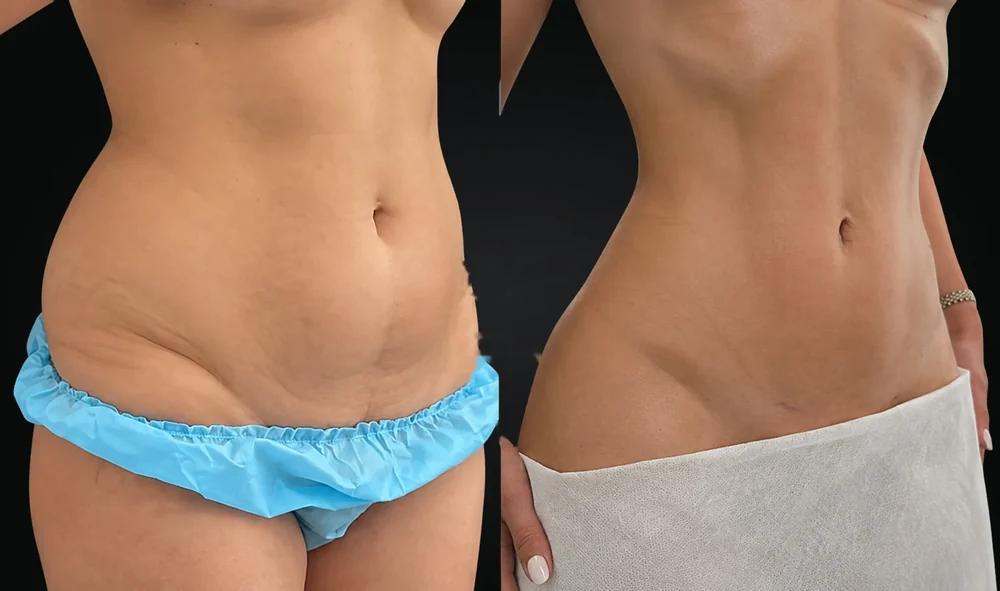
Real case
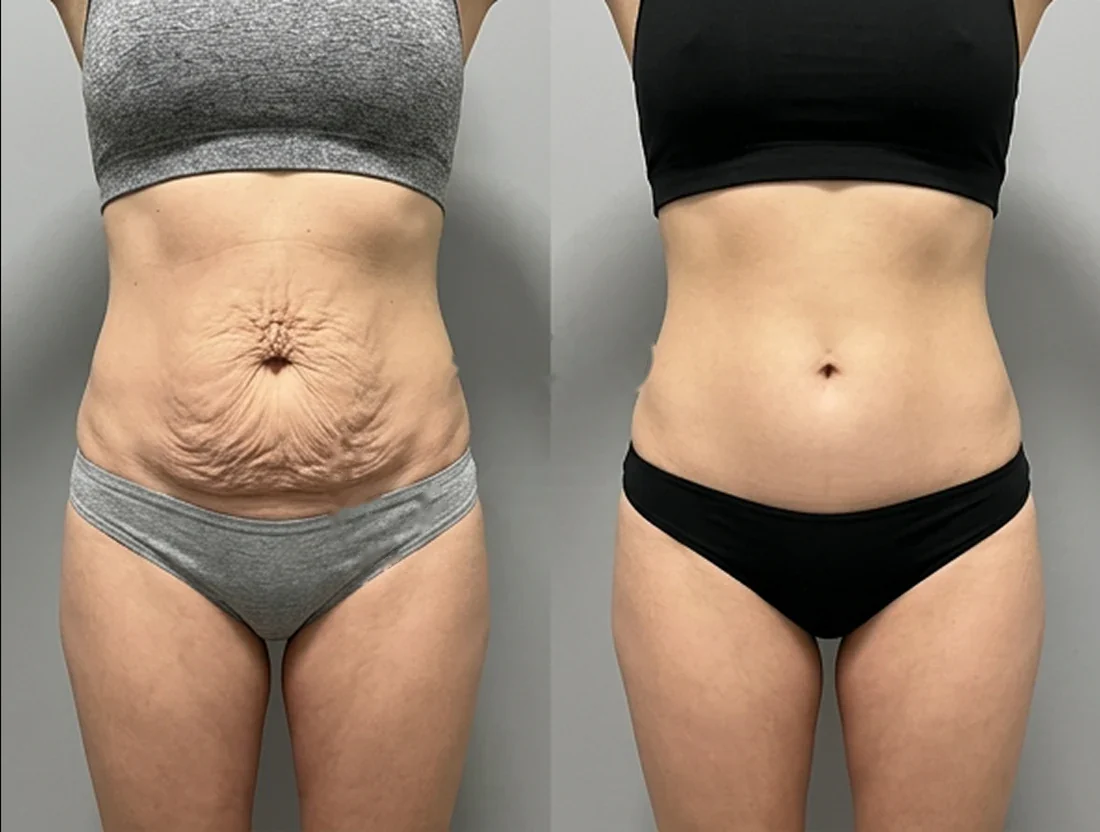
Tummy tuck: a patient's abdomen before and after surgery before after
A flat tummy and a toned silhouette in one operation. Your individual surgical plan and the expected result are discussed at the consultation

Message our coordinator

Free online consultation · Reply within 15 minutes

Message us on Telegram

By messaging us, you agree to our Privacy Policy

Results

Tummy tuck results
of our patients

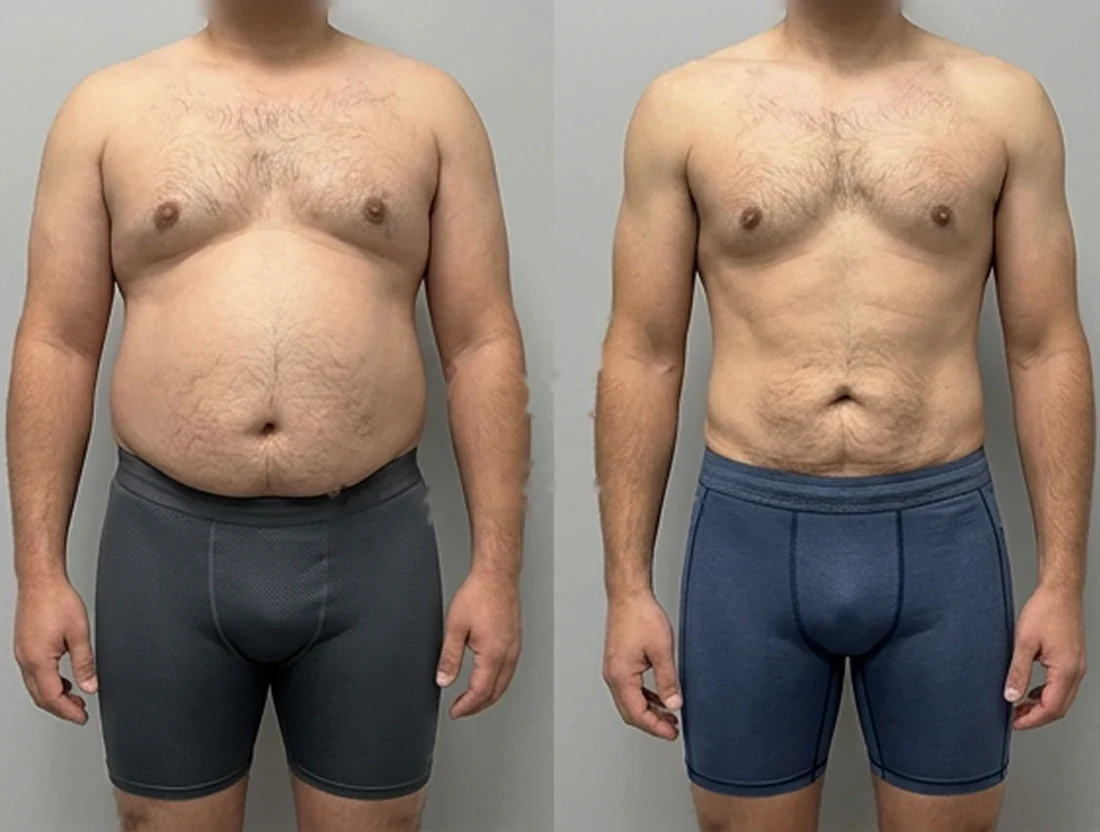
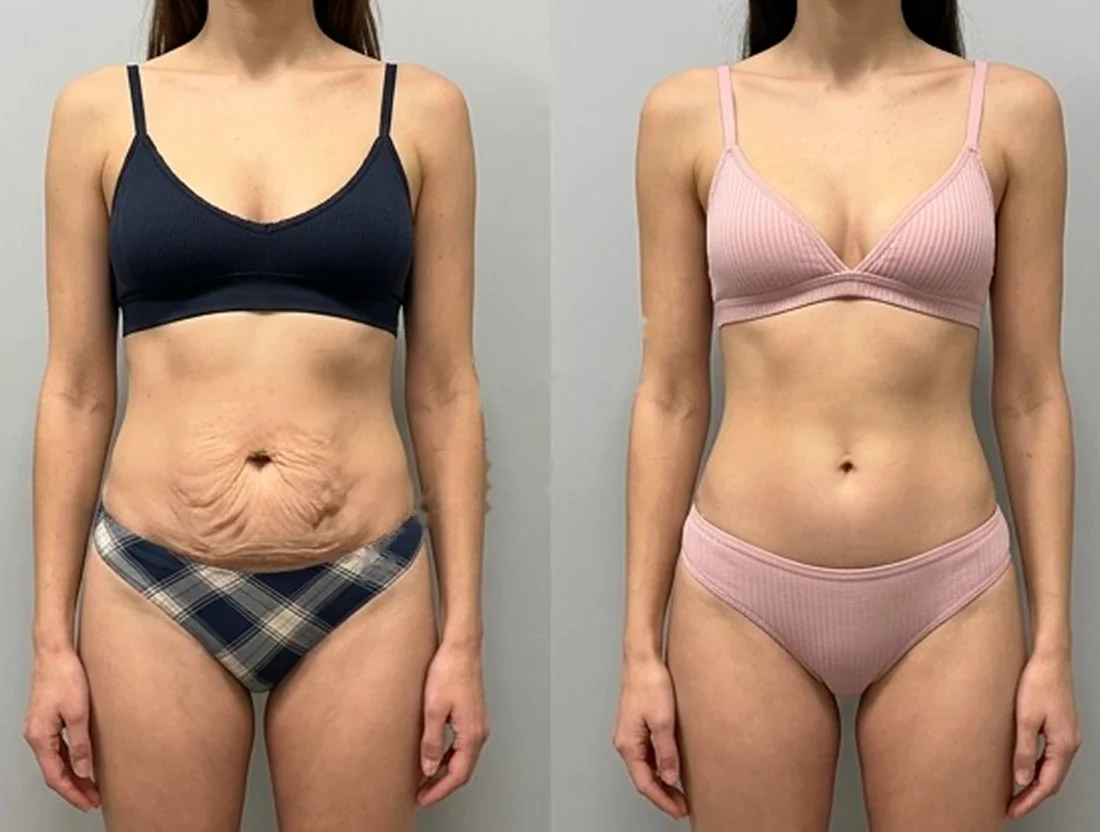
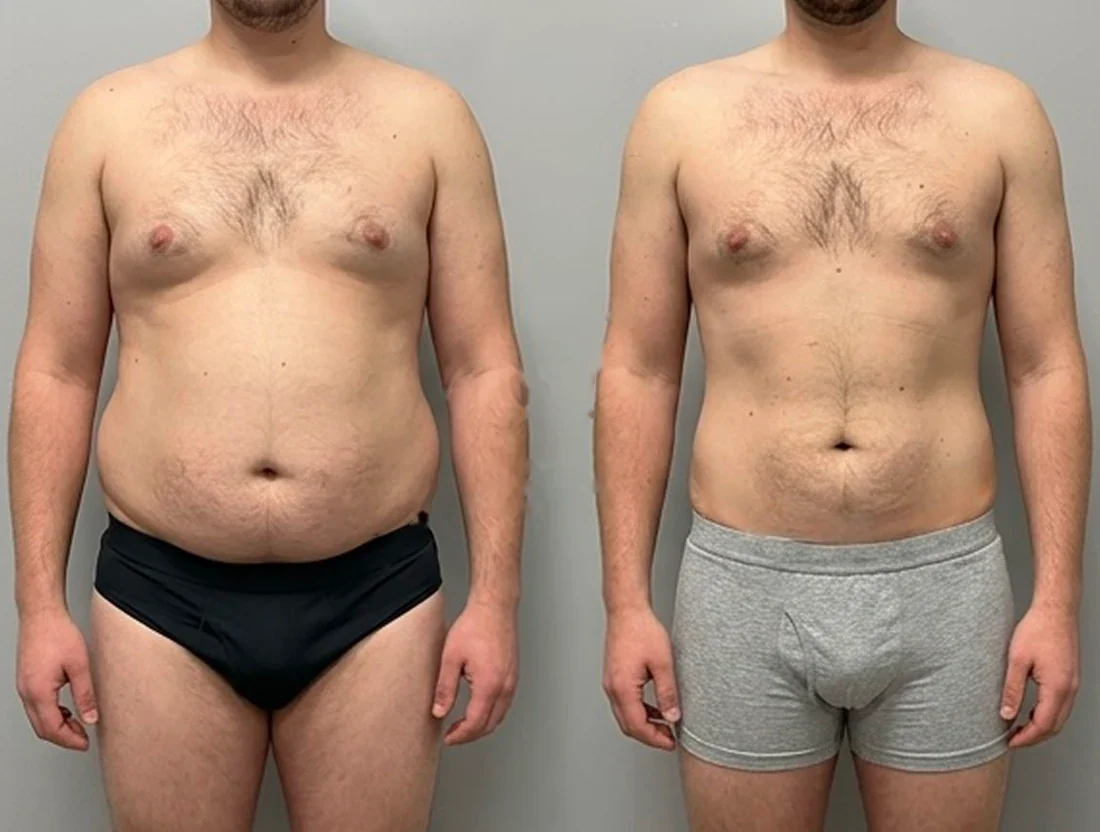
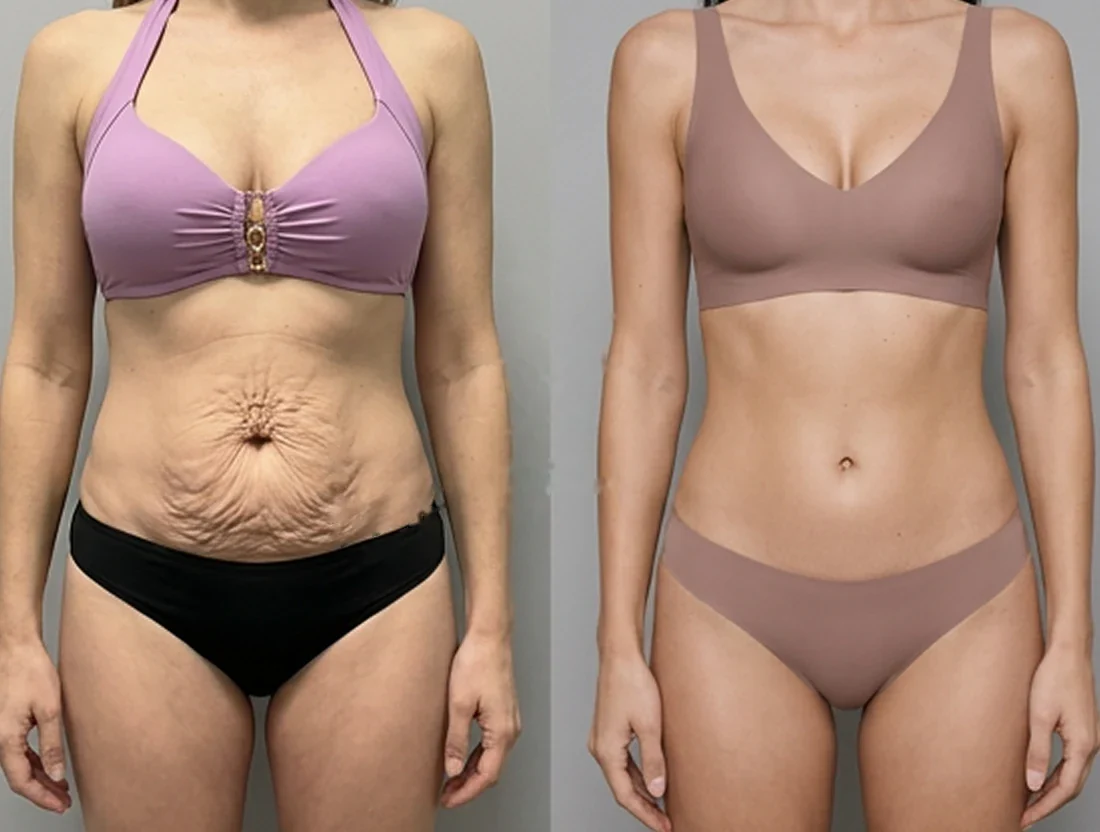
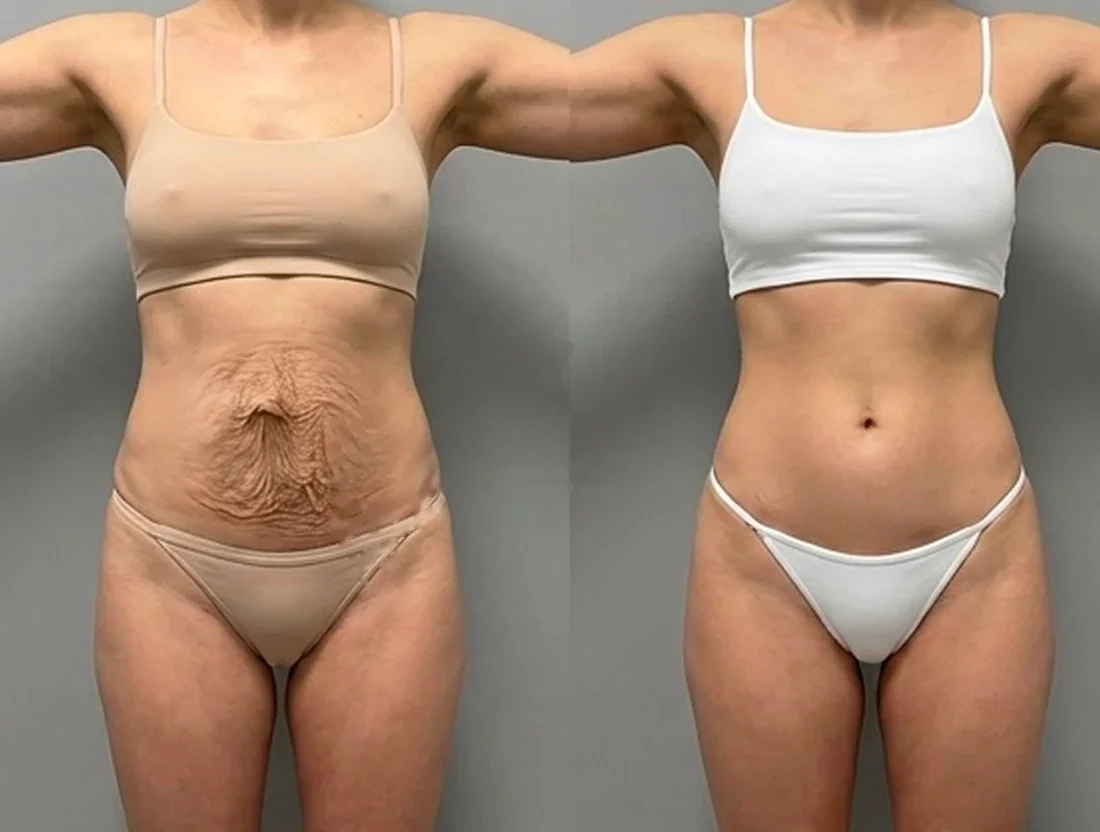
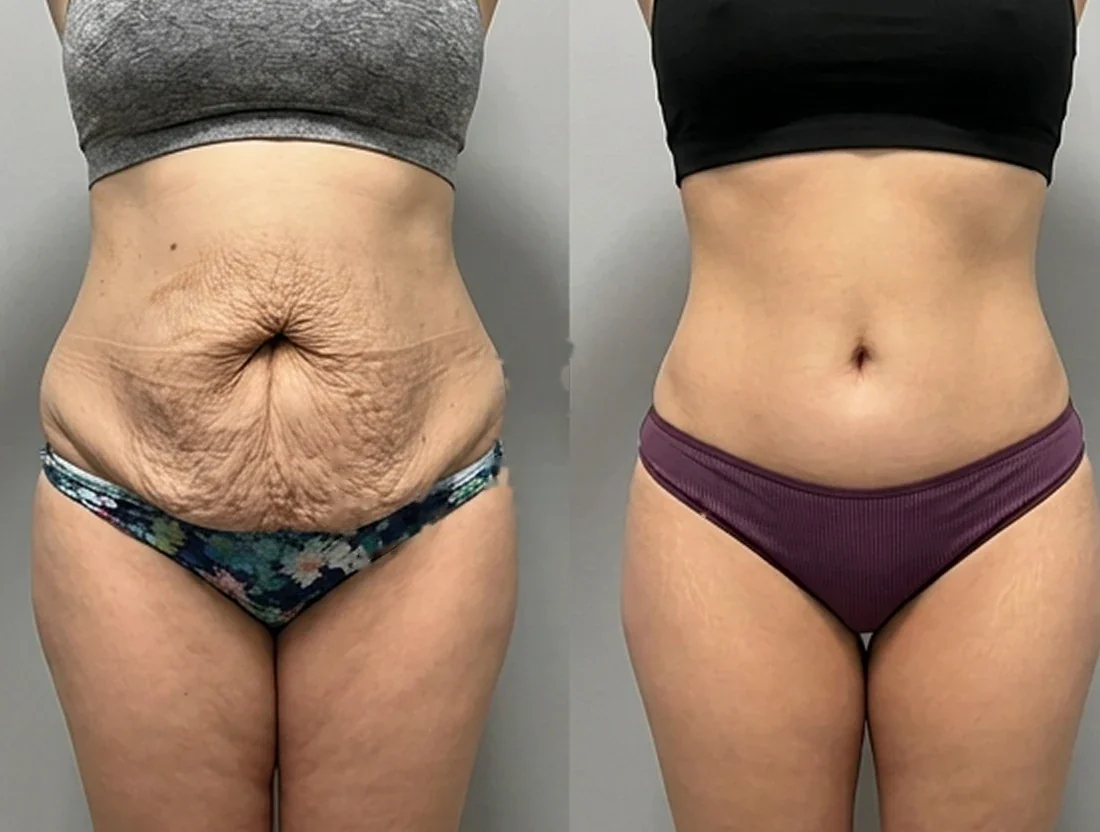
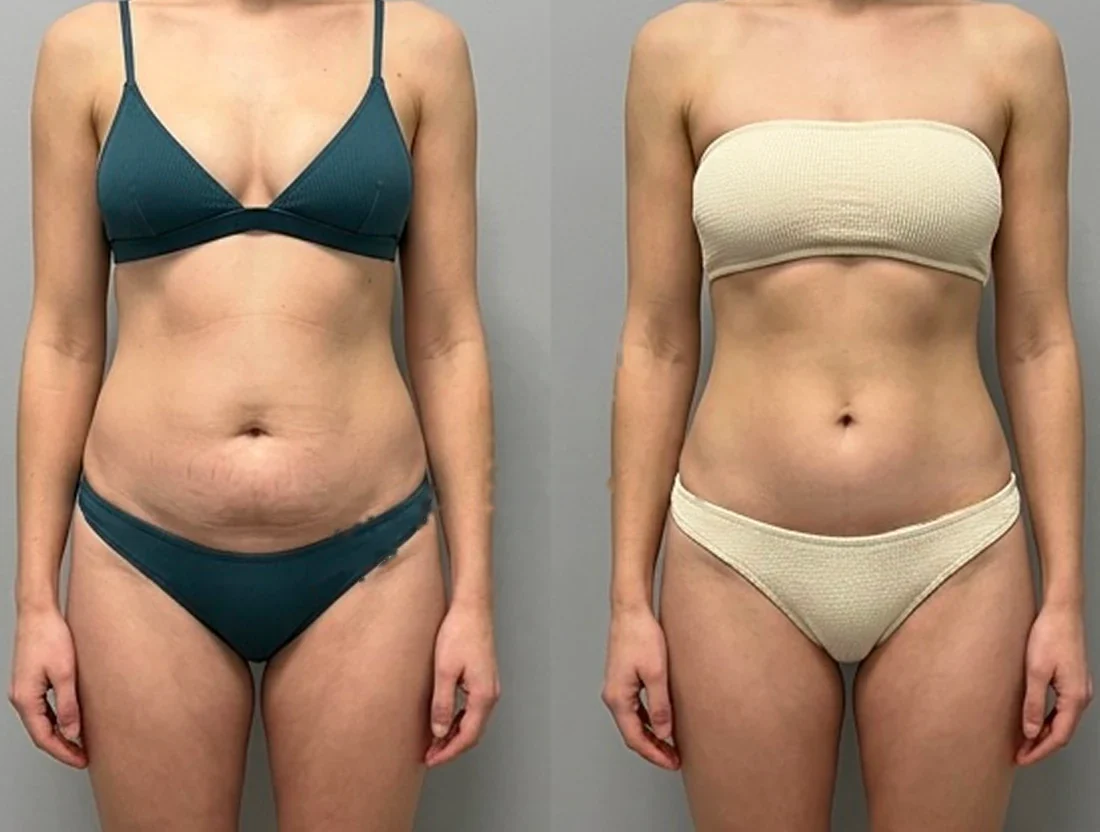
All cases are real patients. Faces and identifying details are hidden.

Tummy tuck: a female patient's abdomen before and after surgerybeforeafter
Tummy tuck: a male patient's abdomen before and after surgerybeforeafter
Tummy tuck: a female patient's abdomen before and after surgerybeforeafter
Tummy tuck: a male patient's abdomen before and after surgerybeforeafter
Tummy tuck: a female patient's abdomen before and after surgerybeforeafter
1 of 8

Comparison

Tummy tuck techniques

A tummy tuck is done as a full (classic) or mini operation, or combined with liposuction as lipoabdominoplasty. Compare the scope of surgery, the indications and the expected results to choose the right technique together with your surgeon.

Tummy tuck

Removal of excess skin, abdominal muscle tightening
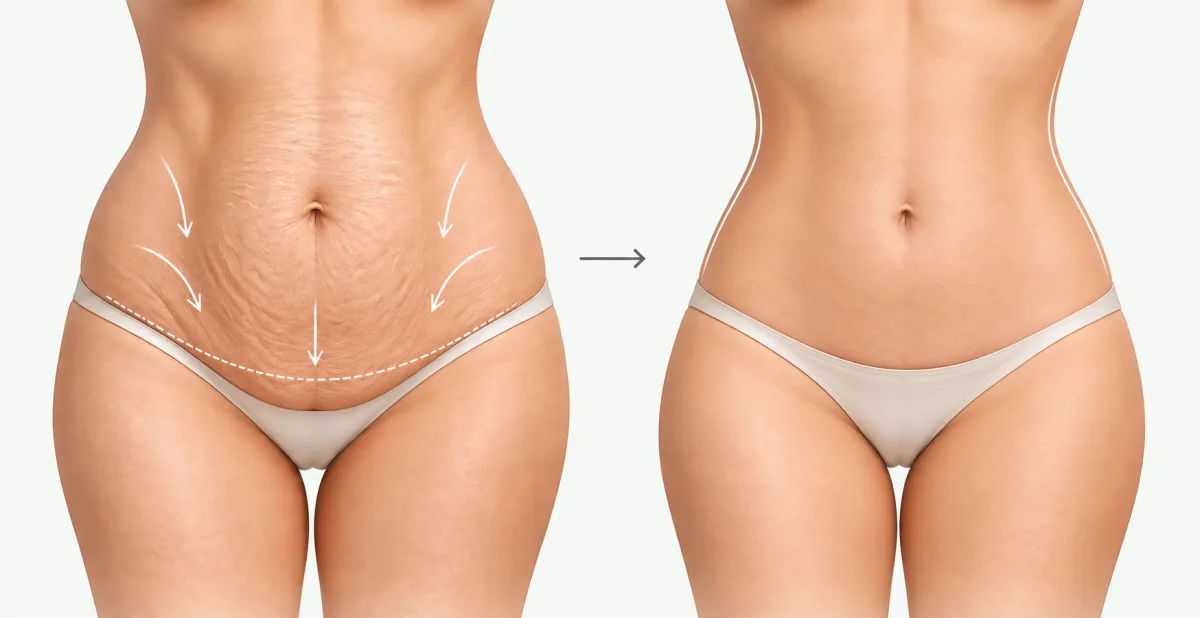
Tummy tuck diagram: the abdomen before surgery with the incision line, and the result
Main goal
Removal of excess skin, diastasis repair
When it is done
Excess skin after childbirth or weight loss
Anaesthesia and stay
General anaesthesia, up to 3 days in hospital

Lipoabdominoplasty

Tummy tuck with added liposuction
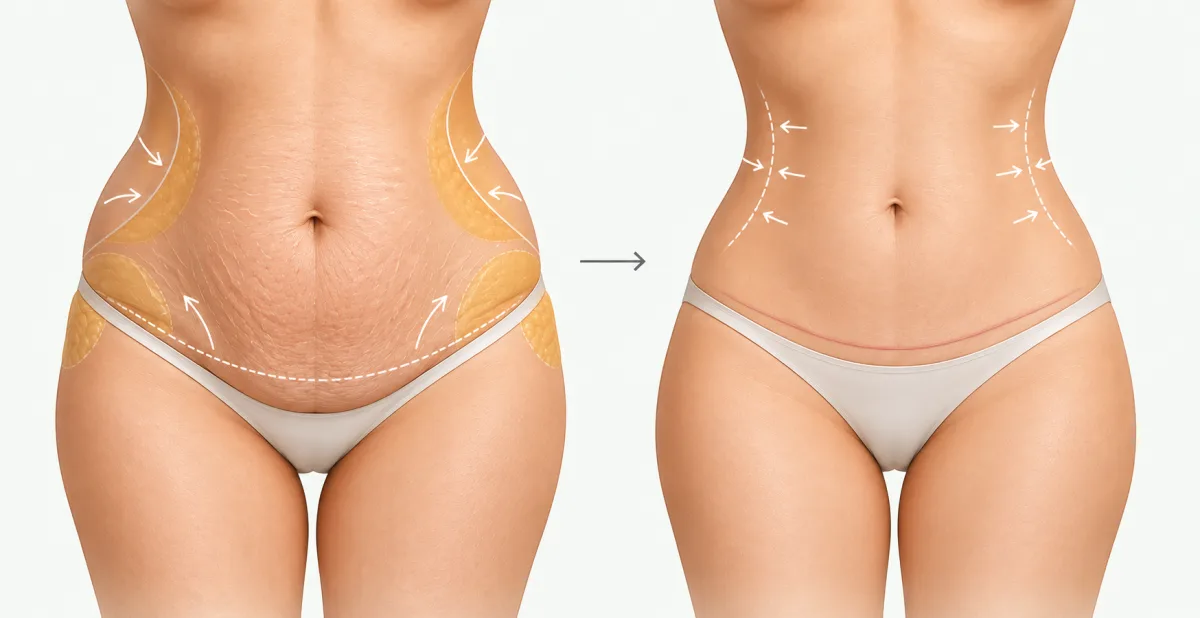
Lipoabdominoplasty diagram: the abdomen with fat on the flanks before surgery, and the result
Main goal
Tummy tightening and waist contouring
When it is done
For fat deposits on the flanks and waist
Anaesthesia and stay
General anaesthesia, up to 3 days in hospital

The benefits and recovery times shown are averaged for each technique and given for guidance: the scope of correction and rehabilitation depend on your anatomy and individual features, and the surgeon confirms them at the consultation.

At the consultation the surgeon draws up a plan for your case and explains how your tummy tuck will go.

Free, before surgery and with no obligation.

Book a consultation

Tummy tuck from the inside

About the clinic

A clinic where you can feel at ease

Modern equipment, comfortable rooms and care for every patient

A doctor and a patient in a clinic ward

Contact us the way that suits you

We will answer your questions and find a convenient time for a consultation

A tummy tuck is not for everyone

If your case can be solved without surgery, the doctor will tell you so at the consultation — and you will not spend money for nothing.

Suitable

A surgeon shows a patient on a model and a monitor how the abdominal contour changes after a tummy tuck
  • Rectus abdominis diastasis
  • Skin folds after weight loss
  • Loose abdominal skin
  • Stretched skin after pregnancy
  • A distorted abdominal contour

Not suitable

A surgeon discusses the indications and contraindications for a tummy tuck with a patient
  • Acute infections
  • Severe heart, kidney or liver conditions
  • Clotting disorders of the blood
  • Under the age of 18
  • Decompensated diabetes
  • Cancer
  • Skin inflammation in the surgical area
  • Pregnancy or breastfeeding

Not sure the surgery is right for you?

Message us — the coordinator will ask for your photos in the messenger, and the surgeon will tell you whether a tummy tuck suits you. No surgery booking needed.

Find out if it suits me

A surgeon goes through a tummy tuck diagram with a patient at the consultation

Prices

You know the price
before surgery

The price is set at the consultation and fixed in the contract.

Other services

  • First consultationFree
  • Liposuction of the abdomen and flanksfrom $1,700
Book a consultation

Find out your tummy tuck plan and price

The surgeon assesses your abdominal skin and muscles, listens to your wishes and chooses the right correction technique.
The price is set at the consultation and fixed in the contract.
A nurse talks to a patient in a clinic ward

Message our coordinator

Free online consultation · Reply within 15 minutes

Message us on Telegram

By messaging us, you agree to our Privacy Policy
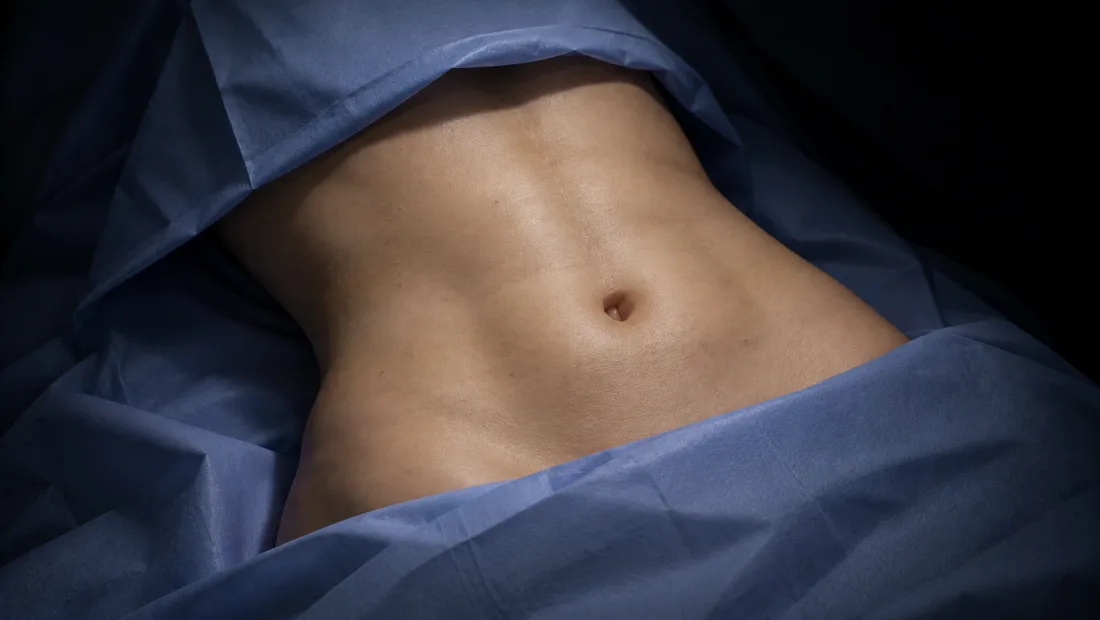
A patient's abdomen before a tummy tuck in the operating room

all inclusive

What the price includes

From preparation for surgery
to post-op check-ups.

  • All scheduled dressings
  • Scheduled post-op check-ups
  • A personal coordinator on call
  • Compression garments fitted on the day of surgery
  • A stay in a comfortable
    hospital ward with meals
  • Individual recommendations
    for recovery
  • Remote progress monitoring
    by photos

How it works

Three days at the clinic —
from preparation to discharge

An agreed correction plan, inpatient observation and post-op check-ups.

A doctor shows a patient a tummy tuck diagram on a monitor1

Consultation
and the surgical plan

The surgeon assesses your abdominal skin and muscles and checks for diastasis, listens to your wishes and chooses the right correction technique.

Paying the deposit by card at the clinic reception2

Booking the date
of surgery

We reserve a surgery date for you: the deposit can be paid by card at the clinic or online by bank transfer. The terms are fixed in the contract for medical services

A blood sample tube for tests before a tummy tuck3

Check-up before
surgery

Before surgery you complete a full lab check-up: blood tests, an ECG, a chest X-ray and reports from the required specialists.

The surgical team during the operation4

Surgery

The surgeon performs the tummy tuck with the chosen technique, repairs diastasis if needed and shapes a firmer abdominal contour.

A hospital ward at the clinic5

Inpatient stay

After surgery the patient stays for 1–3 days in a comfortable hospital ward with meals, under medical supervision.

A surgeon and a patient in the ward during recovery6

Recovery

After surgery you get a recovery programme. Check-ups at 7 days, 3 and 6 months help track your recovery.
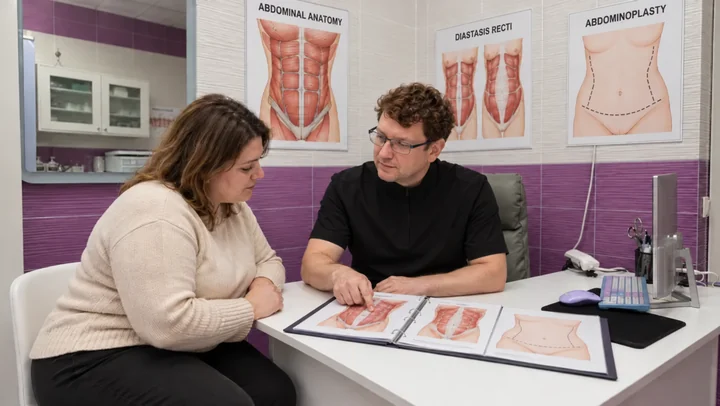
Book a free consultation — the surgeon will plan every step with you.

A doctor discusses the tummy tuck plan with a patient
Book a consultation
A doctor discusses the tummy tuck plan with a patient

How it really happens

After a tummy tuck: recovery

After surgery comes a 1–3 day hospital stay under medical supervision. Drains usually come out after two days, and stitches are removed after 7 days. The compression binder is worn for 1.5–2 months — it supports the abdominal wall and helps shape a smooth contour. Most swelling subsides within 30 days; office work resumes after 2–3 weeks. For 2–3 months there is no sport, sauna or heavy lifting; early on, sleep on your back with your knees bent. The scar is fully mature by 12 months, fading until it is barely noticeable.

Post-op check-ups

After 7 days, at 3 months and at 6 months. Until the end of the year, get a post-surgery consultation with your surgeon to review results and get more information, at the clinic's expense

Advantages

Why patients choose City Medical Centre

A surgeon discusses the tummy tuck plan with a patient at the consultation

Just find out — you lose nothing

At the consultation we discuss your wishes and assess your abdominal skin and muscles. The surgeon explains what changes are possible, chooses the correction technique and answers your questions.

A surgeon on a video call with a patient after surgery

We stay with you after surgery

The surgeon follows your recovery and the changing abdominal contour at check-ups after 7 days, 3 and 6 months. Check-ups, dressings and aftercare advice are already included in the price of surgery.

A surgeon shows a patient a model and tummy tuck diagrams

A beautiful contour that fits your figure

We choose the correction technique based on your skin, muscles and figure. Our aim is a harmonious abdominal contour that keeps the natural proportions of your body.

A patient writes down a convenient visit time in her planner

Your schedule is our priority

We respect your time: we work 24/7, with easy booking and a personal approach — we adapt to your pace.
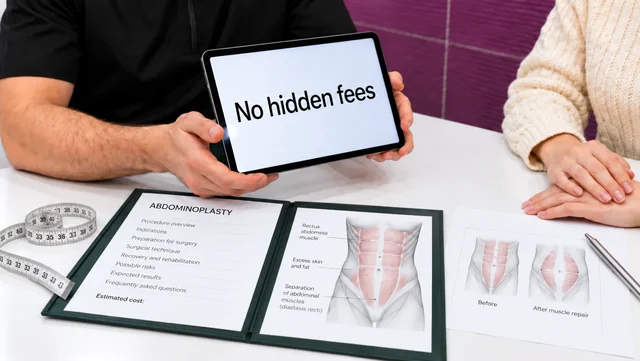
A surgeon shows a patient the fixed price of surgery with no extra charges

Fixed prices

After the consultation the surgeon defines the extent of correction, and you get a clear price for the surgery — no surprises on the way to the result you want.

A surgeon visits a patient in the hospital ward after surgery

Round-the-clock care after surgery

Recovery starts in a comfortable hospital ward under round-the-clock nursing care. The stay and meals are already included in the price.

FAQ

We answer what
people ask before booking

What Eldoret residents ask about a tummy tuck

A tummy tuck, or abdominoplasty, is surgical tightening of the front abdominal wall that removes excess stretched skin and fat. It is not a weight-loss method and does not replace diet or exercise. For patients from Eldoret, the goal is a flat abdominal contour: removing the overhanging skin-and-fat apron, repairing separated rectus muscles and, where needed, creating a new navel.

Preparation is straightforward. Two weeks before surgery, medicines affecting blood clotting are stopped; a week before, alcohol and smoking are ruled out for faster healing; the last meal is eight hours before. On the day, you meet the surgeon, the skin is marked and compression garments are fitted. The operation takes 2–4 hours under general anaesthesia. This is the plan for everyone in Eldoret.

There is no single price for abdominoplasty, since a mini tummy tuck and a classic operation with diastasis repair differ in scope. What stays constant is the approach: the surgeon names the cost after an in-person examination, and it is fixed in the contract without surprises. Eldoret residents can apply before the end of the year and get the consultation at the clinic's expense.

Eldoret and the question of a tummy tuck

Eldoret is a city in the Rift Valley region of Kenya and the capital of Uasin Gishu County. In the 2019 population census it had 475,716 people, which made it the fifth most populated urban area in the country after Nairobi, Mombasa, Nakuru and Ruiru. On 15 August 2024, after many years as a municipality, it was granted city status. It is a large, busy place, and it is also known as a major centre for medical care in Kenya, second only to Nairobi.

People here tend to plan important decisions carefully, and a tummy tuck (abdominoplasty) deserves that approach. Most patients who ask about it have a specific reason. Some have loose skin or a stretched abdominal wall after pregnancies. Some have lost a lot of weight. Others simply want a firmer abdominal contour that exercise and diet have not given them.

City Medical Centre works with patients from Eldoret through a free online consultation. Coordinators are available 24/7 on Telegram and Telegram, so you can send a first message from home, during a break at work or late in the evening. The sections below explain how the procedure fits into life in Eldoret: the climate, the working rhythm, family events, sport and food, and the questions worth preparing before you decide.

Highland climate and what it means for healing

Eldoret lies more than 2,000 metres above sea level and has a subtropical highland climate with moderate to cool weather. Temperatures drop noticeably at night, and in the cold season, May to August, they are regularly in single digits Celsius. The warm season is the driest and the cool season is the wettest. For someone recovering from abdominal surgery, this is useful to know in advance.

The cool air is generally comfortable for wearing a compression garment all day, because you are not struggling with intense heat under the fabric. The garment is not optional. Recovery is worse without it, since it supports the tissues and reduces swelling. For the first 3–4 weeks it stays on around the clock, then during the daytime for roughly a month more. Your operating surgeon will name the exact period for you.

The cool, wet months bring their own small challenges. Damp roads and cold mornings make sudden movements and slipping more likely, and the first 2–3 weeks require you to avoid physical exertion, heavy lifting and sudden movements. Plan to have help with errands, and arrange warm layers that sit loosely over the garment without pressing on the abdomen. On the dry warm days the main task is to avoid strong sun on healing skin and to keep the garment clean and comfortable.

Choosing the season for the operation

Because Eldoret does not have extreme heat, there is no single perfect month, and the choice depends more on your calendar than on the weather. The dry warm season is easier for short outings on firm ground, which helps with the gentle daily walking that supports recovery. The wet cool season suits patients who would rather stay in and rest, provided that someone can handle shopping and school runs.

Think about the full timeline. After 2–3 weeks you can do office work. By 1.5–2 months swelling and tightness pass. At 6–12 months, once the tissues have fully adapted, the final result and scar are assessed. Count backwards from any date that matters to you, such as a wedding, a graduation, a family gathering or the start of a busy season at work, and leave a comfortable margin.

Also remember the preparation period. You need to stop smoking, drinking alcohol and taking medicines that affect blood clotting 7–10 days before the surgery. Tests usually stay valid for 10–14 days, so the examination should be timed close to the operation date but not squeezed into the last day. Your coordinator on Telegram or Telegram can help you build this schedule step by step.

Work, study and the rhythm of a working city

Eldoret is surrounded by farmland and is a trading centre for an economy driven by grain, dairy and horticulture. It also has a sizeable manufacturing sector, a large market and many financial institutions. People here work in offices, shops, factories, on farms and in transport, and the physical demands of these jobs differ greatly.

The medical guidance is clear: you can return to office work after 2–3 weeks. That applies to desk-based routines. If your job involves lifting sacks, loading goods, standing for long shifts or sudden movements, the first 2–3 weeks of avoiding physical exertion and heavy lifting are only the beginning, and you should discuss your exact duties with the surgeon. Do not assume that the same date works for every kind of job.

Eldoret also hosts the largest university student population in Kenya outside the capital, with several universities and many technical institutes. Students and young staff who consider this surgery can plan it for a break between semesters, so that lectures, practical sessions and exams are not missed. Teachers and lecturers who spend long hours standing should arrange lighter duties at first. In every case, a short talk with your employer about reduced load is better than returning too early.

Sport, running culture and returning to activity

Eldoret is famous as the home and training ground of many Kenyan distance runners, and the high altitude draws athletes to the area. Running, cycling and rugby are part of daily conversation. Many residents jog in the early morning, play football on weekends or follow the Eldoret City Marathon and the local rugby season. It is natural that active people ask when they can go back.

The rules after a tummy tuck are the same for everyone. For the first 2–3 weeks you avoid physical exertion, heavy lifting and sudden movements. Sauna, steam bath, pool, tanning beds, alcohol and smoking are out for at least a month. Sport is resumed gradually, with the surgeon's approval only, and compression garments are worn for another 4–8 weeks. That means a run with friends or a rugby training session is not a matter of feeling well enough; it is a decision made together with your surgeon.

A sensible approach is to start with calm walking at home, then lengthen the walks as your surgeon allows, and only later return to running or team sport. If you take part in a race or a tournament, choose one that is well after the recovery milestones, not close to them. Tell the surgeon at the consultation what sport you do and how often, so the plan fits your habits.

Family events, food and daily life at home

Family gatherings, church services, weddings and community events are central to life in Eldoret. The region is also known for its dairy, grain and farm produce, and meals at home and with relatives are often generous. This matters because the weeks after surgery need a little planning around food and social obligations.

In hospital you stay for 1–3 days in a comfortable ward with meals, under medical supervision. After you return home, recovery continues with the surgeon monitoring it at scheduled check-ups. At home, arrange simple, light meals, plenty of fluids and fibre, and avoid heavy, salty dishes that increase bloating and make you feel uncomfortable under the garment. Alcohol is out for at least a month, which is worth telling relatives before a celebration so nobody pushes you to join a toast.

Ask a family member or close friend to stay with you in the first days. They can help with getting up from bed, preparing food, taking care of children and handling the household. If you have small children, remember that lifting them is heavy lifting and must be avoided during the first 2–3 weeks. Decide in advance who will do what, and the first weeks will be much calmer.

Who is a suitable candidate and who is not

You must be at least 18, with no contraindications. There is no upper age limit; each case is considered individually, after an examination and health assessment. In practice, the people who ask about a tummy tuck in Eldoret are often women after one or several pregnancies, men and women who have lost a lot of weight, and people with a stretched abdominal wall that does not respond to exercise.

The surgery is not a way to lose weight. The World Health Organization describes overweight and obesity as a health concern that calls for broader care, including nutrition and activity, so if your main goal is weight reduction, discuss that openly with your surgeon first. Smokers need to stop, and conditions that affect blood clotting, the heart or healing must be assessed before any decision.

The surgeon decides after the examination whether a classic tummy tuck or a mini tummy tuck is appropriate. For a mini tummy tuck, one day in hospital is usually enough; a classic tummy tuck means 1–3 days under medical supervision. Be honest about your medical history, medicines and past operations during the online consultation, because this is what lets the surgeon give you a realistic recommendation.

Preparation, tests and the surgery itself

Preparation is a must. Stop smoking, drinking alcohol and taking medicines that affect blood clotting 7–10 days before a tummy tuck. The pre-surgery check-up covers blood tests, ECG, leg vein ultrasound and consultations with a GP and anaesthetist. Get it done in advance, not the day before.

The list is identical for all: blood and urine tests, coagulation panel, biochemistry, infection tests, ECG, chest X-ray, ultrasound of the leg veins and a GP's report. The exact list comes from the surgeon at the consultation, and tests usually stay valid for 10–14 days. In Eldoret, where there are many medical facilities, you can arrange these tests locally and send the results to your coordinator for review.

The operation is performed under general anaesthesia, with up to 3 days in hospital. After surgery you receive a recovery programme. Check-ups at 7 days, 3 and 6 months help track your recovery. Check-ups, dressings and aftercare advice are already included in the price of surgery, so you do not need to worry about separate arrangements for the follow-up.

Questions to ask the surgeon before you decide

A good consultation is a conversation, and patients from Eldoret usually arrive with practical questions rather than abstract ones. Write your list in advance and keep it in your phone, so that you can paste it into the chat with the coordinator on Telegram or Telegram. Ask which type of tummy tuck suits your abdominal wall and skin: a classic operation or a mini tummy tuck. Ask what the scar will look like and how it is likely to be placed relative to your usual clothing.

Ask how your own job and household fit the recovery. A farm supervisor, a teacher, a shop owner, a student and a nurse each need a different plan for the first 2–3 weeks, and the surgeon can only advise if he knows your daily routine. Ask who you should call if something worries you at home, and how quickly the coordinators reply, remembering that they work 24/7.

Also ask what the surgeon expects from you. The answers usually include stopping smoking and alcohol before the operation, doing the tests in advance, wearing the compression garment as instructed and coming to every check-up after 7 days, 3 and 6 months. A surgeon who explains the limits of the operation as clearly as its benefits is the one worth trusting.

Dust, damp roads and everyday hygiene during recovery

Eldoret is a busy trading and manufacturing town surrounded by farmland, and in the dry warm season roads can be dusty while in the cool wet season they are muddy. Neither is a reason to postpone the operation, but both affect how you move around during the first weeks. Keep outings short and on firm ground, and avoid crowded places where someone may bump into you.

Keep dressings clean and dry and follow the aftercare advice you receive. Wash your hands before touching anything near the wound, and ask family members to do the same. If the garment becomes dusty or damp, change to a clean one rather than wearing it soiled, and ask the surgeon how many garments to have ready so that laundry never forces you to go without support.

Remember that sauna, steam bath, pool and tanning beds are out for at least a month. In a city where the evenings are cool, a warm shower at home is the easy alternative, but ask the surgeon when you may wash and how, so that you do not guess.

Emotional side: patience, family opinions and realistic expectations

Decisions about the body are rarely made alone in Eldoret, where relatives, friends and the church community often have views. It helps to decide for yourself why you want this operation, and to speak about it only with people who will support you through the recovery. A calm, informed explanation usually ends the debate faster than an argument.

Expect the first weeks to feel slow. Swelling and tightness are normal, and the first changes appear 2 weeks after surgery as the main swelling subsides. The interim result comes at 1.5–2 months, and only at 6–12 months are the final contours and scar assessed. Patients who compare themselves to photographs on the first day often become discouraged without reason.

Use the check-ups as your anchor. At 7 days, 3 months and 6 months the surgeon looks at the changing abdominal contour with you and answers questions, and until the end of the year a post-surgery consultation is available at the clinic's expense. If your mood dips, tell the coordinator; a short message at any hour is better than carrying doubts alone.

Altitude, cool nights and the first days at home

Eldoret lies over 2,000 metres above sea level, and the city's local elevation ranges from about 2,100 metres to more than 2,700 metres in nearby areas. At night the air cools noticeably, and from May to August temperatures are regularly in single digits Celsius. After a tummy tuck, you will probably spend much of the first days in bed or in a chair at home, so it is worth thinking about the room where you will rest.

Choose a room that is warm enough in the early morning and late evening, with a bed or armchair you can leave without twisting or pulling on the abdomen. Keep water, medicines, your phone and a charger within reach, so that you do not have to stretch or bend. Light, loose clothing that goes over the compression garment is more comfortable than anything tight at the waist.

Cold air can make you tense your shoulders and stomach without noticing. Try to stay relaxed, move gently and avoid sudden movements, which you must skip in the first 2–3 weeks anyway. If you feel unsure about any sensation in the treated area, write to the coordinators, who are available 24/7 on Telegram and Telegram, instead of waiting until it worries you.

A city of medical care and study: what it means for your decision

Eldoret is the second largest medical destination in Kenya after Nairobi, and Moi University has its School of Medicine and School of dental sciences on a campus within the town limits. Many residents know someone who works in health care, and this often shapes the questions they ask: what the anaesthetist does, how clotting is checked, what a GP's report should contain.

Use that familiarity wisely. A relative who is a nurse or a friend who studies medicine can help you understand the test list, but the plan for your own operation comes from your surgeon after an examination and health assessment. General anaesthesia, up to 3 days in hospital and a recovery programme are the framework; the details are set individually at the consultation.

It also helps to separate general advice from personal advice. Stories about someone else's recovery are interesting, but the rules after a tummy tuck are the same for everyone, and your own timing for sport, work and the compression garment comes from the operating surgeon. Keep a short written list of the instructions you receive, and share it with whoever will stay with you at home.

Practical planning for a household in Eldoret

A tummy tuck affects the whole household, not only the patient. Before the operation, make a simple plan for the first 2–3 weeks: who cooks, who drives children to school, who does the shopping, who takes over any farm, shop or office duties that cannot wait. Written lists are easier to follow than good intentions.

Think about the daily movements that strain the abdomen: lifting a child, carrying a bag of groceries, pushing a heavy door, reaching for a high shelf, getting into a matatu or a car. Each of them falls under the rule about avoiding heavy lifting and sudden movements. Move everyday items to waist height before you go to hospital so that you do not have to reach or bend.

Plan the return from hospital as well. After 1–3 days in a comfortable ward with meals, under medical supervision, you will be tired. Ask someone to be with you for the journey home and the first evening, and have the compression garment, dressings and aftercare notes in one place. On the following days, short gentle walks inside the home, as your surgeon allows, are better than long periods of lying still.

How the remote consultation works from Eldoret

The first step is a free online consultation. You write to the coordinators on Telegram or Telegram, describe your situation and send photos if the surgeon asks for them. We respect your time: we work 24/7, with easy booking and a personal approach, so we adapt to your pace. You can write in the evening after work or early in the morning, and you do not need to be in a particular place.

During the consultation the surgeon reviews your goals, medical history and tests, and explains which type of tummy tuck suits you. Eldoret's evenings can be cool, and mobile networks may vary by neighbourhood, so choose a quiet spot with a stable connection and have your documents at hand.

After the operation you stay in touch. The surgeon follows your recovery and the changing abdominal contour at check-ups after 7 days, 3 and 6 months. Until the end of the year, you can get a post-surgery consultation with your surgeon to review results and get more information, at the clinic's expense. This keeps you supported long after you return to everyday life in Eldoret.

How soon can I go back to work in Eldoret after a tummy tuck?

For office work you can return after 2–3 weeks. If your job is physical, such as lifting goods or long hours on your feet, ask the surgeon about the exact timing, because the first 2–3 weeks require avoiding exertion, heavy lifting and sudden movements.

Is the cool Eldoret climate good for recovery?

The moderate to cool highland weather is comfortable for wearing the compression garment all day. In the wet cool months be careful on slippery ground and avoid sudden movements. In the dry warm months protect healing skin from strong sun.

Do I really need a compression garment?

Yes, it is a requirement. Recovery is worse without it because it supports the tissues and reduces swelling. The first 3–4 weeks it stays on around the clock, then during the daytime for roughly a month more. Your operating surgeon will name the exact period.

When can I run or play sport again?

Sport is resumed gradually, with the surgeon's approval only. For the first 2–3 weeks you avoid physical exertion, heavy lifting and sudden movements, and compression garments are worn for another 4–8 weeks. Pool, sauna, steam bath and tanning beds are out for at least a month.

How long do I stay in hospital?

A classic tummy tuck means 1–3 days under medical supervision, in a comfortable ward with meals. For a mini tummy tuck, one day is usually enough. Surgery is done under general anaesthesia, and recovery continues at home with scheduled check-ups.

What tests do I need before the surgery?

The list includes blood and urine tests, coagulation panel, biochemistry, infection tests, ECG, chest X-ray, ultrasound of the leg veins and a GP's report. The surgeon confirms the exact list, and tests usually stay valid for 10–14 days. Do them in advance, not the day before.

Is there an age limit?

You must be at least 18, with no contraindications. There is no upper limit; each case is considered individually after an examination and health assessment.

When will I see the result?

The first changes appear 2 weeks after surgery as the main swelling subsides. The interim result comes at 1.5–2 months and the final contours at 6–12 months, when the final result and scar are assessed.

Can I consult before deciding?

Yes. The online consultation is free, and coordinators are available 24/7 on Telegram and Telegram. You can ask about preparation, recovery, check-ups and which type of tummy tuck may suit you.

Can I arrange my tests in Eldoret and send them to the coordinator?

Yes. Eldoret has many medical facilities, so the tests can be done locally. The surgeon gives the exact list at the consultation, and tests usually stay valid for 10–14 days, so time them close to the operation but not on the last day.

Should I worry about dust or mud while healing?

Keep outings short, stay on firm ground, keep dressings clean and dry, and change a soiled compression garment for a clean one. Follow the surgeon's aftercare advice on washing.

What if I have a question late at night?

Coordinators are available 24/7 on Telegram and Telegram, so you can write at any hour. Your surgeon then follows your recovery at the check-ups after 7 days, 3 and 6 months.

Does the high altitude of Eldoret affect recovery after a tummy tuck?

There are no special medical numbers for altitude, so follow your surgeon's general guidance. What matters in practice is the cool air, which is comfortable under a compression garment, and the need to avoid sudden movements and exertion for the first 2–3 weeks. Ask the surgeon at the online consultation if you have any concerns.

Who should stay with me at home after the hospital?

Ask a family member or a close friend to stay for the first days. They can help you get up, prepare food, look after children and manage the household. Lifting children is heavy lifting, so it must be avoided during the first 2–3 weeks.

Can a relative who works in medicine plan my recovery?

They can help you understand the tests and instructions, but the plan comes from your operating surgeon after an examination and health assessment. The surgeon names the exact period for the compression garment and decides when sport may resume.