
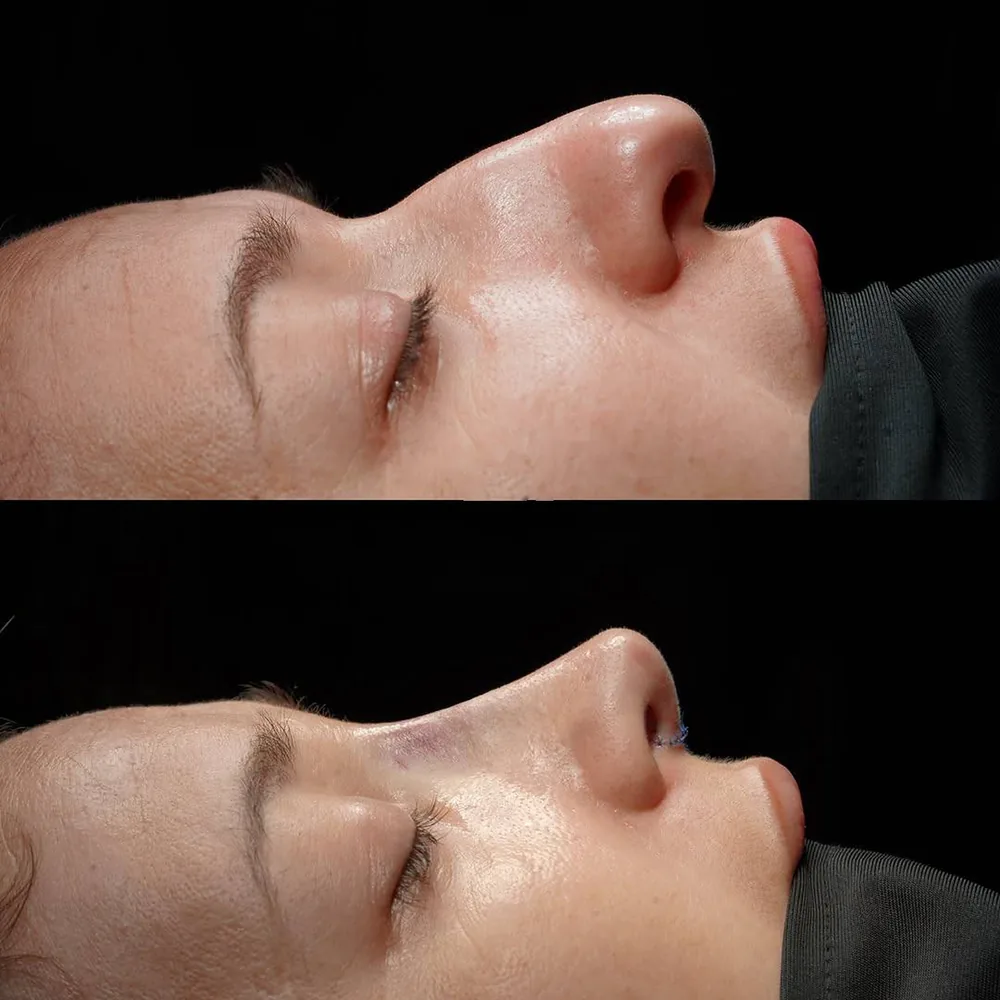
 beforeafter
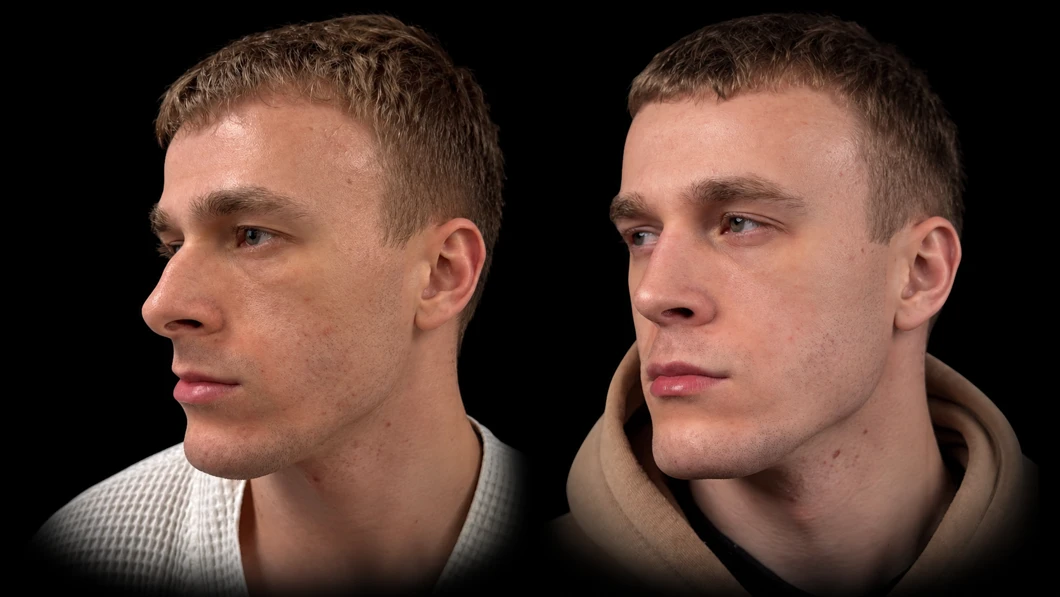
Irina, 24
Rhinoplasty
Rhinoplasty
$4,200
Instead of $6,000 (≈ ₦8,000,000) · First consultation — Free
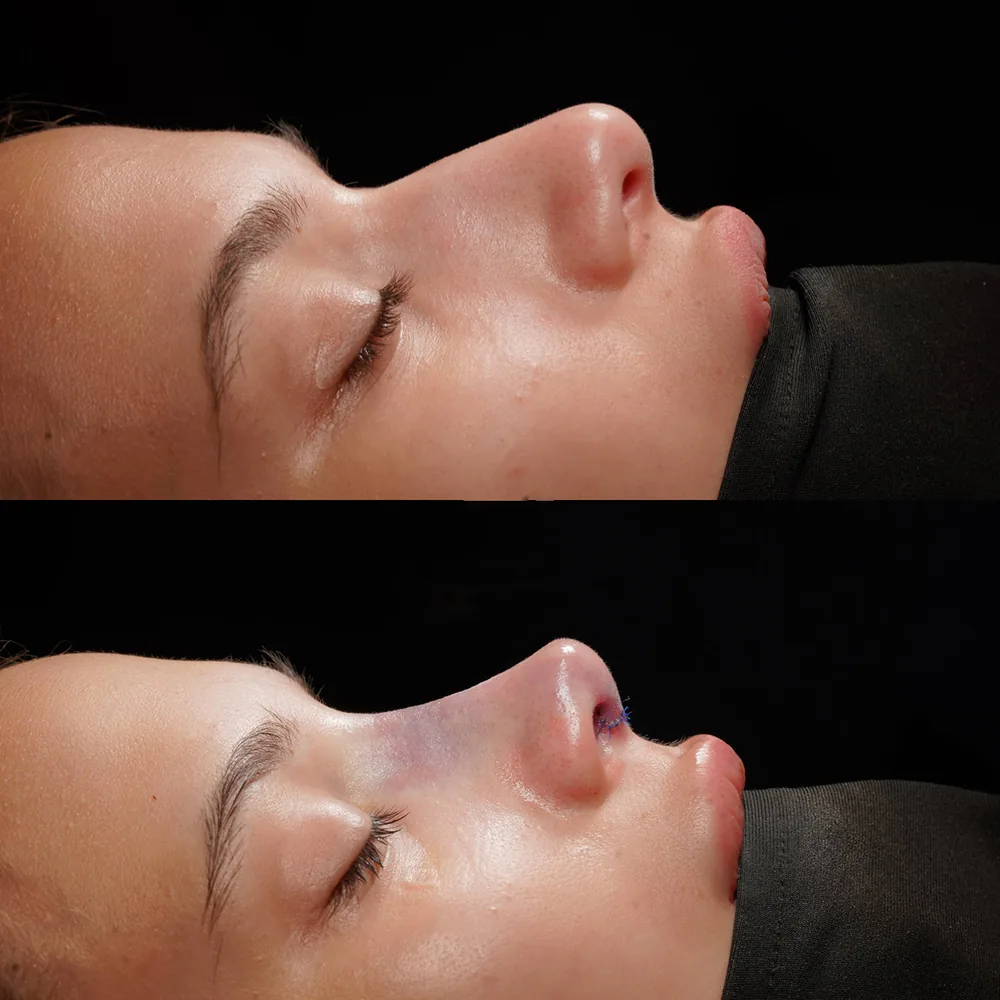 before
after
Message our coordinator
Free online consultation · Reply within 15 minutes
Message us on TelegramMessage us on WhatsAppBy messaging us, you agree to our Privacy Policy
Results
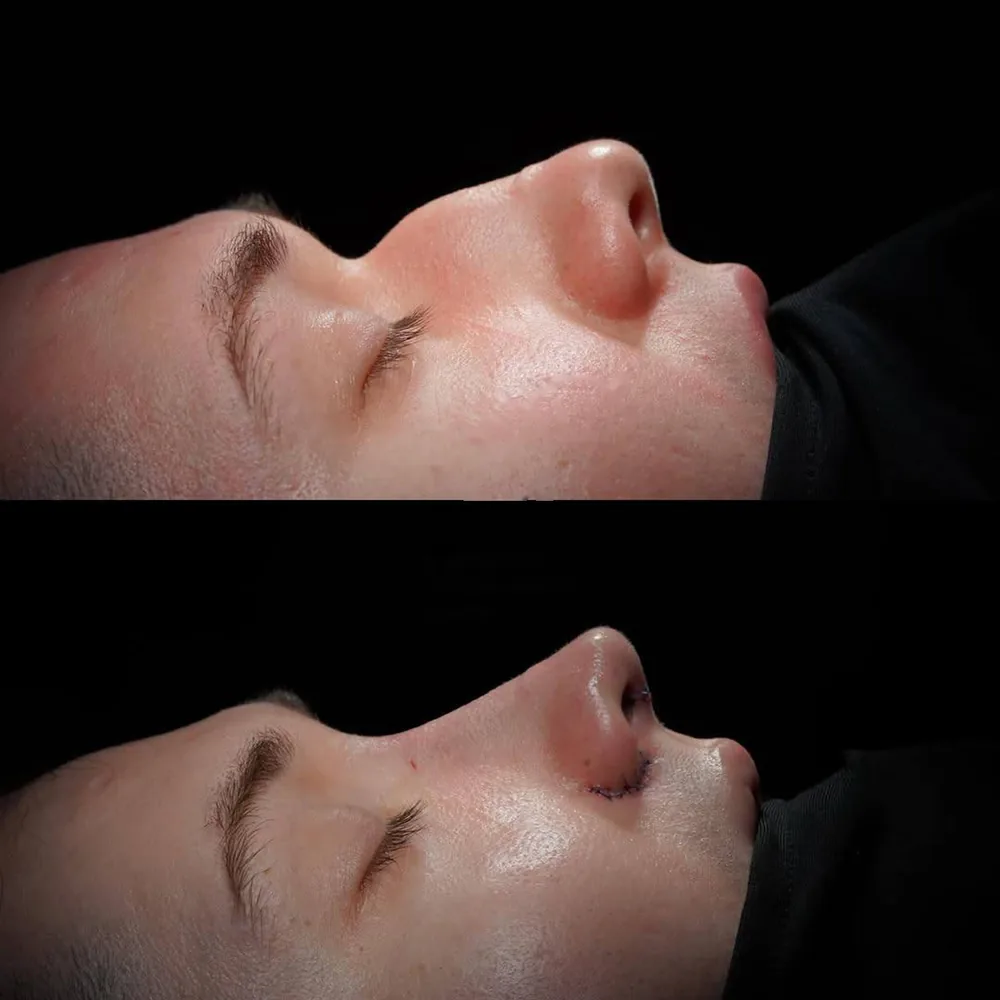
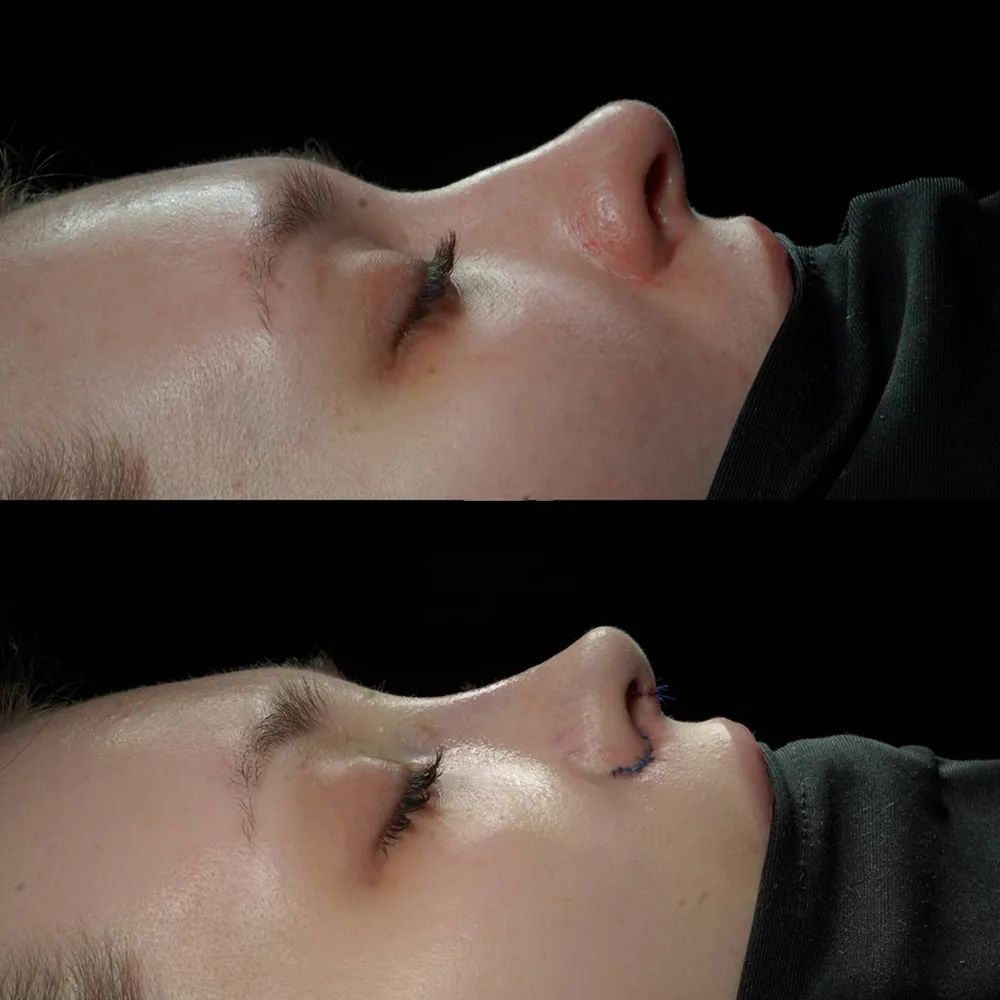
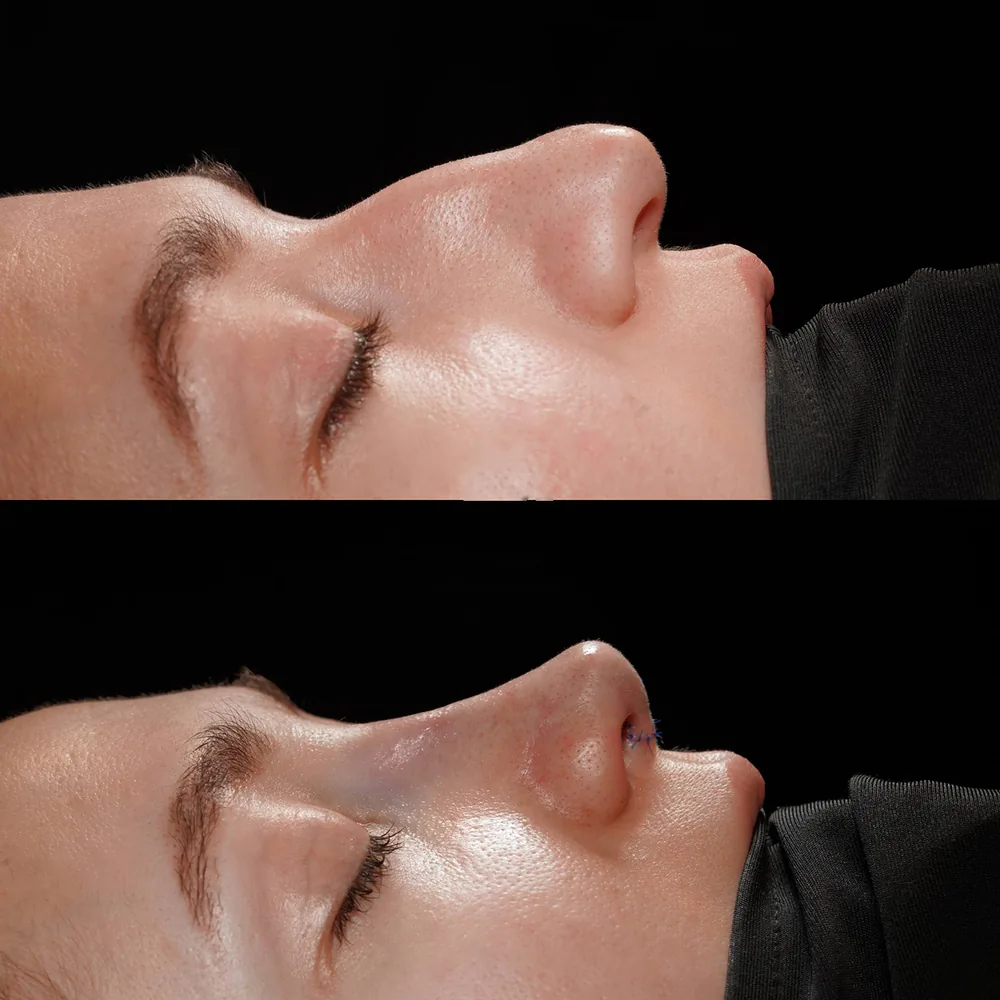
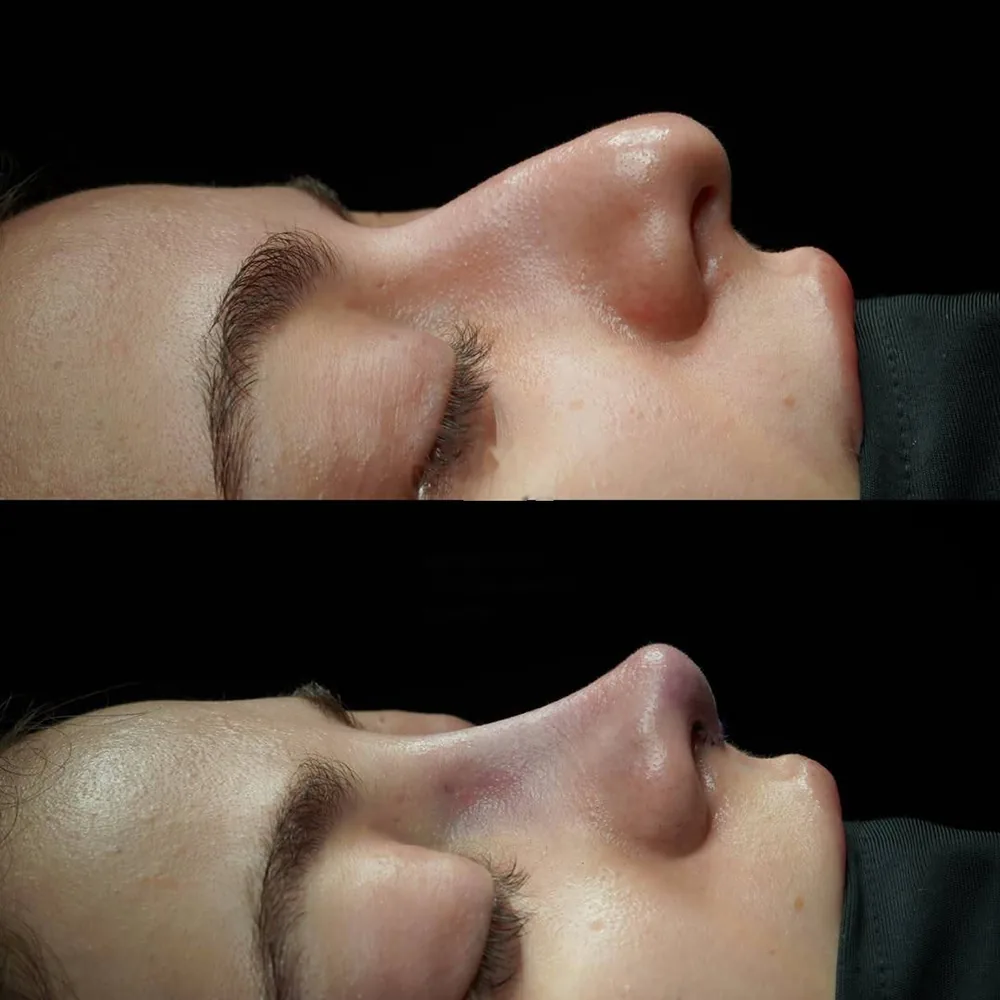
Every case shown belongs to a real patient of the clinic.
beforeafterRhinoplasty
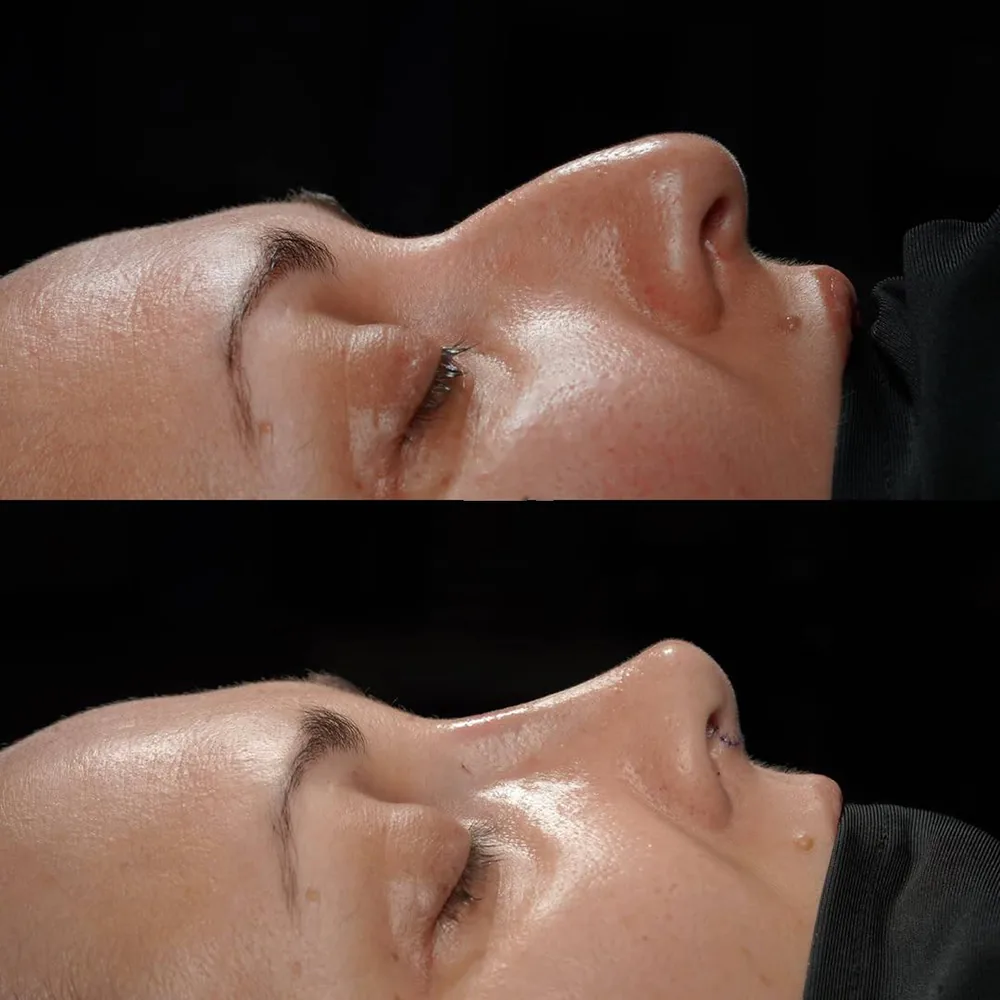 beforeafter
Rhinoplasty
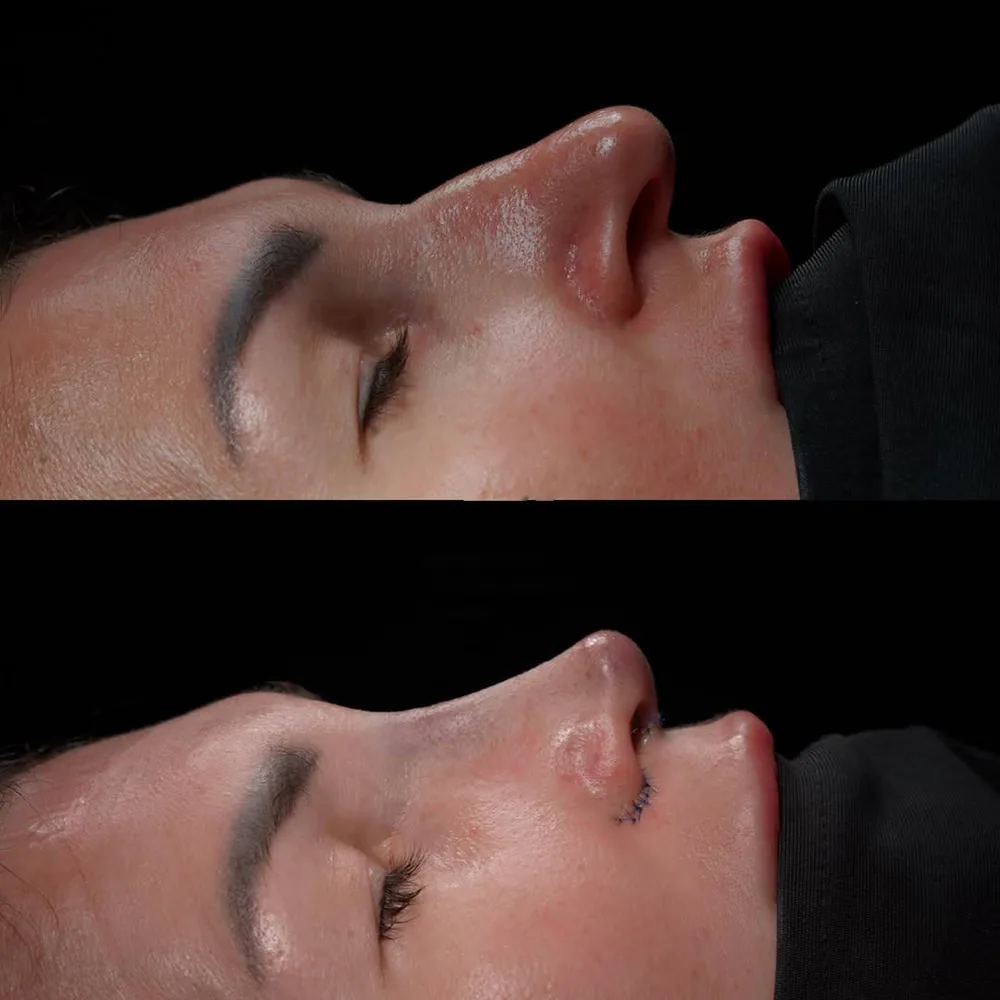 beforeafter
Rhinoplasty
 beforeafter
Rhinoplasty
 beforeafter
Rhinoplasty
beforeafterRhinoplasty
 beforeafter
Rhinoplasty
 beforeafter
Rhinoplasty
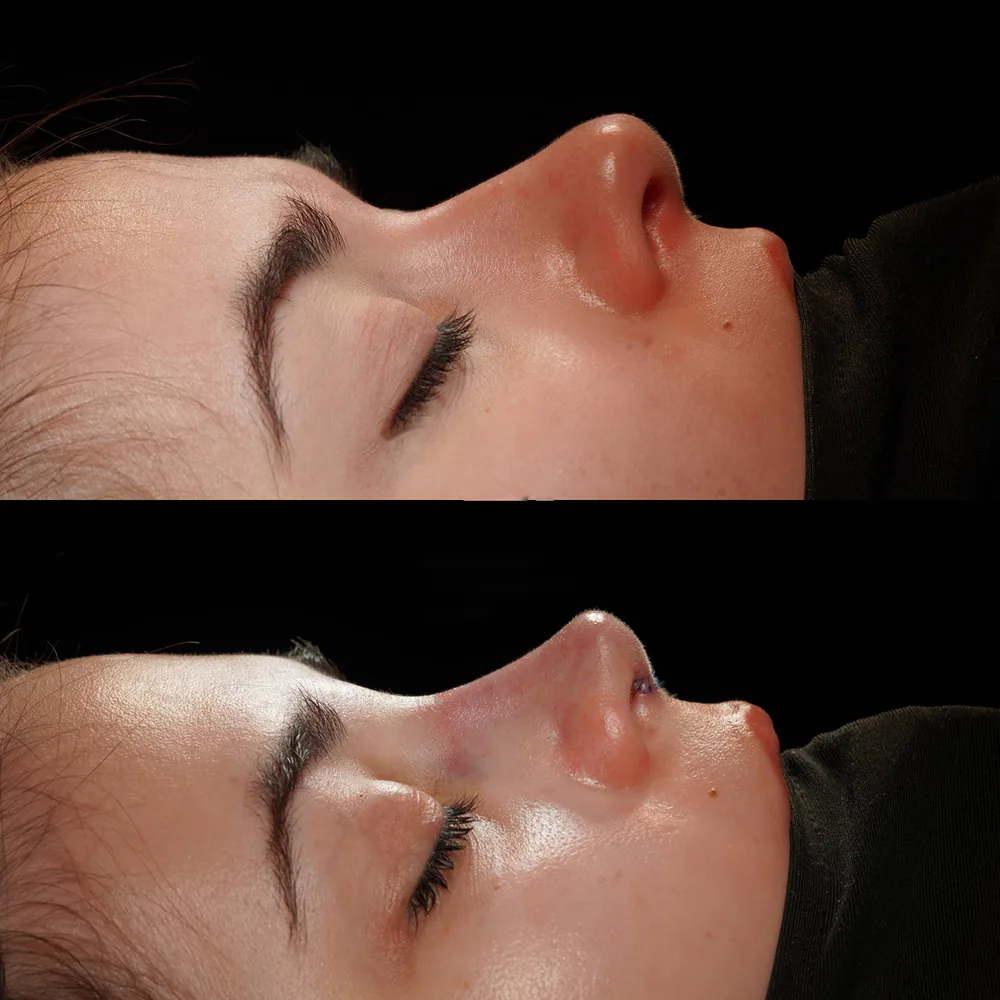 beforeafter
Rhinoplasty
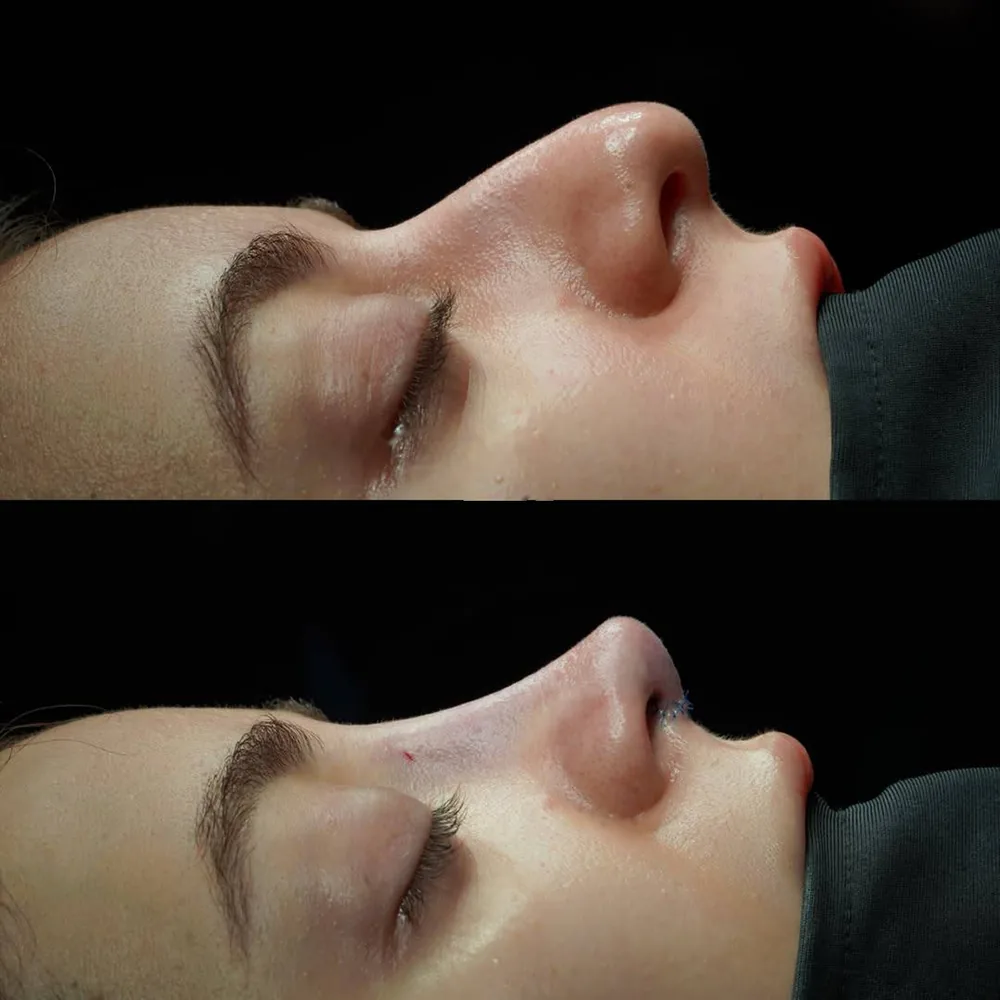 beforeafter
Rhinoplasty
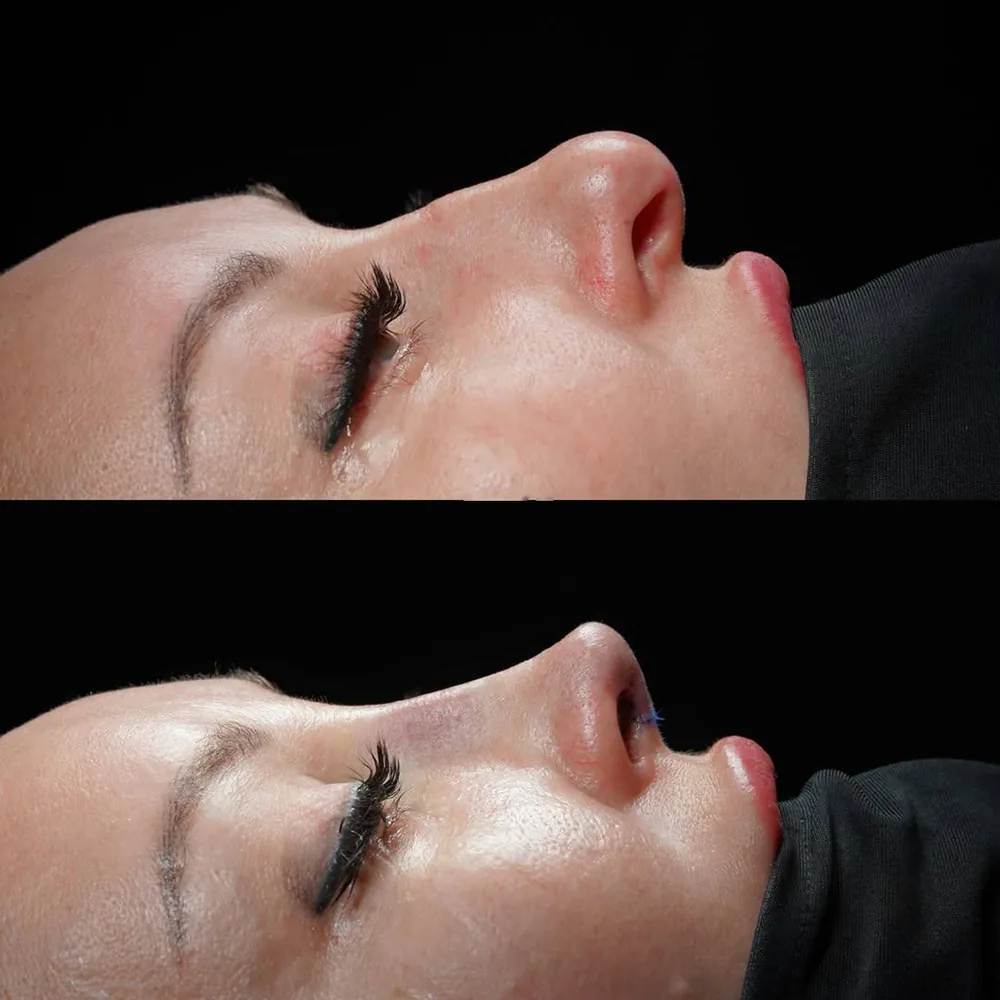 beforeafter
Rhinoplasty
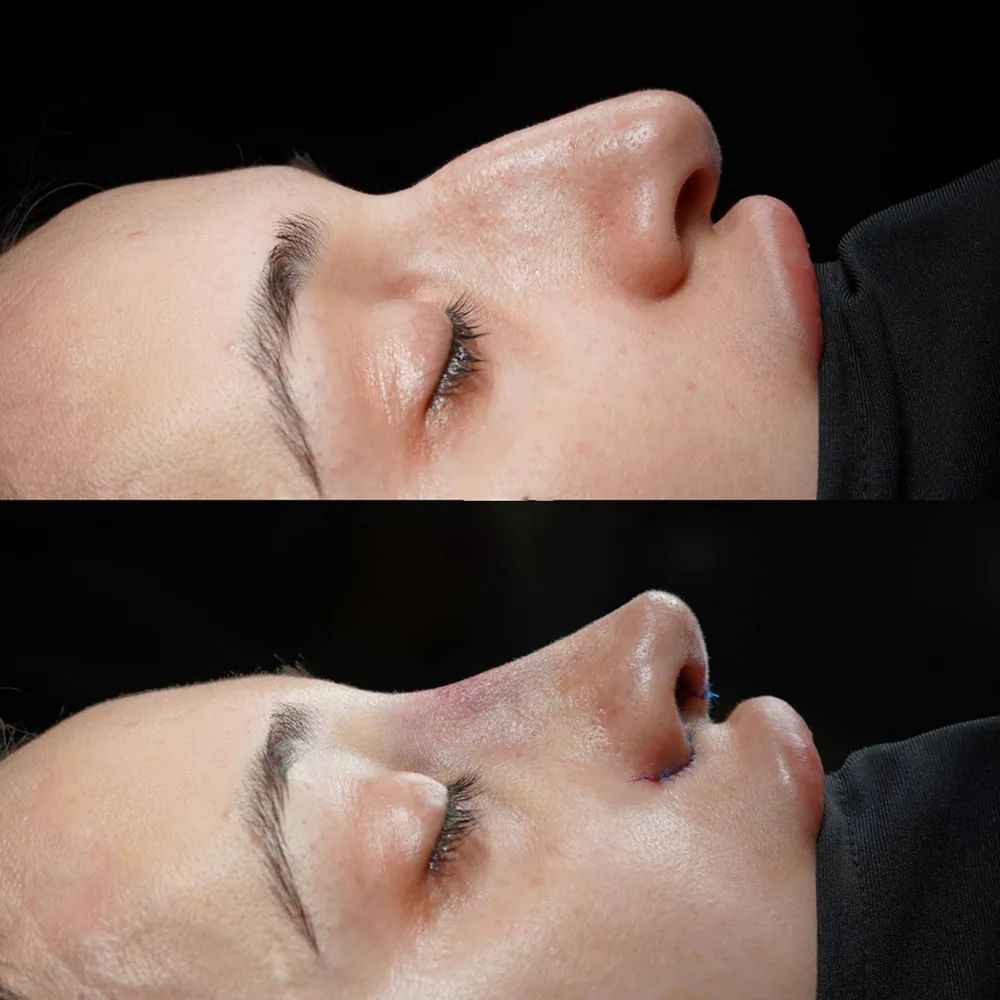 beforeafter
Rhinoplasty
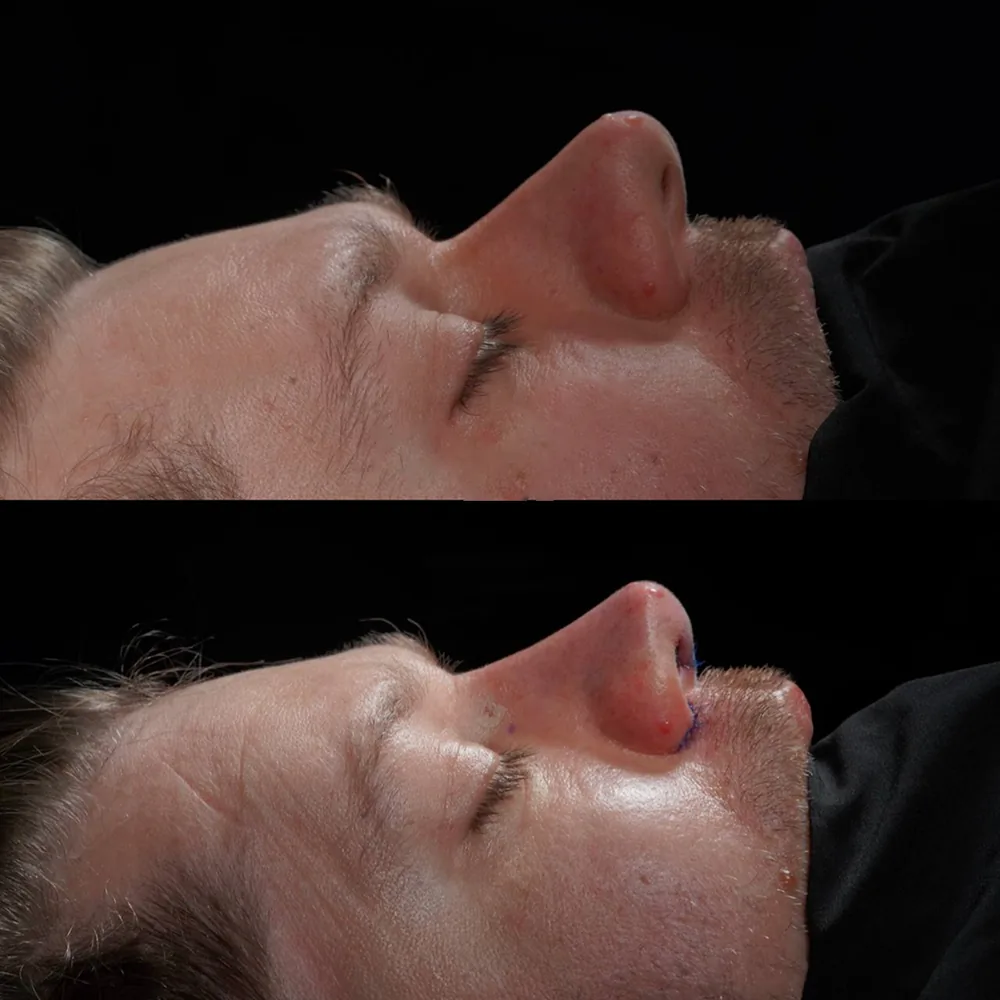 beforeafter
Rhinoplasty
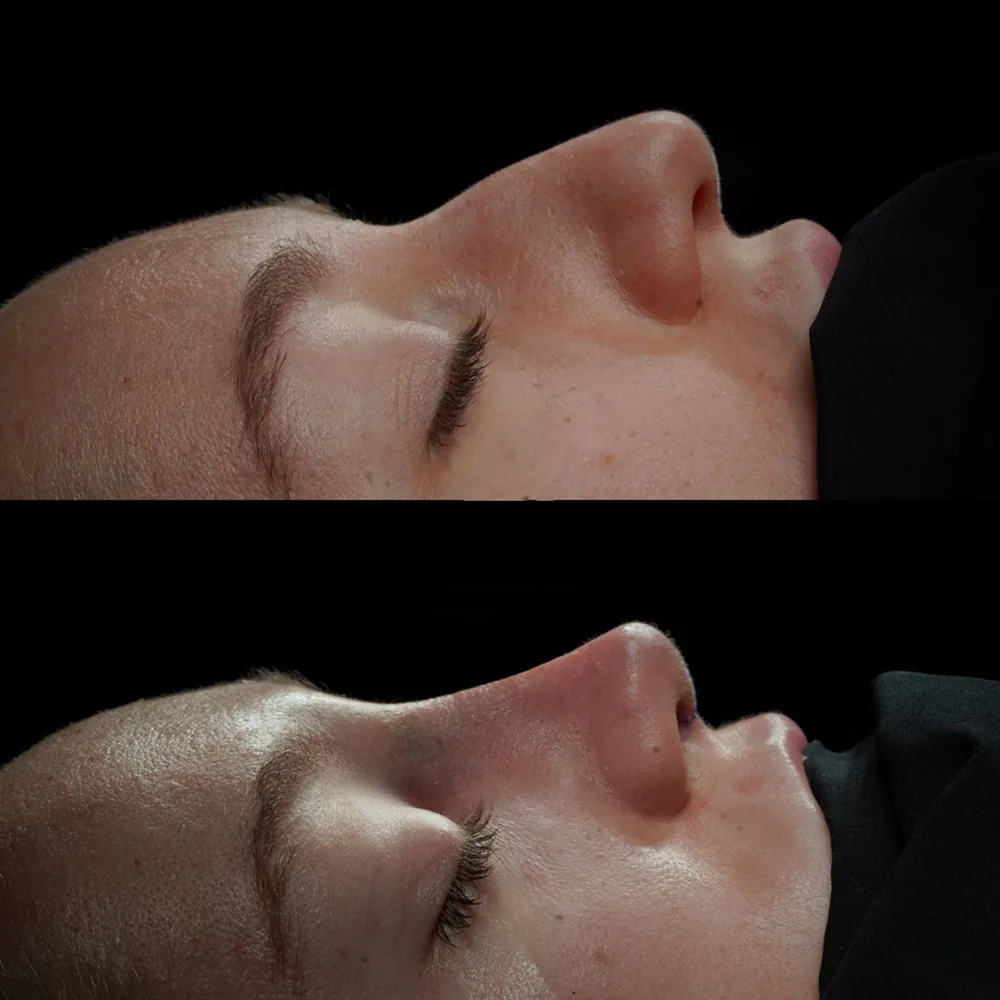 beforeafter
Rhinoplasty
Comparison
We'll identify the most effective solution for your case and reach an excellent result.
The first-ever surgery on the nose, correcting its shape and restoring breathing where airflow is limited.
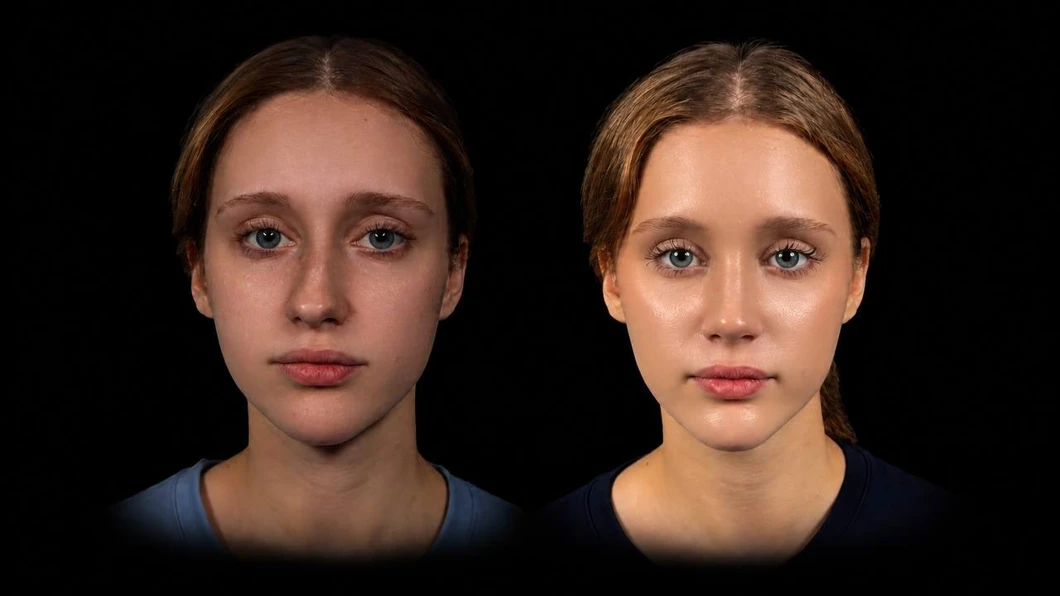
Discounted price
$4,200 $6,000
A secondary, corrective operation: performed when an earlier nose surgery was unsuccessful or only partly worked. It is not done until at least a year after the first procedure.
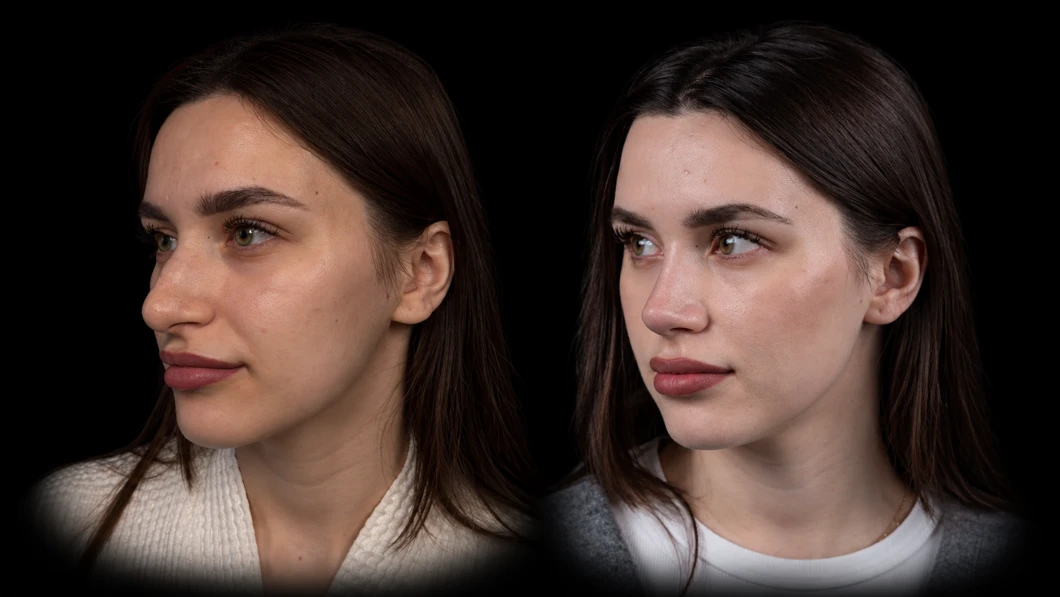
Discounted price
$5,400 $7,200
A single surgery addressing both the septum and the shape of the nose.
Discounted price
$5,000 $6,600
The benefits and recovery periods listed here are average figures by surgery type, provided only for guidance — the actual scope of correction and recovery time depend on your own anatomy, and the surgeon will confirm them at the consultation.
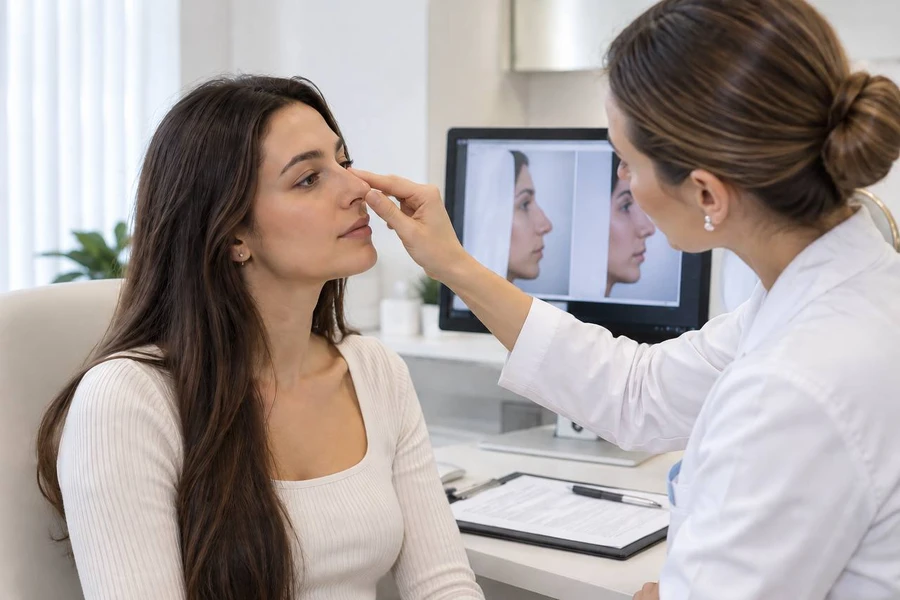
At the consultation the doctor will model the future result in 3D and explain
how your rhinoplasty will be carried out
The consultation is free, before surgery and with no commitment.
Book a consultationOur clinic
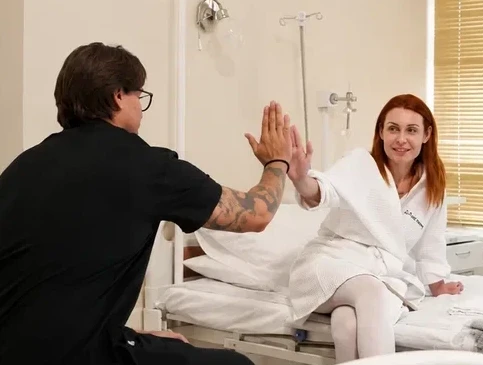
Every patient gets modern equipment, comfortable rooms and attentive care
We'll respond to your questions and set up a consultation at a convenient time
Get a consultationIf an operation turns out not to be necessary, the doctor will say so during the consultation — you won't pay for nothing.

Unsure which column applies to you?
Message us on Telegram and send photos of your nose — the doctor will tell you whether rhinoplasty is right for you. Free and with no commitment to surgery.
Find out if it suits me
Prices
At the free consultation, once the result has been modelled, you receive the price, which is then fixed in the contract.
Discounted price
nose reshaping
$4,200$6,000
Discounted price
secondary, revision
$5,400$7,200
Discounted price
both the shape and the septum
$5,000$6,600
Free
surgeon's examination and 3D modelling
Free
the cost of surgery is named
and fixed in the contract
The doctor will study your nasal anatomy, listen carefully to what you want
and propose the right correction technique. The cost is given at the consultation and recorded in the contract.

Message our coordinator
Free online consultation · Reply within 15 minutes
Message us on TelegramMessage us on WhatsAppBy messaging us, you agree to our Privacy Policy
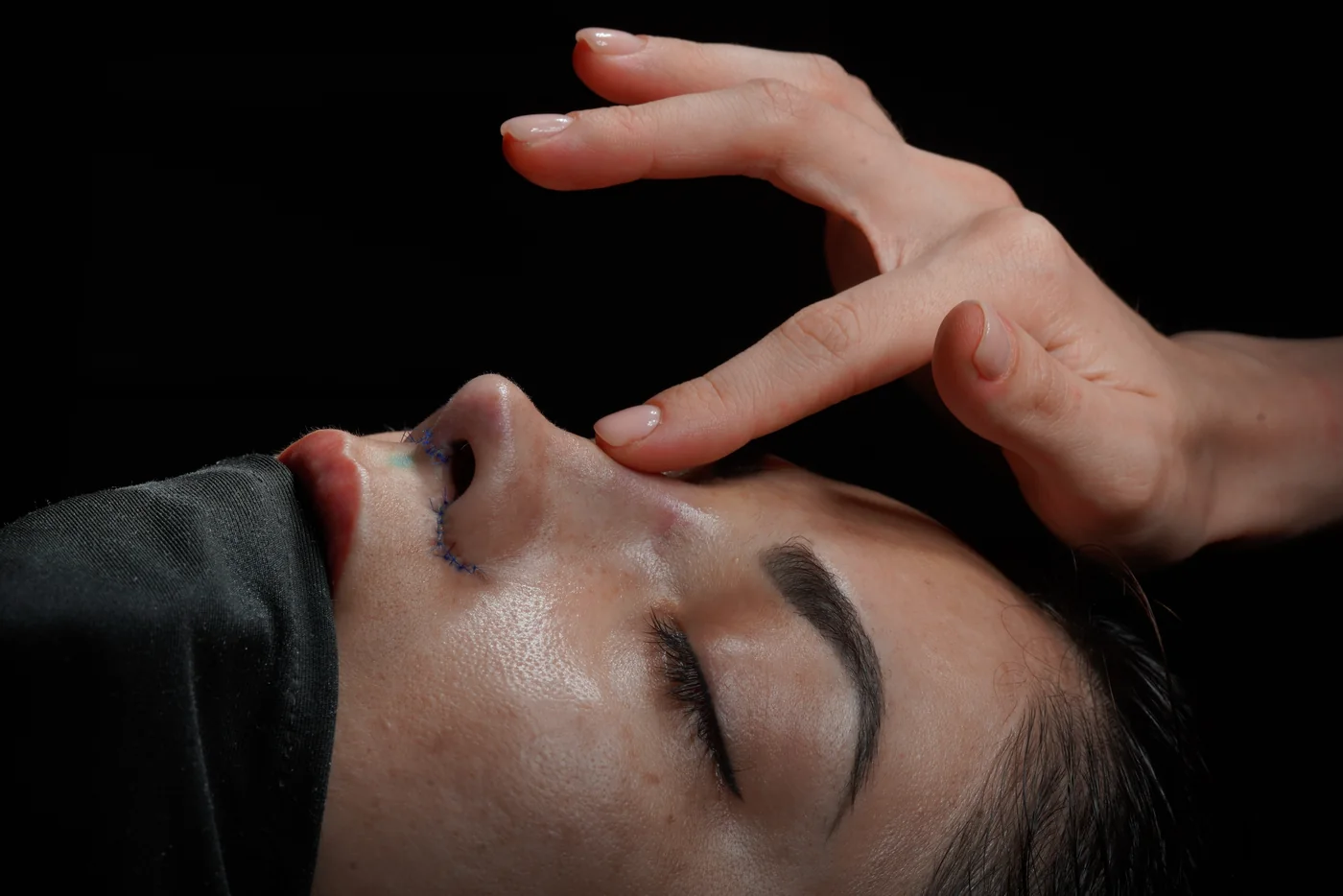
Price
From preparation for surgery
to support for 12 months.
Discounted price
$4,200$6,000Discounted price
The process
An agreed correction plan, inpatient observation and recovery monitoring for a year.
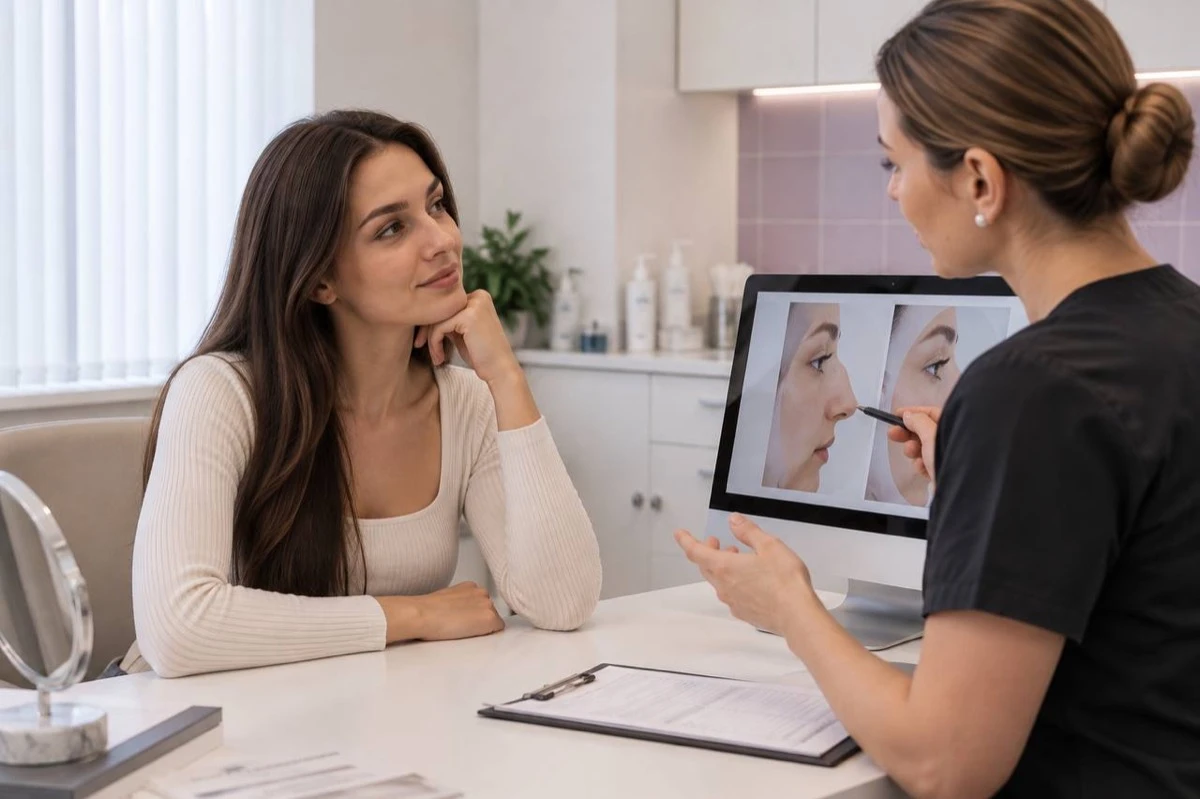
The doctor assesses your nose and your wishes, then performs the examinations needed to choose the right correction technique

We hold a surgery date for you; the deposit may be paid at the clinic by card or online via bank transfer, with the terms fixed in the contract for medical services
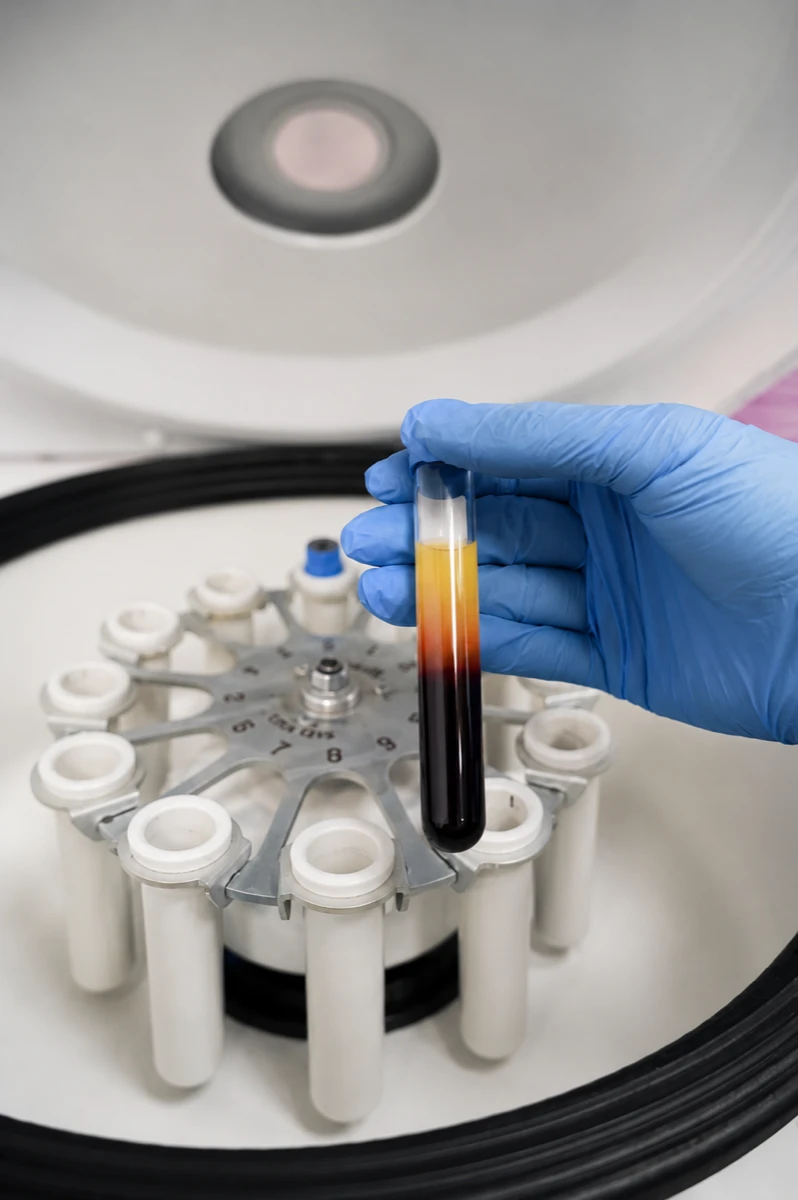
Before the operation you will need a complete set of lab tests — complete blood count, biochemistry, coagulation panel, chest X-ray and an X-ray of the sinuses
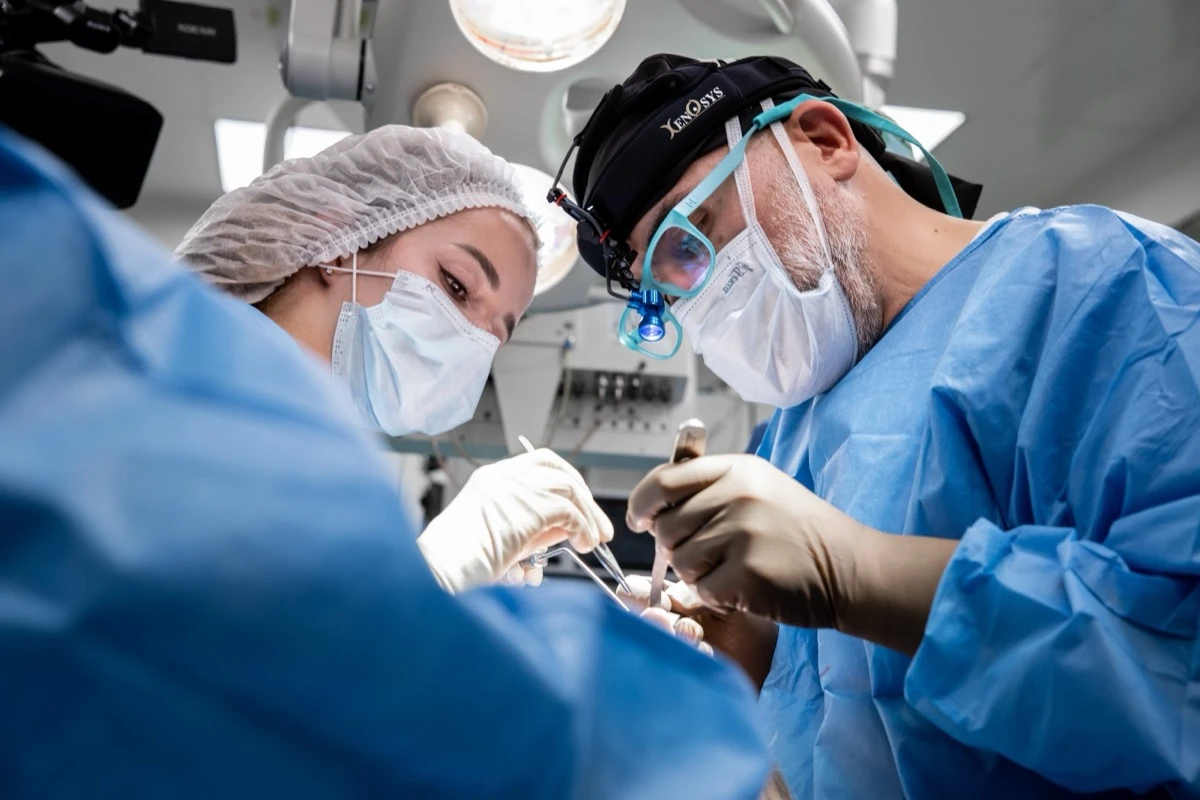
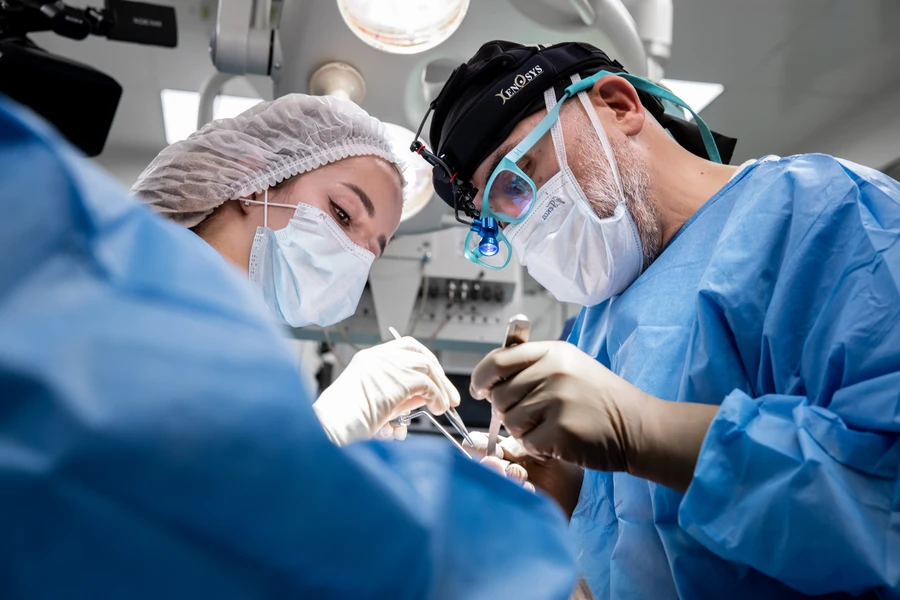
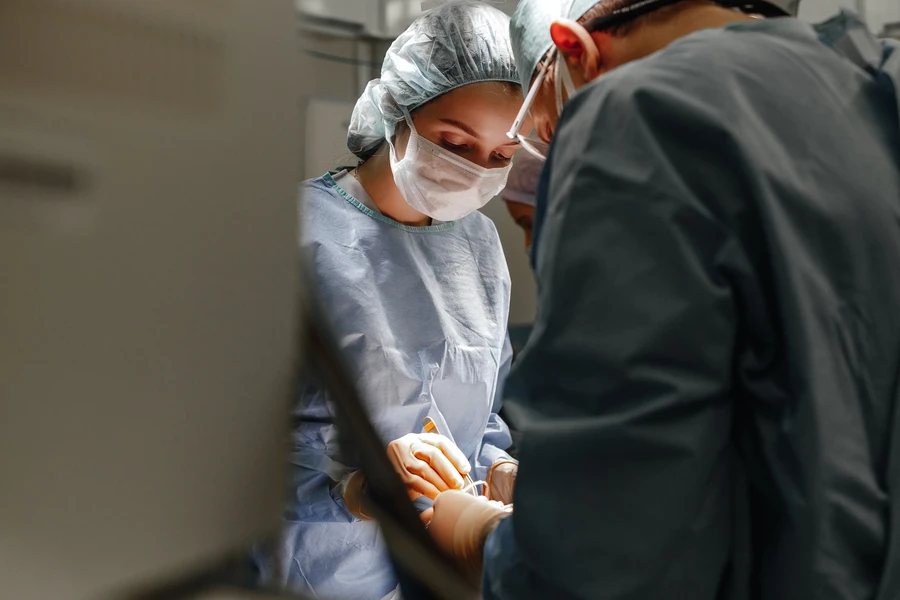
Using the chosen technique, the surgeon carries out the rhinoplasty under general or local anaesthesia, correcting both the shape and structure of the nose
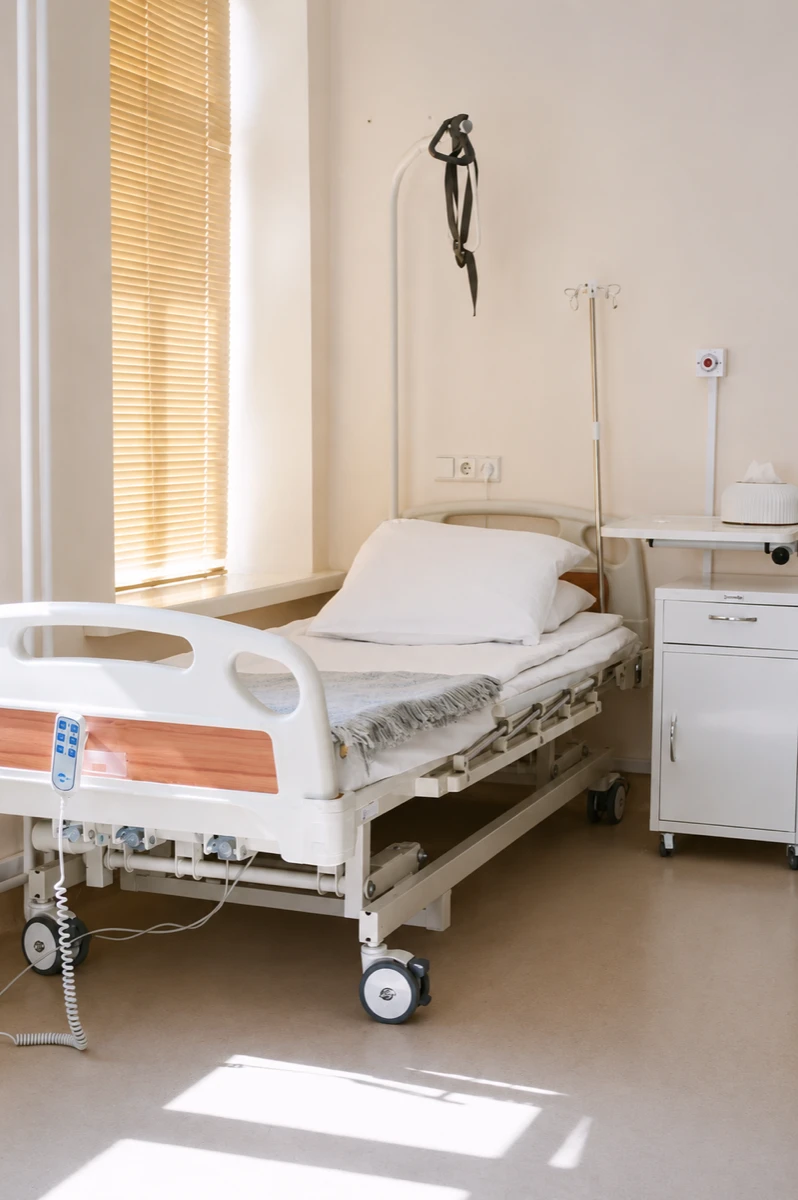
Each procedure is performed in the inpatient unit of the clinic. After surgery, your stay lasts one day
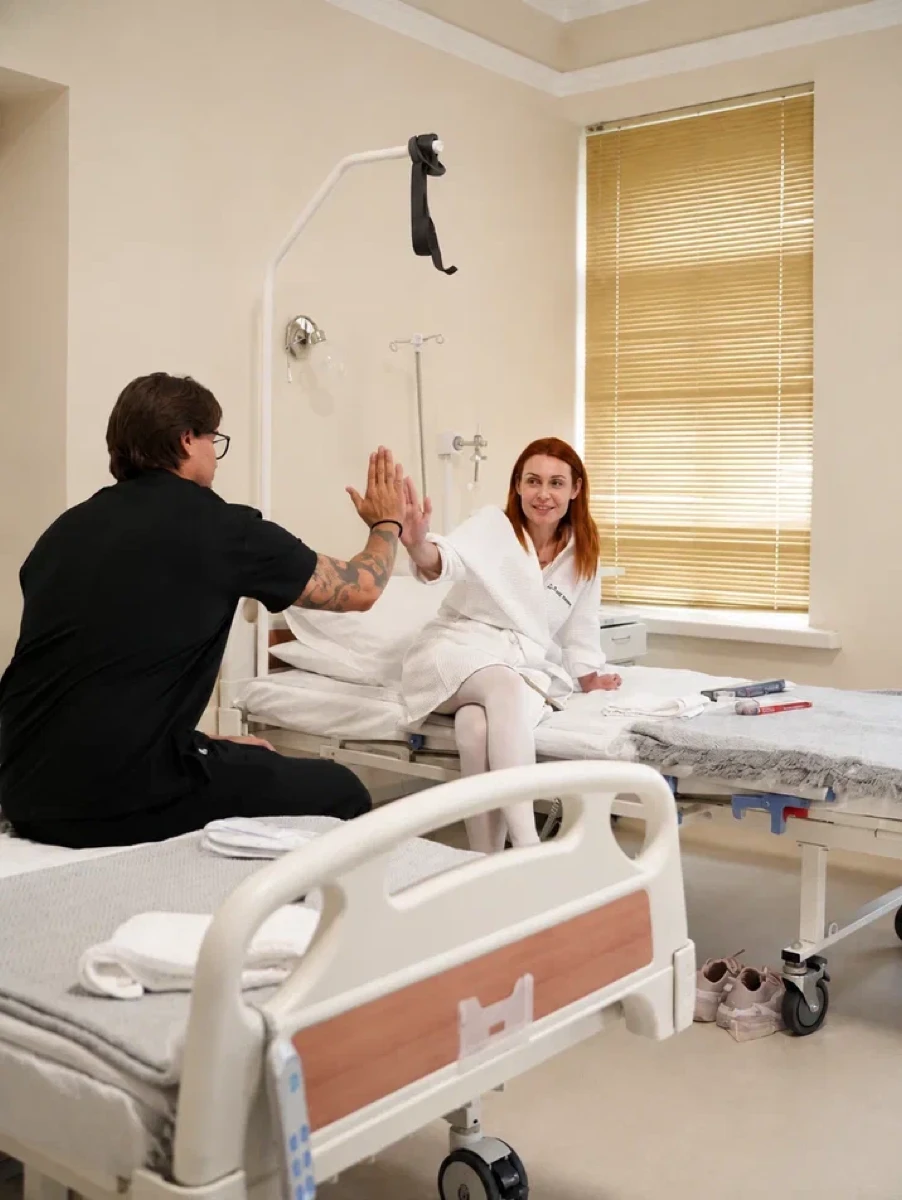
After the operation you receive a recovery programme; check-ups at 7 days, 3 and 6 months help monitor your recovery, and surgeon consultations remain free for a year afterwards.
The consultation gives you a realistic forecast of what the result will look like
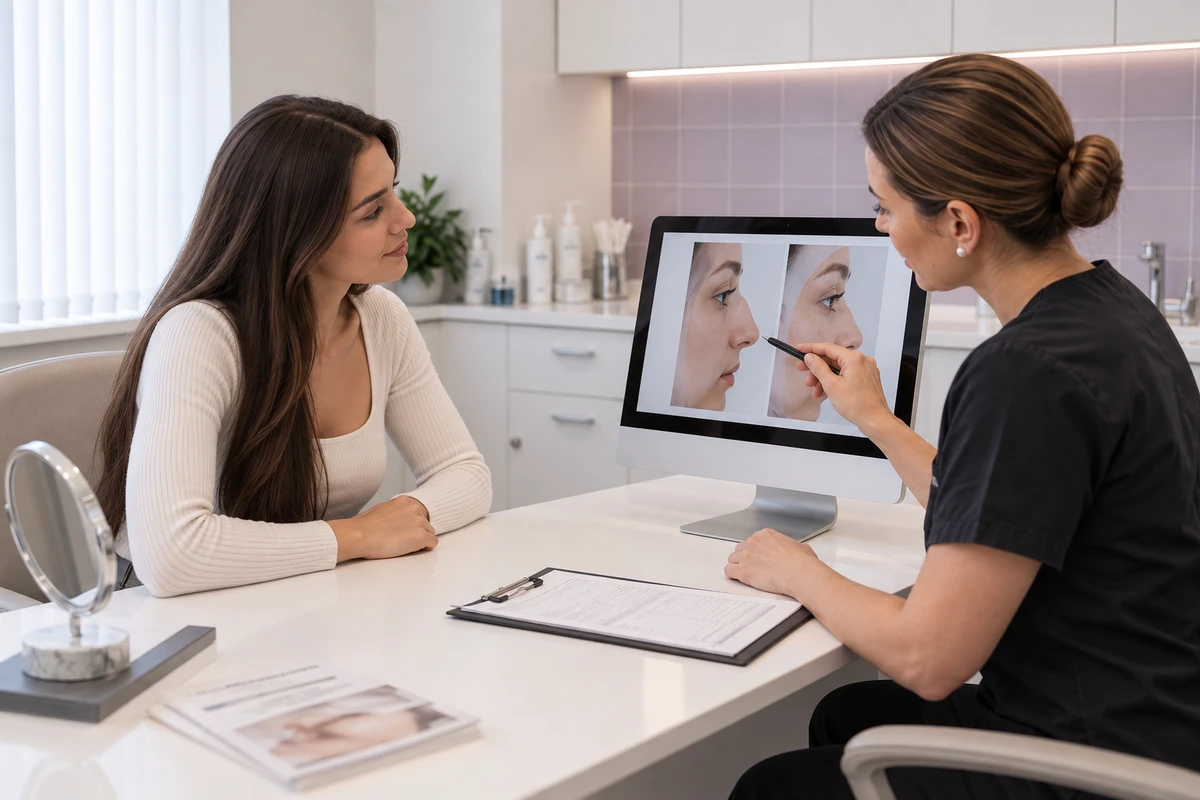
The consultation is free, before surgery and with no commitment.
Book a consultationNasal splint
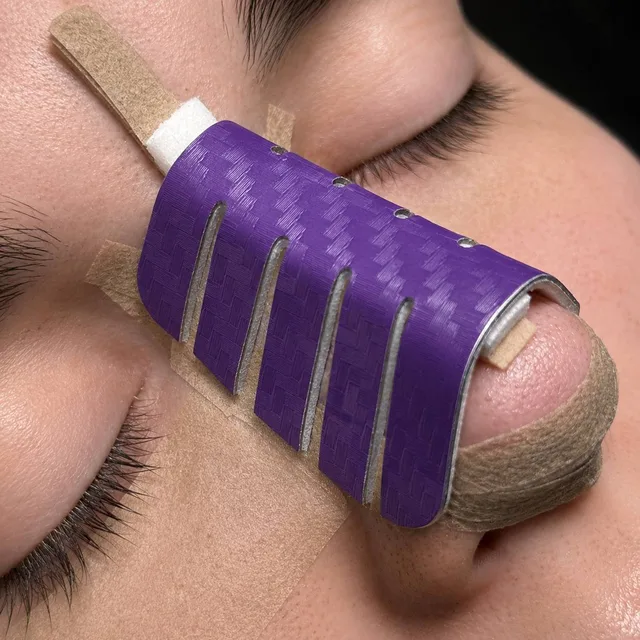
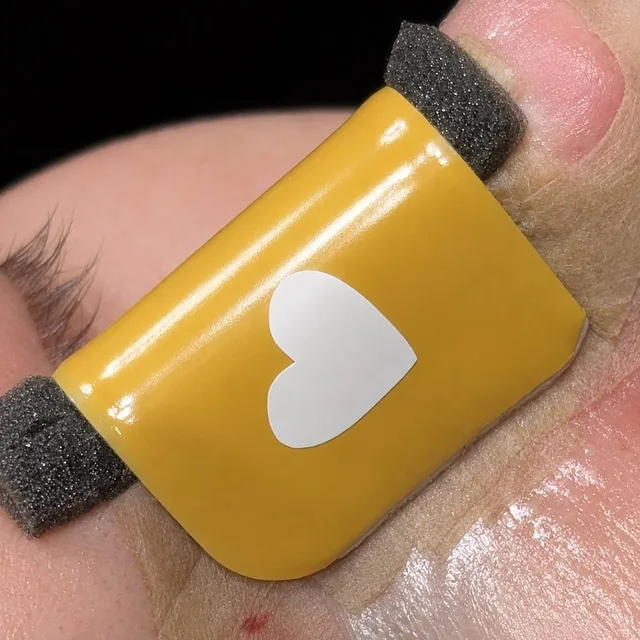
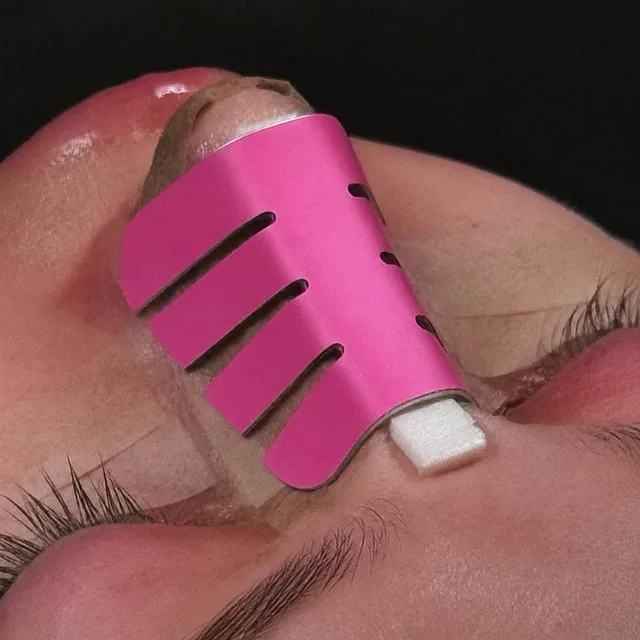
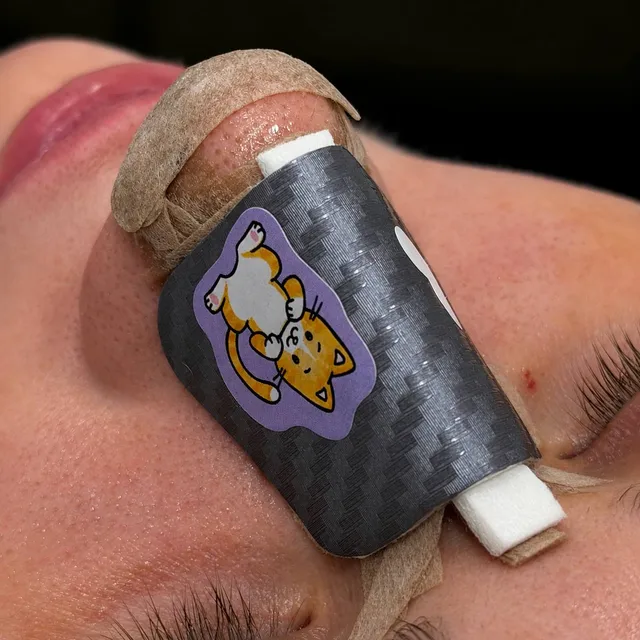
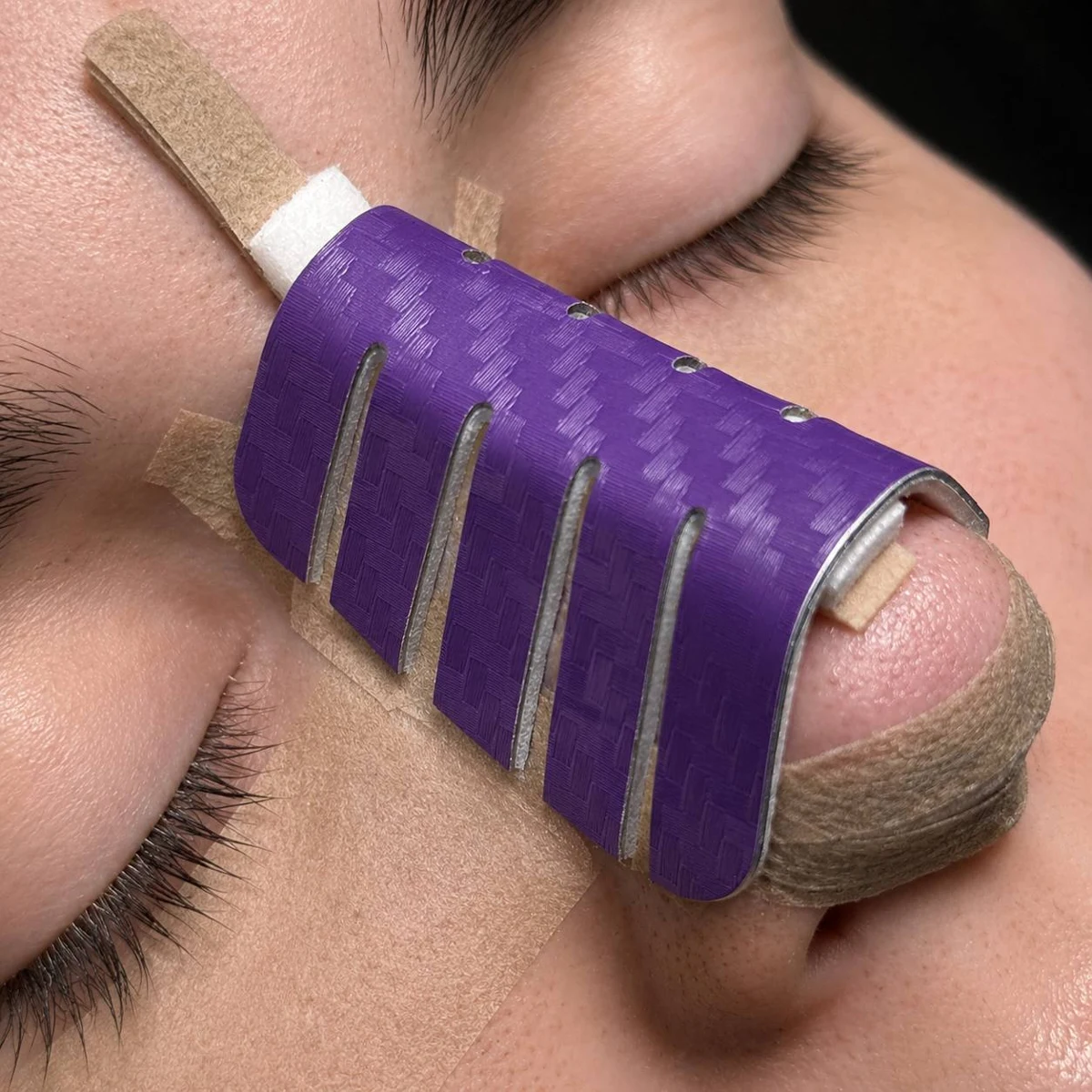
Every detail is designed to bring out your natural beauty. And so that you enjoy the change even during recovery, we invite you to choose the colour of your own nasal splint.
Your style in the details:
Match your mood with the colour of your splint
Confidence starts with small things, just like your future profile
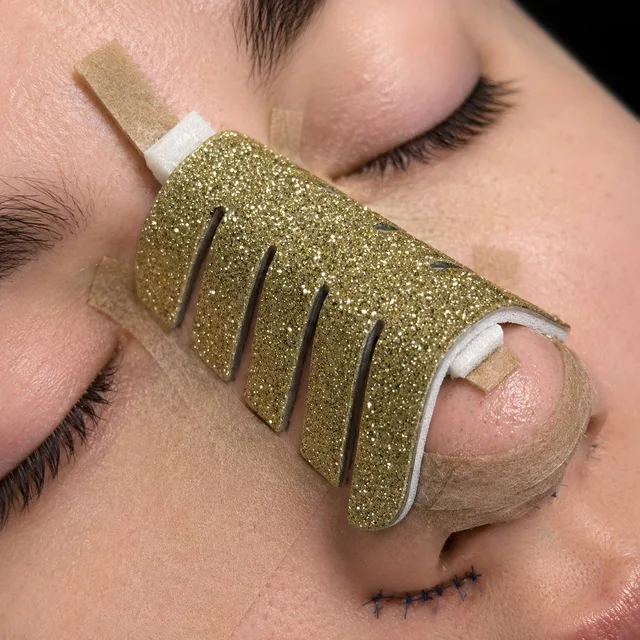
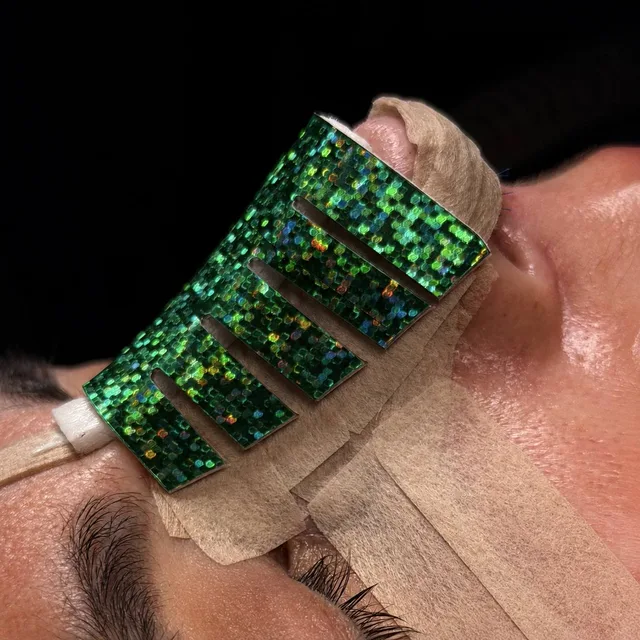
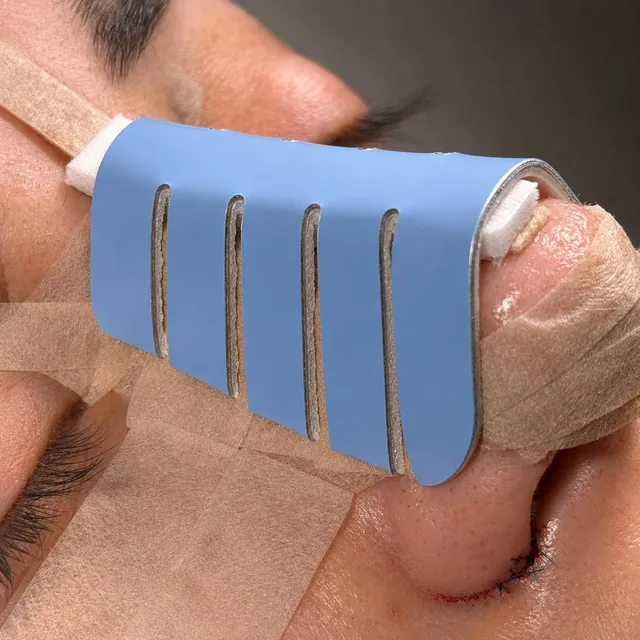
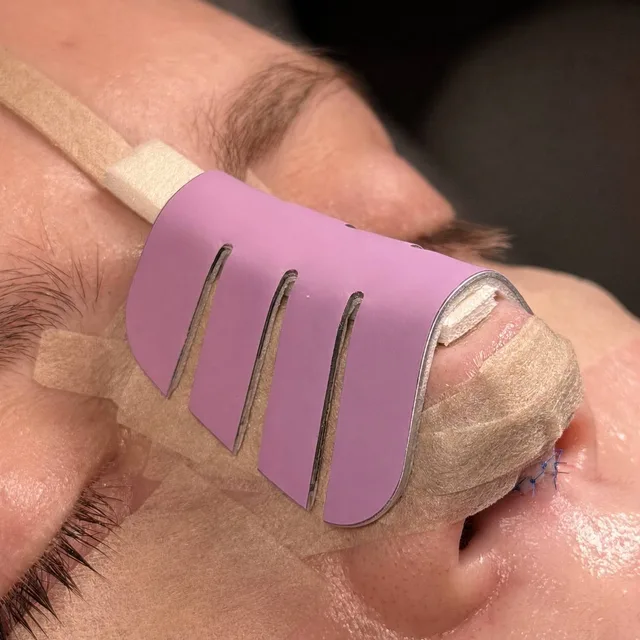
Doctors
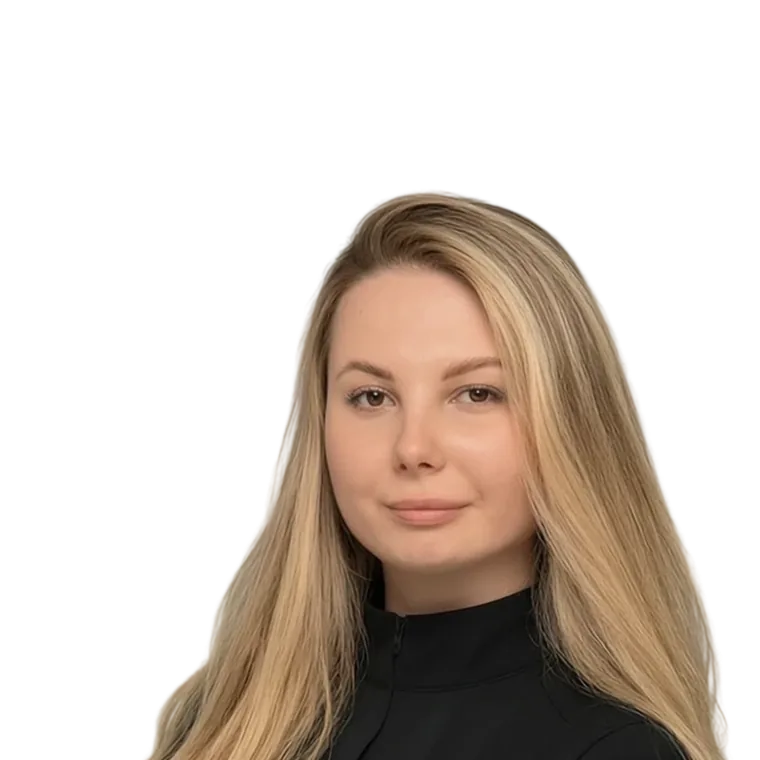
Rhinoplasty surgeon
At the consultation you meet and talk with the surgeon who will perform your surgery
The doctor looks at your facial proportions, takes in your wishes and explains which changes can realistically be made.
Book a consultationCoordinators
You're supported at every stage of the process

A personal coordinator
Your first point of contact at the clinic — from your very first message through to the consultation
Specialist in patient care
Helps you choose a convenient date and answers your questions before the first consultation

A personal coordinator
Present before and during your stay — covering everything from booking to discharge
Specialist in patient care
Supports your preparation for surgery and remains in contact during your time at the clinic

A personal coordinator
By your side during recovery — from the day you're discharged to your last check-up
Specialist in patient care
During recovery, keeps in touch with you and books your surgeon follow-up visits
A private channel for people who value honesty and expertise
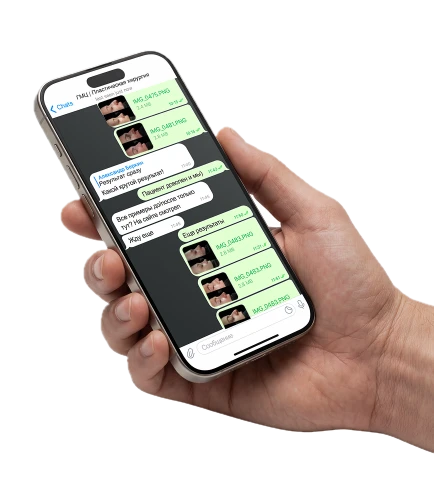
Message us — our coordinator will contact you shortly and book your consultation
Advantages
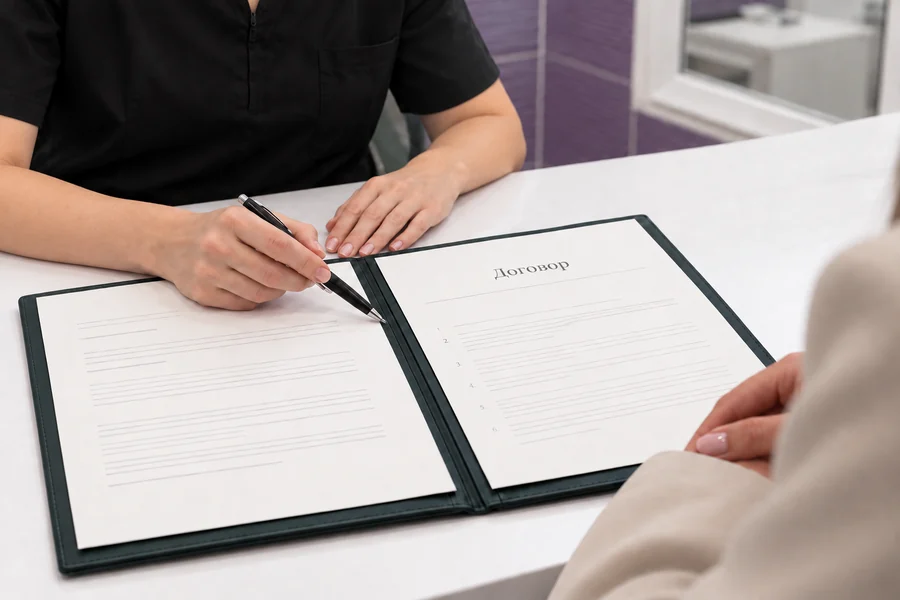
A lifetime guarantee, set out in the contract. The terms of the surgery, ongoing support and post-operative follow-up are all agreed in advance.
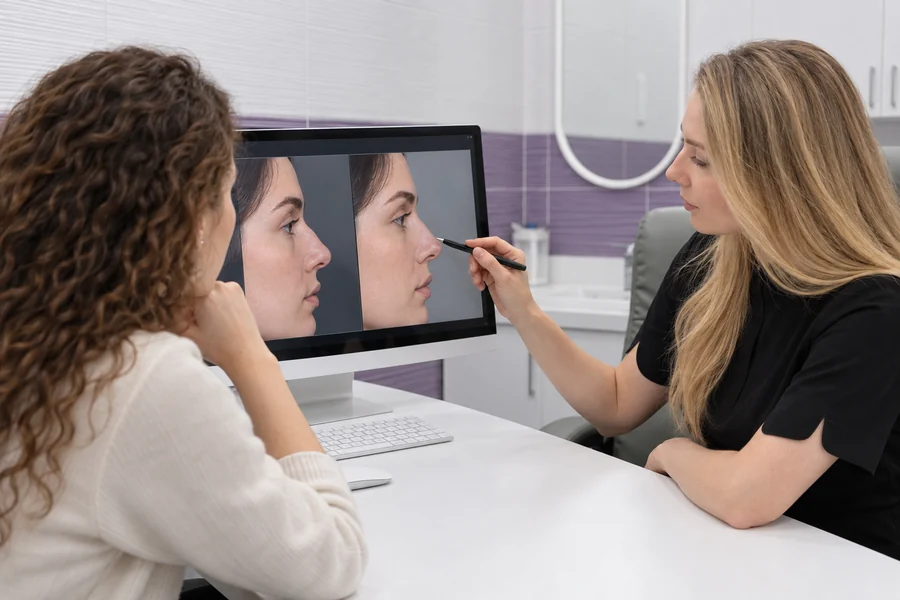
At a no-cost consultation we assess your case and give you an honest answer on whether rhinoplasty fits — facts only, never a sales pitch.
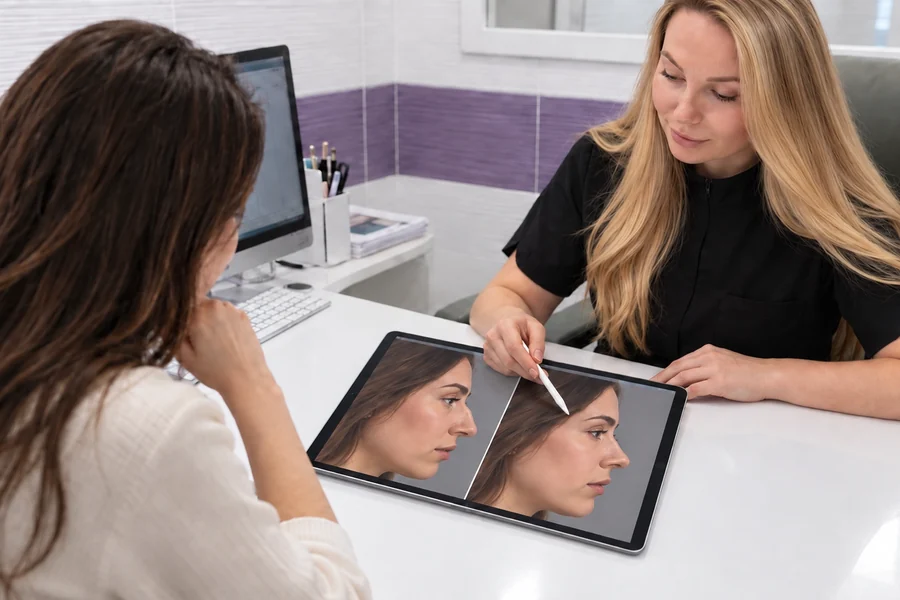
If your journey starts in another city or country, we fit the consultation and necessary preparation into a single trip, keeping the path to change comfortable with fewer trips.
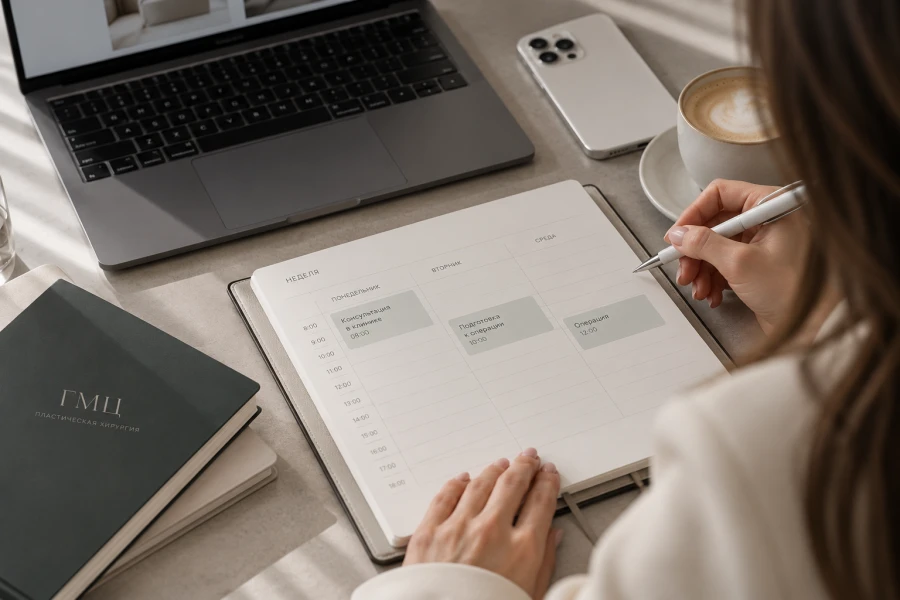
We respect your time: we work 24/7, with easy booking and a personal approach — we adapt to your pace.
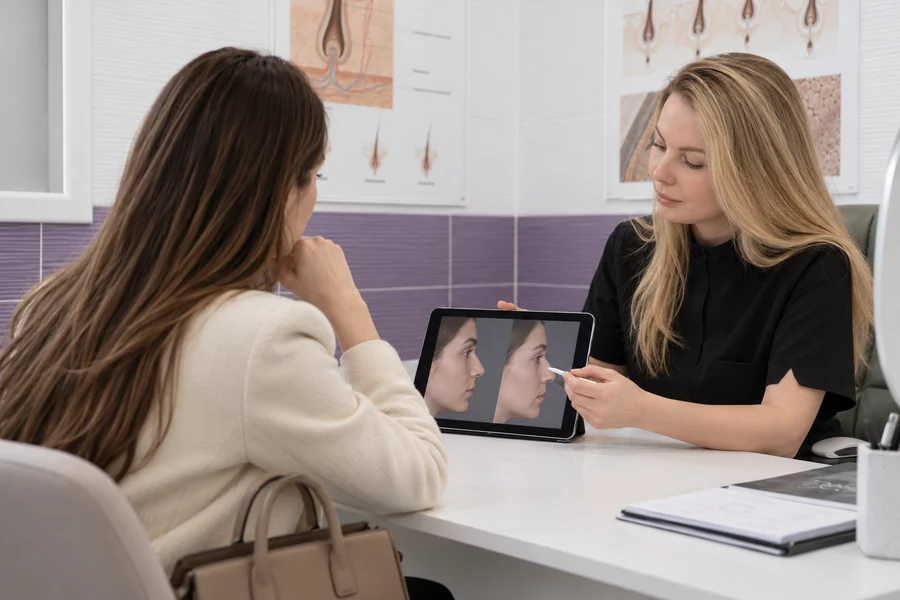
After the consultation, the surgeon sets out the extent of correction needed and gives you a clear price for the surgery, so there are no surprises on the way to the result.
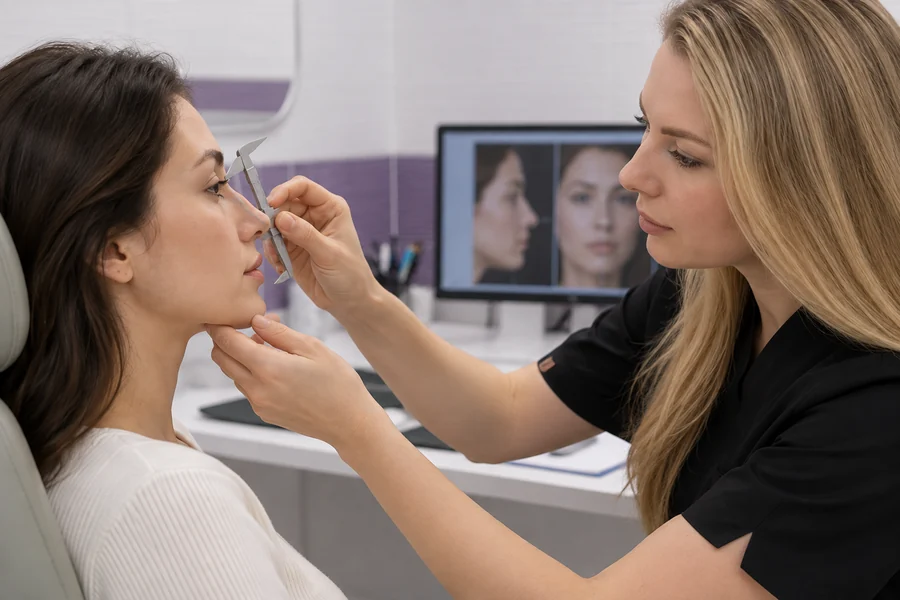
Precision and gentleness in the surgeon's work are supported by modern equipment, vital where millimetres can change proportions, profile and facial harmony.
Prices
Send a request and get a free consultation on any service
Free
BookPrice without discount: $6,000$4,200
Price without discount: $7,200$5,400
Price without discount: $6,600$5,000
Price without discount: $6,500$4,700
Price without discount: $7,200$5,400
FAQ
Rhinoplasty (nose job) — one of the more delicate and frequently requested plastic surgeries, meant to adjust the nose's shape to the individual proportions of the nose and the whole face. Modern rhinoplasty is not merely a procedure to change how the nose appears, but complex surgical work aimed at an aesthetic ideal without risking health.
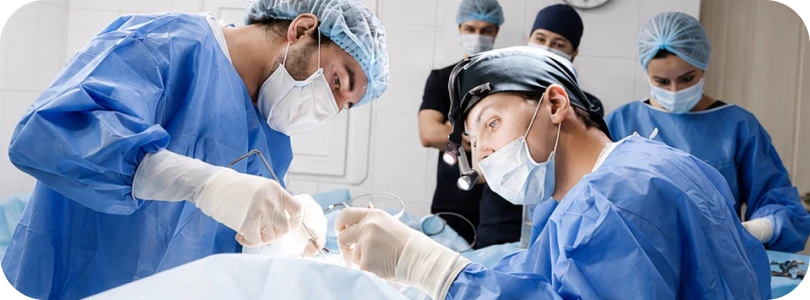
18 to 45 is the optimal age. By this age the nose has formed completely, while tissues still heal well. With medical indications, older patients can have surgery if their general health allows
At its core, rhinoplasty is a comprehensive solution. It corrects both congenital and acquired nasal deformities, for example after a nasal injury. Patients are often bothered by a dorsal hump or an overly wide nose. Nose correction can also target the tip (tip rhinoplasty) or the nostrils (alar rhinoplasty). The surgical plan is created individually for each patient, taking every feature of their nose into account.
Rhinoplasty is performed under general anaesthesia and, depending on complexity, takes 1.5 to 3 hours.
The surgeon determines the extent and course of the surgery at the consultation, based on your goals and the anatomy of your nose.
Rhinoplasty — surgery to change the appearance of the nose (an aesthetic goal) and improve its function if breathing is impaired.
Septoplasty — a surgical fix for the nasal septum that restores normal breathing without changing how the nose looks outside.
Often both surgeries are combined, especially when a patient has a deviated septum and aesthetic concerns. This gives a harmonious look and restores full breathing. At City Medical Centre we perform rhinoseptoplasty — a combined surgery that solves both tasks at once
For a successful operation, preparation should begin 21 days before rhinoplasty. At the first appointment our plastic surgeon will give you a list of the required tests.
| Complete blood count (including ESR, white cell differential, platelets) | 2 weeks |
| Urinalysis | 2 weeks |
| Infection tests: HIV, HBsAg, anti-HCV, antibodies to Treponema pallidum | 2 weeks |
| Blood group and Rh factor | 2 weeks |
| Blood biochemistry (total protein; urea; uric acid; creatinine; glucose; total, unconjugated and conjugated bilirubin; ALT; AST; K; Na; Cl; cholesterol) | 2 weeks |
| Coagulation panel (Quick prothrombin, INR, APTT, D-dimer, antithrombin III) | 2 weeks |
| Electrocardiogram (ECG) tracing with a report | 2 weeks |
| Doppler ultrasound of the leg vessels / duplex scan of the leg veins | 2 weeks |
| Chest X-ray or fluorography with a report | 6 months |
| MSCT of the paranasal sinuses | 6 months |
| After the full laboratory work-up — a physician's report confirming there are no contraindications to surgery | 2 weeks |
You prepare with plastic surgeon consultations, lab tests (CBC, biochemistry, coagulation, infection tests), an ECG, a chest X-ray and an X-ray or CT of the nose. Stop anticoagulants, alcohol and smoking a week before surgery. Eat lightly the day before and fast 6 hours before surgery
Although nose surgery is one of the most popular and well-established aesthetic operations, like any surgery it carries certain risks. To minimise the likelihood of complications after rhinoplasty, our clinic provides thorough pre-operative preparation and post-operative monitoring.
Important: if after rhinoplasty you have difficulty breathing, severe pain, a high temperature or a change in the shape of your nose, contact your doctor immediately.
Rhinoplasty at City Medical Centre is performed with modern technology, safe materials and constant medical supervision, which keeps the risk of complications to a minimum.
We also provide post-operative monitoring and prescribe recovery therapy.
Recovery after nose surgery is just as important as the operation itself. Proper recovery determines how aesthetic and harmonious the final result will be. At City Medical Centre recovery is closely monitored and divided into three phases: early, intermediate and late
The first improvements emerge with reduced swelling (2–3 weeks), though the final rhinoplasty result becomes clear in 1–1.5 years, once tissues are fully stable
The nose needs to be protected after surgery. An aluminium cast is placed over the nose, with special silicone splints inside the nasal cavity. Nasal function is limited in the first days but recovers quickly. The final result of rhinoplasty can be assessed after 1–1.5 years, once the swelling has fully subsided.
Important: if nasal function is impaired after the first operation or you are not satisfied with the result, revision (secondary) rhinoplasty may be needed. It is a more complex procedure, performed no earlier than one year after the primary operation.
The nasal passages may be partly blocked by splints or swelling in the first days post-surgery. Full breathing tends to return within 1–2 weeks, depending on your body and the extent of surgery
Our doctors use microsurgical techniques and quality sutures to keep scars minimal
Rhinoplasty harmonises facial features and enhances aesthetics without sacrificing individuality. Thanks to 3D modelling, you preview the predicted result and agree on the changes with your surgeon
Rhinoplasty is a serious step. A well-performed rhinoplasty means the new nose is in perfect harmony with your facial features and works flawlessly. At the consultation the nasal surgeon assesses every parameter in detail: the size of the nose, tip projection, and the condition of the septum and nasal mucosa. We use 3D modelling so you can see the future proportions of your nose before the surgery is performed.
Don't just browse rhinoplasty photos online. Book a consultation to discuss what modern rhinoplasty can and cannot do for you. Correcting external nasal deformities and reshaping the nose is our speciality.
Rhinoplasty at City Medical Centre is $4,200 (≈ ₦5,600,000) instead of $6,000 (≈ ₦8,000,000) under the current discount. The initial consultation is free.
The cost is set at the consultation and depends on the extent of surgery; the exact price is named by the doctor after an exam of your nose and facial proportions.
General anaesthesia surgery, a one-day inpatient stay, doctor monitoring and a free check-up afterwards. The clinic offers a lifetime guarantee on the result.
There is no charge for the first consultation at City Medical Centre. The doctor examines the nose, assesses facial proportions and names the surgery's exact cost.
Blog
Reading on rhinoplasty
Find out how recovery after rhinoplasty goes in the first 7, 14 and 30 days
Read the article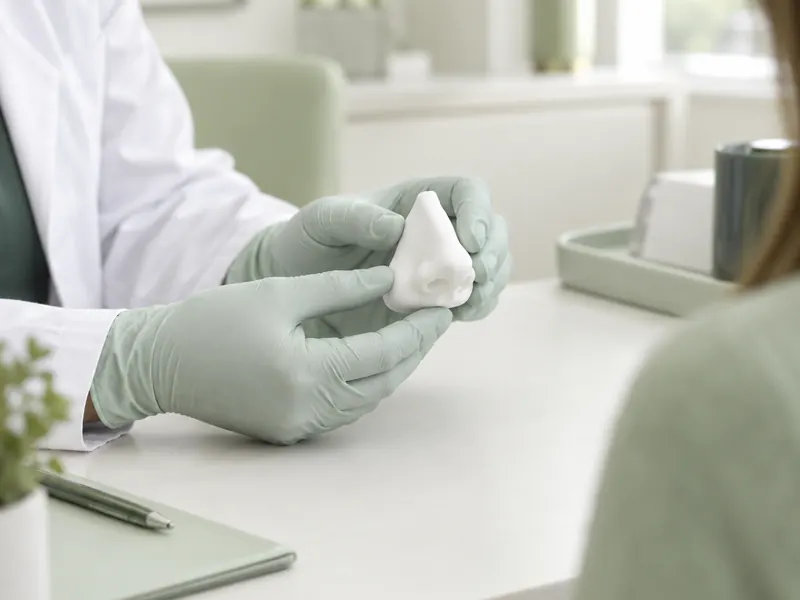
Preparation, recovery week by week, when the splint and stitches come out and how long to wait before flying home.
Read the articlePrices are in US dollars; the amount in brackets is an approximate conversion to NGN at the rate of 02.10.2026. The final price is fixed in your contract.
Prices start from $4,200 (≈ ₦5,600,000). The surgeon sets the final price at the free consultation, and it is fixed in the contract, with no hidden extras.
The operation under general anaesthesia, a one-day inpatient stay, follow-up visits and dressings, plus a lifetime guarantee on the result.
Surgery takes 1.5–3 hours and you stay one day in the clinic. The nasal splints come out on day 7, and the cast is worn for up to 14 days.
Yes. The first consultation is free and does not oblige you to anything. You can start online by sending a message to the coordinator.
Message us on WhatsApp or Telegram using the buttons below. A coordinator will answer your questions and book a free consultation where the doctor names the exact price.
By messaging us, you agree to our Privacy Policy
Rhinoplasty, or nose job, reshapes the nose to fit the individual proportions of the face. It corrects congenital and acquired deformities, including changes after a nasal injury. Patients from Ado-Ekiti most often ask about removing a dorsal hump, narrowing an overly wide nose, refining the tip or correcting the nostrils. Every surgery plan is created individually, taking into account all features of the nose.
First visible results appear after about two weeks, and full healing takes around four months on average. The nose settles into its final shape over 1–1.5 years, so seeing your surgeon during this period matters. Until the end of the year, Ado-Ekiti patients can have a free post-op consultation where the doctor evaluates the outcome, monitors recovery and answers questions.
One price, $4,200 (≈ ₦5,600,000), applies to open and closed techniques, tip work and septorhinoplasty alike. It includes general anaesthesia, a day in the inpatient unit, doctor monitoring and a free check-up afterwards, and the clinic gives a lifetime guarantee on the result. Ado-Ekiti residents can start with a free consultation: the doctor examines the nose and names the exact figure.
What patients write after this operation. Reviews are translated from the original language.
Ekaterina Ivanova
For a long time I was self-conscious about the length of my nose, until a friend who had had rhinoplasty recommended this clinic. At the very first consultation they set the date of surgery and explained every stage in detail. The rhinoplasty under general anaesthesia was performed by Mareta Meirieva: the swelling went down quickly, and after just a week my nose looked natural and neat. Modern equipment, attentive staff and appointments without delays made the whole process comfortable. I recommend the clinic to anyone who values professionalism and a quality result.
Rhinoplasty
Olga Vasilyeva
This was my first visit to the clinic, for rhinoseptoplasty, and to be honest I was very nervous. At the consultation they explained every stage of the operation and recovery in detail, which calmed me down straight away. The operation was performed by Mareta Meirieva: the swelling started to go down on the third day, and the result is visible to the naked eye. Everything inside is sterile and pleasant, the atmosphere inspires trust, and the staff are always responsive. I thank the clinic for the high level of service and the warm approach!
Rhinoplasty
Marina Samarina
Everything was first-class: clean, cosy and calm. Booking and choosing the right date was easy. The nose operation went smoothly and the nerve block was done perfectly: now I breathe freely without nasal drops! It is a real lifesaver for anyone tired of endless prescriptions and ineffective procedures. I recommend it to everyone who values professionalism and results.
Rhinoplasty
Viktoria Petrova
I recently had rhinoplasty and I am absolutely delighted. At the consultation they told me about every stage in detail, so I went into surgery fully prepared. The operation went smoothly: they straightened the bridge of my nose and made the nostrils symmetrical, and the shape came out very neat. The swelling lasted a little longer than I expected, but they explained straight away that full recovery takes more time. No unpleasant surprises, everything was within the normal range. I recommend the clinic to anyone looking for a confident result and an attentive attitude.
Rhinoplasty
Ado-Ekiti is the capital city of Ekiti State in south-west Nigeria and the headquarters of the Ekiti central senatorial district. The 2006 population was 308,621, and the people of the city are mainly of the Ekiti sub-ethnic group of the Yoruba. It is a place where many people know one another through family, church, mosque, school and market, so a decision about the face is rarely a private matter for long. Many patients like to think it through calmly before they speak to anyone.
Rhinoplasty is a planned operation, and the best way to approach it from Ado-Ekiti is step by step: first understand what you want to change, then see what is realistic for your anatomy, then plan the calendar around your work, study and family commitments. The operation improves aesthetics and makes facial features more harmonious, without loss of individuality. That last point matters in a city where families are close and relatives often comment on how a person looks.
The City Medical Centre works with patients in Ado-Ekiti through a free online consultation. Coordinators are available around the clock (24/7) on Telegram and Telegram, so you can write when it suits you, whether that is after lectures, after a market day or late in the evening.
You do not need to leave the city to start. You send your questions and photographs to a coordinator on Telegram or Telegram, and a coordinator will call you back 24/7. The first stage is an examination by the surgeon and 3D modelling. At the consultation, the doctor will build a 3D model of the expected result and explain it to you.
This is useful for patients in Ado-Ekiti because the predicted result is visible in advance, and you agree on changes with your surgeon rather than guessing from descriptions. You can show the model to a person you trust and take your time before deciding.
The offer is simple: your time matters, we are reachable 24/7, booking is straightforward, and the approach is personal, adapting to your pace. After a decision, you receive a surgery plan and a list of required tests.
Students and graduates connected with Ekiti State University, Afe Babalola University, the Federal Polytechnic and other institutions in and around the city often ask how a nose operation fits around the academic year. Others, working in trade, administration or the media stations based in Ado-Ekiti, ask how long they must stay away from public-facing work.
The most common questions are about breathing, visible swelling, the aluminium cast and when the nose will look natural. The honest answers are these: surgery takes 1.5 to 3 hours depending on complexity, you stay one day, the splints come out on day 7, and the cast is worn for up to 14 days. First improvements show once swelling subsides (2–3 weeks), but the final result can be judged in 1–1.5 years.
Another frequent question is whether the nose will still look like the patient's own. With 3D modelling, the predicted result is visible in advance, and you agree on changes with your surgeon, which is the practical answer to that worry.
The rainy season in Ado-Ekiti is humid, oppressive and cloudy, while the dry season is warm, muggy and partially cloudy. The average annual temperature ranges from 17 °C to 32 °C, rarely falling below 14 °C or rising over 35 °C. From January through April is the hot season, with March the hottest month. The cool season runs from June through October, and August has the lowest average temperatures.
For recovery this means a few general habits. In hot and muggy weather, swelling can feel more uncomfortable and sweat can irritate the area around the cast, so plan quiet days in a cool, ventilated room. Avoid long periods in direct sun while the nose is healing, and protect the skin with shade, a wide-brimmed hat or a cap that does not press on the nose. Ask your surgeon when it is safe to wear glasses and sunglasses.
In rainy weather, the main concern is keeping the cast dry and avoiding crowded, damp places where you could be bumped. Dust in the dry season can irritate a nose that is already congested, so keep windows managed and your living space clean. These are general suggestions; your surgeon gives the specific instructions.
There is no single correct month in Ado-Ekiti, because the climate is warm all year. The practical question is which period leaves you the quietest weeks. Early November to late February is described as the best period for hot-weather activities, which also means more outdoor events and social life. If you prefer to stay at home while the cast is on, the cooler and cloudier months from June to October may feel gentler, though the rain needs planning.
Think in terms of the timeline: preparation should begin 21 days before rhinoplasty, then one day in the clinic, then 7 days until the splints are removed, and up to 14 days with the cast and stitches. Choose a start date that lets you keep at least the first two weeks free of exams, important meetings and family ceremonies.
Do not choose a date by the final result. It can be judged only in 1–1.5 years, so there is no need to rush to finish before a particular event.
Preparation should begin 21 days before rhinoplasty. At the first appointment our plastic surgeon gives you a list of required tests. Getting ready involves consultations with the plastic surgeon, lab work (CBC, biochemistry, coagulation, infection tests), ECG, chest X-ray, plus a nasal X-ray or CT.
A week ahead, give up anticoagulants, alcohol and smoking. The day before, eat light food; no food 6 hours before surgery. On the day of surgery, your last food and any fluids must be taken at least 6 hours before the scheduled time of the operation. For your hospital stay, buy compression stockings (class 2 compression) in advance and bring them with you.
Patients from Ado-Ekiti can arrange the tests locally in the way the coordinator explains, and send the results for the surgeon to review. Keep the paperwork organised in one folder or as photographs on your phone so the coordinator can answer quickly. Family meals and celebrations are a part of life in the city, so tell relatives about the fasting rule and the alcohol break in good time.
Rhinoplasty is performed under general anaesthesia and takes 1.5 to 3 hours, depending on complexity. For 24 hours following the operation, the patient remains under observation in the inpatient unit.
In days 1–3, breathing is through the mouth, with splints in the nostrils. An aluminium cast is placed over the nose, with special silicone splints inside the nasal cavity. Nasal function is limited in the first days but recovers quickly. In the days right after surgery, splints or swelling may partly block the nasal passages. You usually breathe fully again within 1–2 weeks, depending on your body and how extensive the surgery was.
On day 7 the splints are removed. The cast is worn for up to 14 days, and stitches are removed on day 14 together with the cast. For 1–1.5 months after nose surgery you may feel slight congestion. In a warm city like Ado-Ekiti, a dry mouth from mouth breathing is common, so keep water within reach and rest in a comfortable temperature.
Ado-Ekiti is a trade centre for farm produce, where yams, cassava, grain and tobacco are grown, and cotton is grown for weaving. Many people work in trade, transport, education and public service. Work that involves heat, dust, lifting or crowded markets is harder in the first two weeks, while a desk job may be easier to resume sooner. Agree the timing with your surgeon rather than guessing.
Students should plan around the cast: it is visible, and it needs protection from knocks in crowded lecture halls and transport. Many choose a quiet period between terms. For sport, football in the street or on the field, running and gym work should wait until the surgeon allows it, because the nose needs to be protected after surgery. Swimming in a pool or the sea should also be cleared with the surgeon first.
For weddings, naming ceremonies and festive meals, remember that salty, hot or spicy dishes and heavy meals can be uncomfortable while you are congested and swollen. Ask the surgeon about diet and about when you can attend large gatherings. Final photographs are best postponed, since the result takes 1–1.5 years to settle.
After surgery you follow a recovery programme, with check-ups at 7 days, 3 and 6 months to track progress. Consultations with your surgeon stay free for a year after surgery, and follow-up support lasts 12 months. Because you remain in Ado-Ekiti, these check-ups happen online, and the coordinator is reachable 24/7 if something worries you.
The optimal age is 18 to 45. By this age the nose has formed completely, while tissues still heal well. With medical indications, older patients can have surgery if their general health allows. Contraindications are decided by the surgeon after tests; general health, bleeding tendency and infections matter, and smoking should be stopped.
Psychological readiness also counts. The patient should understand that the final result will be visible in 1–1.5 years. If you expect a dramatic change within days, discuss it with the surgeon first. Overweight is also discussed at consultations as a part of general health; WHO gives background on it in its obesity and overweight fact sheet.
Ado-Ekiti is an ancient city. It was founded by Ewi Awamaro, the son of Biritikolu, whose name means 'the restless one'. Awamaro left Ile-Ife with his father Ewi Apa Biritikolu and his uncle Oranmiyan. Oranmiyan went to Benin, while Biritikolu went on to Ita Orogun after a brief stay with Oloba in Oba-Ile, in present-day Akure. Later the people separated after disputes, and Biritikolu sought a new home westward at Utamodi, also called Oke Papa.
It was Awamaro who migrated to Ulesun, the place we now call Ado-Ekiti, after staying briefly at Udoani (Ido Ani) and Agbado. When he left Agbado, some elders stayed behind to rest, and the settlement was named Agba Ado, the Elders' Camp. That is why the town is known today as Agbado-Ekiti. The story is a story of patience and of deciding when to move on.
Why mention it in a text about a nose operation? Many people in the city grow up with this history and take pride in the name of their town and their family line. A person who is thinking about changing their face often feels the weight of that pride. Rhinoplasty keeps individuality, since the aim is more harmonious features and not a different person. With the 3D model you can look at the expected result and ask yourself whether you still recognise your own family in it.
The history also offers a useful lesson in planning. Awamaro's people did not rush: they stopped, rested and decided. Treat the weeks before surgery the same way. Preparation begins 21 days before the operation, so there is time to rest, ask questions and settle on the date without hurry.
The traditional ruler of the city is the Ewi. The current Ewi, Rufus Aladesanmi III, succeeded Samuel Adeyemi George-Adelabu I in 1990. The institution is a reminder that in Ado-Ekiti, family, lineage and community are visible parts of daily life, and an important personal decision is often discussed with elders and relatives.
If you plan rhinoplasty, decide in advance whom you will tell and when. Some patients prefer to share the 3D model with one trusted relative, so the conversation is about a concrete image and not about rumours. The model is built at the consultation, and the doctor explains what is expected and what is not.
Explain to older relatives that the operation takes 1.5 to 3 hours under general anaesthesia, that you stay one day in the clinic, and that the aluminium cast is worn for up to 14 days. Knowing the dates calms the household. Also explain that the final result is judged only after 1–1.5 years, so nobody expects a finished nose at the next family gathering.
Younger patients sometimes face a different pressure from friends who compare noses on social media. Ask the surgeon what is realistic for your anatomy and write down the answers, so your decision rests on your own plan and not on someone else's picture.
Ado-Ekiti has a state-owned university, the University of Ado Ekiti, now Ekiti State University Ado-Ekiti, and a private one, Afe Babalola University Ado-Ekiti. The Federal Polytechnic is in the city, and the private Crown Polytechnic is at Odo, Ado-Ekiti. Federal University Oye (FUOYE) is at Oye-Ekiti, Ekiti State Polytechnic at Isan Ekiti, Bamidele Olumilua University of Education at Ikere Ekiti and Venite University at Iloro Ekiti. Young people from all these places pass through the capital.
For a student, the calendar decides everything. Preparation takes 21 days, the clinic stay is one day, splints come out on day 7, and the cast and stitches on day 14. Pick a window when you have no examinations or practical sessions for at least two weeks, and ask your department in advance how to arrange absence.
Campus life means crowded halls, shared transport and busy corridors. A knock to the nose during the first weeks is the real danger, so avoid crushes and ball games until the surgeon allows. Wearing glasses is another matter to ask about, because they rest exactly where the nose is healing.
Students at a private university with residential halls may have limited control over their room and food. Tell the hall authorities about the fasting rule (no food 6 hours before surgery) and about the week without alcohol and smoking beforehand, and keep your documents and test results on your phone. Coordinators on Telegram and Telegram are reachable 24/7, so questions at night, when the library closes, are not a problem.
The city is a trade centre for farm produce. Yams, cassava, grain and tobacco are grown in the area, and cotton is grown for weaving. Market traders, farmers, transporters and food sellers depend on early mornings, physical effort and contact with many customers. That affects when a person can step back from work.
Dust, heat and lifting are the main points. Carrying sacks of yam or cassava, bending low and working under the sun raise pressure in the face and bring sweat under the cast. Plan to leave heavy loading and long hours in the open to others in the first two weeks, and ask the surgeon when light work is acceptable. A desk job or a task done in a shaded shop is usually easier to resume.
If you run your own stall or shop, arrange cover in advance. A relative or an assistant can take the counter while you rest during the first days, when breathing is through the mouth with splints in the nostrils (days 1–3). Customers will see the cast, so decide what to say, or reduce contact until it is removed.
Weaving and craft work, where you bend over a loom or a table for hours, is also better paused at first, because lowering the head can increase the feeling of fullness and congestion. Slight congestion may last for 1–1.5 months, so come back to long sessions gradually.
Ado-Ekiti has a wet period of 9.2 months, from February 13 to November 18, with at least 13 millimetres of average rainfall. September receives the most rain, and December the least, with an average of 5 millimetres. The cloudiest period lasts 9.1 months, with April having the most cloud, while the brightest period lasts only 2.9 months.
The state government has been dredging waterways and clearing drains to avoid flooding, and more than 14 kilometres of waterways in different parts of the capital had already been dredged. Heavy rain can still make movement around town slow and wet. Before the operation, think about how you will get to the clinic stay and home again, and how you will keep the cast dry when you walk from a vehicle to the door.
After surgery, standing water and wet ground raise the chance of slipping. A fall with a healing nose is the thing to avoid, so wear shoes with a good grip and take someone with you for the first outings. Carry an umbrella, because water running over a cast is something to prevent. Ask your surgeon how to clean the area around it.
With December the driest month and the period from early November to late February the best time for hot-weather activities, some patients choose the drier months to move around with less trouble. Others prefer the cooler months from June to October to stay indoors. Either way, keep a spare plan for days of heavy rain and make sure the coordinator can reach you by phone.
The city has many local media stations: Nigeria Television Authority Ado Ekiti, Ekiti State Television (BSES), Radio Ekiti 91.5 FM, FRCN Progress FM, Fresh FM, Midas Radio, Abuad Radio, Voice FM, Ayoba FM, People's FM and New Cruise FM. People who work as presenters, reporters or technicians, or who often appear in public, have a particular reason to plan carefully.
Voice work depends on breathing. In the first days, with splints in the nostrils, you breathe through the mouth, and slight congestion may remain for 1–1.5 months. Speak to the surgeon about when a long broadcast or a long phone-in programme is reasonable, and expect that your voice may sound different while the nose is blocked.
For anyone on camera, timing matters even more. The cast is visible for up to 14 days, and swelling subsides over 2–3 weeks, but the final result takes 1–1.5 years. Rather than trying to appear on screen in the middle of this period, agree a break with your employer and return when you feel ready.
Radio is also a good source of questions. Listeners often call in about health, and a patient may be asked by friends, 'did you hear about that operation?' Prepare a short, honest answer: you had a planned procedure, you are following a recovery programme, and your check-ups are at 7 days, 3 and 6 months.
Prepare a short list before the online consultation. Ask what the 3D model shows and which changes are realistic for your nose. Ask how breathing will be affected and how it will be checked. Ask which tests you need and how to send them. Ask how long the cast will be visible and what to do about hot, humid days and about sun protection.
Ask also when you may return to work or study, when sport and swimming are possible, and which signs during recovery should make you contact the coordinator at once. Ask what the check-ups at 7 days, 3 and 6 months cover, and how to send photographs for review.
Finally, ask what the surgeon would not recommend for you. A good consultation includes honest limits, and in Ado-Ekiti, where recommendations often travel by word of mouth, a clear and realistic plan is the best basis for a decision.
Yes. The online consultation is free, and coordinators are available around the clock (24/7) on Telegram and Telegram. The surgeon examines your photographs and builds a 3D model of the expected result.
Rhinoplasty is performed under general anaesthesia and takes 1.5 to 3 hours depending on complexity. You stay one day in the clinic, under observation for 24 hours.
The splints come out on day 7. The aluminium cast is worn for up to 14 days, and stitches are removed on day 14 together with the cast.
It can make swelling and sweating more uncomfortable, so rest in a cool room, avoid long sun exposure and protect the cast from rain and dust. Your surgeon gives specific instructions.
You usually breathe fully again within 1–2 weeks, depending on your body and the extent of surgery. Slight congestion may last 1–1.5 months.
First improvements show once swelling subsides (2–3 weeks), but the final result can be judged in 1–1.5 years, when tissues fully stabilise.
Begin 21 days before surgery. You need consultations, lab work (CBC, biochemistry, coagulation, infection tests), ECG, chest X-ray and a nasal X-ray or CT. A week ahead stop anticoagulants, alcohol and smoking. No food 6 hours before surgery. Bring class 2 compression stockings.
The optimal age is 18 to 45. With medical indications, older patients can have surgery if their general health allows.
Check-ups are at 7 days, 3 and 6 months. Consultations with your surgeon stay free for a year after surgery, with follow-up support for 12 months.
The city is warm all year. The driest month is December, and early November to late February suits outdoor activities, while June to October is cooler but wetter. Choose the quietest period of your own calendar and keep the cast dry and shaded.
Plan for at least two weeks free of examinations: splints come out on day 7, and the cast and stitches on day 14. Slight congestion may last 1–1.5 months, so ask the surgeon about crowded halls and sport.
Light work in a shaded place may come sooner, while lifting, heat and dust are harder in the first two weeks. Agree the timing with the surgeon and arrange cover for your stall.
Rain can make the ground slippery and wet the cast. Use an umbrella, wear shoes with grip, go out with someone in the first days and contact the coordinator at any time, 24/7, if you are worried.
Page medically reviewed by Marina T. Pershikova, rhinoplasty surgeon. Review date: .