
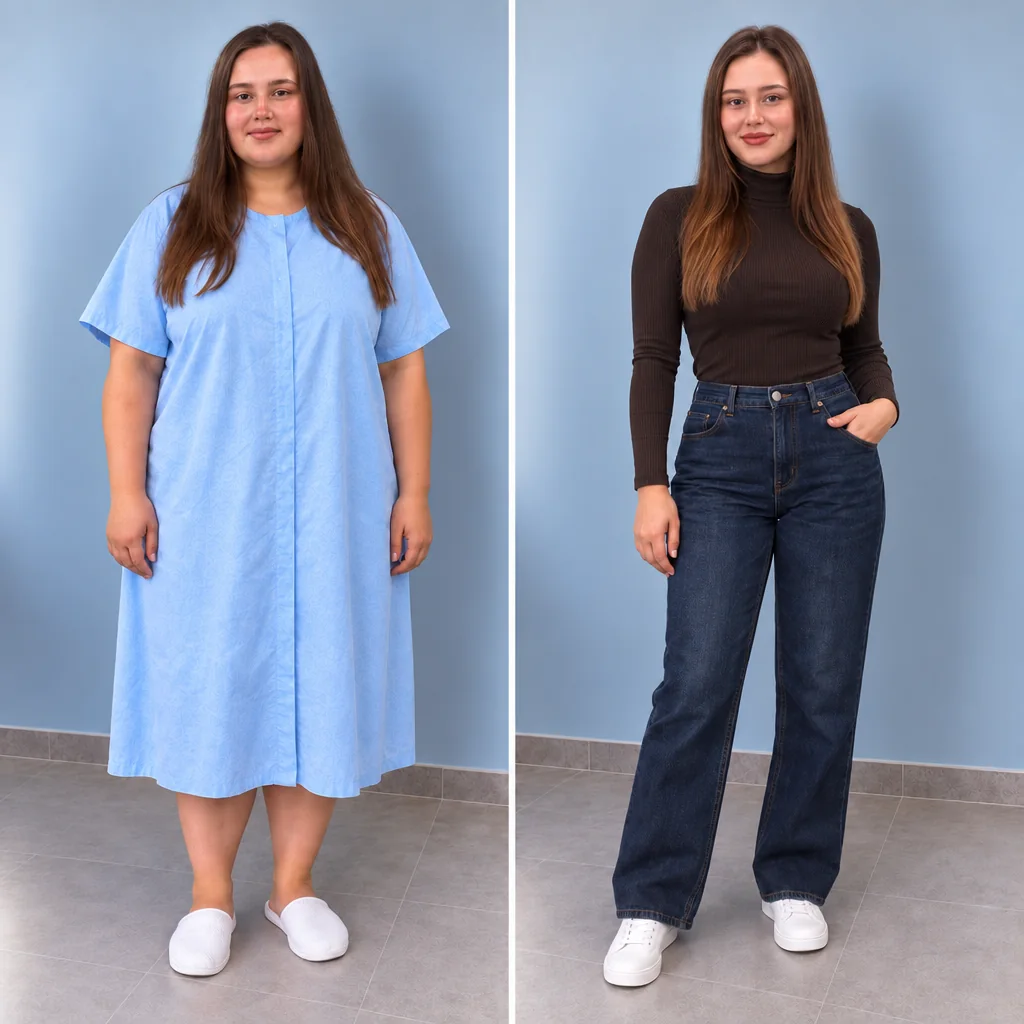
 beforeafter
Irina, 26
Bariatric surgery
Bariatric surgery
$3,600
$4,800 · First consultation — Free
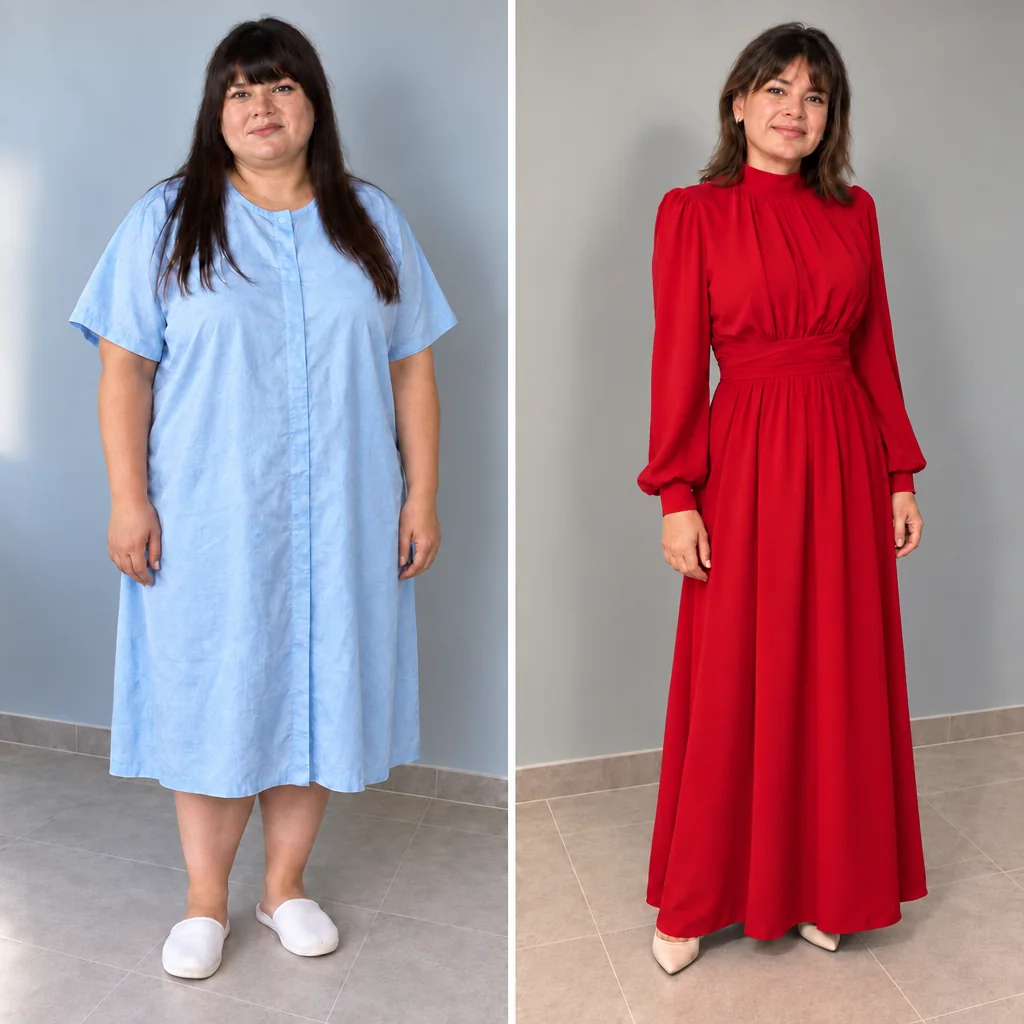 before
after
Message our coordinator
Free online consultation · Reply within 15 minutes
Message us on TelegramMessage us on WhatsAppBy messaging us, you agree to our Privacy Policy
Results
Every case shown is a real clinic patient.
beforeafterBariatric surgery
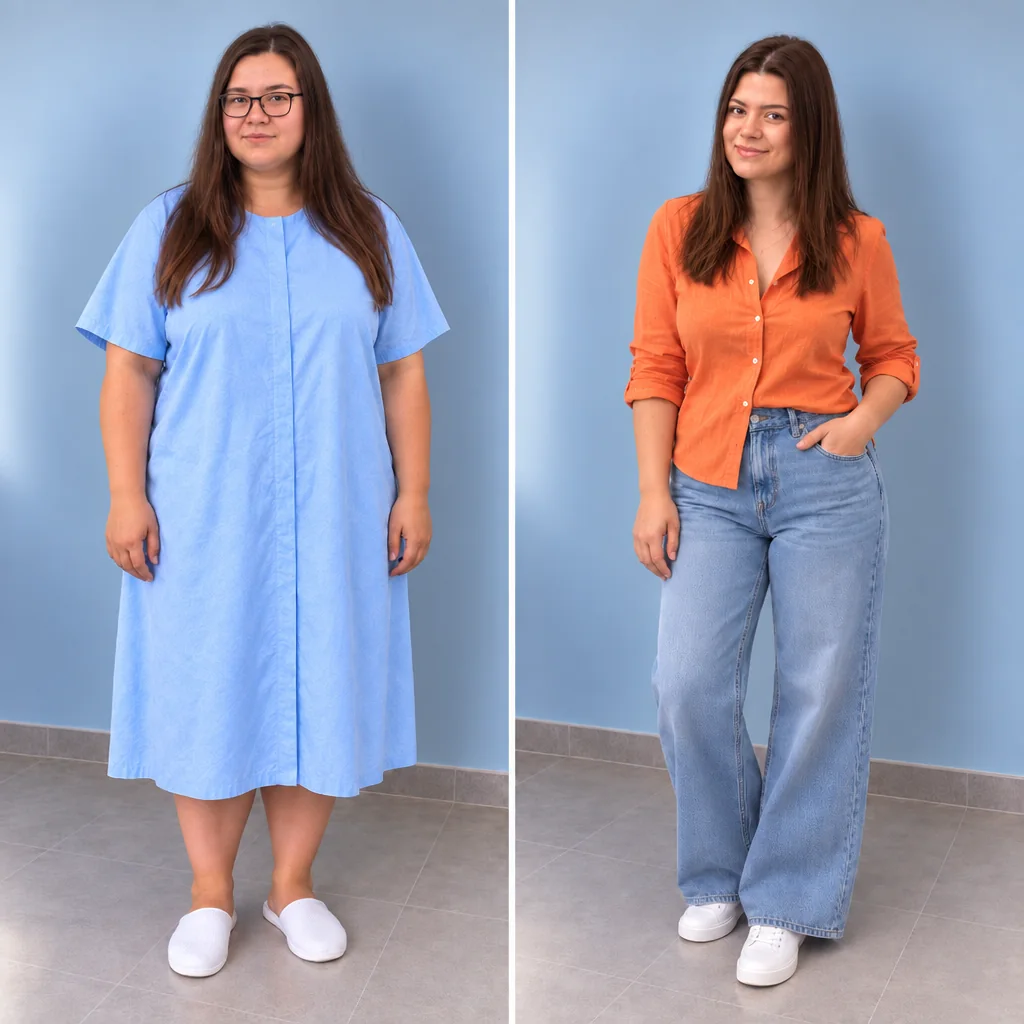 beforeafter
Bariatric surgery
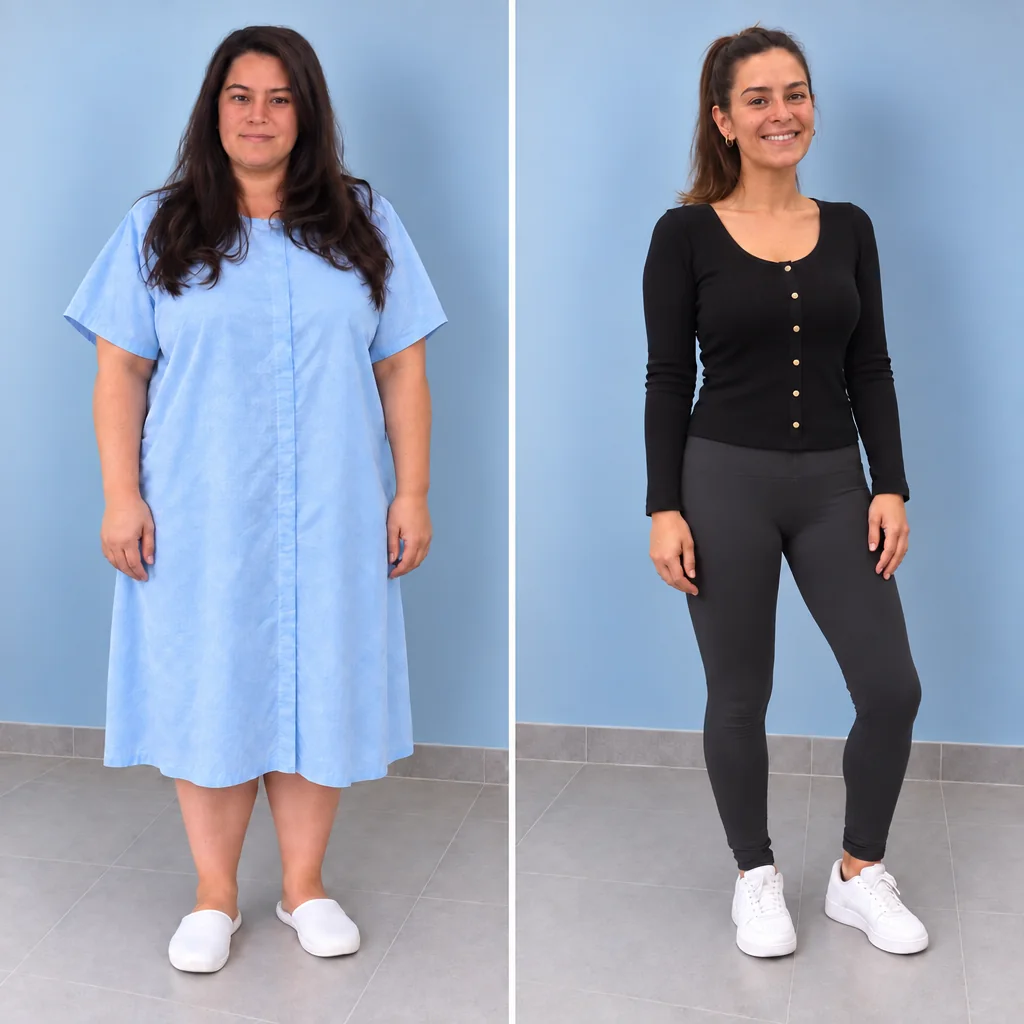 beforeafter
Bariatric surgery
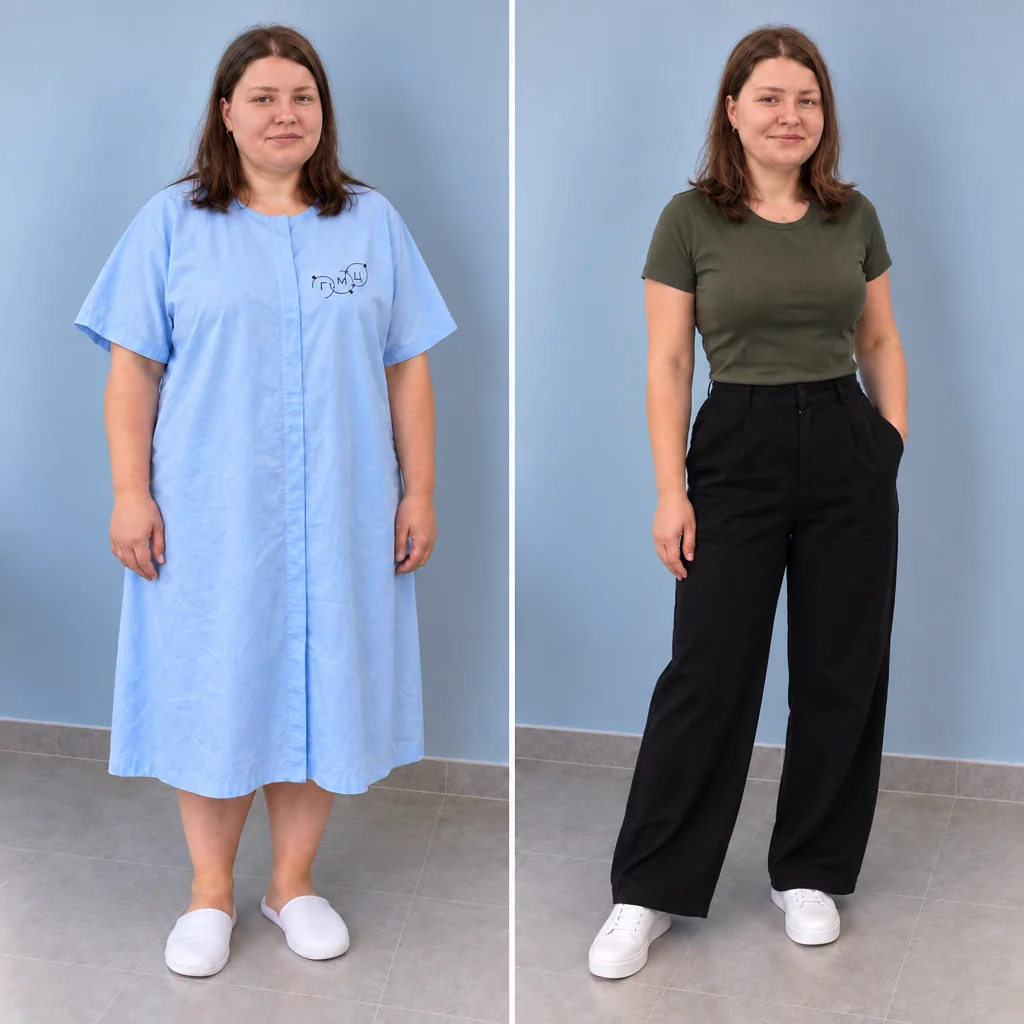 beforeafter
Bariatric surgery
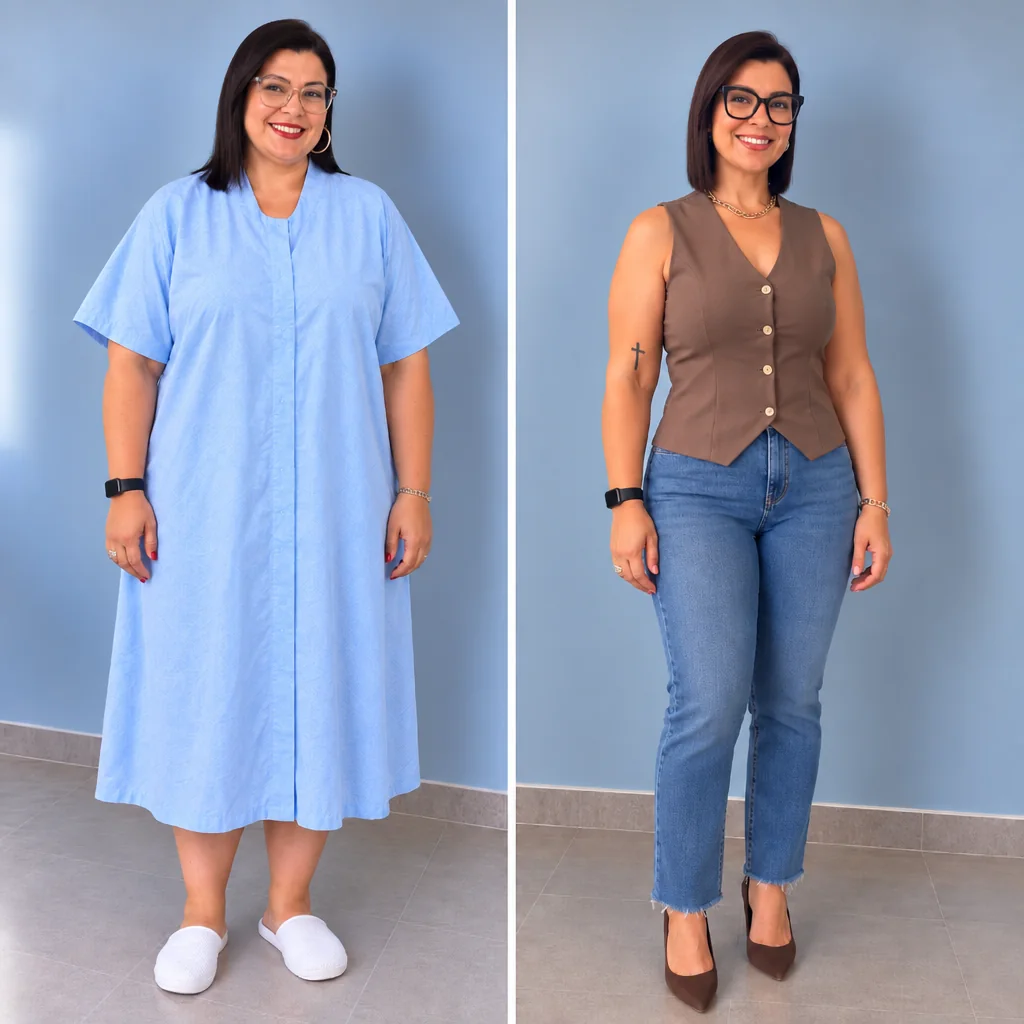 beforeafter
Bariatric surgery
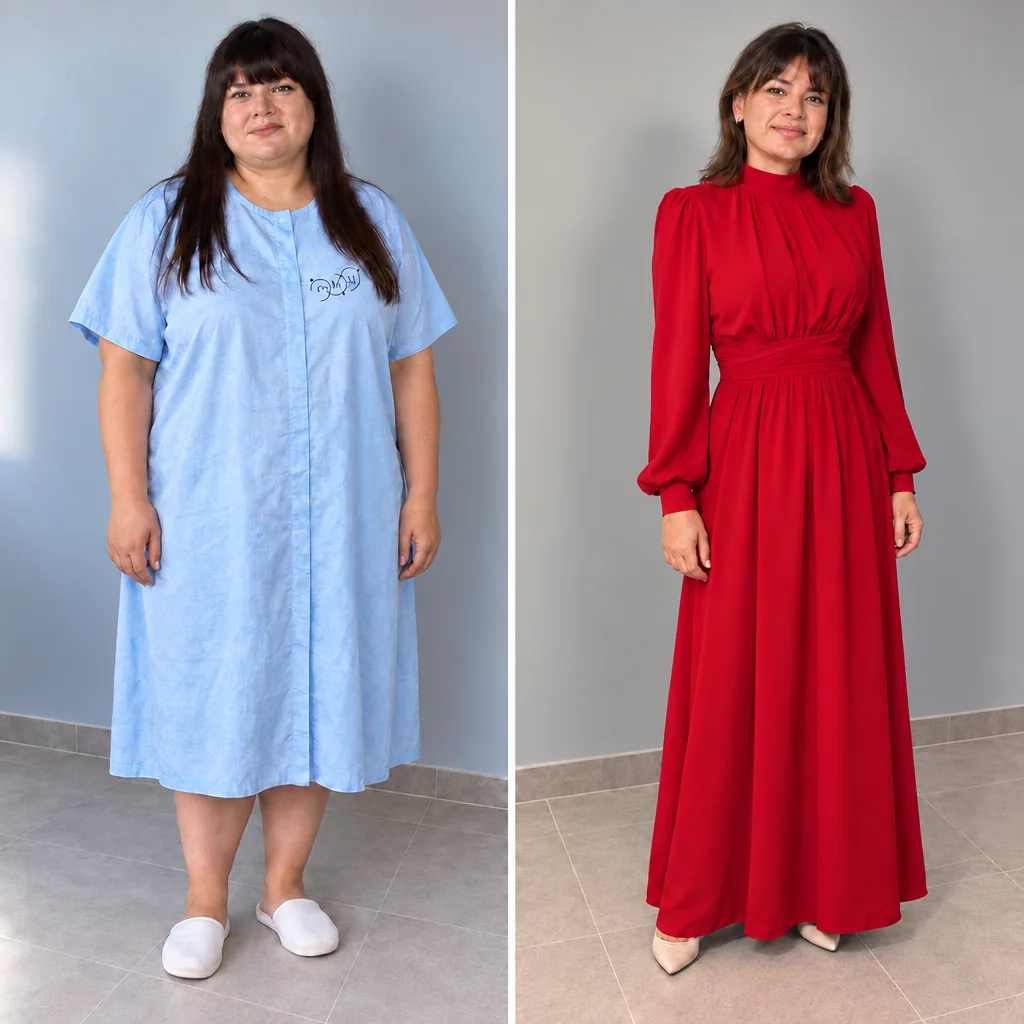 beforeafter
Bariatric surgery
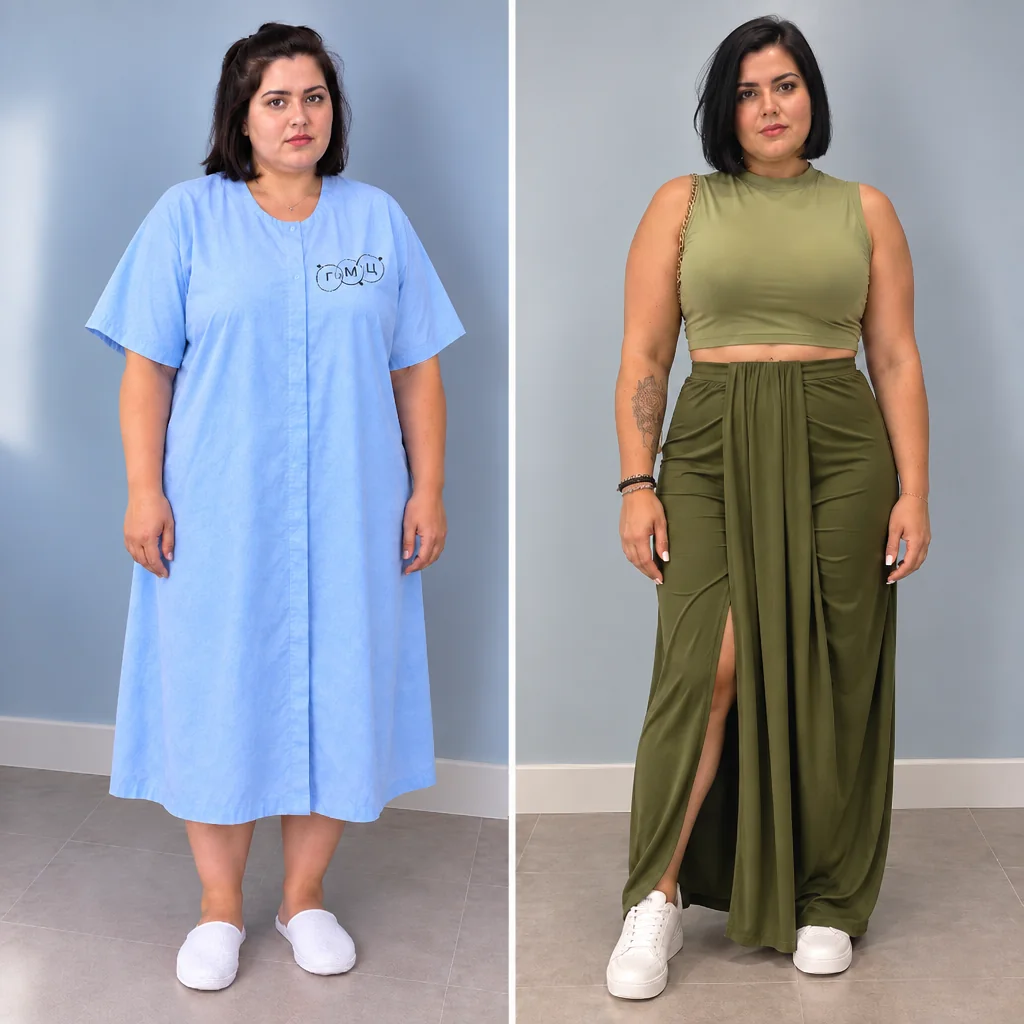 beforeafter
Bariatric surgery
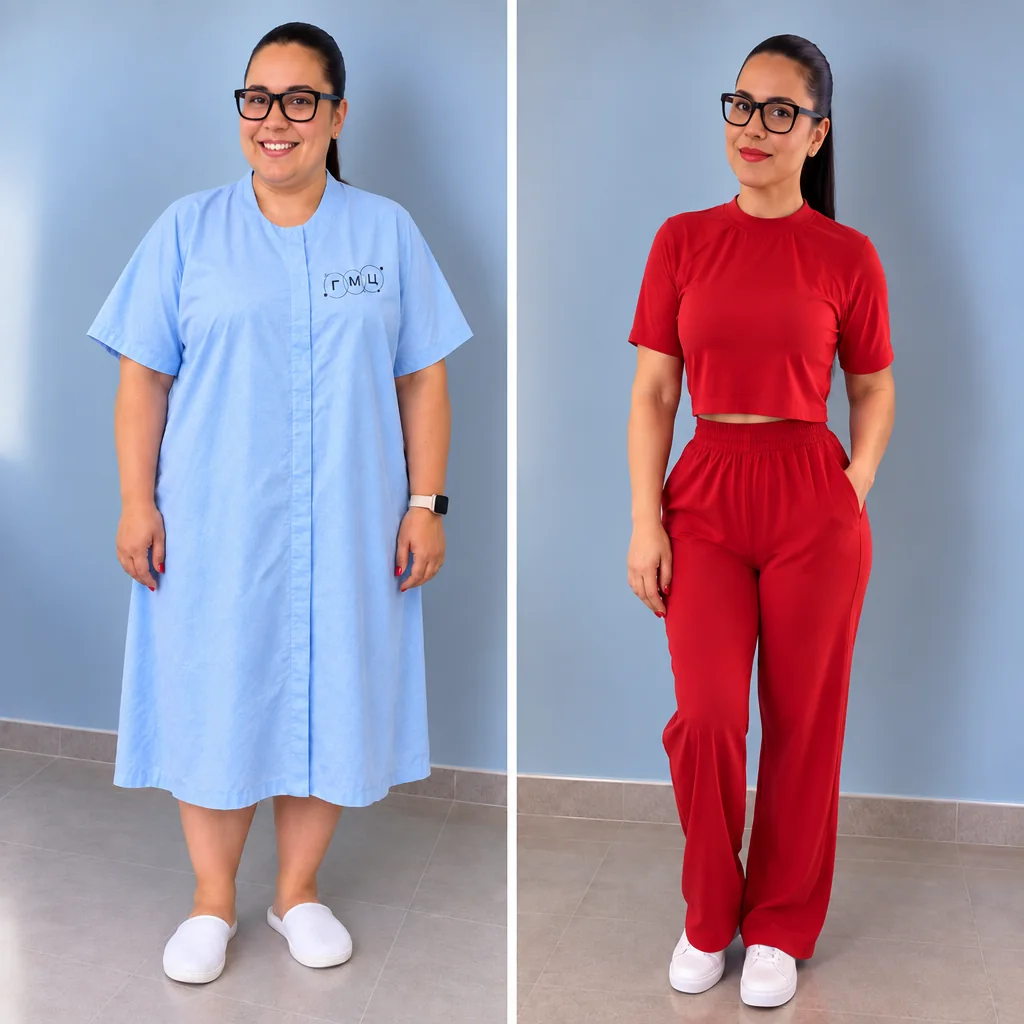 beforeafter
Bariatric surgery
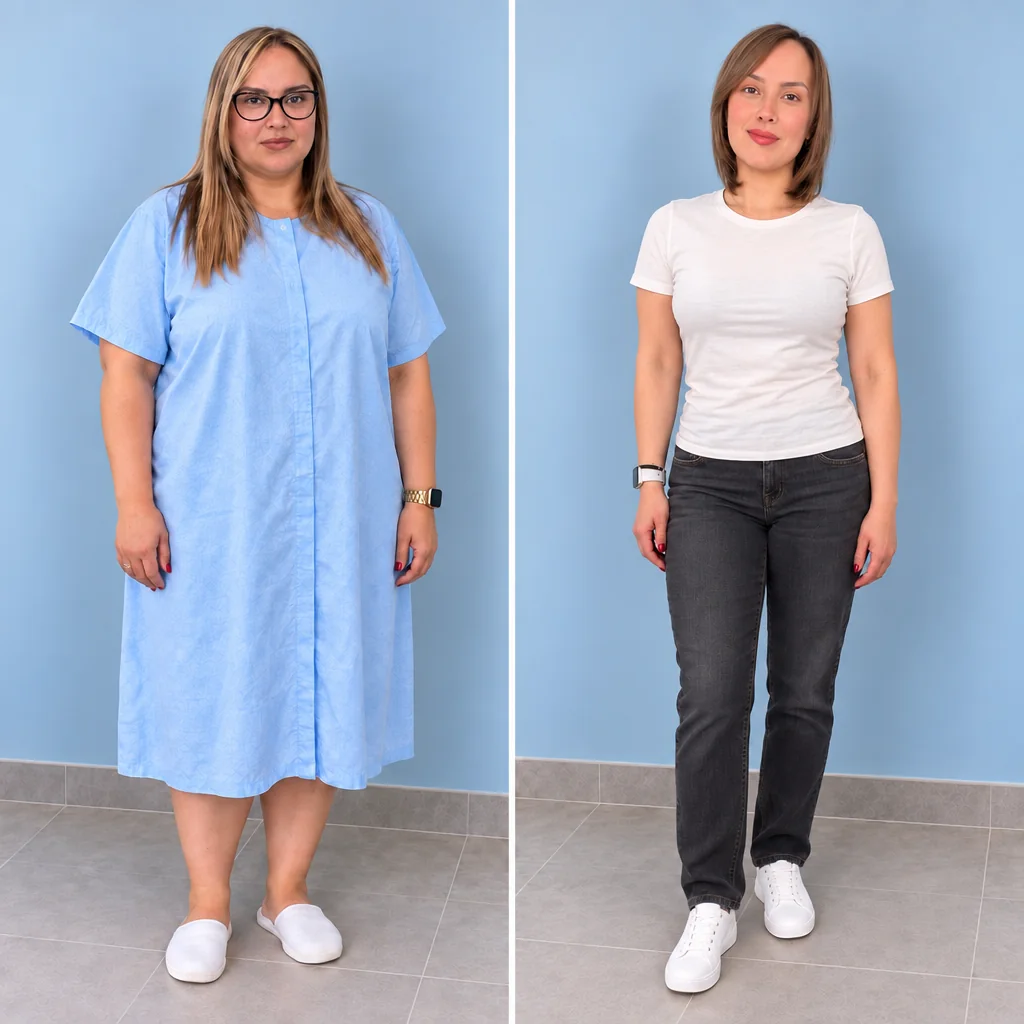 beforeafter
Bariatric surgery
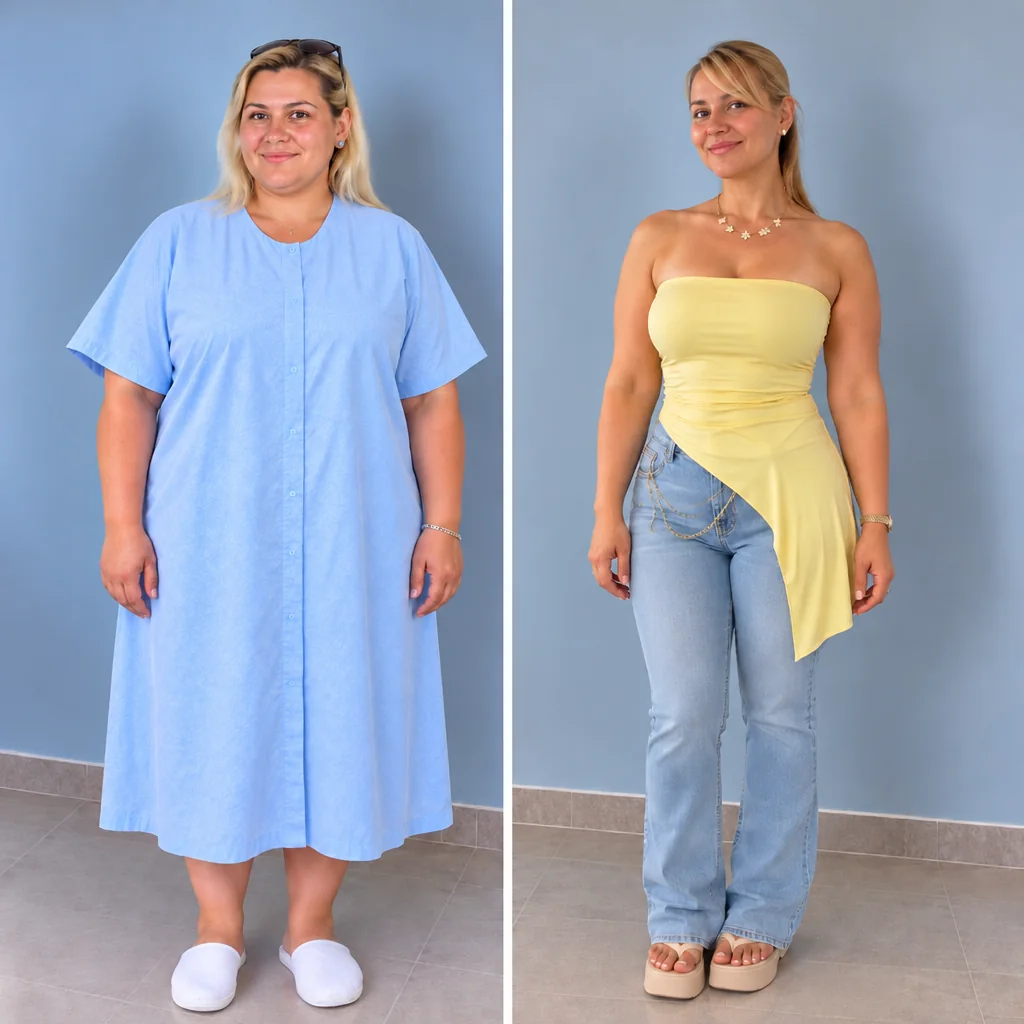 beforeafter
Bariatric surgery
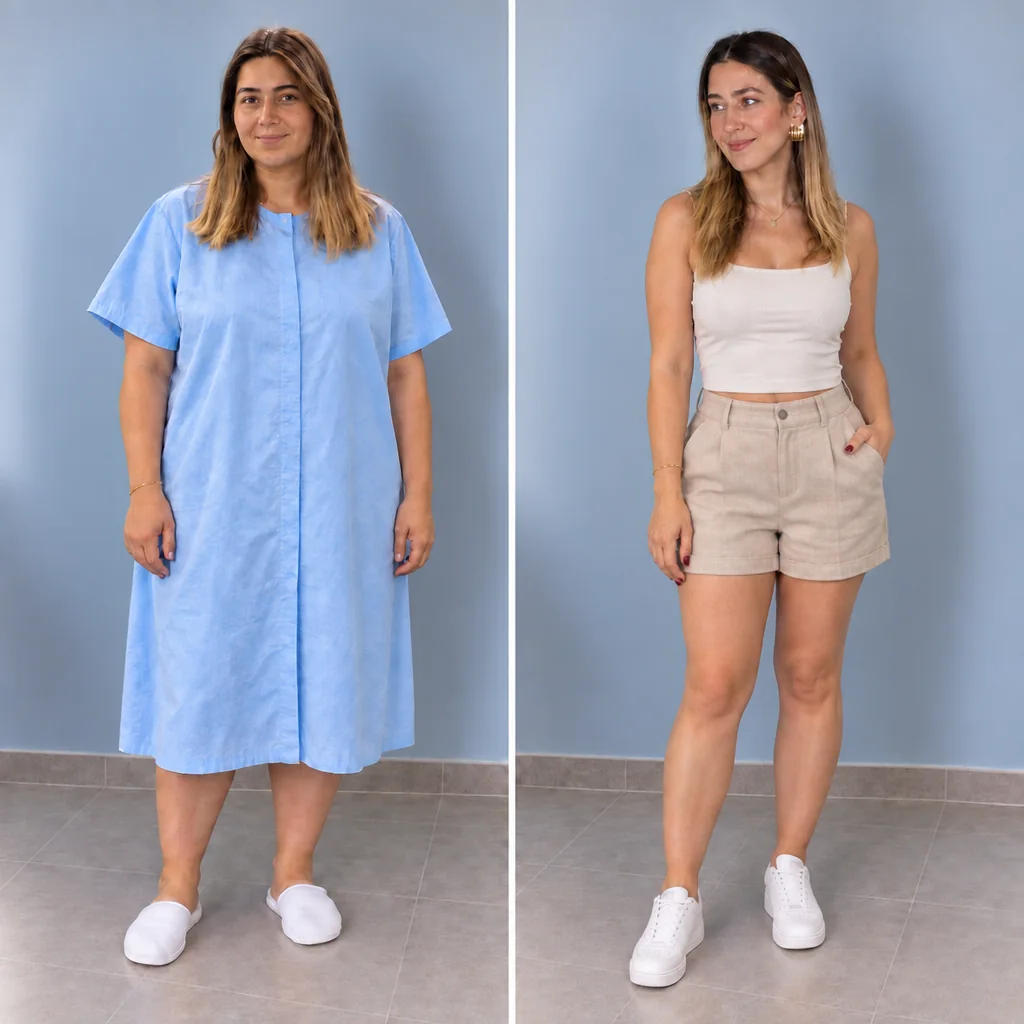 beforeafter
Bariatric surgery
Comparison
There are two main surgeries we offer: the sleeve and the bypass. Learn how they work, why they are done and who they suit, so you can choose your method with confidence.
Less stomach volume
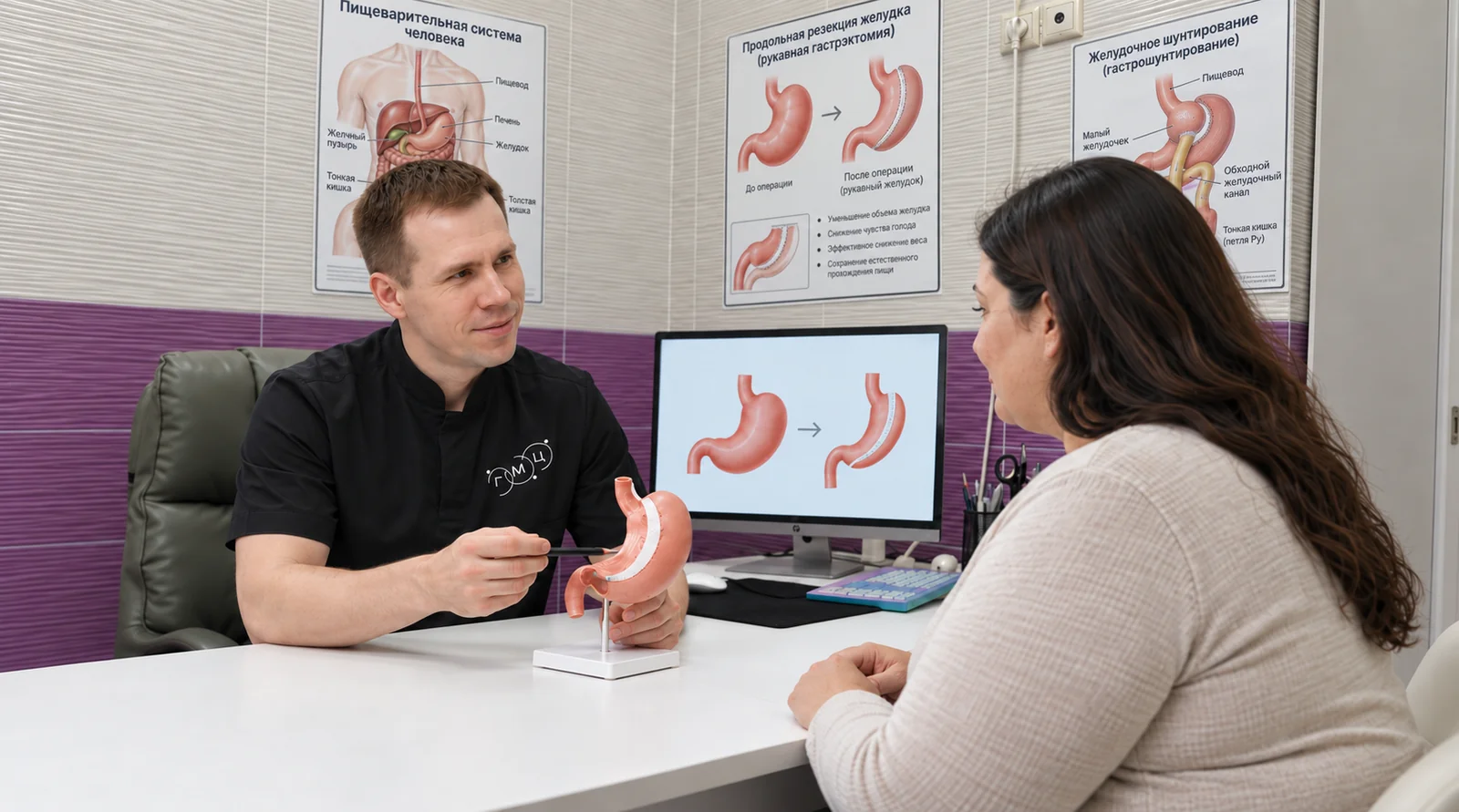
Discounted price
$3,600 $4,800
Reducing the stomach volume and rerouting food
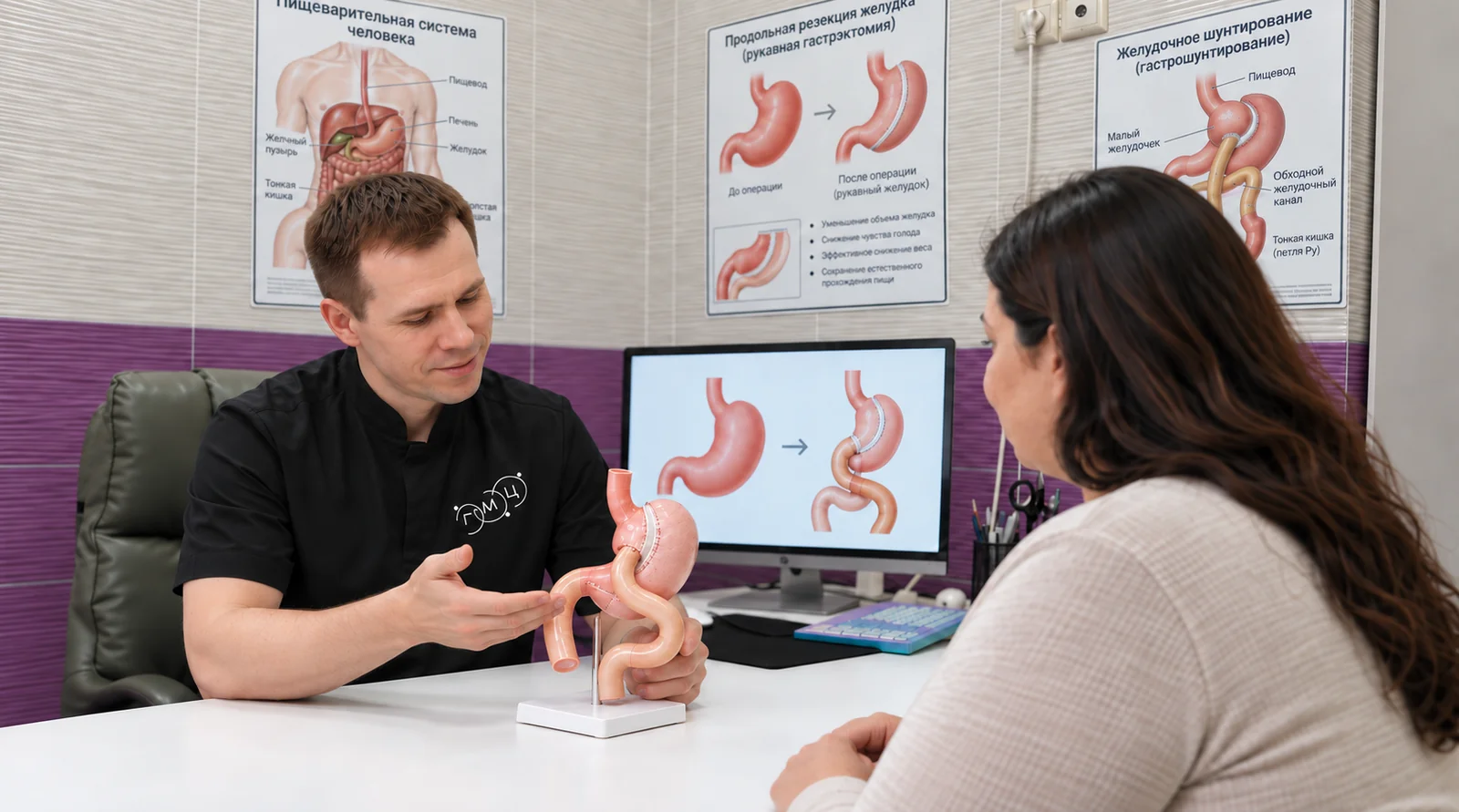
Discounted price
$4,000 $5,200
We show average benefits and recovery times for each method as a guide only: the extent of the operation and recovery are individual, set by your anatomy and features, and confirmed by the surgeon at the consultation.
Book a consultationOur clinic
Each patient gets care, comfortable rooms and modern equipment
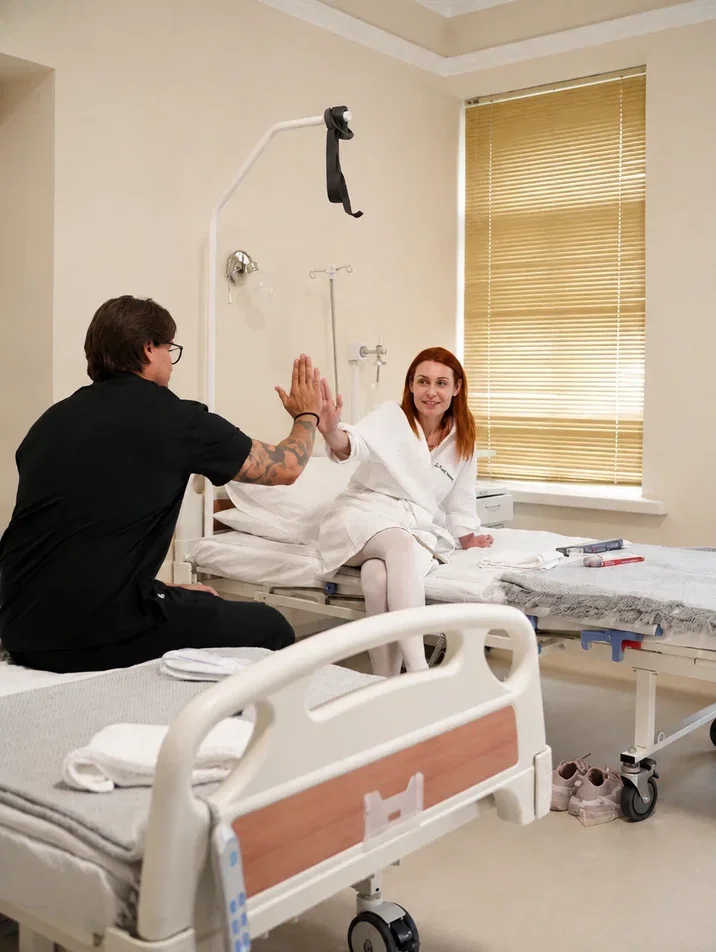
You get answers to your questions and a consultation slot that fits your schedule
Get a consultationA consultation and check-up come first; then you and the surgeon decide on surgery together.
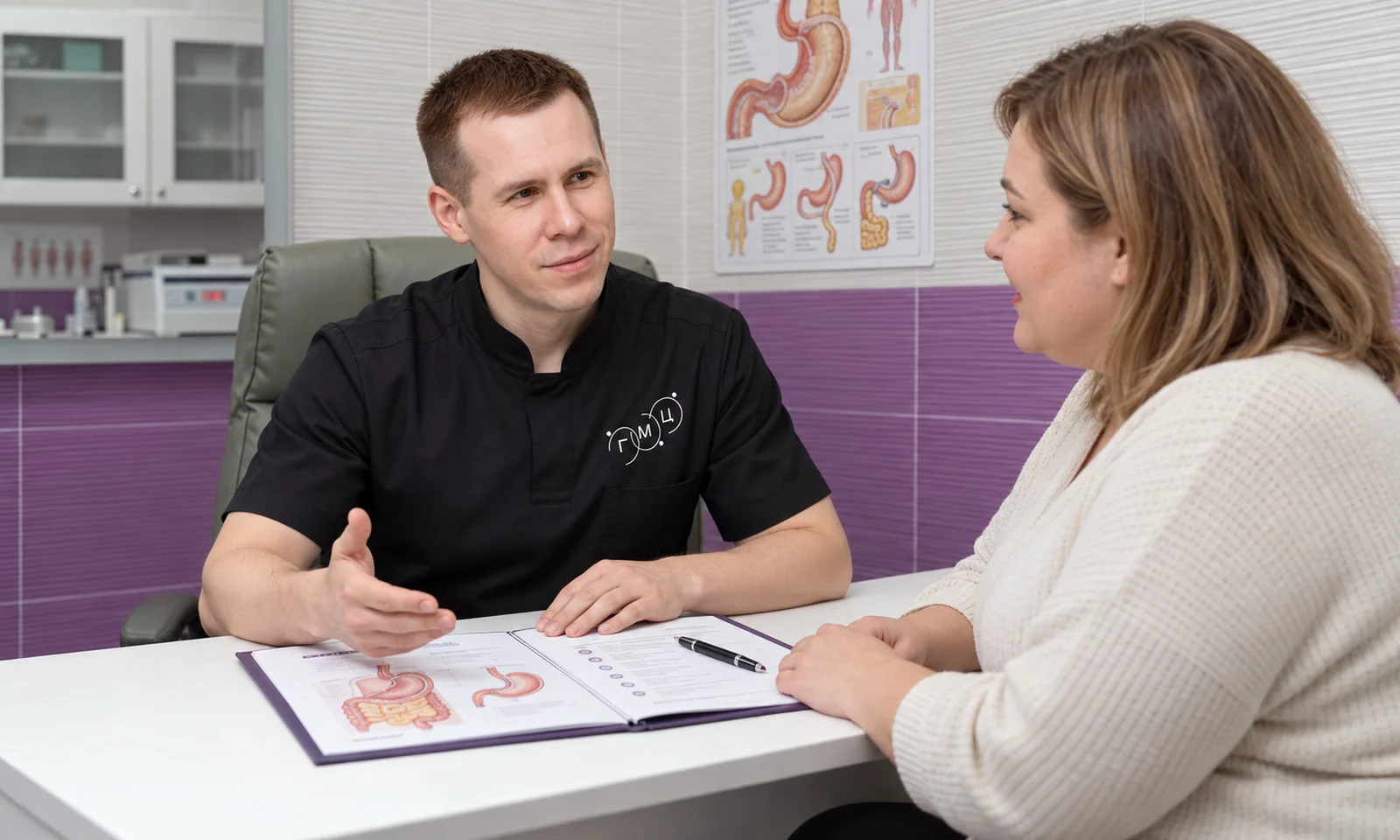
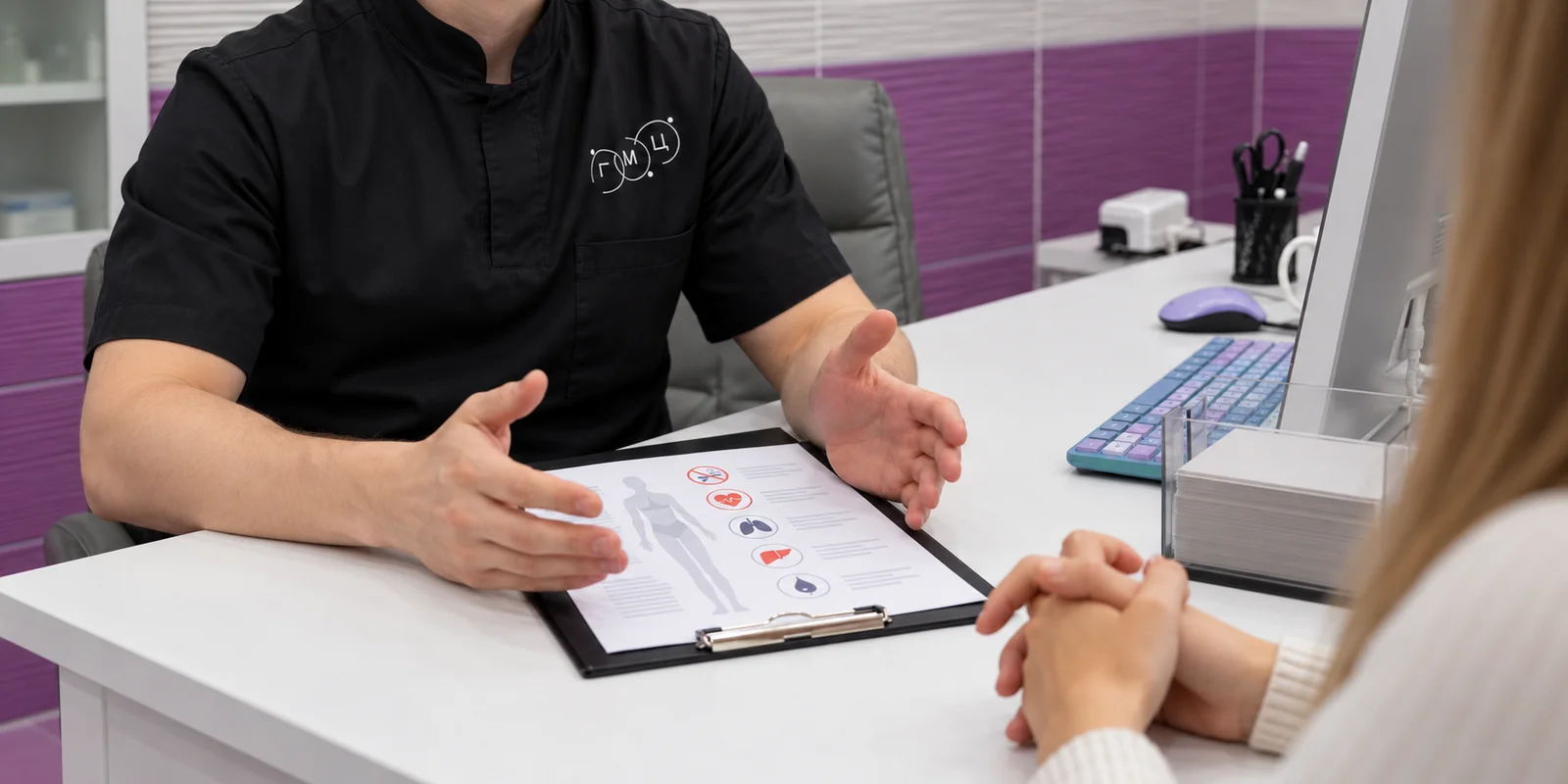
Not sure which group you fall into?
Get in touch on Telegram — our coordinator will explain whether bariatric surgery is right for you. The consultation with a surgeon is free, and there is no commitment to an operation.
Find out if it suits me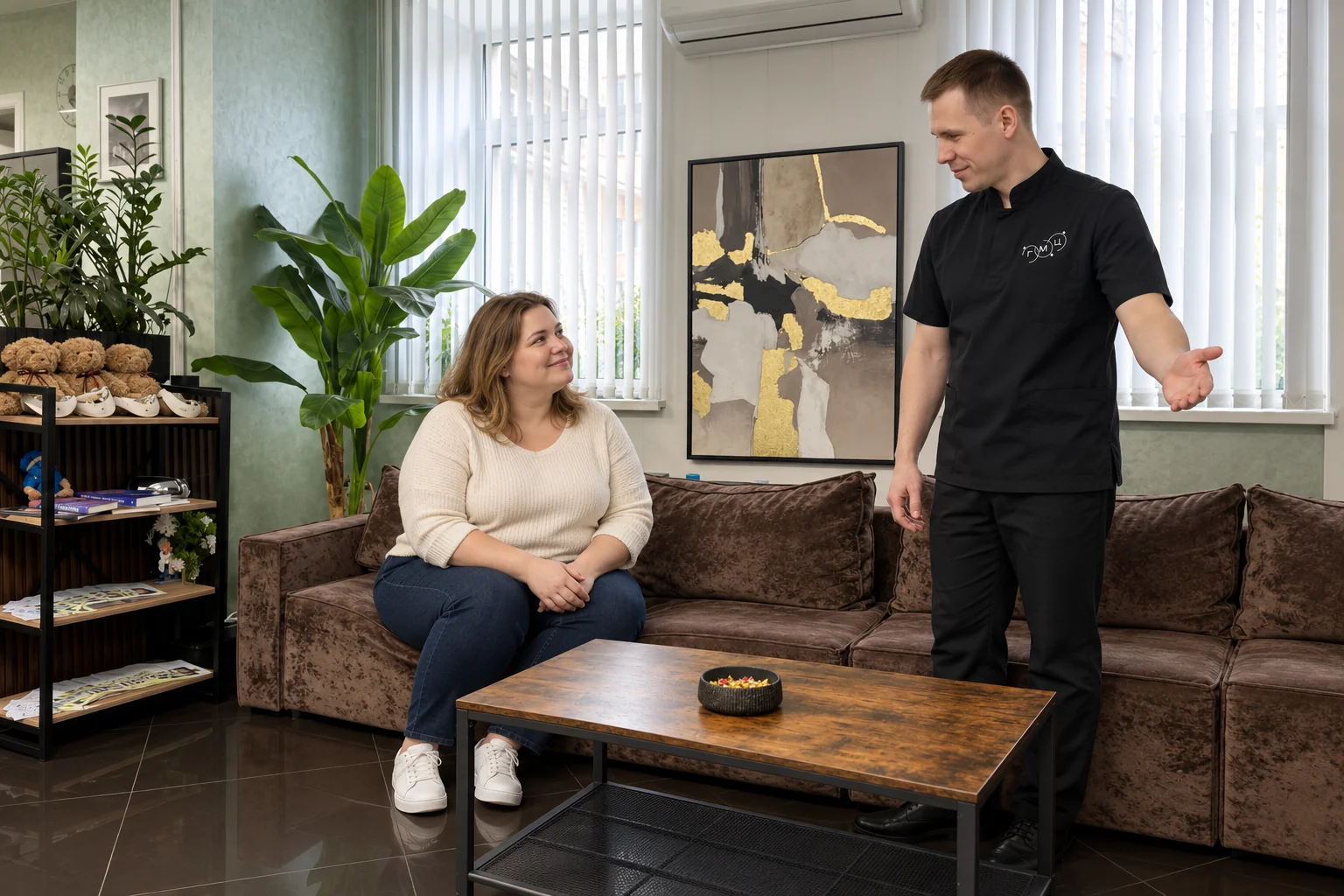
Prices
The cost becomes known at the consultation after your plan is ready, and the contract fixes it.
Discounted price
Less stomach volume
$3,600$4,800
Discounted price
Losing weight by changing the food route
$4,000$5,200
Free
A treatment plan after the surgeon's examination

Free
the cost of surgery is named
and fixed in the contract
The doctor evaluates your health, talks through your goals and selects the right bariatric surgery method. The cost is named at the consultation and set in the contract.
Message our coordinator
Free online consultation · Reply within 15 minutes
Message us on TelegramMessage us on WhatsAppBy messaging us, you agree to our Privacy Policy
price
A complete package: preparation plus 12 months of support, without any extra charges.From preparation for surgery
to support for 12 months.
The process
An agreed treatment plan, close monitoring in hospital and support lasting a year.
 1
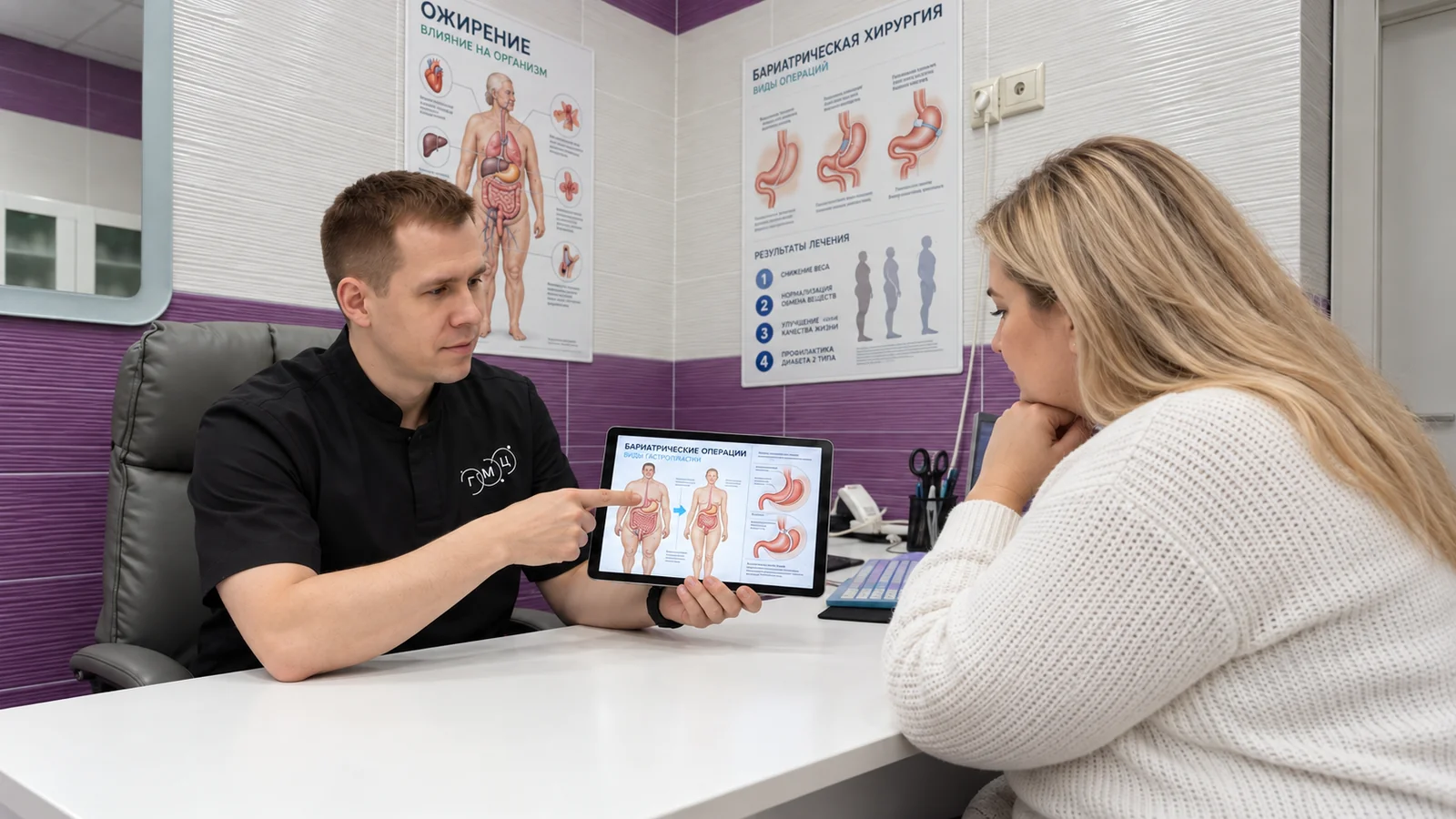
The doctor reviews your health and goals and orders the tests required to decide on the right bariatric surgery method.
2We set aside a surgery date for you — the deposit is paid by card at the clinic or online by bank transfer, and the terms are fixed in the contract for medical services
 3
Preparation for surgery means blood and urine tests, an ECG, an ultrasound, a gastroscopy and specialist consultations. Your doctor gives you the exact list at the consultation.
 4
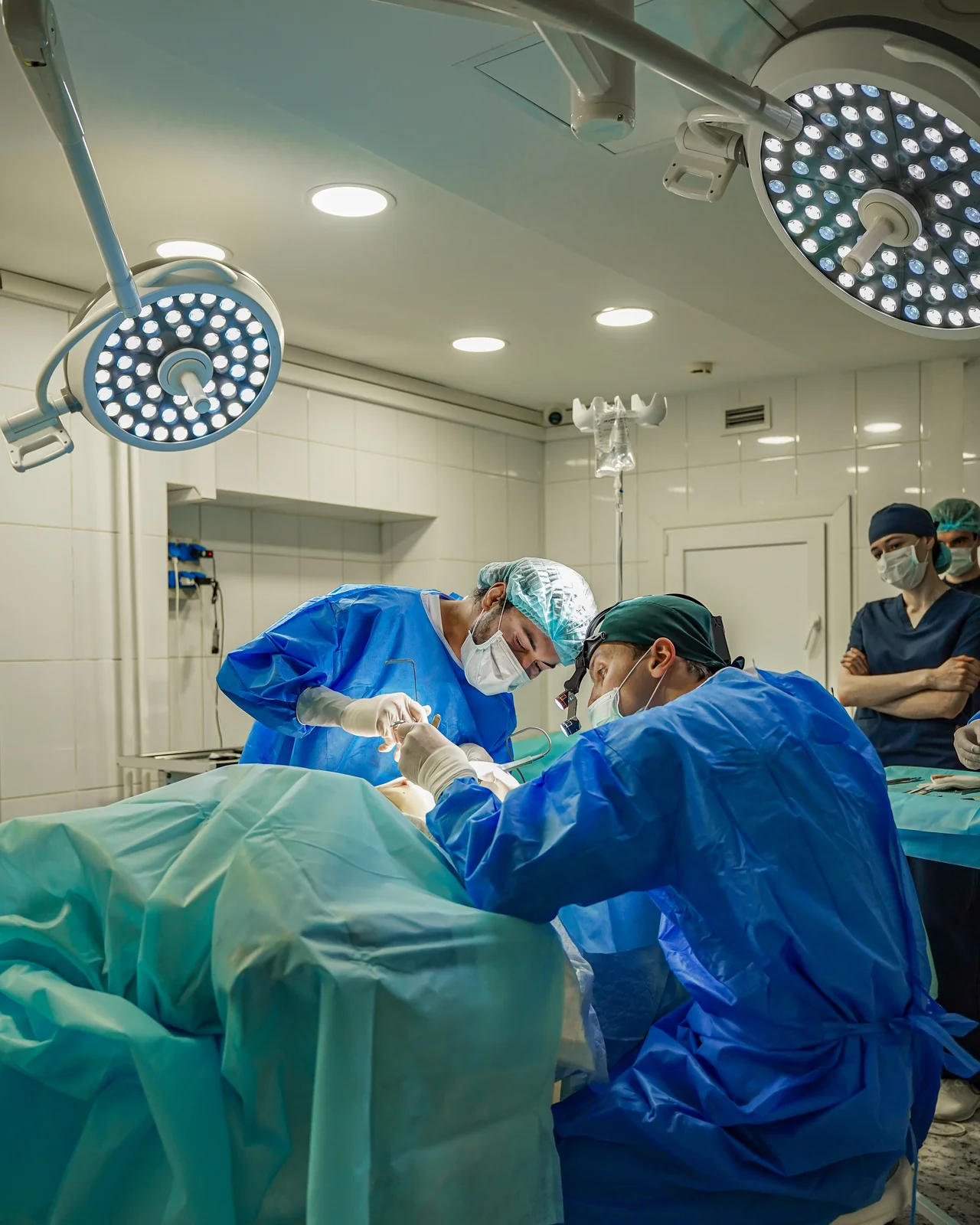
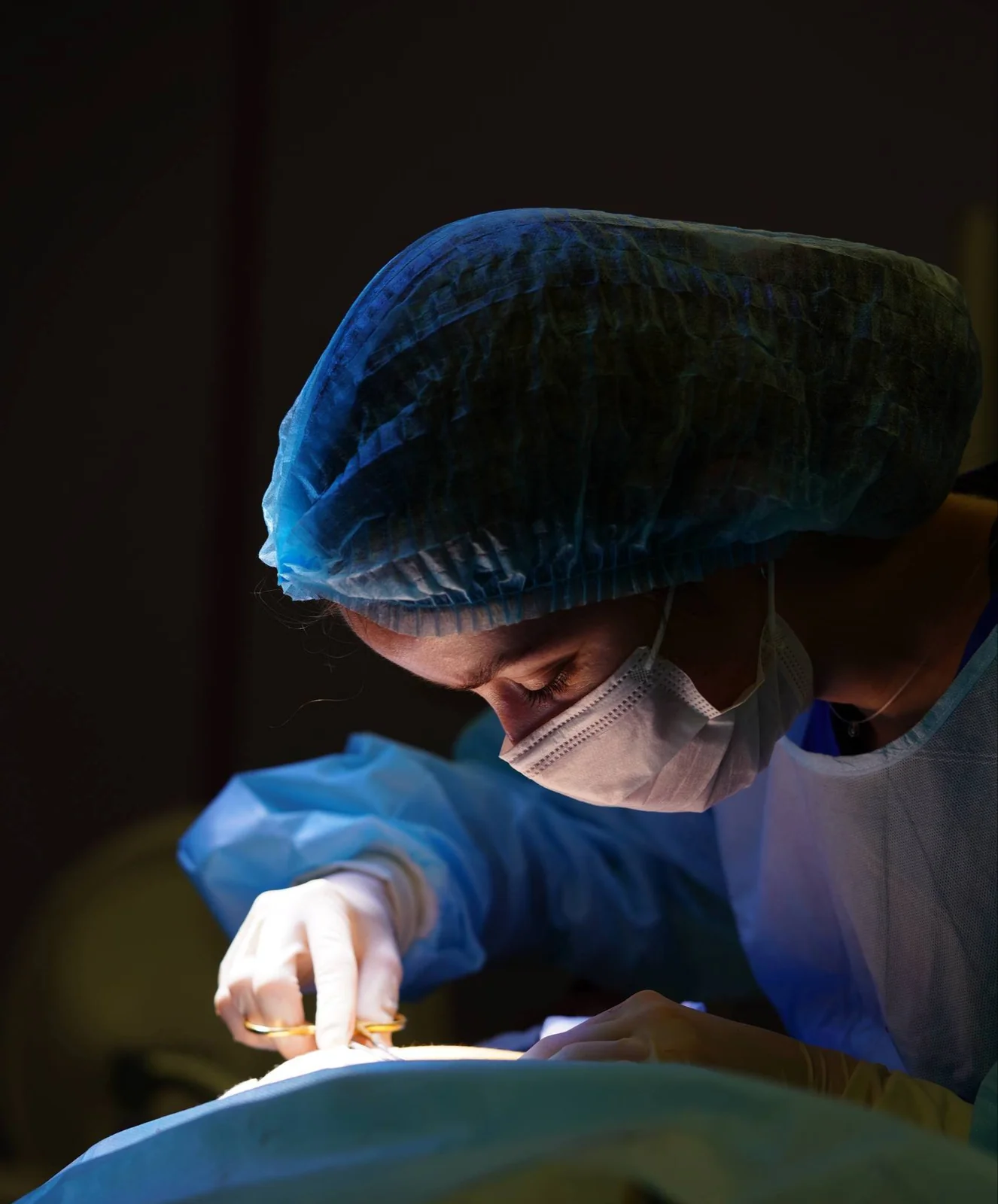
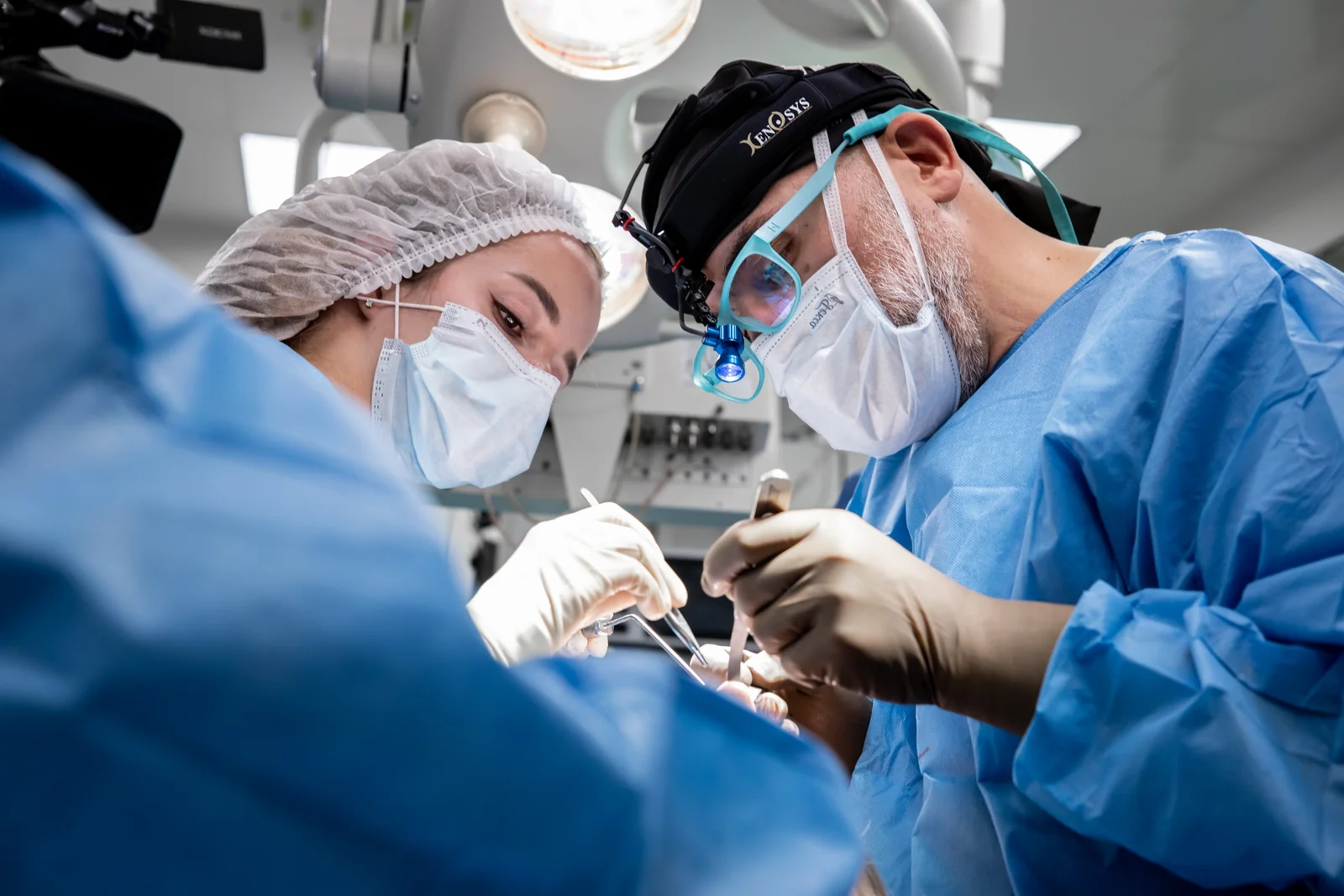
Your surgeon performs the bariatric operation with the chosen method under general anaesthesia, and after surgery the medical team monitors you.
 5
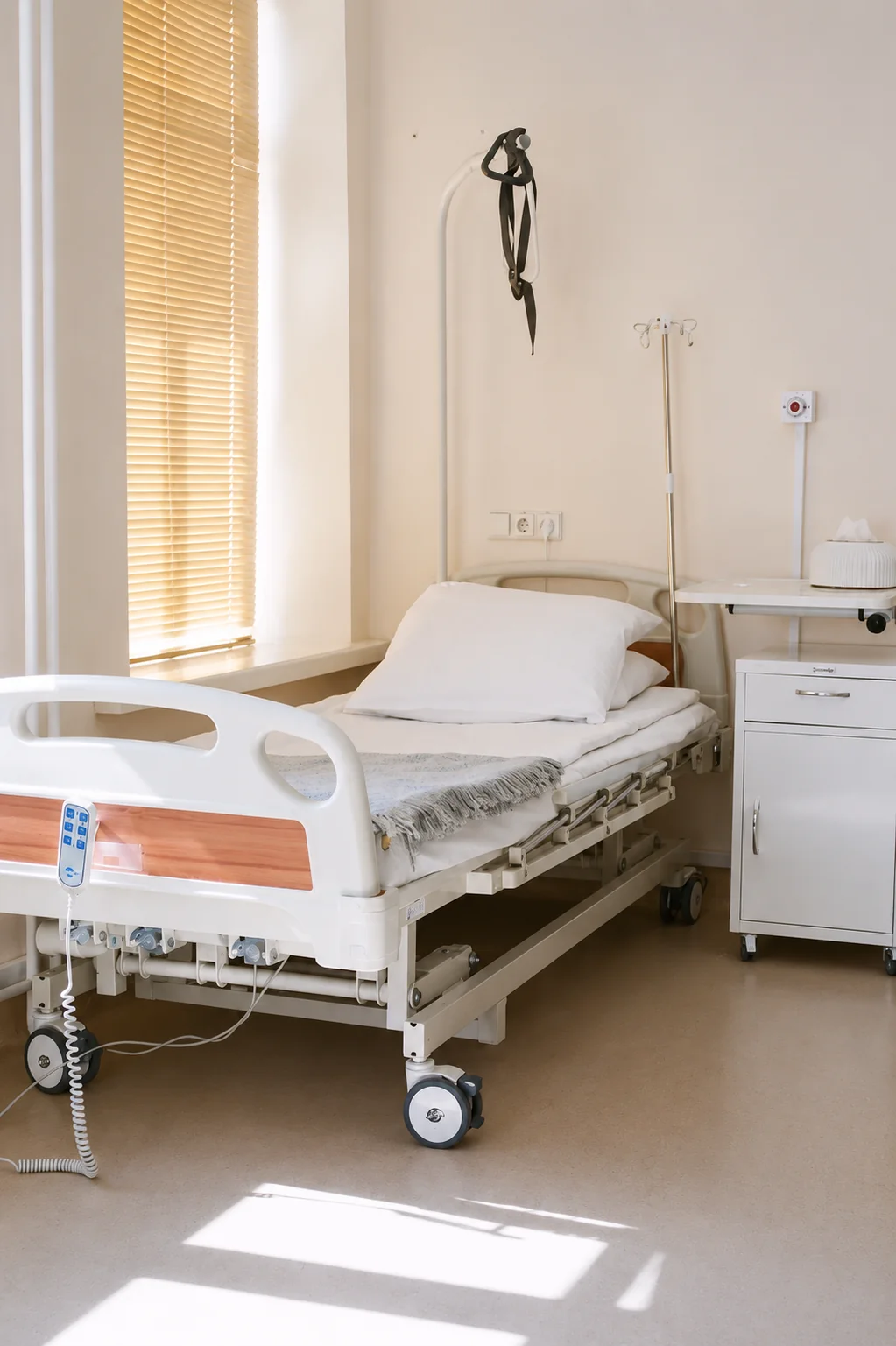
You stay in hospital under doctors' supervision after surgery; the stay runs from 1–3 to 4–5 days, depending on the operation's complexity and how you feel.
 6
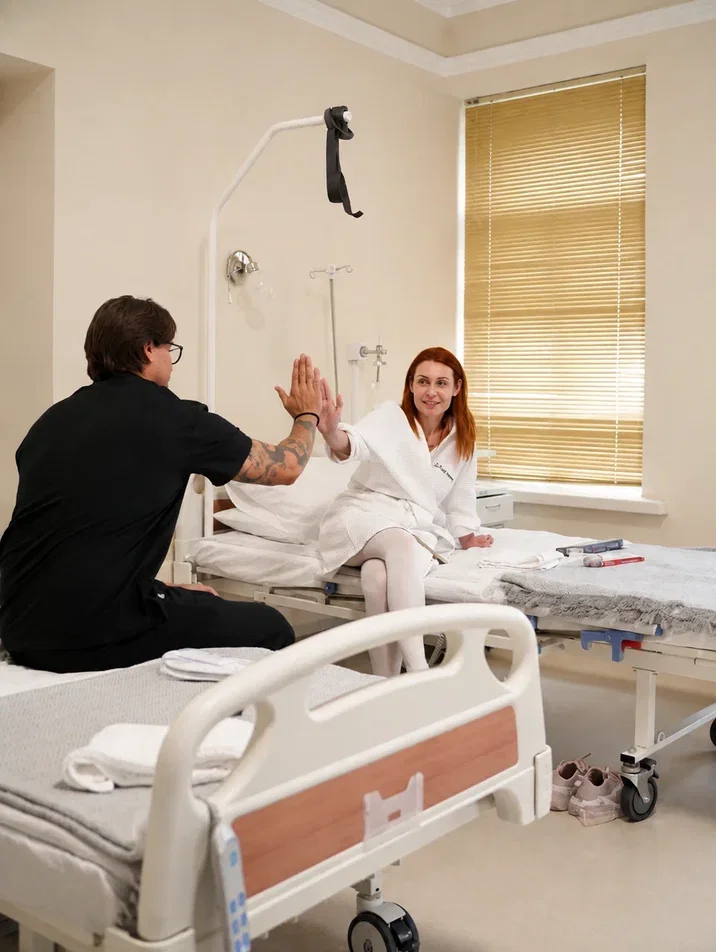
After discharge you are given recommendations on diet and recovery. Planned check-ups track how you feel, your weight and test results. The clinic team supports you for a year.
The doctor draws up a plan at the consultation and explains how the surgery will go
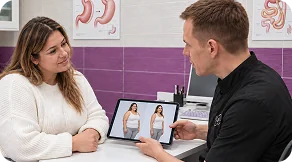
You pay nothing for the consultation, happens before surgery, with no obligation.
Book a consultationDoctors
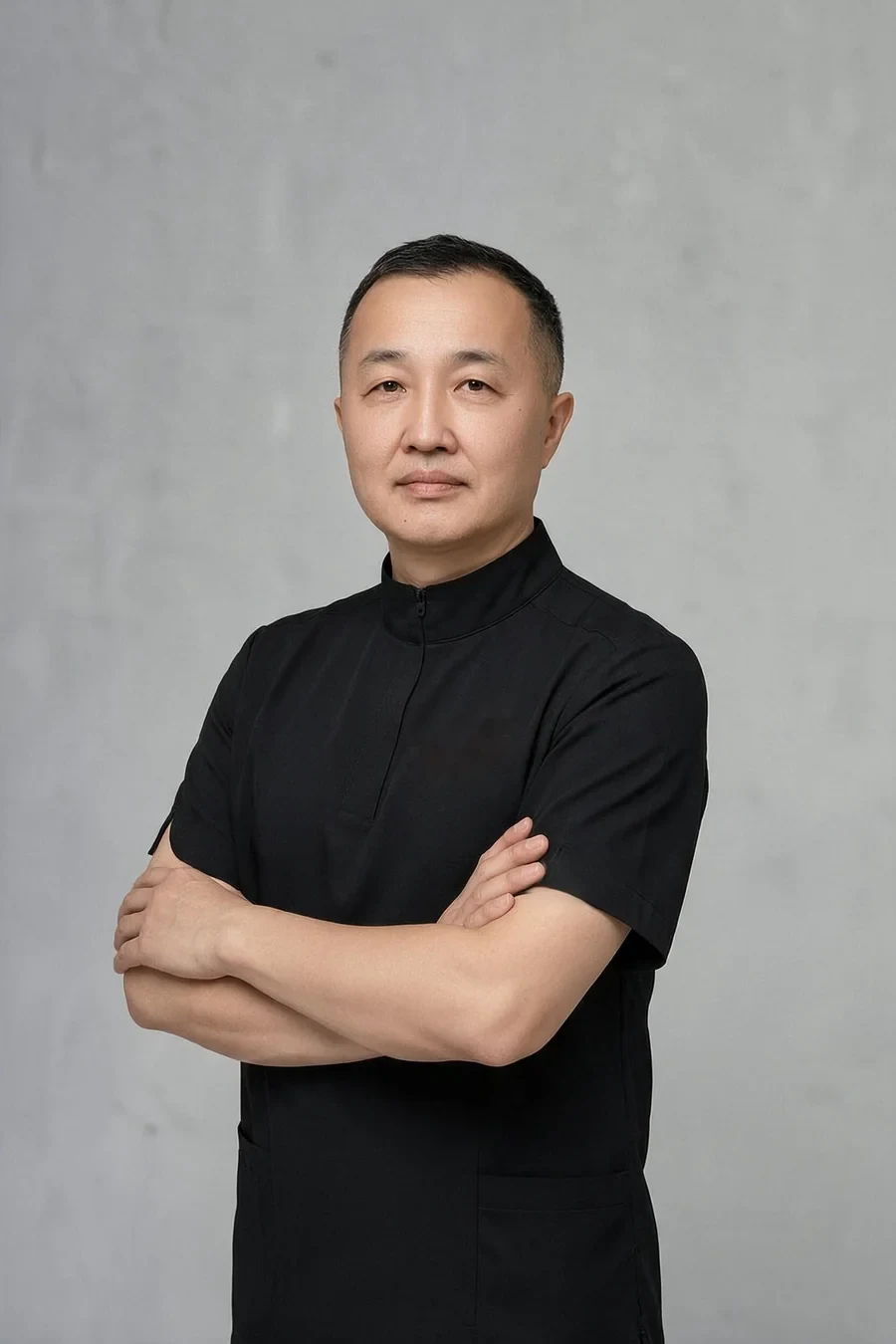
27 years of experience
Senior bariatric surgeon
Surgeon
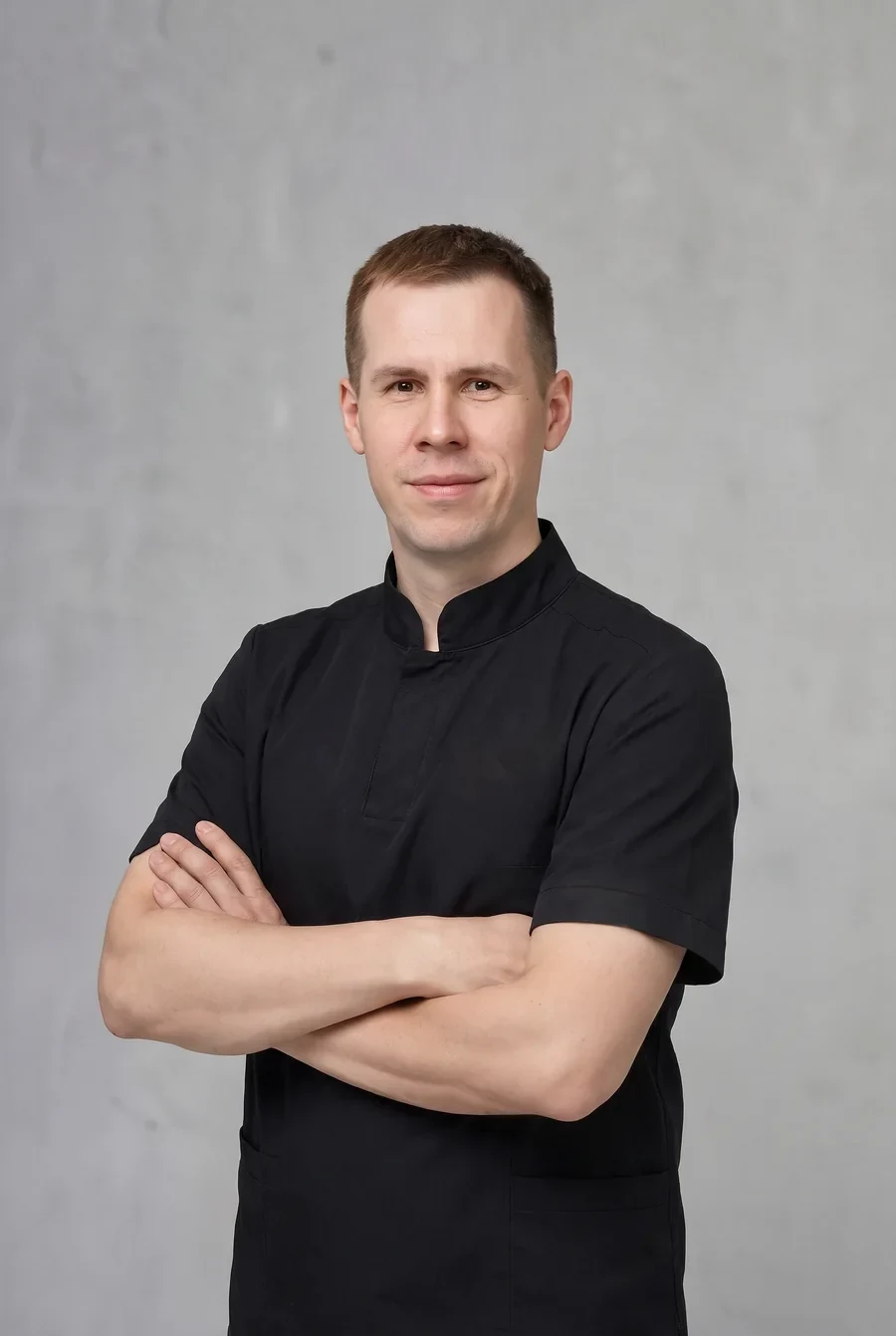
9 years of experience
Bariatric surgeon
Surgical oncologist
From the first consultation right to the result, your surgeon operates and follows you.
At the first consultation our patient care manager calculates your BMI, explains the methods and books you with the surgeon — all free of charge.
Book a consultationCoordinators
We are with you at each stage

Your first point of contact at the clinic, from your first message to the consultation
Specialist in patient care
Answers your questions before the first consultation and helps select a date that works for you

With you before your stay and during it, from booking to discharge
Specialist in patient care
Helps prepare you for surgery and remains in touch during your stay at the clinic

With you throughout your recovery, from discharge to your final check-up
Specialist in patient care
Keeps in contact throughout recovery and arranges your follow-up visits with the surgeon
Advantages
We pick the best method for your health, lifestyle and goals, and our team is with you all the way.
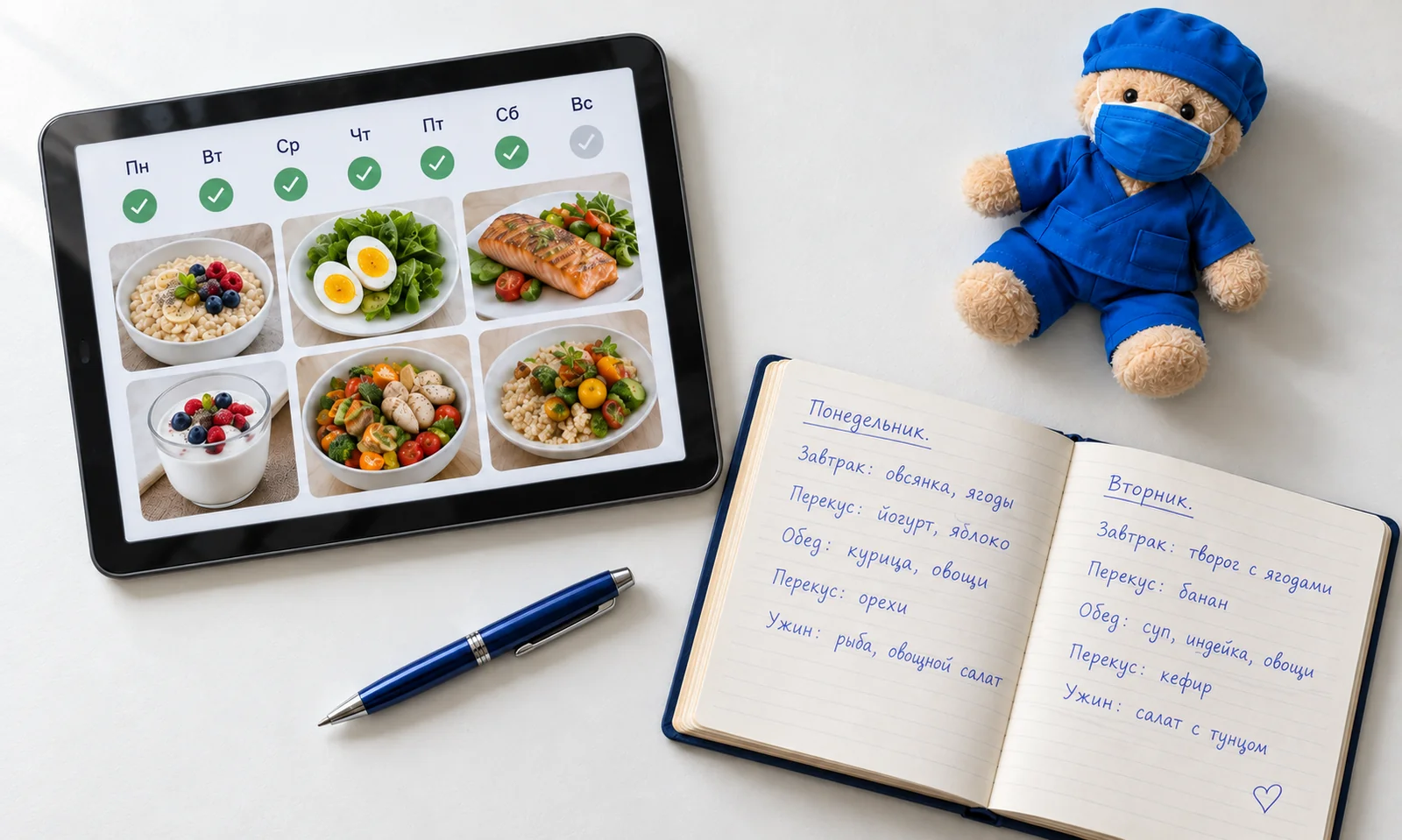
We support you in adapting to new eating habits, tracking results and keeping them.
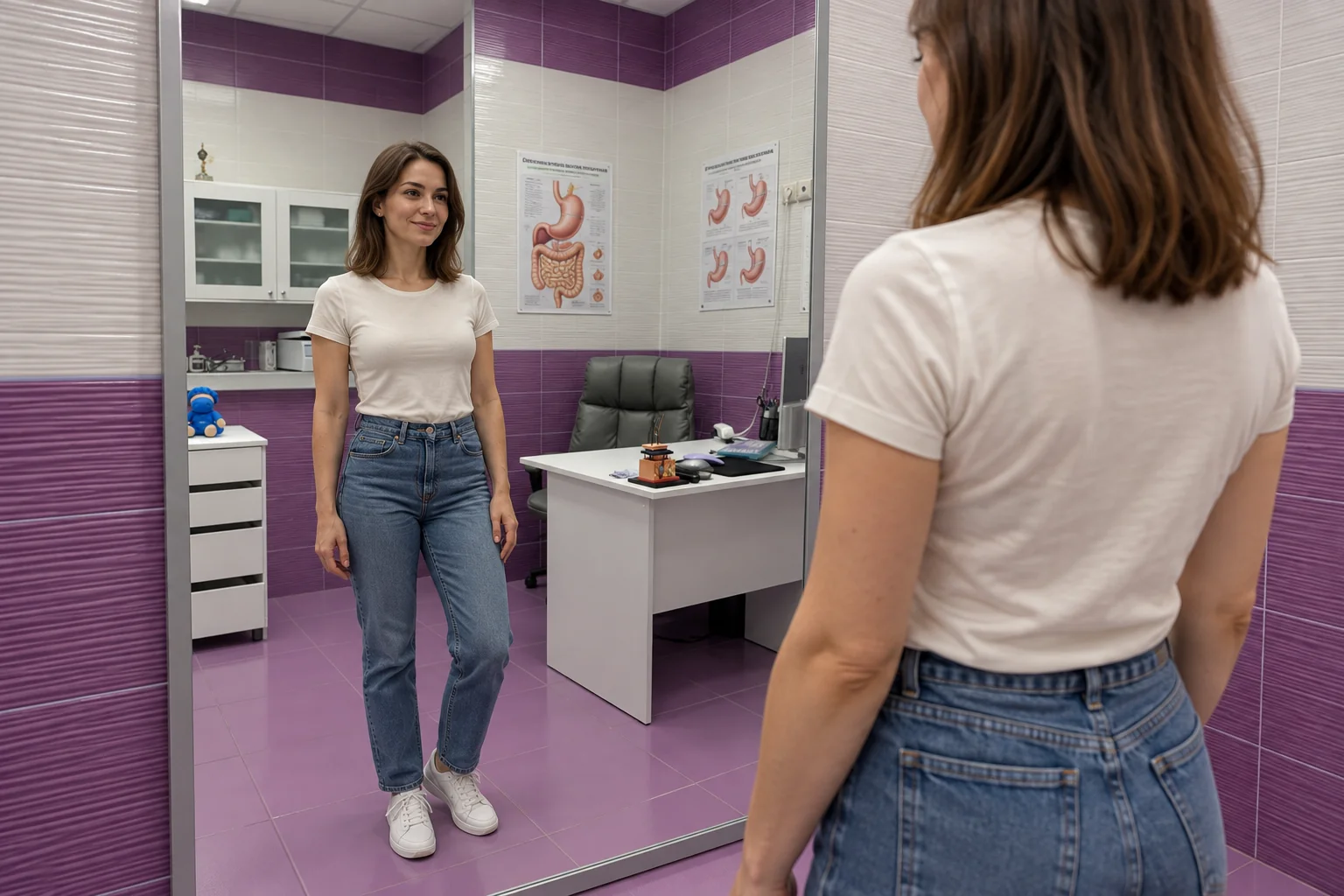
A higher quality of life, better well-being and steady weight loss.
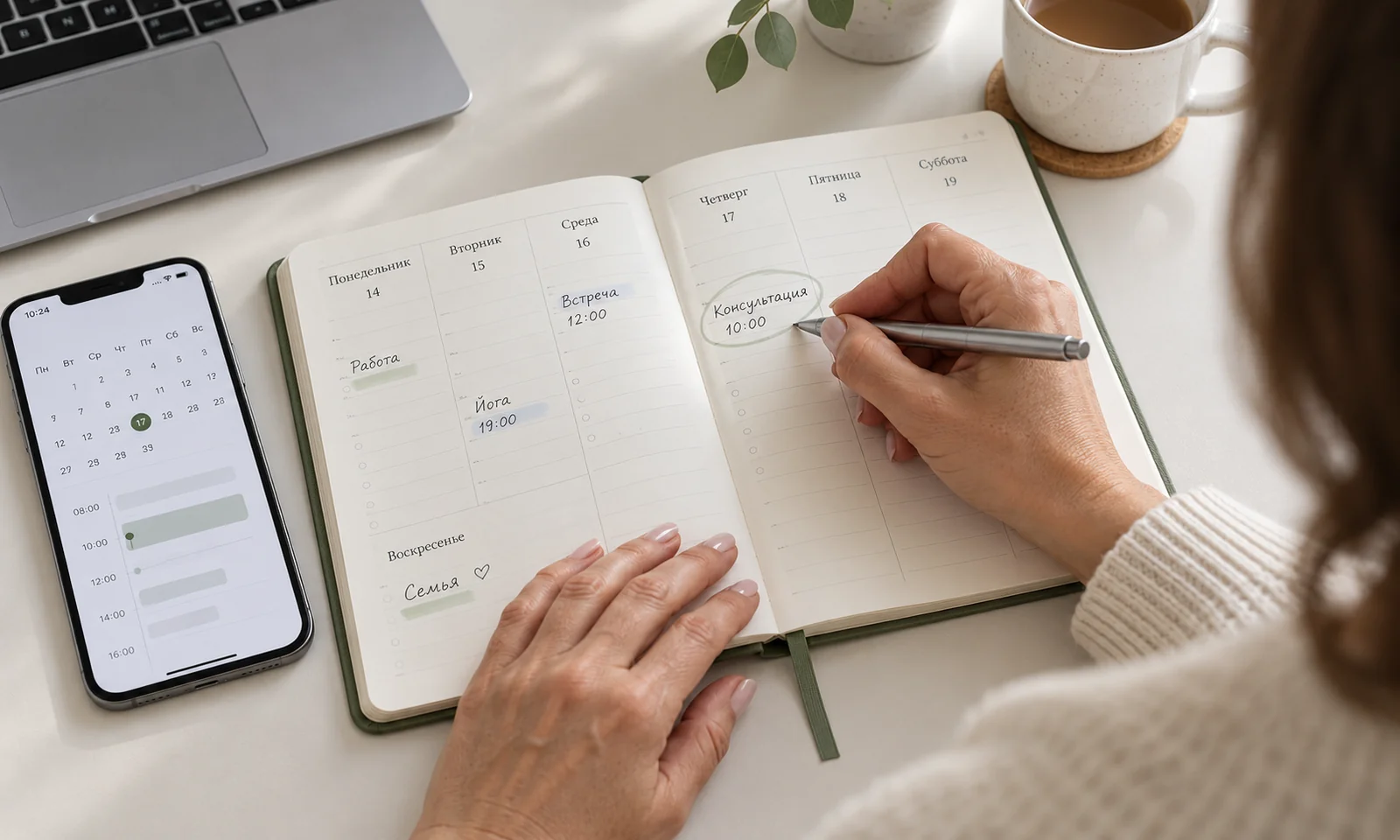
Open 24/7, we respect your time with easy booking and a personal approach, adapting to your pace.
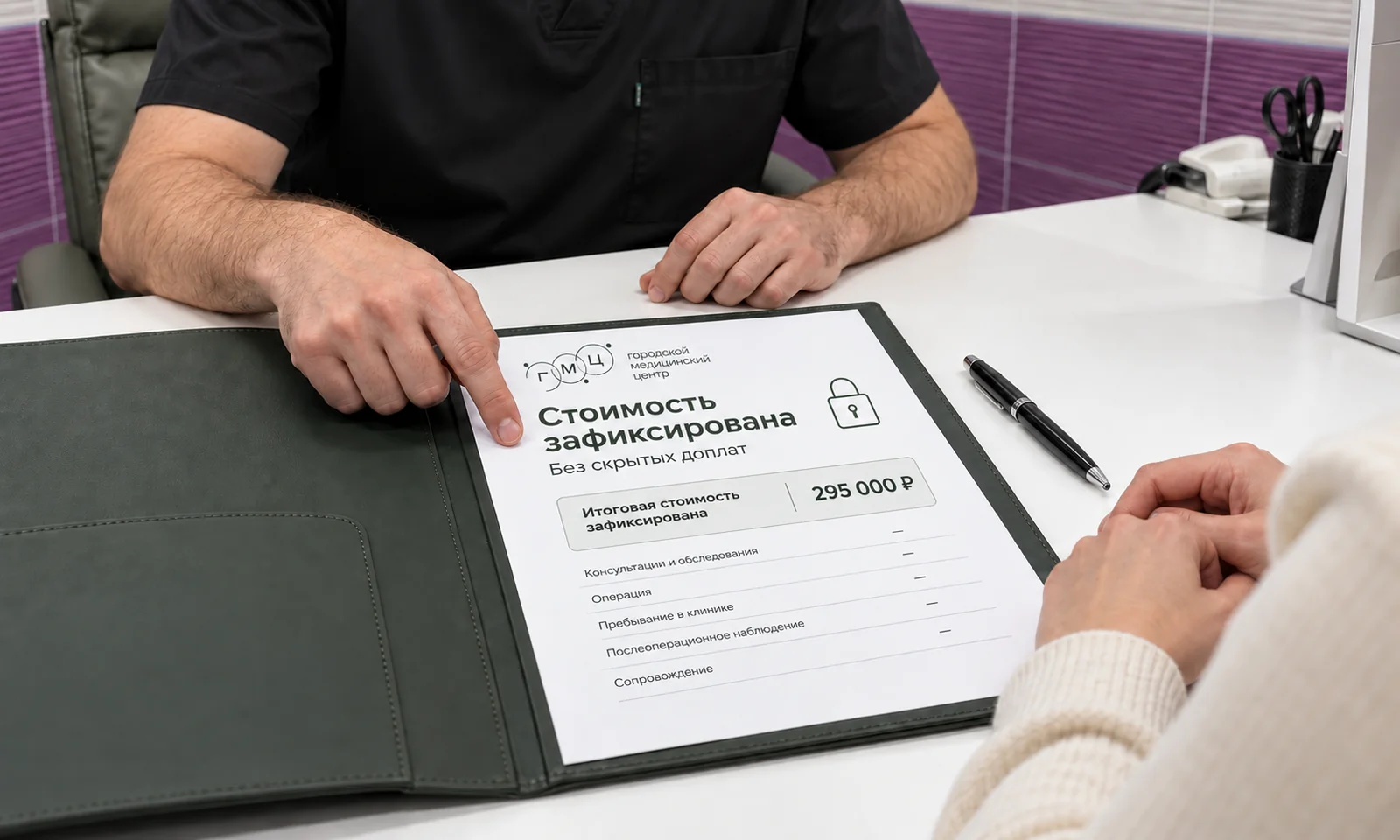
After the consultation the surgeon chooses the method and you get a clear price — no hidden fees and no surprises on the way to your result.
FAQ
The clinic's bariatric procedures are performed by experienced bariatric surgeons:
Send us a message — our coordinator will get back to you shortly and set up your consultation. The bariatric surgeon consultation is free.
Surgery is prescribed only when clear criteria are met
Doctors assess obesity chiefly through BMI: take body weight (kg) and divide it by height squared (m²). Surgical treatment is usually justified at a BMI over 40, or over 35 with serious related conditions. Surgery may also be considered at lower values in some cases — where non-surgical approaches have failed.
People often confuse these two, though their aims are fundamentally different. Bariatric surgery is medical treatment of obesity and associated diseases. It changes the way the digestive tract works, acting on the causes of excess weight and on metabolism. Plastic surgery alters outer body contours and does not treat obesity or affect metabolism.
There are four main types of bariatric surgery at City Medical Centre: sleeve gastrectomy, Roux-en-Y gastric bypass, mini gastric bypass (MGB) and SADI-S duodeno-ileal bypass. BMI, related conditions and the patient's goals guide the individual choice of method.
Modern laparoscopic technique is what we use. Just 4 small punctures of 5 to 15 mm are needed for the operation. Cosmetic sutures mean the marks are nearly invisible after healing.
The recovery timeline depends on your activity. Office work: after 2–4 weeks. Physical work: after 1.5 months. Sport and activity: swimming allowed from 30 days, other exercise added gradually as weight comes down. Travel and holidays: best planned at least a month after surgery.
The diet shifts in stages — liquid, then soft, then solid food. Protein is the priority, while high-calorie, fatty food is limited.
Pregnancy is an option after bariatric surgery, but doctors advise waiting at least 12–18 months. By then the body has stabilized, weight has reached target values and nutritional status has normalized.
Yes, vitamins are a must after bariatric surgery. Changes in digestive anatomy mean the body absorbs some nutrients less effectively, so regular vitamin and mineral supplements are part of the patient's life for good.
Weight regain is possible after bariatric surgery but very unlikely provided you follow the doctor's advice. Eat properly, avoid high-calorie drinks and keep up regular follow-up with City Medical Centre specialists.
Prices are in US dollars; the amount in brackets is an approximate conversion to NGN at the rate of 02.10.2026. The final price is fixed in your contract.
Prices start from $3,600 (≈ ₦4,800,000). The surgeon sets the final price at the free consultation, and it is fixed in the contract, with no hidden extras.
General anaesthesia, a personal coordinator from day one, monitoring in the hospital and support for one year.
The hospital stay is 1–5 days, depending on the method and how you feel. Office work is possible after 2–4 weeks.
Yes. The first consultation is free and does not oblige you to anything. You can start online by sending a message to the coordinator.
Message us on WhatsApp or Telegram using the buttons below. A coordinator will answer your questions and book a free consultation where the doctor names the exact price.
By messaging us, you agree to our Privacy Policy
Bariatric surgery is a medical treatment for obesity and related diseases. Unlike plastic surgery, it changes how the digestive tract works and addresses the causes of excess weight. For patients from Ado-Ekiti, four main methods are available: sleeve gastrectomy, Roux-en-Y gastric bypass, mini gastric bypass and SADI-S. Each is chosen individually based on BMI, related conditions and personal goals.
Eating changes in stages. A staged diet lasts 1–2 months, moving from liquid to soft to solid food so the stomach can adapt, with the focus on protein and limited high-calorie, fatty dishes. Following specialist advice, patients lose on average 10% of excess weight per month. Those from Ado-Ekiti build stable eating habits that keep the weight from returning.
What sets this programme apart is a result guarantee written into an official contract: weight loss is fixed legally, not just in words. Surgeons have 9–27 years in the field and work as a permanent team. Ado-Ekiti residents can tick the situations that sound familiar on the page and then check their case for free with a surgeon.
What patients write after this operation. Reviews are translated from the original language.
Irina, 26
For a long time I doubted whether to go ahead with surgery, but after the consultation I felt much calmer. Andrey Georgievich explained in detail how gastric bypass is done, what to expect after the operation and how recovery would go. I especially liked that they talked to me calmly and without pressure. I am now gradually getting used to my new way of life and I am very glad I took this step.
Bariatric surgery
Doctor: Andrey G. Ugay
Angelina, 22
For me the hardest part was deciding to have the operation. At the consultation Ruslan Sergeyevich answered all my questions in detail and explained the specifics of sleeve gastrectomy and recovery. After the operation I always understood what I was doing and why. Thank you to the doctor and the whole team for their attentiveness.
Bariatric surgery
Doctor: Ruslan S. Menzulin
Anna, 31
For a very long time I tried to deal with my excess weight on my own, but I did not get the result I wanted. After the consultation with Andrey Georgievich I finally understood what to do next. I came through the operation well, and my recovery was supervised by the doctors. It was important for me to feel that I was not left alone after surgery.
Bariatric surgery
Doctor: Andrey G. Ugay
Veronika, 25
Before the operation I had many fears, mostly of the unknown. Ruslan Sergeyevich explained every stage of treatment in detail and answered even the simplest questions. Thanks to that I felt much more confident. I keep following the recommendations and I am gradually seeing the changes I had the operation for.
Bariatric surgery
Doctor: Ruslan S. Menzulin
Valentina, 23
The decision to have bariatric surgery was not easy for me. I worried both about the operation itself and about how my life would change afterwards. At the consultation Andrey Georgievich explained everything in detail, so little by little my fear turned into confidence. What matters most to me now is the result and the chance to treat my health and lifestyle differently.
Bariatric surgery
Doctor: Andrey G. Ugay
Anna, 27
I am very grateful to Ruslan Sergeyevich for his attentiveness. Before the operation I had a huge number of questions, and I got a clear answer to every one of them. After the operation it was also clear which recommendations to follow and how to eat. It was important to me that the doctor stayed in touch and I felt supported at every stage.
Bariatric surgery
Doctor: Ruslan S. Menzulin
Ado-Ekiti is the capital of Ekiti State in southwest Nigeria and the headquarters of the Ekiti central senatorial district. The population was 308,621 in 2006, and most residents belong to the Ekiti sub-group of the Yoruba. It is a place where families know each other, and a major health decision is rarely made alone. Parents, spouses, siblings and church or community friends often take part in the conversation. A person considering bariatric surgery here usually thinks first about how to explain the decision at home, and only then about the operation itself.
City Medical Centre works with residents of Ado-Ekiti through a free online consultation. A coordinator answers on Telegram and Telegram around the clock (24/7), so you can write in the evening after work, between lectures, or on a market day. You do not need to rearrange your week to ask the first questions. The conversation starts from your own sitting room or office, with your family nearby if you wish.
This text explains what sleeve gastrectomy and gastric bypass involve, how the procedure fits the rhythm of life in Ado-Ekiti, and which questions are worth preparing before you speak to a surgeon. It is general information and does not replace a medical assessment.
Bariatric surgery is usually considered with a BMI over 40, or over 35 with related health conditions. The surgeon confirms whether surgery suits you at the consultation. BMI is the main tool for assessing the degree of obesity. It is calculated by dividing body weight (kg) by height squared (m²). The World Health Organization describes obesity as a major and growing health problem, and it is worth reading its fact sheet before you decide.
In some cases surgery is considered at lower values too, if non-surgical approaches have failed. In Ado-Ekiti many people have already tried several routes: stricter eating, long periods of exercise, herbal mixtures, group challenges and fasting. If you have honestly tried and the weight returned, tell the coordinator exactly what you did and for how long. That history matters to the surgeon more than any single number on the scale.
Contraindications are assessed individually. In general terms, doctors look carefully at serious heart or lung disease, untreated eating disorders, active dependence on alcohol or other substances, and an inability to follow the diet and vitamin regimen after surgery. Pregnancy is also a reason to postpone. None of this can be decided from a message alone, so the surgeon reviews your records and test results during the consultation.
Sleeve gastrectomy reduces the stomach to a narrow tube. Gastric bypass reroutes part of the digestive tract so that food bypasses a section of the stomach and intestine. Both are performed with modern laparoscopic technique, through 4 small punctures of 5 to 15 mm. Cosmetic sutures are used, so after healing the marks are barely visible. The choice between the two depends on your weight, your health conditions, your eating habits and your goals, and it is made together with the surgeon.
People in Ado-Ekiti often ask whether they can keep eating their usual dishes. Yam, cassava products, rice, stews and soups are central to daily meals here, and the city is a trade centre for farm produce where yams, cassava and grain are grown. Ask the surgeon and the dietitian how portions, textures and protein intake will change, and how to adapt familiar recipes rather than abandon them. A plan that fits your own kitchen is easier to keep.
Good questions for the consultation: why do you recommend this method for me rather than the other? What conditions do I have that could improve? What are the possible complications and how are they managed? What will my diet look like in the first weeks? Who do I contact when something feels wrong at night? Write the answers down so you can discuss them with your family afterwards.
The operation is performed under general anaesthesia. The hospital stay is 1–5 days, depending on the method and how you feel. Doctors supervise you in hospital after surgery for a stay of 1–3 to 4–5 days, depending on the complexity of the operation and how you are feeling. During this time the team watches your recovery, your first fluids and your comfort, and decides when you are ready to go home.
Plan the first days with the people around you. In Ado-Ekiti a relative usually stays close to a patient, and this is a real advantage: someone can help you stand up, remind you to sip fluids slowly and call the coordinator if a question arises. Arrange in advance who will cook, who will take care of children or elderly relatives, and who will handle errands so that you can rest without worry.
The coordinator will call you back 24/7, which matters most in the first period at home, when small doubts feel big. Having a clear route to a real person, in the same language you speak at home, reduces the temptation to rely on rumours from neighbours or social media.
The rainy season in Ado-Ekiti is humid, oppressive and cloudy, while the dry season is warm, muggy and partially cloudy. The average annual temperature ranges from 17 °C to 32 °C, rarely falling below 14 °C or rising over 35 °C. From January through April the city has a hot season, with March the hottest month, and the cool season runs from June through October, with August having the lowest average temperatures.
For recovery, heat and humidity mean a few practical habits. Wear light, loose cotton clothing that does not press on the abdomen. Keep wounds clean and dry, and avoid sweating heavily in a closed room. Drink fluids in small, frequent sips, as the surgeon advises, because dehydration is easy to overlook in warm weather when the appetite is small. Rest in the shade or a ventilated room, and do not walk long distances in the midday sun.
In the rainy season the main concerns are damp air and slippery ground. Take care on wet steps and uneven roads, and ask someone to accompany you on early walks. Gentle walking is useful for recovery, so choose cooler hours of the day, morning or evening, and a safe, familiar route near home.
There is no single best month, and the decision rests on your schedule and the surgeon's advice. Still, the local climate gives some guidance. The hottest period, from January through April and especially March, makes the first weeks more tiring, since heat adds to weakness and thirst. The cooler months from June through October can feel gentler, though the humid, cloudy rainy season brings its own inconveniences.
Think also about the calendar of your life. Many families in Ado-Ekiti plan around festivals, weddings, naming ceremonies, funerals and church or mosque events, where large meals are served and refusing food can be awkward. Try to schedule the operation so that the first weeks do not coincide with a major family event. If one is unavoidable, prepare a polite way to explain that you are following a medical diet.
Students at the universities and polytechnic of the city have another rhythm: exams and term breaks. A quieter academic period gives more freedom to rest and attend follow-up calls. Farmers and traders linked to the produce market may prefer the weeks when the workload is lighter. The coordinator can help you fit dates around these practical matters.
Recovery time depends on the activity. Office work is possible after 2–4 weeks. Physical work follows after 1.5 months. For many people in Ado-Ekiti this distinction is important: a clerk, teacher or administrator in a government office or school will return sooner than someone who lifts loads at a market, works on a farm or does manual trade.
Students and lecturers in the city's university and polytechnic community can plan a similar timetable to office workers, returning to the lecture hall or desk after 2–4 weeks, in agreement with the doctor. If your job requires long hours of standing or carrying, talk to your employer in advance about lighter duties in the transition period. A short letter from the doctor often makes this conversation easier.
For sport and activity, swimming is allowed after 30 days, and other exercise is gradually added as weight goes down. Start with walks, then lengthen them, and add strength or fitness work only as the surgeon permits. Football and other team games popular among young people should wait until you receive clear approval, so avoid joining a match just because friends invite you.
Surgery changes the stomach, but habits decide how the result develops. In Ado-Ekiti food is a form of hospitality, and a guest who eats little may be urged to take more. Prepare a short, friendly answer in advance, and ask a close relative to support you at gatherings. Many patients find that once the family understands the reasons, the pressure becomes support.
Work with the dietitian on a plan built around what you can actually buy and cook locally. Protein, vegetables and appropriate vitamins need to be part of everyday meals, and portions will be much smaller than before. Drinks high in sugar, fried snacks and large starchy portions are the habits most likely to undermine progress, so decide with the team how to replace them.
The weight-loss result develops over time, with the main effect seen around 18–24 months after surgery. During this period the body adapts, so patience and regular follow-up matter more than speed. The programme runs from preparation to 12 months of support, all in one package, with no added fees, and follow-up support continues for 12 months. This structure helps you keep contact when the first enthusiasm fades.
Ado-Ekiti is an ancient city. It was founded by Ewi Awamaro, son of Biritikolu, who left Ile-Ife with his father and his uncle Oranmiyan. After stops at Udoani and Agbado, Awamaro settled at Ulesun, the place now called Ado-Ekiti. His name means “the restless one”, and the story of a long migration towards a new home is still part of how people here describe themselves.
That history is useful when you plan bariatric surgery. A community that remembers a hard journey and a fresh start understands the idea of changing the course of one's life. When you tell relatives that you are considering sleeve gastrectomy or gastric bypass, you can present it as a deliberate decision for your health, in the same spirit of building something lasting for the next generation, rather than as a private whim.
Some elders stayed behind at Agbado to rest, and the settlement was named Agba Ado, the Elders' Camp. Rest is also a lesson for the weeks after the operation: the first days under observation, 1–5 days, are for resting and not for proving strength. Let people around you take on tasks, just as the camp once looked after its elders.
The traditional ruler of Ado-Ekiti is the Ewi, currently Rufus Aladesanmi III, who succeeded Samuel Adeyemi George-Adelabu I in 1990. Respect for elders and for the palace is a strong part of local life, and many families consult an older relative before any major step.
If an elder in your family is uneasy about weight surgery, give them time and clear information. Explain that the operation is done under general anaesthesia with laparoscopic technique, through 4 small punctures of 5 to 15 mm, and that doctors supervise you in hospital afterwards. Suggest that the elder joins the online consultation by video so that the surgeon can answer their worries directly, in a calm and respectful way.
Speaking in the language of the home also helps. Write to the coordinator on Telegram or Telegram and say which questions your family is asking. A coordinator will call you back 24/7, so a relative who is anxious late in the evening can still get an answer without waiting for the next day.
Few cities of this size have so many institutions of learning. Ado-Ekiti hosts Ekiti State University, the privately owned Afe Babalola University, the Federal Polytechnic and the privately owned Crown Polytechnic at Odo. Federal University Oye is at Oye-Ekiti, and other institutions in the state include Bamidele Olumilua University of Education at Ikere Ekiti and Venite University at Iloro Ekiti.
For a student or a lecturer, this means a calendar of lectures, practicals and examinations. Plan the operation for a quieter period and tell your department in advance. Desk and lecture-hall work is usually possible after 2–4 weeks, in agreement with the doctor. Ask the university for permission to take notes remotely for the first days, and arrange for a classmate to share materials.
Campus life also involves cafeteria meals, late-night snacks and group outings. Agree with the dietitian on what you will eat at these moments, and carry your own small portion if needed. Staff at the campus radio stations and local broadcasters have long and irregular hours, so a coordinator who answers around the clock is convenient for them as well.
Ado-Ekiti is a trade centre for farm produce. Yams, cassava, grain and tobacco are grown around it, and cotton is grown for weaving. A market trader or farmer who sells these goods lives among the very foods that will need careful portions after bariatric surgery, so planning at home is essential.
Ask the dietitian how to prepare local staples in a lighter way: smaller servings of yam or cassava dishes, more protein beside them, and vegetables from the market in soups and stews. After the operation, the stomach holds much less, so choose fresh ingredients you trust and cook in small quantities. Buy for the week with a written list so that you are not tempted by every stall.
Physical work such as carrying produce becomes possible after 1.5 months. Until then, a relative or helper should carry loads. Traders can agree with a colleague to cover the stall in the first weeks, and farmers can plan the operation outside the busiest harvest period, discussing this with the coordinator.
Ado-Ekiti has a wet period of about 9.2 months, from February 13 to November 18, with September the rainiest month and December the driest. The state government has dredged over 14 kilometres of waterways and cleared drains in different parts of the city to reduce flooding. Water on the roads is a real part of local life.
For someone in the first weeks after surgery this matters. Check in advance how you will reach your home and the nearest pharmacy during heavy rain. Avoid wading through flooded paths or climbing over wet, slippery drains, and keep dressings dry. Ask a relative to run errands when the ground is wet.
The best period for outdoor activity is from early November to late February, and swimming is allowed after 30 days. Choose a clean, safe and well-supervised place rather than a natural stream of unknown quality, and ask the surgeon before returning to the water.
Start by writing to the coordinator on Telegram or Telegram. You will be asked for your height, weight, age, existing conditions, medicines and your previous attempts to lose weight. If you have recent test results or medical reports, keep photos or scans ready. The coordinator organises a free online consultation with a surgeon, and we work 24/7: booking is easy, the approach is personal and we adapt to your pace.
During the consultation the surgeon reviews your data, calculates your BMI, discusses which operation might suit you, and explains the stages of preparation, hospital stay and follow-up. Good mobile data or Wi-Fi is enough. Choose a quiet place, and if you want a relative to listen, invite them to join. Prepare a list of questions beforehand, since in a family home it is easy to forget them.
After the consultation you decide at your own pace. There is no obligation, and you may ask the coordinator to repeat or clarify anything. If you proceed, the programme continues with preparation, the operation, the hospital stay and support for 12 months, and you keep the same point of contact throughout.
Surgery is usually considered with a BMI over 40, or over 35 with related health conditions. In some cases it is considered at lower values too, if non-surgical approaches have failed. The surgeon confirms whether surgery suits you at the online consultation, after reviewing your history and test results.
BMI is the main tool for assessing the degree of obesity. It is calculated by dividing body weight in kilograms by height in metres squared. Your coordinator can help you calculate it before the consultation, but only the surgeon decides whether the operation is appropriate.
The operation is performed under general anaesthesia. The hospital stay is 1–5 days, depending on the method and how you feel. Doctors supervise you after surgery, and the length of stay depends on the complexity of the operation and your condition.
The operation is performed with modern laparoscopic technique through 4 small punctures of 5 to 15 mm. Cosmetic sutures are used, so after healing the marks are barely visible. In the warm climate of Ado-Ekiti, keep the wounds clean and dry and wear loose clothing.
Office work is possible after 2–4 weeks, and physical work after 1.5 months. This applies to teachers, clerks and students as well as to traders and farmers, though the surgeon gives the final advice for your situation.
Swimming is allowed after 30 days. Other exercise is added gradually as weight goes down. Start with light walking in the cooler hours of the day, and ask the surgeon before returning to intense sport or heavy lifting.
Pregnancy is possible, but doctors advise waiting at least 12–18 months, so the body can stabilize, weight can reach target values and nutritional status can normalize. Discuss family plans with the surgeon during the consultation.
The main result develops around 18–24 months after surgery. Weight changes gradually as the body adapts, and regular follow-up and sensible eating habits support the process.
It runs from preparation to 12 months of support, all in one package, with no added fees, and follow-up support continues for 12 months. A coordinator will call you back 24/7, and you can write on Telegram or Telegram at any hour.
Ewi Awamaro, son of Biritikolu, founded the city at Ulesun after a long migration from Ile-Ife. The history does not affect medical suitability, but many families here value elders' advice, so involving a respected relative in the online consultation can help the decision.
Office and desk work is possible after 2–4 weeks, so a student can return to lectures after that time, in agreement with the doctor. Choose a quieter academic period, inform the department and ask a classmate to share notes during the hospital stay of 1–5 days.
Physical work is possible after 1.5 months. Arrange for a colleague or relative to cover the stall and carry loads until then, and ask the dietitian how to adapt local staples into small portions with enough protein.
Rain brings damp air and slippery ground, so take care on wet steps and avoid flooded paths. A relative can run errands, and the coordinator is available 24/7 on Telegram and Telegram if you have questions at home.
Page medically reviewed by Andrey G. Ugay, lead bariatric surgeon. Review date: .