City Medical Centre · multi-specialty surgery clinicOpen 24/7

Body Contouring with Liposuction in Ado-Ekiti

Free consultation

from $1,200

The price is fixed in the contract before surgery
Real case
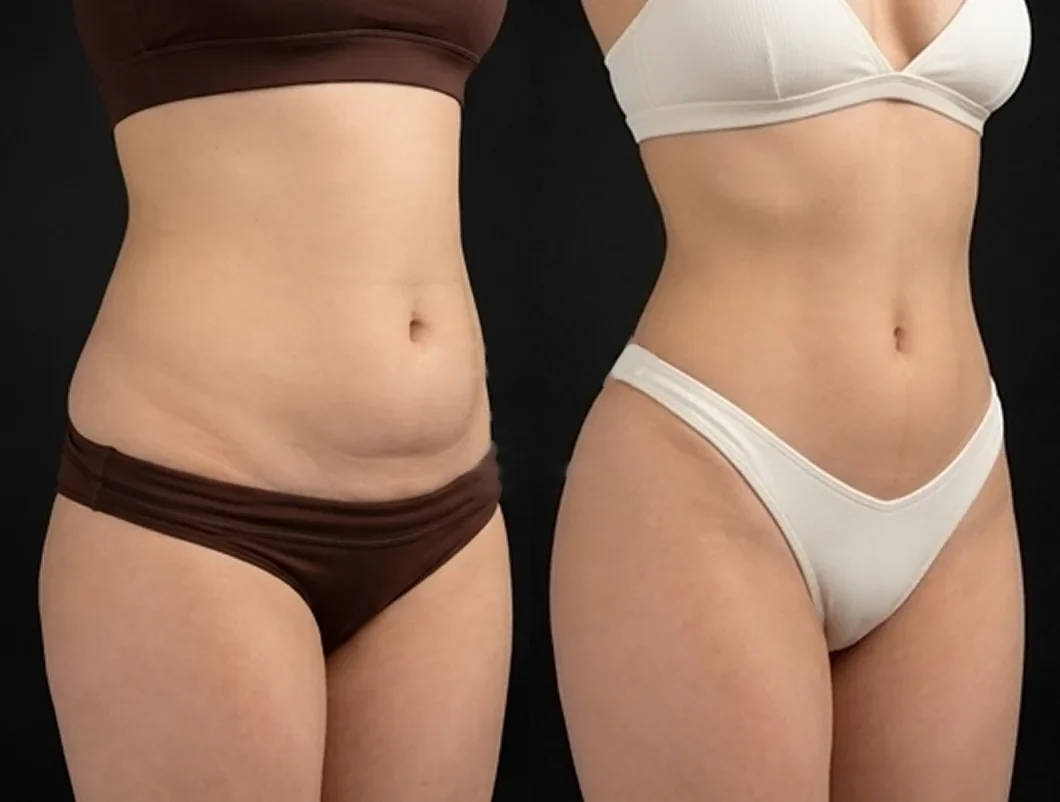
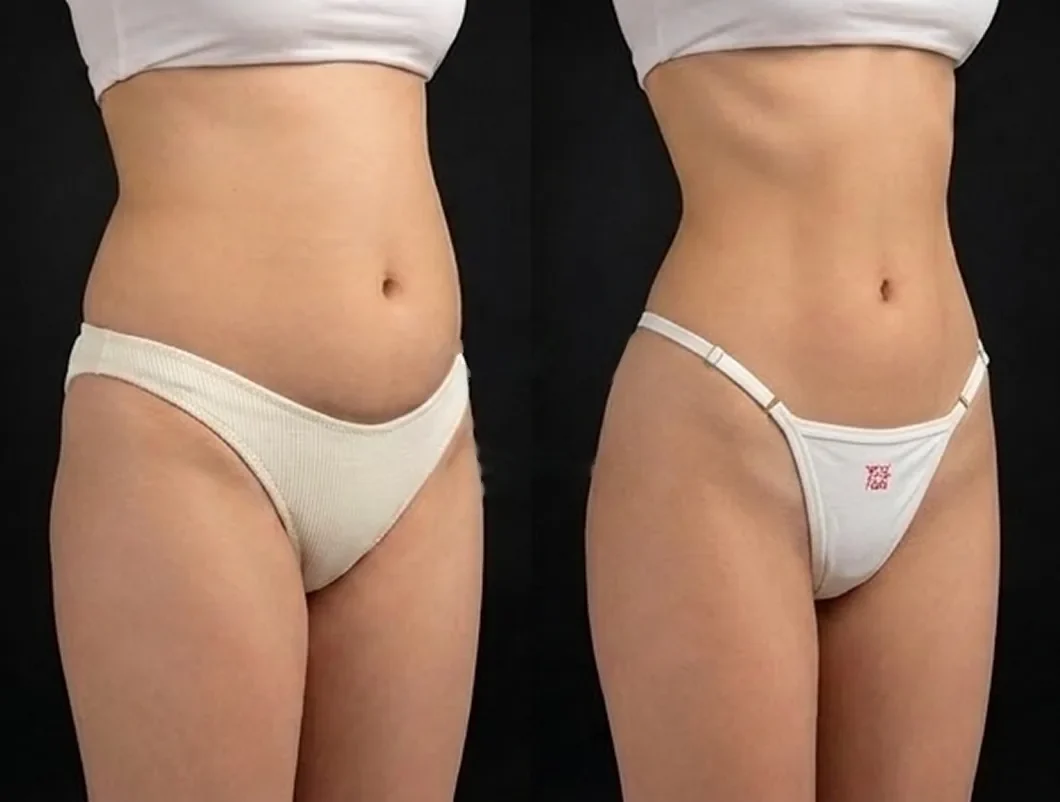
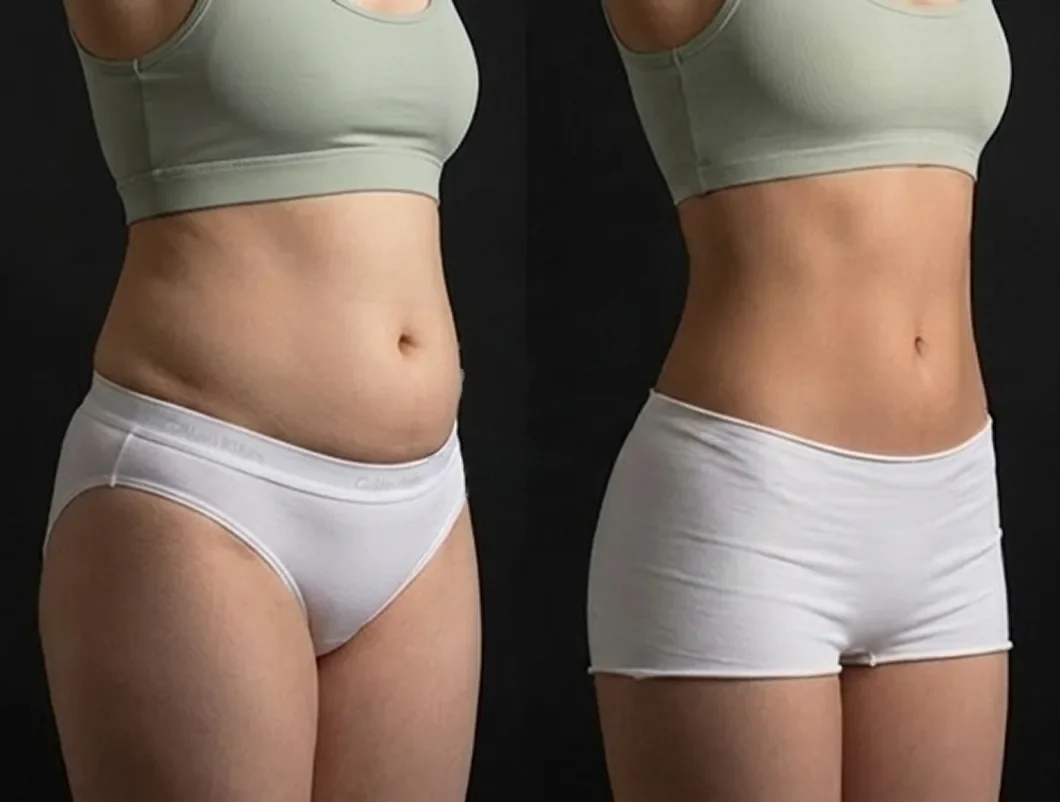
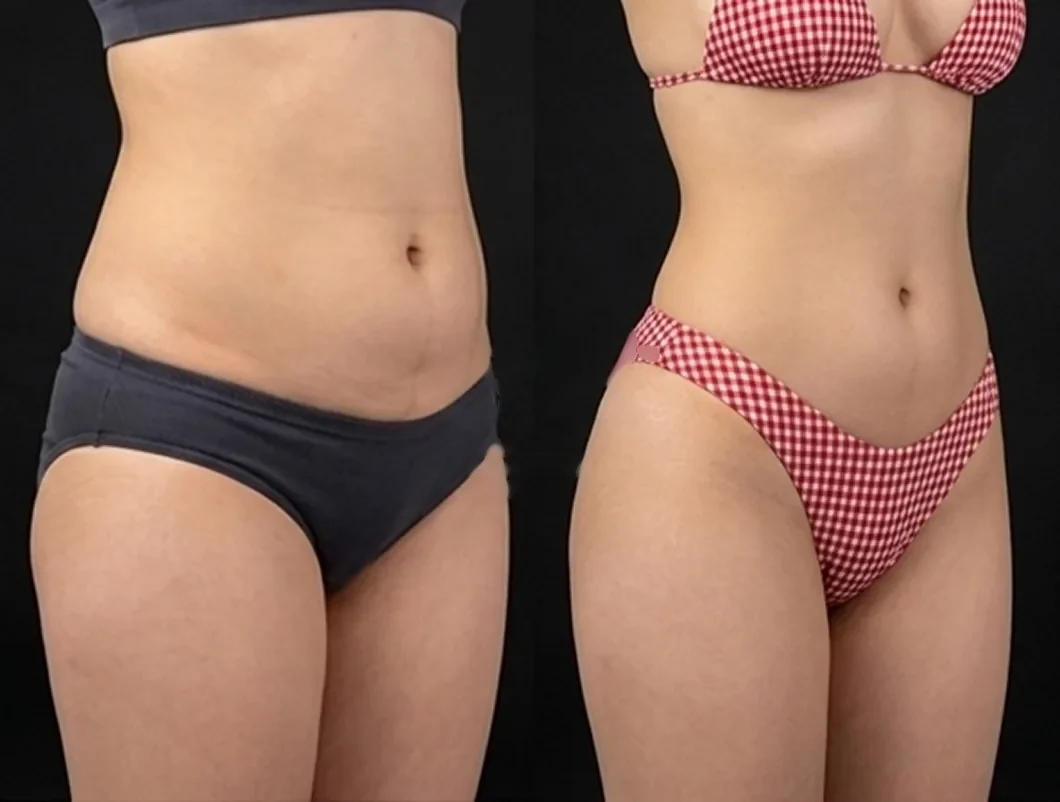
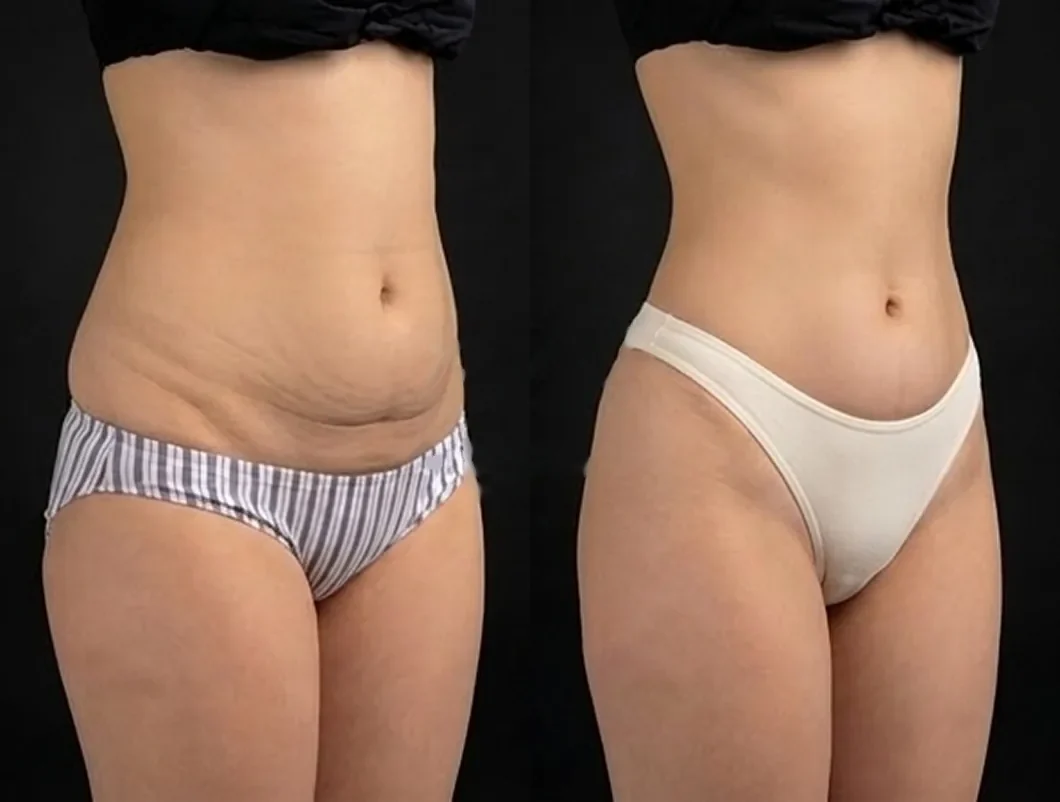
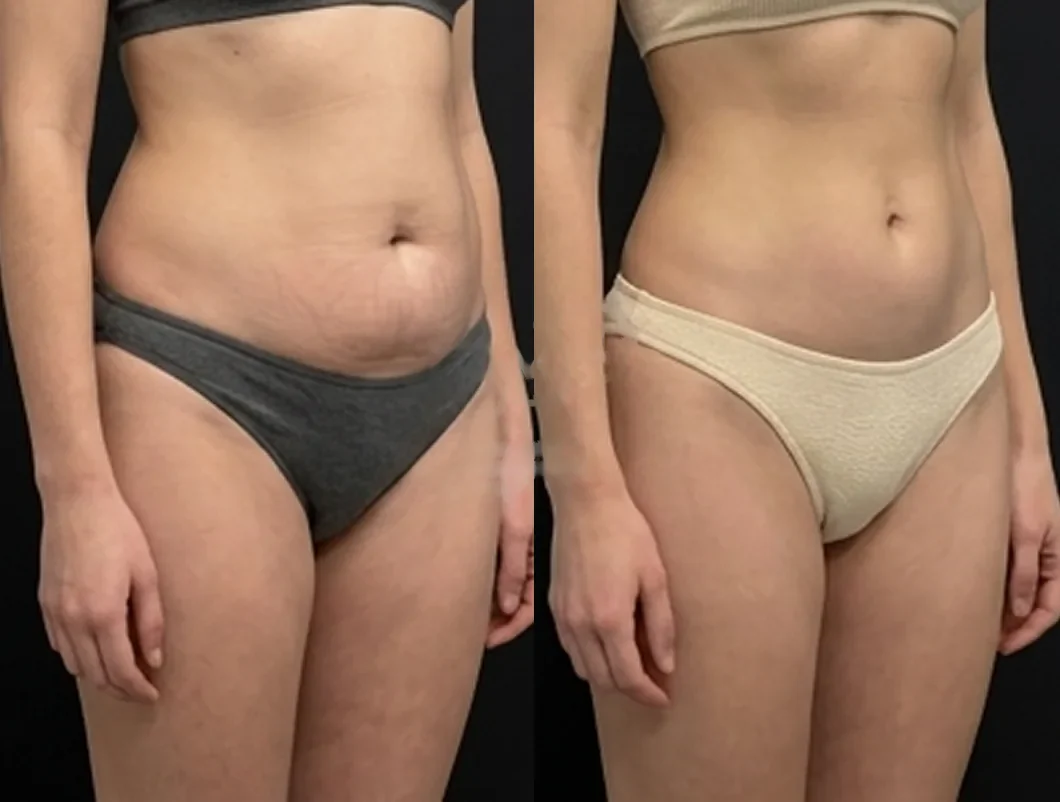
Liposuction: a patient's abdomen and flanks before and after surgery before after
Stubborn local fat that diet and exercise don't shift. Your plan is set at the consultation

Message our coordinator

Free online consultation · Reply within 15 minutes

Message us on Telegram

By messaging us, you agree to our Privacy Policy

Results

Liposuction results
of our patients

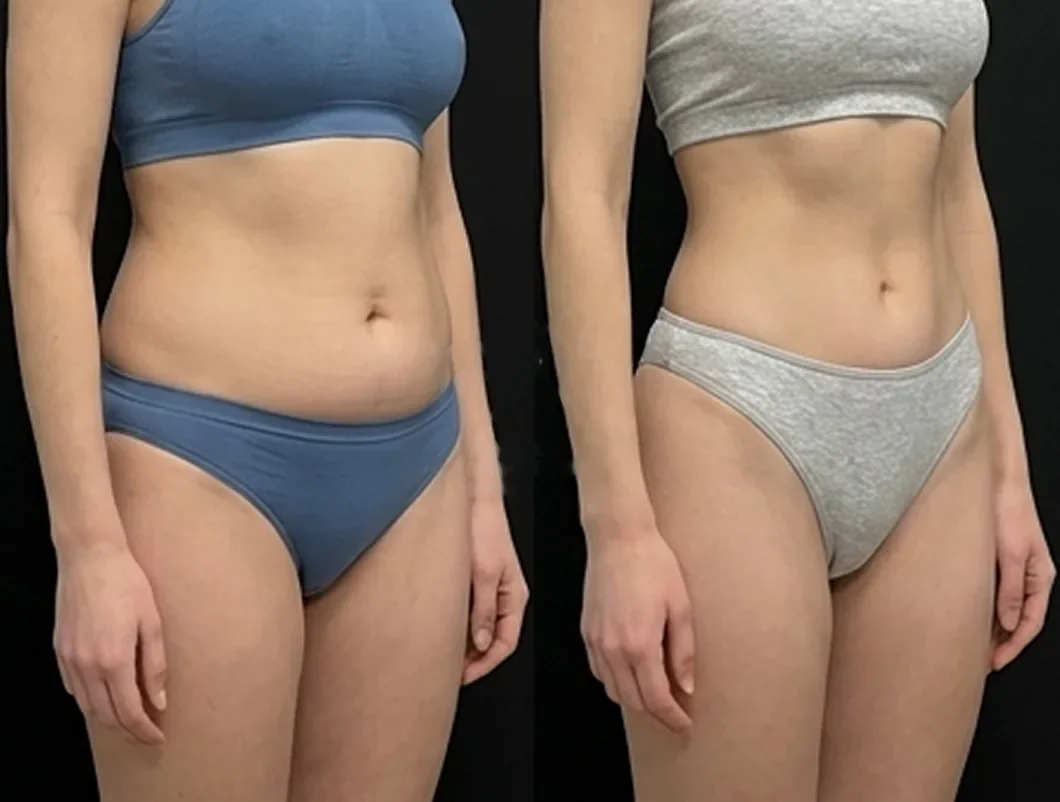
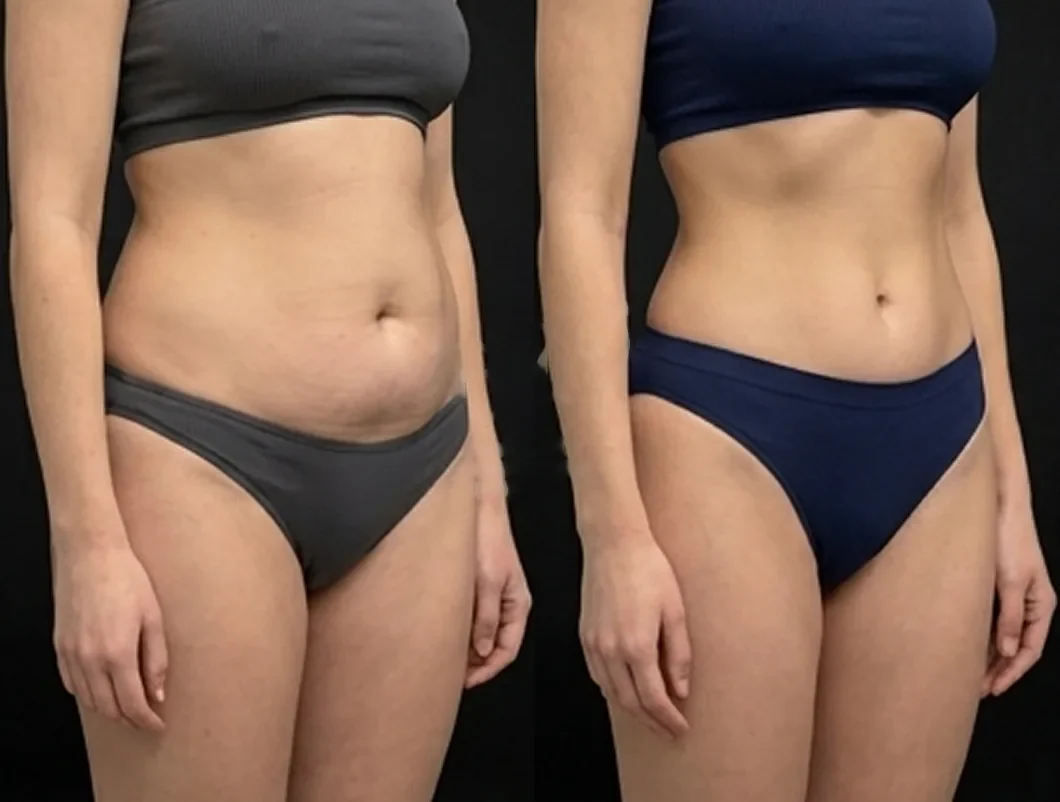
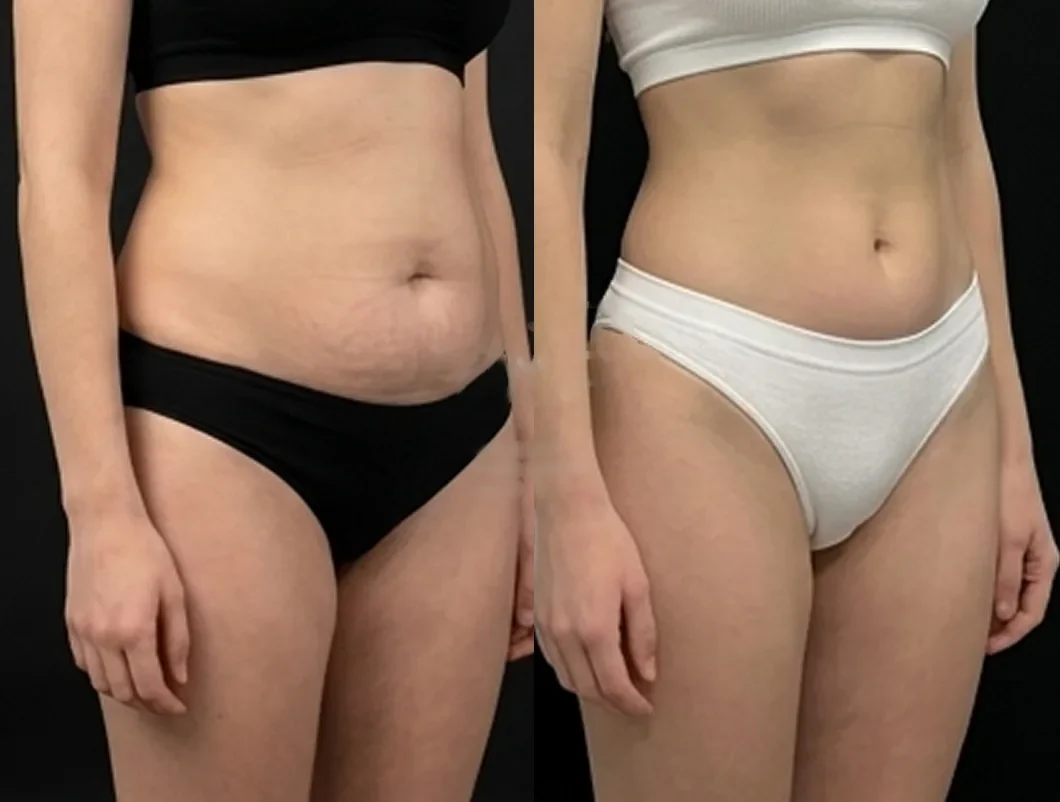
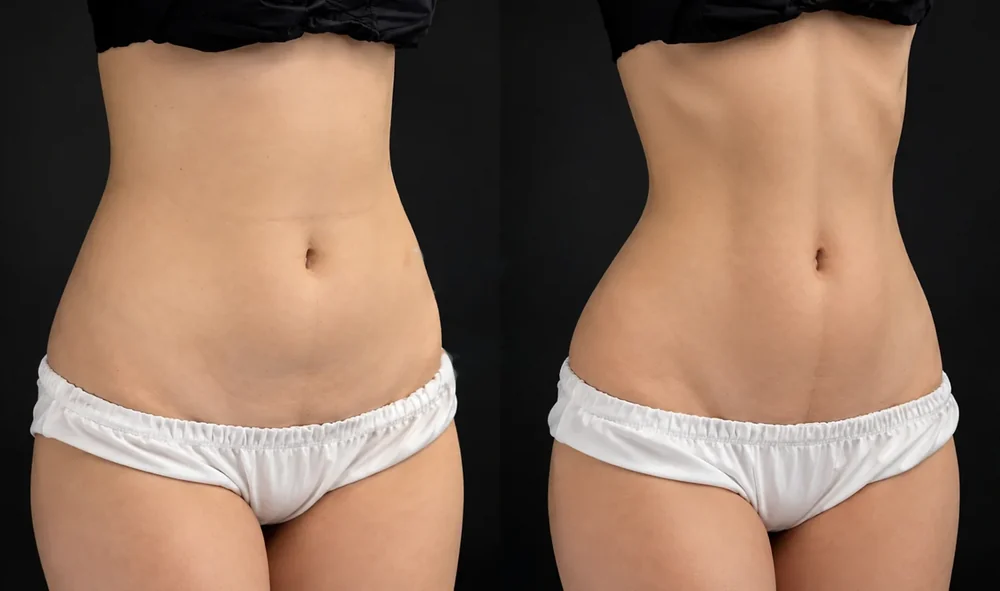
All cases are real patients. Faces and identifying details are hidden.

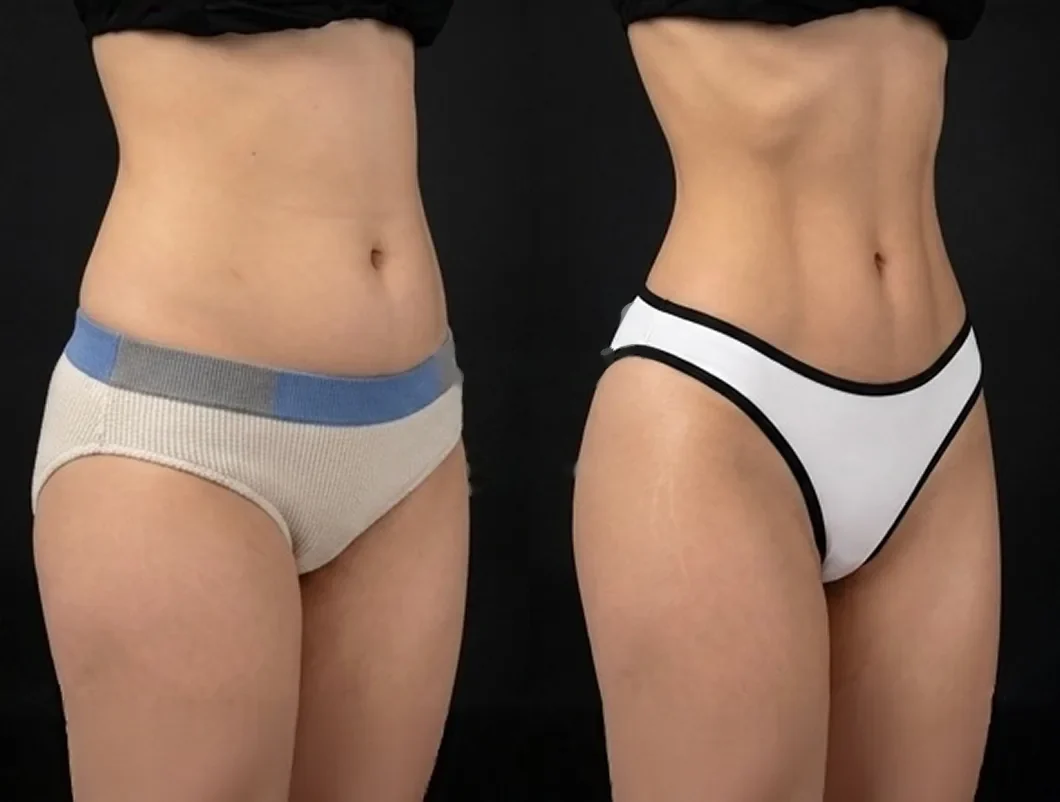
Abdomen and sides

Liposuction of the abdomen and waist: before and after surgerybeforeafter
1 of 10

Comparison

Liposuction techniques

We use two liposuction techniques: tumescent (classic) and VASER (ultrasound). Compare the goal, the indications and the anaesthesia to choose the right technique together with your surgeon.

Tumescent liposuction

A special solution loosens fat for removal through a thin cannula
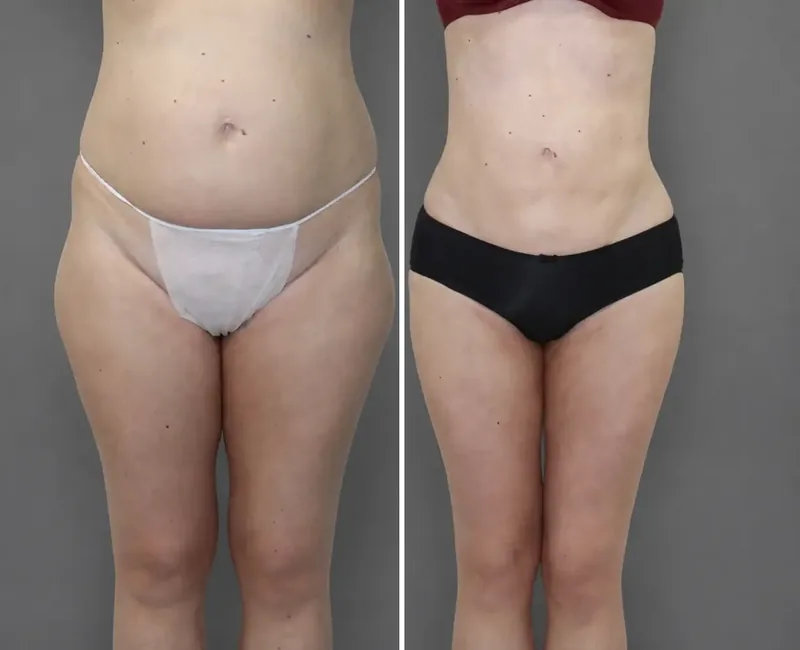
Tumescent liposuction: abdomen and thighs before and after surgery

from $1,200

Main goal
Removal of local fat with minimal blood loss
When it is done
Abdomen, flanks, thighs, back, arms, chin
Anaesthesia and stay
Local or general anaesthesia, home the same day or after 1 day

VASER liposuction

Ultrasound breaks down fat cells before vacuum removal
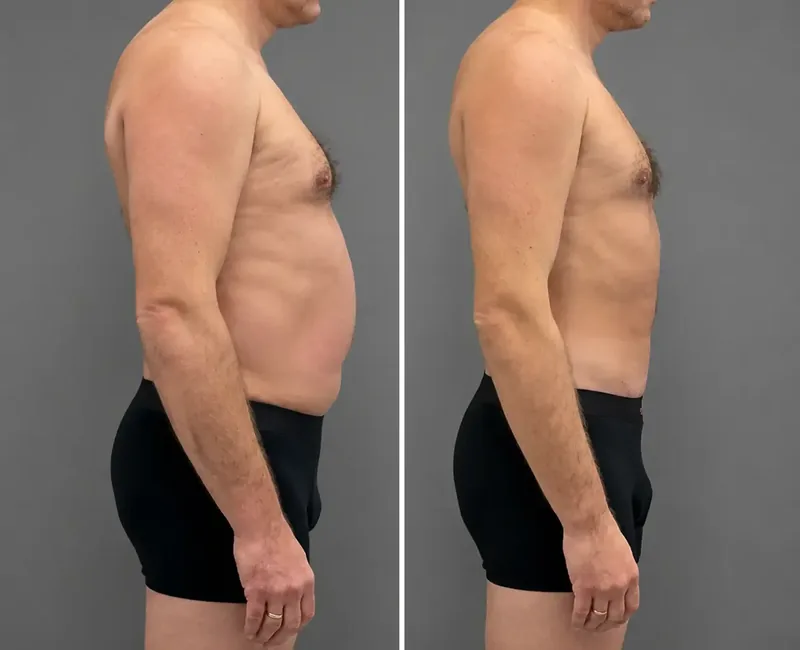
VASER liposuction: a male patient before and after surgery

Price at consultation

Main goal
Defined muscle relief and body contouring
When it is done
Athletic abs and delicate areas
Anaesthesia and stay
Local or general anaesthesia, 1–4 hours of surgery

The benefits and recovery times shown are averaged for each technique and given for guidance: the scope of correction and rehabilitation depend on your anatomy and individual features, and the surgeon confirms them at the consultation.

At the consultation the surgeon draws up a plan for your case and explains how your liposuction will go.

Free, before surgery and with no obligation.

Book a consultation

Areas we treat

Combine several areas in one operation to save recovery time and budget

  • Abdomen and sides

    The most requested area for women and men, often combined with abdominoplasty

  • Thighs (outer and inner)

    Stubborn fat exercise can't shift

  • Upper and lower back

    Rolls that affect the back's silhouette

  • Shoulders and arms

    Noticeable in warm weather

  • Chin and neck

    Small volume and a fast-appearing result

  • Knees

    A delicate spot that requires precision

  • Chest (for men)

    Gynecomastia, pseudogynecomastia: the fat part

About the clinic

A clinic where you can feel at ease

Modern equipment, comfortable rooms and care for every patient

A doctor and a patient in a clinic ward

Contact us the way that suits you

We will answer your questions and find a convenient time for a consultation

Request a free call

Liposuction is not for everyone

If your case can be solved without surgery, the doctor will tell you so at the consultation — and you will not spend money for nothing.

Suitable

A surgeon shows a patient on a model and a monitor how the body contour changes after liposuction
  • Local fat that resists diet and exercise
  • Uneven subcutaneous fat
  • Disrupted body proportions
  • Silhouette changes after childbirth or weight loss
  • Fat component of gynecomastia in men
  • Good skin tone and elasticity

Not suitable

A surgeon discusses the indications and contraindications for liposuction with a patient
  • Under 18 years of age
  • Expecting a baby or breastfeeding
  • Endocrine obesity
  • Decompensated diabetes
  • Disorders of blood clotting
  • Serious heart, kidney or liver disease, cancer

Not sure the surgery is right for you?

Leave your number — the coordinator will call you back, and the surgeon will tell you whether liposuction suits you. No surgery booking needed.

Find out if it suits me

A surgeon goes through the treatment areas with a patient at the consultation

Prices

You know the price
before surgery

The final price is calculated individually after an examination and fixed in the contract.

Liposuction prices

  • First consultationFree
  • Flanks / waist liposuctionfrom $1,400
  • Thigh liposuction (outer)from $1,200
  • Thigh liposuction (inner)from $1,200
  • Torso liposuction: front abdominal wall, abdominal sides, lower backfrom $3,600
Book a consultation

Find out your liposuction plan and price

The surgeon assesses the fat deposits and skin tone, listens to your wishes and chooses the right technique.
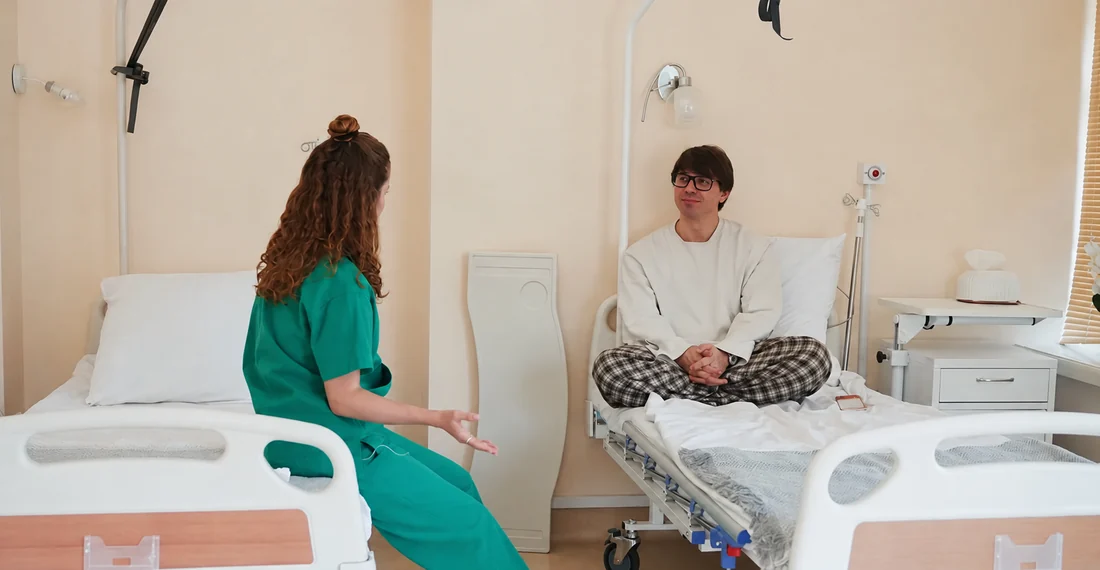
A nurse talks to a patient in a clinic ward

Message our coordinator

Free online consultation · Reply within 15 minutes

Message us on Telegram

By messaging us, you agree to our Privacy Policy
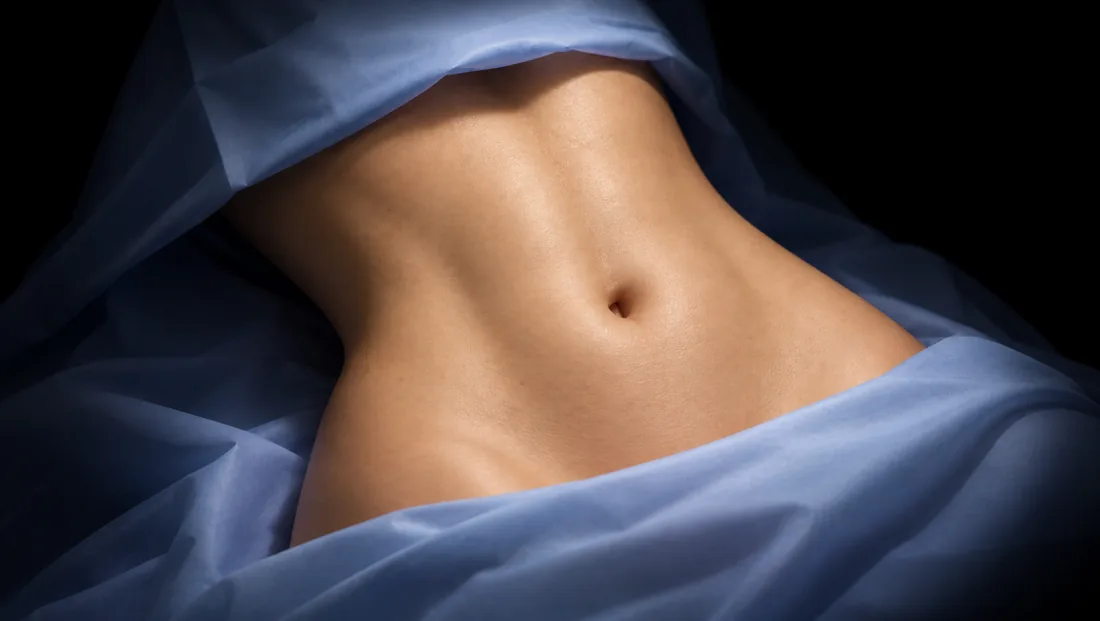
A patient before liposuction in the operating room

all inclusive

What the price includes

From preparation for surgery
to post-op check-ups.

  • All scheduled dressings
  • Scheduled post-op check-ups
  • A personal coordinator on call
  • Compression garments fitted on the day of surgery
  • A stay in a comfortable
    hospital ward with meals
  • Individual recommendations
    for recovery
  • Remote progress monitoring
    by photos

from $1,200

Book a consultation

How it works

From consultation —
to your new contour

An agreed treatment plan, careful monitoring after surgery and post-op check-ups.

A surgeon goes through the liposuction plan with a patient on a monitor1

Consultation
and the surgical plan

The surgeon listens to your wishes, assesses the fat deposits and skin tone and rules out contraindications. A hormonal screening is also ordered — it helps predict the long-term result.

Paying the deposit by card at the clinic reception2

Booking the date
of surgery

We reserve a surgery date for you: the deposit can be paid by card at the clinic or online by bank transfer. The terms are fixed in the contract for medical services

A blood sample tube for tests before liposuction3

Check-up before
surgery

Blood tests (complete count, coagulation panel, biochemistry, infections), an ECG, a chest X-ray and, if needed, a GP consultation. All tests can be done at the clinic with no waiting.

The surgical team during the operation4

Surgery

Marking the areas and fitting compression garments. Under local or general anaesthesia the surgeon removes fat through 3–5 mm micro-punctures — from 1 hour for small areas to 3–4 hours for a combined procedure.

A hospital ward at the clinic5

Waking up
and monitoring

With local anaesthesia you go home 3–4 hours after surgery; with general anaesthesia you stay one day in a comfortable ward under medical supervision.

A surgeon and a patient in the ward during recovery6

Recovery

Compression garments for 30–45 days. First changes show at 2 weeks, once swelling subsides; the final result forms in 3–6 months. Check-ups at 7 days, 3 and 6 months.
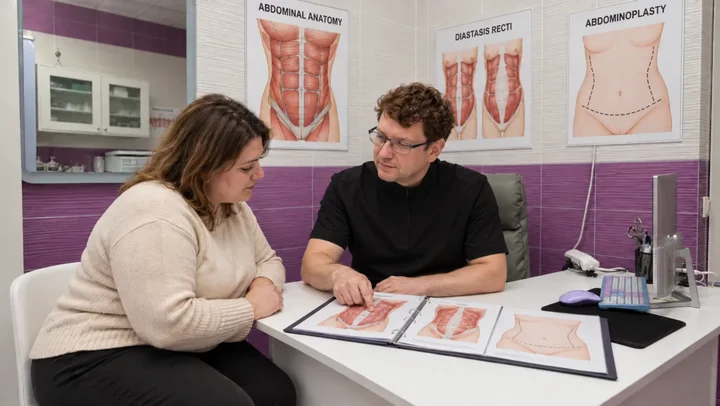
Book a free consultation — the surgeon will plan every step with you.

A doctor discusses the liposuction plan with a patient
Book a consultation
A doctor discusses the liposuction plan with a patient

Recovery following liposuction

After tumescent liposuction, recovery is much shorter than after a conventional procedure. Most patients return to work within 7–10 days. In the first week, mild swelling and a raised temperature are possible — a normal response to surgery. Compression garments are worn for 30–45 days: they fix the new contours and speed up tissue recovery. In the first month, bathhouse, sauna, pool and intense sport are off-limits. For the best result and faster recovery we recommend lymphatic drainage massage, pressotherapy and a gradual return to activity. First visible changes show 2 weeks after surgery, when the main swelling subsides; the final result forms in 3–6 months.

Post-op check-ups

After 7 days, at 3 months and at 6 months. Until the end of the year, get a post-surgery consultation with your surgeon to review results and get more information, at the clinic's expense.

Advantages

Why people choose City Medical Centre

A surgeon discusses the liposuction plan with a patient at the consultation

Just find out — you lose nothing

At the consultation we discuss your wishes and assess the fat deposits and skin tone. Before surgery an endocrinologist rules out hormonal causes of the fat deposits — this improves the long-term result.

A surgeon on a video call with a patient after surgery

We stay with you after surgery

The surgeon follows your recovery and the new body contour at check-ups after 7 days, 3 and 6 months. Check-ups, dressings and aftercare advice are already included in the price of surgery.

A surgeon shows a patient a model and body contouring diagrams

A beautiful contour that fits your figure

Tumescent and VASER techniques, micro-incisions of 3–5 mm and precise volume control. Our aim is a smooth contour that keeps the natural proportions of your body.

A patient writes down a convenient visit time in her planner

Your schedule is our priority

We respect your time: we work 24/7, with easy booking and a personal approach — we adapt to your pace.
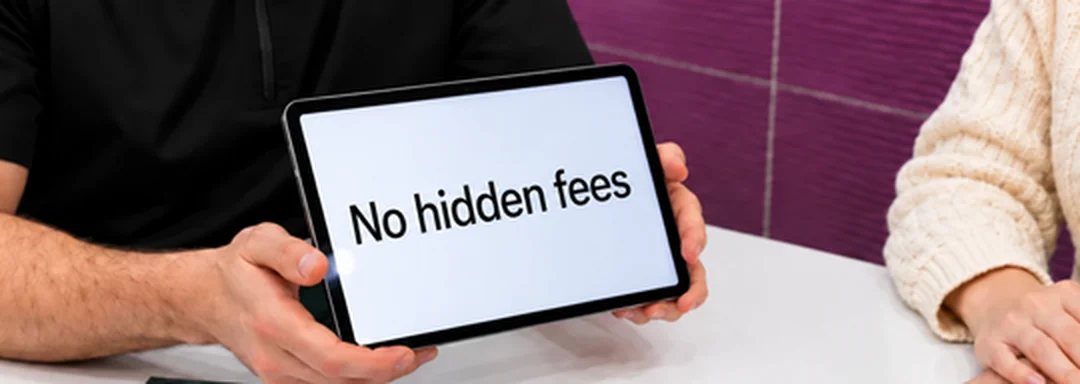
A surgeon shows a patient a tablet: no hidden fees

Fixed prices

After the consultation the surgeon defines the areas and the scope of surgery, and you get a clear price fixed in the contract — no hidden extras.

A surgeon visits a patient in the hospital ward after surgery

Round-the-clock care after surgery

With general anaesthesia recovery starts in a comfortable hospital ward under round-the-clock nursing care. The stay and meals are already included in the price.

FAQ

We answer what
people ask before booking

Liposuction in Ado-Ekiti: price and what is included

Prices are in US dollars; the amount in brackets is an approximate conversion to NGN at the rate of 02.10.2026. The final price is fixed in your contract.

How much does liposuction in Ado-Ekiti cost?

Prices start from $1,200 (≈ ₦1,600,000) per area. The surgeon sets the final price at the free consultation, and it is fixed in the contract, with no hidden extras.

What is included in the price?

The operation under local or general anaesthesia and the surgeon's support throughout recovery. The price is per area and fixed in the contract.

How do I get my exact price?

Message us on WhatsApp or Telegram using the buttons below. A coordinator will answer your questions and book a free consultation where the doctor names the exact price.

By messaging us, you agree to our Privacy Policy

Choosing liposuction in Ado-Ekiti

Liposuction is a surgical method of removing excess subcutaneous fat from problem areas. It is not a weight-loss tool and does not replace diet or exercise: its purpose is targeted contouring. Patients from Ado-Ekiti most often ask about saddlebags on the thighs, a sagging belly, and fat on the back, flanks, arms or chin. Fat cells taken from treated areas do not grow back, so with a steady lifestyle the result lasts.

Results appear in stages. The first changes show about two weeks after surgery as the main swelling subsides, visible contouring comes at 3–4 weeks, and the interim result is assessed at 1.5–2 months. The final contours form within 3–6 months, once the skin has fully tightened and the tissues have adapted. Patients from Ado-Ekiti see the surgeon at check-ups after 7 days and 3 months.

How much is liposuction in Ado-Ekiti? Prices start at $1,200 (≈ ₦1,600,000), depending on the zone and the scope of surgery. Treating several areas in one operation often saves both recovery time and budget. The exact cost is confirmed once the surgeon has examined you, and it is then fixed in the contract. Start with a free consultation by sending a request or messaging us.

Liposuction for people in Ado-Ekiti: what to expect from the planning

Ado-Ekiti is the capital of Ekiti State, in southwest Nigeria, and the seat of the Ekiti central senatorial district. The 2006 population was 308,621, and most residents belong to the Ekiti sub-group of the Yoruba. It is a city where families know each other, news travels quickly, and a major personal decision is often talked over with relatives before it is made. Liposuction is no different. People here usually want the plan laid out calmly and in full before they commit: what the operation is, how long recovery lasts, and how it fits around work, studies and family duties.

Liposuction removes stubborn fat from chosen areas and refines the body contour. It is not a method of losing weight. The World Health Organization describes overweight and obesity as abnormal or excessive fat accumulation that may impair health, and that is a separate medical subject from contouring. The operation suits a person whose general health is stable and whose problem is localised fat that diet and exercise have not changed. A good first conversation separates these two questions honestly.

Patients from Ado-Ekiti consult the centre remotely. The consultation is free and online, and coordinators are reachable around the clock (24/7) on Telegram and Telegram. You can send your questions on a quiet evening after work or early in the morning before the market day starts, and you do not need to rearrange your week to talk to someone. The coordinator collects your goals, your medical history and your photos, then arranges the conversation with the surgeon.

The centre works with tumescent and VASER techniques, micro-incisions of 3–5 mm and precise volume control. The aim is a smooth contour that keeps the natural proportions of your body, not an exaggerated shape. Keep that aim in mind as you read the rest of this text, because every practical point below, from the season to the clothes you wear during recovery, serves that one goal.

Climate of Ado-Ekiti and how it affects recovery

The yearly average temperature in Ado-Ekiti ranges from 17 °C to 32 °C, rarely falling below 14 °C or rising above 35 °C. The rainy season is humid, oppressive and cloudy, while the dry season is warm, muggy and partly cloudy. January to April is the hot season, with March the hottest month. The cool season runs from June to October, and August has the lowest average temperatures. None of these months is automatically right or wrong for surgery, but each one asks for different habits during recovery.

In the hot months the main concerns are comfort and swelling. Compression garments must be worn for 30–45 days after liposuction, and in muggy weather a garment can feel warm and tight against the skin. Plan for breathable cotton layers over the garment, loose clothing on top, a spare garment so that one can be washed and dried, and a calm schedule with as little time as possible outdoors in the afternoon heat. Heat tends to make tissues feel heavier, so resting with your legs raised in a shaded, ventilated room helps you feel better.

In the rainy season the air is humid and the sky is often cloudy. Humidity makes it harder for garments and dressings to dry, so keep extra sets ready and follow your surgeon's advice on skin care. Wet roads and heavy downpours are also a practical reason to arrange transport in advance for the day you go home, so that you are not standing in the rain during the first hours after surgery.

Sun matters too. Tanning beds are off-limits for at least a month, and in a sunny climate the same caution applies to long, direct sun exposure on healing skin. Your surgeon will give individual advice on covering the treated areas outdoors. Cloudy days can still carry strong light, so do not treat them as a free pass in the early weeks.

Choosing the season for the operation in Ado-Ekiti

Because the weather in Ado-Ekiti stays warm all year, the best season is mostly a question of what you can comfortably manage. The hot season from January to April means a sticky period for the 30–45 days in a compression garment. The cool season from June to October is gentler on the body, with August the mildest month, so many patients find garments easier to wear then. The rains are not a medical obstacle, but they do call for planning around transport and around keeping garments dry.

The period from early November to late February is described as the best time for hot-weather activities, including the pool and the beach. This is exactly the time when people want to be in the water, and it is a trap for someone recovering: for 4–6 weeks you must avoid the pool, the bathhouse, the sauna and active sport. If you are planning to enjoy the pool in the dry months, schedule the operation early enough that the restriction has finished before the occasion arrives, or choose a different season so that you do not feel left out.

The calendar of your own life often decides more than the weather. Think about school or university terms, exam periods, harvest-related business, religious festivals, weddings and naming ceremonies. For the first 7 days no physical exertion or heavy lifting is allowed, and most patients return to usual routine and work in 7–10 days. Select a start date that leaves at least that window free, and a little extra margin before any big family event.

Swelling and bruising clear by weeks 4–5, while the final result forms in 3–6 months. If you want to look your best for a particular date, count from the operation to that date and allow the full period rather than only the first changes. First changes show at 2 weeks, and an interim result is assessed at 1.5–2 months. A coordinator can help you lay these stages against your own calendar during the free online consultation.

Daily life in Ado-Ekiti: work, study and family during recovery

Ado-Ekiti is a university and administrative city. Ekiti State University, Afe Babalola University and the Federal Polytechnic are all based here, and Federal University Oye and other institutions in the state add to the student population. If you are a student or a lecturer, you may be thinking about lectures, practicals and long hours on a hard bench. Most patients get back to their usual routine and work in 7–10 days, so a short break between terms or a quiet period in the academic calendar is a sensible time. Ask your surgeon how long you should avoid long periods of sitting without moving.

The city is also a trade centre for farm produce, where yams, cassava, grain and tobacco are grown, and cotton is grown for weaving. If your work involves trading, carrying goods, loading, or standing at a market stall for hours, the first week is critical, because there must be no physical exertion or heavy lifting. Arrange for relatives or employees to cover the heavy tasks, and plan to return to carrying only after your surgeon allows it at a check-up. An office or administrative job is much easier to resume at the 7–10 day point.

Family life in Ado-Ekiti is busy and social. Visitors, shared meals and many small obligations can pull you out of your resting routine. Before the operation, talk to the family about what you will and will not do in the first week. Ask someone to take over cooking, school runs and errands. People usually accept this readily when it is explained as a medical instruction rather than a preference.

Do not plan hard training in the first weeks. Active sport is avoided for 4–6 weeks, and walking is the gentlest way to return to movement. Do not make up for lost days by returning too quickly to football, gym or dance classes. Your surgeon will confirm when each activity can resume.

Food, alcohol and celebrations around the procedure

Food is central to social life in Ado-Ekiti. Yam, cassava and grain are produced around the city, and meals tend to be generous and shared. A healthy plan does not require you to give up local food, but you should not treat liposuction as permission to stop caring about what you eat. The operation reshapes areas of fat; it does not change habits. Steady eating and regular movement after recovery help keep the contour that you worked to get.

Before the operation, give up smoking, alcohol and medications that affect clotting, such as aspirin, 7–10 days beforehand. This also means checking with your coordinator about any herbal preparations or supplements you take at home, since you should tell the surgeon about everything you use. After the operation, alcohol is off-limits for at least a month. This matters in a city where weddings, naming ceremonies, funerals, graduations and church or mosque events are part of the year. If a celebration falls within the first month, decide in advance how you will take part without drinking, and without standing for hours.

Hydration, fibre and light meals make the first days easier, especially in muggy weather. Keep a simple routine: small meals, enough water, and no heavy lifting of pots or crates in the kitchen. If you cook for a large household, ask someone else to handle the heavy pots during the first 7 days.

Plan celebrations around the recovery stages, not the other way around. Swelling and bruising clear by weeks 4–5, so a big event in the first fortnight may find you in a compression garment under festive clothes. Think about loose traditional or formal outfits that give space over the garment, and speak to your surgeon about how long you need to wear it.

Who is a candidate, and who should wait

The centre operates from age 18+, if there are no contraindications. There is no upper age limit: after an examination and health assessment, the decision is made individually. This matters in a city where both young students and mature professionals ask about contouring. Age alone is neither a reason for nor a reason against; the state of your health is what counts.

A good candidate has stable general health, realistic expectations and localised fat in areas such as the abdomen, flanks, thighs or arms. Someone hoping for major weight loss from the operation should talk first to a general practitioner about overweight, since liposuction is not a treatment for obesity. The WHO treats overweight and obesity as a broader health matter involving lifestyle, diet and long-term care.

Contraindications are assessed individually. Pre-operative tests are required: blood tests, ECG, ultrasound, and consultations with a GP and an anesthesiologist. These tests protect you, and you receive all instructions after the first consultation. Be honest about chronic illnesses, previous operations, medications and any bleeding tendencies. Hiding something to be accepted faster is the most unsafe thing you can do.

If you are planning a pregnancy, are breastfeeding, or have had a recent significant change in weight, mention it during the consultation. The surgeon may advise waiting until your situation is stable so that the contour you achieve is the one you keep.

How the operation and the first days go

The operation begins with marking the areas and fitting compression garments. Under local or general anaesthesia the surgeon removes fat through 3–5 mm micro-punctures. Duration runs from 1 hour for small areas to 3–4 hours for a combined procedure. Tumescent and VASER techniques are used, with precise volume control, to keep the contour smooth and natural.

With local anaesthesia you go home 3–4 hours after surgery. With general anaesthesia you stay one day in a comfortable ward under medical supervision. Because you consult remotely from Ado-Ekiti, ask the coordinator beforehand how the day will be organised, who should accompany you, what to wear, and what to bring. Make sure a relative can be with you when you leave and during the first night.

The punctures are only 3–5 mm across and usually need no stitches. Once healed, the marks are barely visible, and with proper care during recovery they fade completely. Your surgeon gives all individual recommendations after surgery, including how to clean the skin and how to wear the garment. In a warm and humid city, follow these instructions carefully, as sweat and moisture under a garment call for good hygiene.

The first 7 days involve no physical exertion or heavy lifting. Compression garments are worn for 30–45 days, and for 4–6 weeks you avoid the bathhouse, sauna, pool and active sport. Keep this list visible at home, so that every member of the family knows the rules.

Questions people in Ado-Ekiti ask before booking liposuction

In a city where an extended family often shares one compound, the first questions are usually practical rather than technical. Who will look after the children in the first days? Can I still go to the farm, the office or the lecture hall? Will neighbours notice? These are reasonable questions, and a good remote consultation treats them as seriously as the questions about technique. Write your own list before you message the coordinators, and put the household questions on it next to the medical ones.

Another common question is how a patient in Ado-Ekiti can be sure of continuity of care when the consultation is online. The answer lies in the structure of follow-up. The surgeon reviews your recovery and the new body contour at check-ups after 7 days, 3 months and 6 months, and the coordinators are reachable around the clock (24/7) on Telegram and Telegram between those dates. Check-ups, dressings and aftercare advice are already included in the price of surgery, so you do not need to worry about being charged for each routine visit.

Many people also ask whether the operation will leave a visible mark in a warm city where lighter clothing is worn most of the year. The punctures are only 3–5 mm across and usually need no stitches. Once healed, the marks are barely visible, and with proper care during recovery they fade completely. Ask the surgeon how to protect healing skin from friction and strong light while you wear short sleeves or fitted clothes.

Practical preparation at home in Ado-Ekiti

Preparation starts at home several days before the operation. Pre-operative tests are required: blood tests, ECG, ultrasound, and consultations with a GP and an anesthesiologist. In Ado-Ekiti you can plan these tests around your normal week, and the coordinators will tell you what is needed after the first consultation. Keep every result in one folder so the surgeon can review them together.

Prepare the room where you will rest. A bed with a firm mattress, a fan or good ventilation, a table within reach for water, medicines and your phone, and a clean spare compression garment make the first days easier in muggy weather. Power cuts are a familiar part of life in many Nigerian cities, so keep a charged phone and a torch at hand, so you can always contact the coordinators when you need them.

Arrange help. For the first 7 days there is no physical exertion or heavy lifting, so a relative or friend should handle shopping, water, cooking and the children's routines. Tell your workplace or department early that you will be away, so that you do not feel pressure to return before the 7–10 days that most patients need.

Finally, agree on the plan for the day of surgery itself. With local anaesthesia you go home 3–4 hours after surgery; with general anaesthesia you stay one day under medical supervision. Make sure someone you trust is available to accompany you home and stay with you the first night.

Returning to sport, church or mosque, and social life

Ado-Ekiti is a social city, and the weeks after liposuction include many invitations. Sitting through a long service, a wedding or a graduation is usually possible once you feel comfortable, but standing for hours, dancing and carrying children are better postponed. Wear loose clothing over the compression garment, take short walks, and give yourself permission to leave early.

Sport needs a slower return. For 4–6 weeks you avoid active sport, the bathhouse, sauna and pool. After that, start with walking and light exercise, and let the surgeon confirm each step at the check-up. A footballer, a gym member or a dancer should not judge fitness by how they feel on a good day, because swelling and bruising clear only by weeks 4–5.

Think also about how you will talk about the operation. Some patients prefer to tell only close family, others are happy to be open. Either choice is fine, but decide in advance, so that you are not pressed to explain yourself in the middle of a gathering. The final result forms in 3–6 months, so what people see in the first weeks is not the finished contour, and that is another reason for patience.

Results, check-ups and remote consultation from Ado-Ekiti

First changes show at 2 weeks, once the main swelling has subsided. An interim result is assessed at 1.5–2 months, and the final contour forms in 3–6 months, once the tissues have fully adapted. It is normal to feel unsure in the early weeks, because swelling hides the real shape. Do not judge the result by the first mirror view.

The surgeon follows your recovery and the new body contour at check-ups after 7 days, 3 months and 6 months. Check-ups, dressings and aftercare advice are already included in the cost of surgery. Until the end of the year, you can also get a post-surgery consultation with your surgeon to review results and get more information, at the clinic's expense. For a patient in Ado-Ekiti these follow-ups are arranged with the coordinators, who are available 24/7 on Telegram and Telegram.

We respect your time: we work 24/7, with easy booking and a personal approach, and we adapt to your pace. You can send photos, ask about a symptom that worries you, or confirm a check-up date at the hour that suits you, whether that is a quiet evening or a break between lectures. Keep your questions in one list so that nothing is forgotten when you speak with the surgeon.

Good questions for the surgeon include: which areas are right for me, which technique will be used, what anaesthesia is recommended, how long will the operation take, how should I wear the garment in warm weather, when can I return to my job, and when can I return to sport. Write the answers down and share them with the person who will help you at home.

Can I have a consultation about liposuction from Ado-Ekiti without leaving the city?

Yes. The consultation is free and online. You write to the coordinators on Telegram or Telegram, who are available around the clock (24/7), send your photos and medical history, and then talk with the surgeon. You can do this from home at a time that suits you, between work, lectures or family duties.

Which season is best for liposuction in Ado-Ekiti?

There is no single right answer. January to April is the hot season, with March the hottest, so wearing compression garments for 30–45 days can feel warm. The cool season, June to October, with August the mildest month, is gentler on the body. Choose a date that also fits your work, studies and family events, and keep in mind that swelling and bruising clear by weeks 4–5.

How soon can I go back to work or university?

Most patients get back to their usual routine and work in 7–10 days. For the first 7 days there is no physical exertion or heavy lifting, so if your job involves carrying goods or long hours of standing, plan extra time and ask your surgeon when it is safe to resume.

Will I go home the same day?

It depends on the anaesthesia. With local anaesthesia you go home 3–4 hours after surgery. With general anaesthesia you stay one day in a comfortable ward under medical supervision. The anaesthesia type is decided with you and the anaesthesiologist after the examination.

How long do I wear compression garments in a warm climate like Ado-Ekiti?

Compression garments are worn for 30–45 days. In warm and humid weather, wear breathable cotton under loose clothing, keep a spare garment so one can be washed and dried, and follow your surgeon's skin care advice. Ask for guidance if the garment causes irritation.

Can I go to the pool or the beach after liposuction?

Not immediately. For 4–6 weeks you avoid the bathhouse, sauna, pool and active sport. Alcohol and tanning beds are off-limits for at least a month. If you plan to use the pool in the dry months from early November to late February, choose the operation date so that this restriction has ended first.

Will the marks from the operation be visible?

The surgery is done through punctures only 3–5 mm across, which usually need no stitches. Once healed, the marks are barely visible, and with proper care during recovery they fade completely. Your surgeon will give you individual advice on caring for the skin.

What must I do before the operation?

Give up smoking, alcohol and medications that affect clotting, such as aspirin, 7–10 days before liposuction. Pre-operative tests are also required: blood tests, ECG, ultrasound, and consultations with a GP and an anesthesiologist. You receive all instructions after the first consultation.

Is liposuction a way to lose weight?

No. It reshapes areas of localised fat and refines the contour. The WHO describes overweight and obesity as abnormal or excessive fat accumulation that may impair health, which is a broader matter involving lifestyle and medical care. Discuss your goals honestly with the surgeon.

When will I see the final result, and what follow-up is there?

First changes show at 2 weeks, an interim result is assessed at 1.5–2 months, and the final contours form in 3–6 months. Check-ups take place after 7 days, 3 months and 6 months, and until the end of the year you can also get a post-surgery consultation with your surgeon, at the clinic's expense.

What should I tell my family before liposuction?

Explain the medical rules clearly: no physical exertion or heavy lifting for the first 7 days, compression garments for 30–45 days, and no alcohol for at least a month. When relatives understand that these are instructions from the surgeon, they usually agree to take over cooking, lifting and errands.

Do I need to be in Ado-Ekiti for the check-ups?

Check-ups at 7 days, 3 months and 6 months are planned with the surgeon, and the coordinators arrange them with you through Telegram or Telegram, where they are available 24/7. Ask during the free online consultation how each check-up will be organised.

Is there an age limit for liposuction?

The centre operates from age 18+, if there are no contraindications. There is no upper age limit: after an examination and health assessment, the decision is made individually.