City Medical Centre · multi-specialty surgery clinicOpen 24/7

Tummy tuck

Classic and Mini Tummy Tuck in Ado-Ekiti

Free consultation

Price at consultation

The price is fixed in the contract before surgery
Real case
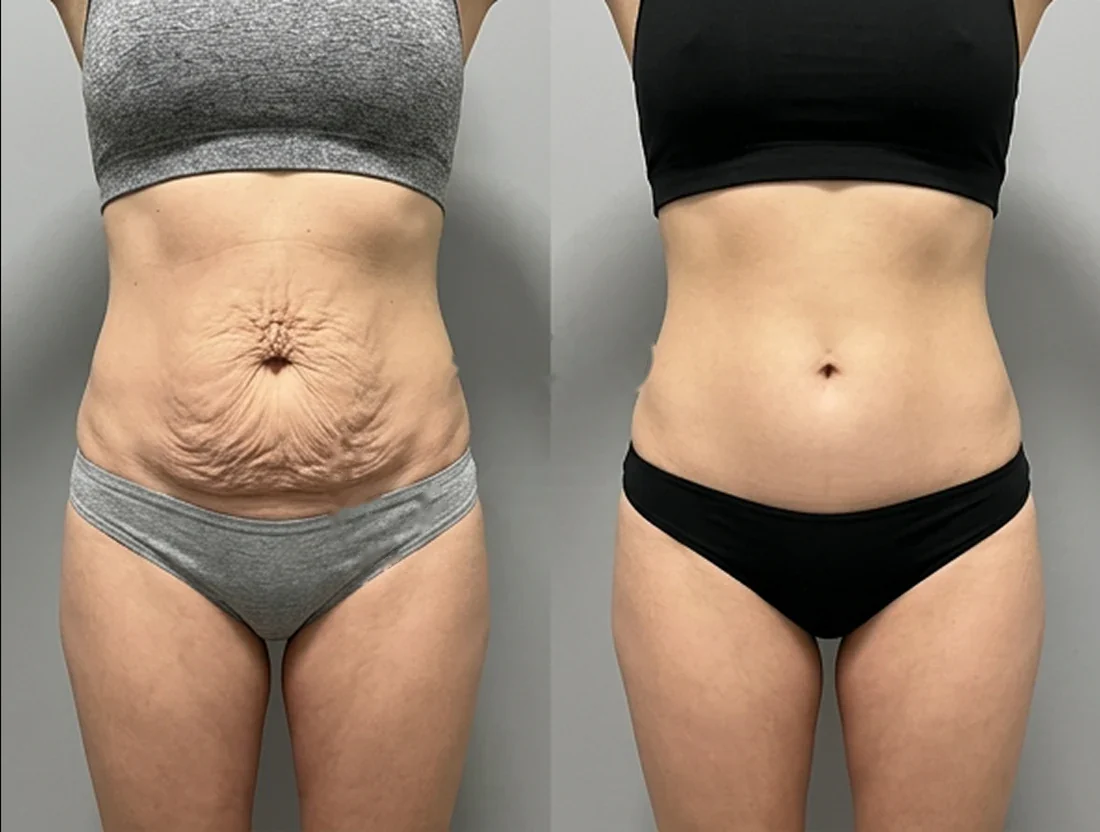
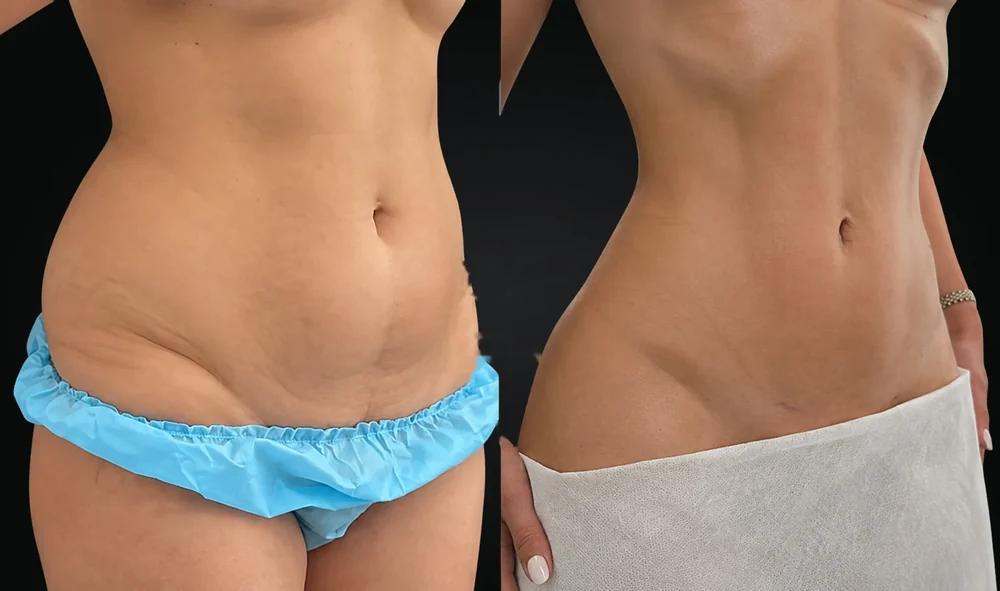
Tummy tuck: a patient's abdomen before and after surgery before after
A flat tummy and a toned silhouette in one operation. Your individual surgical plan and the expected result are discussed at the consultation

Message our coordinator

Free online consultation · Reply within 15 minutes

Message us on Telegram

By messaging us, you agree to our Privacy Policy

Results

Tummy tuck results
of our patients

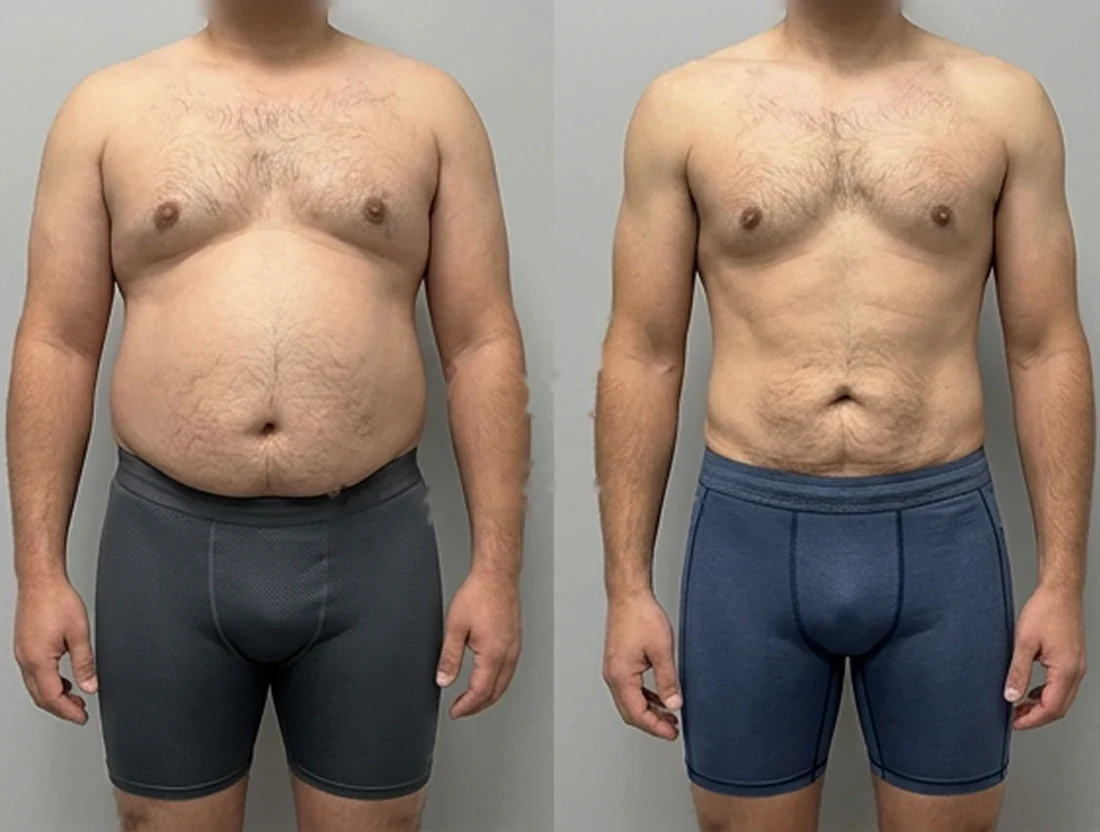
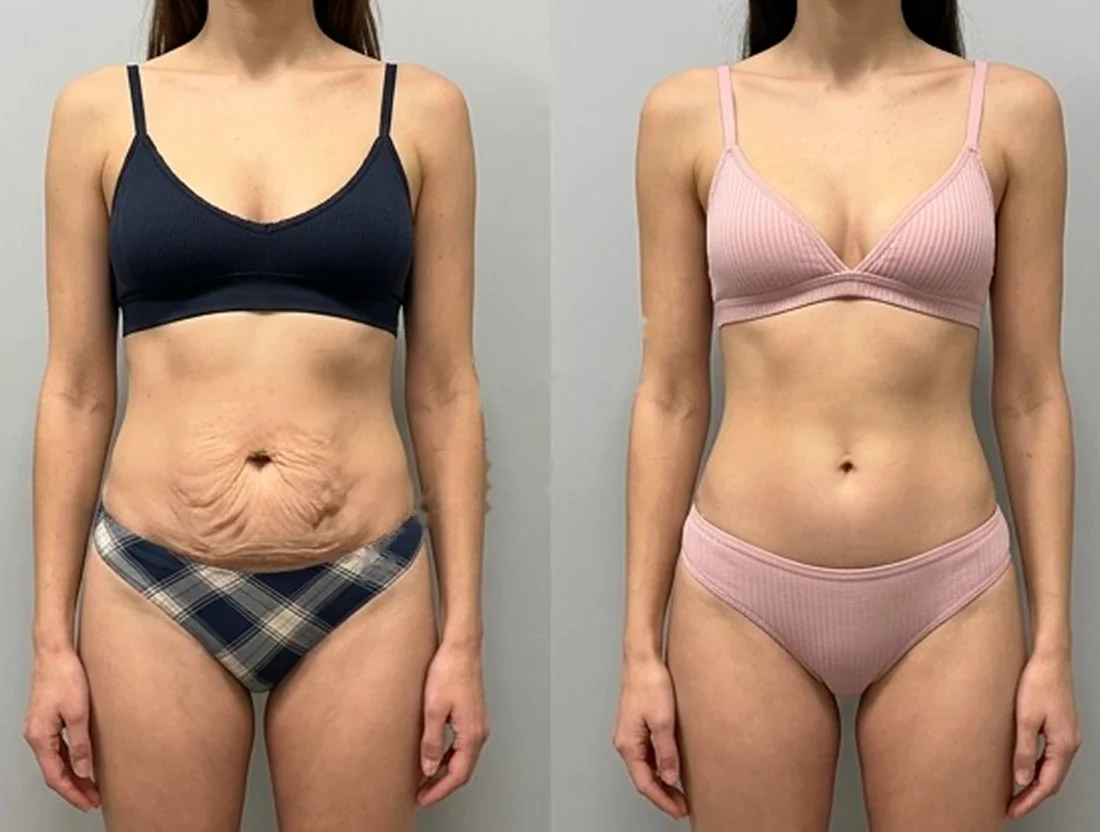
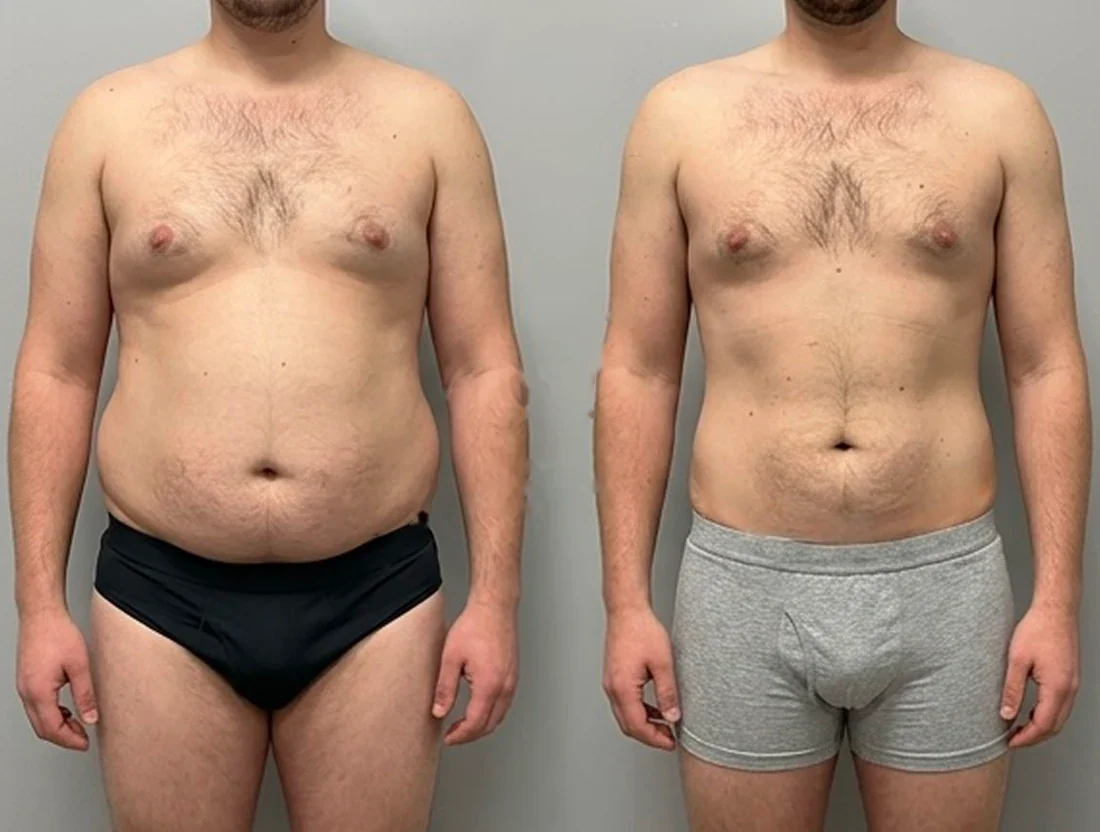
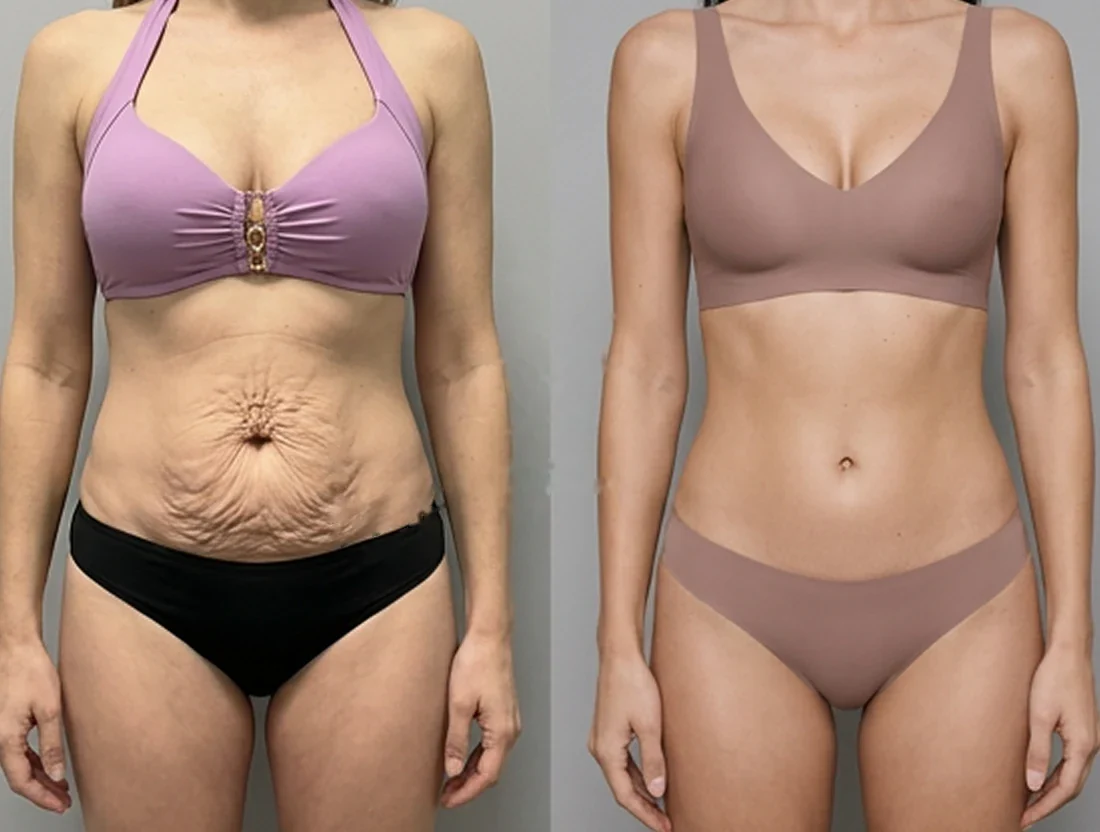
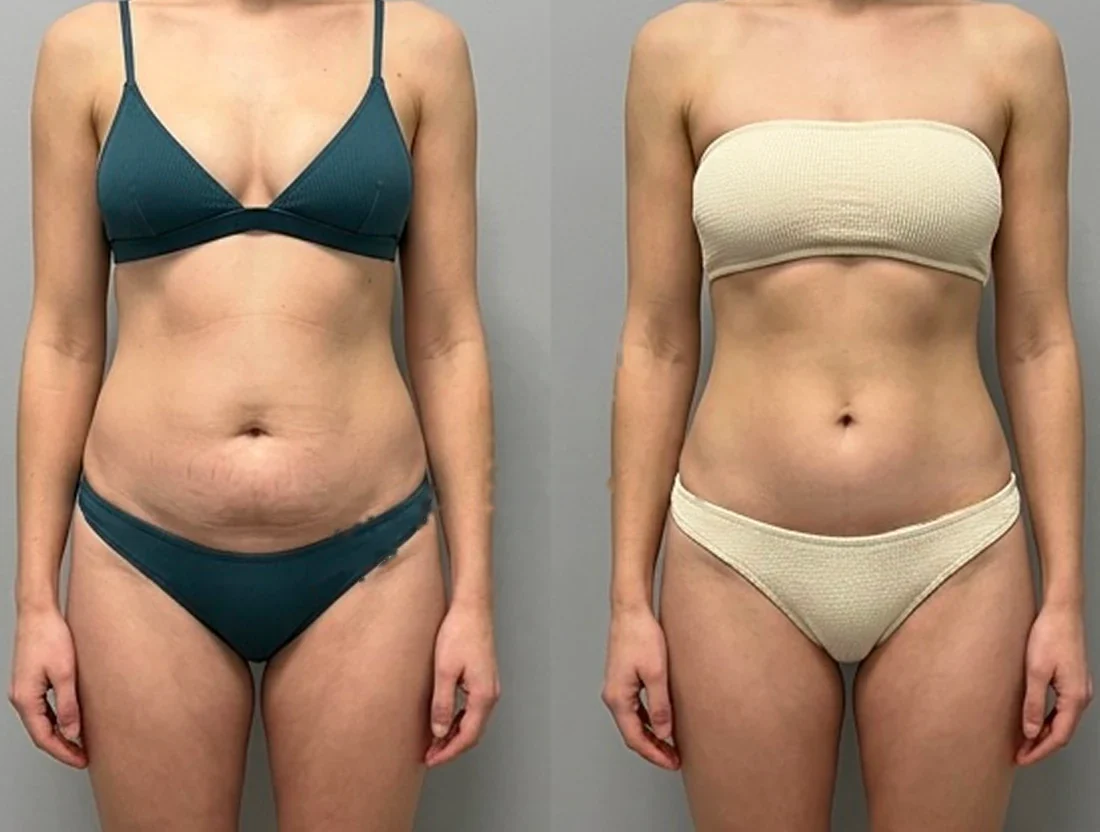
All cases are real patients. Faces and identifying details are hidden.

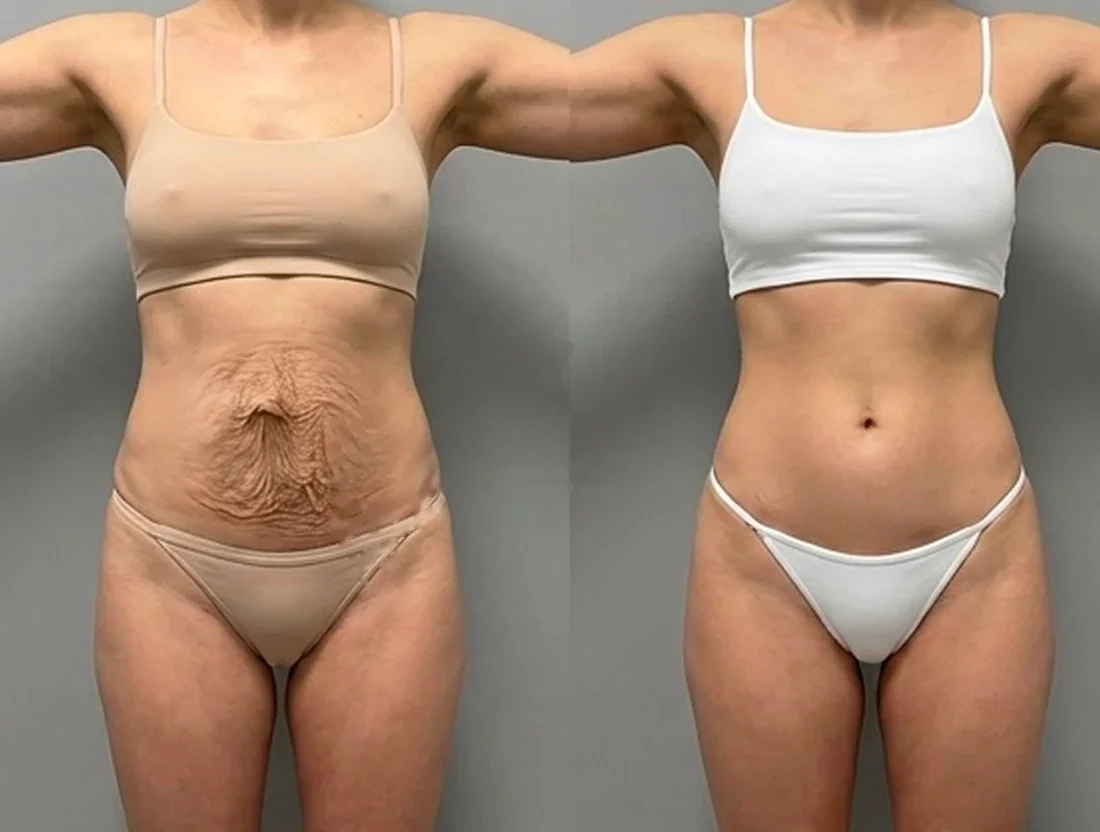
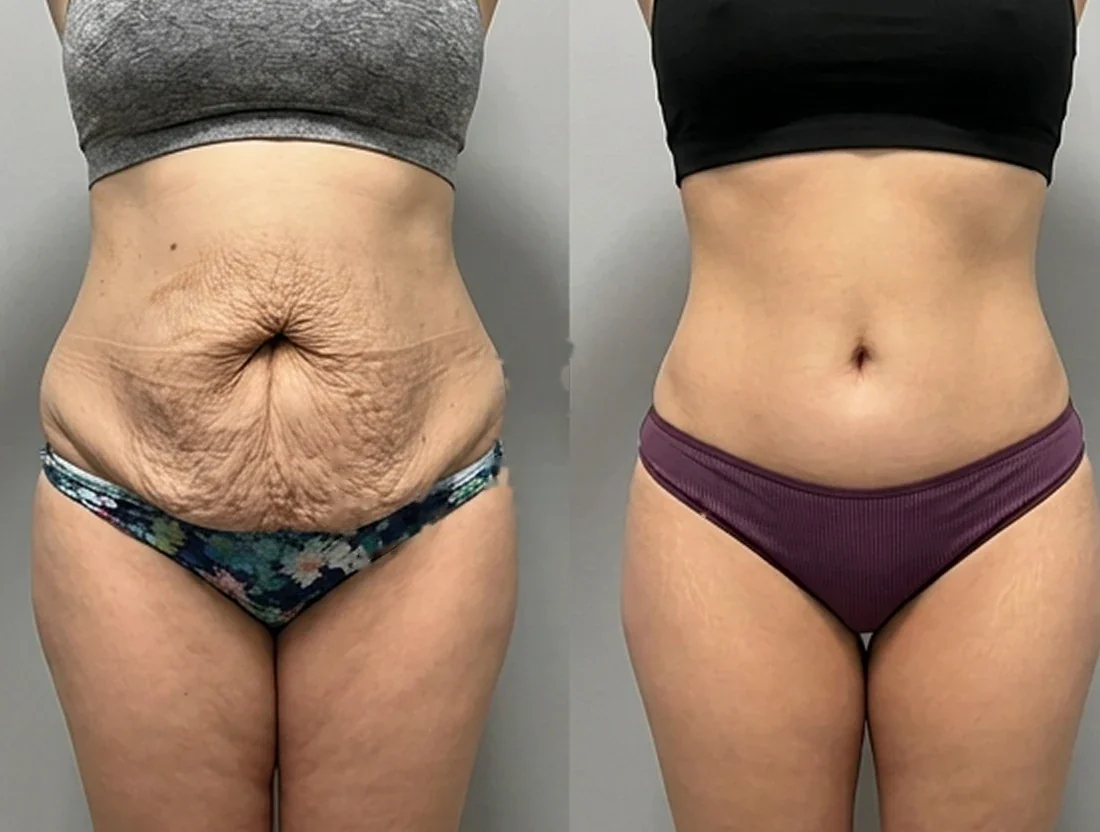
Tummy tuck: a female patient's abdomen before and after surgerybeforeafter
Tummy tuck: a male patient's abdomen before and after surgerybeforeafter
Tummy tuck: a female patient's abdomen before and after surgerybeforeafter
Tummy tuck: a male patient's abdomen before and after surgerybeforeafter
Tummy tuck: a female patient's abdomen before and after surgerybeforeafter
1 of 8

Comparison

Tummy tuck techniques

A tummy tuck is done as a full (classic) or mini operation, or combined with liposuction as lipoabdominoplasty. Compare the scope of surgery, the indications and the expected results to choose the right technique together with your surgeon.

Tummy tuck

Removal of excess skin, abdominal muscle tightening
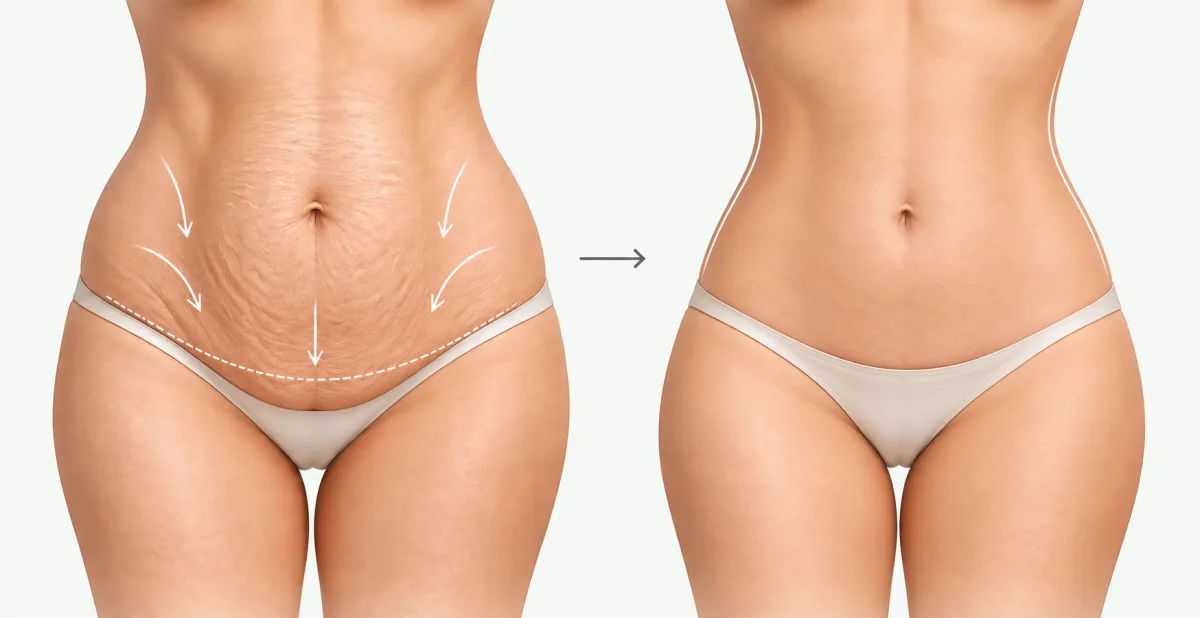
Tummy tuck diagram: the abdomen before surgery with the incision line, and the result
Main goal
Removal of excess skin, diastasis repair
When it is done
Excess skin after childbirth or weight loss
Anaesthesia and stay
General anaesthesia, up to 3 days in hospital

Lipoabdominoplasty

Tummy tuck with added liposuction
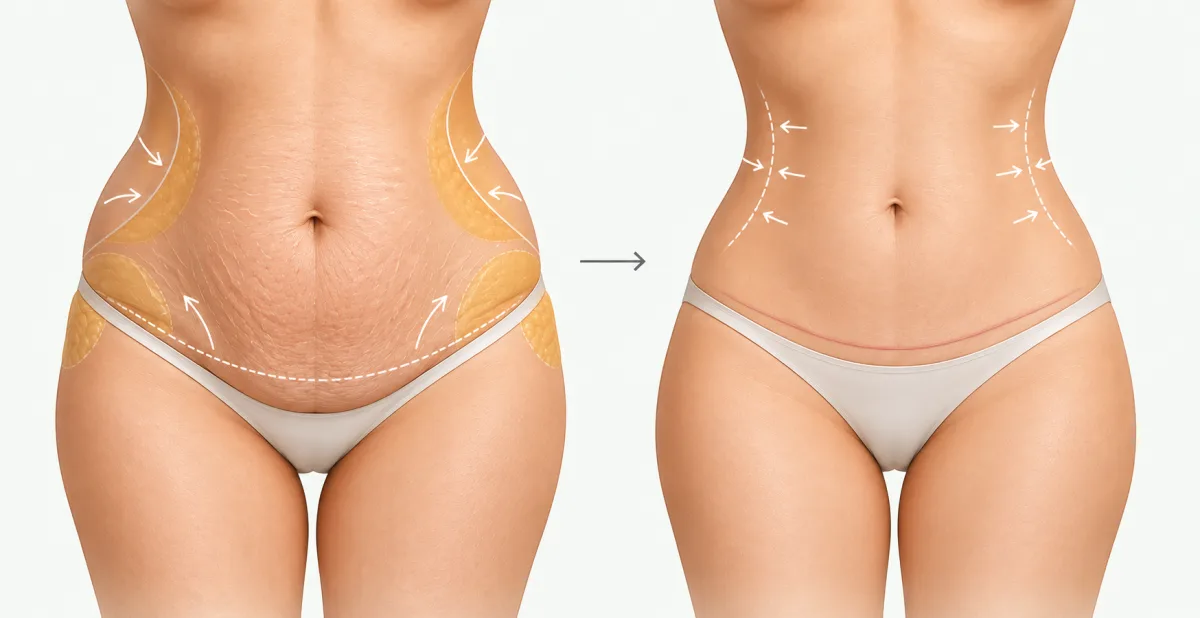
Lipoabdominoplasty diagram: the abdomen with fat on the flanks before surgery, and the result
Main goal
Tummy tightening and waist contouring
When it is done
For fat deposits on the flanks and waist
Anaesthesia and stay
General anaesthesia, up to 3 days in hospital

The benefits and recovery times shown are averaged for each technique and given for guidance: the scope of correction and rehabilitation depend on your anatomy and individual features, and the surgeon confirms them at the consultation.

At the consultation the surgeon draws up a plan for your case and explains how your tummy tuck will go.

Free, before surgery and with no obligation.

Book a consultation

Tummy tuck from the inside

About the clinic

A clinic where you can feel at ease

Modern equipment, comfortable rooms and care for every patient
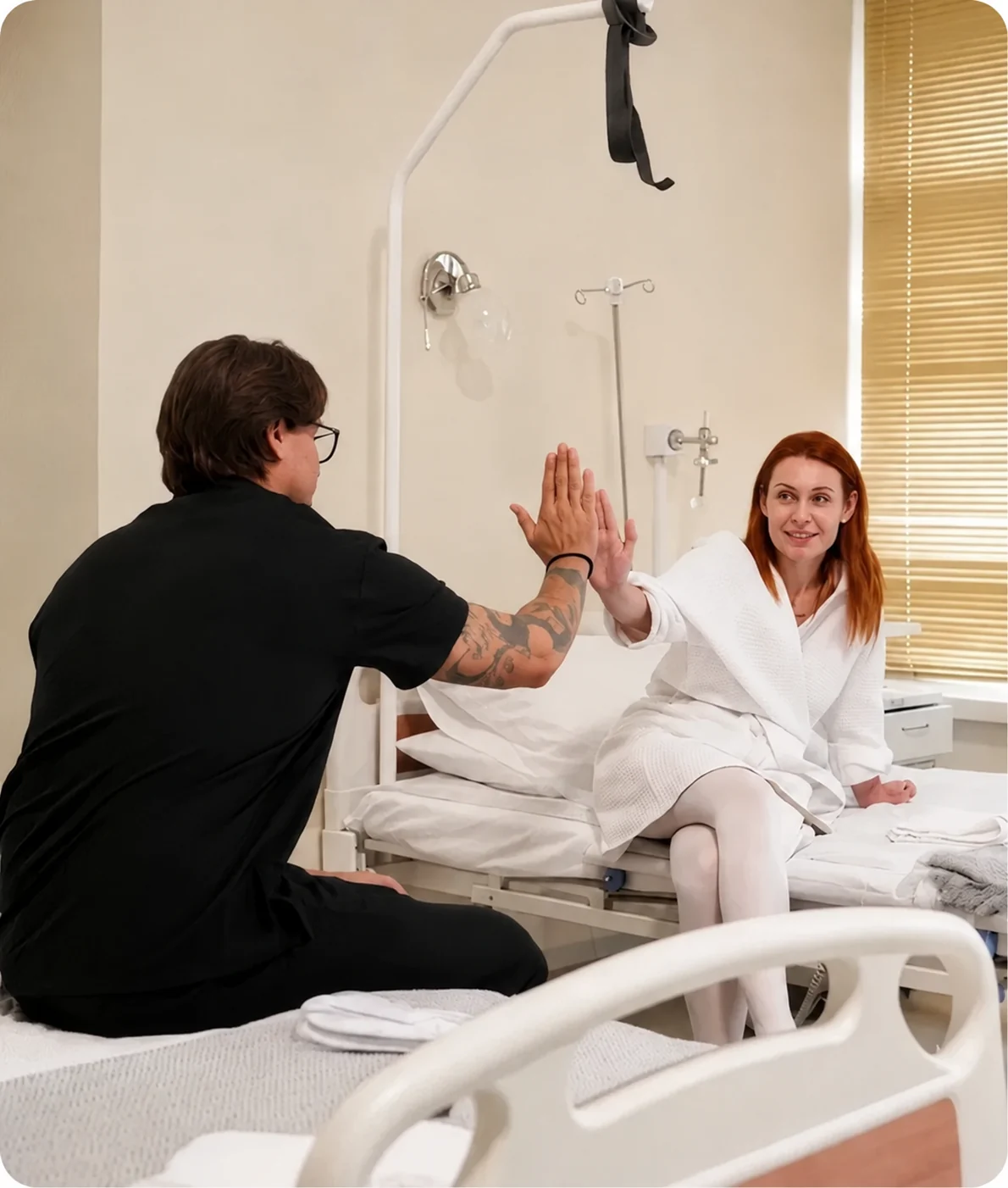
A doctor and a patient in a clinic ward

Contact us the way that suits you

We will answer your questions and find a convenient time for a consultation

A tummy tuck is not for everyone

If your case can be solved without surgery, the doctor will tell you so at the consultation — and you will not spend money for nothing.

Suitable
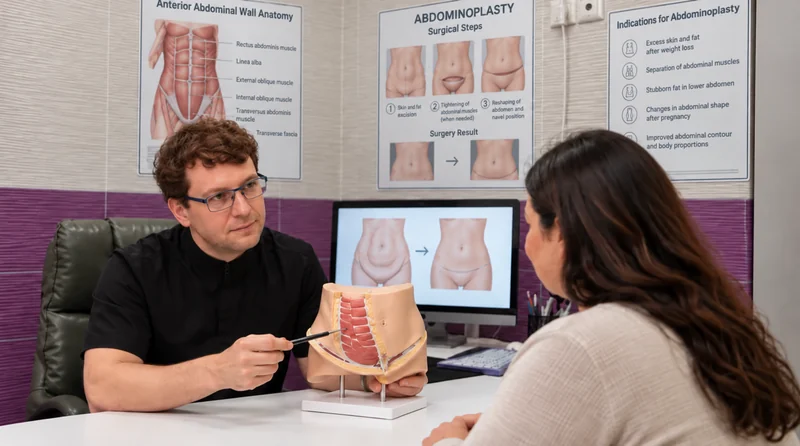
A surgeon shows a patient on a model and a monitor how the abdominal contour changes after a tummy tuck
  • Rectus abdominis diastasis
  • Skin folds after weight loss
  • Loose abdominal skin
  • Stretched skin after pregnancy
  • A distorted abdominal contour

Not suitable
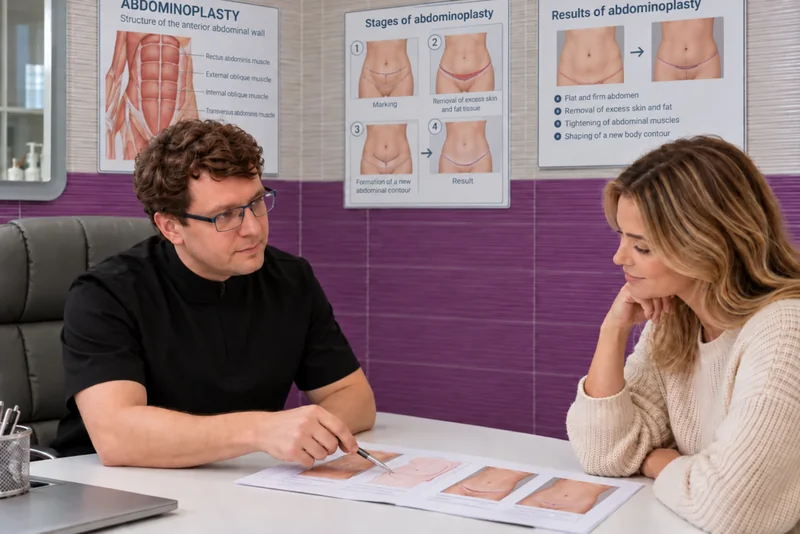
A surgeon discusses the indications and contraindications for a tummy tuck with a patient
  • Acute infections
  • Significant disease of the heart, kidneys or liver
  • Disorders of blood clotting
  • Under 18 years of age
  • Decompensated diabetes
  • Cancer
  • Skin inflammation in the surgical area
  • Currently pregnant or breastfeeding

Not sure the surgery is right for you?

Message us — the coordinator will ask for your photos in the messenger, and the surgeon will tell you whether a tummy tuck suits you. No surgery booking needed.

Find out if it suits me
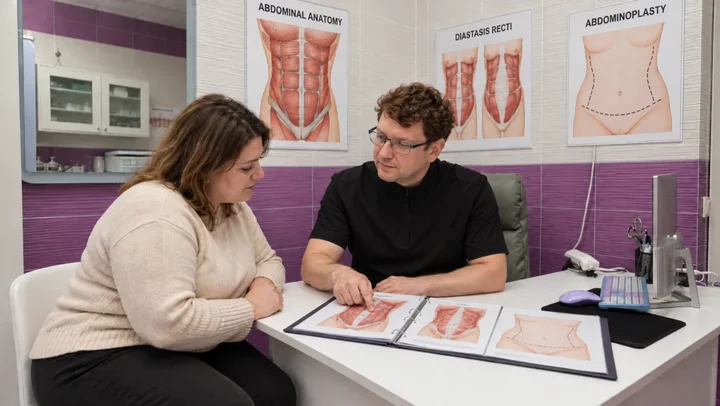
A surgeon goes through a tummy tuck diagram with a patient at the consultation

Prices

You know the price
before surgery

The price is set at the consultation and fixed in the contract.

Other services

  • First consultationFree
  • Liposuction of the abdomen and flanksfrom $1,700
Book a consultation

Find out your tummy tuck plan and price

The surgeon assesses your abdominal skin and muscles, listens to your wishes and chooses the right correction technique.
The price is set at the consultation and fixed in the contract.
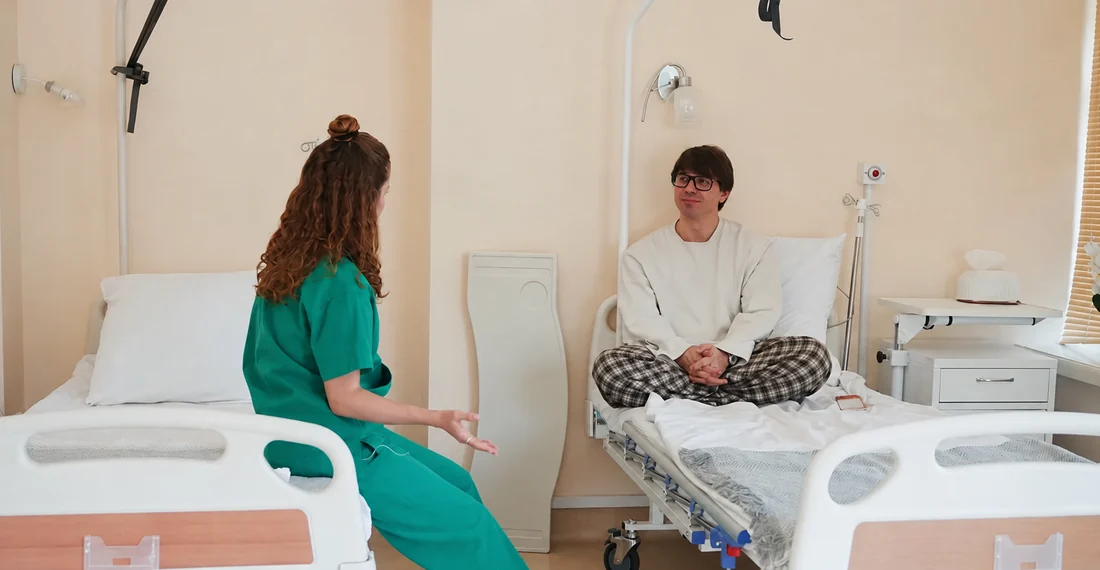
A nurse talks to a patient in a clinic ward

Message our coordinator

Free online consultation · Reply within 15 minutes

Message us on Telegram

By messaging us, you agree to our Privacy Policy
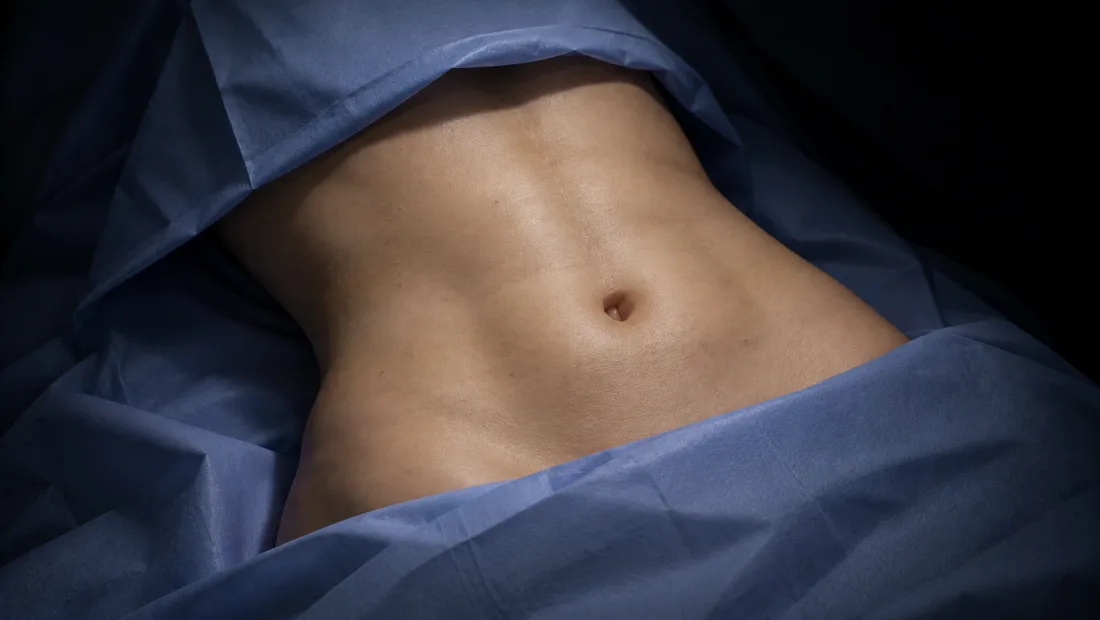
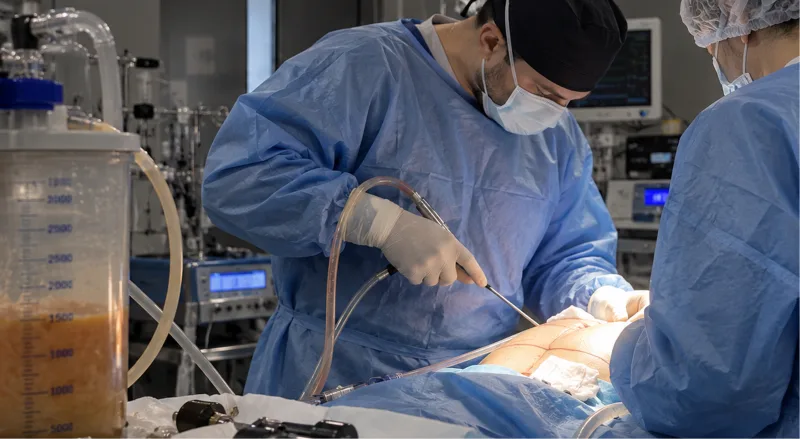
A patient's abdomen before a tummy tuck in the operating room

all inclusive

What the price includes

From preparation for surgery
to post-op check-ups.

  • All scheduled dressings
  • Scheduled post-op check-ups
  • A personal coordinator on call
  • Compression garments fitted on the day of surgery
  • A stay in a comfortable
    hospital ward with meals
  • Individual recommendations
    for recovery
  • Remote progress monitoring
    by photos

How it works

Three days at the clinic —
from preparation to discharge

An agreed correction plan, inpatient observation and post-op check-ups.
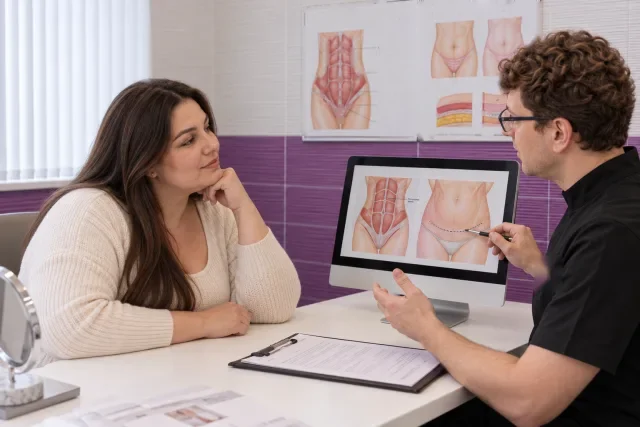
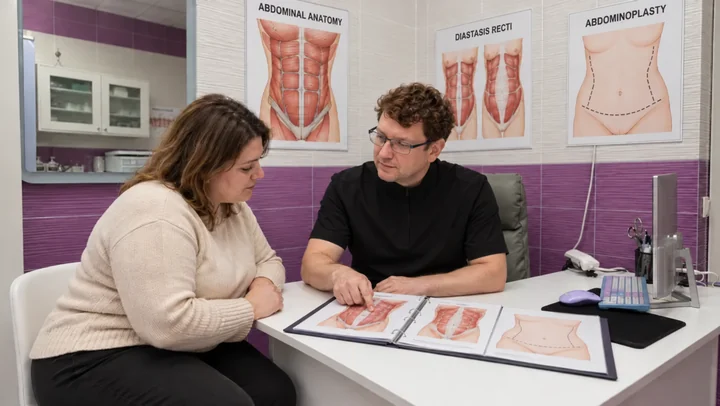
A doctor shows a patient a tummy tuck diagram on a monitor1

Consultation
and the surgical plan

The surgeon assesses your abdominal skin and muscles and checks for diastasis, listens to your wishes and chooses the right correction technique.

Paying the deposit by card at the clinic reception2

Booking the date
of surgery

We reserve a surgery date for you: the deposit can be paid by card at the clinic or online by bank transfer. The terms are fixed in the contract for medical services
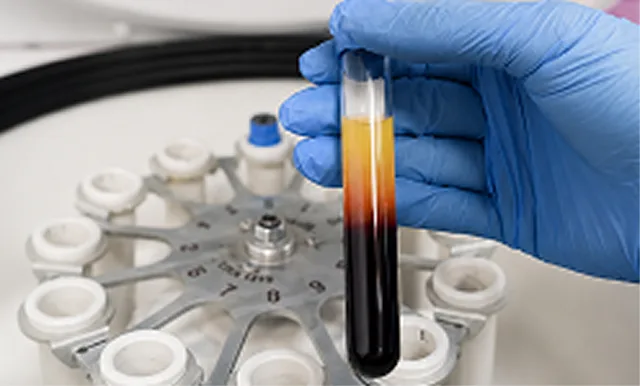
A blood sample tube for tests before a tummy tuck3

Check-up before
surgery

Before surgery you complete a full lab check-up: blood tests, an ECG, a chest X-ray and reports from the required specialists.
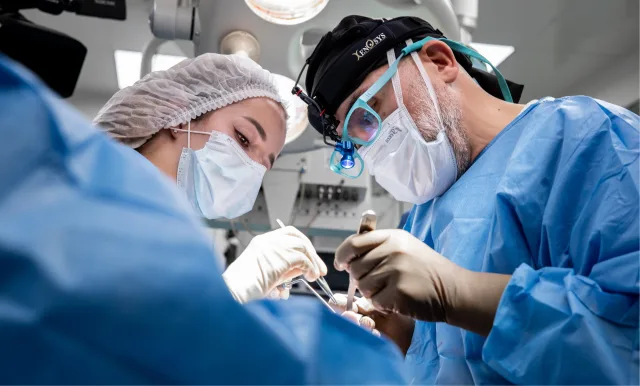
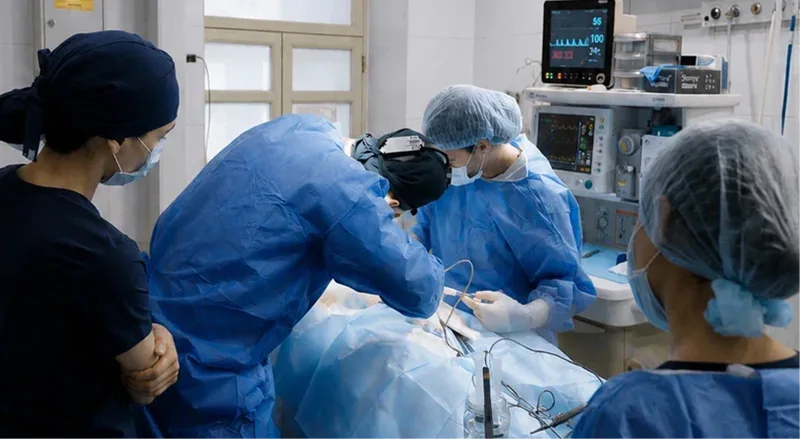
The surgical team during the operation4

Surgery

The surgeon performs the tummy tuck with the chosen technique, repairs diastasis if needed and shapes a firmer abdominal contour.
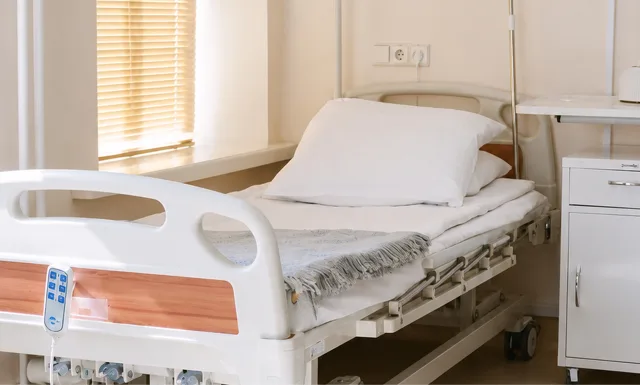
A hospital ward at the clinic5

Inpatient stay

After surgery the patient stays for 1–3 days in a comfortable hospital ward with meals, under medical supervision.
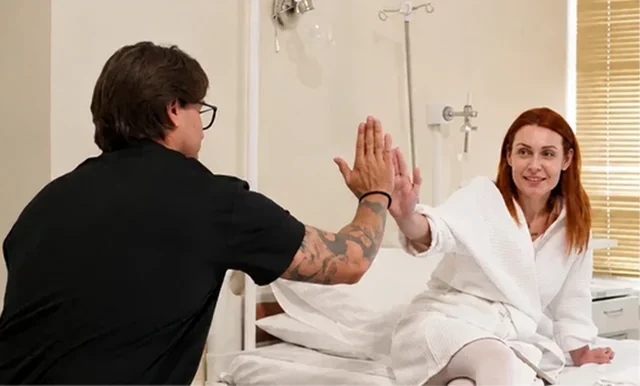
A surgeon and a patient in the ward during recovery6

Recovery

After surgery you get a recovery programme. Check-ups at 7 days, 3 and 6 months help track your recovery.
Book a free consultation — the surgeon will plan every step with you.

A doctor discusses the tummy tuck plan with a patient
Book a consultation
A doctor discusses the tummy tuck plan with a patient

How it really happens

After a tummy tuck: recovery

Immediately after surgery the patient stays in hospital for 1–3 days, supervised by doctors. Drains are usually removed after two days, stitches after 7 days. For 1.5–2 months you wear a compression binder that supports the abdominal wall and forms a smooth contour. Most of the swelling goes within 30 days; office work is possible after 2–3 weeks. No sports, sauna or heavy lifting for 2–3 months, and in the beginning it is best to sleep on your back with knees bent. At 12 months the scar is fully mature, faded and barely noticeable.

Post-op check-ups

After 7 days, at 3 months and at 6 months. Until the end of the year, get a post-surgery consultation with your surgeon to review results and get more information, at the clinic's expense

Advantages

Why people choose City Medical Centre
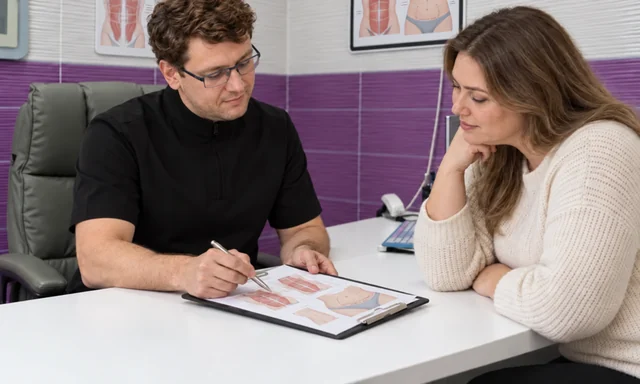
A surgeon discusses the tummy tuck plan with a patient at the consultation

Just find out — you lose nothing

At the consultation we discuss your wishes and assess your abdominal skin and muscles. The surgeon explains what changes are possible, chooses the correction technique and answers your questions.
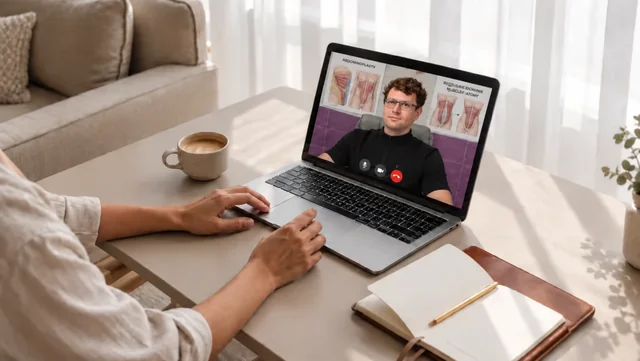
A surgeon on a video call with a patient after surgery

We stay with you after surgery

The surgeon follows your recovery and the changing abdominal contour at check-ups after 7 days, 3 and 6 months. Check-ups, dressings and aftercare advice are already included in the price of surgery.
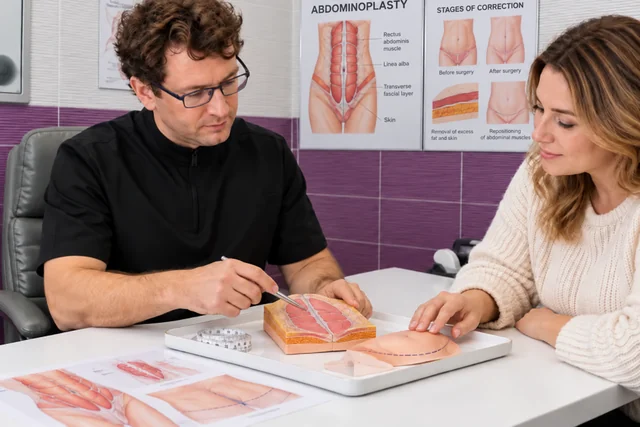
A surgeon shows a patient a model and tummy tuck diagrams

A beautiful contour that fits your figure

We choose the correction technique based on your skin, muscles and figure. Our aim is a harmonious abdominal contour that keeps the natural proportions of your body.

A patient writes down a convenient visit time in her planner

Your schedule is our priority

We respect your time: we work 24/7, with easy booking and a personal approach — we adapt to your pace.
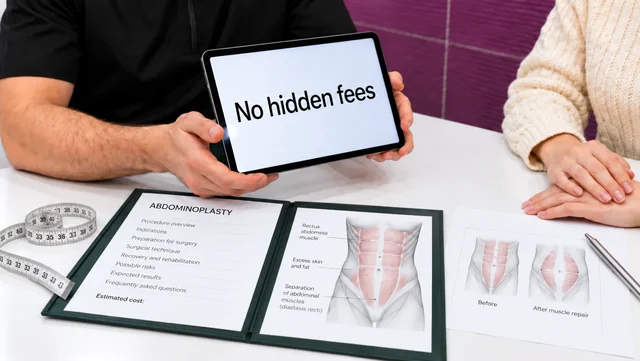
A surgeon shows a patient the fixed price of surgery with no extra charges

Fixed prices

After the consultation the surgeon defines the extent of correction, and you get a clear price for the surgery — no surprises on the way to the result you want.

A surgeon visits a patient in the hospital ward after surgery

Round-the-clock care after surgery

Recovery starts in a comfortable hospital ward under round-the-clock nursing care. The stay and meals are already included in the price.

FAQ

We answer what
people ask before booking

Choosing abdominoplasty in Ado-Ekiti

A tummy tuck, or abdominoplasty, is surgical tightening of the front abdominal wall that removes excess stretched skin and fat. It is not a weight-loss method and does not replace diet or exercise. For patients from Ado-Ekiti, the goal is a flat abdominal contour: removing the overhanging skin-and-fat apron, repairing separated rectus muscles and, where needed, creating a new navel.

Recovery has three milestones. Office work is possible after 2–3 weeks, swelling and tightness pass by 1.5–2 months, and the final result and scar are assessed at 6–12 months once tissues have adapted. Most swelling goes within 30 days. Sport, sauna and heavy lifting wait 2–3 months, and sleeping on your back with knees bent is advised at first. The same timeline applies to Ado-Ekiti patients.

How much is a tummy tuck in Ado-Ekiti? The answer comes at a free consultation: the surgeon examines the abdominal muscles and skin, chooses a classic or mini technique and decides whether diastasis repair or liposuction should be added. Only then is the price calculated and written into the contract. Send a request or message us in any messenger to get started.

Ado-Ekiti and the decision to have a tummy tuck

Ado-Ekiti is the capital city of Ekiti State and the headquarters of the Ekiti central senatorial district in south-west Nigeria. The population in 2006 was 308,621, and most residents belong to the Ekiti sub-group of the Yoruba. It is a city where family, church and community ties shape much of daily life, so a decision about surgery is rarely made alone. Many patients from Ado-Ekiti discuss a tummy tuck with a spouse, a sister or a close friend before they write to a coordinator.

Abdominoplasty removes excess skin and fat from the abdomen and tightens the abdominal wall. People usually ask about it after pregnancies, after major weight loss, or when a loose, hanging area of skin has stayed even though weight is stable. The questions we hear from Ado-Ekiti are practical: how long will I be away from work, when can I go back to my normal routine, how do I handle the heat while wearing a compression garment, and what happens if I have a question at night.

The centre answers these questions remotely. You do not need to leave Ado-Ekiti for the first step. A free online consultation is held from your own home, and coordinators are available around the clock (24/7) on Telegram and Telegram. You can send photographs, describe your history and ask everything before you decide anything.

Climate of Ado-Ekiti and what it means for recovery

The climate of Ado-Ekiti has two clear characters. The rainy season is humid, oppressive and cloudy, while the dry season is warm, muggy and partly cloudy. The average annual temperature ranges from 17 °C to 32 °C, and it rarely falls below 14 °C or rises above 35 °C. January to April is the hot season, with March the hottest month. The cool season runs from June to October, and August has the lowest average temperatures.

For recovery this matters in a simple way. After a tummy tuck you wear a compression garment. It is a requirement: recovery is worse without it, because it supports the tissues and reduces swelling. For the first 3–4 weeks it stays on around the clock, then during the daytime for roughly a month more. Your operating surgeon will name the exact period. In a warm and muggy city, a garment worn around the clock needs some planning: breathable cotton layers underneath, loose clothing on top, and a spare garment so you can change when one is being washed.

In the humid rainy season, keep dressings and skin dry and follow the surgeon's wound-care advice carefully. In the hot months, avoid long exposure to strong sun and heat, stay in shade, drink enough water and keep rooms ventilated. These are general comfort measures and do not replace the instructions of your surgeon.

Choosing the season for the operation

There is no single correct month, but the calendar of Ado-Ekiti offers some guidance. The hottest period, from January to April and especially March, makes a compression garment more tiring to wear. The cool season from June to October is gentler on the skin, though the rain and humidity then call for attention to keeping the dressings dry and clothing comfortable.

The weather summary for the city notes that early November to late February suits hot-weather outdoor activities such as the pool or beach best. That is exactly the period in which you might be tempted to swim. After a tummy tuck, however, sauna, steam bath, pool, tanning beds, alcohol and smoking are out for at least a month. If you plan surgery before that season, make sure the restriction is over before you return to the water, and ask your surgeon for approval.

Besides weather, think about your own year: school terms, harvest or market periods if your family works in trade, religious and family celebrations, and the busiest weeks at work. Pick a window in which you can truly rest for the first 2–3 weeks, when you avoid physical exertion, heavy lifting and sudden movements. A coordinator can help you build a calendar around the stages of recovery.

Work, study and the rhythm of the city

Ado-Ekiti is a trade centre for farm produce, where yams, cassava, grain and tobacco are grown, and cotton is grown for weaving. Many families in the region work in trade, transport and agriculture, and others in offices, schools, media and public service. The city also has a strong education sector: Ekiti State University, Afe Babalola University and the Federal Polytechnic, Ado-Ekiti, are all based here, with other institutions elsewhere in the state.

This matters for planning. The medical guidance says you can be back at work after 2–3 weeks, and that this refers to office work. If your job is a desk role, for example in administration, teaching preparation, a bank or a government office, a return after 2–3 weeks is the realistic target. If you work in a market stall, carry loads, farm, or have a physically demanding job, you must avoid heavy lifting and sudden movements through the whole early period, and you should discuss your return with the surgeon rather than rely on a general rule.

Students and university staff in the city can plan around the academic calendar. Choose a quieter part of the term, let lecturers or supervisors know you need a short absence, and arrange for notes or assignments to be handled in advance. Once you tell people you are taking time for medical reasons, you will find it easier to protect your rest.

Food, family events and daily habits during recovery

Food is central to life in Ado-Ekiti. Yam, cassava, grains and other local produce are everyday staples, and family gatherings, naming ceremonies, weddings and church or mosque events are often built around shared meals. After a tummy tuck you will spend 1–3 days in a comfortable hospital ward with meals, under medical supervision. At home, keep eating regular, balanced meals, and avoid long periods of standing and cooking in the kitchen during the first 2–3 weeks, when you avoid physical exertion.

Plan help at home before the operation. Ask a relative to cook, shop and take care of children, and keep heavy pots, water containers and shopping bags out of your hands. A comfortable chair, pillows for resting, and loose clothes that go over the garment will make the first days easier.

Large events deserve a calendar check. A wedding or festival with long hours of standing, dancing and crowded rooms within the early weeks is not a good fit. Alcohol is out for at least a month, so it is simpler to schedule surgery so that your main celebrations fall later, when swelling has gone down and you feel well. By 1.5–2 months swelling and tightness pass, and many patients feel comfortable in public again.

Candidates, contraindications and preparation

You must be at least 18, with no contraindications. There is no upper limit, and each case is considered individually after an examination and health assessment. Typical candidates are adults who have loose skin or a weak abdominal wall after pregnancy or weight loss and whose weight is steady. General reasons for caution include serious uncontrolled illness, problems with blood clotting, and active infections. The surgeon decides after reviewing your health history.

Weight is part of the conversation. The World Health Organization describes obesity and overweight as a growing public health matter and recommends attention to healthy weight and lifestyle. A tummy tuck is not a weight-loss method; it is a contouring operation. Your surgeon may ask you to stabilise your weight first.

Preparation is a must. Stop smoking, drinking alcohol and taking medicines that affect blood clotting 7–10 days before a tummy tuck. The pre-surgery check-up covers blood tests, ECG, leg vein ultrasound and consultations with a GP and anaesthetist. Get it done in advance, not the day before. The usual list is blood and urine tests, coagulation panel, biochemistry, infection tests, ECG, chest X-ray, ultrasound of the leg veins and a GP's report. The exact list comes from the surgeon at the consultation, and tests usually stay valid for 10–14 days, so time them with care.

The operation, hospital stay and the first weeks

The operation is carried out under general anaesthesia, with up to 3 days in hospital. A classic tummy tuck means 1–3 days under medical supervision; for a mini tummy tuck, one day is usually enough. At home recovery continues, and the surgeon monitors it at scheduled check-ups.

The rules after a tummy tuck are the same for everyone. For the first 2–3 weeks you avoid physical exertion, heavy lifting and sudden movements. Sauna, steam bath, pool, tanning beds, alcohol and smoking are out for at least a month. Sport is resumed gradually, with the surgeon's approval only, and compression garments are worn for another 4–8 weeks.

Three milestones mark recovery: after 2–3 weeks you can do office work, by 1.5–2 months swelling and tightness pass, and at 6–12 months, with the tissues fully adapted, the final result and scar are assessed. The first changes appear 2 weeks after surgery as the main swelling subsides, followed by two checkpoints: the interim result at 1.5–2 months and the final contours at 6–12 months.

If you enjoy walking, dancing, football with friends or a gym session, wait for the surgeon's approval and return step by step instead of rushing to match your old level.

Follow-up from Ado-Ekiti: check-ups and contact

After surgery you get a recovery programme. Check-ups at 7 days, 3 and 6 months help track your recovery. The surgeon follows your recovery and the changing abdominal contour at those points. Check-ups, dressings and aftercare advice are already included in the cost of surgery. Until the end of the year, you can get a post-surgery consultation with your surgeon to review results and get more information, at the clinic's expense.

Between check-ups you are not left alone. We work 24/7, with easy booking and a personal approach, and we adapt to your pace. A patient in Ado-Ekiti can write on Telegram or Telegram at night after a long day, send a photograph of the dressing area, or ask whether a sensation is normal, and a coordinator will respond.

Keep a short diary: the date of surgery, when you started the garment, any swelling, discomfort or questions. It helps in each conversation and makes check-ups more productive.

Planning a tummy tuck around the weather and daily movement in Ado-Ekiti

Ado-Ekiti has a rainy season that is humid, oppressive and cloudy, and a dry season that is warm, muggy and partly cloudy. Temperatures usually stay between 17 °C and 32 °C. For a patient in a compression garment, the practical question is less about the thermometer and more about moisture: damp air makes fabric feel heavier, and skin under a garment needs regular care. Change the cotton layer under the garment as often as the surgeon advises, and let the skin rest and dry during permitted changes.

Think about how you move through an ordinary day. A short walk around the house, taking a seat in a shaded place and getting up slowly are all suitable in the early weeks, while sudden movements stay off the list for the first 2–3 weeks. Carrying water, lifting a child from the floor or bending to pick up bags are the kinds of small actions that patients forget, so ask a family member to take them over for a while.

On rainy days, plan the way you leave the house. Wet floors, steps and uneven yards are a real concern when you cannot stretch freely, so keep your daily route simple and avoid hurrying. The dry season has its own demands: warm and muggy afternoons call for rest in the shade, plenty of water and loose clothing over the garment.

Students, teachers and young families of Ado-Ekiti

Ado-Ekiti is home to several higher education institutions, including Ekiti State University, Afe Babalola University and the Federal Polytechnic, Ado-Ekiti. This gives the city a large number of lecturers, administrators, students and their families. For a lecturer or an administrator the planning point is the same as for any desk job: the guidance says you can be back at work after 2–3 weeks, so choose a period of the academic year in which a short absence causes the fewest problems.

Students who consider the operation should think about the long hours of sitting in lecture halls and examination rooms, and about the walk to campus. Schedule the operation away from examination weeks, tell the relevant office in good time and arrange for classmates to share notes. A calm recovery matters more than a few missed sessions.

Many women in the city ask about surgery after pregnancy, when the abdominal wall and skin do not return to their earlier shape. If you have small children, the first weeks need an organised plan: who holds the baby, who handles bath time and who does the lifting. The rule of avoiding physical exertion, heavy lifting and sudden movements for the first 2–3 weeks applies to everyone, so arrange the help before the day of surgery.

Using the remote consultation well from Ado-Ekiti

The first consultation is free and takes place online, so you can join it from home or from a quiet room at work. Coordinators are available around the clock (24/7) on Telegram and Telegram, which helps if your day is full and the only calm time is late in the evening. We work 24/7, with easy booking and a personal approach, and we adapt to your pace.

Prepare before the call. Take clear photographs of the abdomen in good daylight from the front and the side, write down earlier operations, pregnancies, regular medicines and allergies, and note any long-term conditions. Have a short list of questions ready. If your network connection is unstable, tell the coordinator in advance and use written messages, which you can send whenever the signal is good.

After the consultation, the surgeon gives an exact list of tests, and the results are usually valid for 10–14 days, so agree on the timing of the examinations with the coordinator rather than doing them too early. Ask a relative to join the conversation if you wish, because two people remember more of the details than one.

Talking to family, church and community before surgery in Ado-Ekiti

In a city where most residents belong to the Ekiti sub-group of the Yoruba, family networks are close and news travels quickly. A decision about a tummy tuck often involves a spouse, parents, a sister or an older relative whose opinion matters. It helps to decide in advance who you will tell, who will know the date of surgery, and who will help you at home. Clear agreement reduces stress and keeps your rest protected during recovery.

Some patients prefer privacy, and that is fully acceptable. Medical information belongs to you. You can speak with a coordinator on Telegram or Telegram at any hour, around the clock (24/7), without arranging a meeting or explaining your absence to anyone. If you do choose to share the plan, ask one trusted person to be your contact for visitors, calls and messages, so that you are not answering everyone in the first weeks.

Visitors are another practical point. In Ado-Ekiti, friends and relatives often come by to greet and to check on someone who is unwell. In the first 2–3 weeks, when you avoid physical exertion, heavy lifting and sudden movements, you should not be getting up to host people, serve food or clear dishes. Agree on short visits, a comfortable seat for you, and a relative who takes care of the guests.

Rainy days, dry days and the practical routine of dressings and garments

The rainy season in Ado-Ekiti is humid, oppressive and cloudy, and the dry season is warm, muggy and partly cloudy. In both seasons the air carries moisture, so a clean, dry routine is the core of comfortable recovery. Keep a small set of items near your resting place: spare cotton layers, clean towels, and a bag for used items, so you do not need to walk through the house for each change.

Follow the surgeon's wound-care instructions exactly as given, and do not experiment with creams, home remedies or herbal preparations on the treated area without asking. If you notice anything unusual, such as increasing discomfort, a change in the dressing, or a feeling that something is not right, write to the coordinator on Telegram or Telegram and send a clear photograph. Questions at night are normal and expected.

The compression garment stays on around the clock for the first 3–4 weeks, then during the daytime for roughly a month more, and your operating surgeon will name the exact period. In warm weather, choose a time of day for the permitted changes when the house is cooler, usually early in the morning, and make sure the skin is fully dry before the garment goes back on.

Realistic expectations: scar, contour and patience

A tummy tuck changes the contour of the abdomen, and it leaves a scar. The first changes appear 2 weeks after surgery as the main swelling subsides. By 1.5–2 months swelling and tightness pass and you see the interim result, and at 6–12 months, with the tissues fully adapted, the final contours and scar are assessed. Patients who know this timeline are calmer when the abdomen looks swollen or feels tight in the early weeks.

In Ado-Ekiti, clothing for church, weddings and other formal events is often fitted and carefully chosen, and many people want to see results quickly. It is wiser to plan important occasions after the interim stage, and to ask the surgeon in the consultation where the scar will lie so you can think about the clothing you usually wear. Clear expectations help you judge your own recovery fairly.

A tummy tuck is not a replacement for a healthy lifestyle. Stable weight, regular gentle activity once approved, and balanced meals help you keep the contour you have gained. Ask your surgeon how to maintain the result and what to watch for in the months after surgery.

Questions to ask your surgeon

A good consultation is a conversation. Prepare a list before you connect from Ado-Ekiti. Ask whether a classic or a mini tummy tuck suits you, what the scar will look like and where it will lie, how long you will stay in hospital, and what the anaesthetist needs to know about your health.

Ask how the garment should be worn in warm and humid weather, what to do if skin becomes irritated, and which signs mean you should contact the team at once. Ask when you can lift your child, return to housework, teach or sit in lectures, and when you can resume sport with approval.

Ask what the final result will look like at 6–12 months and what you can do to maintain it, such as stable weight and regular activity. A clear answer to each question helps you decide calmly and feel prepared on the day of surgery.

How does the online consultation work from Ado-Ekiti?

It is free and held remotely. You write to a coordinator on Telegram or Telegram, who are available around the clock (24/7), send your photographs and health information, and speak with a specialist. You do not need to be anywhere except at home.

How soon can I go back to work after a tummy tuck?

You can be back at work after 2–3 weeks, which means office work. If your job involves lifting or physical effort, ask the surgeon, because heavy lifting and sudden movements are avoided in the first 2–3 weeks.

Does the hot weather in Ado-Ekiti affect recovery?

It can make the compression garment less comfortable, especially in the hot season from January to April, with March the hottest month. Wear breathable fabric under it, keep rooms ventilated, avoid long sun exposure and follow your surgeon's instructions.

Which season is better for the operation?

There is no single answer. The cool season from June to October is milder on the skin, while the early November to late February period suits pool and beach activities, which are restricted for at least a month after surgery. Choose a time when you can rest and plan around work and family events.

How long is the hospital stay?

General anaesthesia is used, with up to 3 days in hospital. A classic tummy tuck means 1–3 days under medical supervision, and for a mini tummy tuck one day is usually enough.

How long do I wear the compression garment?

It is required. The first 3–4 weeks it stays on around the clock, then during the daytime for roughly a month more. Your operating surgeon will name the exact period.

When can I return to sport or the pool?

For the first 2–3 weeks you avoid physical exertion. Sauna, steam bath, pool, tanning beds, alcohol and smoking are out for at least a month. Sport is resumed gradually, with the surgeon's approval only.

Who can have a tummy tuck?

You must be at least 18, with no contraindications. There is no upper age limit, and each case is considered individually after an examination and health assessment.

What follow-up is included?

Check-ups at 7 days, 3 and 6 months, dressings and aftercare advice are included in the cost of surgery. Until the end of the year you can also have a post-surgery consultation with your surgeon, at the clinic's expense.

Can I take part in the consultation if my internet connection in Ado-Ekiti is unreliable?

Yes. Coordinators are available 24/7 on Telegram and Telegram, so you can send photographs and written questions whenever your connection is stable and receive answers in writing.

Is a tummy tuck suitable after pregnancy?

Many people ask about it after pregnancies. Whether it suits you is decided individually after an examination and health assessment. You must be at least 18, with no contraindications, and the surgeon reviews your situation at the consultation.

What should I prepare at home before the operation?

Arrange help with cooking, shopping and children, set up a comfortable resting place, and have loose clothing and a spare compression garment ready. For the first 2–3 weeks you avoid physical exertion, heavy lifting and sudden movements.

What if I want to keep the operation private in Ado-Ekiti?

That is your choice. The consultation is online and free, and coordinators answer around the clock (24/7) on Telegram and Telegram. Still, plan at least one trusted person who can help you at home during the first 2–3 weeks, when heavy lifting and sudden movements are avoided.

When will I see the result of a tummy tuck?

The first changes appear 2 weeks after surgery as the main swelling subsides. The interim result comes at 1.5–2 months, and the final contours and scar are assessed at 6–12 months.

Can I write to the coordinators at night with a question about my dressing?

Yes. We work 24/7, so you can send a message and a photograph on Telegram or Telegram at any time, and a coordinator will respond. Follow your surgeon's written instructions in the meantime.