
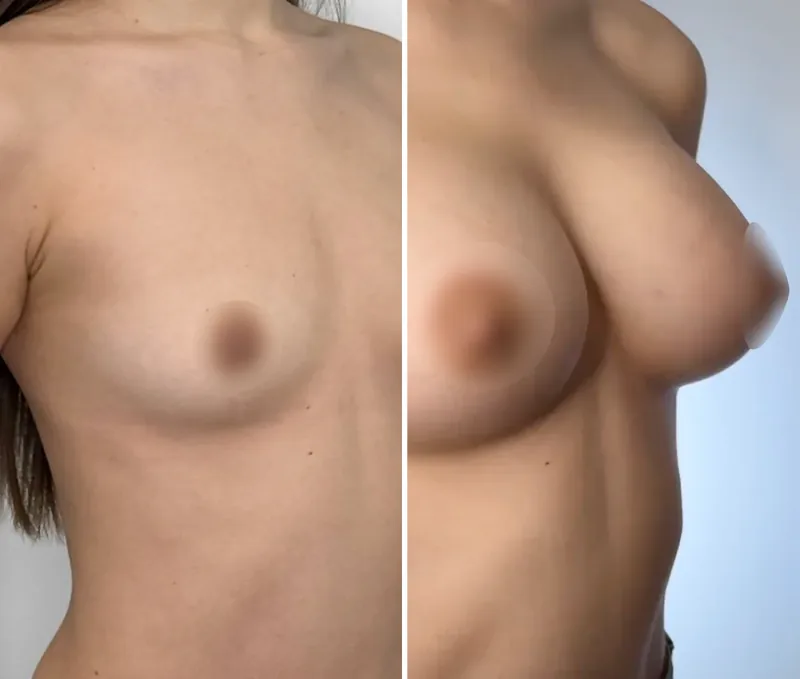
 beforeafter
Mammoplasty
Method: implants
Breast augmentation
$4,700
$5,900 · First consultation — Free
Message our coordinator
Free online consultation · Reply within 15 minutes
Message us on TelegramMessage us on WhatsAppBy messaging us, you agree to our Privacy Policy
Results
All photos show real patients of the clinic, with identifying details and faces hidden.
beforeafterMethod: implants
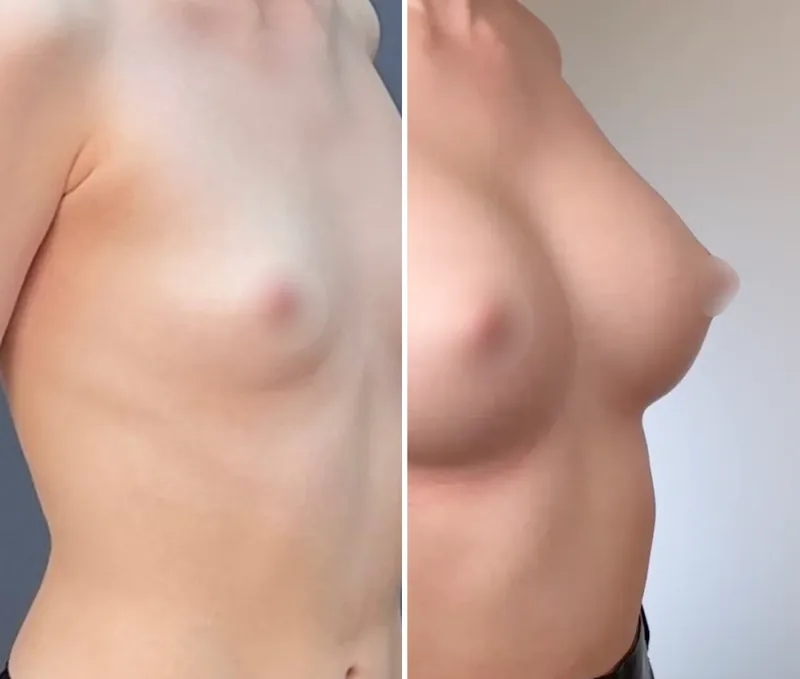 beforeafter
Method: implants
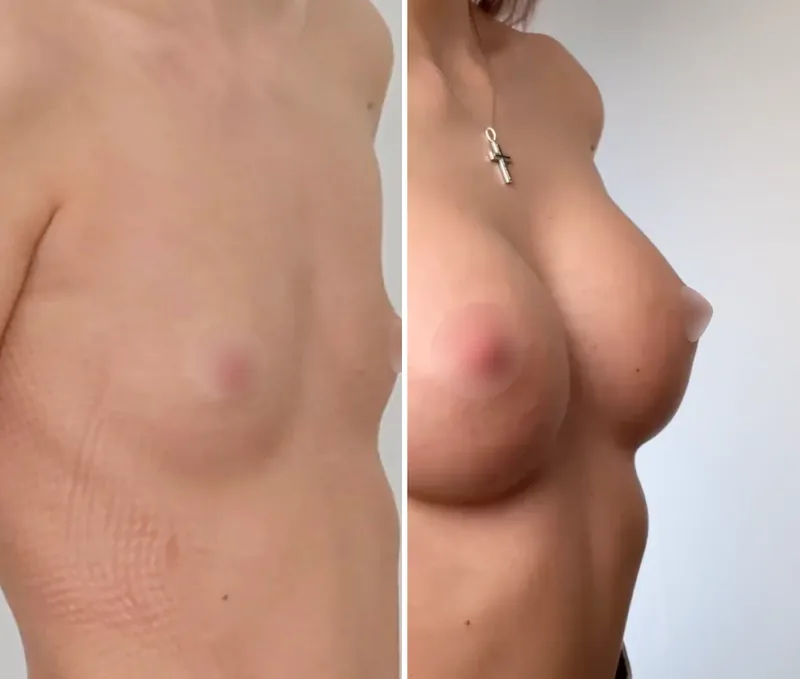 beforeafter
Method: implants
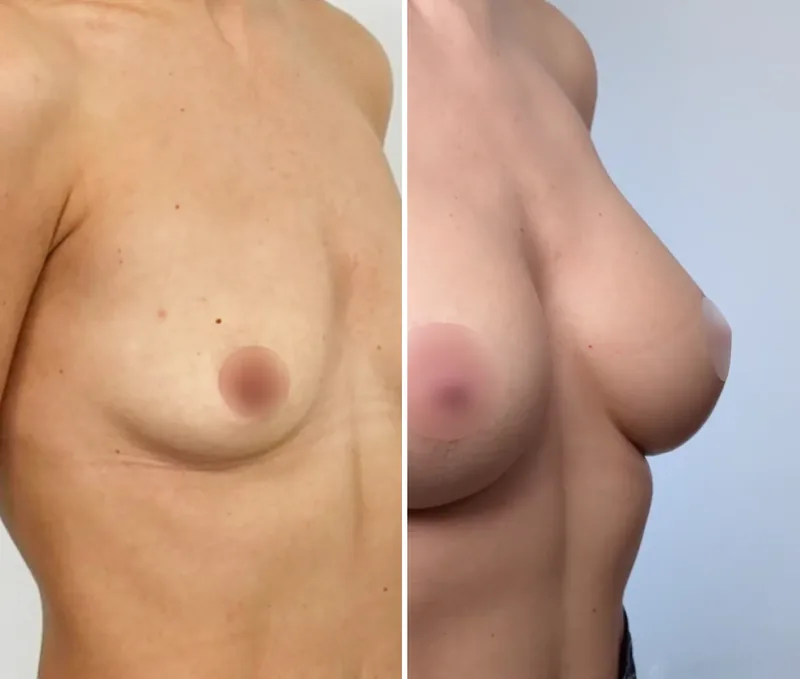 beforeafter
Method: implants
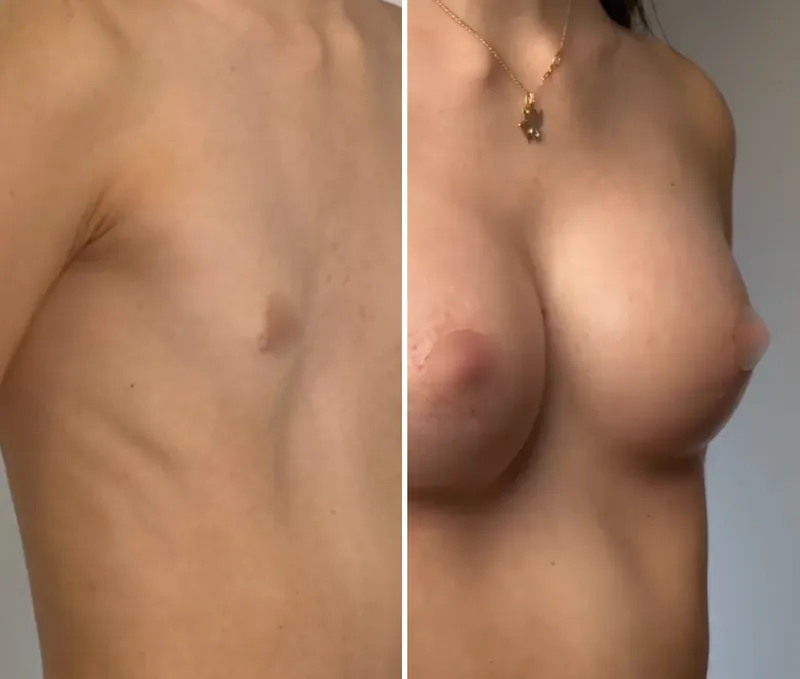 beforeafter
Method: implants
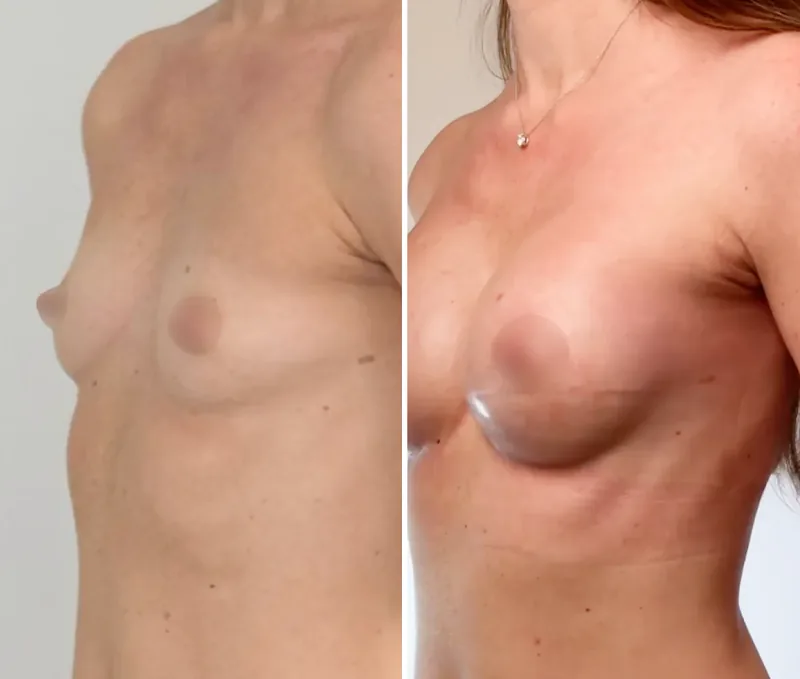 beforeafter
Method: implants
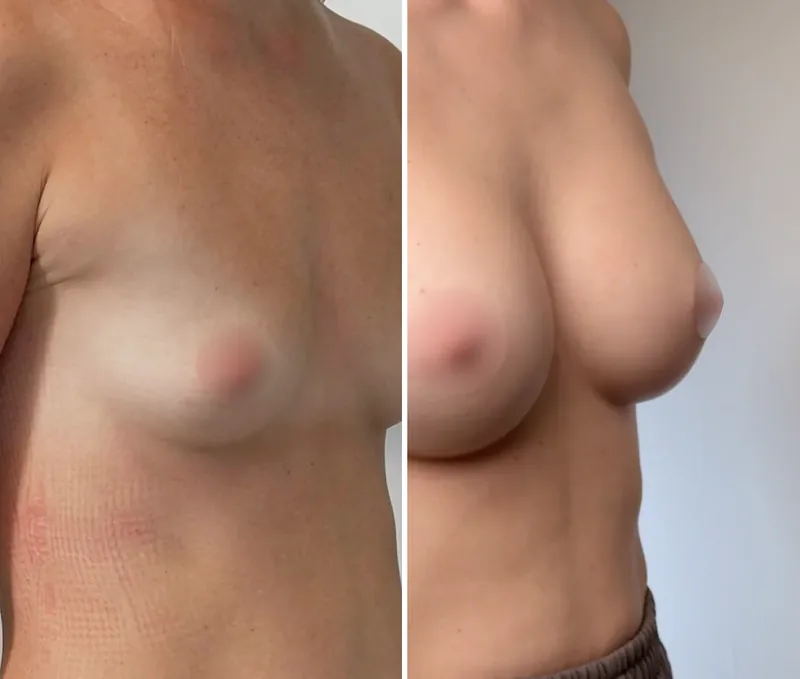 beforeafter
Method: implants
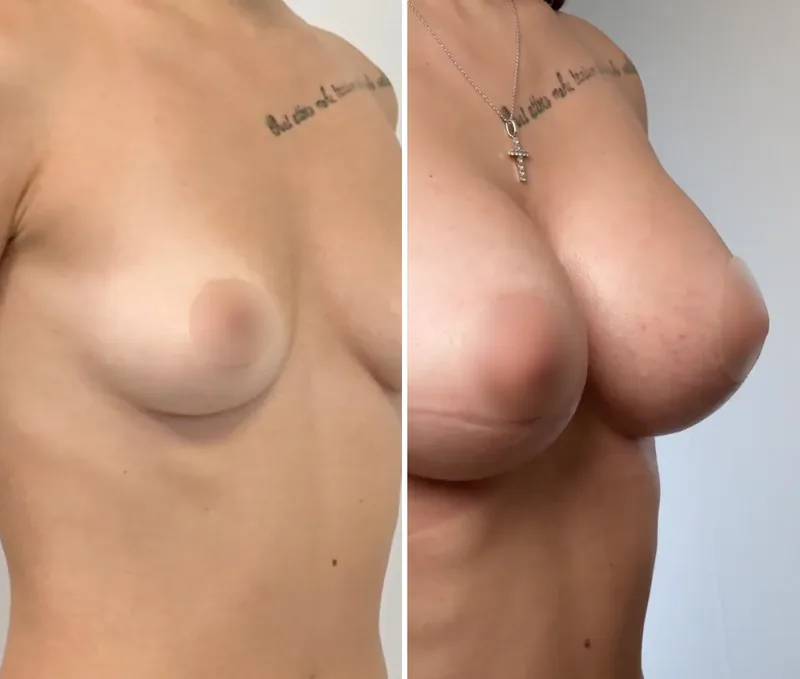 beforeafter
Method: implants
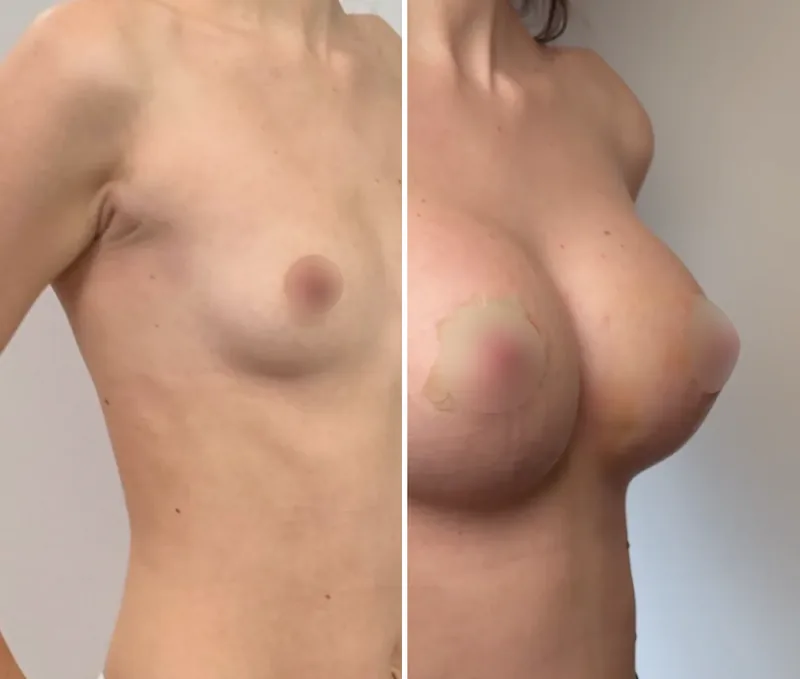 beforeafter
Method: implants
Comparison
Augmentation and reduction are the two main breast correction methods we perform. Compare what each one achieves, how precise it is and when it is indicated.
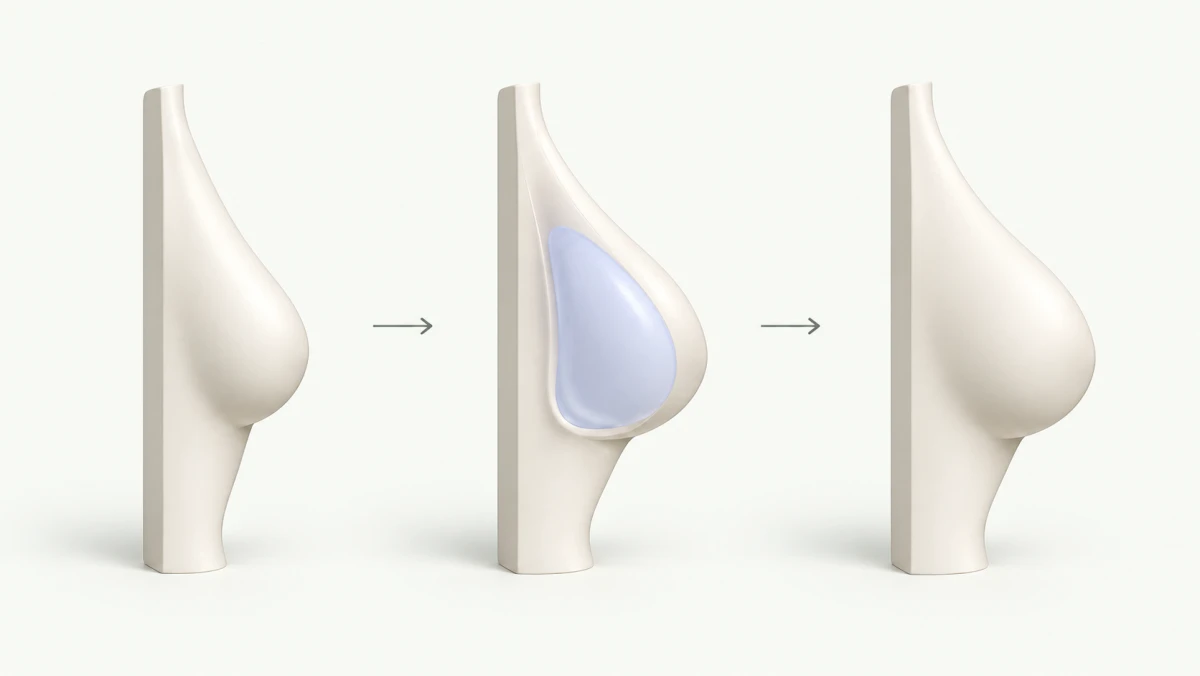
Size and shape correction with implants
Discounted price
$4,700 $5,900
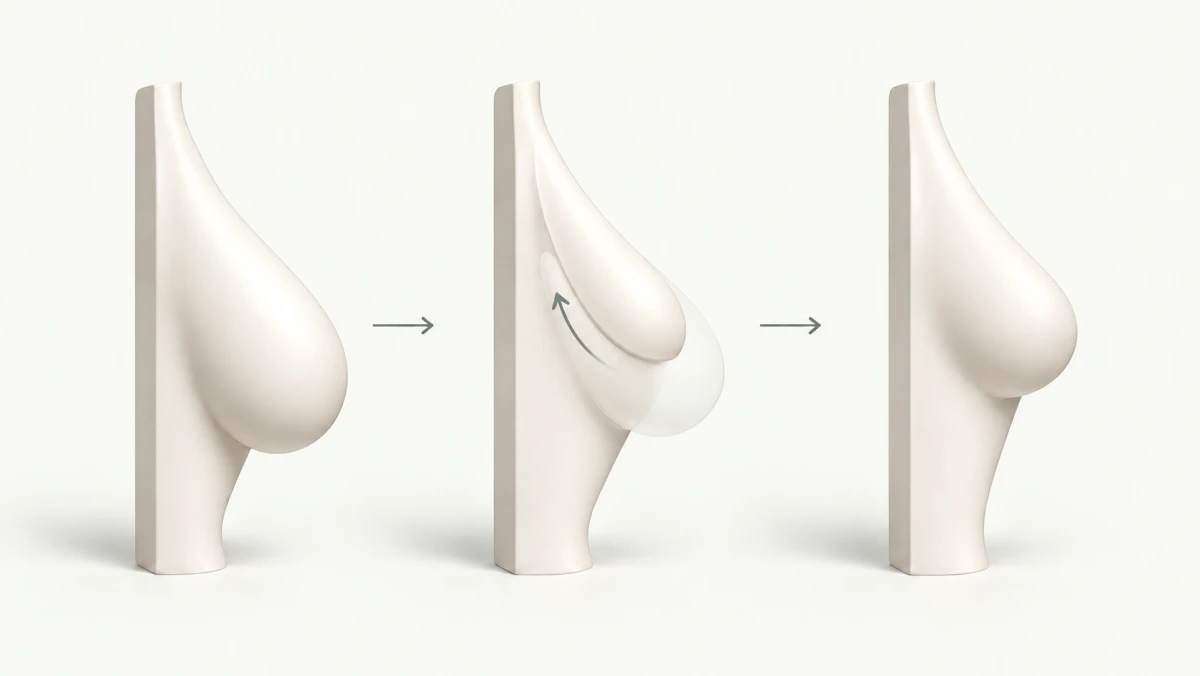
Correcting breast size by reducing volume and weight
Discounted price
$4,700 $5,900
During the consultation the surgeon evaluates the shape and proportions of your breasts, listens to your wishes and selects the most suitable type of mammoplasty.
The consultation is free, before surgery and with no commitment.
Comparison
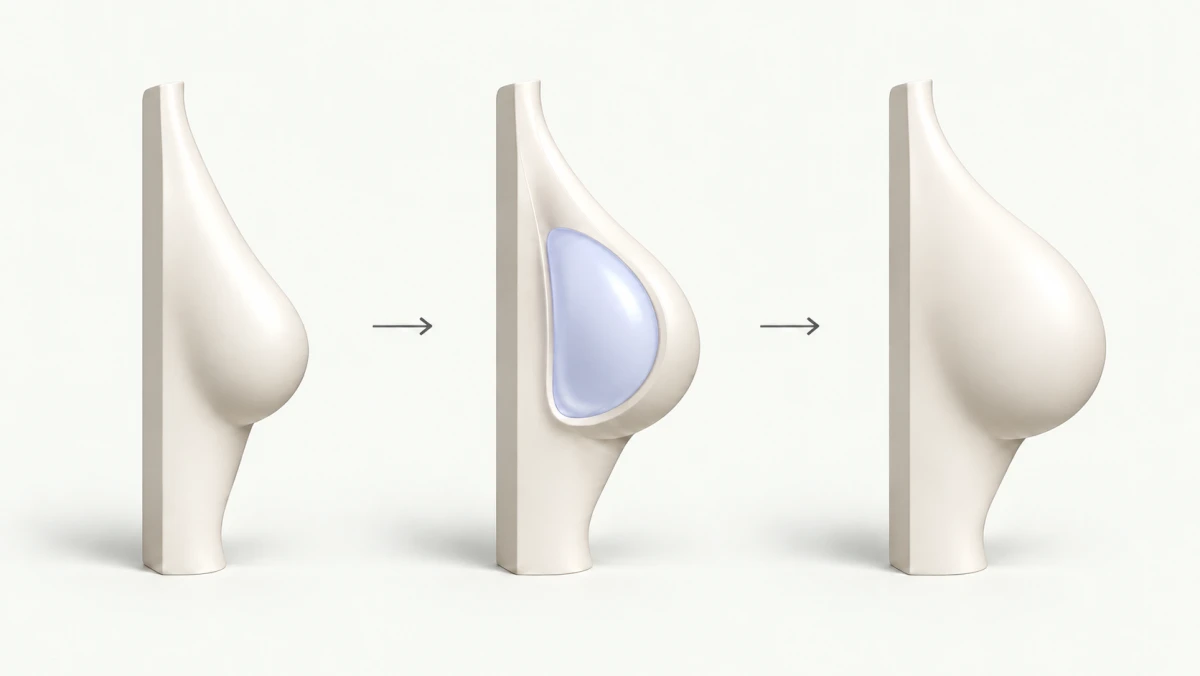
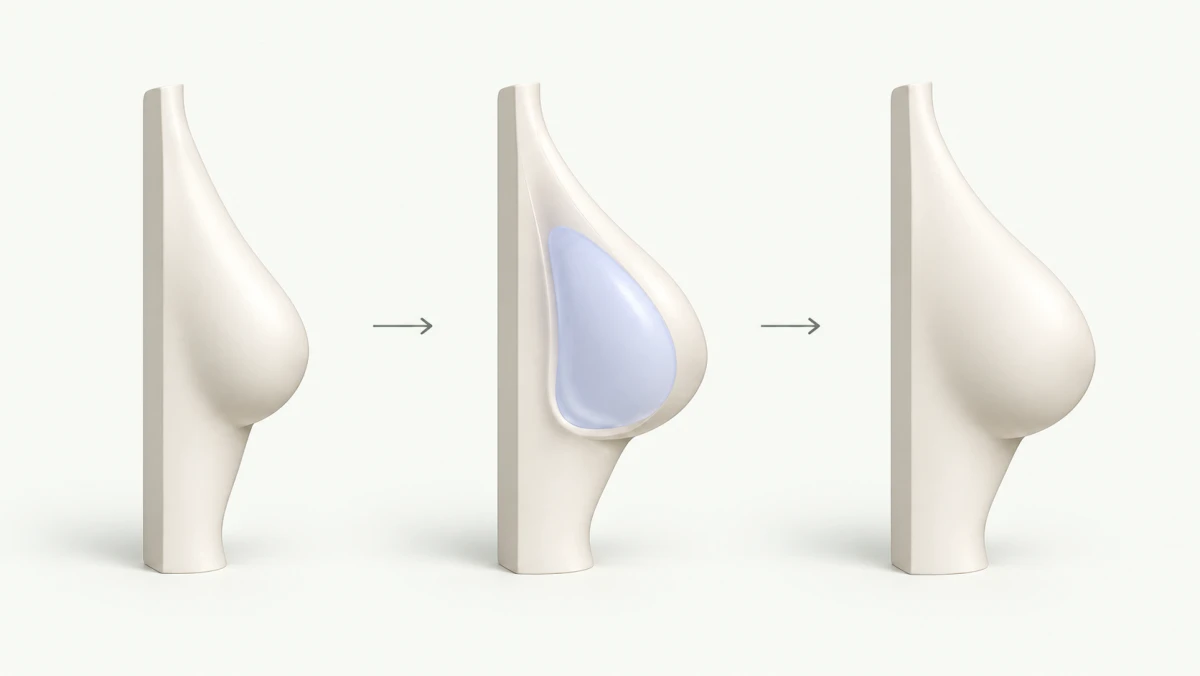
We use two main implant types — round and anatomical. Both increase volume and improve breast shape, yet each gives a different contour and result.
Balanced volume and a fuller upper pole
A soft teardrop shape with a natural slope
The surgeon will help you choose the implant shape and volume.
Our clinic
Each patient gets care, comfortable rooms and modern equipment
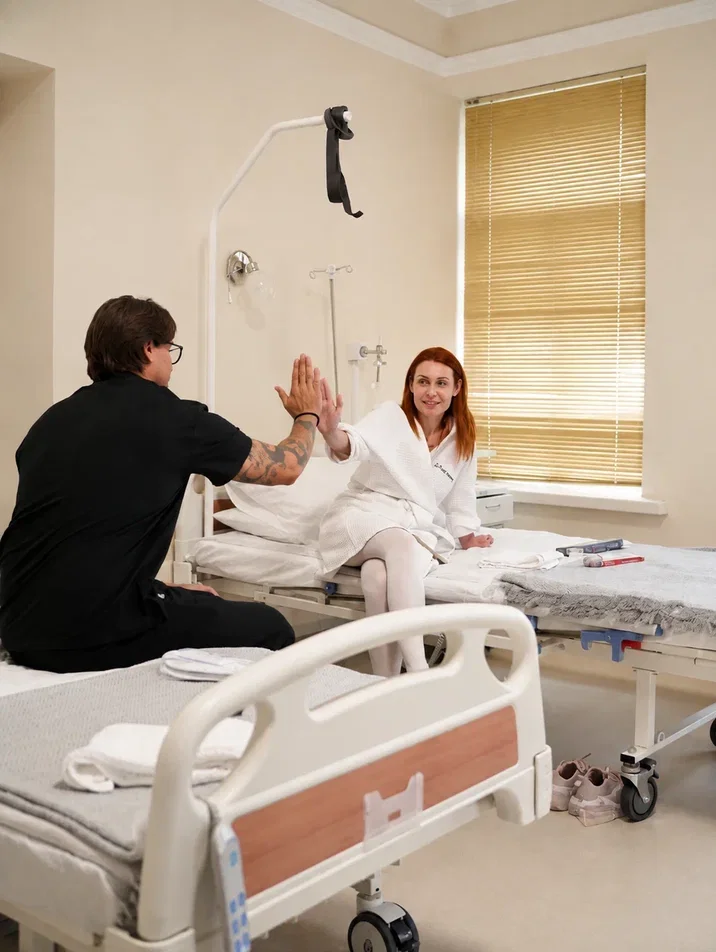
You get answers to your questions and a consultation slot that fits your schedule
When surgery is not needed, the doctor tells you honestly at the consultation — and you avoid spending money on an unnecessary operation.

Not sure if surgery is right for you?
Send us a message — the coordinator will ask for a few photos in a messenger, and after reviewing them the surgeon will tell you if mammoplasty is right for you.
Find out if it suits me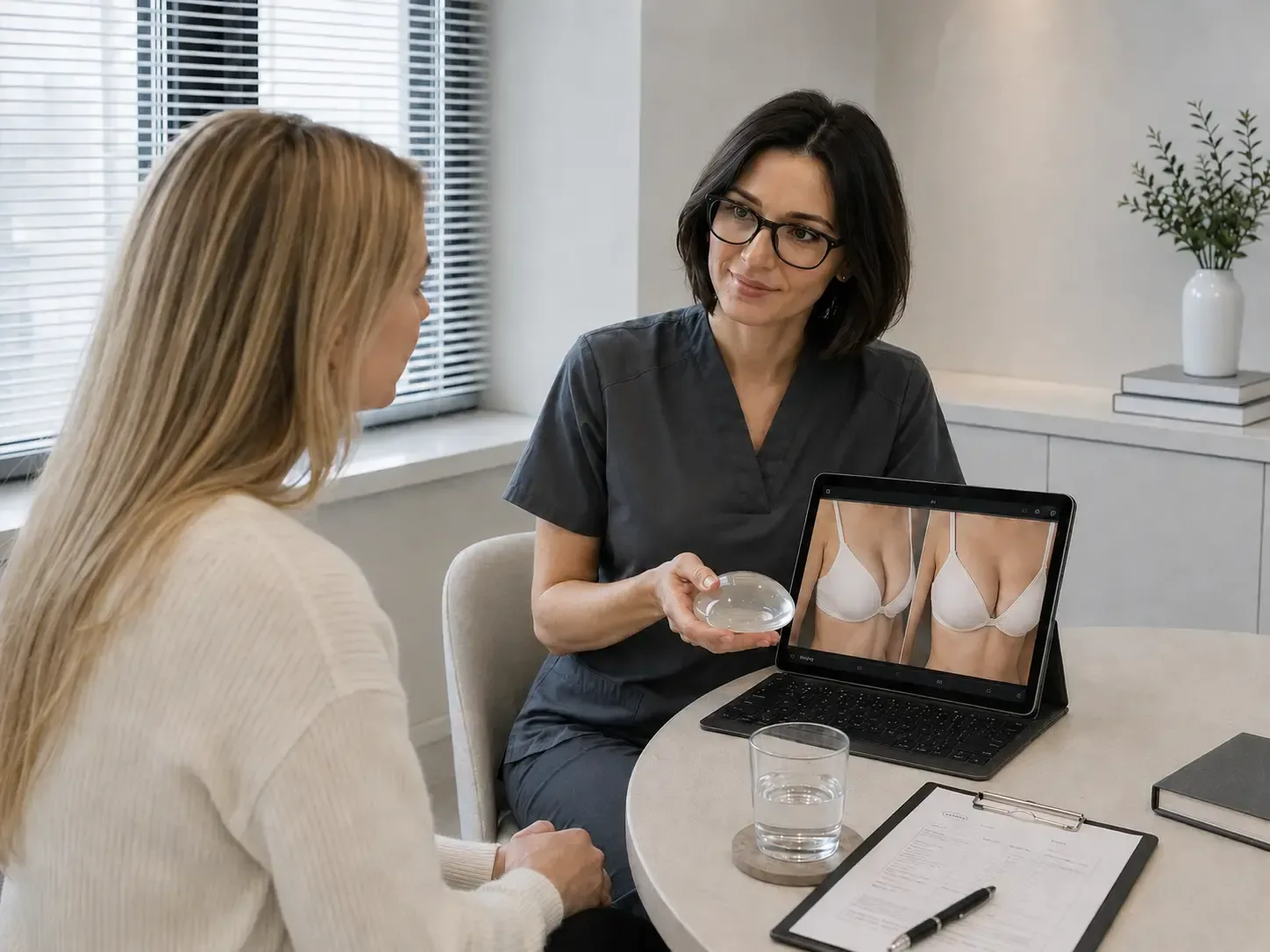
Prices
The price is set at the consultation and fixed in the contract.
Discounted price
Size and shape correction with implants
$4,700$5,900
Discounted price
Reducing the volume and weight of the breasts
$4,700$5,900
Breast restoration after mastectomy
The price is set at the consultation and fixed in the contract.
Get a consultationAfter assessing your breast anatomy and proportions and listening to your wishes, the surgeon chooses the appropriate correction method.
The price is set at the consultation and fixed in the contract.
Message our coordinator
Free online consultation · Reply within 15 minutes
Message us on TelegramMessage us on WhatsAppBy messaging us, you agree to our Privacy Policy
all inclusive
From preparation for surgery
to support for 12 months.
Discounted price
$4,700$5,900
The process
An agreed correction plan, inpatient observation and recovery monitoring for a year.
 1
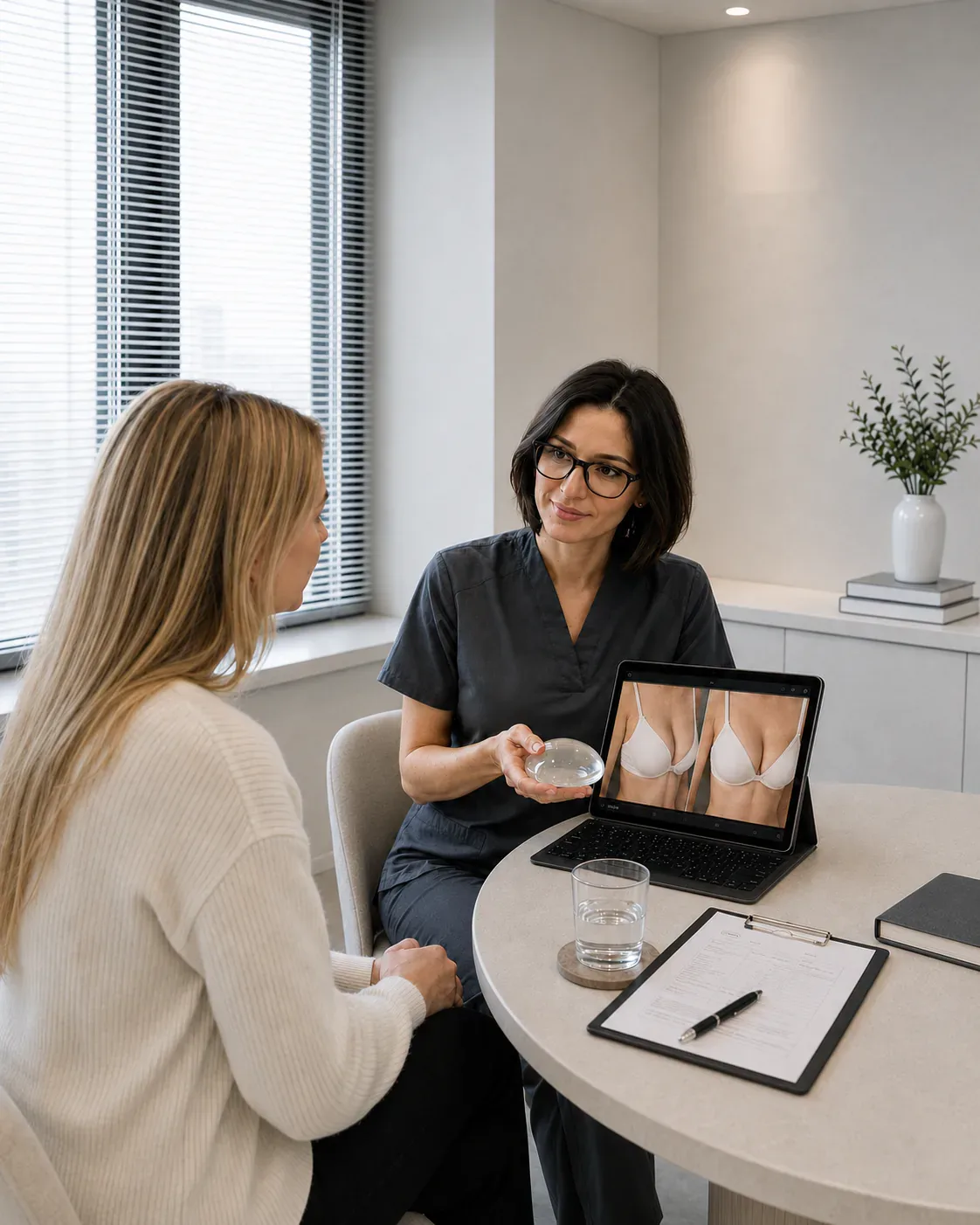
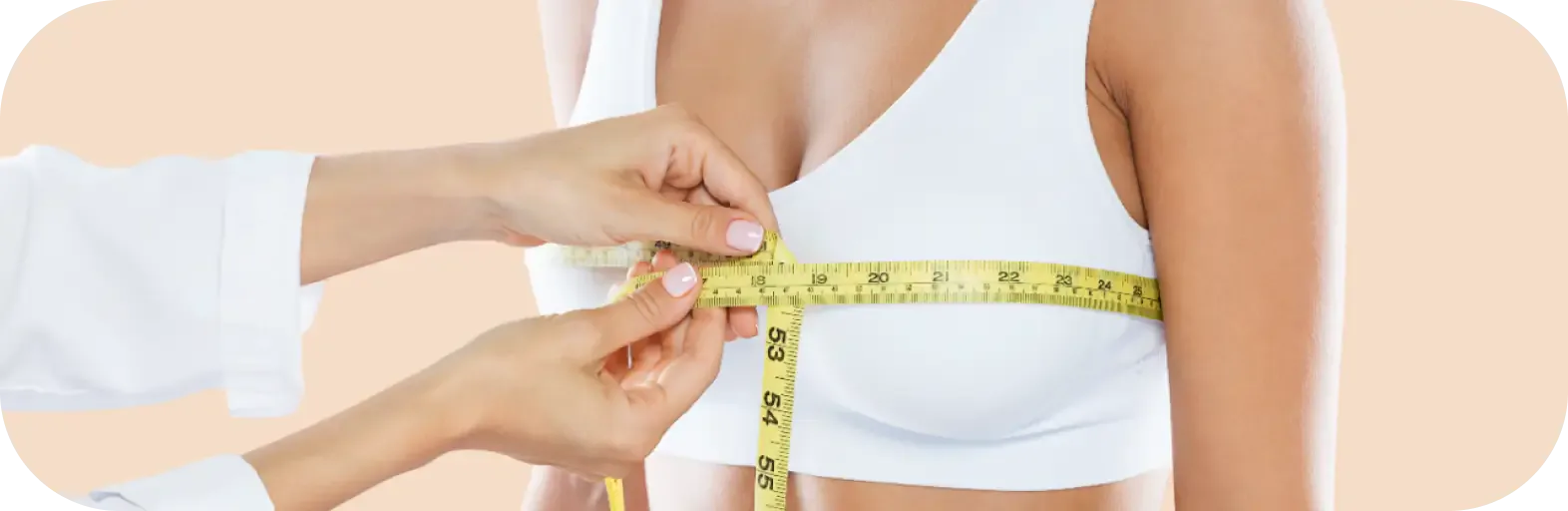
The surgeon looks at your figure, talks through your wishes and picks the best volume, shape and correction method.
 2
Your surgery date is reserved for you: the deposit can be paid by card at the clinic or online by bank transfer, and the terms are fixed in the medical services contract
 3
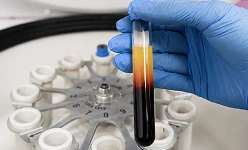
A complete pre-operative check-up comes first: blood tests, an ECG and the other examinations prescribed by your doctor.
 4
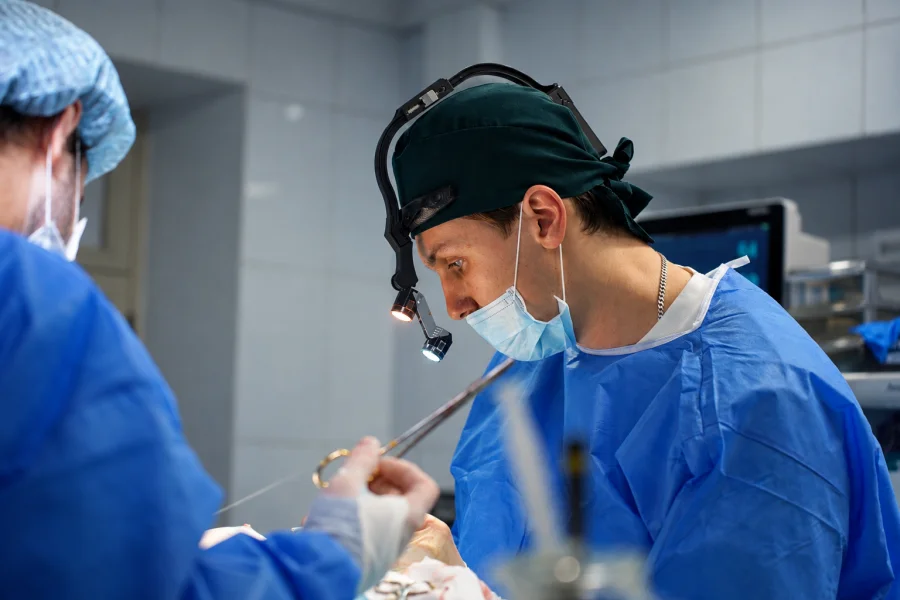
Your surgeon carries out the mammoplasty following your personal plan, under general anesthesia and with constant monitoring of your condition.
 5
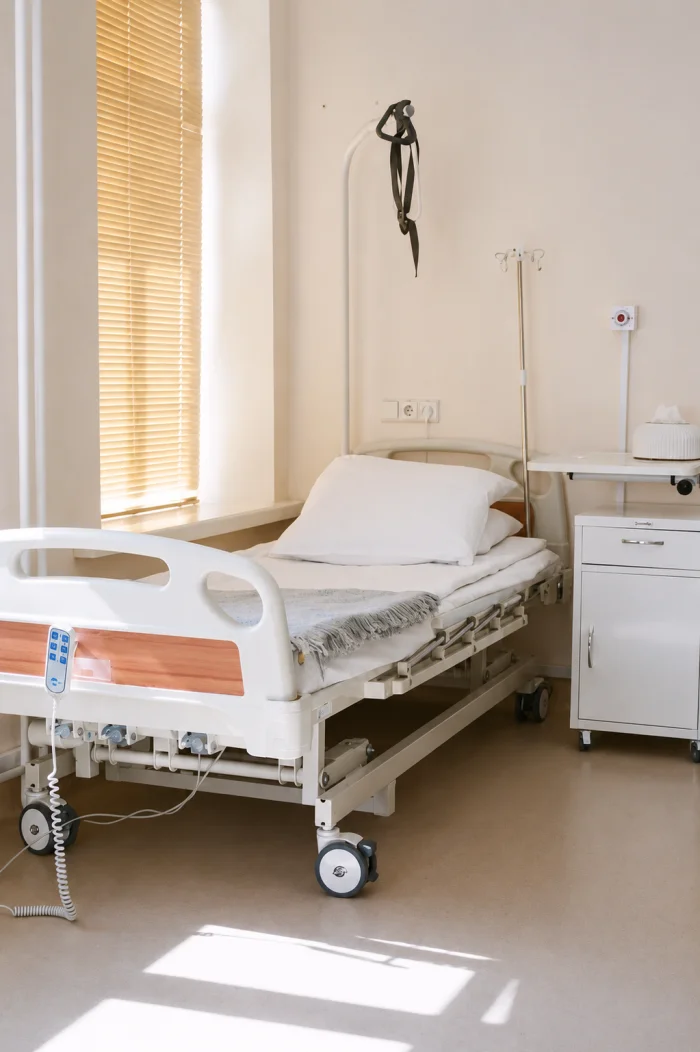
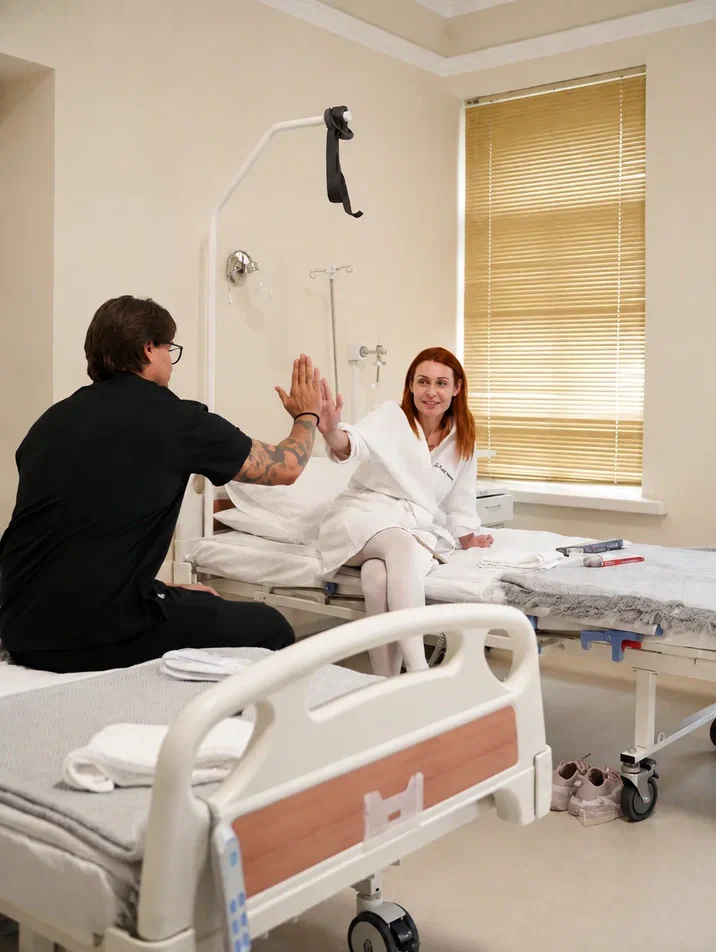
Once the operation is over, you stay in the clinic's comfortable ward under the medical team's supervision until discharge.
 6
After surgery you receive a recovery programme. Check-ups at 7 days, 3 and 6 months track your progress, and consultations with your surgeon are free for a year.
Prior to surgery, cease taking aspirin-containing medicines, steroids and hormonal drugs for chronic illness
At least one month before the procedure, oral hormonal contraceptives should be stopped
Get your tests a week ahead of surgery
Ahead of surgery, take a few simple steps: balance work and rest, get more sleep, steer clear of stress, anxiety and strong emotions, and cut back on physical activity.
Intense gym workouts should be avoided for up to 40 days, along with overly active aerobics; after a month light cardio may be possible. Watch your diet.
After 3 weeks, post-op swelling disappears
Discomfort disappears after 3 months
Scars form within 3 weeks
No physical exertion (lifting over 3 kg)
In 3 months any inflammatory changes in the tissue disappear, and a “pocket” forms around the implant
After correction, recovery includes 1–1.5 months in compression garments
Keep arms below shoulder level — 3 weeks
Baths and saunas are off-limits up to three months, as is physiotherapy
Doctors
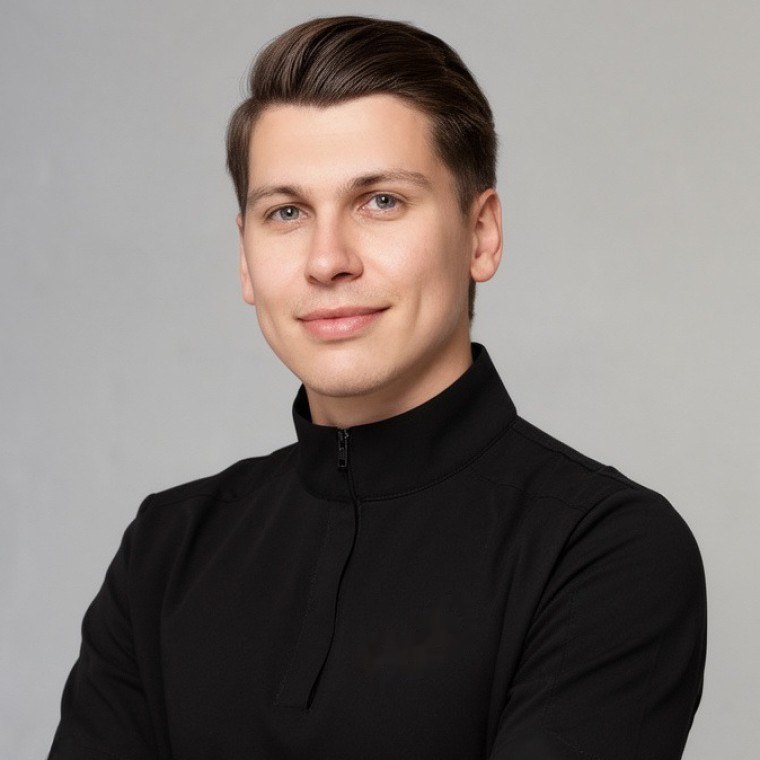
7 years of experience
Plastic surgeon
Underwent residency in plastic surgery at the Petrovsky National Research Centre of Surgery. Specializes in breast and body surgery, aesthetic and reconstructive.
You speak with the operating surgeon at the consultation
An experienced plastic surgeon attentive to the beauty and health of patients
Book a consultationAdvantages
During the consultation we discuss your wishes and model the planned changes. The surgeon explains what surgery can achieve, so you know exactly what result to expect.
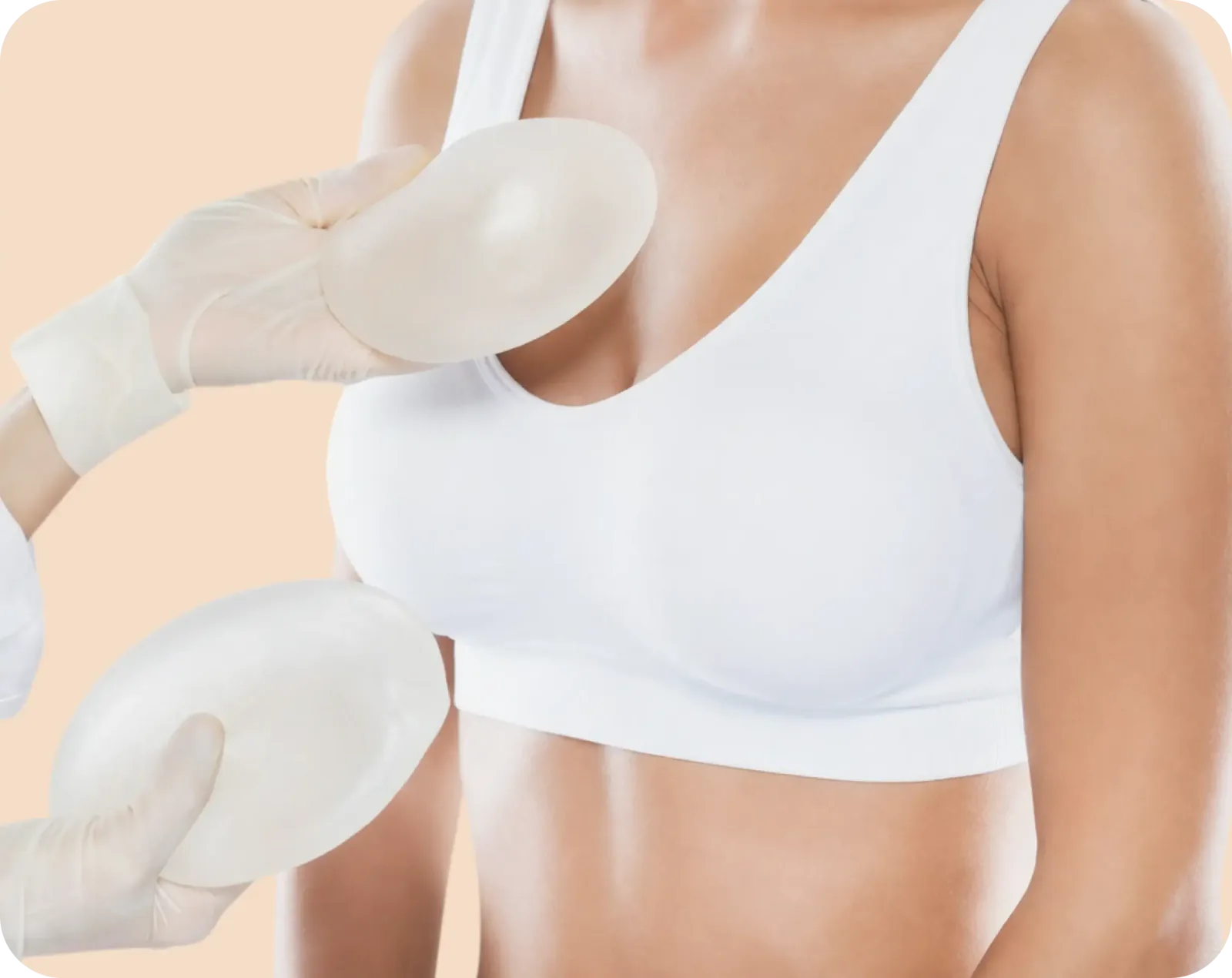
Your surgeon follows your recovery and the changes in your breast shape for a full year; check-ups and dressings are included in the price.
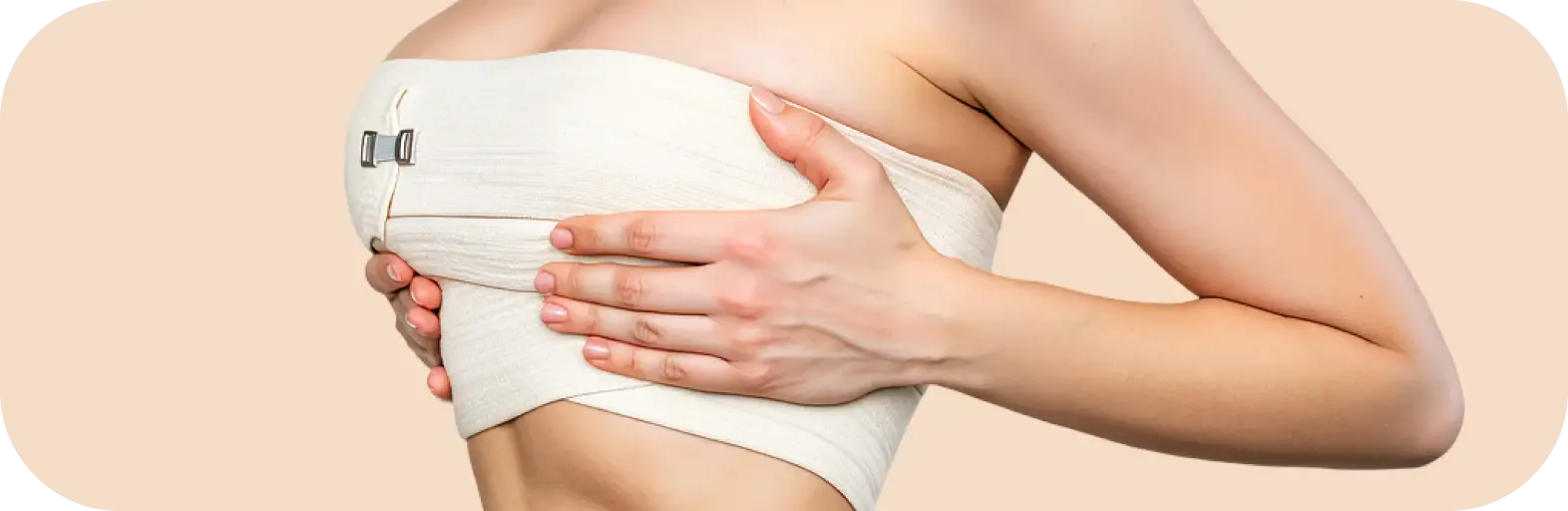
We select the shape, volume and correction method according to your anatomy and goals; for augmentation, implant size and profile are chosen just for you.
We respect your time: we work 24/7, with easy booking and a personal approach — we adapt to your pace.
The surgeon sets the extent of correction after the consultation, and you get a transparent price for the operation, without unexpected costs.

Your recovery begins in a comfortable inpatient ward, with nurses on hand day and night. The price already covers your stay and meals.
FAQ
The term mammoplasty covers several operations: augmentation (implants to increase volume), reduction (excess tissue and skin removed), mastopexy (a lift for sagging), reconstruction (after mastectomy) and correction of asymmetry. Which method is best is decided individually, from your wishes and the surgeon's advice.
Message us — our coordinator will get back to you shortly and book your consultation. The plastic surgeon consultation is free.
Complications rarely happen when all recommendations are respected. Possible ones are hematoma or seroma, wound infection, reduced or increased sensitivity of the nipple, capsular contracture, aesthetic asymmetry, wound separation and tissue necrosis.
The effect of mammoplasty lasts for years: about 10–15 years after augmentation (until the implants are replaced) and 5–10 years after a lift or reduction. Duration depends on weight, pregnancy, skin aging and gravity. Supportive underwear and a stable weight help the result last.
Breastfeeding after mammoplasty varies with the type of surgery. Lactation is usually preserved after augmentation through an under-breast or armpit incision with the implant under the muscle, because glandular tissue is not injured. After a lift or reduction there is more risk, since ducts may be cut. Discuss this in advance with your surgeon.
Several things guide implant choice: material (silicone looks most natural, saline is used less often), shape (round or anatomical teardrop), surface (smooth or textured), size and profile. The surgeon selects the best match for your anatomy and wishes.
The operation itself happens under general anesthesia, so nothing is felt. Moderate discomfort can occur in the first 1–3 days and responds to painkillers. By day 5–7 pain decreases a lot, and by weeks 2–3 discomfort is gone. In case of severe pain, tell your doctor right away.
Work is possible after 7–14 days, as long as it involves no physical exertion. Take light walks after 1–2 weeks. Fitness and swimming after 4–6 weeks; strength training after 3 months. Pool and sea after 4–6 weeks. Compression garments are worn for 4–6 weeks. Timing depends on your recovery.
Mammoplasty has not been scientifically shown to increase the risk of breast cancer, and implants do not cause it. Keep up regular screening after surgery (self-exams, mammography and ultrasound) and always mention your implants to the doctor examining you.
Mammoplasty after a C-section is possible, but your body must fully recover first. Wait at least 6–12 months after giving birth and after breastfeeding ends. A surgeon's consultation and check-up are required before surgery.
There are scars after mammoplasty, though a skilled surgeon keeps them minimal. The incisions go in discreet areas, such as under the breast, around the areola or in the armpit. Early on the scars are reddish, but over 6–12 months they fade and are almost unnoticeable.
Slight asymmetry in the first weeks after surgery is normal: it is caused by swelling and uneven healing. If a difference in shape or size persists after 3–6 months, see your surgeon for an examination to find the cause.
After mammoplasty, sensitivity of the nipples and breasts may change for a while, becoming lower or higher. This is due to irritation of the nerve endings. In most cases sensitivity comes back within 3–12 months. If nothing improves after a year, see your surgeon.
Hormonal drugs (contraceptives, hormone replacement therapy) have no direct effect on implants, but they can cause swelling or changes in breast tissue volume that temporarily alter appearance. Always tell your surgeon about such medications before surgery.
Prices are in US dollars; the amount in brackets is an approximate conversion to NGN at the rate of 02.10.2026. The final price is fixed in your contract.
Prices start from $4,700 (≈ ₦6,300,000). The surgeon sets the final price at the free consultation, and it is fixed in the contract, with no hidden extras.
The surgical team's work, anaesthesia, the inpatient stay with meals, dressings and follow-up visits for twelve months.
Message us on WhatsApp or Telegram using the buttons below. A coordinator will answer your questions and book a free consultation where the doctor names the exact price.
By messaging us, you agree to our Privacy Policy
Breast augmentation is a mammoplasty in which implants add volume and correct the shape of the breasts. For patients from Ado-Ekiti, the surgeon helps choose the implant material, shape, surface, size and profile to match individual anatomy. Silicone implants give the most natural look, and both round and anatomical teardrop shapes are available. The procedure suits women who want fuller breasts or a better contour.
After the operation, check-ups are scheduled at 7 days, 3 months and 6 months. At each one the surgeon evaluates the result, monitors healing and answers questions. You can usually return to office work in 7–14 days, walk after 1–2 weeks and resume fitness in 4–6 weeks, with strength training after three months. The same schedule applies to Ado-Ekiti patients.
The fixed price starts at $4,700 (≈ ₦6,300,000), and everything essential is already in it: anesthesia, the hospital stay and a year of follow-up by your plastic surgeon. A breast lift with implants is $5,400 (≈ ₦7,200,000), implant removal $3,300 (≈ ₦4,400,000). Ado-Ekiti residents can book the first consultation free of charge and ask about in-house instalments.
What patients write after this operation. Reviews are translated from the original language.
Anna Smirnova
I went to Dmitry Sergeyevich for breast augmentation with implants. At the consultation everything was explained in detail, and together we chose the best size. The operation under combined anaesthesia took 2 hours, and I was discharged home the next day. The swelling went down in about a month, and my breasts look very natural. The year of follow-up care is a real lifesaver: you can always ask a question and get an answer. Thank you to the clinic!
Breast augmentation
Doctor: Dmitry S. Kuznetsov
Ekaterina Morozova
After two births I decided on a breast lift without implants. I chose Dmitry Sergeyevich and have no regrets. The result exceeded all my expectations: my breasts are lifted and the shape is youthful and firm. The incisions are minimal and almost invisible. I spent one day in the hospital, and the room was very comfortable. I recommend him!
Breast lift
Doctor: Dmitry S. Kuznetsov
Olga Kuznetsova
I had a combined operation, a breast lift with augmentation, with Dmitry Sergeyevich. At the consultation it was immediately clear that I was in the right place. Everything is included in the price, with no hidden charges. After a month my breasts already feel soft and natural. Personal follow-up after the operation is very valuable.
Breast lift with implants
Doctor: Dmitry S. Kuznetsov
Maria Lebedeva
Breast augmentation from a size 3 to a size 4 with Dmitry Sergeyevich. He chose perfect anatomical implants. The operation took 2 hours, and I woke up with almost no pain. In the ward I was fed and monitored around the clock. Four months have passed and the result looks like a magazine cover.
Breast augmentation
Doctor: Dmitry S. Kuznetsov
Natalia Vorobyova
I went to Dmitry Sergeyevich to correct breast asymmetry with a small lift. A true professional: at the consultation he immediately showed before-and-after photos of similar cases. Recovery was easy and the swelling went down quickly. I had my check-up after just 7 days. An excellent clinic!
Breast reconstruction
Doctor: Dmitry S. Kuznetsov
Yulia Romanova
I had a lift with implants after losing a lot of weight. I chose Dmitry Sergeyevich. At the consultation everything was explained in simple words, and my fears were gone. One day in the hospital, then care at home. Now my breasts look natural and keep their shape. I am very happy!
Breast lift with implants
Doctor: Dmitry S. Kuznetsov
Ado-Ekiti is the capital city of Ekiti State in south-western Nigeria and the headquarters of the Ekiti central senatorial district. The population in 2006 was 308,621, and most residents belong to the Ekiti sub-ethnic group of the Yoruba. It is a city where many people know one another through family, church, school and work, and that shapes how a woman thinks about a private decision such as breast augmentation: who she tells, when she takes time off, and who helps at home afterwards.
Most women who start this conversation from Ado-Ekiti are not looking for a dramatic change. They want breasts that are in proportion to their body, they want to feel at ease in fitted clothes, or they want to restore volume that was lost after pregnancy and breastfeeding. A calm first step is to write down what you want, collect photographs that show the size and shape you like, and bring them to the consultation.
City Medical Centre works with patients of Ado-Ekiti through a free online consultation. Coordinators are available around the clock (24/7) on Telegram and Telegram, so you can ask your first questions in the evening after work or on a weekend without arranging a visit anywhere. A coordinator will call you back 24/7.
The rainy season in Ado-Ekiti is humid, oppressive and cloudy, while the dry season is warm, muggy and partially cloudy. The average annual temperature ranges from 17 °C to 32 °C, rarely falling below 14 °C or rising over 35 °C. For a woman recovering from breast surgery, the constant warmth and humidity matter more than any single hot day, because a compression garment worn close to the skin can feel heavy and sticky.
Practical habits help. Choose soft, breathable cotton layers to wear under and over the garment, keep a spare garment so one can be washed and dried while you wear the other if your surgeon agrees, and keep the skin clean and dry as instructed. Loose tops that open at the front are easier to put on without raising your arms, and the surgeon's advice on lifting the arms should always come first.
Sun exposure needs care in the first months. Early scars are reddish, and over 6–12 months they fade and become almost unnoticeable. Covering the chest from strong sun and asking your surgeon how to protect healing skin is sensible general advice in a city with a long warm season.
From January through April Ado-Ekiti has its hot season, with March the hottest month. The cool season runs from June through October, and August has the lowest average temperatures. Neither period is wrong for surgery, but they feel different during recovery. In the hottest months compression garments are harder to tolerate, while in the rainy months humidity and cloud can make it harder to keep clothes dry.
If you prefer milder days for the weeks in the garment, the cooler months may feel easier. The garments stay on for 4–6 weeks, and after the correction recovery involves 1–1.5 months of compression garments, so think about the whole period rather than the day of surgery. The same logic applies to pool and sea: both are allowed after 4–6 weeks, and the warm stretch from early November to late February is when many people in the region plan hot-weather activities.
Your own calendar often matters more than the weather: exams, the farming and trading seasons if your family works in them, family events, and the days when someone can help you at home. Timing depends on your recovery, so leave some flexibility rather than fixing every date in advance.
Ado-Ekiti is home to Ekiti State University, Afe Babalola University, the Federal Polytechnic, Crown Polytechnic and other institutions in and around the city, so many patients are students, lecturers or university staff. Others work in trade, since the city is a trade centre for farm produce where yams, cassava, grain and tobacco are grown, and cotton is grown for weaving. Local media, from television to radio stations, also employ many people in office and studio roles.
For desk, lecture and studio work you may go back to work, with no physical exertion, after 7–14 days. Jobs involving carrying produce, loading goods or long hours on your feet need a more careful conversation with the surgeon, because there should be no heavy exertion (lifting more than 3 kg) and no lifting arms above shoulder height for 3 weeks.
Students can plan the operation around a break between terms and ask the coordinator how to arrange rest days. Tell your employer or department only what you wish to share; a simple request for medical leave is enough. Light walks are possible after 1–2 weeks, which helps you get back to a normal rhythm without strain.
General anaesthesia is used for the surgery itself, so there is no sensation during the operation. The hospital stay is described as General anaesthesia, 1 day in some programmes and 1–2 days in others, and your coordinator will confirm which applies to your plan. During this time there is 24/7 monitoring by medical staff.
In the first 1–3 days you may feel moderate discomfort, which painkillers relieve. Pain subsides significantly by day 5–7 and discomfort is gone by weeks 2–3. If pain becomes severe, inform your doctor right away. Do not wait to see whether it passes, and do not treat it with unfamiliar remedies from a local pharmacy without telling the surgeon.
Plan the first days at home before the operation. Prepare simple food, water, loose clothing and a place to rest with the upper body slightly raised if your surgeon recommends it, and ask a relative or friend to stay with you. Swelling after surgery goes away after 3 weeks, and discomfort fades after 3 months.
Food is a central part of life in Ado-Ekiti, and family gatherings, celebrations and church events often involve long hours of cooking, serving and standing. During the first weeks, avoid the tasks that involve lifting heavy pots or trays, and let others do the carrying. Heavy exertion means lifting more than 3 kg, and a full pot of stew or a bag of yams clearly exceeds that.
Monitor your diet and meals. Steady weight helps keep the result, because weight changes, pregnancy, skin aging and gravity affect how long it lasts. Balanced meals, enough water and moderate portions support healing and make the garment more comfortable. The WHO fact sheet on obesity and overweight is a useful general reference on healthy weight.
For sport, stay away from intense gym workouts and overly active aerobics for as long as 40 days; light cardio is possible after a month. Fitness and swimming are allowed after 4–6 weeks, and strength training after 3 months. If you attend a gym or play sport at the university, tell your trainer about the timeline so that you do not return too early.
A good candidate is an adult woman in stable general health who wants a change in size or shape and understands what the operation can and cannot do. Conditions that need a careful review before surgery include chronic illness, bleeding problems, active infection, pregnancy or breastfeeding, and unrealistic expectations. The surgeon makes the decision after a consultation and check-up.
If you have had a child by C-section, mammoplasty is possible, but only once your body has fully recovered. Allow at least 6–12 months after giving birth and after breastfeeding stops. A consultation and check-up with a surgeon are required before surgery.
Questions worth asking: where will the incisions be placed, and will they be under the breast, around the areola or in the armpit? How will the implant size suit my frame? How long will the garment be worn? What follow-up is included? After surgery you get a recovery programme, with check-ups at 7 days, 3 and 6 months, and consultations with your surgeon are free for a year. Support continues for 12 months.
Ado-Ekiti is an ancient city. It was founded by Ewi Awamaro, son of Biritikolu, whose name means “the restless one”. The story of the city begins with a long migration from Ile-Ife, with stops in Benin forests, Utamodi (Oke Papa), Udoani (Ido Ani) and Agbado, before Awamaro settled at Ulesun, the place we now call Ado-Ekiti. When he moved on from Agbado, some elders stayed behind to rest and named the settlement Agba Ado, the Elders' Camp. Today it is known as Agbado-Ekiti.
A city built on stories of patience and settling down has a strong sense of rootedness. Many families in Ado-Ekiti have lived in the same compounds for generations, and an older relative may have strong opinions about a younger woman's body and choices. Decide in advance who in your family you will tell, and what you will say. A calm sentence such as “I have chosen a planned operation and my doctors are guiding me” is enough, and you do not owe anyone a longer explanation.
The Ewi is the traditional ruler of Ado-Ekiti. The current Ewi, Rufus Aladesanmi III, succeeded Samuel Adeyemi George-Adelabu I in 1990. Respect for the palace and for elders runs through city life, and so do public ceremonies. If a traditional or family ceremony falls in your plan, remember that for the first weeks you should not lift anything over 3 kg or raise your arms above shoulder height for 3 weeks, so choose a date for surgery that leaves enough quiet time before you appear at a long public event.
Ado-Ekiti has a notable concentration of higher education. The city has Ekiti State University, formerly the University of Ado Ekiti, the privately owned Afe Babalola University, the Federal Polytechnic and the privately owned Crown Polytechnic in Odo. Nearby are Federal University Oye in Oye-Ekiti, the Ekiti State Polytechnic in Isan Ekiti, the Bamidele Olumilua University of Education in Ikere Ekiti and Venite University in Iloro Ekiti. This means that a large share of young adult women in the area are students or work on campus.
For a student, the practical plan is to choose a gap between terms, practicals and examinations. Lectures, library reading and written work are manageable after 7–14 days, with no physical exertion. Carrying a heavy bag of books is not, because the limit is 3 kg. A rucksack worn on both shoulders can still pull on the chest, so ask a roommate or a friend to carry your books for the first weeks, or keep only the essentials with you.
Hostel life needs thought. Shared rooms, limited space and busy corridors make rest harder, and top bunks require raising the arms. If you live on campus, consider recovering at home with family for the first weeks. Afe Babalola University also runs its own radio station, Abuad Radio, and students who work in campus media or presentation should ask their surgeon when it is comfortable to sit for long recording sessions.
Ado-Ekiti is a trade centre for farm produce. Yams, cassava, grain and tobacco are grown in the surrounding land, and cotton is grown for weaving. Many women in the city and its surroundings work as traders, processors or buyers, and the working day often involves lifting baskets, bags, basins and sacks, bargaining at a stall and standing for hours in the heat.
That kind of work is the main practical question for a trader. A basin of cassava or a bag of grain is far beyond the limit of 3 kg, and reaching for goods on a high shelf means lifting your arms above shoulder height, which is not allowed for 3 weeks. Plan to hire help or ask a relative to run the stall for the first weeks, and speak to the surgeon about when light duties such as counting money, keeping records or talking to customers can start. Going back to work with no physical exertion is possible after 7–14 days.
For women who weave or work with cotton, repeated arm movement at a loom or frame is also a form of exertion. Ask the surgeon how long you should rest before you return to it. The advice is individual, and timing depends on your recovery. A coordinator can pass these questions on before the operation, so you arrive at the consultation with your real working day described clearly.
The farm produce of Ado-Ekiti shapes the table. Yam and cassava are staples of local cooking, and meals are often built around a starch with a soup or stew. These foods are filling and give energy, but as a general rule portion size and balance matter while you heal, because you should monitor your diet and meals and keep a steady weight to help preserve the result.
Cooking and serving are also physical work. A large pot of soup, a pestle and mortar for pounding yam and a heavy basin of water all demand more than 3 kg of lifting or raise the arms in a way you must avoid in the early weeks. Cook in advance, ask relatives to prepare the family meals, or arrange for a trusted helper. Stand at a low counter rather than reaching up to high shelves, and keep the items you use daily at waist height.
Food at celebrations is a social pressure in its own right. Family events are often loud, long and full of offers of more food and drink. You can politely say that you are on a doctor's plan. Choose lighter dishes, drink enough water and leave early when you tire. The warm, humid weather also makes heavy meals feel more tiring while you wear a compression garment.
The wet period in Ado-Ekiti lasts about 9.2 months, from February 13 to November 18, and September receives the most rain, while December receives the least, with an average of 5 millimetres. The cloudiest period spans 9.1 months, and the brightest lasts 2.9 months. April has the most clouds, and in December half of the sky is clear, fairly clear or partly overcast.
Heavy rain has a practical meaning for someone in recovery. Wet and slippery paths, crowded transport and the need to hurry under a downpour all raise the risk of a fall or a sudden pull on the arms. Local government has worked on dredging waterways and clearing drains to avoid flooding, and the state governor, Biodun Oyebanji, has described over 14 kilometres of waterways dredged in different parts of Ado-Ekiti. Even so, in the rainy months you should plan your first outings for dry spells and have someone with you.
Because December is the driest month with clearer skies, it can be a comfortable time for the first walks. Light walks are possible after 1–2 weeks. Keep to shaded, level ground, avoid the midday sun and take a spare garment, if your surgeon agrees, in case you get damp. The compression garment stays on for 4–6 weeks, and swelling goes away after 3 weeks.
Results after mammoplasty last a long while: about 10–15 years for augmentation (until implant replacement). To maintain the result, choose supportive underwear and control your weight. In 3 months any inflammatory changes in the tissue disappear, and a pocket forms around the implant.
There are scars, though a skilled surgeon keeps them minimal. Early on they are reddish, but over 6–12 months they fade. In the first weeks slight asymmetry is normal because of swelling and uneven healing; if shape or size still differ after 3–6 months, see your surgeon. Breast and nipple sensitivity may change for a time, and in the majority of cases it is restored within 3–12 months. If nothing has improved after a year, consult your surgeon.
The consultation from Ado-Ekiti is simple. Write to a coordinator on Telegram or Telegram, send your questions and photographs, and arrange a free online conversation at a time that suits your pace. Your time matters to us: we work 24/7, booking is easy, and our personal approach adapts to your pace.
Yes. The consultation is free and online, and coordinators are available around the clock (24/7) on Telegram and Telegram. A coordinator will call you back 24/7.
Not necessarily. From January through April Ado-Ekiti is hot, with March the hottest month, and compression garments feel warmer then. The garments stay on for 4–6 weeks, so many women prefer the cooler months from June through October, but your calendar and support at home matter as well.
You may go back to work, with no physical exertion, after 7–14 days. If your job involves carrying goods, discuss it with the surgeon, because no heavy exertion (lifting more than 3 kg) is allowed.
General anaesthesia is used for the surgery itself, so there is no sensation. In the first 1–3 days you may feel moderate discomfort, which painkillers relieve. Pain subsides significantly by day 5–7 and discomfort is gone by weeks 2–3. If pain becomes severe, inform your doctor right away.
Light walks are possible after 1–2 weeks. Fitness and swimming are allowed after 4–6 weeks, pool and sea after 4–6 weeks, and strength training after 3 months. Avoid intense gym workouts and overly active aerobics for as long as 40 days; light cardio is possible after a month.
Compression garments stay on for 4–6 weeks. After the correction, recovery involves 1–1.5 months of compression garments. Timing depends on your recovery.
About 10–15 years for augmentation, until implant replacement. Weight changes, pregnancy, skin aging and gravity affect the duration, so choose supportive underwear and control your weight.
It is possible, but only once your body has fully recovered. Allow at least 6–12 months after giving birth and after breastfeeding stops. A consultation and check-up with a surgeon are required before surgery.
The incisions go in discreet areas, such as under the breast, around the areola or in the armpit. Early on the scars are reddish, but over 6–12 months they fade and are almost unnoticeable.
After surgery you get a recovery programme. Check-ups at 7 days, 3 and 6 months help track your recovery. For a year after surgery, consultations with your surgeon are free, and follow-up support lasts 12 months.
Home with family is usually easier. Shared hostel rooms, top bunks and carrying books conflict with the rules of no lifting over 3 kg and no lifting arms above shoulder height for 3 weeks. Going back to study with no physical exertion is possible after 7–14 days.
You may return to work with no physical exertion after 7–14 days. Lifting baskets, bags of grain or yams is not allowed, because the limit is 3 kg. Many traders ask a relative or helper to handle the heavy work for the first weeks and discuss their duties with the surgeon.
It can. The wet period lasts about 9.2 months and September is the rainiest month, so paths can be slippery and clothes stay damp. Plan outings for dry spells, have someone with you, keep the skin clean and dry as instructed, and ask your surgeon about a spare garment.
You decide how much to share. Many women tell only one trusted person who will help at home, and give others a short statement that a planned medical procedure is being supervised by doctors. A coordinator is available around the clock (24/7) on Telegram and Telegram to talk through the plan.
Page medically reviewed by Dmitry S. Kuznetsov, plastic surgeon. Review date: .