


























 beforeafter
Liposuction
Belly and flanks
from $1,200
The price is fixed in the contract before surgery
Message our coordinator
Free online consultation · Reply within 15 minutes
Message us on TelegramMessage us on WhatsAppBy messaging us, you agree to our Privacy Policy
Results
All cases are real patients. Faces and identifying details are hidden.
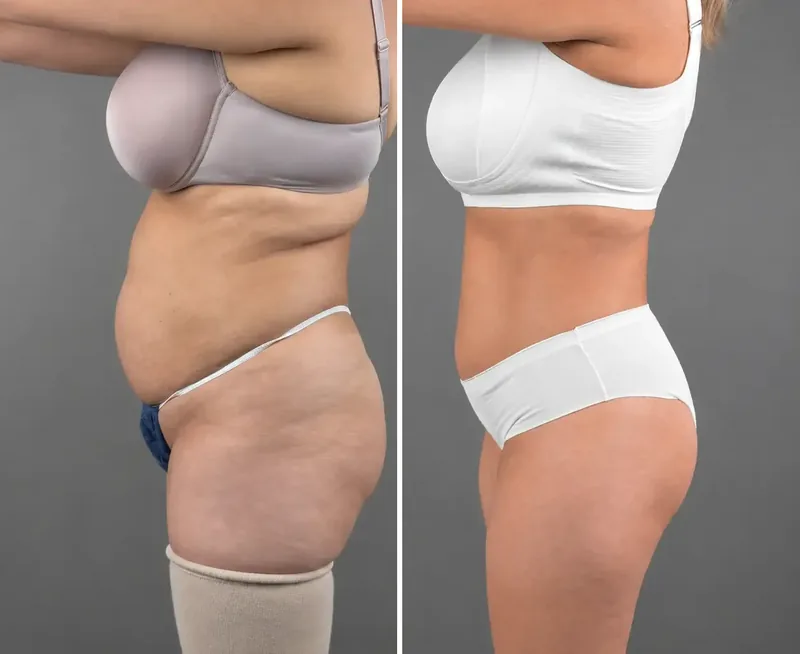
beforeafterBelly and flanks
 beforeafter
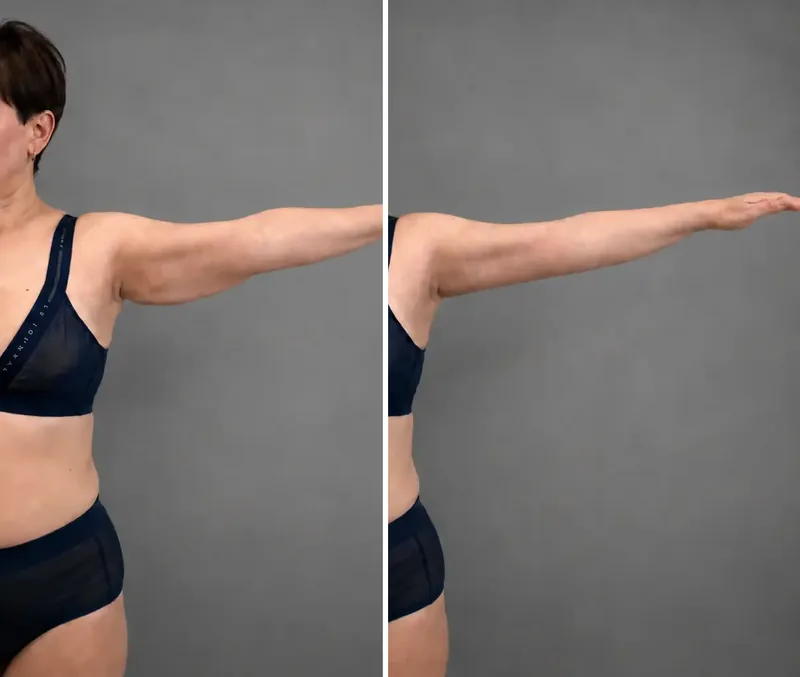
Arms
 beforeafter
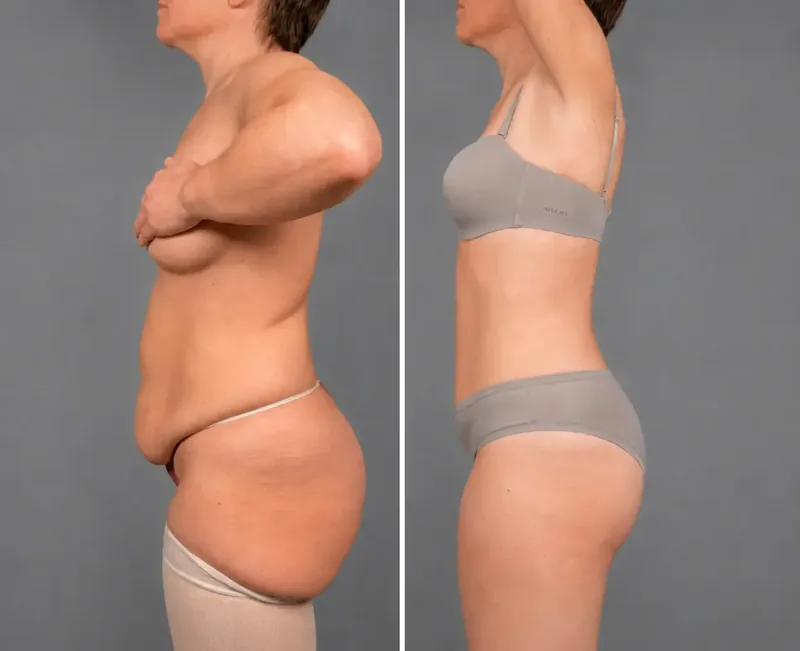
Belly and flanks
 beforeafter
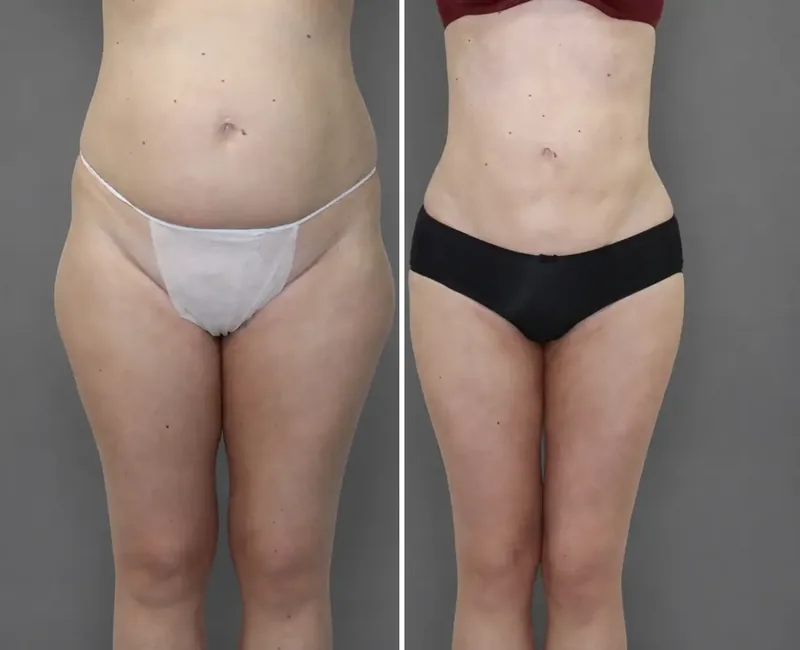
Abdomen and thighs
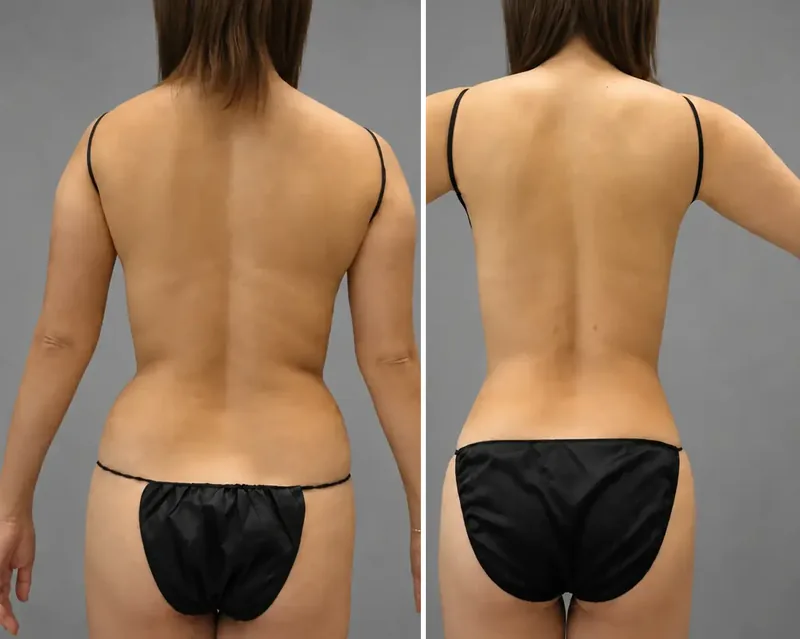 beforeafter
Back and flanks
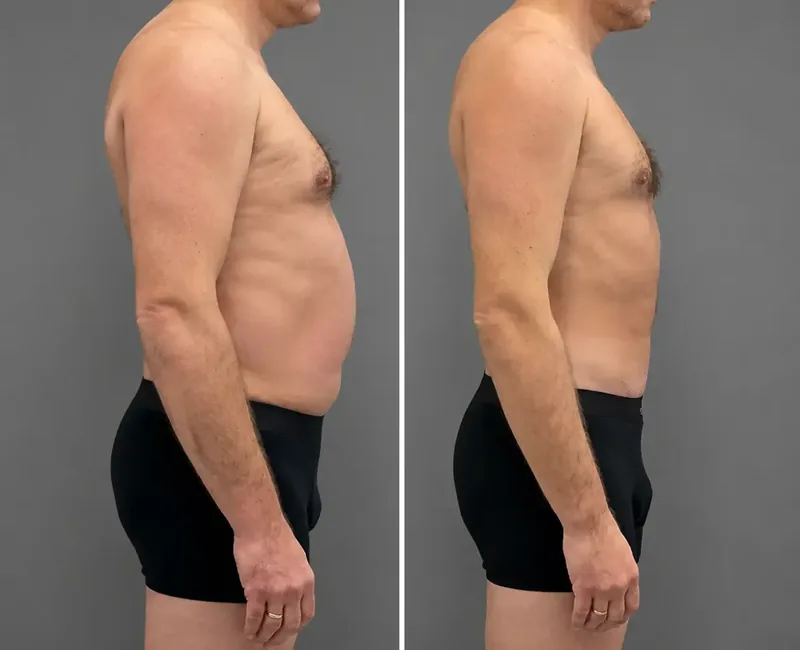 beforeafter
Male abdomen
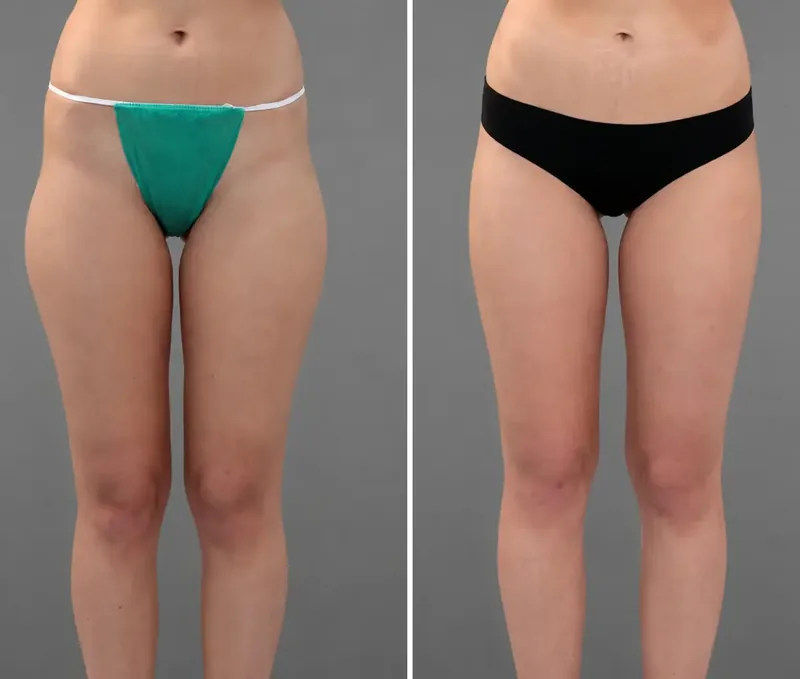 beforeafter
Inner thighs
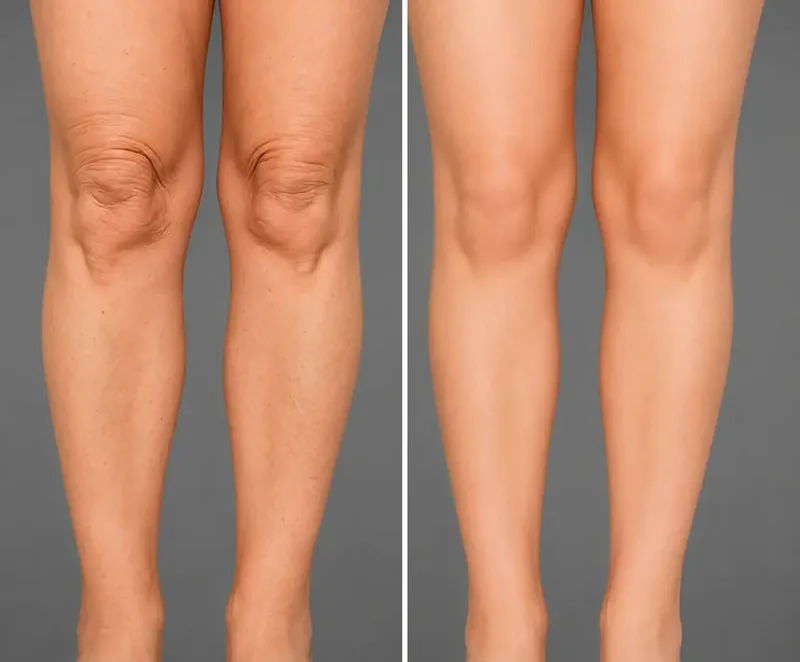 beforeafter
Knees
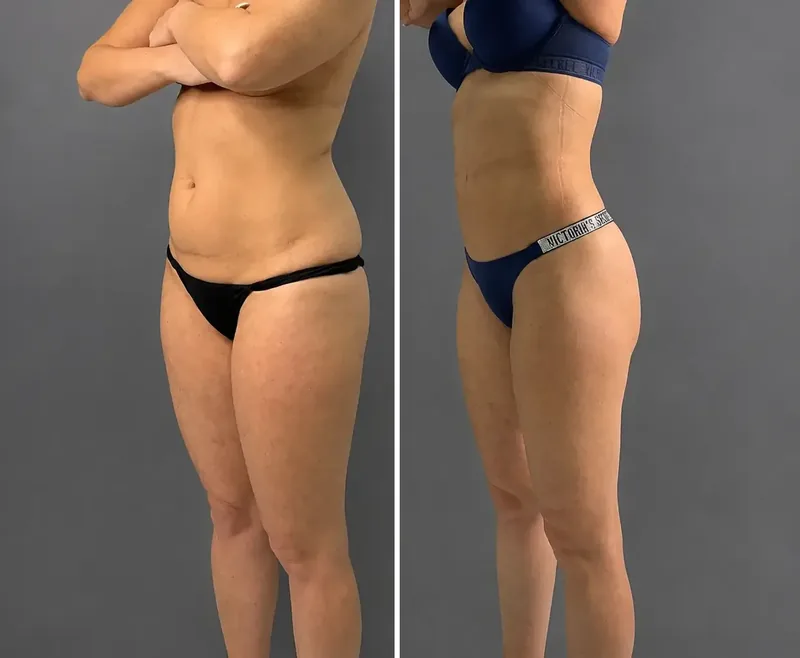 beforeafter
Belly and flanks
Comparison
We use two liposuction techniques: tumescent (classic) and VASER (ultrasound). Compare the goal, the indications and the anaesthesia to choose the right technique together with your surgeon.
A special solution loosens fat for removal through a thin cannula
from $1,200
Ultrasound breaks down fat cells before vacuum removal
Price at consultation
The benefits and recovery times shown are averaged for each technique and given for guidance: the scope of correction and rehabilitation depend on your anatomy and individual features, and the surgeon confirms them at the consultation.
At the consultation the surgeon draws up a plan for your case and explains how your liposuction will go.
Free, before surgery and with no obligation.
Several zones can be corrected in one operation — a saving in recovery time and budget
The most requested area for women and men, often combined with abdominoplasty
Fat deposits exercise doesn't reach
Back rolls that disrupt the silhouette
Noticeable in warm weather
Small volume and a fast-appearing result
A delicate spot that requires precision
Gynecomastia, pseudogynecomastia: the fat part
About the clinic
Modern equipment, comfortable rooms and care for every patient

We will answer your questions and find a convenient time for a consultation
If your case can be solved without surgery, the doctor will tell you so at the consultation — and you will not spend money for nothing.


Not sure the surgery is right for you?
Leave your number — the coordinator will call you back, and the surgeon will tell you whether liposuction suits you. No surgery booking needed.
Find out if it suits me
Prices
The final price is calculated individually after an examination and fixed in the contract.
The most requested area — treated in one operation

Contouring of the front abdominal wall

The surgeon assesses the fat deposits and skin tone, listens to your wishes and chooses the right technique.

Message our coordinator
Free online consultation · Reply within 15 minutes
Message us on TelegramMessage us on WhatsAppBy messaging us, you agree to our Privacy Policy

all inclusive
From preparation for surgery
to post-op check-ups.
from $1,200
Book a consultationHow it works
An agreed treatment plan, careful monitoring after surgery and post-op check-ups.
 1
1The surgeon listens to your wishes, assesses the fat deposits and skin tone and rules out contraindications. A hormonal screening is also ordered — it helps predict the long-term result.
 2
2We reserve a surgery date for you: the deposit can be paid by card at the clinic or online by bank transfer. The terms are fixed in the contract for medical services
 3
3Blood tests (complete count, coagulation panel, biochemistry, infections), an ECG, a chest X-ray and, if needed, a GP consultation. All tests can be done at the clinic with no waiting.
 4
4Marking the areas and fitting compression garments. Under local or general anaesthesia the surgeon removes fat through 3–5 mm micro-punctures — from 1 hour for small areas to 3–4 hours for a combined procedure.
 5
5With local anaesthesia you go home 3–4 hours after surgery; with general anaesthesia you stay one day in a comfortable ward under medical supervision.
 6
6Compression garments for 30–45 days. First changes show at 2 weeks, once swelling subsides; the final result forms in 3–6 months. Check-ups at 7 days, 3 and 6 months.

After tumescent liposuction, recovery is much shorter than after a conventional procedure. Most patients return to work within 7–10 days. In the first week, mild swelling and a raised temperature are possible — a normal response to surgery. Compression garments are worn for 30–45 days: they fix the new contours and speed up tissue recovery. In the first month, bathhouse, sauna, pool and intense sport are off-limits. For the best result and faster recovery we recommend lymphatic drainage massage, pressotherapy and a gradual return to activity. First visible changes show 2 weeks after surgery, when the main swelling subsides; the final result forms in 3–6 months.
After 7 days, at 3 months and at 6 months. Until the end of the year, get a post-surgery consultation with your surgeon to review results and get more information, at the clinic's expense.
Advantages

At the consultation we discuss your wishes and assess the fat deposits and skin tone. Before surgery an endocrinologist rules out hormonal causes of the fat deposits — this improves the long-term result.

The surgeon follows your recovery and the new body contour at check-ups after 7 days, 3 and 6 months. Check-ups, dressings and aftercare advice are already included in the price of surgery.

Tumescent and VASER techniques, micro-incisions of 3–5 mm and precise volume control. Our aim is a smooth contour that keeps the natural proportions of your body.

We respect your time: we work 24/7, with easy booking and a personal approach — we adapt to your pace.

After the consultation the surgeon defines the areas and the scope of surgery, and you get a clear price fixed in the contract — no hidden extras.

With general anaesthesia recovery starts in a comfortable hospital ward under round-the-clock nursing care. The stay and meals are already included in the price.
FAQ
Yes, that's standard. Treating only one area is rare — usually several problem zones are combined, like the abdomen with the flanks or the inner with the outer thighs. At the consultation, our surgeons define the optimal scope of surgery according to your health and the result you want.
No. Liposuction is not a weight-loss method; it targets local fat deposits that resist diet and exercise and reshapes the body's contours. First see a nutritionist or endocrinologist if your weight is unstable.
The surgery is done through punctures only 3–5 mm across — they usually need no stitches. Once healed, the marks are barely visible. With proper care during recovery they fade completely.
The surgeon always assesses skin tone, elasticity and turgor before surgery. Skin in good condition tightens on its own and follows the new contours. If tone is reduced or there are stretch marks, our specialists will recommend preparatory treatments to improve the skin in advance.
No. Anesthesia — local or general depending on the scope — is used for the procedure. After surgery you might feel mild discomfort, which is relieved with painkillers prescribed by your doctor.
No physical exertion or lifting heavy things for the first 7 days. Wear compression garments for 4–6 weeks and stay away from the bathhouse, sauna, pool and active sport. Avoid alcohol and tanning beds for at least a month. After surgery your surgeon gives you all individual recommendations.
We carry out the surgery for patients 18+ with no contraindications. An upper age limit does not exist — each case is decided individually after an examination and health assessment.
Not directly: liposuction removes fat but doesn't alter the skin structure causing cellulite. The improved body contours do, however, visibly reduce its appearance.
Most patients return to their usual routine and work in 7–10 days. Swelling and bruising resolve by weeks 4–5. The final result forms in 3–6 months, once the tissues fully adapt.
A strict diet isn't necessary, though nutrition is important to maintain the result. The fat cells removed won't return, but those left can enlarge if you put on weight. A balanced diet and regular physical activity keep the result lasting.
Yes. 7–10 days ahead of liposuction you stop smoking, alcohol and blood-clotting medications such as aspirin. You also need pre-op tests: blood tests, an ECG, ultrasound and consultations with a GP and an anesthesiologist. Full instructions come after your first consultation.
Changes start to show 2 weeks after surgery, once the main swelling has gone. At 1.5–2 months the interim result is assessed, and in 3–6 months the final contours form.
Prices are in US dollars; the amount in brackets is an approximate conversion to SAR at the rate of 02.10.2026. The final price is fixed in your contract.
Prices start from $1,200 (≈ SAR 4,500) per area. The surgeon sets the final price at the free consultation, and it is fixed in the contract, with no hidden extras.
The operation under local or general anaesthesia and the surgeon's support throughout recovery. The price is per area and fixed in the contract.
Message us on WhatsApp or Telegram using the buttons below. A coordinator will answer your questions and book a free consultation where the doctor names the exact price.
By messaging us, you agree to our Privacy Policy
Some areas keep their fat no matter how active you are or how normal your weight is. That is exactly who liposuction in Khamis Mushait is for: people with local deposits that resist training and diet, uneven fat distribution or disrupted body proportions. It also helps restore the silhouette after childbirth or sudden weight loss, and in men it removes the fat component of gynecomastia.
Preparation follows a simple schedule. Two weeks before surgery, medications that affect blood clotting are stopped; a week before, alcohol and smoking are cut out for faster healing; the last meal is eight hours before the operation. On the day itself, the surgeon meets you, marks the areas and fits compression garments. This is the routine for everyone in Khamis Mushait.
If you are comparing liposuction prices in Khamis Mushait, check what the figure depends on: the number of zones, their size and the chosen technique. Here the starting price is $1,200 (≈ SAR 4,500), the final sum is set after an examination and nothing hidden is added. Hormonal screening before surgery and surgeon support through recovery are part of the approach. Book a free consultation to get your plan.
Well-known people who spoke openly about this operation, in their own words.
 Amy Schumer's liposuction: “thanks for helping me get my strength back”Amy Schumer revealed her liposuction on Instagram in 2022 and explained why. Her words, how liposuction works today and what recovery looks like.
 Brooks Nader and her liposuction regret: what she actually saidModel Brooks Nader told People she regrets a past liposuction, saying it left dimples and ripples. What she said, how liposuction works, and recovery.
 Stacey Silva's liposuction: what was reported, and what wasn'tStacey Silva and her twin Darcey had liposuction on a 2021 trip to Turkey, reported by Showbiz Cheat Sheet. What was said, how the procedure works and recovery.
 Did Tara Reid have liposuction? Yes — and she told the whole storyThe American Pie star had liposuction and breast surgery in 2004; both went wrong. Her honest quotes on the damage and the repair.
 Did Wendy Williams have liposuction? Yes — and she paid a price for saying soThe talk-show host had full-body liposuction and breast implants in 1994 and says she was 'vilified' for admitting it. Her quotes and what lipo involves.
 Did Josie Gibson have liposuction? Yes, and she explained whyJosie Gibson had liposuction and skin removal on her arms in 2026 because of lipoedema. Her own words, how liposuction works and what recovery involves.
Khamis Mushait took its name from a weekly market day that once drew the highlands' traders, and from Mushait bin Salem, the leader who protected that market; today it is Saudi Arabia's fifth-largest city, with 535,065 residents counted in the 2022 census. A town raised on inspecting goods before buying transfers the same habit to decisions about the body: nobody here accepts an offer built on one line, and nobody decides an operation from an advertisement. Liposuction deserves exactly this inspection, because it is not a weight-loss method but the sculpting of stubborn deposits on the waist, thighs and arms in someone already near a stable weight.
The first message to coordinators on Telegram or Telegram at any hour carries your height, weight, and front, side and back photos of the areas that bother you, and the surgeon answers with the honesty of a market town: whether liposuction is the right tool, whether treating skin looseness should come first, or whether a target weight should precede any surgery. That first answer commits nothing and costs nothing, and it is what separates a patient who enters the operation understanding from one who enters on enthusiasm. Ask in the same message how many areas the plan suggests, since that number changes everything afterwards, from anaesthesia to recovery.
Before any decision, the contraindications are cleared: clotting disorders, uncontrolled chronic conditions, medicines that act on the blood, everything the surgeon checks in the tests before the date. Then the areas are ranked the way a trader ranks his goods: what bothers you most in the mirror comes first, and what improves with weight alone waits. Treating several areas in one session shortens total recovery but lengthens the operation, the surgeon sets the safe limit, and a staged plan is sometimes wiser than one long session, a postponement that protects the result rather than a refusal of it.
The best candidate for this operation is known to the surgeon before anyone else tells you: a weight stable for months, defined deposits that do not move with dieting, and skin elastic enough to drape over the new lines. Whoever's weight is still climbing is calmly postponed until it settles, and whoever's skin has loosened is offered a different plan that may combine procedures; all of these conversations happen at the consultation, not in the operating room. Send your weight history along with your photos, because a complete picture earns a complete answer, and a complete answer saves weeks of scattered messaging.
Anaesthesia is local or general according to the scope, and duration runs from about an hour for one small area to three or four hours when several areas are treated in a single session. With general anaesthesia you stay one day under observation in hospital; with local, you leave three to four hours after the work ends. In a city that keeps schedules and plans its week the way highland traders do, this difference decides your leave day rather than any advertisement deciding it, so ask the surgeon at the consultation which option your case expects and write it into the operation plan.
The operation day begins with the surgeon drawing the areas on standing skin, the compression garments go on before discharge, and the fat leaves through small punctures that usually need no stitches. The last meal comes eight hours before surgery, medicines that affect clotting stop two weeks ahead on the doctor's advice, and smoking is set aside a week before so the tissue heals faster. These small details are written in the advance instructions; whoever kept them entered the theatre half way done, and whoever dismissed them pushed the schedule back by days for no reason.
The mountain city adds a small gift to the operation day itself: mild air that does not torment the ride from home to hospital or the return, since June, the hottest month, averages a high of only about 32.3°C and January's low sits near 8.6°C. Anyone who has not lived in the coastal cities may not price this comfort, but anyone who has compared knows that leaving hospital in a compression garment under a mild sun differs greatly from doing it under the noon blaze. Small details make the whole day, which is part of why highland residents describe their recovery so calmly.
The surgeon's written plan remains the day's reference throughout: the areas to be treated by name, the expected anaesthesia, the compression garments included with the offer, and the follow-up dates. Whoever holds that page knows what the surgeon will do and where he will stop, and builds no expectations that enthusiasm alone invented. Ask for it in the first conversation and keep it with your tests in one file; you will return to it whenever a new offer or a new council tale passes by, and a city that inherited old markets knows that written terms protect both parties long after the enthusiasm has cooled.
The compression garment is worn thirty to forty-five days, and it is what holds the new lines and speeds the tissue's healing; in Khamis Mushait the stretch is easier than in most of the kingdom: mountain air above two thousand metres, and annual rain near 180 millimetres that greens the city and softens its summer. Light cotton over the garment is enough at midday, a light cover at night in the colder months, and daily level walking remains the strongest ally of circulation in the first weeks.
But the altitude imposes its own precaution: the thinner air at these heights does not weaken the sun on exposed skin, so the bruises and small punctures under and after the garment need shade rather than direct sun, especially in the midday hours. Whoever works outdoors in markets or workshops arranges the first week indoors and postpones what open-air tasks can be postponed. These are not restrictions on the city's life but a temporary arrangement of it, and whoever set them up watched the weeks pass at the mountain city's pace rather than at a working week's rush.
The rituals of those weeks are simple and fixed: frequent short walks from the first days to support circulation, water through the day, protein-rich meals that help the tissues knit, and moderate salt, since salty food makes swelling linger. The coordinator explains how to put the garment on and take it off and how to shower, in writing, so you return to the page rather than to memory whenever doubt appears. These small repeated details make the difference between a calm recovery and a stumbling one, and whoever wants one sentence to summarise them: keep the small commitments and the big result will reach you.
Lymphatic drainage massage and pressotherapy are usually recommended for a faster, calmer recovery, and they are easiest to schedule in the cooler parts of the day at a centre near your own quarter. None of this changes how the fat is removed or the result itself; it changes the comfort of the weeks, and whoever booked these sessions in advance into one file spared themselves searching and wondering every week. Ask your coordinator when the sessions should begin, since the permission comes from the team reading your swelling in photos, not from a salon answering a phone.
Mild swelling and a slight rise in temperature in the first week are a normal response, most patients return to work within seven to ten days, while strenuous effort and heavy lifting wait a full week at least and then the surgeon's approval. The first changes appear around two weeks, swelling and bruising clear between weeks four and five, and the final lines form between the third month and the sixth as the tissues fully adapt to the new contours. The final result is judged on this schedule, not on the mood of the morning mirror.
Follow-ups come at seven days, three months and six months, and between them the written channel stays open for a passing question or a photo that worries you. What looks uneven in the first weeks is usually leftover swelling that fades as the tissue adapts, and the surgeon is the one who separates expected from worth-a-look, with a written note that stays in the file. Keep a monthly photo album in the same window light and the same pose; those photos are what your course is judged on, while comparing yourself to another body is the first habit to leave on this road.
An old market city knows that the difference between two offers shows in written details rather than loud voices, and this applies literally to liposuction offers: how many hospital days it includes, which compression garments come with it, the pre-operative tests, and how long the follow-up runs to the final result. Ask your coordinator to itemise each line in writing and place the offers side by side, since calm reading reveals what phrases hide. Remember too that elective cosmetic procedures are arranged and paid privately, so ask your employer or insurer where they stand before assuming any answer.
The councils' tales remain the simplest things to run a body decision on: that liposuction replaces a diet, that its result vanishes with the first meal, that treating one area makes another sag. The truth is that liposuction treats local deposits at a stable weight and is no substitute for a way of living, and that the result lives in the habits after the operation, not in the advertisement before it. Ask for a written answer from the surgeon through your coordinator about any tale that reaches your ear, and you will find each one dissolving before a single documented line, while the councils keep their talk on everything and end with no page.
Khamis Mushait's residents ask about stability more than speed: do the removed fats return? The cells taken from the treated areas do not grow again, but the remaining ones can enlarge with a significant weight gain, shifting the body's balance in areas that were not treated. That is why the result is built on a system after surgery just as it was built on the surgeon's hand during it: moderate nutrition, regular walking, and a weight monitored monthly rather than yearly. Whoever understood that liposuction opens the road and walks it alone kept the result; whoever dropped the habits watched the lines drift back.
Before any name, the licence is asked: every physician practising in Saudi Arabia is registered with the Saudi Commission for Health Specialties, which licenses practitioners by specialty and offers an online service to verify a registration's validity. Requesting the registration number and verifying it through the Commission itself, not through a wall certificate, is a reasonable step before any procedure, and verifying early saves a postponed conversation. Add a question about how many liposuction operations the surgeon performs yearly and with which techniques, since the written answer to both reveals experience more than any profile page.
Among the circulating tales are that the liposuction result vanishes quickly, or that liposuction is protection against obesity; the truth is simpler and more honest: liposuction redraws the treated area's lines at a stable weight, and neither time nor habits stop working afterwards. That is why the candidate's file is assessed whole: skin elasticity, tissue quality, health history, not the single area alone. An old trading city knows every deal deserves reading the terms in full, and this operation is a deal with the body: clause one is the surgeon's hand, clause two is your habits after, and the offer that hides either is incomplete.
Start your first message whenever you like, since coordinators on Telegram and Telegram stay awake around the clock, and attach your height, weight and photos of the troublesome areas in window light. Read the reply slowly, the way Thursday's market inspects its goods before agreeing, raise whatever stayed unclear in a second message, then decide without hurry and without pressure from an offer ending soon. Khamis Mushait is a city built on clear agreements rather than passing promises, and a decision about your body deserves the same agreement: written terms, parties who know their part, and a result measured months later in photos rather than feelings.
Khamis Mushait sits at about 2,066 m in Asir Province, and its year has a shape that matters for anyone wearing a compression garment for 30–45 days. The hottest stretch is early summer, when June's average daily high is about 32.3°C and the record reaches 38.0°C in July. January is the cool end, with an average low of 8.6°C, and the record low of 1.0°C shows that a winter night can come close to frost. Between them lies a long, gentle middle, which is why the calendar is worth a look before you fix a date.
The wettest months are April and May, with roughly 35.7 mm and 34.4 mm, out of about 180 mm for the year. A patient who has the operation in spring should expect cloudier afternoons, damp pavements and the occasional change of plan for the daily walk; the walk is simply moved indoors or to the dry hour, and nothing in the garment schedule changes. Spring also means fresher air for the first week, when you will mostly be resting and want a window you can leave open.
Winter asks a different question: how to stay warm without piling on layers that press on the treated areas. A soft, loose layer over the garment and a blanket at night are enough, and the garment itself should never be loosened to make room for a thick jumper. Summer asks for the reverse, with breathable cotton, shade at midday and water through the day. Neither season changes when the first changes appear, around 2 weeks, or when the final result forms, in 3–6 months.
There is no medical rule that says one season is correct. What the calendar does is shape the comfort of the first month, when the bathhouse, sauna, pool and intense sport are off-limits. A date that avoids a week of travel for family occasions, school exams or a busy trading season at work usually matters more than the temperature, so lay the first four weeks out on paper and move the date until they look quiet.
Khamis Mushait is the largest city in Asir by population, 601,305 in the governorate at the 2022 census, and Abha, 422,243, lies to its west as the provincial seat. People here move easily between the two, which means a friend or relative in Abha often has an opinion about an operation before you have asked. Treat those opinions as a starting list of questions and not as an answer: every body, every set of deposits and every skin type is different.
The practical way to check a surgeon in Saudi Arabia is through the Saudi Commission for Health Specialties. Its site lists a service for verifying the validity of a healthcare practitioner's registration, and the Commission keeps the national register of practitioners. Ask your coordinator for the surgeon's registration number and specialty in writing, and check them yourself rather than relying on a certificate described over the phone.
Bring a short list of questions to the consultation. Which areas does the plan treat, and in how many sessions? Local or general anaesthesia, and what does that mean for the day you go home? Which garments come with the plan, and how long will you wear them? When are the check-ups at 7 days, 3 and 6 months? What would make the surgeon postpone the operation? Written answers to these save a great deal of confusion later.
As an illustration only, not a real person or a case from any clinic: imagine a woman in her late thirties from the Khamis Mushait area whose weight has been steady for a year, but who has a deposit on the outer thighs that no walking changes. She sends photos by message, learns that skin elasticity is good, is asked to confirm her registration check and the anaesthesia plan, and picks a date in a quiet month. The picture is invented to show the order of the steps, not to promise any result.
No, it is the sculpting of local deposits that resist diet and exercise in someone already near a stable weight, not a substitute for dieting. The best candidate has reached a near-stable weight with defined deposits on the waist, thighs or arms, and the surgeon assesses this at the consultation after photos and examination. Whoever sends height, weight and photos of the troublesome areas to the coordinator gets an honest first opinion before any talk of dates, and that first answer commits nothing and costs nothing at all.
About an hour for one small area and three to four hours for several areas in one session. Anaesthesia is local or general by scope: with general you stay one day under observation in hospital, with local you leave three to four hours after. Ask at the consultation which option your case expects and write it into the plan, because the difference defines your leave day and who drives you, especially for anyone coming into Khamis Mushait from the surrounding cities, so the day stays organised from the first hour.
Thirty to forty-five days, and it is what holds the new lines and speeds tissue healing. Khamis Mushait's mountain climate makes the stretch easier than most of the kingdom: June's high averages about 32.3°C and January's low about 8.6°C, so light cotton by day and a light cover by night usually suffice. Remember that mountain air does not weaken the sun at this altitude, so shade through peak hours is part of the commitment rather than a summer luxury, and whoever works outdoors arranges the first week indoors.
Most patients return to their jobs within seven to ten days, while strenuous effort and heavy lifting wait at least a full week and then the surgeon's approval. The office worker returns easier than whoever stands in a market or workshop, and that difference should be stated in the first consultation so the date is built to fit it. Ask for the answer in writing within the plan and book your leave on that basis rather than on family estimates, since an early return under work pressure wastes weeks of healing rather than shortening them.
The first changes appear around two weeks, swelling and bruising clear between weeks four and five, and the final lines form between the third month and the sixth as the tissues fully adapt. What looks uneven in the early weeks is usually leftover swelling that fades, and the surgeon separates expected from worth-a-look in a written note. Keep a monthly photo album in the same light and pose; it is the honest reference for judgement, while the morning mirror and the visiting friend build no verdict at all.
The fat cells removed from the treated areas do not grow again, so that part of the result stays, but the remaining cells can enlarge with a significant weight gain and shift the body's balance in untreated areas. That is why the result rests on habits after surgery as much as on the surgeon's hand during it: moderate nutrition, regular walking, and monthly weight monitoring. A trading city like Khamis Mushait understands this language well: liposuction opens the road, walking it belongs to the owner alone, and the result is a contract between the two rather than a gift from fate.
Read four written items in each offer: the number of hospital days, the compression garments included, the pre-operative tests, and the length of follow-up to the final result. Place the two offers side by side and read them with the calm of a trader inspecting goods before buying, since the real difference shows in details rather than phrases. Ask your coordinator to explain the differences line by line, which is their daily work, and remember elective procedures are arranged and paid privately, so ask your employer or insurer where they stand before assuming any coverage.
The feeling changes more than the medicine: the mild air above two thousand metres comforts the body under the garment and makes rides and outings easier, but the sun at this altitude stays strong on exposed skin despite the gentle temperature. Shade through peak hours and sun protection remain due on the bruises and small punctures, and whoever works in open markets and workshops arranges the first week indoors. After that the mountain city's life resumes its usual rhythm, and daily level walking is the strongest ally of circulation in the first weeks.
No. Recovery follows the same schedule everywhere: the first changes at around 2 weeks and the final result in 3–6 months. What the climate changes is comfort, since the garment is worn for 30–45 days and milder days make that easier to bear.
There is no medical rule. Spring brings the most rain, summer midday sun is strongest, and winter nights are cold; choose the quietest month in your own calendar and dress for the weather around the garment.
Ask for the registration number and specialty, then use the Saudi Commission for Health Specialties verification service on its website. Do this before booking, not after.
Ask which areas are treated, the type of anaesthesia, which garments are included, the follow-up dates at 7 days, 3 and 6 months, and what would make the surgeon delay surgery.