


























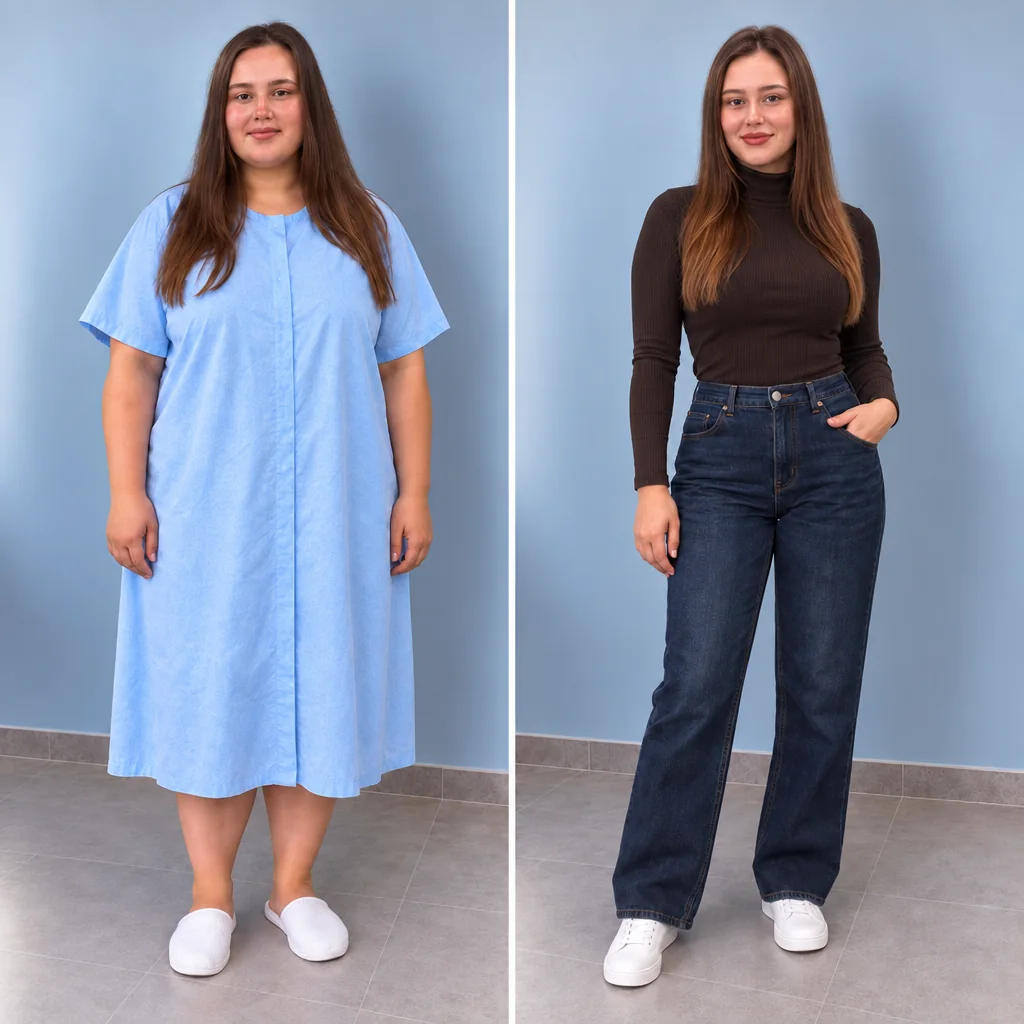
 beforeafter
Irina, 26
Bariatric surgery
Bariatric surgery
$3,600
$4,800 · First consultation — Free
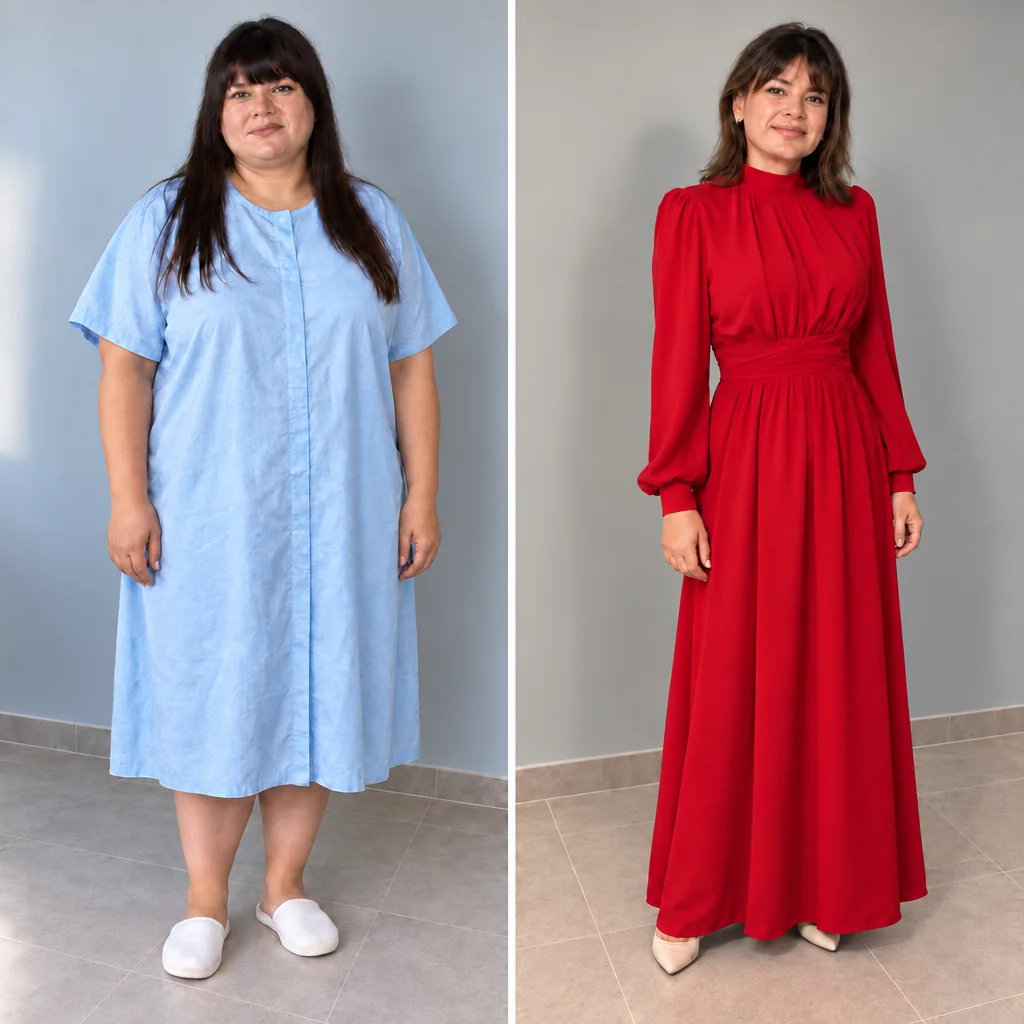 before
after
before
after
Message our coordinator
Free online consultation · Reply within 15 minutes
Message us on TelegramMessage us on WhatsAppBy messaging us, you agree to our Privacy Policy
Results
Every case shown is a real clinic patient.
beforeafterBariatric surgery
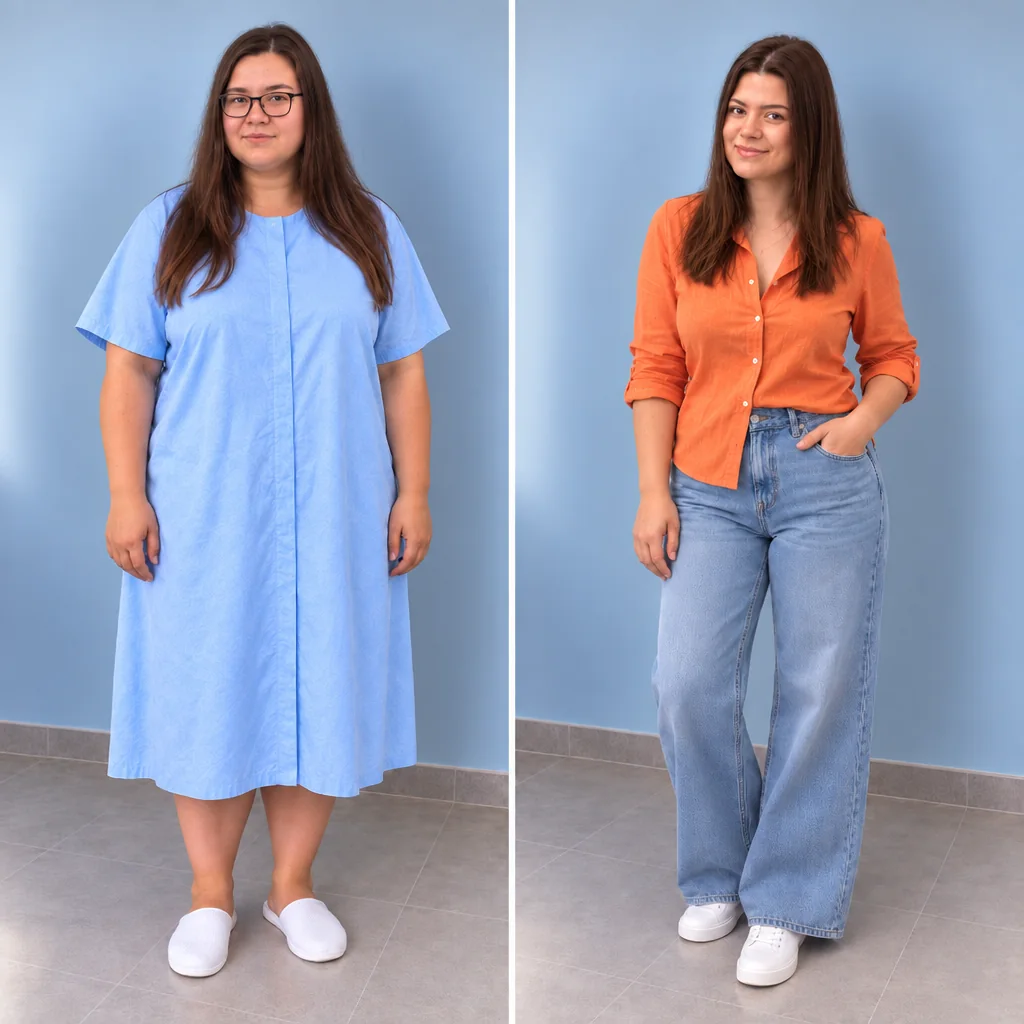 beforeafter
Bariatric surgery
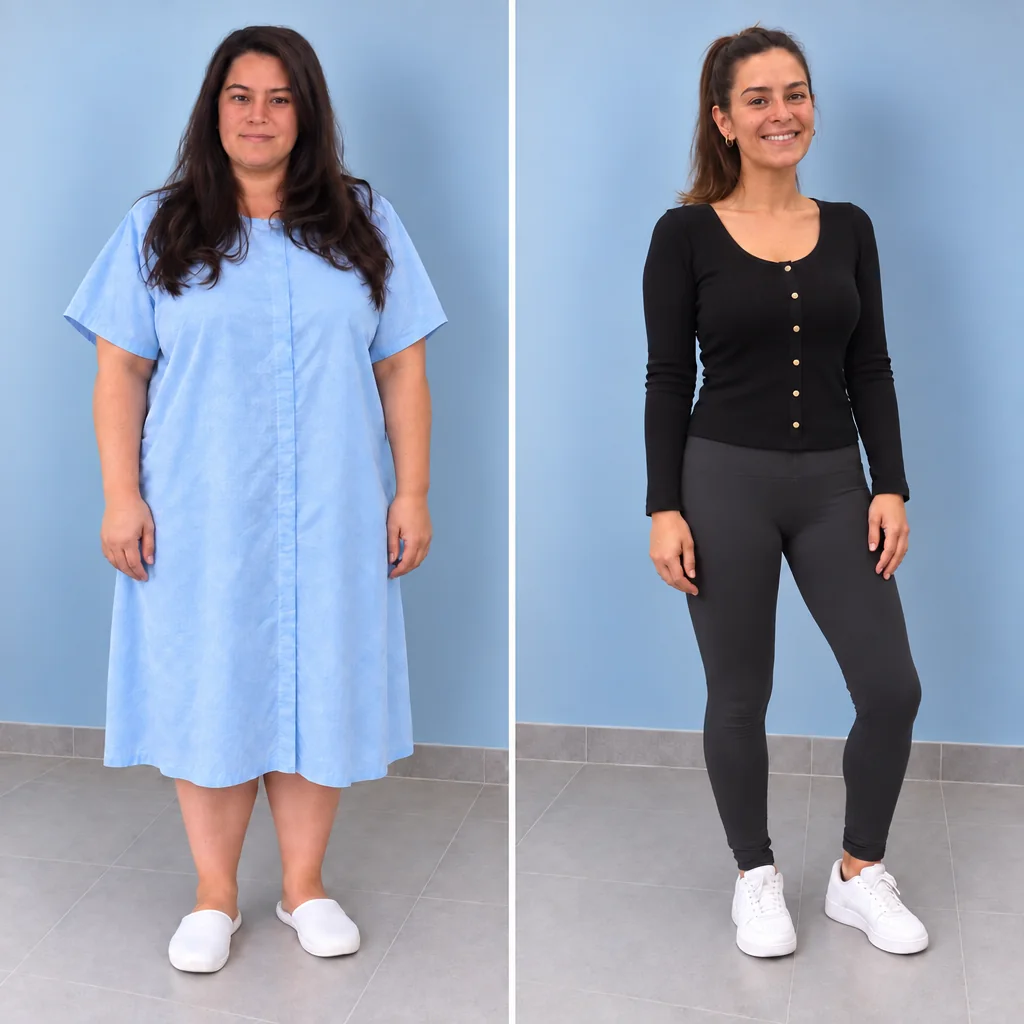 beforeafter
Bariatric surgery
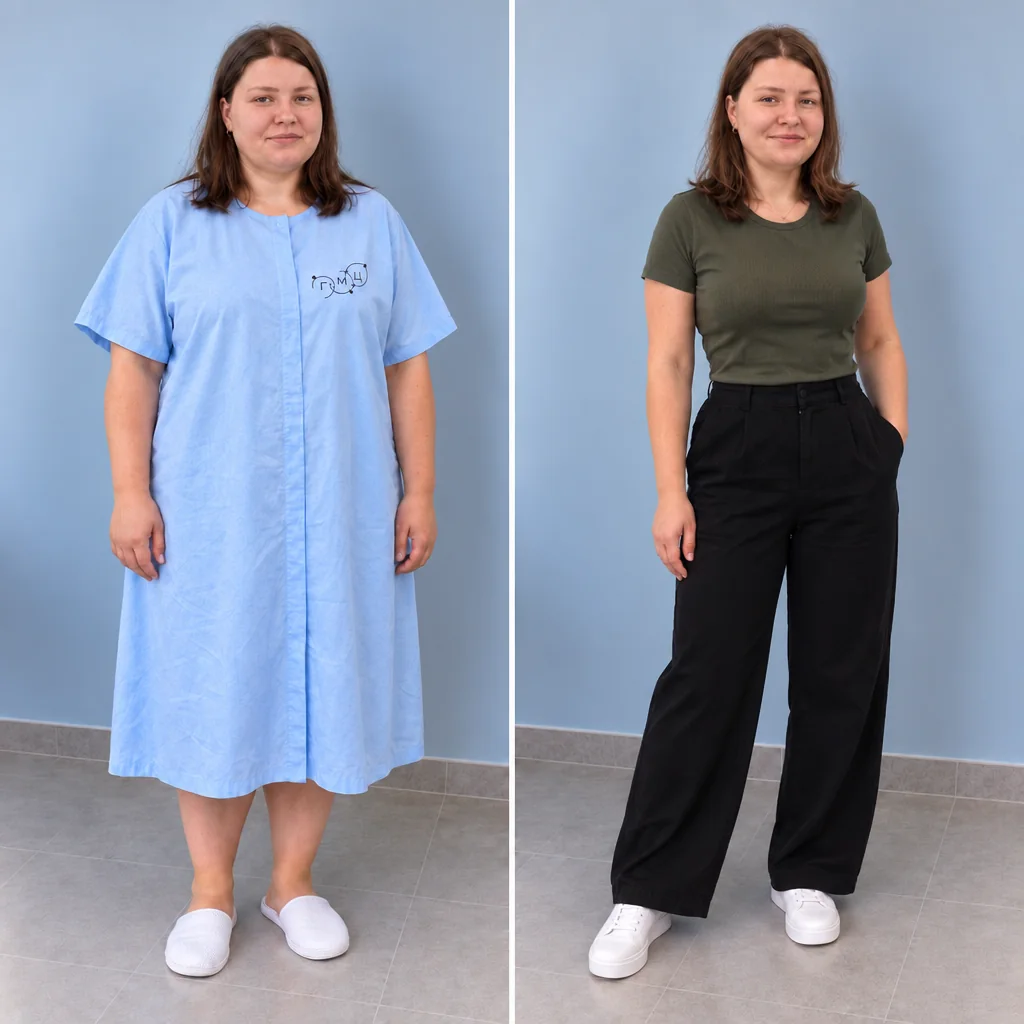 beforeafter
Bariatric surgery
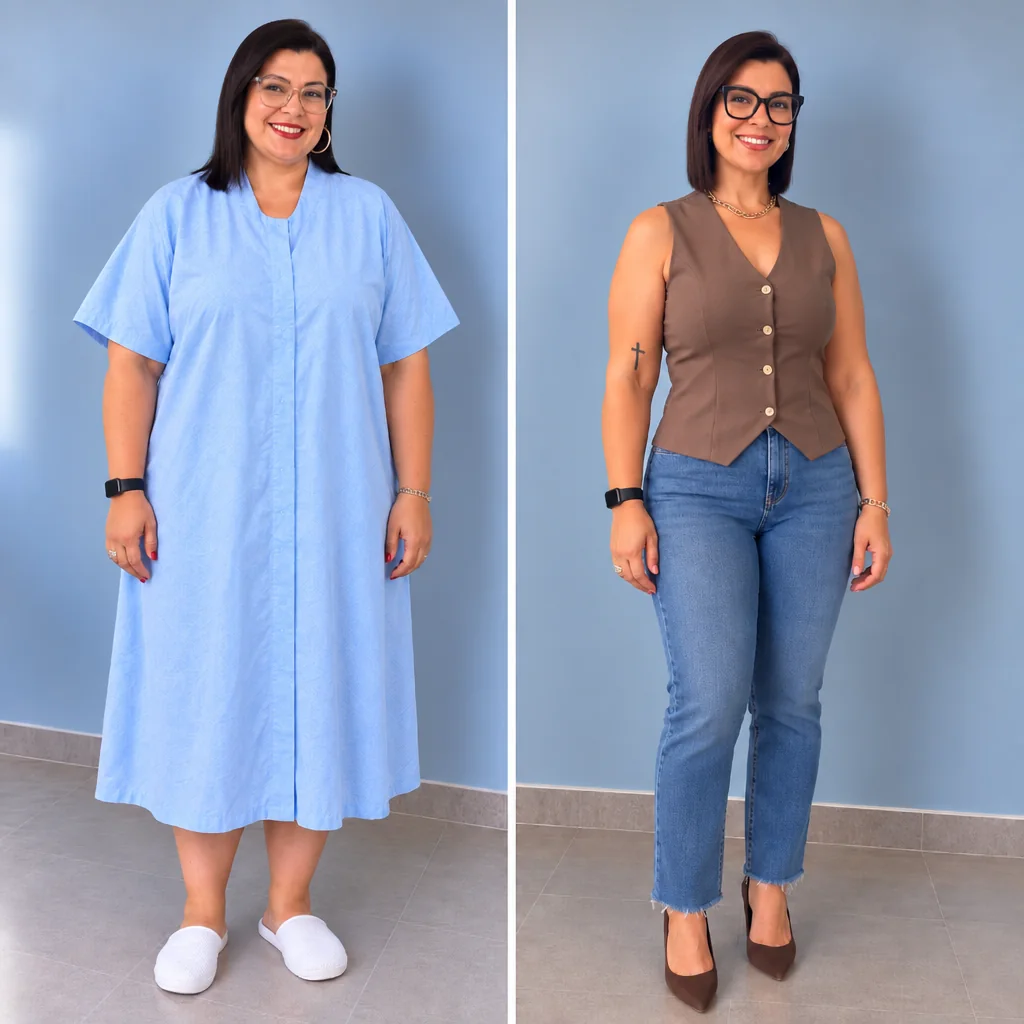 beforeafter
Bariatric surgery
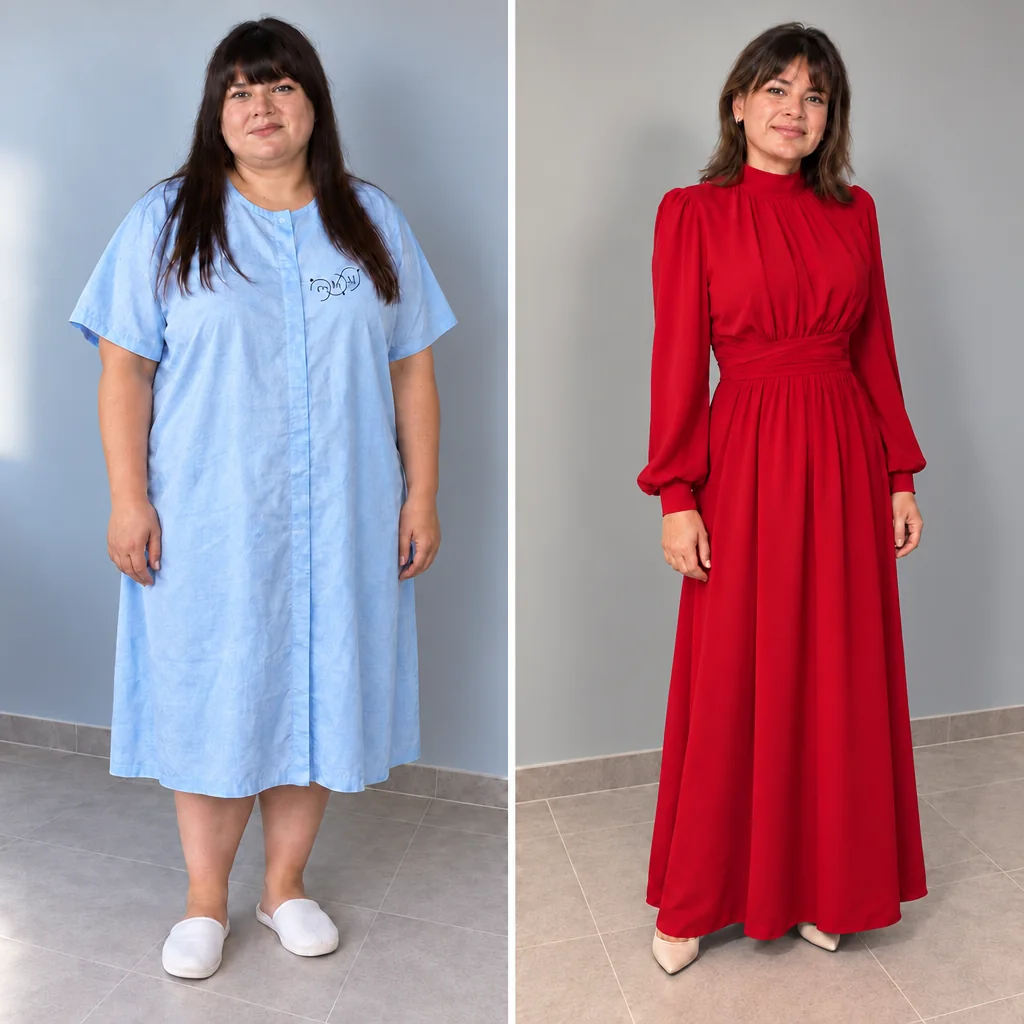 beforeafter
Bariatric surgery
 beforeafter
Bariatric surgery
 beforeafter
Bariatric surgery
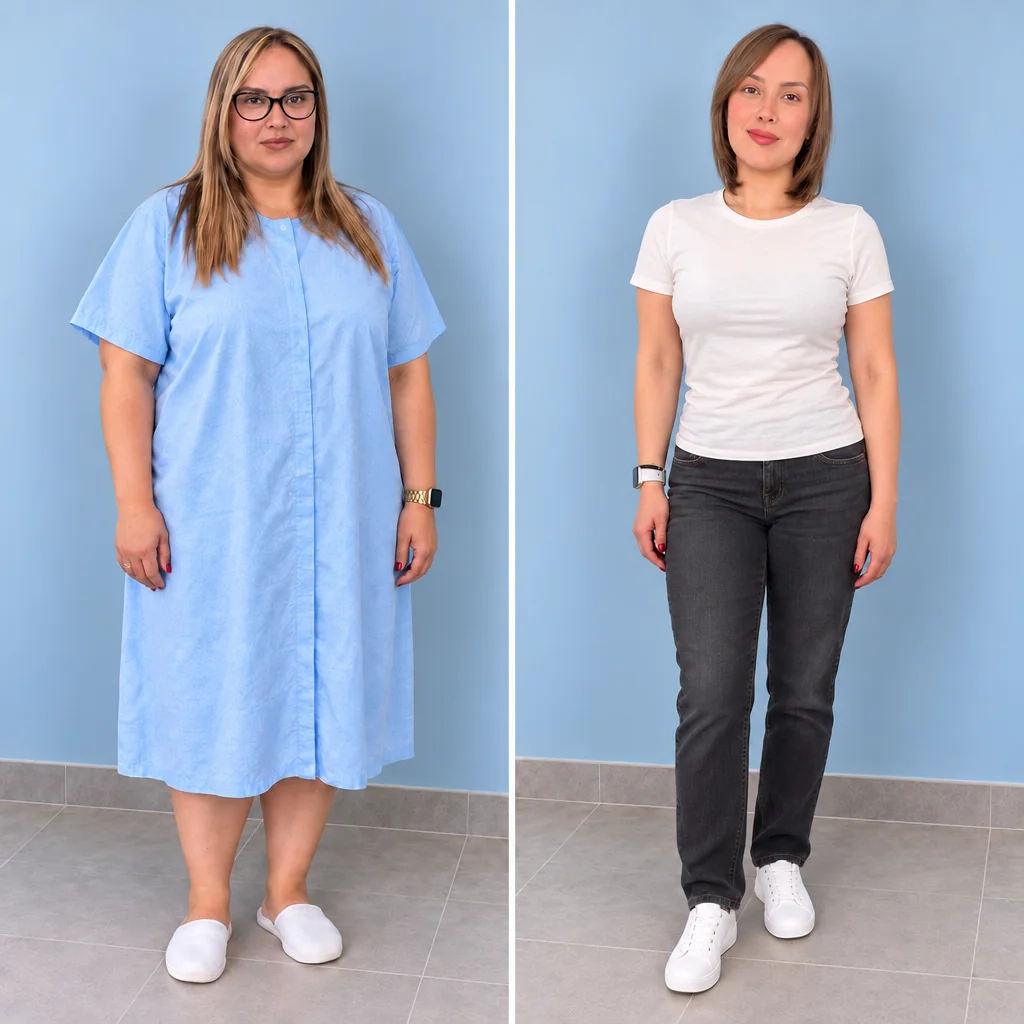 beforeafter
Bariatric surgery
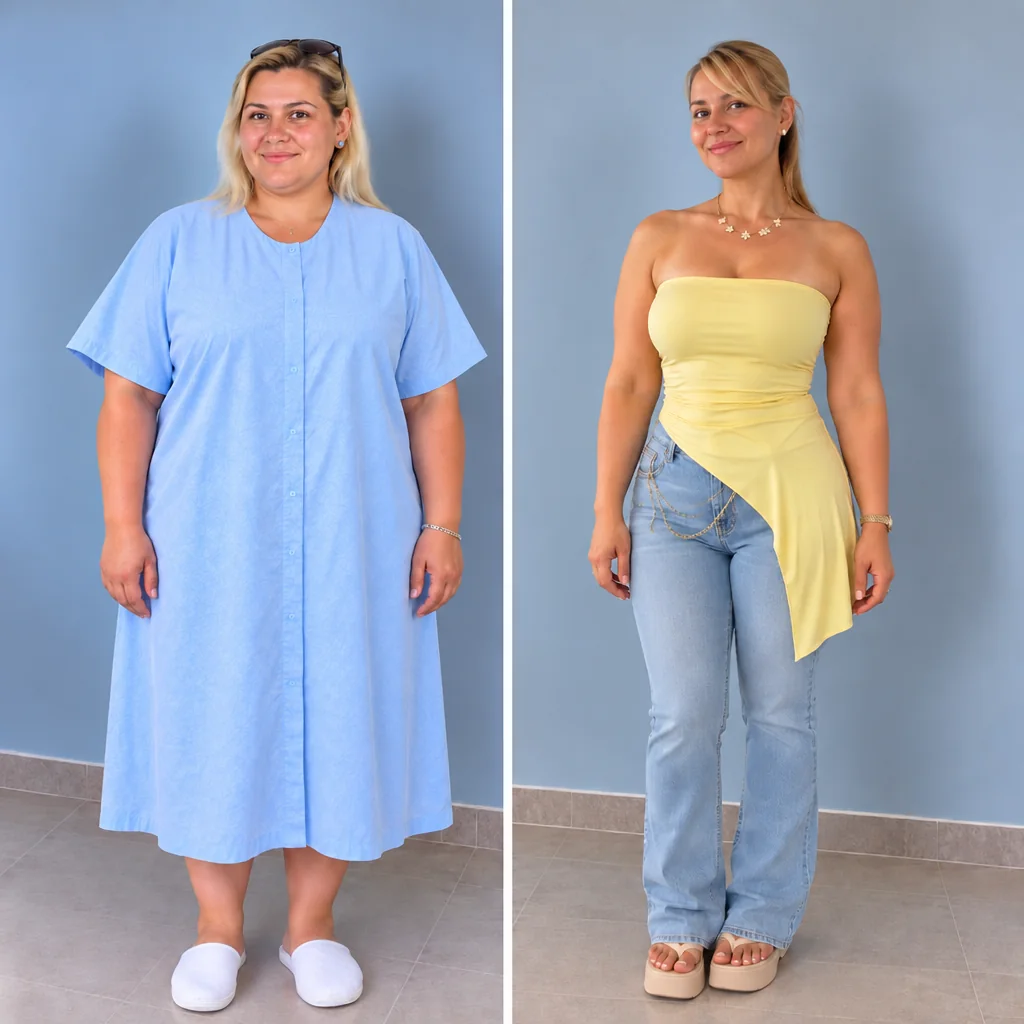 beforeafter
Bariatric surgery
 beforeafter
Bariatric surgery
Comparison
We carry out two principal operations: gastric bypass and sleeve gastrectomy. Review how each works, what it treats and when it is advised, and choose your method with confidence.
Less stomach volume
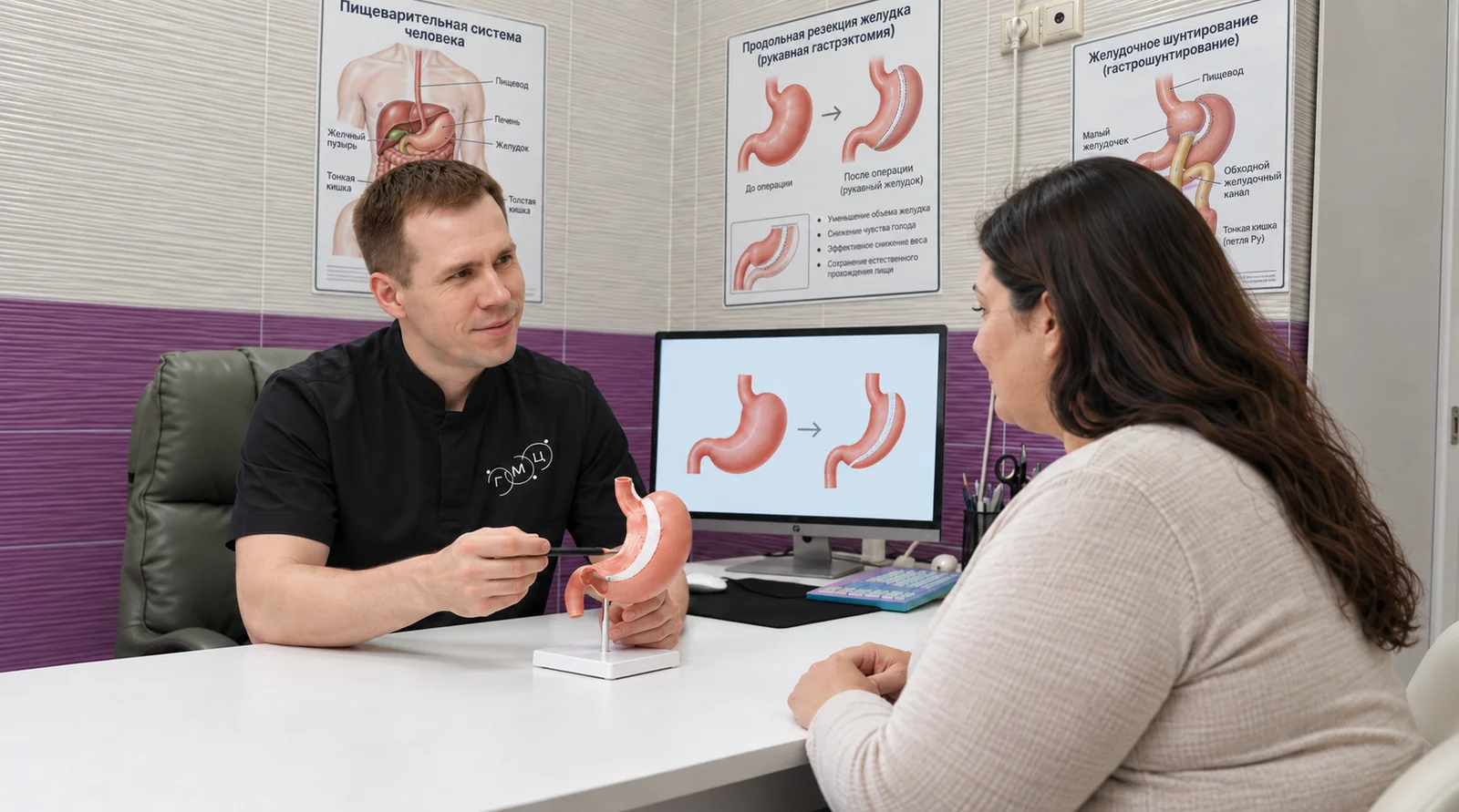
Discounted price
$3,600 $4,800
Stomach volume is reduced and the food path is changed
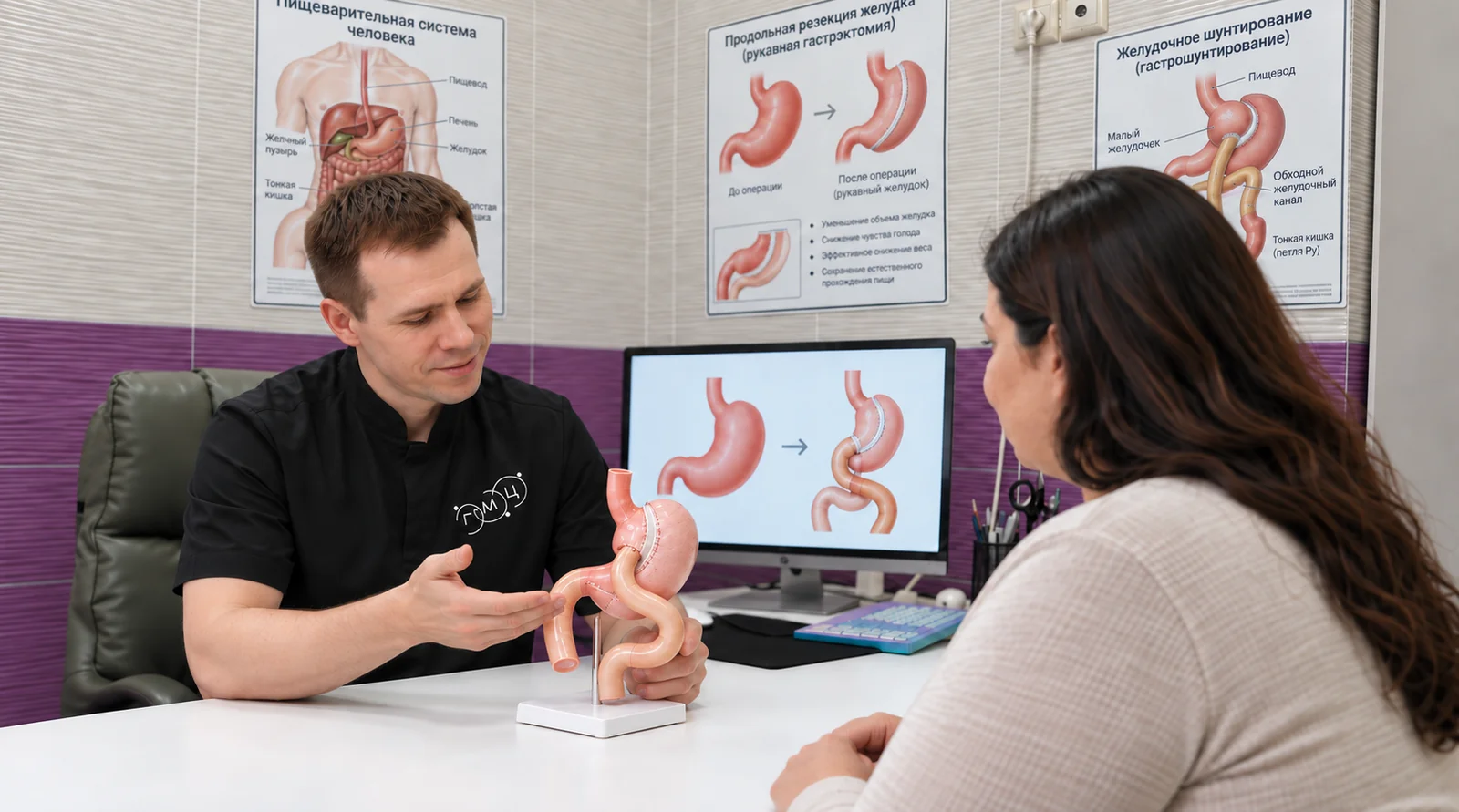
Discounted price
$4,000 $5,200
The benefits and recovery times are method averages meant as a guide; the actual scope of the operation and your recovery depend on your anatomy and individual features. The surgeon confirms them at the consultation.
Book a consultationThe clinic
Up-to-date equipment, comfortable rooms and attention to each patient

Our team will reply to your questions and help you choose a consultation time
Get a consultationAfter a consultation and check-up, the surgeon and you make the decision on surgery together.
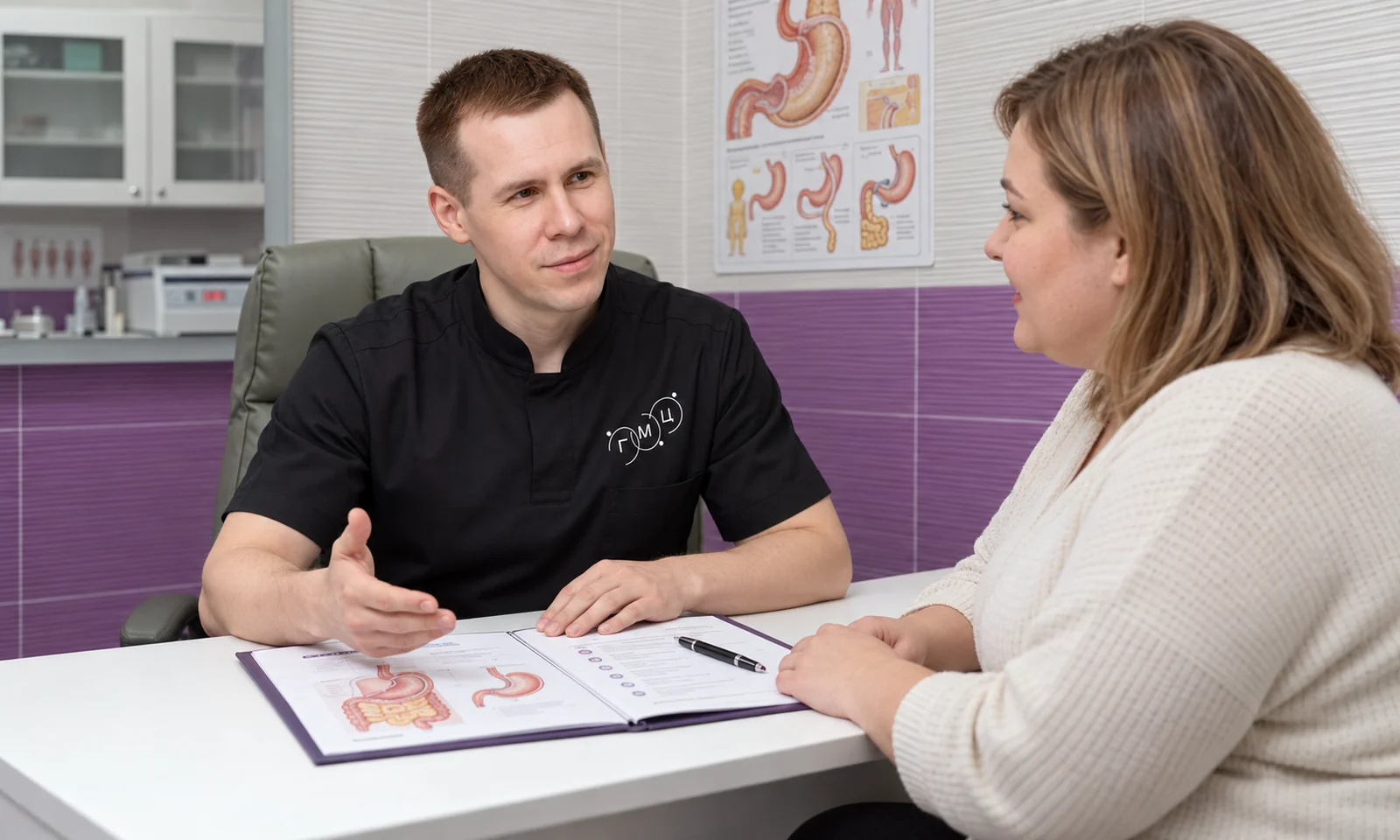

Not sure which group you fall into?
Write to us on Telegram — a coordinator will let you know whether bariatric surgery is an option for you. The surgeon consultation costs nothing and carries no obligation to operate.
Find out if it suits me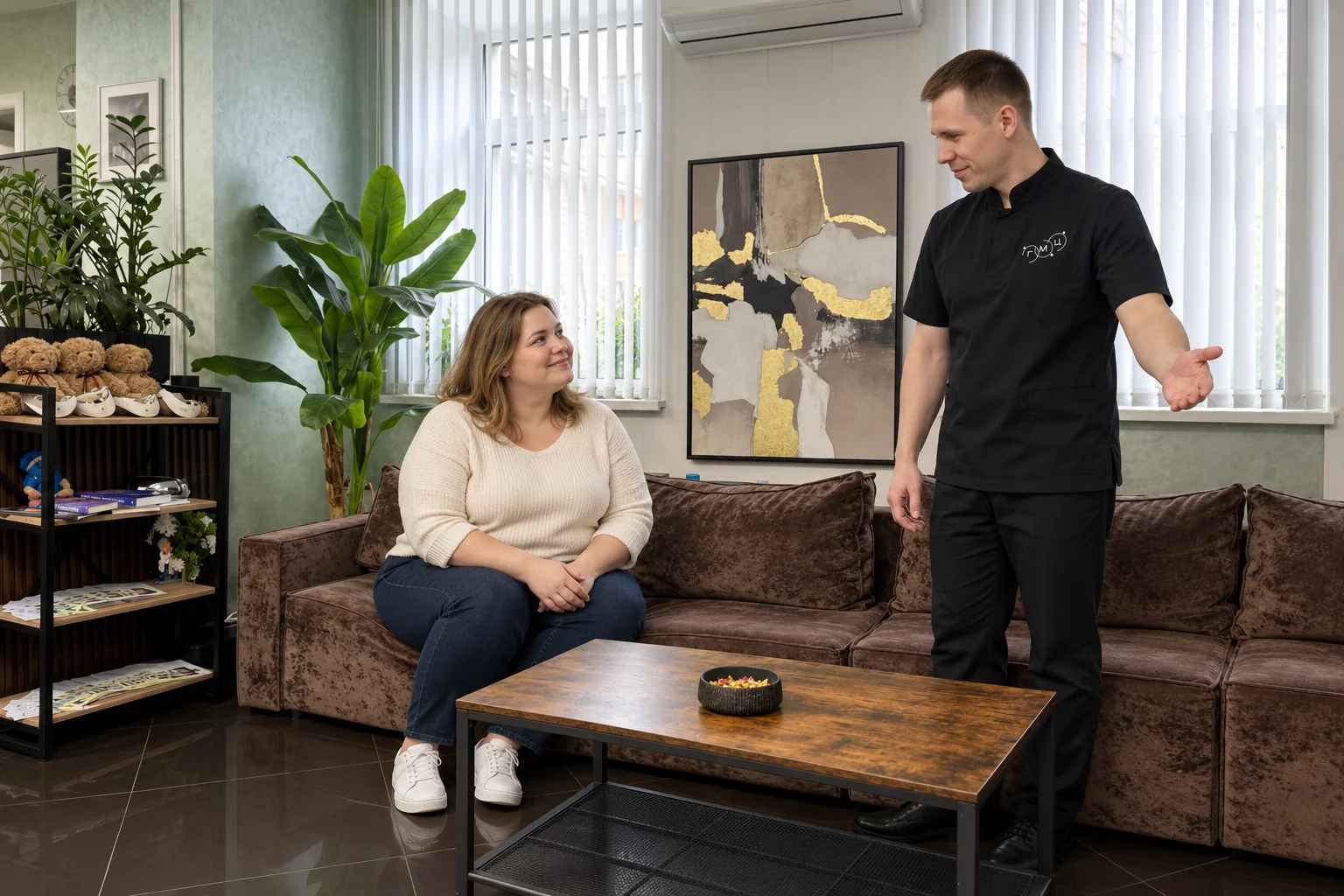
Prices
At the consultation, when your plan is ready, we name the cost and fix it in the contract.
Discounted price
Less stomach volume

$3,600$4,800
Discounted price
Rerouting food and losing weight

$4,000$5,200
Free
Surgeon's examination and a treatment plan

Free
the surgery price is set
and written into the contract
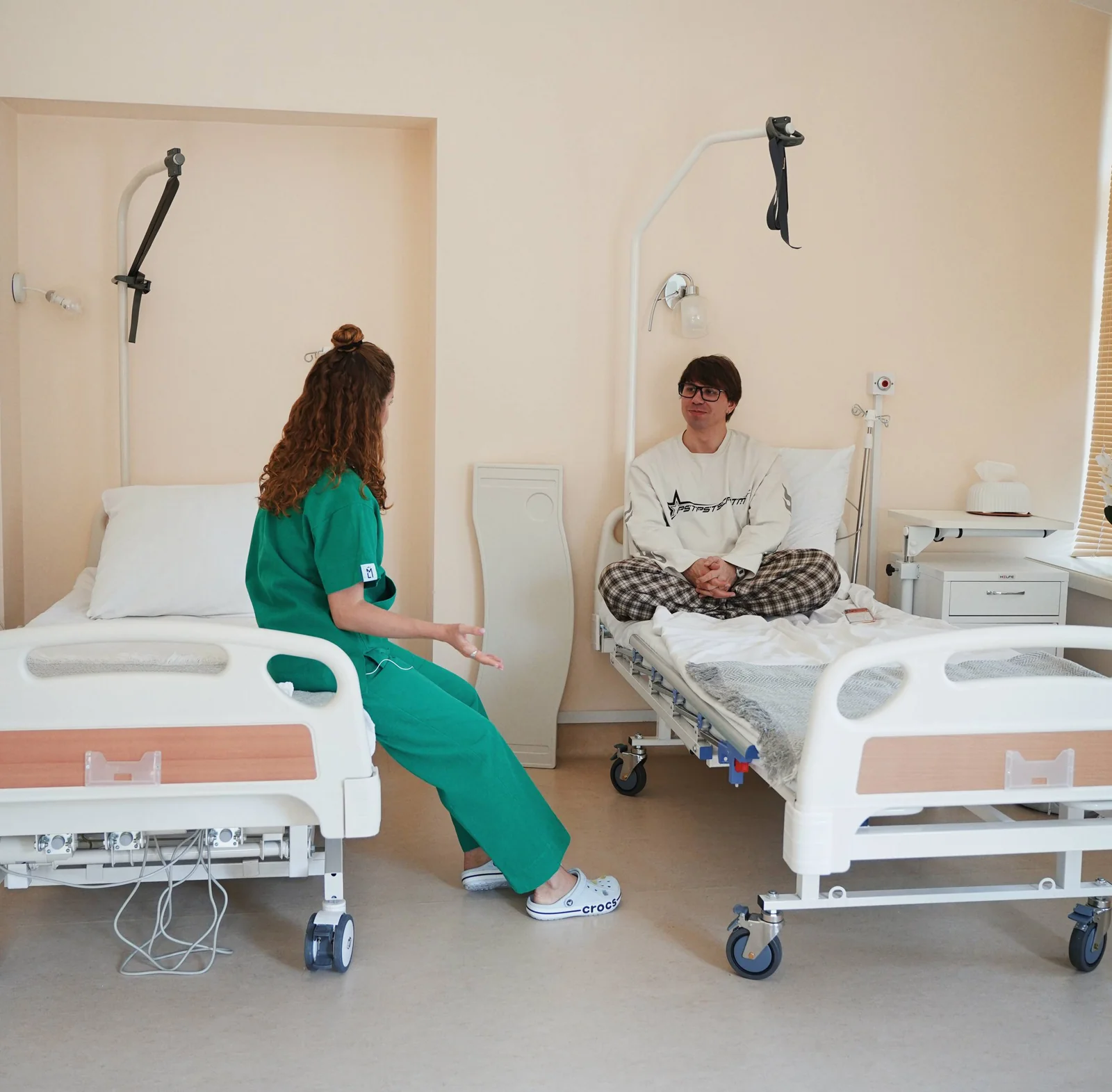
Following a health assessment and a talk about your goals, the doctor chooses the right bariatric surgery method. The cost is named at the consultation and set in the contract.
Message our coordinator
Free online consultation · Reply within 15 minutes
Message us on TelegramMessage us on WhatsAppBy messaging us, you agree to our Privacy Policy

price
No extra charges: one package takes you from preparation through 12 months of support.From preparation for surgery
to support for 12 months.
How it goes
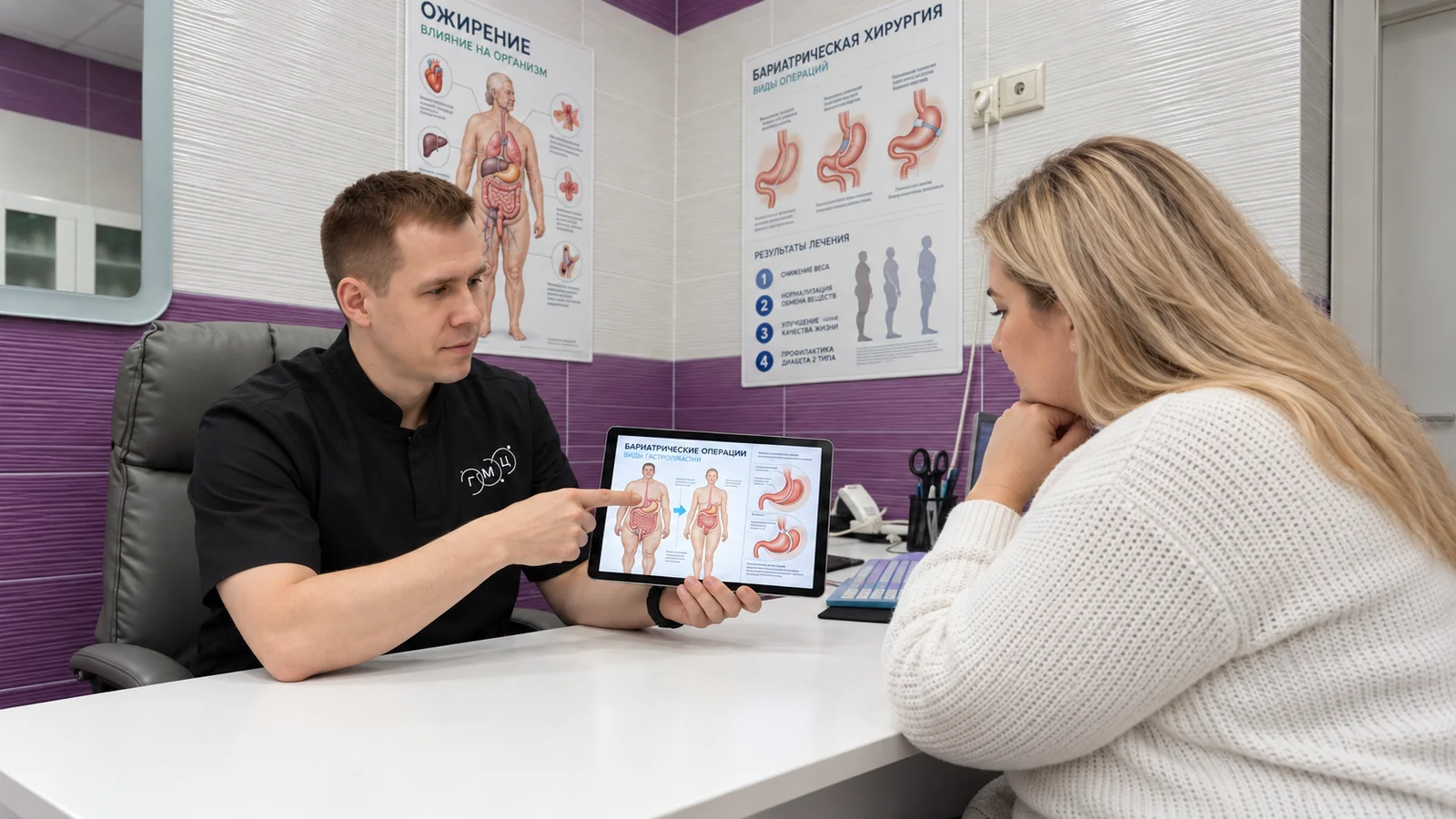
An agreed treatment plan, close monitoring in hospital and support lasting a year.
 1
1Assessing your health and discussing your goals, the doctor orders the tests needed to select the appropriate bariatric method.
2We reserve your surgery date; the deposit can be made by card in the clinic or by online bank transfer. The contract for medical services sets the terms
 3
3You see the specialists and have blood and urine tests, an ECG, an ultrasound and a gastroscopy before surgery. The doctor gives you the precise list at the consultation.
 4
4The surgeon does the bariatric operation under general anaesthesia by the method chosen. After surgery, the patient stays under the medical team's monitoring.
 5
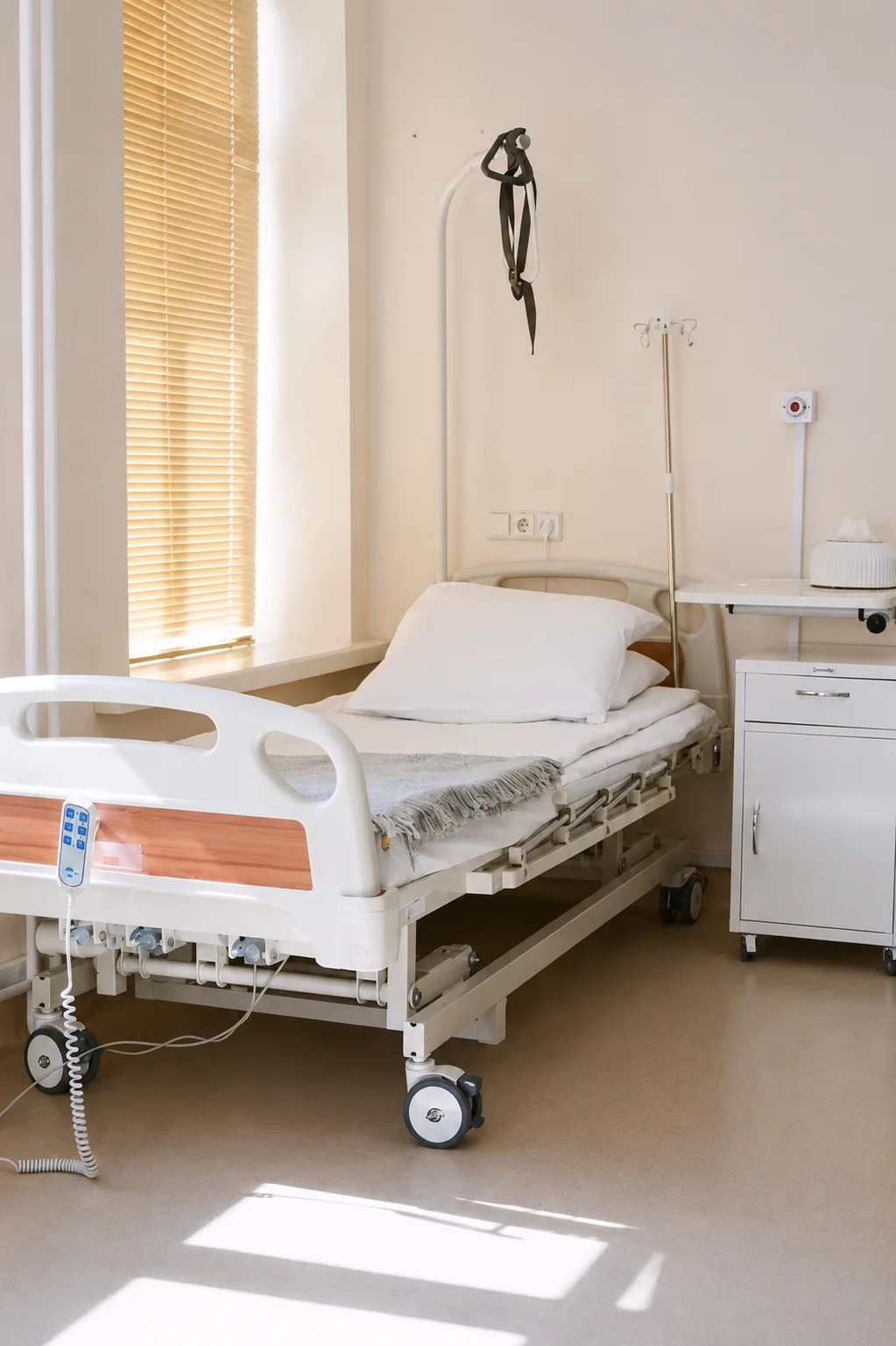
5After surgery you remain in hospital under doctors' supervision. Expect a stay of 1–3 to 4–5 days, depending on the complexity of the operation and how you feel.
 6
6You leave with advice on diet and recovery. Scheduled check-ups then track how you feel, your weight and your test results, and the clinic team stays with you for a year.
A plan is drawn up by the doctor at the consultation, with an explanation of how surgery will go

The consultation costs nothing, takes place before surgery and has no obligation.
Book a consultationDoctors

27 years of experience
Leading bariatric surgeon
Surgeon

9 years of experience
Bariatric surgeon
Surgical oncologist
Your surgeon operates and follows you — from the first consultation to the result.
Your first consultation is with our patient care manager, who calculates your BMI, explains the methods and books you in with the surgeon. It is free of charge.
Book a consultationCoordinators
Support at every step of the way

Your first clinic contact, from the very first message to the consultation
Patient support specialist
Answers your questions before the first consultation and helps select a date that works for you

By your side before and during your stay, from booking to discharge
Patient support specialist
Helps you prepare for surgery, then keeps in touch throughout your stay at the clinic

From the day of discharge to your final check-up — with you through recovery
Patient support specialist
Keeps in contact while you recover and schedules your follow-ups with the surgeon
Advantages
We pick the best method for your health, lifestyle and goals, and our team is with you all the way.

We help you track your results, keep them and adapt to new eating habits.

Better well-being, steady weight loss and a higher quality of life.

We work 24/7 out of respect for your time, with easy booking and a personal approach — we adapt to your pace.

The surgeon decides on the method after the consultation and you get a clear price: no hidden fees, no unexpected costs on the way to your result.
FAQ
At the clinic, bariatric operations are carried out by experienced bariatric surgeons:
Get in touch by message: our coordinator will reply shortly and book your consultation. The bariatric surgeon consultation is free.
Surgery is prescribed only when clear criteria are met
To gauge obesity, doctors rely primarily on BMI, which equals body weight (kg) divided by the square of height (m²). An operation is usually warranted with a BMI over 40, or over 35 with serious associated conditions. Occasionally surgery is weighed at lower values as well, once non-surgical options have failed.
It is common to confuse them, but their goals are fundamentally different. Bariatric surgery treats obesity and related diseases medically. By changing how the digestive tract works, it addresses the causes of excess weight and metabolism. Plastic surgery shapes the body's outer contours; it does not treat obesity and has no effect on metabolism.
At City Medical Centre there are four main types of bariatric surgery — sleeve gastrectomy, Roux-en-Y gastric bypass, mini gastric bypass (MGB) and SADI-S duodeno-ileal bypass. Every method is chosen individually from BMI, related conditions and the patient's goals.
Modern laparoscopic technique is what we use. Just 4 small punctures of 5 to 15 mm are needed for the operation. Cosmetic sutures mean the marks are nearly invisible after healing.
Recovery time depends on the activity. Office work: after 2–4 weeks. Physical work: after 1.5 months. Sport and activity: swimming allowed after 30 days, other exercise gradually added as weight goes down. Travel and holidays: plan no sooner than one month after surgery.
Your meals progress in stages: liquid food, soft food, then solid. The stress is on protein and on reducing high-calorie, fatty food.
You can become pregnant after bariatric surgery, but doctors advise a wait of at least 12–18 months. Over this period the body stabilizes, weight hits target values and nutritional status normalizes.
Yes, after bariatric surgery vitamins are a must. The altered digestive anatomy reduces absorption of some nutrients, which makes regular vitamin and mineral supplements a permanent part of the patient's life.
Regaining weight after bariatric surgery is possible, yet very unlikely when you stick to the doctor's advice. The keys are proper nutrition, no high-calorie drinks and regular check-ups with City Medical Centre specialists.
Prices are in US dollars; the amount in brackets is an approximate conversion to SAR at the rate of 02.10.2026. The final price is fixed in your contract.
Prices start from $3,600 (≈ SAR 13,500). The surgeon sets the final price at the free consultation, and it is fixed in the contract, with no hidden extras.
General anaesthesia, a personal coordinator from day one, monitoring in the hospital and support for one year.
The hospital stay is 1–5 days, depending on the method and how you feel. Office work is possible after 2–4 weeks.
Yes. The first consultation is free and does not oblige you to anything. You can start online by sending a message to the coordinator.
Message us on WhatsApp or Telegram using the buttons below. A coordinator will answer your questions and book a free consultation where the doctor names the exact price.
By messaging us, you agree to our Privacy Policy
Surgery is usually justified with a BMI above 40, or above 35 when serious related conditions are present, and sometimes at lower values if other approaches have failed. People in Khamis Mushait who have carried 30 kg or more above normal for years, whose weight returns after every diet, or who live with type 2 diabetes, hypertension or joint pain are typical candidates.
Preparation is practical. Two to four weeks before surgery, cut fast carbohydrates and fats; a month before, quit smoking, reduce physical activity and avoid stress. The day before, switch to light meals, with the last light meal in the evening and last fluids 3–4 hours before the operation. The same plan applies to everyone preparing for bariatric surgery in Khamis Mushait.
If you are comparing bariatric surgery options in Khamis Mushait, look beyond the operation itself. Here the package bundles the work-up in the centre's own lab, laparoscopic surgery, the stay with meals and nursing, a doctor on hand 24/7 and a year of follow-up. Apply for a free surgeon consultation to see how this applies to your case.
Well-known people who spoke openly about this operation, in their own words.
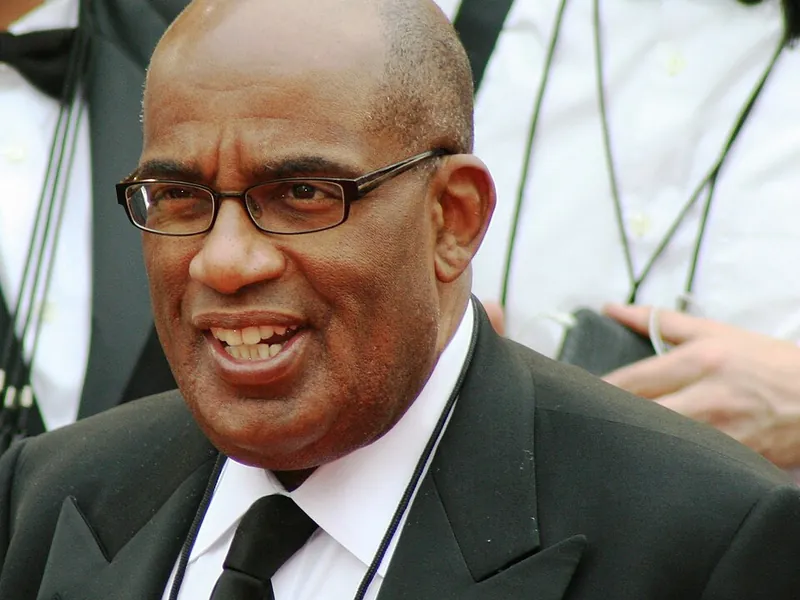 Al Roker and gastric bypass: twenty years of talking about it honestlyAl Roker had gastric bypass surgery in March 2002 and has talked about it for 20 years. His words, how the operation works and what recovery involves.
 Did Billy Gardell have bariatric surgery? Yes — and he says it saved his lifeThe Mike & Molly star had bariatric surgery in 2021 after a diabetes diagnosis. His quotes on the decision, the 100-pound loss and his children.
 Did Graham Elliot have weight-loss surgery? Yes, and he did it for his familyChef Graham Elliot had weight-loss surgery in 2013, saying it was what he needed to do for his family. His words, the operation and recovery.
 Did Mama June have a gastric sleeve? Yes — in her own wordsJune 'Mama June' Shannon had a gastric sleeve in May 2015. Her quotes on the 550-pound start, the regain and starting over.
 Did Randy Jackson have gastric bypass surgery? Yes, and he still talks about maintaining itRandy Jackson had gastric bypass surgery in 2003 and lost 114 pounds. His own words, how the operation works today and what recovery involves.
 Remi Bader and her weight-loss surgery: what she actually saidRemi Bader said in 2023 she had weight-loss surgery removing 80% of her stomach and lost 140 lbs. What she said, how the operation works, and recovery.
What patients write after this operation. Reviews are translated from the original language.
Irina, 26
For a long time I doubted whether to go ahead with surgery, but after the consultation I felt much calmer. Andrey Georgievich explained in detail how gastric bypass is done, what to expect after the operation and how recovery would go. I especially liked that they talked to me calmly and without pressure. I am now gradually getting used to my new way of life and I am very glad I took this step.
Bariatric surgery
Doctor: Andrey G. Ugay
Angelina, 22
For me the hardest part was deciding to have the operation. At the consultation Ruslan Sergeyevich answered all my questions in detail and explained the specifics of sleeve gastrectomy and recovery. After the operation I always understood what I was doing and why. Thank you to the doctor and the whole team for their attentiveness.
Bariatric surgery
Doctor: Ruslan S. Menzulin
Anna, 31
For a very long time I tried to deal with my excess weight on my own, but I did not get the result I wanted. After the consultation with Andrey Georgievich I finally understood what to do next. I came through the operation well, and my recovery was supervised by the doctors. It was important for me to feel that I was not left alone after surgery.
Bariatric surgery
Doctor: Andrey G. Ugay
Veronika, 25
Before the operation I had many fears, mostly of the unknown. Ruslan Sergeyevich explained every stage of treatment in detail and answered even the simplest questions. Thanks to that I felt much more confident. I keep following the recommendations and I am gradually seeing the changes I had the operation for.
Bariatric surgery
Doctor: Ruslan S. Menzulin
Valentina, 23
The decision to have bariatric surgery was not easy for me. I worried both about the operation itself and about how my life would change afterwards. At the consultation Andrey Georgievich explained everything in detail, so little by little my fear turned into confidence. What matters most to me now is the result and the chance to treat my health and lifestyle differently.
Bariatric surgery
Doctor: Andrey G. Ugay
Anna, 27
I am very grateful to Ruslan Sergeyevich for his attentiveness. Before the operation I had a huge number of questions, and I got a clear answer to every one of them. After the operation it was also clear which recommendations to follow and how to eat. It was important to me that the doctor stayed in touch and I felt supported at every stage.
Bariatric surgery
Doctor: Ruslan S. Menzulin
The kingdom's fifth-largest city by its 535,065 residents in the 2022 census, mountainous above two thousand metres in Asir, Khamis Mushait grew on clear deals and a market's transparency that tolerates no vagueness. That character fits bariatric surgery exactly, because it is the operation most in need of an honest file: a weight history across the years, diet attempts with all their details, chronic medicines, sleep, work and movement. Whoever sent this complete picture to coordinators on Telegram or Telegram at any hour received an answer worthy of it, not a generic encouragement left dangling.
The surgeon who reads that file sees what the mirror cannot: the weight's pattern across the years, what broke each diet attempt, and what medicines and conditions run in the background. That is precisely what separates a first opinion that settles the matter from one that leads you in circles, since the decision in this surgery is built on a course rather than a moment. Write your history with full honesty, including the weeks that failed, because the information embarrassing to type is the information useful to plan with, and a city of deals knows that goods displayed as they are get bought with confidence.
Before anything else the contraindications are discussed: uncontrolled diabetes, serious heart disease, a pacemaker, epilepsy, intolerance of anaesthesia, and age under eighteen. These questions belong in the first message rather than the last week before the date, and their written answer saves weeks of correspondence and draws the road from the start, whether it leads to surgery or to treating another cause first. Whoever discussed his contraindications bravely in the first conversation spared himself the longest detour in this file, and whoever hid what he knew found the file returning to him through the tests in the end.
And when the surgeon decides the operation suits you, he answers the question every bariatric patient asks first: which operation exactly? Sleeve or bypass, and why this one rather than that in your particular case, and which accompanying conditions raise or lower the length of the stay. The written answer to this question is the first thing separating a serious offer from a generic one, and a city of clear deals knows that every clause without detail is a missing clause. Put that answer in your file beside your weight history; together they form the basis of every comparison you later make between offers or surgeons.
Bariatric surgery carries a hospital stay from one day to five by the operation's type, extent and accompanying conditions, longer than most procedures because it is the beginning of a programme rather than the end of a transaction. The first days hold early standing, water in small doses, a gradual move through liquid meals, and the explanation of the vitamin schedule that will accompany you, every step explained by the team and written onto a page that leaves with you. Whoever treated these days as a school left them half taught; whoever treated them as waiting left with an empty hand and a signed sheet he does not understand.
Take your full role in these days: write what is said, ask about what repeats, record the medicines' doses and the walking and meal times, and note your night questions to send in the morning. A team that sees a patient documenting his learning trusts him more at discharge, and trust here is a working currency: fewer repeated instructions, faster replies, and a nearer first follow-up. In a city that became the kingdom's fifth largest because its people trade in clarity, this style in hospital is of the same character; you need not invent a new personality in three days, only bring the clear-market version of yourself.
In the last two days before discharge begins the explanation of what will govern your house afterwards: the staged diet stretching from a month to two, from liquids to soft food and then solids, the vitamins' doses and times, and the first follow-up dates. Ask about everything that will puzzle you in your own kitchen: how a liquid meal is measured, whether broth with meat is allowed, what to do about evening nausea. Written answers to these small things prevent weeks of guessing across a whole household, and whoever took his share of this explanation in hospital lived the first months with a calm unlike the friends' tales.
And the house that receives you needs an arrangement worthy of the new programme: one shelf for the vitamin boxes where no eye misses it, a small fridge nearby for liquid meals, an indoor walking path for the first days, and the first week's duties distributed among the household a week before discharge day. Whoever arranged his house this way found the restrictions easier than others had described; whoever left the house to improvise returned every evening to one question, what do I eat today? The written answer pinned to the refrigerator settles that question before it is born, and turns the first weeks from a battle of wills into a shared programme everyone can read.
The diet after surgery passes through clear stages: liquids first, then soft food, then small solid portions, the stretch running from a month to two until the new stomach takes its rhythm. In the kitchen of a highland city whose people love rice, broth and buried-meat dishes, this passage runs gently in the cold months when soup already rules the table, and the warmer months need an arrangement with whoever runs the kitchen so the patient does not find himself among full trays in his first week. Make the written food schedule the law of the house, then let it dissolve into the new habit without announcement.
Saudi hospitality is a weapon of known weight in this stage: coffee that cannot be refused, dates that cannot be left, a plate refilled before you are asked. Prepare your written answer in advance in your household's language: my doctor has set a temporary schedule, one bite is enough for me today, and in two months you will see for yourselves. Ask your coordinator for a short message that serves as a formal reply to be read in the council rather than an argument, because the printed word carries a weight the heated rejoinder never does. Whoever prepared his tools in advance spared himself ten embarrassing moments; whoever left it to improvisation paid for every council separately.
Once the staged phase ends, the new portions begin: a smaller plate, slower chewing, water between meals rather than with them, and protein at the heart of every meal. The habits those first months build are what keep the weight once surgery has secured it, which is why the follow-up team supervises them for months rather than weeks. Whoever returned to his table having mastered them found the food itself friendlier than feared: rice was not banned but measured, dates stayed with their count, and coffee kept its place at the head of the sitting as a habit rather than a challenge.
At every one of these stages something may occur that you do not understand: bloating after a particular meal, unusual tiredness, or a stop in the loss with no visible cause. The trading city's rule applies here to the letter: do not try a cure from a neighbour's advice; send your question written to the coordinator and the surgeon's answer reaches you within the bounds of your own file. This short channel turns every moment of confusion into a point on a curve your team understands, and whoever grew used to it from the first week found nothing in the following months more reassuring than a two-line message and its documented reply.
Few cities give a new bariatric patient the gift Khamis Mushait gives: mornings of mountain air whose January lows approach 8.6°C, a summer whose highs never pass about 32.3°C, and rain near 180 millimetres a year. Daily walking, the most recommended exercise after this surgery, becomes here a beloved activity rather than a burden: fresh air in the early morning, streets of moderate temperature in the evening, and no blaze that drives the patient home after the first hundred steps. Whoever built the walking habit in this climate built the cheapest gym he owns.
But the altitude imposes its precaution: thinner air does not weaken the sun, so daytime outings need a cap and a suitable hour, and whoever walks long hours keeps a glass of water that never leaves him. Begin with short distances on level ground, and raise the pace gradually in step with the surgeon's signal, logging your walks in the same record where you send your weight. Movement ordered by pace and measurement outlasts enthusiastic movement, and the highlands' people know this from their work in cold and heat together: the mountain rewards the constant, not the hasty.
In the rainy months, rainy evenings become the city's favourite face for enclosed walking: covered walkways, wide arcades, and the family home itself with its known circular route. There is no shame in indoor movement on a rainy day, since the counter that matters counts steps rather than scenery, and whoever tied his walking to one kind of weather cut himself off from half the year's days. Give every season its substitute: a sunny morning for the open air, a rainy evening for the covered passage, and the rhythm continues as the city itself continues through all its seasons at the altitude that never betrays it.
And the household's role in this movement is decisive: from accompanied walking that becomes a family evening habit, to a table that adapts to the new portions without comment, the house that understood the new logic makes commitment a household habit rather than a private battle. Sit with your family before the operation, explain the food schedule and the walking times, and give each member a small role to own; whoever shares a plan defends it, and whoever is left watching it reduces his role to commentary. This small difference between a participating house and a spectator one is what the surgeon later reads in your weight's curve without ever seeing the house itself.
The loss after surgery begins at a pace the surgeon knows well: an average of about ten percent of the excess weight falling each month, then slowing gradually as the body nears its target, until habit and weight settle together between a year and a half and two years. Those numbers are managed with one scale, one morning, and one weekly entry sent to the coordinator monthly; the line this log draws is what the team reads, not the figure of one anxious night. Whoever kept this system in an ordered city like Khamis Mushait watched the months pass on schedule, and whoever dropped the follow-up returned after a year with the single question of why everything stopped.
The road's greatest danger is a silent relapse that announces itself to nobody: a spoon that returns to habit, then a second helping becoming a rule, then a scale that stops quietly. This is why the channel stays open the whole two years: a monthly scale photo, a passing question at the first doubt, and a written comment from the surgeon that returns you to the line before the drift grows. Whoever lived those two years by the log rather than by mood reached his final result knowing his road in detail; whoever lived them by feeling found that the first months the team warned about were the whole story.
And before any name, the licence is verified: every physician practising in Saudi Arabia is registered with the Saudi Commission for Health Specialties, which licenses doctors by specialty and lets you verify a registration through its online portal. Take the registration number and check it at the source, and add a question about how many bariatric operations the surgeon performed last year and his experience of following them afterwards. And remember that bariatric surgery when performed for cosmetic reasons is usually arranged and paid privately outside the cooperative insurance's coverage, so ask your employer or insurer where they stand before assuming; whoever read written offers in the city of clear deals knew its people from the first line.
Write your first message on the night you decide to stop postponing: your weight history, your medicines, your previous attempts, with the honesty of the market rather than the enthusiasm of the advertisement. Coordinators on Telegram or Telegram will reply at any hour, and your file begins its road from page to page until it reaches the operating room complete and confident. What follows is month after month at the highlands' pace, and habit after habit, until the new weight becomes your second character rather than an achievement you guard; and a city that grew from a weekly market into the kingdom's fifth largest knows this road well.
Age alone is not the verdict; the matter returns to the heart's condition, diabetes, and the tests the surgeon runs before any decision, and whoever's health file is managed discusses the operation like any other candidate. The gravest part of postponing the decision long is that the weight's load gathers on the joints and heart with every year, and whoever decided early treated the disease before its complications settled. Tell your whole health history in the first message to the coordinators; the written answer about your suitability is what the decision is built on, not the ID number and not the council's opinion.
The diet passes through stages from liquids to soft food and then small solid portions, the stretch running from a month to two until the new stomach takes its rhythm. In the highlands' kitchen winter makes it easier while soup heads the table, and the events season needs an early arrangement with the household. The detailed schedule arrives written from the follow-up team, and you do not move between stages without their signal however normal everything looks; this staging itself is what protects the result, and nothing else does.
From one day to five by the operation's type, extent and accompanying conditions, a stay longer than most procedures because it is the beginning of a programme rather than a mere overnight. The first days hold early standing, water in small doses, the explanation of the vitamin schedule, and every step written onto a page that leaves with you. Take the student's role in these days: write what is said and ask about what repeats, since whoever left the hospital half taught lived the first months with a calm unlike the friends' tales.
The usual average is about ten percent of the excess weight monthly, then the pace slows gradually as the body nears its target, a natural slowing rather than a fault. The numbers are read as a line, not dots: a steady week between two falling weeks is ordinary, while a full month without movement deserves a question to the surgeon through the coordinator. Weigh yourself once a week on the same scale at the same morning hour and send the summary monthly; the team reads the general direction, not one anxious night's figure.
Desk work usually resumes between the second and fourth week as recovery runs, while heavy work that lifts and strains needs around a month and a half. Tell the coordinator the nature of your work in the first conversation, since the office employee's answer differs from the shopkeeper's in the market or the workshop worker's, and the estimate arrives written within the plan. That way every worker in Khamis Mushait books leave to his own measure, not to family guesses and not to the early-return enthusiasm that wastes weeks of healing.
Useful, and among the best the city offers: mornings of mountain air with January lows near 8.6°C and a summer that never passes about 32.3°C, so daily walking becomes a beloved activity rather than a burden. Begin with short distances on level ground and raise the pace in step with the surgeon's signal, and remember the sun at altitude stays strong, so the cap and the right hour are part of the plan. Whoever built the walking habit in this climate built the cheapest gym he owns, and whoever logged his walks in the same record as his weight took it further still.
By the log, not by mood: one scale, one morning, one weekly entry sent monthly, and a photo album in the same light that shows what the daily mirror hides. Between check-ins the channel stays open for a passing question at the first doubt, and the surgeon's written answer returns you to the line before the drift grows. Remember the pace slows as you near your target and that is natural, not failure; whoever lived the two months by numbers reached his result treading the road knowingly, and whoever lived them by mood guessed every morning instead.
Saudi Arabia's cooperative insurance is designed to fund essential and curative care, and bariatric surgery performed for cosmetic reasons usually falls outside that coverage, with elective operations arranged and paid privately. The safest way is to ask your employer or insurer directly about their position on your case before assuming any answer, and to ask your coordinator to itemise what the written offer covers of operation, tests and follow-up. The city of clear deals knows this language: the written clause is what counts, and whatever rests on assumption builds nothing.
Page medically reviewed by Andrey G. Ugay, lead bariatric surgeon. Review date: .