



























Message our coordinator
Free online consultation · Reply within 15 minutes
Message us on TelegramMessage us on WhatsAppBy messaging us, you agree to our Privacy Policy





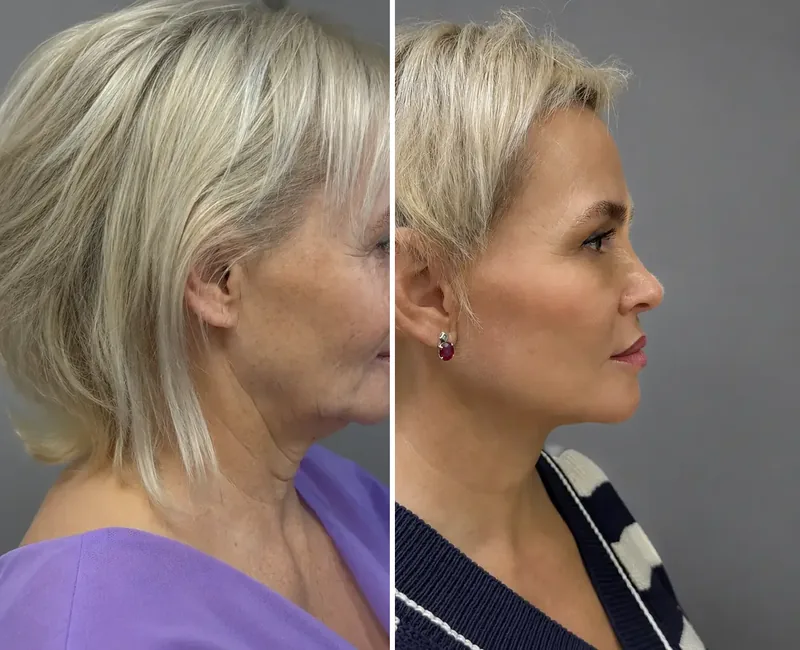

50 years
9 months
SMAS facelift
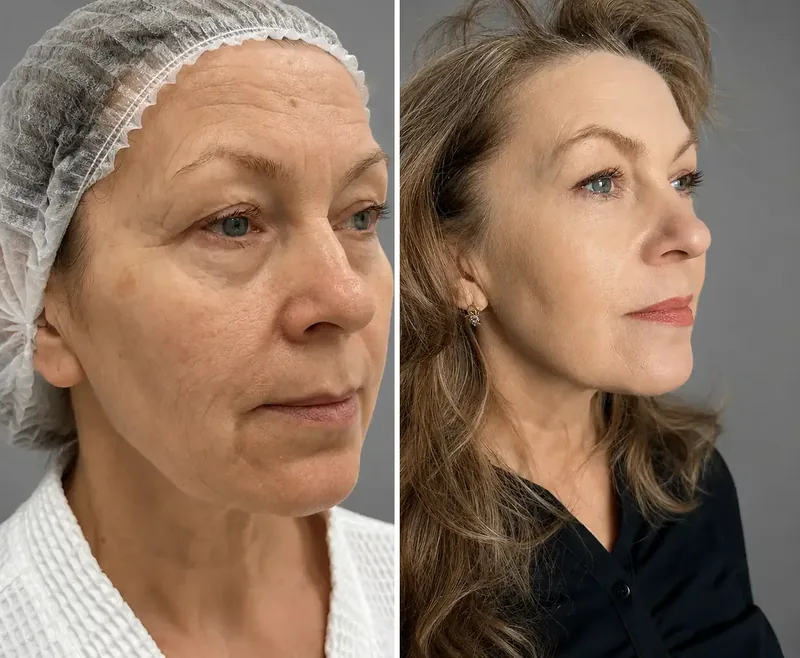
58 years
8 months
SMAS facelift
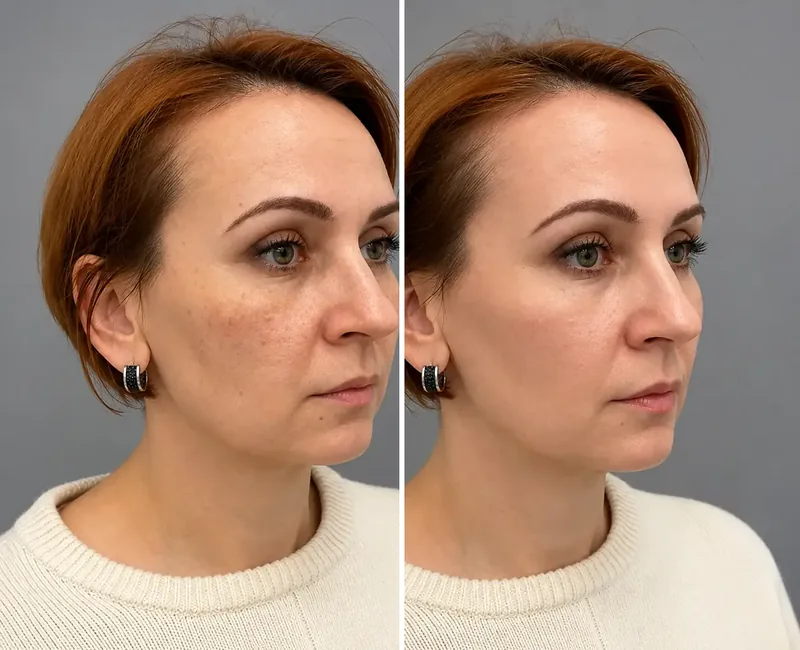
34 years
5 months
SMAS facelift
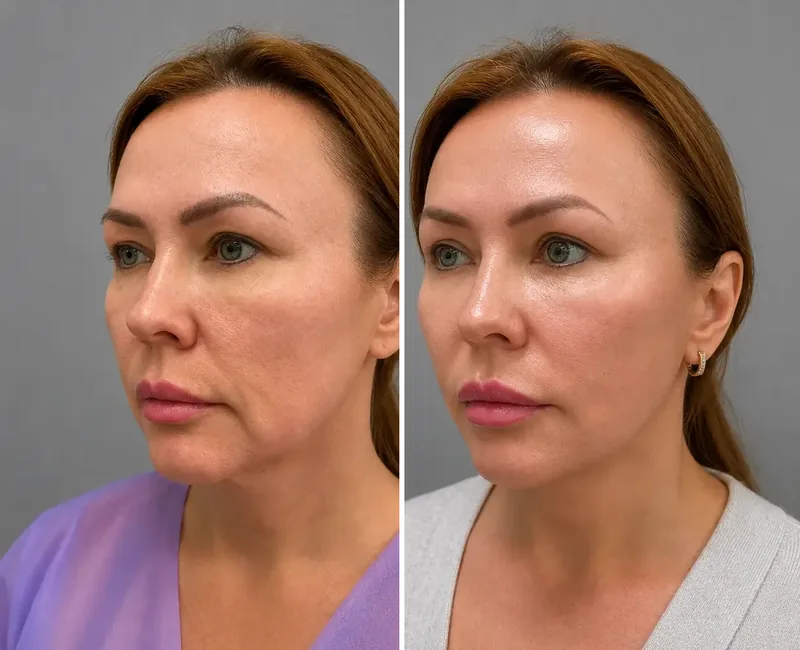
32 years
7 months
SMAS facelift
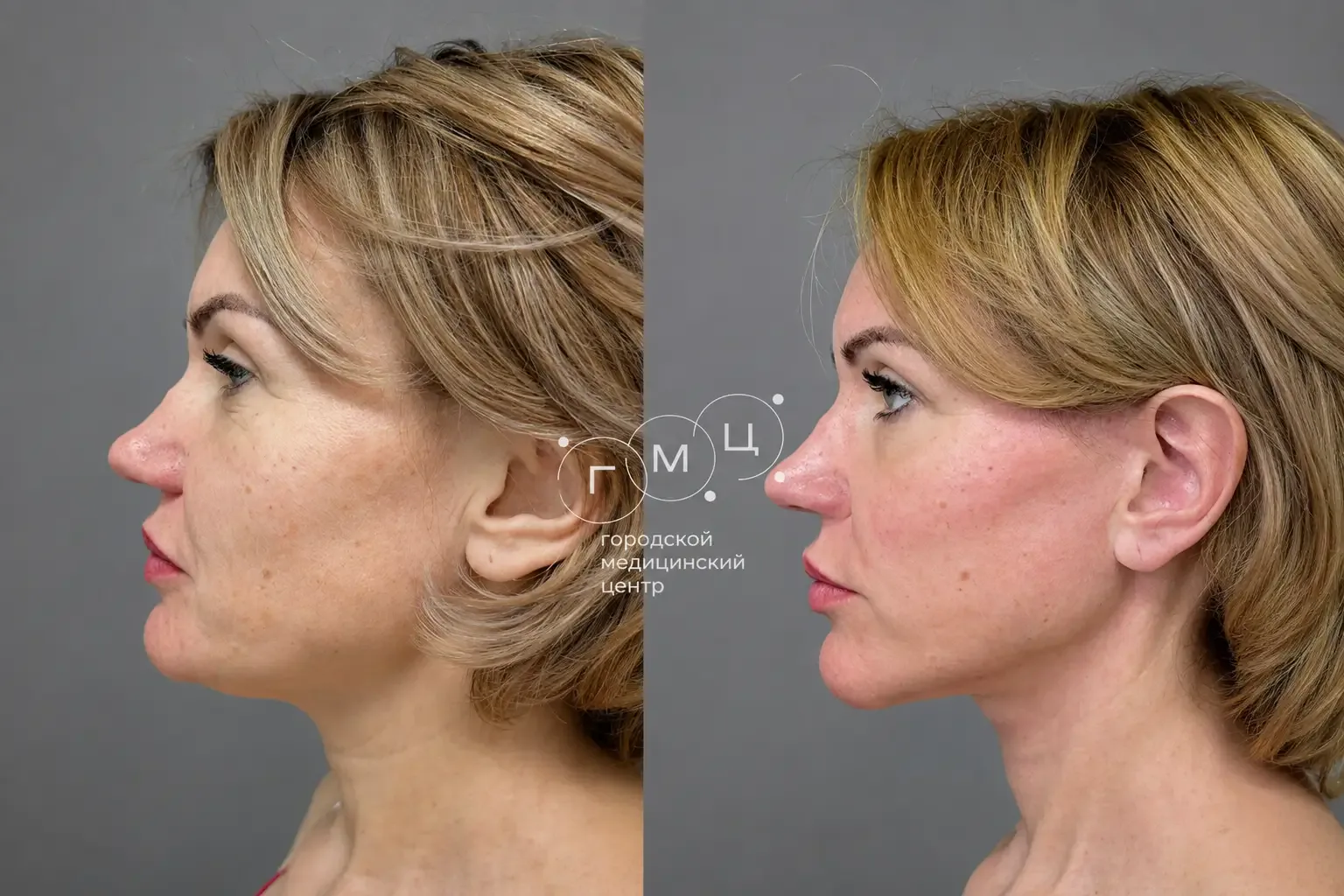
40 years
6 months
SMAS facelift
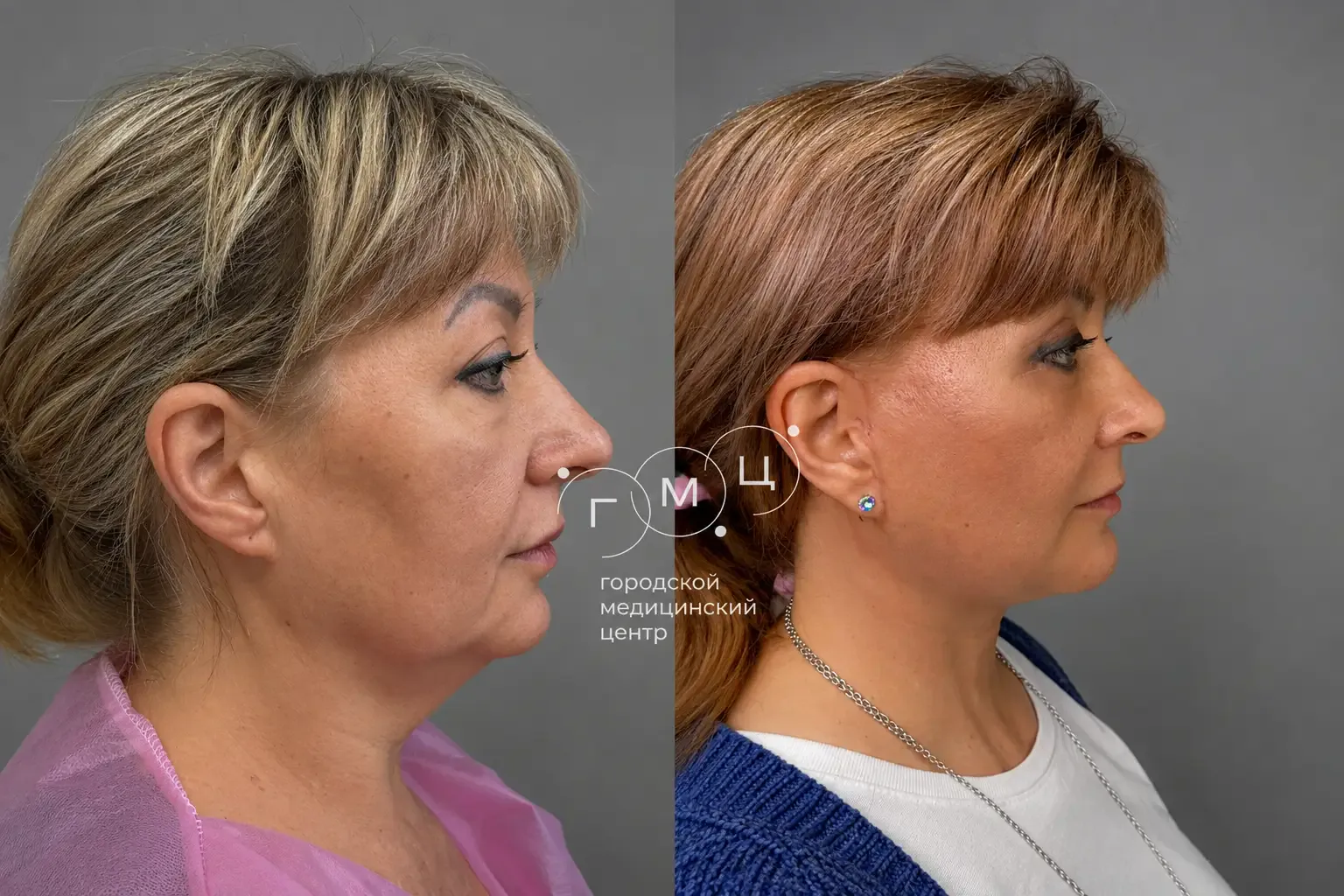
45 years
8 months
SMAS facelift
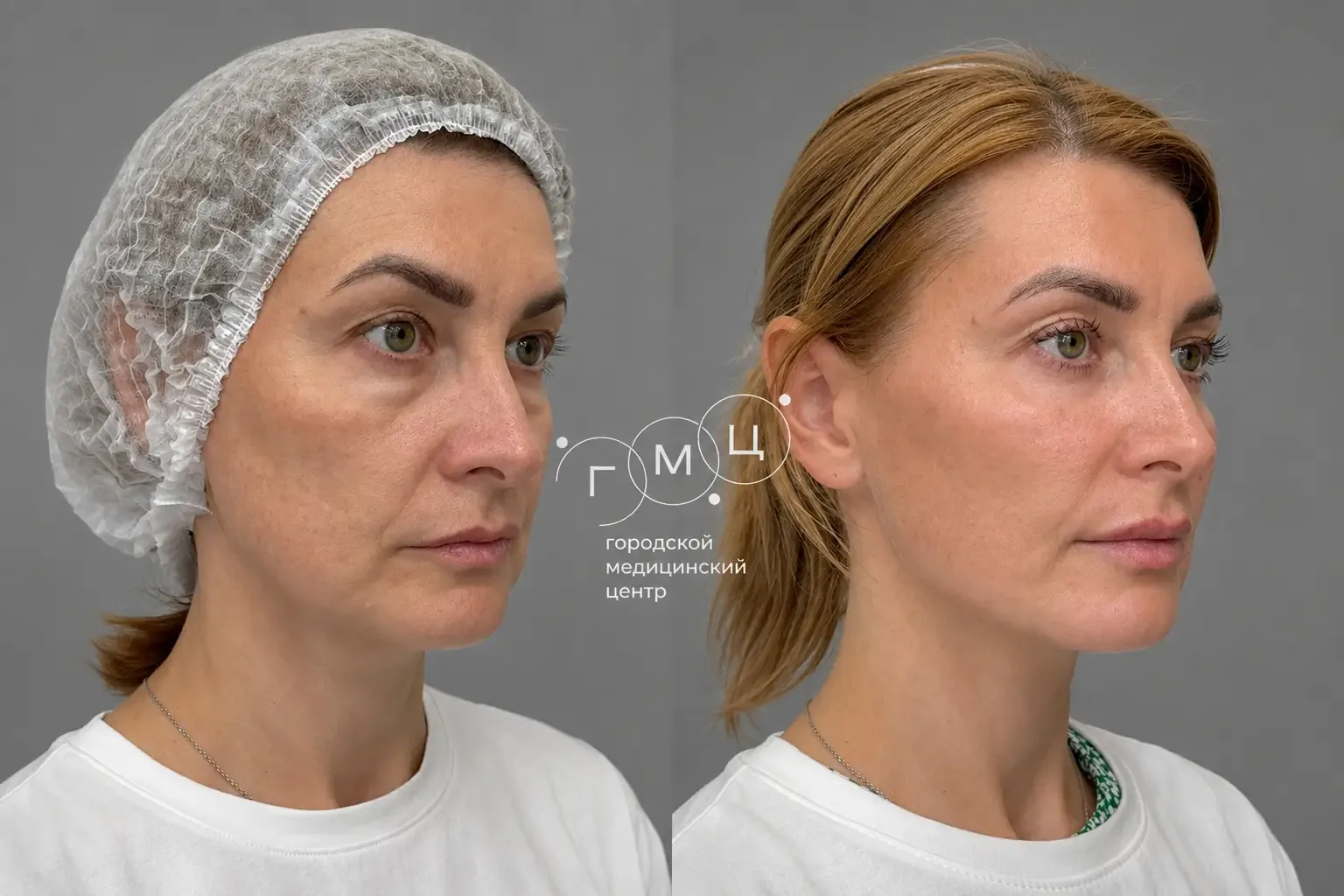
38 years
5 months
SMAS facelift
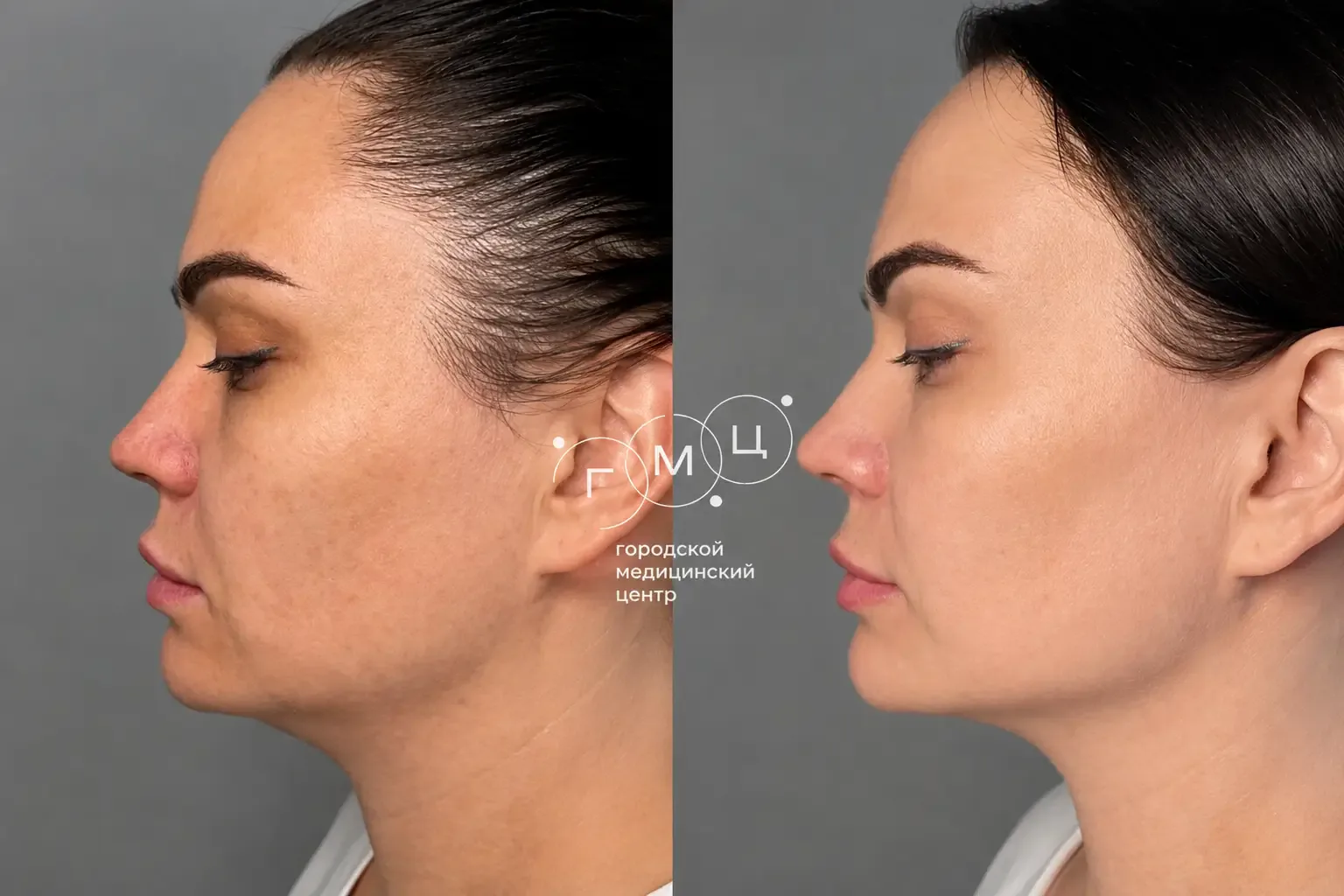
33 years
6 months
SMAS facelift
50 years
9 months
SMAS facelift
58 years
8 months
SMAS facelift
34 years
5 months
SMAS facelift
32 years
7 months
SMAS facelift
40 years
6 months
SMAS facelift
45 years
8 months
SMAS facelift
38 years
5 months
SMAS facelift
33 years
6 months
SMAS facelift
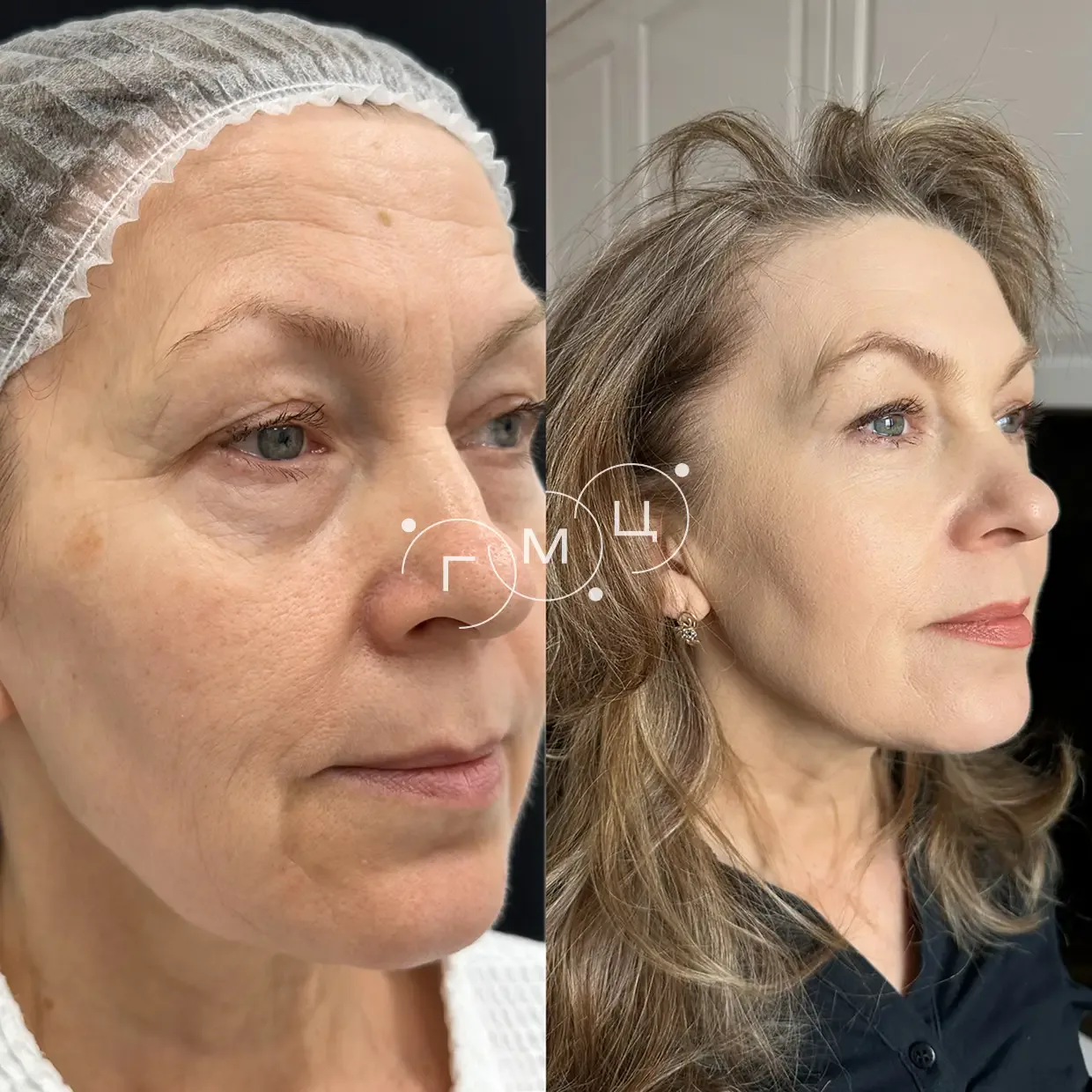

The face and neck show marked sagging
A loss of jawline definition, jowls
Loose skin on the neck, a double chin
Deep nasolabial folds and marionette lines
Brows that droop, giving a heavy look
Noticeable loss of skin firmness after 40
Looking for a result that lasts (7–10 years)

Being under 30
An acute skin inflammation
Being pregnant or breastfeeding
Severe heart and vascular disease
A blood-clotting disorder
Cancer
Decompensated diabetes
What Khamis Mushait residents ask about a facelift
City Medical Centre performs surgical facelifts only, and the scope is tailored at the consultation. Indications include marked sagging of the face and neck, a blurred jawline and jowls, a double chin or loose neck skin, deep nasolabial folds and marionette lines, and drooping brows that make the look heavy. People in Khamis Mushait who want a long-term result rather than a temporary fix are typical candidates.
On the day of surgery you are under combined inhalation anaesthesia, so there is no pain. The surgeon works through incisions hidden along the hairline and around the ears, lifts the skin, redistributes fat and secures the SMAS layer. Afterwards you stay in a comfortable inpatient room with meals and 24/7 monitoring by medical staff. The same care applies to everyone in Khamis Mushait.
If you are comparing facelift prices in Khamis Mushait, check what each offer includes and how long the result lasts. Here the price starts from $2,400 (≈ SAR 9,000) and covers anaesthesia, the stay, meals, 24/7 monitoring and a year of follow-up, while a surgical SMAS lift holds for 7–10 years. The final amount is fixed at the consultation. Book yours for free via the form.
Stories of well-known people
Well-known people who spoke openly about this operation, in their own words.
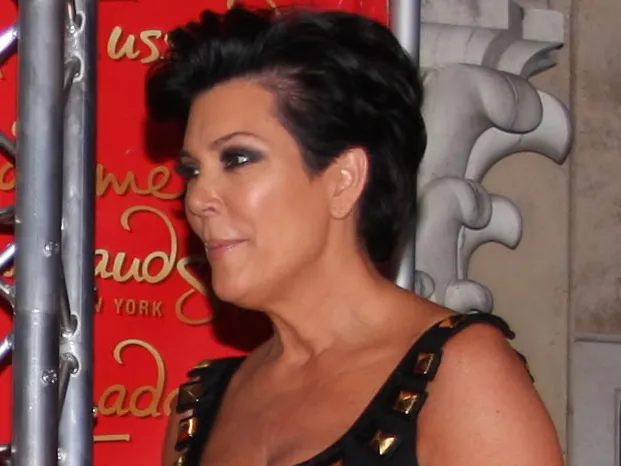 Kris Jenner’s facelift: “I love my facelift”Kris Jenner said she had a facelift about 15 years ago and a refresh before turning 70 — and that she loves it. How a SMAS facelift and recovery work.
 Did Vicki Gunvalson have a facelift? Yes, and she showed the result herselfVicki Gunvalson had a facelift in May 2018 after deciding fillers no longer looked like her. Her own words, how a facelift works and recovery.
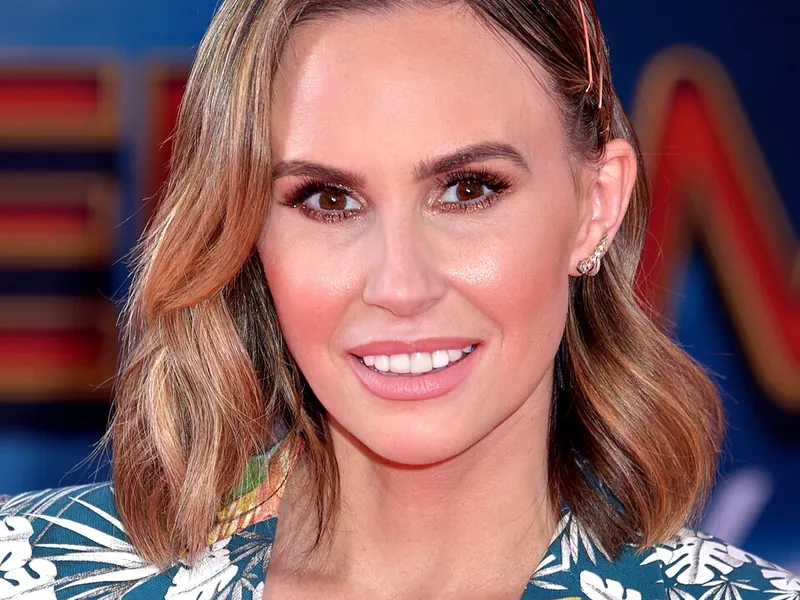 Keltie Knight’s facelift: why she decided to “just own it”Keltie Knight had a facelift in 2023 at 41 and chose to talk about it openly. What she said, how a SMAS facelift works and what recovery looks like.
 Did Linda de Mol have a neck lift? Yes, and she wrote about it herselfLinda de Mol wrote in LINDA. in 2025 that she had a neck lift. What she said, why she chose to be open, and how a face and neck lift works today.
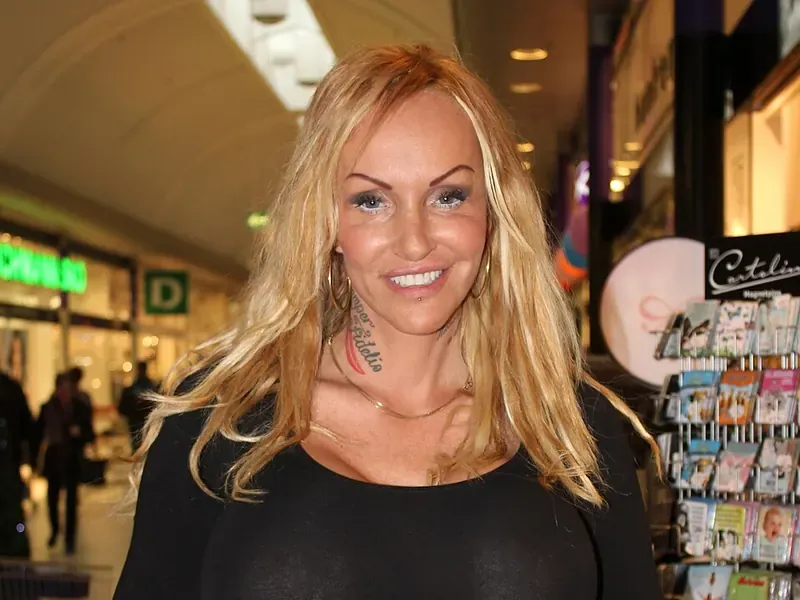 Linse Kessler and her facelifts: what she said herselfDanish reality star Linse Kessler has said openly that she has had several facelifts. Her words, how a modern facelift works and what recovery involves.
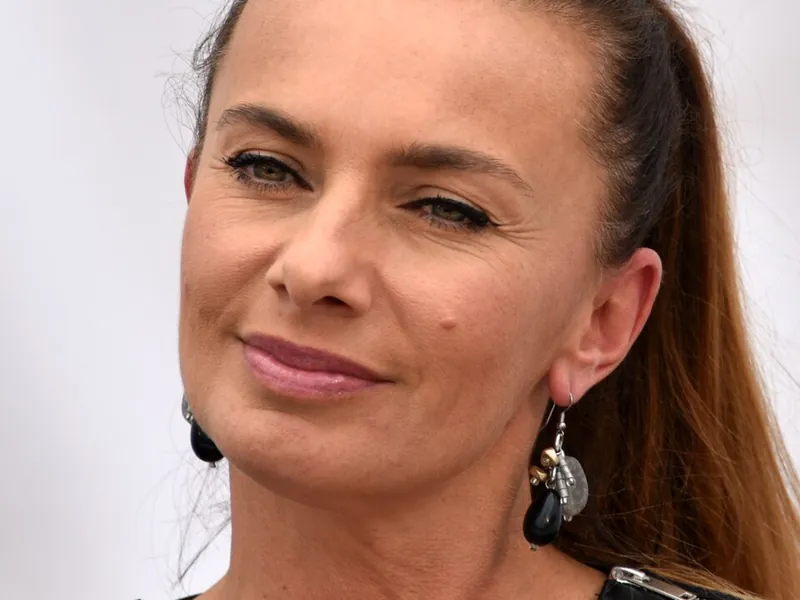 Did Alice Bendová have a facelift? Yes, and she explained why herselfAlice Bendová confirmed a deep plane facelift in September 2026. Her words, how a facelift works, who it suits and what recovery looks like.
A face in the highlands' air: when sagging outruns the calendar
In a city of 535,065 residents by the 2022 census, the kingdom's fifth largest and near Abha, an old market meets modern achievement, and the face sits between them as the front of everything its owner says before speaking. Sagging cheeks, a loosening jaw and neck creases advance on the dates for some people, and there a facelift begins its story: no new hair and no restored youth, but a rearranging of what has descended into a position closer to what was. The questions from Khamis Mushait arrive written to coordinators on Telegram or Telegram at any hour, because talk about one's face is the heaviest thing to conduct face to face.
The first consultation begins with three photos in window light: front, side and three-quarter, with a relaxed unsmiling face, since the smile hides what the photos came to show. The surgeon reads in them the areas that gain from lifting and the areas that need nothing, and a written opinion arrives separating what the lift fixes from what needs another procedure from what deserves waiting. The written page matters here more than elsewhere because it sets the operation's scope before enthusiasm sets it, and whoever kept it with her photos built a file to measure every later offer against.
The highlands' climate gives this surgery a rare background: January nights whose lows approach 8.6°C, a summer whose high never passes about 32.3°C, and rains near 180 millimetres that soften the year. That is, the two months recovery asks to be calm pass in a city that knows neither the desert noon's blaze nor the plains' cold, so the air-conditioned house and the moderate evening walk make the period of the head raised on two pillows closer to an organised rest than to a deprivation. Whoever has lived a summer in a low city knows the price of this mildness, which seems valued only by those who have compared.
And before any step, hold two truths: the operation is performed under general inhalation anaesthesia managed by a specialist, and full recovery takes about two months until the features settle between the third month and the sixth. Whoever accepts those two truths from the start lives the path with the highlands' people's calm, and whoever compares her face to the mirror every morning makes nature's law a personal injustice. Write them at the top of your question notebook, for every question after them is read in their light, and most of what calms the first weeks is not a new answer but a rereading of the first page itself.
The operation day and the first week: an ordered house in a city that knows its visitors
The operation day begins with a clean face, hair tied back, and clothing that opens at the front, small details written into the pre-operative instructions that save the team minutes and their owner her tension. Under inhalation anaesthesia the anaesthesia specialist monitors breathing and pulse minute by minute, the surgeon works on his pre-drawn plan, and all of it runs inside a frame known in advance rather than improvised on the night. Ask before the date about the anaesthesia doctor's role by name; the question raises every serious team's head, and its written answer reassures a house accustomed to asking who holds each role before asking anything else.
The first week after a facelift is a week of two pillows, soft meals and politely postponed visitors, and in a highland house whose doors open to unannounced visits this quiet needs declared organisation: one sentence at the door spoken by the family, a silent phone in the room, and the day's items on a nearby table. The head stays raised on two pillows, walking inside the house is light and frequent, and the windows are screened from the midday sun's overflow. Whoever arranged this week before entering the hospital lived it like a written chapter in a story whose end she knows; whoever improvised made every neighbour a potential visiting hour and every bell a new question.
The following two months live on a rhythm distinctive to the highlands: short outings in the evening when the air drops, a loose scarf and sunglasses turning the passing swelling into something nobody notices twice, and gradual walking on level ground once the surgeon permits. The thinner mountain air does not weaken the sun, so protection from its rays on the face stays due on every daytime outing however mild the temperature. And whoever grew used to evening walking found in this city an open promenade all year long, cutting the household-isolation period to the shortest it can be.
Follow-up across those two months runs more on photos than on attendance: one morning picture in the same light and the same three angles sent on schedule, with the surgeon's comment returning written on time. This system suits a city whose neighbourhoods stretch across elevations and suits those coming from the surrounding villages, because it turns every check-in from a ride into a message and keeps the whole path in an album ordered by dates. Add your passing questions to the album whenever they occur, and by the end of the two months it becomes a complete record the surgeon reads, reassuring you that your face's curve is your own and nobody else's.
Between two tales and two offers: the old deal's language
Two tales repeat in Khamis Mushait's councils about the facelift: that it produces a stretched face resembling nobody, and that it needs renewing every year. The answer lives in the surgeon's hands rather than in time: the capable one lifts by what the face needs rather than by what the eye covets, returns the tissues to an earlier position with the years' difference and not to another face altogether, and the mature result is read after months rather than days. Ask for results photos of faces your age and build, read in them the surgeon's taste before his skill, and ask for the written answer to both tales through the coordinator; the page reaches the council faster than the rumour did.
And offers for this surgery are read in the old deal's language the city learns from its market: four clauses at minimum. Which areas the lift enters specifically, where the incisions sit and how they hide in the hairline, how long follow-up runs in the first year, and what happens if one area later needs an adjustment. The offer answering these four in writing deserves a second reading; the one answering in pretty phrases without details returns to the shelf until it matures. Place the offers side by side and ask your coordinator to explain the differences line by line, since that is their daily work and not a gift to you.
Add to those four clauses a fifth no less important: how the first weeks after discharge are managed, and who answers at night if something happens. A facelift is an operation whose first weeks matter more than its day, and the offer that details the operating room while neglecting what comes after it is half an offer however beautiful. The written answer to this clause draws you the picture of the party you will deal with once booking day's enthusiasm has faded, and the old deals city knows the true seller remains after the sale as he was before it, or better.
And before any name, the licence is asked: every physician practising in Saudi Arabia is registered with the Saudi Commission for Health Specialties, which licenses doctors by specialty and lets you verify a registration through its online portal. Take the registration number and check it at the source itself, and add a question about how many face operations the surgeon performed last year and his experience in facelifting specifically rather than in surgery generally. Remember that elective cosmetic operations are usually arranged and paid privately outside insurance coverage, so ask your employer or insurer where they stand before assuming; the city of deals is not bought on assumption.
Who fits, privacy, and the photo album: questions before the message
No age alone grants candidacy and none forbids it: the verdict belongs to general health that can carry anaesthesia, to skin that kept some elasticity, and to expectations that accept the lift rearranges rather than erases time. Whoever carries uncontrolled illnesses is calmly postponed until they are managed, and whoever asks for a face other than her own has those expectations discussed in a calm written conversation. This conversation is conducted from the first line the way it would be with an old family doctor, the surgeon's answer arrives with what he can and cannot do, and whoever accepted those limits lived the whole path reassured while whoever argued with them found the road longer than it was.
And in a city that became the kingdom's fifth largest, the privacy question is often the first thing written: does this stay between me and the screen until I decide? The answer is yes; the consultation is written, the photos stay in your file, and nothing in this stage requires appearance or registration or a name recorded anywhere, while you decide when the dialogue turns into a date, and if it never does nothing binds you. In that arrangement you write about your face a plain sentence you could not say in a council, and that written honesty is what most benefits the surgeon in drawing a plan to your face's measure rather than to a promise's.
The truest thing you can keep is the photo album: one picture before the operation, then follow-up photos by dates, one each month in the same light and the same angles. This album serves the surgeon in his reading, serves you on the evening you ask whether things are moving, serves your family when they ask, and serves the whole story years later when it is told in a credible voice. Ordered photos turn complaint into measurement, and measurement on this road is worth more than feeling; whoever built her album from day one reached the end of the two months with nothing to ask about except the result itself.
And the coordinator's questions stay open at every stage: how follow-up runs from a distance, when outings begin, and what happens if something slips a day from the schedule. Rank no question too small for your channel, since every written answer blocks a guess that swells after midnight, and the questions-and-answers file becomes by the path's end a documented biography of your face rather than scattered conversations. Whoever knew this system from her first message lived the two months with the calm of a report reader; whoever discovered it late lived part of them in an anxiety one page could have settled.
The house, the return, and the river that keeps flowing: the last chapters
The home preparation list for the two months is short but decides the quality of everything: two extra pillows for raised sleeping, an empty album named face photos, two front-opening garments, soft meals and drinks for a week, and a scarf with sunglasses for outings. Prepare them a week before entering the hospital, and distribute the household's tasks in writing: who cooks, who answers visitors, who accompanies to the first follow-up. A house that reads the same list spares half the reminders, and the senior mother in a highland household is often the first to organise this distribution and supervise it with eyes that know how large houses are run.
The question of returning to work and life arrives every week, and its written answer is graduated: the first weeks household ones, then short outings, then a full return on the surgeon's signal once healing is trusted. Whoever works in a closed office returns easier than whoever runs an open workshop or a shop facing the sun, and the surgeon knows the difference from your description of the work in the consultation. Do not commit to a date promised before the team's permission, since an early promise weighs more than an extra week; whoever arranged her work on the surgeon's calendar returned with a calm face, and whoever followed her surroundings' enthusiasm returned with a hurried one asking it about its future.
For those counting the months: full recovery takes about two months, and the result settles between the third month and the sixth, a span accepting no haste because the tissues work on their written clock. What you can speed up is the other side: keeping the photo schedule, drinking water, sleeping enough, and a calm that refuses morbid watching. In a city that knows the market's seasons and the harvest, its people know that goods sold before their time lose half their value, and the face judged before its time loses its owner's calm with it; harvest here is like harvest there: in its season or worthless.
Write your first message on the night you decide to decide calmly: a sentence about your approximate age, your three photos, and a line about what bothers you specifically. A written answer will arrive from coordinators on Telegram or Telegram at any hour, and from it begin a road walked at the highlands' pace rather than at the lowlands' rush. A facelift is, at its core, the recovery of an order that long time threatened, and a city that became the kingdom's fifth largest because its people know long deals knows that the finest things restored are restored with a reassured heart: a written step, then a question, then an answer, then a decision without regret.
Is a facelift suitable after fifty?
It suits whoever's health allows anaesthesia and surgery, since age alone is not the verdict; the condition of the skin and tissues and the tests before the operation are. Tell your whole health history in the first message to the coordinators, the surgeon reviews the tests and scans before judging, and a written answer about your suitability arrives to build the decision on. Whoever discussed her expectations honestly in the same conversation knew from the start what the lift can and cannot do, and that early knowledge is half the comfort on this path.
How long does full recovery after a facelift take?
About two months, passing through known stages: a first week entirely closed at home, then short evening outings under a loose scarf and sunglasses, then a graduated life on the surgeon's signal. Light walking inside the house starts early and is welcome, while anything lowering the head or straining the neck waits for its permission in its own time. Whoever arranged her house and distributed the tasks before the date lived the two months like a readable programme; whoever improvised turned every outing into a new question deserving a written answer rather than an evening guess.
When is the final result of a facelift visible?
Between the third month and the sixth, after the swelling recedes in stages and the face settles onto its new features. Swelling in the first weeks is the operation's law, not a fault in it, and whoever judged her result in the first week wronged herself and the operation together. The honest picture is built by comparing two photos in the same light and the same angles, month against month, through the album sent to the surgeon; his written comment is what declares the face settled, and only then is the distance travelled read with certainty rather than waiting.
Is a facelift done under general anaesthesia?
Yes, under general inhalation anaesthesia managed by an anaesthesia specialist from entry until the operation ends, so you know none of its details. Ask before the date about the anaesthesia doctor and his role by name; the question raises every serious team's head and reassures the house more than you, and our families are used to knowing who holds each role in any major undertaking. Keep the written answer in your file beside the operation plan; the page naming the holders of each position is what confidence is built on before surgery day, not passing talk.
What should I prepare at home before the operation?
A short list that decides the two months' quality: two extra pillows for raised sleeping, an empty album named face photos, two front-opening garments, soft meals and drinks for a week, and a scarf and sunglasses for outings. Prepare it a week before entering the hospital, and pin the forbidden list on the refrigerator: no heavy lifting, no long bending, no heat on the face in the first days. A house that reads the same list spares half the reminders and turns recovery from an individual burden into shared work everyone distributes.
When do I return to work and daily life?
In stages the surgeon sets: the first weeks at home, then short outings, then a full return once he trusts the healing. Whoever works in a closed office returns easier than whoever runs an open workshop or a shop facing the midday sun, which is why the nature of the work is asked in the first consultation. Do not commit to a date promised before the team's permission; an early promise weighs more than an extra week, and whoever arranged her work on the surgeon's calendar rather than her surroundings' enthusiasm returned with a calm face that does not ask it about its future.
How do I choose the right facelift surgeon?
Ask what share of his work sits in face and neck surgery specifically rather than surgery generally, and his years in it, and ask for results photos of faces your age and build, since those photos reveal his taste, which you will live with, before his skill. Verify his registration with the Saudi Commission for Health Specialties through its own portal rather than from a wall certificate, and ask for the answers written through the coordinator to file beside your tests. Whoever compared two offers on these lines saw the difference more clearly than any polished advertisement describes.
Does the result of a facelift last for years?
The operation returns the loosened tissues to an earlier position and corrects today's sagging, and time continues its natural course afterwards as it does for everyone; whoever kept a stable weight, protected her skin from the sun and stayed from smoking lengthened what was built. No honest surgeon promises anything absolute, and a realistic answer about the years ahead is the mark of trustworthiness to be read and kept in the file. Ask in writing what to expect in the first years; the page describing the path plainly rather than by promises serves the household as a reference, while absolute promises are what deserve caution, not the question.
Facelift in Khamis Mushait: price and what is included
Prices are in US dollars; the amount in brackets is an approximate conversion to SAR at the rate of 02.10.2026. The final price is fixed in your contract.
- Faceliftfrom $2,400 (≈ SAR 9,000)
How much does a facelift in Khamis Mushait cost?
Prices start from $2,400 (≈ SAR 9,000). The surgeon sets the final price at the free consultation, and it is fixed in the contract, with no hidden extras.
What is included in the price?
A one-to-one consultation, the medical team, anaesthesia, inpatient care with meals, 24/7 monitoring and twelve months of follow-up by the surgeon.
How do I get my exact price?
Message us on WhatsApp or Telegram using the buttons below. A coordinator will answer your questions and book a free consultation where the doctor names the exact price.
By messaging us, you agree to our Privacy Policy