Liposuction for residents of Ijebu Ode: why the question comes up
Ijebu Ode is a city and local government area in Ogun State, South West Nigeria, close to the A121 highway and about 110 km by road northeast of Lagos. It has an estimated population of 394,246 (2024). People here are known across the country as natural entrepreneurs, and that shapes how many residents think about body contouring. For a trader, a business owner, a teacher or a civil servant, time is money, so the first questions are practical. How many days away from work? When can I stand behind my counter again? Will people notice that I had something done?
This text is written for people in Ijebu Ode who are weighing liposuction and want to plan it around their own life. Liposuction is a contouring operation. It removes localized fat from areas such as the abdomen, flanks, thighs, upper arms or chin that stay stubborn despite regular eating habits and activity. It is not a method of treating general overweight. The World Health Organization describes obesity and overweight as a broader health matter that involves overall diet, activity and medical follow-up, and anyone with a high body weight should discuss that wider picture with a doctor first.
Many patients from Ijebu Ode tell us the same thing. They have a stable weight, they look after themselves, and yet one area does not respond. It may be the lower abdomen after pregnancies, the waist and back, the inner thighs, or the area under the chin. These are the typical situations where an experienced surgeon may consider liposuction after an examination.
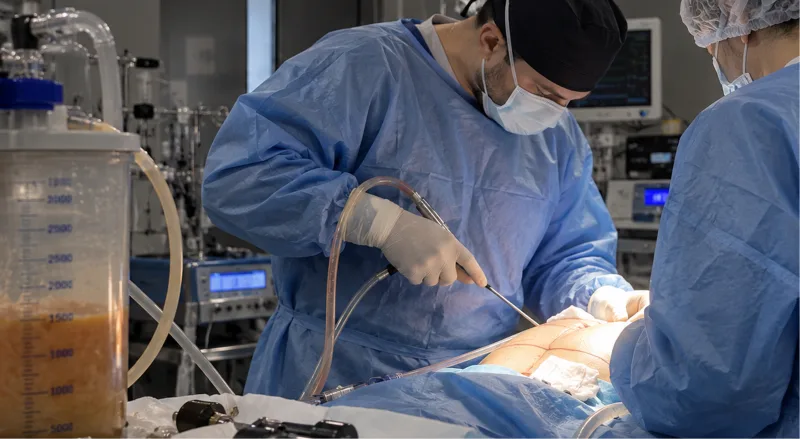
The procedure uses tumescent and VASER techniques, micro-incisions of 3–5 mm and precise volume control. The aim is a smooth contour that keeps the natural proportions of your body, not an exaggerated shape. This idea of natural proportion is worth keeping in mind from the first conversation.
Climate in Ijebu Ode and what it means for recovery
Ijebu Ode has a tropical savanna climate (Köppen: Aw) and is described as warm and tropical. The city lies within 100 km of the Atlantic Ocean in the eastern part of Ogun State. For someone recovering from liposuction, the practical meaning is simple: you will be healing in warm conditions, and heat affects comfort, swelling and clothing choices more than almost anything else.
Compression garments are the central part of aftercare. In the medical plan they are worn for 30–45 days, and for the first 4–6 weeks you also avoid the bathhouse, sauna, pool and active sport. In a warm climate a tight garment can feel heavy during the middle of the day. Patients who plan well choose soft breathable cotton layers to wear over or under the garment as the surgeon allows, keep a spare garment so one can be washed and dried, and arrange their rest hours around the hottest part of the day.
Swelling and bruising clear by weeks 4–5. Heat, long hours standing and salty food can make swelling feel worse on a given day, so it helps to rest with the legs up, drink water regularly and avoid long periods in direct sun. Sun exposure on healing skin is a separate matter. The micro-puncture marks are small, and once healed they are barely visible, but sunlight is best kept off treated areas during the early weeks, and tanning beds are off-limits for at least a month. Light loose clothing and shade are enough for most people.
Because the sea is not far, some residents think of a weekend at the coast as part of their routine. For the first 4–6 weeks that plan has to wait, since sea and pool water are not allowed during this stage. Ask your surgeon at the check-ups when you may return to swimming, and do not decide this yourself.
Dust and humidity are part of daily life in many parts of the region. Keep dressings clean and dry, change them as instructed, and ask the coordinator what to do if a dressing becomes damp from sweat. This is the kind of everyday detail we are happy to go through with you before the operation, not after it.
Planning around work, study and family life in Ijebu Ode
Most patients get back to their usual routine and work in 7–10 days. That is the figure to build your plan on, and it is realistic for desk work, teaching, shop work with light duties and administrative jobs. For the first 7 days there is no physical exertion or heavy lifting, so anyone who carries goods, stock or equipment should arrange help for that first week and probably a little longer.
Ijebu Ode has a strong tradition of trading and small enterprise. If you run your own business, the best approach is to choose a period when a trusted relative or employee can cover the physical parts of the work. You can still answer calls and messages from home on a quiet day, but give yourself real rest during the first days. Patients who return to heavy activity too early often have more swelling and discomfort than those who rest.
Students and teachers have their own calendars. The city is home to Ijebu Ode Grammar School and many other schools, so families in the area often organize life around the school term. If you work in education, a holiday break is a natural window for surgery, because it gives you the 7–10 days without needing special leave. Students can plan around exam periods and avoid scheduling the operation in the weeks just before important papers.
Family events matter a great deal in Nigerian city life. Weddings, naming ceremonies, funerals and festivals are often fixed on the calendar months ahead and carry social weight. Plan the operation so that the main event falls well after the first weeks. Swelling and bruising clear by weeks 4–5, and the first changes are visible at 2 weeks, but the final contour forms over 3–6 months. If a wedding is two months away, tell your coordinator so the timing can be discussed realistically with the surgeon.
Women with young children should ask a relative to help with lifting for the first 7 days. Men who play football or exercise regularly should plan a break from active sport for 4–6 weeks. These are general rules, and your surgeon will give you individual recommendations after surgery.
Food culture and liposuction: Ikokore and everyday eating
The primary cultural food of Ijebu Ode is Ikokore, a dish many families here are proud of. Food is central to social life in the city, and nobody should feel they have to give up their cuisine in order to have liposuction. Still, a few sensible points are worth knowing.
Liposuction removes fat cells from the treated areas, but it does not replace a steady way of eating. After surgery the body continues to respond to what you eat and how active you are. If your weight rises substantially in the following months, the contour can change, and fat can also accumulate in untreated areas. That is why surgeons ask patients to keep a stable weight before the operation and to maintain reasonable habits afterwards.
In the first days after surgery, simple, light meals are usually more comfortable. Plenty of water, enough protein and vegetables support healing, while very salty dishes can make swelling feel worse. Your surgeon will give recommendations specific to you. Alcohol is off-limits for at least a month, which matters during celebrations where drinks are offered. Prepare a polite answer in advance, and many patients simply say they are on a doctor's advice.
Before surgery, also remember the instructions on medications. Give up smoking, alcohol and medications that affect clotting (aspirin, etc.) 7–10 days before liposuction. If you take any regular tablets or traditional herbal preparations, tell the doctor in the first consultation. Some herbal products may affect bleeding or interact with anaesthesia, and the team can only advise you if they know everything you take.
If a family gathering with a large meal falls in your first week, it is better to attend briefly or skip it than to sit for hours in a tight garment and eat heavily. Compression garments are part of the plan, not a nuisance to be removed for an evening.
How the remote consultation works from Ijebu Ode
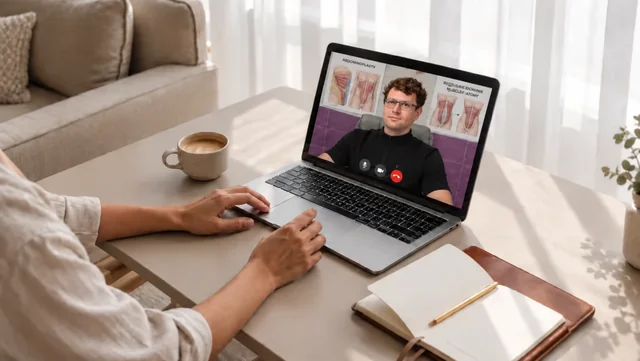
You do not need to leave Ijebu Ode to begin. The first consultation with City Medical Centre is free and takes place online. Coordinators are available around the clock (24/7) on Telegram and Telegram, so you can write in the evening after the shop has closed or early before work, whichever suits your pace. We respect your time: we work 24/7, with easy booking and a personal approach.
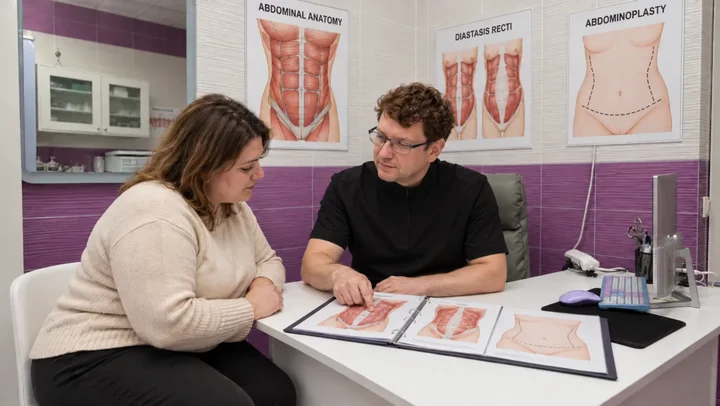
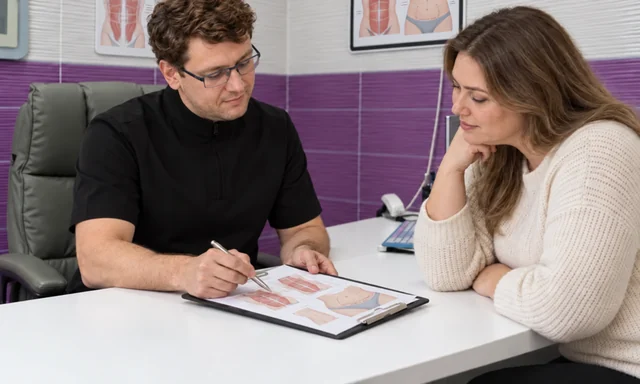
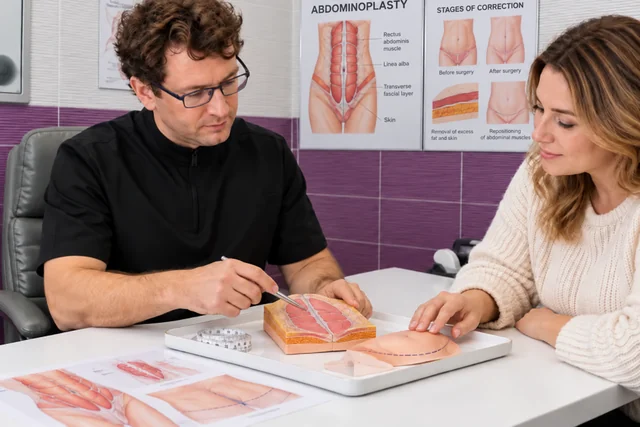
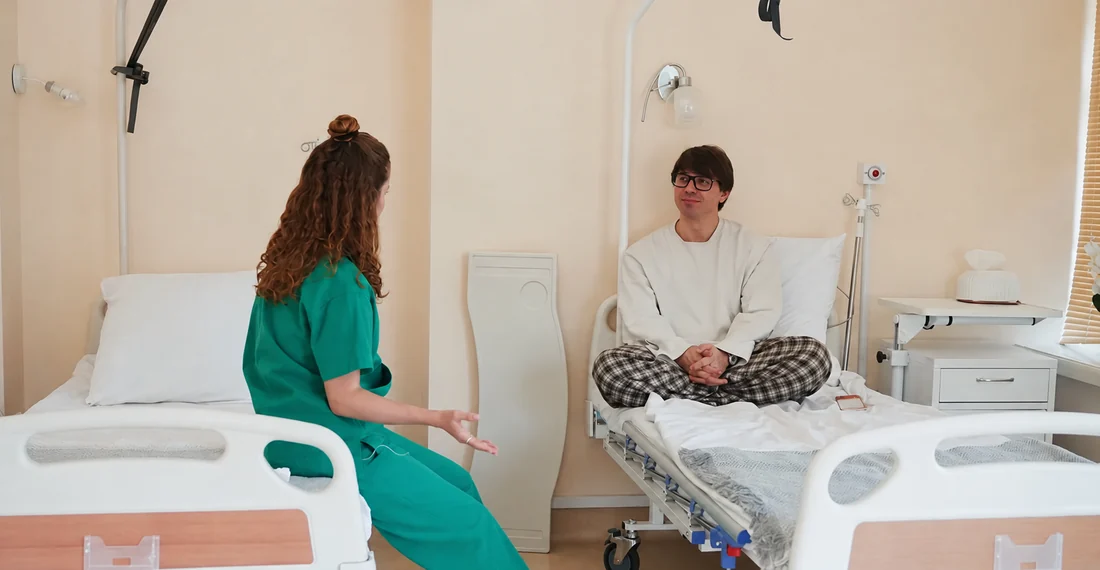
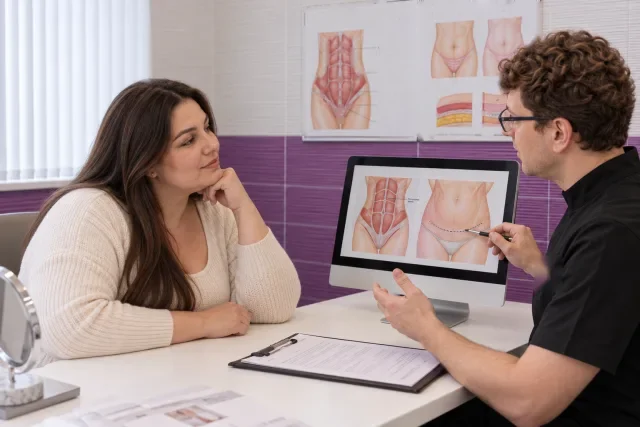
Typically you start with a short message describing the area that concerns you, your age, your general health and any earlier operations. You may be asked for photographs taken in good light from the front and sides, and for a few details such as height, weight and medications. A surgeon reviews this and then speaks with you by video or messages. Together you discuss whether liposuction suits your situation, which areas could be treated, what the technique involves and what outcome is realistic.
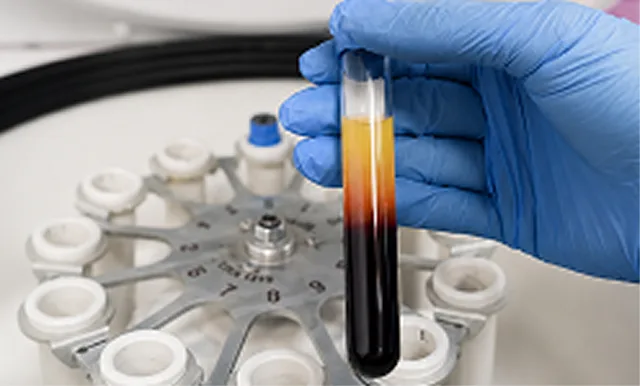
Pre-operative tests are also required: blood tests, ECG, ultrasound, and GP and anaesthesiologist consultations. You receive all the instructions after the first consultation. Many of these tests can be arranged in the way that suits your situation, and your coordinator explains what is needed and in which order so you do not repeat anything unnecessarily.
Connectivity can vary, so a practical tip is to choose a quiet hour with a stable signal. If a video call drops, the conversation can continue by voice message or text. Keep your questions written in a note on your phone so none are forgotten.
The online consultation does not commit you to anything. It is a way to understand the procedure, the preparation and the recovery before you decide. Many residents of Ijebu Ode also like to involve a spouse or a relative in the call, and that is welcome.
What the procedure involves
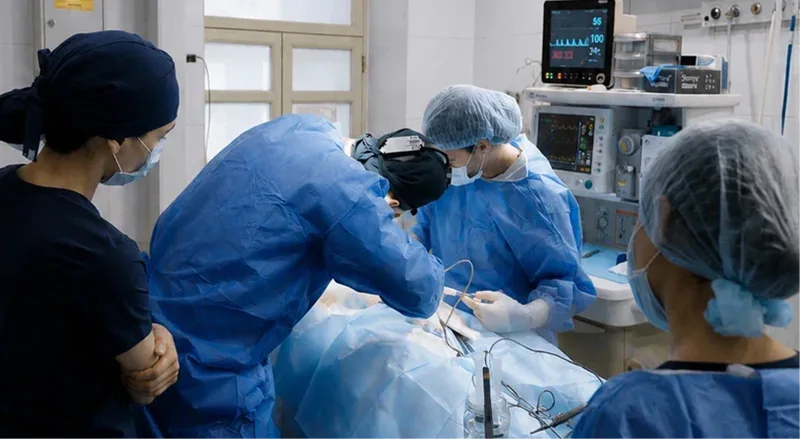
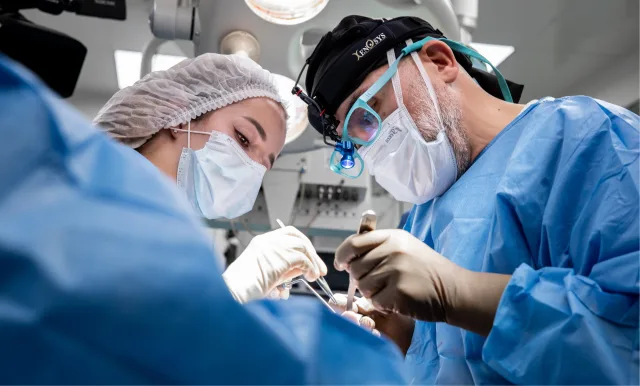
The procedure begins with marking the areas and fitting compression garments. Under local or general anaesthesia the surgeon removes fat through 3–5 mm micro-punctures. Surgery lasts from 1 hour for small areas to 3–4 hours for a combined procedure. The choice between local and general anaesthesia depends on the size of the area, your health and your preference, and it is decided with the anaesthesiologist and the surgeon.
The techniques used are tumescent and VASER, with micro-incisions of 3–5 mm and precise volume control. The surgery is done through punctures only 3–5 mm across, and they usually need no stitches. Once healed, the marks are barely visible. With proper care during recovery they fade completely. For people who worry about scars, which is a common concern, this is often the most reassuring part of the explanation.
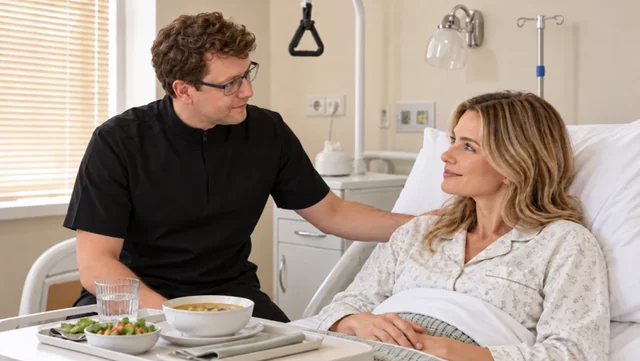
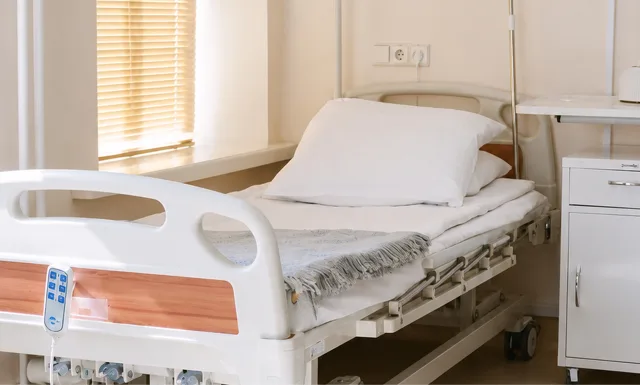
The stay is short. With local anaesthesia you go home 3–4 hours after surgery. With general anaesthesia you stay one day in a comfortable ward under medical supervision. In both cases you should arrange for someone to be with you at home during the first days, to help with rest, meals and the garment.
Being fitted with the compression garment is part of the operation day, not an afterthought. It supports the tissues while swelling settles and helps shape the new contour. Wear it as instructed, for 30–45 days, and ask your surgeon any question about how long to wear it each day.
Remember that liposuction is not a weight-loss operation. It reshapes. A patient who expects the scale to drop dramatically will be disappointed, while a patient who wants to correct a particular shape usually understands the result better. A frank discussion on this point is a normal part of the consultation.
Recovery timeline and the best season for the operation
The recovery follows a predictable pattern. For the first 7 days: no physical exertion or heavy lifting. Most patients get back to their usual routine and work in 7–10 days. For 4–6 weeks, wear compression garments and avoid the bathhouse, sauna, pool and active sport. Alcohol and tanning beds are off-limits for at least a month. Swelling and bruising clear by weeks 4–5.
The first changes show at 2 weeks after surgery, once the main swelling is down. An interim result is assessed at 1.5–2 months, and the final contours are formed in 3–6 months, once the tissues have fully adapted. Be patient with the mirror in the early weeks. The shape often looks uneven or fuller before it improves, and that is part of normal healing.
Check-ups take place after 7 days, at 3 months and at 6 months. The surgeon follows your recovery and the new body contour at these visits. Check-ups, dressings and aftercare advice are already included in the cost of surgery. Until the end of the year, you can also get a post-surgery consultation with your surgeon to review results and get more information, at the clinic's expense.
As for season, Ijebu Ode has a warm tropical climate, so there is no cold period to hide behind loose clothing, and no season is perfectly cool. The better question is which weeks of your year are quietest. Choose a time when work is lighter, when school duties are fewer and when no major family event falls within the first two months. A period with fewer outdoor obligations and less need for long hours standing is more comfortable than a very busy period.
If you hope to see the result at a certain celebration, count backwards. The first changes are visible at 2 weeks, but 3–6 months is the realistic time to judge the final shape. Planning six months ahead gives the most relaxed experience.
Who is a suitable candidate and who is not
We operate from age 18+, if there are no contraindications. There is no upper age limit. After an examination and health assessment, the decision is made individually. This means that a healthy person in later life is not automatically excluded, and a younger person with certain conditions may be advised to wait.
Good candidates generally have localized fat that does not respond to usual habits, reasonably firm skin, a stable weight and realistic expectations. People who want a smoother silhouette and understand that the result is a refinement, not a transformation of the whole body, tend to be the most satisfied.
General contraindications are decided by the doctor and include conditions that affect clotting, serious heart or lung disease, active infection, uncontrolled chronic illness and pregnancy. Do not try to judge this yourself. Tell the team honestly about every diagnosis, medicine and earlier operation, including conditions such as high blood pressure or diabetes that are common in many communities. Honest information protects you.
Smoking slows healing and raises the chance of complications, which is why you are asked to stop before the operation. The same applies to alcohol and clotting-affecting medications, 7–10 days before liposuction.
If the main issue is loose skin rather than fat, liposuction alone may not be the best choice, and the surgeon may discuss other options. If your weight is high in general, the doctor may recommend dealing with that first. The WHO fact sheet on obesity and overweight is a useful general reference on this wider health topic.
Ijebu Ode history and identity: how a proud city shapes expectations of surgery
Ijebu Ode has been the capital of the Ijebu kingdom since pre-colonial times, and by the 16th century it was established as the chief town. It is also home to Sungbo's Eredo, one of the largest ramparts in West Africa. A city with this much history tends to value dignity, careful judgement and good reputation, and these values often show up in how residents approach a decision about their own body.
In practice this means that many people in Ijebu Ode do not rush. They compare, ask relatives, listen to those who have been through something similar, and only then decide. That is a healthy way to approach liposuction. The operation is elective, so there is no reason to hurry, and a calm decision made after a thorough online consultation usually leads to better preparation and better satisfaction.
There are around 2,119,221 Ijebus in south-west Nigeria, in Lagos and Ogun states. Family and community ties are wide, and news travels fast. Some patients prefer privacy, and others are glad to share the experience with a sister or a close friend. Both choices are fine. Decide in advance who will know, who will help you at home during the first days, and what you will say to colleagues and customers about your absence. A simple sentence such as 'I am taking a short rest on a doctor's advice' is enough.
Discretion also helps with the visible side of recovery. Compression garments sit under normal clothing, and the micro-punctures of 3–5 mm are small. Swelling and bruising clear by weeks 4–5, so the people around you will mostly notice the change gradually rather than all at once.
A realistic week-by-week plan for a patient living in Ijebu Ode
It helps to turn the medical timeline into a calendar on your own phone. Before the operation, mark the day you stop smoking, alcohol and medications that affect clotting, such as aspirin, which is 7–10 days before liposuction. Mark the days for blood tests, ECG, ultrasound and the consultations with a GP and an anaesthesiologist. Your coordinator gives you all instructions after the first consultation, so you can add the exact dates as they arrive.
Week one is for rest. There is no physical exertion or heavy lifting, and the first check-up takes place after 7 days. If you had local anaesthesia, you went home 3–4 hours after surgery; with general anaesthesia you spent one day in a ward. Either way, keep the house calm, ask a relative to cook and handle errands, and keep your phone close so you can message the coordinators, who answer 24/7 on Telegram and Telegram.
Weeks two to five: most patients are back at work and in their routine within 7–10 days, and the first changes show at 2 weeks. Keep wearing the compression garment, since it is worn for 30–45 days, and keep avoiding the bathhouse, sauna, pool and active sport for 4–6 weeks. Swelling and bruising clear by weeks 4–5. This is the stage when people feel well and are tempted to do too much, so keep to the plan.
Months two to six: an interim result is assessed at 1.5–2 months, and the final contours form in 3–6 months. Check-ups at 3 months and 6 months let the surgeon follow the new body contour. Until the end of the year you can also get a post-surgery consultation with your surgeon to review results, at the clinic's expense. Keep a few photographs taken in the same light at each stage, because day-to-day changes are hard to notice in the mirror but obvious in a comparison.
Daily movement around Ijebu Ode during recovery
Ijebu Ode lies close to the A121 highway and about 110 km by road northeast of Lagos, and many residents spend part of their week moving around the city and beyond for business or family reasons. During the first week it is wiser to keep movement to a minimum. Short walks around the home are encouraged because gentle movement supports circulation, but long hours sitting in a vehicle or standing at a market stall are not comfortable with fresh swelling.
If you must go out in the first days, wear the garment as instructed, choose loose clothing, take water with you, and avoid carrying bags or goods. Ask someone else to drive or accompany you. When you return, rest with your legs up for a while.
Residents who normally walk or ride a motorbike or tricycle through busy streets should discuss with the surgeon when it is comfortable to do so again. Bumps and sudden movements can be unpleasant on treated areas in the early days, and the surgeon can give an individual answer based on which areas were treated.
Check-ups at 7 days, 3 months and 6 months are planned with your surgeon and coordinator, and you can ask how they work for a patient who lives in Ijebu Ode. Keep every appointment, even when you feel perfectly well, because the surgeon sees things in the contour and the healing that are hard to judge on your own.
Questions to ask the surgeon before you decide
A good consultation is a two-way conversation. Prepare a list before you speak, and do not be shy about asking all of it. Residents of Ijebu Ode, with their reputation for careful dealing, often ask thorough questions, and that is the right attitude.
Ask which areas are suitable and which are not, and what shape is realistic for your body. Ask which anaesthesia is recommended for you, local or general, and why. Ask how long the surgery will take for your plan, knowing that it ranges from 1 hour for small areas to 3–4 hours for a combined procedure. Ask whether you will go home the same day or after 1 day.
Ask about aftercare: how long to wear the compression garment, what to do about dressings in a warm and humid climate, when you can shower, and what signs mean you should contact the team at once. Ask about the check-ups at 7 days, 3 months and 6 months and how they work for a patient who lives in Ijebu Ode. Ask who you can message at night if something worries you, remembering that coordinators are available 24/7 on Telegram and Telegram.
Ask about return to work and sport in your specific job. A teacher, a trader, a driver and a footballer need different answers. Ask about marks: the punctures are 3–5 mm and usually need no stitches, but find out how to care for them. Ask what the surgeon expects at 2 weeks, at 1.5–2 months and at 3–6 months so that you recognize normal stages.
Finally, ask what the surgeon would advise if you were their own relative. The answer often tells you more than any brochure.
Can I have a liposuction consultation from Ijebu Ode without leaving the city?
Yes. The first consultation is free and online. Coordinators are available 24/7 on Telegram and Telegram. You describe your concern, send photographs if asked, and speak with a surgeon by video or message. You can do this from home in Ijebu Ode at a time that suits you.
How long before I can go back to work?
Most patients get back to their usual routine and work in 7–10 days. For the first 7 days there is no physical exertion or heavy lifting, so people with physically demanding jobs should plan extra help during that week and follow the surgeon's advice on when to resume heavy tasks.
Will the warm climate of Ijebu Ode affect my healing?
Ijebu Ode has a tropical savanna climate and is warm. Heat can make compression garments feel heavy and swelling feel worse on some days. Wear light breathable clothing, rest during the hottest hours, drink water, keep dressings clean and dry, and protect healing skin from strong sun. Your surgeon gives individual recommendations.
How long do I wear the compression garment?
Compression garments are worn for 30–45 days. During the first 4–6 weeks you also avoid the bathhouse, sauna, pool and active sport. Alcohol and tanning beds are off-limits for at least a month. Follow the exact instructions you receive from your surgeon.
Will I have visible scars?
The surgery is done through punctures only 3–5 mm across, and they usually need no stitches. Once healed, the marks are barely visible. With proper care during recovery they fade completely.
Do I stay in hospital?
It depends on the anaesthesia. With local anaesthesia you go home 3–4 hours after surgery. With general anaesthesia you stay one day in a comfortable ward under medical supervision. Arrange for someone to be with you at home for the first days.
When will I see the final result?
The first changes show at 2 weeks, once the main swelling is down. An interim result is assessed at 1.5–2 months, and the final contours form in 3–6 months, when the tissues have fully adapted. Check-ups are held after 7 days, at 3 months and at 6 months.
What should I do to prepare?
Give up smoking, alcohol and medications that affect clotting (aspirin, etc.) 7–10 days before liposuction. Pre-operative tests are also required: blood tests, ECG, ultrasound, and GP and anaesthesiologist consultations. You receive all instructions after the first consultation.
Am I too young or too old for liposuction?
We operate from age 18+, if there are no contraindications. There is no upper age limit. After an examination and health assessment, the decision is made individually, based on your general health and what you hope to change.
Is liposuction a way to lose weight?
No. It reshapes localized fat areas and is not a treatment for general overweight. If your weight is high overall, discuss it with a doctor first. The WHO fact sheet on obesity and overweight gives general background on this wider health topic.
Is liposuction suitable if I am a trader who stands all day in Ijebu Ode?
Yes, many people with standing jobs have liposuction, but you need a plan. Most patients return to routine and work in 7–10 days, with no heavy lifting for the first 7 days. Long hours on your feet can increase swelling in the early weeks, so arrange breaks, water and a place to sit, and follow your surgeon's advice.
Can I keep my operation private from relatives and customers?
Many patients do. Compression garments are worn under clothing, the punctures are only 3–5 mm across, and swelling and bruising clear by weeks 4–5. Decide beforehand who will help you at home and what you will say about your absence.
How do I keep track of my recovery stages from home?
Use a simple calendar. Check-ups take place after 7 days, at 3 months and at 6 months, the first changes show at 2 weeks, an interim result is assessed at 1.5–2 months, and the final contour forms in 3–6 months. Take photographs in the same light at each stage and share them with your coordinator on Telegram or Telegram.

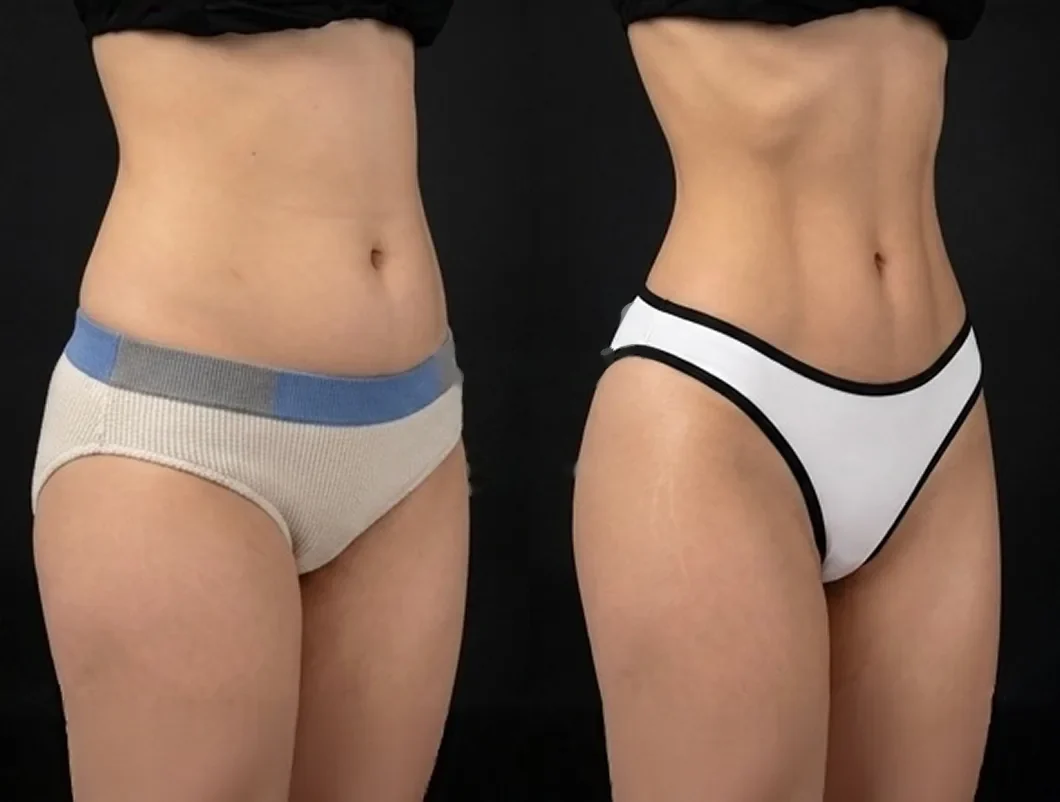 beforeafter
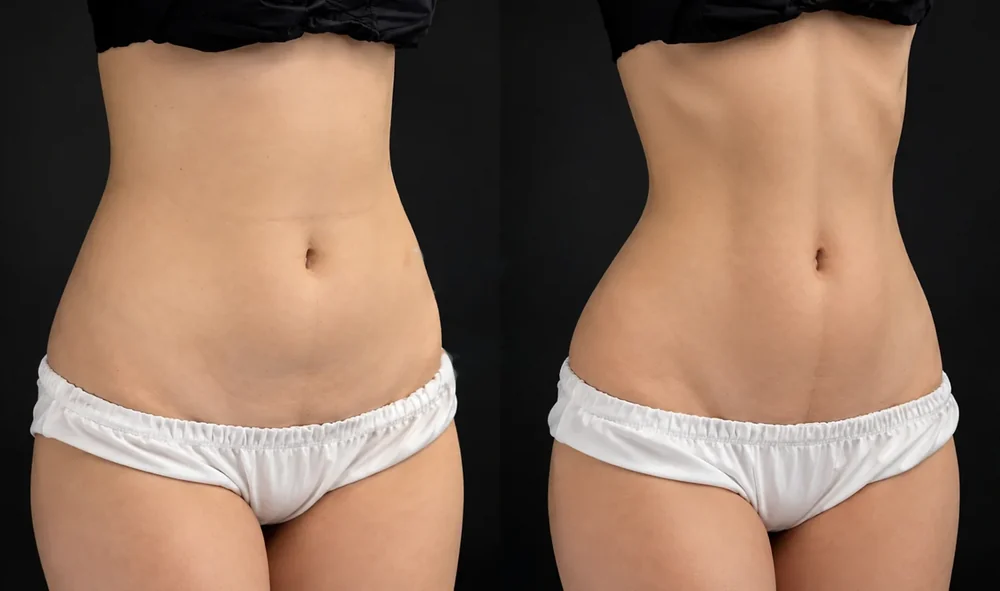
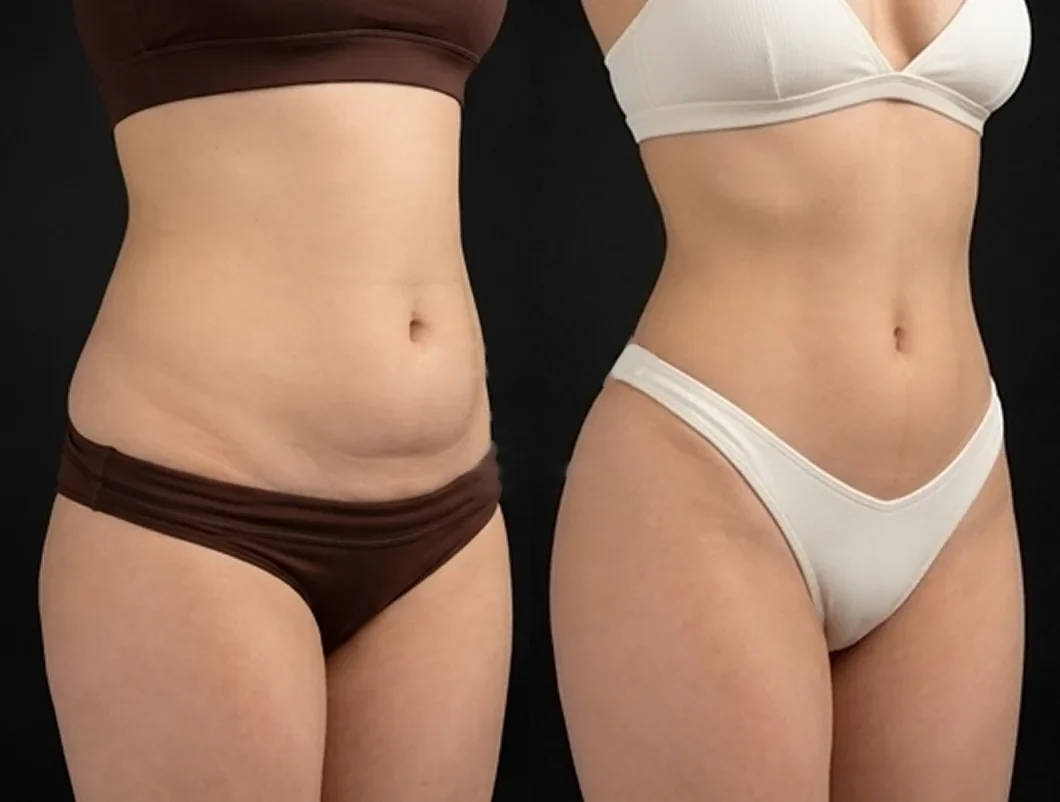 beforeafter
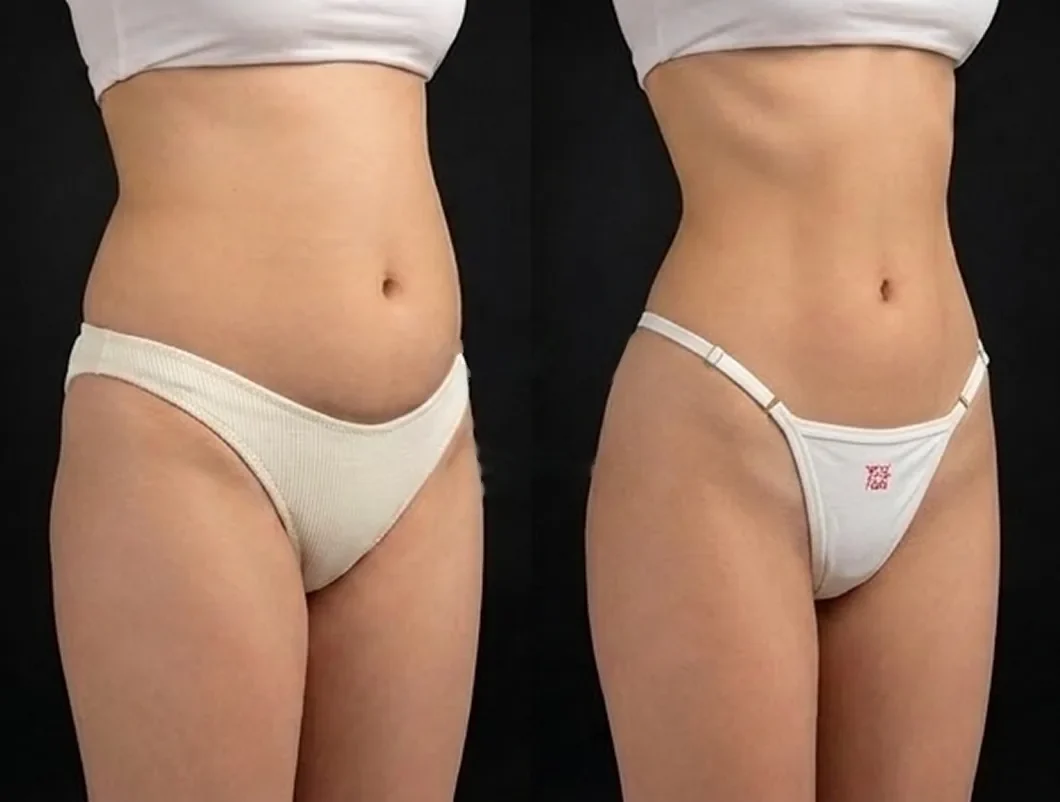 beforeafter
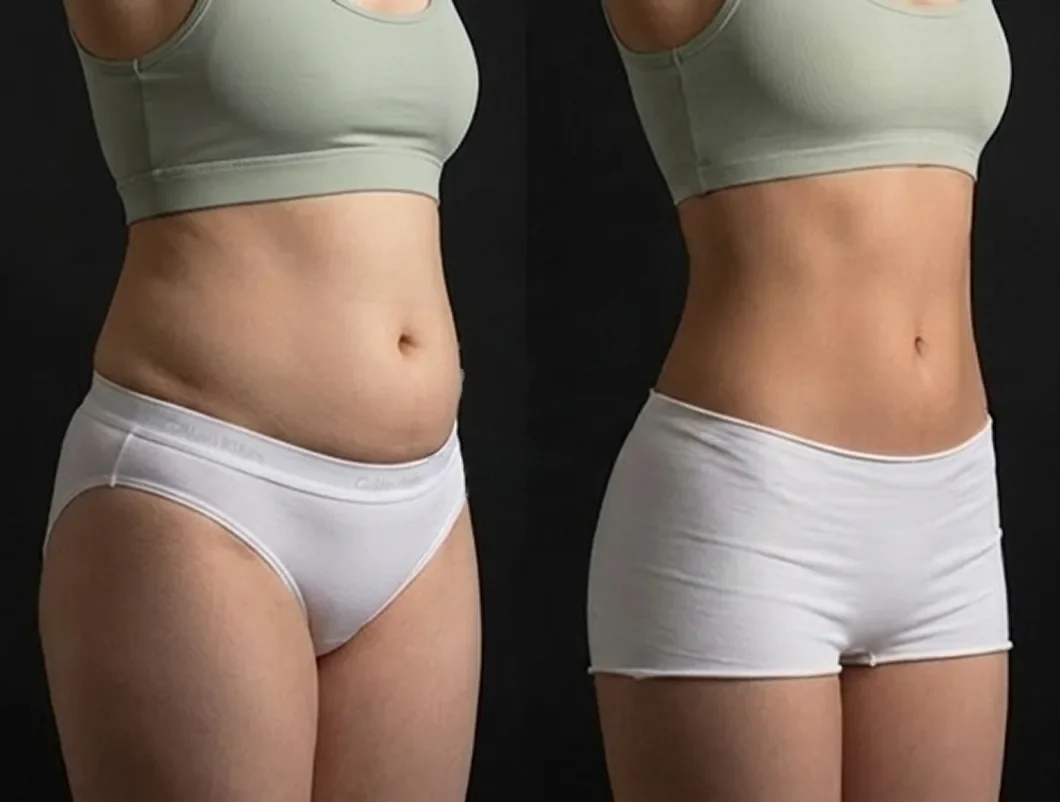 beforeafter
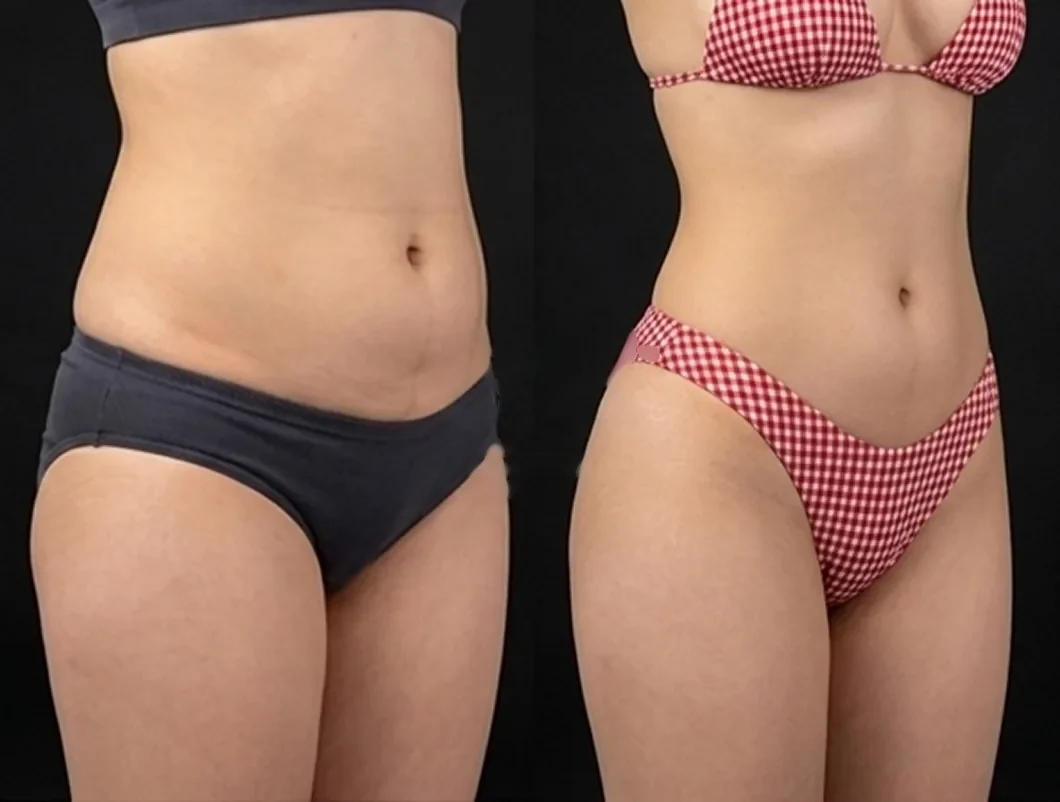 beforeafter
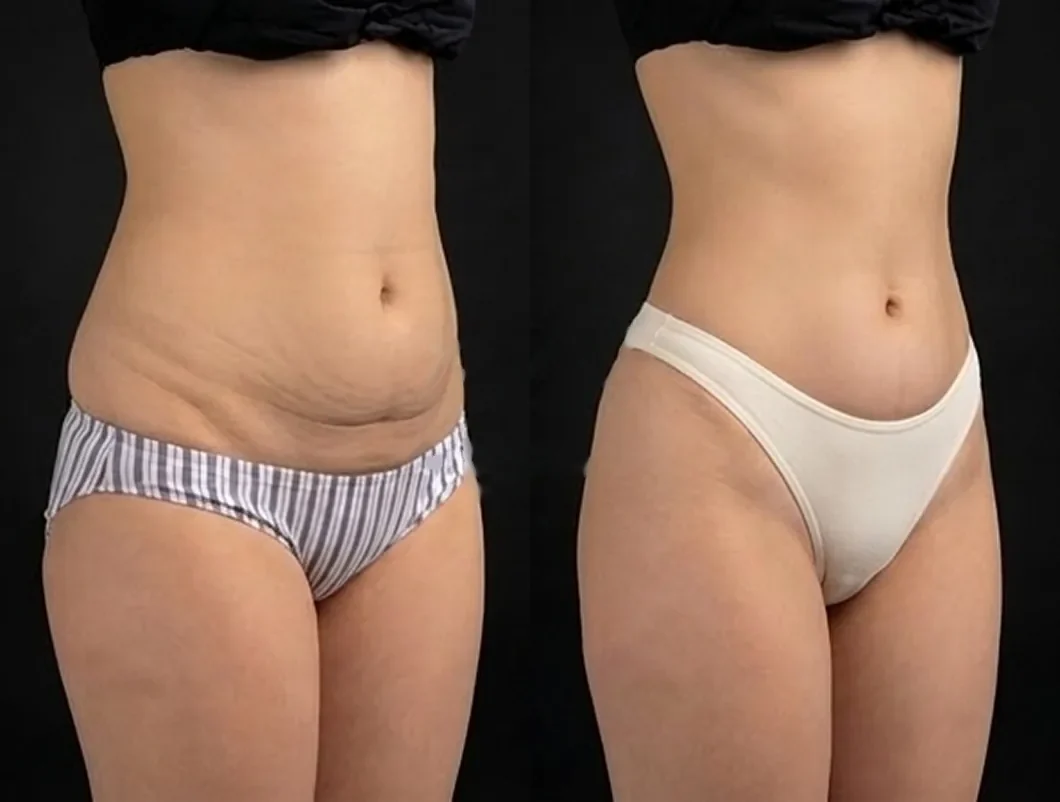 beforeafter
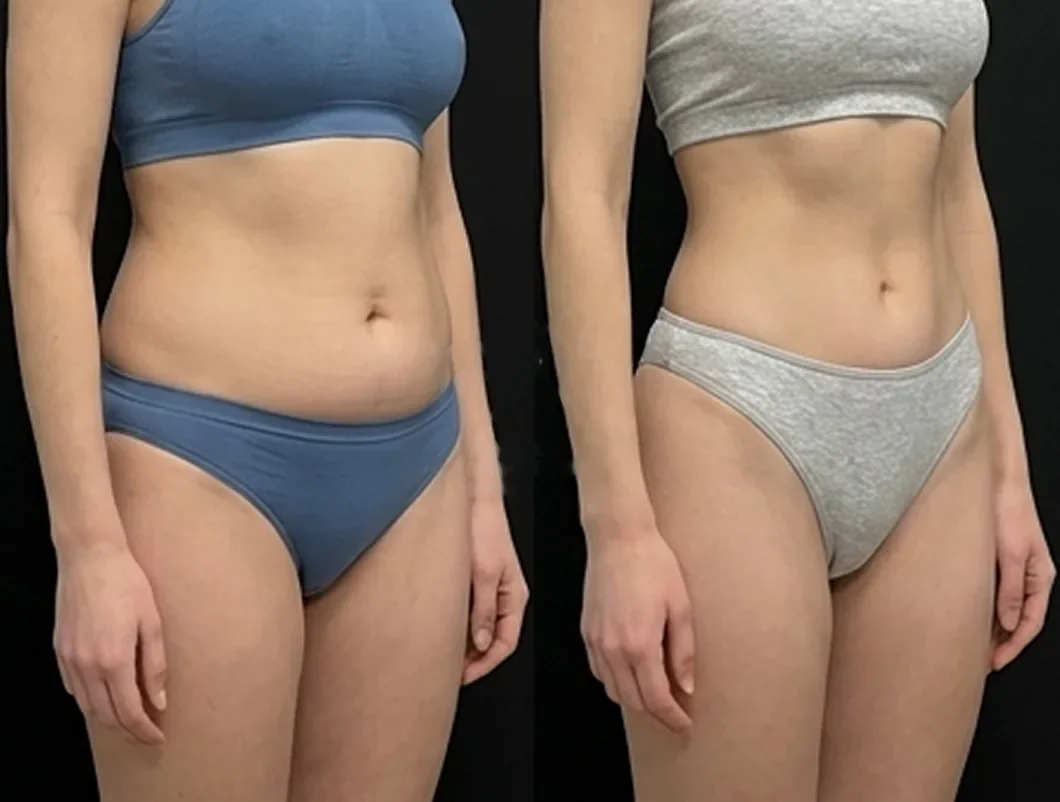 beforeafter
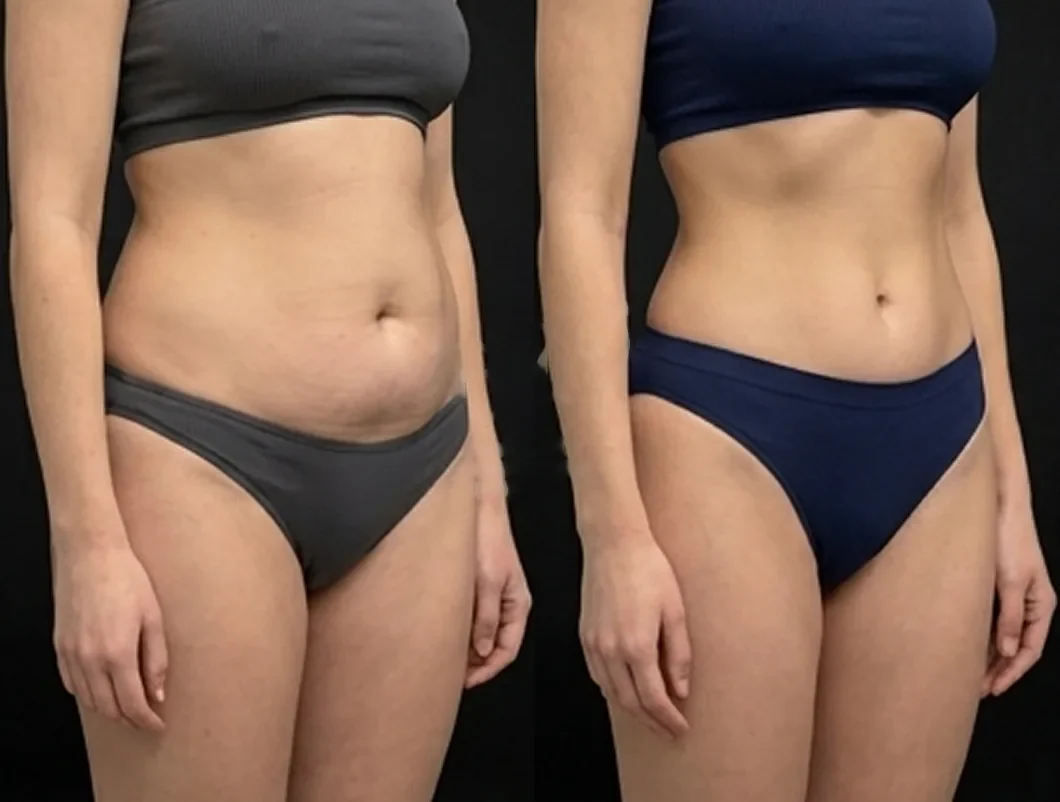 beforeafter
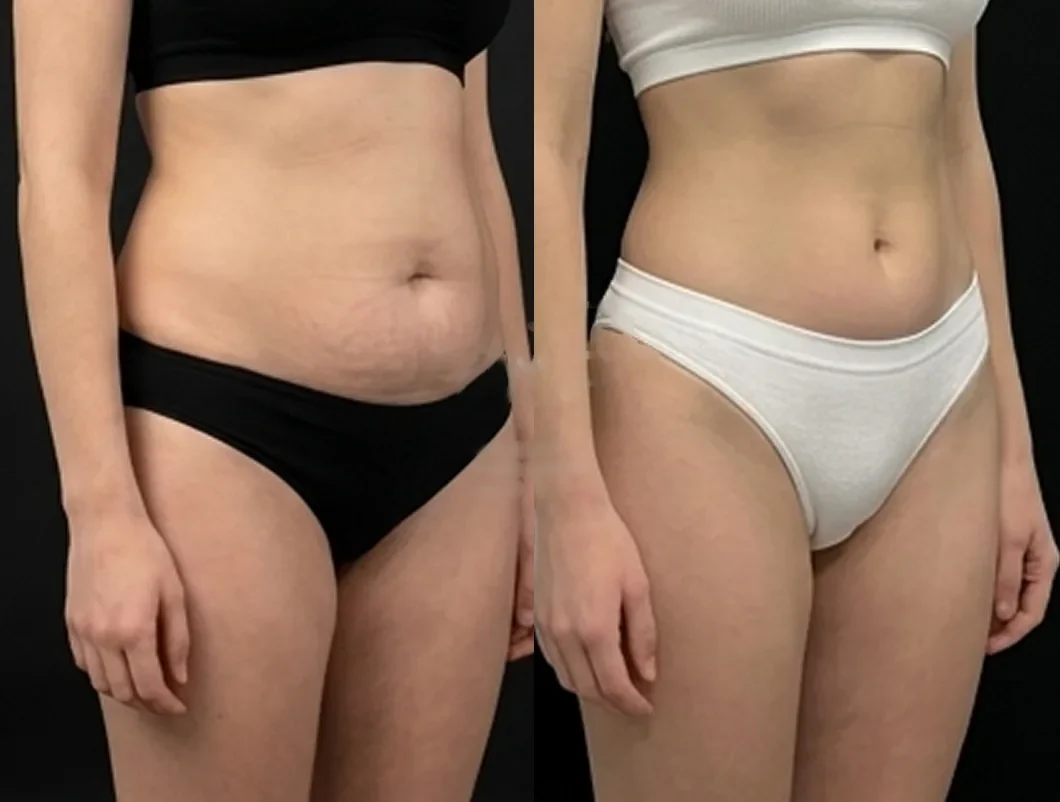 beforeafter
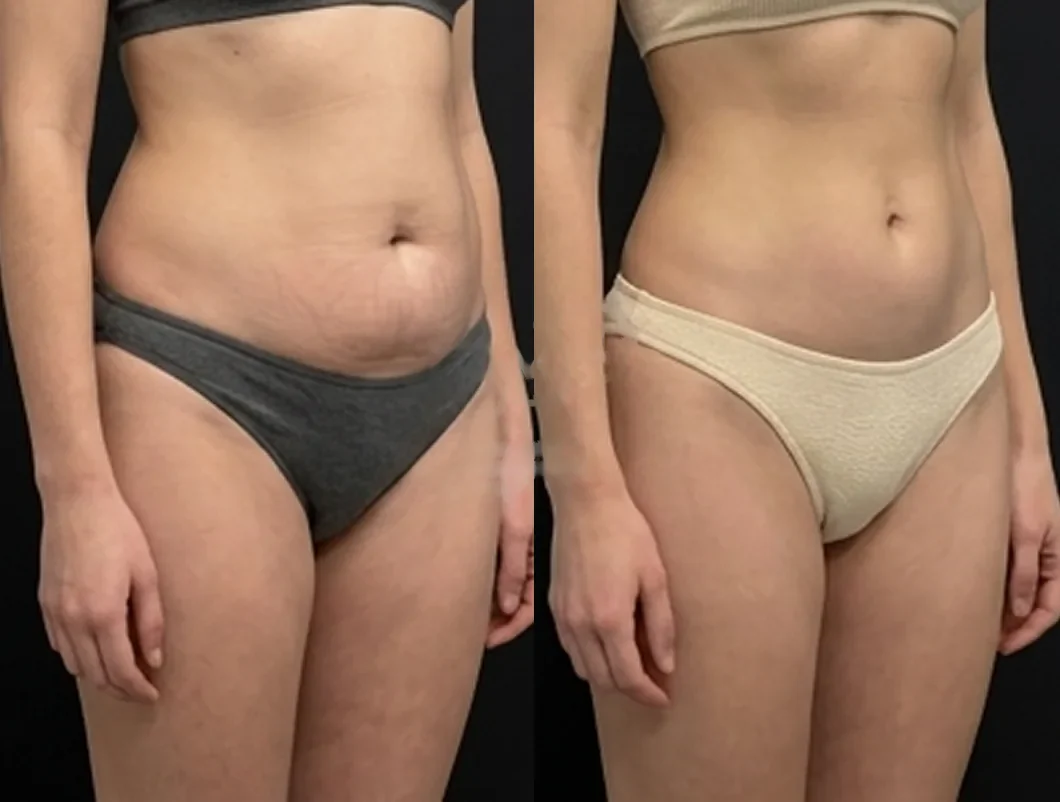 beforeafter
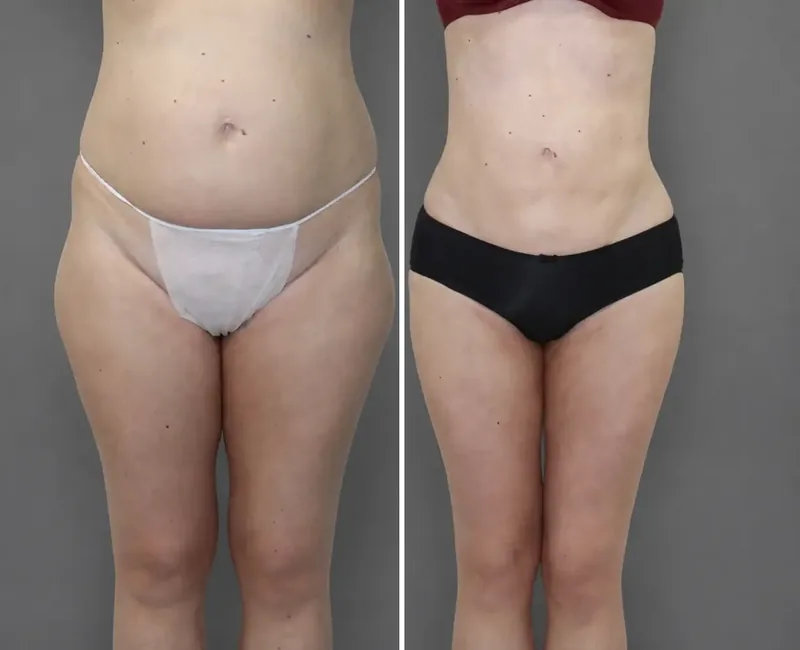
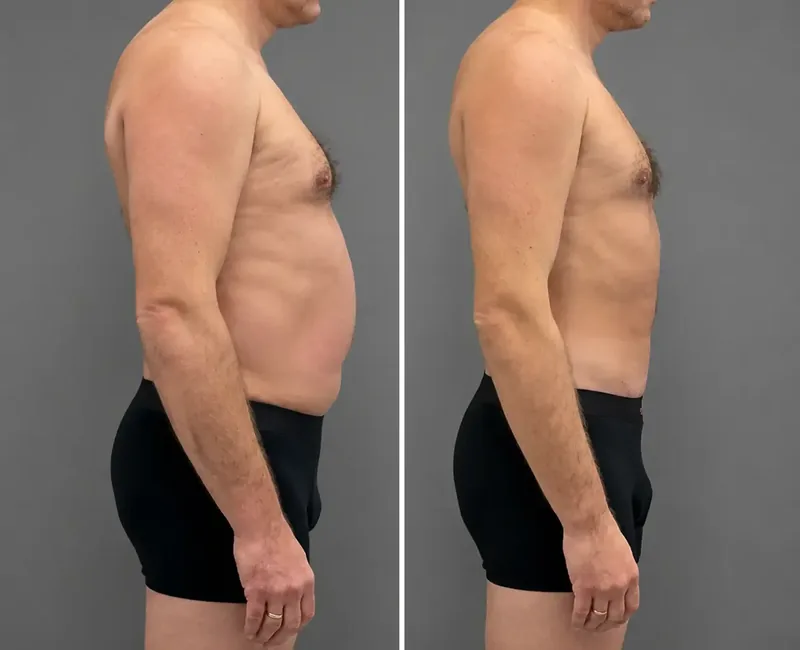
 1
 2
 3
 4
 5
 6