City Medical Centre · multi-specialty surgery clinicOpen 24/7

Tummy tuck

Tummy Tuck for Patients from Ijebu Ode

Free consultation

Price at consultation

The price is fixed in the contract before surgery
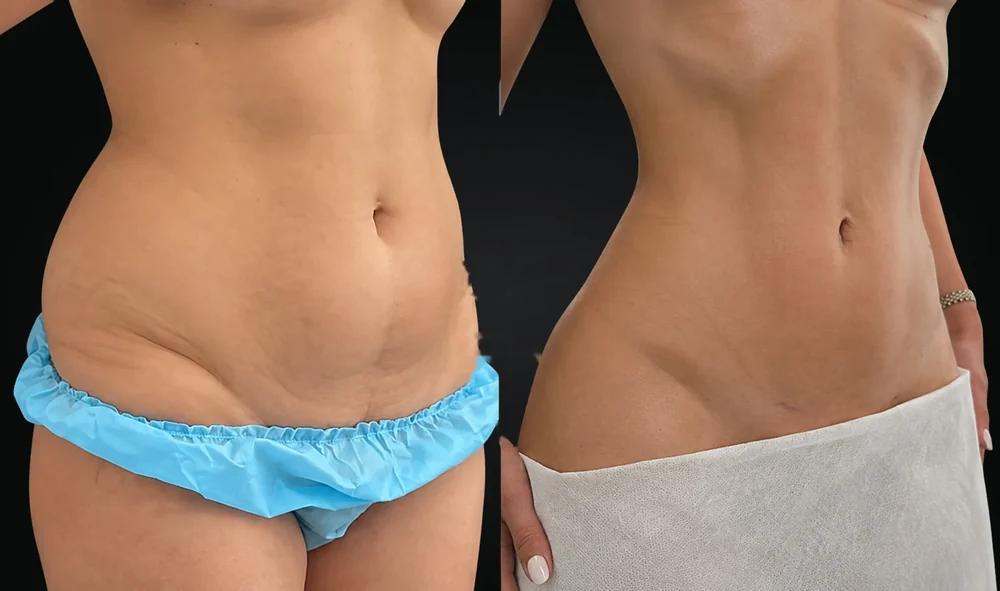
Real case
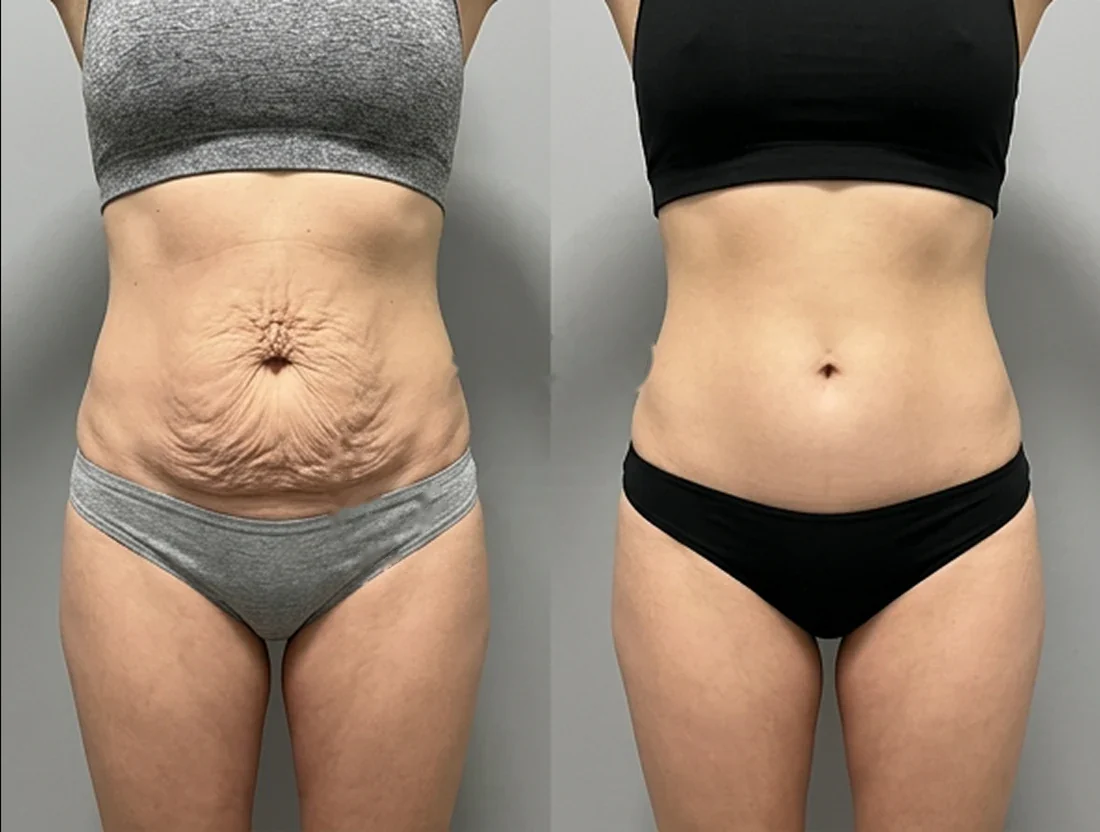
Tummy tuck: a patient's abdomen before and after surgery before after
A flat tummy and a toned silhouette in one operation. Your individual surgical plan and the expected result are discussed at the consultation

Message our coordinator

Free online consultation · Reply within 15 minutes

Message us on Telegram

By messaging us, you agree to our Privacy Policy

Results

Tummy tuck results
of our patients

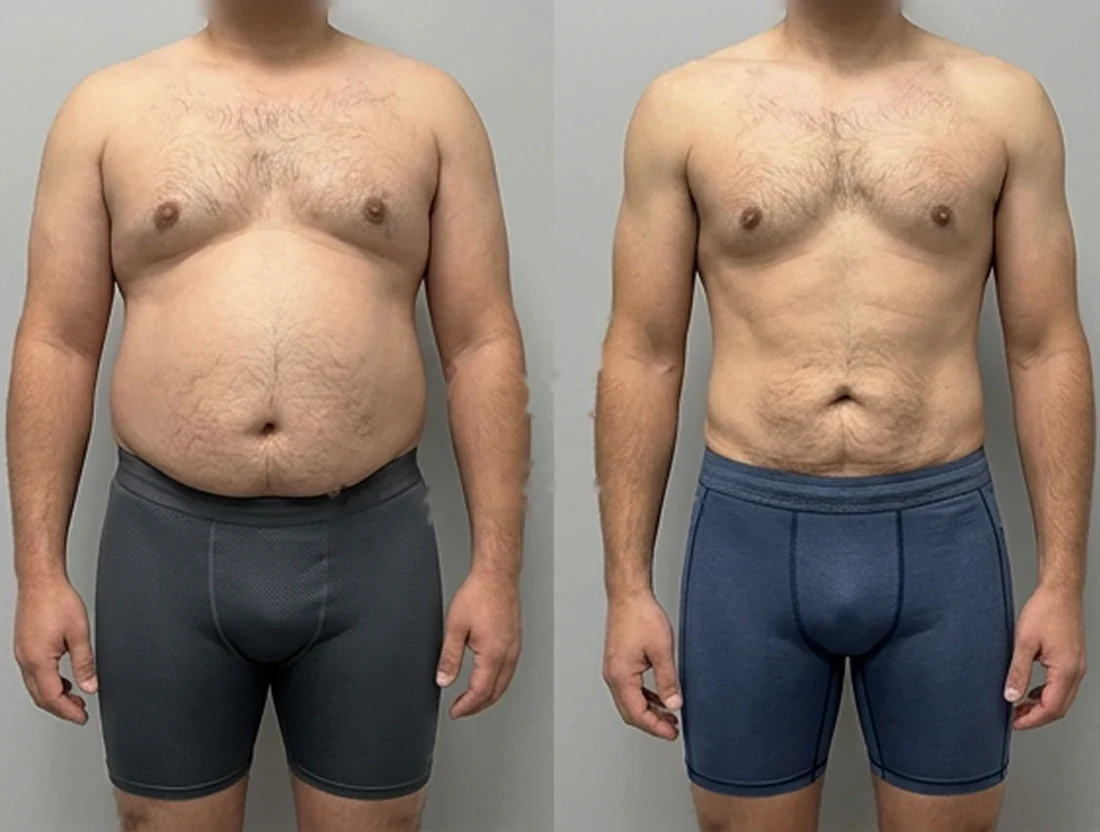
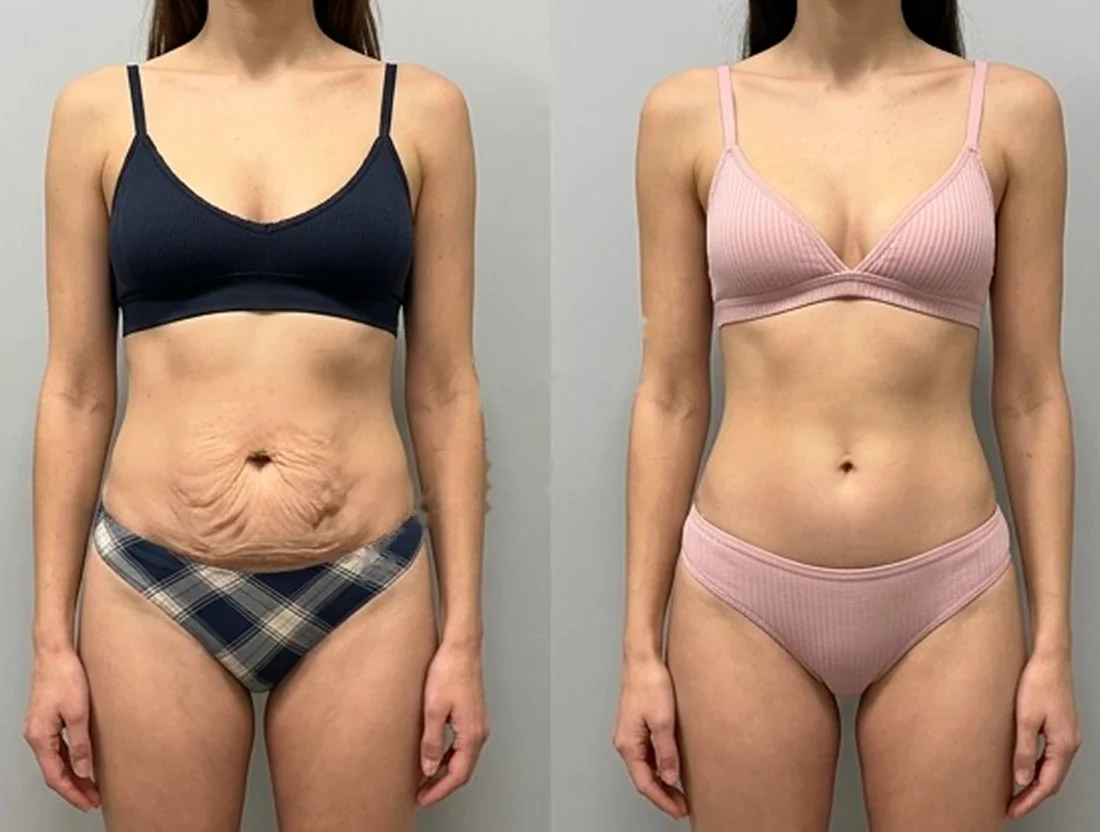
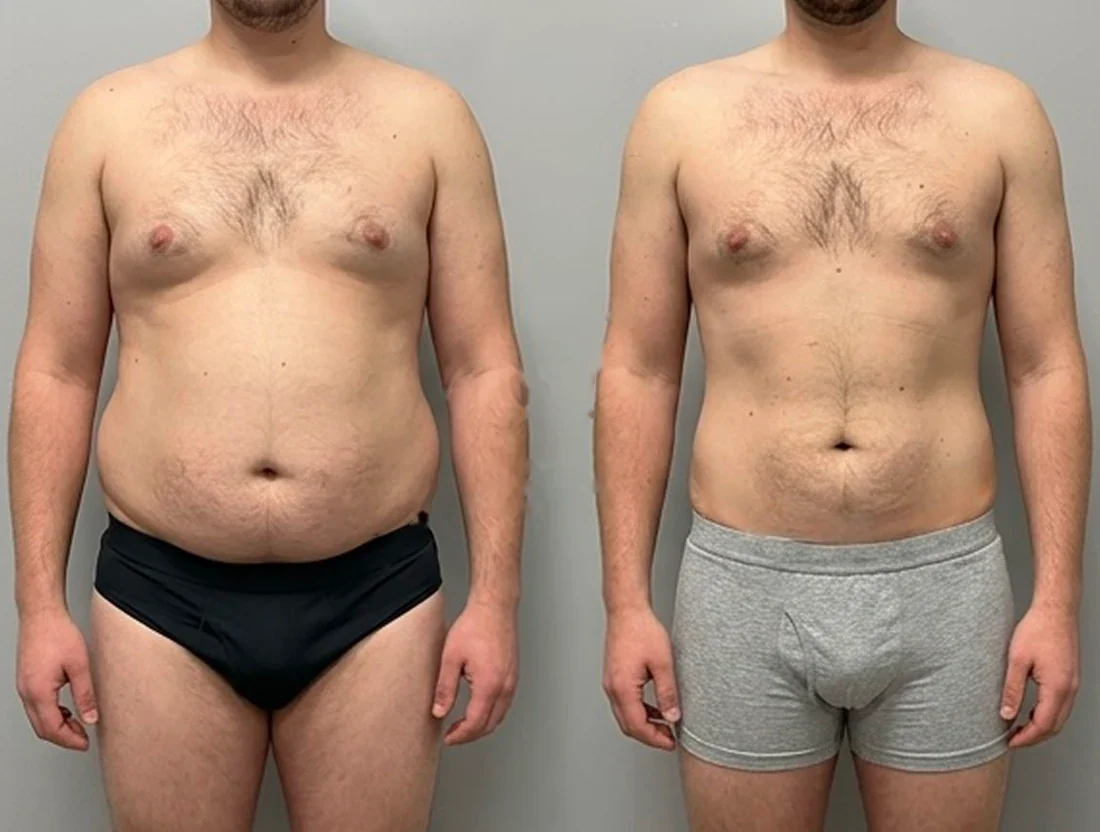
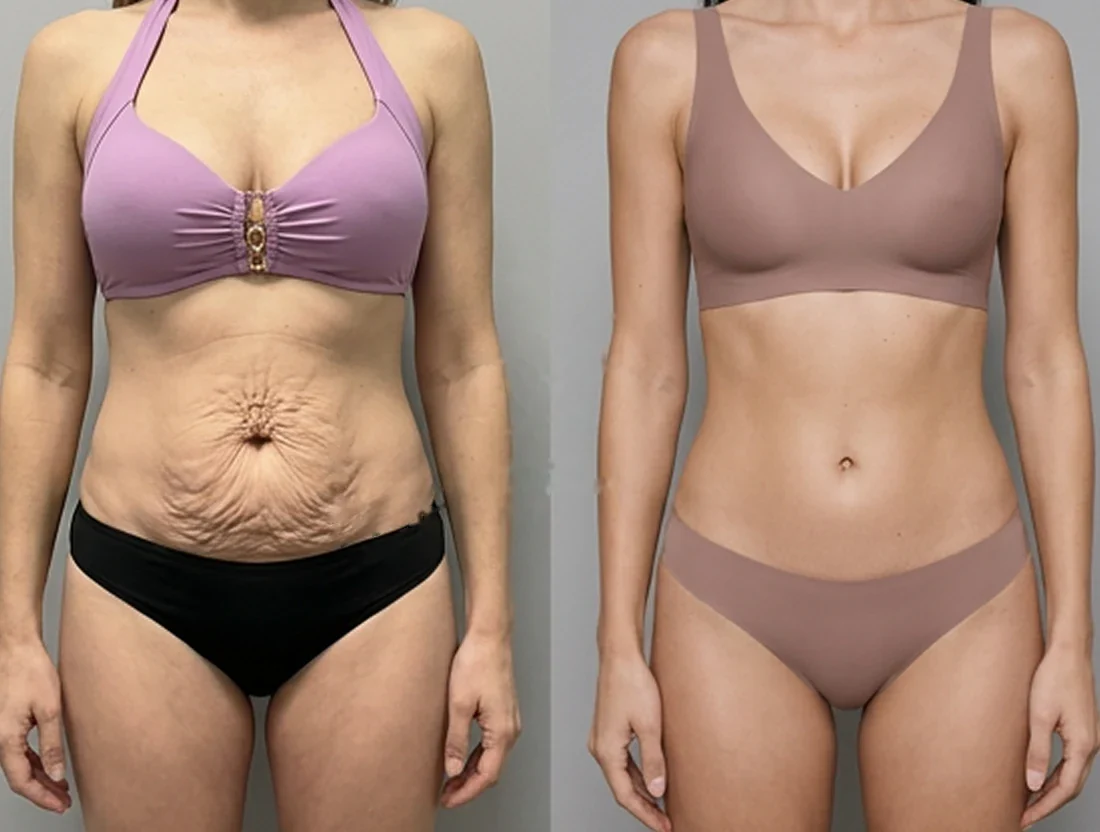
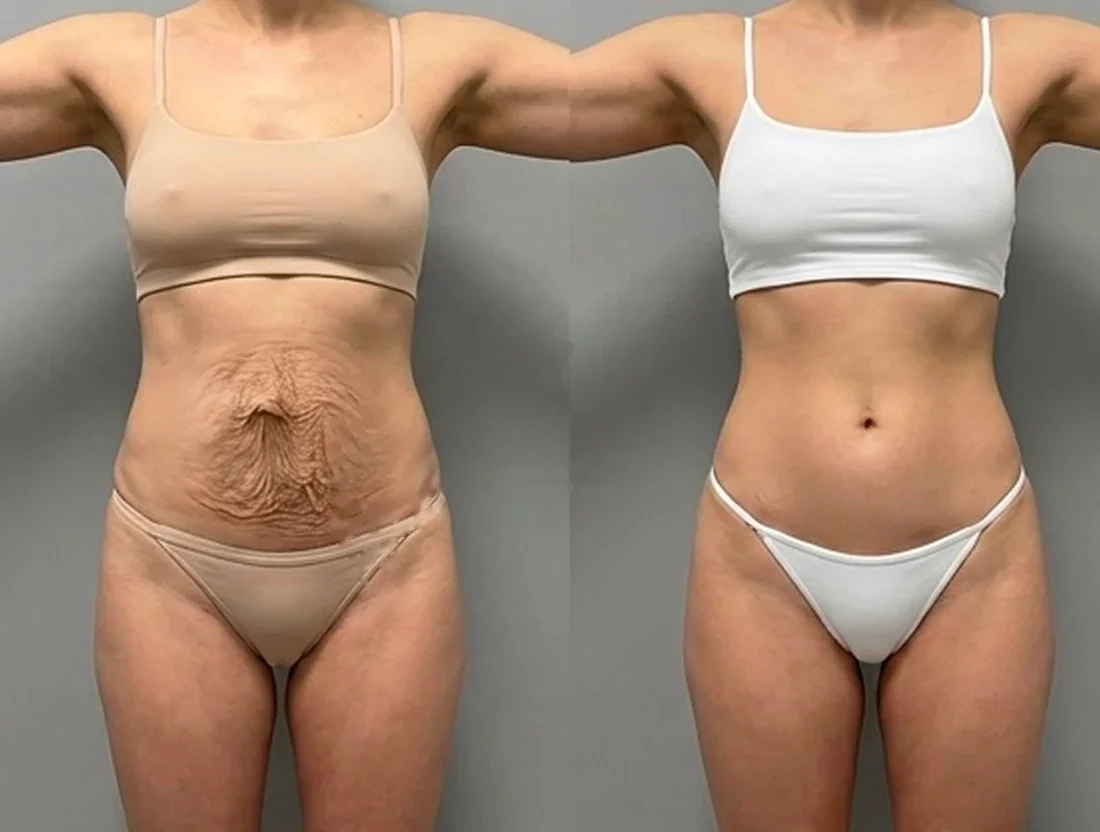
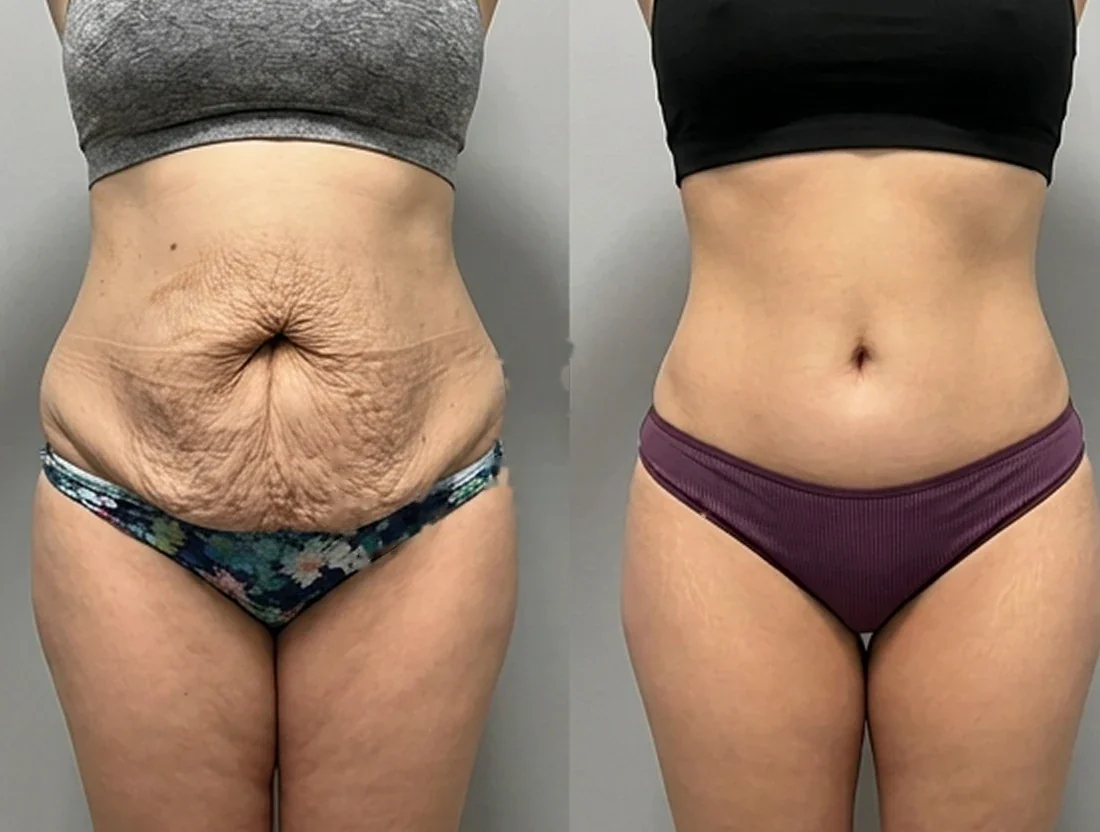
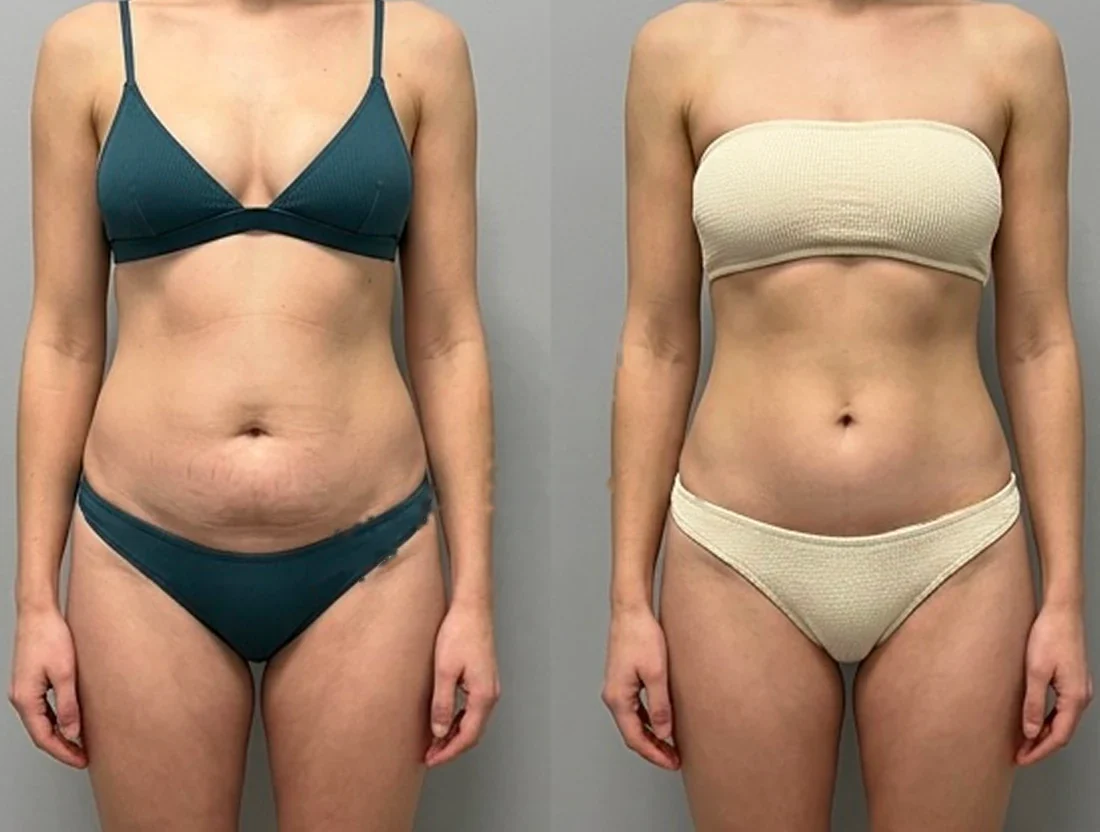
All cases are real patients. Faces and identifying details are hidden.

Tummy tuck: a female patient's abdomen before and after surgerybeforeafter
Tummy tuck: a male patient's abdomen before and after surgerybeforeafter
Tummy tuck: a female patient's abdomen before and after surgerybeforeafter
Tummy tuck: a male patient's abdomen before and after surgerybeforeafter
Tummy tuck: a female patient's abdomen before and after surgerybeforeafter
1 of 8

Comparison

Tummy tuck techniques

A tummy tuck is done as a full (classic) or mini operation, or combined with liposuction as lipoabdominoplasty. Compare the scope of surgery, the indications and the expected results to choose the right technique together with your surgeon.

Tummy tuck

Removal of excess skin, abdominal muscle tightening
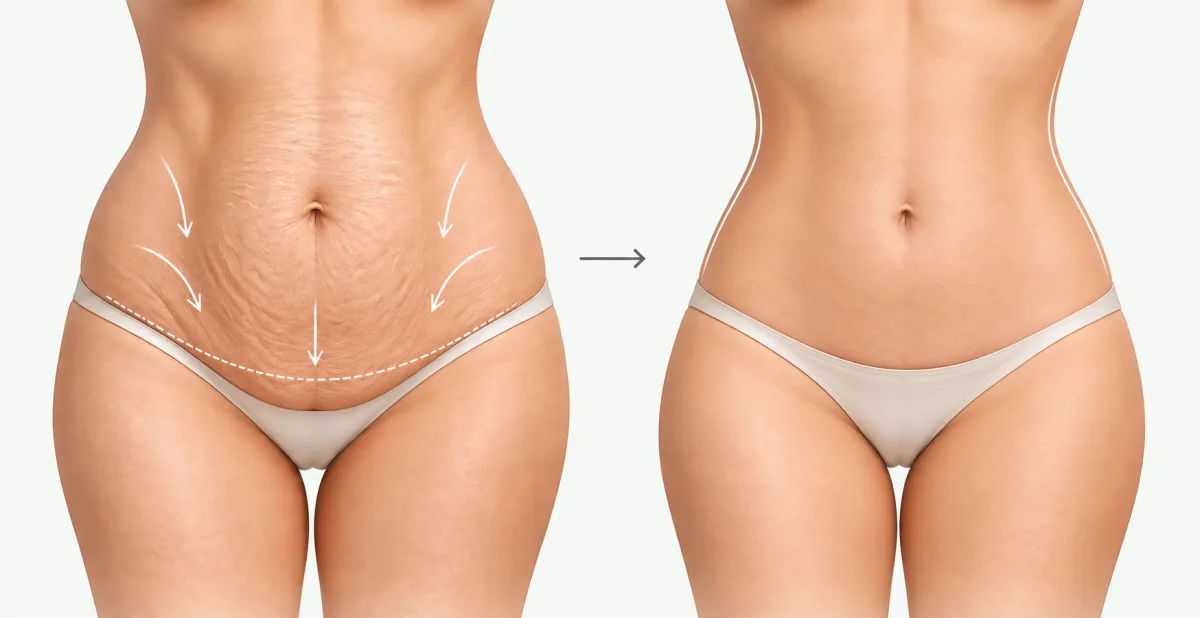
Tummy tuck diagram: the abdomen before surgery with the incision line, and the result
Main goal
Removal of excess skin, diastasis repair
When it is done
Excess skin after childbirth or weight loss
Anaesthesia and stay
General anaesthesia, up to 3 days in hospital

Lipoabdominoplasty

Tummy tuck with added liposuction
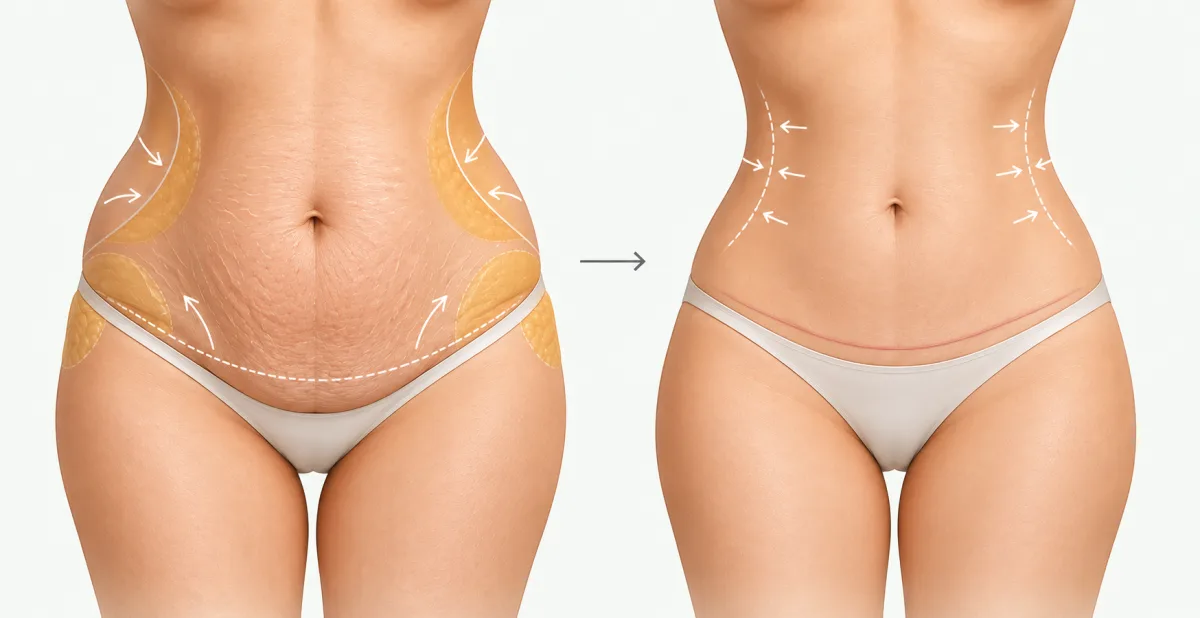
Lipoabdominoplasty diagram: the abdomen with fat on the flanks before surgery, and the result
Main goal
Tummy tightening and waist contouring
When it is done
For fat deposits on the flanks and waist
Anaesthesia and stay
General anaesthesia, up to 3 days in hospital

The benefits and recovery times shown are averaged for each technique and given for guidance: the scope of correction and rehabilitation depend on your anatomy and individual features, and the surgeon confirms them at the consultation.

At the consultation the surgeon draws up a plan for your case and explains how your tummy tuck will go.

Free, before surgery and with no obligation.

Book a consultation

Tummy tuck from the inside

About the clinic

A clinic where you can feel at ease

Modern equipment, comfortable rooms and care for every patient
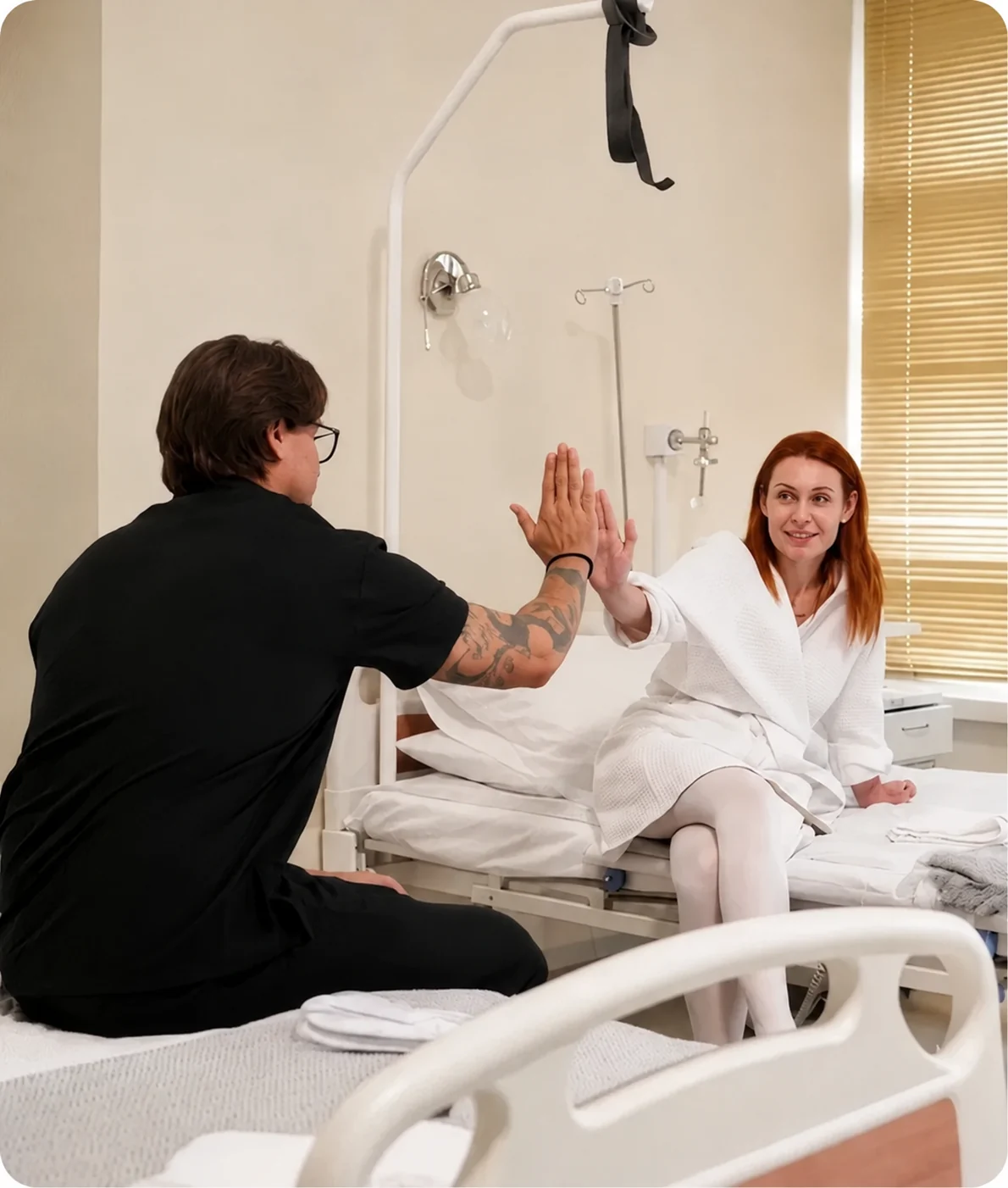
A doctor and a patient in a clinic ward

Contact us the way that suits you

We will answer your questions and find a convenient time for a consultation

A tummy tuck is not for everyone

If your case can be solved without surgery, the doctor will tell you so at the consultation — and you will not spend money for nothing.

Suitable
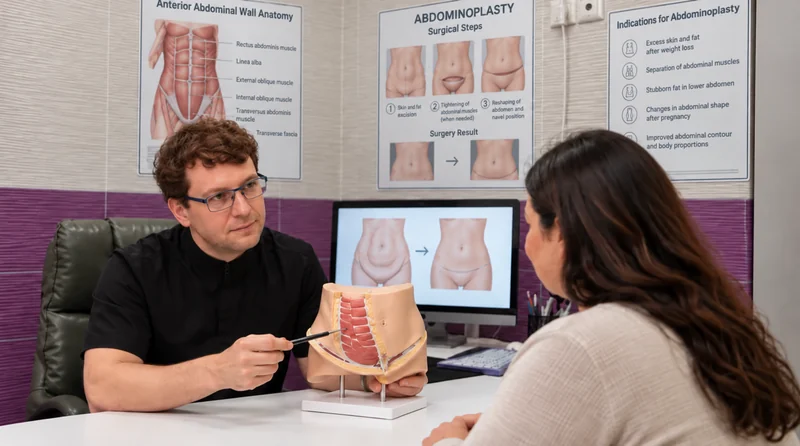
A surgeon shows a patient on a model and a monitor how the abdominal contour changes after a tummy tuck
  • Rectus abdominis diastasis
  • Skin folds after weight loss
  • Loose abdominal skin
  • Stretched skin after pregnancy
  • A distorted abdominal contour

Not suitable
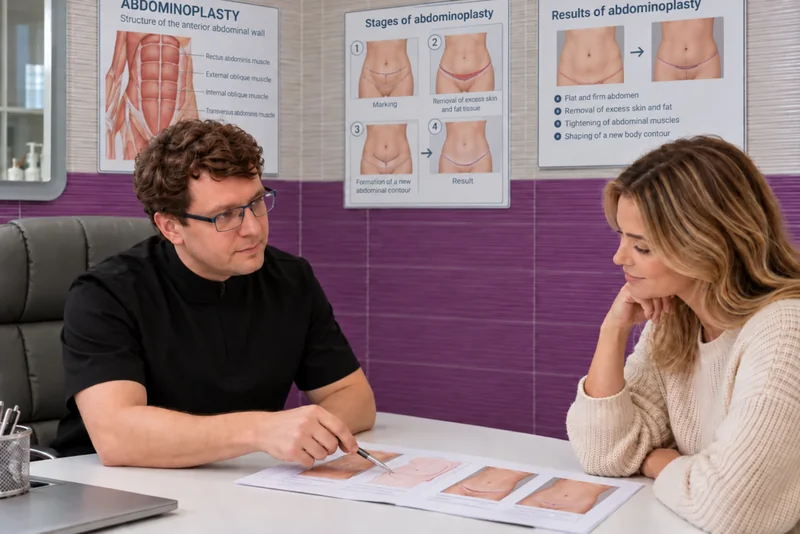
A surgeon discusses the indications and contraindications for a tummy tuck with a patient
  • Acute infections
  • Severe heart, kidney or liver conditions
  • Problems with blood clotting
  • Under 18 years of age
  • Decompensated diabetes
  • Cancer
  • Skin inflammation in the surgical area
  • Pregnancy and breastfeeding

Not sure the surgery is right for you?

Message us — the coordinator will ask for your photos in the messenger, and the surgeon will tell you whether a tummy tuck suits you. No surgery booking needed.

Find out if it suits me
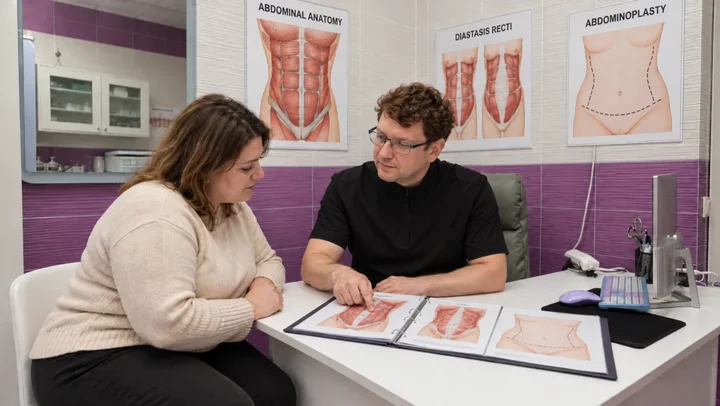
A surgeon goes through a tummy tuck diagram with a patient at the consultation

Prices

You know the price
before surgery

The price is set at the consultation and fixed in the contract.

Other services

  • First consultationFree
  • Liposuction of the abdomen and flanksfrom $1,700
Book a consultation

Find out your tummy tuck plan and price

The surgeon assesses your abdominal skin and muscles, listens to your wishes and chooses the right correction technique.
The price is set at the consultation and fixed in the contract.
A nurse talks to a patient in a clinic ward

Message our coordinator

Free online consultation · Reply within 15 minutes

Message us on Telegram

By messaging us, you agree to our Privacy Policy
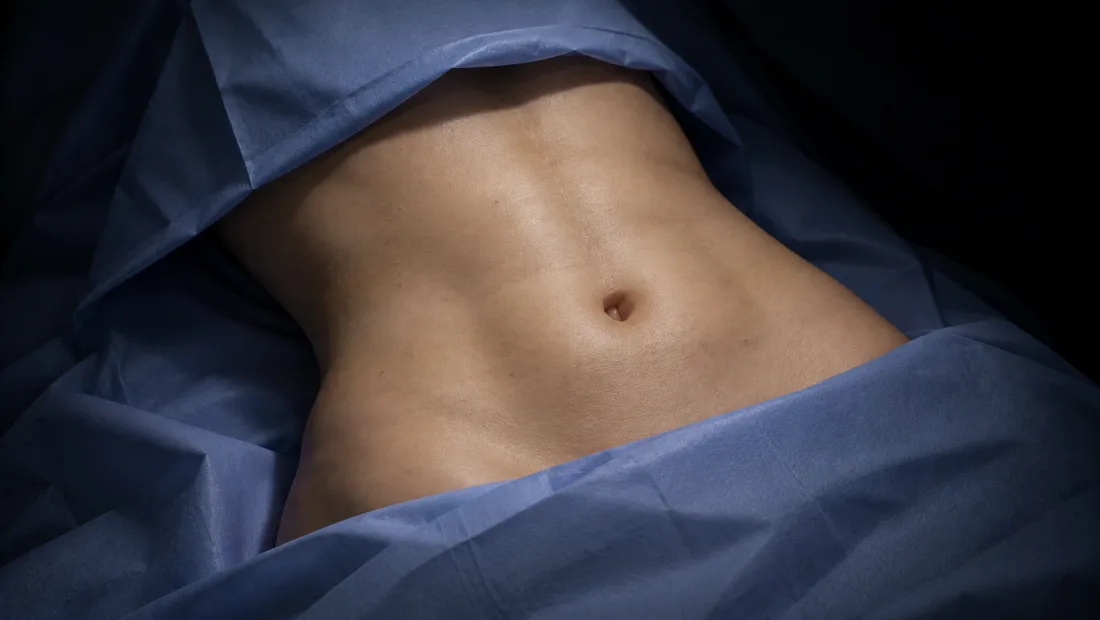
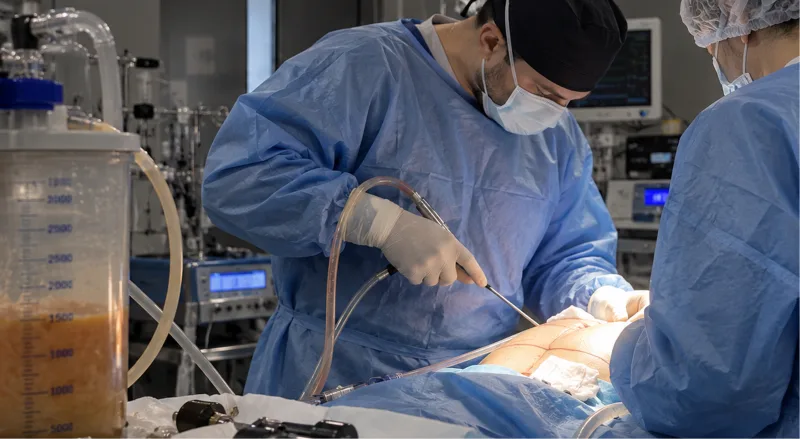
A patient's abdomen before a tummy tuck in the operating room

all inclusive

What the price includes

From preparation for surgery
to post-op check-ups.

  • All scheduled dressings
  • Scheduled post-op check-ups
  • A personal coordinator on call
  • Compression garments fitted on the day of surgery
  • A stay in a comfortable
    hospital ward with meals
  • Individual recommendations
    for recovery
  • Remote progress monitoring
    by photos

How it works

Three days at the clinic —
from preparation to discharge

An agreed correction plan, inpatient observation and post-op check-ups.
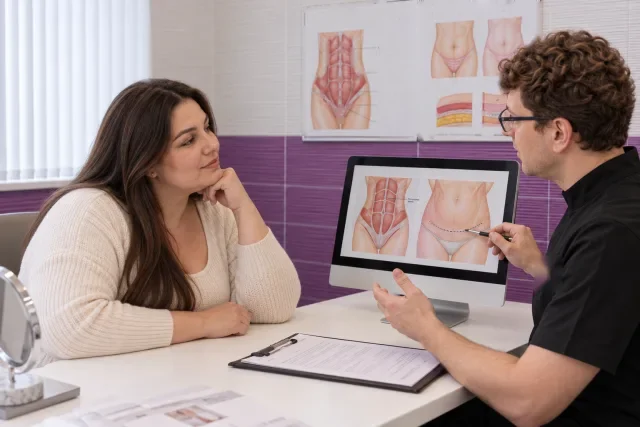
A doctor shows a patient a tummy tuck diagram on a monitor1

Consultation
and the surgical plan

The surgeon assesses your abdominal skin and muscles and checks for diastasis, listens to your wishes and chooses the right correction technique.

Paying the deposit by card at the clinic reception2

Booking the date
of surgery

We reserve a surgery date for you: the deposit can be paid by card at the clinic or online by bank transfer. The terms are fixed in the contract for medical services
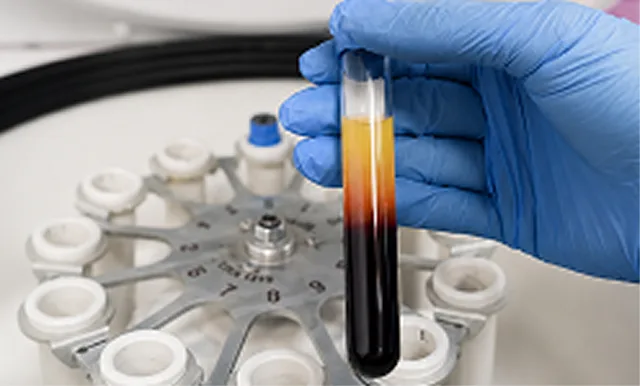
A blood sample tube for tests before a tummy tuck3

Check-up before
surgery

Before surgery you complete a full lab check-up: blood tests, an ECG, a chest X-ray and reports from the required specialists.
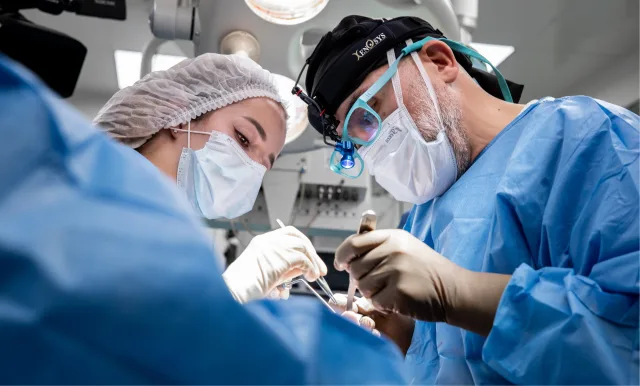
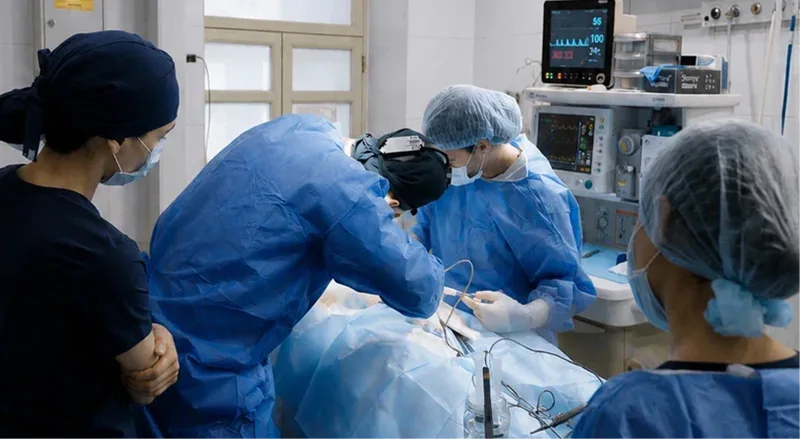
The surgical team during the operation4

Surgery

The surgeon performs the tummy tuck with the chosen technique, repairs diastasis if needed and shapes a firmer abdominal contour.
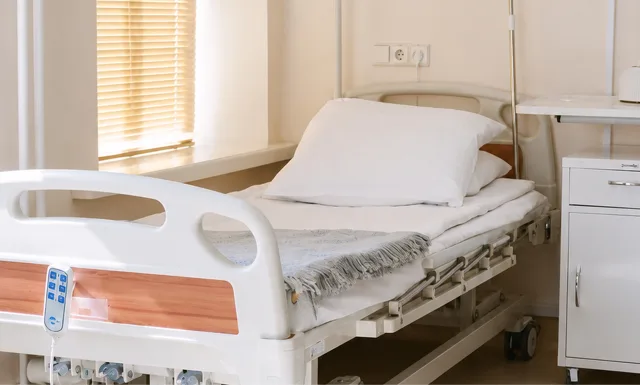
A hospital ward at the clinic5

Inpatient stay

After surgery the patient stays for 1–3 days in a comfortable hospital ward with meals, under medical supervision.
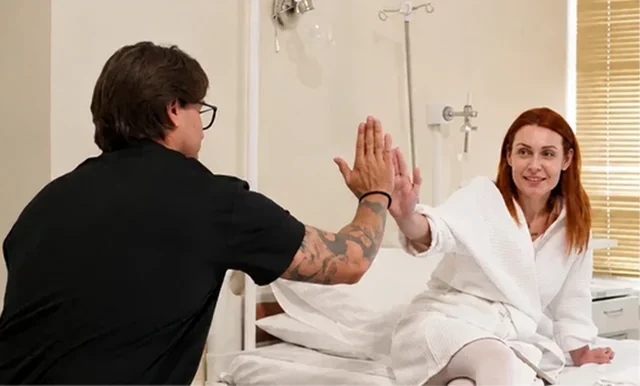
A surgeon and a patient in the ward during recovery6

Recovery

After surgery you get a recovery programme. Check-ups at 7 days, 3 and 6 months help track your recovery.
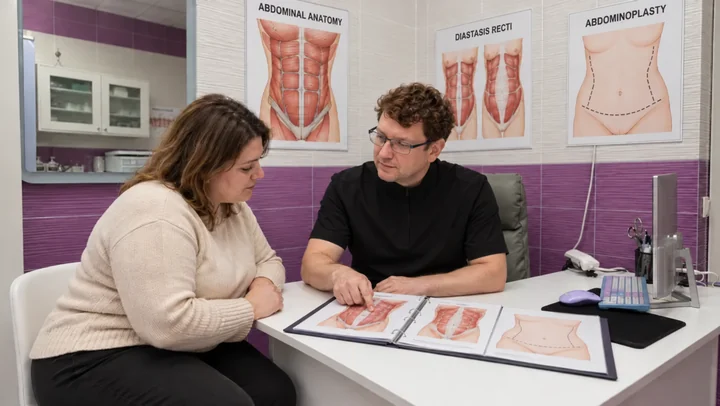
Book a free consultation — the surgeon will plan every step with you.

A doctor discusses the tummy tuck plan with a patient
Book a consultation
A doctor discusses the tummy tuck plan with a patient

How it really happens

After a tummy tuck: recovery

The patient remains in hospital under medical supervision for 1–3 days right after surgery. Drains are usually taken out after two days and stitches after 7 days. A compression binder, worn for 1.5–2 months, supports the abdominal wall and shapes a smooth contour. Within 30 days most swelling goes; after 2–3 weeks you can return to office work. Sports, sauna and heavy lifting are not allowed for 2–3 months, and sleeping on your back with knees bent is recommended at first. By 12 months the scar has matured fully: it fades and is hardly visible.

Post-op check-ups

After 7 days, at 3 months and at 6 months. Until the end of the year, get a post-surgery consultation with your surgeon to review results and get more information, at the clinic's expense

Advantages

Why people choose City Medical Centre
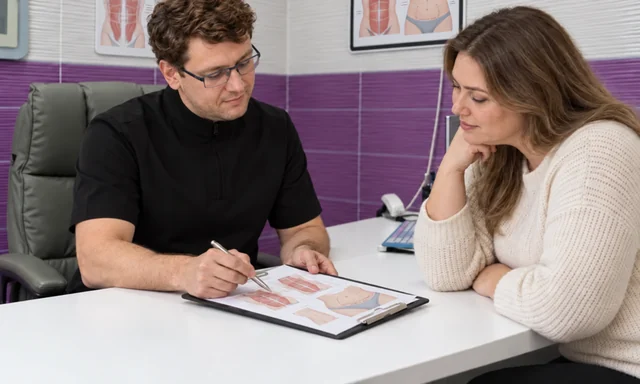
A surgeon discusses the tummy tuck plan with a patient at the consultation

Just find out — you lose nothing

At the consultation we discuss your wishes and assess your abdominal skin and muscles. The surgeon explains what changes are possible, chooses the correction technique and answers your questions.
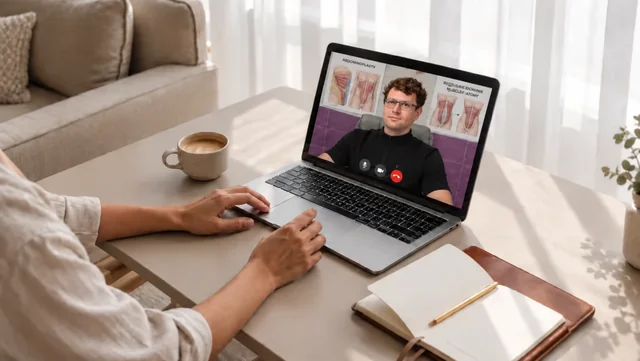
A surgeon on a video call with a patient after surgery

We stay with you after surgery

The surgeon follows your recovery and the changing abdominal contour at check-ups after 7 days, 3 and 6 months. Check-ups, dressings and aftercare advice are already included in the price of surgery.
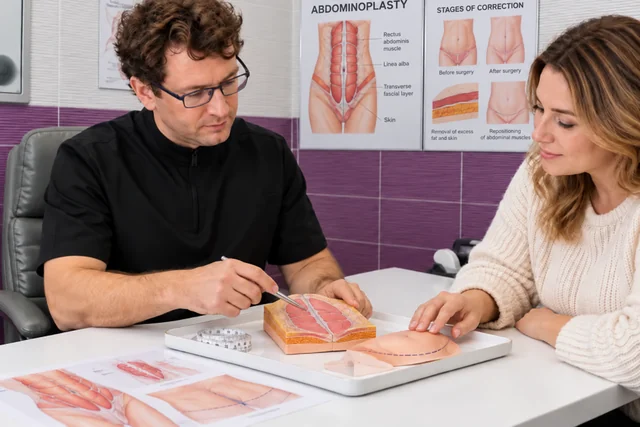
A surgeon shows a patient a model and tummy tuck diagrams

A beautiful contour that fits your figure

We choose the correction technique based on your skin, muscles and figure. Our aim is a harmonious abdominal contour that keeps the natural proportions of your body.

A patient writes down a convenient visit time in her planner

Your schedule is our priority

We respect your time: we work 24/7, with easy booking and a personal approach — we adapt to your pace.
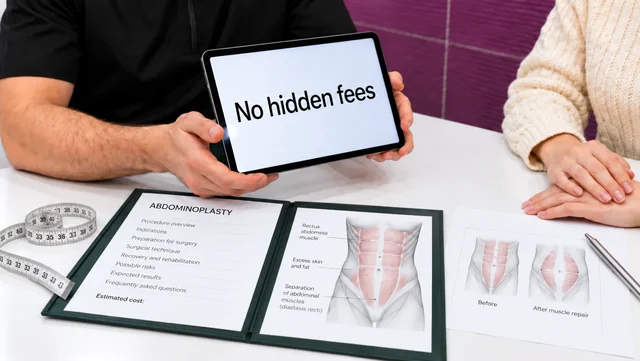
A surgeon shows a patient the fixed price of surgery with no extra charges

Fixed prices

After the consultation the surgeon defines the extent of correction, and you get a clear price for the surgery — no surprises on the way to the result you want.
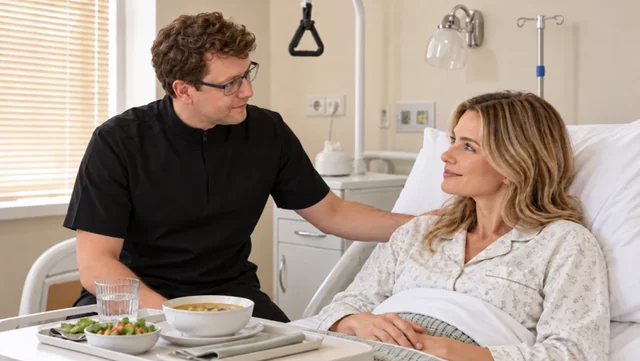
A surgeon visits a patient in the hospital ward after surgery

Round-the-clock care after surgery

Recovery starts in a comfortable hospital ward under round-the-clock nursing care. The stay and meals are already included in the price.

FAQ

We answer what
people ask before booking

Tummy tuck in Ijebu Ode: techniques, stages and recovery

Timing matters with abdominoplasty. Because pregnancy stretches the repaired muscles again, surgeons advise having it once your family is complete and planning a pregnancy no earlier than a year afterwards. It is also done only at a stable weight: if yours is still changing, a dietitian or endocrinologist comes first. Women in Ijebu Ode thinking about the procedure after childbirth should keep this order in mind.

Preparation is straightforward. Two weeks before surgery, medicines affecting blood clotting are stopped; a week before, alcohol and smoking are ruled out for faster healing; the last meal is eight hours before. On the day, you meet the surgeon, the skin is marked and compression garments are fitted. The operation takes 2–4 hours under general anaesthesia. This is the plan for everyone in Ijebu Ode.

Start with a free consultation for a tummy tuck in Ijebu Ode. The surgeon assesses your abdomen, explains the difference between the classic and mini techniques for your case and gives the final price, which is then recorded in the contract. Apply before the end of the year and the consultation is at the clinic's expense. Write to us in any messenger or use the form on the page.

Ijebu Ode and the decision to have a tummy tuck

Ijebu Ode is a city and local government area in Ogun State, South West Nigeria, close to the A121 highway. It lies 110 km by road northeast of Lagos and within 100 km of the Atlantic Ocean. It has an estimated population of 394,246 (2024). It has been the capital of the Ijebu kingdom since pre-colonial times. People here usually plan big personal decisions carefully, and a tummy tuck (abdominoplasty) is one of them.

Most patients who ask about this operation from Ijebu Ode describe the same situation. Loose skin or a stretched abdominal wall remains after pregnancies or large weight loss, and diet and exercise no longer change it. A tummy tuck deals with this by removing excess skin and fat and, where needed, tightening the muscles. It is a body contouring operation and not a method of losing weight.

City Medical Centre has no office in Ijebu Ode and does not need one for the first stage. You hold a free online consultation from home, with coordinators available 24/7 on Telegram and Telegram. You can send questions at any hour, including late in the evening after a day of work or trading, and receive a considered answer without rearranging your schedule.

A city of entrepreneurs: planning time away from work

Ijebu people have a nationwide reputation as natural entrepreneurs, and many residents of Ijebu Ode run their own shops, workshops, services or family businesses. For them the practical question is usually not whether the surgery is possible, but who will keep the business going during the first weeks.

The medical facts help with planning. After a tummy tuck, patients are usually back to work after 2–3 weeks. Three milestones mark recovery: after 2–3 weeks you can do office work, by 1.5–2 months swelling and tightness pass, and at 6–12 months, with the tissues fully adapted, the final result and scar are assessed. If your work is physical, for example carrying stock, loading goods or standing for long hours, the surgeon will tell you when it is safe to return.

A sensible plan for an owner is to brief a trusted relative or senior employee before the operation, arrange delegation for the first 2–3 weeks, and agree that you will be reachable only for important decisions. In the first 2–3 weeks you avoid physical exertion, heavy lifting and sudden movements, so remote supervision from a chair is acceptable, but lifting or supervising on your feet all day is not.

Ask the coordinators during the free online consultation to help you build a timeline around your busiest trading periods and family obligations, so the date of surgery does not collide with them.

Tropical savanna climate and recovery

Ijebu Ode has a tropical savanna climate, with a warm tropical character all year. For a patient recovering from abdominoplasty, warmth and humidity are the main practical factors. They do not make the surgery impossible, but they affect comfort, especially under a compression garment.

The garment is a requirement: recovery is worse without it because it supports the tissues and reduces swelling. For the first 3–4 weeks it stays on around the clock, then during the daytime for roughly a month more. In a warm climate it helps to have two or three soft, breathable garments so one can be washed and dried while you wear another, and to put on a thin cotton layer underneath as the surgeon permits. Your operating surgeon will name the exact period.

Plan your rest in the coolest, best ventilated room of the house. A fan or air conditioning, when electricity is available, makes the first days easier. Light, loose clothing with a soft waistline avoids pressure on the wound area. Drink water regularly and keep dressings clean and dry, especially after a hot, sweaty day.

Strong sun is another point. Fresh scars should be kept out of direct sunlight, and the rules exclude tanning beds. Even short walks outside in the middle of a sunny day are better replaced by walking in the shade in the early morning or evening, with the surgeon's agreement.

Food culture, Ikokore and the weeks after surgery

The primary cultural food of Ijebu Ode is Ikokore, a dish that many families prepare for gatherings. Food is central to social life in the city, and patients often ask how they can keep enjoying it while recovering. The answer is mostly about moderation and timing, not about giving up your traditional cuisine.

Right after surgery you stay for 1–3 days in a comfortable hospital ward with meals, under medical supervision. After that, at home, ask the surgeon about the diet suitable for your first days. In general, light and easily digested meals, enough protein and plenty of fluids support healing, and heavy, very spicy or very oily meals can be reintroduced as you feel comfortable. Alcohol is out for at least a month.

A practical approach is to ask relatives to prepare meals in advance, so that you do not stand at the stove in the first 2–3 weeks. Standing and bending over cooking pots strains the abdomen. Pre-cooked portions, set within easy reach and not on low shelves, protect you from bending and lifting.

Weight stability matters too. The WHO describes overweight and obesity as abnormal or excessive fat accumulation that may impair health. A tummy tuck is not a treatment for that, and a stable weight before and after surgery helps keep the contour. Discuss with the surgeon what weight is sensible for you.

Family events, social life and choosing the season

Family ceremonies, weddings, naming events and community gatherings are an important part of life in Ijebu Ode, and invitations often come with short notice. Patients ask whether they can attend. During the first weeks the safest answer is to avoid long evenings on your feet, dancing, crowded places and anything that risks a blow to the abdomen. Sauna, steam bath, pool, tanning beds, alcohol and smoking are out for at least a month.

The first changes appear 2 weeks after surgery as the main swelling subsides, followed by two checkpoints: the interim result at 1.5–2 months and the final contours at 6–12 months. If a major family celebration is on your calendar, count back so that the operation falls at least 1.5–2 months before it, when swelling and tightness have passed and you can wear your chosen outfit comfortably. For an event that you want to attend with the final result, a longer interval of 6–12 months is realistic.

In a tropical savanna climate there is no single perfect month, so the season matters less than your personal calendar. Choose a period when you can rest at home, when relatives can help, and when your business and family obligations are lowest. Our coordinators can help you select a date during the online consultation.

Let people close to you know the plan. Having one person who will stay with you in the first days after discharge is a real support for getting out of bed, caring for dressings and managing routine tasks.

Candidates and contraindications in general terms

You must be at least 18, with no contraindications. No upper limit exists, and at our clinic each case is considered individually, after an examination and health assessment. The surgeon will look at skin quality, the condition of the abdominal wall, scars from earlier operations, general health and your goals.

Typical candidates are adults with excess skin or fat in the abdomen and weakened muscles, for instance after childbirth or significant weight loss, who are in stable health and have a stable weight. People who are planning another pregnancy soon, or are still losing weight, are usually advised to wait, and the surgeon will discuss this honestly.

Some conditions can rule out surgery or require additional examination: serious heart, lung or blood clotting problems, active infections, uncontrolled chronic disease, and smoking that cannot be stopped. Do not hide medicines, supplements or herbal remedies from the surgeon, since some of them affect blood clotting and bleeding.

Be open about your previous operations as well, for example a caesarean section or earlier abdominal surgery. These affect the technique, and a mini tummy tuck may suit some patients while a classic operation is better for others. This is decided by the surgeon after assessing your photographs, test results and conversation, not by a general rule.

Preparation and tests from Ijebu Ode

Preparation is a must. Stop smoking, drinking alcohol and taking medicines that affect blood clotting 7–10 days before a tummy tuck. The pre-surgery check-up covers blood tests, ECG, leg vein ultrasound and consultations with a GP and anaesthetist. Get it done in advance, not the day before.

The list is identical for all: blood and urine tests, coagulation panel, biochemistry, infection tests, ECG, chest X-ray, ultrasound of the leg veins and a GP's report. The exact list comes from the surgeon at the consultation, and tests usually stay valid for 10–14 days. This validity period matters: if you do the tests too early they may expire, and if you do them too late the date of surgery is delayed.

Because Ijebu Ode is a sizeable city, with a population estimated at 394,246 (2024) and an easy road connection to Lagos, you can usually arrange most routine tests and a GP's report close to home. Ask the coordinator for the exact list in writing and send them the results by Telegram or Telegram, so the surgeon can review them before the operation.

Prepare your home as well. Place pillows to help you rest in a comfortable position, put essentials at waist height, buy the garments and dressings recommended, and arrange who will help you in the first days.

The operation, hospital stay and follow-up

The operation is performed under general anaesthesia, with up to 3 days in hospital. A classic tummy tuck means 1–3 days under medical supervision; for a mini tummy tuck, one day is usually enough. At home recovery continues, and the surgeon monitors it at scheduled check-ups.

After surgery you get a recovery programme. Check-ups at 7 days, 3 and 6 months help track your recovery. The surgeon follows your recovery and the changing abdominal contour at these check-ups, and dressings and aftercare advice are already included. Until the end of the year you can also get a post-surgery consultation with your surgeon to review results and get more information, at the clinic's expense.

For a patient living in Ijebu Ode, the practical meaning of this schedule is that you plan your follow-up dates in advance and keep them in your calendar. Between check-ups you stay in contact with the coordinators, who work 24/7 with easy booking and a personal approach, adapting to your pace.

Report anything unusual quickly: increasing pain, fever, sudden one-sided swelling, redness spreading from the wound, or breathing difficulty. Do not wait for the next scheduled check-up if something worries you.

Getting around Ijebu Ode during recovery

Ijebu Ode lies close to the A121 highway and 110 km by road northeast of Lagos, with an estimated population of 394,246 (2024). A city of this size has busy markets, shared transport and crowded streets, and these are worth thinking about before surgery. In the first 2–3 weeks you avoid physical exertion, heavy lifting and sudden movements, so jolting rides, long queues and pushing through crowds are best left to relatives.

Ask a family member to run errands, collect dressings, pick up the compression garment and take care of shopping. If you must go out for a check-up or a test, choose the calmest hours of the day, sit with a small cushion behind your back, and stand up slowly, without twisting the body.

Short, gentle walks inside the home are useful for circulation, and the surgeon will tell you how much walking is right for you. Longer outings should wait until you feel steady and the surgeon agrees.

History, pride and patience: a way of thinking about results

Ijebu Ode has been the capital of the Ijebu kingdom since pre-colonial times, and Sungbo's Eredo, one of the largest ramparts in West Africa, stands near the city as a reminder of work done patiently over a long time. A tummy tuck rewards the same attitude. The result is not instant, and each stage of healing has its own pace.

The first changes appear 2 weeks after surgery as the main swelling subsides. By 1.5–2 months swelling and tightness pass, and at 6–12 months, with the tissues fully adapted, the final result and scar are assessed. Patients who judge the outcome in the first weeks often feel worried without reason, because early swelling hides the real contour.

Keep your check-ups at 7 days, 3 and 6 months, take your own photographs in the same light and pose, and compare them calmly. Share them with the coordinators, who are available 24/7, if you have doubts.

Study, school and young families in Ijebu Ode

Ijebu Ode is known for schools such as Ijebu Ode Grammar School, and many residents are parents of school-age children or are studying or teaching themselves. For mothers asking about a tummy tuck after pregnancies, the main issue is who will lift and care for small children in the first weeks.

Heavy lifting is excluded for the first 2–3 weeks, and this includes carrying a toddler on the hip, lifting a child into a bed or taking a child out of a bath. Arrange help from a spouse, grandparent or other relative before the operation, and explain to older children that you need quiet and gentle hugs.

Teachers and students can usually plan a return to a desk after 2–3 weeks, as office work is possible at that point. Choose a time in the school calendar when absence causes the least disruption, and ask the surgeon about long periods of standing in front of a class.

Working with the coordinators from Ijebu Ode: what to send and what to expect

The first stage of a tummy tuck for a resident of Ijebu Ode is a conversation, not a journey. You write to the coordinators on Telegram or Telegram, and they are available 24/7. Prepare a short message with your age, height and weight, the number of pregnancies, any earlier operations such as a caesarean section, chronic conditions, and the medicines you take regularly.

Add clear photographs of the abdomen from the front, from both sides and from behind, taken in good daylight, standing relaxed, without a filter. Ijebu Ode has a warm tropical climate, so daylight near a window in the morning is usually enough. Photographs help the surgeon judge skin, fat and the abdominal wall before any tests are ordered.

The surgeon then explains whether a classic or a mini tummy tuck is more suitable, and the coordinators help you plan dates. The exact list of tests comes from the surgeon at the consultation. Nothing is decided in a hurry: you may ask the same question twice, and the team works at your pace with easy booking and a personal approach.

Home preparation in a warm, busy household

Many homes in Ijebu Ode are lively places, with relatives, neighbours and visitors coming and going. Before surgery, decide who will be in the house during the first days after discharge, and agree on quiet hours for rest. One calm, well-ventilated room is better than the busiest part of the house.

In the first 2–3 weeks you avoid physical exertion, heavy lifting and sudden movements. Put water, medicines, phone and charger, clean garments and dressings at waist height. Keep a small notebook for the questions you want to ask at the check-ups after 7 days, 3 and 6 months.

Because the compression garment is worn around the clock for the first 3–4 weeks, wash and dry spare garments in advance and keep them clean. In a warm climate, a regular routine of rinsing, drying and changing helps you stay comfortable. Follow the surgeon's instructions on showering and caring for dressings.

Everyday habits that protect the result

The result of a tummy tuck depends partly on what happens after the operation. Smoking and alcohol are out for at least a month, and many patients decide to stop them completely, which is better for healing and general health. Avoid sauna, steam bath, pool and tanning beds for at least a month as well.

Posture matters in the early days. Walk gently, get out of bed by turning to the side and using your arms, and avoid lifting or twisting the body. These habits are simple, but in a busy household they are easy to forget, so ask the people around you to remind you kindly.

When sport is resumed, only with the surgeon's approval and gradually, compression garments are worn for another 4–8 weeks. Treat the check-ups as part of the plan: the surgeon follows the changing abdominal contour at 7 days, 3 months and 6 months, and the final result and scar are assessed at 6–12 months.

Return to activity, sport and questions for the surgeon

The rules after a tummy tuck are the same for everyone. For the first 2–3 weeks you avoid physical exertion, heavy lifting and sudden movements. Sauna, steam bath, pool, tanning beds, alcohol and smoking are out for at least a month. Sport is resumed gradually, with the surgeon's approval only, and compression garments are worn for another 4–8 weeks.

If you play football with friends, run in the early morning or exercise in a gym in Ijebu Ode, do not rush. Begin with short, easy walks, then ask the surgeon at your check-up what level of activity is acceptable. Abdominal exercises and heavy weights come last.

Bring a list of questions to the online consultation. Useful ones are: which technique suits me, classic or mini? Where will the scar lie and how will it be hidden by underwear or swimwear? How long should I stay in hospital? What are the possible complications and how are they handled? What will my first 2–3 weeks look like at home? When can I return to my work and to sport? How will my future pregnancies or weight changes affect the result?

Ask also how photographs should be taken for the first assessment, which tests to do, and who to contact when you have a question at night. The honest conversation before surgery is as important as the operation itself.

How does the online consultation work from Ijebu Ode?

It is free and takes place remotely. You write to the coordinators on Telegram or Telegram, send photographs and a short medical history, and a surgeon reviews them. The coordinators are available 24/7, so you can choose a time that suits your day.

How soon can I go back to work after a tummy tuck?

Patients are usually back to work after 2–3 weeks. Office work is possible at that point, while physical work depends on the surgeon's assessment. During the first 2–3 weeks you avoid physical exertion, heavy lifting and sudden movements.

Is a hospital stay necessary?

Yes. A classic tummy tuck means 1–3 days under medical supervision, in a comfortable ward with meals. For a mini tummy tuck, one day is usually enough. Recovery then continues at home with scheduled check-ups.

What anaesthesia is used?

General anaesthesia. Before the operation you consult an anaesthetist, and the pre-surgery check-up includes blood tests, ECG, leg vein ultrasound and a GP consultation.

Does the hot climate of Ijebu Ode affect recovery?

The tropical savanna climate means warmth, so the compression garment can feel uncomfortable. Use breathable clothing, rest in a ventilated room, keep dressings dry, drink enough water and keep scars out of direct sun. The garment itself must still be worn: first 3–4 weeks around the clock, then during the daytime for roughly a month more.

When will I see the result?

The first changes appear 2 weeks after surgery as the main swelling subsides. The interim result comes at 1.5–2 months and the final contours at 6–12 months, when the final result and scar are assessed.

Which tests do I need to do, and where?

Blood and urine tests, coagulation panel, biochemistry, infection tests, ECG, chest X-ray, ultrasound of the leg veins and a GP's report. The exact list comes from the surgeon, and tests usually stay valid for 10–14 days. Many of them can be done near home.

Who can have a tummy tuck?

You must be at least 18, with no contraindications. No upper limit exists; each case is considered individually after an examination and health assessment. Stable weight and good general health are important.

When can I return to sport?

Sport is resumed gradually and only with the surgeon's approval. For the first 2–3 weeks no physical exertion, and compression garments are worn for another 4–8 weeks. Pool, sauna and steam bath are out for at least a month.

How do I prepare in the days before surgery?

Stop smoking, alcohol and medicines that affect blood clotting 7–10 days before the operation, as the surgeon instructs. Complete the pre-surgery check-up in advance, not the day before, and arrange help at home for the first days.

Can I take public transport in Ijebu Ode after surgery?

In the first 2–3 weeks it is better to avoid crowded vehicles, jolts and sudden movements, because physical exertion and sudden movements are not allowed. Ask a relative to drive you to check-ups and ask the surgeon when you can manage on your own.

I have small children. Who should look after them during recovery?

Arrange help from a spouse or relative before the operation. For the first 2–3 weeks you avoid heavy lifting, which includes lifting children, so you need someone to do this for you.

Can I judge the result in the first weeks?

It is too early. The first changes appear 2 weeks after surgery, the interim result comes at 1.5–2 months, and the final contours and scar are assessed at 6–12 months.

What should I send to the coordinators first?

Send your age, height, weight, history of pregnancies and operations, chronic conditions, regular medicines and clear photographs of the abdomen from the front, sides and back. The surgeon uses them to give a first opinion during the free online consultation.

Can I ask questions at night from Ijebu Ode?

Yes. The coordinators work 24/7 on Telegram and Telegram, so you can write at any hour and get a considered answer without changing your daily routine.

Do I have to wear the compression garment all day in a warm climate?

Yes, it is a requirement. The first 3–4 weeks it stays on around the clock, then during the daytime for roughly a month more. Keep spare clean garments and follow your surgeon's advice on the exact period.