

Message our coordinator
Free online consultation · Reply within 15 minutes
Message us on TelegramMessage us on WhatsAppBy messaging us, you agree to our Privacy Policy

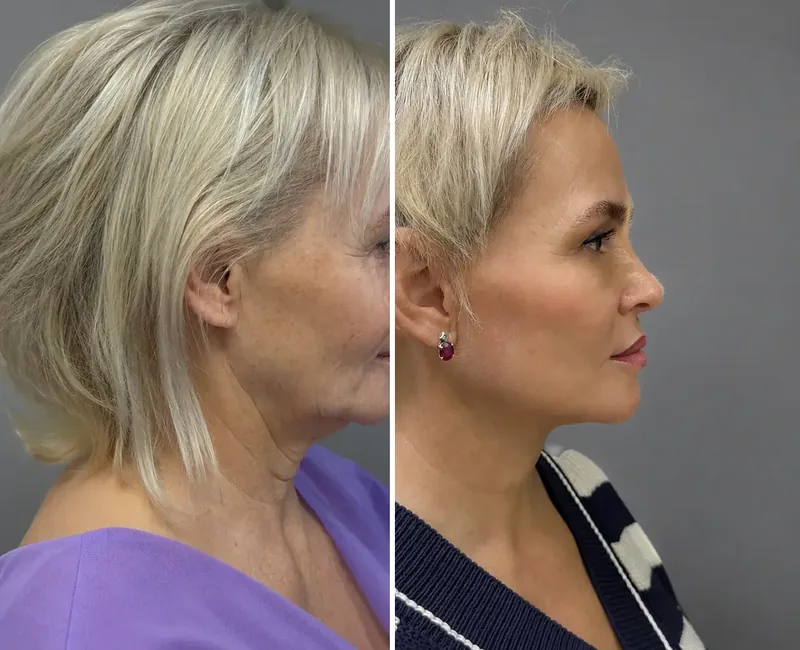
50 years
9 months
SMAS facelift
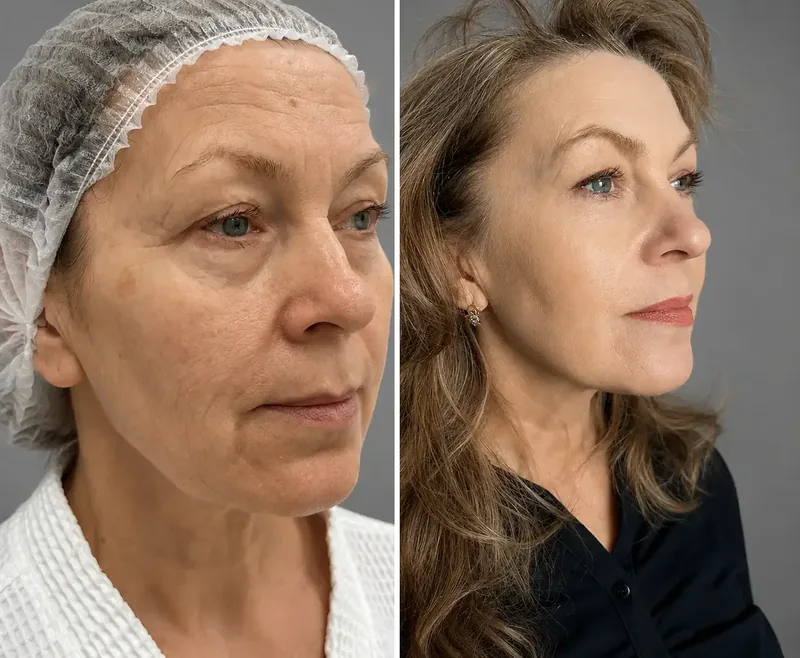
58 years
8 months
SMAS facelift
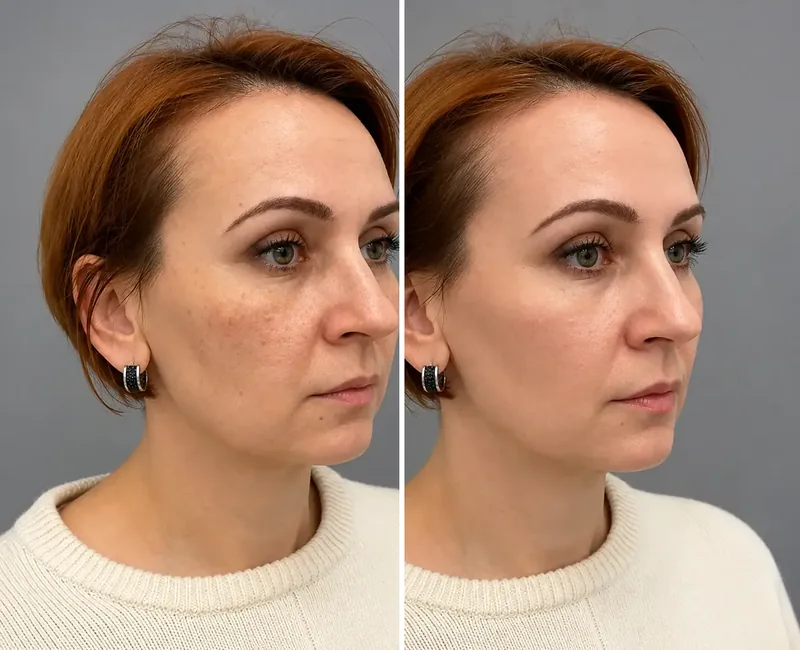
34 years
5 months
SMAS facelift
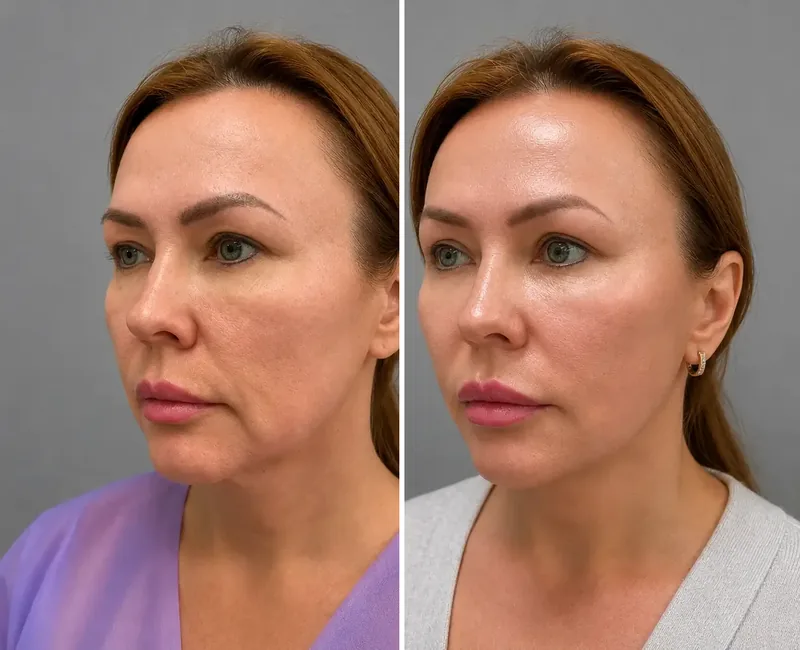
32 years
7 months
SMAS facelift
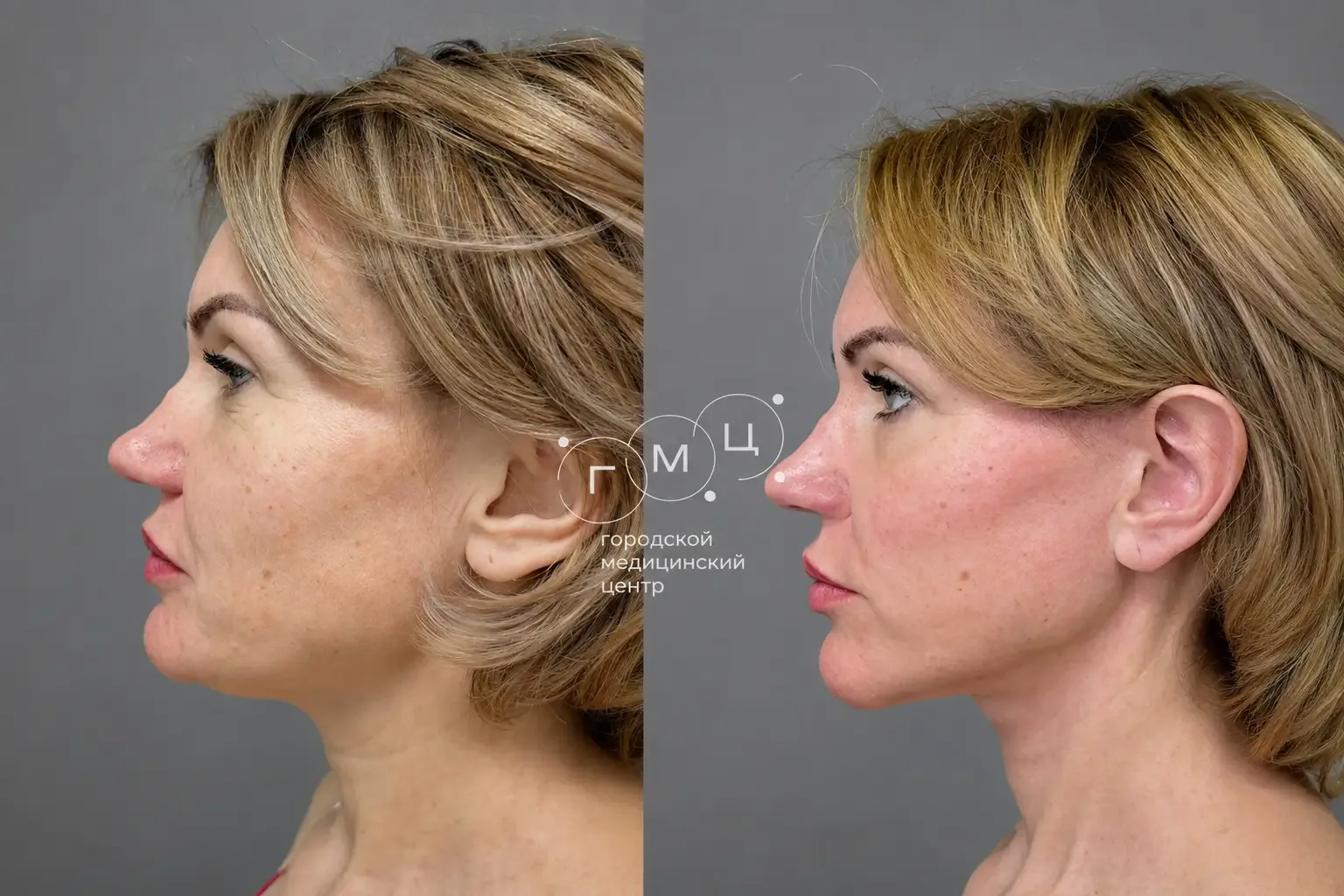
40 years
6 months
SMAS facelift
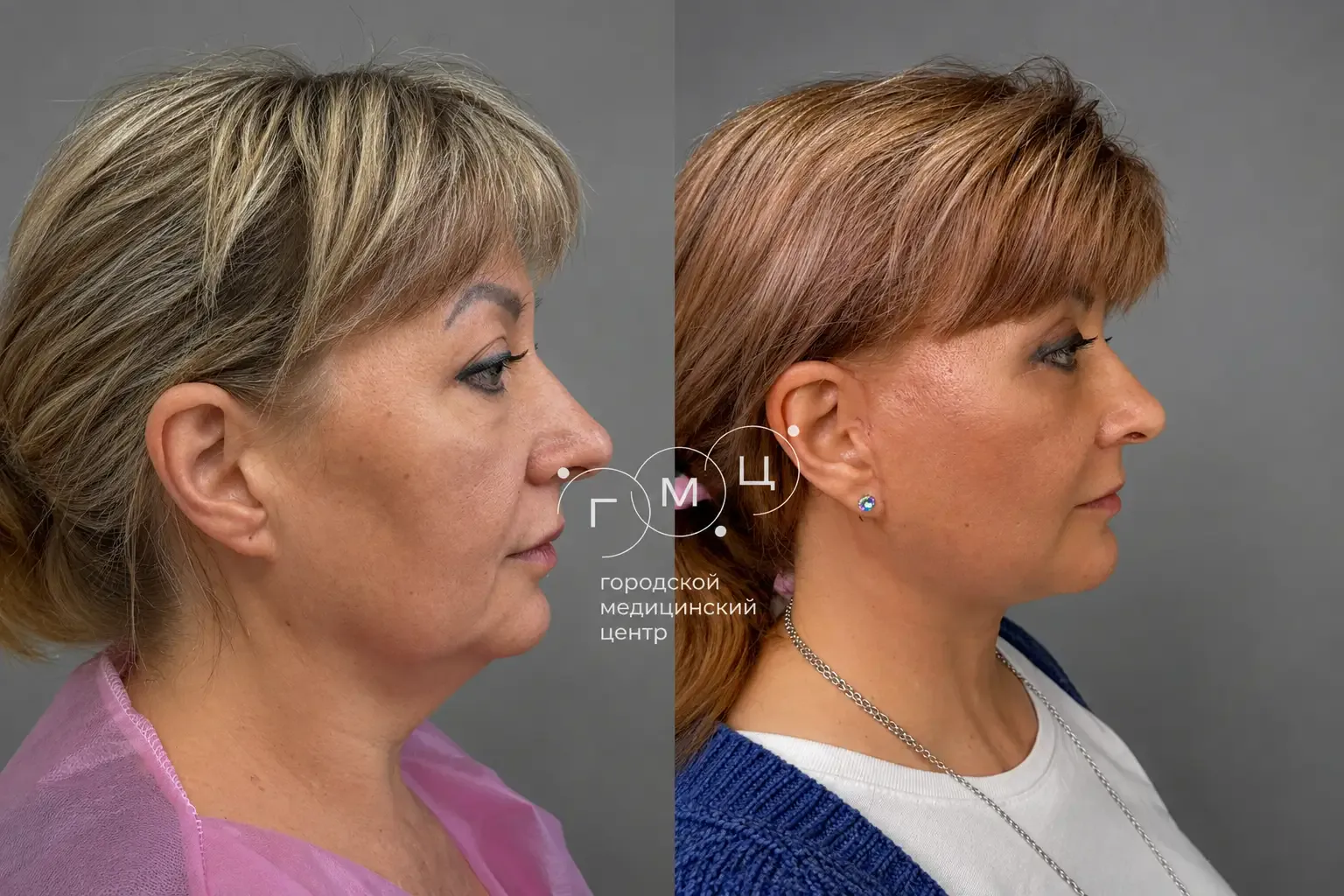
45 years
8 months
SMAS facelift
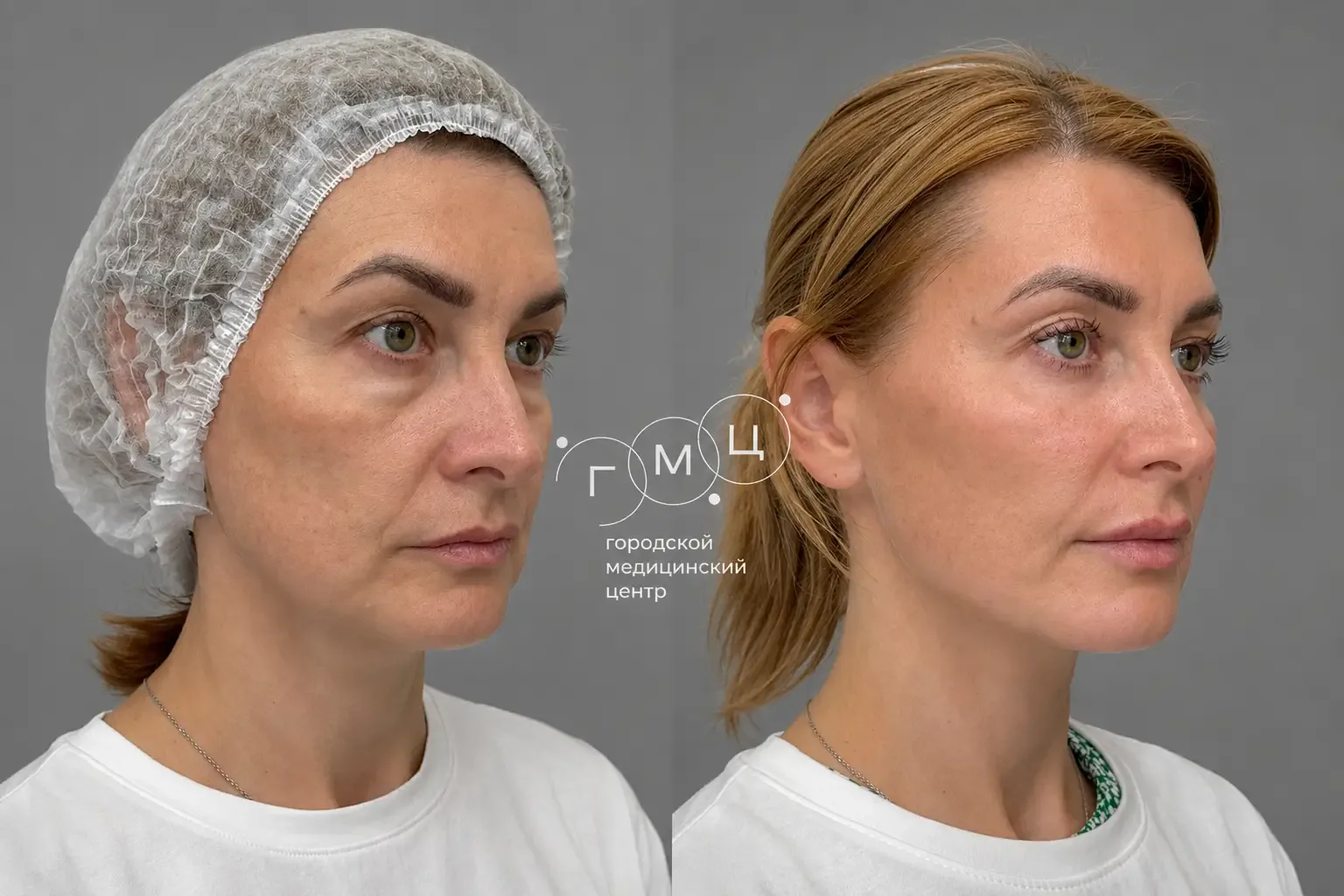
38 years
5 months
SMAS facelift
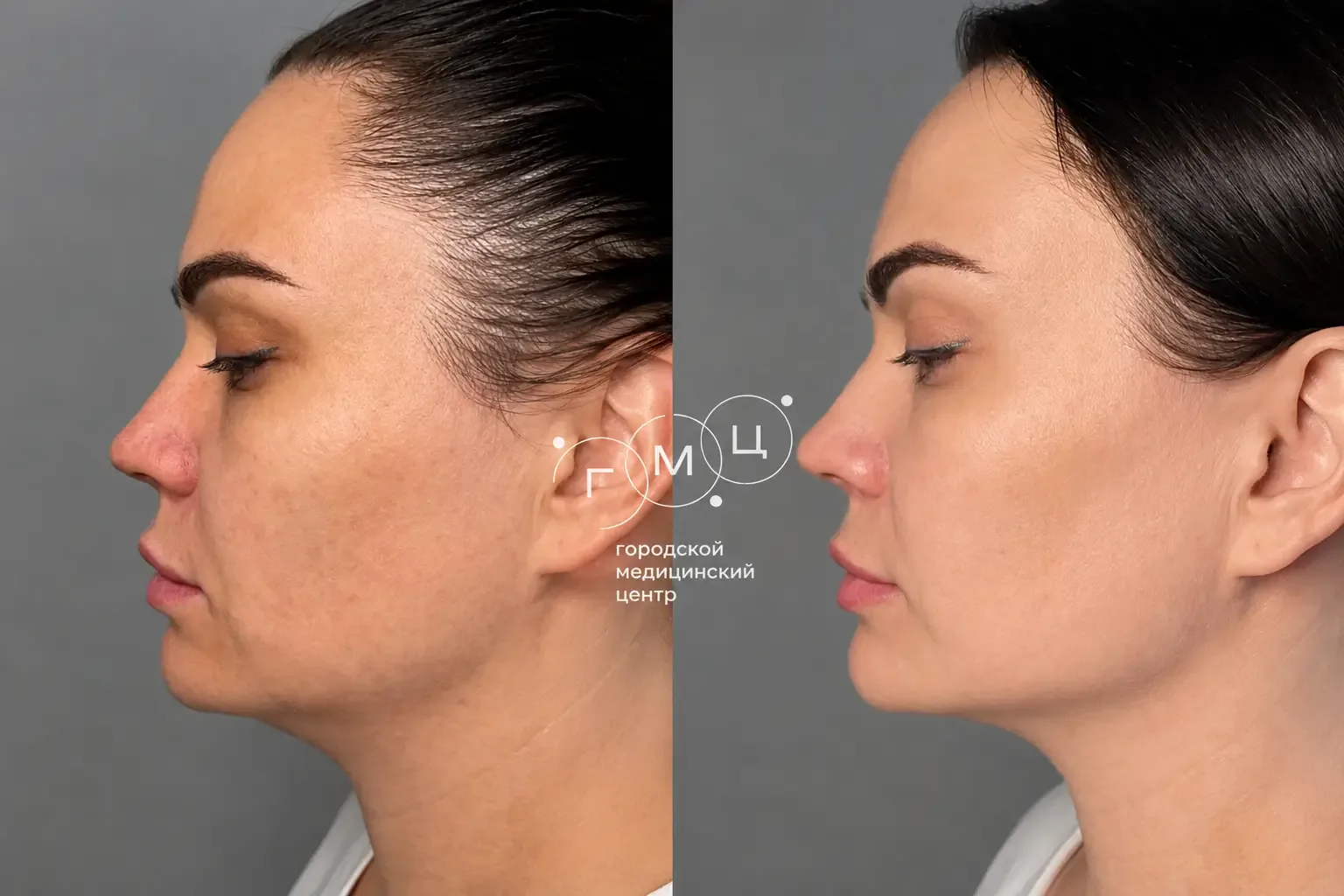
33 years
6 months
SMAS facelift
50 years
9 months
SMAS facelift
58 years
8 months
SMAS facelift
34 years
5 months
SMAS facelift
32 years
7 months
SMAS facelift
40 years
6 months
SMAS facelift
45 years
8 months
SMAS facelift
38 years
5 months
SMAS facelift
33 years
6 months
SMAS facelift
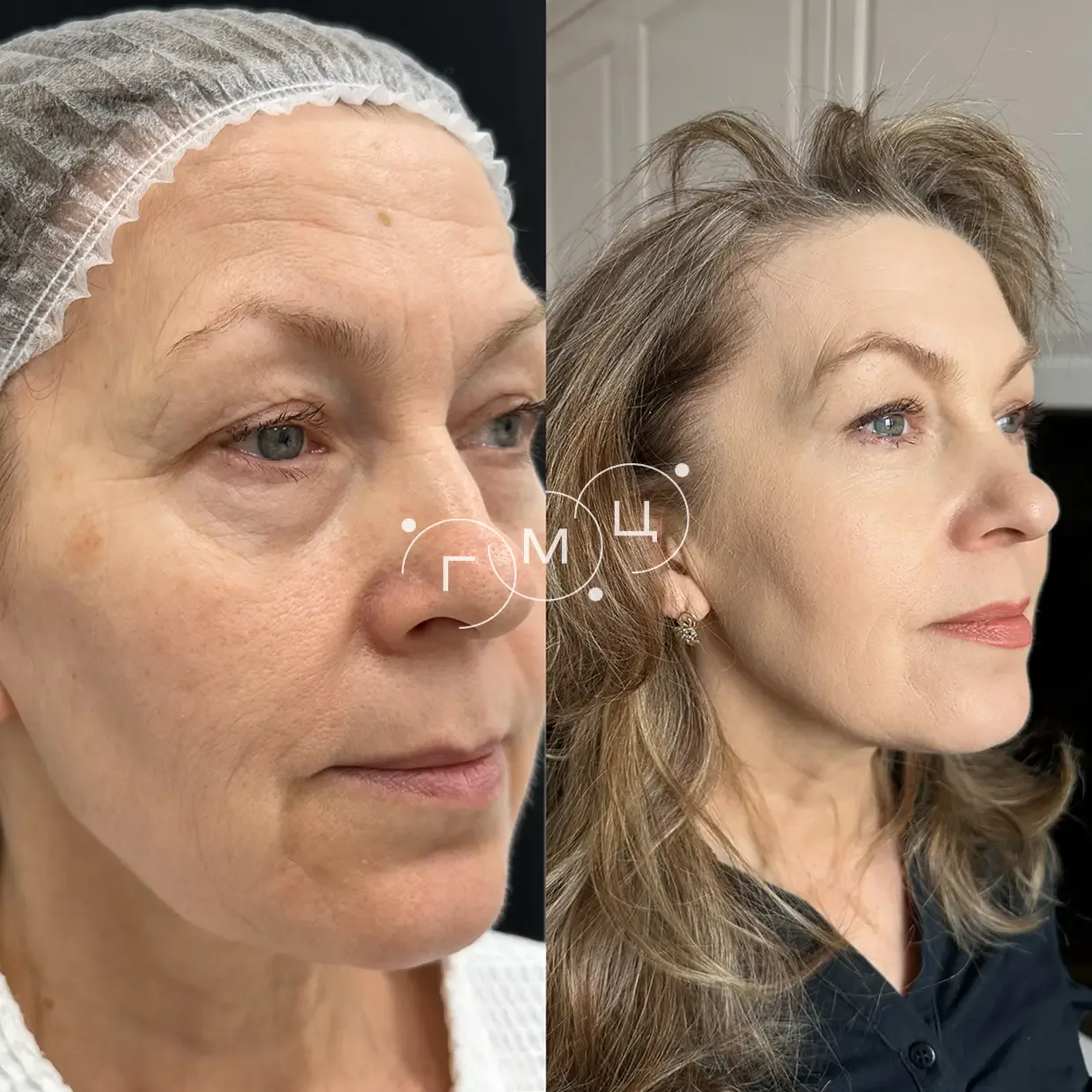

Marked sagging across the face and neck
A blurred jawline, jowls
A double chin with loose skin on the neck
Deep nasolabial folds and marionette lines
Brows that droop, giving a heavy look
Noticeable loss of skin firmness after 40
Looking for a result that lasts (7–10 years)

Younger than 30
Acute inflammation of the skin
Pregnancy and breastfeeding
Severe cardiovascular disease
Problems with blood clotting
Cancer
Decompensated diabetes
Facelift in Ijebu Ode: types, stages and price
As a rule, a surgical facelift is recommended from 40 with marked tissue sagging, and in some cases from 35; the recommendation is made individually after an examination. Contraindications include age under 30, acute skin inflammation, pregnancy and breastfeeding, severe cardiovascular disease, clotting disorders, cancer and decompensated diabetes. Ijebu Ode patients with chronic conditions should consult a clinic doctor first.
On the day of surgery you are under combined inhalation anaesthesia, so there is no pain. The surgeon works through incisions hidden along the hairline and around the ears, lifts the skin, redistributes fat and secures the SMAS layer. Afterwards you stay in a comfortable inpatient room with meals and 24/7 monitoring by medical staff. The same care applies to everyone in Ijebu Ode.
Start with a free, no-pressure consultation: you get an assessment of your ageing type, an explanation of the expected result and answers on recovery. If you decide to proceed, a facelift costs from $2,400 (≈ ₦3,200,000), with anaesthesia, the inpatient stay, meals and a year of follow-up included, and 0% instalments available. People in Ijebu Ode can send a request online or message a coordinator.
Facelift for residents of Ijebu Ode: why the question comes up here
Ijebu Ode is a city and local government area in Ogun State, South West Nigeria, close to the A121 highway. It lies 110 km by road northeast of Lagos and within 100 km of the Atlantic Ocean. The estimated population is 394,246 (2024). It has been the capital of the Ijebu kingdom since pre-colonial times, and by the 16th century it was established as the chief town. A city with this much history and a busy public life gives people many occasions to see themselves in photographs and in person, and many ask about a facelift once those images start to bother them.
Residents of Ijebu Ode usually ask the same practical questions. Is a facelift only for the very old? How visible will the scars be? How long before I can face customers, students or relatives? Is the result short-lived? The facts for this procedure answer most of them. Beyond 40–50 the skin gradually loses firmness, and sagging, jowls, a blurred jawline and drooping cheeks become noticeable. Cosmetology can refresh the surface, but a surgical SMAS facelift works deeper. It repositions the muscle and fascia layer and treats the cause of sagging, not only its effects.
This text is written for people in Ijebu Ode who are weighing the decision calmly. It covers how the city's climate and rhythm affect planning, what recovery looks like, who is and is not a suitable candidate, and how the free online consultation with City Medical Centre works from home.
Climate of Ijebu Ode and what it means for recovery
Ijebu Ode has a tropical savanna climate (Köppen: Aw) and a warm tropical climate overall. For a facelift patient, warmth is the main factor to plan around. Heat and strong sun make swelling feel more uncomfortable and can irritate healing skin. During the first 7–10 days, the period of rest and the compression bandage, the practical aim is a cool, shaded, quiet room. A fan or air conditioning where available, light cotton clothing that does not pull over the head, and plenty of rest all help.
Sun protection matters throughout recovery. Fresh incisions along the hair line and around the ears and recently operated skin should be kept out of direct sun. A wide-brimmed hat or a loose scarf that does not press on the bandage, plus shade on any outdoor errand, is sensible general advice. Your surgeon will give exact rules for when sunscreen and headwear are acceptable, and you should follow those instructions over anything general.
The climate has wetter and drier spells, as a savanna climate does. Wet weather means humid air and muddy ground, so plan to stay in during the early days and avoid crowded places. Dry spells can bring dust, so keep windows and surroundings clean and avoid dusty roadsides while the face is healing. Nothing here replaces the instructions you receive, but thinking about the weather early makes the weeks calmer.
Choosing a season for the operation
There is no single right month in Ijebu Ode, because the climate stays warm throughout the year. The better question is which period of your own calendar is quietest. Swelling and bruising fade within 2–4 weeks, and full recovery takes about 2 months. The first clear changes appear after 3–4 weeks, and the face takes on its final look in 3–6 months. A period without major events at the start of that window is more useful than any particular season.
Think about the weeks around the operation in terms of sun and activity. If you can arrange the first 7–10 days at home with little physical activity, the season matters less. If your work or family life involves long hours outdoors, such as market days or errands, choose a time when you can step back from those duties. The coordinators can help you map your commitments onto the recovery timeline during the online consultation.
Do not fix the date by the calendar alone. The surgeon makes the recommendation individually after an examination, and the plan depends on your health, your type of ageing and the option chosen. Starting the conversation early gives you time to arrange leave, support at home and a quiet schedule without rushing.
Daily life, work and entrepreneurship in Ijebu Ode
People from Ijebu Ode have a nationwide reputation as natural entrepreneurs, as most Ijebus do. For many self-employed people, a shop, a workshop, a trading business or a service, time away from work has a real cost, so planning matters. Meeting customers, negotiating and being seen are part of the job, which is why a natural result without a “mask” look is important to them. The comprehensive lift, which covers the forehead, temples, mid and lower face and neck, is described as giving complete rejuvenation with a natural look, and that is what a business owner usually wants.
A practical plan helps. Hand day-to-day tasks to a trusted relative or employee for the first 7–10 days, when rest, the compression bandage and reduced activity are recommended. Phone and message contact with customers can usually continue in a limited way, but long meetings and physical work should wait. Swelling and bruising fade within 2–4 weeks, so planning important in-person meetings after that window is reasonable.
Employees and professionals can use the same logic. Ask for leave covering the early period and agree what you can do from home. Many people return to light routine activity gradually, but the surgeon sets the actual date for your case. Do not promise your employer or clients a fixed day until the surgeon has seen you.
Family occasions, school life and food in Ijebu Ode
Family events are central in Ijebu Ode, as in much of South West Nigeria: naming ceremonies, weddings, funerals and community gatherings, often with many guests and many photographs. Anyone planning a facelift should look at the events calendar first. Avoid scheduling the operation immediately before a gathering you cannot miss. Since the face takes its final look in 3–6 months, a wedding or celebration in the near term may be better enjoyed with healing still in progress than with the final result expected on the day.
The city has a strong school tradition, and Ijebu Ode Grammar School is among its landmarks. Teachers and people who work with young people often ask about returning to the classroom. A teacher spends the day speaking, standing and being closely observed, so the recovery window of about 2 months to full recovery deserves a conversation with the surgeon rather than a guess. Plan leave, then agree a gradual return.
Food culture also enters the plan. The primary cultural dish of Ijebu Ode is Ikokore. Rich family meals and festive tables are part of life, but in the early days after surgery you will receive specific advice on eating. Inpatient care includes meals, and the surgeon will explain what to eat as you recover at home. Ask in advance about spicy, hot or hard-to-chew foods, since chewing can be uncomfortable while the face is swollen.
Sport, exercise and the first year
Physical activity should be reduced during the first 7–10 days. Walking around the home is normal, but strenuous exercise, heavy lifting, bending and any movement that raises pressure in the face should wait until the surgeon allows it. For people in Ijebu Ode who play football, run, train at the gym or do physical work, this is among the most common questions. Discuss your specific sport, because contact sports and swimming carry different considerations from walking.
Swimming and sea or pool use also need a plan. The Atlantic Ocean is within 100 km of Ijebu Ode, and some residents enjoy the coast on weekends. Pools, seawater and sun are all things to hold off on until the surgeon confirms the incisions are ready. General advice is to avoid immersion and direct sun early on and to ask for clear dates in writing.
Recovery does not end after the first weeks. Full recovery takes about 2 months, and for the whole first year your operating surgeon follows you up. That continuing contact is a real benefit: you can send updates, ask questions and have your progress reviewed as swelling settles and the final look emerges in 3–6 months.
Who is a suitable candidate, and who is not
As a rule, surgery is recommended for patients aged 40+ with marked tissue sagging, and in some cases from 35. The recommendation is made individually after an examination. Typical signs include a marked loss of skin firmness after 40, jowls, a blurred jawline, drooping cheeks, a double chin and deep nasolabial folds. People who want a result that lasts (7–10 years) are the usual candidates, rather than those looking for a short-term refresh.
In general terms, a facelift is not suitable for everyone. Serious uncontrolled illness, certain conditions that affect healing, smoking, and unrealistic expectations all need frank discussion. Weight is relevant too: significant changes in body weight can alter facial contours after the operation, and the WHO publishes general information on overweight and obesity that may help you think about general health. Your surgeon will review your medical history, medicines and lifestyle and decide whether the operation is appropriate.
A facelift does not change who you are. It does not stop ageing, and it is not a substitute for healthy habits. One operation gives a complete result, and a repeat procedure is possible after 7–10 years if the patient wants it. If the surgeon advises waiting, or suggests a different option, take that advice seriously; it is part of safe planning.
The options and what the SMAS lift does
There are 4 main options. At the consultation, the surgeon helps select the best one for your age and type of ageing. Two are described here. The classic SMAS lift of the mid and lower face involves the surgeon working on the skin and the SMAS layer through incisions hidden along the hair line and around the ears. It removes jowls, sagging cheeks, a double chin and deep nasolabial folds, and results last 7–10 years.
The comprehensive lift covers the forehead, temples, mid and lower face and neck. It suits marked sagging in several areas at once, delivers the most complete rejuvenation and a natural look free of a “mask” effect, and results last up to 10 years.
A surgical SMAS facelift corrects at 3 levels. The central step is lifting and securing the muscle and fascia layer, which allows the surgeon to treat the cause of sagging itself: weakened ligaments and descended muscles. It tightens the deep SMAS layer under the skin, not only the skin, so the lower face, jawline and neck stay firmer for longer. Deep work on the SMAS gives a natural look and results lasting up to 10 years.
How the online consultation works from Ijebu Ode
The first step is a free online consultation, so you can begin from your own home in Ijebu Ode. Coordinators are available around the clock (24/7) on Telegram and Telegram. The centre is open 24/7 with flexible booking and a personal approach: we fit around your busy schedule and adapt to you. That suits entrepreneurs, teachers and families who cannot easily rearrange the day.
Prepare a few clear photographs of your face from the front and sides in natural light, a list of medicines and past operations, and your questions. The surgeon uses this to understand your type of ageing and the option that may fit. The final recommendation follows an examination, because planning is individual.
The package covers a one-to-one consultation, the medical team, anaesthesia, inpatient care with meals, 24/7 monitoring and twelve months of follow-up by the surgeon. Continuous 24/7 monitoring by the medical team continues through the stay. Ask the coordinators to explain each stage so you know what to expect before you decide.
Questions to put to the surgeon
Before deciding, write your questions down. Ask which of the 4 main options suits you and why. Ask which incisions are used and where the scars will lie along the hair line and around the ears. Ask what the SMAS layer work will change in your own face and what will stay the same.
Ask about the schedule: what you may do in the first 7–10 days, when swelling and bruising should fade within 2–4 weeks, when the first clear changes appear after 3–4 weeks, and when the final look arrives in 3–6 months. Ask what full recovery of about 2 months means for your job, your sport and your family commitments in Ijebu Ode.
Finally, ask about follow-up: how you reach the surgeon during the first year, what to do if something worries you at home, and when a repeat procedure could be considered, which is possible after 7–10 years if you want it. A good surgeon welcomes detailed questions and answers honestly, including about limits.
Is a facelift only for people over 40?
As a rule, surgery is recommended for patients aged 40+ with marked tissue sagging, and in some cases from 35. The recommendation is made individually after an examination, so age alone does not decide it.
How long does the result last?
A surgical SMAS facelift gives an effect that lasts 7–10 years. The classic lift lasts 7–10 years and the comprehensive lift up to 10 years. A repeat procedure is possible after 7–10 years if the patient wants it.
How long is recovery?
During the first 7–10 days you rest, wear a compression bandage and limit physical activity. Swelling and bruising fade within 2–4 weeks, and full recovery takes about 2 months.
When will I see the final result?
After 3–4 weeks, as the swelling settles, the first clear changes appear. Your face takes on its final look in 3–6 months.
Does the warm climate of Ijebu Ode affect healing?
Ijebu Ode has a warm tropical savanna climate. Heat and strong sun can make swelling more uncomfortable, so plan rest in a cool, shaded room, protect healing skin from direct sun and ask your surgeon when headwear and sunscreen are suitable.
Where are the incisions?
In the classic SMAS lift, the surgeon works on the skin and the SMAS layer through incisions hidden along the hair line and around the ears. The surgeon explains the exact placement for your chosen option.
How does the online consultation work from Ijebu Ode?
The consultation is free and online. Coordinators are available 24/7 on Telegram and Telegram. You send photographs and your questions, and the surgeon helps select the best of the 4 main options for your age and type of ageing.
What does the service include?
A one-to-one consultation, the medical team, anaesthesia, inpatient care with meals, 24/7 monitoring and twelve months of follow-up by the surgeon.
Will I need a second operation?
One operation gives a complete result. A repeat procedure is possible after 7–10 years if the patient wants it.
How does a SMAS lift differ from skin-only treatments?
It tightens the deep SMAS layer under the skin, not only the skin itself, so the lower face, jawline and neck stay firmer for longer. It treats the cause of sagging, not just its effects.
Facelift in Ijebu Ode: price and what is included
Prices are in US dollars; the amount in brackets is an approximate conversion to NGN at the rate of 02.10.2026. The final price is fixed in your contract.
- Faceliftfrom $2,400 (≈ ₦3,200,000)
How much does a facelift in Ijebu Ode cost?
Prices start from $2,400 (≈ ₦3,200,000). The surgeon sets the final price at the free consultation, and it is fixed in the contract, with no hidden extras.
What is included in the price?
A one-to-one consultation, the medical team, anaesthesia, inpatient care with meals, 24/7 monitoring and twelve months of follow-up by the surgeon.
How do I get my exact price?
Message us on WhatsApp or Telegram using the buttons below. A coordinator will answer your questions and book a free consultation where the doctor names the exact price.
By messaging us, you agree to our Privacy Policy