
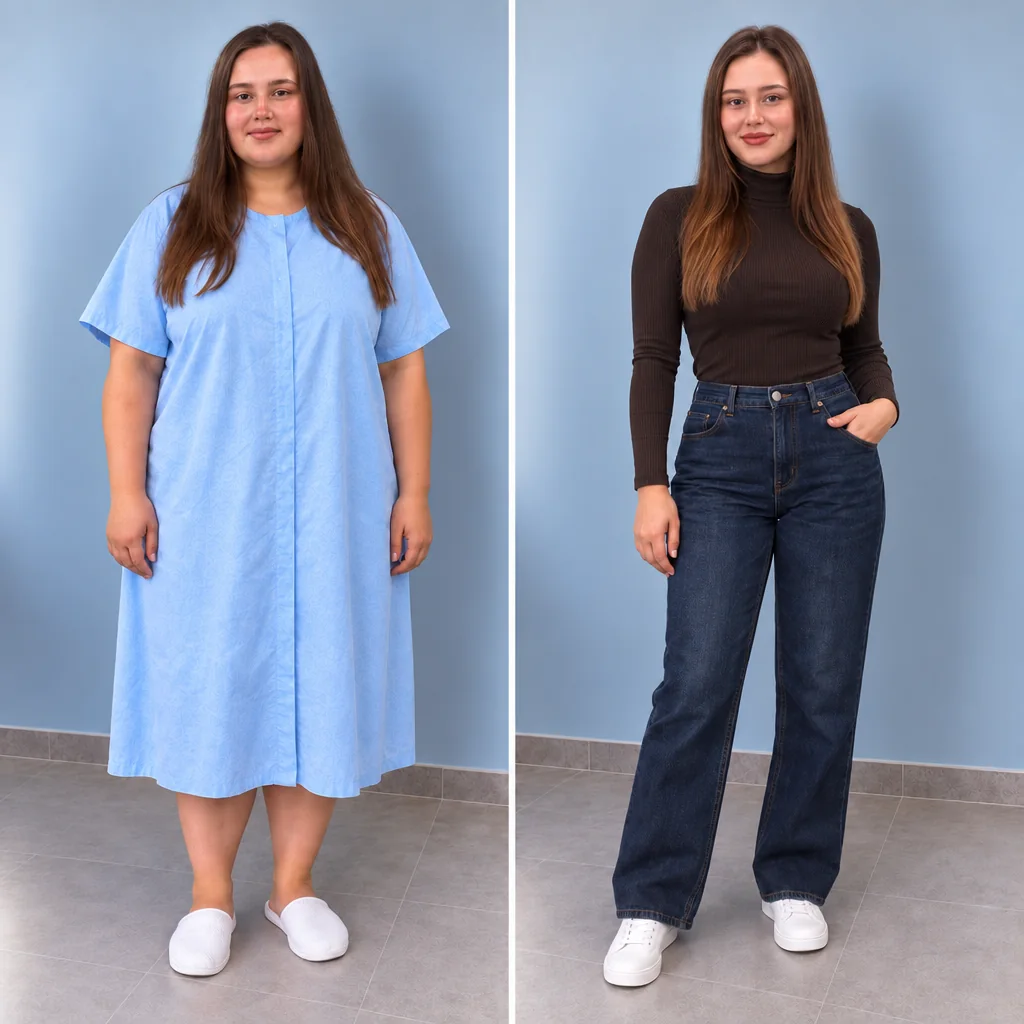
 beforeafter
Irina, 26
Bariatric surgery
Bariatric surgery
$3,600
$4,800 · First consultation — Free
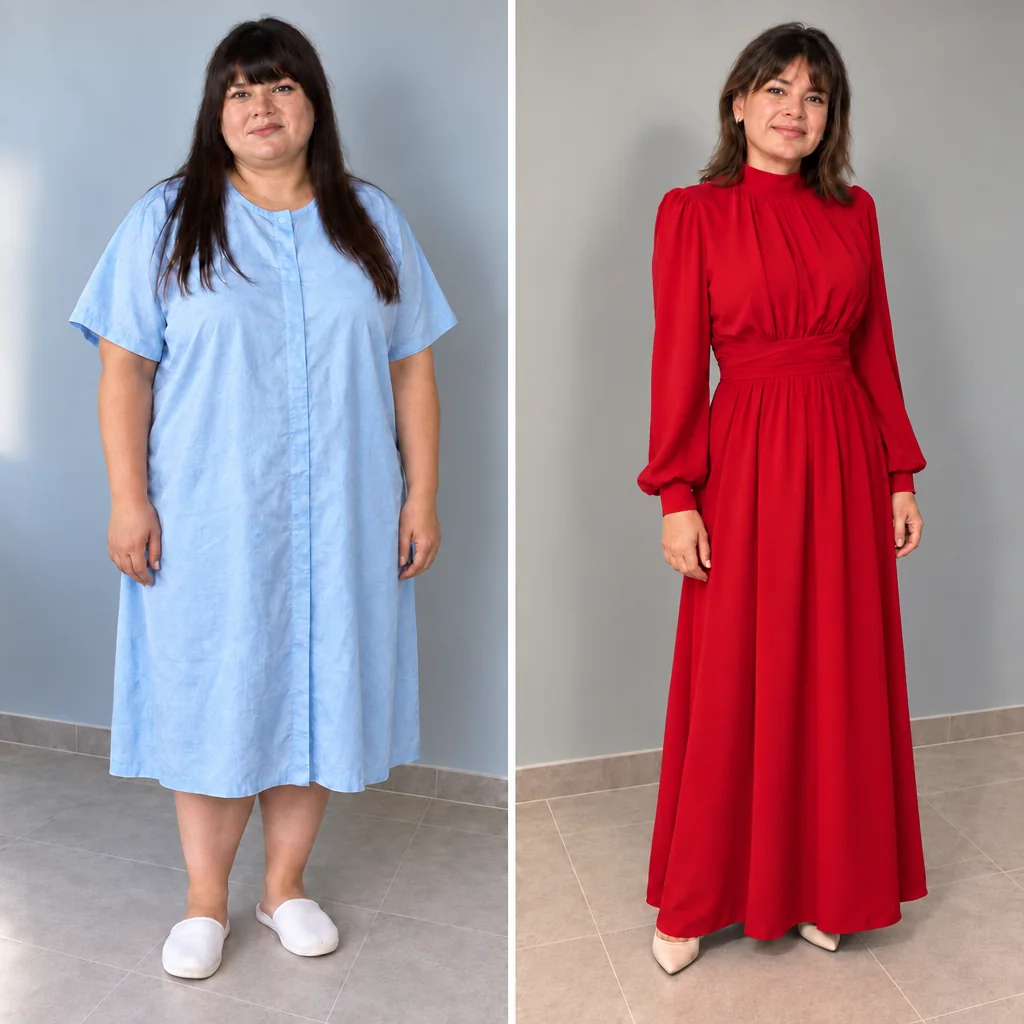 before
after
Message our coordinator
Free online consultation · Reply within 15 minutes
Message us on TelegramMessage us on WhatsAppBy messaging us, you agree to our Privacy Policy
Results
Only real clinic patients appear here.
beforeafterBariatric surgery
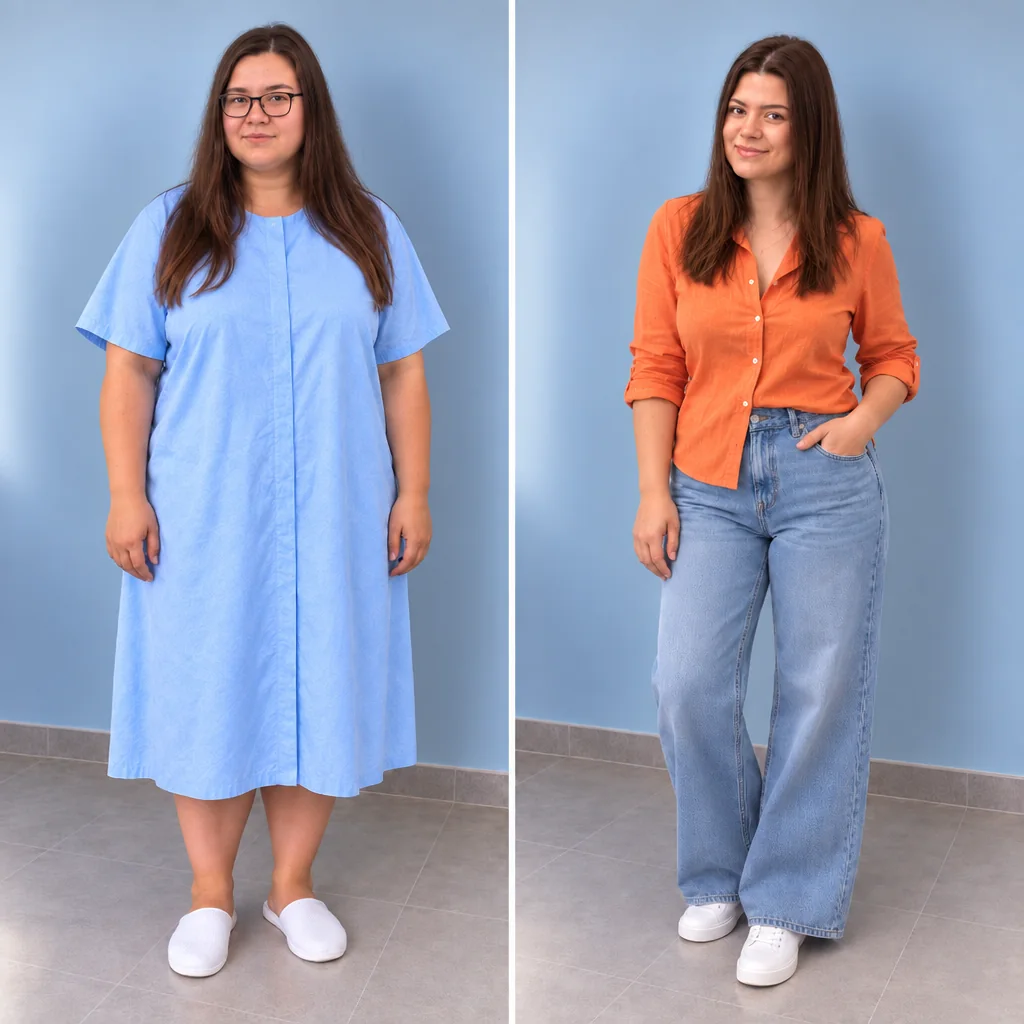 beforeafter
Bariatric surgery
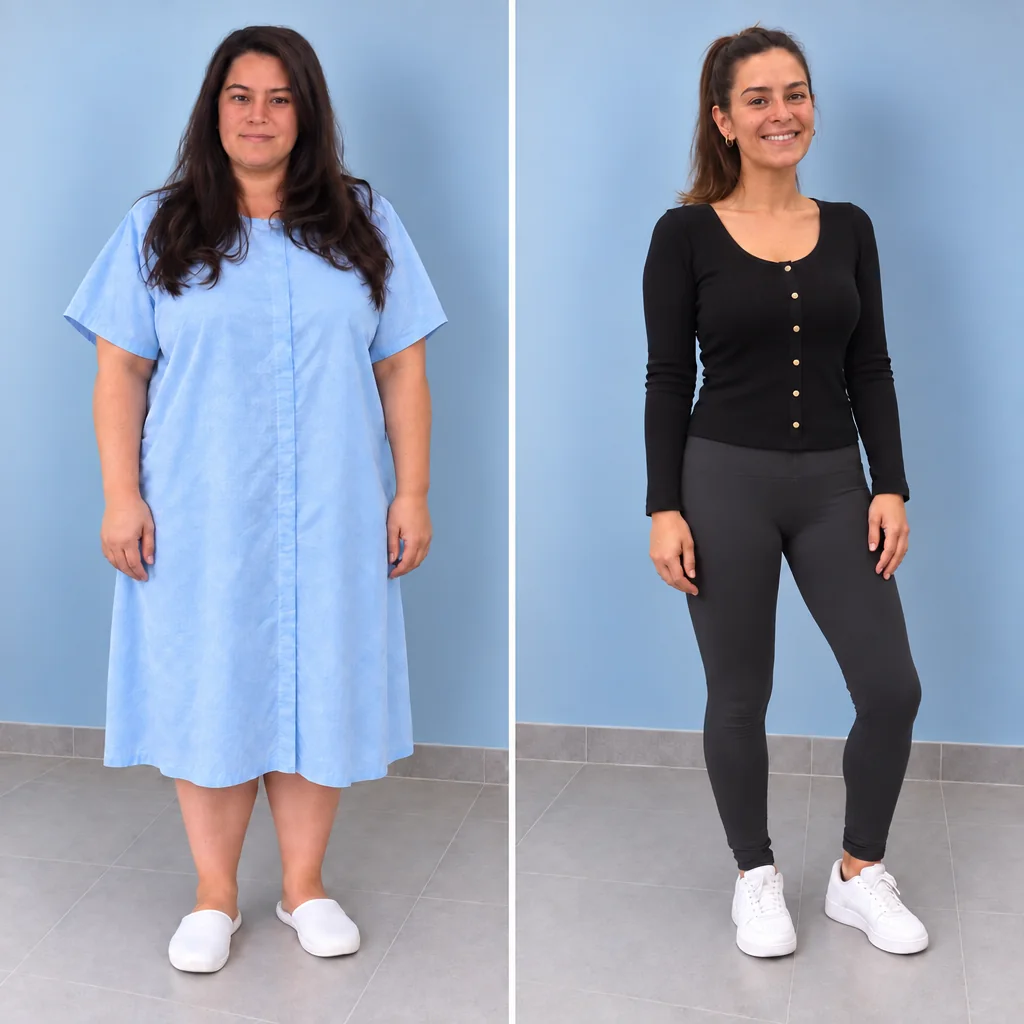 beforeafter
Bariatric surgery
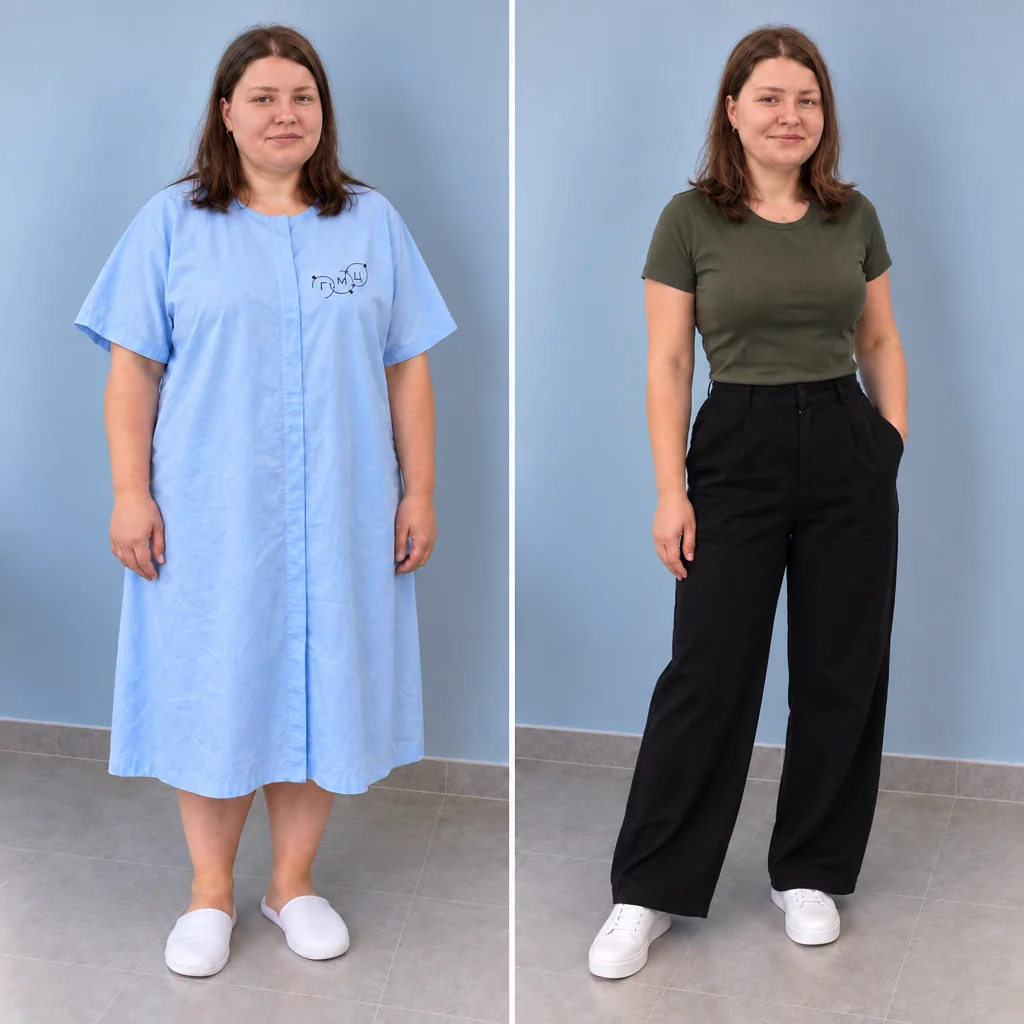 beforeafter
Bariatric surgery
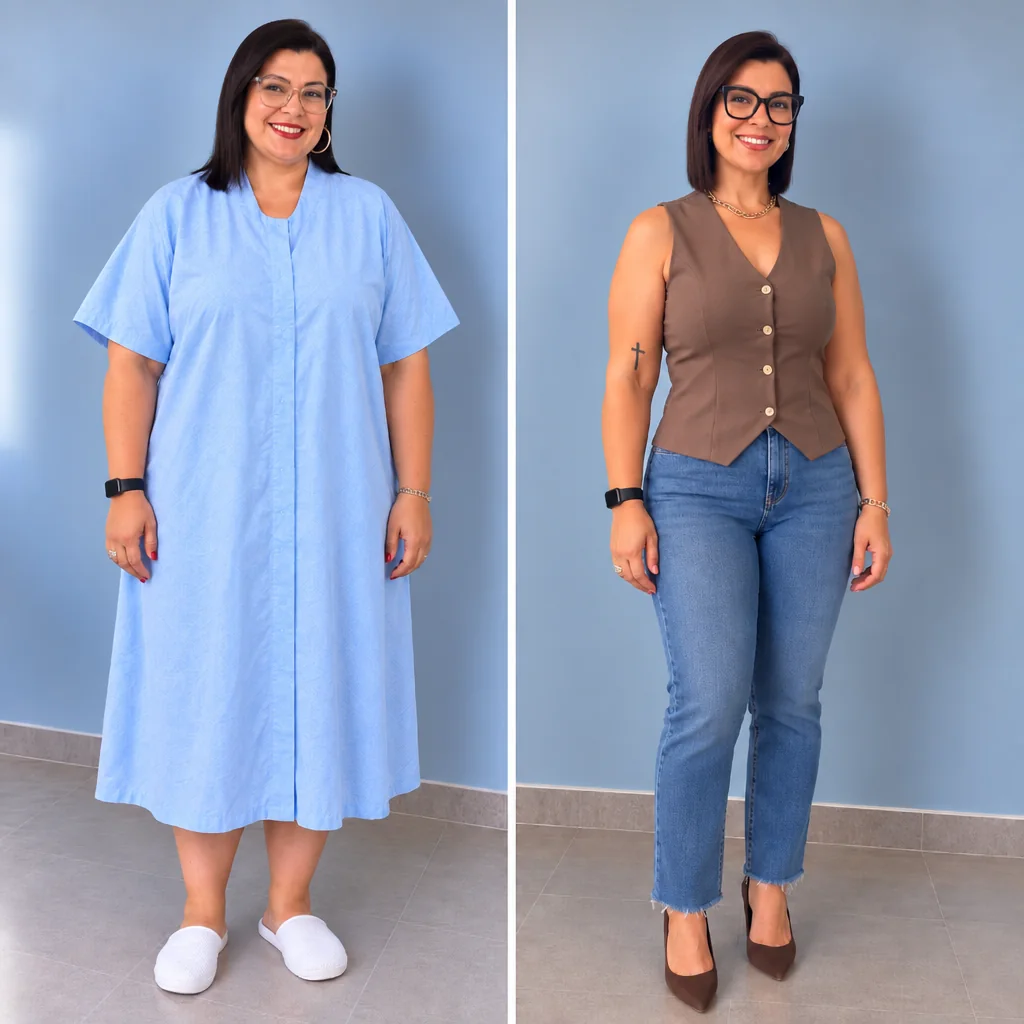 beforeafter
Bariatric surgery
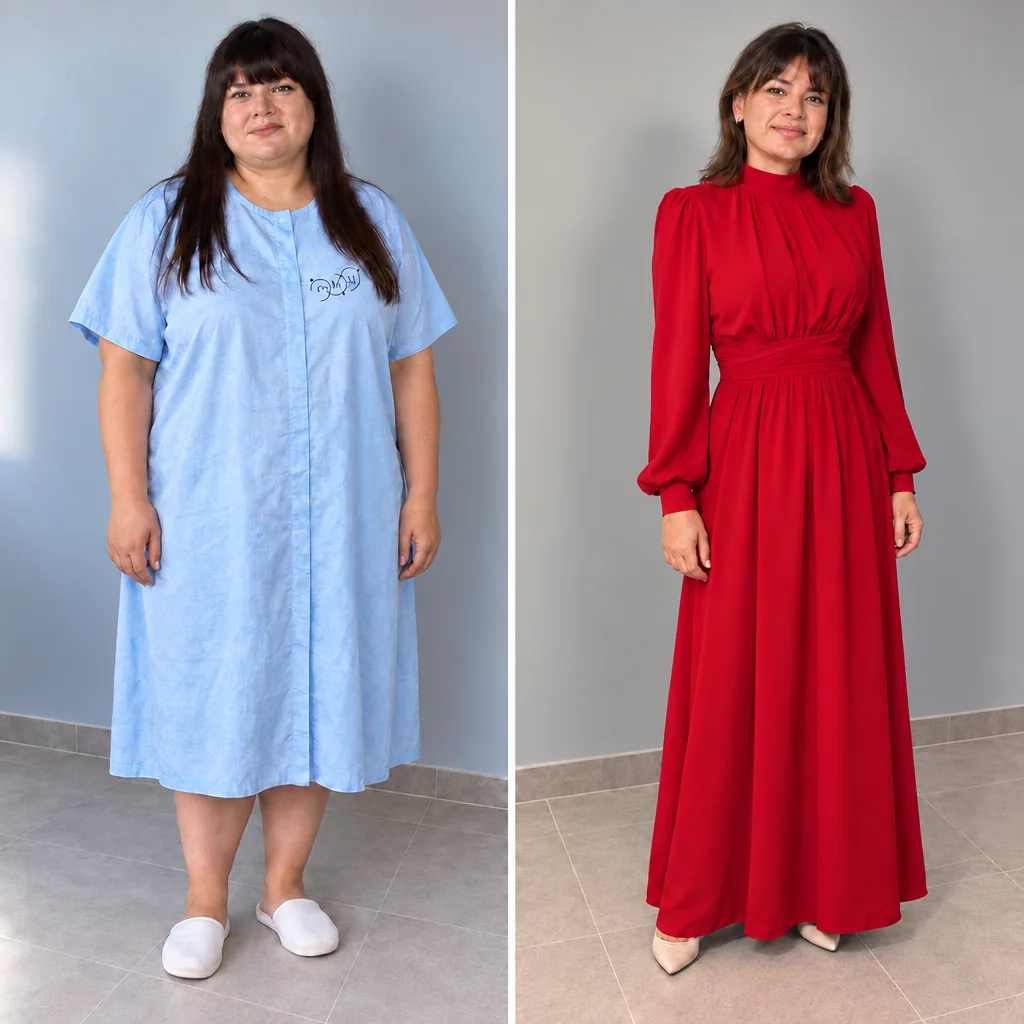 beforeafter
Bariatric surgery
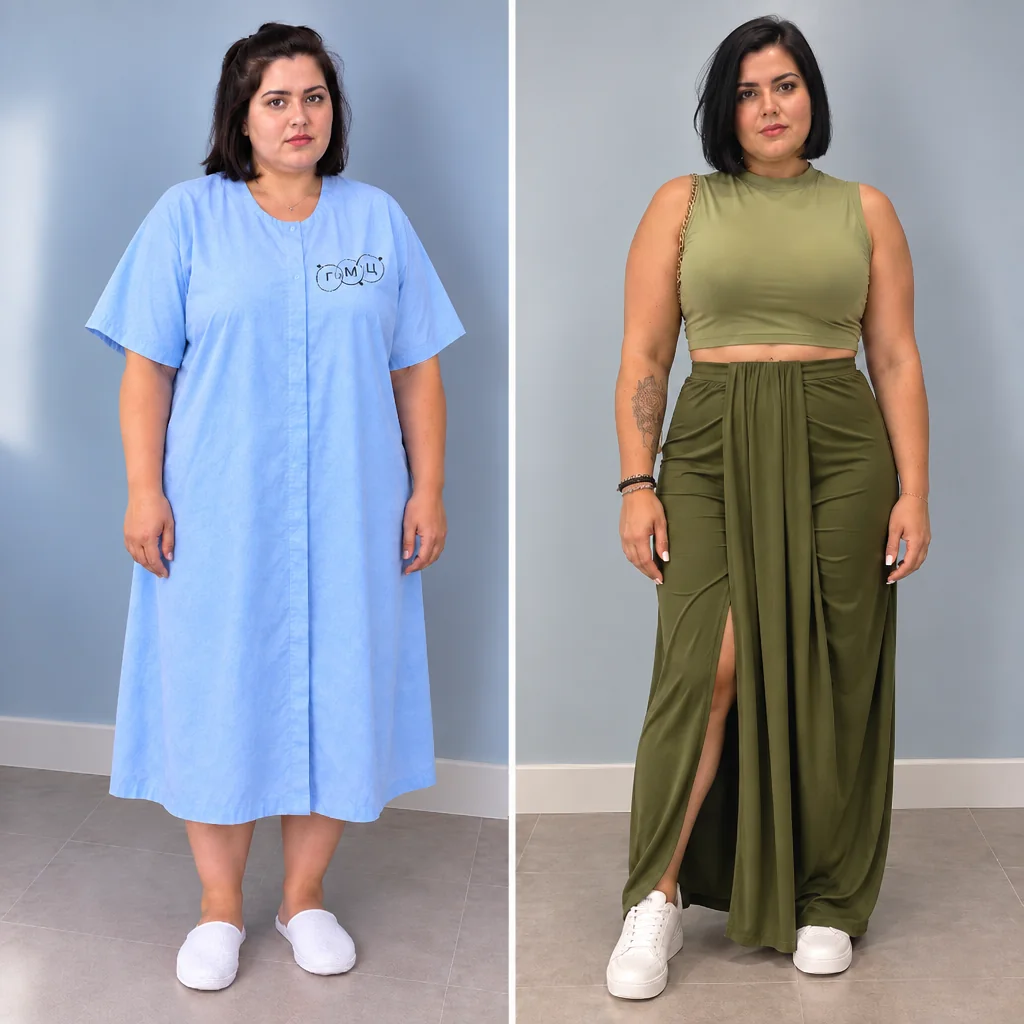 beforeafter
Bariatric surgery
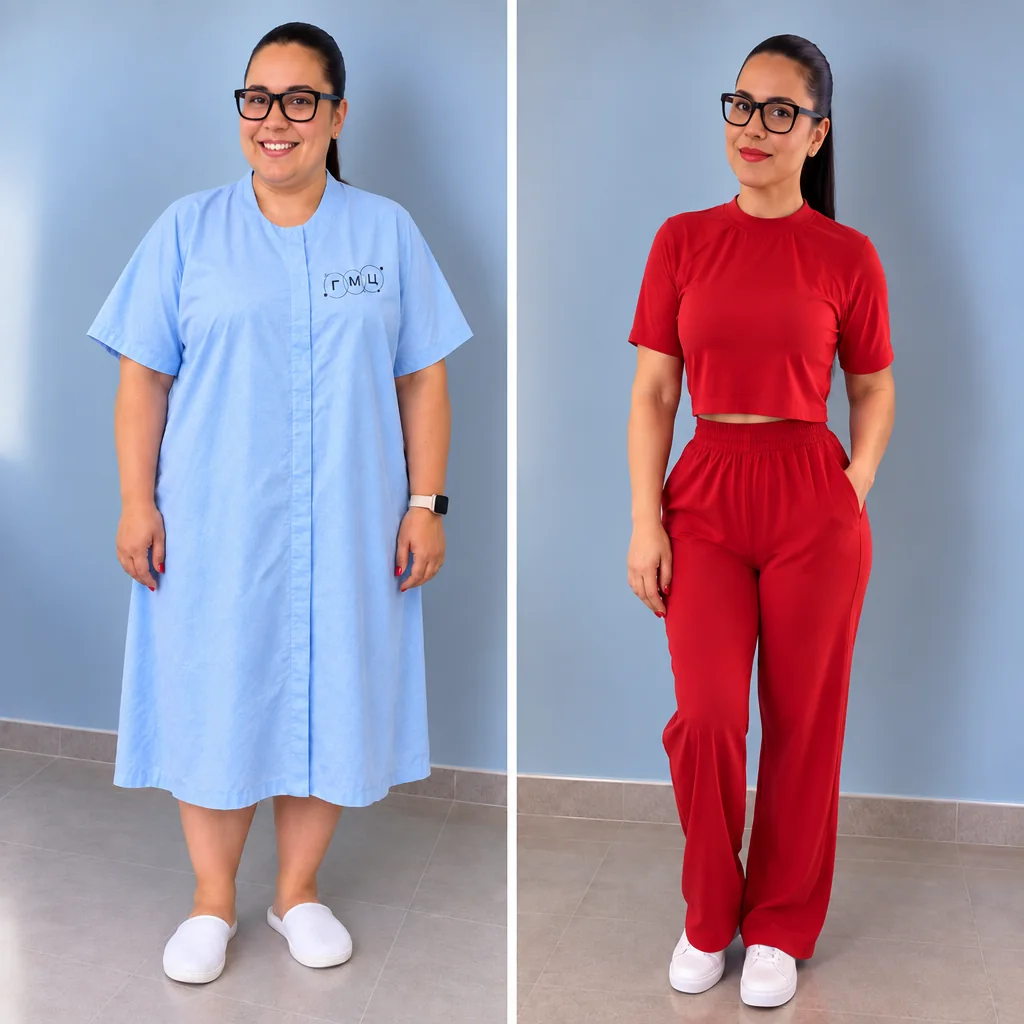 beforeafter
Bariatric surgery
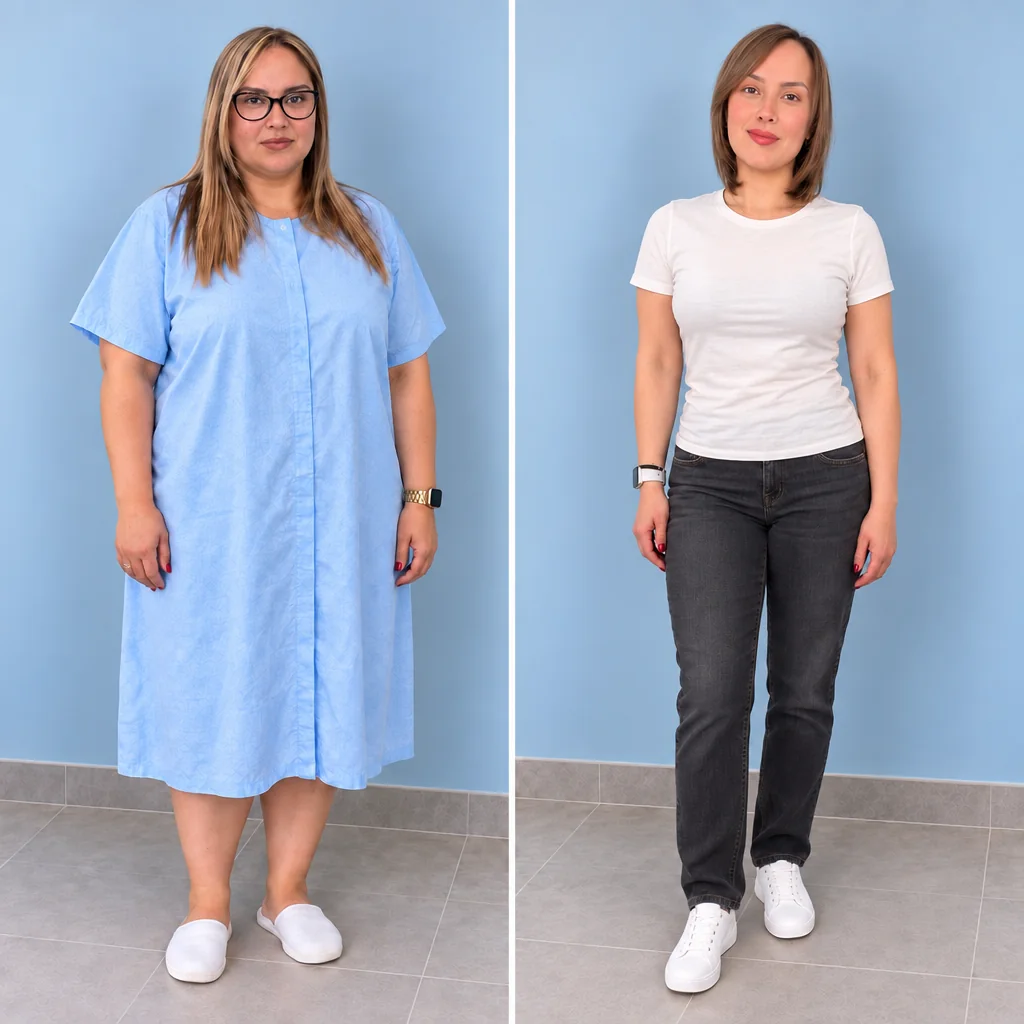 beforeafter
Bariatric surgery
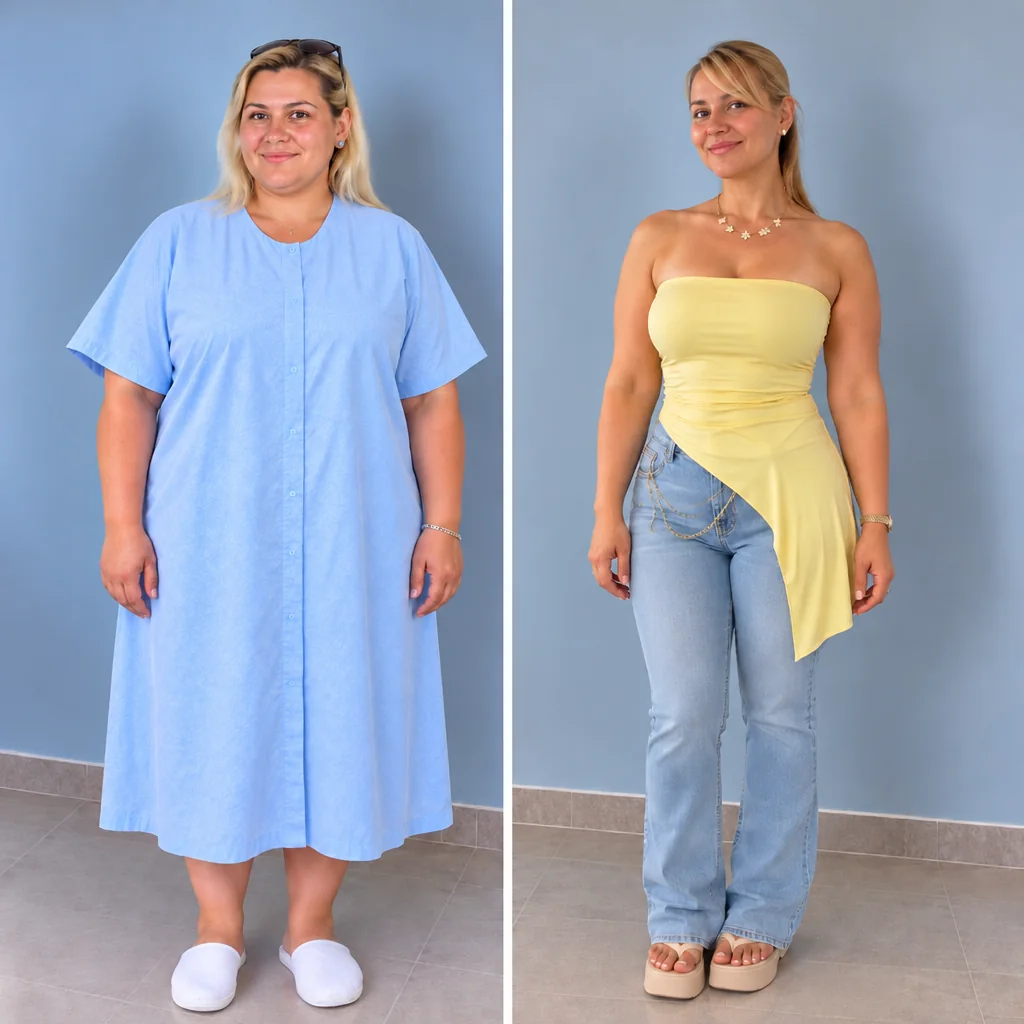 beforeafter
Bariatric surgery
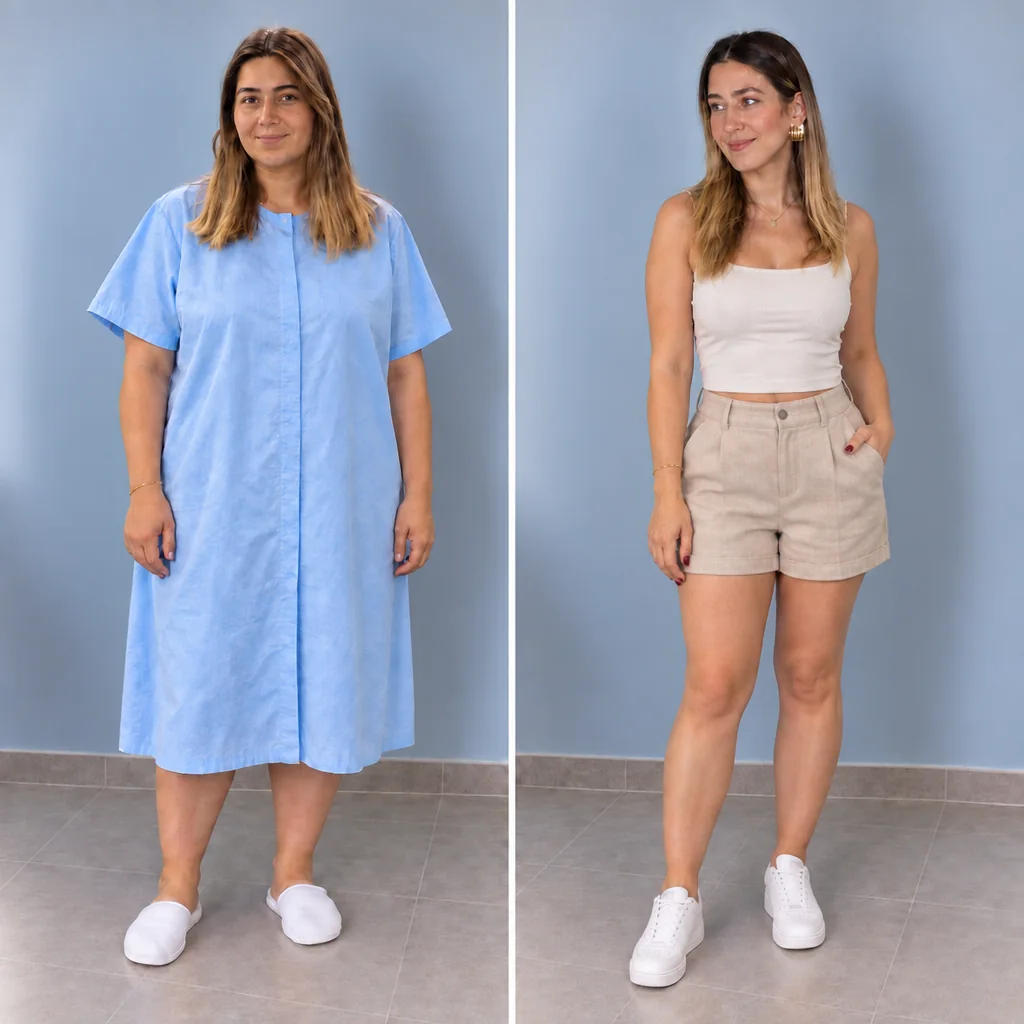 beforeafter
Bariatric surgery
Comparison
We offer two main options: gastric bypass and sleeve gastrectomy. Weigh up how each works, its purpose and its indications to settle on your method with confidence.
Reducing the stomach volume
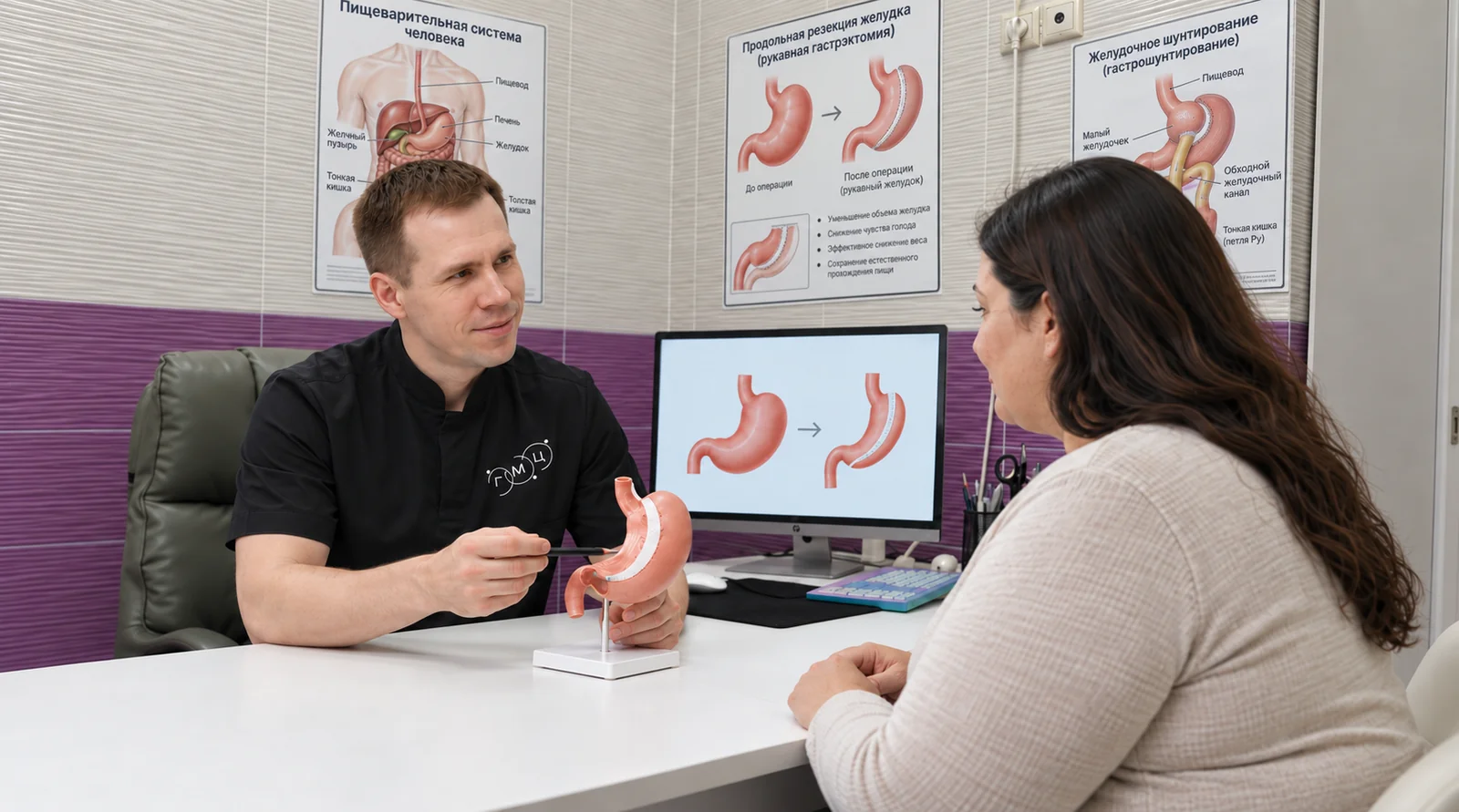
Discounted price
$3,600 $4,800
Reducing the stomach volume and rerouting food
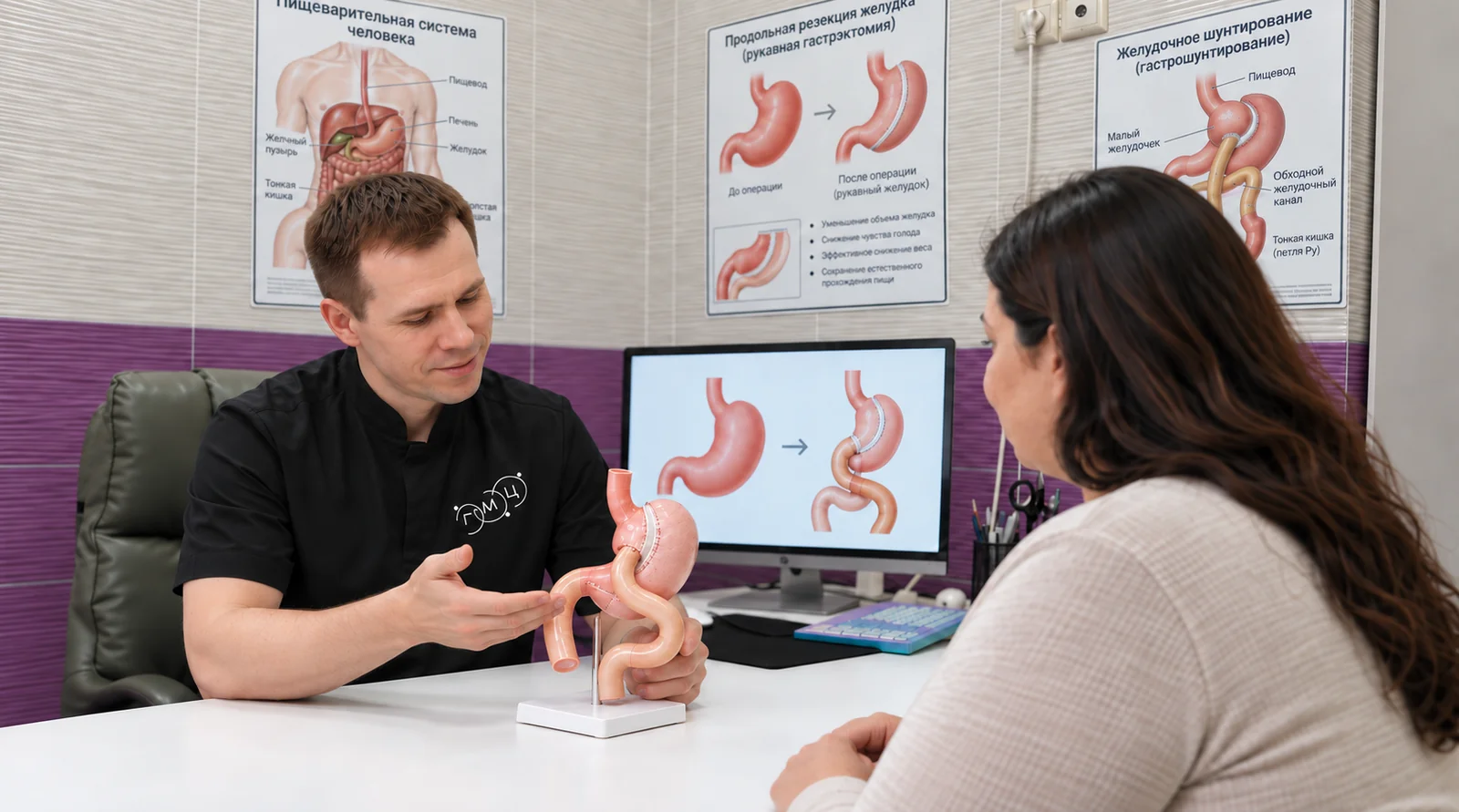
Discounted price
$4,000 $5,200
All benefits and recovery periods listed are averages per method, for guidance only. The extent of surgery and recovery vary with your anatomy and individual traits and are confirmed by the surgeon at the consultation.
Book a consultationAbout us
Modern equipment, comfortable rooms and care for every patient
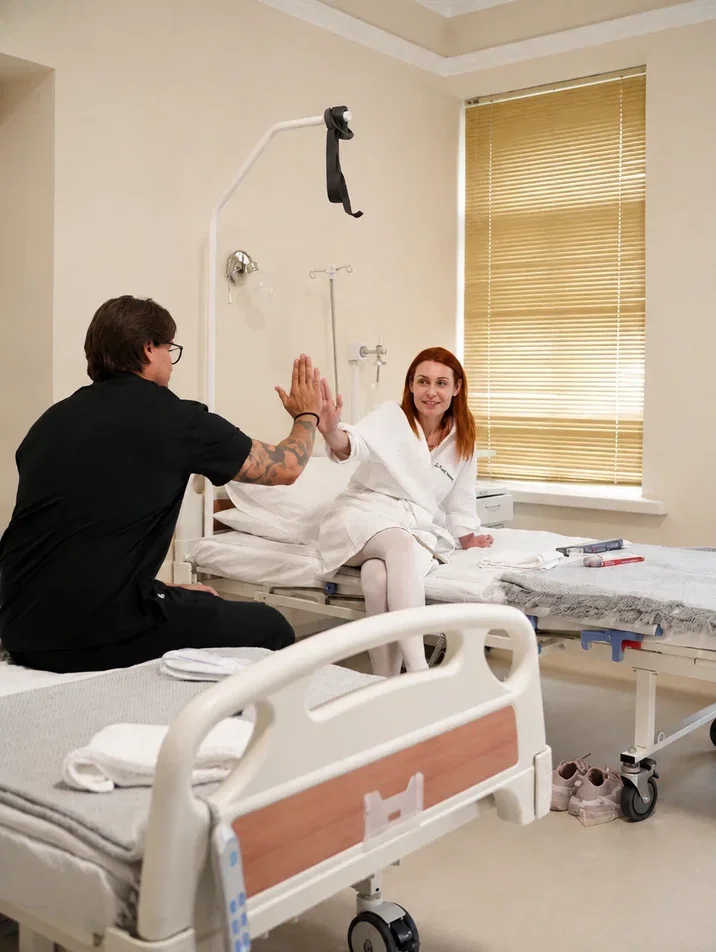
You get answers to your questions and a consultation slot that fits your schedule
Get a consultationA consultation and check-up come first; then you and the surgeon decide on surgery together.
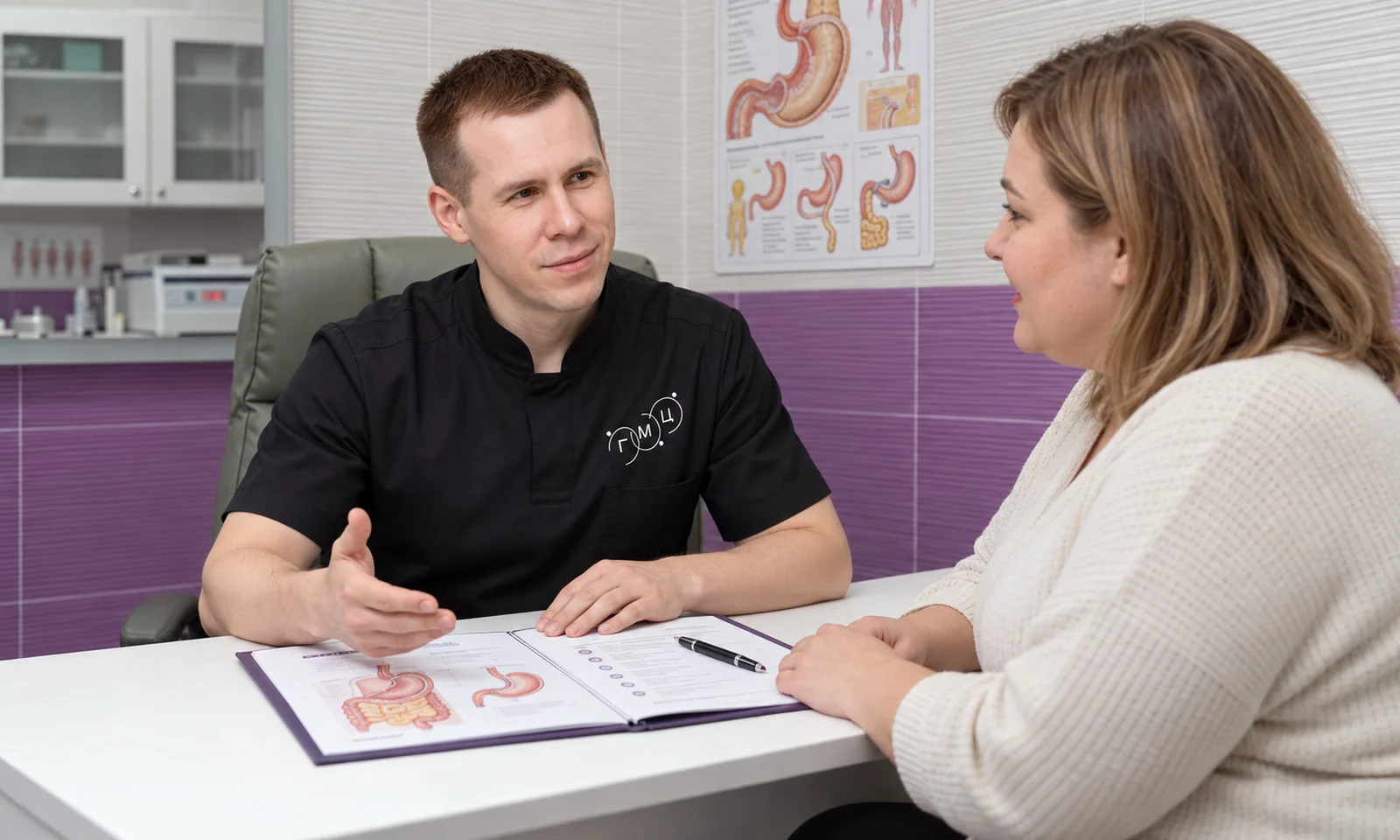
Can't tell which column fits your case?
Text us on Telegram — our coordinator will let you know if bariatric surgery is the right choice for you. The surgeon consultation is free, with no obligation to go ahead with surgery.
Find out if it suits me
Prices
The price is stated at the consultation as soon as your plan is ready and then fixed in the contract.
Discounted price
Reducing the stomach volume
$3,600$4,800
Discounted price
Losing weight by changing the food route
$4,000$5,200
Free
The surgeon examines you and draws up a treatment plan

Free
the surgery price is set
and written into the contract
Assessing your health and discussing what you want to achieve, the doctor selects the right bariatric method. The cost is named at the consultation and written into the contract.
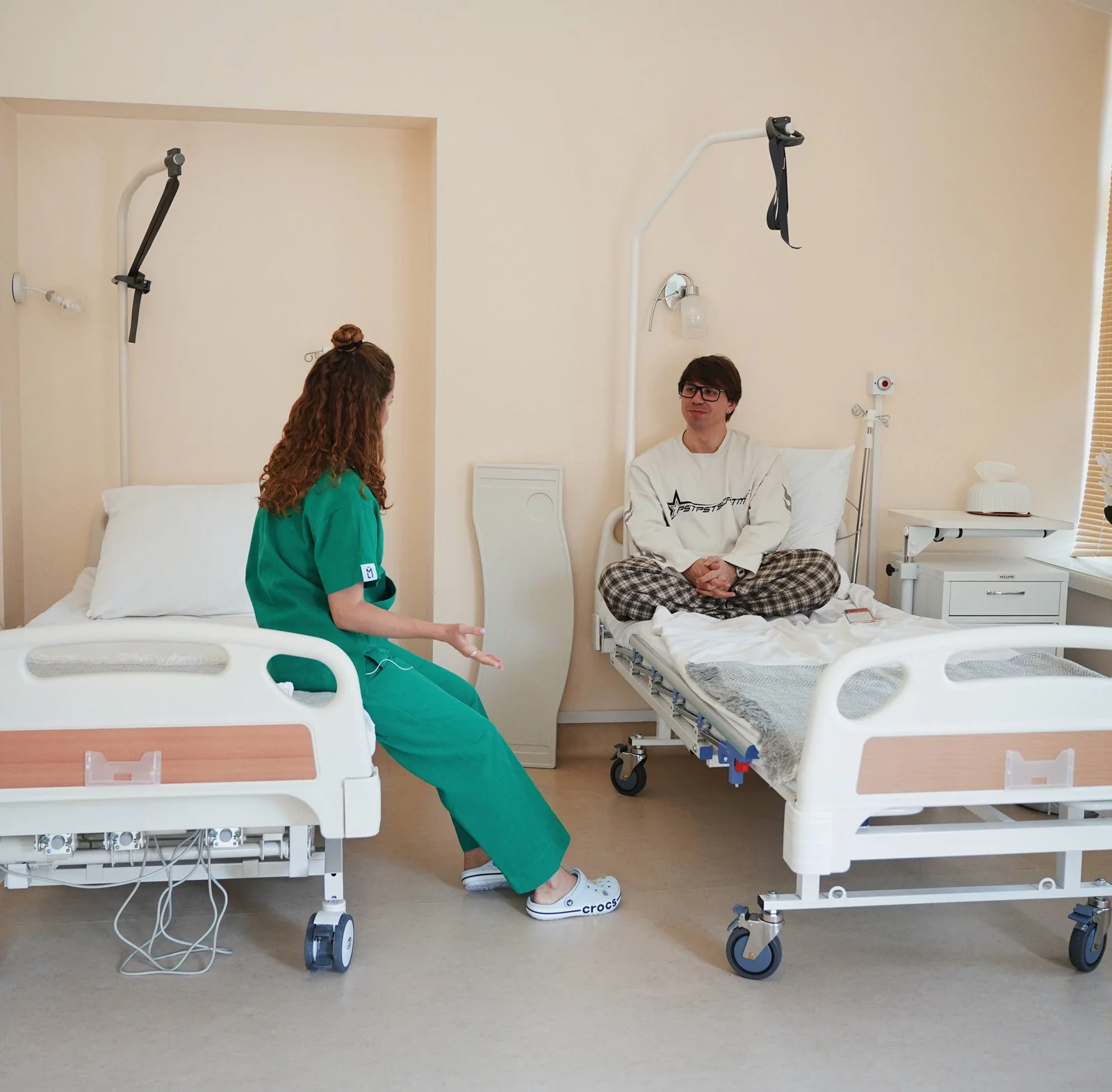
Message our coordinator
Free online consultation · Reply within 15 minutes
Message us on TelegramMessage us on WhatsAppBy messaging us, you agree to our Privacy Policy

price
No extra charges: one package takes you from preparation through 12 months of support.From your pre-surgery preparation
to follow-up support for 12 months.
What to expect
A jointly agreed treatment plan, monitoring in hospital and support over a year.
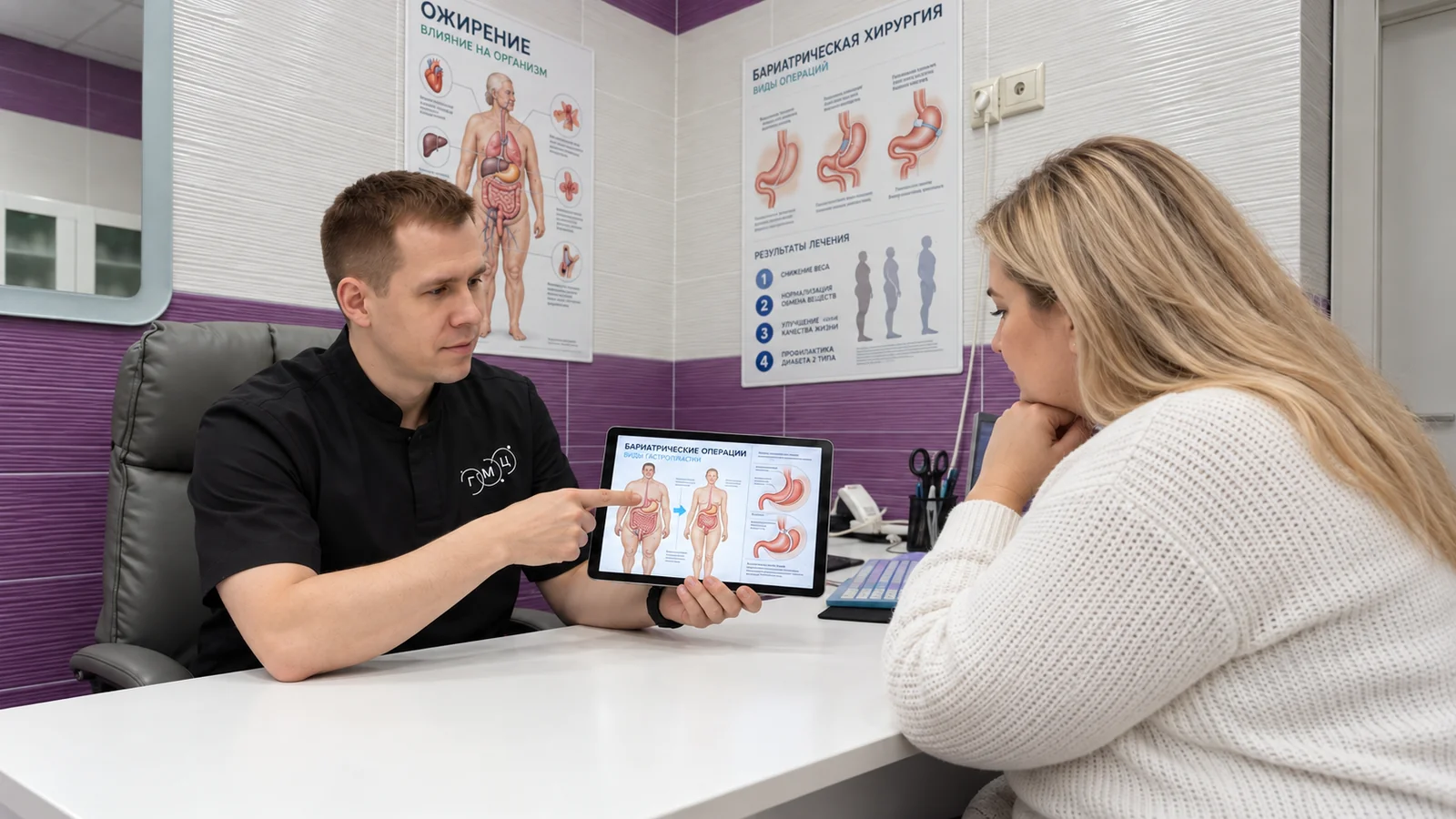 1
The doctor looks at your health, talks about your goals and requests the tests needed to choose the right bariatric surgery method.
2We secure a date for your surgery: you can pay the deposit by card at the clinic or by bank transfer online. The terms are fixed in the medical services contract
 3
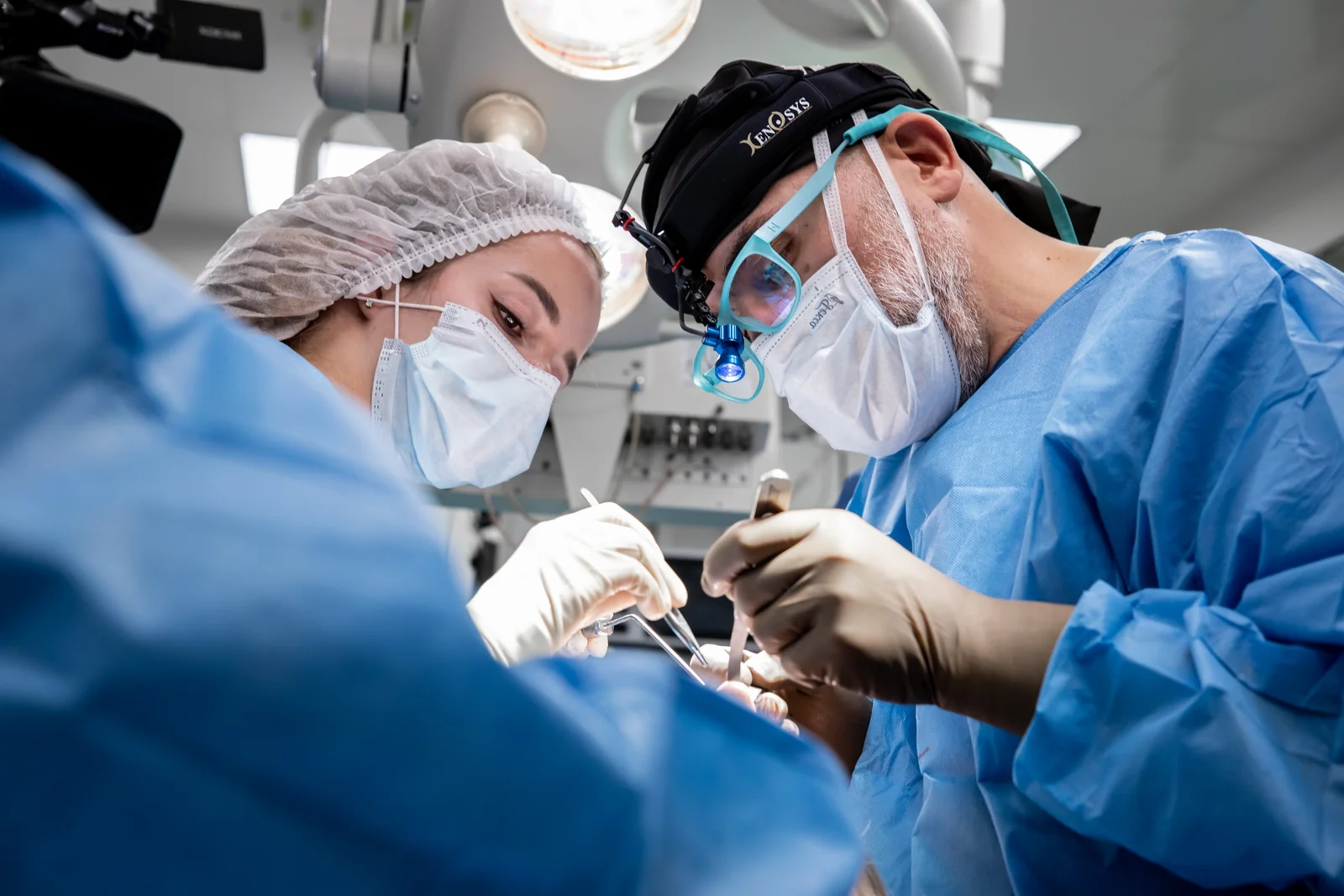
Pre-operative checks include blood and urine tests, an ECG, an ultrasound, a gastroscopy and specialist visits; your exact list comes from the doctor at the consultation.
 4
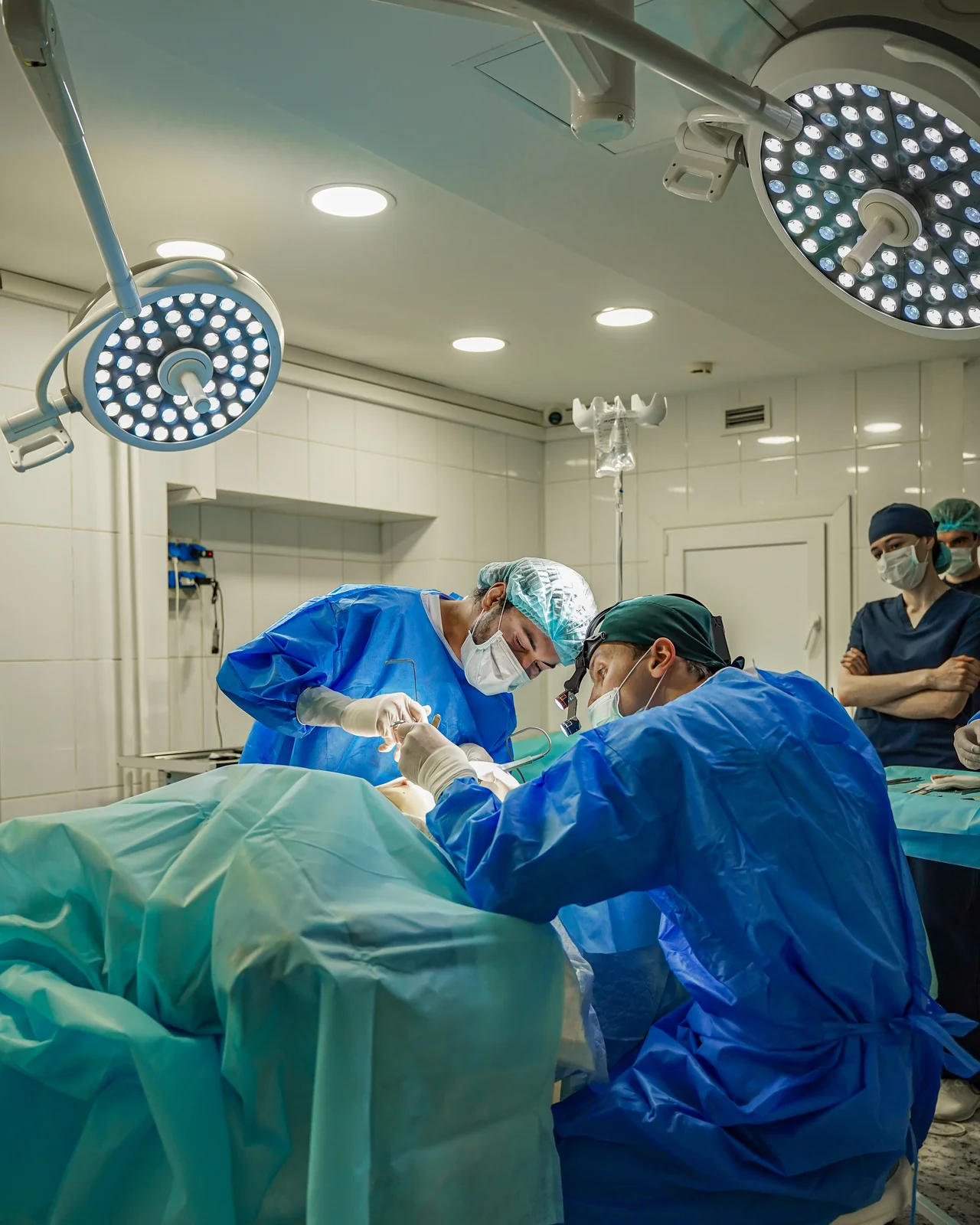
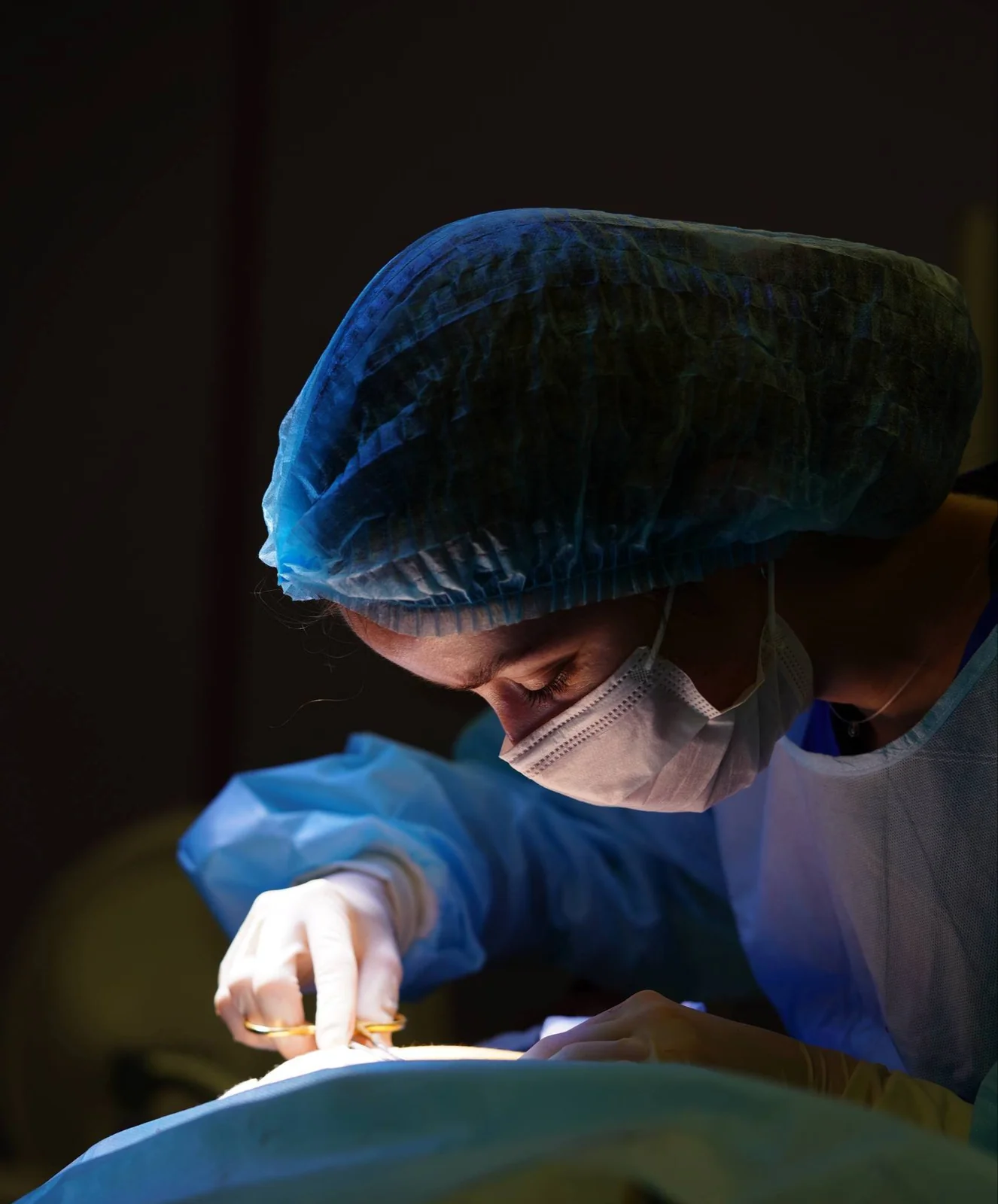
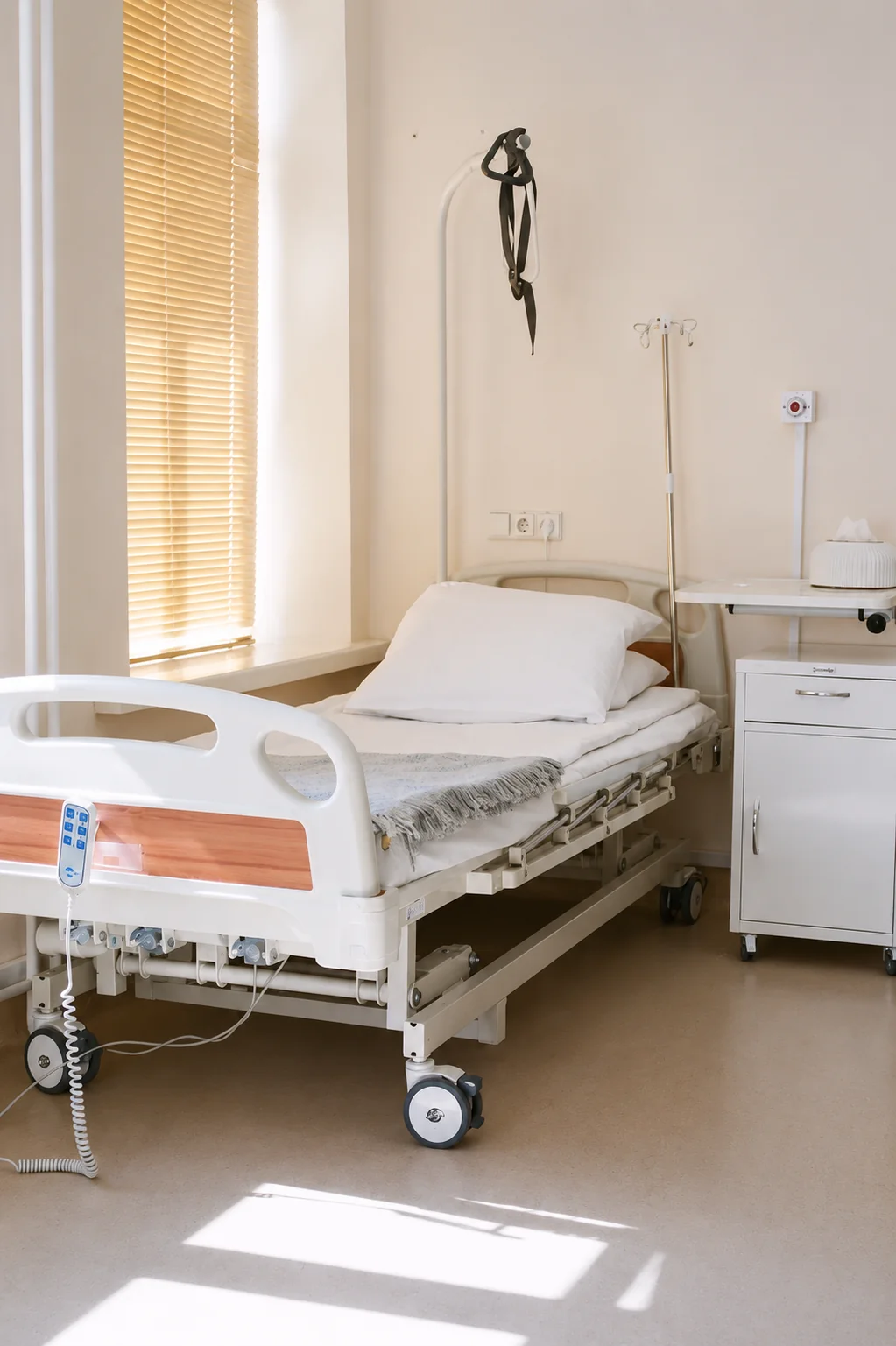
The surgeon carries out the chosen bariatric method under general anaesthesia. After the operation the patient is monitored by the medical team.
 5
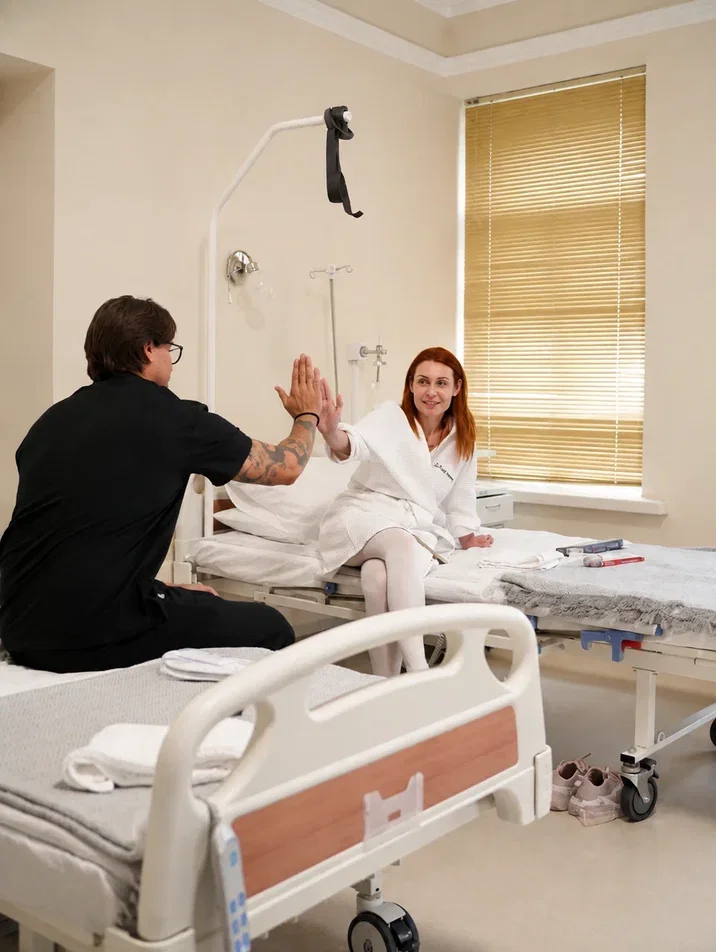
Following surgery you remain in hospital, supervised by doctors. The stay is from 1–3 to 4–5 days, depending on the operation's complexity and how you feel.
 6
On discharge you receive diet and recovery advice. Scheduled check-ups monitor how you feel, your weight and your test results, and the clinic team supports you for a year.
The doctor puts together a plan at the consultation and explains the course of surgery
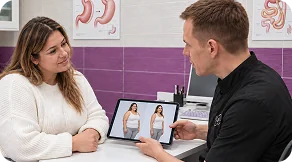
The consultation is free of charge, comes before surgery and obliges you to nothing.
Book a consultationDoctors
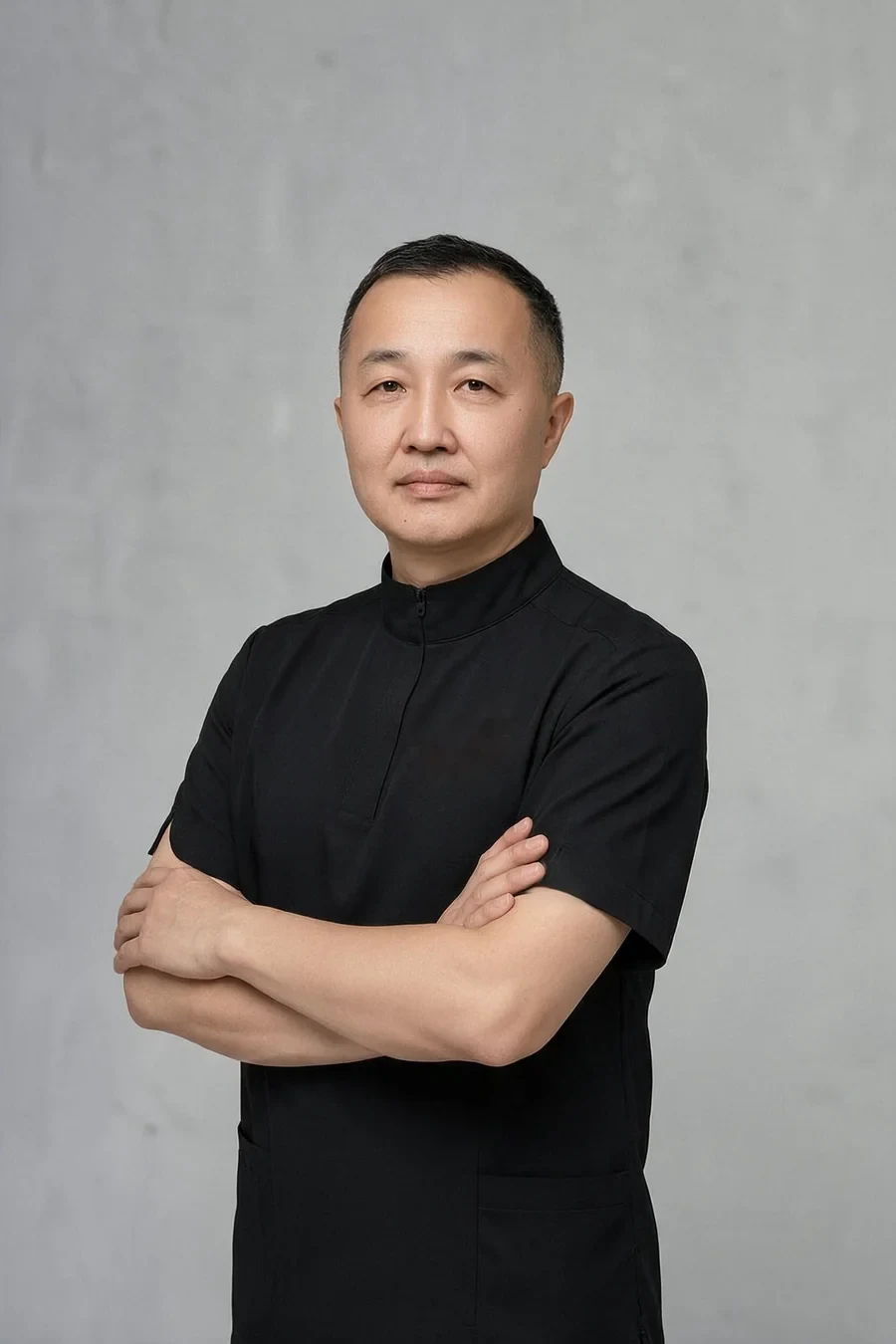
27 years of experience
Leading bariatric surgeon
Surgeon
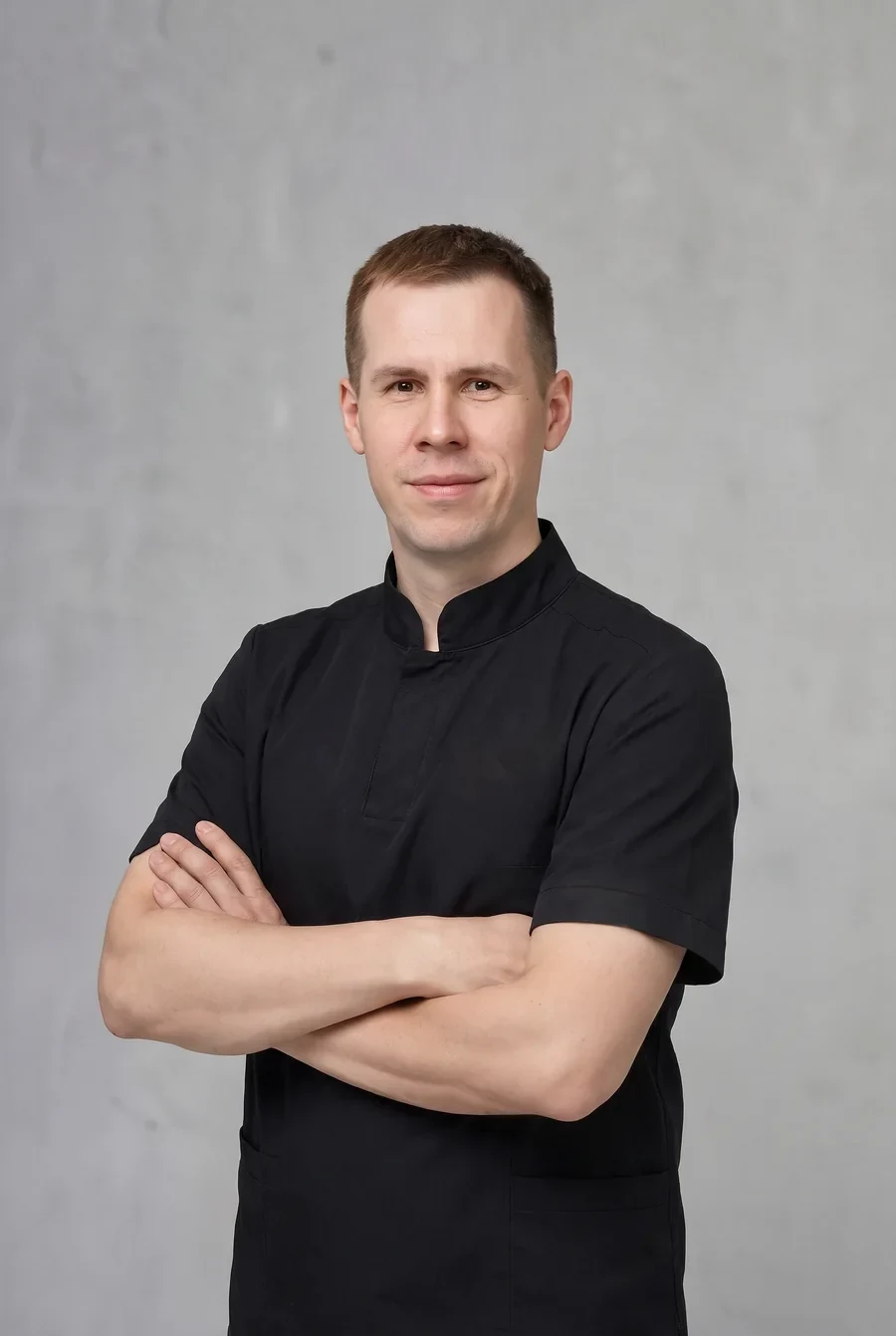
9 years of experience
Bariatric surgeon
Surgical oncologist
From the first consultation right to the result, your surgeon operates and follows you.
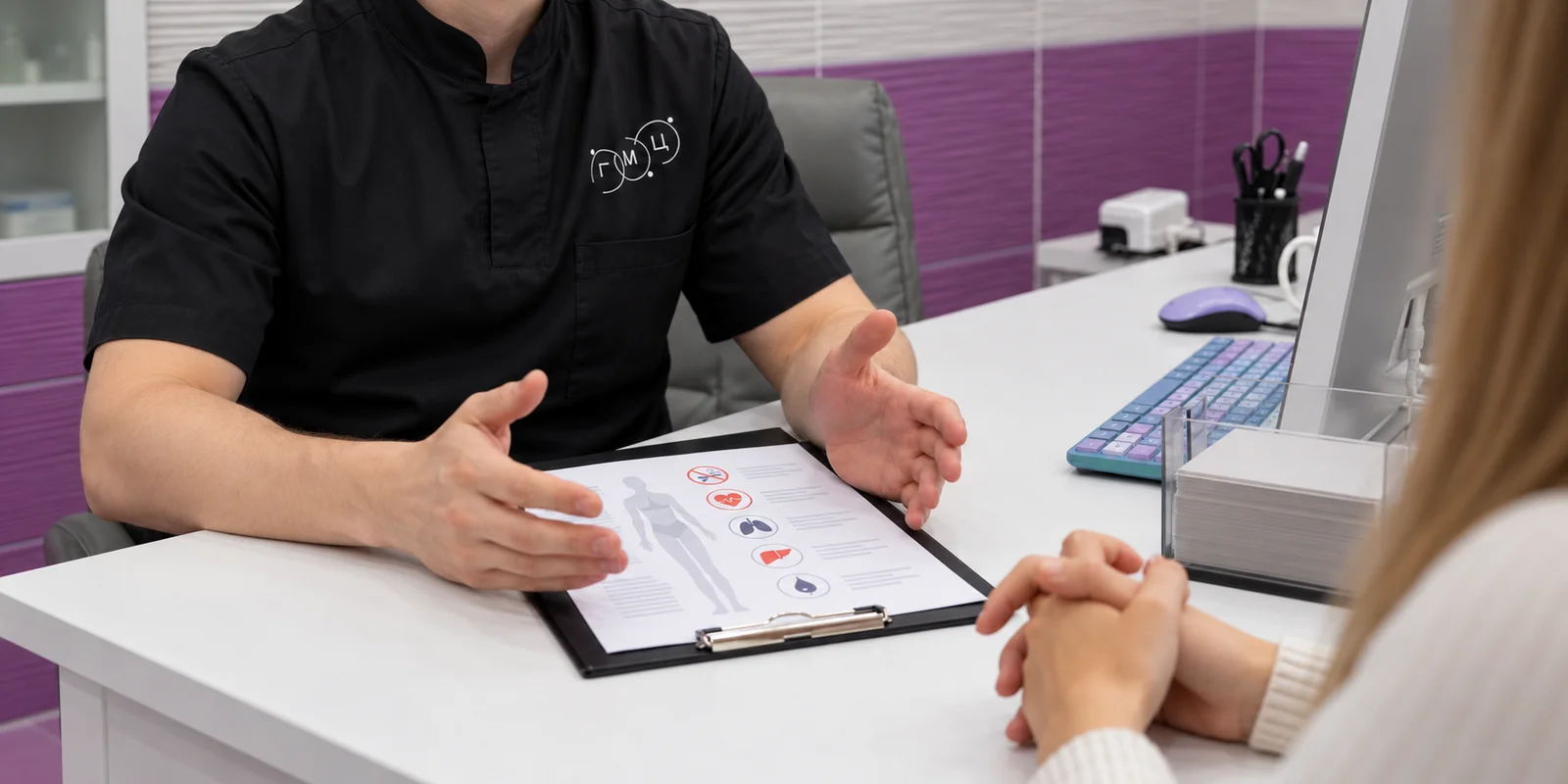
Our patient care manager holds the first consultation — calculating your BMI, explaining the methods and booking you with the surgeon. It costs nothing.
Book a consultationCoordinators
We support you at every stage

First contact at the clinic for you — from your first message through to the consultation
Care specialist for patients
Answers your questions ahead of the first consultation and helps you pick a convenient date

With you before your stay and during it, from booking to discharge
Care specialist for patients
Helps with your preparation for surgery and stays in touch throughout your clinic stay

With you all through recovery, from discharge to the final check-up
Care specialist for patients
Keeps in contact while you recover and schedules your follow-ups with the surgeon
Advantages
We choose the best method for your health, lifestyle and goals. Our team is with you all the way.
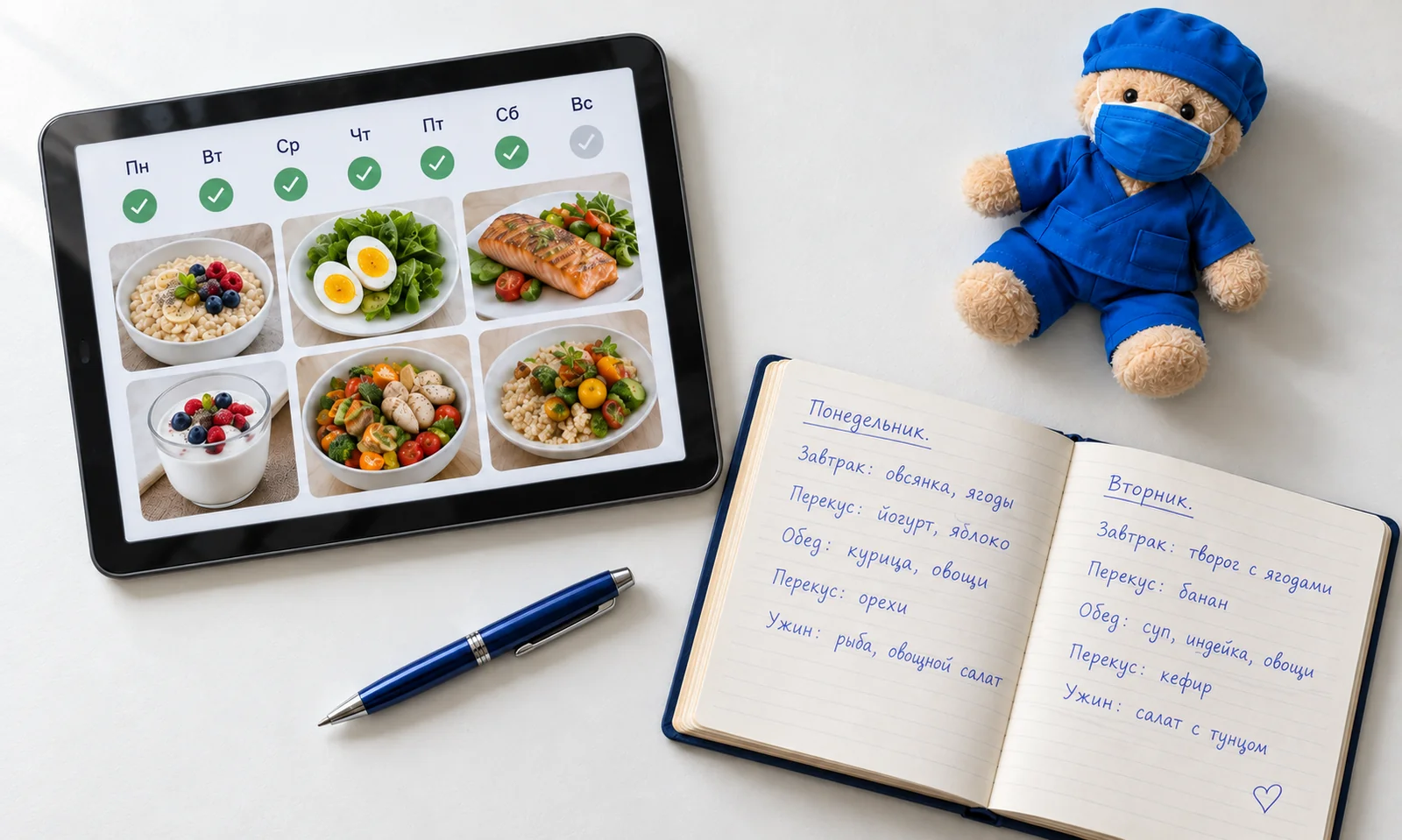
We help you adopt new eating habits, track your results and make them last.
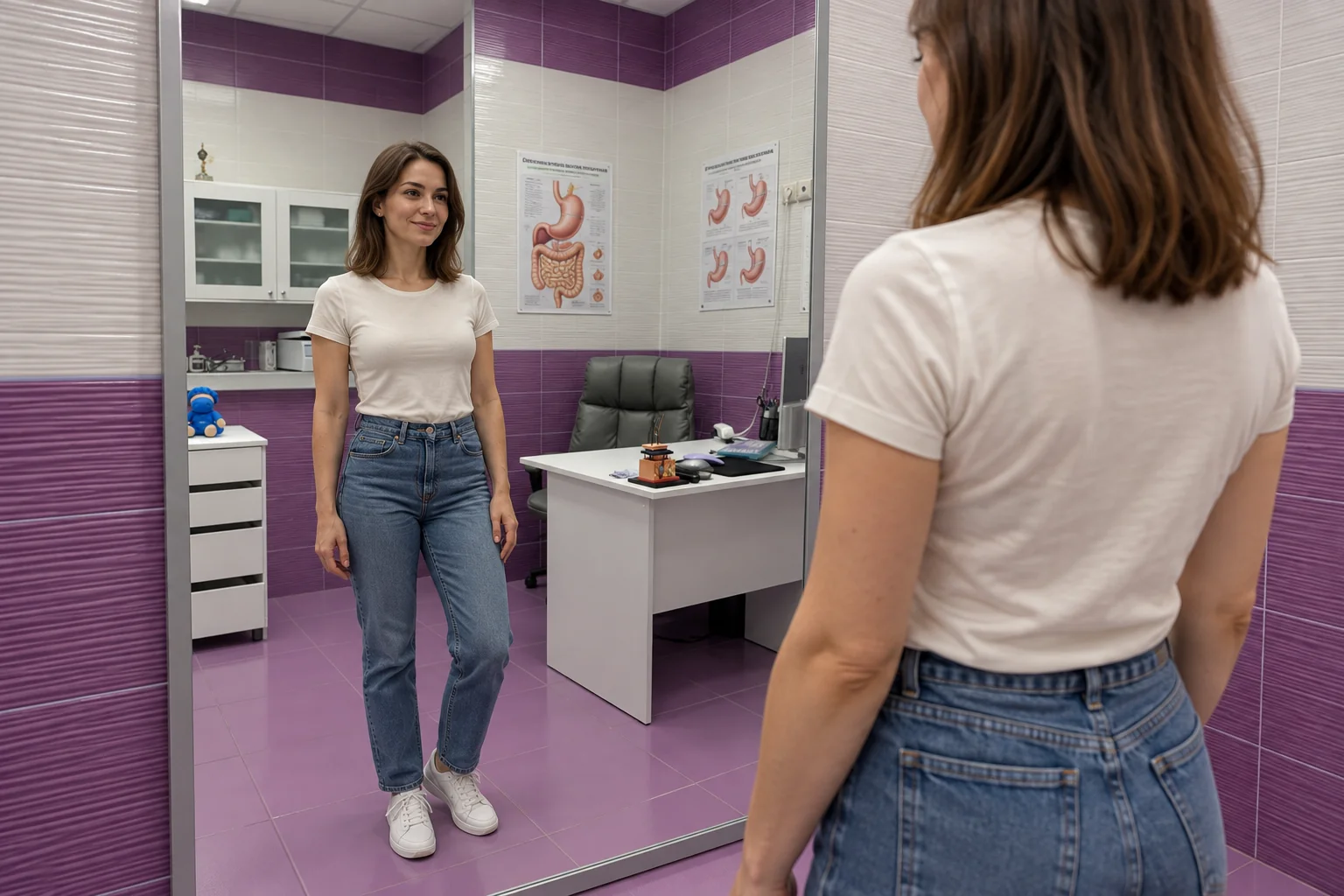
Steady weight loss, improved well-being and a better quality of life.
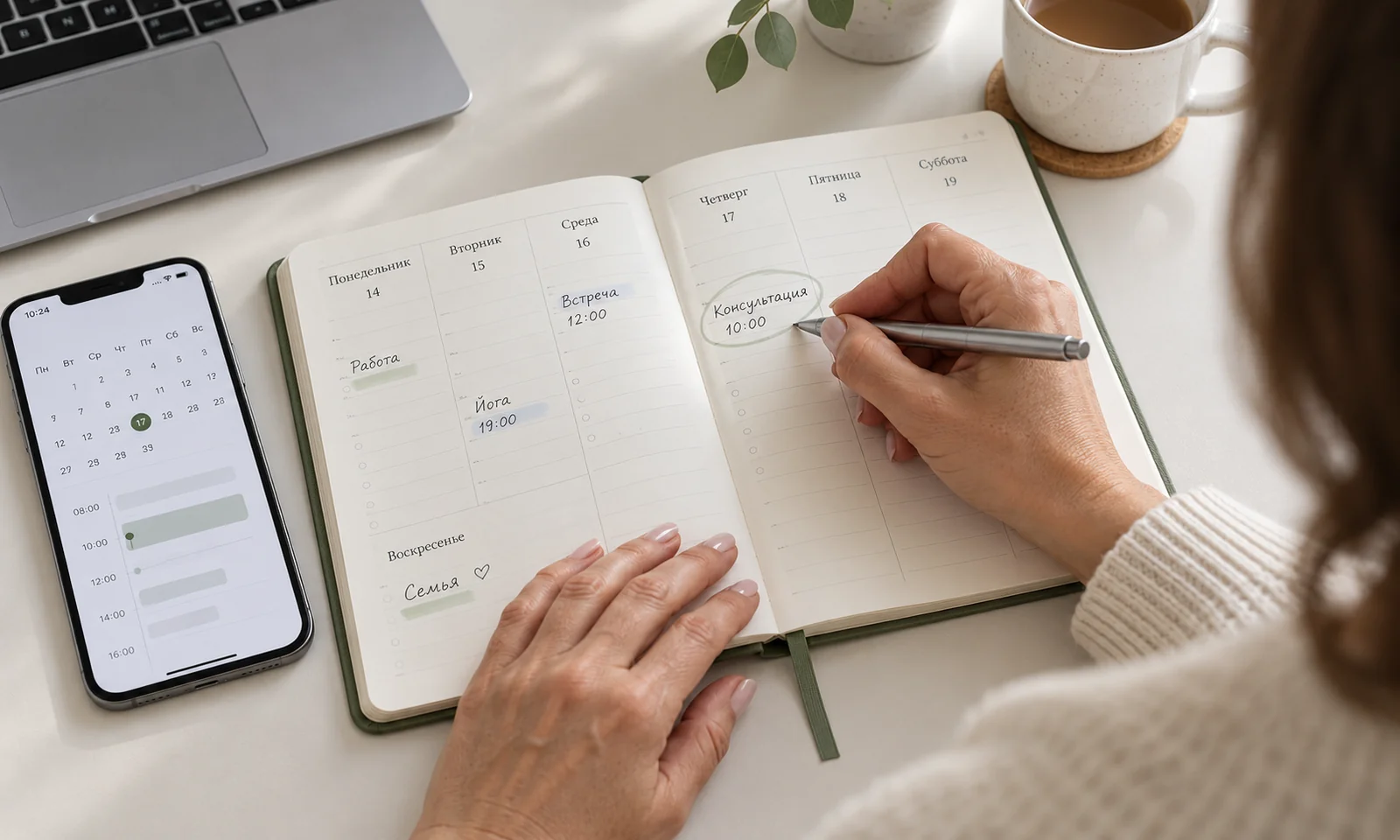
We work 24/7 out of respect for your time, with easy booking and a personal approach — we adapt to your pace.
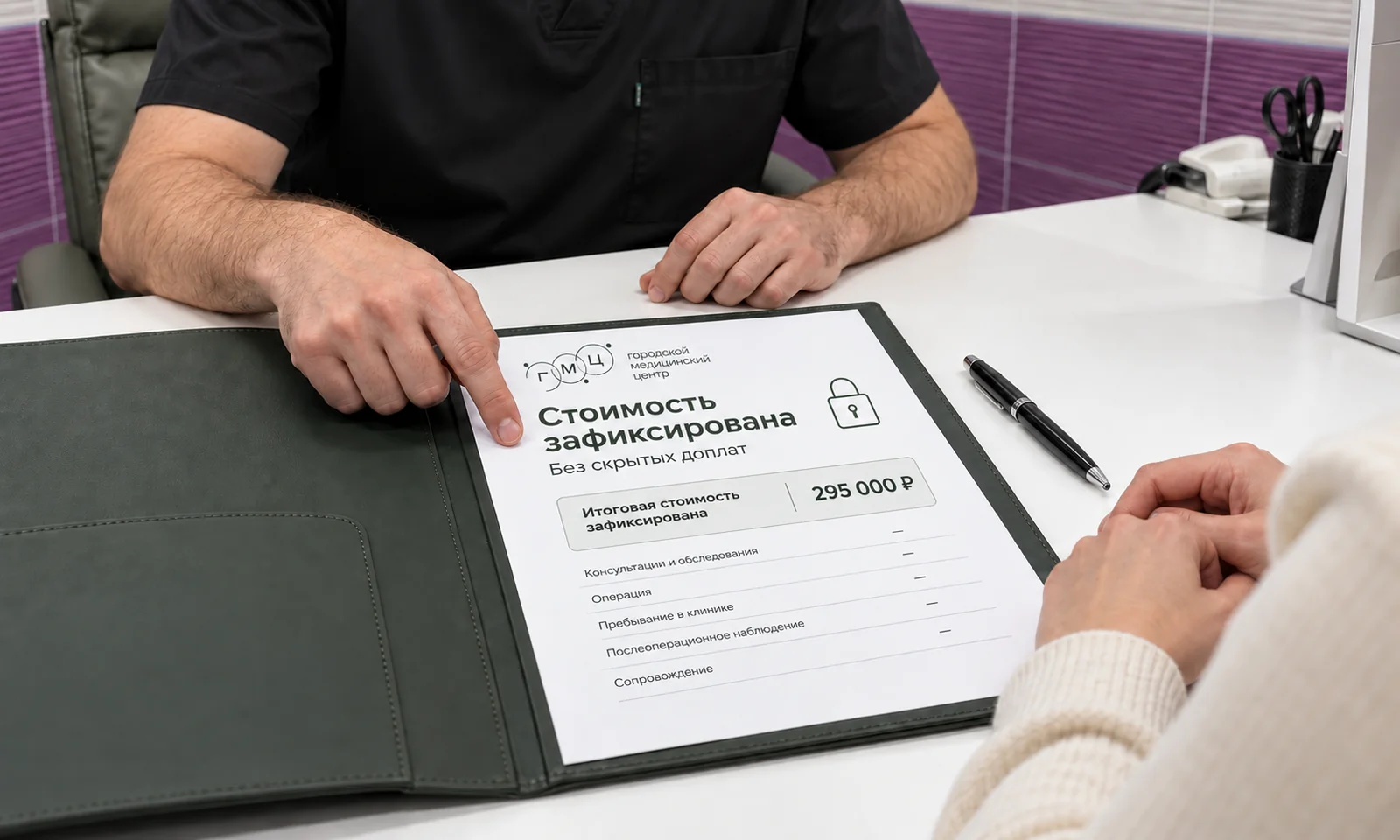
The surgeon chooses the method after the consultation and gives you a clear price, with no hidden fees or surprises on the way to your result.
FAQ
At the clinic, bariatric operations are carried out by experienced bariatric surgeons:
Get in touch by message: our coordinator will reply shortly and book your consultation. The bariatric surgeon consultation is free.
Surgery is prescribed only when clear criteria are met
Obesity is graded mainly by BMI, calculated as body weight (kg) over height squared (m²). A BMI above 40 usually justifies surgery, as does a BMI above 35 with serious related conditions. In certain cases surgery is considered at lower values too, if approaches without surgery have not succeeded.
It is common to confuse them, but their goals are fundamentally different. Bariatric surgery treats obesity and related diseases medically. By changing how the digestive tract works, it addresses the causes of excess weight and metabolism. Plastic surgery shapes the body's outer contours; it does not treat obesity and has no effect on metabolism.
At City Medical Centre there are four main types of bariatric surgery — sleeve gastrectomy, Roux-en-Y gastric bypass, mini gastric bypass (MGB) and SADI-S duodeno-ileal bypass. Every method is chosen individually from BMI, related conditions and the patient's goals.
Using modern laparoscopic technique, we perform the operation via 4 small punctures of 5 to 15 mm. Cosmetic sutures are placed, leaving marks that are nearly invisible after healing.
Recovery depends on your activity. Office work: after 2–4 weeks. Physical work: after 1.5 months. Sport and activity: swimming allowed after 30 days, other exercise added step by step as weight drops. Travel and holidays: plan them no earlier than a month after surgery.
Your diet changes step by step: from liquid food to soft and then to solid. The emphasis is on protein and on cutting high-calorie, fatty food.
Pregnancy is possible after bariatric surgery; doctors advise waiting no less than 12–18 months. This gives the body time to stabilize, for weight to reach target values and nutritional status to normalize.
Yes, after bariatric surgery vitamins are a must. The altered digestive anatomy reduces absorption of some nutrients, which makes regular vitamin and mineral supplements a permanent part of the patient's life.
Weight can be regained after bariatric surgery, but this is very unlikely with the doctor's advice followed. Proper nutrition, avoiding high-calorie drinks and regular follow-up with City Medical Centre specialists are crucial.
Prices are in US dollars; the amount in brackets is an approximate conversion to NGN at the rate of 02.10.2026. The final price is fixed in your contract.
Prices start from $3,600 (≈ ₦4,800,000). The surgeon sets the final price at the free consultation, and it is fixed in the contract, with no hidden extras.
General anaesthesia, a personal coordinator from day one, monitoring in the hospital and support for one year.
The hospital stay is 1–5 days, depending on the method and how you feel. Office work is possible after 2–4 weeks.
Yes. The first consultation is free and does not oblige you to anything. You can start online by sending a message to the coordinator.
Message us on WhatsApp or Telegram using the buttons below. A coordinator will answer your questions and book a free consultation where the doctor names the exact price.
By messaging us, you agree to our Privacy Policy
Mini gastric bypass is an improved version of the classic operation with a single connection between the small stomach and the intestine. The technique is simpler, recovery shorter, and weight loss reaches 75–80% of excess weight. It is technically reversible, but bile reflux is a possible risk. For people from Ijebu Ode, the surgeon explains such trade-offs before any decision.
Preparation is practical. Two to four weeks before surgery, cut fast carbohydrates and fats; a month before, quit smoking, reduce physical activity and avoid stress. The day before, switch to light meals, with the last light meal in the evening and last fluids 3–4 hours before the operation. The same plan applies to everyone preparing for bariatric surgery in Ijebu Ode.
Weight loss is written into the contract, and the package includes every stage: consultation, diagnostics, the operation, inpatient care with meals and a year of support. A personal coordinator guides you from day one. To begin, patients from Ijebu Ode leave a request on the page or message the clinic, then receive a free consultation with a bariatric surgeon.
What patients write after this operation. Reviews are translated from the original language.
Irina, 26
For a long time I doubted whether to go ahead with surgery, but after the consultation I felt much calmer. Andrey Georgievich explained in detail how gastric bypass is done, what to expect after the operation and how recovery would go. I especially liked that they talked to me calmly and without pressure. I am now gradually getting used to my new way of life and I am very glad I took this step.
Bariatric surgery
Doctor: Andrey G. Ugay
Angelina, 22
For me the hardest part was deciding to have the operation. At the consultation Ruslan Sergeyevich answered all my questions in detail and explained the specifics of sleeve gastrectomy and recovery. After the operation I always understood what I was doing and why. Thank you to the doctor and the whole team for their attentiveness.
Bariatric surgery
Doctor: Ruslan S. Menzulin
Anna, 31
For a very long time I tried to deal with my excess weight on my own, but I did not get the result I wanted. After the consultation with Andrey Georgievich I finally understood what to do next. I came through the operation well, and my recovery was supervised by the doctors. It was important for me to feel that I was not left alone after surgery.
Bariatric surgery
Doctor: Andrey G. Ugay
Veronika, 25
Before the operation I had many fears, mostly of the unknown. Ruslan Sergeyevich explained every stage of treatment in detail and answered even the simplest questions. Thanks to that I felt much more confident. I keep following the recommendations and I am gradually seeing the changes I had the operation for.
Bariatric surgery
Doctor: Ruslan S. Menzulin
Valentina, 23
The decision to have bariatric surgery was not easy for me. I worried both about the operation itself and about how my life would change afterwards. At the consultation Andrey Georgievich explained everything in detail, so little by little my fear turned into confidence. What matters most to me now is the result and the chance to treat my health and lifestyle differently.
Bariatric surgery
Doctor: Andrey G. Ugay
Anna, 27
I am very grateful to Ruslan Sergeyevich for his attentiveness. Before the operation I had a huge number of questions, and I got a clear answer to every one of them. After the operation it was also clear which recommendations to follow and how to eat. It was important to me that the doctor stayed in touch and I felt supported at every stage.
Bariatric surgery
Doctor: Ruslan S. Menzulin
Ijebu Ode is a city and local government area in Ogun State, South West Nigeria, close to the A121 highway. It has an estimated population of 394,246 (2024). A city of this size has its own rhythm of work, markets, school terms, church and mosque calendars and family celebrations, and every one of them affects when a person can sensibly plan sleeve gastrectomy or gastric bypass. This text is written for people in Ijebu Ode who are weighing that decision and want to understand how it fits into ordinary local life.
The first step is not the operation itself but a conversation. The centre runs a free online consultation, so you can speak with a coordinator from your own home in Ijebu Ode. Coordinators are available around the clock (24/7) on Telegram and Telegram. You send your height, weight, a short list of your health conditions and the medicines you take, and the coordinator arranges the next step. A coordinator will call you back 24/7, so a late evening after a shift or an early morning before the market are both workable times for the first contact.
Nothing is decided at this stage. You are gathering information, and the surgeon confirms at the consultation whether surgery suits you. Many people in Ijebu Ode like to talk it through with a spouse, an elder sibling or a trusted friend first, and that is sensible. A decision that affects your eating for the rest of your life is better made with the people you share meals with.
Doctors use body mass index as the main tool for assessing the degree of obesity. It is calculated by dividing body weight in kilograms by height in metres squared. Surgery is usually justified with a BMI above 40, or above 35 with serious related conditions. In some cases surgery is considered at lower values too, if non-surgical approaches have failed. The WHO fact sheet on obesity and overweight describes BMI in the same general way, as a population-level measure of excess weight.
In practice, a person in Ijebu Ode who works long days, eats mostly at home and has tried diets, exercise programmes or herbal products without lasting change may be a reasonable candidate to discuss. The related conditions the surgeon will ask about commonly include raised blood sugar, high blood pressure, sleep problems and joint pain. Bring any recent test results you already have, because they save time during the remote consultation.
Surgery is not suitable for everyone. Serious untreated medical conditions, an unstable psychological situation, ongoing heavy alcohol use or an unwillingness to follow dietary rules after the operation are general reasons for the surgeon to pause or decline. Planned pregnancy also needs discussion. Only the surgeon can say whether any of these applies to you, and the answer comes after a proper review of your history, not from a table of numbers.
Ijebu Ode has a tropical savanna climate (Köppen: Aw) and a warm tropical climate overall, and the city lies within 100 km of the Atlantic Ocean. Warmth and humidity are part of daily life here, and they matter during the weeks after surgery. Fluid intake is the first concern. After a sleeve or bypass your stomach holds much less, so you sip fluids steadily through the day instead of drinking large amounts at once. In a warm city, keep a bottle of water within reach in every room, in the car and at your workplace.
Light, loose cotton clothing is a practical choice while the small puncture sites heal. The operation is performed through 4 small punctures of 5 to 15 mm, and cosmetic sutures are used, so after healing the marks are barely visible. Still, sweat and friction from tight waistbands can irritate fresh wounds, so soft fabrics that do not rub are better. Keep the dressings clean and dry as the surgical team instructs, and do not use home creams or traditional remedies on the wounds without asking.
Dust and heat are reasons to limit unnecessary outings in the first days at home. Rest in a ventilated room, use a fan or air conditioning if you have one, and avoid standing in the midday sun on errands. If a power cut makes your home uncomfortably hot, plan in advance where you can rest cool, because overheating and dehydration make recovery harder.
No month is ideal for everyone in Ijebu Ode. What matters is that you have a calm stretch with few obligations. The hospital stay is 1–5 days, depending on the method and how you feel, and office work is possible after 2–4 weeks. Count backwards from the date you want to be back at your desk or shop and leave a margin on both sides of that window.
Think about what a tropical savanna climate brings to your calendar: seasons with heavier rain can make moving around the city slower, while hot dry periods make hydration harder. Neither is a reason to delay by itself, but choose a period when you can rest at home without needing to go out. If you work in a trade that depends on the busy season, plan around it rather than through it.
Also consider the social calendar. Weddings, naming ceremonies, funerals, festivals and religious holidays bring heavy meals and long hours of sitting at tables. In the first weeks you will eat very small portions of soft food, and being at a large celebration can be uncomfortable. Many patients find it easier to schedule surgery just after a major family event rather than just before one.
The primary cultural food of Ijebu Ode is Ikokore, a dish loved across the Ijebu area. Food here is social: meals are shared, hosts are generous and refusing a second serving can feel awkward. After bariatric surgery you will eat much smaller amounts, and it helps to tell close family early so they understand that a small plate is a medical instruction, not a lack of appreciation.
The surgical team and dietitian will give you a staged eating plan. In general, it moves from liquids to soft foods and then to normal textures, with protein as a priority and with slow, careful chewing. Ask them how to adapt familiar local dishes, for example how to reduce oil, which portions are reasonable and when heavier textures can be reintroduced. Do not guess; the stages exist to protect the new stomach while it heals.
Bring practical questions to the remote consultation. Who will cook during your first weeks at home? How will you handle shared meals at work or at a relative's house? Can small portions be prepared in advance and stored safely, given how quickly food spoils in warm weather? Good planning at home matters as much as the operation itself for long-term results.
Ijebu people have a nationwide reputation as natural entrepreneurs, and many residents run their own businesses, shops or trades. If you are the one who opens the shop each morning, plan cover before the operation: a relative, an employee or a trusted colleague. Recovery time depends on the activity. Office work is possible after 2–4 weeks. Physical work should wait until after 1.5 months. Lifting stock, driving long distances on the job or standing all day are the tasks to postpone.
Students and teachers in Ijebu Ode, a city that is home to Ijebu Ode Grammar School among other institutions, can usually arrange their return around the same 2–4 week window if their work is mostly sedentary. Talk to your school or employer in advance, and ask the surgeon for a clear statement of how long you should stay off duty so that you do not have to negotiate on the spot.
Sport and activity come back in steps. Swimming is allowed after 30 days, and other exercise is gradually added as weight goes down. Start with short walks at cooler hours of the day, then lengthen them. Do not rush back to football with friends or heavy gym work. If you enjoy the sea or a pool, remember the 30-day rule and make sure the wounds are fully healed first.
Family is central in Ijebu Ode, a city that has been the capital of the Ijebu kingdom since pre-colonial times and where around 2,119,221 Ijebus live across south-west Nigeria, in Lagos and Ogun states. Relatives often live close by, and that can be a real advantage after surgery. Someone to cook, collect children from school or simply sit with you in the first days makes recovery calmer.
Women considering surgery often ask about pregnancy. Getting pregnant after bariatric surgery is possible, but doctors advise waiting at least 12–18 months, so the body can stabilize, weight can reach target values and nutritional status can normalize. If you hope to have a child soon, say so at the first consultation, because it may influence the timing and the plan.
The final result is not immediate. The centre's guidance points to 18–24 months after surgery as the period when the result settles. During that time you will need patience, steady habits and contact with your care team. Family members who understand that the process is gradual are a great help, especially when the scale moves slowly or when relatives comment on your appearance or your small portions.
The name Ijebu-Ode joins the names of two people, Ajebu and Olode, remembered as leaders of the original settlers and founders of the town. The town is made up of three parts: Iwade, Ijasi and Porogun. Italupe, a neighbourhood often mentioned by residents, is a ward within Iwade. When you plan sleeve gastrectomy or gastric bypass, it helps to think in terms of these quarters. Ask yourself which relative lives closest to your home, who can check on you in the first days after discharge, and who can keep your coordinator informed if you feel unwell.
Many families in Ijebu Ode keep close ties across the three parts of town, so help can often be arranged within a short walk or a short ride. Agree on a simple rota before the operation: one person for cooking small soft meals, one for collecting medicines, one for staying with you at night during the first days. The hospital stay is 1–5 days, depending on the method and how you feel, so this rota should be ready before you leave home.
Smaller settlements around the city, which local people call Egure, send many residents into town for work and trade. If you live in one of them, discuss with the surgeon and the coordinator how you will reach your care team by phone and messages during the 12 months of follow-up support, since the first contact is always by Telegram or Telegram, around the clock.
Ijebu Ode is home to Sungbo's Eredo, one of the largest ramparts in West Africa, and the nearby settlement of Imagbon is tied to the history of 1892. Local people take pride in these places, and they make good motivation for the later stage of your recovery. They should not be a goal for the first weeks. Early on, your walking is short and slow, around the house and compound, at the cooler hours of the day.
Sport and activity come back in steps. Swimming is allowed after 30 days, and other exercise is gradually added as weight goes down. A realistic personal plan is to begin with short walks near home, lengthen them week by week, and keep a longer countryside or heritage walk for a time when your surgeon has agreed that heavier activity is fine. Going with a spouse, a friend or a teammate makes the habit last.
Remember that the final result settles 18–24 months after surgery. A visit to a historic place with your family can be a pleasant way to mark milestones along that period, without turning it into a test of stamina.
Ojude Oba in Ijebu Ode is usually held two days after the Ileya festival. Horses with vintage carts are paraded through the streets in the morning, then ride to the palace of the king, and the gathering is regarded as one of the biggest in West Africa. Families dress up, host guests and share large meals. Agemo, the unity festival of the Ijebus, comes out every July, with sixteen Agemos meeting in Ijebu Ode before moving to Imodi Mosan.
These dates matter for planning. In the first weeks after sleeve gastrectomy or gastric bypass you will eat very small portions of soft food, and long hours among hosts offering plates are tiring. Many people choose an operation date that leaves a comfortable gap before Ileya and Ojude Oba, so they can attend the parade, stand or sit with family and politely decline heavy food.
If the festival falls inside your recovery period, tell the hosts in advance, bring your own permitted food and water, and keep your stay short. Office work is possible after 2–4 weeks and physical work after 1.5 months, so dancing and crowds in the street should wait until the surgeon says you are ready.
Ijebu Ode is the trade centre of a farming region where yam, cassava, grain, tobacco and cotton are grown, and Ikokore is the primary cultural food of the town. Water yam, pepper, palm oil and fish make a dish that is rich and filling, usually served generously. After bariatric surgery that generosity has to change.
Ask the dietitian practical questions about Ijebu dishes. How should Ikokore be softened and portioned in the early stages? How can the oil be reduced? When can yam or cassava products return in small amounts, and in what texture? The staged plan generally moves from liquids to soft foods to normal textures, with protein first and slow chewing, but only your team can tell you the timing for your own case.
Cooks in Ijebu Ode often prepare food in large pots for the whole household. Ask a relative to set aside a small portion before seasoning and oil are added, and to refrigerate or discard leftovers promptly in warm weather. This small habit protects both your healing stomach and your nutrition.
People from Ijebu Ode have a nationwide reputation as natural entrepreneurs, and the town has a large school network: 39 public primary schools, 14 public junior secondary schools, 13 public senior secondary schools, 110 approved private nursery and primary schools and 22 approved private secondary schools. Teachers, school staff and traders are therefore a large part of the people who ask about surgery.
A teacher can usually plan return around the 2–4 week office-work window, preferably timed with a school break so that no lessons need cover. A trader or farm-produce dealer who lifts sacks should plan on 1.5 months before heavy physical work. Put the dates in writing, share them with whoever covers your stall, and ask the surgeon for a clear statement of your time off.
The town also has a local television station connected to the NTA network, and word travels quickly. Some patients prefer to tell only close family at first. That is your choice; just make sure at least one trusted person knows your care plan and the numbers to call, since coordinators answer 24/7.
You contact a coordinator on Telegram or Telegram at any hour; coordinators work 24/7. Booking is easy, the approach is personal and the team adapts to your pace. You then have a free online consultation in which the surgeon reviews your height, weight, health history and goals, and explains which method, sleeve gastrectomy or gastric bypass, may suit you and why.
Prepare a short list of questions beforehand. Useful ones include: Which operation fits my situation and why? How long will I be in hospital? What will my diet look like in the first weeks? Which vitamins will I need? What are the possible complications and how are they handled? Who do I contact if I feel unwell once I am home in Ijebu Ode? Write the answers down so that family members can read them later.
The programme is organised as one package from preparation to 12 months of support, all in one package, with no added fees. Follow-up support lasts 12 months, so you are not left alone after discharge. The operation is done under general anaesthesia, and doctors supervise you in hospital after surgery for a stay of 1–3 to 4–5 days, depending on the complexity of the operation and how you are feeling. Ask the coordinator to explain each stage of the package in plain terms before you agree to anything.
Yes. The first consultation is free and online. You write to a coordinator on Telegram or Telegram, available 24/7, and arrange a conversation with the surgeon from your own home in Ijebu Ode. A coordinator will call you back 24/7 if you prefer a phone call.
Usually a BMI over 40, or over 35 with related health conditions. In some cases surgery is considered at lower values too, if non-surgical approaches have failed. The surgeon confirms whether surgery suits you at the consultation.
BMI is body weight in kilograms divided by height in metres squared. It is the main tool for assessing the degree of obesity, but the surgeon also looks at your related conditions and your history, not the number alone.
The hospital stay is 1–5 days, depending on the method and how you feel. Doctors supervise you in hospital after surgery for a stay of 1–3 to 4–5 days, depending on the complexity of the operation and how you are feeling.
Office work is possible after 2–4 weeks. Physical work should wait until after 1.5 months. If you run a shop or trade in Ijebu Ode, arrange cover for lifting and long hours on your feet before the operation.
Swimming is allowed after 30 days. Other exercise is gradually added as weight goes down. Begin with short walks at cooler times of day and ask your surgeon before starting anything strenuous.
The operation uses modern laparoscopic technique through 4 small punctures of 5 to 15 mm. Cosmetic sutures are used, so after healing the marks are barely visible.
It is possible, but doctors advise waiting at least 12–18 months, so the body can stabilize, weight can reach target values and nutritional status can normalize. Discuss your plans with the surgeon at the first consultation.
The package runs from preparation to 12 months of support, all in one package, with no added fees. Follow-up support lasts 12 months, and coordinators are reachable 24/7 on Telegram and Telegram.
It makes steady hydration, loose cotton clothing, clean dry wound dressings and rest in a cool, ventilated room especially useful. Avoid long spells in the midday sun and follow the care instructions given by your team.
Many patients recover well at home when family help is arranged beforehand. Ijebu Ode has close family networks across Iwade, Ijasi and Porogun, which makes it easier to share cooking and supervision in the first days after the 1–5 days in hospital.
It is sensible to avoid recovering during big festival weeks, because rich food and long hours among guests are hard in the early stages. Choose a date that leaves a calm gap before the festival, and discuss the timing with the coordinator.
Possibly, but only in the form and at the stage your dietitian approves. Portions are very small, oil is reduced and textures follow the staged plan from liquids to soft foods to normal textures. Ask your team for guidance on local dishes.
Office-type tasks such as counting stock records or serving customers seated are possible after 2–4 weeks. Physical work, such as lifting goods, should wait until after 1.5 months. Arrange cover before the operation.
Page medically reviewed by Andrey G. Ugay, lead bariatric surgeon. Review date: .