


























 beforeafter
Liposuction
Belly and flanks
from $1,200
The price is fixed in the contract before surgery
Message our coordinator
Free online consultation · Reply within 15 minutes
Message us on TelegramMessage us on WhatsAppBy messaging us, you agree to our Privacy Policy
Results
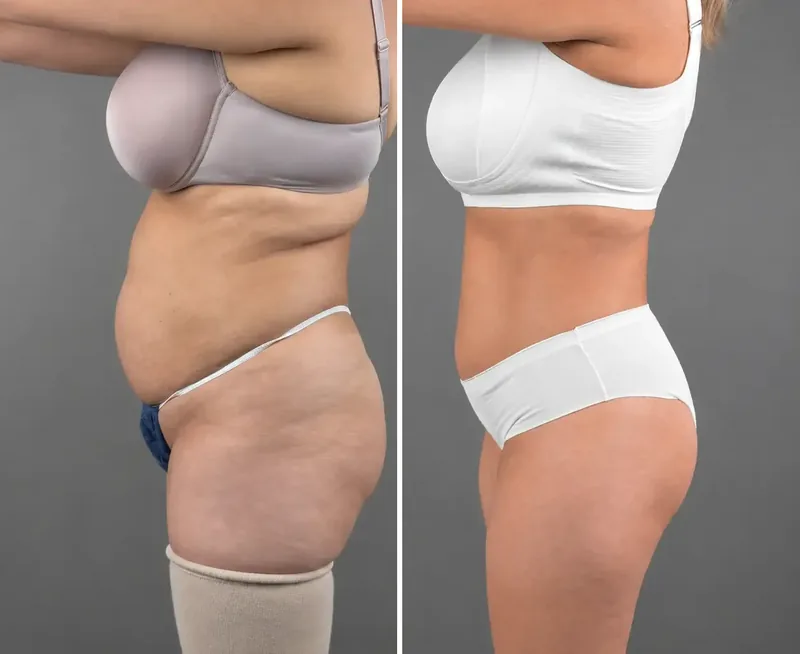
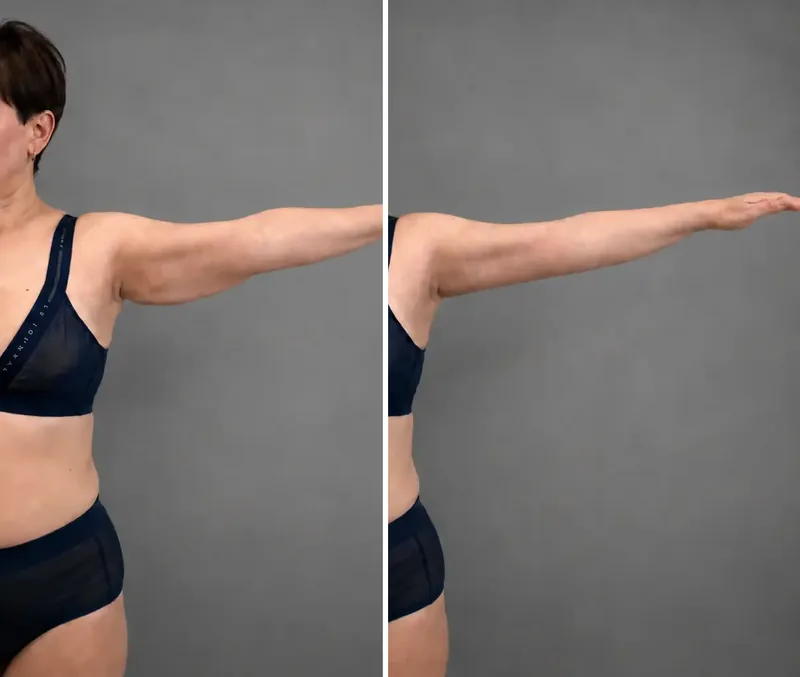
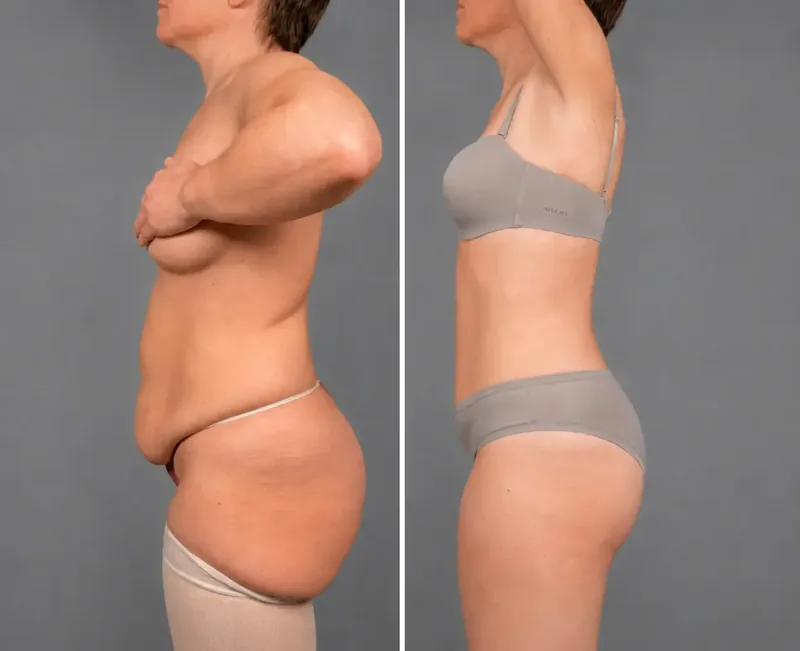
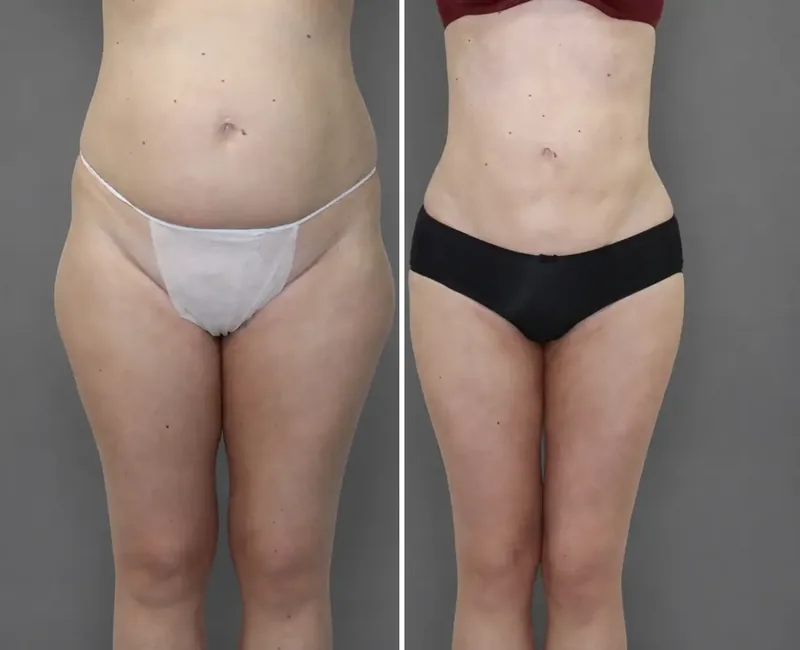
All cases are real patients. Faces and identifying details are hidden.
beforeafterBelly and flanks
 beforeafter
Arms
 beforeafter
Belly and flanks
 beforeafter
Abdomen and thighs
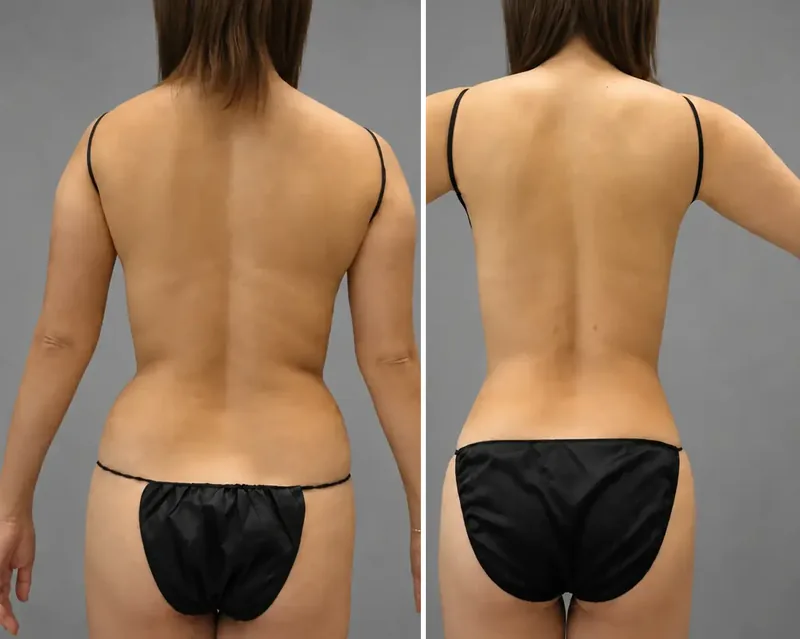 beforeafter
Back and flanks
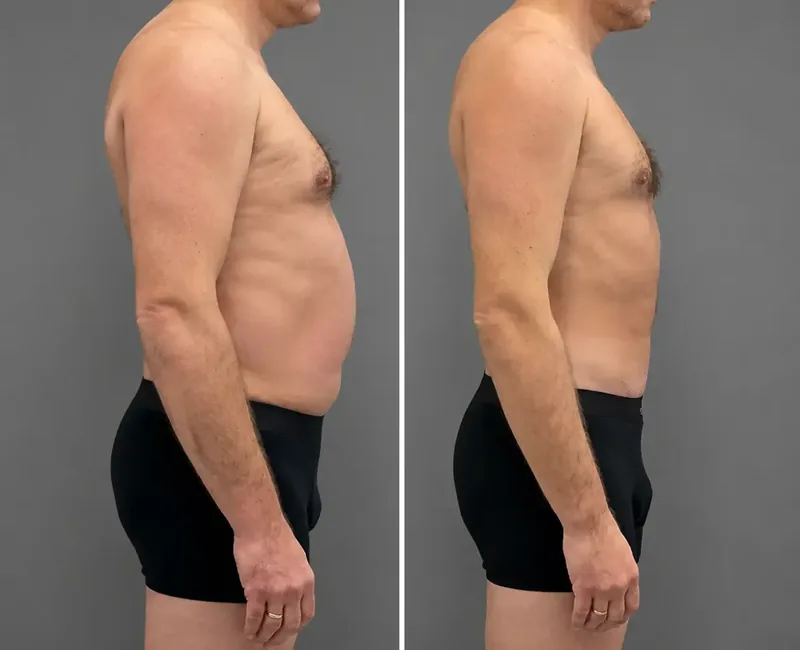 beforeafter
Male abdomen
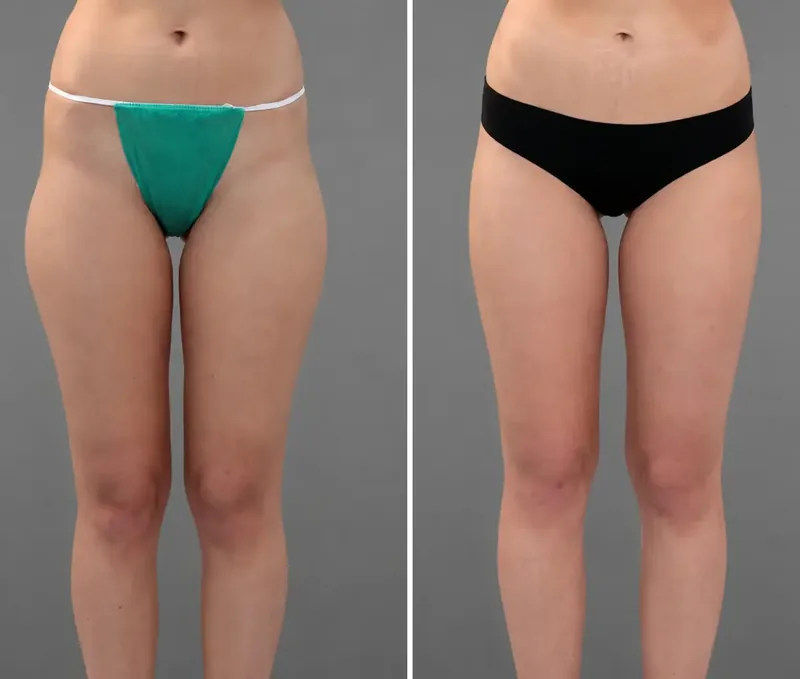 beforeafter
Inner thighs
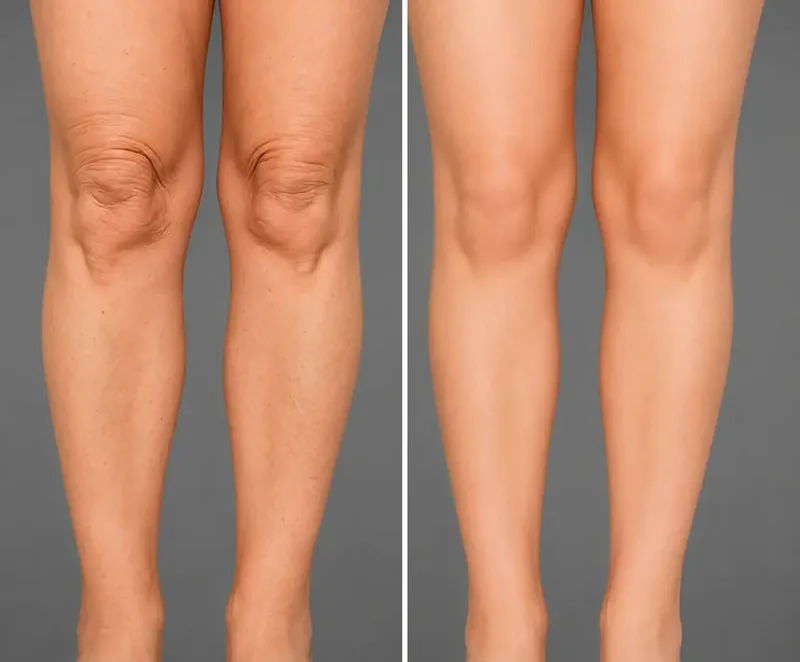 beforeafter
Knees
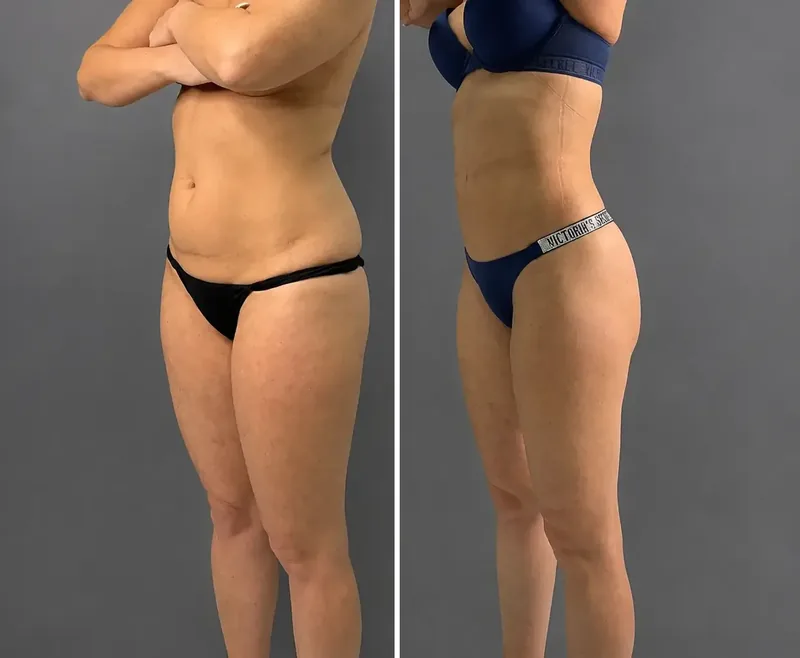 beforeafter
Belly and flanks
Comparison
We use two liposuction techniques: tumescent (classic) and VASER (ultrasound). Compare the goal, the indications and the anaesthesia to choose the right technique together with your surgeon.
A special solution loosens fat for removal through a thin cannula
from $1,200
Ultrasound breaks down fat cells before vacuum removal
Price at consultation
The benefits and recovery times shown are averaged for each technique and given for guidance: the scope of correction and rehabilitation depend on your anatomy and individual features, and the surgeon confirms them at the consultation.
At the consultation the surgeon draws up a plan for your case and explains how your liposuction will go.
Free, before surgery and with no obligation.
Combine several areas in one operation to save recovery time and budget
The most requested area for women and men, often combined with abdominoplasty
Fat pockets that resist training
Back rolls that disrupt the silhouette
Noticeable in warm weather
Small volume, quick visible result
A sensitive area requiring precise work
Fat-related gynecomastia and pseudogynecomastia
About the clinic
Modern equipment, comfortable rooms and care for every patient

We will answer your questions and find a convenient time for a consultation
If your case can be solved without surgery, the doctor will tell you so at the consultation — and you will not spend money for nothing.


Not sure the surgery is right for you?
Leave your number — the coordinator will call you back, and the surgeon will tell you whether liposuction suits you. No surgery booking needed.
Find out if it suits me
Prices
The final price is calculated individually after an examination and fixed in the contract.
The most requested area — treated in one operation

Contouring of the front abdominal wall

The surgeon assesses the fat deposits and skin tone, listens to your wishes and chooses the right technique.

Message our coordinator
Free online consultation · Reply within 15 minutes
Message us on TelegramMessage us on WhatsAppBy messaging us, you agree to our Privacy Policy

all inclusive
From preparation for surgery
to post-op check-ups.
from $1,200
Book a consultationHow it works
An agreed treatment plan, careful monitoring after surgery and post-op check-ups.
 1
1The surgeon listens to your wishes, assesses the fat deposits and skin tone and rules out contraindications. A hormonal screening is also ordered — it helps predict the long-term result.
 2
2We reserve a surgery date for you: the deposit can be paid by card at the clinic or online by bank transfer. The terms are fixed in the contract for medical services
 3
3Blood tests (complete count, coagulation panel, biochemistry, infections), an ECG, a chest X-ray and, if needed, a GP consultation. All tests can be done at the clinic with no waiting.
 4
4Marking the areas and fitting compression garments. Under local or general anaesthesia the surgeon removes fat through 3–5 mm micro-punctures — from 1 hour for small areas to 3–4 hours for a combined procedure.
 5
5With local anaesthesia you go home 3–4 hours after surgery; with general anaesthesia you stay one day in a comfortable ward under medical supervision.
 6
6Compression garments for 30–45 days. First changes show at 2 weeks, once swelling subsides; the final result forms in 3–6 months. Check-ups at 7 days, 3 and 6 months.

After tumescent liposuction, recovery is much shorter than after a conventional procedure. Most patients return to work within 7–10 days. In the first week, mild swelling and a raised temperature are possible — a normal response to surgery. Compression garments are worn for 30–45 days: they fix the new contours and speed up tissue recovery. In the first month, bathhouse, sauna, pool and intense sport are off-limits. For the best result and faster recovery we recommend lymphatic drainage massage, pressotherapy and a gradual return to activity. First visible changes show 2 weeks after surgery, when the main swelling subsides; the final result forms in 3–6 months.
After 7 days, at 3 months and at 6 months. Until the end of the year, get a post-surgery consultation with your surgeon to review results and get more information, at the clinic's expense.
Advantages

At the consultation we discuss your wishes and assess the fat deposits and skin tone. Before surgery an endocrinologist rules out hormonal causes of the fat deposits — this improves the long-term result.

The surgeon follows your recovery and the new body contour at check-ups after 7 days, 3 and 6 months. Check-ups, dressings and aftercare advice are already included in the price of surgery.

Tumescent and VASER techniques, micro-incisions of 3–5 mm and precise volume control. Our aim is a smooth contour that keeps the natural proportions of your body.

We respect your time: we work 24/7, with easy booking and a personal approach — we adapt to your pace.

After the consultation the surgeon defines the areas and the scope of surgery, and you get a clear price fixed in the contract — no hidden extras.

With general anaesthesia recovery starts in a comfortable hospital ward under round-the-clock nursing care. The stay and meals are already included in the price.
FAQ
Yes, that's standard. Treating only one area is rare — usually several problem zones are combined, like the abdomen with the flanks or the inner with the outer thighs. At the consultation, our surgeons define the optimal scope of surgery according to your health and the result you want.
No. Liposuction is not for losing weight. Its purpose is to remove local fat that resists diet and exercise and to reshape the contours of the body. If your weight keeps changing, first consult a nutritionist or endocrinologist.
The surgery is done through punctures only 3–5 mm across — they usually need no stitches. Once healed, the marks are barely visible. With proper care during recovery they fade completely.
The surgeon always assesses tone, elasticity and turgor of the skin before surgery. In good condition, the skin tightens on its own and follows the new contours. If there are stretch marks or reduced tone, our specialists recommend preparatory treatments to improve the skin in advance.
No. It is done under local or general anesthesia, depending on the scope. You may feel mild discomfort afterwards, which painkillers prescribed by the doctor relieve.
The first 7 days: no exertion and no heavy lifting. 4–6 weeks: compression garments, with no bathhouse, sauna, pool or active sport. At least a month without alcohol or tanning beds. All individual recommendations come from your surgeon after surgery.
From 18+ and without contraindications, we perform the surgery. No upper age limit: the decision is individual and follows an examination and assessment of your health.
Not directly. Liposuction removes fat tissue but does not change the skin structure that causes cellulite. Still, improved body contours visibly reduce its appearance.
The majority of patients go back to work and their normal routine within 7–10 days. Swelling and bruising disappear by weeks 4–5, and it takes 3–6 months for the final result to form as tissues fully adapt.
You don't need a strict diet, but what you eat matters for keeping the result. Removed fat cells don't return, yet the remaining ones may grow with weight gain. We recommend a balanced diet and regular physical activity for a lasting result.
Yes. 7–10 days before the liposuction, stop smoking and alcohol, as well as medications affecting blood clotting (aspirin, etc.). Pre-operative tests are needed: blood tests, ECG, ultrasound, plus GP and anesthesiologist consultations. After your first consultation you'll get all the instructions.
First changes are visible 2 weeks after surgery, when the main swelling goes down. The interim result is assessed at 1.5–2 months, and the final contours form in 3–6 months.
Prices are in US dollars; the amount in brackets is an approximate conversion to DZD at the rate of 02.10.2026. The final price is fixed in your contract.
Prices start from $1,200 (≈ DZD 165,000) per area. The surgeon sets the final price at the free consultation, and it is fixed in the contract, with no hidden extras.
The operation under local or general anaesthesia and the surgeon's support throughout recovery. The price is per area and fixed in the contract.
Message us on WhatsApp or Telegram using the buttons below. A coordinator will answer your questions and book a free consultation where the doctor names the exact price.
By messaging us, you agree to our Privacy Policy
Which zones can be treated? The abdomen and flanks are the most requested, for women and men alike. Thighs (outer and inner), back and lower back, arms and shoulders, chin and neck, knees and the male chest are also corrected. Several areas can be done in one operation, saving recovery time and budget, which is why patients from Batna rarely limit themselves to a single zone.
Inside the operating room the process is gentle. With the tumescent method a solution of saline, lidocaine and adrenaline is injected into the area, loosening the fat and narrowing vessels. The fat emulsion is then removed by vacuum through a thin cannula. With VASER, ultrasound breaks down fat cells first. Either way, patients from Batna get micro-incisions that are barely visible later.
Liposuction starts from $1,200 (≈ DZD 165,000) for a single area, and the final figure is calculated individually after an examination. For patients from Batna, the price is fixed in the contract with no hidden extras, and interest-free instalments are available. The first consultation with the surgeon is free: leave your name and phone number, and a coordinator will contact you to book it.
Well-known people who spoke openly about this operation, in their own words.
 Amy Schumer's liposuction: “thanks for helping me get my strength back”Amy Schumer revealed her liposuction on Instagram in 2022 and explained why. Her words, how liposuction works today and what recovery looks like.
 Brooks Nader and her liposuction regret: what she actually saidModel Brooks Nader told People she regrets a past liposuction, saying it left dimples and ripples. What she said, how liposuction works, and recovery.
 Stacey Silva's liposuction: what was reported, and what wasn'tStacey Silva and her twin Darcey had liposuction on a 2021 trip to Turkey, reported by Showbiz Cheat Sheet. What was said, how the procedure works and recovery.
 Did Tara Reid have liposuction? Yes — and she told the whole storyThe American Pie star had liposuction and breast surgery in 2004; both went wrong. Her honest quotes on the damage and the repair.
 Did Wendy Williams have liposuction? Yes — and she paid a price for saying soThe talk-show host had full-body liposuction and breast implants in 1994 and says she was 'vilified' for admitting it. Her quotes and what lipo involves.
 Did Josie Gibson have liposuction? Yes, and she explained whyJosie Gibson had liposuction and skin removal on her arms in 2026 because of lipoedema. Her own words, how liposuction works and what recovery involves.
People often ask whether liposuction is a small operation or a big one, and the honest answer is that it depends on how many areas are involved. Duration runs from about one hour for a small zone to three or four hours for a combined procedure, and the anaesthesia is local or general depending on the scope. Before you send a single photograph, decide which areas you really want treated and in what order. Do not worry about medical vocabulary. «Love handles, lower belly, a little under the chin» is a perfectly good description, and the coordinators will translate it into the surgeon's terms. Treat the sketch as a living document: add a date, add what changes, and send an updated version if your priorities shift after the first reply. Another frequent mistake is asking for everything at once. Start with the zone that truly bothers you, let the surgeon suggest an order, and write his view next to your own notes so that you can compare later what you expected with what you were advised.
Draw a plain outline of your body, front and side, and mark each stubborn area with a number: flanks, lower abdomen, inner thighs, upper arms, under the chin. Add a few words beside each number about why it bothers you. Then photograph yourself in daylight, standing straight, wearing something close-fitting, and send both the sketch and the pictures to the coordinators on Telegram or Telegram, where somebody answers at any hour. If you have a scar from an earlier abdominal or thigh operation, add a close-up photograph. Scar tissue behaves differently under suction, and the surgeon needs to know where it lies before he plans the cannula paths. Take the same photographs again in the final week before the date. Small changes in weight or fluid show up clearly in a comparison, and the surgeon can see whether your condition has stayed stable in those weeks.
Include your height, weight, and how much your weight has moved in the last two years. A surgeon wants to know whether you are stable, because fat cells remain where they are left, and a large weight swing afterwards can change the result. If you are in the middle of a diet, say so plainly. A postponed assessment costs you a few weeks; a plan built on a body that is about to change can cost you the result. Mention too whether you are planning a pregnancy or major weight loss in the next year. Both change the picture, and postponing a procedure is far easier than adjusting a result afterwards. Surgeons usually ask whether your present weight is your usual weight for the past year, whether you plan a pregnancy, and whether you lost a lot quickly. Specific answers help: «my weight has stayed within two kilos for eight months» tells more than «I think it is stable».
The coordinators will answer with an initial opinion on scope and a list of what the surgeon needs next, which might include a medicine list, earlier operations or a blood test. There is no booking and no obligation. Keep the reply in one note on your phone, add your own questions underneath, and come back when you are ready. Slow, orderly questions beat fast, vague ones in this operation. Treat the first reply as a worksheet: underline unfamiliar words, add a question mark next to each, and send the page back. People who go back and forth twice usually make better decisions than those who accept the first answer.
With general anaesthesia the patient stays in hospital for one day under observation. With local anaesthesia discharge comes three to four hours after surgery. That difference rearranges your household. A local procedure means you can be home by evening; a general one means someone should plan for a night away from home, with a bag packed and a phone charger included. If you combine three or more zones, ask whether the surgeon prefers one sitting or two. A long session tires the body and increases swelling, and in some cases staging is simply safer and more comfortable. Make sure whoever collects you knows the way to your home and has the discharge sheet in hand; confusion on the doorstep is the last thing a tired patient needs. Once you know the type of anaesthesia, ask what actually happens: how you enter the theatre, who is beside you, what you will feel on waking and when you may drink water. Knowing the sequence removes much of the worry.
Write down every medicine, supplement and vitamin you take, with doses, plus allergies and previous operations, and send the list ahead. The anaesthetist reads it before anything else, and a complete page saves a long conversation on the morning itself. Do not stop or start any medicine on your own; ask first and ask in writing. Aspirin and some herbal products affect bleeding more than people expect. Ask the anaesthetist about fasting in plain terms: which meal is the last, whether water is allowed, and when to stop. Write the answer on paper and give a copy to whoever is taking you. After general anaesthesia do not drive that day, and do not sign papers or make big decisions in the first hours; the effects can cloud attention even when you feel fine.
Choose your clothes for the way home: a loose top and trousers with an elastic waist, soft socks, and shoes you can slip on without bending. You will wear a compression garment as instructed, and anything tight on top of it will be uncomfortable. Place a cushion and a bottle of water on the back seat of the car, because the first drive is the first test of your tolerance. Those who live in a flat without a lift, a fairly common situation in the older quarters near the centre, should say so at the start. The first climb up the stairs after surgery is the single most demanding moment of the day. On the morning, do not put creams on the skin of the treated area, and ask whether you may shower before leaving and what to wear underneath. These small details avoid complications nobody needs.
Have somebody collect you, and ask that person to listen to the discharge instructions with you. A relieved patient hears about half of what is said. Photograph the written sheet and send it to the coordinators if any line seems unclear. The reply may arrive at midnight and that is perfectly normal, since the team works around the clock and nobody expects you to wait for office hours. Pack a book, headphones and a list of the questions you still have. Waiting is part of the day, and a prepared list turns idle minutes into useful conversation with the nurses.
Most patients are back at work within seven to ten days. That is a statement about ordinary life, not about perfect tissue, so keep your first weeks simple. Ask for a day-by-day outline that covers days one, three and seven, mark the follow-up calls on your calendar, and keep every note in a single place. Patients who see their days written down stay calm more easily than those who face the unknown. Keep a small notebook by the bed. Write down walking time, how you slept and any odd sensations. It takes two minutes and gives the coordinators something precise to read instead of a general feeling. Write on a slip of paper what you managed each day: walking, eating, drinking. Recovery feels slow while you live it but looks clear when you read your notes, and the same page is what you send to the coordinators if you need advice.
Walking is the best early medicine, and Batna is a city for walkers: hills, steps, the neighbourhoods around the centre, Bouzourane, Tamechit and Kechida. Short walks around your own street, ten minutes at a time, are enough in the first days. The aim is circulation, not distance. If you feel tight or dizzy, sit; if you feel fine, do not double the distance just because you can. If your work involves driving between towns, ask exactly when you may drive. A seat belt across a swollen area can be uncomfortable, and a small cushion between belt and body is a simple fix.
The compression garment is part of the plan, and you will receive instructions about how long to wear it and how to wash it. In January, when highs stay near 9.8 degrees and the nights drop close to zero, the garment disappears under a sweater. In July, when highs reach about 33, choose a soft cotton layer underneath and wash the garment daily. Heat makes swelling feel worse, so rest in a cooler room. Bruising is common and changes colour as days pass. Photograph it every two days, and send the pictures if it spreads, becomes very painful or feels hot; those details help the surgeon decide quickly. If you sit for long hours at a desk, put a small cushion behind your lower back and stand up every hour; gentle movement keeps swelling from settling in one place. In the car or at your desk, avoid perching on the edge of the seat, use a soft cushion if the surgeon advises it and do not sit for more than an hour without a short walk; circulation needs regular encouragement.
Algeria's weekend is Friday and Saturday, so an operation early in the week lets you use the weekend for rest. Even so, do not schedule weddings, long drives or heavy shopping in the first ten days. Share a short list with your family of what you can and cannot do, and let them take over lifting and carrying. Giving up control for a week is easier than recovering from a setback. Do not try home remedies, creams or massage techniques that were not recommended. Fresh skin reacts easily, and a harmless-looking product can ruin a week. Take painkillers and other medicines exactly as the team wrote them. Do not double a dose because the pain rose at some hour; telephone instead. Calling at night is perfectly acceptable, since the team is available around the clock.
The final result forms in three to six months, once the tissues have fully adapted. Early swelling can make the body look larger than expected, and the skin may feel firm or slightly uneven. These stages are familiar, and the surgeon will explain which are ordinary and which need a call. Resist the urge to judge the result at week two; the early mirror is the least reliable one. Some zones settle faster than others. The flanks may look neat while the lower abdomen is still firm, and that difference is normal rather than a sign that something went wrong. The hardest part of this period is that improvement is slow and hidden from the daily mirror. Pick a monthly date for photographs and do not examine yourself like an inspector every morning; a passing glance is calmer and fairer.
Pick one fixed day each month for photographs: same spot, same light, same clothing, same time of day. Keep them in a folder beside your before pictures and send them to the coordinators at months one, three and six. A tape measure at the same point on your body adds numbers to the images. Comparing yourself with yourself is both fairer and more cheerful than comparing yourself with a friend. In July, when highs approach 33 degrees, a little extra swelling after long standing is common. Ask how long to keep wearing the garment in hot weather and how much to drink.
Keep your weight stable afterwards. The treated fat cells are gone, but the remaining ones can grow if your weight rises substantially. That does not mean a strict diet; it means regular meals and regular movement. Once the surgeon agrees, a walk in the nature around the city, perhaps the Belezma national park in the Aurès mountains, is a pleasant goal for the later weeks. Set a daily walking target, increase it weekly and write it down. It keeps you motivated and gives the surgeon a clear record of your activity. On days when you feel low about the result, reread the notebook of your own measurements; numbers and dates often calm the mind better than reassurance. If you exercise regularly, ask which activities return in which order: walking first, then light swimming, then stronger training, each with the surgeon's permission rather than only according to how you feel.
Do not be unsettled if your result looks different from a friend's. Age, skin quality, the number of zones and your own tissue behave differently from person to person. Ask your surgeon what you personally can expect and write the answer down. If something looks asymmetrical, photograph it and send it in; a doctor can tell the difference between a normal stage and something that needs attention. If one side looks different from the other, note the date, photograph it in the usual light and send it with the monthly pictures. Perfect symmetry does not exist in any body, and the surgeon can tell what is natural.
Liposuction attracts folklore: that it replaces exercise, that it can remove ten kilos, that fat returns somewhere else. Write down each claim you hear and send the list to the coordinators; a written reply can be shown to relatives, whereas a spoken one changes with every retelling. Turning rumour into a question is the quickest way to take away its power. If a relative is opposed to the idea, hand over the written plan and invite them to put questions directly to the coordinators. Opposition often softens once it becomes a specific question with a written answer.
Doctors in Algeria are regulated by the councils of the medical professions, and nobody may practise medicine without being entered in the Tableau of the Order. The Tableau is the official register. Ask for the surgeon's full name, specialty and registration, and compare them with the official entry. The council's own website could not be confirmed as open, so ask for written proof instead of trusting a profile page. You do not need medical knowledge to ask «What exactly is your specialty?» or «How many similar operations have you done?». A surgeon who answers calmly and in writing has already told you something valuable. Ask in writing whether garments, the first follow-up visit and pre-operative tests are included in the offer. These items often vanish in spoken conversation and reappear later as surprises.
A city with two universities, Batna 1 and Batna 2, has plenty of people who read documents critically. Use them: show the written plan to a relative who works in medicine, law or administration and ask whether each item is clear. A second reader often notices what the first one missed, especially whether follow-up visits and garments are included. Watch out for the shorter offer: shorter is not always simpler. The missing line may be the follow-up or the garment, which you discover only after leaving the hospital. When you show the documents to a relative who works in law or administration, ask them to read the clauses about cancellation, postponement and follow-up. People used to reading contracts notice what slips past you.
When two offers arrive, compare what each includes: number of zones, type of anaesthesia, length of observation, compression garments and follow-up at one week, one month and three months. The difference lies in the paper, not the promise. Take your time; a consultation does not oblige you to book anything, and the team will still answer new questions a week from now. Keep a digital copy of your written plan on your phone and in your email. Paper gets lost and messages get deleted, and a saved copy settles any later doubt about dates and items. Share your decision with family members and let them ask questions. A relative who understands the plan is a far better support than one who feels left out.
No. It reshapes specific areas that do not respond to diet and exercise, and the surgeon will want to know that your weight is stable. Tell the coordinators about your weight history over the last two years and about any diet in progress, so the answer fits your body and not a general rule. If you plan a pregnancy or a major weight change soon, mention it, since timing matters. The answer varies with the zone, the volume of fat and the quality of the skin.
From about one hour for small areas to three or four hours for a combined procedure. The surgeon sets the real estimate once he has seen your photographs and knows which zones you want treated. List your areas in order of priority so the estimate is as accurate as possible. The estimate covers the work itself, not the time you spend waiting before and after. A heavy meal the night before can make fasting harder, so eat lightly. The more zones, the longer the time, so the surgeon may divide the work into two sittings.
Local or general, depending on the scope of the work. The medical team decides after assessing your case. Give the anaesthetist a full list of medicines, allergies and earlier operations, and do not take any painkiller that you have not mentioned beforehand. Follow the fasting instructions exactly, because they are part of safety.
After general anaesthesia you stay for one day under observation. After local anaesthesia you are discharged three to four hours after surgery. Arrange a companion for either case and ask what to wear on the way home. Ask for the written discharge sheet and keep a photograph of it.
Most patients return within seven to ten days. Desk work is easier than work that involves long standing or lifting. Describe a normal day to the coordinators so the surgeon can set a date that suits your own job, and keep your medical note. If your job involves driving, ask when it is safe to resume. Light walking helps circulation while you wait for the tissues to settle. Desk jobs may allow the shorter end of the range, whereas physical work needs longer.
The final result forms in three to six months, once the tissues have fully adapted. Swelling in the early weeks hides the real shape. Take monthly photographs under the same conditions and send them to the coordinators. The long timeline is normal, as tissues need months to settle. Large weight changes afterwards can alter the result, so keep a steady routine.
Ask for the full name, specialty and registration number, and compare them with the official Tableau of the councils of the medical professions. Nobody may practise without being entered in it. Insist on written proof, because an online directory could not be confirmed as open. Do not pay anything before you have read the plan fully.
Sketch your zones, take daylight photographs from the front, sides and back, add height, weight and medicines, and send everything to the coordinators on Telegram or Telegram. You receive an initial opinion with no obligation, and the team replies day and night. State the hours you prefer for replies in your first line.